 Ethereum
Apply Block Diagram

Context
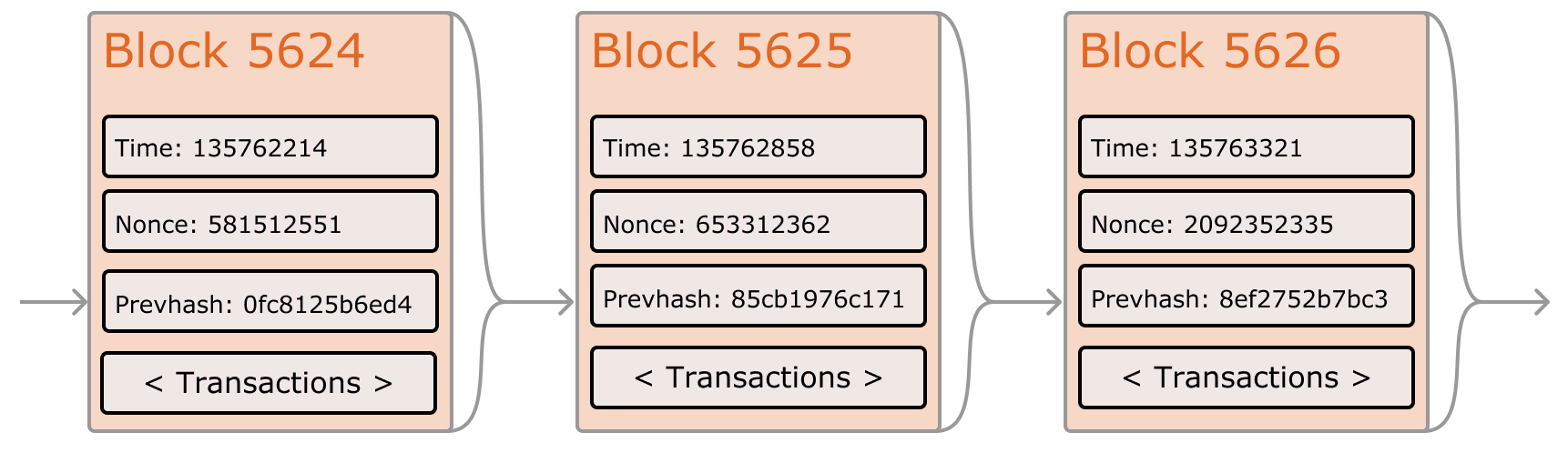
This figure appears in the 'Blockchain and Mining' section, which describes how Ethereum validates entire blocks rather than individual transactions. The section explains that Ethereum's state is not stored inside blocks themselves but is derived by applying every transaction sequentially starting from the genesis state. The section also introduces the GHOST protocol modification — using uncle blocks to maintain security despite Ethereum's faster ~12-second block time — and describes how uncle rewards are calculated.
What This Figure Shows
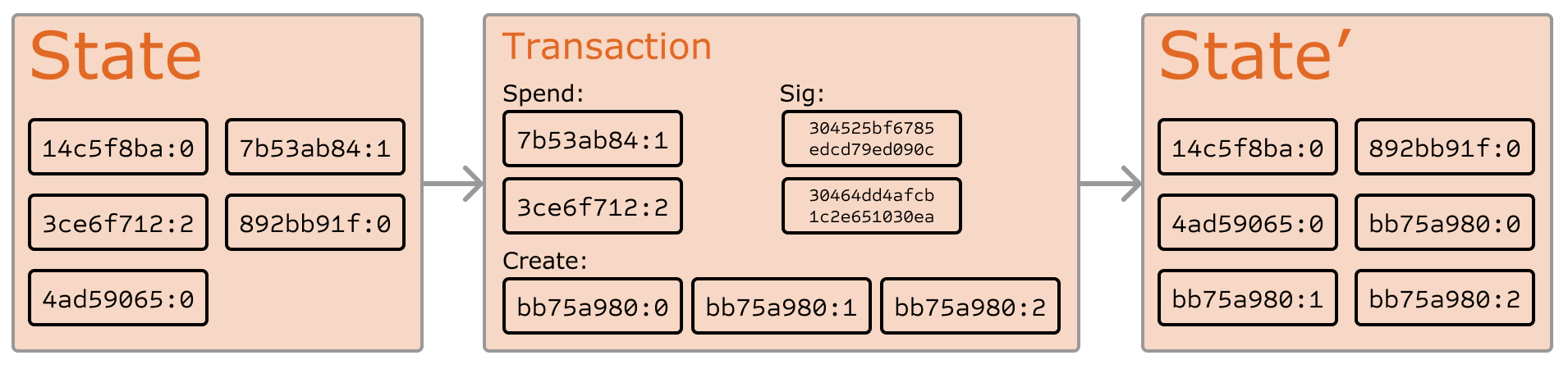
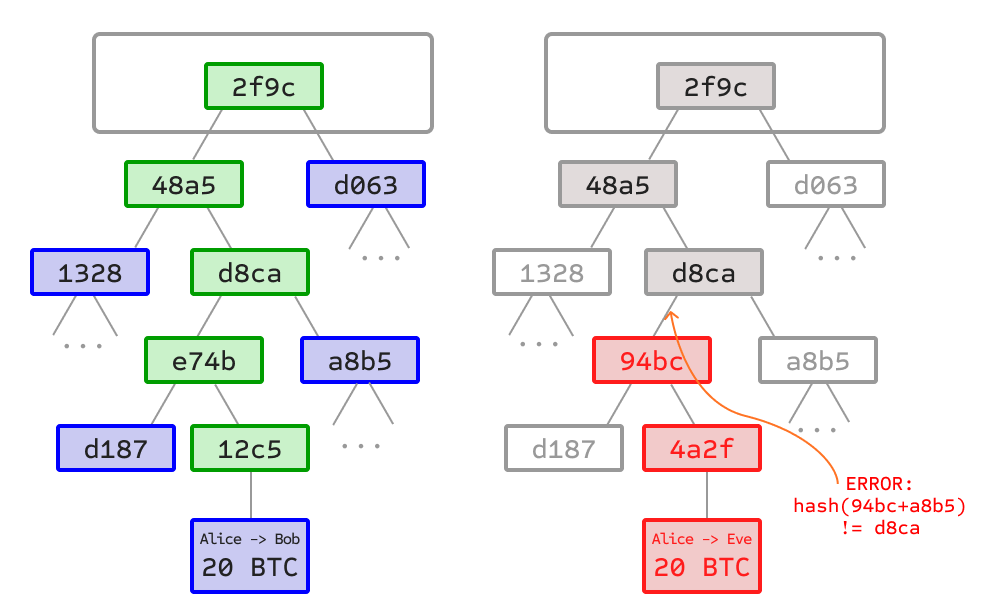
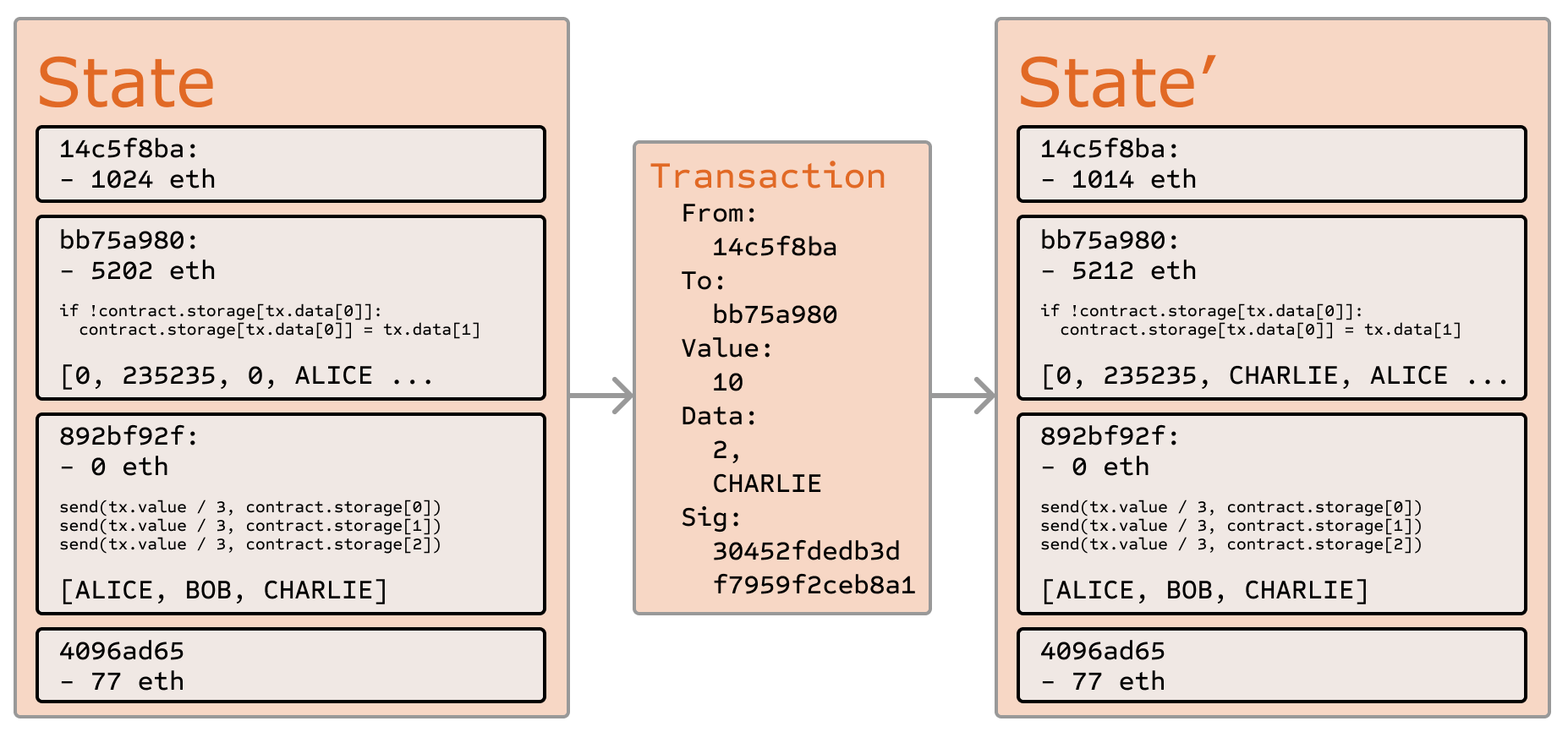
The diagram depicts the APPLY_BLOCK function, which processes an entire block against the current state to produce a new state. It shows the sequential application of each transaction in the block via the APPLY(S, TX) -> S' function, with each transaction's resulting state feeding as input to the next. The block-level function also handles uncle block validation and reward distribution: uncle blocks receive 87.5% of the standard block reward, and the including miner receives an extra 3.125% per uncle. After all transactions are processed, the resulting state root — the root hash of the Merkle Patricia trie representing all account states — is compared against the state root committed in the block header; a mismatch invalidates the block. The diagram integrates transaction processing, state accumulation, and reward mechanics into a single coherent block validation procedure.
Significance
This diagram is crucial for understanding how Ethereum's account-based state model is validated in a decentralized setting. It shows why full nodes must replay every transaction from genesis to compute the current state, why the state root in the block header is a cryptographic commitment to the entire world state, and how the GHOST protocol's uncle mechanism mitigates the centralization pressures of fast block production. It bridges the individual transaction model with the network-level consensus mechanism.