
Ethereum: Nền tảng hợp đồng thông minh và ứng dụng phi tập trung thế hệ mới
Abstract
Ethereum ist eine Kryptowaehrungs- und dezentrale Anwendungsplattform der naechsten Generation, die eine Blockchain mit einer integrierten Turing-vollstaendigen Programmiersprache einfuehrt. Dies ermoeglicht es jedem, Smart Contracts und dezentrale Anwendungen zu schreiben, in denen sie ihre eigenen beliebigen Regeln fuer Eigentum, Transaktionsformate und Zustandsuebergangsfunktionen erstellen koennen.
Die grundlegende Innovation von Ethereum besteht darin, die von Bitcoin pionierhaft entwickelte Blockchain-Technologie mit einer universellen Programmierumgebung zu kombinieren. Waehrend Bitcoin ein einfaches Zustandsuebergangssystem zum Verschieben von Waehrung von einem Konto zu einem anderen bereitstellt, bietet Ethereum eine Plattform, auf der Entwickler jede Art von dezentraler Anwendung bauen koennen, die sie sich vorstellen koennen, von alternativen Waehrungen und Finanzinstrumenten bis hin zu Domain-Registrierungssystemen und dezentralen Organisationen.
Ethereum erreicht dies, indem es im Wesentlichen die ultimative abstrakte Grundschicht aufbaut: eine Blockchain mit einer integrierten Turing-vollstaendigen Programmiersprache, die es jedem ermoeglicht, Smart Contracts und dezentrale Anwendungen zu schreiben, in denen sie ihre eigenen beliebigen Regeln fuer Eigentum, Transaktionsformate und Zustandsuebergangsfunktionen erstellen koennen. Eine minimale Version von Namecoin kann in zwei Zeilen Code geschrieben werden, und andere Protokolle wie Waehrungen und Reputationssysteme koennen in weniger als zwanzig erstellt werden.
Abstract
Ethereum la mot nen tang tien ma hoa va ung dung phi tap trung the he tiep theo, gioi thieu mot blockchain voi ngon ngu lap trinh Turing-complete tich hop san. Dieu nay cho phep bat ky ai viet smart contract va cac ung dung phi tap trung, noi ho co the tao ra cac quy tac tuy y cho quyen so huu, dinh dang giao dich va cac ham chuyen doi trang thai (state transition function).
Su doi moi co ban cua Ethereum la ket hop cong nghe blockchain do Bitcoin khai pha voi mot moi truong lap trinh da muc dich. Trong khi Bitcoin cung cap mot he thong chuyen doi trang thai don gian de chuyen tien tu tai khoan nay sang tai khoan khac, Ethereum cung cap mot nen tang noi cac nha phat trien co the xay dung bat ky loai ung dung phi tap trung nao ma ho co the tuong tuong, tu cac loai tien te thay the va cong cu tai chinh den he thong dang ky ten mien va cac to chuc phi tap trung.
Ethereum dat duoc dieu nay bang cach xay dung nhung gi ve co ban la lop nen tang truu tuong toi thuong: mot blockchain voi ngon ngu lap trinh Turing-complete tich hop san, cho phep bat ky ai viet smart contract va cac ung dung phi tap trung, noi ho co the tao ra cac quy tac tuy y cho quyen so huu, dinh dang giao dich va cac ham chuyen doi trang thai. Mot phien ban co ban cua Namecoin co the duoc viet chi trong hai dong ma, va cac giao thuc khac nhu tien te va he thong danh tieng co the duoc xay dung trong duoi hai muoi dong.
Introduction and Existing Concepts
Das Konzept der dezentralen digitalen Waehrung sowie alternative Anwendungen wie Eigentumsregister existieren seit Jahrzehnten. Die anonymen E-Cash-Protokolle der 1980er und 1990er Jahre, die hauptsaechlich auf einem kryptographischen Primitiv namens Chaumian Blinding beruhten, boten eine Waehrung mit einem hohen Mass an Privatsphaere, doch die Protokolle konnten sich wegen ihrer Abhaengigkeit von einem zentralisierten Vermittler weitgehend nicht durchsetzen. 1998 wurde Wei Dais b-money zum ersten Vorschlag, der die Idee einfuehrte, Geld durch das Loesen von Rechenaufgaben sowie durch dezentralen Konsens zu schaffen, aber der Vorschlag enthielt nur wenige Details darueber, wie dezentraler Konsens tatsaechlich umgesetzt werden koennte.
Im Jahr 2009 wurde eine dezentrale Waehrung erstmals in der Praxis von Satoshi Nakamoto implementiert, indem etablierte Primitive fuer die Verwaltung von Eigentum durch Public-Key-Kryptographie mit einem Konsensalgorithmus zur Verfolgung des Coin-Besitzes kombiniert wurden, bekannt als "Proof of Work". Der Mechanismus hinter Proof of Work war ein Durchbruch in diesem Bereich, da er gleichzeitig zwei Probleme loeste. Erstens bot er einen einfachen und maessig effektiven Konsensalgorithmus, der es den Knoten im Netzwerk ermoeglichte, sich kollektiv auf eine Reihe kanonischer Aktualisierungen des Zustands des Bitcoin-Hauptbuchs zu einigen. Zweitens bot er einen Mechanismus fuer den freien Eintritt in den Konsensprozess, der das politische Problem loeiste, wer den Konsens beeinflussen darf, waehrend gleichzeitig Sybil-Angriffe verhindert wurden.
Die Bitcoin-Blockchain hat sich ueber ihre Betriebsjahre hinweg als bemerkenswert robust erwiesen, ist aber inhaerent begrenzt. Bitcoins Skriptsprache ist absichtlich so konzipiert, dass sie restriktiv und nicht-Turing-vollstaendig ist, ohne Schleifen und viele andere Funktionen, die fuer den Aufbau komplexerer Anwendungen erforderlich waeren. Diese Einschraenkung existiert, um Endlosschleifen und andere Formen von Rechenangriffen zu verhindern, schraenkt aber stark ein, was auf Bitcoin aufgebaut werden kann.
In den letzten fuenf Jahren gab es eine Reihe von Versuchen, die Funktionalitaet von Bitcoin zu erweitern. Colored Coins versuchten, die Bitcoin-Blockchain zur Verfolgung des Eigentums an alternativen Vermoegenswerten zu nutzen, Namecoin versuchte, eine dezentrale Namensregistrierungsdatenbank zu schaffen, und verschiedene Metacoin-Protokolle zielten darauf ab, zusaetzliche Schichten auf Bitcoin aufzubauen. Obwohl diese Ansaetze vielversprechend waren, waren sie letztlich durch die Skriptfaehigkeiten von Bitcoin und die Unfaehigkeit, auf Blockchain-Daten aus Skripten heraus zuzugreifen, begrenzt.
Was Ethereum bereitstellen will, ist eine Blockchain mit einer integrierten vollwertigen Turing-vollstaendigen Programmiersprache, die verwendet werden kann, um "Vertraege" zu erstellen, die beliebige Zustandsuebergangsfunktionen kodieren koennen, so dass Benutzer jedes der oben beschriebenen Systeme sowie viele andere, die wir uns noch nicht vorgestellt haben, erstellen koennen, indem sie die Logik einfach in wenigen Zeilen Code schreiben.
Introduction and Existing Concepts
Khái niệm về tiền kỹ thuật số phi tập trung, cũng như các ứng dụng thay thế như đăng ký tài sản, đã tồn tại trong nhiều thập kỷ. Các giao thức tiền điện tử ẩn danh của những năm 1980 và 1990, chủ yếu dựa vào một phương pháp mã hóa nguyên thủy được gọi là làm mù Chaumian, đã cung cấp một loại tiền tệ có mức độ riêng tư cao, nhưng các giao thức này phần lớn không thu hút được sự chú ý do chúng phụ thuộc vào một trung gian tập trung. Năm 1998, b-money của Wei Dai trở thành đề xuất đầu tiên giới thiệu ý tưởng tạo tiền thông qua việc giải các câu đố tính toán cũng như sự đồng thuận phi tập trung, nhưng đề xuất này rất ít chi tiết về cách thức thực hiện sự đồng thuận phi tập trung.
Năm 2009, một loại tiền tệ phi tập trung lần đầu tiên được Satoshi Nakamoto triển khai trong thực tế, kết hợp các nguyên tắc cơ bản đã được thiết lập để quản lý quyền sở hữu thông qua mật mã khóa công khai với thuật toán đồng thuận để theo dõi ai sở hữu tiền xu, được gọi là "bằng chứng công việc". Cơ chế đằng sau bằng chứng công việc là một bước đột phá trong lĩnh vực này vì nó giải quyết đồng thời hai vấn đề. Đầu tiên, nó cung cấp một thuật toán đồng thuận đơn giản và hiệu quả vừa phải, cho phép các nút trong mạng đồng ý chung về một tập hợp các cập nhật chuẩn cho trạng thái Bitcoin ledger. Thứ hai, nó cung cấp một cơ chế cho phép tự do tham gia vào quá trình đồng thuận, giải quyết vấn đề chính trị trong việc quyết định ai sẽ ảnh hưởng đến sự đồng thuận, đồng thời ngăn chặn các cuộc tấn công âm thầm.
Chuỗi khối Bitcoin đã được chứng minh là mạnh mẽ đáng kể qua nhiều năm hoạt động, nhưng vốn dĩ nó vẫn còn hạn chế. Ngôn ngữ kịch bản của Bitcoin được thiết kế có chủ ý để hạn chế và không hoàn thiện Turing, thiếu vòng lặp và nhiều tính năng khác cần thiết để xây dựng các ứng dụng phức tạp hơn. Giới hạn này tồn tại để ngăn chặn các vòng lặp vô hạn và các hình thức tấn công tính toán khác, nhưng nó hạn chế nghiêm trọng những gì có thể được xây dựng trên Bitcoin.
Trong 5 năm qua, đã có một số nỗ lực nhằm mở rộng chức năng của Bitcoin. Đồng xu màu đã tìm cách sử dụng chuỗi khối Bitcoin để theo dõi quyền sở hữu các tài sản thay thế, Namecoin đã cố gắng tạo cơ sở dữ liệu đăng ký tên phi tập trung và các giao thức metacoin khác nhau nhằm xây dựng các lớp bổ sung trên Bitcoin. Mặc dù các phương pháp tiếp cận này tỏ ra đầy hứa hẹn nhưng cuối cùng chúng vẫn bị hạn chế bởi khả năng tạo tập lệnh của Bitcoin và không thể truy cập dữ liệu chuỗi khối từ bên trong các tập lệnh.
Những gì Ethereum dự định cung cấp là một blockchain có ngôn ngữ lập trình Turing-complete được tích hợp đầy đủ, có thể được sử dụng để tạo các "hợp đồng" dùng để mã hóa các chức năng chuyển đổi trạng thái tùy ý, cho phép người dùng tạo bất kỳ hệ thống nào được mô tả ở trên, cũng như nhiều hệ thống khác mà chúng tôi chưa tưởng tượng ra, chỉ bằng cách viết logic bằng một vài dòng mã.
Bitcoin As A State Transition System
Aus technischer Sicht kann das Hauptbuch einer Kryptowaehrung wie Bitcoin als Zustandsuebergangssystem betrachtet werden, bei dem es einen "Zustand" gibt, der aus dem Eigentumsstatus aller existierenden Bitcoins besteht, und eine "Zustandsuebergangsfunktion", die einen Zustand und eine Transaktion nimmt und einen neuen Zustand als Ergebnis ausgibt. In einem Standard-Bankensystem ist beispielsweise der Zustand eine Bilanz, eine Transaktion ist eine Anforderung, \(X von A nach B zu verschieben, und die Zustandsuebergangsfunktion reduziert den Wert in As Konto um \)X und erhoeht den Wert in Bs Konto um \(X. Wenn As Konto von vornherein weniger als \)X hat, gibt die Zustandsuebergangsfunktion einen Fehler zurueck.
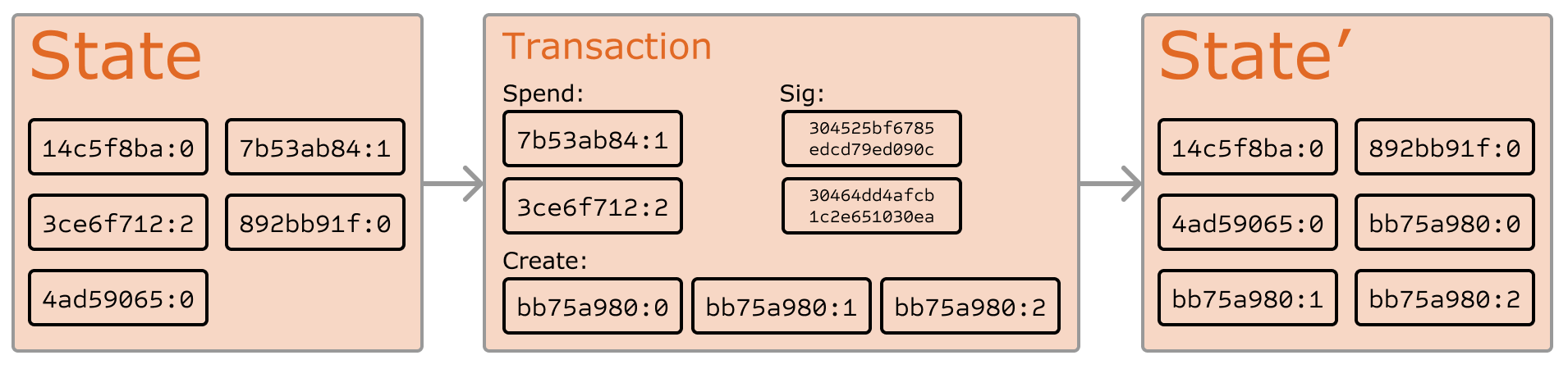
Der "Zustand" in Bitcoin ist die Sammlung aller Coins (technisch "nicht ausgegebene Transaktionsausgaben" oder UTXO), die gepraegt und noch nicht ausgegeben wurden, wobei jedes UTXO eine Denomination und einen Eigentuemer hat (definiert durch eine 20-Byte-Adresse, die im Wesentlichen ein kryptographischer oeffentlicher Schluessel ist). Eine Transaktion enthaelt eine oder mehrere Eingaben, wobei jede Eingabe eine Referenz auf ein existierendes UTXO und eine kryptographische Signatur enthaelt, die durch den mit der Adresse des Eigentuemers verknuepften privaten Schluessel erzeugt wurde, und eine oder mehrere Ausgaben, wobei jede Ausgabe ein neues UTXO enthaelt, das dem Zustand hinzugefuegt werden soll.
Die Zustandsuebergangsfunktion APPLY(S,TX) - S' kann ungefaehr wie folgt definiert werden:
- Fuer jede Eingabe in TX: Wenn das referenzierte UTXO nicht in S enthalten ist, Fehler zurueckgeben.
- Wenn die bereitgestellte Signatur nicht mit dem Eigentuemer des UTXO uebereinstimmt, Fehler zurueckgeben.
- Wenn die Summe der Denominationen aller Eingabe-UTXO kleiner ist als die Summe der Denominationen aller Ausgabe-UTXO, Fehler zurueckgeben.
- S zurueckgeben, wobei alle Eingabe-UTXO entfernt und alle Ausgabe-UTXO hinzugefuegt werden.
Die erste Haelfte des ersten Schritts verhindert, dass Transaktionssender Coins ausgeben, die nicht existieren, die zweite Haelfte des ersten Schritts verhindert, dass Transaktionssender die Coins anderer Leute ausgeben, und der zweite Schritt erzwingt die Werterhaltung. Um dies fuer eine Zahlung zu verwenden, ist das Protokoll wie folgt: Angenommen, Alice moechte 11,7 BTC an Bob senden. Zunaechst sucht Alice nach einem Satz verfuegbarer UTXO, die sie besitzt und die insgesamt mindestens 11,7 BTC ergeben. Realistischerweise wird Alice nicht genau 11,7 BTC bekommen koennen; sagen wir, das Kleinste, was sie bekommen kann, ist 6+4+2=12. Sie erstellt dann eine Transaktion mit diesen drei Eingaben und zwei Ausgaben. Die erste Ausgabe wird 11,7 BTC mit Bobs Adresse als Eigentuemer sein, und die zweite Ausgabe wird das verbleibende Wechselgeld von 0,3 BTC sein, dessen Eigentuemer Alice selbst ist.
Bitcoin As A State Transition System
Từ quan điểm kỹ thuật, ledger của tiền điện tử như Bitcoin có thể được coi là một hệ thống chuyển đổi trạng thái, trong đó có một "trạng thái" bao gồm trạng thái sở hữu của tất cả các bitcoin hiện có và "chức năng chuyển đổi trạng thái" có trạng thái và giao dịch và tạo ra trạng thái mới là kết quả. Ví dụ: trong hệ thống ngân hàng tiêu chuẩn, trạng thái là bảng cân đối kế toán, giao dịch là yêu cầu chuyển \(X từ A sang B và chức năng chuyển đổi trạng thái làm giảm giá trị trong tài khoản của A thêm X \) và tăng giá trị trong tài khoản của B lên \(X. Nếu tài khoản của A có ít hơn \)X ngay từ đầu, hàm chuyển trạng thái sẽ trả về lỗi.
"Trạng thái" trong Bitcoin là tập hợp tất cả các đồng xu (về mặt kỹ thuật là "đầu ra giao dịch chưa chi tiêu" hoặc UTXO) đã được đúc và chưa được chi tiêu, với mỗi UTXO có một mệnh giá và một chủ sở hữu (được xác định bởi địa chỉ 20 byte về cơ bản là khóa công khai mật mã). Giao dịch chứa một hoặc nhiều đầu vào, trong đó mỗi đầu vào chứa tham chiếu đến UTXO hiện có và chữ ký mật mã được tạo bởi khóa riêng được liên kết với địa chỉ của chủ sở hữu và một hoặc nhiều đầu ra, với mỗi đầu ra chứa UTXO mới sẽ được thêm vào trạng thái.
Hàm chuyển trạng thái APPLY(S,TX) - S' có thể được định nghĩa đại khái như sau:
- Đối với mỗi đầu vào ở dạng TX, nếu UTXO được tham chiếu không ở dạng S, hãy trả về lỗi.
- Nếu chữ ký được cung cấp không khớp với chủ sở hữu của UTXO, hãy trả về lỗi.
- Nếu tổng mệnh giá của tất cả UTXO đầu vào nhỏ hơn tổng mệnh giá của tất cả UTXO đầu ra, hãy trả về lỗi.
- Trả về S với tất cả UTXO đầu vào đã bị xóa và tất cả UTXO đầu ra đã được thêm vào.
Nửa đầu của bước đầu tiên ngăn người gửi giao dịch tiêu tiền không tồn tại, nửa sau của bước đầu tiên ngăn người gửi giao dịch tiêu tiền của người khác và bước thứ hai thực thi việc bảo toàn giá trị. Để sử dụng số tiền này để thanh toán, giao thức như sau: giả sử Alice muốn gửi 11,7 BTC cho Bob. Đầu tiên, Alice sẽ tìm kiếm một bộ UTXO có sẵn mà cô ấy sở hữu có tổng giá trị lên tới ít nhất 11,7 BTC. Trên thực tế, Alice sẽ không thể nhận được chính xác 11,7 BTC; nói rằng số nhỏ nhất cô ấy có thể nhận được là 6+4+2=12. Sau đó, cô ấy tạo một giao dịch với ba đầu vào và hai đầu ra đó. Đầu ra đầu tiên sẽ là 11,7 BTC với địa chỉ của Bob là chủ sở hữu của nó và đầu ra thứ hai sẽ là "tiền lẻ" 0,3 BTC còn lại, với chủ sở hữu là chính Alice.
Mining
Haetten wir Zugang zu einem vertrauenswuerdigen zentralisierten Dienst, waere dieses System trivial zu implementieren; es koennte einfach genau wie beschrieben programmiert werden, wobei die Festplatte eines zentralen Servers verwendet wuerde, um den Zustand zu verfolgen. Mit Bitcoin versuchen wir jedoch, ein dezentrales Waehrungssystem aufzubauen, daher muessen wir das Zustandstransaktionssystem mit einem Konsenssystem kombinieren, um sicherzustellen, dass alle sich ueber die Reihenfolge der Transaktionen einig sind. Bitcoins dezentraler Konsensprozess erfordert, dass Knoten im Netzwerk kontinuierlich versuchen, Pakete von Transaktionen zu erstellen, die "Bloecke" genannt werden. Das Netzwerk soll ungefaehr alle zehn Minuten einen Block produzieren, wobei jeder Block einen Zeitstempel, einen Nonce, eine Referenz auf den (d.h. den Hash des) vorherigen Block und eine Liste aller Transaktionen enthaelt, die seit dem vorherigen Block stattgefunden haben.
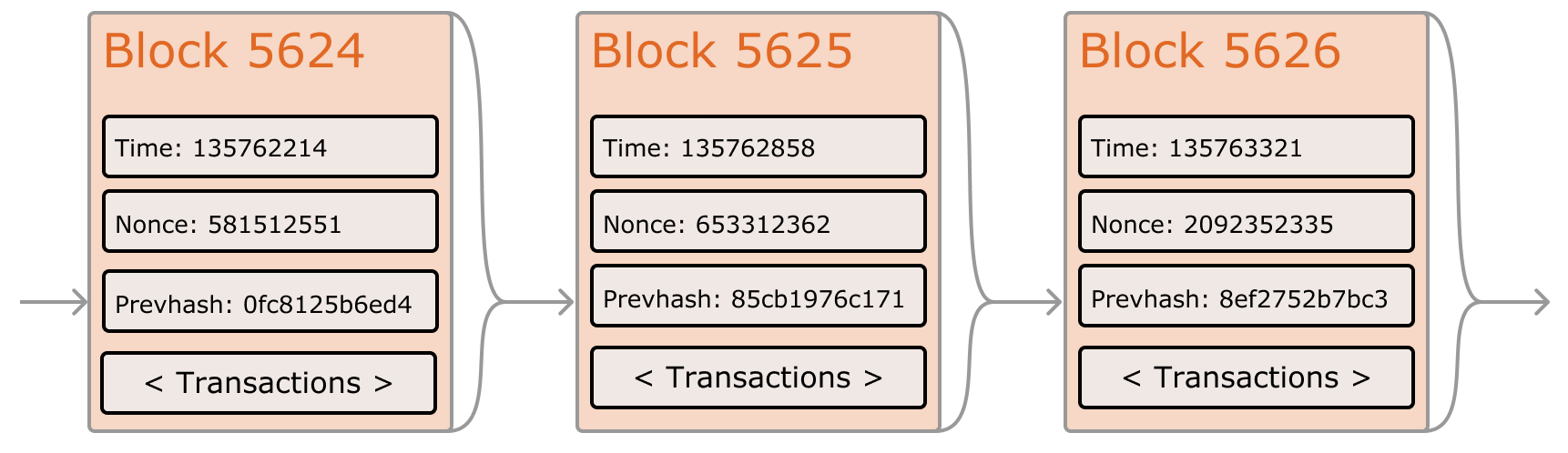
Im Laufe der Zeit entsteht dadurch eine bestaendige, staendig wachsende "Blockchain", die sich kontinuierlich aktualisiert, um den neuesten Zustand des Bitcoin-Hauptbuchs darzustellen. Der Algorithmus zur Ueberpruefung, ob ein Block gueltig ist, ausdrueckt in diesem Paradigma, lautet wie folgt:
- Pruefen, ob der vom Block referenzierte vorherige Block existiert und gueltig ist.
- Pruefen, dass der Zeitstempel des Blocks groesser ist als der des vorherigen Blocks und weniger als 2 Stunden in der Zukunft liegt.
- Pruefen, dass der Proof of Work des Blocks gueltig ist.
- Sei S der Zustand am Ende des vorherigen Blocks.
- Angenommen, TX ist die Transaktionsliste des Blocks mit n Transaktionen. Fuer alle i in 0...n-1, setze S = APPLY(S,TX[i]). Wenn eine Anwendung einen Fehler zurueckgibt, beenden und falsch zurueckgeben.
- Wahr zurueckgeben und S als Zustand am Ende dieses Blocks registrieren.
Im Wesentlichen muss jede Transaktion im Block einen gueltigen Zustandsuebergang vom kanonischen Zustand vor der Ausfuehrung der Transaktion zu einem neuen Zustand liefern. Beachten Sie, dass der Zustand in keiner Weise im Block kodiert ist; er ist rein eine Abstraktion, die vom validierenden Knoten gespeichert wird und nur (sicher) fuer jeden Block berechnet werden kann, indem man vom Genesis-Zustand ausgeht und sequenziell jede Transaktion in jedem Block anwendet.
Der Miner wird fuer seine Rechenarbeit mit neu erzeugten Bitcoins plus Transaktionsgebuehren belohnt. Der Mining-Prozess funktioniert wie folgt: Miner nehmen den Block-Header und hashen ihn wiederholt mit verschiedenen Nonce-Werten, bis sie einen Hash finden, der unter einem bestimmten Schwierigkeitsziel liegt. Wenn ein Miner einen solchen Hash findet, verbreitet er den Block im Netzwerk, und andere Knoten verifizieren, dass der Hash gueltig ist und dass alle Transaktionen im Block gueltig sind. Das Schwierigkeitsziel wird automatisch vom Protokoll alle 2016 Bloecke (ungefaehr zwei Wochen) angepasst, um sicherzustellen, dass Bloecke mit einer ungefaehr konstanten Rate produziert werden.
Beachten Sie, dass langfristig die Sicherheit der Blockchain davon abhaengt, dass Miner einen finanziellen Anreiz haben, sich ehrlich zu verhalten. Wenn ein Angreifer mehr als 50% der Mining-Leistung des Netzwerks kontrolliert, kann er potenziell einen "51%-Angriff" ausfuehren, indem er eine alternative Blockchain erstellt, die schneller waechst als die ehrliche Kette. Ein solcher Angriff wuerde jedoch enorme Rechenressourcen erfordern und wuerde wahrscheinlich dazu fuehren, dass die Mining-Belohnungen des Angreifers wertlos werden, da das Netzwerk das Vertrauen in die Integritaet der Blockchain verlieren wuerde.
Mining
Nếu chúng tôi có quyền truy cập vào một dịch vụ tập trung đáng tin cậy thì việc triển khai hệ thống này sẽ rất đơn giản; nó có thể được mã hóa chính xác như mô tả, sử dụng ổ cứng của máy chủ tập trung để theo dõi trạng thái. Tuy nhiên, với Bitcoin chúng tôi đang cố gắng xây dựng một hệ thống tiền tệ phi tập trung, vì vậy chúng tôi sẽ cần kết hợp hệ thống giao dịch nhà nước với hệ thống đồng thuận để đảm bảo rằng mọi người đều đồng ý về thứ tự giao dịch. Quy trình đồng thuận phi tập trung của Bitcoin yêu cầu các nút trong mạng liên tục cố gắng tạo ra các gói giao dịch được gọi là "khối". Mạng dự định tạo ra khoảng một khối cứ sau mười phút, với mỗi khối chứa dấu thời gian, số nonce, tham chiếu đến (tức là hàm băm của) khối trước đó và danh sách tất cả các giao dịch đã diễn ra kể từ khối trước đó.
Theo thời gian, điều này tạo ra một "blockchain" bền bỉ, ngày càng phát triển, liên tục cập nhật để thể hiện trạng thái mới nhất của Bitcoin ledger. Thuật toán để kiểm tra xem một khối có hợp lệ hay không, được thể hiện trong mô hình này như sau:
- Kiểm tra xem khối trước đó được tham chiếu bởi khối có tồn tại và hợp lệ hay không.
- Kiểm tra xem dấu thời gian của khối có lớn hơn dấu thời gian của khối trước đó và cách tương lai ít hơn 2 giờ không.
- Kiểm tra xem bằng chứng công việc trên khối có hợp lệ không.
- Gọi S là trạng thái cuối khối trước đó.
- Giả sử TX là danh sách giao dịch của khối có n giao dịch. Với tất cả i trong 0...n-1, đặt S = APPLY(S,TX[i]). Nếu bất kỳ ứng dụng nào trả về lỗi, hãy thoát và trả về false.
- Trả về true và đăng ký S làm trạng thái ở cuối khối này.
Về cơ bản, mỗi giao dịch trong khối phải cung cấp sự chuyển đổi trạng thái hợp lệ từ trạng thái chuẩn trước khi giao dịch được thực hiện sang một số trạng thái mới. Lưu ý rằng trạng thái không được mã hóa trong khối theo bất kỳ cách nào; nó hoàn toàn là một sự trừu tượng được nút xác thực ghi nhớ và chỉ có thể được tính toán (an toàn) cho bất kỳ khối nào bằng cách bắt đầu từ trạng thái ban đầu và áp dụng tuần tự mọi giao dịch trong mỗi khối.
Người khai thác được thưởng cho công việc tính toán của họ bằng bitcoin mới được tạo cộng với phí giao dịch. Quá trình khai thác hoạt động như sau: người khai thác lấy tiêu đề khối và liên tục băm nó với các giá trị nonce khác nhau cho đến khi họ tìm thấy hàm băm nằm dưới mục tiêu độ khó nhất định. Khi người khai thác tìm thấy hàm băm như vậy, họ sẽ phát khối lên mạng và các nút khác xác minh rằng hàm băm đó hợp lệ và tất cả các giao dịch trong khối đều hợp lệ. Mục tiêu độ khó được giao thức tự động điều chỉnh sau mỗi khối năm 2016 (khoảng hai tuần) để đảm bảo rằng các khối được tạo ra với tốc độ gần như không đổi.
Lưu ý rằng về lâu dài, tính bảo mật của blockchain phụ thuộc vào việc người khai thác có động cơ tài chính để hành xử trung thực. Nếu kẻ tấn công kiểm soát hơn 50% sức mạnh khai thác của mạng, chúng có khả năng thực hiện “cuộc tấn công 51%” bằng cách tạo ra một chuỗi khối thay thế phát triển nhanh hơn chuỗi trung thực. Tuy nhiên, một cuộc tấn công như vậy sẽ đòi hỏi nguồn tài nguyên tính toán khổng lồ và có thể khiến phần thưởng khai thác của kẻ tấn công trở nên vô giá trị do mạng mất niềm tin vào tính toàn vẹn của blockchain.
Merkle Trees
Merkle-Baeume sind eine fundamentale Datenstruktur, die in Bitcoin-Bloecken verwendet wird, um eine effiziente und sichere Verifizierung der Transaktionsinklusion zu ermoeglichen. Ein Merkle-Baum ist ein binaerer Baum von Hashes, bei dem die Blattknoten Hashes einzelner Transaktionen enthalten und jeder innere Knoten den Hash seiner beiden Kinder enthaelt, wobei rekursiv bis zu einem einzigen Wurzel-Hash aufgebaut wird, der im Block-Header gespeichert ist. Diese hierarchische Struktur ermoeglicht es jedem zu verifizieren, dass eine bestimmte Transaktion in einem Block enthalten ist, indem nur der Merkle-Zweig heruntergeladen wird — die Kette von Hashes von der Transaktion bis zur Wurzel — anstatt alle Transaktionen im Block herunterzuladen.
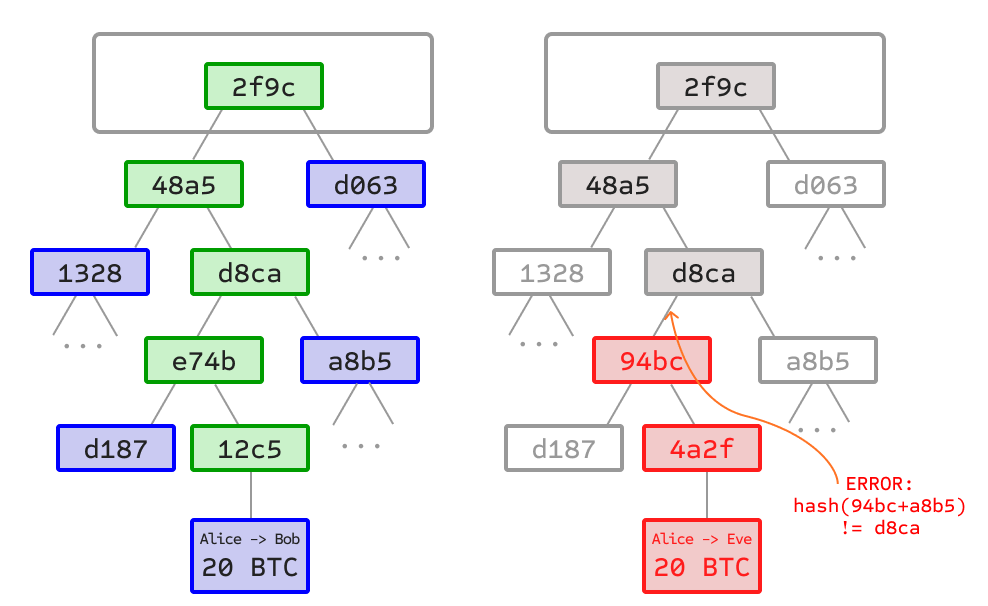
Die Effizienzgewinne sind erheblich: Waehrend ein vollstaendiger Bitcoin-Knoten die gesamte Blockchain speichern muss (etwa 15 GB Stand 2013), muss ein Knoten fuer vereinfachte Zahlungsverifizierung (SPV) nur Block-Header mit Merkle-Wurzeln herunterladen, was lediglich 4 MB Daten erfordert. Um eine Transaktion zu verifizieren, fordert ein SPV-Knoten den Merkle-Zweig von vollstaendigen Knoten an, was nur O(log n) Daten erfordert, wobei n die Anzahl der Transaktionen in einem Block ist. Diese logarithmische Skalierung macht es moeglich, leichtgewichtige Clients auf mobilen Geraeten und in ressourcenarmen Umgebungen auszufuehren.
Bitcoins Verwendung von Merkle-Baeumen demonstriert ein Schluesselprinzip: Kryptographische Strukturen koennen die Vertrauens- und Ressourcenanforderungen fuer die Teilnahme an einem dezentralen Netzwerk drastisch reduzieren. Dasselbe Prinzip liegt dem Design von Ethereum zugrunde, wo Merkle-Baeume nicht nur fuer Transaktionen, sondern auch fuer Zustands- und Quittungsspeicherung verwendet werden, was noch ausgefeiltere Light-Client-Protokolle ermoeglicht.
Merkle Trees
Cây Merkle là cấu trúc dữ liệu cơ bản được sử dụng trong các khối Bitcoin để cho phép xác minh hiệu quả và an toàn việc bao gồm giao dịch. Cây Merkle là một cây băm nhị phân trong đó các nút lá chứa các giá trị băm của các giao dịch riêng lẻ và mỗi nút bên trong chứa hàm băm của hai nút con của nó, xây dựng đệ quy thành một hàm băm gốc duy nhất được lưu trữ trong tiêu đề khối. Cấu trúc phân cấp này cho phép mọi người xác minh rằng một giao dịch cụ thể có được bao gồm trong một khối bằng cách chỉ tải xuống nhánh Merkle—chuỗi băm từ giao dịch đến gốc—thay vì tải xuống tất cả các giao dịch trong khối.
Hiệu quả đạt được là đáng kể: trong khi nút Bitcoin đầy đủ phải lưu trữ toàn bộ chuỗi khối (khoảng 15 GB tính đến năm 2013), nút xác minh thanh toán đơn giản hóa (SPV) chỉ cần tải xuống các tiêu đề khối có chứa gốc Merkle, chỉ cần 4 MB dữ liệu. Để xác minh một giao dịch, nút SPV yêu cầu nhánh Merkle từ các nút đầy đủ, chỉ yêu cầu dữ liệu O(log n) trong đó n là số lượng giao dịch trong một khối. Việc chia tỷ lệ logarit này giúp việc chạy các máy khách nhẹ trên thiết bị di động và môi trường tài nguyên thấp trở nên khả thi.
Việc sử dụng cây Merkle của Bitcoin thể hiện một nguyên tắc chính: cấu trúc mật mã có thể làm giảm đáng kể các yêu cầu về độ tin cậy và tài nguyên khi tham gia vào mạng phi tập trung. Nguyên tắc tương tự này làm nền tảng cho thiết kế của Ethereum, trong đó cây Merkle không chỉ được sử dụng cho các giao dịch mà còn để lưu trữ trạng thái và biên nhận, cho phép các giao thức máy khách nhẹ phức tạp hơn nữa.
Alternative Blockchain Applications
Der Erfolg von Bitcoins Blockchain inspirierte zahlreiche Versuche, das Konzept ueber einfache Waehrung hinaus zu erweitern. Namecoin, gestartet 2010, war eines der fruehesten Beispiele — eine dezentrale Namensregistrierungsdatenbank, die auf einer Blockchain aufgebaut ist und es Benutzern ermoeglicht, Namen in einem verteilten Namensraum zu registrieren, den keine zentrale Behoerde zensieren oder widerrufen konnte. Colored Coins entstanden als Moeglichkeit, alternative Vermoegenswerte auf der Bitcoin-Blockchain darzustellen, indem bestimmte Transaktionsausgaben "markiert" wurden, um Eigentum an realen Vermoegenswerten, Unternehmensanteilen oder anderen Kryptowaehrungen zu repraesentieren. Metacoins und Meta-Protokolle wie Mastercoin (spaeter Omni) fueegten zusaetzliche Funktionalitaet ueber Bitcoin hinzu, indem sie zusaetzliche Daten in Bitcoin-Transaktionen kodierten und separate Protokollregeln darauf aufbauten.
Allerdings litten all diese Ansaetze unter fundamentalen Einschraenkungen, die durch Bitcoins Architektur auferlegt wurden. Die Bitcoin-Skriptsprache ist absichtlich eingeschraenkt — sie kann nicht auf den Blockchain-Zustand zugreifen, es fehlen Schleifen und komplexe Kontrollflussstrukturen, und sie bietet begrenzte Introspektion in Transaktionswerte. Der Aufbau anspruchsvoller Anwendungen erforderte unbeholfene Umgehungsloesungen: Kodierung von Metadaten in Transaktionsfeldern, die nie dafuer vorgesehen waren, Abhaengigkeit von Off-Chain-Infrastruktur fuer komplexe Logik oder Akzeptanz schwerwiegender Einschraenkungen dessen, was das Protokoll erreichen konnte.
Diese Einschraenkungen motivierten die Suche nach einer allgemeineren Blockchain-Plattform. Anstatt ein weiteres Spezialprotokoll auf Bitcoins begrenztem Fundament aufzubauen, verfolgt Ethereum einen anderen Ansatz: die Bereitstellung einer Blockchain mit einer integrierten Turing-vollstaendigen Programmiersprache, die es jedem ermoeglicht, Smart Contracts und dezentrale Anwendungen mit beliebigen Regeln fuer Eigentum, Transaktionsformate und Zustandsuebergangsfunktionen zu schreiben.
Alternative Blockchain Applications
Sự thành công của chuỗi khối Bitcoin đã truyền cảm hứng cho nhiều nỗ lực nhằm mở rộng khái niệm này ra ngoài tiền tệ đơn giản. Namecoin, ra mắt vào năm 2010, là một trong những ví dụ sớm nhất—cơ sở dữ liệu đăng ký tên phi tập trung được xây dựng trên blockchain, cho phép người dùng đăng ký tên trong một không gian tên phân tán mà không cơ quan trung ương nào có thể kiểm duyệt hoặc thu hồi. Đồng xu màu nổi lên như một cách thể hiện các tài sản thay thế trên chuỗi khối Bitcoin bằng cách "gắn thẻ" các đầu ra giao dịch cụ thể để thể hiện quyền sở hữu tài sản trong thế giới thực, cổ phiếu công ty hoặc các loại tiền điện tử khác. Metacoin và các siêu giao thức như Mastercoin (sau này là Omni) xếp lớp chức năng bổ sung lên trên Bitcoin bằng cách mã hóa dữ liệu bổ sung trong các giao dịch Bitcoin và xây dựng các quy tắc giao thức riêng biệt ở trên cùng.
Tuy nhiên, tất cả các cách tiếp cận này đều gặp phải những hạn chế cơ bản do kiến trúc của Bitcoin áp đặt. Ngôn ngữ kịch bản Bitcoin bị hạn chế có chủ ý—nó không thể truy cập trạng thái blockchain, thiếu vòng lặp và luồng điều khiển phức tạp, đồng thời cung cấp khả năng xem xét nội tâm hạn chế đối với các giá trị giao dịch. Việc xây dựng các ứng dụng phức tạp đòi hỏi những giải pháp khó xử: mã hóa siêu dữ liệu trong các trường giao dịch không bao giờ nhằm mục đích đó, dựa vào cơ sở hạ tầng ngoài chuỗi để có logic phức tạp hoặc chấp nhận những hạn chế nghiêm trọng về những gì giao thức có thể đạt được.
Những hạn chế này đã thúc đẩy việc tìm kiếm một nền tảng blockchain có mục đích chung hơn. Thay vì xây dựng một giao thức có mục đích đặc biệt khác trên nền tảng hạn chế của Bitcoin, Ethereum thực hiện một cách tiếp cận khác: cung cấp một chuỗi khối với ngôn ngữ lập trình Turing-complete được tích hợp sẵn, cho phép mọi người viết hợp đồng thông minh và ứng dụng phi tập trung với các quy tắc tùy ý về quyền sở hữu, định dạng giao dịch và chức năng chuyển đổi trạng thái.
Scripting
Bitcoin Script, die Sprache zur Definition von Ausgabebedingungen fuer Bitcoin-Transaktionen, ist absichtlich mit schwerwiegenden Einschraenkungen entworfen. Sie ist nicht Turing-vollstaendig — am auffaelligsten fehlen Schleifen und komplexe Kontrollflussstrukturen. Die Sprache funktioniert als einfache stapelbasierte Ausfuehrungsumgebung, in der Operationen Werte auf den Stapel legen und entfernen, kryptographische Bedingungen auswerten und letztendlich wahr oder falsch zurueckgeben, um zu bestimmen, ob eine Transaktion gueltig ist. Waehrend diese Einfachheit Sicherheitsvorteile bietet und formale Analyse erleichtert, macht sie auch viele Arten von Anwendungen unmoeglich zu implementieren.
Diese Einschraenkungen fallen in drei Hauptkategorien. Erstens verhindert das Fehlen von Turing-Vollstaendigkeit die Implementierung komplexer Zustandsmaschinen, Entscheidungsbaeume oder jedes Algorithmus, der Iteration erfordert. Zweitens bedeutet Wert-Blindheit, dass Skripte keine feingranulare Kontrolle ueber Abhebungsbetraege festlegen koennen — ein UTXO kann nur in seiner Gesamtheit ausgegeben werden, wobei Wechselgeld an eine neue Ausgabe gesendet wird. Ein Skript kann beispielsweise Abhebungen nicht auf maximal X pro Tag begrenzen, waehrend der Rest gesperrt bleibt. Drittens bedeutet das Fehlen von Blockchain-Zustandsbewusstsein, dass UTXO entweder ausgegeben oder nicht ausgegeben sind, ohne Zwischenzustaende, was mehrstufige Vertraege rein On-Chain unmoeglich macht.
Diese Einschraenkungen machen anspruchsvolle Anwendungen wie dezentrale autonome Organisationen, Sparwallets mit Abhebungslimits, dezentrale Boersen oder Vorhersagemaerkte entweder unmoeglich oder erfordern unbeholfene Off-Chain-Mechanismen. Ein fortgeschrittener Finanzvertrag koennte Zugang zu Marktdaten benoetigen, die Faehigkeit, einen internen Zustand ueber mehrere Transaktionen hinweg aufrechtzuerhalten, und komplexe bedingte Logik — nichts davon kann Bitcoin Script bereitstellen. Ethereum beseitigt diese Einschraenkungen, indem es eine Turing-vollstaendige Sprache mit vollem Zugriff auf den Blockchain-Zustand bereitstellt.
Scripting
Bitcoin Tập lệnh, ngôn ngữ được sử dụng để xác định các điều kiện chi tiêu cho các giao dịch Bitcoin, được thiết kế có chủ ý với những hạn chế nghiêm trọng. Nó không phải là Turing-complete—đáng chú ý nhất là nó thiếu các vòng lặp và cấu trúc luồng điều khiển phức tạp. Ngôn ngữ hoạt động như một môi trường thực thi dựa trên ngăn xếp đơn giản, trong đó các hoạt động đẩy và bật các giá trị, đánh giá các điều kiện mật mã và cuối cùng trả về đúng hoặc sai để xác định xem giao dịch có hợp lệ hay không. Mặc dù sự đơn giản này mang lại lợi ích bảo mật và giúp việc phân tích chính thức trở nên dễ dàng hơn nhưng nó cũng khiến nhiều loại ứng dụng không thể triển khai được.
Những hạn chế này rơi vào ba loại chính. Đầu tiên, việc thiếu tính đầy đủ của Turing sẽ ngăn cản việc triển khai các máy trạng thái phức tạp, cây quyết định hoặc bất kỳ thuật toán nào yêu cầu lặp lại. Thứ hai, tính mù giá trị có nghĩa là các tập lệnh không thể chỉ định quyền kiểm soát chi tiết đối với số tiền rút—chỉ có thể sử dụng toàn bộ UTXO, với thay đổi được gửi đến đầu ra mới. Ví dụ: một tập lệnh không thể giới hạn số lần rút tiền ở mức tối đa X mỗi ngày trong khi vẫn khóa phần còn lại. Thứ ba, việc thiếu nhận thức về trạng thái blockchain có nghĩa là UTXO được chi tiêu hoặc không chi tiêu mà không có trạng thái trung gian, khiến các hợp đồng nhiều giai đoạn không thể thực hiện hoàn toàn trên chuỗi.
Những hạn chế này làm cho các ứng dụng phức tạp như các tổ chức tự trị phi tập trung, ví tiết kiệm có giới hạn rút tiền, sàn giao dịch phi tập trung hoặc thị trường dự đoán không thể thực hiện được hoặc yêu cầu các cơ chế ngoài chuỗi khó xử lý. Một hợp đồng tài chính nâng cao có thể yêu cầu quyền truy cập vào dữ liệu thị trường, khả năng duy trì trạng thái nội bộ trên nhiều giao dịch và logic điều kiện phức tạp—không điều nào trong số đó mà Tập lệnh Bitcoin có thể cung cấp. Ethereum loại bỏ những hạn chế này bằng cách cung cấp ngôn ngữ hoàn chỉnh Turing với toàn quyền truy cập vào trạng thái blockchain.
Ethereum
Das grundlegende Ziel von Ethereum ist die Bereitstellung einer Blockchain mit einer integrierten Turing-vollstaendigen Programmiersprache, die es jedem ermoeglicht, Smart Contracts und dezentrale Anwendungen zu schreiben, in denen sie ihre eigenen beliebigen Regeln fuer Eigentum, Transaktionsformate und Zustandsuebergangsfunktionen erstellen koennen. Anstatt ein Protokoll fuer spezifische Anwendungen wie Waehrung, Namensregistrierung oder Vermoegenswerthandel zu entwerfen, stellt Ethereum eine Grundschicht bereit — eine Blockchain-basierte verteilte Computerplattform, die Entwickler nutzen koennen, um jede Anwendung zu bauen, die sie sich vorstellen koennen.
Die Architektur unterscheidet sich grundlegend von Bitcoins UTXO-Modell. Ethereum verwendet ein kontobasiertes System, bei dem der Blockchain-Zustand aus einer Zuordnung von Adressen zu Kontoobjekten besteht. Jedes Konto hat ein Guthaben, einen Transaktionszaehler (Nonce) und fuer Vertragskonten zugehoerigen Code und Speicher. Die Plattform enthaelt eine integrierte Turing-vollstaendige Programmiersprache zum Schreiben von Vertragscode, der in der Ethereum Virtual Machine (EVM) ausgefuehrt wird, einer stapelbasierten Ausfuehrungsumgebung, die Transaktionen und Zustandsuebergaenge verarbeitet.
Diese Allgemeinheit ermoeglicht eine breite Palette von Anwendungen: alternative Kryptowaehrungen mit benutzerdefinierten Ausgaberegeln, Finanzderivate und Stablecoins, Identitaets- und Reputationssysteme, dezentraler Dateispeicher, dezentrale autonome Organisationen (DAOs) und vieles mehr. Das Whitepaper betont, dass Ethereum nicht fuer einen bestimmten Anwendungsfall optimiert ist, sondern die grundlegenden Bausteine bereitstellt — Konten, Transaktionen, eine Turing-vollstaendige Sprache und Gas-gemessene Ausfuehrung — die Entwickler kombinieren koennen, um die Anwendungen zu erstellen, die das Oekosystem erfordert.
Ethereum
Mục tiêu cơ bản của Ethereum là cung cấp cho blockchain ngôn ngữ lập trình hoàn chỉnh Turing tích hợp cho phép mọi người viết hợp đồng thông minh và ứng dụng phi tập trung, nơi họ có thể tạo các quy tắc tùy ý của riêng mình về quyền sở hữu, định dạng giao dịch và chức năng chuyển đổi trạng thái. Thay vì thiết kế giao thức cho các ứng dụng cụ thể như tiền tệ, đăng ký tên hoặc giao dịch tài sản, Ethereum cung cấp lớp nền tảng—nền tảng điện toán phân tán dựa trên blockchain mà các nhà phát triển có thể sử dụng để xây dựng bất kỳ ứng dụng nào họ có thể tưởng tượng.
Kiến trúc về cơ bản khác với mô hình UTXO của Bitcoin. Ethereum sử dụng hệ thống dựa trên tài khoản trong đó trạng thái chuỗi khối bao gồm ánh xạ từ địa chỉ đến đối tượng tài khoản. Mỗi tài khoản có số dư, bộ đếm giao dịch (không dùng một lần) và đối với tài khoản hợp đồng, mã liên kết và bộ lưu trữ. Nền tảng này bao gồm ngôn ngữ lập trình Turing-complete được tích hợp sẵn để viết mã hợp đồng thực thi trong Máy ảo Ethereum (EVM), một môi trường thực thi dựa trên ngăn xếp xử lý các giao dịch và chuyển đổi trạng thái.
Tính tổng quát này cho phép áp dụng một loạt các ứng dụng: tiền điện tử thay thế với quy tắc phát hành tùy chỉnh, công cụ tài chính phái sinh và stablecoin, hệ thống nhận dạng và danh tiếng, lưu trữ tệp phi tập trung, tổ chức tự trị phi tập trung (DAO), v.v. Sách trắng nhấn mạnh rằng Ethereum không được tối ưu hóa cho bất kỳ trường hợp sử dụng cụ thể nào mà thay vào đó cung cấp các khối xây dựng cơ bản—tài khoản, giao dịch, ngôn ngữ hoàn chỉnh Turing và thực thi đo lượng khí—mà các nhà phát triển có thể kết hợp để tạo ra bất kỳ ứng dụng nào mà hệ sinh thái yêu cầu.
Ethereum Accounts
In Ethereum besteht der Zustand aus Konten, und es gibt zwei grundlegende Typen. Extern kontrollierte Konten (EOAs) werden durch private Schluessel kontrolliert und haben keinen zugehoerigen Code — sie repraesentieren menschliche Benutzer oder externe Entitaeten, die mit der Blockchain interagieren. Vertragskonten werden durch ihren Vertragscode kontrolliert und werden aktiviert, wenn sie eine Nachricht oder Transaktion empfangen. Beide Typen teilen eine gemeinsame Struktur: Jedes Konto hat eine Nonce (einen Zaehler, der sicherstellt, dass jede Transaktion nur einmal verarbeitet werden kann), ein Ether-Guthaben und fuer Vertraege speziell Vertragscode und persistenten Speicher.
Ether ist die primaere interne Kryptowaehrung von Ethereum und dient sowohl als Mittel zur Wertuebertragung als auch als grundlegende Einheit zur Zahlung von Transaktionsgebuehren (Gas). Im Gegensatz zu Bitcoins UTXO-Modell, bei dem der Wert ueber mehrere nicht ausgegebene Ausgaben verteilt ist, fuehren Ethereum-Konten ein einfaches Guthaben, das steigt, wenn sie Ether empfangen, und sinkt, wenn sie Ether senden. Dieses kontobasierte Modell vereinfacht viele Arten von Anwendungen, insbesondere solche, die persistenten Zustand oder komplexe Zugriffskontrolle erfordern, obwohl es im Vergleich zu Bitcoins Ansatz andere Sicherheitsueberlegungen einfuehrt.
Die Unterscheidung zwischen EOAs und Vertragskonten ist entscheidend fuer das Verstaendnis der Funktionsweise von Ethereum. EOAs koennen Transaktionen initiieren, indem sie Nachrichten mit ihren privaten Schluesseln erstellen und signieren und Gas-Gebuehren zahlen, damit ihre Transaktionen in Bloecke aufgenommen werden. Vertragskonten koennen selbst keine Transaktionen initiieren, koennen aber Nachrichten an andere Vertraege senden, wenn sie eine Transaktion oder Nachricht empfangen, was komplexe Ausfuehrungsketten ermoeglicht, bei denen eine einzelne externe Transaktion mehrere Vertrag-zu-Vertrag-Interaktionen ausloest.
Ethereum Accounts
Trong Ethereum, trạng thái được tạo thành từ các tài khoản và có hai loại cơ bản. Các tài khoản thuộc sở hữu bên ngoài (EOA) được kiểm soát bằng khóa riêng và không có mã liên quan — chúng đại diện cho người dùng hoặc các thực thể bên ngoài tương tác với chuỗi khối. Tài khoản hợp đồng được kiểm soát bằng mã hợp đồng và được kích hoạt khi nhận được tin nhắn hoặc giao dịch. Cả hai loại đều có chung cấu trúc: mỗi tài khoản đều có một nonce (bộ đếm được sử dụng để đảm bảo mỗi giao dịch chỉ có thể được xử lý một lần), số dư ether và đối với các hợp đồng cụ thể là mã hợp đồng và bộ lưu trữ liên tục.
Ether là loại tiền điện tử nội bộ chính của Ethereum, đóng vai trò vừa là phương tiện chuyển giá trị vừa là đơn vị cơ bản để thanh toán phí giao dịch (gas). Không giống như mô hình UTXO của Bitcoin nơi giá trị được phân phối trên nhiều đầu ra chưa được chi tiêu, tài khoản Ethereum duy trì số dư đơn giản tăng khi nhận được ether và giảm khi gửi. Mô hình dựa trên tài khoản này đơn giản hóa nhiều loại ứng dụng, đặc biệt là những ứng dụng yêu cầu kiểm soát truy cập phức tạp hoặc trạng thái liên tục, mặc dù nó đưa ra những cân nhắc về bảo mật khác so với phương pháp của Bitcoin.
Sự khác biệt giữa EOA và tài khoản hợp đồng là rất quan trọng để hiểu hoạt động của Ethereum. EOA có thể bắt đầu giao dịch bằng cách tạo và ký tin nhắn bằng khóa riêng của họ, trả phí gas để đưa giao dịch của họ vào khối. Tài khoản hợp đồng không thể tự bắt đầu giao dịch nhưng có thể gửi tin nhắn đến các hợp đồng khác để phản hồi việc nhận giao dịch hoặc tin nhắn, cho phép thực hiện các chuỗi thực hiện phức tạp trong đó một giao dịch bên ngoài duy nhất sẽ kích hoạt nhiều tương tác giữa các hợp đồng.
Messages and Transactions
Transaktionen in Ethereum sind signierte Datenpakete, die von extern kontrollierten Konten erstellt und an das Netzwerk gesendet werden. Eine Transaktion enthaelt die Empfaengeradresse, eine kryptographische Signatur, die die Identitaet des Absenders beweist, die Menge an Ether zur Uebertragung, ein optionales Datenfeld (entscheidend fuer die Interaktion mit Vertraegen), STARTGAS (die maximale Anzahl von Berechnungsschritten, die die Transaktion durchfuehren darf) und GASPRICE (die Gebuehr pro Berechnungsschritt, die der Absender zu zahlen bereit ist). Miner sammeln diese Transaktionen, validieren sie, fuehren sie aus und nehmen sie in Bloecke auf, wobei sie die Gas-Gebuehren als Verguetung erhalten.
Nachrichten sind konzeptionell aehnlich wie Transaktionen, werden aber von Vertraegen statt von externen Akteuren erzeugt. Wenn der Code eines Vertrags ausgefuehrt wird, kann er Nachrichten an andere Vertraege senden — diese internen Nachrichten enthalten den Absender (die Vertragsadresse), den Empfaenger, eine Menge Ether zur Uebertragung, eine optionale Datennutzlast und ein STARTGAS-Limit. Nachrichten ermoeglichen die Vertrag-zu-Vertrag-Kommunikation und erlauben den Aufbau komplexer Anwendungen aus mehreren interagierenden Vertraegen statt aus monolithischen Programmen.
Der Gas-Mechanismus ist entscheidend zur Verhinderung von Missbrauch: Jeder Berechnungsschritt, jede Speicheroperation und jedes Datenbyte in einer Transaktion verbraucht Gas. Wenn einer Transaktion vor der Fertigstellung das Gas ausgeht, werden alle Zustandsaenderungen rueckgaengig gemacht (ausser der Gas-Zahlung an den Miner), was verhindert, dass Endlosschleifen oder uebermassige Berechnungen das Netzwerk lahmlegen. Der Absender gibt sowohl das gesamte Gas-Budget (STARTGAS) als auch den Preis an, den er pro Einheit zu zahlen bereit ist (GASPRICE), und ungenutztes Gas wird nach Abschluss der Ausfuehrung erstattet.
Messages and Transactions
Các giao dịch trong Ethereum là các gói dữ liệu đã ký được tạo bởi các tài khoản thuộc sở hữu bên ngoài và được phát lên mạng. Giao dịch chứa địa chỉ người nhận, chữ ký mật mã chứng minh danh tính của người gửi, lượng ether cần chuyển, trường dữ liệu tùy chọn (rất quan trọng để tương tác với hợp đồng), STARTGAS (số bước tính toán tối đa mà giao dịch được phép thực hiện) và GASPRICE (phí cho mỗi bước tính toán mà người gửi sẵn sàng trả). Người khai thác thu thập các giao dịch này, xác thực, thực hiện và đưa chúng vào các khối, nhận phí gas như một khoản bồi thường.
Các thông điệp về mặt khái niệm tương tự như các giao dịch nhưng được tạo ra bởi các hợp đồng chứ không phải do các tác nhân bên ngoài tạo ra. Khi mã của hợp đồng thực thi, mã đó có thể gửi tin nhắn đến các hợp đồng khác—những tin nhắn nội bộ này chứa người gửi (địa chỉ hợp đồng), người nhận, lượng ether cần chuyển, tải trọng dữ liệu tùy chọn và giới hạn STARTGAS. Tin nhắn cho phép giao tiếp giữa các hợp đồng, cho phép xây dựng các ứng dụng phức tạp từ nhiều hợp đồng tương tác thay vì các chương trình nguyên khối.
Cơ chế gas rất quan trọng để ngăn chặn sự lạm dụng: mỗi bước tính toán, hoạt động lưu trữ và byte dữ liệu trong một giao dịch đều tiêu tốn gas. Nếu một giao dịch hết gas trước khi hoàn thành, tất cả các thay đổi trạng thái sẽ được hoàn nguyên (ngoại trừ khoản thanh toán gas cho người khai thác), ngăn chặn các vòng lặp vô hạn hoặc tính toán quá mức khiến mạng bị dừng lại. Người gửi chỉ định cả tổng ngân sách gas (STARTGAS) và mức giá họ sẵn sàng trả cho mỗi đơn vị (GASPRICE) và mọi gas chưa sử dụng sẽ được hoàn lại sau khi quá trình thực thi hoàn tất.
Ethereum State Transition Function
Die Ethereum-Zustandsuebergangsfunktion APPLY(S,TX) - S' definiert, wie eine Transaktion den Blockchain-Zustand transformiert, und folgt einer praezisen Abfolge von Schritten. Zuerst prueft das System die Transaktionsgueltigkeit: Es verifiziert die Korrektheit der Signatur, bestaetigt, dass die Nonce mit der Konto-Nonce des Absenders uebereinstimmt, und stellt sicher, dass der Absender ueber ausreichendes Guthaben verfuegt, um die Vorabkosten zu bezahlen (STARTGAS x GASPRICE plus den gesendeten Wert). Wenn eine Pruefung fehlschlaegt, wird die Transaktion vor Beginn der Ausfuehrung abgelehnt. Bei Gueltigkeit werden die Transaktionsgebuehren vom Konto des Absenders abgezogen, die Nonce des Absenders wird erhoeht, und ein anfaenglicher Gas-Zaehler wird auf STARTGAS minus einer Pro-Byte-Gebuehr fuer die Transaktionsdaten gesetzt.
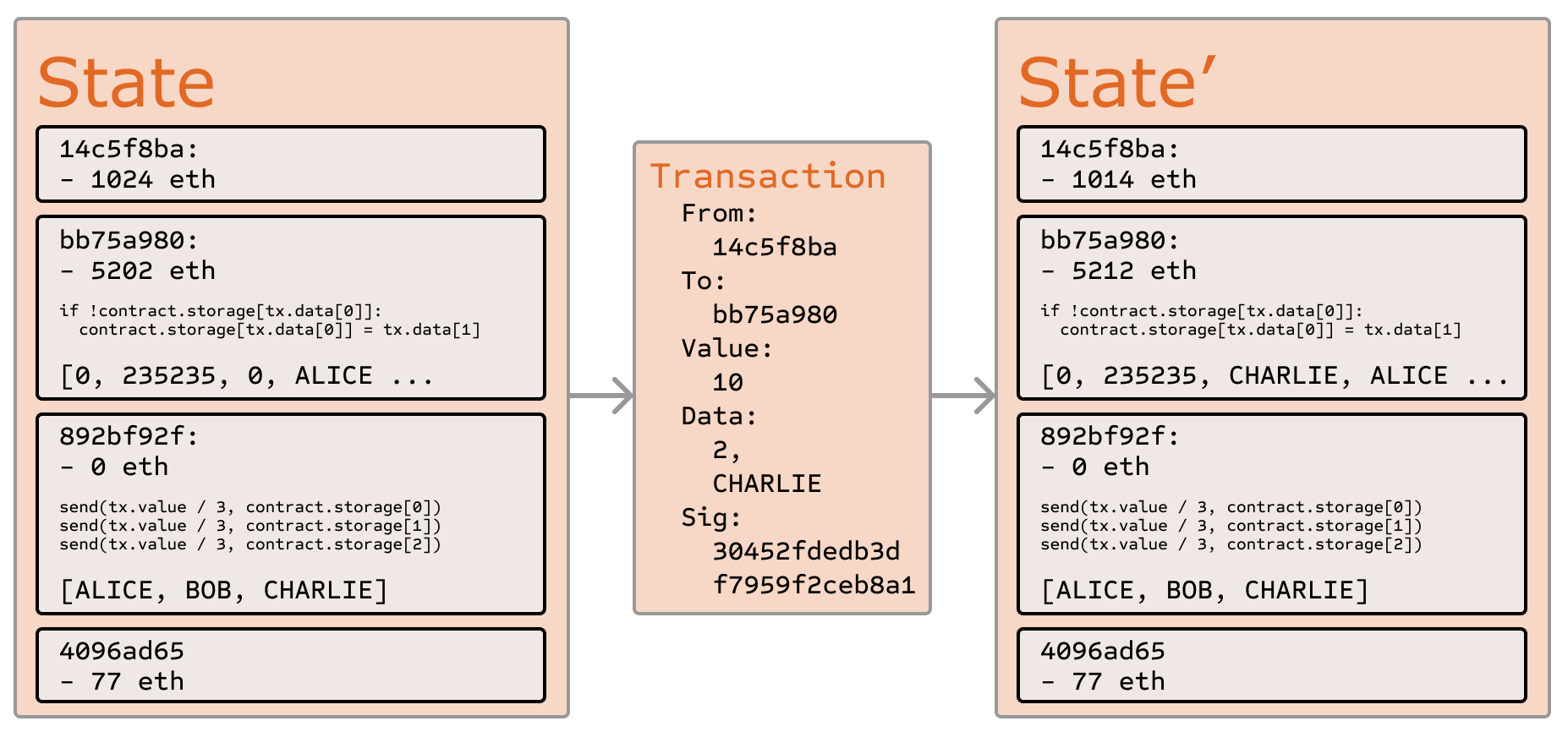
Als Naechstes uebertraegt das System den angegebenen Ether-Wert vom Absender an den Empfaenger. Wenn der Empfaenger ein extern kontrolliertes Konto ist, wird die Transaktion damit abgeschlossen. Wenn der Empfaenger ein Vertragskonto ist, wird der Code des Vertrags in der Ethereum Virtual Machine ausgefuehrt, wobei fuer jede Operation Gas verbraucht wird, bis entweder der Code erfolgreich abgeschlossen wird, der Code explizit anhaelt oder das Gas aufgebraucht ist. Waehrend der Ausfuehrung kann der Vertrag seinen Speicher lesen und aendern, Nachrichten an andere Vertraege senden und neue Vertraege erstellen.
Schliesslich werden, wenn die Wertuebertragung fehlgeschlagen ist (unzureichendes Guthaben) oder die Code-Ausfuehrung fehlgeschlagen ist (Gas aufgebraucht oder Fehler aufgetreten), alle Zustandsaenderungen rueckgaengig gemacht — mit der Ausnahme, dass der Absender immer noch Gas-Gebuehren an den Miner fuer die durchgefuehrte Berechnung zahlt. Bei erfolgreicher Ausfuehrung wird das verbleibende Gas an den Absender erstattet, und das verbrauchte Gas wird als Gebuehr an den Miner gesendet. Dieser Mechanismus stellt sicher, dass Miner fuer Berechnungen entschaedigt werden, waehrend unkontrollierte Ausfuehrung daran gehindert wird, unbegrenzte Ressourcen zu verbrauchen.
Ethereum State Transition Function
Hàm chuyển đổi trạng thái Ethereum APPLY(S,TX) - S' xác định cách giao dịch chuyển đổi trạng thái blockchain và nó tuân theo một trình tự các bước chính xác. Đầu tiên, hệ thống kiểm tra tính hợp lệ của giao dịch: xác minh chữ ký là chính xác, xác nhận nonce khớp với nonce trong tài khoản của người gửi và đảm bảo người gửi có đủ số dư để thanh toán chi phí trả trước (STARTGAS × GASPRICE cộng với giá trị được gửi). Nếu bất kỳ kiểm tra nào không thành công, giao dịch sẽ bị từ chối trước khi bắt đầu thực hiện. Nếu hợp lệ, phí giao dịch sẽ được khấu trừ khỏi tài khoản của người gửi, số nonce của người gửi sẽ tăng lên và bộ đếm gas ban đầu được đặt thành STARTGAS trừ đi phí mỗi byte cho dữ liệu giao dịch.
Tiếp theo, hệ thống chuyển giá trị ether được chỉ định từ người gửi đến người nhận. Nếu người nhận là tài khoản thuộc sở hữu bên ngoài thì giao dịch sẽ hoàn tất. Nếu người nhận là tài khoản hợp đồng, mã của hợp đồng sẽ chạy trong Máy ảo Ethereum, tiêu thụ gas cho mỗi thao tác cho đến khi mã hoàn thành thành công, mã dừng rõ ràng hoặc hết gas. Trong quá trình thực hiện, hợp đồng có thể đọc và sửa đổi bộ nhớ của nó, gửi tin nhắn đến các hợp đồng khác và tạo hợp đồng mới.
Cuối cùng, nếu quá trình chuyển giá trị không thành công (không đủ số dư) hoặc thực thi mã không thành công (hết gas hoặc gặp lỗi), tất cả các thay đổi trạng thái sẽ được hoàn nguyên—ngoại trừ việc người gửi vẫn trả phí gas cho người khai thác để tính toán được thực hiện. Nếu thực hiện thành công, lượng gas còn lại sẽ được hoàn lại cho người gửi và lượng gas đã tiêu thụ sẽ được gửi cho người khai thác dưới dạng phí. Cơ chế này đảm bảo rằng các thợ mỏ được đền bù cho việc tính toán đồng thời ngăn chặn việc thực thi chạy trốn khỏi việc tiêu thụ tài nguyên không giới hạn.
Code Execution
Die Ethereum Virtual Machine (EVM) ist die Laufzeitumgebung, in der Vertragscode ausgefuehrt wird — eine niedrigstufige, stapelbasierte virtuelle Maschine, die konzeptionell der Java Virtual Machine oder WebAssembly aehnelt. Vertragscode wird als Byte-Sequenz gespeichert, wobei jedes Byte eine Operation (Opcode) darstellt, die die EVM ausfuehren kann. Das Ausfuehrungsmodell ist bewusst einfach und deterministisch: Jeder Knoten, der die EVM mit demselben Eingabezustand und derselben Transaktion ausfuehrt, muss zum selben Ausgabezustand gelangen, was Konsens im Netzwerk gewaehrleistet.
Die EVM stellt drei verschiedene Speichertypen fuer Berechnungen bereit. Der Stapel ist eine Last-In-First-Out (LIFO)-Struktur, die auf 1024 Elemente begrenzt ist und fuer unmittelbare Operationswerte verwendet wird. Der Arbeitsspeicher ist ein unendlich erweiterbares Byte-Array, das nur fuer die Dauer eines einzelnen Nachrichtenaufrufs besteht und zwischen Ausfuehrungen zurueckgesetzt wird. Der Speicher ist der persistente Schluessel-Wert-Speicher, der dauerhaft mit jedem Vertragskonto verbunden ist und in dem Vertraege ihren langfristigen Zustand ueber Transaktionen hinweg pflegen. Diese Speichertypen werden unterschiedlich in Gas bepreist — Stapel- und Arbeitsspeicheroperationen sind guenstig, waehrend Speicheroperationen teuer sind, um ein Aufblaehen der Blockchain zu verhindern.
Waehrend der Ausfuehrung hat Vertragscode Zugriff auf entscheidenden Kontext: Er kann die Adresse des Nachrichtenabsenders lesen, die Menge des gesendeten Ethers, die vom Aufrufer bereitgestellte Datennutzlast und Block-Level-Eigenschaften wie die aktuelle Blocknummer, den Zeitstempel und die Miner-Adresse. Der Code kann ein Ausgabe-Byte-Array an den Aufrufer zurueckgeben und kann Nachrichten an andere Vertraege senden oder neue Vertraege erstellen. Dieses Ausfuehrungsmodell ist Turing-vollstaendig — Schleifen und komplexer Kontrollfluss sind moeglich — aber der Gas-Mechanismus stellt sicher, dass alle Berechnungen in begrenzter Zeit terminieren und loest das Halteproblem oekonomisch statt durch Spracheinschraenkungen.
Code Execution
Máy ảo Ethereum (EVM) là môi trường thời gian chạy trong đó mã hợp đồng thực thi—một máy ảo dựa trên ngăn xếp, cấp độ thấp có khái niệm tương tự như Máy ảo Java hoặc WebAssembly. Mã hợp đồng được lưu trữ dưới dạng một chuỗi byte, trong đó mỗi byte đại diện cho một hoạt động (mã hoạt động) mà EVM có thể thực thi. Mô hình thực thi rất đơn giản và mang tính xác định: mọi nút chạy EVM có cùng trạng thái đầu vào và giao dịch phải đến cùng trạng thái đầu ra, đảm bảo sự đồng thuận trên toàn mạng.
EVM cung cấp ba loại lưu trữ riêng biệt để tính toán. Ngăn xếp là cấu trúc vào trước ra trước (LIFO) được giới hạn ở 1024 phần tử, được sử dụng cho các giá trị hoạt động ngay lập tức. Bộ nhớ là một mảng byte có khả năng mở rộng vô hạn, chỉ tồn tại trong khoảng thời gian của một cuộc gọi tin nhắn và được đặt lại giữa các lần thực thi. Bộ lưu trữ là kho lưu trữ khóa-giá trị liên tục được liên kết vĩnh viễn với mỗi tài khoản hợp đồng, nơi hợp đồng duy trì trạng thái lâu dài qua các giao dịch. Các loại lưu trữ này có giá khác nhau về gas — hoạt động của ngăn xếp và bộ nhớ rẻ, trong khi hoạt động lưu trữ lại đắt tiền để ngăn chặn sự phình to của blockchain.
Trong quá trình thực thi, mã hợp đồng có quyền truy cập vào ngữ cảnh quan trọng: nó có thể đọc địa chỉ của người gửi tin nhắn, lượng ether được gửi, tải trọng dữ liệu do người gọi cung cấp và các thuộc tính cấp khối như số khối hiện tại, dấu thời gian và địa chỉ thợ mỏ. Mã có thể trả về một mảng byte đầu ra cho người gọi và có thể gửi tin nhắn đến các hợp đồng khác hoặc tạo hợp đồng mới. Mô hình thực thi này là Turing-complete—có thể sử dụng các vòng lặp và luồng điều khiển phức tạp—nhưng cơ chế khí đảm bảo rằng tất cả tính toán kết thúc trong thời gian giới hạn, giải quyết vấn đề tạm dừng một cách kinh tế thay vì thông qua các hạn chế về ngôn ngữ.
Blockchain and Mining
Die Ethereum-Blockchain ist grundsaetzlich aehnlich wie die von Bitcoin und dient als Datenbank, die jede jemals ausgefuehrte Transaktion enthaelt. Waehrend Bitcoin jedoch nur eine Transaktionsliste speichert, speichert Ethereum sowohl die Transaktionsliste als auch den aktuellsten Zustand. Jeder Block in Ethereum enthaelt den Hash des vorherigen Blocks, eine Zustandswurzel (den Wurzel-Hash des Merkle-Patricia-Tries, der den gesamten Zustand repraesentiert), eine Transaktionswurzel, eine Quittungswurzel (die Daten aus der Transaktionsausfuehrung speichert) sowie Schwierigkeits-, Zeitstempel- und Nonce-Werte. Der Zustand selbst ist ein grosser Merkle-Patricia-Trie, der Adressen auf Kontoobjekte abbildet, wobei jedes Konto ein Guthaben, eine Nonce, Code (falls vorhanden) und Speicher hat.

Ethereum verwendet eine modifizierte Version des GHOST-Protokolls (Greedy Heaviest Observed Subtree), um Sicherheitsprobleme zu adressieren, die durch schnelle Blockzeiten entstehen. In traditionellen Laengste-Kette-Protokollen fuehren schnelle Bloecke zu hohen Veralterungsraten, was die Netzwerksicherheit verringert und Zentralisierungsrisiken erhoeht, da grosse Miner weniger Berechnung durch veraltete Bloecke verschwenden. GHOST bezieht veraltete Bloecke (in Ethereum "Onkel" genannt) in die Berechnung ein, welche Kette die laengste ist, und bietet teilweise Belohnungen fuer Onkel-Bloecke, was Miner ermutigt, diese zu referenzieren. Dies ermoeglicht es Ethereum, eine Ziel-Blockzeit von etwa 12 Sekunden beizubehalten und gleichzeitig die Netzwerksicherheit zu erhalten.
Der Mining-Algorithmus funktioniert aehnlich wie Bitcoins Proof-of-Work und erfordert, dass Miner eine Nonce finden, bei der der Hash des Blocks unter einem bestimmten Schwierigkeitsziel liegt. Allerdings ist Ethereums speicherintensiver Mining-Algorithmus (Ethash) darauf ausgelegt, ASIC-resistent zu sein und ein staerker dezentralisiertes Mining-Oekosystem zu foerdern. Die Schwierigkeit passt sich dynamisch basierend auf Blockzeiten an, um das Ziel von ~12 Sekunden beizubehalten, was eine konsistente Blockproduktion sicherstellt, waehrend das GHOST-Protokoll Sicherheitsgarantien trotz der schnelleren Blockzeiten im Vergleich zu Bitcoins durchschnittlichen 10 Minuten bietet.
Blockchain and Mining
Chuỗi khối Ethereum về cơ bản tương tự như chuỗi khối Bitcoin, hoạt động như một cơ sở dữ liệu chứa mọi giao dịch từng được thực hiện. Tuy nhiên, trong khi Bitcoin chỉ lưu trữ danh sách giao dịch thì Ethereum lưu trữ cả danh sách giao dịch và trạng thái gần đây nhất. Mỗi khối trong Ethereum chứa hàm băm của khối trước đó, gốc trạng thái (mã băm gốc của Merkle Patricia trie đại diện cho toàn bộ trạng thái), gốc giao dịch, gốc biên nhận (lưu trữ dữ liệu từ quá trình thực hiện giao dịch), cùng với các giá trị độ khó, dấu thời gian và số nonce. Bản thân trạng thái là một bộ ba địa chỉ ánh xạ Merkle Patricia lớn tới các đối tượng tài khoản, trong đó mỗi tài khoản có số dư, số nonce, mã (nếu có) và bộ nhớ.
Ethereum sử dụng phiên bản sửa đổi của giao thức GHOST (Cây con được quan sát nặng nhất tham lam) để giải quyết các vấn đề bảo mật phát sinh từ thời gian khối nhanh. Trong các giao thức chuỗi dài nhất truyền thống, các khối nhanh dẫn đến tỷ lệ cũ cao, làm giảm an ninh mạng và tăng rủi ro tập trung khi các công ty khai thác lớn lãng phí ít tính toán hơn trên các cũ. GHOST bao gồm các khối cũ (được gọi là "chú" trong Ethereum) để tính toán chuỗi nào dài nhất và cung cấp một phần phần thưởng cho các khối chú, khuyến khích người khai thác tham chiếu chúng. Điều này cho phép Ethereum duy trì thời gian chặn mục tiêu khoảng 12 giây trong khi vẫn đảm bảo an ninh mạng.
Thuật toán khai thác hoạt động tương tự như proof-of-work của Bitcoin, yêu cầu người khai thác phải tìm một nonce sao cho hàm băm của khối nằm dưới mục tiêu độ khó nhất định. Tuy nhiên, thuật toán khai thác bộ nhớ cứng (Ethash) của Ethereum được thiết kế để chống lại ASIC, thúc đẩy hệ sinh thái khai thác phi tập trung hơn. Độ khó điều chỉnh linh hoạt dựa trên thời gian khối để duy trì mục tiêu ~12 giây, đảm bảo sản xuất khối nhất quán trong khi giao thức GHOST cung cấp đảm bảo an ninh mặc dù thời gian khối nhanh hơn so với mức trung bình 10 phút của Bitcoin.
Applications
Die Anwendungen, die auf Ethereum aufgebaut werden koennen, fallen in drei breite Kategorien. Die erste Kategorie sind Finanzanwendungen, die Benutzern leistungsfaehigere Moeglichkeiten bieten, ihr Geld zu verwalten und Vertraege abzuschliessen. Dazu gehoeren Sub-Waehrungen, Finanzderivate, Absicherungsvertraege, Sparwallets mit Abhebungslimits, Testamente, die Gelder automatisch verteilen, und sogar Arbeitsvertraege, die Zahlungen basierend auf verifizierter Arbeitserfuellung berechnen. Diese Anwendungen nutzen die Programmierbarkeit von Ethereum, um komplexe Finanzinstrumente zu schaffen, die in traditionellen Systemen oder sogar auf Bitcoin unmoeglich oder extrem schwierig zu implementieren waeren.
Die zweite Kategorie sind halbfinanzielle Anwendungen, bei denen Geld involviert ist, aber auch eine wesentliche nicht-monetaere Komponente vorhanden ist. Ein perfektes Beispiel sind selbstdurchsetzende Kopfgelder fuer Loesungen von Berechnungsproblemen. Jemand koennte ein Berechnungsproblem zusammen mit einer Belohnung veroeffentlichen, und der Vertrag koennte eingereichte Loesungen automatisch verifizieren und das Kopfgeld an die erste korrekte Antwort auszahlen. Diese Kategorie verbindet reine Finanzen mit anderen Bereichen und nutzt wirtschaftliche Anreize zur Problemloesung oder Verhaltenskoordination.
Die dritte Kategorie sind Anwendungen, die ueberhaupt nichts mit Geld zu tun haben, wie Online-Abstimmungen und dezentrale Governance-Systeme. Diese nicht-finanziellen Anwendungen demonstrieren Ethereums Flexibilitaet als universelle Plattform. Beispiele umfassen dezentrale Domain-Namen-Systeme wie Namecoin, Reputationssysteme, dezentraler Dateispeicher und organisatorische Governance-Werkzeuge. Von all diesen Anwendungstypen haben sich Token-Systeme als die verbreitetsten und grundlegendsten herausgestellt und dienen als Bausteine fuer viele andere Anwendungen.
Applications
Các ứng dụng có thể được xây dựng trên Ethereum thuộc ba loại chính. Danh mục đầu tiên là các ứng dụng tài chính, cung cấp cho người dùng những cách mạnh mẽ hơn để quản lý và ký kết các hợp đồng liên quan đến tiền của họ. Điều này bao gồm các loại tiền tệ phụ, công cụ tài chính phái sinh, hợp đồng phòng ngừa rủi ro, ví tiết kiệm có giới hạn rút tiền, di chúc phân phối tiền tự động và thậm chí cả hợp đồng lao động tính toán thanh toán dựa trên việc hoàn thành công việc đã được xác minh. Các ứng dụng này tận dụng khả năng lập trình của Ethereum để tạo ra các công cụ tài chính phức tạp không thể hoặc cực kỳ khó triển khai trong các hệ thống truyền thống hoặc thậm chí trên Bitcoin.
Loại thứ hai là các ứng dụng bán tài chính, trong đó có liên quan đến tiền nhưng cũng có một thành phần phi tiền tệ đáng kể đối với những gì đang được thực hiện. Một ví dụ hoàn hảo là tiền thưởng tự thực thi cho các giải pháp cho các vấn đề tính toán. Ai đó có thể đăng một vấn đề tính toán cùng với phần thưởng và hợp đồng có thể tự động xác minh các giải pháp đã gửi và trả tiền thưởng cho câu trả lời đúng đầu tiên. Danh mục này kết nối tài chính thuần túy và các lĩnh vực khác, sử dụng các động lực kinh tế để giải quyết vấn đề hoặc điều phối hành vi.
Loại thứ ba là các ứng dụng không liên quan gì đến tiền, chẳng hạn như bỏ phiếu trực tuyến và hệ thống quản trị phi tập trung. Các ứng dụng phi tài chính này thể hiện tính linh hoạt của Ethereum như một nền tảng có mục đích chung. Ví dụ bao gồm các hệ thống tên miền phi tập trung như Namecoin, hệ thống danh tiếng, lưu trữ tệp phi tập trung và các công cụ quản trị tổ chức. Trong số tất cả các loại ứng dụng này, hệ thống mã thông báo nổi lên là loại phổ biến và cơ bản nhất, đóng vai trò là khối xây dựng cho nhiều ứng dụng khác.
Token Systems
Token-Systeme sind ueberraschend einfach auf Ethereum zu implementieren, obwohl sie eine der leistungsfaehigsten und verbreitetsten Anwendungen darstellen. Im Kern sind Token-Systeme einfach eine Datenbank mit einer einzigen Operation: X Einheiten von Konto A abziehen und X Einheiten zu Konto B hinzufuegen, unter der Bedingung, dass A vor der Transaktion mindestens X Einheiten hatte und die Transaktion von A autorisiert ist. Die Implementierung erfordert die Pflege einer Zuordnung von Adressen zu Guthaben und die Bereitstellung einer Transfer-Funktion, die die entsprechenden Pruefungen durchfuehrt, bevor Token zwischen Konten verschoben werden.
Der Vertragscode fuer ein grundlegendes Token-System ist bemerkenswert einfach und kann in nur wenigen Zeilen geschrieben werden. Er besteht aus einer Datenstruktur, die Adressen auf Guthaben abbildet, einer Initialisierungsfunktion, die den anfaenglichen Token-Vorrat zuweist, und einer Transfer-Funktion, die das Guthaben und die Autorisierung des Absenders prueft, bevor der Transfer ausgefuehrt wird. Diese Einfachheit steht in starkem Kontrast zur Komplexitaet, die fuer die Implementierung aehnlicher Systeme auf Bitcoin erforderlich waere, was erhebliche Umgehungsloesungen und Einschraenkungen aufgrund der begrenzten Skriptfaehigkeiten von Bitcoin erfordern wuerde.
Token auf Ethereum koennen praktisch alles von Wert repraesentieren. Sie koennten Sub-Waehrungen mit eigener Geldpolitik repraesentieren, Finanzderivate, die externe Vermoegenswerte verfolgen, Unternehmensanteile mit Dividendenrechten, Treuepunkte in Kundenprogrammen, Rohstoffe wie Gold oder Oel, oder sogar Darstellungen von physischem Eigentum. Die Programmierbarkeit von Ethereum erlaubt es diesen Token, beliebige Regeln fuer ihr Verhalten zu haben, wie Transferbeschraenkungen, automatische Vernichtungsmechanismen, Dividendenverteilungen oder Governance-Rechte. Diese Flexibilitaet hat Token-Systeme zum grundlegenden Baustein fuer einen Grossteil des Ethereum-Oekosystems gemacht.
Token Systems
Hệ thống mã thông báo dễ triển khai một cách đáng ngạc nhiên trên Ethereum, mặc dù đây là một trong những ứng dụng phổ biến và mạnh mẽ nhất. Về cốt lõi, hệ thống mã thông báo chỉ đơn giản là một cơ sở dữ liệu với một thao tác duy nhất: trừ X đơn vị khỏi tài khoản A và thêm X đơn vị vào tài khoản B, với điều kiện A có ít nhất X đơn vị trước khi giao dịch và giao dịch được A ủy quyền. Việc triển khai yêu cầu duy trì ánh xạ địa chỉ tới số dư và cung cấp chức năng chuyển tiền để thực hiện các kiểm tra thích hợp trước khi di chuyển mã thông báo giữa các tài khoản.
Mã hợp đồng cho hệ thống mã thông báo cơ bản rất đơn giản và có thể được viết chỉ bằng vài dòng. Nó bao gồm cấu trúc dữ liệu ánh xạ địa chỉ tới số dư, chức năng khởi tạo chỉ định nguồn cung cấp mã thông báo ban đầu và chức năng chuyển để kiểm tra số dư và ủy quyền của người gửi trước khi thực hiện chuyển. Sự đơn giản này hoàn toàn trái ngược với sự phức tạp cần thiết để triển khai các hệ thống tương tự trên Bitcoin, vốn đòi hỏi các giải pháp thay thế và hạn chế đáng kể do khả năng viết tập lệnh bị hạn chế của Bitcoin.
Mã thông báo trên Ethereum có thể đại diện cho hầu hết mọi thứ có giá trị. Chúng có thể đại diện cho các loại tiền tệ phụ với chính sách tiền tệ của riêng chúng, các công cụ phái sinh tài chính theo dõi tài sản bên ngoài, cổ phiếu công ty có quyền cổ tức, điểm khách hàng thân thiết trong các chương trình khách hàng, hàng hóa như vàng hoặc dầu hoặc thậm chí là đại diện cho tài sản vật chất. Khả năng lập trình của Ethereum cho phép các mã thông báo này có các quy tắc tùy ý điều chỉnh hành vi của chúng, chẳng hạn như hạn chế chuyển tiền, cơ chế đốt tự động, phân phối cổ tức hoặc quyền quản trị. Tính linh hoạt này đã làm cho hệ thống mã thông báo trở thành khối xây dựng nền tảng cho phần lớn hệ sinh thái Ethereum.
Financial Derivatives and Stable-Value Currencies
Finanzderivate stellen eine der grundlegendsten und wichtigsten Anwendungen von Ethereum Smart Contracts dar. Ein einfacher Absicherungsvertrag demonstriert den grundlegenden Mechanismus: Partei A hinterlegt eine bestimmte Menge Ether im Wert von 1000 \(, Partei B hinterlegt einen aequivalenten Betrag, und der Vertrag zeichnet den USD-Wert von Ether zu diesem Zeitpunkt ueber einen Datenfeed auf. Nach 30 Tagen berechnet der Vertrag den Wert neu und sendet Ether im Wert von 1000 \) an A und den Rest an B. Wenn der Preis von Ether gestiegen ist, erhaelt A weniger Ether, behaelt aber den Wert von 1000 $; wenn er gefallen ist, erhaelt A mehr Ether, um diesen Wert zu erhalten. Dies ermoeglicht es A, sich gegen Volatilitaet abzusichern, waehrend B auf Preisbewegungen spekuliert.
Die Implementierung solcher Vertraege erfordert Zugang zu externen Daten ueber Oracle-Vertraege oder Datenfeeds. Diese Orakel liefern Preisinformationen, Wetterdaten oder andere reale Informationen, die Vertraege fuer die korrekte Ausfuehrung benoetigen. Waehrend Orakel eine Vertrauensabhaengigkeit einfuehren, koennen sie mit Redundanz und kryptooekonomischen Anreizen gestaltet werden, um zuverlaessige Daten bereitzustellen. Der Vertrag selbst fragt einfach das Orakel ab, fuehrt Berechnungen basierend auf diesen Daten durch und verteilt Gelder gemaess seiner programmierten Logik.
Stablecoins und komplexere Finanzinstrumente koennen mit aehnlichen Mechanismen aufgebaut werden. Ein Stablecoin-Vertrag koennte eine Ether-Reserve halten und Token ausgeben, die an eine Fiat-Waehrung gekoppelt sind, wobei Angebot oder Sicherheitenanforderungen automatisch basierend auf Preisfeeds angepasst werden. Optionsvertraege, Futures, Swaps und andere Derivate, die normalerweise komplexe rechtliche Rahmenwerke und vertrauenswuerdige Vermittler erfordern wuerden, koennen stattdessen als selbstausfuehrende Smart Contracts kodiert werden. Diese programmierbare Finanzinfrastruktur ermoeglicht anspruchsvolles Financial Engineering bei gleichzeitiger Aufrechterhaltung der Transparenz- und Sicherheitsgarantien der Blockchain-Technologie.
Financial Derivatives and Stable-Value Currencies
Các công cụ phái sinh tài chính đại diện cho một trong những ứng dụng cơ bản và quan trọng nhất của hợp đồng thông minh Ethereum. Một hợp đồng phòng ngừa rủi ro đơn giản thể hiện cơ chế cơ bản: bên A gửi một lượng ether nhất định trị giá 1000 USD, bên B gửi một số tiền tương đương và hợp đồng ghi lại giá trị USD của ether tại thời điểm đó bằng cách sử dụng nguồn cấp dữ liệu. Sau 30 ngày, hợp đồng tính toán lại giá trị và gửi ether trị giá 1000 USD cho A và phần còn lại cho B. Nếu giá ether tăng, A nhận được ít ether hơn nhưng vẫn duy trì giá trị 1000 USD; nếu nó giảm, A sẽ nhận thêm ether để duy trì giá trị đó. Điều này cho phép A phòng ngừa sự biến động trong khi B suy đoán về biến động giá.
Việc thực hiện các hợp đồng như vậy yêu cầu quyền truy cập vào dữ liệu bên ngoài thông qua hợp đồng oracle hoặc nguồn cấp dữ liệu. Những lời tiên tri này cung cấp thông tin về giá, dữ liệu thời tiết hoặc thông tin thực tế khác mà hợp đồng cần thực hiện đúng cách. Mặc dù các oracle giới thiệu sự phụ thuộc vào niềm tin nhưng chúng có thể được thiết kế với các ưu đãi dự phòng và kinh tế tiền điện tử để cung cấp dữ liệu đáng tin cậy. Bản thân hợp đồng chỉ đơn giản truy vấn oracle, thực hiện các phép tính dựa trên dữ liệu đó và phân phối tiền theo logic được lập trình của nó.
Stablecoin và các công cụ tài chính phức tạp hơn có thể được xây dựng bằng các cơ chế tương tự. Hợp đồng stablecoin có thể duy trì lượng dự trữ ether và phát hành mã thông báo được gắn với tiền tệ fiat, tự động điều chỉnh các yêu cầu về nguồn cung hoặc tài sản thế chấp dựa trên nguồn cấp giá. Các hợp đồng quyền chọn, hợp đồng tương lai, hoán đổi và các công cụ phái sinh khác thường yêu cầu khung pháp lý phức tạp và các trung gian đáng tin cậy thay vào đó có thể được mã hóa thành hợp đồng thông minh tự thực hiện. Cơ sở hạ tầng tài chính có thể lập trình này cho phép thực hiện kỹ thuật tài chính phức tạp trong khi vẫn duy trì tính minh bạch và đảm bảo an ninh của công nghệ blockchain.
Identity and Reputation Systems
Ein Namensregistrierungssystem aehnlich wie Namecoin ist trivial auf Ethereum implementierbar und dient als einfachstes Beispiel eines Identitaetssystems. Der Vertrag pflegt eine Datenbank mit einer Schluessel-Wert-Tabelle, die Namen zugehoerigen Daten zuordnet (wie IP-Adressen, oeffentliche Schluessel oder andere Informationen). Jeder kann einen Namen registrieren, indem er eine Transaktion an den Vertrag zusammen mit einer kleinen Registrierungsgebuehr sendet, vorausgesetzt, der Name ist noch nicht vergeben. Der Eigentuemer kann die zugehoerigen Daten jederzeit aktualisieren, und Namen koennen entsprechend den im Vertrag kodierten Regeln uebertragbar oder permanent gemacht werden.
Fortgeschrittenere Identitaetssysteme koennen auf dieser Grundlage aufgebaut werden und Reputationsbewertungen, Vertrauensnetzwerk-Beziehungen und dezentrale Identitaetsverifikation umfassen. Beispielsweise koennte ein Vertrag Reputationsbewertungen basierend auf verifizierten Transaktionen, Peer-Bewertungen oder Aufgabenerfuellung pflegen. Diese Bewertungen waeren oeffentlich sichtbar und kryptographisch an bestimmte Adressen gebunden, wodurch eine portable Reputation entsteht, die Benutzer ueber Anwendungen hinweg begleitet. Vertrauensnetzwerk-Systeme koennten es Benutzern ermoeglichen, fuer die Identitaet anderer zu buergen und soziale Graphen aufzubauen, die helfen, legitime Benutzer von boesartigen Akteuren zu unterscheiden.
Solche Identitaets- und Reputationssysteme werden besonders maechtig, wenn sie mit anderen Anwendungen integriert werden. Ein Marktplatz koennte Mindest-Reputationsbewertungen fuer Verkaeufer verlangen, eine Kreditplattform koennte Zinssaetze basierend auf der Reputation des Kreditnehmers anpassen, oder ein soziales Netzwerk koennte das Vertrauensnetzwerk nutzen, um Spam und betruegerische Inhalte zu filtern. Durch die Bereitstellung einer gemeinsamen Infrastruktur fuer Identitaet, die jede Anwendung abfragen kann, ermoeglicht Ethereum eine neue Klasse vertrauensbasierter Anwendungen, die nicht auf zentralisierte Identitaetsanbieter oder proprietaere Reputationssysteme angewiesen sind.
Identity and Reputation Systems
Hệ thống đăng ký tên tương tự như Namecoin có thể triển khai dễ dàng trên Ethereum và đóng vai trò là ví dụ đơn giản nhất về hệ thống nhận dạng. Hợp đồng duy trì một cơ sở dữ liệu với bảng khóa-giá trị ánh xạ tên tới dữ liệu liên quan (chẳng hạn như địa chỉ IP, khóa chung hoặc thông tin khác). Bất kỳ ai cũng có thể đăng ký tên bằng cách gửi giao dịch tới hợp đồng cùng với một khoản phí đăng ký nhỏ, miễn là tên đó chưa được sử dụng. Chủ sở hữu có thể cập nhật dữ liệu liên quan bất kỳ lúc nào và tên có thể được chuyển nhượng hoặc vĩnh viễn theo các quy tắc được mã hóa trong hợp đồng.
Các hệ thống nhận dạng tiên tiến hơn có thể được xây dựng trên nền tảng này để bao gồm điểm danh tiếng, mạng lưới các mối quan hệ tin cậy và xác minh danh tính phi tập trung. Ví dụ: một hợp đồng có thể duy trì điểm danh tiếng dựa trên các giao dịch đã được xác minh, xếp hạng ngang hàng hoặc mức độ hoàn thành nhiệm vụ. Những điểm số này sẽ được hiển thị công khai và được gắn bằng mật mã với các địa chỉ cụ thể, tạo ra danh tiếng di động theo sau người dùng trên các ứng dụng. Hệ thống web tin cậy có thể cho phép người dùng xác minh danh tính của người khác, xây dựng biểu đồ xã hội giúp phân biệt người dùng hợp pháp với những kẻ xấu.
Hệ thống nhận dạng và danh tiếng như vậy trở nên đặc biệt mạnh mẽ khi được tích hợp với các ứng dụng khác. Thị trường có thể yêu cầu điểm danh tiếng tối thiểu đối với người bán, nền tảng cho vay có thể điều chỉnh lãi suất dựa trên danh tiếng của người vay hoặc mạng xã hội có thể sử dụng web tin cậy để lọc nội dung spam và lừa đảo. Bằng cách cung cấp cơ sở hạ tầng dùng chung để nhận dạng mà bất kỳ ứng dụng nào cũng có thể truy vấn, Ethereum tạo ra một lớp ứng dụng mới dựa trên sự tin cậy không phụ thuộc vào các nhà cung cấp danh tính tập trung hoặc hệ thống danh tiếng độc quyền.
Decentralized File Storage
Dezentraler Dateispeicher kann durch Ethereum-Vertraege implementiert werden, die zwischen Benutzern, die Speicher benoetigen, und Anbietern, die ihn anbieten, koordinieren. In einem Modell einer "dezentralen Dropbox" wuerden Benutzer eine monatliche Gebuehr zahlen, um Dateien hochzuladen, wobei der Vertrag Zahlungen an Speicheranbieter verteilt, die beweisen, dass sie die Daten tatsaechlich speichern. Der Beweismechanismus funktioniert ueber periodische kryptographische Herausforderungen: Der Vertrag waehlt zufaellig Teile von Dateien aus und fordert Anbieter auf, Merkle-Baum-Beweise zu liefern, die belegen, dass sie diese Daten besitzen. Anbieter, die Herausforderungen nicht bestehen oder offline gehen, wuerden ihre Einlagen und zukuenftigen Zahlungsstrom verlieren.
Dieser Ansatz bietet mehrere Vorteile gegenueber zentralisiertem Speicher. Merkle-Baum-Beweise ermoeglichen effiziente Verifizierung — Benutzer und der Vertrag koennen die Dateiverfuegbarkeit bestaetigen, ohne ganze Dateien herunterzuladen. Das System verteilt Dateien natuerlich ueber mehrere unabhaengige Anbieter und schafft Redundanz ohne explizite Replikationsprotokolle. Wirtschaftliche Anreize bringen das Verhalten der Anbieter mit den Beduerfnissen der Benutzer in Einklang: Anbieter verdienen Geld durch zuverlaessige Datenspeicherung und verlieren Geld, wenn sie dies nicht tun. Dies eliminiert die Vertrauensanforderung, die zentralisierten Speicherloesungen inhaeerent ist.
Speicherkosten in einem solchen System koennen potenziell niedriger sein als bei zentralisierten Alternativen aus mehreren Gruenden. Die Beseitigung von Monopolpreisen ermoeglicht es dem Marktwettbewerb, die Kosten nahe an die tatsaechlichen Speicherkosten zu treiben. Implizite Redundanz durch mehrere Benutzer, die aehnliche Dateien speichern, kann den Gesamtspeicherbedarf reduzieren. Es besteht kein Bedarf an teurer Rechenzentrumsinfrastruktur oder Unternehmensgemeinkosten. Allerdings bleiben Herausforderungen bei Zahlungsmechanismen, der Sicherstellung ausreichender Anbieterbeteiligung und dem Management des Kompromisses zwischen Redundanz und Kosten. Trotz dieser Herausforderungen demonstriert dezentraler Speicher, wie Ethereum komplexe Mehparteien-Interaktionen allein durch wirtschaftliche Anreize koordinieren kann.
Decentralized File Storage
Việc lưu trữ tệp phi tập trung có thể được triển khai thông qua các hợp đồng Ethereum phối hợp giữa người dùng cần lưu trữ và nhà cung cấp cung cấp dịch vụ lưu trữ đó. Trong mô hình "Dropbox phi tập trung", người dùng sẽ trả phí hàng tháng để tải tệp lên, với hợp đồng sẽ phân phối khoản thanh toán cho các nhà cung cấp dịch vụ lưu trữ chứng minh rằng họ thực sự đang lưu trữ dữ liệu. Cơ chế chứng minh hoạt động thông qua các thử thách mật mã định kỳ: hợp đồng chọn ngẫu nhiên các phần của tệp và yêu cầu nhà cung cấp cung cấp bằng chứng cây Merkle chứng minh rằng họ sở hữu dữ liệu đó. Các nhà cung cấp không vượt qua thử thách hoặc ngừng hoạt động ngoại tuyến sẽ mất tiền đặt cọc và dòng thanh toán trong tương lai.
Cách tiếp cận này cung cấp một số lợi thế so với việc lưu trữ tập trung. Bằng chứng cây Merkle cho phép xác minh hiệu quả—người dùng và hợp đồng có thể xác nhận tính khả dụng của tệp mà không cần tải xuống toàn bộ tệp. Hệ thống phân phối các tệp một cách tự nhiên trên nhiều nhà cung cấp độc lập, tạo ra sự dư thừa mà không yêu cầu các giao thức sao chép rõ ràng. Các biện pháp khuyến khích kinh tế điều chỉnh hành vi của nhà cung cấp theo nhu cầu của người dùng: nhà cung cấp kiếm tiền bằng cách lưu trữ dữ liệu một cách đáng tin cậy và sẽ mất tiền nếu họ không làm như vậy. Điều này giúp loại bỏ yêu cầu tin cậy vốn có trong các giải pháp lưu trữ tập trung.
Chi phí lưu trữ trong hệ thống như vậy có thể thấp hơn so với các giải pháp thay thế tập trung vì nhiều lý do. Việc loại bỏ tình trạng độc quyền định giá cho phép cạnh tranh trên thị trường làm giảm chi phí xuống gần bằng chi phí lưu kho thực tế. Sự dư thừa tiềm ẩn từ việc nhiều người dùng lưu trữ các tệp giống nhau có thể làm giảm tổng yêu cầu lưu trữ. Không cần cơ sở hạ tầng trung tâm dữ liệu đắt tiền hoặc chi phí chung của công ty. Tuy nhiên, vẫn còn những thách thức xung quanh cơ chế thanh toán, đảm bảo sự tham gia đầy đủ của nhà cung cấp và quản lý sự cân bằng giữa dư thừa và chi phí. Bất chấp những thách thức này, việc lưu trữ phi tập trung cho thấy cách Ethereum có thể điều phối các tương tác phức tạp của nhiều bên chỉ thông qua các biện pháp khuyến khích kinh tế.
Decentralized Autonomous Organizations
Eine Dezentrale Autonome Organisation (DAO) ist eine virtuelle Entitaet, die eine Gruppe von Mitgliedern oder Aktionaeren hat, die gemeinsam das Recht haben, die Mittel der Entitaet auszugeben und ihren Code zu aendern. Eine typische DAO funktioniert mit einer einfachen Regel: 67% der Mitglieder werden benoetigt, um Ausgabenentscheidungen zu treffen oder den Code der Organisation zu aendern. Mitglieder koennen Vorschlaege einreichen, darueber abstimmen, und wenn ein Vorschlag ausreichende Unterstuetzung erhaelt, fuehrt der Vertrag die Entscheidung automatisch aus. Mitgliedsanteile koennen uebertragbar sein, was einen liquiden Markt fuer DAO-Beteiligung ermoeglicht, und verschiedene Anteilsklassen koennen unterschiedliche Stimmrechte oder wirtschaftliche Ansprueche haben.
Das einfachste DAO-Design ist ein sich selbst aendernder Vertrag, der eine Mitgliederliste fuehrt und eine 2/3-Mehrheitsabstimmung erfordert, um jeden Aspekt des Vertrags zu aendern, einschliesslich seiner eigenen Abstimmungsregeln. Mitglieder wuerden Codeaenderungen als Transaktionen einreichen, andere Mitglieder wuerden abstimmen, und bei Erreichen der Schwelle wuerde sich der Vertrag selbst aktualisieren. Ausgefeiltere Designs koennten delegierte Abstimmungssysteme umfassen, bei denen Mitglieder ihre Stimmrechte an Vertreter uebertragen koennen, oder eine liquide Demokratie, bei der Stimmen delegiert, aber jederzeit fuer wichtige Entscheidungen zurueckgefordert werden koennen.
DAOs koennen verschiedenen Zwecken ueber die einfache Fondsverwaltung hinaus dienen. Eine DAO koennte als dezentrales Unternehmen fungieren, Auftragnehmer einstellen, Dienstleistungen einkaufen und Gewinne an Aktionaere verteilen — alles gesteuert durch Smart-Contract-Code statt traditionelle Rechtsstrukturen. Sie koennte als dezentraler Investmentfonds operieren, wobei Mitglieder darueber abstimmen, welche Projekte finanziert werden. Sie koennte eine gemeinsame Ressource verwalten, wobei Beteiligte ueber Zuteilungsregeln abstimmen. Die zentrale Erkenntnis ist, dass DAOs durch die Kodierung von Governance-Regeln in transparentem, unveraenderlichem Code und deren Verknuepfung mit wirtschaftlichem Einsatz Gruppenentscheidungen koordinieren koennen, ohne traditionelles hierarchisches Management oder rechtliche Durchsetzung zu benoetigen.
Decentralized Autonomous Organizations
Tổ chức tự trị phi tập trung (DAO) là một thực thể ảo có một nhóm thành viên hoặc cổ đông có quyền chung chi tiêu tiền của thực thể và sửa đổi mã của nó. Một DAO điển hình hoạt động với một quy tắc đơn giản: cần 67% thành viên đưa ra quyết định chi tiêu hoặc sửa đổi mã của tổ chức. Các thành viên có thể gửi đề xuất, bỏ phiếu cho chúng và nếu đề xuất nhận được đủ sự hỗ trợ, hợp đồng sẽ tự động thực hiện quyết định. Cổ phiếu thành viên có thể được chuyển nhượng, cho phép thị trường thanh khoản cho sự tham gia của DAO và các loại cổ phiếu khác nhau có thể có quyền biểu quyết hoặc yêu cầu kinh tế khác nhau.
Thiết kế DAO đơn giản nhất là một hợp đồng tự sửa đổi, duy trì danh sách thành viên và yêu cầu đa số 2/3 phiếu bầu để thay đổi bất kỳ khía cạnh nào của hợp đồng, bao gồm cả các quy tắc bỏ phiếu của chính hợp đồng đó. Các thành viên sẽ gửi các thay đổi mã dưới dạng giao dịch, các thành viên khác sẽ bỏ phiếu và khi đạt đến ngưỡng, hợp đồng sẽ tự cập nhật. Các thiết kế phức tạp hơn có thể bao gồm các hệ thống bỏ phiếu được ủy quyền trong đó các thành viên có thể giao quyền biểu quyết của mình cho người đại diện hoặc chế độ dân chủ lỏng nơi phiếu bầu có thể được ủy quyền nhưng được thu hồi bất kỳ lúc nào đối với các quyết định quan trọng.
DAO có thể phục vụ nhiều mục đích khác nhau ngoài việc quản lý quỹ đơn giản. DAO có thể hoạt động như một tập đoàn phi tập trung, thuê nhà thầu, mua dịch vụ và phân phối lợi nhuận cho các cổ đông — tất cả đều được quản lý bởi mã hợp đồng thông minh thay vì cấu trúc pháp lý truyền thống. Nó có thể hoạt động như một quỹ đầu tư phi tập trung, với các thành viên bỏ phiếu về dự án nào sẽ được tài trợ. Nó có thể quản lý một nguồn tài nguyên chung, với các bên liên quan bỏ phiếu về các quy tắc phân bổ. Điểm mấu chốt là bằng cách mã hóa các quy tắc quản trị bằng mã minh bạch, bất biến và gắn chúng với lợi ích kinh tế, DAO có thể điều phối các quyết định của nhóm mà không yêu cầu quản lý phân cấp truyền thống hoặc thực thi pháp luật.
Further Applications
Ueber die bereits besprochenen Hauptkategorien hinaus ermoeglicht Ethereum zahlreiche weitere Anwendungen. Sparwallets mit ausgefeilten Sicherheitsfunktionen koennen taegliche Abhebungslimits auferlegen und gleichzeitig Notfallschluessel fuer die Wiederherstellung bereitstellen, um Benutzer vor Diebstahl zu schuetzen und dabei die ultimative Kontrolle zu bewahren. Ernteversicherungsvertraege koennen Landwirten automatisch basierend auf Wetterdatenfeeds auszahlen, wodurch die Schadensbearbeitung eliminiert und der Verwaltungsaufwand reduziert wird. Peer-to-Peer-Gluecksspielanwendungen koennen ohne jeden vertrauenswuerdigen Vermittler betrieben werden, wobei Smart Contracts Einsaetze halten und Gewinner automatisch basierend auf verifizierbaren Zufallszahlen oder realen Ereignisdaten auszahlen.
On-Chain-Vorhersagemaerkte ermoegllichen es Benutzern, auf zukuenftige Ereignisse zu wetten und schaffen leistungsfaehige Prognosemechanismen durch die Weisheit der Masse. Diese koennen mit SchellingCoin-artigen Protokollen erweitert werden, um dezentrale Orakel zu schaffen: Teilnehmer berichten unabhaengig Daten (wie Wahlergebnisse oder Wetterbedingungen), und diejenigen, deren Berichte mit der Mehrheit uebereinstimmen, erhalten Belohnungen, waehrend Ausreisser bestraft werden. Dieser kryptooekonomische Ansatz schafft Anreize fuer ehrliche Berichterstattung und kann anderen Vertraegen zuverlaessige reale Daten liefern, ohne Vertrauen in einen einzelnen Orakel-Anbieter zu erfordern.
Multi-Signatur-Wallets stellen eine weitere wichtige Anwendung dar und ermoeglichen die gemeinsame Kontrolle von Geldern zwischen mehreren Parteien. Ein 2-von-3 Multi-Sig-Wallet koennte erfordern, dass zwei von drei bestimmten Parteien eine Transaktion genehmigen, bevor Gelder ausgegeben werden koennen, nuetzlich fuer Treuhandvereinbarungen, Unternehmensschatzkammern oder persoenliche Sicherheit. Dezentrale Marktplaetze koennen Identitaetssysteme, Reputationsbewertungen, Treuhandvertraege und Streitbeilegungsmechanismen kombinieren, um Peer-to-Peer-Handel ohne zentralisierte Plattformen zu ermoeglichen. Jede dieser Anwendungen demonstriert, wie die Programmierbarkeit von Ethereum neue Vertrauensmodelle und Organisationsstrukturen ermoeglicht.
Further Applications
Ngoài các danh mục chính đã được thảo luận, Ethereum còn hỗ trợ nhiều ứng dụng khác. Ví tiết kiệm với các tính năng bảo mật phức tạp có thể áp đặt giới hạn rút tiền hàng ngày đồng thời cung cấp khóa khẩn cấp để khôi phục, bảo vệ người dùng khỏi bị trộm trong khi vẫn duy trì quyền kiểm soát tối ưu. Hợp đồng bảo hiểm cây trồng có thể tự động thanh toán cho nông dân dựa trên nguồn cấp dữ liệu thời tiết, loại bỏ việc xử lý yêu cầu bồi thường và giảm chi phí hành chính. Các ứng dụng cờ bạc ngang hàng có thể hoạt động mà không cần bất kỳ trung gian đáng tin cậy nào, với các hợp đồng thông minh nắm giữ cổ phần và tự động trả tiền cho người chiến thắng dựa trên các số ngẫu nhiên có thể xác minh được hoặc dữ liệu sự kiện trong thế giới thực.
Thị trường dự đoán trên chuỗi cho phép người dùng đặt cược vào các sự kiện trong tương lai, tạo ra các cơ chế dự báo mạnh mẽ thông qua trí tuệ của đám đông. Chúng có thể được tăng cường bằng các giao thức kiểu SchellingCoin để tạo ra các oracle phi tập trung: người tham gia báo cáo dữ liệu một cách độc lập (như kết quả bầu cử hoặc điều kiện thời tiết) và những người có báo cáo phù hợp với đa số sẽ nhận được phần thưởng trong khi những người có báo cáo ngoại lệ sẽ bị phạt. Cách tiếp cận kinh tế tiền điện tử này khuyến khích báo cáo trung thực và có thể cung cấp dữ liệu thực tế đáng tin cậy cho các hợp đồng khác mà không yêu cầu sự tin tưởng vào bất kỳ nhà cung cấp oracle nào.
Ví đa chữ ký đại diện cho một ứng dụng quan trọng khác, cho phép chia sẻ quyền kiểm soát tiền giữa nhiều bên. Ví đa chữ ký 2 trên 3 có thể yêu cầu hai trong số ba bên được chỉ định bất kỳ phê duyệt giao dịch trước khi có thể chi tiêu tiền, hữu ích cho các thỏa thuận ký quỹ, kho bạc công ty hoặc bảo mật cá nhân. Thị trường phi tập trung có thể kết hợp hệ thống nhận dạng, điểm danh tiếng, hợp đồng ký quỹ và cơ chế giải quyết tranh chấp để cho phép thương mại ngang hàng mà không cần nền tảng tập trung. Mỗi ứng dụng này thể hiện khả năng lập trình của Ethereum cho phép các mô hình tin cậy và cơ cấu tổ chức mới như thế nào.
Miscellanea And Concerns
Ethereums Implementierung des modifizierten GHOST-Protokolls umfasst spezifische Regeln fuer die Einbeziehung und Belohnung von Onkeln. Onkel muessen direkte Kinder eines Vorfahren des aktuellen Blocks sein (zwischen 2 und 7 Generationen zurueck), muessen gueltige Block-Header sein, muessen sich von vorherigen Onkeln unterscheiden und duerfen keine direkten Vorfahren des aktuellen Blocks sein. Onkel-Bloecke erhalten 87,5% der Standard-Blockbelohnung, waehrend der einschliessende Block zusaetzliche 3,125% pro eingeschlossenem Onkel erhaelt (bis zu zwei Onkel). Diese Anreizstruktur ermutigt Miner, veraltete Bloecke zu referenzieren, die sie beobachten, was die Netzwerksicherheit staerkt und gleichzeitig Miner belohnt, die voruebergehend Pech mit der Netzwerkpropagation hatten.
Das Gebuehrensystem basiert auf dem Konzept von "Gas", wobei jede Berechnungsoperation einen festen Gas-Preis hat. Beispielsweise kostet eine Multiplikationsoperation 5 Gas, ein SHA256-Hash kostet 20 Gas, und jede Transaktion hat Grundkosten von 21.000 Gas. Benutzer geben sowohl ein Gas-Limit (maximales Gas, das sie zu verbrauchen bereit sind) als auch einen Gas-Preis (wie viel Ether sie pro Gas-Einheit zahlen) an. Dieses System dient mehreren Zwecken: Es verhindert Endlosschleifen und Denial-of-Service-Angriffe, indem sichergestellt wird, dass alle Berechnungen bezahlt werden, es schafft einen Markt fuer Blockraum, auf dem Benutzer ueber Gas-Preise bieten, und es ermoeglicht Minern, einen Mindest-Gas-Preis festzulegen, den sie zu akzeptieren bereit sind, um Netzwerkressourcen zu schuetzen.
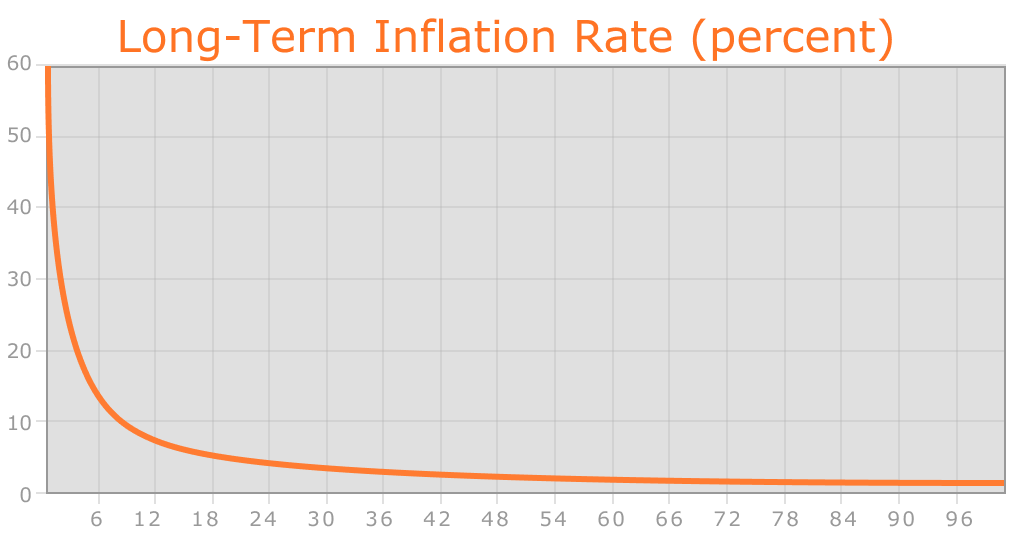
Skalierbarkeit bleibt ein bedeutendes Anliegen, da jeder vollstaendige Knoten jede Transaktion verarbeiten muss, um den Zustand zu verifizieren. Aktuelle Blockchain-Architekturen haben Schwierigkeiten, den Transaktionsdurchsatz zentralisierter Systeme zu erreichen. Moegliche Loesungen umfassen Zustandssharding, bei dem verschiedene Knoten verschiedene Teilmengen von Transaktionen verarbeiten, und einen Uebergang von Proof-of-Work zu Proof-of-Stake-Konsens, der eine effizientere Blockproduktion ermoeglichen koennte. Light Clients, die Merkle-Beweise verwenden, koennen Transaktionen verifizieren, ohne alle Bloecke zu verarbeiten, aber jemand muss trotzdem alles verarbeiten. Diese Skalierbarkeitsprobleme stellen aktive Forschungs- und Entwicklungsbereiche dar, die fuer die langfristige Lebensfaehigkeit von Ethereum entscheidend sind.
Miscellanea And Concerns
Việc triển khai giao thức GHOST đã sửa đổi của Ethereum bao gồm các quy tắc cụ thể về việc đưa chú vào và phần thưởng. Các chú phải là con trực hệ của tổ tiên của khối hiện tại (từ 2 đến 7 thế hệ trở về trước), phải là các tiêu đề khối hợp lệ, phải khác biệt với các chú trước và không được là tổ tiên trực tiếp của khối hiện tại. Các khối chú nhận được 87,5% phần thưởng khối tiêu chuẩn, trong khi khối bao gồm nhận thêm 3,125% cho mỗi chú được bao gồm (tối đa hai chú). Cơ cấu khuyến khích này khuyến khích những người khai thác tham khảo các khối cũ mà họ quan sát được, tăng cường an ninh mạng đồng thời khen thưởng những người khai thác gặp xui xẻo tạm thời khi truyền bá mạng.
Hệ thống tính phí dựa trên khái niệm "gas", trong đó mọi hoạt động tính toán đều có chi phí gas cố định. Ví dụ: một phép nhân tốn 5 gas, hàm băm SHA256 tốn 20 gas và mỗi giao dịch có chi phí cơ bản là 21.000 gas. Người dùng chỉ định cả giới hạn gas (lượng gas tối đa họ sẵn sàng tiêu thụ) và giá gas (họ sẽ trả bao nhiêu ether cho mỗi đơn vị gas). Hệ thống này phục vụ nhiều mục đích: nó ngăn chặn các vòng lặp vô hạn và các cuộc tấn công từ chối dịch vụ bằng cách đảm bảo tất cả tính toán được thanh toán, nó tạo ra một thị trường cho không gian khối nơi người dùng đặt giá thầu thông qua giá gas và cho phép các nhà khai thác đặt giá gas tối thiểu mà họ sẵn sàng chấp nhận, bảo vệ tài nguyên mạng.
Khả năng mở rộng vẫn là mối quan tâm đáng kể vì mọi nút đầy đủ phải xử lý mọi giao dịch để xác minh trạng thái. Kiến trúc blockchain hiện tại gặp khó khăn trong việc phù hợp với thông lượng giao dịch của hệ thống tập trung. Các giải pháp tiềm năng bao gồm phân chia trạng thái, trong đó các nút khác nhau xử lý các tập hợp con giao dịch khác nhau và chuyển đổi từ proof-of-work sang đồng thuận bằng chứng cổ phần, có thể cho phép sản xuất khối hiệu quả hơn. Các khách hàng nhẹ sử dụng bằng chứng Merkle có thể xác minh các giao dịch mà không cần xử lý tất cả các khối, nhưng ai đó vẫn phải xử lý mọi thứ. Những thách thức về khả năng mở rộng này thể hiện các lĩnh vực nghiên cứu và phát triển tích cực quan trọng đối với khả năng tồn tại lâu dài của Ethereum.
Conclusion
Das Ethereum-Protokoll wurde urspruenglich als verbesserte Version einer Kryptowaehrung konzipiert, die fortgeschrittene Funktionen wie On-Blockchain-Treuhand, Abhebungslimits und Finanzvertraege durch eine hochgradig verallgemeinerte Programmiersprache bereitstellt. Allerdings geht das Ethereum-Protokoll weit ueber blosse Waehrung hinaus. Protokolle rund um dezentralen Dateispeicher, dezentrale Berechnung und dezentrale Vorhersagemaerkte, neben Dutzenden anderer Konzepte, haben das Potenzial, die Effizienz der Computerindustrie erheblich zu steigern und anderen Peer-to-Peer-Protokollen einen massiven Schub zu geben, indem erstmals eine wirtschaftliche Schicht hinzugefuegt wird.
Anstatt einen begrenzten Satz von Operationen bereitzustellen, die fuer bestimmte Anwendungsfaelle konzipiert sind, stellt Ethereum eine Turing-vollstaendige Programmiersprache bereit, die es Entwicklern ermoeglicht, jede Anwendung zu bauen, die sie entwerfen koennen. Moechten Sie Ihr eigenes Finanzderivat erfinden? Ihre eigene Waehrung schaffen? Eine Regierung auf der Blockchain etablieren? All dies ist trivial mit Ethereums Skripting-System implementierbar. Die Staerke der Plattform liegt nicht in der Vorhersage, welche Anwendungen gebaut werden, sondern in der Bereitstellung der fundamentalen Infrastruktur, die deren Erstellung einfach macht.
Das Konzept einer beliebigen Zustandsuebergangsfunktion, wie vom Ethereum-Protokoll implementiert, bietet eine Plattform mit einzigartigem Potenzial. Anstatt ein geschlossenes Einzelzweck-Protokoll fuer spezifische Anwendungen in Datenspeicherung, Gluecksspiel oder Finanzen zu sein, ist Ethereum von Grund auf offen gestaltet, und wir glauben, dass es ausserordentlich gut geeignet ist, in den kommenden Jahren als Grundschicht fuer eine grosse Anzahl sowohl finanzieller als auch nicht-finanzieller Protokolle zu dienen. Die Anwendungen, die in Zukunft auf Ethereum aufgebaut werden, koennten solche sein, die wir uns heute noch nicht einmal vorstellen koennen, und diese offene Moeglichkeit repraesentiert das wahre Versprechen der Plattform.
Conclusion
Giao thức Ethereum ban đầu được hình thành như một phiên bản nâng cấp của tiền điện tử, cung cấp các tính năng nâng cao như ký quỹ trên blockchain, giới hạn rút tiền và hợp đồng tài chính thông qua ngôn ngữ lập trình có tính khái quát cao. Tuy nhiên, giao thức Ethereum không chỉ dừng lại ở tiền tệ. Các giao thức xung quanh việc lưu trữ tệp phi tập trung, tính toán phi tập trung và thị trường dự đoán phi tập trung, trong số hàng chục khái niệm khác, có khả năng tăng đáng kể hiệu quả của ngành tính toán và mang lại sự thúc đẩy lớn cho các giao thức ngang hàng khác bằng cách lần đầu tiên bổ sung một lớp kinh tế.
Thay vì cung cấp một tập hợp các thao tác giới hạn được thiết kế cho các trường hợp sử dụng cụ thể, Ethereum cung cấp ngôn ngữ lập trình hoàn chỉnh Turing cho phép các nhà phát triển xây dựng bất kỳ ứng dụng nào họ có thể thiết kế. Bạn muốn phát minh ra công cụ phái sinh tài chính của riêng mình? Tạo tiền tệ của riêng bạn? Thành lập chính phủ trên blockchain? Tất cả những điều này đều có thể thực hiện được một cách dễ dàng bằng hệ thống tập lệnh của Ethereum. Sức mạnh của nền tảng không nằm ở việc dự đoán những ứng dụng nào sẽ được xây dựng mà ở việc cung cấp cơ sở hạ tầng nền tảng giúp việc xây dựng chúng trở nên dễ dàng.
Khái niệm về chức năng chuyển đổi trạng thái tùy ý được triển khai bởi giao thức Ethereum cung cấp một nền tảng có tiềm năng độc đáo. Thay vì là một giao thức đóng, có mục đích duy nhất dành cho các ứng dụng cụ thể trong lưu trữ dữ liệu, cờ bạc hoặc tài chính, Ethereum được thiết kế với kết thúc mở và chúng tôi tin rằng nó cực kỳ phù hợp để đóng vai trò là lớp nền tảng cho một số lượng lớn các giao thức tài chính và phi tài chính trong những năm tới. Các ứng dụng sẽ được xây dựng trên Ethereum trong tương lai có thể là những ứng dụng mà ngày nay chúng ta thậm chí không thể tưởng tượng được và khả năng mở đó thể hiện lời hứa thực sự của nền tảng.
References and Further Reading
Das Ethereum-Whitepaper baut auf umfangreichen frueheren Arbeiten in der Kryptowaehrungs- und verteilten Systemforschung auf. Das grundlegende Bitcoin-Protokoll wird in Satoshi Nakamotos originalem Paper von 2008 "Bitcoin: A Peer-to-Peer Electronic Cash System" beschrieben, das das Konzept einer Blockchain-basierten digitalen Waehrung einfuehrte. Fruehe Versuche, die Funktionalitaet von Bitcoin zu erweitern, umfassen Namecoin, ein dezentrales Namensregistrierungssystem, das Blockchain-Anwendungen jenseits von Waehrung demonstrierte, wenn auch durch Bitcoins eingeschraenkte Skripting-Faehigkeiten begrenzt.
Das Colored-Coins-Whitepaper schlug eine Methode vor, alternative Vermoegenswerte auf der Bitcoin-Blockchain darzustellen, indem bestimmte Bitcoins "eingefaerbt" werden, um andere Vermoegenswerte zu repraesentieren, waehrend Mastercoin versuchte, eine Protokollschicht ueber Bitcoin fuer komplexere Finanzinstrumente zu schaffen. Beide hoben die Einschraenkungen des Aufbaus auf Bitcoin hervor und motivierten die Notwendigkeit einer flexibleren Plattform. Das Konzept dezentraler autonomer Unternehmen, das im Bitcoin Magazine untersucht wurde, lieferte theoretische Grundlagen fuer organisatorische Governance durch Smart Contracts.
Wichtige technische Komponenten umfassen die vereinfachte Zahlungsverifizierung (SPV) fuer Light Clients, Merkle-Baeume fuer effiziente Datenverifizierung und Patricia-Tries fuer Ethereums Zustandsdarstellung. Das GHOST-Protokoll (Greedy Heaviest Observed Subtree), beschrieben in einem Kryptographie-Paper von 2013, adressiert Sicherheitsprobleme, die durch schnelle Blockzeiten entstehen, und bildet die Grundlage fuer Ethereums Konsensmechanismus. Diese Referenzen repraesentieren die intellektuellen Grundlagen, auf denen Ethereum aufgebaut wurde, und kombinieren Erkenntnisse aus Kryptowaehrung, verteilten Systemen, Kryptographie und Spieltheorie, um eine universelle Blockchain-Plattform zu schaffen.
References and Further Reading
Sách trắng Ethereum được xây dựng dựa trên nghiên cứu sâu rộng trước đây về tiền điện tử và nghiên cứu hệ thống phân tán. Giao thức Bitcoin nền tảng được mô tả trong bài báo gốc năm 2008 của Satoshi Nakamoto "Bitcoin: Hệ thống tiền mặt điện tử ngang hàng", giới thiệu khái niệm về tiền kỹ thuật số dựa trên blockchain. Những nỗ lực ban đầu nhằm mở rộng chức năng của Bitcoin bao gồm Namecoin, một hệ thống đăng ký tên phi tập trung thể hiện các ứng dụng blockchain ngoài tiền tệ, mặc dù bị hạn chế bởi khả năng viết tập lệnh hạn chế của Bitcoin.
Sách trắng về tiền xu màu đã đề xuất một phương pháp thể hiện các tài sản thay thế trên chuỗi khối Bitcoin bằng cách "tô màu" các bitcoin cụ thể để đại diện cho các tài sản khác, trong khi Mastercoin cố gắng tạo một lớp giao thức trên Bitcoin cho các công cụ tài chính phức tạp hơn. Cả hai đều nêu bật những hạn chế của việc xây dựng trên Bitcoin và thúc đẩy nhu cầu về một nền tảng linh hoạt hơn. Khái niệm về các tập đoàn tự trị phi tập trung, được khám phá trên Tạp chí Bitcoin, đã cung cấp nền tảng lý thuyết cho việc quản trị tổ chức thông qua các hợp đồng thông minh.
Các thành phần kỹ thuật chính bao gồm xác minh thanh toán đơn giản (SPV) dành cho khách hàng hạng nhẹ, cây Merkle để xác minh dữ liệu hiệu quả và Patricia cố gắng đại diện cho trạng thái của Ethereum. Giao thức GHOST (Cây con được quan sát nặng nhất tham lam), được mô tả trong một bài viết về mật mã năm 2013, giải quyết các vấn đề bảo mật phát sinh từ thời gian khối nhanh và tạo cơ sở cho cơ chế đồng thuận của Ethereum. Những tài liệu tham khảo này thể hiện nền tảng trí tuệ mà Ethereum được xây dựng trên đó, kết hợp những hiểu biết sâu sắc về tiền điện tử, hệ thống phân tán, mật mã và lý thuyết trò chơi để tạo ra một nền tảng chuỗi khối có mục đích chung.