
Stellar コンセンサスプロトコル
Abstrak
Pembayaran internasional lambat dan mahal, sebagian karena jalur pembayaran multi-hop yang heterogen sistem perbankan. Stellar adalah jaringan pembayaran global baru yang dapat langsung mentransfer uang digital ke mana pun di dunia dunia dalam hitungan detik. Inovasi kuncinya adalah transaksi yang aman mekanisme di perantara yang tidak tepercaya, menggunakan yang baru Protokol perjanjian Bizantium disebut SCP. Dengan SCP, masing-masing institusi menentukan institusi lain yang akan tetap tinggal setuju; melalui keterhubungan global sistem keuangan, seluruh jaringan kemudian menyetujui atom transaksi yang mencakup institusi sewenang-wenang, tanpa solvabilitas atau risiko nilai tukar dari penerbit aset perantara atau pembuat pasar. Kami menyajikan model, protokol, dan verifikasi formal; jelaskan jaringan pembayaran Stellar; dan terakhir mengevaluasi Stellar secara empiris melalui tolok ukur dan pengalaman kami dengan beberapa tahun penggunaan produksi. Konsep CCS • Keamanan dan privasi → Terdistribusi keamanan sistem; • Organisasi sistem komputer → Arsitektur peer-to-peer; • Sistem informasi → Transfer dana elektronik. Kata kunci blockchain, BFT, kuorum, pembayaran Format Referensi ACM: Marta Lokhava, Giuliano Losa, David Mazières, Graydon Hoare, Nicolas Barry, Eli Gafni, Jonathan Jove, Rafał Malinowsky, Jed McCaleb. 2019. Pembayaran global yang cepat dan aman dengan Stellar. Di SOSP '19: Simposium Prinsip Sistem Operasi, 27-30 Oktober, 2019, Huntsville, ON, Kanada. ACM, New York, NY, AS, 17 halaman. https://doi.org/10.1145/3341301.3359636
概要
国際決済は遅くて高価ですが、その理由の 1 つは、異種混合を介したマルチホップ決済ルーティングです。 銀行システム。 Stellar は新しいグローバル決済ネットワークです どこにでもデジタルマネーを直接送金できる 秒単位の世界。重要なイノベーションは安全なトランザクションです 新しいメカニズムを使用した、信頼できない仲介者間のメカニズム SCPと呼ばれるビザンチン協定プロトコル。 SCPでは、それぞれ 機関は、所属する他の機関を指定します 同意します。のグローバルな相互接続を通じて、 金融システムでは、ネットワーク全体がアトミックに同意します。 任意の機関にまたがる取引で、仲介資産発行会社による支払い能力や為替リスクがありません またはマーケットメーカー。 SCP のモデル、プロトコル、および 正式な検証。 Stellar 支払いネットワークについて説明します。 そして最後にベンチマークを通じて Stellar を経験的に評価します そして数年間の実稼働環境での使用経験。 CCS の概念 • セキュリティとプライバシー →分散 システムのセキュリティ。 • コンピュータシステムの組織 → ピアツーピアアーキテクチャ。・情報システム → 電子送金。 キーワード blockchain、BFT、定足数、支払い ACM 参照形式: マルタ・ロカバ、ジュリアーノ・ロサ、デビッド・マジエール、グレイドン・ホア、 ニコラス・バリー、イーライ・ガフニ、ジョナサン・ジョーブ、ラファウ・マリノフスキー、ジェド・マッケイレブ。 2019. Stellar による高速かつ安全なグローバル支払い。 SOSPで ’19: オペレーティング システム原則に関するシンポジウム、10 月 27 ~ 30 日 2019年、カナダ、オンタリオ州ハンツビル。 ACM、米国ニューヨーク州ニューヨーク、17 ページ。 https://doi.org/10.1145/3341301.3359636
Perkenalan
Pembayaran internasional terkenal lambat dan mahal [32]. Pertimbangkan ketidakpraktisan pengiriman $0,50 dari AS ke * Galois, Inc. †UCLA Izin untuk membuat salinan digital atau cetak dari seluruh atau sebagian karya ini penggunaan pribadi atau ruang kelas diberikan tanpa biaya asalkan salinannya tidak dibuat atau didistribusikan untuk keuntungan atau keuntungan komersial dan salinannya mempunyai hakikat pemberitahuan ini dan kutipan lengkap di halaman pertama. Hak cipta untuk komponen karya ini dimiliki oleh orang lain selain ACM harus dihormati. Mengabstraksi dengan kredit diperbolehkan. Untuk menyalin sebaliknya, atau menerbitkan ulang, untuk memposting di server atau ke mendistribusikan ulang ke daftar, memerlukan izin khusus sebelumnya dan/atau biaya. Permintaan izin dari [email protected]. SOSP '19, 27–30 Oktober 2019, Huntsville, ON, Kanada © 2019 Asosiasi Mesin Komputasi. ACM ISBN 978-1-4503-6873-5/19/10...$15.00 https://doi.org/10.1145/3341301.3359636 Meksiko, dua negara tetangga. Pengguna akhir membayar hampir $9 untuk rata-rata transfer tersebut [32], dan perjanjian bilateral yang ditengahi oleh bank sentral negara-negara tersebut hanya dapat mengurangi biaya bank yang mendasarinya menjadi $0,67 per item [2]. Selain biaya, latensi pembayaran internasional umumnya dihitung dalam hitungan hari, sehingga tidak mungkin mendapatkan uang ke luar negeri dengan cepat keadaan darurat. Di negara-negara yang sistem perbankannya tidak memilikinya bekerja atau tidak melayani semua warga negara, atau ketika biaya tidak dapat ditoleransi, masyarakat terpaksa mengirimkan pembayaran dengan bus [38], dengan perahu [19], dan kadang-kadang sekarang Bitcoin [55], semuanya menimbulkan risiko, latensi, atau ketidaknyamanan. Meskipun akan selalu ada biaya kepatuhan, bukti menunjukkan bahwa sejumlah besar kerugian disebabkan oleh kurangnya persaingan [21], yang diperburuk oleh teknologi yang tidak efisien. Dimana orang dapat berinovasi, harga dan latensi turun. Misalnya, biaya pengiriman uang dari rekening bank pada Q2 2019 rata-rata sebesar 6,99%, sedangkan uang seluler hanya 4,88% [13]. Jaringan pembayaran global terbuka yang menarik inovasi dan persaingan dari entitas non-bank dapat menurun biaya dan latensi di semua lapisan, termasuk kepatuhan [83]. Makalah ini menyajikan Stellar, pembayaran berbasis blockchain jaringan yang dirancang khusus untuk memfasilitasi inovasi dan persaingan dalam pembayaran internasional. Stellar adalah yang pertama sistem untuk memenuhi ketiga tujuan berikut (di bawah a “Hipotesis Internet” yang baru namun valid secara empiris): 1. Keanggotaan terbuka – Siapapun dapat menerbitkan mata uang yang didukung tokens digital yang dapat dipertukarkan antar pengguna. 2. Finalitas yang diberlakukan oleh penerbit – Penerbit token dapat mencegah transaksi di token agar tidak dibalik atau dibatalkan. 3. Atomisitas lintas penerbit – Pengguna dapat bertukar secara atom dan perdagangkan token dari beberapa penerbit. Mencapai dua yang pertama itu mudah. Perusahaan mana pun dapat secara sepihak menawarkan produk seperti Paypal, Venmo, WeChat Bayar, atau Alipay dan pastikan finalitas pembayaran di mata uang virtual yang mereka buat. Sayangnya, bertransaksi secara atomik antar mata uang ini tidak mungkin dilakukan. Faktanya, meskipun Paypal telah mengakuisisi perusahaan induk Venmo pada tahun 2013, pengguna akhir masih tidak dapat mengirim Venmo dolar ke pengguna Paypal [78]. Baru belakangan ini pedagang bisa bahkan menerima keduanya dengan satu integrasi. Tujuan 2 dan 3 dapat dicapai dalam sistem tertutup. Secara khusus, sejumlah negara memiliki pembayaran domestik yang efisien jaringan, biasanya diawasi oleh otoritas pengatur yang dipercaya secara universal. Namun keanggotaannya terbatas dan tertutup kumpulan bank yang disewa dan jaringannya terbatas pada jangkauan otoritas pengatur suatu negara.SOSP '19, 27–30 Oktober 2019, Huntsville, ON, Kanada Lokhava dkk. Sasaran 1 dan 3 telah tercapai dalam blockchains, terutama dalam bentuk ERC20 tokens pada Ethereum [3]. Ide utama dari blockchain ini adalah untuk menciptakan mata uang kripto baru yang dapat digunakan untuk memberikan penghargaan kepada orang-orang yang telah menyelesaikan pekerjaan mereka. transaksi sulit untuk dikembalikan. Sayangnya, ini berarti penerbit token tidak mengontrol penyelesaian transaksi. Jika perangkat lunak kesalahan menyebabkan riwayat transaksi diatur ulang [26, 73], atau ketika keuntungan yang diperoleh orang yang menipu melebihi biayanya mengatur ulang sejarah [74, 97], penerbit mungkin bertanggung jawab atas tokens mereka telah menebusnya dengan uang dunia nyata. Stellar blockchain memiliki dua sifat yang membedakan. Pertama, ini secara asli mendukung pasar yang efisien antara tokens dari emiten yang berbeda. Secara khusus, siapa pun dapat menerbitkan token, blockchain menyediakan buku pesanan bawaan untuk perdagangan antara pasangan token mana pun, dan pengguna dapat mengeluarkan pembayaran jalur yang secara atom memperdagangkan beberapa pasangan mata uang sementara menjamin harga batas ujung ke ujung. Kedua, Stellar memperkenalkan perjanjian Bizantium baru protokol, SCP (Stellar Protokol Konsensus), yang melaluinya token penerbit menunjuk server validator tertentu untuk diterapkan finalitas transaksi. Selama tidak ada seorang pun yang mengkompromikan validator penerbit (dan tanda tangan digital yang mendasarinya serta kriptografi hashes tetap aman), penerbit tahu persis transaksi mana yang telah terjadi dan menghindari risiko kerugian dari blockchain sejarah reorganisasi. Ide utama SCP adalah agar sebagian besar penerbit aset mendapatkan keuntungan darinya pasar likuid dan ingin memfasilitasi transaksi atom dengan aset lainnya. Oleh karena itu, validator administrator mengonfigurasi server mereka setuju dengan validator lainnya sejarah semua transaksi pada semua aset. validator v1 bisa dikonfigurasi untuk menyetujui v2, atau v2 dapat dikonfigurasi untuk menyetujui dengan v1, atau keduanya dapat dikonfigurasi agar sesuai satu sama lain; dalam semua kasus, tidak ada yang akan berkomitmen pada riwayat transaksi sampai ia tahu pihak lain tidak dapat berkomitmen pada sejarah yang berbeda. Secara transitivitas, jika v1 tidak bisa tidak setuju dengan v2 dan v2 tidak bisa tidak setuju dengan v3 (atau sebaliknya), v1 tidak bisa tidak setuju dengan v3, apakah v3 mewakili aset v1 atau tidak dari. Berdasarkan hipotesis bahwa hubungan perjanjian ini menghubungkan seluruh jaringan secara transitif, jaminan SCP perjanjian global, menjadikannya perjanjian Bizantium global protokol dengan keanggotaan terbuka. Kami menyebut asumsi keterhubungan baru ini sebagai hipotesis Internet, dan mencatatnya sebagai hipotesis memegang kedua "Internet" (yang semua orang memahaminya berarti jaringan IP terbesar yang terhubung secara transitif) dan pembayaran internasional lama (yang bersifat hop-by-hop non-atom, namun memanfaatkan koneksi global yang bersifat transitif jaringan lembaga keuangan). Stellar telah digunakan produksi sejak September 2015. Agar panjang blockchain dapat dikelola, sistem berjalan SCP dengan interval 5 detik—cepat dengan standar blockchain, tapi jauh lebih lambat dibandingkan penerapan perjanjian Bizantium pada umumnya. Meskipun penggunaan utamanya adalah pembayaran, Stellar juga demikian terbukti menarik bagi token non-uang yang menguntungkan dari pasar sekunder terdekat (lihat Bagian 7.1). Bagian selanjutnya membahas pekerjaan terkait. Bagian 3 menyajikan SCP. Bagian 4 menjelaskan verifikasi formal kami terhadap SCP. Bagian 5 menjelaskan lapisan pembayaran Stellar. Bagian 6 berhubungan beberapa pengalaman penerapan dan pembelajaran kami. Bagian 7 mengevaluasi sistem. Bagian 8 menyimpulkan.
導入
国際支払いは遅くて費用がかかることで有名です[32]。 米国から0.50ドルを送金することが非現実的であることを考えてみましょう。 ※株式会社ガロア †カリフォルニア大学ロサンゼルス校 この作品の全部または一部のデジタルコピーまたはハードコピーを作成する許可 個人または教室での使用は、コピーが行われない限り、無料で許可されます。 営利または商業的利益を目的として作成または配布され、そのコピーには この通知と最初のページの引用全文。コンポーネントの著作権 ACM 以外の者が所有するこの作品は尊重されなければなりません。で抽象化する クレジットは許可されています。別の方法でコピーしたり再公開したり、サーバーに投稿したり、 リストに再配布するには、事前の特定の許可および/または料金が必要です。リクエスト 許可は、[email protected] から取得します。 SOSP ’19、2019 年 10 月 27 ~ 30 日、カナダ、オンタリオ州ハンツビル © 2019 コンピューティング機械協会。 ACM ISBN 978-1-4503-6873-5/19/10...$15.00 https://doi.org/10.1145/3341301.3359636 メキシコ、隣り合う2つの国。エンドユーザーは 9 ドル近くを支払います 平均的な転送[32]と二国間協定の場合 各国の中央銀行が仲介するのは、削減することしかできない 基本的な銀行コストはアイテム [2] あたり 0.67 ドルになります。手数料に加えて、 通常、国際決済の遅延は考慮されます 数日かかるため、すぐに海外でお金を得ることができなくなります 緊急事態。銀行システムが整備されていない国では 仕事をしていないか、すべての国民にサービスを提供していない場合、または手数料が耐えられない場合、人々はバス [38] による支払いに頼ることになります。 ボート [19]、そして時々 Bitcoin [55] によって、すべて リスク、遅延、または不便が生じる可能性があります。 コンプライアンスコストは常に発生しますが、競争の欠如により多額の損失が発生することを示す証拠 [21]、 これは非効率なテクノロジーによってさらに悪化します。人がいる場所 イノベーションが可能になり、価格とレイテンシが下がります。たとえば、2019 年第 2 四半期の銀行口座からの送金には平均で次の費用がかかりました。 6.99% であるのに対し、モバイル マネーの数字は 4.88% [13] にすぎませんでした。 イノベーションを呼び込むオープンでグローバルな決済ネットワーク 銀行以外の組織との競争が激化する可能性がある コンプライアンス [83] を含む、すべてのレイヤーでのコストとレイテンシ。 このペーパーでは、Stellar、blockchain ベースの支払いについて説明します。 イノベーションを促進するために特別に設計されたネットワーク 国際決済における競争。 Stellar が最初です 以下の 3 つの目標をすべて満たすシステム ( 新規だが経験的に有効な「インターネット仮説」): 1. オープンメンバーシップ – 誰でも通貨を裏付けとした発行が可能 ユーザー間で交換できるデジタル token。 2. 発行者による強制的なファイナリティ – token の発行者は、これを防ぐことができます token のトランザクションが取り消されたり取り消されたりすることを防ぎます。 3. 発行者間のアトミック性 – ユーザーはアトミックに交換できる 複数の発行者からの token を取引します。 最初の 2 つを達成するのは簡単です。 Paypal、Venmo、WeChat などの製品をどの企業も一方的に提供できる Pay または Alipay を使用して、支払いの最終性を確保します。 彼らが作った仮想通貨。残念ながら、これらの通貨間でアトミックに取引することは不可能です。実際、 PaypalがVenmoの親会社を買収したにもかかわらず 2013 年になっても、エンドユーザーが Venmo を送信することはまだ不可能です Paypal ユーザー [78] にドル。販売者ができるようになったのは最近になってからです 単一の統合で両方を受け入れることもできます。 目標 2 と 3 はクローズド システムで達成できます。特に、多くの国では効率的な国内決済が行われています。 ネットワークは、通常、広く信頼されている規制当局によって監督されています。ただし会員資格は非公開に限ります 一連のチャータード銀行とネットワークは以下に限定されます。 国の規制当局の管轄範囲。SOSP ’19、2019 年 10 月 27 ~ 30 日、カナダ、オンタリオ州ハンツビル ロカバら。 目標 1 と 3 はマイニングされた blockchain で達成されました。 最も顕著なのは、Ethereum [3] 上の ERC20 token の形式です。 これらのblockchainの重要なアイデアは、定住した人々に報酬を与える新しい暗号通貨を作成することです。 トランザクションを元に戻すのは困難です。残念ながら、これは、token 発行者がトランザクションのファイナリティを制御していないことを意味します。ソフトウェアの場合 エラーによりトランザクション履歴が再編成される [26、73]、 あるいは、人をだまして得た戦利品がその費用を超えたとき。 歴史の再編成 [74、97]、発行者はtokens について責任を負う可能性がある 彼らはすでに現実世界のお金と引き換えています。 Stellar blockchain には 2 つの特徴的なプロパティがあります。 まず、token 間の効率的な市場をネイティブにサポートします。 さまざまな発行者からのもの。具体的には、誰でもtokenを発行できます。 blockchain は、token の任意のペア間の取引用の組み込みオーダーブックを提供し、ユーザーはパス支払いを発行できます 複数の通貨ペアにわたってアトミックに取引されますが、 エンドツーエンドの制限価格を保証します。 第二に、Stellar は新しいビザンチン協定を導入します プロトコル、SCP (Stellar コンセンサス プロトコル)、これを介して token 発行者は、強制する特定の validator サーバーを指定します トランザクションのファイナリティ。誰も発行者のvalidator(および基礎となるデジタル署名と 暗号 hashes は安全なままです)、発行者はどのトランザクションが発生したかを正確に把握し、リスクを回避します blockchain 履歴の再編成による損失の増加。 SCP の重要な考え方は、ほとんどの資産発行者が次のような恩恵を受けるということです。 流動性の高い市場であり、アトミックな取引を促進したいと考えています 他の資産と一緒に。したがって、validator 管理者は次のように設定します。 サーバーが他の validator と正確に一致するようにします。 すべての資産に対するすべてのトランザクションの履歴。 validator v1 は次のようになります。 v2 と一致するように構成されているか、v2 が一致するように構成できます v1 と、または両方が相互に一致するように構成できます。 どのような場合でも、どちらもトランザクション履歴にコミットすることはありません。 それは、相手が異なる歴史にコミットできないことを知っています。 推移性により、v1 が v2 に同意できず、v2 が v3 に同意できない場合 (またはその逆)、v1 は v3 に同意できません。 v3、v3 が v1 が聞いたアセットを表すかどうか の。これらの合意関係が仮定されると、 ネットワーク全体を推移的に接続することを SCP が保証します 世界的な協定となり、世界的なビザンチン協定となる オープンなメンバーシップを持つプロトコル。私たちはこの新しい接続性の仮定をインターネット仮説と呼びます。 「インターネット」(誰もがそう理解している)の両方が保持されます。 推移的に接続された単一最大の IP ネットワークを意味します) 従来の国際決済(ホップバイホップ) 非アトミックですが、推移的に接続されたグローバルなネットワークを活用します。 金融機関のネットワーク)。 Stellar は、2015 年 9 月から本番環境で使用されています。 blockchain の長さを管理しやすい状態に保つために、システムは 5 秒間隔の SCP - blockchain 標準では高速ですが、 ビザンチン協定の典型的な適用よりもはるかに遅い。 主な用途は支払いですが、Stellar はまた、 利益をもたらす非金銭代替可能tokenにとって魅力的であることが証明されている 即時流通市場からの取引(セクション 7.1 を参照)。 次のセクションでは、関連する作業について説明します。セクション 3 の紹介 SCP。セクション 4 では、SCP の正式な検証について説明します。セクション 5 では、Stellar の支払いレイヤーについて説明します。セクション 6 に関連する 導入の経験と学んだ教訓の一部。 セクション 7 ではシステムを評価します。セクション 8 は終了です。
Stellar protokol konsensus
Protokol konsensus Stellar (SCP) berbasis kuorum Protokol perjanjian Bizantium dengan keanggotaan terbuka. Kuorum muncul dari keputusan konfigurasi lokal gabungan dari masing-masing node. Namun, node hanya mengenali kuorum di mana mereka menjadi anggotanya, dan hanya setelahnya mempelajari konfigurasi lokal dari semua anggota kuorum lainnya. Salah satu manfaat dari pendekatan ini adalah SCP secara inheren mentolerir pandangan heterogen tentang node yang ada. Oleh karena itu, node dapat bergabung dan keluar secara sepihak tanpa memerlukan a Protokol “lihat perubahan” untuk mengoordinasikan keanggotaan. 3.1 Perjanjian Federasi Bizantium Masalah perjanjian tradisional Bizantium terdiri dari a sistem tertutup dari N node, beberapa di antaranya rusak dan mungkin berperilaku sewenang-wenang. Node menerima nilai masukan dan pertukaran pesan untuk memutuskan nilai output di antara input. Protokol perjanjian Bizantium aman ketika tidak ada dua node yang berperilaku baik menghasilkan keputusan yang berbeda dan unik keputusan merupakan masukan yang valid (untuk beberapa definisi valid yang disepakatiSOSP '19, 27–30 Oktober 2019, Huntsville, ON, Kanada Lokhava dkk. sebelumnya). Sebuah protokol aktif jika menjamin hal itu setiap node yang jujur pada akhirnya menghasilkan keputusan. Biasanya, protokol mengasumsikan N = 3f + 1 untuk beberapa bilangan bulat f > 0, maka menjamin keamanan dan beberapa bentuk keaktifan selama paling banyak f node rusak. Pada tahap tertentu dalam hal ini protokol, node memberikan suara pada nilai yang diusulkan dan proposal menerima 2f + 1 suara, yang disebut kuorum suara, menjadi keputusannya. Dengan N = 3f + 1 node, dua kuorum mana pun ukuran 2f + 1 tumpang tindih setidaknya di f + 1 node; bahkan jika f dari ini node yang tumpang tindih salah, setidaknya kedua kuorum berbagi satu node yang tidak salah, mencegah keputusan yang kontradiktif. Namun, pendekatan ini hanya berhasil jika semua node menyetujuinya apa yang dimaksud dengan kuorum, yang tidak mungkin dilakukan di SCP di mana dua node bahkan mungkin tidak mengetahui keberadaan satu sama lain. Dengan SCP, setiap node v secara sepihak mendeklarasikan kumpulan node, disebut irisan kuorumnya, sehingga (a) v percaya bahwa jika semua anggota irisan setuju tentang keadaan sistem, lalu mereka benar, dan (b) v percaya bahwa setidaknya salah satu bagiannya akan tersedia untuk memberikan informasi yang tepat waktu tentang keadaan sistem. Kami menyebut sistem yang dihasilkan, terdiri node dan irisannya, Perjanjian Federasi Bizantium (FBA) sistem. Seperti yang akan kita lihat selanjutnya, sistem kuorum muncul dari irisan node. Secara informal, potongan node FBA mengungkapkan dengan siapa simpul memerlukan persetujuan. Misalnya, sebuah node mungkin memerlukan persetujuan dengan 4 organisasi tertentu, masing-masing menjalankan 3 node; untuk mengakomodasi downtime, ia mungkin mengatur irisannya menjadi semua set terdiri dari 2 node dari masing-masing organisasi. Jika ini “membutuhkan perjanjian dengan” relasi secara transitif menghubungkan dua node mana pun, kita mendapatkan kesepakatan global. Kalau tidak, kita bisa mendapatkan perbedaan, tetapi hanya antar organisasi yang keduanya tidak memerlukannya kesepakatan dengan yang lain. Mengingat topologi saat ini sistem keuangan, kami berhipotesis bahwa konvergensi yang meluas akan terus menghasilkan sejarah buku besar yang disebut orang “jaringan Stellar,” sama seperti kita berbicara tentang Internet. Kuorum muncul dari irisan sebagai berikut. Setiap node menentukan irisan kuorumnya di setiap pesan yang dikirimkannya. Biarkan S menjadi kumpulan node asal kumpulan pesan. SEBUAH node menganggap kumpulan pesan telah mencapai kuorum ambang batas ketika setiap anggota S memiliki irisan yang termasuk dalam S. Secara konstruksi, himpunan S, jika bulat, memenuhi persyaratan kesepakatan masing-masing anggotanya. Rekan yang salah mungkin mengiklankan potongan yang dibuat untuk mengubah apa node yang berperilaku baik mempertimbangkan kuorum. Demi analisis protokol, kami mendefinisikan kuorum di FBA sebagai tidak kosong kumpulan S node yang mencakup setidaknya satu irisan kuorum setiap anggota yang tidak salah. Abstraksi ini masuk akal, seperti kumpulan lainnya pesan yang dimaksudkan untuk mewakili kuorum dengan suara bulat sebenarnya demikian (walaupun berisi pesan dari node yang salah), dan tepatnya jika S hanya berisi node yang berperilaku baik. Di Pada bagian ini, kami juga berasumsi bahwa irisan node tidak berubah. Namun demikian, hasil kami ditransfer ke kasus yang berubah-ubah karena sistem di mana perubahan irisan tidak kalah amannya sistem irisan tetap di mana irisan simpul terdiri dari semua irisan yang pernah digunakan dalam kasus perubahan irisan (lihat Teorema 13 di [68]). Seperti yang dijelaskan di Bagian 4, keaktifan bergantung pada node yang berperilaku baik pada akhirnya menghapus node yang tidak dapat diandalkan dari irisan mereka. Karena node yang berbeda memiliki persyaratan perjanjian yang berbeda, FBA menghalangi definisi keselamatan secara global. Kami bilang node yang tidak rusak v1 dan v2 saling terkait ketika masing-masing kuorum v1 memotong setiap kuorum v2 di setidaknya satu simpul yang tidak rusak. Protokol FBA dapat memastikan kesepakatan hanya antara node yang saling terkait; karena SCP melakukannya, itu salahnya toleransi terhadap keselamatan optimal. Hipotesis Internet, yang mendasari desain Stellar, menyatakan bahwa node tersebut dipedulikan orang tentang akan terjalin. Kita mengatakan himpunan node I utuh jika I merupakan kuorum yang tidak salah secara seragam sehingga setiap dua anggota I saling terkait meskipun setiap node di luar I salah. Secara intuitif, maka, aku harus tetap kebal terhadap tindakan yang tidak utuh node. SCP menjamin keaktifan non-pemblokiran [93] dan keamanan ke set utuh, meskipun node itu sendiri tidak memerlukannya untuk mengetahui (dan mungkin tidak dapat mengetahui) himpunan mana yang utuh. Selanjutnya gabungan dua himpunan utuh yang berpotongan adalah satu set utuh. Oleh karena itu, himpunan utuh mendefinisikan partisi dari node berperilaku baik, di mana setiap partisi aman dan aktif (dalam kondisi tertentu), tetapi partisi yang berbeda mungkin menghasilkan output keputusan yang berbeda. 3.1.1 Pertimbangan Keamanan vs. Keaktifan di FBA Dengan pengecualian terbatas [64], sebagian besar protokol perjanjian Bizantium tertutup disesuaikan dengan titik keseimbangan di mana keamanan dan keaktifan memiliki toleransi kesalahan yang sama. Di FBA, itu berarti konfigurasi di mana, terlepas dari kegagalannya, semuanya set yang saling terkait juga utuh. Mengingat FBA yang menentukan kuorum dengan cara yang terdesentralisasi, kecil kemungkinannya bahwa pilihan masing-masing kelompok akan menghasilkan keseimbangan ini. Apalagi di setidaknya di Stellar, keseimbangan tidak diinginkan: konsekuensinya kegagalan keamanan (yaitu uang digital yang dibelanjakan ganda). jauh lebih buruk dibandingkan dengan kegagalan keaktifan (yaitu penundaan dalam pembayaran yang memakan waktu beberapa hari sebelum Stellar). Orang-orang oleh karena itu sebaiknya dan lakukan pemilihan kuorum yang besar sedemikian rupa simpul-simpulnya cenderung tetap saling terkait dibandingkan utuh. Lebih jauh lagi, lebih mudah untuk pulih kegagalan keaktifan yang khas dalam sistem FBA dibandingkan sistem tertutup tradisional. Dalam sistem tertutup, semua pesan harus ada ditafsirkan sehubungan dengan kumpulan kuorum yang sama. Oleh karena itu, menambah dan menghapus node untuk pulih dari kegagalan diperlukan mencapai konsensus mengenai peristiwa konfigurasi ulang, yang sulit dilakukan ketika konsensus tidak lagi berlaku. Sebaliknya, dengan FBA, node mana pun dapat menyesuaikan irisan kuorumnya secara sepihak waktu. Menanggapi pemadaman pada sistem yang penting organisasi, administrator node dapat menyesuaikan irisannya mengatasi masalah, seperti mengoordinasikan tanggapan terhadap bencana BGP [63] (meskipun tanpa kendala perutean melalui tautan jaringan fisik).
Pembayaran global yang cepat dan aman dengan Stellar SOSP '19, 27–30 Oktober 2019, Huntsville, ON, Kanada 3.1.2 Teorema kaskade SCP mengikuti templat model putaran dasar [42]; node maju melalui serangkaian surat suara bernomor, masing-masing mencoba tiga tugas: (1) mengidentifikasi nilai “aman” yang tidak bertentangan dengan keputusan apa pun dalam pemungutan suara sebelumnya (sering disebut menyiapkan surat suara), (2) menyepakati nilai aman, dan (3) mendeteksi bahwa kesepakatan berhasil. Namun, FBA terbuka keanggotaan menghalangi beberapa teknik umum, sehingga berhasil tidak mungkin untuk "memindahkan" protokol tertutup tradisional ke FBA model hanya dengan mengubah definisi kuorum. Salah satu teknik yang digunakan oleh banyak protokol adalah rotasi melalui node pemimpin dengan cara round-robin setelah batas waktu habis. Dalam sistem tertutup, pemilihan pemimpin dilakukan secara round-robin yang pada akhirnya seorang pemimpin yang jujur dan unik akhirnya mengoordinasikan kesepakatan mengenai satu nilai. Sayangnya, sistem round-robin tidak dapat bekerja di sistem FBA dengan keanggotaan yang tidak diketahui. Teknik umum lainnya yang gagal dengan FBA adalah mengasumsikan kuorum tertentu dapat meyakinkan semua node. Misalnya, jika semua orang mengakui node 2f + 1 mana pun sebagai kuorum, maka Tanda tangan 2f + 1 cukup untuk membuktikan status protokol ke semua node. Demikian pula, jika sebuah node menerima kuorum pesan yang identik melalui siaran yang andal [24], node dapat berasumsi bahwa semua node yang tidak salah juga akan memenuhi kuorum. Di FBA, sebaliknya, a kuorum tidak berarti apa-apa bagi node di luar kuorum. Terakhir, sistem non-federasi sering kali menggunakan sistem “terbelakang” alasan tentang keamanan: jika f + 1 node rusak, semua aman jaminan hilang. Oleh karena itu, jika node v mendengar f + 1 node semuanya nyatakan beberapa fakta F, v dapat berasumsi setidaknya ada satu fakta yang memberitahukan kebenaran (dan karenanya F benar) tanpa kehilangan keamanan. Seperti itu penalaran gagal di FBA karena keselamatan adalah milik pasangan node, sehingga node yang kehilangan keamanannya terhadap beberapa peer dapat melakukannya selalu kehilangan keamanan ke lebih banyak node dengan mengasumsikan fakta buruk. Namun, FBA dapat berpikir mundur tentang keaktifan. Definisikan himpunan pemblokiran v sebagai himpunan node yang berpotongan setiap potongan v. Jika himpunan pemblokiran v B benar-benar rusak, B dapat menolak simpul v kuorum dan membuatnya kehilangan keaktifan. Oleh karena itu, jika B dengan suara bulat menyatakan fakta F, maka v mengetahui bahwa salah satu F adalah benar atau v tidak utuh. Namun, v masih perlu melihat selengkapnya kuorum untuk mengetahui bahwa node yang saling terkait tidak akan bertentangan dengan F, yang mengarah ke putaran terakhir komunikasi di SCP dan protokol FBA lainnya [47] yang tidak diperlukan secara analog protokol keanggotaan tertutup. Hasilnya adalah yang kita miliki tiga kemungkinan tingkat keyakinan terhadap fakta-fakta potensial: tidak dapat ditentukan, aman untuk diasumsikan di antara simpul-simpul yang utuh (yang akan kita lakukan istilah fakta yang diterima), dan aman untuk diasumsikan di antara saling terkait node (yang kita sebut fakta yang dikonfirmasi). Node v dapat secara efisien menentukan apakah suatu himpunan B melakukan vblocking dengan memeriksa apakah B memotong semua irisannya. Menariknya, jika node selalu mengumumkan pernyataan mereka menerima dan kuorum penuh menerima suatu pernyataan, hal ini memicu proses berjenjang dimana pernyataan disebarkan ke seluruh set utuh. Kami menyebut fakta kunci yang mendasari penyebaran ini teorema cascade, yang menyatakan sebagai berikut: Jika saya adalah an himpunan utuh, Q adalah kuorum anggota I, dan S adalah kuorum mana pun superset dari Q, maka S ⊇I atau ada anggota v ∈I sehingga v < S dan I ∩S merupakan pemblokiran v. Secara intuitif, apakah ini tidak demikian, komplemen dari S akan memenuhi kuorum yang memotong I tetapi tidak Q, melanggar kuorum persimpangan. Perhatikan bahwa jika kita memulai dengan S = Q dan berulang kali memperluas S menjadi menyertakan semua node yang diblokirnya, kami memperoleh efek berjenjang hingga, akhirnya, S mencakup seluruh I. 3.2 Deskripsi protokol SCP adalah protokol konsensus yang sebagian tersinkronisasi [42] yang terdiri dari serangkaian upaya untuk mencapai konsensus yang disebut surat suara. Surat suara menerapkan batas waktu yang durasinya semakin lama. SEBUAH protokol sinkronisasi surat suara memastikan bahwa node tetap aktif surat suara yang sama untuk jangka waktu yang bertambah hingga pemungutan suara secara efektif sinkron. Penghentian tidak dijamin sampai surat suara sinkron, tetapi dua surat suara sinkron yang dilakukan oleh anggota yang salah dari irisan node yang berperilaku baik tidak ikut campur saja sudah cukup untuk menghentikan SCP. Protokol pemungutan suara menentukan tindakan yang diambil pada masing-masing tindakan pemungutan suara. Pemungutan suara dimulai dengan fase persiapan, di mana node cobalah untuk menentukan nilai yang akan diusulkan yang tidak bertentangan keputusan apa pun sebelumnya. Kemudian, dalam fase penerapan, node mencoba untuk membuat keputusan tentang nilai yang disiapkan. Pemungutan suara menggunakan sub-protokol perjanjian yang disebut pemungutan suara gabungan, in node mana yang memberikan suara pada pernyataan abstrak yang pada akhirnya mungkin terkonfirmasi atau terhenti. Beberapa pernyataan mungkin dianggap bertentangan, dan aman jaminan pemungutan suara gabungan adalah tidak ada dua anggota dari suatu himpunan yang saling terkait menegaskan pernyataan-pernyataan yang kontradiktif. Konfirmasi suatu pernyataan tidak dijamin kecuali utuh himpunan yang semua anggotanya memberikan suara yang sama. Namun, jika a anggota himpunan utuh mengkonfirmasi suatu pernyataan, terfederasi pemungutan suara menjamin bahwa semua anggota kelompok utuh pada akhirnya mengkonfirmasi pernyataan itu. Oleh karena itu, mengambil langkah-langkah yang tidak dapat diubah sebagai tanggapan terhadap pernyataan yang mengkonfirmasikan mempertahankan keaktifan node utuh. Node awalnya mengusulkan nilai yang diperoleh dari nominasi protokol yang meningkatkan peluang semua anggota utuh himpunan mengusulkan nilai yang sama, dan akhirnya konvergen (meskipun tidak ada cara untuk menentukan konvergensi selesai). Nominasi menggabungkan pemungutan suara gabungan dengan pemilihan pemimpin. Karena round-robin tidak mungkin dilakukan di FBA, nominasi digunakan skema pemilihan pemimpin yang probabilistik. Teorema kaskade memainkan peran penting dalam pemungutan suara sinkronisasi dan menghindari negara-negara yang diblokir dari mana penghentian tidak mungkin lagi dilakukan. 3.2.1 Pemungutan suara Node SCP melanjutkan melalui serangkaian pemungutan suara bernomor, menggunakan pemungutan suara gabungan untuk menyetujui pernyataan tentang hal tersebut nilai-nilai ditentukan atau tidak ditentukan dalam surat suara yang mana. Jika asinkron atau perilaku salah menghalangi tercapainya keputusan dalam pemungutan suara n, waktu node habis dan coba lagi dalam pemungutan suara n + 1.
SOSP '19, 27–30 Oktober 2019, Huntsville, ON, Kanada Lokhava dkk. Ingat, pemungutan suara gabungan mungkin tidak akan berakhir. Oleh karena itu, beberapa pernyataan tentang surat suara bisa macet secara permanen keadaan tak tentu di mana node tidak pernah dapat menentukan apakah mereka masih dalam proses atau macet. Karena node tidak bisa dikesampingkan kemungkinan pernyataan yang tidak pasti kemudian terbukti benar, mereka tidak boleh melakukan pemungutan suara gabungan untuk pernyataan baru bertentangan dengan yang tidak pasti. Di setiap n pemungutan suara, node menggunakan pemungutan suara gabungan pada dua jenis pernyataan: • siapkan ⟨n,x⟩– menyatakan tidak ada nilai selain x telah atau akan pernah diputuskan dalam pemungutan suara apa pun ≤n. • melakukan ⟨n,x⟩– menyatakan x ditentukan dalam pemungutan suara n. Yang penting, perhatikan bahwa persiapkan ⟨n,x⟩kontradiksi dilakukan ⟨n′,x ′⟩ketika n ≥n′ dan x , x ′. Sebuah node memulai pemungutan suara n dengan mencoba pemungutan suara gabungan pada a persiapan pernyataan ⟨n,x⟩. Jika ada pernyataan persiapan sebelumnya berhasil dikonfirmasi melalui pemungutan suara gabungan, itu node memilih x dari persiapan yang dikonfirmasi dari pemungutan suara tertinggi. Jika tidak, node akan menetapkan x ke output dari protokol nominasi dijelaskan dalam sub-bagian berikutnya. Jika dan hanya jika sebuah node berhasil mengonfirmasi persiapan ⟨n,x⟩ dalam pemungutan suara n, ia mencoba melakukan pemungutan suara gabungan pada komit ⟨n,x⟩. Jika jika berhasil, berarti SCP telah memutuskan, sehingga node mengeluarkan output nilai dari pernyataan komit yang dikonfirmasi. Pertimbangkan himpunan S yang saling terkait. Karena paling banyak satu nilai dapat dipastikan disiapkan oleh anggota S dalam pemungutan suara tertentu, tidak ada dua nilai berbeda yang dapat dikonfirmasi dilakukan olehnya anggota S dalam pemungutan suara tertentu. Apalagi jika melakukan ⟨n,x⟩ sudah dikonfirmasi, lalu siapkan ⟨n,x⟩telah dikonfirmasi juga; sejak itu siapkan ⟨n,x⟩kontradiksi dengan komitmen sebelumnya untuk nilai yang berbeda, dengan jaminan perjanjian pemungutan suara gabungan kami mendapatkan bahwa tidak ada nilai berbeda yang dapat diputuskan sebelumnya pemungutan suara oleh anggota S. Dengan memasukkan nomor suara, kami oleh karena itu pastikan SCP aman. Untuk keaktifan, pertimbangkan himpunan I yang utuh dan cukup panjang pemungutan suara sinkron n. Jika node yang rusak muncul di irisan node yang berperilaku baik tidak ikut campur dalam n, lalu melalui pemungutan suara n + 1 semua anggota I telah mengkonfirmasi set P pernyataan persiapan yang sama. Jika P = ∅dan surat suara n cukup panjang, maka protokol nominasi akan berkumpul pada beberapa nilai x. Jika tidak, misalkan x adalah nilai dari persiapan dengan pemungutan suara tertinggi di P. Apa pun yang terjadi, saya akan mencoba melakukan federasi secara seragam memberikan suara pada persiapan ⟨n + 1,x⟩pada pemungutan suara berikutnya. Oleh karena itu, jika n + 1 juga sinkron, keputusan untuk x pasti akan mengikuti. 3.2.2 Nominasi Nominasi memerlukan pemungutan suara gabungan atas pernyataan: • mencalonkan x – menyatakan x adalah calon pengambil keputusan yang sah. Node dapat memilih untuk mencalonkan beberapa nilai—berbeda pernyataan yang dicalonkan tidak bertentangan. Namun, sekali sebuah node mengkonfirmasi pernyataan pencalonan apa pun, maka node tersebut berhenti memberikan suaranya mencalonkan nilai-nilai baru. Pemungutan suara gabungan masih memungkinkan sebuah node untuk melakukan hal tersebut mengkonfirmasi pernyataan pencalonan baru yang tidak dipilihnya, yang mana memilih-atau-menerima a dari kuorum menerima a dari kuorum a sah menerima dari set pemblokiran tidak berkomitmen memilih a diterima a dikonfirmasi a memilih ¬a Gambar 1. Tahapan pemungutan suara gabungan memungkinkan anggota dari suatu himpunan utuh untuk mengonfirmasi satu sama lain nilai-nilai yang dicalonkan sambil tetap menahan suara baru. Hasil nominasi yang (berkembang) adalah kombinasi deterministik dari semua nilai dalam pernyataan nominasi yang dikonfirmasi. Jika x mewakili satu set transaksi, node dapat mengambil gabungan himpunan, himpunan terbesar, atau himpunan dengan hash tertinggi, jadi selama semua node melakukan hal yang sama. Karena node menahan yang baru suara setelah mengkonfirmasi satu pernyataan nominasi, set pernyataan yang dikonfirmasi hanya dapat berisi banyak nilai. Fakta bahwa pernyataan yang dikonfirmasi dapat dipercaya menyebar himpunan utuh berarti simpul-simpul utuh pada akhirnya bertemu di kumpulan nilai nominasi yang sama dan karenanya hasil nominasi, meskipun pada titik yang tidak diketahui secara sewenang-wenang terlambat dalam protokol. Node menggunakan pemilihan pemimpin gabungan untuk mengurangi sejumlah nilai berbeda dalam pernyataan nominasi. Hanya saja seorang pemimpin yang belum memberikan suara untuk pernyataan pencalonan dapat menggunakan tanda x baru. Node lain menunggu kabar para pemimpin dan cukup menyalin suara pencalonan pemimpin mereka (yang sah). Untuk mengakomodasi kegagalan, kelompok pemimpin terus bertambah batas waktu terjadi, meskipun dalam praktiknya hanya beberapa node yang memperkenalkan nilai x baru. 3.2.3 Pemungutan suara gabungan Pemungutan suara gabungan menggunakan protokol tiga fase yang ditunjukkan pada Gambar 1. Node mencoba menyepakati pernyataan abstrak terlebih dahulu pemungutan suara, kemudian menerima, dan akhirnya mengkonfirmasi pernyataan. Sebuah node v dapat memilih pernyataan valid a yang tidak valid bertentangan dengan yang lainsuara beredar dan pernyataan yang diterima. Hal ini dilakukan dengan menyiarkan pesan pemungutan suara yang ditandatangani. v kemudian menerima a jika a konsisten dengan pernyataan lain yang diterima dan salah satu dari (kasus 1)v adalah anggota kuorum di mana setiap node memilih a atau menerima a, atau (kasus 2) meskipun v tidak memilih a, set pemblokiran v menerima a. Dalam kasus 2, v mungkin sebelumnya telah memberikan suara yang bertentangan dengan a, yang sekarang telah telah ditolak. v diperbolehkan untuk melupakan suara yang ditolak dan berpura-pura tidak pernah membuangnya karena jika masih utuh, ia tahu suara yang dibatalkan tidak dapat memenuhi kuorum melalui kasus 1. v menyiarkan bahwa ia menerima a, lalu mengonfirmasi a jika sudah masuk kuorum yang dengan suara bulat menerima a. Gambar 2 menunjukkan efek himpunan pemblokiran v dan teorema kaskade selama pemungutan suara gabungan. Dua simpul yang saling terkait tidak dapat mengkonfirmasi pernyataan yang bertentangan, karena dua kuorum yang disyaratkan harus berbagi aPembayaran global yang cepat dan aman dengan Stellar SOSP '19, 27–30 Oktober 2019, Huntsville, ON, Kanada 3 4 2 1 5 7
Stellar コンセンサスプロトコル
Stellar コンセンサス プロトコル (SCP) はクォーラムベースの オープンメンバーシップを備えたビザンチン協定プロトコル。クォーラムは、個々のノードのローカル構成の決定を組み合わせて生成されます。ただし、ノードは認識するだけです 自分自身が所属する定員会に参加した後のみ、 他のすべての定足数メンバーのローカル構成を学習します。このアプローチの利点の 1 つは、SCP が本質的に どのようなノードが存在するかについての異種のビューを許容します。したがって、 ノードは一方的に参加したり離脱したりできます。 メンバーシップを調整するための「ビュー変更」プロトコル。 3.1 ビザンチン連邦協定 伝統的なビザンチン協定の問題は次のようなもので構成されています。 N 個のノードからなるクローズド システム。そのうちのいくつかには障害があり、 恣意的に行動する。ノードは入力値を受け取り、交換します。 入力の中から出力値を決定するためのメッセージ。 ビザンチン協定プロトコルは、行儀の良い 2 つのノードが異なる決定を出力せず、一意の決定を出力しない場合には安全です。 決定は有効な入力でした(有効な合意の定義にとって)SOSP ’19、2019 年 10 月 27 ~ 30 日、カナダ、オンタリオ州ハンツビル ロカバら。 事前に)。プロトコルが有効であることは、それが保証する場合に有効です。 すべての正直なノードは最終的に決定を出力します。 通常、プロトコルは整数に対して N = 3f + 1 を想定します。 f > 0 の場合、安全性と何らかの形の生存性が保証されるため、 最大でも f 個のノードに障害がある限り。これらのある段階で、 プロトコル、ノードは提案された値と提案に投票します 投票の定足数と呼ばれる 2f + 1 票を受け取ると、 決定。 N = 3f + 1 ノードの場合、任意の 2 つのクォーラム サイズ 2f + 1 は少なくとも f + 1 ノードでオーバーラップします。たとえこれらのうちの 重複するノードに障害がある場合、2 つのクォーラムは少なくとも共有します 障害のない 1 つのノードにより、矛盾した決定が防止されます。 ただし、このアプローチは、すべてのノードが同意する場合にのみ機能します。 定足数を構成するものは何ですか。SCP では不可能です。 2 つのノードは互いの存在を知らない場合もあります。 SCP では、各ノード v が一方的にノードのセットを宣言します。 (a) v は、すべての場合に次のように信じます。 スライスのメンバーがシステムの状態について同意すると、 彼らは正しく、(b) v はそのスライスの少なくとも 1 つが、 に関するタイムリーな情報を提供できるようになります。 システムの状態。結果として得られるシステムを次のように呼びます。 ノードとそのスライスの統合ビザンチン協定 (FBA)システム。次に見るように、定足数システムが登場します ノードのスライスから。 非公式には、FBA ノードのスライスは誰との関係を表します。 ノードには同意が必要です。たとえば、ノードには、それぞれ 3 つのノードを実行する 4 つの特定の組織との合意が必要な場合があります。に ダウンタイムに対応するため、スライスをすべてのセットに設定する場合があります 各組織の 2 つのノードで構成されます。これが「必要な場合」 「一致」関係は任意の 2 つのノードを推移的に関連付けます。 世界的な合意が得られます。そうしないと、発散が発生する可能性があります。 ただし組織間のみであり、どちらの組織も必要ありません 相手との合意。今日のトポロジーを考えると、 金融システムでは、広範な収束が人々が呼ぶ単一の元帳履歴を生み出し続けると仮説を立てています。 私たちがインターネットについて話すのと同じように、「Stellar ネットワーク」です。 クォーラムは次のようにスライスから生成されます。すべてのノードが指定します 送信するすべてのメッセージのクォーラム スライスが発生します。 S を 一連のメッセージの発信元となるノードのセット。あ ノードは一連のメッセージがクォーラムに達したとみなします。 S のすべてのメンバーが S に含まれるスライスを持つ場合のしきい値。 構造上、そのような集合 S は、全員一致であれば、次の条件を満たします。 各メンバーの同意要件。 障害のあるピアは、内容を変更するために作成されたスライスをアドバタイズする可能性があります。 正常に動作するノードはクォーラムを考慮します。プロトコル分析のために、FBA のクォーラムは空ではないものとして定義されます。 少なくとも 1 つのクォーラム スライスを含むノードのセット S 欠陥のない各メンバー。他のセットと同様に、この抽象化は健全です 全会一致の定足数を表すと称するメッセージの数 実際には (障害のあるノードからのメッセージが含まれている場合でも)、 そして、S に行儀の良いノードのみが含まれている場合は正確です。で このセクションでは、ノードのスライスは変更されないと仮定します。 それにもかかわらず、私たちの結果はスライス変更の場合に当てはまります。 なぜなら、スライスが変化するシステムは安全であることに劣らないからです。 ノードのスライスがすべての要素で構成される固定スライス システム。 スライス変更の場合に使用するスライス (定理を参照) [68] の 13)。セクション 4 で説明したように、活性度は以下に依存します。 行儀の良いノードは最終的に信頼性の低いノードを削除します 彼らのスライスから。 異なるノードには異なる合意要件があるため、FBA では安全性のグローバルな定義が妨げられます。私たちは言います 障害のないノード v1 と v2 が絡み合っているのは、 v1 のクォーラムが少なくとも 1 つで v2 のすべてのクォーラムと交差します。 障害のないノード。 FBAプロトコルにより合意を保証できる 絡み合ったノード間のみ。 SCP がそうするのですから、SCP のせいです 安全性に対する許容度は最適です。インターネット仮説、 Stellar の設計の根底にあるのは、人々が気にかけているノードであると述べています について絡みます。 I の外側のすべてのノードに障害がある場合でも、I のすべての 2 つのメンバーが絡み合っているような、一様に障害のないクォーラムである場合、ノードのセット I は無傷であると言います。直感的には、 それなら、私は無傷でない者の行為に影響されないようにする必要があります ノード。 SCP は、ノンブロッキングな生存性 [93] と ノード自体は必要ありませんが、無傷のセットに対する安全性 どのセットが無傷であるかを知るためです (また、知ることができない場合もあります)。 さらに、交差する 2 つのそのままのセットの和集合は次のようになります。 無傷のセット。したがって、そのままのセットは、 各パーティションが安全で稼働している、正常に動作するノード (条件によっては)ただし、異なるパーティションが出力する場合があります 異なる決定。 3.1.1 FBA における安全性と生存性の考慮事項 限られた例外 [64] を除いて、ほとんどの終了したビザンチン協定プロトコルは、均衡点に調整されています。 安全性と活性性は同じ耐障害性を持っています。 FBAでは、 つまり、障害に関係なく、すべての 絡み合ったセットもそのままです。 FBAが判断した場合、 分散型のクォーラムでは、個々のスライスの選択がこの均衡につながる可能性は低いです。さらに、 少なくともStellarでは、均衡は望ましくない: その結果 安全上の欠陥(デジタルマネーの二重使用)は、 liveness 障害 (つまり、遅延) よりもはるかに悪いです。 いずれにしても Stellar までに数日かかった支払いの場合)。人々 したがって、次のような大きなクォーラム スライスを選択する必要がありますし、実際に選択する必要があります。 それらのノードは無傷よりも絡み合ったままになる可能性が高くなります。 さらに状況が悪化すると、回復が容易になります。 FBA システムでは、従来のクローズドシステムよりも一般的な liveness 障害が発生します。閉じたシステムでは、すべてのメッセージは次のとおりである必要があります。 同じクォーラムのセットに関して解釈されます。したがって、 障害から回復するためにノードを追加および削除するには、次のことが必要です 再構成イベントについて合意に達することですが、合意が得られなくなると困難になります。それに対してFBAの場合は、 どのノードもクォーラム スライスをいつでも一方的に調整できます。 時間。システム上重要なシステムの停止に対応して 組織では、ノード管理者はスライスを次のように調整できます。 対応を調整するような感じで問題を回避する BGP の大惨事 [63] まで (ただし、次のような制約はありません) 物理ネットワークリンクを介したルーティング)。
Stellar による高速かつ安全なグローバル支払い SOSP ’19、2019 年 10 月 27 ~ 30 日、カナダ、オンタリオ州ハンツビル 3.1.2 カスケード定理 SCP は、基本的なラウンド モデル [42] のテンプレートに従います。 ノードは一連の番号付き投票を進めていきます。 3 つのタスクを試みます:(1)以前の投票の決定と矛盾しない「安全な」値を特定します(よくこのように呼ばれます) (2) 安全値に同意し、(3) 同意が成功したことを検出します。ただし、FBAは開いています メンバーシップはいくつかの一般的な手法を妨げ、 従来のクローズドプロトコルをFBAに「移植」することは不可能 クォーラムの定義を変更するだけでモデルを構築できます。 多くのプロトコルで採用されている手法の 1 つがローテーションです。 タイムアウト後にラウンドロビン方式でリーダー ノードを経由します。クローズド システムでは、ラウンドロビンのリーダー選択により確実に 最終的には、唯一無二の誠実なリーダーが、単一の価値観についての合意を調整することになるのです。残念ながらラウンドロビン メンバーシップが不明な FBA システムでは機能できません。 FBA で失敗するもう 1 つの一般的なテクニックは、特定のクォーラムがすべてのノードを説得できると想定することです。たとえば、 全員が 2f + 1 ノードをクォーラムとして認識すると、 2f + 1 署名は、すべてのノードに対してプロトコル状態を証明するのに十分です。 同様に、ノードが同一のメッセージのクォーラムを受信した場合、 信頼性の高いブロードキャスト [24] を通じて、ノードは障害のないすべてのノードにもクォーラムがあると想定できます。対照的に、FBA では、 クォーラムは、クォーラム外のノードにとっては何の意味も持ちません。 最後に、非連合システムは「逆方向」を使用することがよくあります。 安全性に関する推論: f + 1 ノードに障害がある場合、すべてが安全である 保証は失われます。したがって、ノード v が f + 1 ノードすべてを聞くと、 何らかの事実を述べる F、v は、少なくとも 1 人が、 安全性を損なうことなく、真実(したがって F は真実)になります。そんな 安全性はペアの特性であるため、FBA では推論が失敗します ノードの数が多いため、一部のピアに対して安全性を失ったノードは、 悪い事実を仮定することにより、常により多くのノードの安全性が失われます。 ただし、FBA はライブ性について逆に推論することができます。 v ブロッキング セットを、すべてのノードと交差するノードのセットとして定義します。 v のスライス。v ブロッキング セット B が満場一致で欠陥がある場合、B ノードとクォーラムを拒否し、活性を損なう可能性があります。したがって、もし B が満場一致で事実 F を述べた場合、v はいずれかの F が true または v はそのままではありません。ただし、v はまだ完全なものを確認する必要があります。 絡み合ったノードが F と矛盾しないことを知るための定足数、 これはSCPでのコミュニケーションの最終ラウンドにつながり、 類似のプロトコルでは必要のない他の FBA プロトコル [47] 非公開メンバーシッププロトコル。その結果、 潜在的な事実に対する信頼度の 3 つの可能なレベル: 不確定、無傷のノード間で想定しても安全 (これについては後で説明します) 用語は受け入れられた事実)、絡み合っていると想定するのが安全です ノード(これを確認された事実と呼びます)。 ノード v は、セット B がそのすべてのスライスと交差するかどうかをチェックすることで、セット B が vblocking かどうかを効率的に判断できます。興味深いことに、ノードが常にステートメントをアナウンスする場合、 accept し、フルクォーラムがステートメントを受け入れると、ステートメントが全体に伝播するカスケード プロセスが開始されます。 無傷のセット。この伝播の根底にある重要な事実を カスケード定理は次のことを述べています。 そのままのセット、Q は I の任意のメンバーの定足数、S は任意のメンバー Q のスーパーセットの場合、S ⊇I か、メンバー v ∈I が存在します。 v < S および I ∩S は v ブロッキングです。直感的には、これでしたか そうでない場合、S の補数には定足数が含まれます。 これは I と交差しますが、Q とは交差せず、クォーラム交差に違反しています。 S = Q から始めて S を繰り返し拡張すると、 ブロックするすべてのノードを含めると、次のようなカスケード効果が得られます。 最終的に、S は I のすべてを包含します。 3.2 プロトコルの説明 SCP は、部分同期コンセンサス プロトコル [42] であり、コンセンサスに達するための一連の試みで構成されます。 投票用紙。投票では、継続時間が長くなるタイムアウトが採用されます。あ 投票同期プロトコルにより、ノードが確実に稼働状態に維持されます。 投票用紙が届くまでの期間が長くなり、同じ投票用紙が使用される 事実上同期しています。終了は保証されません 投票が同期されるまで、ただし 2 つの同期投票 正常に動作するノードのスライスの欠陥のあるメンバーがそうなる SCP が終了するには、干渉しないだけで十分です。 投票プロトコルは、投票ごとに実行されるアクションを指定します。 投票用紙。投票は準備フェーズから始まります。 矛盾しない提案する値を決定してください 以前の決定。次に、コミットフェーズで、ノードは次のことを試みます。 準備された値に基づいて決定を行います。 投票には、連合投票と呼ばれる合意サブプロトコルが使用されます。n どのノードが抽象ステートメントに投票するか それは最終的に確認されるか、行き詰まる可能性があります。一部の記述は矛盾しているとみなされる可能性があり、安全性は 連合投票の保証は、2 人のメンバーが連合投票を行わないことです。 絡み合ったセットは矛盾したステートメントを裏付けます。ステートメントが無傷である場合を除き、ステートメントの確認は保証されません メンバー全員が同じように投票するセット。ただし、 完全なセットのメンバーがステートメントを確認します。フェデレーテッド 投票により、無傷のセットのすべてのメンバーが最終的にそのステートメントを確認することが保証されます。そこで、取り返しのつかない措置を講じる 確認ステートメントに応じて、生存期間を維持します 無傷のノード。 ノードは最初に、候補から取得した値を提案します。 メンバー全員が無傷である可能性を高めるプロトコル 同じ値を提案する集合、そして最終的には収束する (ただし、収束が完了したかどうかを判断する方法はありません)。 指名は、連合による投票とリーダーの選択を組み合わせたものです。 FBAでは総当たりが不可能なため、指名は 確率的なリーダー選択スキーム。 カスケード定理は投票においても重要な役割を果たします。 同期を確立し、ブロック状態を回避します。 終了はもう不可能です。 3.2.1 投票 SCP ノードは一連の番号付き投票を進め、連合投票を利用して以下の声明に同意します。 値はどの投票用紙で決定されるか決定されません。非同期の場合 または、誤った行動により投票番号 n での決定に達することができません。 ノードがタイムアウトになり、投票 n + 1 で再試行します。
SOSP ’19、2019 年 10 月 27 ~ 30 日、カナダ、オンタリオ州ハンツビル ロカバら。 連合投票が終了しない可能性があることを思い出してください。したがって、いくつかの 投票用紙に関する発言は永久に固定化される可能性があります ノードがその状態にあるかどうかを決して判断できない不定状態。 まだ進行中か停止中です。ノードは除外できないため 不確定な発言が後で真実であることが判明する可能性、 新しい声明に対する連合投票を決して試みてはなりません 矛盾する不定なもの。 各投票 n では、ノードは 2 つのタイプの連合投票を使用します。 ステートメントの: • prepare ⟨n,x⟩ – x 以外の値がないことを示します n 以内の投票で決定された、または今後決定されることになります。 • commit ⟨n,x⟩ – x が投票 n で決定されると述べます。 重要なのは、prepare ⟨n,x⟩ は commit に矛盾することに注意してください。 ⟨n′,x ′⟩ n ≧ n′かつ x , x ′のとき。 ノードは、投票 n に対して連合投票を試みることによって開始します。 ステートメントは ⟨n,x⟩ を準備します。以前の準備ステートメントがある場合 連合投票により無事確認されました。 ノードは、確認された最高の投票用紙から x を選択します。それ以外の場合、ノードは x を 指名プロトコルについては次のサブセクションで説明します。 ノードが ⟨n,x⟩ の準備を正常に確認した場合にのみ 投票 n では、コミット ⟨n,x⟩ で統合投票を試みます。もし それが成功した場合、SCP が決定したことを意味するため、ノードは次のように出力します。 確認されたコミットステートメントの値。 絡み合った集合 S を考えてみましょう。値は 1 つだけなので、 特定の投票用紙で S のメンバーが作成したものであることを確認できますが、2 つの異なる値がコミットされたことを確認することはできません。 特定の投票用紙に含まれる S のメンバー。さらに、 commit ⟨n,x⟩ の場合 が確認されたら、⟨n,x⟩ を準備することも確認されました。それ以来 prepare ⟨n,x⟩ は、フェデレーション投票の合意保証により、異なる値に対する以前のコミットと矛盾します。 異なる値が以前に決定されることはないことがわかります。 S のメンバーによる投票。投票番号の誘導により、 したがって、SCP は安全であることがわかります。 生存性については、無傷のセット I と十分に長いものを考慮してください。 同期投票 n.スライスに障害のあるノードが現れた場合 行儀の良いノードのうち、n に干渉しないノードは投票によって決定されます n + 1 I のすべてのメンバーは、prepare ステートメントの同じ集合 P を確認しました。 P = ∅で投票用紙 n が十分に長い場合、 指名プロトコルは、ある値 x に収束します。 それ以外の場合、x を P で最も高い投票数を持つ準備からの値とします。いずれにしても、私は一律にフェデレーションを試みます。 次の投票で⟨n + 1,x⟩を準備することに投票します。したがって、もし n + 1 も同期しているため、必然的に x の決定が続きます。 3.2.2 指名 指名には、以下の声明に対する連合投票が必要となります。 • nominate x – x が有効な決定候補であると述べます。 ノードは、複数の値 (異なる値) を指名するために投票することができます。 指名発言は矛盾していない。ただし、一度、 ノードは任意の指名ステートメントを確認すると、投票を停止します。 新しい価値観を提案します。フェデレーション投票により、ノードは引き続き次のことを行うことができます。 投票しなかった新たな指名声明を確認する。 投票または承認 定足数から 受け入れる 定足数から は有効です からのを受け入れる ブロッキングセット コミットされていない に投票した を受け入れました を確認した に投票しました 図 1. 連合投票の段階 完全なセットのメンバーがお互いのことを確認できるようになります。 新たな投票を保留しながら、ノミネートされた値を変更します。 指名の (進化する) 結果は、確認された指名ステートメント内のすべての値の決定論的な組み合わせです。もし x はトランザクションのセットを表し、ノードは和集合を取ることができます セットの中で、最大のセット、または最も高い hash を持つセット、つまり すべてのノードが同じことを行う限り。ノードが新規を保留しているため 1 つの指名発言を確認した後に投票します。 確認されたステートメントには、有限個の値のみを含めることができます。 確認された声明が確実に拡散したという事実 無傷のセットとは、無傷のノードが最終的に 候補値のセットが同じであるため、候補結果が得られます。 ただし、プロトコルの後半の未知の時点で任意に行われました。 ノードはフェデレーテッド リーダー選択を採用して、 nominate ステートメント内の異なる値の数。のみ 指名声明にまだ投票していない指導者は、新しい × を導入することができます。他のノードはメッセージの受信を待機します リーダーの(有効な)指名投票をコピーするだけです。 失敗に対応するために、リーダーのセットは成長し続けます。 タイムアウトが発生しますが、実際には x の新しい値を導入するノードはわずかです。 3.2.3 連合投票 連合投票では、以下に示す 3 段階のプロトコルが採用されています。 図 1. ノードは最初に抽象ステートメントに同意しようとします 投票し、次に承認し、最後に声明を確認します。 ノード v は、有効なステートメント a に投票できます。 他と矛盾する未決の投票数と受け入れられた声明。これは、署名された投票メッセージをブロードキャストすることによって行われます。 v 次に、a が他の受け入れられたステートメントと一致しており、かつ (ケース 1)v が次のクォーラムのメンバーである場合に、a を受け入れます。 各ノードは、a に投票するか、a を受け入れるか、または (ケース 2) v の場合でも a に投票しませんでしたが、v ブロッキング セットは a を受け入れます。ケース 2 の場合、v は 以前に a に反対する票を投じたことがあるが、現在は 却下されました。 v 否決された投票については忘れてもよい そして、もしvが無傷なら、それは知っているので、それらをキャストしなかったふりをします 否決された投票では、ケース 1 によって定足数を満たすことはできません。 v a を受け入れることをブロードキャストし、それが入っているときに a を確認します。 全会一致で承認する定足数。図 2 は、 v ブロック集合とカスケード定理の効果 連合投票。 2 つの必要なクォーラムが共有する必要があるため、絡み合った 2 つのノードは矛盾するステートメントを確認できません。Stellar による高速かつ安全なグローバル支払い SOSP ’19、2019 年 10 月 27 ~ 30 日、カナダ、オンタリオ州ハンツビル 3 4 2 1 5 7
Pilih X
Pilih Y (a) 3 4 2 1 5 7 6 Pilih X Pilih X Pilih X Pilih Y Pilih X Pilih Y Pilih Y (b) 3 4 2 1 5 7 6 Terima X Pilih X Terima X Pilih Y Terima X Pilih Y Pilih Y (c) 3 4 2 1 5 7 6 Terima X Terima X Terima X Pilih Y Terima X Terima X Pilih Y (d) 3 4 2 1 5 7 6 Terima X Pilih X Terima X Terima X Terima X Terima X Terima X (e) Gambar 2. Efek kaskade dalam pemungutan suara gabungan. Setiap node memiliki satu irisan kuorum yang ditunjukkan oleh panah ke anggota irisan tersebut. (a) Pernyataan yang bertentangan X dan Y diperkenalkan. (b) Node memilih pernyataan yang valid. (c) Node 1 menerima X setelah kuorumnya {1, 2, 3, 4} dengan suara bulat memilih X. (d) Node 1, 2, 3, dan 4 semuanya menerima X; set {1} adalah 5 pemblokiran, jadi node 5 menerima X, mengesampingkan suara sebelumnya untuk Y. (e) Himpunan {5} adalah pemblokiran 6 dan 7, jadi 6 dan 7 keduanya menerima X. node yang tidak salah yang tidak dapat menerima pernyataan yang kontradiktif. Konfirmasi suatu pernyataan tidak dijamin: in jika terjadi suara terbelah, kedua pernyataan tersebut dapat bersifat permanen terjebak menunggu kuorum dalam tahap pemungutan suara. Namun jika sebuah simpul dalam himpunan utuh Saya mengonfirmasi pernyataan, kaskade teorema dan menerima kasus 2 memastikan bahwa semua I pada akhirnya akan terjadi mengkonfirmasi pernyataan itu. 3.2.4 Sinkronisasi surat suara Jika node tidak dapat mengkonfirmasi pernyataan komit untuk pemungutan suara saat ini, mereka menyerah setelah batas waktu habis. Batas waktunya habis lebih lama pada setiap surat suara untuk menyesuaikan dengan batasan yang sewenang-wenang pada penundaan jaringan. Namun, waktu tunggu saja tidak cukup untuk menyinkronkan surat suara dari node yang tidak dimulai pada waktu yang sama atau menjadi tidak sinkron karena alasan lain. Untuk mencapai sinkronisasi, node memulai timer hanya ketika mereka menjadi bagian dari a kuorum yang semuanya ada pada pemungutan suara saat ini (atau nanti) n. Ini memperlambat node yang dimulai lebih awal dan memastikan bahwa tidak anggota himpunan utuh berada terlalu jauh di depan grup. Terlebih lagi, jika sebuah node v menyadari adanya pemblokiran v di kemudian hari surat suara, ia langsung melompat ke surat suara terendah seperti ini tidak lagi terjadi, terlepas dari pengatur waktunya. Kaskade teorema kemudian memastikan bahwa semua orang yang tersesat dapat mengejar ketinggalan. Hasilnya adalah bahwa surat suara secara kasar disinkronkan secara utuh diatur setelah sistem menjadi sinkron. 3.2.5 Pemilihan pemimpin gabungan Pemilihan pemimpin memungkinkan setiap node untuk memilih pemimpin sedemikian rupa cara node umumnya hanya memilih satu atau sejumlah kecil pemimpin. Untuk mengakomodasi kegagalan pemimpin, pemilihan pemimpin berlangsung melalui putaran. Jika pemimpin putaran saat ini tampak tidak memenuhi tanggung jawabnya, kemudian setelah a node dengan periode batas waktu tertentu melanjutkan ke putaran berikutnya memperluas kelompok pemimpin yang mereka ikuti. Setiap putaran menggunakan dua fungsi kriptografi unik hash, H0 dan H1, yang menghasilkan bilangan bulat dalam rentang [0,hmax). Misalnya, Stellar menggunakan Hi(m) = SHA256(i∥b∥r ∥m), di mana b adalah keseluruhan instance SCP (nomor blok atau buku besar), r adalah nomor putaran pemilihan pemimpin, dan hmax = 2256. Dalam putaran, kami mendefinisikan prioritas node v sebagai: prioritas(v) = H1(v) Satu strawman akan dipilih oleh setiap node sebagai pemimpin nodev dengan prioritas tertinggi (v). Pendekatan ini berhasil baik dengan potongan kuorum yang hampir sama, tetapi tidak tepat menangkap pentingnya node dalam konfigurasi yang tidak seimbang. Misalnya, jika Eropa dan Tiongkok masing-masing berkontribusi 3 node ke setiap kuorum, tetapi Tiongkok menjalankan 1.000 node dan Eropa 4, maka Tiongkok akan memiliki node dengan prioritas tertinggi 99,6% waktu itu. Oleh karena itu kami memperkenalkan pengertian berat irisan, dimana bobot(u,v) ∈[0, 1] adalah pecahan dari irisan kuorum simpul u berisi simpul v. Ketika simpul u memilih pemimpin baru, simpul itu hanya mempertimbangkan tetangga, yang didefinisikan sebagai berikut: tetangga(u) = { v | H0(v) < hmaks · berat(u,v) } Sebuah nodeu kemudian dimulai dengan sekumpulan pemimpin yang kosong, dan pada masing-masing pemimpin round menambahkan node v di tetangga (u) dengan yang tertinggi prioritas(v). Jika himpunan tetangga kosong di setiap putaran, u malah menambahkan nodev dengan nilai terendah H0(v)/berat(u,v).
X に投票
Yに投票 (a) 3 4 2 1 5 7 6 投票する × 投票する × 投票する × 投票する Y 投票する × 投票する Y 投票する Y (b) 3 4 2 1 5 7 6 受け入れる × 投票する × 受け入れる × 投票する Y 受け入れる × 投票する Y 投票する Y (c) 3 4 2 1 5 7 6 受け入れる × 受け入れる × 受け入れる × 投票する Y 受け入れる × 受け入れる × 投票する Y (d) 3 4 2 1 5 7 6 受け入れる × 投票する × 受け入れる × 受け入れる × 受け入れる × 受け入れる × 受け入れる × (e) 図 2. 連合投票におけるカスケード効果。各ノードには、スライスのメンバーへの矢印で示される 1 つのクォーラム スライスがあります。 (a) 矛盾したステートメント X と Y が導入されます。 (b) ノードは有効なステートメントに投票します。 (c) ノード 1 はクォーラムの後に X を受け入れます {1, 2, 3, 4} は全会一致で X に投票します。(d) ノード 1、2、3、および 4 はすべて X を受け入れます。セット {1} は 5 ブロッキングであるため、ノード 5 は X を受け入れ、これを無効にします。 (e) セット {5} は 6 および 7 ブロックであるため、6 と 7 は両方とも X を受け入れます。 矛盾していないステートメントを受け入れることができない障害のないノード。ステートメントの確認は保証されていません: 投票が分かれた場合、両方の声明が永久に残る可能性がある 投票フェーズで定足数に達するのを待っている状態です。ただし、 無傷のセット内のノード 私はステートメント、カスケードを確認します 定理とケース 2 を受け入れると、最終的にはすべてが確実に その発言を確認します。 3.2.4 投票用紙の同期 ノードがコミットステートメントを確認できない場合、 現在の投票では、タイムアウト後にギブアップします。タイムアウトが発生する 任意の範囲に調整するために投票ごとに長くする ネットワーク遅延について。 ただし、タイムアウトだけでは、同時に開始されなかったノードの投票を同期するには十分ではありません。 他の理由で非同期になりました。同期を実現するために、ノードはノードの一部になったときにのみタイマーを開始します。 現在 (または今後) の投票ですべての定足数 n.これ 早期に起動したノードの速度を低下させ、 無傷のセットのメンバーがグループよりもはるかに先にいる。 さらに、ノード v が後で v-blocking セットに気づいた場合 投票の場合、すぐに最下位の投票にスキップします。 タイマーに関係なく、これはもう当てはまりません。カスケード 定理により、すべての落伍者が確実に追いつきます。結果 投票用紙は無傷の組織全体でほぼ同期されているということです。 システムが同期状態になると設定されます。 3.2.5 連合リーダーの選択 リーダーの選択により、各ノードがそのようなリーダーを選択できるようになります。 ノードが通常 1 つまたは少数の数だけを選択する方法 リーダーたちの。リーダーの失敗に対応するためのリーダーの選択 ラウンドを経て進みます。現在のラウンドのリーダーの場合 責任を果たしていないように見え、その後、 特定のタイムアウト期間のノードは次のラウンドに進みます。 彼らが従うリーダーの集団を拡大します。 各ラウンドでは、[0,hmax) の範囲の整数を出力する 2 つの固有の暗号化関数 hash 関数 H0 と H1 が使用されます。 たとえば、Stellar は Hi(m) = SHA256(i∥b∥r ∥m) を使用します。 b は SCP インスタンス全体 (ブロックまたは台帳番号)、r は リーダー選択ラウンド番号、および hmax = 2256。 ラウンドでは、ノード v の優先順位を次のように定義します。 優先度(v) = H1(v) 各ノードで 1 人のストローマンがリーダーとして選択されます 最も高い優先順位を持つノード (v)。このアプローチは機能します ほぼ同一のクォーラム スライスでは問題ありませんが、正しく動作しません 不均衡な構成におけるノードの重要性を把握します。たとえば、ヨーロッパと中国がそれぞれ 3 を貢献した場合、 すべてのクォーラムにノードを追加しますが、中国が 1,000 ノード、ヨーロッパが 4 ノードを実行すると、中国が 99.6% の優先順位の最も高いノードを持つことになります。 当時の。 したがって、スライス重みの概念を導入します。 Weight(u,v) ∈[0, 1] はノード u のクォーラム スライスの割合です ノード v を含む。ノード u が新しいリーダーを選択するとき、 次のように定義される近傍のみを考慮します。 隣人(u) = { v | H0(v) < hmax · 重み(u,v) } 次に、ノードは空のリーダーのセットから開始され、それぞれのリーダーで ラウンドは、最も高い値を持つneighbors(u)のノードvをそれに追加します。 優先度(v)。いずれかのラウンドで近隣セットが空の場合、u は代わりに H0(v)/weight(u,v) の最小値を持つ nodev を追加します。
Verifikasi formal SCP
Untuk menghilangkan kesalahan desain, kami secara resmi memverifikasi keamanan SCP dan sifat keaktifan (lihat [65]). Secara khusus, kami memverifikasi bahwa titik-titik yang berjalin tidak pernah berselisih dan, dalam kondisi yang dibahas di bawah, setiap anggota himpunan utuh pada akhirnya memutuskan. Menariknya, verifikasi mengungkapkan bahwa kondisi di mana SCP menjamin keaktifan sangat halus, dan lebih kuat dari perkiraan awal [68]: seperti dibahas di bawah, node jahat yang memanipulasi waktu tanpa melakukan sebaliknya menyimpang dari protokol mungkin perlu diusir secara manual dari irisan kuorum.
SOSP '19, 27–30 Oktober 2019, Huntsville, ON, Kanada Lokhava dkk. Untuk memastikan bahwa properti terbukti tahan di semua kemungkinan Konfigurasi dan eksekusi FBA, kami anggap sewenang-wenang jumlah node dengan konfigurasi lokal sewenang-wenang. Ini mencakup skenario dengan rangkaian utuh yang terputus-putus, serta kemungkinan eksekusi yang sangat lama. Kekurangannya adalah kita menghadapi masalah yang menantang dalam memverifikasi parameterisasi sistem keadaan tak terbatas. Agar verifikasi tetap dapat dilakukan, kami memodelkan SCP dalam logika orde pertama (FOL) menggunakan Ivy [69] dan metodologi [82]. Proses verifikasi terdiri dari penyediaan dugaan induktif secara manual yang kemudian diperiksa secara otomatis ivy. Model FOL dari SCP mengabstraksi beberapa aspek Sistem FBA yang sulit ditangani di FOL (mis., teorema cascade diambil sebagai aksioma), jadi kami memverifikasi kesehatan abstraksi menggunakan Isabelle/HOL [75]. Setelah mengungkapkan masalah verifikasi di FOL, kami memverifikasi keamanan dengan menyediakan invarian induktif. Yang induktif invarian terdiri dari selusin dugaan satu baris untuk kira-kira 150 baris spesifikasi protokol. Kami kemudian menentukan properti keaktifan SCP dalam Logika Temporal Linier Ivy dan menggunakan keaktifan terhadap pengurangan keamanan [80, 81] untuk mengurangi keaktifan masalah verifikasi ke masalah menemukan induktif invarian. Meskipun keamanan SCP relatif mudah Buktikan, argumen keaktifan SCP jauh lebih rumit dan rumit terdiri dari sekitar 150 invarian garis tunggal. Membuktikan keaktifan memerlukan formalisasi yang tepat asumsi di mana SCP memastikan penghentian. Kami awalnya mengira set utuh akan selalu saya hentikan jika semuanya anggota menghapus node yang salah dari irisan mereka [68]. Namun, hal ini ternyata belum cukup: seorang yang berperilaku baik (tetapi tidak utuh) simpul dalam kuorum anggota I bisa, berdasarkan pengaruh node yang salah, cegah penghentian dengan menyelesaikan kuorum tepat sebelum berakhirnya pemungutan suara, sehingga menyebabkan anggota I untuk memilih nilai x yang berbeda pada pemungutan suara berikutnya. Oleh karena itu, kita juga harus berasumsi bahwa, secara informal, setiap node dalam kuorum anggota I pada akhirnya juga menjadi tepat waktu atau tidak mengirim pesan sama sekali untuk jangka waktu yang cukup. Dalam praktiknya, ini berarti anggota I boleh perlu menyesuaikan irisannya hingga kondisinya bertahan. Ini masalah ini tidak melekat pada sistem FBA: Losa dkk. [47] hadir sebuah protokol yang keberlangsungannya bergantung pada pihak yang lebih lemah asumsi hanya sinkronisasi dan pemilihan pemimpin pada akhirnya, tanpa perlu menghapus node yang salah dari irisan.
SCPの正式な検証
設計ミスを排除するために、SCP の安全性を正式に検証しました および liveness プロパティ ([65] を参照)。具体的に検証したところ、 絡み合ったノードは決して意見が一致せず、以下で説明する条件下では、無傷のセットのすべてのメンバーが最終的に決定するということです。興味深いことに、検証の結果、 SCPが生存を保証する条件は微妙ですが、 そして当初考えられていたよりも強力です [68]: 以下で説明するように、 意図せずにタイミングを操作する悪意のあるノード プロトコルから逸脱すると、手動で削除する必要がある場合があります クォーラムスライスから。
SOSP ’19、2019 年 10 月 27 ~ 30 日、カナダ、オンタリオ州ハンツビル ロカバら。 証明された特性がすべての可能な状況に当てはまることを確認するため FBA の構成と実行については、任意のものを考慮します。 任意のローカル構成を持つノードの数。これ これには、結合されていないそのままのセットを含むシナリオや、無限に長い実行が発生する可能性のあるシナリオが含まれます。欠点は、私たちが パラメータ化されたパラメータを検証するという困難な問題に直面しています 無限状態システム。 検証を扱いやすくするために、Ivy [69] と [82] の方法論を使用して、一次ロジック (FOL) で SCP をモデル化しました。 検証プロセスは、帰納的推測を手動で提供することで構成され、その後、それが自動的にチェックされます。 アイビー。 SCP の FOL モデルは、SCP のいくつかの側面を要約しています。 FOL での取り扱いが難しい FBA システム(例: カスケード定理を公理として採用します)ので、次を検証します。 Isabelle/HOL [75] を使用した抽象化の健全性。 FOLで検証問題を表現した後、帰納的不変量を与えることで安全性を検証します。帰納的 不変式は、約 10 個の 1 行の推測で構成されます 150 行のプロトコル仕様。次に、Ivy の線形時間論理で SCP の活性プロパティを指定し、 生存性を安全性まで減らす [80, 81] の生存性を減らす 検証問題から帰納法を見つける問題へ 不変。 SCP の安全性は比較的簡単ですが、 証明してください、SCP の生存に関する議論ははるかに複雑であり、 約 150 の単一行の不変式で構成されます。 生きていることを証明するには、 SCP が終了を保証する前提。私たちは当初、無傷のセットをすべて削除した場合に常に終了すると考えていました。 メンバーはスライス [68] から障害のあるノードを削除しました。しかし、これでは不十分であることが判明しました。 完全ではありません) I can のメンバーのクォーラム内のノード。 障害ノードの影響、完了による終了を防止 投票終了直前に定足数に満たないため、 I のメンバーは、次の投票で x の異なる値を選択します。 したがって、非公式には次のように仮定する必要があります。 I のメンバーのクォーラム内の各ノードは、最終的に次のいずれかを実行します。 タイムリーになるか、十分な期間メッセージをまったく送信しません。実際には、これは、I のメンバーが 条件が整うまでスライスを調整する必要があります。これ この問題は FBA システムに固有のものではありません: Losa et al. [47] 現在 活性が厳密に弱いプロトコルに依存するプロトコル スライスから障害のあるノードを削除する必要がなく、最終的には同期が行われ、最終的にはリーダーが選出されると仮定します。
Jaringan pembayaran
Bagian ini menjelaskan jaringan pembayaran Stellar, diimplementasikan sebagai mesin negara yang direplikasi [88] di atas SCP. 5.1 Model buku besar Buku besar Stellar dirancang berdasarkan abstraksi akun (dalam kontras dengan keluaran transaksi tak terpakai yang lebih berpusat pada koin atau UTXO model Bitcoin). Isi buku besar terdiri dari a kumpulan entri buku besar dari empat jenis berbeda: akun, garis kepercayaan, penawaran, dan data akun. Akun adalah prinsipal yang memiliki dan menerbitkan aset. Masing-masing akun diberi nama dengan kunci publik. Secara default, kunci pribadi yang sesuai dapat menandatangani transaksi untuk akun tersebut. Namun, akun dapat dikonfigurasi ulang untuk menambahkan penanda tangan lain dan membatalkan otorisasi kunci yang memberi nama akun tersebut, dengan a Opsi "multisig" yang memerlukan banyak penandatangan. Setiap akun juga berisi: nomor urut (termasuk dalam transaksi untuk mencegah pemutaran ulang), beberapa tanda, dan keseimbangan dalam “asli” cryptocurrency yang telah ditambang sebelumnya disebut XLM, dimaksudkan untuk melakukan mitigasi beberapa serangan penolakan layanan dan memfasilitasi pembuatan pasar sebagai mata uang netral. Trustlines melacak kepemilikan aset yang diterbitkan, yaitu diberi nama oleh pasangan yang terdiri dari akun penerbit dan short kode aset (misalnya, “USD” atau “EUR”). Setiap garis kepercayaan menentukan akun, aset, saldo akun dalam aset itu, a batas di mana saldo tidak dapat naik, dan beberapa bendera. Sebuah akun harus secara eksplisit menyetujui untuk memegang aset menciptakan garis kepercayaan, mencegah pelaku spam membebani akun dengan aset yang tidak diinginkan. Peraturan kenali pelanggan Anda (KYC) mengharuskan banyak lembaga keuangan mengetahui simpanan siapa yang mereka simpan, misalnya dengan memeriksa foto ID. Untuk mematuhinya, emiten dapat mengatur tanda auth_reqired opsional pada akun mereka, yang membatasi kepemilikan aset yang mereka keluarkan ke akun resmi. Untuk memberikan otorisasi tersebut, penerbit menetapkan otorisasi menandai garis kepercayaan pelanggan. Penawaran sesuai dengan kesediaan akun untuk berdagang ke sejumlah tertentu suatu aset tertentu untuk aset lain pada waktu tertentu harga di buku pesanan; mereka secara otomatis dicocokkan dan terisi ketika harga beli/jual bersilangan. Terakhir, data akun terdiri dari akun, kunci, nilai tiga kali lipat, yang memungkinkan pemegang akun untuk mempublikasikan nilai metadata kecil. Untuk mencegah spam ledger, ada minimal saldo XLM, disebut cadangan. Cadangan akun meningkat setiap kali entri buku besar terkait dan berkurang ketika entri buku besar menghilang (misalnya, ketika pesanan dipenuhi atau dibatalkan, atau ketika a garis kepercayaan dihapus). Saat ini cadangan tumbuh sebesar 0,5 XLM (∼$0,03) per entri buku besar. Terlepas dari cadangannya, itu benar mungkin untuk mendapatkan kembali seluruh nilai akun dengan menghapus dengan operasi AccountMerge. Header buku besar, yang ditunjukkan pada Gambar 3, menyimpan atribut global: nomor buku besar, parameter seperti saldo cadangan per entri buku besar, hash dari header buku besar sebelumnya (sebenarnya beberapa hashes membentuk daftar yang dilewati), keluaran SCP termasuk hash transaksi baru yang diterapkan di buku besar ini, hash dari hasil transaksi tersebut (misalnya, keberhasilan atau kegagalan untuk masing-masing), dan cuplikan hash dari semua entri buku besar. Karena snapshot hash mencakup semua isi buku besar, validators tidak perlu menyimpan riwayat untuk memvalidasi transaksi. Namun, untuk mencapai ratusan juta diantisipasi akun, kami tidak dapat hash semua tabel entri buku besar pada setiap tabel buku besar ditutup. Selain itu, tidak praktis untuk mentransfer buku besarPembayaran global yang cepat dan aman dengan Stellar SOSP '19, 27–30 Oktober 2019, Huntsville, ON, Kanada buku besar # = 4 H(sebelumnya hdr) keluaran SCP H∗(hasil) H∗(potret) ... tajuk buku besar # = 5 H(sebelumnya hdr) keluaran SCP H∗(hasil) H∗(potret) ... tajuk . . . Gambar 3. Isi buku besar. H adalah SHA-256, sedangkan H ∗ mewakili penerapan hierarki atau rekursif dari keluaran H. SCP juga tergantung header sebelumnya hash. Buat Akun Membuat dan mendanai entri buku besar akun baru Penggabungan Akun Hapus entri buku besar akun Set Opsi Ubah tanda dan penandatangan akun Pembayaran Bayar sejumlah aset tertentu ke tujuan. menurut. Pembayaran Jalur Suka Pembayaran, tetapi bayar dalam aset berbeda (naik untuk membatasi); tentukan hingga 5 aset perantara Kelola Penawaran Membuat/menghapus/mengubah entri buku besar penawaran, -Penawaran Pasif dengan varian pasif untuk memungkinkan penyebaran nol KelolaData Buat/hapus/ubah akun. entri buku besar data Ubah Kepercayaan Buat/hapus/ubah garis kepercayaan Izinkan Kepercayaan Setel atau hapus tanda resmi pada trustline Urutan Benjolan Tingkatkan urutan. nomor di akun Gambar 4. Operasi buku besar utama sebesar itu setiap kali sebuah node terputus jaringan terlalu lama. Oleh karena itu, snapshot hash adalah dirancang untuk mengoptimalkan hashing dan rekonsiliasi negara. Secara khusus, snapshot mengelompokkan entri buku besar berdasarkan waktu modifikasi terakhir dalam satu set wadah berukuran eksponensial disebut ember. Kumpulan ember disebut ember list, dan memiliki kemiripan dengan pohon gabungan berstruktur log (Pohon LSM) [77]. Daftar keinginan tidak dibaca selama pemrosesan transaksi (lihat Bagian 5.4). Oleh karena itu, desain tertentu aspek pohon LSM bisa dilonggarkan. Khususnya, acak akses dengan kunci tidak diperlukan, dan keranjang hanya dibaca secara berurutan sebagai bagian dari penggabungan level. Hashing ember list dilakukan dengan hashing setiap keranjang saat digabungkan dan menghitung hash kumulatif baru dari keranjang hashes (kecil, indeks referensi tetap hashes) pada setiap penutupan buku besar. Rekonsiliasi daftar keinginan setelah pemutusan sambungan memerlukan pengunduhan hanya ember yang berbeda. 5.2 Model transaksi Suatu transaksi terdiri dari akun sumber, kriteria validitas, a memo, dan daftar satu atau lebih operasi. Gambar 4 mencantumkan operasi yang tersedia. Setiap operasi memiliki akun sumber, yang mana default terhadap keseluruhan transaksi. Sebuah transaksi harus ditandatangani dengan kunci yang sesuai dengan setiap akun sumber di sebuah operasi. Akun multisig memerlukan penandatanganan yang lebih tinggi bobot untuk beberapa operasi (seperti SetOptions) dan lebih rendah untuk yang lain (seperti AllowTrust). Transaksi bersifat atomik—jika ada operasi yang gagal, tidak ada satu pun yang gagal mereka mengeksekusi. Ini menyederhanakan kesepakatan multi-arah. Misalkan sebuah penerbit membuat aset untuk mewakili akta tanah, dan pengguna A ingin menukar sebidang tanah kecil ditambah $10.000 dengan a sebidang tanah yang lebih besar milik B. Kedua pengguna dapat sama-sama menandatangani satu transaksi yang berisi tiga operasi: dua tanah pembayaran dan pembayaran satu dolar. Kriteria validitas utama suatu transaksi adalah nomor urutnya, yang harus lebih besar satu daripada nomor urut transaksi entri buku besar akun sumber. Menjalankan transaksi yang valid (berhasil atau tidak) menambah nomor urut, mencegah pemutaran ulang. Nomor urut awal berisi buku besar nomor dalam bit tinggi untuk mencegah pemutaran ulang bahkan setelah penghapusan dan membuat ulang akun. Kriteria validitas lainnya adalah batasan opsional kapan suatu transaksi dapat dijalankan. Kembali ke tanah dan dolar swap di atas, jika A menandatangani transaksi sebelum B, A tidak boleh ingin B melakukan transaksi selama setahun sebelum mengajukan itu, sehingga dapat menetapkan batas waktu yang membatalkan transaksi setelah beberapa hari. Akun multisig juga dapat dikonfigurasi untuk memberi bobot penandatanganan pada pengungkapan gambar awal hash, yang, dikombinasikan dengan batas waktu, memungkinkan perdagangan lintas rantai atom [1]. Akun sumber transaksi membayar sedikit biaya di XLM, 10−5 XLM kecuali terjadi kemacetan. Di bawah kemacetan, itu biaya operasi ditentukan oleh lelang Belanda. Validator adalah tidak dikompensasi dengan biaya karena validator serupa ke Bitcoin node penuh, bukan penambang. Daripada menghancurkan XLM, biaya didaur ulang dan didistribusikan secara proporsional melalui pemungutan suara pemegang XLM yang ada, yang jika dipikir-pikir mungkin atau mungkin tidak sebanding dengan kerumitannya. 5.3 Nilai-nilai konsensus Untuk setiap buku besar, Stellar menggunakan SCP untuk menyetujui struktur data dengan tiga bidang: kumpulan transaksi hash (termasuk hash dari header buku besar sebelumnya), waktu tutup, and peningkatan. Ketika beberapa nilai dikonfirmasi dinominasikan, Stellar mengambil kumpulan transaksi dengan operasi terbanyak (memutus ikatan berdasarkan total biaya, maka transaksi ditetapkan hash), gabungan semuanya peningkatan, dan waktu penutupan tertinggi. Waktu dekat saja valid jika berada di antara waktu penutupan buku besar terakhir dan hadir, sehingga node tidak mencalonkan waktu yang tidak valid. Peningkatan menyesuaikan parameter global seperti saldo cadangan, biaya operasi minimum, dan versi protokol. Kapan digabungkan selama pencalonan, biaya yang lebih tinggi dan nomor versi protokol menggantikan biaya yang lebih rendah. Peningkatan ini berdampak pada tata kelola melalui ruang pertarungan pemungutan suara gabungan [34], tidak juga egaliter dan tidak terpusat. Setiap validator dikonfigurasi sebagai baik yang mengatur atau tidak mengatur (default), menurut apakah operatornya ingin berpartisipasi dalam tata kelola. Mengatur validators mempertimbangkan tiga jenis peningkatan: diinginkan, valid, dan tidak valid (apa pun yang validator tidak
SOSP '19, 27–30 Oktober 2019, Huntsville, ON, Kanada Lokhava dkk. validator inti cakrawala FS DB DB menyerahkan klien klien validator lainnya Gambar 5. Arsitektur Stellar validator tahu bagaimana menerapkannya). Peningkatan yang diinginkan dikonfigurasikan ke pemicu pada waktu tertentu, dimaksudkan untuk dikoordinasikan antar operator. Node yang mengatur selalu memilih untuk mencalonkan yang diinginkan peningkatan, terima tetapi jangan memilih untuk mencalonkan peningkatan yang valid (yaitu, ikut serta dalam kuorum pemblokiran), dan jangan pernah memilih atau menerima peningkatan yang tidak valid. Gema validator yang tidak mengatur setiap suara yang mereka lihat untuk peningkatan yang valid, pada dasarnya mendelegasikan keputusan tentang peningkatan apa yang diinginkan bagi mereka yang memilih untuk peran tata kelola. 5.4 Implementasi Gambar 5 menunjukkan arsitektur validator Stellar. Sebuah dasmon disebut stellar-core (∼92k baris C++, tidak termasuk perpustakaan pihak ketiga) mengimplementasikan protokol SCP dan mesin negara yang direplikasi. Menghasilkan nilai untuk SCP memerlukan pengurangan sejumlah besar entri buku besar menjadi kriptografi kecil hashes. Sebaliknya, validasi dan eksekusi transaksi memerlukan pencarian status akun dan pencocokan pesanan di harga terbaik. Untuk menjalankan kedua fungsi secara efisien, inti yang luar biasa menyimpan dua representasi buku besar: representasi eksternal yang berisi daftar keinginan, disimpan sebagai file biner yang dapat diperbarui secara efisien dan diperbarui secara bertahap, dan representasi internal dalam database SQL (PostgreSQL untuk node produksi). Stellar-core membuat arsip riwayat hanya tulis yang berisi setiap kumpulan transaksi yang dikonfirmasi dan cuplikannya ember. Arsip ini memungkinkan node baru melakukan bootstrap sendiri saat bergabung dengan jaringan. Ini juga menyediakan catatan buku besar sejarah—perlu ada suatu tempat yang dapat dicari transaksi dari dua tahun lalu. Karena riwayat hanya bersifat tambahan dan jarang diakses, dapat disimpan di tempat yang murah seperti Amazon Glacier atau layanan apa pun yang mengizinkan seseorang untuk menyimpan dan mengambil file datar. Host validator biasanya tidak menghosting arsip mereka sendiri untuk menghindari dampak apa pun pada validasi kinerja dari melayani sejarah. Untuk menjaga agar inti bintang tetap sederhana, ini tidak dimaksudkan untuk digunakan langsung melalui aplikasi dan hanya memperlihatkan antarmuka yang sangat sempit untuk pengajuan transaksi baru. Untuk mendukung klien, sebagian besar validator menjalankan daemon bernama horizon (∼18k baris Go) yang menyediakan antarmuka HTTP untuk pengiriman dan pembelajaran transaksi. horizon memiliki akses hanya baca database SQL stellar-core, meminimalkan risiko horizon mendestabilisasi inti bintang. Fitur-fitur seperti pencarian jalur pembayaran diterapkan sepenuhnya dan dapat ditingkatkan secara sepihak tanpa berkoordinasi dengan validators lainnya. Beberapa daemon opsional pada lapisan yang lebih tinggi adalah klien yang harus dicakup, melengkapi ekosistem. Server jembatan memfasilitasi integrasi Stellar dengan sistem yang ada, misalnya memposting pemberitahuan semua pembayaran yang diterima oleh akun tertentu. SEBUAH server kepatuhan memberikan kaitan bagi lembaga keuangan untuk melakukannya menukar dan menyetujui informasi pengirim dan penerima tentang pembayaran, untuk mematuhi daftar sanksi. Akhirnya, server federasi mengimplementasikan penamaan yang dapat dibaca manusia sistem untuk akun. 6 Pengalaman penerapan Stellar tumbuh selama beberapa tahun menjadi keadaan yang moderat sejumlah operator node penuh yang cukup andal. Namun, Konfigurasi node sedemikian rupa sehingga hidup (meskipun tidak keselamatan) bergantung pada kami, Stellar Development Foundation (SDF); seandainya SDF tiba-tiba menghilang, operator node lainnya perlu campur tangan dan menghapus kami secara manual dari potongan kuorum agar jaringan dapat melanjutkan. Meskipun kami dan banyak pihak lain ingin mengurangi kepentingan sistemik SDF, tujuan ini semakin mendapat prioritas setelahnya peneliti [58] mengukur dan mempublikasikan sentralisasi jaringan tanpa membedakan risiko terhadap keselamatan dan keaktifan. Sejumlah operator bereaksi dengan penyesuaian konfigurasi aktif, terutama meningkatkan ukurannya kuorum dalam upaya melemahkan pentingnya SDF; ironisnya hal ini hanya meningkatkan risiko terhadap nyawa. Ada dua masalah yang memperburuk situasi. Pertama, yang populer alat pemantauan Stellar pihak ketiga [5] dilakukan secara sistematis melebih-lebihkan waktu aktif validator dengan tidak benar-benar memverifikasi inti bintang itu sedang berjalan; hal ini menyebabkan orang-orang ikut serta node yang tidak dapat diandalkan dalam irisan kuorumnya. Kedua, ada bug di dalamnya stellar-core berarti setelah validator dipindahkan ke buku besar berikutnya, itu tidak cukup membantu node yang tersisa menyelesaikan yang sebelumnyabuku besar kami jika terjadi pesan yang hilang. Akibatnya, jaringan mengalami downtime selama 67 menit dan diperlukan koordinasi manual oleh validator administrator untuk memulai kembali. Lebih buruk lagi, ketika mencoba memulai ulang jaringan, terjadi konfigurasi ulang yang terburu-buru secara bersamaan pada beberapa node dalam kesalahan konfigurasi kolektif yang memungkinkan beberapa node melakukannya menyimpang, membutuhkan penutupan manual dari node tersebut dan penyerahan kembali transaksi yang diterima selama divergensi. Untungnya, perbedaan ini dapat ditangkap dan diperbaiki cepat dan tidak mengandung transaksi yang bertentangan, tetapi risiko jaringan gagal mencapai kuorum persimpangan— perpecahan sambil terus menerima potensi konflik transaksi, hanya karena kesalahan konfigurasi—terjadi sangat konkrit dengan kejadian ini. Meninjau pengalaman-pengalaman ini menghasilkan dua kesimpulan utama dan tindakan perbaikan yang sesuai.Pembayaran global yang cepat dan aman dengan Stellar SOSP '19, 27–30 Oktober 2019, Huntsville, ON, Kanada Kritis, 100% 51% 51% Tinggi, 67% 51% Sedang, 67% 51% Rendah, 67% 51% 51% ... ... ... 51% ... 51% Gambar 6. Hierarki kualitas validator. Node dengan kualitas terbaik memerlukan ambang batas tertinggi 100%, sedangkan kualitas yang lebih rendah dikonfigurasikan ke ambang batas 67%. Node dalam satu organisasi memerlukan mayoritas sederhana 51%. 6.1 Kompleksitas dan kerapuhan konfigurasi Stellar menyatakan irisan kuorum sebagai kumpulan kuorum bersarang yang terdiri dari n entri dan ambang batas k di mana setiap kumpulan k entri merupakan bagian kuorum. Masing-masing dari n entri adalah salah satunya kunci publik validator atau, secara rekursif, kumpulan kuorum lainnya. Meskipun fleksibel dan kompak, kami mewujudkan kuorum bertingkat set secara bersamaan memberi operator node terlalu banyak fleksibilitas dan terlalu sedikit panduan: mudah untuk menulis tidak aman (atau bahkan tidak masuk akal). Kriteria pengelompokan node menjadi set, untuk mengatur subset ke dalam hierarki, dan pemilihan ambang batas tidak cukup jelas dan berkontribusi terhadap kegagalan operasional. Tidak jelas apakah akan melakukannya memperlakukan "level" dalam hierarki kumpulan bersarang sebagai tingkat kepercayaan, atau suatu organisasi, atau keduanya; banyak konfigurasi di lapangan mencampuradukkan konsep-konsep ini, selain menentukan berbahaya atau ambang batas yang tidak berarti. Oleh karena itu kami menambahkan mekanisme konfigurasi yang lebih sederhana yang memisahkan dua aspek kumpulan kuorum bertingkat: pengelompokan node bersama-sama berdasarkan organisasi, dan memberi label pada setiap organisasi dengan klasifikasi kepercayaan sederhana (rendah, sedang, tinggi, atau kritis). Organisasi yang berada pada level tinggi dan di atasnya diharuskan untuk melakukan hal tersebut mempublikasikan arsip sejarah. Sistem baru ini mensintesis kumpulan kuorum bersarang di mana setiap organisasi direpresentasikan sebagai a Ambang batas 51% ditetapkan, dan organisasi dikelompokkan ke dalam beberapa set dengan ambang batas 67% atau 100% (tergantung kualitas kelompok). Setiap grup adalah satu entri di grup berikutnya (berkualitas lebih tinggi), seperti yang diilustrasikan pada Gambar 6. Model yang disederhanakan ini mengurangi kemungkinan kesalahan konfigurasi, baik dari segi struktur dari himpunan bersarang yang disintesis dan ambang batas yang dipilih setiap set. 6.2 Deteksi kesalahan konfigurasi secara proaktif Kedua, kami menyadari bahwa mendeteksi kesalahan konfigurasi kolektif dengan menunggu untuk mengamati dampak negatifnya sudah terlambat. Terutama sehubungan dengan kesalahan konfigurasi yang dapat menyimpang—a mode kegagalan yang lebih serius daripada penghentian—yang dibutuhkan jaringan agar dapat segera mendeteksi kesalahan konfigurasi sehingga operator dapat mengembalikannya sebelum terjadi divergensi. Untuk mengatasi kebutuhan ini, kami membangun mekanisme ke dalam perangkat lunak validator yang secara terus-menerus mengumpulkan status konfigurasi kolektif dari semua rekan dalam penutupan transitif node dan mendeteksi potensi divergensi—yaitu, disjoint kuorum—dalam konfigurasi kolektif itu. 6.2.1 Memeriksa persimpangan kuorum Meskipun mengumpulkan bagian kuorum itu mudah, menemukan kuorum yang terpisah di antara mereka adalah hal yang sulit [62]. Namun, kami mengadopsinya seperangkat heuristik algoritmik dan aturan eliminasi kasus diusulkan oleh Lachowski [62] yang memeriksa contoh umum dari masalah beberapa kali lipat lebih cepat dari biaya kasus terburuk. Secara praktis, jaringan saat ini penutupan transitif irisan kuorum berada di urutan 20–30 node dan, dengan optimasi Lachowski, biasanya memeriksa dalam hitungan detik pada satu CPU. Jika diperlukan untuk meningkatkan kinerja, kami dapat memparalelkan pencarian. 6.2.2 Memeriksa konfigurasi berisiko Mendeteksi bahwa jaringan mengakui kuorum yang terpisah adalah sebuah langkah ke arah yang benar, namun terlambat menandai bahaya untuk masalah kritis seperti itu. Idealnya, kami ingin operator node menerima peringatan saat konfigurasi kolektif jaringan hanya mendekati keadaan berisiko. Oleh karena itu, kami memperluas pemeriksaan kuorum persimpangan untuk mendeteksi suatu kondisi kita sebut kekritisan: ketika arus konfigurasi kolektif hanya berjarak satu kesalahan konfigurasi negara bagian yang mengakui kuorum yang terpisah. Untuk mendeteksi kekritisan, pemeriksa berulang kali mengganti konfigurasi masing-masing organisasi dengan simulasi kesalahan konfigurasi kasus terburuk menjalankan kembali pemeriksa persimpangan kuorum dalam pada hasilnya. Jika ada kesalahan konfigurasi kritis yang terjadi, tinggal selangkah lagi dari keadaan saat ini, perangkat lunak mengeluarkan peringatan dan melaporkan organisasi yang mempunyai risiko kesalahan konfigurasi. Perubahan ini memberikan komunitas operator dua lapisan pemberitahuan dan panduan untuk melindungi dari bentuk-bentuk terburuk kesalahan konfigurasi kolektif.
決済ネットワーク
このセクションでは、SCP 上に複製されたステート マシン [88] として実装された Stellar の支払いネットワークについて説明します。 5.1 台帳モデル Stellar の台帳は、アカウントの抽象化を中心に設計されています ( よりコイン中心の未使用トランザクション出力とは対照的です または Bitcoin の UTXO モデル)。台帳の内容は次のもので構成されます。 アカウント、トラストライン、 オファー、およびアカウントデータ。 アカウントは、資産を所有および発行する主体です。それぞれ アカウントは公開キーによって名前が付けられます。デフォルトでは、対応する秘密キーでアカウントのトランザクションに署名できます。 ただし、アカウントを再構成して、他の署名者を追加し、アカウントに名前を付けるキーの認証を解除することはできます。 複数の署名者を必要とする「multisig」オプション。各アカウント シーケンス番号 (トランザクションに含まれる) も含まれます。 リプレイを防ぐため)、いくつかのフラグ、および「ネイティブ」のバランス XLM と呼ばれる、事前に採掘された仮想通貨で、被害を軽減することを目的としています。 一部のサービス拒否攻撃を防止し、市場形成を促進します 中立通貨として。 トラストラインは、発行された資産の所有権を追跡します。 発行アカウントと短いアカウントからなるペアで名前が付けられます。 資産コード (例: 「USD」または「EUR」)。各トラストラインは次のように指定します 口座、資産、その資産の口座残高、 それを超えると残高が上昇できない制限と、いくつかのフラグ。 アカウントは、次の方法で資産の保有に明示的に同意する必要があります。 トラストラインを作成し、スパマーのサドルを防止します 不要な資産を含むアカウント。 顧客確認 (KYC) 規制により、多くの金融機関は誰の預金を保有しているかを把握する必要があります。 たとえば写真付き身分証明書を確認することによって。準拠するために、発行者は設定できます アカウントにオプションの auth_reqired フラグを設定し、発行するアセットの所有権を承認されたアカウントに制限します。 このような認可を与えるために、発行者は認可された権限を設定します。 顧客のトラストラインにフラグを立てます。 オファーはアカウントの取引意欲に対応します 特定の資産の一定量を、特定の時点で別の資産に割り当てる 注文簿上の価格。それらは自動的に照合され、 買値と売値がクロスすると約定します。最後に、アカウント データはアカウント、キー、値の 3 つの組み合わせで構成され、アカウント所有者が許可します。 小さなメタデータ値を公開します。 台帳スパムを防ぐために、最小 XLM 残高があり、 予備と呼ばれます。アカウントの準備金は毎回増加します 関連する元帳エントリと元帳エントリが減少すると減少します 消える(注文が約定またはキャンセルされたとき、または注文が完了したときなど) トラストラインは削除されます)。現在、リザーブは 0.5 XLM 増加します 台帳エントリごとに (〜$0.03)。予備力とは関係なく、 アカウントを削除することで、アカウントの価値全体を取り戻すことが可能 AccountMerge オペレーションを使用してこれを実行します。 図 3 に示すレジャー ヘッダーには、グローバル属性が保存されます。 元帳番号、毎の準備金残高などのパラメータ 元帳エントリ、前の元帳ヘッダーの hash (実際には スキップリストを形成するいくつかの hashes)、SCP 出力には以下が含まれます この台帳に適用された新しいトランザクションの hash、 の hash それらのトランザクションの結果 (例: トランザクションの成功または失敗) それぞれ)、およびすべての台帳エントリのスナップショット hash。 スナップショット hash には元帳のすべての内容が含まれているため、 validator は、トランザクションを検証するために履歴を保持する必要はありません。 ただし、予想される数億件にスケールするには アカウントの場合、すべての台帳エントリ テーブルをhash 再設定することはできません。 帳簿を閉じます。また、台帳を移転することは現実的ではありませんStellar による高速かつ安全なグローバル支払い SOSP ’19、2019 年 10 月 27 ~ 30 日、カナダ、オンタリオ州ハンツビル 元帳番号 = 4 H(前のHDR) SCP出力 H(結果) H∗(スナップショット) ... ヘッダー 元帳番号 = 5 H(前のHDR) SCP出力 H(結果) H∗(スナップショット) ... ヘッダー 。 。 。 図 3. 元帳の内容。 H は SHA-256 ですが、H ∗ は H の階層的または再帰的適用を表します。 SCP 出力 前のヘッダー hash にも依存します。 アカウントの作成 新しい口座元帳エントリを作成して資金を投入する アカウントマージ 勘定科目元帳エントリの削除 オプションの設定 アカウントフラグと署名者を変更する お支払い 特定の量の資産を宛先に支払います。アカウント。 パス支払い Payment と同様ですが、別の資産で支払います (上 制限する);最大 5 つの中間資産を指定します オファーの管理 オファー台帳エントリの作成/削除/変更、 -パッシブオファー ゼロスプレッドを可能にするパッシブバリアントを使用 データの管理 アカウントの作成/削除/変更。データ台帳の入力 チェンジトラスト トラストラインの作成/削除/変更 信頼を許可する トラストラインで承認済みフラグを設定またはクリアする バンプシーケンス シーケンスを増加します。アカウントの番号 図 4. 主な台帳操作 ノードが切断されるたびにそのサイズの ネットワークが長すぎます。したがって、スナップショット hash は次のようになります。 hashing と状態調整の両方を最適化するように設計されています。 具体的には、スナップショットは台帳エントリを時間ごとに階層化します。 指数関数的にサイズが大きいコンテナのセットにおける最後の変更の内容 バケットと呼ばれます。バケットの集合はバケットと呼ばれます リストであり、ログ構造のマージツリーとある程度の類似点があります。 (LSM ツリー) [77]。バケット リストはトランザクション処理中に読み取られません (セクション 5.4 を参照)。したがって、特定のデザイン LSM ツリーの側面を緩和することができます。特にランダム キーによるアクセスは必要なく、バケットは読み取られるだけです レベルの結合の一部として順次。バケットのハッシュ化 リストは、マージされる各バケットを hash し、バケット hashes (小さい、 元帳が閉じるたびに参照の固定インデックス hashes)。切断後にバケット リストを調整するにはダウンロードが必要です バケットのみが異なります。 5.2 トランザクションモデル トランザクションは、ソースアカウント、有効性基準、 メモ、および 1 つ以上の操作のリスト。図 4 に、利用可能な操作を示します。各操作にはソース アカウントがあり、 デフォルトはトランザクション全体のデフォルトです。トランザクションは次のことを行う必要があります すべてのソースアカウントに対応するキーで署名されること 手術。マルチシグアカウントではより高度な署名が必要になる場合があります 一部の操作 (SetOptions など) の重み以下 他のもの (AllowTrust など)。 トランザクションはアトミックです。いずれかの操作が失敗した場合、いずれの操作も失敗しません。 彼らは実行します。これにより、多方向の取引が簡素化されます。仮に 発行者は土地権利書を表す資産を作成し、ユーザー A 小さな土地区画と10,000ドルを交換したい B が所有するより大きな土地区画。2 人のユーザーは両方とも署名できます。 3 つの操作を含む 1 つのトランザクション: 2 つのランド 支払いと1ドルの支払い。 トランザクションの主な有効性基準はシーケンス番号であり、これはトランザクションのシーケンス番号より 1 大きい必要があります。 ソースアカウント元帳エントリ。有効なトランザクションの実行 (成功したかどうかに関係なく) シーケンス番号がインクリメントされ、再生が防止されます。初期シーケンス番号には元帳が含まれます 削除した後でも再生を防ぐための上位ビットの数値 そしてアカウントを再作成します。 もう 1 つの有効性基準は、次の場合に関するオプションの制限です。 トランザクションを実行できます。土地とドルへの回帰 上記のスワップでは、A が B より先にトランザクションに署名した場合、A は署名できない可能性があります B が提出する前に 1 年間取引を続けてほしい そのため、トランザクションを無効にする時間制限が設けられる可能性があります 数日後。マルチシグアカウントも設定可能 hash プレイメージの暴露に署名の重要性を与えるため、 これと時間制限を組み合わせることで、アトミックなクロスチェーン取引 [1] が可能になります。 トランザクションのソースアカウントは、XLM でわずかな手数料を支払います。 輻輳がない場合は 10−5 XLM。混雑時には、 運営コストはオランダのオークションによって設定されます。バリデーターは validator は類似しているため、料金による補償はありません マイナーではなく、Bitcoin フルノードに。 XLMを破壊するのではなく、 料金は再利用され、投票によって比例配分されます。 既存の XLM ホルダー、振り返ってみると、 複雑さの価値はありませんでした。 5.3 コンセンサス値 各台帳について、Stellar は SCP を使用してデータ構造に同意します 3 つのフィールド: トランザクション セット hash (hash を含む) 前の元帳ヘッダーの)、終了時間、d アップグレード。 複数の値がノミネートされていることが確認された場合、Stellar はかかります 最も多くの操作を含むトランザクション セット (関係を破る) 合計手数料、次にトランザクション セット hash)、すべての和集合 アップグレード、および最高の終了時間。閉店時間はあくまで 最後の元帳の終了時刻と次の時刻の間の場合に有効です。 存在するため、ノードは無効な時間を指定しません。 アップグレードでは、リザーブ残高、最低運用料金、プロトコル バージョンなどのグローバル パラメーターが調整されます。いつ 指名中に組み合わせた場合、高い料金とプロトコルのバージョン番号が低い料金とプロトコルのバージョン番号に優先します。アップグレードは、連合投票による争奪スペース [34] を通じてガバナンスに影響を与えますが、どちらでもありません 平等主義でも中央集権主義でもありません。各 validator は次のように構成されます 応じて、統治または非統治(デフォルト)のいずれか 運営者がガバナンスに参加したいかどうか。 validator を管理する場合は、次の 3 種類のアップグレードを検討します。 望ましい、有効、および無効 (validator に含まれないもの)
SOSP ’19、2019 年 10 月 27 ~ 30 日、カナダ、オンタリオ州ハンツビル ロカバら。 validator コア 地平線 FS DB DB 提出する クライアント クライアント その他のvalidator 図 5. Stellar validator アーキテクチャ 実装方法を知っています)。必要なアップグレードは次のように構成されています 特定の時間にトリガーし、相互に調整することを目的としています。 オペレーター。統治ノードは常に投票して希望するノードを指名します アップグレード、受け入れますが、有効なアップグレードを推薦するために投票はしません (つまり、ブロッキング定足数に従う)、決して投票しないでください。 または無効なアップグレードを受け入れます。非政府validatorのエコー 有効なアップグレードに対する投票、つまり本質的に委任 アップグレードを選択する人がどのようなアップグレードを希望するかについての決定 ガバナンスの役割のために。 5.4 実装 図 5 は、Stellar の validator アーキテクチャを示しています。デーモン stellar-core (約 92k 行の C++、サードパーティ ライブラリを除く) と呼ばれる SCP プロトコルと複製されたステート マシンを実装します。 SCP の値を生成するには、多数の台帳エントリを小さな暗号化に削減する必要があります。 hashes。対照的に、トランザクションの検証と実行 アカウントの状態と注文の照合を検索する必要があります。 最高の価格。両方の機能を効率的に提供するには、ステラコア 台帳の 2 つの表現を保持します。1 つはバケット リストを含む外部表現で、バイナリ ファイルとして保存されます。 効率的に更新し、段階的に再hashすることができます。 SQL データベースの内部表現 (PostgreSQL) 実稼働ノードの場合)。 Stellar-core は、次の内容を含む書き込み専用の履歴アーカイブを作成します。 確認された各トランザクションセットとそのスナップショット バケツ。アーカイブにより、新しいノードが自らブートストラップできるようになります ネットワークに参加するとき。台帳の記録も提供します 歴史 - 歴史を調べることができる場所が必要です 2年前の取引です。履歴は追加専用なので アクセス頻度が低いため、安価な場所に保管できます Amazon Glacier または保存できるサービスなど フラット ファイルを取得します。バリデーターホストは通常、ホストをホストしません。 検証への影響を避けるために独自のアーカイブを作成する 配信履歴からのパフォーマンス。 Stellar-Core をシンプルに保つため、使用することは意図されていません。 アプリケーションによって直接実行され、新しいトランザクションを送信するための非常に狭いインターフェイスのみが公開されます。サポートする クライアントでは、ほとんどの validator が Horizon と呼ばれるデーモンを実行します (〜18k Go の行) を送信するための HTTP インターフェイスを提供します そして取引の学習。 Horizon には読み取り専用アクセス権があります stellar-core の SQL データベース、ホライズンのリスクを最小限に抑える 不安定化する恒星の核。支払い経路検索などの機能はすべて Horizon 内に実装されており、アップグレード可能です 他のvalidatorと調整せずに一方的に。 いくつかのオプションの上位層デーモンがクライアントとなり、エコシステムを完成させます。ブリッジサーバーにより、 Stellar と既存のシステムの統合 (例: 特定のアカウントで受け取ったすべての支払いの通知を投稿する)。あ コンプライアンス サーバーは金融機関にフックを提供します。 送金者と受取人の情報を交換し、承認する 支払いに関して、制裁リストの順守のために。最後に、 フェデレーション サーバーは人間が判読できる名前を実装します。 アカウントのシステム。 6 導入経験 Stellar は数年間で中程度の状態に成長しました 適度に信頼できるフルノードオペレーターの数。ただし、 ノードの構成は、活性を維持するようなものでした(ただし、 安全性) 私たち、Stellar 開発財団に依存していました (自衛隊); SDF が突然失踪した場合、他のノード運営者は 介入して手動で私たちを削除する必要があったでしょう ネットワークを継続するにはクォーラム スライスから削除します。 私たちや他の多くの人々は、SDF の組織的重要性を軽減したいと考えていますが、この目標はその後、ますます優先されるようになりました。 研究者 [58] は、安全性とリスクを区別することなく、ネットワークの集中化を定量化し、公表しました。 活気。多くの通信事業者は積極的な設定調整に対応し、主に通信事業者のサイズを拡大しました。 SDF の重要性を薄めるために定足数を削減する。皮肉なことに、これは生命へのリスクを増大させるだけでした。 2 つの問題が状況を悪化させました。まずは人気の サードパーティの Stellar 監視ツール [5] が体系的に 実際に検証していないため、validator 稼働時間を過大評価しています その恒星コアが稼働していました。これにより、人々は次のことを含めるようになります クォーラム スライス内の信頼性の低いノード。 2番目に、バグです。 ステラコアとは、validator が次の台帳に移動すると、 残りのノードが previ を完了するのに十分に役立ちませんでしたメッセージが失われた場合の台帳。その結果、 ネットワークで 67 分間のダウンタイムが発生し、必要なダウンタイムが発生しました validator 管理者による手動調整で再起動してください。 さらに悪いことに、ネットワークを再起動しようとしているときに、複数のノードで同時に急いで再構成が行われてしまいました。 集団的な構成ミスにより、一部のノードが 分岐すると、それらのノードを手動でシャットダウンする必要があり、 乖離中に受け入れられたトランザクションの再送信。幸いなことに、この相違は発見され、修正されました 迅速に処理され、競合するトランザクションは含まれていませんでしたが、 ネットワークがクォーラム交差を享受できないリスク - 潜在的に矛盾するものを受け入れ続けながら分割する 単に設定ミスによりトランザクションが実行されました この出来事によって、非常に具体的なことが分かりました。 これらの経験を検討すると、2 つの主要な結論が得られました。 および対応する是正措置。Stellar による高速かつ安全なグローバル支払い SOSP ’19、2019 年 10 月 27 ~ 30 日、カナダ、オンタリオ州ハンツビル クリティカル、100% 51% 51% 高、67% 51% 中、67% 51% 低い、67% 51% 51% ... ... ... 51% ... 51% 図 6. バリデータの品質階層。最高品質のノード 最高のしきい値 100% が必要ですが、それより低い品質は 67% のしきい値に設定されます。単一内のノード 組織には単純に 51% の過半数が必要です。 6.1 構成の複雑さと脆弱性 Stellar は、クォーラム スライスを、n 個のエントリとしきい値 k で構成されるネストされたクォーラム セットとして表現します。ここで、k 個のエントリのセットはどれも同じです。 クォーラム スライスを構成します。 n 個のエントリはそれぞれ次のいずれかになります。 validator 公開キー、または再帰的に別のクォーラム セット。 柔軟かつコンパクトでありながら、ネストされたクォーラムを実現 セットは同時にノード演算子に柔軟性を与えすぎ、ガイダンスが少なすぎるため、安全でない (または たとえ無意味な構成であっても。グループ化の基準 ノードをセットに分割し、サブセットを階層に編成します。 しきい値の選択についてはすべて明確さが不十分であり、運用上の失敗の一因となっていました。するかどうかは不明 ネストされたセット階層内の「レベル」を信頼のレベルとして扱います。 または組織、またはその両方。現場での多くの構成 危険性を特定することに加えて、これらの概念を混合しました。 または無意味なしきい値。 したがって、より単純な構成メカニズムを追加しました。 これは、ネストされたクォーラム セットの 2 つの側面を分離します: グループ化 ノードを組織ごとにまとめ、各組織に単純な信頼分類 (低、中、高、または クリティカル)。高位以上の組織には、次のことが求められます。 歴史アーカイブを公開します。新しいシステムは、各組織が 51% のしきい値が設定され、組織はセットにグループ化されます 67% または 100% のしきい値 (グループの品質に応じて)。 各グループは、次の (高品質) グループの 1 つのエントリです。 図 6 に示すように、この単純化されたモデルにより、 構造の両方の点で構成ミスが発生する可能性 合成されたネストされたセットと選択されたしきい値の 各セット。 6.2 構成ミスのプロアクティブな検出 第 2 に、悪影響を観察するのを待って集団的な設定ミスを検出するのでは遅すぎることに気づきました。特に、分岐する可能性のある構成ミスに関しては、 停止よりも深刻な障害モード - ネットワークが必要とする 構成ミスを即座に検出できるため、オペレーターは実際に相違が発生する前に構成を元に戻すことができます。 このニーズに対処するために、ノードの推移閉包内のすべてのピアの集合的な構成状態を継続的に収集し、発散の可能性、つまり素性を検出するメカニズムを validator ソフトウェアに組み込みました。 クォーラム - その集合的な構成内。 6.2.1 クォーラム交差のチェック クォーラム スライスを収集するのは簡単ですが、それらの間で互いに素なクォーラムを見つけるのは、NP にとって非常に困難です [62]。ただし、私たちが採用したのは、 一連のアルゴリズムヒューリスティックと大文字小文字の区別ルール Lachowski [62] によって提案された、典型的なインスタンスをチェックする 問題の解決は、 最悪の場合のコスト。実際的に言えば、現在のネットワークは クォーラム スライスの推移的クロージャは 20 ~ 30 程度です ノードを作成し、Lachowski の最適化を使用して、通常は次のチェックを行います。 単一の CPU 上で数秒で完了します。必要が生じた場合 パフォーマンスを向上させるために、検索を並列化する場合があります。 6.2.2 危険な構成のチェック ネットワークが素のクォーラムを許可していることを検出することがステップです 正しい方向に進んでいるが、危険を知らせるのが不快なほど遅い このような重大な問題に対して。理想的には、ネットワークの集合的な設定が行われたときにノード オペレータが警告を受け取るようにしたいと考えています。 単に危険な状態に近づいているだけです。 したがって、クォーラム交差チェッカーを拡張しました。 臨界と呼ばれる状態を検出するには、現在の状態が 集合的な設定は、設定ミスが 1 つあるだけです バラバラな定足数を認める州。重大度を検出するには、 チェッカーは、各組織の構成を、シミュレートされた最悪の構成ミスに繰り返し置き換えます。 結果に対して内部クォーラム交差チェッカーを再実行します。 このような重大な構成ミスが一歩手前に存在する場合 現在の状態から、ソフトウェアは警告を発行し、 組織が構成ミスのリスクを引き起こしていると報告しています。 これらの変更により、オペレーターのコミュニティに 2 つの層が与えられます。 最悪の事態を防ぐための通知と指導 集団的な設定ミス。
Evaluasi
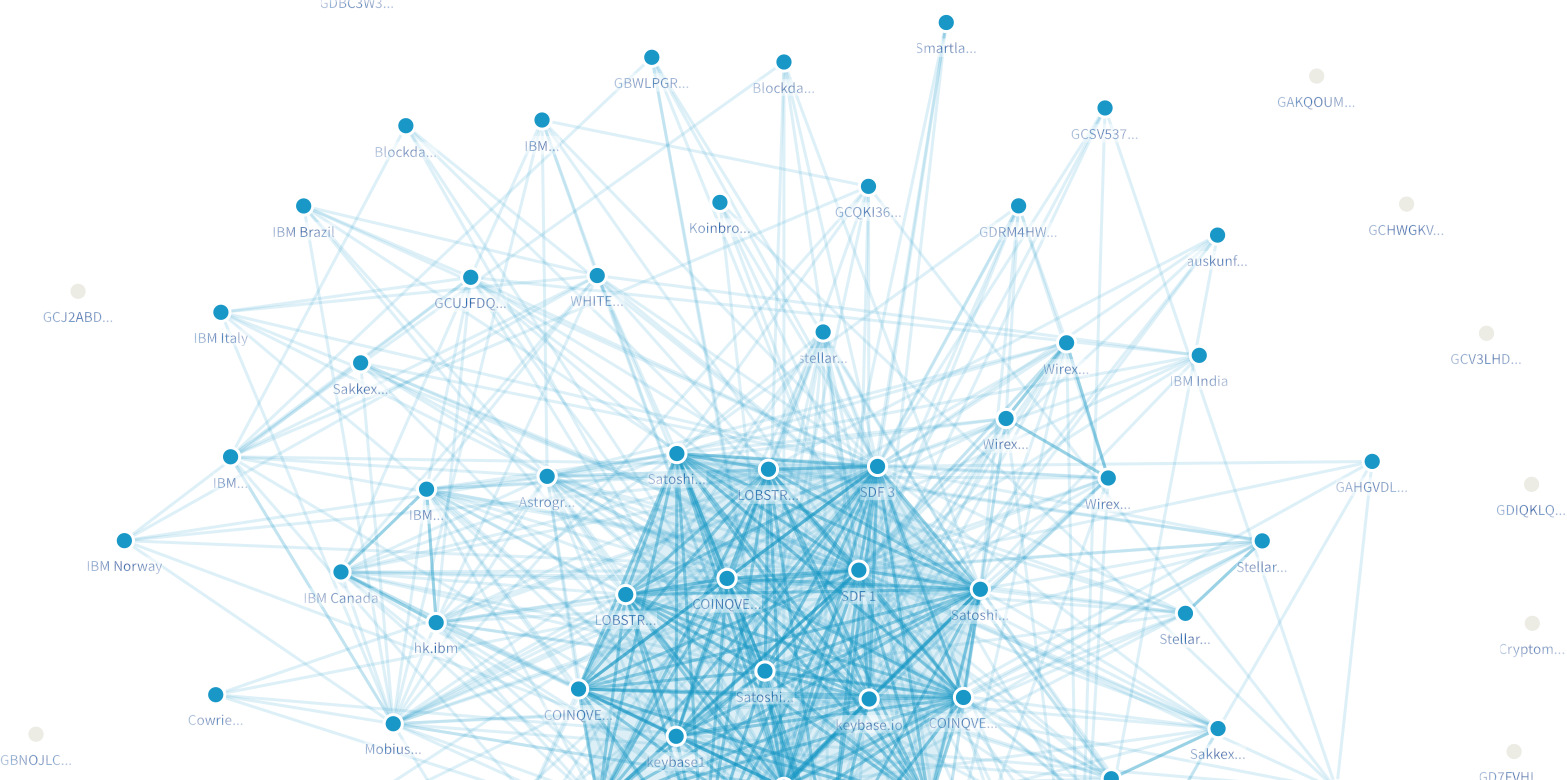
Untuk memahami kesesuaian Stellar sebagai pembayaran global dan jaringan perdagangan, kami mengevaluasi keadaan jaringan publik dan menjalankan eksperimen terkontrol pada eksperimen pribadi jaringan. Kami fokus pada pertanyaan-pertanyaan berikut: • Seperti apa topologi jaringan produksinya? Berapa rata-rata pesan yang disiarkan, dan bagaimana SCP mengalami timeout? • Apakah latensi pembaruan konsensus dan buku besar tetap independen terhadap jumlah akun?SOSP '19, 27–30 Oktober 2019, Huntsville, ON, Kanada Lokhava dkk. • Bagaimana latensi dipengaruhi oleh peningkatan (a) transaksi per detik (dan, akibatnya, transaksi per buku besar), dan (b) jumlah validator node? • Berapa biaya menjalankan sebuah node dalam kaitannya dengan CPU, memori, dan bandwidth jaringan? Jaringan pembayaran memiliki tingkat transaksi yang rendah dibandingkan ke jenis sistem terdistribusi lainnya. blockchains terkemuka, Bitcoin dan Ethereum, konfirmasi hingga 15 transaksi/detik, kurang dari Stellar. Selain itu, sistem ini memerlukan waktu beberapa menit untuk melakukannya satu jam untuk mengonfirmasi transaksi dengan aman, karena bukti kerja memerlukan menunggu beberapa blok untuk ditambang. Itu jaringan SWIFT non-blockchain rata-rata hanya melakukan 420 transaksi per detik pada hari puncaknya [14]. Oleh karena itu kami memilih untuk membandingkan pengukuran kami dengan target 5 detik interval buku besar, target yang lebih agresif. Hasil kami menunjukkan bahwa latensi masih berada di bawah batas ini beberapa pengoptimalan yang belum diterapkan masih dalam proses. 7.1 Jangkar Aset yang paling banyak diperdagangkan berdasarkan volume mencakup mata uang (misalnya, 3 USD jangkar, 2 CNY), jangkar Bitcoin, keamanan yang didukung real estat token [92], dan mata uang dalam aplikasi [8]. Jangkar yang berbeda memiliki kebijakan yang berbeda. Misalnya, satu jangkar USD, Stronghold, menetapkan auth_reqired dan memerlukan proses kenali pelanggan Anda (KYC) untuk setiap akun yang memilikinya aset. Lainnya, AnchorUSD, memungkinkan siapa pun menerima dan berdagang USD mereka (sehingga memungkinkan untuk mengirim $0,50 ke Meksiko dalam 5 detik dengan biaya $0,000001). Namun, JangkarUSD memang memerlukan KYC dan biaya untuk membeli atau menebus USD mereka dengan transfer kawat konvensional. Di Filipina, di mana peraturan bank lebih longgar untuk pembayaran masuk,coin.ph mendukung pencairan PHP di mesin ATM mana pun [36]. Selain token keamanan yang disebutkan di atas dan mata uang dalam aplikasi, terdapat berbagai token non-mata uang mulai dari obligasi komersial [22] dan kredit karbon [85, 96] dan lebih banyak lagi aset esoteris seperti token yang memberikan insentif kolaboratif penarikan kembali mobil [35]. 7.2 Jaringan publik Saat tulisan ini dibuat, terdapat 126 full node yang aktif, 66 di antaranya berpartisipasi dalam konsensus dengan menandatangani pesan suara. Gambar 7 (dihasilkan oleh [5]) memvisualisasikan jaringan, dengan garis di antaranya dua node jika salah satu muncul di bagian kuorum yang lain dan a garis biru gelap untuk menunjukkan ketergantungan dua arah. Di center adalah sekelompok 17 “tingkat satu validators” de facto yang dijalankan oleh SDF, SatoshiPay, LOBSTR, COINQVEST, dan Keybase. Empat bulan lalu, sebelum peristiwa Bagian 6, disana ada 15 node yang penting secara sistemik: 3 dari yang tampaknya organisasi tingkat satu dan beberapa lajang acak. Itu grafik juga terlihat kurang teratur. Oleh karena itu, nampaknya mekanisme konfigurasi baru dan/atau keputusan operator yang lebih baik untuk berkontribusi pada topologi jaringan yang lebih sehat. Tanpa sumber daya keuangan yang besar (dan pemegang saham terkait Gambar 7. Peta irisan kuorum kewajiban), akan sulit untuk merekrut 5 tingkat satu organisasi sejak awal. Hal ini menunjukkan kuorum irisan memainkan peran yang berguna dalam bootstraping jaringan: siapa pun bisa bergabung dengan tujuan menjadi pemain penting karena tidak ada penjaga gerbang untuk kesepakatan berpasangan. Saat ini ada lebih dari 3,3 juta akun di buku besar. Selesai periode 24 jam terakhir, Stellar rata-rata 4,5 transaksi dan 15,7 operasi per detik. Meninjau buku besar terbaru, sebagian besar transaksi tampaknya memiliki satu operasi, sementara setiap beberapa operasi di buku besar kita melihat transaksi yang berisi banyak operasi itu tampaknya berasal dari pembuat pasar yang mengelola penawaran. Itu waktu yang berarti untuk mencapai konsensus dan memperbarui buku besar 1061 ms dan 46 ms, masing-masing. Persentil ke-99 adalah 2252 mdtk dan 142 mdtk (yang pertama mencerminkan batas waktu 1 detik dalam pemilihan pemimpin nominasi). Catatan kinerja SCP adalah sebagian besar tidak bergantung pada transaksi per detik, sejak SCP menyetujui hash dari banyak transaksi yang sewenang-wenang. Kemacetan lebih besar kemungkinannya timbul dari pencalonan calon transaksi selama nominasi, pelaksanaan dan validasi transaksi, dan menggabungkan keranjang. Kami belum membutuhkannya untuk memparalelkan pemrosesan transaksi stellar-core pada beberapa inti CPU atau drive disk. Kami juga mengevaluasi jumlah pesan SCP yang disiarkan pada jaringan produksi. Dalam kasus normal dengan satu pemimpin terpilih untuk mencalonkan suatu nilai, kami mengharapkan tujuh logis pesan yang akan disiarkan: dua pesan untuk dipilih dan diterima seorang nomipernyataan nate, dua pesan untuk diterima dan dikonfirmasi pernyataan persiapan, dua pesan untuk diterima dan dikonfirmasi pernyataan komit, dan terakhir, pesan eksternalisasi (dikirim setelah melakukan buku besar baru ke disk untuk membantu orang yang tersesat mengejar ketinggalan). Implementasinya menggabungkan konfirmasi komit dan mengeksternalisasikan pesan sebagai optimasi, sebagaimana adanya aman untuk mengeksternalisasi suatu nilai setelah dikomit. Kami kemudian menganalisis metrik yang dikumpulkan pada Stellar validator produksi. Selesai selama 68 jam, 1,3 pesan/detik dikirimkan, rata-rata 6-7 pesan per buku besar. Kami mencatat bahwa totalnya
Pembayaran global yang cepat dan aman dengan Stellar SOSP '19, 27–30 Oktober 2019, Huntsville, ON, Kanada Persentil Jumlah Batas Waktu Nominasi Pemungutan suara 75% 0 0 99% 1 0 Maks 4 1 Gambar 8. Batas waktu per buku besar selama 68 jam jumlah pesan yang disiarkan oleh validators lebih besar, sejak di selain pesan pemungutan suara gabungan, node juga menyiarkan transaksi apa pun yang mereka pelajari. Gambar 8 menunjukkan batas waktu yang dialami oleh suatu produksi validator selama jangka waktu 68 jam. Batas waktu nominasi adalah ukuran (tidak)efektifnya fungsi pemilihan pemimpin, sementara waktu tunggu pemungutan suara sangat bergantung pada jaringan dan potensi penundaan pesan. Batas waktunya konsisten dengan jumlah pesan yang dipancarkan: enam pesan di skenario kasus terbaik, dan setidaknya tujuh pesan jika putaran nominasi tambahan diperlukan. 7.3 Eksperimen terkontrol Kami menjalankan eksperimen terkontrol dalam wadah yang dikemas Instans Amazon EC2 c5d.9xlarge dengan RAM 72 GiB, NVMe SSD 900 GB, dan 36 vCPU. Setiap contoh ada di wilayah EC2 yang sama dan memiliki bandwidth tetap 10 Gbps. Kami menggunakan SQLite sebagai toko. (Stellar juga mendukung PostgreSQL, tapi itu memiliki tugas asinkron yang memasukkan kebisingan ke dalam pengukuran.) Stellar menyediakan kueri runtime bawaan, generateload, yang memungkinkan menghasilkan beban sintetis pada target tertentu transaksi/kurs kedua. Meskipun Stellar mendukung beragam fitur perdagangan, seperti buku pesanan dan jalur lintas aset pembayaran, kami fokus pada pembayaran sederhana. Mengonfirmasi transaksi terdiri dari beberapa langkah, jadi kami mencatat pengukuran untuk setiap hal berikut: • Nominasi: waktu dari nominasi hingga persiapan pertama • Pemungutan suara: waktu dari persiapan pertama hingga pengukuhan a pemungutan suara dilakukan • Pembaruan buku besar: saatnya menerapkan nilai konsensus • Jumlah transaksi: transaksi terkonfirmasi per buku besar Setiap eksperimen kami ditentukan oleh tiga parameter: jumlah entri akun dalam buku besar, jumlah beban (berupa pembayaran XLM) yang dikirimkan per detik, dan jumlah validators. Kami mengonfigurasi setiap validator untuk mengetahui tentang setiap validator lainnya (skenario terburuk untuk SCP), dengan potongan kuorum ditetapkan ke mayoritas sederhana node (untuk memaksimalkan jumlah kuorum yang berbeda). Dasar Eksperimen dasar kami mengukur Stellar dengan 100.000 akun, empat validator, dan pembuatan beban kecepatan 100 transaksi/detik. Kami mengamati rata-rata 507 transaksi per buku besar, dengan deviasi standar 49 (9,7%). Perhatikan bahwa tidak ada transaksi yang dibatalkan; sedikit 105 106 107 0 500 1.000 1.500 2.000 Akun Latensi [ms] Pembaruan buku besar Pemungutan suara Nominasi Gambar 9. Latensi seiring bertambahnya jumlah akun varians disebabkan oleh keterbatasan penjadwalan generator beban. Kami mengamati bahwa jumlah transaksi per buku besar konsisten dengan tingkat pembangkitan beban kami, berdasarkan buku besar menutup setiap 5 detik. Nominasi, pemungutan suara, dan buku besar pembaruan menunjukkan latensi rata-rata 82,53 ms, 95,96 ms, dan 174,08 ms, masing-masing. Kami mengamati latensi nominasi tersebut Persentil ke-99 secara konsisten berada di bawah 61 md, dan kadang-kadang lonjakan sekitar 1 detik, sesuai dengan langkah pertama dalam fungsi batas waktu pemilihan pemimpin. Mengingat kinerja dasar, kami melihat dampaknya memvariasikan setiap parameter pengaturan pengujian. Akun Data pada Gambar 9 menunjukkan bahwa skala Stellar serta jumlah akun bertambah. Generasi tes akun menjadi proses yang panjang, seiring pembuatan keranjang dan penggabungan mencegah kami untuk sekadar mengisi database dengan akun langsung melalui SQL. Oleh karena itu, kami melakukan eksperimen hingga 50.000.000 akun. Selagi ada dampak minimal pada konsensus dan latensi pembaruan buku besar, kami mencatat bahwa peningkatan akun menciptakan overhead sebesar menggabungkan ember, yang menjadi lebih besar. Tingkat transaksi Tingkat transaksi mempengaruhi jumlah lalu lintas multicast di antara validators, jumlah transaksi yang termasuk dalam setiap buku besar, dan ukuran tingkat teratas ember. Untuk memahami dampak peningkatan transaksi memuat, kami menjalankan eksperimen dengan 100.000 akun dan 4 validators. Gambar 10 menunjukkan pertumbuhan latensi konsensus yang lambat, sementara sebagian besar waktu dihabiskan untuk memperbarui buku besar. Tidak mengherankan, seiring bertambahnya ukuran kumpulan transaksi membutuhkan waktu lebih lama untuk mengkomitnya ke database. Kami juga mencatat itu latensi pembaruan buku besar sangat bergantung pada implementasi, dan dipengaruhi oleh pilihan database. Node validator Untuk melihat seberapa meningkat jumlah tierone validatorsmemengaruhi kinerja, kami menjalankan eksperimen dengan 100.000 akun, 100 transaksi/detik, dan jumlah validator yang bervariasi dari 4 hingga 43. Semua validator muncul di seluruh kuorum validators; irisan kuorum yang lebih kecil akan melakukannya memiliki dampak yang lebih kecil terhadap kinerja.SOSP '19, 27–30 Oktober 2019, Huntsville, ON, Kanada Lokhava dkk. 100 150 200 250 300 350 0 500 1.000 1.500 2.000 Muat [transaksi/detik] Latensi [ms] Pembaruan buku besar Pemungutan suara Nominasi Gambar 10. Latensi seiring meningkatnya beban transaksi 10 20 30 40 0 500 1.000 1.500 2.000 Validator Latensi [ms] Pembaruan buku besar Pemungutan suara Nominasi Gambar 11. Latensi seiring bertambahnya jumlah node Mengubah jumlah node validasi di jaringan berdampak pada jumlah pesan SCP yang dipertukarkan juga jumlah nilai potensial selama nominasi. Gambar 11 menunjukkan waktu nominasi meningkat pada tingkat yang relatif kecil. Meskipun data menunjukkan bahwa pemungutan suara adalah hambatannya, kami percaya bahwa banyak masalah penskalaan dapat diatasi dengan melakukan perbaikan Jaringan overlay Stellar untuk mengoptimalkan lalu lintas jaringan. Sebagai diharapkan, latensi pembaruan buku besar tetap independen jumlah node. Tingkat penutupan Terakhir, kami ingin mengukur kinerja end-to-end Stellar dengan mengukur seberapa sering buku besar dikonfirmasi dan apakah Stellar memenuhi target 5 detik tanpa membatalkan transaksi apa pun. Kami mengamati rata-rata buku besar ditutup waktu 5,03 detik, 5,10 detik, dan 5,15 detik seiring peningkatan akun entri, tingkat transaksi, dan jumlah node, masing-masing. Hasilnya menunjukkan bahwa Stellar dapat menutup buku besar secara konsisten di bawah beban tinggi. 7.4 Menjalankan validator Salah satu fitur penting Stellar adalah biayanya yang rendah menjalankan validator, karena jangkar harus dijalankan (atau dikontrak) validators untuk menegakkan finalitas. SDF menjalankan 3 validators produksi, semuanya pada instans AWS c5.large, yang memiliki dua inti, RAM 4 GiB dan CPU Intel(R) Xeon(R) Platinum 8124M @ Prosesor 3,00GHz. Memeriksa penggunaan sumber daya di satu tempat dari mesin ini, kami mengamati proses Stellar menggunakan sekitar 7% CPU dan 300 MiB memori. Dalam hal lalu lintas jaringan, dengan 28 koneksi ke rekan dan ukuran kuorum dari 34, kecepatan masuk dan keluar adalah 2,78 Mbit/s dan 2,56 Mbit/dtk, masing-masing. Perangkat keras diperlukan untuk menjalankan a prosesnya tidak mahal. Dalam kasus kami, biayanya adalah $0,054/jam atau sekitar $40/bulan. 7.5 Pekerjaan masa depan Eksperimen ini menunjukkan bahwa Stellar dapat dengan mudah menskalakan 1–2 pesanan besarnya melebihi penggunaan jaringan saat ini. Karena tuntutan kinerja sangat sederhana hingga saat ini, Stellar menyisakan ruang untuk banyak penggunaan pengoptimalan langsung teknik terkenal. Misalnya transaksi dan SCP pesan disiarkan oleh validators menggunakan banjir naif protokol, namun idealnya menggunakan protokol yang lebih efisien dan terstruktur multicast peer-to-peer [30]. Selain itu, banyak database waktu pembaruan buku besar dapat ditingkatkan melalui teknik batching dan prefetching standar.
評価
Stellar のグローバルな支払いとしての適性を理解するため、 取引ネットワーク、パブリック ネットワークの状態を評価しました そして私的な実験で管理された実験を実行しました ネットワーク。私たちは次の質問に焦点を当てました。 • 実稼働ネットワーク トポロジはどのようなものですか? ブロードキャストされるメッセージの平均数、および SCP はどのようにタイムアウトを経験しますか? • コンセンサスと台帳の更新の遅延はアカウントの数に依存しませんか?SOSP ’19、2019 年 10 月 27 ~ 30 日、カナダ、オンタリオ州ハンツビル ロカバら。 • (a) 1 秒あたりのトランザクション (したがって、1 あたりのトランザクション数) の増加によってレイテンシはどのような影響を受けるか 台帳)、および (b) validator ノードの数? • CPU の観点から見たノードの実行コストはいくらですか。 メモリとネットワーク帯域幅は? 決済ネットワークは他のものと比べて取引率が低い 他のタイプの分散システムへ。先頭のblockchain、 Bitcoin および Ethereum、最大 15 トランザクション/秒を確認します。 Stellar 未満。さらに、これらのシステムは、 プルーフ・オブ・ワークではいくつかのブロックがマイニングされるのを待つ必要があるため、トランザクションを安全に確認するには 1 時間かかります。の blockchain 以外の SWIFT ネットワークでは、ピーク日 [14] には 1 秒あたり平均 420 トランザクションしかありませんでした。そこで私たちが選んだのは、 測定値を 5 秒の目標と比較するため 元帳間隔、より積極的な目標。私たちの結果は次のことを示しています レイテンシはこの制限を快適に下回っています。 いくつかの未実装の最適化がまだパイプラインにあります。 7.1 アンカー 取引量で上位の資産には通貨が含まれます (例: 3 USD アンカー、2 CNY)、Bitcoin アンカー、不動産担保証券 token [92]、およびアプリ内通貨 [8]。アンカーが異なれば、ポリシーも異なります。たとえば、1 つの USD アンカー、 Stronghold、auth_reqired を設定し、顧客を保持するすべてのアカウントに対して顧客確認 (KYC) プロセスを要求します。 資産。もう 1 つの AnchorUSD は、誰でも受け取って取引できます 彼らの米ドル(文字通り0.50ドルをメキシコに送金することが可能になります) 5 秒で 0.000001 ドルの手数料がかかります)。ただし、アンカーUSD USDの購入または引き換えにはKYCと手数料が必要です 従来の電信送金を使用します。フィリピンでは、 Coins.ph の入金に対する銀行の規制は緩い 任意の ATM マシン [36] での PHP のキャッシュアウトをサポートします。前述のセキュリティ token とアプリ内通貨に加えて、次のようなさまざまな非通貨 token があります。 商業債券 [22] および炭素クレジット [85、96] からその他 協力を促す token などの難解な資産 車の差し押さえ [35]。 7.2 パブリックネットワーク この記事の執筆時点では、126 個のアクティブなフル ノードがあり、そのうち 66 個は 投票メッセージに署名してコンセンサスに参加します。図7 ([5] によって生成) は、ネットワークを視覚化します。 一方が他方のクォーラム スライスに存在する場合は 2 つのノード、もう一方のクォーラム スライスに存在する場合は 2 つのノード 濃い青の線は双方向の依存性を示します。で センターは、17 の事実上の「ティア 1 validators」からなるクラスターであり、以下によって運営されています。 SDF、SatoshiPay、LOBSTR、COINQVEST、および Keybase。 4 か月前、第 6 節の出来事が起こる前に、 システム的に重要なノードは 15 個あり、そのうち 3 個は一見したところからのノードでした 第一層の組織といくつかのランダムなシングルトン。の グラフもかなり規則性が欠けているように見えました。したがって、新しい構成メカニズムおよび/またはより適切なオペレーターの決定が必要と思われます。 より健全なネットワーク トポロジに貢献します。なし 莫大な資金力(そしてそれに対応する株主) 図 7. クォーラム スライス マップ 義務)、ティア1を5人採用するのは困難だったでしょう ただし、組織は最初からそうなっています。これは定足数を示唆しています スライスはネットワーク ブートストラップで便利な役割を果たします。誰でも実行できます。 重要なプレーヤーになるという目標を持って参加するため、 ペアごとの合意の門番は存在しません。 現在、台帳には 330 万を超えるアカウントがあります。終わった 最近 24 時間で、Stellar のトランザクションは平均 4.5 件で、 1 秒あたり 15.7 回の操作。最近の台帳を確認すると、ほとんどの場合、 トランザクションには単一の操作があるように見えますが、数回ごとに 台帳では、多くの操作を含むトランザクションが見られます。 オファーを管理するマーケットメーカーから来ているようです。の 合意形成と台帳の更新にかかる平均時間は それぞれ1061ミリ秒と46ミリ秒。 99 パーセンタイルは次のとおりです。 2252 ミリ秒と 142 ミリ秒 (前者は 1 秒のタイムアウトを反映) 指名リーダーの選択において)。 SCP のパフォーマンスは次のとおりです。 SCP 以来、1 秒あたりのトランザクションにほとんど依存しません。 任意の多数のトランザクションの hash に同意します。ボトルネックは候補の伝播によって発生する可能性が高くなります 指名、実行、検証中のトランザクション トランザクションとバケットのマージ。まだ必要ありません 複数の CPU コアまたはディスク ドライブ上で Stellar-core のトランザクション処理を並列化します。 また、ブロードキャストされた SCP メッセージの数も評価しました。 本番ネットワーク上で。通常のシングルの場合 リーダーが価値を指名するために選出された場合、私たちは 7 つの論理的価値を期待します ブロードキャストされるメッセージ: 投票して承認する 2 つのメッセージ のみnate ステートメント、受け入れて確認する 2 つのメッセージ 準備ステートメント、受け入れと確認のための 2 つのメッセージ commit ステートメント、そして最後に externalize メッセージ (敗者を支援するために新しい台帳をディスクにコミットした後に送信されます) 追いつきます)。実装はコミット確認を組み合わせます そしてメッセージを最適化として外部化します。 コミット後に値を安全に外部化できます。次に、本番環境 Stellar validator で収集されたメトリクスを分析します。終わった 68 時間にわたって、1 秒あたり 1.3 メッセージが送信されました。 台帳あたりのメッセージは平均して 6 ~ 7 件です。合計は
Stellar による高速かつ安全なグローバル支払い SOSP ’19、2019 年 10 月 27 ~ 30 日、カナダ、オンタリオ州ハンツビル パーセンタイル タイムアウト数 指名 投票 75% 0 0 99% 1 0 マックス 4 1 図 8. 68 時間にわたるレジャーごとのタイムアウト validators によってブロードキャストされるメッセージの数は大きくなります。 フェデレーテッド投票メッセージに加えて、ノードはブロードキャストも行います。 彼らが知ったあらゆる取引。 図 8 は、プロダクションで発生したタイムアウトを示しています。 validator 68 時間にわたって。指名タイムアウトは、 リーダー選出機能の(非)有効性の尺度。投票タイムアウトはネットワークに大きく依存します。 メッセージの遅延の可能性もあります。タイムアウトは一貫しています 発行されるメッセージの数: 6 つのメッセージ 最良のシナリオ、および追加の指名ラウンドが必要な場合は少なくとも 7 つのメッセージ。 7.3 管理された実験 に詰められたコンテナ内で制御された実験を実行しました。 72 GiB の RAM を備えた Amazon EC2 c5d.9xlarge インスタンス、 900 GB の NVMe SSD、および 36 個の vCPU。各インスタンスは 同じ EC2 リージョンにあり、10 Gbps の固定帯域幅がありました。 ストアとして SQLite を使用しました。 (Stellar は PostgreSQL もサポートしています。 ただし、測定にノイズを注入する非同期タスクが含まれます)。 Stellar は、組み込みのランタイム クエリ、generateload、 特定のターゲットで合成負荷を生成できるようにします トランザクション/秒レート。 Stellar はさまざまな機能をサポートしていますが、 オーダーブックやクロスアセットパスなどの取引機能 決済においては、シンプルな決済に注力しました。 トランザクションの確認は複数のステップで構成されているため、 次のそれぞれの測定値を記録しました。 • 指名: 指名から最初の準備までの時間 • 投票: 最初の準備から投票の確認までの時間 投票用紙がコミットされました • 台帳の更新: コンセンサス値を適用する時期 • トランザクション数: 台帳ごとに確認されたトランザクション 私たちの各実験は 3 つのパラメーターによって定義されました。 台帳の口座エントリの数、金額 1 秒あたりに送信される負荷 (XLM 支払いの形式)、 そしてvalidatorの数。 validator ごとに構成しました validator ごとに知るため (最悪のシナリオ) SCP の場合)、クォーラム スライスは単純過半数に設定されます。 (異なるクォーラムの数を最大化するため)。 ベースライン ベースライン実験では Stellar を測定しました 100,000 アカウント、4 つの validator、および負荷生成 100 トランザクション/秒のレート。台帳ごとに平均 507 件のトランザクションが観察され、標準偏差は 49 でした。 (9.7%)。トランザクションがドロップされなかったことに注意してください。わずかな 105 106 107 0 500 1,000 1,500 2,000 アカウント レイテンシ[ミリ秒] 台帳の更新 投票 指名 図 9. アカウント数の増加に伴う待ち時間 差異は、ロード ジェネレーターのスケジュール制限によるものです。台帳ごとのトランザクション数が観察されました。 台帳を考慮すると、負荷生成率と一致していました 5秒ごとに閉まります。指名、投票、台帳 アップデートでは、平均レイテンシが 82.53 ミリ秒、95.96 ミリ秒、 それぞれ174.08ミリ秒。指名のレイテンシーが観察されました 99 パーセンタイルは常に 61 ミリ秒未満ですが、場合によっては 最初のステップに相当する約 1 秒のスパイク リーダー選択のタイムアウト機能で。 ベースラインのパフォーマンスを考慮して、その影響を調べました。 各テスト設定パラメータを変更します。 アカウント 図 9 のデータは、Stellar がスケールすることを示唆しています。 アカウントの数も増えます。テストの生成 バケットの作成と、アカウントの作成に時間がかかるプロセスになりました。 マージにより、単にデータベースにデータを追加することができなくなりました SQL 経由でアカウントを直接使用します。そこで私たちは、 最大 50,000,000 アカウントを対象とした実験。あるうちに コンセンサスと台帳更新の遅延への影響を最小限に抑え、 アカウントを増やすと、次のようなオーバーヘッドが発生することに注意してください。 バケットを結合すると、サイズが大きくなります。 トランザクションレート 取引レートは金額に影響を与えます validator 間のトラフィック マルチキャスト、各台帳に含まれるトランザクションの数、および最上位のサイズ バケツ。トランザクションの増加による影響を理解するため 負荷に応じて、100,000 のアカウントと 4 つの validator を使用して実験を実行しました。 図 10 は、コンセンサス レイテンシーの緩やかな増加を示しています。 一方、大部分の時間は台帳の更新に費やされました。 当然のことですが、トランザクション セットのサイズが大きくなるにつれて、 データベースにコミットするのに時間がかかります。また、 台帳更新の遅延は実装に大きく依存します。 データベースの選択によって影響を受けます。 バリデータノード tierone validators の数がどのように増加するかを確認するにはパフォーマンスに影響を与えるため、実験を実行しました 100,000 のアカウント、100 トランザクション/秒、validator の数は 4 ~ 43 で、すべての validator が表示されました。 すべての validator のクォーラム スライス内。より小さいクォーラム スライスは、 パフォーマンスへの影響が少なくなります。SOSP ’19、2019 年 10 月 27 ~ 30 日、カナダ、オンタリオ州ハンツビル ロカバら。 100 150 200 250 300 350 0 500 1,000 1,500 2,000 ロード [トランザクション/秒] レイテンシ[ミリ秒] 台帳の更新 投票 指名 図 10. トランザクション負荷の増加に伴うレイテンシ 10 20 30 40 0 500 1,000 1,500 2,000 バリデーター レイテンシ[ミリ秒] 台帳の更新 投票 指名 図 11. ノード数の増加に伴うレイテンシ ネットワーク上の検証ノードの数の変更 交換される SCP メッセージの数に影響を与えるだけでなく、 推薦中の潜在的な値の数。図11 は、指名時間の増加率が比較的小さいことを示しています。 データは投票がボトルネックであることを示唆していますが、 スケーリングに関する多くの問題は、改善することで解決できると考えています。 Stellar のオーバーレイ ネットワークを使用してネットワーク トラフィックを最適化します。として 予想通り、台帳更新の遅延は独立したままでした ノードの数。 成約率 最後に、台帳が確認される頻度と、Stellar が 5 秒の目標を達成するかどうかを測定することで、Stellar のエンドツーエンドのパフォーマンスを測定したいと考えました。 トランザクションを削除します。平均的な元帳のクローズが観察されました アカウントの増加に伴い、5.03 秒、5.10 秒、5.15 秒の時間になりました それぞれ、エントリ、トランザクション レート、ノード数です。 結果は、Stellar が元帳を一貫してクローズできることを示唆しています 高負荷時。 7.4 validator を実行しています Stellar の重要な特徴の 1 つは、コストが低いことです。 validator を実行します。アンカーは実行 (または契約) する必要があります。 validators でファイナリティを強制します。 SDF は 3 つの本番 validator を実行し、すべて 2 つのコアを持つ c5.large AWS インスタンス上で実行します。 4 GiB の RAM および Intel(R) Xeon(R) Platinum 8124M CPU @ 3.00GHz プロセッサ。 1 台でのリソース使用状況の検査 これらのマシンのうち、Stellar プロセスを観察しました。 CPU の約 7% とメモリ 300 MiB。ネットワーク トラフィックに関しては、ピアへの接続数が 28、クォーラム サイズが 1 つあります。 34 の場合、受信速度と送信速度は 2.78 Mbit/s でした。 それぞれ2.56Mビット/秒。このようなものを実行するにはハードウェアが必要です プロセスが安価です。この場合、コストは 0.054 ドル/時間です。 または月額約40ドル。 7.5 今後の取り組み これらの実験は、Stellar が 1 ~ 2 個の注文を簡単にスケールできることを示しています 今日のネットワーク使用量を超える規模です。なぜなら、 これまでのところ、パフォーマンスに対する要求は非常に控えめです。Stellar を使用して多くの直接的な最適化の余地を残します。 有名なテクニック。例: トランザクションと SCP メッセージは素朴なフラッディングを使用して validators によってブロードキャストされます プロトコルを使用しますが、理想的には、より効率的で構造化されたプロトコルを使用する必要があります。 ピアツーピア マルチキャスト [30]。さらに、データベースを多用する 台帳の更新時間は、標準のバッチ処理およびプリフェッチ技術によって改善できます。
Kesimpulan
Pembayaran internasional mahal dan memakan waktu berhari-hari. Dana hak asuh melewati beberapa lembaga keuangan termasuk bank koresponden dan layanan pengiriman uang. Karena setiap hop harus dipercaya sepenuhnya, sulit untuk yang baru pendatang untuk mendapatkan pangsa pasar dan bersaing. Stellar pertunjukan cara mengirim uang ke seluruh dunia dengan murah dalam hitungan detik. Itu inovasi utamanya adalah protokol perjanjian Bizantium keanggotaan terbuka baru, SCP, yang memanfaatkan struktur peer-to-peer jaringan keuangan untuk mencapai konsensus global berdasarkan a hipotesis Internet baru. SCP membiarkan Stellar berkomitmen secara atom transaksi yang tidak dapat diubah antar peserta sewenang-wenang yang tidak tahu atau percaya satu sama lain. Hal ini pada gilirannya menjamin akses pendatang baru ke pasar yang sama seperti yang sudah ada pemain, membuatnya aman untuk mendapatkan pertukaran terbaik yang tersedia bahkan dari pembuat pasar yang tidak tepercaya, dan secara dramatis mengurangi latensi pembayaran. Ucapan Terima Kasih Stellar tidak akan menjadi seperti sekarang ini tanpa adanya awal kepemimpinan Joyce Kim atau kontribusi luar biasa dari Scott Fleckenstein dan Bartek Nowotarski di gedung dan mempertahankan horizon, Stellar SDK, dan bagian penting lainnya ekosistem Stellar. Kami juga berterima kasih kepada Kolten Bergeron, Henry Corrigan-Gibbs, Candace Kelly, Kapil K. Jain, Boris Reznikov, Jeremy Rubin, Christian Rudder, Eric Saunders, Torsten Stüber, Tomer Weller, pengulas anonim, dan gembala kami Justine Sherry atas komentarnya yang bermanfaat draft sebelumnya. Penafian Kontribusi Profesor Mazières pada publikasi ini adalah sebagai konsultan berbayar, dan bukan merupakan bagian dari kontribusinya Tugas atau tanggung jawab Universitas Stanford.
Pembayaran global yang cepat dan aman dengan Stellar SOSP '19, 27–30 Oktober 2019, Huntsville, ON, Kanada
結論
国際決済は高額で日数もかかります。基金 保管はコルレス銀行や送金サービスを含む複数の金融機関を経由します。 各ホップは完全に信頼される必要があるため、新しいホップは困難です。 参入者は市場シェアを獲得し、競争します。 Stellar の番組 数秒で世界中に安く送金する方法。の 主要な革新は、ピアツーピア構造を活用した新しいオープンメンバーシップのビザンチン協定プロトコルである SCP です。 世界的なコンセンサスを達成するための金融ネットワークの構築 新しいインターネット仮説。 SCP は Stellar をアトミックにコミットさせます 任意の参加者間の不可逆的なトランザクション。 お互いのことを知らないし信頼もしていない。これにより、新規参入者が既存の市場と同じ市場にアクセスできることが保証されます。 プレーヤーは、利用可能な最高の交換を安全に入手できます 信頼できないマーケットメーカーからのレートであっても、劇的に上昇します。 支払いの待ち時間を短縮します。 謝辞 Stellar は、初期の ジョイス・キムのリーダーシップまたは多大な貢献 スコット・フレッケンシュタインとバルテック・ノヴォタルスキーが建築と Horizon、Stellar SDK、およびその他の重要な要素の維持 Stellar エコシステムの。コルテン・ベルジェロンにも感謝します。 ヘンリー・コリガン=ギブス、キャンディス・ケリー、カピル・K・ジェイン、ボリス レズニコフ、ジェレミー・ルービン、クリスチャン・ラダー、エリック・サンダース、 Torsten Stüber、Tomer Weller、匿名の査読者、 私たちの羊飼いのジャスティン・シェリーさんに有益なコメントをいただきました 以前の草案。 免責事項 マジエール教授のこの出版物への貢献は有償コンサルタントとしてのものであり、教授の活動の一部ではありませんでした。 スタンフォード大学の義務または責任。
Stellar による高速かつ安全なグローバル支払い SOSP ’19、2019 年 10 月 27 ~ 30 日、カナダ、オンタリオ州ハンツビル