
Chainlink: شبكة أوراكل اللامركزية
초록
이 백서에서 우리는 원본 Chainlink 백서의 초기 개념을 넘어 Chainlink의 진화에 대한 비전을 명확히 설명합니다. 우리는 예측한다 oracle 네트워크의 역할이 점차 확대되고 있으며, 빠르고 안정적이며 기밀성을 유지하는 범용 연결 및 오프체인 계산 smart contracts. 우리 계획의 기초는 분산형 Oracle 네트워크라고 부르는 것입니다. 줄여서 DONs입니다. DON은 Chainlink 위원회에서 유지 관리하는 네트워크입니다. 노드. 선택한 oracle 기능을 무제한으로 지원합니다. 위원회에 의한 배치. 따라서 DON은 강력한 추상화 계층 역할을 합니다. 광범위한 오프체인 리소스에 대한 smart contracts에 대한 인터페이스를 제공하고 DON 자체 내 효율적이면서도 분산된 오프체인 컴퓨팅 리소스입니다. DONs를 발판으로 Chainlink은 7개 분야의 발전에 집중할 계획입니다. 주요 분야: • 하이브리드 smart contracts: 온체인을 안전하게 구성하여 기존 smart contract 기능을 강화하기 위한 강력하고 일반적인 프레임워크 제공 그리고 오프체인 컴퓨팅 리소스를 우리가 하이브리드 smart contract라고 부르는 것으로 만들었습니다. • 복잡성 추상화: 개발자와 사용자에게 간단한 설명을 제공합니다. 기능을 사용하면 복잡한 기본 기능에 익숙할 필요가 없습니다. 프로토콜 및 시스템 경계. • 확장: oracle 서비스가 지연 시간 및 처리량을 달성하도록 보장 고성능 분산 시스템이 요구하는 것입니다. • 기밀성: blockchains'를 결합한 차세대 시스템 구현 민감한 정보에 대한 강력한 새 기밀 보호 기능을 갖춘 타고난 투명성 데이터. • 거래에 대한 주문 공정성: 다양한 방식으로 거래 순서 지원 최종 사용자에게 공정하고 선행 공격 및 기타 공격을 방지합니다. 봇과 착취적인 광부. • 신뢰 최소화: 매우 신뢰할 수 있는 지원 계층 생성 smart contracts 및 기타 oracle 종속 시스템은 분산화, 높은 보안 수준의 강력한 고정 blockchains, 암호화를 통해 기술 및 암호화폐 경제 보장. • 인센티브 기반(암호경제적) 보안: DONs의 노드가 자원이 풍부한 적들 앞에서도 안정적이고 올바르게 행동할 수 있는 강력한 경제적 인센티브를 갖도록 하는 메커니즘을 엄격하게 설계하고 강력하게 배포합니다. 우리는 Chainlink 커뮤니티의 예비적이고 지속적인 혁신을 제시합니다. 각 영역에서 확장되고 점점 더 커지는 그림을 제공합니다. Chainlink 네트워크에 강력한 기능이 계획되어 있습니다.
خلاصة
في هذا المستند التقني، نوضح رؤية لتطور Chainlink بما يتجاوز تصوره الأولي في المستند التقني Chainlink الأصلي. نحن نتوقع دور متزايد التوسع لشبكات oracle، وهو الدور الذي تكمل فيه وتعزز شبكات blockchain الحالية والجديدة من خلال توفير خدمات سريعة وموثوقة ومفيدة السرية - الحفاظ على الاتصال العالمي والحساب خارج السلسلة لـ smart contracts. أساس خطتنا هو ما نسميه شبكات أوراكل اللامركزية، أو DONs للاختصار. DON هي شبكة تتم صيانتها بواسطة لجنة مكونة من Chainlink العقد. وهو يدعم أي نطاق غير محدود من وظائف oracle المختارة النشر من قبل اللجنة. وبالتالي فإن DON بمثابة طبقة تجريد قوية، تقديم واجهات لـ smart contracts لموارد واسعة النطاق خارج السلسلة وبدرجة عالية موارد حوسبة فعالة وغير مركزية خارج السلسلة داخل DON نفسها. باستخدام DONs كنقطة انطلاق، تخطط Chainlink للتركيز على التقدم في سبعة المجالات الرئيسية: • smart contracts المختلط: تقديم إطار عام قوي لزيادة إمكانات smart contract الحالية من خلال الإنشاء الآمن على السلسلة وموارد الحوسبة خارج السلسلة إلى ما نسميه smart contracts الهجين. • التخلص من التعقيد: تقديم معلومات بسيطة للمطورين والمستخدمين تلغي الوظيفة الحاجة إلى الإلمام بالأساسيات المعقدة البروتوكولات وحدود النظام. • القياس: التأكد من أن خدمات oracle تحقق زمن الاستجابة والإنتاجية التي تتطلبها الأنظمة اللامركزية عالية الأداء. • السرية: تمكين أنظمة الجيل التالي التي تجمع بين blockchains' الشفافية الفطرية مع حماية قوية جديدة لسرية الأشخاص الحساسين data. • عدالة ترتيب المعاملات: دعم تسلسل المعاملات بطرق مختلفة التي تكون عادلة للمستخدمين النهائيين وتمنع الهجمات الأمامية والهجمات الأخرى الروبوتات وعمال المناجم الاستغلاليين. • تقليل الثقة: إنشاء طبقة دعم جديرة بالثقة للغاية smart contracts والأنظمة الأخرى التي تعتمد على oracle عن طريق اللامركزية، والتثبيت القوي في blockchains عالية الأمان، والتشفير التقنيات والضمانات الاقتصادية المشفرة. • الأمن القائم على الحوافز (الاقتصاد المشفر): التصميم الصارم والنشر القوي للآليات التي تضمن أن العقد في DON لديها حوافز اقتصادية قوية للتصرف بشكل موثوق وصحيح، حتى في مواجهة الخصوم ذوي الموارد الجيدة. نقدم ابتكارات أولية ومستمرة من قبل مجتمع Chainlink في كل من هذه المجالات، مما يوفر صورة للتوسع وبشكل متزايد الإمكانات القوية المخطط لها لشبكة Chainlink.
소개
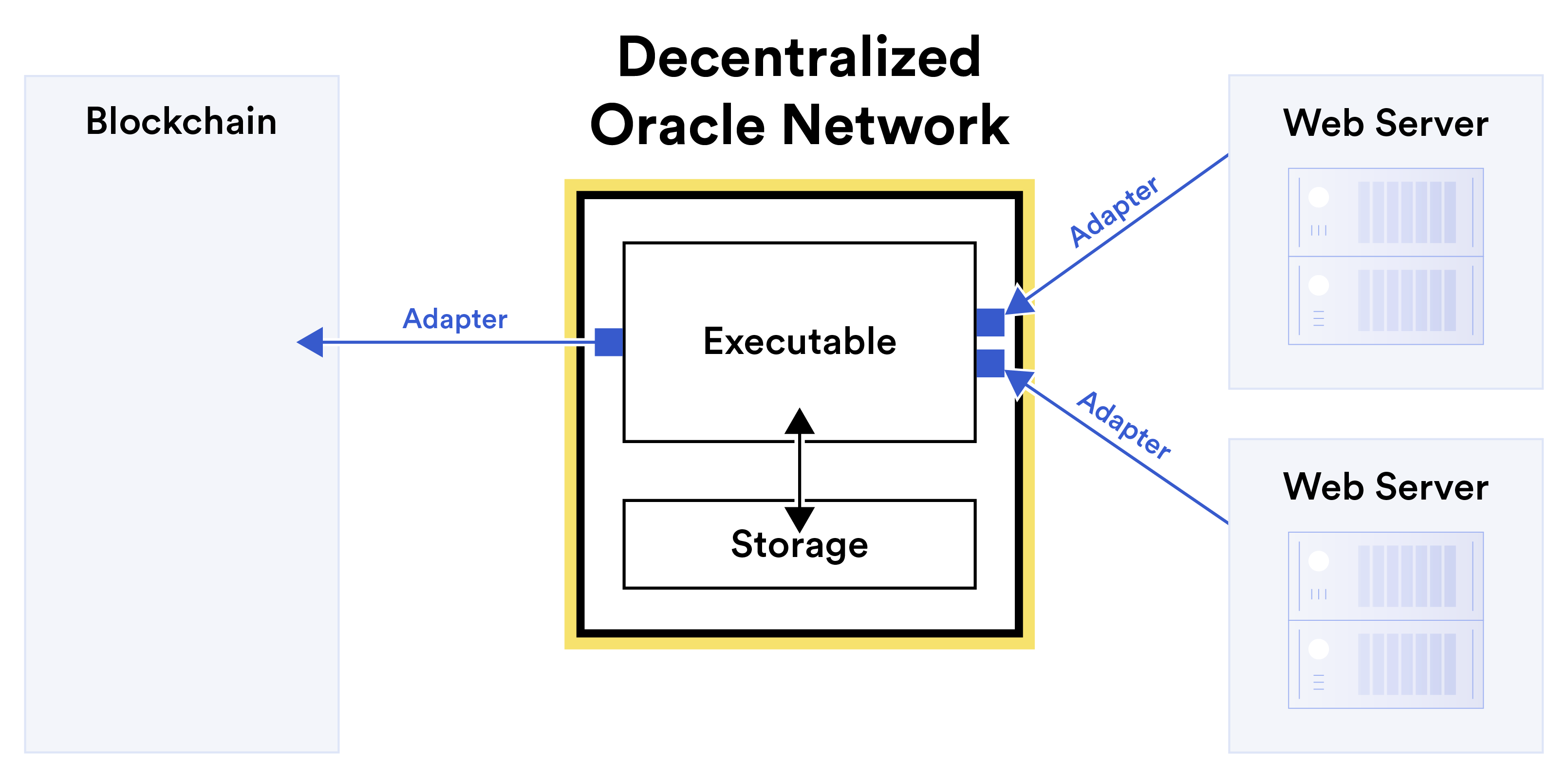
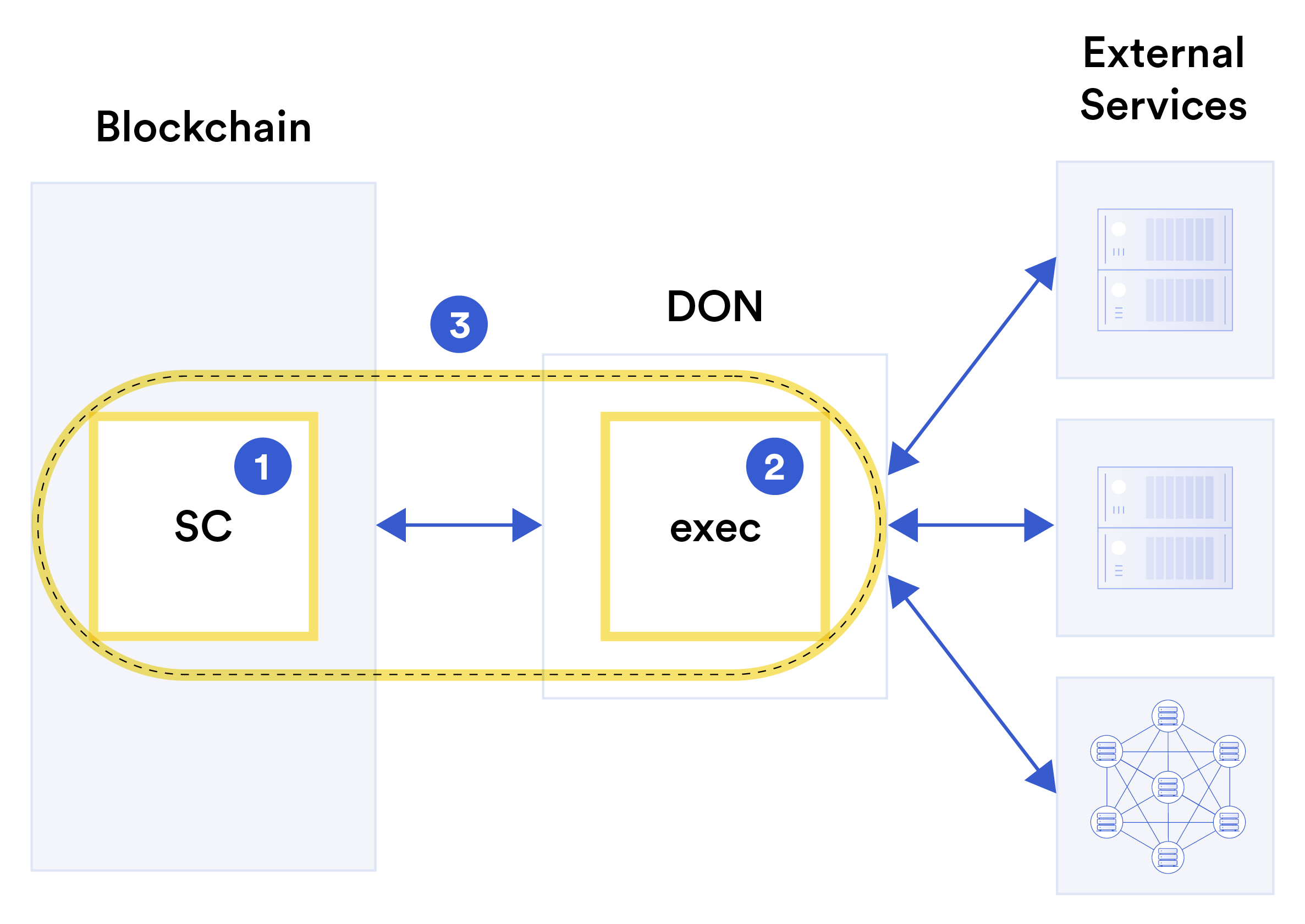
블록체인 oracle은 오늘날 한 가지 목표를 가진 분산형 서비스로 간주되는 경우가 많습니다. 오프체인 리소스의 데이터를 blockchains로 전달합니다. 짧은 걸음이지만, 데이터 전달부터 컴퓨팅, 저장, 양방향 전송까지. 이러한 관찰은 oracles의 기능에 대한 훨씬 더 광범위한 개념을 정당화합니다. 너무도 smart contracts의 증가하는 서비스 요구 사항을 수행하고 점점 더 다각화됩니다. oracle 네트워크에 의존하는 기술. 간단히 말해서, oracle는 다음을 수행할 수 있고 필요합니다. 온체인 시스템과 오프체인 시스템 간의 범용, 양방향, 컴퓨팅 지원 인터페이스입니다. blockchain 생태계에서 오라클의 역할은 smart contract의 성능, 기능 및 상호 운용성을 다양한 산업에 새로운 신뢰 모델과 투명성을 제공합니다. 이러한 변화는 하이브리드 smart contract의 사용 확대를 통해 이루어질 것입니다. blockchains의 특별한 속성은 다음과 같은 오프체인 시스템의 고유한 기능을 갖추고 있습니다. oracle 네트워크를 구축하여 온체인 시스템보다 훨씬 더 큰 도달 범위와 성능을 달성합니다. 고립되어 있습니다. 이 백서에서 우리는 원래 Chainlink 백서 [98]의 초기 개념을 뛰어넘는 Chainlink의 진화인 Chainlink 2.0에 대한 비전을 명확히 설명합니다. 우리는 oracle 네트워크의 역할이 점점 더 확장될 것으로 예상합니다. 하이브리드를 위한 빠르고 안정적이며 기밀성을 유지하는 범용 연결 및 계산을 제공하여 기존 및 새로운 blockchain을 보완하고 향상합니다. smart contracts. 우리는 oracle 네트워크가 유틸리티로 발전할 것이라고 믿습니다. 높은 무결성의 blockchain급 데이터를 blockchain 이상의 시스템으로 내보내는 데 사용됩니다. 생태계. 오늘날 다양한 개체 집합이 운영하는 Chainlink 노드는 oracle 네트워크에 모여 보고서라고 알려진 데이터를 smart contract에 전달합니다. 우리는 그러한 것을 볼 수 있습니다 oracle 노드는 고전적 합의 blockchain [72]과 유사한 위원회로서, 그러나 독립된 기능을 제공하기보다는 기존 blockchain을 지원하는 것이 목표입니다. 검증 가능한 무작위 함수(VRF) 및 오프체인 보고 (OCR), Chainlink은(는) smart contract에 필요한 계산 리소스를 제공하기 위한 범용 프레임워크 및 인프라로 이미 발전하고 있습니다. 고급 기능. Chainlink 2.0에 대한 우리 계획의 기초는 우리가 분산형 Oracle이라고 부르는 것입니다. 네트워크, 줄여서 DON입니다. "oracle 네트워크"라는 용어를 도입한 이후 원본 Chainlink 백서 [98], oracles는 더욱 풍부한 기능과 적용 범위가 넓습니다. 본 논문에서는 다음과 같은 용어에 대한 새로운 정의를 제공합니다. Chainlink 생태계에 대한 미래 비전을 소개합니다. 이 보기에서 DON은 네트워크입니다. Chainlink 노드로 구성된 위원회에서 유지관리합니다. 합의 프로토콜에 뿌리를 두고 있으며, 배포를 위해 선택한 oracle 기능을 무제한으로 지원합니다. 위원회. 따라서 DON는 blockchain 추상화 계층 역할을 하여 인터페이스를 제공합니다. smart contracts 및 기타 시스템 모두에 대한 오프체인 리소스에 연결됩니다. 그것은 또한 제공합니다 매우 효율적이면서도 분산화된 오프체인 컴퓨팅 리소스에 액세스할 수 있습니다. 일반적으로, DON은 메인 체인에서의 작업을 지원합니다. 그 목표는 안전하고 유연한 서비스를 제공하는 것입니다.온체인 및 오프체인 계산을 결합한 하이브리드 smart contracts 외부 리소스에 대한 연결. 우리는 DONs에서 위원회를 사용하더라도 Chainlink 자체가 본질적으로 허가가 없는 상태로 유지됩니다. DONs는 무허가형의 기초 역할을 합니다. 노드가 함께 모여 사용자 정의 oracle 네트워크를 구현할 수 있는 프레임워크 허가되거나 허가되지 않을 수 있는 노드 포함에 대한 자체 체제. DONs를 기반으로 Chainlink 2.0에서는 7개 분야의 발전에 집중할 계획입니다. 핵심 영역: 하이브리드 smart contracts, 복잡성 추상화, 확장성, 기밀성, 거래 주문 공정성, 신뢰 최소화 및 인센티브 기반(암호경제적) 보안. 이 백서 소개에서는 분산화의 개요를 제시합니다. 섹션 1.1의 Oracle Networks와 섹션 1.2의 7가지 주요 혁신 영역. 섹션 1.3에서 이 문서의 나머지 부분의 구성을 설명합니다. 1.1 분산형 오라클 네트워크 분산형 Oracle 네트워크는 기능을 향상하고 확장하도록 설계되었습니다. 대상 blockchain 또는 다음 기능을 통한 메인 체인의 smart contract 기본적으로 사용할 수 없습니다. 그들은 다음의 세 가지 기본 리소스를 제공하여 이를 수행합니다. 컴퓨팅 시스템: 네트워킹, 저장 및 계산. DON은(는) 다음을 제공하는 것을 목표로 합니다. 강력한 기밀성, 무결성 및 가용성 속성을 지닌 이러한 리소스는1 책임감도 그렇고. DONs는 특정 목적을 달성하기 위해 협력하는 oracle 노드 위원회로 구성됩니다. 직업을 갖거나 지속적인 서비스를 제공하기 위해 장기적인 관계 구축을 선택합니다. 클라이언트에게. DON은 blockchain에 구애받지 않는 방식으로 설계되었습니다. 그들은 다음과 같은 역할을 할 것을 약속합니다. 애플리케이션 개발자가 오프체인 지원을 생성할 수 있는 강력하고 유연한 도구입니다. 지원되는 메인 체인의 smart contracts. DON의 기능을 실현하는 두 가지 유형의 기능: 실행 파일 및 어댑터. 실행 파일은 DON에서 분산 방식으로 지속적으로 실행되는 프로그램입니다. 메인체인 자산을 직접 저장하지는 않지만 고성능 및 기밀 수행 능력을 포함한 중요한 이점이 있습니다. 계산. 실행 파일은 DON에서 자율적으로 실행되며 결정론적 수행을 수행합니다. 운영. DON을 외부 리소스에 연결하는 어댑터와 함께 작동합니다. 실행 파일에 의해 호출될 수 있습니다. DONs에 대해 우리가 구상한 어댑터는 오늘 Chainlink의 외부 어댑터 일반화. 기존 어댑터 중 일반적으로 데이터 소스에서만 데이터를 가져오며 어댑터는 양방향으로 작동할 수 있습니다. 안으로 DONs, 그들은 추가로 DON 노드의 공동 계산을 활용하여 다음을 달성할 수 있습니다. 개인 정보 보호 소비를 위한 보고서 암호화와 같은 추가 기능 실행 파일. DON의 기본 작동에 대한 이해를 제공하기 위해 그림 1은 개념적으로 DON은(는) blockchain에 보고서를 보내는 데 사용되어 기존의 oracle 기능을 달성할 수 있습니다. DONs는 그 이상의 많은 추가 기능을 제공할 수 있습니다. 1정보 보안의 "CIA 3대 요소" [123, p. 26, §2.3.5].Chainlink의 기존 네트워크. 예를 들어, 그림 1의 일반적인 구조 내에서, 실행 파일은 가져온 자산 가격 데이터를 DON에 기록할 수 있습니다. 예를 들어 보고서의 후행 평균을 계산합니다. 그림 1: 분산형 Oracle 네트워크가 기본 oracle 기능(예: 오프체인 데이터를 계약서에 전달)을 실현하는 방법을 예로 보여주는 개념적 그림. 안 실행 파일은 어댑터를 사용하여 오프체인 데이터를 가져와서 계산하고 출력을 보냅니다. 다른 어댑터를 통해 대상 blockchain에 연결합니다. (어댑터는 DON, 작은 파란색 상자로 표시됩니다. 화살표는 이에 대한 데이터 흐름 방향을 나타냅니다. 특정 예.) 실행 파일은 추가로 로컬 DON을 읽고 쓸 수 있습니다. 상태를 유지하고/하거나 다른 실행 파일과 통신하기 위한 저장소입니다. 여기에 제시된 DONs의 유연한 네트워킹, 계산 및 저장 기능을 통해 다양한 새로운 기능을 사용할 수 있습니다. 응용 프로그램. DONs의 주요 이점은 새로운 blockchain 서비스를 부트스트랩하는 기능입니다. DONs 기존 oracle 네트워크가 서비스 애플리케이션을 신속하게 구축할 수 있는 수단입니다. 이를 위해서는 오늘날 특수 목적으로 구축된 네트워크를 구축해야 합니다. 우리는 여러 가지를 제공합니다 섹션 4에 그러한 적용 사례가 나와 있습니다. 섹션 3에서는 DON에 대한 자세한 내용을 제공하고 해당 기능을 설명합니다. 개발자와 사용자에게 제공되는 인터페이스의 용어입니다. 1.2 7가지 주요 설계 목표 여기서는 위에서 열거한 7가지 핵심 초점을 간략하게 검토해 보겠습니다. Chainlink, 즉:하이브리드 smart contracts: Chainlink에 대한 우리 비전의 핵심은 보안이라는 아이디어입니다. smart contracts에서 온체인 및 오프체인 구성 요소를 결합합니다. 우리는 계약을 참조 이 아이디어를 하이브리드 smart contract 또는 하이브리드 계약으로 실현합니다.2 블록체인은 분산형 서비스에서 두 가지 중요한 역할을 수행하고 있으며 앞으로도 계속 그럴 것입니다. 생태계: 둘 다 암호화폐 소유권이 표현되는 장소입니다. 분산형 서비스를 위한 강력한 기반입니다. 따라서 스마트 계약은 체인에서 표현되거나 실행되어야 하지만 온체인 기능은 심각하게 제한됩니다. 순전히 온체인 계약 코드는 느리고, 비용이 많이 들고, 고립되어 있어 실제 세계의 이점을 누릴 수 없습니다. 다양한 형태의 기밀 계산, (의사)무작위성 생성 등 체인에서 본질적으로 달성할 수 없는 다양한 기능과 데이터 광부 / validator 조작 등에 대한 반대 따라서 smart contracts가 잠재력을 최대한 실현하려면 smart contracts가 필요합니다. 온체인 부분(일반적으로 SC로 표시)의 두 부분으로 구성됩니다. 그리고 DON에서 실행되는 실행 파일인 오프체인 부분(일반적으로 실행). 목표는 다음과 같은 온체인 기능의 안전한 구성을 달성하는 것입니다. DONs가 제공하고자 하는 다양한 오프체인 서비스. 두 부분이 함께 하이브리드 계약을 맺습니다. 우리는 그림 2에 개념적으로 아이디어를 제시합니다. 이미 오늘, Chainlink 데이터 피드 및 VRF와 같은 서비스3는 다른 방법으로는 달성할 수 없는 기능을 제공합니다. smart contract 애플리케이션은 DeFi에서 공정하게 생성된 NFT에 이르기까지 분산형 보험에 이르기까지 보다 일반적인 프레임워크를 향한 첫 번째 단계입니다. Chainlink 서비스로 이 백서의 비전에 따라 더 많은 성능을 확장하고 성장시킵니다. 모든 blockchain에 걸쳐 smart contract 시스템의 성능을 발휘하게 됩니다. 이 백서에 있는 다른 6가지 주요 초점은 서비스에서 작동하는 것으로 볼 수 있습니다. 첫째, 하이브리드 계약 중 가장 중요한 것 중 하나입니다. 이러한 초점에는 가시적인 제거가 포함됩니다. 하이브리드 계약으로 인한 복잡성으로 인해 추가적인 오프체인 서비스가 생성됩니다. 더욱 강력한 하이브리드 계약을 구축하고, 신뢰 최소화의 경우 하이브리드 계약을 통해 달성된 보안 속성을 강화합니다. 우리는 아이디어를 떠난다 논문의 대부분에 걸쳐 암묵적으로 혼합 계약이 존재하지만, DON이 포함된 MAINCHAIN 로직은 하이브리드 계약으로 볼 수 있습니다. 복잡성 추상화: DON은 분산화를 사용하도록 설계되었습니다. 종종 복잡한 기계를 추상화하여 개발자와 사용자가 쉽게 사용할 수 있는 시스템 DONs의 강력하고 유연한 서비스를 지원합니다. 기존 Chainlink 서비스 이미 이 기능이 있습니다. 예를 들어, 오늘날 Chainlink의 데이터 피드는 개발자가 프로토콜 수준의 세부 사항에 대해 걱정할 필요가 없는 온체인 인터페이스를 제공합니다. 2온체인/오프체인 계약 구성에 대한 아이디어는 이전에 다양한 제약 조건에서 나타났습니다. 양식(예: 레이어 2 시스템, TEE 기반 blockchains [80] 등)을 지원하고 일반화하는 것이 우리의 목표입니다. 이러한 접근 방식을 통해 오프체인 데이터 액세스 및 기타 키를 포괄할 수 있는지 확인합니다. oracle 서비스. 3Chainlink 서비스는 다음을 통해 제공되는 다양한 분산형 서비스와 기능으로 구성됩니다. 네트워크. 다양한 oracle 네트워크로 구성된 수많은 노드 운영자가 제공합니다. 생태계 전반에 걸쳐.그림 2: 온체인/오프체인 계약 구성을 나타내는 개념적 그림. 에이 하이브리드 smart contract 3⃝은 두 가지 보완적인 구성 요소, 즉 온체인으로 구성됩니다. blockchain에 상주하는 구성 요소 SC 1⃝ 및 오프 체인 구성 요소 exec 2⃝ DON에서 실행됩니다. DON은 두 구성요소 사이의 브리지 역할도 합니다. 웹 서비스 등 오프체인 리소스와 하이브리드 컨트랙트를 연결하는 등 blockchains, 분산형 저장소 등 분산된 노드 세트. DONs는 Chainlink이 개발자에게 추상화 계층을 제공할 수 있는 서비스 범위 높은 수준의 서비스를 위한 간소화된 인터페이스를 제공합니다. 이 접근 방식을 강조하는 몇 가지 응용 사례를 섹션 4에 제시합니다. 예를 들어 우리는 DONs를 보안 미들웨어의 한 형태로 사용하는 기업을 구상합니다. 레거시 시스템을 blockchain에 연결하세요. (섹션 4.2 참조) DON을 사용하면 일반적인 blockchain 역학(수수료, 재구성 등)의 복잡성이 추상화됩니다. 그것은 또한 특정 blockchain의 기능을 추상화하여 기업이 기존 시스템을 계속 확장되는 blockchain 시스템 어레이에 연결할 수 있도록 합니다. 이러한 시스템 또는 더 일반적으로는 분산형 시스템 개발에 대한 전문 지식이 필요합니다. 궁극적으로 우리의 목표는 Chainlink에 의해 달성된 추상화 수준을 높이는 것입니다. 우리가 분산형 메타레이어라고 부르는 것을 구현하는 지점까지 말이죠. 그러한 층 모든 계층의 개발자에 대한 온체인/오프체인 구분을 추상화합니다. 및 DApp 사용자를 통해 분산형 서비스를 원활하게 생성하고 사용할 수 있습니다.개발 프로세스를 단순화하기 위해 개발자는 메타 레이어의 DApp 기능을 통합 머신 모델의 가상 애플리케이션으로 지정할 수 있습니다. 그들은 할 수 있었다 그런 다음 분산형 금속층 컴파일러를 사용하여 DApp을 자동으로 인스턴스화합니다. blockchains, DONs에 걸쳐 상호 운용되는 분산 기능 세트 및 외부 서비스. (이러한 외부 서비스 중 하나는 엔터프라이즈 시스템일 수 있으므로 레거시 엔터프라이즈 시스템과 관련된 애플리케이션에 메타레이어를 유용하게 만듭니다.) 컴파일은 최신 컴파일러 및 소프트웨어 개발 키트(SDK)와 유사합니다. 이기종 하드웨어의 잠재력을 최대한 활용하는 일반 프로그래머 지원 범용 CPU와 GPU와 같은 특수 하드웨어로 구성된 아키텍처, 기계 학습 가속기 또는 신뢰할 수 있는 엔클레이브. 그림 3은 이 아이디어를 개념적 수준으로 제시합니다. 하이브리드 smart contract는 이 비전과 메타 계약이라고 부르는 개념을 향한 첫 번째 단계입니다. 메타 계약은 분산형 시스템에 코딩된 애플리케이션입니다. 메타레이어는 온체인 로직(smart contracts)뿐만 아니라 오프체인 계산 및 다양한 blockchains와 기존 오프체인 간의 연결을 암시적으로 포함합니다. 서비스. 언어 및 컴파일러 지원의 필요성을 고려하여 새로운 보안 모델 및 서로 다른 기술의 개념적, 기술적 조화는 실현되지만, 진정한 분산형 금속층을 구축하는 것은 우리가 오랫동안 열망해 온 야심찬 목표입니다. 시간 지평선. 그럼에도 불구하고 읽는 동안 명심해야 할 유용한 이상적인 모델입니다. 이 문서는 여기에 자세히 설명되어 있지 않지만 향후 작업에서 집중할 계획입니다. Chainlink. 스케일링: 진화하는 디자인에서 가장 중요한 목표는 Chainlink 네트워크는 blockchain 생태계의 증가하는 확장 요구 사항을 충족합니다. 기존 무허가형 환경에서는 네트워크 정체가 반복적으로 문제가 되면서 blockchains [86], 새롭고 더 성능이 뛰어난 blockchain 디자인이 사용되기 시작했습니다. 예를 들어 [103, 120, 203]과 보완적인 레이어 2 스케일링 기술(예: [5, 12, 121, 141, 169, 186, 187]. Oracle 서비스는 지연 시간과 처리량을 달성해야 합니다. 온체인 수수료를 최소화하면서 이러한 시스템의 성능 요구 사항을 충족합니다. (예: 가스 비용) 계약 운영자와 일반 사용자 모두에게 적용됩니다. DONs, Chainlink 사용 기능은 더 나아가 순수한 웹 기반 시스템에 충분히 높은 성능을 제공하는 것을 목표로 합니다. DONs는 blockchains와 결합된 빠른 위원회 기반 또는 무허가 합의 프로토콜을 사용하여 많은 성능 향상을 얻습니다. 그들은 지원합니다. 우리는 서로 다른 구성을 가진 많은 DON이 병렬로 실행될 것으로 예상합니다. 다양한 DApp과 사용자는 기본 합의 선택에서 트레이드오프를 탐색할 수 있습니다. 그들의 신청 요구 사항에 따라. DON은 사실상 레이어 2 기술로 볼 수 있습니다. 우리는 그 중에서 다른 서비스에서는 DONs가 TEF(Transaction Execution Framework)를 지원합니다. DON 및 oracle을 다른 고성능 제품과 효율적으로 통합할 수 있습니다. 레이어 2 시스템(예: rollups, 달성하기 위해 오프체인 트랜잭션을 번들로 묶는 시스템) 성능 개선. 섹션 6에서 TEF를 소개합니다.
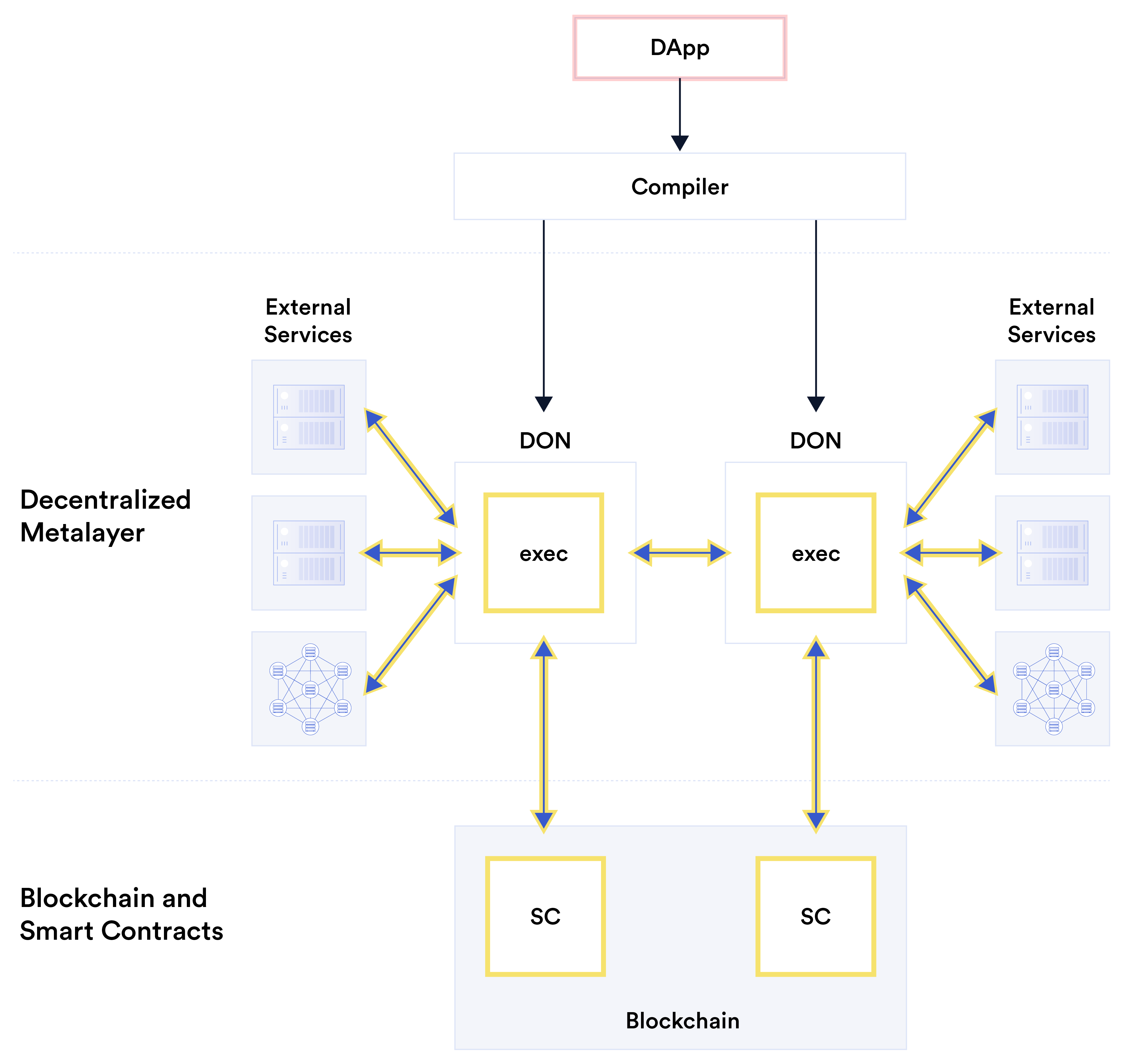
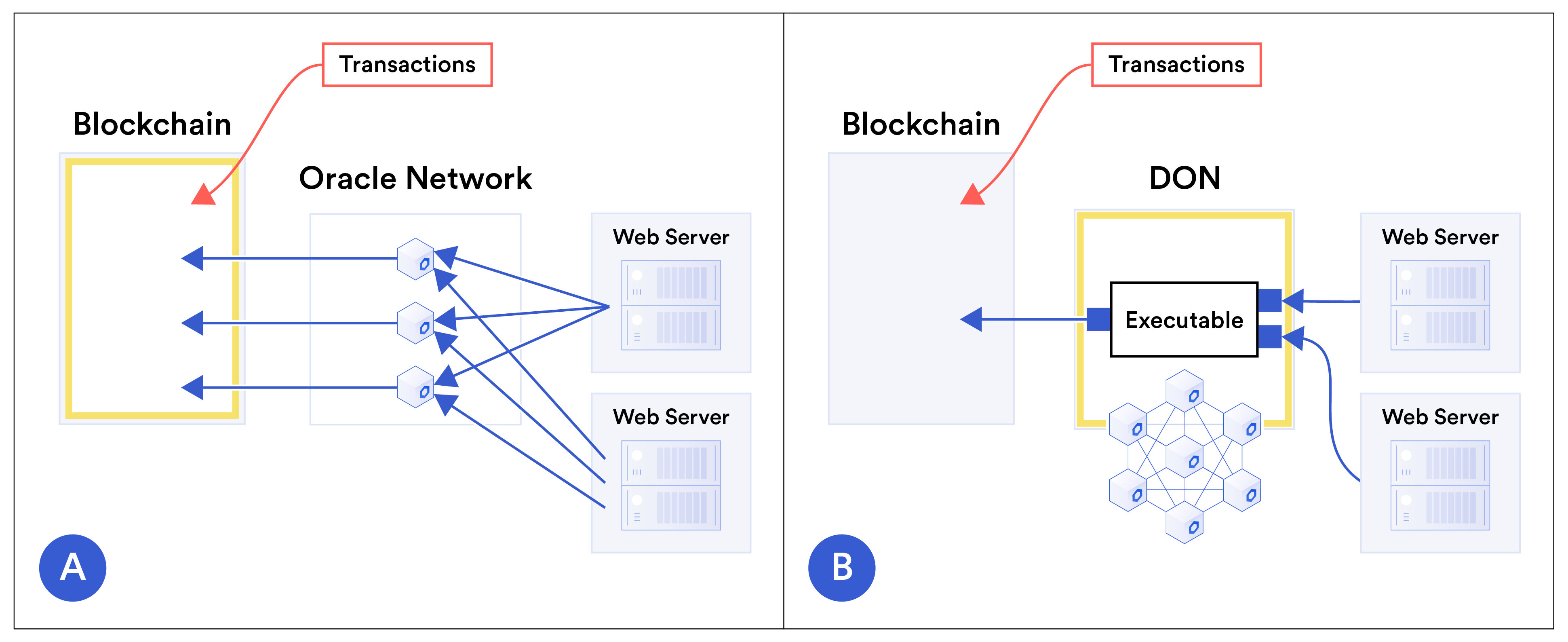
그림 3: 분산형 금속층의 이상적인 구현을 보여주는 개념적 그림. 에 대한 개발의 용이성을 위해 개발자는 분홍색으로 강조된 DApp을 가상 애플리케이션으로 지정합니다. 통합 기계 모델에 적용. 분산형 메탈레이어 컴파일러는 해당 상호 운용 기능을 자동으로 생성합니다: smart contracts(표시됨) SC별), DONs의 논리(exec로 표시됨), 대상 외부 서비스에 연결하는 어댑터 등은 노란색으로 강조 표시됩니다. 그림 4는 DONs가 blockchain(smart contract) 스케일링을 어떻게 개선하는지 개념적으로 보여줍니다. 거래 및 oracle-보고서 처리를 온체인이 아닌 오프체인에 집중함으로써 체인. 계산의 주요 위치가 바뀌면 트랜잭션 대기 시간이 줄어들고 거래 처리량을 높이는 동시에 수수료를 부과합니다. 기밀성: 블록체인은 smart contracts 및 그들이 실현하는 애플리케이션에 대해 전례 없는 투명성을 제공합니다. 그러나 투명성과 기밀성 사이에는 기본적인 긴장이 있습니다. 예를 들어, 오늘날 사용자의 분산형 교환 거래는그림 4: 분산형 Oracle 네트워크가 어떻게 성능을 향상시키는지를 보여주는 개념적 그림 blockchain 활성화된 smart contract의 크기 조정. 그림 A ⃝는 기존의 oracle을 보여줍니다. 건축. 거래는 oracle 보고서와 마찬가지로 blockchain로 직접 전송됩니다. 따라서 노란색으로 강조 표시된 blockchain은 트랜잭션 처리의 주요 위치입니다. 그림 B⃝는 blockchain에 대한 계약을 지원하기 위해 DON을 사용하는 것을 보여줍니다. A DON 실행 파일은 외부 시스템의 데이터와 함께 트랜잭션을 처리하고 전달합니다. 결과(예: 번들 트랜잭션 또는 트랜잭션 효과로 인한 계약 상태 변경)를 blockchain에 보냅니다. 따라서 노란색으로 강조 표시된 DON가 주요 트랜잭션 처리를 위한 위치입니다. 활동은 체인에 기록되므로 교환 활동을 쉽게 모니터링할 수 있을 뿐만 아니라 사용자의 금융 거래를 공개적으로 표시합니다. 마찬가지로 데이터가 스마트로 전달됩니다. 계약은 체인에 남아 있습니다. 이를 통해 이러한 데이터를 편리하게 감사할 수 있지만 다음과 같은 역할을 합니다. smart contract에 민감하거나 민감한 데이터를 제공하려는 데이터 제공자에게는 방해가 됩니다. 독점 데이터. 우리는 oracle 네트워크가 차세대 촉매 역할을 할 것이라고 믿습니다. blockchains의 타고난 투명성과 새로운 기밀 보호 기능을 결합한 시스템입니다. 이 문서에서는 세 가지 주요 접근 방식을 사용하여 이를 수행하는 방법을 보여줍니다. • 기밀 유지 어댑터: 계획된 배포가 포함된 두 가지 기술 Chainlink의 네트워크 DECO [234] 및 Town Crier [233]에서 oracle 노드를 활성화합니다. 사용자 개인정보와 데이터를 보호하는 방식으로 오프체인 시스템에서 데이터를 검색합니다. 기밀성. 이는 DONs용 어댑터 설계에서 중요한 역할을 합니다. (이 두 기술에 대한 자세한 내용은 섹션 3.6.2를 참조하세요.) • 기밀 계산: DONs는 blockchains에 의존하지 않도록 자신의 계산을 숨길 수 있습니다. 안전한 다자간 계산 및/또는 신뢰할 수 있는 실행 환경을 사용하면 DON 노드에서 더 강력한 기밀성이 가능합니다. 자신이 볼 수 없는 데이터에 대해 계산합니다.
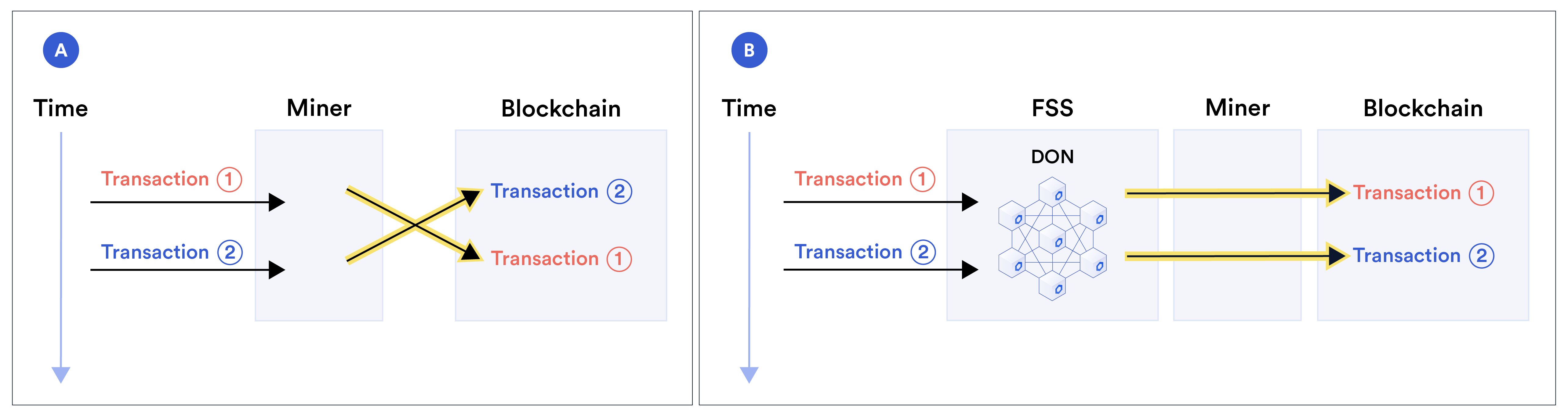
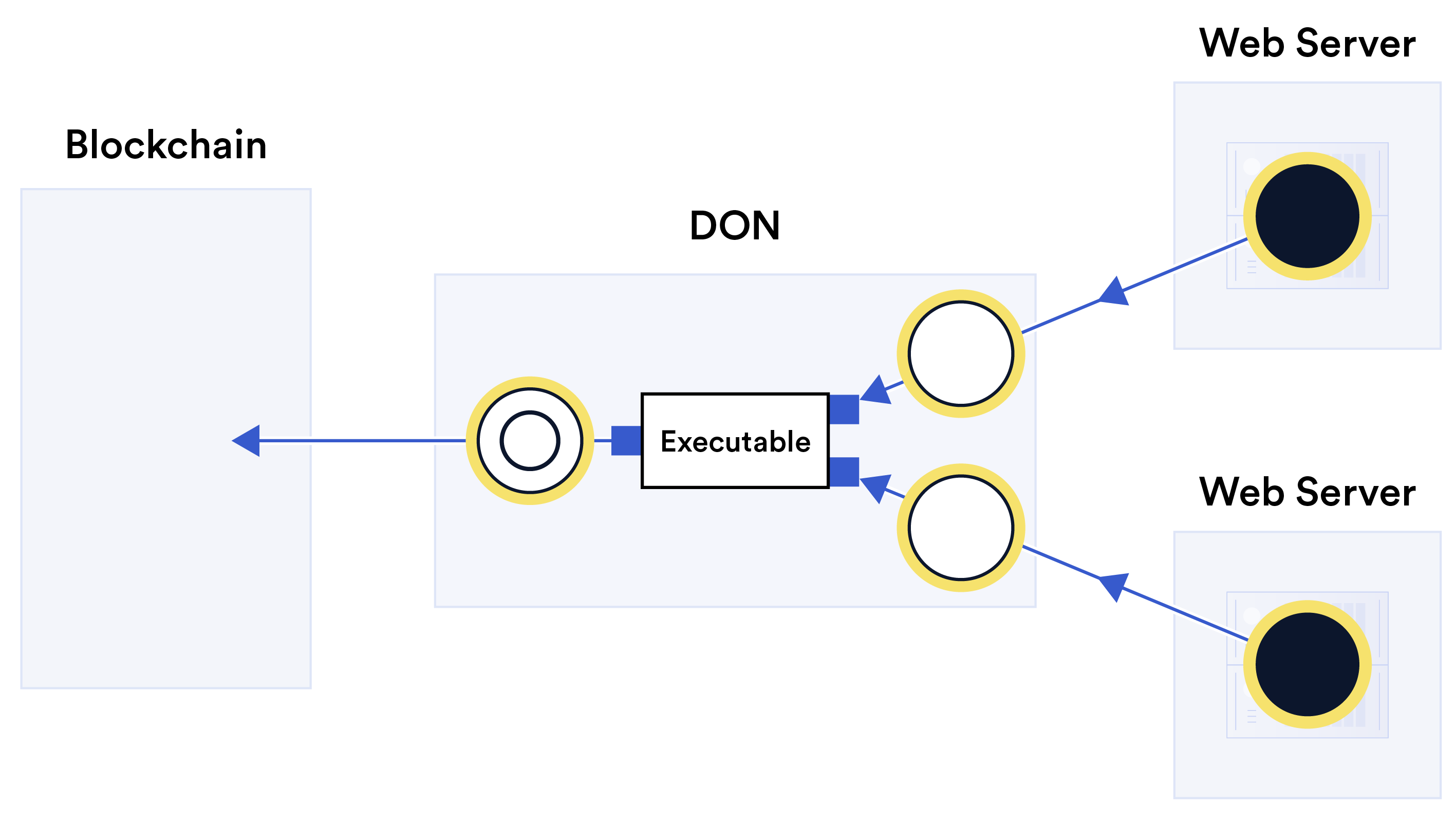
• 기밀 레이어 2 시스템 지원: TEF는 다양한 레이어 2 시스템을 지원하도록 설계되었으며, 그 중 다수는 영지식 증명을 사용하여 다음을 제공합니다. 다양한 형태의 거래 기밀성. 섹션 3에서 이러한 접근 방식을 논의합니다(섹션 6, 부록 B.1 및 부록 B.2의 추가 세부정보 포함). 그림 5는 기밀 유지 어댑터를 통해 민감한 데이터가 외부 소스에서 smart contract로 어떻게 흐를 수 있는지에 대한 개념적 보기를 제공합니다. DON의 기밀 계산. 그림 5: DON의 기밀 유지 작업에 대한 개념 다이어그램 민감한 데이터(노란색으로 강조 표시됨) 웹의 민감한 소스 데이터(검은색 원) 서버는 기밀 유지 어댑터(파란색, 이중 화살표 선)를 사용하여 DON로 추출됩니다. DON는 이러한 어댑터로부터 파생된 데이터(빈 원)를 수신합니다. 민감한 소스에 기능이나 비밀 공유 등을 적용한 결과 데이터. DON의 실행 파일은 파생된 데이터에 기밀 계산을 적용할 수 있습니다. 보고서(이중 원)를 구성하여 어댑터를 통해 blockchain로 보냅니다. 우리는 기밀 데이터를 처리하는 강력한 도구가 전체를 열어줄 것이라고 믿습니다. 응용 범위. 그 중에는 민간 분산형(및 중앙집중형) 금융, 분산형 신원, 신용 기반 온체인 대출, 보다 효율적이고 섹션 4에서 논의한 바와 같이 사용자 친화적인 고객 파악 및 인증 프로토콜. 거래의 주문 공정성: 오늘의 blockchain 디자인에는 약간 더러운 부분이 있습니다. 공개 비밀: 일시적으로 중앙 집중화되어 있습니다. 광부와 validators는 거래를 주문할 수 있습니다.그들이 선택한 행동. 거래 순서는 다음과 같이 사용자가 조작할 수도 있습니다. 그들이 지불하는 네트워크 수수료의 함수(예: Ethereum의 가스 가격) 및 일부 빠른 네트워크 연결을 활용하여 확장합니다. 그러한 조작은 다음과 같은 경우에 발생할 수 있습니다. 예를 들어, 채굴자와 같은 전략적 행위자가 참여하는 선행 실행(front-running) 형태를 취합니다. 사용자의 거래를 관찰하고 자신의 악용 거래를 이전 거래에 삽입합니다. 동일한 블록에 위치 - 사용자 거래에 대한 사전 지식을 활용하여 사용자로부터 효과적으로 돈을 훔칩니다. 예를 들어, 봇이 구매 주문을 할 수 있습니다. 사용자 앞에. 그러면 이는 다음으로 인한 자산 가격 상승을 활용할 수 있습니다. 사용자의 거래. 일반 사용자에게 해를 끼치는 일부 봇의 선행 실행(고빈도와 유사) 월스트리트에서의 거래는 이미 널리 퍼져 있으며 관련 내용이 잘 문서화되어 있습니다 [90] 백러닝 [159] 및 [195]을 모방한 자동 트랜잭션과 같은 공격. 채굴자들의 주문 착취를 체계화하려는 제안도 최근에 표면화되었습니다([110]). rollups와 같은 레이어 2 기술은 문제를 해결하지 못하고 단지 재중앙화만 합니다. 주문하여 rollup을 생성하는 개체의 손에 넘겨줍니다. 우리의 목표 중 하나는 Chainlink에 Fair Sequencing이라는 서비스를 도입하는 것입니다. 서비스 (FSS) [137]. FSS는 smart contract 디자이너가 공정한 주문을 보장하도록 돕습니다. 트랜잭션을 방지하고 사용자 트랜잭션은 물론 oracle 보고서 전송과 같은 기타 유형의 트랜잭션에 대한 선행 실행, 역실행 및 관련 공격을 방지합니다. FSS [144]에 도입된 엄격하고 일시적인 질서 공정성 개념과 같은 아이디어를 DON에서 구현할 수 있습니다. 부수적인 이점으로 FSS는 사용자의 네트워크 수준을 낮출 수도 있습니다. 수수료(예: 가스비). 간단히 말해서, FSS에서 트랜잭션은 대상 smart contract에 직접 전파되지 않고 DON을 통해 전달됩니다. DON은 거래를 주문한 다음 전달합니다. 계약에 그들을. 그림 6: FSS가 어떻게 유익한지에 대한 예. 그림A ⃝ 채굴자가 이를 활용하는 방법을 보여줍니다. 거래를 주문할 수 있는 중앙 집중식 전력, 한 쌍의 거래를 교환할 수 있음: 거래 1⃝ 2⃝ 이전에 도착하지만 광부는 대신 2⃝ 이후에 시퀀스를 지정합니다. 대조적으로, 그림 B⃝는 DON이 DON 노드 사이에서 주문 프로세스를 분산시키는 방법. 만약 정족수가 정직한 노드는 2⃝ 이전에 1⃝을 수신하고, FSS는 체인에서 1⃝이 2⃝ 이전에 나타나도록 합니다. 계약에 따라 시행 가능한 일련 번호를 첨부하여 채굴자 재정렬을 방지합니다. 그림 6은 표준 채굴과 FSS를 비교합니다. 이는 표준 채굴이 어떻게 이루어지는지 보여줍니다.거래 주문 프로세스는 채굴자에게 중앙 집중화되어 있으므로 도착과 관련하여 한 쌍의 거래를 재정렬하는 등의 조작 시간. 대조적으로, FSS에서는 프로세스가 DON 노드 간에 분산되어 있습니다. 가정 정직한 노드의 정족수인 FSS는 임시 순서 지정과 같은 정책을 시행하는 데 도움을 줍니다. 거래를 통해 채굴자 및 기타 주체의 조작 기회를 줄입니다. 또한, 사용자들은 가스 가격을 기준으로 우선 주문 경쟁을 할 필요가 없으므로, 상대적으로 낮은 가스 가격을 지불할 수 있습니다(DON의 거래는 일괄 처리될 수 있습니다). 가스 절약을 위해). 신뢰 최소화: DONs 설계의 일반적인 목표는 smart contracts 및 기타 oracle 종속 시스템에 대한 신뢰할 수 있는 지원 계층 분산화, 암호화 도구 및 암호화 경제 보장을 통해. DON 자체는 분산되어 있으며 사용자는 사용 가능한 DON 중에서 선택할 수 있습니다. 추가 DON을 운영하거나 생성하려는 메인 체인을 지원합니다. 그들이 신뢰하는 노드 위원회를 통해. 그러나 일부 애플리케이션, 특히 smart contracts, Chainlink 사용자의 경우 DON이 지원하는 메인 체인을 더 신뢰할 수 있는 것으로 취급하는 신뢰 모델을 선호합니다. DON 자체보다. 그러한 사용자를 위해 우리는 이미 Chainlink 네트워크의 아키텍처 계약을 가능하게 하는 다양한 메커니즘 DONs가 제공하는 보안 보증을 강화하기 위해 메인 체인에 동시에 데이터 소스가 손상될 가능성에 대비한 보호 조치도 시행합니다. DON이 데이터를 얻는 웹 서버와 같은 것입니다. 우리는 섹션 7에서 이러한 메커니즘을 설명합니다. 이는 다섯 가지 주요 제목으로 분류됩니다. • 데이터 소스 인증: 데이터 공급자가 디지털 서명을 할 수 있게 해주는 도구 데이터를 수집하여 원산지와 원산지 간의 관리 사슬을 강화합니다. 의존 계약. • DON 소수 보고서: DON 노드의 소수 하위 집합에서 발행한 플래그입니다. DON에서 대부분의 불법 행위를 관찰했습니다. • 가드레일: 비정상적인 조건을 감지하고 일시 중지하는 메인 체인의 로직 또는 계약 실행을 중단합니다(또는 다른 수정 조치를 호출합니다). • 신뢰가 최소화된 거버넌스: 점진적인 릴리스 업데이트를 사용하여 커뮤니티 검사를 촉진하고 분산형 긴급 개입을 통해 신속한 조치를 취합니다. 시스템 장애에 대한 대응. • 분산형 엔터티 인증: 공개 키 인프라(PKI)를 사용하여 다음을 수행합니다. Chainlink 네트워크의 엔터티를 식별합니다. 그림 7은 신뢰 최소화 목표의 개념적 개략도를 나타냅니다. 인센티브 기반(암호경제적) 보안: oracle 노드 전반에 걸쳐 보고서 생성을 분산화하면 일부 노드가 손상된 경우에도 보안을 보장할 수 있습니다.
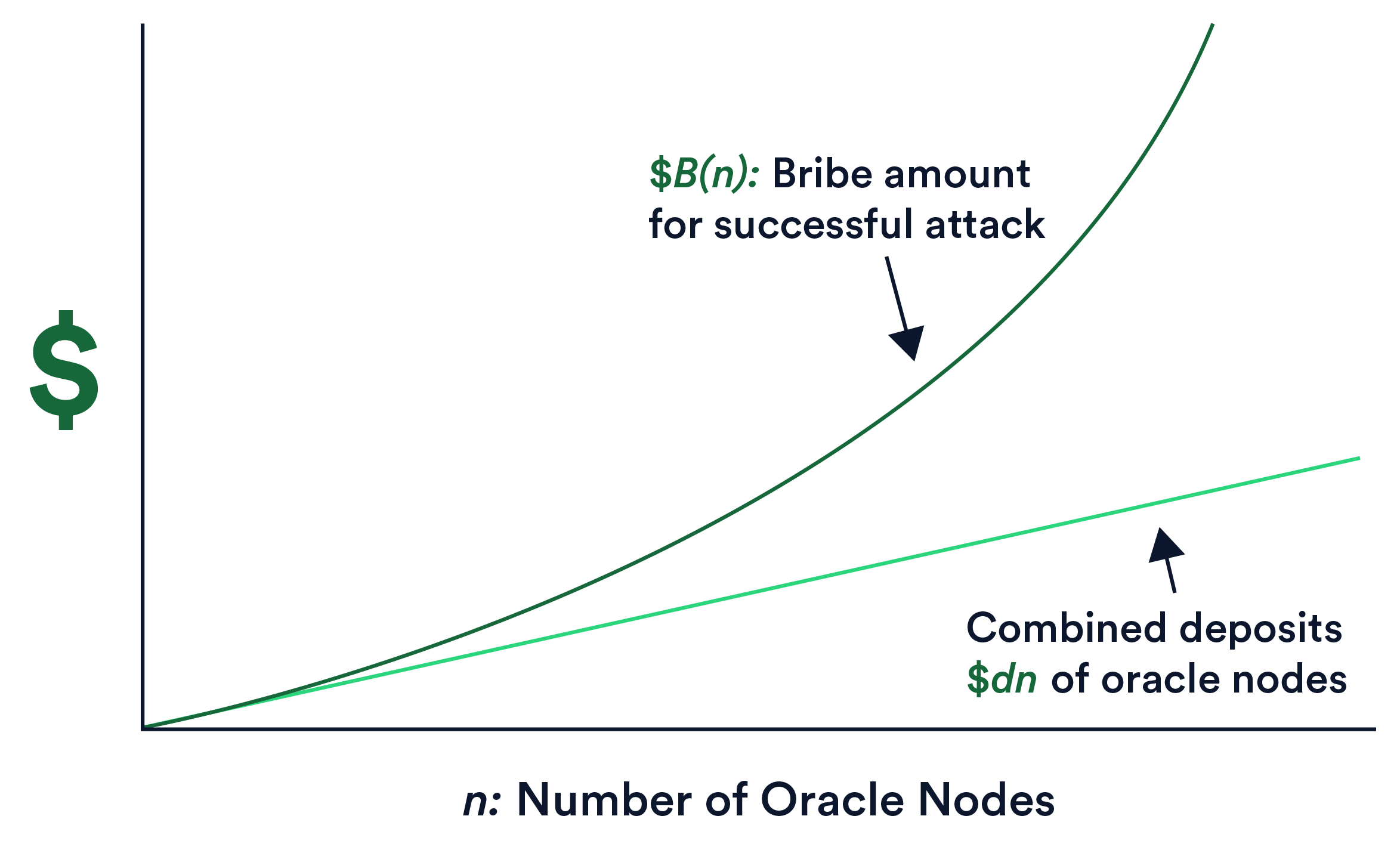
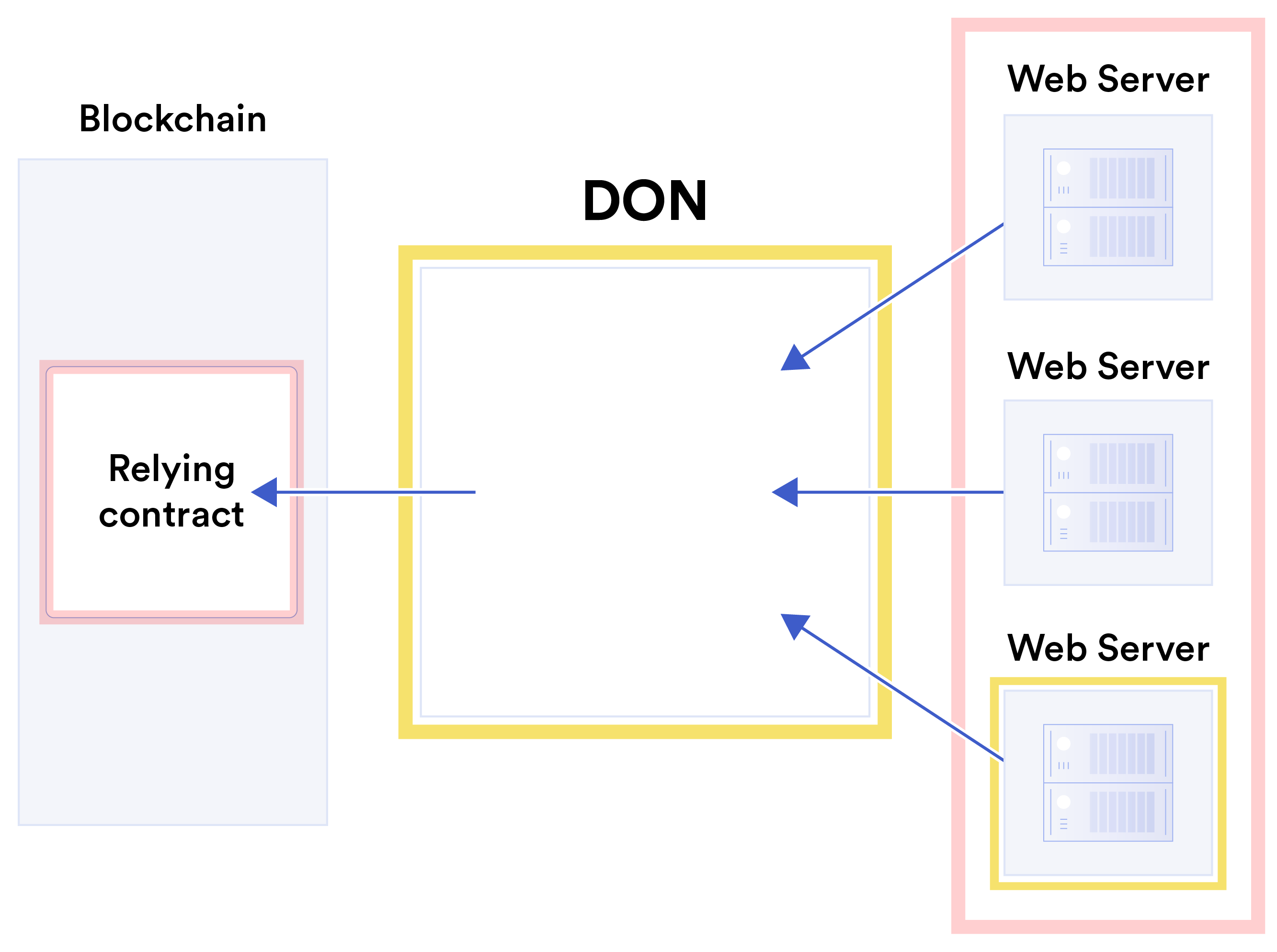
그림 7: Chainlink의 신뢰 최소화 목표에 대한 개념적 묘사 DON 및 웹과 같은 데이터 소스의 올바른 동작에 대한 사용자의 요구를 최소화합니다. 서버. 그림의 노란색 강조 표시는 신뢰 최소화 위치를 나타냅니다: DON 및 개별 또는 소수의 웹 서버 세트. 분홍색 강조 표시는 시스템 구성 요소를 나타냅니다. 가정에 의해 매우 신뢰할 수 있는 것: blockchain에 대한 계약 및 대다수 웹 서버의 수, 즉 웹 서버 전체를 의미합니다. 하지만 마찬가지로 중요한 것은 노드가 올바르게 행동할 수 있는 재정적 인센티브를 갖도록 보장하는 것입니다. 스테이킹, 즉 노드가 LINK 예치금을 제공하고 슬래싱하도록 요구 (압수) 잘못된 행동이 있을 경우 이러한 예금은 Chainlink에서 핵심적인 역할을 할 것입니다. 이미 다수의 blockchain에서 사용되고 있는 중요한 인센티브 디자인입니다. 예를 들어 [81, 103, 120, 204]. 그러나 Chainlink에 스테이킹하는 것은 독립 실행형의 staking과 매우 다르게 보입니다. blockchains. blockchains에 스테이킹하는 것은 합의에 대한 공격을 방지하는 것을 목표로 합니다. 그것은 Chainlink의 다른 목표: 올바른 oracle 보고서를 적시에 전달하는 것입니다. oracle 네트워크를 위해 잘 설계된 staking 시스템은 뇌물 수수와 같은 공격을 렌더링해야 합니다. 목표가 높은 smart contract인 경우에도 적에게는 이익이 되지 않습니다. 금전적 가치. 본 논문에서는 세 가지 핵심을 통해 Chainlink의 staking에 대한 일반적인 접근 방식을 제시합니다. 혁신:1. 기존에서 간과된 공격을 포괄하는 강력한 적대 모델 접근합니다. 한 가지 예는 우리가 장래 뇌물 수수라고 부르는 것입니다. 이것은 다음과 같은 형태입니다. 어떤 노드가 조건부로 뇌물을 받는지 결정하는 뇌물 수수. staking 메커니즘이 선택한 노드에 미리 보장된 뇌물을 제공합니다. 특정 역할에 대해 무작위입니다(예: 보고서 심사 실행). 2. 초선형 staking 영향, 즉 성공하려면 적의 예산이 모든 oracle의 예금을 합친 것보다 $B 더 커야 함을 비공식적으로 의미합니다. 노드. 보다 정확하게는 n의 함수로서 \(B(n) ≫\)dn이 각각 고정 입금액 $d를 갖는 n oracle 노드의 네트워크(보다 공식적으로는 \(B(n) is asymptotically larger in n than \)dn). 그림 8은 이 속성. 3. 우리가 고안한 인센티브 모델인 암시적 인센티브 프레임워크(IIF) 명시적으로 예치된 것 이상으로 경험적으로 측정 가능한 인센티브를 포함합니다. staking 노드의 향후 수수료 기회를 포함한 자금. IIF는 다음의 개념을 확장합니다. 명시적인 노드 예금 이상의 지분을 보유합니다. 그림 8: Chainlink staking의 초선형 스케일링을 설명하는 개념 다이어그램. 는 적에게 요구되는 뇌물 $B(n)는 예금을 합친 것보다 n에서 더 빠르게 증가합니다. 모든 oracle 노드의 $dn. 우리는 IIF와 초선형 staking 영향이 어떻게 함께 우리가 원하는 것을 유도하는지 보여줍니다. oracle 네트워크에 대한 경제적 안정의 선순환을 불러옵니다. 신규유저가 들어오면
Chainlink 노드를 실행하여 잠재적인 미래 수익을 늘리는 시스템입니다. 현재 및 미래 사용자의 경제적 보안 한계 비용이 감소합니다. 정권에서는 탄력적인 수요로 인해 비용이 감소하면 추가 사용자가 네트워크를 통해 지속적인 선순환을 통해 지속적으로 채택을 영속화합니다. 참고: 이 백서는 Chainlink의 발전을 위한 우리 비전의 중요한 요소를 간략하게 설명하지만 비공식적이며 자세한 기술 사양이 거의 포함되어 있지 않습니다. 우리는 추가 기능과 접근 방식이 발전함에 따라 집중적으로 기술 문서를 발표합니다. 또한, 제시된 비전의 많은 요소를 강조하는 것이 중요합니다. 여기(확장 개선, 기밀성 기술, FSS 등)가 가능하며 앞으로도 그렇게 될 것입니다. 고급 DON이 기본 기능이 되기 전에도 예비 형태로 배포되었습니다. Chainlink. 1.3 본 논문의 구성 우리는 섹션 2에서 보안 모델과 표기법을 제시하고 분산형 보안의 개요를 설명합니다. 섹션 3의 Oracle Network API. 섹션 4에서는 다음과 같은 여러 가지 예를 제시합니다. DONs가 매력적인 배포 플랫폼을 제공하는 애플리케이션입니다. 독자는 다음을 수행할 수 있습니다. 지금까지 읽으면 논문의 주요 개념 대부분을 배울 수 있습니다. 문서의 나머지 부분에는 더 자세한 내용이 포함되어 있습니다. 우리는 공정한 순서를 설명합니다 섹션 5의 서비스(FSS) 및 섹션 6의 거래 실행 프레임워크(TEF). 섹션 7에서는 신뢰 최소화에 대한 접근 방식을 설명합니다. 중요한 DON 배포 요구 사항, 즉 기능의 점진적 출시, 동적 원장 멤버십 및 섹션 8의 책임. 마지막으로 섹션 9에서 다음을 제공합니다. 인센티브 디자인에 대한 우리의 개발 접근 방식에 대한 개요입니다. 섹션 10에서 결론을 내린다. 이 문서의 개념에 익숙하지 않은 독자를 돕기 위해 우리는 부록 A에 용어집을 제공합니다. DON 인터페이스에 대한 자세한 내용을 제시합니다. 및 기능은 부록 B에 나와 있으며 부록 C에는 몇 가지 어댑터 예시가 나와 있습니다. 부록 D에서는 신뢰가 최소화된 데이터 소스에 대한 암호화 기본 요소를 설명합니다. 기능 서명이라는 인증을 도입하고 이산화된 기능 서명이라는 새로운 변형을 도입합니다. 우리는 위원회와 관련된 몇 가지 고려 사항을 논의합니다. 부록 F의 DON에 대한 선택
مقدمة
غالبًا ما يُنظر إلى Blockchain oracles اليوم على أنها خدمات لا مركزية ذات هدف واحد: لإعادة توجيه البيانات من الموارد خارج السلسلة إلى blockchains. إنها خطوة قصيرة، على أية حال، من إعادة توجيه البيانات إلى الحوسبة عليها أو تخزينها أو نقلها ثنائي الاتجاه. تبرر هذه الملاحظة فكرة أوسع بكثير عن وظائف oracles. كذلك أيضا تلبية متطلبات الخدمة المتزايدة لـ smart contracts والمتعددة الأوجه بشكل متزايد التقنيات التي تعتمد على شبكات oracle. باختصار، يمكن لـ oracle أن تفعل ذلك وسوف تحتاج إلى ذلك أن تكون واجهة ذات أغراض عامة وثنائية الاتجاه وممكّنة للحوسبة بين الأنظمة onchain والأنظمة خارج السلسلة. يتمثل دور Oracles في النظام البيئي blockchain في التحسين الأداء والوظائف وقابلية التشغيل التفاعلي لـ smart contracts حتى يتمكنوا من ذلك جلب نماذج ثقة جديدة وشفافية إلى العديد من الصناعات. سيأتي هذا التحول من خلال توسيع استخدام smart contracts الهجين، الذي يندمج خصائص blockchains الخاصة مع الإمكانات الفريدة للأنظمة خارج السلسلة مثل oracle الشبكات وبالتالي تحقيق وصول وقوة أكبر بكثير من الأنظمة الموجودة على السلسلة في عزلة. في هذا المستند التقني، نوضح رؤية لما نطلق عليه Chainlink 2.0، وهو تطور لـ Chainlink يتجاوز تصوره الأولي في Chainlink المستند التقني الأصلي [98]. نتوقع دورًا موسعًا بشكل متزايد لشبكات oracle، وهو دور فيه إنها تكمل وتعزز blockchains الحالية والجديدة من خلال توفير اتصال وحساب عالمي سريع وموثوق به ويحافظ على السرية للأنظمة الهجينة smart contracts. نحن نعتقد أن شبكات oracle سوف تتطور لتصبح أدوات مساعدة لتصدير بيانات عالية التكامل من فئة blockchain إلى أنظمة تتجاوز blockchain النظام البيئي. اليوم، Chainlink العقد التي تديرها مجموعة متنوعة من الكيانات تجتمع معًا في شبكات oracle لنقل البيانات إلى smart contract فيما يعرف بالتقارير. يمكننا أن نرى مثل هذا oracle العقد كلجنة مماثلة لتلك الموجودة في الإجماع الكلاسيكي blockchain [72]، ولكن بهدف دعم blockchains الموجودة، بدلاً من توفير وظائف قائمة بذاتها. مع وظائف عشوائية يمكن التحقق منها (VRF) وإعداد التقارير خارج السلسلة (OCR)، Chainlink يتطور بالفعل نحو إطار عمل وبنية تحتية للأغراض العامة لتوفير الموارد الحسابية التي تتطلبها smart contracts وظائف متقدمة. أساس خطتنا لـ Chainlink 2.0 هو ما نسميه أوراكل اللامركزية الشبكات، أو DONs للاختصار. منذ أن قدمنا مصطلح "شبكة oracle" في لقد طورت Chainlink الوثيقة البيضاء [98]، oracles وظائف ووظائف أكثر ثراءً من أي وقت مضى اتساع التطبيق. وفي هذه المقالة، نقدم تعريفًا جديدًا للمصطلح وفقًا لرؤيتنا المستقبلية للنظام البيئي Chainlink. في طريقة العرض هذه، DON عبارة عن شبكة تحتفظ بها لجنة مكونة من Chainlink العقد. متجذر في بروتوكول الإجماع، فإنه يدعم أيًا من مجموعة غير محدودة من وظائف oracle المختارة للنشر بواسطة اللجنة. وبالتالي فإن DON بمثابة طبقة تجريد blockchain، مما يوفر واجهات إلى الموارد خارج السلسلة لكل من smart contracts والأنظمة الأخرى. كما يوفر الوصول إلى موارد الحوسبة خارج السلسلة عالية الكفاءة ولكن لامركزية. بشكل عام، DON يدعم العمليات على السلسلة الرئيسية. هدفها هو تمكين آمنة ومرنةبلي هجين smart contracts، والذي يجمع بين العمليات الحسابية على السلسلة وخارج السلسلة مع الاتصال بالموارد الخارجية. نؤكد أنه حتى مع استخدام اللجان في DONs، فإن Chainlink نفسها يبقى بطبيعته غير مسموح به. DONs بمثابة أساس غير مسموح به إطار عمل يمكن أن تجتمع فيه العقد معًا لتنفيذ شبكات oracle المخصصة أنظمتهم الخاصة لإدراج العقدة، والتي قد تكون مسموحة أو غير مسموح بها. مع DONs كأساس، نخطط للتركيز في Chainlink 2.0 على التقدم في سبعة المجالات الرئيسية: smart contracts الهجين، وتجريد التعقيد، والتوسع، والسرية، وعدالة ترتيب المعاملات، وتقليل الثقة، والأمن القائم على الحوافز (الاقتصاد المشفر). في هذه المقدمة، نقدم لمحة عامة عن اللامركزية شبكات Oracle في القسم 1.1 ثم مجالات الابتكار السبعة الرئيسية لدينا في القسم 1.2. وصفنا تنظيم بقية هذه الورقة في القسم 1.3. 1.1 شبكات أوراكل اللامركزية تم تصميم شبكات أوراكل اللامركزية لتعزيز القدرات وتوسيعها من smart contracts على الهدف blockchain أو السلسلة الرئيسية من خلال الوظائف التي غير متوفر محليا. يفعلون ذلك من خلال توفير الموارد الأساسية الثلاثة الموجودة في أنظمة الحوسبة: الشبكات والتخزين والحساب. يهدف DON إلى العرض تتمتع هذه الموارد بخصائص قوية تتعلق بالسرية والنزاهة والتوافر،1 كما فضلا عن المساءلة. يتم تشكيل DONs من قبل لجان مكونة من oracle العقد التي تتعاون لتحقيق هدف محدد وظيفة أو اختيار إقامة علاقة طويلة الأمد من أجل تقديم خدمات مستمرة للعملاء. تم تصميم DONs بطريقة blockchain بطريقة ملحدة. يعدون بالعمل أداة قوية ومرنة لمطوري التطبيقات لإنشاء دعم خارج السلسلة لـ smart contracts الخاصة بهم على أي سلسلة رئيسية مدعومة. هناك نوعان من الوظائف يدركان قدرات DON: الملفات التنفيذية و محولات. الملفات التنفيذية هي برامج يتم تشغيلها بشكل مستمر وبطريقة لا مركزية على DON. على الرغم من أنها لا تقوم بتخزين أصول السلسلة الرئيسية بشكل مباشر، إلا أنها تتمتع بفوائد مهمة، بما في ذلك الأداء العالي والقدرة على أداء عمليات سرية حساب. تعمل الملفات التنفيذية بشكل مستقل على DON وتؤدي أداءً حتميًا العمليات. وهي تعمل جنبًا إلى جنب مع المحولات التي تربط DON بالموارد الخارجية ويمكن استدعاؤها بواسطة الملفات التنفيذية. المحولات، كما نتصورها لـ DONs، هي أ تعميم المحولات الخارجية في Chainlink اليوم. بينما المحولات الموجودة عادةً ما يتم جلب البيانات من مصادر البيانات فقط، وقد تعمل المحولات بشكل ثنائي الاتجاه؛ في DONs، يمكنهم أيضًا الاستفادة من الحساب المشترك بواسطة DON العقد لتحقيقه ميزات إضافية، مثل تشفير التقارير للاستهلاك الذي يحافظ على الخصوصية قابل للتنفيذ. لتوفير فكرة عن العملية الأساسية لـ DON، يوضح الشكل 1 من الناحية النظرية كيف يمكن لـ DON أن يمكن استخدام DON لإرسال التقارير إلى blockchain وبالتالي تحقيق وظيفة oracle التقليدية الموجودة. ومع ذلك، يمكن أن يوفر DONs العديد من الميزات الإضافية 1"ثالوث وكالة المخابرات المركزية" لأمن المعلومات [123، ص. 26، §2.3.5].شبكات Chainlink الحالية. على سبيل المثال، ضمن الهيكل العام للشكل 1، يمكن للملف القابل للتنفيذ تسجيل بيانات أسعار الأصول التي تم جلبها على DON، باستخدام هذه البيانات حساب، على سبيل المثال، متوسط زائدة لتقاريرها. الشكل 1: شكل مفاهيمي يوضح كمثال كيف يمكن لشبكة Oracle اللامركزية تحقيق وظائف oracle الأساسية، أي ترحيل البيانات خارج السلسلة إلى العقد. ان يستخدم الملف القابل للتنفيذ محولات لجلب البيانات خارج السلسلة، والتي يحسب عليها، ويرسل المخرجات عبر محول آخر إلى الهدف blockchain. (يتم بدء تشغيل المحولات بواسطة التعليمات البرمجية الموجودة في ملف DON، ممثلة بمربعات زرقاء صغيرة؛ تظهر الأسهم اتجاه تدفق البيانات لهذا الغرض مثال محدد.) يمكن للملف القابل للتنفيذ أيضًا القراءة والكتابة إلى DON المحلي تخزين للحفاظ على الحالة و/أو التواصل مع الملفات التنفيذية الأخرى. تتيح الشبكات المرنة والحسابات والتخزين في DONs، كلها ممثلة هنا، مجموعة كبيرة من الروايات التطبيقات. تتمثل إحدى المزايا الرئيسية لـ DONs في قدرتها على تشغيل خدمات blockchain الجديدة. DONs هي وسيلة يمكن من خلالها لشبكات oracle الحالية أن تدعم تطبيقات الخدمة بسرعة وهذا يتطلب اليوم إنشاء شبكات مصممة لهذا الغرض. نعطي عددا من أمثلة على هذه التطبيقات في القسم 4. في القسم 3، نقدم المزيد من التفاصيل حول DONs، مع وصف قدراتها في شروط الواجهة التي يقدمونها للمطورين والمستخدمين. 1.2 سبعة أهداف التصميم الرئيسية نحن هنا نراجع بإيجاز النقاط الرئيسية السبعة المذكورة أعلاه لتطور Chainlink، وهي:الهجين smart contracts: من الأمور المركزية في رؤيتنا لـ Chainlink هي فكرة الأمان الجمع بين المكونات الموجودة على السلسلة وخارجها في smart contracts. نشير إلى العقود تحقيق هذه الفكرة على أنها smart contracts هجينة أو عقود هجينة.2 بلوكتشين ستستمر في لعب دورين حاسمين في الخدمة اللامركزية الأنظمة البيئية: كلاهما المكان الذي يتم فيه تمثيل ملكية العملة المشفرة ومرتكزات قوية للخدمات اللامركزية. ولذلك يجب تمثيل العقود الذكية أو تنفيذها على السلسلة، ولكن قدراتها على السلسلة محدودة للغاية. بحتة رمز العقد على السلسلة بطيء ومكلف ومنعزل وغير قادر على الاستفادة من العالم الحقيقي البيانات ومجموعة متنوعة من الوظائف التي لا يمكن تحقيقها بطبيعتها على السلسلة، بما في ذلك الأشكال المختلفة للحساب السري، وتوليد العشوائية (الزائفة) الآمنة ضد التلاعب بعامل المنجم / validator وما إلى ذلك. لكي يحقق smart contracts إمكاناتهم الكاملة، يتطلب الأمر smart contracts سيتم تصميمه من جزأين: جزء متصل بالسلسلة (والذي نشير إليه عادةً بـ SC) وجزء خارج السلسلة، وهو ملف قابل للتنفيذ يعمل على DON (والذي نشير إليه عادةً بـ تنفيذي). الهدف هو تحقيق تكوين آمن للوظائف الموجودة على السلسلة باستخدام تعدد الخدمات خارج السلسلة التي تهدف DON إلى توفيرها. معا، الجزأين تكوين عقد هجين. نقدم الفكرة من الناحية المفاهيمية في الشكل 2. واليوم بالفعل، Chainlink خدمات 3 مثل خلاصات البيانات وVRFs لا يمكن تحقيقها بأي طريقة أخرى smart contract التطبيقات، التي تتراوح من DeFi إلى NFTs التي تم إنشاؤها بشكل عادل إلى التأمين اللامركزي، كخطوات أولى نحو إطار عمل أكثر عمومية. كخدمات Chainlink التوسع والنمو بشكل أكثر أداءً وفقًا لرؤيتنا الواردة في هذا المستند التقني، وكذلك الأمر بالنسبة لنا ستعمل قوة أنظمة smart contract عبر جميع blockchains. يمكن النظر إلى نقاط التركيز الرئيسية الستة الأخرى في هذا التقرير على أنها تعمل في الخدمة من الأول، وهو شامل للعقود الهجينة. تتضمن هذه التركيزات إزالة المرئية التعقيد من العقود المختلطة، مما يؤدي إلى إنشاء خدمات إضافية خارج السلسلة تمكن وبناء عقود هجينة أكثر قدرة من أي وقت مضى، وفي حالة تقليل الثقة، تعزيز الخصائص الأمنية التي تحققها العقود الهجينة. نترك الفكرة من العقود الهجينة الضمنية في جزء كبير من الورقة، ولكن أي مزيج من يمكن اعتبار منطق MAINCHAIN مع DON بمثابة عقد مختلط. تجريد التعقيد: تم تصميم DONs للاستفادة من اللامركزية أنظمة سهلة للمطورين والمستخدمين من خلال استخلاص الآلات المعقدة في كثير من الأحيان وراء مجموعة خدمات DONs القوية والمرنة. خدمات Chainlink الموجودة لديك بالفعل هذه الميزة. على سبيل المثال، تقدم خلاصات البيانات في Chainlink اليوم واجهات onchain لا تتطلب من المطورين الاهتمام بالتفاصيل على مستوى البروتوكول، مثل الوسائل التي يفرض بها التعرف الضوئي على الحروف (OCR) إعداد التقارير المتفق عليها بين 2 لقد نشأت فكرة تكوين العقود على السلسلة / خارج السلسلة سابقًا في العديد من القيود المقيدة النماذج، على سبيل المثال، أنظمة الطبقة الثانية، المستندة إلى TEE blockchains [80]، وما إلى ذلك. هدفنا هو الدعم والتعميم هذه الأساليب والتأكد من أنها يمكن أن تشمل الوصول إلى البيانات خارج السلسلة والمفاتيح الأخرى oracle الخدمات. تشتمل خدمات 3Chainlink على مجموعة متنوعة من الخدمات والوظائف اللامركزية المتاحة من خلال الشبكة. يتم تقديمها من قبل العديد من مشغلي العقد المكونة من شبكات oracle المختلفة عبر النظام البيئي.الشكل 2: شكل مفاهيمي يصور تكوين العقد على السلسلة / خارج السلسلة. أ هجين smart contract 3⃝يتكون من مكونين متكاملين: متصل بالسلسلة المكون SC 1⃝، المقيم في blockchain، والمكون خارج السلسلة exec 2⃝ذلك ينفذ على DON. يعمل DON كجسر بين المكونين أيضًا مثل ربط العقد المختلط بموارد خارج السلسلة مثل خدمات الويب وغيرها blockchains، والتخزين اللامركزي، وما إلى ذلك. مجموعة لامركزية من العقد. DONs يذهبون إلى أبعد من ذلك بمعنى أنهم يوسعون مجموعة من الخدمات التي يمكن لـ Chainlink أن يقدم للمطورين طبقة تجريد بها واجهات مبسطة مصاحبة للخدمات عالية المستوى. نقدم العديد من الأمثلة التطبيقية في القسم 4 التي تسلط الضوء على هذا النهج. نحن نتصور أن المؤسسات، على سبيل المثال، تستخدم DONs كشكل من أشكال البرامج الوسيطة الآمنة قم بتوصيل أنظمتهم القديمة بـ blockchains. (انظر القسم 4.2.) يؤدي هذا الاستخدام لملخصات DON إلى التخلص من تعقيد ديناميكيات blockchain العامة (الرسوم، وعمليات إعادة التنظيم، وما إلى ذلك). إنه أيضًا يلخص ميزات blockchains المحددة، وبالتالي تمكين المؤسسات من ربط أنظمتها الحالية بمجموعة متزايدة باستمرار من أنظمة blockchain بدون الحاجة إلى خبرة متخصصة في هذه الأنظمة، أو بشكل أعم، في تطوير الأنظمة اللامركزية. في نهاية المطاف، طموحنا هو دفع درجة التجريد التي حققها Chainlink إلى درجة تنفيذ ما نشير إليه بطبقة معدنية لامركزية. مثل هذه الطبقة من شأنه أن يزيل التمييز على السلسلة / خارج السلسلة لجميع فئات المطورين ومستخدمي التطبيقات اللامركزية، مما يسمح بإنشاء واستخدام الخدمات اللامركزية بشكل سلس.لتبسيط عملية التطوير، يمكن للمطورين تحديد وظيفة DApp في الطبقة المعدنية كتطبيق افتراضي في نموذج جهاز موحد. يمكنهم ذلك ثم استخدم مترجم طبقة ميتا لامركزية لإنشاء مثيل DApp تلقائيًا مجموعة من الوظائف اللامركزية المتداخلة التي تمتد على blockchains، DONs، و الخدمات الخارجية. (يمكن أن تكون إحدى هذه الخدمات الخارجية نظامًا مؤسسيًا، مما يجعل الطبقة المعدنية مفيدة للتطبيقات التي تتضمن أنظمة مؤسسية قديمة). يشبه التجميع كيفية قيام المترجمين الحديثين ومجموعات تطوير البرامج (SDKs) دعم المبرمجين العموميين في استخدام الإمكانات الكاملة للأجهزة غير المتجانسة معماريات تتكون من وحدة معالجة مركزية للأغراض العامة وأجهزة متخصصة مثل وحدات معالجة الرسومات، مسرعات التعلم الآلي، أو الجيوب الموثوقة. يعرض الشكل 3 هذه الفكرة على المستوى المفاهيمي. تعد العقود الهجينة smart contracts خطوة أولى على الطريق نحو هذه الرؤية وإلى مفهوم نسميه العقود الوصفية. العقود الوصفية هي تطبيقات مشفرة على اللامركزية طبقة ميتالية وتشمل ضمنيًا منطق السلسلة (smart contracts)، بالإضافة إلى حساب خارج السلسلة والاتصال بين مختلف blockchains وداخل السلسلة الحالية الخدمات. نظرا للحاجة إلى دعم اللغة والمترجم، ونماذج الأمان الجديدة، و ولكن تحقيق المواءمة المفاهيمية والتقنية للتكنولوجيات المتباينة أمر ممكن إن إنشاء طبقة معدنية لامركزية حقيقية هو هدف طموح نطمح إليه على مدى فترة طويلة الأفق الزمني. ومع ذلك فهو نموذج مثالي مفيد يجب أخذه في الاعتبار أثناء القراءة هذه الورقة، ليست مفصلة هنا، ولكنها شيء نخطط للتركيز عليه في عملنا المستقبلي Chainlink. التحجيم: أحد الأهداف ذات الأهمية البارزة في تصميماتنا المتطورة هو تمكين شبكة Chainlink لتلبية احتياجات التوسع المتزايدة للنظام البيئي blockchain. مع تحول ازدحام الشبكة إلى مشكلة متكررة في القائمة غير المسموح بها blockchains [86]، تصميمات blockchain الجديدة والأكثر أداءً تدخل حيز الاستخدام، على سبيل المثال، [103، 120، 203]، بالإضافة إلى تقنيات قياس الطبقة الثانية التكميلية، على سبيل المثال، [5، 12، 121، 141، 169، 186، 187]. يجب أن تحقق خدمات Oracle زمن الاستجابة والإنتاجية التي تلبي متطلبات أداء هذه الأنظمة مع تقليل الرسوم على السلسلة (على سبيل المثال، تكاليف الغاز) لمشغلي العقود والمستخدمين العاديين على حد سواء. مع DONs، Chainlink تهدف الوظيفة إلى المضي قدمًا وتقديم أداء عالٍ بما يكفي للأنظمة المستندة إلى الويب تمامًا. تستمد DONs الكثير من مكاسب أدائها من استخدامها لبروتوكولات الإجماع السريعة أو القائمة على اللجان أو غير المسموح بها، والتي تدمجها مع blockchains إنهم يدعمون. نتوقع تشغيل العديد من DONs ذات التكوينات المختلفة بالتوازي؛ يمكن للتطبيقات اللامركزية والمستخدمين المختلفين التنقل بين المفاضلات في خيارات الإجماع الأساسية وفقا لمتطلبات التطبيق الخاصة بهم. يمكن عرض DONs بشكل فعال كتقنيات الطبقة الثانية. نتوقع أن بين الخدمات الأخرى، DONs ستدعم إطار عمل تنفيذ المعاملات (TEF)، والذي يسهل التكامل الفعال لـ DONs وبالتالي oracles مع غيرها من الأداء العالي أنظمة الطبقة الثانية - على سبيل المثال، rollups، الأنظمة التي تجمع المعاملات خارج السلسلة لتحقيقها تحسينات في الأداء. نقدم TEF في القسم 6.
الشكل 3: شكل مفاهيمي يوضح الإدراك المثالي لطبقة معدنية لا مركزية. ل لسهولة التطوير، يحدد المطور التطبيق اللامركزي، المميز باللون الوردي، باعتباره تطبيقًا افتراضيًا التطبيق في نموذج الآلة الموحدة يقوم المترجم اللامركزي ذو الطبقة المعدنية تلقائيًا بإنشاء وظائف التشغيل البيني المقابلة: smart contracts (يُشار إليه بواسطة SC)، المنطق (المشار إليه بواسطة exec) على DONs، والمحولات التي تتصل بالخدمات الخارجية المستهدفة، وما إلى ذلك، كما هو موضح في التمييز باللون الأصفر. يوضح الشكل 4 من الناحية النظرية كيف تعمل DONs على تحسين مقياس blockchain (smart contract) من خلال تركيز المعاملات وoracle-معالجة التقارير خارج السلسلة، بدلاً من التركيز عليها سلسلة. هذا التحول في الموقع الرئيسي للحساب يقلل من زمن الوصول للمعاملة الرسوم مع زيادة إنتاجية المعاملات. السرية: توفر Blockchains شفافية غير مسبوقة لـ smart contracts والتطبيقات التي تنفذها. ولكن هناك توتراً أساسياً بين الشفافية والسرية. واليوم، على سبيل المثال، أصبحت عمليات التبادل اللامركزية للمستخدمينالشكل 4: شكل مفاهيمي يوضح كيفية تحسين شبكات أوراكل اللامركزية تحجيم blockchain smart contracts الممكنة. الشكل أ ⃝يظهر تقليدي oracle الهندسة المعمارية. يتم إرسال المعاملات مباشرة إلى blockchain، وكذلك التقارير oracle. وبالتالي فإن blockchain، المميز باللون الأصفر، هو الموقع الرئيسي لمعالجة المعاملات. يوضح الشكل ب⃝ استخدام DON لدعم العقود على blockchain. أ DON المعاملات العملياتية القابلة للتنفيذ جنبًا إلى جنب مع البيانات من الأنظمة الخارجية والأمام النتائج - على سبيل المثال، المعاملات المجمعة أو تغييرات حالة العقد الناتجة عن تأثيرات المعاملات - إلى blockchain. وبالتالي فإن DON، المظلل باللون الأصفر، هو العنصر الرئيسي مكان لمعالجة المعاملات. يتم تسجيل الإجراءات على السلسلة، مما يجعل من السهل مراقبة سلوك التبادل، ولكن أيضًا جعل المعاملات المالية للمستخدمين مرئية للعامة. وبالمثل، يتم نقل البيانات إلى الأجهزة الذكية العقود لا تزال على السلسلة. وهذا يجعل هذه البيانات قابلة للتدقيق بشكل ملائم، ولكنها تعمل أيضًا وهو عامل مثبط لموفري البيانات الراغبين في تزويد smart contracts ببيانات حساسة أو بيانات الملكية. نعتقد أن شبكات oracle ستلعب دورًا محوريًا في تحفيز الجيل التالي الأنظمة التي تجمع بين الشفافية الفطرية لـ blockchains ووسائل حماية السرية الجديدة. وفي هذه الورقة، نوضح كيف سيفعلون ذلك باستخدام ثلاثة أساليب رئيسية: • محولات الحفاظ على السرية: تقنيتان مع التخطيط للنشر في شبكات Chainlink، DECO [234] وTown Crier [233]، قم بتمكين العقد oracle لـ استرداد البيانات من الأنظمة خارج السلسلة بطرق تحمي خصوصية المستخدم وبياناته السرية. سوف يلعبون دورًا رئيسيًا في تصميم المحولات الخاصة بـ DONs. (انظر القسم 3.6.2 للحصول على تفاصيل حول هاتين التقنيتين.) • الحساب السري: يمكن لـ DONs ببساطة إخفاء حساباتهم من الاعتماد على blockchains. باستخدام حساب آمن متعدد الأطراف و/أو بيئات تنفيذ موثوقة، من الممكن أيضًا توفير سرية أقوى في DON العقد حساب البيانات التي لا يمكنهم رؤيتها بأنفسهم.
• دعم أنظمة الطبقة الثانية السرية: تم تصميم TEF لدعم مجموعة متنوعة من أنظمة الطبقة الثانية، والتي يستخدم الكثير منها براهين المعرفة الصفرية لتوفير أشكال مختلفة من سرية المعاملات. نناقش هذه الأساليب في القسم 3 (مع تفاصيل إضافية في القسم 6، الملحق ب.1، والملحق ب.2). يقدم الشكل 5 وجهة نظر مفاهيمية لكيفية تدفق البيانات الحساسة من مصادر خارجية إلى smart contract عن طريق محولات الحفاظ على السرية و حساب سري في DON. الشكل 5: رسم تخطيطي مفاهيمي لعمليات الحفاظ على السرية في DON على البيانات الحساسة (مظللة باللون الأصفر). بيانات المصدر الحساسة (الدوائر السوداء) في الويب يتم استخراج الخوادم إلى DON باستخدام محولات الحفاظ على السرية (الخطوط الزرقاء ذات الأسهم المزدوجة). يتلقى DON البيانات المشتقة (دوائر مجوفة) من هذه المحولات— نتيجة تطبيق وظيفة أو، على سبيل المثال، مشاركة سرية، على المصدر الحساس data. قد يطبق الملف القابل للتنفيذ على DON حسابًا سريًا على البيانات المشتقة لإنشاء تقرير (دائرة مزدوجة)، يتم إرساله عبر محول إلى blockchain. ونحن نعتقد أن الأدوات القوية للتعامل مع البيانات السرية ستفتح المجال أمام الجميع مجموعة من التطبيقات. ومن بين هذه العوامل التمويل اللامركزي (والمركزي) الخاص، والهوية اللامركزية، والإقراض القائم على الائتمان، وتوفير المزيد من الكفاءة والفعالية. بروتوكولات "اعرف عميلك" و"الاعتماد" سهلة الاستخدام، كما نناقش في القسم 4. عدالة الطلب في المعاملات: تصميمات blockchain اليوم بها القليل من الأشياء القذرة سر مفتوح: إنها مركزية بشكل سريع الزوال. يمكن لعمال المناجم وvalidators طلب التحويلالإجراءات التي يختارونها. يمكن أيضًا للمستخدمين التلاعب بأمر المعاملة وظيفة رسوم الشبكة التي يدفعونها (على سبيل المثال، أسعار الغاز في Ethereum) وبالنسبة للبعض المدى من خلال الاستفادة من اتصالات الشبكة السريعة. مثل هذا التلاعب يمكن أن يكون على سبيل المثال، خذ شكل المنافسة الأمامية، حيث يكون هناك ممثل استراتيجي مثل عامل المناجم يراقب معاملة المستخدم ويدرج المعاملة الاستغلالية الخاصة به في معاملة سابقة الموضع في نفس الكتلة - سرقة الأموال بشكل فعال من المستخدم من خلال الاستفادة من المعرفة المسبقة بمعاملة المستخدم. على سبيل المثال، قد يقوم الروبوت بوضع أمر شراء قبل المستخدم. ويمكنه بعد ذلك الاستفادة من الزيادة في أسعار الأصول الناجمة عن تجارة المستخدم. تشغيل بعض الروبوتات في المقدمة مما يضر بالمستخدمين العاديين، وهو ما يشبه التردد العالي التداول في وول ستريت — هو أمر سائد بالفعل وموثق جيدًا [90]، كما هو مرتبط هجمات مثل التشغيل الخلفي [159] ومحاكاة المعاملات الآلية [195]. وقد ظهرت مؤخرًا مقترحات لتنظيم استغلال الطلب من قبل القائمين بالتعدين [110]. تقنيات الطبقة الثانية مثل rollups لا تحل المشكلة، ولكنها مجرد إعادة مركزية الطلب، ووضعه في يد الكيان الذي يقوم بإنشاء rollup. أحد أهدافنا هو تقديم خدمة تسمى "التسلسل العادل" إلى Chainlink الخدمات (FSS) [137]. تساعد FSS مصممي smart contract على ضمان الترتيب العادل لأعمالهم المعاملات وتجنب الهجمات الأمامية والخلفية والهجمات ذات الصلة على معاملات المستخدم بالإضافة إلى أنواع أخرى من المعاملات، مثل oracle إرسال التقرير. الخدمة الثابتة الساتلية يمكّن DON من تنفيذ أفكار مثل المفهوم الدقيق والمؤقت لعدالة النظام المقدم في [144]. وكميزة عرضية، يمكن للخدمة الثابتة الساتلية أيضًا أن تخفض شبكة المستخدمين الرسوم (مثل تكاليف الغاز). باختصار، في الخدمة الثابتة الساتلية، تمر المعاملات عبر DON، بدلاً من الانتشار مباشرة إلى الهدف smart contract. يقوم DON بطلب المعاملات ثم إعادة توجيهها لهم بالعقد. الشكل 6: مثال على مدى فائدة الخدمة الثابتة الساتلية. الشكل أ ⃝يبين كيف يقوم عامل المناجم باستغلاله السلطة المركزية لطلب المعاملات، قد تقوم بتبديل زوج من المعاملات: المعاملة 1⃝ يصل قبل 2⃝، لكن عامل التعدين يقوم بتسلسله بعد 2⃝. في المقابل، يظهر الشكل B⃝ كيف يقوم DON بإضفاء اللامركزية على عملية الطلب بين DON العقد. إذا اكتمل النصاب القانوني تستقبل العقد الصادقة 1⃝قبل 2⃝، يتسبب FSS في ظهور 1⃝قبل 2⃝على السلسلة— منع إعادة ترتيب المُعدنين عن طريق إرفاق أرقام تسلسلية قابلة للتنفيذ بموجب العقد. يقارن الشكل 6 التعدين القياسي مع الخدمة الثابتة الساتلية. ويبين كيف في التعدين القياسي،تتم عملية طلب المعاملات بشكل مركزي مع القائم بالتعدين وبالتالي تخضع لـ التلاعب، مثل إعادة ترتيب زوج من المعاملات فيما يتعلق بوصولها مرات. في المقابل، في FSS، تكون العملية لا مركزية بين العقد DON. على افتراض النصاب القانوني للعقد الصادقة، FSS يساعد على فرض سياسات مثل الترتيب الزمني لل المعاملات، مما يقلل من فرص التلاعب من قبل عمال المناجم والكيانات الأخرى. بالإضافة إلى ذلك، نظرًا لأن المستخدمين لا يحتاجون إلى التنافس للحصول على طلبات تفضيلية بناءً على سعر الغاز، يمكنهم دفع أسعار غاز منخفضة نسبيًا (بينما يمكن تجميع المعاملات من DON على دفعات لتوفير الغاز). تقليل الثقة: هدفنا العام في تصميم DONs هو تسهيل عملية للغاية طبقة دعم جديرة بالثقة لـ smart contracts والأنظمة الأخرى المعتمدة على oracle عن طريق اللامركزية وأدوات التشفير وضمانات الاقتصاد المشفر. DON في حد ذاته لا مركزي، ويمكن للمستخدمين الاختيار من بين أي DON متاح يدعم السلسلة الرئيسية التي يرغبون في تشغيلها أو إنتاج DONs إضافية عليها بلجان العقد التي يثقون بها. ومع ذلك، بالنسبة لبعض التطبيقات، وخاصة smart contracts، يجوز لمستخدمي Chainlink تفضيل نموذج الثقة الذي يتعامل مع السلسلة الرئيسية المدعومة بـ DON على أنها أكثر جدارة بالثقة من DON نفسها. بالنسبة لهؤلاء المستخدمين، لدينا بالفعل أو نخطط لدمجهم في بنية شبكة Chainlink عدد من الآليات التي تمكن العقود على سلسلة رئيسية لتعزيز الضمانات الأمنية المقدمة من DONs، أثناء وجوده في وفي نفس الوقت يتم أيضًا فرض الحماية ضد احتمالية وجود مصادر بيانات تالفة مثل خوادم الويب التي يحصل منها DON على البيانات. نصف هذه الآليات في القسم 7. وهي تقع تحت خمسة عناوين رئيسية: • مصادقة مصدر البيانات: أدوات تمكن موفري البيانات من التوقيع رقميًا بياناتهم وبالتالي تعزيز سلسلة العهدة بين الأصل و عقد الاعتماد. • DON تقارير الأقلية: العلامات الصادرة عن مجموعة فرعية من DON العقد التي لاحظ مخالفات الأغلبية في DON. • حواجز الحماية: المنطق الموجود على السلسلة الرئيسية الذي يكتشف الظروف الشاذة والتوقف المؤقت أو يوقف تنفيذ العقد (أو يستدعي علاجات أخرى). • الحوكمة التي تقلل من الثقة: استخدام تحديثات الإصدار التدريجي لتسهيل التفتيش المجتمعي، بالإضافة إلى التدخلات اللامركزية في حالات الطوارئ من أجل التدخل السريع الاستجابة لفشل النظام. • مصادقة الكيان اللامركزي: استخدام البنية التحتية للمفتاح العام (PKI) من أجل تحديد الكيانات في شبكة Chainlink. يعرض الشكل 7 مخططًا مفاهيميًا لأهدافنا المتعلقة بتقليل الثقة. الأمن القائم على الحوافز (الاقتصاد المشفر): تساعد اللامركزية في إنشاء التقارير عبر العقد oracle على ضمان الأمان حتى في حالة تلف بعض العقد.
الشكل 7: تصوير مفاهيمي لهدف تقليل الثقة لدى Chainlink، وهو تقليل حاجة المستخدمين إلى السلوك الصحيح لـ DON ومصادر البيانات مثل الويب الخوادم. تشير النقاط المميزة باللون الأصفر في الشكل إلى مواقع تقليل الثقة: DON و مجموعات فردية أو أقلية من خوادم الويب. تشير النقاط المميزة باللون الوردي إلى مكونات النظام التي تعتبر جديرة بالثقة للغاية من خلال الافتراض: العقود على blockchain والأغلبية من خوادم الويب، أي خوادم الويب في المجمل. لكن من المهم بنفس القدر ضمان أن يكون لدى العقد حافز مالي للتصرف بشكل صحيح. التوقيع المساحي، أي مطالبة العقد بتوفير ودائع الارتباط والقطع (مصادرة) هذه الودائع في حالة سوء السلوك، ستلعب دورًا رئيسيًا في Chainlink. إنه تصميم حوافز مهم تم استخدامه بالفعل في عدد من blockchains، على سبيل المثال، [81، 103، 120، 204]. ومع ذلك، يبدو التخزين في Chainlink مختلفًا تمامًا عن staking في الوضع المستقل blockchains. يهدف التخزين في blockchains إلى منع الهجمات على الإجماع. لديها هدف مختلف في Chainlink: ضمان تسليم تقارير oracle الصحيحة في الوقت المناسب. يجب أن يؤدي نظام staking المصمم جيدًا لشبكة oracle إلى التصدي لهجمات مثل الرشوة غير مربحة للخصم، حتى عندما يكون الهدف هو smart contract ذو مستوى عالٍ القيمة النقدية. نقدم في هذا البحث منهجًا عامًا لـ staking في Chainlink بثلاثة مفاتيح الابتكارات:1. نموذج عدائي قوي يشمل الهجمات التي تم التغاضي عنها في الوقت الحالي النهج. أحد الأمثلة على ذلك هو ما نسميه الرشوة المحتملة. هذا هو شكل من أشكال الرشوة التي تحدد العقد التي تتلقى الرشاوى على أساس مشروط، على سبيل المثال، يقدم رشاوى مضمونة مقدمًا للعقد التي تحددها آلية staking في عشوائي لأدوار معينة (مثل تفعيل الفصل في التقرير). 2. التأثير الخطي الفائق staking، مما يعني بشكل غير رسمي أنه لكي ينجح الخصم، يجب أن تكون لديه ميزانية قدرها مليار دولار أكبر من الودائع المجمعة لجميع oracle العقد. بتعبير أدق، نعني أنه كدالة لـ n، \(B(n) ≫\)dn في a شبكة مكونة من عدد n oracle من العقد لكل منها مبلغ إيداع ثابت $d (بشكل أكثر رسمية، \(B(n) is asymptotically larger in n than \)dn). الشكل 8 يعطي نظرة مفاهيمية ل هذه الخاصية. 3. إطار الحوافز الضمنية (IIF)، وهو نموذج حوافز صممناه من أجله تشمل حوافز قابلة للقياس تجريبيًا تتجاوز الحوافز المودعة بشكل صريح staking الأموال، بما في ذلك فرص الرسوم المستقبلية للعقد. يوسع معهد التمويل الدولي مفهوم حصة تتجاوز ودائع العقدة الصريحة. الشكل 8: رسم تخطيطي مفاهيمي يصور القياس الخطي الفائق في Chainlink staking. ال تنمو الرشوة $B(n) التي يطلبها الخصم بشكل أسرع في n من الودائع المجمعة $dn لجميع العقد oracle. نوضح كيف أن تأثير IIF والخط الفائق staking معًا يؤدي إلى ما نحن عليه استدعاء دورة حميدة من الأمن الاقتصادي لشبكات oracle. عندما يدخل مستخدمون جدد
النظام، وزيادة الأرباح المستقبلية المحتملة من تشغيل Chainlink العقد، و تنخفض التكلفة الحدية للأمن الاقتصادي للمستخدمين الحاليين والمستقبليين. في نظام الطلب المرن، فإن هذه التكلفة المنخفضة تحفز المزيد من المستخدمين على الاستفادة من الشبكة، مما يؤدي إلى إدامة التبني بشكل مستمر في دورة حميدة مستمرة. ملاحظة: على الرغم من أن هذا التقرير يوضح العناصر المهمة لرؤيتنا لتطور Chainlink، إلا أنه غير رسمي ويتضمن القليل من المواصفات الفنية التفصيلية. نحن نخطط ل إصدار أوراق فنية مركزة حول الميزات والأساليب الإضافية مع تطورها. علاوة على ذلك، من المهم التأكيد على أن العديد من عناصر الرؤية المقدمة هنا (تحسينات القياس، وتقنيات السرية، والخدمة الثابتة الساتلية، وما إلى ذلك) يمكن أن يحدث وسوف يحدث تم نشرها في شكل أولي حتى قبل أن تصبح DONs المتقدمة سمة أساسية لـ Chainlink. 1.3 تنظيم هذه الورقة نقدم نموذج الأمان الخاص بنا والترميز في القسم 2 ونحدد اللامركزية Oracle Network API في القسم 3. في القسم 4، نقدم عددًا من الأمثلة على ذلك التطبيقات التي توفر DONs لها نظامًا أساسيًا للنشر جذابًا. يمكن للقراء تعلم معظم المفاهيم الأساسية للورقة من خلال القراءة حتى هذه النقطة. يحتوي الجزء المتبقي من الورقة على مزيد من التفاصيل. وصفنا التسلسل العادل الخدمات (FSS) في القسم 5 وإطار تنفيذ المعاملات (TEF) في القسم 6. نوضح نهجنا لتقليل الثقة في القسم 7. ونأخذ في الاعتبار بعض متطلبات النشر المهمة DON، وهي النشر المتزايد للميزات، وعضوية دفتر الأستاذ الديناميكي، والمساءلة في القسم 8. وأخيرًا، في القسم 9، نقدم نظرة عامة على نهجنا المتطور لتصميم الحوافز. ننتهي في القسم 10. لمساعدة القراء الذين لديهم معرفة محدودة بالمفاهيم الواردة في هذه الورقة، نحن قم بتوفير مسرد في الملحق أ. ونقدم المزيد من التفاصيل حول واجهة DON والوظائف في الملحق ب وتقديم بعض أمثلة المحولات في الملحق ج. في الملحق د، وصفنا طريقة تشفير أولية لمصدر البيانات ذي الثقة المنخفضة تسمى المصادقة بالتوقيعات الوظيفية وتقدم متغيرًا جديدًا يسمى التوقيعات الوظيفية المنفصلة. نناقش بعض الاعتبارات التي تؤثر على اللجنة تحديد DONs في الملحق F.
보안 모델 및 목표
분산형 오라클 네트워크는 우리가 기대하는 독특한 분산 시스템입니다. 처음에는 반드시 그런 것은 아니지만 일반적으로 위원회 기반의 합의 프로토콜이며 oracle 노드 세트에 의해 실행됩니다. DON은 주로 설계되었습니다. oracle 보고서를 사용하여 메인 체인에서 smart contract의 기능을 강화합니다. 그러나 다른 비blockchain 시스템에 동일한 지원 서비스를 제공할 수 있으므로 특정 메인 체인과 연결될 필요가 없습니다.
따라서 우리가 고려하는 모델과 속성은 다음의 사용과 크게 무관합니다. DON의 특정 응용 프로그램. 2.1 현재 아키텍처 모델 오늘날 Chainlink은 단일 서비스가 아니라 오히려 뚜렷하고 독립적인 실행이 가능한 무허가 프레임워크 oracle 노드 [77]의 네트워크. 네트워크에는 이기종 노드 운영자 세트가 있으며 디자인. 또한 제공하는 서비스 유형이 다를 수 있습니다. 예를 들어 데이터 피드, 보유량 증명, 검증 가능한 무작위성 등이 포함됩니다. 기타 차이점에는 분산 정도, 네트워크 규모 등이 포함될 수 있습니다. 지원하는 고정된 값, 데이터 빈도와 같은 다양한 서비스 수준 매개변수 그리고 정확성. Chainlink의 무허가형 모델은 생태계의 성장을 장려합니다. 서비스 제공자는 지역사회에 가장 잘 제공할 수 있는 서비스를 전문적으로 제공합니다. 이 모델은 모델보다 사용자에게 더 낮은 비용과 더 높은 서비스 품질을 제공할 가능성이 높습니다. 모든 노드와 네트워크가 모든 범위의 서비스를 제공해야 하는 접근 방식 최소한의 서비스를 시스템 전체에 채택하는 것으로 쉽게 전환될 수 있습니다. 노드에서 사용할 수 있는 리소스의 공통 분모입니다. Chainlink이 Chainlink 2.0에서 DON 기반 디자인으로 발전함에 따라 우리는 계속해서 무허가형 개방형 프레임워크 모델을 지원하며, 사용자에게 전 세계적으로 가장 적합한 서비스를 선택할 수 있는 다양한 서비스 제공 특정 응용 프로그램 요구 사항이 있습니다. 2.2 합의된 가정 우리는 분산형 Oracle 네트워크라는 용어를 사용하여 다음의 모든 기능을 포괄합니다. 우리가 설명하는 oracle 시스템: oracle 노드가 유지 관리하는 데이터 구조와 그 위에 핵심 API가 계층화되어 있습니다. 우리는 기본 데이터를 의미하기 위해 L로 표시되는 원장(소문자)이라는 용어를 사용합니다. DON에 의해 유지 관리되고 제공되는 특정 서비스를 지원하는 데 사용되는 구조입니다. 우리는 DON 프레임워크가 L을 다음과 같은 독립 시스템으로 취급하지 않는다는 점을 강조합니다. a blockchain: 그 목적은 blockchain 및 기타 시스템을 지원하는 것입니다. 블록체인은, 물론 신뢰할 수 있는 원장을 실현하는 한 가지 방법이지만 다른 방법도 있습니다. 우리는 기대한다 DONs는 많은 경우 비잔틴 내결함성을 사용하여 기본 원장을 실현합니다. (BFT) 시스템은 Bitcoin [174]과 같은 blockchain보다 훨씬 이전 버전입니다. 우리는 BFT-유형 표기 및 속성은 편의를 위해 논문 전반에 걸쳐 표시됩니다. DONs는 무허가 합의 프로토콜을 사용하여 실현될 수 있음을 강조합니다. 개념적으로 원장 L은 데이터가 선형적으로 정렬되어 있는 게시판입니다. 우리는 일반적으로 원장에 다음과 같은 몇 가지 주요 속성이 있다고 봅니다. blockchains [115]. 원장은 다음과 같습니다. • 추가 전용: 데이터는 한 번 추가되면 제거하거나 수정할 수 없습니다.• 공개: 누구든지 내용을 읽을 수 있으며, 시간이 지나도 일관된 내용을 담고 있습니다. 모든 사용자의 보기.4 • 사용 가능: 원장은 승인된 작성자가 언제든지 쓸 수 있고 읽을 수 있습니다. 누구든지 시기적절하게. DON에 의해 실현되면 원장에서 대체 속성이 가능합니다. 위원회. 예를 들어, 원장 쓰기 액세스는 다음과 같이 특정 사용자로 제한될 수 있습니다. 일부 애플리케이션에 대한 읽기 액세스가 있을 수 있습니다. 즉, 원장은 정의된 대로 공개될 필요가 없습니다. 위. 마찬가지로 원장 규칙은 데이터 수정 또는 편집을 허용할 수 있습니다. 우리는 그렇지 않습니다 그러나 이 문서에서는 이러한 변형을 명시적으로 고려합니다. DON의 모듈식 설계는 다양한 최신 BFT을 지원할 수 있습니다. 프로토콜(예: Hotstuff[231]). 정확한 선택은 신뢰 가정과 oracle 노드 간의 네트워크 특성. DON은 원칙적으로 대안으로 사용할 수 있습니다. 지원하는 역할의 원장에 고성능 무허가 blockchain을 사용합니다. 동일하게 확장 가능한 레이어 2 또는 blockchain 시스템. 마찬가지로 하이브리드화도 가능합니다. DON은 원칙적으로 기존 노드에서 validator인 노드로 구성될 수 있습니다. blockchain(예: 실행을 위해 위원회가 선택되는 지분 증명 시스템) 거래(예: [8, 81, 120, 146, 204]). 이 특정 작동 모드에는 다음이 필요합니다. 노드는 이중 용도 방식으로 작동합니다. 즉, blockchain 노드와 DON로 작동합니다. 노드. (변경의 연속성을 보장하기 위한 기술에 대한 논의는 섹션 8.2를 참조하십시오. 무작위 위원회 선정에 대한 몇 가지 주의 사항은 위원회 및 부록 F를 참조하세요.) 실제로 최신 BFT 알고리즘에서 노드는 원장의 메시지에 디지털 방식으로 서명합니다. 편의상 L에는 관련 공개 키 pkL이 있고 그 내용은 다음과 같다고 가정합니다. 해당 개인 키로 서명됩니다. 이 일반적인 표기법은 다음 경우에도 적용됩니다. L의 데이터는 임계값 서명을 사용하여 서명됩니다.5 임계값 서명은 편리합니다. 멤버십이 변경된 경우에도 DON에 대한 지속적인 ID를 활성화하므로 그것을 실행하는 노드. (부록 B.1.3 참조) 따라서 skL은 비밀 공유라고 가정합니다. 일부 보안 매개변수 k에 대해 (k, n)-임계값 방식(예: k = 2f + 1) n = 3f + 1, 여기서 f는 잠재적으로 결함이 있는 노드의 수입니다. (여기서 k를 선택함으로써 방식으로 결함이 있는 노드가 SKL을 학습하거나 서비스 거부를 마운트할 수 없도록 보장합니다. 공격을 통해 사용을 방해합니다.) L의 메시지는 M = (m, z) 형식을 취합니다. 여기서 m은 문자열이고 z는 고유합니다. 순차 인덱스 번호. 해당되는 경우 m = 형식으로 메시지를 작성합니다. ⟨메시지 유형 : 페이로드⟩. 메시지 유형 MessageType은 특정 메시지의 기능을 나타내는 구문 설탕입니다. 4최종성이 없는 blockchain이 원장을 실현하는 경우 일반적으로 불일치가 추상화됩니다. 충분하지 않은 깊이의 블록을 무시하거나 [115]을 "가지치기"하여 제거합니다. 5실제로 Hotstuff의 변형인 LibraBFT [205]와 같은 일부 코드 기반이 현재 채택되었습니다. 임계값 서명 대신 다중 서명을 사용하여 통신 복잡성을 줄였습니다. 더 간단한 엔지니어링. 약간의 비용을 추가하면 oracle 노드가 메시지에 임계값 서명을 추가할 수 있습니다. L에 사용되는 합의 프로토콜이 L을 사용하지 않더라도 L에 기록됩니다.2.3 표기법 원장을 실행하는 n oracle 노드 집합을 O = {Oi}n으로 나타냅니다. 나는 = 1입니다. 그러한 노드 집합을 흔히 위원회라고 합니다. 단순화를 위해 우리는 다음과 같은 집합을 가정합니다. oracles는 DON 기능, 즉 L 위에 서비스를 구현하는 것과 동일합니다. L을 유지하지만 서로 구별될 수 있습니다. pki를 공개 키로 지정하겠습니다. 플레이어 Oi를 선택하고 해당 개인 키를 스키로 이동하세요. 대부분의 BFT 알고리즘에는 최소한 n = 3f + 1개의 노드가 필요합니다. 여기서 f는 노드 수입니다. 잠재적으로 결함이 있는 노드; 나머지 노드는 정직합니다. 프로토콜은 지정된 대로 정확하게 수행됩니다. 우리는 위원회 O가 이 기준을 충족한다면 정직하다고 언급합니다. 즉, 정직한 노드의 비율이 2/3보다 큽니다. 달리 그렇지 않은 한 언급된 바와 같이, 우리는 O가 정직하다고 가정합니다(그리고 부패의 정적 모델). 우리는 pkO/를 사용합니다. skO는 상황에 따라 pkL / skL과 같은 의미로 사용됩니다. σ = Sigpk[m]이 pk와 관련하여 메시지 m의 서명을 표시하도록 합니다. 즉, 다음을 사용합니다. 해당 개인 키 sk. verify(pk, σ, m) →{false, true}는 해당 서명 검증 알고리즘을 나타냅니다. (우리는 문서 전반에 걸쳐 키 생성을 암묵적으로 남겨 둡니다.) 우리는 데이터 소스를 나타내기 위해 표기법 S를 사용하고 전체 집합을 나타내기 위해 S를 사용합니다. 특정 컨텍스트의 nS 소스. 우리는 MAINCHAIN을 통해 스마트 계약이 가능함을 나타냅니다. blockchain은 DON에서 지원됩니다. 우리는 스마트한 모든 것을 나타내기 위해 의존 계약이라는 용어를 사용합니다. DON과 통신하는 MAINCHAIN에 대한 계약을 맺고 SC 표기법을 사용하여 다음을 수행합니다. 그러한 계약을 나타냅니다. 우리는 일반적으로 DON이 단일 메인 체인 MAINCHAIN을 지원한다고 가정하지만, 섹션 4의 예에서 볼 수 있듯이 여러 체인을 지원할 수 있습니다. A DON은 MAINCHAIN에서 여러 의존 계약을 지원할 수 있으며 일반적으로 지원할 것입니다. ( 위에서 언급했듯이 DON은 blockchain이 아닌 서비스를 대안으로 지원할 수 있습니다.) 2.4 신뢰 모델에 대한 참고 사항 위에서 언급했듯이 DON은 위원회 기반 합의 프로토콜 위에 구축될 수 있으며, 그들은 일반적으로 그러한 프로토콜을 사용할 것으로 예상합니다. 강력한 주장이 많다. 위원회 기반 또는 무허가 blockchains의 두 가지 대안 중 하나는 다음을 제공합니다. 다른 것보다 보안이 더 강력합니다. 위원회 기반 보안과 무허가 보안의 보안을 인식하는 것이 중요합니다. 분산형 시스템은 비교할 수 없습니다. PoW 또는 PoS 침해 blockchain 51% 공격을 통해 적이 일시적으로 대부분의 자원을 획득해야 하며 예를 들어 PoW 시스템에서 hash 전력을 임대함으로써 잠재적으로 익명으로 가능합니다. 그러한 실제로 공격은 이미 여러 blockchains [200, 34]에 영향을 미쳤습니다. 대조적으로, 위원회 기반 시스템을 손상시키는 것은 노드의 임계값(일반적으로 1/3)을 손상시키는 것을 의미합니다. 여기서 노드는 공개적으로 알려지고 리소스가 풍부하며 그리고 신뢰할 수 있는 실체. 반면에 위원회 기반 시스템(및 무허가형 "하이브리드") 위원회를 지원하는 시스템)은 엄격하게 규정된 것보다 더 많은 기능을 지원할 수 있습니다.미션리스 시스템. 여기에는 다음과 같은 지속적인 비밀을 유지하는 기능이 포함됩니다. 서명 및/또는 암호화 키는 우리 설계의 한 가지 가능성입니다. 우리는 DON이 원칙적으로 위원회 기반 또는 무허가 합의 프로토콜 및 DON 배포자는 궁극적으로 채택을 선택할 수 있습니다. 어느 쪽이든 접근합니다. 신뢰 모델 강화: 오늘날 Chainlink의 주요 기능은 사용자가 다음을 수행할 수 있다는 것입니다. 논의된 대로 성능 기록의 분산된 기록을 기반으로 노드를 선택합니다. 섹션 3.6.4. 섹션 9에서 소개하는 staking 메커니즘과 암시적 인센티브 프레임워크는 함께 광범위하고 엄격한 메커니즘 설계를 구성합니다. DONs의 보안을 측정할 수 있는 크게 확장된 기능을 사용자에게 제공하는 프레임워크입니다. 이 동일한 프레임워크를 통해 DONs 자체도 가능해집니다. 참여 노드에 다양한 보안 요구 사항을 적용하고 운영을 보장합니다. 강력한 신뢰 모델 내에서. DONs에 대해 이 문서에 설명된 도구를 사용하여 규제 요구 사항 준수와 같은 특별한 신뢰 모델 요구 사항을 적용하는 것도 가능합니다. 에 대한 예를 들어, 섹션 4.3에서 논의된 기술을 사용하여 노드는 다음의 증거를 제시할 수 있습니다. 노드-운영자 특성(예: 작업 영역)을 돕는 데 사용할 수 있습니다. 예를 들어 일반 데이터 보호 규정(GDPR) 제3조(“지역 범위”) [105] 준수를 시행합니다. 그렇지 않으면 그러한 준수가 어려울 수 있습니다. 분산형 시스템에서 만나세요 [45]. 또한 섹션 7에서는 DON의 견고성을 강화하기 위한 계획에 대해 논의합니다. 그들이 지원하는 메인 체인의 신뢰 최소화 메커니즘을 통해.
نموذج الأمن والأهداف
تعد شبكة Oracle اللامركزية نظامًا موزعًا متميزًا نتوقع حدوثه في البداية يتم تنفيذها بشكل نموذجي - وإن لم يكن بالضرورة - من خلال لجنة قائمة على أساسها بروتوكول الإجماع ويتم تشغيله بواسطة مجموعة من العقد oracle. تم تصميم DON بشكل أساسي لزيادة إمكانيات smart contract على السلسلة الرئيسية باستخدام تقارير oracle وغيرها من الخدمات، ولكن يمكنها توفير نفس خدمات الدعم لأنظمة أخرى غير blockchain، وبالتالي لا يلزم ربطها بسلسلة رئيسية معينة.
وبالتالي فإن النموذج والخصائص التي نعتبرها مستقلة إلى حد كبير عن استخدام التطبيقات الخاصة بـ DON. 2.1 النموذج المعماري الحالي من المهم التأكيد على أن Chainlink اليوم ليست خدمة متجانسة، بل بالأحرى إطار عمل غير مسموح به يمكن من خلاله إطلاق متميز ومستقل شبكات oracle العقد [77]. تحتوي الشبكات على مجموعات غير متجانسة من مشغلي العقد و التصاميم. وقد يختلفون أيضًا من حيث أنواع الخدمات التي يقدمونها، وهو ما قد يختلف أيضًا تشمل، على سبيل المثال، خلاصات البيانات، وإثبات الاحتياطيات، والعشوائية القابلة للتحقق، وما إلى ذلك. أخرى يمكن أن تشمل الاختلافات درجة اللامركزية وحجم الشبكة من حيث القيمة المقفلة التي يدعمها، ومعلمات مستوى الخدمة المختلفة، مثل تردد البيانات والدقة. يشجع نموذج Chainlink غير المسموح به على نمو النظام البيئي الذي يتخصص مقدمو الخدمة في الخدمات التي هم أكثر قدرة على تقديمها للمجتمع. هذا من المرجح أن يؤدي النموذج إلى تكاليف أقل للمستخدمين وجودة خدمة أعلى من النموذج يتطلب ذلك من جميع العقد والشبكات توفير مجموعة كاملة من الخدمات، وهذا النهج والتي يمكن أن تتحول بسهولة إلى اعتماد على مستوى النظام للخدمات التي تمثل الأقل القاسم المشترك للموارد المتاحة للعقد. مع تطور Chainlink نحو التصميمات المستندة إلى DON في Chainlink 2.0، فإننا نواصل دعم نموذج الإطار المفتوح غير المسموح به، مع مراعاة هدف تزويد المستخدمين بمجموعة من خيارات الخدمة التي تؤدي عالميًا إلى أفضل تطابق مع متطلبات التطبيق الخاصة. 2.2 افتراضات الإجماع نحن نستخدم مصطلح شبكة أوراكل اللامركزية ليشمل الوظائف الكاملة لـ نظام oracle الذي نصفه: كل من بنية البيانات التي تحافظ عليها عقد oracle و واجهة برمجة التطبيقات الأساسية موجودة فوقها. نحن نستخدم مصطلح دفتر الأستاذ (الأحرف الصغيرة)، الذي يُشار إليه بالحرف L، للإشارة إلى البيانات الأساسية البنية التي يحتفظ بها DON وتستخدم لدعم الخدمات المحددة التي تقدمها. نؤكد على أن إطار عملنا DON لا يتعامل مع L كنظام قائم بذاته أ blockchain: الغرض منه هو دعم blockchains والأنظمة الأخرى. بلوكتشين هي، وبطبيعة الحال، هذه إحدى الطرق لتحقيق دفتر أستاذ جدير بالثقة، ولكن هناك طرق أخرى. نحن نتوقع DONs في كثير من الحالات لتحقيق دفاتر الأستاذ الأساسية الخاصة بهم باستخدام Byzantine Fault Tolerant (BFT) الأنظمة، التي تسبق إلى حد كبير blockchain مثل Bitcoin [174]. نحن نستخدم BFT - اكتب التدوين والخصائص في جميع أنحاء الورقة للراحة، على الرغم من أننا أكد على أنه يمكن تحقيق DONs باستخدام بروتوكولات الإجماع غير المسموح بها. من الناحية النظرية، دفتر الأستاذ L عبارة عن لوحة إعلانات يتم ترتيب البيانات عليها خطيًا. نحن ننظر إلى دفتر الأستاذ بشكل عام على أنه يحتوي على بعض الخصائص الأساسية التي تُنسب إليه عادةً blockchains [115]. دفتر الأستاذ هو: • إلحاق فقط: البيانات، بمجرد إضافتها، لا يمكن إزالتها أو تعديلها.• عامة: يمكن لأي شخص قراءة محتوياته، والتي تكون متسقة عبر الزمن في عرض لجميع المستخدمين.4 • متاح: يمكن دائمًا كتابة دفتر الأستاذ بواسطة كتاب معتمدين وقراءته من قبل أي شخص في الوقت المناسب. الخصائص البديلة ممكنة في دفتر الأستاذ لـ DON عند تحقيقها بواسطة a اللجنة. على سبيل المثال، قد يقتصر الوصول إلى الكتابة في دفتر الأستاذ على مستخدمين معينين، مثل قد يكون الوصول للقراءة لبعض التطبيقات، أي أنه لا يلزم أن يكون دفتر الأستاذ عامًا كما هو محدد أعلاه. وبالمثل، قد تسمح قواعد دفتر الأستاذ بتعديل البيانات أو تنقيحها. نحن لا نفعل ذلك ومع ذلك، فكر صراحةً في مثل هذه المتغيرات في هذه الورقة. يمكن للتصميم المعياري لـ DONs أن يدعم أيًا من مجموعة واسعة من BFT الحديثة protocols, e.g., Hotstuff[231]. سيعتمد الاختيار الدقيق على افتراضات الثقة و خصائص الشبكة بين العقد oracle. يمكن لـ DON من حيث المبدأ أن يكون بديلاً استخدم blockchain عالي الأداء بدون إذن لدفتر الأستاذ الخاص به في دوره الداعم طبقة 2 قابلة للتطوير بشكل متساوٍ أو نظام blockchain. وبالمثل، فإن التهجين ممكن أيضًا: يمكن أن يتكون DON من حيث المبدأ من العقد التي هي validators في موجودة blockchain، على سبيل المثال، في أنظمة إثبات الملكية التي يتم فيها اختيار اللجان للتنفيذ المعاملات، على سبيل المثال، [8، 81، 120، 146، 204]. يتطلب وضع التشغيل هذا ذلك تعمل العقد بطريقة الاستخدام المزدوج، أي تعمل كعقد blockchain و DON العقد. (انظر القسم 8.2 لمناقشة التقنيات لضمان الاستمرارية في التغيير اللجان والملحق و لبعض المحاذير بشأن الاختيار العشوائي للجنة.) من الناحية العملية، في خوارزميات BFT الحديثة، تقوم العقد بتوقيع الرسائل رقميًا على دفتر الأستاذ. نحن نفترض من أجل الراحة أن L لديه مفتاح عام مرتبط pkL وأن محتوياته يتم توقيعها بواسطة المفتاح الخاص المقابل. ينطبق هذا التدوين العام حتى عندما يتم توقيع البيانات الموجودة على L باستخدام توقيعات العتبة.5 تعتبر توقيعات العتبة ملائمة، لأنها تتيح هوية ثابتة لـ DON حتى مع تغييرات العضوية العقد التي تعمل عليه. (انظر الملحق ب.1.3.) وبالتالي فإننا نفترض أن skL مشترك بشكل سري بطريقة العتبة (k, n) لبعض معلمات الأمان k، على سبيل المثال، k = 2f + 1 و n = 3f + 1، حيث f هو عدد العقد التي يحتمل أن تكون معيبة. (باختيار k في هذا بهذه الطريقة، نحن نضمن أن العقد المعيبة لا يمكنها تعلم skL ولا تؤدي إلى رفض الخدمة هجوم يمنع استخدامه.) تأخذ الرسالة على L الشكل M = (m, z)، حيث m عبارة عن سلسلة وz فريدة رقم الفهرس التسلسلي. حيثما ينطبق ذلك، نكتب الرسائل في النموذج م = ⟨نوع الرسالة: الحمولة⟩. نوع الرسالة messageType هو السكر النحوي الذي يشير إلى وظيفة رسالة معينة. 4في الحالات التي يحقق فيها blockchain بدون نهائية دفتر الأستاذ، يتم عادةً تجريد التناقض بعيدًا عن طريق تجاهل الكتل العميقة غير الكافية أو "التقليم" [115]. 5In practice, some code bases, e.g., LibraBFT [205], a variant of Hotstuff, have currently adopted التوقيعات المتعددة، بدلاً من توقيعات العتبة، أدى التداول إلى تقليل تعقيد الاتصال هندسة أبسط. مع بعض التكلفة الإضافية، يمكن للعقد oracle إلحاق الحد الأدنى من التوقيعات بالرسائل مكتوبة إلى L حتى لو كان بروتوكول الإجماع المستخدم لـ L لا يستخدمها.2.3 التدوين نشير إلى مجموعة n oracle العقد التي تقوم بتشغيل دفتر الأستاذ بواسطة O = {Oi}n أنا = 1. مثل هذا غالبًا ما تسمى مجموعة العقد باللجنة. للتبسيط، نفترض أن مجموعة oracles التي تنفذ وظيفة DON، أي الخدمات الموجودة أعلى L، متطابقة مع أن الحفاظ على L، ولكن يمكن أن تكون متميزة. نسمح لـ pki بالإشارة إلى المفتاح العام لـ لاعب Oi، والتزلج على المفتاح الخاص المقابل. تتطلب معظم خوارزميات BFT ما لا يقل عن n = 3f + 1 عقد، حيث f هو عدد العقد العقد التي يحتمل أن تكون معيبة. العقد المتبقية صادقة، بمعنى أنها تتبع البروتوكول بالضبط كما هو محدد. ونشير إلى اللجنة يا صادقة إذا استوفت ذلك المتطلبات، أي أن لديها أكثر من 2/3 جزء من العقد الصادقة. ما لم يكن خلاف ذلك ذكرنا، نفترض أن يا صادق (ونموذج ثابت للفساد). نستخدم pkO/ skO بالتبادل مع pkL / skL، اعتمادا على السياق. ندع σ = Sigpk[m] تشير إلى التوقيع على الرسالة m فيما يتعلق بـ pk، أي باستخدام المفتاح الخاص المقابل sk. دع التحقق (pk، σ، m) → {false، true} يشير إلى خوارزمية التحقق من التوقيع المقابلة. (نترك الجيل الرئيسي ضمنيًا في جميع أنحاء الورقة.) نستخدم الرمز S للإشارة إلى مصدر البيانات وS للإشارة إلى المجموعة الكاملة مصادر nS في سياق معين. نشير بواسطة MAINCHAIN إلى تمكين العقد الذكي blockchain مدعوم بـ DON. نستخدم مصطلح عقد الاعتماد للدلالة على أي عقد ذكي عقد على MAINCHAIN الذي يتصل بـ DON، واستخدم الرمز SC لـ تشير إلى مثل هذا العقد. نحن نفترض بشكل عام أن DON يدعم سلسلة رئيسية واحدة MAINCHAIN، على الرغم من أنه يمكن أن يدعم العديد من هذه السلاسل، كما نوضح في الأمثلة في القسم 4. يمكن لـ DON أن يدعم عادةً عقودًا متعددة الاعتماد على MAINCHAIN. (كما كما هو مذكور أعلاه، يمكن أن يدعم DON بدلاً من ذلك الخدمات غير blockchain.) 2.4 ملاحظة حول نماذج الثقة كما هو مذكور أعلاه، قد يتم إنشاء DONs فوق بروتوكولات الإجماع القائمة على اللجنة، ونحن نتوقع أنهم سيستخدمون مثل هذه البروتوكولات بشكل شائع. هناك العديد من الحجج القوية التي يوفر أحد البديلين، القائم على اللجنة أو غير المسموح به blockchains أمان أقوى من الآخر. من المهم أن ندرك أن الأمن يعتمد على اللجنة مقابل عدم الإذن الأنظمة اللامركزية غير قابلة للقياس. المساس بإثبات العمل (PoW) أو إثبات الحصة (PoS) blockchain يتطلب الهجوم بنسبة 51% أن يحصل الخصم على أغلبية الموارد بشكل سريع الزوال و من المحتمل أن يكون مجهول الهوية، على سبيل المثال عن طريق استئجار hash الطاقة في نظام إثبات العمل (PoW). مثل هذا لقد أثرت الهجمات عمليًا بالفعل على العديد من blockchains [200، 34]. في المقابل، إن المساس بالنظام القائم على اللجان يعني إفساد عدد العتبة (عادة الثلث) من عقده، حيث قد تكون العقد معروفة للعامة، ومزودة بموارد جيدة، والجهات الجديرة بالثقة. ومن ناحية أخرى، فإن الأنظمة القائمة على اللجان (وكذلك الأنظمة "الهجينة" غير مسموح بها الأنظمة التي تدعم اللجان) يمكن أن تدعم وظائف أكثر مما هو مطلوب بشكل صارمأنظمة بلا مهمة. يتضمن ذلك القدرة على الحفاظ على الأسرار المستمرة، مثل التوقيع و/أو مفاتيح التشفير — أحد الاحتمالات في تصميماتنا. نؤكد على أنه يمكن من حيث المبدأ بناء DONs على مستوى اللجنة أو قد يختار بروتوكول الإجماع غير المسموح به وموزعي DON في النهاية اعتماده إما النهج. نماذج تعزيز الثقة: إحدى الميزات الرئيسية لـ Chainlink اليوم هي قدرة المستخدمين على ذلك حدد العقد بناءً على السجلات اللامركزية لسجلات أدائها، كما تمت مناقشته في القسم 3.6.4. تشكل آلية staking وإطار الحوافز الضمنية الذي نقدمه في القسم 9 معًا تصميمًا صارمًا وواسع النطاق للآلية إطار عمل من شأنه تمكين المستخدمين بقدرة موسعة بشكل كبير على قياس أمان DONs. هذا الإطار نفسه سيجعل من الممكن أيضًا لـ DONs أنفسهم لفرض متطلبات الأمان المختلفة على العقد المشاركة وضمان التشغيل ضمن نماذج الثقة القوية. من الممكن أيضًا استخدام الأدوات الموضحة في هذا البحث لـ DONs لفرض متطلبات نموذج الثقة الخاصة، مثل الامتثال للمتطلبات التنظيمية. ل على سبيل المثال، باستخدام التقنيات التي تمت مناقشتها في القسم 4.3، يمكن للعقد تقديم دليل على ذلك خصائص مشغل العقدة، على سبيل المثال، منطقة التشغيل، التي يمكن استخدامها للمساعدة فرض الامتثال، على سبيل المثال، المادة 3 من اللائحة العامة لحماية البيانات (GDPR) ("النطاق الإقليمي") [105]. قد يكون مثل هذا الامتثال أمرًا صعبًا يجتمع في الأنظمة اللامركزية [45]. بالإضافة إلى ذلك، نناقش في القسم 7 خططًا لتعزيز قوة DONs من خلال آليات تقليل الثقة في السلاسل الرئيسية التي يدعمونها.
분산형 Oracle 네트워크 인터페이스 및 Ca-
능력 여기에서는 간단하지만 강력한 측면에서 DON의 기능을 간략하게 설명합니다. 인터페이스를 실현하도록 설계되었습니다. DON의 애플리케이션은 실행 파일과 어댑터로 구성됩니다. 실행 파일은 핵심 논리가 smart contract과 유사한 결정론적 프로그램인 프로그램입니다. 실행 파일에는 항목을 호출하는 프로그램과 함께 제공되는 여러 시작 프로그램도 있습니다. 미리 결정된 이벤트가 발생할 때 실행 파일 논리의 지점(예: 특정 시간) (크론 작업과 같은), 가격이 임계값을 초과하는 경우 등 - 키퍼와 매우 유사합니다(섹션 3.6.3 참조). 어댑터는 오프체인 리소스에 대한 인터페이스를 제공하며 다음에 의해 호출될 수 있습니다. 실행 파일의 개시자 또는 핵심 논리입니다. 그들의 행동은 그것에 달려 있을 수 있기 때문에 외부 리소스의 경우 개시자 및 어댑터가 비결정적으로 동작할 수 있습니다. 우리는 DON 개발자 인터페이스와 실행 파일의 기능을 설명하고 컴퓨팅 시스템을 특성화하는 데 일반적으로 사용되는 세 가지 리소스인 네트워킹, 컴퓨팅, 스토리지 측면에서 어댑터를 설명합니다. 우리는 이들 각각에 대한 간략한 개요를 제공합니다 아래 리소스를 참조하고 부록 B에 자세한 내용을 제공하세요.
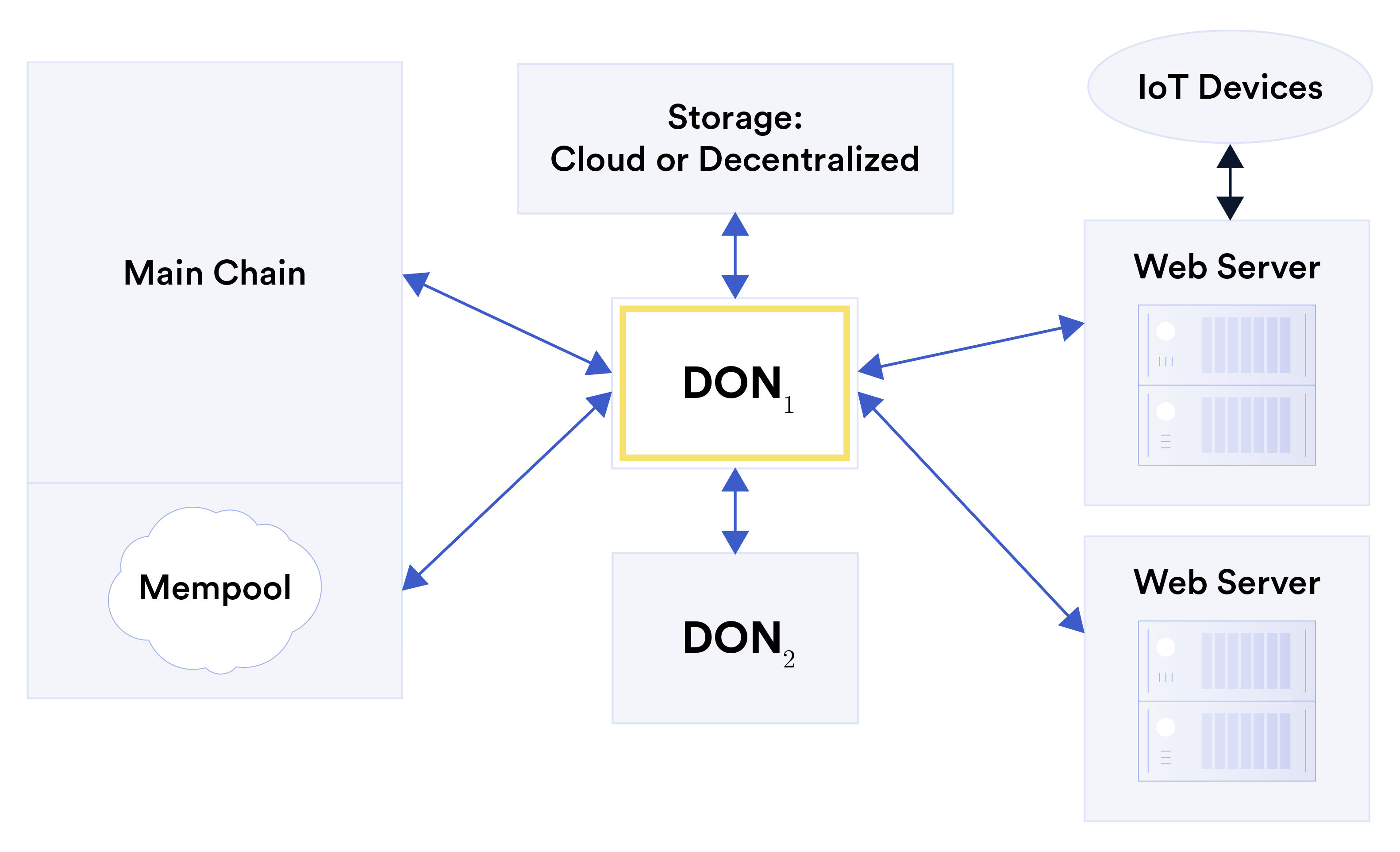
3.1 네트워킹 어댑터는 DON에서 실행되는 실행 파일을 보내고 전송할 수 있는 인터페이스입니다. off-DON 시스템에서 데이터를 수신합니다. 어댑터는 다음의 일반화로 볼 수 있습니다. 현재 Chainlink에서 사용되는 어댑터 [20]. 어댑터는 양방향일 수 있습니다. 그냥 끌어올 수는 없지만 DON에서 웹 서버로 데이터를 푸시할 수 있습니다. 그들은 또한 활용할 수도 있습니다 분산 프로토콜 및 보안 다자간 보안과 같은 암호화 기능 계산. 그림 9: DON1로 표시되는 DON을 DON2로 표시되는 또 다른 DON, blockchain(메인 체인) 및 해당 리소스를 포함한 다양한 리소스와 연결하는 어댑터 멤풀, 외부 저장소, 웹 서버 및 IoT 장치(웹 서버를 통해). 어댑터가 생성될 수 있는 외부 리소스의 예가 표시됩니다. 그림 9에서. 여기에는 다음이 포함됩니다. • 블록체인: 어댑터는 blockchain에 트랜잭션을 보내는 방법을 정의할 수 있으며 블록, 개별 트랜잭션 또는 기타 상태를 읽는 방법. 어댑터 blockchain의 mempool에 대해서도 정의할 수 있습니다. (섹션 3.5 참조) • 웹 서버: 어댑터는 데이터를 검색할 수 있는 API를 정의할 수 있습니다. 특별히 적합하지 않은 레거시 시스템을 포함한 웹 서버에서 DONs와 인터페이스합니다. 이러한 어댑터에는 데이터를 전송하는 API도 포함될 수 있습니다. 그런 서버. DON이 연결되는 웹 서버는 게이트웨이 역할을 할 수 있습니다. IoT(사물 인터넷) 장치와 같은 추가 리소스에 연결됩니다.• 외부 저장소: 어댑터는 저장소를 읽고 쓰는 방법을 정의할 수 있습니다. 분산 파일 시스템[40, 188] 또는 클라우드와 같은 DON 외부 서비스 저장. • 기타 DONs: 어댑터는 DONs 간에 데이터를 검색하고 전송할 수 있습니다. DONs의 초기 배포에는 일련의 빌딩 블록이 포함될 것으로 예상됩니다. 일반적으로 사용되는 외부 리소스에 대한 어댑터를 추가로 허용하고 DON 특정 DON 노드에서 게시할 어댑터입니다. smart contract 개발자가 어댑터를 작성함에 따라 오늘 우리는 그들이 이 고급 기술을 사용하여 훨씬 더 강력한 어댑터를 구축할 것으로 기대합니다. 기능. 우리는 궁극적으로 사용자가 새로운 어댑터를 생성하는 것이 가능할 것으로 기대합니다. 무허가 방식. 일부 어댑터는 DON에 의해 제어되는 외부 리소스의 지속성과 가용성을 보장하는 방식으로 구성되어야 합니다. 예를 들어 클라우드 스토리지는 다음과 같습니다. 클라우드 서비스 계정의 유지 관리가 필요합니다. 또한 DON는 다음을 수행할 수 있습니다. 사용자를 대신하여 개인 키의 분산 관리(예: [160]) 및/또는 실행 파일. 결과적으로 DON은(예: blockchain 대상에서 트랜잭션을 보내는 데 사용될 수 있는) 암호화폐와 같은 리소스를 제어할 수 있습니다. DON 어댑터에 대한 자세한 내용은 부록 B.1을 참조하세요. 예시 어댑터. 3.2 계산 실행 파일은 DON의 기본 코드 단위입니다. 실행 파일은 exec = 쌍입니다. (논리, 초기화). 여기서 로직은 다수의 지정된 항목이 있는 결정론적 프로그램입니다. points (logic1, logic2, ..., logicℓ) 및 init는 해당 개시자의 집합입니다. (init1, init2, ..., inite). 실행 파일의 논리인 DON의 전체 감사 가능성을 보장하려면 모든 입력과 출력에 기본 원장 L을 사용합니다. 따라서 예를 들어 모든 어댑터는 실행 파일에 대한 입력으로 사용되는 데이터는 먼저 L에 저장되어야 합니다. 개시자: 현재 Chainlink의 개시자는 이벤트에 따른 작업 실행을 유발합니다. Chainlink 노드 [21]. DONs의 개시자는 거의 동일한 방식으로 작동합니다. 그러나 DON 개시자는 실행 파일과 구체적으로 연결됩니다. 개시자는 의존할 수 있습니다 외부 사건이나 상태, 현재 시간, 또는 DON 상태에 대한 술어. 이벤트에 대한 의존성으로 인해 개시자는 물론 비결정적으로 동작할 수도 있습니다. (물론 어댑터도 마찬가지입니다). 개시자는 개별 DON 노드 내에서 실행할 수 있습니다. 따라서 어댑터에 의존할 필요가 없습니다. (아래 예 1을 참조하세요.) 개시자는 실행 파일을 smart contract과 구별하는 중요한 기능입니다. 실행 파일은 개시자에 대한 응답으로 실행될 수 있으므로 효과적으로 작동할 수 있습니다. 물론 확장을 통해 실행 파일을 통합하는 하이브리드 계약이 자율적으로 가능합니다. 오늘날 개시자의 한 형태는 거래를 제공하는 Chainlink Keeper입니다.oracle 보고서를 기반으로 과소담보 대출 청산 및 지정가 주문 거래 실행과 같은 smart contract 실행을 실행하는 자동화 서비스입니다. 편리하게도 DONs의 개시자를 지정하는 방법으로 볼 수도 있습니다. 실행 파일에 적용되는 서비스 계약(아래 상황을 정의함) DON에서 호출해야 합니다. 다음 예에서는 실행 파일 내에서 개시자가 작동하는 방식을 보여줍니다. 예시 1(편차로 인한 가격 피드) smart contract SC에는 새로운 것이 필요할 수 있습니다. 예를 들어 1%와 같이 상당한 변화가 있을 때마다 가격 피드 데이터(섹션 3.6.3 참조) 한 쌍의 자산(예: ETH-USD) 간의 환율. 변동성에 민감한 가격 피드는 현재 Chainlink에서 지원되지만 어떻게 지원되는지 살펴보는 것이 좋습니다. 실행 가능한 execfeed를 통해 DON에서 실현되었습니다. 실행 가능한 execfeed는 L의 가장 최근 ETH-USD 가격 r을 유지합니다. ⟨NewPrice : j, r⟩항목의 시퀀스 형태. 여기서 j는 다음과 같이 증가하는 인덱스입니다. 각 가격 업데이트. 개시자 init1은 각 노드 Oi가 현재 ETH-USD 가격을 모니터링하도록 합니다. 인덱스 j를 사용하여 가장 최근에 저장한 가격 r에서 최소 1%의 편차. 시 이러한 편차를 감지한 Oi는 다음을 사용하여 새 가격의 현재 보기 ri를 L에 기록합니다. ⟨PriceView : i, j + 1, ri⟩ 형식의 항목. 두 번째 개시자 init2는 새 가격이 포함된 PriceView 항목이 k개 이상 있을 때 발생합니다. 개별 노드에서 생성된 인덱스 j + 1의 값이 L에 누적됩니다. 그러면 init2 첫 번째 k개의 유효한 유효한 가격 보기 값 k개의 중앙값 ρ를 계산하기 위해 진입점 logic2를 호출하고 새로운 값 ⟨NewPrice : j + 1, ρ⟩을 L에 씁니다. (운영상 노드 교대로 지정작가가 될 수 있다.) 세 번째 개시자 init3은 L의 NewPrice 항목을 감시합니다. 새 보고서가 나올 때마다 ⟨NewPrice : j, r⟩가 거기에 나타나며 (j, r)을 SC에 푸시하는 진입점 logic3을 호출합니다. 어댑터를 사용하여. 앞서 언급했듯이 실행 파일은 기능 면에서 smart contract과 유사합니다. 그러나 더 높은 성능 외에도 일반적인 메인 체인 계약과 다릅니다. 두 가지 중요한 방법으로: 1. 기밀성: 실행 파일은 기밀 계산을 수행할 수 있습니다. 즉, 비밀 프로그램이 일반 텍스트 입력을 처리하거나 게시된 프로그램이 처리할 수 있습니다. 비밀 입력 데이터 또는 둘의 조합. 간단한 모델에서는 비밀 데이터가 중간 결과를 숨기고만 공개하는 DON 노드에서 액세스할 수 있습니다. MAINCHAIN에 처리 및 삭제된 값. DONs 자체에서 민감한 데이터를 숨기는 것도 가능합니다. DONs는 다음과 같은 접근 방식을 지원하기 위한 것입니다. 다자간 계산(예: [42, 157]) 및 신뢰할 수 있는 실행 환경 (TEE) [84, 133, 152, 229] 이 목적을 위해.6 6더 나아가 DON 노드와 관련하여 실행 파일 자체를 비밀로 유지하는 것도 가능합니다. 이는 오늘날 TEE를 사용하는 중요하지 않은 실행 파일에만 실용적입니다.2. 지원 역할: 실행 파일은 기본에서 smart contract을 지원하기 위한 것입니다. 체인을 교체하는 대신 실행 파일에는 다음과 같은 몇 가지 제한 사항이 있습니다. smart contract은(는) 다음을 수행하지 않습니다. (a) 신뢰 모델: 실행 파일은 다음에 의해 정의된 신뢰 모델 내에서 작동합니다. DON: 올바른 실행은 O의 정직한 행동에 달려 있습니다. (메인 그러나 체인은 DON 불법 행위에 대한 일부 가드 레일을 제공할 수 있습니다. 섹션 7.3에서 논의됨) (b) 자산 액세스: DON은 blockchain의 계정을 제어할 수 있으므로 어댑터를 통해 자산을 제어합니다. 하지만 DON은 정식으로 사용할 수 없습니다. Ether 또는 ERC20 tokens와 같은 메인 체인에서 생성된 자산을 나타냅니다. 그들의 네이티브 체인은 소유권에 대한 권위 있는 기록을 유지합니다. (c) 수명 주기: DONs는 다음과 같이 제한된 수명으로 의도적으로 유지될 수 있습니다. DONs와 소유자 간의 온체인 서비스 수준 계약에 의해 정의됩니다. 의존 계약의. 대조적으로, 블록체인은 다음과 같이 기능하도록 되어 있습니다. 영구 보관 시스템. DON 계산에 대한 자세한 내용은 부록 B.2를 참조하세요. 3.3 저장 위원회 기반 시스템인 DON은 적당한 양의 데이터를 지속적으로 저장할 수 있습니다. L에서는 무허가 blockchain보다 훨씬 저렴한 비용으로 사용할 수 있습니다. 또한 어댑터를 통해 DONs는 데이터 저장을 위해 외부 분산 시스템을 참조할 수 있습니다(예: Filecoin [85], 이를 통해 해당 시스템을 smart contract에 연결할 수 있습니다. 이 옵션은 특히 "부풀음"이라는 만연한 문제를 해결하는 수단으로 대량 데이터에 적합합니다. blockchain 시스템. 따라서 DONs는 특별히 지원되는 서비스에 사용하기 위해 데이터를 로컬 또는 외부에 저장할 수 있습니다. DON은(는) 이러한 데이터를 기밀 방식으로 추가로 사용할 수 있습니다. (1) DON 노드 전체에서 비밀 공유되거나 암호화된 데이터에 대한 컴퓨팅 안전한 다자간 계산에 적합한 방식으로 DON 노드에서 관리하는 키 또는 부분적 또는 완전 동형 암호화; 또는 (2) 신뢰할 수 있는 실행을 사용하여 보호됨 환경. 우리는 DONs가 일반적인 간단한 메모리 관리 모델을 채택할 것으로 기대합니다. 스마트 계약 시스템: 실행 파일은 자체 메모리에만 쓸 수 있습니다. 실행 파일 그러나 다른 실행 파일의 메모리에서는 읽을 수 있습니다. DON 저장소에 대한 자세한 내용은 부록 B.3을 참조하세요. 3.4 트랜잭션 실행 프레임워크(TEF) DONs는 메인 체인 MAINCHAIN(또는 여러 메인 체인)의 계약을 지원하기 위한 것입니다. TEF(Transaction-Execution Framework)에 대해 자세히 설명합니다.섹션 6에서는 효율적인 계약 실행에 대한 일반적인 목적의 접근 방식을 설명합니다. MAINCHAIN 및 DON 전반의 SC. TEF는 FSS 및 레이어-2를 지원하도록 고안되었습니다. 원하는 경우 기술을 동시에 사용할 수 있습니다. 사실상 주력 차량이 될 가능성이 크다. FSS 사용에 대한 것입니다(그러한 이유로 이 섹션에서는 FSS에 대해 더 이상 논의하지 않습니다). 간단히 말해서, TEF에서는 MAINCHAIN을 위해 설계되거나 개발된 원래 대상 계약 SC입니다. 하이브리드 계약으로 리팩토링됩니다. 이 리팩토링은 두 가지 상호 운용성을 생성합니다. 하이브리드 계약의 일부: 명확성을 위해 우리가 언급하는 MAINCHAIN 계약 SCa TEF의 맥락에서 앵커 계약 및 DON의 실행 파일 실행 파일입니다. 는 계약 SCa는 사용자의 자산을 관리하고 권위 있는 상태 전환을 실행하며 DON의 오류에 대비한 보호 레일(섹션 7.3 참조)을 제공합니다. 실행 파일 exec 트랜잭션을 순서대로 나열하고 관련 oracle 데이터를 제공합니다. 묶을 수 있다 다양한 방법(예: 유효성 증명 기반 또는 낙관적인 rollups, DON에 의한 기밀 실행 등 우리는 개발자가 계약을 쉽게 분할할 수 있는 도구를 개발할 것으로 기대합니다. 고급 언어로 작성된 SC는 MAINCHAIN 및 DON 로직, SCa 및 안전하고 효율적으로 구성되는 각각의 임원입니다. TEF를 사용하여 고성능 트랜잭션 체계를 고성능과 통합 oracles는 oracle 확장 접근 방식의 핵심입니다. 3.5 멤풀 서비스 지원을 위해 DON에 배포하려는 중요한 애플리케이션 계층 기능 FSS와 TEF는 Mempool Services(MS)입니다. MS는 어댑터로 볼 수도 있지만, 그러나 최고 수준의 지원을 제공합니다. MS는 레거시 호환 트랜잭션 처리를 지원합니다. 이 용도에서는 MS 대상 계약을 위해 의도된 트랜잭션을 메인 체인의 멤풀에서 수집합니다. 메인체인의 SC. 그런 다음 MS는 이러한 트랜잭션을 DON의 실행 파일에 전달합니다. 원하는 방식으로 처리되는 곳입니다. MS 데이터는 DON에서 사용할 수 있습니다. DON에서 SC로 직접 전달될 수 있는 트랜잭션을 작성하거나 SC를 호출하는 다른 계약으로. 예를 들어 DON은 트랜잭션을 전달할 수 있습니다. MS를 통해 수집하거나 MS 데이터를 사용하여 보내는 거래에 대한 가스 가격을 설정할 수 있습니다. 메인체인. MS는 mempool을 모니터링하기 때문에 SC와 직접 상호 작용하는 사용자로부터 트랜잭션을 얻을 수 있습니다. 따라서 사용자는 다음을 사용하여 계속해서 거래를 생성할 수 있습니다. 레거시 소프트웨어, 즉 MS 및 MS 구성의 존재를 인식하지 못하는 애플리케이션 계약. (이 경우 원래 거래를 무시하고 SC를 변경해야 합니다. 이중 처리를 피하기 위해 MS에서 처리한 것만 허용합니다.) 대상 계약 SC와 함께 사용하기 위해 MS는 FSS 및/또는 TEF와 함께 사용될 수 있습니다.3.6 디딤돌: 기존 Chainlink 기능 3.6.1 오프체인 보고(OCR) OCR(오프체인 보고) [60]은 oracle 보고서 집계 및 의존 계약 SC로의 전송을 위한 Chainlink의 메커니즘입니다. Chainlink 가격으로 최근 배포됨 피드 네트워크에서는 전체 DON을 향한 첫 번째 단계를 나타냅니다. 핵심적으로 OCR은 부분적으로 동기식으로 작동하도록 설계된 BFT 프로토콜입니다. 네트워크. f < n/3이 존재할 때 임의로 활성도와 정확성을 보장합니다. 결함이 있는 노드는 비잔틴의 안정적인 방송 속성을 보장하지만 그렇지 않습니다. 완전한 BFT 합의 프로토콜. 노드는 다음과 같은 메시지 로그를 유지하지 않습니다. 모든 관점에서 동일한 원장을 나타낸다는 점에서 일관성이 있으며, 프로토콜의 리더는 안전을 위반하지 않고 모호하게 말할 수 있습니다. OCR은 현재 특정 메시지 유형(중간화된 집계)을 위해 설계되었습니다. (최소 2f +1) 값은 참여 노드에서 보고됩니다. 이는 다음에 대한 주요 보증을 제공합니다. SC에 대해 출력하는 보고서(증명된 보고서라고 함): 증명된 보고서의 중앙값 보고서는 두 정직한 노드가 보고한 값과 같거나 그 사이에 있습니다. 이 속성은 OCR의 주요 안전 조건입니다. 리더는 중앙값에 어느 정도 영향을 미칠 수 있습니다. 입증된 보고서의 가치는 이 정확성 조건에만 적용됩니다. OCR은 다양한 방식으로 값을 집계하는 메시지 유형으로 확장됩니다. Chainlink 네트워크의 활성 및 정확성 목표는 오늘날 필요하지 않지만 OCR이 완전한 합의 프로토콜이 되려면 기존 BFT 프로토콜에는 없는 몇 가지 추가 기능 형태를 제공하기 위해 OCR이 필요합니다. 특히 다음과 같습니다. 1. 전부 아니면 전무의 오프체인 보고서 방송: OCR은 증명된 보고서를 보장합니다. 모든 정직한 노드가 신속하게 사용할 수 있게 되거나 그 중 누구도 사용할 수 없게 됩니다. 이것이 공정성이다 정직한 노드가 참여할 기회를 갖도록 보장하는 재산 증명된 보고서 전송 시. 2. 안정적인 전송: OCR은 결함이 있거나 악의적인 경우에도 보장합니다. 모든 OCR 보고서와 메시지가 특정 내에서 SC로 전송되는 노드, 미리 정의된 시간 간격. 이는 활성 속성입니다. 3. 계약 기반 신뢰 최소화: SC는 잠재적으로 잘못된 OCR 생성 보고서를 필터링합니다(예: 보고된 값이 다른 값과 크게 벗어나는 경우). 최근에 받은 것. 이는 추가 프로토콜 정확성 적용의 한 형태입니다. 이 세 가지 속성은 모두 DONs에서 자연스러운 역할을 합니다. 전부 아니면 전무 오프체인(DON) 방송은 암호화폐 경제 보장을 위한 중요한 구성 요소입니다. 안정적인 전송을 중심으로 이는 결국 필수적인 어댑터 속성입니다. 신뢰 SC의 최소화는 섹션 7.3에서 논의된 바와 같이 일종의 가드레일입니다. OCR은 또한 Chainlink의 oracle 네트워크에서 BFT 프로토콜의 운영 배포 및 개선을 위한 기반을 제공합니다. DONs의 기능.3.6.2 DECO와 타운 크라이어 DECO [234] 및 Town Crier [233]은 현재 진행 중인 관련 기술 쌍입니다. Chainlink 네트워크에서 개발되었습니다. 오늘날 대부분의 웹 서버에서는 사용자가 프로토콜을 사용하여 보안 채널을 통해 연결할 수 있습니다. TLS(전송 계층 보안) [94]이라고 합니다. (HTTPS는 HTTP의 변형을 나타냅니다. TLS를 사용하여 활성화됩니다. 즉, "https" 접두사가 붙은 URL은 보안을 위해 TLS를 사용함을 나타냅니다.) 하지만 대부분의 TLS 지원 서버에는 눈에 띄는 제한 사항이 있습니다. 즉, 디지털 서명을 하지 않습니다. 데이터. 결과적으로, 사용자나 증명자는 서버로부터 받은 데이터를 제시할 수 없습니다. 다음을 보장하는 방식으로 oracle 또는 smart contract와 같은 제3자 또는 검증자에게 데이터의 신뢰성. 서버가 데이터에 디지털 서명을 하더라도 기밀성 문제가 남아 있습니다. 증명자는 중요한 데이터를 제출하기 전에 수정하거나 수정하기를 원할 수 있습니다. 검증자. 그러나 디지털 서명은 수정된 데이터를 무효화하기 위해 특별히 설계되었습니다. 따라서 증명자가 기밀성을 유지하면서 변경하는 것을 방지합니다. 데이터에. (자세한 내용은 섹션 7.1을 참조하세요.) DECO와 Town Crier는 증명자가 웹에서 데이터를 얻을 수 있도록 설계되었습니다. 무결성과 기밀성을 보장하는 방식으로 검증자에게 제공합니다. 두 시스템은 다음에 의해 제공되는 데이터를 보장한다는 의미에서 무결성을 유지합니다. 검증자에 대한 증명자는 대상 서버에서 인증됩니다. 그들은 지원한다 증명자가 데이터를 수정하거나 수정할 수 있도록 허용한다는 의미의 기밀성(여전히 무결성 유지). 두 시스템의 주요 특징은 어떤 수정도 필요하지 않다는 것입니다. 대상 웹 서버. 기존 TLS 지원 서버와 함께 작동할 수 있습니다. 사실, 서버에 투명합니다. 서버의 관점에서 증명자는 일반적인 연결을 설정합니다. 두 시스템은 비슷한 목표를 가지고 있지만 지금 간략하게 설명하는 것처럼 신뢰 모델과 구현이 다릅니다. DECO는 무결성을 달성하기 위해 암호화 프로토콜을 기본적으로 사용합니다. 및 기밀성 속성. DECO를 사용하여 대상 서버와 세션을 설정하는 동안 Prover는 동시에 대화형 프로토콜에 참여합니다. 검증자. 이 프로토콜을 통해 증명자는 검증자에게 수신했음을 증명할 수 있습니다. 현재 세션 동안 서버에서 주어진 데이터 D 조각. 증명자는 할 수 있다 대안으로 검증자에게 D의 일부 속성에 대한 영지식 증명을 제시합니다. 따라서 D를 직접적으로 공개하지 않습니다. DECO의 일반적인 사용에서 사용자 또는 단일 노드는 개인 데이터베이스에서 데이터 D를 내보낼 수 있습니다. DON의 모든 노드에 대한 웹 서버와의 세션. 결과적으로 전체 DON은(는) D의 진위(또는 영지식 증명을 통해 D에서 파생된 사실)를 증명합니다. 이 문서의 뒷부분에 나오는 예제 애플리케이션 외에도 이 기능을 사용할 수 있습니다. DON을 통해 데이터 소스에 대한 높은 무결성 액세스를 증폭하는 데 사용됩니다. 노드가 1개만 있어도 예를 들어 다음과의 독점 계약으로 인해 데이터 소스에 직접 액세스할 수 있습니다. 데이터 제공자—전체 DON가해당 노드에서 내보내는 보고서입니다. Town Crier는 Intel과 같은 TEE(신뢰할 수 있는 실행 환경)를 사용합니다. SGX. 간단히 말해서, TEE는 애플리케이션을 실행하는 일종의 블랙박스 역할을 합니다. 변조 방지 및 기밀 방식. 원칙적으로 해당 호스트의 소유자라도 실행 중인 TEE는 TEE로 보호되는 애플리케이션을 (감지 불가능하게) 변경할 수 없으며, 비밀 데이터가 포함될 수 있는 애플리케이션 상태를 봅니다. Town Crier는 DECO 등의 모든 기능을 구현할 수 있습니다. DECO는 증명자가 단일 검증자와 상호 작용하도록 제한합니다. 대조적으로, Town Crier는 다음을 가능하게 합니다. 대상 서버에서 가져온 데이터 D에 대해 공개적으로 검증 가능한 증거를 생성하는 증명자, 즉, smart contract이라도 누구나 직접 확인할 수 있는 증거입니다. 마을 외치는 사람은 할 수 있습니다 또한 보안 비밀(예: 사용자 자격 증명)을 안전하게 수집하고 활용합니다. Town Crier의 주요 제한 사항은 TEE에 대한 의존성입니다. 생산 TEE에는 기술은 초기 단계에 있으며 의심할 여지 없이 성숙해질 것이지만 최근에 여러 가지 심각한 취약점이 있는 것으로 나타났습니다. 자세한 내용은 부록 B.2.1 및 B.2.2를 참조하세요. TEE에 대한 추가 논의. DECO 및 Town Crier의 몇 가지 적용 예는 섹션 4.3, 4.5를 참조하세요. 9.4.3 및 부록 C.1. 3.6.3 기존 온체인 Chainlink 서비스 Chainlink oracle 네트워크는 다양한 분야에서 다양한 주요 서비스를 제공합니다. blockchains 및 오늘날의 기타 분산형 시스템. 설명 된대로 추가 진화 이 백서에서는 이러한 기존 서비스에 추가 기능을 부여하고 도달하다. 세 가지 예는 다음과 같습니다. 데이터 피드: 오늘날 smart contract에 의존하는 대부분의 Chainlink 사용자는 데이터 피드 사용. 이는 주요 데이터의 현재 가치에 대한 보고서입니다. 신뢰할 수 있는 오프체인 소스에. 예를 들어 가격 피드는 가격을 보고하는 피드입니다. 자산(암호화폐, 원자재, 외환, 지수, 주식 등)에 따라 교환 또는 데이터 수집 서비스. 오늘날 이러한 피드는 이미 수십억 달러의 보안을 확보하는 데 도움이 됩니다. Aave [147]와 같은 DeFi 시스템에서의 사용을 통한 온체인 가치의 달러 신세틱스 [208]. Chainlink 데이터 피드의 다른 예로는 다음의 날씨 데이터가 있습니다. 매개변수적 작물 보험 [75] 및 선거 데이터 [93] 등이 있습니다. 이 백서에 설명된 DON 및 기타 기술의 배포는 다음을 포함하여 여러 가지 방법으로 Chainlink 네트워크의 데이터 피드 제공을 향상시킵니다. • 확장: OCR 이후 DON은 Chainlink 서비스 확장을 목표로 합니다. 그들이 지원하는 많은 blockchain에 걸쳐 극적으로. 예를 들어, 우리는 DONs는 다음을 사용하여 노드에서 제공하는 데이터 피드 수를 늘리는 데 도움이 됩니다. Chainlink 100년대부터 1000년대 그리고 그 이상까지. 이러한 확장은 Chainlink에 도움이 될 것입니다. 생태계는 smart contracts와 관련된 데이터를 포괄적으로 제공하고 기존 및 미래의 요구 사항을 충족하고 예상한다는 목표를 달성합니다.• 보안 강화: 중간 보고서를 저장하면 DONs에서 기록을 유지합니다. 충실도가 높은 모니터링과 성능 및 정확성 측정을 위한 노드 동작을 통해 평판 시스템에 대한 강력한 경험적 기반을 제공합니다. Chainlink 노드의 경우. FSS와 TEF를 통해 가격 피드를 통합할 수 있습니다. 프론트 런(front-running)과 같은 공격을 방지하는 유연한 방식으로 거래 데이터를 사용합니다. (명시적) staking은 보안의 기존 암호경제적 보호를 강화합니다. 데이터 피드의 • 피드 민첩성: blockchain-agnostic 시스템(실제로 더 광범위하게는 소비자 독립적 시스템)으로서 DONs는 다양한 사용자에게 데이터 피드 제공을 용이하게 할 수 있습니다. 의존 시스템의. 단일 DON는 주어진 피드를 동시에 세트로 푸시할 수 있습니다. 다양한 blockchain을 사용하여 체인별 oracle 네트워크가 필요하지 않으며 새로운 blockchain에 대한 기존 피드와 추가 피드를 빠르게 배포할 수 있습니다. 현재 서비스되는 blockchain에 대한 피드입니다. • 기밀성: DON에서 일반화된 계산을 수행하는 기능을 통해 민감한 데이터에 대한 계산이 온체인을 피하고 오프체인에서 수행될 수 있습니다. 노출. 추가적으로 DECO나 Town Crier를 사용하면 기밀성이 더욱 강화되어 공개되지 않은 데이터를 기반으로 보고서를 생성할 수 있습니다. DON 노드에도 노출됩니다. 예시는 섹션 4.3 및 섹션 4.5를 참조하세요. 검증 가능한 무작위 함수(VRF): 여러 유형의 DApp에는 자체 공정한 운영을 검증할 수 있도록 검증 가능한 올바른 무작위성 소스가 필요합니다. 대체 불가능한 토큰(NFTs)이 그 예입니다. Aavegotchi [23] 및 Axie Infinity [35]의 NFT 기능의 희귀성은 Chainlink VRF에 의해 결정되며 분포도 마찬가지입니다. Ether 카드 [102]의 티켓 기반 추첨을 통해 NFTs; 다양한 결과가 무작위로 결정되는 게임 DApp 비전통적인 금융 수단(예: PoolTogether [89]과 같은 무손실 저축 게임) 무작위 우승자. 기타 blockchain 및 blockchain이 아닌 애플리케이션에도 보안이 필요합니다. 분산 시스템 위원회의 선택과 복권 실행. hashes 블록은 예측할 수 없는 무작위성의 소스 역할을 할 수 있지만, 적대적인 채굴자(및 어느 정도 제출한 사용자)의 조작에 취약합니다. 거래). Chainlink VRF [78]은 훨씬 더 안전한 대안을 제공합니다. 안 oracle에는 개인 키가 오프체인으로 유지되고 공개 키 pk가 게시되는 연결된 개인/공개 키 쌍(sk, pk)이 있습니다. 임의의 값을 출력하려면 의존 계약에 의해 제공되는 예측할 수 없는 시드 x에 sk를 적용합니다(예: hash 블록) 및 DApp별 매개변수) 함수 F를 사용하여 y = Fsk(x)를 산출합니다. 정확성의 증거. (Chainlink에서 사용할 수 있는 VRF는 [180]을 참조하세요.) VRF 검증 가능은 pk에 대한 지식을 바탕으로 증명의 정확성, 즉 y의 정확성을 확인할 수 있다는 사실입니다. 결과적으로 y 값은 예측할 수 없습니다. x를 예측하거나 sk를 학습할 수 없고 서비스가 조작할 수 없는 적입니다.Chainlink VRF는 오프체인 개인 키의 관리와 관련된 애플리케이션 제품군 중 하나로 볼 수 있습니다. 보다 일반적으로 DONs는 보안을 제공할 수 있습니다. 애플리케이션 및/또는 사용자를 위한 개별 키의 분산형 저장 및 결합 일반화된 계산을 통해 이 기능을 사용할 수 있습니다. 그 결과 수많은 응용 프로그램이 탄생했습니다. 이 문서에서는 Proof of Key 관리를 포함하여 몇 가지 예를 제공합니다. 예비금(섹션 4.1 참조) 및 사용자의 분산 자격 증명(및 기타 디지털 자산)(섹션 4.3 참조). 키퍼: Chainlink 키퍼 [87]는 개발자가 분산형 코드를 작성할 수 있도록 해줍니다. 일반적으로 의존하는 smart contract의 실행을 트리거하기 위한 오프체인 작업 실행. Keeper가 등장하기 전에는 개발자가 이러한 오프체인을 운영하는 것이 일반적이었습니다. 논리 자체가 중앙 집중화된 실패 지점을 생성합니다(상당한 중복 개발 노력도 포함). 대신 Keeper는 사용하기 쉬운 프레임워크를 제공합니다. 이러한 작업을 분산 아웃소싱하여 개발 주기를 단축하고 활성 및 기타 보안 속성에 대한 강력한 보증. 키퍼는 무엇이든 지원할 수 있습니다 가격에 따른 대출 청산 또는 금융 거래 실행, 시간에 따른 에어드롭 또는 결제 시작 수확량 수확 등을 갖춘 시스템에서. DON 프레임워크에서 개시자는 여러 의미에서 Keeper의 일반화로 볼 수 있습니다. 개시자는 어댑터를 사용할 수 있으므로 온체인 및 오프체인 시스템에 대한 모듈화된 인터페이스 라이브러리를 통해 신속한 안전하고 정교한 기능 개발. 개시자는 다음에서 계산을 시작합니다. DONs의 완전한 다양성을 제공하는 실행 파일입니다. 온체인 및 오프체인 애플리케이션을 위해 이 백서에서 제시하는 다양한 분산형 서비스입니다. 3.6.4 노드 평판 / 성능 내역 기존 Chainlink 생태계는 기본적으로 다음의 성능 기록을 문서화합니다. 체인에 노드를 기여합니다. 이 기능을 통해 개인에 대한 성과 데이터를 수집, 필터링 및 시각화하는 평판 지향 리소스 모음이 탄생했습니다. 노드 운영자 및 데이터 피드. 사용자는 이러한 리소스를 참조하여 정보를 얻을 수 있습니다. 노드 선택에 대한 결정을 내리고 기존 네트워크의 작동을 모니터링합니다. 유사한 기능은 사용자가 DON을 선택하는 데 도움이 됩니다. 예를 들어 오늘날 market.link와 같은 무허가 마켓플레이스는 노드를 허용합니다. 운영자는 자신의 oracle 서비스를 나열하고 다음을 통해 오프체인 신원을 증명합니다. Chainlink에 있는 노드의 프로필을 해당 노드에 바인딩하는 Keybase [4]와 같은 서비스 소유자의 기존 도메인 이름 및 소셜 미디어 계정. 추가적으로 성능 market.link 및 Reputation.link에서 제공되는 것과 같은 분석 도구를 사용하면 사용자는 다음을 포함하여 개별 노드의 과거 성능에 대한 통계를 볼 수 있습니다. 평균 응답 대기 시간, 보고서 값과 합의 값의 편차 체인을 통해 중계되고, 수익이 창출되고, 작업이 완료되는 등의 일이 발생합니다. 이러한 분석 도구는 또한 사용자는 다른 사용자의 다양한 oracle 네트워크 채택을 추적할 수 있습니다.그러한 네트워크를 보호하는 노드에 대한 암묵적인 보증. 그 결과는 평평한 "웹"입니다. 특정 노드를 사용하여 고부가가치 분산 애플리케이션을 생성하는 신뢰” 다른 사용자가 관찰하고 고려할 수 있는 노드에 대한 신뢰의 신호입니다. 자신의 노드 선택 결정. DONs(및 처음에는 OCR 사용)를 사용하면 트랜잭션 처리 및 계약 활동은 더 일반적으로 오프체인입니다. 기록 노드를 위한 분산형 모델 DON 자체 내에서는 성능이 유지됩니다. 과연 고성능 DONs의 데이터 용량으로 세분화된 기록 구축이 가능합니다. 또한 이러한 기록에 대해 분산형 계산을 수행하여 평판 서비스에서 사용하고 검사할 수 있는 신뢰할 수 있는 요약을 생성합니다. 메인체인. 원칙적으로 DON는 노드의 상당 부분이 손상된 경우 구성 노드의 동작을 잘못 나타낼 수 있지만 집단적 온체인 데이터를 전달하는 DON 자체의 성능은 MAINCHAIN에서 볼 수 있습니다. 따라서 잘못 표현될 수 없습니다. 추가적으로 우리는 다음과 같은 메커니즘을 탐색할 계획입니다. DON에서 노드 동작에 대한 정확한 내부 보고를 장려합니다. 예를 들어, 데이터를 가장 빠르게 반환하는 고성능 노드의 하위 집합을 보고하면 기여도가 높아집니다. 체인에 전달된 보고서에 대해 DON은 노드가 잘못된 것에 대해 이의를 제기하도록 인센티브를 생성합니다. 보고서: 이 하위 집합에 노드를 잘못 포함한다는 것은 노드를 잘못 제외한다는 의미입니다. 포함되어야 하므로 무효한 불이익을 줍니다. DON에 의한 반복적인 보고 실패는 또한 정직한 노드가 DON. 정확한 성과 이력의 분산화된 편집과 그에 따른 결과 사용자가 고성능 노드를 식별하고 노드 운영자가 구축할 수 있는 능력 평판은 Chainlink 생태계를 구별하는 중요한 특징입니다. 우리 섹션 9에서 우리가 그것들을 엄격하고 이해하기 쉬운 핵심 부분으로 추론할 수 있는 방법을 보여줍니다. DONs가 제공하는 경제적 안정에 대한 광범위한 관점.
واجهة شبكة أوراكل اللامركزية وCa-
القدرات نحن هنا نرسم بإيجاز قدرات DONs من حيث البساطة ولكن القوية الواجهة التي تم تصميمها لتحقيقها. تتكون التطبيقات الموجودة على DON من ملفات تنفيذية ومحولات. الملف القابل للتنفيذ هو برنامج منطقه الأساسي هو برنامج حتمي، مشابه لـ smart contract. يحتوي الملف القابل للتنفيذ أيضًا على عدد من البادئين المصاحبين، وهي البرامج التي تستدعي الدخول نقاط في منطق الملف القابل للتنفيذ عند وقوع أحداث محددة مسبقًا، على سبيل المثال، في أوقات معينة (مثل وظيفة كرون)، عندما يتجاوز السعر الحد الأدنى، وما إلى ذلك - يشبه إلى حد كبير الحراس (انظر القسم 3.6.3). توفر المحولات واجهات للموارد خارج السلسلة ويمكن استدعاؤها بواسطة إما البادئين أو المنطق الأساسي في الملفات التنفيذية. لأن سلوكهم قد يعتمد على ذلك من الموارد الخارجية، قد يتصرف البادئون والمحولون بطريقة غير حتمية. نحن نصف واجهة المطور DON وعمل الملفات التنفيذية و المحولات من حيث الموارد الثلاثة المستخدمة عادةً لوصف أنظمة الحوسبة: الشبكات والحوسبة والتخزين. ونقدم لمحة موجزة عن كل واحدة منها الموارد أدناه وتقديم المزيد من التفاصيل في الملحق ب.
3.1 الشبكات المحولات هي واجهات يمكن من خلالها إرسال الملفات التنفيذية التي تعمل على DON و تلقي البيانات من أنظمة DON خارج. يمكن النظر إلى المحولات على أنها تعميم لـ المحولات المستخدمة في Chainlink اليوم [20]. قد تكون المحولات ثنائية الاتجاه، أي أنها لا يمكن سحب البيانات فحسب، بل دفعها من DON إلى خادم الويب. يمكنهم أيضًا الاستفادة البروتوكولات الموزعة بالإضافة إلى وظائف التشفير مثل تعدد الأطراف الآمن حساب. الشكل 9: المحولات التي تربط DON، يُشار إليه بـ DON1، مع مجموعة من الموارد المختلفة، بما في ذلك DON آخر، يُشار إليه بـ DON2، وblockchain (السلسلة الرئيسية) وملحقاتها mempool ووحدة التخزين الخارجية وخادم الويب وأجهزة إنترنت الأشياء (عبر خادم الويب). يتم عرض أمثلة للموارد الخارجية التي يمكن إنشاء محولات لها في الشكل 9. وهي تشمل: • Blockchains: يمكن للمحول تحديد كيفية إرسال المعاملات إلى blockchain و كيفية قراءة الكتل أو المعاملات الفردية أو أي حالة أخرى منها. محول يمكن أيضًا تعريفه لمجمع الذاكرة blockchain. (انظر القسم 3.5.) • خوادم الويب: يمكن للمحولات تحديد واجهات برمجة التطبيقات التي يمكن من خلالها استرداد البيانات من خوادم الويب، بما في ذلك الأنظمة القديمة التي لم يتم تكييفها خصيصًا لها التواصل مع DONs. يمكن أن تتضمن هذه المحولات أيضًا واجهات برمجة التطبيقات لإرسال البيانات إليها مثل هذه الخوادم. قد تكون خوادم الويب التي يتصل بها DON بمثابة بوابات إلى موارد إضافية، مثل أجهزة إنترنت الأشياء (IoT).• وحدة التخزين الخارجية: يمكن للمحول تحديد طرق القراءة والكتابة إلى وحدة التخزين خدمات خارج DON، مثل نظام الملفات اللامركزي [40، 188] أو السحابة تخزين. • DONs أخرى: يمكن للمحولات استرداد البيانات ونقلها بين DONs. نتوقع أن تتضمن عمليات النشر الأولية لـ DONs مجموعة من الكتل البرمجية الإنشائية محولات لمثل هذه الموارد الخارجية شائعة الاستخدام وستسمح أيضًا بـ DON-محدد المحولات التي سيتم نشرها بواسطة العقد DON. كما يكتب مطورو smart contract المحولات اليوم، نتوقع أن يقوموا ببناء محولات أكثر قوة باستخدام هذا المتقدم الوظيفة. نتوقع أنه في النهاية سيكون من الممكن للمستخدمين إنشاء محولات جديدة في ملف بطريقة غير مسموح بها. يجب إنشاء بعض المحولات بطريقة تضمن استمرارية وتوافر الموارد الخارجية التي يتحكم فيها DON. على سبيل المثال، قد يكون التخزين السحابي تتطلب صيانة حساب الخدمات السحابية. بالإضافة إلى ذلك، يمكن تنفيذ DON الإدارة اللامركزية للمفاتيح الخاصة نيابة عن المستخدمين (كما في، على سبيل المثال، [160]) و/أو الملفات التنفيذية. وبالتالي، فإن DON قادر على التحكم في الموارد، مثل العملة المشفرة، التي يمكن استخدامها، على سبيل المثال، لإرسال المعاملات على الهدف blockchain. راجع الملحق ب.1 لمزيد من التفاصيل حول محولات DON، كما هو الحال في الملحق ج لعدد قليل محولات المثال. 3.2 الحساب الملف القابل للتنفيذ هو الوحدة الأساسية للتعليمات البرمجية في DON. الملف القابل للتنفيذ هو زوج exec = (المنطق، الحرف الأول). هنا، المنطق هو برنامج حتمي مع عدد من المدخلات المعينة النقاط (logic1، logic2،...، logicℓ) وinit عبارة عن مجموعة من البادئات المقابلة (init1، init2،...، inite). لضمان إمكانية التدقيق الكامل لمنطق الملف القابل للتنفيذ DON يستخدم دفتر الأستاذ الأساسي L لجميع المدخلات والمخرجات. وهكذا، على سبيل المثال، أي محول يجب تخزين البيانات التي تعمل كمدخل للملف القابل للتنفيذ أولاً على L. المبادرون: يتسبب البادئون في Chainlink اليوم في تنفيذ عمليات تنفيذ مهام تعتمد على الحدث Chainlink العقد [21]. تعمل البادئات في DONs بنفس الطريقة تقريبًا. ومع ذلك، فإن البادئ DON يرتبط بشكل خاص بملف قابل للتنفيذ. قد يعتمد البادئ على حدث أو حالة خارجية، في الوقت الحالي، أو على مسند على حالة DON. ومع اعتمادهم على الأحداث، قد يتصرف المبادرون بالطبع بطريقة غير حتمية (وبطبيعة الحال قد محولات). يمكن للبادئ التنفيذ ضمن العقد الفردية DON ولذا لا داعي للاعتماد على المحول. (انظر المثال 1 أدناه.) تعد البادئات ميزة مهمة تميز الملفات التنفيذية عن smart contracts. نظرًا لأن الملف القابل للتنفيذ يمكن تشغيله استجابةً للبادئ، فإنه يمكن أن يعمل بشكل فعال بشكل مستقل، كما هو الحال بالطبع، يمكن لعقد مختلط يتضمن ما هو قابل للتنفيذ. أحد أشكال المبادرين اليوم هو Chainlink Keepers، الذي يوفر المعاملاتخدمات التشغيل الآلي، مما يؤدي إلى تنفيذ smart contract - مثل تصفية القروض غير المضمونة وتنفيذ عمليات التداول ذات الأوامر المحددة - استنادًا إلى تقارير oracle. ومن الملائم أيضًا أن يتم النظر إلى البادئين في DONs كطريقة لتحديد اتفاقيات الخدمة التي تنطبق على الملف القابل للتنفيذ، لأنها تحدد الظروف في ظلها والذي يجب أن يطلق عليه DON. يوضح المثال التالي كيفية عمل البادئين ضمن ملف قابل للتنفيذ: المثال 1 (موجز الأسعار الناتج عن الانحراف). قد يتطلب smart contract SC طازجًا بيانات تغذية الأسعار (انظر القسم 3.6.3) عندما يكون هناك تغيير جوهري، على سبيل المثال، 1%، في سعر الصرف بين زوج من الأصول، على سبيل المثال، ETH-USD. سعر حساس للتقلب يتم دعم الخلاصات في Chainlink اليوم، ولكن من المفيد أن نرى كيف يمكن أن تكون كذلك تم تحقيقه على DON عن طريق ملف تنفيذي قابل للتنفيذ. يحتفظ الملف التنفيذي القابل للتنفيذ بأحدث سعر لـ ETH-USD r على L، في شكل تسلسل ⟨NewPrice : j، r⟩entries، حيث j هو مؤشر متزايد بـ كل تحديث للسعر. يتسبب البادئ init1 في قيام كل عقدة Oi بمراقبة السعر الحالي لـ ETH-USD انحرافات لا تقل عن 1٪ من أحدث سعر مخزن r مع الفهرس j. على عند اكتشاف مثل هذا الانحراف، يكتب Oi وجهة نظره الحالية ri للسعر الجديد إلى L باستخدام إدخال النموذج ⟨PriceView : i, j + 1, ri⟩. يتم تشغيل البادئ الثاني عند تشغيل إدخالات PriceView على الأقل بسعر جديد تراكمت قيم الفهرس j + 1 التي تم إنشاؤها بواسطة العقد المميزة على L. ثم، init2 يستدعي منطق نقطة الدخول 2 لحساب الوسيط ρ لقيم عرض الأسعار الجديدة والصالحة الأولى k ويكتب قيمة جديدة ⟨NewPrice : j + 1, ρ⟩to L . (من الناحية التشغيلية، العقد قد يتناوبون ككتاب معينين.) يراقب البادئ الثالث init3 إدخالات NewPrice على L. كلما ظهر تقرير جديد ⟨سعر جديد: يظهر j, r⟩ هناك، وهو يستدعي منطق نقطة الدخول 3 الذي يدفع (j, r) إلى SC باستخدام محول. وكما لاحظنا، فإن الملف القابل للتنفيذ يشبه في قدراته smart contract. وبصرف النظر عن أدائها العالي، فهي تختلف عن عقد السلسلة الرئيسية النموذجي بطريقتين أساسيتين: 1. السرية: يمكن للملف القابل للتنفيذ إجراء عمليات حسابية سرية، أي أن برنامجًا سريًا قد يعالج مدخلات نص واضح، أو قد يقوم برنامج منشور بمعالجة بيانات الإدخال السرية، أو مزيج من الاثنين معا. في نموذج بسيط، يمكن للبيانات السرية يمكن الوصول إليها عن طريق العقد DON، والتي تخفي النتائج المتوسطة وتكشف فقط القيم المعالجة والمعقمة إلى MAINCHAIN. من الممكن أيضًا إخفاء البيانات الحساسة عن DONs أنفسهم: DONs تهدف إلى دعم الأساليب مثل كحساب متعدد الأطراف، على سبيل المثال، [42، 157]، وبيئات التنفيذ الموثوقة (TEEs) [84، 133، 152، 229] لهذا الغرض.6 6بالإضافة إلى ذلك، من الممكن أيضًا الحفاظ على سرية الملفات التنفيذية فيما يتعلق بالعقد DON، على الرغم من أن هذا أمر عملي فقط اليوم بالنسبة للملفات التنفيذية غير التافهة التي تستخدم TEEs.2. الدور الداعم: الملف القابل للتنفيذ يهدف إلى دعم smart contracts على الملف الرئيسي سلسلة، بدلا من استبدالها. يحتوي الملف القابل للتنفيذ على العديد من القيود التي أ smart contract لا: (أ) نموذج الثقة: يعمل الملف القابل للتنفيذ ضمن نموذج الثقة المحدد بواسطة DON: يعتمد تنفيذها الصحيح على السلوك الصادق لـ O. (A main ومع ذلك، يمكن للسلسلة توفير بعض حواجز الحماية ضد DON المخالفات، كما تمت مناقشته في القسم 7.3.) (ب) الوصول إلى الأصول: يمكن لـ DON التحكم في حساب على blockchain - وبالتالي السيطرة على الأصول عليه من خلال محول. لكن DON لا يمكن أن يكون بشكل رسمي تمثل الأصول التي تم إنشاؤها على سلسلة رئيسية، على سبيل المثال، Ether أو ERC20 tokens، منذ ذلك الحين تحتفظ سلسلتهم الأصلية بالسجل الرسمي لملكيتهم. (ج) دورة الحياة: قد يتم إيقاف DONs عمدًا مع فترات حياة محدودة، كما يتم تحديدها من خلال اتفاقيات مستوى الخدمة على السلسلة بين DONs والمالكين من الاعتماد على العقود. في المقابل، تهدف سلاسل الكتل إلى العمل أنظمة أرشفة دائمة. راجع الملحق ب.2 لمزيد من التفاصيل حول حساب DON. 3.3 التخزين باعتباره نظامًا قائمًا على اللجان، يستطيع DON تخزين كميات معتدلة من البيانات بشكل مستمر على L بتكلفة أقل بكثير من blockchain غير المسموح به. بالإضافة إلى ذلك، عبر المحولات، يمكن لـ DONs الرجوع إلى الأنظمة اللامركزية الخارجية لتخزين البيانات، على سبيل المثال، Filecoin [85]، وبالتالي يمكن توصيل هذه الأنظمة بـ smart contracts. هذا الخيار على وجه الخصوص جذابة للبيانات المجمعة كوسيلة لمعالجة مشكلة "الانتفاخ" المنتشرة في العالم أنظمة blockchain. وبالتالي يمكن لـ DONs تخزين البيانات محليًا أو خارجيًا لاستخدامها في الخدمات المدعومة بشكل خاص. يمكن لـ DON أيضًا الاستفادة من هذه البيانات بطريقة سرية، الحوسبة على البيانات التي: (1) تمت مشاركتها بشكل سري عبر عقد DON أو مشفرة بموجب مفتاح تتم إدارته بواسطة العقد DON بطرق مناسبة للحساب الآمن متعدد الأطراف أو التشفير المتماثل الجزئي أو الكامل؛ أو (2) محمي باستخدام تنفيذ موثوق به بيئة. نتوقع أن يتبنى DONs نموذجًا بسيطًا لإدارة الذاكرة شائعًا أنظمة العقود الذكية: لا يجوز كتابة الملف القابل للتنفيذ إلا في ذاكرته الخاصة. الملفات التنفيذية ومع ذلك، يمكن قراءتها من ذاكرة الملفات التنفيذية الأخرى. راجع الملحق ب.3 لمزيد من التفاصيل حول تخزين DON. 3.4 إطار تنفيذ المعاملات (TEF) DONs تهدف إلى دعم العقود على سلسلة رئيسية MAINCHAIN (أو على سلاسل رئيسية متعددة). تمت مناقشة إطار تنفيذ المعاملات (TEF) بالتفصيلفي القسم 6، هو نهج للأغراض العامة للتنفيذ الفعال للعقد SC عبر MAINCHAIN وDON. والمقصود من TEF هو دعم الخدمة الثابتة الساتلية (FSS) والطبقة الثانية التقنيات - في وقت واحد، إذا رغبت في ذلك. في الواقع، من المرجح أن تكون بمثابة الوسيلة الرئيسية لاستخدام الخدمة الثابتة الساتلية (ولهذا السبب، فإننا لا نناقش الخدمة الثابتة الساتلية بشكل أكبر في هذا القسم). باختصار، في TEF، تم تصميم أو تطوير عقد SC الأصلي لـ MAINCHAIN يتم إعادة هيكلتها في عقد هجين. تنتج عملية إعادة البناء هذه العملين المتداخلين أجزاء من العقد المختلط: عقد MAINCHAIN SCa الذي نشير إليه للتوضيح في سياق TEFs كعقد أساسي وعقد تنفيذي قابل للتنفيذ على DON. ال يتولى عقد SCa حراسة أصول المستخدمين، وتنفيذ عمليات نقل الحالة الرسمية، وأيضًا يوفر قضبان حماية (انظر القسم 7.3) ضد الأعطال في DON. التنفيذيين القابل للتنفيذ تسلسل المعاملات ويوفر بيانات oracle المرتبطة بها. يمكن أن حزمة معاملات SCa بأي من الطرق العديدة - على سبيل المثال، باستخدام إثبات الصلاحية أو rollups متفائل، والتنفيذ السري بواسطة DON، وما إلى ذلك. نتوقع تطوير أدوات تسهل على المطورين تقسيم العقد SC مكتوبة بلغة عالية المستوى إلى أجزاء من منطق MAINCHAIN وDON وSCa و execs على التوالي، والتي يتم الإنشاء بشكل آمن وفعال. استخدام TEF لدمج أنظمة المعاملات عالية الأداء مع الأداء العالي يعد oracles جزءًا لا يتجزأ من نهجنا في التوسع oracle. 3.5 خدمات ميمبول إحدى ميزات طبقة التطبيق المهمة التي نعتزم نشرها على DONs لدعمها FSS وTEF هما خدمات Mempool (MS). يمكن النظر إلى MS كمحول، ولكن مع دعم من الدرجة الأولى. يوفر MS الدعم لمعالجة المعاملات المتوافقة مع التراث. في هذا الاستخدام، MS يستوعب من مجموعة ذكريات السلسلة الرئيسية تلك المعاملات المخصصة لعقد مستهدف SC على مينشين. يقوم MS بعد ذلك بتمرير هذه المعاملات إلى ملف قابل للتنفيذ على DON، حيث تتم معالجتها بالطريقة المطلوبة. يمكن استخدام بيانات MS بواسطة DON لإنشاء المعاملات التي يمكن بعد ذلك تمريرها مباشرة إلى SC من DON أو إلى عقد آخر يدعو SC. على سبيل المثال، يمكن لـ DON إعادة توجيه المعاملات يتم حصادها عبر MS، أو يمكنها استخدام بيانات MS لتحديد أسعار الغاز للمعاملات التي ترسلها مينشين. ولأنه يراقب مجمع الذاكرة، يستطيع MS الحصول على المعاملات من المستخدمين الذين يتفاعلون مباشرة مع SC. وبالتالي يمكن للمستخدمين الاستمرار في إنشاء معاملاتهم باستخدام البرامج القديمة، أي التطبيقات غير المدركة لوجود MS وMS العقود. (في هذه الحالة، يجب تغيير SC لتجاهل المعاملات الأصلية و تقبل فقط تلك التي تتم معالجتها بواسطة MS، وذلك لتجنب المعالجة المزدوجة.) للاستخدام مع العقد المستهدف SC، يمكن استخدام MS مع FSS و/أو TEF.3.6 نقطة الانطلاق: قدرات Chainlink الموجودة 3.6.1 التقارير خارج السلسلة (OCR) تعد التقارير خارج السلسلة (OCR) [60] آلية في Chainlink لتجميع التقارير oracle ونقلها إلى عقد معتمد SC. تم نشره مؤخرًا بسعر Chainlink شبكات التغذية، فهي تمثل خطوة أولى على الطريق إلى DONs الكاملة. في جوهره، يعد التعرف الضوئي على الحروف (OCR) بمثابة بروتوكول BFT مصمم للعمل بشكل متزامن جزئيًا شبكة. إنه يضمن الحيوية والصحة في وجود f < n/3 بشكل تعسفي العقد المعيبة التي تضمن خصائص البث البيزنطي الموثوق به، لكنها ليست كذلك بروتوكول إجماع BFT كامل. لا تحتفظ العقد بسجلات الرسائل الموجودة متسقة بمعنى تمثيل دفتر أستاذ متطابق في جميع وجهات نظرهم، ويجوز لقائد البروتوكول المراوغة دون انتهاك السلامة. تم تصميم تقنية التعرف الضوئي على الحروف (OCR) حاليًا لنوع معين من الرسائل: التجميع المتوسط لـ (على الأقل 2f +1) القيم التي أبلغت عنها العقد المشاركة. ويوفر ضمانًا أساسيًا بشأن وتسمى التقارير التي تخرجها لـ SC التقارير المعتمدة: القيمة المتوسطة في الشهادة التقرير يساوي أو يقع بين القيم التي تم الإبلاغ عنها بواسطة عقدتين صادقتين. هذه الخاصية شرط السلامة الرئيسي للتعرف الضوئي على الحروف. قد يكون للقائد بعض التأثير على الوسيط القيمة في تقرير مصدق، ولكن تخضع فقط لشرط الصحة هذا. يمكن التعرف الضوئي على الحروف يمكن توسيعها لتشمل أنواع الرسائل التي تجمع القيم بطرق مختلفة. في حين أن أهداف حيوية وصحة الشبكة Chainlink اليوم لا تتطلب ذلك نظرًا لأن تقنية التعرف الضوئي على الحروف (OCR) عبارة عن بروتوكول إجماع كامل، فإنها تتطلب تقنية التعرف الضوئي على الحروف (OCR) لتوفير بعض الأشكال الإضافية من الوظائف غير الموجودة في بروتوكولات BFT التقليدية، وأبرزها: 1. بث تقرير الكل أو لا شيء خارج السلسلة: يضمن التعرف الضوئي على الحروف (OCR) أن التقرير المصدق أصبح متاحًا بسرعة لجميع العقد الصادقة أو لا شيء منهم. هذا هو الإنصاف خاصية تساعد على ضمان حصول العقد الصادقة على فرصة المشاركة في نقل التقرير الموثق. 2. نقل موثوق: يضمن التعرف الضوئي على الحروف (OCR)، حتى في حالة وجود خلل أو ضار العقد، حيث يتم نقل جميع تقارير ورسائل التعرف الضوئي على الحروف إلى SC خلال فترة معينة، فترة زمنية محددة مسبقا. هذه خاصية حيوية. 3. تقليل الثقة على أساس العقد: تقوم SC بتصفية التقارير التي يحتمل أن تكون خاطئة من خلال التعرف الضوئي على الحروف، على سبيل المثال، إذا كانت قيمها المُبلغ عنها تنحرف بشكل كبير عن القيم الأخرى تلك التي تم استلامها مؤخرًا. يعد هذا أحد أشكال تطبيق صحة البروتوكول الإضافي. ستلعب كل هذه الخصائص الثلاثة دورًا طبيعيًا في DONs. يعد بث الكل أو لا شيء خارج السلسلة (DON) لبنة بناء مهمة لضمانات الاقتصاد المشفر حول ناقل الحركة الموثوق به، والذي يعد بدوره خاصية محول أساسية. الثقة إن التقليل في SC هو نوع من حاجز الحماية، كما تمت مناقشته في القسم 7.3. يوفر التعرف الضوئي على الحروف (OCR) أيضًا أساسًا للنشر التشغيلي وتحسين بروتوكولات BFT في شبكات oracle الخاصة بـ oracle وبالتالي، كما هو مذكور أعلاه، مسارًا إلى التنفيذ الكامل وظائف DONs.3.6.2 ديكو وتاون كريير DECO [234] وTown Crier [233] هما زوج من التقنيات ذات الصلة التي يتم حاليًا تطويرها تم تطويره في شبكات Chainlink. تسمح معظم خوادم الويب اليوم للمستخدمين بالاتصال عبر قناة آمنة باستخدام بروتوكول يُسمى أمان طبقة النقل (TLS) [94]. (HTTPS يشير إلى متغير HTTP الذي تم تمكينه باستخدام TLS، أي أن عناوين URL التي تسبقها "https" تشير إلى استخدام TLS للأمان.) على الرغم من ذلك، فإن معظم الخوادم التي تدعم TLS لديها قيود ملحوظة: فهي لا تقوم بالتوقيع رقميًا data. وبالتالي، لا يمكن للمستخدم أو المُثبت تقديم البيانات التي يتلقاها من الخادم إلى طرف ثالث أو جهة التحقق، مثل oracle أو smart contract، بطريقة تضمن صحة البيانات. وحتى لو قام الخادم بتوقيع البيانات رقميًا، تظل هناك مشكلة تتعلق بالسرية. قد يرغب المُثبت في تنقيح البيانات الحساسة أو تعديلها قبل تقديمها إلى أ المتحقق. ومع ذلك، تم تصميم التوقيعات الرقمية خصيصًا لإبطال البيانات المعدلة. وبالتالي، فإنها تمنع المُثبِّت من إجراء تعديلات للحفاظ على السرية إلى البيانات. (انظر القسم 7.1 لمزيد من المناقشة.) تم تصميم DECO وTown Crier للسماح للمثبت بالحصول على البيانات من الويب الخادم وتقديمها إلى جهة التحقق بطريقة تضمن النزاهة والسرية. يحافظ النظامان على النزاهة بمعنى أنهما يضمنان أن البيانات المقدمة من قبل ينشأ المثبت إلى المدقق بشكل أصلي من الخادم الهدف. إنهم يدعمون السرية بمعنى السماح للمحقق بتنقيح البيانات أو تعديلها (في حين لا يزال الحفاظ على النزاهة). الميزة الرئيسية لكلا النظامين هي أنهما لا يتطلبان أي تعديلات على أي منهما خادم الويب المستهدف. يمكنهم العمل مع أي خادم موجود يدعم TLS. في الواقع، فهي شفافة بالنسبة للخادم: من وجهة نظر الخادم، يكون Prover كذلك إنشاء اتصال عادي. لدى النظامين أهداف متشابهة، لكنهما يختلفان في نماذج الثقة وتطبيقاتهما كما نوضح الآن بإيجاز. يستخدم DECO بشكل أساسي بروتوكولات التشفير لتحقيق سلامته وخصائص السرية. أثناء إنشاء جلسة مع خادم مستهدف باستخدام DECO، يشارك Prover في نفس الوقت في بروتوكول تفاعلي مع المتحقق. يتيح هذا البروتوكول للمحقق أن يثبت للمدقق أنه قد استلمه جزء معين من البيانات D من الخادم أثناء جلسته الحالية. يستطيع البرهان وبدلاً من ذلك، قدم للمدقق دليلاً على عدم المعرفة ببعض خصائص D وبالتالي لا تكشف د مباشرة. في الاستخدام النموذجي لـ DECO، يمكن لمستخدم أو عقدة واحدة تصدير البيانات D من عقدة خاصة جلسة مع خادم الويب لجميع العقد في DON. ونتيجة لذلك، يمكن DON الكامل يشهد على صحة D (أو حقيقة مشتقة من D عبر إثبات المعرفة الصفرية). بالإضافة إلى أمثلة التطبيقات الواردة لاحقًا في هذه الورقة، يمكن أن تكون هذه الإمكانية يُستخدم لتضخيم الوصول عالي التكامل إلى مصدر البيانات بواسطة DON. حتى لو عقدة واحدة فقط لديه إمكانية الوصول المباشر إلى مصدر البيانات، على سبيل المثال، بسبب اتفاق حصري معه مزود البيانات - يظل من الممكن لـ DON بأكمله أن يشهد على صحةالتقارير المنبعثة من تلك العقدة. يعتمد Town Crier على استخدام بيئة تنفيذ موثوقة (TEE) مثل Intel سغس. باختصار، يعمل TEE كنوع من الصندوق الأسود الذي ينفذ التطبيقات في ملف واحد طريقة سرية ومضادة للتلاعب. من حيث المبدأ، حتى صاحب المضيف الذي لا يمكن لـ TEE قيد التشغيل (بشكل غير قابل للاكتشاف) تغيير تطبيق محمي بـ TEE ولا عرض حالة التطبيق، والتي قد تتضمن بيانات سرية. يمكن لـ Town Crier تحقيق جميع وظائف DECO والمزيد. يقيد DECO المُثبت على التفاعل مع مدقق واحد. في المقابل، تاون كراير تمكن مُثبت لإنشاء دليل يمكن التحقق منه بشكل عام على البيانات D التي تم جلبها من خادم مستهدف، أي دليل على أن أي شخص، حتى smart contract، يمكنه التحقق مباشرة. يستطيع تاون كريير وأيضًا استيعاب الأسرار واستخدامها بشكل آمن (على سبيل المثال، بيانات اعتماد المستخدم). القيد الرئيسي في Town Crier هو اعتمادها على TEEs. TEEs الإنتاج لديها وقد ثبت مؤخرًا أنها تحتوي على عدد من نقاط الضعف الخطيرة، على الرغم من أن التكنولوجيا لا تزال في مهدها وسوف تنضج بلا شك. انظر الملحقين B.2.1 وB.2.2 للاطلاع على مزيد من المناقشة حول TEEs. للحصول على بعض الأمثلة على تطبيقات DECO وTown Crier، راجع الأقسام 4.3 و4.5 و9.4.3 والملحق ج.1. 3.6.3 الخدمات الموجودة على السلسلة Chainlink توفر شبكات Chainlink oracle عددًا من الخدمات الرئيسية عبر عدد كبير من blockchains والأنظمة اللامركزية الأخرى اليوم. مزيد من التطور كما هو موضح في هذا المستند التقني، ستمنح هذه الخدمات الحالية إمكانات وميزات إضافية الوصول. ثلاثة أمثلة هي: خلاصات البيانات: اليوم، يعتمد غالبية مستخدمي Chainlink على smart contracts. استخدام خلاصات البيانات. هذه تقارير عن القيمة الحالية للأجزاء الرئيسية من البيانات وفقًا لذلك إلى مصادر موثوقة خارج السلسلة. على سبيل المثال، خلاصات الأسعار هي خلاصات تبلغ عن الأسعار الأصول - العملات المشفرة، والسلع، والعملات الأجنبية، والمؤشرات، والأسهم، وما إلى ذلك - وفقًا لـ خدمات التبادل أو تجميع البيانات. تساعد مثل هذه الخلاصات اليوم بالفعل في تأمين المليارات من الدولارات من القيمة على السلسلة من خلال استخدامها في أنظمة DeFi مثل Aave [147] و سينثيتيكس [208]. تتضمن الأمثلة الأخرى لخلاصات بيانات Chainlink بيانات الطقس لـ التأمين على المحاصيل البارامترية [75] وبيانات الانتخابات [93]، من بين عدد آخر. سيؤدي نشر DONs والتقنيات الأخرى الموضحة في هذه المقالة إلى تحسين توفير خلاصات البيانات في شبكات Chainlink بعدة طرق، بما في ذلك: • القياس: يهدف التعرف الضوئي على الحروف (OCR) ومن ثم DONs إلى تمكين خدمات Chainlink على نطاق واسع بشكل كبير عبر العديد من blockchains التي يدعمونها. على سبيل المثال، نتوقع أن DONs سيساعد في زيادة عدد خلاصات البيانات التي توفرها العقد التي تستخدمها Chainlink من 100 إلى 1000 وما بعدها. سيساعد هذا القياس Chainlink يحقق النظام البيئي هدفه المتمثل في توفير البيانات ذات الصلة بـ smart contracts بشكل شامل وتلبية وتوقع الاحتياجات الحالية والمستقبلية.• أمان محسّن: من خلال تخزين التقارير المتوسطة، سيحتفظ DONs بالسجلات سلوكيات العقدة لمراقبة عالية الدقة وقياس أدائها ودقتها، مما يتيح أسسًا تجريبية قوية لأنظمة السمعة للعقد Chainlink. وسيعمل FSS وTEF على تمكين دمج خلاصات الأسعار مع بيانات المعاملات بطرق مرنة تمنع الهجمات مثل التشغيل الأمامي. (صريح) staking سيعزز الحماية الاقتصادية المشفرة الحالية للأمن من خلاصات البيانات. • سرعة التغذية: نظرًا لأن blockchain أنظمة غير محددة (في الواقع، على نطاق أوسع، أنظمة غير محددة للمستهلك)، فإن DON يمكن أن تسهل توفير خلاصات البيانات لعدد كبير من الأشخاص من أنظمة الاعتماد. يمكن لـ DON واحد أن يدفع خلاصة معينة في وقت واحد إلى مجموعة من blockchains المختلفة، مما يلغي الحاجة إلى شبكات oracle لكل سلسلة و تمكين النشر السريع للخلاصات الموجودة على blockchains الجديدة والإضافية الخلاصات عبر blockchains التي تتم خدمتها حاليًا. • السرية: تتيح القدرة على إجراء عمليات حسابية معممة في DON إجراء العمليات الحسابية على البيانات الحساسة خارج السلسلة، مما يتجنب إجراء العمليات الحسابية على السلسلة التعرض. بالإضافة إلى ذلك، باستخدام DECO أو Town Crier، من الممكن تحقيقه وسرية أكبر، مما يسمح بإنشاء التقارير بناءً على بيانات غير موجودة يتعرض حتى لعقد DON. انظر القسم 4.3 والقسم 4.5 للحصول على أمثلة. وظائف عشوائية يمكن التحقق منها (VRFs): تتطلب العديد من أنواع التطبيقات اللامركزية (DApps) مصدرًا عشوائيًا صحيحًا يمكن التحقق منه لتمكين التحقق من عملها العادل. تعتبر الرموز غير القابلة للاستبدال (NFTs) مثالاً على ذلك. يتم تحديد ندرة ميزات NFT في Aavegotchi [23] وAxie Infinity [35] بواسطة Chainlink VRF، كما هو الحال مع التوزيع من NFTs عن طريق الرسومات المستندة إلى التذاكر في بطاقات الأثير [102]؛ مجموعة واسعة من تطبيقات الألعاب اللامركزية التي تكون نتائجها عشوائية؛ والأدوات المالية غير التقليدية، على سبيل المثال، ألعاب الادخار بدون خسارة مثل PoolTogether [89]، والتي تخصص الأموال الفائزين عشوائي. تتطلب التطبيقات الأخرى blockchain وغير blockchain أيضًا أمانًا مصادر العشوائية، بما في ذلك اختيار لجان النظام اللامركزي و تنفيذ اليانصيب. على الرغم من أن الكتلة hashes يمكن أن تكون بمثابة مصدر للعشوائية التي لا يمكن التنبؤ بها، إلا أنها عرضة للتلاعب من قبل القائمين بالتعدين المنافسين (وإلى حد ما من قبل المستخدمين الذين يرسلون المعاملات). يقدم Chainlink VRF [78] بديلاً أكثر أمانًا إلى حد كبير. ان يحتوي oracle على زوج مفاتيح خاص/عام مرتبط (sk, pk) يتم الاحتفاظ بمفتاحه الخاص خارج السلسلة ويتم نشر مفتاحه العام pk. لإخراج قيمة عشوائية، فإنه يطبق sk على بذرة x غير متوقعة مقدمة من عقد الاعتماد (على سبيل المثال، كتلة hash) والمعلمات الخاصة بـ DApp) باستخدام الدالة F، مما يؤدي إلى y = Fsk(x) مع a دليل على صحة. (راجع [180] للتعرف على VRF المتوفر على Chainlink.) ما الذي يجعل VRF الذي يمكن التحقق منه هو حقيقة أنه من خلال معرفة pk، من الممكن التحقق من صحة الدليل وبالتالي صحة y. وبالتالي فإن القيمة y لا يمكن التنبؤ بها بالنسبة لـ an خصم لا يمكنه التنبؤ بـ x أو تعلم sk ولا يمكن للخدمة التلاعب به.Chainlink يمكن النظر إلى VRF على أنه مجرد واحد من مجموعة من التطبيقات التي تتضمن رعاية المفاتيح الخاصة خارج السلسلة. وبشكل أكثر عمومية، يمكن لـ DONs توفير الأمان، التخزين اللامركزي للمفاتيح الفردية للتطبيقات و/أو المستخدمين والجمع بينها هذه القدرة مع الحساب المعمم. والنتيجة هي مجموعة من التطبيقات، من والتي نعطيها بعض الأمثلة في هذه الورقة، بما في ذلك الإدارة الرئيسية لإثبات الاحتياطيات (انظر القسم 4.1) وبالنسبة لبيانات الاعتماد اللامركزية للمستخدمين (وغيرها من البيانات الرقمية). الأصول) (انظر القسم 4.3). الحراس: Chainlink Keepers [87] يمكّن المطورين من كتابة التعليمات البرمجية للأنظمة اللامركزية تنفيذ المهام خارج السلسلة، بشكل عام لتحفيز تنفيذ الاعتماد على smart contracts. قبل ظهور Keepers، كان من الشائع بالنسبة للمطورين تشغيل مثل هذه الخدمات خارج السلسلة المنطق نفسه، مما يخلق نقاط فشل مركزية (فضلاً عن جهود تطوير مكررة كبيرة). يوفر Keepers بدلاً من ذلك إطار عمل سهل الاستخدام لـ الاستعانة بمصادر خارجية لامركزية لهذه العمليات، مما يتيح دورات تطوير أقصر و ضمان قوي للحيوية والخصائص الأمنية الأخرى. يمكن للحافظين دعم أي لمجموعة واسعة من الأهداف المحفزة، بما في ذلك تصفية القروض المعتمدة على السعر أو تنفيذ المعاملات المالية، وبدء عمليات الإنزال الجوي أو المدفوعات التي تعتمد على الوقت في الأنظمة التي تعتمد على حصاد المحصول، وما إلى ذلك. في إطار عمل DON، يمكن النظر إلى البادئين على أنهم تعميم لـ Keepers بعدة معانٍ. يمكن للبادئين الاستفادة من المحولات، وبالتالي يمكنهم الاستفادة من أ مكتبة نمطية من الواجهات للأنظمة الموجودة على السلسلة وخارجها، مما يسمح بسرعة تطوير وظائف آمنة ومتطورة. يبدأ المبادرون الحساب في الملفات التنفيذية، والتي توفر بحد ذاتها التنوع الكامل لـ DONs، مما يسمح بالنطاق الواسع مجموعة من الخدمات اللامركزية التي نقدمها في هذه الورقة للتطبيقات المتصلة بالسلسلة وخارجها. 3.6.4 سمعة العقدة / تاريخ الأداء يوثق النظام البيئي الحالي Chainlink أصلاً تاريخ أداء العقد المساهمة على السلسلة. وقد أدت هذه الميزة إلى ظهور مجموعة من الموارد الموجهة نحو السمعة والتي تستوعب بيانات الأداء وتصفيتها وتصورها على الأفراد. مشغلي العقدة وخلاصات البيانات. يمكن للمستخدمين الرجوع إلى هذه الموارد لجعلها على علم اتخاذ القرارات في اختيار العقد ومراقبة تشغيل الشبكات الحالية. ستساعد الإمكانيات المماثلة المستخدمين على اختيار DONs. على سبيل المثال، تسمح الأسواق غير المسموح بها اليوم مثلmarket.link بالعقدة يقوم المشغلون بإدراج خدمات oracle الخاصة بهم والشهادة على هوياتهم خارج السلسلة من خلال خدمات مثل Keybase [4]، والتي تربط ملف تعريف العقدة في Chainlink بـها أسماء النطاقات الحالية للمالك وحسابات الوسائط الاجتماعية. بالإضافة إلى ذلك، الأداء تسمح أدوات التحليلات، مثل تلك المتاحة علىmarket.link وreputation.link للمستخدمين لعرض إحصائيات حول الأداء التاريخي للعقد الفردية، بما في ذلك متوسط زمن الاستجابة، وانحراف القيم في تقاريرهم عن القيم المتفق عليها يتم ترحيلها على السلسلة، والإيرادات المولدة، والوظائف التي تم إنجازها، والمزيد. أدوات التحليل هذه أيضًا السماح للمستخدمين بتتبع اعتماد شبكات oracle المختلفة من قبل مستخدمين آخرين، وهو شكل من أشكالتأييد ضمني للعقد التي تؤمن هذه الشبكات. والنتيجة هي "شبكة مسطحة من". الثقة" التي يتم من خلالها إنشاء تطبيقات لامركزية عالية القيمة باستخدام عقد معينة إشارة إلى ثقتهم في تلك العقد التي يمكن للمستخدمين الآخرين مراقبتها وأخذها في الاعتبار قرارات اختيار العقدة الخاصة. مع DONs (وفي البداية مع التعرف الضوئي على الحروف) يأتي تحول في معالجة المعاملات و نشاط العقد بشكل عام خارج السلسلة. نموذج لامركزي لتسجيل العقدة يظل الأداء ممكنًا داخل DON نفسه. والواقع أن الأداء العالي وسعة البيانات DONs تجعل من الممكن إنشاء سجلات بطريقة دقيقة الطريقة وأيضًا لإجراء عمليات حسابية لا مركزية على هذه السجلات، مما ينتج عنه ملخصات جديرة بالثقة يمكن أن تستهلكها خدمات السمعة ويتم فحصها مينشين. في حين أنه من الممكن أن يقوم DON من حيث المبدأ بتحريف سلوك العقد المكونة في حالة تلف جزء كبير من العقد، إلا أننا نلاحظ أن المجموعة أداء DON نفسه في تقديم البيانات على السلسلة مرئي على MAINCHAIN وبالتالي لا يمكن تحريفها. بالإضافة إلى ذلك، نحن نخطط لاستكشاف الآليات التي تحفيز إعداد تقارير داخلية دقيقة عن سلوكيات العقدة في DON. على سبيل المثال، من خلال الإبلاغ عن المجموعة الفرعية من العقد عالية الأداء التي تقوم بإرجاع البيانات المساهمة بشكل أسرع إلى تقرير تم ترحيله على السلسلة، يُنشئ DON حافزًا للعقد للاعتراض على الخطأ التقارير: تضمين العقد بشكل غير صحيح في هذه المجموعة الفرعية يعني استبعاد العقد بشكل غير صحيح كان ينبغي إدراجها وبالتالي معاقبتهم بشكل غير صحيح. سيؤدي فشل الإبلاغ المتكرر بواسطة DON أيضًا إلى خلق حافز للعقد الصادقة لمغادرة DON. التجميع اللامركزي لسجلات الأداء الدقيقة وما يترتب على ذلك قدرة المستخدمين على تحديد العقد عالية الأداء ومشغلي العقد للبناء تعد السمعة من السمات المميزة المهمة للنظام البيئي Chainlink. نحن أظهر في القسم 9 كيف يمكننا التفكير فيها باعتبارها جزءًا أساسيًا من خطة صارمة ودقيقة نظرة موسعة للأمن الاقتصادي الذي توفره DONs.
Decentralized가 구현하는 분산형 서비스
오라클 네트웍스 DON의 다양성과 이를 통해 다양한 새로운 서비스를 활성화하는 방법을 설명하기 위해, 이 섹션에서는 DON 기반 애플리케이션의 다섯 가지 예를 제시하고 이를 실현하는 하이브리드 계약: (1) 크로스체인 서비스의 한 형태인 보유량 증명; (2) 기업/레거시 시스템과의 인터페이스, 즉 미들웨어 기반의 구축 최소한의 비용으로 blockchain 애플리케이션 개발을 용이하게 하는 추상화 계층 blockchain-특정 코드 또는 전문 지식; (3) 분산형 ID, 사용자가 다음을 수행할 수 있는 도구 자신의 신분 증명서와 자격 증명을 획득하고 관리합니다. (4) 우선순위 채널, 중요한 인프라 트랜잭션을 적시에 포함하도록 보장하는 서비스(예: oracle 보고서) blockchain; (5) 기밀 유지 DeFi, 즉 금융 참여 당사자의 민감한 데이터를 숨기는 smart contracts. 여기서 우리는
SC를 사용하여 하이브리드 계약의 MAINCHAIN 부분을 나타내고 DON을 설명합니다. 구성 요소를 별도로 또는 실행 가능한 exec 측면에서 사용합니다. 4.1 예비금 증명 많은 애플리케이션의 경우 blockchain 사이에서 상태를 중계하는 것이 유용합니다. 에이 이러한 서비스의 인기 있는 응용 프로그램은 암호화폐 래핑입니다. 포장된 동전 등 WBTC [15]은 분산 금융(DeFi)에서 인기 있는 자산이 되고 있습니다. 그들은 소스 blockchain MAINCHAIN(1)에 "래핑된" 지원 자산을 예치하는 것이 포함됩니다. 다른 대상 blockchain MAINCHAIN(2)에 해당 token을 생성합니다. 예를 들어, WBTC는 해당하는 Ethereum blockchain의 ERC20 token입니다. Bitcoin blockchain에서 BTC로. MAINCHAIN(2)에 대한 계약은 MAINCHAIN(1)에 대한 직접적인 가시성을 가지지 않기 때문에, 그들은 포장된 예금에 대해 보고하기 위해 명시적으로 또는 암시적으로 oracle에 의존해야 합니다. smart contract의 자산으로 적립금 증명이라고도 불리는 것을 생성합니다. 에서 WBTC [15], 예를 들어 관리인 BitGo는 BTC를 보유하고 WBTC를 발행합니다. Chainlink 예약금 증명을 제공하는 네트워크 [76]. DON 자체가 보유량 증명을 제공할 수 있습니다. 그러나 DON을 사용하면 가능합니다. 더 나아가려고. DON은 적절한 어댑터를 사용하여 비밀을 관리할 수 있습니다. 원하는 blockchain에서 거래할 수 있습니다. 결과적으로 DON가 작동하는 것이 가능합니다. 여러 관리인 중 한 명으로서, 심지어는 유일한 분산형 관리인으로서 래핑된 자산. DONs는 보안을 강화하는 플랫폼 역할을 할 수 있습니다. 보유금 증명을 사용하는 기존 서비스. 예를 들어 MAINCHAIN(1)이 Bitcoin이고 MAINCHAIN(2)이 Ethereum이라고 가정합니다. MAINCHAIN(2)에서 계약 SC는 래핑된 BTC를 나타내는 token을 발행합니다. DON BTC 주소 주소를 제어합니다(1) DON. BTC를 래핑하기 위해 사용자 U는 다음에서 X BTC를 보냅니다. 주소(1) 유 추가하기(1) DON MAINCHAIN(2)-주소 주소(2)와 함께 유. DON 모니터 주소(1) DON MAINCHAIN(1)에 대한 어댑터를 통해. U의 예금을 관찰하면 충분히 높은 확률로 확인된 후 어댑터를 통해 SC로 메시지를 보냅니다. 메인체인(2). 이 메시지는 SC에게 addr(2)에 대해 X tokens를 생성하도록 지시합니다. 유. U가 X tokens를 해제하려면 그 반대가 발생합니다. 그러나 MAINCHAIN(1)에서는 주소(1) DON는 X BTC를 addr(1)로 보냅니다. U(또는 사용자가 요청한 경우 다른 주소로). 물론 이러한 프로토콜은 직접적으로 작동하기보다는 교환과 함께 작동하도록 조정될 수 있습니다. 사용자와 함께. 4.2 엔터프라이즈/레거시 시스템과의 인터페이스 DON은 증명의 예에서와 같이 blockchain 사이에서 브리지 역할을 할 수 있습니다. 하지만 또 다른 목표는 예비군 사이의 양방향 다리 역할을 하는 것입니다. blockchains 및 레거시 시스템 [176] 또는 중앙 은행과 같은 blockchain 유사 시스템 디지털 통화 [30]. 기업은 기존 시스템과 시스템을 연결하는 데 있어 여러 가지 과제에 직면해 있습니다. 다음을 포함하는 분산형 시스템에 대한 프로세스:• 블록체인 민첩성: 블록체인 시스템은 빠르게 변화합니다. 기업은 blockchain의 급속한 새로운 등장이나 인기 상승에 직면할 수 있습니다. 상대방이 거래를 원하지만 기업이 이를 수행할 수 없는 경우 기존 인프라를 지원합니다. 일반적으로 blockchains의 역동성은 개별 기업이 전체 생태계를 따라가는 것은 어렵습니다. • 블록체인 관련 개발 리소스: 많은 조직의 경우, 특히 다음과 같은 관점에서 최첨단 blockchain 전문 지식을 고용하거나 육성하는 것이 어렵습니다. 민첩성에 도전합니다. • 개인 키 관리: blockchains 또는 암호화폐에 대한 개인 키를 관리하려면 기존 사이버 보안과 다른 운영 전문 지식이 필요합니다. 많은 기업에서는 사용할 수 없습니다. • 기밀성: 기업은 자신의 민감하고 독점적인 정보를 노출하는 것을 꺼립니다. 체인의 데이터. 이러한 어려움 중 처음 세 가지를 해결하기 위해 개발자는 DON를 사용하면 됩니다. 엔터프라이즈 시스템에서 읽거나 쓸 수 있도록 하는 보안 미들웨어 계층 blockchains. DON는 다음과 같은 자세한 기술적 고려 사항을 추상화할 수 있습니다. 개발자와 사용자 모두를 위한 가스 역학, 체인 재구성 등. 작성자: 엔터프라이즈 시스템에 간소화된 blockchain 인터페이스를 제공함으로써 DON은(는) 다음을 수행할 수 있습니다. blockchain 인식 엔터프라이즈 애플리케이션의 개발을 상당히 단순화하여 기업이 blockchain 특정 개발 리소스를 획득하거나 육성해야 하는 부담을 제거합니다. DONs의 이러한 사용은 엔터프라이즈 개발자가 다음을 수행할 수 있다는 점에서 특히 매력적입니다. 대체로 blockchain 불가지론적인 스마트 계약 애플리케이션을 만듭니다. 그 결과, DON이 미들웨어 역할을 하도록 계측된 blockchain 세트가 더 크면 기업 사용자가 쉽게 액세스할 수 있는 blockchain 세트가 더 커졌습니다. 개발자 최소한의 수정만으로 기존 blockchain의 애플리케이션을 새로운 애플리케이션으로 포팅할 수 있습니다. 내부적으로 개발된 애플리케이션에 적용됩니다. 추가적인 기밀성 문제를 해결하기 위해 개발자는 이 문서에서 소개하고 DON 애플리케이션을 지원하기 위해 배포할 예정인 도구입니다. 여기에는 DECO 및 Town Crier 섹션 3.6.2와 기밀 유지가 포함됩니다. 섹션 7.1.2에서 논의된 API 수정과 이 섹션의 나머지 부분에서 다루는 다양한 애플리케이션별 접근 방식. 이 DON 시스템은 다음을 제공할 수 있습니다. 공개하지 않고 엔터프라이즈 시스템 상태에 대한 높은 무결성, 온체인 증명 체인에 있는 민감한 기업 소스 데이터. 4.3 분산형 신원 분산형 ID는 사용자가 다음을 수행할 수 있어야 한다는 개념에 대한 일반적인 용어입니다. 제3자에게 의존하기보다는 자신의 자격 증명을 획득하고 관리합니다. 그래서. 분산형 자격 증명은 보유자의 속성이나 주장에 대한 증명입니다.흔히 클레임이라고 불리는 것입니다. 자격 증명은 엔터티에 의해 디지털 서명됩니다. 클레임을 사용자와 정식으로 연결할 수 있는 발급자입니다. 대부분의 제안된 계획에서는 클레임은 범용 식별자인 분산 식별자(DID)와 연결됩니다. 특정 사용자. 자격 증명은 사용자가 보유한 개인 키의 공개 키에 바인딩됩니다. 따라서 사용자는 개인 키를 사용하여 소유권 주장을 증명할 수 있습니다. 분산형 신원으로서의 비전은 기존 및 제안된 계획입니다(예: [14, 92, 129, 216]에는 세 가지 심각한 제한이 있습니다. • 레거시 호환성 부족: 기존 분산형 ID 시스템은 발급자라고 불리는 당국 커뮤니티가 DID 자격 증명을 생성합니다. 왜냐하면 기존 웹 서비스는 일반적으로 데이터에 디지털 서명을 하지 않으므로 발급자가 시작되어야 합니다. 특수 목적 시스템으로. 왜냐하면 아무런 인센티브도 없이는 이 일을 할 동기가 없기 때문입니다. 탈중앙화된 신원 생태계에서는 닭과 달걀의 문제가 발생합니다. 다른 곳에서는 즉, 발급자 생태계를 부트스트랩하는 방법이 불분명합니다. • 작동하지 않는 키 관리: 분산형 ID 시스템에서는 사용자가 다음을 수행해야 합니다. 개인 키 관리, 암호화폐 경험을 통해 알 수 있는 사실 실행 불가능한 부담이 되는 것입니다. 약 4,000,000 Bitcoin이(가) 발생한 것으로 추산됩니다. 키 관리 실패로 인해 영구적으로 손실되었으며 [194] 많은 사용자가 [193] 거래소의 암호화폐 자산으로 인해 분산화가 약화됩니다. • 개인 정보 보호 Sybil 저항 부족: 투표, token 판매 중 token의 공정한 할당 등과 같은 애플리케이션의 기본 보안 요구 사항은 다음과 같습니다. 사용자는 여러 ID를 주장할 수 없습니다. 기존의 분산형 신원 제안에서는 사용자가 이를 달성하기 위해 실제 신원을 공개해야 합니다. Sybil 저항으로 인해 중요한 개인 정보 보호 보장이 약화됩니다. 노드 위원회의 조합을 사용하여 이러한 문제를 해결하는 것이 가능합니다. DON 내에서 분산 계산을 수행하고 DECO와 같은 도구를 사용합니다. 또는 CanDID [160]이라는 시스템에 표시된 것처럼 Town Crier입니다. DECO 또는 Town Crier는 설계에 따라 수정 없이 기존 웹 서비스를 전환할 수 있습니다. 기밀 유지 자격 증명 발급자로 변경됩니다. DON을 사용하여 관련 항목을 내보낼 수 있습니다. 이러한 목적으로 데이터를 자격 증명으로 변환하고, 민감한 데이터를 숨겨서는 안 됩니다. 자격 증명에 나타납니다. 또한 사용자의 키 복구를 용이하게 하여 키 관리 문제를 해결합니다. 문제가 발생하면 DON을 사용하면 사용자가 개인 키를 비밀 공유 형식으로 저장할 수 있습니다. 사용자는 다음을 수행할 수 있습니다. DON의 노드에 증명하여 키를 복구합니다. 마찬가지로 Town Crier를 사용하거나 DECO—미리 결정된 웹 제공업체 집합의 계정에 로그인하는 기능(예: 트위터, 구글, 페이스북). Town Crier 또는 DECO를 사용하는 것의 이점은 다음과 같습니다. OAUTH는 사용자 개인정보 보호입니다. 이 두 도구를 사용하면 사용자가 DON에 공개되는 것을 피할 수 있습니다. 실제 신원을 파생할 수 있는 웹 제공자 식별자. 마지막으로 [160]에 표시된 것처럼 Sybil 저항을 제공하려면 DON이 다음을 수행할 수 있습니다. 사용자를 위한 고유한 실제 식별자의 개인 정보 보호 변환을 수행합니다. (예: 사회보장번호(SSN))를 사용자 등록 시 온체인 식별자로 변환합니다.이를 통해 시스템은 다음과 같은 민감한 데이터 없이 중복 등록을 감지할 수 있습니다. SSN은 개별 DON 노드에 공개됩니다.7 DON은 외부 분산 ID를 대신하여 이러한 서비스를 제공할 수 있습니다. 허가가 없거나 허가된 blockchain의 시스템(예: Hyperledger 인스턴스) 인디 [129]. 적용 예: KYC: 분산형 신원은 다음을 위한 수단으로 유망합니다. 사용자를 개선하는 동시에 blockchains의 금융 애플리케이션에 대한 요구 사항을 간소화합니다. 프라이버시. 해결하는 데 도움이 될 수 있는 두 가지 과제는 자금 세탁 방지/고객 파악(AML/KYC) 규정에 따른 인증 및 규정 준수 의무입니다. 많은 국가의 AML 규정에 따라 금융 기관(및 기타 기업)은 거래하는 개인 및 기업의 신원을 확인하고 확인해야 합니다. 그들은 거래를 수행합니다. KYC는 금융 기관의 한 구성 요소를 형성합니다. 일반적으로 사용자 행동을 모니터링하고 자금 흐름을 관찰하는 등 광범위한 AML 정책이 포함됩니다. KYC에는 일반적으로 사용자에게 어떤 형태로든 신원 자격 증명을 제시하는 과정이 포함됩니다(예: 사용자의 얼굴 앞에 신분증을 들고 온라인 웹 양식에 입력 비디오 세션 등). 분산형 자격 증명의 안전한 생성 및 제시 원칙적으로 다음과 같은 여러 측면에서 유익한 대안이 될 수 있습니다. (1) KYC 프로세스는 사용자와 금융 기관 모두에게 더 효율적입니다. 자격 증명을 취득하면 모든 금융 기관에 원활하게 제시될 수 있습니다. (2) 타협을 통한 신원 도용 기회를 줄여 사기를 줄입니다. 개인 식별 정보(PII) 및 영상 확인 중 스푸핑 그리고 (3) 사용자가 통제권을 유지함에 따라 금융 기관의 PII 손상 위험을 줄입니다. 자신의 데이터. AML 규정 준수 실패로 인해 금융 기관이 수십억 달러의 벌금을 지불하고 많은 금융 기관이 KYC에 매년 수백만 달러를 지출한다는 점을 고려하면 개선을 통해 금융 기관에 상당한 비용 절감 효과를 가져올 수 있습니다. 그리고 더 나아가 소비자를 위한 [196]. 전통적인 금융 부문은 부진하지만 새로운 규정 준수 도구를 채택하기 위해 DeFi 시스템에서는 이를 점점 더 많이 수용하고 있습니다 [43]. 적용 예: 과소담보 대출: 대부분의 DeFi 애플리케이션은 오늘날 지원 대출은 완전 담보 대출로만 이루어집니다. 대출을 받은 것들이에요 대출금을 초과하는 가치의 암호화폐 자산을 예치하는 차용자. 최근 DeFi 커뮤니티에서 일반적으로 과소담보 대출이라고 부르는 것에 대한 관심이 높아졌습니다. 이와 대조적으로 이는 해당 담보가 제공되는 대출입니다. 대출 원금보다 가치가 낮은 경우. 과소담보 대출 전통적인 금융 기관에서 흔히 제공하는 대출과 유사합니다. 의지하기보다는 대출 상환을 보장하기 위해 예치된 담보를 기반으로 대출을 제공합니다. 차용인의 신용 기록에 대한 결정. 7이 변환은 분산 의사 난수 함수(PRF)를 사용합니다.담보가 부족한 대출은 DeFi 대출 시장의 초기 단계이지만 성장하고 있는 부분을 구성합니다. 그들은 전통적인 금융 기관에서 사용하는 것과 같은 메커니즘에 의존합니다. 법적 계약과 같은 기관 [91]. 성장을 위한 필수 요구 사항 기존 대출 결정의 핵심 요소인 사용자 신용도에 대한 데이터를 강력한 무결성을 제공하는 방식으로 시스템에 제공할 수 있는 능력이 될 것입니다. 올바른 데이터 보장. DON 지원 분산형 신원 시스템을 통해 차용자가 될 수 있습니다. 보존하면서 신용도를 증명하는 높은 보증 자격 증명을 생성합니다. 민감한 정보의 기밀성. 특히 차용인은 다음을 생성할 수 있습니다. 신뢰할 수 있는 온라인 소스의 기록을 기반으로 한 자격 증명만 노출합니다. 잠재적으로 민감한 다른 데이터를 노출하지 않고 DON에 의해 증명된 데이터입니다. 에 대한 예를 들어, 차용인은 자신의 신용 점수를 나타내는 자격 증명을 생성할 수 있습니다. 일련의 신용 조사 기관이 자신을 공개하지 않고 특정 기준점(예: 750)을 초과합니다. 정확한 점수 또는 그녀의 기록에 있는 기타 데이터. 또한 원하는 경우 해당 자격 증명 익명으로 생성될 수 있습니다. 즉, 사용자 이름이 민감한 데이터로 취급될 수 있습니다. oracle 노드나 분산 자격 증명에 노출되지 않습니다. 자격 증명 애플리케이션에 따라 온체인 또는 오프체인으로 사용될 수 있습니다. 요약하자면, 차용인은 자신의 신용에 대해 대출 기관에 필수 정보를 제공할 수 있습니다. 강력하고 진실성이 있고 불필요하고 민감한 정보가 노출될 위험이 없는 역사 데이터. 차용인은 기타 다양한 기밀 유지 자격 증명을 제공할 수도 있습니다. 대출 결정에 도움이 됩니다. 예를 들어 자격 증명은 차용인의 다음 예에서 볼 수 있듯이 (오프체인) 자산을 소유합니다. 적용 예: 인증: 많은 관할권에서는 미등록 증권을 판매할 수 있는 투자자 등급을 제한합니다. 예를 들어 미국의 경우 SEC 규정 D는 그러한 투자 기회에 대해 인증을 받도록 규정하고 있습니다. 개인은 100만 달러의 순자산을 보유해야 하고, 특정 최소 소득 요건을 충족하거나 특정 전문 자격을 갖추어야 합니다[209, 210]. 현재 인증 프로세스가 번거롭고 비효율적이며 종종 증명서가 필요합니다. 회계사 또는 이와 유사한 증거. 분산형 신원 시스템을 통해 사용자는 다음에서 자격 증명을 생성할 수 있습니다. 인증 준수를 입증하는 기존 온라인 금융 서비스 계정 규정을 준수하여 보다 효율적이고 개인 정보를 보호하는 KYC 프로세스를 촉진합니다. 는 또한 DECO와 Town Crier의 개인 정보 보호 속성을 통해 다음이 가능해집니다. 사용자의 재정 상태에 대한 세부 정보를 직접 공개하지 않고 무결성을 강력하게 보장하여 자격 증명을 생성합니다. 예를 들어, 사용자는 자격 증명을 생성할 수 있습니다. 추가 정보를 공개하지 않고 그녀의 순자산이 최소 100만 달러임을 증명합니다. 그녀의 재정 상태에 대한 정보. 4.4 우선순위 채널 우선순위 채널은 DON을 사용하여 쉽게 구축할 수 있는 유용한 새 서비스입니다. 그들의
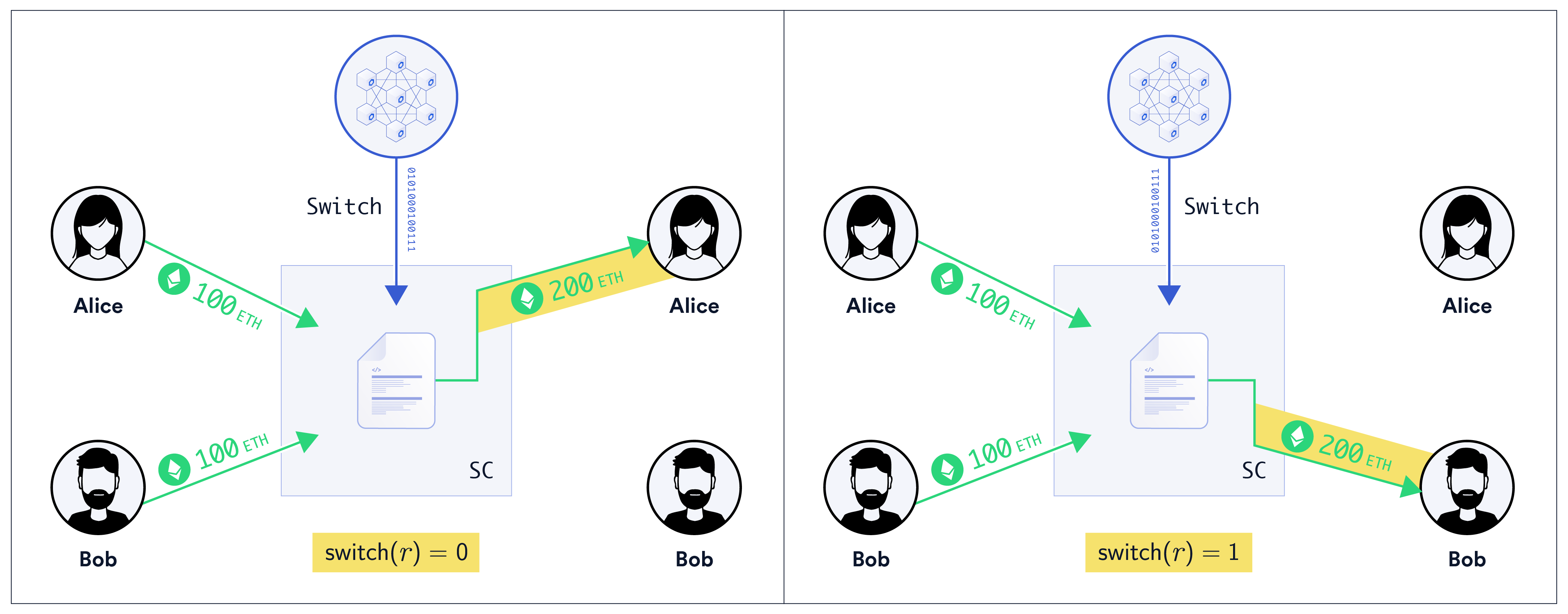
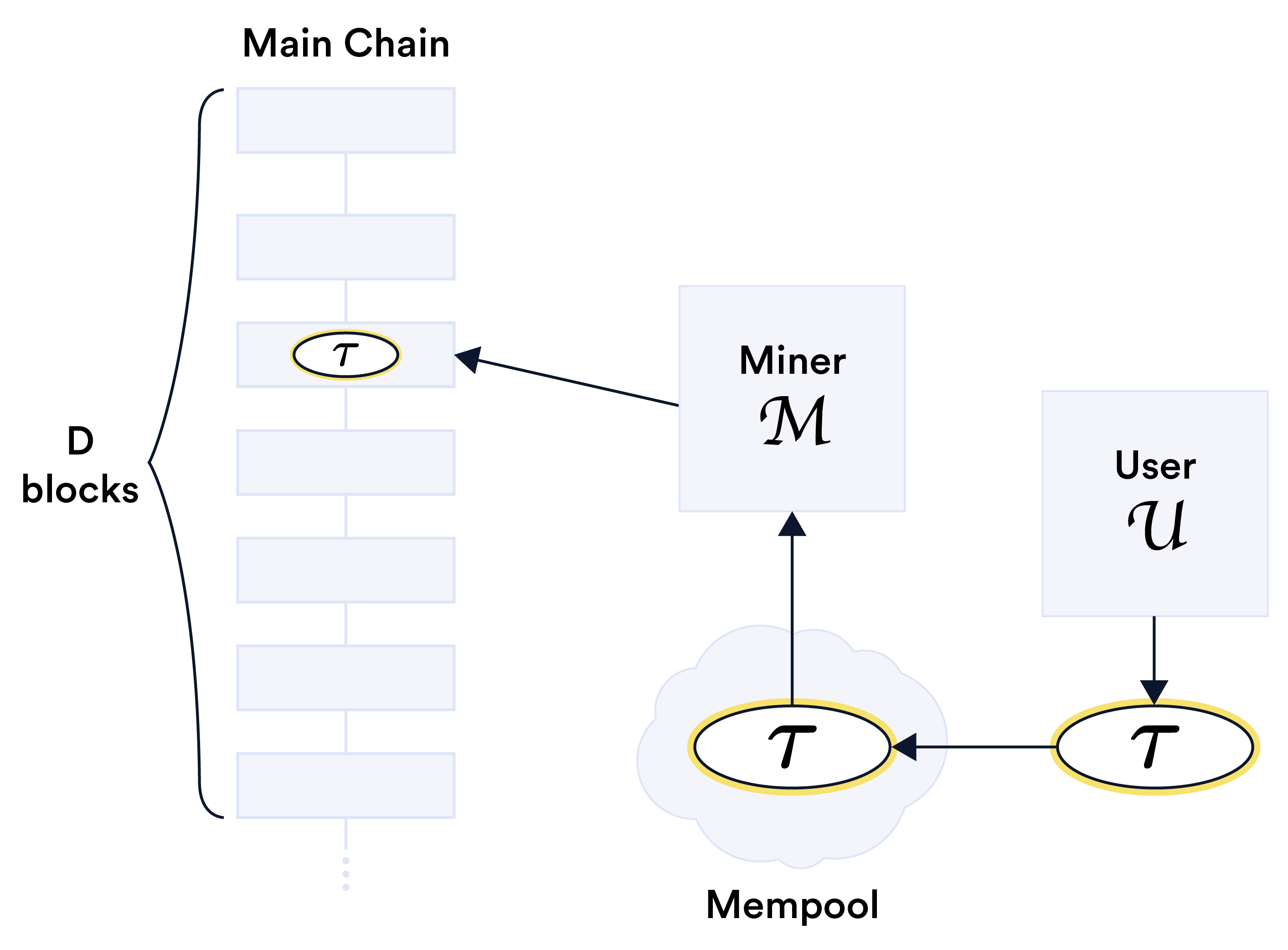
목표는 MAINCHAIN에서 적시에 선택되고 우선순위가 높은 거래를 제공하는 것입니다. 네트워크 정체 기간 동안. 우선순위 채널은 다음과 같은 형태로 볼 수 있습니다. 블록 공간에 대한 선물 계약 및 암호화폐 상품으로서 일부로 만들어진 용어입니다. 프로젝트 시카고 [61, 136]. 우선순위 채널은 특히 금융 거래와 같은 일반적인 사용자 수준 활동이 아닌 채굴자가 oracles, 계약에 대한 거버넌스 기능 등과 같은 인프라 서비스를 활성화할 수 있도록 고안되었습니다. 실제로 여기에서 설계된 대로 우선순위는 네트워크 내 채굴력의 100% 미만으로 구현된 채널은 오직 배송 시간에 대한 느슨한 경계를 제공하여 속도 의존도가 높은 용도로 사용하는 것을 방지합니다. 선두 달리기와 같은 목표. 그림 10: 우선순위 채널은 채굴자 M, 또는 더 일반적으로는 채굴자 M 세트 - 사용자 U에게 그녀의 거래 τ가 D 블록 내에서 채굴될 것임을 알립니다. mempool에 포함됩니다. 계약 SC는 DON 모니터링을 사용하여 채널의 서비스 약관. 우선순위 채널은 광부 또는 광부 그룹 간의 합의 형태를 취합니다. (또는 마이닝 풀) 채널을 제공하는 M과 접속에 대한 수수료를 지불하는 사용자 U입니다. M은 U가 트랜잭션 τ를 멤풀에 제출할 때(가스 가격에 상관없이,그러나 사전 합의된 가스 한도), M은 이를 다음 D 블록 내의 체인에 배치합니다.8 이 아이디어는 그림 10에 개략적으로 설명되어 있습니다. 우선 채널 계약 설명: 우선순위 채널은 다음과 같이 구현될 수 있습니다. 하이브리드 smart contract 대략 다음과 같습니다. SC는 MAINCHAIN의 로직을 나타냅니다. 그리고 그것은 exec의 DON에 있습니다. SC는 U.A로부터 예금/스테이크 \(d from M and an advance payment \)p를 수락합니다. DON 실행 가능한 exec는 mempool을 모니터링하여 트랜잭션 배치 시 트리거됩니다. M이 채굴한 거래를 U가 제출하면 SC에 성공 메시지를 보냅니다. 시기적절한 방법과 서비스 장애 발생 시 장애 메시지를 제공합니다. SC는 성공 메시지를 받고 M에게 $p 지불금을 보내고 남은 자금을 모두 보냅니다. 실패 메시지를 받으면 $d를 포함하여 U로 보냅니다. 성공적으로 종료되면 M에게 예금 $d를 해제합니다. 채굴자 M은 물론 여러 사용자에게 우선순위 채널을 동시에 제공할 수 있습니다. 사용자는 미리 합의된 수의 메시지에 대해 U를 사용하여 우선순위 채널을 열 수 있습니다. 4.5 기밀 유지 DeFi / Mixicles 오늘날 DeFi 애플리케이션 [1]은 사용자에게 기밀성을 거의 또는 전혀 제공하지 않습니다. 모든 거래는 체인에서 볼 수 있습니다. 다양한 영지식 기반 접근 방식(예: [149, 217]), 거래 프라이버시를 제공할 수 있으며 TEF는 이를 지원할 만큼 충분히 일반적입니다. 하지만 이러한 접근 방식은 포괄적이지 않으며, 예를 들어 일반적으로 다음 사항을 숨기지 않습니다. 거래의 기반이 되는 자산. DONs에서 궁극적으로 지원하려는 광범위한 계산 도구 세트는 이러한 격차를 메울 수 있는 다양한 방법으로 개인 정보 보호를 활성화하여 다른 시스템의 개인 정보 보호 보장을 보완합니다. 예를 들어, Chainlink 연구소 연구원 [135]이 제안한 기밀 유지 DeFi 도구인 Mixicles는 금융 상품을 뒷받침하는 자산 유형이며 DON에 매우 자연스럽게 들어맞습니다. 프레임워크. Mixicle은 간단한 바이너리를 구현하는 용도로 가장 쉽게 설명됩니다. 옵션. 바이너리 옵션은 두 명의 사용자가 참여하는 금융 상품입니다. 플레이어로서 [135]과의 일관성을 위해 여기를 참조하십시오. 가능한 두 가지 이벤트에 베팅하세요. 결과(예: 자산이 미리 지정된 시간에 목표 가격을 초과하는지 여부) 다음 예에서는 아이디어를 보여줍니다. 예시 2. Alice와 Bob은 자산 가치를 기반으로 한 바이너리 옵션의 당사자입니다. 캐롤의 버블 토큰(CBT)이라고 합니다. Alice는 CBT의 시장 가격이 다음과 같을 것이라고 베팅했습니다. 2025년 6월 21일 정오 T 시간에 최소 250 USD; Bob은 그 반대로 베팅했습니다. 각 플레이어 미리 지정된 기한까지 100 ETH를 입금합니다. 승리하는 위치에 있는 플레이어 200 ETH를 받습니다(즉, 100 ETH를 얻습니다). 물론 8D는 M이 높은 확률을 준수할 수 있을 만큼 충분히 커야 합니다. 에 대한 예를 들어 M이 네트워크 마이닝 파워의 20%를 제어하는 경우 D = 100을 선택할 수 있습니다. 실패 확률은 2 × 10⁻¹⁰, 즉 10억분의 1 미만입니다.기존 Chainlink oracle 네트워크 O를 고려하면 스마트한 구현이 쉽습니다. 예시 2의 합의를 실현한 SC 계약. 두 플레이어가 각각 예치 SC에서는 100 ETH. T 이후에, 가격 r을 요청하는 쿼리 q가 O로 전송됩니다. T.O 시점의 CBT는 이 가격에 대한 보고서 r을 SC에 보냅니다. SC는 Alice에게 돈을 보냅니다. r ≥250이면 Bob이고, 그렇지 않으면 Bob입니다. 그러나 이 접근법은 체인상의 r을 드러냅니다. 관찰자가 바이너리 옵션의 기본 자산을 추론할 수 있도록 합니다. Mixicles라는 용어에서는 결과를 개념적으로 생각하는 것이 도움이 됩니다. 조건자로 계산된 이진 값을 전송하는 스위치 측면에서 SC의 스위치(r). 이 예에서는 r ≥250이면 switch(r) = 0입니다. 이 결과가 주어지면 Alice가 승리합니다. 그렇지 않으면 switch(r) = 1이고 Bob이 승리합니다. DON은 실행 파일을 실행하여 기본 Mixicle을 하이브리드 계약으로 실현할 수 있습니다. 스위치(r)를 계산하고 이를 SC에 체인으로 보고하는 exec입니다. 이 구조를 보여드리겠습니다 그림 11에서. 그림 11: 예제 2의 기본 Mixicle 다이어그램. r을 보고하고 바이너리 옵션의 기본 자산인 oracle은 이진 값 스위치(r)만 전환하여 SC를 계약합니다. 이를 쉽게 달성할 수 있도록 부록 C.3에 어댑터 ConfSwitch를 지정합니다. DON의 목표입니다. ConfSwitch의 기본 아이디어는 매우 간단합니다. 신고하는 대신 r 값, ConfSwitch는 바이너리 스위치 값 switch(r)만 보고합니다. SC는 가능하다 스위치(r)만 기반으로 정확한 결제를 하고 스위치(r) 자체는 올바르게 결제하도록 설계되었습니다. 기본 자산(이 예에서는 CBT)에 대한 정보를 공개하지 않습니다. 추가적으로, 공개 키인 pkaud로 암호화된 원장의 (q, r)에 암호문을 배치하여 감사자인 어댑터 ConfSwitch는 기밀성을 유지하는 감사 추적을 생성합니다. 여기서 설명하기 위해 단순화를 위해 선택한 기본 Mixicle은 우리 예에서는 바이너리 옵션 뒤에 자산과 베팅이 있습니다. 본격적인 Mixicle [135]은(는) 두 가지 형태의 기밀성을 제공합니다. (1) 어떤 사건이 관찰자에게 숨겨지나요? 플레이어는 (즉, q와 r)에 베팅할 뿐만 아니라 (2) 어느 플레이어가 베팅에서 승리했는지에도 베팅합니다. Mixicles는 MAINCHAIN에서 실행되므로 한 플레이어 중 한 명이 릴레이해야 합니다. DON에서 MAINCHAIN으로 전환(r)하거나 실행 가능한 exec를 생성할 수 있습니다.
ConfSwitch의 출력에서 트리거되고 다른 어댑터를 호출하여 스위치(r)를 메인체인. 세 번째로 미묘한 유형의 기밀성도 고려해 볼 가치가 있습니다. ConfSwitch의 기본 구현에서 O는 DON에서 어댑터를 실행하므로 다음을 학습합니다. 자산(이 예에서는 CBT) 및 바이너리 옵션의 성격입니다. 논의한대로 그러나 부록 C.3에서는 DECO 또는 Town Crier를 사용하여 추가로 사용할 수 있습니다. 이 정보조차 O에게 숨깁니다. 이 경우 O는 더 이상 정보를 배우지 않습니다. SC의 공개 관찰자보다. Mixicles에 대한 자세한 내용은 독자들에게 [135]을 참조하세요.
الخدمات اللامركزية التي تم تمكينها من خلال اللامركزية
شبكات أوراكل لتوضيح مدى تعدد استخدامات DONs وكيفية تمكينها لمجموعة من الخدمات الجديدة، نقدم خمسة أمثلة للتطبيقات المستندة إلى DON في هذا القسم ونصفها العقود الهجينة التي تحققها: (1) إثبات الاحتياطيات، وهو شكل من أشكال الخدمة عبر السلسلة؛ (2) التفاعل مع أنظمة المؤسسة/الأنظمة القديمة، أي إنشاء نظام قائم على البرمجيات الوسيطة طبقة تجريد تسهل تطوير تطبيقات blockchain بأقل قدر ممكن blockchain-رمز أو خبرة محددة؛ (3) الهوية اللامركزية، الأدوات التي تمكن المستخدمين من ذلك الحصول على وثائق الهوية وبيانات الاعتماد الخاصة بهم وإدارتها؛ (4) القنوات ذات الأولوية، خدمة تضمن تضمين معاملات البنية التحتية الحيوية في الوقت المناسب (على سبيل المثال، oracle التقارير) على blockchain؛ و(5) الحفاظ على السرية DeFi، أي الشؤون المالية smart contracts التي تخفي البيانات الحساسة للأطراف المشاركة. هنا، نحن
استخدم SC للإشارة إلى جزء MAINCHAIN من العقد المختلط ووصف DON مكون بشكل منفصل أو من حيث exec القابل للتنفيذ. 4.1 إثبات الاحتياطيات بالنسبة للعديد من التطبيقات، من المفيد ترحيل الحالة بين أو بين blockchains. أ التطبيق الشائع لمثل هذه الخدمات هو تغليف العملات المشفرة. عملات ملفوفة من هذا القبيل نظرًا لأن WBTC [15] أصبحت أحد الأصول الشائعة في التمويل اللامركزي (DeFi). هم تتضمن إيداع الأصل الداعم "المغلف" على مصدره blockchain MAINCHAIN(1) وإنشاء token مطابق على هدف مختلف blockchain MAINCHAIN(2). على سبيل المثال، WBTC هو ERC20 token على Ethereum blockchain الذي يتوافق إلى BTC على Bitcoin blockchain. نظرًا لأن العقود الموجودة على MAINCHAIN(2) ليس لها رؤية مباشرة في MAINCHAIN(1)، يجب عليهم الاعتماد صراحةً أو ضمنًا على oracle للإبلاغ عن رواسب التغليف الأصل في smart contract، مما يؤدي إلى إنتاج ما يسمى أحيانًا إثبات الاحتياطيات. في WBTC [15]، على سبيل المثال، يحتفظ الحافظ BitGo بـ BTC ويصدر WBTC، مع Chainlink شبكة تقدم إثباتات الاحتياطي [76]. يمكن لـ DON أن يقدم في حد ذاته إثباتًا للاحتياطيات. مع DON، فمن الممكن للذهاب أبعد من ذلك. يستطيع DON إدارة الأسرار، ومن خلال استخدام المحولات المناسبة، يمكن التعامل على أي blockchain المطلوب. وبالتالي، من الممكن أن يقوم DON بالتصرف كواحد من بين عدد من أمناء الحفظ - أو حتى كوصي وحيد لا مركزي - لـ أصل ملفوف. وبالتالي يمكن أن يكون DONs بمثابة منصة لتعزيز أمان الخدمات الحالية التي تستخدم إثباتات الاحتياطيات. على سبيل المثال، لنفترض أن MAINCHAIN(1) هو Bitcoin وأن MAINCHAIN(2) هو Ethereum. في MAINCHAIN(2)، يصدر عقد SC tokens الذي يمثل BTC المغلف. DON يتحكم في عنوان عنوان BTC(1) DON. لتغليف BTC، يرسل المستخدم U X BTC منه العنوان(1) ش إلى العنوان (1) DON مع عنوان العنوان الرئيسي (2) MAINCHAIN(2)(2) ش . شاشات DON العنوان(1) DON عبر محول إلى MAINCHAIN(1). عند ملاحظة إيداع U، مع تأكيد عالي الاحتمال بدرجة كافية، فإنه يرسل رسالة إلى SC عبر محول إلى مينشين(2). توجه هذه الرسالة SC إلى سك X tokens لـ addr(2) ش . لكي تقوم U بإصدار X tokens، يحدث العكس. على MAINCHAIN(1)، ومع ذلك، العنوان(1) DON يرسل X BTC إلى العنوان(1) U (أو إلى عنوان آخر، إذا طلب المستخدم ذلك). يمكن بالطبع تكييف هذه البروتوكولات للعمل مع البورصات، وليس بشكل مباشر مع المستخدمين. 4.2 التفاعل مع أنظمة المؤسسات / الأنظمة القديمة يمكن أن تكون DONs بمثابة جسور بين blockchains وفيما بينها، كما في مثال الإثبات من الاحتياطيات، ولكن الهدف الآخر هو أن تكون بمثابة جسور ثنائية الاتجاه بينهما blockchains والأنظمة القديمة [176] أو blockchain الأنظمة المشابهة مثل البنك المركزي العملات الرقمية [30]. تواجه الشركات عددًا من التحديات في ربط أنظمتها الحالية و العمليات للأنظمة اللامركزية، بما في ذلك:• مرونة سلسلة الكتل: تتغير أنظمة سلسلة الكتل بسرعة. قد تواجه المؤسسة المظهر الجديد السريع أو ترتفع شعبيتها blockchains يرغب الأطراف المقابلة في إجراء المعاملات، ولكن ليس لدى المؤسسة أي منها الدعم في البنية التحتية القائمة. بشكل عام، ديناميكية blockchains هي التي تصنع فمن الصعب على المؤسسات الفردية أن تظل على اطلاع على النظام البيئي الكامل. • موارد التطوير الخاصة بـ Blockchain: بالنسبة للعديد من المؤسسات، يعد توظيف أو احتضان الخبرات المتطورة blockchain أمرًا صعبًا، لا سيما في ضوء تحدي خفة الحركة. • إدارة المفتاح الخاص: تتطلب إدارة المفاتيح الخاصة لـ blockchain أو العملات المشفرة خبرة تشغيلية متميزة عن تلك الخاصة بالأمن السيبراني التقليدي الممارسات وغير متاحة للعديد من الشركات. • السرية: تخشى الشركات الكشف عن معلوماتها الحساسة وملكيتها البيانات على السلسلة. لمعالجة الثلاثة الأولى من هذه الصعوبات، يمكن للمطورين ببساطة استخدام DON كطبقة وسيطة آمنة لتمكين أنظمة المؤسسة من القراءة منها أو الكتابة إليها blockchains. يمكن لـ DON تجريد الاعتبارات الفنية التفصيلية مثل ديناميكيات الغاز، وإعادة تنظيم السلسلة، وما إلى ذلك، لكل من المطورين والمستخدمين. بواسطة من خلال تقديم واجهة blockchain مبسطة لأنظمة المؤسسة، يمكن لـ DON بالتالي تبسيط عملية تطوير تطبيقات المؤسسات المدركة blockchain إلى حد كبير، مما يزيل العبء عن المؤسسات المتمثل في الحصول على موارد التطوير المحددة أو احتضانها blockchain. يعد هذا الاستخدام لـ DONs جذابًا بشكل خاص لأنه يمكّن مطوري المؤسسات من ذلك إنشاء تطبيقات العقود الذكية التي تكون blockchain حيادية إلى حد كبير. ونتيجة لذلك، أكبر مجموعة blockchains التي تم تجهيز DON لها لتكون بمثابة برامج وسيطة، أكبر مجموعة blockchains التي يمكن لمستخدمي المؤسسة الوصول إليها بسهولة. المطورين يمكن نقل التطبيقات من blockchains الموجودة إلى تطبيقات جديدة بأقل قدر من التعديل لتطبيقاتهم المطورة داخليًا. ولمعالجة المشكلة الإضافية المتعلقة بالسرية، يمكن للمطورين اللجوء إلى الأدوات التي نقدمها في هذه الورقة ونتوقع نشرها لدعم تطبيقات DON. وتشمل هذه DECO وTown Crier القسم 3.6.2 بالإضافة إلى الحفاظ على السرية تعديلات واجهة برمجة التطبيقات (API) التي تمت مناقشتها في القسم 7.1.2 وعدد من الأساليب الخاصة بالتطبيقات التي تمت تغطيتها في الجزء المتبقي من هذا القسم. يمكن أن توفر أنظمة DON هذه شهادات عالية النزاهة على السلسلة حول حالة نظام المؤسسة دون الكشف عنها بيانات مصدر المؤسسة الحساسة على السلسلة. 4.3 الهوية اللامركزية الهوية اللامركزية هي مصطلح عام لفكرة أن المستخدمين يجب أن يكونوا قادرين على ذلك الحصول على بيانات الاعتماد الخاصة بهم وإدارتها، بدلاً من الاعتماد على أطراف ثالثة للقيام بذلك هكذا. أوراق الاعتماد اللامركزية هي شهادات على سمات أو تأكيدات صاحبها،والتي غالبا ما تسمى المطالبات. يتم توقيع بيانات الاعتماد رقميًا من قبل الكيانات، والتي غالبًا ما تسمى المصدرون، الذين يمكنهم ربط المطالبات بشكل رسمي بالمستخدمين. في معظم المخططات المقترحة، ترتبط المطالبات بمعرف لامركزي (DID)، وهو معرف عالمي لـ مستخدم معين. ترتبط بيانات الاعتماد بمفتاح عام يحمل المستخدم مفتاحه الخاص. وبالتالي يمكن للمستخدم إثبات حيازة المطالبة باستخدام مفتاحه الخاص. الرؤية باعتبارها هوية لامركزية هي المخططات الحالية والمقترحة، على سبيل المثال، [14، 92، 129، 216]، لها ثلاثة قيود شديدة: • عدم التوافق مع التراث: تعتمد أنظمة الهوية اللامركزية الحالية على أ مجتمع السلطات، الذي يطلق عليه جهات الإصدار، لإنتاج بيانات اعتماد DID. لان لا تقوم خدمات الويب الحالية عمومًا بتوقيع البيانات رقميًا، ويجب إطلاق جهات الإصدار كأنظمة ذات أغراض خاصة. لأنه لا يوجد حافز للقيام بذلك دون النظام البيئي اللامركزي للهوية، ينتج عنه مشكلة الدجاجة والبيضة. في غيرها بعبارة أخرى، من غير الواضح كيفية تمهيد النظام البيئي للمصدر. • إدارة المفاتيح غير العملية: تتطلب أنظمة الهوية اللامركزية من المستخدمين القيام بذلك إدارة المفاتيح الخاصة، وهو ما أظهرته تجربة العملات المشفرة ليكون عبئا غير عملي. تشير التقديرات إلى وجود حوالي 4,000,000 Bitcoin فقدت إلى الأبد بسبب فشل إدارة المفاتيح [194]، ويقوم العديد من المستخدمين بتخزين ملفاتهم الأصول المشفرة مع البورصات [193]، مما يقوض اللامركزية. • عدم وجود مقاومة Sybil للحفاظ على الخصوصية: أحد المتطلبات الأمنية الأساسية للتطبيقات مثل التصويت، والتخصيص العادل لـ tokens خلال مبيعات token، وما إلى ذلك هو أن لا يتمكن المستخدمون من تأكيد هويات متعددة. تتطلب مقترحات الهوية اللامركزية الحالية من المستخدمين الكشف عن هوياتهم الحقيقية من أجل تحقيق ذلك مقاومة Sybil، مما يقوض ضمانات الخصوصية المهمة. من الممكن معالجة هذه المشكلات باستخدام مجموعة من لجنة العقد إجراء عمليات حسابية موزعة داخل DON واستخدام أدوات مثل DECO أو Town Crier، كما هو موضح في نظام يسمى CanDID [160]. يمكن لـ DECO أو Town Crier حسب التصميم تشغيل خدمات الويب الحالية دون تعديل إلى جهات إصدار أوراق الاعتماد التي تحافظ على السرية. إنها تمكن DON من التصدير ذات الصلة البيانات لهذا الغرض إلى بيانات اعتماد مع إخفاء البيانات الحساسة التي لا ينبغي ذلك تظهر في بيانات الاعتماد. بالإضافة إلى ذلك، لتسهيل استرداد المفاتيح للمستخدمين، وبالتالي معالجة إدارة المفاتيح المشكلة، DON يمكن أن يسمح للمستخدمين بتخزين المفاتيح الخاصة في نموذج مشترك سري. يمكن للمستخدمين استعادة مفاتيحهم عن طريق إثبات العقد الموجودة في DON - وبالمثل، باستخدام Town Crier أو DECO - القدرة على تسجيل الدخول إلى الحسابات مع مجموعة من موفري الويب المحددين مسبقًا (على سبيل المثال، تويتر، جوجل، فيسبوك). فائدة استخدام Town Crier أو DECO، بدلاً من OAUTH، هي خصوصية المستخدم. تمكّن هاتان الأداتان المستخدم من تجنب الكشف لـ DON معرف مزود الويب - والذي غالبًا ما يمكن استخلاص هويات العالم الحقيقي منه. أخيرًا، لتوفير مقاومة Sybil، كما هو موضح في [160]، من الممكن لـ DON أن إجراء تحويل للحفاظ على الخصوصية لمعرفات العالم الحقيقي الفريدة للمستخدمين (على سبيل المثال، أرقام الضمان الاجتماعي (SSNs)) في المعرفات الموجودة على السلسلة عند تسجيل المستخدم.وبالتالي يمكن للنظام اكتشاف التسجيلات المكررة بدون بيانات حساسة مثل يتم الكشف عن أرقام الضمان الاجتماعي إلى العقد الفردية DON.7 يمكن لـ DON تقديم أي من هذه الخدمات نيابة عن الهوية اللامركزية الخارجية الأنظمة الموجودة على blockchains غير المسموح بها أو المسموح بها، على سبيل المثال، مثيلات Hyperledger إندي [129]. مثال للتطبيق: KYC: الهوية اللامركزية تبشر بالخير كوسيلة لتحقيق ذلك تبسيط متطلبات التطبيقات المالية على blockchains مع تحسين المستخدم الخصوصية. هناك تحديان يمكن أن تساعد في معالجتهما، وهما التزامات الاعتماد والامتثال بموجب لوائح مكافحة غسل الأموال / معرفة عميلك (AML / KYC). تتطلب لوائح مكافحة غسل الأموال في العديد من البلدان من المؤسسات المالية (وغيرها من الشركات) تحديد هويات الأفراد والشركات التي تتعامل معها والتحقق منها. يقومون بالمعاملات. يشكل "اعرف عميلك" (KYC) أحد مكونات المؤسسة المالية سياسة مكافحة غسيل الأموال الأوسع نطاقًا، والتي تتضمن أيضًا عادةً مراقبة سلوكيات المستخدم ومراقبة تدفقات الأموال، من بين أمور أخرى. تتضمن عملية اعرف عميلك (KYC) عادةً تقديم المستخدم لبيانات اعتماد الهوية بشكل ما (على سبيل المثال، الدخول إلى نموذج ويب عبر الإنترنت، مع رفع وثيقة هوية أمام وجه المستخدم في جلسة فيديو، وما إلى ذلك). تأمين إنشاء وعرض بيانات الاعتماد اللامركزية يمكن من حيث المبدأ أن يكون بديلاً مفيدًا في عدة جوانب، وبالتحديد من خلال: (1) التصنيع تعتبر عملية "اعرف عميلك" (KYC) أكثر كفاءة للمستخدمين والمؤسسات المالية، لأنه بمجرد وبعد الحصول على بيانات الاعتماد، يمكن تقديمها بسهولة إلى أي مؤسسة مالية؛ (2) الحد من الاحتيال عن طريق تقليل فرص سرقة الهوية من خلال التسوية ومعلومات التعريف الشخصية (PII) والانتحال أثناء التحقق بالفيديو؛ و (3) تقليل مخاطر تعرض معلومات تحديد الهوية الشخصية للخطر في المؤسسات المالية، مع احتفاظ المستخدمين بالسيطرة من بياناتهم الخاصة. ونظراً للعقوبات التي تبلغ مليارات الدولارات والتي تدفعها المؤسسات المالية بسبب الإخفاق في الامتثال لمكافحة غسل الأموال، وإنفاق العديد من المؤسسات المالية ملايين الدولارات سنوياً على "اعرف عميلك"، فإن التحسينات يمكن أن تحقق وفورات كبيرة للمؤسسات المالية وبالتالي، للمستهلكين [196]. في حين أن القطاع المالي التقليدي بطيء لاعتماد أدوات امتثال جديدة، تتبنى أنظمة DeFi هذه الأداة بشكل متزايد [43]. مثال على التطبيق: القروض غير المضمونة: معظم تطبيقات DeFi التي دعم الإقراض اليوم تنشأ فقط القروض المضمونة بالكامل. هذه هي القروض المقدمة للمقترضين الذين يقومون بإيداع أصول العملات المشفرة بقيمة تتجاوز قيمة القروض. لقد نشأ الاهتمام مؤخرًا بما يشير إليه مجتمع DeFi عمومًا بالقروض غير المضمونة. هذه، على النقيض من ذلك، هي القروض التي لها ضمانات المقابلة أن تكون قيمته أقل من أصل القرض. القروض غير المضمونة تشبه القروض التي غالبا ما تقدمها المؤسسات المالية التقليدية. بدلا من الاعتماد على الضمانات المودعة كضمان لسداد القرض، فإنهم بدلاً من ذلك يعتمدون على الإقراض القرارات المتعلقة بالتاريخ الائتماني للمقترضين. 7 يعتمد هذا التحويل على دالة عشوائية زائفة موزعة (PRF).تشكل القروض غير المضمونة جزءًا ناشئًا ولكنه متنامي من سوق الإقراض DeFi. وهي تعتمد على آليات مثل تلك التي تستخدمها المؤسسات المالية التقليدية المؤسسات، مثل العقود القانونية [91]. مطلب أساسي لنموهم ستكون القدرة على تقديم بيانات حول الجدارة الائتمانية للمستخدم - وهو عامل رئيسي في قرارات الإقراض التقليدية - لأنظمة DeFi بطريقة توفر نزاهة قوية، على سبيل المثال، ضمان البيانات الصحيحة. إن نظام الهوية اللامركزي الذي يدعم DON سيمكن المقترضين المحتملين من إنشاء بيانات اعتماد عالية الضمان تشهد على جدارتها الائتمانية مع الحفاظ عليها سرية المعلومات الحساسة. وعلى وجه التحديد، يمكن للمقترضين إنشاء هذه تعتمد بيانات الاعتماد على سجلات من مصادر موثوقة عبر الإنترنت مع الكشف فقط عن البيانات الموثقة بواسطة DON، دون الكشف عن بيانات أخرى قد تكون حساسة. ل على سبيل المثال، يمكن للمقترض إنشاء بيانات اعتماد تشير إلى أن درجة الائتمان الخاصة به تبلغ درجة تتجاوز مجموعة مكاتب الائتمان حدًا معينًا (على سبيل المثال، 750)، دون الكشف عنها النتيجة الدقيقة أو أي بيانات أخرى في سجلاتها. بالإضافة إلى ذلك، إذا رغبت في ذلك، أوراق الاعتماد هذه يمكن إنشاؤها بشكل مجهول، أي أنه يمكن التعامل مع اسم المستخدم على أنه بيانات حساسة وهي نفسها غير معرضة للعقد oracle أو في بيانات اعتمادها اللامركزية. الاعتماد نفسها يمكن استخدامها على السلسلة أو خارج السلسلة، اعتمادًا على التطبيق. باختصار، يمكن للمقترض تقديم معلومات أساسية للمقرضين بشأن ائتمانهم تاريخ يتمتع بنزاهة قوية ودون التعرض لخطر التعرض لأشياء حساسة وغير ضرورية data. ويمكن للمقترض أيضًا تقديم مجموعة متنوعة من بيانات الاعتماد الأخرى التي تحافظ على السرية مفيدة في اتخاذ قرارات الإقراض. على سبيل المثال، يمكن أن تشهد بيانات الاعتماد على المقترض حيازة الأصول (خارج السلسلة)، كما نوضح في مثالنا التالي. مثال على التطبيق: الاعتماد: تحدد العديد من الولايات القضائية فئة المستثمر التي يمكن بيع الأوراق المالية غير المسجلة لها. على سبيل المثال، في الولايات المتحدة، SEC تنص اللائحة د على أنه لكي يتم اعتمادك لمثل هذه الفرص الاستثمارية، أ يجب أن يمتلك الفرد قيمة صافية قدرها مليون دولار، أو يستوفي بعض متطلبات الحد الأدنى للدخل، أو أن يكون لديه مؤهلات مهنية معينة [209، 210]. الاعتماد الحالي العمليات مرهقة وغير فعالة، وغالبًا ما تتطلب خطاب تصديق من محاسب أو ما شابه ذلك. سيمكن نظام الهوية اللامركزي المستخدمين من إنشاء بيانات الاعتماد من حسابات الخدمات المالية الحالية عبر الإنترنت التي تثبت الامتثال للاعتماد اللوائح التنظيمية، وتسهيل عملية "اعرف عميلك" (KYC) الأكثر كفاءة والحفاظ على الخصوصية. ال علاوة على ذلك، فإن خصائص الحفاظ على الخصوصية الخاصة بـ DECO وTown Crier، ستسمح بذلك سيتم إنشاء بيانات الاعتماد مع ضمان قوي بالنزاهة دون الكشف بشكل مباشر عن تفاصيل الوضع المالي للمستخدم. على سبيل المثال، يمكن للمستخدم إنشاء بيانات اعتماد إثبات أن ثروتها الصافية لا تقل عن مليون دولار دون الكشف عن أي مبلغ إضافي معلومات عن وضعها المالي. 4.4 القنوات ذات الأولوية تعتبر القنوات ذات الأولوية خدمة جديدة مفيدة يسهل إنشاؤها باستخدام DON. بهم
الهدف هو تقديم معاملات مختارة وذات أولوية عالية في الوقت المناسب على MAINCHAIN خلال فترات ازدحام الشبكة. يمكن النظر إلى القنوات ذات الأولوية كشكل من أشكال العقود الآجلة على مساحة الكتلة وبالتالي كسلعة مشفرة، وهو مصطلح تمت صياغته كجزء لمشروع شيكاغو [61، 136]. القنوات ذات الأولوية مخصصة خصيصًا للقائمين بالتعدين لتمكين خدمات البنية التحتية، مثل oracles، ووظائف إدارة العقود، وما إلى ذلك - وليس للأنشطة العادية على مستوى المستخدم مثل المعاملات المالية. في الواقع، كما هو مصمم هنا، أولوية يمكن تنفيذ القناة بأقل من 100% من طاقة التعدين في الشبكة فقط توفر حدودًا فضفاضة على أوقات التسليم، مما يمنع استخدامها بشكل كبير يعتمد على السرعة أهداف مثل الجري الأمامي. الشكل 10: القناة ذات الأولوية هي ضمان من قبل عامل التعدين M - أو بشكل عام أ مجموعة من عمال المناجم M—إلى المستخدم U الذي سيتم تعدين معاملته τ ضمن الكتل D من التضمين في mempool. يمكن لعقد SC استخدام مراقبة DON لفرض شروط خدمة القناة. تأخذ القناة ذات الأولوية شكل اتفاقية بين القائم بالتعدين أو مجموعة من المعدنين (أو مجمعات التعدين) M التي توفر القناة والمستخدم U الذي يدفع رسوم الوصول. يوافق M على أنه عندما يرسل U معاملة τ إلى مجموعة الذاكرة (مع أي سعر للغاز،ولكن بحد الغاز المتفق عليه مسبقًا)، سيضعه M على السلسلة ضمن الكتل D التالية.8 تم توضيح الفكرة بشكل تخطيطي في الشكل 10. وصف عقد قناة الأولوية: يمكن تحقيق القناة ذات الأولوية باعتبارها الهجين smart contract تقريبًا على النحو التالي. نسمح لـ SC بالإشارة إلى المنطق الموجود على MAINCHAIN وذلك على DON بواسطة exec. تقبل SC إيداعًا/حصة \(d from M and an advance payment \)p من الولايات المتحدة DON يقوم exec القابل للتنفيذ بمراقبة مجمع الذاكرة، مما يؤدي إلى تشغيل المعاملة بواسطة U. يرسل رسالة نجاح إلى SC إذا أرسل U معاملة قام M بالتنقيب فيها طريقة في الوقت المناسب ورسالة فشل في حالة فشل الخدمة. ترسل SC الدفع $p إلى M مع إعطاء رسالة نجاح وترسل جميع الأموال المتبقية، بما في ذلك $d، إلى U إذا تلقى رسالة فشل. عند الإنهاء الناجح، فإنه إيداع الإصدارات $d إلى M. يمكن لعامل التعدين M بالطبع توفير قنوات ذات أولوية متعددة في وقت واحد المستخدمين ويمكنهم فتح قناة ذات أولوية مع U لعدد متفق عليه مسبقًا من الرسائل. 4.5 الحفاظ على السرية DeFi / المختلطات اليوم، توفر تطبيقات DeFi [1] القليل من السرية للمستخدمين: جميع المعاملات مرئية على السلسلة. مختلف المناهج القائمة على المعرفة الصفرية، على سبيل المثال، [149، 217]، يمكن أن توفر خصوصية المعاملات، وTEF عام بما يكفي لدعمها. لكن هذه الأساليب ليست شاملة، ولا تخفي، على سبيل المثال، عادة الأصول التي تعتمد عليها الصفقة. المجموعة الواسعة من الأدوات الحسابية التي نعتزم دعمها في النهاية في DONs تمكين الخصوصية بعدد من الطرق المختلفة التي يمكنها سد هذه الثغرات، مما يساعد في استكمال ضمانات الخصوصية للأنظمة الأخرى. على سبيل المثال، يمكن لـ Mixicles، وهي أداة للحفاظ على السرية DeFi اقترحها Chainlink الباحثون في المختبرات [135]، إخفاء نوع الأصل الذي يدعم الأداة المالية، ويتناسب بشكل طبيعي جدًا مع DON إطار العمل. يتم شرح Mixicles بسهولة أكبر من حيث استخدامها لتحقيق ثنائي بسيط الخيار. الخيار الثنائي هو أداة مالية فيها مستخدمان، وسنقوم بذلك قم بالرجوع هنا للتأكد من الاتساق مع [135] كلاعبين، يراهنون على حدث مع احتمالين النتائج، على سبيل المثال، ما إذا كان الأصل يتجاوز السعر المستهدف في وقت محدد مسبقًا أم لا. المثال التالي يوضح الفكرة. مثال 2. أليس وبوب طرفان في خيار ثنائي يعتمد على قيمة الأصل يُسمى رمز فقاعة كارول (CBT). تراهن أليس على أن سعر السوق للـ CBT سيكون عند ما لا يقل عن 250 دولارًا أمريكيًا في الوقت T = ظهر يوم 21 يونيو 2025؛ يراهن بوب على العكس. كل لاعب إيداع 100 ETH في الموعد النهائي المحدد مسبقًا. اللاعب ذو المركز الفائز يتلقى 200 ETH (أي يكسب 100 ETH). يجب أن يكون 8D كبيرًا بما يكفي لضمان توافق M مع الاحتمالية العالية. ل على سبيل المثال، إذا كان M يتحكم في 20% من طاقة التعدين في الشبكة، فقد يختار D = 100، مما يضمن احتمال الفشل ≈2 × 10⁻¹⁰، أي أقل من واحد في المليار.نظرًا لوجود شبكة Chainlink oracle O، فمن السهل تنفيذ شبكة ذكية عقد SC الذي يحقق الاتفاق في المثال 2. يقوم اللاعبان بإيداع كل منهما 100 إيثيريوم في SC. في وقت ما بعد T، يتم إرسال استعلام q إلى O لطلب سعر r يرسل CBT في الوقت T. O تقريرًا بهذا السعر إلى SC. ثم يرسل SC الأموال إلى أليس إذا ص ≥250 وبوب إذا لم يكن كذلك. ومع ذلك، يكشف هذا النهج عن السلسلة، مما يجعل الأمر سهلاً للمراقب لاستنتاج الأصول الكامنة وراء الخيار الثنائي. في مصطلحات Mixicles، من المفيد التفكير بشكل مفاهيمي في النتيجة من SC من حيث المحول الذي ينقل قيمة ثنائية محسوبة كمسند التبديل (ص). في مثالنا، Switch(r) = 0 إذا r ≥250؛ وبالنظر إلى هذه النتيجة، تفوز أليس. وإلا فإن التبديل (ص) = 1 ويفوز بوب. يمكن لـ DON أن يحقق Mixicle أساسي كعقد مختلط عن طريق تشغيل ملف قابل للتنفيذ exec الذي يحسب التبديل (r) ويبلغ عنه في السلسلة إلى SC. نعرض هذا البناء في الشكل 11. الشكل 11: رسم تخطيطي لـ Mixicle الأساسي في المثال 2. لتوفير السرية على السلسلة التقرير r، وبالتالي الأصل الذي يقوم عليه الخيار الثنائي، يرسل oracle إلى عقد SC عبر التبديل فقط مفتاح القيمة الثنائية (ص). لقد قمنا بتحديد محول ConfSwitch في الملحق C.3 الذي يجعل من السهل تحقيق ذلك هدف في DON. الفكرة الأساسية وراء ConfSwitch بسيطة للغاية. بدلا من الإبلاغ القيمة r، تقوم ConfSwitch بالإبلاغ فقط عن قيمة التبديل الثنائي (r). يمكن أن يكون SC مصممة لإجراء الدفع الصحيح بناءً على المفتاح (r) وحده، والمفتاح (r) بمفرده لا يكشف عن أي معلومات حول الأصل الأساسي — CBT في مثالنا. بالإضافة إلى ذلك، عن طريق وضع نص مشفر على (q, r) على دفتر الأستاذ المشفر تحت pkaud، المفتاح العام لـ مدققًا، يقوم المحول ConfSwitch بإنشاء مسار تدقيق يحافظ على السرية. إن Mixicle الأساسي الذي اخترناه للبساطة لوصفه هنا يخفي فقط الأصول والرهان وراء الخيار الثنائي في مثالنا. علبة Mixicle كاملة [135] توفير شكلين من السرية. ويخفي عن الناظرين: (1) ما حدث يراهن اللاعبون على (أي q وr) ولكن أيضًا (2) اللاعب الذي فاز بالرهان. نظرًا لأنه يتم تنفيذ Mixicles على MAINCHAIN، فسيحتاج أي من اللاعبين إلى التتابع قم بالتبديل (r) من DON إلى MAINCHAIN، أو يمكن إنشاء ملف exec قابل للتنفيذ لذلك
يتم تشغيله عند الإخراج بواسطة ConfSwitch ويستدعي محولًا آخر لإرسال المفتاح (r) إليه مينشين. وهناك نوع ثالث دقيق من السرية يستحق النظر فيه أيضًا. في التنفيذ الأساسي لـ ConfSwitch، يقوم O بتشغيل المحول على DON وبالتالي يتعلم الأصول - CBT في مثالنا - وبالتالي طبيعة الخيار الثنائي. كما نوقش ومع ذلك، في الملحق C.3، من الممكن أيضًا استخدام DECO أو Town Crier من أجل قم بإخفاء هذه المعلومات حتى عن O. وفي هذه الحالة، لن يتعلم O المزيد من المعلومات من المراقب العام للSC. لمزيد من التفاصيل حول Mixicles، نحيل القراء إلى [135].
공정한 순서 서비스
DONs가 네트워킹, 컴퓨팅 및 스토리지 기능을 활용하여 제공할 것으로 예상되는 중요한 서비스 중 하나는 FSS(Fair Sequencing Services)입니다. FSS는 단순히 DON 프레임워크 내에서 구현된 애플리케이션으로 볼 수 있지만, 우리는 이를 전 세계적으로 높은 수요가 있을 것으로 믿는 서비스로 강조합니다. blockchains이며 Chainlink 네트워크가 이를 적극적으로 지원할 것으로 기대합니다. 공용 blockchain 네트워크에서 실행되면 오늘날의 많은 DeFi 애플리케이션이 사용자가 자신의 이익을 위해 활용할 수 있는 정보를 공개합니다. 기존 시스템에 만연해 있는 일종의 내부 정보 유출 및 조작 기회 시장 [64, 155]. 대신 FSS는 공정한 DeFi 생태계를 향한 길을 열어줍니다. FSS 개발자가 시장 조작으로부터 보호되는 DeFi 계약을 구축하는 데 도움이 됩니다. 정보 유출로 인해 발생합니다. 아래에서 강조하는 문제를 고려하면 FSS는 레이어 2 서비스에 특히 매력적이며 그러한 서비스의 프레임워크 내에 적합합니다. 이에 대해서는 섹션 6에서 논의합니다. 과제: 기존 무허가 시스템에서는 트랜잭션이 전적으로 주문됩니다. 광부의 재량에 따라. 허가된 네트워크에서는 validator 노드가 같은 힘. 이는 대체로 인식되지 않는 임시 중앙 집중화의 한 형태입니다. 그렇지 않으면 분산 시스템. 채굴자는 거래를 (일시적으로) 검열할 수 있습니다. 자신의 이익을 [171]하거나 자신의 이익을 극대화하기 위해 순서를 변경합니다. 이를 광산 추출 가능 가치(MEV) [90]이라고 합니다. MEV라는 용어는 약간 기만적입니다. 채굴자가 포착할 수 있는 가치에만 적용: 일부 MEV는 일반 사용자가 포착할 수 있습니다. 그러나 채굴자는 일반 사용자보다 더 많은 권한을 갖기 때문에 MEV는 모든 개체가 적대적 재정렬을 통해 얻을 수 있는 가치의 상한선을 나타냅니다. 그리고 보완적인 거래 삽입. 채굴자가 단순히 거래를 주문하는 경우에도 수수료(가스)를 기준으로 조작 없이 사용자가 직접 가스 가격을 조작할 수 있습니다. 덜 정교한 거래에 비해 거래를 유리하게 만듭니다. Daianet al. [90] 봇(채굴자가 아님)이 가져오는 방식을 문서화하고 수량화합니다. 오늘날 DeFi 시스템 사용자에게 해를 끼치는 방식으로 가스 역학의 이점과 방법 MEV는 심지어 blockchain의 기본 합의 계층의 안정성을 위협합니다. 거래 주문 조작의 다른 예는 [50, 154]와 같이 정기적으로 나타납니다.rollups와 같은 새로운 트랜잭션 처리 방법은 매우 유망한 접근 방식입니다. 처리량이 많은 blockchains의 확장 문제. 그러나 그들은 다루지 않습니다 MEV의 문제. 대신 rollup을 생성하는 엔터티로 이동합니다. 그 smart contract의 운영자이든 (zk-)rollup을 제공하는 사용자이든 상관없이 엔터티 유효성 증명은 거래를 주문하고 삽입할 수 있는 권한을 갖습니다. 즉, rollups MEV를 REV: 롤업 추출 가능 값으로 교체합니다. MEV는 멤풀에 제출된 향후 거래에 영향을 미칩니다. 하지만 아직 체인에 커밋되지는 않았습니다. 그러한 거래에 관한 정보는 광범위하게 네트워크에서 사용 가능합니다. 채굴자, validators 및 일반 네트워크 참가자는 따라서 이 지식을 활용하고 종속 트랜잭션을 생성합니다. 또한, 채굴자와 validator은 자신이 수행하는 거래의 순서에 영향을 미칠 수 있습니다. 스스로를 이용하고 이를 자신들에게 유리하게 활용합니다. 합의에 따른 거래 주문에 대한 리더의 과도한 영향력 문제 프로토콜은 1990년대 이후 문헌에 알려져 있지만[71, 190] 만족스럽지 않습니다. 솔루션은 지금까지 실제로 실현되었습니다 [97]. 주된 이유는 제안된 솔루션이 적어도 아주 최근까지는 대중과 쉽게 통합될 수 없다는 것입니다. blockchains, 이후까지 비밀로 유지되는 거래 내용에 의존하기 때문입니다. 그들의 순서가 결정되었습니다. 공정한 시퀀싱 서비스(FSS) 개요: DONs는 트랜잭션 주문을 분산화하고 의존자가 지정한 정책에 따라 이를 구현하는 도구를 제공합니다. 계약 작성자, 이상적으로는 공정하고 유리한 행위자를 원하는 사람이 아닌 사람 거래 순서를 조작합니다. 이러한 도구는 집합적으로 FSS를 구성합니다. FSS에는 세 가지 구성 요소가 포함됩니다. 첫 번째는 거래 모니터링이다. FSS에서는 O의 oracle 노드는 MAINCHAIN의 mempool을 모니터링하고 (원하는 경우) 허용합니다. 전문 채널을 통한 오프체인 거래 제출. 두 번째는 거래 순서입니다. 의존 계약에 대한 O 주문 거래의 노드 해당 계약에 대해 정의된 정책에 따라. 세 번째는 거래 게시입니다. 트랜잭션이 주문된 후 O의 노드는 트랜잭션을 공동으로 보냅니다. 메인 체인. FSS의 잠재적 이점은 다음과 같습니다. • 주문 공정성: FSS에는 개발자가 거래를 보장하는 데 도움이 되는 도구가 포함되어 있습니다. 특정 계약에 대한 입력은 불공정하지 않은 방식으로 주문됩니다. 자원이 풍부하고 기술적으로 정통한 사용자에게 유리합니다. 주문 정책 이 목적으로 지정될 수 있습니다. • 정보 유출의 감소 또는 제거: 네트워크 참가자가 향후 거래에 대한 지식을 이용할 수 없도록 보장함으로써 FSS는 이를 완화하거나 제거할 수 있습니다. 이용 가능한 정보를 기반으로 하는 선행 실행과 같은 공격을 제거합니다. 트랜잭션이 커밋되기 전의 네트워크. 그러한 악용 방지 누출은 원래 보류에 의존하는 적대적 거래를 보장합니다. 원래 거래가 커밋되기 전에는 거래가 원장에 들어갈 수 없습니다.• 거래 비용 절감: 제출 속도에 대한 플레이어의 요구 사항 제거 smart contract에 대한 거래를 통해 FSS는 거래 처리 비용을 크게 줄일 수 있습니다. • 우선순위 지정: FSS는 중요한 거래에 자동으로 특별한 우선순위를 부여할 수 있습니다. 주문. 예를 들어 oracle에 대한 선행 공격을 방지하기 위해 보고서(예: [79]), FSS는 oracle 보고서를 거래 흐름에 삽입할 수 있습니다. 소급하여. DONs에서 FSS의 가장 중요한 목표는 DeFi 제작자가 공정한 실현을 실현할 수 있도록 권한을 부여하는 것입니다. 금융 시스템, 즉 특정 사용자(또는 채굴자)에게 이익을 주지 않는 시스템 속도, 내부 지식 또는 기술 수행 능력을 기준으로 다른 사람보다 우수합니다. 조작. 명확하고 일반적인 공정성 개념은 파악하기 어렵고 완벽한 공정성은 합리적인 감각은 달성할 수 없습니다. FSS는 개발자에게 강력한 기능을 제공하는 것을 목표로 합니다. DeFi에 대한 설계 목표를 달성하는 데 도움이 되는 정책을 시행할 수 있는 도구 세트입니다. FSS의 주요 목표는 공정한 시퀀싱 서비스 역할을 하는 것이지만 DON의 목표인 MAINCHAIN은 FSS가 원하는 것과 동일한 공정성 중 일부입니다. 보장은 또한 실행되는 (분산형) 프로토콜에도 적합할 수 있습니다. DON 파티. 따라서 FSS는 하위 집합이 제공하는 서비스로 더 광범위하게 볼 수 있습니다. DON 노드는 MAINCHAIN 사용자가 보낸 트랜잭션뿐만 아니라 공정한 순서를 지정합니다. 또한 다른 DON 노드 간에 공유되는 트랜잭션(즉, 메시지)도 있습니다. 이 섹션에서는 우리는 주로 MAINCHAIN 거래 순서를 정하는 목표에 중점을 둘 것입니다. 섹션 구성: 섹션 5.1에서는 FSS 설계에 동기를 부여하는 두 가지 상위 수준 애플리케이션, 즉 oracle 보고서의 전면 실행 방지 및 방지를 설명합니다. 사용자 트랜잭션의 선행 실행. 그런 다음 FSS 설계에 대한 자세한 내용을 제공합니다. 섹션 5.2에서. 섹션 5.3에서는 공정한 주문 보장 및 수단의 예를 설명합니다. 그것을 달성하기 위해. 마지막으로 섹션 5.4와 섹션 5.5에서는 네트워크 수준의 위협에 대해 논의합니다. 네트워크 플러딩과 Sybil에 대해 각각 이러한 정책과 이를 해결하는 수단 공격. 5.1 전면 실행 문제 FSS의 목표와 설계를 설명하기 위해 우리는 프론트러닝의 두 가지 일반적인 형태를 설명합니다. 공격과 기존 솔루션의 한계. 프론트 런닝은 클래스를 예시합니다. 트랜잭션 주문 공격: 우리가 다루지 않는 백런 및 샌드위치(프론트 러닝 및 백 런) [237]과 같은 관련 공격이 많이 있습니다. 여기에 있지만 FSS도 해결하는 데 도움이 됩니다. 5.1.1 Oracle 선두 실행 blockchain 애플리케이션에 오프체인 데이터를 제공하는 전통적인 역할에서 oracles 전방 공격의 자연스러운 표적이 됩니다.다양한 가격 피드를 제공하기 위해 oracle을 사용하는 일반적인 디자인 패턴을 고려하십시오. 온체인 거래소로: 주기적으로(매시간) oracle은 가격 데이터를 수집합니다. 다른 자산을 교환 계약으로 보냅니다. 이러한 가격 데이터 거래 명백한 차익 거래 기회 제공: 예를 들어 최신 oracle 보고서에 일부 자산의 가격이 훨씬 높을 경우, 적이 oracle 보고서를 미리 실행할 수 있습니다. 자산을 매입하고 oracle의 신고가 처리되면 즉시 재판매하세요. 과속방지턱 및 소급 가격: oracle 선점 문제에 대한 자연스러운 해결책은 oracle 보고서에 다른 거래보다 특별한 우선순위를 부여하는 것입니다. 에 대한 예를 들어, oracle 보고서는 채굴자가 처리하도록 장려하기 위해 높은 수수료로 전송될 수 있습니다. 먼저 그들. 그러나 차익거래 기회가 높다면 선행매매를 막을 수는 없습니다. 또한 채굴자 자신의 차익 거래를 막을 수도 없습니다. 따라서 일부 거래소는 처리하기 전에 여러 블록에 대해 사용자 트랜잭션을 대기열에 넣는 등 보다 무거운 "속도 향상"을 구현하는 데 의존했습니다. 또는 새로운 oracle 보고서가 도착하면 가격을 소급하여 조정합니다. 이러한 솔루션의 단점은 교환 구현에 복잡성을 추가한다는 것입니다. 저장 요구 사항이 증가하여 거래 비용이 증가하고 자산 교환이 상당한 기간이 지난 후에만 확인되므로 사용자 경험이 중단됩니다. 편승: FSS로 넘어가기 전에 우리는 매우 간단하고 간단한 피기백(piggybacking)에 대해 논의합니다. oracle 전면 실행 문제에 대한 우아한 솔루션입니다. 주소에는 해당되지 않습니다. 그러나 다른 시나리오에서는 선행 실행됩니다. 즉, 온체인 컨트랙트에 정기적으로 보고서를 보내는 대신 oracles 사용자가 구매 또는 판매 시 거래에 추가하는 서명된 보고서를 게시합니다. 온체인 자산. 그런 다음 거래소는 보고서가 유효하고 최신인지 확인합니다. (예: oracle은 보고서가 유효한 블록 범위에 서명할 수 있음) 그것으로부터 관련 가격 피드. 이 간단한 접근 방식은 위의 "과속 방지턱"에 비해 여러 가지 장점이 있습니다. 접근 방식: (1) 교환 계약은 가격 피드 상태를 유지할 필요가 없습니다. 거래 비용이 낮아집니다. (2) oracle 보고서는 필요에 따라 체인에 게시되므로 oracle은 더 자주(예: 매분) 업데이트를 생성할 수 있습니다. 보고서 선행 실행으로 인한 차익거래 기회 최소화9; (3) 거래는 다음과 같습니다. 항상 새로운 가격 피드가 포함되어 있으므로 즉시 검증됩니다. 그러나 접근 방식이 완벽하지는 않습니다. 첫째, 이 피기백 솔루션은 거래소 사용자는 최신 oracle 보고서를 가져와서 첨부할 책임이 있습니다. 거래. 둘째, 편승은 차익거래 기회를 최소화하지만, 온체인 계약의 활성 상태에 영향을 주지 않고 이를 완전히 방지합니다. 실제로 만약에 oracle 보고서는 일부 블록 번호 n까지 유효하며 이후 거래가 블록에 제출됩니다. n + 1에는 새로운 유효한 보고서가 필요합니다. 본질적인 전파 지연으로 인해 oracles에서 사용자에게 보고하는 경우 블록 n + 1에 유효한 새 보고서는 9차익거래는 자산 가격의 활용 가능한 차이가 외부 차익을 초과하는 경우에만 가치가 있습니다. 자산을 사고 파는 데 필요한 수수료(예: 채굴자와 거래소가 수집한 자산)블록 n + 1이 채굴되기 전 일정 기간(예: 블록 n −k)에 공개됩니다. 단기 차익거래 기회가 존재하는 일련의 k개 블록을 생성합니다. 우리 이제 FSS가 이러한 제한 사항을 어떻게 해결하는지 설명합니다. FSS를 통해 oracle 보고서의 우선순위 지정: FSS는 oracle 전면 실행 문제를 해결할 수 있습니다. 위의 피기백 솔루션을 기반으로 구축했지만 추가 솔루션을 추진하여 문제가 발생했습니다. oracle을 통한 트랜잭션 증가 작업은 분산형 오라클 네트워크에 보고됩니다. 높은 수준에서 oracle 노드는 온체인 교환을 위한 트랜잭션을 수집합니다. 실시간 가격 피드에 동의하고 수집된 거래와 함께 가격 피드를 메인 체인 계약에 게시합니다. 개념적으로는 이 접근 방식을 다음과 같이 생각할 수 있습니다. oracle이 최신 상태를 보장하는 "데이터 증강 트랜잭션 일괄 처리" 가격 피드는 항상 거래에 추가됩니다. FSS 솔루션은 거래소 사용자에게 투명하게 구현될 수 있으며, 섹션 5.2에서 자세히 설명하는 것처럼 계약 논리에 대한 최소한의 변경입니다. 보장 새로운 oracle 보고서가 항상 사용자 거래보다 우선시된다는 점은 단지 하나의 예일 뿐입니다. FSS가 채택하고 시행할 수 있는 주문 정책입니다. 질서 보장을 위한 금감원의 정책 공정성은 섹션 5.3에서 더 일반적으로 설명됩니다. 5.1.2 선행 사용자 트랜잭션 이제 위의 방어 방법이 사용되는 일반 애플리케이션에서 전면 실행으로 전환합니다. 작동하지 않습니다. 이 문제는 다음 시나리오를 통해 광범위하게 파악할 수 있습니다. 공격자는 P2P 네트워크로 전송된 일부 사용자 트랜잭션 tx1을 보고 주입합니다. 자신의 적대적 트랜잭션 tx2를 사용하여 tx2가 tx1보다 먼저 처리되도록 합니다(예: 더 높은 거래 수수료). 예를 들어, 이런 종류의 선행 실행은 다음 중 일반적입니다. DeFi 시스템 [90]에서 재정 거래 기회를 이용하고 사용자에게 영향을 미치는 봇 다양한 분산 애플리케이션 [101]. 거래간의 공정한 질서를 확립한다 blockchain에서 처리되면 이 문제가 해결됩니다. 더 근본적으로, tx1의 세부 사항을 보는 것이 때로는 필요하지도 않으며 단순한 존재에 대한 지식으로 인해 적이 tx1을 통해 tx1을 앞지르게 할 수 있습니다. tx2를 소유하고 tx1을 생성한 무고한 사용자를 속이세요. 예를 들어, 사용자는 정기적으로 특정 자산을 거래하는 것으로 알려져 있습니다. 그러한 공격을 예방하려면 다음이 필요합니다. 메타데이터 유출도 방지하는 완화 [62]. 이 문제에 대한 몇 가지 해결책 존재하지만 지연과 유용성 문제가 발생합니다. FSS를 사용하여 네트워크 순서에서 최종 순서까지: 선두주자의 기회 기존 시스템에는 순서를 보장하는 메커니즘이 없기 때문에 발생합니다. 거래는 사건의 순서와 정보 흐름을 존중하여 체인에 나타납니다. 네트워크 외부. 이는 blockchain에서 애플리케이션(예: 거래 플랫폼) 구현의 결함으로 인해 발생하는 문제를 나타냅니다. 이상적으로는 트랜잭션이 blockchain에서 동일한 순서로 커밋되었는지 확인하세요. 생성되어 blockchain의 P2P 네트워크로 전송됩니다. 하지만 blockchain 네트워크 이후
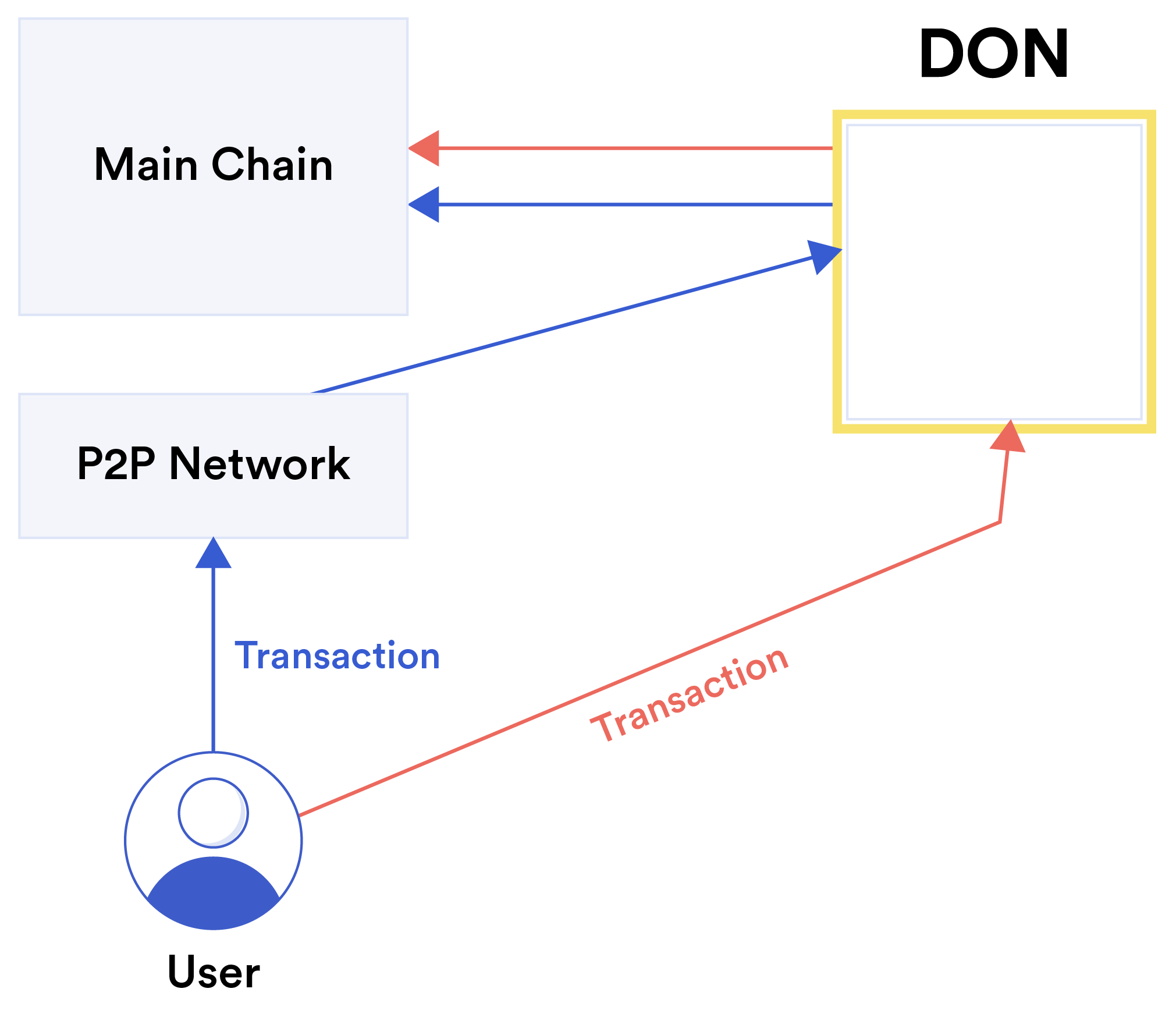
분산되어 있으면 그러한 주문을 캡처할 수 없습니다. 따라서 FSS는 메커니즘을 도입합니다. 분배로 인해 발생하는 공정성 위반으로부터 보호하기 위해 blockchain 네트워크의 성격. 5.2 FSS 세부정보 그림 12: 두 가지 다른 트랜잭션 경로를 갖춘 주문 공정 멤풀: 직접적이고 멤풀 기반. 그림 12는 FSS의 일반적인 개략도를 보여줍니다. 공정성을 보장하기 위해 FSS를 제공하는 DON은 MAINCHAIN에 진입할 때 거래 흐름을 방해해야 합니다. 클라이언트, MAINCHAIN의 smart contracts 또는 둘 다에 대한 조정이 필요할 수 있습니다. 높은 수준에서 FSS의 거래 처리는 세 가지로 분해될 수 있습니다. 아래에 설명된 단계: (1) 거래 모니터링; (2) 거래 순서; 그리고 (3) 거래 게시. 트랜잭션 순서 지정에 사용되는 주문 방법에 따라 다음 섹션에 설명된 대로 추가 프로토콜 단계가 필요합니다. 5.2.1 거래 처리 거래 모니터링: 우리는 FSS가 모니터링할 수 있는 두 가지 접근 방식을 구상합니다. 특정 smart contract을 대상으로 하는 사용자 트랜잭션, 직접 및 mempool 기반: • 직접: 직접 접근 방식은 개념적으로 가장 간단하지만 다음 사항에 대한 변경이 필요합니다. 트랜잭션이 분산형 Oracle로 직접 전송되도록 사용자 클라이언트메인 체인의 노드가 아닌 네트워크 노드. DON는 수집합니다 특정 smart contract SC로 향하는 사용자 트랜잭션을 기반으로 주문합니다. 일부 주문 정책에 대해 그런 다음 DON은 주문된 트랜잭션을 다음으로 보냅니다. smart contract 메인 체인에 있습니다. 일부 주문 메커니즘에는 트랜잭션을 생성하는 사용자가 암호화 방식을 사용해야 하므로 직접적인 접근 방식도 필요합니다. FSS로 보내기 전에 보호하십시오. • Mempool 기반: FSS와 레거시 클라이언트의 통합을 용이하게 하기 위해 DON Mempool Services(MS)를 사용하여 메인 체인의 mempool을 모니터링하고 수집할 수 있습니다. 거래. 직접 전송은 많은 계약에서 선호되는 구현일 가능성이 높습니다. 그리고 우리는 이것이 많은 경우 상당히 실용적일 것이라고 믿습니다. 우리는 기존 DApp을 최소한으로 수정하여 지원하는 방법에 대해 간략하게 논의합니다. 좋은 사용자 경험을 유지하면서 직접 전송합니다. 우리는 접근 방식을 설명합니다 오늘날 가장 인기 있는 선택이기 때문에 Ethereum 및 MetaMask [6]을 사용하지만 언급된 기술은 다른 체인과 지갑으로 확장되어야 합니다. 최근 Ethereum 개선 제안, “EIP-3085: 지갑 추가 Ethereum 체인 RPC 방법” [100], 사용자 정의 Ethereum 체인을 쉽게 타겟팅할 수 있습니다(다른 체인 ID 사용). MetaMask 및 기타 브라우저 기반 지갑의 재생 공격을 방지하기 위한 MAINCHAIN의 것입니다. 이 제안을 구현한 후 DON를 사용하려는 DApp은 직접 전송할 수 있도록 프런트 엔드에 단일 메서드 호출을 추가하기만 하면 됩니다. Ethereum 호환 API를 노출하는 DON에 대한 트랜잭션입니다. 그동안, "EIP-712: Ethereum 유형화된 구조화된 데이터 hash생성 및 서명" [49]은 약간의 정보를 제공합니다. DApp 사용자가 사용할 수 있는 더 복잡하지만 이미 널리 배포된 대안 DON 트랜잭션을 지정하는 구조화된 데이터에 서명하는 MetaMask입니다. DApp은 보낼 수 있습니다 이 서명된 구조화된 데이터를 DON에 보냅니다. 마지막으로 하이브리드 접근 방식도 가능하다는 점에 주목합니다. 예를 들어, 유산 클라이언트는 계속해서 메인 체인의 멤풀로 트랜잭션을 보낼 수 있지만 매우 중요합니다. 거래(예: oracle 보고서)는 DON 노드로 직접 전송됩니다(특히 가격 피드 업데이트와 같은 oracle 보고서를 제공하는 노드 세트 및 노드 세트 FSS 제공은 중복되거나 동일할 수 있습니다). 거래 순서: FSS의 주요 목적은 사용자 트랜잭션이 미리 정의된 정책에 따라 정렬되도록 보장하는 것입니다. 이 정책의 성격은 다음과 같습니다. 애플리케이션의 요구와 불공정 거래 명령 유형에 따라 다릅니다. 예방하는 것을 목표로 합니다. DON의 FSS는 데이터를 처리하고 로컬 상태를 유지할 수 있으므로, 그들은 정보를 기반으로 임의의 순서 지정 정책을 부과할 수 있습니다. oracles에서 사용 가능합니다. 특정 주문 정책과 그 구현은 이후 섹션 5.3에서 논의됩니다.거래 전기: 사용자로부터 직접 받거나 멤풀에서 수집한 사용자 트랜잭션을 수집하고 주문한 후 DON은 이러한 트랜잭션을 메인 체인으로 보냅니다. 따라서 DON의 메인 체인과의 상호 작용은 그대로 유지됩니다. 메인 체인의 채굴자가 관리하는 (잠재적으로 불공평한) 거래 명령이 적용됩니다. 분산형 거래 주문의 이점을 활용하기 위해 대상 스마트 따라서 계약 SC는 DON을 "일류" 시민으로 취급하도록 설계되어야 합니다. 우리 두 가지 접근 방식을 구별합니다. • DON 전용 계약: 가장 간단한 설계 옵션은 메인 체인을 스마트하게 만드는 것입니다. 계약 SC는 DON에 의해 처리된 거래만 수락합니다. 이 smart contract이(가) 제안한 순서대로 트랜잭션을 처리하는지 확인합니다. DON이지만 사실상 smart contract은 위원회 기반 시스템에서 운영되도록 제한됩니다(즉, DON 위원회는 이제 거래 주문 및 포함). • 이중 클래스 계약: 선호되고 보다 세분화된 설계를 통해 메인 체인이 스마트해집니다. 계약 SC는 DON 및 레거시에서 발생하는 트랜잭션을 수락합니다. 사용자10 그러나 DON에 의해 처리되지 않은 거래에는 전통적인 "과속 방지턱"이 적용됩니다. 예를 들어 DON의 거래가 처리될 수 있습니다. 즉시, 레거시 트랜잭션은 smart contract에 의해 "버퍼링"됩니다. 정해진 기간. 선행 실행을 방지하기 위한 기타 표준 메커니즘 커밋-공개 방식이나 VDF [53]과 같은 방식은 레거시에도 적용될 수 있습니다. 거래. 이렇게 하면 DON 주문된 트랜잭션이 처리됩니다. DON에 원치 않는 검열 권한을 부여하지 않고 합의된 명령 거래. FSS의 거래 순서 지정을 위해서는 거래가 "오프체인"으로 집계되어야 하므로 이 솔루션은 자연스럽게 온체인 처리 비용을 줄이기 위한 다른 집계 기술과 결합됩니다. 예를 들어, 수집한 후 거래를 주문하면 DON은 이러한 거래를 메인 체인에 보낼 수 있습니다. 단일 "일괄 트랜잭션"(예: rollup)으로 인해 총 트랜잭션이 줄어듭니다. 수수료. 거래 명령 집행: DON 전용 디자인이든 듀얼 클래스 디자인이든, 메인 체인 smart contract SC와 DON은 DON의 거래 순서가 유지되도록 보장하기 위해 공동 설계되어야 합니다. 여기서도 우리는 다른 것을 상상합니다. 디자인 옵션: • 시퀀스 번호: DON은 각 트랜잭션에 시퀀스 번호를 추가하고 이러한 트랜잭션을 메인 체인의 멤풀로 보낼 수 있습니다. 주요 10DON의 트랜잭션 모니터링이 멤풀을 기반으로 하는 경우 레거시 트랜잭션은 DON 트랜잭션과 구별되어야 DON에 의해 수집되지 않습니다(예: 특수 태그를 통해). 거래에 포함되거나 특정 가스 가격을 지정함으로써 가능합니다. DON 거래에 가스가 있습니다 특정 기준점 이하의 가격.체인 smart contract SC는 "순서가 맞지 않게" 도착하는 트랜잭션을 무시합니다. 우리 이 설정에서 메인 체인 채굴자는 DON을 무시하기로 결정할 수 있습니다. 트랜잭션 주문으로 인해 트랜잭션이 실패하게 됩니다. SC가 올바른 트랜잭션 순서를 강제하도록 (비싼) 상태를 유지함으로써 어느 정도 가능합니다. TCP가 누락된 패킷이 발견될 때까지 순서가 잘못된 패킷을 버퍼링하는 방법과 유사합니다. 받았습니다. • 거래 nonces: 많은 blockchains, 특히 Ethereum의 경우 위의 일련 번호 지정 방식은 내장된 트랜잭션 nonce을 활용하여 다음을 수행할 수 있습니다. 메인 체인 smart contract SC가 트랜잭션을 순서대로 처리하도록 강제합니다. 여기서 DON 노드는 DON 노드 간에 공유되는 키로 보호되는 단일 메인체인 계정을 통해 메인체인에 트랜잭션을 보냅니다. 계정의 transaction nonce은 거래가 올바른 순서로 채굴되고 처리되도록 보장합니다. • 집계 트랜잭션: DON은 rollup에서 여러 트랜잭션을 집계할 수 있습니다. (또는 rollup과 유사한 번들). 메인 체인 smart contract은 다음과 같아야 합니다. 이러한 집계 트랜잭션을 처리하도록 설계되었습니다. • 메인 체인 프록시를 사용한 집계 트랜잭션: 여기서 DON은 마찬가지로 트랜잭션을 메인 체인에 대한 하나의 "메타 트랜잭션"으로 묶지만 사용자 정의 프록시 smart contract를 사용하여 트랜잭션의 압축을 풀고 이를 대상 계약 SC. 이 기술은 레거시 호환성에 유용할 수 있습니다. 메타트랜잭션은 rollup과 유사하게 작동하지만 압축되지 않은 트랜잭션으로 구성된다는 점에서 다릅니다. 메인 체인에 한 번 게시된 거래 목록입니다. 마지막 디자인은 사용자 트랜잭션을 원활하게 지원한다는 장점이 있습니다. DON의 목표에 도달하기 전에 메인 체인 계약을 통해 스스로 프록시됩니다. SC와 계약을 맺다 예를 들어, 어떤 지갑에 거래를 보내는 사용자를 생각해 보세요. 계약은 내부 트랜잭션을 SC로 보냅니다. 시퀀스 할당 사용자의 지갑 계약이 그렇지 않은 경우를 제외하고 그러한 거래에 대한 번호는 까다로울 수 있습니다. 모든 내부 트랜잭션과 함께 시퀀스 번호를 전달하도록 특별히 설계되었습니다. SC. 마찬가지로 이러한 내부 트랜잭션은 SC로 직접 전송되는 메타트랜잭션으로 쉽게 집계될 수 없습니다. 우리는 다음에 대한 추가 설계 고려 사항에 대해 논의합니다. 아래의 프록시 거래. 5.2.2 트랜잭션 원자성 지금까지의 논의에서는 트랜잭션이 단일 개체와 상호작용한다고 암묵적으로 가정했습니다. 온체인 smart contract(예: 사용자가 교환소에 구매 요청을 보냅니다). 그러나 에서는 Ethereum와 같은 시스템에서 단일 트랜잭션은 여러 내부 트랜잭션으로 구성될 수 있습니다. 예를 들어 하나의 smart contract은 다른 계약의 함수를 호출합니다. 아래에서 우리는 "다중 계약" 거래 순서를 지정하기 위한 두 가지 고급 전략을 설명합니다. 트랜잭션의 원자성(즉, 다음에 의해 규정된 일련의 작업)을 보존합니다. 트랜잭션은 모두 올바른 순서로 실행되거나 전혀 실행되지 않습니다.강력한 원자성: 가장 간단한 해결책은 위에서 설명한 대로 FSS를 전체 "다중 계약" 거래에 직접 적용하는 것입니다. 즉, 사용자는 거래를 보냅니다. 네트워크에 들어가고 FSS는 이러한 거래를 모니터링하고 순서를 정하고 게시합니다. 메인 체인. 이 접근 방식은 기술적으로 간단하지만 한 가지 잠재적인 제한 사항이 있습니다. 거래는 공정한 활용을 원하는 두 계약 SC1 및 SC2와 상호 작용합니다. 시퀀싱 서비스를 사용하려면 이 두 계약의 시퀀싱 정책이 일관되어야 합니다. 즉, 각각 상호작용하는 두 개의 서로 다른 트랜잭션 tx1 및 tx2가 있는 경우 SC1과 SC2 모두 SC1의 정책이 tx2보다 먼저 tx1을 주문하는 경우가 있어서는 안 됩니다. SC2의 정책은 반대 순서를 규정합니다. 관심 있는 대부분의 시나리오에 대해 우리는 다양한 계약에서 채택한 순서 정책이 일관될 것이라고 생각합니다. 예를 들어 SC1과 SC2 모두 mempool에 대략적인 도착 시간을 기준으로 트랜잭션을 정렬하기를 원할 수 있습니다. SC1은 특정 oracle 보고서가 항상 먼저 전달되기를 원할 수도 있습니다. 다음과 같이 후자의 oracle 보고서 트랜잭션은 SC2와 상호 작용하지 않으며 정책은 일관됩니다. 약한 원자성: 일반적으로 FSS는 개인 수준에서 적용될 수 있습니다. 내부 거래. 일부 초기 항목으로 구성된 tx = { ~txpre, ~txSC, ~txpost} 형식의 트랜잭션을 고려하십시오. 트랜잭션 ~txpre, 이는 SC에서 내부 트랜잭션 ~txSC로 이어지며, 이는 차례로 내부 트랜잭션 ~txpost를 발행합니다. SC의 시퀀싱 정책에 따라 방법이 결정될 수 있습니다. 내부 트랜잭션 ~txSC는 전송된 다른 트랜잭션과 관련하여 주문되어야 합니다. SC로 이동하되 ~txpre 및 ~txpost에 대한 시퀀스 순서는 열어 둡니다. Ethereum과 같은 시스템에서 트랜잭션 처리의 본질적인 특성을 고려할 때 특정 내부 트랜잭션을 대상으로 하는 시퀀싱 서비스를 개발하는 것은 간단하지 않습니다. 특별히 설계된 계약 SC를 사용하면 다음과 같이 실현할 수 있습니다. 1. 트랜잭션 tx가 네트워크로 전송되어 채굴됩니다(시퀀싱 없이). FSS에서 수행). 초기 ~txpre가 실행되고 ~txSC를 호출합니다. 2. SC는 ~txSC를 실행하지 않고 반환됩니다. 3. FSS는 SC에 대한 내부 거래를 모니터링하고 순서를 정한 후 다시 게시합니다. SC로(즉, 트랜잭션 ~txSC를 SC로 직접 보냄) 4. SC는 FSS로부터 받은 트랜잭션 ~txSC를 처리하고, ~txSC의 결과인 내부 트랜잭션 ~txpost를 발행합니다. 이 접근 방식을 사용하면 트랜잭션이 완전히 원자적으로 실행되지 않습니다(즉, 원본 트랜잭션 tx는 여러 개의 온체인 트랜잭션으로 분할되지만 순서는 내부 거래는 보존됩니다. 이 솔루션에는 여러 가지 설계 제약이 따릅니다. 예를 들어 ~txpre는 다음을 수행할 수 없습니다. ~txSC 및 ~txpost가 실행될 것이라고 가정합니다. 더욱이 SC는 다음과 같이 설계되어야 한다. 특정 사용자를 대신하여 ~txSC 및 ~txpost 트랜잭션을 실행합니다.FSS에서 보냈습니다. 이러한 이유로 보다 세분화된 "Strong Atomicity" 솔루션 실제로는 위의 내용이 바람직할 수 있습니다. 여러 트랜잭션과 관련된 보다 복잡한 종속성을 존중하기 위해 각각의 내부 거래에는 FSS의 거래 스케줄러가 포함될 수 있습니다. 관계형 트랜잭션 관리자에서 볼 수 있는 것과 유사한 정교한 기능 데이터베이스 관리자. 5.3 공정한 거래 순서 여기에서는 FSS에 의해 실현될 수 있는 거래 순서 결정 및 해당 구현에 대한 두 가지 공정성 개념에 대해 논의합니다. 정책 기반 주문 공정성 FSS에 의해 부과되며 인과관계 보존을 보장하므로 FSS에 추가적인 암호화 방법이 필요합니다. 주문 공정성: 질서 공정성은 합의 프로토콜에서 시간적 공정성에 대한 개념입니다. Kelkar et al.에 의해 처음으로 공식적으로 소개되었습니다. [144]. Kelkaret al. 거래가 이루어지는 자연정책의 형태를 달성하는 것을 목표로 합니다. DON(또는 P2P 네트워크, mempool 기반 FSS의 경우). 그러나 분산형 시스템에서는 다릅니다. 노드는 트랜잭션이 다른 순서로 도착하는 것을 볼 수 있습니다. 전체 주문 설정 모든 거래에 대한 문제는 기반이 되는 합의 프로토콜에 의해 해결되는 바로 그 문제입니다. 메인체인. Kelkaret al. [144] 따라서 다음과 같은 약한 개념을 도입합니다. 이는 "블록 주문 공정성"이라고 불리는 분산형 Oracle 네트워크의 도움으로 달성됩니다. DON이(가) 일정 시간 간격 동안 수신한 트랜잭션을 다음과 같이 그룹화합니다. 블록을 생성하고 해당 블록의 모든 트랜잭션을 동시에 동일한 위치에 삽입합니다. (즉, 높이)를 MAINCHAIN에 넣습니다. 따라서 이들은 함께 주문되며 실행 가능해야 합니다. 동시에, 그들 사이에 어떤 갈등도 일으키지 않습니다. 대략적으로 말하자면, 주문 공정성은 많은 노드가 τ2 이전에 트랜잭션 τ1을 본다면 다음과 같이 말합니다. τ1은 τ2 이전 또는 동일한 블록에서 시퀀스됩니다. 이런 거친 짓을 해서 거래 주문을 세분화하면 선행 실행 및 기타 주문 관련 공격 기회가 크게 줄어듭니다. Kelkaret al. Aequitas [144]라는 프로토콜 제품군을 제안합니다. 동기식, 부분 동기식, 비동기식 네트워크 설정을 포함한 다양한 배포 모델. Aequitas 프로토콜은 기본 BFT 합의에 비해 상당한 통신 오버헤드를 부과하므로 실제 사용에는 적합하지 않습니다. 그러나 우리는 사용할 수 있는 Aequitas의 실용적인 변형이 나타날 것이라고 믿습니다. FSS 및 기타 애플리케이션의 트랜잭션 순서 지정을 위한 것입니다. 일부 관련 계획에는 형식주의와 속성이 덜 수반되는 방식이 이미 제안되었습니다. 예를 들어 [36, 151, 236]이지만 실제 성능이 더 좋습니다. 이러한 구성표가 지원될 수 있습니다. FSS에서도요. "공정성"이라는 용어가 blockchain의 다른 곳에 나타난다는 점도 주목할 가치가 있습니다. 다른 의미를 지닌 문학, 즉 기회라는 의미에서의 공정성헌신된 자원 [106, 181] 또는 validators에 비례하는 광부 평등한 기회 [153]. 안전한 인과관계 보존: 분산 플랫폼에서 선행 실행 및 기타 주문 위반을 방지하는 가장 널리 알려진 접근 방식은 암호화에 의존합니다. 기술. 그들의 일반적인 특징은 거래 데이터 자체를 숨기고 합의 계층의 순서가 확립되었으며 거래 데이터를 공개합니다. 나중에 처리를 위해. 이는 거래 간의 인과적 순서를 보존합니다. blockchain에 의해 실행됩니다. 관련 보안 개념 및 암호화 프로토콜 blockchains [71, 190]이 출현하기 전에 상당히 개발되었습니다. "입력 인과성" [190] 및 "안전한 인과성 보존"[71, 97]의 보안 조건은 거래에 대한 정보가 알려지지 않도록 공식적으로 요구합니다. 글로벌 순서에서 이 거래의 위치가 결정되기 전에. 공격자는 그때까지 암호화된 방식으로 어떤 정보도 추론할 수 없어야 합니다. 강한 감각. 인과관계를 보존하기 위해 네 가지 암호화 기술을 구별할 수 있습니다. • 커밋-공개 프로토콜 [29, 142, 145]: 트랜잭션이 발표되는 대신 명확하게는 거래에 대한 암호화된 약속만 공개됩니다. 모든 커밋되었지만 숨겨진 트랜잭션이 주문된 후(blockchain 초기에) MAINCHAIN 자체의 시스템(여기서는 FSS에 의한 시스템)에서 보낸 사람은 미리 결정된 시간 간격 내에 약속을 열고 거래 데이터를 공개해야 합니다. 그런 다음 네트워크는 개시가 이전 약속을 충족하는지 확인합니다. 는 이 방법의 기원은 blockchains 출현 이전입니다. 비록 매우 간단하지만 이 접근 방식은 상당한 단점을 가져오고 두 가지 이유로 사용하기 쉽지 않습니다. 첫째, 주문 프로토콜 수준에서는 커밋만 존재하므로 트랜잭션의 의미는 다음과 같습니다. 합의 중에는 검증할 수 없습니다. 클라이언트까지의 추가 왕복 필요합니다. 그러나 더 심각한 것은 개봉이 불가능할 가능성에 무게를 두고 있습니다. 이는 서비스 거부 공격에 해당할 수 있습니다. 게다가, 그것은 일관되고 분산된 방식으로 오프닝이 유효한지 여부를 결정하는 것은 어렵습니다. 왜냐하면 모든 참가자는 오프닝이 도착했는지 여부에 동의해야 하기 때문입니다. 시간. • 지연된 복구가 포함된 커밋-공개 프로토콜 [145]: 커밋-공개 접근 방식은 클라이언트가 추측에 따라 트랜잭션을 커밋하고 후속 트랜잭션으로 인해 수익성이 있는 경우에만 이를 공개할 수 있다는 것입니다. 에이 커밋-공개 접근 방식의 최근 변형은 이에 대한 탄력성을 향상시킵니다. 일종의 잘못된 행동. 특히 TEX 프로토콜 [145]은 이 문제를 해결합니다. 암호화된 트랜잭션에 암호 해독 키가 포함되는 영리한 접근 방식을 사용합니다. 검증 가능한 지연 함수(VDF)를 계산하여 얻을 수 있습니다[53, 221]. 클라이언트인 경우 적시에 그녀의 거래를 해독하지 못하면 시스템의 다른 사람들이 해독합니다. 그녀를 대신하여 적당히 어려운 암호화 퍼즐을 해결합니다.• 임계값 암호화 [71, 190]: 이 방법은 DON이 수행할 수 있는 기능을 활용합니다. 임계값 암호화 작업. FSS가 공개 암호화를 유지한다고 가정합니다. 키 pkO와 oracle은 해당 개인 키를 서로 공유합니다. 그런 다음 클라이언트는 pkO에서 거래를 암호화하여 FSS로 보냅니다. FSS 주문 DON의 트랜잭션을 해독한 후 마지막으로 DON에 삽입합니다. MAINCHAIN은 고정된 순서로 진행됩니다. 따라서 암호화는 주문이 거래 내용을 기반으로 하는 것이 아니라 데이터 자체를 다음과 같은 경우에 사용할 수 있습니다. 필요합니다. 이 방법은 원래 Reiter와 Birman([190])에 의해 제안되었으며 나중에 Cachin 등에 의해 개선되었습니다. [71], 허가된 합의와 통합되었습니다. 프로토콜. 보다 최근의 연구에서는 임계값 암호화를 다음과 같이 사용하는 방법을 연구했습니다. 일반 메시지 [33, 97] 및 공유 데이터 [41]를 사용한 일반 계산을 위한 합의 수준 메커니즘. 커밋 공개 프로토콜과 비교하여 임계값 암호화는 단순한 서비스 거부 공격을 방지합니다(암호 해독에 드는 계산 비용을 고려할 때 주의가 필요함). DON이(가) 자체 속도로 자동으로 진행되도록 합니다. 추가 클라이언트 작업을 기다리고 있습니다. 거래는 해독된 후 즉시 검증될 수 있습니다. 또한 클라이언트는 모든 거래를 하나로 암호화합니다. DON의 키이며 통신 패턴은 다른 키와 동일하게 유지됩니다. 거래. 임계값 키를 안전하게 관리하고 노드를 변경하여 그러나 O는 추가적인 어려움을 초래할 수 있습니다. • 커밋된 비밀 공유 [97]: 거래 데이터를 암호화하는 대신 DON이 보유한 키인 경우 클라이언트는 이를 O의 노드에 대해 비밀 공유할 수도 있습니다. 하이브리드, 계산적으로 안전한 비밀 공유 방식을 사용하여 트랜잭션 먼저 임의의 키가 있는 대칭 암호를 사용하여 암호화됩니다. 해당 대칭 키만 공유되고 암호문은 DON에 제출됩니다. 클라이언트는 별도로 암호화된 메시지를 사용하여 O의 각 노드에 하나의 키 공유를 보내야 합니다. 나머지 프로토콜 단계는 임계값과 동일합니다. 단, 거래 데이터는 대칭형으로 해독됩니다. 공유에서 트랜잭션별 키를 재구성한 후 알고리즘을 사용합니다. 이 방법에는 공개 키 암호화 시스템의 설정이나 관리가 필요하지 않습니다. DON과 연결되어 있습니다. 그러나 클라이언트는 다음 노드에 대해 알고 있어야 합니다. O 그리고 그들 각각과 안전한 상황에서 통신합니다. 고객의 추가 부담. 암호화 방법은 정보로부터 완전한 보호를 제공하지만 제출된 트랜잭션에서 네트워크로 유출되는 경우 메타데이터를 숨기지 않습니다. 에 대한 예를 들어, 발신자의 IP 주소 또는 Ethereum 주소는 계속해서 사용될 수 있습니다. 전방 공격 및 기타 공격을 수행하는 적입니다. 다양한 프라이버시 강화 네트워크 계층(예: [52, 95, 107]) 또는 트랜잭션 계층에 배포된 기술, 예를 들어, [13, 65]는 이 목표를 달성하는 데 필요할 것입니다. 특정 작품의 영향 즉, 거래가 전송되는 계약에 대한 메타데이터를 (부분적으로) 숨길 수 있습니다.동일한 DON에서 많은 계약을 다중화함으로써. 암호화 은폐 거래 자체도 손상된 거래의 우선순위를 방해하지 않습니다. DON 노드가 거래 발신자와 공모하고 있습니다. 암호화 프로토콜에 의해 보장되는 안전한 인과관계는 모든 정책에 대한 질서 공정성 보장을 보완하며, 우리는 이 두 가지의 조합을 탐색할 계획입니다. 가능한 경우 방법. 상대방이 상당한 이점을 얻을 수 없는 경우 메타데이터를 관찰하면서 안전한 인과관계 보존 프로토콜을 함께 사용할 수 있습니다. 순진한 주문 방식도 마찬가지입니다. 예를 들어 oracle 노드는 트랜잭션을 작성할 수 있습니다. 중복 없이 L에게 수신 즉시 전달됩니다. 그러면 거래는 다음과 같습니다. L에 나타나는 순서에 따라 주문한 후 해독됩니다. 우리는 또한 공정한 주문을 집행하는 데 도움이 되는 방법으로 TEE 사용을 고려할 계획입니다. 에 대한 예를 들어, Tesseract [44]는 인과적 순서의 형태를 달성하는 것으로 볼 수 있지만 명시적인 형식으로 거래를 처리하는 TEE의 능력으로 강화되었습니다. 기밀을 유지합니다. 5.4 네트워크 계층 고려 사항 지금까지 FSS에 대한 설명은 주로 다음 사항을 집행하는 문제에 중점을 두었습니다. 최종 거래 순서는 네트워크에서 관찰된 순서와 일치합니다. 이후, 네트워크 계층 자체에서 발생할 수 있는 공정성 문제를 고려합니다. 기존 전자 시장의 고주파 거래자는 상당한 투자를 합니다. 우수한 네트워크 속도를 얻기 위한 리소스 [64], 암호화폐 거래소의 거래자는 유사한 행동 [90]을 나타냅니다. 네트워크 속도는 두 측면 모두에서 이점을 제공합니다. 다른 당사자의 거래를 관찰하고 경쟁 거래를 제출하는 행위. Flash Boys [155] 책에서 실제로 배포되고 대중화된 한 가지 치료법은 다음과 같습니다. IEX 거래소 [128]에서 처음 도입된 "과속 방지턱"은 나중에 다른 거래소에서도 도입되었습니다. [179]을 교환합니다(혼합된 결과 [19] 포함). 이 메커니즘은 시장 접근에 지연(IEX의 경우 350마이크로초)을 부과합니다. 속도. 경험적 증거. [128], 특정 거래 감소에 대한 효율성을 지원합니다. 일반 투자자의 비용. FSS는 단순히 비대칭을 구현하는 데 사용될 수 있습니다. 과속방지턱 - 들어오는 거래를 지연시키는 것입니다. Budish, Cramton 및 Shim [64]은 속도 이점을 활용한다고 주장합니다. 연속시장에서는 피할 수 없으며, 구조적 해결책을 주장합니다. 일괄 경매 기반 시장의 형태. 그러나 이 접근 방식은 널리 받아들여지지 않았습니다. 기존 거래 플랫폼에서. 기존 거래 시스템은 중앙 집중화되어 있으며 일반적으로 다음을 통해 거래를 받습니다. 단일 네트워크 연결. 대조적으로, 분산형 시스템에서는 다음이 가능합니다. 여러 유리한 지점에서 트랜잭션 전파를 관찰합니다. 결과적으로, P2P 네트워크에서는 네트워크 플러딩과 같은 행위를 관찰할 수 있습니다. 우리는 의도한다 개발자가 정책을 지정하는 데 도움이 되는 FSS에 대한 네트워크 계층 접근 방식을 탐색합니다. 그러한 바람직하지 않은 네트워크 행위를 금지합니다.5.5 엔터티 수준의 공정성 정책 주문 공정성과 안전한 인과성은 다음과 같은 거래에 대한 주문을 시행하는 것을 목표로 합니다. 생성되어 네트워크에 처음 제출된 시간을 존중합니다. 이러한 공정성 개념의 한계는 상대방이 공격하는 것을 방지하지 못한다는 것입니다. 거래가 많은 시스템이 넘쳐 이점을 얻는다. token 판매 [159]에서 효과적인 거래 저격을 수행하는 방법으로 야생에서 CDP(부채담보포지션) 청산으로 인한 혼잡 발생 [48]. 즉, 주문 공정성은 플레이어가 아닌 거래에 대한 공정성을 강화합니다. CanDID 시스템 [160]에 나와 있듯이 DECO와 같은 oracle 도구를 사용할 수 있습니다. 또는 노드 위원회(예: DON)와 함께 Town Crier를 통해 달성할 수 있습니다. 개인 정보를 보호하면서 다양한 형태의 Sybil 저항을 제공합니다. 사용자는 신원을 등록할 수 있습니다. 신원 자체를 공개하지 않고 고유성에 대한 증거를 제공합니다. 시빌 방지 자격 증명은 트랜잭션 주문을 강화하는 가능한 접근 방식을 제공합니다. 홍수 공격의 기회를 제한하는 방식으로 정책을 시행합니다. 예를 들어, token 판매는 등록된 사용자당 하나의 거래만 허용할 수 있습니다. 사회보장번호와 같은 국가 식별자의 고유성 증명이 필요합니다. 이러한 접근 방식이 완벽하지는 않지만 트랜잭션 플러딩 공격을 완화하는 데 유용한 정책이 될 수 있습니다.
خدمات التسلسل العادل
إحدى الخدمات المهمة التي نتوقع أن تقدمها DONs والتي تعمل على تعزيز إمكانات الشبكات والحوسبة والتخزين الخاصة بها تسمى خدمات التسلسل العادل (FSS). على الرغم من أنه قد يُنظر إلى الخدمة الثابتة الساتلية (FSS) ببساطة على أنها تطبيق تم تحقيقه ضمن إطار عمل DON، إلا أننا نسلط الضوء عليها كخدمة نعتقد أنها ستحظى بطلب مرتفع عبر جميع أنحاء العالم blockchains، والتي نتوقع أن تدعمها شبكة Chainlink بشكل نشط. عند تنفيذها على شبكات blockchain العامة، فإن العديد من تطبيقات DeFi الحالية الكشف عن المعلومات التي يمكن استغلالها من قبل المستخدمين لمصلحتهم الخاصة، على غرار هذا النوع من التسريبات الداخلية وفرص التلاعب السائدة في الوقت الحالي الأسواق [64، 155]. بدلاً من ذلك، تمهد خدمة FSS الطريق نحو نظام بيئي عادل DeFi. الخدمة الثابتة الساتلية يساعد المطورين على إنشاء عقود DeFi محمية من التلاعب بالسوق الناتجة عن تسرب المعلومات. وبالنظر إلى المشاكل التي نسلط الضوء عليها أدناه، فإن FSS كذلك جذابة بشكل خاص لخدمات الطبقة الثانية وتناسبها في إطار هذه الخدمات التي نناقشها في القسم 6. التحدي: في الأنظمة الحالية غير المسموح بها، يتم طلب المعاملات بالكامل حسب تقدير عمال المناجم. في الشبكات المرخصة، قد يتم تطبيق العقد validator نفس القوة. وهذا شكل من أشكال المركزية المؤقتة غير المعترف بها إلى حد كبير في خلاف ذلك الأنظمة اللامركزية. يمكن لعامل التعدين (مؤقتًا) فرض رقابة على المعاملات الخاصة به المنفعة الخاصة [171] أو إعادة ترتيبها لتعظيم مكاسبها الخاصة، وهي فكرة تسمى القيمة القابلة للاستخراج (MEV) [90]. مصطلح MEV خادع بعض الشيء: فهو لا يشير فقط للقيمة التي يمكن لعمال المناجم التقاطها: يمكن للمستخدمين العاديين التقاط بعض MEV. نظرًا لأن القائمين بالتعدين يتمتعون بقدرة أكبر من القوة التي يتمتع بها المستخدمون العاديون، فإن MEV تمثل حدًا أعلى لمقدار القيمة التي يمكن لأي كيان الحصول عليها من خلال إعادة الترتيب التنافسي وإدخال المعاملات التكميلية. حتى عندما يقوم عمال المناجم بطلب المعاملات ببساطة على أساس الرسوم (الغاز)، وبدون تلاعب، يمكن للمستخدمين أنفسهم التلاعب بأسعار الغاز لتفضيل معاملاتهم على المعاملات الأقل تعقيدًا. ديان وآخرون. [90] توثيق وقياس الطرق التي تتخذها الروبوتات (وليس عمال المناجم) الاستفادة من ديناميكيات الغاز بطريقة تضر مستخدمي أنظمة DeFi اليوم وكيف حتى أن MEV يهدد استقرار طبقة الإجماع الأساسية في blockchain. تظهر أمثلة أخرى للتلاعب بأوامر المعاملات بانتظام، على سبيل المثال، [50، 154].تعد أساليب معالجة المعاملات الجديدة مثل rollups طريقة واعدة للغاية لمشاكل تحجيم الإنتاجية العالية blockchains. ومع ذلك، فإنها لا تعالج مشكلة MEV. وبدلاً من ذلك، يقومون بنقله إلى الكيان الذي يقوم بإنشاء rollup. ذلك الكيان، سواء كان مشغل smart contract أو مستخدمًا يقدم (zk-)rollup مع إثبات الصلاحية، لديه القدرة على طلب وإدراج المعاملات. بمعنى آخر، rollups مبادلة MEV بـ REV: القيمة المجمعة القابلة للاستخراج. تؤثر MEV على المعاملات القادمة التي تم إرسالها إلى مجمع الذاكرة لكن لم يلتزموا بعد بالسلسلة. المعلومات حول مثل هذه المعاملات على نطاق واسع المتاحة في الشبكة. يمكن لعمال المناجم وvalidators والمشاركين العاديين في الشبكة ولذلك استغلال هذه المعرفة وإنشاء المعاملات التابعة. بالإضافة إلى ذلك، قد يؤثر القائمون بالتعدين وvalidator على ترتيب تلك المعاملات التي يقومون بها أنفسهم ويستغلون ذلك لصالحهم. مشكلة التأثير غير المبرر من قبل القادة على طلب المعاملات بالإجماع البروتوكولات معروفة في الأدبيات منذ التسعينيات [71، 190]، ولكن لا يوجد مرض مرضي لقد تم تنفيذ الحلول عمليًا حتى الآن [97]. والسبب الرئيسي هو أن الحلول المقترحة - على الأقل حتى وقت قريب جدًا - لا يمكن دمجها بسهولة مع الجمهور blockchains، حيث يعتمدون على بقاء محتوى المعاملات سريًا إلى ما بعد تم تحديد ترتيبهم. نظرة عامة على خدمات التسلسل العادل (FSS): ستوفر DONs أدوات لتحقيق اللامركزية في طلب المعاملات وتنفيذها وفقًا لسياسة محددة من خلال الاعتماد منشئ العقد، ومن الأفضل أن يكون عادلاً، ولا يفيد الجهات الفاعلة التي ترغب في ذلك التلاعب في ترتيب المعاملات. وتشكل هذه الأدوات مجتمعة الخدمة الثابتة الساتلية. يتضمن FSS ثلاثة مكونات. الأول هو مراقبة المعاملات. في الخدمة الثابتة الساتلية، oracle العقد الموجودة في O كلاهما تراقب مجمع ذاكرة MAINCHAIN وتسمح (إذا رغبت في ذلك) تقديم المعاملات خارج السلسلة من خلال قناة متخصصة. والثاني هو تسلسل المعاملات. العقد في معاملات أمر O لعقد الاعتماد وفقا للسياسة المحددة لهذا العقد. والثالث هو نشر المعاملات. بعد طلب المعاملات، تقوم العقد الموجودة في O بإرسال المعاملات بشكل مشترك إلى السلسلة الرئيسية. تشمل الفوائد المحتملة للخدمة الثابتة الساتلية ما يلي: • عدالة الطلب: تشتمل الخدمة الثابتة الساتلية (FSS) على أدوات لمساعدة المطورين على ضمان إتمام المعاملات يتم طلب الإدخال في عقد معين بطريقة لا تعطي ظلمًا ميزة للمستخدمين ذوي الموارد الجيدة و/أو الأذكياء تقنيًا. سياسات الطلب يمكن تحديدها لهذا الغرض. • الحد من تسرب المعلومات أو القضاء عليه: من خلال ضمان عدم تمكن المشاركين في الشبكة من استغلال المعرفة المتعلقة بالمعاملات القادمة، يمكن للخدمات المالية الثابتة أن تخفف أو القضاء على الهجمات مثل التشغيل الأمامي التي تعتمد على المعلومات المتوفرة في الشبكة قبل تنفيذ المعاملات. منع استغلال مثل هذه ويضمن التسرب المعاملات الخصومة التي تعتمد على الأصل المعلق لا يمكن للمعاملات إدخال دفتر الأستاذ قبل تنفيذ المعاملات الأصلية.• انخفاض تكلفة المعاملات: من خلال القضاء على حاجة اللاعبين إلى السرعة في الإرسال معاملاتهم إلى smart contract، FSS يمكن أن تقلل بشكل كبير من تكلفة معالجة المعاملات. • ترتيب الأولويات: يمكن للخدمات المالية الثابتة (FSS) أن تمنح المعاملات الهامة أولوية خاصة تلقائيًا الطلب. على سبيل المثال، لمنع الهجمات الأولية ضد oracle التقارير، على سبيل المثال، [79]، يمكن لخدمة FSS إدراج تقرير oracle في تدفق المعاملات بأثر رجعي. الهدف الشامل لـ FSS في DONs هو تمكين DeFi منشئي المحتوى من تحقيق العدالة الأنظمة المالية، أي الأنظمة التي لا تفيد مستخدمين معينين (أو عمال المناجم) على الآخرين على أساس السرعة أو المعرفة الداخلية أو القدرة على الأداء الفني التلاعب. في حين أن المفهوم العام الواضح للعدالة بعيد المنال، فإن العدالة الكاملة موجودة أي معنى معقول لا يمكن تحقيقه، تهدف FSS إلى تزويد المطورين بأداة قوية مجموعة من الأدوات حتى يتمكنوا من فرض السياسات التي تساعد في تحقيق أهداف التصميم الخاصة بهم لـ DeFi. نلاحظ أنه على الرغم من أن الهدف الرئيسي لـ FSS هو العمل كخدمة تسلسل عادلة MAINCHAIN الذي تستهدفه DONs، بعضًا من نفس العدالة التي ترغب فيها FSS يمكن أن تكون الضمانات مناسبة أيضًا للبروتوكولات (اللامركزية) التي يتم تشغيلها فيما بينها DON الحفلات. وبالتالي، يمكن النظر إلى الخدمة الثابتة الساتلية (FSS) على نطاق أوسع باعتبارها خدمة تقدمها مجموعة فرعية من DON العقد للتسلسل العادل ليس فقط للمعاملات المرسلة من قبل مستخدمي MAINCHAIN ولكن أيضًا المعاملات (أي الرسائل) المشتركة بين عقد DON الأخرى. في هذا القسم، سنركز في المقام الأول على هدف تسلسل معاملات MAINCHAIN. تنظيم القسم: في القسم 5.1، نصف تطبيقين عاليي المستوى يحفزان تصميم FSS: منع التشغيل الأمامي لتقارير oracle ومنع التشغيل الأمامي لمعاملات المستخدم. ثم نقدم المزيد من التفاصيل حول تصميم الخدمة الثابتة الساتلية في القسم 5.2. يصف القسم 5.3 أمثلة على ضمانات ووسائل النظام العادل لتحقيقها. أخيرًا، يناقش القسم 5.4 والقسم 5.5 التهديدات على مستوى الشبكة مثل هذه السياسات والوسائل لمعالجتها، على التوالي لفيضانات الشبكة وسيبيل الهجمات. 5.1 مشكلة التشغيل الأمامي لشرح أهداف وتصميم FSS، وصفنا شكلين عامين من السباق الأمامي الهجمات والقيود المفروضة على الحلول القائمة. الجري في المقدمة يمثل فئة من هجمات طلب المعاملات: هناك عدد من الهجمات ذات الصلة مثل الهجوم الخلفي والتداخل (التشغيل الأمامي بالإضافة إلى التشغيل الخلفي) [237] التي لا نغطيها هنا، ولكن الذي FSS يساعد أيضا على معالجة. 5.1.1 أوراكل للتشغيل الأمامي في دورهم التقليدي المتمثل في توفير البيانات خارج السلسلة لتطبيقات blockchain، oracles تصبح هدفا طبيعيا للهجمات الأمامية.ضع في اعتبارك نمط التصميم الشائع لاستخدام oracle لتوفير خلاصات الأسعار المختلفة إلى بورصة على السلسلة: بشكل دوري (على سبيل المثال كل ساعة)، يقوم oracle بجمع بيانات الأسعار لـ أصول مختلفة ويرسلها إلى عقد الصرف. هذه المعاملات بيانات الأسعار تقديم فرص واضحة للمراجحة: على سبيل المثال، إذا كان أحدث تقرير oracle يسرد سعر أعلى بكثير لبعض الأصول، يمكن للخصم أن يتقدم بتقرير oracle إلى شراء الأصول وإعادة بيعها على الفور بمجرد معالجة تقرير oracle. مطبات السرعة والتسعير بأثر رجعي: الحل الطبيعي لمشكلة التشغيل الأمامي oracle هو إعطاء تقارير oracle أولوية خاصة على المعاملات الأخرى. ل على سبيل المثال، يمكن إرسال تقارير oracle برسوم عالية لتشجيع القائمين بالتعدين على المعالجة لهم أولا. ولكن هذا لن يمنع التقدم إذا كانت فرصة المراجحة عالية، ولا يمكنها منع المراجحة من قبل عمال المناجم أنفسهم. وبالتالي، لجأت بعض البورصات إلى تنفيذ "مطبات سريعة" أكثر ثقلاً، مثل وضع معاملات المستخدم في قائمة الانتظار لعدد من الكتل قبل المعالجة. لهم، أو تعديل الأسعار بأثر رجعي عند وصول تقرير oracle جديد. عيوب هذه الحلول هي أنها تضيف تعقيدًا إلى تنفيذ التبادل، زيادة متطلبات التخزين وبالتالي تكاليف المعاملات، وتعطيل تجربة المستخدم حيث لا يتم تأكيد تبادل الأصول إلا بعد فترة زمنية طويلة. الحمولة على الظهر: قبل الانتقال إلى الخدمة الثابتة الساتلية (FSS)، نناقش مسألة التحميل على الظهر، وهي طريقة بسيطة للغاية حل أنيق لمشكلة التشغيل الأمامي oracle. لا ينطبق على معالجة ومع ذلك، في المقدمة في سيناريوهات أخرى. باختصار، بدلاً من إرسال التقارير بشكل دوري إلى العقد الموجود على السلسلة، oracles نشر التقارير الموقعة التي يلحقها المستخدمون بمعاملاتهم عند الشراء أو البيع الأصول على السلسلة. تقوم البورصة بعد ذلك بالتحقق ببساطة من أن التقرير صالح وحديث (على سبيل المثال، يمكن لـ oracle التوقيع على نطاق من الكتل التي يكون التقرير صالحًا لها)، والمقتطفات تغذية السعر ذات الصلة منه. يتمتع هذا الأسلوب البسيط بعدد من المزايا مقارنة بـ "مطب السرعة" المذكور أعلاه المنهج: (1) لا يحتاج عقد الصرف إلى الحفاظ على حالة الأسعار، وهو ما ينبغي يؤدي إلى انخفاض تكاليف المعاملات؛ (2) بما أن تقارير oracle يتم نشرها على السلسلة على أساس الحاجة، يمكن لـ oracles إنشاء تحديثات أكثر تكرارًا (على سبيل المثال، كل دقيقة)، وبالتالي تقليل فرص المراجحة من خلال إعداد التقرير مسبقًا9؛ (3) يمكن المعاملات سيتم التحقق من صحتها على الفور، لأنها تتضمن دائمًا موجزًا جديدًا للأسعار. لكن النهج ليس مثاليا. أولاً، يضع هذا الحل البديل المسؤولية تقع على عاتق مستخدمي البورصة لجلب تقارير oracle المحدثة وإرفاقها بملفاتهم المعاملات. وثانيا، في حين أن الاعتماد على الفائض من شأنه أن يقلل من فرص المراجحة، فإنه لا يفعل ذلك منعها تمامًا دون التأثير على حيوية العقد الموجود على السلسلة. في الواقع، إذا تقرير oracle صالح حتى رقم الكتلة n، ثم يتم إرسال المعاملة للحظر سيتطلب n + 1 تقريرًا صالحًا جديدًا. بسبب التأخير المتأصل في نشر التقارير من oracles إلى المستخدمين، فإن التقرير الجديد الصالح للكتلة n + 1 سيكون له 9. لا تكون المراجحة جديرة بالاهتمام إلا إذا كان الفارق القابل للاستغلال في أسعار الأصول يتجاوز الفارق الدخيل. الرسوم المطلوبة لشراء وبيع الأصول، على سبيل المثال، تلك التي يتم جمعها من قبل عمال المناجم والبورصة.ليتم نشرها في فترة ما قبل استخراج الكتلة n + 1، على سبيل المثال في الكتلة n -k، وبالتالي إنشاء سلسلة من الكتل k حيث توجد فرصة للمراجحة قصيرة الأجل. نحن صف الآن كيف يتغلب FSS على هذه القيود. تحديد أولويات تقارير oracle مع FSS: يمكن لـ FSS معالجة التشغيل الأمامي oracle المشكلة من خلال البناء على الحل البديل المذكور أعلاه، ولكن مع دفع الحل الإضافي العمل على زيادة المعاملات من خلال تقارير oracle إلى شبكة Oracle اللامركزية. على مستوى عالٍ، تجمع العقد oracle المعاملات الموجهة للتبادل على السلسلة، الاتفاق على موجز الأسعار في الوقت الفعلي، ونشر موجز الأسعار جنبًا إلى جنب مع المعاملات المجمعة في عقد السلسلة الرئيسية. من الناحية النظرية، يمكن للمرء أن يفكر في هذا النهج باعتباره "تجميع المعاملات المعززة بالبيانات"، حيث يضمن oracle أن يتم تحديث تتم إضافة خلاصة الأسعار دائمًا إلى المعاملات. يمكن تنفيذ حلول الخدمة الثابتة الساتلية (FSS) بشفافية لمستخدمي البورصة، ومع الحد الأدنى من التغييرات في منطق العقد، كما نوضح بمزيد من التفصيل في القسم 5.2. ضمان إن تقارير oracle الجديدة التي يتم منحها الأولوية دائمًا على معاملات المستخدم هي مجرد مثال واحد لسياسة الطلب التي يمكن لـ FSS اعتمادها وتنفيذها. سياسات FSS لضمان النظام يتم وصف العدالة بشكل أكثر عمومية في القسم 5.3. 5.1.2 معاملات المستخدم التي يتم تشغيلها مسبقًا ننتقل الآن إلى التشغيل الأمامي في التطبيقات العامة، حيث طريقة الدفاع أعلاه لا يعمل. يمكن التقاط المشكلة على نطاق واسع من خلال السيناريو التالي: يرى الخصم بعض معاملات المستخدم tx1 مرسلة إلى شبكة P2P ويقوم بحقنها معاملتها الخصومة tx2، بحيث تتم معالجة tx2 قبل tx1 (على سبيل المثال، عن طريق الدفع رسوم معاملة أعلى). على سبيل المثال، هذا النوع من التقدم شائع بين الروبوتات التي تستغل فرص المراجحة في أنظمة DeFi [90] وقد أثرت على مستخدمي التطبيقات اللامركزية المختلفة [101]. فرض نظام عادل بين المعاملات معالجتها على blockchain يعالج هذه المشكلة. والأهم من ذلك، أن رؤية تفاصيل tx1 ليست ضرورية في بعض الأحيان إن المعرفة بمجرد وجودها قد تسمح للخصم بتشغيل tx1 من خلاله امتلاك tx2 والاحتيال على المستخدم البريء الذي أنشأ tx1. على سبيل المثال، يمكن للمستخدم أن يكون معروفًا بتداول أصل معين في أوقات منتظمة. يتطلب منع مثل هذه الهجمات عمليات التخفيف التي تتجنب تسرب بيانات التعريف أيضًا [62]. بعض الحلول لهذه المشكلة موجودة، ولكنها تسبب تأخيرات ومخاوف بشأن سهولة الاستخدام. من ترتيب الشبكة إلى الترتيب النهائي مع الخدمة الثابتة الساتلية: فرص للتقدم للأمام تنشأ لأن الأنظمة القائمة ليس لديها آليات لضمان النظام الذي تظهر المعاملات على نحو متسلسلة فيما يتعلق بترتيب الأحداث وتدفق المعلومات خارج الشبكة. يمثل هذا مشكلة ناشئة عن أوجه القصور في تنفيذ التطبيقات (على سبيل المثال، منصات التداول) على blockchain. من الناحية المثالية، يمكن للمرء أن يفعل ذلك تأكد من تنفيذ المعاملات على blockchain بنفس الترتيب الذي كانت عليه تم إنشاؤها وإرسالها إلى شبكة P2P الخاصة بـ blockchain. ولكن منذ شبكة blockchain
يتم توزيعها، ولا يمكن التقاط مثل هذا الطلب. لذلك يقدم FSS الآليات للحماية من انتهاكات العدالة، التي تنشأ فقط بسبب التوزيع طبيعة شبكة blockchain. 5.2 تفاصيل الخدمة الثابتة الساتلية الشكل 12: مجموعة ذاكرة عادلة للطلب مع مسارين مختلفين للمعاملات: مباشر و على أساس mempool. ويبين الشكل 12 مخططاً عاماً للخدمة الثابتة الساتلية. لضمان العدالة، يجب أن يتداخل DON الذي يوفر خدمة FSS مع تدفق المعاملات عند دخولها إلى MAINCHAIN. قد يكون من الضروري إجراء تعديلات على العملاء، على smart contracts على MAINCHAIN، أو على كليهما. على مستوى عالٍ، يمكن تقسيم معالجة المعاملات بواسطة الخدمة الثابتة الساتلية (FSS) إلى ثلاثة المراحل الموضحة أدناه: (1) مراقبة المعاملات؛ (2) تسلسل المعاملات؛ و (3) ترحيل المعاملات. اعتمادًا على طريقة الطلب المستخدمة لتسلسل المعاملات، هناك حاجة إلى خطوات بروتوكول إضافية، كما هو موضح في القسم التالي. 5.2.1 معالجة المعاملات مراقبة المعاملات: نحن نتصور طريقتين مختلفتين لرصد الخدمة الثابتة الساتلية معاملات المستخدم المخصصة لـ smart contract محدد ومباشر ومستند إلى مجمع الذاكرة: • المباشر: النهج المباشر هو أبسط من الناحية المفاهيمية، ولكنه يتطلب إجراء تغييرات عليه عملاء المستخدمين بحيث يتم إرسال المعاملات مباشرة إلى Oracle اللامركزيةعقد الشبكة، بدلاً من عقد السلسلة الرئيسية. يتم تجميع DON معاملات المستخدم الموجهة إلى smart contract SC محددة وأوامرها بناءً على ذلك على بعض سياسة الطلب. يقوم DON بعد ذلك بإرسال المعاملات المطلوبة إلى smart contract على السلسلة الرئيسية. تتطلب بعض آليات الطلب أيضًا النهج المباشر لأن المستخدم الذي يقوم بإنشاء المعاملة يجب أن يكون مشفرًا حمايته قبل إرساله إلى FSS. • مستند إلى Mempool: لتسهيل تكامل FSS مع العملاء القديمين، DON يمكن استخدام Mempool Services (MS) لمراقبة مجمع الذاكرة الخاص بالسلسلة الرئيسية وجمعه المعاملات. من المرجح أن يكون النقل المباشر هو التنفيذ المفضل للعديد من العقود، ونعتقد أنه ينبغي أن يكون عمليًا إلى حد ما في كثير من الحالات. نناقش بإيجاز كيف يمكن تعديل التطبيقات اللامركزية الحالية إلى الحد الأدنى لدعمها النقل المباشر مع الحفاظ على تجربة مستخدم جيدة. وصفنا النهج استخدام Ethereum وMetaMask [6] نظرًا لأن هذه هي الخيارات الأكثر شيوعًا اليوم، ولكن يجب أن تمتد التقنيات المذكورة إلى السلاسل والمحافظ الأخرى. حديثة Ethereum اقتراح التحسين، "EIP-3085: تضيف المحفظة Ethereum طريقة سلسلة RPC" [100]، سيجعل من السهل استهداف سلاسل Ethereum المخصصة (باستخدام معرف سلسلة مختلف عن تلك الخاصة بـ MAINCHAIN لمنع هجمات إعادة التشغيل) من MetaMask والمحافظ الأخرى المستندة إلى المتصفح. بعد تنفيذ هذا الاقتراح، يسعى تطبيق DApp إلى استخدام DON سيضيف ببساطة استدعاء أسلوب واحد إلى الواجهة الأمامية ليتمكن من الإرسال مباشرة المعاملات إلى أي DON يعرض واجهة برمجة التطبيقات المتوافقة مع Ethereum. في هذه الأثناء، "EIP-712: Ethereum البيانات المنظمة المكتوبة hash للتوقيع والتوقيع" [49] يوفر قليلاً بديل أكثر مشاركة ولكنه منتشر بالفعل على نطاق واسع، حيث يمكن لمستخدم DApp استخدامه MetaMask لتوقيع البيانات المنظمة التي تحدد معاملة DON. يمكن للتطبيق اللامركزي إرسال وقعت هذه البيانات المنظمة على DON. وأخيرا، نلاحظ أن النهج الهجين ممكن أيضا. على سبيل المثال، التراث يمكن للعملاء الاستمرار في إرسال المعاملات إلى مجمع ذكريات السلسلة الرئيسية، ولكن الأمر بالغ الأهمية يتم إرسال المعاملات (على سبيل المثال، تقارير oracle) إلى العقد DON مباشرة (على وجه الخصوص، مجموعة من العقد توفر تقارير oracle مثل تحديثات موجز الأسعار ومجموعة العقد قد يتداخل توفير الخدمة الثابتة الساتلية (FSS) أو يكون متطابقًا). تسلسل المعاملات: الغرض الرئيسي من FSS هو ضمان ترتيب معاملات المستخدم وفقًا لسياسة محددة مسبقًا. طبيعة هذه السياسة سوف تعتمد على احتياجات التطبيق وأنواع أوامر المعاملات غير العادلة التي يقدمها يهدف إلى منع. نظرًا لأن FSS الموجود على DON قادر على معالجة البيانات والحفاظ على الحالة المحلية، فقد يفرضون سياسة تسلسل تعسفية بناءً على المعلومات الموجودة متاح على oracles. تتم مناقشة سياسات الطلب الخاصة وتنفيذها لاحقًا في القسم 5.3.ترحيل المعاملات: بعد جمع وترتيب معاملات المستخدم، سواء المستلمة مباشرة من المستخدمين أو التي تم جمعها من مجمع الذاكرة، يرسل DON هذه المعاملات إلى السلسلة الرئيسية. وعلى هذا النحو، تظل تفاعلات DON مع السلسلة الرئيسية قائمة تخضع لطلبات المعاملات (التي قد تكون غير عادلة) والتي يحكمها القائمون بالتعدين في السلسلة الرئيسية. للاستفادة من فوائد طلب المعاملات اللامركزية، الهدف ذكي وبالتالي، يجب تصميم عقد SC بحيث يعامل DON كمواطن من "الدرجة الأولى". نحن التمييز بين نهجين: • DON- العقود فقط: أبسط خيار للتصميم هو جعل السلسلة الرئيسية ذكية لا يقبل عقد SC إلا المعاملات التي تمت معالجتها بواسطة DON. هذا يضمن أن smart contract يعالج المعاملات بالترتيب الذي يقترحه DON، ولكن بحكم الأمر الواقع يقيد smart contract للعمل في نظام قائم على اللجنة (على سبيل المثال، تتمتع لجنة DON الآن بسلطة مستمرة لتحديد ترتيب وإدراج المعاملات). • العقود ذات الفئة المزدوجة: التصميم المفضل والأكثر تفصيلاً يحتوي على السلسلة الرئيسية الذكية يقبل عقد SC المعاملات الناشئة من DON ومن التراث المستخدمين،10 ولكنها تضع "مطبات السرعة" التقليدية على المعاملات التي لم تتم معالجتها بواسطة DON. على سبيل المثال، قد تتم معالجة المعاملات من DON على الفور، بينما يتم "تخزين" المعاملات القديمة بواسطة smart contract لـ فترة زمنية محددة. آليات قياسية أخرى لمنع التشغيل الأمامي مثل مخططات الكشف عن الالتزام أو VDFs [53] يمكن أيضًا تطبيقها على الإصدارات القديمة المعاملات. وهذا يضمن معالجة المعاملات المطلوبة DON الأمر المتفق عليه، دون إعطاء DON السلطة غير المرغوب فيها للرقابة المعاملات. نظرًا لأن فرض طلب المعاملات بواسطة الخدمة الثابتة الساتلية (FSS) يتطلب تجميع المعاملات "خارج السلسلة"، فمن الطبيعي أن يتم دمج هذا الحل مع تقنيات التجميع الأخرى التي تهدف إلى تقليل تكاليف المعالجة على السلسلة. على سبيل المثال، بعد جمع و لطلب المعاملات، قد يرسل DON هذه المعاملات إلى السلسلة الرئيسية باعتبارها "معاملة مجمعة" واحدة (على سبيل المثال، rollup)، مما يقلل من إجمالي المعاملة رسوم. تنفيذ أمر المعاملة: سواء كان في تصميم DON فقط أو تصميم ثنائي الفئة، يجب أن يتم تصميم السلسلة الرئيسية smart contract SC وDON بشكل مشترك لضمان دعم طلب المعاملات الخاص بـ DON. وهنا أيضًا، نتصور مختلفًا خيارات التصميم: • الأرقام التسلسلية: يمكن لـ DON إلحاق رقم تسلسلي بكل معاملة، وإرسال هذه المعاملات إلى مجمع ذكريات السلسلة الرئيسية. الرئيسي 10إذا كانت مراقبة معاملات DON تعتمد على مجمع الذاكرة، فيجب تمييز المعاملات القديمة عن معاملات DON بحيث لا يتم جمعها بواسطة DON، على سبيل المثال، عبر علامة خاصة جزءا لا يتجزأ من الصفقة أو عن طريق تحديد سعر معين للغاز، على سبيل المثال. DON المعاملات بها غاز الأسعار تحت عتبة معينة.تتجاهل السلسلة smart contract SC المعاملات التي تصل "خارج التسلسل". نحن لاحظ أنه في هذا الإعداد، يمكن للقائمين بالتعدين في السلسلة الرئيسية أن يقرروا تجاهل DON طلب المعاملات، مما يؤدي إلى فشل المعاملات. من الممكن عن طريق الاحتفاظ بحالة (باهظة الثمن) لـ SC فرض ترتيب المعاملات الصحيح إلى حد ما بشكل مشابه لكيفية قيام بروتوكول TCP بتخزين الحزم خارج الترتيب حتى تصبح الحزم المفقودة تلقى. • المعاملات nonces: بالنسبة للعديد من blockchains، وعلى وجه الخصوص لـ Ethereum، يمكن لنهج الترقيم التسلسلي أعلاه الاستفادة من المعاملة المضمنة nonces فرض أن السلسلة الرئيسية smart contract SC تعالج المعاملات بالتسلسل. هنا، ترسل العقد DON المعاملات إلى السلسلة الرئيسية من خلال حساب mainchain واحد، محمي بمفتاح مشترك بين العقد DON. الحساب تضمن المعاملة nonce استخراج المعاملات ومعالجتها بالترتيب الصحيح. • تجميع المعاملات: يمكن لـ DON تجميع معاملات متعددة في rollup (أو في حزمة مشابهة لـ rollup). يجب أن تكون السلسلة الرئيسية smart contract مصممة للتعامل مع مثل هذه المعاملات الإجمالية. • تجميع المعاملات باستخدام وكيل السلسلة الرئيسية: هنا، يقوم DON بالمثل بتجميع المعاملات في "معاملة تعريفية" واحدة للسلسلة الرئيسية، ولكنها تعتمد على الوكيل المخصص smart contract لتفريغ المعاملات وترحيلها إلى العقد المستهدف SC. يمكن أن تكون هذه التقنية مفيدة للتوافق القديم. تعمل المعاملات الوصفية مثل rollup ولكنها تختلف من حيث أنها تتكون من ملف غير مضغوط قائمة المعاملات المنشورة مرة واحدة على السلسلة الرئيسية. يتمتع التصميم الأخير بميزة دعم معاملات المستخدم بسلاسة هم أنفسهم وكيلون من خلال عقد السلسلة الرئيسية قبل الوصول إلى هدف DON عقد SC. على سبيل المثال، فكر في مستخدم يرسل معاملة إلى بعض المحافظ العقد، والذي بدوره يرسل معاملة داخلية إلى SC. تعيين تسلسل سيكون رقم مثل هذه المعاملة صعبًا، ما لم يكن عقد محفظة المستخدم كذلك مصمم خصيصًا لإعادة توجيه الرقم التسلسلي مع كل معاملة داخلية إلى SC. وبالمثل، لا يمكن تجميع هذه المعاملات الداخلية بسهولة في معاملة وصفية يتم إرسالها مباشرة إلى SC. نناقش المزيد من اعتبارات التصميم ل مثل هذه المعاملات بالوكالة أدناه. 5.2.2 الذرية الصفقة لقد افترضت مناقشتنا حتى الآن ضمنيًا أن المعاملات تتفاعل مع واحدة على السلسلة smart contract (على سبيل المثال، يرسل المستخدم طلب شراء إلى البورصة). ومع ذلك، في أنظمة مثل Ethereum، يمكن أن تتكون المعاملة الواحدة من معاملات داخلية متعددة، على سبيل المثال، واحدة smart contract تستدعي وظيفة في عقد آخر. أدناه، نحن وصف استراتيجيتين رفيعتي المستوى لتسلسل المعاملات "متعددة العقود"، بينما الحفاظ على ذرية المعاملة (أي تسلسل الإجراءات المنصوص عليها من قبل يتم تنفيذ جميع المعاملات بالترتيب الصحيح، أو لا يتم تنفيذها على الإطلاق).الذرية القوية: الحل الأبسط هو تطبيق الخدمة الثابتة الساتلية، كما هو موضح أعلاه، مباشرة على المعاملات "متعددة العقود" بأكملها. أي أن المستخدمين يرسلون معاملاتهم في الشبكة ويقوم FSS بمراقبة وتسلسل هذه المعاملات ونشرها على السلسلة الرئيسية. هذا الأسلوب بسيط من الناحية الفنية، ولكن له قيد محتمل واحد: إذا كان المستخدم تتفاعل المعاملة مع عقدين SC1 وSC2 يرغب كلاهما في الاستفادة بشكل عادل خدمات التسلسل، فإن سياسة التسلسل لهذين العقدين يجب أن تكون متسقة. وهذا يعني أنه في ضوء معاملتين مختلفتين tx1 وtx2 يتفاعل كل منهما معهما لكل من SC1 وSC2، يجب ألا تكون سياسة SC1 هي التي تطلب tx1 قبل tx2 في حين أن سياسة SC2 تنص على الأمر المعاكس. بالنسبة للغالبية العظمى من السيناريوهات محل الاهتمام، فإننا نتصور أن سياسات التسلسل المعتمدة في العقود المختلفة ستكون متسقة. على سبيل المثال، كل من SC1 وSC2 قد ترغب في أن يتم ترتيب المعاملات حسب وقت وصولها التقريبي إلى مجمع الذاكرة، وقد يرغب SC1 أيضًا في تسليم تقارير معينة oracle أولاً دائمًا. كما معاملات التقرير oracle الأخيرة لا تتفاعل مع SC2، والسياسات متسقة. الذرية الضعيفة: في عموميتها الكاملة، يمكن تطبيق الخدمة الثابتة الساتلية على المستوى الفردي المعاملات الداخلية. خذ بعين الاعتبار المعاملات بالصيغة tx = {˜txpre, ˜txSC, ˜txpost}، والتي تتكون من بعض العناصر الأولية المعاملة (المعاملات) ˜txpre، والتي تؤدي إلى معاملة داخلية ˜txSC إلى SC، والتي بدورها يصدر المعاملة (المعاملات) الداخلية ˜txpost. قد تحدد سياسة التسلسل الخاصة بـ SC كيفية القيام بذلك يجب أن يتم طلب المعاملة الداخلية ˜txSC فيما يتعلق بالمعاملات الأخرى المرسلة إلى SC، ولكن اترك ترتيب التسلسل مفتوحًا لـ "txpre" و"txpost". نظرًا لجوهر معالجة المعاملات في أنظمة مثل Ethereum، فإن تطوير خدمة تسلسل تستهدف معاملات داخلية محددة ليس بالأمر السهل. مع عقد SC المصمم خصيصًا، يمكن تحقيق ذلك على النحو التالي: 1. يتم إرسال المعاملة tx إلى الشبكة واستخراجها (بدون أي تسلسل يؤديها FSS). يتم تنفيذ الأمر ˜txpre الأولي، ويستدعي ˜txSC. 2. SC لا ينفذ "txSC" ويعود. 3. يقوم FSS بمراقبة المعاملات الداخلية إلى SC، وتسلسلها، ثم إرسالها مرة أخرى إلى SC (أي عن طريق إرسال المعاملات ˜txSC مباشرة إلى SC). 4. تقوم SC بمعالجة المعاملات ˜txSC المستلمة من FSS، وتصدر المعاملات الداخلية ˜txpost الناتجة عن ˜txSC. باستخدام هذا النهج، لا يتم تنفيذ المعاملات بشكل ذري بالكامل (أي النسخة الأصلية يتم تقسيم المعاملة tx إلى معاملات متعددة على السلسلة)، ولكن ترتيب يتم الحفاظ على المعاملات الداخلية. يتضمن هذا الحل عددًا من قيود التصميم. على سبيل المثال، لا يمكن لـ txpre افترض أنه سيتم تنفيذ ˜txSC و ˜txpost. وعلاوة على ذلك، ينبغي تصميم SC بحيث تنفيذ المعاملات ˜txSC و ˜txpost نيابة عن مستخدم معين، على الرغم من أنها كانت كذلكأرسلت بواسطة FSS. لهذه الأسباب، الحل الأكثر خشونة هو "الذرية القوية". من المرجح أن يكون ما سبق هو الأفضل في الممارسة العملية. لاحترام التبعيات الأكثر تعقيدًا، والتي تتضمن معاملات متعددة و المعاملات الداخلية الخاصة بكل منها، قد يحتوي برنامج جدولة المعاملات في FSS وظائف معقدة تشبه تلك الموجودة في مديري المعاملات العلائقية مديري قواعد البيانات. 5.3 تسلسل المعاملات العادلة نناقش هنا فكرتين للعدالة فيما يتعلق بتسلسل المعاملات والتطبيقات المقابلة، والتي يمكن أن تحققها الخدمة الثابتة الساتلية: عدالة الطلب على أساس سياسة ما تفرضها الخدمة الثابتة الساتلية (FSS) والحفاظ على العلاقة السببية الآمنة، الأمر الذي يتطلب طرق تشفير إضافية في الخدمة الثابتة الساتلية (FSS). عدالة النظام: عدالة النظام هي فكرة العدالة الزمنية في بروتوكولات الإجماع تم تقديمه رسميًا لأول مرة بواسطة Kelkar et al. [144]. كيلكار وآخرون. تهدف إلى تحقيق شكل من أشكال السياسة الطبيعية التي تتم فيها المعاملات تم طلبها بناءً على وقت استلامها لأول مرة بواسطة DON (أو شبكة P2P، في حالة FSS المستندة إلى mempool). لكن الأمر مختلف في النظام اللامركزي قد ترى العقد وصول المعاملات بترتيب مختلف. إنشاء النظام الإجمالي في جميع المعاملات هي المشكلة نفسها التي تم حلها من خلال بروتوكول الإجماع الأساسي مينشين. كيلكار وآخرون. [144] لذلك يقدم فكرة أضعف يمكن أن تكون تم تحقيقه بمساعدة شبكة أوراكل اللامركزية، والتي تسمى "عدالة أوامر الكتلة". يقوم بتجميع المعاملات التي تلقاها DON خلال فترة زمنية في ملف "block" ويقوم بإدراج جميع معاملات الكتلة بشكل متزامن وفي نفس الموضع (أي الارتفاع) إلى MAINCHAIN. وبالتالي يتم ترتيبها معًا ويجب أن تكون قابلة للتنفيذ بالتوازي، دون خلق أي صراعات فيما بينها. بشكل تقريبي، تنص عدالة الطلب على أنه إذا رأى جزء كبير من العقد المعاملة τ1 قبل τ2، إذن سيتم تسلسل τ1 قبل أو في نفس الكتلة مثل τ2. بفرض مثل هذه الخشنة التفاصيل المتعلقة بأمر المعاملة، تقل فرص الهجوم الأمامي والهجمات الأخرى المتعلقة بالأمر بشكل كبير. كيلكار وآخرون. يقترح عائلة من البروتوكولات تسمى Aequitas [144]، والتي تعالج نماذج نشر مختلفة، بما في ذلك إعدادات الشبكة المتزامنة والمتزامنة جزئيًا وغير المتزامنة. تفرض بروتوكولات Aequitas أعباء اتصال كبيرة مقارنة بالإجماع الأساسي BFT وبالتالي فهي ليست مثالية للاستخدام العملي. ومع ذلك، نعتقد أن المتغيرات العملية لـ Aequitas ستظهر والتي يمكن استخدامها لتسلسل المعاملات في الخدمة الثابتة الساتلية والتطبيقات الأخرى. بعض المخططات ذات الصلة لديها تم بالفعل اقتراحها والتي تحتوي على شكليات أقل وخصائص أضعف، على سبيل المثال، [36، 151، 236]، لكن الأداء العملي أفضل. يمكن دعم هذه المخططات في الخدمة الثابتة الساتلية كذلك. ومن الجدير بالذكر أيضًا أن مصطلح "العدالة" يظهر في مكان آخر في blockchain الأدب ذو معنى مختلف، وهو الإنصاف بمعنى الفرصةالقائمين بالتعدين يتناسب مع مواردهم الملتزم بها [106، 181] أو validators من حيث تكافؤ الفرص [153]. تأمين الحفاظ على السببية: يعتمد الأسلوب الأكثر شهرة لمنع التجاوزات وانتهاكات الطلب الأخرى في الأنظمة الأساسية الموزعة على التشفير التقنيات. السمة المشتركة بينهما هي إخفاء بيانات المعاملة نفسها، والانتظار حتى تم إنشاء الطلب في طبقة الإجماع والكشف عن بيانات المعاملة لاحقا للمعالجة. وهذا يحافظ على الترتيب السببي بين المعاملات التي تتم تم تنفيذه بواسطة blockchain. مفاهيم الأمان وبروتوكولات التشفير ذات الصلة تم تطويرها بشكل كبير قبل ظهور blockchains [71، 190]. تتطلب الشروط الأمنية الخاصة بـ "سببية الإدخال" [190] و"الحفاظ على السببية الآمنة" [71، 97] رسميًا عدم معرفة أي معلومات حول المعاملة قبل أن يتم تحديد موقع هذه الصفقة في النظام العالمي. يجب ألا يتمكن الخصم من استنتاج أي معلومات حتى ذلك الوقت بطريقة مشفرة شعور قوي. يمكن للمرء أن يميز بين أربع تقنيات تشفير للحفاظ على العلاقة السببية: • بروتوكولات الكشف عن الالتزام [29، 142، 145]: بدلاً من الإعلان عن المعاملة في الوضوح، يتم بث فقط التزام التشفير بالمعاملة. بعد أن يتم طلب جميع المعاملات الملتزمة ولكن المخفية (في أوائل blockchain الأنظمة الموجودة على MAINCHAIN نفسها، ولكن هنا بواسطة FSS)، يجب على المرسل فتح الالتزام والكشف عن بيانات المعاملة خلال فترة زمنية محددة مسبقًا. ثم تتحقق الشبكة من أن الافتتاح يفي بالالتزام السابق. ال تعود أصول هذه الطريقة إلى ما قبل ظهور blockchains. وعلى الرغم من بساطة هذا النهج بشكل خاص، إلا أنه ينطوي على عيوب كبيرة وليس من السهل استخدامه لسببين. أولاً، بما أن الالتزام موجود فقط على مستوى بروتوكول الطلب، فإن دلالات المعاملة لا يمكن التحقق من صحتها أثناء الإجماع. رحلة إضافية ذهابًا وإيابًا إلى العميل مطلوب. لكن الأمر الأكثر خطورة هو احتمال عدم فتح أبوابها قد تصل إلى أي وقت مضى، الأمر الذي قد يصل إلى مستوى هجوم رفض الخدمة. علاوة على ذلك، فإنه من الصعب تحديد ما إذا كان الافتتاح صالحًا بشكل متسق وموزع بطريقة لأنه يجب على جميع المشاركين الاتفاق على ما إذا كان الافتتاح قد وصل أم لا الوقت. • بروتوكولات الكشف عن الالتزام مع تأخير الاسترداد [145]: أحد التحديات مع نهج الالتزام والكشف هو أن العميل قد يلتزم بمعاملة مضاربة ويكشف عنها لاحقًا فقط إذا كانت المعاملات اللاحقة تجعلها مربحة. أ يعمل البديل الأخير من نهج الكشف عن الالتزام على تحسين المرونة ضد هذا نوع من سوء السلوك. وعلى وجه الخصوص، يعالج بروتوكول TEX [145] هذه المشكلة باستخدام أسلوب ذكي تتضمن فيه المعاملات المشفرة مفتاح فك التشفير يمكن الحصول عليها عن طريق حساب دالة تأخير يمكن التحقق منها (VDF) [53، 221]. إذا كان العميل إذا فشلت في فك تشفير معاملتها في الوقت المناسب، فسيقوم الآخرون في النظام بفك التشفير نيابة عنها عن طريق حل لغز تشفير صعب إلى حد ما.• تشفير العتبة [71، 190]: تستغل هذه الطريقة ما قد يؤديه DON عمليات عتبة التشفير. افترض أن FSS يحتفظ بتشفير عام يتشارك المفتاحان pkO وoracles المفتاح الخاص المقابل فيما بينهما. يقوم العملاء بعد ذلك بتشفير المعاملات بموجب pkO وإرسالها إلى FSS. أوامر الخدمة الثابتة الساتلية المعاملات على DON، ثم يقوم بفك تشفيرها وإدخالها أخيرًا في MAINCHAIN بالترتيب الثابت. التشفير بالتالي يضمن أن الطلب لا يعتمد على محتوى المعاملة، بل على أن البيانات نفسها تكون متاحة متى مطلوب. تم اقتراح هذه الطريقة في الأصل بواسطة رايتر وبيرمان [190] وتم تحسينها لاحقًا بواسطة Cachin et al. [71]، حيث تم دمجه بإجماع مسموح به البروتوكول. لقد استكشفت الأعمال الحديثة استخدام تشفير العتبة كطريقة آلية على مستوى الإجماع للرسائل العامة [33، 97] وللحسابات العامة مع البيانات المشتركة [41]. بالمقارنة مع بروتوكولات كشف الالتزام، يمنع تشفير العتبة هجمات رفض الخدمة البسيطة (على الرغم من أن الحذر مطلوب نظرًا للتكلفة الحسابية لفك التشفير). فهو يتيح لـ DON المضي قدمًا بشكل مستقل وبسرعته الخاصة وبدون ذلك في انتظار المزيد من إجراءات العميل. يمكن التحقق من صحة المعاملات فورًا بعد فك تشفيرها. علاوة على ذلك، يقوم العملاء بتشفير كافة المعاملات باستخدام أداة واحدة مفتاح DON ويظل نمط الاتصال كما هو مع الآخرين المعاملات. إدارة مفتاح العتبة بشكل آمن ومع تغيير العقد ومع ذلك، قد يطرح صعوبات إضافية. • المشاركة السرية الملتزم بها [97]: بدلاً من تشفير بيانات المعاملة تحتها المفتاح الذي يحتفظ به DON، يجوز للعميل أيضًا مشاركته سرًا للعقد الموجودة في O. باستخدام نظام مشاركة سري مختلط وآمن حسابيًا، تتم المعاملة يتم تشفيره أولاً باستخدام تشفير متماثل بمفتاح عشوائي. تتم مشاركة المفتاح المتماثل المقابل فقط ويتم إرسال النص المشفر إلى DON. يجب على العميل إرسال مشاركة مفتاح واحدة إلى كل عقدة في O باستخدام رسالة مشفرة بشكل منفصل. خطوات البروتوكول المتبقية هي نفسها كما هو الحال مع العتبة التشفير، إلا أنه يتم فك تشفير بيانات المعاملة بطريقة متماثلة الخوارزمية بعد إعادة بناء مفتاح كل معاملة من مشاركاتها. لا تتطلب هذه الطريقة إعداد أو إدارة نظام تشفير المفتاح العام المرتبطة بـ DON. ومع ذلك، يجب أن يكون العملاء على علم بالعقد الموجودة في O والتواصل في سياق آمن مع كل واحد منهم في أي مكان عبء إضافي على العملاء. على الرغم من أن طرق التشفير توفر حماية كاملة ضد المعلومات تتسرب من المعاملات المقدمة إلى الشبكة، فهي لا تخفي البيانات الوصفية. ل على سبيل المثال، لا يزال من الممكن استخدام عنوان IP أو عنوان Ethereum الخاص بالمرسل خصمًا لأداء الهجمات الأمامية والهجمات الأخرى. تعزيز الخصوصية المختلفة التقنيات المنتشرة في طبقة الشبكة، على سبيل المثال، [52، 95، 107]، أو طبقة المعاملات، على سبيل المثال، [13، 65]، ستكون هناك حاجة لتحقيق هذا الهدف. تأثير قطعة معينة من الممكن إخفاء البيانات الوصفية (جزئيًا)، أي العقد الذي يتم إرسال المعاملة إليهمن خلال مضاعفة العديد من العقود على نفس DON. إخفاء التشفير المعاملات في حد ذاتها لا تمنع أيضًا تحديد أولويات المعاملات عن طريق التالف DON العقد المتواطئة مع مرسلي المعاملات. إن السببية الآمنة التي تضمنها بروتوكولات التشفير تكمل ضمانات عدالة الطلب لأي سياسة، ونحن نعتزم استكشاف مزيج من الاثنين الأساليب، حيثما كان ذلك ممكنا. إذا لم يتمكن الخصم من الحصول على ميزة كبيرة منه ومن خلال مراقبة البيانات الوصفية، يمكن استخدام بروتوكولات الحفاظ على العلاقة السببية الآمنة جنبًا إلى جنب نهج الطلب الساذج أيضًا. على سبيل المثال، يمكن للعقد oracle كتابة المعاملات إلى L بمجرد استلامها، دون ازدواجية. المعاملات ستكون بعد ذلك تم طلبها وفقًا لظهورها على L وتم فك تشفيرها لاحقًا. ونخطط أيضًا للنظر في استخدام TEEs كوسيلة للمساعدة في فرض النظام العادل؛ ل على سبيل المثال، يمكن النظر إلى Tesseract [44] على أنه يحقق شكلاً من أشكال الترتيب السببي، ولكن أحد معززة بقدرة TEE على معالجة المعاملات بشكل واضح أثناء الحفاظ على سريتهم. 5.4 اعتبارات طبقة الشبكة حتى الآن، ركز وصفنا للخدمة الثابتة الساتلية (FSS) بشكل أساسي على مشكلة فرض ذلك يتطابق الترتيب النهائي للمعاملات مع ترتيبها الملحوظ في الشبكة. الآخرة، نحن نأخذ في الاعتبار مشكلات العدالة التي قد تنشأ في طبقة الشبكة نفسها. يستثمر المتداولون عالي التردد في الأسواق الإلكترونية التقليدية قدرًا كبيرًا من المال الموارد اللازمة للحصول على سرعة شبكة فائقة [64]، ويظهر المتداولون في بورصات العملات المشفرة سلوكًا مشابهًا [90]. تمنح سرعة الشبكة ميزة في كل من مراقبة معاملات الأطراف الأخرى وتقديم المعاملات المتنافسة. أحد العلاجات التي تم نشرها عمليًا وتم نشرها في كتاب Flash Boys [155] هو "مطب السرعة" الذي تم تقديمه في البداية في بورصة IEX [128] ولاحقًا في بورصات أخرى التبادلات [179] (مع نتائج مختلطة [19]). وتفرض هذه الآلية تأخيرا (350 ميكروثانية في IEX) على الوصول إلى السوق، وذلك بهدف تحييد المزايا في السرعة. الأدلة التجريبية، على سبيل المثال. [128]، يدعم فعاليته في تقليل تداولات معينة التكاليف بالنسبة للمستثمرين العاديين. يمكن استخدام FSS ببساطة لتنفيذ نظام غير متماثل مطب السرعة - الذي يؤخر المعاملات الواردة. يرى بوديش وكرامتون وشيم [64] أن استغلال المزايا في السرعة لا مفر منه في الأسواق المستمرة، ويجادلون من أجل علاج هيكلي في شكل من أشكال الأسواق القائمة على المزاد دفعة واحدة. لكن هذا النهج لم يترسخ على نطاق واسع في منصات التداول الحالية. أنظمة التداول التقليدية مركزية، وعادة ما تتلقى المعاملات من خلالها اتصال شبكة واحدة. على النقيض من ذلك، في النظام اللامركزي، من الممكن مراقبة انتشار المعاملة من نقاط مراقبة متعددة. وبالتالي، من الممكن ملاحظة سلوكيات مثل غمر الشبكة في شبكة P2P. نحن ننوي لاستكشاف أساليب طبقة الشبكة للخدمة الثابتة الساتلية (FSS) التي تساعد المطورين على تحديد السياسات حظر مثل هذه السلوكيات الشبكة غير المرغوب فيها.5.5 سياسات العدالة على مستوى الكيان تهدف عدالة النظام والسببية الآمنة إلى فرض أمر على المعاملات يحترم الوقت الذي تم فيه إنشائها وإرسالها لأول مرة إلى الشبكة. أحد القيود على فكرة العدالة هذه هو أنها لا تمنع الهجمات التي يقوم بها الخصم تكتسب ميزة من خلال إغراق النظام بالعديد من المعاملات، وهي استراتيجية تمت ملاحظتها في البرية كوسيلة لإجراء عمليات قنص فعالة للمعاملات في token المبيعات [159] ول خلق ازدحام يؤدي إلى تصفية مراكز الديون المضمونة (CDPs) [48]. وبعبارة أخرى، فإن عدالة النظام تفرض العدالة فيما يتعلق بالمعاملات، وليس اللاعبين. كما هو موضح في نظام CanDID [160]، من الممكن استخدام أدوات oracle مثل DECO أو Town Crier بالاشتراك مع لجنة العقد (مثل DON) لتحقيق أشكال مختلفة من مقاومة العرافة مع حماية الخصوصية. يمكن للمستخدمين تسجيل الهويات وتقديم دليل على تفردهم دون الكشف عن الهويات نفسها. توفر بيانات الاعتماد المقاومة لـ Sybil طريقة محتملة لإثراء طلب المعاملات السياسات بطريقة من شأنها أن تحد من فرص الهجمات الفيضانات. على سبيل المثال، أ token قد يسمح البيع بمعاملة واحدة فقط لكل مستخدم مسجل، حيث يتم التسجيل يتطلب إثباتًا على تفرد المعرف الوطني، مثل رقم الضمان الاجتماعي. مثل هذا النهج ليس مضمونا، ولكنه قد يكون سياسة مفيدة للتخفيف من هجمات غمر المعاملات.
DON 트랜잭션 실행 프레임워크
(DON-TEF) DONs는 oracle 및 레이어 2 솔루션에 대한 분산형 리소스 지원을 제공합니다. 우리는 분산형 Oracle 네트워크 트랜잭션 실행 프레임워크(DONTEF) 또는 줄여서 TEF라고 부릅니다. 현재 DeFi 계약에 대한 업데이트 빈도는 메인 체인 지연 시간으로 인해 제한됩니다. 예를 들어 Ethereum [104]의 10-15초 평균 블록 간격과 체인에 대량의 데이터를 푸시하고 계산/전송 처리량이 제한됨 샤딩 [148, 158, 232] 및 레이어 2 실행 [5, 12, 121, 141, 169, 186, 187]. 거래 시간이 훨씬 빠른 blockchains라도, 예를 들어 [120]은 오프체인 계산 [168]과 관련된 확장 전략을 제안했습니다. TEF는 이러한 레이어 1/MAINCHAIN 시스템에 대한 레이어 2 리소스 역할을 하기 위한 것입니다. TEF를 사용하면 DONs는 MAINCHAIN 계약에서 더 빠른 업데이트를 지원할 수 있습니다. 메인 체인이 제공하는 주요 신뢰 보증을 유지합니다. TEF는 지원할 수 있습니다 rollups11을 포함한 다양한 레이어 2 실행 기술 및 패러다임 중 하나 낙관적인 rollups, Validium 등 및 DON이 포함된 임계 신뢰 모델 노드는 트랜잭션을 실행합니다. TEF는 FSS를 보완하며 이를 지원하기 위한 것입니다. 즉, 어떤 TEF에서 실행되는 애플리케이션은 FSS를 사용할 수 있습니다. 11영지식 증명이 반드시 필요하지 않기 때문에 종종 "zk-rollups"라고 부르는데 이는 잘못된 명칭입니다.
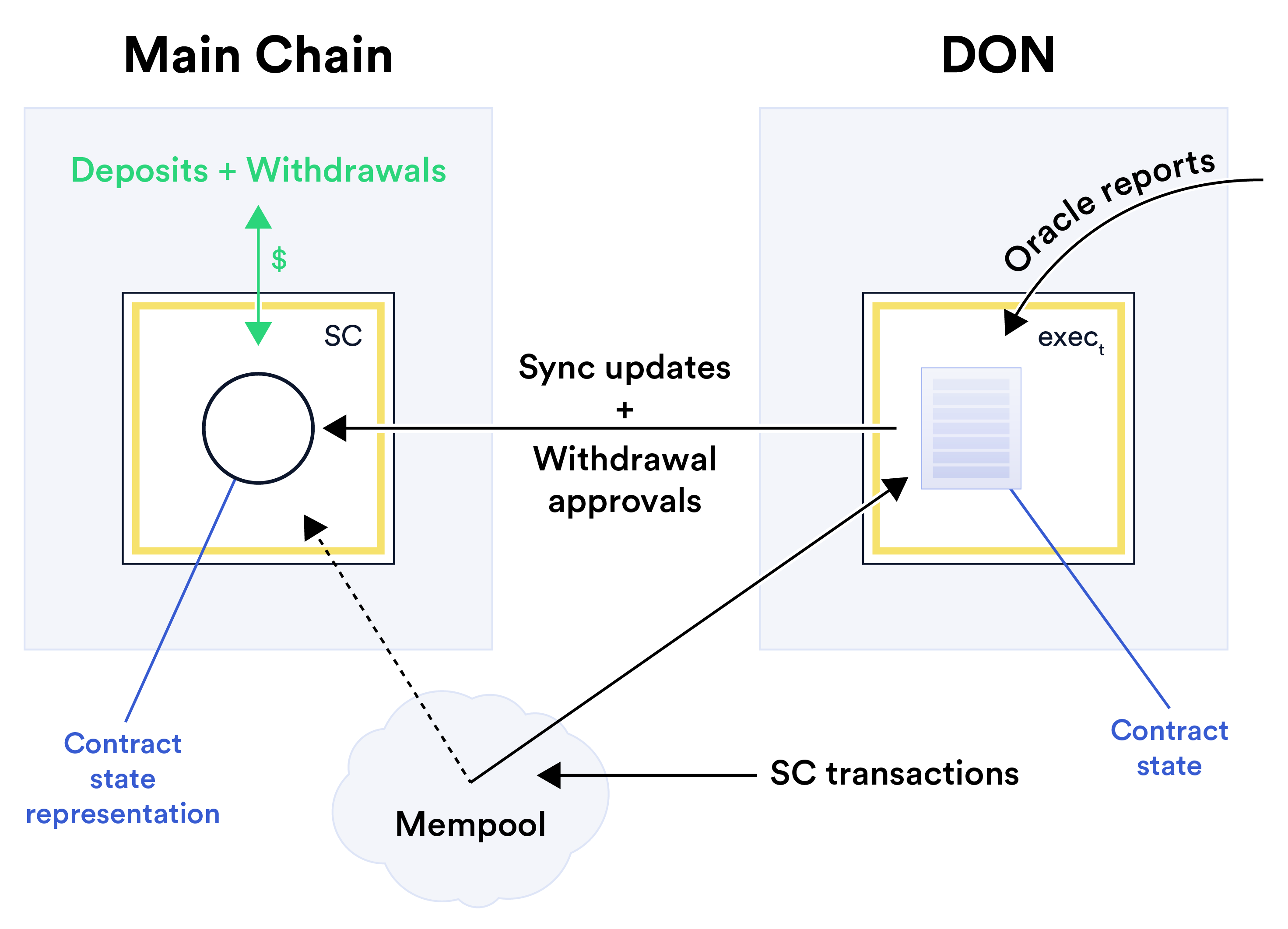
6.1 TEF 개요 TEF는 고성능 하이브리드의 구축 및 실행을 위한 설계 패턴입니다. smart contract SC. 하이브리드 smart contracts의 기본 아이디어에 따라 TEF에는 다음이 포함됩니다. SC를 두 부분으로 분해: (1) TEF 맥락에서 앵커라고 부르는 것 MAINCHAIN에서 SCa를 계약하고 (2) DON 로직은 TEF 실행 파일을 호출하도록 선택합니다. 여기서는 SCa의 조합으로 구현된 논리적 계약을 나타내기 위해 SC를 사용합니다. 그리고 실행하십시오. (위에서 언급했듯이 우리는 SC를 자동으로 이러한 구성 요소로 변환합니다.) TEF 실행 파일 exect는 SC에서 사용자의 트랜잭션을 처리하는 엔진입니다. 그것 DON에서 실행되므로 성능이 뛰어난 방식으로 실행될 수 있습니다. 여기에는 여러 가지 기능이 있습니다. • 트랜잭션 수집: Exect는 사용자의 트랜잭션을 수신하거나 가져옵니다. 그렇게 할 수 있다 직접, 즉 DON에 대한 거래 제출을 통해 또는 MAINCHAIN을 통해 MS를 이용한 멤풀. • 빠른 거래 실행: Exect는 자산과 관련된 거래를 처리합니다. SC. 즉, DON에서 로컬로 수행됩니다. • 빠르고 저렴한 oracle / 어댑터 액세스: exect는 oracle 보고서에 대한 기본 액세스 권한을 가집니다. 예를 들어 더 빠르고 저렴하며 더 정확한 자산으로 이어지는 기타 어댑터 데이터 MAINCHAIN 실행보다 가격이 책정됩니다. 게다가 오프체인 oracle 액세스가 감소합니다. oracle의 운영 비용, 즉 시스템 사용 비용 값비싼 온체인 스토리지. • 동기화: Exect는 주기적으로 DON의 업데이트를 MAINCHAIN에 푸시하여 SCa를 업데이트합니다. 앵커 계약은 SC의 MAINCHAIN 프런트 엔드입니다. SC의 신뢰도가 높은 구성 요소로서 다음과 같은 여러 목적을 수행합니다. • 자산 보관: 사용자의 자금은 SCa에 예치, 보관 및 인출됩니다. • 동기화 확인: SCa는 실행 시 상태 업데이트의 정확성을 확인할 수 있습니다. 동기화(예: rollups에 연결된 SNARK). • 가드레일: SCa에는 손상이나 고장으로부터 보호하기 위한 조항이 포함될 수 있습니다. 예를 들어. (자세한 내용은 섹션 7을 참조하세요.) TEF에서 사용자의 자금은 MAINCHAIN에 관리됩니다. 즉, DON 자체는 비관리적입니다. 선택한 동기화 메커니즘(아래 참조)에 따라 사용자는 다음이 필요할 수 있습니다. 정확한 oracle 보고서와 MAINCHAIN과의 적시 동기화를 위해서만 DON을 신뢰하십시오. 결과적인 신뢰 모델은 주문서 기반 DEX(예: [2])의 모델과 매우 유사합니다. 오늘날 여기에는 일반적으로 주문 매칭을 위한 오프체인 구성요소와 청산 및 결제를 위한 온체인 구성요소가 포함됩니다.지불 시스템의 용어를 사용하려면 exec를 구성 요소로 생각할 수 있습니다. SC는 청산을 담당하고 SCa는 결제를 담당합니다. 회로도는 그림 13을 참조하세요. TEF의 묘사. 그림 13: TEF 회로도. 이 예에서 트랜잭션은 mempool을 통과합니다. MS를 통해 MAINCHAIN을 DON로 보냅니다. TEF 혜택: TEF는 세 가지 주요 이점을 제공합니다. • 고성능: SC는 MAINCHAIN보다 DON의 훨씬 높은 처리량을 상속합니다. 거래 및 oracle 보고서 모두에 대해. 또한 Exect는 MAINCHAIN 단독 구현보다 트랜잭션을 더 빠르게 처리하고 oracle 보고서에 적시에 응답할 수 있습니다. • 낮은 수수료: 동기화 프로세스는 트랜잭션 처리보다 시간에 덜 민감하며 트랜잭션은 DON에서 MAINCHAIN으로 일괄적으로 전송될 수 있습니다. 결과적으로, 이 접근 방식을 사용하면 트랜잭션당 온체인 수수료(예: 가스 비용)가 MAINCHAIN에서만 실행되는 계약보다 훨씬 낮습니다. • 기밀성: DON의 기밀성 메커니즘을 가져올 수 있습니다. SC에 곰.
TEF 제한사항: TEF의 한 가지 제한 사항은 순간적인 기능을 지원하지 않는다는 것입니다. MAINCHAIN에서만 발생하는 출금: 출금 요청을 보낼 때 SCa에 대해 사용자는 exec가 포함된 상태 업데이트를 수행할 때까지 기다려야 할 수도 있습니다. 인출 거래가 승인되기 전에. 우리는 부분적인 해결 방법을 논의합니다. 그러나 섹션 6.2. TEF의 또 다른 제한 사항은 DeFi의 원자 구성을 지원하지 않는다는 것입니다. MAINCHAIN 계약, 특히 여러 DeFi을 통해 자산을 라우팅하는 기능 단일 거래로 계약을 체결합니다. 그러나 TEF는 이러한 원자성을 지원할 수 있습니다. DeFi 계약은 동일한 DON에서 실행됩니다. 또한 이 문제를 해결하는 몇 가지 방법에 대해서도 논의합니다. 6.2절의 문제. 6.2 거래 라우팅 SC에 대한 거래는 사용자가 DON로 직접 보내거나 다음을 통해 라우팅될 수 있습니다. MAINCHAIN의 멤풀(FSS를 통해). 4가지의 서로 다른 거래 유형이 있으며, 각각 그 중 다른 처리가 필요합니다. 계약 내 거래: TEF는 가스 역학의 복잡성을 회피하기 때문에 SC에 트랜잭션 처리에 있어 다른 것보다 더 많은 유연성을 제공합니다. 레이어-1 계약에서 사용 가능합니다. 예를 들어, Ethereum의 mempool 트랜잭션이 있는 동안 가스 가격이 더 높은 새로운 거래로 덮어쓸 수 있으며, SC는 SC 내 자산에서 운영되는 거래가 눈에 보이는 즉시 권위 있는 거래로 처리할 수 있습니다. 멤풀에서. 결과적으로 SC는 거래가 확인될 때까지 기다릴 필요가 없습니다. 블록 내에서 지연 시간이 크게 단축됩니다. 프록시: 사용자는 지갑 계약을 통해 SC에 거래 τ를 보내거나 MAINCHAIN의 다른 계약. DON에서 실행을 시뮬레이션하는 것이 가능합니다. MAINCHAIN에서 τ를 수행하여 SC에 대한 후속 트랜잭션이 발생하는지 여부를 결정합니다. 그렇다면 τ는 SC에 대한 다른 트랜잭션과 순서를 지정할 수 있습니다. 몇 가지가 있습니다 DON이 그러한 거래를 식별하는 방법에 대한 가능성: (1) DON은 시뮬레이션할 수 있습니다 mempool의 모든 트랜잭션(비용이 많이 드는 접근 방식) (2) 특정 계약 또는 지갑과 같은 계약 유형은 DON에 의해 모니터링을 위해 나열될 수 있습니다. 또는 (3) 사용자는 다음을 수행할 수 있습니다. DON 검사를 위해 거래에 주석을 답니다. 단일 거래가 두 거래와 상호 작용할 때 문제는 더욱 복잡해집니다. SC1 및 SC2 계약은 둘 다 Fair Sequencing Services를 사용하고 호환되지 않는 주문 정책을 가지고 있습니다. 예를 들어 DON은 가장 최근에 τ를 시퀀스할 수 있습니다. 그것은 둘 다와 호환됩니다. 예금: MAINCHAIN 자산을 SC에 예치하는 거래는 SC가 이를 유효한 것으로 처리하기 전에 블록에서 확인되어야 합니다. 채굴이 감지되면 자산(예: Ether)을 SCa로 보내는 거래는 즉시 확인할 수 있습니다.보증금. 예를 들어, DON에 대해 현재 oracle 보고된 가격을 적용할 수 있습니다. 자산. 인출: 위에서 언급했듯이 TEF의 한계는 인출이 항상 즉시 실행될 수 없다는 것입니다. rollup 유형 실행 모델에서는 철회가 요청은 안전하게 처리되기 위해 다른 트랜잭션과 순서대로 처리되어야 합니다. 즉, 롤업되어야 합니다. 처리됨. 그러나 이 제한 사항에 대한 몇 가지 부분적인 해결 방법이 있습니다. DON이 인출 트랜잭션까지 rollup 유효성 증명을 신속하게 계산할 수 있다면 mempool exect에서 사용자의 트랜잭션 τ를 관찰하면 일종의 유익한 선행 실행인 더 높은 가스 가격으로 τ에 대한 상태 업데이트 트랜잭션 τ'를 보낼 수 있습니다. τ'가 멤풀에 도달하기 전에 τ가 채굴되지 않으면 τ'가 τ보다 먼저 발생하고 τ가 채굴됩니다. 승인된 철회에 영향을 미칩니다. 상태 업데이트를 계산하기 위해 DON을 사용하는 TEF 변형에서(참조: 아래의 임계값 서명 변형), DON는 대안으로 오프체인을 결정할 수 있습니다. 실행 시 SC의 상태를 고려하여 τ를 승인해야 하는지 여부. DON 그러면 전체 금액에 영향을 주지 않고 인출 τ를 승인하는 거래 τ'를 보낼 수 있습니다. 상태 업데이트. 이 접근 방식이 불가능하거나 성공하지 못하는 경우 DON에서 시작된 거래 τ'는 τ에 대한 응답으로 사용자에게 자금을 보낼 수 있으므로 사용자는 그럴 필요가 없습니다. 추가 거래를 시작합니다. 6.3 동기화 중 TEF 실행 파일 exect는 주기적으로 DON에서 MAINCHAIN으로 업데이트를 푸시합니다. 동기화라고 하는 프로세스에서 SCa 상태를 업데이트합니다. 동기화를 생각해 볼 수 있습니다. 레이어 2 트랜잭션을 레이어 1로 전파하므로 TEF는 다음 중 하나를 활용할 수 있습니다. rollups [5, 12, 16, 69]를 포함하여 이 목적을 위한 기존 기술의 낙관적 rollups [10, 11, 141], Validium [201] 또는 기본 임계값 서명(예: 임계값 BLS, Schnorr, 또는 ECDSA [24, 54, 116, 202]. 원칙적으로 신뢰할 수 있는 실행 환경 또한 상태 변경의 정확성을 증명할 수 있어 훨씬 더 나은 성능을 제공합니다. rollups를 대체하지만 하드웨어 종속 신뢰 모델을 사용합니다. (예: [80] 참조) 아래에서는 세 가지 주요 속성과 관련하여 이러한 동기화 옵션을 비교합니다. TEF: • 데이터 가용성: SC의 상태는 어디에 저장됩니까? 최소한 세 가지 옵션이 있습니다. TEF에서 사용 가능: MAINCHAIN, DON 또는 일부 타사 저장소에서 사용 가능 IPFS와 같은 공급자. 그들은 다양한 보안 보장, 가용성을 달성합니다. 수준 및 성능 프로필. 간략하게, MAINCHAIN에 상태를 저장하면 온체인 감사 가능성을 제공하고 상태 가용성에 대한 모든 당사자에 대한 의존성을 제거합니다. 반면에 상태를 오프체인에 저장하면 저장 비용을 줄이고 성능을 향상할 수 있습니다. 처리량은 신뢰할 수 있는 스토리지 제공업체(DON 또는 제3자)의 비용으로 데이터 가용성. 물론 이러한 옵션을 결합한 유연한 모델도 있습니다. 가능합니다. 표 1에는 필요한 데이터 가용성 형식이 나와 있습니다.• 정확성 보장: SCa는 업데이트의 정확성을 어떻게 확인합니까? exect에 의해 밀렸나요? 이는 Exect 및 SCa의 계산 부하에 영향을 미치며 동기화 대기 시간(아래 참조) • 지연 시간: 동기화 지연 시간에는 세 가지 요인이 있습니다. (1) 소요 시간 동기화 트랜잭션 τsync를 생성하기 위해; (2) τsync에 걸리는 시간 MAINCHAIN에서 확인됩니다. (3) τsync가 효과를 발휘하는 데 걸리는 시간 SCa. TEF에서 지연 시간은 인출에 특히 중요합니다(그러나 인출의 경우에는 덜 중요함). 계약 내 거래) 인출에는 필연적으로 (적어도 부분) 상태 동기화. 동기화 중 옵션 데이터 가용성 정확성 보증 대기 시간 롤업 [5, 12, 16, 69] 온체인 유효성 증명 생성하는데 걸리는 시간 유효성 증명(예: 현재 시스템의 분) 유효성 검사 [201] 오프체인 유효성 증명 위와 동일 낙관적 rollup [10, 11, 141] 온체인 사기 증명 도전의 길이 기간 (예: 일 또는 주) 임계값 서명 [24, 54, 116, 202] 유연한 DON의 임계값 서명 순간적인 신뢰할 수 있는 실행 환경 [80] 유연한 하드웨어 기반 증명 순간적인 표 1: TEF 및 해당 속성의 다양한 동기화 옵션. 표 1에는 TEF의 5가지 주요 동기화 옵션에 대한 이러한 속성이 요약되어 있습니다. (참고 이러한 기술을 독립형 레이어 2 확장과 비교하려는 의도는 없습니다. 솔루션. 이를 위해 독자들에게 [121]을 참조하라고 합니다.) 이제 각 동기화 옵션에 대해 설명합니다. 롤업: rollup [69]은 상태 전환이 다음에 의해 영향을 받는 프로토콜입니다. 일괄 거래는 오프체인으로 계산됩니다. 그런 다음 상태 변경이 전파됩니다. MAINCHAIN에. rollups를 구현하기 위해 앵커 smart contract SCa는 실제 상태의 압축 표현 Rstate(예: Merkle 루트)를 저장합니다. 동기화하려면 Exec가 τsync =를 보냅니다. (티, R' 상태)를 SCa로 변환합니다. 여기서 T는 마지막 이후 처리한 트랜잭션 집합입니다.동기화 및 R' 상태는 다음을 적용하여 계산된 새 상태의 간략한 표현입니다. T의 이전 상태 Rstate로의 트랜잭션. SCa가 τsync에서 상태 업데이트를 확인하는 방법에는 두 가지 인기 있는 변형이 있습니다. 첫 번째 (zk-)rollups는 정확성에 대한 간결한 주장을 첨부합니다. Rstate →R′ 전이에 대한 유효성 증명 상태. 이 변형을 구현하려면 다음을 실행하세요. τsync와 함께 유효성 증명(예: zk-SNARK 증명)을 계산하고 제출합니다. R′을 증명하는 것 state는 SCa의 현재 상태에 T를 적용한 결과입니다. 앵커 계약은 증명을 확인한 후에만 상태 업데이트를 수락합니다. 낙관적 rollup에는 정확성 인수가 포함되지 않지만 staking 및 상태 전환의 분산 검증을 용이하게 하는 챌린지 절차. 이를 위해 rollup 변형, SCa는 그것이 정확하다고 가정하여 잠정적으로 τsync를 받아들입니다(따라서 낙관적입니다). 그러나 τsync는 챌린지 기간 이후까지 적용되지 않습니다. MAINCHAIN을 모니터링하면 잘못된 상태 업데이트를 식별하고 SCa에게 이를 수행하도록 알릴 수 있습니다. 필요한 조치(예: 상태를 롤백하고 실행 시 페널티를 적용하는 등) rollup 두 변종 모두 트랜잭션이 게시됨에 따라 온체인 데이터 가용성을 달성합니다. 전체 상태를 구성할 수 있는 온체인입니다. zk-rollups의 대기 시간은 다음과 같습니다. 일반적으로 타당성 증명을 생성하는 데 필요한 시간이 지배적입니다. 기존 시스템에서는 몇 분 정도 소요되며 [16] 시간이 지남에 따라 개선될 가능성이 높습니다. 반면 낙관적인 rollup은 지연 시간이 더 깁니다(예: 며칠 또는 몇 주). 사기 증명이 작동하려면 챌린지 기간이 충분히 길어야 하기 때문입니다. 는 느린 확인의 의미는 미묘하고 때로는 계획에 따라 구체적입니다. 철저한 분석은 범위를 벗어납니다. 예를 들어, 특정 계획에서는 지불을 고려합니다. 상태 업데이트가 확인되기 전에 트랜잭션을 "무신뢰 최종"으로 [109] 일반 사용자는 MAINCHAIN보다 훨씬 빠르게 rollup을 확인할 수 있습니다. 유효성: Validium은 데이터를 오프체인에서만 사용할 수 있도록 하는 (zk-)rollup의 한 형태입니다. MAINCHAIN의 모든 데이터를 유지하지 않습니다. 구체적으로 exec는 새 항목만 보냅니다. 상태 및 증거는 있지만 SCa에 대한 거래는 아닙니다. Validium 스타일 동기화를 사용하면 다음과 같습니다. 이를 실행하는 DON은 완전한 상태를 저장하는 유일한 당사자입니다. 트랜잭션을 실행하는 것입니다. zk-rollups와 마찬가지로 동기화 대기 시간은 유효성에 의해 좌우됩니다. 증명 생성 시간. 그러나 zk-rollups와 달리 Validium 스타일 동기화는 스토리지 비용이 증가하고 처리량이 증가합니다. DON에 의한 임계값 서명: DON 노드의 임계값이 정직하다고 가정하면, 간단하고 빠른 동기화 옵션은 DON 노드가 새로운 상태에 집합적으로 서명하도록 하는 것입니다. 이 접근 방식은 온체인 및 오프체인 데이터 가용성을 모두 지원할 수 있습니다. 만약에 참고하세요 사용자는 oracle 업데이트에 대해 DON을 신뢰하므로 수락하기 위해 더 이상 신뢰할 필요가 없습니다. 상태 업데이트는 이미 임계값 신뢰 모델에 있기 때문입니다. 또 다른 이점 임계값 서명은 대기 시간이 짧습니다. 새로운 거래 서명 형식 지원 EIP-2938 [70]에서 제안되었으며 계정 추상화로 알려진 임계값이 설정됩니다. 임계값이 필요하지 않으므로 서명을 구현하기가 훨씬 더 쉽습니다. 훨씬 더 복잡한 프로토콜을 포함하는 ECDSA(예: [116, 117, 118])임계값 Schnorr [202] 또는 BLS [55] 서명과 같은 대안보다. 신뢰할 수 있는 실행 환경(TEE): TEE는 강력한 보안 보호를 제공하는 것을 목표로 하는 격리된 실행 환경(일반적으로 하드웨어에 의해 실현됨)입니다. 내부에서 실행되는 프로그램의 경우. 일부 TEE(예: Intel SGX [84])는 증거를 생성할 수 있습니다. 증명이라고 알려진, 출력이 특정 프로그램에 의해 올바르게 계산되었음을 나타냅니다. 특정 입력12. TEF 동기화의 TEE 기반 변형은 다음을 통해 구현할 수 있습니다. 기술을 사용하여 (zk-)rollups 또는 Validium의 증명을 TEE 증명으로 대체합니다. [80]에서. rollups 및 Validium에서 사용되는 영지식 증명과 비교할 때 TEE는 더 성능이 좋습니다. 임계값 서명과 비교하여 TEE는 다음의 복잡성을 제거합니다. 원칙적으로 단 하나의 TEE만 필요하므로 임계값 ECDSA 서명을 생성합니다. 참여. 그러나 TEE를 사용하면 추가 하드웨어 종속 신뢰 가정이 도입됩니다. TEE를 임계값 서명과 결합하여 복원력을 생성할 수도 있습니다. 이 보호 조치는 TEE 인스턴스의 일부가 손상되는 것을 방지합니다. 임계값 ECDSA 서명 생성의 복잡성이 다시 도입되었습니다. 추가적인 유연성: 이러한 동기화 옵션은 다음과 같은 방법으로 더 많은 유연성을 제공하도록 구체화될 수 있습니다. • 유연한 트리거링: TEF 애플리케이션은 다음 조건을 결정할 수 있습니다. 동기화가 트리거됩니다. 예를 들어 동기화는 배치 기반일 수 있습니다. N개의 트랜잭션마다, 시간 기반(예: 10개 블록마다) 또는 이벤트 기반(예: 발생) 목표 자산 가격이 크게 움직일 때마다. • 부분 동기화: 가능하며 어떤 경우에는 바람직합니다(예: rollups, 부분 동기화는 대기 시간을 줄일 수 있음) 작은 것의 빠른 동기화를 제공하기 위해 상태 양, 아마도 주기적으로만 전체 동기화를 수행합니다. 예를 들어, exect는 SCa에서 사용자 잔액을 업데이트하여 출금 요청을 승인할 수 있습니다. MAINCHAIN 상태를 별도로 업데이트하지 않고. 6.4 재구성 네트워크 불안정 또는 51% 공격으로 인한 블록체인 재구성 메인체인의 무결성에 위협이 될 수 있습니다. 실제로, 적들은 다음과 같은 방법을 사용했습니다. 이중 지출 공격을 가하기 위해 [34]. 주요 체인에 대한 이러한 공격은 장착이 까다로우나 일부 체인에서는 여전히 실행 가능합니다([88]). MAINCHAIN과 독립적으로 작동하기 때문에 DON는 흥미로운 이점을 제공합니다. 다음과 관련된 재구성에 대한 일부 보호를 관찰하고 제공할 가능성 공격. 예를 들어, DON는 MAINCHAIN의 의존 계약 SC에 일부 임계 길이 τ의 경쟁 포크의 존재를 보고할 수 있습니다. DON은 추가적으로 가능합니다. 12보충 세부 정보는 부록 B.2.1에서 확인할 수 있습니다. 이해하는 데에는 필요하지 않습니다.
PoW 또는 PoS 설정에서 그러한 포크가 존재한다는 증거를 제공합니다. 는 계약 SC는 일정 기간 동안 추가 거래 실행을 중단하는 등 적절한 방어 조치를 구현할 수 있습니다(예: 거래가 이중 지출을 블랙리스트에 올리도록 허용). 자산). 51% 공격을 가하는 상대는 검열을 시도할 수 있지만 DON의 보고에 따라 SC의 대책은 정기적인 보고를 요구하는 것입니다. DON 트랜잭션(예: 하트비트)을 처리하거나 새로운 보고서를 요구하기 위해 고가치 거래를 검증합니다. 이러한 분기 경고는 원칙적으로 DON가 제공할 수 있는 일반 서비스이지만 다양한 목적을 위해 우리의 계획은 이를 TEF와 통합하는 것입니다.
إطار عمل تنفيذ المعاملات DON
(DON-TEF) ستوفر DONs oracle ودعم الموارد اللامركزية لحلول الطبقة الثانية داخل ما نسميه إطار عمل تنفيذ المعاملات لشبكة أوراكل اللامركزية (DONTEF) أو TEF للاختصار. اليوم، أصبح تكرار التحديثات لعقود DeFi محدودًا بزمن استجابة السلسلة الرئيسية، على سبيل المثال، متوسط الفاصل الزمني للكتلة 10-15 ثانية في Ethereum [104] - بالإضافة إلى تكلفة دفع كميات كبيرة من البيانات على السلسلة وإنتاجية حسابية/إرسالية محدودة— تحفيز أساليب التوسع مثل التجزئة [148، 158، 232] وتنفيذ الطبقة الثانية [5، 12، 121، 141، 169، 186، 187]. حتى blockchains تتميز بأوقات معاملات أسرع بكثير، على سبيل المثال، [120]، اقترحوا إستراتيجيات قياس تتضمن عمليات حسابية خارج السلسلة [168]. والمقصود من TEF هو أن يكون بمثابة مورد الطبقة الثانية لأي من أنظمة الطبقة الأولى / MAINCHAIN. باستخدام TEF، يمكن لـ DONs دعم التحديثات الأسرع في عقد MAINCHAIN أثناء الاحتفاظ بضمانات الثقة الرئيسية التي تقدمها السلسلة الرئيسية. TEF يمكن أن تدعم أي عدد من تقنيات ونماذج تنفيذ الطبقة الثانية، بما في ذلك rollups,11 متفائل rollups، Validium، وما إلى ذلك، بالإضافة إلى نموذج عتبة الثقة الذي DON العقد تنفذ المعاملات. يعتبر TEF مكملاً للخدمة الثابتة الساتلية ويهدف إلى دعمها. وبعبارة أخرى، أي يمكن للتطبيق الذي يعمل في TEF استخدام FSS. 11غالبًا ما يطلق عليها "zk-rollups"، وهي تسمية خاطئة، لأنها لا تحتاج بالضرورة إلى إثباتات المعرفة الصفرية.
6.1 نظرة عامة على TEF TEF هو نمط تصميمي لبناء وتنفيذ سيارة هجينة عالية الأداء smart contract SC. وفقًا للفكرة الرئيسية وراء الهجين smart contracts، يتضمن TEF أ تحلل SC إلى قطعتين: (1) ما نسميه في سياق TEF مرساة عقد SCa على MAINCHAIN و(2) DON المنطق باستثناء أننا نطلق على TEF القابل للتنفيذ. نستخدم SC هنا للإشارة إلى العقد المنطقي الذي يتم تنفيذه من خلال الجمع بين SCa ونتوقع. (كما هو مذكور أعلاه، نتوقع تطوير أدوات التحويل البرمجي لتحليل ملف التعاقد مع SC تلقائيًا في هذه المكونات.) إن الملف القابل للتنفيذ TEF هو المحرك الذي يعالج معاملات المستخدمين في SC. ذلك يمكن تنفيذه بطريقة فعالة، لأنه يعمل على DON. لديها عدة وظائف: • استيعاب المعاملات: يتم استلام أو جلب معاملات المستخدمين. يمكنها أن تفعل ذلك مباشرة، أي من خلال تقديم المعاملة على DON، أو عبر MAINCHAIN mempool باستخدام MS. • تنفيذ المعاملات بسرعة: تنفيذ المعاملات التي تنطوي على الأصول داخل SC. ويتم ذلك محليًا، أي على DON. • وصول سريع ومنخفض التكلفة إلى oracle / الوصول إلى المحول: يتمتع بإمكانية الوصول الأصلي إلى تقارير oracle وبيانات المحول الأخرى التي تؤدي، على سبيل المثال، إلى أصول أسرع وأرخص وأكثر دقة التسعير من تنفيذ MAINCHAIN. علاوة على ذلك، يتم تقليل الوصول خارج السلسلة oracle التكلفة التشغيلية لـ oracle، وبالتالي تكلفة استخدام النظام، عن طريق تجنب تخزين باهظ الثمن على السلسلة. • المزامنة: يتم إرسال التحديثات بشكل دوري من DON إلى MAINCHAIN، وتحديث SCa. عقد التثبيت هو الواجهة الأمامية لـ MAINCHAIN لـ SC. وباعتباره عنصر الثقة الأعلى في SC، فإنه يخدم عدة أغراض: • حفظ الأصول: يتم إيداع أموال المستخدمين والاحتفاظ بها وسحبها من SCA. • التحقق من المزامنة: قد تتحقق SCa من صحة تحديثات الحالة عند الضرورة عمليات المزامنة، على سبيل المثال، SNARKs المرفقة بـ rollups. • حواجز الحماية: قد تتضمن SCa أحكامًا للحماية من الفساد أو الفشل في التنفيذ. (انظر القسم 7 لمزيد من التفاصيل.) في TEF، يتم حفظ أموال المستخدمين على MAINCHAIN، مما يعني أن DON هو في حد ذاته غير وصاية. اعتمادا على اختيار آلية المزامنة (انظر أدناه)، قد يحتاج المستخدمون للوثوق في DON فقط للحصول على تقارير oracle الدقيقة والمزامنة في الوقت المناسب مع MAINCHAIN. نموذج الثقة الناتج مشابه جدًا لنموذج DEXes القائم على دفتر الطلبات، على سبيل المثال، [2]، والتي تشتمل اليوم بشكل عام على مكون خارج السلسلة لمطابقة الطلبات ومكون onchain للمقاصة والتسوية.لاستخدام مفردات أنظمة الدفع، يمكن للمرء أن يفكر في "التوقع" باعتباره المكون SC مسؤولة عن المقاصة، في حين تتولى SCA التسوية. انظر الشكل 13 للحصول على رسم تخطيطي تصوير TEF. الشكل 13: تخطيطي TEF. في هذا المثال، تمر المعاملات عبر مجمع الذاكرة من MAINCHAIN عبر MS إلى DON. فوائد TEF: يحمل TEF ثلاث فوائد رئيسية: • الأداء العالي: يرث SC إنتاجية DON الأعلى بكثير من MAINCHAIN لكل من المعاملات وتقارير oracle. بالإضافة إلى ذلك، يمكن لـ Exect معالجة المعاملات بشكل أسرع والاستجابة لتقارير oracle بطريقة أكثر توقيتًا من التنفيذ على MAINCHAIN وحده. • رسوم أقل: تعتبر عملية المزامنة أقل حساسية للوقت من معالجة المعاملات، ويمكن إرسال المعاملات من DON إلى MAINCHAIN على دفعات. وبالتالي، فإن الرسوم لكل معاملة على السلسلة (على سبيل المثال، تكاليف الغاز) مع هذا النهج أقل بكثير من العقد الذي يتم تشغيله فقط على MAINCHAIN. • السرية: يمكن جلب آليات السرية الخاصة بـ DON إلى تحمل على SC.
قيود TEF: أحد قيود TEF هو أنه لا يدعم اللحظية عمليات السحب، حيث أنها تتم فقط على شبكة MAINCHAIN: عند إرسال طلب السحب إلى SCa، قد يحتاج المستخدم إلى الانتظار حتى يتم إجراء تحديث الحالة الذي يتضمن معاملة السحب قبل أن تتم الموافقة عليها. نناقش بعض العلاجات الجزئية، ومع ذلك، في القسم 6.2. هناك قيود أخرى على TEF وهي أنه لا يدعم التركيب الذري لـ DeFi العقود على MAINCHAIN، وتحديدًا القدرة على توجيه الأصول عبر عدة DeFi العقود في صفقة واحدة. ومع ذلك، يمكن لـ TEF دعم هذه الذرية بين DeFi العقود التي تعمل على نفس DON. نناقش أيضًا بعض الطرق لمعالجة هذا الأمر المشكلة في القسم 6.2. 6.2 توجيه المعاملات يمكن للمستخدمين إرسال المعاملات الخاصة بـ SC مباشرة إلى DON أو يمكن توجيهها عبر مجمع الذاكرة في MAINCHAIN (عبر FSS). هناك أربعة أنواع مختلفة من المعاملات، لكل منها والتي تتطلب معالجة مختلفة: المعاملات ضمن العقد: ونظرًا لأنه يتجنب تعقيدات ديناميكيات الغاز، فإن TEF يوفر لشركة SC مرونة أكبر في التعامل مع المعاملات مما قد تكون عليه متوفر في عقد الطبقة الأولى. على سبيل المثال، أثناء معاملة mempool في Ethereum يمكن استبدالها بمعاملة جديدة بسعر غاز أعلى، يمكن لـ SC التعامل مع المعاملة التي تعمل على الأصول داخل SC باعتبارها معاملة موثوقة بمجرد أن تصبح مرئية في المذكرة. وبالتالي، لا تحتاج SC إلى الانتظار حتى يتم تأكيد المعاملة داخل كتلة، مما أدى إلى انخفاض كبير في زمن الوصول. الوكيل: قد يرغب المستخدم في إرسال معاملة τ إلى SC عبر عقد محفظة أو عقد آخر على MAINCHAIN. من الممكن أن يقوم DON بمحاكاة تنفيذ τ على MAINCHAIN لتحديد ما إذا كان سيؤدي إلى معاملة متابعة إلى SC. إذا كان الأمر كذلك، فيمكن تسلسل τ مع معاملات أخرى لـ SC تقوم بذلك. هناك عدد قليل إمكانيات كيفية تحديد DON لمثل هذه المعاملات: (1) يمكن لـ DON محاكاة جميع المعاملات في mempool (نهج مكلف)؛ (2) بعض العقود أو يمكن إدراج أنواع العقود، على سبيل المثال، المحافظ، للمراقبة بواسطة DON؛ أو (3) يمكن للمستخدمين قم بإضافة تعليق توضيحي للمعاملات الخاصة بفحص DON. تصبح الأمور أكثر تعقيدًا عندما تتفاعل معاملة واحدة مع اثنتين العقود، SC1 وSC2، وكلاهما يستخدم خدمات التسلسل العادل ولديهما سياسات طلب غير متوافقة. قد يقوم DON، على سبيل المثال، بالتسلسل τ في آخر وقت الذي يتوافق مع كليهما. الودائع: يجب تأكيد المعاملة التي تقوم بإيداع أصل MAINCHAIN في SC في كتلة قبل أن تتمكن SC من التعامل معها على أنها صالحة. عندما يكتشف التعدين أ المعاملة التي ترسل الأصول (على سبيل المثال، الأثير) إلى SCa، يمكن أن تؤكد على الفورإيداع. على سبيل المثال، يمكن تطبيق السعر الحالي الذي تم الإبلاغ عنه oracle على DON على الأصول. عمليات السحب: كما هو مذكور أعلاه، فإن أحد قيود TEF هو أنه لا يمكن دائمًا تنفيذ عمليات السحب على الفور. في نموذج التنفيذ من النوع rollup، يتم السحب يجب أن يكون الطلب متسلسلًا مع المعاملات الأخرى، أي أن يتم تجميعه، حتى يكون آمنًا معالجتها. ومع ذلك، هناك بعض العلاجات الجزئية لهذا القيد. إذا كان DON يمكنه حساب إثبات صحة rollup بسرعة حتى معاملة السحب، فإن مراقبة معاملة المستخدم τ في مجموعة الذاكرة باستثناء يمكن أن ترسل معاملة تحديث الحالة τ ′ لـ τ بسعر غاز أعلى، وهو نوع من التشغيل المسبق المفيد. بشرط ألا يتم تعدين τ قبل أن تصل τ ′ إلى مجمع الذاكرة، فإن τ ′ ستسبق τ، و τ سوف يؤدي إلى انسحاب معتمد. في متغير TEF حيث يتم الاعتماد على DON لحساب تحديثات الحالة (راجع متغير توقيع العتبة أدناه)، يمكن لـ DON تحديد خارج السلسلة بدلاً من ذلك ما إذا كان يجب الموافقة على τ نظرًا لحالة SC عند تنفيذها. DON يمكن بعد ذلك إرسال معاملة τ ′ توافق على السحب τ — دون إجراء كامل تحديث الدولة. إذا لم يكن هذا النهج ممكنًا، أو في الحالات التي لم ينجح فيها، فسيتم بدء DON يمكن للمعاملة τ ′ إرسال أموال إلى المستخدم ردًا على τ بحيث لا يحتاج المستخدم بدء معاملة إضافية. 6.3 المزامنة يقوم الملف القابل للتنفيذ TEF بدفع التحديثات بشكل دوري من DON إلى MAINCHAIN، تحديث حالة SCa في عملية نشير إليها بالمزامنة. يمكن التفكير في المزامنة كانتشار لمعاملات الطبقة الثانية إلى الطبقة الأولى، لذلك يمكن لـ TEF الاعتماد على أي رقم التقنيات الموجودة لهذا الغرض، بما في ذلك rollups [5، 12، 16، 69]، متفائلة rollups [10، 11، 141]، Validium [201]، أو توقيع الحد الأساسي، على سبيل المثال، عتبة BLS، شنور، أو ECDSA [24، 54، 116، 202]. من حيث المبدأ، بيئات التنفيذ الموثوقة يمكن أيضًا أن يشهد على صحة تغييرات الحالة، مما يوفر أداءً أفضل بكثير بديل لـ rollups، ولكن مع نموذج ثقة يعتمد على الأجهزة. (انظر، على سبيل المثال، [80].) نقارن أدناه خيارات المزامنة هذه فيما يتعلق بثلاث خصائص رئيسية في تيف: • توفر البيانات: أين يتم تخزين حالة SC؟ هناك ثلاثة خيارات على الأقل متوفر في TEF: على MAINCHAIN، أو على DON، أو عن طريق وحدة تخزين خارجية مقدمي الخدمات مثل IPFS. إنها تحقق ضمانات أمنية وتوافرًا مختلفًا المستويات وخصائص الأداء. باختصار، يتم تمكين حالة التخزين على MAINCHAIN إمكانية التدقيق على السلسلة ويلغي الاعتماد على أي طرف فيما يتعلق بتوفر الحالة؛ من ناحية أخرى، يمكن أن يؤدي تخزين الحالة خارج السلسلة إلى تقليل تكلفة التخزين وتحسينه الإنتاجية، على حساب موفري خدمات التخزين الموثوقين (DON أو الجهات الخارجية). توفر البيانات. وبطبيعة الحال، هناك أيضًا نماذج مرنة تجمع بين هذه الخيارات ممكن. نشير إلى الشكل المطلوب لتوافر البيانات في الجدول 1.• ضمانات الصحة: كيف تتأكد هيئة الرقابة المالية من صحة التحديثات مدفوعة بالتنفيذ؟ يؤثر هذا على الحمل الحسابي على exect وSCa و مزامنة الكمون (انظر أدناه). • الكمون: هناك ثلاثة عوامل مساهمة في زمن الاستجابة للمزامنة: (1) الوقت المستغرق لتوقع إنشاء معاملة مزامنة τsync؛ (2) الوقت المستغرق لـ τsync للتأكيد على MAINCHAIN؛ و (3) الوقت المناسب لتفعيل المزامنة SCA. في TEF، يعد زمن الوصول مهمًا بشكل خاص لعمليات السحب (لكنه أقل أهمية بالنسبة لعمليات السحب). المعاملات ضمن العقد) لأن عمليات السحب تتطلب بالضرورة (على الأقل جزئي) مزامنة الحالة. المزامنة خيارات البيانات التوفر صحة الضمانات الكمون التراكمي [5، 12، 16، 69] على السلسلة إثباتات الصلاحية الوقت المستغرق لتوليد إثباتات الصلاحية (على سبيل المثال، الدقائق في الأنظمة الحالية) فاليديوم [201] خارج السلسلة إثباتات الصلاحية نفس ما ورد أعلاه متفائل rollup [10، 11، 141] على السلسلة أدلة الاحتيال طول التحدي فترة (على سبيل المثال، أيام أو أسابيع) توقيع العتبة [24، 54، 116، 202] مرنة توقيعات العتبة بواسطة DON لحظية بيئات التنفيذ الموثوقة [80] مرنة على أساس الأجهزة الشهادات لحظية الجدول 1: خيارات المزامنة المختلفة في TEF وخصائصها. يلخص الجدول 1 هذه الخصائص في خيارات المزامنة الرئيسية الخمسة في TEF. (ملاحظة أننا لا ننوي مقارنة هذه التقنيات كقياس مستقل للطبقة الثانية الحلول. ولهذا نحيل القراء إلى، على سبيل المثال، [121].) الآن نناقش كل خيار من خيارات المزامنة. التجميعات: rollup [69] هو بروتوكول يتم فيه انتقال الحالة بواسطة يتم حساب مجموعة المعاملات خارج السلسلة. ثم يتم نشر تغيير الحالة على مينشين. لتنفيذ rollups، يقوم المرساة smart contract SCa بتخزين تمثيل مضغوط Rstate (على سبيل المثال، جذر Merkle) للحالة الفعلية. للمزامنة، يرسل exext τsync = (ت، ر' State) إلى SCa حيث T هي مجموعة المعاملات التي تمت معالجتها منذ آخر مرةالمزامنة وR' الحالة هي التمثيل المضغوط للحالة الجديدة المحسوبة عن طريق التطبيق المعاملات في T إلى الحالة السابقة Rstate. هناك نوعان مختلفان شائعان يختلفان في كيفية قيام SCa بالتحقق من تحديثات الحالة في τsync. الأول، (zk-)rollups، يرفق حجة موجزة للصحة، تسمى أحيانًا دليل صحة للانتقال Rstate →R′ الدولة. لتنفيذ هذا البديل، توقع يحسب ويقدم إثبات الصلاحية (على سبيل المثال، إثبات zk-SNARK) مع τsync، إثبات أن R' الحالة هي نتيجة تطبيق T على الحالة الحالية لـ SCa. المرساة لا يقبل العقد تحديث الحالة إلا بعد التحقق من الدليل. لا تتضمن rollups المتفائلة حجج الصحة، ولكنها تحتوي على staking و إجراءات التحدي التي تسهل التحقق الموزع من تحولات الحالة. لهذا متغير rollup، يقبل SCa مبدئيًا τsync على افتراض أنه صحيح (وبالتالي التفاؤل) لكن τsync لا يصبح ساري المفعول إلا بعد فترة التحدي التي يستطيع خلالها أي طرف يمكن لمراقبة MAINCHAIN تحديد تحديثات الحالة الخاطئة وإبلاغ SCa لاتخاذها الإجراءات الضرورية (على سبيل المثال، التراجع عن الحالة وإيقاع عقوبة على التنفيذ.) يحقق كلا المتغيرين rollup توفر البيانات على السلسلة، حيث يتم ترحيل المعاملات على السلسلة، والتي يمكن من خلالها بناء الحالة الكاملة. زمن الوصول لـ zk-rollups هو يهيمن عليها الوقت اللازم لإنشاء أدلة الصلاحية، والتي عادةً ما تكون على ترتيب الدقائق في الأنظمة الحالية [16] ومن المرجح أن تشهد تحسينات بمرور الوقت. من ناحية أخرى، تتمتع rollups المتفائلة بزمن وصول أعلى (على سبيل المثال، أيام أو أسابيع) لأن فترة التحدي يجب أن تكون طويلة بما يكفي حتى تنجح إثباتات الاحتيال. ال إن الآثار المترتبة على التأكيد البطيء تكون خفية وفي بعض الأحيان خاصة بالمخطط، لذلك التحليل الشامل خارج النطاق. على سبيل المثال، بعض المخططات تأخذ بعين الاعتبار الدفع المعاملات باعتبارها "نهائية غير موثوق بها" [109] قبل تأكيد تحديث الحالة، نظرًا لأن يمكن للمستخدم العادي التحقق من rollup بسرعة أكبر بكثير من MAINCHAIN. فاليديوم: Validium هو شكل من أشكال (zk-)rollup الذي يجعل البيانات متاحة خارج السلسلة فقط ولا يحتفظ بجميع البيانات الموجودة على MAINCHAIN. على وجه التحديد، exect يرسل الجديد فقط الدولة والدليل ولكن ليس المعاملات إلى SCa. مع المزامنة على غرار Validium، توقع وDON الذي ينفذها هما الطرفان الوحيدان اللذان يخزنان الحالة الكاملة و التي تنفذ المعاملات. كما هو الحال مع zk-rollups، تهيمن الصلاحية على زمن وصول المزامنة وقت توليد الإثبات. على عكس zk-rollups، فإن مزامنة نمط Validium تقلل من تكلفة التخزين ويزيد من الإنتاجية. توقيع الحد بواسطة DON: بافتراض أن عتبة العقد DON صادقة، أ خيار المزامنة البسيط والسريع هو جعل العقد DON توقع بشكل جماعي على الحالة الجديدة. يمكن أن يدعم هذا النهج توفر البيانات على السلسلة وخارجها. لاحظ أنه إذا يثق المستخدمون في DON لتحديثات oracle، ولا يحتاجون إلى الوثوق بها أكثر لقبولها تحديثات الحالة، لأنها موجودة بالفعل في نموذج ثقة العتبة. فائدة أخرى من توقيع العتبة هو الكمون المنخفض. دعم تنسيقات توقيع المعاملات الجديدة مثل المقترح في EIP-2938 [70] والمعروف باسم تجريد الحساب من شأنه أن يجعل العتبة التوقيع أسهل بكثير في التنفيذ، لأنه من شأنه أن يلغي الحاجة إلى العتبة ECDSA، والذي يتضمن بروتوكولات أكثر تعقيدًا إلى حد كبير (على سبيل المثال، [116، 117، 118])من البدائل مثل عتبة Schnorr [202] أو BLS [55] التوقيعات. بيئات التنفيذ الموثوقة (TEEs): TEEs هي بيئات تنفيذ معزولة (يتم تحقيقها عادةً بواسطة الأجهزة) تهدف إلى توفير حماية أمنية قوية للبرامج التي تعمل بالداخل. يمكن لبعض TEEs (على سبيل المثال، Intel SGX [84]) إنتاج أدلة، المعروفة باسم الشهادات، والتي يتم حساب المخرجات بشكل صحيح بواسطة برنامج محدد مدخلات معينة12. يمكن تنفيذ متغير قائم على TEE لمزامنة TEF بواسطة استبدال البراهين في (zk-)rollups أو Validium بشهادات TEE باستخدام التقنيات من [80]. بالمقارنة مع براهين المعرفة الصفرية المستخدمة في rollups وValidium، فإن TEEs أكثر أهمية أكثر أداء. بالمقارنة مع توقيع العتبة، فإن TEEs تزيل التعقيد توليد توقيعات عتبة ECDSA حيث يلزم من حيث المبدأ أن يكون هناك TEE واحد فقط المعنية. ومع ذلك، فإن استخدام TEEs يقدم افتراضات ثقة إضافية تعتمد على الأجهزة. يمكن للمرء أيضًا الجمع بين TEEs وتوقيع العتبة لخلق المرونة ضد التنازل عن جزء صغير من حالات TEE، على الرغم من أن هذا الإجراء الوقائي يعيد تقديم تعقيد إنشاء توقيعات عتبة ECDSA. مرونة إضافية: يمكن تحسين خيارات المزامنة هذه لتوفير المزيد من المرونة بالطرق التالية. • التشغيل المرن: يمكن لتطبيق TEF تحديد الظروف التي يتم بموجبها يتم تشغيل المزامنة. على سبيل المثال، يمكن أن تكون المزامنة مبنية على دفعات، على سبيل المثال، يمكن أن تتم بعد ذلك كل N من المعاملات، على أساس الوقت، على سبيل المثال، كل 10 كتل، أو على أساس الحدث، على سبيل المثال، تحدث كلما تحركت أسعار الأصول المستهدفة بشكل كبير. • المزامنة الجزئية: من الممكن، وفي بعض الحالات، مرغوبة (على سبيل المثال، مع rollups، يمكن أن تؤدي المزامنة الجزئية إلى تقليل زمن الوصول) لتوفير مزامنة سريعة للملفات الصغيرة كميات من الحالة، وإجراء المزامنة الكاملة ربما بشكل دوري فقط. على سبيل المثال، يمكن الموافقة على طلب السحب عن طريق تحديث رصيد المستخدم في SCa دون تحديث حالة MAINCHAIN. 6.4 يعيد التنظيم عمليات إعادة تنظيم Blockchain الناتجة عن عدم استقرار الشبكة أو حتى من هجمات 51٪ يمكن أن يشكل تهديدًا لسلامة السلسلة الرئيسية. ومن الناحية العملية، استخدم الخصوم لهم لشن هجمات الإنفاق المزدوج [34]. في حين أن مثل هذه الهجمات على السلاسل الرئيسية هي من الصعب تركيبها، تظل ممكنة بالنسبة لبعض السلاسل [88]. نظرًا لأنه يعمل بشكل مستقل عن MAINCHAIN، فإن DON يقدم الميزات المثيرة للاهتمام إمكانية مراقبة وتوفير بعض الحماية ضد عمليات إعادة التنظيم المرتبطة بها الهجمات. على سبيل المثال، يمكن لـ DON أن يبلغ عقدًا معتمدًا SC على MAINCHAIN بوجود شوكة منافسة بطول حد معين τ. يمكن لـ DON بالإضافة إلى ذلك 12يمكن الاطلاع على التفاصيل التكميلية في الملحق ب.2.1. ليست مطلوبة للتفاهم.
تقديم دليل - سواء في إعداد إثبات العمل (PoW) أو إثبات الحصة (PoS) - على وجود مثل هذه الشوكة. ال يمكن لعقد SC تنفيذ إجراءات دفاعية مناسبة، مثل تعليق تنفيذ المزيد من المعاملات لفترة من الوقت (على سبيل المثال، للسماح للتبادلات بإدراج عمليات الإنفاق المزدوج في القائمة السوداء الأصول). لاحظ أنه على الرغم من أن الخصم الذي يشن هجومًا بنسبة 51% يمكنه أن يسعى إلى فرض الرقابة التقارير من DON، الإجراء المضاد في SC هو طلب تقارير دورية من DON لمعالجة المعاملات (أي نبضات القلب) أو لطلب تقرير جديد التحقق من صحة صفقة ذات قيمة عالية. في حين أن تنبيهات التفرع هذه هي من حيث المبدأ خدمة عامة يمكن أن يقدمها DON ولأي عدد من الأغراض، فإن خطتنا هي دمجها مع TEF.
신뢰 최소화
이질적인 개체 집합이 참여하는 분산형 시스템으로서, Chainlink 네트워크는 활성(가용성)과 안전성(보고 무결성) 모두에서 오류에 대한 강력한 보호를 제공합니다. 그러나 대부분의 분산형 시스템은 다음과 같이 다양합니다. 구성 요소 자체가 분산되어 있는 정도. 이 이는 채굴자 간의 분산화가 제한적인 대규모 시스템에서도 마찬가지이며 [32] 중개자 [51]는 오랫동안 존재해 왔습니다. 모든 탈중앙화 노력의 목표는 신뢰 최소화입니다. Chainlink 네트워크 내 시스템 손상이나 장애로 인한 부작용, 악의적인 DON로 인해. 우리의 기본 원칙은 최소 권한 원칙 [197]입니다. 시스템 구성 요소와 시스템 내의 행위자는 엄격하게 범위가 지정된 권한을 가져야 합니다. 할당된 역할을 성공적으로 완료하는 것만 허용합니다. 여기에서는 Chainlink이 드라이브에 채택할 수 있는 몇 가지 구체적인 메커니즘을 제시합니다. 더욱 큰 신뢰 최소화를 지향합니다. 우리는 이러한 메커니즘을 다음과 같이 특성화합니다. 그림 14에 표시된 유전자좌, 즉 뿌리가 있는 시스템 구성 요소의 각 하위 섹션의 각 위치를 다룹니다. 7.1 데이터 소스 인증 oracles의 현재 운영 모델은 데이터 소스가 거의 없다는 사실로 인해 제약을 받습니다. TLS가 기본적으로 서명하지 않기 때문에 생략한 데이터에 디지털 서명을 합니다. 데이터. TLS는 "핸드셰이크" 프로토콜에서 디지털 서명을 사용합니다. 서버와 클라이언트 사이의 공유 키). 따라서 HTTPS 지원 서버에는 인증서가 있습니다. 원칙적으로 데이터 서명에 사용할 수 있는 공개 키에 대해 일반적으로 사용하지는 않습니다. 데이터 서명을 지원하는 인증서입니다. 결과적으로 DON의 보안은 다음과 같습니다. 오늘날의 oracle 네트워크에서는 데이터에서 데이터를 충실하게 중계하는 oracle 노드에 의존합니다. 계약에 대한 소스입니다. Chainlink의 신뢰 최소화를 위한 우리 비전의 중요한 장기 구성 요소에는 데이터 서명을 위한 도구 및 표준 지원을 통한 더욱 강력한 데이터 소스 인증이 포함됩니다. 데이터 서명은 엔드투엔드 무결성 보장을 강화하는 데 도움이 될 수 있습니다. 원칙적으로 계약이 데이터가 직접 서명한 데이터 D 조각을 입력으로 수락하는 경우
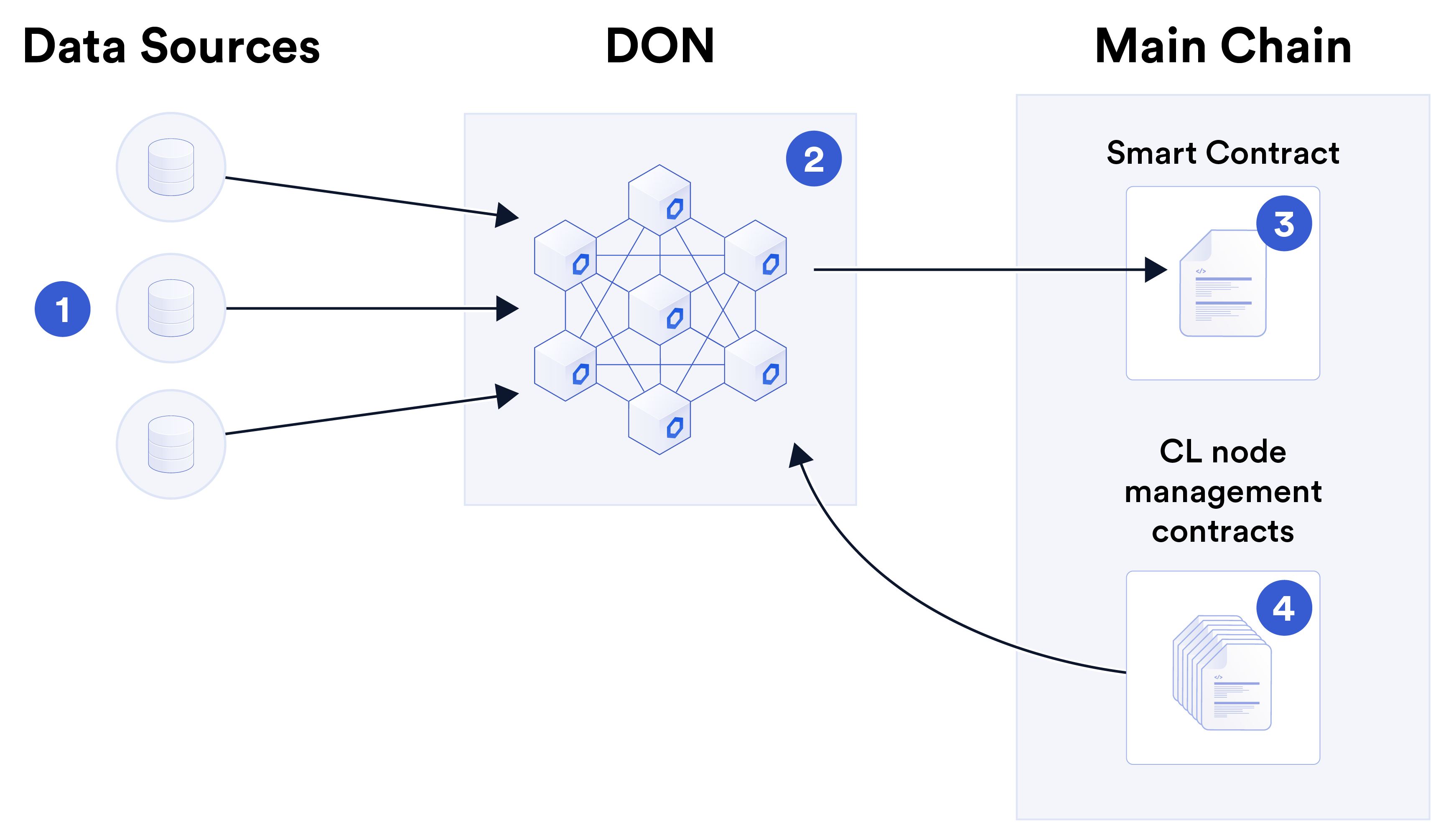
그림 14: 이 섹션에서 논의된 신뢰 최소화 메커니즘의 위치. 1⃝데이터 소스는 데이터의 기능을 종속 항목에 전달하는 2⃝DON에 데이터를 제공합니다. 3⃝smart contract. 또한 DON 또는 oracle 네트워크에는 4⃝노드가 포함되어 있습니다. 보상 노드, 가드 등을 위한 MAINCHAIN의 smart contract 관리 레일 등. 소스가 있으면 oracle 네트워크는 D를 실질적으로 변조할 수 없습니다. 다양한 격려 OpenID Connect를 포함하여 이러한 데이터 서명을 활성화하려는 노력이 나타났습니다. 주로 사용자 인증을 위해 설계되었습니다. [9], TLS-N, 학술 프로젝트 TLS 인증서 및 TLS 증거 확장 [63]을 용도 변경하여 TLS [191]을 확장합니다. OpenID Connect가 일부 채택되었지만 TLS Evidence Extensions는 TLS-N은 아직 채택되지 않았습니다. 데이터 소스 인증의 또 다른 잠재적인 방법은 게시자의 자체 인증을 사용하는 것입니다. AMP(Accelerated Mobile Pages) 프로토콜 [225]의 일부로 콘텐츠 전달 네트워크에서 캐시할 수 있는 서명된 HTTP 교환(SXG) [230]. Chrome 모바일 브라우저는 AMP 캐시된 SXG의 콘텐츠를 마치 AMP에서 제공되는 것처럼 표시합니다. 캐시 서버 도메인 대신 게시자의 자체 네트워크 도메인. 이러한 브랜딩 인센티브는 CloudFlare의 실제 URL [83] 및 Google의 amppackager [124]과 같은 서비스를 사용하여 상대적으로 쉽게 활성화할 수 있다는 점과 결합되어 캐시된 뉴스 콘텐츠에 SXG를 널리 채택하게 할 수 있습니다. Chainlink oracles가 유효한 SXG에 보고된 뉴스 가치가 있는 이벤트에서 트리거되는 방법입니다. 뉴스 게시자의 AMP 캐시 SXG는 빠른 템포에는 유용하지 않습니다. 거래 데이터에 대한 보고서와 같은 애플리케이션은 사용자 정의를 위한 안전한 소스가 될 수 있습니다. 기상 이변이나 선거 결과와 같은 실제 사건과 관련된 계약. 우리는 간단한 배포, 성숙한 도구, 유연성이 핵심이라고 믿습니다. 데이터 소스 서명 가속화. 데이터 공급자가 Chainlink 노드를 다음과 같이 사용할 수 있도록 설정 인증된 API 프런트 엔드는 유망한 접근 방식으로 보입니다. 우리는네트워크 참여 여부에 관계없이 노드가 이 모드에서 작동하는 옵션 본격적인 oracle로. 우리는 이 기능을 인증된 데이터 생성이라고 부릅니다. (ADO). ADO와 함께 Chainlink 노드를 사용하면 데이터 소스가 이점을 얻을 수 있습니다. Chainlink 커뮤니티에서 개발한 경험과 도구를 통해 디지털 기능을 추가했습니다. 기존 오프체인 API 제품군에 서명 기능을 제공합니다. 그들은 달리기를 선택해야 할까요? 노드를 oracles로 사용하면 잠재적인 새로운 수익원을 추가로 열 수 있습니다. 기존 데이터 제공자와 동일한 모델(예: Kraken [28], Kaiko [140]) 다른 것들은 Chainlink 노드를 실행하여 체인에서 API 데이터를 판매합니다. 7.1.1 인증된 데이터 생성의 한계 데이터 소스에 의한 디지털 서명은 인증을 강화하는 데 도움이 될 수 있지만 그 자체로는 oracle의 모든 자연스러운 보안 또는 운영 목표를 달성하는 데 충분하지 않습니다. 네트워크. 우선, 주어진 데이터 D 조각은 여전히 강력하고 시기적절하게 전달되어야 합니다. 데이터 소스에서 smart contract 또는 다른 데이터 소비자로 가는 방법. 즉, 에서도 종속 항목에 사전 프로그래밍된 키를 사용하여 모든 데이터가 서명되는 이상적인 설정 계약을 체결하더라도 소스로부터 데이터를 안정적으로 전달하려면 DON이 여전히 필요합니다. 계약에. 또한 계약이나 기타 oracle-데이터가 소비자는 계산된 다양한 기능의 인증된 출력에 액세스하기를 원합니다. 두 가지 주요 이유는 소스 데이터입니다. • 기밀성: 데이터 소스 API는 민감하거나 독점적인 데이터를 제공할 수 있습니다. 체인에 공개되기 전에 수정하거나 정리해야 합니다. 그러나 서명된 데이터를 수정하면 서명이 무효화됩니다. 다른 것을 넣어 그런데 순진한 ADO와 데이터 삭제는 호환되지 않습니다. 예제 3에 나와 있습니다. 향상된 형태의 ADO를 통해 이 둘을 어떻게 조화시킬 수 있는지 알아보세요. • 데이터 소스 오류: 오류와 실패 모두 데이터 소스에 영향을 미칠 수 있으며 디지털 서명은 두 가지 문제를 모두 해결하지 못합니다. [98], Chainlink은 처음부터 이러한 결함을 해결하기 위한 메커니즘인 중복성이 이미 포함되어 있습니다. oracle 네트워크에서 발행한 보고서는 일반적으로 여러 네트워크의 결합된 데이터를 나타냅니다. 소스. 이제 소스 데이터의 기밀성을 강화하고 여러 소스의 데이터를 안전하게 결합하기 위해 ADO 설정에서 탐색 중인 구성표에 대해 논의합니다. 7.1.2 기밀성 데이터 소스는 원하는 API의 전체 영역을 예상하고 제공하지 못할 수 있습니다. 사용자에 의해. 특히 사용자는 사전 처리된 데이터에 액세스하여 다음을 보장할 수 있습니다. 기밀성. 다음 예에서는 문제를 보여줍니다.예시 3. Alice는 다음과 같은 DID(분산 신원) 자격 증명을 얻고 싶어합니다. 그녀는 18세 이상이어야 합니다(예를 들어 대출을 받을 수 있음). 해야 할 일 따라서 그녀는 자신의 나이에 대한 사실을 DID 자격 증명 발급자에게 증명해야 합니다. Alice는 자신이 거주하는 주의 DMV(Department of Motor Vehicles)의 데이터를 사용하기를 원합니다. 목적으로 웹사이트. DMV는 그녀의 생년월일 기록을 가지고 있으며 다음 형식의 디지털 서명된 증명 A: A = {이름: Alice, DoB: 1999년 2월 16일}. 이 예에서 증명 A는 Alice가 DID에 증명하기에 충분할 수 있습니다. 하지만 이는 민감한 정보를 불필요하게 유출합니다: Alice의 정확한 DoB. 이상적으로는 Alice가 DMV에서 원하는 것은 자동차 보험에 서명하는 것입니다. “앨리스는 18세 이상입니다.”라는 간단한 진술 A'입니다. 즉, 그녀는 그녀의 생일 X에 대한 함수 G의 출력. 여기서 (비공식적으로) A′ = G(X) = True인 경우 현재 날짜 −X ≥18년; 그렇지 않으면 G(X) = 거짓입니다. 일반화하자면, Alice는 데이터 소스로부터 서명된 데이터를 요청할 수 있기를 원합니다. 다음 형식의 증명 A': A′ = {이름: Alice, Func:G(X), 결과: True}, 여기서 G(X)는 함수 G와 그 입력 X의 사양을 나타냅니다. 사용자는 자신의 요청에 따라 원하는 G(X)를 입력으로 제공할 수 있어야 합니다. 해당 증명 A'. 데이터 소스의 증명 A'에는 사양 G(X)가 포함되어야 합니다. A'가 올바르게 해석되었는지 확인하세요. 위의 예에서 G(X)는 다음 의미를 정의합니다. A'의 부울 값이므로 True는 증명의 주제를 의미합니다. 18세 이상입니다. 우리는 사용자가 G(X)를 기능적 쿼리로 지정할 수 있는 유연한 쿼리를 참조합니다. 예제 3과 같은 사용 사례와 쿼리와 관련된 사용 사례를 지원하기 위해 계약에서 직접적으로 다음과 관련된 기능적 쿼리에 대한 지원을 포함할 계획입니다. ADO의 일부인 간단한 함수 G. 7.1.3 소스 데이터 결합 온체인 비용을 줄이기 위해 계약은 일반적으로 결합된 데이터를 소비하도록 설계됩니다. 다음 예에 설명된 것처럼 여러 소스에서 가져옵니다. 예 4(가격 데이터 중위화) 가격 피드 제공, 즉 하나의 가치 자산(예: ETH)을 다른 자산(예: USD)에 비해 oracle 네트워크는 일반적으로 거래소 등 다양한 소스에서 현재 가격을 얻습니다. oracle 네트워크 일반적으로 이러한 값의 중앙값을 종속 계약 SC에 보냅니다. 데이터 서명이 있는 환경에서 올바르게 작동하는 oracle 네트워크는 데이터 소스 S = {S1, . . . , SnS} 값의 시퀀스 V = {v1, v2, . . . , vnS} 에서 소스별 서명이 수반되는 nS 소스 Σ = {σ1, σ2, . . . , σnS}. 시 서명을 확인한 후 가격 v = 중앙값(V)을 SC로 전송합니다.불행하게도 oracle 네트워크가 중앙값을 전송하는 간단한 방법은 없습니다. v가 올바르게 계산되었다는 간결한 증거 σ와 함께 예제 4의 v 값을 SC에 전달합니다. 과도하게 서명된 입력. 순진한 접근 방식은 SC에서 모든 nS 데이터 소스의 공개 키를 인코딩하는 것입니다. 그런 다음 oracle 네트워크는 (V, Σ)를 중계하고 SC가 V의 중앙값을 계산하도록 허용합니다. 그러나 이는 크기 O(nS)의 증명 σ가 됩니다. 즉, σ는 간결하지 않습니다. 또한 모든 서명을 확인해야 하는 SC에 높은 가스 비용이 발생합니다. Σ. 이와 대조적으로 SNARK를 사용하면 올바르게 결합된 인증된 소스 값에 대한 간결한 증거가 가능합니다. 실제로 실행 가능할 수도 있지만 상당히 높은 수준을 부과합니다. 증명자의 계산 비용과 체인의 가스 비용이 다소 높습니다. 사용 Town Crier도 가능하지만 TEE를 사용해야 하므로 모든 사람에게 적합하지는 않습니다. 사용자의 신뢰 모델. 소스에서 결합된 데이터에 서명하는 일반적인 문제에 대한 솔루션을 구성하는 유용한 개념은 기능 서명으로 알려진 암호화 도구입니다[59, 132]. 간단히 말해서, 기능적 서명을 통해 서명자는 다음과 같은 서명 기능을 위임할 수 있습니다. 위임자는 서명자가 선택한 함수 F 범위의 메시지에만 서명할 수 있습니다. 우리는 부록 D에서 이 기능적 제약이 어떻게 범위를 제한하는 역할을 할 수 있는지 보여줍니다. 데이터 소스에서 서명된 값의 함수로 DON에서 내보내는 보고서 값입니다. 또한 정확성에 대한 완화된 요구 사항을 포함하지만 잠재적으로 훨씬 더 성능이 뛰어난 이산화된 기능 시그니처라고 하는 새로운 기본 요소를 도입합니다. SNARK와 같은 접근 방식보다. 소스 인증을 포함하는 방식으로 데이터 소스를 결합하는 문제 출력은 CoinCap, CoinMarketCap, CoinGecko와 같은 데이터 수집자에도 적용됩니다. 다양한 거래소로부터 데이터를 얻는 CryptoCompare 등 경우에 따라 공개하는 방법론을 사용하여 부피에 따른 무게 다른 경우에는 독점적입니다. 다음과 같은 값을 게시하려는 수집자 소스 인증은 노드 집합과 동일한 문제에 직면합니다. 소스 데이터. 7.1.4 소스 데이터 처리 정교한 smart contract은 사용자 정의 집계 통계에 의존할 가능성이 높습니다. 많은 자산에 대한 최근 가격 기록의 변동성과 같은 기본 데이터 소스 또는 관련 사건에 대한 뉴스의 텍스트 및 사진. DON에서는 계산 및 대역폭이 상대적으로 저렴하기 때문에 이러한 통계는 — 입력이 많은 복잡한 기계 학습 모델이라도 blockchain에 대한 출력 값이 충분히 간결하다면 경제적으로 처리할 수 있습니다. DON 참가자가 서로 다를 수 있는 계산 집약적인 작업의 경우 복잡한 입력에 대한 견해가 있는 경우 결과를 계산하기 전에 입력에 대한 합의를 확립하기 위해 DON 참가자 간의 추가 의사소통이 필요할 수 있습니다. 최종 값이 입력에 의해 완전히 결정되는 한, 입력 합의가 확립되면 각 참가자는 간단히 값을 계산하여 다른 참가자에게 알릴 수 있습니다.참가자는 부분 서명을 사용하거나 이를 수집자에게 보냅니다. 7.2 DON 신뢰 최소화 우리는 DON 구성 요소에 대한 신뢰를 최소화하는 두 가지 주요 방법을 구상합니다. 장애 조치 클라이언트 및 소수 보고서. 7.2.1 장애 조치 클라이언트 암호화 및 분산 시스템 문헌의 적대적 모델은 일반적으로 노드의 하위 집합을 손상(즉, 손상)할 수 있는 공격자를 고려합니다. 예를 들어 많은 BFT 프로토콜의 경우 1/3 미만입니다. 흔히 관찰되지만, 모든 노드가 동일한 소프트웨어를 실행하는 경우 치명적인 공격을 식별한 공격자는 원칙적으로 모든 노드를 어느 정도 동시에 손상시킵니다. 이 설정은 종종 소프트웨어 단일 문화라고 합니다 [47]. 문제를 해결하기 위해 소프트웨어 및 소프트웨어 구성을 자동으로 다양화하기 위한 다양한 제안이 제시되었습니다(예: [47, 113]). [47]에 명시된 바와 같이, 그러나 소프트웨어 다양성은 복잡한 문제이므로 신중한 고려가 필요합니다. 예를 들어, 소프트웨어 다양화는 다음과 같은 경우 단일 문화보다 더 나쁜 보안을 초래할 수 있습니다. 시스템의 공격 표면을 증가시켜 가능한 공격 벡터를 초과합니다. 그것이 제공하는 보안 이점. 우리는 강력한 장애 조치 클라이언트(즉, 노드가 연결되는 클라이언트)에 대한 지원이 가능하다고 믿습니다. 재앙이 닥쳤을 때 전환할 수 있다는 점은 특히 매력적인 형태입니다. 소프트웨어 다양화. 장애 조치 클라이언트는 잠재적 벡터 수를 늘리지 않습니다. 공격의 위험이 있습니다. 메인라인 소프트웨어로 배포되지 않기 때문입니다. 그들은 분명한 이점을 제공합니다. 그러나 두 번째 방어선으로 사용됩니다. 우리는 DONs에서 장애 조치 클라이언트를 다음과 같이 지원할 계획입니다. 단일 클라이언트에 대한 보안 의존도를 줄이는 주요 수단입니다. Chainlink에는 이미 강력한 장애 조치 클라이언트 시스템이 마련되어 있습니다. 우리의 접근 방식 철저한 테스트를 거친 이전 클라이언트 버전을 유지 관리하는 작업이 포함됩니다. 예를 들어 현재 OCR(오프체인 보고)을 기본 클라이언트로 사용하는 Chainlink 노드에는 지원이 포함됩니다. 필요한 경우 Chainlink의 이전 FluxMonitor 시스템용. 일부 사용 중이던 FluxMonitor는 보안 감사와 현장 테스트를 받았습니다. 그것은 동일한 것을 제공합니다 OCR 기능을 더 높은 비용으로 제공합니다. 비용은 필요할 때만 발생합니다. 7.2.2 마이너리티 리포트 충분히 큰 소수 집합이 주어지면 소수(다수의 불법 행위를 관찰하는 정직한 노드의 일부)가 소수를 생성하는 데 도움이 될 수 있습니다. 보고. 이는 종속 계약 SC 온체인에 전달되는 병렬 보고서 또는 플래그입니다. Ominority에 의해. SC는 자체 계약별 정책에 따라 이 플래그를 사용할 수 있습니다. 예를 들어, 생명력이나 반응성보다 안전이 더 중요한 계약의 경우 소수 보고서로 인해 계약에서 보충 보고서를 요청할 수 있습니다. 다른 DON에서 연결하거나 회로 차단기를 작동시키세요(다음 섹션 참조).다수가 정직할 때에도 소수 보고서는 중요한 역할을 할 수 있으며, 왜냐하면 모든 보고서 집계 체계는 기능적 서명을 사용하더라도 oracle 또는 데이터 오류에 대한 복원력을 보장하기 위해 임계값 방식으로 작동합니다. 에서 즉, 입력 내용을 기반으로 유효한 보고서를 생성하는 것이 가능해야 합니다. kS < nS oracles, 일부 임계값 kS의 경우. 이는 손상된 DON에 일부 오류가 있음을 의미합니다. 다음 중에서 선호하는 kS 값을 선택하여 보고서 값을 조작할 수 있는 위도 모든 소스가 정직하더라도 oracle 전체 세트에 의해 V에서 보고된 nS입니다. 예를 들어, 함수형을 사용하는 시스템에서 nS = 10이고 kS = 7이라고 가정합니다. ETH의 USD 가격에 대한 V에 대한 중앙값 계산을 인증하기 위한 서명입니다. 5개의 소스가 \(500, while the other five report \)1000의 가격을 보고한다고 가정합니다. 그런 다음 가장 낮은 7개 보고서의 중앙값을 조정하여 DON은 유효한 값 v = $500를 출력할 수 있습니다. 가장 높은 값의 중앙값을 계산하면 v = $1000를 출력할 수 있습니다. 모든 노드가 어떤 데이터가 있었는지 알 수 있도록 DON 프로토콜을 강화함으로써 사용 가능한 데이터와 보고서를 구성하는 데 사용된 데이터를 노드에서 감지하고 플래그를 지정할 수 있습니다. 특정 보고서 세트를 다른 보고서 세트보다 선호하는 통계적으로 유의미한 경향이 있으며 그 결과 소수 보고서. 7.3 가드 레일 DONs에 대한 우리의 신뢰 모델은 MAINCHAIN을 더 높은 보안, 더 높은 권한으로 취급합니다. DONs보다 시스템. (이 신뢰 모델이 항상 사실이 아닐 수도 있지만, DON가 더 높은 보안을 제공하는 상황에 결과 메커니즘을 적용합니다. 플랫폼보다 그 반대입니다.) 따라서 자연스러운 신뢰 최소화 전략에는 MAINCHAIN 프런트 엔드에서 smart contracts의 모니터링 및 안전 장치 메커니즘 구현이 포함됩니다. DON의 경우 또는 종속 계약 SC에서 직접. 우리는 이러한 메커니즘을 다음과 같이 지칭합니다. 가드레일을 확인하고 여기에 가장 중요한 사항을 열거하세요. • 회로 차단기: SC는 상태 업데이트 자체의 특성에 따라 상태 업데이트를 일시 중지하거나 중지할 수 있습니다(예: 순차 업데이트에 대한 큰 차이). 보고서) 또는 기타 입력을 기반으로 합니다. 예를 들어 회로 차단기가 작동할 수 있습니다. oracle 보고서가 시간이 지남에 따라 믿을 수 없을 정도로 변하는 경우입니다. 회로 차단기가 또한 소수 보고서에 의해 넘어질 수도 있습니다. 따라서 회로 차단기는 DONs를 방지할 수 있습니다. 심하게 잘못된 보고를 하는 것으로부터. 회로 차단기는 추가 개입을 고려할 시간을 제공할 수 있습니다. 아니면 운동을 했는지. 그러한 개입 중 하나는 탈출구입니다. • 탈출구: 일련의 관리인, 커뮤니티 token 보유자 또는 기타 수탁자 기관이 확인한 불리한 상황에서 계약이 실행될 수 있습니다. 탈출구 [163]라고도 불리는 비상 시설. 탈출용 해치 SC가 어떤 방식으로든 종료되거나 보류 중으로 종료됩니다. 미래 거래. 예를 들어, 보관된 자금을 사용자 [17])에게 반환할 수 있습니다.계약 조건을 종료하거나([162]) 보류 중인 거래 및/또는 향후 거래를 취소할 수 있습니다([173]). 탈출 해치는 계약 유형뿐만 아니라 모든 유형의 계약에 배치될 수 있습니다. DON에 의존하지만 잠재적인 완충 장치로 관심이 있습니다. DON 불법 행위. • 장애 조치: SC가 필수 서비스를 위해 DON에 의존하는 시스템에서는 SC가 서비스 지속을 보장하는 장애 조치 메커니즘을 제공할 수 있습니다. DON 실패 또는 잘못된 행동의 경우. 예를 들어, TEF(섹션 6)에서는 앵커 계약 SCa는 온체인과 특정 중요 작업에 대해 오프체인 실행 인터페이스가 지원됩니다(예: 인출) 또는 일반 거래의 경우 DON 거래의 선취를 방지하기 위해 적절한 지연이 있습니다. 데이터 소스가 데이터에 서명하는 경우 사용자는 다음을 수행할 수 있습니다. 또한 DON이 실패할 경우 SCa에 보고서를 제공합니다. 다양한 형태의 낙관적 rollup(섹션 6.3 참조)에 대해 제안된 사기 증명, 위에서 열거한 메커니즘과 맛이 유사하고 보완적입니다. 그들은 또한 온체인 모니터링의 형태를 제공하고 잠재적인 오류에 대한 보호를 제공합니다. 오프체인 시스템 구성요소. 7.4 신뢰를 최소화한 거버넌스 모든 분산형 시스템과 마찬가지로 Chainlink 네트워크에는 거버넌스 메커니즘이 필요합니다. 시간이 지남에 따라 매개변수를 조정하고, 긴급 상황에 대응하고, 진화를 안내합니다. 이러한 메커니즘 중 일부는 현재 MAINCHAIN에 있으며 앞으로도 계속될 수 있습니다. DON을 배포하더라도 그렇게 할 수 있습니다. 한 가지 예는 결제 메커니즘입니다. oracle 노드 공급자(DON 노드)의 경우. DON MAINCHAIN의 프런트 엔드 계약 가드레일과 같이 주기적으로 영향을 받을 수 있는 추가 메커니즘이 포함되어 있습니다. 수정. 우리는 진화적 메커니즘과 비상사태라는 두 가지 종류의 거버넌스 메커니즘을 예상합니다. 진화적 거버넌스: Chainlink 생태계에 대한 많은 수정 사항은 다음과 같습니다. 구현이 긴급한 문제가 되지 않도록: 성능 개선, 기능 향상, (긴급하지 않은) 보안 업그레이드 등. Chainlink이(가) 거버넌스에 더 많은 참여자를 향해 점진적으로 나아감에 따라 우리는 더 많은 또는 이러한 변경 사항의 대부분은 해당 변경 사항의 영향을 받은 특정 DON 커뮤니티에 의해 비준됩니다. 변화. 그 동안 그리고 아마도 궁극적으로는 병렬 메커니즘으로서 우리는 다음과 같이 믿습니다. 시간적 최소 특권의 개념은 진화적 거버넌스를 구현하는 데 유용한 수단이 될 수 있습니다. 아주 간단히 말하면, 변경 사항을 점진적으로 배포하여 다음을 보장하는 것입니다. 커뮤니티는 이에 대응할 수 있는 기회를 제공합니다. 예를 들어, 새로운 MAINCHAIN 계약은 새로운 계약을 배포해야 하도록 제한될 수 있습니다. 활성화하기 최소 30일 전.비상 거버넌스: MAINCHAIN의 악용 가능하거나 악용된 취약점 계약이나 기타 형태의 활성 또는 안전 오류는 치명적인 결과를 방지하기 위해 즉각적인 개입이 필요할 수 있습니다. 우리의 의도는 다중서명을 지원하는 것입니다. 모든 조직의 불법 행위를 방지하기 위한 개입 메커니즘 서명자는 여러 조직에 분산됩니다. 서명자의 일관된 가용성 보장 비상사태 승인을 위해 적절한 명령 체계에 대한 시기적절한 접근 변경 사항을 적용하려면 신중한 운영 계획과 정기적인 검토가 필요합니다. 이것들 과제는 다른 사이버 보안 사고 대응 테스트와 관련된 과제와 유사합니다. 기능 [134], 경계 감소 [223]과 같은 일반적인 문제를 해결하기 위한 유사한 필요성이 있습니다. DONs의 거버넌스는 많은 분산형 시스템의 거버넌스와 다릅니다. 잠재적인 이질성 정도. 각 DON에는 고유한 데이터 소스, 실행 파일, 가동 시간과 같은 서비스 수준 요구 사항 및 사용자가 있을 수 있습니다. Chainlink 네트워크의 거버넌스 메커니즘은 이러한 변화를 수용할 수 있을 만큼 유연해야 합니다. 운영 목표 및 매개변수. 우리는 디자인 아이디어를 적극적으로 탐구하고 있으며, 앞으로 이 주제에 대한 연구를 발표하세요. 7.5 공개 키 인프라 점진적인 분권화로 인해 강력한 식별이 필요해집니다. DON 노드를 포함한 네트워크 참가자. 특히 Chainlink에는 강력한 공개 키 인프라(PKI). PKI는 키를 ID에 바인딩하는 시스템입니다. 에 대한 예를 들어 PKI는 인터넷의 보안 연결(TLS) 시스템을 뒷받침합니다. HTTPS(예: https://www.chainlinklabs.com)을 통해 웹사이트에 연결하고 브라우저에 자물쇠가 나타나면 이는 도메인 소유자의 공개 키가 특히 디지털 서명을 통해 권한에 의해 해당 소유자에게 바인딩되었습니다. 일명 자격증. 최상위 루트 인증 기관이 널리 사용되는 브라우저에 내장되어 있는 CA(인증 기관)의 계층적 시스템은 인증서가 합법적인 도메인 소유자에게만 발급됩니다. 우리는 Chainlink이 결국 분산형 이름 서비스를 사용할 것으로 예상합니다. 처음에는 Ethereum 이름 서비스(ENS) [22]를 PKI의 기반으로 삼았습니다. 다음과 같이 이름에서 알 수 있듯이 ENS는 매핑을 수행하는 도메인 이름 시스템인 DNS와 유사합니다. (사람이 읽을 수 있는) 도메인 이름을 인터넷의 IP 주소로 변환합니다. 그러나 ENS는 대신 사람이 읽을 수 있는 Ethereum 이름을 blockchain 주소에 매핑합니다. 왜냐하면 ENS Ethereum blockchain에서 작동하며 키 손상을 방지하고 네임스페이스는 원칙적으로 이를 관리하는 계약을 변조하는 것만큼 어렵습니다. 및/또는 기본 blockchain. (반대로 DNS는 역사적으로 취약했습니다. 스푸핑, 하이재킹 및 기타 공격에 사용됩니다.) 우리는 Ethereum 메인넷의 ENS에 data.eth를 등록했으며, oracle 데이터 서비스의 ID가 있는 루트 네임스페이스로 설정하고 다른 Chainlink 네트워크 엔터티가 상주합니다. ENS의 도메인은 계층적입니다. 즉, 각 도메인에 참조가 포함될 수 있습니다. 그 아래 다른 이름으로. ENS의 하위 도메인은 구성 및 관리 방법으로 사용될 수 있습니다.신뢰를 위임합니다. data.eth의 주요 역할은 온체인 디렉터리 서비스 역할을 하는 것입니다. 데이터 피드. 전통적으로 oracles의 개발자와 사용자는 오프체인 소스를 사용해 왔습니다. (예: docs.chain.link 또는 data.chain.link와 같은 웹사이트 또는 다음과 같은 소셜 네트워크 Twitter) oracle 데이터 피드 주소(예: ETH-USD 가격)를 게시하고 획득합니다. 피드). data.eth와 같이 매우 신뢰할 수 있는 루트 네임스페이스를 사용하면 대신 eth-usd.data.eth를 smart contract 주소에 매핑하는 것이 가능합니다. ETH-USD 가격 피드에 대한 온체인 oracle 네트워크 수집기. 이것은 누구든지 blockchain를 정보 소스로 참조할 수 있는 보안 경로를 만듭니다. 해당 가격/이름 쌍(ETH-USD)의 데이터 피드입니다. 결과적으로 ENS를 사용하는 방법은 다음과 같습니다. 오프체인 데이터 소스에서는 얻을 수 없는 두 가지 이점을 실현합니다. • 강력한 보안: 도메인에 대한 모든 변경 사항과 업데이트는 불변하게 기록됩니다. 웹사이트의 텍스트 주소와 달리 암호화 방식으로 보호됩니다. 이 두 가지 보안 속성 중 어느 것도 누리지 마십시오. • 자동화된 온체인 전파: 데이터피드의 smart contract 기본 주소를 업데이트하면 종속 스마트에 전파되는 알림이 트리거될 수 있습니다. 예를 들어 종속 계약을 자동으로 업데이트할 수 있습니다. 새 주소.13 그러나 ENS와 같은 네임스페이스는 합법적인 소유권을 자동으로 확인하지 않습니다. 주장된 이름의. 따라서 예를 들어 네임스페이스에 항목이 포함된 경우 ⟨"Acme Oracle Node Co.", 주소⟩, 그런 다음 사용자는 addr이 Acme라는 이름의 청구자에 속한다는 확신을 얻습니다. Oracle Node Co.는 네임스페이스 관리에 대한 추가 메커니즘 없이 그러나 그녀는 그 이름이 합법적으로 법인에 속해 있다는 확신을 얻지 못합니다. 의미 있는 현실 세계의 의미에서 Acme Oracle Node Co.라고 불립니다. 이름 검증, 즉 상응하는 합법적인 실제 개체의 소유권을 보장하는 우리의 접근 방식은 여러 구성 요소에 의존합니다. 오늘은 Chainlink 연구소 Chainlink 네트워크에 대한 CA 역할을 효과적으로 수행합니다. Chainlink 실습은 계속됩니다. 이름을 검증하기 위해 PKI는 두 가지 방법으로 보다 분산된 모델로 발전할 것입니다. • 신뢰 웹 모델: 계층적 PKI의 분산형 대응물을 종종 신뢰 웹이라고 합니다.14 변형은 1990년대부터 제안되었습니다. 예를 들어 [98], 그리고 많은 연구자들은 blockchains가 전 세계적으로 일관된 인증서를 기록함으로써 아이디어(예: [227])의 사용을 용이하게 할 수 있음을 관찰했습니다. 원장. 우리는 엔터티의 신원을 검증하기 위해 이 모델의 변형을 탐색하고 있습니다. Chainlink 네트워크에서 보다 분산된 방식으로. 13A 종속 계약은 선택적으로 수동 검사를 허용하기 위해 미리 결정된 지연을 포함할 수 있습니다. 종속 계약 관리자의 개입. 14PGP [238]에 대해 Phil Zimmermann이 만든 용어입니다.• 검증 데이터에 대한 연결: 오늘날 상당한 양의 oracle 노드 성능 데이터가 온체인에서 볼 수 있으므로 노드 주소에 보관됩니다. 이러한 데이터는 네트워크에 (신뢰할 수 있는) 참여에 대한 역사적 증거를 제공함으로써 PKI의 정체성을 강화하는 것으로 볼 수 있습니다. 추가적으로 도구 DECO 및 Town Crier [160] 활성화 노드를 기반으로 한 분산 ID용 실제 데이터에서 파생된 자격 증명을 축적합니다. 한 가지 예로서, 노드 운영자는 소유를 증명하는 PKI 신원에 자격 증명을 첨부할 수 있습니다. Dun and Bradstreet 등급입니다. 이러한 보완적인 검증 형태는 다음과 같습니다. 네트워크 보안을 보장할 때 staking을 보완하세요. 실제 신원이 확립된 oracle 노드는 지분을 보유한 것으로 간주될 수 있습니다. 그 명성에서 비롯된 시스템에서. (섹션 4.3 및 섹션 9.6.3 참조) Chainlink PKI의 최종 요구 사항은 보안 부트스트래핑입니다. Chainlink 네트워크의 루트 이름, 현재 data.eth 게시(유사하게) 브라우저의 최상위 도메인을 하드와이어링합니다. 즉, Chainlink 사용자는 어떻게 data.eth가 실제로 Chainlink과 연결된 최상위 도메인인지 확인합니다. 프로젝트? Chainlink 네트워크의 이 문제에 대한 해결책은 다각적이며 다음이 포함될 수 있습니다: • 다음을 지정하는 chain.link의 도메인 레코드에 TXT 레코드 [224] 추가 data.eth를 Chainlink 생태계의 루트 도메인으로 사용합니다. (따라서 Chainlink은 루트 ENS 도메인의 유효성을 검사하기 위해 인터넷 도메인에 대한 PKI를 암시적으로 활용합니다.) • Chainlink의 기존 웹사이트(예: https://docs.chain.link. (인터넷 도메인에 대한 PKI의 또 다른 암시적 사용) • 본 백서를 포함한 다양한 문서를 통해 data.eth의 사용을 알립니다. • Twitter와 같은 소셜 미디어 채널에 data.eth를 공개적으로 게시합니다. Chainlink 블로그 [18]. • 동일한 등록자 주소로 대량의 LINK를 관리하는 행위 data.eth로.
التقليل من الثقة
باعتباره نظامًا لا مركزيًا بمشاركة مجموعة غير متجانسة من الكيانات، فإن توفر شبكة Chainlink حماية قوية ضد حالات الفشل في كل من الحيوية (التوفر) والسلامة (تكامل التقرير). ومع ذلك، تختلف معظم الأنظمة اللامركزية الدرجة التي تكون فيها المكونات المكونة لها هي نفسها لا مركزية. هذا وهذا ينطبق حتى على الأنظمة الكبيرة، حيث اللامركزية محدودة بين القائمين بالتعدين [32] و الوسطاء [51] موجودون منذ فترة طويلة. الهدف من أي جهد لتحقيق اللامركزية هو تقليل الثقة: نسعى إلى تقليل الثقة الآثار السلبية للفساد النظامي أو الفشل داخل شبكة Chainlink، حتى تلك بسبب DON الخبيثة. المبدأ التوجيهي لدينا هو مبدأ الامتياز الأقل [197]. يجب أن تتمتع مكونات النظام والجهات الفاعلة داخل النظام بامتيازات محددة النطاق بشكل صارم للسماح فقط بإكمال الأدوار المخصصة لهم بنجاح. نعرض هنا العديد من الآليات الملموسة التي يجب على Chainlink اعتمادها في مسيرتها نحو تقليل الثقة بشكل أكبر من أي وقت مضى. نحن نميز هذه الآليات من حيث للمواقع، أي مكونات النظام، التي تتجذر فيها، كما هو موضح في الشكل 14. نحن معالجة كل موضع في القسم الفرعي المعني. 7.1 مصادقة مصدر البيانات نماذج التشغيل الحالية لـ oracles مقيدة بحقيقة قلة مصادر البيانات قم بالتوقيع رقميًا على البيانات التي حذفوها، ويرجع ذلك إلى حد كبير إلى أن TLS لا يوقع أصلاً data. يستخدم TLS التوقيعات الرقمية في بروتوكول "المصافحة" الخاص به (لتأسيس مفتاح مشترك بين الخادم والعميل). وبالتالي فإن الخوادم التي تدعم HTTPS لديها شهادات على المفاتيح العامة التي يمكن من حيث المبدأ أن تعمل على توقيع البيانات، لكنها لا تستخدم بشكل عام هذه الشهادات لدعم توقيع البيانات. وبالتالي، فإن أمان DON، مثل في شبكات oracle اليوم، يعتمد على oracle العقد التي تنقل البيانات بأمانة من البيانات مصدر للعقد. يتضمن أحد المكونات المهمة طويلة المدى لرؤيتنا لتقليل الثقة في Chainlink مصادقة أقوى لمصدر البيانات من خلال دعم الأدوات والمعايير لتوقيع البيانات. يمكن أن يساعد توقيع البيانات في فرض ضمانات السلامة الشاملة. من حيث المبدأ، إذا كان العقد يقبل كمدخل قطعة من البيانات D موقعة مباشرة بواسطة البيانات
الشكل 14: مواقع آليات تقليل الثقة التي تمت مناقشتها في هذا القسم. 1⃝البيانات توفر المصادر البيانات إلى 2⃝DON، الذي ينقل وظيفة البيانات إلى تابع 3⃝smart contract. بالإضافة إلى ذلك، تتضمن شبكة DON أو oracle 4⃝ عقدة إدارة smart contracts على MAINCHAIN، على سبيل المثال، العقد التعويضية، والحماية القضبان، وما إلى ذلك. المصدر، فإن شبكة oracle لا يمكنها التلاعب بـ D. العديد من المشجعات وقد ظهرت جهود لتمكين مثل هذا التوقيع على البيانات، بما في ذلك OpenID Connect، الذي تم تصميمه بشكل أساسي لمصادقة المستخدم [9]، TLS-N، وهو مشروع أكاديمي يهدف إلى قم بتمديد TLS [191] عن طريق إعادة استخدام شهادات TLS وامتدادات أدلة TLS [63]. على الرغم من أن OpenID Connect قد شهد بعض التبني، إلا أن TLS Evidence Extensions و TLS-N لم يتم اعتمادهما بعد. هناك طريقة أخرى محتملة للتحقق من مصدر البيانات وهي استخدام مصادر البيانات الخاصة بالناشرين تبادلات HTTP الموقعة (SXG) [230]، والتي يمكنهم تخزينها مؤقتًا على شبكات تسليم المحتوى كجزء من بروتوكول Accelerated Mobile Pages (AMP) [225]. يعرض متصفح Chrome للجوال المحتوى من SXGs المخزنة مؤقتًا لـ AMP كما لو تم تقديمها منه مجالات الشبكة الخاصة بالناشرين بدلاً من مجال خادم ذاكرة التخزين المؤقت. قد يؤدي حافز العلامة التجارية هذا، إلى جانب السهولة النسبية لتمكينه باستخدام خدمات مثل عنوان URL الحقيقي الخاص بـ CloudFlare [83] وGoogle amppackager [124]، إلى اعتماد واسع النطاق لـ SXGs في محتوى الأخبار المخزن مؤقتًا، مما قد يؤدي إلى تمكين عملية بسيطة ومقاومة للتلاعب طريقة لـ Chainlink oracles لتشغيل الأحداث الجديرة بالنشر التي تم الإبلاغ عنها في SXGs الصالحة. في حين أن ملفات SXG المخزنة مؤقتًا لـ AMP من ناشري الأخبار لن تكون مفيدة للإيقاع العالي التطبيقات مثل التقارير الخاصة ببيانات التداول، يمكن أن تكون مصدرًا آمنًا للتخصيص العقود المتعلقة بأحداث العالم الحقيقي مثل الطقس القاسي أو نتائج الانتخابات. نحن نؤمن بأن النشر البسيط والأدوات الناضجة والمرونة ستكون أمرًا حيويًا تسريع توقيع مصدر البيانات. تمكين موفري البيانات من استخدام العقد Chainlink كـ تبدو الواجهة الأمامية لواجهة برمجة التطبيقات (API) المصادق عليها بمثابة نهج واعد. نحن نعتزم إنشاءخيار للعقد للعمل في هذا الوضع، مع أو بدون المشاركة في الشبكة باعتباره oracle كاملًا. ونحن نشير إلى هذه القدرة على أنها إنشاء بيانات موثقة (أدو). باستخدام عقد Chainlink مع ADO، ستتمكن مصادر البيانات من الاستفادة من الخبرة والأدوات التي طورها مجتمع Chainlink في الإضافة الرقمية إمكانات التوقيع على مجموعتهم الحالية من واجهات برمجة التطبيقات خارج السلسلة. هل يجب أن يختاروا الركض؟ عقدها كـ oracles، يمكنها بالإضافة إلى ذلك فتح مصادر دخل جديدة محتملة وفقًا لنفس النموذج مثل موفري البيانات الحاليين، على سبيل المثال، Kraken [28]، Kaiko [140]، و والبعض الآخر، الذي يقوم بتشغيل Chainlink العقد لبيع بيانات API على السلسلة. 7.1.1 القيود المفروضة على إنشاء البيانات المصادق عليها التوقيع الرقمي من خلال مصادر البيانات، على الرغم من أنه يمكن أن يساعد في تعزيز المصادقة، إلا أنه لا يكفي في حد ذاته لتحقيق جميع الأهداف الأمنية أو التشغيلية الطبيعية لـ oracle شبكة. للبدء، يجب أن يتم نقل جزء معين من البيانات بطريقة قوية وفي الوقت المناسب من مصدر البيانات إلى smart contract أو مستهلك بيانات آخر. أي حتى في إعداد مثالي يتم فيه توقيع جميع البيانات باستخدام مفاتيح مبرمجة مسبقًا لتصبح تابعة العقود، ستظل هناك حاجة إلى DON لتوصيل البيانات بشكل موثوق من المصادر إلى العقود. بالإضافة إلى ذلك، هناك عدد من الحالات التي تكون فيها العقود أو بيانات oracle الأخرى يريد المستهلكون الوصول إلى المخرجات المصادق عليها لمختلف الوظائف المحسوبة مصدر البيانات لسببين رئيسيين: • السرية: قد توفر واجهة برمجة تطبيقات مصدر البيانات بيانات حساسة أو خاصة التي يجب تنقيحها أو تطهيرها قبل أن تصبح مرئية للعامة على السلسلة. ومع ذلك، فإن أي تعديل على البيانات الموقعة يبطل التوقيع. ضع آخر الطريقة، ADO السذاجة وتعقيم البيانات غير متوافقة. نعرض في المثال 3 كيف يمكن التوفيق بين الاثنين من خلال نموذج محسّن من ADO. • أخطاء مصدر البيانات: يمكن أن تؤثر الأخطاء والفشل على مصادر البيانات، ولا تعالج التوقيعات الرقمية أي مشكلة. منذ بدايتها [98]، Chainlink لديها لقد أدرجت بالفعل آلية لمعالجة مثل هذه الأخطاء: التكرار. عادةً ما تمثل التقارير الصادرة عن شبكات oracle البيانات المجمعة المتعددة مصادر. نناقش الآن المخططات التي نستكشفها في إعداد ADO لتعزيز سرية البيانات المصدر ودمج البيانات من مصادر متعددة بشكل آمن. 7.1.2 السرية قد لا تتوقع مصادر البيانات النطاق الكامل لواجهات برمجة التطبيقات المطلوبة وتتيحه من قبل المستخدمين. وعلى وجه التحديد، قد يرغب المستخدمون في الوصول إلى البيانات المعالجة مسبقًا للمساعدة في ضمان ذلك السرية. يوضح المثال التالي المشكلة.مثال 3. ترغب أليس في الحصول على بيانات اعتماد الهوية اللامركزية (DID). أن عمرها يتجاوز 18 عامًا (وبالتالي يمكنها، على سبيل المثال، الحصول على قرض). للقيام به لذا، فهي بحاجة إلى إثبات هذه الحقيقة المتعلقة بعمرها إلى جهة إصدار أوراق اعتماد اضطراب الشخصية الانفصامية. تأمل أليس في استخدام البيانات من إدارة المركبات الآلية (DMV) في ولايتها موقع الكتروني لهذا الغرض. لدى DMV سجل بتاريخ ميلادها وسوف ينبعث منها ملف شهادة موقعة رقميا (أ) عليها بالنموذج التالي: أ = {الاسم: أليس، DoB: 16/02/1999}. في هذا المثال، قد تكون الشهادة A كافية لإثبات أليس لاضطراب الشخصية الانفصامية مصدر أوراق الاعتماد أن عمرها يزيد عن 18 عامًا. لكنها تسرب معلومات حساسة بلا داعٍ: معلومات أليس DoB بالضبط. من الناحية المثالية، ما تريده أليس من DMV بدلاً من ذلك هو التوقيع على ملف عبارة بسيطة أ′ مفادها أن "عمر أليس يزيد عن 18 عامًا." وبعبارة أخرى، فهي تريد إخراج الدالة G في تاريخ ميلادها X، حيث (بشكل غير رسمي)، A′ = G(X) = True if التاريخ الحالي −X ≥18 سنة؛ وبخلاف ذلك، G(X) = خطأ. للتعميم، تود أليس أن تكون قادرة على طلب توقيع من مصدر البيانات الإقرار "أ" من النموذج: A′ = {الاسم: أليس، الوظيفة:G(X)، النتيجة: صحيح}، حيث تشير G(X) إلى مواصفات الدالة G ومدخلاتها (مدخلاتها) X. نحن نتصور أن المستخدم يجب أن يكون قادرًا على تقديم G(X) المطلوب كمدخل مع طلبه للحصول على الشهادة المقابلة أ'. لاحظ أن شهادة مصدر البيانات A′ يجب أن تتضمن المواصفات G(X) الخاصة بها تأكد من تفسير A′ بشكل صحيح. في المثال أعلاه، يحدد G(X) المعنى للقيمة المنطقية في A′ وبالتالي فإن True يدل على موضوع الشهادة يزيد عمره عن 18 عامًا. نشير إلى الاستعلامات المرنة التي يمكن للمستخدم من خلالها تحديد G(X) كاستعلامات وظيفية. من أجل دعم حالات الاستخدام مثل تلك الموجودة في المثال 3، بالإضافة إلى تلك التي تتضمن استعلامات مباشرة من العقود، نعتزم تضمين الدعم للاستفسارات الوظيفية التي تنطوي على وظائف بسيطة G كجزء من ADO. 7.1.3 الجمع بين بيانات المصدر لتقليل التكاليف على السلسلة، تم تصميم العقود بشكل عام لاستهلاك البيانات المجمعة من مصادر متعددة، كما هو موضح في المثال التالي. المثال 4 (توسيط بيانات الأسعار). لتوفير تغذية الأسعار، أي قيمة واحدة الأصل (على سبيل المثال، ETH) فيما يتعلق بأصل آخر (على سبيل المثال، الدولار الأمريكي)، فإن شبكة oracle ستتم بشكل عام الحصول على الأسعار الحالية من عدد من المصادر، مثل البورصات. شبكة oracle يرسل عادةً إلى العقد التابع SC متوسط هذه القيم. في بيئة تحتوي على توقيع البيانات، يتم الحصول على شبكة oracle تعمل بشكل صحيح من مصادر البيانات S = {S1, . . . , SnS} سلسلة من القيم V = {v1, v2, . . . ، vnS} من مصادر nS المصاحبة للتوقيعات الخاصة بالمصدر Σ = {σ1, σ2, . . . ، σnS}. على التحقق من التوقيعات، فإنه ينقل السعر v = الوسيط (V ) إلى SC.لسوء الحظ، لا توجد طريقة بسيطة لشبكة oracle لنقل الوسيط القيمة v في المثال 4 إلى SC مع دليل موجز σ∗ أنه تم حساب v بشكل صحيح على المدخلات الموقعة. قد يكون النهج الساذج هو تشفير المفاتيح العامة لجميع مصادر بيانات nS في SC. ستقوم الشبكة oracle بعد ذلك بترحيل (V, Σ) وتسمح لـ SC بحساب متوسط V . ومع ذلك، قد يؤدي هذا إلى إثبات σ للحجم O(nS) — أي أن σ∗ لن يكون موجزًا. كما أنه سيتكبد تكاليف غاز عالية بالنسبة لشركة SC، والتي ستحتاج إلى التحقق من جميع التوقيعات فيها Σ. في المقابل، يتيح استخدام SNARKs دليلاً موجزًا لقيم المصدر الموثقة المدمجة بشكل صحيح. قد يكون الأمر قابلاً للتطبيق في الممارسة العملية، لكنه يفرض نسبة عالية إلى حد ما التكاليف الحسابية على المُثبِّت، وتكاليف الغاز المرتفعة إلى حدٍ ما على السلسلة. استخدام يعد Town Crier أيضًا احتمالًا، ولكنه يتطلب استخدام TEEs، وهو ما لا يناسب الجميع نماذج ثقة المستخدمين. أحد المفاهيم المفيدة التي يمكن من خلالها وضع حلول للمشكلة العامة المتمثلة في توقيع البيانات المجمعة من المصادر هو أداة التشفير المعروفة باسم التوقيعات الوظيفية [59، 132]. باختصار، تسمح التوقيعات الوظيفية للموقّع بتفويض القدرة على التوقيع، على هذا النحو يمكن للمفوض فقط التوقيع على الرسائل في نطاق الوظيفة F التي اختارها الموقع. نوضح في الملحق د كيف يمكن لهذا القيد الوظيفي أن يعمل على تقييد النطاق لقيم التقرير المنبعثة من DON كدالة للقيم الموقعة بواسطة مصادر البيانات. نقدم أيضًا بدائيًا جديدًا، يُسمى التوقيع الوظيفي المنفصل، والذي يتضمن متطلبًا مريحًا للدقة، ولكنه من المحتمل أن يكون أكثر أداءً من الأساليب مثل SNARKs. مشكلة دمج مصادر البيانات بطريقة تتضمن توثيق المصدر من المخرجات تنطبق أيضًا على مجمعي البيانات، على سبيل المثال، CoinCap، وCoinMarketCap، وCoinGecko، CryptoCompare، وما إلى ذلك، التي تحصل على البيانات من عدد كبير من البورصات، والتي تقوم بها الوزن على أساس المجلدات، باستخدام المنهجيات التي يعلنونها في بعض الحالات وتكون في حالات أخرى مملوكة. المجمع الذي يرغب في نشر قيمة معه تواجه مصادقة المصدر نفس التحدي الذي تواجهه مجموعة من العقد المجمعة بيانات المصدر. 7.1.4 معالجة بيانات المصدر من المرجح أن تعتمد smart contracts المتطورة على إحصائيات مجمعة مخصصة مصادر البيانات الأولية، مثل التقلبات في تاريخ الأسعار الحديث على العديد من الأصول، أو النصوص والصور من الأخبار حول الأحداث ذات الصلة. نظرًا لأن الحساب وعرض النطاق الترددي رخيصان نسبيًا في DON، فإن هذه الإحصائيات — حتى نماذج التعلم الآلي المعقدة التي تحتوي على العديد من المدخلات - يمكن معالجتها اقتصاديًا، طالما أن أي قيمة مخرجات مخصصة لـ blockchain موجزة بدرجة كافية. بالنسبة للمهام الحسابية المكثفة حيث قد يختلف المشاركون في DON وجهات النظر حول المدخلات المعقدة، قد تكون هناك حاجة إلى جولات إضافية من الاتصال بين المشاركين في DON للتوصل إلى توافق في الآراء حول المدخلات قبل حساب النتيجة. وطالما تم تحديد القيمة النهائية بالكامل من خلال المدخلات، بمجرد التوصل إلى إجماع على المدخلات، يمكن لكل مشارك ببساطة حساب القيمة وبثها إلى الآخرالمشاركين مع توقيعهم الجزئي، أو إرساله إلى المجمع. 7.2 DON تقليل الثقة نحن نتصور طريقتين رئيسيتين لتقليل الثقة الموضوعة في مكونات DON: عملاء تجاوز الفشل وتقارير الأقلية. 7.2.1 عملاء تجاوز الفشل النماذج العدائية في علم التشفير وأدبيات الأنظمة الموزعة عادةً النظر في وجود خصم قادر على إفساد (أي المساومة) مجموعة فرعية من العقد، على سبيل المثال، أقل من الثلث للعديد من بروتوكولات BFT. ومع ذلك، فمن الملاحظ عادة، أنه إذا كانت جميع العقد تشغل برنامجًا متطابقًا، فإن الخصم الذي يتعرف على استغلال مميت يمكن أن يفعل ذلك من حيث المبدأ، فإنه يؤدي إلى تسوية جميع العقد بشكل أو بآخر في وقت واحد. هذا الإعداد في كثير من الأحيان يشار إليها باسم الثقافة الأحادية البرمجية [47]. تم طرح مقترحات مختلفة للتنويع التلقائي للبرامج وتكوينات البرامج لمعالجة المشكلة، على سبيل المثال، [47، 113]. كما هو مذكور في [47]، ومع ذلك، يعد تنوع البرامج مسألة معقدة وتتطلب دراسة متأنية. على سبيل المثال، قد يؤدي تنويع البرمجيات إلى ظروف أمنية أسوأ من الثقافة الأحادية يزيد من سطح هجوم النظام وبالتالي يزيد من ناقلات الهجوم المحتملة المزايا الأمنية التي تقدمها. نحن نؤمن بأن دعم عملاء تجاوز الفشل الأقوياء — أي العملاء الذين تنتمي إليهم العقد يمكن أن يتحول في مواجهة حدث كارثي - وهو شكل جذاب بشكل خاص تنويع البرمجيات. لا يقوم عملاء تجاوز الفشل بزيادة عدد المتجهات المحتملة للهجوم، حيث لم يتم نشرها كبرامج رئيسية. أنها توفر فوائد واضحة، ومع ذلك، كخط دفاع ثان. نعتزم دعم عملاء تجاوز الفشل في DONs كـ وسيلة رئيسية لتقليل اعتمادهم على عميل واحد للأمان. Chainlink لديه بالفعل نظام قوي لعملاء تجاوز الفشل. نهجنا يتضمن الحفاظ على إصدارات العميل السابقة التي تم اختبارها في المعركة. اليوم، على سبيل المثال، Chainlink العقد مع التقارير خارج السلسلة (OCR) كعميلها الأساسي تتضمن الدعم لنظام FluxMonitor السابق الخاص بـ Chainlink إذا لزم الأمر. وقد تم استخدامها لبعض بمرور الوقت، تلقت FluxMonitor عمليات تدقيق أمنية واختبارات ميدانية. وهو يوفر نفس الشيء وظيفة مثل التعرف الضوئي على الحروف، بتكلفة أعلى - وهي تكلفة يتم تكبدها فقط على أساس الحاجة. 7.2.2 تقارير الأقليات بالنظر إلى وجود أقلية كبيرة بما فيه الكفاية في مجموعة "الأهمية" - وهي جزء صغير من العقد الصادقة التي تراقب المخالفات من قبل الأغلبية - فقد يكون من المفيد بالنسبة لهم إنشاء أقلية تقرير. هذا عبارة عن تقرير أو علامة موازية، يتم ترحيلها إلى عقد تابع لـ SC على السلسلة بواسطة الأومية. يمكن للجنة العليا الاستفادة من هذا العلم وفقًا لسياستها الخاصة بالعقد. على سبيل المثال، بالنسبة للعقد الذي تكون فيه السلامة أكثر أهمية من الحيوية أو الاستجابة، قد يؤدي تقرير الأقلية إلى مطالبة العقد بتقارير تكميلية من DON آخر، أو قم بتشغيل قاطع الدائرة الكهربائية (انظر القسم التالي).يمكن لتقارير الأقلية أن تلعب دوراً هاماً حتى عندما تكون الأغلبية صادقة، لأن أي نظام لتجميع التقارير، حتى لو كان يستخدم التوقيعات الوظيفية، يجب أن يكون كذلك تعمل بطريقة عتبة، لضمان المرونة ضد oracle أو فشل البيانات. في وبعبارة أخرى، يجب أن يكون من الممكن إنتاج تقرير صالح بناءً على مدخلات kS < nS oracles، بالنسبة لبعض العتبات kS. وهذا يعني أن DON تالف به بعض خط العرض في معالجة قيم التقرير عن طريق تحديد قيم kS المفضلة له من بين تم الإبلاغ عن nS في V بواسطة المجموعة الكاملة من oracles، حتى لو كانت جميع المصادر صادقة. على سبيل المثال، لنفترض أن nS = 10 وkS = 7 في نظام يستخدم وظيفة التوقيع لمصادقة حساب الوسيط على V لسعر ETH بالدولار الأمريكي. لنفترض أن خمسة مصادر أبلغت عن سعر \(500, while the other five report \)1000. ثم من خلال توسط التقارير السبعة الأدنى، يمكن لـ DON إخراج قيمة صالحة v = $500، ومن خلال توسط الأعلى، يمكن إخراج v = 1000 دولار. من خلال تعزيز بروتوكول DON بحيث تكون جميع العقد على علم بالبيانات الموجودة المتاحة، والبيانات التي تم استخدامها لإنشاء تقرير، يمكن للعقد اكتشافها ووضع علامة عليها ميول ذات دلالة إحصائية لتفضيل مجموعة واحدة من التقارير على أخرى، وإنتاجها تقرير أقلية نتيجة لذلك. 7.3 قضبان الحراسة نموذج الثقة الخاص بنا لـ DONs يعامل MAINCHAIN باعتباره أمانًا أعلى وامتيازًا أعلى النظام من DONs. (على الرغم من أن نموذج الثقة هذا قد لا يكون صحيحًا دائمًا، إلا أنه أسهل لتكييف الآلية الناتجة مع المواقف التي يكون فيها DON هو الأمان الأعلى منصة وليس العكس.) وبالتالي، تتضمن إستراتيجية تقليل الثقة الطبيعية تنفيذ آليات المراقبة والتأمين من الفشل في smart contracts — إما في الواجهة الأمامية لـ MAINCHAIN لـ DON أو مباشرة في عقد تابع SC. ونشير إلى هذه الآليات باسم قضبان الحماية، ونذكر بعضًا من أهمها هنا: • قواطع الدائرة: قد تقوم SC بإيقاف تحديثات الحالة مؤقتًا أو إيقافها كوظيفة لأي من خصائص تحديثات الحالة نفسها (على سبيل المثال، التباين الكبير عبر التسلسل التقارير) أو بناءً على مدخلات أخرى. على سبيل المثال، قد يتعطل قاطع الدائرة الكهربائية الحالات التي تختلف فيها تقارير oracle بشكل غير معقول بمرور الوقت. قد يكون قاطع الدائرة الكهربائية أيضا أن تتعثر من خلال تقرير الأقلية. وبالتالي، يمكن أن تمنع قواطع الدائرة DONs من تقديم تقارير خاطئة بشكل صارخ. يمكن أن توفر قواطع الدائرة الوقت اللازم للنظر في تدخلات إضافية أو تمارس. أحد هذه التدخلات هو فتحات الهروب. • فتحات الهروب: في ظل الظروف المعاكسة، كما تحددها مجموعة من الأمناء أو أصحاب token المجتمع أو هيئات الأمناء الأخرى، قد يتم استدعاء العقد منشأة الطوارئ تسمى أحيانًا فتحة الهروب [163]. فتحة الهروب يتسبب في إغلاق SC بطريقة ما و/أو إنهاء الأمر المعلق وربما المعاملات المستقبلية. على سبيل المثال، قد تقوم بإرجاع الأموال المحفوظة إلى المستخدمين [17])،يجوز له إنهاء شروط العقد [162]، أو يجوز له إلغاء المعاملات المعلقة و/أو المعاملات المستقبلية [173]. يمكن نشر فتحات الهروب في أي نوع من العقود، وليس فقط واحدة تعتمد على DON، ولكنها ذات أهمية كمنطقة عازلة محتملة ضد DON المخالفات. • تجاوز الفشل: في الأنظمة التي تعتمد فيها SC على DON للخدمات الأساسية، من الممكن أن توفر SC آليات تجاوز الفشل التي تضمن استمرار الخدمة حتى في حالة DON الفشل أو سوء السلوك. على سبيل المثال، في TEF (القسم 6)، قد يوفر عقد الارتساء SCa واجهات مزدوجة حيث يمكن لكل من السلسلة و يتم دعم واجهات التنفيذ خارج السلسلة لبعض العمليات الهامة (على سبيل المثال، السحب)، أو للمعاملات العادية، مع تأخير مناسب لمنع التشغيل الأولي لمعاملات DON. في الحالات التي تقوم فيها مصادر البيانات بالتوقيع على البيانات، يمكن للمستخدمين ذلك قم أيضًا بتقديم التقارير إلى SCa عندما يفشل DON في القيام بذلك. أدلة الاحتيال، كما هو مقترح لأشكال مختلفة من التفاؤل rollup (انظر القسم 6.3)، متشابهة في النكهة ومكملة للآليات التي ذكرناها أعلاه. هم توفر أيضًا شكلاً من أشكال المراقبة والحماية على السلسلة ضد الأعطال المحتملة في مكونات النظام خارج السلسلة. 7.4 الحوكمة قليلة الثقة مثل كافة الأنظمة اللامركزية، تتطلب شبكة Chainlink آليات حوكمة لضبط المعلمات مع مرور الوقت، والاستجابة لحالات الطوارئ، وتوجيه تطورها. بعض هذه الآليات موجودة حاليًا على MAINCHAIN، وقد تستمر افعل ذلك حتى مع نشر DONs. أحد الأمثلة على ذلك هو آلية الدفع لموفري العقد oracle (DON العقد). DON العقود الأمامية على MAINCHAIN تحتوي على آليات إضافية، مثل حواجز الحماية، التي قد تخضع للفحص الدوري التعديل. نتوقع فئتين من آليات الحكم: التطورية والطارئة. الحكم التطوري: العديد من التعديلات على النظام البيئي Chainlink موجودة بحيث لا يكون تنفيذها مسألة ملحة: تحسينات الأداء، تحسينات الميزات، وترقيات الأمان (غير العاجلة)، وما إلى ذلك. مع تحرك Chainlink تدريجيًا نحو المزيد من المشاركين في إدارتها، نتوقع وجود عدد كبير أو يجب أن يتم التصديق على معظم هذه التغييرات من قبل مجتمع DON المحدد المتأثر بتلك التغييرات التغييرات. في هذه الأثناء، وربما في نهاية المطاف كآلية موازية، نعتقد أن فكرة الامتياز الزمني الأقل يمكن أن تكون وسيلة مفيدة لتنفيذ الحكم التطوري. بكل بساطة، الفكرة هي نشر التغييرات تدريجيًا، وضمان ذلك فرصة للمجتمع للرد عليها. على سبيل المثال، الهجرة إلى مكان جديد يمكن تقييد عقد MAINCHAIN بحيث يجب نشر العقد الجديد قبل ثلاثين يومًا على الأقل من التنشيط.إدارة الطوارئ: نقاط الضعف القابلة للاستغلال أو المستغلة في MAINCHAIN قد تتطلب العقود أو غيرها من أشكال الفشل في الحياة أو السلامة تدخلاً فوريًا لضمان عدم حدوث نتائج كارثية. هدفنا هو دعم multisig آلية التدخل التي من خلالها، لضمان ضد المخالفات من قبل أي منظمة، سيتم توزيع الموقعين عبر المنظمات. ضمان التوافر المستمر للموقعين والوصول في الوقت المناسب إلى التسلسل القيادي المناسب للتصريح بحالات الطوارئ من الواضح أن التغييرات ستتطلب تخطيطًا تشغيليًا دقيقًا ومراجعة منتظمة. هذه التحديات مماثلة لتلك المشاركة في اختبار الاستجابة لحوادث الأمن السيبراني الأخرى القدرات [134]، مع حاجة مماثلة لمكافحة المشاكل الشائعة مثل انخفاض اليقظة [223]. تختلف إدارة DONs عن العديد من الأنظمة اللامركزية في الدرجة المحتملة من عدم التجانس. قد يحتوي كل DON على مصادر بيانات مميزة، وملفات قابلة للتنفيذ، ومتطلبات مستوى الخدمة مثل وقت التشغيل، والمستخدمين. شبكة Chainlink ويجب أن تكون آليات الإدارة مرنة بما يكفي لاستيعاب مثل هذه الاختلافات الأهداف والمعايير التشغيلية. نحن نستكشف بنشاط أفكار التصميم ونخطط لذلك نشر بحث حول هذا الموضوع في المستقبل. 7.5 البنية التحتية للمفتاح العام ومع اللامركزية التقدمية ستأتي الحاجة إلى تحديد قوي لـ المشاركون في الشبكة، بما في ذلك العقد DON. على وجه الخصوص، Chainlink يتطلب قويًا البنية التحتية للمفتاح العام (PKI). PKI هو نظام يربط المفاتيح بالهويات. ل على سبيل المثال، تدعم البنية التحتية للمفاتيح العمومية (PKI) نظام الاتصالات الآمنة (TLS) على الإنترنت: متى تتصل بموقع ويب عبر HTTPS (على سبيل المثال، https://www.chainlinklabs.com) و يظهر القفل في متصفحك، وهذا يعني أن المفتاح العام لمالك النطاق موجود تم ربطها بهذا المالك من خلال سلطة ما - على وجه التحديد، من خلال التوقيع الرقمي في ما يسمى بالشهادة. يساعد النظام الهرمي للمراجع المصدقة (CAs)، التي تم ربط سلطاتها الجذرية ذات المستوى الأعلى في المتصفحات الشائعة، على ضمان أن الشهادات يتم إصدارها فقط للمالكين الشرعيين للنطاقات. نتوقع أن يستفيد Chainlink في النهاية من خدمات الأسماء اللامركزية، في البداية Ethereum خدمة الأسماء (ENS) [22]، كأساس لبنية المفاتيح العمومية الخاصة بنا. كما يشير اسمها إلى أن ENS يشبه DNS، وهو نظام اسم المجال الذي يقوم بالتخطيط (يمكن قراءتها بواسطة الإنسان) إلى عناوين IP على الإنترنت. ومع ذلك، يقوم ENS بدلاً من ذلك بتعيين أسماء Ethereum القابلة للقراءة بواسطة الإنسان إلى عناوين blockchain. لأن إنس يعمل على Ethereum blockchain، باستثناء التسوية الرئيسية، والتلاعب به تعتبر مساحة الاسم من حيث المبدأ صعبة مثل التلاعب بالعقد الذي يديرها و/أو blockchain الأساسي. (في المقابل، كان نظام أسماء النطاقات (DNS) عرضة للخطر تاريخياً للانتحال والاختطاف والهجمات الأخرى.) لقد قمنا بتسجيل data.eth مع ENS على الشبكة الرئيسية Ethereum، ونعتزم القيام بذلك قم بتأسيسها كمساحة اسم جذر يتم بموجبها تحديد هويات خدمات البيانات oracle و توجد كيانات شبكة Chainlink أخرى. المجالات في ENS هرمية، مما يعني أن كل مجال قد يحتوي على مراجع إلى غير ذلك من الأسماء تحته. يمكن أن تكون النطاقات الفرعية في ENS بمثابة وسيلة لتنظيم وتفويض الثقة. سيكون الدور الرئيسي لـ data.eth هو العمل كخدمة دليل على السلسلة خلاصات البيانات. تقليديًا، استخدم مطورو ومستخدمو oracles مصادر خارج السلسلة (على سبيل المثال، مواقع الويب مثل docs.chain.link أو data.chain.link، أو الشبكات الاجتماعية مثل Twitter) لنشر والحصول على عناوين خلاصة البيانات oracle (مثل سعر ETH-USD تغذية). باستخدام مساحة اسم جذر جديرة بالثقة للغاية مثل data.eth، من الممكن بدلاً من ذلك إنشاء تعيين لـ eth-usd.data.eth، على سبيل المثال، العنوان smart contract لمجمع شبكة oracle على السلسلة لموجز أسعار ETH-USD. هذا من شأنه إنشاء مسار آمن لأي شخص للإشارة إلى blockchain كمصدر الحقيقة تغذية البيانات الخاصة بزوج السعر/الاسم (ETH-USD). ونتيجة لذلك، مثل هذا الاستخدام لـ ENS يحقق فائدتين غير متوفرتين في مصادر البيانات خارج السلسلة: • أمان قوي: يتم تسجيل كافة التغييرات والتحديثات التي يتم إجراؤها على المجال بشكل ثابت وتأمينها بطريقة مشفرة، على عكس العناوين النصية الموجودة على موقع الويب، والتي لا تتمتع بأي من هاتين الخاصيتين الأمنيتين. • النشر الآلي على السلسلة: يمكن أن تؤدي التحديثات على العنوان الأساسي لملف البيانات smart contract إلى تشغيل إشعارات تنتشر إلى الأجهزة الذكية التابعة العقود، ويمكنه، على سبيل المثال، تحديث العقود التابعة تلقائيًا باستخدام العناوين الجديدة.13 ومع ذلك، فإن مساحات الأسماء مثل ENS لا تتحقق تلقائيًا من صحة الملكية الشرعية من الأسماء المؤكدة. وبالتالي، على سبيل المثال، إذا كانت مساحة الاسم تتضمن الإدخال ⟨"شركة Acme Oracle Node Co."، العنوان⟩، ثم يحصل المستخدم على تأكيد بأن العنوان ينتمي إلى المدعي بالاسم Acme Oracle Node Co. بدون آليات إضافية حول إدارة مساحة الاسم، ومع ذلك، فهي لا تحصل على تأكيد بأن الاسم ينتمي إلى كيان بشكل قانوني تسمى Acme Oracle Node Co. بالمعنى الحقيقي للمعنى. يعتمد نهجنا في التحقق من صحة الأسماء، أي ضمان ملكيتها من قبل كيانات العالم الحقيقي الشرعية المقابلة، على عدة مكونات. اليوم، Chainlink مختبرات يعمل بشكل فعال كمرجع مصدق لشبكة Chainlink. بينما ستستمر Chainlink المختبرات وللتحقق من صحة الأسماء، ستتطور البنية التحتية للمفاتيح العمومية (PKI) الخاصة بنا إلى نموذج أكثر لامركزية بطريقتين: • نموذج شبكة الثقة: يُشار غالبًا إلى النظير اللامركزي لبنية المفاتيح العمومية الهرمية باسم شبكة الثقة. وقد تم اقتراح متغيرات منذ التسعينيات، على سبيل المثال، [98]، وقد لاحظ عدد من الباحثين أن blockchains يمكنها تسهيل استخدام الفكرة، على سبيل المثال، [227] من خلال تسجيل الشهادات بطريقة متسقة عالميًا دفتر الأستاذ. نحن نستكشف المتغيرات لهذا النموذج للتحقق من هويات الكيانات في شبكة Chainlink بطريقة أكثر لامركزية. يمكن أن يتضمن العقد التابع 13A بشكل اختياري تأخيرًا محددًا مسبقًا للسماح بالفحص اليدوي والتدخل من قبل مسؤولي العقود التابعة. 14مصطلح صاغه فيل زيمرمان لـ PGP [238].• الارتباط بالتحقق من صحة البيانات: اليوم، هناك قدر كبير من بيانات أداء العقدة oracle مرئية على السلسلة، وبالتالي مرتبطة أرشيفيًا بعناوين العقد. يمكن النظر إلى مثل هذه البيانات على أنها إثراء للهوية في البنية التحتية للمفاتيح العمومية من خلال تقديم دليل تاريخي على مشاركتها (الموثوقة) في الشبكة. بالإضافة إلى الأدوات للهوية اللامركزية المستندة إلى DECO وTown Crier [160] تمكين العقد لتجميع بيانات الاعتماد المستمدة من بيانات العالم الحقيقي. وكمثال واحد فقط، أ يمكن لمشغل العقدة إرفاق بيانات اعتماد بهوية PKI الخاصة به والتي تثبت الحيازة من تصنيف دون وبرادستريت. يمكن لهذه الأشكال التكميلية من التحقق من الصحة ملحق staking في إنشاء ضمان أمان الشبكة. قد يُنظر إلى العقدة oracle ذات الهوية الواقعية الراسخة على أنها تمتلك حصة في نظام مستمد من سمعتها. (انظر القسم 4.3 والقسم 9.6.3.) الشرط النهائي لـ Chainlink PKI هو التمهيد الآمن، أي بشكل آمن نشر اسم الجذر لشبكة Chainlink، حاليًا data.eth (قياسيًا لتوصيل نطاقات المستوى الأعلى في المتصفحات). بمعنى آخر، كيف يفعل مستخدمو Chainlink تحديد أن data.eth هو بالفعل نطاق المستوى الأعلى المرتبط بـ Chainlink المشروع؟ الحل لهذه المشكلة لشبكة Chainlink متعدد الجوانب و قد تشمل: • إضافة سجل TXT [224] إلى سجل النطاق الخاص بنا لـ chain.link الذي يحدد data.eth باعتباره المجال الجذر للنظام البيئي Chainlink. (Chainlink وبالتالي يعزز ضمنيًا البنية التحتية للمفاتيح العامة (PKI) لنطاقات الإنترنت للتحقق من صحة مجال ENS الجذري الخاص به.) • الارتباط بـ data.eth من موقع Chainlink الحالي، على سبيل المثال، من https://docs.chain.link. (استخدام ضمني آخر لـ PKI لنطاقات الإنترنت.) • جعل استخدام data.eth معروفًا من خلال وثائق مختلفة، بما في ذلك هذه الوثيقة التقنية. • نشر data.eth علنًا على قنوات التواصل الاجتماعي الخاصة بنا، مثل Twitter و المدونة Chainlink [18]. • وضع كمية كبيرة من LINK تحت سيطرة نفس عنوان المسجل مثل data.eth.
DON 배포 고려 사항
핵심 설계의 일부는 아니지만 몇 가지 중요한 기술적 고려 사항이 있습니다. 여기서 치료받을 가치가 있는 DON을 실현합니다.
8.1 출시 접근 방식 이 문서에서는 고급 Chainlink 기능에 대한 야심찬 비전을 제시합니다. 이를 실현하려면 그 과정에서 많은 과제에 대한 솔루션이 필요합니다. 이 백서 몇 가지 문제를 식별하지만 예상치 못한 문제도 발생할 수 있습니다. 우리는 이 비전의 요소를 점진적인 방식으로 구현할 계획입니다. 연장된 기간. 우리는 DONs가 처음에 다음과 같이 출시될 것으로 예상합니다. 내부 팀이 공동으로 구축한 사전 구축된 특정 구성 요소에 대한 지원 Chainlink 커뮤니티. 의도는 DON을 더 광범위하게 사용하는 것입니다. 임의의 실행 파일을 실행하면 나중에 지원될 예정입니다. 이러한 주의가 필요한 한 가지 이유는 최근 플래시 대출 기반 공격이 예를 들어 [127, 189]에 표시되어 있습니다. 마찬가지로 smart contract, 어댑터 및 실행 파일에는 극도의 주의가 필요합니다. DONs의 초기 배포에서는 사전 구축된 템플릿화된 실행 파일 및 어댑터 세트만 포함할 계획입니다. 이를 통해 구성 보안에 대한 연구가 가능해집니다. 공식적인 방법 [46, 170] 및 기타 접근 방식을 사용하여 이러한 기능을 수행합니다. 그럴 것이다 또한 가격 책정을 단순화합니다. 기능 가격 책정은 채택된 접근 방식인 일반화된 측정을 통하지 않고 기능별로 DON 노드별로 설정할 수 있습니다. 예: [156]. 우리는 또한 Chainlink 커뮤니티가 창작에 참여할 것으로 기대합니다. 다양한 어댑터와 실행 파일을 점점 더 많이 결합하는 추가 템플릿 수천 명은 아니더라도 수백 명이 운영할 수 있는 유용한 분산형 서비스 DONs. 또한 이 접근 방식은 상태 팽창(즉, DON의 필요성)을 방지하는 데 도움이 될 수 있습니다. 작업 메모리에 작업할 수 없는 양의 상태를 유지하는 노드입니다. 이 문제는 무허가형 blockchains에서 이미 발생하고 있으며, "상태 비저장"과 같은 접근 방식에 동기를 부여합니다. 클라이언트”(예: [206] 참조). 처리량이 높은 시스템에서는 더욱 심각해질 수 있습니다. DON이 상태 크기에 최적화된 실행 파일만 배포하는 접근 방식입니다. DON이 발전하고 성숙해지며 섹션 7에 설명된 강력한 가드레일, 섹션 9에 설명된 암호화폐 경제 및 평판 기반 보안 메커니즘, DON 사용자에게 높은 수준의 보증을 제공하는 기타 기능을 포함함에 따라 우리는 또한 보다 광범위한 출시와 사용을 촉진하기 위한 프레임워크와 도구를 개발할 것으로 예상됩니다. DONs는 커뮤니티에서 제공합니다. 이상적으로 이러한 도구는 노드 운영자 모음을 활성화합니다. oracle 네트워크로 함께 모여서 무허가 환경에서 자신만의 DON을 시작합니다. 또는 셀프 서비스 방식으로 일방적으로 그렇게 할 수 있음을 의미합니다. 8.2 동적 DON 멤버십 특정 DON을 실행하는 노드 집합은 시간이 지남에 따라 변경될 수 있습니다. 두 가지 접근 방식이 있습니다. O의 동적 멤버십을 통해 SKL의 키 관리에 사용됩니다. 첫 번째는 멤버십 변경 시 노드가 보유한 SKL의 지분을 업데이트하는 것입니다. pkL을 변경하지 않고 유지합니다. [41, 161, 198]에서 탐구된 이 접근법은 장점이 있습니다. 신뢰 당사자가 pkL을 업데이트하도록 요구하지 않습니다.[122]에 도입된 전통적인 공유 재공유 기술은 다음과 같은 간단한 기능을 제공합니다. 그리고 그러한 공유 업데이트를 실현하는 효율적인 방법입니다. 비밀을 전송할 수 있게 해줍니다. 한 세트의 노드 O(1)과 두 번째 노드 사이에서, 아마도 하나의 O(2)와 교차할 수 있습니다. 이에 접근 방식, 각 노드 O(1) 나 전체에서 비밀 공유의 (k(2), n(2)) 비밀 공유를 수행합니다. n(2) = |O(2)|에 대한 O(2)의 노드 그리고 원하는(아마도 새로운) 임계값 k(2). 다양한 VSS(검증 가능한 비밀 공유) 체계 [108]는 다음과 같은 공격자에 대한 보안을 제공할 수 있습니다. 노드를 적극적으로 손상시킵니다. 즉, 프로토콜에 악의적인 동작을 도입합니다. [161]의 기술은 통신 복잡성을 줄이고 다음을 제공하는 동시에 이를 수행하는 것을 목표로 합니다. 암호화 경도 가정의 실패에 대한 탄력성. 두 번째 접근 방식은 원장 키 pkL을 업데이트하는 것입니다. 이는 앞으로의 이점이 있습니다. 보안: pkL의 오래된 공유(예: 이전 위원회 노드)가 손상되지 않습니다. 현재 키가 손상될 수 있습니다. 그러나 pkL 업데이트에는 두 가지 단점이 있습니다. (1) pkL로 암호화된 데이터는 키 새로 고침 중에 다시 암호화되어야 하며 (2) 주요 업데이트는 신뢰 당사자에게 전파되어야 합니다. 우리는 두 가지 접근 방식과 두 가지의 하이브리드화를 모두 탐색할 계획입니다. 8.3 DON 책임 기존 Chainlink oracle 네트워크와 마찬가지로 DONs에는 올바른 노드 동작을 기록, 모니터링 및 시행하는 책임 메커니즘이 포함됩니다. DON은(는) 기존의 많은 무허가 blockchain보다 훨씬 더 많은 데이터 용량, 특히 외부 분산 저장소에 연결할 수 있다는 점을 고려하면 더욱 그렇습니다. 결과적으로 노드의 성능 내역을 자세히 기록할 수 있게 됩니다. 보다 세분화된 책임 메커니즘. 예를 들어, 오프체인 계산은 다음과 같습니다. 자산 가격에는 중간 결과가 전송되기 전에 폐기되는 입력이 포함될 수 있습니다. 체인. DON에는 이러한 중간 결과가 기록될 수 있습니다. 따라서 DON의 개별 노드에 의한 오작동 또는 성능 저하가 해결되거나 처벌될 수 있습니다. DON을 세밀하게 처리합니다. 우리는 구축 방법에 대해서도 추가로 논의했습니다. 시스템 장애의 계약별 영향을 다루는 섹션 7.3의 가드레일. 그러나 DON 자체에 대한 안전 장치 메커니즘을 갖추는 것도 중요합니다. 즉, 체계적이고 잠재적으로 치명적인 DON 오류로부터 보호합니다. 지금 설명하는 것처럼 포크/모호함 및 서비스 수준 계약(SLA) 실패. 포크/모호함: 결함이 있는 노드가 충분히 많으면 DON는 분기할 수 있습니다. 또는 모호하게 표현하여 L에서 두 개의 서로 다른 일관성 없는 블록 또는 블록 시퀀스를 생성합니다. 그러나 DON은 L의 내용에 디지털 서명을 하기 때문에 모호함을 방지 및/또는 처벌하기 위한 메인 체인 MAINCHAIN. DON은 MAINCHAIN의 감사 계약에서 L의 상태를 주기적으로 체크포인트할 수 있습니다. 미래 상태가 체크포인트 상태에서 벗어나면 사용자/감사자는 증거를 제시할 수 있습니다. 감사 계약에 대한 이러한 잘못된 행동. 이러한 증거는 경고를 생성하는 데 사용될 수 있습니다. 또는 계약에서 슬래싱을 통해 DON 노드에 불이익을 줍니다. 이 후자의 접근 방식은 특정 oracle 피드에 대한 것과 유사한 인센티브 설계 문제이며 이를 기반으로 구축할 수 있습니다. 우리의 작업은 섹션 9에 설명되어 있습니다.서비스 수준 계약 시행: DON이 반드시 그런 것은 아닙니다. 무한정 실행되므로 SLA(서비스 수준 계약)를 준수하는 것이 중요합니다. 사용자와 함께. 기본 SLA 시행은 메인 체인에서 가능합니다. 예를 들어, DON 노드는 특정 날짜까지 DON을 유지하거나 서비스 종료에 대한 사전 통지(예: 3개월 전 통지)를 제공하기로 약속할 수 있습니다. 에 대한 계약 MAINCHAIN은 기본적인 암호경제학적 SLA 시행을 제공할 수 있습니다. 예를 들어 SLA 계약은 체크포인트가 다음과 같은 경우 예치된 자금 DON을 삭감할 수 있습니다. 필요한 간격으로 제공되지 않습니다. 사용자는 자금을 입금하고 DON에 이의를 제기할 수 있습니다. 체크포인트가 유효한 블록의 시퀀스를 정확하게 나타내는지 증명하기 위해(어떤 방식으로든) 예를 들어 다음과 유사합니다. [141]). 물론 블록생산은 거래와 동일하지 않습니다. 처리하지만 SLA 계약은 후자를 시행하는 역할도 할 수 있습니다. 예를 들어, 트랜잭션을 mempool에서 가져오고(섹션 5.2 참조) 트랜잭션을 채굴하여 체인에 배치하는 레거시 호환 버전의 FSS입니다. 사용자 다음 거래와 함께 SLA 계약을 제공하여 DON 불법 행위를 입증할 수 있습니다. 채굴되었지만 대상 계약에 의한 처리를 위해 DON에 의해 전송되지 않았습니다. 적절한 시간 간격 내에서.15 보다 세분화된 SLA의 존재를 증명하고 처벌하는 것도 가능합니다. 실행 파일을 사용한 계산 오류를 포함한 실패(예: 메커니즘을 통해) 섹션 6.3에 설명된 올바른 오프체인 상태 트랜잭션 또는 실행 실패를 증명하기 위해 DON에 표시되는 개시자 기반 실행 파일, DON의 데이터를 다음으로 전달하지 못했습니다. 적시에 MAINCHAIN을 수행하는 등의 작업을 수행합니다.
DON اعتبارات النشر
على الرغم من أنها ليست جزءًا من تصميمنا الأساسي، إلا أن هناك العديد من الاعتبارات الفنية المهمة في تحقيق DONs التي تستحق العلاج هنا.
8.1 نهج الطرح تضع هذه الورقة رؤية طموحة لوظيفة Chainlink المتقدمة التي وسيتطلب تحقيق ذلك حلولاً للعديد من التحديات على طول الطريق. هذه الورقة البيضاء يحدد بعض التحديات، ولكن من المؤكد أن تظهر تحديات غير متوقعة. ونحن نخطط لتنفيذ عناصر هذه الرؤية بطريقة تدريجية على مدار فترة زمنية فترة زمنية ممتدة. توقعاتنا هي أن DONs سيتم إطلاقه في البداية مع دعم لمكونات محددة معدة مسبقًا تم إنشاؤها بشكل تعاوني بواسطة فرق داخل Chainlink المجتمع. والقصد من ذلك هو أن الاستخدامات الأوسع لـ DONs، على سبيل المثال، القدرة على إطلاق الملفات التنفيذية التعسفية، وسوف نرى الدعم في وقت لاحق. أحد أسباب هذا الحذر هو أن تكوين smart contracts يمكن أن يكون له آثار جانبية معقدة وغير مقصودة وخطيرة، كما حدث مؤخرًا مع الهجمات المعتمدة على القروض السريعة على سبيل المثال هو مبين [127، 189]. وبالمثل، فإن تكوين smart contracts، والمحولات، و سوف تتطلب الملفات التنفيذية عناية فائقة. في النشر الأولي لـ DONs، نخطط لتضمين فقط مجموعة معدة مسبقًا من الملفات التنفيذية والمحولات النموذجية. وهذا سيمكن من دراسة الأمن التركيبي من هذه الوظائف باستخدام الأساليب الرسمية [46، 170] وغيرها من الأساليب. سوف تبسيط التسعير أيضًا: يمكن تحديد تسعير الوظائف من خلال DON العقد على أساس الأداء الوظيفي، وليس من خلال القياس العام، وهو النهج المعتمد في، على سبيل المثال، [156]. نتوقع أيضًا أن يشارك مجتمع Chainlink في الإنشاء من القوالب الإضافية، والجمع بين مختلف المحولات والملفات التنفيذية في شكل متزايد خدمات لامركزية مفيدة يمكن تشغيلها بواسطة مئات، إن لم يكن الآلاف من الأفراد DONs. بالإضافة إلى ذلك، يمكن أن يساعد هذا الأسلوب في منع انتفاخ الحالة، أي الحاجة إلى DON العقد للاحتفاظ بكمية غير قابلة للتطبيق من الحالة في الذاكرة العاملة. هذه المشكلة تنشأ بالفعل في blockchains غير المسموح بها، مما يحفز الأساليب مثل "عديمي الجنسية". العملاء" (راجع، على سبيل المثال، [206]). يمكن أن يكون أكثر حدة في أنظمة الإنتاجية العالية، مما يحفز أسلوب يقوم من خلاله DON بنشر الملفات التنفيذية المحسنة لحجم الحالة فقط. نظرًا لأن DON تتطور وتنضج وتتضمن حواجز حماية قوية، كما تمت مناقشته في القسم 7، وآليات الأمان المستندة إلى الاقتصاد المشفر والسمعة كما تمت مناقشتها في القسم 9، والميزات الأخرى التي توفر درجة عالية من الضمان لمستخدمي DON، فإننا ونتوقع أيضًا تطوير إطار عمل وأدوات لتسهيل إطلاقه واستخدامه على نطاق أوسع DONs من قبل المجتمع. ومن الناحية المثالية، ستمكن هذه الأدوات مجموعة من مشغلي العقد للاجتماع معًا كشبكة oracle وإطلاق DONs الخاصة بهم بطريقة غير مسموح بها أو بطريقة الخدمة الذاتية، مما يعني أنه يمكنهم القيام بذلك من جانب واحد. 8.2 العضوية الديناميكية DON قد تتغير مجموعة العقد التي تعمل على DON مع مرور الوقت. هناك نهجان للإدارة الرئيسية لـ skL نظرًا للعضوية الديناميكية في O. الأول هو تحديث حصص skL التي تحتفظ بها العقد عند حدوث تغييرات في العضوية، مع الحفاظ على pkL دون تغيير. وهذا النهج، الذي تم استكشافه في [41، 161، 198]، له ميزة عدم مطالبة الأطراف المعتمدة بتحديث pkL.توفر التقنية الكلاسيكية لإعادة مشاركة المشاركة، والتي تم تقديمها في [122]، طريقة بسيطة وطريقة فعالة لتحقيق تحديثات المشاركة هذه. أنها تمكن من نقل سر بين مجموعة واحدة من العقد O(1) والثانية، وربما تتقاطع مع O(2). في هذا النهج، كل عقدة O(1) أنا ينفذ (k(2), n(2)) مشاركة سرية لحصته السرية عبر العقد في O(2) لـ n(2) = |O(2)| والعتبة المطلوبة (ربما الجديدة) k (2). يمكن لأنظمة المشاركة السرية المختلفة (VSS) التي يمكن التحقق منها [108] أن توفر الأمان ضد الخصم الذي يفسد العقد بشكل فعال، أي يقدم سلوكًا ضارًا في البروتوكول. تهدف التقنيات الموجودة في [161] إلى القيام بذلك مع تقليل تعقيد الاتصال وتوفيره المرونة ضد الفشل في افتراضات صلابة التشفير. الطريقة الثانية هي تحديث مفتاح دفتر الأستاذ pkL. وهذا له فائدة للأمام الأمان: لن يتم التنازل عن الأسهم القديمة لـ pkL (أي عقد اللجنة السابقة). يؤدي إلى اختراق المفتاح الحالي. ومع ذلك، فإن تحديثات pkL تحمل عيبين: (1) تحتاج البيانات المشفرة بموجب pkL إلى إعادة تشفيرها أثناء تحديث المفتاح و(2) يجب نشر التحديثات الرئيسية إلى الأطراف المعتمدة. ونحن نعتزم استكشاف كلا النهجين، فضلا عن التهجين بين الاثنين. 8.3 DON المساءلة كما هو الحال مع شبكات Chainlink oracle الحالية، ستتضمن DONs آليات للمساءلة، أي تسجيل سلوك العقدة الصحيح ومراقبته وإنفاذه. DONs سيكون لها سعة بيانات أكبر بكثير من العديد من blockchains الموجودة غير المسموح بها، خاصة بالنظر إلى قدرتها على الاتصال بالتخزين اللامركزي الخارجي. وبالتالي، سيكونون قادرين على تسجيل تاريخ أداء العقد بالتفصيل، مما يسمح بذلك المزيد من آليات المساءلة الدقيقة. على سبيل المثال، حساب خارج السلسلة قد تتضمن أسعار الأصول مدخلات يتم التخلص منها قبل إرسال النتيجة المتوسطة سلسلة. في DON، يمكن تسجيل هذه النتائج المتوسطة. وبالتالي يمكن معالجة سوء السلوك أو هفوات الأداء من قبل العقد الفردية في DON أو معاقبتها على DON بطريقة دقيقة الحبيبات. لقد ناقشنا أيضًا طرق البناء قضبان الحماية في القسم 7.3 والتي تتناول التأثير المحدد للعقد الناتج عن الأعطال النظامية. ومع ذلك، فمن المهم أيضًا وجود آليات آمنة للفشل في DONs نفسها، على سبيل المثال، الحماية ضد حالات الفشل النظامية، والتي قد تكون كارثية DON، على وجه التحديد فشل التفرع/المراوغة واتفاقية مستوى الخدمة (SLA)، كما نوضح الآن. التشعب/ المراوغة: نظرًا لوجود عدد كافٍ من العقد المعيبة، يمكن أن يتفرع DON أو المراوغة، مما يؤدي إلى إنتاج كتلتين أو تسلسلتين متميزتين وغير متناسقتين من الكتل في L. نظرًا لأن DON يوقع رقميًا على محتويات L، فمن الممكن الاستفادة من السلسلة الرئيسية MAINCHAIN لمنع و/أو معاقبة المراوغة. يمكن لـ DON التحقق من الحالة بشكل دوري من L في عقد التدقيق على MAINCHAIN. إذا انحرفت حالتها المستقبلية عن حالة نقطة التفتيش، فيمكن للمستخدم/المدقق تقديم دليل عن هذا السلوك السيئ في عقد التدقيق. يمكن استخدام هذا الدليل لإنشاء تنبيه أو معاقبة DON العقد عن طريق القطع في العقد. يقدم هذا النهج الأخير مشكلة تصميم الحوافز مشابهة لتلك الخاصة بخلاصات oracle المحددة، ويمكن البناء عليها عملنا المبين في القسم 9.إنفاذ اتفاقيات مستوى الخدمة: في حين أن DONs ليس المقصود منه بالضرورة تشغيلها إلى أجل غير مسمى، فمن المهم أن تلتزم باتفاقيات مستوى الخدمة (SLAs) مع مستخدميها. تطبيق SLA الأساسي ممكن على السلسلة الرئيسية. على سبيل المثال، قد تلتزم العقد DON بالحفاظ على DON حتى تاريخ معين، أو بتقديم إشعار مسبق بإنهاء الخدمة (على سبيل المثال، إشعار لمدة ثلاثة أشهر). عقد على يمكن أن توفر MAINCHAIN تطبيقًا أساسيًا لاتفاقية مستوى الخدمة (SLA) للاقتصاد المشفر. على سبيل المثال، يمكن لعقد SLA أن يخفض DON الأموال المودعة إذا كانت نقاط التفتيش لم يتم توفيرها على فترات زمنية مطلوبة. يمكن للمستخدم إيداع الأموال والطعن في DON لإثبات أن نقطة التفتيش تمثل بشكل صحيح سلسلة من الكتل الصالحة (بطريقة مماثل ل، على سبيل المثال [141]). وبطبيعة الحال، إنتاج الكتلة لا يعني المعاملة المعالجة، ولكن عقد SLA يمكن أن يعمل أيضًا على إنفاذ الأخير. على سبيل المثال، في الإصدار المتوافق مع التراث من الخدمة الثابتة الساتلية (FSS) والذي يتم فيه جلب المعاملات من مجمع الذاكرة (انظر القسم 5.2)، ويتم في النهاية استخراج المعاملات ووضعها في السلسلة. مستخدم يمكن إثبات DON المخالفات من خلال تزويد عقد SLA بمعاملة تم تعدينه ولكن لم يتم إرساله بواسطة DON للمعالجة بواسطة العقد المستهدف خلال الفترة الزمنية المناسبة.15 ومن الممكن أيضًا إثبات وجود المزيد من جيش تحرير السودان (SLA) الدقيق والمعاقبة عليه حالات الفشل، بما في ذلك الأخطاء في الحساب باستخدام الملفات التنفيذية (عبر، على سبيل المثال، الآليات لإثبات معاملات الحالة الصحيحة خارج السلسلة الموضحة في القسم 6.3) أو الفشل في التشغيل الملفات التنفيذية المستندة إلى البادئات المرئية على DON، الفشل في ترحيل البيانات على DON إلى MAINCHAIN في الوقت المناسب، وما إلى ذلك.
경제학과 암호경제학
Chainlink 네트워크가 분산형 신뢰 모델 내에서 강력한 보안을 달성하려면, 노드가 집합적으로 올바른 동작을 나타내는 것이 중요합니다. 대부분의 경우 정확히 DON 프로토콜에 적용됩니다. 이 섹션에서는 접근 방식에 대해 논의합니다. 경제적 인센티브(일명 암호경제학)를 통해 그러한 행동을 강제하도록 돕는 것입니다. 인센티브. 이러한 인센티브는 명시적 인센티브와 암묵적 인센티브, 실현형이라는 두 가지 범주로 나뉩니다. staking 및 향후 수수료 기회(FFO)를 통해 각각. 스테이킹: 다른 blockchain 시스템과 마찬가지로 Chainlink에 스테이킹하려면 네트워크 참가자(예: oracle 노드)가 참여하고 LINK tokens 형식으로 잠긴 자금을 예치해야 합니다. 이것들 지분 또는 명시적 지분이라고도 하는 자금은 명시적인 인센티브입니다. 그들은 노드 장애 또는 불법 행위 시 몰수될 수 있습니다. blockchain 맥락에서, 이 절차를 흔히 슬래싱이라고 합니다. 그러나 Chainlink의 oracle 노드에 의한 스테이킹은 staking과 근본적으로 다릅니다. 권한이 없는 blockchains에서 validators에 의해. 검증인은 거래를 모호하게 하거나 적대적으로 주문함으로써 잘못된 행동을 할 수 있습니다. 기본 합의 프로토콜 15사용자는 mempool의 트랜잭션을 대체할 수 있으므로 채굴된 트랜잭션과 DON 제출된 트랜잭션 간의 올바른 대응을 보장하기 위해 주의가 필요합니다.하지만 무허가 blockchain은 확실하고 빠른 블록 유효성 검사 규칙과 암호화 프리미티브를 사용하여 validator이 잘못된 블록을 생성하는 것을 방지합니다. 대조적으로, 프로그래밍 방식의 보호로는 부정 행위 oracle 네트워크가 생성되는 것을 방지할 수 없습니다. 잘못된 보고서. 그 이유는 두 가지 시스템 유형 간의 주요 차이점입니다. blockchains의 트랜잭션 유효성 검사는 내부 일관성의 속성인 반면 정확성은 oracle의 blockchain에 대한 보고서는 외부, 즉 오프체인 데이터의 속성입니다. 우리는 Chainlink 네트워크 기반을 위한 예비 staking 메커니즘을 설계했습니다. 외부 데이터를 사용할 수 있는 oracle 노드 간의 대화형 프로토콜에서. 이 메커니즘은 명시적인 보상을 사용하여 올바른 행동에 대한 재정적 인센티브를 생성합니다. 페널티(슬래싱). 메커니즘이 경제적이므로 노드를 방지하도록 설계되었습니다. 금융 자원을 사용하여 노드를 손상시키는 적에 의한 부패 뇌물 수수. (이러한 적은 매우 일반적이며, 예를 들어 협력하는 노드까지 확장됩니다. 집단적인 잘못된 행동에서 가치를 추출합니다.) 우리가 디자인한 Chainlink staking 메커니즘에는 강력하고 새로운 기능이 있습니다. 특징.16 이러한 주요 특징은 초선형 영향(구체적으로는 2차)입니다. 공격자는 노드에 예치된 자금을 훨씬 초과하는 리소스를 보유해야 합니다. 메커니즘을 파괴하기 위해. 우리의 staking 메커니즘은 유사한 시스템에서 이전에 고려했던 것보다 더 강력한 적에 대한 보호 기능을 추가로 제공합니다. 노드의 미래 행동에 따라 뇌물을 제공할 수 있는 적입니다. 또한 DECO와 같은 Chainlink 도구가 staking을 강화하는 데 어떻게 도움이 될 수 있는지 논의합니다. 결함이 있는 노드 동작의 경우 올바른 판단을 촉진하여 메커니즘을 제공합니다. 미래 수수료 기회(FFO): 두 PoW의 무허가 blockchains 그리고 PoS 다양성 - 오늘날 우리가 암시적 인센티브라고 부르는 것에 크게 의존하고 있습니다. 이들은 명시적인 보상이 아닌 정직한 행동에 대한 경제적 인센티브 플랫폼 참여 자체에서. 예를 들어, Bitcoin 채굴자 커뮤니티는 신뢰를 훼손할 위험이 있으므로 51% 공격을 가하지 않도록 인센티브를 받습니다. Bitcoin, 그 가치를 저하시키고 결과적으로 집단의 가치를 침식합니다. 광산 인프라에 대한 자본 투자 [150]. Chainlink 네트워크는 우리가 참조하는 유사한 암시적 인센티브로부터 이점을 얻습니다. 미래 수수료 기회(FFO)로. 강력한 성능 기록을 보유한 Oracle 노드 또는 평판은 사용자로부터 수수료를 받습니다. oracle 노드의 오작동으로 인해 미래가 위태로워집니다. 수수료를 지불하고 잠재력 측면에서 기회비용으로 노드에 불이익을 줍니다. 네트워크 참여를 통해 얻은 수익. 명시적 지분과 유사하게, FFO는 암묵적 지분의 한 형태로 볼 수 있으며, 이는 정직한 행동에 대한 인센티브입니다. 플랫폼에 대한 신뢰를 유지함으로써 얻을 수 있는 공유 이익에서 비롯됩니다. 노드 운영자의 비즈니스는 즉, 노드의 긍정적인 성과와 평판에 달려 있습니다. 네트워크. 이 인센티브는 Chainlink 네트워크에 내재되어 있지만 명시적으로 표현되지는 않습니다. 프로토콜. Bitcoin에서는 위에서 언급한 채굴 운영의 가치를 유지합니다. 16여기서 설명하는 staking 메커니즘은 현재 올바른 보고서 전달을 강제하는 것을 목표로 합니다. oracle 네트워크로. 우리는 향후 작업에서 이를 확장하여 많은 항목의 올바른 실행을 보장할 것으로 기대합니다. DONs가 제공할 다른 기능입니다.마찬가지로 암묵적 지분의 한 형태로 볼 수 있습니다. FFO는 이미 Chainlink에 존재하며 네트워크 보안에 도움이 된다는 점을 강조합니다. 오늘. Chainlink의 추가 개발에 대한 우리의 주요 기여는 FFO와 같은 암시적 인센티브를 평가하는 원칙에 입각하고 경험에 기반한 접근 방식이 될 것입니다. 우리는 암시적 인센티브 프레임워크(IIF)라고 부릅니다. 등의 수량을 추정하려면 노드의 향후 수수료 기회에 따라 IIF는 포괄적인 정보를 지속적으로 활용할 것입니다. Chainlink 네트워크가 축적한 성과 및 결제 데이터. 그러한 추정 노드 인센티브를 반영하는 staking 시스템의 IIF 기반 매개변수화를 활성화합니다. 현재의 경험적 및/또는 정적 모델보다 더 높은 정확도를 제공합니다. 그러면 올바른 oracle 노드에 대한 두 가지 주요 경제적 인센티브를 요약해 보겠습니다. 개발 중인 Chainlink 네트워크의 동작은 다음과 같습니다. • 스테이킹(예치된 지분) 오 명시적 인센티브 • 미래 수수료 기회(FFO) 오 암묵적 인센티브 이 두 가지 형태의 인센티브는 상호보완적입니다. Oracle 노드는 동시에 Chainlink staking 프로토콜에 참여하고, 지속적인 수익원을 즐기세요. 사용자는 지속적인 좋은 행동으로 인해 총체적으로 이익을 얻습니다. 따라서 두 인센티브 모두 oracle 네트워크가 제공하는 암호경제적 보안에 기여합니다. 추가적으로, 두 가지 인센티브는 서로 강화되거나 거래될 수 있습니다. 예를 들어, 실적 내역과 수익원이 없는 새로운 oracle 운영자는 정직한 행동을 보장하기 위해 대량의 LINK를 제공하여 사용자를 유치합니다. 그리고 수수료. 반대로, 길고 상대적으로 결함이 없는 확립된 oracle 연산자 성과 기록은 대규모 사용자 기반에서 상당한 수수료를 부과할 수 있으므로 이에 의존합니다. 암묵적인 인센티브의 형태로 FFO에 더 중점을 두고 있습니다. 일반적으로 여기서 고려하는 접근 방식은 주어진 양의 oracle-네트워크를 목표로 합니다. 합리적으로 Chainlink에서 가능한 최대의 경제적 인센티브를 창출할 수 있는 자원 에이전트(즉, 재정적 효용을 극대화하는 노드)는 정직하게 행동합니다. 다른 것을 넣어 방식으로, 목표는 적이 공격하는 데 필요한 재정 자원을 최대화하는 것입니다. 네트워크가 성공적으로 완료되었습니다. staking 프로토콜을 수학적으로 잘 공식화함으로써 경제적 안보를 정의하고 IIF를 사용하여 우리는 경제 안보의 강도를 측정하는 것을 목표로 합니다. Chainlink의 인센티브를 최대한 정확하게 전달하세요. 의존 계약의 작성자는 그런 다음 oracle 네트워크가 충족하는지 여부를 자신있게 결정할 수 있습니다. 필요한 수준의 암호화폐 보안. 경제 안보의 선순환: 이 섹션에서 논의하는 인센티브인 staking 및 FFO는 보안 강화 이상의 영향을 미칩니다. DONs. 그들은 우리가 경제 안보의 선순환이라고 부르는 것을 유도할 것을 약속합니다. 초선형 staking 영향(및 기타 규모의 경제)으로 인해 운영이 저하됩니다. DON의 보안이 강화됨에 따라 비용이 증가합니다. 비용이 낮아지면 DON에 더 많은 사용자가 유입됩니다.수수료 지불을 강화합니다. 수수료 인상은 계속해서 성장을 촉진합니다. 선순환을 이어가는 네트워크입니다. 우리는 경제 안보의 선순환이 하나의 예일 뿐이라고 믿습니다. 이 섹션의 뒷부분에서 논의할 규모의 경제와 네트워크 효과 등이 있습니다. 섹션 구성: 스테이킹은 주목할만한 기술 및 개념적 과제를 제시합니다. 우리는 새로운 기능을 갖춘 메커니즘을 설계했습니다. 따라서 스테이킹은 이 섹션의 주요 초점은 다음과 같습니다. 섹션 9.1에서 이 문서에 소개된 staking 접근 방식에 대한 개요를 제공하고 섹션 9.2~9.5에서 자세한 논의를 진행합니다. IFF를 소개합니다 섹션 9.6에서. 섹션 9.7에서는 Chainlink 네트워크 인센티브에 대한 요약 보기를 제시합니다. 섹션 9.8에서는 우리가 제안한 staking 접근 방식이 oracle 네트워크에 가져올 수 있는 경제적 보안의 선순환에 대해 논의합니다. 마지막으로 다른 가능성에 대해 간단히 설명하겠습니다. 섹션 9.9에서 Chainlink 네트워크의 성장을 촉진하는 효과가 있습니다. 9.1 스테이킹 개요 위에서 언급한 것처럼 여기서 소개하는 staking 메커니즘 설계에는 oracle 노드 간의 불일치를 해결할 수 있는 대화형 프로토콜이 포함됩니다. 외부 데이터 보고. 스테이킹은 합리적인 oracle 노드의 정직한 행동을 보장하는 것을 목표로 합니다. 따라서 우리는 staking 프로토콜을 공격하는 공격자를 모델링할 수 있습니다. 뇌물 수수: 적의 전략은 재정적 인센티브를 사용하여 oracle 노드를 부패시키는 것입니다. 공격자는 성공적인 변조를 통해 전향적으로 재정적 자원을 확보할 수 있습니다. oracle 보고서를 사용하여 예를 들어 결과 이익을 손상된 노드와 공유하겠다고 제안합니다. 우리는 staking 메커니즘 설계를 동시에 두 가지 야심찬 목표로 삼고 있습니다. 1. 강력한 적에 저항: staking 메커니즘은 보호하기 위해 설계되었습니다. oracle 네트워크는 복잡하고, 뇌물을 제공하는 장래의 뇌물 수수를 포함한 조건부 뇌물 수수 전략 사실 이후에 신원이 확인된 oracles에게(예: 뇌물 제공) oracle은 우선순위가 높은 알림을 위해 무작위로 선택됩니다. 다른 oracle 디자인 현실적인 능력을 모두 갖추지 못한 좁은 범위의 공격을 고려했습니다. 우리가 아는 한, 우리가 도입하는 적대적 메커니즘 광범위한 뇌물 수수 전략을 명시적으로 다루고 보여주는 첫 번째 사례는 다음과 같습니다. 이 모델의 저항. 우리 모델은 공격자 이외의 노드가 다음과 같다고 가정합니다. (정직과는 반대로) 경제적으로 합리적이며, 우리는 일반적인 사용에는 엄청나게 비용이 많이 들지만 사용 가능한 정보 소스 동의하지 않는 경우(아래에서 자세히 설명) 2. 초선형 staking 영향 달성: 우리의 목표는 합리적인 에이전트로 구성된 oracle 네트워크가 보고서를 작성하도록 하는 것입니다. 실제로 초선형 예산을 가진 공격자가 있는 경우에도 마찬가지입니다.전체 네트워크가 예치한 총 지분입니다. 기존 staking 시스템에서 다음과 같은 경우 n개의 노드 각각은 $d를 스테이크하며, 공격자는 요청하는 신뢰할 수 있는 뇌물을 발행할 수 있습니다. 노드는 다음보다 약간 더 많은 금액을 지불하는 대가로 부정직하게 행동합니다. \(d to each node, using a total budget of about \)dn. 이것은 이미 높은 기준입니다. 공격자는 예금을 합친 정도의 유동 예산을 가지고 있어야 합니다. 네트워크의 모든 스테이커. 우리의 목표는 더욱 강력한 경제적 안정을 이루는 것입니다. 이것보다 이미 상당한 장애물이 있습니다. 우리는 최초의 staking 시스템을 설계하는 것을 목표로 합니다. n의 예산 초선형으로 일반 공격자에 대한 보안을 달성할 수 있습니다. 아래에서 논의하는 바와 같이 실제적인 고려 사항은 더 낮은 영향을 미칠 수 있지만, 우리의 예비 설계는 다음보다 더 큰 적대적 예산 요구 사항을 달성합니다. $dn2/2, 즉 n으로 2차 스케일링하여 뇌물 수수를 거의 비현실적으로 만듭니다. 노드가 적당한 양만 스테이킹하는 경우. 이 두 가지 목표를 달성하려면 혁신적인 인센티브 설계 조합이 필요합니다. 그리고 암호화. 주요 아이디어: 우리의 staking 접근 방식은 감시 우선 순위라고 부르는 아이디어에 달려 있습니다. Chainlink oracle 네트워크에서 생성되어 신뢰 계약으로 전송되는 보고서 (예: 자산 가격)은 참여 노드가 제공한 개별 보고서에서 집계됩니다(예: 중앙값을 사용하여). 일반적으로 서비스 수준 계약(SLA) 보고서에 대해 허용 가능한 편차 범위, 즉 노드의 보고서가 얼마나 멀리까지 허용되는지를 지정합니다. 집계 보고서에서 벗어나는 범위와 집계가 어느 정도까지 허용되어야 하는지 실제 값에서 벗어나면 올바른 것으로 간주됩니다. staking 시스템에서 특정 보고 라운드에 대해 각 oracle 노드는 다음과 같은 역할을 할 수 있습니다. 집계 보고서가 부정확하다고 판단되면 경고를 발생시키는 감시자입니다. 각각 보고 라운드에서 각 oracle 노드에는 다음을 결정하는 공개 우선순위가 할당됩니다. 경고(있는 경우)가 처리되는 순서입니다. 우리의 메커니즘은 보상을 목표로 합니다. 이는 경보를 발생시키는 최우선 순위의 감시자가 결함이 있는 노드의 예금을 압수하여 전체 보상을 얻습니다. staking 시스템 설계에는 두 가지 계층, 즉 첫 번째 기본 계층과 두 번째 계층이 포함됩니다. 백스톱 계층. 첫 번째 계층은 n개의 노드 집합인 oracle 네트워크 자체입니다. (단순화를 위해, 우리는 n이 홀수라고 가정합니다.) 대다수의 노드가 잘못된 값을 보고하면 첫 번째 계층은 경고를 발생시키도록 강력한 인센티브를 받습니다. 경고가 발생하면 보고는 그런 다음 네트워크 결정은 네트워크 서비스 수준 계약에서 사용자가 지정할 수 있는 고비용, 최대 신뢰성 시스템인 두 번째 계층으로 승격됩니다. 예를 들어, 강력한 노드로만 구성된 시스템일 수 있습니다. 과거 신뢰도 점수 또는 그보다 훨씬 더 많은 oracle을 가진 점수 첫 번째 계층. 또한 섹션 9.4.3에서 설명한 대로 DECO 또는 Town Crier가 서비스를 제공할 수 있습니다. 두 번째 계층에서 효율적이고 결정적인 판결을 보장하는 데 도움이 되는 강력한 도구입니다. 단순화를 위해 우리는 이 두 번째 계층 시스템이 올바른 보고서에 도달한다고 가정합니다. 가치. 모든 보고서를 생성하기 위해 두 번째 계층에 의존하는 것이 매력적으로 보일 수도 있지만, 우리 설계의 이점은 보안 속성을 지속적으로 달성한다는 것입니다.일반적인 경우에는 운영 비용만 지불하면서 두 번째 계층 시스템을 운영합니다. 1차 시스템. Watchdog 우선 순위는 다음과 같은 방식으로 초선형 staking 영향을 미칩니다. 1차 계층 oracle 네트워크가 잘못된 결과와 다수의 감시 노드를 출력합니다. 경고, staking 인센티브 메커니즘은 우선순위가 가장 높은 감시자에게 다음과 같은 보상을 제공합니다. $dn/2 이상은 (대부분) 오작동하는 노드의 예금에서 인출됩니다. 는 따라서 총 보상은 이 단일 감시자의 손에 집중됩니다. 적이 잠재적인 감시자에게 약속해야 하는 최소값을 결정합니다. 경고하지 않도록 장려하십시오. 우리 메커니즘은 모든 oracle이 우선순위가 높은 감시자가 뇌물을 받은 경우 감시자 역할을 할 수 있는 기회 (그리고 경고하지 않기로 결정한 경우) 따라서 적수는 다음보다 더 많은 뇌물을 제공해야 합니다. 경고가 발생하는 것을 방지하기 위해 모든 노드에 $dn/2. n개의 노드가 있으므로, 성공적인 뇌물 수수를 위해 적의 필수 예산은 $dn2/2 이상입니다. 는 네트워크의 노드 수 n에 대해 2차입니다. 9.2 배경 staking에 대한 우리의 접근 방식은 게임 이론 및 메커니즘 분야의 연구를 바탕으로 합니다. 디자인(MD)(교과서 참조는 [177] 참조). 게임이론은 수학적으로 전략적 상호작용에 대한 공식화된 연구. 이런 맥락에서 게임은 그러한 모델이다. 일반적으로 현실 세계에서 사용 가능한 일련의 작업을 체계화하는 상호 작용 플레이어라고 하는 게임 참가자. 게임은 또한 획득한 보상을 지정합니다. 개별 플레이어에 의한 보상 - 플레이어가 선택한 행동과 결과에 따라 달라지는 보상 다른 플레이어의 행동. 아마도 게임에서 연구된 게임의 가장 잘 알려진 예일 것입니다. 이론은 죄수의 딜레마 [178]입니다. 게임 이론가들은 일반적으로 이해하는 것을 목표로 합니다. 주어진 게임에서 표현되는 평형 또는 평형(있는 경우). 균형은 어느 누구도 더 높은 점수를 얻을 수 없는 일련의 전략(각 플레이어당 하나씩) 일방적으로 전략에서 벗어나는 결과를 초래합니다. 한편, 메커니즘 디자인은 인센티브를 디자인하는 과학입니다. 상호 작용(및 관련 게임)의 균형에는 몇 가지 바람직한 속성이 있습니다. MD는 게임 이론의 반대라고 볼 수 있습니다: 게임의 정식 질문 이론은 "인센티브와 모델이 주어지면 균형은 어떻게 될까요?"입니다. MD에서는 대신 질문은 "어떤 인센티브가 바람직한 균형을 이루는 게임을 만들 것인가?"입니다. 메커니즘 설계자의 일반적인 목표는 '인센티브 호환' 메커니즘을 만드는 것입니다. 즉, 메커니즘 참가자(예: 경매 또는 기타 정보)가 유도 시스템 [228])은 어떤 문제(예: 어떻게 그들은 특정 품목을 매우 중요하게 생각합니다). Vickrey(2차 가격) 경매는 아마도 참가자가 봉인된 입찰을 제출하는 가장 잘 알려진 인센티브 호환 메커니즘 품목에 대해 가장 높은 입찰자가 품목을 획득하지만 두 번째로 높은 가격을 지불합니다. [214]. 암호경제학은 암호학을 활용하는 도메인별 MD 형태입니다. 분산형 시스템 내에서 바람직한 균형을 만드는 기술. 뇌물수수와 공모는 MD 분야 전반에 걸쳐 심각한 문제를 야기합니다. 거의 모든 메커니즘은 담합(부차적 계약으로 정의됨)이 있는 경우 중단됩니다.메커니즘에 참여하는 당사자 사이를 연결합니다[125, 130]. 외부 당사자가 게임에 새로운 인센티브를 도입하는 뇌물수수는 더욱 심각한 문제를 야기합니다. 공모보다; 담합은 게임 간 뇌물수수의 특수한 경우로 볼 수 있다. 참가자. 블록체인 시스템은 종종 금전적(암호화폐 기반) 보상을 제공하는 게임으로 개념화될 수 있습니다. 간단한 예는 작업 증명 채굴입니다. 채굴자는 행동 공간을 갖습니다. 블록을 채굴할 hash비율을 선택할 수 있습니다. 채굴의 보상은 보장된 음의 보상(전기 및 장비 비용)에 확률론적 보상을 더한 것입니다. 다른 활성 채굴자 수에 따라 달라지는 긍정적인 보상(채굴 보조금) [106, 172] 및 거래 수수료. SchellingCoin [68]과 같은 크라우드소싱 oracle은 또 다른 예입니다. 작업 공간은 oracle이 보낼 수 있는 가능한 보고서 세트입니다. 지불은 oracle 메커니즘에 의해 지정된 보상입니다. 예를 들어 지불은 달라질 수 있습니다. oracle의 보고서가 다른 보고서의 중앙값에 얼마나 가까운지에 대한 정보입니다[26, 68, 119, 185]. 블록체인 게임은 공모 및 뇌물 공격의 기회를 제공합니다. 실제로, smart contracts는 이러한 공격을 용이하게 할 수도 있습니다[96, 165]. 아마도 가장 잘 알려진 크라우드소싱된 oracles에 대한 뇌물 수수 공격은 p-plus-epsilon 공격 [67]입니다. 이 공격 플레이어가 부울 값 보고서(즉, 거짓 또는 참)를 제출하고 해당 내용에 동의할 경우 p로 보상받는 SchellingCoin과 유사한 메커니즘의 맥락에서 발생합니다. 다수 제출. p-plus-epsilon 공격에서 공격자는 다음과 같이 확실하게 약속합니다. 예를 들어, 다수의 제출이 사실인 경우에만 거짓 투표에 대해 사용자에게 $p + ϵ를 지불합니다. 그 결과 모든 플레이어가 허위 보고를 하도록 장려되는 균형이 이루어졌습니다. 다른 플레이어가 무엇을 하든 상관없습니다. 결과적으로 뇌물은 노드를 유도할 수 있습니다. 약속된 뇌물을 통해 실제로 뇌물을 주지 않고 허위신고를 하게 됩니다(!). 그러나 oracle, 특히 크라우드소싱되지 않은 oracle의 맥락에서 다른 뇌물 수수 전략을 탐색하는 것은 상당히 약한 적에게만 국한되었습니다. 모델. 예를 들어, PoW 환경에서 연구자들은 결과에 따른 결과를 연구했습니다. 뇌물, 즉 대상 메시지가 성공적으로 검열되고 검열되지 않은 경우에만 뇌물이 지급됩니다. 개별 광부의 행동과 관계없이 블록에 나타납니다[96, 165]. 이 경우 그러나 p-plus-epsilon 공격 외에 우리는 oracles의 작업만 알고 있습니다. 뇌물수수자가 조건부로 뇌물을 보내는 엄격하게 제한된 뇌물수수 모델 결과가 아닌 개별 플레이어의 행동에 따라 결정됩니다. 여기서 우리는 인센티브를 유지하는 정보 추출 메커니즘의 설계를 스케치합니다. 다음 하위 섹션에서 설명하는 것처럼 강력한 적대적 모델에서도 호환됩니다. 9.3 모델링 가정 이 하위 섹션에서는 플레이어의 행동과 능력을 모델링하는 방법을 설명합니다. 우리 시스템, 특히 첫 번째 계층 oracle 노드, 두 번째 계층의 노드(판정) 레이어와 적.9.3.1 1차 인센티브 모델: Rational Actors 많은 blockchain 시스템은 몇 가지 정직한 정보를 가정하여 보안에 의존합니다. 참여 노드. 노드는 프로토콜을 따르면 정직하다고 정의됩니다. 그렇게 하는 것이 재정적으로 이익이 되지 않는 경우. 일반적으로 작업 증명 시스템 솔직히 말해서 대부분의 hash 권한이 필요합니다. 지분 증명 시스템은 일반적으로 솔직히 말해서 모든 참여 지분의 2/3 이상이 필요하며 심지어 다음과 같은 레이어 2 시스템도 필요합니다. Arbitrum [141]에는 최소한 한 명의 정직한 참가자가 필요합니다. staking 메커니즘을 모델링할 때 우리는 훨씬 약한 가정을 합니다. (될 명확하고 약한 가정은 더 강력한 보안 특성을 의미하므로 바람직합니다.) 우리는 적이 손상, 즉 통제, 일부(소수)를 손상했다고 가정합니다. 첫 번째 계층 oracle 노드의 비율입니다. 우리는 정직한 에이전트가 아닌 나머지 노드를 모델링합니다. 그러나 합리적 기대효용 극대화자로서. 이러한 노드는 전적으로 이기적인 재정적 인센티브에 따라 행동하며 예상되는 재정적 결과를 가져오는 행동을 선택합니다. 이득. 예를 들어, 노드가 다음으로 인한 보상보다 더 큰 뇌물을 제공받는 경우 정직하게 행동하면 뇌물을 받을 것입니다. 적대적 노드에 대한 참고 사항: 일반적인 신뢰 모델링에 따르면 분산형 시스템에서는 모든 노드가 합리적이라고 가정합니다. 즉, 최대화를 추구합니다. 악의적인 적에 의해 통제되는 것이 아니라 순수익입니다. 그러나 우리의 주장은— 특히 초선형 또는 2차 staking 영향 - 점근적으로 제공됨 적대적으로 제어되는 노드 세트는 최대 (1/2 −c)n입니다. 일부 긍정적인 경우 상수 다. 9.3.2 2차 판단 모델: 가정에 의한 정확성 보안을 달성하는 데 도움이 되는 staking 메커니즘의 중요한 기능은 합리적인 노드에 대한 두 번째 계층 시스템입니다. 제안된 staking 메커니즘에서 모든 oracle은 다음을 나타내는 경고를 발생시킬 수 있습니다. 메커니즘의 출력이 올바르지 않다고 생각합니다. 경고로 인해 신뢰도가 높아집니다. 두 번째 계층 시스템을 활성화하고 올바른 결과를 보고합니다. 따라서 핵심 모델링 우리의 접근 방식에 대한 요구 사항은 올바른 판결, 즉 2차 시스템. 우리의 staking 모델은 부패할 수 없고 최대한 신뢰할 수 있는 정보 소스 역할을 하는 2차 계층 시스템을 가정합니다. 이러한 시스템은 비용이 많이 들고 속도가 느릴 수 있습니다. 일반적인 경우에 사용하기에는 부적절합니다. 그러나 평형의 경우, 즉 첫 번째 계층 시스템이 올바르게 작동하면 두 번째 계층 시스템이 호출되지 않습니다. 대신, 그 존재는 다음을 제공함으로써 전체 oracle 시스템의 보안을 강화합니다. 높은 보증 백스톱. 신뢰도가 높고 비용이 높은 판결 레이어의 사용은 항소 프로세스와 유사합니다. 대부분의 사법 시스템의 핵심입니다. oracle 디자인에서도 이미 흔히 볼 수 있는 현상입니다. 시스템(예: [119, 185]). 우리는 두 번째 계층의 실현에 대한 접근 방식을 간략하게 논의합니다. 섹션 9.4.3의 메커니즘에서.우리의 staking 프로토콜은 oracle 노드의 올바른 보고를 시행하기 위한 신뢰할 수 있는 위협으로 두 번째 계층 시스템의 올바른 판결 가정을 사용합니다. 프로토콜 다음으로 식별되는 보고서를 생성하는 oracle 노드 지분의 일부 또는 전부를 압수합니다. 두 번째 계층 시스템이 잘못된 것으로 간주됩니다. 따라서 Oracle 노드는 오작동을 방지합니다. 그에 따른 금전적 처벌을 받습니다. 이 접근 방식은 다음에서 사용되는 방식과 유사합니다. 낙관적인 rollups(예: [141, 10]) 9.3.3 적대적 모델 우리의 staking 메커니즘은 광범위하고 잘 정의된 적군에 대해 보안을 달성하면서 진실한 정보를 도출하도록 설계되었습니다. 이전 작품에 비해 개선되었으며, 이는 명시적인 적대적 모델을 생략하거나 위에서 논의한 p-plus-epsilon 적과 같은 좁은 하위 클래스의 적에 초점을 맞춥니다. 우리의 목표는 staking을 디자인하는 것입니다. 모든 종류의 공격자에 대해 공식적으로 입증된 보안을 갖춘 메커니즘 실무에서 접하게 됩니다. 우리는 상대방이 다음과 같이 고정된(매개변수화 가능한) 예산을 갖고 있다고 모델링합니다. $B. 적은 oracle와 개별적으로 비밀리에 통신할 수 있습니다. 네트워크를 통해 개인에게 비밀리에 뇌물 지급을 보장할 수 있습니다. 메커니즘의 공개적으로 관찰 가능한 결과에 따라 달라집니다. 결과 결정 뇌물에는 예를 들어 oracle에서 보고한 값, 공개 메시지 등이 포함될 수 있습니다. oracle에 의해 메커니즘(예: 경고)으로 전송된 값은 다른 oracles 및 메커니즘에 의해 출력되는 값입니다. 무제한의 능력을 갖춘 공격자로부터 보호할 수 있는 메커니즘은 없습니다. 따라서 일부 동작은 비현실적이거나 범위를 벗어난 것으로 간주됩니다. 우리는 공격자를 가정합니다 표준 암호화 기본 형식을 깨뜨릴 수 없으며 위에서 언급한 것처럼 고정되어 있습니다(만약 잠재적으로 큰 규모) 예산 $B. 또한 적이 통제하지 못한다고 가정합니다. oracle 네트워크에서의 통신은 특히 실질적으로 지연될 수 없습니다. 첫 번째 계층 및/또는 두 번째 계층 노드 간의 트래픽. (상대가 그러한 통신을 관찰할 수 있는지 여부는 아래에서 설명하는 것처럼 특정 메커니즘에 따라 다릅니다.) 그러나 위에서 언급한 바와 같이 비공식적으로는 적이 다음과 같이 할 수 있다고 가정합니다. (1) 부패 oracle 노드의 일부(일부 상수 c에 대한 (1/2 −c)-분수), 즉 완전히 제어 (2) 지불 조건을 보장하여 원하는 노드에 뇌물을 제공합니다. 위에서 설명한 대로 적이 지정한 결과에 따라 결정됩니다. 우리는 적의 전체 공격에 대한 공식적인 모델이나 완전한 분류를 제공하지 않습니다. 본 백서에 나와 있는 다양한 뇌물 수수 능력에 대한 예는 다음과 같습니다. 우리 모델에 포함되는 뇌물 수수. 단순화를 위해 oracles가 부울을 방출한다고 가정합니다. 정확한 값(w.l.o.g.)이 참이고 최종 결과가 다음과 같이 계산되는 보고서입니다. smart contract 소비에 의해 사용되는 이러한 보고서의 집합입니다. 뇌물을 준 사람의 목표는 최종 결과가 부정확해지는 것, 즉 거짓이 되는 것입니다. • 무조건적인 뇌물수수: 뇌물수수자는 허위 보고를 하는 모든 oracle에게 $b 뇌물을 제공합니다. • 확률적 뇌물수수: 뇌물수수자는 임의의 oracle에게 q 확률로 $b 뇌물을 제공합니다. 거짓으로 보고하는 것입니다.• 거짓 결과 조건부 뇌물: 뇌물은 최종 결과가 거짓인 경우 거짓을 보고하는 모든 oracle에게 뇌물 $b를 제공합니다. • 비경고 조건 뇌물수수: 뇌물수수자는 보고하는 모든 oracle에게 뇌물 $b를 제공합니다. 경고가 발생하지 않는 한 false입니다. • p-plus-epsilon 뇌물 수수: 뇌물 수수는 다음과 같이 허위 보고를 하는 모든 oracle에게 뇌물 $b를 제공합니다. oracles의 대다수가 거짓을 보고하지 않는 한. • 잠재적 뇌물 수수: 뇌물 수수자는 oracle을 선택한 사람에게 미리 $b의 뇌물을 제공합니다. 무작위 역할에 대해 거짓으로 보고합니다. 우리가 제안한 staking 프로토콜에서는 모든 노드는 잠재적인 감시자 역할을 하며, 우리는 무작위화를 보여줄 수 있습니다 감시 우선 순위는 잠재적인 뇌물 수수에 적합하지 않습니다. 많은 작업 증명, proof-of-stake 및 허가된 시스템은 잠재적으로 취약합니다. 그러나 뇌물수수는 적의 입장에서 이를 고려하는 것이 중요함을 보여줍니다. 모델을 만들고 staking 프로토콜이 이에 대한 탄력성을 갖도록 보장합니다. 부록 E를 참조하세요. 자세한 내용은 9.3.4 암호경제학적 보안은 어느 정도면 충분합니까? 합리적인 공격자는 이익을 얻을 수 있는 경우에만 시스템을 공격하는 데 돈을 지출합니다. 지출보다 더 크다. 따라서 우리의 적대적 모델과 제안된 staking에 대해 메커니즘에서 $B는 적이 얻을 수 있는 잠재적 이익의 척도로 볼 수 있습니다. oracle 네트워크를 손상시키고 이를 유발하여 의존하는 smart contract에서 추출합니다. 잘못된 보고서 또는 보고서 세트를 생성합니다. oracle 네트워크 여부를 결정할 때 목적에 맞는 충분한 수준의 암호경제적 보안을 제공하는 경우, 사용자는 다음을 수행해야 합니다. 이러한 관점에서 네트워크를 평가하십시오. 실제 상황에서 그럴듯한 적의 경우 $B는 일반적으로 smart contracts에 의존하는 총 자산보다 훨씬 작습니다. 대부분의 경우, 공격자가 이러한 자산을 전체적으로 추출하는 것은 불가능합니다. 9.4 스테이킹 메커니즘: 스케치 여기서 우리는 staking 메커니즘의 주요 아이디어와 일반 구조를 제시합니다. 현재 고려 중입니다. 프레젠테이션의 편의를 위해 간단하지만 느린 방법을 설명합니다. (다중) 프로토콜. 그러나 우리는 이 계획이 상당히 실용적. 메커니즘이 제공하는 경제적 보장, 즉 결함이 있는 노드에 대한 처벌 및 그에 따른 인센티브를 고려하면 많은 사용자가 기꺼이 다음을 수행할 수 있습니다. 보고서를 낙관적으로 받아들입니다. 즉, 해당 사용자는 신고 이전에 신고를 수락할 수 있습니다. 두 번째 계층의 잠재적인 판결. 낙관적으로 보고서를 받아들이고 싶지 않은 사용자는 프로토콜이 나올 때까지 기다리도록 선택할 수 있습니다. 즉, 두 번째 계층으로의 잠재적인 에스컬레이션이 발생할 때까지 실행이 종료됩니다. 이, 그러나 보고서 확인 시간이 상당히 느려질 수 있습니다. 그러므로 우리는 간략하게그림 15: 경고가 포함된 staking 체계의 도식. 이 예에서는 1⃝a 다수 의 노드가 손상되거나 뇌물을 받고 올바른 값이 아닌 잘못된 값 ~r을 방출합니다. 보고서 값 r. 감시 노드 2⃝는 2차 위원회에 경고를 보냅니다. 3⃝은 올바른 보고 값 r을 결정하고 내보내며, 그 결과 노드가 손상됩니다. 각 $d는 워치독 노드 4⃝에 예치금을 몰수합니다. 다소 더 많은 경우 더 빠른(단일 라운드) 결과를 가져오는 몇 가지 최적화에 대한 개요를 설명합니다. 섹션 9.5의 복잡한 설계. staking 메커니즘의 첫 번째 계층은 기본 oracle로 구성됩니다. 네트워크 자체. 위에서 설명한 것처럼 우리 메커니즘의 주요 구조는 각 라운드마다 다음과 같습니다. 각 노드는 우선 순위에 따라 "감시자" 역할을 할 수 있습니다. 메커니즘이 올바른 출력이 아닌 잘못된 출력 ~r에 도달하면 경고를 발생시킵니다. 하나의 r. 이 경고는 올바른 결과에 도달한다고 가정하는 두 번째 계층 해결 방법을 발생시킵니다. 보고. 잘못된 보고를 한 노드는 지분이 있다는 의미에서 처벌됩니다. 감시견에게 베고 수여했습니다. 이 기본 구조는 oracle 시스템에서 일반적입니다. 예를 들어 [119, 185]와 같습니다. 위에서 간략히 언급한 우리 설계의 핵심 혁신은 모든 노드가 잠재적인 감시자 순서에 따라 뚜렷한 우선순위가 할당됩니다. 즉 감시견이다. 우선순위에 따라 경고할 기회가 주어집니다. 노드에 경고를 발생시키는 것이 가장 높은 우선순위이며 모든 오작동에 대해 $d의 삭감된 예치금을 받습니다. 잘못된 보고는 다음을 의미하므로 총 \(dn/2 = \)d × n/2보다 많은 노드 대부분의 불량 노드. 결과적으로, 적은 최소한 이 보상을 지불해야 합니다. 임의의 노드에 뇌물을 줍니다. 따라서 대다수의 노드에 뇌물을 제공하려면 공격자는 다음과 같은 비용을 지불해야 합니다. 즉, 엄밀히 말하면 $dn2/2보다 많은 대규모 뇌물을 노드에 제공합니다. 그림 15에서는 경고 및 감시 에스컬레이션이 어떻게 작동하는지 개략적으로 보여줍니다.9.4.1 추가 메커니즘 세부정보 이제 우리가 더 자세히 설명하는 뇌물 방지 시스템은 다음과 같은 단순화된 개요입니다. 우리가 건설하려는 2층 구조. 우리의 초점은 대부분 설명하는 것입니다. 첫 번째 계층 네트워크(이하 맥락에서 명확한 경우 간단히 "네트워크") 인센티브 메커니즘과 두 번째 계층으로의 에스컬레이션 절차를 설명합니다. 다음을 담당하는 n개의 oracle 노드로 구성된 Chainlink 네트워크를 생각해 보세요. 정기적으로(예: 1분에 한 번) 부울 값(예: 시장이 BTC의 시가총액이 ETH의 시가총액을 초과합니다. staking 메커니즘의 일부로 노드는 두 가지 보증금을 제공해야 합니다. 보증금 $d는 동의하지 않을 경우 삭감될 수 있습니다. 다수 및 감시 예치금 $dw에 결함이 있는 경우 삭감될 수 있음 에스컬레이션. 우리는 노드가 다른 노드의 제출물을 복사할 수 없다고 가정합니다. 섹션 5.3에서 논의된 커밋-공개 체계를 통해. 각 라운드에서 노드가 먼저 보고서를 커밋하고 모든 노드가 커밋되면(또는 제한 시간이 만료되면) 노드는 보고서를 공개합니다. 생성될 각 보고서에 대해 모든 노드에는 무작위로 선택된 1과 n 사이의 감시 우선순위가 부여되며, 1이 최고 우선순위입니다. 이 우선순위를 사용하면 한 감시자의 손에 보상이 집중됩니다. 모든 신고가 공개된 후, 경고 단계가 이어집니다. n(동기) 라운드의 시퀀스에 걸쳐 노드는 우선 순위는 i 라운드에서 경고할 기회가 있습니다. 노드가 공개된 후 메커니즘에 대한 가능한 결과를 고려해 보겠습니다. 그들의 보고서. 다시 이진 보고서를 가정하고 올바른 값이 true이고 잘못된 것은 거짓입니다. 또한 첫 번째 계층 메커니즘이 다음을 출력한다고 가정합니다. 최종 보고서 r로서 노드에 의해 출력된 다수의 값. 메커니즘에는 세 가지 가능한 결과가 있습니다. • 완전한 합의: 최선의 경우 노드는 완전한 합의에 있습니다. 모든 노드는 사용 가능하며 동일한 값 r에 대한 보고를 시기적절하게 제공했습니다(둘 중 하나). 또는 거짓). 이 경우 네트워크는 r을 의존 계약으로 전달하기만 하면 됩니다. 각 노드에 라운드당 고정 지불금 $p를 지급합니다. 이는 훨씬 작은 금액입니다. $d보다. • 부분적 동의: 일부 노드가 오프라인이거나 어떤 값이 올바른지에 대해 의견 차이가 있을 수 있지만 대부분의 노드는 true를 보고하고 소수의 보고가 거짓입니다. 이 경우도 간단합니다. 다수의 가치 (true)가 계산되어 올바른 보고서 r이 생성됩니다. r을 보고한 모든 노드는 잘못 신고한 oracles가 예치금을 가지고 있는 동안 $p로 보상을 받습니다. 예를 들어 $10p 정도 인하되었습니다. • 경고: 감시자가 네트워크의 출력이 잘못되었다고 판단하는 경우, 이는 공개적으로 경고를 트리거하여 메커니즘을 2차 계층 네트워크로 확대합니다. 그러면 두 가지 결과가 나올 수 있습니다. – 올바른 경고: 두 번째 계층 네트워크에서그림 16: 집중된 경고 보상을 통해 뇌물 수수 비용을 증폭시킵니다. 뇌물 공격자는 경고를 통해 얻을 수 있는 보상보다 더 많은 것을 각 노드에 뇌물을 주어야 합니다. (빨간색 막대로 표시됨) 경고 보상이 공유되는 경우 이 보상은 상대적일 수 있습니다. 작다. 집중된 경고 보상은 단일 노드가 얻을 수 있는 보상을 증가시킵니다. (높은 빨간색 막대)를 얻습니다. 결과적으로 상대방이 실행 가능한 뇌물에 대해 지불한 총 금액은 다음과 같습니다. (회색 영역)은 공유된 알림 보상보다 집중된 알림 보상이 훨씬 더 큽니다. 첫 번째 계층 네트워크가 올바르지 않아 경고하는 감시 노드가 보상을 받습니다. 모두 삭감된 예금으로 구성되므로 $dn/2 이상입니다. – 잘못된 경고: 두 번째 계층과 첫 번째 계층 oracle이 동의하는 경우 에스컬레이션은 결함이 있는 것으로 간주되고 경고 노드는 $dw 보증금을 잃습니다. 보고서가 긍정적으로 받아들여지는 경우 감시 경보는 다음을 유발하지 않습니다. 의존 계약 실행의 모든 변경. 기다리도록 설계된 계약의 경우 2위 위원회 중재 가능성, 감시단 경고는 늦어졌지만 계약 실행을 동결하지 마십시오. 계약을 통해 지정하는 것도 가능합니다. 판정 기간 동안 장애 조치 DON. 9.4.2 2차 스테이킹 영향 엄격한 노드 우선순위와 결합하여 모든 노드가 감시 역할을 하는 기능 집중된 보상을 보장하여 메커니즘이 2차 staking을 달성할 수 있도록 합니다. 섹션 9.3.3에 설명된 각 종류의 뇌물 공격자에 대한 영향. 이것을 기억하십시오 이는 우리 설정에서 각각 보증금이 있는 n개의 노드가 있는 네트워크의 경우를 의미합니다. $d, 성공적인 뇌물 제공자(위의 종류 중 하나)는 다음보다 더 큰 예산을 가져야 합니다. $dn2/2. 정확하게 말하면 뇌물수수자는 최소한 (n+1)/2개의 노드를 부패시켜야 합니다. n 노드의 대다수를 손상시킵니다(가정에 따라 홀수 n의 경우). 따라서 감시자는 다음을 수행합니다. $d(n + 1)/2의 보상을 얻습니다. 따라서 뇌물 제공자는 모든 사람에게 이 금액을 지불해야 합니다.노드가 감시자 역할을 하지 않도록 합니다. 우리는 다음과 같은 사실을 공식적으로 보여주기 위해 노력하고 있습니다. 뇌물 제공자는 최대 $d(n2 + n)/2의 예산을 가지며, 하위 게임 완전 균형이 됩니다. 뇌물수수자와 oracles 사이의 게임, 즉 균형 게임이 진행되는 동안 어느 시점에서든 뇌물을 준 사람은 뇌물을 발행해서는 안 되며, 각 oracle의 진정한 가치를 정직하게 보고합니다. 우리는 성공적인 뇌물 제공을 위해서는 다음과 같은 방법이 필요할 수 있다는 점을 위에서 설명했습니다. 노드 예치금의 합계보다 예산이 훨씬 더 많습니다. 이것을 설명하기 위해 직관적인 결과, 그림 16은 집중된 경고 보상의 영향을 그래픽으로 보여줍니다. 거기에서 볼 수 있듯이, 감시자 경보에 대한 보상, 즉 뇌물 예치금이 지급된다면 false를 보고하는 노드) - 모든 잠재적 경고로 분할되었으며, 개별 경고 노드는 상대적으로 작을 것이라고 예상할 수 있습니다. $d. $d보다 큰 지불금이 있을 가능성이 낮다는 것을 알고 있는 뇌물 제공자는 다음과 같은 방법을 사용할 수 있습니다. n개의 노드 각각에 다음보다 약간 더 많은 뇌물을 제공하는 거짓 결과 조건부 뇌물 $d + ϵ. 반직관적으로, 그림 16은 보상을 광범위하게 분배하는 시스템을 보여줍니다. 경고를 보내는 노드 중 보상을 집중시키는 노드보다 훨씬 약합니다. 하나의 감시견의 손. 예시 매개변수: n = 100개의 노드가 있는 (1차 계층) 네트워크를 생각해 보세요. \(d = \)20K를 입금합니다. 이 네트워크에는 총 200만 달러가 예치되어 있지만 예산 \(100M = \)dn2/2로 뇌물로부터 보호받을 수 있습니다. 수의 증가 oracles는 물론 $d를 늘리는 것보다 더 효과적이며 극적인 효과를 가질 수 있습니다. n = 300개 노드와 예치금 \(d = \)20K를 가진 네트워크는 다음과 같은 위험으로부터 보호됩니다. 최대 9억 달러의 예산으로 뇌물을 제공합니다. staking 시스템은 많은 경우에 다음을 나타내는 smart contract을 보호할 수 있습니다. 제공되는 뇌물수수 방지 수준보다 더 많은 가치를 갖습니다. 그 이유는 상대방이 이러한 계약을 공격하면 많은 경우 전체 가치를 추출할 수 없습니다. 예를 들어, 10억 달러의 가치를 보장하는 Chainlink 기반 계약에는 담보만 필요할 수 있습니다. 그러한 적이 실현 가능하게 이익을 추출할 수 있기 때문에 1억 달러의 자원을 가진 뇌물 수수자 계약금액의 10%에 불과하다. 참고: 네트워크의 가치가 2차적으로 증가할 수 있다는 생각은 다음과 같이 표현됩니다. 잘 알려진 Metcalfe의 법칙[167, 235]은 네트워크의 가치가 연결된 엔터티 수가 2차적으로 증가합니다. 그러나 Metcalfe의 법칙은 잠재적인 쌍별 네트워크 연결 수의 증가로 인해 발생합니다. 이는 인센티브에 기본이 되는 2차 staking 영향과는 다른 현상입니다. 메커니즘. 9.4.3 Second Tier 실현 두 가지 운영 기능으로 신뢰성이 높은 두 번째 계층의 실현을 촉진합니다. (1) 2단계 판결은 oracle 네트워크에서는 드문 경우이므로 다음과 같은 일이 발생할 수 있습니다. 첫 번째 계층의 일반 운영보다 훨씬 더 많은 비용이 듭니다. (2) 가정낙관적으로 받아들여진 보고서 또는 실행이 중재를 기다릴 수 있는 계약 두 번째 계층은 실시간으로 실행될 필요가 없습니다. 이러한 기능으로 인해 다양한 결과가 발생합니다. 특정 DON의 요구 사항을 충족하기 위한 두 번째 계층의 구성 옵션입니다. 접근 방식의 예로서, 두 번째 계층 위원회는 다음과 같은 노드로 구성될 수 있습니다. Chainlink에서 가장 오래 서비스되고 가장 안정적인 노드의 DON(즉, 첫 번째 계층) 네트워크. 상당한 관련 운영 경험 외에도 운영자는 그러한 노드 중 FFO에는 욕구를 유발하는 상당한 암시적 인센티브가 있습니다. Chainlink 네트워크의 신뢰성이 높게 유지되도록 합니다. 그들은 또한 공개적으로 신뢰성에 대한 투명성을 제공하는 사용 가능한 성능 기록입니다. 두 번째 계층 노드는 첫 번째 계층 네트워크에 참여할 필요가 없으며 주목할 가치가 있습니다. 여러 1차 네트워크 전반에 걸쳐 결함을 판정할 수 있습니다. 주어진 DON의 노드는 다음과 같은 n' 집합을 미리 지정하고 공개적으로 커밋할 수 있습니다. 노드는 해당 DON에 대한 2차 위원회를 구성합니다. 또한 DON 노드는 2차 투표 수를 결정하는 매개변수 k′ ≤n′을 게시합니다. 첫 번째 계층 노드에 페널티를 적용하는 데 필요합니다. 특정 보고서에 대해 경고가 생성되면 두 번째 계층의 구성원은 각 계층이 제공한 값의 정확성에 대해 투표합니다. 첫 번째 계층 노드 중 하나입니다. k′ 부정 투표를 받은 첫 번째 계층 노드는 해당 노드를 상실합니다. 워치독 노드에 예치합니다. 재판이 드물고, 장기집행 기회가 드물기 때문이다. 위에서 언급했듯이 첫 번째 계층과 달리 두 번째 계층의 노드는 다음을 수행할 수 있습니다. 1. 판결 수행에 대해 높은 보상을 받습니다. 2. 첫 번째 데이터 소스에서 사용하는 다양한 세트를 넘어서는 추가 데이터 소스를 활용합니다. 3. 수동 및/또는 전문가 검사 및 개입에 의존합니다. 예를 들어 식별하고 소스 데이터의 오류를 조정하고 정직한 노드 중계를 구별합니다. 잘못된 데이터와 오작동하는 노드. 우리는 두 번째 계층 노드 선택과 판결을 관리하는 정책에 대해 방금 설명한 접근 방식이 대규모 노드 내의 한 지점일 뿐이라는 점을 강조합니다. 두 번째 계층의 가능한 실현을 위한 설계 공간. 우리의 인센티브 메커니즘은 다음과 같습니다. 두 번째 계층을 구현하는 방법에 대한 완전한 유연성. 따라서 개별 DON은(는) 특정 요구 사항을 충족하는 두 번째 계층에 대한 규칙을 구성하고 설정합니다. 참여 노드와 사용자의 기대. 심사 도구로서의 DECO 및 Town Crier: 2층에서는 꼭 필요합니다 우리 메커니즘에서는 적대적인 첫 번째 계층 노드를 구별할 수 있습니다. 의도적으로 잘못된 보고서를 생성하고 의도치 않게 정직한 1차 노드를 생성합니다. 소스에서 잘못된 데이터를 중계합니다. 그래야만 두 번째 계층에서 구현할 수 있습니다. 우리 메커니즘의 목표인 부정 행위를 방지하기 위해 삭감합니다. DECO와 타운 크라이어 두 번째 계층 노드가 이러한 중요한 구별을 할 수 있도록 하는 강력한 도구입니다. 안정적으로.두 번째 계층 노드는 경우에 따라 사용된 데이터 소스를 직접 쿼리할 수 있습니다. 잘못된 보고가 있는지 확인하려면 첫 번째 계층 노드를 사용하거나 ADO 섹션 7.1을 사용하세요. 잘못된 데이터 소스로 인해 발생했습니다. 그러나 다른 경우에는 두 번째 계층 노드가 부족할 수 있습니다. 첫 번째 계층 노드의 데이터 소스에 직접 액세스합니다. 이런 경우에는 올바른 판단이 필요합니다. 실행 불가능해 보이거나 주관적인 판단에 의존해야 합니다. 이전 oracle 분쟁 시스템은 이러한 문제를 해결하기 위해 비효율적이고 확대되는 투표에 의존해 왔습니다. 도전. 그러나 DECO 또는 Town Crier를 사용하면 첫 번째 계층 노드가 올바른 동작을 증명할 수 있습니다. 두 번째 계층 노드에. (두 시스템에 대한 자세한 내용은 섹션 3.6.2를 참조하십시오.) 특히 다음과 같은 경우 두 번째 계층 노드는 첫 번째 계층 노드가 잘못된 보고서 값 ~r을 출력한 것으로 식별합니다. 첫 번째 계층 노드는 DECO 또는 Town Crier를 사용하여 변조 방지 증거를 생성할 수 있습니다. (TLS 지원) 소스에서 ~r을 올바르게 중계하고 있는 두 번째 계층 노드 DON에 의해 권위 있는 것으로 인정되었습니다. 중요한 것은 첫 번째 계층 노드가 이 작업을 수행할 수 있다는 것입니다. 데이터 소스에 직접 액세스해야 하는 2차 계층 노드가 없습니다.17 결과적으로, 원하는 데이터 소스에 대해 Chainlink에서 올바른 판결이 가능합니다. 9.4.4 보험을 잘못 보고함 우리의 staking 메커니즘을 통해 달성된 강력한 뇌물수수 저항은 근본적으로 다음과 같습니다. 경고자에게 수여되는 삭감된 자금에 대해. 금전적 보상이 없으면 경고자는 뇌물을 거부할 직접적인 동기가 없습니다. 그러나 결과적으로 삭감된 자금은 그렇지 않습니다. 잘못된 신고로 인해 피해를 입은 사용자(예: 돈을 잃은 사용자)에게 보상이 가능합니다. 잘못된 가격 데이터가 smart contract에 전달되는 경우. 가정에 따르면 잘못된 보고서는 보고서가 승인된 경우 문제를 일으키지 않습니다. 잠재적인 판결, 즉 두 번째 단계의 조치 후에만 계약을 체결합니다. 설명대로 그러나 가능한 최상의 성능을 달성하기 위해 계약은 대신에 의존할 수 있습니다. 올바른 보고를 시행하는 메커니즘에 대해 낙관적으로 생각합니다. 잠재적인 2차 판결 이전에 보고합니다. 실제로 그러한 낙관적인 행동은 예산이 예산을 초과하지 않는 합리적인 적을 가정하는 우리 모델에서는 안전합니다. staking 메커니즘의 영향. 사용자는 다음과 같은 이유로 메커니즘 오류가 발생할 가능성이 없는 상황을 우려하고 있습니다. 예를 들어, 압도적인 재정 자원을 보유한 적들은 보험을 잘못 보고하는 형태로 추가적인 경제적 보안 계층을 사용하기를 원할 수 있습니다. 우리는 알고있다 이미 이러한 종류의 스마트 계약 기반 정책을 제공하려는 여러 보험사 DAO(예: [7])과 같은 혁신적인 메커니즘을 포함하여 가까운 미래에 Chainlink 보안 프로토콜을 위해. Chainlink에 대한 공연 내역이 존재합니다. 노드 및 지분 금액과 같은 노드에 관한 기타 데이터는 위험에 대한 통계적 평가를 위한 매우 강력한 기반을 제공하여 정책 가격 책정을 가능하게 합니다. 보험 계약자에게는 저렴하면서도 보험사에게는 지속 가능한 방식으로 말입니다. 17Town Crier를 사용하면 1차 노드가 로컬에서 증명을 생성하는 것도 가능합니다. 출력된 보고서의 정확성을 확인하고 이러한 증명을 두 번째 계층 노드에 제공합니다. 필요에 따라.기본적인 형태의 허위신고 보험은 신뢰할 수 있고 smart contracts를 사용하는 효율적인 방식입니다. 간단한 예로 파라메트릭 보험을 들 수 있습니다. 계약 SCins는 인센티브 메커니즘이 다음과 같은 경우 보험 계약자에게 자동으로 보상할 수 있습니다. 두 번째 계층은 첫 번째 계층에서 생성된 보고서의 오류를 식별합니다. 보험 가입을 원하는 사용자 U(예: 대상 생성자) 계약 SC는 분산형 보험사에 보험 금액 요청을 제출할 수 있습니다. 100만 달러 계약. U를 승인하면 보험사는 지속적인(예: 월별) 서비스를 설정할 수 있습니다. SCins의 프리미엄은 $P입니다. U가 보험료를 지불하는 동안 그녀의 보험은 계속 유효합니다. SC에서 보고 실패가 발생하면 결과는 (r1, r2) 쌍의 방출이 됩니다. SC에 대한 충돌 보고서의 경우 r1은 우리 메커니즘의 첫 번째 계층에서 서명되고 해당 수정 보고서인 r2는 두 번째 계층에서 서명됩니다. U가 제공한다면 SCins에 대한 유효한 쌍(r1, r2)인 경우 계약은 자동으로 $M을 지불합니다. 그녀의 보험료 지불은 최신 상태입니다. 9.5 단일 라운드 변형 이전 하위 섹션에 설명된 프로토콜에서는 2단계 위원회가 감시자가 경보를 발령했는지 여부를 확인하기 위해 n 라운드를 기다려야 합니다. 이 요구사항은 낙관적인 경우, 즉 첫 번째 계층이 작동하는 경우에도 유지됩니다. 올바르게. 낙관적으로 보고서를 받아들이고 싶지 않은 사용자의 경우, 즉 잠재적인 판결이 내려지면 해당 접근 방식과 관련된 지연은 실행 불가능할 것입니다. 이러한 이유로 우리는 단 하나의 프로토콜만 필요로 하는 대체 프로토콜도 탐색하고 있습니다. 라운드. 이 접근 방식에서 모든 oracle 노드는 여부를 나타내는 비밀 비트를 제출합니다. 그들은 경고를 보내고 싶어합니다. 그런 다음 두 번째 계층 위원회에서는 이러한 값을 확인합니다. 우선순위. 대략적인 스케치를 제공하기 위해 이러한 계획에는 다음이 포함될 수 있습니다. 단계: 1. Watchdog 비트 제출: 각 노드 Oi는 1비트 Watchdog 값을 비밀 공유합니다. 생성된 모든 보고서에 대해 두 번째 계층의 노드 사이에서 wi ∈{no Alert, Alert}가 발생합니다. 2. 익명 팁: 모든 oracle 노드는 감시 비트가 제출되는 동일한 라운드에서 두 번째 계층 위원회에 익명 팁 α를 제출할 수 있습니다. 이 팁α 현재 보고서에 대해 경고가 발생했음을 나타내는 메시지입니다. 3. 워치독 비트 확인: 2차 위원회에서 oracle 노드의 워치독 공개 비트를 우선순위로 합니다. 노드는 경고하지 않을 때 경고 감시 비트를 보내서는 안 됩니다. 그렇지 않으면 트래픽 분석이 모든 노드의 비트를 드러냅니다. 프로토콜은 경고 없음을 나타냅니다. 우선순위가 가장 높은 경고 워치독보다 우선순위가 높은 노드의 워치독 비트입니다. 밝혀진 내용은 n-라운드 프로토콜의 내용과 동일합니다. 보상은 또한 해당 체계와 동일하게 분배됩니다. 즉, 처음으로 식별된 감시자 잘못된 보고서를 제출한 노드의 예치금을 삭감합니다.익명 제보를 사용하면 경고가 발생하지 않은 경우 2차 위원회가 비대화형 상태를 유지하여 의사소통의 복잡성을 줄일 수 있습니다. 일반적인 경우. 경고를 발생시키는 감시자는 익명 제보를 제출할 경제적 인센티브가 있습니다. 제보가 제출되지 않으면 누구에게도 보상이 지급되지 않습니다. 노드. 익명 제보 α의 보낸 사람 Oi가 식별되지 않도록 하기 위해 네트워크 데이터를 기반으로 적에게 익명 제보를 보낼 수 있습니다. 예를 들어 Tor를 통하거나 보다 실질적으로 클라우드 서비스 제공업체를 통해 프록시되는 채널입니다. 받는 사람 팁이 O에서 시작된 것으로 인증하면 Oi는 링 서명을 사용하여 α에 서명할 수 있습니다[39, 192]. 또는 악의적인 oracle 노드에 의한 2차 위원회에 대한 원인 없는 서비스 거부 공격을 방지하기 위해 α는 다음과 같은 익명 자격 증명이 될 수 있습니다. 취소 가능한 익명성 [73]. 이 프로토콜은 실질적으로 달성 가능하지만 다소 무거운 엔지니어링을 가지고 있습니다. (저희는 이를 줄이는 방법을 모색 중입니다) 예를 들어 첫 번째 계층 노드는 디렉터리 유지 관리가 필요한 두 번째 계층 노드와 직접 통신해야 합니다. 익명 채널 및 링 서명의 필요성이 엔지니어링에 추가됩니다. 계획의 복잡성. 마지막으로, 간략하게 논의된 특별한 신뢰 요구 사항이 있습니다. 아래 메모에. 따라서 우리는 여전히 달성할 수 있는 더 간단한 계획을 모색하고 있습니다. 초선형 staking 영향은 있지만 뇌물 제공자는 점근적으로 최소한 $n log n의 자원을 필요로 하는 2차식보다 덜할 수 있습니다. 아래 계획 중 일부 감시자 역할을 할 노드의 엄격한 하위 집합을 무작위로 선택하는 것을 고려합니다. 이 경우 뇌물 수수 가능성이 특히 강력한 공격이 됩니다. 비고: 이 단일 라운드 staking 메커니즘의 보안에는 접근할 수 없는 기술이 필요합니다. oracle과 2계층 노드 사이의 채널 — 투표[82, 138]와 같은 강제 저항 시스템의 표준 요구 사항이며 실제로는 합리적인 요구 사항입니다. 그러나 추가적으로 뇌물수수자와 협력하려는 노드 Oi는 뇌물 수수자에게 특정 정보를 암호화했음을 보여주는 방식으로 비밀 공유 가치. 예를 들어, Oi가 뇌물 제공자가 어느 노드를 제어하는지 알지 못하는 경우 Oi는 다음을 수행할 수 있습니다. 모든 위원회 구성원에게 가치가 0인 주식을 제출합니다. 그러면 뇌물 제공자는 Oi의 사실을 확인할 수 있습니다. 확률적으로 준수합니다. 단일 라운드 프로토콜에서 이 문제를 피하기 위해 우리는 Oi가 적어도 하나의 정직한 2계층 노드의 신원을 알아야 합니다. 각 두 번째 계층 노드가 무작위화를 추가하는 대화형 프로토콜 사용 공유 요소를 공유하는 경우 뇌물 제공자가 할 수 있는 최선의 방법은 Oi가 무작위로 선택하도록 강요하는 것입니다. 감시 비트. 9.6 암시적 인센티브 프레임워크(IIF) FFO는 Chainlink 네트워크의 올바른 행동에 대한 암시적 인센티브의 한 형태입니다. 그것 명시적인 지분, 즉 예금과 같은 기능을 통해 경제적 안정을 강화하는 데 도움이 됩니다. 네트워크. 즉, FFO는 (유효) 예금의 일부로 포함되어야 합니다. 네트워크에 있는 노드의 $d.문제는 FFO 및 기타 형태의 암묵적 인센티브를 어떻게 측정하는가입니다. Chainlink 네트워크 내에서요? IIF(암시적 인센티브 프레임워크)는 다음과 같은 집합입니다. 이를 위해 우리가 개발할 원칙과 기술. 블록체인 시스템 다양한 형태의 전례 없는 투명성과 노드의 높은 신뢰 기록을 제공합니다. 그들이 창출하는 성능은 IIF가 어떻게 작동할지에 대한 우리의 비전을 위한 발판입니다. 여기에서는 IIF의 핵심 요소에 대한 아이디어를 매우 간략하게 설명합니다. IIF 자체는 평가에서 중요하다고 식별된 일련의 요소로 구성됩니다. 분석 알고리즘에서 사용할 수 있도록 관련 데이터를 높은 보증 형식으로 게시하는 메커니즘과 함께 암시적 인센티브를 제공합니다. 다른 Chainlink 사용자는 다음을 수행할 수 있습니다. 다양한 요인에 서로 다른 가중치를 부여하는 등 다양한 방식으로 IIF를 사용하려고 합니다. 사용자가 IIF를 적용하는 데 도움이 되는 분석 서비스가 커뮤니티에서 나타날 것으로 기대합니다. 개인의 위험 평가 선호도에 따라 우리의 목표는 다음과 같습니다. 높은 보증과 시기적절한 지원 데이터에 대한 액세스를 보장함으로써 이러한 서비스를 제공합니다. 아래에서 논의하는 것처럼(섹션 9.6.4). 9.6.1 향후 수수료 기회 노드는 Chainlink 생태계에 참여하여 이 백서에서 설명한 다양한 서비스에 대해 네트워크가 지불하는 수수료의 일부를 얻습니다. 분산 ID, 공정한 순서 지정과 같은 고급 서비스에 대한 일반 데이터 피드, 기밀 유지 DeFi. Chainlink 네트워크의 수수료는 서버 운영, 필요한 데이터 라이선스 획득, 유지 관리 등에 대한 노드 운영자의 비용을 지원합니다. 높은 가동 시간을 보장하는 글로벌 직원. FFO는 서비스 수수료, 순 비용을 나타냅니다. 노드가 미래에 이익을 얻거나 잘못된 동작을 보여주면 잃을 것입니다. FFO는 네트워크 보안에 도움이 되는 지분 형태입니다. FFO의 유용한 기능은 온체인 데이터(오프체인으로 보완됨)입니다. 데이터) 노드 이력에 대한 높은 신뢰 기록을 수립하여 FFO 계산을 가능하게 합니다. 투명하고 경험적으로 주도되는 방식으로. FFO에 대한 간단한 1차 측정은 특정 기업의 평균 순수익에서 파생될 수 있습니다. 일정 기간 동안의 노드(예: 총 수익에서 운영 비용을 뺀 값) FFO는 다음을 수행할 수 있습니다. 예를 들어 누적 미래 순수익의 순 현재 가치 [114]로 계산됩니다. 즉, 미래의 모든 수입을 시간으로 할인한 가치입니다. 그러나 노드 수익은 그림 17에서 볼 수 있듯이 변동이 심할 수 있습니다. 더 중요한 것은 노드 수익이 고정된 분포를 따르지 않을 수 있다는 것입니다. 시간이 지남에 따라. 결과적으로 FFO 추정 시 탐구할 다른 요소는 다음과 같습니다. • 성과 내역: 보고서의 정확성과 적시성, 가동 시간을 포함한 운영자의 성과 내역은 목표를 제공합니다. 사용자가 신뢰성을 평가할 수 있는 시금석입니다. 실적 내역은 다음과 같습니다. 사용자가 oracle 노드를 선택하는 데 중요한 요소를 제공합니다(또는 출현과 함께). DON 중, DON 중 선택). 강력한 실적 이력이 있을 가능성이 높습니다. 지속적인 높은 수익과 상관관계가 있습니다.18 18우리가 다루고자 하는 중요한 연구 문제는 위조된 서비스 양을 탐지하는 것입니다.그림 17: 단일 데이터 피드(ETH-USD)에서 Chainlink 노드가 얻은 수익 2021년 3월의 대표적인 주간. • 데이터 액세스: oracles는 개방형 API에서 다양한 형태의 데이터를 얻을 수 있지만 특정 형태의 데이터나 특정 고품질 소스는 구독 기반 또는 계약 계약을 통해. 특정에 대한 특권적 접근 데이터 소스는 안정적인 수익원을 창출하는 역할을 할 수 있습니다. • DON 참여: DONs의 출현으로 노드 커뮤니티가 등장할 것입니다. 특별한 서비스를 제공하기 위해 함께 모입니다. 많은 DON에 포함될 것으로 예상됩니다. 선택적으로 운영자를 통해 평판이 좋은 DON에 참여하도록 설정합니다. 일관된 수익원을 보장하는 데 도움이 되는 특권적인 시장 지위. • 크로스 플랫폼 활동: 일부 노드 운영자는 PoS validators 또는 blockchain 이외의 컨텍스트의 데이터 공급자. 이러한 다른 시스템에서의 성과(데이터가 신뢰할 수 있는 형식으로 제공되는 경우)는 평가에 정보를 제공할 수 있습니다. 그들의 공연 기록. 마찬가지로 Chainlink 네트워크의 잘못된 동작 사용자를 몰아냄으로써 다른 시스템의 수익을 위태롭게 할 수 있습니다(예: FFO). 여러 플랫폼으로 확장할 수 있습니다. 9.6.2 투기적 FFO 노드 운영자는 단지 수익을 창출하기 위해 Chainlink 네트워크에 참여하지 않습니다. 그러나 작업을 실행하기 위한 새로운 기회를 활용하기 위해 스스로를 만들고 위치를 정하는 것입니다. 즉, 네트워크 내 oracle 노드의 지출도 DeFi 및 기타 스마트 계약 애플리케이션의 미래에 대한 긍정적인 진술 도메인뿐만 아니라 oracle 네트워크의 새로운 비 blockchain 애플리케이션도 포함됩니다. 오늘날 노드 운영자는 기존 Chainlink 네트워크에서 사용 가능한 수수료를 얻는 동시에 동시에 이는 문제가 인터넷 사이트에서 더 쉽다는 점을 제외하면 인터넷 사이트의 가짜 리뷰와 어느 정도 유사합니다. oracle 상품이 주문되었는지, 즉 보고서가 주문되었는지에 대한 확실한 기록이 있기 때문에 설정됩니다. 예를 들어 온라인 상점에서 주문한 실제 상품과 반대되는 배송입니다. 다른 말로 하면 oracle에서 고객의 진실성은 검증할 수 없더라도 설정을 통해 성능을 검증할 수 있습니다.평판, 실적 이력, 운영 전문성을 구축하여 입지를 다질 것입니다. 미래 네트워크에서 사용할 수 있는 수수료를 얻는 데 유리합니다(물론 조건에 따라). 정직한 행동에 대해). 현재 Chainlink 생태계에서 운영되는 노드는 다음과 같습니다. Chainlink 추가 수수료를 받는 데 신규 이민자보다 유리하다는 의미입니다. 서비스가 가능해집니다. 이러한 이점은 새로운 운영업체는 물론 평판이 좋은 기술 회사에도 적용됩니다. 예를 들어 T-Systems는 전통적인 기술 제공업체(Deutsche Telekom의 자회사)와 대규모 중앙 집중식 회사인 Kraken Exchange는 Chainlink 생태계 [28, 143]에서 초기 입지를 구축했습니다. 향후 기회에 oracle 노드가 참여하는 것은 그 자체로 간주될 수 있습니다. 일종의 투기적 FFO로서 Chainlink의 지분 형태를 구성합니다. 네트워크. 9.6.3 외부 평판 우리가 설명한 대로 IIF는 엄격한 가명으로 네트워크에서 작동할 수 있습니다. 즉, 관련된 사람이나 실제 실체를 공개하지 않습니다. 그러나 사용자가 공급자를 선택할 때 잠재적으로 중요한 요소 중 하나는 외부입니다. 평판. 외부 평판이란 가명이 아닌 실제 신원에 부여된 신뢰성에 대한 인식을 의미합니다. 평판 위험 실제 정체성은 암묵적인 인센티브의 한 형태로 볼 수 있습니다. 평판을 본다 즉, 암호경제학적 의미에서 IIF의 렌즈를 통해 FFO 추정치에 통합될 수 있는 크로스 플랫폼 활동. FFO 추정의 요인으로 외부 평판을 사용하는 이점은 이와 반대로 가명 연결은 외부 평판이 성과를 단순히 연결하는 것이 아니라 운영자의 기존 활동뿐만 아니라 향후 활동에도 적용됩니다. 예를 들어 평판이 좋지 않은 경우 개인에게 부착되면 그 사람의 미래 사업을 오염시킬 수 있습니다. 다르게 말하면, 외부 평판은 가명보다 더 넓은 범위의 FFO를 포착할 수 있습니다. 개인 또는 확립된 불법 행위의 영향으로서의 성과 기록 회사는 가명 운영과 관련된 것보다 탈출하기가 더 어렵습니다. Chainlink은(는) 분산형 ID 기술(섹션 4.3)과 호환됩니다. IIF에서 외부 평판 사용에 대한 지원을 제공할 수 있습니다. 이러한 기술 운영자가 주장하는 실제 세계의 진실성을 검증하고 보장하는 데 도움이 될 수 있습니다. 신원.19 9.6.4 IIF 분석 열기 앞서 언급했듯이 IIF는 신뢰할 수 있는 오픈 소스 데이터와 도구를 제공하는 것을 목표로 합니다. 암시적 인센티브 분석. 목표는 지역사회 내에서 서비스 제공자를 활성화하는 것입니다. 다양한 부분의 위험 평가 요구에 맞는 분석을 개발합니다. Chainlink 사용자 기반. 19분산형 신원 증명은 원하는 경우 검증된 인증을 통해 가명을 장식할 수도 있습니다. 보충 정보. 예를 들어, 노드 운영자는 원칙적으로 그러한 자격 증명을 사용하여 다음을 수행할 수 있습니다. 어떤 회사인지 밝히지 않고 Fortune 500대 기업임을 입증합니다.노드의 수익 및 성능에 관한 상당한 양의 과거 데이터 신뢰도가 높고 변경 불가능한 형태로 체인에 상주합니다. 그러나 우리의 목표는 오직 눈에만 보이는 행동에 대한 데이터를 포함한 가장 포괄적인 데이터 오프체인 보고(OCR) 또는 DON 활동과 같은 체인. 이러한 데이터는 잠재적으로 방대하다. 데이터를 저장하고 무결성을 보장하는 가장 좋은 방법입니다. 변조는 논의된 기술을 사용하여 DONs의 도움을 받을 것이라고 믿습니다. 섹션 3.3에서. 일부 인센티브는 staking와 같은 직접적인 측정 형태에 적합합니다. 예금 및 기본 FFO. 투기적 FFO 및 평판과 같은 다른 것들은 파악하기가 더 어렵습니다. 객관적인 방식으로 측정하지만, 다음을 포함한 뒷받침하는 데이터 형태가 있다고 믿습니다. Chainlink 생태계의 역사적 성장, 평판에 대한 소셜 미디어 지표 등 정량화하기 어려운 요소에 대해서도 IIF 분석 모델을 지원할 수 있습니다. 우리는 특별히 모니터링, 검증 및 확인을 위해 전용 DON이 발생한다고 상상할 수 있습니다. 노드의 오프체인 성능 기록과 관련된 데이터 및 기타 데이터를 기록합니다. 검증된 신원 정보와 같이 IIF에서 사용됩니다. 이러한 DON은 Chainlink 커뮤니티에 서비스를 제공하는 모든 분석 제공자에게 균일하고 신뢰도가 높은 IIF 데이터를 제공할 수 있습니다. 또한 분석 제공업체의 주장을 뒷받침하는 황금 기록을 제공할 것입니다. 커뮤니티에서 독립적으로 검증할 수 있습니다. 9.7 종합적으로: 노드 운영자 인센티브 노드 운영자에 대한 명시적 및 암시적 인센티브에 대한 위의 논의를 종합합니다. 노드 운영자가 참여하고 혜택을 받는 방식에 대한 전체적인 관점을 제공합니다. Chainlink 네트워크. 개념적 가이드로서 주어진 Chainlink에 의해 위험에 처한 총 자산을 표현할 수 있습니다. 노드 연산자 $S는 다음과 같이 대략적으로 양식화된 형식으로 표시됩니다. \(S ≈\)D + \(F + \)FS + $R, 여기서: • $D는 모든 네트워크에 걸쳐 명시적으로 예치된 모든 지분의 합계입니다. 운영자가 참여합니다. • $F는 모든 네트워크에 걸쳐 모든 FFO를 합산한 순 현재 가치입니다. 운영자가 참여하는 것; • $FS는 운영자의 투기적 FFO의 순 현재 가치입니다. 그리고 • $R은 Chainlink 생태계 외부 운영자의 평판 자산입니다. oracle 노드에서 확인된 오작동으로 인해 위험에 처할 수 있습니다. 대체로 개념적이지만, 이 대략적인 동등성은 Chainlink 노드의 높은 신뢰성 성능을 선호하는 다양한 경제적 요인이 있음을 유용하게 보여줍니다. $D를 제외한 이러한 모든 요소는 오늘날의 Chainlink 네트워크에 존재합니다.9.8 경제 안보의 선순환 초선형 staking 영향과 수수료 지불 표현의 조합 IIF의 미래 수수료 기회(FFO)는 우리가 선순환이라고 부르는 것으로 이어질 수 있습니다. oracle 네트워크의 경제적 안정. 일종의 경제라고 볼 수 있다. 규모의. 특정 네트워크가 확보한 총액이 늘어날수록 고정된 양의 경제적 안정을 추가하는 데 필요한 추가 지분은 감소합니다. 평균 사용자당 비용. 따라서 사용자가 가입하는 것이 수수료 측면에서 더 저렴합니다. 동일한 네트워크 경제성 증가를 달성하는 것보다 이미 존재하는 네트워크를 사용하는 것보다 새로운 네트워크를 생성하여 보안을 강화합니다. 중요한 것은 각각의 신규 사용자 추가가 낮아진다는 것입니다. 해당 네트워크의 모든 이전 사용자에 대한 서비스 비용. 특정 수수료 구조(예: 스테이킹된 금액에 대한 특정 수익률)를 고려하면 네트워크가 벌어들이는 총 수수료가 증가하면 이는 추가 자금 흐름을 장려합니다. 더 높은 비율로 네트워크를 보호하려면 네트워크에 지분을 투자하세요. 특히, 총 지분이 개별 노드가 시스템에 보유할 수 있는 한도가 제한되어 있으며, 새로운 수수료 지불 시 시스템에 들어가서 FFO를 높이면 노드 수 n이 증가합니다. 덕분에 인센티브 시스템 설계의 초선형 staking 영향, 경제적 안정 시스템은 n보다 빠르게 상승할 것입니다. 예를 들어 섹션 9.4에서 설명한 메커니즘의 n2와 같습니다. 결과적으로 경제적 안정을 위한 평균 비용, 즉 기여하는 지분의 양은 1달러의 경제적 안정이 떨어질 것입니다. 따라서 네트워크는 사용자에게 요금을 청구할 수 있습니다. 더 낮은 수수료. oracle 서비스에 대한 수요가 탄력적이라고 가정합니다(예: 간략한 내용은 [31] 참조). 설명) 수요가 증가하여 추가 수수료와 FFO가 발생합니다. 다음 예를 통해 이 점을 설명합니다. 예시 5. 인센티브를 통해 oracle 네트워크의 경제적 보안이 강화된 이후 계획은 \(dn2 for stake \)dn이며, 1달러 지분으로 인한 경제적 안정입니다. n은 경제적 안정의 달러당 평균 비용, 즉 지분의 양입니다. 1달러의 경제적 안정에 기여하는 금액은 1/n입니다. 경제적 인센티브가 전적으로 FFO로 구성된 네트워크를 생각해 보세요. 노드당 \(d ≤\)10K입니다. 네트워크에 n = 3개의 노드가 있다고 가정합니다. 그러면 평균비용 경제적 안정의 1달러당 약 0.33달러입니다. 네트워크의 총 FFO가 \(30K (e.g., to \)31K 이상으로 증가한다고 가정합니다. 주어진 노드당 FFO의 한도를 늘리면 네트워크는 (적어도) n = 4로 성장합니다. 이제 평균 비용은 경제적 안정의 1달러당 약 0.25달러로 떨어집니다. 우리는 그림 18에서 oracle 네트워크의 경제적 안정의 전체 선순환을 개략적으로 설명합니다. 경제 안보의 선순환은 다음과 같은 효과에서 비롯된다는 점을 강조합니다. 사용자가 수수료를 합산합니다. 더 큰 이익을 위해 일하는 것은 그들의 집단 FFO입니다. 네트워크 규모가 커지고 집단 보안이 강화됩니다. 우리는 또한 선순환이 경제적 안정은 DON의 재정적 지속 가능성 달성에 유리합니다. 한 번 사용자 요구 사항을 해결하는 DON이 생성된 지점 이상으로 성장해야 합니다. 수수료 수익이 oracle 노드의 운영 비용을 초과합니다.
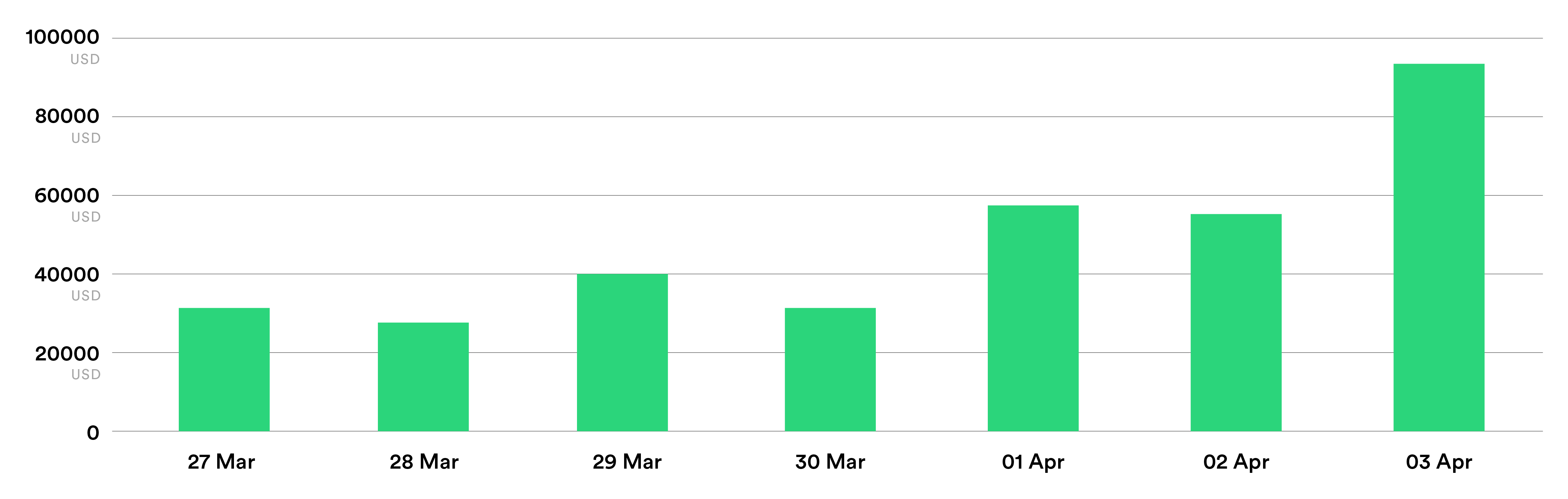
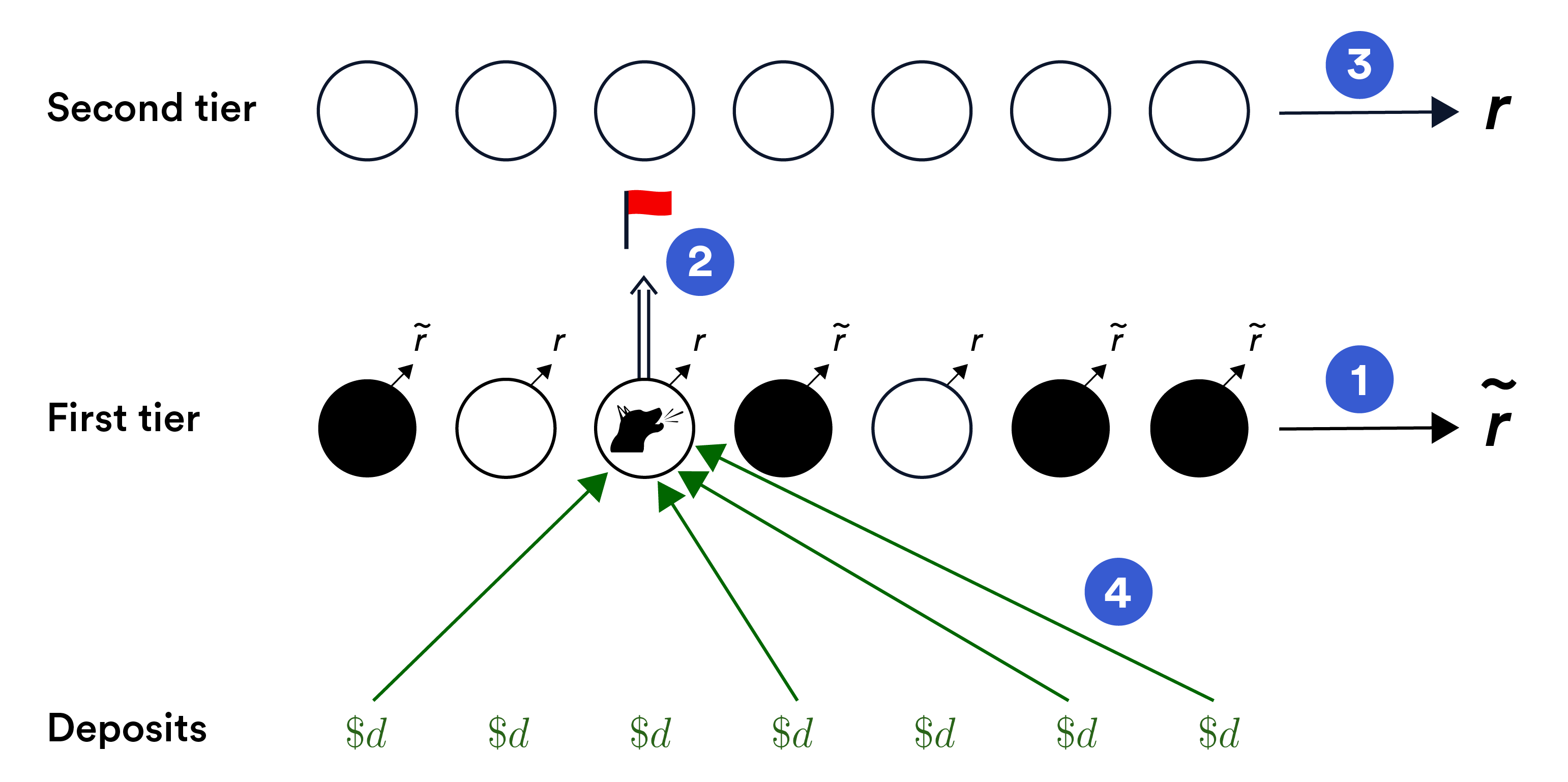
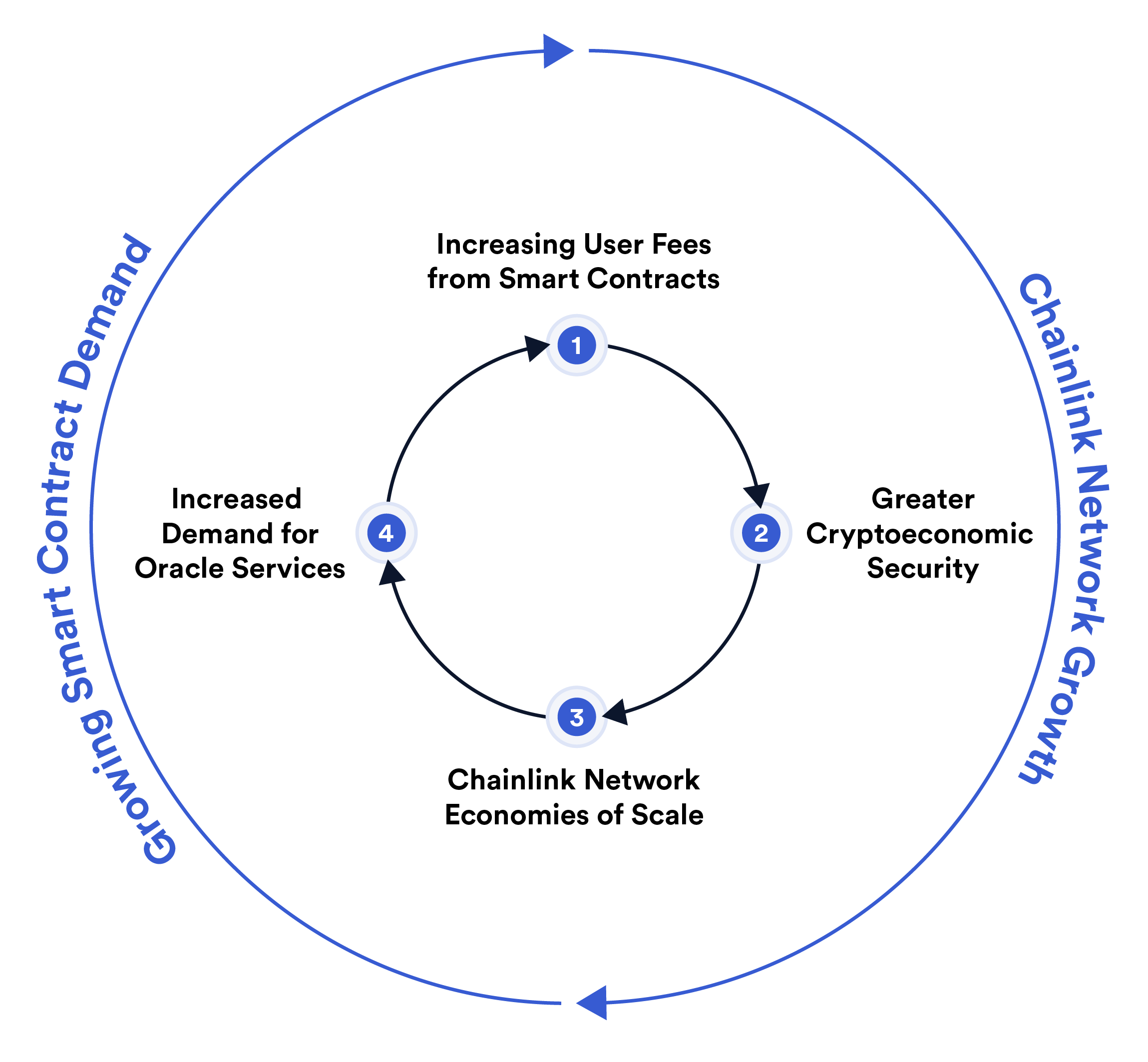
그림 18: Chainlink staking의 선순환 도식. 사용자 수수료 인상 oracle 네트워크 1⃝에 지불하면 네트워크가 성장하고 경제적 성장으로 이어집니다. 보안 2⃝. 이러한 초선형 성장은 Chainlink 네트워크에서 규모의 경제를 실현합니다. 3⃝. 구체적으로 이는 경제적 안정을 위한 평균 비용의 감소를 의미합니다. 수수료 지불 또는 기타 지분 소스에서 발생하는 달러당 경제적 안정 증가합니다. 비용 절감이 사용자에게 전달되어 oracle에 대한 수요 증가를 촉진합니다. 서비스 4⃝. 9.9 네트워크 성장을 이끄는 추가 요인 Chainlink 생태계가 계속 확장됨에 따라 우리는 그 매력을 믿습니다. blockchain 경제를 위한 인프라로서의 중요성이 가속화될 것입니다. oracle 네트워크가 제공하는 가치는 초선형적이므로 더 빠르게 성장합니다.네트워크 자체의 크기보다 이러한 가치 성장은 두 가지 모두에서 비롯됩니다. 규모의 경제 - 서비스 양이 증가함에 따라 사용자당 비용 효율성이 향상됩니다. 네트워크 효과 - 사용자가 DON을 더 광범위하게 채택함에 따라 네트워크 유틸리티가 증가합니다. 기존 smart contract은 계속해서 더 많은 가치를 확보하고 완전히 새로운 것을 보여줍니다. smart contract 애플리케이션은 보다 분산화된 서비스를 통해 가능해지며, 총 DONs의 사용 및 총 수수료가 증가해야 합니다. 수수료 풀 증가 더욱 분산화된 서비스를 창출하기 위한 수단과 인센티브로 전환됩니다. 결과적으로 선순환이 됩니다. 이 선순환은 닭고기와 달걀의 중요한 문제를 해결합니다. 하이브리드 smart contract 생태계의 문제: 혁신적인 smart contract 기능 아직 존재하지 않는 분산형 서비스가 필요한 경우가 많습니다(예: 새로운 DeFi 시장이 자주 발생함) 새로운 데이터 피드가 필요하지만 존재하기 위해서는 충분한 경제적 수요가 필요합니다. 기존 DON에 대한 다양한 smart contract의 수수료 풀링은 다음에 대한 수요를 나타냅니다. 증가하는 사용자 기반에서 추가 분산형 서비스를 생성하여 생성 DONs 및 새롭고 다양한 하이브리드 smart contracts를 지속적으로 활성화하고 있습니다. 요약하자면, 우리는 네트워크 보안의 성장이 선덕에 의해 주도된다고 믿습니다. Chainlink staking 메커니즘의 주기는 다음과 같은 더 큰 성장 패턴을 보여줍니다. Chainlink 네트워크는 분산형 온체인 경제를 구현하는 데 도움이 될 수 있습니다. 서비스.
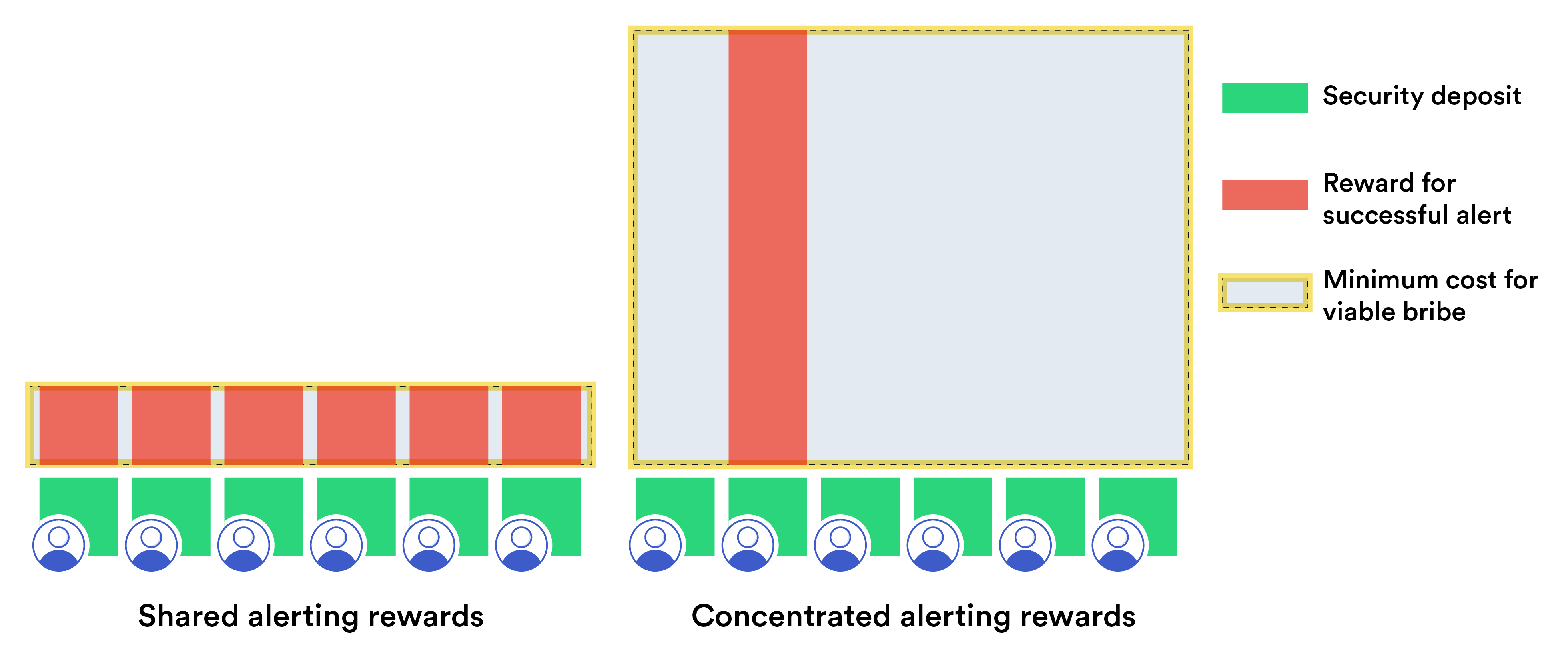
الاقتصاد والاقتصاد المشفر
لكي تتمكن شبكة Chainlink من تحقيق أمان قوي ضمن نموذج ثقة لامركزي، من الضروري أن تظهر العقد بشكل جماعي السلوك الصحيح، مما يعني أنها تلتزم في أغلب الأحيان بالضبط إلى بروتوكولات DON. في هذا القسم، نناقش الأساليب للمساعدة في فرض مثل هذا السلوك عن طريق الحوافز الاقتصادية، المعروفة أيضًا باسم الاقتصاد المشفر الحوافز. وتنقسم هذه الحوافز إلى فئتين: صريحة وضمنية، محققة على التوالي من خلال staking وفرصة الرسوم المستقبلية (FFO). التوقيع المساحي: يتضمن التخزين Chainlink، كما هو الحال في أنظمة blockchain الأخرى، المشاركين في الشبكة، أي oracle العقد، وإيداع الأموال المقفلة في شكل LINK tokens. هذه الأموال، والتي نشير إليها أيضًا باسم الحصة أو الحصة الصريحة هي حافز صريح. هم تخضع للمصادرة عند فشل العقدة أو المخالفات. في سياق blockchain، غالبًا ما يسمى هذا الإجراء بالقطع. ومع ذلك، فإن التوقيع المساحي بواسطة oracle العقد في Chainlink يختلف بشكل أساسي عن staking بواسطة validators في blockchains غير المسموح بها. يمكن أن يسيء المدققون التصرف عن طريق المراوغة أو طلب المعاملات بشكل عدائي. بروتوكول الإجماع الأساسي في أ 15 بما أنه يمكن للمستخدمين استبدال المعاملات في مجمع الذاكرة، يلزم الحذر لضمان المراسلات الصحيحة بين المعاملات المستخرجة والمعاملات المقدمة DON.ومع ذلك، فإن blockchain غير المسموح به يستخدم قواعد صارمة وسريعة للتحقق من صحة الكتلة وأساسيات التشفير لمنع validators من إنشاء كتل غير صالحة. في المقابل، لا يمكن للحماية البرمجية أن تمنع إنشاء شبكة oracle للغش تقارير غير صالحة. السبب هو الاختلاف الرئيسي بين نوعي النظام: التحقق من صحة المعاملة في blockchains هو خاصية الاتساق الداخلي، في حين أن الصحة من oracle التقارير على blockchain هي خاصية خارجية، أي بيانات خارج السلسلة. لقد قمنا بتصميم آلية staking الأولية لشبكة Chainlink القائمة على على بروتوكول تفاعلي بين العقد oracle التي قد تستفيد من البيانات الخارجية. هذا تخلق الآلية حوافز مالية للسلوك الصحيح باستخدام مكافآت صريحة و العقوبات (القطع). وبما أن الآلية اقتصادية، فهي مصممة لمنع العقدة الفساد من قبل خصم يستخدم الموارد المالية لإفساد العقد عن طريق رشوة. (مثل هذا الخصم عام جدًا، ويمتد، على سبيل المثال، إلى العقد المتعاونة معها استخراج القيمة من سوء سلوكهم الجماعي.) تتميز آلية Chainlink staking التي صممناها ببعض القوة والرواية الميزات.16 الميزة الرئيسية هي التأثير الخطي الفائق staking (على وجه التحديد، التربيعي). يجب أن يكون لدى الخصم موارد تزيد بشكل كبير عن الأموال المودعة في العقد من أجل تخريب الآلية. بالإضافة إلى ذلك، توفر آلية staking الخاصة بنا الحماية ضد خصم أقوى مما كان مذكورًا سابقًا في أنظمة مماثلة، وهي خصم يمكنه إنشاء رشاوى تتكيف مع سلوك العقد المستقبلي. بالإضافة إلى ذلك، نناقش كيف يمكن لأدوات Chainlink مثل DECO أن تساعد في تعزيز staking لدينا آلية من خلال تسهيل الفصل الصحيح في حالة سلوك العقدة الخاطئ. فرصة الرسوم المستقبلية (FFO): blockchains غير مسموح بها — لكل من إثبات العمل (PoW). وتنوع إثبات الحصة (PoS) – يعتمد اليوم بشكل حاسم على ما نسميه الحوافز الضمنية. هذه هي الحوافز الاقتصادية للسلوك الصادق التي لا تستمد من المكافآت الصريحة، ولكن من مشاركة المنصة نفسها. على سبيل المثال، يتم تحفيز مجتمع عمال المناجم Bitcoin ضد شن هجوم بنسبة 51% بسبب خطر تقويض الثقة في Bitcoin، مما يؤدي إلى خفض قيمتها، وبالتالي تآكل قيمة جمعيتها الاستثمارات الرأسمالية في البنية التحتية للتعدين [150]. تستفيد شبكة Chainlink من الحافز الضمني المماثل الذي نشير إليه كفرصة للرسوم المستقبلية (FFO). عقد Oracle ذات تاريخ أداء قوي أو السمعة تجذب الرسوم من المستخدمين. سوء التصرف من قبل عقدة oracle يعرض المستقبل للخطر دفع الرسوم وبالتالي معاقبة العقدة بتكلفة الفرصة البديلة من حيث الإمكانات الإيرادات المكتسبة من خلال المشاركة في الشبكة. قياسا على حصة صريحة، قد يُنظر إلى FFO على أنه شكل من أشكال الحصة الضمنية، أو حافز للسلوك الصادق مستمد من المنفعة المشتركة المتمثلة في الحفاظ على الثقة في المنصة التي تعمل عليها تعتمد أعمال مشغلي العقد، على سبيل المثال، على الأداء الإيجابي والسمعة الإيجابية للعقدة شبكة. هذا الحافز متأصل في شبكة Chainlink ولكن لم يتم التعبير عنه صراحةً البروتوكولات. وفي Bitcoin الحفاظ على قيمة عمليات التعدين كما ذكرنا أعلاه 16إن آلية staking التي نصفها هنا تهدف حاليًا فقط إلى فرض تسليم التقارير الصحيحة بواسطة شبكات oracle. ونتوقع في العمل المستقبلي توسيع نطاقه لضمان التنفيذ الصحيح للكثيرين سيتم توفير وظائف أخرى DONs.قد يُنظر إليها بالمثل على أنها شكل من أشكال الحصة الضمنية. نؤكد على أن FFO موجود بالفعل في Chainlink ويساعد في تأمين الشبكة اليوم. ستكون مساهمتنا الرئيسية في التطوير الإضافي لـ Chainlink هي اتباع نهج مبدئي مدفوع تجريبيًا لتقييم الحوافز الضمنية مثل FFO من خلال ما نسميه إطار الحوافز الضمنية (IIF). لتقدير الكميات مثل فرصة الرسوم المستقبلية للعقد، سوف يعتمد معهد التمويل الدولي بشكل مستمر على النطاق الشامل بيانات الأداء والدفع التي تم جمعها بواسطة شبكة Chainlink. مثل هذه التقديرات سيتم تمكين المعلمات المستندة إلى IIF لأنظمة staking التي تعكس حوافز العقدة بدقة أكبر من النماذج الإرشادية و/أو الثابتة الحالية. لتلخيص الحافزين الاقتصاديين الرئيسيين للعقدة oracle الصحيحة السلوك في شبكة Chainlink النامية سيكون: • التوقيع المساحي (الحصة المودعة) س الحافز الصريح • فرصة الرسوم المستقبلية (FFO) س الحافز الضمني وهذان الشكلان من الحوافز متكاملان. يمكن للعقد أوراكل في وقت واحد شارك في بروتوكول Chainlink staking، واستمتع بتدفق مستمر للإيرادات من المستخدمين، والاستفادة بشكل جماعي من سلوكهم الجيد المستمر. وبالتالي كلا الحوافز المساهمة في أمن الاقتصاد المشفر الذي توفره شبكة oracle. بالإضافة إلى ذلك، ويمكن تعزيز الحافزين و/أو تبادلهما ضد بعضهما البعض. على سبيل المثال، يمكن لمشغل oracle جديد بدون سجل أداء وتدفق إيرادات أن يشارك في كمية كبيرة من LINK كضمان للسلوك الصادق، وبالتالي جذب المستخدمين والرسوم. وعلى العكس من ذلك، فإن مشغل oracle الذي تم تأسيسه يتمتع بمشغل طويل وخالي من الأخطاء نسبيًا يمكن أن يتقاضى سجل الأداء رسومًا كبيرة من قاعدة مستخدمين كبيرة وبالتالي يعتمد عليه بشكل أكبر على FFO كشكل من أشكال الحوافز الضمنية. بشكل عام، يهدف النهج الذي ندرسه هنا إلى قدر معين من oracle-الشبكة مورد لإنشاء أكبر قدر ممكن من الحوافز الاقتصادية في Chainlink للعقلانية الوكلاء - أي العقد التي تزيد من فائدتهم المالية - إلى التصرف بأمانة. ضع آخر وبطريقة ما، فإن الهدف هو تعظيم الموارد المالية اللازمة لكي يقوم الخصم بالهجوم الشبكة بنجاح. من خلال صياغة بروتوكول staking بطريقة رياضية جيدة الأمن الاقتصادي المحدد وأيضا باستخدام معهد التمويل الدولي، ونحن نهدف إلى قياس قوة حوافز Chainlink بأكبر قدر ممكن من الدقة. المبدعين من الاعتماد على العقود سوف ثم تكون قادرًا على التحديد بثقة قوية ما إذا كانت شبكة oracle تجتمع أم لا المستويات المطلوبة من الأمن الاقتصادي المشفر. الدورة الحميدة للأمن الاقتصادي: إن الحوافز التي نناقشها في هذا القسم، staking وFFO، لها تأثير يتجاوز تعزيزها لأمن DONs. وهي تَعِد بتحفيز ما نسميه بالدورة الحميدة للأمن الاقتصادي. يؤدي التأثير الخطي الفائق staking (ووفورات الحجم الأخرى) إلى انخفاض التشغيل التكلفة مع نمو أمان DON. التكلفة المنخفضة تجذب المزيد من المستخدمين إلى DON،تعزيز مدفوعات الرسوم. ويستمر الارتفاع في مدفوعات الرسوم في تحفيز النمو في الشبكة، التي تديم الدورة الحميدة. ونحن نعتقد أن الدورة الحميدة للأمن الاقتصادي هي مجرد مثال واحد على ذلك وفورات الحجم وتأثير الشبكة من بين أشياء أخرى سنناقشها لاحقًا في هذا القسم. تنظيم القسم: يمثل التوقيع المساحي تحديات فنية ومفاهيمية ملحوظة والتي قمنا بتصميم آلية ذات ميزات جديدة. لذلك سيكون التوقيع المساحي تركيزنا الرئيسي في هذا القسم. نقدم نظرة عامة على نهج staking الذي نقدمه في هذه الورقة في القسم 9.1، تليها مناقشة مفصلة في الأقسام 9.2 إلى 9.5. نحن نقدم IFF في القسم 9.6. نقدم عرضًا ملخصًا لحوافز شبكة Chainlink في القسم 9.7. في القسم 9.8، نناقش الدورة الحميدة للأمن الاقتصادي التي يمكن أن يجلبها نهجنا staking المقترح إلى شبكات oracle. وأخيرًا، سنصف بإيجاز الإمكانات الأخرى التأثيرات الدافعة لنمو شبكة Chainlink في القسم 9.9. 9.1 نظرة عامة على التوقيع المساحي يتضمن تصميم آلية staking الذي نقدمه هنا، كما هو مذكور أعلاه، بروتوكولًا تفاعليًا بين العقد oracle مما يسمح بحل التناقضات في الإبلاغ عن البيانات الخارجية. يهدف التوقيع المساحي إلى ضمان السلوك الصادق من العقد oracle العقلانية. يمكننا بالتالي أن نصمم خصمًا يهاجم بروتوكول staking باعتباره الراشي: تتمثل استراتيجية الخصم في إفساد oracle العقد باستخدام الحوافز المالية. وقد يستمد الخصم موارد مالية بأثر رجعي من التلاعب الناجح مع تقرير oracle، على سبيل المثال، عرض مشاركة الأرباح الناتجة مع العقد التالفة. نحن نهدف في تصميم آلية staking إلى تحقيق هدفين طموحين في وقت واحد: 1. مقاومة خصم قوي: تم تصميم آلية staking للحماية oracle شبكات ضد فئة واسعة من الخصوم القادرين على القيام بعمليات معقدة، استراتيجيات الرشوة المشروطة، بما في ذلك الرشوة المحتملة، التي تقدم الرشاوى إلى oracle الذين يتم تحديد هوياتهم بعد وقوع الحدث (على سبيل المثال، يقدم رشاوى لـ oracles تم اختيارها عشوائيًا للتنبيه ذي الأولوية العالية). بينما تصميمات oracle أخرى وقد اعتبرت مجموعة ضيقة من الهجمات دون كامل القدرات الواقعية الخصم، على حد علمنا آلية الخصومة التي نقدمها هنا هو أول من تناول بشكل صريح مجموعة واسعة من استراتيجيات الرشوة والعروض المقاومة في هذا النموذج يفترض نموذجنا أن العقد بجانب المهاجم موجودة عقلاني اقتصاديًا (على عكس الصادق)، ونفترض وجود أ مصدر الحقيقة باهظ التكلفة للاستخدام النموذجي ولكنه متاح في حالة الخلاف (تتم مناقشته أدناه). 2. تحقيق تأثير خطي فائق staking: هدفنا هو التأكد من أن شبكة oracle المكونة من وكلاء عقلانيين تقدم التقارير بصدق حتى في وجود مهاجم بميزانية فائقة الخطيةفي إجمالي الحصة المودعة من قبل الشبكة بأكملها. في أنظمة staking الموجودة، إذا تبلغ قيمة كل عقدة n $d، ويمكن للمهاجم إصدار رشوة موثوقة تطلبها أن العقد تتصرف بطريقة غير شريفة مقابل دفع مبلغ يزيد قليلاً عن \(d to each node, using a total budget of about \)dn. وهذا بالفعل شريط مرتفع يجب أن يكون لدى المهاجم ميزانية سائلة بناءً على الودائع المجمعة جميع أصحاب المصلحة في الشبكة. وهدفنا هو تحقيق درجة أقوى من الأمن الاقتصادي من هذه العقبة الكبيرة بالفعل. نحن نهدف إلى تصميم أول نظام staking يمكنها تحقيق الأمان لمهاجم عام بميزانية خطية فائقة في n. في حين أن الاعتبارات العملية قد تحقق تأثيرًا أقل، كما نناقش أدناه، يحقق تصميمنا الأولي متطلبات ميزانية تنافسية أكبر من $dn2/2، أي تحجيم التربيعية في n، مما يجعل الرشوة غير عملية إلى حد كبير حتى عندما تشترك العقد بكميات معتدلة فقط. ويتطلب تحقيق هذين الهدفين مزيجاً مبتكراً من تصميم الحوافز والتشفير. الأفكار الرئيسية: يعتمد نهجنا staking على فكرة نطلق عليها أولوية المراقبة. تقرير تم إنشاؤه بواسطة شبكة Chainlink oracle وإرساله إلى عقد الاعتماد (على سبيل المثال، على سعر الأصل) يتم تجميعها من التقارير الفردية التي تساهم بها العقد المشاركة (على سبيل المثال، عن طريق أخذ المتوسط). عادةً ما تكون اتفاقية مستوى الخدمة (SLA) يحدد حدود الانحراف المقبولة للتقارير، أي إلى أي مدى يمكن أن يصل تقرير العقدة الانحراف عن التقرير الإجمالي وإلى أي مدى ينبغي السماح للتجميع بذلك تنحرف عن القيمة الحقيقية لاعتبارها صحيحة. في نظام staking الخاص بنا، بالنسبة لجولة تقارير معينة، يمكن لكل عقدة oracle أن تعمل كـ هيئة رقابية لتوجيه تنبيه إذا اعتقدت أن التقرير الإجمالي غير صحيح. في كل جولة إعداد التقارير، يتم تعيين أولوية عامة لكل عقدة oracle تحدد الترتيب الذي ستتم به معالجة تنبيهه (إن وجد). آليتنا تهدف إلى المكافأة التركيز، مما يعني أن الجهة الرقابية ذات الأولوية القصوى لرفع التنبيه تحصل على المكافأة الكاملة الناتجة عن مصادرة رواسب العقد المعيبة. تشتمل تصميمات نظامنا staking على مستويين: الأول، المستوى الافتراضي، والثاني، الطبقة الخلفية. الطبقة الأولى هي شبكة oracle نفسها، وهي مجموعة من العقد n. (من أجل البساطة، نحن نفترض أن n أمر فردي.) إذا أبلغت غالبية العقد عن قيم غير صحيحة، فستقوم هيئة رقابية في يتم تحفيز المستوى الأول بقوة لرفع مستوى التنبيه. إذا تم رفع تنبيه، الإبلاغ يتم بعد ذلك تصعيد القرار المتعلق بالشبكة إلى المستوى الثاني، وهو نظام عالي التكلفة وأقصى قدر من الموثوقية يمكن تحديده من قبل المستخدم في اتفاقية مستوى خدمة الشبكة. يمكن أن يكون هذا النظام، على سبيل المثال، يتكون فقط من العقد ذات القوة القوية درجات الموثوقية التاريخية، أو تلك التي لها ترتيب أكبر من oracles الطبقة الأولى. بالإضافة إلى ذلك، كما تمت مناقشته في القسم 9.4.3، يمكن أن يخدم DECO أو Town Crier كأدوات قوية للمساعدة في ضمان إصدار أحكام قضائية فعالة وحاسمة في المستوى الثاني. ومن أجل التبسيط، فإننا نفترض أن نظام المستوى الثاني هذا قد وصل إلى التقرير الصحيح قيمة. على الرغم من أنه قد يبدو جذابًا الاعتماد على المستوى الثاني لإنشاء كافة التقارير، إلا أنه تكمن فائدة تصميمنا في أنه يحقق باستمرار الخصائص الأمنية للشبكةنظام من المستوى الثاني مع دفع تكاليف التشغيل فقط، في الحالة النموذجية، لل نظام الطبقة الأولى. تؤدي أولوية الوكالة الدولية للطاقة إلى تأثير خطي فائق staking بالطريقة التالية: إذا كان تُخرج شبكة oracle من المستوى الأول نتيجة غير صحيحة وعددًا من عقد المراقبة تنبيه، فإن آلية الحوافز staking تكافئ هيئة المراقبة ذات الأولوية القصوى أكثر من $dn/2 مأخوذة من ودائع العقد (الأغلبية) التي تسيء التصرف. ال وبالتالي فإن المكافأة الإجمالية تتركز في أيدي هذه الوكالة الرقابية الواحدة، والتي بالتالي يحدد الحد الأدنى الذي يجب على الخصم أن يعد به هيئة رقابية محتملة تحفيزه على عدم التنبيه. نظرًا لأن آليتنا تضمن حصول كل oracle على فرصة للعمل كرقيب إذا قبلت هيئات المراقبة ذات الأولوية العليا رشاويهم (واختار عدم التنبيه)، لذلك يجب على الخصم أن يقدم رشوة بأكثر من $dn/2 إلى كل عقدة لمنع إثارة أي تنبيه. نظرًا لوجود n عقد، فإن تبلغ الميزانية المطلوبة للخصم من أجل الحصول على رشوة ناجحة ما يزيد عن 2/2 دولار أمريكي، وهو ما يعادل 2/2 دولار أمريكي هو تربيعي في عدد n من العقد في الشبكة. 9.2 الخلفية يعتمد نهجنا في staking على الأبحاث في مجالات نظرية اللعبة وآلياتها التصميم (MD) (للحصول على مرجع كتاب مدرسي، راجع [177]). نظرية اللعبة هي رياضيا دراسة رسمية للتفاعل الاستراتيجي. وفي هذا السياق، تعتبر اللعبة نموذجًا لذلك تفاعل، عادة ما يكون في العالم الحقيقي، يقنن مجموعات من الإجراءات المتاحة المشاركين في اللعبة، والمعروفين باللاعبين. تحدد اللعبة أيضًا المكاسب التي تم الحصول عليها من قبل اللاعبين الفرديين - المكافآت التي تعتمد على الإجراءات التي يختارها اللاعب و تصرفات اللاعبين الآخرين. ولعل أفضل مثال معروف للعبة تمت دراستها في اللعبة النظرية هي معضلة السجناء [178]. يهدف منظرو الألعاب عمومًا إلى الفهم التوازن أو التوازنات (إن وجدت) الممثلة في لعبة معينة. التوازن هو مجموعة من الاستراتيجيات (واحدة لكل لاعب) بحيث لا يستطيع أي لاعب الحصول على أعلى المكافأة عن طريق الانحراف من جانب واحد عن استراتيجيتها. وفي الوقت نفسه، فإن تصميم الآلية هو علم تصميم الحوافز بحيث يتم يتمتع توازن التفاعل (واللعبة المرتبطة به) ببعض الخصائص المرغوبة. يمكن النظر إلى MD على أنه عكس نظرية اللعبة: السؤال الأساسي في اللعبة النظرية هي: "في ضوء الحوافز والنموذج، ماذا سيكون التوازن؟" في دكتوراه في الطب، والسؤال هو بدلاً من ذلك: "ما هي الحوافز التي ستؤدي إلى لعبة ذات توازن مرغوب؟" الهدف النموذجي لمصمم الآلية هو إنشاء آلية "متوافقة مع الحوافز"، مما يعني أن المشاركين في الآلية (على سبيل المثال، مزاد أو معلومات أخرى) يتم تحفيز نظام الاستنباط [228]) للإبلاغ عن الحقيقة بشأن بعض الأمور (على سبيل المثال، كيف كثيرًا ما يقدرون عنصرًا معينًا). ربما يكون مزاد فيكري (السعر الثاني) هو أفضل آلية معروفة متوافقة مع الحوافز، حيث يقدم المشاركون عطاءات مختومة لعنصر ما، ويفوز أعلى مزايد بالعنصر ولكنه يدفع ثاني أعلى سعر [214]. اقتصاديات التشفير هي شكل خاص بالمجال من أشكال MD الذي يعزز التشفير تقنيات لخلق التوازنات المرغوبة داخل الأنظمة اللامركزية. تخلق الرشوة والتواطؤ تحديات كبيرة في جميع أنحاء مجال الطب. تتعطل جميع الآليات تقريبًا في ظل وجود التواطؤ، الذي يُعرف بأنه عقود جانبية.بين الأطراف المشاركة في الآلية [125، 130]. وتمثل الرشوة، حيث يقدم طرف خارجي حوافز جديدة إلى اللعبة، مشكلة أكثر صعوبة مما يفعله التواطؤ. يمكن النظر إلى التواطؤ على أنه حالة خاصة من الرشوة بين اللعبة المشاركين. غالبًا ما يمكن تصور أنظمة Blockchain على أنها ألعاب ذات عوائد نقدية (قائمة على العملات المشفرة). مثال بسيط هو تعدين إثبات العمل: يتمتع عمال المناجم بمساحة عمل حيث يمكنهم اختيار hashالمعدل الذي سيتم من خلاله تعدين الكتل. إن مكافأة التعدين هي مكافأة سلبية مضمونة (تكلفة الكهرباء والمعدات) بالإضافة إلى مؤشر ستوكاستيك مكافأة إيجابية (دعم التعدين) تعتمد على عدد عمال المناجم النشطين الآخرين [106، 172] ورسوم المعاملات. يعد التعهيد الجماعي oracles مثل SchellingCoin [68] مثالًا آخر: مساحة الإجراء هي مجموعة التقارير المحتملة التي قد يرسلها oracle، بينما الدفع هو المكافأة المحددة بواسطة آلية oracle، على سبيل المثال، قد يعتمد الدفع حول مدى قرب تقرير oracle من متوسط التقارير الأخرى [26، 68، 119، 185]. توفر ألعاب البلوكشين فرصًا ناضجة لهجمات التواطؤ والرشوة؛ في الواقع، يمكن لـ smart contracts تسهيل مثل هذه الهجمات [96، 165]. ولعل أشهرها هجوم الرشوة على التعهيد الجماعي oracles هو هجوم p-plus-epsilon [67]. هذا الهجوم ينشأ في سياق آلية شبيهة بـ SchellingCoin حيث يقدم اللاعبون تقارير ذات قيمة منطقية (أي كاذبة أو صحيحة) ويتم مكافأتهم بـ p إذا وافقوا على تقديم الأغلبية. في هجوم p-plus-epsilon، يعد المهاجم بمصداقية بما يلي: على سبيل المثال، ادفع للمستخدمين $p + ϵ مقابل التصويت الخاطئ إذا كان تقديم الأغلبية صحيحًا فقط. والنتيجة هي التوازن، حيث يتم تحفيز جميع اللاعبين على الإبلاغ عن الأخطاء بغض النظر عما يفعله اللاعبون الآخرون؛ وبالتالي يستطيع الراشي أن يحفز العقد من خلال رشوتها الموعودة للإبلاغ عن الكذب دون دفع الرشوة فعليًا (!). ومع ذلك، فإن استكشاف استراتيجيات الرشوة الأخرى في سياق oracles، وخاصة oracles التي لا يتم التعهيد الجماعي لها، اقتصر على خصومة ضعيفة إلى حد ما نماذج. على سبيل المثال، في إعداد إثبات العمل (PoW)، قام الباحثون بدراسة النتائج المشروطة الرشاوى، أي الرشاوى المدفوعة فقط إذا تمت مراقبة الرسالة المستهدفة بنجاح ولم يتم إخضاعها للرقابة تظهر في كتلة، بغض النظر عن تصرفات عامل التعدين الفردي [96، 165]. في هذه الحالة من oracles، ومع ذلك، بخلاف هجوم p-plus-epsilon، فنحن على علم فقط بالعمل في نموذج محدود للغاية من الرشوة حيث يرسل الراشي رشوة مشروطة ب تصرفات اللاعب الفردية، وليس على النتيجة الناتجة. نرسم هنا تصميمات لآليات استنباط المعلومات التي تظل حافزًا متوافق حتى في نموذج الخصم القوي، كما هو موضح في القسم الفرعي التالي. 9.3 افتراضات النمذجة في هذا القسم الفرعي، نوضح كيف نقوم بنمذجة سلوك وقدرات اللاعبين نظامنا، على وجه التحديد عقد المستوى الأول oracle، والعقد في المستوى الثاني (التحكيم) الطبقة، والأعداء.9.3.1 نموذج الحوافز من المستوى الأول: الجهات الفاعلة العقلانية تعتمد العديد من أنظمة blockchain للأمان على افتراض وجود عدد من الصدق العقد المشاركة. يتم تعريف العقد على أنها صادقة إذا اتبعت البروتوكول حتى عندما لا يكون من مصلحتهم المالية القيام بذلك. أنظمة إثبات العمل عادةً تتطلب أغلبية hash السلطة لتكون صادقة، وتتطلب أنظمة إثبات الملكية عادةً 2/3 أو أكثر من جميع الحصص المشاركة لتكون صادقة، وحتى أنظمة الطبقة الثانية مثل تتطلب Arbitrum [141] مشاركًا واحدًا صادقًا على الأقل. في نمذجة آلية staking، قمنا بوضع افتراض أضعف بكثير. (ليكون إن الافتراضات الواضحة والأضعف تعني خصائص أمنية أقوى وبالتالي فهي مفضلة.) نحن نفترض أن الخصم قد أفسد، أي الضوابط، بعض (الأقلية) جزء من عقد الطبقة الأولى oracle. نحن نصمم العقد المتبقية وليس كوكلاء صادقين، ولكن كمعظمات عقلانية متوقعة للمنفعة. تعمل هذه العقد بالكامل وفقًا لحوافز مالية ذاتية، وتختار الإجراءات التي تؤدي إلى مكاسب مالية متوقعة كسب. على سبيل المثال، إذا عُرضت على العقدة رشوة أكبر من المكافأة الناتجة عنها السلوك الصادق، فإنه سيقبل الرشوة. ملاحظة على العقد الخصومة: وفقا لنموذج الثقة المشترك ل الأنظمة اللامركزية، نفترض أن جميع العقد عقلانية، أي تسعى إلى تعظيمها صافي الإيرادات، بدلاً من السيطرة عليها من قبل خصم خبيث. مطالباتنا، ومع ذلك - التأثير الخطي الفائق أو التربيعي staking على وجه التحديد - يتم توفيره بشكل مقارب أن مجموعة العقد التي يتم التحكم فيها بشكل عدائي تكون على الأكثر (1/2 -c)n، بالنسبة للبعض إيجابية ثابت ج. 9.3.2 نموذج التحكيم من المستوى الثاني: الصحة بالافتراض تذكر أن إحدى الميزات المهمة لآلية staking التي تساعد في تحقيق الأمان ضد العقد العقلانية هو نظام الطبقة الثانية. في آلية staking المقترحة، فإن أي oracle قد يثير تنبيهًا يشير إلى ذلك تعتقد أن مخرجات الآلية غير صحيحة. يؤدي التنبيه إلى درجة عالية من الثقة تفعيل نظام المستوى الثاني والإبلاغ عن النتيجة الصحيحة. وبالتالي، النمذجة الرئيسية الشرط لنهجنا هو الحكم الصحيح، أي الإبلاغ الصحيح من قبل نظام الدرجة الثانية. يفترض نموذج staking الخاص بنا نظامًا من المستوى الثاني يعمل كمصدر للحقيقة غير قابل للفساد وموثوق به إلى أقصى حد. ومن المرجح أن يكون مثل هذا النظام مكلفًا وبطيئًا، وبالتالي غير مناسب للاستخدام في الحالة النموذجية. ولكن في حالة التوازن، أي متى إذا كان نظام المستوى الأول يعمل بشكل صحيح، فلن يتم استدعاء نظام المستوى الثاني. وبدلاً من ذلك، فإن وجوده يعزز أمان نظام oracle بالكامل من خلال توفير ملف مساندة عالية الضمان. إن استخدام طبقة تحكيم عالية الثقة وعالية التكلفة يشبه عملية الاستئناف في قلب معظم الأنظمة القضائية. كما أنه شائع بالفعل في تصميم oracle النظم، على سبيل المثال، [119، 185]. نحن نناقش بإيجاز طرق تحقيق المستوى الثاني في آليتنا في القسم 9.4.3.يستخدم بروتوكول staking الخاص بنا الفصل الصحيح المفترض لنظام المستوى الثاني كتهديد موثوق به لفرض الإبلاغ الصحيح بواسطة العقد oracle. البروتوكول يصادر جزءًا أو كلًا من حصة oracle العقد التي تولد التقارير المحددة بواسطة نظام الطبقة الثانية غير صحيح. وبالتالي يتم ردع عقد أوراكل عن سوء التصرف بالعقوبة المالية الناتجة. يشبه هذا الأسلوب في النكهة ما تم استخدامه في متفائل rollups، على سبيل المثال، [141، 10]. 9.3.3 نموذج عدائي تم تصميم آليتنا staking للحصول على معلومات صادقة مع تحقيق الأمان ضد فئة واسعة ومحددة جيدًا من الخصوم. ويحسن من الأعمال السابقة، والتي إما تتجاهل نموذجًا عدائيًا صريحًا أو تركز على فئات فرعية ضيقة من الخصوم، على سبيل المثال، خصم p-plus-epsilon الذي تمت مناقشته أعلاه. هدفنا هو تصميم staking آلية ذات أمان مثبت رسميًا ضد مجموعة كاملة من الخصوم المحتملين التي يجب مواجهتها في الممارسة العملية. نحن نمثل خصمنا على أنه يمتلك ميزانية ثابتة (قابلة للقياس)، يُشار إليها بـ $ ب. يمكن للخصم التواصل بشكل فردي وسري مع كل oracle في الشبكة، ويمكن أن يعرض سرًا على أي فرد oracle دفع رشوة مضمونة ويتوقف ذلك على النتائج العامة التي يمكن ملاحظتها للآلية. تحديد النتائج يمكن أن تشمل الرشاوى، على سبيل المثال، القيمة التي تم الإبلاغ عنها بواسطة oracle، وأي رسائل عامة يتم إرسالها بواسطة أي oracle إلى الآلية (على سبيل المثال، تنبيه)، والقيم التي تم الإبلاغ عنها من قبل الآخرين oracles، والقيمة الناتجة عن الآلية. لا توجد آلية يمكنها الحماية ضد مهاجم بقدرات غير محدودة. ولذلك فإننا نعتبر بعض السلوكيات غير واقعية أو خارجة عن النطاق. نحن نفترض مهاجمنا لا يمكنه كسر أساسيات التشفير القياسية، وكما هو مذكور أعلاه، لديه علامة ثابتة (if يحتمل أن تكون كبيرة) الميزانية $B. ونفترض كذلك أن الخصم لا يسيطر الاتصال في شبكة oracle، خاصة أنه لا يمكن تأخيره بشكل كبير حركة المرور بين عقد الطبقة الأولى و/أو عقد الطبقة الثانية. (إن قدرة الخصم على مراقبة مثل هذا التواصل تعتمد على الآلية المحددة، كما سنوضح أدناه). ولكن بشكل غير رسمي، كما ذكرنا أعلاه، نفترض أن الخصم يمكنه: (1) الفساد جزء من oracle العقد ((1/2 −c)- جزء لبعض الثابت c)، أي التحكم الكامل لهم، و(2) تقديم الرشاوى إلى أي عقد مرغوبة، مع ضمان الدفع المشروط على النتائج التي يحددها الخصم، كما هو موضح أعلاه. بينما لا نقدم نموذجًا رسميًا أو تصنيفًا كاملاً للخصم نطاق إمكانيات الرشوة في هذا المستند التقني، فيما يلي أمثلة على هذه الأنواع الرشاوى التي يشملها نموذجنا. للتبسيط، نفترض أن oracles يصدر قيمة منطقية التقارير التي تكون قيمتها الصحيحة (w.l.o.g) صحيحة، ويتم حساب النتيجة النهائية على أنها سيتم استخدام إجمالي هذه التقارير بواسطة smart contract المستهلك. الراشي الهدف هو أن تكون النتيجة النهائية غير صحيحة، أي كاذبة. • الرشوة غير المشروطة: يقدم مقدم الرشوة رشوة بقيمة $b لأي oracle يقدم تقريرًا كاذبًا. • مقدم الرشوة الاحتمالي: يقدم مقدم الرشوة رشوة $b مع بعض الاحتمالية q إلى أي oracle أن تقارير كاذبة.• رشوة مشروطة بنتيجة كاذبة: يقدم مقدم الرشوة رشوة $b لأي oracle يبلغ عن خطأ بشرط أن تكون النتيجة النهائية خاطئة. • مقدم رشوة مشروط بعدم التنبيه: يعرض مقدم الرشوة مبلغ $b على أي oracle يقوم بالإبلاغ كاذبة طالما لم يتم رفع أي تنبيه. • p-plus-epsilon Briber: يقدم مقدم الرشوة رشوة $b لأي oracle يبلغ عن خطأ باسم طالما أن غالبية oracles لم يبلغوا عن خطأ. • مقدم الرشوة المحتمل: يقدم مقدم الرشوة مبلغ $b مقدمًا لأي جهة تم تحديدها oracle لدور عشوائي وتقارير كاذبة. في بروتوكولنا staking المقترح، كل شيء تعمل العقد كهيئات رقابة محتملة، ونحن قادرون على إظهار هذا التوزيع العشوائي من أولويات الوكالة الرقابية لا تصلح للرشوة المحتملة. العديد من أعمال إثبات العمل، proof-of-stake، والأنظمة المرخصة عرضة للاحتمالات ولكن الرشوة مما يدل على أهمية أخذها في الاعتبار في خصومنا النموذج والتأكد من أن بروتوكولات staking لدينا مرنة تجاهه. انظر الملحق ه لمزيد من التفاصيل. 9.3.4 ما مقدار الأمن الاقتصادي المشفر الكافي؟ لن ينفق الخصم العقلاني الأموال لمهاجمة النظام إلا إذا كان بإمكانه الحصول على الربح أكبر من نفقاتها. وهكذا بالنسبة لنموذجنا العدائي والمقترح staking في هذه الآلية، قد يُنظر إلى $B على أنه مقياس للربح المحتمل الذي يمكن أن يحققه الخصم للاستخراج من الاعتماد على smart contracts عن طريق إتلاف شبكة oracle والتسبب في ذلك لإنشاء تقرير أو مجموعة تقارير غير صحيحة. في تحديد ما إذا كانت شبكة oracle توفر درجة كافية من الأمان الاقتصادي المشفر لأغراضها، كما ينبغي للمستخدم تقييم الشبكة من هذا المنظور. بالنسبة للخصوم المحتملين في الإعدادات العملية، نتوقع أن يكون $B بشكل عام أصغر بكثير من إجمالي الأصول في الاعتماد على smart contracts. في معظم الحالات، فإنه من غير الممكن للخصم أن ينتزع هذه الأصول في مجملها. 9.4 آلية التوقيع المساحي: رسم نقدم هنا الأفكار الرئيسية والهيكل العام لآلية staking التي نقوم بها تدرس حاليا. لسهولة العرض، وصفنا بسيطة ولكنها بطيئة (متعدد الجولة) البروتوكول في هذا القسم الفرعي. ومع ذلك، نلاحظ أن هذا المخطط تماما عملي. ونظرًا للضمانات الاقتصادية التي توفرها الآلية، أي المعاقبة والحوافز اللاحقة ضد العقد المعيبة، فقد يكون العديد من المستخدمين على استعداد لـ قبول التقارير بتفاؤل. بمعنى آخر، قد يقبل هؤلاء المستخدمون التقارير قبل ذلك حكم محتمل من الدرجة الثانية. يمكن للمستخدمين غير الراغبين في قبول التقارير بتفاؤل أن يختاروا الانتظار حتى البروتوكول وينتهي التنفيذ، أي حتى يحدث أي تصعيد محتمل إلى المستوى الثاني. هذا، ومع ذلك، يمكن أن يؤدي ذلك إلى إبطاء وقت تأكيد التقارير بشكل كبير. لذلك نحن باختصارالشكل 15: رسم تخطيطي لنظام staking مع التنبيه. في هذا المثال، 1⃝أغلبية من العقد تالفة/مرشوشة وتصدر قيمة غير صحيحة ˜r، بدلاً من القيمة الصحيحة قيمة التقرير ص. تقوم عقدة المراقبة 2⃝ بإرسال تنبيه إلى لجنة المستوى الثاني، الذي يحدد ويصدر قيمة التقرير الصحيحة r، مما يؤدي إلى تلف العقد مصادرة ودائعهم — كل $d إلى عقدة المراقبة 4⃝. حدد بعض التحسينات التي تؤدي إلى سرعة (جولة واحدة) إذا كانت أكثر إلى حد ما التصميم المعقد في القسم 9.5. تذكر أن الطبقة الأولى في آليتنا staking تتكون من oracle الأساسية الشبكة نفسها. الهيكل الرئيسي لآليتنا، كما هو موضح أعلاه، هو أنه في كل جولة، يمكن لكل عقدة أن تعمل بمثابة "المراقبة" مع بعض الأولوية، وبالتالي لديها القدرة على القيام بذلك قم بإطلاق تنبيه إذا وصلت الآلية إلى مخرج غير صحيح، بدلاً من الصحيح ص واحد. يؤدي هذا التنبيه إلى دقة المستوى الثاني، والتي نفترض أنها تصل إلى الحل الصحيح تقرير. تتم معاقبة العقد التي تحتوي على تقارير غير صحيحة، بمعنى أن مخاطرها قطعت ومنحتها لهيئات المراقبة. هذه البنية الأساسية شائعة في أنظمة oracle، كما في مثلا [119، 185]. الابتكار الرئيسي في تصميمنا، المذكور بإيجاز أعلاه، هو أن كل عقدة أعطيت أولوية مميزة في ترتيب هيئات المراقبة المحتملة. وهذا هو، المراقبين يتم منح فرص للتنبيه في تسلسل الأولوية. تذكر أنه إذا كانت العقدة تحتوي على الأولوية القصوى لرفع التنبيه، فإنه يتلقى الوديعة المقطوعة $d لكل سوء تصرف العقدة، بإجمالي أكثر من \(dn/2 = \)d × n/2، حيث يشير التقرير غير الصحيح إلى غالبية العقد السيئة. وبالتالي، يجب على الخصم أن يدفع هذه المكافأة على الأقل رشوة عقدة تعسفية. وبالتالي، لرشوة غالبية العقد، يجب على الخصم أن يدفع أ رشوة كبيرة لغالبية العقد، أي أكثر من $dn2/2. نعرض بشكل تخطيطي كيفية عمل التنبيه وتصعيد المراقبة في الشكل 15.9.4.1 مزيد من تفاصيل الآلية إن نظام مقاومة الرشوة الذي نصفه الآن بمزيد من التفصيل هو رسم مبسط لـ البناء ذو المستويين الذي نعتزم بناءه. سيكون معظم تركيزنا على الوصف شبكة المستوى الأول (من الآن فصاعدا ببساطة "الشبكة" حيث يكون ذلك واضحا من السياق) جنبا إلى جنب مع آلية الحوافز وإجراءات التصعيد إلى المستوى الثاني. خذ بعين الاعتبار شبكة Chainlink مكونة من عدد oracle من العقد المسؤولة عن يتم الإبلاغ بانتظام (على سبيل المثال، مرة واحدة في الدقيقة) عن قيمة منطقية (على سبيل المثال، ما إذا كان السوق القيمة السوقية لـ BTC تتجاوز قيمة ETH). كجزء من آلية staking، العقد يجب تقديم وديعتين: وديعة $d قابلة للقطع في حالة الخلاف مع إيداع الأغلبية والمراقبة $dw الخاضع للتخفيض في حالة حدوث خلل التصعيد. نحن نفترض أن العقد لا يمكنها نسخ إرسالات العقد الأخرى، على سبيل المثال، من خلال مخطط الالتزام والكشف كما تمت مناقشته في القسم 5.3. في كل جولة، العقد أولاً الالتزام بتقريرهم، وبمجرد التزام جميع العقد (أو انتهاء المهلة)، العقد تكشف تقاريرها. بالنسبة لكل تقرير يتم إنشاؤه، يتم منح كل عقدة أيضًا أولوية مراقبة بين 1 وn يتم اختيارها عشوائيًا، مع كون 1 أولوية قصوى. هذه الأولوية تمكن تركيز المكافأة في يد جهة رقابية واحدة. بعد أن أصبحت جميع التقارير علنية، وتتبع ذلك مرحلة تنبيه. على مدى سلسلة من جولات n (متزامنة)، العقدة مع الأولوية لدي الفرصة للتنبيه في الجولة الأولى. دعونا نفكر في النتائج المحتملة للآلية بعد الكشف عن العقد تقاريرهم. مرة أخرى بافتراض وجود تقرير ثنائي، لنفترض أن القيمة الصحيحة صحيحة و الخطأ هو كاذب. لنفترض أيضًا أن آلية المستوى الأول تقوم بإخراج إخراج قيمة الأغلبية بواسطة العقد كالتقرير النهائي r. هناك ثلاث نتائج محتملة في الآلية: • اتفاق كامل: في أفضل الأحوال، تكون العقد في اتفاق كامل: جميع العقد متوفرة وقدمت تقريرًا في الوقت المناسب بنفس القيمة r (إما صحيحًا أو كاذبة). في هذه الحالة، تحتاج الشبكة فقط إلى إعادة توجيه العقود المعتمدة ومكافأة كل عقدة بدفعة ثابتة لكل جولة $p، وهي أصغر بكثير من $د. • اتفاق جزئي: من الممكن أن تكون بعض العقد غير متصلة بالإنترنت أو أن هناك خلافًا حول القيمة الصحيحة، ولكن معظم العقد تفيد بأنها صحيحة وفقط تقارير الأقلية كاذبة. هذه الحالة واضحة أيضًا. قيمة الأغلبية (صحيح) يتم حسابها، مما يؤدي إلى تقرير صحيح ص. جميع العقد التي ذكرت r هي تمت مكافأتهم بـ $p بينما oracles الذين أبلغوا بشكل غير صحيح لديهم ودائعهم تم تخفيضها بشكل متواضع، على سبيل المثال، بمقدار 10 بنس. • تنبيه: في حالة اعتقاد جهة المراقبة أن مخرجات الشبكة غير صحيحة، فهو يطلق تنبيهًا علنيًا، مما يؤدي إلى تصعيد الآلية إلى شبكة المستوى الثاني. ثم هناك نتيجتان محتملتان: - التنبيه الصحيح: إذا أكدت شبكة المستوى الثاني أن إخراجالشكل 16: تضخيم تكلفة الرشوة من خلال مكافآت التنبيه المركزة. رشوة يجب على الخصم رشوة كل عقدة بأكثر من المكافأة التي يمكنها الحصول عليها من خلال التنبيه (يظهر كشريط أحمر). إذا تمت مشاركة مكافآت التنبيه، فقد تكون هذه المكافأة نسبيًا صغير. تعمل مكافآت التنبيه المركزة على زيادة المكافأة التي قد تحصل عليها أي عقدة واحدة الحصول على (شريط أحمر طويل القامة). ومن ثم فإن المبلغ الإجمالي الذي يدفعه الخصم مقابل رشوة قابلة للتطبيق (المناطق الرمادية) أكبر بكثير وتحتوي على مكافآت تنبيه مركزة أكثر من المشتركة. كانت شبكة المستوى الأول غير صحيحة، وتتلقى عقدة المراقبة التنبيهية مكافأة تتكون من جميع الودائع المقطوعة، وبالتالي أكثر من $dn/2. – تنبيه خاطئ: إذا وافق المستوى الثاني والمستوى الأول oracles، فسيتم التصعيد تعتبر معيبة وتفقد عقدة التنبيه إيداعها $dw. في حالة القبول المتفائل للتقارير، لا تسبب تنبيهات المراقبة أي تغيير في تنفيذ عقود الاعتماد. للعقود المصممة للانتظار التحكيم المحتمل من قبل لجنة المستوى الثاني، تنبيهات الوكالة الرقابية تأخير ولكن لا تجميد تنفيذ العقد. من الممكن أيضًا أن تحدد العقود أ تجاوز الفشل DON لفترات الفصل في الأحكام. 9.4.2 تأثير التوقيع المساحي التربيعي قدرة كل عقدة على العمل كجهة رقابية، بالإضافة إلى أولوية العقدة الصارمة ضمان المكافآت المركزة، يمكّن الآلية من تحقيق المعادلة التربيعية staking تأثير كل نوع من مهاجمي الرشوة الموصوفين في القسم 9.3.3. أذكر أن هذا يعني على وجه التحديد في إعدادنا أنه بالنسبة لشبكة تحتوي على عدد n من العقد لكل منها إيداع $d، يجب أن يكون لدى الراشي الناجح (من أي من الأنواع المذكورة أعلاه) ميزانية أكبر من $dn2/2. على وجه الدقة، يجب على الراشي أن يفسد ما لا يقل عن (n+1)/2 عقدة، حيث يجب على الراشي أن يفسد إفساد غالبية العقد n (بالنسبة إلى n الفردية، حسب الافتراض). وهكذا تقف جهة المراقبة احصل على مكافأة قدرها $d(n + 1)/2. وبالتالي يجب على الراشي أن يدفع هذا المبلغ لكل شخصعقدة للتأكد من أن لا أحد يعمل كرقيب. نحن نعمل على إظهار ذلك رسميًا إذا يمتلك مقدم الرشوة ميزانية قدرها $d(n2 + n)/2 على الأكثر، ومن ثم تحقق التوازن المثالي للعبة الفرعية للعبة بين المرتشيين وoracle، وبعبارة أخرى، التوازن عند أي نقطة أثناء ممارسة اللعبة — هي ألا يقوم الراشي بإصدار الرشوة و كل oracle للإبلاغ عن قيمه الحقيقية بأمانة. لقد أوضحنا أعلاه كيف أنه من الممكن أن يطلب الراشي الناجح الحصول على الميزانية أكبر بكثير من مجموع ودائع العقدة. لتوضيح هذا نتيجة بديهية، يوضح الشكل 16 تأثير مكافآت التنبيه المركزة بيانياً. كما نرى هناك، إذا كانت مكافأة الوكالة الرقابية على التنبيه — وهي ودائع الرشوة العقد التي أبلغت عن خطأ) - تم تقسيمها بين جميع التنبيهات المحتملة، المبلغ الإجمالي لذلك أي عقدة تنبيه فردية يمكن أن تتوقعها ستكون صغيرة نسبيًا، حسب ترتيب $د. يمكن أن يستخدمه الراشي، وهو يعلم أن دفع تعويضات أكبر من $d أمر غير محتمل رشوة مشروطة ذات نتيجة كاذبة لرشوة كل من العقد n بأكثر قليلاً من $ د + ϵ. وعلى عكس ما هو متوقع، يوضح الشكل 16 أن النظام يقوم بتوزيع المكافأة على نطاق واسع بين العقد التي تشير إلى التنبيه أضعف بكثير من تلك التي تركز المكافأة فيها أيدي رقيب واحد. معلمات المثال: خذ بعين الاعتبار شبكة (من المستوى الأول) تحتوي كل منها على عدد = 100 عقدة إيداع \(d = \)20K. سيكون لهذه الشبكة ما مجموعه 2 مليون دولار مودعة ولكنها ستفعل ذلك كن محميًا ضد الراشي بميزانية \(100M = \)dn2/2. زيادة عدد oracles أكثر فعالية من زيادة $d، بالطبع، ويمكن أن يكون لها تأثير كبير: سيتم حماية الشبكة التي تحتوي على n = 300 عقدة وودائع \(d = \)20K ضد رشوة بميزانية تصل إلى 900 مليون دولار. لاحظ أن نظام staking يمكنه في كثير من الحالات حماية smart contracts التي تمثل قيمة أكبر من المستوى المعروض للحماية من الرشوة. وذلك لأن الخصم فمهاجمة هذه العقود لا يمكنها انتزاع القيمة الكاملة في كثير من الحالات. على سبيل المثال، أ Chainlink قد يتطلب العقد المدعوم بقيمة 1 مليار دولار ضمانًا فقط مقابل أ رشوة بموارد تبلغ 100 مليون دولار لأن مثل هذا الخصم يمكنه استخلاص الربح بشكل عملي 10% فقط من قيمة العقد. ملحوظة: يتم التعبير عن فكرة أن قيمة الشبكة يمكن أن تنمو بشكل تربيعي قانون ميتكالف المعروف [167، 235]، والذي ينص على أن قيمة الشبكة ينمو بشكل تربيعي في عدد الكيانات المتصلة. لكن قانون ميتكالف تنشأ من النمو في عدد اتصالات الشبكة الزوجية المحتملة، وهي ظاهرة مختلفة عن التأثير التربيعي الأساسي staking في حافزنا آلية. 9.4.3 تحقيق الطبقة الثانية هناك ميزتان تشغيليتان تسهلان تحقيق مستوى ثانٍ عالي الموثوقية: (1) يجب أن يكون التحكيم من المستوى الثاني حدثًا نادرًا في شبكات oracle وبالتالي يمكن ذلك تكون أكثر تكلفة بكثير من التشغيل العادي للطبقة الأولى و(2) بافتراضالتقارير المقبولة بتفاؤل – أو العقود التي يمكن أن ينتظر تنفيذها التحكيم – لا يلزم تنفيذ المستوى الثاني في الوقت الفعلي. هذه الميزات تؤدي إلى مجموعة من خيارات التكوين للطبقة الثانية لتلبية متطلبات DONs معينة. وكمثال على ذلك، يمكن أن تتكون لجنة المستوى الثاني من العقد التي يختارها أ DON (أي الطبقة الأولى) من العقد الأطول خدمة والأكثر موثوقية في Chainlink شبكة. بالإضافة إلى الخبرة التشغيلية الكبيرة ذات الصلة، فإن المشغلين من هذه العقد لديها حافز ضمني كبير في FFO الذي يحفز الرغبة للتأكد من أن شبكة Chainlink تظل موثوقة للغاية. لديهم أيضا علنا سجلات الأداء المتاحة التي توفر الشفافية في موثوقيتها. تجدر الإشارة إلى أن عقد المستوى الثاني لا تحتاج إلى أن تكون مشاركين في شبكة المستوى الأول، و قد يفصل في الأخطاء عبر شبكات متعددة من الدرجة الأولى. يمكن للعقد الموجودة في DON أن تحدد مسبقًا وتلتزم علنًا بمجموعة من هذه العناصر العقد باعتبارها تشكل لجنة المستوى الثاني لذلك DON. بالإضافة إلى ذلك، DON تنشر العقد المعلمة k ′ ≥n ′ التي تحدد عدد أصوات الطبقة الثانية مطلوب لمعاقبة عقدة من الدرجة الأولى. عندما يتم إنشاء تنبيه لتقرير معين، يصوت أعضاء الطبقة الثانية على صحة القيم المقدمة من كل منهم من عقد الطبقة الأولى. أي عقدة من الدرجة الأولى تحصل على أصوات سلبية k′ ستفقد حقها الودائع إلى عقدة المراقبة. بسبب ندرة إصدار الأحكام وفرصة التنفيذ لمدة طويلة المذكورة أعلاه، وعلى النقيض من الطبقة الأولى، يمكن للعقد في الطبقة الثانية: 1. أن يحصل على أجر كبير مقابل إجراء التحكيم. 2. اعتمد على مصادر بيانات إضافية، تتجاوز حتى المجموعة المتنوعة التي يستخدمها المستوى الأول. 3. الاعتماد على التفتيش والتدخل اليدوي و/أو الخبراء، على سبيل المثال، لتحديد و التوفيق بين الأخطاء في بيانات المصدر والتمييز بين ترحيل العقدة الصادق بيانات خاطئة وعقدة تتصرف بشكل غير صحيح. نؤكد على أن النهج الذي وصفناه للتو لاختيار العقد من الدرجة الثانية والفصل في السياسات التي تحكم السياسة لا يمثل سوى نقطة ضمن نطاق كبير مساحة التصميم للإنجازات المحتملة للطبقة الثانية. تقدم آلية الحوافز لدينا المرونة الكاملة فيما يتعلق بكيفية تحقيق المستوى الثاني. يمكن للأفراد DONs القيام بذلك تشكل وتضع قواعد للمستويات الثانية التي تلبي المتطلبات الخاصة وتوقعات العقد والمستخدمين المشاركين. DECO وTown Crier كأدوات تحكيمية: إنه ضروري للطبقة الثانية في آليتنا لنكون قادرين على التمييز بين عقد الطبقة الأولى المتعارضة إنتاج تقارير غير صحيحة عن عمد وعقد من الدرجة الأولى صادقة عن غير قصد ترحيل البيانات غير الصحيحة في المصدر. عندها فقط يمكن تنفيذ المستوى الثاني القطع لتثبيط الغش، هو هدف آليتنا. ديكو وتاون كريير هي أدوات قوية يمكنها تمكين العقد من المستوى الثاني من تحقيق هذا التمييز الحاسم بشكل موثوق.قد تتمكن عقد الطبقة الثانية في بعض الحالات من الاستعلام مباشرة عن مصدر البيانات المستخدم بواسطة عقدة من الدرجة الأولى أو استخدم قسم ADO 7.1 للتحقق مما إذا كان التقرير غير صحيح نتجت عن مصدر بيانات خاطئ. ومع ذلك، في حالات أخرى، قد لا توجد عقد من المستوى الثاني الوصول المباشر إلى مصدر بيانات عقدة الطبقة الأولى. وفي مثل هذه الحالات يكون الحكم الصحيح تبدو غير ممكنة أو تتطلب الاعتماد على حكم شخصي. السابق oracle وقد اعتمدت أنظمة حل النزاعات على جولات تصويت متصاعدة وغير فعالة لمعالجة هذه المشكلة التحديات. ومع ذلك، باستخدام DECO أو Town Crier، يمكن لعقدة المستوى الأول أن تثبت السلوك الصحيح إلى عقد الطبقة الثانية. (انظر القسم 3.6.2 للحصول على تفاصيل حول النظامين.) على وجه التحديد، إذا تحدد عقدة المستوى الثاني عقدة المستوى الأول على أنها قامت بإخراج قيمة تقرير خاطئة ˜r، يمكن لعقدة المستوى الأول استخدام DECO أو Town Crier لإنشاء دليل مضاد للتلاعب عقد الطبقة الثانية التي تقوم بنقلها بشكل صحيح من مصدر (ممكّن لـ TLS). معترف بها على أنها موثوقة بواسطة DON. والأهم من ذلك أن عقدة المستوى الأول يمكنها القيام بذلك دون عقد من المستوى الثاني تتطلب الوصول المباشر إلى مصدر البيانات.17 وبالتالي، من الممكن إصدار قرار صحيح في Chainlink لأي مصدر بيانات مرغوب فيه. 9.4.4 الإبلاغ الخاطئ عن التأمين إن المقاومة القوية للرشوة التي حققتها آلية staking تعتمد بشكل أساسي على الأموال المقطوعة الممنوحة للمنبهين. وبدون مكافأة مالية، فإن التنبيهات سوف تفعل ذلك ليس لديهم حافز مباشر لرفض الرشاوى. ونتيجة لذلك، فإن الأموال المقطوعة ليست كذلك متاحة لتعويض المستخدمين المتضررين من التقارير غير الصحيحة، على سبيل المثال، المستخدمين الذين يخسرون أموالاً عندما يتم ترحيل بيانات السعر غير الصحيحة إلى smart contract. من المفترض أن التقارير غير الصحيحة لا تشكل مشكلة إذا تم قبول التقارير من قبل أ العقد فقط بعد صدور حكم محتمل، أي الإجراء الذي يتخذه المستوى الثاني. كما هو موضح أعلاه، على الرغم من ذلك، لتحقيق أفضل أداء ممكن، قد تعتمد العقود بدلاً من ذلك متفائلون بآلية فرض الإبلاغ الصحيح، أي أنهم يقبلون التقارير قبل الفصل المحتمل من الدرجة الثانية. في الواقع، مثل هذا السلوك المتفائل هو آمن في نموذجنا بافتراض وجود خصوم عقلانيين لا تتجاوز ميزانياتهم staking تأثير الآلية. المستخدمون يشعرون بالقلق إزاء الحدث غير المحتمل لفشل الآلية الناتج عن، على سبيل المثال، قد يرغب الخصوم الذين لديهم موارد مالية هائلة في استخدام طبقة إضافية من الأمن الاقتصادي في شكل الإبلاغ الخاطئ عن التأمين. نحن نعرف وتعتزم العديد من شركات التأمين بالفعل تقديم وثائق تأمين مدعومة بعقود ذكية من هذا النوع لـ Chainlink-البروتوكولات الآمنة في المستقبل القريب، بما في ذلك من خلال آليات مبتكرة مثل DAOs، على سبيل المثال، [7]. وجود سجل الأداء لـ Chainlink توفر العقد والبيانات الأخرى حول العقد، مثل مبالغ حصصها، أساسًا قويًا بشكل استثنائي للتقييمات الاكتوارية للمخاطر، مما يجعل من الممكن سياسات التسعير بطرق غير مكلفة لحاملي وثائق التأمين ولكنها مستدامة بالنسبة لشركات التأمين. 17 باستخدام Town Crier، من الممكن أيضًا لعقد المستوى الأول إنشاء الشهادات محليًا من صحة التقارير التي يصدرونها ويقدمون هذه الشهادات إلى العقد من المستوى الثاني على أساس حسب الحاجة.يمكن تنفيذ الأشكال الأساسية لتأمين الإبلاغ الخاطئ بطريقة جديرة بالثقة بطريقة فعالة باستخدام smart contracts. كمثال بسيط، التأمين البارامترى يمكن لعقود SCins تعويض حاملي وثائق التأمين تلقائيًا إذا كانت آلية الحوافز لدينا يحدد المستوى الثاني خطأً في التقرير الذي تم إنشاؤه في المستوى الأول. المستخدم U الذي يرغب في شراء بوليصة تأمين، على سبيل المثال، منشئ الهدف يمكن للعقد SC، تقديم طلب إلى شركة تأمين لامركزية للحصول على مبلغ السياسة مليون دولار على العقد. عند الموافقة على U، يمكن لشركة التأمين تعيين مبلغ مستمر (على سبيل المثال، شهري) علاوة $P في SCins. بينما تدفع U القسط، تظل سياستها نشطة. في حالة حدوث فشل في الإبلاغ في SC، ستكون النتيجة انبعاث زوج (r1، r2) التقارير المتضاربة لـ SC، حيث يتم توقيع r1 بواسطة المستوى الأول في آليتنا و r2، التقرير المصحح المقابل، موقع من قبل الطبقة الثانية. إذا قدمت U مثل هذا الزوج الصالح (r1، r2) إلى SCins، يدفع لها العقد تلقائيًا مليون دولار، بشرط مدفوعات أقساطها محدثة. 9.5 البديل جولة واحدة يتطلب البروتوكول الموصوف في القسم الفرعي السابق أن تنتظر لجنة المستوى الثاني عددًا من الجولات لتحديد ما إذا كانت هيئة المراقبة قد أطلقت تنبيهًا أم لا. هذا ويظل هذا المتطلب قائمًا حتى في الحالة المتفائلة، أي عندما يعمل المستوى الأول بشكل صحيح. للمستخدمين غير الراغبين في قبول التقارير بتفاؤل، أي قبل الإمكانات الحكم، فإن التأخير المرتبط بهذا النهج سيكون غير عملي. ولهذا السبب، فإننا نستكشف أيضًا بروتوكولات بديلة تتطلب بروتوكولًا واحدًا فقط جولة. في هذا الأسلوب، ترسل كافة العقد oracle بتات سرية تشير إلى ما إذا كان سيتم ذلك أم لا يرغبون في رفع مستوى التنبيه. ثم تقوم لجنة المستوى الثاني بالتحقق من هذه القيم ترتيب الأولوية. لتقديم رسم تقريبي، قد يتضمن هذا المخطط ما يلي الخطوات: 1. تقديم بتات الوكالة الدولية للطاقة: تشترك كل عقدة سرية في Oi في قيمة مراقبة مكونة من بتة واحدة wi ∈{no تنبيه، تنبيه} بين العقد في المستوى الثاني لكل تقرير ينشئه. 2. نصائح مجهولة المصدر: يمكن لأي عقدة oracle تقديم نصيحة مجهولة المصدر α إلى لجنة المستوى الثاني في نفس الجولة التي يتم فيها تقديم بتات المراقبة. هذه النصيحة α هي رسالة تشير إلى أنه قد تم رفع تنبيه للتقرير الحالي. 3. فحص بتات الوكالة الدولية للطاقة: تكشف لجنة المستوى الثاني عن هيئة مراقبة العقد oracle البتات حسب الأولوية. لاحظ أن العقد يجب ألا ترسل أي بتات رقابية للتنبيه عندما لا تنبه: وإلا فإن تحليل حركة المرور يكشف عن بتات جميع العقد. يكشف البروتوكول عن حالة عدم التنبيه بتات الوكالة الرقابية للعقد ذات أولوية أعلى من الوكالة الرقابية للتنبيه ذات الأولوية القصوى. لاحظ أن ما تم الكشف عنه مطابق لما ورد في بروتوكول n-round الخاص بنا. يتم أيضًا توزيع المكافآت بشكل مماثل لهذا المخطط، أي أول جهة رقابية يتم تحديدها يتلقى الودائع المقطوعة للعقد التي قدمت تقارير غير صحيحة.إن استخدام النصائح مجهولة المصدر يمكّن لجنة المستوى الثاني من البقاء غير تفاعلية في الحالات التي لم يتم فيها رفع أي تنبيه، مما يقلل من تعقيد الاتصال في الحالة المشتركة. لاحظ أن أي جهة رقابية ترفع تنبيهًا لديها حافز اقتصادي لتقديم نصيحة مجهولة المصدر: إذا لم يتم تقديم أي نصيحة، فلن يتم دفع أي مكافأة لأي شخص عقدة. للتأكد من أنه لا يمكن التعرف على المرسل Oi للطرف المجهول α بواسطة الخصم بناءً على بيانات الشبكة، يمكن إرسال معلومات مجهولة المصدر عبر مجهول القناة، على سبيل المثال، عبر Tor، أو، بشكل أكثر عملية، وكيل عبر مزود خدمة سحابية. ل مصادقة الطرف على أنه نشأ بـ O، يمكن لـ Oi التوقيع على α باستخدام التوقيع الدائري [39، 192]. وبدلاً من ذلك، لمنع هجمات رفض الخدمة غير المنسوبة ضد لجنة المستوى الثاني بواسطة عقدة oracle ضارة، يمكن أن تكون α بيانات اعتماد مجهولة مع عدم الكشف عن هويته القابلة للإلغاء [73]. ورغم أن هذا البروتوكول قابل للتحقيق عمليا، إلا أنه يتمتع بهندسة ثقيلة الوزن إلى حد ما المتطلبات (التي نستكشف طرقًا لتقليلها). العقد من الدرجة الأولى، على سبيل المثال، يجب أن تتواصل مباشرة مع عقد المستوى الثاني، مما يتطلب صيانة الدليل. تضيف الحاجة إلى قنوات مجهولة وتوقيعات حلقية إلى الهندسة تعقيد المخطط. وأخيرًا، هناك متطلب ثقة خاص تمت مناقشته بإيجاز في المذكرة أدناه. ولذلك فإننا نستكشف أيضًا مخططات أبسط لا تزال تحقق النجاح تأثير خطي فائق staking، ولكن ربما أقل من تأثير تربيعي، حيث يحتاج مقدم الرشوة بشكل غير مقارب إلى موارد لا تقل عن $n log n، على سبيل المثال. بعض المخططات تحت يتضمن الاعتبار اختيارًا عشوائيًا لمجموعة فرعية صارمة من العقد لتكون بمثابة هيئات رقابة، وفي هذه الحالة تصبح الرشوة المحتملة هجومًا قويًا بشكل خاص. ملاحظة: يتطلب أمان آلية staking ذات الجولة الواحدة عدم إمكانية استغلالها القنوات بين oracle وعقد المستوى الثاني - وهو مطلب قياسي في الأنظمة المقاومة للإكراه، على سبيل المثال، التصويت [82، 138]، وهو مطلب معقول في الممارسة العملية. بالإضافة إلى ذلك، يمكن إنشاء عقدة Oi التي تسعى إلى التعاون مع الراشي أسهمها السرية بطريقة تُظهر للرشوة أنها قامت بتشفير شيء معين قيمة. على سبيل المثال، إذا كان Oi لا يعرف العقد التي يتحكم فيها الرشاوي، فيمكن لـ Oi ذلك تقديم أسهم بقيمة 0 إلى جميع أعضاء اللجنة. يمكن للرشاوي بعد ذلك التحقق من Oi الامتثال احتماليا. ولتجنب هذه المشكلة في أي بروتوكول أحادي الجولة، فإننا تتطلب أن تعرف Oi هوية عقدة واحدة صادقة من الدرجة الثانية على الأقل. باستخدام بروتوكول تفاعلي تضيف فيه كل عقدة من المستوى الثاني توزيعًا عشوائيًا عامل الأسهم، أفضل ما يمكن أن يفعله مقدم الرشوة هو فرض الاختيار بواسطة Oi بشكل عشوائي قليلا الوكالة الدولية للطاقة. 9.6 إطار الحوافز الضمنية (IIF) يعد FFO أحد أشكال الحوافز الضمنية للسلوك الصحيح في شبكة Chainlink. ذلك وظائف مثل الحصة الصريحة، أي الودائع، من حيث أنها تساعد في فرض الأمن الاقتصادي الشبكة. وبعبارة أخرى، ينبغي إدراج FFO كجزء من الوديعة (الفعالة). $d للعقدة في الشبكة.والسؤال هو: كيف يمكننا قياس FFO وغيرها من أشكال الحوافز الضمنية داخل شبكة Chainlink؟ إطار الحوافز الضمنية (IIF) عبارة عن مجموعة من المبادئ والتقنيات التي نخطط لتطويرها لهذا الغرض. أنظمة البلوكشين توفير العديد من أشكال الشفافية غير المسبوقة، وسجلات الثقة العالية للعقدة إن الأداء الذي يقدمونه يشكل نقطة انطلاق لرؤيتنا لكيفية عمل معهد التمويل الدولي. نعرض هنا بإيجاز شديد الأفكار حول العناصر الأساسية لمعهد التمويل الدولي. وسوف يتكون معهد التمويل الدولي نفسه من مجموعة من العوامل التي نعتبرها مهمة في التقييم الحوافز الضمنية، إلى جانب آليات نشر البيانات ذات الصلة في شكل عالي التأكيد لاستهلاكها بواسطة خوارزميات التحليل. يمكن لمستخدمي Chainlink المختلفين ترغب في استخدام معهد التمويل الدولي بطرق مختلفة، على سبيل المثال، إعطاء وزن مختلف لعوامل مختلفة. نتوقع ظهور خدمات تحليلية في المجتمع تساعد المستخدمين على تطبيق IIF وفقًا لتفضيلاتهم الفردية لتقييم المخاطر، وهدفنا هو تسهيل ذلك هذه الخدمات من خلال ضمان وصولهم إلى البيانات الداعمة عالية الجودة وفي الوقت المناسب، كما نناقش أدناه (القسم 9.6.4). 9.6.1 فرصة الرسوم المستقبلية تشارك العقد في النظام البيئي Chainlink لكسب حصة من الرسوم التي تدفعها الشبكات مقابل أي من الخدمات المتنوعة التي وصفناها في هذه الورقة، من تغذي البيانات العادية الخدمات المتقدمة مثل الهوية اللامركزية، والتسلسل العادل، والحفاظ على السرية DeFi. الرسوم في Chainlink تكاليف مشغلي عقدة دعم الشبكة، على سبيل المثال، تشغيل الخوادم، والحصول على تراخيص البيانات اللازمة، والحفاظ على فريق عمل عالمي لضمان وقت تشغيل عالي. يشير FFO إلى رسوم الخدمة، صافي النفقات، التي يمكن للعقدة أن تكسبها في المستقبل - أو تخسرها إذا أظهرت سلوكًا خاطئًا. FFO هو شكل من أشكال الحصة التي تساعد في تأمين الشبكة. الميزة المفيدة لـ FFO هي حقيقة أن البيانات الموجودة على السلسلة (المكملة بالبيانات خارج السلسلة) data) إنشاء سجل عالي الثقة لتاريخ العقدة، مما يتيح حساب FFO بطريقة شفافة مدفوعة تجريبيا. يمكن استخلاص مقياس بسيط من الدرجة الأولى لـ FFO من متوسط صافي الإيرادات لـ a عقدة على مدار فترة زمنية (أي إجمالي الإيرادات مطروحًا منها نفقات التشغيل). FFO قد ثم يتم حسابها على سبيل المثال، صافي القيمة الحالية [114] لصافي الإيرادات المستقبلية التراكمية، وبعبارة أخرى، القيمة المخصومة زمنيا لجميع الأرباح المستقبلية. ومع ذلك، يمكن أن تكون إيرادات العقدة متقلبة، كما هو موضح على سبيل المثال في الشكل 17. والأهم من ذلك، أن إيرادات العقدة قد لا تتبع توزيعًا ثابتًا مع مرور الوقت. وبالتالي، فإن العوامل الأخرى التي نخطط لاستكشافها في تقدير FFO تشمل ما يلي: • سجل الأداء: يوفر سجل أداء المشغل - بما في ذلك صحة تقاريره وتوقيتها، بالإضافة إلى وقت تشغيله - هدفًا المحك للمستخدمين لتقييم موثوقيتها. وهكذا فإن تاريخ الأداء توفير عامل حاسم في اختيار المستخدمين للعقد oracle (أو، مع ظهور من DONs، اختيارهم لـ DONs). ومن المرجح أن يكون هناك سجل أداء قوي ترتبط مع ارتفاع الإيرادات الجارية.18 18أحد الأسئلة البحثية المهمة التي نعتزم معالجتها هو الكشف عن أحجام الخدمات المزيفة.الشكل 17: الإيرادات المكتسبة بواسطة Chainlink العقد على خلاصة بيانات واحدة (ETH-USD) خلال أسبوع تمثيلي في مارس 2021. • الوصول إلى البيانات: بينما قد تحصل oracles على العديد من نماذج البيانات من واجهات برمجة التطبيقات المفتوحة، قد تكون بعض أشكال البيانات أو بعض المصادر عالية الجودة متاحة فقط على أساس الاشتراك أو من خلال الاتفاقيات التعاقدية. امتياز الوصول إلى بعض يمكن أن تلعب مصادر البيانات دورًا في إنشاء تدفق ثابت للإيرادات. • مشاركة DON: مع ظهور DONs، ستأتي مجتمعات العقد معا لتقديم خدمات معينة. نتوقع أن يتم تضمين العديد من DONs المشغلين على أساس انتقائي، مع تحديد المشاركة في DONs ذات السمعة الطيبة باعتبارها مكانة متميزة في السوق تساعد على ضمان مصدر ثابت للدخل. • النشاط عبر الأنظمة الأساسية: قد يكون لدى بعض مشغلي العقد تواجد راسخ وسجلات تتبع الأداء في سياقات أخرى، على سبيل المثال، PoS validators أو موفري البيانات في سياقات غير blockchain. ويمكن لأدائها في هذه الأنظمة الأخرى (عندما تكون البيانات المتعلقة بها متاحة في شكل جدير بالثقة) أن يفيد التقييم من تاريخ أدائهم. وبالمثل، السلوك الخاطئ في شبكة Chainlink يمكن أن يعرض الإيرادات في هذه الأنظمة الأخرى للخطر عن طريق إبعاد المستخدمين، أي FFO يمكن أن تمتد عبر المنصات. 9.6.2 FFO المضاربة يشارك مشغلو العقد في شبكة Chainlink ليس فقط لتوليد الإيرادات منها العمليات، ولكن لخلق أنفسهم ووضعهم للاستفادة من الفرص الجديدة لإدارة الوظائف. بمعنى آخر، الإنفاق بواسطة oracle العقد في الشبكة أيضًا بيان إيجابي حول مستقبل DeFi وتطبيق العقود الذكية الأخرى المجالات بالإضافة إلى التطبيقات الناشئة غير blockchain لشبكات oracle. يكسب مشغلو العقد اليوم الرسوم المتاحة على شبكات Chainlink الحالية وفي وقت واحد تشبه هذه بشكل عام المراجعات المزيفة على مواقع الإنترنت، إلا أن المشكلة أسهل في oracle لأنه لدينا سجل نهائي حول ما إذا كانت البضائع، أي التقارير، قد تم طلبها أم لا يتم تسليمها - على عكس، على سبيل المثال، السلع المادية المطلوبة في المتاجر عبر الإنترنت. وبعبارة أخرى، في oracle الإعداد، يمكن التحقق من صحة الأداء، حتى لو لم يكن ذلك ممكنًا.بناء سمعة وتاريخ أداء وخبرة تشغيلية من شأنها أن تحدد مكانتك لهم بشكل مفيد لكسب الرسوم المتاحة في الشبكات المستقبلية (المشروطة، بالطبع، على السلوك الصادق). العقد العاملة في النظام البيئي Chainlink اليوم سوف تفعل ذلك يتمتع Sense بميزة على القادمين الجدد في كسب الرسوم كرسوم إضافية Chainlink تصبح الخدمات متاحة. وتنطبق هذه الميزة على المشغلين الجدد، فضلاً عن شركات التكنولوجيا ذات السمعة الطيبة؛ على سبيل المثال، T-Systems، وهو نظام تقليدي مزود التكنولوجيا (شركة تابعة لشركة Deutsche Telekom)، وKraken، وهي شركة مركزية كبيرة التبادل، أسسوا تواجدًا مبكرًا في النظام البيئي Chainlink [28، 143]. يمكن اعتبار مثل هذه المشاركة بواسطة العقد oracle في الفرص المستقبلية بحد ذاتها كنوع من FFO المضاربة، وبالتالي يشكل شكلاً من أشكال الحصة في Chainlink شبكة. 9.6.3 السمعة الخارجية يمكن لمعهد التمويل الدولي كما وصفناه أن يعمل في شبكة بأسماء مستعارة تمامًا المشغلين، أي دون الكشف عن الأشخاص أو كيانات العالم الحقيقي المعنية. ومع ذلك، فإن أحد العوامل المهمة المحتملة لاختيار المستخدم لمقدمي الخدمات هو عامل خارجي السمعة. ونعني بالسمعة الخارجية تصور الجدارة بالثقة المرتبط بهويات العالم الحقيقي، وليس الأسماء المستعارة. مخاطر السمعة المرتبطة يمكن النظر إلى هويات العالم الحقيقي على أنها شكل من أشكال الحوافز الضمنية. نحن ننظر إلى السمعة من خلال عدسة معهد التمويل الدولي، أي بالمعنى الاقتصادي المشفر، كوسيلة للتأسيس النشاط عبر الأنظمة الأساسية الذي يمكن دمجه في تقديرات FFO. فائدة استخدام السمعة الخارجية كعامل في تقديرات FFO، على العكس من ذلك إلى الارتباط بأسماء مستعارة، هو أن السمعة الخارجية تربط الأداء ليس فقط بـ الأنشطة الحالية للمشغل، ولكن أيضًا للأنشطة المستقبلية. إذا، على سبيل المثال، سمعة سيئة عندما يتعلق الأمر بفرد ما، فإنه يمكن أن يلوث مشاريع ذلك الشخص المستقبلية. وبعبارة أخرى، يمكن للسمعة الخارجية أن تستحوذ على نطاق أوسع من FFO مقارنة بالأسماء المستعارة سجلات الأداء، وتأثير المخالفات المرتبطة بشخص أو المنشأة من الصعب الهروب من الشركة أكثر من تلك المرتبطة بعملية اسم مستعار. Chainlink متوافق مع تقنيات الهوية اللامركزية (القسم 4.3). يمكن أن يقدم الدعم لاستخدام السمعة الخارجية في معهد التمويل الدولي. مثل هذه التقنيات يمكن التحقق من صحة وبالتالي المساعدة في ضمان صحة العالم الحقيقي المؤكد للمشغلين الهويات.19 9.6.4 افتح تحليلات IIF يهدف معهد التمويل الدولي، كما أشرنا، إلى توفير بيانات وأدوات موثوقة مفتوحة المصدر تحليلات الحوافز الضمنية. الهدف هو تمكين مقدمي الخدمات داخل المجتمع لتطوير تحليلات مصممة خصيصًا لتلبية احتياجات تقييم المخاطر لأجزاء مختلفة من المنظمة Chainlink قاعدة المستخدمين. 19. يمكن أيضًا لأوراق اعتماد الهوية اللامركزية، عند الرغبة، تزيين الأسماء المستعارة بأسماء مستعارة تم التحقق من صحتها. معلومات تكميلية. على سبيل المثال، يمكن لمشغل العقدة من حيث المبدأ استخدام بيانات الاعتماد هذه من أجل إثبات أنها إحدى شركات Fortune 500، دون الكشف عن أي منها.كمية كبيرة من البيانات التاريخية المتعلقة بإيرادات العقد وأدائها يوجد في سلسلة في شكل عالي الثقة وغير قابل للتغيير. ولكن هدفنا هو توفير البيانات الممكنة الأكثر شمولاً، بما في ذلك البيانات المتعلقة بالسلوكيات التي لا يمكن رؤيتها إلا من الخارج سلسلة، مثل التقارير خارج السلسلة (OCR) أو نشاط DON. من المحتمل أن تكون مثل هذه البيانات تكون ضخمة. الطريقة الأفضل لتخزينها والتأكد من سلامتها، أي حمايتها من نعتقد أن التلاعب سيتم بمساعدة DONs، باستخدام التقنيات التي تمت مناقشتها في القسم 3.3. بعض الحوافز تصلح لأشكال القياس المباشرة، مثل staking الودائع و FFO الأساسية. أما البعض الآخر، مثل المضاربة الأجنبية المباشرة والسمعة، فيصعب القيام بها قياس بطريقة موضوعية، ولكننا نعتقد أن أشكال البيانات الداعمة، بما في ذلك النمو التاريخي للنظام البيئي Chainlink، ومقاييس السمعة على وسائل التواصل الاجتماعي، وما إلى ذلك، يمكن أن تدعم نماذج تحليلات IIF حتى بالنسبة لهذه العناصر التي يصعب تحديدها كميًا. يمكننا أن نتخيل أن DONs مخصصة تنشأ خصيصًا للمراقبة والتحقق من الصحة تسجيل البيانات المتعلقة بسجلات الأداء خارج السلسلة للعقد، بالإضافة إلى البيانات الأخرى المستخدمة في IIF، مثل معلومات الهوية التي تم التحقق من صحتها. يمكن أن توفر DONs بيانات IIF موحدة وعالية الثقة لأي موفري تحليلات يخدمون مجتمع Chainlink. وسيوفرون أيضًا سجلاً ذهبيًا يقدم ادعاءات موفري التحليلات يمكن التحقق منها بشكل مستقل من قبل المجتمع. 9.7 تجميع كل ذلك معًا: حوافز مشغل العقدة تجميع مناقشاتنا أعلاه حول الحوافز الصريحة والضمنية لمشغلي العقد يوفر نظرة شاملة للطرق التي يشارك بها مشغلو العقد ويستفيدون منها شبكة Chainlink. كدليل مفاهيمي، يمكننا التعبير عن إجمالي الأصول المعنية من خلال Chainlink معين مشغل العقدة $S في شكل تقريبي ومنمق على النحو التالي: \(S ≈\)D + \(F + \)FS + $R، حيث: • $D هو إجمالي الحصص المودعة بشكل صريح عبر جميع الشبكات التي فيها يشارك المشغل؛ • $F هو صافي القيمة الحالية لمجموع جميع FFO عبر جميع الشبكات التي يشارك فيها المشغل؛ • $FS هو صافي القيمة الحالية لـ FFO المضاربة للمشغل. و • $R هو قيمة سمعة المشغل خارج النظام البيئي Chainlink التي قد تتعرض للخطر بسبب سوء السلوك الذي تم تحديده في عقدها oracle. على الرغم من أنها مفاهيمية إلى حد كبير، إلا أن هذه المساواة التقريبية تظهر بشكل مفيد أن هناك العديد من العوامل الاقتصادية التي تفضل الأداء عالي الموثوقية بواسطة Chainlink العقد. كل هذه العوامل بخلاف $D موجودة في شبكات Chainlink اليوم.9.8 الدورة الفاضلة للأمن الاقتصادي مزيج من التأثير الخطي الفائق staking مع تمثيل مدفوعات الرسوم حيث أن فرصة الرسوم المستقبلية (FFO) في معهد التمويل الدولي يمكن أن تؤدي إلى ما نسميه الدورة الحميدة للأمن الاقتصادي في شبكة oracle. ويمكن اعتبار هذا نوعا من الاقتصاد من الحجم. ومع ارتفاع المبلغ الإجمالي المضمون بواسطة شبكة معينة، يزداد مقدار هناك حاجة إلى حصة إضافية لإضافة مقدار ثابت من انخفاض الأمن الاقتصادي كما هو الحال متوسط التكلفة لكل مستخدم. لذلك، يعد انضمام المستخدم أرخص من حيث الرسوم شبكة موجودة بالفعل من تحقيق نفس الزيادة في الشبكة الاقتصادية الأمن عن طريق إنشاء شبكة جديدة. الأهم من ذلك، أن إضافة كل مستخدم جديد يخفض تكلفة الخدمة لجميع المستخدمين السابقين لتلك الشبكة. بالنظر إلى هيكل رسوم معين (على سبيل المثال، معدل عائد معين على المبلغ المراهن عليه)، إذا زاد إجمالي الرسوم التي تكسبها الشبكة، فإن هذا يحفز تدفق الرسوم الإضافية حصة في الشبكة لتأمينها بمعدل أعلى. على وجه التحديد، إذا كانت الحصة الإجمالية يتم تغطية العقدة الفردية التي قد تعقد في النظام، ثم عند دفع الرسوم الجديدة أدخل النظام، ورفع FFO، وسوف يزيد عدد العقد n. شكرا ل فائقة الخطية staking تأثير تصميم نظام الحوافز لدينا، والأمن الاقتصادي ل سوف يرتفع النظام بشكل أسرع من n، على سبيل المثال، كما هو الحال مع n2 في الآلية التي نرسمها في القسم 9.4. ونتيجة لذلك، فإن متوسط تكلفة الأمن الاقتصادي - أي مقدار المساهمة في الحصة دولار من الأمن الاقتصادي – سينخفض. وبالتالي يمكن للشبكة فرض رسوم على مستخدميها رسوم أقل. بافتراض أن الطلب على خدمات oracle مرن (انظر، على سبيل المثال، [31] للحصول على ملخص) تفسيرا)، سيرتفع الطلب، مما يولد رسوما إضافية و FFO. ونوضح هذه النقطة بالمثال التالي. مثال 5. منذ الأمن الاقتصادي لشبكة oracle مع حافزنا المخطط هو \(dn2 for stake \)dn، الأمن الاقتصادي الذي ساهم به دولار من الحصة هو n، وبالتالي متوسط تكلفة كل دولار من الأمن الاقتصادي، أي مقدار الحصة المساهمة في دولار واحد من الأمن الاقتصادي — هو 1/ن. لننظر إلى شبكة تتكون فيها الحوافز الاقتصادية بالكامل من FFO، ذات حد أقصى عند \(d ≤\)10K لكل عقدة. لنفترض أن الشبكة بها n = 3 عقد. ثم متوسط التكلفة ويبلغ كل دولار من الأمن الاقتصادي حوالي 0.33 دولار. لنفترض أن إجمالي FFO للشبكة يرتفع فوق \(30K (e.g., to \)31K). نظرا الحد الأقصى لكل عقدة FFO، تنمو الشبكة إلى (على الأقل) n = 4. الآن متوسط التكلفة وينخفض كل دولار من الأمن الاقتصادي إلى نحو 0.25 دولار. نوضح الدورة الحميدة الكاملة للأمن الاقتصادي في شبكات oracle بشكل تخطيطي في الشكل 18. ونؤكد على أن الدورة الحميدة للأمن الاقتصادي تنبع من التأثير من المستخدمين تجميع رسومهم. إن FFO الجماعي الخاص بهم هو الذي يعمل لصالح الأكبر أحجام الشبكات وبالتالي قدر أكبر من الأمن الجماعي. ونلاحظ أيضا أن الدورة الفاضلة يعمل الأمن الاقتصادي لصالح DON لتحقيق الاستدامة المالية. مرة واحدة تم إنشاؤها، DONs التي تلبي احتياجات المستخدم يجب أن تنمو إلى ما هو أبعد من النقطة التي عندها تتجاوز الإيرادات من الرسوم تكاليف التشغيل لـ oracle العقد.
الشكل 18: رسم تخطيطي للدورة الفاضلة لـ Chainlink staking. ارتفاع في رسوم المستخدم تؤدي المدفوعات إلى شبكة oracle 1⃝ إلى نموها، مما يؤدي إلى نمو اقتصادها الأمن 2⃝. يحقق هذا النمو الخطي الفائق وفورات الحجم في شبكات Chainlink 3⃝. ويعني على وجه التحديد انخفاضًا في متوسط تكلفة الأمن الاقتصادي، أي: الأمن الاقتصادي لكل دولار الناشئ عن دفع الرسوم أو مصادر الحصص الأخرى يزيد. تؤدي التكاليف المنخفضة، التي يتم تمريرها إلى المستخدمين، إلى تحفيز الطلب المتزايد على oracle الخدمات 4⃝. 9.9 عوامل إضافية تقود نمو الشبكة مع استمرار توسع النظام البيئي Chainlink، فإننا نؤمن بجاذبيته للمستخدمين والأهمية مع تسارع البنية التحتية لاقتصاد blockchain. القيمة التي توفرها شبكات oracle هي قيمة خطية للغاية، مما يعني أنها تنمو بشكل أسرعمن حجم الشبكات نفسها. وهذا النمو في القيمة مستمد من كليهما وفورات الحجم - زيادة كفاءة التكلفة لكل مستخدم مع زيادة حجم الخدمة - و تأثيرات الشبكة - زيادة في فائدة الشبكة حيث يتبنى المستخدمون DONs على نطاق أوسع. مع استمرار smart contracts الحاليين في رؤية المزيد من القيمة المضمونة والجديدة تمامًا smart contract أصبحت التطبيقات ممكنة من خلال المزيد من الخدمات اللامركزية، المجموع يجب أن ينمو استخدام الرسوم الإجمالية المدفوعة إلى DONs. زيادة مجمعات الرسوم في تحويلها إلى وسائل وحوافز لخلق المزيد من الخدمات اللامركزية، مما أدى إلى دورة حميدة. هذه الدورة الفاضلة تحل مشكلة الدجاجة والبيضة الحرجة المشكلة في النظام البيئي smart contract المختلط: ميزات smart contract المبتكرة غالبًا ما تتطلب خدمات لا مركزية غير موجودة بعد (على سبيل المثال، أسواق DeFi الجديدة غالبًا تتطلب خلاصات بيانات جديدة) ولكنها تحتاج إلى طلب اقتصادي كافٍ لكي تظهر إلى الوجود. إن تجميع الرسوم من خلال smart contracts المختلفة لـ DONs الحالية سيشير إلى الطلب على خدمات لامركزية إضافية من قاعدة مستخدمين متنامية، مما أدى إلى إنشائها بواسطة DONs والتمكين المستمر لـ smart contracts الهجين الجديد والمتنوع. باختصار، نحن نعتقد أن النمو في أمن الشبكات مدفوع بالفاضلة الدورات في آلية Chainlink staking تمثل أنماطًا أكبر من النمو يمكن لشبكة Chainlink أن تساعد في تحقيق اقتصاد متصل بالسلسلة من أجل اللامركزية الخدمات.
결론
본 문서에서는 Chainlink의 진화에 대한 비전을 제시했습니다. 주요 테마 이 비전에는 훨씬 더 광범위한 서비스를 제공할 수 있는 네트워크의 능력이 있습니다. 단순한 데이터 전달보다 smart contracts. DON을 미래의 분산형 서비스의 기반으로 사용하여 Chainlink은 성능과 기밀성이 강화된 oracle 기능을 제공하는 것을 목표로 합니다. oracle 네트워크는 강력한 신뢰 최소화를 제공합니다. staking과 같은 원칙적인 암호 경제 메커니즘의 조합을 통해 메인 체인에 의존하여 신중하게 고안된 가드레일과 서비스 수준 시행. DONs는 또한 레이어 2 시스템이 트랜잭션에 대해 유연하고 공정한 주문 정책을 시행하고 멤풀 라우팅 트랜잭션에 대한 가스 비용을 줄이는 데 도움이 됩니다. 함께 찍은, 이러한 기능은 모두 안전하고 풍부한 기능을 갖춘 하이브리드 스마트의 방향으로 나아가고 있습니다. 계약. DONs의 유연성은 기존 Chainlink 서비스를 향상시키고 많은 추가 smart contract 기능 및 응용 프로그램. 그 중에는 원활한 다양한 오프체인 시스템과의 연결, 분산형 ID 생성 기존 데이터, 인프라에 중요한 정보를 적시에 제공하는 데 도움이 되는 우선순위 채널 거래 및 기밀 유지 DeFi 도구. 우리가 여기서 제시한 비전은 야심적입니다. 단기적으로는 역량 강화를 추구합니다. 현재 smart contracts의 도달 범위를 넘어서는 목표를 달성하기 위한 하이브리드 계약을 체결하는 동시에 장기적으로 우리는 분산형 금속층을 구현하는 것을 목표로 하고 있습니다. 행복하게 그릴 수 있어요 합의 알고리즘부터 영지식 증명까지 다양한 새로운 도구와 아이디어 빠르게 발전하는 연구의 결과로 커뮤니티가 발전하고 있는 시스템입니다.
마찬가지로, 우리는 이에 대한 대응으로 이 백서의 아이디어 구현을 우선시할 것으로 기대합니다. Chainlink 사용자 커뮤니티의 요구에 부응합니다. 우리는 다음 단계를 기대합니다 보편적인 연결을 통해 smart contracts에게 권한을 부여하고 세계 차세대 금융의 중추로서의 분산형 기술 그리고 법률 시스템. 감사의 말 이 문서에 그림을 제공한 Julian Alterini와 Shawn Lee에게 감사드립니다.
خاتمة
في هذه الورقة، وضعنا رؤية لتطور Chainlink. الموضوع الرئيسي في هذه الرؤية تكمن قدرة الشبكات oracle على توفير نطاق أوسع بكثير من الخدمات smart contracts أكثر من مجرد تسليم البيانات. باستخدام DONs كأساس للخدمات اللامركزية في المستقبل، سيهدف Chainlink إلى توفير وظائف oracle عالية الأداء ومعززة للسرية. ستوفر شبكات oracle الخاصة بها تقليلًا قويًا للثقة من خلال مجموعة من آليات الاقتصاد المشفر المبدئية مثل staking و حواجز حماية مصممة بعناية وإنفاذ على مستوى الخدمة يعتمد على السلاسل الرئيسية. سيساعد DONs أيضًا أنظمة الطبقة الثانية على فرض سياسات طلب مرنة وعادلة على المعاملات، بالإضافة إلى تقليل تكاليف الغاز للمعاملات الموجهة بواسطة الذاكرة. مجتمعة، كل هذه القدرات تقود في اتجاه نظام ذكي هجين آمن وغني بالوظائف العقود. ستؤدي مرونة DONs إلى تحسين خدمات Chainlink الحالية وتؤدي إلى العديد من الميزات والتطبيقات الإضافية smart contract. ومن بين هذه سلسة الاتصال بمجموعة واسعة من الأنظمة خارج السلسلة، وإنشاء الهوية اللامركزية من البيانات الحالية، والقنوات ذات الأولوية للمساعدة في ضمان تسليم البنية التحتية الحيوية في الوقت المناسب المعاملات وأدوات الحفاظ على السرية DeFi. إن الرؤية التي طرحناها هنا طموحة. وعلى المدى القصير، نسعى إلى التمكين عقود هجينة لتحقيق أهداف بعيدة عن متناول smart contracts اليوم، بينما على المدى الطويل، نهدف إلى تحقيق طبقة معدنية لا مركزية. لحسن الحظ يمكننا الرسم على أدوات وأفكار جديدة، تتراوح من خوارزميات الإجماع إلى إثبات المعرفة الصفرية الأنظمة - التي يتطورها المجتمع كثمرة لأبحاث سريعة التطور.
وبالمثل، نتوقع إعطاء الأولوية لتنفيذ الأفكار الواردة في هذه الورقة ردًا على ذلك لتلبية احتياجات مجتمع مستخدمي Chainlink. ونحن نتطلع إلى المرحلة التالية في سعينا لتمكين smart contracts من خلال الاتصال العالمي والتأسيس التكنولوجيات اللامركزية باعتبارها العمود الفقري للجيل القادم من الخدمات المالية في العالم والأنظمة القانونية. شكر وتقدير شكرًا لجوليان ألتريني وشون لي على تقديم الأرقام الواردة في هذه الورقة.