
إيثريوم: منصة العقود الذكية والتطبيقات اللامركزية من الجيل التالي
Abstract
Ethereum, yerleşik Turing-complete bir programlama dili içeren bir blockchain sunan, yeni nesil bir kripto para ve merkeziyetsiz uygulama platformudur. Bu, herkesin mülkiyet, işlem biçimleri ve state transition fonksiyonları için kendi kurallarını oluşturabilecekleri smart contract'lar ve merkeziyetsiz uygulamalar yazmasına olanak tanır.
Ethereum'un temel yeniliği, Bitcoin tarafından öncülük edilen blockchain teknolojisini genel amaçlı bir programlama ortamıyla birleştirmesidir. Bitcoin, bir hesaptan diğerine para transferi için basit bir state transition sistemi sağlarken, Ethereum geliştiricilerin alternatif para birimlerinden ve finansal araçlardan alan adı kayıt sistemlerine ve merkeziyetsiz organizasyonlara kadar hayal edebilecekleri her türlü merkeziyetsiz uygulamayı oluşturabilecekleri bir platform sunar.
Ethereum bunu, özünde nihai soyut temel katmanı inşa ederek başarır: yerleşik Turing-complete bir programlama diline sahip bir blockchain, herkesin mülkiyet, işlem biçimleri ve state transition fonksiyonları için kendi kurallarını oluşturabilecekleri smart contract'lar ve merkeziyetsiz uygulamalar yazmasına olanak tanır. Namecoin'in temel bir versiyonu iki satır kodla yazılabilir ve para birimleri ile itibar sistemleri gibi diğer protokoller yirmiden az satırda oluşturulabilir.
Abstract
Ethereum هو منصة عملة مشفرة وتطبيقات لامركزية من الجيل التالي تقدم blockchain مزودة بلغة برمجة مدمجة كاملة تورنغ (Turing-complete). يتيح ذلك لأي شخص كتابة smart contracts وتطبيقات لامركزية حيث يمكنهم إنشاء قواعدهم الخاصة للملكية وأشكال المعاملات ودوال انتقال الحالة (state transition functions).
الابتكار الجوهري لـ Ethereum هو دمج تقنية blockchain التي ابتكرها Bitcoin مع بيئة برمجة عامة الأغراض. بينما يوفر Bitcoin نظام انتقال حالة بسيط لنقل العملة من حساب إلى آخر، يوفر Ethereum منصة يمكن للمطورين فيها بناء أي نوع من التطبيقات اللامركزية التي يمكنهم تخيلها، من العملات البديلة والأدوات المالية إلى أنظمة تسجيل النطاقات والمنظمات اللامركزية.
يحقق Ethereum ذلك من خلال بناء ما هو في جوهره الطبقة التأسيسية المجردة النهائية: blockchain مزودة بلغة برمجة مدمجة كاملة تورنغ، تتيح لأي شخص كتابة smart contracts وتطبيقات لامركزية حيث يمكنهم إنشاء قواعدهم الخاصة للملكية وأشكال المعاملات ودوال انتقال الحالة. يمكن كتابة نسخة أساسية من Namecoin في سطرين من الكود، ويمكن بناء بروتوكولات أخرى مثل العملات وأنظمة السمعة في أقل من عشرين سطراً.
Introduction and Existing Concepts
Merkeziyetsiz dijital para birimi kavramı ve mülk kayıtları gibi alternatif uygulamalar onlarca yıldır var olmaktadır. 1980'lerin ve 1990'ların anonim e-nakit protokolleri, büyük ölçüde Chaumian blinding olarak bilinen bir kriptografik ilkeye dayanan, yüksek düzeyde gizlilik sunan bir para birimi sağlıyordu, ancak bu protokoller merkezi bir aracıya bağımlılıkları nedeniyle büyük ölçüde ilgi görmedi. 1998'de Wei Dai'nin b-money'si, hesaplama bulmacalarını çözerek para yaratma ve merkeziyetsiz uzlaşma fikrini ortaya koyan ilk teklif oldu, ancak teklif merkeziyetsiz uzlaşmanın gerçekte nasıl uygulanabileceği konusunda ayrıntılardan yoksundu.
2009'da Satoshi Nakamoto tarafından ilk kez pratikte merkeziyetsiz bir para birimi uygulandı; public key kriptografisi aracılığıyla sahiplik yönetimi için yerleşik ilkeleri, "proof of work" olarak bilinen, kimin madeni paralara sahip olduğunu izlemek için bir uzlaşma algoritması ile birleştirdi. Proof of work'ün arkasındaki mekanizma bu alanda bir atılımdı çünkü aynı anda iki sorunu çözdü. Birincisi, ağdaki düğümlerin Bitcoin defterinin durumuna ilişkin güncellemeler üzerinde toplu olarak anlaşmasını sağlayan basit ve orta düzeyde etkili bir uzlaşma algoritması sağladı. İkincisi, uzlaşma sürecine serbest girişe izin veren bir mekanizma sağladı; uzlaşmayı kimin etkileyeceğine karar verme siyasi sorununu çözerken aynı anda sybil saldırılarını önledi.
Bitcoin blockchain'i yıllarca süren işleyişinde dikkate değer bir sağlamlık göstermiştir, ancak doğası gereği sınırlıdır. Bitcoin'in betik dili kasıtlı olarak kısıtlayıcı ve Turing-complete olmayan şekilde tasarlanmıştır; daha karmaşık uygulamalar oluşturmak için gerekli olan döngüler ve birçok özellikten yoksundur. Bu sınırlama sonsuz döngüleri ve diğer hesaplama saldırılarını önlemek için mevcuttur, ancak Bitcoin üzerine ne inşa edilebileceğini ciddi şekilde kısıtlar.
Son beş yılda Bitcoin'in işlevselliğini genişletmek için birçok girişim olmuştur. Colored coins alternatif varlıkların sahipliğini izlemek için Bitcoin blockchain'ini kullanmayı amaçladı, Namecoin merkeziyetsiz bir isim kayıt veritabanı oluşturmaya çalıştı ve çeşitli metacoin protokolleri Bitcoin'in üzerine ek katmanlar inşa etmeyi hedefledi. Bu yaklaşımlar umut vaat etse de, nihayetinde Bitcoin'in betik yetenekleri ve betikler içinden blockchain verilerine erişim yetersizliği nedeniyle sınırlı kaldılar.
Ethereum'un sağlamayı amaçladığı şey, rastgele state transition fonksiyonlarını kodlayabilen "sözleşmeler" oluşturmak için kullanılabilecek, yerleşik tam donanımlı Turing-complete bir programlama diline sahip bir blockchain'dir; bu sayede kullanıcılar yukarıda açıklanan sistemlerden herhangi birini ve henüz hayal etmediğimiz birçoğunu, mantığı birkaç satır kodla yazarak oluşturabilirler.
Introduction and Existing Concepts
إن مفهوم العملة الرقمية اللامركزية، بالإضافة إلى التطبيقات البديلة مثل سجلات الملكية، موجود منذ عقود. قدمت بروتوكولات النقد الإلكتروني المجهولة في الثمانينيات والتسعينيات، التي اعتمدت بشكل رئيسي على بدائية تشفيرية تُعرف باسم Chaumian blinding، عملة بدرجة عالية من الخصوصية، لكن هذه البروتوكولات فشلت إلى حد كبير في اكتساب الزخم بسبب اعتمادها على وسيط مركزي. في عام 1998، أصبح b-money لـ Wei Dai أول اقتراح يقدم فكرة إنشاء المال من خلال حل الألغاز الحسابية بالإضافة إلى الإجماع اللامركزي، لكن الاقتراح كان شحيحاً في التفاصيل حول كيفية تنفيذ الإجماع اللامركزي فعلياً.
في عام 2009، تم تنفيذ عملة لامركزية لأول مرة عملياً بواسطة Satoshi Nakamoto، حيث جمع بين البدائيات المُرسّخة لإدارة الملكية من خلال تشفير public key مع خوارزمية إجماع لتتبع من يملك العملات، تُعرف باسم "proof of work". كانت الآلية وراء proof of work اختراقاً في هذا المجال لأنها حلت مشكلتين في آن واحد. أولاً، قدمت خوارزمية إجماع بسيطة وفعالة بشكل معتدل، تسمح للعقد في الشبكة بالاتفاق جماعياً على مجموعة من التحديثات القانونية لحالة دفتر Bitcoin. ثانياً، قدمت آلية تسمح بالدخول الحر إلى عملية الإجماع، حيث حلت المشكلة السياسية المتعلقة بتحديد من يؤثر على الإجماع، مع منع هجمات sybil في الوقت نفسه.
أثبت blockchain الخاص بـ Bitcoin متانة ملحوظة على مدى سنوات تشغيله، لكنه محدود بطبيعته. صُممت لغة البرمجة النصية لـ Bitcoin عمداً لتكون مقيدة وغير Turing-complete، حيث تفتقر إلى الحلقات والعديد من الميزات الأخرى التي ستكون ضرورية لبناء تطبيقات أكثر تعقيداً. يوجد هذا القيد لمنع الحلقات اللانهائية وأشكال أخرى من الهجمات الحسابية، لكنه يقيد بشدة ما يمكن بناؤه فوق Bitcoin.
على مدى السنوات الخمس الماضية، كان هناك عدد من المحاولات لتوسيع وظائف Bitcoin. سعت Colored coins لاستخدام blockchain الخاص بـ Bitcoin لتتبع ملكية الأصول البديلة، وحاول Namecoin إنشاء قاعدة بيانات لامركزية لتسجيل الأسماء، واستهدفت بروتوكولات metacoin المتنوعة بناء طبقات إضافية فوق Bitcoin. بينما أظهرت هذه المقاربات وعداً، كانت محدودة في نهاية المطاف بقدرات Bitcoin البرمجية وعدم القدرة على الوصول إلى بيانات blockchain من داخل البرامج النصية.
ما يعتزم Ethereum تقديمه هو blockchain بلغة برمجة Turing-complete مدمجة كاملة الميزات يمكن استخدامها لإنشاء "عقود" يمكنها ترميز دوال state transition عشوائية، مما يسمح للمستخدمين بإنشاء أي من الأنظمة الموصوفة أعلاه، بالإضافة إلى العديد من الأنظمة الأخرى التي لم نتخيلها بعد، ببساطة عن طريق كتابة المنطق في بضعة أسطر من التعليمات البرمجية.
Bitcoin As A State Transition System
Teknik açıdan, Bitcoin gibi bir kripto para biriminin defteri, tüm mevcut bitcoin'lerin sahiplik durumundan oluşan bir "durum" ve bir durum ile bir işlem alıp sonuç olan yeni bir durum üreten bir "state transition fonksiyonu"nun bulunduğu bir state transition sistemi olarak düşünülebilir. Standart bir bankacılık sisteminde, örneğin, durum bir bilanço, işlem A'dan B'ye \(X transfer etme talebi ve state transition fonksiyonu A'nın hesabındaki değeri \)X azaltıp B'nin hesabındaki değeri \(X artıran fonksiyondur. A'nın hesabında başlangıçta \)X'den az varsa, state transition fonksiyonu bir hata döndürür.
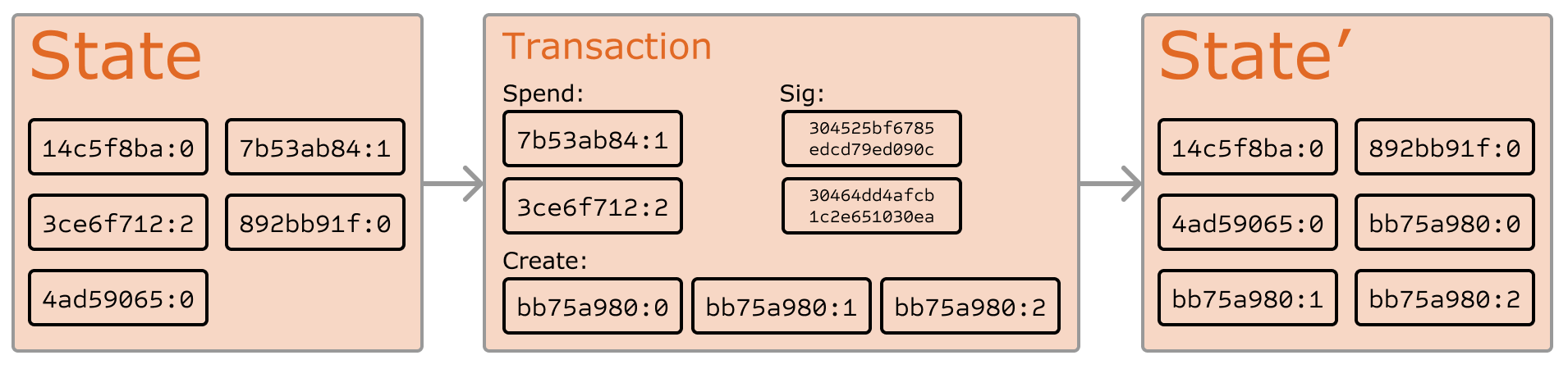
Bitcoin'deki "durum", basılmış ve henüz harcanmamış tüm madeni paraların (teknik olarak, "harcanmamış işlem çıktıları" veya UTXO) koleksiyonudur; her UTXO'nun bir değeri ve bir sahibi vardır (20 baytlık bir adresle tanımlanır ve bu esasen kriptografik bir public key'dir). Bir işlem, her biri mevcut bir UTXO'ya referans ve sahibin adresiyle ilişkili private key tarafından üretilmiş kriptografik bir imza içeren bir veya daha fazla girdi ve her biri duruma eklenecek yeni bir UTXO içeren bir veya daha fazla çıktı içerir.
State transition fonksiyonu APPLY(S,TX) - S' kabaca şu şekilde tanımlanabilir:
- TX'teki her girdi için, referans verilen UTXO S'de yoksa, hata döndür.
- Sağlanan imza UTXO'nun sahibiyle eşleşmiyorsa, hata döndür.
- Tüm girdi UTXO'larının değerlerinin toplamı tüm çıktı UTXO'larının değerlerinin toplamından azsa, hata döndür.
- Tüm girdi UTXO'ları kaldırılmış ve tüm çıktı UTXO'ları eklenmiş S'yi döndür.
İlk adımın ilk yarısı, işlem göndericilerinin var olmayan madeni paraları harcamasını önler; ilk adımın ikinci yarısı, işlem göndericilerinin başkalarının madeni paralarını harcamasını önler ve ikinci adım değer korunumunu sağlar. Bunu ödeme için kullanmak üzere protokol şöyledir: Alice'in Bob'a 11,7 BTC göndermek istediğini varsayalım. İlk olarak, Alice en az 11,7 BTC'ye ulaşan sahip olduğu mevcut UTXO'lar kümesini arayacaktır. Gerçekçi olarak, Alice tam 11,7 BTC elde edemeyecektir; diyelim ki elde edebileceği en küçük miktar 6+4+2=12'dir. Daha sonra bu üç girdi ve iki çıktı ile bir işlem oluşturur. İlk çıktı, sahibi Bob'un adresi olan 11,7 BTC olacaktır ve ikinci çıktı, sahibi Alice'in kendisi olan kalan 0,3 BTC "para üstü" olacaktır.
Bitcoin As A State Transition System
من الناحية التقنية، يمكن التفكير في دفتر الحسابات لعملة مشفرة مثل Bitcoin كنظام state transition، حيث يوجد "حالة" تتكون من حالة ملكية جميع عملات bitcoin الموجودة و"دالة state transition" تأخذ حالة ومعاملة وتُخرج حالة جديدة هي النتيجة. في نظام مصرفي قياسي، على سبيل المثال، الحالة هي كشف الرصيد، والمعاملة هي طلب لنقل \(X من A إلى B، ودالة state transition تُنقص القيمة في حساب A بمقدار \)X وتزيد القيمة في حساب B بمقدار \(X. إذا كان حساب A يحتوي على أقل من \)X في المقام الأول، فإن دالة state transition تُرجع خطأ.
"الحالة" في Bitcoin هي مجموعة جميع العملات (تقنياً، "مخرجات المعاملات غير المنفقة" أو UTXO) التي تم سكها ولم تُنفق بعد، حيث يملك كل UTXO فئة ومالكاً (معرف بعنوان 20 بايت وهو في الأساس public key تشفيرية). تحتوي المعاملة على مدخل واحد أو أكثر، يحتوي كل مدخل على إشارة إلى UTXO موجود وتوقيع تشفيري أُنتج بواسطة private key المرتبط بعنوان المالك، ومخرج واحد أو أكثر، يحتوي كل مخرج على UTXO جديد ليُضاف إلى الحالة.
يمكن تعريف دالة state transition APPLY(S,TX) - S' تقريباً كما يلي:
- لكل مدخل في TX، إذا لم يكن UTXO المُشار إليه موجوداً في S، أرجع خطأ.
- إذا لم يتطابق التوقيع المُقدم مع مالك UTXO، أرجع خطأ.
- إذا كان مجموع فئات جميع UTXO المدخلة أقل من مجموع فئات جميع UTXO المُخرجة، أرجع خطأ.
- أرجع S مع إزالة جميع UTXO المدخلة وإضافة جميع UTXO المُخرجة.
يمنع النصف الأول من الخطوة الأولى مرسلي المعاملات من إنفاق عملات غير موجودة، والنصف الثاني من الخطوة الأولى يمنع مرسلي المعاملات من إنفاق عملات أشخاص آخرين، والخطوة الثانية تفرض حفظ القيمة. لاستخدام هذا للدفع، البروتوكول كالتالي: لنفترض أن Alice تريد إرسال 11.7 BTC إلى Bob. أولاً، ستبحث Alice عن مجموعة من UTXO المتاحة التي تملكها بإجمالي لا يقل عن 11.7 BTC. واقعياً، لن تتمكن Alice من الحصول على 11.7 BTC بالضبط؛ لنقل أن أصغر ما يمكنها الحصول عليه هو 6+4+2=12. ثم تُنشئ معاملة بتلك المدخلات الثلاثة ومخرجين. المخرج الأول سيكون 11.7 BTC بعنوان Bob كمالك، والمخرج الثاني سيكون 0.3 BTC المتبقية كـ "باقي"، بملكية Alice نفسها.
Mining
Güvenilir merkezi bir hizmete erişimimiz olsaydı, bu sistemi uygulamak önemsiz olurdu; tam olarak açıklandığı gibi kodlanabilir, durumu takip etmek için merkezi bir sunucunun sabit diskini kullanarak. Ancak Bitcoin ile merkeziyetsiz bir para birimi sistemi inşa etmeye çalışıyoruz, bu nedenle herkesin işlemlerin sırası üzerinde anlaşmasını sağlamak için state transition sistemini bir uzlaşma sistemi ile birleştirmemiz gerekecek. Bitcoin'in merkeziyetsiz uzlaşma süreci, ağdaki düğümlerin sürekli olarak "blok" adı verilen işlem paketleri üretmeye çalışmasını gerektirir. Ağ, yaklaşık her on dakikada bir blok üretmeyi amaçlar; her blok bir zaman damgası, bir nonce, önceki bloğa bir referans (yani hash) ve önceki bloktan bu yana gerçekleşen tüm işlemlerin bir listesini içerir.
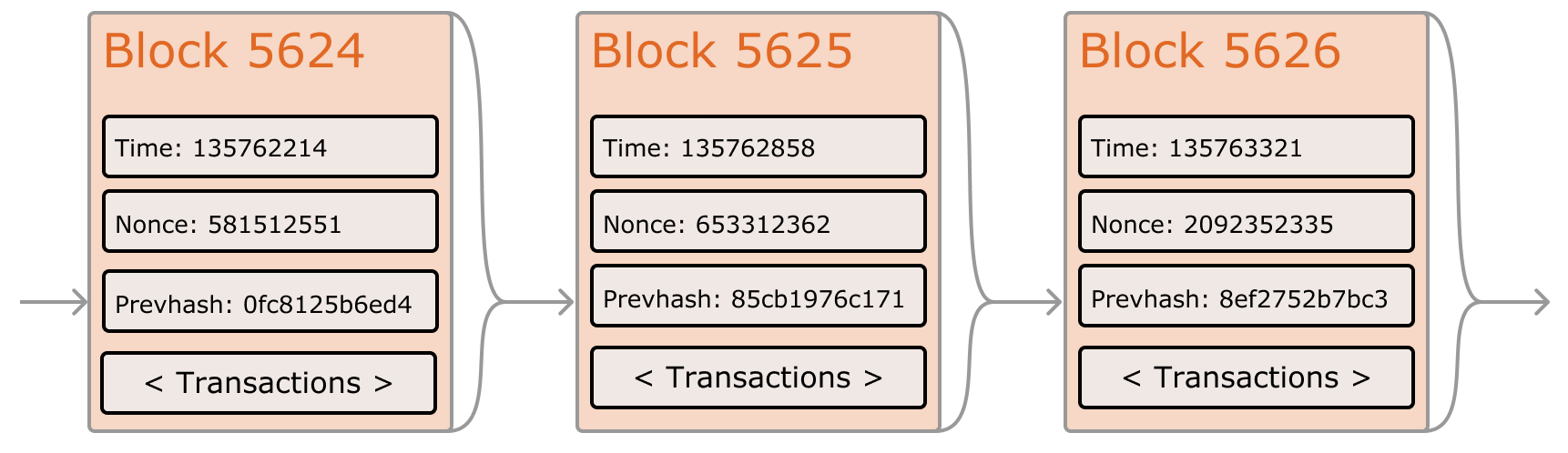
Zamanla bu, Bitcoin defterinin en son durumunu temsil etmek için sürekli güncellenen kalıcı, sürekli büyüyen bir "blockchain" oluşturur. Bir bloğun geçerli olup olmadığını kontrol etme algoritması, bu paradigmada şu şekilde ifade edilir:
- Blok tarafından referans verilen önceki bloğun var olduğunu ve geçerli olduğunu kontrol et.
- Bloğun zaman damgasının önceki bloktan büyük ve gelecekte 2 saatten az olduğunu kontrol et.
- Blok üzerindeki proof of work'ün geçerli olduğunu kontrol et.
- S önceki bloğun sonundaki durum olsun.
- TX, n işlem içeren bloğun işlem listesi olsun. 0...n-1'deki tüm i için S = APPLY(S,TX[i]) ayarla. Herhangi bir uygulama hata döndürürse, çık ve false döndür.
- true döndür ve S'yi bu bloğun sonundaki durum olarak kaydet.
Esasen, bloktaki her işlem, işlem yürütülmeden önceki kanonik durumdan yeni bir duruma geçerli bir state transition sağlamalıdır. Durumun blokta hiçbir şekilde kodlanmadığını unutmayın; tamamen doğrulama düğümü tarafından hatırlanacak bir soyutlamadır ve herhangi bir blok için yalnızca genesis durumundan başlayarak her bloktaki her işlem sıralı olarak uygulanarak (güvenli bir şekilde) hesaplanabilir.
Madenci, hesaplama çalışması için yeni oluşturulan bitcoin'ler ve işlem ücretleri ile ödüllendirilir. Madencilik süreci şöyle çalışır: madenciler blok başlığını alır ve belirli bir zorluk hedefinin altında bir hash bulana kadar farklı nonce değerleriyle tekrar tekrar hash ederler. Bir madenci böyle bir hash bulduğunda, bloğu ağa yayınlar ve diğer düğümler hash'in geçerli olduğunu ve bloktaki tüm işlemlerin geçerli olduğunu doğrular. Zorluk hedefi, blokların yaklaşık sabit bir hızda üretilmesini sağlamak için protokol tarafından her 2016 blokta (yaklaşık iki hafta) otomatik olarak ayarlanır.
Uzun vadede, blockchain'in güvenliğinin madencilerin dürüst davranmaları için finansal teşvike sahip olmasına bağlı olduğunu unutmayın. Bir saldırgan ağın madencilik gücünün %50'sinden fazlasını kontrol ederse, dürüst zincirden daha hızlı büyüyen alternatif bir blockchain oluşturarak potansiyel olarak bir "%51 saldırısı" gerçekleştirebilir. Ancak böyle bir saldırı muazzam hesaplama kaynakları gerektirir ve ağ blockchain'in bütünlüğüne olan güvenini kaybettikçe saldırganın madencilik ödülleri muhtemelen değersiz hale gelir.
Mining
لو كان لدينا وصول إلى خدمة مركزية موثوقة، لكان تنفيذ هذا النظام بسيطاً؛ يمكن ببساطة برمجته كما هو موصوف، باستخدام القرص الصلب لخادم مركزي لتتبع الحالة. ومع ذلك، مع Bitcoin نحاول بناء نظام عملة لامركزي، لذا سنحتاج إلى دمج نظام state transition مع نظام إجماع لضمان أن الجميع يتفق على ترتيب المعاملات. تتطلب عملية الإجماع اللامركزية في Bitcoin أن تحاول العقد في الشبكة باستمرار إنتاج حزم من المعاملات تُسمى "كتل". تهدف الشبكة إلى إنتاج كتلة واحدة تقريباً كل عشر دقائق، حيث تحتوي كل كتلة على طابع زمني، وnonce، وإشارة إلى (أي hash) الكتلة السابقة وقائمة بجميع المعاملات التي تمت منذ الكتلة السابقة.
بمرور الوقت، ينشئ هذا "blockchain" مستمراً ومتنامياً باستمرار يتم تحديثه باستمرار لتمثيل أحدث حالة لدفتر Bitcoin. خوارزمية التحقق من صلاحية الكتلة، معبراً عنها في هذا النموذج، هي كالتالي:
- تحقق من أن الكتلة السابقة المُشار إليها بواسطة الكتلة موجودة وصالحة.
- تحقق من أن الطابع الزمني للكتلة أكبر من الكتلة السابقة وأقل من ساعتين في المستقبل.
- تحقق من أن proof of work على الكتلة صالح.
- ليكن S الحالة في نهاية الكتلة السابقة.
- لنفترض أن TX هي قائمة معاملات الكتلة بـ n معاملة. لكل i في 0...n-1، اضبط S = APPLY(S,TX[i]). إذا أرجع أي تطبيق خطأ، اخرج وأرجع false.
- أرجع true، وسجل S كالحالة في نهاية هذه الكتلة.
في الأساس، يجب أن توفر كل معاملة في الكتلة انتقال حالة صالحاً مما كانت عليه الحالة القانونية قبل تنفيذ المعاملة إلى حالة جديدة ما. لاحظ أن الحالة ليست مُرمزة في الكتلة بأي شكل؛ هي مجرد تجريد يتذكره عقدة التحقق ولا يمكن حسابها (بأمان) لأي كتلة إلا بالبدء من حالة التكوين وتطبيق كل معاملة في كل كتلة بالتتابع.
يُكافأ المُعدّن على عمله الحسابي بعملات bitcoin جديدة بالإضافة إلى رسوم المعاملات. تعمل عملية التعدين كالتالي: يأخذ المُعدّنون رأس الكتلة ويقومون بتجزئته بشكل متكرر بقيم nonce مختلفة حتى يجدوا hash أقل من هدف صعوبة معين. عندما يجد مُعدّن مثل هذا الـ hash، يبث الكتلة إلى الشبكة، وتتحقق العقد الأخرى من صلاحية الـ hash وصلاحية جميع المعاملات في الكتلة. يتم تعديل هدف الصعوبة تلقائياً بواسطة البروتوكول كل 2016 كتلة (حوالي أسبوعين) لضمان إنتاج الكتل بمعدل ثابت تقريباً.
لاحظ أنه على المدى الطويل، يعتمد أمان blockchain على وجود حافز مالي للمُعدّنين للتصرف بأمانة. إذا سيطر مهاجم على أكثر من 50% من قوة التعدين في الشبكة، فيمكنه تنفيذ "هجوم 51%" بإنشاء blockchain بديل ينمو أسرع من السلسلة الصادقة. ومع ذلك، سيتطلب مثل هذا الهجوم موارد حسابية هائلة ومن المرجح أن تصبح مكافآت تعدين المهاجم عديمة القيمة مع فقدان الشبكة الثقة في سلامة blockchain.
Merkle Trees
Merkle tree'ler, Bitcoin bloklarında işlem dahilinin verimli ve güvenli doğrulanmasını sağlamak için kullanılan temel bir veri yapısıdır. Merkle tree, yaprak düğümlerin bireysel işlemlerin hash'lerini içerdiği, her iç düğümün iki çocuğunun hash'ini içerdiği ve blok başlığında saklanan tek bir kök hash'e kadar özyinelemeli olarak inşa edilen bir ikili hash ağacıdır. Bu hiyerarşik yapı, herhangi birinin, bloktaki tüm işlemleri indirmek yerine yalnızca Merkle dalını—işlemden köke kadar olan hash zincirini—indirerek belirli bir işlemin bir blokta yer aldığını doğrulamasına olanak tanır.
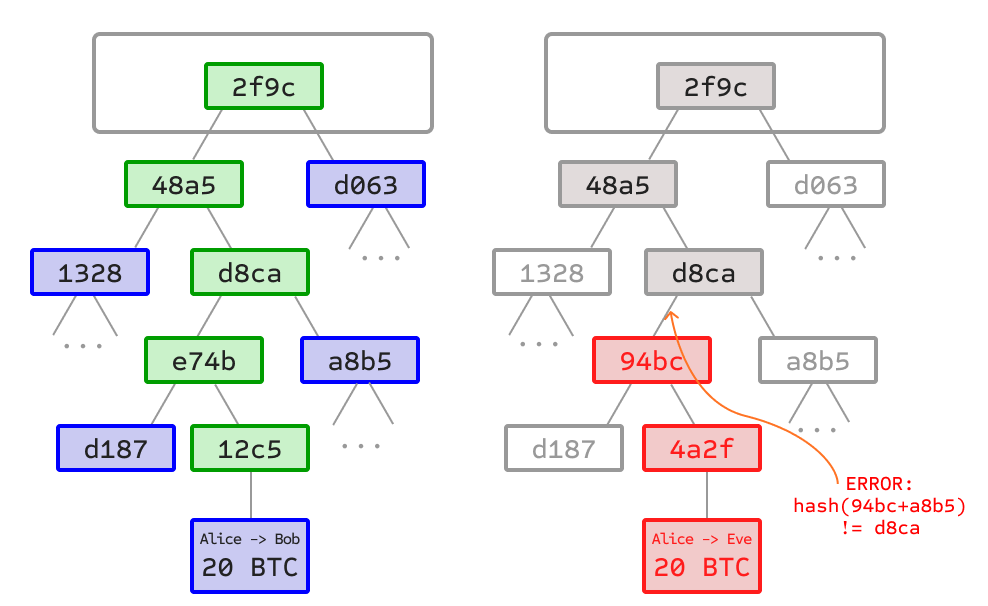
Verimlilik kazanımları önemlidir: tam bir Bitcoin düğümü tüm blockchain'i (2013 itibarıyla yaklaşık 15GB) depolamak zorundayken, basitleştirilmiş ödeme doğrulama (SPV) düğümünün yalnızca Merkle köklerini içeren blok başlıklarını indirmesi gerekir ve bu yalnızca 4MB veri gerektirir. Bir işlemi doğrulamak için, SPV düğümü tam düğümlerden Merkle dalını talep eder ve bu yalnızca O(log n) veri gerektirir; burada n bloktaki işlem sayısıdır. Bu logaritmik ölçekleme, mobil cihazlarda ve düşük kaynaklı ortamlarda hafif istemcilerin çalıştırılmasını mümkün kılar.
Bitcoin'in Merkle tree kullanımı önemli bir ilkeyi gösterir: kriptografik yapılar, merkeziyetsiz bir ağa katılmak için güven ve kaynak gereksinimlerini dramatik şekilde azaltabilir. Aynı ilke Ethereum'un tasarımının temelini oluşturur; burada Merkle tree'ler yalnızca işlemler için değil, aynı zamanda durum ve makbuz depolama için de kullanılır ve daha sofistike hafif istemci protokollerini mümkün kılar.
Merkle Trees
أشجار Merkle هي بنية بيانات أساسية تُستخدم في كتل Bitcoin لتمكين التحقق الفعال والآمن من تضمين المعاملات. شجرة Merkle هي شجرة ثنائية من القيم المُجزّأة حيث تحتوي عقد الأوراق على قيم hash للمعاملات الفردية، وتحتوي كل عقدة داخلية على hash لطفليها، وتُبنى بشكل متكرر حتى hash جذر واحد يُخزن في رأس الكتلة. تسمح هذه البنية الهرمية لأي شخص بالتحقق من أن معاملة محددة مُدرجة في كتلة عن طريق تنزيل فرع Merkle فقط—سلسلة القيم المُجزّأة من المعاملة حتى الجذر—بدلاً من تنزيل جميع المعاملات في الكتلة.
مكاسب الكفاءة كبيرة: بينما يجب على عقدة Bitcoin كاملة تخزين blockchain بالكامل (حوالي 15 جيجابايت اعتباراً من 2013)، تحتاج عقدة التحقق المبسط من الدفع (SPV) فقط إلى تنزيل رؤوس الكتل التي تحتوي على جذور Merkle، مما يتطلب 4 ميجابايت فقط من البيانات. للتحقق من معاملة، تطلب عقدة SPV فرع Merkle من العقد الكاملة، مما يتطلب بيانات O(log n) فقط حيث n هو عدد المعاملات في الكتلة. هذا التحجيم اللوغاريتمي يجعل من الممكن تشغيل عملاء خفيفي الوزن على الأجهزة المحمولة والبيئات محدودة الموارد.
يُظهر استخدام Bitcoin لأشجار Merkle مبدأً رئيسياً: يمكن للبنى التشفيرية أن تقلل بشكل كبير من متطلبات الثقة والموارد للمشاركة في شبكة لامركزية. هذا المبدأ نفسه يكمن وراء تصميم Ethereum، حيث تُستخدم أشجار Merkle ليس فقط للمعاملات ولكن أيضاً لتخزين الحالة والإيصالات، مما يُمكّن بروتوكولات عميل خفيف أكثر تطوراً.
Alternative Blockchain Applications
Bitcoin'in blockchain'inin başarısı, kavramı basit para biriminin ötesine genişletmeye yönelik çok sayıda girişime ilham verdi. 2010'da başlatılan Namecoin, en erken örneklerden biriydi—bir blockchain üzerine kurulmuş merkeziyetsiz bir isim kayıt veritabanı, kullanıcıların hiçbir merkezi otoritenin sansürleyemeyeceği veya iptal edemeyeceği dağıtılmış bir ad alanında isim kaydetmesine izin veren. Colored coins, belirli işlem çıktılarını "etiketleyerek" gerçek dünya varlıklarının, şirket hisselerinin veya diğer kripto paraların sahipliğini temsil etmek için Bitcoin blockchain'inde alternatif varlıkları temsil etmenin bir yolu olarak ortaya çıktı. Metacoin'ler ve Mastercoin (sonradan Omni) gibi meta-protokoller, Bitcoin işlemlerine ek veri kodlayarak ve bunun üzerine ayrı protokol kuralları inşa ederek Bitcoin'in üzerine ek işlevsellik katmanladı.
Ancak tüm bu yaklaşımlar, Bitcoin'in mimarisi tarafından dayatılan temel sınırlamalardan muzdaripti. Bitcoin betik dili kasıtlı olarak kısıtlıdır—blockchain durumuna erişemez, döngülerden ve karmaşık kontrol akışından yoksundur ve işlem değerlerine sınırlı iç gözlem sağlar. Sofistike uygulamalar inşa etmek garip geçici çözümler gerektiriyordu: metadata'yı hiçbir zaman bu amaç için tasarlanmamış işlem alanlarına kodlamak, karmaşık mantık için zincir dışı altyapıya güvenmek veya protokolün başarabileceklerindeki ciddi sınırlamaları kabul etmek.
Bu kısıtlamalar, daha genel amaçlı bir blockchain platformu arayışını motive etti. Bitcoin'in sınırlı temeli üzerine bir başka özel amaçlı protokol inşa etmek yerine, Ethereum farklı bir yaklaşım benimser: yerleşik Turing-complete bir programlama diline sahip bir blockchain sağlayarak, herkesin sahiplik, işlem formatları ve state transition fonksiyonları için rastgele kurallarla smart contract'lar ve merkeziyetsiz uygulamalar yazmasına olanak tanır.
Alternative Blockchain Applications
ألهم نجاح blockchain الخاص بـ Bitcoin محاولات عديدة لتوسيع المفهوم إلى ما هو أبعد من العملة البسيطة. كان Namecoin، الذي أُطلق في عام 2010، من أوائل الأمثلة—قاعدة بيانات لامركزية لتسجيل الأسماء مبنية على blockchain، تسمح للمستخدمين بتسجيل أسماء في نطاق أسماء موزع لا يمكن لأي سلطة مركزية رقابته أو إلغاؤه. ظهرت Colored coins كطريقة لتمثيل أصول بديلة على blockchain الخاص بـ Bitcoin عن طريق "وسم" مخرجات معاملات محددة لتمثيل ملكية أصول حقيقية أو أسهم شركات أو عملات مشفرة أخرى. أضافت Metacoins والبروتوكولات الفوقية مثل Mastercoin (لاحقاً Omni) وظائف إضافية فوق Bitcoin عن طريق ترميز بيانات إضافية في معاملات Bitcoin وبناء قواعد بروتوكول منفصلة فوقها.
ومع ذلك، عانت جميع هذه المقاربات من قيود جوهرية فرضتها بنية Bitcoin. لغة البرمجة النصية لـ Bitcoin مقيدة عمداً—لا يمكنها الوصول إلى حالة blockchain، وتفتقر إلى الحلقات وتدفق التحكم المعقد، وتوفر استبطاناً محدوداً لقيم المعاملات. تطلب بناء تطبيقات متطورة حلولاً بديلة محرجة: ترميز البيانات الوصفية في حقول معاملات لم تُصمم لهذا الغرض أبداً، والاعتماد على بنية تحتية خارج السلسلة للمنطق المعقد، أو قبول قيود شديدة على ما يمكن للبروتوكول إنجازه.
حفّزت هذه القيود البحث عن منصة blockchain أكثر عمومية. بدلاً من بناء بروتوكول آخر ذو غرض خاص فوق أساس Bitcoin المحدود، يتبنى Ethereum مقاربة مختلفة: توفير blockchain بلغة برمجة Turing-complete مدمجة، تسمح لأي شخص بكتابة smart contracts وتطبيقات لامركزية بقواعد عشوائية للملكية وصيغ المعاملات ودوال state transition.
Scripting
Bitcoin Script, Bitcoin işlemleri için harcama koşullarını tanımlamak için kullanılan dil, kasıtlı olarak ciddi sınırlamalarla tasarlanmıştır. Turing-complete değildir—en önemlisi döngüler ve karmaşık kontrol akışı yapılarından yoksundur. Dil, işlemlerin değerleri ittiği ve çektiği, kriptografik koşulları değerlendirdiği ve nihayetinde bir işlemin geçerli olup olmadığını belirlemek için true veya false döndürdüğü basit bir yığın tabanlı yürütme ortamı olarak çalışır. Bu basitlik güvenlik avantajları sağlar ve biçimsel analizi kolaylaştırırken, birçok uygulama türünü uygulamayı imkansız kılar.
Bu sınırlamalar üç ana kategoriye ayrılır. Birincisi, Turing-completeness eksikliği karmaşık durum makinelerinin, karar ağaçlarının veya yineleme gerektiren herhangi bir algoritmanın uygulanmasını engeller. İkincisi, değer körlüğü, betiklerin çekim miktarları üzerinde ince ayarlı kontrol belirleyemeyeceği anlamına gelir—bir UTXO yalnızca bütünüyle harcanabilir ve para üstü yeni bir çıktıya gönderilir. Bir betik, örneğin, günlük maksimum X çekimle sınırlandırırken kalanı kilitli tutamaz. Üçüncüsü, blockchain durum farkındalığı eksikliği, UTXO'ların ya harcanmış ya da harcanmamış olduğu ve ara durumlar olmadığı anlamına gelir, bu da çok aşamalı sözleşmelerin tamamen zincir üzerinde uygulanmasını imkansız kılar.
Bu kısıtlamalar, merkeziyetsiz otonom organizasyonlar, çekim limitleri olan tasarruf cüzdanları, merkeziyetsiz borsalar veya tahmin piyasaları gibi sofistike uygulamaları ya imkansız kılar ya da garip zincir dışı mekanizmalar gerektirir. Gelişmiş bir finansal sözleşme, piyasa verilerine erişim, birden fazla işlem boyunca dahili durum sürdürme yeteneği ve karmaşık koşullu mantık gerektirebilir—bunların hiçbirini Bitcoin Script sağlayamaz. Ethereum, blockchain durumuna tam erişim ile Turing-complete bir dil sağlayarak bu sınırlamaları ortadan kaldırır.
Scripting
Bitcoin Script، اللغة المستخدمة لتعريف شروط الإنفاق لمعاملات Bitcoin، صُممت عمداً بقيود شديدة. إنها ليست Turing-complete—والأبرز أنها تفتقر إلى الحلقات وبنى تدفق التحكم المعقدة. تعمل اللغة كبيئة تنفيذ بسيطة قائمة على المكدس حيث تقوم العمليات بدفع وسحب القيم، وتقييم الشروط التشفيرية، وتُرجع في النهاية true أو false لتحديد ما إذا كانت المعاملة صالحة. بينما توفر هذه البساطة فوائد أمنية وتسهل التحليل الرسمي، فإنها تجعل العديد من أنواع التطبيقات مستحيلة التنفيذ.
تقع هذه القيود في ثلاث فئات رئيسية. أولاً، عدم اكتمال Turing يمنع تنفيذ آلات الحالة المعقدة وأشجار القرار أو أي خوارزمية تتطلب التكرار. ثانياً، عمى القيمة يعني أن البرامج النصية لا يمكنها تحديد تحكم دقيق في مبالغ السحب—يمكن إنفاق UTXO فقط بالكامل، مع إرسال الباقي إلى مخرج جديد. لا يمكن للبرنامج النصي، على سبيل المثال، تحديد السحب بحد أقصى X يومياً مع إبقاء الباقي مقفلاً. ثالثاً، عدم الوعي بحالة blockchain يعني أن UTXO إما منفقة أو غير منفقة بدون حالات وسيطة، مما يجعل العقود متعددة المراحل مستحيلة التنفيذ بالكامل على السلسلة.
تجعل هذه القيود التطبيقات المتطورة مثل المنظمات اللامركزية المستقلة، ومحافظ التوفير بحدود السحب، والبورصات اللامركزية، أو أسواق التنبؤ إما مستحيلة أو تتطلب آليات خارج السلسلة محرجة. قد يتطلب عقد مالي متقدم الوصول إلى بيانات السوق، والقدرة على الحفاظ على حالة داخلية عبر معاملات متعددة، ومنطق شرطي معقد—لا يمكن لـ Bitcoin Script توفير أي منها. يزيل Ethereum هذه القيود بتوفير لغة Turing-complete مع وصول كامل إلى حالة blockchain.
Ethereum
Ethereum'un temel hedefi, herkesin smart contract'lar ve merkeziyetsiz uygulamalar yazabileceği, sahiplik, işlem formatları ve state transition fonksiyonları için kendi rastgele kurallarını oluşturabileceği yerleşik Turing-complete bir programlama diline sahip bir blockchain sağlamaktır. Para birimi, isim kaydı veya varlık ticareti gibi belirli uygulamalar için bir protokol tasarlamak yerine, Ethereum temel bir katman sağlar—geliştiricilerin hayal edebilecekleri herhangi bir uygulamayı inşa etmek için kullanabilecekleri blockchain tabanlı dağıtık bir bilgi işlem platformu.
Mimari, Bitcoin'in UTXO modelinden temelden farklıdır. Ethereum, blockchain durumunun adreslerden hesap nesnelerine bir eşlemeden oluştuğu hesap tabanlı bir sistem kullanır. Her hesabın bir bakiyesi, bir işlem sayacı (nonce) ve sözleşme hesapları için ilişkili kodu ve depolama alanı vardır. Platform, Ethereum Virtual Machine'de (EVM) yürütülen sözleşme kodu yazmak için yerleşik Turing-complete bir programlama dili içerir; EVM, işlemleri ve durum geçişlerini işleyen yığın tabanlı bir yürütme ortamıdır.
Bu genellik, geniş bir uygulama yelpazesini mümkün kılar: özel ihraç kurallarına sahip alternatif kripto paralar, finansal türevler ve stablecoin'ler, kimlik ve itibar sistemleri, merkeziyetsiz dosya depolama, merkeziyetsiz otonom organizasyonlar (DAO'lar) ve çok daha fazlası. Teknik rapor, Ethereum'un herhangi bir belirli kullanım durumu için optimize edilmediğini, bunun yerine temel yapı taşları—hesaplar, işlemler, Turing-complete bir dil ve gas ile ölçülmüş yürütme—sağladığını ve geliştiricilerin ekosistemin talep ettiği herhangi bir uygulamayı oluşturmak için bunları birleştirebileceğini vurgular.
Ethereum
الهدف الأساسي لـ Ethereum هو توفير blockchain بلغة برمجة Turing-complete مدمجة تسمح لأي شخص بكتابة smart contracts وتطبيقات لامركزية حيث يمكنهم إنشاء قواعدهم العشوائية الخاصة للملكية وصيغ المعاملات ودوال state transition. بدلاً من تصميم بروتوكول لتطبيقات محددة مثل العملة أو تسجيل الأسماء أو تداول الأصول، يوفر Ethereum طبقة أساسية—منصة حوسبة موزعة قائمة على blockchain يمكن للمطورين استخدامها لبناء أي تطبيق يمكنهم تخيله.
تختلف البنية جوهرياً عن نموذج UTXO الخاص بـ Bitcoin. يستخدم Ethereum نظاماً قائماً على الحسابات حيث تتكون حالة blockchain من تعيين من العناوين إلى كائنات الحسابات. كل حساب لديه رصيد، وعداد معاملات (nonce)، ولحسابات العقود، كود مرتبط وتخزين. تتضمن المنصة لغة برمجة Turing-complete مدمجة لكتابة كود العقود الذي يُنفذ في Ethereum Virtual Machine (EVM)، وهي بيئة تنفيذ قائمة على المكدس تعالج المعاملات وانتقالات الحالة.
تُمكّن هذه العمومية مجموعة واسعة من التطبيقات: عملات مشفرة بديلة بقواعد إصدار مخصصة، ومشتقات مالية وstablecoins، وأنظمة هوية وسمعة، وتخزين ملفات لامركزي، ومنظمات لامركزية مستقلة (DAOs)، وغير ذلك الكثير. تؤكد الورقة البيضاء أن Ethereum ليس مُحسّناً لأي حالة استخدام معينة بل يوفر اللبنات الأساسية—حسابات ومعاملات ولغة Turing-complete وتنفيذ مقاس بالـ gas—التي يمكن للمطورين دمجها لإنشاء أي تطبيقات يتطلبها النظام البيئي.
Ethereum Accounts
Ethereum'da durum hesaplardan oluşur ve iki temel tür vardır. Harici olarak sahiplenilmiş hesaplar (EOA'lar) özel anahtarlar tarafından kontrol edilir ve ilişkili kodları yoktur—blockchain ile etkileşime giren insan kullanıcıları veya harici varlıkları temsil ederler. Sözleşme hesapları, sözleşme kodları tarafından kontrol edilir ve bir mesaj veya işlem aldıklarında etkinleştirilir. Her iki tür de ortak bir yapıyı paylaşır: her hesabın bir nonce'u (her işlemin yalnızca bir kez işlenmesini sağlamak için kullanılan bir sayaç), bir ether bakiyesi ve özellikle sözleşmeler için sözleşme kodu ve kalıcı depolama alanı vardır.
Ether, Ethereum'un birincil dahili kripto para birimidir ve hem değer transferi aracı hem de işlem ücretlerini (gas) ödemek için temel birim olarak hizmet eder. Değerin birden fazla harcanmamış çıktıya dağıtıldığı Bitcoin'in UTXO modelinin aksine, Ethereum hesapları ether aldıklarında artan ve gönderdiklerinde azalan basit bir bakiye sürdürür. Bu hesap tabanlı model, özellikle kalıcı durum veya karmaşık erişim kontrolü gerektiren birçok uygulama türünü basitleştirir, ancak Bitcoin'in yaklaşımına kıyasla farklı güvenlik değerlendirmeleri sunar.
EOA'lar ve sözleşme hesapları arasındaki ayrım, Ethereum'un işleyişini anlamak için çok önemlidir. EOA'lar, özel anahtarlarıyla mesaj oluşturup imzalayarak işlem başlatabilir ve işlemlerinin bloklara dahil edilmesi için gas ücreti öderler. Sözleşme hesapları kendi başlarına işlem başlatamaz, ancak bir işlem veya mesaj almaya yanıt olarak diğer sözleşmelere mesaj gönderebilir; bu, tek bir harici işlemin birden fazla sözleşmeler arası etkileşimi tetiklediği karmaşık yürütme zincirlerini mümkün kılar.
Ethereum Accounts
في Ethereum، تتكون الحالة من حسابات، وهناك نوعان أساسيان. الحسابات المملوكة خارجياً (EOAs) تُتحكم بواسطة مفاتيح خاصة وليس لها كود مرتبط—تمثل المستخدمين البشريين أو الكيانات الخارجية التي تتفاعل مع blockchain. حسابات العقود تُتحكم بواسطة كود العقد الخاص بها وتُفعّل عند تلقي رسالة أو معاملة. يتشارك كلا النوعين بنية مشتركة: كل حساب لديه nonce (عداد يُستخدم لضمان أن كل معاملة تُعالج مرة واحدة فقط)، ورصيد ether، وللعقود تحديداً، كود العقد وتخزين دائم.
Ether هي العملة المشفرة الداخلية الأساسية لـ Ethereum، وتعمل كوسيط لنقل القيمة والوحدة الأساسية لدفع رسوم المعاملات (gas). على عكس نموذج UTXO الخاص بـ Bitcoin حيث تتوزع القيمة عبر مخرجات متعددة غير منفقة، تحافظ حسابات Ethereum على رصيد بسيط يزداد عند تلقي ether وينقص عند إرساله. يُبسّط هذا النموذج القائم على الحسابات أنواعاً كثيرة من التطبيقات، خاصة تلك التي تتطلب حالة دائمة أو تحكم وصول معقد، رغم أنه يُقدم اعتبارات أمنية مختلفة مقارنة بمقاربة Bitcoin.
التمييز بين EOAs وحسابات العقود حاسم لفهم عمل Ethereum. يمكن لـ EOAs بدء المعاملات بإنشاء وتوقيع رسائل بمفاتيحها الخاصة، ودفع رسوم gas لتضمين معاملاتها في الكتل. لا تستطيع حسابات العقود بدء المعاملات بنفسها لكن يمكنها إرسال رسائل إلى عقود أخرى استجابة لتلقي معاملة أو رسالة، مما يُمكّن سلاسل تنفيذ معقدة حيث تُطلق معاملة خارجية واحدة تفاعلات متعددة بين العقود.
Messages and Transactions
Ethereum'daki işlemler, harici olarak sahiplenilmiş hesaplar tarafından oluşturulan ve ağa yayınlanan imzalı veri paketleridir. Bir işlem; alıcı adresi, gönderenin kimliğini kanıtlayan kriptografik imza, transfer edilecek ether miktarı, isteğe bağlı bir veri alanı (sözleşmelerle etkileşim için kritik), STARTGAS (işlemin alabileceği maksimum hesaplama adımı sayısı) ve GASPRICE (gönderenin hesaplama adımı başına ödemeye razı olduğu ücret) içerir. Madenciler bu işlemleri toplar, doğrular, yürütür ve bloklara dahil eder; karşılığında gas ücretlerini alırlar.
Mesajlar kavramsal olarak işlemlere benzer ancak harici aktörler yerine sözleşmeler tarafından üretilir. Bir sözleşmenin kodu yürütüldüğünde, diğer sözleşmelere mesaj gönderebilir—bu dahili mesajlar göndereni (sözleşme adresi), alıcıyı, transfer edilecek ether miktarını, isteğe bağlı bir veri yükünü ve bir STARTGAS limitini içerir. Mesajlar, sözleşmeler arası iletişimi mümkün kılarak, karmaşık uygulamaların monolitik programlar yerine birden fazla etkileşen sözleşmeden inşa edilmesine olanak tanır.
Gas mekanizması, kötüye kullanımı önlemek için kritiktir: bir işlemdeki her hesaplama adımı, depolama işlemi ve veri baytı gas tüketir. Bir işlem tamamlanmadan önce gas'ı biterse, tüm durum değişiklikleri geri alınır (madenciye gas ödemesi hariç); bu, sonsuz döngülerin veya aşırı hesaplamanın ağı durma noktasına getirmesini önler. Gönderen hem toplam gas bütçesini (STARTGAS) hem de birim başına ödemeye razı olduğu fiyatı (GASPRICE) belirtir ve yürütme tamamlandıktan sonra kullanılmamış gas iade edilir.
Messages and Transactions
المعاملات في Ethereum هي حزم بيانات موقعة تُنشأ بواسطة حسابات مملوكة خارجياً وتُبث إلى الشبكة. تحتوي المعاملة على عنوان المستلم، وتوقيع تشفيري يُثبت هوية المرسل، ومقدار ether المُراد تحويله، وحقل بيانات اختياري (حاسم للتفاعل مع العقود)، وSTARTGAS (الحد الأقصى لعدد الخطوات الحسابية المسموح بها للمعاملة)، وGASPRICE (الرسوم لكل خطوة حسابية يرغب المرسل في دفعها). يجمع المُعدّنون هذه المعاملات ويتحققون منها وينفذونها ويضمونها في الكتل، ويتلقون رسوم gas كتعويض.
الرسائل مشابهة مفاهيمياً للمعاملات لكنها تُنتج بواسطة العقود بدلاً من الجهات الخارجية. عندما يُنفذ كود عقد، يمكنه إرسال رسائل إلى عقود أخرى—تحتوي هذه الرسائل الداخلية على المرسل (عنوان العقد)، والمستلم، ومقدار ether المُراد تحويله، وحمولة بيانات اختيارية، وحد STARTGAS. تُمكّن الرسائل التواصل بين العقود، مما يسمح ببناء تطبيقات معقدة من عقود متعددة متفاعلة بدلاً من برامج متجانسة.
آلية gas حاسمة لمنع إساءة الاستخدام: كل خطوة حسابية وعملية تخزين وبايت بيانات في المعاملة تستهلك gas. إذا نفد gas المعاملة قبل اكتمالها، تُعاد جميع تغييرات الحالة (باستثناء دفع gas للمُعدّن)، مما يمنع الحلقات اللانهائية أو الحوسبة المفرطة من تعطيل الشبكة. يُحدد المرسل كلاً من ميزانية gas الإجمالية (STARTGAS) والسعر الذي يرغب في دفعه لكل وحدة (GASPRICE)، ويُسترد أي gas غير مستخدم بعد اكتمال التنفيذ.
Ethereum State Transition Function
Ethereum state transition fonksiyonu APPLY(S,TX) - S', bir işlemin blockchain durumunu nasıl dönüştürdüğünü tanımlar ve kesin bir adım dizisini takip eder. İlk olarak, sistem işlem geçerliliğini kontrol eder: imzanın doğru olduğunu doğrulama, nonce'un gönderenin hesap nonce'uyla eşleştiğini onaylama ve gönderenin peşin maliyeti (STARTGAS x GASPRICE artı gönderilen değer) ödemeye yetecek bakiyeye sahip olduğunu sağlama. Herhangi bir kontrol başarısız olursa, işlem yürütme başlamadan önce reddedilir. Geçerliyse, işlem ücreti gönderenin hesabından düşülür, gönderenin nonce'u artırılır ve başlangıç gas sayacı STARTGAS eksi işlem verileri için bayt başına ücret olarak ayarlanır.
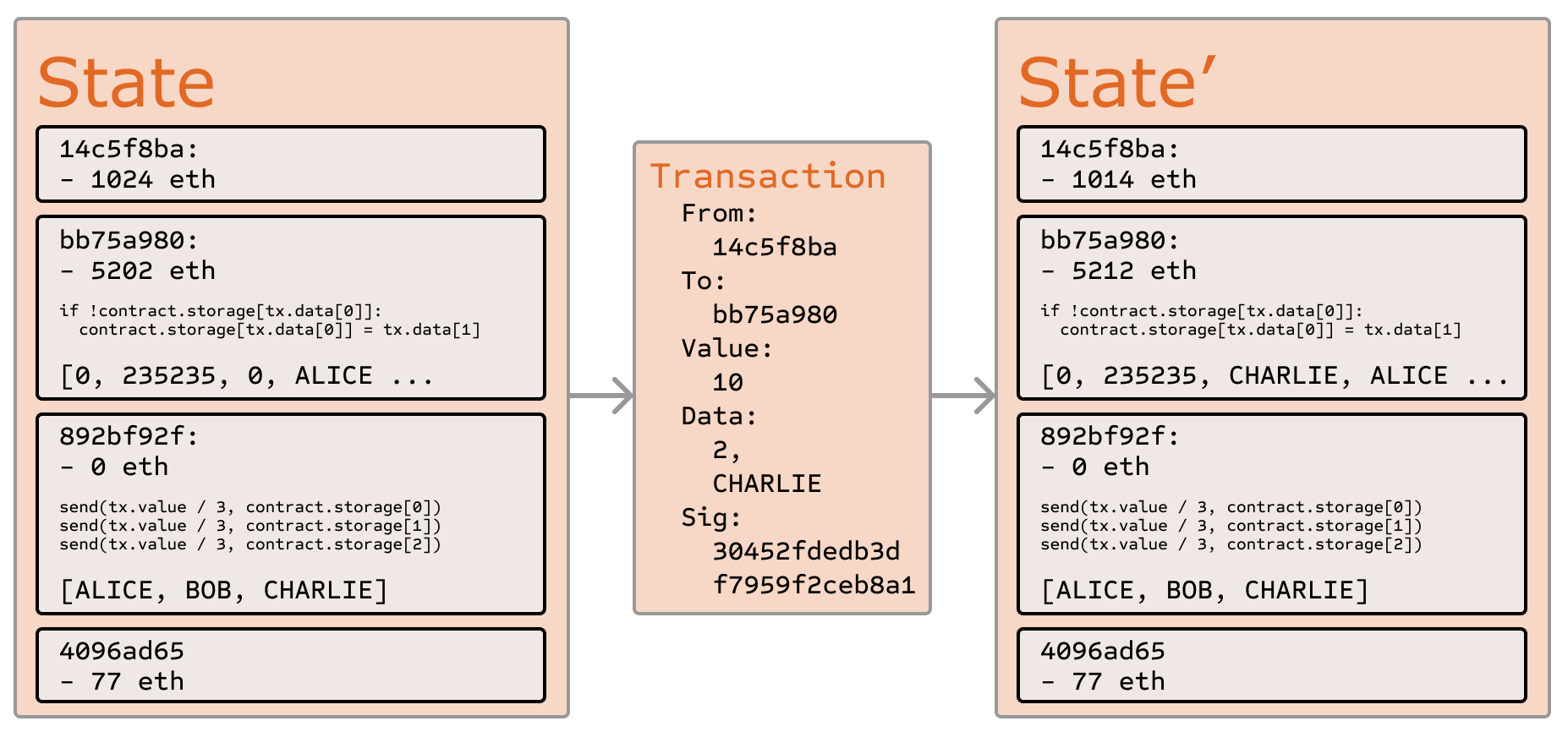
Ardından, sistem belirtilen ether değerini göndericiden alıcıya transfer eder. Alıcı harici olarak sahiplenilmiş bir hesapsa, bu işlemi tamamlar. Alıcı bir sözleşme hesabıysa, sözleşmenin kodu Ethereum Virtual Machine'de çalışır ve her işlem için gas tüketir; kod başarıyla tamamlanana, kod açıkça durdurana veya gas bitene kadar devam eder. Yürütme sırasında sözleşme, depolama alanını okuyabilir ve değiştirebilir, diğer sözleşmelere mesaj gönderebilir ve yeni sözleşmeler oluşturabilir.
Son olarak, değer transferi başarısız olursa (yetersiz bakiye) veya kod yürütme başarısız olursa (gas bitmesi veya bir hataya çarpma), tüm durum değişiklikleri geri alınır—ancak gönderen yine de gerçekleştirilen hesaplama için madenciye gas ücreti öder. Yürütme başarılı olduysa, kalan gas göndericiye iade edilir ve tüketilen gas madenciye ücret olarak gönderilir. Bu mekanizma, madencilerin hesaplama için tazmin edilmesini sağlarken kontrolsüz yürütmenin sınırsız kaynak tüketmesini önler.
Ethereum State Transition Function
تُعرّف دالة state transition في Ethereum APPLY(S,TX) - S' كيف تُحوّل المعاملة حالة blockchain، وتتبع تسلسلاً دقيقاً من الخطوات. أولاً، يتحقق النظام من صلاحية المعاملة: التحقق من صحة التوقيع، وتأكيد أن nonce يتطابق مع nonce حساب المرسل، والتأكد من أن المرسل لديه رصيد كافٍ لدفع التكلفة المسبقة (STARTGAS × GASPRICE بالإضافة إلى القيمة المُرسلة). إذا فشل أي فحص، تُرفض المعاملة قبل بدء التنفيذ. إذا كانت صالحة، تُخصم رسوم المعاملة من حساب المرسل، ويُزاد nonce المرسل، ويُضبط عداد gas أولي على STARTGAS ناقص رسوم لكل بايت من بيانات المعاملة.
بعد ذلك، ينقل النظام قيمة ether المحددة من المرسل إلى المستلم. إذا كان المستلم حساباً مملوكاً خارجياً، يكتمل هذا المعاملة. إذا كان المستلم حساب عقد، يعمل كود العقد في Ethereum Virtual Machine، مستهلكاً gas لكل عملية حتى يكتمل الكود بنجاح، أو يتوقف الكود صراحة، أو ينفد gas. أثناء التنفيذ، يمكن للعقد قراءة وتعديل تخزينه، وإرسال رسائل إلى عقود أخرى، وإنشاء عقود جديدة.
أخيراً، إذا فشل نقل القيمة (رصيد غير كافٍ) أو فشل تنفيذ الكود (نفاد gas أو حدوث خطأ)، تُعاد جميع تغييرات الحالة—لكن المرسل لا يزال يدفع رسوم gas للمُعدّن عن الحوسبة المُنجزة. إذا نجح التنفيذ، يُسترد gas المتبقي إلى المرسل، ويُرسل gas المُستهلك إلى المُعدّن كرسوم. تضمن هذه الآلية تعويض المُعدّنين عن الحوسبة مع منع التنفيذ الجامح من استهلاك موارد غير محدودة.
Code Execution
Ethereum Virtual Machine (EVM), sözleşme kodunun yürütüldüğü çalışma zamanı ortamıdır—kavramsal olarak Java Virtual Machine veya WebAssembly'ye benzer düşük seviyeli, yığın tabanlı bir sanal makine. Sözleşme kodu, her baytın EVM'nin yürütebileceği bir işlemi (opcode) temsil ettiği bir bayt dizisi olarak depolanır. Yürütme modeli kasıtlı olarak basit ve deterministiktir: aynı giriş durumu ve işlemle EVM'yi çalıştıran her düğüm aynı çıkış durumuna ulaşmalıdır, bu da ağ genelinde uzlaşmayı sağlar.
EVM, hesaplama için üç farklı depolama türü sağlar. Yığın, anlık işlem değerleri için kullanılan, 1024 öğeyle sınırlı son giren ilk çıkar (LIFO) yapısıdır. Bellek, yalnızca tek bir mesaj çağrısı süresince var olan ve yürütmeler arasında sıfırlanan sonsuz genişletilebilir bir bayt dizisidir. Depolama, her sözleşme hesabıyla kalıcı olarak ilişkili olan ve sözleşmelerin işlemler boyunca uzun vadeli durumlarını sürdürdüğü kalıcı anahtar-değer deposudur. Bu depolama türleri gas'ta farklı şekilde fiyatlandırılır—yığın ve bellek işlemleri ucuzdur, depolama işlemleri ise blockchain şişmesini önlemek için pahalıdır.
Yürütme sırasında, sözleşme kodunun kritik bağlama erişimi vardır: mesaj gönderenin adresini, gönderilen ether miktarını, çağıran tarafından sağlanan veri yükünü ve mevcut blok numarası, zaman damgası ve madenci adresi gibi blok düzeyindeki özellikleri okuyabilir. Kod, çağırana bir çıkış bayt dizisi döndürebilir ve diğer sözleşmelere mesaj gönderebilir veya yeni sözleşmeler oluşturabilir. Bu yürütme modeli Turing-complete'dir—döngüler ve karmaşık kontrol akışı mümkündür—ancak gas mekanizması, tüm hesaplamanın sınırlı zamanda sona ermesini sağlar ve durma problemini dil kısıtlamalarıyla değil ekonomik olarak çözer.
Code Execution
آلة Ethereum الافتراضية (EVM) هي بيئة التشغيل حيث يُنفذ كود العقد—آلة افتراضية منخفضة المستوى قائمة على المكدس، مشابهة مفاهيمياً لآلة Java الافتراضية أو WebAssembly. يُخزن كود العقد كتسلسل من البايتات، حيث يمثل كل بايت عملية (opcode) يمكن لـ EVM تنفيذها. نموذج التنفيذ بسيط وحتمي عمداً: يجب أن تصل كل عقدة تشغل EVM بنفس حالة الإدخال والمعاملة إلى نفس حالة الإخراج، مما يضمن الإجماع عبر الشبكة.
يوفر EVM ثلاثة أنواع مميزة من التخزين للحوسبة. المكدس هو بنية "آخر من يدخل أول من يخرج" (LIFO) محدودة بـ 1024 عنصراً، تُستخدم لقيم العمليات الفورية. الذاكرة هي مصفوفة بايت قابلة للتوسع لانهائياً تستمر فقط خلال استدعاء رسالة واحدة وتُعاد تهيئتها بين عمليات التنفيذ. التخزين هو مخزن key-value دائم مرتبط بشكل دائم بكل حساب عقد، حيث تحافظ العقود على حالتها طويلة المدى عبر المعاملات. تُسعّر أنواع التخزين هذه بشكل مختلف في gas—عمليات المكدس والذاكرة رخيصة، بينما عمليات التخزين مكلفة لمنع تضخم blockchain.
أثناء التنفيذ، يمكن لكود العقد الوصول إلى سياق حاسم: يمكنه قراءة عنوان مرسل الرسالة، ومقدار ether المُرسل، وحمولة البيانات المقدمة من المُستدعي، وخصائص مستوى الكتلة مثل رقم الكتلة الحالي والطابع الزمني وعنوان المُعدّن. يمكن للكود إرجاع مصفوفة بايت إخراج إلى المُستدعي ويمكنه إرسال رسائل إلى عقود أخرى أو إنشاء عقود جديدة. نموذج التنفيذ هذا Turing-complete—الحلقات وتدفق التحكم المعقد ممكنان—لكن آلية gas تضمن أن جميع الحوسبة تنتهي في وقت محدود، حيث تحل مشكلة التوقف اقتصادياً بدلاً من قيود اللغة.
Blockchain and Mining
Ethereum blockchain'i, yürütülen her işlemi içeren bir veritabanı olarak hizmet eden Bitcoin'inkine temelden benzerdir. Ancak Bitcoin yalnızca bir işlem listesi depolarken, Ethereum hem işlem listesini hem de en son durumu depolar. Ethereum'daki her blok; önceki bloğun hash'ini, bir durum kökünü (tüm durumu temsil eden Merkle Patricia trie'sinin kök hash'i), bir işlem kökünü, bir makbuz kökünü (işlem yürütmesinden verileri depolayan), zorluk, zaman damgası ve nonce değerlerini içerir. Durumun kendisi, adresleri hesap nesnelerine eşleyen büyük bir Merkle Patricia trie'sidir; her hesabın bakiyesi, nonce'u, kodu (varsa) ve depolama alanı vardır.

Ethereum, hızlı blok sürelerinden kaynaklanan güvenlik sorunlarını çözmek için GHOST (Greedy Heaviest Observed Subtree) protokolünün değiştirilmiş bir versiyonunu kullanır. Geleneksel en uzun zincir protokollerinde, hızlı bloklar yüksek eski blok oranlarına yol açarak ağ güvenliğini azaltır ve büyük madencilerin eskilerde daha az hesaplama israf etmesi nedeniyle merkezileşme risklerini artırır. GHOST, eski blokları (Ethereum'da "amcalar" olarak adlandırılır) en uzun zincir hesaplamasına dahil eder ve amca bloklara kısmi ödüller sağlayarak madencileri bunlara referans vermeye teşvik eder. Bu, Ethereum'un ağ güvenliğini korurken yaklaşık 12 saniyelik hedef blok süresini sürdürmesine olanak tanır.
Madencilik algoritması Bitcoin'in proof-of-work'üne benzer şekilde çalışır ve madencilerin bloğun hash'inin belirli bir zorluk hedefinin altında olacağı bir nonce bulmasını gerektirir. Ancak Ethereum'un bellek yoğun madencilik algoritması (Ethash), daha merkeziyetsiz bir madencilik ekosistemi teşvik ederek ASIC'e dayanıklı olacak şekilde tasarlanmıştır. Zorluk, ~12 saniyelik hedefi korumak için blok sürelerine göre dinamik olarak ayarlanır; bu, Bitcoin'in 10 dakikalık ortalamasına kıyasla daha hızlı blok sürelerine rağmen GHOST protokolünün güvenlik garantileri sağlarken tutarlı blok üretimini sağlar.
Blockchain and Mining
blockchain الخاص بـ Ethereum مشابه جوهرياً لـ Bitcoin، حيث يعمل كقاعدة بيانات تحتوي على كل معاملة تم تنفيذها. ومع ذلك، بينما يُخزن Bitcoin قائمة المعاملات فقط، يُخزن Ethereum كلاً من قائمة المعاملات والحالة الأحدث. كل كتلة في Ethereum تحتوي على hash الكتلة السابقة، وجذر الحالة (hash الجذر لـ Merkle Patricia trie الذي يمثل الحالة الكاملة)، وجذر المعاملات، وجذر الإيصالات (يُخزن بيانات من تنفيذ المعاملات)، بالإضافة إلى قيم الصعوبة والطابع الزمني وnonce. الحالة نفسها هي Merkle Patricia trie كبير يُعيّن العناوين إلى كائنات الحسابات، حيث كل حساب لديه رصيد وnonce وكود (إن وُجد) وتخزين.
يستخدم Ethereum نسخة معدلة من بروتوكول GHOST (الشجرة الفرعية الأثقل المرصودة بجشع) لمعالجة مشاكل الأمان الناشئة عن أوقات الكتل السريعة. في بروتوكولات السلسلة الأطول التقليدية، تؤدي الكتل السريعة إلى معدلات عالية من الكتل القديمة، مما يقلل أمان الشبكة ويزيد مخاطر المركزية لأن المُعدّنين الكبار يُهدرون حوسبة أقل على الكتل القديمة. يُضمّن GHOST الكتل القديمة (تُسمى "أعمام" في Ethereum) في حساب أي سلسلة هي الأطول، ويوفر مكافآت جزئية لكتل الأعمام، محفزاً المُعدّنين على الإشارة إليها. يسمح هذا لـ Ethereum بالحفاظ على وقت كتلة مستهدف يبلغ حوالي 12 ثانية مع الحفاظ على أمان الشبكة.
تعمل خوارزمية التعدين بشكل مشابه لـ proof-of-work الخاص بـ Bitcoin، مما يتطلب من المُعدّنين إيجاد nonce بحيث يكون hash الكتلة أقل من هدف صعوبة معين. ومع ذلك، فإن خوارزمية التعدين كثيفة الذاكرة في Ethereum (Ethash) مصممة لتكون مقاومة لـ ASIC، مما يُعزز نظام تعدين أكثر لامركزية. تتكيف الصعوبة ديناميكياً بناءً على أوقات الكتل للحفاظ على هدف ~12 ثانية، مما يضمن إنتاج كتل متسق بينما يوفر بروتوكول GHOST ضمانات أمنية رغم أوقات الكتل الأسرع مقارنة بمتوسط Bitcoin البالغ 10 دقائق.
Applications
Ethereum üzerine inşa edilebilecek uygulamalar üç geniş kategoriye ayrılır. İlk kategori, kullanıcılara paralarını yönetme ve parayla ilgili sözleşmelere girme konusunda daha güçlü yollar sunan finansal uygulamalardır. Bunlar arasında alt para birimleri, finansal türevler, riskten korunma sözleşmeleri, çekim limitleri olan tasarruf cüzdanları, fonları otomatik olarak dağıtan vasiyetnameler ve hatta doğrulanmış iş tamamlamaya dayalı ödeme hesaplayan istihdam sözleşmeleri yer alır. Bu uygulamalar, geleneksel sistemlerde veya Bitcoin'de bile uygulanması imkansız veya son derece zor olan karmaşık finansal araçlar oluşturmak için Ethereum'un programlanabilirliğinden yararlanır.
İkinci kategori, paranın dahil olduğu ancak yapılanın önemli bir parasal olmayan bileşeninin de bulunduğu yarı-finansal uygulamalardır. Mükemmel bir örnek, hesaplama problemlerinin çözümleri için kendi kendini uygulayan ödüllerdir. Birisi bir hesaplama problemini bir ödülle birlikte yayınlayabilir ve sözleşme, sunulan çözümleri otomatik olarak doğrulayıp ilk doğru cevaba ödülü ödeyebilir. Bu kategori, sorunları çözmek veya davranışı koordine etmek için ekonomik teşvikleri kullanarak saf finans ile diğer alanlar arasında köprü oluşturur.
Üçüncü kategori, çevrimiçi oylama ve merkeziyetsiz yönetişim sistemleri gibi parayla hiç ilgisi olmayan uygulamalardır. Bu finansal olmayan uygulamalar, genel amaçlı bir platform olarak Ethereum'un esnekliğini gösterir. Örnekler arasında Namecoin gibi merkeziyetsiz alan adı sistemleri, itibar sistemleri, merkeziyetsiz dosya depolama ve organizasyonel yönetişim araçları bulunur. Tüm bu uygulama türleri arasında token sistemleri en yaygın ve temel olanı olarak öne çıkmış ve birçok diğer uygulama için yapı taşı görevi görmüştür.
Applications
تقع التطبيقات التي يمكن بناؤها على Ethereum في ثلاث فئات عريضة. الفئة الأولى هي التطبيقات المالية، التي توفر للمستخدمين طرقاً أكثر قوة لإدارة والدخول في عقود تتعلق بأموالهم. يشمل ذلك العملات الفرعية، والمشتقات المالية، وعقود التحوط، ومحافظ التوفير بحدود السحب، والوصايا التي توزع الأموال تلقائياً، وحتى عقود التوظيف التي تحسب الدفع بناءً على إتمام العمل المُتحقق منه. تستفيد هذه التطبيقات من قابلية Ethereum للبرمجة لإنشاء أدوات مالية معقدة سيكون تنفيذها مستحيلاً أو صعباً للغاية في الأنظمة التقليدية أو حتى على Bitcoin.
الفئة الثانية هي التطبيقات شبه المالية، حيث المال متورط لكن هناك أيضاً مكون غير نقدي كبير فيما يتم فعله. مثال مثالي هو المكافآت ذاتية التنفيذ لحلول المشاكل الحسابية. يمكن لشخص نشر مشكلة حسابية مع مكافأة، ويمكن للعقد التحقق تلقائياً من الحلول المُقدمة ودفع المكافأة لأول إجابة صحيحة. تجسر هذه الفئة بين المالية البحتة والمجالات الأخرى، باستخدام الحوافز الاقتصادية لحل المشاكل أو تنسيق السلوك.
الفئة الثالثة هي التطبيقات التي لا علاقة لها بالمال على الإطلاق، مثل التصويت عبر الإنترنت وأنظمة الحوكمة اللامركزية. تُظهر هذه التطبيقات غير المالية مرونة Ethereum كمنصة عامة الغرض. تشمل الأمثلة أنظمة أسماء النطاقات اللامركزية مثل Namecoin، وأنظمة السمعة، وتخزين الملفات اللامركزي، وأدوات الحوكمة التنظيمية. من بين جميع أنواع التطبيقات هذه، برزت أنظمة الرموز كأكثرها شيوعاً وأساسية، حيث تعمل كلبنات بناء للعديد من التطبيقات الأخرى.
Token Systems
Token sistemleri, en güçlü ve yaygın uygulamalardan biri olmalarına rağmen Ethereum üzerinde uygulanması şaşırtıcı derecede basittir. Özünde token sistemleri, tek bir işlemle basit bir veritabanıdır: A hesabından X birim çıkar ve B hesabına X birim ekle, A'nın işlemden önce en az X birimi olması ve işlemin A tarafından yetkilendirilmesi koşuluyla. Uygulama, adreslerden bakiyelere bir eşleme sürdürmeyi ve hesaplar arasında token transfer etmeden önce uygun kontrolleri gerçekleştiren bir transfer fonksiyonu sağlamayı gerektirir.
Temel bir token sistemi için sözleşme kodu son derece basittir ve sadece birkaç satırda yazılabilir. Adresleri bakiyelere eşleyen bir veri yapısı, başlangıç token arzını atayan bir başlatma fonksiyonu ve transferi gerçekleştirmeden önce gönderenin bakiyesini ve yetkisini kontrol eden bir transfer fonksiyonundan oluşur. Bu basitlik, Bitcoin'in kısıtlı betik yetenekleri nedeniyle önemli geçici çözümler ve sınırlamalar gerektiren Bitcoin üzerinde benzer sistemlerin uygulanması için gereken karmaşıklıkla keskin bir tezat oluşturur.
Ethereum'daki token'lar fiilen değerli herhangi bir şeyi temsil edebilir. Kendi para politikalarına sahip alt para birimleri, harici varlıkları izleyen finansal türevler, temettü haklarına sahip şirket hisseleri, müşteri programlarındaki sadakat puanları, altın veya petrol gibi emtialar veya hatta fiziksel mülkün temsilleri olabilirler. Ethereum'un programlanabilirliği, bu token'ların davranışlarını yöneten transfer kısıtlamaları, otomatik yakma mekanizmaları, temettü dağıtımları veya yönetişim hakları gibi rastgele kurallara sahip olmasına olanak tanır. Bu esneklik, token sistemlerini Ethereum ekosisteminin çoğunun temel yapı taşı haline getirmiştir.
Token Systems
أنظمة الرموز بسيطة بشكل مدهش في التنفيذ على Ethereum، رغم كونها واحدة من أقوى وأكثر التطبيقات شيوعاً. في جوهرها، أنظمة الرموز هي ببساطة قاعدة بيانات بعملية واحدة: طرح X وحدة من الحساب A وإضافة X وحدة إلى الحساب B، بشرط أن A كان لديه على الأقل X وحدة قبل المعاملة وأن المعاملة مُصرح بها من A. يتطلب التنفيذ الحفاظ على تعيين من العناوين إلى الأرصدة وتوفير دالة نقل تُجري الفحوصات المناسبة قبل نقل الرموز بين الحسابات.
كود العقد لنظام رموز أساسي بسيط بشكل ملحوظ ويمكن كتابته في بضعة أسطر فقط. يتكون من بنية بيانات تُعيّن العناوين إلى الأرصدة، ودالة تهيئة تُخصص العرض الأولي للرموز، ودالة نقل تتحقق من رصيد المرسل وتصريحه قبل تنفيذ النقل. هذه البساطة تتناقض بشكل صارخ مع التعقيد المطلوب لتنفيذ أنظمة مماثلة على Bitcoin، والتي ستتطلب حلولاً بديلة كبيرة وقيوداً بسبب قدرات Bitcoin البرمجية المحدودة.
يمكن أن تمثل الرموز على Ethereum فعلياً أي شيء ذي قيمة. قد تمثل عملات فرعية بسياسات نقدية خاصة بها، أو مشتقات مالية تتتبع أصولاً خارجية، أو أسهم شركات بحقوق أرباح، أو نقاط ولاء في برامج العملاء، أو سلع مثل الذهب أو النفط، أو حتى تمثيلات للممتلكات المادية. تسمح قابلية Ethereum للبرمجة لهذه الرموز بقواعد عشوائية تحكم سلوكها، مثل قيود النقل، أو آليات الحرق التلقائي، أو توزيعات الأرباح، أو حقوق الحوكمة. جعلت هذه المرونة أنظمة الرموز اللبنة الأساسية لمعظم نظام Ethereum البيئي.
Financial Derivatives and Stable-Value Currencies
Finansal türevler, Ethereum smart contract'larının en temel ve önemli uygulamalarından birini temsil eder. Basit bir riskten korunma sözleşmesi temel mekanizmayı gösterir: A tarafı 1000\( değerinde belirli bir miktar ether yatırır, B tarafı eşdeğer bir miktar yatırır ve sözleşme bir veri beslemesi kullanarak o andaki ether'in USD değerini kaydeder. 30 gün sonra, sözleşme değeri yeniden hesaplar ve A'ya 1000\) değerinde ether, kalanını B'ye gönderir. Ether'in fiyatı yükseldiyse, A daha az ether alır ama 1000$ değerini korur; düştüyse, A bu değeri korumak için daha fazla ether alır. Bu, A'nın dalgalanmaya karşı korunmasına izin verirken B fiyat hareketleri üzerine spekülasyon yapar.
Bu tür sözleşmelerin uygulanması, oracle sözleşmeleri veya veri beslemeleri aracılığıyla harici verilere erişim gerektirir. Bu oracle'lar, sözleşmelerin düzgün çalışması için ihtiyaç duyduğu fiyat bilgisi, hava durumu verileri veya diğer gerçek dünya bilgilerini sağlar. Oracle'lar bir güven bağımlılığı getirse de, güvenilir veri sağlamak için yedeklilik ve kriptoekonomik teşviklerle tasarlanabilir. Sözleşmenin kendisi basitçe oracle'ı sorgular, bu verilere dayalı hesaplamalar yapar ve programlı mantığına göre fonları dağıtır.
Stablecoin'ler ve daha karmaşık finansal araçlar benzer mekanizmalar kullanılarak inşa edilebilir. Bir stablecoin sözleşmesi, bir ether rezervi tutabilir ve fiyat beslemelerine dayalı olarak arz veya teminat gereksinimlerini otomatik olarak ayarlayarak itibari para birimine sabitlenmiş token'lar çıkarabilir. Normalde karmaşık hukuki çerçeveler ve güvenilir aracılar gerektiren opsiyon sözleşmeleri, vadeli işlemler, takaslar ve diğer türevler bunun yerine kendi kendini yürüten smart contract'lar olarak kodlanabilir. Bu programlanabilir finans altyapısı, blockchain teknolojisinin şeffaflık ve güvenlik garantilerini korurken sofistike finansal mühendisliği mümkün kılar.
Financial Derivatives and Stable-Value Currencies
تمثل المشتقات المالية أحد أكثر التطبيقات أساسية وأهمية لعقود Ethereum الذكية. يوضح عقد تحوط بسيط الآلية الأساسية: يودع الطرف A مبلغاً معيناً من ether بقيمة \(1000، ويودع الطرف B مبلغاً مكافئاً، ويسجل العقد قيمة ether بالدولار في تلك اللحظة باستخدام تغذية بيانات. بعد 30 يوماً، يعيد العقد حساب القيمة ويرسل ether بقيمة \)1000 إلى A والباقي إلى B. إذا ارتفع سعر ether، يتلقى A ether أقل لكنه يحافظ على قيمة $1000؛ وإذا انخفض، يتلقى A المزيد من ether للحفاظ على تلك القيمة. يسمح هذا لـ A بالتحوط ضد التقلبات بينما يضارب B على تحركات الأسعار.
يتطلب تنفيذ مثل هذه العقود الوصول إلى بيانات خارجية من خلال عقود oracle أو تغذيات البيانات. توفر هذه الـ oracles معلومات الأسعار أو بيانات الطقس أو معلومات أخرى من العالم الحقيقي تحتاجها العقود للتنفيذ بشكل صحيح. بينما تُقدم الـ oracles اعتمادية ثقة، يمكن تصميمها بتكرار وحوافز اقتصادية تشفيرية لتوفير بيانات موثوقة. العقد نفسه ببساطة يستعلم من الـ oracle، ويُجري حسابات بناءً على تلك البيانات، ويوزع الأموال وفقاً لمنطقه المبرمج.
يمكن بناء Stablecoins وأدوات مالية أكثر تعقيداً باستخدام آليات مماثلة. قد يحافظ عقد stablecoin على احتياطي من ether ويُصدر رموزاً مرتبطة بعملة ورقية، معدلاً تلقائياً العرض أو متطلبات الضمان بناءً على تغذيات الأسعار. عقود الخيارات والعقود الآجلة والمبادلات والمشتقات الأخرى التي تتطلب عادةً أطراً قانونية معقدة ووسطاء موثوقين يمكن بدلاً من ذلك ترميزها كعقود ذكية ذاتية التنفيذ. تُمكّن بنية التمويل القابلة للبرمجة هذه هندسة مالية متطورة مع الحفاظ على ضمانات الشفافية والأمان لتقنية blockchain.
Identity and Reputation Systems
Namecoin'e benzer bir isim kayıt sistemi Ethereum üzerinde kolayca uygulanabilir ve bir kimlik sisteminin en basit örneğidir. Sözleşme, isimleri ilişkili verilere (IP adresleri, public key'ler veya diğer bilgiler gibi) eşleyen bir anahtar-değer tablosuna sahip bir veritabanı sürdürür. Herkes, isim daha önce alınmamış olmak koşuluyla, küçük bir kayıt ücreti ile sözleşmeye bir işlem göndererek bir isim kaydedebilir. Sahip, ilişkili verileri istediği zaman güncelleyebilir ve isimler, sözleşmede kodlanan kurallara göre transfer edilebilir veya kalıcı hale getirilebilir.
Bu temelden itibar puanlarını, güven ağı ilişkilerini ve merkeziyetsiz kimlik doğrulamayı içeren daha gelişmiş kimlik sistemleri inşa edilebilir. Örneğin, bir sözleşme doğrulanmış işlemlere, eş değerlendirmelerine veya görev tamamlamaya dayalı itibar puanları sürdürebilir. Bu puanlar kamuya açık ve belirli adreslere kriptografik olarak bağlı olacaktır, uygulamalar arasında kullanıcıları takip eden taşınabilir bir itibar oluşturur. Güven ağı sistemleri, kullanıcıların başkalarının kimliklerini onaylamasına izin vererek meşru kullanıcıları kötü aktörlerden ayırmaya yardımcı olan sosyal grafikler oluşturabilir.
Bu tür kimlik ve itibar sistemleri, diğer uygulamalarla entegre edildiğinde özellikle güçlü hale gelir. Bir pazar yeri satıcılar için minimum itibar puanı gerektirebilir, bir kredi platformu borçlu itibarına göre faiz oranlarını ayarlayabilir veya bir sosyal ağ spam ve dolandırıcılık içeriğini filtrelemek için güven ağını kullanabilir. Herhangi bir uygulamanın sorgulayabileceği paylaşımlı bir kimlik altyapısı sağlayarak, Ethereum merkezi kimlik sağlayıcılarına veya tescilli itibar sistemlerine dayanmayan yeni bir güven tabanlı uygulama sınıfını mümkün kılar.
Identity and Reputation Systems
نظام تسجيل الأسماء المشابه لـ Namecoin قابل للتنفيذ بسهولة على Ethereum ويُعد أبسط مثال على نظام هوية. يحافظ العقد على قاعدة بيانات بجدول key-value يُعيّن الأسماء إلى البيانات المرتبطة (مثل عناوين IP أو المفاتيح العامة أو معلومات أخرى). يمكن لأي شخص تسجيل اسم بإرسال معاملة إلى العقد مع رسوم تسجيل صغيرة، بشرط ألا يكون الاسم مأخوذاً بالفعل. يمكن للمالك تحديث البيانات المرتبطة في أي وقت، ويمكن جعل الأسماء قابلة للنقل أو دائمة وفقاً للقواعد المُرمزة في العقد.
يمكن بناء أنظمة هوية أكثر تقدماً على هذا الأساس لتشمل درجات السمعة وعلاقات شبكة الثقة والتحقق اللامركزي من الهوية. على سبيل المثال، يمكن لعقد الحفاظ على درجات السمعة بناءً على المعاملات المُتحقق منها أو تقييمات الأقران أو إتمام المهام. ستكون هذه الدرجات مرئية للعموم ومرتبطة تشفيرياً بعناوين محددة، مما يُنشئ سمعة محمولة تتبع المستخدمين عبر التطبيقات. يمكن لأنظمة شبكة الثقة أن تسمح للمستخدمين بالتصديق على هويات الآخرين، بناء رسوم بيانية اجتماعية تساعد في التمييز بين المستخدمين الشرعيين والجهات السيئة.
تصبح أنظمة الهوية والسمعة هذه قوية بشكل خاص عند دمجها مع تطبيقات أخرى. يمكن لسوق أن يتطلب درجات سمعة دنيا للبائعين، أو منصة إقراض أن تُعدل أسعار الفائدة بناءً على سمعة المقترض، أو شبكة اجتماعية أن تستخدم شبكة الثقة لتصفية البريد العشوائي والمحتوى الاحتيالي. من خلال توفير بنية تحتية مشتركة للهوية يمكن لأي تطبيق الاستعلام عنها، يُمكّن Ethereum فئة جديدة من التطبيقات القائمة على الثقة التي لا تعتمد على مزودي هوية مركزيين أو أنظمة سمعة مملوكة.
Decentralized File Storage
Merkeziyetsiz dosya depolama, depolamaya ihtiyaç duyan kullanıcılar ile bunu sunan sağlayıcılar arasında koordinasyon sağlayan Ethereum sözleşmeleri aracılığıyla uygulanabilir. "Merkeziyetsiz Dropbox" modelinde, kullanıcılar dosya yüklemek için aylık ücret ödeyecek ve sözleşme, verileri gerçekten depoladıklarını kanıtlayan depolama sağlayıcılarına ödemeleri dağıtacaktır. Kanıt mekanizması periyodik kriptografik zorluklar aracılığıyla çalışır: sözleşme dosyaların bölümlerini rastgele seçer ve sağlayıcılardan bu verilere sahip olduklarını gösteren Merkle tree kanıtları sunmalarını ister. Zorluklarda başarısız olan veya çevrimdışı olan sağlayıcılar, depozitolarını ve gelecekteki ödeme akışlarını kaybedecektir.
Bu yaklaşım, merkezi depolamaya göre birçok avantaj sunar. Merkle tree kanıtları verimli doğrulama sağlar—kullanıcılar ve sözleşme, dosyaların tamamını indirmeden dosya kullanılabilirliğini doğrulayabilir. Sistem doğal olarak dosyaları birden fazla bağımsız sağlayıcıya dağıtarak açık çoğaltma protokollerine ihtiyaç duymadan yedeklilik oluşturur. Ekonomik teşvikler, sağlayıcı davranışını kullanıcı ihtiyaçlarıyla uyumlu hale getirir: sağlayıcılar verileri güvenilir şekilde depolayarak para kazanır ve bunu yapamazlarsa para kaybederler. Bu, merkezi depolama çözümlerindeki doğal güven gereksinimini ortadan kaldırır.
Böyle bir sistemde depolama maliyetleri, birkaç nedenden dolayı merkezi alternatiflere göre potansiyel olarak daha düşük olabilir. Tekel fiyatlandırmasının ortadan kaldırılması, piyasa rekabetinin maliyetleri depolamanın gerçek maliyetine yaklaştırmasına olanak tanır. Benzer dosyaları depolayan birden fazla kullanıcıdan kaynaklanan örtük yedeklilik, toplam depolama gereksinimlerini azaltabilir. Pahalı veri merkezi altyapısına veya kurumsal genel giderlere gerek yoktur. Ancak ödeme mekanizmaları, yeterli sağlayıcı katılımını sağlama ve yedeklilik ile maliyet arasındaki dengeyi yönetme konularında zorluklar devam etmektedir. Bu zorluklara rağmen, merkeziyetsiz depolama, Ethereum'un yalnızca ekonomik teşvikler aracılığıyla karmaşık çok taraflı etkileşimleri nasıl koordine edebileceğini göstermektedir.
Decentralized File Storage
يمكن تنفيذ تخزين الملفات اللامركزي من خلال عقود Ethereum التي تنسق بين المستخدمين الذين يحتاجون إلى التخزين والمزودين الذين يقدمونه. في نموذج "Dropbox اللامركزي"، سيدفع المستخدمون رسوماً شهرية لتحميل الملفات، مع توزيع العقد للمدفوعات على مزودي التخزين الذين يُثبتون أنهم يُخزنون البيانات فعلاً. تعمل آلية الإثبات من خلال تحديات تشفيرية دورية: يختار العقد عشوائياً أجزاء من الملفات ويطلب من المزودين تقديم إثباتات Merkle tree تُظهر أنهم يملكون تلك البيانات. المزودون الذين يفشلون في التحديات أو يصبحون غير متصلين سيخسرون ودائعهم وتدفق المدفوعات المستقبلية.
يقدم هذا النهج عدة مزايا على التخزين المركزي. تُمكّن إثباتات Merkle tree التحقق الفعال—يمكن للمستخدمين والعقد تأكيد توفر الملفات دون تنزيل الملفات بالكامل. يوزع النظام طبيعياً الملفات عبر مزودين مستقلين متعددين، مما يُنشئ تكراراً دون الحاجة إلى بروتوكولات نسخ صريحة. تُوائم الحوافز الاقتصادية سلوك المزودين مع احتياجات المستخدمين: يكسب المزودون المال بتخزين البيانات بشكل موثوق ويخسرون المال إذا فشلوا في ذلك. يُلغي هذا متطلب الثقة المتأصل في حلول التخزين المركزية.
يمكن أن تكون تكاليف التخزين في مثل هذا النظام أقل من البدائل المركزية لعدة أسباب. إلغاء التسعير الاحتكاري يسمح للمنافسة السوقية بدفع التكاليف إلى قرب التكلفة الفعلية للتخزين. التكرار الضمني من عدة مستخدمين يُخزنون ملفات مماثلة يمكن أن يقلل من متطلبات التخزين الإجمالية. لا حاجة لبنية تحتية مكلفة لمراكز البيانات أو نفقات عامة مؤسسية. ومع ذلك، تبقى التحديات حول آليات الدفع وضمان مشاركة كافية من المزودين وإدارة المفاضلة بين التكرار والتكلفة. رغم هذه التحديات، يُظهر التخزين اللامركزي كيف يمكن لـ Ethereum تنسيق تفاعلات معقدة متعددة الأطراف من خلال الحوافز الاقتصادية وحدها.
Decentralized Autonomous Organizations
Merkeziyetsiz Otonom Organizasyon (DAO), kuruluşun fonlarını harcama ve kodunu değiştirme hakkına toplu olarak sahip olan bir üye veya hissedar grubuna sahip sanal bir varlıktır. Tipik bir DAO basit bir kuralla çalışır: harcama kararları almak veya organizasyonun kodunu değiştirmek için üyelerin %67'si gereklidir. Üyeler teklifler sunabilir, bunlara oy verebilir ve bir teklif yeterli destek alırsa, sözleşme kararı otomatik olarak yürütür. Üyelik payları transfer edilebilir olabilir, DAO katılımı için likit bir piyasa sağlar ve farklı pay sınıfları farklı oy hakları veya ekonomik taleplere sahip olabilir.
En basit DAO tasarımı, üyelerin bir listesini sürdüren ve sözleşmenin herhangi bir yönünü, kendi oy kuralları dahil, değiştirmek için 2/3 çoğunluk oyu gerektiren kendi kendini değiştiren bir sözleşmedir. Üyeler kod değişikliklerini işlem olarak sunacak, diğer üyeler oy kullanacak ve eşiğe ulaşıldığında sözleşme kendini güncelleyecektir. Daha sofistike tasarımlar, üyelerin oy güçlerini temsilcilere atayabileceği yetkilendirilmiş oy sistemleri veya oyların devredilebildiği ancak önemli kararlar için herhangi bir zamanda geri alınabildiği likit demokrasi içerebilir.
DAO'lar basit fon yönetiminin ötesinde çeşitli amaçlara hizmet edebilir. Bir DAO, geleneksel hukuki yapılar yerine smart contract kodu tarafından yönetilen, yüklenicileri işe alan, hizmet satın alan ve hissedarlara kar dağıtan merkeziyetsiz bir şirket olarak işlev görebilir. Merkeziyetsiz bir yatırım fonu olarak çalışabilir; üyeler hangi projelere fon sağlanacağı konusunda oy kullanır. Bir ortak kaynağı yönetebilir; paydaşlar tahsis kuralları konusunda oy kullanır. Temel içgörü, yönetişim kurallarını şeffaf, değiştirilemez koda kodlayarak ve bunları ekonomik paya bağlayarak, DAO'ların geleneksel hiyerarşik yönetim veya hukuki uygulamaya ihtiyaç duymadan grup kararlarını koordine edebileceğidir.
Decentralized Autonomous Organizations
المنظمة اللامركزية المستقلة (DAO) هي كيان افتراضي لديه مجموعة من الأعضاء أو المساهمين الذين يملكون جماعياً الحق في إنفاق أموال الكيان وتعديل كوده. تعمل DAO نموذجية بقاعدة بسيطة: يُحتاج 67% من الأعضاء لاتخاذ قرارات الإنفاق أو تعديل كود المنظمة. يمكن للأعضاء تقديم مقترحات والتصويت عليها، وإذا حصل مقترح على دعم كافٍ، ينفذ العقد القرار تلقائياً. يمكن أن تكون حصص العضوية قابلة للنقل، مما يسمح بسوق سائلة لمشاركة DAO، ويمكن أن يكون لفئات مختلفة من الحصص حقوق تصويت أو مطالبات اقتصادية مختلفة.
أبسط تصميم DAO هو عقد ذاتي التعديل يحافظ على قائمة بالأعضاء ويتطلب تصويت أغلبية 2/3 لتغيير أي جانب من العقد، بما في ذلك قواعد التصويت الخاصة به. سيقدم الأعضاء تغييرات الكود كمعاملات، وسيصوت أعضاء آخرون، وعند الوصول إلى العتبة، سيُحدث العقد نفسه. قد تتضمن التصاميم الأكثر تطوراً أنظمة تصويت مُفوضة حيث يمكن للأعضاء تخصيص قوتهم التصويتية لممثلين، أو ديمقراطية سائلة حيث يمكن تفويض الأصوات ولكن استرجاعها في أي وقت للقرارات المهمة.
يمكن لـ DAOs أن تخدم أغراضاً متنوعة تتجاوز إدارة الأموال البسيطة. يمكن أن تعمل DAO كشركة لامركزية، توظف المقاولين وتشتري الخدمات وتوزع الأرباح على المساهمين—كل ذلك يحكمه كود smart contract بدلاً من الهياكل القانونية التقليدية. يمكن أن تعمل كصندوق استثمار لامركزي، حيث يصوت الأعضاء على المشاريع التي يُموّلونها. يمكن أن تدير مورداً مشتركاً، حيث يصوت أصحاب المصلحة على قواعد التخصيص. الفكرة الرئيسية هي أنه بترميز قواعد الحوكمة في كود شفاف وغير قابل للتغيير وربطها بحصة اقتصادية، يمكن لـ DAOs تنسيق قرارات المجموعة دون الحاجة إلى إدارة هرمية تقليدية أو إنفاذ قانوني.
Further Applications
Daha önce tartışılan ana kategorilerin ötesinde, Ethereum çok sayıda başka uygulamayı mümkün kılar. Sofistike güvenlik özelliklerine sahip tasarruf cüzdanları, günlük çekim limitleri uygularken kurtarma için acil anahtarlar sağlayabilir; kullanıcıları hırsızlıktan korurken nihai kontrolü sürdürür. Hasat sigortası sözleşmeleri, hava durumu veri beslemelerine dayalı olarak çiftçilere otomatik olarak ödeme yapabilir; talep işlemeyi ortadan kaldırır ve yönetim giderlerini azaltır. Eşler arası kumar uygulamaları, herhangi bir güvenilir aracı olmadan çalışabilir; smart contract'lar bahisleri tutar ve doğrulanabilir rastgele sayılara veya gerçek dünya olay verilerine dayalı olarak kazananlara otomatik olarak ödeme yapar.
Zincir üstü tahmin piyasaları, kullanıcıların gelecekteki olaylara bahis oynamasına olanak tanıyarak kalabalıkların bilgeliği aracılığıyla güçlü tahmin mekanizmaları oluşturur. Bunlar, merkeziyetsiz oracle'lar oluşturmak için SchellingCoin tarzı protokollerle güçlendirilebilir: katılımcılar bağımsız olarak verileri (seçim sonuçları veya hava koşulları gibi) raporlar ve raporları çoğunlukla eşleşenler ödül alırken sapanlar cezalandırılır. Bu kriptoekonomik yaklaşım dürüst raporlamayı teşvik eder ve herhangi bir tek oracle sağlayıcısına güven gerektirmeden diğer sözleşmelere güvenilir gerçek dünya verileri sağlayabilir.
Çoklu imza cüzdanları, birden fazla taraf arasında fonların paylaşımlı kontrolünü sağlayan bir diğer önemli uygulamayı temsil eder. 2-of-3 çoklu imza cüzdanı, fonlar harcanmadan önce belirlenen üç taraftan herhangi ikisinin işlemi onaylamasını gerektirebilir; emanet düzenlemeleri, kurumsal hazineler veya kişisel güvenlik için kullanışlıdır. Merkeziyetsiz pazar yerleri, kimlik sistemlerini, itibar puanlarını, emanet sözleşmelerini ve uyuşmazlık çözüm mekanizmalarını birleştirerek merkezi platformlar olmadan eşler arası ticareti mümkün kılabilir. Bu uygulamaların her biri, Ethereum'un programlanabilirliğinin yeni güven modelleri ve organizasyonel yapıları nasıl mümkün kıldığını göstermektedir.
Further Applications
إلى جانب الفئات الرئيسية التي نوقشت بالفعل، يُمكّن Ethereum العديد من التطبيقات الأخرى. يمكن لمحافظ التوفير ذات ميزات الأمان المتطورة فرض حدود سحب يومية مع توفير مفاتيح طوارئ للاسترداد، مما يحمي المستخدمين من السرقة مع الحفاظ على السيطرة النهائية. يمكن لعقود التأمين على المحاصيل الدفع تلقائياً للمزارعين بناءً على تغذيات بيانات الطقس، مما يُلغي معالجة المطالبات ويقلل النفقات الإدارية. يمكن لتطبيقات المقامرة من نظير إلى نظير العمل دون أي وسيط موثوق، حيث تحتفظ العقود الذكية بالرهانات وتدفع تلقائياً للفائزين بناءً على أرقام عشوائية قابلة للتحقق أو بيانات أحداث العالم الحقيقي.
تسمح أسواق التنبؤ على السلسلة للمستخدمين بالمراهنة على أحداث مستقبلية، مما يُنشئ آليات تنبؤ قوية من خلال حكمة الجماهير. يمكن تعزيزها ببروتوكولات على غرار SchellingCoin لإنشاء oracles لامركزية: يُبلّغ المشاركون بشكل مستقل عن البيانات (مثل نتائج الانتخابات أو أحوال الطقس)، ويتلقى من تتطابق تقاريرهم مع الأغلبية مكافآت بينما يُعاقب المنحرفون. يُحفز هذا النهج الاقتصادي التشفيري الإبلاغ الصادق ويمكن أن يوفر بيانات العالم الحقيقي الموثوقة لعقود أخرى دون الحاجة إلى الثقة في أي مزود oracle واحد.
تمثل محافظ التوقيع المتعدد تطبيقاً مهماً آخر، مما يُمكّن من التحكم المشترك في الأموال بين أطراف متعددة. قد تتطلب محفظة multi-sig بنمط 2-of-3 موافقة أي طرفين من ثلاثة أطراف معينة على المعاملة قبل إنفاق الأموال، وهو مفيد لترتيبات الضمان أو خزائن الشركات أو الأمان الشخصي. يمكن للأسواق اللامركزية أن تجمع بين أنظمة الهوية ودرجات السمعة وعقود الضمان وآليات حل النزاعات لتمكين التجارة من نظير إلى نظير دون منصات مركزية. يُظهر كل من هذه التطبيقات كيف تُمكّن قابلية Ethereum للبرمجة نماذج ثقة وهياكل تنظيمية جديدة.
Miscellanea And Concerns
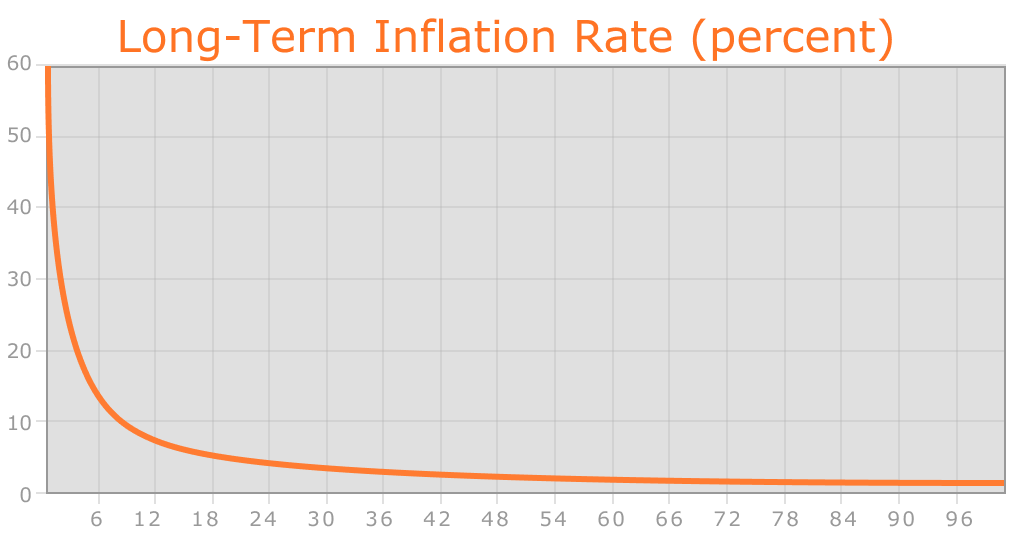
Ethereum'un değiştirilmiş GHOST protokolü uygulaması, amca dahil etme ve ödüller için özel kurallar içerir. Amcalar, mevcut bloğun atasının doğrudan çocukları olmalıdır (2 ile 7 nesil arasında), geçerli blok başlıkları olmalıdır, önceki amcalardan farklı olmalıdır ve mevcut bloğun doğrudan ataları olmamalıdır. Amca bloklar standart blok ödülünün %87,5'ini alır, dahil eden blok ise dahil edilen amca başına ek %3,125 alır (en fazla iki amca). Bu teşvik yapısı, madencileri gözlemledikleri eski blokları referans almaya teşvik ederek ağ güvenliğini güçlendirir ve ağ yayılımında geçici kötü şansa maruz kalan madencileri ödüllendirir.
Ücret sistemi, her hesaplama işleminin sabit bir gas maliyetine sahip olduğu "gas" kavramına dayanır. Örneğin, bir çarpma işlemi 5 gas, bir SHA256 hash'i 20 gas maliyetindedir ve her işlemin temel maliyeti 21.000 gas'tır. Kullanıcılar hem gas limiti (tüketmeye razı oldukları maksimum gas) hem de gas fiyatı (gas birimi başına ne kadar ether ödeyecekleri) belirtir. Bu sistem birden fazla amaca hizmet eder: tüm hesaplamanın ücretli olmasını sağlayarak sonsuz döngüleri ve hizmet reddi saldırılarını önler, kullanıcıların gas fiyatları aracılığıyla teklif verdiği blok alanı için bir piyasa oluşturur ve madencilerin kabul etmeye razı oldukları minimum gas fiyatını belirlemelerine izin vererek ağ kaynaklarını korur.
Ölçeklenebilirlik önemli bir endişe olmaya devam etmektedir, çünkü her tam düğüm durumu doğrulamak için her işlemi işlemek zorundadır. Mevcut blockchain mimarileri, merkezi sistemlerin işlem hacmiyle eşleşmekte zorlanır. Potansiyel çözümler arasında farklı düğümlerin farklı işlem alt kümelerini işlediği durum parçalama ve daha verimli blok üretimini mümkün kılabilecek proof-of-work'ten proof-of-stake uzlaşmasına geçiş yer alır. Merkle kanıtları kullanan hafif istemciler tüm blokları işlemeden işlemleri doğrulayabilir, ancak birinin yine de her şeyi işlemesi gerekir. Bu ölçeklenebilirlik zorlukları, Ethereum'un uzun vadeli yaşayabilirliği için kritik aktif araştırma ve geliştirme alanlarını temsil eder.
Miscellanea And Concerns
يتضمن تنفيذ Ethereum لبروتوكول GHOST المُعدل قواعد محددة لتضمين الأعمام والمكافآت. يجب أن يكون الأعمام أبناء مباشرين لسلف الكتلة الحالية (بين 2 و7 أجيال للخلف)، ويجب أن يكونوا رؤوس كتل صالحة، ويجب أن يكونوا متميزين عن الأعمام السابقين، ويجب ألا يكونوا أسلافاً مباشرين للكتلة الحالية. تتلقى كتل الأعمام 87.5% من مكافأة الكتلة القياسية، بينما تتلقى الكتلة المُضمّنة 3.125% إضافية لكل عم مُضمّن (حتى عمين). يُشجع هيكل الحوافز هذا المُعدّنين على الإشارة إلى الكتل القديمة التي يلاحظونها، مما يُعزز أمان الشبكة مع مكافأة المُعدّنين الذين عانوا من سوء حظ مؤقت في انتشار الشبكة.
يعتمد نظام الرسوم على مفهوم "gas"، حيث لكل عملية حسابية تكلفة gas ثابتة. على سبيل المثال، تكلف عملية الضرب 5 gas، وتكلف تجزئة SHA256 عشرين gas، ولكل معاملة تكلفة أساسية قدرها 21,000 gas. يُحدد المستخدمون كلاً من حد gas (الحد الأقصى لـ gas الذي يرغبون في استهلاكه) وسعر gas (كم من ether سيدفعون لكل وحدة gas). يخدم هذا النظام أغراضاً متعددة: يمنع الحلقات اللانهائية وهجمات حجب الخدمة بضمان أن كل حوسبة مدفوعة، ويُنشئ سوقاً لمساحة الكتلة حيث يتزايد المستخدمون عبر أسعار gas، ويسمح للمُعدّنين بتحديد حد أدنى لسعر gas يقبلونه، حامياً موارد الشبكة.
تبقى قابلية التوسع مصدر قلق كبير، حيث يجب على كل عقدة كاملة معالجة كل معاملة للتحقق من الحالة. تُعاني بنى blockchain الحالية لمطابقة إنتاجية المعاملات في الأنظمة المركزية. تشمل الحلول المحتملة تجزئة الحالة، حيث تُعالج عقد مختلفة مجموعات فرعية مختلفة من المعاملات، والانتقال من proof-of-work إلى إجماع proof-of-stake، الذي يمكن أن يُمكّن إنتاج كتل أكثر كفاءة. يمكن للعملاء الخفيفين الذين يستخدمون إثباتات Merkle التحقق من المعاملات دون معالجة جميع الكتل، لكن يجب أن يُعالج شخص ما كل شيء. تمثل تحديات قابلية التوسع هذه مجالات نشطة للبحث والتطوير حاسمة لجدوى Ethereum على المدى الطويل.
Conclusion
Ethereum protokolü başlangıçta bir kripto para biriminin geliştirilmiş versiyonu olarak tasarlandı; yüksek düzeyde genelleştirilmiş bir programlama dili aracılığıyla zincir üstü emanet, çekim limitleri ve finansal sözleşmeler gibi gelişmiş özellikler sunan. Ancak Ethereum protokolü sadece para biriminin çok ötesine geçer. Merkeziyetsiz dosya depolama, merkeziyetsiz hesaplama ve merkeziyetsiz tahmin piyasaları etrafındaki protokoller, düzinelerce başka kavramla birlikte, bilgi işlem endüstrisinin verimliliğini önemli ölçüde artırma ve ilk kez ekonomik bir katman ekleyerek diğer eşler arası protokollere büyük bir destek sağlama potansiyeline sahiptir.
Belirli kullanım durumları için tasarlanmış sınırlı bir işlem seti sağlamak yerine, Ethereum geliştiricilerin tasarlayabildikleri herhangi bir uygulamayı inşa etmelerini sağlayan Turing-complete bir programlama dili sunar. Kendi finansal türevinizi icat etmek mi istiyorsunuz? Kendi para biriminizi oluşturmak mı? Blockchain üzerinde bir hükümet kurmak mı? Bunların hepsi Ethereum'un betik sistemiyle kolayca uygulanabilir. Platformun gücü, hangi uygulamaların inşa edileceğini tahmin etmekte değil, onları inşa etmeyi kolaylaştıran temel altyapıyı sağlamaktadır.
Ethereum protokolü tarafından uygulanan rastgele state transition fonksiyonu kavramı, benzersiz potansiyele sahip bir platform sunar. Veri depolama, kumar veya finans alanındaki belirli uygulamalar için tasarlanmış kapalı uçlu, tek amaçlı bir protokol olmak yerine, Ethereum tasarım gereği açık uçludur ve hem finansal hem de finansal olmayan çok sayıda protokol için önümüzdeki yıllarda temel katman olarak hizmet etmeye son derece uygun olduğuna inanıyoruz. Gelecekte Ethereum üzerine inşa edilecek uygulamalar, bugün hayal bile edemeyeceğimiz uygulamalar olabilir ve bu açık uçlu olasılık platformun gerçek vaadini temsil eder.
Conclusion
صُمم بروتوكول Ethereum في الأصل كنسخة مُحسّنة من عملة مشفرة، توفر ميزات متقدمة مثل الضمان على blockchain وحدود السحب والعقود المالية من خلال لغة برمجة عالية التعميم. ومع ذلك، يتجاوز بروتوكول Ethereum مجرد العملة بكثير. البروتوكولات حول تخزين الملفات اللامركزي والحوسبة اللامركزية وأسواق التنبؤ اللامركزية، من بين عشرات المفاهيم الأخرى، لديها القدرة على زيادة كفاءة صناعة الحوسبة بشكل كبير وتوفير دفعة هائلة لبروتوكولات نظير إلى نظير الأخرى بإضافة طبقة اقتصادية لأول مرة.
بدلاً من توفير مجموعة محدودة من العمليات المصممة لحالات استخدام محددة، يوفر Ethereum لغة برمجة Turing-complete تُمكّن المطورين من بناء أي تطبيق يمكنهم تصميمه. تريد اختراع مشتق مالي خاص بك؟ إنشاء عملتك الخاصة؟ إنشاء حكومة على blockchain؟ كل هذا قابل للتنفيذ بسهولة مع نظام Ethereum البرمجي. قوة المنصة لا تكمن في التنبؤ بالتطبيقات التي ستُبنى، بل في توفير البنية التحتية الأساسية التي تجعل بناءها سهلاً.
مفهوم دالة state transition عشوائية كما نُفذ بواسطة بروتوكول Ethereum يوفر منصة ذات إمكانات فريدة. بدلاً من أن يكون بروتوكولاً مغلقاً ذا غرض واحد مخصصاً لتطبيقات محددة في تخزين البيانات أو المقامرة أو المالية، فإن Ethereum مفتوح الأفق بتصميمه، ونعتقد أنه مناسب للغاية لخدمة طبقة أساسية لعدد كبير من البروتوكولات المالية وغير المالية في السنوات القادمة. التطبيقات التي ستُبنى على Ethereum في المستقبل قد تكون تطبيقات لا يمكننا حتى تخيلها اليوم، وتلك الإمكانية المفتوحة تمثل الوعد الحقيقي للمنصة.
References and Further Reading
Ethereum teknik raporu, kripto para ve dağıtık sistemler araştırmasındaki kapsamlı önceki çalışmalar üzerine inşa edilmiştir. Temel Bitcoin protokolü, blockchain tabanlı dijital para birimi kavramını tanıtan Satoshi Nakamoto'nun 2008 orijinal makalesi "Bitcoin: A Peer-to-Peer Electronic Cash System"de açıklanmıştır. Bitcoin'in işlevselliğini genişletmeye yönelik erken girişimler arasında, Bitcoin'in kısıtlı betik yetenekleri tarafından sınırlandırılmış olsa da para biriminin ötesinde blockchain uygulamalarını gösteren merkeziyetsiz bir isim kayıt sistemi olan Namecoin bulunur.
Colored coins teknik raporu, belirli bitcoin'leri diğer varlıkları temsil etmek üzere "renklendirerek" Bitcoin blockchain'inde alternatif varlıkları temsil etmek için bir yöntem önerirken, Mastercoin daha karmaşık finansal araçlar için Bitcoin'in üzerine bir protokol katmanı oluşturmaya çalıştı. Her ikisi de Bitcoin üzerine inşa etmenin sınırlamalarını vurguladı ve daha esnek bir platform ihtiyacını motive etti. Bitcoin Magazine'de incelenen merkeziyetsiz otonom şirketler kavramı, smart contract'lar aracılığıyla organizasyonel yönetişim için teorik temeller sağladı.
Temel teknik bileşenler arasında hafif istemciler için basitleştirilmiş ödeme doğrulaması (SPV), verimli veri doğrulama için Merkle tree'ler ve Ethereum'un durum temsili için Patricia trie'leri yer alır. 2013 kriptografi makalesinde açıklanan GHOST (Greedy Heaviest Observed Subtree) protokolü, hızlı blok sürelerinden kaynaklanan güvenlik sorunlarını ele alır ve Ethereum'un uzlaşma mekanizmasının temelini oluşturur. Bu referanslar, genel amaçlı bir blockchain platformu oluşturmak için kripto para, dağıtık sistemler, kriptografi ve oyun teorisinden içgörüleri birleştiren Ethereum'un inşa edildiği entelektüel temelleri temsil eder.
References and Further Reading
تستند ورقة Ethereum البيضاء إلى أعمال سابقة واسعة في أبحاث العملات المشفرة والأنظمة الموزعة. يُوصف بروتوكول Bitcoin الأساسي في ورقة Satoshi Nakamoto الأصلية لعام 2008 "Bitcoin: A Peer-to-Peer Electronic Cash System"، التي قدمت مفهوم العملة الرقمية القائمة على blockchain. تشمل المحاولات المبكرة لتوسيع وظائف Bitcoin نظام Namecoin، وهو نظام تسجيل أسماء لامركزي يُظهر تطبيقات blockchain خارج نطاق العملة، رغم تقييده بقدرات Bitcoin البرمجية المحدودة.
اقترحت ورقة Colored coins البيضاء طريقة لتمثيل أصول بديلة على blockchain الخاص بـ Bitcoin عن طريق "تلوين" عملات bitcoin محددة لتمثيل أصول أخرى، بينما حاول Mastercoin إنشاء طبقة بروتوكول فوق Bitcoin لأدوات مالية أكثر تعقيداً. أبرز كلاهما قيود البناء على Bitcoin وحفّز الحاجة إلى منصة أكثر مرونة. وفّر مفهوم الشركات اللامركزية المستقلة، المُستكشف في Bitcoin Magazine، أسساً نظرية للحوكمة التنظيمية من خلال العقود الذكية.
تشمل المكونات التقنية الرئيسية التحقق المبسط من الدفع (SPV) للعملاء الخفيفين، وأشجار Merkle للتحقق الفعال من البيانات، وأشجار Patricia لتمثيل حالة Ethereum. يُعالج بروتوكول GHOST (الشجرة الفرعية الأثقل المرصودة بجشع)، المُوصف في ورقة تشفير عام 2013، مشاكل الأمان الناشئة عن أوقات الكتل السريعة ويُشكل أساس آلية إجماع Ethereum. تمثل هذه المراجع الأسس الفكرية التي بُني عليها Ethereum، حيث تجمع رؤى من العملات المشفرة والأنظمة الموزعة والتشفير ونظرية الألعاب لإنشاء منصة blockchain عامة الغرض.