
ورقة عمل Polygon
सारांश
यह पेपर संशोधित Polygon प्रोटोकॉल आर्किटेक्चर के मूल token POL का प्रस्ताव करता है, आमतौर पर Polygon 2.0 के रूप में जाना जाता है। MATIC के उत्तराधिकारी के रूप में, POL बनने की कल्पना की गई है Polygon पारिस्थितिकी तंत्र और मुख्य चालक के समन्वय और विकास के लिए एक सहायक उपकरण इंटरनेट के लिए वैल्यू लेयर के रूप में Polygon के दृष्टिकोण का। हम प्रासंगिक कार्य का विश्लेषण करके, अवसरों और खतरों की पहचान करके और उसके आधार पर शुरुआत करते हैं पीओएल डिज़ाइन लक्ष्य स्थापित करें। हम POL के डिज़ाइन, उपयोगिता और tokenओमिक्स का प्रस्ताव करते हैं जो सब कुछ हासिल करते हैं डिज़ाइन लक्ष्य. हम स्टेकिंग लेयर की अवधारणा का वर्णन करते हैं, जो एक अद्वितीय, पीओएल-संचालित श्रृंखला समन्वयक है, मनमानी सुविधाओं के साथ व्यावहारिक रूप से असीमित संख्या में Polygon श्रृंखलाओं का समर्थन करने में सक्षम और विन्यास. हम स्टेकिंग लेयर और व्यापक Polygon 2.0 की शुरूआत पर विश्वास करते हैं आर्किटेक्चर Polygon को तीसरी सबसे महत्वपूर्ण और प्रभावशाली सफलता के रूप में स्थापित कर सकता है Web3 (पहले दो Bitcoin और Ethereum हैं), नवाचार की भयावहता को देखते हुए और इसे अपनाने से सुविधा हो सकती है। हम सामुदायिक कोष का परिचय देते हैं, जो एक इन-प्रोटोकॉल, समुदाय-शासित निधि है जिसे डिज़ाइन किया गया है Polygon के आगे विकास और वृद्धि के लिए निरंतर आर्थिक सहायता प्रदान करें पारिस्थितिकी तंत्र. हम MATIC से POL में स्थानांतरण की प्रक्रिया का वर्णन करते हैं। प्रस्तावित डिज़ाइन का विश्लेषण करने के लिए, हम एक आर्थिक सिमुलेशन मॉडल को परिभाषित करते हैं और सिमुलेशन चलाते हैं उपरोक्त डिज़ाइन लक्ष्यों से प्राप्त मॉडल की परिकल्पना की पुष्टि करने के लिए। उपरोक्त सभी बातों के आधार पर, हम यह निष्कर्ष निकालते हैं कि पीओएल एक नवीन, अगली पीढ़ी की संपत्ति है वैल्यू लेयर की महत्वाकांक्षी दृष्टि के लिए एक ठोस आधार प्रदान करता है।
خلاصة
تقترح هذه الورقة POL، token الأصلي لبنية بروتوكول Polygon المنقحة، يشار إليه عادةً باسم Polygon 2.0. كخليفة لـ MATIC، من المتوقع أن يصبح POL أداة مفيدة لتنسيق ونمو النظام البيئي Polygon والمحرك الرئيسي لرؤية Polygon كطبقة القيمة للإنترنت. نبدأ بتحليل العمل ذي الصلة، وتحديد الفرص والتهديدات، وبناءً على ذلك، نقوم بذلك تحديد أهداف تصميم POL. نحن نقترح التصميم والفائدة وtokenomics لـ POL التي تحقق كل شيء أهداف التصميم. نحن نصف مفهوم طبقة التوقيع، وهي منسقة سلسلة فريدة من نوعها تعمل بنظام POL، قادر على دعم عدد غير محدود عمليًا من سلاسل Polygon ذات الميزات العشوائية والتكوينات. نحن نؤمن بأن تقديم طبقة التخزين والطبقة الأوسع Polygon 2.0 يمكن للهندسة المعمارية أن تؤسس Polygon باعتبارها ثالث أهم إنجاز وتأثيرًا في Web3 (أول اثنين هما Bitcoin وEthereum)، نظرًا لحجم الابتكار و اعتماده يمكن أن يسهل. نحن نقدم خزانة المجتمع، وهي صندوق داخلي يحكمه المجتمع مصمم خصيصًا لـ توفير الدعم الاقتصادي المستمر لمزيد من التطوير والنمو لـ Polygon النظام البيئي. وصفنا عملية الهجرة من MATIC إلى POL. لتحليل التصميم المقترح، قمنا بتحديد نموذج محاكاة اقتصادية وتشغيل عمليات المحاكاة للتأكد من فرضية النموذج المستمدة من الأهداف التصميمية المذكورة آنفاً. بناءً على كل ما سبق، نستنتج أن POL هو أحد أصول الجيل القادم الجديدة يوفر أساسًا متينًا للرؤية الطموحة لطبقة القيمة.
दृष्टि
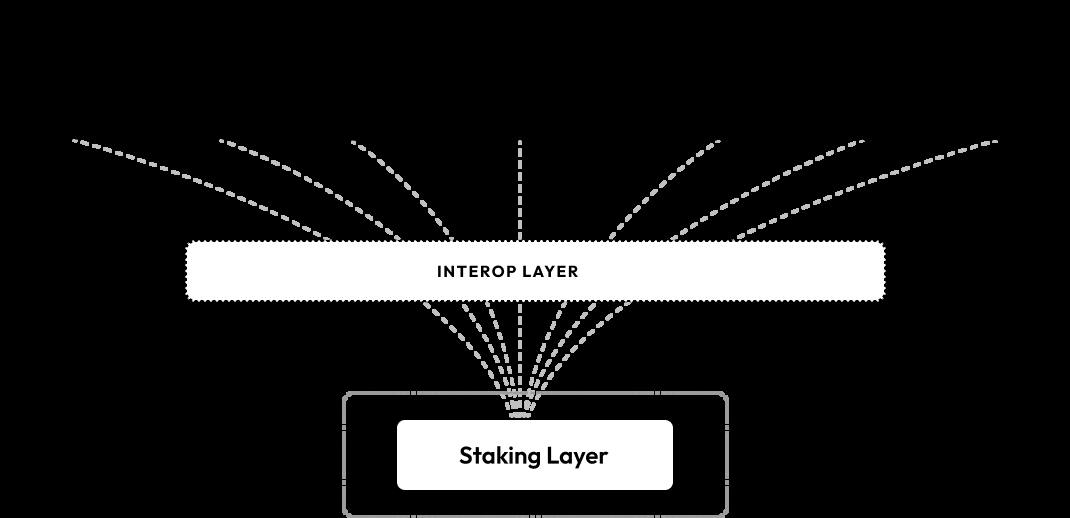
इंटरनेट की वैल्यू लेयर के रूप में Polygon के पीछे का दृष्टिकोण एक ऐसी दुनिया की शुरुआत करना है जिसमें मूल्य हो स्वतंत्र रूप से और विश्व स्तर पर बनाया और आदान-प्रदान किया जा सकता है, उसी तरह जैसे हम बनाते और आदान-प्रदान करते हैं जानकारी आज. एक ऐसी दुनिया जो नए - अधिक निष्पक्ष, अधिक समावेशी और अधिक कुशल - रूपों को सक्षम बनाती है मानव संगठनों और शासन का. हमारा दृढ़ विश्वास है कि इस दृष्टिकोण को साकार किया जा सकता है हमारे समाज को महत्वपूर्ण रूप से आगे बढ़ाएं। इस महत्वाकांक्षी दृष्टि को वास्तविकता बनाने के लिए, Polygon के बुनियादी ढांचे में सुधार होना चाहिए। विशेष रूप से, इसे सुरक्षा और उपयोगकर्ता का त्याग किए बिना, तेजी से अधिक स्केलेबल बनना चाहिए अनुभव. इसे संबोधित करने के लिए, Polygon के भाग के रूप में एक पुनर्कल्पित प्रोटोकॉल आर्किटेक्चर पेश किया जा रहा है 2.0 प्रयास. यह रेडिकल रीडिज़ाइन Polygon को ZK-संचालित L2 श्रृंखलाओं के एक नेटवर्क में बदल देता है, जो एकीकृत है एक नवीन क्रॉस-चेन समन्वय प्रोटोकॉल के माध्यम से। नेटवर्क व्यावहारिक रूप से असीमित समर्थन कर सकता है श्रृंखलाओं की संख्या और क्रॉस-चेन इंटरैक्शन बिना किसी बाधा के और तुरंत हो सकते हैं अतिरिक्त सुरक्षा या विश्वास धारणाएँ। यह डिज़ाइन उपरोक्त बातों पर पूरी तरह खरा उतरता है आवश्यकता - सुरक्षा और उपयोगकर्ता अनुभव का त्याग किए बिना घातीय मापनीयता। चित्र 1. Polygon प्रोटोकॉल आर्किटेक्चर इस शक्तिशाली नेटवर्क को समन्वित, सुरक्षित और विकसित करने के लिए, एक उन्नत, अच्छी तरह से डिज़ाइन किया गया प्रोटोकॉल अर्थव्यवस्था और तंत्र डिजाइन आवश्यक हैं। इसने पीओएल के निर्माण को प्रेरित किया।
رؤية
تتمثل الرؤية وراء Polygon باعتبارها طبقة القيمة للإنترنت في الدخول إلى عالم تكون فيه القيمة يمكن إنشاؤها وتبادلها بحرية وعالمية، على غرار الطريقة التي ننشئ بها ونتبادلها المعلومات اليوم. عالم يتيح أشكالاً جديدة أكثر عدلاً وشمولاً وأكثر كفاءة المنظمات الإنسانية والحكم. ونحن نؤمن إيمانا راسخا بأن تحقيق هذه الرؤية أمر ممكن تقدم مجتمعنا بشكل ملحوظ. ومن أجل تحويل هذه الرؤية الطموحة إلى واقع، يجب تحسين البنية التحتية لـ Polygon. وعلى وجه التحديد، يجب أن تصبح أكثر قابلية للتوسع بشكل كبير، دون التضحية بالأمان والمستخدم تجربة. ولمعالجة هذه المشكلة، يتم تقديم بنية بروتوكول مُعاد تصورها كجزء من Polygon 2.0 جهد. تعمل عملية إعادة التصميم الجذرية هذه على تحويل Polygon إلى شبكة من سلاسل L2 التي تعمل بالطاقة ZK، موحدة عبر بروتوكول تنسيق جديد عبر السلسلة. يمكن للشبكة دعم عدد غير محدود عمليا عدد من السلاسل، والتفاعلات عبر السلاسل يمكن أن تحدث بسلاسة وعلى الفور بدونها افتراضات أمان أو ثقة إضافية. هذا التصميم يسلم تماما على ما سبق المتطلبات - قابلية التوسع الأسي دون التضحية بالأمان وتجربة المستخدم. الشكل 1. بنية البروتوكول Polygon لتنسيق وتأمين وتنمية هذه الشبكة القوية، بروتوكول متقدم ومصمم بشكل جيد الاقتصاد وتصميم الآلية ضرورية. هذا ألهم إنشاء POL.
प्रासंगिक कार्य
इस अध्याय में हम प्रासंगिक मूल token डिज़ाइन उदाहरणों, उनके द्वारा निर्दिष्ट उपयोगिता को रेखांकित करते हैं token साथ ही उल्लेखनीय फायदे और नुकसान। 2.1 Bitcoin (बीटीसी) BTC Bitcoin प्रोटोकॉल का मूल token है, और यह पहला प्रमुख देशी token है क्रियान्वयन. बीटीसी की उपयोगिता दुगनी है: ● माइनर पुरस्कार: प्रोटोकॉल बीटीसी उत्सर्जित करता है और इसे प्रोटोकॉल validators, उर्फ में वितरित करता है खनिक; ● लेनदेन शुल्क: उपयोगकर्ता प्रत्येक लेनदेन के लिए बीटीसी में शुल्क का भुगतान करते हैं, जो स्पैम को रोकता है खनिकों के लिए अतिरिक्त प्रोत्साहन प्रदान करता है। बीटीसी डिज़ाइन का एक लाभ नियतात्मक यानी पूर्वानुमानित आपूर्ति है। आम तौर पर, tokens नियतात्मक आपूर्ति धारकों के लिए अधिक आकर्षक होती है और उनसे बेहतर मूल्य प्राप्त कर सकती है गैर-नियतात्मक आपूर्ति के साथ। हम BTC को एक विरासत token डिज़ाइन मानते हैं और हमारा तर्क है कि इसके नुकसान कई गुना हैं: ● यह एक अनुत्पादक संपत्ति है, यह अपने धारकों को प्रोटोकॉल में कोई सार्थक भूमिका नहीं देती है न ही ऐसी भूमिका निभाने के लिए प्रोत्साहन; ● यह प्रोटोकॉल के लिए मूल token में हिस्सेदारी की आवश्यकता के अवसर का लाभ नहीं उठाता है validators और इसके बदले उन्हें हिस्सेदारी की आवश्यकता होती है, यानी बाहरी संसाधनों (खनन) का निवेश करना उपकरण और बिजली), इस प्रकार प्रोटोकॉल को कम लचीला और आत्मनिर्भर बनाता है; ● यह धीरे-धीरे खनन पुरस्कारों के लिए उत्सर्जन को कम कर देता है जब तक कि यह शून्य तक नहीं पहुंच जाता, जो परिचय देता है स्थिरता और सुरक्षा संबंधी चिंताएँ (यह स्पष्ट नहीं है कि सुरक्षा को एक बार भी बनाए रखा जा सकता है या नहीं उत्सर्जन दर कम हो जाती है या शून्य तक पहुँच जाती है); ● यह पारिस्थितिकी तंत्र को किसी भी प्रकार का आर्थिक समर्थन प्रदान नहीं करता है; ● यह धारकों को कोई शासन अधिकार नहीं देता है, हालांकि यह तर्क दिया जा सकता है कि Layer 1 Bitcoin जैसे प्रोटोकॉल को शासन के लिए token का उपयोग नहीं करना चाहिए। 2.2 Ethereum (ईटीएच) ETH Ethereum प्रोटोकॉल और पारिस्थितिकी तंत्र का मूल token है। अपने इनोवेटिव डिज़ाइन के साथ, यह नेटिव प्रोटोकॉल tokens की अगली पीढ़ी की स्थापना की।
ETH की उपयोगिता कई गुना है: ● सत्यापनकर्ता staking: Ethereum के PoS (प्रूफ-ऑफ-स्टेक) प्रोटोकॉल को दांव पर लगाने के लिए validator की आवश्यकता होती है validator पूल में शामिल होने के लिए ETH; ● सत्यापनकर्ता पुरस्कार: प्रोटोकॉल ETH उत्सर्जित करता है और इसे प्रोटोकॉल validators में वितरित करता है; ● लेनदेन शुल्क: उपयोगकर्ता प्रत्येक लेनदेन के लिए ईटीएच में शुल्क का भुगतान करते हैं, जो स्पैम को रोकता है validators के लिए अतिरिक्त प्रोत्साहन प्रदान करता है। ETH के डिज़ाइन के कई फायदे हैं: ● यह एक उत्पादक संपत्ति है, इसके धारक नेटवर्क और उन्हें सुरक्षित करने में भाग ले सकते हैं ऐसा करने के लिए प्रोत्साहन प्राप्त करें; ● यह इन-प्रोटोकॉल स्लैशिंग के माध्यम से validators के दुर्भावनापूर्ण व्यवहार को हतोत्साहित करता है, अर्थात नष्ट कर देता है tokens दुर्भावनापूर्ण validators; ● यह सुरक्षा और स्थिरता संबंधी चिंताओं का परिचय नहीं देता है, यह देखते हुए कि ऐसा नहीं है बीटीसी जैसी आपूर्ति सीमा; ● यह प्रारंभिक के एक पूर्व निर्धारित हिस्से के माध्यम से पारिस्थितिकी तंत्र को आर्थिक सहायता प्रदान करता है प्रबंधन फाउंडेशन को आपूर्ति आवंटित की गई। ईटीएच डिज़ाइन का एक संभावित नुकसान यह है कि इसमें पूरी तरह से पूर्वानुमानित आपूर्ति नहीं है, यह देखते हुए कि validator पुरस्कारों के लिए token उत्सर्जन बढ़ जाता है क्योंकि अधिक token दांव पर लग जाते हैं। हालाँकि, इसका मुकाबला अंतर्निहित तंत्र द्वारा सफलतापूर्वक किया जाता है जो प्रत्येक के एक हिस्से को जला देता है लेनदेन शुल्क, इस प्रकार validator पुरस्कारों के लिए token उत्सर्जन के प्रभाव का प्रतिकार करता है। दूसरा नुकसान यह है कि उपरोक्त आर्थिक सहायता अनिश्चित काल तक नहीं रह सकती; आरंभिक token प्रबंधन फाउंडेशन को आवंटन अंततः समाप्त हो जाएगा। अंततः, ऐसा नहीं होता token धारकों को कोई भी शासन अधिकार सौंपें, हालाँकि, जैसा कि ऊपर बताया गया है, यह तर्क दिया जा सकता है कि Layer 1 प्रोटोकॉल को शासन के लिए tokens का उपयोग नहीं करना चाहिए। 2.3 Cosmos (एटम) ATOM Cosmos हब का मूल token है, Cosmos का इच्छित केंद्रीय blockchain है बहु-श्रृंखला पारिस्थितिकी तंत्र। इसकी कई गुना उपयोगिता है, लेकिन केवल Cosmos हब के भीतर: ● सत्यापनकर्ता staking; ● सत्यापनकर्ता पुरस्कार; ● लेनदेन शुल्क; 1 https://github.com/ethereum/EIPs/blob/master/EIPS/eip-1559.md● शासन. ATOM के डिज़ाइन के निम्नलिखित फायदे हैं: ● यह एक उत्पादक संपत्ति है, इसके धारक Cosmos हब को सुरक्षित करने में भाग ले सकते हैं और प्राप्त कर सकते हैं ऐसा करने के लिए प्रोत्साहन; ● यह सुरक्षा और स्थिरता संबंधी चिंताओं का परिचय नहीं देता है, यह देखते हुए कि ऐसा नहीं है आपूर्ति सीमा; ● यह पारिस्थितिकी तंत्र को पूर्व निर्धारित आवंटन के माध्यम से आर्थिक सहायता प्रदान करता है नींव का प्रबंधन; ● यह अपने धारकों को एक व्यापक शासन मॉडल के माध्यम से शासन अधिकार देता है। एटम डिज़ाइन के नुकसान: ● इसकी उपयोगिता केवल Cosmos हब के भीतर है; इसका उपयोग अन्य श्रृंखलाओं को चलाने और सुरक्षित करने के लिए नहीं किया जाता है पारिस्थितिकी तंत्र, हालांकि इसे सक्षम करने के लिए पहल की गई हैं; ● यह token-केवल शासन मॉडल की सुविधा देता है, जिसमें अन्य प्रासंगिक हितधारक शामिल नहीं होते हैं निर्णय से पारिस्थितिकी तंत्र (डेवलपर्स, प्रमुख योगदानकर्ता, अनुप्रयोग आदि)। बनाना; ● इसके द्वारा दी जाने वाली आर्थिक सहायता अनिश्चित काल तक नहीं रह सकती, क्योंकि token राजकोष ऐसा करेगा अंततः समाप्त हो जाते हैं। 2.4 Polkadot (डीओटी) DOT Polkadot बहु-श्रृंखला पारिस्थितिकी तंत्र का मूल token है। इसकी उपयोगिता ATOM के समान है, लेकिन आम तौर पर पूरे Polkadot पारिस्थितिकी तंत्र में: ● सत्यापनकर्ता staking; ● सत्यापनकर्ता पुरस्कार; ● लेनदेन शुल्क; ● शासन. डीओटी के डिज़ाइन के निम्नलिखित फायदे हैं: ● यह एक उत्पादक संपत्ति है; ● यह सुरक्षा और स्थिरता संबंधी चिंताओं का परिचय नहीं देता है, यह देखते हुए कि ऐसा नहीं है आपूर्ति सीमा; ● यह पारिस्थितिकी तंत्र को पूर्व निर्धारित आवंटन के माध्यम से आर्थिक सहायता प्रदान करता है नींव का प्रबंधन; ● यह अपने धारकों को एक व्यापक शासन मॉडल के माध्यम से शासन अधिकार देता है;
● यह संपूर्ण पारिस्थितिकी तंत्र, यानी सभी भाग लेने वाले blockchain को सुरक्षा प्रदान करता है। नुकसान ये हैं: ● यह सभी भाग लेने वाली श्रृंखलाओं के लिए validator staking token के रूप में DOT के उपयोग को अनिवार्य करता है, इस प्रकार Polkadot श्रृंखलाओं के डेवलपर्स के लिए वास्तुशिल्प विकल्प कम हो गए; ● यह PH_0002 blockchain के डेवलपर्स के लिए घर्षण का एक महत्वपूर्ण स्तर प्रस्तुत करता है जो हैं अपनी शृंखला बनाने के लिए डीओटी की महत्वपूर्ण मात्रा में बोली लगाना और लॉक करना आवश्यक है पारिस्थितिकी तंत्र का हिस्सा; ● यह token-केवल शासन मॉडल की सुविधा देता है, जिसमें अन्य प्रासंगिक हितधारक शामिल नहीं होते हैं निर्णय लेने से पारिस्थितिकी तंत्र का; ● इसके द्वारा दी जाने वाली आर्थिक सहायता अनिश्चित काल तक नहीं रह सकती, क्योंकि token राजकोष ऐसा करेगा अंततः समाप्त हो जाते हैं। 2.5 आवे (आवे) AAVE, Aave का मूल token है, जो एक ऑन-चेन token ऋण देने वाला प्लेटफ़ॉर्म है। यह देखते हुए कि AAVE एक प्रोटोकॉल नहीं है बल्कि एक एप्लिकेशन token है, हम इसके डिज़ाइन का विश्लेषण नहीं करते हैं, फायदे और नुकसान. पीओएल डिज़ाइन के लिए AAVE की प्रासंगिकता दुगनी है: ● AAVE LEND का उत्तराधिकारी है, Aave का प्रारंभिक मूल token; आवे समुदाय LEND से AAVE में एक सफल और लाभकारी माइग्रेशन निष्पादित किया गया; ● एएवीई अपने धारकों को एक व्यापक शासन मॉडल के माध्यम से शासन अधिकार प्रदान करता है।
العمل ذو الصلة
في هذا الفصل، نوضح أمثلة تصميم token الأصلية ذات الصلة، والأداة المساعدة التي تخصصها لـ token بالإضافة إلى المزايا والعيوب البارزة. 2.1 Bitcoin (بيتكوين) BTC هي النسخة الأصلية token للبروتوكول Bitcoin، وهي أول نسخة أصلية بارزة token التنفيذ. فائدة BTC ذات شقين: ● مكافآت المُعدِّن: يقوم البروتوكول بإصدار عملة البيتكوين (BTC) وتوزيعها على البروتوكول validators، المعروف أيضًا باسم عمال المناجم. ● رسوم المعاملات: يدفع المستخدمون رسومًا بالبيتكوين مقابل كل معاملة، مما يمنع البريد العشوائي و يوفر حوافز إضافية لعمال المناجم. إحدى ميزات تصميم BTC هي العرض الحتمي، أي العرض المتوقع. عادة، tokens مع العرض الحتمي أكثر جاذبية لحامليها ويمكنهم الحصول على قيمة أفضل من هؤلاء مع العرض غير الحتمي. نحن نعتبر BTC تصميمًا قديمًا token ونرى أن عيوبه متعددة: ● إنها أصول غير منتجة، ولا تمنح حامليها أي دور ذي معنى في البروتوكول ولا الحوافز لأداء مثل هذا الدور؛ ● ولا يستغل الفرصة للمطالبة بالحصول على حصة في token الأصلي للبروتوكول validators وبدلاً من ذلك يطلب منهم المشاركة، أي استثمار الموارد الخارجية (التعدين المعدات والكهرباء)، مما يجعل البروتوكول أقل مرونة واستدامة ذاتيًا؛ ● فهو يقلل تدريجياً من انبعاث مكافآت التعدين حتى تصل إلى الصفر، وهو ما يقدمه مخاوف الاستدامة والأمن (ليس من الواضح ما إذا كان من الممكن الحفاظ على الأمن مرة واحدة يصبح معدل الانبعاثات منخفضًا أو يصل إلى الصفر)؛ ● لا يقدم أي نوع من الدعم الاقتصادي للنظام البيئي؛ ● ولا يمنح أي حقوق حوكمة لأصحابها، على الرغم من أنه يمكن القول بأن Layer 1 يجب ألا تستخدم البروتوكولات مثل Bitcoin tokens للإدارة. 2.2 Ethereum (ETH) ETH هو token الأصلي لبروتوكول Ethereum والنظام البيئي. بفضل تصميمه المبتكر، فإنه أنشأ الجيل التالي من البروتوكول الأصلي tokens.
فائدة ETH متعددة الجوانب: ● جهات التحقق staking: يتطلب بروتوكول PoS (إثبات الملكية) الخاص بـ Ethereum validators للمشاركة ETH من أجل الانضمام إلى مجمع validator؛ ● مكافآت أداة التحقق: يقوم البروتوكول بإصدار ETH وتوزيعه على البروتوكول validators؛ ● رسوم المعاملات: يدفع المستخدمون رسومًا بعملة ETH لكل معاملة، مما يمنع البريد العشوائي و يوفر حوافز إضافية لـ validators. يتميز تصميم ETH بمزايا متعددة: ● وهي أصل إنتاجي، يمكن لحامليها المشاركة في تأمين الشبكة وهم الحصول على حوافز للقيام بذلك؛ ● إنه يثبط السلوك الضار لـ validators عبر القطع داخل البروتوكول، أي التدمير tokens من validators الضارة؛ ● إنه لا يطرح مخاوف تتعلق بالأمن والاستدامة، لأنه ليس كذلك سقف العرض مثل BTC؛ ● يوفر الدعم الاقتصادي للنظام البيئي عبر جزء محدد مسبقًا من الأولي العرض المخصص لمؤسسة الإشراف. أحد العيوب المحتملة لتصميم ETH هو أنه لا يحتوي على عرض يمكن التنبؤ به بالكامل، مع الأخذ في الاعتبار أن انبعاث token لمكافآت validator يزداد كلما تم الرهان على المزيد من tokens. ومع ذلك، تتم مواجهة هذا بنجاح من خلال الآلية المدمجة التي تحرق 1 جزء من كل منها رسوم المعاملة، وبالتالي مواجهة تأثير انبعاث token لمكافآت validator. آخر والعيب هو أن الدعم الاقتصادي المذكور أعلاه لا يمكن أن يستمر إلى أجل غير مسمى؛ الأولي token سيتم استنفاد التخصيص للمؤسسة الإشرافية في النهاية. وأخيراً، لا يحدث ذلك تعيين أي حق حوكمة لأصحاب token، على الرغم من أنه كما ذكر أعلاه، يمكن القول أن بروتوكولات Layer 1 يجب ألا تستخدم tokens للحوكمة. 2.3 Cosmos (أتوم) ATOM هو المركز الأصلي token للمركز Cosmos، والمركز المركزي المقصود blockchain للـ Cosmos النظام البيئي متعدد السلاسل. لديها فائدة متعددة، ولكن فقط داخل Cosmos Hub: ● المدققون staking; ● مكافآت المدقق؛ ● رسوم المعاملات؛ 1 https://github.com/ethereum/EIPs/blob/master/EIPS/eip-1559.md● الحكم. يتمتع تصميم ATOM بالمزايا التالية: ● وهو أصل إنتاجي، يمكن لحامله المشاركة في تأمين Cosmos المحور والاستلام حوافز للقيام بذلك؛ ● إنه لا يطرح مخاوف تتعلق بالأمن والاستدامة، لأنه ليس كذلك سقف العرض؛ ● يوفر الدعم الاقتصادي للنظام البيئي من خلال تخصيص محدد مسبقًا لـ مؤسسة الإشراف؛ ● إنها تمنح أصحابها حقوق الحوكمة عبر نموذج حوكمة شامل. عيوب تصميم ATOM: ● لها فائدة فقط داخل Cosmos Hub؛ لا يتم استخدامه لتشغيل وتأمين السلاسل الأخرى في النظام البيئي، على الرغم من وجود مبادرات لتمكين ذلك؛ ● فهو يسهل نموذج حوكمة token فقط، والذي يستبعد أصحاب المصلحة الآخرين ذوي الصلة للنظام البيئي (المطورين والمساهمين البارزين والتطبيقات وما إلى ذلك) من القرار صنع؛ ● الدعم الاقتصادي الذي تسهله لا يمكن أن يستمر إلى أجل غير مسمى، لأن خزانة token سوف تنضب في نهاية المطاف. 2.4 Polkadot (نقطة) DOT هو token الأصلي للنظام البيئي Polkadot متعدد السلاسل. لديها نفس الأداة المساعدة مثل ATOM، ولكن بشكل عام عبر النظام البيئي Polkadot بالكامل: ● المدققون staking; ● مكافآت المدقق؛ ● رسوم المعاملات؛ ● الحكم. يتميز تصميم DOT بالمزايا التالية: ● إنها أصل إنتاجي. ● إنه لا يطرح مخاوف تتعلق بالأمن والاستدامة، لأنه ليس كذلك سقف العرض؛ ● يوفر الدعم الاقتصادي للنظام البيئي من خلال تخصيص محدد مسبقًا لـ مؤسسة الإشراف؛ ● إنها تمنح أصحابها حقوق الحوكمة من خلال نموذج حوكمة شامل؛
● فهو يوفر الأمان للنظام البيئي بأكمله، أي جميع blockchains المشاركة. العيوب هي: ● ويفرض استخدام DOT باعتباره validator staking token لجميع السلاسل المشاركة، وبالتالي تقليل الخيارات المعمارية لمطوري سلاسل Polkadot؛ ● إنه يقدم مستوى كبيرًا من الاحتكاك لمطوري Polkadot blockchains الذين هم مطلوب تقديم عطاءات وتأمين كميات كبيرة من DOT حتى تصبح سلاسلهم جزء من النظام البيئي. ● فهو يسهل نموذج حوكمة token فقط، والذي يستبعد أصحاب المصلحة الآخرين ذوي الصلة للنظام البيئي من عملية صنع القرار؛ ● الدعم الاقتصادي الذي تيسره لا يمكن أن يستمر إلى أجل غير مسمى، لأن خزانة token سوف تنضب في نهاية المطاف. 2.5 أفي (أفي) AAVE هي token الأصلية لـ Aave، وهي منصة إقراض token على السلسلة. نظرًا لأن AAVE ليس بروتوكولًا ولكنه تطبيق token، فإننا لا نحلل تصميمه، مزايا وعيوب. أهمية AAVE لتصميم POL ذات شقين: ● AAVE هو خليفة LEND، الأصل الأصلي token لـ Aave؛ مجتمع أفي نفذت عملية ترحيل ناجحة ومفيدة من LEND إلى AAVE؛ ● توفر AAVE لأصحابها حقوق الحوكمة من خلال نموذج حوكمة شامل.
लक्ष्य डिज़ाइन करें
प्रासंगिक कार्य के विश्लेषण के आधार पर, पीओएल को लाभ पहुंचाने के कई प्रमुख अवसर Polygon पारिस्थितिकी तंत्र की पहचान की गई। इन अवसरों को यहां आगे लाया गया है पीओएल डिज़ाइन लक्ष्य. 1. पारिस्थितिकी तंत्र सुरक्षा. पीओएल को अत्यधिक विकेन्द्रीकृत पूल स्थापित करने में मदद करनी चाहिए validator जो किसी भी Polygon श्रृंखला को चला सकते हैं और सुरक्षित कर सकते हैं। सत्यापनकर्ताओं को प्रोत्साहित किया जाना चाहिए validator पूल में शामिल होने और उसमें बने रहने और यथासंभव अधिक से अधिक श्रृंखलाओं को सुरक्षित करने में मदद करने के लिए, और साथ ही कुछ भी दुर्भावनापूर्ण कार्य करने के लिए हतोत्साहित किया गया। 2. अनंत मापनीयता. POL को Polygon पारिस्थितिकी तंत्र की घातीय वृद्धि का समर्थन करना चाहिए और अंततः दुनिया का "हाइपरब्लोचैनाइजेशन"। मुख्य रूप से, इसे validator को सक्षम करना चाहिए हजारों Polygon श्रृंखलाओं का समर्थन करने के लिए बड़े पैमाने पर पूल।
3. पारिस्थितिकी तंत्र का समर्थन. एक वैश्विक नेटवर्क बनने के कारण, Polygon को जारी रखने की आवश्यकता होगी आगे के विकास और वृद्धि के लिए आर्थिक सहायता। पीओएल को स्थापित करने में मदद करनी चाहिए उन गतिविधियों के लिए आत्मनिर्भर वित्त पोषण तंत्र। यह फंडिंग "वाहन" होनी चाहिए Polygon समुदाय द्वारा शासित। 4. कोई घर्षण नहीं. ब्लॉकचेन नेटवर्क को अक्सर उपयोगकर्ताओं और डेवलपर्स दोनों को हिस्सेदारी रखने की आवश्यकता होती है या नेटवर्क का उपयोग करने के लिए अपने मूल token का उपभोग करें। इससे घर्षण होता है और उपयोगकर्ता और डेवलपर अनुभव को ख़राब करता है। पीओएल को इस तरह से डिजाइन किया जाना चाहिए इस तरह का कोई भी टकराव पैदा न करें. 5. सामुदायिक स्वामित्व. Polygon द्वारा शासित एक विकेन्द्रीकृत नेटवर्क के रूप में कल्पना की गई है इसका समुदाय. पीओएल धारकों को शासन अधिकार सौंपने से सृजन संभव हो सकता है प्रभावी शासन मॉडल जिसमें निर्णय निर्माताओं को सीधे प्रोत्साहित किया जाता है समर्थन प्रस्ताव जो Polygon पारिस्थितिकी तंत्र के सर्वोत्तम हित में हैं।
أهداف التصميم
واستنادا إلى تحليل الأعمال ذات الصلة، هناك العديد من الفرص الرئيسية لـ POL للاستفادة منها تم تحديد النظام البيئي Polygon. يتم طرح هذه الفرص هنا كما بول أهداف التصميم. 1. أمن النظام البيئي. يجب أن يساعد POL في إنشاء مجموعة لامركزية للغاية من validators يمكنها تشغيل وتأمين أي سلسلة Polygon. ينبغي تحفيز المصادقين للانضمام إلى مجموعة validator والبقاء فيها والمساعدة في تأمين أكبر عدد ممكن من السلاسل، وفي في نفس الوقت تثبيط لفعل أي شيء ضار. 2. قابلية التوسع اللانهائية. يجب أن يدعم POL النمو المتسارع للنظام البيئي Polygon وفي نهاية المطاف "فرط blockchain" للعالم. في المقام الأول، يجب تمكين validator التجميع على نطاق واسع لدعم الآلاف من سلاسل Polygon.
3. دعم النظام البيئي. نظرًا لكوننا شبكة عالمية قيد الإنشاء، فإن Polygon سوف يتطلب الأمر استمرارًا الدعم الاقتصادي لمزيد من التطوير والنمو. يجب أن يساعد POL في إنشاء ملف آلية تمويل ذاتية الاكتفاء لتلك الأنشطة. ينبغي أن تكون "وسيلة" التمويل هذه يحكمها مجتمع Polygon. 4. لا احتكاك. غالبًا ما تتطلب شبكات Blockchain من المستخدمين والمطورين الاحتفاظ بالحصص أو استهلاك tokens الأصلية الخاصة بهم لاستخدام الشبكة. وهذا يسبب الاحتكاك و يحط من تجربة المستخدم والمطور. ينبغي تصميم POL بطريقة تحقق ذلك لا تقدم أي احتكاك من هذا القبيل. 5. ملكية المجتمع. Polygon من المتصور أن تكون شبكة لا مركزية تحكمها مجتمعها. يمكن أن يؤدي تعيين حقوق الحوكمة لحاملي POL إلى تمكين إنشاء نماذج الحوكمة الفعالة التي يتم من خلالها تحفيز صناع القرار بشكل مباشر دعم المقترحات التي تصب في مصلحة النظام البيئي Polygon.
उपयोगिता
POL Polygon का मूल token है, और इस तरह समन्वय के लिए प्रमुख उपकरण का प्रतिनिधित्व करता है और संपूर्ण Polygon पारिस्थितिकी तंत्र का प्रोत्साहन। इसकी बहु-गुना उपयोगिता है, अर्थात्: ● सत्यापनकर्ता staking; ● सत्यापनकर्ता पुरस्कार; ● सामुदायिक स्वामित्व, यानी शासन। 4.1 सत्यापनकर्ता staking PH_0001 पूल में शामिल होने के लिए Polygon validator को POL दांव पर लगाना आवश्यक है। सत्यापनकर्ता staking पारिस्थितिकी तंत्र की सुरक्षा बढ़ाता है: ● सिबिल हमलों को रोकना; ● पारिस्थितिकी तंत्र की सफलता के साथ validators को संरेखित करना; ● स्लैशिंग को सक्षम करना, यानी दुर्भावनापूर्ण validators की सज़ा। staking POL द्वारा और validator पूल में शामिल होने से, validator मान्य करने के लिए सदस्यता लेने के पात्र बन जाते हैं कोई भी Polygon श्रृंखला। validators के लिए सत्यापन और इसके लाभों को आगे § 6.3 में समझाया गया है।
4.2 सत्यापनकर्ता पुरस्कार सुरक्षा, लचीलापन और सुरक्षा के लिए validator पूल का विकेंद्रीकरण और आकार अत्यंत महत्वपूर्ण है। संपूर्ण Polygon पारिस्थितिकी तंत्र की तटस्थता। validator ऑनबोर्डिंग और प्रतिधारण को प्रोत्साहित करने के लिए, POL की पूर्वनिर्धारित मात्रा को प्रोटोकॉल के रूप में Polygon validators पर लगातार वितरित किया जाना चाहिए पुरस्कार. प्रोटोकॉल पुरस्कारों को validators की राशि के आनुपातिक रूप से वितरित किया जाना चाहिए पीओएल वे हिस्सेदारी. पीओएल उत्सर्जन का वर्णन § 5.2 में किया गया है। प्रोटोकॉल पुरस्कार validator के लिए आधार प्रोत्साहन प्रदान करते हैं और उनके लिए समान अवसर स्थापित करते हैं संपूर्ण validator पूल. इसके शीर्ष पर, validator सत्यापन करके अतिरिक्त प्रोत्साहन सुरक्षित कर सकते हैं व्यक्तिगत Polygon श्रृंखलाएँ। अतिरिक्त validator प्रोत्साहन § 6.3 में वर्णित हैं। 4.3 शासन को सुविधा प्रदान करना कुशल, समुदाय-संचालित शासन का Polygon के महत्वपूर्ण पहलू पारिस्थितिकी तंत्र, पीओएल को शासन अधिकार रखने के लिए तकनीकी रूप से सक्षम किया जाना चाहिए, यानी इसका उपयोग किया जाना चाहिए शासन ढाँचे. Polygon शासन ढांचे का वर्णन करना इसके दायरे से बाहर है यह कागज.
جدوى
POL هو token الأصلي لـ Polygon، وعلى هذا النحو يمثل الأداة الرئيسية للتنسيق و تحفيز النظام البيئي Polygon بأكمله. وله فائدة متعددة الجوانب، وهي: ● المدقق staking; ● مكافآت المدقق؛ ● ملكية المجتمع، أي الحكم. 4.1 أداة التحقق staking Polygon validators مطلوب منهم مشاركة POL من أجل الانضمام إلى مجمع validator. يعمل برنامج التحقق staking على زيادة أمان النظام البيئي من خلال: ● منع هجمات سيبيل. ● مواءمة validators مع نجاح النظام البيئي؛ ● تمكين القطع، أي معاقبة validators الضارة. بواسطة staking POL والانضمام إلى مجمع validator، يصبح validators مؤهلاً للاشتراك للتحقق من الصحة أي سلسلة Polygon. يتم توضيح التحقق من الصحة وفوائده بالنسبة لـ validators في الفقرة 3.6.
4.2 مكافآت المدقق تعد اللامركزية وحجم تجمع validator أمرًا بالغ الأهمية للأمن والمرونة حياد النظام البيئي Polygon بأكمله. لتحفيز validator على الإعداد والاحتفاظ، يجب توزيع الكميات المحددة مسبقًا من POL بشكل مستمر على Polygon validators كبروتوكول المكافآت. يجب توزيع مكافآت البروتوكول على validators بشكل يتناسب مع المبلغ POL أنهم حصة. ويوصف البث POL في الفقرة 2.5. توفر مكافآت البروتوكول حوافز أساسية لـ validators وتؤسس ساحة لعب متكافئة لـ حوض السباحة validator بأكمله. علاوة على ذلك، يمكن لـ validators تأمين حوافز إضافية من خلال التحقق من الصحة سلاسل Polygon فردية. تم وصف حوافز validator الإضافية في الفقرة 3.6. 4.3 الحوكمة ل تسهيل كفاءة، يديرها المجتمع الحكم من جوانب مهمة من Polygon النظام البيئي، يجب تمكين POL تقنيًا لامتلاك حقوق الحوكمة، أي استخدامها في أطر الحوكمة. إن وصف إطار عمل الإدارة Polygon يقع خارج نطاق هذه الورقة.
आपूर्ति
यहां हम पीओएल की प्रारंभिक आपूर्ति और उत्सर्जन नीति को कवर करते हैं, और तर्क का वर्णन करते हैं दोनों के पीछे. 5.1 प्रारंभिक आपूर्ति POL की प्रारंभिक आपूर्ति 10 बिलियन tokens है। प्रारंभिक आपूर्ति की संपूर्णता होनी चाहिए माइग्रेशन के लिए समर्पित, यानी token MATIC से POL में स्वैप। इस प्रवास को लेने की आवश्यकता होगी POL को MATIC को Polygon पारिस्थितिकी तंत्र के मूल token के रूप में सफल बनाने के लिए जगह दें, और यह § 8 में चर्चा की गई है। POL की प्रारंभिक आपूर्ति MATIC की आपूर्ति से मेल खाती है, जिससे माइग्रेशन काफी आसान हो जाना चाहिए सीधा-साधा। एक बार माइग्रेशन पूरा हो जाने पर, पीओएल का वितरण अनिवार्य रूप से वर्तमान से मेल खाएगा MATIC का वितरण. MATIC पहले ही token की एक व्यापक प्रक्रिया से गुजर चुका है वितरण जिसके परिणामस्वरूप 600,000 से अधिक धारक पते2, और संभवतः इससे भी अधिक प्राप्त हुए हैं 2 स्रोत: https://etherscan.io/token/0x7d1afa7b718fb893db30a3abc0cfc608aacfebb0#balances
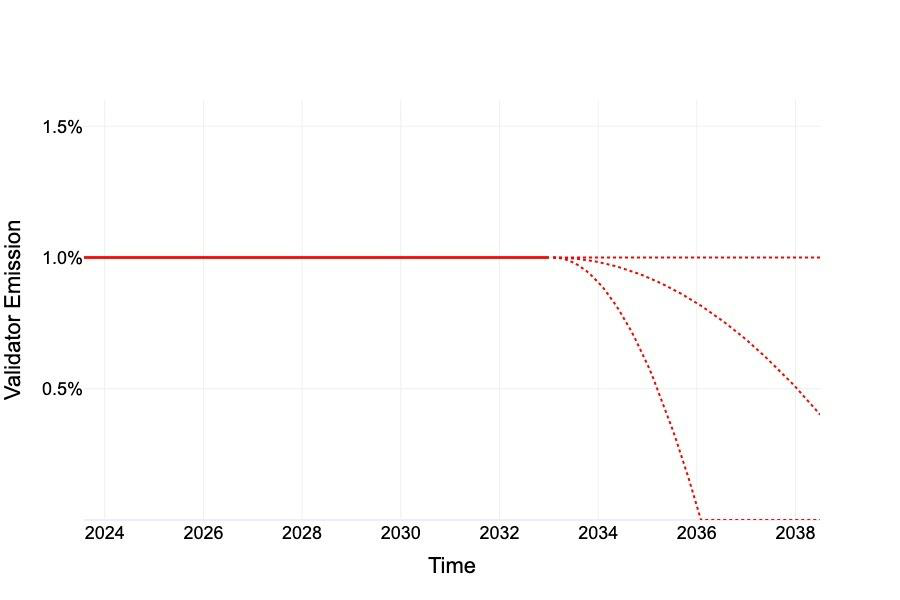
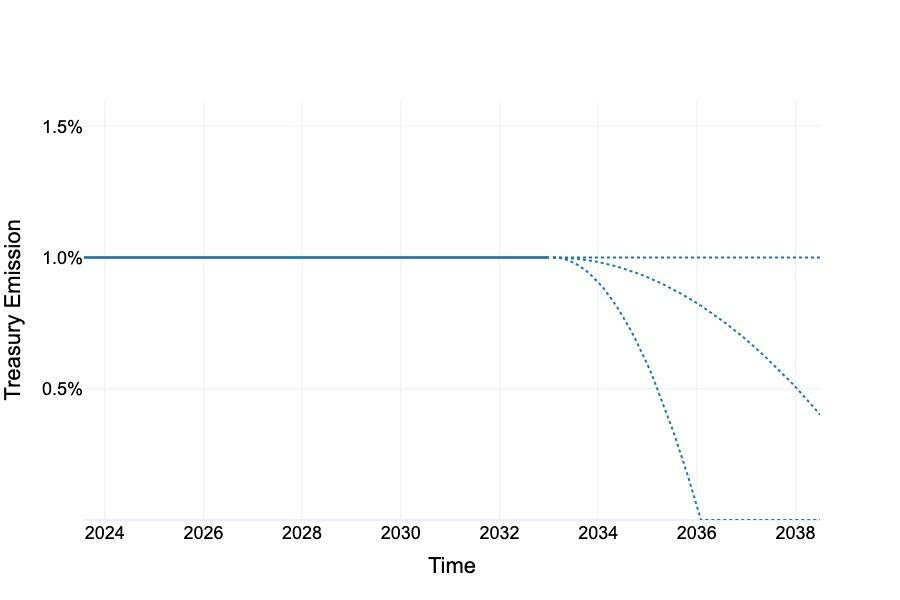
वास्तविक धारक, यह देखते हुए कि केंद्रीकृत क्रिप्टो एक्सचेंज' और DeFi प्रोटोकॉल के पते एकाधिक उपयोगकर्ताओं का प्रतिनिधित्व करें। इसका तात्पर्य यह है कि पीओएल पहले दिन से ही व्यापक रूप से वितरित किया जाएगा पारिस्थितिकी तंत्र के समग्र विकेंद्रीकरण और लचीलेपन के लिए महत्वपूर्ण है। 5.2 उत्सर्जन पीओएल दो उद्देश्यों के लिए पूर्वनिर्धारित, नियतात्मक दर पर उत्सर्जित होता है: 1. सत्यापनकर्ता पुरस्कार. validator ऑनबोर्डिंग और प्रतिधारण को प्रोत्साहित करने के लिए, POL होना चाहिए एक पूर्व निर्धारित दर पर लगातार उत्सर्जित होता है और आधार के रूप में validators तक वितरित होता है, प्रोटोकॉल इनाम. हम इसके लिए पीओएल आपूर्ति के 1% की वार्षिक उत्सर्जन दर का प्रस्ताव करते हैं उद्देश्य. शुरुआती 10 वर्षों तक उत्सर्जन दर में बदलाव संभव नहीं होगा, और उस अवधि के बाद समुदाय इसे मनमाने तरीके से कम करने का निर्णय ले सकता है शासन ढांचा. उत्सर्जन दर को कभी भी 1% से अधिक नहीं बढ़ाया जा सकता। 2. पारिस्थितिकी तंत्र का समर्थन. के आगे के विकास और वृद्धि के लिए निरंतर सहायता प्रदान करना द Polygon पारिस्थितिकी तंत्र, हम प्रस्ताव को परिचय द समुदाय राजकोष, ए समुदाय-शासित पारिस्थितिकी तंत्र निधि, § 7 में वर्णित है। हम वार्षिक उत्सर्जन का प्रस्ताव करते हैं इस प्रयोजन के लिए पीओएल आपूर्ति का 1% की दर। बिल्कुल validator के उत्सर्जन की तरह पुरस्कार, इस उत्सर्जन दर को एक शासन के माध्यम से 10 वर्षों के बाद कम किया जा सकता है ढांचा, और इसे कभी भी 1% से अधिक नहीं बढ़ाया जा सकता है। चित्र 2. संभावित पीओएल उत्सर्जन दर परिदृश्य प्रस्तावित उत्सर्जन और उत्सर्जन दर का तर्क यह है कि Polygon पारिस्थितिकी तंत्र और सामान्य तौर पर Web3 को परिपक्व होने और मुख्यधारा में अपनाने के लिए समय की आवश्यकता होगी। के आधार परऐतिहासिक इंटरनेट और कंप्यूटिंग प्लेटफ़ॉर्म अपनाने के चक्र, परिपक्वता चरण हो सकते हैं यथार्थ रूप से लगभग 10-15 वर्षों में होने की उम्मीद है। उस अवधि के दौरान, पारिस्थितिकी तंत्र होगा आर्थिक सहयोग की जरूरत है. एक बार Polygon पारिस्थितिकी तंत्र और Web3 परिपक्वता, लेनदेन शुल्क और अन्य प्रोत्साहन तक पहुंच जाते हैं Polygon श्रृंखलाओं को सत्यापित करके सुरक्षित (§ 6.3 में वर्णित) अकेले ही पर्याप्त उत्पादन करना चाहिए Polygon validators के लिए रिटर्न। एक बार ऐसा होने पर, समुदाय हस्तक्षेप करने का निर्णय ले सकता है सुरक्षा को प्रभावित किए बिना, validator पुरस्कारों के लिए उत्सर्जन को कम करें या पूरी तरह से बंद करें और पारिस्थितिकी तंत्र का विकेंद्रीकरण। इसी प्रकार, समुदाय फिर कम करने या करने का निर्णय ले सकता है सामुदायिक खजाने के लिए भी उत्सर्जन बंद करें, यह देखते हुए कि पारिस्थितिकी तंत्र ऐसा नहीं करेगा अब महत्वपूर्ण आर्थिक सहायता की आवश्यकता है। जाहिर है, Web3 को अपनाने का चक्र थोड़ा या पूरी तरह से अलग दिख सकता है। मामले में यह बदल जाता है यह ज्ञात है कि मुख्यधारा को अपनाने में अधिक समय लगता है और पारिस्थितिकी तंत्र को अभी भी समर्थन की आवश्यकता है 10 वर्षों के बाद, समुदाय हस्तक्षेप न करने का विकल्प चुन सकता है और उत्सर्जन जारी रहेगा जब तक आवश्यक हो तब तक होता है। हम प्रस्तावित उत्सर्जन नीति को इष्टतम मानते हैं, क्योंकि यह इनके बीच संतुलन प्राप्त करती है: ● पर्याप्त पारिस्थितिकी तंत्र समर्थन. पर्याप्त, भविष्य-प्रमाण समर्थन को द Polygon Polygon की सुरक्षा और सफलता के लिए पारिस्थितिकी तंत्र अत्यंत महत्वपूर्ण है। को मान्य करने के लिए यह परिकल्पना कि प्रस्तावित उत्सर्जन दरें वास्तव में पर्याप्त हैं, हमने एक परिकल्पना विकसित की आर्थिक मॉडल, सिमुलेशन चलाया और §9 में परिणाम प्रस्तुत किए। ● सुरक्षा के माध्यम से कमी. देशी tokens की कमी महत्वपूर्ण रूप से महत्वपूर्ण है blockchain नेटवर्क; उच्च token कमजोर पड़ने से सुरक्षा पर नाटकीय प्रभाव पड़ सकता है। अनुमान लगाना पीओएल की कमी, हम प्रस्तावित उत्सर्जन दर की तुलना बीटीसी की उत्सर्जन दर से कर सकते हैं, जो वर्तमान में ≈1.8%3 पर है, और अतीत में काफी अधिक रहा है। हालाँकि, भी धीरे-धीरे घटते हुए, बीटीसी उत्सर्जन दूसरे से अधिक होने की गारंटी है सदी, जबकि पीओएल उत्सर्जन संभावित रूप से 10 के बाद भी कम या बंद किया जा सकता है साल. यह देखते हुए कि (i) Bitcoin को अत्यधिक दुर्लभ संपत्ति माना जाता है, और (ii) कुल पीओएल उत्सर्जन दर बीटीसी के बराबर (और संभावित रूप से उससे अधिक सख्त) है, हम यह निष्कर्ष निकालते हैं पीओएल पर्याप्त रूप से दुर्लभ है, यानी इसका उत्सर्जन प्रोटोकॉल सुरक्षा चिंताओं का परिचय नहीं देता है। 3 स्रोत: https://charts.woobull.com/bitcoin-inflation/
अंत में, यह ध्यान रखना महत्वपूर्ण है कि हम जिस उत्सर्जन नीति का प्रस्ताव करते हैं वह उच्च स्तर की है पूर्वानुमेयता। पूर्व निर्धारित उत्सर्जन कार्यक्रम पीओएल आपूर्ति को लंबे समय तक पूर्वानुमानित बनाता है शब्द, भले ही समुदाय हस्तक्षेप करने का निर्णय लेता है। जैसा कि समझाया गया है, समुदाय ही कर सकता है दरों में कमी, इस प्रकार प्रभावी ढंग से पूर्व निर्धारित उत्सर्जन नीति का पूरक और पीओएल की संभावित रूप से बढ़ती कमी। पूर्वानुमेयता और कमी प्रोटोकॉल और बाज़ार को आकर्षित करती है प्रतिभागियों को विश्वसनीयता की भावना प्रदान करते हैं। जैसे-जैसे Polygon पारिस्थितिकी तंत्र बढ़ता जा रहा है, यह पीओएल को एक आकर्षक और विश्वसनीय डिजिटल संपत्ति के रूप में स्थापित करने में योगदान देना चाहिए, जो बाद में गोद लेने और विश्वसनीयता को और अधिक प्रज्वलित किया जा सकता है, इस प्रकार एक पुण्य चक्र का निर्माण हो सकता है।
إمداد
نحن هنا نغطي العرض الأولي وسياسة الانبعاثات الخاصة بـ POL، ونصف الأساس المنطقي خلف كليهما. 5.1 العرض الأولي العرض الأولي من POL هو 10 مليارات tokens. ينبغي أن يكون كامل العرض الأولي مخصص للترحيل، أي token للتبديل من MATIC إلى POL. سوف تحتاج هذه الهجرة إلى اتخاذها مكان لكي ينجح POL في MATIC باعتباره token الأصلي للنظام البيئي Polygon، وهو تمت مناقشته في الفقرة 8. يتطابق العرض الأولي لـ POL مع عرض MATIC، الأمر الذي من شأنه أن يجعل الترحيل جيدًا واضحة. بمجرد اكتمال الترحيل، فإن توزيع POL سيطابق التيار بشكل أساسي توزيع ماتيك. لقد مرت MATIC بالفعل بعملية واسعة النطاق لـ token التوزيع الذي أدى إلى أكثر من 600000 عنوان لصاحبها2، ومن المحتمل أكثر من ذلك 2 المصدر: https://etherscan.io/token/0x7d1afa7b718fb893db30a3abc0cfc608aacfebb0#balances
المالكين الفعليين، نظرًا لأن بورصات العملات المشفرة المركزية وعناوين بروتوكولات DeFi تمثل عدة مستخدمين. وهذا يعني أن POL سيتم توزيعه على نطاق واسع منذ اليوم الأول يعد أمرًا أساسيًا لتحقيق اللامركزية الشاملة ومرونة النظام البيئي. 5.2 الانبعاثات ينبعث POL بمعدل محدد مسبقًا لغرضين: 1. مكافآت المدقق. لتحفيز validator على الإعداد والاحتفاظ، يجب أن يكون POL كذلك تنبعث بشكل مستمر بمعدل محدد مسبقًا ويتم توزيعها على validators كقاعدة، مكافأة البروتوكول. نقترح معدل انبعاث سنوي قدره 1% من إمدادات POL لهذا الغرض الغرض. لن يكون من الممكن تغيير معدل الانبعاثات خلال السنوات العشر الأولى، و وبعد تلك الفترة يمكن للمجتمع أن يقرر تقليله بطريقة تعسفية عبر إطار الحوكمة. لا يمكن أبدا زيادة معدل الانبعاثات إلى ما هو أبعد من 1%. 2. دعم النظام البيئي. لتوفير الدعم المستمر لمزيد من التطوير والنمو ال Polygon النظام البيئي, نحن اقتراح ل أعرض ال المجتمع الخزانة، أ صندوق النظام البيئي الذي يحكمه المجتمع، الموصوف في الفقرة 7. نقترح انبعاثًا سنويًا نسبة 1% من العرض POL لهذا الغرض. تمامًا مثل الانبعاث لـ validator المكافآت، يمكن تقليل معدل الانبعاثات هذا بعد 10 سنوات من خلال الحوكمة ولا يمكن زيادتها أبدًا إلى أكثر من 1٪. الشكل 2. السيناريوهات المحتملة لمعدل الانبعاثات POL الأساس المنطقي للانبعاثات المقترحة ومعدلات الانبعاثات هو أن النظام البيئي Polygon وسيحتاج Web3 بشكل عام إلى وقت حتى ينضج ويصل إلى التبني السائد. بناء علىدورات اعتماد منصات الإنترنت والحوسبة التاريخية، يمكن أن تكون مرحلة النضج واقعيا ومن المتوقع أن يحدث في حوالي 10-15 سنة. خلال تلك الفترة، سوف النظام البيئي بحاجة إلى دعم اقتصادي. بمجرد وصول النظام البيئي Polygon وWeb3 إلى مرحلة النضج، يتم فرض رسوم المعاملات والحوافز الأخرى يجب أن يتم تأمينها عن طريق التحقق من صحة سلاسل Polygon (الموصوفة في الفقرة 6.3) وحدها لتوليد ما يكفي إرجاع Polygon validators. وبمجرد حدوث ذلك، يمكن للمجتمع أن يقرر التدخل و تقليل أو إيقاف إصدار مكافآت validator تمامًا، دون التأثير على الأمان واللامركزية في النظام البيئي. وبالمثل، يمكن للمجتمع بعد ذلك أن يقرر خفض أو وقف الانبعاثات لصالح خزانة المجتمع أيضًا، نظرًا لأن النظام البيئي لن يفعل ذلك بحاجة إلى دعم اقتصادي كبير بعد الآن. من الواضح أن دورة اعتماد Web3 قد تبدو مختلفة قليلاً أو تمامًا. في حال تحول من الواضح أن الوصول إلى التبني السائد يستغرق وقتًا أطول وأن النظام البيئي لا يزال بحاجة إلى الدعم وبعد 10 سنوات، يمكن للمجتمع أن يختار عدم التدخل وسيستمر الانبعاث يحدث طالما كان ذلك مطلوبا. ونعتبر سياسة الانبعاثات المقترحة هي الأمثل لأنها تحقق التوازن بين: ● كافية النظام البيئي الدعم. كافية، مقاوم للمستقبل الدعم ل ال Polygon يعد النظام البيئي أمرًا بالغ الأهمية للأمان ونجاح Polygon. للتحقق من صحة فرضية أن معدلات الانبعاثات المقترحة كافية بالفعل، قمنا بتطوير النموذج الاقتصادي، وأجرى عمليات المحاكاة وقدم النتائج في الفقرة 9. ● الأمن عبر الندرة. تعتبر ندرة tokens الأصلية ذات أهمية كبيرة بالنسبة blockchain الشبكات؛ يمكن أن يؤثر التخفيف العالي token على الأمان بشكل كبير. لتقدير ندرة POL، يمكننا مقارنة معدل الانبعاثات المقترح بمعدل انبعاث BTC، والذي يبلغ حاليًا ≈1.8%3، وكان أعلى بكثير في الماضي. أيضا، على الرغم من مع انخفاض تدريجي، من المؤكد أن يحدث انبعاث BTC لأكثر من مرة القرن، في حين أنه من الممكن تقليل انبعاث POL أو إيقافه حتى بعد مرور 10 سنوات سنوات. بالنظر إلى أن (1) Bitcoin يعتبر أصلًا نادرًا للغاية، و(2) إجمالي POL معدل الانبعاثات مشابه (وربما أكثر صرامة) لـ BTC، نستنتج ذلك POL نادر بما فيه الكفاية، أي أن بثه لا يسبب مخاوف أمنية للبروتوكول. 3 المصدر: https://charts.woobull.com/bitcoin-inflation/
وأخيرا، من المهم أن نلاحظ أن سياسة الانبعاثات التي نقترحها لديها درجة عالية من القدرة على التنبؤ. جدول الانبعاثات المحدد مسبقًا يجعل إمداد POL قابلاً للتنبؤ به على المدى الطويل المدى، حتى لو قرر المجتمع التدخل. كما هو موضح، لا يمكن للمجتمع إلا خفض المعدلات، وبالتالي استكمال سياسة الانبعاثات المحددة سلفا بشكل فعال احتمال زيادة ندرة POL. القدرة على التنبؤ والندرة تجذب البروتوكول والسوق المشاركين وتوفير الشعور بالموثوقية. مع استمرار نمو النظام البيئي Polygon، هذا يجب أن يساهم في ترسيخ POL كأصل رقمي جذاب وموثوق به وبالتالي يمكن أن يؤدي ذلك إلى مزيد من التبني والموثوقية، وبالتالي إنشاء دائرة حميدة.
स्टेकिंग परत
इंटरनेट के वैल्यू लेयर के दृष्टिकोण को साकार करने के लिए अंततः Polygon नेटवर्क की आवश्यकता होगी अरबों उपयोगकर्ताओं और लाखों Web3 अनुप्रयोगों की मेजबानी करने के लिए। गतिविधि के इस विशाल स्तर को सक्षम करने के लिए, सैकड़ों या हजारों Polygon श्रृंखलाएं समानांतर में चल रही होंगी, दसियों या द्वारा सुरक्षित सैकड़ों हजारों validators। सभी Polygon श्रृंखलाओं और validators को समन्वित करने के लिए, पुन: डिज़ाइन किया गया Polygon प्रोटोकॉल आर्किटेक्चर स्टेकिंग लेयर का परिचय देता है। स्टेकिंग लेयर एक अनोखा प्रोग्रामेबल मल्टी-चेन कोऑर्डिनेटर प्रोटोकॉल है। द्वारा सभी Polygon validators और श्रृंखलाओं को व्यवस्थित करके, यह सक्षम बनाता है: ● पारिस्थितिकी तंत्र की असीमित मापनीयता; ● किसी भी Web3 प्रोजेक्ट के लिए समर्पित Web3 बुनियादी ढांचे तक सरल, स्वचालित पहुंच। Web3 उद्योग की शुरुआत Bitcoin द्वारा की गई थी, जो एकल के साथ पहला सफल blockchain था अनुप्रयोग - डिजिटल मुद्रा। जैसे-जैसे नए अनुप्रयोग और उपयोग के मामले प्रस्तावित किए जा रहे थे, वे सामान्यतः वे अपना स्वयं का blockchain लॉन्च कर रहे थे, जो धीमा और जटिल था। ये था Web3 की दूसरी बड़ी सफलता द्वारा संबोधित - Ethereum, एक प्रोग्राम योग्य blockchain जो किसी भी एप्लिकेशन या उपयोग के मामले का समर्थन कर सकता है। एक विशाल प्रतिमान परिवर्तन होने के बावजूद, मुख्य Ethereum की सीमा यह है कि यह मुख्यधारा को अपनाने का समर्थन करने में सक्षम नहीं है। शमन करना इस सीमा के कारण, Ethereum समुदाय Layer 2 श्रृंखलाओं - blockchain आर्किटेक्चर में बदल गया जो सुरक्षा से समझौता किए बिना उच्च मापनीयता प्रदान करें। स्टेकिंग लेयर की शुरूआत के साथ, Polygon व्यावहारिक रूप से असीमित संख्या में Layer 2 श्रृंखलाओं का समर्थन करने में सक्षम हो जाता है, प्रत्येक एप्लिकेशन और कॉन्फ़िगरेशन स्तर दोनों पर पूरी तरह से प्रोग्राम करने योग्य। हमारा मानना है कि ऐसा हो सकता है परिमाण को देखते हुए, Web3 की शुरुआत के बाद से यह तीसरी सबसे महत्वपूर्ण सफलता है यह नवप्रवर्तन और अपनाने को सक्षम बनाता है।
स्टेकिंग लेयर का विस्तार से वर्णन और निर्दिष्ट करना इस पेपर के दायरे से बाहर है। इसके बजाय, और इस पीओएल-संचालित परत और इसकी क्षमता की बेहतर समझ प्राप्त करने के लिए, हम प्रदान करते हैं इसके निम्नलिखित पहलुओं का अवलोकन: ● डिजाइन और कार्यान्वयन; ● Polygon श्रृंखला प्रबंधन; ● सत्यापनकर्ता प्रबंधन. 6.1 डिज़ाइन और कार्यान्वयन जैसा कि ऊपर उल्लेख किया गया है, स्टेकिंग लेयर एक प्रोग्रामयोग्य मल्टी-चेन समन्वयक है। यह प्रबंधन करता है दो मुख्य तार्किक घटक: 1. सत्यापनकर्ता रजिस्ट्री: बनाए रखता है द अद्यतन रजिस्ट्री का validators, के साथ उनके संबंधित पीओएल हिस्सेदारी और श्रृंखलाएं जिनकी उन्होंने सदस्यता ली है; 2. जंजीर रजिस्ट्री: उनके साथ Polygon श्रृंखलाओं की अद्यतन रजिस्ट्री बनाए रखता है संगत विन्यास. स्टेकिंग लेयर के लिए आवश्यक मुख्य विशेषता पूर्ण प्रोग्रामेबिलिटी है; यह इसे समर्थन करने की अनुमति देता है और समन्वय: ● Polygon श्रृंखलाओं का मनमाना विन्यास; ● सभी validator-संबंधित ऑपरेशन; ● मनमाना सहायक संचालन और अनुप्रयोग, उदा. staking डेरिवेटिव. प्रोग्रामयोग्यता प्राप्त करने का सर्वोत्तम तरीका EVM (Ethereum वर्चुअल मशीन) का उपयोग करना है। चूँकि यह कई लाभ प्रदान करता है: ● ट्यूरिंग-पूर्णता; ● EVM की परिपक्वता, उच्च स्तरीय भाषाएँ (जैसे सॉलिडिटी) और टूलींग; ● डेवलपर आधार आदि। व्यावहारिक रूप से, इसका मतलब है कि स्टेकिंग लेयर को EVM स्मार्ट के सेट के रूप में लागू किया जाएगा अनुबंध. इन smart contract को किसी भी EVM blockchain पर, संभवतः Ethereum पर तैनात किया जा सकता है या Polygon zkEVM rollup, यह देखते हुए कि दोनों उच्च स्तर की सुरक्षा प्रदान करते हैं। 6.2 Polygon श्रृंखला प्रबंधन स्टेकिंग लेयर व्यावहारिक रूप से असीमित संख्या में Polygon श्रृंखलाओं का समर्थन कर सकती है, प्रत्येक श्रृंखला के साथ मनमानी सुविधाएँ और विन्यास, और उन्हें विकेंद्रीकरण का आवश्यक स्तर प्रदान करते हैं।स्टेकिंग लेयर द्वारा Polygon श्रृंखलाओं को प्रदान की जाने वाली मुख्य सेवा उनका प्रबंधन है validator आवश्यकताएँ और validator सेट उन आवश्यकताओं के अनुसार स्थापित किए गए हैं। सत्यापनकर्ता आवश्यकताओं को एक कॉन्फ़िगरेशन smart contract में निर्दिष्ट किया गया है जिसे प्रत्येक Polygon श्रृंखला तैनात करती है आरंभ करने के लिए. यह smart contract मनमाने ढंग से validator आवश्यकताओं को परिभाषित कर सकता है, जिनमें शामिल हैं लेकिन यहीं तक सीमित नहीं: ● अधिकतम validator संख्या: श्रृंखला में validator की अधिकतम संख्या निर्दिष्ट करती है अपने validator सेट में स्वीकार करता है। ● न्यूनतम validator संख्या: आरंभ करने के लिए आवश्यक validator की न्यूनतम संख्या श्रृंखला. ● स्लैश करने योग्य अपराध: ऑन-चेन जिम्मेदार सत्यापन अपराध जो स्लैशिंग का कारण बनते हैं हिस्सेदारी; ● सत्यापनकर्ता मानदंड: स्टेकिंग हब में सभी validator के लिए एकमात्र सामान्य मानदंड एक हिस्सेदारी है पीओएल में. मनमाने अतिरिक्त मानदंड निर्दिष्ट किए जा सकते हैं, जैसे किसी तीसरे द्वारा प्राधिकरण पार्टी, अन्य tokens में अतिरिक्त हिस्सेदारी (जैसे व्यक्तिगत Polygon श्रृंखलाओं के मूल tokens) आदि validator आवश्यकताओं को कॉन्फ़िगर करने की क्षमता के अलावा, Polygon श्रृंखलाएं मनमाने ढंग से काम कर सकती हैं उनके आर्किटेक्चर के अन्य सभी मापदंडों और सुविधाओं को कॉन्फ़िगर करें। इन्हें पर परिभाषित नहीं किया गया है स्टेकिंग लेयर लेवल, लेकिन इसके बजाय Polygon चेन के क्लाइंट कोड में। कुछ उल्लेखनीय पैरामीटर और विशेषताएं हैं: ● मूल token: चेन अपना मूल token बना सकते हैं जिसका उपयोग विभिन्न कार्यों के लिए किया जा सकता है उद्देश्य, उदा. लेनदेन शुल्क, उपयोगकर्ता प्रोत्साहन आदि। ● शुल्क प्रबंधन: चेन तय कर सकते हैं कि लेनदेन शुल्क का प्रबंधन कैसे किया जाए। आम तौर पर, लेन-देन शुल्क पूरी तरह से validators को दिया जाएगा, लेकिन अन्य वितरण मॉडल संभव हैं, उदा. फीस का एक हिस्सा खर्च करना और बाकी हिस्सा दूसरों को देना validators. ● अतिरिक्त पुरस्कार: सभी Polygon validator को आधार प्रोटोकॉल पुरस्कार प्राप्त होते हैं (जैसा कि इसमें वर्णित है) § 4.2) और आम तौर पर Polygon श्रृंखलाओं से लेनदेन शुल्क जो वे मान्य करते हैं। आकर्षित करने के लिए अधिक validators, Polygon श्रृंखला इनके शीर्ष पर अतिरिक्त पुरस्कार प्रदान कर सकती है। ये पुरस्कार संभवतः उन श्रृंखलाओं के मूल tokens में होंगे। ● ब्लॉक समय और आकार: आवृत्ति और आकार, यानी गैस सीमा को कॉन्फ़िगर करना संभव है ब्लॉक. ● चेकपॉइंट समय: सत्यापनकर्ता सेट Polygon श्रृंखलाओं के लिए तेज़, स्थानीय अंतिमता प्रदान करते हैं। इसके अलावा इसके लिए, सभी Polygon श्रृंखलाएं समय-समय पर शून्य-ज्ञान प्रमाण उत्पन्न करती हैं और जमा करती हैंEthereum, इस प्रकार इसकी उच्च सुरक्षा का लाभ उठाता है। इन चौकियों की आवृत्ति हो सकती है कॉन्फ़िगर किया गया (उदाहरण के लिए हर 5 मिनट में)। ● डेटा उपलब्धता: डेटा उपलब्धता मॉडल भी निर्दिष्ट किया जा सकता है। चेन निर्णय ले सकते हैं Ethereum (rollup मॉडल) या उनके स्वयं के validator सेट या अन्य बाहरी डेटा का लाभ उठाएं उपलब्धता सेवा (वैलिडियम मॉडल)। प्रस्तावित ढांचे के साथ, एक नई Polygon श्रृंखला लॉन्च करना व्यावहारिक रूप से लेखन तक ही सीमित है और उपरोक्त कॉन्फ़िगरेशन smart contract को तैनात करना। एक बार अनुबंध पर तैनात हो जाता है स्टेकिंग लेयर, validators इसकी सदस्यता लेना शुरू कर सकते हैं। जब न्यूनतम आवश्यक संख्या validators तक पहुंच गया, श्रृंखला शुरू हो गई। हमारा मानना है कि श्रृंखलाओं को कॉन्फ़िगर करने और लॉन्च करने का यह सरल तरीका एक नए युग की शुरुआत कर सकता है नवाचार और अपनाना. Ethereum का गेम-चेंजिंग डिज़ाइन निर्णय प्रयास नहीं करना था भविष्यवाणी करें कि डेवलपर्स कौन से एप्लिकेशन और उपयोग के मामले बनाना चाहेंगे। इसके बजाय, इसने एक की पेशकश की ट्यूरिंग-संपूर्ण प्रोग्राम योग्य वातावरण जो किसी भी एप्लिकेशन या उपयोग के मामले का समर्थन कर सकता है। साथ स्टेकिंग लेयर, Polygon नई श्रृंखलाएँ लॉन्च करने के लिए समान दृष्टिकोण अपना रहा है - यह समर्थन करता है व्यावहारिक रूप से किसी भी श्रृंखला का डिज़ाइन, प्रोग्रामयोग्य तरीके से और स्केलिंग सीमाओं के बिना। 6.3 सत्यापनकर्ता प्रबंधन स्टेकिंग लेयर व्यावहारिक रूप से असीमित संख्या में validators का समर्थन कर सकती है। यह प्रबंधन करता है validators उनके पूरे जीवनचक्र में और उन्हें विभिन्न प्रकार की सुरक्षा करने में सक्षम बनाता है उपयोगी कार्य करने के लिए प्रोत्साहन। validator जीवनचक्र में चार संभावित चरण, यानी स्थितियाँ हैं: 1. सक्रियण: सत्यापनकर्ताओं को POL जमा करके validator पूल के भाग के रूप में आरंभ किया जाता है स्टेकिंग लेयर पर staking अनुबंध। एक बार आरंभ करने के बाद, validator इसके पात्र बन जाते हैं आधार प्रोटोकॉल पुरस्कार प्राप्त करें (§ 4.2 में वर्णित)। 2. सदस्यता: एक बार शुरू होने के बाद, validator को किसी भी Polygon को मान्य करने के लिए सदस्यता लेने की अनुमति है श्रृंखला. 3. मान्यता: यदि validator उस Polygon श्रृंखला के सभी मानदंडों को पूरा करता है जिसकी उसने सदस्यता ली है, तो यह उस श्रृंखला के validator सेट का सदस्य बन जाता है। सत्यापनकर्ता एकाधिक श्रृंखलाओं को मान्य कर सकते हैं, और उनमें से प्रत्येक श्रृंखला पर उनकी पीओएल हिस्सेदारी स्वीकार की जाती है। यदि validator कट जाता है किसी एक श्रृंखला पर पूर्वनिर्धारित स्लैशयोग्य अपराध के लिए, इसका पीओएल संतुलन अद्यतन हो जाता है और यह मान्य सभी श्रृंखलाओं पर प्रतिबिंबित होता है। सत्यापन और सदस्यता चरण कर सकते हैं
ओवरलैप; एक validator एक Polygon श्रृंखला पर और में सदस्यता चरण में हो सकता है दूसरे पर सत्यापन चरण। 4. सेवानिवृत्ति: सत्यापनकर्ता किसी भी समय validator पूल छोड़ सकते हैं। एक बार रिटायरमेंट है आरंभ होने पर, एक पूर्वनिर्धारित प्रतीक्षा अवधि शुरू हो जाती है, जो संभावित लंबित होने की अनुमति देती है काटना प्रतीक्षा अवधि के बाद, validator अपनी POL हिस्सेदारी वापस लेने में सक्षम हैं जमा अनुबंध. Polygon श्रृंखलाओं को मान्य करने के बदले में, validator कम से कम तीन प्रोत्साहन धाराएँ स्थापित कर सकते हैं: 1. प्रोटोकॉल पुरस्कार: जैसा कि ऊपर वर्णित है, प्रत्येक सक्रिय Polygon validator को आधार प्राप्त हो रहा है प्रोटोकॉल पुरस्कार. validator पुरस्कारों के लिए कुल POL उत्सर्जन (§ 5.2 में वर्णित), है सक्रिय validator को उनकी POL हिस्सेदारी के अनुपात में वितरित किया गया। 2. लेनदेन शुल्क: सत्यापनकर्ताओं को किसी भी संख्या में Polygon श्रृंखलाओं को मान्य करने की अनुमति है। में वापसी पर, ये शृंखलाएँ आम तौर पर लेन-देन शुल्क का संपूर्ण या कुछ हिस्सा प्रदान करेंगी validators. 3. अतिरिक्त पुरस्कार: जैसा कि ऊपर बताया गया है, कुछ Polygon चेन चुन सकते हैं अधिक validator को आकर्षित करने के लिए अतिरिक्त पुरस्कार पेश करें। ये पुरस्कार कोई भी हो सकते हैं token, जिसमें POL, स्थिर सिक्के या उनमें से मूल token Polygon शामिल हैं, लेकिन इन्हीं तक सीमित नहीं हैं जंजीरें जैसा कि हम validator प्रोत्साहनों का वर्णन करते हैं, यह ध्यान देने योग्य है कि Polygon में सत्यापन की अवधारणा है सामान्य से अधिक व्यापक, संकीर्ण परिभाषा। इससे इसके मूल्य प्रस्ताव में और सुधार होता है validator भूमिका - अनेक श्रृंखलाओं को मान्य करने के अलावा, validators अनेक कार्य भी कर सकते हैं एक ही श्रृंखला पर भूमिकाएँ। संभवतः सबसे आम भूमिकाएँ होंगी: ● संकीर्ण अर्थ में सत्यापन: उपयोगकर्ता लेनदेन स्वीकार करना, उनकी वैधता निर्धारित करना और जनरेटिंग ब्लॉक; ● साबित करना: लेन-देन की वैधता के शून्य-ज्ञान प्रमाण तैयार करना; ● डेटा उपलब्धता: गारंटी प्रदान करना कि लेनदेन डेटा प्रकाशित और सार्वजनिक रूप से उपलब्ध है उपलब्ध.
طبقة التوقيع المساحي
سيتطلب تحقيق رؤية طبقة القيمة للإنترنت في النهاية شبكة Polygon لاستضافة مليارات المستخدمين وملايين تطبيقات Web3. لتمكين هذا المستوى الواسع من النشاط، سيتم تشغيل المئات أو الآلاف من سلاسل Polygon بالتوازي، مؤمنة بعشرات أو مئات الآلاف من validators. من أجل تنسيق جميع سلاسل Polygon وvalidators، تقدم بنية بروتوكول Polygon المعاد تصميمها طبقة التخزين. إن طبقة التوقيع هي بروتوكول منسق متعدد السلاسل قابل للبرمجة فريد من نوعه. بواسطة من خلال تنسيق جميع Polygon validator والسلاسل، فإنه يتيح ما يلي: ● قابلية التوسع غير المحدودة للنظام البيئي؛ ● وصول بسيط وآلي إلى بنية Web3 الأساسية المخصصة لأي مشروع Web3. بدأت صناعة Web3 بواسطة Bitcoin، أول blockchain ناجح بأغنية واحدة التطبيق – العملة الرقمية. ومع اقتراح تطبيقات وحالات استخدام جديدة، فقد تم اقتراحها كانوا عادةً يطلقون blockchains الخاصة بهم، والتي كانت بطيئة ومعقدة. كان هذا تمت معالجتها من خلال الاختراق الرئيسي الثاني لـ Web3 - Ethereum، وهو blockchain قابل للبرمجة يمكنها دعم أي تطبيق أو حالة استخدام. على الرغم من كونها نقلة نوعية ضخمة، الرئيسية يتمثل أحد قيود Ethereum في أنها غير قادرة على التوسع لدعم التبني السائد. للتخفيف بسبب هذا القيد، تحول مجتمع Ethereum إلى سلاسل Layer 2 - blockchain معماريات توفر قابلية تطوير أعلى دون التضحية بالأمان. مع إدخال طبقة التوقيع المساحي، يصبح Polygon قادرًا على دعم عدد غير محدود عمليًا من سلاسل Layer 2، كل منها قابلة للبرمجة بالكامل على مستوى التطبيق والتكوين. ونحن نعتقد أن هذا يمكن أن يكون ثالث أهم اختراق منذ بدء Web3، نظرًا لحجمه الابتكار والتبني الذي يتيحه.
إن وصف وتحديد طبقة التوقيع بالتفصيل هو خارج نطاق هذه الورقة. بدلا من ذلك، ومن أجل الحصول على فهم أفضل لهذه الطبقة التي تعمل بتقنية POL وإمكاناتها، فإننا نقدم لمحة عامة عن جوانبه التالية: ● التصميم والتنفيذ؛ ● Polygon إدارة السلاسل؛ ● إدارة التحقق من الصحة. 6.1 التصميم والتنفيذ كما ذكرنا أعلاه، فإن طبقة التوقيع هي عبارة عن منسق متعدد السلاسل قابل للبرمجة. إنه يدير مكونان منطقيان رئيسيان: 1. المدقق التسجيل: يحافظ ال محدثة التسجيل من validators, مع بهم حصص وسلاسل POL المقابلة التي اشتركوا فيها؛ 2. سلسلة التسجيل: يحتفظ بالسجل المحدث لسلاسل Polygon، مع التكوينات المقابلة الميزة الرئيسية التي تتطلبها طبقة التخزين هي قابلية البرمجة الكاملة؛ يسمح لها بدعم و التنسيق: ● تكوينات عشوائية لسلاسل Polygon؛ ● جميع العمليات ذات الصلة بـ validator؛ ● العمليات والتطبيقات الداعمة التعسفية، على سبيل المثال. staking المشتقات. الطريقة المثلى لتحقيق قابلية البرمجة هي استخدام EVM (Ethereum Virtual Machine)، لأنه يوفر عددا من الفوائد: ● اكتمال تورينج. ● نضج EVM، اللغات ذات المستوى الأعلى (مثل Solidity) والأدوات؛ ● قاعدة المطورين الخ عمليًا، هذا يعني أنه سيتم تنفيذ طبقة التخزين كمجموعة EVM الذكية العقود. يمكن نشر smart contracts على أي EVM blockchain، على الأرجح على Ethereum أو Polygon zkEVM rollup، نظرًا لأن كلاهما يوفر مستوى عالٍ من الأمان. 6.2 Polygon إدارة السلاسل يمكن أن تدعم طبقة التخزين عددًا غير محدود عمليًا من سلاسل Polygon، تحتوي كل منها على الميزات والتكوين التعسفي، وتزويدهم بالمستوى المطلوب من اللامركزية.الخدمة الرئيسية التي توفرها طبقة التخزين لسلاسل Polygon هي إدارة سلاسلها تم إنشاء متطلبات validator ومجموعات validator وفقًا لتلك المتطلبات. يتم تحديد متطلبات أداة التحقق في التكوين smart contract الذي تنشره كل سلسلة Polygon من أجل البدء. يمكن أن يحدد smart contract متطلبات validator التعسفية، بما في ذلك على سبيل المثال لا الحصر: ● الحد الأقصى لرقم validator: يحدد الحد الأقصى لعدد validators في السلسلة يقبل في مجموعته validator. ● الحد الأدنى لرقم validator: الحد الأدنى لعدد validators المطلوب لبدء سلسلة. ● الجرائم القابلة للتقطيع: مخالفات التحقق من الصحة المنسوبة إلى السلسلة والتي تتسبب في خفض قيمة حصة. ● معايير المدقق: المعيار المشترك الوحيد لجميع validators في Stake Hub هو الحصة في بول. ويمكن تحديد معايير إضافية تعسفية، مثل الترخيص من قبل الثلث الطرف، حصة إضافية في tokens أخرى (على سبيل المثال، tokens الأصلية لسلاسل Polygon الفردية) إلخ. بالإضافة إلى القدرة على تكوين متطلبات validator، يمكن لسلاسل Polygon أن تكون عشوائية تكوين جميع المعلمات والميزات الأخرى للهندسة المعمارية الخاصة بهم. لم يتم تعريف هذه على مستوى طبقة التخزين، ولكن بدلاً من ذلك في رمز العميل لسلاسل Polygon. بعض المعلمات البارزة والميزات هي: ● token الأصلية: يمكن للسلاسل إنشاء tokens الأصلية الخاصة بها والتي يمكن استخدامها لمختلف الأغراض، على سبيل المثال. رسوم المعاملات وتحفيز المستخدم وما إلى ذلك. ● إدارة الرسوم: يمكن للسلاسل أن تقرر كيفية إدارة رسوم المعاملات. عادة، سيتم تمرير رسوم المعاملات إلى validators بالكامل، باستثناء التوزيعات الأخرى النماذج ممكنة، على سبيل المثال. حرق جزء من الرسوم وتمرير الجزء المتبقي إلى validators. ● المكافآت الإضافية: جميع Polygon validator تحصل على مكافآت البروتوكول الأساسي (كما هو موضح في § 4.2) وعادةً رسوم المعاملات من سلاسل Polygon التي يقومون بالتحقق من صحتها. من أجل جذب المزيد من validators، Polygon يمكن أن تقدم سلسلة مكافآت إضافية علاوة على ذلك. هذه من المرجح أن تكون المكافآت في tokens الأصلية لتلك السلاسل. ● وقت وحجم الكتلة: من الممكن تكوين التردد والحجم، أي حد الغاز كتل. ● وقت نقطة التفتيش: توفر مجموعات أداة التحقق من الصحة نهائية محلية سريعة لسلاسل Polygon. بالإضافة إلى ذلك لهذا السبب، تقوم جميع سلاسل Polygon بشكل دوري بإنشاء وتقديم أدلة المعرفة الصفرية إلىEthereum، وبالتالي الاستفادة من إجراءات الأمان العالية. يمكن أن يكون تواتر نقاط التفتيش هذه تم تكوينه (على سبيل المثال كل 5 دقائق). ● توفر البيانات: يمكن أيضًا تحديد نموذج توفر البيانات. يمكن للسلاسل أن تقرر ذلك الرافعة المالية Ethereum (نموذج rollup) أو مجموعات validator الخاصة بهم أو البيانات الخارجية الأخرى خدمة التوفر (نموذج فاليديوم). مع الإطار المقترح، فإن إطلاق سلسلة Polygon الجديدة يتلخص عمليا في الكتابة ونشر التكوين المذكور أعلاه smart contract. بمجرد نشر العقد إلى طبقة التخزين، يمكن لـ validators البدء في الاشتراك فيها. عندما يكون الحد الأدنى المطلوب من تم الوصول إلى validators، ويتم إطلاق السلسلة. نحن نؤمن بأن هذه الطريقة البسيطة لتكوين السلاسل وإطلاقها يمكن أن تبشر بعصر جديد من الابتكار والتبني. كان قرار التصميم الذي غير قواعد اللعبة لـ Ethereum هو عدم محاولة القيام بذلك التنبؤ بالتطبيقات وحالات الاستخدام التي سيرغب المطورون في إنشائها. وبدلا من ذلك، عرضت أ بيئة تورينج كاملة قابلة للبرمجة يمكنها دعم أي تطبيق أو حالة استخدام. مع تتبع طبقة التوقيع، Polygon نفس النهج لإطلاق سلاسل جديدة - فهي تدعم عمليا أي تصميم سلسلة، بطريقة قابلة للبرمجة ودون قيود القياس. 6.3 إدارة أداة التحقق يمكن أن تدعم طبقة التخزين عددًا غير محدود عمليًا من validators. إنه يدير validators طوال دورة حياتها بالكامل وتمكنها من تأمين أنواع مختلفة من الحوافز لأداء العمل المفيد. هناك أربع مراحل محتملة، أي الحالات، في دورة حياة validator: 1. التنشيط: يتم بدء عمليات التحقق كجزء من مجمع validator عن طريق إيداع POL في staking عقد على طبقة التوقيع المساحي. بمجرد البدء، يصبح validators مؤهلاً لذلك الحصول على مكافآت البروتوكول الأساسي (الموصوفة في الفقرة 4.2). 2. الاشتراك: بمجرد البدء، يُسمح لـ validators بالاشتراك للتحقق من صحة أي Polygon سلسلة. 3. التحقق من الصحة: إذا كان validator يفي بجميع معايير سلسلة Polygon التي اشترك فيها، فإنه يصبح عضوًا في مجموعة validator الخاصة بتلك السلسلة. يمكن للمدققين التحقق من صحة سلاسل متعددة، ويتم الاعتراف بحصتهم في POL في كل من هذه السلاسل. إذا تم قطع validator بالنسبة لجريمة محددة مسبقًا قابلة للتقطيع على إحدى السلاسل، يتم تحديث رصيد POL الخاص بها وينعكس على جميع السلاسل التي يثبت صحتها. يمكن لمرحلتي التحقق والاشتراك
تداخل يمكن أن يكون validator واحدًا في مرحلة الاشتراك في سلسلة Polygon واحدة وفي مرحلة التحقق من جهة أخرى. 4. التقاعد: يمكن للمصادقين مغادرة مجمع validator في أي وقت. بمجرد التقاعد تبدأ، وتبدأ فترة انتظار محددة مسبقًا، مما يسمح بالانتظار المحتمل التقطيع. بعد فترة الانتظار، يستطيع validators سحب حصته في POL من عقد الوديعة. في مقابل التحقق من صحة سلاسل Polygon، يمكن لـ validators إنشاء ثلاثة تدفقات حوافز على الأقل: 1. مكافآت البروتوكول: كما هو موضح أعلاه، كل Polygon validator نشط يتلقى قاعدة مكافآت البروتوكول. إجمالي انبعاث POL لمكافآت validator (الموصوف في الفقرة 5.2)، هو يتم توزيعها على validators النشطة بما يتناسب مع حصتها في POL. 2. رسوم المعاملة: يُسمح للمدققين بالتحقق من صحة أي عدد من سلاسل Polygon. في العودة، ستقوم هذه السلاسل عادةً بمنح رسوم المعاملات بالكامل أو جزء منها validators. 3. مكافآت إضافية: كما ذكرنا أعلاه، يمكن لبعض سلاسل Polygon أن تختار ذلك تقديم مكافآت إضافية لجذب المزيد من validators. هذه المكافآت يمكن أن تكون في أي token، بما في ذلك على سبيل المثال لا الحصر، POL أو العملات المستقرة أو tokens الأصلية من تلك Polygon سلاسل. كما وصفنا حوافز validator، تجدر الإشارة إلى أن مفهوم التحقق من الصحة في Polygon هو أوسع من التعريف الضيق المعتاد. وهذا يزيد من تحسين عرض القيمة لل دور validator - بالإضافة إلى التحقق من صحة سلاسل متعددة، يمكن لـ validators أيضًا إجراء عدة عمليات الأدوار في سلسلة واحدة. من المرجح أن تكون الأدوار الأكثر شيوعًا هي: ● التحقق بالمعنى الضيق: قبول معاملات المستخدم، وتحديد صلاحيتها وتوليد الكتل. ● الإثبات: تقديم أدلة صفرية المعرفة على صحة المعاملة؛ ● توفر البيانات: تقديم ضمانات بنشر بيانات المعاملات بشكل علني متاح.
सामुदायिक खजाना
Polygon पारिस्थितिकी तंत्र और संपूर्ण Web3 उद्योग अभी भी शुरुआती चरण में हैं और भारी हैं विकास चरण. वर्तमान विकास पथ पर बने रहने के लिए, Polygon पारिस्थितिकी तंत्र होगा आने वाले वर्षों में निरंतर आर्थिक सहायता की आवश्यकता है।
चल रहे पारिस्थितिकी तंत्र समर्थन की आवश्यकता को संबोधित करने के लिए, हम सामुदायिक कोष का प्रस्ताव करते हैं इन-प्रोटोकॉल, समुदाय-शासित पारिस्थितिकी तंत्र निधि। यह कम से कम तीन प्रमुख लाभों का परिचय देता है Polygon पारिस्थितिकी तंत्र: ● जब तक आवश्यक हो तब तक निरंतर, आत्मनिर्भर आर्थिक सहायता; ● Polygon फाउंडेशन पर निर्भरता कम करके विकेंद्रीकरण में वृद्धि; ● पारदर्शिता और सामुदायिक समावेशन के अगले स्तर को प्राप्त करना। जैसा कि § 5.2 में वर्णित है, सामुदायिक कोष को पीओएल के पूर्व निर्धारित उत्सर्जन द्वारा वित्त पोषित किया जाता है। इस उद्देश्य के लिए समर्पित उत्सर्जन दर 1% प्रति वर्ष या पूर्ण रूप से ≈100 मिलियन पीओएल है शर्तें, और 10 वर्षों तक बदली नहीं जा सकतीं। यह दौरान मजबूत पारिस्थितिकी तंत्र समर्थन की गारंटी देता है यह अवधि Polygon के विकास, वृद्धि और स्थिति के लिए महत्वपूर्ण है। एक बार जब Polygon पारिस्थितिकी तंत्र और वेब3 परिपक्वता तक पहुंच जाएंगे, तो पारिस्थितिकी तंत्र की संभवतः आवश्यकता नहीं होगी अब महत्वपूर्ण आर्थिक समर्थन। उस समय, समुदाय को हस्तक्षेप करना चाहिए और सामुदायिक खजाने के लिए उत्सर्जन को कम करना या बंद करना। एक आशावादी परिदृश्य में, जहां गारंटीशुदा फंडिंग की 10 साल की अवधि समाप्त होने से पहले परिपक्वता पहुंच जाती है सामुदायिक खजाने में पारिस्थितिकी तंत्र की वास्तविक आवश्यकता से अधिक धन हो सकता है। में उस स्थिति में, समुदाय को यह तय करना चाहिए कि इस अतिरिक्त पीओएल का उपयोग कैसे किया जाए। उदाहरण के लिए, एक निर्णय इसे जलाने के लिए बनाया जा सकता है। जैसा कि उल्लेख किया गया है, और जैसा कि नाम से संकेत मिलता है, सामुदायिक राजकोष को इसके द्वारा शासित किया जाना चाहिए समुदाय, एक सहमत शासन प्रक्रिया के माध्यम से। शासन प्रक्रिया और व्यापक Polygon शासन ढांचे को Polygon 2.0 के भाग के रूप में डिज़ाइन और स्थापित किया जा रहा है प्रयास, और उन्हें विस्तार से समझाना इस पेपर के दायरे से बाहर है। इसके बजाय, हम एक संक्षिप्त विवरण देते हैं इसकी दो संभावित अवधारणाओं का अवलोकन: 1. Polygon फंडिंग प्रस्ताव (पीएफपी): फंडिंग या अन्य गतिविधियों के लिए औपचारिक प्रस्ताव या सामुदायिक खजाने से संबंधित सुधार। पीएफपी कोई भी जमा कर सकता है, और सार्वजनिक रूप से उपलब्ध और चर्चा की जानी चाहिए। इसी तरह की अवधारणाएँ देखी जा सकती हैं अन्य प्रमुख शासन ढाँचे4,5। 2. आम सहमति जुटाना: किसी विशिष्ट पीएफपी पर निर्णय लेने की प्रक्रिया। द निर्णय सीधे तरीके से किया जा सकता है, जहां समुदाय का प्रत्येक सदस्य ऐसा कर सकता है भाग लें, या समुदाय का प्रतिनिधित्व करने वाले प्रतिनिधियों के माध्यम से। जैसा कि § 4.3, पीओएल में बताया गया है शासन अधिकार रखने के लिए तकनीकी रूप से सक्षम होना चाहिए, ताकि इसका संभावित रूप से उपयोग किया जा सके 5 https://docs.aave.com/governance/ 4 https://uniswap.org/governance
सर्वसम्मति सभा या प्रतिनिधि चुनाव प्रक्रिया के भाग के रूप में। पीओएल धारक हैं अच्छे प्रस्तावों को मंजूरी देने और बुरे प्रस्तावों को अस्वीकार करने के लिए सीधे आर्थिक रूप से प्रोत्साहित किया गया, जिससे निर्णय लेने की प्रक्रिया से पारिस्थितिकी तंत्र को लाभ होने की अधिक संभावना है। हमने §9 में चल रहे सामुदायिक राजकोष प्रवाह का अनुकरण किया।
خزانة المجتمع
لا يزال النظام البيئي Polygon وصناعة Web3 بأكملها في مرحلة التبني المبكر وهي ثقيلة مرحلة التطوير. للبقاء على مسار النمو الحالي، سيظل النظام البيئي Polygon كذلك بحاجة إلى دعم اقتصادي مستمر في السنوات القادمة.
لتلبية الحاجة إلى الدعم المستمر للنظام البيئي، نقترح إنشاء خزانة المجتمع صندوق النظام البيئي الذي يحكمه المجتمع ضمن البروتوكول. يقدم ما لا يقل عن ثلاث فوائد رئيسية ل النظام البيئي Polygon: ● الدعم الاقتصادي المستمر والمستدام ذاتيًا طالما كان ذلك مطلوبًا؛ ● زيادة اللامركزية عن طريق تقليل الاعتماد على مؤسسة Polygon؛ ● تحقيق المستوى التالي من الشفافية والاندماج المجتمعي. وكما هو موضح في الفقرة 2.5، يتم تمويل خزانة المجتمع من خلال انبعاث POL محدد مسبقًا. معدل الانبعاثات المخصص لهذا الغرض هو 1% سنويًا، أو ≈100 مليون POL بشكل مطلق الشروط، ولا يمكن تغييرها لمدة 10 سنوات. وهذا يضمن دعمًا قويًا للنظام البيئي أثناء هذه الفترة حاسمة للتنمية والنمو وتحديد المواقع Polygon. بمجرد وصول النظام البيئي Polygon وWeb3 إلى مرحلة النضج، فمن المحتمل ألا يحتاج النظام البيئي إلى ذلك دعم اقتصادي كبير بعد الآن. في تلك المرحلة، يجب على المجتمع التدخل و تقليل أو إيقاف الانبعاثات لصالح خزانة المجتمع. وفي سيناريو متفائل.. عندما يتم الوصول إلى تاريخ الاستحقاق قبل انتهاء فترة التمويل المضمون البالغة 10 سنوات، فإن قد ينتهي الأمر بخزانة المجتمع إلى الحصول على أموال أكثر مما يحتاجه النظام البيئي بشكل واقعي. في في هذه الحالة، يجب على المجتمع أن يقرر كيفية الاستفادة من هذا الفائض من POL. على سبيل المثال، القرار يمكن صنعه لحرقه. كما ذكرنا، وكما يشير الاسم، يجب أن تخضع خزانة المجتمع لـ المجتمع، من خلال عملية حوكمة متفق عليها. عملية الحكم وعلى نطاق أوسع Polygon يتم تصميم وإنشاء إطار عمل الإدارة كجزء من Polygon 2.0 جهد، وشرحها بالتفصيل هو خارج نطاق هذه الورقة. بدلا من ذلك، نعطي موجزا نظرة عامة على المفهومين المحتملين: 1. Polygon مقترحات التمويل (PFPs): مقترحات رسمية للتمويل أو الأنشطة الأخرى أو التحسينات المتعلقة بخزانة المجتمع. يمكن تقديم PFPs من قبل أي شخص، ويجب أن تكون متاحة للعامة ومناقشتها. ويمكن ملاحظة مفاهيم مماثلة في أطر الحوكمة البارزة الأخرى4،5. 2. جمع الإجماع: عملية اتخاذ القرار بشأن PFP محدد. ال يمكن اتخاذ القرار بطريقة مباشرة، حيث يستطيع كل فرد من أفراد المجتمع المشاركة، أو عن طريق مندوبين يمثلون المجتمع. كما هو مذكور في الفقرة 4.3، POL ينبغي تمكينها تقنيًا لامتلاك حقوق الحوكمة، حتى يمكن الاستفادة منها 5 https://docs.aave.com/governance/ 4 https://uniswap.org/governance
كجزء من جمع الإجماع أو عملية انتخاب المندوبين. أصحاب POL هم التحفيز الاقتصادي المباشر للموافقة على المقترحات الجيدة ورفض المقترحات السيئة، مما يجعل عملية صنع القرار أكثر احتمالا لإفادة النظام البيئي. لقد قمنا بمحاكاة التدفقات الجارية لخزانة المجتمع في الفقرة 9.
प्रवास
यह देखते हुए कि POL को MATIC के उत्तराधिकारी के रूप में प्रस्तावित किया जा रहा है, वर्तमान मूल निवासी token Polygon, पुराने से नए token में स्थानांतरण की आवश्यकता होगी। § 5.1 में प्रस्तावित POL की प्रारंभिक आपूर्ति MATIC की वर्तमान आपूर्ति से मेल खाती है और थी प्रवासन प्रक्रिया को यथासंभव सरल बनाने का प्रस्ताव। MATIC की स्व-अभिरक्षा के लिए धारकों के लिए, माइग्रेशन के लिए एक सरल कार्रवाई की आवश्यकता होगी - का उपयोग करके MATIC से POL में स्वैप करें स्वैपिंग smart contract जिसे उस उद्देश्य के लिए बनाया जाना चाहिए। अदला-बदली अनुबंध होना चाहिए किसी भी पते से MATIC स्वीकार करें और POL की समतुल्य राशि उसी पते पर लौटा दें। MATIC धारकों के लिए जो अपने tokens को केंद्रीकृत क्रिप्टो एक्सचेंजों और कस्टोडियन के पास रखते हैं, माइग्रेशन सामान्यतः स्वचालित होगा, यानी किसी कार्रवाई की आवश्यकता नहीं होगी। प्रत्येक MATIC धारक को POL के लिए अपने tokens को स्वैप करने में सक्षम होना चाहिए, जिनमें वे भी शामिल हैं जिनके पास है MATIC विभिन्न DeFi या निहित अनुबंधों, या बेख़बर में कई वर्षों से "लॉक" है धारक जिन्हें भविष्य में किसी समय पीओएल के बारे में पता चलता है। इस कारण से हो रहा है पलायन अनिश्चित काल के लिए नहीं तो लंबी अवधि (उदाहरण के लिए 4 वर्ष) के दौरान होने की अनुमति दी जानी चाहिए। प्रवास स्वैच्छिक होना चाहिए अर्थात इसे जबरन नहीं किया जा सकता। हालाँकि, यदि पीओएल द्वारा स्वीकार किया जाता है समुदाय के अधिकांश लोग नए मूल निवासी token के रूप में, MATIC को धारण करने का कोई कारण नहीं होगा पीओएल के बजाय. ऐसे में यह उम्मीद करना वाजिब है कि व्यावहारिक तौर पर पलायन होगा पूरी तरह से निष्पादित, यानी MATIC का विशाल बहुमत स्थानांतरित कर दिया जाएगा।
الهجرة
نظرًا لأنه تم اقتراح POL كخليفة لـ MATIC، فإن الأصل الحالي token لـ Polygon، يجب إجراء الترحيل من token القديم إلى الجديد. يتطابق العرض الأولي لـ POL المقترح في الفقرة 5.1 مع العرض الحالي لـ MATIC وكان كذلك مقترح لتبسيط عملية الهجرة قدر الإمكان. من أجل الحفظ الذاتي MATIC أصحاب، فإن الترحيل يتطلب إجراءً بسيطًا – التبديل من MATIC إلى POL، باستخدام المبادلة smart contract التي يجب إنشاؤها لهذا الغرض. يجب أن يكون عقد المبادلة قبول MATIC من أي عنوان وإعادة المبلغ المعادل من POL إلى نفس العنوان. بالنسبة لحاملي MATIC الذين يحتفظون بـ tokens من خلال بورصات التشفير المركزية وأمناء الحفظ، عادةً ما تكون عملية الترحيل تلقائية، أي لن تتطلب أي إجراء. يجب أن يكون كل حامل MATIC قادرًا على تبديل tokens بـ POL، بما في ذلك أولئك الذين لديهم MATIC "مقفل" لعدة سنوات في مختلف DeFi أو عقود الاستحقاق، أو غير المطلعين أصحاب الذين يعرفون عن POL في وقت ما في المستقبل. ولهذا السبب الهجرة يجب السماح بحدوثه خلال فترة زمنية طويلة (على سبيل المثال 4 سنوات)، إن لم يكن إلى أجل غير مسمى. ويجب أن تكون الهجرة طوعية، أي لا تكون قسرية. ومع ذلك، إذا تم قبول POL من قبل غالبية المجتمع بصفته المواطن الجديد token، لن يكون هناك سبب يذكر للاحتفاظ بـ MATIC بدلاً من POL. في هذه الحالة، فمن المعقول أن نتوقع أن الهجرة سوف تكون عمليا تم تنفيذه بالكامل، أي أنه سيتم ترحيل الغالبية العظمى من MATIC.
नमूना
पीओएल और स्टेकिंग लेयर के डिजाइन के आधार पर, हम महत्वपूर्ण अनुकरण करने के लिए एक मॉडल का प्रस्ताव करते हैं पीओएल-संचालित पारिस्थितिकी तंत्र के प्रदर्शन संकेतक, आवश्यक इनपुट प्रदान करते हैं और विश्लेषण करते हैं सिमुलेशन के परिणाम.
9.1 परिकल्पना मॉडल का उद्देश्य उस परिकल्पना को मान्य करना है जो प्रस्तावित पीओएल-संचालित है पारिस्थितिकी तंत्र एक साथ निम्नलिखित लक्ष्यों को पूरा कर सकता है, जो § 3 से प्राप्त होते हैं: ● पर्याप्त पारिस्थितिकी तंत्र सुरक्षा: हम सुरक्षा को POL staking अनुपात, यानी के माध्यम से मापते हैं। POL आपूर्ति का प्रतिशत validators द्वारा दांव पर लगाया गया। न्यूनतम संतोषजनक अनुपात है 30-40%, लगभग Polygon PoS श्रृंखला6 पर वर्तमान staking अनुपात के बराबर। ● पर्याप्त validator प्रोत्साहन: validator प्रोत्साहन की पर्याप्तता का अनुमान लगाने के लिए, हम काम पर रिटर्न (आरओडब्ल्यू) का परिचय दें, जो कुल validator आय का माप है दांव पर लगे पीओएल का मूल्य. न्यूनतम संतोषजनक रिटर्न 4-5% है; कम रिटर्न नहीं हैं किए जा रहे कार्य, जोखिमों और को देखते हुए काफी आकर्षक माना जाता है अवसर लागत. ● पर्याप्त पारिस्थितिकी तंत्र समर्थन: हम वार्षिक प्रवाह के माध्यम से पारिस्थितिकी तंत्र समर्थन को मापते हैं सामुदायिक खजाने को. न्यूनतम संतोषजनक प्रवाह $50-100 मिलियन है, और यह है Polygon पारिस्थितिकी तंत्र को आर्थिक सहायता के वर्तमान स्तर के आधार पर निर्धारित किया जाता है जरूरत है. हम इन संकेतकों (staking अनुपात, validator रिटर्न और ट्रेजरी इनफ्लो) को § 9.3 में स्पष्ट रूप से परिभाषित करते हैं। 9.2 इनपुट इस अध्याय में हम आवश्यक मॉडल इनपुट की रूपरेखा तैयार करते हैं और उनके सम्मानजनक मूल्यों का अनुमान लगाते हैं। सबसे पहले, हम तीन विकास परिदृश्यों को परिभाषित करते हैं, Polygon में श्रृंखलाओं की अमूर्त संख्या का अनुमान लगाते हैं। शुरुआती 10 साल की अवधि के दौरान पारिस्थितिकी तंत्र। हम जंजीरों की संख्या को सार के रूप में संदर्भित करते हैं क्योंकि यह आवश्यक रूप से Polygon श्रृंखलाओं की सटीक संख्या व्यक्त नहीं कर रहा है (हालांकि वह मामला हो सकता है), लेकिन गतिविधि का संचयी स्तर अधिक होगा, यानी पारिस्थितिकी तंत्र में लेनदेन। 6 स्रोत: https://staking.polygon.technology/
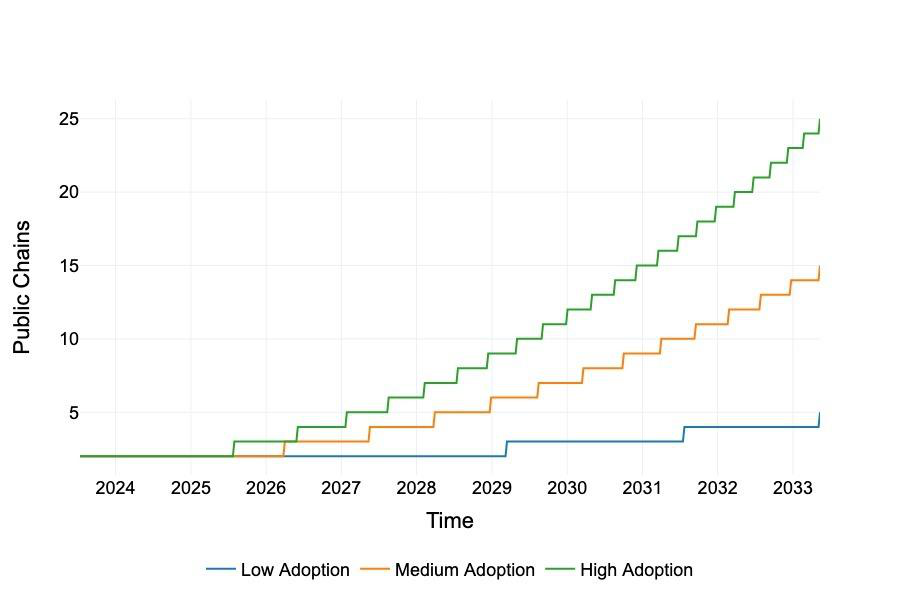
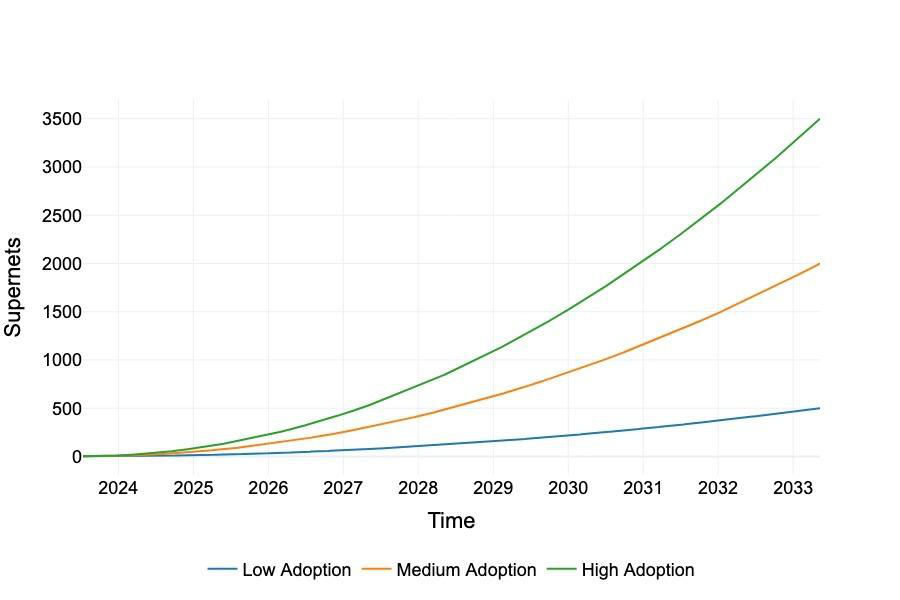
चित्र 3. 10-वर्षीय विकास परिदृश्य विकास परिदृश्यों का औचित्य निम्नलिखित आंकड़ों और टिप्पणियों पर आधारित है: ● वर्तमान विकास पथ. 2020 में स्थापना के बाद से, Polygon पारिस्थितिकी तंत्र मौजूद है हजारों एप्लिकेशन और 3 मिलियन दैनिक लेनदेन तक पहुंच गया7। यदि यह प्रवृत्ति भी दूर से जारी रहने पर, प्रस्तावित विकास परिदृश्य यथार्थवादी प्रतीत होते हैं। ● वेब2 ऐप मार्केटप्लेस: ऐप स्टोर लगभग 1.8 मिलियन एप्लिकेशन8 को होस्ट करता है Google Play लगभग 2.7 मिलियन9; दोनों का परिचय लगभग 14 साल पहले हुआ था। यह हो सकता है तुलनात्मक रूप से Web3 के लिए गोद लेने के तुलनीय स्तर की अपेक्षा करना उचित है समयसीमा. ● सुपरनेट्स को अपनाना: इस पेपर को लिखने के समय, एक वर्ष हो गया है सुपरनेट्स की शुरूआत, 100 से अधिक सुपरनेट्स उम्मीदवार परियोजनाएं हैं, जिनमें से कई हैं उनमें से सक्रिय विकास के तहत. इसके आधार पर, प्रस्तावित विकास परिदृश्य सुपरनेट यथार्थवादी लगते हैं, विशेष रूप से यह देखते हुए कि सुपरनेट की तैनाती होनी चाहिए एक बार स्टेकिंग लेयर (§ 6 में वर्णित) शुरू हो जाने के बाद काफी आसान हो जाता है। इसके अतिरिक्त, यह ध्यान देने योग्य बात यह है कि सुपरनेट्स में रुचि की प्रवृत्ति तुलनात्मक रूप से अधिक मजबूत है सार्वजनिक श्रृंखलाओं के लिए एक। इस कारण से, हम प्रस्तावित के लिए भी यही मान रहे हैं विकास परिदृश्य. इसे और अधिक उचित ठहराने के लिए, Web2 अपनाने के इतिहास के साथ एक सार्थक समानता खींचा जा सकता है. Web2 के शुरुआती दिनों में, साझा एप्लिकेशन होस्टिंग - Web2 समकक्ष सार्वजनिक श्रृंखलाओं के लिए - आजकल की तुलना में बहुत अधिक सामान्य था। जैसे-जैसे उद्योग परिपक्व हुआ, 9 स्रोत: https://www.appbrain.com/stats/number-of-android-apps 8 स्रोत: https://www.apple.com/newsroom/2022/04/report-finds-third-party-apps-see-global-success-on-the-app-st अयस्क/ 7 स्रोत: https://polygonscan.com/chart/txसमर्पित होस्टिंग - वेब2 सुपरनेट्स के समतुल्य - सभी के लिए आदर्श बन गया एक सार्थक उपयोगकर्ता आधार और गतिविधि के स्तर के साथ आवेदन। फिर, हमारे मॉडल में Polygon श्रृंखलाओं की संख्या एक अमूर्त अवधारणा है; के साथ संयोजन में प्रति श्रृंखला लेनदेन की संख्या, इसे मुख्य रूप से आर्थिक गतिविधि के स्तर को प्रतिबिंबित करना चाहिए पारिस्थितिकी तंत्र. इसी तरह, सार्वजनिक श्रृंखलाओं की तुलना में सुपरनेट्स की व्यापकता, यानी अनुपात, एक है अमूर्त, रूढ़िवादी धारणा. यदि ऐसा होता तो सार्वजनिक शृंखलाएँ अधिक लोकप्रिय होतीं सुपरनेट्स के सापेक्ष, § 9.4 में प्रस्तुत सिमुलेशन के परिणाम समान दिखेंगे या बेहतर, उनके संबंधित लेनदेन शुल्क स्तरों के कारण। उपरोक्त विकास परिदृश्यों को पूरा करने के लिए, हम निम्नलिखित इनपुट का अनुमान लगाते हैं: ● 10 बिलियन पीओएल की प्रारंभिक आपूर्ति, जैसा कि § 5.1 में वर्णित है; ● validator प्रोत्साहनों के लिए 1% की वार्षिक उत्सर्जन दर, जैसा कि § 5.2 में वर्णित है; ● सामुदायिक खजाने के लिए 1% की वार्षिक उत्सर्जन दर, जैसा कि § 5.2 में वर्णित है; ● 10-वर्ष की अवधि के दौरान $5 औसत पीओएल मूल्य; ● प्रति सार्वजनिक शृंखला में औसतन 38 लेन-देन/सेकंड, वर्तमान Polygon के बराबर पीओएस श्रृंखला का उपयोग10; ● 19 लेन-देन/सेकंड पर औसत प्रति सुपरनेट, एक अनुमान आधारित पर द सुपरनेट परियोजनाओं की आवश्यकताएँ; ● सार्वजनिक श्रृंखलाओं पर $0.01 औसत लेनदेन शुल्क, वर्तमान औसत पर आधारित एक अनुमान Polygon PoS श्रृंखला पर शुल्क;11 ● सुपरनेट्स पर $0.001 औसत लेनदेन शुल्क, रूढ़िवादी अनुमान प्रचुर मात्रा में दिया गया है ब्लॉकस्पेस और "नीचे की ओर दौड़" जो संभवतः लेनदेन शुल्क का कारण बनेगी; ● प्रति सार्वजनिक श्रृंखला औसतन 100 validators, वर्तमान validator सेट आकार के बराबर Polygon पीओएस; ● आवश्यकताओं और यथार्थवादी आवश्यकताओं के आधार पर, प्रति सुपरनेट औसतन 15 validators सुपरनेट उम्मीदवार; ● $6,000/वर्ष औसत संचालन लागत प्रति validator, वर्तमान Polygon PoS के बराबर डेटा, मूर के नियम के संशोधित संस्करण के अनुसार धीरे-धीरे कम हो रहा है (50% 3 वर्षों में कमी)। यह ध्यान देने योग्य है कि पीओएल कीमत, हालांकि आवश्यक मॉडल इनपुट में से एक है, सीधे और केवल सामुदायिक राजकोष प्रवाह को महत्वपूर्ण रूप से प्रभावित करता है, अन्य प्रमुख प्रदर्शन को नहीं संकेतक. इसके अलावा, लेनदेन शुल्क अनुमान डेटा उपलब्धता की लागत को ध्यान में नहीं रखता है 11 स्रोत: https://polygonscan.com/chart/gasprice
نموذج
استنادا إلى تصميم POL وطبقة التوقيع، نقترح نموذجا لمحاكاة المهمة مؤشرات الأداء للنظام البيئي الذي يعمل بنظام POL، وتوفير المدخلات المطلوبة وتحليل نتائج المحاكاة.
9.1 الفرضية الغرض من النموذج هو التحقق من صحة الفرضية القائلة بأن POL المقترح مدعوم يمكن للنظام البيئي أن يحقق في نفس الوقت الأهداف التالية المستمدة من الفقرة 3: ● أمان النظام البيئي الكافي: نقوم بقياس الأمان من خلال نسبة POL staking، أي. النسبة المئوية لإمدادات POL المتراكمة بواسطة validators. الحد الأدنى من النسبة المرضية هو 30-40%، أي ما يعادل تقريبًا نسبة staking الحالية في سلسلة Polygon PoS6. ● حوافز validator كافية: لتقدير مدى كفاية validator حوافز، نحن تقديم العائد على العمل (ROW)، وهو مقياس إجمالي validator الأرباح بالنسبة إلى قيمة POL المراهنة. الحد الأدنى للعائد المرضي هو 4-5%؛ عوائد أقل ليست كذلك تعتبر جذابة بما فيه الكفاية، مع الأخذ في الاعتبار العمل الذي يتم تنفيذه، والمخاطر والظروف تكاليف الفرصة البديلة. ● دعم النظام البيئي الكافي: نقوم بقياس دعم النظام البيئي من خلال التدفق السنوي إلى خزينة المجتمع. الحد الأدنى المرضي للتدفق هو 50-100 مليون دولار، وهو كذلك بالفعل يتم تحديده بناءً على المستوى الحالي للدعم الاقتصادي للنظام البيئي Polygon الاحتياجات. لقد قمنا بتعريف هذه المؤشرات بوضوح (staking نسبة، validator عوائد وتدفقات الخزانة) في الفقرة 9.3. 9.2 المدخلات قمنا في هذا الفصل بتوضيح مدخلات النموذج المطلوبة وتقدير قيمها المقبولة. أولاً، نحدد ثلاثة سيناريوهات للنمو، مع توقع العدد المجرد للسلاسل في Polygon النظام البيئي خلال فترة العشر سنوات الأولية. نشير إلى عدد السلاسل على أنه مجرد لأنه لا يعبر بالضرورة عن العدد الدقيق لسلاسل Polygon (على الرغم من ذلك قد يكون الأمر كذلك)، ولكن المزيد من المستوى التراكمي للنشاط، أي المعاملات في النظام البيئي. 6 المصدر: https://staking.polygon.technology/
الشكل 3. سيناريوهات النمو لمدة 10 سنوات ويستند الأساس المنطقي لسيناريوهات النمو إلى البيانات والملاحظات التالية: ● مسار النمو الحالي. منذ إنشائه في عام 2020، أصبح النظام البيئي Polygon موجودًا نمت إلى ألف طلب و3 ملايين معاملة يومية7. إذا كان هذا الاتجاه حتى ومع استمرار الوضع عن بعد، تبدو سيناريوهات النمو المقترحة واقعية. ● أسواق تطبيقات Web2: يستضيف متجر التطبيقات حوالي 1.8 مليون تطبيق8 و جوجل بلاي حوالي 2.7 مليون9؛ تم تقديم كلاهما منذ حوالي 14 عامًا. يمكن أن يكون من المعقول أن نتوقع مستوى مماثلًا من اعتماد Web3 في مستوى مماثل الإطار الزمني. ● اعتماد الشبكات الفائقة: في وقت كتابة هذه الورقة، بعد مرور عام على مقدمة للشبكات الفائقة، هناك أكثر من 100 مشروع مرشح للشبكات الفائقة، العديد منها منهم قيد التطوير النشط. وبناء على ذلك فإن سيناريوهات النمو المقترحة ل تبدو الشبكات الفائقة واقعية، خاصة وأن نشر الشبكات الفائقة يجب أن يصبح واقعيًا أسهل بكثير بمجرد تقديم طبقة التوقيع (الموصوفة في الفقرة 6). بالإضافة إلى ذلك، فإنه ومن الملاحظ أن اتجاه الاهتمام بالشبكات الفائقة أقوى نسبيًا من الاهتمام بالشبكات الفائقة واحد للسلاسل العامة. ولهذا السبب، فإننا نفترض نفس الشيء بالنسبة للمقترح سيناريوهات النمو ولتبرير ذلك بشكل أكبر، هناك توازي ذو مغزى مع تاريخ اعتماد Web2 يمكن استخلاصها. في الأيام الأولى لـ Web2، كانت استضافة التطبيقات المشتركة – مكافئة لـ Web2 إلى السلاسل العامة - كان أكثر شيوعا بكثير مما كانت عليه في الوقت الحاضر. ومع نضج الصناعة، 9 المصدر: https://www.appbrain.com/stats/number-of-android-apps 8 المصدر: https://www.apple.com/newsroom/2022/04/report-finds-third-party-apps-see-global-success-on-the-app-st خام / 7 المصدر: https://polygonscan.com/chart/txأصبحت الاستضافة المخصصة - Web2 المكافئة لـ Supernets - هي القاعدة للجميع التطبيق مع قاعدة مستخدم ذات معنى ومستوى النشاط. مرة أخرى، عدد السلاسل Polygon هو مفهوم مجرد في نموذجنا؛ بالتزامن مع عدد المعاملات لكل سلسلة، يجب أن يعكس في المقام الأول مستوى النشاط الاقتصادي في النظام البيئي. وبالمثل، فإن معدل الانتشار، أي نسبة الشبكات الفائقة مقارنة بالسلاسل العامة، هو افتراض مجرد ومحافظ. إذا اتضح أن السلاسل العامة أكثر شعبية بالنسبة للشبكات الفائقة، فإن نتائج المحاكاة المقدمة في الفقرة 4.9 تبدو مشابهة أو أفضل، وذلك بسبب مستويات رسوم المعاملات الخاصة بكل منها. لاستكمال سيناريوهات النمو المذكورة أعلاه، نقوم بتقدير المدخلات التالية: ● الإمداد الأولي بقيمة 10 مليار POL، كما هو موضح في الفقرة 5.1؛ ● معدل انبعاث سنوي قدره 1% لحوافز validator، كما هو موضح في الفقرة 2.5؛ ● معدل انبعاث سنوي قدره 1% لخزانة المجتمع، كما هو موضح في الفقرة 5.2؛ ● 5 دولارات متوسط سعر POL خلال فترة 10 سنوات؛ ● 38 معاملة/ثانية في المتوسط لكل سلاسل عامة، مقارنة بالسلسلة الحالية Polygon استخدام سلسلة PoS10؛ ● 19 المعاملات/الثانية على متوسط لكل سوبر نت, ان تقدير على أساس على ال متطلبات مشاريع سوبرنت. ● 0.01 دولار متوسط رسوم المعاملات على السلاسل العامة، وهو تقدير يعتمد على المتوسط الحالي الرسوم على Polygon سلسلة نقاط البيع؛11 ● 0.001 دولار أمريكي متوسط رسوم المعاملات على الشبكات الفائقة، وهو تقدير متحفظ نظرًا لوفرته Blockspace و"السباق نحو القاع" الذي من المحتمل أن يتسبب في فرض رسوم المعاملات؛ ● 100 validators في المتوسط لكل سلسلة عامة، أي ما يعادل حجم مجموعة validator الحالي Polygon نقطة البيع؛ ● 15 validators في المتوسط لكل شبكة Supernet، بناءً على المتطلبات والاحتياجات الواقعية لـ المرشحين للشبكة الفائقة؛ ● 6000 دولار أمريكي/سنة متوسط تكاليف التشغيل لكل validator، أي ما يعادل Polygon نقطة البيع الحالية البيانات، وتتناقص تدريجياً وفقاً لنسخة معدلة من قانون مور (50% انخفاض في 3 سنوات). ومن الجدير بالذكر أن سعر POL، على الرغم من أنه أحد مدخلات النموذج المطلوبة، بشكل مباشر و يؤثر بشكل كبير على تدفق خزانة المجتمع فقط، وليس على الأداء الرئيسي الآخر المؤشرات. كما أن تقديرات رسوم المعاملات لا تأخذ في الاعتبار تكلفة توفر البيانات على 11 المصدر: https://polygonscan.com/chart/gasprice
स्रोत: https://polygonscan.com/chart/tx
Ethereum Polygon श्रृंखलाओं के लिए जो rollup मॉडल का उपयोग करते हैं; हम इस लागत को नजरअंदाज कर देते हैं क्योंकि यह पारित हो चुकी है Ethereum तक. 9.3 कार्यप्रणाली हम पारिस्थितिकी तंत्र के प्रमुख प्रदर्शन संकेतकों का अनुमान लगाने के लिए एक सरल मॉडल को परिभाषित करते हैं, और § 9.1 से परिकल्पना को मान्य करें। प्रमुख संकेतक और उन्हें निर्धारित करने की पद्धति इस प्रकार है: ● हिस्सेदारी अनुपात ( ): POL आपूर्ति का हिस्सा validators द्वारा दांव पर लगाया गया है। 𝑆𝑟 𝑆𝑟= 𝑆𝑠 / 𝑆𝑡 कहाँ दांव पर लगी आपूर्ति है, यानी validators द्वारा दांव पर लगाई गई POL की कुल राशि, और कुल है 𝑆𝑠 𝑆𝑡 आपूर्ति, यानी पीओएल की वर्तमान आपूर्ति। ● सत्यापनकर्ता उत्सर्जन प्रोत्साहन ( ): वार्षिक validator प्रोत्साहन जो POL से आते हैं 𝑉𝑖𝑖 उत्सर्जन. 𝑉𝑖𝑖= 𝑆𝑡 × 𝐼𝑣 × 𝑃 कहाँ कुल आपूर्ति है, validator पुरस्कारों के लिए वार्षिक उत्सर्जन दर है और पीओएल है 𝑆𝑡 𝐼𝑣 𝑃 कीमत. ● सत्यापनकर्ता शुल्क प्रोत्साहन ( ): वार्षिक validator प्रोत्साहन जो गैस शुल्क से आते हैं। 𝑉𝑖𝑓 𝑉𝑖𝑓= 𝐶𝑝 × 𝑇𝑝× 𝐹𝑝 + 𝐶𝑠 × 𝑇𝑠× 𝐹𝑠 कहाँ सार्वजनिक श्रृंखलाओं की संख्या है, प्रति सार्वजनिक श्रृंखला में लेनदेन की संख्या है, 𝐶𝑝 𝑇𝑝 𝐹𝑝 प्रति सार्वजनिक श्रृंखला औसत लेनदेन शुल्क है, सुपरनेट्स की संख्या है, की संख्या है 𝐶𝑠 𝑇𝑠 प्रति सुपरनेट लेनदेन और प्रति सुपरनेट औसत लेनदेन शुल्क है। 𝐹𝑠 ● सत्यापनकर्ता चलाने की लागत ( ): सभी Polygon validators की संचयी वार्षिक परिचालन लागत। 𝑉𝑐 𝑉𝑐= (𝑁𝑝 × 𝐶𝑝+ 𝑁𝑠 × 𝐶𝑠) × 𝑌 कहाँ प्रति सार्वजनिक श्रृंखला validators की संख्या है, सार्वजनिक श्रृंखलाओं की संख्या है, है 𝑁𝑝 𝐶𝑝 𝑁𝑠 प्रति सुपरनेट validators की संख्या, सुपरनेट्स की संख्या है और वार्षिक चल रहे हैं 𝐶𝑠 𝑌 एक एकल की लागत validator। ● काम पर वापसी ( ): कुल validator आय, मूल्य के प्रतिशत के रूप में व्यक्त की गई 𝑉𝑟 दांव पर लगे पीओएल का. 𝑉𝑟= (𝑉𝑖𝑖 + 𝑉𝑖𝑓 - 𝑉𝑐) / (𝑆𝑠 × 𝑃)
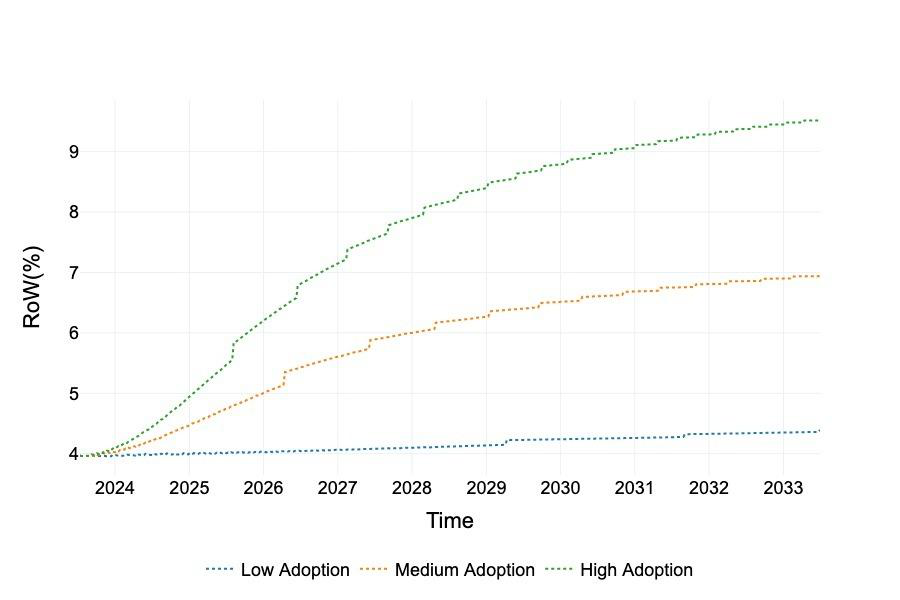
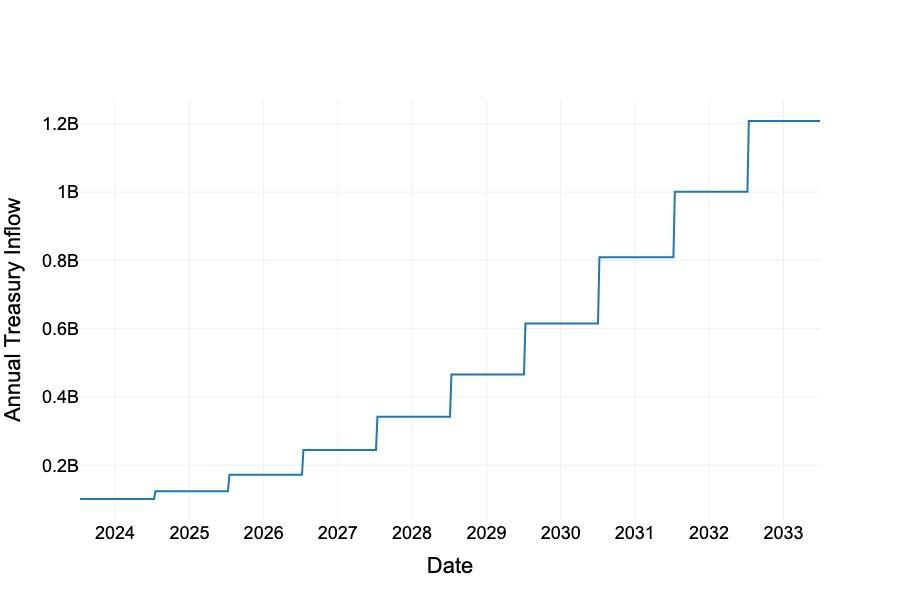
कहाँ validator जारी प्रोत्साहन हैं, validator शुल्क प्रोत्साहन हैं, हैं 𝑉𝑖𝑖 𝑉𝑖𝑓 𝑉𝑐 validator संचालन लागत, आपूर्ति दांव पर है और पीओएल कीमत है. 𝑆𝑠 𝑃 ● सामुदायिक खजाना प्रवाह ( ): सामुदायिक खजाने में कुल वार्षिक प्रवाह। 𝑋𝑖 𝑋𝑖= 𝑉𝑖𝑖= 𝑆𝑡 × 𝐼𝑡 × 𝑃 कहाँ कुल आपूर्ति है, सामुदायिक खजाने के लिए वार्षिक उत्सर्जन दर है है 𝑆𝑡 𝐼𝑡 𝑃 पीओएल कीमत. 9.4 परिणाम मॉडल आवश्यक इनपुट स्वीकार करता है और प्रस्तुत पद्धति का उपयोग करके उन्हें संसाधित करता है। अलग-अलग इनपुट सेट के परिणाम पारिस्थितिकी तंत्र और उसके बारे में दिलचस्प अंतर्दृष्टि प्रदान कर सकते हैं गतिशीलता, जिसमें शामिल है, लेकिन यहीं तक सीमित नहीं है: ● validator प्रोत्साहनों का आकर्षण और स्थिरता; ● सामुदायिक राजकोष प्रवाह की मात्रा और गतिशीलता; ● validator प्रोत्साहनों की संरचना और समय के साथ उनमें परिवर्तन; ● सभी देखे गए संकेतकों पर कीमत का प्रभाव; ● सभी देखे गए संकेतकों आदि पर विभिन्न अपनाने के स्तरों का प्रभाव। यहां हम मॉडल को § 9.2 में दिए गए इनपुट के साथ चलाते हैं और तीन संकेतकों का निरीक्षण करते हैं हमारी प्रारंभिक परिकल्पना को मान्य करने के लिए आवश्यक है: staking अनुपात ( ), validator प्रोत्साहन ( ) और राजकोष 𝑆𝑟 𝑉𝑖 आमद ( ). 𝑋𝑖 मॉडल परिणामों के आधार पर, हम यथोचित आश्वस्त हैं कि वर्णित पीओएल-संचालित है पारिस्थितिकी तंत्र § 9.1 में उल्लिखित सभी तीन लक्ष्यों को पूरा कर सकता है: ● पर्याप्त पारिस्थितिकी तंत्र सुरक्षा: हमने staking अनुपात तय किया है ( ) 30% पर और चलाया 𝑆𝑟 मॉडल. यह देखते हुए कि शेष दो संकेतक - validator प्रोत्साहन ( ) और राजकोष 𝑉𝑖 आमद ( ) - अपेक्षित या अपेक्षित मूल्यों से अधिक दिखा रहे हैं, हम निष्कर्ष निकालते हैं कि 𝑋𝑖 staking अनुपात संतोषजनक या संतोषजनक स्तर से अधिक रहना चाहिए। ● पर्याप्त validator प्रोत्साहन: परिणाम बताते हैं कि काम पर लक्षित रिटर्न ( ) 𝑉𝑟 4-5% की उम्मीद करना यथार्थवादी है। इसके अलावा, यह मध्यम वृद्धि के लिए ≈7% और मध्यम वृद्धि के लिए ≈10% तक पहुंच जाता है तीव्र विकास परिदृश्य. वास्तव में, इससे staking अनुपात बढ़ने की संभावना होगी (इस प्रकार)। पारिस्थितिकी तंत्र की सुरक्षा को और बढ़ाना), जब तक कि बाजार संतुलन का निर्धारण नहीं करता staking अनुपात और रिटर्न के बीच।● पर्याप्त पारिस्थितिकी तंत्र समर्थन: परिणाम बताते हैं कि न्यूनतम संतोषजनक स्तर सामुदायिक खजाना प्रवाह ( ) प्रति वर्ष $50-100 मिलियन की उम्मीद करना यथार्थवादी है। 𝑋𝑖 इसके अलावा, 10 साल की अवधि के अंत में यह काफी ऊंचे स्तर पर पहुंच जाता है। हालाँकि, राजकोषीय प्रवाह सीधे पीओएल की कीमत से संबंधित है, और इस प्रकार अत्यधिक है सट्टा. यदि वास्तविक रूप से राजकोष में पारिस्थितिकी तंत्र की तुलना में अधिक धन हो जाता है आवश्यकताओं के अनुसार, समुदाय अतिरिक्त पीओएल को जलाने का निर्णय ले सकता है, जैसा कि 7 में बताया गया है। चित्र 4. कार्य पर रिटर्न और सामुदायिक खजाना प्रवाह पूरा मॉडल ओपन-सोर्स है और इसे GitHub पर एक्सेस किया जा सकता है, और इसका उत्पादन करने के लिए उपयोग किया जा सकता है इनपुट के मनमाने सेट के लिए परिणामों का विश्लेषण करें। 10 निष्कर्ष Polygon के पीछे का उद्देश्य इंटरनेट की वैल्यू लेयर का निर्माण करना है। इस दृष्टिकोण को प्राप्त करने के लिए, पुन: डिज़ाइन किया गया Polygon प्रोटोकॉल आर्किटेक्चर एक नवीन, असीम रूप से स्केलेबल और निर्बाध रूप से प्रस्तुत करता है Layer 2 श्रृंखलाओं का परस्पर जुड़ा नेटवर्क। इस पेपर में, हमने POL, Polygon का प्रस्तावित मूल token पेश किया, जिसे सुरक्षित करने के लिए डिज़ाइन किया गया है, Polygon पारिस्थितिकी तंत्र को समन्वयित और संरेखित करें और इसके विकास को सुपरचार्ज करें। प्रस्तावित डिज़ाइन और POL के tokenomics हमारे द्वारा परिभाषित कठोर डिज़ाइन लक्ष्यों को प्राप्त करते हैं। हमने पीओएल-संचालित पारिस्थितिकी तंत्र के प्रमुख प्रदर्शन संकेतकों का अनुकरण करने के लिए एक मॉडल बनाया, आवश्यक मॉडल इनपुट प्रदान किए गए और सिमुलेशन के परिणामों का विश्लेषण किया गया। परिणाम उपरोक्त डिज़ाइन लक्ष्यों से प्राप्त मॉडल की परिकल्पना की पुष्टि की।
उपरोक्त सभी बातों के आधार पर, हम यह निष्कर्ष निकालते हैं कि पीओएल एक नवीन, अगली पीढ़ी की संपत्ति है अपनी महत्वाकांक्षी दृष्टि को प्राप्त करने के लिए Polygon को एक ठोस आधार प्रदान करता है।
المصدر: https://polygonscan.com/chart/tx
Ethereum للسلاسل Polygon التي تستخدم النموذج rollup؛ نحن نتجاهل هذه التكلفة لأنه تم تمريرها إلى Ethereum. 9.3 المنهجية نحدد نموذجًا بسيطًا لتقدير مؤشرات الأداء الرئيسية للنظام البيئي، و التحقق من صحة الفرضية من § 9.1. المؤشرات الرئيسية ومنهجية تحديدها هي كما يلي: ● نسبة التخصيص ( ): الجزء من عرض POL المرصوف بـ validators. 𝑆𝑟 𝑆𝑟= 𝑆𝑠 / 𝑆𝑡 أين هو العرض المراهن، أي المبلغ الإجمالي لـ POL المراهن بواسطة validators، و إجمالي 𝑆𝑠 𝑆𝑡 العرض، أي العرض الحالي من POL. ● حوافز انبعاث أداة التحقق ( ): حوافز validator السنوية التي تأتي من POL 𝑉𝑖𝑖 الانبعاثات. 𝑉𝑖𝑖= 𝑆𝑡 × 𝐼𝑣 × 𝑃 أين هو إجمالي العرض، هو معدل الانبعاثات السنوي لمكافآت validator و هو بول 𝑆𝑡 𝐼𝑣 𝑃 السعر. ● حوافز رسوم المدقق ( ): حوافز سنوية validator تأتي من رسوم الغاز. 𝑉𝑖𝑓 𝑉𝑖𝑓= 𝐶𝑝 × 𝑇𝑝× 𝐹𝑝 + 𝐶𝑠 × 𝑇𝑠× 𝐹𝑠 أين هو عدد السلاسل العامة، هو عدد المعاملات لكل سلسلة عامة، 𝐶𝑝 𝑇𝑝 𝐹𝑝 هو متوسط رسوم المعاملات لكل سلسلة عامة، هو عدد الشبكات الفائقة، هو عدد من 𝐶𝑠 𝑇𝑠 المعاملات لكل سوبرنت و هو متوسط رسوم المعاملات لكل شبكة سوبرنت. 𝐹𝑠 ● تكاليف تشغيل أداة التحقق ( ): تكاليف التشغيل السنوية التراكمية لجميع Polygon validators. 𝑉𝑐 𝑉𝑐= (𝑁𝑝 × 𝐶𝑝+ 𝑁𝑠 × 𝐶𝑠) × 𝑌 أين هو عدد validators لكل سلسلة عامة، هو عدد السلاسل العامة، هو 𝑁𝑝 𝐶𝑝 𝑁𝑠 عدد validators لكل شبكة سوبرنت، هو عدد الشبكات الفائقة و يتم تشغيلها سنويًا 𝐶𝑠 𝑌 تكاليف validator واحد. ● العائد على العمل ( ): إجمالي validator الأرباح معبرًا عنها كنسبة مئوية من القيمة 𝑉𝑟 من راهن POL. 𝑉𝑟= (𝑉𝑖𝑖 + 𝑉𝑖𝑓 − 𝑉𝑐) / (𝑆𝑠 × 𝑃)
أين هي validator حوافز الإصدار، هي validator حوافز الرسوم، هي 𝑉𝑖𝑖 𝑉𝑖𝑓 𝑉𝑐 validator تكاليف التشغيل، هو العرض مراهنة و هو سعر بول. 𝑆𝑠 𝑃 ● تدفق خزانة المجتمع ( ): إجمالي التدفق السنوي إلى خزانة المجتمع. 𝑋𝑖 𝑋𝑖= 𝑉𝑖𝑖= 𝑆𝑡 × 𝐼𝑡 × 𝑃 أين هو إجمالي العرض، هو معدل الانبعاثات السنوي لخزانة المجتمع و هو 𝑆𝑡 𝐼𝑡 𝑃 سعر بول. 9.4 النتائج يقبل النموذج المدخلات المطلوبة ويعالجها باستخدام المنهجية المقدمة. يمكن أن توفر نتائج مجموعات المدخلات المختلفة رؤى مثيرة للاهتمام حول النظام البيئي ومكوناته ديناميات، بما في ذلك على سبيل المثال لا الحصر: ● جاذبية واستدامة validator الحوافز؛ ● حجم وديناميكيات التدفقات الواردة من خزانة المجتمع؛ ● هيكل validator الحوافز وتغيراتها مع مرور الوقت؛ ● تأثير السعر على جميع المؤشرات المرصودة؛ ● تأثير مستويات التبني المختلفة على جميع المؤشرات المرصودة وما إلى ذلك. نقوم هنا بتشغيل النموذج بالمدخلات المقدمة في الفقرة 2.9 ونلاحظ المؤشرات الثلاثة مطلوب للتحقق من صحة فرضيتنا الأولية: نسبة staking ( )، validator الحوافز ( ) والخزينة 𝑆𝑟 𝑉𝑖 التدفق ( ). 𝑋𝑖 واستنادا إلى نتائج النموذج، نحن واثقون بشكل معقول من أن جهاز POL الموصوف يعمل بالطاقة يمكن للنظام البيئي أن يحقق جميع الأهداف الثلاثة المبينة في الفقرة 9.1: ● أمان النظام البيئي الكافي: قمنا بإصلاح نسبة staking ( ) بنسبة 30% وقام بتشغيل 𝑆𝑟 نموذج. بالنظر إلى أن المؤشرين المتبقيين – validator الحوافز ( ) والخزينة 𝑉𝑖 التدفق ( ) - تظهر القيم المتوقعة أو أعلى من المتوقع، نستنتج أن 𝑋𝑖 يجب أن تظل نسبة staking مرضية أو أعلى من المستويات المرضية. ● حوافز validator كافية: أظهرت النتائج أن العائد على العمل المستهدف ( ) 𝑉𝑟 من 4-5% أمر واقعي للتوقع. كما تصل إلى ≈7% للنمو المتوسط و ≈10% للنمو المتوسط سيناريو النمو السريع في الواقع، من المحتمل أن يؤدي هذا إلى زيادة نسبة staking (وبالتالي زيادة أمن النظام البيئي)، حتى يحدد السوق التوازن بين staking النسبة والعائدات.● دعم النظام البيئي الكافي: أظهرت النتائج أن الحد الأدنى من المستوى المرضي تدفقات خزانة المجتمع ( ) من 50 إلى 100 مليون دولار سنويًا هو أمر واقعي يمكن توقعه. 𝑋𝑖 علاوة على ذلك، فإنه يصل إلى مستويات أعلى بكثير في نهاية فترة العشر سنوات. ومع ذلك، فإن تدفق الخزانة يرتبط مباشرة بسعر POL، وبالتالي بدرجة عالية المضاربة. إذا انتهى الأمر إلى حصول الخزانة على أموال أكثر من النظام البيئي بشكل واقعي الاحتياجات، قد يقرر المجتمع حرق POL الزائد، كما هو مذكور في الفقرة 7. الشكل 4. العائد على العمل وتدفق خزانة المجتمع النموذج الكامل مفتوح المصدر ويمكن الوصول إليه على GitHub، ويستخدم لإنتاج و تحليل النتائج لمجموعات عشوائية من المدخلات. 10 الاستنتاج تتمثل الرؤية وراء Polygon في بناء طبقة القيمة للإنترنت. ولتحقيق هذه الرؤية، تقدم بنية بروتوكول Polygon المعاد تصميمها رواية جديدة وقابلة للتطوير بشكل لا نهائي وبسلاسة شبكة مترابطة من سلاسل Layer 2. في هذه الورقة، قدمنا POL، الأصلي المقترح token لـ Polygon، المصمم لتأمين، تنسيق ومواءمة النظام البيئي Polygon وتعزيز نموه. التصميم المقترح وtokenomics من POL يحققان أهداف التصميم الصارمة التي حددناها. لقد أنشأنا نموذجًا لمحاكاة مؤشرات الأداء الرئيسية للنظام البيئي الذي يعمل بنظام POL، قدمت مدخلات النموذج المطلوبة وتحليل نتائج المحاكاة. النتائج وأكدت فرضية النموذج المستمدة من أهداف التصميم المذكورة أعلاه.
بناءً على كل ما سبق، نستنتج أن POL هو أحد أصول الجيل القادم الجديدة يوفر أساسًا متينًا لـ Polygon لتحقيق رؤيتها الطموحة.