
Chainlink: เครือข่าย Oracle แบบกระจายอำนาจ
概要
このホワイトペーパーでは、元の Chainlink ホワイトペーパーの初期概念を超えた Chainlink の進化のビジョンを明確に示します。 私たちは予測します oracle ネットワークの役割はますます拡大しており、高速性、信頼性、信頼性を提供することで既存および新規の blockchain を補完および強化します。 機密性を維持したユニバーサル接続とオフチェーン計算 smart contract秒。 私たちの計画の基礎となるのは、分散型 Oracle ネットワーク (つまり分散型 Oracle ネットワーク) と呼ばれるものです。 略してDONs。 DON は、Chainlink の委員会によって維持されるネットワークです。 ノード。 目的に選択された無制限の範囲の oracle 関数をサポートします。 委員会による展開。したがって、DON は強力な抽象化レイヤーとして機能します。 smart contracts のインターフェイスを広範なオフチェーン リソースに提供し、 DON 自体内の効率的でありながら分散化されたオフチェーン コンピューティング リソース。 DON を出発点として、Chainlink は 7 つの分野の進歩に注力する予定です 主要分野: • ハイブリッド smart contracts: オンチェーンで安全に構成することで、既存の smart contract 機能を強化するための強力な一般的なフレームワークを提供します。 そして、オフチェーン コンピューティング リソースをハイブリッド smart contract と呼ぶものにします。 • 複雑さを抽象化する: 開発者とユーザーにシンプルなものを提供します。 この機能により、複雑な基盤に精通する必要がなくなります。 プロトコルとシステム境界。 • スケーリング: oracle サービスがレイテンシとスループットを達成できるようにする 高性能の分散システムによって要求されます。 • 機密性: blockchains を組み合わせた次世代システムの実現 本質的な透明性と、機密性の高い新しい強力な機密保護保護 データ。 • トランザクションの注文の公平性: トランザクションの順序付けをさまざまな方法でサポート これはエンドユーザーにとって公平であり、フロントランニング攻撃やその他の攻撃を防ぎます。 ボットと搾取的なマイナー。 • 信頼の最小化: 信頼性の高いサポート層を作成します。 smart contracts およびその他の oracle に依存するシステムは、分散化、高セキュリティ blockchains での強力なアンカーリング、暗号化によるものです。 技術と暗号経済的保証。 • インセンティブベースの (暗号経済) セキュリティ: DON のノードが、十分なリソースを備えた敵に直面しても確実かつ正しく動作するための強力な経済的インセンティブを確保するメカニズムを厳密に設計し、堅牢に展開します。 Chainlink コミュニティによる暫定的および進行中のイノベーションを紹介します これらの各分野で、拡大し、ますます拡大している状況の全体像を提供します。 Chainlink ネットワーク向けに計画されている強力な機能。
บทคัดย่อ
ในเอกสารไวท์เปเปอร์นี้ เราได้แสดงวิสัยทัศน์สำหรับวิวัฒนาการของ Chainlink นอกเหนือจากแนวความคิดเริ่มแรกในเอกสารไวท์เปเปอร์ต้นฉบับ Chainlink เราคาดการณ์ไว้ บทบาทที่กว้างขวางมากขึ้นสำหรับเครือข่าย oracle ซึ่งจะช่วยเสริมและปรับปรุง blockchains ที่มีอยู่และใหม่โดยการให้บริการที่รวดเร็ว เชื่อถือได้ และ การรักษาความลับของการเชื่อมต่อสากลและการคำนวณแบบออฟไลน์ smart contractวินาที รากฐานของแผนของเราคือสิ่งที่เราเรียกว่า Decentralized Oracle Networks หรือ DONs โดยย่อ DON เป็นเครือข่ายที่ดูแลโดยคณะกรรมการของ Chainlink โหนด รองรับฟังก์ชัน oracle ที่เลือกไว้สำหรับช่วงไม่จำกัด การปรับใช้โดยคณะกรรมการ DON จึงทำหน้าที่เป็นเลเยอร์นามธรรมที่ทรงพลัง นำเสนออินเทอร์เฟซสำหรับ smart contracts ไปยังทรัพยากรออฟเชนที่กว้างขวางและมีประสิทธิภาพสูง ทรัพยากรการประมวลผลแบบ off-chain ที่มีประสิทธิภาพแต่มีการกระจายอำนาจภายใน DON เอง โดยมี DONs เป็นจุดเริ่มต้น Chainlink วางแผนที่จะมุ่งเน้นไปที่ความก้าวหน้าในเจ็ด พื้นที่สำคัญ: • ไฮบริด smart contracts: นำเสนอเฟรมเวิร์กทั่วไปที่ทรงพลังสำหรับการเพิ่มความสามารถ smart contract ที่มีอยู่โดยการเขียนออนไลน์อย่างปลอดภัย และทรัพยากรการประมวลผลแบบออฟเชนเป็นสิ่งที่เราเรียกว่าไฮบริด smart contracts • ขจัดความซับซ้อนออกไป: นำเสนอนักพัฒนาและผู้ใช้ด้วยความเรียบง่าย ฟังก์ชั่นการทำงานช่วยลดความจำเป็นในการทำความคุ้นเคยกับสิ่งพื้นฐานที่ซับซ้อน โปรโตคอลและขอบเขตของระบบ • การปรับขนาด: ตรวจสอบให้แน่ใจว่าบริการ oracle บรรลุถึงเวลาแฝงและปริมาณงาน ต้องการโดยระบบกระจายอำนาจที่มีประสิทธิภาพสูง • การรักษาความลับ: การเปิดใช้งานระบบยุคถัดไปที่รวม blockchains' ความโปร่งใสโดยกำเนิดพร้อมการปกป้องความลับที่แข็งแกร่งแบบใหม่สำหรับความละเอียดอ่อน ข้อมูล • ความเป็นธรรมในการสั่งซื้อสำหรับธุรกรรม: สนับสนุนการจัดลำดับธุรกรรมในรูปแบบต่างๆ ที่ยุติธรรมสำหรับผู้ใช้ปลายทางและป้องกันการรุกล้ำหน้าและการโจมตีอื่นๆ โดย บอทและนักขุดแสวงหาผลประโยชน์ • การลดความน่าเชื่อถือ: การสร้างชั้นการสนับสนุนที่น่าเชื่อถือสูงสำหรับ smart contracts และระบบที่ขึ้นอยู่กับ oracle อื่นๆ โดยการกระจายอำนาจ การยึดเกาะที่แข็งแกร่งในความปลอดภัยสูง blockchains การเข้ารหัส เทคนิคและการค้ำประกันด้านเศรษฐกิจเข้ารหัส • การรักษาความปลอดภัยตามแรงจูงใจ (เศรษฐกิจเข้ารหัสลับ): การออกแบบอย่างเข้มงวดและกลไกการใช้งานที่แข็งแกร่งเพื่อให้แน่ใจว่าโหนดใน DONs มีแรงจูงใจทางเศรษฐกิจที่แข็งแกร่งเพื่อให้ทำงานได้อย่างน่าเชื่อถือและถูกต้อง แม้ว่าจะต้องเผชิญกับศัตรูที่มีทรัพยากรเพียงพอก็ตาม เรานำเสนอนวัตกรรมเบื้องต้นและต่อเนื่องโดยชุมชน Chainlink ในแต่ละด้านทำให้เห็นภาพที่กว้างและเพิ่มมากขึ้น ความสามารถอันทรงพลังที่วางแผนไว้สำหรับเครือข่าย Chainlink
導入
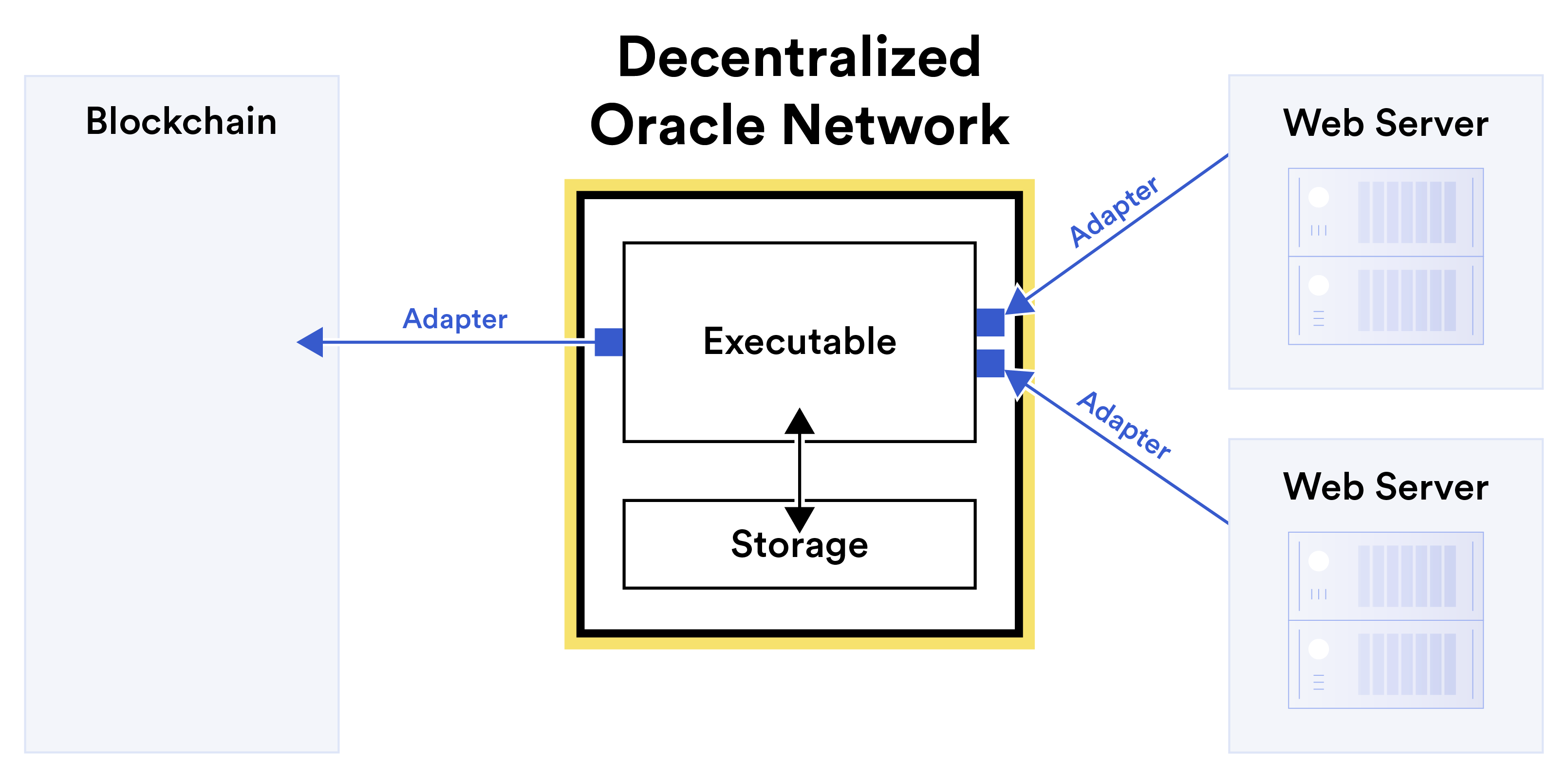
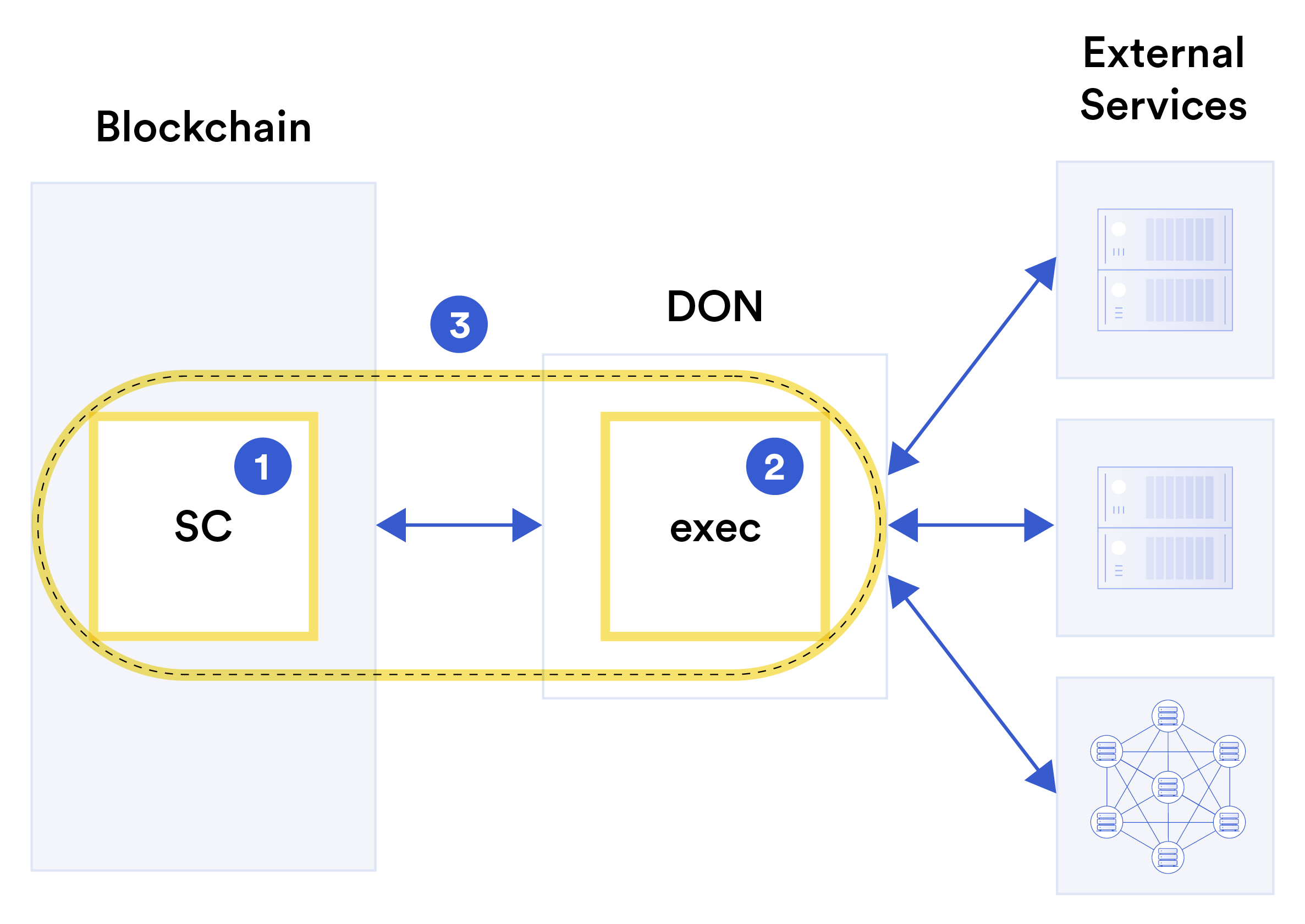
ブロックチェーン oracle は、現在、次の 1 つの目的を備えた分散型サービスとして見なされていることがよくあります。 オフチェーン リソースから blockchain にデータを転送します。短いステップではありますが、 データの転送から、データの計算、保存、双方向の送信まで。この観察は、oracles の機能についてのより広い概念を正当化します。それもそうだ smart contract の増加し、ますます多面化するサービス要件に対応します oracle ネットワークに依存するテクノロジー。つまり、oracle は次のことを行うことができ、またそうする必要があります。 オンチェーン システムとオフチェーン システムの間の汎用、双方向、コンピューティング対応インターフェイスであること。 blockchain エコシステムにおけるオラクルの役割は、 smart contract のパフォーマンス、機能、相互運用性を向上させ、 さまざまな業界に新しい信頼モデルと透明性をもたらします。この変革は、ハイブリッド smart contract の使用を拡大することによって実現されます。 blockchains の特別なプロパティと、オフチェーン システムの独自の機能を備えた次のような oracle ネットワークを利用することで、オンチェーン システムよりもはるかに大きな到達範囲とパワーを実現します。 孤立して。 このホワイトペーパーでは、Chainlink 2.0 と呼ばれるもののビジョンを明確に示します。これは、元の Chainlink ホワイトペーパー [98] の初期概念を超えた Chainlink の進化です。 oracle ネットワークの役割はますます拡大すると予想されます。 これらは、ハイブリッド向けに高速で信頼性が高く、機密性を保持するユニバーサルな接続と計算機能を提供することにより、既存および新しい blockchain を補完および強化します。 smart contract秒。私たちは、oracle ネットワークが進化してユーティリティになると信じています 高整合性 blockchain グレードのデータを blockchain 以降のシステムにエクスポートするため 生態系。 現在、さまざまなエンティティのセットによって実行される Chainlink ノードが oracle ネットワークに集まり、いわゆるレポートでデータを smart contract に中継します。そのようなものを見ることができます oracle ノードは、古典的なコンセンサス blockchain [72] と同様の委員会として、 ただし、独立した機能を提供するのではなく、既存の blockchain をサポートすることを目的としています。検証可能なランダム関数 (VRF) とオフチェーン レポート機能を搭載 (OCR)、Chainlink は、smart contract が必要とする計算リソースを提供するための汎用フレームワークとインフラストラクチャに向けてすでに進化しています。 高度な機能。 Chainlink 2.0 の計画の基礎となるのは、分散型 Oracle と呼ばれるものです。 ネットワーク、略して DONs。 「oracle ネットワーク」という用語を オリジナルの Chainlink ホワイトペーパー [98]、oracle はさらに豊富な機能を開発し、 応用範囲の広さ。この論文では、以下に従ってこの用語の新たな定義を提供します。 Chainlink エコシステムの将来のビジョンに向けて。このビューでは、DON はネットワークです Chainlink ノードの委員会によって維持されています。コンセンサスプロトコルに基づいており、 によって展開用に選択された無制限の範囲の oracle 関数のいずれかをサポートします。 委員会。したがって、DON は blockchain 抽象化レイヤーとして機能し、インターフェイスを提供します smart contract と他のシステムの両方のリソースをオフチェーンにします。また、 非常に効率的でありながら分散化されたオフチェーン コンピューティング リソースへのアクセス。一般に、 DON はメインチェーンでの操作をサポートします。その目標は、安全かつ柔軟なセキュリティを実現することです。オンチェーンとオフチェーンの計算を組み合わせたハイブリッド smart contracts 外部リソースへの接続。 DON で委員会を利用したとしても、Chainlink 自体は 本質的にパーミッションレスのままです。 DON はパーミッションレスの基盤として機能します ノードが連携してカスタム oracle ネットワークを実装できるフレームワーク ノードを含めるための独自の体制。これは許可されている場合と許可されていない場合があります。 DONs を基盤として、Chainlink 2.0 では 7 つの機能の進歩に重点を置く予定です。 主要領域: ハイブリッド smart contract、複雑さの抽象化、スケーリング、機密性、トランザクションの順序の公平性、信頼の最小化、インセンティブ ベースの (暗号経済) セキュリティ。この論文の紹介では、分散型の概要を紹介します。 セクション 1.1 では Oracle ネットワークについて説明し、セクション 1.2 ではイノベーションの 7 つの主要分野について説明します。この文書の残りの構成についてはセクション 1.3 で説明します。 1.1 分散型 Oracle ネットワーク 分散型 Oracle ネットワークは、機能を強化および拡張するように設計されています。 ターゲット blockchain または関数を介したメイン チェーン上の smart contract の数 ネイティブでは利用できません。彼らは、次の 3 つの基本リソースを提供することでこれを実現します。 コンピューティング システム: ネットワーキング、ストレージ、およびコンピューティング。 DON の目的は、 これらのリソースは、強力な機密性、完全性、および可用性の特性1を備えています。 説明責任も。 DON は、特定の条件を満たすために協力する oracle ノードの委員会によって形成されます。 仕事を続けるか、永続的なサービスを提供するために長期的な関係を築くことを選択します クライアントへ。 DON は、blockchain に依存しない方法で設計されています。彼らは次のように奉仕することを約束します アプリケーション開発者がオフチェーン サポートを作成するための強力で柔軟なツール サポートされているメイン チェーン上の smart contract。 DON の機能は、実行可能ファイルと実行可能ファイルの 2 種類の機能によって実現されます。 アダプター。実行可能ファイルは、DON 上で継続的かつ分散的に実行されるプログラムです。メインチェーン資産を直接保存するわけではありませんが、高いパフォーマンスや機密情報を実行する機能など、重要な利点があります。 計算。実行可能ファイルは DON 上で自律的に実行され、決定論的に実行されます。 操作。これらは、DON を外部リソースにリンクするアダプターと連携して動作します。 実行可能ファイルによって呼び出される可能性があります。私たちが DON 向けに想定しているアダプターは、 本日、Chainlink で外部アダプターが一般化されました。既存のアダプターを使用しながら、 通常、アダプターはデータ ソースからデータをフェッチするだけですが、アダプターは双方向で動作する場合があります。で DON では、DON ノードによる共同計算をさらに利用して、次のことを達成する場合があります。 プライバシーを保護して利用するためのレポートの暗号化などの追加機能 実行可能ファイル。 DON の基本的な動作を理解するために、図 1 に、DON がどのように動作するかを概念的に示します。 DON は、レポートを blockchain に送信するために使用され、従来の既存の oracle 機能を実現できます。 DONs は多くの追加機能を提供しますが、それ以外にも 1 情報セキュリティの「CIA トライアド」 [123、p. 26、§2.3.5]。Chainlink の既存のネットワーク。たとえば、図 1 の一般的な構造内では、 実行可能ファイルは、取得した資産価格データを DON に記録し、そのようなデータを使用して たとえば、レポートの末尾平均を計算します。 図 1: 分散型 Oracle ネットワークが基本的な oracle 機能、つまりオフチェーン データをコントラクトに中継する方法を例として示す概念図。アン 実行可能ファイルはアダプターを使用してオフチェーン データを取得し、そのデータに基づいて計算し、出力を送信します 別のアダプターを介してターゲット blockchain に接続します。 (アダプターは、 DON、小さな青いボックスで表されます。矢印は、このデータ フローの方向を示します。 特定の例。) 実行可能ファイルは、ローカル DON への読み取りと書き込みも可能です。 状態を保持したり、他の実行可能ファイルと通信したりするためのストレージ。ここに示されている DONs の柔軟なネットワーキング、コンピューティング、およびストレージは、さまざまな新しい機能を可能にします。 アプリケーション。 DON の主な利点は、新しい blockchain サービスをブートストラップできることです。 DONs 既存の oracle ネットワークがサービス アプリケーションを迅速に立ち上げることができる手段です それには今日では専用のネットワークの構築が必要になります。いくつか挙げます このようなアプリケーションの例はセクション 4 で説明します。 セクション 3 では、DON について詳しく説明し、その機能について説明します。 開発者とユーザーに提示するインターフェイスの用語。 1.2 7 つの主要な設計目標 ここでは、上で列挙した 7 つの重要な焦点を簡単にレビューします。 Chainlink、つまり:ハイブリッド smart contracts: Chainlink に対する当社のビジョンの中心となるのは、安全性を確保するという考えです。 smart contracts でオンチェーン コンポーネントとオフチェーン コンポーネントを組み合わせます。契約書を参照します このアイデアは、ハイブリッド smart contract またはハイブリッド コントラクトとして実現されます。2 ブロックチェーンは、分散型サービスにおいて 2 つの重要な役割を現在も果たし続けます。 エコシステム: どちらも暗号通貨の所有権が表現される場所です 分散型サービスのための堅牢なアンカー。したがって、スマート コントラクトはチェーン上で表現または実行される必要がありますが、そのオンチェーン機能は大幅に制限されています。純粋に オンチェーンコントラクトコードは遅く、高価で、閉鎖的であり、現実世界の恩恵を受けることができない データと、さまざまな形式の機密計算、安全な (擬似) 乱数の生成など、チェーン上では本質的に実現不可能なさまざまな機能 マイナー / validator 操作などに対して。 したがって、smart contracts がその可能性を最大限に発揮するには、smart contracts が必要です。 オンチェーン部分 (通常、SC で表します) の 2 つの部分で設計されます。 オフチェーン部分、DON 上で実行される実行可能ファイル (通常、これを次のように表します) 実行)。目標は、オンチェーン機能の安全な構成を達成することです。 DON が提供しようとしている多数のオフチェーン サービス。 2 つの部分を合わせて、 ハイブリッド契約を締結します。このアイデアを概念的に図 2 に示します。 Chainlink データ フィードや VRF などのサービス3 により、他の方法では実現できないことが可能になります smart contract アプリケーションは、DeFi から適切に生成された NFT、分散型保険に至るまで、より一般的なフレームワークに向けた最初のステップとして提供されます。 Chainlink サービスとして このホワイトペーパーのビジョンに従って拡張し、よりパフォーマンスを向上させます。 すべての blockchain にわたって smart contract システムのパワーが発揮されます。 このホワイトペーパーの他の 6 つの主要な焦点は、サービス内で機能するとみなされる場合があります。 ハイブリッド契約の最初の最も重要な契約の 1 つです。これらの焦点には、目に見えるものを取り除くことが含まれます ハイブリッド契約による複雑さにより、追加のオフチェーン サービスが作成され、 これまで以上に有能なハイブリッド契約の構築、および信頼の最小化の場合には、ハイブリッド契約によって達成されるセキュリティ特性が強化されます。アイデアは残しておきます ハイブリッド契約は文書の大部分で暗黙的に示されていますが、これらの組み合わせは、 DON を持つ MAINCHAIN ロジックは、ハイブリッド コントラクトとして見なすことができます。 複雑さを抽象化する: DON は、分散型を利用するように設計されています。 複雑になりがちな機構を抽象化することで、開発者とユーザーにとって使いやすいシステムを実現 DONs の強力で柔軟な一連のサービスの背後にあります。 既存の Chainlink サービス すでにこの機能を持っています。 たとえば、Chainlink のデータ フィードは、開発者がプロトコル レベルの詳細 (OCR がユーザー間でコンセンサス レポートを強制する手段など) を気にする必要のないオンチェーン インターフェイスを提供しています。 2オンチェーン/オフチェーンの契約構成という考え方は、これまでさまざまな制約条件の中で生じてきました。 レイヤー 2 システム、TEE ベースの blockchains [80] などのフォームをサポートし、一般化することが私たちの目標です。 これらのアプローチを採用し、オフチェーン データ アクセスやその他の重要な鍵を確実に包含できるようにします oracle サービス。 3Chainlink サービスは、さまざまな分散型サービスと機能で構成されます。 ネットワーク。これらは、さまざまな oracle ネットワークを構成する多数のノード オペレーターによって提供されます。 生態系全体で。図 2: オンチェーン/オフチェーンの契約構成を示す概念図。あ ハイブリッド smart contract 3⃝ 2 つの補完的なコンポーネントで構成されます: オンチェーン blockchain に常駐するコンポーネント SC 1⃝、およびオフチェーン コンポーネント exec 2⃝ DON で実行されます。 DON は 2 つのコンポーネント間のブリッジとしても機能します ハイブリッド コントラクトを Web サービスなどのオフチェーン リソースと接続するなど、 blockchains、分散ストレージなど。 分散されたノードのセット。 DON は、 Chainlink が開発者に提供できるサービス範囲 高レベルのサービスのための合理化されたインターフェイスが付属しています。 セクション 4 では、このアプローチを強調するいくつかの応用例を示します。 たとえば、企業が DONs を安全なミドルウェアの形式として使用して、 レガシー システムを blockchain に接続します。 (セクション 4.2 を参照してください。) この DON の使用により、一般的な blockchain ダイナミクス (手数料、再組織など) の複雑さが抽象化されます。それも 特定の blockchain の機能を抽象化することで、企業は既存のシステムを、ますます拡大する blockchain システムに接続することができます。 これらのシステム、またはより一般的には分散システム開発における専門知識が必要です。 最終的に、私たちの目標は、Chainlink によって達成される抽象度を高めることです。 私たちが分散型メタレイヤーと呼ぶものを実装するところまで。そんな層 すべてのクラスの開発者にとってオンチェーンとオフチェーンの区別が抽象化されます。 と DApps のユーザーにより、分散型サービスのシームレスな作成と使用が可能になります。開発プロセスを簡素化するために、開発者はメタレイヤーで DApp 機能を統合マシン モデルの仮想アプリケーションとして指定できます。彼らはできるだろう 次に、分散メタレイヤー コンパイラーを使用して、DApp を次のように自動的にインスタンス化します。 blockchains、DONs、および 外部サービス。 (これらの外部サービスの 1 つはエンタープライズ システムである可能性があり、メタレイヤーはレガシー エンタープライズ システムに関係するアプリケーションに役立ちます。) コンパイルは、最新のコンパイラーやソフトウェア開発キット (SDK) の仕組みに似ています。 異種ハードウェアの可能性を最大限に活用できるジェネラリスト プログラマーをサポートします。 汎用CPUとGPUなどの専用ハードウェアで構成されるアーキテクチャ、 機械学習アクセラレータ、または信頼されたエンクレーブ。図 3 は、このアイデアを概念的なレベルで示しています。 ハイブリッド smart contract は、このビジョンと、メタ コントラクトと呼ばれる概念への第一歩です。メタコントラクトは、分散型でコーディングされたアプリケーションです。 メタレイヤーに含まれ、オンチェーン ロジック (smart contracts) だけでなく、オフチェーンの計算と、さまざまな blockchain と既存のオフチェーン間の接続も暗黙的に包含されます。 サービス。言語とコンパイラのサポート、新しいセキュリティ モデル、および ただし、異種テクノロジーの概念的および技術的調和は実現可能 真の分散型メタレイヤーの実現は、私たちが長期にわたって目指している野心的な目標です 時間の地平線。それでも、これは、読んでいるときに覚えておくと役立つ理想的なモデルです。 この論文については、ここでは詳しく説明しませんが、今後の作業で焦点を当てていく予定です。 Chainlink。 スケーリング: 進化するデザインにおいて非常に重要な目標は、 Chainlink ネットワークは、blockchain エコシステムの増大するスケーリング ニーズに対応します。 既存のパーミッションレスではネットワークの輻輳が繰り返し問題になる中、 blockchains [86]、新しくてより高性能な blockchain デザインが使用され始めています。 例: [103, 120, 203]、および補完的なレイヤー 2 スケーリング技術 (例: [5, 12、121、141、169、186、187]。 Oracle サービスはレイテンシとスループットを達成する必要があります オンチェーン手数料を最小限に抑えながら、これらのシステムのパフォーマンス要求を満たします 契約事業者も一般ユーザーも同様に(例:ガス料金)。 DON、Chainlink を使用 この機能はさらに進化し、純粋な Web ベースのシステムに十分なパフォーマンスを提供することを目指しています。 DON は、パフォーマンス向上の多くを、blockchain と組み合わせた、高速な委員会ベースまたはパーミッションレスのコンセンサス プロトコルの使用から得ています。 彼らはサポートします。さまざまな構成の多くの DON が並行して実行されることが予想されます。さまざまな DApp とユーザーが、基礎となるコンセンサスの選択におけるトレードオフをナビゲートできる アプリケーション要件に応じて。 DON は、実質的にレイヤー 2 テクノロジーとみなされる場合があります。 私たちは次のことを期待しています 他のサービス、DONs はトランザクション実行フレームワーク (TEF) をサポートします。 DON、つまり oracle と他の高性能製品との効率的な統合が容易になります。 レイヤ 2 システム - 例: rollups、トランザクションをオフチェーンにバンドルして達成するシステム パフォーマンスの向上。 TEF についてはセクション 6 で紹介します。
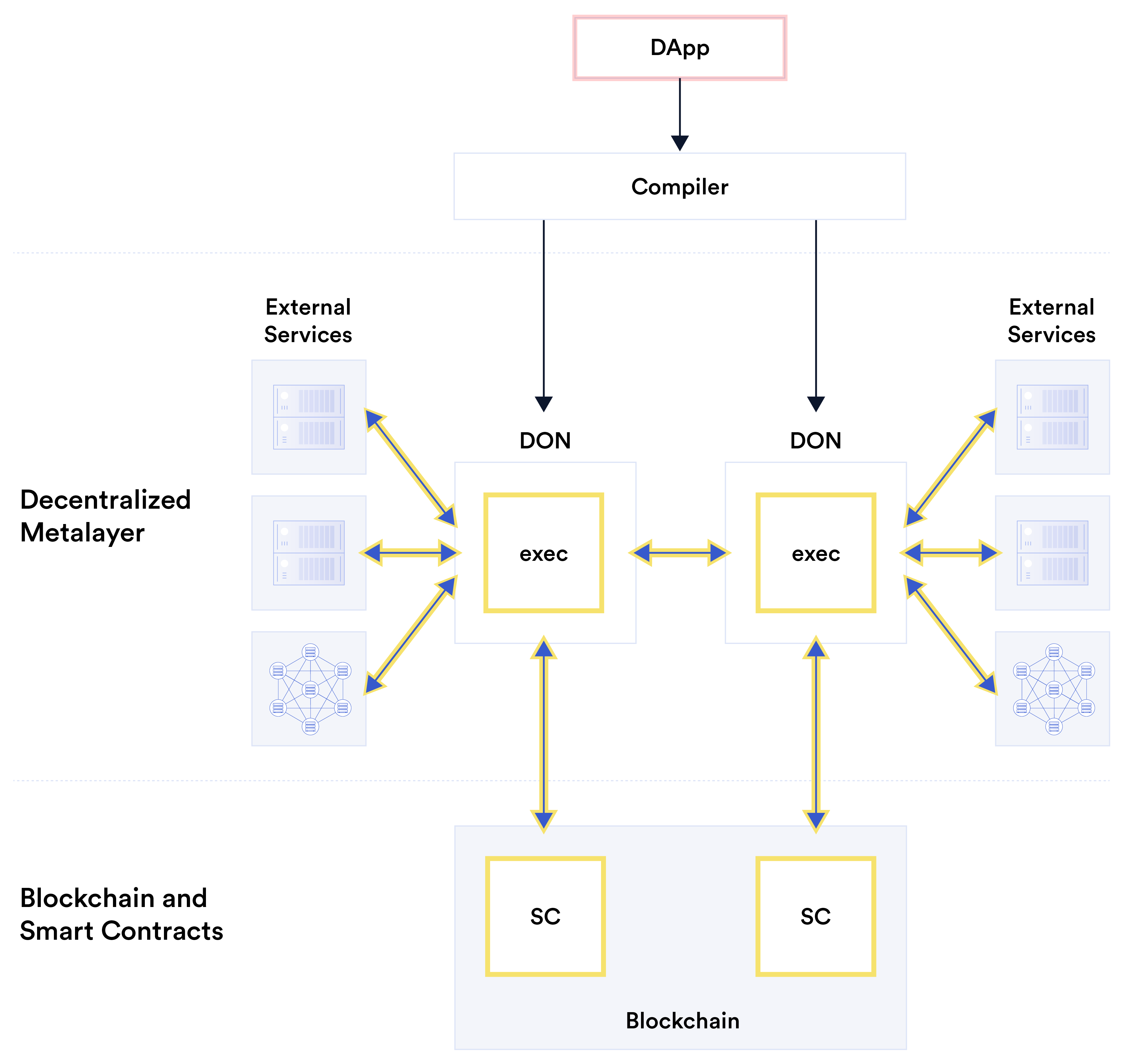
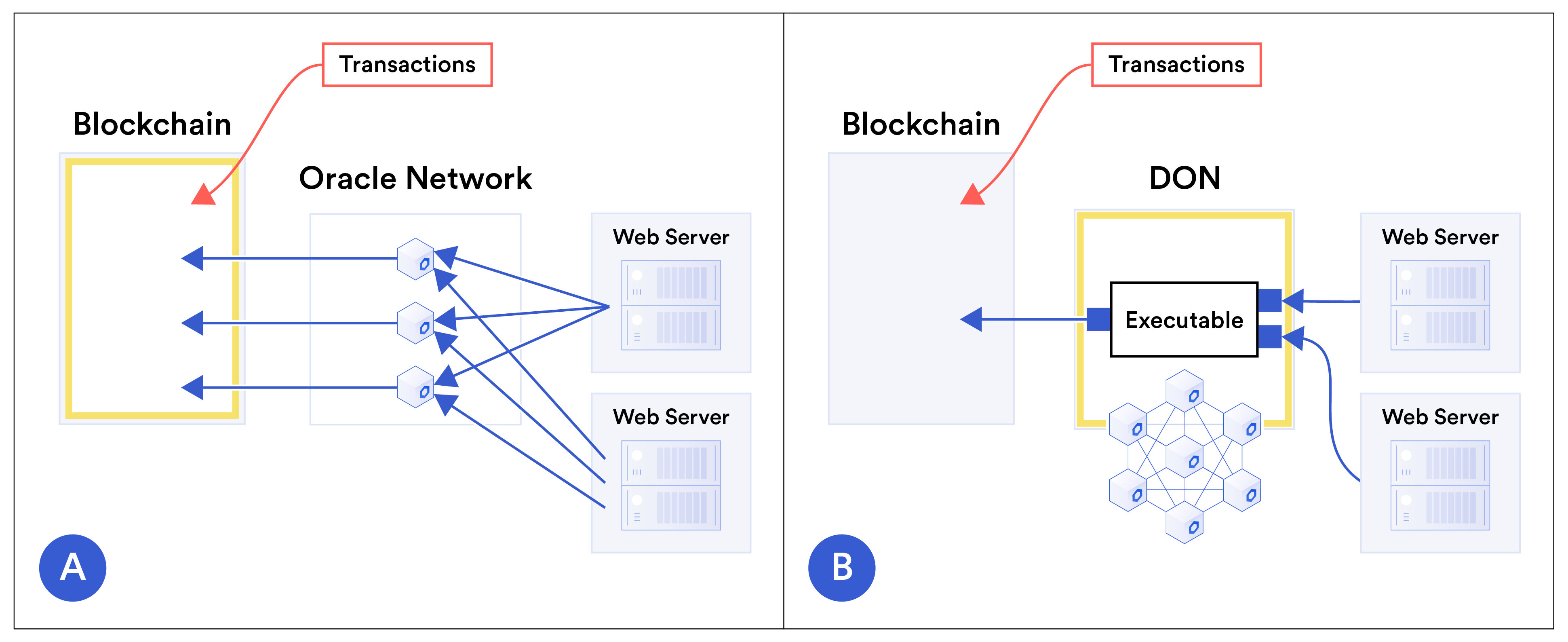
図 3: 分散メタレイヤーの理想的な実現を示す概念図。のために 開発が容易なため、開発者は仮想アプリケーションとしてピンク色で強調表示された DApp を指定します。 統合されたマシンモデルでのアプリケーション。分散メタレイヤー コンパイラーは、対応する相互運用機能を自動的に生成します: smart contracts (示されています) SC による)、DONs 上のロジック (exec で示される)、ターゲットの外部サービスに接続するアダプターなど (黄色のハイライトで示されています)。 図 4 は、DON が blockchain (smart contract) スケーリングをどのように改善するかを概念的に示しています トランザクションとoracleレポートの処理をオフチェーンに集中させることで、 チェーン。計算の主な領域におけるこのシフトにより、トランザクションの待ち時間が短縮され、 トランザクションのスループットを向上させながら手数料を削減します。 機密保持: ブロックチェーンは、smart contract とそれが実現するアプリケーションに前例のない透明性を提供します。しかし、透明性と機密性の間には基本的な緊張関係があります。たとえば今日、ユーザーの分散型取引所の取引は、図 4: 分散型 Oracle ネットワークがどのようにネットワークを改善するかを示す概念図 blockchain 対応の smart contract のスケーリング。図A ⃝従来のoracleを示します 建築。トランザクションは、oracle レポートと同様に、blockchain に直接送信されます。 したがって、黄色で強調表示されている blockchain がトランザクション処理の主な場所です。図 B⃝は、blockchain のコントラクトをサポートするための DON の使用を示しています。 DON 実行可能ファイルは、外部システムからのデータとともにトランザクションを処理し、転送します。 結果 (バンドルされたトランザクションやトランザクションの影響による契約状態の変更など) を blockchain に送信します。したがって、黄色で強調表示されている DON がメインです トランザクション処理の場所。 アクションはチェーン上に記録されるため、交換の動作を簡単に監視できますが、 ユーザーの金融取引を一般に公開します。同様に、スマートに中継されるデータ 契約は連鎖的に残ります。これにより、そのようなデータは簡単に監査可能になりますが、次のように機能します。 smart contract に機密情報や機密データを提供したいと考えるデータプロバイダーにとっては阻害要因となります。 独自のデータ。 私たちは、oracle ネットワークが次世代の触媒となる重要な役割を果たすと信じています。 blockchains 本来の透明性と新しい機密保護を組み合わせたシステムです。このペーパーでは、次の 3 つの主なアプローチを使用して、どのようにそれを行うかを示します。 • 機密保持アダプター: 計画的に展開される 2 つのテクノロジー Chainlink のネットワーク、DECO [234] および Town Crier [233] では、oracle ノードが ユーザーのプライバシーとデータを保護する方法でオフチェーン システムからデータを取得する 機密保持。これらは、DON のアダプターの設計において重要な役割を果たします。 (これら 2 つのテクノロジーの詳細については、セクション 3.6.2 を参照してください。) • 機密の計算: DONs は、blockchains に依存しないように単純に計算を隠すことができます。安全なマルチパーティ コンピューティングや信頼できる実行環境を使用すると、DON ノードでの機密性を強化することも可能です。 それ自体が可視性を持たないデータを計算します。
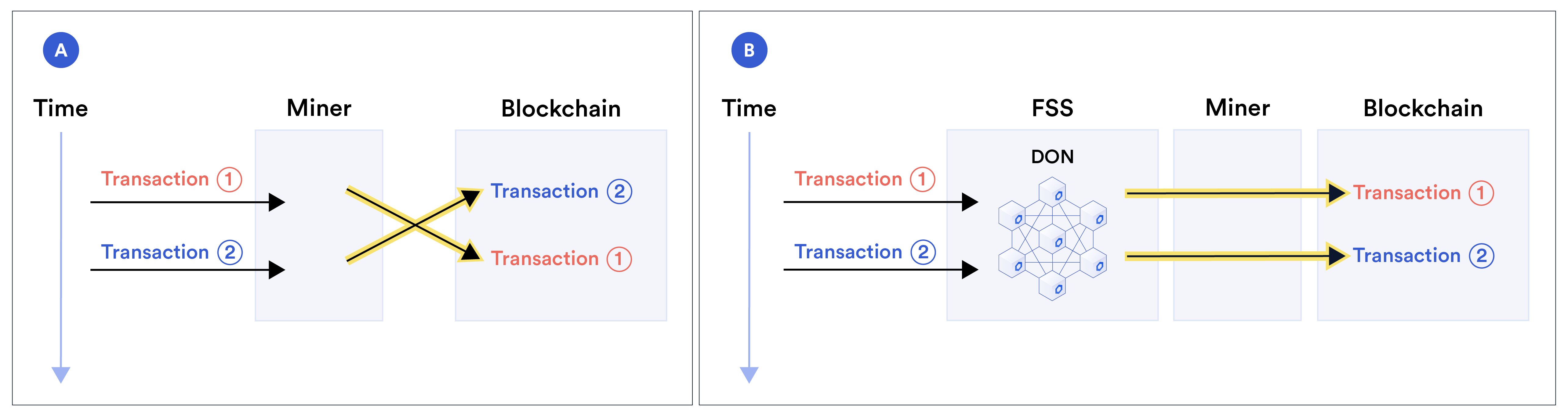
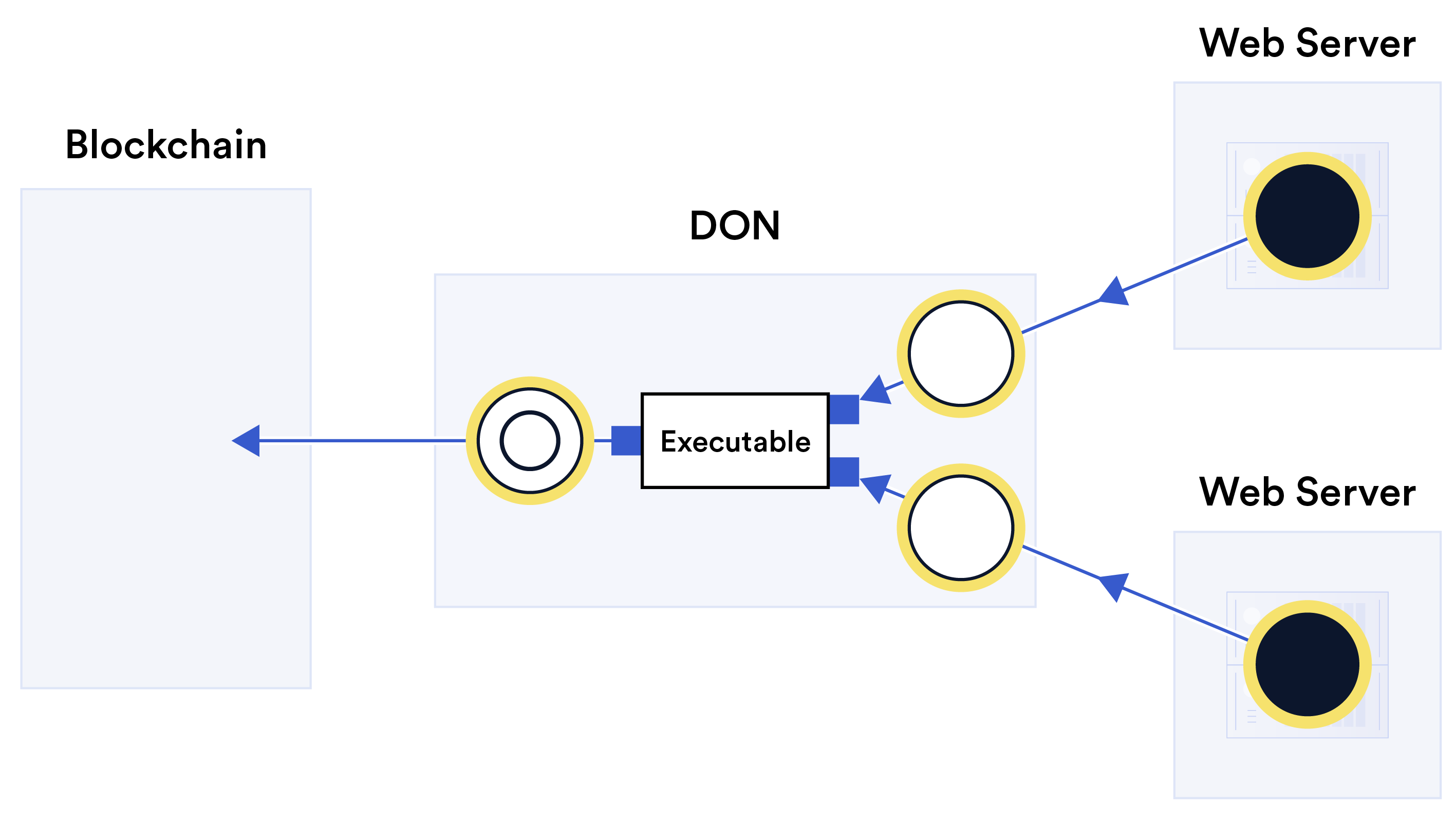
• 機密のレイヤー 2 システムのサポート: TEF は、さまざまなレイヤー 2 システムをサポートするように設計されており、その多くはゼロ知識証明を使用して、 さまざまな形の取引機密保持。 これらのアプローチについてはセクション 3 で説明します (詳細はセクション 6、付録 B.1、および付録 B.2 で説明します)。 図 5 は、機密データが機密性保持アダプターおよび DON での機密計算。 図 5: DON における機密保持オペレーションの概念図 機密データ (黄色で強調表示)。 Web 内の機密ソース データ (黒丸) サーバーは、機密保持アダプター (青色の二重矢印線) を使用して DON に抽出されます。 DON は、これらのアダプターから派生データ (白丸) を受け取ります。 機密情報源に関数または秘密共有などを適用した結果 データ。 DON 上の実行可能ファイルは、派生データに機密計算を適用する可能性があります レポート (二重丸) を作成し、アダプター経由で blockchain に送信します。 私たちは、機密データを扱うための強力なツールによって、あらゆる問題が解決されると信じています。 応用範囲。 その中には、民間の分散型(および集中型)金融、分散型アイデンティティ、クレジットベースのオンチェーン融資、およびより効率的かつ効率的な融資が含まれます。 セクション 4 で説明する、ユーザーフレンドリーな顧客認識プロトコルと認定プロトコル。 トランザクションの注文の公平性: 今日のblockchainのデザインには少し汚れがあります 公然の秘密: これらは一時的に集中化されます。マイナーと validator は取引を注文できます。彼らが選択した行動。トランザクション順序は、ユーザーが次のように操作することもできます。 彼らが支払うネットワーク料金の関数 (例: Ethereum のガソリン価格) 高速ネットワーク接続を利用して、範囲を拡大できます。このような操作により、 たとえば、鉱山労働者などの戦略的主体がフロントランニングの形をとります。 ユーザーのトランザクションを監視し、独自の搾取的なトランザクションを以前のトランザクションに挿入します。 ユーザーの取引に関する事前の知識を利用して、ユーザーから効果的にお金を盗みます。たとえば、ボットが買い注文を出す場合があります。 ユーザーの前に。そして、それによって引き起こされる資産価格の上昇を利用することができます。 ユーザーの取引。 一般ユーザーに害を及ぼす一部のボットによるフロントランニング (高頻度に類似) ウォール街での取引 - 関連するものとして、すでに普及しており、十分に文書化されています [90] バックランニング [159] や [195] を模倣する自動トランザクションなどの攻撃。マイナーによる注文の搾取を体系化するという提案も、最近 [110] で浮上しています。 rollups などのレイヤー 2 テクノロジーは問題を解決するものではなく、単に再集中化するだけです 注文して、rollup を作成するエンティティの手に渡します。 私たちの目標の 1 つは、Chainlink に Fair Sequencing と呼ばれるサービスを導入することです。 サービス (FSS) [137]。 FSS は、smart contract デザイナーが公正な発注を保証するのに役立ちます ユーザー トランザクションや他のタイプのトランザクション (oracle レポート送信など) に対するフロントランニング攻撃、バックランニング攻撃、および関連する攻撃を回避します。 FSS DON は、[144] で導入された順序の公平性の厳密で時間的な概念などのアイデアを実装できるようになります。付随的な利点として、FSS はユーザーのネットワークを低下させることもできます 料金(ガソリン代など)。 簡単に説明すると、FSS では、トランザクションはターゲット smart contract に直接伝播するのではなく、DON を通過します。 DON はトランザクションを注文して転送します。 彼らを契約に結び付けます。 図 6: FSS がどのように役立つかの例。図A ⃝マイナーがその能力をどのように活用するかを示します。 トランザクションの注文権限を集中管理し、トランザクションのペアを交換する場合があります: トランザクション 1⃝ は 2⃝ より前に到着しますが、マイナーは代わりに 2⃝ より後に配列します。対照的に、図 B⃝ は次のようになります。 DON が DON ノード間で注文プロセスをどのように分散化するか。定足数が満たされている場合 正直なノードは 2⃝ の前に 1⃝ を受け取ります。FSS により、チェーン上で 1⃝ が 2⃝ の前に表示されます。 契約で強制可能なシーケンス番号を付加することで、マイナーの並べ替えを防止します。 図 6 は、標準マイニングと FSS を比較しています。標準的なマイニングでどのように行われるかを示しています。トランザクションの順序付けのプロセスはマイナーによって集中化されるため、 到着に応じてペアのトランザクションを並べ替えるなどの操作 回。対照的に、FSS では、プロセスは DON ノード間で分散されます。仮定すると 正直なノードのクォーラムである FSS は、ノードの一時的な順序付けなどのポリシーを強制するのに役立ちます。 トランザクションを保護し、マイナーやその他の組織による操作の機会を減らします。 また、ユーザーはガソリン価格に基づいて優先注文を競う必要がないため、 比較的低いガソリン価格を支払うことができます (DON からのトランザクションはバッチ処理できます) ガスの節約のため)。 信頼の最小化: DONs の設計における一般的な目的は、高度な設計を容易にすることです。 smart contract およびその他の oracle に依存するシステムの信頼できるサポート層 分散化、暗号化ツール、暗号経済的保証によって。 DON 自体は分散化されており、ユーザーは利用可能な DON から選択できます。 追加の DON を操作または生成するメイン チェーンをサポートします。 彼らが信頼するノードの委員会と。 ただし、一部のアプリケーション、特に smart contracts、Chainlink のユーザーは、 DON によってサポートされるメイン チェーンをより信頼できるものとして扱う信頼モデルを好む DON 自体よりも。そのようなユーザーのために、私たちはすでに、または導入する予定の Chainlink ネットワークのアーキテクチャ コントラクトを可能にする多数のメカニズム DONs によって提供されるセキュリティ保証を強化するためにメイン チェーン上で、 同時に、データ ソースが破損する可能性に対する保護も強化します。 DON がデータを取得する Web サーバーなど。 これらのメカニズムについてはセクション 7 で説明します。それらは 5 つの主要な見出しに分類されます。 • データソース認証: データプロバイダーがデジタル署名できるようにするツール データを収集し、それによって、発信元とデータの間の保管連鎖を強化します。 信頼できる契約。 • DON マイノリティ レポート: DON ノードのマイノリティ サブセットによって発行されるフラグ。 DON における大多数の不正行為を観察します。 • ガードレール: 異常な状態を検出して一時停止するメインチェーン上のロジック または契約の実行を停止します(または他の是正措置を講じます)。 • 信頼を最小限に抑えたガバナンス: コミュニティの検査を容易にするための段階的リリースのアップデートの使用と、迅速な対応のための分散型の緊急介入。 システム障害への対応。 • 分散型エンティティ認証: 公開キー基盤 (PKI) を使用して、 Chainlink ネットワーク内のエンティティを識別します。 図 7 は、信頼最小化の目標の概念図を示しています。 インセンティブベースの (暗号経済的) セキュリティ: oracle ノード間でレポート生成を分散化することで、一部のノードが破損した場合でもセキュリティを確保できます。
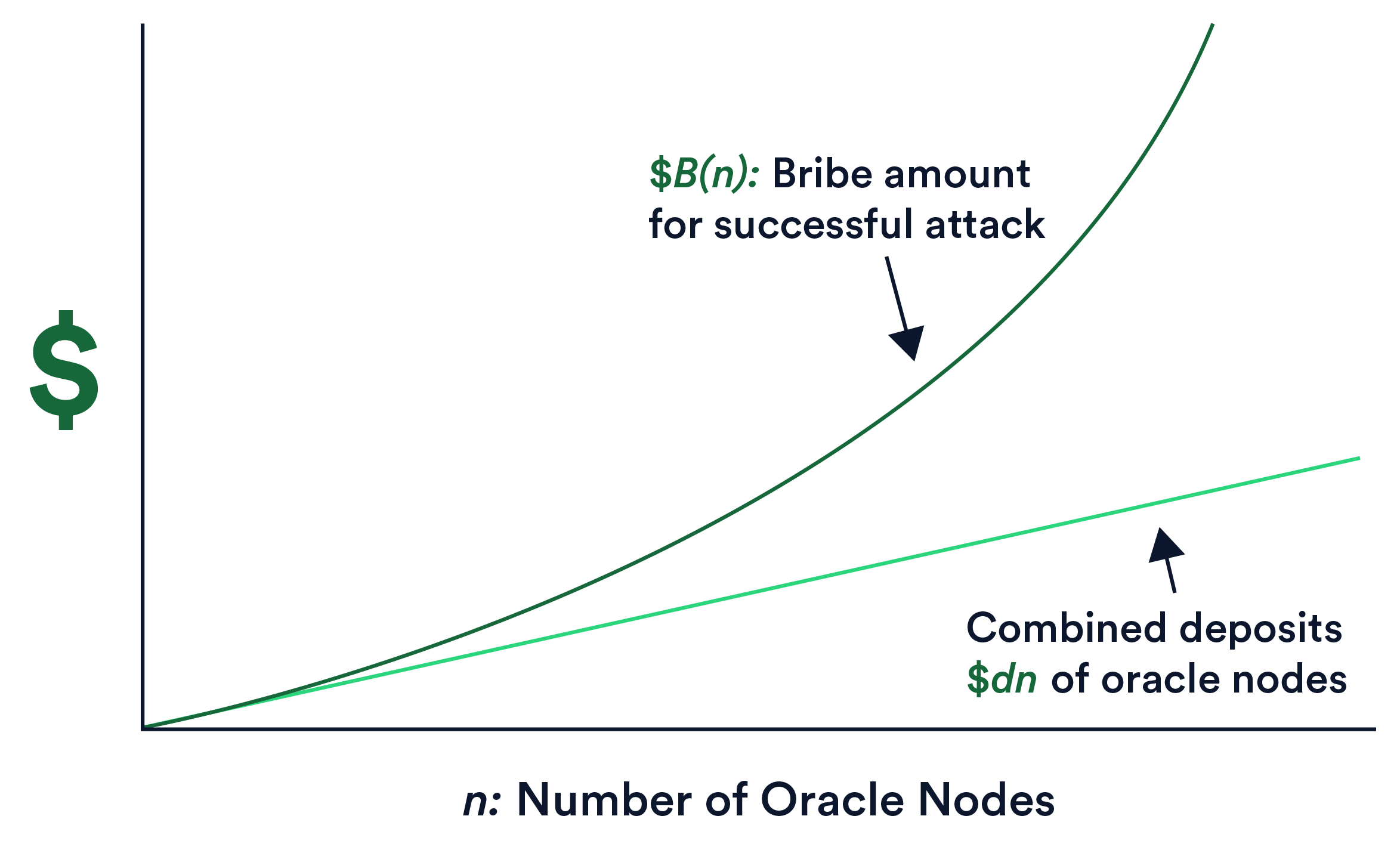
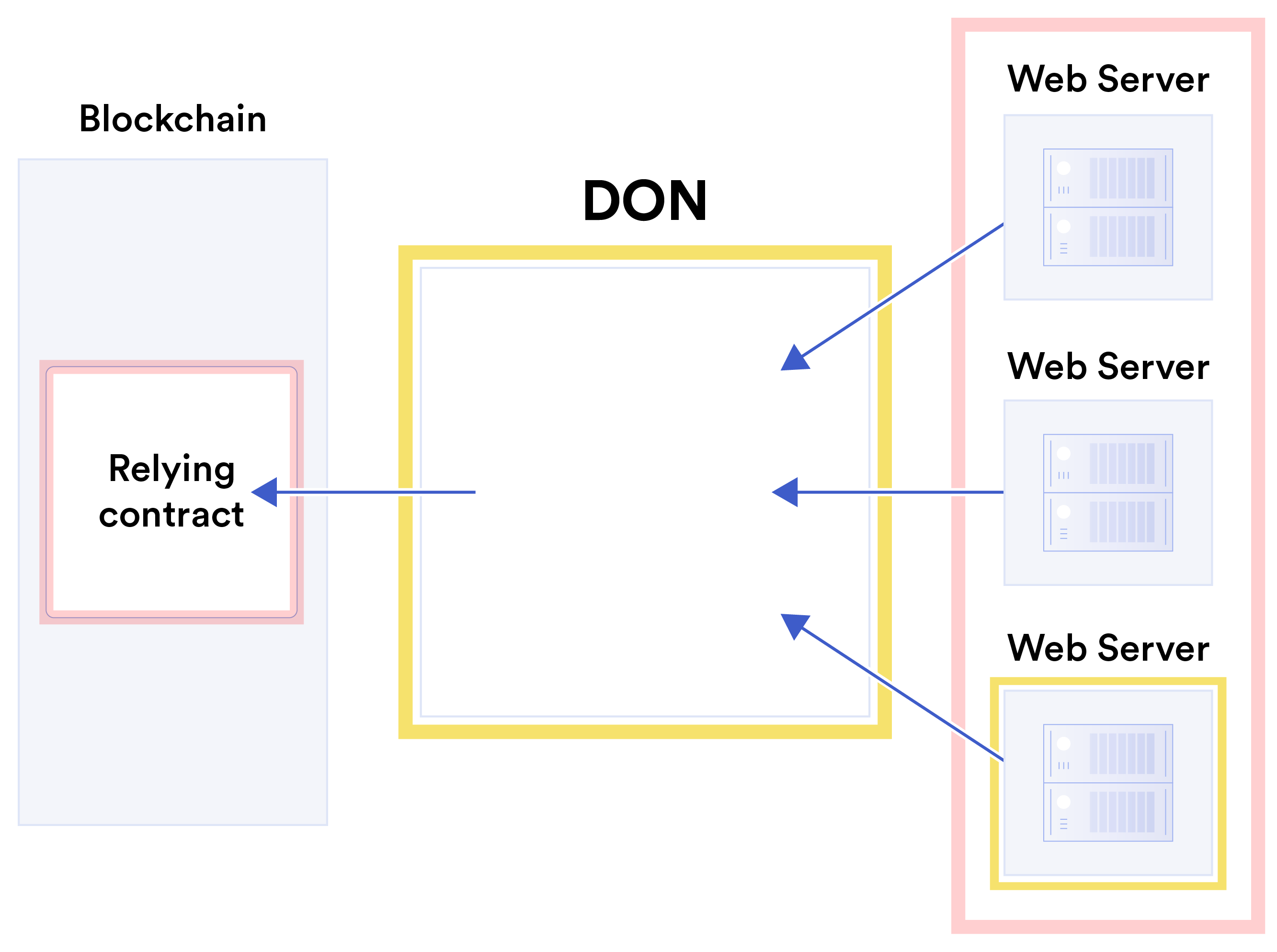
図 7: Chainlink の信頼最小化目標の概念図。 DON および Web などのデータ ソースの正しい動作に対するユーザーのニーズを最小限に抑える サーバー。図内の黄色のハイライトは、信頼最小化遺伝子座、DON および 個別または少数の Web サーバーのセット。ピンクのハイライトはシステムコンポーネントを示します 仮定により非常に信頼できるもの: blockchain と過半数に関する契約 Web サーバーの数、つまり Web サーバーの集合体。 ただし、同様に重要なのは、ノードが正しく動作するための経済的インセンティブを確保することです。ステーキング、つまりノードにリンクとスラッシュのデポジットを提供するよう要求する 不正行為があった場合にこれらの預金を没収することは、Chainlink において重要な役割を果たします。これは、すでに多くの blockchain で使用されている重要なインセンティブ デザインです。 例: [81、103、120、204]。 ただし、Chainlink でのステーキングは、スタンドアロンの staking とは大きく異なります。 blockchain秒。 blockchains へのステーキングは、コンセンサスへの攻撃を防ぐことを目的としています。それは Chainlink の別の目標: 正しい oracle レポートをタイムリーに配信すること。 oracle ネットワーク用に適切に設計された staking システムでは、贈収賄などの攻撃が行われるはずです たとえターゲットが高強度のsmart contractであっても、敵にとって利益はありません。 金銭的価値。 このペーパーでは、3 つのキーを使用した Chainlink の staking への一般的なアプローチを示します。 イノベーション:1. 既存の攻撃では見落とされていた攻撃を包含する強力な敵対的モデル 近づいてきます。一例として、いわゆる「見込贈収賄」が挙げられます。これは次の形式です どのノードが賄賂を受け取るかを条件に基づいて決定する賄賂。 staking メカニズムが選択したノードに事前に保証された賄賂を提供します。 特定の役割に対してランダム(レポートの裁定をトリガーするなど)。 2. 超線形 staking インパクト。非公式には、成功するには、敵対者はすべての oracle のデポジットの合計より $B 大きい予算を持っている必要があることを意味します。 ノード。 より正確には、n の関数として、\(B(n) ≫\)dn が n oracle ノードのネットワークで、それぞれに固定デポジット額 $d が設定されています (より正式には、 \(B(n) is asymptotically larger in n than \)dn)。図 8 に概念図を示します。 この物件。 3. 暗黙的インセンティブ フレームワーク (IIF)、これは当社が考案したインセンティブ モデルです。 明示的な入金を超えた経験的に測定可能なインセンティブを含む staking ノードの将来の手数料機会を含む資金。 IIF は次の概念を拡張します。 明示的なノードデポジットを超えるステーク。 図 8: Chainlink staking におけるスーパーリニア スケーリングを示す概念図。の 敵対者が要求する賄賂 $B(n) は、合計の預金額よりも n 倍の速さで増加します すべての oracle ノードの $dn。 IIF と超線形 staking の影響がどのように連携して引き起こされるのかを示します。 oracle ネットワークの経済安全の好循環を呼び起こします。新規ユーザーが入ってくると
システムにより、Chainlink ノードの実行による将来の潜在的な収益が増加します。 現在および将来のユーザーにとって経済的安全性の限界コストが低下します。の体制で 弾力的な需要により、このコストの減少により、追加のユーザーが ネットワークに接続し、継続的な好循環の中で継続的に導入を継続します。 注: このホワイトペーパーは、Chainlink の進化に関する私たちのビジョンの重要な要素を概説していますが、非公式であり、詳細な技術仕様はほとんど含まれていません。予定しています 進化に応じて、追加の機能とアプローチに焦点を当てた技術文書をリリースします。 さらに、ビジョンの多くの要素が提示されていることを強調することが重要です。 ここ(スケーリングの改善、機密性テクノロジー、FSS など)は可能ですし、そうなるでしょう。 高度な DON が基本機能になる前でも、暫定的な形式で導入されていました。 Chainlink。 1.3 この論文の構成 セクション 2 でセキュリティ モデルと表記法を示し、分散型セキュリティの概要を説明します。 Oracle Network API についてはセクション 3 で説明します。セクション 4 では、さまざまな例を示します。 DON が魅力的な展開プラットフォームを提供するアプリケーション。読者は次のことを行うことができます ここまで読んで、この論文の主要な概念のほとんどを学びましょう。 この文書の残りの部分には、さらなる詳細が記載されています。公平な順序付けについて説明します サービス (FSS) についてはセクション 5 で、トランザクション実行フレームワーク (TEF) についてはセクション 6 で説明します。信頼の最小化に対するアプローチについてはセクション 7 で説明します。 重要な DON 展開要件、つまり機能の増分ロールアウト、動的な台帳メンバーシップ、セクション 8 の説明責任。最後に、セクション 9 で次のことを示します。 インセンティブ設計に対する当社の開発アプローチの概要。セクション 10 で結論を述べます。 この文書の概念についてあまり詳しくない読者を助けるために、 付録 A に用語集を記載しています。DON インターフェイスについてさらに詳しく説明します。 とその機能については付録 B で説明し、アダプタの例を付録 C でいくつか示します。 付録 D では、信頼を最小限に抑えたデータ ソースの暗号化プリミティブについて説明します。 認証は関数署名と呼ばれ、離散化関数署名と呼ばれる新しいバリアントが導入されます。委員会に関するいくつかの考慮事項について議論します 付録 F の DON の選択。
การแนะนำ
Blockchain oracles มักถูกมองว่าเป็นบริการแบบกระจายอำนาจโดยมีวัตถุประสงค์เดียว: เพื่อส่งต่อข้อมูลจากทรัพยากรนอกเครือข่ายไปยัง blockchains แม้ว่าจะเป็นขั้นตอนสั้นๆ จากการส่งต่อข้อมูลไปสู่การประมวลผล จัดเก็บ หรือส่งข้อมูลแบบสองทิศทาง การสังเกตนี้แสดงให้เห็นถึงแนวคิดที่กว้างกว่ามากเกี่ยวกับการทำงานของ oracles เช่นกัน ทำตามข้อกำหนดการบริการที่เพิ่มขึ้นของ smart contracts และมีความหลากหลายมากขึ้น เทคโนโลยีที่ต้องอาศัยเครือข่าย oracle กล่าวโดยสรุป oracle สามารถทำได้และจำเป็น เป็นอินเทอร์เฟซอเนกประสงค์แบบสองทิศทางที่เปิดใช้งานการประมวลผลระหว่างและระหว่างระบบออนเชนและออฟเชน บทบาทของ Oracles ในระบบนิเวศ blockchain คือการปรับปรุง ประสิทธิภาพ ฟังก์ชันการทำงาน และความสามารถในการทำงานร่วมกันของ smart contracts เพื่อให้สามารถทำได้ นำโมเดลความไว้วางใจและความโปร่งใสใหม่ๆ มาสู่อุตสาหกรรมที่หลากหลาย การเปลี่ยนแปลงนี้จะเกิดขึ้นผ่านการขยายการใช้ไฮบริด smart contracts ซึ่งฟิวส์ คุณสมบัติพิเศษของ blockchains พร้อมความสามารถเฉพาะตัวของระบบออฟเชน เช่น oracle เครือข่าย และด้วยเหตุนี้จึงบรรลุการเข้าถึงและประสิทธิภาพที่มากกว่าระบบออนไลน์มาก ในการแยก ในเอกสารไวท์เปเปอร์นี้ เราได้แสดงวิสัยทัศน์สำหรับสิ่งที่เราเรียกว่า Chainlink 2.0 ซึ่งเป็นวิวัฒนาการของ Chainlink ที่นอกเหนือไปจากแนวความคิดเริ่มแรกในเอกสารไวท์เปเปอร์ Chainlink ต้นฉบับ [98] เราคาดการณ์ว่าจะมีบทบาทที่กว้างขวางมากขึ้นสำหรับเครือข่าย oracle ซึ่งหนึ่งในนั้น พวกเขาเสริมและปรับปรุง blockchains ที่มีอยู่และใหม่โดยมอบการเชื่อมต่อและการคำนวณสากลที่รวดเร็ว เชื่อถือได้ และรักษาความลับสำหรับไฮบริด smart contractส. เราเชื่อว่าเครือข่าย oracle จะพัฒนาไปสู่ระบบสาธารณูปโภคด้วยซ้ำ สำหรับการส่งออกข้อมูลระดับ blockchain ความสมบูรณ์สูงไปยังระบบที่อยู่นอกเหนือ blockchain ระบบนิเวศ ในปัจจุบัน โหนด Chainlink ที่ดำเนินการโดยชุดเอนทิตีที่หลากหลายมารวมกันในเครือข่าย oracle เพื่อถ่ายทอดข้อมูลไปยัง smart contracts ในสิ่งที่เรียกว่ารายงาน เราสามารถดูได้เช่นนี้ oracle โหนดในฐานะคณะกรรมการที่คล้ายคลึงกับที่เป็นเอกฉันท์แบบคลาสสิก blockchain [72], แต่มีเป้าหมายในการสนับสนุน blockchains ที่มีอยู่ แทนที่จะจัดให้มีฟังก์ชันการทำงานแบบอิสระ ด้วยฟังก์ชันสุ่มที่ตรวจสอบได้ (VRF) และการรายงานแบบ Off-Chain (OCR) Chainlink กำลังพัฒนาไปสู่กรอบงานและโครงสร้างพื้นฐานสำหรับวัตถุประสงค์ทั่วไปในการจัดหาทรัพยากรการคำนวณที่ smart contracts ต้องการสำหรับ ฟังก์ชั่นขั้นสูง รากฐานของแผนของเราสำหรับ Chainlink 2.0 คือสิ่งที่เราเรียกว่า Decentralized Oracle เครือข่าย หรือเรียกสั้น ๆ ว่า DONs เนื่องจากเราแนะนำคำว่า “oracle network” ใน เอกสารไวท์เปเปอร์ Chainlink ดั้งเดิม [98], oracles ได้พัฒนาฟังก์ชันการทำงานที่สมบูรณ์ยิ่งขึ้นและ ความกว้างของการใช้งาน ในบทความนี้ เรานำเสนอคำจำกัดความใหม่ของคำศัพท์ตามนี้ สู่วิสัยทัศน์ในอนาคตของเราสำหรับระบบนิเวศ Chainlink ในมุมมองนี้ DON คือเครือข่าย ดูแลโดยคณะกรรมการของ Chainlink โหนด ฝังอยู่ในโปรโตคอลฉันทามติมัน รองรับฟังก์ชัน oracle ไม่จำกัดช่วงที่เลือกไว้สำหรับการปรับใช้โดย คณะกรรมการ DON จึงทำหน้าที่เป็นเลเยอร์นามธรรม blockchain ซึ่งจัดเตรียมอินเทอร์เฟซ ไปยังทรัพยากรแบบ off-chain สำหรับทั้ง smart contracts และระบบอื่นๆ อีกทั้งยังให้ เข้าถึงทรัพยากรการประมวลผลแบบออฟเชนที่มีประสิทธิภาพสูงแต่มีการกระจายอำนาจ โดยทั่วไปแล้ว a DON รองรับการดำเนินการบนเชนหลัก เป้าหมายคือการเปิดใช้งานการรักษาความปลอดภัยและการเข้าถึงข้อมูลble hybrid smart contracts ซึ่งรวมการคำนวณแบบ on-chain และ of-chain เข้ากับ การเชื่อมต่อกับทรัพยากรภายนอก เราเน้นย้ำว่าถึงแม้จะมีการใช้คณะกรรมการใน DONs Chainlink เอง ยังคงไม่ได้รับอนุญาตโดยเนื้อแท้ DONs ทำหน้าที่เป็นรากฐานของการไม่ได้รับอนุญาต เฟรมเวิร์กที่โหนดสามารถมารวมกันเพื่อใช้เครือข่าย oracle แบบกำหนดเองด้วย ระบอบการปกครองของตนเองสำหรับการรวมโหนดซึ่งอาจได้รับอนุญาตหรือไม่ได้รับอนุญาต ด้วย DONs เป็นรากฐาน เราวางแผนที่จะมุ่งเน้นไปที่ Chainlink 2.0 ที่ความก้าวหน้าในเจ็ด พื้นที่สำคัญ: แบบผสม smart contracts การขจัดความซับซ้อน การปรับขนาด การรักษาความลับ ความเป็นธรรมในการสั่งซื้อสำหรับธุรกรรม การลดความน่าเชื่อถือให้เหลือน้อยที่สุด และการรักษาความปลอดภัยตามแรงจูงใจ (เศรษฐกิจแบบเข้ารหัสลับ) ในบทนำของบทความนี้ เราจะนำเสนอภาพรวมของการกระจายอำนาจ Oracle Networks ในส่วนที่ 1.1 และนวัตกรรมหลักเจ็ดประการของเราในส่วนที่ 1.2 เราอธิบายการจัดระเบียบส่วนที่เหลือของบทความนี้ในส่วนที่ 1.3 1.1 Oracle Networks แบบกระจายอำนาจ Oracle Networks แบบกระจายอำนาจได้รับการออกแบบมาเพื่อปรับปรุงและขยายขีดความสามารถ ของ smart contracts บนเป้าหมาย blockchain หรือลูกโซ่หลักผ่านฟังก์ชันที่ ไม่สามารถใช้ได้โดยกำเนิด พวกเขาทำเช่นนั้นโดยการจัดหาทรัพยากรพื้นฐานสามอย่างที่พบใน ระบบคอมพิวเตอร์: ระบบเครือข่าย การจัดเก็บ และการคำนวณ A DON มีเป้าหมายที่จะนำเสนอ ทรัพยากรเหล่านี้มีคุณสมบัติการรักษาความลับ ความสมบูรณ์ และความพร้อมใช้งานสูง1 เช่น ตลอดจนความรับผิดชอบ DONs ถูกสร้างขึ้นโดยคณะกรรมการของโหนด oracle ที่ร่วมมือกันเพื่อตอบสนองความต้องการเฉพาะ งานหรือเลือกที่จะสร้างความสัมพันธ์ที่ยาวนานเพื่อให้บริการอย่างต่อเนื่อง ให้กับลูกค้า DONs ได้รับการออกแบบในลักษณะ blockchain แบบไม่เชื่อเรื่องพระเจ้า พวกเขาสัญญาว่าจะทำหน้าที่เป็น เครื่องมือที่ทรงพลังและยืดหยุ่นสำหรับนักพัฒนาแอปพลิเคชันเพื่อสร้างการสนับสนุนแบบออฟไลน์ smart contracts ของพวกเขาบนเชนหลักที่รองรับ ฟังก์ชันการทำงานสองประเภทตระหนักถึงความสามารถของ DON: ปฏิบัติการและ อะแดปเตอร์ โปรแกรมปฏิบัติการคือโปรแกรมที่ทำงานอย่างต่อเนื่องและในลักษณะกระจายอำนาจบน DON แม้ว่าพวกเขาไม่ได้จัดเก็บสินทรัพย์สายหลักโดยตรง แต่ก็มีประโยชน์ที่สำคัญ รวมถึงประสิทธิภาพสูงและความสามารถในการดำเนินการเป็นความลับ การคำนวณ ไฟล์ปฏิบัติการทำงานโดยอัตโนมัติบน DON และดำเนินการตามที่กำหนด การดำเนินงาน ทำงานร่วมกับอะแดปเตอร์ที่เชื่อมโยง DON กับทรัพยากรภายนอก และอาจถูกเรียกโดยโปรแกรมปฏิบัติการ อะแดปเตอร์ ตามที่เราจินตนาการไว้สำหรับ DONs คือ ลักษณะทั่วไปของอะแดปเตอร์ภายนอกใน Chainlink วันนี้ ในขณะที่อะแดปเตอร์ที่มีอยู่ โดยทั่วไปจะดึงข้อมูลจากแหล่งข้อมูลเท่านั้น อะแดปเตอร์อาจทำงานแบบสองทิศทาง ใน DONs พวกเขาอาจใช้ประโยชน์จากการคำนวณร่วมกันเพิ่มเติมโดยโหนด DON เพื่อให้บรรลุ คุณสมบัติเพิ่มเติม เช่น การเข้ารหัสรายงานเพื่อการใช้งานที่รักษาความเป็นส่วนตัวโดย ปฏิบัติการได้ เพื่อให้เข้าใจถึงการทำงานพื้นฐานของ DON รูปที่ 1 แสดงแนวคิดว่า DON อาจใช้เพื่อส่งรายงานไปยัง blockchain และทำให้ได้รับฟังก์ชัน oracle แบบดั้งเดิมที่มีอยู่ DONs สามารถให้คุณสมบัติเพิ่มเติมมากมาย นอกเหนือจากนั้น 1 “CIA triad” ของการรักษาความปลอดภัยข้อมูล [123, p. 26, §2.3.5]เครือข่ายที่มีอยู่ของ Chainlink ตัวอย่างเช่น ภายในโครงสร้างทั่วไปของรูปที่ 1 ปฏิบัติการสามารถบันทึกข้อมูลราคาสินทรัพย์ที่ดึงมาใน DON โดยใช้ข้อมูลดังกล่าวเพื่อ คำนวณ เช่น ค่าเฉลี่ยต่อท้ายสำหรับรายงาน รูปที่ 1: รูปแบบแนวคิดที่แสดงเป็นตัวอย่างว่า Oracle Network แบบกระจายอำนาจสามารถใช้งานฟังก์ชัน oracle พื้นฐานได้อย่างไร กล่าวคือ ถ่ายทอดข้อมูลนอกสายโซ่ไปยังสัญญา อ ปฏิบัติการได้ใช้อะแดปเตอร์เพื่อดึงข้อมูลลูกโซ่ซึ่งประมวลผลและส่งเอาต์พุต ผ่านอะแดปเตอร์อื่นไปยังเป้าหมาย blockchain (อะแดปเตอร์เริ่มต้นโดยโค้ดในไฟล์ DON แสดงด้วยกล่องสีน้ำเงินเล็กๆ ลูกศรแสดงทิศทางของการไหลของข้อมูลสำหรับสิ่งนี้ ตัวอย่างเฉพาะ) ไฟล์ปฏิบัติการสามารถอ่านและเขียนเพิ่มเติมไปยังท้องถิ่น DON ที่เก็บข้อมูลเพื่อรักษาสถานะและ/หรือสื่อสารกับโปรแกรมปฏิบัติการอื่น ๆ เครือข่าย การคำนวณ และพื้นที่เก็บข้อมูลที่ยืดหยุ่นใน DONs ทั้งหมดนี้แสดงไว้ที่นี่ ช่วยให้สามารถโฮสต์ของสิ่งใหม่ๆ ได้ การใช้งาน ประโยชน์หลักของ DONs คือความสามารถในการบูตบริการ blockchain ใหม่ DONส เป็นเครื่องมือที่เครือข่าย oracle ที่มีอยู่สามารถรองรับแอปพลิเคชันบริการได้อย่างรวดเร็ว ซึ่งในปัจจุบันจะต้องมีการสร้างเครือข่ายที่สร้างขึ้นตามวัตถุประสงค์ เราให้จำนวน ตัวอย่างการสมัครดังกล่าวในมาตรา 4 ในส่วนที่ 3 เราจะให้รายละเอียดเพิ่มเติมเกี่ยวกับ DONs โดยอธิบายความสามารถของพวกเขาใน เงื่อนไขของอินเทอร์เฟซที่นำเสนอต่อนักพัฒนาและผู้ใช้ 1.2 เป้าหมายการออกแบบที่สำคัญเจ็ดประการ ที่นี่เราจะทบทวนประเด็นสำคัญเจ็ดประการที่แจกแจงไว้ข้างต้นสำหรับวิวัฒนาการของ Chainlink กล่าวคือ:ไฮบริด smart contracts: หัวใจสำคัญของวิสัยทัศน์ของเราสำหรับ Chainlink คือแนวคิดเรื่องความปลอดภัย การรวมส่วนประกอบ on-chain และ of-chain ใน smart contracts เราอ้างถึงสัญญา การตระหนักถึงแนวคิดนี้เป็นแบบไฮบริด smart contracts หรือสัญญาแบบไฮบริด2 บล็อกเชนเป็นและจะยังคงมีบทบาทสำคัญสองประการในบริการแบบกระจายอำนาจต่อไป ระบบนิเวศ: ทั้งสองเป็นสถานที่ที่แสดงความเป็นเจ้าของสกุลเงินดิจิทัล และจุดยึดที่แข็งแกร่งสำหรับบริการแบบกระจายอำนาจ ดังนั้นสัญญาอัจฉริยะจึงต้องแสดงหรือดำเนินการบนลูกโซ่ แต่ความสามารถบนลูกโซ่นั้นมีจำกัดอย่างมาก หมดจด รหัสสัญญาออนไลน์ช้า มีราคาแพง และโดดเดี่ยว ไม่สามารถรับประโยชน์จากโลกแห่งความเป็นจริงได้ ข้อมูลและฟังก์ชันต่างๆ ที่ไม่สามารถทำได้บนห่วงโซ่ รวมถึงรูปแบบต่างๆ ของการคำนวณที่เป็นความลับ การสร้าง (หลอก) การสุ่มที่ปลอดภัย กับคนงานเหมือง / validator การจัดการ ฯลฯ เพื่อให้ smart contracts ตระหนักถึงศักยภาพสูงสุดของตน ดังนั้นจึงต้องอาศัย smart contracts ได้รับการออกแบบทางสถาปัตยกรรมด้วยสองส่วน: ส่วนแบบออนไลน์ (ซึ่งโดยปกติแล้วเราจะแสดงโดย SC) และส่วนของ of-chain ซึ่งเป็นไฟล์ปฏิบัติการที่ทำงานบน DON (ซึ่งโดยทั่วไปเราจะแสดงโดย ผู้บริหาร) เป้าหมายคือการบรรลุองค์ประกอบที่ปลอดภัยของฟังก์ชันออนไลน์ด้วย บริการ off-chain ที่หลากหลายซึ่ง DONs มุ่งหวังที่จะให้ได้ รวมกันทั้งสองส่วน ทำสัญญาแบบไฮบริด เรานำเสนอแนวคิดตามแนวคิดในรูปที่ 2 แล้ววันนี้ Chainlink บริการ 3 เช่น ฟีดข้อมูลและ VRF เปิดใช้งานอย่างอื่นไม่สำเร็จ smart contract แอปพลิเคชัน ตั้งแต่ DeFi ไปจนถึง NFTs ที่สร้างขึ้นอย่างเป็นธรรม ไปจนถึงการประกันภัยแบบกระจายอำนาจ ซึ่งเป็นก้าวแรกสู่กรอบการทำงานทั่วไปมากขึ้น เป็นบริการ Chainlink ขยายและเติบโตอย่างมีประสิทธิภาพมากขึ้นตามวิสัยทัศน์ของเราในเอกสารไวท์เปเปอร์นี้เช่นกัน พลังของ smart contract ระบบจะครอบคลุม blockchains ทั้งหมดหรือไม่ จุดเน้นหลักอีกหกประการของเราในเอกสารไวท์เปเปอร์นี้อาจถูกมองว่าเป็นการดำเนินการในบริการ ของสัญญาแรกที่ครอบคลุมหนึ่งในสัญญาไฮบริด โฟกัสเหล่านี้เกี่ยวข้องกับการลบสิ่งที่มองเห็นได้ ความซับซ้อนจากสัญญาแบบไฮบริด การสร้างบริการออฟเชนเพิ่มเติมที่เปิดใช้งาน การสร้างสัญญาไฮบริดที่มีความสามารถมากขึ้น และในกรณีของการลดความน่าเชื่อถือ จะเป็นการเสริมคุณสมบัติด้านความปลอดภัยที่ได้รับจากสัญญาแบบไฮบริด เราทิ้งความคิดไว้ ของสัญญาแบบผสมโดยนัยตลอดทั้งรายงาน แต่การรวมกันของ ตรรกะ MAINCHAIN ที่มี DON อาจถูกมองว่าเป็นสัญญาแบบไฮบริด ขจัดความซับซ้อนออกไป: DONs ได้รับการออกแบบมาเพื่อใช้การกระจายอำนาจ ระบบที่ง่ายสำหรับนักพัฒนาและผู้ใช้โดยการแยกเครื่องจักรที่มักจะซับซ้อนออกไป เบื้องหลังบริการอันทรงพลังและยืดหยุ่นของ DONs บริการ Chainlink ที่มีอยู่ มีคุณสมบัตินี้อยู่แล้ว ตัวอย่างเช่น ฟีดข้อมูลใน Chainlink ในปัจจุบันนำเสนออินเทอร์เฟซแบบ onchain ที่ไม่ต้องการให้นักพัฒนาเกี่ยวข้องกับรายละเอียดระดับโปรโตคอล เช่น วิธีการที่ OCR บังคับใช้การรายงานที่เป็นเอกฉันท์ระหว่าง 2แนวคิดเรื่องการจัดองค์ประกอบสัญญาแบบออนไลน์/ออฟเชนเกิดขึ้นก่อนหน้านี้ในข้อจำกัดต่างๆ แบบฟอร์ม เช่น ระบบเลเยอร์ 2, TEE-based blockchains [80] ฯลฯ เป้าหมายของเราคือการสนับสนุนและสรุป แนวทางเหล่านี้และรับรองว่าสามารถรวมการเข้าถึงข้อมูลแบบออฟไลน์และคีย์อื่นๆ oracle บริการ 3Chainlink บริการประกอบด้วยบริการและฟังก์ชันการกระจายอำนาจที่หลากหลายที่มีให้บริการผ่าน เครือข่าย นำเสนอโดยตัวดำเนินการโหนดจำนวนมากที่ประกอบด้วยเครือข่าย oracle ต่างๆ ทั่วทั้งระบบนิเวศรูปที่ 2: ภาพแนวความคิดที่แสดงองค์ประกอบสัญญาแบบออนไลน์ / ออฟเชน ก ไฮบริด smart contract 3⃝ประกอบด้วยองค์ประกอบเสริมสองส่วน: แบบออนไลน์ ส่วนประกอบ SC 1⃝ อาศัยอยู่บน blockchain และส่วนประกอบ off-chain exec 2⃝นั้น ดำเนินการบน DON DON ทำหน้าที่เป็นสะพานเชื่อมระหว่างทั้งสององค์ประกอบเช่นกัน เป็นการเชื่อมต่อสัญญาแบบไฮบริดกับทรัพยากรนอกเครือข่าย เช่น บริการบนเว็บ และอื่นๆ blockchains พื้นที่เก็บข้อมูลแบบกระจายอำนาจ ฯลฯ ชุดโหนดแบบกระจายอำนาจ DONs ก้าวไปอีกขั้นในแง่ที่ว่าพวกเขาขยาย ช่วงของบริการที่ Chainlink สามารถนำเสนอเลเยอร์นามธรรมให้กับนักพัฒนาได้ มาพร้อมกับอินเทอร์เฟซที่มีประสิทธิภาพสำหรับบริการระดับสูง เรานำเสนอตัวอย่างการใช้งานหลายตัวอย่างในส่วนที่ 4 ที่เน้นแนวทางนี้ เราจินตนาการถึงองค์กรต่างๆ ที่ใช้ DONs เป็นรูปแบบหนึ่งของมิดเดิลแวร์ที่ปลอดภัยเพื่อ เชื่อมต่อระบบเดิมกับ blockchains (ดูหัวข้อ 4.2.) การใช้ DONs นี้ช่วยลดความซับซ้อนของไดนามิก blockchain ทั่วไป (ค่าธรรมเนียม การจัดองค์กรใหม่ ฯลฯ) มันยัง สรุปคุณลักษณะเฉพาะของ blockchains ออกไป ซึ่งช่วยให้องค์กรต่างๆ สามารถเชื่อมต่อระบบที่มีอยู่กับอาร์เรย์ของระบบ blockchain ที่ขยายวงกว้างขึ้นเรื่อยๆ โดยไม่ต้อง ความต้องการความเชี่ยวชาญพิเศษในระบบเหล่านี้ หรือโดยทั่วไป ในการพัฒนาระบบกระจายอำนาจ ท้ายที่สุดแล้ว ความทะเยอทะยานของเราคือการผลักดันระดับของความเป็นนามธรรมที่ทำได้โดย Chainlink จนถึงขั้นนำสิ่งที่เราเรียกว่า metalayer แบบกระจายอำนาจไปใช้ ชั้นดังกล่าว จะสรุปความแตกต่างแบบ on-chain / of-chain สำหรับนักพัฒนาทุกระดับ และผู้ใช้ DApps ช่วยให้สามารถสร้างและใช้บริการกระจายอำนาจได้อย่างราบรื่นเพื่อให้กระบวนการพัฒนาง่ายขึ้น นักพัฒนาสามารถระบุฟังก์ชันการทำงานของ DApp ในเมตาเลเยอร์เป็นแอปพลิเคชันเสมือนในโมเดลเครื่องที่รวมเป็นหนึ่งเดียว พวกเขาทำได้ จากนั้นใช้คอมไพเลอร์แบบกระจายอำนาจ-metalayer เพื่อสร้างอินสแตนซ์ DApp โดยอัตโนมัติ ชุดของฟังก์ชันการกระจายอำนาจที่ทำงานร่วมกันซึ่งครอบคลุม blockchains, DONs และ บริการภายนอก (หนึ่งในบริการภายนอกเหล่านี้อาจเป็นระบบขององค์กร ทำให้ metalayer มีประโยชน์สำหรับแอปพลิเคชันที่เกี่ยวข้องกับระบบองค์กรแบบเดิม) การคอมไพล์นั้นคล้ายกับคอมไพเลอร์และชุดพัฒนาซอฟต์แวร์ (SDK) สมัยใหม่ สนับสนุนโปรแกรมเมอร์ทั่วไปในการใช้ฮาร์ดแวร์ที่ต่างกันอย่างเต็มศักยภาพ สถาปัตยกรรมที่ประกอบด้วย CPU เอนกประสงค์และฮาร์ดแวร์พิเศษ เช่น GPU ตัวเร่งความเร็วการเรียนรู้ของเครื่องจักรหรือวงล้อมที่เชื่อถือได้ รูปที่ 3 นำเสนอแนวคิดนี้ในระดับแนวความคิด ไฮบริด smart contracts เป็นก้าวแรกสู่วิสัยทัศน์นี้และแนวคิดที่เราเรียกว่าสัญญาเมตา สัญญา Meta คือแอปพลิเคชันที่เข้ารหัสบนการกระจายอำนาจ metalayer และรวมลอจิกออนเชนโดยปริยาย (smart contracts) เช่นเดียวกับการคำนวณและการเชื่อมต่อของเชนระหว่าง blockchains ต่างๆ และออฟเชนที่มีอยู่ บริการ เมื่อพิจารณาถึงความต้องการการสนับสนุนด้านภาษาและคอมไพเลอร์ โมเดลการรักษาความปลอดภัยใหม่ๆ และ การประสานกันทางแนวคิดและทางเทคนิคของเทคโนโลยีที่แตกต่างกัน อย่างไรก็ตาม การตระหนักรู้ ของ metalayer แบบกระจายอำนาจที่แท้จริงคือเป้าหมายอันทะเยอทะยานที่เราปรารถนาในระยะยาว ขอบฟ้าเวลา อย่างไรก็ตาม ยังเป็นแบบจำลองในอุดมคติที่เป็นประโยชน์ที่ควรคำนึงถึงขณะอ่าน บทความนี้ไม่ได้ให้รายละเอียดไว้ที่นี่ แต่เป็นสิ่งที่เราวางแผนจะมุ่งเน้นในการทำงานในอนาคต Chainlink. การปรับขนาด: เป้าหมายที่มีความสำคัญโดดเด่นในการออกแบบที่พัฒนาของเราคือการทำให้ เครือข่าย Chainlink เพื่อตอบสนองความต้องการในการปรับขนาดที่เพิ่มขึ้นของระบบนิเวศ blockchain ด้วยความแออัดของเครือข่ายกลายเป็นปัญหาซ้ำซากในการไม่ได้รับอนุญาตที่มีอยู่ blockchains [86] การออกแบบ blockchain ใหม่และมีประสิทธิภาพยิ่งขึ้นกำลังจะถูกนำมาใช้ เช่น [103, 120, 203] เช่นเดียวกับเทคโนโลยีการปรับขนาดเลเยอร์ 2 เสริม เช่น [5, 12, 121, 141, 169, 186, 187]. บริการของ Oracle จะต้องบรรลุถึงเวลาแฝงและทรูพุต ที่ตอบสนองความต้องการด้านประสิทธิภาพของระบบเหล่านี้พร้อมทั้งลดค่าธรรมเนียมออนไลน์ให้เหลือน้อยที่สุด (เช่น ค่าน้ำมัน) สำหรับผู้ดำเนินการตามสัญญาและผู้ใช้ทั่วไป ด้วย DONs, Chainlink ฟังก์ชันการทำงานมีจุดมุ่งหมายที่จะก้าวไปอีกขั้นและมอบประสิทธิภาพที่สูงเพียงพอสำหรับระบบบนเว็บล้วนๆ DONs ได้รับประสิทธิภาพการทำงานส่วนใหญ่จากการใช้โปรโตคอลฉันทามติที่รวดเร็ว ตามคณะกรรมการ หรือไม่ได้รับอนุญาต ซึ่งรวมเข้ากับ blockchains พวกเขาสนับสนุน เราคาดหวังว่า DONs จำนวนมากที่มีการกำหนดค่าต่างกันจะทำงานแบบขนาน DApps และผู้ใช้สามารถนำทางการแลกเปลี่ยนในตัวเลือกที่เป็นเอกฉันท์ ตามความต้องการใช้งาน DONs อาจถูกมองว่าเป็นเทคโนโลยีเลเยอร์ 2 เราคาดหวังว่าในหมู่ บริการอื่นๆ DONs จะสนับสนุน Transaction Execution Framework (TEF) ซึ่ง อำนวยความสะดวกในการบูรณาการที่มีประสิทธิภาพของ DONs และ oracles กับประสิทธิภาพสูงอื่น ๆ ระบบเลเยอร์ 2—เช่น rollups ระบบที่รวมธุรกรรมของห่วงโซ่เข้าด้วยกันเพื่อให้บรรลุ การปรับปรุงประสิทธิภาพ เราแนะนำ TEF ในส่วนที่ 6
รูปที่ 3: รูปแบบแนวคิดที่แสดงให้เห็นถึงความตระหนักในอุดมคติของ metalayer ที่มีการกระจายอำนาจ สำหรับ ง่ายต่อการพัฒนา นักพัฒนาระบุ DApp ซึ่งเน้นด้วยสีชมพูเป็นเสมือน การประยุกต์ใช้ในโมเดลเครื่องจักรแบบครบวงจร คอมไพเลอร์แบบกระจายอำนาจ-metalayer จะสร้างฟังก์ชันการทำงานระหว่างกันที่สอดคล้องกันโดยอัตโนมัติ: smart contracts (แสดงแทน โดย SC), ตรรกะ (แสดงโดย exec) บน DONs, อะแดปเตอร์ที่เชื่อมต่อกับบริการภายนอกเป้าหมาย และอื่นๆ ตามที่ระบุไว้ในไฮไลต์สีเหลือง รูปที่ 4 แสดงแนวคิดว่า DONs ปรับปรุงมาตราส่วน blockchain (smart contract) อย่างไร โดยมุ่งเน้นธุรกรรมและ oracle-รายงานการประมวลผลของห่วงโซ่ แทนที่จะไปที่ โซ่ การเปลี่ยนแปลงในตำแหน่งหลักของการคำนวณนี้จะช่วยลดเวลาแฝงของธุรกรรมและ ค่าธรรมเนียมในขณะที่เพิ่มปริมาณการทำธุรกรรม การรักษาความลับ: บล็อกเชนให้ความโปร่งใสอย่างที่ไม่เคยมีมาก่อนสำหรับ smart contracts และแอปพลิเคชันที่พวกเขาตระหนัก แต่มีความตึงเครียดพื้นฐานระหว่างความโปร่งใสและการรักษาความลับ ตัวอย่างเช่น ในปัจจุบัน การแลกเปลี่ยนแบบกระจายอำนาจของผู้ใช้รูปที่ 4: ภาพแนวคิดที่แสดงให้เห็นว่า Oracle Networks แบบกระจายอำนาจปรับปรุงได้อย่างไร มาตราส่วนของ blockchain-เปิดใช้งาน smart contracts รูปที่ ก ⃝แสดง oracle แบบธรรมดา สถาปัตยกรรม ธุรกรรมจะถูกส่งโดยตรงไปยัง blockchain เช่นเดียวกับรายงาน oracle ดังนั้น blockchain ที่เน้นด้วยสีเหลืองจึงเป็นตำแหน่งหลักสำหรับการประมวลผลธุรกรรม รูปที่ B⃝แสดงการใช้ DON เพื่อรองรับสัญญาใน blockchain DON ประมวลผลธุรกรรมที่ปฏิบัติการได้พร้อมกับข้อมูลจากระบบภายนอกและส่งต่อ ผลลัพธ์—เช่น ธุรกรรมแบบรวมกลุ่มหรือการเปลี่ยนแปลงสถานะสัญญาอันเป็นผลมาจากผลของธุรกรรม—เป็น blockchain DON ที่เน้นด้วยสีเหลืองจึงเป็นตัวหลัก สถานที่สำหรับการประมวลผลธุรกรรม การดำเนินการจะถูกบันทึกไว้ในห่วงโซ่ ทำให้ง่ายต่อการตรวจสอบพฤติกรรมการแลกเปลี่ยน แต่ยังรวมถึง ทำให้ธุรกรรมทางการเงินของผู้ใช้ปรากฏต่อสาธารณะ ในทำนองเดียวกัน ข้อมูลจะถูกส่งต่อไปยังระบบอัจฉริยะ สัญญายังคงอยู่ในห่วงโซ่ ทำให้ข้อมูลดังกล่าวสามารถตรวจสอบได้อย่างสะดวก แต่ทำหน้าที่เป็น ความไม่จูงใจสำหรับผู้ให้บริการข้อมูลที่ต้องการมอบ smart contracts ด้วยความละเอียดอ่อนหรือ ข้อมูลที่เป็นกรรมสิทธิ์ เราเชื่อว่าเครือข่าย oracle จะมีบทบาทสำคัญในการกระตุ้นคนรุ่นต่อไป ระบบที่รวมความโปร่งใสโดยกำเนิดของ blockchains เข้ากับการปกป้องความลับแบบใหม่ ในบทความนี้ เราจะแสดงให้เห็นว่าพวกเขาจะทำเช่นนั้นได้อย่างไรโดยใช้แนวทางหลัก 3 ประการ: • อะแดปเตอร์ที่รักษาความลับ: สองเทคโนโลยีพร้อมการใช้งานตามแผน ในเครือข่ายของ Chainlink DECO [234] และ Town Crier [233] เปิดใช้งานโหนด oracle เพื่อ ดึงข้อมูลจากระบบลูกโซ่ในลักษณะที่ปกป้องความเป็นส่วนตัวและข้อมูลของผู้ใช้ การรักษาความลับ พวกเขาจะมีบทบาทสำคัญในการออกแบบอะแดปเตอร์สำหรับ DONs (ดูหัวข้อ 3.6.2 สำหรับรายละเอียดเกี่ยวกับเทคโนโลยีทั้งสองนี้) • การคำนวณที่เป็นความลับ: DONs สามารถปกปิดการคำนวณของตนจากการพึ่งพา blockchains การใช้การคำนวณแบบหลายฝ่ายที่ปลอดภัยและ/หรือสภาพแวดล้อมการดำเนินการที่เชื่อถือได้ ทำให้การรักษาความลับที่แข็งแกร่งยิ่งขึ้นยังสามารถทำได้ในโหนด DON ประมวลผลข้อมูลที่พวกเขาเองไม่สามารถมองเห็นได้
• รองรับระบบที่เป็นความลับเลเยอร์ 2: TEF ได้รับการออกแบบมาเพื่อรองรับระบบเลเยอร์ 2 ที่หลากหลาย ซึ่งหลายระบบใช้การพิสูจน์ความรู้แบบศูนย์เพื่อจัดเตรียม การรักษาความลับของธุรกรรมในรูปแบบต่างๆ เราจะหารือเกี่ยวกับแนวทางเหล่านี้ในส่วนที่ 3 (พร้อมรายละเอียดเพิ่มเติมในส่วนที่ 6 ภาคผนวก B.1 และภาคผนวก B.2) รูปที่ 5 นำเสนอมุมมองเชิงแนวคิดว่าข้อมูลที่ละเอียดอ่อนอาจไหลจากแหล่งภายนอกไปยัง smart contract ได้อย่างไรโดยใช้อะแดปเตอร์ที่รักษาความลับและ การคำนวณที่เป็นความลับใน DON รูปที่ 5: แผนภาพแนวคิดของการดำเนินการรักษาความลับใน DON บน ข้อมูลที่ละเอียดอ่อน (เน้นด้วยสีเหลือง) แหล่งข้อมูลที่ละเอียดอ่อน (วงกลมสีดำ) ในเว็บ เซิร์ฟเวอร์ถูกแยกไปยัง DON โดยใช้อะแดปเตอร์รักษาความลับ (สีน้ำเงิน เส้นลูกศรคู่) DON รับข้อมูลที่ได้รับ (วงกลมกลวง) จากอะแดปเตอร์เหล่านี้— ผลลัพธ์ของการใช้ฟังก์ชันหรือ เช่น การแบ่งปันความลับ กับแหล่งข้อมูลที่ละเอียดอ่อน ข้อมูล ไฟล์ปฏิบัติการบน DON อาจใช้การคำนวณที่เป็นความลับกับข้อมูลที่ได้รับ เพื่อสร้างรายงาน (วงกลมคู่) ซึ่งจะส่งผ่านอะแดปเตอร์ไปยัง blockchain เราเชื่อว่าเครื่องมืออันทรงพลังในการจัดการข้อมูลที่เป็นความลับจะเปิดกว้างในภาพรวม ช่วงของการใช้งาน ในบรรดาสิ่งเหล่านี้ ได้แก่ การเงินแบบกระจายอำนาจส่วนตัว (และแบบรวมศูนย์) การระบุตัวตนแบบกระจายอำนาจ การให้กู้ยืมแบบออนไลน์โดยใช้เครดิต และมีประสิทธิภาพมากขึ้นและ โปรโตคอลการรู้จักลูกค้าและการรับรองที่เป็นมิตรกับผู้ใช้ ดังที่เราอภิปรายในหัวข้อที่ 4 ความเป็นธรรมในการทำธุรกรรม: การออกแบบ blockchain ของวันนี้มีความสกปรกเล็กน้อย ความลับแบบเปิด: พวกมันถูกรวมศูนย์ไว้ชั่วคราว นักขุดและ validators สามารถสั่งซื้อทรานส์-การกระทำตามที่พวกเขาเลือก ลำดับธุรกรรมสามารถถูกจัดการโดยผู้ใช้ได้เช่นกัน ฟังก์ชั่นของค่าธรรมเนียมเครือข่ายที่พวกเขาจ่าย (เช่น ราคาน้ำมันใน Ethereum) และบางส่วน ขอบเขตโดยใช้ประโยชน์จากการเชื่อมต่อเครือข่ายที่รวดเร็ว การจัดการดังกล่าวสามารถทำได้ เช่น อยู่ในรูปแบบของ front-running ซึ่งมีบทบาทเชิงกลยุทธ์ เช่น นักขุดแร่ สังเกตธุรกรรมของผู้ใช้และแทรกธุรกรรมแสวงหาผลประโยชน์ของตนเองลงในรายการก่อนหน้า ตำแหน่งในบล็อกเดียวกัน - ขโมยเงินจากผู้ใช้อย่างมีประสิทธิภาพโดยใช้ประโยชน์จากความรู้ขั้นสูงเกี่ยวกับธุรกรรมของผู้ใช้ ตัวอย่างเช่น บอทอาจวางคำสั่งซื้อ ก่อนผู้ใช้ จากนั้นจึงสามารถใช้ประโยชน์จากการเพิ่มขึ้นของราคาสินทรัพย์ที่เกิดจาก การค้าของผู้ใช้ ดำเนินการล่วงหน้าโดยบอทบางตัวที่เป็นอันตรายต่อผู้ใช้ทั่วไป—คล้ายกับความถี่สูง การซื้อขายบนวอลล์สตรีท—แพร่หลายอยู่แล้วและมีการบันทึกไว้อย่างดี [90] เช่นเดียวกับที่เกี่ยวข้อง การโจมตีเช่น back-running [159] และการเลียนแบบธุรกรรมอัตโนมัติ [195] ข้อเสนอเพื่อจัดระบบการแสวงประโยชน์ตามคำสั่งโดยนักขุดยังปรากฏให้เห็นเมื่อเร็วๆ นี้ [110] เทคโนโลยีเลเยอร์ 2 เช่น rollups ไม่สามารถแก้ปัญหาได้ แต่เป็นเพียงการรวมศูนย์อีกครั้ง การสั่งซื้อ โดยวางไว้ในมือของเอนทิตีที่สร้าง rollup เป้าหมายประการหนึ่งของเราคือการแนะนำ Chainlink บริการที่เรียกว่า Fair Sequencing บริการ (FSS) [137] FSS ช่วยให้นักออกแบบ smart contract รับประกันการสั่งซื้อที่ยุติธรรมสำหรับพวกเขา และหลีกเลี่ยงการโจมตีแบบ front-runing, back-running และที่เกี่ยวข้องกับธุรกรรมของผู้ใช้ รวมถึงธุรกรรมประเภทอื่นๆ เช่น oracle การส่งรายงาน เอฟเอสเอส ช่วยให้ DON นำแนวคิดต่างๆ ไปใช้ เช่น แนวคิดที่เข้มงวดและชั่วคราวเกี่ยวกับความเป็นระเบียบเรียบร้อยที่นำมาใช้ใน [144] FSS ยังสามารถลดเครือข่ายของผู้ใช้ได้อีกด้วย ค่าธรรมเนียม (เช่น ค่าน้ำมัน) โดยสรุป ใน FSS ธุรกรรมจะผ่าน DON แทนที่จะเผยแพร่โดยตรงไปยังเป้าหมาย smart contract DON สั่งธุรกรรมแล้วส่งต่อ พวกเขาเป็นไปตามสัญญา รูปที่ 6: ตัวอย่างว่า FSS มีประโยชน์อย่างไร มะเดื่อ ก ⃝แสดงให้เห็นว่านักขุดใช้ประโยชน์จากมันอย่างไร อำนาจรวมศูนย์ในการทำธุรกรรมการสั่งซื้ออาจสลับคู่ของการทำธุรกรรม: ธุรกรรม 1⃝ มาถึงก่อน 2⃝ แต่คนขุดแร่จะเรียงลำดับตามหลัง 2⃝ แทน ในทางตรงกันข้าม รูปที่ B⃝แสดง DON กระจายอำนาจกระบวนการสั่งซื้อระหว่างโหนด DON อย่างไร ถ้าครบองค์ประชุม โหนดที่แท้จริงได้รับ 1⃝ก่อน 2⃝, FSS จะทำให้ 1⃝ปรากฏก่อน 2⃝บนลูกโซ่— ป้องกันไม่ให้นักขุดเรียงลำดับใหม่โดยการแนบหมายเลขลำดับที่บังคับใช้ตามสัญญา รูปที่ 6 เปรียบเทียบการขุดมาตรฐานกับ FSS มันแสดงให้เห็นว่าในการทำเหมืองแบบมาตรฐานกระบวนการสั่งซื้อธุรกรรมจะรวมศูนย์กับผู้ขุดและขึ้นอยู่กับ การยักย้าย เช่น การเรียงลำดับธุรกรรมคู่ใหม่ที่เกี่ยวข้องกับการมาถึง ครั้ง ในทางตรงกันข้าม ใน FSS กระบวนการจะมีการกระจายอำนาจระหว่างโหนด DON สมมุติ องค์ประชุมของโหนดที่ซื่อสัตย์ FSS ช่วยบังคับใช้นโยบาย เช่น การสั่งซื้อชั่วคราว การทำธุรกรรมลดโอกาสในการจัดการโดยนักขุดและหน่วยงานอื่น ๆ นอกจากนี้ เนื่องจากผู้ใช้ไม่จำเป็นต้องแข่งขันเพื่อสั่งซื้อพิเศษตามราคาน้ำมัน พวกเขาสามารถจ่ายราคาน้ำมันที่ค่อนข้างต่ำได้ (ในขณะที่ธุรกรรมจาก DON สามารถแบทช์ได้ เพื่อประหยัดน้ำมัน) การลดความน่าเชื่อถือ: เป้าหมายทั่วไปของเราในการออกแบบ DONs คือการอำนวยความสะดวกอย่างมาก ชั้นการสนับสนุนที่เชื่อถือได้สำหรับ smart contracts และระบบที่ขึ้นอยู่กับ oracle อื่นๆ โดยการกระจายอำนาจ เครื่องมือการเข้ารหัส และการค้ำประกันทางเศรษฐกิจแบบเข้ารหัส A DON มีการกระจายอำนาจ และผู้ใช้สามารถเลือกจาก DON ใดๆ ที่มีอยู่ที่ รองรับเชนหลักที่พวกเขาต้องการใช้งานหรือวางไข่เพิ่มเติม DONs กับคณะกรรมการของโหนดที่พวกเขาไว้วางใจ อย่างไรก็ตาม สำหรับบางแอปพลิเคชัน โดยเฉพาะ smart contracts ผู้ใช้ Chainlink อาจ นิยมใช้โมเดลความน่าเชื่อถือที่ปฏิบัติต่อเชนหลักที่ได้รับการสนับสนุนจาก DON ว่าน่าเชื่อถือมากกว่า กว่า DON เอง สำหรับผู้ใช้ดังกล่าว เรามีหรือวางแผนที่จะรวมเข้ากับ สถาปัตยกรรมของเครือข่าย Chainlink กลไกจำนวนหนึ่งที่เปิดใช้งานสัญญา บนสายโซ่หลักเพื่อเสริมสร้างการประกันความปลอดภัยที่จัดทำโดย DONs ในขณะที่อยู่ที่ ในขณะเดียวกันก็บังคับใช้การป้องกันความเป็นไปได้ของแหล่งข้อมูลที่เสียหาย เช่น เว็บเซิร์ฟเวอร์ที่ DON รับข้อมูล เราอธิบายกลไกเหล่านี้ในมาตรา 7 โดยอยู่ภายใต้หัวข้อหลัก 5 หัวข้อ: • การรับรองความถูกต้องแหล่งข้อมูล: เครื่องมือที่ช่วยให้ผู้ให้บริการข้อมูลสามารถลงนามแบบดิจิทัล ข้อมูลของพวกเขาและด้วยเหตุนี้จึงเสริมสร้างห่วงโซ่การดูแลระหว่างต้นทางและ อาศัยสัญญา • DON รายงานส่วนน้อย: แฟล็กที่ออกโดยส่วนย่อยของโหนด DON ที่ สังเกตเห็นความผิดพลาดส่วนใหญ่ใน DON • รางป้องกัน: ตรรกะบนสายโซ่หลักที่ตรวจจับสภาวะผิดปกติและการหยุดชั่วคราว หรือระงับการดำเนินสัญญา (หรือเรียกใช้การแก้ไขอื่น ๆ ) • การกำกับดูแลที่ลดความน่าเชื่อถือ: การใช้การอัปเดตทีละน้อยเพื่ออำนวยความสะดวกในการตรวจสอบชุมชน ตลอดจนการแทรกแซงฉุกเฉินแบบกระจายอำนาจเพื่อความรวดเร็ว การตอบสนองต่อความล้มเหลวของระบบ • การรับรองความถูกต้องเอนทิตีแบบกระจายอำนาจ: การใช้โครงสร้างพื้นฐานคีย์สาธารณะ (PKI) เพื่อ ระบุเอนทิตีในเครือข่าย Chainlink รูปที่ 7 นำเสนอแผนผังแนวคิดของเป้าหมายการลดความไว้วางใจของเรา การรักษาความปลอดภัยตามสิ่งจูงใจ (เศรษฐกิจเข้ารหัส): การกระจายอำนาจของการสร้างรายงานทั่วทั้งโหนด oracle ช่วยให้มั่นใจในความปลอดภัย แม้ว่าบางโหนดจะเสียหายก็ตาม
รูปที่ 7: การแสดงแนวคิดเป้าหมายการลดความไว้วางใจของ Chainlink ซึ่งก็คือ ลดความจำเป็นของผู้ใช้สำหรับพฤติกรรมที่ถูกต้องของ DON และแหล่งข้อมูล เช่น เว็บ เซิร์ฟเวอร์ ไฮไลท์สีเหลืองในรูปบ่งบอกถึงตำแหน่งการลดความไว้วางใจ: DON และ ชุดเว็บเซิร์ฟเวอร์ส่วนบุคคลหรือส่วนน้อย ไฮไลท์สีชมพูบ่งบอกถึงส่วนประกอบของระบบ ที่มีความน่าเชื่อถือสูงโดยสมมติฐาน: สัญญาใน blockchain และส่วนใหญ่ ของเว็บเซิร์ฟเวอร์ กล่าวคือ เว็บเซิร์ฟเวอร์โดยรวม สิ่งสำคัญไม่แพ้กันคือต้องแน่ใจว่าโหนดมีแรงจูงใจทางการเงินเพื่อให้ทำงานได้อย่างถูกต้อง การปักหลัก เช่น กำหนดให้โหนดต้องจัดเตรียมการฝากเงินของ LINK และการตัดอย่างเจ็บแสบ (ยึด) เงินฝากเหล่านี้ในกรณีที่ประพฤติตัวไม่เหมาะสม จะมีบทบาทสำคัญใน Chainlink เป็นการออกแบบสิ่งจูงใจที่สำคัญที่ใช้อยู่แล้วใน blockchains จำนวนหนึ่ง เช่น [81, 103, 120, 204] อย่างไรก็ตาม การปักหลักใน Chainlink ดูแตกต่างอย่างมากจาก staking ในแบบสแตนด์อโลน blockchainส. การปักหลักใน blockchains มีจุดมุ่งหมายเพื่อป้องกันการโจมตีโดยความเห็นพ้องต้องกัน มันมี เป้าหมายที่แตกต่างใน Chainlink: เพื่อให้แน่ใจว่ามีการส่งรายงาน oracle ที่ถูกต้องทันเวลา ระบบ staking ที่ออกแบบมาอย่างดีสำหรับเครือข่าย oracle ควรทำให้เกิดการโจมตี เช่น การติดสินบน ไม่เป็นประโยชน์สำหรับฝ่ายตรงข้าม แม้ว่าเป้าหมายจะเป็น smart contract ที่มีค่าสูง มูลค่าทางการเงิน ในบทความนี้ เรานำเสนอแนวทางทั่วไปสำหรับ staking ใน Chainlink ด้วยสามคีย์ นวัตกรรม:1. โมเดลฝ่ายตรงข้ามที่ทรงพลังซึ่งครอบคลุมการโจมตีที่ถูกมองข้ามที่มีอยู่ แนวทาง ตัวอย่างหนึ่งคือสิ่งที่เราเรียกว่าการติดสินบนในอนาคต นี่คือรูปแบบหนึ่งของ การติดสินบนที่กำหนดว่าโหนดใดจะได้รับสินบนตามเงื่อนไข เช่น มีการรับประกันสินบนล่วงหน้าให้กับโหนดที่กลไก staking เลือกที่ สุ่มสำหรับบทบาทเฉพาะ (เช่น การกระตุ้นให้มีการตัดสินรายงาน) 2. ผลกระทบแบบซุปเปอร์เชิงเส้น staking หมายความว่าอย่างไม่เป็นทางการที่จะประสบความสำเร็จ ฝ่ายตรงข้ามต้องมีงบประมาณ $B มากกว่าเงินฝากรวมของ oracle ทั้งหมด โหนด แม่นยำยิ่งขึ้น เราหมายถึงว่าในฐานะฟังก์ชันของ n \(B(n) ≫\)dn ใน เครือข่ายของ n oracle โหนดแต่ละโหนดด้วยจำนวนเงินฝากคงที่ $d (อย่างเป็นทางการมากขึ้น \(B(n) is asymptotically larger in n than \)dn) รูปที่ 8 ให้มุมมองแนวความคิดของ คุณสมบัตินี้ 3. กรอบงานสิ่งจูงใจโดยนัย (IIF) ซึ่งเป็นโมเดลสิ่งจูงใจที่เราได้คิดค้นขึ้น ครอบคลุมสิ่งจูงใจที่วัดผลได้เชิงประจักษ์ นอกเหนือจากการฝากที่ชัดเจน staking กองทุน รวมถึงโอกาสค่าธรรมเนียมในอนาคตของโหนด IIF ขยายแนวคิดเรื่อง เดิมพันเกินกว่าเงินฝากโหนดที่ชัดเจน รูปที่ 8: แผนภาพแนวคิดที่แสดงมาตราส่วนซุปเปอร์เชิงเส้นใน Chainlink staking ที่ สินบน $B(n) ที่ฝ่ายตรงข้ามต้องการจะเติบโตเร็วกว่าใน n มากกว่าเงินฝากรวม $dn ของโหนด oracle ทั้งหมด เราแสดงให้เห็นว่า IIF และ super-linear staking ส่งผลกระทบร่วมกันและกระตุ้นให้เกิดสิ่งที่เราเป็นอย่างไร เรียกวงจรความมั่นคงทางเศรษฐกิจที่ดีสำหรับเครือข่าย oracle เมื่อมีผู้ใช้ใหม่เข้ามา
ระบบ ซึ่งเพิ่มรายได้ที่เป็นไปได้ในอนาคตจากการรันโหนด Chainlink ต้นทุนส่วนเพิ่มของความมั่นคงทางเศรษฐกิจลดลงสำหรับผู้ใช้ในปัจจุบันและอนาคต ในระบอบการปกครองของ ความต้องการที่ยืดหยุ่น ต้นทุนที่ลดลงนี้จูงใจผู้ใช้เพิ่มเติมให้ใช้ประโยชน์จาก เครือข่ายที่สืบทอดมาอย่างต่อเนื่องในวงจรคุณธรรมที่ต่อเนื่อง หมายเหตุ: แม้ว่าเอกสารไวท์เปเปอร์นี้จะสรุปองค์ประกอบที่สำคัญของวิสัยทัศน์ของเราเกี่ยวกับวิวัฒนาการของ Chainlink แต่ก็ไม่เป็นทางการและมีรายละเอียดเฉพาะด้านเทคนิคเพียงเล็กน้อย เราวางแผนที่จะ เผยแพร่เอกสารทางเทคนิคที่มุ่งเน้นเกี่ยวกับคุณลักษณะและแนวทางเพิ่มเติมเมื่อมีการพัฒนา นอกจากนี้ สิ่งสำคัญคือต้องเน้นย้ำว่ามีองค์ประกอบหลายอย่างของวิสัยทัศน์ที่นำเสนอ ที่นี่ (การปรับปรุงขนาด เทคโนโลยีการรักษาความลับ FSS ฯลฯ) สามารถและจะเป็นได้ ปรับใช้ในรูปแบบเบื้องต้นก่อนที่ DONs ขั้นสูงจะกลายเป็นคุณสมบัติพื้นฐานของ Chainlink. 1.3 องค์กรของบทความนี้ เรานำเสนอรูปแบบการรักษาความปลอดภัยและสัญลักษณ์ของเราในส่วนที่ 2 และร่างโครงร่างการกระจายอำนาจ Oracle Network API ในส่วนที่ 3 ในส่วนที่ 4 เราจะนำเสนอตัวอย่างจำนวนหนึ่ง แอปพลิเคชันที่ DONs มีแพลตฟอร์มการปรับใช้ที่น่าดึงดูด ผู้อ่านสามารถ เรียนรู้แนวคิดหลักส่วนใหญ่ของบทความนี้โดยการอ่านจนถึงจุดนี้ ส่วนที่เหลือของกระดาษมีรายละเอียดเพิ่มเติม เราอธิบายการจัดลำดับอย่างยุติธรรม บริการ (FSS) ในส่วนที่ 5 และกรอบการดำเนินการธุรกรรม (TEF) ในส่วนที่ 6 เราอธิบายแนวทางของเราในการลดความน่าเชื่อถือในส่วนที่ 7 เราพิจารณาบางประการ ข้อกำหนดการปรับใช้ DON ที่สำคัญ ได้แก่ การเปิดตัวคุณลักษณะเพิ่มเติม สมาชิกบัญชีแยกประเภทแบบไดนามิก และความรับผิดชอบในส่วนที่ 8 สุดท้ายนี้ ในส่วนที่ 9 เราให้ ภาพรวมของแนวทางการพัฒนาของเราในการออกแบบสิ่งจูงใจ เราสรุปไว้ในส่วนที่ 10 เราเพื่อช่วยผู้อ่านที่มีความคุ้นเคยกับแนวคิดในบทความนี้อย่างจำกัด ให้อภิธานศัพท์ในภาคผนวก A เราจะนำเสนอรายละเอียดเพิ่มเติมเกี่ยวกับอินเทอร์เฟซ DON และฟังก์ชันการทำงานในภาคผนวก B และแสดงตัวอย่างอะแดปเตอร์บางส่วนในภาคผนวก C ในภาคผนวก D เราอธิบายการเข้ารหัสลับแบบดั้งเดิมสำหรับแหล่งข้อมูลที่ลดความน่าเชื่อถือ การรับรองความถูกต้องที่เรียกว่าลายเซ็นการทำงาน และแนะนำรูปแบบใหม่ที่เรียกว่าลายเซ็นการทำงานแบบแยกส่วน เราหารือเกี่ยวกับข้อพิจารณาบางประการที่เกี่ยวข้องกับคณะกรรมการ การเลือกสำหรับ DONs ในภาคผนวก F
セキュリティモデルと目標
分散型 Oracle ネットワークは、私たちが期待する独特の分散システムです。 必ずしもではありませんが、最初は通常、委員会ベースで実装されます。 コンセンサス プロトコルを使用し、oracle ノードのセットによって実行されます。 DON は主に設計されています oracle レポートを使用して、メイン チェーン上の smart contract の機能を強化します。 および他のサービスですが、同じサポート サービスを他の非blockchain システムに提供できるため、特定のメイン チェーンに関連付ける必要はありません。
したがって、私たちが考慮するモデルとプロパティは、 DON の特定の用途。 2.1 現在の建築モデル 現在の Chainlink はモノリシック サービスではなく、 個別の独立したプログラムを起動できる許可のないフレームワーク oracle ノード [77] のネットワーク。ネットワークには異種のノード オペレーターのセットがあり、 デザイン。また、提供するサービスの種類も異なる場合があります。 これには、データフィード、プルーフオブリザーブ、検証可能なランダム性などが含まれます。その他 違いには、分散化の程度、ネットワークのサイズなどが含まれます。 サポートするロック値、およびデータ頻度などのさまざまなサービスレベルパラメータ そして正確さ。 Chainlink のパーミッションレス モデルは、エコシステムの成長を促進します。 プロバイダーは、コミュニティに提供できる最善のサービスを専門としています。これ モデルは、モデルよりもユーザーのコストが低くなり、サービス品質が高くなる可能性があります すべてのノードとネットワークがあらゆる種類のサービスを提供する必要があるというアプローチ これは、最も少ないサービスのシステム全体への導入に容易に発展する可能性があります。 ノードが利用できるリソースの共通分母。 Chainlink が Chainlink 2.0 の DON ベースの設計に向けて進化するにつれて、私たちは引き続き という目標を念頭に置きながら、パーミッションレスでオープンなフレームワークのモデルをサポートします。 グローバルに最適な結果となる幅広いサービスの選択肢をユーザーに提供します 特定のアプリケーション要件を備えています。 2.2 コンセンサスの仮定 私たちは、分散型 Oracle ネットワークという用語を、次のすべての機能を包含するために使用します。 私たちが説明する oracle システム: oracle ノードが維持するデータ構造と その上にコア API が重ねられます。 基になるデータを意味するために、L で示されるレジャー (小文字) という用語を使用します。 DON によって維持され、それが提供する特定のサービスをサポートするために使用される構造。 私たちの DON フレームワークは L を次のような独立したシステムとして扱っていないことを強調します。 a blockchain: その目的は、blockchains およびその他のシステムをサポートすることです。ブロックチェーンとは、 もちろん、これは信頼できる台帳を実現する 1 つの方法ですが、他にも方法があります。期待しています DONs は多くの場合、ビザンチン フォールト トレラントを使用して基礎となる台帳を実現します。 (BFT) システム。Bitcoin [174] など、blockchain よりかなり古いものです。私たちが使用するのは 便宜上、BFT タイプの表記とプロパティを本書全体で使用していますが、 DONs はパーミッションレス コンセンサス プロトコルを使用して実現できることを強調します。 概念的には、台帳 L は、データが線形に順序付けされている掲示板です。 私たちは一般的に台帳には、一般的に考えられるいくつかの重要なプロパティがあると考えています。 blockchains [115]。台帳とは次のとおりです。 • 追加のみ: データは一度追加すると、削除したり変更したりすることはできません。• パブリック: 誰でもその内容を読むことができ、その内容は時代を超えて一貫しています。 すべてのユーザーのビュー。4 • 利用可能: レジャーは、許可された書き込み者によって常に書き込みおよび読み取りが可能です。 誰でもタイムリーに。 DON によって実現される場合、台帳内で代替プロパティが可能になります。 委員会。たとえば、台帳への書き込みアクセスは、次のように特定のユーザーに制限される場合があります。 一部のアプリケーションには読み取りアクセスが許可される場合があります。つまり、台帳は定義どおりに公開される必要はありません。 上。同様に、元帳ルールではデータの変更または編集が許可される場合があります。しません ただし、この論文ではそのようなバリアントを明示的に考慮します。 DON のモジュラー設計は、さまざまな最新の BFT をサポートできます。 プロトコル(例: Hotstuff[231])。正確な選択は信頼の前提条件と oracle ノード間のネットワーク特性。 DON は原則として代わりに行うことができます をサポートする役割の台帳には、高パフォーマンスの権限のない blockchain を使用します。 同様にスケーラブルなレイヤー 2 または blockchain システム。同様に、ハイブリダイゼーションも可能です。 DON は、原則として、既存の validator であるノードで構成されます。 blockchain、例: 実行する委員会が選択されるプルーフ・オブ・ステーク システム トランザクション、例: [8, 81, 120, 146, 204]。この特定の動作モードでは、次のことが必要です。 ノードはデュアルユース方式で動作します。つまり、blockchain ノードと DON の両方として動作します。 ノード。 (変更の継続性を確保するための手法については、セクション 8.2 を参照してください) 委員会のランダムな選択に関するいくつかの注意事項については、委員会および付録 F を参照してください。) 実際には、最新の BFT アルゴリズムでは、ノードは台帳上のメッセージにデジタル署名します。 便宜上、L には関連する公開鍵 pkL があり、その内容は 対応する秘密鍵によって署名されます。この一般的な表記は、次の場合にも適用されます。 L 上のデータは、しきい値署名を使用して署名されます。5 しきい値署名は便利です。 メンバーシップが変更された場合でも、DON の永続的な ID が有効になるためです。 それを実行しているノード。 (付録 B.1.3 を参照。) したがって、skL は秘密共有されていると仮定します。 あるセキュリティパラメータ k に対して (k, n) しきい値方式で、たとえば k = 2f + 1 および n = 3f + 1、ここで f は障害のある可能性のあるノードの数です。 (ここで k を選択すると、 このようにして、障害のあるノードが skL を学習したり、サービス妨害をマウントしたりできないようにします。 攻撃により使用が妨げられます。) L 上のメッセージは M = (m, z) の形式をとります。ここで、m は文字列、z は一意です。 連続したインデックス番号。 該当する場合、メッセージは m = の形式で記述されます。 ⟨メッセージタイプ:ペイロード⟩。メッセージ タイプ MessageType は、特定のメッセージの機能を示す糖衣構文です。 4 ファイナリティのないblockchainが元帳を実現する場合、通常、不整合は抽象化されます。 深さが不十分なブロックを無視するか、[115] を「枝刈り」することによって除去します。 5実際には、Hotstuff の亜種である LibraBFT [205] などの一部のコード ベースが現在採用しています。 しきい値署名ではなくマルチ署名により、通信の複雑さが軽減されます。 よりシンプルなエンジニアリング。コストを追加すると、oracle ノードはメッセージにしきい値署名を追加できます L に使用されるコンセンサス プロトコルがそれらを採用していない場合でも、L に書き込まれます。2.3 表記 台帳を実行する n 個の oracle ノードのセットを O = {Oi}n で表します。 i=1。 そんな ノードのセットは委員会と呼ばれることがよくあります。簡単にするために、次のセットがあると仮定します。 oracles の DON 機能、つまり L 上のサービスの実装は、 L は維持されますが、異なる場合もあります。 pki に次の公開鍵を示します。 プレーヤー Oi を取得し、対応する秘密鍵をスキーします。 ほとんどの BFT アルゴリズムでは、少なくとも n = 3f + 1 ノードが必要です。ここで、f はノードの数です。 潜在的に障害のあるノード。残りのノードは、以下に従うという意味で正直です。 プロトコルは指定どおりに実行されます。これを満たしている場合、委員会 O は誠実であるとみなします。 つまり、正直なノードの 2/3 部分を超えています。そうでない限り 前述したように、O は正直である (そして腐敗の静的モデルである) と仮定します。 pkO / を使用します。 skO は、文脈に応じて pkL / skL と同じ意味です。 σ = Sigpk[m] が pk に関するメッセージ m の署名を表すものとします。つまり、以下を使用します。 対応する秘密鍵 sk. verify(pk, σ, m) →{false, true} が対応する署名検証アルゴリズムを表すものとします。 (本稿では鍵の生成を暗黙的に残しておきます。) データ ソースを表すには S という表記を使用し、データ ソースの完全なセットを表すには S を使用します。 特定のコンテキスト内の nS ソース。 MAINCHAIN はスマートコントラクトが有効であることを示します blockchain は DON によってサポートされています。私たちは、信頼できるコントラクトという用語を、あらゆるスマートなサービスを表すために使用します。 DON と通信する MAINCHAIN 上のコントラクトを作成し、SC という表記を使用して そのような契約を指します。 セクション 4 の例で示すように、DON は単一のメイン チェーン MAINCHAIN をサポートすると想定していますが、複数のそのようなチェーンをサポートすることもできます。 DON は、MAINCHAIN で複数の依存コントラクトをサポートできますし、通常はサポートします。 (として 前述のように、DON は、blockchain 以外のサービスをサポートすることもできます。) 2.4 信頼モデルに関する注意事項 上で述べたように、DON は委員会ベースのコンセンサス プロトコルの上に構築される場合があります。 彼らはそのようなプロトコルを一般的に使用すると予想されます。多くの有力な議論がありますが、 2 つの選択肢 (委員会ベースまたは権限のない blockchain) のいずれかにより、以下が提供されます。 他よりも強力なセキュリティ。 委員会ベースとパーミッションレスのセキュリティは重要であることを認識することが重要です。 分散型システムは計り知れないものです。 PoW または PoS の侵害 blockchain via 51% 攻撃では、敵が過半数のリソースを一時的に取得する必要があり、 たとえば、PoW システムで hash 電力を借りるなど、潜在的に匿名で行われます。そんな 実際の攻撃はすでにいくつかのblockchainに影響を与えています[200、34]。対照的に、 委員会ベースのシステムを侵害するということは、ノードが公に知られ、十分なリソースがあり、 そして信頼できる存在。 一方、委員会ベースのシステム(および「ハイブリッド」パーミッションレス) 委員会をサポートするシステム)は、厳密に定義されている機能よりも多くの機能をサポートできます。ミッションレスシステム。これには、次のような永続的な秘密を維持する機能が含まれます。 署名キーや暗号化キー - 私たちの設計における可能性の 1 つです。 DON は原則として委員会ベースの、または パーミッションレスコンセンサスプロトコルと DON デプロイ担当者は最終的に採用を選択する可能性があります どちらかのアプローチ。 信頼モデルの強化: 現在の Chainlink の重要な機能は、ユーザーが次のことを実行できることです。 説明したように、パフォーマンス履歴の分散記録に基づいてノードを選択します。 セクション3.6.4に記載されています。セクション 9 で紹介する staking メカニズムと暗黙的インセンティブ フレームワークは合わせて、広範囲にわたる厳密なメカニズム設計を構成します。 このフレームワークにより、ユーザーは DON のセキュリティを評価できる機能が大幅に拡張されます。これと同じフレームワークにより、DON 自体も可能になります。 参加ノードにさまざまなセキュリティ要件を強制し、動作を保証するため 強力な信頼モデル内で。 このペーパーで説明されている DON のツールを使用して、規制要件への準拠など、特別な信頼モデル要件を強制することもできます。のために たとえば、セクション 4.3 で説明した手法を使用すると、ノードは次の証拠を提示できます。 ノードとオペレーターの特性 (例: 運用地域など)。 たとえば、一般データ保護規則 (GDPR) 第 3 条 (「適用範囲」) [105] への準拠を強制します。そうでなければ、このようなコンプライアンスは困難になる可能性があります 分散システム [45] で会います。 さらに、セクション 7 では、DON の堅牢性を強化する計画について説明します。 サポートするメインチェーンの信頼最小化メカニズムを通じて。
รูปแบบและเป้าหมายด้านความปลอดภัย
Oracle Network แบบกระจายอำนาจเป็นระบบกระจายอำนาจที่โดดเด่นซึ่งเราคาดหวังไว้ ในขั้นแรกให้ดำเนินการโดยทั่วไป—ถึงแม้จะไม่จำเป็น—โดยคณะกรรมการก็ตาม โปรโตคอลฉันทามติและดำเนินการโดยชุดของโหนด oracle DON ได้รับการออกแบบมาเป็นหลัก เพื่อเพิ่มความสามารถของ smart contract บนเชนหลักด้วยรายงาน oracle และบริการอื่น ๆ แต่สามารถให้บริการสนับสนุนแบบเดียวกันนั้นกับระบบที่ไม่ใช่ blockchain อื่น ๆ ได้ และดังนั้นจึงไม่จำเป็นต้องเชื่อมโยงกับสายโซ่หลักเฉพาะ
โมเดลและคุณสมบัติที่เราพิจารณาจึงไม่ขึ้นอยู่กับการใช้งานเป็นส่วนใหญ่ แอปพลิเคชันเฉพาะของ DON 2.1 รูปแบบสถาปัตยกรรมปัจจุบัน สิ่งสำคัญคือต้องเน้นว่า Chainlink วันนี้ไม่ใช่บริการแบบเสาหิน แต่เป็นบริการ กรอบการทำงานที่ไม่ได้รับอนุญาตซึ่งสามารถเปิดตัวที่แตกต่างและเป็นอิสระได้ เครือข่ายของโหนด oracle [77] เครือข่ายมีชุดตัวดำเนินการโหนดที่ต่างกันและ การออกแบบ นอกจากนี้ยังอาจแตกต่างในแง่ของประเภทของบริการที่พวกเขาให้ซึ่งสามารถทำได้ รวมถึง เช่น ฟีดข้อมูล หลักฐานการสำรอง การสุ่มที่ตรวจสอบได้ และอื่นๆ อื่นๆ ความแตกต่างอาจรวมถึงระดับของการกระจายอำนาจ ขนาดของเครือข่ายในแง่ของ ค่าล็อคที่รองรับ และพารามิเตอร์ระดับบริการต่างๆ เช่น ความถี่ของข้อมูล และความแม่นยำ โมเดลที่ไม่ได้รับอนุญาตของ Chainlink ส่งเสริมการเติบโตของระบบนิเวศที่ซึ่ง ผู้ให้บริการมีความเชี่ยวชาญในบริการที่พวกเขาสามารถจัดหาให้แก่ชุมชนได้ดีที่สุด นี้ โมเดลมีแนวโน้มที่จะส่งผลให้ต้นทุนต่อผู้ใช้ลดลงและคุณภาพการบริการสูงกว่าโมเดล ที่ต้องใช้โหนดและเครือข่ายทั้งหมดเพื่อให้บริการอย่างเต็มรูปแบบ ที่สามารถส่งต่อไปสู่การนำบริการต่างๆ มาใช้ทั่วทั้งระบบได้อย่างง่ายดาย ตัวส่วนร่วมของทรัพยากรที่มีให้กับโหนด ในขณะที่ Chainlink พัฒนาไปสู่การออกแบบที่ใช้ DON ใน Chainlink 2.0 เรายังคงดำเนินการต่อไป สนับสนุนรูปแบบของกรอบการทำงานแบบเปิดที่ไม่ได้รับอนุญาต โดยคำนึงถึงเป้าหมายของ มอบทางเลือกบริการที่หลากหลายให้กับผู้ใช้ทั่วโลกซึ่งส่งผลให้เกิดการจับคู่ที่ดีที่สุด ด้วยข้อกำหนดการใช้งานเฉพาะ 2.2 สมมติฐานที่เป็นเอกฉันท์ เราใช้คำว่า Decentralized Oracle Network เพื่อรวมฟังก์ชันการทำงานเต็มรูปแบบของ ระบบ oracle ที่เราอธิบาย: ทั้งโครงสร้างข้อมูลที่โหนด oracle รักษาและ API หลักที่ซ้อนกันอยู่ด้านบน เราใช้คำว่า ledger (ตัวพิมพ์เล็ก) แทนด้วย L เพื่อหมายถึงข้อมูลพื้นฐาน โครงสร้างที่ดูแลโดย DON และใช้เพื่อรองรับบริการเฉพาะที่มีให้ เราเน้นย้ำว่า DON กรอบงานของเราไม่ได้ถือว่า L เป็นระบบอิสระ blockchain: จุดประสงค์คือเพื่อรองรับ blockchains และระบบอื่นๆ บล็อกเชนคือ แน่นอนว่าเป็นวิธีหนึ่งในการตระหนักถึงบัญชีแยกประเภทที่น่าเชื่อถือ แต่ก็มีวิธีอื่นอีก เราคาดหวัง DONs ในหลายกรณีเพื่อรับรู้บัญชีแยกประเภทที่ซ่อนอยู่โดยใช้ Byzantine Fault Tolerant (BFT) ระบบ ซึ่งเกิดขึ้นก่อน blockchains มาก เช่น Bitcoin [174] เราใช้ BFT-พิมพ์สัญกรณ์และคุณสมบัติตลอดทั้งกระดาษเพื่อความสะดวกแม้ว่าเรา เน้นย้ำว่า DONs สามารถรับรู้ได้โดยใช้โปรโตคอลฉันทามติที่ไม่ได้รับอนุญาต ตามแนวคิดแล้ว บัญชีแยกประเภท L คือกระดานข่าวที่มีการเรียงลำดับข้อมูลเป็นเส้นตรง โดยทั่วไปแล้ว เราถือว่าบัญชีแยกประเภทมีคุณสมบัติหลักบางประการที่กำหนดโดยทั่วไป blockchains [115]. บัญชีแยกประเภทคือ: • ผนวกเท่านั้น: ข้อมูลเมื่อเพิ่มแล้วไม่สามารถลบหรือแก้ไขได้• สาธารณะ: ใครๆ ก็สามารถอ่านเนื้อหาได้ซึ่งมีความสอดคล้องกันตามเวลาใน มุมมองของผู้ใช้ทั้งหมด4 • พร้อมใช้งาน: ผู้เขียนที่ได้รับอนุญาตสามารถเขียนบัญชีแยกประเภทและอ่านได้ตลอดเวลา โดยใครก็ตามในเวลาที่เหมาะสม คุณสมบัติทางเลือกเป็นไปได้ในบัญชีแยกประเภทสำหรับ DON เมื่อรับรู้โดย a คณะกรรมการ ตัวอย่างเช่น การเข้าถึงการเขียนบัญชีแยกประเภทอาจถูกจำกัดไว้เฉพาะผู้ใช้บางราย เช่น อาจอ่านการเข้าถึงสำหรับบางแอปพลิเคชัน เช่น บัญชีแยกประเภทไม่จำเป็นต้องเปิดเผยต่อสาธารณะตามที่กำหนดไว้ ด้านบน ในทำนองเดียวกัน กฎบัญชีแยกประเภทอาจอนุญาตให้มีการแก้ไขหรือปรับปรุงข้อมูลได้ เราทำไม่ได้ อย่างไรก็ตาม ให้พิจารณาตัวแปรดังกล่าวอย่างชัดเจนในบทความนี้ การออกแบบโมดูลาร์ของ DONs สามารถรองรับ BFT สมัยใหม่ได้หลากหลาย โปรโตคอล เช่น Hotstuff[231] ทางเลือกที่แน่นอนจะขึ้นอยู่กับสมมติฐานของความไว้วางใจและ ลักษณะเครือข่ายระหว่างโหนด oracle โดยหลักการแล้ว A DON สามารถทำได้ ใช้ blockchain ที่ไม่ได้รับอนุญาตที่มีประสิทธิภาพสูงสำหรับบัญชีแยกประเภทในบทบาทที่สนับสนุน ระบบเลเยอร์ 2 หรือ blockchain ที่ปรับขนาดได้อย่างเท่าเทียมกัน ในทำนองเดียวกัน การผสมพันธุ์ก็เป็นไปได้เช่นกัน: โดยหลักการแล้ว DON สามารถประกอบด้วยโหนดที่เป็น validators ในโหนดที่มีอยู่ blockchain เช่น ในระบบ Proof-of-Stake ซึ่งคณะกรรมการได้รับเลือกให้ดำเนินการ ธุรกรรม เช่น [8, 81, 120, 146, 204] โหมดการทำงานเฉพาะนี้ต้องการสิ่งนั้น โหนดทำงานในลักษณะการใช้งานสองทาง กล่าวคือ ทำงานทั้งแบบ blockchain โหนด และ DON โหนด (ดูหัวข้อ 8.2 สำหรับการอภิปรายเทคนิคเพื่อให้เกิดความต่อเนื่องในการเปลี่ยนแปลง คณะกรรมการและภาคผนวก F สำหรับคำเตือนบางประการเกี่ยวกับการคัดเลือกคณะกรรมการแบบสุ่ม) ในทางปฏิบัติ ในอัลกอริธึม BFT สมัยใหม่ โหนดจะเซ็นข้อความแบบดิจิทัลในบัญชีแยกประเภท เราถือว่าเพื่อความสะดวกที่ L มีคีย์สาธารณะที่เกี่ยวข้อง pkL และเนื้อหาดังกล่าว ได้รับการลงนามโดยคีย์ส่วนตัวที่เกี่ยวข้อง สัญกรณ์ทั่วไปนี้ใช้ได้แม้เมื่อใดก็ตาม ข้อมูลบน L ได้รับการลงนามโดยใช้ลายเซ็นเกณฑ์ 5 ลายเซ็นเกณฑ์นั้นสะดวก เนื่องจากเปิดใช้งานข้อมูลประจำตัวถาวรสำหรับ DON แม้ว่าจะมีการเปลี่ยนแปลงสมาชิกภาพก็ตาม โหนดที่ทำงานอยู่ (ดูภาคผนวก B.1.3.) เราจึงถือว่า skL มีการแบ่งปันแบบเป็นความลับ ในลักษณะ (k, n) -threshold สำหรับพารามิเตอร์ความปลอดภัยบางตัว k เช่น k = 2f + 1 และ n = 3f + 1 โดยที่ f คือจำนวนโหนดที่อาจผิดพลาด (โดยเลือก k ในข้อนี้ เรารับรองว่าโหนดที่มีข้อผิดพลาดจะไม่สามารถเรียนรู้ skL หรือติดตั้งการปฏิเสธการให้บริการได้ โจมตีขัดขวางการใช้งาน) ข้อความบน L อยู่ในรูปแบบ M = (m, z) โดยที่ m คือสตริง และ z เป็นค่าเฉพาะ หมายเลขดัชนีตามลำดับ ในกรณีที่เป็นไปได้ เราจะเขียนข้อความในรูปแบบ m = ⟨ประเภทข้อความ : เพย์โหลด⟩. ประเภทข้อความ MessageType คือน้ำตาลเชิงวากยสัมพันธ์ที่ระบุการทำงานของข้อความใดข้อความหนึ่ง 4ในกรณีที่ blockchain ที่ไม่มีจุดสิ้นสุดรับรู้บัญชีแยกประเภท โดยทั่วไปความไม่สอดคล้องกันจะถูกสรุปออก ออกไปโดยไม่สนใจบล็อกที่ลึกเกินไปหรือ "การตัดแต่งกิ่ง" [115] 5ในทางปฏิบัติ ฐานโค้ดบางฐาน เช่น LibraBFT [205] ซึ่งเป็นรูปแบบหนึ่งของ Hotstuff ได้ถูกนำมาใช้ในปัจจุบัน ลายเซ็นหลายลายเซ็น แทนที่จะเป็นลายเซ็นตามเกณฑ์ การซื้อขายลดความซับซ้อนในการสื่อสาร วิศวกรรมที่เรียบง่ายกว่า ด้วยค่าใช้จ่ายเพิ่มเติมบางส่วน โหนด oracle สามารถต่อท้ายลายเซ็นเกณฑ์กับข้อความได้ เขียนถึง L แม้ว่าโปรโตคอลฉันทามติที่ใช้สำหรับ L จะไม่ใช้งานก็ตาม2.3 สัญกรณ์ เราแสดงชุดของโหนด n oracle ที่รันบัญชีแยกประเภทโดย O = {Oi}n ผม=1. เช่นก ชุดของโหนดมักเรียกว่าคณะกรรมการ เพื่อความง่าย เราถือว่าเซตของ oracles การใช้ฟังก์ชัน DON เช่น บริการที่อยู่ด้านบนของ L นั้นเหมือนกับ ที่รักษา L ไว้แต่ก็สามารถแยกแยะได้ เราให้ pki แสดงถึงกุญแจสาธารณะของ ผู้เล่น Oi และเล่นสกีคีย์ส่วนตัวที่เกี่ยวข้อง อัลกอริธึม BFT ส่วนใหญ่ต้องการโหนดอย่างน้อย n = 3f + 1 โดยที่ f คือจำนวนของ โหนดที่อาจผิดพลาด โหนดที่เหลือมีความซื่อสัตย์ในแง่ที่พวกเขาปฏิบัติตาม โปรโตคอลตรงตามที่ระบุไว้ เราเรียกคณะกรรมการ O ว่าตรงไปตรงมาหากเป็นไปตามนี้ ข้อกำหนด กล่าวคือ มีโหนดที่ซื่อสัตย์มากกว่า 2/3 เศษส่วน เว้นแต่เป็นอย่างอื่น ระบุไว้ เราถือว่า O ซื่อสัตย์ (และเป็นแบบจำลองของการทุจริตแบบคงที่) เราใช้ pkO / skO สลับกันได้กับ pkL / skL ขึ้นอยู่กับบริบท เราให้ σ = Sigpk[m] แทนลายเซ็นบนข้อความ m เทียบกับ pk กล่าวคือ การใช้ sk คีย์ส่วนตัวที่เกี่ยวข้อง ให้ตรวจสอบ(pk, σ, m) →{false, true} แสดงถึงอัลกอริธึมการตรวจสอบลายเซ็นที่สอดคล้องกัน (เราปล่อยให้การสร้างคีย์โดยนัยตลอดทั้งรายงาน) เราใช้สัญกรณ์ S เพื่อแสดงถึงแหล่งข้อมูล และ S เพื่อแสดงถึงชุดเต็มของ แหล่งที่มาของ nS ในบริบทที่กำหนด เราแสดงโดย MAINCHAIN ว่าเป็นการเปิดใช้งานสัญญาอัจฉริยะ blockchain สนับสนุนโดย DON เราใช้คำว่าอาศัยสัญญาเพื่อแสดงถึงความฉลาด สัญญาบน MAINCHAIN ที่สื่อสารกับ DON และใช้สัญลักษณ์ SC เพื่อ แสดงถึงสัญญาดังกล่าว โดยทั่วไปเราถือว่า DON รองรับ MAINCHAIN สายหลักเดียว แม้ว่าจะสามารถรองรับหลายสายโซ่ดังกล่าวได้ ดังที่เราแสดงในตัวอย่างในส่วนที่ 4 DON สามารถและโดยทั่วไปจะสนับสนุนสัญญาที่ต้องพึ่งพาหลายสัญญาใน MAINCHAIN (เช่น ตามที่กล่าวไว้ข้างต้น DON สามารถรองรับบริการที่ไม่ใช่ blockchain ได้) 2.4 หมายเหตุเกี่ยวกับโมเดลความน่าเชื่อถือ ตามที่ระบุไว้ข้างต้น DONs อาจถูกสร้างขึ้นบนโปรโตคอลฉันทามติที่อิงจากคณะกรรมการ และเรา คาดว่าพวกเขาจะใช้โปรโตคอลดังกล่าวโดยทั่วไป มีข้อโต้แย้งที่รุนแรงมากมายว่า หนึ่งในสองทางเลือก blockchains ตามคณะกรรมการหรือไม่ได้รับอนุญาต การรักษาความปลอดภัยที่แข็งแกร่งกว่าที่อื่น สิ่งสำคัญคือต้องตระหนักว่าการรักษาความปลอดภัยของคณะกรรมการเทียบกับไม่ได้รับอนุญาต ระบบการกระจายอำนาจนั้นไม่สามารถเทียบเคียงได้ การประนีประนอมกับ PoW หรือ PoS blockchain ด้วยการโจมตี 51% ฝ่ายตรงข้ามจะต้องได้รับทรัพยากรส่วนใหญ่ชั่วคราวและ อาจไม่เปิดเผยชื่อ เช่น โดยการเช่าพลังงาน hash ในระบบ PoW เช่น การโจมตีในทางปฏิบัติได้ส่งผลกระทบต่อ blockchains หลายประการแล้ว [200, 34] ในทางตรงกันข้าม การประนีประนอมต่อระบบที่ใช้คณะกรรมการหมายถึงการทำลายจำนวนเกณฑ์ (โดยทั่วไปคือหนึ่งในสาม) ของโหนด โดยที่โหนดอาจเป็นที่รู้จักต่อสาธารณะ มีทรัพยากรที่ดี และหน่วยงานที่น่าเชื่อถือ ในทางกลับกัน ระบบที่อิงตามคณะกรรมการ (รวมถึง "ไฮบริด" ที่ไม่ได้รับอนุญาต ระบบที่สนับสนุนคณะกรรมการ) สามารถรองรับการทำงานได้มากกว่าที่เคร่งครัดต่อระบบที่ไม่มีภารกิจ ซึ่งรวมถึงความสามารถในการรักษาความลับถาวรเช่น คีย์การลงนามและ/หรือการเข้ารหัส—ความเป็นไปได้อย่างหนึ่งในการออกแบบของเรา เราเน้นย้ำว่าโดยหลักการแล้ว DONs สามารถสร้างขึ้นบนยอดของคณะกรรมการหรือ โปรโตคอลฉันทามติที่ไม่ได้รับอนุญาตและผู้ปรับใช้ DON อาจเลือกที่จะนำไปใช้ในที่สุด ทั้งสองวิธี การเสริมรูปแบบความไว้วางใจ: คุณลักษณะสำคัญของ Chainlink ในปัจจุบันคือความสามารถของผู้ใช้ในการ เลือกโหนดตามบันทึกการกระจายอำนาจของประวัติประสิทธิภาพตามที่กล่าวไว้ ในมาตรา 3.6.4 กลไก staking และกรอบงานสิ่งจูงใจโดยนัยที่เราแนะนำในส่วนที่ 9 ร่วมกันก่อให้เกิดการออกแบบกลไกที่มีขอบเขตกว้างและเข้มงวด เฟรมเวิร์กที่จะเสริมศักยภาพผู้ใช้ด้วยความสามารถที่เพิ่มขึ้นอย่างมากในการวัดความปลอดภัยของ DONs กรอบงานเดียวกันนี้จะทำให้ DONs เป็นไปได้ด้วย เพื่อบังคับใช้ข้อกำหนดด้านความปลอดภัยต่างๆ บนโหนดที่เข้าร่วมและรับรองการทำงาน ภายในโมเดลความไว้วางใจที่แข็งแกร่ง นอกจากนี้ยังสามารถใช้เครื่องมือที่อธิบายไว้ในเอกสารนี้สำหรับ DONs เพื่อบังคับใช้ข้อกำหนดโมเดลความน่าเชื่อถือพิเศษ เช่น การปฏิบัติตามข้อกำหนดด้านกฎระเบียบ สำหรับ เช่น การใช้เทคนิคที่กล่าวถึงในหัวข้อ 4.3 โหนดสามารถแสดงหลักฐานได้ คุณลักษณะของผู้ดำเนินการโหนด เช่น อาณาเขตของการดำเนินการ ที่สามารถนำมาใช้เพื่อช่วยได้ บังคับใช้การปฏิบัติตาม เช่น กฎการคุ้มครองข้อมูลทั่วไป (GDPR) มาตรา 3 (“ขอบเขตอาณาเขต”) [105] การปฏิบัติตามกฎระเบียบดังกล่าวอาจเป็นเรื่องที่ท้าทาย พบกันในระบบกระจายอำนาจ [45] นอกจากนี้ ในส่วนที่ 7 เราจะหารือถึงแผนการเสริมสร้างความแข็งแกร่งของ DONs ผ่านกลไกการลดความไว้วางใจบนเครือข่ายหลักที่พวกเขาสนับสนุน
分散型 Oracle ネットワーク インターフェイスと Ca-
能力 ここでは、シンプルかつ強力な観点から DONs の機能を簡単に説明します。 インターフェイスを実現するように設計されています。 DON 上のアプリケーションは、実行可能ファイルとアダプターで構成されます。実行可能ファイルは、 smart contract に類似した、コア ロジックが決定論的プログラムであるプログラム。 実行可能ファイルには、エントリを呼び出すプログラムであるイニシエーターも多数付属しています。 事前に決定されたイベントが発生したとき (特定の時間など)、実行可能ファイルのロジック内のポイント (cron ジョブのように)、価格がしきい値を超えたときなど、Keepers (セクション 3.6.3 を参照) とよく似ています。アダプターはオフチェーン リソースへのインターフェイスを提供し、アダプターによって呼び出されます。 イニシエーターまたは実行可能ファイルのコア ロジックのいずれか。彼らの行動はそれに依存する可能性があるため、 外部リソース、イニシエーター、アダプターは非決定的に動作する可能性があります。 DON 開発者インターフェイスと実行可能ファイルの機能について説明します。 コンピューティング システムを特徴付けるために通常使用される 3 つのリソース (ネットワーキング、コンピューティング、ストレージ) の観点からアダプターを説明します。これらのそれぞれについて簡単に概要を説明します 以下のリソースを参照し、付録 B で詳細を説明します。
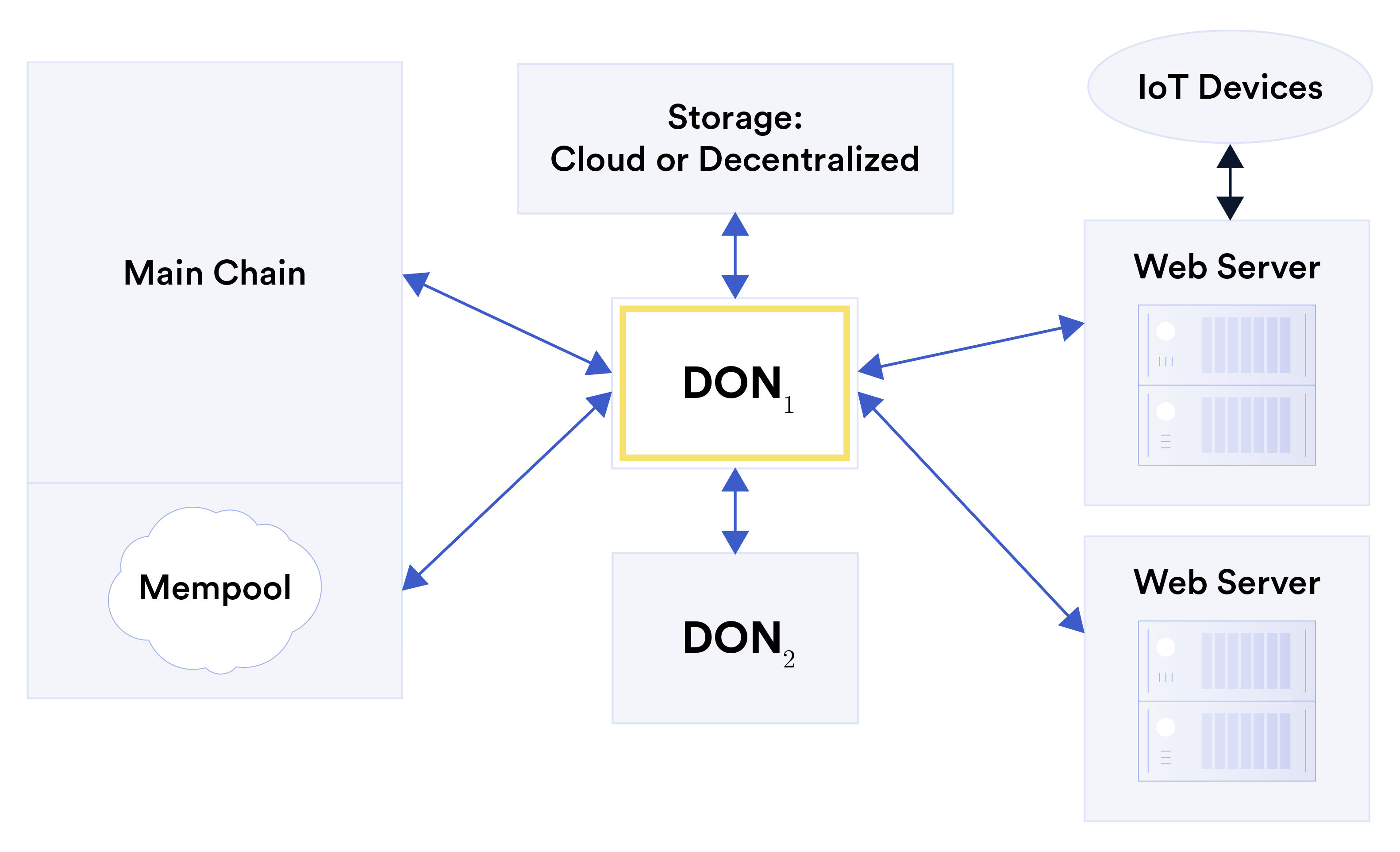
3.1 ネットワーキング アダプターは、DON 上で実行される実行可能ファイルが送信および送信できるインターフェイスです。 DON のシステムからデータを受信します。アダプターは、以下を一般化したものと見なすことができます。 Chainlink で現在 [20] で使用されているアダプター。アダプターは双方向である場合があります。 DON から Web サーバーにデータをプルするだけでなく、プッシュすることもできます。彼らはまた、活用するかもしれません 分散プロトコルと安全なマルチパーティなどの暗号化機能 計算。 図 9: DON1 で示される DON を、DON2 で示される別の DON、blockchain (メイン チェーン) およびそのリソースを含むさまざまなリソースに接続するアダプター mempool、外部ストレージ、Web サーバー、IoT デバイス (Web サーバー経由)。 アダプターが作成される可能性のある外部リソースの例が示されています。 図 9 には次のものが含まれます。 • ブロックチェーン: アダプターはトランザクションを blockchain に送信する方法を定義でき、 そこからブロック、個々のトランザクション、またはその他の状態を読み取る方法。アダプター blockchain のメモリプールに対して定義することもできます。 (セクション 3.5 を参照してください。) • Web サーバー: アダプターは、データを取得するための API を定義できます。 Web サーバー (特別に適応されていないレガシー システムを含む) から DON とのインターフェース。このようなアダプターには、データを送信するための API を含めることもできます。 そのようなサーバー。 DON が接続する Web サーバーはゲートウェイとして機能する可能性があります モノのインターネット (IoT) デバイスなどの追加リソースにアクセスします。• 外部ストレージ: アダプタはストレージの読み取りおよび書き込みメソッドを定義できます。 分散型ファイル システム [40、188] やクラウドなど、DON の外部のサービス 保管。 • その他の DON: アダプターは、DON 間でデータを取得および送信できます。 DONs の初期展開には一連の構成要素が含まれることを期待しています このような一般的に使用される外部リソース用のアダプターが追加され、DON 固有の DON ノードによって公開されるアダプター。 smart contract 開発者がアダプターを作成するとき 今日、私たちは彼らがこの高度な機能を使用してさらに強力なアダプターを構築することを期待しています。 機能性。 最終的にはユーザーが新しいアダプターを作成できるようになると期待しています。 許可のないやり方。 一部のアダプターは、DON によって制御される外部リソースの永続性と可用性を保証する方法で構築する必要があります。たとえば、クラウド ストレージでは、 クラウド サービス アカウントのメンテナンスが必要です。さらに、DON は次のことを実行できます。 ユーザーに代わって秘密鍵を分散管理する ([160] など) および/または 実行可能ファイル。その結果、DON は、ターゲット blockchain でトランザクションを送信するなどに使用できる、暗号通貨などのリソースを制御できます。 DON アダプターの詳細については付録 B.1 を参照してください。一部のアダプターについては付録 C を参照してください。 アダプターの例。 3.2 計算 実行可能ファイルは、DON 上のコードの基本単位です。実行可能ファイルは exec = のペアです。 (ロジック、初期化)。ここで、ロジックは指定されたエントリを多数持つ決定的なプログラムです。 ポイント (logic1、logic2、...、logicℓ) および init は対応するイニシエーターのセットです (init1、init2、...、inite)。 DON の完全な監査可能性を確保するには、実行可能ファイルのロジック すべての入力と出力に対して基礎となる元帳 L を使用します。したがって、たとえば、どのアダプターでも 実行可能ファイルへの入力として機能するデータは、最初に L に保存する必要があります。 イニシエーター: 現在、Chainlink のイニシエーターにより、イベントに依存したジョブが実行されます。 Chainlink ノード [21]。 DONs のイニシエーターは、ほぼ同じように機能します。ただし、DON イニシエーターは、具体的には実行可能ファイルに関連付けられます。イニシエーターは依存する可能性があります 外部のイベントまたは状態、現在の時刻、または DON 状態の述語に基づいて。 イベントに依存しているため、イニシエーターは当然ながら非決定的に動作する可能性があります。 (もちろんアダプターも同様です)。イニシエーターは個々の DON ノード内で実行できます したがって、アダプターに依存する必要はありません。 (以下の例 1 を参照してください。) イニシエーターは、実行可能ファイルと smart contract を区別する重要な機能です。 実行可能ファイルはイニシエーターに応答して実行できるため、効率的に動作できます。 もちろん、拡張により、実行可能ファイルを組み込んだハイブリッド コントラクトを自律的に実行できます。現在のイニシエーターの 1 つの形式は、トランザクションを提供する Chainlink キーパーです。oracle レポートに基づいて、smart contract 実行 (担保不足ローンの清算や指値注文取引の実行など) をトリガーする自動化サービス。 便利なことに、DONs のイニシエーターは、 実行可能ファイルに適用されるサービス契約。サービス契約は以下の状況を定義します。 DON はこれを呼び出す必要があります。 次の例は、実行可能ファイル内でイニシエーターがどのように動作するかを示しています。 例 1 (偏差によってトリガーされる価格フィード)。 smart contract SC には新しいものが必要な場合があります 価格フィードデータ (セクション 3.6.3 を参照) に大幅な変化 (例: 1%) があるときは常に 資産ペア間の為替レート(ETH-USD など)。ボラティリティに敏感な価格 フィードは現在 Chainlink でサポートされていますが、どのようにサポートできるかを確認することは有益です。 実行可能ファイル execfeed によって DON 上で実現されます。 実行可能ファイル execfeed は、L 上の最新の ETH-USD 価格 r を維持します。 ⟨NewPrice : j, r⟩entries のシーケンスの形式。j はインデックスで増分されます。 各価格の更新。 イニシエーター init1 により、各ノード Oi は現在の ETH-USD 価格を監視します。 インデックス j で最後に保存された価格 r から少なくとも 1% の偏差。次第 このような偏差を検出すると、Oi は新しい価格の現在のビュー ri を次のように L に書き込みます。 ⟨PriceView : i, j + 1, ri⟩ という形式のエントリ。 2 番目のイニシエーター init2 は、新しい価格を持つそのような PriceView エントリーが少なくとも k 個あるときに起動します。 個別のノードによって作成されたインデックス j + 1 の値が L に蓄積されます。その後、init2 エントリ ポイントのロジック 2 を呼び出して、最初の k 個の新鮮な有効なpriceview 値の中央値 ρ を計算し、新しい値 ⟨NewPrice : j + 1, ρ⟩ を L に書き込みます。 (運用上、ノードは 交代で指定作家となる場合があります。) 3 番目のイニシエーター init3 は、L 上の NewPrice エントリーを監視します。新しいレポートが作成されるたびに、 そこに ⟨NewPrice : j, r⟩ が表示され、(j, r) を SC にプッシュするエントリ ポイント ロジック 3 が呼び出されます。 アダプターを使用して。 すでに述べたように、実行可能ファイルの機能は smart contract と似ています。 ただし、パフォーマンスが高いことは別として、典型的なメインチェーン契約とは異なります。 2 つの重要な方法で: 1. 機密性: 実行可能ファイルは機密の計算を実行できます。つまり、秘密のプログラムが平文入力を処理したり、公開されたプログラムが処理したりできます。 秘密の入力データ、または両方の組み合わせ。単純なモデルでは、機密データは次のようになります。 DON ノードからアクセスできます。中間結果は隠蔽され、のみが公開されます。 処理およびサニタイズされた値を MAINCHAIN に送信します。 DON 自体から機密データを隠すことも可能です。 DON は、次のようなアプローチをサポートすることを目的としています。 マルチパーティ計算 ([42, 157] など)、および信頼できる実行環境として (TEE) [84, 133, 152, 229] この目的のために。6 6拡張により、DON ノードに関して実行可能ファイル自体を秘密にしておくことも可能です。 ただし、これは現在、TEE を使用する重要な実行可能ファイルに対してのみ実用的です。2. サポートの役割: 実行可能ファイルは、メインの smart contracts をサポートすることを目的としています。 交換するのではなく、チェーンに交換してください。実行可能ファイルにはいくつかの制限があります。 smart contract は次のことを行いません: (a) 信頼モデル: 実行可能ファイルは、 DON: 正しく実行されるかどうかは、O の誠実な行動に依存します。(メイン ただし、チェーンは DON 不正行為に対するガード レールを提供できます。 セクション 7.3 で説明します)。 (b) 資産アクセス: DON は blockchain のアカウントを制御できるため、 アダプターを介してその上の資産を制御します。しかし、DON は権限を与えることができません メインチェーン上で作成された資産 (例: Ether または ERC20 tokens) を表します。 彼らのネイティブチェーンは、彼らの所有権の信頼できる記録を維持します。 (c) ライフサイクル: DON は、次のように、限られたライフタイムで意図的に起動される場合があります。 DON と所有者との間のオンチェーン サービス レベル アグリーメントによって定義される 依存契約の。 対照的に、ブロックチェーンは次のように機能することを目的としています。 永久アーカイブシステム。 DON 計算の詳細については、付録 B.2 を参照してください。 3.3 ストレージ 委員会ベースのシステムとして、DON は適度な量のデータを永続的に保存できます L では、権限のない blockchain よりもはるかに低コストで利用できます。さらに、アダプターを介して、 DONs は、ファイルコイン [85] など、データ ストレージ用の外部分散システムを参照できます。 これにより、そのようなシステムを smart contract に接続できるようになります。このオプションは特に 蔓延する「肥大化」の問題に対処する手段として、大量のデータにとって魅力的です。 blockchain システム。 したがって、DON は、特定のサポートされているサービスで使用するためにデータをローカルまたは外部に保存できます。 DON はさらに、そのようなデータを機密性の高い方法で利用できます。 次のようなデータを計算します: (1) DON ノード間で秘密が共有されているか、または暗号化されている 安全なマルチパーティ計算に適した方法で DON ノードによって管理されるキー または部分的または完全な準同型暗号化。または (2) 信頼できる実行を使用して保護される 環境。 DONs は、 スマート コントラクト システム: 実行可能ファイルは、それ自体のメモリにのみ書き込むことができます。実行可能ファイル ただし、他の実行可能ファイルのメモリから読み取ることはできます。 DON ストレージの詳細については、付録 B.3 を参照してください。 3.4 トランザクション実行フレームワーク (TEF) DON は、メイン チェーン MAINCHAIN (または複数のメイン チェーン) でコントラクトをサポートすることを目的としています。トランザクション実行フレームワーク (TEF) について詳しく説明しますセクション 6 では、契約を効率的に実行するための汎用アプローチです。 MAINCHAIN および DON にわたる SC。 TEF は、FSS とレイヤー 2 をサポートすることを目的としています。 必要に応じて、テクノロジーを同時に利用できます。まさに主力車両として活躍しそうです FSS の使用のためです (そのため、このセクションでは FSS についてはこれ以上説明しません)。 簡単に言うと、TEF では、MAINCHAIN 用に設計または開発されたオリジナルのターゲット コントラクト SC ハイブリッド コントラクトにリファクタリングされます。このリファクタリングにより、2 つの相互運用性が生成されます。 ハイブリッド コントラクトの一部: 明確にするために参照する MAINCHAIN コントラクト SCa TEF のコンテキストではアンカー コントラクトとして、実行可能ファイルは DON 上で実行されます。の 契約SCaはユーザーの資産を保管し、権限のある状態遷移を実行し、また DON の障害に対するガード レール (セクション 7.3 を参照) を提供します。実行可能ファイル exec トランザクションをシーケンスし、それらに関連する oracle データを提供します。同梱可能です 有効性証明ベースの使用や、 楽観的なrollup、DONによる機密実行など。 開発者が契約を簡単に分割できるツールの開発を期待しています。 高級言語で MAINCHAIN および DON ロジックの部分に書かれた SC、SCa および それぞれ実行され、安全かつ効率的に構成されます。 TEF を使用して高パフォーマンスのトランザクション スキームと高パフォーマンスのトランザクション スキームを統合する oracles は、oracle スケーリング アプローチに不可欠です。 3.5 メンプールサービス サポート対象の DONs にデプロイする予定の重要なアプリケーション層機能 FSS および TEF は Mempool Services (MS) です。 MS はアダプターと見なすこともできますが、 ただし、一流のサポートが付いています。 MS は、レガシー互換のトランザクション処理のサポートを提供します。この用途では、MS ターゲットコントラクトを対象としたトランザクションをメインチェーンのメモリプールから取り込みます メインチェーン上の SC。その後、MS はこれらのトランザクションを DON 上の実行可能ファイルに渡します。 目的の方法で処理されます。 MS データは DON で使用できます DON から SC に直接渡すことができるトランザクションを作成する、または SC を呼び出す別のコントラクトに接続します。たとえば、DON はトランザクションを転送できます。 MS 経由で収集することも、MS データを使用して送信先のトランザクションのガス価格を設定することもできます メインチェーン。 MS はメモリプールを監視するため、SC と直接対話するユーザーからトランザクションを取得できます。したがって、ユーザーは引き続き次を使用してトランザクションを生成できます。 レガシー ソフトウェア、つまり MS および MS で構成されたアプリケーションの存在を認識しないアプリケーション 契約。 (この場合、元のトランザクションを無視するように SC を変更する必要があります。 二重処理を避けるために、MS によって処理されたもののみを受け入れます。) ターゲット契約 SC で使用する場合、MS は FSS および/または TEF で使用できます。3.6 ステッピング ストーン: 既存の Chainlink 機能 3.6.1 オフチェーンレポート (OCR) オフチェーン レポート (OCR) [60] は、oracle レポートの集約と依存コントラクト SC への送信のための Chainlink のメカニズムです。最近Chainlink価格で導入されました フィード ネットワークでは、完全な DON へのパスに沿った最初のステップを表します。 OCR の核心は、部分同期で動作するように設計された BFT プロトコルです。 ネットワーク。 f < n/3 の存在下での生存性と正確性を任意に保証します 障害のあるノードは、ビザンチンの信頼できるブロードキャストの特性を保証しますが、そうではありません。 完全な BFT コンセンサス プロトコル。ノードは次のようなメッセージ ログを維持しません。 すべてのビューで同一の台帳を表すという意味での一貫性。 そして、プロトコルのリーダーは、安全性を侵害することなく曖昧な発言をする可能性があります。 OCR は現在、特定のメッセージ タイプ、つまり中央値化されたメッセージ タイプ向けに設計されています。 (少なくとも 2f +1) の値が参加ノードによって報告されます。重要な保証を提供します。 SC に対して出力するレポートは、証明済みレポートと呼ばれます。 証明済みレポートの中央値 レポートは、2 つの正直なノードによってレポートされた値と等しいか、その間にあります。この物件は OCR の重要な安全条件。リーダーは中央値に何らかの影響を与える可能性がある ただし、この正当性条件のみが条件となります。 OCRできる さまざまな方法で値を集計するメッセージ タイプに拡張できます。 Chainlink ネットワークの稼働性と正確性の今日の目標では、 OCR が本格的なコンセンサス プロトコルであるためには、従来の BFT プロトコルには存在しないいくつかの追加形式の機能を提供するために OCR が必要です。特に注目すべきは次のとおりです。 1.オール・オア・ナッシングのオフチェーン・レポート・ブロードキャスト: OCRにより、証明されたレポートが確実に送信されます。 すべての正直なノードがすぐに利用できるようになるか、どのノードも利用できないようになります。これは公平性です 正直なノードが参加する機会を確実に得るのに役立つプロパティ 証明されたレポート送信において。 2. 信頼性の高い送信: OCR により、欠陥や悪意のあるデータが存在する場合でも確実に送信されます。 すべての OCR レポートとメッセージが特定のノード内で SC に送信されること、 事前定義された時間間隔。これは活性プロパティです。 3. 契約ベースの信頼の最小化: SC は、たとえば、報告された値が他の値と大きく異なる場合など、誤った可能性がある OCR 生成レポートを除外します。 最近受け取ったもの。これは、プロトコル外の正確性の強制の一種です。 これら 3 つのプロパティはすべて、DON で自然な役割を果たします。オール オアナッシング オフチェーン (DON) ブロードキャストは、暗号経済保証の重要な構成要素です 信頼性の高い伝送が重要であり、これがアダプターの重要な特性となります。信頼 セクション 7.3 で説明したように、SC の最小化は一種のガード レールです。 OCR は、Chainlink の oracle ネットワークにおける BFT プロトコルの運用展開と改良のための基盤も提供するため、前述したように、完全なネットワークへの道が提供されます。 DON の機能。3.6.2 DECOとタウンクライヤー DECO [234] と Town Crier [233] は、現在開発されている 2 つの関連テクノロジーです。 Chainlink ネットワークで開発されました。 現在、ほとんどの Web サーバーでは、ユーザーはプロトコルを使用して安全なチャネル経由で接続できます。 Transport Layer Security (TLS) [94] と呼ばれます。 (HTTPS は、HTTP のバリアントを示します。 TLS が有効になっています。つまり、「https」という接頭辞が付いている URL は、セキュリティのために TLS を使用していることを示します。) ただし、ほとんどの TLS 対応サーバーには、デジタル署名が行われないという顕著な制限があります。 データ。したがって、ユーザーまたは証明者はサーバーから受け取ったデータを提示できません。 oracle や smart contract などの第三者または検証者に、 データの信頼性。 たとえサーバーがデータにデジタル署名したとしても、機密性の問題が残ります。証明者は、機密データを提出する前に編集または変更したい場合があります。 検証者。ただし、デジタル署名は、変更されたデータを無効にするために特別に設計されています。したがって、証明者が機密保持のための変更を行うのを防ぎます。 データに。 (詳細については、セクション 7.1 を参照してください。) DECO と Town Crier は、証明者が Web からデータを取得できるように設計されています。 サーバーに保存し、完全性と機密性が保証される方法で検証者に提示します。 2 つのシステムは、提供されるデータが確実に保持されるという意味で整合性を維持します。 証明者から検証者への送信は、ターゲット サーバーから確実に発信されます。彼らはサポートします 証明者がデータを編集または変更できるようにするという意味での機密性(まだ 完全性の維持)。 両方のシステムの主な特徴は、システムを変更する必要がないことです。 ターゲットWebサーバー。これらは、既存の TLS 対応サーバーであればどれでも動作できます。実際、 それらはサーバーに対して透過的です。サーバーの観点から見ると、証明者は次のようになります。 通常の接続を確立します。 2 つのシステムは同様の目標を持っていますが、ここで簡単に説明するように、信頼モデルと実装が異なります。 DECO は、暗号化プロトコルを基本的に利用して完全性を実現します そして機密性のプロパティ。 DECO を使用してターゲット サーバーとのセッションを確立している間、証明者は同時に、ターゲット サーバーとの対話型プロトコルを実行します。 検証者。このプロトコルにより、証明者は、自分が受け取ったものを検証者に証明することができます。 現在のセッション中にサーバーからの特定のデータ D 。証明者は次のことを行うことができます 代わりに、D の何らかのプロパティのゼロ知識証明を検証者に提示します。 したがって、D を直接明らかにすることはありません。 DECO の一般的な使用法では、ユーザーまたは単一ノードがプライベート データベースからデータ D をエクスポートできます。 DON 内のすべてのノードに対する Web サーバーとのセッション。その結果、完全な DON は、 D (またはゼロ知識証明によって D から導出された事実) の信頼性を証明します。 この文書で後ほど説明するサンプル アプリケーションに加えて、この機能は次のようにすることができます。 DON によるデータ ソースへの高整合性アクセスを増幅するために使用されます。ノードが 1 つだけであっても たとえば、との排他的取り決めにより、データ ソースに直接アクセスできます。 データプロバイダー - DON 全体がデータの正確さを証明することが可能です。そのノードによって発行されたレポート。 Town Crier は、Intel などの信頼できる実行環境 (TEE) の使用に依存しています。 SGX。簡単に言うと、TEE はアプリケーションを実行する一種のブラック ボックスとして機能します。 改ざん防止と機密性の高い方法。原則として、ホストの所有者であっても、 実行中の TEE は、TEE で保護されたアプリケーションを (検出されずに) 変更することも、 アプリケーションの状態を表示します。これには機密データが含まれる場合があります。 タウンクライエはDECOの機能をすべて実現し、それ以上の機能を実現できます。 DECO は、証明者を単一の検証者と対話するように制限します。対照的に、Town Crier では、 ターゲットサーバーから取得したデータDに対して公的に検証可能な証明を生成する証明者、 つまり、smart contract であっても、誰でも直接検証できるという証拠です。タウンクライヤー缶 また、シークレット (ユーザー認証情報など) を安全に取り込んで利用します。 Town Crier の主な制限は、TEE への依存です。プロダクション TEE には、 このテクノロジーはまだ初期段階にあり、間違いなく成熟するでしょうが、最近、多くの深刻な脆弱性があることが判明しました。詳細については、付録 B.2.1 および B.2.2 を参照してください。 TEE についてさらに詳しく説明します。 DECO と Town Crier のいくつかのアプリケーション例については、セクション 4.3、4.5 を参照してください。 9.4.3 および付録 C.1。 3.6.3 既存のオンチェーン Chainlink サービス Chainlink oracle ネットワークは、多数の主要なサービスを提供します。 blockchains やその他の今日の分散システム。 説明どおりのさらなる進化 このホワイトペーパーでは、これらの既存のサービスに追加の機能を与え、 届く。 3 つの例は次のとおりです。 データフィード: 現在、smart contract に依存している Chainlink ユーザーの大多数は、 データフィードの使用。これらは、主要なデータ部分の現在の値に関するレポートです。 信頼できるオフチェーンの情報源に送信します。たとえば、価格フィードは価格を報告するフィードです。 によると、仮想通貨、コモディティ、外国為替、インデックス、株式などの資産の 交換またはデータ集約サービス。このようなフィードは今日すでに数十億ドルの安全を確保するのに役立っています Aave [147] や シンセティクス [208]。 Chainlink データ フィードの他の例には、次のような気象データが含まれます。 パラメトリック作物保険 [75] や選挙データ [93] など。 このペーパーで説明されている DON およびその他のテクノロジーの展開により、Chainlink ネットワークでのデータ フィードの提供が次のようなさまざまな方法で強化されます。 • スケーリング: OCR とその後の DON は、Chainlink サービスのスケーリングを可能にすることを目的としています。 サポートする多くの blockchain にわたって劇的に効果的です。たとえば、私たちが期待しているのは、 DONs は、ノードによって提供されるデータ フィードの数を増やすのに役立ちます。 Chainlink 100 年代から 1000 年代、そしてそれ以上まで。このようなスケーリングは、Chainlink に役立ちます。 エコシステムは、smart contract に関連するデータを包括的に提供し、既存および将来のニーズを満たし、予測するという目標を達成します。• セキュリティの強化: 中間レポートを保存することで、DONs は記録を保持します。 ノードの動作を正確に監視し、そのパフォーマンスと精度を測定することで、レピュテーション システムの強力な経験的根拠を実現します。 Chainlink ノードの場合。 FSS と TEF により、価格フィードの組み込みが可能になります フロントランニングなどの攻撃を防ぐ柔軟な方法でトランザクション データを使用します。 (明示的) staking は、既存の暗号経済的なセキュリティ保護を強化します。 データフィードの。 • フィードの俊敏性: blockchain に依存しないシステム (実際、より広義には消費者に依存しないシステム) として、DON は複数の組織へのデータ フィードのプロビジョニングを容易にします。 依存するシステムの。単一の DON は、指定されたフィードを同時にセットにプッシュできます さまざまな blockchain を使用できるため、チェーンごとの oracle ネットワークが不要になり、 新しい blockchain および追加のフィードの既存のフィードの迅速なデプロイメントを可能にします。 現在サービスされている blockchain にわたるフィード。 • 機密性: DON で一般化された計算を実行できる機能により、機密データの計算をオフチェーンで実行できるようになり、オンチェーンを回避できます。 露出。 また、DECOやタウンクライエを利用することで、 機密性がさらに強化され、非公開データに基づいたレポート生成が可能になります。 DON ノードにも公開されます。例については、セクション 4.3 およびセクション 4.5 を参照してください。 検証可能なランダム関数 (VRF): いくつかの種類の DApp は、自身の公正な動作を検証できるように、検証可能な正しいランダム性ソースを必要とします。 代替不可能なトークン (NFTs) がその例です。 Aavegotchi [23] および Axie Innity [35] の NFT フィーチャーの希少性は、分布と同様に Chainlink VRF によって決まります。 Ether カード [102] のチケットベースの描画による NFT 件。多種多様な 結果がランダム化されるゲーム DApps。および非伝統的な金融商品、たとえば、PoolTogether [89] などの損失のない貯蓄ゲームなど、 ランダムな勝者。他のblockchainおよびblockchain以外のアプリケーションも安全なセキュリティを必要とします 分散システム委員会の選択や、 宝くじの実施。 ブロック hashes は予測不可能なランダム性のソースとして機能する可能性がありますが、敵対的なマイナーによる操作に対して脆弱です (また、ある程度はユーザーの送信による操作に対しても脆弱です) トランザクション)。 Chainlink VRF [78] は、より安全な代替手段を提供します。アン oracle には、秘密鍵と公開鍵のペア (sk、pk) が関連付けられており、その秘密鍵はオフチェーンで維持され、公開鍵 pk は公開されます。ランダムな値を出力するには、 依存コントラクト (ブロック hash など) によって提供される予測不可能なシード x に sk を適用します。 および DApp 固有のパラメーター)関数 F を使用して、y = Fsk(x) と、 正しさの証明。 (Chainlink で利用可能な VRF については、[180] を参照してください。) VRF が検証可能であるということは、pk の知識があれば、証明の正しさ、したがって y の正しさをチェックできるという事実です。したがって、値 y は、ユーザーにとって予測不可能です。 x を予測したり、sk を学習したりすることができず、サービスが操作することは不可能な敵対者。Chainlink VRF は、オフチェーンの秘密キーの管理を伴うアプリケーション ファミリの 1 つにすぎないとみなされる場合があります。より一般的には、DON は安全なセキュリティを提供します。 アプリケーションおよび/またはユーザーの個別のキーの分散ストレージ、およびそれらの組み合わせ この機能は一般化された計算で実現されます。その結果、多数のアプリケーションが作成されます。 このホワイトペーパーでは、Proof of of のためのキー管理を含むいくつかの例を示します。 リザーブ (セクション 4.1 を参照) およびユーザーの分散型認証情報 (およびその他のデジタル情報) 資産) (セクション 4.3 を参照)。 キーパー: Chainlink Keepers [87] により、開発者は分散型のコードを作成できます オフチェーン ジョブの実行。通常は依存する smart contract の実行をトリガーします。 Keepers が登場する前は、開発者がこのようなオフチェーンを運用するのが一般的でした。 ロジックそのものが原因で、集中的な障害点が発生します (また、かなりの重複した開発作業も発生します)。キーパーは代わりに、使いやすいフレームワークを提供します。 これらの業務の分散型アウトソーシングにより、開発サイクルの短縮と 生存性およびその他のセキュリティ特性の強力な保証。キーパーは何でもサポートできます 価格に応じたローンの清算や、 金融取引の実行、時間に応じたエアドロップまたは支払いの開始 収量収穫を伴うシステムなど。 DON フレームワークでは、イニシエーターは、さまざまな意味でキーパーを一般化したものと見なすことができます。イニシエータはアダプタを利用することができるため、 オンチェーンおよびオフチェーン システムへのインターフェイスのモジュール化されたライブラリにより、迅速な 安全で洗練された機能の開発。イニシエーターは計算を開始します 実行可能ファイル自体が DON の完全な多用途性を提供し、幅広い機能を可能にします。 このホワイトペーパーでは、オンチェーンおよびオフチェーンのアプリケーション向けにさまざまな分散サービスを紹介します。 3.6.4 ノードの評判/パフォーマンス履歴 既存の Chainlink エコシステムは、パフォーマンス履歴をネイティブに文書化します。 チェーン上のノードに貢献します。この機能により、個人のパフォーマンス データを取り込み、フィルタリングし、視覚化する評判指向のリソースのコレクションが誕生しました。 ノードオペレーターとデータフィード。ユーザーはこれらのリソースを参照して情報を得ることができます ノードの選択における決定と、既存のネットワークの運用の監視を行います。 同様の機能は、ユーザーが DON を選択するのに役立ちます。 たとえば、今日のmarket.linkなどのパーミッションレスマーケットプレイスでは、ノードが許可されています。 オペレータは、oracle サービスをリストし、オフチェーン ID を証明します。 Keybase [4] などのサービス。Chainlink のノードのプロファイルをそのノードにバインドします。 所有者の既存のドメイン名とソーシャルメディアアカウント。さらに、パフォーマンス マーケット.リンクやレピュテーション.リンクで入手可能な分析ツールなどを使用すると、 ユーザーは、個々のノードの履歴パフォーマンスに関する統計を表示できます。 平均応答待ち時間、コンセンサス値からのレポートの値の偏差 チェーンで中継され、生み出された収益、達成された仕事など。これらの分析ツールも ユーザーが他のユーザーによるさまざまな oracle ネットワークの採用を追跡できるようにします。このようなネットワークを保護するノードの暗黙の承認。その結果、平坦な「ウェブ」が形成されます。 「信頼」。特定のノードを使用することで、高価値の分散アプリケーションが 他のユーザーがそれを観察して考慮に入れることができる、それらのノードに対する信頼のシグナル。 独自のノード選択決定。 DONs (および最初は OCR) により、トランザクション処理が変化し、 契約アクティビティは、より一般的にはオフチェーンです。レコーディングノードの分散モデル DON 自体の内部でもパフォーマンスは引き続き可能です。まさに、高性能 DONs のデータ容量により、きめ細かいレコードの構築が可能になります。 これらのレコードに対して分散計算を実行し、レピュテーション サービスで使用したりチェックポイントを作成したりできる信頼できる概要を生成します。 メインチェーン。 原理的には、大部分のノードが破損している場合、DON が構成ノードの動作を誤って表現する可能性がありますが、集合的な オンチェーン データの配信における DON 自体のパフォーマンスは MAINCHAIN で確認できます したがって、誤って伝えることはできません。さらに、 DON でノードの動作に関する正確な内部レポートを奨励します。たとえば、貢献するデータを最も早く返す高性能ノードのサブセットを報告することによって、 チェーン上で中継されるレポートに対して、DON はノードが不正な内容に異議を唱えるインセンティブを生み出します。 レポート: このサブセットにノードが誤って含まれているということは、ノードが誤って除外されていることを意味します これは含まれるべきであったため、無効に罰せられるべきでした。 DON によるレポートの失敗が繰り返されると、誠実なノードがそのシステムから離脱するインセンティブも生成されます。 DON。 正確なパフォーマンス履歴とその結果の分散型編集 ユーザーが高性能ノードを特定し、ノードオペレーターが構築できる能力 評判は、Chainlink エコシステムの重要な特徴です。 私たち セクション 9 で、これらを厳密な分析の重要な部分としてどのように推論できるかを示します。 DONs によって提供される経済的安全性の広範なビュー。
Oracle Network Interface แบบกระจายอำนาจและ Ca-
ความพิการ ที่นี่เราสรุปสั้นๆ เกี่ยวกับความสามารถของ DONs ในแง่ของความเรียบง่ายแต่ทรงพลัง อินเทอร์เฟซที่พวกเขาได้รับการออกแบบมาให้ตระหนัก แอปพลิเคชันบน DON ประกอบด้วยโปรแกรมปฏิบัติการและอะแดปเตอร์ ปฏิบัติการได้คือ โปรแกรมที่มีตรรกะหลักเป็นโปรแกรมที่กำหนดขึ้น คล้ายคลึงกับ smart contract โปรแกรมเรียกทำงานยังมีตัวริเริ่มที่มาพร้อมกันจำนวนหนึ่ง ซึ่งเป็นโปรแกรมที่เรียกใช้รายการ ชี้ให้เห็นในตรรกะของปฏิบัติการเมื่อเกิดเหตุการณ์ที่กำหนดไว้ล่วงหน้า เช่น ในบางช่วงเวลา (เช่นงาน cron) เมื่อราคาเกินเกณฑ์ ฯลฯ—เหมือนกับ Keepers (ดูหัวข้อ 3.6.3) อะแดปเตอร์จัดเตรียมอินเทอร์เฟซให้กับทรัพยากรนอกสายโซ่และอาจถูกเรียกโดย ตัวเริ่มต้นหรือตรรกะหลักในโปรแกรมเรียกทำงาน เนื่องจากพฤติกรรมของพวกเขาอาจขึ้นอยู่กับสิ่งนั้น ของทรัพยากรภายนอก ตัวเริ่มต้น และอะแดปเตอร์อาจทำงานโดยไม่ได้กำหนดไว้ เราอธิบายอินเทอร์เฟซสำหรับนักพัฒนา DON และการทำงานของโปรแกรมปฏิบัติการและ อะแดปเตอร์ในแง่ของทรัพยากรทั้งสามที่โดยทั่วไปใช้เพื่อกำหนดลักษณะระบบคอมพิวเตอร์: เครือข่าย การคำนวณ และพื้นที่เก็บข้อมูล เราให้ภาพรวมโดยย่อของแต่ละสิ่งเหล่านี้ แหล่งข้อมูลด้านล่างและให้รายละเอียดเพิ่มเติมในภาคผนวก B
3.1 เครือข่าย อะแดปเตอร์คืออินเทอร์เฟซที่โปรแกรมปฏิบัติการที่ทำงานบน DON สามารถส่งและ รับข้อมูลจากระบบ offf-DON อะแดปเตอร์อาจถูกมองว่าเป็นลักษณะทั่วไปของ อะแดปเตอร์ที่ใช้ใน Chainlink วันนี้ [20] อะแดปเตอร์อาจเป็นแบบสองทิศทาง—กล่าวคือ ไม่สามารถดึงได้ แต่ส่งข้อมูลจาก DON ไปยังเว็บเซิร์ฟเวอร์ พวกเขายังสามารถใช้ประโยชน์ได้ โปรโตคอลแบบกระจายรวมถึงฟังก์ชันการเข้ารหัสเช่นหลายฝ่ายที่ปลอดภัย การคำนวณ รูปที่ 9: อะแดปเตอร์ที่เชื่อมต่อ DON ซึ่งแสดงด้วย DON1 พร้อมด้วยทรัพยากรที่แตกต่างกันจำนวนหนึ่ง รวมถึง DON อื่น ซึ่งแสดงด้วย DON2, blockchain (สายหลัก) และ mempool, ที่จัดเก็บข้อมูลภายนอก, เว็บเซิร์ฟเวอร์ และอุปกรณ์ IoT (ผ่านเว็บเซิร์ฟเวอร์) ตัวอย่างของรีซอร์สภายนอกที่อาจสร้างอะแด็ปเตอร์จะแสดงขึ้น ในรูปที่ 9 ประกอบด้วย: • Blockchains: อะแดปเตอร์สามารถกำหนดวิธีการส่งธุรกรรมไปยัง blockchain และ วิธีอ่านบล็อก ธุรกรรมแต่ละรายการ หรือสถานะอื่น ๆ จากบล็อกนั้น อะแดปเตอร์ ยังสามารถกำหนดสำหรับ mempool ของ blockchain ได้ (ดูหัวข้อ 3.5) • เว็บเซิร์ฟเวอร์: อะแดปเตอร์สามารถกำหนด API ที่อาจดึงข้อมูลได้ จากเว็บเซิร์ฟเวอร์รวมถึงระบบเดิมที่ไม่ได้ดัดแปลงเป็นพิเศษ กำลังเชื่อมต่อกับ DONs อะแดปเตอร์ดังกล่าวยังสามารถรวม API เพื่อส่งข้อมูลไปได้ เซิร์ฟเวอร์ดังกล่าว เว็บเซิร์ฟเวอร์ที่ DON เชื่อมต่ออาจทำหน้าที่เป็นเกตเวย์ ไปยังแหล่งข้อมูลเพิ่มเติม เช่น อุปกรณ์อินเทอร์เน็ตออฟธิงส์ (IoT)• ที่จัดเก็บข้อมูลภายนอก: อะแดปเตอร์สามารถกำหนดวิธีการอ่านและเขียนไปยังที่จัดเก็บข้อมูลได้ บริการภายนอก DON เช่น ระบบไฟล์แบบกระจายอำนาจ [40, 188] หรือระบบคลาวด์ การจัดเก็บ • DONs อื่นๆ: อะแดปเตอร์สามารถดึงและส่งข้อมูลระหว่าง DONs เราคาดหวังว่าการปรับใช้งานเบื้องต้นของ DONs จะรวมชุดของ Building Block ไว้ด้วย อะแดปเตอร์สำหรับทรัพยากรภายนอกที่ใช้กันทั่วไปดังกล่าว และจะอนุญาต DON-เฉพาะเพิ่มเติม อะแดปเตอร์ที่จะเผยแพร่โดยโหนด DON ในฐานะนักพัฒนา smart contract เขียนอะแดปเตอร์ วันนี้เราคาดหวังว่าพวกเขาจะสร้างอะแดปเตอร์ที่ทรงพลังยิ่งขึ้นโดยใช้ขั้นสูงนี้ ฟังก์ชั่น เราคาดหวังว่าท้ายที่สุดแล้วจะเป็นไปได้สำหรับผู้ใช้ในการสร้างอะแดปเตอร์ใหม่ใน ในลักษณะไม่ได้รับอนุญาต อะแด็ปเตอร์บางตัวต้องถูกสร้างขึ้นในลักษณะที่ช่วยให้มั่นใจถึงความคงอยู่และความพร้อมใช้งานของทรัพยากรภายนอกที่ควบคุมโดย DON ตัวอย่างเช่นที่เก็บข้อมูลบนคลาวด์อาจ ต้องการการบำรุงรักษาบัญชีบริการคลาวด์ นอกจากนี้ DON สามารถทำงานได้ การจัดการคีย์ส่วนตัวแบบกระจายอำนาจในนามของผู้ใช้ (เช่นใน เช่น [160]) และ/หรือ ปฏิบัติการ ด้วยเหตุนี้ DON จึงสามารถควบคุมทรัพยากร เช่น สกุลเงินดิจิทัล ที่อาจนำไปใช้ เช่น เพื่อส่งธุรกรรมไปยังเป้าหมาย blockchain ดูภาคผนวก B.1 สำหรับรายละเอียดเพิ่มเติมเกี่ยวกับอะแดปเตอร์ DON เช่นเดียวกับภาคผนวก C บางส่วน ตัวอย่างอะแดปเตอร์ 3.2 การคำนวณ โปรแกรมปฏิบัติการคือหน่วยพื้นฐานของโค้ดบน DON ไฟล์ปฏิบัติการคือคู่ exec = (ตรรกะ เริ่มต้น) ในที่นี้ ตรรกะคือโปรแกรมที่กำหนดขึ้นซึ่งมีรายการที่กำหนดจำนวนหนึ่ง จุด (logic1, logic2, . . . , logicel) และ init เป็นชุดของตัวเริ่มต้นที่สอดคล้องกัน (init1, init2, . . , inite) เพื่อให้แน่ใจว่า DON สามารถตรวจสอบได้อย่างสมบูรณ์ ซึ่งเป็นตรรกะของปฏิบัติการ ใช้บัญชีแยกประเภท L สำหรับอินพุตและเอาต์พุตทั้งหมด ตัวอย่างเช่นอะแดปเตอร์ใดๆ ข้อมูลที่ทำหน้าที่เป็นอินพุตไปยังปฏิบัติการจะต้องถูกเก็บไว้ก่อนบน L ผู้ริเริ่ม: ผู้ริเริ่มใน Chainlink ในวันนี้ทำให้การดำเนินการตามเหตุการณ์เปิดขึ้น Chainlink โหนด [21] ตัวเริ่มต้นใน DONs ทำงานในลักษณะเดียวกันมาก อย่างไรก็ตาม ตัวเริ่มต้น DON มีความเกี่ยวข้องเป็นพิเศษกับไฟล์เรียกทำงาน ผู้ริเริ่มอาจขึ้นอยู่กับ ในเหตุการณ์หรือสถานะภายนอก ในเวลาปัจจุบัน หรือบนเพรดิเคตในสถานะ DON ด้วยความที่ต้องพึ่งพาเหตุการณ์ ผู้ริเริ่มอาจมีพฤติกรรมที่ไม่ได้กำหนดไว้แน่นอน (แน่นอนว่าอาจเป็นอะแดปเตอร์) ผู้ริเริ่มสามารถดำเนินการภายในแต่ละโหนด DON ดังนั้นจึงไม่จำเป็นต้องพึ่งอะแดปเตอร์ (ดูตัวอย่างที่ 1 ด้านล่าง) ตัวเริ่มต้นเป็นคุณลักษณะที่สำคัญที่ทำให้ไฟล์ปฏิบัติการแตกต่างจาก smart contracts เนื่องจากไฟล์เรียกทำงานสามารถรันเพื่อตอบสนองต่อตัวเริ่มต้น จึงสามารถดำเนินการได้อย่างมีประสิทธิภาพ โดยอัตโนมัติ โดยการขยายสัญญาแบบไฮบริดที่รวมเอาปฏิบัติการเข้าด้วยกันได้ รูปแบบหนึ่งของผู้ริเริ่มในปัจจุบันคือ Chainlink Keepers ซึ่งทำธุรกรรมบริการอัตโนมัติที่กระตุ้นให้เกิดการดำเนินการ smart contract เช่น การชำระบัญชีเงินกู้ที่มีหลักประกันต่ำ และการดำเนินการซื้อขายแบบจำกัดคำสั่ง โดยอิงจากรายงาน oracle เพื่อความสะดวก ผู้ริเริ่มใน DONs อาจถูกมองว่าเป็นวิธีการระบุ ข้อตกลงการบริการที่ใช้บังคับกับปฏิบัติการตามที่ได้กำหนดสถานการณ์ภายใต้ ซึ่ง DON ต้องเรียกมัน ตัวอย่างต่อไปนี้แสดงให้เห็นว่า Initiator ทำงานอย่างไรภายในไฟล์เรียกทำงาน: ตัวอย่างที่ 1 (ฟีดราคาที่กระตุ้นการเบี่ยงเบน) smart contract SC อาจต้องการความสด ข้อมูลราคาฟีด (ดูหัวข้อ 3.6.3) เมื่อใดก็ตามที่มีการเปลี่ยนแปลงที่สำคัญ เช่น 1% ใน อัตราแลกเปลี่ยนระหว่างคู่สินทรัพย์ เช่น ETH-USD ราคาที่ไวต่อความผันผวน ฟีดได้รับการสนับสนุนใน Chainlink วันนี้ แต่แนะนำให้ดูว่าจะเป็นอย่างไร รับรู้บน DON โดยใช้ execfeed ที่ปฏิบัติการได้ execfeed ที่ปฏิบัติการได้จะรักษาราคา ETH-USD ล่าสุด r บน L ในรูปแบบ รูปแบบของลำดับของ ⟨NewPrice : j, r⟩entries โดยที่ j คือดัชนีที่เพิ่มขึ้นด้วย อัพเดทราคาแต่ละครั้ง Initiator init1 ทำให้แต่ละโหนด Oi ตรวจสอบราคา ETH-USD ปัจจุบัน ส่วนเบี่ยงเบนอย่างน้อย 1% จากราคาที่เก็บไว้ล่าสุด r พร้อมดัชนี j เมื่อ เมื่อตรวจพบความเบี่ยงเบนดังกล่าว Oi จะเขียนมุมมองปัจจุบันของราคาใหม่ให้ L ใช้ รายการของแบบฟอร์ม ⟨PriceView : i, j + 1, ri⟩ ผู้ริเริ่มคนที่สอง init2 เริ่มทำงานเมื่อรายการ PriceView ดังกล่าวอย่างน้อย k รายการมีราคาใหม่ ค่าสำหรับดัชนี j + 1 ที่สร้างขึ้นโดยโหนดที่แตกต่างกันได้สะสมอยู่บน L จากนั้น init2 เรียกใช้ตรรกะจุดเข้าใช้งาน2 เพื่อคำนวณค่ามัธยฐาน ρ ของ k แรกสด ค่าการดูราคาที่ถูกต้อง และเขียนค่าใหม่ ⟨NewPrice : j + 1, ρ⟩to L (ในทางปฏิบัติโหนด อาจผลัดกันเป็นนักเขียนได้) ผู้ริเริ่มคนที่สาม init3 เฝ้าดูรายการ NewPrice บน L เมื่อใดก็ตามที่มีรายงานใหม่ ⟨ราคาใหม่ : j, r⟩ปรากฏขึ้นตรงนั้น โดยเรียกใช้ตรรกะจุดเริ่มต้น 3 ที่ผลัก (j, r) ไปที่ SC โดยใช้อะแดปเตอร์ ดังที่เราได้กล่าวไปแล้ว ความสามารถในการเรียกทำงานมีความคล้ายคลึงกับ smart contract นอกเหนือจากประสิทธิภาพที่สูงขึ้นแล้ว ยังแตกต่างจากสัญญาลูกโซ่หลักทั่วไปอีกด้วย ด้วยสองวิธีที่สำคัญ: 1. การรักษาความลับ: โปรแกรมปฏิบัติการสามารถทำการคำนวณที่เป็นความลับ เช่น โปรแกรมลับอาจประมวลผลอินพุตข้อความธรรมดา หรือโปรแกรมที่เผยแพร่อาจประมวลผล ข้อมูลอินพุตที่เป็นความลับหรือทั้งสองอย่างรวมกัน ในรูปแบบที่เรียบง่าย ข้อมูลลับสามารถทำได้ เข้าถึงได้โดยโหนด DON ซึ่งปกปิดผลลัพธ์ระดับกลางและเปิดเผยเท่านั้น ประมวลผลและฆ่าเชื้อค่าให้กับ MAINCHAIN นอกจากนี้ยังสามารถปกปิดข้อมูลที่ละเอียดอ่อนจาก DONs ได้ด้วย: DONs มีไว้เพื่อสนับสนุนแนวทางดังกล่าว เป็นการคำนวณแบบหลายฝ่าย เช่น [42, 157] และสภาพแวดล้อมการดำเนินการที่เชื่อถือได้ (TEE) [84, 133, 152, 229] เพื่อจุดประสงค์นี้6 6โดยการขยาย การรักษาปฏิบัติการให้เป็นความลับในส่วนที่เกี่ยวกับโหนด DON ก็เป็นไปได้เช่นกัน แม้ว่านี่จะใช้งานได้จริงในปัจจุบันเท่านั้นสำหรับโปรแกรมปฏิบัติการที่ไม่สำคัญโดยใช้ TEE2. บทบาทสนับสนุน: ไฟล์ปฏิบัติการมีไว้เพื่อรองรับ smart contracts บนระบบปฏิบัติการหลัก โซ่แทนที่จะแทนที่พวกเขา ปฏิบัติการมีข้อจำกัดหลายประการที่ smart contract ไม่: (ก) โมเดลความน่าเชื่อถือ: ปฏิบัติการดำเนินการภายในโมเดลความน่าเชื่อถือที่กำหนดโดย DON: การดำเนินการที่ถูกต้องขึ้นอยู่กับพฤติกรรมที่ซื่อสัตย์ของ O. (A main อย่างไรก็ตาม chain สามารถจัดเตรียมรางป้องกันบางส่วนจาก DON การทำงานผิดพลาดได้ เนื่องจาก กล่าวถึงในมาตรา 7.3) (b) การเข้าถึงสินทรัพย์: A DON สามารถควบคุมบัญชีใน blockchain—และด้วยเหตุนี้ ควบคุมทรัพย์สินผ่านอะแดปเตอร์ แต่ DON ไม่สามารถเชื่อถือได้ เป็นตัวแทนของสินทรัพย์ที่สร้างขึ้นบนเชนหลัก เช่น Ether หรือ ERC20 tokens เนื่องจาก เครือข่ายท้องถิ่นของพวกเขาจะรักษาบันทึกที่เชื่อถือได้ของการเป็นเจ้าของ (c) วงจรชีวิต: DONs อาจถูกตั้งขึ้นโดยเจตนาโดยมีอายุการใช้งานที่จำกัด เนื่องจาก กำหนดโดยข้อตกลงระดับการให้บริการออนไลน์ระหว่าง DONs และเจ้าของ ของการพึ่งพาสัญญา ในทางตรงกันข้าม Blockchains มีไว้เพื่อทำหน้าที่เป็น ระบบเอกสารถาวร ดูภาคผนวก B.2 สำหรับรายละเอียดเพิ่มเติมเกี่ยวกับการคำนวณ DON 3.3 ที่เก็บของ ในฐานะระบบที่อิงตามคณะกรรมการ DON สามารถจัดเก็บข้อมูลจำนวนปานกลางได้อย่างถาวร บน L ในราคาที่ต่ำกว่า blockchain ที่ไม่ได้รับอนุญาตมาก นอกจากนี้ ผ่านอะแดปเตอร์ DONs สามารถอ้างอิงระบบกระจายอำนาจภายนอกสำหรับการจัดเก็บข้อมูล เช่น Filecoin [85], และสามารถเชื่อมต่อระบบดังกล่าวกับ smart contracts ได้ ตัวเลือกนี้เป็นพิเศษ น่าสนใจสำหรับข้อมูลจำนวนมากซึ่งเป็นวิธีการแก้ไขปัญหาที่แพร่หลายของ "การขยายตัว" blockchain ระบบ DONs จึงสามารถจัดเก็บข้อมูลไว้ภายในหรือภายนอกเพื่อใช้ในบริการที่รองรับโดยเฉพาะ DON สามารถใช้ข้อมูลดังกล่าวเพิ่มเติมในลักษณะที่เป็นความลับ การประมวลผลข้อมูลที่: (1) แบ่งปันความลับผ่านโหนด DON หรือเข้ารหัสภายใต้ คีย์ที่จัดการโดยโหนด DON ด้วยวิธีที่เหมาะสมสำหรับการคำนวณแบบหลายฝ่ายอย่างปลอดภัย หรือการเข้ารหัสแบบโฮโมมอร์ฟิกบางส่วนหรือทั้งหมด หรือ (2) ป้องกันโดยใช้การดำเนินการที่เชื่อถือได้ สิ่งแวดล้อม เราคาดหวังว่า DONs จะนำโมเดลการจัดการหน่วยความจำแบบธรรมดามาใช้ ระบบสัญญาอัจฉริยะ: โปรแกรมปฏิบัติการอาจเขียนลงในหน่วยความจำของตัวเองเท่านั้น ปฏิบัติการได้ อย่างไรก็ตามอาจอ่านจากหน่วยความจำของไฟล์ปฏิบัติการอื่น ๆ ดูภาคผนวก B.3 สำหรับรายละเอียดเพิ่มเติมเกี่ยวกับพื้นที่จัดเก็บ DON 3.4 กรอบการดำเนินการธุรกรรม (TEF) DONs มีวัตถุประสงค์เพื่อรองรับสัญญาบน MAINCHAIN สายหลัก (หรือบนหลายสายหลัก) กรอบการดำเนินการธุรกรรม (TEF) มีการอภิปรายโดยละเอียดในส่วนที่ 6 เป็นแนวทางที่มีจุดประสงค์ทั่วไปในการดำเนินการตามสัญญาอย่างมีประสิทธิภาพ SC ข้าม MAINCHAIN และ DON TEF มีวัตถุประสงค์เพื่อรองรับ FSS และเลเยอร์ 2 เทคโนโลยี—พร้อมกัน หากต้องการ แท้จริงแล้วน่าจะใช้เป็นพาหนะหลัก สำหรับการใช้งาน FSS (และด้วยเหตุผลดังกล่าว เราจะไม่กล่าวถึง FSS เพิ่มเติมในส่วนนี้) โดยสรุป ใน TEF สัญญาเป้าหมายดั้งเดิม SC ที่ออกแบบหรือพัฒนาสำหรับ MAINCHAIN ได้รับการปรับโครงสร้างใหม่ให้เป็นสัญญาแบบไฮบริด การปรับโครงสร้างใหม่นี้ทำให้ทั้งสองปฏิบัติการร่วมกัน ชิ้นส่วนของสัญญาไฮบริด: MAINCHAIN สัญญา SCa ที่เราอ้างถึงเพื่อความชัดเจน ในบริบทของ TEF ในฐานะสัญญาหลักและผู้บริหารที่ปฏิบัติการได้บน DON ที่ สัญญา SCa ดูแลทรัพย์สินของผู้ใช้ ดำเนินการเปลี่ยนสถานะที่เชื่อถือได้ และด้วย มีราวกั้น (ดูหัวข้อ 7.3) เพื่อป้องกันความล้มเหลวใน DON ผู้บริหารที่ปฏิบัติการได้ จัดลำดับธุรกรรมและให้ข้อมูล oracle ที่เกี่ยวข้องสำหรับธุรกรรมเหล่านั้น มันสามารถมัดรวมได้ การทำธุรกรรมสำหรับ SCa ด้วยวิธีต่างๆ เช่น การใช้ validity-proof-based หรือ rollups ในแง่ดี การดำเนินการที่เป็นความลับโดย DON ฯลฯ เราคาดหวังที่จะพัฒนาเครื่องมือที่ช่วยให้นักพัฒนาแบ่งพาร์ติชันสัญญาได้ง่าย SC เขียนด้วยภาษาระดับสูงเป็นส่วนของ MAINCHAIN และ DON ตรรกะ, SCa และ ผู้บริหารตามลำดับที่เขียนอย่างปลอดภัยและมีประสิทธิภาพ การใช้ TEF เพื่อรวมแผนธุรกรรมที่มีประสิทธิภาพสูงเข้ากับประสิทธิภาพสูง oracles เป็นส่วนสำคัญของแนวทางการปรับขนาด oracle ของเรา 3.5 บริการของเมมพูล คุณลักษณะชั้นแอปพลิเคชันที่สำคัญที่เราตั้งใจจะปรับใช้บน DONs เพื่อรองรับ ของ FSS และ TEF คือ Mempool Services (MS) MS อาจถูกมองว่าเป็นอะแดปเตอร์ แต่เป็นหนึ่งเดียวกับการสนับสนุนระดับเฟิร์สคลาส MS ให้การสนับสนุนการประมวลผลธุรกรรมที่เข้ากันได้กับระบบเดิม ในการใช้งานนี้ MS นำเข้าธุรกรรมเหล่านั้นจาก mempool ของเครือข่ายหลักสำหรับสัญญาเป้าหมาย SC บน MAINCHAIN จากนั้น MS จะส่งธุรกรรมเหล่านี้ไปยังไฟล์ปฏิบัติการบน DON โดยที่พวกเขาได้รับการประมวลผลในลักษณะที่ต้องการ ข้อมูล MS สามารถใช้โดย DON เพื่อเขียนธุรกรรมที่สามารถส่งผ่านไปยัง SC โดยตรงจาก DON หรือ ไปอีกสัญญาหนึ่งที่เรียกเอสซี ตัวอย่างเช่น DON สามารถส่งต่อธุรกรรมได้ เก็บเกี่ยวผ่าน MS หรือสามารถใช้ข้อมูล MS เพื่อกำหนดราคาก๊าซสำหรับธุรกรรมที่ส่งไป เมนเชน. เนื่องจากจะตรวจสอบ mempool ทำให้ MS สามารถรับธุรกรรมจากผู้ใช้ที่โต้ตอบกับ SC โดยตรง ดังนั้นผู้ใช้จึงสามารถสร้างธุรกรรมโดยใช้ต่อไปได้ ซอฟต์แวร์รุ่นเก่า เช่น แอปพลิเคชันที่ไม่ทราบถึงการมีอยู่ของ MS และ MS ที่กำหนดค่าไว้ สัญญา (ในกรณีนี้ต้องเปลี่ยน SC ให้ละเว้นธุรกรรมเดิมและ ยอมรับเฉพาะที่ประมวลผลโดย MS เท่านั้นเพื่อหลีกเลี่ยงการประมวลผลซ้ำซ้อน) สำหรับใช้กับสัญญา SC เป้าหมาย สามารถใช้ MS กับ FSS และ/หรือ TEF ได้3.6 Stepping Stones: ความสามารถ Chainlink ที่มีอยู่ 3.6.1 การรายงานออฟเชน (OCR) OF-Chain Reporting (OCR) [60] เป็นกลไกใน Chainlink สำหรับ oracle การรวมรายงานและการส่งผ่านไปยังสัญญา SC ที่เกี่ยวข้อง เพิ่งปรับใช้ในราคา Chainlink เครือข่ายฟีด แสดงถึงก้าวแรกตามเส้นทางสู่ DONs แบบเต็ม ที่แกนหลัก OCR คือโปรโตคอล BFT ที่ออกแบบมาเพื่อทำงานในแบบซิงโครนัสบางส่วน เครือข่าย ช่วยให้มั่นใจถึงความมีชีวิตชีวาและความถูกต้องเมื่อมี f < n/3 โดยพลการ โหนดที่มีข้อบกพร่องซึ่งรับประกันคุณสมบัติของการออกอากาศที่เชื่อถือได้ของ Byzantine แต่ก็ไม่เป็นเช่นนั้น โปรโตคอลฉันทามติที่สมบูรณ์ BFT โหนดไม่เก็บบันทึกข้อความที่เป็น สอดคล้องกันในแง่ของการเป็นตัวแทนของบัญชีแยกประเภทที่เหมือนกันในทุกมุมมอง และผู้นำของระเบียบการอาจโต้แย้งได้โดยไม่ละเมิดความปลอดภัย ปัจจุบัน OCR ได้รับการออกแบบมาสำหรับข้อความประเภทใดประเภทหนึ่ง: การรวมแบบมีเดียนไลซ์ของ (อย่างน้อย 2f +1) ค่าที่รายงานโดยโหนดที่เข้าร่วม จะให้หลักประกันที่สำคัญเกี่ยวกับ รายงานที่ส่งออกสำหรับ SC เรียกว่ารายงานที่ได้รับการรับรอง: ค่ามัธยฐานในการยืนยัน รายงานเท่ากับหรืออยู่ระหว่างค่าที่รายงานโดยสองโหนดที่ซื่อสัตย์ คุณสมบัตินี้คือ เงื่อนไขความปลอดภัยที่สำคัญสำหรับ OCR ผู้นำอาจมีอิทธิพลบางอย่างต่อค่ามัธยฐาน มูลค่าในรายงานที่ได้รับการรับรอง แต่ขึ้นอยู่กับเงื่อนไขความถูกต้องนี้เท่านั้น โอซีอาร์สามารถ ขยายไปถึงประเภทข้อความที่รวบรวมคุณค่าในรูปแบบต่างๆ แม้ว่าเป้าหมายความสดและความถูกต้องของเครือข่าย Chainlink ในปัจจุบันไม่จำเป็นต้องมีก็ตาม OCR เพื่อเป็นโปรโตคอลฉันทามติเต็มรูปแบบ พวกเขาจำเป็นต้องมี OCR เพื่อจัดเตรียมรูปแบบการทำงานเพิ่มเติมบางรูปแบบที่ไม่มีอยู่ในโปรโตคอล BFT ทั่วไป โดยเฉพาะอย่างยิ่ง: 1. การออกอากาศรายงานแบบไม่มีห่วงโซ่ทั้งหมดหรือไม่มีเลย: OCR ช่วยให้มั่นใจได้ว่ารายงานที่ได้รับการรับรอง พร้อมใช้งานได้อย่างรวดเร็วสำหรับโหนดที่ซื่อสัตย์ทั้งหมดหรือไม่มีเลย นี่คือความเป็นธรรม คุณสมบัติที่ช่วยให้แน่ใจว่าโหนดที่ซื่อสัตย์มีโอกาสที่จะเข้าร่วม ในการส่งรายงานที่ได้รับการรับรอง 2. การส่งข้อมูลที่เชื่อถือได้: OCR ช่วยให้มั่นใจได้ แม้ว่าจะมีข้อผิดพลาดหรือเป็นอันตรายก็ตาม โหนดที่รายงาน OCR และข้อความทั้งหมดถูกส่งไปยัง SC ภายในช่วงที่กำหนด ช่วงเวลาที่กำหนดไว้ล่วงหน้า นี่คือคุณสมบัติความมีชีวิตชีวา 3. การลดความไว้วางใจตามสัญญา: SC กรองรายงานที่สร้างโดย OCR ที่อาจมีข้อผิดพลาด เช่น หากค่าที่รายงานเบี่ยงเบนไปจากรายงานอื่นๆ อย่างมีนัยสำคัญ คนที่เพิ่งได้รับ นี่เป็นรูปแบบหนึ่งของการบังคับใช้ความถูกต้องของโปรโตคอลพิเศษ คุณสมบัติทั้งสามนี้จะมีบทบาทตามธรรมชาติใน DONs การออกอากาศแบบ All-or-nothing ofchain (DON) ถือเป็นองค์ประกอบสำคัญสำหรับการรับประกันทางเศรษฐกิจแบบเข้ารหัสลับ เกี่ยวกับการส่งข้อมูลที่เชื่อถือได้ ซึ่งเป็นคุณสมบัติของอะแดปเตอร์ที่จำเป็น ความไว้วางใจ การย่อขนาดใน SC เป็นประเภทของราวกั้น ตามที่กล่าวไว้ในส่วน 7.3 OCR ยังจัดเตรียมพื้นฐานสำหรับการนำไปใช้งานและการปรับแต่งโปรโตคอล BFT ในเครือข่าย oracle ของ Chainlink ของ oracle ดังนั้น ตามที่ระบุไว้ข้างต้น เส้นทางสู่ความสมบูรณ์ การทำงานของ DONs3.6.2 DECO และ Town Crier DECO [234] และ Town Crier [233] เป็นเทคโนโลยีที่เกี่ยวข้องกันในปัจจุบัน พัฒนาในเครือข่าย Chainlink เว็บเซิร์ฟเวอร์ส่วนใหญ่ในปัจจุบันอนุญาตให้ผู้ใช้เชื่อมต่อผ่านช่องทางที่ปลอดภัยโดยใช้โปรโตคอล เรียกว่า Transport Layer Security (TLS) [94] (HTTPS ระบุถึงตัวแปรของ HTTP นั้น เปิดใช้งานด้วย TLS เช่น URL ที่ขึ้นต้นด้วย “https” หมายถึงการใช้ TLS เพื่อความปลอดภัย) เซิร์ฟเวอร์ที่เปิดใช้งาน TLS ส่วนใหญ่มีข้อจำกัดที่น่าสังเกต: ไม่มีการเซ็นชื่อแบบดิจิทัล ข้อมูล ด้วยเหตุนี้ ผู้ใช้หรือ Prover จึงไม่สามารถนำเสนอข้อมูลที่ได้รับจากเซิร์ฟเวอร์ได้ ไปยังบุคคลที่สามหรือผู้ตรวจสอบ เช่น oracle หรือ smart contract ในลักษณะที่ทำให้มั่นใจได้ ความถูกต้องของข้อมูล แม้ว่าเซิร์ฟเวอร์จะลงนามข้อมูลแบบดิจิทัล แต่ก็ยังมีปัญหาเรื่องการรักษาความลับอยู่ ผู้พิสูจน์อักษรอาจต้องการแก้ไขหรือแก้ไขข้อมูลที่ละเอียดอ่อนก่อนที่จะนำเสนอต่อ ผู้ตรวจสอบ อย่างไรก็ตาม ลายเซ็นดิจิทัลได้รับการออกแบบมาโดยเฉพาะเพื่อทำให้ข้อมูลที่แก้ไขเป็นโมฆะ สิ่งเหล่านี้จึงป้องกันไม่ให้ผู้พิสูจน์ทำการเปลี่ยนแปลงเพื่อรักษาความลับ ไปยังข้อมูล (ดูหัวข้อ 7.1 สำหรับการสนทนาเพิ่มเติม) DECO และ Town Crier ได้รับการออกแบบมาเพื่อให้ Prover รับข้อมูลจากเว็บ เซิร์ฟเวอร์และนำเสนอต่อผู้ตรวจสอบในลักษณะที่รับประกันความสมบูรณ์และการรักษาความลับ ทั้งสองระบบรักษาความสมบูรณ์ในแง่ที่รับประกันว่าข้อมูลที่นำเสนอโดย Prover to the Veriifier มีต้นกำเนิดมาจากเซิร์ฟเวอร์เป้าหมายอย่างแท้จริง พวกเขาสนับสนุน การรักษาความลับในแง่ของการอนุญาตให้ผู้พิสูจน์สามารถแก้ไขหรือแก้ไขข้อมูล (ในขณะที่ยังคงอยู่ การรักษาความซื่อสัตย์) คุณลักษณะที่สำคัญของทั้งสองระบบคือไม่จำเป็นต้องมีการปรับเปลี่ยนใดๆ เว็บเซิร์ฟเวอร์เป้าหมาย สามารถทำงานร่วมกับเซิร์ฟเวอร์ที่เปิดใช้งาน TLS ที่มีอยู่ได้ ในความเป็นจริง มีความโปร่งใสต่อเซิร์ฟเวอร์: จากมุมมองของเซิร์ฟเวอร์ ผู้พิสูจน์คือ สร้างการเชื่อมต่อแบบธรรมดา ทั้งสองระบบมีเป้าหมายที่คล้ายกัน แต่แตกต่างกันในรูปแบบความไว้วางใจและการนำไปใช้ตามที่เราจะอธิบายโดยสรุป DECO ใช้โปรโตคอลการเข้ารหัสขั้นพื้นฐานเพื่อให้บรรลุความสมบูรณ์ และคุณสมบัติการรักษาความลับ ในขณะที่สร้างเซสชันกับเซิร์ฟเวอร์เป้าหมายโดยใช้ DECO Prover จะมีส่วนร่วมในเวลาเดียวกันในโปรโตคอลแบบโต้ตอบกับ ผู้ตรวจสอบ โปรโตคอลนี้ทำให้ผู้พิสูจน์สามารถพิสูจน์ต่อผู้ตรวจสอบได้ว่าได้รับแล้ว ชิ้นส่วนของข้อมูล D จากเซิร์ฟเวอร์ระหว่างเซสชันปัจจุบัน พระสุภาษิตสามารถ หรือนำเสนอผู้ยืนยันด้วยหลักฐานความรู้ที่ไม่มีความรู้เกี่ยวกับคุณสมบัติบางอย่างของ D จึงไม่เปิดเผย D โดยตรง ในการใช้งาน DECO โดยทั่วไป ผู้ใช้หรือโหนดเดียวสามารถส่งออกข้อมูล D จากส่วนตัวได้ เซสชันกับเว็บเซิร์ฟเวอร์ไปยังโหนดทั้งหมดใน DON ด้วยเหตุนี้ DON จึงสามารถเต็มได้ รับรองความถูกต้องของ D (หรือข้อเท็จจริงที่ได้มาจาก D ผ่านการพิสูจน์ความรู้เป็นศูนย์) นอกเหนือจากตัวอย่างการใช้งานที่ให้ไว้ในบทความนี้แล้ว ความสามารถนี้ยังสามารถเป็นได้อีกด้วย ใช้เพื่อขยายการเข้าถึงแหล่งข้อมูลที่มีความสมบูรณ์สูงโดย DON แม้จะเพียงโหนดเดียวก็ตาม มีสิทธิ์เข้าถึงแหล่งข้อมูลโดยตรง เช่น เนื่องมาจากข้อตกลงพิเศษกับ ผู้ให้บริการข้อมูล—ยังคงเป็นไปได้ที่ DON ทั้งหมดจะยืนยันถึงความถูกต้องของรายงานที่ปล่อยออกมาจากโหนดนั้น Town Crier อาศัยการใช้สภาพแวดล้อมการดำเนินการที่เชื่อถือได้ (TEE) เช่น Intel เอสจีเอ็กซ์ โดยสรุป TEE ทำหน้าที่เป็นกล่องดำชนิดหนึ่งที่เรียกใช้งานแอปพลิเคชันใน วิธีการป้องกันการงัดแงะและเป็นความลับ โดยหลักการแล้วแม้แต่เจ้าของโฮสต์ก็ตาม TEE กำลังทำงานไม่สามารถ (ตรวจไม่พบ) เปลี่ยนแปลงแอปพลิเคชันที่ได้รับการป้องกัน TEE หรือ ดูสถานะของแอปพลิเคชันซึ่งอาจรวมถึงข้อมูลที่เป็นความลับ Town Crier สามารถบรรลุฟังก์ชันทั้งหมดของ DECO และอีกมากมาย DECO จำกัด Prover ให้โต้ตอบกับ Veriifier เดียว ในทางตรงกันข้าม Town Crier เปิดใช้งาน a Prover เพื่อสร้างข้อพิสูจน์ที่สามารถตรวจสอบได้โดยสาธารณะเกี่ยวกับข้อมูล D ที่ดึงมาจากเซิร์ฟเวอร์เป้าหมาย กล่าวคือ ข้อพิสูจน์ว่าใครก็ตาม แม้แต่ smart contract ก็สามารถตรวจสอบได้โดยตรง เมือง Crier สามารถ นำเข้าและใช้ความลับได้อย่างปลอดภัย (เช่น ข้อมูลรับรองผู้ใช้) ข้อจำกัดหลักของ Town Crier คือการพึ่งพา TEE การผลิต TEE มี เมื่อเร็ว ๆ นี้แสดงให้เห็นว่ามีช่องโหว่ร้ายแรงจำนวนหนึ่ง แม้ว่าเทคโนโลยียังอยู่ในช่วงเริ่มต้นและจะเติบโตอย่างไม่ต้องสงสัย ดูภาคผนวก B.2.1 และ B.2.2 สำหรับ การอภิปรายเพิ่มเติมเกี่ยวกับ TEE สำหรับตัวอย่างการใช้งาน DECO และ Town Crier ดูส่วนที่ 4.3, 4.5 และ 9.4.3 และภาคผนวก C.1 3.6.3 บริการออนไลน์ที่มีอยู่ Chainlink Chainlink oracle เครือข่ายให้บริการหลักจำนวนหนึ่งผ่านหลากหลายของ blockchains และระบบกระจายอำนาจอื่น ๆ ในปัจจุบัน วิวัฒนาการเพิ่มเติมตามที่อธิบายไว้ ในเอกสารไวท์เปเปอร์นี้จะมอบบริการที่มีอยู่เหล่านี้ด้วยความสามารถเพิ่มเติมและ เข้าถึง สามตัวอย่างคือ: ฟีดข้อมูล: ปัจจุบัน ผู้ใช้ Chainlink ส่วนใหญ่พึ่งพา smart contracts การใช้ฟีดข้อมูล เหล่านี้เป็นรายงานเกี่ยวกับมูลค่าปัจจุบันของข้อมูลสำคัญตาม ไปยังแหล่งที่มาของห่วงโซ่ที่เชื่อถือได้ ตัวอย่างเช่น ฟีดราคาคือฟีดที่รายงานราคา ของสินทรัพย์—สกุลเงินดิจิทัล สินค้าโภคภัณฑ์ ฟอเร็กซ์ ดัชนี ตราสารทุน ฯลฯ—ตาม การแลกเปลี่ยนหรือบริการรวบรวมข้อมูล ฟีดดังกล่าวในปัจจุบันได้ช่วยรักษาความปลอดภัยให้กับผู้คนนับพันล้านแล้ว ดอลลาร์ในมูลค่าออนไลน์ผ่านการใช้งานในระบบ DeFi เช่น Aave [147] และ ซินธิติกส์ [208]. ตัวอย่างอื่นๆ ของฟีดข้อมูล Chainlink รวมถึงข้อมูลสภาพอากาศสำหรับ การประกันภัยพืชผลแบบพาราเมตริก [75] และข้อมูลการเลือกตั้ง [93] และอื่นๆ อีกมากมาย การใช้งาน DONs และเทคโนโลยีอื่นๆ ที่อธิบายไว้ในเอกสารนี้จะปรับปรุงการจัดหาฟีดข้อมูลในเครือข่าย Chainlink ในหลาย ๆ ด้าน รวมถึง: • การปรับขนาด: OCR และต่อมา DONs มุ่งหวังที่จะเปิดใช้งานบริการ Chainlink เพื่อขยายขนาด อย่างมากใน blockchains มากมายที่พวกเขาสนับสนุน ตัวอย่างเช่นเราคาดหวัง DONs จะช่วยเพิ่มจำนวนฟีดข้อมูลที่โหนดใช้ Chainlink จาก 100 ถึง 1,000 และมากกว่านั้น การปรับขนาดดังกล่าวจะช่วย Chainlink ระบบนิเวศบรรลุเป้าหมายในการจัดหาข้อมูลที่เกี่ยวข้องกับ smart contracts อย่างครอบคลุม และตอบสนองและคาดการณ์ความต้องการที่มีอยู่และในอนาคต• การรักษาความปลอดภัยขั้นสูง: ด้วยการจัดเก็บรายงานระดับกลาง DONs จะเก็บรักษาบันทึก ของพฤติกรรมของโหนดสำหรับการตรวจสอบและการวัดประสิทธิภาพและความแม่นยำที่มีความแม่นยำสูง ช่วยให้สามารถวางรากฐานระบบชื่อเสียงเชิงประจักษ์ที่แข็งแกร่ง สำหรับ Chainlink โหนด FSS และ TEF จะทำให้สามารถรวมฟีดราคาเข้าด้วยกันได้ ด้วยข้อมูลธุรกรรมในรูปแบบยืดหยุ่นที่ป้องกันการโจมตี เช่น การดำเนินหน้า (ชัดเจน) staking จะสนับสนุนการคุ้มครองความปลอดภัยแบบ cryptoeconomic ที่มีอยู่ ของฟีดข้อมูล • ความคล่องตัวของฟีด: เนื่องจาก blockchain-ระบบผู้ไม่เชื่อเรื่องพระเจ้า (โดยแท้จริงแล้วคือระบบที่ไม่เชื่อเรื่องผู้บริโภคในวงกว้างมากขึ้น) DONs สามารถอำนวยความสะดวกในการจัดหาฟีดข้อมูลให้กับหลายหลาก ของระบบการพึ่งพา DON ตัวเดียวสามารถส่งฟีดที่กำหนดพร้อมกันไปยังชุดได้ ของ blockchains ที่แตกต่างกัน ทำให้ไม่จำเป็นต้องใช้เครือข่าย oracle ต่อเชน และ ช่วยให้ปรับใช้ฟีดที่มีอยู่ได้อย่างรวดเร็วบน blockchains ใหม่และอื่นๆ อีกมากมาย ฟีดทั่วทั้ง blockchains ที่ให้บริการในปัจจุบัน • การรักษาความลับ: ความสามารถในการคำนวณทั่วไปใน DON ช่วยให้การคำนวณข้อมูลที่ละเอียดอ่อนเกิดขึ้นแบบออฟไลน์ โดยหลีกเลี่ยงแบบออนไลน์ การสัมผัส นอกจากนี้การใช้ DECO หรือ Town Crier ก็สามารถทำได้ การรักษาความลับที่แข็งแกร่งยิ่งขึ้น ช่วยให้สามารถสร้างรายงานตามข้อมูลที่ไม่ใช่ เปิดเผยแม้กระทั่งกับโหนด DON ดูตัวอย่างในส่วนที่ 4.3 และส่วนที่ 4.5 ฟังก์ชั่นสุ่มที่ตรวจสอบได้ (VRF): DApps หลายประเภทต้องการแหล่งที่มาของการสุ่มที่ถูกต้องที่สามารถยืนยันได้ เพื่อให้สามารถยืนยันการดำเนินการที่ยุติธรรมของตนเองได้ โทเค็นที่ไม่สามารถเข้ากันได้ (NFTs) เป็นตัวอย่าง ความหายากของคุณสมบัติ NFT ใน Aavegotchi [23] และ Axie Infinity [35] ถูกกำหนดโดย Chainlink VRF เช่นเดียวกับการกระจาย ของ NFTs โดยการวาดตามตั๋วในการ์ด Ether [102]; ความหลากหลายของ DApps ของเกมที่มีการสุ่มผลลัพธ์ และเครื่องมือทางการเงินที่แหวกแนว เช่น เกมออมทรัพย์ที่ไม่มีการสูญเสีย เช่น PoolTogether [89] ซึ่งจัดสรรเงินทุนให้กับ ผู้ชนะแบบสุ่ม แอปพลิเคชัน blockchain และไม่ใช่-blockchain อื่นๆ จำเป็นต้องมีความปลอดภัยเช่นกัน แหล่งที่มาของการสุ่ม รวมถึงการคัดเลือกคณะกรรมการระบบกระจายอำนาจ และ การดำเนินการลอตเตอรี แม้ว่าบล็อก hashes สามารถทำหน้าที่เป็นแหล่งที่มาของการสุ่มที่คาดเดาไม่ได้ แต่ก็มีความเสี่ยงที่จะถูกจัดการโดยนักขุดฝ่ายตรงข้าม (และในระดับหนึ่งโดยผู้ใช้ที่ส่ง ธุรกรรม) Chainlink VRF [78] นำเสนอทางเลือกที่ปลอดภัยกว่ามาก อ oracle มีคู่คีย์ส่วนตัว / สาธารณะที่เกี่ยวข้อง (sk, pk) ซึ่งมีคีย์ส่วนตัวถูกเก็บรักษาไว้แบบห่วงโซ่และมีเผยแพร่คีย์สาธารณะ pk หากต้องการส่งออกค่าสุ่มก็ ใช้ sk กับเมล็ดพันธุ์ที่คาดเดาไม่ได้ x ที่ได้รับการตกแต่งโดยสัญญาที่พึ่งพา (เช่น บล็อก hash และพารามิเตอร์เฉพาะของ DApp) โดยใช้ฟังก์ชัน F โดยให้ค่า y = Fsk(x) พร้อมกับ หลักฐานความถูกต้อง (ดู [180] สำหรับ VRF ที่มีใน Chainlink) อะไรทำให้ VRF ที่ตรวจสอบได้คือข้อเท็จจริงที่ว่าด้วยความรู้เรื่อง pk จึงสามารถตรวจสอบความถูกต้องของการพิสูจน์และดังนั้นของ y ได้ ส่งผลให้ค่า y ไม่สามารถคาดเดาได้สำหรับ a ฝ่ายตรงข้ามที่ไม่สามารถทำนาย x หรือเรียนรู้ sk และเป็นไปไม่ได้ที่บริการจะจัดการChainlink VRF อาจถูกมองว่าเป็นเพียงหนึ่งในตระกูลแอปพลิเคชันที่เกี่ยวข้องกับการดูแลคีย์ส่วนตัวของห่วงโซ่ โดยทั่วไปแล้ว DONs สามารถให้ความปลอดภัยได้ การจัดเก็บแบบกระจายอำนาจของแต่ละคีย์สำหรับแอปพลิเคชันและ/หรือผู้ใช้ และรวมเข้าด้วยกัน ความสามารถนี้ด้วยการคำนวณทั่วไป ผลลัพธ์ที่ได้คือโฮสต์ของแอพพลิเคชั่นของ ซึ่งเราจะยกตัวอย่างบางส่วนในบทความนี้ รวมถึงการจัดการคีย์สำหรับ Proof of สำรอง (ดูหัวข้อ 4.1) และสำหรับข้อมูลประจำตัวที่กระจายอำนาจของผู้ใช้ (และดิจิทัลอื่น ๆ ทรัพย์สิน) (ดูหัวข้อ 4.3) ผู้ดูแล: Chainlink Keepers [87] ช่วยให้นักพัฒนาสามารถเขียนโค้ดสำหรับการกระจายอำนาจ การดำเนินการของงาน off-chain โดยทั่วไปจะทริกเกอร์การดำเนินการที่อาศัย smart contracts ก่อนการถือกำเนิดของ Keepers เป็นเรื่องปกติที่นักพัฒนาจะต้องดำเนินการนอกเครือข่ายดังกล่าว ตรรกะของตัวเอง สร้างจุดรวมศูนย์ของความล้มเหลว (เช่นเดียวกับความพยายามในการพัฒนาซ้ำซ้อนจำนวนมาก) Keepers จะให้กรอบงานที่ใช้งานง่ายแทน การกระจายอำนาจจากภายนอกของการดำเนินงานเหล่านี้ ช่วยให้วงจรการพัฒนาสั้นลงและ รับประกันความมีชีวิตชีวาและคุณสมบัติด้านความปลอดภัยอื่น ๆ ผู้ดูแลสามารถรองรับใด ๆ ของเป้าหมายกระตุ้นที่หลากหลาย รวมถึงการชำระบัญชีเงินกู้ขึ้นอยู่กับราคาหรือ การดำเนินการธุรกรรมทางการเงิน การเริ่มต้น Airdrops หรือการชำระเงินขึ้นอยู่กับเวลา ในระบบที่มีการเก็บเกี่ยวผลผลิต เป็นต้น ในกรอบงาน DON ผู้ริเริ่มอาจถูกมองว่าเป็นเพียงภาพรวมของผู้รักษาในหลายแง่มุม ผู้ริเริ่มอาจใช้อะแดปเตอร์ จึงสามารถใช้ประโยชน์ได้ ไลบรารีอินเทอร์เฟซแบบโมดูลาร์สำหรับระบบออนไลน์และออฟเชน ช่วยให้เกิดความรวดเร็ว การพัฒนาฟังก์ชันการทำงานที่ปลอดภัยและซับซ้อน ผู้ริเริ่มเริ่มต้นการคำนวณใน ไฟล์ปฏิบัติการซึ่งตัวเองมีความสามารถรอบด้านเต็มรูปแบบของ DONs ทำให้สามารถ บริการกระจายอำนาจที่หลากหลายที่เรานำเสนอในบทความนี้สำหรับแอปพลิเคชันแบบออนไลน์และออฟไลน์ 3.6.4 ชื่อเสียงของโหนด / ประวัติประสิทธิภาพ ระบบนิเวศ Chainlink ที่มีอยู่จะบันทึกประวัติประสิทธิภาพของ การสนับสนุนโหนดบนห่วงโซ่ คุณลักษณะนี้ได้ก่อให้เกิดคอลเลกชันของทรัพยากรด้านชื่อเสียงที่นำเข้า กรอง และแสดงภาพข้อมูลประสิทธิภาพในแต่ละบุคคล ตัวดำเนินการโหนดและฟีดข้อมูล ผู้ใช้สามารถอ้างอิงแหล่งข้อมูลเหล่านี้เพื่อแจ้งให้ทราบ การตัดสินใจในการเลือกโหนดและติดตามการทำงานของเครือข่ายที่มีอยู่ ความสามารถที่คล้ายกันจะช่วยให้ผู้ใช้เลือก DONs ตัวอย่างเช่น ตลาดซื้อขายที่ไม่ได้รับอนุญาตในปัจจุบัน เช่น market.link อนุญาตโหนด ผู้ดำเนินการเพื่อแสดงรายการบริการ oracle ของตนและยืนยันตัวตนนอกสายโซ่ผ่านทาง บริการต่างๆ เช่น Keybase [4] ซึ่งผูกโปรไฟล์ของโหนดใน Chainlink เข้ากับ ชื่อโดเมนและบัญชีโซเชียลมีเดียที่มีอยู่ของเจ้าของ นอกจากนี้ประสิทธิภาพการทำงาน เครื่องมือวิเคราะห์ เช่น เครื่องมือที่มีอยู่ใน Market.link และ Reputation.link อนุญาต ผู้ใช้เพื่อดูสถิติเกี่ยวกับประสิทธิภาพที่ผ่านมาของแต่ละโหนด รวมถึงโหนดด้วย เวลาแฝงในการตอบสนองโดยเฉลี่ย ค่าเบี่ยงเบนของค่าในรายงานจากค่าที่เป็นเอกฉันท์ ถ่ายทอดผ่านห่วงโซ่ สร้างรายได้ เติมเต็มงาน และอื่นๆ เครื่องมือวิเคราะห์เหล่านี้ด้วย อนุญาตให้ผู้ใช้ติดตามการใช้งานเครือข่าย oracle ต่างๆ โดยผู้ใช้รายอื่น รูปแบบของการรับรองโดยนัยของโหนดที่รักษาความปลอดภัยเครือข่ายดังกล่าว ผลลัพธ์ที่ได้คือ fl ที่ "เว็บของ" trust” ซึ่งโดยการใช้โหนดเฉพาะ แอปพลิเคชันกระจายอำนาจที่มีมูลค่าสูงสร้างขึ้น สัญญาณของความไว้วางใจในโหนดเหล่านั้นที่ผู้ใช้รายอื่นสามารถสังเกตและคำนึงถึงได้ การตัดสินใจเลือกโหนดของตัวเอง ด้วย DONs (และเริ่มต้นด้วย OCR) ทำให้เกิดการเปลี่ยนแปลงในการประมวลผลธุรกรรมและ กิจกรรมสัญญาโดยทั่วไปของห่วงโซ่ โมเดลการกระจายอำนาจสำหรับโหนดการบันทึก ประสิทธิภาพยังคงเป็นไปได้ภายใน DON เอง ประสิทธิภาพสูงจริงๆ และความจุข้อมูล DONs ทำให้สามารถสร้างบันทึกแบบละเอียดได้ วิธีและยังดำเนินการคำนวณแบบกระจายอำนาจในบันทึกเหล่านี้ โดยให้ผลสรุปที่น่าเชื่อถือซึ่งสามารถใช้บริการชื่อเสียงและจุดตรวจสอบได้ เมนเชน. แม้ว่าโดยหลักการแล้วจะเป็นไปได้ที่ DON บิดเบือนพฤติกรรมของโหนดที่เป็นส่วนประกอบ หากโหนดส่วนใหญ่เสียหาย แต่เราสังเกตว่าส่วนรวม ประสิทธิภาพของ DON ในการส่งข้อมูลออนไลน์จะปรากฏบน MAINCHAIN จึงไม่อาจบิดเบือนความจริงได้ นอกจากนี้เรายังวางแผนที่จะสำรวจกลไกดังกล่าวด้วย กระตุ้นให้เกิดการรายงานภายในที่ถูกต้องเกี่ยวกับพฤติกรรมของโหนดใน DON ตัวอย่างเช่น โดยการรายงานชุดย่อยของโหนดที่มีประสิทธิภาพสูงซึ่งส่งคืนข้อมูลที่มีส่วนร่วมเร็วที่สุด ไปยังรายงานที่ถ่ายทอดบนลูกโซ่ DON สร้างแรงจูงใจให้โหนดโต้แย้งไม่ถูกต้อง รายงาน: การรวมโหนดอย่างไม่ถูกต้องในชุดย่อยนี้หมายถึงการยกเว้นโหนดอย่างไม่ถูกต้อง ที่ควรรวมไว้จึงลงโทษอย่างไม่ถูกต้อง ความล้มเหลวในการรายงานซ้ำโดย DON จะสร้างแรงจูงใจให้โหนดที่ซื่อสัตย์ออกจาก DON. การรวบรวมประวัติการปฏิบัติงานที่ถูกต้องและผลที่ตามมาโดยกระจายอำนาจ ความสามารถของผู้ใช้ในการระบุโหนดที่มีประสิทธิภาพสูงและสำหรับตัวดำเนินการโหนดในการสร้าง ชื่อเสียงเป็นคุณลักษณะเด่นที่สำคัญของระบบนิเวศ Chainlink เรา แสดงในส่วนที่ 9 ว่าเราจะให้เหตุผลเกี่ยวกับสิ่งเหล่านั้นในฐานะส่วนสำคัญของความเข้มงวดและได้อย่างไร มุมมองที่กว้างขวางของความมั่นคงทางเศรษฐกิจที่จัดทำโดย DONs
分散化によって実現される分散化サービス
オラクルネットワークス DONs の多用途性と、それらがどのように新しいサービスのホストを可能にするかを説明するには、次のようにします。 このセクションでは、DON ベースのアプリケーションの 5 つの例を示し、 それらを実現するハイブリッド契約: (1) クロスチェーン サービスの一形態である Proof of Reserves。 (2) エンタープライズ/レガシーシステムとのインターフェース、つまりミドルウェアベースのシステムの作成 最小限の要素で blockchain アプリケーションの開発を容易にする抽象化レイヤー blockchain 固有のコードまたは専門知識。 (3) 分散型アイデンティティ、ユーザーが次のことを可能にするツール 自分自身の身分証明書と資格情報を取得して管理する。 (4) 優先チャンネル、 重要なインフラストラクチャのトランザクションをタイムリーに含めることを保証するサービス (例: oracle) レポート) blockchain について。 (5) 機密保持 DeFi、つまり財務 参加当事者の機密データを隠すsmart contract。 ここで、私たちは
SC を使用してハイブリッド コントラクトの MAINCHAIN 部分を示し、DON を記述します。 コンポーネントを個別に、または実行可能ファイル exec として。 4.1 準備金の証明 多くのアプリケーションでは、blockchain 間で状態を中継すると便利です。あ このようなサービスの一般的な用途は、暗号通貨のラッピングです。ラッピングされたコインなど WBTC [15] は分散型金融 (DeFi) で人気の資産になりつつあるためです。彼らは 「ラップされた」バッキング資産をソース blockchain MAINCHAIN(1) にデポジットすることが含まれます。 そして、対応する token を別のターゲット blockchain MAINCHAIN(2) に作成します。 たとえば、WBTC は、Ethereum blockchain 上の ERC20 token であり、これに対応します。 Bitcoin blockchain の BTC へ。 MAINCHAIN(2) のコントラクトは MAINCHAIN(1) を直接認識できないため、 ラップされた資産のデポジットを報告するには、明示的または暗黙的に oracle に依存する必要があります。 smart contract の資産を作成し、プルーフ・オブ・リザーブと呼ばれることもあります。で WBTC [15] など、カストディアン BitGo は BTC を保持し、WBTC を発行します。 Chainlink ネットワークはプルーフ オブ リザーブ [76] を提供します。 DON 自体が準備金の証明を提供できます。ただし、DON では、次のことが可能です。 さらに進むために。 DON はシークレットを管理でき、適切なアダプターを使用することで、 任意のblockchainで取引できます。したがって、DON が動作する可能性があります。 多数のカストディアンの中の 1 人として、または単一の分散型カストディアンとして、 ラップされたアセット。これにより、DONs は、セキュリティを強化するプラットフォームとして機能します。 Proofs of Reserves を使用する既存のサービス。 たとえば、MAINCHAIN(1) が Bitcoin で、MAINCHAIN(2) が Ethereum であるとします。 MAINCHAIN(2) では、コントラクト SC がラップされた BTC を表す token を発行します。 DON BTC アドレス addr(1) を制御します DON。 BTC をラップするには、ユーザー U が X BTC を送信します。 アドレス(1) U アドレス(1)へ DON と MAINCHAIN(2)-address addr(2) U 。 DON モニター アドレス(1) DON アダプタ経由で MAINCHAIN(1) に接続します。 U のデポジットを観察すると、十分に高い確率で確認が得られ、アダプタを介して SC にメッセージを送信します。 メインチェーン(2)。このメッセージは、SC に addr(2) の X token を作成するように指示します。 U 。 U が X token を解放すると、その逆が起こります。 ただし、MAINCHAIN(1) では、 アドレス(1) DON は X BTC を addr(1) に送信します U (またはユーザーが要求した場合は別のアドレス)。 もちろん、これらのプロトコルは、直接ではなく交換機と連動するように適合させることができます。 ユーザーと一緒に。 4.2 エンタープライズ/レガシー システムとのインターフェース DON は、Proof の例のように、blockchain 間のブリッジとして機能します。 しかし、もう一つの目的は、保護区間の双方向の橋渡し役として機能することです。 blockchain およびレガシー システム [176] または blockchain のようなシステム (中央銀行など) デジタル通貨 [30]。 企業は、既存のシステムとネットワークを接続する際に多くの課題に直面しています。 以下を含む分散システムへのプロセス。• ブロックチェーンの俊敏性: ブロックチェーン システムは急速に変化します。企業は、blockchain の急速な新たな出現や人気の上昇に直面する可能性があります。 取引相手は取引を希望しているが、企業にはそれに関する権限がない。 既存のインフラストラクチャでのサポート。一般的に、blockchains のダイナミズムは 個々の企業が完全なエコシステムに遅れを取らないようにすることは困難です。 • ブロックチェーン固有の開発リソース: 多くの組織にとって、最先端のblockchain専門知識を雇用または育成することは、特に次のような観点から困難です。 敏捷性への挑戦。 • 秘密鍵の管理: blockchains または暗号通貨の秘密鍵を管理するには、従来のサイバーセキュリティとは異なる運用上の専門知識が必要です。 慣行であり、多くの企業は利用できません。 • 機密性: 企業は機密情報や専有情報を公開することを懸念しています。 チェーン上のデータ。 これらの問題のうち最初の 3 つに対処するには、開発者は DON を使用するだけで済みます。 エンタープライズ システムの読み取りまたは書き込みを可能にする安全なミドルウェア層として blockchain秒。 DON は、次のような詳細な技術的考慮事項を抽象化できます。 ガスダイナミクス、チェーンの再編成など、開発者とユーザーの両方に役立ちます。によって 合理化された blockchain インターフェイスをエンタープライズ システムに提供することで、DON は blockchain 対応のエンタープライズ アプリケーションの開発が大幅に簡素化され、blockchain 固有の開発リソースを取得または育成するという企業の負担が軽減されます。 DONs のこのような使用法は、エンタープライズ開発者が次のことを可能にするという点で特に魅力的です。 blockchain にほとんど依存しないスマート コントラクト アプリケーションを作成します。その結果、 DON がミドルウェアとして機能するように設定されている blockchain のセットが大きい場合、 企業ユーザーが簡単にアクセスできる blockchain のセットが大きくなります。開発者 最小限の変更で既存の blockchain から新しいアプリケーションにアプリケーションを移植できます 社内で開発されたアプリケーションに。 機密保持というさらなる問題に対処するために、開発者は、 この文書で紹介するツールは、DON アプリケーションをサポートするために導入される予定です。 これらには、DECO および Town Crier セクション 3.6.2 および機密保持が含まれます。 API の変更についてはセクション 7.1.2 で説明し、アプリケーション固有のいくつかのアプローチについてはこのセクションの残りの部分で説明します。これらのDON システムは次のことを提供できます。 エンタープライズ システムの状態を明らかにすることなく、高整合性のオンチェーン認証を行う 機密性の高いエンタープライズ ソース データがチェーン上に存在します。 4.3 分散型アイデンティティ 分散型アイデンティティは、ユーザーが次のことができるべきであるという概念の一般用語です。 サードパーティに依存するのではなく、独自の資格情報を取得して管理する そう。分散型資格情報は、所有者の属性または主張に対する証明書です。これらはしばしばクレームと呼ばれます。資格情報は、エンティティによってデジタル署名されます。 発行者は、権限を持ってクレームをユーザーに関連付けることができます。提案されているスキームのほとんどでは、 クレームは、分散型識別子 (DID)、つまり汎用識別子に関連付けられています。 特定のユーザー。資格情報は、ユーザーがその秘密鍵を保持する公開鍵にバインドされます。 したがって、ユーザーは自分の秘密鍵を使用して請求の所有を証明できます。 分散型アイデンティティとしての先見性は、既存のスキームと提案されたスキームです。例: [14、92、 129, 216] には 3 つの重大な制限があります。 • レガシー互換性の欠如: 既存の分散型 ID システムは、 発行者と呼ばれる当局のコミュニティが DID 認証情報を生成します。なぜなら 既存の Web サービスは通常、データにデジタル署名を行わないため、発行者が立ち上げる必要がある 特殊な目的のシステムとして。なぜなら、 分散型アイデンティティ エコシステムでは、卵が先か鶏が先かの問題が発生します。その他では つまり、発行者のエコシステムをどのようにブートストラップするかは不明です。 • 機能しないキー管理: 分散型 ID システムでは、ユーザーは次のことを行う必要があります。 秘密鍵の管理、暗号通貨の経験が示していること 実行不可能な負担になること。約 4,000,000 Bitcoin が被害を受けたと推定されています。 鍵管理の失敗 [194] により永久に失われ、多くのユーザーが 暗号資産を取引所 [193] と共有することにより、分散化が損なわれます。 • プライバシーを保護するシビル耐性の欠如: 投票、token 販売中の token の公平な割り当てなどのアプリケーションの基本的なセキュリティ要件は、次のとおりです。 ユーザーは複数の ID を主張できません。既存の分散型アイデンティティ提案では、そのようなことを実現するために、ユーザーが現実世界のアイデンティティを明らかにする必要があります。 シビル耐性により、重要なプライバシー保証が損なわれます。 ノードの委員会を組み合わせて使用することで、これらの問題に対処することが可能です。 DON 内で分散計算を実行し、DECO などのツールを使用する または、CanDID [160] と呼ばれるシステムに示されている Town Crier。 DECO または Town Crier は、設計により既存の Web サービスを変更せずに変えることができます 機密性を保持する資格情報の発行者に。これらにより、DON が関連するファイルをエクスポートできるようになります。 この目的のためのデータを認証情報に含める一方、機密データを隠す必要はありません。 資格情報に表示されます。 さらに、ユーザーのキー回復を容易にし、キー管理の問題に対処します。 問題として、DON を使用すると、ユーザーは秘密鍵を秘密共有形式で保存できるようになります。ユーザーは次のことができます DON 内のノードに証明することでキーを回復します。同様に、Town Crier または DECO - 所定の Web プロバイダーのセットを使用してアカウントにログインする機能 (例: ツイッター、グーグル、フェイスブック)。 Town Crier または DECO を使用する利点は、 OAUTH はユーザーのプライバシーです。これら 2 つのツールを使用すると、ユーザーは DON への暴露を回避できます。 Web プロバイダーの識別子。多くの場合、そこから現実世界の ID を導き出すことができます。 最後に、[160] に示すように、シビル耐性を提供するには、DON で次のことが可能です。 ユーザーの一意の実世界識別子のプライバシーを保護する変換を実行する (社会保障番号 (SSN) など) をユーザー登録時にオンチェーン識別子に変換します。これにより、システムは、次のような機密データを使用せずに重複した登録を検出できます。 SSN は個々の DON ノードに公開されます。7 DON は、外部の分散型 ID に代わってこれらのサービスのいずれかを提供できます 許可のないまたは許可された blockchain 上のシステム (例: Hyperledger のインスタンス) インディ [129]。 アプリケーション例: KYC: 分散型アイデンティティは、次の手段として有望です。 ユーザーの利便性を向上させながら、blockchains の金融アプリケーションの要件を合理化します プライバシー。解決に役立つ 2 つの課題は、マネーロンダリング防止 / 顧客確認 (AML / KYC) 規制に基づく認定とコンプライアンス義務です。 多くの国の AML 規制では、金融機関 (およびその他の企業) に対して、取引先の個人および企業の身元を確認し、確認することが求められています。 彼らは取引を実行します。 KYC は金融機関のコンポーネントの 1 つを形成します。 より広範な AML ポリシーには、通常、特にユーザーの行動の監視や資金の流れの監視も含まれます。 KYC には通常、何らかの形式 (例: ユーザーの顔の前に身分証明書をかざしてオンライン Web フォームに入力する ビデオセッションなど)。分散型認証情報の安全な作成と提示 原理的には、いくつかの点で有益な代替手段となり得る。すなわち、(1) KYC プロセスは、ユーザーと金融機関にとってより効率的になります。 資格情報が取得されれば、あらゆる金融機関にシームレスに提示できます。 (2) 侵害による個人情報の盗難の機会を減らすことで不正行為を減らす 個人識別情報 (PII) の流出およびビデオ検証中のなりすまし。そして (3) ユーザーがコントロールを保持できるため、金融機関における PII 侵害のリスクが軽減されます。 自分自身のデータの。 AMLコンプライアンス違反に対して金融機関が支払った数十億ドルの罰金と、多くの金融機関がKYCに年間数百万ドルを費やしていることを考慮すると、改善は金融機関にかなりの節約をもたらす可能性がある さらに言えば、消費者向け[196]。伝統的な金融セクターの動きが遅い一方で、 新しいコンプライアンス ツールを採用するために、DeFi システムでは [43] を採用するケースが増えています。 適用例: 担保不足のローン: ほとんどのDeFiアプリケーションは、 現在のサポート融資は、完全に担保された融資のみを組成しています。これらは融資です 融資額を超える仮想通貨資産を預けている借り手に。 最近、DeFi コミュニティで一般に過少担保ローンと呼ばれるものに関心が高まっています。対照的に、これらは対応する担保が設定されているローンです。 ローンの元本よりも価値が低いもの。担保不足のローン 従来の金融機関が行うローンによく似ています。依存するのではなく ローン返済の保証として預けられた担保に基づいて融資を行うのではなく、 借り手の信用履歴に基づく決定。 7この変換は分散擬似乱数関数 (PRF) に依存しています。担保不足のローンは、DeFi 融資市場において初期段階ではあるものの、成長を続けている部分を構成しています。彼らは伝統的な金融機関が採用しているようなメカニズムに依存しています。 法的契約 [91] などの機関。彼らの成長に不可欠な要件 従来の融資決定における重要な要素であるユーザーの信用力に関するデータを、強力な整合性を提供する方法で DeFi システムに提供できるようになります。 正しいデータの保証。 DON 対応の分散型 ID システムにより、借り手希望者は次のことが可能になります。 信用力を維持しながら、信頼性の高い認証情報を生成します。 機密情報の機密性。具体的には、借り手はこれらを生成できます 信頼できるオンライン ソースからの記録に基づく認証情報のみを公開しながら、 他の潜在的な機密データを公開することなく、DON によって証明されたデータ。のために たとえば、借り手は自分の信用スコアが 一連の信用調査機関は、彼女を明らかにすることなく、特定のしきい値 (例: 750) を超えます。 彼女の記録にある正確なスコアやその他のデータ。さらに、必要に応じて、そのような資格情報 匿名で生成できます。つまり、ユーザーの名前は機密データとして扱われます。 そして、それ自体は oracle ノードや分散認証情報に公開されません。資格情報 それ自体は、アプリケーションに応じてチェーンまたはオフチェーンで使用できます。 要約すると、借り手は自分の信用に関する重要な情報を貸し手に提供できます。 強い整合性を持ち、不必要で機密性の高い情報が漏洩するリスクのない履歴 データ。 借り手は、機密保持のためのその他のさまざまな認証情報を提供することもできます。 融資の決定に役立ちます。たとえば、資格情報は借り手の本人であることを証明できます。 次の例で示すように、(オフチェーン) 資産の所有。 アプリケーション例: 認定: 多くの管轄区域では、未登録証券を販売できる投資家の種類が制限されています。たとえば、米国では SEC 規則 D では、そのような投資機会に対して認定されるためには、 個人は 100 万ドルの純資産を所有しているか、特定の最低収入要件を満たしているか、特定の専門的資格を持っている必要があります [209, 210]。現在の認定 プロセスは煩雑で非効率的であり、多くの場合、 会計士、または同様の証拠。 分散型 ID システムにより、ユーザーは次の情報から資格情報を生成できます。 認定への準拠を証明する既存のオンライン金融サービス口座 規制を強化し、より効率的でプライバシーを保護した KYC プロセスを促進します。 の さらに、DECO と Town Crier のプライバシー保護特性により、これらのことが可能になります。 認証情報は、ユーザーの経済状況の詳細を直接明らかにすることなく、完全性が強力に保証されて生成されます。たとえば、ユーザーは資格情報を生成できます。 それ以上のことを明らかにすることなく、彼女が少なくとも100万ドルの純資産を持っていることを証明する 彼女の経済状況に関する情報。 4.4 優先チャンネル プライオリティ チャネルは、DON を使用して簡単に構築できる便利な新しいサービスです。彼らの
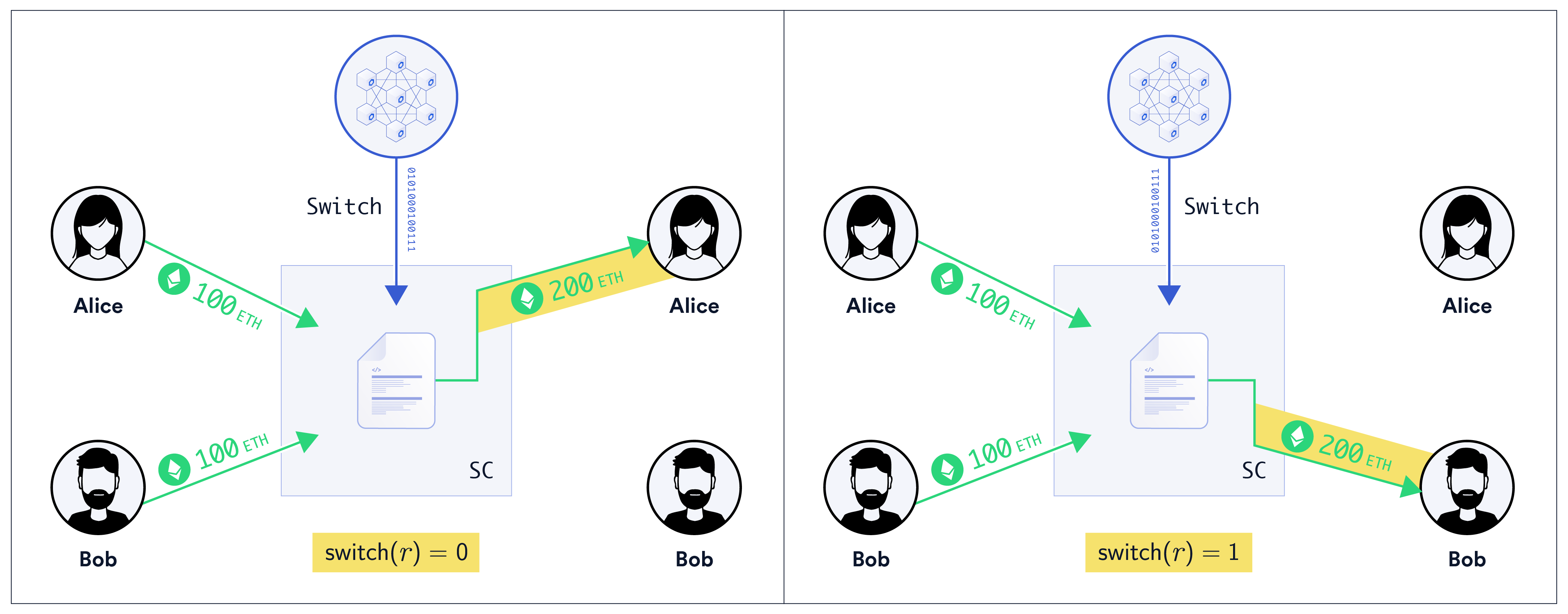
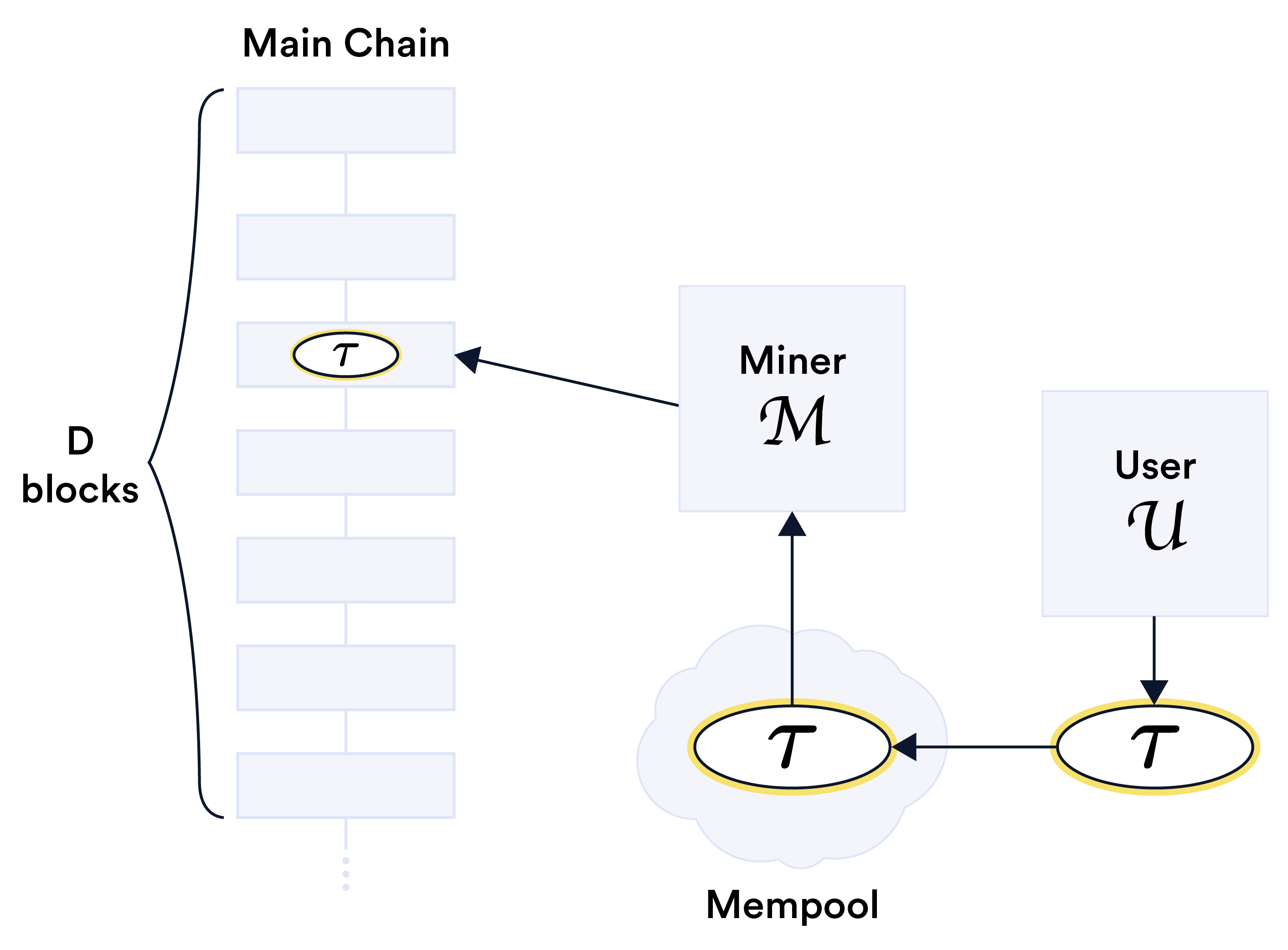
目標は、厳選された優先度の高いトランザクションをメインチェーン上でタイムリーに配信することです ネットワークが混雑しているとき。優先チャネルは、次のような形式と見なすことができます。 ブロック空間上の先物契約、したがって暗号商品としての一部として造られた用語 プロジェクト・シカゴ [61, 136]。 優先チャネルは、特にマイナーがoracle、契約のガバナンス機能などのインフラストラクチャ サービスを有効にすることを目的としており、金融取引などの通常のユーザーレベルのアクティビティを対象とするものではありません。 実際、ここで設計されているように、優先順位は ネットワーク内のマイニング電力の 100% 未満によって実装されたチャネルは、 配信時間に緩やかな制限を設け、速度に大きく依存する用途での使用を防止します。 先制ゴールなど。 図 10: 優先チャネルはマイナー M による保証です。より一般的には、 マイナーのセット M - ユーザー U に、彼女のトランザクション τ が D ブロック内でマイニングされることを通知します。 mempool に含めるかどうか。契約 SC は、DON モニタリングを使用して、 チャンネルのサービス規約。 優先チャネルは、マイナーまたはマイナーのセット間の合意の形をとります。 チャネルを提供する(またはマイニングプール)M と、アクセス料金を支払うユーザー U です。 M は、U がトランザクション τ をメモリプールに送信するとき (任意のガス価格で、ただし、事前に合意されたガス制限)、M はそれを次の D ブロック内のチェーンに配置します。8 この概念を図 10 に概略的に示します。 優先チャネル契約の説明: 優先チャネルは、 ハイブリッド smart contract はおおよそ次のとおりです。 SC は MAINCHAIN 上のロジックを表すものとします。 そしてそれは exec による DON のものです。 SC は U.A からデポジット / ステーク \(d from M and an advance payment \)p を受け取ります DON 実行可能ファイル exec はメモリプールを監視し、トランザクションの配置時にトリガーします U によって、M がマイニングするトランザクションを U が送信すると、成功メッセージが SC に送信されます。 タイムリーな方法と、サービス障害の場合の障害メッセージ。 SC は成功メッセージを受け取って $p の支払いを M に送信し、残りの資金をすべて送信します。 $d を含み、失敗メッセージを受信した場合は U に送信されます。正常に終了すると、 M に $d のデポジットをリリースします。 もちろん、マイナー M は複数のユーザーに優先チャネルを同時に提供することもできます。 ユーザーは、事前に合意された数のメッセージに対して U を使用して優先チャネルを開くことができます。 4.5 機密保持 DeFi / Mixicles 現在、DeFi アプリケーション [1] は、ユーザーに対して機密性をほとんど、あるいはまったく提供していません。すべてのトランザクションはチェーン上で表示されます。さまざまなゼロ知識ベースのアプローチ、例: [149、217]、 トランザクションのプライバシーを提供でき、TEF はそれらをサポートするのに十分な汎用性を備えています。でも これらのアプローチは包括的ではなく、たとえば、通常、 トランザクションの基礎となる資産。 DONs で最終的にサポートする予定の広範な計算ツールのセットは、 このようなギャップを埋めるさまざまな方法でプライバシーを確保し、他のシステムのプライバシー保証を補完するのに役立ちます。たとえば、Chainlink 研究所の研究者 [135] によって提案された機密保持 DeFi 機器である Mixicles は、 金融商品を裏付ける資産タイプであり、DON に非常に自然に適合します。 フレームワーク。 ミクシクルは、単純なバイナリを実現するために使用するという観点から最も簡単に説明されます。 オプション。 バイナリー オプションは 2 人のユーザーが参加する金融商品です。 プレーヤーとしての [135] との一貫性については、ここを参照してください。2 つの可能性があるイベントに賭けます 結果、たとえば、事前に指定された時点で資産が目標価格を超えるかどうか。 次の例は、このアイデアを示しています。 例 2. アリスとボブは、資産の価値に基づくバイナリー オプションの当事者です。 キャロルのバブルトークン(CBT)と呼ばれます。アリスは、CBT の市場価格が になると賭けます。 2025 年 6 月 21 日の T = 正午時点で最低 250 米ドル。ボブは逆に賭けます。各プレイヤー 事前に指定された期限までに 100 ETH を入金します。勝ちポジションを持つプレイヤー 200 ETHを受け取ります(つまり、100 ETHを獲得します)。 もちろん、8D は、M が高い確率に準拠できることを保証するのに十分な大きさでなければなりません。 のために たとえば、M がネットワーク内のマイニング電力の 20% を制御している場合、D = 100 を選択する可能性があります。 故障確率は ≈2 × 10⁻¹⁰、つまり 10 億分の 1 未満です。既存の Chainlink oracle ネットワーク O を考慮すると、スマートなネットワークを実装するのは簡単です。 例 2 の合意を実現する契約 SC。2 人のプレーヤーがそれぞれ入金します。 SCで100ETH。 T の後のある時点で、クエリ q が O に送信され、商品の価格 r が要求されます。 時間 T.O の CBT は、この価格のレポート r を SC に送信します。その後、SC はアリスに送金します。 r ≥250 の場合はボブ、そうでない場合はボブ。ただし、このアプローチではチェーン上の r が明らかになり、簡単になります。 オブザーバーがバイナリー オプションの基礎となる資産を推測できるようにします。 Mixicles の用語では、結果を概念的に考えると役立ちます。 述語として計算されたバイナリ値を送信するスイッチに関する SC の スイッチ(r)。この例では、r ≥250 の場合は switch(r) = 0 になります。この結果を考えると、アリスが勝ちます。 それ以外の場合は、switch(r) = 1 となり、ボブが勝ちます。 DON は、実行可能ファイルを実行することで、基本的な Mixicle をハイブリッド コントラクトとして実現できます。 switch(r) を計算し、それをチェーン上で SC に報告する exec。この構造を示します 図11に示す。 図 11: 例 2 の基本的な Mixicle の図。 レポート r、つまりバイナリー オプションの基礎となる資産を、oracle が バイナリ値スイッチのみを介して SC を契約します (r)。 これを簡単に実現できるアダプター ConfSwitch を付録 C.3 で指定します。 DONでゴール。 ConfSwitch の基本的な考え方は非常にシンプルです。報告する代わりに 値 r の場合、ConfSwitch はバイナリ スイッチ値 switch(r) のみを報告します。 SCは可能です switch(r) のみ、および switch(r) 自体に基づいて正しい支払いを行うように設計されています。 原資産 (この例では CBT) に関する情報は明らかにされません。さらに、 pkaud で暗号化された台帳上の (q, r) に暗号文を配置することにより、 アダプターの ConfSwitch は、機密性を保持する監査証跡を作成します。 ここでの説明を簡単にするために選択した基本的な Mixicle は、 この例では、バイナリー オプションの背後にある資産と賭け金です。本格的な Mixicle [135] は次のことができます。 2 つの形式の機密保持を提供します。それは観察者からは次のことを隠します: (1) どのような出来事が起こったか プレイヤーは(つまり、q と r)だけでなく、(2)どのプレイヤーが賭けに勝ったかにも賭けます。 Mixicles は MAINCHAIN 上で実行されるため、どちらかのプレイヤーが中継する必要があります。 DON から MAINCHAIN に switch(r) するか、実行可能 exec が作成される可能性があります。
ConfSwitch による出力でトリガーされ、別のアダプターを呼び出してスイッチ(r) を送信します。 メインチェーン。 3 番目の微妙な種類の機密保持も考慮する価値があります。 ConfSwitch の基本的な実装では、O は DON でアダプターを実行しているため、 資産 (この例では CBT)、つまりバイナリー オプションの性質です。議論したように ただし、付録 C.3 では、さらに DECO または Town Crier を使用して、 この情報さえも O から隠します。この場合、O はそれ以上の情報を知りません。 SCの公的オブザーバーよりも。 Mixicles の詳細については、[135] を参照してください。
บริการกระจายอำนาจที่เปิดใช้งานโดยการกระจายอำนาจ
ออราเคิล เน็ตเวิร์กส์ เพื่อแสดงให้เห็นความเก่งกาจของ DONs และวิธีที่พวกมันเปิดใช้งานบริการใหม่ๆ มากมาย เรานำเสนอห้าตัวอย่างของแอปพลิเคชันที่ใช้ DON ในส่วนนี้และอธิบาย สัญญาแบบผสมที่ตระหนักถึง: (1) Proof of Reserves ซึ่งเป็นรูปแบบของบริการข้ามสายโซ่; (2) การเชื่อมต่อกับระบบองค์กร / ระบบเดิม นั่นคือ การสร้างมิดเดิลแวร์ เลเยอร์นามธรรมที่อำนวยความสะดวกในการพัฒนาแอปพลิเคชัน blockchain โดยน้อยที่สุด blockchain-รหัสเฉพาะหรือความเชี่ยวชาญ; (3) ข้อมูลระบุตัวตนแบบกระจายอำนาจ เครื่องมือที่ทำให้ผู้ใช้สามารถ รับและจัดการเอกสารประจำตัวและข้อมูลประจำตัวของตนเอง (4) ช่องทางลำดับความสำคัญ บริการที่ช่วยให้มั่นใจในการรวมธุรกรรมโครงสร้างพื้นฐานที่สำคัญได้ทันเวลา (เช่น oracle รายงาน) บน blockchain; และ (5) การรักษาความลับ DeFi นั่นคือ การเงิน smart contracts ที่ปกปิดข้อมูลที่ละเอียดอ่อนของบุคคลที่เข้าร่วม นี่เรา
ใช้ SC เพื่อแสดงส่วน MAINCHAIN ของสัญญาแบบไฮบริดและอธิบาย DON องค์ประกอบแยกกันหรือในแง่ของผู้บริหารที่ปฏิบัติการได้ 4.1 หลักฐานการสำรอง สำหรับหลายแอปพลิเคชัน การถ่ายทอดสถานะระหว่างหรือระหว่าง blockchains จะเป็นประโยชน์ ก แอปพลิเคชันยอดนิยมของบริการดังกล่าวคือการห่อสกุลเงินดิจิตอล ห่อเหรียญดังกล่าว เนื่องจาก WBTC [15] กำลังกลายเป็นสินทรัพย์ยอดนิยมใน Decentralized Finance (DeFi) พวกเขา เกี่ยวข้องกับการฝากสินทรัพย์สำรอง "ที่ห่อไว้" บนแหล่งที่มา blockchain MAINCHAIN(1) และสร้าง token ที่สอดคล้องกันบนเป้าหมาย blockchain MAINCHAIN(2) ที่แตกต่างกัน ตัวอย่างเช่น WBTC คือ ERC20 token บน Ethereum blockchain ที่สอดคล้อง เป็น BTC บน Bitcoin blockchain เนื่องจากสัญญาบน MAINCHAIN(2) ไม่สามารถมองเห็นได้โดยตรงใน MAINCHAIN(1) พวกเขาจะต้องอาศัย oracle อย่างชัดเจนหรือโดยปริยายเพื่อรายงานเงินฝากของที่ห่อไว้ สินทรัพย์ใน smart contract ซึ่งบางครั้งเรียกว่าหลักฐานการสำรอง ใน WBTC [15] ตัวอย่างเช่น ผู้ดูแล BitGo ถือ BTC และออก WBTC โดยมี Chainlink เครือข่ายที่ให้หลักฐานการสำรอง [76] DON สามารถแสดงหลักฐานการสำรองได้ด้วยตนเอง อย่างไรก็ตาม ด้วย DON ก็เป็นไปได้ เพื่อไปต่อ DON สามารถจัดการความลับและผ่านการใช้อะแดปเตอร์ที่เหมาะสม สามารถทำธุรกรรมกับ blockchain ที่ต้องการได้ ดังนั้นจึงเป็นไปได้ที่ DON จะดำเนินการ ในฐานะหนึ่งในผู้รับฝากทรัพย์สินจำนวนหนึ่ง—หรือแม้แต่ในฐานะผู้รับฝากทรัพย์สินที่มีการกระจายอำนาจแต่เพียงผู้เดียว—สำหรับ สินทรัพย์ที่ถูกห่อ DONs จึงสามารถใช้เป็นแพลตฟอร์มในการปรับปรุงความปลอดภัยของ บริการที่มีอยู่ซึ่งใช้หลักฐานการสำรอง ตัวอย่างเช่น สมมติว่า MAINCHAIN(1) คือ Bitcoin และ MAINCHAIN(2) คือ Ethereum ใน MAINCHAIN(2) สัญญา SC จะออก tokens ซึ่งเป็นตัวแทนของ BTC ที่ห่อไว้ DON ควบคุมที่อยู่ BTC addr(1) DON. ในการห่อ BTC ผู้ใช้ U ส่ง X BTC มา เพิ่ม(1) คุณ เพื่อเพิ่ม(1) DON พร้อมด้วย MAINCHAIN(2) - ที่อยู่ addr(2) คุณ จอภาพ DON เพิ่ม(1) DON ผ่านอะแดปเตอร์ไปยัง MAINCHAIN(1) เมื่อสังเกตเงินฝากของ U ด้วยการยืนยันความน่าจะเป็นสูงเพียงพอ มันจะส่งข้อความถึง SC ผ่านอะแดปเตอร์ไปที่ เมนเชน(2) ข้อความนี้แนะนำให้ SC สร้าง X tokens สำหรับ addr(2) คุณ สำหรับ U ที่จะปล่อย X tokens สิ่งที่ตรงกันข้ามจะเกิดขึ้น อย่างไรก็ตามบน MAINCHAIN(1) เพิ่ม(1) DON ส่ง X BTC ไปที่ addr(1) U (หรือไปยังที่อยู่อื่น หากผู้ใช้ร้องขอ) แน่นอนว่าโปรโตคอลเหล่านี้สามารถปรับเปลี่ยนให้ทำงานกับการแลกเปลี่ยนได้ แทนที่จะปรับใช้โดยตรง กับผู้ใช้ 4.2 การเชื่อมต่อกับระบบ Enterprise / Legacy DONs สามารถทำหน้าที่เป็นสะพานเชื่อมระหว่างและระหว่าง blockchains ได้ ดังในตัวอย่างของ Proof ของกำลังสำรอง แต่วัตถุประสงค์อีกประการหนึ่งคือเพื่อให้ทำหน้าที่เป็นสะพานเชื่อมสองทิศทางระหว่าง blockchains และระบบเดิม [176] หรือระบบที่คล้าย blockchain เช่น ธนาคารกลาง สกุลเงินดิจิทัล [30]. องค์กรต่างๆ เผชิญกับความท้าทายหลายประการในการเชื่อมต่อระบบที่มีอยู่และ กระบวนการไปสู่ระบบกระจายอำนาจ ได้แก่ :• ความคล่องตัวของบล็อคเชน: ระบบบล็อคเชนเปลี่ยนแปลงอย่างรวดเร็ว องค์กรอาจเผชิญกับรูปลักษณ์ใหม่ที่รวดเร็วหรือความนิยมที่เพิ่มขึ้นของ blockchains ซึ่ง คู่สัญญาประสงค์ที่จะทำธุรกรรม แต่กิจการไม่มี การสนับสนุนในโครงสร้างพื้นฐานที่มีอยู่ โดยทั่วไปแล้ว blockchains จะทำให้มีพลวัต เป็นเรื่องยากสำหรับองค์กรแต่ละแห่งที่จะตามทันระบบนิเวศที่สมบูรณ์ • ทรัพยากรการพัฒนาเฉพาะด้านบล็อคเชน: สำหรับหลายๆ องค์กร การจ้างหรือการบ่มเพาะความเชี่ยวชาญ blockchain ที่ล้ำสมัยนั้นเป็นเรื่องยาก โดยเฉพาะอย่างยิ่งในมุมมองของ ความท้าทายของความคล่องตัว • การจัดการคีย์ส่วนตัว: การจัดการคีย์ส่วนตัวสำหรับ blockchains หรือ cryptocurrencies ต้องใช้ความเชี่ยวชาญในการปฏิบัติงานที่แตกต่างจากความปลอดภัยทางไซเบอร์แบบเดิม แนวทางปฏิบัติและไม่สามารถใช้งานได้กับองค์กรหลายแห่ง • การรักษาความลับ: องค์กรต่างๆ มักหลอกลวงการเปิดเผยข้อมูลที่ละเอียดอ่อนและเป็นกรรมสิทธิ์ของตน ข้อมูลบนห่วงโซ่ เพื่อจัดการกับปัญหาสามประการแรก นักพัฒนาสามารถใช้ DON เป็นเลเยอร์มิดเดิลแวร์ที่ปลอดภัยเพื่อให้ระบบองค์กรสามารถอ่านหรือเขียนถึงได้ blockchainส. DON สามารถสรุปข้อพิจารณาทางเทคนิคโดยละเอียดได้ เช่น พลศาสตร์ของก๊าซ การปรับโครงสร้างห่วงโซ่ และอื่นๆ สำหรับทั้งนักพัฒนาและผู้ใช้ โดย นำเสนออินเทอร์เฟซ blockchain ที่มีความคล่องตัวให้กับระบบองค์กร ดังนั้น DON จึงสามารถทำได้ ลดความซับซ้อนอย่างมากในการพัฒนาแอปพลิเคชันระดับองค์กรที่รับรู้ blockchain โดยขจัดภาระจากองค์กรในการรับหรือบ่มเพาะ blockchain- ทรัพยากรการพัฒนาเฉพาะ การใช้ DONs ดังกล่าวมีความน่าสนใจเป็นพิเศษตรงที่ช่วยให้นักพัฒนาระดับองค์กรสามารถทำได้ สร้างแอปพลิเคชันสัญญาอัจฉริยะที่ส่วนใหญ่ blockchain ไม่เชื่อเรื่องพระเจ้า เป็นผลให้ ใหญ่กว่าชุดของ blockchains ซึ่ง DON ถูกกำหนดให้ทำหน้าที่เป็นมิดเดิลแวร์ เพิ่มชุด blockchains ซึ่งผู้ใช้ระดับองค์กรสามารถเข้าถึงได้ง่าย นักพัฒนา สามารถย้ายแอปพลิเคชันจาก blockchains ที่มีอยู่ไปยังแอปพลิเคชันใหม่โดยมีการปรับเปลี่ยนเพียงเล็กน้อย ไปยังแอปพลิเคชันที่พัฒนาขึ้นภายใน เพื่อแก้ไขปัญหาเพิ่มเติมเกี่ยวกับการรักษาความลับ นักพัฒนาสามารถยื่นอุทธรณ์ต่อ เครื่องมือที่เราแนะนำในบทความนี้และคาดว่าจะปรับใช้เพื่อรองรับแอปพลิเคชัน DON ซึ่งรวมถึง DECO และ Town Crier Section 3.6.2 ตลอดจนการรักษาความลับ การปรับเปลี่ยน API ที่กล่าวถึงในส่วนที่ 7.1.2 และแนวทางการใช้งานเฉพาะจำนวนหนึ่งที่กล่าวถึงในส่วนที่เหลือของส่วนนี้ ระบบ DON เหล่านี้สามารถให้ได้ การรับรองออนไลน์ที่มีความสมบูรณ์สูงเกี่ยวกับสถานะระบบขององค์กรโดยไม่เปิดเผย ข้อมูลต้นทางขององค์กรที่มีความละเอียดอ่อนบนเครือข่าย 4.3 การระบุตัวตนแบบกระจายอำนาจ การระบุตัวตนแบบกระจายอำนาจเป็นคำทั่วไปสำหรับความคิดที่ผู้ใช้ควรจะสามารถทำได้ รับและจัดการข้อมูลประจำตัวของตนเอง แทนที่จะอาศัยบุคคลที่สามทำ ดังนั้น ข้อมูลรับรองแบบกระจายอำนาจเป็นเครื่องยืนยันถึงคุณลักษณะหรือการยืนยันของผู้ถือซึ่งมักเรียกว่าการเรียกร้อง ข้อมูลรับรองจะมีการลงนามแบบดิจิทัลโดยหน่วยงานต่างๆ ซึ่งมักเรียกว่า ผู้ออกที่สามารถเชื่อมโยงการเรียกร้องกับผู้ใช้ได้อย่างน่าเชื่อถือ ในแผนการที่เสนอส่วนใหญ่ การเรียกร้องมีความเกี่ยวข้องกับตัวระบุแบบกระจายอำนาจ (DID) ซึ่งเป็นตัวระบุสากลสำหรับ ผู้ใช้ที่กำหนด ข้อมูลรับรองถูกผูกไว้กับกุญแจสาธารณะซึ่งมีรหัสส่วนตัวที่ผู้ใช้ถืออยู่ ผู้ใช้สามารถพิสูจน์การครอบครองการเรียกร้องได้โดยใช้รหัสส่วนตัวของเธอ มีวิสัยทัศน์ในฐานะอัตลักษณ์แบบกระจายอำนาจ ทั้งแผนงานที่มีอยู่และที่เสนอ เช่น [14, 92, 129, 216] มีข้อจำกัดร้ายแรงสามประการ: • ขาดความเข้ากันได้แบบเดิม: ระบบการระบุตัวตนแบบกระจายอำนาจที่มีอยู่นั้นอาศัย ชุมชนของหน่วยงานที่เรียกว่าผู้ออก เพื่อสร้างข้อมูลรับรอง DID เพราะว่า บริการเว็บที่มีอยู่โดยทั่วไปไม่ได้เซ็นชื่อแบบดิจิทัลในข้อมูล แต่จะต้องเปิดตัวผู้ออก เป็นระบบวัตถุประสงค์พิเศษ เพราะไม่มีแรงจูงใจให้ทำเช่นนี้หากไม่มี ระบบนิเวศกระจายอำนาจอัตลักษณ์ ปัญหาไก่กับไข่ส่งผลให้เกิด ในด้านอื่นๆ ยังไม่ชัดเจนว่าจะบูตระบบนิเวศของผู้ออกตราสารได้อย่างไร • การจัดการคีย์ที่ไม่สามารถใช้งานได้: ระบบการระบุตัวตนแบบกระจายอำนาจต้องการให้ผู้ใช้ดำเนินการ จัดการคีย์ส่วนตัว ซึ่งเป็นสิ่งที่ประสบการณ์เกี่ยวกับสกุลเงินดิจิทัลได้แสดงให้เห็นแล้ว ให้เป็นภาระที่ไม่สามารถดำเนินการได้ คาดว่ามีประมาณ 4,000,000 Bitcoin ไปแล้ว สูญหายไปตลอดกาลเนื่องจากความล้มเหลวในการจัดการคีย์ [194] และผู้ใช้จำนวนมากก็จัดเก็บไว้ สินทรัพย์ crypto ที่มีการแลกเปลี่ยน [193] ซึ่งบ่อนทำลายการกระจายอำนาจ • ขาดการต่อต้าน Sybil ที่รักษาความเป็นส่วนตัว: ข้อกำหนดด้านความปลอดภัยขั้นพื้นฐานของแอปพลิเคชัน เช่น การลงคะแนน การจัดสรร tokens อย่างยุติธรรมระหว่างการขาย token ฯลฯ ก็คือ ผู้ใช้ไม่สามารถยืนยันตัวตนหลายรายการได้ ข้อเสนอการระบุตัวตนแบบกระจายอำนาจที่มีอยู่กำหนดให้ผู้ใช้ต้องเปิดเผยตัวตนในโลกแห่งความเป็นจริงเพื่อที่จะบรรลุเป้าหมายดังกล่าว การต่อต้านของซีบิล ซึ่งบ่อนทำลายการรับประกันความเป็นส่วนตัวที่สำคัญ เป็นไปได้ที่จะแก้ไขปัญหาเหล่านี้โดยใช้การรวมกันของคณะกรรมการโหนด ดำเนินการคำนวณแบบกระจายภายใน DON และการใช้เครื่องมือเช่น DECO หรือ Town Crier ดังที่แสดงในระบบที่เรียกว่า CanDID [160] DECO หรือ Town Crier สามารถเปลี่ยนบริการเว็บที่มีอยู่ได้โดยไม่ต้องแก้ไข สู่ผู้ออกหนังสือรับรองที่รักษาความลับ พวกเขาเปิดใช้งาน DON เพื่อส่งออกที่เกี่ยวข้อง ข้อมูลเพื่อจุดประสงค์นี้ให้เป็นข้อมูลประจำตัวในขณะที่ปกปิดข้อมูลที่ละเอียดอ่อนซึ่งไม่ควร ปรากฏในหนังสือรับรอง นอกจากนี้ เพื่ออำนวยความสะดวกในการกู้คืนคีย์สำหรับผู้ใช้ ซึ่งเกี่ยวข้องกับการจัดการคีย์ ปัญหา DON สามารถอนุญาตให้ผู้ใช้สามารถจัดเก็บคีย์ส่วนตัวในรูปแบบการแชร์ที่เป็นความลับได้ ผู้ใช้สามารถ กู้คืนกุญแจของพวกเขาโดยการพิสูจน์โหนดใน DON ในทำนองเดียวกันโดยใช้ Town Crier หรือ DECO—ความสามารถในการลงชื่อเข้าใช้บัญชีด้วยชุดผู้ให้บริการเว็บที่กำหนดไว้ล่วงหน้า (เช่น ทวิตเตอร์, กูเกิล, เฟซบุ๊ก) ประโยชน์ของการใช้ Town Crier หรือ DECO เมื่อเทียบกับ OAUTH คือความเป็นส่วนตัวของผู้ใช้ เครื่องมือทั้งสองนี้ช่วยให้ผู้ใช้หลีกเลี่ยงการเปิดเผยต่อ DON ตัวระบุผู้ให้บริการเว็บ ซึ่งมักจะได้รับข้อมูลประจำตัวในโลกแห่งความเป็นจริง สุดท้ายนี้ เพื่อให้มีความต้านทานของซีบิล ดังที่แสดงใน [160] เป็นไปได้ที่ DON จะ ดำเนินการเปลี่ยนแปลงการรักษาความเป็นส่วนตัวของตัวระบุในโลกแห่งความเป็นจริงที่ไม่ซ้ำใครสำหรับผู้ใช้ (เช่น หมายเลขประกันสังคม (SSN)) ลงในตัวระบุออนไลน์เมื่อลงทะเบียนผู้ใช้ระบบจึงสามารถตรวจจับการลงทะเบียนซ้ำโดยไม่มีข้อมูลที่ละเอียดอ่อนเช่น SSN ถูกเปิดเผยแก่แต่ละ DON nodes.7 DON สามารถให้บริการใดๆ เหล่านี้ในนามของข้อมูลประจำตัวที่มีการกระจายอำนาจภายนอก ระบบบน blockchains ที่ไม่ได้รับอนุญาตหรือได้รับอนุญาต เช่น อินสแตนซ์ของ Hyperledger อินดี้ [129]. ตัวอย่างการใช้งาน: KYC: การระบุตัวตนแบบกระจายอำนาจถือเป็นหนทางในการ ปรับปรุงข้อกำหนดสำหรับแอปพลิเคชันทางการเงินบน blockchains ในขณะที่ปรับปรุงผู้ใช้ ความเป็นส่วนตัว ความท้าทายสองประการที่สามารถช่วยแก้ไขได้คือภาระหน้าที่ด้านการรับรองและการปฏิบัติตามข้อกำหนดภายใต้กฎระเบียบป้องกันการฟอกเงิน / การรับรู้ลูกค้าของคุณ (AML / KYC) กฎระเบียบ AML ในหลายประเทศกำหนดให้สถาบันการเงิน (และธุรกิจอื่นๆ) สร้างและตรวจสอบตัวตนของบุคคลและธุรกิจที่ พวกเขาทำธุรกรรม KYC เป็นองค์ประกอบหนึ่งของสถาบันการเงิน นโยบาย AML ที่กว้างขึ้น ซึ่งโดยทั่วไปเกี่ยวข้องกับการติดตามพฤติกรรมของผู้ใช้และการเฝ้าดูการไหลของเงินทุน เหนือสิ่งอื่นใด โดยทั่วไป KYC จะเกี่ยวข้องกับการนำเสนอข้อมูลประจำตัวของผู้ใช้ในบางรูปแบบ (เช่น เข้าสู่เว็บฟอร์มออนไลน์โดยชูเอกสารประจำตัวต่อหน้าผู้ใช้ ในเซสชันวิดีโอ ฯลฯ) การสร้างและการนำเสนอข้อมูลประจำตัวแบบกระจายอำนาจอย่างปลอดภัย โดยหลักการแล้วสามารถเป็นทางเลือกที่เป็นประโยชน์หลายประการได้ กล่าวคือ (1) การทำ กระบวนการ KYC มีประสิทธิภาพมากขึ้นสำหรับผู้ใช้และสถาบันการเงิน เพราะครั้งหนึ่ง ได้รับหนังสือรับรองแล้วสามารถนำเสนอต่อสถาบันการเงินใด ๆ ได้อย่างราบรื่น (2) การลดการฉ้อโกงโดยการลดโอกาสในการขโมยข้อมูลส่วนตัวผ่านการประนีประนอม ของข้อมูลส่วนบุคคล (PII) และการปลอมแปลงระหว่างการตรวจสอบวิดีโอ และ (3) การลดความเสี่ยงของการประนีประนอม PII ในสถาบันการเงิน เนื่องจากผู้ใช้ยังคงควบคุมได้ ของข้อมูลของตนเอง เมื่อพิจารณาจากค่าปรับหลายพันล้านดอลลาร์ที่สถาบันการเงินจ่ายสำหรับความล้มเหลวในการปฏิบัติตาม AML และสถาบันการเงินหลายแห่งใช้จ่ายหลายล้านดอลลาร์ต่อปีไปกับ KYC การปรับปรุงอาจช่วยประหยัดเงินได้มากสำหรับสถาบันการเงิน และสำหรับผู้บริโภค [196] ในขณะที่ภาคการเงินแบบดั้งเดิมยังชะลอตัว เพื่อนำเครื่องมือการปฏิบัติตามข้อกำหนดใหม่ๆ มาใช้ ระบบ DeFi จึงหันมาใช้ [43] มากขึ้น ตัวอย่างการใช้งาน: สินเชื่อที่มีหลักประกันต่ำ: แอปพลิเคชัน DeFi ส่วนใหญ่นั้น สนับสนุนการให้กู้ยืมในวันนี้มาจากสินเชื่อที่มีหลักประกันเท่านั้น เหล่านี้เป็นเงินกู้ที่ทำ แก่ผู้กู้ยืมที่ฝากทรัพย์สินสกุลเงินดิจิตอลที่มีมูลค่าเกินกว่าเงินกู้ยืม ความสนใจได้เกิดขึ้นเมื่อไม่นานมานี้ในสิ่งที่ชุมชน DeFi โดยทั่วไปเรียกว่าสินเชื่อที่มีหลักประกันต่ำเกินไป ในทางตรงกันข้ามเป็นการกู้ยืมที่มีหลักประกันที่เกี่ยวข้อง มีมูลค่าน้อยกว่าเงินต้นของเงินกู้ สินเชื่อที่มีหลักทรัพย์ค้ำประกันต่ำ คล้ายกับการกู้ยืมที่มักทำโดยสถาบันการเงินแบบดั้งเดิม แทนที่จะพึ่ง. สำหรับหลักประกันที่ฝากไว้เป็นหลักประกันการชำระคืนเงินกู้จะใช้การให้กู้ยืมแทน การตัดสินใจเกี่ยวกับประวัติเครดิตของผู้กู้ 7การแปลงนี้อาศัยฟังก์ชันสุ่มเทียมแบบกระจาย (PRF)สินเชื่อที่มีหลักประกันต่ำกว่านั้นถือเป็นส่วนใหม่แต่กำลังเติบโตของตลาดการให้กู้ยืม DeFi พวกเขาพึ่งพากลไกเช่นเดียวกับที่ใช้โดยการเงินแบบดั้งเดิม สถาบัน เช่น สัญญาทางกฎหมาย [91] ข้อกำหนดที่สำคัญสำหรับการเจริญเติบโต จะเป็นความสามารถในการจัดหาข้อมูลเกี่ยวกับความน่าเชื่อถือทางเครดิตของผู้ใช้ ซึ่งเป็นปัจจัยสำคัญในการตัดสินใจให้กู้ยืมแบบเดิม ให้กับระบบ DeFi ในลักษณะที่ให้ความสมบูรณ์ที่แข็งแกร่ง กล่าวคือ การประกันข้อมูลที่ถูกต้อง DON ที่เปิดใช้งานระบบการระบุตัวตนแบบกระจายอำนาจจะช่วยให้ผู้ที่จะเป็นผู้กู้ยืมสามารถ สร้างข้อมูลรับรองที่มีความเชื่อมั่นสูงเพื่อยืนยันถึงความน่าเชื่อถือทางเครดิตในขณะที่ยังคงรักษาไว้ การรักษาความลับของข้อมูลที่ละเอียดอ่อน โดยเฉพาะอย่างยิ่งผู้กู้ยืมสามารถสร้างสิ่งเหล่านี้ได้ ข้อมูลรับรองตามบันทึกจากแหล่งข้อมูลออนไลน์ที่เชื่อถือได้ในขณะที่เปิดเผยเฉพาะ ข้อมูลที่รับรองโดย DON โดยไม่เปิดเผยข้อมูลอื่นๆ ที่อาจละเอียดอ่อน สำหรับ ตัวอย่างเช่น ผู้กู้สามารถสร้างหนังสือรับรองที่ระบุคะแนนเครดิตของเธอด้วย สำนักงานข้อมูลเครดิตชุดหนึ่งเกินเกณฑ์ที่กำหนด (เช่น 750) โดยไม่เปิดเผยเธอ คะแนนที่แม่นยำหรือข้อมูลอื่นใดในบันทึกของเธอ นอกจากนี้ หากต้องการ หนังสือรับรองดังกล่าว สามารถสร้างได้โดยไม่เปิดเผยตัวตน กล่าวคือ ชื่อผู้ใช้สามารถถือเป็นข้อมูลที่ละเอียดอ่อนได้ และตัวมันเองไม่ได้ถูกเปิดเผยต่อโหนด oracle หรือในข้อมูลประจำตัวแบบกระจายอำนาจของเธอ หนังสือรับรอง สามารถใช้กับโซ่หรือออฟเชนได้ ขึ้นอยู่กับการใช้งาน โดยสรุป ผู้กู้สามารถให้ข้อมูลที่จำเป็นแก่ผู้ให้กู้เกี่ยวกับเครดิตของตนได้ ประวัติศาสตร์ที่มีความซื่อสัตย์สุจริตและไม่มีความเสี่ยงต่อการเปิดเผยสิ่งที่ไม่จำเป็นและละเอียดอ่อน ข้อมูล ผู้ยืมยังสามารถจัดเตรียมข้อมูลประจำตัวเพื่อรักษาความลับอื่นๆ ได้อีกมากมาย ช่วยในการตัดสินใจสินเชื่อ ตัวอย่างเช่น ข้อมูลประจำตัวสามารถเป็นพยานถึงผู้ยืมได้ การครอบครองสินทรัพย์ (นอกเครือข่าย) ดังที่เราแสดงในตัวอย่างถัดไป ตัวอย่างการใช้งาน: การรับรองระบบ: เขตอำนาจศาลหลายแห่งจำกัดประเภทของนักลงทุนที่สามารถขายหลักทรัพย์ที่ไม่ได้จดทะเบียนได้ ตัวอย่างเช่น ในสหรัฐอเมริกา SEC ระเบียบ D กำหนดว่าจะได้รับการรับรองสำหรับโอกาสในการลงทุนดังกล่าว บุคคลต้องมีมูลค่าสุทธิ 1 ล้านเหรียญสหรัฐ มีคุณสมบัติตรงตามข้อกำหนดรายได้ขั้นต่ำ หรือมีคุณสมบัติทางวิชาชีพบางอย่าง [209, 210] การรับรองในปัจจุบัน กระบวนการยุ่งยากและไม่มีประสิทธิภาพ โดยมักต้องมีหนังสือรับรองจาก นักบัญชีหรือหลักฐานที่คล้ายกัน ระบบการระบุตัวตนแบบกระจายอำนาจจะช่วยให้ผู้ใช้สามารถสร้างข้อมูลรับรองได้ บัญชีบริการทางการเงินออนไลน์ที่มีอยู่ซึ่งพิสูจน์การปฏิบัติตามการรับรอง กฎระเบียบ อำนวยความสะดวกให้กับกระบวนการ KYC ที่มีประสิทธิภาพและรักษาความเป็นส่วนตัวมากขึ้น ที่ คุณสมบัติการรักษาความเป็นส่วนตัวของ DECO และ Town Crier จะอนุญาตสิ่งเหล่านี้ด้วย ข้อมูลรับรองที่จะสร้างด้วยการรับประกันความซื่อสัตย์อย่างเข้มงวด โดยไม่เปิดเผยรายละเอียดสถานะทางการเงินของผู้ใช้โดยตรง ตัวอย่างเช่น ผู้ใช้สามารถสร้างข้อมูลรับรองได้ พิสูจน์ว่าเธอมีมูลค่าสุทธิอย่างน้อย 1 ล้านเหรียญสหรัฐโดยไม่เปิดเผยข้อมูลเพิ่มเติม ข้อมูลเกี่ยวกับสถานะทางการเงินของเธอ 4.4 ช่องลำดับความสำคัญ ช่องทางสำคัญเป็นบริการใหม่ที่มีประโยชน์ซึ่งสร้างได้ง่ายโดยใช้ DON พวกเขา
เป้าหมายคือการส่งมอบธุรกรรมที่มีลำดับความสำคัญสูงที่เลือกไว้ในเวลาที่เหมาะสมบน MAINCHAIN ในช่วงที่โครงข่ายขัดข้อง ช่องลำดับความสำคัญอาจถูกมองว่าเป็นรูปแบบหนึ่งของ สัญญาซื้อขายล่วงหน้าบน Block Space และในฐานะสินค้าโภคภัณฑ์ crypto ซึ่งเป็นคำที่บัญญัติขึ้นมาเป็นส่วนหนึ่ง ของโครงการชิคาโก [61, 136]. ช่องทางการจัดลำดับความสำคัญมีไว้สำหรับนักขุดโดยเฉพาะเพื่อเปิดใช้งานบริการโครงสร้างพื้นฐาน เช่น oracles ฟังก์ชันการกำกับดูแลสำหรับสัญญา ฯลฯ ไม่ใช่สำหรับกิจกรรมระดับผู้ใช้ทั่วไป เช่น ธุรกรรมทางการเงิน ที่จริงแล้ว ตามที่ออกแบบไว้ที่นี่ ถือเป็นเรื่องสำคัญ ช่องทางที่ดำเนินการโดยน้อยกว่า 100% ของกำลังการขุดในเครือข่ายสามารถทำได้เท่านั้น ให้ขอบเขตเวลาในการจัดส่งที่หลวม ป้องกันการใช้งานที่ขึ้นอยู่กับความเร็วสูง เป้าหมายเช่นการวิ่งหน้า รูปที่ 10: ช่องลำดับความสำคัญคือการรับประกันโดยนักขุด M หรือโดยทั่วไปคือ a ชุดของนักขุด M—ถึงผู้ใช้ U ว่าธุรกรรมของเธอ τ จะถูกขุดภายในบล็อก D ของการรวมอยู่ในเมมพูล สัญญา SC สามารถใช้การตรวจสอบ DON เพื่อบังคับใช้ เงื่อนไขการให้บริการของช่อง ช่องทางลำดับความสำคัญอยู่ในรูปแบบของข้อตกลงระหว่างนักขุดหรือกลุ่มนักขุด (หรือกลุ่มการขุด) M ที่ให้ช่องทางและผู้ใช้ U ที่จ่ายค่าธรรมเนียมในการเข้าถึง M ตกลงว่าเมื่อคุณส่งธุรกรรม τ ไปยัง mempool (ด้วยราคาก๊าซใด ๆแต่เป็นขีดจำกัดของก๊าซตามที่ตกลงกันไว้ล่วงหน้า) M จะวางไว้บนโซ่ภายในบล็อก D ถัดไป แนวคิดนี้แสดงไว้เป็นแผนผังในรูปที่ 10 คำอธิบายสัญญาช่องทางลำดับความสำคัญ: ช่องทางลำดับความสำคัญอาจถูกรับรู้เป็น ไฮบริด smart contract ประมาณนี้ เราปล่อยให้ SC แสดงถึงตรรกะบน MAINCHAIN และนั่นใน DON โดย exec SC รับเงินฝาก / เงินเดิมพัน \(d from M and an advance payment \)p จาก U.A DON ผู้บริหารที่ปฏิบัติการได้ตรวจสอบ mempool ซึ่งทริกเกอร์ในตำแหน่งของธุรกรรม โดย U จะส่งข้อความแจ้งความสำเร็จถึง SC หาก U ส่งธุรกรรมที่ M ทำเหมือง วิธีที่ทันท่วงทีและข้อความแจ้งข้อผิดพลาดในกรณีที่บริการขัดข้อง SC ชำระเงิน $p ให้กับ M โดยได้รับข้อความแสดงความสำเร็จ และส่งเงินคงเหลือทั้งหมด รวมถึง $d ถึง U หากได้รับข้อความแสดงความล้มเหลว เมื่อเลิกจ้างได้สำเร็จแล้ว ปล่อยเงินฝาก $d ให้กับ M แน่นอนว่าเครื่องขุด M สามารถจัดเตรียมช่องสัญญาณลำดับความสำคัญพร้อมกันให้กับหลายช่องได้ ผู้ใช้และสามารถเปิดช่องทางสำคัญกับ U สำหรับจำนวนข้อความที่ตกลงไว้ล่วงหน้า 4.5 การรักษาความลับ-การรักษา DeFi / Mixicles ในปัจจุบัน DeFi แอปพลิเคชัน [1] ให้ข้อมูลเป็นความลับเพียงเล็กน้อยหรือไม่มีเลยสำหรับผู้ใช้: ธุรกรรมทั้งหมดสามารถมองเห็นได้บนลูกโซ่ แนวทางที่อิงความรู้เป็นศูนย์ต่างๆ เช่น [149, 217] สามารถให้ความเป็นส่วนตัวของธุรกรรมได้ และ TEF ก็เพียงพอที่จะสนับสนุนพวกเขา แต่ แนวทางเหล่านี้ไม่ครอบคลุม และโดยทั่วไปไม่ได้ปกปิด ตัวอย่างเช่น สินทรัพย์ที่เป็นฐานของธุรกรรม ชุดเครื่องมือคำนวณที่หลากหลายซึ่งท้ายที่สุดแล้วเราตั้งใจจะสนับสนุนใน DONs ช่วยให้เกิดความเป็นส่วนตัวได้หลายวิธีซึ่งสามารถอุดช่องว่างดังกล่าวได้ ช่วยเสริมการรับประกันความเป็นส่วนตัวของระบบอื่นๆ ตัวอย่างเช่น Mixicles ซึ่งเป็นเครื่องมือที่รักษาความลับ DeFi เสนอโดย Chainlink นักวิจัยจาก Labs [135] สามารถปกปิดได้ ประเภทสินทรัพย์ที่สนับสนุนเครื่องมือทางการเงิน และลงตัวกับ DON อย่างเป็นธรรมชาติ กรอบงาน Mixicles สามารถอธิบายได้ง่ายที่สุดในแง่ของการใช้งานเพื่อให้ได้ไบนารี่แบบง่าย ตัวเลือก ไบนารี่ออฟชั่นเป็นเครื่องมือทางการเงินที่มีผู้ใช้สองคนซึ่งเราจะทำ อ้างถึงที่นี่เพื่อความสอดคล้องกับ [135] ในฐานะผู้เล่น เดิมพันเหตุการณ์ที่เป็นไปได้สองรายการ ผลลัพธ์ เช่น สินทรัพย์จะสูงกว่าราคาเป้าหมาย ณ เวลาที่กำหนดไว้ล่วงหน้าหรือไม่ ตัวอย่างต่อไปนี้แสดงให้เห็นถึงแนวคิดนี้ ตัวอย่างที่ 2 อลิซและบ็อบเป็นคู่สัญญาในไบนารี่ออฟชั่นตามมูลค่าของสินทรัพย์ เรียกว่า Carol's Bubble Token (CBT) อลิซเดิมพันว่า CBT จะมีราคาตลาดอยู่ที่ อย่างน้อย 250 USD ณ เวลา T = เที่ยงของวันที่ 21 มิถุนายน 2025 บ๊อบเดิมพันกลับกัน ผู้เล่นแต่ละคน ฝากเงิน 100 ETH ตามกำหนดเวลาที่กำหนดไว้ล่วงหน้า ผู้เล่นที่มีตำแหน่งชนะ ได้รับ 200 ETH (เช่น ได้รับ 100 ETH) แน่นอนว่า 8D จะต้องมีขนาดใหญ่พอที่จะทำให้ M สามารถปฏิบัติตามความน่าจะเป็นสูงได้ สำหรับ เช่น ถ้า M ควบคุม 20% ของกำลังการขุดในเครือข่าย ก็อาจเลือก D = 100 เพื่อให้มั่นใจว่า ความน่าจะเป็นที่จะล้มเหลวที่ µ2 × 10⁻¹⁰ นั่นคือน้อยกว่าหนึ่งในพันล้านด้วยเครือข่าย Chainlink oracle O ที่มีอยู่ ทำให้ง่ายต่อการใช้งานระบบอัจฉริยะ สัญญา SC ที่ตระหนักถึงข้อตกลงในตัวอย่างที่ 2 ผู้เล่นทั้งสองฝากเงินแต่ละครั้ง 100 ETH ในเซาท์แคโรไลนา บางครั้งหลังจาก T คำค้นหา q จะถูกส่งไปยัง O เพื่อขอราคา r ของ CBT ณ เวลานี้ T.O ส่งรายงานราคานี้ให้ SC SC จึงส่งเงินให้อลิซ ถ้า r ≥250 และ Bob ถ้าไม่ใช่ อย่างไรก็ตาม วิธีการนี้เผยให้เห็นถึง r on chain—ทำให้เป็นเรื่องง่าย สำหรับผู้สังเกตการณ์เพื่ออนุมานสินทรัพย์ที่อยู่ภายใต้ไบนารี่ออปชั่น ในศัพท์เฉพาะของ Mixicles การคิดตามแนวคิดเกี่ยวกับผลลัพธ์จะเป็นประโยชน์ ของ SC ในแง่ของสวิตช์ที่ส่งค่าไบนารี่ที่คำนวณเป็นเพรดิเคต สวิตช์(r) ในตัวอย่างของเรา switch(r) = 0 ถ้า r ≥250; เมื่อพิจารณาผลลัพธ์นี้ อลิซจึงชนะ มิฉะนั้น switch(r) = 1 และ Bob ชนะ DON สามารถรับรู้ Mixicle พื้นฐานเป็นสัญญาแบบไฮบริดได้โดยการเรียกใช้ไฟล์ปฏิบัติการ exec ที่คำนวณ switch(r) และรายงานบนเชนไปยัง SC เราแสดงการก่อสร้างนี้ ในรูปที่ 11 รูปที่ 11: ไดอะแกรมของ Mixicle พื้นฐานในตัวอย่างที่ 2 เพื่อให้ความลับบนเชนสำหรับ รายงาน r และสินทรัพย์ที่อยู่ภายใต้ไบนารี่ออฟชั่น oracle ส่งไปยัง สัญญา SC ผ่านสวิตช์เฉพาะสวิตช์ค่าไบนารี (r) เราระบุอะแดปเตอร์ ConfSwitch ในภาคผนวก C.3 ซึ่งช่วยให้บรรลุเป้าหมายนี้ได้ง่าย เป้าหมายใน DON แนวคิดพื้นฐานเบื้องหลัง ConfSwitch นั้นค่อนข้างเรียบง่าย แทนที่จะมารายงานตัว. ค่า r ConfSwitch รายงานเฉพาะค่าสวิตช์ไบนารีสวิตช์ (r) เอสซีก็ได้ ออกแบบมาเพื่อการชำระเงินที่ถูกต้องตาม switch(r) เพียงอย่างเดียว และ switch(r) ด้วยตัวเอง ไม่เปิดเผยข้อมูลเกี่ยวกับสินทรัพย์อ้างอิง — CBT ในตัวอย่างของเรา นอกจากนี้ โดยการวางไซเฟอร์เท็กซ์บน (q, r) บนบัญชีแยกประเภทที่เข้ารหัสภายใต้ pkaud ซึ่งเป็นกุญแจสาธารณะของ ผู้ตรวจสอบ อะแดปเตอร์ ConfSwitch จะสร้างเส้นทางการตรวจสอบที่รักษาความลับ Mixicle พื้นฐานที่เราเลือกเพื่อความเรียบง่ายในการอธิบายที่นี่ปกปิดเฉพาะ สินทรัพย์และเดิมพันหลังไบนารี่ออฟชั่นในตัวอย่างของเรา Mixicle ที่เต็มเปี่ยม [135] กระป๋อง ให้การรักษาความลับสองรูปแบบ มันปกปิดไม่ให้ผู้สังเกตเห็น: (1) เหตุการณ์อะไร ผู้เล่นเดิมพัน (เช่น q และ r) แต่ยัง (2) ผู้เล่นคนไหนชนะการเดิมพัน เนื่องจาก Mixicles ดำเนินการบน MAINCHAIN ผู้เล่นคนใดคนหนึ่งจึงจำเป็นต้องรีเลย์ switch(r) จาก DON เป็น MAINCHAIN หรือสามารถสร้าง exec ที่ปฏิบัติการได้
ถูกทริกเกอร์บนเอาต์พุตโดย ConfSwitch และเรียกอะแดปเตอร์อื่นเพื่อส่งสวิตช์ (r) ไป เมนเชน. การรักษาความลับประเภทที่สามที่ละเอียดอ่อนก็ควรค่าแก่การพิจารณาเช่นกัน ในการใช้งาน ConfSwitch ขั้นพื้นฐาน O กำลังรันอะแดปเตอร์บน DON และเรียนรู้ สินทรัพย์—CBT ในตัวอย่างของเรา—และด้วยเหตุนี้ลักษณะของไบนารี่ออฟชั่น ตามที่ได้หารือกัน อย่างไรก็ตามในภาคผนวก C.3 สามารถใช้ DECO หรือ Town Crier เพิ่มเติมได้ ปกปิดแม้กระทั่งข้อมูลนี้จาก O ในกรณีนี้ O จะไม่เรียนรู้ข้อมูลเพิ่มเติม กว่าผู้สังเกตการณ์สาธารณะของ คคช. สำหรับรายละเอียดเพิ่มเติมเกี่ยวกับ Mixicles เราแนะนำให้ผู้อ่านไปที่ [135]
公正な順序付けサービス
DONs が提供すると予想される、ネットワーキング、計算、ストレージ機能を活用した重要なサービスの 1 つは、Fair Sequencing Services (FSS) と呼ばれます。 FSS は単に DON フレームワーク内で実現されるアプリケーションとして見なされるかもしれませんが、私たちは FSS を、あらゆる分野で需要が高いと思われるサービスとして強調しています。 blockchains、Chainlink ネットワークが積極的にサポートすることが期待されます。 パブリック blockchain ネットワーク上で実行すると、今日の DeFi アプリケーションの多くが ユーザーが自分の利益のために悪用できる情報を明らかにする。 既存の組織に蔓延している内部関係者の漏洩や操作の機会の種類 市場[64、155]。その代わりに、FSS は公平な DeFi エコシステムへの道を開きます。 FSS 開発者が市場操作から保護されたDeFi契約を構築するのに役立ちます 情報漏洩によるもの。以下で強調する問題を考慮すると、FSS は レイヤ 2 サービスにとって特に魅力的であり、そのようなサービスのフレームワーク内に適合します これについてはセクション 6 で説明します。 課題: 既存のパーミッションレス システムでは、トランザクションは完全に順序付けされます 鉱山労働者の裁量で。許可されたネットワークでは、validator ノードが影響を与える可能性があります。 同じ力。これは、ほとんど認識されていない一時的な集中化の一形態です。 それ以外の場合は分散システム。マイナーはトランザクションを(一時的に)検閲することができます。 [171] 自身の利益を最大化するか、自身のゲインを最大化するためにそれらを並べ替えます。これは、採掘可能値 (MEV) [90] と呼ばれる概念です。 MEV という用語は少し欺瞞的です。つまり、MEV を指すものではありません。 マイナーがキャプチャできる値のみ: 一部の MEV は一般ユーザーがキャプチャできます。 ただし、マイナーは通常のユーザーよりも大きな権限を持っているため、MEV は、あらゆるエンティティが敵対的な並べ替えを通じて取得できる価値の量の上限を表します。 および補完的なトランザクションの挿入。マイナーが単純にトランザクションを注文する場合でも、 料金(ガス)に基づいて、操作することなく、ユーザー自身がガス価格を操作できます 洗練されていない取引よりも取引を有利にするため。 大安ら。 [90] ボット (マイナーではない) が実行する方法を文書化して定量化します。 今日のDeFiシステムのユーザーに害を及ぼすガス力学の利点とその方法 MEV は、blockchain の基礎となるコンセンサス層の安定性さえ脅かします。 トランザクション注文操作の他の例は定期的に表示されます ([50, 154] など)。rollups などの新しいトランザクション処理メソッドは、非常に有望なアプローチです 高スループット blockchain のスケーリングの問題に対処します。しかし、彼らは言及していない MEVの問題。代わりに、rollup を生成するエンティティにそれをシフトします。それ smart contract のオペレーターであるか、(zk-)rollup に提供するユーザーであるかに関係なく、エンティティ 有効性の証明であり、トランザクションを注文して挿入する権限があります。つまり、rollups MEV と REV: ロールアップ抽出可能な値を交換します。 MEV は、メモリプールに送信された今後のトランザクションに影響します。 しかし、まだチェーン上にコミットされていません。このような取引に関する情報は広範に提供されます。 ネットワークで利用可能です。マイナー、validator、および一般のネットワーク参加者は、 したがって、この知識を利用して依存トランザクションを作成します。さらに、マイナーと validator は、コミットするトランザクションの順序に影響を与える可能性があります。 自分自身を攻撃し、これを自分たちの利益のために利用します。 合意に基づく取引順序に対するリーダーによる不当な影響の問題 プロトコルは 1990 年代から文献で知られていました [71, 190] が、満足のいくものはありませんでした。 解決策はこれまでに実際に実現されています [97]。 主な理由は、提案されたソリューションが、少なくともごく最近までは、公共のソリューションに容易に統合できなかったことです。 blockchains、トランザクションの内容がその後まで機密に保たれることに依存しているため 彼らの順番は決まっています。 Fair Sequencing Services (FSS) の概要: DONs は、トランザクションの順序を分散化し、依存者によって指定されたポリシーに従って実装するためのツールを提供します。 契約作成者、理想的には公平で、契約を希望する関係者に有利にならないもの トランザクションの順序を操作します。これらのツールは集合的に FSS を構成します。 FSS には 3 つのコンポーネントが含まれています。 1 つ目はトランザクションの監視です。 FSSでは、 O の oracle ノードは両方とも MAINCHAIN のメモリプールを監視し、(必要に応じて) 許可します 特殊なチャネルを介したオフチェーンでのトランザクションの送信。 2 つ目はトランザクションの順序付けです。 O のノードは依存コントラクトのトランザクションを注文します その契約に対して定義されたポリシーに従って。 3つ目は取引の転記です。 トランザクションが注文された後、O のノードは共同でトランザクションを メインチェーン。 FSS の潜在的な利点は次のとおりです。 • 注文の公平性: FSS には、開発者がトランザクションを確実に実行できるように支援するツールが含まれています。 特定の契約への入力は、不公平を生じない方法で命令される。 リソースが豊富なユーザーや技術的に精通したユーザーにとっては有利です。注文ポリシー この目的のために指定できます。 • 情報漏洩の削減または排除: ネットワーク参加者が今後のトランザクションに関する知識を悪用できないようにすることで、FSS を軽減または排除できます。 入手可能な情報に基づいたフロントランニングのような攻撃を排除します。 トランザクションがコミットされる前にネットワークにアクセスします。そのような悪用を防止する 漏洩により、元の保留中のトランザクションに依存する敵対的なトランザクションが確実に実行されます。 元のトランザクションがコミットされるまでは、トランザクションを台帳に入力することはできません。• トランザクションコストの削減: プレイヤーが提出する際のスピードの必要性を排除することにより、 トランザクションを smart contract に制限することで、FSS はトランザクション処理のコストを大幅に削減できます。 • 優先順位: FSS は重要なトランザクションに自動的に特別な優先順位を与えることができます。 注文すること。たとえば、oracle に対する前線攻撃を防ぐため レポート (例: [79])、FSS はトランザクションのストリームに oracle レポートを挿入できます 遡及的に。 DONs における FSS の包括的な目標は、DeFi クリエイターが公平性を実現できるようにすることです。 金融システム、つまり、特定のユーザー(またはマイナー)に利益をもたらさないシステム スピード、内部知識、または技術的な実行能力に基づいて他の人よりも優れている 操作。公平性の明確な一般的な概念はとらえどころがなく、完璧な公平性は FSS は、開発者に強力な機能を提供することを目的としています。 DeFi の設計目標を達成するのに役立つポリシーを適用できるツール セット。 FSS の主な目標は、公平な順序付けサービスとして機能することですが、 DON がターゲットとする MAINCHAIN、FSS と同じ公平性の要求の一部 保証は、複数のユーザー間で実行される (分散型) プロトコルにも適している可能性があります。 DON パーティー。したがって、FSS はサブセットによって提供されるサービスとしてより広く見ることができます。 MAINCHAIN のユーザーによって送信されたトランザクションだけでなく、公正に順序付けする DON ノード 他の DON ノード間で共有されるトランザクション (つまり、メッセージ) も同様です。このセクションでは、 ここでは主に、MAINCHAIN トランザクションの順序付けという目標に焦点を当てます。 セクションの構成: セクション 5.1 では、FSS の設計を動機付ける 2 つの高レベルのアプリケーションについて説明します。oracle レポートのフロントランニングの防止と、レポートのフロントランニングの防止です。 ユーザートランザクションのフロントランニング。次に、FSS の設計についてさらに詳しく説明します。 セクション5.2に記載されています。セクション 5.3 では、公正な注文の保証と手段の例について説明します それらを達成するために。最後に、セクション 5.4 とセクション 5.5 では、ネットワーク レベルの脅威について説明します。 ネットワークフラッディングとシビルそれぞれに対するそのようなポリシーとそれに対処する手段 攻撃します。 5.1 最前線の問題 FSS の目標と設計を説明するために、フロントランニングの 2 つの一般的な形式について説明します。 攻撃と既存のソリューションの制限。 フロントランニングはクラスを体現する トランザクション順序付け攻撃の割合: バックランニングやサンドイッチング (フロントランニングとバックランニング) [237] など、ここでは取り上げていない関連攻撃が多数あります。 ここでは、FSS も解決に役立ちます。 5.1.1 オラクルのフロントランニング blockchain アプリケーションにオフチェーン データを提供するという従来の役割では、oracles 前線攻撃の自然なターゲットになります。oracle を使用してさまざまな価格フィードを提供する一般的な設計パターンを検討してください。 オンチェーン取引所へ: oracle は定期的に (たとえば 1 時間ごとに) 価格データを収集します。 異なる資産を取得し、これらを交換契約に送信します。これらの価格データ取引 明らかな裁定取引の機会が存在します: たとえば、最新の oracle レポートのリストに 一部の資産の価格がはるかに高い場合、攻撃者は oracle レポートを前倒しで実行する可能性があります。 資産を買い占め、oracle の報告が処理されたらすぐに転売してください。 スピードバンプと遡及価格設定: oracle の最前線の問題に対する自然な解決策は、oracle レポートに他のトランザクションよりも特別な優先順位を与えることです。のために たとえば、oracle レポートは、マイナーに処理を奨励するために高額な料金で送信される可能性があります。 まずは彼らから。しかし、裁定取引の機会が高い場合、これはフロントランニングを妨げるものではありません。 また、マイナー自身による裁定取引を防ぐこともできません。 そのため、一部の取引所は、ユーザーのトランザクションを処理する前にいくつかのブロックのキューに入れるなど、より強力な「スピードバンプ」の実装に頼っています。 または、新しい oracle レポートが到着したときに価格を遡及的に調整します。これらのソリューションの欠点は、交換の実装が複雑になることです。 ストレージ要件が増加し、その結果、トランザクションコストが増加し、資産の交換がかなりの期間を経た後にのみ確認されるため、ユーザーエクスペリエンスが混乱します。 便乗: FSS に進む前に、ピギーバックについて説明します。 oracle の最前線の問題に対する洗練された解決策。住所には適用されません ただし、他のシナリオでは最前線で実行されます。 つまり、オンチェーン コントラクトに定期的にレポートを送信する代わりに、oracles ユーザーが売買時に取引に追加する署名付きレポートを公開する オンチェーン資産。その後、交換はレポートが有効で新しいことを確認するだけです (例: oracle は、レポートが有効なブロックの範囲に署名できます)、および抽出 そこからの関連する価格フィード。 このシンプルなアプローチには、上記の「スピードバンプ」に比べて多くの利点があります。 アプローチ: (1) 取引所契約は価格フィードの状態を保持する必要はありません。 取引コストの削減につながります。 (2) oracle レポートは必要に応じてチェーンに投稿されるため、oracle はより頻繁な更新 (例: 1 分ごと) を生成できます。 レポートのフロントランニングによる裁定取引の機会を最小限に抑える9。 (3) トランザクションは次のとおりです。 常に最新の価格フィードが含まれるため、すぐに検証できます。 ただし、このアプローチは完璧ではありません。まず、この便乗ソリューションでは、 取引所のユーザーには、最新の oracle レポートを取得してレポートに添付する義務があります。 取引。第二に、相乗りは裁定取引の機会を最小限に抑えることはできますが、 オンチェーンコントラクトの有効性に影響を与えることなく、それらを完全に防止します。確かに、もし oracle レポートはブロック番号 n まで有効で、その後トランザクションがブロックに送信されます。 n + 1 には、新しい有効なレポートが必要になります。伝播に固有の遅延があるため、 oracles からユーザーにレポートを送信すると、ブロック n + 1 に対して有効な新しいレポートは次のようになります。 9 裁定取引は、利用可能な資産価格の差が無関係な価格差を超える場合にのみ価値がある。 資産の売買に必要な手数料(採掘者や取引所が徴収するものなど)。ブロック n + 1 がマイニングされる前に、たとえばブロック n −k で公開されるため、 短期間のアービトラージの機会が存在する k ブロックのシーケンスを作成します。私たち 次に、FSS がこれらの制限をどのように回避するかを説明します。 FSS を使用した oracle レポートの優先順位付け: FSS は oracle の最前線の問題に対処できます 上記の相乗りソリューションに基づいて問題を解決しますが、追加のソリューションをプッシュします。 oracle レポートを使用してトランザクションを強化する作業は、分散型 Oracle ネットワークに報告されます。 高いレベルでは、oracle ノードはオンチェーン交換に向けたトランザクションを収集します。 リアルタイムの価格フィードに同意し、収集されたトランザクションとともに価格フィードをメインチェーン コントラクトにポストします。概念的には、このアプローチは次のように考えることができます。 「データ拡張トランザクション バッチ処理」。oracle により、 価格フィードは常にトランザクションに追加されます。 FSS ソリューションは、取引所のユーザーに対して透過的に実装できます。 セクション 5.2 で詳しく説明するように、契約ロジックへの変更は最小限に抑えられます。確保する 新しい oracle レポートがユーザー トランザクションよりも常に優先されることは、ほんの一例にすぎません FSS が採用および強制できる順序付けポリシー。金監院の秩序確保方針 公平性については、セクション 5.3 でより一般的に説明されています。 5.1.2 フロントランニング ユーザー トランザクション ここで、上記の防御方法が適用される一般的なアプリケーションでのフロントランニングに移ります。 機能しません。この問題は、次のシナリオを通じて幅広く捉えることができます。 攻撃者は、P2P ネットワークに送信されたユーザー トランザクション tx1 を確認し、 独自の敵対的なトランザクション tx2 を使用して、tx2 が tx1 よりも前に処理されるようにします(たとえば、支払いによって) 取引手数料が高くなります)。たとえば、この種の先走りは、 DeFi システム [90] の裁定取引の機会を悪用し、次のユーザーに影響を与えたボット さまざまな分散アプリケーション [101]。取引間に公正な秩序を課す blockchain で処理されると、この問題が解決されます。 もっと基本的には、tx1 の詳細を確認する必要すらない場合もあります。 その単なる存在を知っているだけで、敵対者はその存在を介して tx1 をフロントランできる可能性があります。 tx2 を所有し、tx1 を作成した無実のユーザーを騙します。たとえば、ユーザーは次のようにします。 定期的に特定の資産を取引することが知られています。このような攻撃を防ぐには、次のことが必要です メタデータの漏洩も回避する緩和策 [62]。この問題に対するいくつかの解決策 存在しますが、遅延やユーザビリティ上の懸念が生じます。 ネットワーク注文から FSS による確定注文まで: 前線で活躍する機会 既存のシステムには、順序を保証するメカニズムがないために発生します。 トランザクションはイベントの順序と情報の流れを尊重してチェーン上に表示されます ネットワークの外側。これは、blockchain 上のアプリケーション (取引プラットフォームなど) の実装の不備から生じる問題を表しています。理想的には、 blockchain でトランザクションが以前と同じ順序でコミットされていることを確認します。 作成され、blockchain の P2P ネットワークに送信されます。しかし、blockchain ネットワーク以来
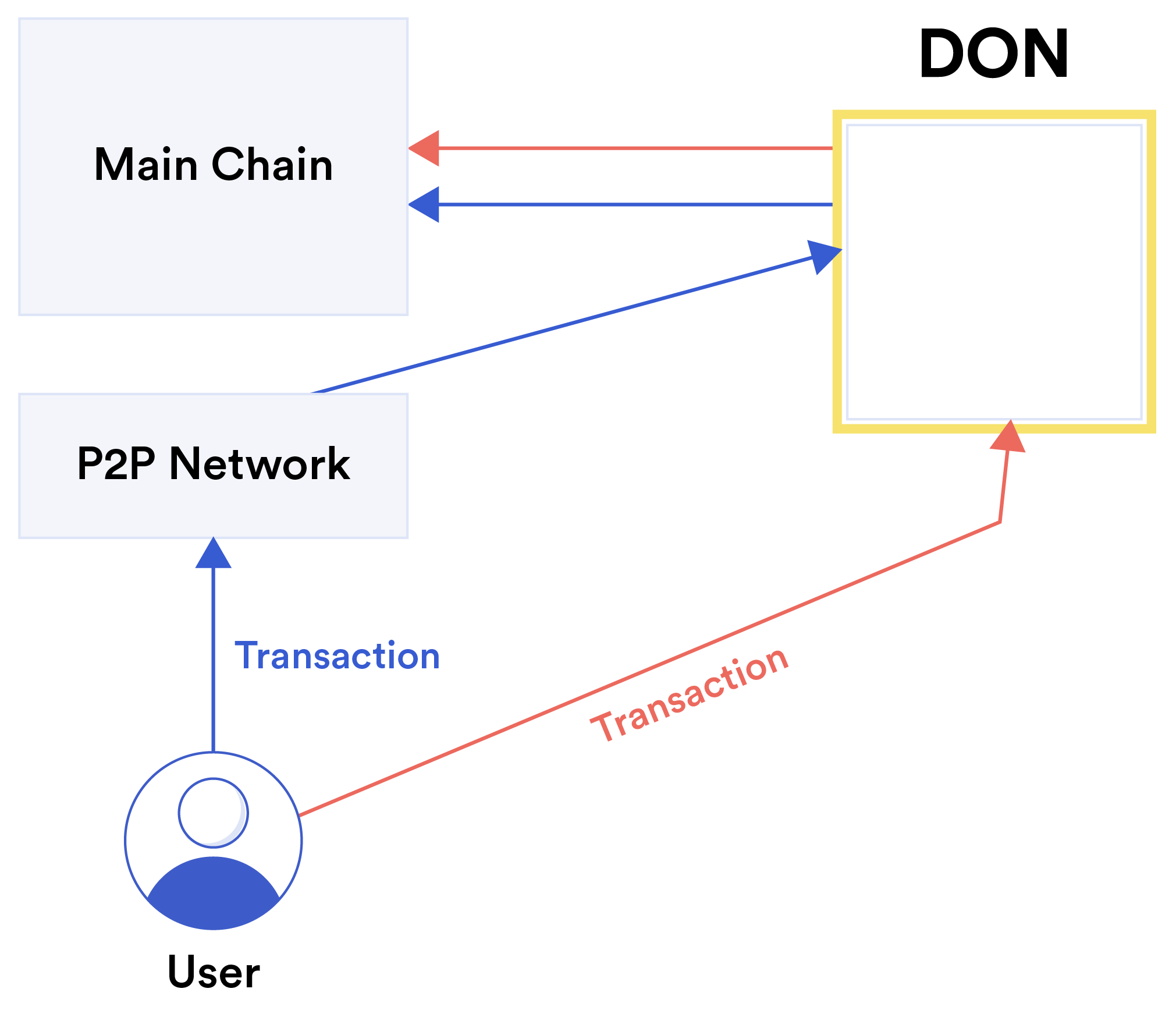
が分散されている場合、そのような順序は捕捉できません。したがって、FSS はメカニズムを導入します 分散されたことによってのみ生じる公平性の侵害を防ぐため blockchain ネットワークの性質。 5.2 FSSの詳細 図 12: 2 つの異なるトランザクション パスを持つ順序公平なメモリプール: 直接的かつ mempool ベース。 図 12 は、FSS の一般的な概略図を示しています。公平性を確保するために、FSS を提供する DON は、トランザクションが MAINCHAIN に入るときにトランザクションのフローを妨害する必要があります。 クライアント、MAINCHAIN 上の smart contract、またはその両方の調整が必要になる場合があります。高レベルでは、FSS によるトランザクションの処理は 3 つに分解できます。 以下に説明するフェーズ: (1) トランザクション監視。 (2) トランザクションの順序付け。そして (3) トランザクションの転記。トランザクションの順序付けに使用される順序付け方法に応じて、次のセクションで説明するように、追加のプロトコル手順が必要になります。 5.2.1 トランザクション処理 トランザクション監視: FSS が監視するには 2 つの異なるアプローチを想定しています。 特定の smart contract を宛先とするユーザー トランザクション (直接およびメモリプール ベース): • 直接: 直接アプローチは概念的には最も単純ですが、変更が必要です。 ユーザークライアントにより、トランザクションが分散型 Oracle に直接送信されるようになります。メインチェーンのノードではなく、ネットワークノード。 DON は収集します 特定の smart contract SC 宛てのユーザー トランザクションとそれらに基づく注文 いくつかの注文ポリシーに基づいて。 DON は、注文されたトランザクションを メインチェーン上のsmart contract。一部の注文メカニズムでは、トランザクションを作成するユーザーが暗号化する必要があるため、直接的なアプローチも必要となります。 FSS に送信する前に保護してください。 • Mempool ベース: FSS とレガシー クライアントの統合を容易にするために、DON Mempool Services (MS) を使用してメインチェーンの mempool を監視し、収集することができます。 取引。 多くの契約では直接送信が推奨される実装となる可能性が高く、 そして多くの場合、それはかなり実用的であるはずだと私たちは信じています。 既存の DApps を最小限の変更でサポートできる方法について簡単に説明します。 優れたユーザーエクスペリエンスを維持しながら直接送信します。アプローチについて説明します Ethereum と MetaMask [6] は現在最も人気のある選択肢であるため、使用しますが、 前述のテクニックは他のチェーンやウォレットにも拡張されるべきです。最近のEthereum 改善提案、「EIP-3085: ウォレット追加 Ethereum チェーン RPC メソッド」 [100]、 カスタム Ethereum チェーンを簡単にターゲットにできるようになります (異なる CHAIN ID を使用) MetaMask やその他のブラウザベースのウォレットからのリプレイ攻撃を防ぐための MAINCHAIN のセキュリティです。この提案の実装後、DApp は DON の使用を希望します。 フロントエンドに単一のメソッド呼び出しを追加するだけで、直接送信できるようになります。 Ethereum 互換 API を公開する DON へのトランザクション。その間、 「EIP-712: Ethereum 型付き構造化データ hash の作成と署名」 [49] は、わずかに より複雑ではあるが、すでに広く導入されている代替案であり、DApp ユーザーが使用できる DON トランザクションを指定して構造化データに署名するメタマスク。 DApp が送信できるのは、 この署名された構造化データは DON に送信されます。 最後に、ハイブリッドアプローチも可能であることに注意してください。 たとえば、レガシー クライアントはメイン チェーンのメモリプールにトランザクションを送信し続けることができますが、これは重要です トランザクション (oracle レポートなど) は DON ノード (特に、 価格フィードの更新などの oracle レポートを提供するノードのセットとノードのセット ただし、FSS が重複するか同一である可能性があります)。 トランザクションの順序付け: FSS の主な目的は、ユーザーのトランザクションが事前定義されたポリシーに従って順序付けされることを保証することです。このポリシーの性質上、 アプリケーションのニーズと、アプリケーションが要求する不当なトランザクション命令の種類によって異なります。 を防ぐことを目的としています。 DON の FSS はデータを処理し、ローカル状態を維持できるため、 彼らは、以下の情報に基づいて任意の順序付けポリシーを課す可能性があります。 oracles で入手できます。 特定の順序付けポリシーとその実装については、セクション 5.3 で後述します。トランザクション転記: ユーザーから直接受信した、またはメモリプールから収集されたユーザー トランザクションを収集して順序付けした後、DON はこれらのトランザクションをメイン チェーンに送信します。そのため、DON とメインチェーンの相互作用は残ります。 メインチェーンのマイナーによって管理される(不公平な可能性がある)トランザクション順序の影響を受けます。分散型トランザクション注文の利点を活用するには、ターゲットをスマートにします。 したがって、契約 SC は、DON を「一級」国民として扱うように設計されなければなりません。私たち 2 つのアプローチを区別します。 • DON のみのコントラクト: 最も単純な設計オプションは、メイン チェーンをスマートにすることです。 契約 SC は、DON によって処理されたトランザクションのみを受け入れます。これ smart contract が、提案された順序でトランザクションを処理することを保証します。 DON ですが、事実上、smart contract は委員会ベースのシステムで運営されるように制限されています (つまり、DON 委員会は現在、 トランザクションの注文と包含)。 • デュアルクラス コントラクト: メイン チェーンがスマートになる、より粒度の高い設計が推奨されます。 コントラクト SC は、DON とレガシーの両方から発生するトランザクションを受け入れます ただし、DON によって処理されなかったトランザクションには従来の「スピード バンプ」が発生します。たとえば、DON からのトランザクションが処理される可能性があります。 従来のトランザクションは smart contract によってすぐに「バッファリング」されます。 一定の期間。フロントランニングを防止するためのその他の標準メカニズム commit-reveal スキームや VDF [53] などはレガシーにも適用できます 取引。これにより、DON で注文されたトランザクションが確実に処理されます。 DON に望ましくない検閲権限を与えることなく合意された命令 取引。 FSS によるトランザクション順序付けの強制では、トランザクションが「オフチェーン」で集約される必要があるため、このソリューションは、オンチェーン処理コストの削減を目的とした他の集約手法と自然に組み合わされます。たとえば、収集した後、 トランザクションを注文すると、DON はこれらのトランザクションをメイン チェーンに送信する可能性があります。 単一の「バッチトランザクション」(例: rollup) により、トランザクションの総量が削減されます。 料金。 トランザクション順序の強制: DON 専用設計でもデュアルクラス設計でも、 DON のトランザクション順序が維持されることを保証するには、メイン チェーン smart contract SC と DON を共同設計する必要があります。ここでも、さまざまな状況を想定しています デザインオプション: • シーケンス番号: DON は各トランザクションにシーケンス番号を追加し、これらのトランザクションをメイン チェーンのメモリプールに送信できます。 メイン 10DON のトランザクション監視がメモリプールに基づいている場合、レガシー トランザクションは、DON によって収集されないように、DON トランザクションと区別できる必要があります (特別なタグなどを介して)。 トランザクションに埋め込むか、特定のガス価格を指定することによって、例えばDON トランザクションにはガスが発生しています 一定のしきい値を下回る価格。チェーン smart contract SC は、「順序を外して」到着したトランザクションを無視します。私たち この設定では、メインチェーンのマイナーが DON を無視することを決定できることに注意してください。 トランザクションの順序付けが行われるため、トランザクションが失敗します。 SC が (高価な) 状態を維持することで、ある程度正しいトランザクション順序を強制することが可能です。 TCP が、欠落したパケットが見つかるまで、順序が乱れたパケットをバッファリングする方法と同様です。 受け取りました。 • トランザクション nonces: 多くの blockchain、特に Ethereum については、 上記のシーケンス番号付けアプローチでは、組み込みトランザクション nonces を利用して、 メインチェーン smart contract SC がトランザクションを順番に処理するように強制します。 ここで、DON ノードは、DON ノード間で共有されるキーで保護された単一のメインチェーン アカウントを通じてトランザクションをメインチェーンに送信します。アカウントの トランザクション nonce は、トランザクションが正しい順序でマイニングおよび処理されることを保証します。 • トランザクションの集約: DON は、複数のトランザクションを rollup に集約できます。 (または rollup のようなバンドル内)。メインチェーン smart contract は次のようにする必要があります。 このような集約トランザクションを処理するように設計されています。 • メインチェーンプロキシによるトランザクションの集約: ここで、DON は同様にトランザクションをメインチェーンの 1 つの「メタトランザクション」にバンドルしますが、 カスタム プロキシ smart contract を使用してトランザクションを解凍し、 ターゲット契約SC。この手法はレガシー互換性に役立ちます。メタトランザクションは rollup と同様に動作しますが、非圧縮トランザクションで構成される点が異なります。 メインチェーンに一度ポストされたトランザクションのリスト。 最後の設計には、ユーザー トランザクションをシームレスにサポートするという利点があります。 DON のターゲットに到達する前に、メイン チェーン コントラクトを通じて自身がプロキシされます SCと契約。たとえば、あるウォレットにトランザクションを送信するユーザーを考えてみましょう。 コントラクトは内部トランザクションを SC に送信します。シーケンスの割り当て ユーザーのウォレット契約が正しくない限り、そのようなトランザクションに番号を付けるのは難しいでしょう。 すべての内部トランザクションでシーケンス番号を転送するように特別に設計されています。 SC。 同様に、そのような内部トランザクションを、SC に直接送信されるメタトランザクションに簡単に集約することはできません。さらなる設計上の考慮事項について説明します。 かかる代理取引は以下の通りです。 5.2.2 トランザクションの原子性 これまでの議論は、トランザクションが単一のオブジェクトと相互作用することを暗黙に想定してきました。 オンチェーン smart contract (例: ユーザーが取引所に購入リクエストを送信する)。それでも、 Ethereum などのシステムでは、単一のトランザクションが複数の内部トランザクションで構成される場合があります (たとえば、1 つの smart contract が別のコントラクト内の関数を呼び出すなど)。以下、私たちは、 「マルチコントラクト」トランザクションをシーケンスするための 2 つの高レベルの戦略について説明します。 トランザクションのアトミック性(つまり、トランザクションによって規定された一連のアクション)を維持する トランザクションはすべて正しい順序で実行されるか、まったく実行されません)。強力な原子性: 最も簡単な解決策は、上で説明したように、FSS を「複数契約」トランザクション全体に直接適用することです。つまり、ユーザーはトランザクションを送信します をネットワークに接続し、FSS がこれらのトランザクションを監視、シーケンスし、 メインチェーン。 このアプローチは技術的には簡単ですが、潜在的な制限が 1 つあります。 トランザクションは、公平性を活用することを希望する 2 つの契約 SC1 および SC2 と対話します。 シーケンス サービスの場合、これら 2 つの契約のシーケンス ポリシーは一貫している必要があります。つまり、それぞれが対話する 2 つの異なるトランザクション tx1 と tx2 があるとします。 SC1 と SC2 の両方で、SC1 のポリシーが tx2 よりも先に tx1 を順序付ける場合であってはなりません。 一方、SC2 のポリシーは逆の順序を規定しています。 対象となるシナリオの大部分では、さまざまな契約で採用される順序ポリシーが一貫していると想定されます。たとえば、SC1 と SC2 の両方 トランザクションを mempool へのおおよその到着時間によって順序付けしたい場合があります。 さらに、SC1 は、特定の oracle レポートが常に最初に配信されることを望む場合があります。として 後者の oracle レポート トランザクションは SC2 と対話せず、ポリシーは一貫しています。 弱い原子性: 完全に一般的に言えば、FSS は個人レベルで適用できます。 内部取引。 いくつかの初期値で構成される tx = { ˜txpre, ˜txSC, ˜txpost} という形式のトランザクションを考えてみましょう。 トランザクション 〜txpre。これにより、SC への内部トランザクション 〜txSC が発生します。 内部トランザクション ~txpost を発行します。 SC のシーケンス ポリシーによって、その方法が決定される場合があります。 内部トランザクション ~txSC は、送信される他のトランザクションに関して順序付けする必要があります ただし、~txpre と ~txpost のシーケンス順序はオープンのままにしておきます。 Ethereum などのシステムにおけるトランザクション処理の本質を考慮すると、特定の内部トランザクションを対象としたシーケンス サービスの開発は簡単ではありません。特別に設計されたコントラクト SC を使用すると、これは次のように実現可能です。 1. トランザクション TX がネットワークに送信され、(順序付けなしで) マイニングされます。 FSSによって実行されます)。最初の ˜txpre が実行され、 ˜txSC が呼び出されます。 2. SC は ~txSC を実行せずにリターンします。 3. FSS は SC への内部トランザクションを監視し、順序付けしてポストバックします。 SCに送信する(すなわち、トランザクション〜txSCをSCに直接送信することによって)。 4. SCは、FSSから受信したトランザクション~txSCを処理し、~txSCから結果として生じる内部トランザクション~txpostを発行します。 このアプローチでは、トランザクションは完全にアトミックに実行されません(つまり、元の トランザクション TX は複数のオンチェーン トランザクションに分割されます)、ただし順序は 内部トランザクションは保存されます。 このソリューションには、多くの設計上の制約が伴います。たとえば、 ˜txpre は次のことはできません。 〜txSCと〜txpostが実行されると仮定します。さらに、SC は次のように設計する必要があります。 特定のユーザーに代わってトランザクション 〜txSC および 〜txpost を実行します。FSSから送られてきました。これらの理由により、より粗粒度の「強力なアトミック性」ソリューションが使用されます。 実際には上記の方が望ましいと思われます。 複数のトランザクションや それぞれの内部トランザクションには、FSS のトランザクション スケジューラに含まれる可能性があります。 リレーショナルのトランザクション マネージャーにあるものに似た複雑な関数 データベースマネージャー。 5.3 公正なトランザクションの順序付け ここでは、トランザクションの順序付けの公平性に関する 2 つの概念と、FSS によって実現される対応する実装について説明します。 ポリシーに基づく注文の公平性 FSS と安全な因果関係の保存によって課されるため、FSS での追加の暗号化手法が必要になります。 注文の公平性: 順序の公平性は、コンセンサスプロトコルにおける時間的な公平性の概念です これは Kelkar らによって初めて正式に導入されました。 [144]。 ケルカーら。取引が行われる自然な政策の形を達成することを目指します。 DON (または P2P ネットワーク、 メモリプールベースの FSS の場合)。ただし、分散型システムでは異なります。 ノードではトランザクションが異なる順序で到着する可能性があります。 トータルオーダーの確立 すべてのトランザクションに関する問題は、基礎となるコンセンサス プロトコルによって解決されます。 メインチェーン。 ケルカーら。 [144] したがって、次のような弱い概念を導入します。 これは、「ブロック順序の公平性」と呼ばれる分散型 Oracle ネットワークの助けを借りて実現されます。 DON が一定期間中に受信したトランザクションをグループ化します。 「block」を選択し、ブロックのすべてのトランザクションを同時に同じ位置に挿入します。 (つまり、高さ) を MAINCHAIN に追加します。したがって、それらは一緒に注文され、実行可能でなければなりません それらの間に矛盾を生じさせることなく、並行して実行します。 大まかに言うと、orderfairness は、ノードの大部分が τ2 より前にトランザクション τ1 を見た場合、次のように述べます。 τ1 は、τ2 より前または同じブロック内でシーケンスされます。そんな粗雑なことを課すことで、 トランザクション注文の粒度が向上するため、フロントランニング攻撃やその他の注文関連の攻撃の機会が大幅に減少します。 ケルカーら。 Aequitas [144] と呼ばれるプロトコル ファミリを提案します。 同期、部分同期、非同期ネットワーク設定など、さまざまな導入モデルに対応します。 Aequitas プロトコルは、基本的な BFT コンセンサスに比べて通信オーバーヘッドが大きいため、実用には理想的ではありません。 しかし、私たちは、使用できる Aequitas の実用的な亜種が出現すると信じています。 FSS およびその他のアプリケーションのトランザクション シーケンス用。いくつかの関連スキームには、 付随する形式主義が少なく、特性が弱いものはすでに提案されていますが、 例: [36、151、236] ですが、実際のパフォーマンスはより優れています。これらのスキームをサポートできます FSSでも。 「公平性」という用語が blockchain の他の場所に登場していることにも注目してください。 異なる意味を持つ文学、すなわち、機会という意味での公平性コミットされたリソース [106, 181] または validator 秒に比例するマイナー 機会均等 [153]。 安全な因果関係の保存: 分散プラットフォームにおけるフロントランニングやその他の順序違反を防ぐ最も広く知られているアプローチは、暗号化に依存しています。 テクニック。それらの共通の特徴は、トランザクション データ自体を非表示にし、次の処理が完了するまで待機することです。 コンセンサス層での順序が確立され、トランザクションデータが明らかになります 後で処理します。これにより、トランザクション間の因果関係が維持されます。 blockchain によって実行されます。関連するセキュリティ概念と暗号化プロトコル blockchain の出現よりかなり前に開発されました [71、190]。 「入力因果関係」[190] および「安全な因果関係保存」[71、97] のセキュリティ条件では、トランザクションに関する情報が一切知られないようにすることが形式的に要求されます。 グローバルな順序におけるこのトランザクションの位置が決定される前。敵対者は、暗号化された方法で、その時点までいかなる情報も推測できてはなりません。 強いセンス。 因果関係を維持するための 4 つの暗号化手法を区別できます。 • Commit-Reveal プロトコル [29、142、145]: トランザクションがアナウンスされる代わりに 平文では、トランザクションに対する暗号化されたコミットメントのみがブロードキャストされます。コミット済みだが非表示のトランザクションがすべて注文された後 (blockchain の初めに) MAINCHAIN 自体のシステム、ただしここでは FSS による)、送信者はコミットメントをオープンし、所定の時間間隔内にトランザクション データを明らかにする必要があります。 次にネットワークは、開口部が以前の約束を満たしていることを検証します。の このメソッドの起源は、blockchains の出現より前に遡ります。 このアプローチは特に単純ですが、かなりの欠点があり、2 つの理由から採用が簡単ではありません。まず、注文プロトコルのレベルではコミットメントのみが存在するため、トランザクションのセマンティクスは コンセンサス中に検証することはできません。クライアントとの追加の往復 が必要です。しかし、より厳しいのは、開口部がなくなる可能性である。 これはサービス妨害攻撃に相当する可能性があります。さらに、それは 一貫性のある分散型環境では、開口部が有効であるかどうかを判断するのは困難です。 すべての参加者がオープニングが到着したかどうかに同意する必要があるため、この方法で 時間。 • リカバリが遅延するコミット-リビールプロトコル [145]: に関する 1 つの課題 commit-reveal アプローチでは、クライアントは投機的にトランザクションにコミットし、後続のトランザクションによって収益が得られる場合にのみ、後でそれを公開することができます。あ commit-reveal アプローチの最近の変形により、これに対する回復力が向上します。 一種の不正行為。特に、TEX プロトコル [145] はこの問題に対処します。 暗号化されたトランザクションに復号キーが含まれる賢いアプローチを使用する 検証可能な遅延関数 (VDF) [53、221] を計算することで取得できます。クライアントの場合 トランザクションを適時に復号化できなかった場合、システム内の他のユーザーが復号化します。 彼女に代わって、適度に難しい暗号パズルを解くことでそれを解決します。• しきい値暗号化 [71、190]: この方法は、DON が実行する可能性があることを利用します。 しきい値暗号化操作。 FSS が暗号化パブリックを維持していると仮定します。 キー pkO と oracle は、対応する秘密キーをそれらの間で共有します。 その後、クライアントは pkO でトランザクションを暗号化し、FSS に送信します。 FSS命令 DON 上のトランザクションを解析し、それらを復号化して、最後にそれらを 固定順序での MAINCHAIN。したがって、暗号化により注文が確実に行われます。 トランザクションの内容に基づくのではなく、データ自体がいつでも利用可能であることを示します。 必要です。 この方法はもともと Reiter と Birman [190] によって提案され、後に Cachin らによって改良されました。 [71]、許可されたコンセンサスと統合されました プロトコル。より最近の研究では、しきい値暗号化の使用を検討しています。 一般的なメッセージ [33、97] および共有データ [41] を使用した一般的な計算のためのコンセンサス レベルのメカニズム。 commit-reveal プロトコルと比較して、しきい値暗号化は単純なサービス拒否攻撃を防止します (ただし、復号化の計算コストを考慮すると注意が必要です)。これにより、DON は自律的に、独自の速度で、何もせずに進むことができます。 さらなるクライアントのアクションを待っています。トランザクションは、復号化された後すぐに検証できます。さらに、クライアントはすべてのトランザクションを 1 つの暗号化キーで暗号化します。 DON のキーと通信パターンは他のものと同じままです 取引。しきい値キーを安全に管理し、ノードを変更する ただし、O はさらなる問題を引き起こす可能性があります。 • コミットされた秘密の共有 [97]: トランザクション データを暗号化する代わりに、 DON が保持するキーの場合、クライアントはそれを O のノードに対して秘密共有することもできます。 ハイブリッドで計算上安全な秘密共有スキームを使用すると、トランザクションは まず、ランダムなキーを使用した対称暗号を使用して暗号化されます。対応する対称キーのみが共有され、暗号文は DON に送信されます。 クライアントは、個別に暗号化されたメッセージを使用して、O の各ノードに 1 つのキー共有を送信する必要があります。残りのプロトコル手順はしきい値の場合と同じです ただし、トランザクション データは対称暗号化で復号化されます。 共有からトランザクションごとのキーを再構築した後のアルゴリズム。 この方法では、公開鍵暗号システムの設定や管理が不要です。 DON に関連付けられています。ただし、クライアントは次のノードを認識している必要があります。 O それぞれと安全なコンテキストで通信します。 クライアントのさらなる負担。 暗号化方式は情報に対する完全な保護を提供しますが、 送信されたトランザクションからネットワークに漏洩するため、メタデータは隠蔽されません。のために たとえば、送信者の IP アドレスまたは Ethereum アドレスは引き続き使用される可能性があります。 フロントランニングやその他の攻撃を実行する敵。さまざまなプライバシー強化 ネットワーク層 ([52、95、107] など) またはトランザクション層に導入された技術、 この目標を達成するには、たとえば [13, 65] が必要になります。特定の作品の影響 メタデータの内容、つまりトランザクションがどのコントラクトに送信されるかを(部分的に)隠すことができます同じ DON 上で多くのコントラクトを多重化することによって。暗号の隠蔽 トランザクション自体も、破損したトランザクションによるトランザクションの優先順位付けを妨げるものではありません。 DON ノードがトランザクション送信者と共謀しています。 暗号プロトコルによって保証される安全な因果関係は、あらゆるポリシーの順序の公平性の保証を補完するものであり、私たちはこの 2 つの組み合わせを検討するつもりです。 可能な場合はメソッドを使用します。敵対者が重大な利益を得ることができない場合、 メタデータを観察すると、安全な因果関係保存プロトコルを併用できます。 素朴な注文アプローチも同様です。たとえば、oracle ノードはトランザクションを書き込むことができます 重複することなく、受け取ったらすぐに L に送信します。トランザクションは次のようになります。 L 上の出現に従って順序付けされ、その後復号化されます。 また、公正な注文を強制する手段として TEE の使用を検討する予定です。のために たとえば、Tesseract [44] は因果的順序付けの形式を実現していると見なすことができますが、 TEE が明示的な形式でトランザクションを処理する能力によって強化されます。 秘密を保持します。 5.4 ネットワーク層の考慮事項 これまでのところ、FSS についての説明は主に、次のことを強制する問題に焦点を当ててきました。 最終的なトランザクションの順序は、ネットワーク内で観察された順序と一致します。以下、 ネットワーク層自体で発生する可能性のある公平性の問題を考慮します。 従来の電子市場の高頻度トレーダーは多額の投資を行っています [64] は優れたネットワーク速度を得るためにリソースを使用しており、暗号通貨取引所のトレーダーも同様の動作を示しています [90]。ネットワーク速度は、次の点で利点をもたらします。 他の当事者の取引を観察し、競合する取引を提出する。 実際に導入され、書籍『Flash Boys [155]』で普及した解決策の 1 つは次のとおりです。 最初に IEX 取引所 [128] で導入され、その後他の取引所でも導入された「スピード バンプ」 [179] を交換します (結果はさまざまです [19])。このメカニズムは、市場へのアクセスに遅延 (IEX では 350 マイクロ秒) を課し、市場における利点を中和することを目的としています。 スピード。経験的証拠、例: [128]、特定の取引を減らす効果を裏付ける 一般投資家にとってのコスト。 FSS は、単純に非対称を実装するために使用できます。 速度の上昇 - 受信トランザクションを遅らせるもの。 バディッシュ、クラムトン、シム [64] は、速度の利点を利用すると主張しています。 継続時間市場では避けられないものであり、市場における構造的救済策を主張しています。 バッチオークションベースの市場の形態。しかし、このアプローチは広く定着していない 既存の取引プラットフォームで。 従来の取引システムは集中化されており、通常は次の方法で取引を受け取ります。 単一のネットワーク接続。対照的に、分散型システムでは、次のことが可能です。 複数の有利な点からトランザクションの伝播を観察します。その結果、P2P ネットワークにおけるネットワーク フラッディングなどの動作を観察することが可能になります。 私たちは意図しています 開発者がポリシーを指定するのに役立つ FSS へのネットワーク層のアプローチを調査する このような望ましくないネットワーク動作を禁止します。5.5 エンティティレベルの公平性ポリシー 注文の公平性と安全な因果関係は、次のようなトランザクションに対して注文を強制することを目的としています。 作成され、最初にネットワークに送信された時刻が尊重されます。この公平性の概念の限界は、敵対者が行う攻撃を防ぐことができないことです。 システムに多くのトランザクションを溢れさせることで優位性を得るという戦略が観察されています token 売上 [159] において効果的なトランザクション スナイピングを実行する方法として広く普及しています。 混雑を引き起こし、債務担保ポジション (CDP) [48] の清算を引き起こします。 言い換えれば、注文の公平性は、プレイヤーではなくトランザクションに関する公平性を強制します。 CanDID システム [160] に示されているように、DECO などの oracle ツールを使用することが可能です または、Town Crier をノード委員会 (DON など) と連携して達成します。 プライバシーを保護しながら、さまざまな形のシビル耐性を実現します。ユーザーはアイデンティティを登録できます そして、身元自体を明らかにすることなく、その独自性の証拠を提供します。 シビル耐性のある認証情報は、トランザクションの順序付けを強化するための可能なアプローチを提供します フラッディング攻撃の機会を制限するような方法でポリシーを適用します。たとえば、 token 販売では、登録ユーザーごとに 1 つのトランザクションのみが許可される場合があります。 社会保障番号などの国民識別子の一意性の証明が必要です。 このようなアプローチは確実ではありませんが、トランザクション フラッディング攻撃を軽減するための有用なポリシーであることが証明される可能性があります。
บริการจัดลำดับอย่างยุติธรรม
บริการสำคัญอย่างหนึ่งที่เราคาดหวังว่า DON จะได้รับ ซึ่งใช้ประโยชน์จากความสามารถด้านเครือข่าย การคำนวณ และพื้นที่จัดเก็บข้อมูลเรียกว่า Fair Sequencing Services (FSS) แม้ว่า FSS อาจถูกมองว่าเป็นเพียงแอปพลิเคชันที่เกิดขึ้นภายในกรอบงาน DON แต่เราเน้นย้ำว่าเป็นบริการที่เราเชื่อว่าจะเป็นที่ต้องการสูงทั่วทั้ง blockchains และเราคาดหวังว่าเครือข่าย Chainlink จะให้การสนับสนุนอย่างแข็งขัน เมื่อดำเนินการบนเครือข่าย blockchain สาธารณะ แอปพลิเคชัน DeFi จำนวนมากในปัจจุบัน เปิดเผยข้อมูลที่ผู้ใช้สามารถนำไปใช้ประโยชน์เพื่อประโยชน์ของตนเองได้คล้ายคลึงกับ การรั่วไหลของข้อมูลภายในและโอกาสในการจัดการที่แพร่หลายในปัจจุบัน ตลาด [64, 155]. FSS กลับปูทางไปสู่ระบบนิเวศ DeFi ที่ยุติธรรม เอฟเอสเอส ช่วยให้นักพัฒนาสร้างสัญญา DeFi ที่ได้รับการปกป้องจากการปั่นป่วนตลาด อันเป็นผลมาจากการรั่วไหลของข้อมูล จากปัญหาที่เราเน้นด้านล่าง FSS คือ น่าสนใจเป็นพิเศษสำหรับบริการชั้นที่ 2 และเหมาะสมกับกรอบการทำงานสำหรับบริการดังกล่าว ที่เรากล่าวถึงในมาตรา 6 ความท้าทาย: ในระบบที่ไม่ได้รับอนุญาตที่มีอยู่ ธุรกรรมจะถูกเรียงลำดับทั้งหมด ขึ้นอยู่กับดุลยพินิจของคนงานเหมือง ในเครือข่ายที่ได้รับอนุญาต โหนด validator อาจทำงาน พลังเดียวกัน นี่คือรูปแบบหนึ่งของการรวมศูนย์ชั่วคราวที่ส่วนใหญ่ไม่รู้จัก มิฉะนั้นระบบกระจายอำนาจ นักขุดสามารถตรวจสอบธุรกรรมได้ (ชั่วคราว) ผลประโยชน์ของตัวเอง [171] หรือจัดลำดับใหม่เพื่อเพิ่มผลประโยชน์ของตัวเองให้สูงสุด แนวคิดที่เรียกว่ามูลค่าที่สกัดได้ (MEV) [90] คำว่า MEV เป็นการหลอกลวงเล็กน้อย: ไม่ได้อ้างอิงถึง เพื่อประเมินมูลค่าที่นักขุดสามารถจับได้เท่านั้น: ผู้ใช้ทั่วไปสามารถจับ MEV บางตัวได้ เนื่องจากนักขุดมีพลังมากกว่าผู้ใช้ทั่วไป อย่างไรก็ตาม MEV แสดงถึงขอบเขตบนของมูลค่าที่เอนทิตีใด ๆ สามารถรับได้จากการเรียงลำดับใหม่ของฝ่ายตรงข้าม และการแทรกธุรกรรมเสริม แม้ว่านักขุดจะสั่งทำธุรกรรมง่ายๆ ขึ้นอยู่กับค่าธรรมเนียม (ก๊าซ) โดยไม่มีการบิดเบือน ผู้ใช้เองสามารถเปลี่ยนแปลงราคาก๊าซได้ เพื่อข้อได้เปรียบในการทำธุรกรรมของพวกเขามากกว่าการทำธุรกรรมที่มีความซับซ้อนน้อยกว่า ไดอัน และคณะ [90] จัดทำเอกสารและระบุวิธีที่บอท (ไม่ใช่นักขุด) ใช้ ข้อได้เปรียบของพลศาสตร์ของแก๊สในลักษณะที่เป็นอันตรายต่อผู้ใช้ระบบ DeFi ในปัจจุบันและอย่างไร MEV ยังคุกคามความเสถียรของเลเยอร์ฉันทามติที่ซ่อนอยู่ใน blockchain ตัวอย่างอื่นๆ ของการจัดการคำสั่งซื้อธุรกรรมเกิดขึ้นเป็นประจำ เช่น [50, 154]วิธีการประมวลผลธุรกรรมแบบใหม่ เช่น rollups เป็นแนวทางที่น่าหวังมาก ถึงปัญหาการปรับขนาดของปริมาณงานสูง blockchains อย่างไรก็ตามพวกเขาไม่ได้อยู่ ปัญหาของ MEV แต่จะเปลี่ยนไปใช้เอนทิตีที่สร้าง rollup แทน นั่น เอนทิตี ไม่ว่าจะเป็นผู้ดำเนินการของ smart contract หรือผู้ใช้ที่ตกแต่ง (zk-)rollup ด้วย หลักฐานความถูกต้องมีอำนาจในการสั่งและแทรกธุรกรรม กล่าวอีกนัยหนึ่ง rollups สลับ MEV สำหรับ REV: ค่าสะสมที่แยกได้ MEV ส่งผลกระทบต่อธุรกรรมที่จะเกิดขึ้นซึ่งถูกส่งไปยัง mempool แต่ยังไม่ได้มุ่งมั่นในห่วงโซ่ ข้อมูลเกี่ยวกับธุรกรรมดังกล่าวมีอย่างกว้างๆ ที่มีอยู่ในเครือข่าย นักขุด validators และผู้เข้าร่วมเครือข่ายทั่วไปสามารถทำได้ จึงใช้ประโยชน์จากความรู้นี้และสร้างธุรกรรมที่ต้องพึ่งพา นอกจากนี้ นักขุดและ validators อาจมีอิทธิพลต่อลำดับของธุรกรรมที่พวกเขากระทำ ตนเองและใช้ประโยชน์จากสิ่งนี้ให้เป็นประโยชน์ ปัญหาของอิทธิพลที่ไม่เหมาะสมของผู้นำในการสั่งซื้อธุรกรรมอย่างเป็นเอกฉันท์ โปรโตคอลเป็นที่รู้จักในวรรณคดีมาตั้งแต่ปี 1990 [71, 190] แต่ไม่น่าพอใจ แนวทางแก้ไขได้รับการตระหนักในทางปฏิบัติแล้ว [97] เหตุผลหลักก็คือ แนวทางแก้ไขที่เสนอมา—อย่างน้อยก็จนกระทั่งเมื่อเร็วๆ นี้—ไม่สามารถบูรณาการเข้ากับสาธารณะได้ทันที blockchains เนื่องจากพวกเขาอาศัยเนื้อหาของธุรกรรมที่ยังคงเป็นความลับจนกระทั่งหลังจากนั้น การสั่งซื้อของพวกเขาได้รับการพิจารณาแล้ว ภาพรวมบริการการจัดลำดับที่ยุติธรรม (FSS): DONs จะจัดเตรียมเครื่องมือในการกระจายอำนาจการสั่งซื้อธุรกรรมและนำไปใช้ตามนโยบายที่ระบุโดยผู้พึ่งพา ผู้สร้างสัญญา ควรจะเป็นผู้ที่ยุติธรรมและไม่เอาเปรียบผู้แสดงที่ต้องการ จัดการลำดับธุรกรรม โดยรวมแล้ว เครื่องมือเหล่านี้ประกอบขึ้นเป็น FSS FSS มีองค์ประกอบสามประการ ประการแรกคือการติดตามธุรกรรม ใน FSS oracle โหนดใน O ทั้งตรวจสอบ mempool ของ MAINCHAIN และอนุญาต (หากต้องการ) การส่งธุรกรรมแบบลูกโซ่ผ่านช่องทางพิเศษ ประการที่สองคือการเรียงลำดับของการทำธุรกรรม โหนดใน O สั่งซื้อธุรกรรมสำหรับสัญญาที่พึ่งพา ตามนโยบายที่กำหนดไว้สำหรับสัญญานั้น ประการที่สามคือการผ่านรายการธุรกรรม หลังจากสั่งธุรกรรมแล้ว โหนดใน O จะร่วมกันส่งธุรกรรมไปที่ ห่วงโซ่หลัก ประโยชน์ที่เป็นไปได้ของ FSS ได้แก่: • ความเป็นธรรมในการสั่งซื้อ: FSS มีเครื่องมือที่ช่วยให้นักพัฒนามั่นใจได้ว่าธุรกรรมดังกล่าว ข้อมูลในสัญญาใดสัญญาหนึ่งได้รับคำสั่งในลักษณะที่ไม่ก่อให้เกิดความเป็นธรรม ข้อได้เปรียบสำหรับผู้ใช้ที่มีทรัพยากรเพียงพอและ/หรือเชี่ยวชาญทางเทคนิค นโยบายการสั่งซื้อ สามารถระบุเพื่อการนี้ได้ • การลดหรือกำจัดการรั่วไหลของข้อมูล: FSS สามารถลดหรือลดหรือขจัดการรั่วไหลของข้อมูลได้โดยทำให้แน่ใจว่าผู้เข้าร่วมเครือข่ายไม่สามารถใช้ประโยชน์จากความรู้เกี่ยวกับธุรกรรมที่กำลังจะเกิดขึ้นได้ กำจัดการโจมตีเช่นการวิ่งหน้าซึ่งอิงตามข้อมูลที่มีอยู่ใน เครือข่ายก่อนการทำธุรกรรมเกิดขึ้น ป้องกันการแสวงประโยชน์ดังกล่าว การรั่วไหลทำให้มั่นใจได้ว่าการทำธุรกรรมของฝ่ายตรงข้ามซึ่งขึ้นอยู่กับต้นฉบับที่ค้างอยู่ ธุรกรรมไม่สามารถเข้าสู่บัญชีแยกประเภทได้ก่อนที่จะมีการทำธุรกรรมดั้งเดิม• ลดต้นทุนการทำธุรกรรม: โดยขจัดความจำเป็นของผู้เล่นในเรื่องความเร็วในการส่ง การทำธุรกรรมของพวกเขาไปที่ smart contract FSS สามารถลดต้นทุนการประมวลผลธุรกรรมได้อย่างมาก • การจัดลำดับความสำคัญ: FSS สามารถจัดลำดับความสำคัญพิเศษให้กับธุรกรรมที่สำคัญได้โดยอัตโนมัติ การสั่งซื้อ ตัวอย่างเช่น เพื่อป้องกันการโจมตีแบบแนวหน้าต่อ oracle รายงาน เช่น [79] FSS สามารถแทรกรายงาน oracle ลงในสตรีมของธุรกรรม ย้อนหลัง เป้าหมายโดยรวมของ FSS ใน DONs คือการมอบอำนาจให้ผู้สร้าง DeFi ตระหนักถึงความยุติธรรม ระบบการเงิน นั่นคือระบบที่ไม่เอื้อประโยชน์ต่อผู้ใช้รายใดรายหนึ่ง (หรือนักขุด) เหนือผู้อื่นบนพื้นฐานของความเร็ว ความรู้ภายใน หรือความสามารถในการปฏิบัติงานด้านเทคนิค การจัดการ แม้ว่าแนวคิดทั่วไปเกี่ยวกับความยุติธรรมที่คมชัดจะเข้าใจยากและมีความเป็นธรรมที่สมบูรณ์แบบ ความรู้สึกที่สมเหตุสมผลใด ๆ นั้นไม่สามารถบรรลุผลได้ FSS มุ่งหวังที่จะมอบพลังอันทรงพลังให้กับนักพัฒนา ชุดเครื่องมือเพื่อให้สามารถบังคับใช้นโยบายที่ช่วยให้บรรลุเป้าหมายการออกแบบสำหรับ DeFi เราทราบว่าเป้าหมายหลักของ FSS คือการให้บริการจัดลำดับอย่างยุติธรรม MAINCHAIN ที่ DON กำหนดเป้าหมาย เป็นข้อกำหนดด้านความเป็นธรรมแบบเดียวกับที่ FSS การรับประกันยังเหมาะสมกับโปรโตคอล (กระจายอำนาจ) ที่ใช้งานอยู่ด้วย DON ปาร์ตี้ ดังนั้น FSS จึงสามารถมองได้กว้างมากขึ้นว่าเป็นบริการที่จัดทำโดยเซ็ตย่อย ของ DON โหนดเพื่อจัดลำดับอย่างยุติธรรม ไม่เพียงแต่ธุรกรรมที่ส่งโดยผู้ใช้ MAINCHAIN แต่ยังรวมถึงธุรกรรม (เช่น ข้อความ) ที่แชร์ระหว่างโหนด DON อื่นๆ ด้วย ในส่วนนี้ เราจะมุ่งเน้นไปที่เป้าหมายของการเรียงลำดับธุรกรรม MAINCHAIN เป็นหลัก การจัดส่วน: ในส่วนที่ 5.1 เราอธิบายแอปพลิเคชันระดับสูงสองแอปพลิเคชันที่กระตุ้นการออกแบบ FSS: การป้องกันการทำงานส่วนหน้าของรายงาน oracle และการป้องกัน การดำเนินการธุรกรรมของผู้ใช้ล่วงหน้า จากนั้นเราจะให้รายละเอียดเพิ่มเติมเกี่ยวกับการออกแบบ FSS ในข้อ 5.2 ส่วนที่ 5.3 อธิบายตัวอย่างการรับประกันและวิธีการสั่งซื้อที่เป็นธรรม เพื่อให้บรรลุเป้าหมายเหล่านั้น สุดท้ายนี้ ส่วนที่ 5.4 และส่วนที่ 5.5 จะหารือเกี่ยวกับภัยคุกคามระดับเครือข่าย นโยบายดังกล่าวและวิธีการแก้ไขปัญหาดังกล่าว ตามลำดับสำหรับน้ำท่วมในเครือข่ายและซีบิล การโจมตี 5.1 ปัญหาการวิ่งหน้า เพื่ออธิบายเป้าหมายและการออกแบบของ FSS เราจะอธิบายรูปแบบทั่วไปสองรูปแบบของการวิ่งหน้า การโจมตีและข้อจำกัดของโซลูชั่นที่มีอยู่ การวิ่งหน้าเป็นแบบอย่างของชนชั้น ของการโจมตีตามลำดับธุรกรรม: มีการโจมตีที่เกี่ยวข้องจำนวนหนึ่ง เช่น การถอยกลับและการประกบ (การวิ่งหน้าบวกการวิ่งถอยหลัง) [237] ที่เราไม่ครอบคลุม ที่นี่ แต่ FSS ก็ช่วยแก้ไขได้เช่นกัน 5.1.1 ออราเคิล ฟร้อนรันนิ่ง ในบทบาทดั้งเดิมในการให้ข้อมูล off-chain แก่แอปพลิเคชัน blockchain oracles กลายเป็นเป้าหมายธรรมชาติสำหรับการโจมตีแนวหน้าพิจารณารูปแบบการออกแบบทั่วไปของการใช้ oracle เพื่อจัดหาฟีดราคาต่างๆ ไปยังการแลกเปลี่ยนออนไลน์: เป็นระยะๆ (พูดทุกชั่วโมง) oracle รวบรวมข้อมูลราคาสำหรับ สินทรัพย์ที่แตกต่างกันและส่งสิ่งเหล่านี้ไปยังสัญญาแลกเปลี่ยน ธุรกรรมข้อมูลราคาเหล่านี้ นำเสนอโอกาสในการเก็งกำไรที่ชัดเจน: ตัวอย่างเช่น หากรายการรายงาน oracle ใหม่ล่าสุด ราคาที่สูงกว่ามากสำหรับสินทรัพย์บางอย่าง ฝ่ายตรงข้ามสามารถรันรายงาน oracle ล่วงหน้าได้ ซื้อสินทรัพย์และขายต่อทันทีเมื่อรายงานของ oracle ได้รับการประมวลผล การเร่งความเร็วและราคาย้อนหลัง: วิธีแก้ปัญหาทั่วไปสำหรับปัญหา oracle frontrunning คือการให้ความสำคัญกับรายงาน oracle เป็นพิเศษเหนือธุรกรรมอื่นๆ สำหรับ ตัวอย่างเช่น oracle สามารถส่งรายงานโดยมีค่าธรรมเนียมสูงเพื่อสนับสนุนให้นักขุดดำเนินการ พวกเขาก่อน แต่สิ่งนี้จะไม่ป้องกันการวิ่งล่วงหน้าหากโอกาสในการเก็งกำไรสูง และไม่สามารถป้องกันการเก็งกำไรโดยนักขุดเองได้ ตลาดแลกเปลี่ยนบางแห่งจึงหันไปใช้ “speedbumps” ที่มีน้ำหนักมากขึ้น เช่น การเข้าคิวธุรกรรมของผู้ใช้สำหรับบล็อกจำนวนหนึ่งก่อนที่จะประมวลผล หรือปรับราคาย้อนหลังเมื่อมีรายงาน oracle ใหม่มาถึง ข้อเสียของโซลูชันเหล่านี้คือเพิ่มความซับซ้อนให้กับการดำเนินการแลกเปลี่ยน เพิ่มข้อกำหนดในการจัดเก็บและทำให้ต้นทุนการทำธุรกรรม และขัดขวางประสบการณ์ผู้ใช้เนื่องจากการแลกเปลี่ยนสินทรัพย์จะได้รับการยืนยันหลังจากช่วงระยะเวลาที่สำคัญเท่านั้น ขี่หลัง: ก่อนที่จะก้าวไปสู่ FSS เราจะพูดถึงเรื่องการแบกหลัง ซึ่งค่อนข้างง่ายและ วิธีแก้ปัญหาที่หรูหราสำหรับ oracle ปัญหาการวิ่งหน้า มันใช้ไม่ได้กับที่อยู่ อย่างไรก็ตาม ในสถานการณ์อื่นๆ กล่าวโดยสรุป แทนที่จะส่งรายงานไปยังสัญญาออนไลน์เป็นระยะ oracles เผยแพร่รายงานที่ลงนามซึ่งผู้ใช้ผนวกเข้ากับธุรกรรมของตนเมื่อซื้อหรือขาย สินทรัพย์ออนไลน์ การแลกเปลี่ยนจะตรวจสอบว่ารายงานนั้นถูกต้องและใหม่หรือไม่ (เช่น oracle สามารถลงนามช่วงของบล็อกที่รายงานถูกต้อง) และแยก ฟีดราคาที่เกี่ยวข้องจากนั้น วิธีการง่ายๆ นี้มีข้อดีมากกว่า "การเร่งความเร็ว" ข้างต้นหลายประการ แนวทาง: (1) สัญญาแลกเปลี่ยนไม่จำเป็นต้องรักษาสถานะของฟีดราคาซึ่งควร ส่งผลให้ต้นทุนการทำธุรกรรมลดลง (2) เนื่องจากรายงาน oracle ถูกโพสต์แบบต่อเนื่องตามความจำเป็น oracles จึงสามารถสร้างการอัปเดตได้บ่อยมากขึ้น (เช่น ทุกนาที) ด้วยเหตุนี้ ลดโอกาสในการเก็งกำไรจากการดำเนินรายงาน9; (3) การทำธุรกรรมสามารถทำได้ ได้รับการตรวจสอบทันที เนื่องจากมีฟีดราคาใหม่อยู่เสมอ วิธีการนี้ยังไม่สมบูรณ์แบบ ขั้นแรก วิธีแก้ปัญหาการแบกหลังนี้ทำให้ ความรับผิดชอบของผู้ใช้การแลกเปลี่ยนเพื่อดึงรายงาน oracle ที่เป็นปัจจุบันและแนบไปกับรายงานของพวกเขา การทำธุรกรรม ประการที่สอง แม้ว่าการออมเงินจะช่วยลดโอกาสในการเก็งกำไร แต่ก็ไม่สามารถทำได้ ป้องกันอย่างเต็มที่โดยไม่กระทบต่อความมีชีวิตชีวาของสัญญาออนไลน์ จริงๆ แล้ว ถ้าเป็น รายงาน oracle ใช้ได้จนถึงบางหมายเลขบล็อก n จากนั้นธุรกรรมที่ส่งไปยังบล็อก n + 1 จะต้องมีรายงานที่ถูกต้องใหม่ เนื่องจากความล่าช้าในการขยายพันธุ์โดยธรรมชาติ รายงานจาก oracles ถึงผู้ใช้ รายงานใหม่ที่ถูกต้องสำหรับบล็อก n + 1 จะมี 9การหากำไรจะคุ้มค่าก็ต่อเมื่อความแตกต่างที่สามารถหาประโยชน์ได้ในราคาสินทรัพย์เกินกว่าราคาภายนอก ค่าธรรมเนียมที่จำเป็นในการซื้อและขายสินทรัพย์ เช่น ค่าธรรมเนียมที่นักขุดเก็บและการแลกเปลี่ยนเพื่อเผยแพร่ในช่วงระยะเวลาหนึ่งก่อนบล็อก n + 1 จะถูกขุด พูดที่บล็อก n −k ดังนั้น สร้างลำดับของ k บล็อกที่มีโอกาสเก็งกำไรระยะสั้น เรา ตอนนี้อธิบายว่า FSS หลีกเลี่ยงข้อจำกัดเหล่านี้ได้อย่างไร การจัดลำดับความสำคัญของรายงาน oracle ด้วย FSS: FSS สามารถจัดการกับ oracle front-running ได้ ปัญหาโดยการสร้างโซลูชัน piggybacking ข้างต้น แต่ผลักดันเพิ่มเติม งานเสริมธุรกรรมด้วย oracle รายงานไปยัง Decentralized Oracle Network ในระดับสูง โหนด oracle จะรวบรวมธุรกรรมที่กำหนดไว้สำหรับการแลกเปลี่ยนแบบออนไลน์ ตกลงฟีดราคาแบบเรียลไทม์ และโพสต์ฟีดราคาพร้อมกับธุรกรรมที่รวบรวมไปยังสัญญาลูกโซ่หลัก ตามแนวคิดแล้ว เราสามารถมองแนวทางนี้ว่าเป็น “การรวมกลุ่มธุรกรรมที่เสริมข้อมูล” โดยที่ oracle ช่วยให้มั่นใจได้ว่าข้อมูลล่าสุด ฟีดราคาจะถูกเพิ่มในธุรกรรมเสมอ โซลูชัน FSS สามารถนำไปใช้อย่างโปร่งใสกับผู้ใช้ของการแลกเปลี่ยนและด้วย การเปลี่ยนแปลงตรรกะของสัญญาเพียงเล็กน้อย ตามที่เราอธิบายรายละเอียดเพิ่มเติมในส่วน 5.2 มั่นใจ รายงาน oracle ใหม่จะมีลำดับความสำคัญเหนือธุรกรรมของผู้ใช้เสมอเป็นเพียงตัวอย่างหนึ่งเท่านั้น ของนโยบายการสั่งซื้อที่ FSS สามารถนำไปใช้และบังคับใช้ได้ นโยบายของ FSS เพื่อความมั่นใจในการสั่งซื้อ ความเป็นธรรมมีอธิบายไว้โดยทั่วไปในหัวข้อ 5.3 5.1.2 ธุรกรรมผู้ใช้ที่ดำเนินการอยู่แนวหน้า ตอนนี้เราหันไปใช้การวิ่งหน้าในการใช้งานทั่วไปซึ่งมีวิธีการป้องกันข้างต้น ไม่ทำงาน ปัญหาสามารถจับได้กว้างๆ ผ่านสถานการณ์ต่อไปนี้: ฝ่ายตรงข้ามเห็นธุรกรรมของผู้ใช้ tx1 ที่ส่งไปยังเครือข่าย P2P และแทรกซึมเข้าไป ธุรกรรมฝ่ายตรงข้ามของตัวเอง tx2 เพื่อให้ tx2 ได้รับการประมวลผลก่อน tx1 (เช่น โดยการจ่ายเงิน ค่าธรรมเนียมการทำธุรกรรมที่สูงขึ้น) ตัวอย่างเช่น การวิ่งหน้าแบบนี้เป็นเรื่องปกติในหมู่ บอทที่ใช้ประโยชน์จากโอกาสในการเก็งกำไรในระบบ DeFi [90] และส่งผลกระทบต่อผู้ใช้ของ แอปพลิเคชันกระจายอำนาจต่างๆ [101] การสร้างความเป็นธรรมในการทำธุรกรรม ประมวลผลบน blockchain แก้ไขปัญหานี้ โดยพื้นฐานแล้วบางครั้งการดูรายละเอียดของ tx1 ก็ไม่จำเป็นด้วยซ้ำ ความรู้เกี่ยวกับการดำรงอยู่ของมันอาจทำให้ฝ่ายตรงข้ามสามารถเรียกใช้ tx1 ผ่านทางมันได้ เป็นเจ้าของ tx2 และฉ้อโกงผู้ใช้บริสุทธิ์ที่สร้าง tx1 ตัวอย่างเช่น ผู้ใช้อาจ เป็นที่รู้กันว่ามีการซื้อขายสินทรัพย์เฉพาะในช่วงเวลาปกติ การป้องกันการโจมตีดังกล่าวจำเป็นต้องมี การบรรเทาผลกระทบที่หลีกเลี่ยงการรั่วไหลของข้อมูลเมตาเช่นกัน [62] วิธีแก้ไขปัญหาบางอย่างสำหรับปัญหานี้ มีอยู่จริง แต่ทำให้เกิดความล่าช้าและข้อกังวลด้านการใช้งาน จากการสั่งซื้อเครือข่ายไปจนถึงการสั่งซื้อขั้นสุดท้ายด้วย FSS: โอกาสในการวิ่งแนวหน้า เกิดขึ้นเนื่องจากระบบที่มีอยู่ไม่มีกลไกใดที่จะรับประกันได้ว่าจะมีลำดับใด ธุรกรรมที่ปรากฏบนลูกโซ่จะเคารพลำดับของเหตุการณ์และการไหลของข้อมูล ภายนอกเครือข่าย สิ่งนี้แสดงถึงปัญหาที่เกิดขึ้นจากข้อบกพร่องในการใช้งานแอปพลิเคชัน (เช่น แพลตฟอร์มการซื้อขาย) บน blockchain เป็นการดีที่จะมีใครคนหนึ่ง ตรวจสอบให้แน่ใจว่าการทำธุรกรรมเกิดขึ้นบน blockchain ในลำดับเดียวกันกับที่เป็นอยู่ สร้างและส่งไปยังเครือข่าย P2P ของ blockchain แต่เนื่องจากเครือข่าย blockchain
มีการกระจายออกไป ไม่สามารถยึดคำสั่งดังกล่าวได้ FSS จึงแนะนำกลไก เพื่อป้องกันการละเมิดความเป็นธรรมซึ่งเกิดขึ้นเพียงเพราะการแจกจ่ายเท่านั้น ลักษณะของเครือข่าย blockchain 5.2 รายละเอียด FSS รูปที่ 12: Mempool สำหรับงานสั่งซื้อที่มีเส้นทางการทำธุรกรรมที่แตกต่างกันสองเส้นทาง: โดยตรงและ อิง mempool รูปที่ 12 แสดงแผนผังทั่วไปของ FSS เพื่อให้มั่นใจถึงความเป็นธรรม DON การให้ FSS จะต้องรบกวนการทำธุรกรรมในขณะที่เข้าสู่ MAINCHAIN การปรับเปลี่ยนไคลเอนต์ เป็น smart contracts บน MAINCHAIN หรือทั้งสองอย่างอาจจำเป็น ในระดับสูง การประมวลผลธุรกรรมโดย FSS สามารถแบ่งออกเป็นสามส่วน ขั้นตอนที่อธิบายไว้ด้านล่าง: (1) การติดตามธุรกรรม; (2) ลำดับการทำธุรกรรม และ (3) การผ่านรายการธุรกรรม ขึ้นอยู่กับวิธีการสั่งซื้อที่ใช้สำหรับการจัดลำดับธุรกรรม จำเป็นต้องมีขั้นตอนโปรโตคอลเพิ่มเติม ดังที่อธิบายไว้ในส่วนถัดไป 5.2.1 การประมวลผลธุรกรรม การตรวจสอบธุรกรรม: เรามองเห็นแนวทางที่แตกต่างกันสองแนวทางเพื่อให้ FSS ติดตาม ธุรกรรมของผู้ใช้ที่กำหนดไว้สำหรับ smart contract เฉพาะทางโดยตรงและแบบ mempool: • โดยตรง: แนวทางโดยตรงเป็นแนวคิดที่ง่ายที่สุด แต่ต้องมีการเปลี่ยนแปลง ลูกค้าผู้ใช้เพื่อให้ธุรกรรมถูกส่งโดยตรงไปยัง Decentralized Oracleโหนดเครือข่าย แทนที่จะเป็นโหนดของห่วงโซ่หลัก DON รวบรวม ธุรกรรมของผู้ใช้ที่กำหนดให้กับ smart contract SC เฉพาะเจาะจงและสั่งซื้อตาม เกี่ยวกับนโยบายการสั่งซื้อบางอย่าง จากนั้น DON จะส่งธุรกรรมที่สั่งซื้อไปที่ smart contract บนสายหลัก กลไกการสั่งซื้อบางอย่างยังต้องการวิธีการโดยตรง เนื่องจากผู้ใช้ที่สร้างธุรกรรมจะต้องเข้ารหัสลับ ป้องกันก่อนที่จะส่งไปยัง FSS • แบบ Mempool: เพื่ออำนวยความสะดวกในการรวม FSS กับไคลเอ็นต์แบบเดิม DON สามารถใช้ Mempool Services (MS) เพื่อตรวจสอบ mempool ของ chain หลักและรวบรวมได้ การทำธุรกรรม การส่งสัญญาณโดยตรงน่าจะเป็นการดำเนินการที่ต้องการสำหรับสัญญาหลายฉบับ และเราเชื่อว่าควรจะใช้ได้จริงในหลายกรณี เราพูดคุยกันสั้นๆ ว่า DApps ที่มีอยู่สามารถปรับเปลี่ยนเพื่อรองรับการสนับสนุนให้น้อยที่สุดได้อย่างไร การส่งผ่านโดยตรงในขณะที่ยังคงรักษาประสบการณ์ผู้ใช้ที่ดี เราอธิบายแนวทาง ใช้ Ethereum และ MetaMask [6] เนื่องจากเป็นตัวเลือกยอดนิยมในปัจจุบัน แต่ เทคนิคดังกล่าวควรขยายไปยังโซ่และกระเป๋าสตางค์อื่นๆ Ethereum ล่าสุด ข้อเสนอการปรับปรุง “EIP-3085: กระเป๋าเงินเพิ่ม Ethereum วิธี chain RPC” [100], จะทำให้ง่ายต่อการกำหนดเป้าหมาย Ethereum chain แบบกำหนดเอง (โดยใช้ CHAIN ID ที่แตกต่างจากนี้ ของ MAINCHAIN เพื่อป้องกันการโจมตีซ้ำ) จาก MetaMask และกระเป๋าเงินที่ใช้เบราว์เซอร์อื่น ๆ หลังจากดำเนินการตามข้อเสนอนี้แล้ว DApp ที่ต้องการใช้ DON จะเพิ่มการเรียกเมธอดเดียวไปที่ส่วนหน้าเพื่อให้สามารถส่งได้โดยตรง การทำธุรกรรมกับ DON ใด ๆ ที่เปิดเผย API ที่เข้ากันได้กับ Ethereum ในระหว่างนี้ “EIP-712: Ethereum พิมพ์ข้อมูลที่มีโครงสร้าง hashing และลงนาม” [49] ให้เล็กน้อย ทางเลือกที่เกี่ยวข้องมากกว่า แต่มีการใช้งานกันอย่างแพร่หลายแล้ว ซึ่งผู้ใช้ DApp สามารถใช้ได้ MetaMask เพื่อลงนามข้อมูลที่มีโครงสร้างซึ่งระบุธุรกรรม DON DApp สามารถส่งได้ ข้อมูลที่มีโครงสร้างลงนามนี้ไปยัง DON สุดท้ายนี้ เราทราบว่าแนวทางแบบผสมผสานก็เป็นไปได้เช่นกัน เช่น มรดก ลูกค้าสามารถส่งธุรกรรมไปยัง mempool ของเชนหลักต่อไปได้ แต่มีความสำคัญ ธุรกรรม (เช่น รายงาน oracle) จะถูกส่งไปยังโหนด DON โดยตรง (โดยเฉพาะ ชุดของโหนดที่ให้รายงาน oracle เช่น การอัปเดตฟีดราคาและชุดของโหนด การให้ FSS อาจทับซ้อนกันหรือเหมือนกัน) ลำดับการทำธุรกรรม: วัตถุประสงค์หลักของ FSS คือการรับประกันว่าธุรกรรมของผู้ใช้จะได้รับการสั่งซื้อตามนโยบายที่กำหนดไว้ล่วงหน้า ลักษณะของนโยบายนี้จะ ขึ้นอยู่กับความต้องการของแอปพลิเคชันและประเภทของการสั่งทำธุรกรรมที่ไม่เป็นธรรมนั่นเอง มีวัตถุประสงค์เพื่อป้องกัน เนื่องจาก FSS บน DON สามารถประมวลผลข้อมูลและรักษาสถานะท้องถิ่นได้ พวกเขาอาจกำหนดนโยบายการจัดลำดับตามอำเภอใจตามข้อมูลที่เป็นอยู่ มีจำหน่ายที่ oracles นโยบายการสั่งซื้อเฉพาะและการนำไปปฏิบัติจะกล่าวถึงต่อไปในส่วนที่ 5.3การโพสต์ธุรกรรม: หลังจากรวบรวมและสั่งซื้อธุรกรรมของผู้ใช้ ซึ่งได้รับโดยตรงจากผู้ใช้หรือรวบรวมจาก mempool แล้ว DON จะส่งธุรกรรมเหล่านี้ไปยังเชนหลัก ด้วยเหตุนี้ การโต้ตอบของ DON กับสายโซ่หลักจึงยังคงอยู่ ขึ้นอยู่กับการสั่งซื้อธุรกรรม (อาจไม่ยุติธรรม) ซึ่งควบคุมโดยผู้ขุดของเครือข่ายหลัก เพื่อควบคุมประโยชน์ของการสั่งซื้อธุรกรรมแบบกระจายอำนาจ เป้าหมายที่ชาญฉลาด สัญญา SC จึงต้องได้รับการออกแบบเพื่อปฏิบัติต่อ DON ในฐานะพลเมือง "ชั้นหนึ่ง" เรา แยกแยะสองแนวทาง: • DON-สัญญาเท่านั้น: ตัวเลือกการออกแบบที่ง่ายที่สุดคือการมีห่วงโซ่หลักที่ชาญฉลาด สัญญา SC ยอมรับเฉพาะธุรกรรมที่ประมวลผลโดย DON นี้ ตรวจสอบให้แน่ใจว่า smart contract ประมวลผลธุรกรรมตามลำดับที่เสนอโดย DON แต่โดยพฤตินัยจำกัด smart contract ให้ดำเนินการในระบบที่มีคณะกรรมการ (เช่น ขณะนี้คณะกรรมการ DON มีอำนาจอย่างต่อเนื่องในการพิจารณา การสั่งซื้อและการรวมธุรกรรม) • สัญญาแบบสองชั้น: การออกแบบที่ต้องการและละเอียดยิ่งขึ้นนั้นมีห่วงโซ่หลักที่ชาญฉลาด สัญญา SC ยอมรับธุรกรรมที่มีต้นกำเนิดทั้งจาก DON และจากมรดก ผู้ใช้10 แต่วาง "การเร่งความเร็ว" แบบดั้งเดิมกับธุรกรรมที่ไม่ได้ประมวลผลโดย DON ตัวอย่างเช่น ธุรกรรมจาก DON อาจถูกประมวลผล ทันที ในขณะที่ธุรกรรมแบบเดิมได้รับการ "บัฟเฟอร์" โดย smart contract สำหรับ ระยะเวลาที่แน่นอน กลไกมาตรฐานอื่น ๆ ในการป้องกันการวิ่งหน้า เช่นแผนการเปิดเผยคอมมิตหรือ VDF [53] สามารถนำไปใช้กับระบบเดิมได้ การทำธุรกรรม เพื่อให้แน่ใจว่าธุรกรรมที่สั่งซื้อ DON จะได้รับการประมวลผล คำสั่งที่ตกลงกัน โดยไม่มอบอำนาจที่ไม่พึงประสงค์แก่ DON ในการเซ็นเซอร์ การทำธุรกรรม เนื่องจากการกำหนดลำดับธุรกรรมโดย FSS กำหนดให้ธุรกรรมต้องถูกรวมแบบ "ออฟเชน" โซลูชันนี้จึงถูกรวมเข้ากับเทคนิคการรวมกลุ่มอื่นๆ โดยธรรมชาติซึ่งมีจุดมุ่งหมายเพื่อลดต้นทุนการประมวลผลบนเชน เช่น หลังจากรวบรวมและ การสั่งซื้อธุรกรรม DON อาจส่งธุรกรรมเหล่านี้ไปยังเชนหลักเป็น “ธุรกรรมแบบแบตช์” เดียว (เช่น rollup) ซึ่งจะช่วยลดธุรกรรมรวม ค่าธรรมเนียม การบังคับใช้คำสั่งธุรกรรม: ไม่ว่าจะอยู่ในการออกแบบ DON เท่านั้นหรือแบบสองคลาส เชนหลัก smart contract SC และ DON จะต้องได้รับการออกแบบร่วมกันเพื่อรับประกันว่าการสั่งซื้อธุรกรรมของ DON จะได้รับการสนับสนุน เรายังมองเห็นความแตกต่างอีกด้วย ตัวเลือกการออกแบบ: • หมายเลขลำดับ: DON สามารถต่อท้ายหมายเลขลำดับในแต่ละธุรกรรม และส่งธุรกรรมเหล่านี้ไปยัง mempool ของเชนหลัก หลัก 10หากการตรวจสอบธุรกรรมของ DON ขึ้นอยู่กับ mempool ธุรกรรมดั้งเดิมจะต้องแยกความแตกต่างจากธุรกรรม DON เพื่อไม่ให้ถูกรวบรวมโดย DON เช่น ผ่านแท็กพิเศษ ฝังอยู่ในธุรกรรมหรือโดยระบุราคาก๊าซเฉพาะเช่น DON ธุรกรรมมีแก๊ส ราคาต่ำกว่าเกณฑ์ที่กำหนดchain smart contract SC ละเว้นธุรกรรมที่มาถึง "ไม่ต่อเนื่อง" เรา โปรดทราบว่าในการตั้งค่านี้ นักขุดสายหลักสามารถตัดสินใจที่จะเพิกเฉยต่อ DON การสั่งซื้อธุรกรรมจึงทำให้ธุรกรรมล้มเหลว เป็นไปได้โดยการรักษาสถานะ (แพง) เพื่อให้ SC เพื่อบังคับใช้การสั่งซื้อธุรกรรมที่ถูกต้องบ้าง คล้ายคลึงกับวิธีที่บัฟเฟอร์ TCP แพ็กเก็ตที่ไม่อยู่ในลำดับจนกระทั่งแพ็กเก็ตที่หายไป ได้รับ. • ธุรกรรม nonces: สำหรับ blockchains จำนวนมาก และโดยเฉพาะอย่างยิ่งสำหรับ Ethereum วิธีการกำหนดหมายเลขลำดับข้างต้นสามารถใช้ประโยชน์จากธุรกรรมในตัว nonces ได้ บังคับใช้ว่าสายโซ่หลัก smart contract SC ประมวลผลธุรกรรมตามลำดับ ที่นี่ โหนด DON ส่งธุรกรรมไปยังห่วงโซ่หลักผ่านบัญชี mainchain เดียว ซึ่งได้รับการป้องกันด้วยคีย์ที่ใช้ร่วมกันระหว่างโหนด DON ของบัญชี ธุรกรรม nonce ทำให้แน่ใจว่าธุรกรรมถูกขุดและประมวลผลในลำดับที่ถูกต้อง • รวมธุรกรรม: DON สามารถรวมธุรกรรมหลายรายการไว้ใน rollup (หรือเป็นกลุ่มที่คล้ายกับ rollup) สายโซ่หลัก smart contract จำเป็นต้องเป็น ออกแบบมาเพื่อจัดการธุรกรรมรวมดังกล่าว • รวมธุรกรรมด้วยพร็อกซีลูกโซ่หลัก: ในที่นี้ DON รวมธุรกรรมไว้ในทำนองเดียวกันเป็น "ธุรกรรมเมตา" สำหรับลูกโซ่หลัก แต่อาศัย พร็อกซีที่กำหนดเอง smart contract เพื่อแยกธุรกรรมและส่งต่อไปยัง เป้าหมายสัญญาเอสซี. เทคนิคนี้สามารถเป็นประโยชน์สำหรับความเข้ากันได้แบบเดิม ธุรกรรมเมตาทำหน้าที่เหมือน rollups แต่แตกต่างตรงที่ประกอบด้วยรายการที่ไม่มีการบีบอัด รายการธุรกรรมที่โพสต์ครั้งเดียวในเครือข่ายหลัก การออกแบบล่าสุดมีข้อดีคือรองรับธุรกรรมของผู้ใช้ได้อย่างราบรื่น ตนเองได้รับมอบฉันทะผ่านสัญญาลูกโซ่หลักก่อนที่จะบรรลุเป้าหมายของ DON สัญญา เอสซี ตัวอย่างเช่น พิจารณาผู้ใช้ที่ส่งธุรกรรมไปยังกระเป๋าสตางค์บางใบ สัญญาซึ่งจะส่งธุรกรรมภายในไปยัง SC การกำหนดลำดับ จำนวนธุรกรรมดังกล่าวจะยุ่งยาก เว้นแต่สัญญากระเป๋าเงินของผู้ใช้จะเป็น ออกแบบมาเป็นพิเศษเพื่อส่งต่อหมายเลขลำดับพร้อมกับทุกธุรกรรมภายในไปยัง เอสซี ในทำนองเดียวกัน ธุรกรรมภายในดังกล่าวไม่สามารถรวมเข้ากับธุรกรรมเมตาที่ส่งโดยตรงไปยัง SC ได้อย่างง่ายดาย เราหารือเกี่ยวกับการพิจารณาการออกแบบเพิ่มเติมสำหรับ ธุรกรรมที่ได้รับมอบฉันทะดังกล่าวด้านล่าง 5.2.2 การทำธุรกรรมแบบอะตอมมิกซิตี้ การสนทนาของเราจนถึงขณะนี้ได้สันนิษฐานโดยปริยายว่าธุรกรรมโต้ตอบกับสิ่งเดียว ออนไลน์ smart contract (เช่น ผู้ใช้ส่งคำขอซื้อไปยังการแลกเปลี่ยน) ยังไงก็เข้า. ระบบเช่น Ethereum ธุรกรรมเดียวสามารถประกอบด้วยธุรกรรมภายในหลายรายการ เช่น smart contract หนึ่งรายการเรียกใช้ฟังก์ชันในสัญญาอื่น ข้างล่างนี้เรา. อธิบายกลยุทธ์ระดับสูงสองกลยุทธ์สำหรับการจัดลำดับธุรกรรม "หลายสัญญา" ในขณะที่ รักษาความเป็นอะตอมมิกของธุรกรรม (เช่น ลำดับของการกระทำที่กำหนดโดย ธุรกรรมทั้งหมดจะดำเนินการตามลำดับที่ถูกต้องหรือไม่เลย)อะตอมมิกที่แข็งแกร่ง: วิธีแก้ปัญหาที่ง่ายที่สุดคือการใช้ FSS ตามที่อธิบายไว้ข้างต้น กับธุรกรรม "หลายสัญญา" ทั้งหมดโดยตรง นั่นคือผู้ใช้ส่งธุรกรรมของพวกเขา ลงในเครือข่ายและ FSS จะตรวจสอบ ลำดับ และโพสต์ธุรกรรมเหล่านี้ไปที่ ห่วงโซ่หลัก วิธีการนี้เป็นแนวทางที่ง่ายในทางเทคนิค แต่มีข้อจำกัดที่อาจเกิดขึ้นประการหนึ่ง: หากเป็นผู้ใช้ การทำธุรกรรมโต้ตอบกับสัญญาสองฉบับ SC1 และ SC2 ที่ทั้งคู่ต้องการใช้ประโยชน์จากความยุติธรรม บริการจัดลำดับ ดังนั้นนโยบายการจัดลำดับของสัญญาทั้งสองนี้จะต้องสอดคล้องกัน นั่นคือ เมื่อพิจารณาธุรกรรมที่แตกต่างกันสองรายการ tx1 และ tx2 ที่แต่ละธุรกรรมโต้ตอบด้วย ทั้ง SC1 และ SC2 จะต้องไม่ใช่กรณีที่นโยบายของ SC1 สั่ง tx1 ก่อน tx2 ในขณะที่นโยบายของ SC2 กำหนดลำดับตรงกันข้าม สำหรับสถานการณ์ส่วนใหญ่ที่น่าสนใจ เราคาดว่านโยบายการจัดลำดับที่นำมาใช้โดยสัญญาที่แตกต่างกันจะมีความสอดคล้องกัน เช่น ทั้ง SC1 และ SC2 อาจต้องการให้ทำธุรกรรมโดยเวลาที่มาถึงโดยประมาณใน mempool และ SC1 อาจต้องการให้ส่งรายงาน oracle บางรายการก่อนเสมอ ในฐานะที่เป็น หลัง oracle รายงานธุรกรรมไม่มีการโต้ตอบกับ SC2 นโยบายมีความสอดคล้องกัน อะตอมมิกที่อ่อนแอ: โดยทั่วไปแล้ว FSS สามารถนำไปใช้ในระดับบุคคลได้ ธุรกรรมภายใน พิจารณาธุรกรรมในรูปแบบ tx = { ˜txpre, ˜txSC, ˜txpost} ซึ่งประกอบด้วยการเริ่มต้นบางส่วน ธุรกรรม ˜txpre ซึ่งส่งผลให้เกิดธุรกรรมภายใน ˜txSC ถึง SC ซึ่งในทางกลับกัน ออกธุรกรรมภายใน ˜txpost นโยบายการจัดลำดับของเซาท์แคโรไลนาอาจกำหนดวิธีการได้ ธุรกรรมภายใน ˜txSC จะต้องได้รับคำสั่งที่เกี่ยวข้องกับธุรกรรมอื่น ๆ ที่ส่งไป ถึง SC แต่ปล่อยให้เปิดลำดับตามลำดับสำหรับ ˜txpre และ ˜txpost เมื่อพิจารณาถึงลักษณะที่แท้จริงของการประมวลผลธุรกรรมในระบบ เช่น Ethereum การพัฒนาบริการลำดับที่กำหนดเป้าหมายธุรกรรมภายในที่เฉพาะเจาะจงนั้นไม่ได้ตรงไปตรงมา ด้วยสัญญา SC ที่ออกแบบมาเป็นพิเศษ สิ่งนี้อาจเกิดขึ้นได้ดังต่อไปนี้: 1. ธุรกรรม tx ถูกส่งไปยังเครือข่ายและขุด (โดยไม่มีลำดับใด ๆ ดำเนินการโดย FSS) ˜txpre เริ่มต้นถูกดำเนินการ และเรียก ˜txSC 2. SC ไม่ดำเนินการ ˜txSC และส่งคืน 3. FSS ติดตามธุรกรรมภายในไปยัง SC จัดลำดับ และโพสต์กลับ ไปยัง SC (เช่น โดยการส่งธุรกรรม ˜txSC ไปยัง SC โดยตรง) 4. SC ประมวลผลธุรกรรม ˜txSC ที่ได้รับจาก FSS และออกธุรกรรมภายใน ˜txpost ที่เป็นผลมาจาก ˜txSC ด้วยแนวทางนี้ ธุรกรรมจะไม่ถูกดำเนินการอย่างสมบูรณ์แบบอะตอมมิก (เช่น ดั้งเดิม ธุรกรรม tx ถูกแบ่งออกเป็นธุรกรรมออนไลน์หลายรายการ) แต่เป็นการสั่งซื้อของ ธุรกรรมภายในจะถูกเก็บรักษาไว้ โซลูชันนี้มีข้อจำกัดในการออกแบบหลายประการ ตัวอย่างเช่น ˜txpre ไม่สามารถ สมมติว่า ˜txSC และ ˜txpost จะถูกดำเนินการ นอกจากนี้ SC ควรได้รับการออกแบบให้เหมาะสม ดำเนินธุรกรรม ˜txSC และ ˜txpost ในนามของผู้ใช้บางราย แม้ว่าพวกเขาจะเป็นเช่นนั้นก็ตามส่งโดย FSS ด้วยเหตุผลเหล่านี้ สารละลาย "อะตอมมิกซิตีที่แข็งแกร่ง" ที่มีเนื้อหยาบมากขึ้น ข้างต้นน่าจะดีกว่าในทางปฏิบัติ สำหรับการเคารพการขึ้นต่อกันที่ซับซ้อนมากขึ้น ซึ่งเกี่ยวข้องกับธุรกรรมหลายรายการ และ ธุรกรรมภายในของตน กำหนดการธุรกรรมของ FSS อาจมี ฟังก์ชั่นที่ซับซ้อนซึ่งคล้ายกับที่พบในตัวจัดการธุรกรรมของความสัมพันธ์ ผู้จัดการฐานข้อมูล 5.3 ลำดับธุรกรรมที่ยุติธรรม ที่นี่เราจะหารือเกี่ยวกับแนวคิดสองประการเกี่ยวกับความเป็นธรรมสำหรับการจัดลำดับธุรกรรมและการใช้งานที่เกี่ยวข้อง ซึ่ง FSS อาจตระหนักได้: ความเป็นธรรมในการสั่งซื้อตามนโยบาย กำหนดโดย FSS และการรักษาสาเหตุอย่างปลอดภัย ซึ่งต้องใช้วิธีการเข้ารหัสเพิ่มเติมใน FSS ความเป็นธรรมในการสั่งซื้อ: ความเป็นธรรมในการสั่งซื้อเป็นแนวคิดเกี่ยวกับความเป็นธรรมชั่วคราวในระเบียบการที่เป็นเอกฉันท์ ที่ได้รับการแนะนำอย่างเป็นทางการครั้งแรกโดย Kelkar และคณะ [144]. เคลการ์ และคณะ มุ่งหวังที่จะบรรลุรูปแบบของนโยบายธรรมชาติในการทำธุรกรรม สั่งซื้อตามเวลาที่ได้รับครั้งแรกโดย DON (หรือเครือข่าย P2P ในกรณีของ FSS ที่ใช้ mempool) อย่างไรก็ตาม ในระบบการกระจายอำนาจนั้นมีความแตกต่างกัน โหนดอาจเห็นธุรกรรมมาถึงในลำดับที่แตกต่างกัน การสร้างคำสั่งซื้อทั้งหมด ในการทำธุรกรรมทั้งหมดคือปัญหาที่ได้รับการแก้ไขโดยโปรโตคอลฉันทามติที่เกี่ยวข้อง เมนเชน. เคลการ์ และคณะ [144] จึงแนะนำแนวคิดที่อ่อนแอกว่าที่สามารถเป็นได้ ประสบความสำเร็จด้วยความช่วยเหลือของเครือข่ายออราเคิลแบบกระจายอำนาจที่เรียกว่า "ความเป็นธรรมแบบบล็อก" โดยจัดกลุ่มธุรกรรมที่ DON ได้รับในช่วงเวลาหนึ่งเป็น “บล็อก” และแทรกธุรกรรมทั้งหมดของบล็อกพร้อมกันและอยู่ในตำแหน่งเดียวกัน (เช่น ความสูง) ลงใน MAINCHAIN พวกมันจึงถูกเรียงลำดับเข้าด้วยกันและจะต้องสามารถเรียกใช้งานได้ โดยไม่สร้างความขัดแย้งระหว่างกัน หากพูดโดยคร่าวๆ ความเป็นระเบียบเรียบร้อยจะระบุว่าหากโหนดส่วนใหญ่เห็นธุรกรรม τ1 ก่อน τ2 แล้ว τ1 จะถูกเรียงลำดับก่อนหรือในบล็อกเดียวกันกับ τ2 โดยยัดเยียดความหยาบดังกล่าว รายละเอียดเกี่ยวกับลำดับธุรกรรม โอกาสในการโจมตีส่วนหน้าและการโจมตีที่เกี่ยวข้องกับลำดับอื่น ๆ ลดลงอย่างมาก เคลการ์ และคณะ เสนอตระกูลโปรโตคอลที่เรียกว่า Aequitas [144] ซึ่งอยู่ โมเดลการใช้งานที่แตกต่างกัน รวมถึงการตั้งค่าเครือข่ายแบบซิงโครนัส ซิงโครนัสบางส่วน และแบบอะซิงโครนัส โปรโตคอลของ Aequitas กำหนดค่าใช้จ่ายในการสื่อสารที่สำคัญโดยสัมพันธ์กับฉันทามติพื้นฐาน BFT ดังนั้นจึงไม่เหมาะสำหรับการใช้งานจริง อย่างไรก็ตาม เราเชื่อว่า Aequitas เวอร์ชันที่ใช้งานได้จริงจะเกิดขึ้นและสามารถนำมาใช้ได้ สำหรับการจัดลำดับธุรกรรมใน FSS และแอปพลิเคชันอื่นๆ มีแผนการที่เกี่ยวข้องบางประการ ได้รับการเสนอแล้วซึ่งมีรูปแบบน้อยกว่าและมีคุณสมบัติที่อ่อนแอกว่า เช่น [36, 151, 236] แต่ประสิทธิภาพในทางปฏิบัติดีกว่า แผนเหล่านี้สามารถรองรับได้ ใน FSS เช่นกัน เป็นที่น่าสังเกตว่าคำว่า "ความเป็นธรรม" ปรากฏในที่อื่นใน blockchain วรรณกรรมที่มีความหมายแตกต่าง คือ ความยุติธรรมในแง่โอกาสผู้ขุดตามสัดส่วนกับทรัพยากรที่มุ่งมั่น [106, 181] หรือสำหรับ validators ในแง่ ของโอกาสที่เท่าเทียมกัน [153] การรักษาสาเหตุอย่างปลอดภัย: แนวทางที่เป็นที่รู้จักอย่างกว้างขวางที่สุดในการป้องกันการละเมิดลำดับหน้าและการสั่งซื้ออื่นๆ ในแพลตฟอร์มแบบกระจายนั้นอาศัยการเข้ารหัส เทคนิค คุณสมบัติทั่วไปของพวกเขาคือการซ่อนข้อมูลธุรกรรมโดยรอจนกระทั่ง มีการสร้างคำสั่งซื้อที่ชั้นฉันทามติและเพื่อเปิดเผยข้อมูลการทำธุรกรรม เพื่อนำไปประมวลผลในภายหลัง สิ่งนี้จะรักษาลำดับสาเหตุระหว่างธุรกรรมที่เป็นอยู่ ดำเนินการโดย blockchain แนวคิดด้านความปลอดภัยที่เกี่ยวข้องและโปรโตคอลการเข้ารหัส ได้รับการพัฒนาอย่างมากก่อนการถือกำเนิดของ blockchains [71, 190] เงื่อนไขความปลอดภัยของ "อินพุตเชิงสาเหตุ" [190] และ "การรักษาเชิงสาเหตุที่ปลอดภัย" [71, 97] กำหนดอย่างเป็นทางการว่าจะไม่มีการรู้ข้อมูลเกี่ยวกับธุรกรรม ก่อนที่จะมีการกำหนดตำแหน่งของธุรกรรมนี้ในคำสั่งซื้อทั่วโลก ฝ่ายตรงข้ามจะต้องไม่สามารถอนุมานข้อมูลใด ๆ ได้จนกว่าจะถึงเวลานั้นในรูปแบบการเข้ารหัส ความรู้สึกที่แข็งแกร่ง เราสามารถแยกแยะเทคนิคการเข้ารหัสสี่แบบเพื่อรักษาสาเหตุได้: • Commit-reveal protocols [29, 142, 145]: แทนที่จะประกาศธุรกรรม ชัดเจนว่าจะมีการถ่ายทอดเฉพาะข้อผูกมัดด้านการเข้ารหัสในการทำธุรกรรมเท่านั้น หลังจากที่มีการสั่งซื้อธุรกรรมที่กระทำการแต่ซ่อนเร้นทั้งหมดแล้ว (ในช่วงต้น blockchain ระบบบน MAINCHAIN เอง แต่ที่นี่โดย FSS) ผู้ส่งจะต้องเปิดข้อผูกพันและเปิดเผยข้อมูลธุรกรรมภายในช่วงเวลาที่กำหนดไว้ จากนั้นเครือข่ายจะตรวจสอบว่าการเปิดเป็นไปตามข้อผูกพันก่อนหน้านี้ ที่ ต้นกำเนิดของวิธีนี้เกิดขึ้นก่อนการถือกำเนิดของ blockchains แม้ว่าจะง่ายเป็นพิเศษ แต่แนวทางดังกล่าวก็มีข้อเสียอยู่มาก และไม่ใช่เรื่องง่ายที่จะใช้ด้วยเหตุผลสองประการ ประการแรก เนื่องจากมีเพียงข้อผูกพันในระดับโปรโตคอลการสั่งซื้อ ความหมายของธุรกรรม ไม่สามารถตรวจสอบได้ในระหว่างการลงประชามติ มีบริการรับส่งไป-กลับเพิ่มเติมให้กับลูกค้า เป็นสิ่งจำเป็น อย่างไรก็ตาม ที่ร้ายแรงกว่านั้นคือชั่งน้ำหนักความเป็นไปได้ที่อาจไม่สามารถเปิดได้ เคยมาถึง ซึ่งอาจเทียบเท่ากับการโจมตีแบบปฏิเสธการให้บริการ นอกจากนี้มัน เป็นการยากที่จะตัดสินว่าการเปิดนั้นถูกต้องในการกระจายที่สอดคล้องกันหรือไม่ เนื่องจากผู้เข้าร่วมทุกคนจะต้องตกลงกันว่าการเปิดมาถึงแล้วหรือไม่ เวลา. • ยอมรับโปรโตคอลเปิดเผยพร้อมการกู้คืนล่าช้า [145]: ความท้าทายประการหนึ่งกับ แนวทางเปิดเผยการกระทำคือการที่ลูกค้าอาจกระทำธุรกรรมโดยเก็งกำไรและเปิดเผยในภายหลังเฉพาะในกรณีที่ธุรกรรมต่อมาทำให้มีกำไร ก ตัวแปรล่าสุดของแนวทางเปิดเผยความมุ่งมั่นช่วยเพิ่มความยืดหยุ่นต่อสิ่งนี้ พฤติกรรมที่ไม่เหมาะสม โดยเฉพาะอย่างยิ่ง โปรโตคอล TEX [145] แก้ไขปัญหานี้ ใช้วิธีการอันชาญฉลาดซึ่งธุรกรรมที่เข้ารหัสจะมีคีย์ถอดรหัสด้วย หาได้จากการคำนวณฟังก์ชันหน่วงเวลาที่ตรวจสอบได้ (VDF) [53, 221] ถ้าเป็นลูกค้า ไม่สามารถถอดรหัสธุรกรรมของเธอได้ทันเวลา ผู้อื่นในระบบจะถอดรหัส ในนามของเธอด้วยการไขปริศนาการเข้ารหัสที่มีระดับความยากปานกลาง• การเข้ารหัสตามเกณฑ์ [71, 190]: วิธีการนี้ใช้ประโยชน์จากสิ่งที่ DON อาจดำเนินการ การดำเนินการเข้ารหัสตามเกณฑ์ สมมติว่า FSS รักษาการเข้ารหัสแบบสาธารณะ คีย์ pkO และ oracles แบ่งปันคีย์ส่วนตัวที่สอดคล้องกันระหว่างกัน จากนั้นลูกค้าจะเข้ารหัสธุรกรรมภายใต้ pkO และส่งไปที่ FSS คำสั่ง FSS ธุรกรรมบน DON จากนั้นถอดรหัสและแทรกลงในที่สุด MAINCHAIN ในลำดับคงที่ การเข้ารหัสจึงทำให้มั่นใจได้ว่าการสั่งซื้อนั้น ไม่ได้ขึ้นอยู่กับเนื้อหาธุรกรรม แต่ข้อมูลนั้นสามารถใช้ได้เมื่อใด จำเป็น วิธีนี้เดิมเสนอโดย Reiter และ Birman [190] และต่อมาได้รับการปรับปรุงโดย Cachin และคณะ [71] โดยที่มันถูกรวมเข้ากับฉันทามติที่ได้รับอนุญาต โปรโตคอล งานล่าสุดได้สำรวจการใช้การเข้ารหัสตามเกณฑ์เป็น กลไกระดับฉันทามติสำหรับข้อความทั่วไป [33, 97] และสำหรับการคำนวณทั่วไปด้วยข้อมูลที่แชร์ [41] เมื่อเปรียบเทียบกับโปรโตคอลการเปิดเผยคอมมิต การเข้ารหัสตามเกณฑ์จะป้องกันการโจมตีแบบปฏิเสธบริการแบบธรรมดา (แม้ว่าจะต้องใช้ความระมัดระวังเนื่องจากต้นทุนการถอดรหัสในการคำนวณ) ช่วยให้ DON ดำเนินการโดยอัตโนมัติด้วยความเร็วของตัวเองและไม่ต้องดำเนินการ รอการดำเนินการของลูกค้าต่อไป ธุรกรรมอาจได้รับการตรวจสอบทันทีหลังจากถูกถอดรหัสแล้ว นอกจากนี้ ลูกค้ายังเข้ารหัสธุรกรรมทั้งหมดด้วยเครื่องเดียว คีย์สำหรับ DON และรูปแบบการสื่อสารยังคงเหมือนกับรูปแบบอื่นๆ การทำธุรกรรม การจัดการคีย์เกณฑ์อย่างปลอดภัยและด้วยการเปลี่ยนโหนด O อย่างไรก็ตาม อาจก่อให้เกิดปัญหาเพิ่มเติม • เปิดเผยความลับที่มุ่งมั่น [97]: แทนที่จะเข้ารหัสข้อมูลธุรกรรมภายใต้ คีย์ที่ถือโดย DON ลูกค้าอาจแชร์คีย์นั้นแบบลับสำหรับโหนดใน O ได้ การใช้แผนการแบ่งปันความลับแบบไฮบริดที่มีความปลอดภัยทางคอมพิวเตอร์ในการทำธุรกรรม ถูกเข้ารหัสก่อนโดยใช้การเข้ารหัสแบบสมมาตรพร้อมคีย์สุ่ม เฉพาะคีย์สมมาตรที่เกี่ยวข้องเท่านั้นที่จะถูกแชร์ และไซเฟอร์เท็กซ์จะถูกส่งไปยัง DON ไคลเอ็นต์จะต้องส่งหนึ่งคีย์ที่ใช้ร่วมกันไปยังแต่ละโหนดใน O โดยใช้ข้อความที่เข้ารหัสแยกต่างหาก ขั้นตอนโปรโตคอลที่เหลือจะเหมือนกันกับเกณฑ์ การเข้ารหัส ยกเว้นว่าข้อมูลธุรกรรมจะถูกถอดรหัสด้วยความสมมาตร อัลกอริทึมหลังจากสร้างคีย์ต่อธุรกรรมใหม่จากการแชร์ วิธีการนี้ไม่จำเป็นต้องตั้งค่าหรือการจัดการระบบการเข้ารหัสคีย์สาธารณะ เกี่ยวข้องกับ DON อย่างไรก็ตามลูกค้าจะต้องตระหนักถึงโหนดต่างๆ O และสื่อสารในบริบทที่ปลอดภัยกับแต่ละสถานที่ เพิ่มภาระให้กับลูกค้า แม้ว่าวิธีการเข้ารหัสจะมีการป้องกันข้อมูลอย่างสมบูรณ์ รั่วไหลจากการทำธุรกรรมที่ส่งไปยังเครือข่าย พวกเขาไม่ได้ปกปิดข้อมูลเมตา สำหรับ ตัวอย่างเช่น ที่อยู่ IP หรือที่อยู่ Ethereum ของผู้ส่งยังคงสามารถใช้ได้ ศัตรูที่ทำการวิ่งหน้าและการโจมตีอื่น ๆ เพิ่มความเป็นส่วนตัวต่างๆ เทคนิคที่ใช้บนเลเยอร์เครือข่าย เช่น [52, 95, 107] หรือเลเยอร์ธุรกรรม เช่น [13, 65] จำเป็นต่อการบรรลุเป้าหมายนี้ ผลกระทบของชิ้นใดชิ้นหนึ่ง ของเมทาดาทา ซึ่งก็คือสัญญาที่ธุรกรรมถูกส่งไป สามารถปกปิดได้ (บางส่วน)ผ่านการมัลติเพล็กซ์หลายสัญญาใน DON เดียวกัน การปกปิดการเข้ารหัส ของธุรกรรมต่อ se ยังไม่ได้ป้องกันการจัดลำดับความสำคัญของธุรกรรมโดยเสียหาย DON โหนดสมรู้ร่วมคิดกับผู้ส่งธุรกรรม สาเหตุที่ปลอดภัยซึ่งรับประกันโดยโปรโตคอลการเข้ารหัสช่วยเสริมการรับประกันความเป็นธรรมสำหรับนโยบายใด ๆ และเราตั้งใจที่จะสำรวจการผสมผสานระหว่างทั้งสอง วิธีการต่างๆ ในกรณีที่เป็นไปได้ หากฝ่ายตรงข้ามไม่สามารถได้รับความได้เปรียบอย่างมีนัยสำคัญจาก จากการสังเกตข้อมูลเมตา สามารถใช้โปรโตคอลการรักษาเชิงสาเหตุที่ปลอดภัยควบคู่กันได้ วิธีการสั่งซื้อที่ไร้เดียงสาเช่นกัน ตัวอย่างเช่น โหนด oracle สามารถเขียนธุรกรรมได้ ถึง L ทันทีที่ได้รับโดยไม่มีการทำซ้ำ การทำธุรกรรมก็จะเป็น เรียงลำดับตามลักษณะที่ปรากฏบน L แล้วถอดรหัสในภายหลัง นอกจากนี้เรายังวางแผนที่จะพิจารณาการใช้ TEE เพื่อช่วยบังคับใช้การสั่งซื้อที่เป็นธรรม สำหรับ ตัวอย่างเช่น Tesseract [44] อาจถูกมองว่าเป็นการบรรลุรูปแบบของการจัดลำดับเชิงสาเหตุ แต่อย่างหนึ่ง เสริมความแข็งแกร่งด้วยความสามารถของ TEE ในการประมวลผลธุรกรรมในรูปแบบที่ชัดเจนในขณะที่ การรักษาความลับของพวกเขา 5.4 ข้อควรพิจารณาเกี่ยวกับเลเยอร์เครือข่าย จนถึงขณะนี้ คำอธิบายของ FSS ของเรามุ่งเน้นไปที่ปัญหาการบังคับใช้เป็นหลัก ลำดับการทำธุรกรรมขั้นสุดท้ายตรงกับลำดับที่สังเกตได้ในเครือข่าย ต่อจากนี้ไป เราพิจารณาปัญหาด้านความเป็นธรรมที่อาจเกิดขึ้นที่เลเยอร์เครือข่ายเอง ผู้ค้าที่มีความถี่สูงในตลาดอิเล็กทรอนิกส์ทั่วไปลงทุนเป็นจำนวนมาก ทรัพยากรเพื่อรับความเร็วเครือข่ายที่เหนือกว่า [64] และเทรดเดอร์ในการแลกเปลี่ยนสกุลเงินดิจิตอลก็มีพฤติกรรมที่คล้ายกัน [90] ความเร็วเครือข่ายทำให้เกิดความได้เปรียบทั้งใน สังเกตธุรกรรมของบุคคลอื่นและในการยื่นธุรกรรมที่แข่งขันกัน วิธีการรักษาอย่างหนึ่งที่นำไปใช้ในทางปฏิบัติและแพร่หลายในหนังสือ Flash Boys [155] คือ “speed bump” เปิดตัวครั้งแรกในการแลกเปลี่ยน IEX [128] และต่อมาในการแลกเปลี่ยนอื่นๆ แลกเปลี่ยน [179] (พร้อมผลลัพธ์แบบผสม [19]) กลไกนี้ทำให้เกิดความล่าช้า (350 ไมโครวินาทีใน IEX) ในการเข้าถึงตลาด โดยมีจุดประสงค์เพื่อลดความได้เปรียบใน ความเร็ว หลักฐานเชิงประจักษ์ เช่น [128] สนับสนุนประสิทธิภาพในการลดการซื้อขายบางอย่าง ต้นทุนสำหรับนักลงทุนทั่วไป FSS สามารถใช้เพียงเพื่อสร้างความไม่สมมาตรได้ speed bump—สิ่งหนึ่งที่ทำให้ธุรกรรมขาเข้าล่าช้า Budish, Cramton และ Shim [64] โต้แย้งว่าการใช้ประโยชน์จากข้อได้เปรียบในด้านความเร็ว เป็นสิ่งที่หลีกเลี่ยงไม่ได้ในตลาดที่ต่อเนื่องกันและโต้แย้งเพื่อหาแนวทางแก้ไขเชิงโครงสร้างใน รูปแบบของตลาดที่ใช้การประมูลเป็นชุด แต่แนวทางนี้ไม่ได้ยึดถือในวงกว้าง ในแพลตฟอร์มการซื้อขายที่มีอยู่ ระบบการซื้อขายแบบทั่วไปเป็นแบบรวมศูนย์ ซึ่งโดยทั่วไปจะได้รับธุรกรรมผ่าน การเชื่อมต่อเครือข่ายเดียว ในทางตรงกันข้าม ในระบบการกระจายอำนาจ สามารถทำได้ สังเกตการแพร่กระจายของธุรกรรมจากหลายจุดได้เปรียบ ดังนั้นจึงเป็นไปได้ที่จะสังเกตพฤติกรรม เช่น น้ำท่วมเครือข่ายในเครือข่าย P2P เราตั้งใจ เพื่อสำรวจแนวทางชั้นเครือข่ายสำหรับ FSS ที่ช่วยให้นักพัฒนาระบุนโยบายได้ ห้ามพฤติกรรมเครือข่ายที่ไม่พึงประสงค์ดังกล่าว5.5 นโยบายความเป็นธรรมระดับนิติบุคคล ความเป็นธรรมในการสั่งซื้อและเหตุที่ปลอดภัยมีจุดมุ่งหมายเพื่อบังคับใช้คำสั่งในการทำธุรกรรมนั้น คำนึงถึงเวลาที่ถูกสร้างขึ้นและส่งไปยังเครือข่ายเป็นครั้งแรก ข้อจำกัดของแนวคิดเรื่องความเป็นธรรมนี้คือไม่ได้ป้องกันการโจมตีของฝ่ายตรงข้าม ได้เปรียบจากน้ำท่วมระบบที่มีธุรกรรมจำนวนมาก ซึ่งเป็นกลยุทธ์ที่สังเกตได้ ในป่าเป็นวิธีหนึ่งในการทำธุรกรรมที่มีประสิทธิภาพในการขาย token [159] และ สร้างความแออัดส่งผลให้การชำระบัญชีหนี้ที่มีหลักประกัน (CDPs) [48]. กล่าวอีกนัยหนึ่ง ความเป็นธรรมในการสั่งซื้อบังคับใช้ความเป็นธรรมในส่วนที่เกี่ยวกับธุรกรรม ไม่ใช่ผู้เล่น ดังที่แสดงในระบบ CanDID [160] คุณสามารถใช้เครื่องมือ oracle เช่น DECO ได้ หรือ Town Crier ร่วมกับคณะกรรมการโหนด (เช่น DON) เพื่อให้บรรลุ การต่อต้านซีบิลในรูปแบบต่างๆ พร้อมปกป้องความเป็นส่วนตัว ผู้ใช้สามารถลงทะเบียนข้อมูลประจำตัวได้ และแสดงหลักฐานเอกลักษณ์ของตนโดยไม่เปิดเผยตัวตน ข้อมูลประจำตัวที่ทนต่อ Sybil นำเสนอแนวทางที่เป็นไปได้ในการเพิ่มคุณค่าให้กับการสั่งซื้อธุรกรรม นโยบายในลักษณะที่จะจำกัดโอกาสในการโจมตีน้ำท่วม ตัวอย่างเช่น ก token การขายอาจอนุญาตเพียงหนึ่งธุรกรรมต่อผู้ใช้ที่ลงทะเบียน โดยที่การลงทะเบียน ต้องมีหลักฐานพิสูจน์เอกลักษณ์ประจำตัวประชาชน เช่น หมายเลขประกันสังคม แนวทางดังกล่าวไม่สามารถป้องกันความผิดพลาดได้ แต่อาจพิสูจน์ได้ว่าเป็นนโยบายที่มีประโยชน์ในการลดการโจมตีจากธุรกรรมน้ำท่วม
DON トランザクション実行フレームワーク
(DON-TEF) DONs は、oracle とレイヤー 2 ソリューションの分散リソース サポートを提供します。 Decentralized Oracle Network Transaction-Execution Framework (DONTEF)、または略して TEF と呼ばれるもの。 現在、DeFi コントラクトの更新頻度はメイン チェーンのレイテンシによって制限されています。 たとえば、Ethereum [104] の 10 ~ 15 秒の平均ブロック間隔と、 大量のデータをチェーン上にプッシュし、計算/送信スループットが制限される— シャーディング [148、158、232] やレイヤー 2 実行 [5、 12、121、141、169、186、187]。トランザクション時間がはるかに速い blockchain であっても、 例: [120] は、オフチェーン計算 [168] を含むスケーリング戦略を提案しています。 TEF は、そのようなレイヤー 1 / MAINCHAIN システムのレイヤー 2 リソースとして機能することを目的としています。 TEF を使用すると、DONs は MAINCHAIN コントラクトでのより高速な更新をサポートできます。 メインチェーンによって提供される主要な信頼保証を保持します。 TEFがサポートできるのは rollups を含む、多数のレイヤー 2 実行技術およびパラダイムのいずれか、11 楽観的な rollups、Validium など、および DON が含まれるしきい値信頼モデル ノードはトランザクションを実行します。 TEF は FSS を補完するものであり、FSS をサポートすることを目的としています。言い換えれば、どれでも TEF で実行されているアプリケーションは FSS を使用できます。 11しばしば「zk-rollups」と呼ばれますが、これはゼロ知識証明を必ずしも必要としないため、誤った名称です。
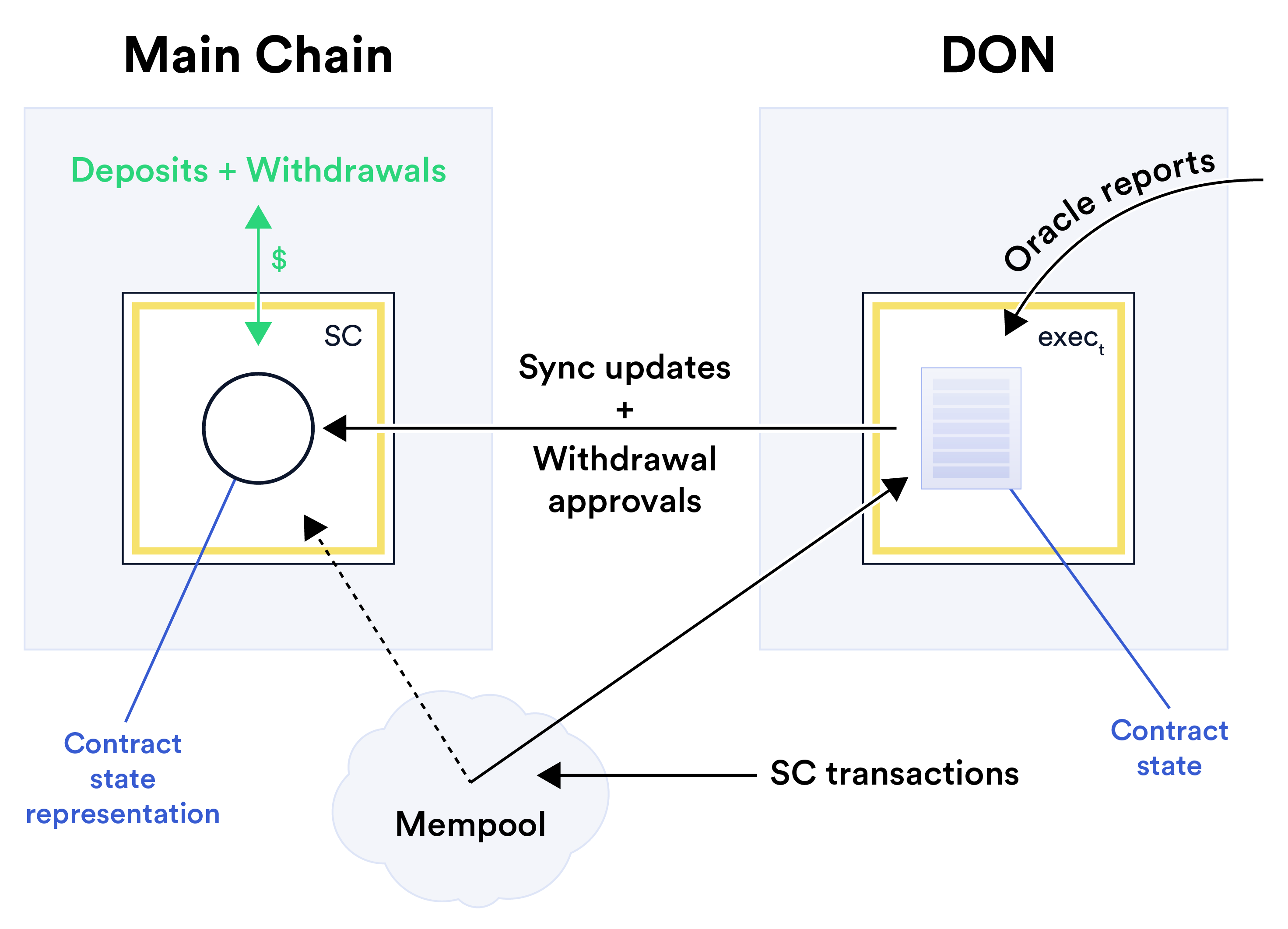
6.1 TEFの概要 TEF は、パフォーマンスの高いハイブリッドを構築および実行するための設計パターンです。 smart contract SC。 ハイブリッド smart contracts の背後にある主な考え方に従って、TEF には以下が含まれます。 SC を 2 つの部分に分解: (1) TEF コンテキストでアンカーと呼ぶもの MAINCHAIN 上の契約 SCa と (2) DON ロジックは、TEF 実行可能ファイルと呼ばれます。 ここでは、SCa の組み合わせによって実装される論理コントラクトを示すために SC を使用します。 そして実行します。 (上で述べたように、私たちは、 SC をこれらのコンポーネントに自動的に契約します)。 TEF 実行可能ファイル exect は、SC でユーザーのトランザクションを処理するエンジンです。それ DON 上で実行されるため、パフォーマンスの高い方法で実行できます。これにはいくつかの機能があります。 • トランザクションの取り込み: exect はユーザーのトランザクションを受信または取得します。それはできる 直接、つまり、DON でのトランザクション送信を通じて、または MAINCHAIN 経由で MSを使用したmempool。 • 高速トランザクション実行: 内部の資産に関係するトランザクションを実行します。 SC。これはローカル、つまり DON 上で行われます。 • 高速かつ低コスト oracle / アダプター アクセス: exect は oracle レポートにネイティブ アクセスします。 およびその他のアダプター データにより、より高速、より安価、より正確な資産を実現 MAINCHAIN 実行よりも価格設定が異なります。さらに、オフチェーン oracle アクセスは減少します oracle の運用コスト、つまりシステムの使用コストを回避することで、 高価なオンチェーンストレージ。 • 同期: exect は定期的に更新を DON から MAINCHAIN にプッシュし、SCa を更新します。 アンカー コントラクトは、SC の MAINCHAIN フロント エンドです。 SC の高信頼コンポーネントとして、次のようないくつかの目的を果たします。 • 資産保管: ユーザーの資金は SCa に預け入れ、保持され、SCa から引き出しられます。 • 同期検証: SCa は、実行時に状態更新の正確さを検証する場合があります。 同期 (例: rollups に接続された SNARK)。 • ガード レール: SCa には、破損や障害から保護するための規定が含まれる場合があります。 実際に。 (詳細についてはセクション 7 を参照してください。) TEF では、ユーザーの資金は MAINCHAIN で保管されます。つまり、DON 自体は保管されていません。同期メカニズム (以下を参照) の選択に応じて、ユーザーは次のことが必要になる場合があります。 DON は、正確な oracle レポートと MAINCHAIN とのタイムリーな同期に対してのみ信頼されます。 結果として得られる信頼モデルは、オーダーブックベースの DEX のものと非常によく似ています (例: [2])。 現在、これには通常、注文照合用のオフチェーン コンポーネントと清算と決済用のオンチェーン コンポーネントが含まれています。決済システムの用語を使用すると、ex をコンポーネントと考えることができます。 SC が清算を担当し、SCa が決済を担当します。回路図については図 13 を参照してください。 TEFの描写。 図 13: TEF の回路図。この例では、トランザクションは mempool を通過します。 MAINCHAIN を MS 経由で DON に送信します。 TEF の利点: TEF には 3 つの主な利点があります。 • 高パフォーマンス: SC は、DON の MAINCHAIN よりもはるかに高いスループットを継承します。 トランザクションとoracleレポートの両方。さらに、exect は、MAINCHAIN のみでの実装よりもトランザクションをより速く処理し、oracle レポートにタイムリーに応答できます。 • 低料金: 同期プロセスはトランザクション処理ほど時間に依存せず、トランザクションは DON から MAINCHAIN にバッチで送信できます。 その結果、このアプローチによるトランザクションごとのオンチェーン料金 (ガスコストなど) は、MAINCHAIN 上でのみ実行されるコントラクトよりもはるかに低くなります。 • 機密性: DON の機密性メカニズムは、 SCでベア。
TEF の制限: TEF の制限の 1 つは、瞬間的なデータをサポートしていないことです。 引き出しはメインチェーン上でのみ発生します: 引き出しリクエストの送信時 SCa に対して、ユーザーは exect を含む状態更新を実行するまで待機する必要がある場合があります。 出金トランザクションが承認される前に行われます。いくつかの部分的な救済策について説明します。 ただし、セクション 6.2 に記載されています。 TEF のもう 1 つの制限は、DeFi の原子構成をサポートしていないことです。 MAINCHAIN 上のコントラクト、具体的には複数の DeFi を介してアセットをルーティングする機能 単一のトランザクションで契約します。ただし、TEF は、そのようなアトミック性をサポートできます。 DeFi 契約は同じ DON で実行されます。これに対処するいくつかの方法についても説明します セクション 6.2 の問題。 6.2 トランザクションルーティング SC のトランザクションは、ユーザーが DON に直接送信することも、経由してルーティングすることもできます。 MAINCHAIN の mempool (FSS 経由)。 4 つの異なるトランザクション タイプがあり、それぞれ 異なる処理が必要になる場合があります。 契約内取引: TEF はガス力学の複雑さを回避するため、SC にトランザクション処理の柔軟性を提供します。 レイヤ 1 契約で利用可能です。たとえば、Ethereum のメモリプール トランザクション中、 より高いガス価格の新しいトランザクションによって上書きされる可能性があり、SC は、SC 内の資産を操作するトランザクションが表示されるとすぐに、権限のあるトランザクションとして扱うことができます。 メンプールで。したがって、SC はトランザクションが確認されるまで待つ必要がありません。 ブロック内で実行されるため、レイテンシが大幅に短縮されます。 プロキシ: ユーザーは、ウォレットコントラクト経由でトランザクション τ を SC に送信するか、または MAINCHAIN 上の他のコントラクト。 DON は次の実行をシミュレートすることができます。 MAINCHAIN の τ を調べて、SC への後続トランザクションが発生するかどうかを判断します。 そうである場合、τ は、実行する SC の他のトランザクションと順序付けできます。いくつかあります DON がそのようなトランザクションを識別する方法の可能性: (1) DON はシミュレートできます。 メモリプール内のすべてのトランザクション (高価なアプローチ)。 (2) 特定の契約または ウォレットなどの契約タイプは、DON による監視のためにリストに登録できます。または (3) ユーザーは次のことができます。 DON 検査のためにトランザクションに注釈を付けます。 1 つのトランザクションが 2 つのトランザクションと相互作用する場合、問題はさらに複雑になります。 契約、SC1 および SC2 は、どちらも Fair Sequencing Services を使用しており、互換性のない注文ポリシーを持っています。 DON は、たとえば、最も遅い時間に τ をシーケンスする可能性があります。 それは両方と互換性があります。 預金: MAINCHAIN アセットを SC に預けるトランザクションは、SC がそれを有効なものとして扱う前に、ブロック内で確認される必要があります。マイニングを検出すると、 資産(例:イーサ)をSCaに送信するトランザクションを実行すると、即座に確認できます。デポジット。たとえば、oracle によって報告された DON の現在の価格を、 資産。 引き出し: 上で述べたように、TEF には出金が常に瞬時に実行できるとは限らないという制限があります。 rollup タイプの実行モデルでは、引き出しは 安全に実行するには、リクエストを他のトランザクションと並べる、つまりロールアップする必要があります。 加工された。ただし、この制限には部分的な解決策がいくつかあります。 DON が出金トランザクションまでの rollup 有効性証明を迅速に計算できる場合、メモリプール exect 内のユーザーのトランザクション τ を観察することで、より高いガス価格で τ の状態更新トランザクション τ ' を送信できます。これは一種の有益なフロントランニングです。 τ ' がメモリプールに到達する前に τ がマイニングされない場合、τ ' は τ に先行し、τ は 承認された引き出しが有効になります。 TEF バリアントでは、状態の更新を計算するために DON が使用されます (「 以下のしきい値署名バリアント)、DON は代わりにオフチェーンを決定することもできます 実行時の SC の状態を考慮して τ を承認すべきかどうか。 DON その後、完全なトランザクションに影響を与えることなく、出金 τ を承認するトランザクション τ ' を送信できます。 状態の更新。 このアプローチが不可能な場合、または成功しない場合は、DON によって開始される トランザクション τ ' は、τ に応答してユーザーに資金を送信できるため、ユーザーはその必要がなくなります。 追加のトランザクションを開始します。 6.3 同期中 TEF 実行可能ファイル exect は、更新を DON から MAINCHAIN に定期的にプッシュします。 同期と呼ばれるプロセスで SCa の状態を更新します。同期が考えられる レイヤ 2 トランザクションのレイヤ 1 への伝播として、TEF は任意の数を利用できます。 rollups [5, 12, 16, 69] を含む、この目的のための既存の手法の楽観的 rollups [10, 11, 141]、Validium [201]、または基本的なしきい値署名 (しきい値 BLS など) Schnorr、または ECDSA [24、54、116、202]。原則として、信頼できる実行環境 状態変化の正確性を証明することもでき、より高いパフォーマンスを提供します。 rollups の代替ですが、ハードウェアに依存する信頼モデルを使用します。 (例: [80] を参照。) 以下では、これらの同期オプションを 3 つの主要なプロパティに関して比較します。 テフ: • データの可用性: SC の状態はどこに保存されますか?少なくとも 3 つの選択肢があります TEF で利用可能: MAINCHAIN、DON、またはサードパーティのストレージで利用可能 IPFS などのプロバイダー。さまざまなセキュリティ保証と可用性を実現します レベルとパフォーマンスプロファイル。簡単に言えば、MAINCHAIN に状態を保存すると、 オンチェーンの監査可能性により、状態の可用性を第三者に依存する必要がなくなります。 一方、状態をオフチェーンに保存すると、ストレージコストが削減され、パフォーマンスが向上します。 スループットは、ストレージプロバイダー (DON またはサードパーティ) を信頼することを犠牲にして、 データの可用性。もちろん、これらのオプションを組み合わせた柔軟なモデルも可能です。 可能です。データ利用に必要な形式を表 1 に示します。• 正確性の保証: SCa は更新の正確さをどのように確認しますか exによってプッシュされましたか?これは exect と SCa の計算負荷に影響します。 同期遅延 (下記を参照)。 • 遅延: 同期の遅延には 3 つの要因があります: (1) 所要時間 同期トランザクション τsync を生成する予定です。 (2) τsyncにかかる時間 MAINCHAIN で確認します。 (3) τsync が有効になるまでの時間 SCa. TEF では、レイテンシーは出金の場合に特に重要です (ただし、出金の場合はそれほど重要ではありません)。 契約内取引)のため、出金には必ず(少なくとも 部分的)状態の同期。 同期中 オプション データ 可用性 正しさ 保証する レイテンシ ロールアップ [5、12、16、69] オンチェーン 有効性の証明 生成にかかる時間 有効性の証明 (例: 現在のシステムの分) バリジウム [201] オフチェーン 有効性の証明 同上 楽観的 rollup [10, 11、141] オンチェーン 不正行為の証拠 チャレンジの長さ 期間 (例: 日 または 週間) しきい値署名 [24, 54、116、202] 柔軟な DON によるしきい値署名 瞬時 信頼できる実行環境 [80] 柔軟な ハードウェアベース 証明書 瞬時 表 1: TEF のさまざまな同期オプションとそのプロパティ。 表 1 は、TEF の 5 つの主要な同期オプションのこれらのプロパティをまとめたものです。 (注) これらのテクノロジーをスタンドアロンのレイヤー 2 スケーリングとして比較するつもりはありません。 ソリューション。これについては、[121] などを参照してください。) 次に、各同期オプションについて説明します。 ロールアップ: rollup [69] は、状態遷移が トランザクションのバッチはオフチェーンで計算されます。 その後、状態の変化が伝播されます メインチェーンに。 rollups を実装するために、アンカー smart contract SCa は、実際の状態のコンパクト表現 Rstate (マークル ルートなど) を格納します。同期するには、τsync = を送信します。 (T、R' state) を SCa に変換します。ここで、T は、前回のトランザクション以降に処理されたトランザクションのセットです。同期とR' 状態は、次の方法を適用して計算された新しい状態のコンパクトな表現です。 T のトランザクションを前の状態 Rstate に戻します。 SCa が τsync での状態更新を検証する方法が異なる 2 つの一般的な亜種があります。 最初の (zk-)rollups は、正確性の簡潔な引数を添付します。 遷移 Rstate →R' の妥当性証明 状態。このバリアントを実装するには、次を実行します τsync とともに有効性証明 (zk-SNARK 証明など) を計算して送信します。 R'を証明する state は、SCa の現在の状態に T を適用した結果です。アンカー 契約は証拠を検証した後にのみ状態の更新を受け入れます。 楽観的な rollup には正しさの引数が含まれていませんが、staking と 状態遷移の分散検証を容易にするチャレンジ手順。このために rollup のバリアント、SCa は τsync が正しいと仮定して暫定的に受け入れます (したがって楽観的です) ただし、τsync はチャレンジ期間が終わるまで有効になりません。 MAINCHAIN を監視すると、誤った状態更新を特定し、SCa に通知することができます。 必要なアクション (例: 状態をロールバックし、実行時にペナルティを課す) 両方の rollup バリアントは、トランザクションがポストされるため、オンチェーン データの可用性を実現します。 オンチェーンから完全な状態を構築できます。 zk-rollups のレイテンシは 有効性証明を生成するのに必要な時間が大半を占め、通常は 既存のシステム [16] では数分のオーダーであり、時間の経過とともに改善される可能性があります。 一方、楽観的な rollup の遅延は長くなります (例: 数日または数週間)。 不正行為の証明が機能するには、異議申し立て期間が十分に長い必要があるためです。の 確認が遅いことの意味は微妙であり、場合によってはスキームに特有のものであるため、 徹底的な分析は範囲外です。たとえば、特定のスキームでは支払いが考慮されています。 状態の更新が確認される前に、トランザクションは「トラストレス最終」[109] として保存されます。 通常のユーザーは、MAINCHAIN よりもはるかに迅速に rollup を検証できます。 バリジウム: Validium は、データをオフチェーンのみで利用できるようにする (zk-)rollup の形式です すべてのデータを MAINCHAIN 上に維持するわけではありません。具体的には、 exect は新しいもののみを送信します 状態と証拠は提供されますが、SCa への取引は提供されません。 Validium スタイルの同期では、次のようになります。 完全な状態を保存するのは、それを実行する DON だけです。 トランザクションを実行するもの。 zk-rollups と同様、同期の遅延は有効性によって左右されます。 証拠の生成時間。ただし、zk-rollups とは異なり、Validium スタイルの同期により、 ストレージコストが削減され、スループットが向上します。 DON によるしきい値署名: DON ノードのしきい値が正しいと仮定すると、 シンプルで高速な同期オプションは、DON ノードが集合的に新しい状態に署名することです。 このアプローチは、オンチェーンとオフチェーンの両方のデータ可用性をサポートできます。場合に注意してください。 ユーザーは oracle アップデートに対して DON を信頼します。受け入れるためにそれ以上信頼する必要はありません 状態の更新は、すでにしきい値信頼モデルに含まれているためです。 もう一つの利点は、 しきい値署名は低遅延です。新しいトランザクション署名形式のサポート EIP-2938 [70] で提案され、アカウント抽象化として知られているしきい値が作成されます。 署名はしきい値の必要性を排除するため、実装が大幅に容易になります。 ECDSA。かなり複雑なプロトコルが含まれます (例: [116、117、118])しきい値 Schnorr [202] 署名や BLS [55] 署名などの代替署名よりも優れています。 信頼された実行環境 (TEE): TEE は、強力なセキュリティ保護を提供することを目的とした分離された実行環境 (通常はハードウェアによって実現される) です。 内部で実行されているプログラム用。一部の TEE (例: Intel SGX [84]) はプルーフを生成できます。 証明書として知られ、出力が特定のプログラムによって正しく計算されていることを示します。 特定の入力12. TEE ベースの TEF 同期のバリアントは、次のように実装できます。 (zk-)rollups または Validium の証明をテクニックを使用した TEE 証明書に置き換える [80] から。 rollups や Validium で使用されるゼロ知識証明と比較すると、TEE ははるかに優れています。 より高性能に。しきい値署名と比較して、TEE は複雑さを解消します。 原則として必要な TEE は 1 つだけであるため、しきい値 ECDSA 署名を生成する 関与している。ただし、TEE を使用すると、ハードウェアに依存する追加の信頼仮定が導入されます。 TEE としきい値署名を組み合わせて回復力を生み出すこともできます この保護措置は、TEE インスタンスの一部の侵害に対しては適用されますが、 しきい値 ECDSA 署名の生成の複雑さが再び導入されます。 追加の柔軟性: これらの同期オプションは、次の方法でさらに柔軟に調整できるようになります。 • 柔軟なトリガー: TEF アプリケーションは、次の条件を決定できます。 同期がトリガーされます。たとえば、同期はバッチベースで行うことができます。 N トランザクションごと、時間ベース (例: 10 ブロックごと)、またはイベントベース (例: 発生) 目標資産価格が大きく変動するときはいつでも。 • 部分的な同期: 可能であり、場合によっては望ましい場合もあります (例: rollups、 部分的な同期によりレイテンシを短縮できます)。小規模な同期の高速同期を実現します。 完全な同期はおそらく定期的にのみ実行されます。たとえば、 実行者は、SCa のユーザーの残高を更新することで出金リクエストを承認できます それ以外の方法で MAINCHAIN 状態を更新する必要はありません。 6.4 再組織化 ネットワークの不安定性、または 51% 攻撃によっても引き起こされるブロックチェーンの再編成 メインチェーンの整合性に脅威を与える可能性があります。実際、敵対者はこれを使用してきました。 二重支出攻撃[34]を仕掛けるためです。大手チェーンに対するこのような攻撃は、 取り付けるのは難しいですが、一部のチェーン [88] では依然として実現可能です。 DON は MAINCHAIN から独立して動作するため、興味深い機能を提供します。 に関連する組織再編を観察し、それに対して何らかの保護を提供する可能性 攻撃します。 たとえば、DON は、MAINCHAIN 上の依存コントラクト SC に、あるしきい値長 τ の競合フォークの存在を報告できます。 DON ではさらに、 12補足の詳細については、付録 B.2.1 を参照してください。理解するためには必要ありません。
PoW または PoS 設定のいずれかで、そのようなフォークの存在の証拠を提供します。の 契約SCは、さらなるトランザクション実行を一定期間停止するなど、適切な防御措置を実装することができます(たとえば、取引所が二重支出をブラックリストに登録できるようにするため) 資産)。 51% 攻撃を仕掛ける敵は検閲を試みることができることに注意してください。 DON からの報告がある場合、SC の対策としては、DON からの定期的な報告を要求することです。 DON トランザクション (ハートビートなど) を処理するため、または新しいレポートを要求するため 高額な取引を検証します。 このような分岐アラートは原則として、DON が提供できる一般的なサービスです。 さまざまな目的のために、私たちの計画はそれらを TEF に組み込むことです。
DON กรอบการดำเนินการธุรกรรม
(DON-TEF) DONs จะให้การสนับสนุน oracle และทรัพยากรแบบกระจายอำนาจสำหรับโซลูชันเลเยอร์ 2 ภายใน สิ่งที่เราเรียกว่า Decentralized Oracle Network Transaction-Execution Framework (DONTEF) หรือเรียกย่อๆ ว่า TEF วันนี้ ความถี่ของการอัปเดตสัญญา DeFi ถูกจำกัดโดยเวลาแฝงของสายหลัก เช่น ช่วงเวลาบล็อกเฉลี่ย 10-15 วินาทีใน Ethereum [104] รวมถึงต้นทุนของ ส่งข้อมูลจำนวนมากบนห่วงโซ่และปริมาณการประมวลผล/tx ที่จำกัด— การสร้างแรงจูงใจในการขยายขนาด เช่น การแบ่งส่วน [148, 158, 232] และการประมวลผลเลเยอร์ 2 [5, 12, 121, 141, 169, 186, 187]. แม้แต่ blockchains ที่มีเวลาการทำธุรกรรมเร็วกว่ามาก เช่น [120] ได้เสนอกลยุทธ์การปรับขนาดที่เกี่ยวข้องกับการคำนวณแบบออฟเชน [168] TEF มีไว้เพื่อทำหน้าที่เป็นทรัพยากรเลเยอร์ 2 สำหรับระบบเลเยอร์ 1 / MAINCHAIN ดังกล่าว การใช้ TEF นั้น DONs สามารถรองรับการอัปเดตที่เร็วขึ้นในสัญญา MAINCHAIN ในขณะที่ การรักษาหลักประกันความไว้วางใจที่ได้รับจากเครือข่ายหลัก TEF รองรับได้ เทคนิคและกระบวนทัศน์การดำเนินการเลเยอร์ 2 ใดๆ ก็ตาม รวมถึง rollups,11 rollups ในแง่ดี, Validium ฯลฯ รวมถึงโมเดลความน่าเชื่อถือตามเกณฑ์ที่ DON โหนดดำเนินธุรกรรม TEF เป็นส่วนเสริมของ FSS และมีวัตถุประสงค์เพื่อสนับสนุน กล่าวอีกนัยหนึ่งใด ๆ แอปพลิเคชันที่ทำงานใน TEF สามารถใช้ FSS ได้ 11มักเรียกว่า “zk-rollups” ซึ่งเป็นการเรียกชื่อผิด เนื่องจากไม่จำเป็นต้องมีการพิสูจน์ความรู้เป็นศูนย์
6.1 ภาพรวมของ TEF TEF เป็นรูปแบบการออกแบบสำหรับการสร้างและการใช้งานไฮบริดที่มีประสิทธิภาพ smart contract สค. ตามแนวคิดหลักเบื้องหลังไฮบริด smart contracts TEF เกี่ยวข้องกับ การสลายตัวของ SC ออกเป็นสองส่วน: (1) สิ่งที่เราเรียกว่าสมอในบริบท TEF ทำสัญญา SCa บน MAINCHAIN และ (2) DON ตรรกะที่เราเรียกว่าปฏิบัติการ TEF เราใช้ SC ที่นี่เพื่อแสดงถึงสัญญาเชิงตรรกะที่ดำเนินการโดยการรวมกันของ SCa และดำเนินการ (ตามที่ระบุไว้ข้างต้น เราคาดว่าจะพัฒนาเครื่องมือคอมไพเลอร์เพื่อแยกไฟล์ ทำสัญญา SC เข้ากับส่วนประกอบเหล่านี้โดยอัตโนมัติ) โปรแกรมปฏิบัติการ TEF คือกลไกที่ประมวลผลธุรกรรมของผู้ใช้ใน SC มัน สามารถดำเนินการได้อย่างมีประสิทธิภาพในขณะที่มันทำงานบน DON มีหลายฟังก์ชั่น: • การนำเข้าธุรกรรม: ยกเว้นการรับหรือดึงข้อมูลธุรกรรมของผู้ใช้ มันสามารถทำได้ โดยตรง เช่น ผ่านการส่งธุรกรรมบน DON หรือผ่านทาง MAINCHAIN mempool โดยใช้ MS • การดำเนินการธุรกรรมที่รวดเร็ว: ดำเนินการธุรกรรมที่เกี่ยวข้องกับสินทรัพย์ภายใน เอสซี มันทำในเครื่อง เช่น บน DON • oracle / การเข้าถึงอแดปเตอร์ที่รวดเร็วและราคาประหยัด: exect มีสิทธิ์เข้าถึงรายงาน oracle แบบเนทีฟ และข้อมูลอแด็ปเตอร์อื่นๆ ที่นำไปสู่สินทรัพย์ที่เร็วขึ้น ถูกลง และแม่นยำยิ่งขึ้น การกำหนดราคามากกว่าการดำเนินการ MAINCHAIN ยิ่งไปกว่านั้น การเข้าถึง of-chain oracle จะลดลง ต้นทุนการดำเนินงานของ oracle ดังนั้นต้นทุนในการใช้ระบบ โดยการหลีกเลี่ยง พื้นที่เก็บข้อมูลออนไลน์ราคาแพง • การซิงค์: exect จะพุชการอัปเดตจาก DON ไปยัง MAINCHAIN เป็นระยะๆ เพื่ออัปเดต SCa สัญญายึดคือส่วนหน้าของ MAINCHAIN ของ SC เนื่องจากเป็นองค์ประกอบที่มีความน่าเชื่อถือสูงกว่าของ SC จึงมีวัตถุประสงค์หลายประการ: • การดูแลสินทรัพย์: เงินของผู้ใช้จะถูกฝากเข้า ถือไว้ และถอนออกจาก SCa • การตรวจสอบการซิงค์: SCa อาจตรวจสอบความถูกต้องของการอัปเดตสถานะเมื่อดำเนินการ การซิงค์ เช่น SNARK ที่แนบกับ rollups • ราวกั้น: SCa อาจมีข้อกำหนดในการป้องกันการทุจริตหรือความล้มเหลว ในข้อยกเว้น (ดูส่วนที่ 7 สำหรับรายละเอียดเพิ่มเติม) ใน TEF เงินทุนของผู้ใช้จะถูกดูแลบน MAINCHAIN ซึ่งหมายความว่า DON นั้นไม่ใช่การควบคุมดูแล ผู้ใช้อาจต้องการ ทั้งนี้ขึ้นอยู่กับตัวเลือกกลไกการซิงค์ (ดูด้านล่าง) ที่จะเชื่อถือ DON สำหรับรายงาน oracle ที่แม่นยำเท่านั้น และการซิงค์กับ MAINCHAIN อย่างทันท่วงที โมเดลความน่าเชื่อถือที่ได้นั้นคล้ายกันมากกับ DEX ที่อิงตามสมุดคำสั่งซื้อ เช่น [2] ซึ่งโดยทั่วไปในปัจจุบันประกอบด้วยส่วนประกอบ of-chain สำหรับการจับคู่คำสั่งซื้อ และส่วนประกอบ onchain สำหรับการหักบัญชีและการชำระบัญชีการใช้คำศัพท์ของระบบการชำระเงินอาจมองว่า ext เป็นองค์ประกอบ ของ SC ที่รับผิดชอบในการหักบัญชี ในขณะที่ SCa จัดการการชำระหนี้ ดูรูปที่ 13 สำหรับแผนผัง ภาพของ TEF รูปที่ 13: แผนผัง TEF ในตัวอย่างนี้ ธุรกรรมจะผ่าน mempool ของ MAINCHAIN ผ่าน MS ไปยัง DON ประโยชน์ของ TEF: TEF มีคุณประโยชน์หลักสามประการ: • ประสิทธิภาพสูง: SC สืบทอดปริมาณงานของ DON ที่สูงกว่า MAINCHAIN มาก สำหรับทั้งธุรกรรมและรายงาน oracle นอกจากนี้ exect สามารถประมวลผลธุรกรรมได้เร็วขึ้นและตอบสนองต่อรายงาน oracle ได้ทันเวลามากกว่าการใช้งานบน MAINCHAIN เพียงอย่างเดียว • ค่าธรรมเนียมต่ำกว่า: กระบวนการซิงค์มีเวลาน้อยกว่าการประมวลผลธุรกรรม และสามารถส่งธุรกรรมจาก DON ไปยัง MAINCHAIN เป็นกลุ่มได้ ดังนั้นค่าธรรมเนียมออนไลน์ต่อธุรกรรม (เช่น ค่าน้ำมัน) ด้วยวิธีนี้จึงต่ำกว่าสัญญาที่ทำงานบน MAINCHAIN เท่านั้น • การรักษาความลับ: กลไกการรักษาความลับของ DON สามารถนำมาสู่ ทนกับ SC
ข้อจำกัดของ TEF: ข้อจำกัดประการหนึ่งของ TEF คือไม่รองรับการทำงานแบบทันที การถอนเงินเนื่องจากเกิดขึ้นบน MAINCHAIN เท่านั้น: เมื่อส่งคำขอถอนเงิน ถึง SCa ผู้ใช้อาจต้องรอ exect ดำเนินการอัปเดตสถานะซึ่งรวมถึง ธุรกรรมการถอนเงินก่อนจึงจะสามารถอนุมัติได้ เราหารือถึงการเยียวยาบางส่วน อย่างไรก็ตามในข้อ 6.2 ข้อจำกัดอีกประการหนึ่งของ TEF ก็คือ ไม่รองรับองค์ประกอบอะตอมของ DeFi สัญญาบน MAINCHAIN โดยเฉพาะความสามารถในการกำหนดเส้นทางสินทรัพย์ผ่านหลาย ๆ DeFi สัญญาในธุรกรรมเดียว อย่างไรก็ตาม TEF สามารถรองรับอะตอมมิกซิตีดังกล่าวได้ DeFi สัญญาที่ทำงานบน DON เดียวกัน นอกจากนี้เรายังหารือเกี่ยวกับวิธีแก้ไขปัญหานี้ด้วย ปัญหาในส่วนที่ 6.2 6.2 การกำหนดเส้นทางธุรกรรม ธุรกรรมสำหรับ SC สามารถส่งโดยผู้ใช้โดยตรงไปยัง DON หรือสามารถกำหนดเส้นทางผ่าน mempool ใน MAINCHAIN (ผ่าน FSS) มีประเภทธุรกรรมที่แตกต่างกันสี่ประเภท แต่ละประเภท ซึ่งต้องมีการจัดการที่แตกต่างกัน: ธุรกรรมภายในสัญญา: เนื่องจากเป็นการหลีกเลี่ยงภาวะแทรกซ้อนของการเปลี่ยนแปลงของก๊าซ TEF จึงทำให้ SC มีความยืดหยุ่นมากขึ้นในการจัดการธุรกรรมมากกว่าที่จะเป็น มีอยู่ในสัญญาเลเยอร์ 1 ตัวอย่างเช่น ในขณะที่ธุรกรรม mempool ใน Ethereum สามารถเขียนทับได้โดยธุรกรรมใหม่ที่มีราคาก๊าซสูงกว่า SC สามารถปฏิบัติต่อธุรกรรมที่ดำเนินการกับสินทรัพย์ภายใน SC ได้อย่างน่าเชื่อถือทันทีที่มองเห็นได้ ในเมมพูล ดังนั้น SC จึงไม่ต้องรอการยืนยันธุรกรรม ภายในบล็อก ส่งผลให้เวลาแฝงลดลงอย่างมาก การมอบฉันทะ: ผู้ใช้อาจต้องการส่งธุรกรรม τ ไปยัง SC ผ่านสัญญากระเป๋าเงินหรือ สัญญาอื่น ๆ บน MAINCHAIN เป็นไปได้ที่ DON จะจำลองการดำเนินการของ τ บน MAINCHAIN เพื่อตรวจสอบว่าส่งผลให้เกิดธุรกรรมที่ตามมากับ SC หรือไม่ หากเป็นเช่นนั้น τ สามารถจัดลำดับกับธุรกรรมอื่นสำหรับ SC ที่ทำ มีไม่กี่อย่าง ความเป็นไปได้สำหรับวิธีที่ DON ระบุธุรกรรมดังกล่าว: (1) DON สามารถจำลอง ธุรกรรมทั้งหมดใน mempool (แนวทางที่มีราคาแพง) (2) สัญญาบางอย่างหรือ ประเภทสัญญา เช่น กระเป๋าเงิน สามารถแสดงรายการเพื่อการตรวจสอบโดย DON; หรือ (3) ผู้ใช้สามารถ ใส่คำอธิบายประกอบธุรกรรมสำหรับการตรวจสอบ DON เรื่องต่างๆ มีความซับซ้อนมากขึ้นเมื่อธุรกรรมหนึ่งมีปฏิสัมพันธ์กับสองธุรกรรม สัญญา SC1 และ SC2 ซึ่งทั้งสองอย่างนี้ใช้บริการ Fair Sequencing และมีนโยบายการสั่งซื้อที่เข้ากันไม่ได้ ตัวอย่างเช่น DON อาจเรียงลำดับ τ ในเวลาล่าสุด ที่เข้ากันได้ทั้งสองอย่าง เงินฝาก: ธุรกรรมที่ฝากสินทรัพย์ MAINCHAIN เข้าสู่ SC จะต้องได้รับการยืนยันในบล็อกก่อนที่ SC จะสามารถถือว่ารายการนั้นถูกต้อง เมื่อตรวจพบการขุดของ ธุรกรรมที่ส่งสินทรัพย์ (เช่น Ether) เข้าสู่ SCa สามารถยืนยันได้ทันทีเงินฝาก. ตัวอย่างเช่น สามารถใช้ oracle-ราคาที่รายงานปัจจุบันใน DON กับ สินทรัพย์ การถอนเงิน: ตามที่ระบุไว้ข้างต้น ข้อจำกัดของ TEF คือ การถอนเงินไม่สามารถดำเนินการได้ทันทีเสมอไป ในแบบจำลองการดำเนินการประเภท rollup การถอน คำขอจะต้องเรียงลำดับกับธุรกรรมอื่น ๆ เช่น สะสม เพื่อความปลอดภัย ประมวลผล อย่างไรก็ตาม มีการเยียวยาบางส่วนสำหรับข้อจำกัดนี้ หาก DON สามารถคำนวณ rollup หลักฐานความถูกต้องได้อย่างรวดเร็วจนถึงธุรกรรมการถอน ดังนั้นการสังเกตธุรกรรมของผู้ใช้ τ ใน mempool exect จะสามารถส่งธุรกรรมการอัปเดตสถานะ τ ′ สำหรับ τ ในราคาก๊าซที่สูงขึ้น ซึ่งถือเป็นการดำเนินกิจการแนวหน้าที่เป็นประโยชน์ โดยมีเงื่อนไขว่า τ ไม่ได้ถูกขุดก่อนที่ τ ′ จะถึง mempool, τ ′ จะอยู่ข้างหน้า τ และ τ จะทำให้เกิดการถอนเงินที่ได้รับอนุมัติ ในตัวแปร TEF ที่ DON อาศัยในการคำนวณการอัปเดตสถานะ (ดู ตัวแปรการลงนามตามเกณฑ์ด้านล่าง) DON สามารถกำหนดออฟเชนได้ ว่า τ ควรได้รับการอนุมัติหรือไม่เมื่อพิจารณาจากสถานะของ SC ในการดำเนินการ DON จากนั้นสามารถส่งธุรกรรม τ ′ ที่อนุมัติการถอน τ—โดยไม่ทำให้เกิดผลเต็มจำนวน อัปเดตสถานะ หากแนวทางนี้เป็นไปไม่ได้ หรือในกรณีที่ไม่ประสบผลสำเร็จ DON-ริเริ่ม ธุรกรรม τ ′ สามารถส่งเงินไปยังผู้ใช้เพื่อตอบสนองต่อ τ เพื่อให้ผู้ใช้ไม่ต้องการ เริ่มการทำธุรกรรมเพิ่มเติม 6.3 กำลังซิงค์ โปรแกรมปฏิบัติการ TEF จะพุชการอัปเดตจาก DON ไปยัง MAINCHAIN เป็นระยะ อัปเดตสถานะของ SCa ในกระบวนการที่เราเรียกว่าการซิงค์ การซิงค์อาจคิดได้ เป็นการเผยแพร่ธุรกรรมของเลเยอร์ 2 ไปยังเลเยอร์ 1 ดังนั้น TEF จึงสามารถดึงตัวเลขใดๆ ก็ได้ ของเทคนิคที่มีอยู่เพื่อจุดประสงค์นี้ รวมถึง rollups [5, 12, 16, 69] ในแง่ดี rollups [10, 11, 141], Validium [201] หรือการลงนามเกณฑ์พื้นฐาน เช่น เกณฑ์ BLS ชนอร์หรือ ECDSA [24, 54, 116, 202] โดยหลักการแล้ว สภาพแวดล้อมการดำเนินการที่เชื่อถือได้ ยังสามารถยืนยันถึงความถูกต้องของการเปลี่ยนแปลงสถานะ ทำให้มีประสิทธิภาพมากขึ้น ทางเลือกแทน rollups แต่มีโมเดลความน่าเชื่อถือที่ขึ้นกับฮาร์ดแวร์ (ดู เช่น [80].) ด้านล่างเราจะเปรียบเทียบตัวเลือกการซิงค์เหล่านี้กับคุณสมบัติหลักสามประการ เทฟ: • ความพร้อมใช้งานของข้อมูล: สถานะของ SC เก็บไว้ที่ไหน? อย่างน้อยสามตัวเลือกคือ มีอยู่ใน TEF: บน MAINCHAIN บน DON หรือโดยที่เก็บข้อมูลของบุคคลที่สาม ผู้ให้บริการเช่น IPFS พวกเขาบรรลุการรับประกันความปลอดภัยและความพร้อมใช้งานที่แตกต่างกัน ระดับและโปรไฟล์ประสิทธิภาพ สรุป สถานะการจัดเก็บบน MAINCHAIN เปิดใช้งาน การตรวจสอบแบบออนไลน์และลดการพึ่งพาฝ่ายใดฝ่ายหนึ่งในเรื่องความพร้อมใช้งานของรัฐ ในทางกลับกัน การจัดเก็บ state of-chain สามารถลดต้นทุนการจัดเก็บและปรับปรุงได้ ปริมาณงาน โดยเสียค่าใช้จ่ายของผู้ให้บริการพื้นที่จัดเก็บข้อมูลที่เชื่อถือได้ (DON หรือบุคคลที่สาม) สำหรับ ความพร้อมใช้งานของข้อมูล แน่นอนว่าโมเดลยืดหยุ่นที่รวมตัวเลือกเหล่านี้เข้าด้วยกันก็เช่นกัน เป็นไปได้ เราระบุรูปแบบความพร้อมของข้อมูลที่ต้องการในตารางที่ 1• รับประกันความถูกต้อง: SCa จะยืนยันความถูกต้องของการอัปเดตได้อย่างไร ผลักดันโดย exect? สิ่งนี้ส่งผลต่อภาระการคำนวณบน exect และ SCa และ เวลาแฝงในการซิงค์ (ดูด้านล่าง) • เวลาแฝง: เวลาแฝงในการซิงค์มีปัจจัยสามประการ: (1) เวลาที่ใช้ สำหรับ exect เพื่อสร้างธุรกรรมการซิงค์ τsync; (2) เวลาที่ใช้สำหรับ τsync เพื่อยืนยันใน MAINCHAIN; และ (3) เวลาที่ τsync มีผล เซาท์แคโรไลนา ใน TEF เวลาแฝงเป็นสิ่งสำคัญอย่างยิ่งสำหรับการถอนเงิน (แต่น้อยกว่าสำหรับ ธุรกรรมภายในสัญญา) เนื่องจากการถอนจำเป็นต้องมี (อย่างน้อย บางส่วน) การซิงค์สถานะ กำลังซิงค์ ตัวเลือก ข้อมูล ความพร้อมใช้งาน ความถูกต้อง การค้ำประกัน เวลาแฝง โรลอัพ [5, 12, 16, 69] ออนไลน์ หลักฐานความถูกต้อง เวลาที่ใช้ในการสร้าง การพิสูจน์ความถูกต้อง (เช่น นาทีในระบบปัจจุบัน) วาลิเดียม [201] ออฟ-เชน หลักฐานความถูกต้อง เช่นเดียวกับข้างต้น มองในแง่ดี rollup [10, 11,141] ออนไลน์ หลักฐานการฉ้อโกง ความยาวของความท้าทาย ระยะเวลา (เช่น วัน หรือ สัปดาห์) การลงนามเกณฑ์ [24, 54, 116, 202] มีความยืดหยุ่น ลายเซ็นเกณฑ์โดย DON ทันที สภาพแวดล้อมการดำเนินการที่เชื่อถือได้ [80] มีความยืดหยุ่น อิงฮาร์ดแวร์ การรับรอง ทันที ตารางที่ 1: ตัวเลือกการซิงค์ต่างๆ ใน TEF และคุณสมบัติต่างๆ ตารางที่ 1 สรุปคุณสมบัติเหล่านี้ในห้าตัวเลือกการซิงค์หลักใน TEF (หมายเหตุ เราไม่ได้ตั้งใจที่จะเปรียบเทียบเทคโนโลยีเหล่านี้เป็นการปรับขนาดเลเยอร์ 2 แบบสแตนด์อโลน โซลูชั่น เพื่อที่เราจะแนะนำผู้อ่านเช่น [121].) ตอนนี้เราจะพูดถึงตัวเลือกการซิงค์แต่ละรายการ โรลอัป: rollup [69] เป็นโปรโตคอลที่การเปลี่ยนแปลงสถานะได้รับผลกระทบจาก ชุดของธุรกรรมถูกคำนวณแบบลูกโซ่ จากนั้นจึงเผยแพร่การเปลี่ยนแปลงสถานะ สู่ MAINCHAIN หากต้องการนำ rollups ไปใช้นั้น สมอ smart contract SCa จะจัดเก็บ Rstate ที่เป็นตัวแทนแบบกะทัดรัด (เช่น Merkle root) ของสถานะจริง หากต้องการซิงค์ ให้ exect ส่ง τsync = (ต, ร' state) ถึง SCa โดยที่ T คือชุดของธุรกรรมที่ประมวลผลตั้งแต่ครั้งล่าสุดซิงค์และ R′ state คือการแสดงสถานะใหม่แบบกระชับซึ่งคำนวณโดยการใช้ ธุรกรรมใน T ไปยังสถานะ Rstate ก่อนหน้า มีสองรูปแบบยอดนิยมที่แตกต่างกันในวิธีที่ SCa ตรวจสอบการอัปเดตสถานะใน τsync ประการแรก (zk-)rollups แนบข้อโต้แย้งที่กระชับเกี่ยวกับความถูกต้อง บางครั้งเรียกว่า หลักฐานความถูกต้องสำหรับการเปลี่ยนแปลง Rstate → R′ รัฐ หากต้องการใช้ตัวแปรนี้ ให้ดำเนินการดังนี้ คำนวณและส่งหลักฐานความถูกต้อง (เช่น หลักฐาน zk-SNARK) พร้อมด้วย τsync พิสูจน์ว่า R′ state เป็นผลมาจากการใช้ T กับสถานะปัจจุบันของ SCa สมอเรือ สัญญายอมรับการอัปเดตสถานะหลังจากที่ได้ตรวจสอบหลักฐานแล้วเท่านั้น rollups ในแง่ดีไม่รวมข้อโต้แย้งของความถูกต้อง แต่มี staking และ ขั้นตอนการท้าทายที่อำนวยความสะดวกในการตรวจสอบแบบกระจายของการเปลี่ยนสถานะ สำหรับสิ่งนี้ rollup ตัวแปร SCa ยอมรับอย่างไม่แน่นอน τsync โดยสมมติว่ามันถูกต้อง (ด้วยเหตุนี้จึงเป็นการมองโลกในแง่ดี) แต่ τsync จะไม่มีผลจนกว่าจะผ่านช่วงท้าทาย ในระหว่างที่ฝ่ายใดฝ่ายหนึ่ง การตรวจสอบ MAINCHAIN สามารถระบุการอัปเดตสถานะที่ผิดพลาดและแจ้งให้ SCa ดำเนินการได้ การดำเนินการที่จำเป็น (เช่น เพื่อย้อนกลับสถานะและลงโทษผู้บริหาร) ตัวแปร rollup ทั้งสองรุ่นบรรลุความพร้อมใช้งานของข้อมูลออนไลน์ เมื่อมีการผ่านรายการธุรกรรม on-chain ซึ่งสามารถสร้างสถานะเต็มได้ เวลาแฝงของ zk-rollups คือ ถูกครอบงำโดยเวลาที่จำเป็นในการสร้างการพิสูจน์ความถูกต้อง ซึ่งโดยปกติจะอยู่ที่ ลำดับนาทีในระบบที่มีอยู่ [16] และมีแนวโน้มที่จะเห็นการปรับปรุงเมื่อเวลาผ่านไป ในทางกลับกัน rollups ในแง่ดีจะมีเวลาแฝงที่สูงกว่า (เช่น วันหรือสัปดาห์) เนื่องจากระยะเวลาท้าทายต้องนานเพียงพอในการพิสูจน์การฉ้อโกงจึงจะได้ผล ที่ นัยของการยืนยันที่ช้านั้นละเอียดอ่อนและบางครั้งก็เฉพาะเจาะจงกับแผนงาน ดังนั้น การวิเคราะห์อย่างละเอียดอยู่นอกขอบเขต ตัวอย่างเช่น บางโครงการพิจารณาการจ่ายเงิน ธุรกรรมเป็น "ขั้นสุดท้ายที่ไม่น่าเชื่อถือ" [109] ก่อนที่จะยืนยันการอัปเดตสถานะ เนื่องจาก ผู้ใช้ทั่วไปสามารถตรวจสอบ rollup ได้เร็วกว่า MAINCHAIN มาก วาลิเดียม: Validium เป็นรูปแบบหนึ่งของ (zk-)rollup ที่ทำให้ข้อมูลพร้อมใช้งานแบบออฟไลน์เท่านั้น และไม่เก็บข้อมูลทั้งหมดบน MAINCHAIN โดยเฉพาะ exect ส่งเฉพาะรายการใหม่เท่านั้น ระบุและพิสูจน์แต่ไม่ใช่ธุรกรรมกับ SCa ด้วยการซิงค์แบบ Validium ให้ดำเนินการ และ DON ที่ดำเนินการนั้นเป็นฝ่ายเดียวที่เก็บสถานะที่สมบูรณ์และ ที่ทำธุรกรรม เช่นเดียวกับ zk-rollups เวลาแฝงในการซิงค์จะถูกครอบงำโดยความถูกต้อง เวลาสร้างหลักฐาน ต่างจาก zk-rollups แต่การซิงค์สไตล์ Validium จะช่วยลด ต้นทุนการจัดเก็บและเพิ่มปริมาณงาน การลงนามตามเกณฑ์โดย DON: สมมติว่าเกณฑ์ของโหนด DON นั้นตรงไปตรงมา ตัวเลือกการซิงค์ที่ง่ายและรวดเร็วคือการให้ DON โหนดลงนามในสถานะใหม่ร่วมกัน แนวทางนี้สามารถรองรับความพร้อมใช้งานของข้อมูลทั้งแบบออนไลน์และออฟไลน์ โปรดทราบว่าถ้า ผู้ใช้ไว้วางใจ DON สำหรับการอัปเดต oracle พวกเขาไม่จำเป็นต้องเชื่อถือมากขึ้นในการยอมรับ อัปเดตสถานะ เนื่องจากอยู่ในโมเดลความน่าเชื่อถือตามเกณฑ์แล้ว ประโยชน์อีกอย่างหนึ่งของ การลงนามตามเกณฑ์มีเวลาแฝงต่ำ รองรับรูปแบบลายเซ็นธุรกรรมใหม่เช่น เสนอใน EIP-2938 [70] และรู้จักกันในชื่อบัญชีนามธรรมจะสร้างเกณฑ์ การลงนามทำได้ง่ายกว่ามาก เนื่องจากจะช่วยลดความจำเป็นในการเกณฑ์ขั้นต่ำ ECDSA ซึ่งเกี่ยวข้องกับโปรโตคอลที่ซับซ้อนกว่ามาก (เช่น [116, 117, 118])กว่าทางเลือกอื่นๆ เช่น ลายเซ็น Schnorr [202] หรือ BLS [55] เกณฑ์ สภาพแวดล้อมการดำเนินการที่เชื่อถือได้ (TEE): TEE คือสภาพแวดล้อมการดำเนินการแบบแยกส่วน (โดยปกติจะใช้ฮาร์ดแวร์) ซึ่งมีจุดมุ่งหมายเพื่อให้การป้องกันความปลอดภัยที่แข็งแกร่ง สำหรับโปรแกรมที่ทำงานอยู่ภายใน TEE บางตัว (เช่น Intel SGX [84]) สามารถสร้างหลักฐานได้ เรียกว่าการรับรองว่าเอาต์พุตได้รับการคำนวณอย่างถูกต้องโดยโปรแกรมเฉพาะสำหรับ อินพุตเฉพาะ 12 การซิงค์ TEF แบบอิง TEE สามารถใช้งานได้ แทนที่การพิสูจน์ใน (zk-)rollups หรือ Validium ด้วยการรับรอง TEE โดยใช้เทคนิค จาก [80]. เมื่อเปรียบเทียบกับการพิสูจน์ความรู้แบบศูนย์ที่ใช้ใน rollups และ Validium แล้ว TEE นั้นมีมากมาย มีประสิทธิภาพมากขึ้น เมื่อเปรียบเทียบกับการลงนามตามเกณฑ์ TEE จะขจัดความซับซ้อนของ การสร้างเกณฑ์ลายเซ็น ECDSA ตามหลักการแล้วจะต้องมี TEE เดียวเท่านั้น มีส่วนร่วม อย่างไรก็ตาม การใช้ TEE จะทำให้เกิดสมมติฐานด้านความน่าเชื่อถือที่ขึ้นกับฮาร์ดแวร์เพิ่มเติม เรายังสามารถรวม TEE เข้ากับการลงนามตามเกณฑ์เพื่อสร้างความยืดหยุ่น ต่อการประนีประนอมของอินสแตนซ์ TEE เพียงเล็กน้อย แม้ว่าจะเป็นมาตรการป้องกันก็ตาม รื้อฟื้นความซับซ้อนของการสร้างลายเซ็น ECDSA ตามเกณฑ์ ความยืดหยุ่นเพิ่มเติม: ตัวเลือกการซิงค์เหล่านี้สามารถปรับแต่งได้เพื่อให้มีความยืดหยุ่นมากขึ้นด้วยวิธีต่อไปนี้ • การทริกเกอร์ที่ยืดหยุ่น: แอปพลิเคชัน TEF สามารถกำหนดเงื่อนไขภายใต้นั้นได้ การซิงค์จะถูกทริกเกอร์ ตัวอย่างเช่น การซิงค์อาจเป็นแบบแบตช์ เช่น เกิดขึ้นหลังจากนั้น ทุกธุรกรรม N ตามเวลา เช่น ทุกๆ 10 บล็อก หรือตามเหตุการณ์ เช่น เกิดขึ้น เมื่อใดก็ตามที่ราคาสินทรัพย์เป้าหมายเคลื่อนไหวอย่างมีนัยสำคัญ • การซิงค์บางส่วน: เป็นไปได้และในบางกรณีเป็นที่ต้องการ (เช่น ด้วย rollups การซิงค์บางส่วนสามารถลดเวลาในการตอบสนองได้) เพื่อให้การซิงค์ข้อมูลขนาดเล็กรวดเร็ว จำนวนสถานะ ดำเนินการซิงค์แบบเต็มอาจเป็นระยะๆ เท่านั้น ตัวอย่างเช่น exect สามารถอนุมัติคำขอถอนเงินโดยอัปเดตยอดคงเหลือของผู้ใช้ใน SCa โดยไม่ต้องอัปเดตสถานะ MAINCHAIN เป็นอย่างอื่น 6.4 รีออร์กส์ การปรับโครงสร้างบล็อคเชนอันเป็นผลมาจากความไม่เสถียรของเครือข่ายหรือแม้กระทั่งจากการโจมตี 51% สามารถก่อให้เกิดภัยคุกคามต่อความสมบูรณ์ของห่วงโซ่หลักได้ ในทางปฏิบัติฝ่ายตรงข้ามได้ใช้ พวกเขาติดตั้งการโจมตีแบบใช้จ่ายสองครั้ง [34] ในขณะที่การโจมตีดังกล่าวบนเครือข่ายหลักๆนั้น ท้าทายในการติดตั้ง แต่ยังคงเป็นไปได้สำหรับโซ่บางอัน [88] เนื่องจากมันทำงานโดยไม่ขึ้นอยู่กับ MAINCHAIN ดังนั้น DON จึงนำเสนอสิ่งที่น่าสนใจ ความเป็นไปได้ในการสังเกตและให้ความคุ้มครองต่อองค์กรที่เกี่ยวข้อง การโจมตี ตัวอย่างเช่น DON สามารถรายงานต่อสัญญา SC ที่พึ่งพาบน MAINCHAIN ว่ามีทางแยกที่แข่งขันกันซึ่งมีความยาวขีดจำกัด τ อยู่บ้าง DON สามารถทำได้เพิ่มเติม 12รายละเอียดเพิ่มเติมสามารถพบได้ในภาคผนวก B.2.1 ไม่จำเป็นสำหรับการทำความเข้าใจ
ให้หลักฐาน—ในการตั้งค่า PoW หรือ PoS—ของการมีอยู่ของทางแยกดังกล่าว ที่ สัญญา SC สามารถใช้การดำเนินการป้องกันที่เหมาะสม เช่น การระงับการดำเนินการธุรกรรมเพิ่มเติมเป็นระยะเวลาหนึ่ง (เช่น เพื่ออนุญาตให้การแลกเปลี่ยนขึ้นบัญชีดำที่ใช้จ่ายสองครั้ง สินทรัพย์) โปรดทราบว่าแม้ว่าฝ่ายตรงข้ามจะมีการโจมตีถึง 51% ก็สามารถพยายามเซ็นเซอร์ได้ รายงานจาก DON มาตรการตอบโต้ใน SC คือการต้องมีรายงานเป็นระยะจาก DON เพื่อประมวลผลธุรกรรม (เช่น การเต้นของหัวใจ) หรือต้องการรายงานใหม่ ตรวจสอบธุรกรรมที่มีมูลค่าสูง แม้ว่าการแจ้งเตือนการฟอร์กดังกล่าวโดยหลักการแล้วจะเป็นบริการทั่วไปที่ DON สามารถให้ได้ เพื่อวัตถุประสงค์หลายประการ แผนของเราคือการรวมสิ่งเหล่านี้เข้ากับ TEF
信頼の最小化
異種のエンティティのセットが参加する分散型システムとして、 Chainlink ネットワークは、稼働性 (可用性) と安全性 (レポートの整合性) の両方において障害に対する強力な保護を提供します。ただし、ほとんどの分散システムにはさまざまな点があります。 構成コンポーネント自体が分散されている度合い。これ これは、マイナー間の分散化が限られている大規模システムであっても当てはまります [32] および 仲介者[51]は以前から存在していました。 分散化の取り組みの目標は、信頼を最小限に抑えることです。 Chainlink ネットワーク内のシステム的な破損や障害による悪影響。 悪意のあるDONが原因です。私たちの基本原則は、最小特権の原則 [197] です。 システムコンポーネントとシステム内のアクターには、厳密にスコープされた権限が必要です 割り当てられた役割を正常に完了することのみを許可します。 ここでは、Chainlink がドライブに採用する具体的なメカニズムをいくつか示します。 さらなる信頼の最小化に向けて。これらのメカニズムを次の観点から特徴づけます。 図 14 に示すように、遺伝子座、つまりそれらが根付いているシステムコンポーネントの位置を調べます。 各遺伝子座については、それぞれのサブセクションで説明します。 7.1 データソースの認証 oracle の現在の運用モデルは、データ ソースがほとんどないという事実によって制約されています。 TLS がネイティブに署名しないことが主な理由で、省略されたデータにデジタル署名します。 データ。 TLS は、「ハンドシェイク」プロトコルでデジタル署名を利用します(確立するため)。 サーバーとクライアント間の共有キー)。したがって、HTTPS 対応サーバーには証明書があります 原則としてデータの署名に使用できる公開鍵ですが、通常は使用されません。 これらの証明書はデータ署名をサポートします。したがって、DON のセキュリティは次のようになります。 今日のoracleネットワークでは、データからデータを忠実に中継するoracleノードに依存しています。 契約のソース。 Chainlink における信頼の最小化に関する当社のビジョンの重要な長期的な要素には、データ署名のためのツールと標準のサポートを通じた強力なデータ ソース認証が含まれます。データ署名は、エンドツーエンドの整合性保証を強制するのに役立ちます。 原則として、契約がデータの一部を入力として受け入れる場合、データによって直接署名された D
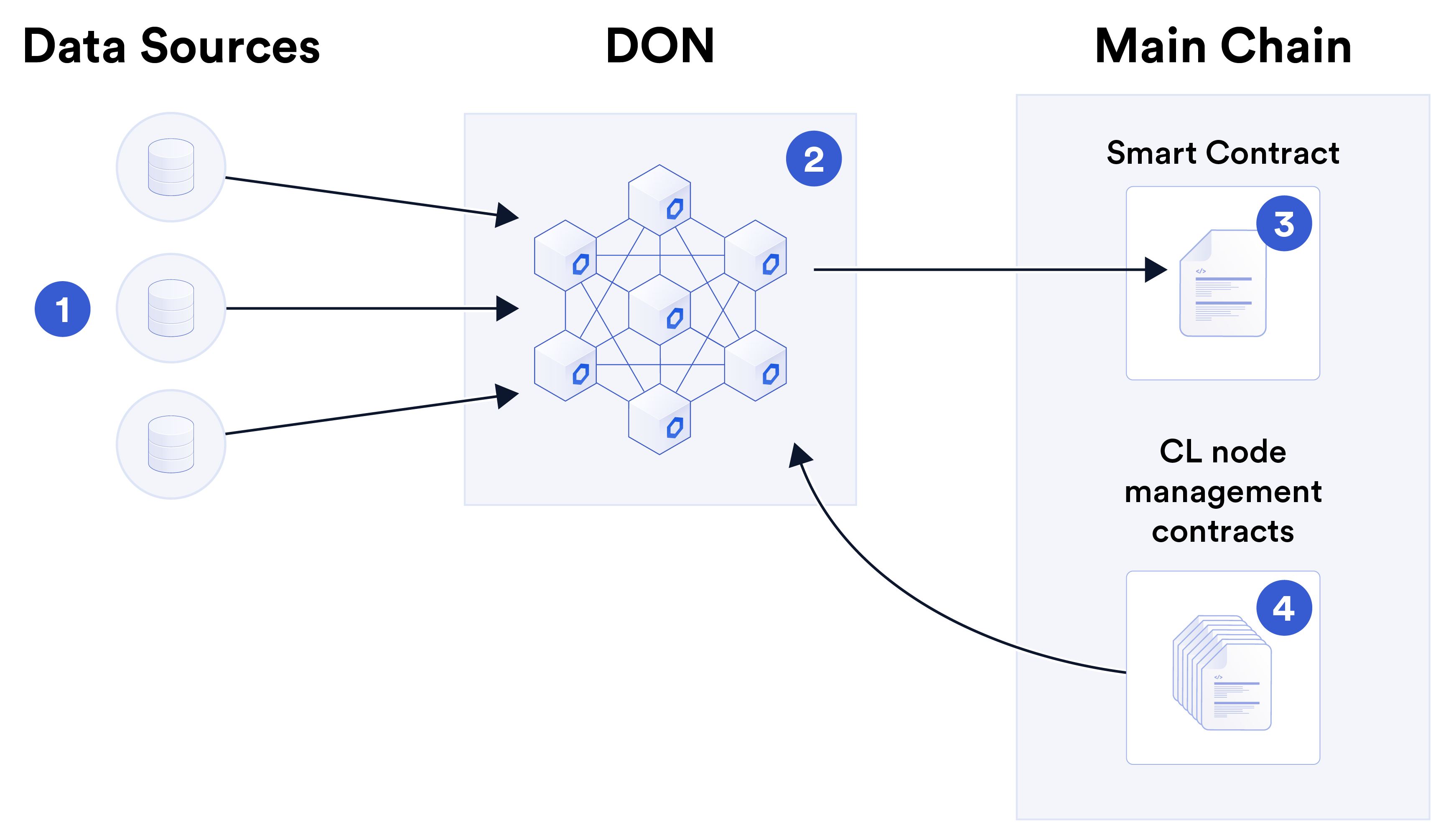
図 14: このセクションで説明する信頼最小化メカニズムの軌跡。 1⃝データ ソースは 2⃝DON にデータを提供し、データの機能を依存関係に中継します。 3⃝smart contract。 さらに、DON または oracle ネットワークには 4⃝ ノードが含まれます 補償ノード、ガードなどの MAINCHAIN 上の管理 smart contracts レールなど。 ソースがあれば、oracle ネットワークは D を改ざんすることはできません。 OpenID Connect など、このようなデータ署名を可能にする取り組みが現れています。 主にユーザー認証 [9]、TLS-N を目的とした学術プロジェクトのために設計されています。 TLS 証明書を再利用することで TLS [191] を拡張し、TLS 証拠拡張機能 [63] を使用します。 ただし、OpenID Connect はある程度の採用が見られますが、TLS Evidence Extensions は および TLS-N はまだ採用されていません。 データ ソース認証のもう 1 つの潜在的な手段は、発行者独自の認証を使用することです。 Signed HTTP Exchange (SXG) [230]。Accelerated Mobile Pages (AMP) プロトコル [225] の一部としてコンテンツ配信ネットワークにキャッシュできます。 Chrome モバイル ブラウザは、AMP でキャッシュされた SXG のコンテンツを、あたかも SXG から提供されているかのように表示します。 キャッシュ サーバー ドメインの代わりに、発行者自身のネットワーク ドメインを使用します。このブランド化のインセンティブは、CloudFlare の Real URL [83] や Google の amppackager [124] などのサービスを使用して有効にするのが比較的簡単であることと相まって、キャッシュされたニュース コンテンツでの SXG の広範な採用につながる可能性があります。 有効な SXG で報告されたニュース価値のあるイベントで Chainlink oracle がトリガーされる方法。 一方、ニュース出版社からの AMP キャッシュされた SXG はハイテンポには役に立ちません。 取引データに関するレポートなどのアプリケーションは、カスタム データの安全なソースとなる可能性があります。 異常気象や選挙結果などの現実世界の出来事に関連する契約。 私たちは、シンプルな導入、成熟したツール、および柔軟性が不可欠であると信じています。 データソース署名の高速化。データプロバイダーが Chainlink ノードを次のように使用できるようにする 認証された API フロントエンドは有望なアプローチであると思われます。私たちは、ネットワークへの参加の有無にかかわらず、ノードがこのモードで機能するためのオプション 本格的なoracleとして。この機能を認証済みデータ生成と呼びます。 (ADO)。 ADO で Chainlink ノードを使用すると、データ ソースは次の利点を得ることができます。 Chainlink コミュニティによって開発されたデジタル機能の追加の経験とツールから 既存のオフチェーン API スイートに署名機能を追加します。彼らは逃げることを選択すべきか ノードを oracle として使用すると、さらに潜在的な新しい収益源を開拓できます 既存のデータプロバイダーと同じモデルの下、例: Kraken [28]、Kaiko [140]、 その他、Chainlink ノードを実行して API データをチェーン上で販売するものもあります。 7.1.1 認証されたデータ生成の制限 データ ソースによるデジタル署名は、認証の強化には役立ちますが、それ自体では、oracle の本来のセキュリティや運用上の目標をすべて達成するには十分ではありません。 ネットワーク。 まず、特定のデータ D は堅牢かつタイムリーに中継される必要があります。 データ ソースから smart contract または他のデータ コンシューマーまでの経路。つまり、 依存関係に事前にプログラムされたキーを使用してすべてのデータが署名される理想的な設定 契約の場合でも、ソースからデータを確実に通信するには DON が必要になります。 契約書に。 さらに、契約書やその他のoracleデータが 消費者は、計算されたさまざまな関数の認証された出力へのアクセスを望んでいます。 ソース データには次の 2 つの主な理由があります。 • 機密性: データ ソース API は機密データまたは専有データを提供する場合があります。 チェーン上で公開される前に、編集またはサニタイズする必要があります。 ただし、署名されたデータを変更すると、署名が無効になります。もう一つ入れて ちなみに、単純な ADO とデータのサニタイズには互換性がありません。例 3 に示します ADO の強化された形式を通じて、この 2 つをどのように調整できるか。 • データ ソースの障害: エラーと障害の両方がデータ ソースに影響を与える可能性がありますが、デジタル署名はどちらの問題にも対処しません。 [98]、Chainlink は当初から このような障害を修復するメカニズム、つまり冗長性がすでに組み込まれています。 oracle ネットワークによって発行されるレポートは通常、複数のデータを組み合わせたものを表します。 ソース。 次に、ソース データの機密性を強化し、複数のソースからのデータを安全に結合するために、ADO 設定で検討しているスキームについて説明します。 7.1.2 機密保持 データ ソースは、必要な API の全範囲を予測して利用できるようにしていない可能性があります。 ユーザーによる。 具体的には、ユーザーは、事前に処理されたデータにアクセスして、 機密保持。次の例は、この問題を示しています。例 3. アリスは、次のような分散型アイデンティティ (DID) 資格情報を取得したいと考えています。 彼女が 18 歳以上であること (したがって、たとえばローンを組むことができる)。やること したがって、彼女は自分の年齢に関するこの事実を DID 資格情報発行者に証明する必要があります。 アリスは、自分の州の陸運局 (DMV) からのデータを使用したいと考えています。 という目的のためのウェブサイト。 DMV には彼女の生年月日の記録があり、 次の形式のデジタル署名された証明書 A: A = {名前: アリス、生年月日: 1999 年 2 月 16 日}。 この例では、アリスが DID に証明するには、証明書 A で十分である可能性があります。 資格情報の発行者は彼女が 18 歳以上であることを証明しました。しかし、機密情報が不必要に漏洩します: アリスの 正確なDoB。理想的には、アリスが代わりに DMV に求めているのは、 「アリスは 18 歳以上です」という単純なステートメント A'。言い換えれば、彼女が望んでいるのは、 彼女の誕生日 X に対する関数 G の出力。ここで、(非公式に) A' = G(X) = True の場合 現在の日付 -X ≥18 歳。それ以外の場合、G(X) = False。 一般的に言うと、アリスはデータ ソースから署名付きのデータをリクエストできるようにしたいと考えています。 形式の証明書 A': A' = {名前: アリス、機能: G(X)、結果: True}、 ここで、G(X) は関数 G とその入力 X の仕様を表します。 ユーザーは、要求の入力として希望する G(X) を提供できる必要があります。 対応する証明書 A'。 データ ソースの証明書 A' には、次の仕様 G(X) が含まれている必要があることに注意してください。 A' が正しく解釈されていることを確認します。上の例では、G(X) は次の意味を定義します。 A' のブール値の値、したがって True は証明の主題を意味します 18歳以上です。 ユーザーが G(X) を関数クエリとして指定できる柔軟なクエリを指します。 例 3 のようなユースケースやクエリを伴うユースケースをサポートするため 契約から直接、次のような機能クエリのサポートを含める予定です。 ADO の一部としての単純な関数 G。 7.1.3 ソースデータの結合 オンチェーンのコストを削減するために、契約は通常、結合されたデータを消費するように設計されています 次の例に示すように、複数のソースから。 例 4 (価格データの中央値化)。価格フィード、つまり 1 つの値を提供するため ある資産 (例: ETH) を別の資産 (例: USD) と比較すると、oracle ネットワークは通常、 取引所などの多くの情報源から現在の価格を取得します。 oracle ネットワーク 通常、これらの値の中央値を従属契約 SC に送信します。 データ署名のある環境では、正しく機能する oracle ネットワークは、 データ ソースから S = {S1, . 。 。 , SnS} 一連の値 V = {v1, v2, ... 。 。 、vnS}から ソース固有の署名を伴う nS ソース Σ = {σ1, σ2, ... 。 。 、σnS}。次第 署名を検証し、価格 v = median(V ) を SC に送信します。残念ながら、oracle ネットワークが中央値を送信する簡単な方法はありません。 例 4 の値 v を、v が正しく計算されたことの簡潔な証明 σ∗ とともに SC に送信します。 符号付き入力を超えます。 単純なアプローチは、すべての nS データ ソースの公開キーを SC でエンコードすることです。 oracle ネットワークは (V, Σ) を中継し、SC が V の中央値を計算できるようにします。 ただし、これでは証明 σ のサイズが O(nS) になります。つまり、σ∗ は簡潔ではありません。 また、SC ではすべての署名を検証する必要があるため、高額なガスコストが発生します。 Σ。 対照的に、SNARK を使用すると、正しく結合された認証されたソース値の簡潔な証明が可能になります。実際には実行可能かもしれないが、かなりの負担がかかる 証明者では計算コストがかかり、チェーンではガスのコストが若干高くなります。の使用 Town Crier も可能ですが、TEE の使用が必要であり、すべてに適しているわけではありません。 ユーザーの信頼モデル。 ソースから結合されたデータに署名するという一般的な問題に対する解決策を組み立てる有用な概念は、関数署名として知られる暗号化ツールです [59、132]。 簡単に言うと、機能署名を使用すると、署名者は次のような署名機能を委任できます。 デリゲート者は、署名者が選択した関数 F の範囲内のメッセージにのみ署名できます。 付録 D では、この機能的制約が範囲を制限するためにどのように機能するかを示します。 データ ソースによって署名された値の関数として DON によって出力されるレポート値。 また、離散化関数シグネチャと呼ばれる新しいプリミティブも導入します。これには、精度の要件が緩和されていますが、潜在的にはるかにパフォーマンスが向上します。 SNARKsなどのアプローチよりも。 ソース認証を含む方法でデータ ソースを結合する際の問題 出力の一部は、CoinCap、CoinMarketCap、CoinGecko などのデータ アグリゲーターにも適用されます。 CryptoCompare など、多数の取引所からデータを取得します。 場合によっては公開される方法論を使用して、体積に基づいた重み付けを行う 他の場合には独自のものになります。値を公開したいアグリゲータ ソース認証は、ノードの集合体を集約する場合と同じ課題に直面します。 ソースデータ。 7.1.4 ソースデータの処理 洗練された smart contract は、カスタム集計統計に依存する可能性があります。 多くの資産における最近の価格履歴のボラティリティなどの主要なデータ ソース、または 関連イベントに関するニュースのテキストと写真。 DON では計算と帯域幅が比較的安価であるため、これらの統計は— 多くの入力を持つ複雑な機械学習モデルであっても、blockchain に送られる出力値が十分に簡潔である限り、経済的に処理できます。 DON 参加者が異なる処理を行う可能性がある計算集約型ジョブの場合 複雑な入力に関する見解では、結果を計算する前に入力に関する合意を確立するために、DON 参加者間で追加のコミュニケーションが必要になる場合があります。 最終的な値が入力によって完全に決定される限り、入力のコンセンサスが確立されると、各参加者は単純に値を計算して他の参加者にブロードキャストできます。参加者に部分署名を付けるか、それをアグリゲーターに送信します。 7.2 DON 信頼の最小化 DON のコンポーネントに対する信頼を最小限に抑えるには、主に 2 つの方法を想定しています。 フェールオーバー クライアントとマイノリティ レポート。 7.2.1 フェイルオーバークライアント 暗号化および分散システムの文献における敵対的モデルは通常、 ノードのサブセットを破壊 (つまり侵害) できる敵を考えてみましょう。 たとえば、多くの BFT プロトコルでは 3 分の 1 未満です。一般的に観察されることですが、 すべてのノードが同一のソフトウェアを実行している場合、攻撃者が致命的なエクスプロイトを特定する可能性があります。 原則として、すべてのノードが多かれ少なかれ同時に侵害されます。この設定は多くの場合、 ソフトウェアモノカルチャー[47]と呼ばれます。 この問題に対処するために、ソフトウェアおよびソフトウェア構成を自動的に多様化するためのさまざまな提案が提出されている (例: [47, 113])。 [47] に記載されているように、 ただし、ソフトウェアの多様性は複雑な問題であり、慎重な検討が必要です。たとえば、ソフトウェアの多様化は、モノカルチャーよりもセキュリティが悪化する可能性があります。 システムの攻撃対象領域が増加し、その結果、可能性のある攻撃ベクトルが超過します。 セキュリティのメリットが得られます。 私たちは、堅牢なフェイルオーバー クライアント (つまり、どのノードに接続するクライアント) のサポートが重要であると考えています。 壊滅的な出来事に直面すると切り替えることができます。これは特に魅力的な形態です。 ソフトウェアの多様化。フェイルオーバークライアントは潜在的なベクトルの数を増加させません これらはメインライン ソフトウェアとして展開されていないため、攻撃の危険性が高まります。それらは明らかな利点を提供します。 ただし、第二の防衛線として。 DONs でフェイルオーバー クライアントをサポートする予定です。 これは、単一クライアントへのセキュリティへの依存を軽減するための重要な手段です。 Chainlink には、フェイルオーバー クライアントの堅牢なシステムがすでに導入されています。私たちのアプローチ これには、実戦テストされた以前のクライアント バージョンの維持が含まれます。たとえば、現在、オフチェーン レポート (OCR) をプライマリ クライアントとして使用する Chainlink ノードにはサポートが含まれています。 必要に応じて、Chainlink の以前の FluxMonitor システム用。ある程度使用されていたので FluxMonitor はセキュリティ監査とフィールド テストを受けています。同じものを提供します OCR としての機能を利用するには、コストがかかるだけです。コストは必要な場合にのみ発生します。 7.2.2 マイノリティ・レポート オマイノリティ (多数派による不正行為を観察する誠実なノードの一部) が十分に大きい少数派セットである場合、少数派を生成するのに役立つ可能性があります。 報告する。これは並行レポートまたはフラグであり、オンチェーンの従属契約 SC に中継されます。 オマイノリティによる。 SC は、独自の契約固有のポリシーに従ってこのフラグを使用できます。 たとえば、生存性や応答性よりも安全性が重要である契約の場合、少数派の報告により、契約は補足報告を要求する可能性があります。 別の DON から接続するか、サーキット ブレーカーをトリガーします (次のセクションを参照)。たとえ大多数が正直であっても、少数派の報告は重要な役割を果たすことができます。 なぜなら、レポート集計スキームは、機能的シグネチャを使用する場合でも、 oracle またはデータ障害に対する回復力を確保するために、しきい値方式で動作します。で 言い換えれば、次の入力に基づいて有効なレポートを作成できなければなりません。 kS < nS oracles、あるしきい値 kS の場合。 これは、破損した DON には、 優先 kS 値を選択することにより、レポート値を操作する自由度が高くなります。 すべてのソースが正直である場合でも、V では oracle の完全なセットによって nS が報告されます。 たとえば、関数型を使用するシステムで nS = 10 および kS = 7 であると仮定します。 ETH の USD 価格の V に対する中央値の計算を認証するための署名。 5 つの情報源が \(500, while the other five report \)1000 の価格を報告しているとします。 次に、下位 7 つのレポートを中央値化することにより、DON は有効な値 v = $500 を出力できます。 そして最高値を中央値化すると、v = $1000 が出力されます。 DON プロトコルを強化して、すべてのノードがどのデータがあったかを認識できるようにする 利用可能なデータ、およびレポートの作成に使用されたデータをノードが検出してフラグを立てることができます。 あるセットのレポートを別のセットのレポートよりも好むという統計的に有意な傾向があり、 結果として少数派の報告書となる。 7.3 ガードレール DONs の信頼モデルは、MAINCHAIN をより高いセキュリティとより高い特権として扱います。 DONs よりもシステムが優れています。 (この信頼モデルは必ずしも当てはまらないかもしれませんが、より簡単です DON の方がセキュリティが高い状況に結果のメカニズムを適応させるため プラットフォームはその逆です)。 したがって、自然な信頼最小化戦略には、smart contracts (MAINCHAIN フロントエンドのいずれか) での監視およびフェイルセーフ メカニズムの実装が含まれます。 DON の場合、または従属契約 SC 内で直接。これらのメカニズムを次のように呼びます。 ガードレール、そして最も重要なものをここにいくつか列挙します。 • サーキットブレーカー: SC は、状態更新自体の特性 (例: シーケンシャル間の大きな差異など) のいずれかの関数として、状態更新を一時停止または停止することがあります。 レポート)、または他の入力に基づいて。たとえば、サーキットブレーカーが落ちる可能性があります。 oracle レポートが時間の経過とともに信じられないほど変化する場合。サーキットブレーカーが作動する可能性があります マイノリティレポートにもつまずかれる。したがって、サーキットブレーカーはDONを防ぐことができます 著しく誤った報告をしないこと。 サーキットブレーカーは、追加の介入を検討するための時間を提供することができます または運動した。そのような介入の 1 つは避難ハッチです。 • 避難用ハッチ: 管理者、コミュニティ token 保持者、またはその他の受託者団体によって特定された不利な状況下では、契約によって以下の措置が講じられる場合があります。 緊急設備は避難ハッチ [163] とも呼ばれます。脱出ハッチ SC を何らかの方法でシャットダウンしたり、保留中の終了を引き起こしたり、場合によっては 今後の取引。たとえば、保管されている資金をユーザーに返還する場合があります ([17])、契約条件 [162] を終了するか、保留中の取引および/または今後の取引 [173] をキャンセルする場合があります。避難ハッチは、あらゆるタイプの契約に導入できます。 DON に依存するものですが、それらは潜在的なバッファーとして興味深いものです。 DON 不正行為。 • フェイルオーバー: SC が重要なサービスについて DON に依存しているシステムでは、SC がフェイルオーバー メカニズムを提供して、たとえ DON の失敗または不正行為の場合。たとえば、TEF (セクション 6) では、次のようになります。 アンカー コントラクト SCa は、オンチェーンと オフチェーン実行インターフェイスは、特定の重要な操作 (例: 引き出し)、または通常のトランザクションの場合は、DON トランザクションのフロントランニングを防ぐために適切な遅延が発生します。データ ソースがデータに署名する場合、ユーザーは DON が失敗した場合にも、SCa に報告書を提出します。 さまざまな形式の楽観的 rollup に対して提案されている不正証明 (セクション 6.3 を参照)、 風味が似ており、上で列挙したメカニズムを補完します。彼らは また、オンチェーン監視の形式と潜在的な障害に対する保護も提供します。 オフチェーン システム コンポーネント。 7.4 信頼を最小限に抑えたガバナンス すべての分散システムと同様、Chainlink ネットワークにはガバナンス メカニズムが必要です 時間の経過とともにパラメータを調整し、緊急事態に対応し、その進化を導きます。 これらのメカニズムの一部は現在 MAINCHAIN 上に存在しており、今後も存続する可能性があります。 DONs の展開でもそうしてください。一例として、支払いメカニズムが挙げられます。 oracle ノード プロバイダー (DON ノード) の場合。 DON MAINCHAIN 上のフロントエンド コントラクト ガードレールなどの追加の機構が含まれており、定期的な規制を受ける可能性があります。 改造。 私たちは、進化型と緊急型という 2 つの種類のガバナンス メカニズムを予測しています。 進化的ガバナンス: Chainlink エコシステムに対する多くの変更は、 実装が緊急の問題ではないようにします: パフォーマンスの向上、 機能強化、(緊急ではない)セキュリティ アップグレードなど。 Chainlink はガバナンスへの参加者をさらに増やす方向に徐々に移行しており、多くの参加者や参加者が増えることが予想されます。 このような変更のほとんどは、影響を受ける特定の DON のコミュニティによって承認される必要があります。 変化します。暫定的に、そしておそらく最終的には並行メカニズムとして、私たちは次のように信じています。 一時的な最小特権の概念は、進化的ガバナンスを実装する有用な手段となり得るということです。非常に簡単に言うと、変更を段階的に展開して、 コミュニティは彼らに応える機会です。たとえば、新しいものへの移行 MAINCHAIN コントラクトは、新しいコントラクトをデプロイする必要があるように制約することができます 有効化の少なくとも 30 日前までに。緊急時のガバナンス: MAINCHAIN の悪用可能な脆弱性または悪用された脆弱性 契約やその他の形式の生存性または安全性の欠陥では、壊滅的な結果を防ぐために即時介入が必要になる場合があります。私たちの目的はマルチシグをサポートすることです あらゆる組織による不正行為を確実に防止するための介入メカニズム。 署名者は組織全体に分散されます。署名者の一貫した可用性を確保する 緊急事態の許可のための適切な指揮系統へのタイムリーなアクセス 変更には、慎重な運用計画と定期的なレビューが必要であることは明らかです。これら 課題は、他のサイバーセキュリティ インシデント対応のテストに伴う課題と似ています。 能力 [134] は、警戒力の低下 [223] などの一般的な問題に対処するための同様の必要性を伴います。 DON のガバナンスは、多くの分散システムのガバナンスとは異なります。 潜在的な異質性の程度。各 DON には、個別のデータ ソース、実行可能ファイル、稼働時間などのサービス レベル要件、ユーザーが含まれる場合があります。 Chainlink ネットワークの ガバナンスメカニズムは、そのような変化に対応できる十分な柔軟性を備えていなければなりません。 運用上の目標とパラメータ。私たちはデザインのアイデアを積極的に検討しており、次のことを計画しています。 将来的にはこのテーマに関する研究を発表する予定です。 7.5 公開鍵インフラストラクチャ 分散化が進むにつれて、 DON ノードを含むネットワーク参加者。特に、Chainlink には強力な 公開鍵インフラストラクチャー (PKI)。 PKI は、キーを ID にバインドするシステムです。のために たとえば、PKI はインターネットの安全な接続 (TLS) システムを支えています。 HTTPS (例: https://www.chainlinklabs.com) を介して Web サイトに接続し、 ブラウザにロックが表示されます。これは、ドメイン所有者の公開キーが 権限によって、具体的にはデジタル署名を通じてその所有者に結び付けられています。 いわゆる証明書。認証局 (CA) の階層システムは、そのトップレベルのルート認証局が一般的なブラウザに組み込まれており、証明書の確実な発行に役立ちます。 ドメインの正当な所有者にのみ発行されます。 Chainlink は最終的には分散型ネーム サービスを利用することになると予想しています。 最初は、PKI の基盤として、Ethereum ネーム サービス (ENS) [22] を使用しました。として その名前が示すように、ENS は DNS (マッピングを行うドメイン ネーム システム) に似ています。 (人間が読める) ドメイン名をインターネット上の IP アドレスに変換します。ただし、ENS は代わりに、人間が判読できる Ethereum 名を blockchain アドレスにマッピングします。 ENSだから Ethereum blockchain 上で動作し、鍵の侵害や改ざんがない限り、 名前空間は原則として、それを管理する契約を改ざんするのと同じくらい難しい および/または基礎となるblockchain。 (対照的に、DNS は歴史的に脆弱でした) スプーフィング、ハイジャック、その他の攻撃から保護します。) 私たちは data.eth を Ethereum メインネット上の ENS に登録しており、 これをルート名前空間として確立し、その下に oracle データ サービスの ID と 他の Chainlink ネットワーク エンティティが存在します。 ENS のドメインは階層構造になっており、各ドメインに参照が含まれる可能性があります。 その下の他の名前に。 ENS のサブドメインは、組織化および委任の信頼。 data.eth の主な役割は、オンチェーン ディレクトリ サービスとして機能することです。 データフィード。従来、oracles の開発者とユーザーはオフチェーン ソースを使用してきました。 (例: docs.chain.link や data.chain.link などの Web サイト、または次のようなソーシャル ネットワーク Twitter) oracle データ フィード アドレス (ETH-USD 価格など) を公開および取得する フィード)。 data.eth などの信頼性の高いルート名前空間を使用すると、代わりに、smart contract アドレスなどへの eth-usd.data.eth のマッピングを確立することができます。 ETH-USD 価格フィード用のオンチェーン oracle ネットワーク アグリゲーターの。これは 誰もがblockchainを信頼できる情報源として参照できる安全なパスを作成します。 その価格/名前ペア (ETH-USD) のデータ フィード。したがって、ENS のそのような使用は、 オフチェーン データ ソースでは利用できない 2 つの利点を実現します。 • 強力なセキュリティ: ドメインに対するすべての変更と更新は不変に記録されます。 Web サイト上のテキスト アドレスとは対照的に、暗号化によって保護されています。 これら 2 つのセキュリティ特性のどちらも享受できません。 • 自動化されたオンチェーン伝播: データフィードの smart contract の基礎となるアドレスを更新すると、依存するスマートに伝播する通知をトリガーできます。 契約を作成し、たとえば、依存する契約を自動的に更新できます。 新しいアドレス.13 ただし、ENS のような名前空間は、正当な所有権を自動的に検証しません。 アサートされた名前の。したがって、たとえば、名前空間に次のエントリが含まれている場合、 ⟨「Acme Oracle Node Co.」、addr⟩、 そうすれば、ユーザーは、addr が Acme という名前の主張者に属しているという保証を得ることができます。 Oracle Node Co. ネームスペース管理に関する追加のメカニズムがなければ、 ただし、その名前が合法的に実体に属しているという保証は得られていません。 現実世界では意味のある意味で Acme Oracle Node Co. と呼ばれます。 名前の検証に対する私たちのアプローチ、つまり、対応する正当な現実世界のエンティティによる名前の所有権の確保は、いくつかのコンポーネントに依存しています。今日、Chainlink 研究室 Chainlink ネットワークの CA として効果的に機能します。 Chainlink ラボは継続します 名前を検証するために、PKI は次の 2 つの方法でより分散化されたモデルに進化します。 • Web-of-trust モデル: 階層型 PKI の分散型モデルは、多くの場合、web-of-trust と呼ばれます。14 バリアントは 1990 年代から提案されてきました。 例: [98]、そして多くの研究者は、blockchain が世界的に一貫した形式で証明書を記録することによって、アイデア (例: [227]) の使用を容易にすることができることを観察しています。 台帳。私たちは、エンティティの身元を検証するために、このモデルのバリアントを調査しています。 Chainlink ネットワーク内でより分散化された方法で。 13A 従属契約には、手動検査を可能にするための所定の遅延をオプションで含めることができます。 および従属契約管理者による介入。 14Phil Zimmermann が PGP [238] のために作った用語。• 検証データへのリンク: 現在、かなりの量の oracle ノード パフォーマンス データがチェーン上で表示され、アーカイブ的にノード アドレスにバインドされています。 このようなデータは、ネットワークへの (信頼できる) 参加の歴史的証拠を提供することによって、PKI のアイデンティティを強化すると見なすことができます。さらに、ツール DECO および Town Crier [160] に基づく分散型アイデンティティのノードの有効化 実世界のデータから得られた認証情報を蓄積します。ほんの一例として、 ノードオペレーターは、所有を証明する資格情報をその PKI ID に添付できます。 ダンとブラッドストリートの評価の。これらの補足的な検証形式では、 ネットワークのセキュリティを保証するために、staking を補足してください。現実世界のアイデンティティが確立されている oracle ノードは、ステークを持っているとみなされる場合があります その評判に基づいたシステムで。 (セクション 4.3 およびセクション 9.6.3 を参照してください。) Chainlink PKI の最後の要件は、安全なブートストラップです。 Chainlink ネットワークのルート名 (現在は data.eth) を公開します (同様に ブラウザのトップレベル ドメインのハードワイヤードに)。言い換えれば、Chainlink ユーザーはどうやって data.eth が実際に Chainlink に関連付けられたトップレベル ドメインであることを確認します。 プロジェクト? Chainlink ネットワークのこの問題に対する解決策は多面的であり、 以下が含まれる可能性があります: • を指定する TXT レコード [224] をchain.link のドメイン レコードに追加します。 data.eth を Chainlink エコシステムのルート ドメインとして使用します。 (Chainlink は、インターネット ドメインの PKI を暗黙的に利用して、ルート ENS ドメインを検証します。) • Chainlink の既存の Web サイトから data.eth にリンクする(例: https://docs.chain.link. (インターネット ドメインに対する PKI のもう 1 つの暗黙的な使用。) • このホワイトペーパーを含むさまざまな文書を通じて data.eth の利用を周知する。 • Twitter などの当社のソーシャル メディア チャネルに data.eth を公に投稿する。 Chainlink ブログ [18]。 • 大量の LINK を同じ登録者アドレスの管理下に置くこと data.ethとして。
การลดความน่าเชื่อถือ
ในฐานะระบบการกระจายอำนาจที่มีส่วนร่วมจากกลุ่มเอนทิตีที่ต่างกัน เครือข่าย Chainlink ให้การป้องกันที่แข็งแกร่งต่อความล้มเหลวทั้งในด้านความพร้อมใช้งาน (ความพร้อมใช้งาน) และความปลอดภัย (ความสมบูรณ์ของรายงาน) อย่างไรก็ตาม ระบบกระจายอำนาจส่วนใหญ่จะแตกต่างกันไป ระดับที่องค์ประกอบที่เป็นส่วนประกอบมีการกระจายอำนาจ นี้ เป็นจริงแม้กระทั่งกับระบบขนาดใหญ่ ซึ่งมีการกระจายอำนาจที่จำกัดในหมู่นักขุด [32] และ คนกลาง [51] มีมานานแล้ว เป้าหมายของความพยายามในการกระจายอำนาจคือการลดความไว้วางใจ: เราพยายามที่จะลด ผลเสียของการทุจริตหรือความล้มเหลวของระบบภายในเครือข่าย Chainlink แม้ว่า เนื่องจาก DON ที่เป็นอันตราย หลักการชี้นำของเราคือหลักการของสิทธิพิเศษน้อยที่สุด [197] ส่วนประกอบของระบบและผู้ดำเนินการภายในระบบควรมีการกำหนดขอบเขตสิทธิ์อย่างเคร่งครัด เพื่อให้บรรลุผลสำเร็จตามบทบาทที่ได้รับมอบหมายเท่านั้น ที่นี่เราวางกลไกที่เป็นรูปธรรมหลายประการเพื่อให้ Chainlink นำไปใช้ในการขับเคลื่อน สู่การลดความไว้วางใจให้เหลือน้อยที่สุด เราอธิบายลักษณะกลไกเหล่านี้ในแง่ ของตำแหน่ง เช่น ส่วนประกอบของระบบที่มีการรูท แสดงในรูปที่ 14 เรา ที่อยู่แต่ละสถานที่ในส่วนย่อยที่เกี่ยวข้อง 7.1 การรับรองความถูกต้องแหล่งข้อมูล โมเดลการทำงานปัจจุบันสำหรับ oracles ถูกจำกัดด้วยข้อเท็จจริงที่ว่าแหล่งข้อมูลมีน้อย เซ็นชื่อแบบดิจิทัลในข้อมูลที่ละเว้น โดยส่วนใหญ่เนื่องจาก TLS ไม่ได้เซ็นชื่อโดยธรรมชาติ ข้อมูล TLS ใช้ลายเซ็นดิจิทัลในโปรโตคอล “handshake” (เพื่อสร้าง คีย์ที่ใช้ร่วมกันระหว่างเซิร์ฟเวอร์และไคลเอนต์) HTTPS-เซิร์ฟเวอร์ที่เปิดใช้งานจึงมีใบรับรอง บนกุญแจสาธารณะซึ่งโดยหลักการแล้วสามารถทำหน้าที่ลงนามข้อมูลได้ แต่โดยทั่วไปแล้วจะไม่ใช้งาน ใบรับรองเหล่านี้เพื่อรองรับการลงนามข้อมูล ดังนั้นการรักษาความปลอดภัยของ DON เช่น ในเครือข่าย oracle ในปัจจุบัน อาศัยโหนด oracle ที่ถ่ายทอดข้อมูลจากข้อมูลอย่างซื่อสัตย์ แหล่งที่มาของสัญญา องค์ประกอบระยะยาวที่สำคัญของวิสัยทัศน์ของเราในการลดความน่าเชื่อถือใน Chainlink เกี่ยวข้องกับการพิสูจน์ตัวตนแหล่งข้อมูลที่แข็งแกร่งยิ่งขึ้นผ่านการสนับสนุนเครื่องมือและมาตรฐานสำหรับการลงนามข้อมูล การลงนามข้อมูลสามารถช่วยบังคับใช้การรับประกันความสมบูรณ์ตั้งแต่ต้นทางถึงปลายทางได้ โดยหลักการแล้ว หากสัญญายอมรับเป็นอินพุตชิ้นส่วนของข้อมูล D ที่ลงนามโดยข้อมูลโดยตรง
รูปที่ 14: ตำแหน่งกลไกลดความไว้วางใจที่กล่าวถึงในส่วนนี้ 1⃝ข้อมูล แหล่งที่มาให้ข้อมูลแก่ 2⃝DON ซึ่งถ่ายทอดฟังก์ชันของข้อมูลไปยังผู้อยู่ในอุปการะ 3⃝smart contract. นอกจากนี้ เครือข่าย DON หรือ oracle ยังมีโหนด 4⃝ การจัดการ smart contracts บน MAINCHAIN สำหรับ เช่น การชดเชยโหนด การป้องกัน ราง และอื่นๆ แหล่งที่มา ดังนั้นเครือข่าย oracle ไม่สามารถยุ่งเกี่ยวกับ D. การสนับสนุนต่างๆ ได้ มีความพยายามในการเปิดใช้งานการลงนามข้อมูลดังกล่าว รวมถึง OpenID Connect ซึ่ง ได้รับการออกแบบมาเพื่อการตรวจสอบผู้ใช้เป็นหลัก [9], TLS-N ซึ่งเป็นโครงการทางวิชาการที่มุ่งหวังที่จะ ขยาย TLS [191] โดยการนำใบรับรอง TLS ไปใช้ใหม่และส่วนขยายหลักฐาน TLS [63] แม้ว่า OpenID Connect จะมีการนำไปใช้บ้าง แต่ TLS Evidence Extensions และ TLS-N ยังไม่เห็นการนำไปใช้ อีกช่องทางที่เป็นไปได้ในการตรวจสอบแหล่งข้อมูลคือการใช้ของผู้เผยแพร่เอง Signed HTTP Exchanges (SXG) [230] ซึ่งสามารถแคชบนเครือข่ายการจัดส่งเนื้อหาโดยเป็นส่วนหนึ่งของโปรโตคอล Accelerated Mobile Pages (AMP) [225] เบราว์เซอร์ Chrome บนอุปกรณ์เคลื่อนที่จะแสดงเนื้อหาจาก SXG ที่แคชด้วย AMP เหมือนกับว่ามาจากบริการดังกล่าว โดเมนเครือข่ายของผู้เผยแพร่โฆษณาแทนโดเมนแคชเซิร์ฟเวอร์ สิ่งจูงใจในการสร้างแบรนด์นี้ ควบคู่ไปกับความสะดวกในการเปิดใช้งานโดยใช้บริการต่างๆ เช่น Real URL ของ CloudFlare [83] และ amppackager ของ Google [124] อาจนำไปสู่การนำ SXG มาใช้อย่างกว้างขวางในเนื้อหาข่าวที่แคชไว้ ซึ่งจะทำให้สามารถป้องกันการงัดแงะที่เรียบง่ายและป้องกันการงัดแงะได้ วิธีสำหรับ Chainlink oracles เพื่อทริกเกอร์เหตุการณ์ที่น่าบอกใบเรื่องข่าวที่รายงานใน SXG ที่ถูกต้อง แม้ว่า SXG ที่แคชไว้สำหรับ AMP จากผู้เผยแพร่ข่าวจะไม่มีประโยชน์สำหรับจังหวะที่มีจังหวะสูง แอปพลิเคชันเช่นรายงานข้อมูลการซื้อขาย อาจเป็นแหล่งข้อมูลที่ปลอดภัยสำหรับการกำหนดเอง สัญญาที่เกี่ยวข้องกับเหตุการณ์ในโลกแห่งความเป็นจริง เช่น สภาพอากาศสุดขั้วหรือผลการเลือกตั้ง เราเชื่อว่าการปรับใช้อย่างง่าย เครื่องมือที่สมบูรณ์ และความยืดหยุ่นจะมีความสำคัญ เร่งการลงนามแหล่งข้อมูล การเปิดใช้งานผู้ให้บริการข้อมูลเพื่อใช้โหนด Chainlink เป็น ส่วนหน้า API ที่ผ่านการรับรองความถูกต้องดูเหมือนจะเป็นแนวทางที่ดี เราตั้งใจที่จะสร้างตัวเลือกสำหรับโหนดที่จะทำงานในโหมดนี้ ไม่ว่าจะเข้าร่วมในเครือข่ายหรือไม่ก็ตาม อย่างเต็มกำลัง oracle เราอ้างถึงความสามารถนี้ว่าเป็นการสร้างข้อมูลที่มีการรับรองความถูกต้อง (อดีโอ). ด้วยการใช้โหนด Chainlink กับ ADO แหล่งข้อมูลจะได้รับประโยชน์ จากประสบการณ์และเครื่องมือที่พัฒนาโดยชุมชน Chainlink ในการเพิ่มดิจิทัล ความสามารถในการลงนามกับชุด API ออฟไลน์ที่มีอยู่ หากพวกเขาเลือกที่จะวิ่ง โหนดของพวกเขาเป็น oracles พวกเขาสามารถเปิดแหล่งรายได้ใหม่ที่เป็นไปได้เพิ่มเติม ภายใต้โมเดลเดียวกันกับผู้ให้บริการข้อมูลที่มีอยู่ เช่น Kraken [28], Kaiko [140] และ อื่นๆ ที่รันโหนด Chainlink เพื่อขายข้อมูล API บนเชน 7.1.1 ข้อจำกัดของการสร้างข้อมูลที่มีการรับรองความถูกต้อง การลงนามแบบดิจิทัลโดยแหล่งข้อมูล แม้ว่าจะสามารถช่วยเสริมสร้างการตรวจสอบสิทธิ์ได้ แต่ก็ยังไม่เพียงพอที่จะบรรลุผลสำเร็จของการรักษาความปลอดภัยตามธรรมชาติหรือเป้าหมายการปฏิบัติงานของ oracle เครือข่าย ในการเริ่มต้น ชิ้นส่วนของข้อมูล D จะต้องได้รับการถ่ายทอดอย่างมีประสิทธิภาพและทันเวลา จากแหล่งข้อมูลไปยัง smart contract หรือผู้ใช้ข้อมูลอื่นๆ นั่นคือแม้กระทั่งใน การตั้งค่าที่เหมาะสมที่สุดซึ่งข้อมูลทั้งหมดจะถูกเซ็นชื่อโดยใช้คีย์ที่ตั้งโปรแกรมไว้ล่วงหน้าให้ขึ้นต่อกัน สัญญา DON ยังคงจำเป็นในการสื่อสารข้อมูลที่เชื่อถือได้จากแหล่งที่มา เพื่อสัญญา นอกจากนี้ มีหลายกรณีที่สัญญาหรือข้อมูล oracle อื่นๆ ผู้บริโภคต้องการเข้าถึงเอาต์พุตที่ผ่านการรับรองความถูกต้องของฟังก์ชันต่างๆ ที่คำนวณผ่าน แหล่งข้อมูลด้วยเหตุผลสองประการ: • การรักษาความลับ: API แหล่งข้อมูลอาจให้ข้อมูลที่ละเอียดอ่อนหรือเป็นกรรมสิทธิ์ ที่จำเป็นต้องได้รับการแก้ไขหรือฆ่าเชื้อก่อนที่จะเปิดเผยต่อสาธารณะบนเครือข่าย อย่างไรก็ตาม การปรับเปลี่ยนข้อมูลที่ลงนามจะทำให้ลายเซ็นเป็นโมฆะ ใส่อีก วิธี ADO ที่ไม่เกี่ยวข้องและการฆ่าเชื้อข้อมูลเข้ากันไม่ได้ เราแสดงในตัวอย่างที่ 3 วิธีที่ทั้งสองสามารถคืนดีผ่านรูปแบบ ADO ที่ปรับปรุงแล้ว • ข้อผิดพลาดของแหล่งข้อมูล: ทั้งข้อผิดพลาดและความล้มเหลวสามารถส่งผลต่อแหล่งข้อมูลได้ และลายเซ็นดิจิทัลก็ไม่ช่วยแก้ปัญหาแต่อย่างใด ตั้งแต่เริ่มก่อตั้ง [98], Chainlink มี ได้รวมกลไกในการแก้ไขข้อผิดพลาดดังกล่าวไว้แล้ว: ความซ้ำซ้อน รายงานที่ออกโดยเครือข่าย oracle มักจะแสดงถึงข้อมูลที่รวมกันของหลายเครือข่าย แหล่งที่มา ขณะนี้เรากำลังหารือถึงแผนการที่เรากำลังสำรวจในการตั้งค่า ADO เพื่อปรับปรุงการรักษาความลับของข้อมูลต้นฉบับ และเพื่อรวมข้อมูลจากหลายแหล่งอย่างปลอดภัย 7.1.2 การรักษาความลับ แหล่งข้อมูลอาจไม่คาดการณ์และจัดให้มีขอบเขต API ทั้งหมดที่ต้องการ โดยผู้ใช้ โดยเฉพาะอย่างยิ่งผู้ใช้อาจต้องการเข้าถึงข้อมูลที่ประมวลผลล่วงหน้าเพื่อช่วยให้แน่ใจว่า การรักษาความลับ ตัวอย่างต่อไปนี้แสดงให้เห็นถึงปัญหาตัวอย่างที่ 3 อลิซต้องการได้รับการระบุข้อมูลประจำตัวแบบกระจายอำนาจ (DID) ว่าเธอมีอายุเกิน 18 ปี (และสามารถกู้เงินได้) ที่จะทำ ดังนั้นเธอจึงต้องพิสูจน์ข้อเท็จจริงเกี่ยวกับอายุของเธอต่อผู้ออกใบรับรอง DID อลิซหวังที่จะใช้ข้อมูลจากกรมยานยนต์ (DMV) ของรัฐของเธอ เว็บไซต์เพื่อวัตถุประสงค์ DMV มีบันทึกวันเกิดของเธอและจะปล่อย หนังสือรับรอง A ที่ลงนามแบบดิจิทัลบนแบบฟอร์มต่อไปนี้: A = {ชื่อ: อลิซ วันเกิด: 16/02/1999} ในตัวอย่างนี้ เอกสารรับรอง A อาจเพียงพอที่จะให้ Alice พิสูจน์ต่อ DID ได้ ผู้ออกหนังสือรับรองที่เธออายุเกิน 18 ปี แต่ข้อมูลสำคัญก็รั่วไหลโดยไม่จำเป็น: ของอลิซ DoB ที่แน่นอน ตามหลักการแล้ว สิ่งที่อลิซต้องการจาก DMV แทนคือการลงนามใน a ข้อความง่ายๆ A′ ว่า “อลิซอายุเกิน 18 ปี” กล่าวอีกนัยหนึ่งเธอต้องการ ผลลัพธ์ของฟังก์ชัน G บนวันเกิดของเธอ X โดยที่ (อย่างไม่เป็นทางการ), A′ = G(X) = True ถ้า CurrentDate −X ≥18 ปี; มิฉะนั้น G(X) = เท็จ โดยสรุป Alice ต้องการขอลายเซ็นจากแหล่งข้อมูล หนังสือรับรอง A′ ของแบบฟอร์ม: A′ = {ชื่อ: อลิซ, Func:G(X), ผลลัพธ์: จริง}, โดยที่ G(X) หมายถึงคุณลักษณะเฉพาะของฟังก์ชัน G และอินพุต X ของฟังก์ชัน เราจินตนาการถึง ว่าผู้ใช้ควรจะสามารถระบุ G(X) ที่ต้องการเป็นอินพุตพร้อมกับคำขอของเธอสำหรับ a การรับรองที่สอดคล้องกัน A′ โปรดทราบว่าการรับรองของแหล่งข้อมูล A′ จะต้องมีข้อกำหนด G(X) ถึง ตรวจสอบให้แน่ใจว่า A′ ถูกตีความอย่างถูกต้อง ในตัวอย่างข้างต้น G(X) กำหนดความหมาย ของค่าบูลีนใน A′ และด้วยเหตุนี้ True จึงแสดงถึงเรื่องของการรับรอง มีอายุมากกว่า 18 ปี เราอ้างถึงการสืบค้นแบบยืดหยุ่นซึ่งผู้ใช้สามารถระบุ G(X) เป็นการสืบค้นเชิงฟังก์ชันได้ เพื่อรองรับกรณีการใช้งานเช่นนั้นในตัวอย่างที่ 3 รวมถึงกรณีที่เกี่ยวข้องกับการสืบค้น โดยตรงจากสัญญา เราตั้งใจที่จะรวมการสนับสนุนสำหรับการสืบค้นการทำงานที่เกี่ยวข้อง ฟังก์ชันอย่างง่าย G ซึ่งเป็นส่วนหนึ่งของ ADO 7.1.3 การรวมแหล่งข้อมูล เพื่อลดต้นทุนออนไลน์ โดยทั่วไปสัญญาได้รับการออกแบบให้ใช้ข้อมูลที่รวมกัน จากหลายแหล่ง ดังตัวอย่างต่อไปนี้ ตัวอย่างที่ 4 (ข้อมูลราคากลาง) เพื่อระบุฟีดราคา เช่น มูลค่าหนึ่ง สินทรัพย์ (เช่น ETH) ที่เกี่ยวข้องกับสินทรัพย์อื่น (เช่น USD) โดยทั่วไปเครือข่าย oracle จะ รับราคาปัจจุบันจากแหล่งต่างๆ เช่น การแลกเปลี่ยน เครือข่าย oracle โดยทั่วไปจะส่งค่ามัธยฐานของค่าเหล่านี้ไปยังสัญญา SC ที่ต้องพึ่งพา ในสภาพแวดล้อมที่มีการลงนามข้อมูล จะได้รับเครือข่าย oracle ที่ทำงานอย่างถูกต้อง จากแหล่งข้อมูล S = {S1, . . . , SnS} ลำดับของค่า V = {v1, v2, . . . , vnS} จาก แหล่งที่มา nS พร้อมด้วยลายเซ็นเฉพาะแหล่งที่มา Σ = {σ1, σ2, . . , σnS} เมื่อ การตรวจสอบลายเซ็นจะส่งราคา v = ค่ามัธยฐาน (V ) ไปยัง SCน่าเสียดายที่ไม่มีวิธีง่ายๆ สำหรับเครือข่าย oracle ในการส่งข้อมูลค่ามัธยฐาน ค่า v ในตัวอย่างที่ 4 ถึง SC พร้อมด้วยหลักฐานที่กระชับ σ∗ว่า v ถูกคำนวณอย่างถูกต้อง มากกว่าอินพุตที่ลงนาม แนวทางที่ไร้เดียงสาคือการเข้ารหัสคีย์สาธารณะใน SC ของแหล่งข้อมูล nS ทั้งหมด เครือข่าย oracle จะถ่ายทอด (V, Σ) และอนุญาตให้ SC คำนวณค่ามัธยฐานของ V อย่างไรก็ตาม สิ่งนี้จะส่งผลให้มีการพิสูจน์ σ ที่มีขนาด O(nS) กล่าวคือ σ∗ จะไม่กระชับ นอกจากนี้ยังจะทำให้ SC มีค่าใช้จ่ายน้ำมันสูง ซึ่งจะต้องตรวจสอบลายเซ็นทั้งหมด Σ. ในทางตรงกันข้าม การใช้ SNARK ช่วยให้สามารถพิสูจน์โดยย่อของค่าแหล่งที่มาที่ได้รับการรับรองความถูกต้องที่รวมเข้าด้วยกันอย่างถูกต้อง ในทางปฏิบัติอาจใช้ได้แต่มีปริมาณค่อนข้างสูง ค่าใช้จ่ายในการคำนวณบนเครื่องพิสูจน์ และต้นทุนก๊าซที่ค่อนข้างสูงในห่วงโซ่ การใช้ Town Crier ก็เป็นไปได้เช่นกัน แต่ต้องใช้ TEE ซึ่งไม่เหมาะกับทุกคน โมเดลความน่าเชื่อถือของผู้ใช้ แนวคิดที่เป็นประโยชน์ในการวางกรอบแนวทางแก้ไขปัญหาทั่วไปของการลงนามข้อมูลที่รวมจากแหล่งที่มาคือเครื่องมือเข้ารหัสที่เรียกว่าลายเซ็นการทำงาน [59, 132] โดยสรุป ลายเซ็นการทำงานช่วยให้ผู้ลงนามสามารถมอบหมายความสามารถในการลงนามได้ เช่นนั้น ผู้รับมอบสิทธิ์สามารถลงนามในข้อความในช่วงของฟังก์ชัน F ที่ผู้ลงนามเลือกเท่านั้น เราแสดงในภาคผนวก D ว่าข้อจำกัดการทำงานนี้สามารถให้บริการเพื่อผูกช่วงได้อย่างไร ของค่ารายงานที่ปล่อยออกมาโดย DON เป็นฟังก์ชันของค่าที่ลงนามโดยแหล่งข้อมูล นอกจากนี้เรายังแนะนำรูปแบบดั้งเดิมใหม่ที่เรียกว่าลายเซ็นการทำงานแบบแยกส่วน ซึ่งรวมถึงข้อกำหนดที่ผ่อนคลายสำหรับความแม่นยำ แต่อาจมีประสิทธิภาพมากกว่ามาก กว่าแนวทางเช่น SNARK ปัญหาของการรวมแหล่งข้อมูลในลักษณะที่มีการรับรองความถูกต้องของแหล่งที่มา ของเอาต์พุตยังนำไปใช้กับผู้รวบรวมข้อมูล เช่น CoinCap, CoinMarketCap, CoinGecko, CryptoCompare ฯลฯ ซึ่งได้รับข้อมูลจากการแลกเปลี่ยนหลายหลากซึ่งพวกเขา น้ำหนักตามปริมาตร โดยใช้วิธีการที่ในบางกรณีเปิดเผยต่อสาธารณะ และในกรณีอื่นๆ เป็นกรรมสิทธิ์ ผู้รวบรวมที่ต้องการเผยแพร่ค่าด้วย การตรวจสอบแหล่งที่มาต้องเผชิญกับความท้าทายเช่นเดียวกับการรวบรวมโหนด แหล่งข้อมูล 7.1.4 กำลังประมวลผลข้อมูลต้นฉบับ smart contract ที่ซับซ้อนมีแนวโน้มที่จะขึ้นอยู่กับสถิติรวมที่กำหนดเอง แหล่งข้อมูลหลัก เช่น ความผันผวนของประวัติราคาล่าสุดจากสินทรัพย์จำนวนมาก หรือ ข้อความและรูปถ่ายจากข่าวเหตุการณ์ที่เกี่ยวข้อง เนื่องจากการคำนวณและแบนด์วิธมีราคาค่อนข้างถูกใน DON สถิติเหล่านี้— แม้แต่โมเดลแมชชีนเลิร์นนิงที่ซับซ้อนซึ่งมีอินพุตจำนวนมาก ก็สามารถประมวลผลได้ในราคาประหยัด ตราบใดที่ค่าเอาท์พุตใดๆ ที่กำหนดไว้สำหรับ blockchain มีความกระชับเพียงพอ สำหรับงานที่ใช้คอมพิวเตอร์เข้มข้นซึ่งผู้เข้าร่วม DON อาจมีความแตกต่างกัน มุมมองเกี่ยวกับอินพุตที่ซับซ้อน การสื่อสารรอบพิเศษระหว่างผู้เข้าร่วม DON อาจจำเป็นต้องสร้างฉันทามติเกี่ยวกับอินพุตก่อนที่จะคำนวณผลลัพธ์ ตราบใดที่ค่าสุดท้ายถูกกำหนดโดยอินพุตทั้งหมด เมื่อมีการสร้างฉันทามติอินพุตแล้ว ผู้เข้าร่วมแต่ละคนก็สามารถคำนวณค่าและถ่ายทอดไปยังอีกฝ่ายหนึ่งได้ผู้เข้าร่วมพร้อมลายเซ็นบางส่วนหรือส่งไปยังผู้รวบรวม 7.2 DON การลดความน่าเชื่อถือ เราจินตนาการถึงสองวิธีหลักในการลดความไว้วางใจที่มีอยู่ในองค์ประกอบของ DON: ไคลเอ็นต์เฟลโอเวอร์และรายงานส่วนน้อย 7.2.1 ไคลเอนต์ที่ล้มเหลว โมเดลฝ่ายตรงข้ามในวิทยาการเข้ารหัสและวรรณกรรมระบบแบบกระจายโดยทั่วไป พิจารณาฝ่ายตรงข้ามที่สามารถสร้างความเสียหาย (เช่น การประนีประนอม) ชุดย่อยของโหนด เช่น น้อยกว่าหนึ่งในสามสำหรับโปรโตคอล BFT จำนวนมาก แต่ที่สังเกตได้ทั่วไปคือ ว่าหากโหนดทั้งหมดใช้ซอฟต์แวร์ที่เหมือนกัน ฝ่ายตรงข้ามที่สามารถระบุถึงช่องโหว่ร้ายแรงได้ โดยหลักการแล้วประนีประนอมโหนดทั้งหมดไม่มากก็น้อยพร้อมกัน การตั้งค่านี้มักจะเป็น เรียกว่าซอฟต์แวร์เชิงเดี่ยว [47] มีการเสนอข้อเสนอต่างๆ สำหรับการกระจายซอฟต์แวร์และการกำหนดค่าซอฟต์แวร์โดยอัตโนมัติเพื่อแก้ไขปัญหา เช่น [47, 113] ตามที่ระบุไว้ใน [47] อย่างไรก็ตาม ความหลากหลายของซอฟต์แวร์เป็นปัญหาที่ซับซ้อนและต้องพิจารณาอย่างรอบคอบ ตัวอย่างเช่น การกระจายซอฟต์แวร์ที่หลากหลายอาจส่งผลให้เกิดการรักษาความปลอดภัยที่เลวร้ายยิ่งกว่าการปลูกพืชเชิงเดี่ยวหากเป็นเช่นนั้น เพิ่มพื้นผิวการโจมตีของระบบและทำให้เวกเตอร์ของการโจมตีเป็นไปได้เกินกว่า ประโยชน์ด้านความปลอดภัยที่ได้รับ เราเชื่อว่าการรองรับไคลเอ็นต์เฟลโอเวอร์ที่แข็งแกร่ง เช่น ไคลเอ็นต์ที่โหนดใด สามารถเปลี่ยนเมื่อเผชิญกับเหตุการณ์ภัยพิบัติ - เป็นรูปแบบที่น่าสนใจอย่างยิ่ง ความหลากหลายของซอฟต์แวร์ ไคลเอ็นต์เฟลโอเวอร์ไม่เพิ่มจำนวนเวกเตอร์ที่เป็นไปได้ ของการโจมตี เนื่องจากไม่ได้ใช้งานเป็นซอฟต์แวร์หลัก มีคุณประโยชน์ที่ชัดเจน อย่างไรก็ตาม เป็นแนวป้องกันที่สอง เราตั้งใจที่จะสนับสนุนไคลเอ็นต์เฟลโอเวอร์ใน DONs เช่น วิธีสำคัญในการลดการพึ่งพาการรักษาความปลอดภัยบนไคลเอ็นต์เพียงเครื่องเดียว Chainlink มีระบบไคลเอนต์ Failover ที่แข็งแกร่งอยู่แล้ว แนวทางของเรา เกี่ยวข้องกับการดูแลรักษาเวอร์ชันไคลเอนต์ที่ผ่านการทดสอบการรบก่อนหน้านี้ ตัวอย่างเช่น ในปัจจุบัน Chainlink โหนดที่มี OF-Chain Reporting (OCR) เป็นไคลเอ็นต์หลักได้รวมการสนับสนุนไว้ด้วย สำหรับระบบ FluxMonitor ก่อนหน้าของ Chainlink หากจำเป็น ใช้งานมาบ้างแล้ว เวลา FluxMonitor ได้รับการตรวจสอบความปลอดภัยและการทดสอบภาคสนาม มันก็ให้เหมือนกัน ทำงานเป็น OCR เพียงในราคาที่สูงกว่า ซึ่งเป็นต้นทุนที่เกิดขึ้นตามความจำเป็นเท่านั้น 7.2.2 รายงานผู้ถือหุ้นส่วนน้อย เมื่อพิจารณาจากชุด Ominority ของชนกลุ่มน้อยที่มีขนาดใหญ่พอสมควร—เศษเสี้ยวของโหนดที่ซื่อสัตย์ซึ่งสังเกตพบข้อผิดพลาดของคนส่วนใหญ่— มันจะเป็นประโยชน์สำหรับพวกเขาในการสร้างชนกลุ่มน้อย รายงาน นี่คือรายงานแบบขนานหรือแฟล็กที่ส่งต่อไปยังสัญญา SC แบบออนไลน์ โดย ลางสังหรณ์. SC สามารถใช้ธงนี้ได้ตามนโยบายสัญญาเฉพาะของตนเอง ตัวอย่างเช่น สำหรับสัญญาที่ความปลอดภัยมีความสำคัญมากกว่าความมีชีวิตชีวาหรือการตอบสนอง รายงานส่วนน้อยอาจทำให้สัญญาขอรายงานเสริม จาก DON อื่น หรือสั่งงานเซอร์กิตเบรกเกอร์ (ดูหัวข้อถัดไป)รายงานของชนกลุ่มน้อยสามารถมีบทบาทสำคัญได้แม้ว่าคนส่วนใหญ่จะซื่อสัตย์ก็ตาม เนื่องจากรูปแบบการรวมรายงานใดๆ แม้ว่าจะต้องใช้ลายเซ็นการทำงานก็ตาม ทำงานในลักษณะเกณฑ์เพื่อให้แน่ใจว่ามีความยืดหยุ่นต่อ oracle หรือความล้มเหลวของข้อมูล ใน กล่าวอีกนัยหนึ่ง จะต้องเป็นไปได้ที่จะจัดทำรายงานที่ถูกต้องตามข้อมูลนำเข้าของ kS < nS oracles สำหรับเกณฑ์ kS บางส่วน ซึ่งหมายความว่า DON ที่เสียหายมีบางส่วน ละติจูดในการจัดการค่ารายงานโดยเลือกค่า kS ที่ต้องการจาก nS รายงานใน V โดย oracles ทั้งชุด แม้ว่าแหล่งข้อมูลทั้งหมดจะซื่อสัตย์ก็ตาม ตัวอย่างเช่น สมมติว่า nS = 10 และ kS = 7 ในระบบที่ใช้ฟังก์ชัน ลายเซ็นเพื่อตรวจสอบความถูกต้องของการคำนวณค่ามัธยฐานมากกว่า V สำหรับราคา USD ของ ETH สมมติว่าห้าแหล่งรายงานราคา \(500, while the other five report \)1,000 จากนั้นโดยการจัดสื่อรายงานต่ำสุด 7 รายการ DON สามารถส่งออกค่าที่ถูกต้อง v = $500 และโดยค่ามัธยฐานสูงสุด ก็จะสามารถส่งออก v = $1,000 โดยการปรับปรุงโปรโตคอล DON เพื่อให้โหนดทั้งหมดทราบว่าข้อมูลใดเป็นข้อมูลใด และข้อมูลใดที่ใช้ในการสร้างรายงาน โหนดสามารถตรวจจับและทำเครื่องหมายได้ แนวโน้มที่มีนัยสำคัญทางสถิติที่จะสนับสนุนชุดรายงานชุดหนึ่งมากกว่าชุดอื่นและสร้าง รายงานส่วนน้อยเป็นผล 7.3 ราวกั้น โมเดลความน่าเชื่อถือของเราสำหรับ DONs ถือว่า MAINCHAIN มีความปลอดภัยสูงกว่าและมีสิทธิพิเศษสูงกว่า ระบบมากกว่า DONs (แม้ว่าโมเดลความน่าเชื่อถือนี้อาจไม่เป็นจริงเสมอไป แต่ก็ง่ายกว่า เพื่อปรับกลไกผลลัพธ์ให้เข้ากับสถานการณ์ที่ DON มีความปลอดภัยสูงกว่า แพลตฟอร์มมากกว่าในทางกลับกัน) กลยุทธ์การลดความน่าเชื่อถือตามธรรมชาติจึงเกี่ยวข้องกับการดำเนินการตรวจสอบและกลไกความปลอดภัยเมื่อเกิดข้อผิดพลาดใน smart contracts—ไม่ว่าจะในส่วนหน้าของ MAINCHAIN สำหรับ DON หรือโดยตรงใน SC สัญญาที่ขึ้นอยู่กับสัญญา เราเรียกกลไกเหล่านี้ว่า ราวกั้น และแจกแจงสิ่งสำคัญที่สุดบางส่วนไว้ที่นี่: • เซอร์กิตเบรกเกอร์: SC อาจหยุดชั่วคราวหรือหยุดการอัปเดตสถานะเนื่องจากฟังก์ชันอย่างใดอย่างหนึ่งของคุณลักษณะของสถานะการอัปเดตด้วยตนเอง (เช่น ความแปรปรวนขนาดใหญ่ตามลำดับ รายงาน) หรือขึ้นอยู่กับอินพุตอื่น ๆ ตัวอย่างเช่น เซอร์กิตเบรกเกอร์อาจตัดการทำงานเข้าไป กรณีที่ oracle รายงานเปลี่ยนแปลงอย่างไม่น่าเชื่อเมื่อเวลาผ่านไป เซอร์กิตเบรกเกอร์ก็ได้ ยังถูกรายงานโดยชนกลุ่มน้อยสะดุด ดังนั้นเซอร์กิตเบรกเกอร์สามารถป้องกัน DONs ได้ จากการทำรายงานที่ผิดพลาดอย่างร้ายแรง เซอร์กิตเบรกเกอร์สามารถให้เวลาในการพิจารณาการแทรกแซงเพิ่มเติมได้ หรือออกกำลังกาย การแทรกแซงอย่างหนึ่งคือประตูหนีภัย • ช่องหลบหนี: ภายใต้สถานการณ์ที่ไม่พึงประสงค์ ตามที่ระบุโดยกลุ่มผู้ดูแล ผู้ถือ token ในชุมชน หรือหน่วยงานอื่นๆ ของผู้ดูแลผลประโยชน์ สัญญาอาจเรียกใช้ สิ่งอำนวยความสะดวกฉุกเฉินบางครั้งเรียกว่าประตูหนีภัย [163] ฟักหลบหนี ทำให้ SC ปิดตัวลงในลักษณะใดลักษณะหนึ่ง และ/หรือยุติการรอดำเนินการและอาจเป็นไปได้ การทำธุรกรรมในอนาคต ตัวอย่างเช่น อาจคืนเงินที่ถูกดูแลให้กับผู้ใช้ [17])อาจยกเลิกเงื่อนไขสัญญา [162] หรืออาจยกเลิกธุรกรรมที่รอดำเนินการและ/หรือในอนาคต [173] ช่องหนีภัยสามารถใช้งานได้กับสัญญาทุกประเภท ไม่ใช่แค่เพียงเท่านั้น สิ่งหนึ่งที่ต้องอาศัย DON แต่เป็นที่สนใจในฐานะผู้บัฟเฟอร์ที่มีศักยภาพ DON การทำงานผิดพลาด • การเฟลโอเวอร์: ในระบบที่ SC อาศัย DON สำหรับบริการที่จำเป็น ก็เป็นไปได้ที่ SC จะจัดเตรียมกลไกการเฟลโอเวอร์ที่รับรองว่าบริการจะดำเนินต่อไปได้ ในกรณีที่ DON ล้มเหลวหรือมีพฤติกรรมไม่เหมาะสม ตัวอย่างเช่น ใน TEF (มาตรา 6) สัญญา Anchor SCa อาจจัดให้มีอินเทอร์เฟซแบบคู่ทั้งแบบออนไลน์และแบบออนไลน์ รองรับอินเทอร์เฟซการดำเนินการแบบ off-chain สำหรับการดำเนินการที่สำคัญบางอย่าง (เช่น การถอนออก) หรือสำหรับธุรกรรมปกติ โดยมีความล่าช้าที่เหมาะสมเพื่อป้องกันการดำเนินธุรกรรมล่วงหน้าของ DON ในกรณีที่แหล่งข้อมูลลงนามข้อมูล ผู้ใช้สามารถทำได้ ยังจัดทำรายงานไปยัง SCa เมื่อ DON ล้มเหลวในการทำเช่นนั้น หลักฐานการฉ้อโกง ตามที่เสนอสำหรับรูปแบบต่างๆ ของการมองโลกในแง่ดี rollup (ดูหัวข้อ 6.3) มีความคล้ายคลึงกันในด้านรสชาติและเสริมกับกลไกที่เราระบุไว้ข้างต้น พวกเขา ก็มีรูปแบบของการตรวจสอบออนไลน์และการป้องกันความล้มเหลวที่อาจเกิดขึ้นด้วย ส่วนประกอบของระบบออฟเชน 7.4 การกำกับดูแลที่ลดความน่าเชื่อถือ เช่นเดียวกับระบบกระจายอำนาจทั้งหมด เครือข่าย Chainlink ต้องการกลไกการกำกับดูแล เพื่อปรับพารามิเตอร์เมื่อเวลาผ่านไป ตอบสนองต่อเหตุฉุกเฉิน และเป็นแนวทางในการวิวัฒนาการ กลไกบางอย่างเหล่านี้ปัจจุบันอยู่บน MAINCHAIN และอาจดำเนินต่อไป ทำเช่นนั้นแม้จะใช้งาน DONs ก็ตาม ตัวอย่างหนึ่งคือกลไกการชำระเงิน สำหรับผู้ให้บริการโหนด oracle (โหนด DON) DON สัญญาส่วนหน้าบน MAINCHAIN มีกลไกเพิ่มเติม เช่น ราวกั้น ที่อาจต้องปฏิบัติตามเป็นระยะ การปรับเปลี่ยน เราคาดการณ์กลไกการกำกับดูแลอยู่สองประเภท: เชิงวิวัฒนาการและภาวะฉุกเฉิน การปกครองเชิงวิวัฒนาการ: การปรับเปลี่ยนหลายอย่างในระบบนิเวศ Chainlink ได้แก่ เพื่อให้การดำเนินการไม่ใช่เรื่องเร่งด่วน: การปรับปรุงประสิทธิภาพ การปรับปรุงคุณสมบัติ การอัพเกรดความปลอดภัย (ไม่เร่งด่วน) และอื่นๆ เนื่องจาก Chainlink ก้าวไปสู่ผู้เข้าร่วมในการกำกับดูแลมากขึ้นเรื่อยๆ เราจึงคาดหวังว่าจะมีจำนวนมากหรือ การเปลี่ยนแปลงดังกล่าวส่วนใหญ่จะได้รับการให้สัตยาบันโดยชุมชนของ DON เฉพาะที่ได้รับผลกระทบจากสิ่งเหล่านั้น การเปลี่ยนแปลง เราเชื่อว่าในระหว่างนี้และบางทีอาจเป็นกลไกคู่ขนานในท้ายที่สุด ว่าแนวคิดเรื่องสิทธิพิเศษน้อยที่สุดชั่วคราวอาจเป็นวิธีที่มีประโยชน์ในการดำเนินการธรรมาภิบาลเชิงวิวัฒนาการ แนวคิดง่ายๆ ก็คือให้การเปลี่ยนแปลงค่อยๆ นำไปใช้งานเพื่อให้มั่นใจ ชุมชนมีโอกาสตอบสนองต่อพวกเขา เช่น ย้ายไปที่ใหม่ สัญญา MAINCHAIN สามารถถูกจำกัดได้ ดังนั้นสัญญาใหม่จึงต้องถูกปรับใช้ อย่างน้อยสามสิบวันก่อนเปิดใช้งานการกำกับดูแลกรณีฉุกเฉิน: ช่องโหว่ที่สามารถใช้ประโยชน์หรือหาประโยชน์ได้ใน MAINCHAIN สัญญาหรือรูปแบบอื่นๆ ของความมีชีวิตชีวาหรือความล้มเหลวด้านความปลอดภัยอาจต้องมีการแทรกแซงทันทีเพื่อให้แน่ใจว่าจะเกิดผลลัพธ์ที่เป็นหายนะ ความตั้งใจของเราคือการสนับสนุน multisig กลไกการแทรกแซงเพื่อประกันการทุจริตโดยองค์กรใด ๆ ผู้ลงนามจะกระจายไปตามองค์กรต่างๆ รับรองความพร้อมของผู้ลงนามอย่างสม่ำเสมอ และเข้าถึงสายการบังคับบัญชาที่เหมาะสมเพื่ออนุมัติเหตุฉุกเฉินได้อย่างทันท่วงที การเปลี่ยนแปลงอย่างชัดเจนจะต้องมีการวางแผนการปฏิบัติงานอย่างรอบคอบและการทบทวนอย่างสม่ำเสมอ เหล่านี้ ความท้าทายมีความคล้ายคลึงกับความท้าทายที่เกี่ยวข้องกับการทดสอบการตอบสนองต่อเหตุการณ์ด้านความปลอดภัยทางไซเบอร์อื่นๆ ความสามารถ [134] โดยมีความต้องการที่คล้ายกันในการต่อสู้กับปัญหาทั่วไป เช่น การลดความระมัดระวัง [223] การกำกับดูแลของ DONs นั้นแตกต่างจากระบบการกระจายอำนาจจำนวนมากใน ระดับที่เป็นไปได้ของความหลากหลาย DON แต่ละรายการอาจมีแหล่งข้อมูล ปฏิบัติการ ข้อกำหนดระดับบริการที่แตกต่างกัน เช่น เวลาทำงาน และผู้ใช้ เครือข่าย Chainlink กลไกการกำกับดูแลจะต้องมีความยืดหยุ่นเพียงพอที่จะรองรับการเปลี่ยนแปลงดังกล่าว เป้าหมายและพารามิเตอร์การปฏิบัติงาน เรากำลังสำรวจแนวคิดการออกแบบและวางแผนอย่างจริงจัง เผยแพร่งานวิจัยในหัวข้อนี้ในอนาคต 7.5 โครงสร้างพื้นฐานคีย์สาธารณะ ด้วยการกระจายอำนาจแบบก้าวหน้า ความต้องการการระบุตัวตนที่แข็งแกร่งของ ผู้เข้าร่วมเครือข่าย รวมถึง DON โหนด โดยเฉพาะอย่างยิ่ง Chainlink ต้องมีความแข็งแกร่ง โครงสร้างพื้นฐานคีย์สาธารณะ (PKI) PKI คือระบบที่ผูกคีย์เข้ากับข้อมูลระบุตัวตน สำหรับ ตัวอย่างเช่น PKI อยู่ภายใต้ระบบการเชื่อมต่อที่ปลอดภัย (TLS) ของอินเทอร์เน็ต: เมื่อใด คุณเชื่อมต่อกับเว็บไซต์ผ่าน HTTPS (เช่น https://www.chainlinklabs.com) และ lock ปรากฏในเบราว์เซอร์ของคุณ ซึ่งหมายความว่ามีรหัสสาธารณะของเจ้าของโดเมน ถูกผูกมัดกับเจ้าของโดยผู้มีอำนาจ - โดยเฉพาะผ่านลายเซ็นดิจิทัลใน ใบรับรองที่เรียกว่า ระบบลำดับชั้นของหน่วยงานออกใบรับรอง (CAs) ซึ่งหน่วยงานระดับรากระดับบนสุดเดินสายเข้ากับเบราว์เซอร์ยอดนิยม ช่วยให้แน่ใจว่าใบรับรอง จะออกให้เฉพาะเจ้าของโดเมนที่ถูกต้องตามกฎหมายเท่านั้น เราคาดหวังว่า Chainlink จะใช้บริการชื่อแบบกระจายอำนาจในที่สุด เริ่มแรก Ethereum Name Service (ENS) [22] ซึ่งเป็นรากฐานสำหรับ PKI ของเรา เช่น ชื่อของมันบ่งบอกว่า ENS นั้นคล้ายคลึงกับ DNS ซึ่งเป็นระบบชื่อโดเมนที่ทำแผนที่ ชื่อโดเมน (มนุษย์สามารถอ่านได้) ไปยังที่อยู่ IP บนอินเทอร์เน็ต อย่างไรก็ตาม ENS จะจับคู่ชื่อ Ethereum ที่มนุษย์สามารถอ่านได้กับที่อยู่ blockchain แทน เพราะอีเอ็นส์ ดำเนินการบน Ethereum blockchain ยกเว้นการประนีประนอมที่สำคัญ การดัดแปลง โดยหลักการแล้วเนมสเปซนั้นยากพอๆ กับการดัดแปลงสัญญาที่ดูแลมัน และ/หรือ blockchain ที่สำคัญ (ในทางตรงกันข้าม DNS มีช่องโหว่ในอดีต การปลอมแปลง การจี้ และการโจมตีอื่นๆ) เราได้ลงทะเบียน data.eth กับ ENS บนเมนเน็ต Ethereum และตั้งใจที่จะทำเช่นนั้น สร้างเป็นเนมสเปซรูทซึ่งมีข้อมูลประจำตัวของบริการข้อมูล oracle และ มีเอนทิตีเครือข่าย Chainlink อื่นๆ อยู่ โดเมนใน ENS เป็นแบบลำดับชั้น ซึ่งหมายความว่าแต่ละโดเมนอาจมีการอ้างอิง ไปยังชื่ออื่นภายใต้ชื่อนั้น โดเมนย่อยใน ENS สามารถใช้เป็นวิธีการจัดระเบียบและมอบความไว้วางใจ บทบาทหลักของ data.eth คือการให้บริการไดเรกทอรีออนไลน์สำหรับ ฟีดข้อมูล ตามเนื้อผ้า นักพัฒนาและผู้ใช้ oracles ได้ใช้แหล่งที่มาของเครือข่าย (เช่น เว็บไซต์ เช่น docs.chain.link หรือ data.chain.link หรือเครือข่ายโซเชียล เช่น Twitter) เพื่อเผยแพร่และรับที่อยู่ฟีดข้อมูล oracle (เช่น ราคา ETH-USD ฟีด) ด้วยเนมสเปซรูทที่น่าเชื่อถือสูง เช่น data.eth คุณสามารถสร้างการแมปของ eth-usd.data.eth กับที่อยู่ smart contract แทน เช่น ที่อยู่ smart contract ของเครือข่ายออนไลน์ oracle ผู้รวบรวมสำหรับฟีดราคา ETH-USD นี้จะ สร้างเส้นทางที่ปลอดภัยสำหรับทุกคนในการอ้างถึง blockchain ว่าเป็นแหล่งที่มาของความจริง ฟีดข้อมูลของคู่ราคา/ชื่อนั้น (ETH-USD) ดังนั้นการใช้ ENS ดังกล่าว ตระหนักถึงประโยชน์สองประการที่ไม่มีอยู่ในแหล่งข้อมูลนอกสายโซ่: • การรักษาความปลอดภัยที่แข็งแกร่ง: การเปลี่ยนแปลงและการอัปเดตทั้งหมดในโดเมนจะถูกบันทึกอย่างไม่เปลี่ยนแปลง และปลอดภัยด้วยการเข้ารหัส ตรงข้ามกับที่อยู่ข้อความบนเว็บไซต์ ซึ่ง เพลิดเพลินไปกับคุณสมบัติด้านความปลอดภัยทั้งสองนี้ • การเผยแพร่ออนไลน์แบบอัตโนมัติ: การอัปเดตที่อยู่พื้นฐานของฟีดข้อมูล smart contract สามารถทริกเกอร์การแจ้งเตือนที่เผยแพร่ไปยังสมาร์ทที่ขึ้นต่อกัน สัญญาและสามารถอัปเดตสัญญาที่ขึ้นอยู่กับสัญญาโดยอัตโนมัติได้ ที่อยู่ใหม่13 อย่างไรก็ตาม เนมสเปซเช่น ENS จะไม่ตรวจสอบความเป็นเจ้าของที่ถูกต้องตามกฎหมายโดยอัตโนมัติ ของชื่อที่ยืนยัน ดังนั้น ตัวอย่างเช่น ถ้าเนมสเปซมีรายการอยู่ด้วย ⟨“บริษัท Acme Oracle Node”, addr⟩, จากนั้นผู้ใช้จะได้รับการรับประกันว่า addr เป็นของผู้อ้างสิทธิ์ในชื่อ Acme Oracle Node Co. โดยไม่มีกลไกเพิ่มเติมเกี่ยวกับการดูแลระบบเนมสเปซ อย่างไรก็ตาม เธอไม่ได้รับการประกันว่าชื่อนั้นเป็นของนิติบุคคลโดยชอบด้วยกฎหมาย เรียกว่า Acme Oracle Node Co. ในโลกแห่งความเป็นจริงที่มีความหมาย แนวทางของเราในการตรวจสอบความถูกต้องของชื่อ กล่าวคือ การรับรองความเป็นเจ้าของโดยหน่วยงานในโลกแห่งความจริงที่ถูกต้องตามกฎหมายนั้น ขึ้นอยู่กับองค์ประกอบหลายประการ วันนี้ Chainlink ห้องทดลอง ทำหน้าที่เป็น CA สำหรับเครือข่าย Chainlink อย่างมีประสิทธิภาพ ในขณะที่ Chainlink ห้องทดลองจะดำเนินต่อไป เพื่อตรวจสอบความถูกต้องของชื่อ PKI ของเราจะพัฒนาเป็นรูปแบบการกระจายอำนาจมากขึ้นในสองวิธี: • โมเดล Web-of-trust: การกระจายอำนาจที่เหมือนกันของ PKI แบบลำดับชั้นมักถูกเรียกว่า web-of-trust14 มีการเสนอรูปแบบต่างๆ ตั้งแต่ปี 1990 เช่น [98] และนักวิจัยจำนวนหนึ่งได้สังเกตว่า blockchains สามารถอำนวยความสะดวกในการใช้แนวคิดนี้ได้ เช่น [227] โดยการบันทึกใบรับรองในความสอดคล้องทั่วโลก บัญชีแยกประเภท เรากำลังสำรวจรูปแบบต่างๆ ของแบบจำลองนี้เพื่อตรวจสอบความถูกต้องของตัวตนของเอนทิตี ในเครือข่าย Chainlink ในลักษณะที่มีการกระจายอำนาจมากขึ้น 13สัญญาที่ขึ้นอยู่กับสัญญาอาจรวมการหน่วงเวลาที่กำหนดไว้ล่วงหน้าเพื่อให้สามารถตรวจสอบด้วยตนเองได้ และการแทรกแซงโดยผู้บริหารตามสัญญา 14คำศัพท์ที่กำหนดโดย Phil Zimmermann สำหรับ PGP [238]• การเชื่อมโยงกับการตรวจสอบความถูกต้องของข้อมูล: ปัจจุบัน ข้อมูลประสิทธิภาพของโหนด oracle จำนวนมากสามารถมองเห็นได้แบบออนไลน์ และเชื่อมโยงกับที่อยู่ของโหนดแบบถาวร ข้อมูลดังกล่าวอาจถูกมองว่าเป็นการเสริมสร้างเอกลักษณ์ใน PKI โดยการจัดเตรียมหลักฐานทางประวัติศาสตร์ของการมีส่วนร่วม (เชื่อถือได้) ในเครือข่าย นอกจากนี้ยังมีเครื่องมือ สำหรับการระบุตัวตนแบบกระจายอำนาจตาม DECO และ Town Crier [160] เปิดใช้งานโหนด เพื่อสะสมข้อมูลประจำตัวที่ได้รับจากข้อมูลในโลกแห่งความเป็นจริง เป็นเพียงตัวอย่างเดียวก ตัวดำเนินการโหนดสามารถแนบข้อมูลประจำตัวกับข้อมูลประจำตัว PKI ที่พิสูจน์การครอบครองได้ ของการจัดอันดับ Dun และ Bradstreet แบบฟอร์มการตรวจสอบเพิ่มเติมเหล่านี้สามารถทำได้ เสริม staking ในการสร้างความมั่นใจในความปลอดภัยของเครือข่าย โหนด oracle ที่มีเอกลักษณ์เฉพาะตัวในโลกแห่งความเป็นจริงอาจถูกมองว่ามีส่วนได้ส่วนเสีย ในระบบที่มาจากชื่อเสียงของมัน (ดูหัวข้อ 4.3 และหัวข้อ 9.6.3) ข้อกำหนดสุดท้ายสำหรับ Chainlink PKI คือการบูตสแตรปที่ปลอดภัย กล่าวคือ อย่างปลอดภัย การเผยแพร่ชื่อรูทสำหรับเครือข่าย Chainlink ซึ่งปัจจุบันคือ data.eth (analogous ไปจนถึงการเดินสายโดเมนระดับบนสุดในเบราว์เซอร์) กล่าวอีกนัยหนึ่ง Chainlink ผู้ใช้ทำอย่างไร พิจารณาว่า data.eth เป็นโดเมนระดับบนสุดที่เกี่ยวข้องกับ Chainlink โครงการ? วิธีแก้ไขปัญหานี้สำหรับเครือข่าย Chainlink เป็นแบบหลายทางและ อาจเกี่ยวข้องกับ: • การเพิ่มบันทึก TXT [224] ไปยังบันทึกโดเมนของเราสำหรับ chain.link ที่ระบุ data.eth เป็นโดเมนรากสำหรับระบบนิเวศ Chainlink (Chainlink จึงใช้ประโยชน์จาก PKI สำหรับโดเมนอินเทอร์เน็ตโดยปริยายเพื่อตรวจสอบความถูกต้องของโดเมน ENS ราก) • เชื่อมโยงไปยัง data.eth จากเว็บไซต์ที่มีอยู่ของ Chainlink เช่น จาก https://docs.chain.link. (การใช้ PKI โดยนัยอีกครั้งสำหรับโดเมนอินเทอร์เน็ต) • ทำให้การใช้ data.eth เป็นที่รู้จักผ่านเอกสารต่างๆ รวมถึง whitepaper นี้ด้วย • การโพสต์ data.eth แบบสาธารณะบนช่องทางโซเชียลมีเดียของเรา เช่น Twitter และ บล็อก Chainlink [18] • วาง LINK จำนวนมากภายใต้การควบคุมของที่อยู่ผู้ลงทะเบียนเดียวกัน เป็น data.eth
DON 導入に関する考慮事項
私たちのコア設計の一部ではありませんが、いくつかの重要な技術的考慮事項があります。 ここでの治療に値するDONの実現において。
8.1 ロールアウトアプローチ この文書では、高度な Chainlink 機能の野心的なビジョンを示します。 実現には、その過程で多くの課題を解決する必要があります。このホワイトペーパー いくつかの課題を特定しましたが、予期せぬ課題が必ず発生します。 私たちは、このビジョンの要素を段階的に実装する予定です。 延長された期間。 私たちの予想では、DONs は最初に次のように起動されることになります。 社内のチームが協力して構築した特定の事前構築コンポーネントのサポート Chainlink コミュニティ。その目的は、DONs をより広範に使用できるようにすることです。 任意の実行可能ファイルを起動します。後でサポートされる予定です。 このような注意が必要な理由の 1 つは、最近のフラッシュ ローン ベースの攻撃のように、smart contract の構成には複雑で意図しない危険な副作用が生じる可能性があるためです。 たとえば[127、189]に示されています。同様に、smart contract、アダプター、および 実行可能ファイルには細心の注意が必要です。 DONs の最初の展開では、テンプレート化された実行可能ファイルとアダプターの事前構築済みセットのみを含める予定です。これにより、構成的安全性の研究が可能になります。 形式的な手法 [46、170] やその他のアプローチを使用して、これらの機能を解析します。そうなります また、価格設定も簡素化します。機能の価格設定は、一般化されたメータリングではなく、機能ごとに基づいて DON ノードによって確立できます。このアプローチは採用されています。 例: [156]。また、Chainlink コミュニティが作成に参加することも期待しています。 追加のテンプレートを使用して、さまざまなアダプターと実行可能ファイルを組み合わせて、 数千ではないにしても、数百の個人によって実行できる便利な分散型サービス DON秒。 さらに、このアプローチは、状態の肥大化、つまり DON の必要性を防ぐのに役立ちます。 ノードを使用して、作業不可能な量の状態を作業メモリに保持します。この問題は パーミッションレス blockchain ではすでに発生しており、「ステートレス」などのアプローチが動機付けられています。 クライアント」([206] などを参照)。高スループットのシステムではより深刻になる可能性があり、モチベーションが高まります。 DON が状態サイズに最適化された実行可能ファイルのみをデプロイするアプローチ。 DON が進化し成熟し、セクション 7 で説明した堅牢なガード レール、セクション 9 で説明した暗号経済およびレピュテーション ベースのセキュリティ メカニズム、および DON ユーザーに高度な保証を提供するその他の機能が組み込まれるにつれて、私たちは また、より広範な立ち上げと使用を促進するためのフレームワークとツールを開発することも期待されています。 コミュニティによるDONs。理想的には、これらのツールによりノード オペレーターのコレクションが可能になります。 oracle ネットワークとして統合し、パーミッションレスで独自の DON を起動します。 またはセルフサービス方式、つまり一方的に行うことができます。 8.2 動的 DON メンバーシップ 特定の DON を実行するノードのセットは、時間の経過とともに変化する可能性があります。 2つのアプローチがあります O の動的メンバーシップが与えられた skL の鍵管理に。 1 つ目は、メンバーシップの変更時にノードが保持する skL のシェアを更新することです。 pkL を変更しないままにします。 [41、161、198] で検討されているこのアプローチには利点があります。 証明書利用者が pkL を更新することを要求しないこと。[122] で導入された共有再共有の古典的な手法は、簡単な機能を提供します。 そしてそのような共有の更新を実現する効率的な方法。シークレットの転送が可能になります 1 つのノードのセット O(1) と、おそらく交差する 1 つのノード O(2) との間。この中で アプローチ、各ノード O(1) 私は 秘密共有の (k(2), n(2)) 秘密共有を実行します。 n(2) = |O(2)| の O(2) 内のノードおよび望ましい(おそらく新しい)閾値 k(2)。さまざまな検証可能な秘密共有 (VSS) スキーム [108] は、次のような敵に対してセキュリティを提供できます。 ノードを積極的に破壊します。つまり、プロトコルに悪意のある動作を導入します。 [161] の技術は、通信の複雑さを軽減し、提供することを目的としています。 暗号強度の仮定における失敗に対する回復力。 2 番目のアプローチは、レジャーキー pkL を更新することです。これには前進する利点があります セキュリティ: pkL の古い共有 (つまり、以前の委員会ノード) が侵害されることはありません 現在のキーが侵害される可能性があります。ただし、pkL のアップデートには 2 つの欠点があります。 (1) pkL で暗号化されたデータはキー更新時に再暗号化する必要がある、および (2) 主要な更新は信頼当事者に伝播する必要があります。 私たちは両方のアプローチと、その 2 つのハイブリッド化を検討するつもりです。 8.3 DON 説明責任 既存の Chainlink oracle ネットワークと同様に、DONs には、正しいノード動作の記録、監視、強制などの説明責任のメカニズムが含まれます。 DON は 既存の多くの許可のない blockchain よりもはるかに大きなデータ容量、 特に外部の分散ストレージに接続できる機能を考慮すると、その結果、ノードのパフォーマンス履歴を詳細に記録できるようになり、 よりきめの細かい説明責任メカニズム。たとえば、次のオフチェーン計算 資産価格には、中央値の結果が送信される前に破棄される入力が含まれる場合があります。 チェーン。 DON には、これらの中間結果を記録できます。したがって、DON 内の個々のノードによる不正な動作やパフォーマンスの低下は、修正またはペナルティを受ける可能性があります。 DON をきめ細かい方法で確認します。構築するためのアプローチについても説明しました。 システム障害による契約固有の影響に対処するセクション 7.3 のガード レール。 ただし、DON 自体にフェイルセーフ メカニズムを設けることも重要です。 具体的には、システム全体の、潜在的に壊滅的なDON障害に対する保護です。 これから説明するように、フォーク / あいまいさおよびサービス レベル アグリーメント (SLA) の失敗について説明します。 分岐/曖昧さ: 障害のあるノードが十分に多い場合、DON はフォークする可能性があります または曖昧で、L 内に 2 つの別個の矛盾したブロックまたはブロックのシーケンスが生成されます。 ただし、DON は L の内容にデジタル署名するため、 メインチェーン MAINCHAIN を使用して、あいまいな表現を防止および/またはペナルティを課します。 DON は、MAINCHAIN 上の監査コントラクト内の L からの状態を定期的にチェックポイントできます。 将来の状態がチェックポイント設定された状態から逸脱した場合、ユーザー/監査人は証拠を提示できます。 この不正行為を監査契約に反映させます。このような証拠は、アラートを生成するために使用できます。 または、コントラクト内のスラッシュによって DON ノードにペナルティを課します。後者のアプローチでは、次のようなことが起こります。 特定の oracle フィードの場合と同様のインセンティブ設計の問題であり、それに基づいて構築することができます 私たちの取り組みについてはセクション 9 で概説します。サービスレベル契約の強制: DON は必ずしも次のことを意図しているわけではありませんが、 無期限に実行されるため、サービス レベル アグリーメント (SLA) に準拠することが重要です ユーザーとともに。基本的な SLA の適用はメイン チェーンで可能です。たとえば、 DON ノードは、特定の日付まで DON を維持すること、またはサービス終了の事前通知 (例: 3 か月前の通知) を提供することを約束する場合があります。に関する契約 MAINCHAIN は、基本的な暗号経済 SLA 強制を提供できます。 たとえば、チェックポイントが設定されている場合、SLA 契約では DON が預け入れた資金を削減できます。 必要な間隔で提供されていない。ユーザーは資金を入金し、DON に挑戦できます。 チェックポイントが一連の有効なブロックを正しく表していることを証明するため(ある方法) たとえば、に似ています。 [141])。もちろん、ブロックの生成はトランザクションと同等ではありません ただし、SLA 契約は後者を強制する役割も果たします。たとえば、 FSS のレガシー互換バージョンでは、トランザクションがメモリプール (セクション 5.2 を参照) からフェッチされ、トランザクションは最終的にマイニングされてチェーン上に配置されます。ユーザー SLA 契約に以下のトランザクションを提供することで、DON の不正行為を証明できます。 マイニングされましたが、ターゲット コントラクトによる処理のために DON によって送信されませんでした 適切な時間内に。15 よりきめ細かい SLA の存在を証明し、罰則を課すことも可能です 実行可能ファイルを使用した計算エラーを含む失敗(たとえば、メカニズムを介して) セクション 6.3 で概説されているオフチェーン状態のトランザクションが正しいこと、または実行に失敗したことを証明するため DON で表示されるイニシエーターに基づく実行可能ファイル、DON 上のデータの中継に失敗する タイムリーなメインチェーンなど。
DON ข้อควรพิจารณาในการปรับใช้
แม้ว่าจะไม่ได้เป็นส่วนหนึ่งของการออกแบบหลักของเรา แต่ก็มีข้อควรพิจารณาทางเทคนิคที่สำคัญหลายประการ เพื่อตระหนักถึง DONs ที่สมควรได้รับการปฏิบัติที่นี่
8.1 แนวทางการเปิดตัว เอกสารนี้วางวิสัยทัศน์ที่ทะเยอทะยานของฟังก์ชัน Chainlink ขั้นสูงที่มี การตระหนักรู้จะต้องมีวิธีแก้ไขปัญหาความท้าทายต่างๆ มากมายระหว่างทาง เอกสารไวท์เปเปอร์นี้ ระบุความท้าทายบางอย่างได้ แต่สิ่งที่ไม่คาดคิดก็จะเกิดขึ้นอย่างแน่นอน เราวางแผนที่จะนำองค์ประกอบของวิสัยทัศน์นี้ไปใช้แบบค่อยเป็นค่อยไป ระยะเวลาที่ขยายออกไป เราคาดหวังไว้ว่า DONs จะเปิดตัวด้วย การสนับสนุนส่วนประกอบที่สร้างไว้ล่วงหน้าเฉพาะที่สร้างขึ้นโดยทีมงานภายใน Chainlink ชุมชน จุดประสงค์คือการใช้ DONs ในวงกว้าง เช่น ความสามารถในการ เปิดตัวปฏิบัติการตามอำเภอใจ จะเห็นการสนับสนุนในภายหลัง เหตุผลหนึ่งที่ต้องระมัดระวังก็คือองค์ประกอบของ smart contracts อาจมีผลข้างเคียงที่ซับซ้อน โดยไม่ได้ตั้งใจ และเป็นอันตราย ดังเช่นการโจมตีแบบ Flash-loan ที่เกิดขึ้นเมื่อเร็วๆ นี้ เช่นที่แสดง [127, 189] ในทำนองเดียวกัน องค์ประกอบของ smart contracts อะแดปเตอร์ และ โปรแกรมปฏิบัติการจะต้องได้รับการดูแลเป็นพิเศษ ในการปรับใช้ DONs ครั้งแรกของเรา เราวางแผนที่จะรวมเฉพาะชุดโปรแกรมปฏิบัติการและอะแดปเตอร์ที่สร้างไว้ล่วงหน้าเท่านั้น ซึ่งจะช่วยให้สามารถศึกษาความมั่นคงขององค์ประกอบได้ ของฟังก์ชันการทำงานเหล่านี้โดยใช้วิธีการที่เป็นทางการ [46, 170] และแนวทางอื่นๆ มันจะ ยังทำให้การกำหนดราคาง่ายขึ้น: การกำหนดราคาด้านฟังก์ชันการทำงานสามารถกำหนดได้โดยโหนด DON บนพื้นฐานด้านฟังก์ชันการทำงาน แทนที่จะใช้การวัดแสงทั่วไป ซึ่งเป็นแนวทางที่นำมาใช้ ใน เช่น [156] นอกจากนี้เรายังคาดหวังให้ชุมชน Chainlink มีส่วนร่วมในการสร้างสรรค์นี้ ของเทมเพลตเพิ่มเติม การรวมอะแดปเตอร์และโปรแกรมปฏิบัติการต่างๆ เข้าด้วยกันเพิ่มมากขึ้น บริการกระจายอำนาจที่เป็นประโยชน์ซึ่งสามารถดำเนินการโดยบุคคลนับร้อยหรือนับพันราย DONส. นอกจากนี้ วิธีการนี้สามารถช่วยป้องกันการขยายตัวของรัฐได้ เช่น ความจำเป็นสำหรับ DON โหนดเพื่อรักษาสถานะที่ไม่สามารถทำงานได้ในหน่วยความจำการทำงาน ปัญหานี้คือ เกิดขึ้นแล้วใน blockchains ที่ไม่ได้รับอนุญาต ทำให้เกิดแนวทางเช่น "ไร้สัญชาติ ลูกค้า” (ดู เช่น [206]) อาจรุนแรงกว่าในระบบปริมาณงานที่สูงขึ้นซึ่งเป็นแรงจูงใจ แนวทางที่ DON ปรับใช้เฉพาะไฟล์ปฏิบัติการที่ปรับขนาดตามสถานะเท่านั้น ในขณะที่ DONs พัฒนาและเติบโตเต็มที่ และรวมถึงราวกั้นที่แข็งแกร่ง ตามที่กล่าวไว้ในส่วนที่ 7 กลไกการรักษาความปลอดภัยทางเศรษฐกิจแบบเข้ารหัสลับและตามชื่อเสียงตามที่กล่าวไว้ในส่วนที่ 9 และคุณลักษณะอื่น ๆ ที่ให้การรับประกันในระดับสูงสำหรับผู้ใช้ DON เรา ยังคาดหวังที่จะพัฒนากรอบการทำงานและเครื่องมือเพื่ออำนวยความสะดวกในการเปิดตัวและใช้งานในวงกว้าง DONs โดยชุมชน ตามหลักการแล้ว เครื่องมือเหล่านี้จะช่วยให้สามารถรวบรวมตัวดำเนินการโหนดได้ เพื่อมารวมกันเป็นเครือข่าย oracle และเปิดตัว DONs ของตัวเองโดยไม่ได้รับอนุญาต หรือลักษณะการบริการตนเอง ซึ่งหมายความว่าพวกเขาสามารถดำเนินการได้เพียงฝ่ายเดียว 8.2 ไดนามิก DON การเป็นสมาชิก ชุดของโหนดที่ทำงาน DON ที่กำหนด อาจเปลี่ยนแปลงเมื่อเวลาผ่านไป มีสองแนวทาง สู่การจัดการคีย์สำหรับ skL ที่ได้รับการเป็นสมาชิกแบบไดนามิกใน O สิ่งแรกคือการอัปเดตหุ้นของ skL ที่ถือโดยโหนดเมื่อมีการเปลี่ยนแปลงสมาชิก ในขณะที่รักษา pkL ไม่เปลี่ยนแปลง แนวทางนี้ ซึ่งมีการสำรวจใน [41, 161, 198] มีข้อดี ไม่ต้องการให้ฝ่ายที่เกี่ยวข้องอัปเดต pkLเทคนิคคลาสสิกของการแบ่งปันต่อซึ่งเปิดตัวใน [122] มีหลักการง่ายๆ และวิธีการที่มีประสิทธิภาพในการรับทราบการอัปเดตการแชร์ดังกล่าว ช่วยให้สามารถถ่ายโอนความลับได้ ระหว่างหนึ่งชุดของโหนด O(1) และวินาที ซึ่งอาจตัดกันหนึ่ง O(2) ในเรื่องนี้ เข้าใกล้แต่ละโหนด O(1) ฉัน ดำเนินการแบ่งปันความลับ (k(2), n(2)) ของการแบ่งปันความลับข้าม โหนดใน O(2) สำหรับ n(2) = |O(2)| และเกณฑ์ที่ต้องการ (อาจเป็นใหม่) k(2) แผนการแบ่งปันความลับที่ตรวจสอบได้ (VSS) ต่างๆ [108] สามารถให้ความปลอดภัยจากฝ่ายตรงข้ามที่ ทำให้โหนดเสียหายอย่างแข็งขัน กล่าวคือ นำเสนอพฤติกรรมที่เป็นอันตรายในโปรโตคอล เทคนิคใน [161] มุ่งหวังที่จะทำเช่นนั้นในขณะที่ลดความซับซ้อนและการให้บริการในการสื่อสาร ความยืดหยุ่นต่อความล้มเหลวในสมมติฐานความแข็งของการเข้ารหัส วิธีที่สองคือการอัปเดตคีย์บัญชีแยกประเภท pkL สิ่งนี้มีประโยชน์ในการส่งต่อ ความปลอดภัย: การประนีประนอมของหุ้นเก่าของ pkL (เช่น โหนดคณะกรรมการเดิม) จะไม่เกิดขึ้น ส่งผลให้เกิดการประนีประนอมของคีย์ปัจจุบัน อย่างไรก็ตาม การอัพเดต pkL มีข้อบกพร่องสองประการ: (1) ข้อมูลที่เข้ารหัสภายใต้ pkL จะต้องได้รับการเข้ารหัสอีกครั้งระหว่างการรีเฟรชคีย์ และ (2) การอัปเดตที่สำคัญจำเป็นต้องเผยแพร่ไปยังฝ่ายที่เกี่ยวข้อง เราตั้งใจที่จะสำรวจทั้งสองแนวทาง เช่นเดียวกับการผสมข้ามพันธุ์ของทั้งสองวิธี 8.3 DON ความรับผิดชอบ เช่นเดียวกับเครือข่าย Chainlink oracle ที่มีอยู่ DONs จะมีกลไกสำหรับความรับผิดชอบ เช่น การบันทึก การตรวจสอบ และการบังคับใช้พฤติกรรมของโหนดที่ถูกต้อง DONs จะมี ความจุข้อมูลที่สำคัญมากกว่า blockchains ที่ไม่ได้รับอนุญาตที่มีอยู่มากมาย โดยเฉพาะอย่างยิ่งเมื่อพิจารณาถึงความสามารถในการเชื่อมต่อกับที่จัดเก็บข้อมูลแบบกระจายอำนาจภายนอก ด้วยเหตุนี้ พวกเขาจึงสามารถบันทึกประวัติประสิทธิภาพของโหนดได้อย่างละเอียด เพื่อให้สามารถบันทึกได้ กลไกความรับผิดชอบที่ละเอียดยิ่งขึ้น ตัวอย่างเช่น การคำนวณแบบออฟเชนของ ราคาสินทรัพย์อาจเกี่ยวข้องกับข้อมูลนำเข้าที่ถูกละทิ้งก่อนที่จะส่งผลลัพธ์ค่ามัธยฐาน โซ่ ใน DON ผลลัพธ์ระดับกลางเหล่านี้สามารถถูกบันทึกได้ พฤติกรรมที่ไม่เหมาะสมหรือประสิทธิภาพที่ล่วงไปโดยแต่ละโหนดใน DON จึงสามารถแก้ไขได้หรือถูกลงโทษใน DON ในลักษณะที่ละเอียด เราได้หารือเพิ่มเติมเกี่ยวกับวิธีการสร้าง ราวกั้นในส่วนที่ 7.3 ที่ระบุถึงผลกระทบเฉพาะสัญญาจากความล้มเหลวของระบบ อย่างไรก็ตาม การมีกลไกป้องกันความผิดพลาดสำหรับ DONs เองก็เป็นสิ่งสำคัญเช่นกัน กล่าวคือ การป้องกันความล้มเหลวของระบบ DON ที่อาจเกิดภัยพิบัติ โดยเฉพาะอย่างยิ่ง ความล้มเหลวในการฟอร์กกิ้ง / การบิดเบือนและข้อตกลงระดับบริการ (SLA) ดังที่เราอธิบายไปแล้ว การฟอร์ก / การคลุมเครือ: เนื่องจากโหนดที่มีข้อบกพร่องจำนวนมากเพียงพอ DON สามารถแยกได้ หรือเปรียบเทียบ โดยสร้างบล็อกหรือลำดับของบล็อกที่แตกต่างกันและไม่สอดคล้องกันสองบล็อกใน L เนื่องจาก DON ลงนามแบบดิจิทัลในเนื้อหาของ L จึงเป็นไปได้ที่จะใช้ประโยชน์จาก main chain MAINCHAIN เพื่อป้องกันและ/หรือลงโทษความคลุมเครือ DON สามารถระบุสถานะจุดตรวจสอบจาก L เป็นระยะๆ ในสัญญาการตรวจสอบบน MAINCHAIN หากสถานะในอนาคตเบี่ยงเบนไปจากสถานะจุดตรวจสอบ ผู้ใช้ / ผู้ตรวจสอบสามารถแสดงหลักฐานได้ ของการประพฤติมิชอบต่อสัญญาการตรวจสอบนี้ หลักฐานดังกล่าวสามารถใช้เพื่อสร้างการแจ้งเตือนได้ หรือลงโทษ DON โหนดด้วยการตัดทอนในสัญญา แนวทางหลังนี้แนะนำ ปัญหาการออกแบบสิ่งจูงใจที่คล้ายกับปัญหาสำหรับฟีด oracle เฉพาะเจาะจง และสามารถสร้างต่อยอดได้ งานของเราตามที่อธิบายไว้ในส่วนที่ 9การบังคับใช้ข้อตกลงระดับการให้บริการ: ในขณะที่ DONs ไม่จำเป็นต้องมีความหมาย ทำงานอย่างไม่มีกำหนด สิ่งสำคัญคือต้องปฏิบัติตามข้อตกลงระดับการให้บริการ (SLA) กับผู้ใช้ของพวกเขา การบังคับใช้ SLA ขั้นพื้นฐานสามารถทำได้บนห่วงโซ่หลัก ตัวอย่างเช่น โหนด DON อาจมุ่งมั่นที่จะรักษา DON ไว้จนถึงวันที่กำหนด หรือแจ้งล่วงหน้าเกี่ยวกับการยุติการให้บริการ (เช่น การแจ้งเตือนสามเดือน) มีสัญญาอยู่ MAINCHAIN สามารถบังคับใช้ SLA ทางเศรษฐกิจเข้ารหัสขั้นพื้นฐานได้ ตัวอย่างเช่น สัญญา SLA สามารถลดเงินที่ฝากไว้ DON ได้ หากจุดตรวจสอบ ไม่ได้ระบุไว้ตามระยะเวลาที่กำหนด ผู้ใช้สามารถฝากเงินและท้าทาย DON เพื่อพิสูจน์ว่าจุดตรวจแสดงถึงลำดับของบล็อกที่ถูกต้องอย่างถูกต้อง (ในลักษณะ คล้ายคลึงกับเช่น [141]) แน่นอนว่าการผลิตแบบบล็อกไม่เท่ากับธุรกรรม การประมวลผล แต่สัญญา SLA ยังสามารถให้บริการเพื่อบังคับใช้ในภายหลังได้ ตัวอย่างเช่นใน FSS เวอร์ชันที่เข้ากันได้กับระบบเดิม ซึ่งธุรกรรมถูกดึงมาจาก mempool (ดูหัวข้อ 5.2) ในที่สุดธุรกรรมก็จะถูกขุดและวางบนลูกโซ่ ผู้ใช้ สามารถพิสูจน์ DON การกระทำผิดโดยจัดทำสัญญา SLA ด้วยธุรกรรมที่ ถูกขุดขึ้นมาแต่ไม่ได้ถูกส่งโดย DON เพื่อการประมวลผลโดยสัญญาเป้าหมาย ภายในระยะเวลาที่เหมาะสม15 นอกจากนี้ยังสามารถพิสูจน์การมีอยู่ของและลงโทษ SLA ที่มีรายละเอียดมากขึ้นได้อีกด้วย ความล้มเหลว รวมถึงข้อผิดพลาดในการคำนวณโดยใช้โปรแกรมปฏิบัติการ (ผ่าน เช่น กลไก เพื่อพิสูจน์ธุรกรรมสถานะลูกโซ่ที่ถูกต้องตามที่ระบุไว้ในส่วน 6.3) หรือความล้มเหลวในการดำเนินการ ไฟล์ปฏิบัติการตามตัวเริ่มต้นที่มองเห็นได้บน DON ไม่สามารถถ่ายทอดข้อมูลบน DON ไปยัง MAINCHAIN อย่างทันท่วงที เป็นต้น
経済学と暗号経済学
Chainlink ネットワークが分散信頼モデル内で強力なセキュリティを実現するには、 ノードが集合的に正しい動作を示すことが重要です。つまり、ノードが遵守していることを意味します。 ほとんどの場合、正確に DON プロトコルに準拠します。このセクションでは、アプローチについて説明します 経済的インセンティブ、別名暗号経済によってそのような行為の強制を支援すること インセンティブ。 これらのインセンティブは、明示的と暗黙的、実現化の 2 つのカテゴリに分類されます。 それぞれ staking および将来の手数料機会 (FFO) を通じて。 ステーキング: Chainlink でのステーキングには、他の blockchain システムと同様に、ネットワーク参加者、つまり oracle ノードが関与し、ロックされた資金を LINK token の形式で預け入れます。これら ファンド(ステークまたは明示的ステークとも呼ばれます)は、明示的なインセンティブです。彼らは ノードの障害または不正行為により、権利が剥奪される可能性があります。 blockchain のコンテキストでは、 この手順は、多くの場合、スラッシュと呼ばれます。 ただし、Chainlink の oracle ノードによるステーキングは、staking とは根本的に異なります。 validators による、権限のない blockchains です。バリデーターは、トランザクションを曖昧にしたり、敵対的に順序付けたりすることで不正行為を行う可能性があります。 基礎となるコンセンサスプロトコル 15ユーザーはメモリプール内のトランザクションを置き換えることができるため、マイニングされたトランザクションと DON によって送信されたトランザクションが正しく対応するように注意する必要があります。ただし、権限のない blockchain は、厳格なブロック検証ルールと暗号化プリミティブを使用して、validator が無効なブロックを生成するのを防ぎます。対照的に、 プログラムによる保護では、不正な oracle ネットワークによる生成を防ぐことはできません。 無効なレポート。その理由は、2 つのタイプのシステム間の重要な違いです。blockchains のトランザクション検証は内部一貫性の特性であるのに対し、正確性は内部一貫性の特性です。 blockchain に関する oracle のレポートは、外部データ、つまりオフチェーン データのプロパティです。 私たちは、Chainlink ネットワークベースの予備的な staking メカニズムを設計しました。 外部データを利用する可能性がある oracle ノード間の対話型プロトコル上で。これ このメカニズムは、明示的な報酬を使用して、正しい行動に対する金銭的インセンティブを生み出します。 ペナルティ(斬り)。経済的な仕組みなので、ノードの発生を防ぐことができます。 攻撃者が金融リソースを使用してノードを破壊することによる破壊 賄賂。 (そのような敵対者は非常に一般的であり、例えば、協力しているノードにまで広がります。 彼らの集団的な不正行為から価値を引き出す。) 私たちが設計した Chainlink staking メカニズムには、いくつかの強力で斬新な機能が備わっています。 16 そのような主な機能は、超線形 staking 衝撃 (具体的には 2 次) です。 敵は、ノードが預けた資金を大幅に超えるリソースを持っている必要があります。 メカニズムを破壊するために。当社の staking メカニズムは、同様のシステムでこれまで考えられていたよりも強力な敵対者に対する保護も提供します。 ノードの将来の行動に条件を付けて賄賂を生み出すことができる敵。さらに、DECO などの Chainlink ツールが staking の強化にどのように役立つかについて説明します。 ノードの動作に問題がある場合に正しい判断を容易にすることで、このメカニズムを強化します。 将来の手数料機会 (FFO): 両方の PoW の許可のない blockchains そして、PoS の多様性 - 今日、暗黙的なインセンティブと呼ばれるものに大きく依存しています。これらは 明示的な報酬からではなく、誠実な行動に対する経済的インセンティブ。 プラットフォームへの参加自体から。たとえば、Bitcoin マイナー コミュニティは、信頼を損なうリスクがあるため、51% 攻撃を仕掛けることに対してインセンティブが与えられています。 Bitcoin、その価値を低下させ、その結果、彼らの集団の価値を損なう 鉱山インフラへの資本投資 [150]。 Chainlink ネットワークは、ここで言及する同様の暗黙的なインセンティブから恩恵を受けています。 将来の手数料機会 (FFO) として。強力なパフォーマンス履歴を持つ Oracle ノード、または 評判によってユーザーから料金が発生します。 oracle ノードによる不正な動作は将来を危険にさらします 手数料の支払いが発生するため、潜在的な可能性の観点からノードに機会費用のペナルティが課せられます。 ネットワークへの参加を通じて得られる収益。明示的なステークから類推すると、 FFO は、暗黙の利害関係、つまり誠実な行動に対するインセンティブの一種とみなされる場合があります。 それは、プラットフォームに対する信頼を維持するという共通の利益から生まれます。 ノードオペレーターのビジネスは、ノードオペレーターの良好なパフォーマンスと評判に依存します。 ネットワーク。このインセンティブは Chainlink ネットワークに固有のものですが、明示的には表現されていません プロトコル。 Bitcoin では、前述のようにマイニング操作の価値を維持します 16ここで説明するstakingメカニズムは、現時点では正しいレポートの配信を強制することのみを目的としています。 oracle ネットワークによる。将来的には、多くの機能が正しく実行されるように拡張する予定です。 DONs が提供するその他の機能。同様に、暗黙のステークの一形態としてみなされる可能性があります。 FFO はすでに Chainlink に存在し、ネットワークのセキュリティ保護に役立つことを強調します。 今日。 Chainlink のさらなる開発における私たちの主な貢献は、FFO などの暗黙的なインセンティブを評価するための原則に基づいた経験に基づいたアプローチです。 これを暗黙的インセンティブ フレームワーク (IIF) と呼んでいます。次のような数量を推定するには、 ノードの将来の手数料の機会に応じて、IIF は引き続き包括的な料金を活用します。 Chainlink ネットワークによって蓄積されたパフォーマンスと支払いのデータ。そのような推定 ノードのインセンティブを反映する staking システムの IIF ベースのパラメータ化が可能になります 現在のヒューリスティック モデルや静的モデルよりも高い精度で実現できます。 正しい oracle ノードに対する 2 つの主な経済的インセンティブを要約すると、 開発中の Chainlink ネットワークでの動作は次のようになります。 • ステーキング(賭け金) ああ 明示的なインセンティブ • 将来の手数料機会 (FFO) ああ 暗黙のインセンティブ これら 2 つの形式のインセンティブは補完的です。 Oracle ノードは同時に Chainlink staking プロトコルに参加し、からの継続的な収益源を享受します。 ユーザーの継続的な善良な行動から、全員が利益を得ることができます。したがって、両方のインセンティブが oracle ネットワークによって提供される暗号経済セキュリティに貢献します。さらに、 2 つのインセンティブは相互に強化したり、相互にトレードしたりすることができます。たとえば、 実績履歴も収入源もない新しいoracleオペレーターは、 誠実な行動を保証するための大量のリンクがユーザーを引き付ける そして手数料。逆に、確立された oracle オペレーターは、長くて比較的障害が少ない パフォーマンス履歴により、大規模なユーザー ベースから多額の料金が請求される可能性があるため、 暗黙のインセンティブとして FFO をより重視します。 一般に、ここで検討するアプローチは、指定された量の oracle-ネットワークを目的としています。 合理的な目的のためにChainlinkで可能な限り最大の経済的インセンティブを生み出すためのリソース エージェント、つまり財務的効用を最大化するノードは誠実に行動する必要があります。もう一つ入れて つまり、目標は、敵対者が攻撃するために必要な財務リソースを最大化することです ネットワークが正常に接続されました。 staking プロトコルを数学的に適切に定式化することにより、 私たちは、経済安全保障を定義し、また IIF を使用して、経済安全保障の強さを測定することを目指しています。 Chainlink のインセンティブをできるだけ正確に。依存契約の作成者は、 そうすれば、oracle ネットワークが条件を満たしているかどうかを強い自信を持って判断できるようになります。 必要な暗号経済セキュリティのレベル。 経済安全保障の好循環: このセクションで説明するインセンティブ、staking と FFO は、セキュリティの強化を超えた影響を及ぼします。 DON秒。彼らは、私たちが経済安全保障の好循環と呼ぶものを誘発すると約束しています。 超線形 staking の影響 (およびその他の規模の経済) により、運用効率が低下します。 DON のセキュリティが増大するにつれてコストが増加します。低コストにより、DON に追加のユーザーが集まります。追加料金の支払い。手数料支払いの増加は引き続き成長を促進します。 ネットワークを構築し、好循環を永続させます。 私たちは、経済安全保障の好循環はほんの一例にすぎないと信じています。 特に規模の経済性とネットワーク効果については、このセクションで後ほど説明します。 セクションの構成: ステーキングは、注目すべき技術的および概念的な課題を提示します。 斬新な機能を備えた機構を設計しました。したがって、ステーキングは次のようになります。 このセクションの主な焦点は次のとおりです。 この文書で紹介する staking アプローチの概要をセクション 9.1 で説明し、続いてセクション 9.2 ~ 9.5 で詳細に説明します。 IFFを紹介します セクション9.6に記載されています。 Chainlink ネットワーク インセンティブの概要をセクション 9.7 に示します。 セクション 9.8 では、私たちが提案する staking アプローチが oracle ネットワークにもたらすことができる経済安全の好循環について説明します。最後に、その他の可能性について簡単に説明します。 セクション 9.9 の Chainlink ネットワークの成長を促進する効果があります。 9.1 ステーキングの概要 ここで紹介する staking メカニズム設計には、上で述べたように、oracle ノード間の対話型プロトコルが含まれており、 外部データのレポート。ステーキングは、合理的な oracle ノードからの誠実な動作を保証することを目的としています。したがって、staking プロトコルを攻撃する敵をモデル化できます。 賄賂: 敵対者の戦略は、金銭的インセンティブを利用して oracle ノードを破壊することです。 敵対者は、改ざんに成功することで将来的に資金を得る可能性がある oracle レポートを使用して、たとえば、結果として得られた利益を破損したノードと共有することを提案します。 私たちは staking メカニズム設計において、次の 2 つの野心的な目標を同時に目指しています。 1. 強力な敵に対抗する: staking メカニズムは、 oracle ネットワークは、複雑な攻撃を行うことができる広範なクラスの敵に対して対抗します。 賄賂を提供する見込賄賂を含む、条件付き賄賂戦略 事後的に身元が判明したoracleに(例:賄賂を提供するなど) oracle は高優先度のアラート用にランダムに選択されます)。他のoracleデザインは 現実的な攻撃の全機能を持たない狭い範囲の攻撃を検討してきました。 敵対者、私たちが知る限り、私たちが導入する敵対的メカニズム ここは、広範な賄賂戦略に明示的に取り組み、その結果を示した最初の企業です。 このモデルの抵抗。私たちのモデルは、攻撃者以外のノードが (正直ではなく)経済的に合理的であり、私たちは、 通常の使用法では法外に高価だが入手可能な信頼できる情報源 意見の相違がある場合には(以下でさらに説明します)。 2. 超線形 staking 効果の達成: 私たちの目的は、合理的なエージェントで構成される oracle ネットワークがレポートを確実に実行できるようにすることです。 正直なところ、超線形の予算を持つ攻撃者の存在下でもです。ネットワーク全体によって預けられた賭け金の合計に相当します。既存の staking システムでは、 n 個のノードのそれぞれが $d を賭けると、攻撃者は要求に応じて信頼できる賄賂を発行することができます。 ノードは、わずかに高い金額の支払いと引き換えに不正な行為を行う \(d to each node, using a total budget of about \)dn。これはすでに高いハードルです 攻撃者は、次の預金を合わせた程度の流動的な予算を持っている必要があります。 ネットワーク内のすべての関係者。私たちの目標は、さらに強力な経済安全保障です。 このすでに大きなハードルよりも。私たちは最初のstakingシステムを設計することを目指しています n 単位の超線形予算で一般攻撃者のセキュリティを実現できます。 以下で説明するように、実際的な考慮事項の影響は小さくなる可能性がありますが、 私たちの予備設計では、敵対的な予算要件を超える予算が達成されます。 $dn2/2、つまり n で 2 次スケーリングし、賄賂をほとんど非現実的にする ノードが中程度の金額のみをステーキングする場合。 これら 2 つの目標を達成するには、インセンティブ設計の革新的な組み合わせが必要です そして暗号化。 重要なアイデア: 私たちの staking アプローチは、ウォッチドッグ優先度と呼ばれる考え方に基づいています。 Chainlink oracle ネットワークによって生成され、信頼するコントラクトに送信されるレポート (例えば、資産価格について)参加ノードによって提供された個々のレポートから(例えば、中央値を取ることによって)集約されます。通常はサービス レベル アグリーメント (SLA) レポートの許容偏差範囲、つまりノードのレポートがどこまで許容できるかを指定します。 集計レポートからの逸脱、および集計がどの程度まで許容されるべきか 正しいとみなされる真の値から逸脱していること。 staking システムでは、特定のレポート ラウンドで、各 oracle ノードが次のように機能します。 ウォッチドッグは、集計レポートが正しくないと思われる場合にアラートを生成します。それぞれに レポート ラウンドでは、各 oracle ノードには、公開優先度が割り当てられます。 アラート (存在する場合) が処理される順序。私たちの仕組みは報酬を目的としています これは、アラートを発生させる最も優先度の高いウォッチドッグが、 障害のあるノードの預金を没収することで得られる報酬全体。 当社の staking システム設計には 2 つの層が含まれます。最初のデフォルト層と 2 番目の層です。 バックストップ層。最初の層は oracle ネットワーク自体であり、n 個のノードのセットです。 (簡単にするために、 n は奇数であると仮定します。) 大多数のノードが誤った値を報告すると、ノードのウォッチドッグが 第 1 層には、警告を発する強い動機が与えられています。アラートが発生した場合、レポートは その後、ネットワークの決定は第 2 層にエスカレートされます。これは、ネットワーク サービス レベル アグリーメントでユーザーが指定できる、高コストで信頼性が最大のシステムです。 これは、たとえば、強力なノードのみで構成されるシステムである可能性があります。 過去の信頼性スコア、またはそれよりも oracle 秒が桁違いに多いスコア 最初の層。さらに、セクション 9.4.3 で説明したように、DECO または Town Crier はサービスを提供できます。 第 2 段階での効率的かつ最終的な判決を確保するための強力なツールとして機能します。 簡単にするために、この第 2 層システムが正しいレポートに到達すると仮定します。 値。 すべてのレポートを生成するために第 2 層に依存するだけでも魅力的に見えるかもしれませんが、 私たちの設計の利点は、そのセキュリティ特性を一貫して達成できることです。一般的なケースでは、第 2 層システムの運用コストのみを支払います。 第一層システム。 ウォッチドッグの優先順位により、次のように超線形 staking の影響が生じます。 第 1 層 oracle ネットワークが誤った結果と多数のウォッチドッグ ノードを出力します アラートが発生すると、staking インセンティブ メカニズムにより、最も優先度の高いウォッチドッグに報酬が与えられます。 (大多数の) 不正動作をしているノードのデポジットから $dn/2 を超える額が引き出されます。の したがって、報酬総額はこの 1 人の監視者の手に集中します。 敵対者が潜在的な監視者に約束しなければならない最低限の事項を決定する 警戒しないように奨励します。私たちのメカニズムでは、すべての oracle が確実に より優先度の高い番犬が賄賂を受け取った場合、番犬として行動するチャンス (そして警告しないことを選択した)、したがって、敵対者は以上の賄賂を提供する必要があります。 アラートの発生を防ぐために、すべてのノードに $dn/2 を追加します。 n 個のノードがあるため、 敵対者が賄賂を成功させるために必要な予算は、dn2/2 ドルを超えます。 は、ネットワーク内のノード数 n の二次関数です。 9.2 背景 staking に対する私たちのアプローチは、ゲーム理論とメカニズムの分野の研究に基づいています。 デザイン (MD) (教科書の参照については、[177] を参照)。ゲーム理論は数学的には 戦略的相互作用の正式な研究。この文脈では、ゲームはそのようなモデルです。 通常は現実世界において、利用可能なアクションのセットを体系化したインタラクション。 プレイヤーとして知られるゲームの参加者。ゲームでは、得られる報酬も指定されます 個々のプレイヤーによる報酬 - プレイヤーが選択したアクションと 他のプレイヤーの行動。おそらくゲームで研究されたゲームの最もよく知られた例 この理論は囚人のジレンマ [178] です。ゲーム理論家は通常、次のことを理解することを目指しています。 特定のゲームで表現される均衡 (存在する場合)。平衡というのは、 どのプレイヤーもより高いレベルを獲得できないような一連の戦略 (各プレイヤーに 1 つ) 戦略から一方的に逸脱することで利益を得る。 一方、メカニズムデザインは、次のようなインセンティブをデザインする科学です。 インタラクション (およびそれに関連するゲーム) の平衡には、望ましい特性があります。 MD はゲーム理論の逆とみなされるかもしれません: ゲームにおける標準的な質問 理論は、「インセンティブとモデルが与えられた場合、均衡はどうなるでしょうか?」というものです。 MDでは、 代わりに問題となるのは、「どのようなインセンティブがゲームに望ましい均衡をもたらすのか?」ということです。 メカニズム設計者の典型的な目標は、「インセンティブと互換性のある」メカニズムを作成することです。これは、メカニズムへの参加者 (例: オークションやその他の情報) を意味します。 引き出しシステム [228]) は、ある事柄について真実を報告するよう奨励されます (例: どのように 彼らは特定のアイテムを高く評価します)。ヴィックリー(セカンドプライス)オークションはおそらく 参加者が非公開入札を提出する、最もよく知られたインセンティブ互換メカニズム アイテムの場合、最高額入札者がアイテムを落札しますが、2 番目に高い価格を支払います [214]。クリプトエコノミクスは、暗号を利用するドメイン固有の形式の MD です。 分散システム内で望ましい均衡を生み出すための技術。 贈収賄と共謀は、MD の分野全体に重大な問題を引き起こします。ほとんどすべてのメカニズムは、側の契約として定義される共謀が存在すると機能しません。メカニズムに参加する当事者間 [125、130]。外部の関係者が新たなインセンティブをゲームに導入する贈収賄は、さらに困難な問題を引き起こします 共謀よりも。共謀はゲーム間の贈収賄の特殊なケースとみなされる可能性がある 参加者。 ブロックチェーン システムは、多くの場合、金銭 (暗号通貨ベース) の利益を伴うゲームとして概念化できます。簡単な例は、Proof-of-Work マイニングです。マイナーにはアクション スペースがあります。 ここでは、ブロックのマイニングに使用するhashレートを選択できます。マイニングの報酬は、保証されたマイナスの報酬 (電気と設備のコスト) に確率的報酬を加えたものです。 他のアクティブなマイナーの数に応じたプラスの報酬 (マイニング補助金) [106、172] および取引手数料。 SchellingCoin [68] のようなクラウドソースの oracle は別の例です。アクション スペースは、oracle が送信できる一連のレポートです。 報酬は、oracle メカニズムによって指定された報酬です。たとえば、支払いは状況に応じて異なります。 oracle のレポートが他のレポートの中央値にどの程度近いか [26、68、119、185]。 ブロックチェーン ゲームは、共謀や贈収賄攻撃の絶好の機会を提供します。確かに、 smart contracts はそのような攻撃を容易にすることさえあります [96、165]。おそらく最もよく知られているのは クラウドソーシング oracles に対する贈収賄攻撃は、p-plus-epsilon 攻撃 [67] です。この攻撃 これは、プレーヤーがブール値のレポート (つまり、偽または真) を送信し、同意した場合に p が与えられるというシェリングコインのようなメカニズムのコンテキストで発生します。 過半数の提出。 p プラス イプシロン攻撃では、攻撃者は確実に次のことを約束します。 たとえば、過半数の提出が正しい場合にのみ、偽の投票に対してユーザーに $p + ϵ を支払います。 その結果、すべてのプレイヤーが虚偽の報告をするよう動機づけられる均衡が生まれます。 他のプレイヤーが何をしているかに関係なく。その結果、賄賂はノードを誘導することができます。 実際に賄賂を支払わずに虚偽の報告をするという約束の賄賂によって(!)。 ただし、oracle、特にクラウドソーシングではない oracle に関連した他の賄賂戦略の検討は、かなり弱い敵対者に限定されています。 モデル。たとえば、PoW 環境では、研究者は結果に応じた条件を研究しました。 賄賂、つまり、対象メッセージが検閲に成功し、検閲されなかった場合にのみ支払われる賄賂。 個々のマイナーのアクションに関係なく、ブロック内に表示されます [96、165]。場合によっては ただし、p-plus-epsilon 攻撃以外では、oracle 件の攻撃のみが認識されています。 賄賂を受け取る者が条件付きで賄賂を送るという、厳密に限定された贈収賄モデル。 結果としての結果ではなく、個々のプレイヤーの行動です。 ここでは、インセンティブを維持する情報引き出しメカニズムの設計をスケッチします。 次のサブセクションで説明するように、強力な敵対的モデルでも互換性があります。 9.3 モデリングの仮定 このサブセクションでは、プレイヤーの行動と能力をモデル化する方法について説明します。 私たちのシステム、特に第 1 層 oracle ノード、第 2 層のノード (判定) レイヤーと敵。9.3.1 第一層インセンティブ モデル: 合理的なアクター 多くの blockchain システムは、ある程度の正直者を前提としたセキュリティに依存しています。 参加ノード。ノードは、たとえプロトコルに従った場合でも正直であると定義されます。 そうすることが経済的利益にならない場合。 Proof-of-Work システムは通常、 正直に言うとhashのパワーの大部分が必要ですが、プルーフ・オブ・ステーク・システムでは通常、正直に参加するすべてのステークの2/3以上が必要です。また、次のようなレイヤー2システムでさえも必要です。 仲裁 [141] には、少なくとも 1 人の誠実な参加者が必要です。 staking メカニズムのモデル化では、はるかに弱い仮定を立てます。 (なるように 明確で弱い仮定は、より強力なセキュリティ特性を意味するため、推奨されます。) 敵対者が一部 (少数派) のコントロールを破損していると仮定します。 第 1 層 oracle ノードの一部。残りのノードは正直なエージェントとしてモデル化されません。 しかし、合理的な期待効用最大化手段として。これらのノードは完全に利己的な金銭的インセンティブに従って動作し、期待される金銭的利益をもたらすアクションを選択します。 利益を得る。たとえば、ノードが報酬よりも多額の賄賂を提供された場合、 正直な行動をすれば、賄賂を受け取ります。 敵対的ノードに関する注意: 共通の信頼モデリングに従って、 分散型システムでは、すべてのノードが合理的である、つまり、ノードを最大化しようとしていると仮定します。 悪意のある敵によって制御されるのではなく、純収益が向上します。しかし、私たちの主張は— 特に超線形または二次 staking 衝撃 - 漸近的に提供されるホールド 敵対的に制御されるノードのセットは最大でも (1/2 −c)n であること (肯定的な場合) 定数 c. 9.3.2 第 2 段階の裁定モデル: 仮定による正しさ セキュリティの実現に役立つ staking メカニズムの重要な機能を思い出してください。 合理的なノードに対するのは、その 2 層目のシステムです。 私たちが提案する staking メカニズムでは、oracle は次のことを示すアラートを生成する可能性があります。 メカニズムの出力が正しくないと考えられます。アラートにより高い信頼が得られます 第 2 層システムがアクティブ化され、正しい結果が報告されます。したがって、主要なモデリングは 私たちのアプローチの要件は、正しい判決、つまり、政府による正しい報告です。 第二層システム。 私たちの staking モデルは、腐敗せず、信頼性が最も高い信頼性の高い情報源として機能する第 2 層システムを前提としています。このようなシステムは高価で時間がかかる可能性が高いため、 一般的なケースでの使用には不適切です。ただし、均衡の場合、つまり、 第 1 層システムが正しく機能する場合、第 2 層システムは呼び出されません。 代わりに、その存在により、oracle システム全体のセキュリティが強化されます。 信頼性の高いバックストップ。 高信頼で高コストの裁定レイヤーの使用は、控訴プロセスに似ています ほとんどの司法制度の中心です。 oracle のデザインでもすでに一般的になっています。 システム、例: [119, 185]。第 2 層の実現へのアプローチについて簡単に説明します セクション9.4.3のメカニズムに記載されています。私たちの staking プロトコルは、第 2 層システムの想定される正しい判定を信頼できる脅威として使用し、oracle ノードによる正しいレポートを強制します。プロトコル によって識別されるレポートを生成する oracle ノードのステークの一部またはすべてを没収します。 第 2 層システムは正しくありません。これにより、Oracle ノードの誤動作が防止されます。 その結果生じる経済的ペナルティによって。このアプローチは、で使用されているものと風味が似ています。 楽観的な rollup、例: [141, 10]。 9.3.3 敵対的モデル 当社の staking メカニズムは、広範で明確に定義されたクラスの敵に対するセキュリティを実現しながら、真実の情報を引き出すように設計されています。以前の作品を改良しており、 これは、明示的な敵対的モデルを省略するか、敵対者の狭いサブクラス、たとえば、上で説明した p-plus-epsilon 敵対者に焦点を当てるかのいずれかです。私たちの目標は、staking を設計することです。 あらゆる種類の敵に対して正式に証明されたセキュリティを備えたメカニズム 実際に遭遇することになる。 私たちは、敵を固定の (パラメータ化可能な) 予算を持つものとしてモデル化します。 $B.攻撃者は、各 oracle と個別かつ機密に通信できます。 ネットワークを介して、個人oracleに秘密裏に賄賂の支払いを提供することができます。 メカニズムの公的に観察可能な結果次第です。結果を決定する 賄賂には、たとえば、oracle によって報告された金額や、あらゆる公開メッセージが含まれる場合があります。 任意の oracle によってメカニズムに送信され (アラートなど)、他のメカニズムによって報告された値 oracles、およびメカニズムによって出力された値。 無制限の機能を持つ攻撃者に対して安全を確保できるメカニズムはありません。したがって、一部の動作は非現実的または範囲外であると考えられます。攻撃者を想定します 標準の暗号化プリミティブを破ることはできず、上で述べたように、修正された暗号化プリミティブがあります ( 大規模になる可能性があります) 予算 B ドル。さらに、敵が制御していないと仮定します。 oracle ネットワーク内の通信、具体的には実質的に遅延できないこと 第 1 層ノードおよび/または第 2 層ノード間のトラフィック。 (攻撃者がそのような通信を観察できるかどうかは、以下で説明するように、特定のメカニズムによって異なります。) ただし、非公式ではありますが、上で述べたように、敵対者は次の可能性があると想定しています。(1) 腐敗 oracle ノードの一部 (定数 c の (1/2 −c) の一部)、つまり完全制御 (2) 支払いを保証して、希望するノードに賄賂を提供する 上で説明したように、敵対者によって指定された結果に基づいて。 私たちは敵対者の完全な正式なモデルや完全な分類を提供していませんが、 このホワイトペーパーではさまざまな賄賂権限について説明していますが、ここでは賄賂の種類の例を示します。 私たちのモデルには賄賂が含まれます。簡単にするために、oracles がブール値を出力すると仮定します。 正しい値 (w.l.o.g.) が true であり、最終結果が次のように計算されることをレポートします。 smart contract を使用するユーザーによって使用されるこれらのレポートの集合体。賄賂の 目的は、最終結果が不正確、つまり偽になることです。 • 無条件の賄賂: 賄賂は虚偽の報告をした oracle に $b の賄賂を提供します。 • 確率的賄賂: 賄賂は、oracle に対して、一定の確率 q で $b の賄賂を提供します。 それは虚偽の報告をします。• 虚偽の結果を条件とする賄賂: 賄賂は、最終結果が虚偽であることを条件として、虚偽を報告した oracle に $b の賄賂を提供します。 • 警戒条件なしの賄賂: 賄賂は報告するoracleに$bの賄賂を提供します。 アラートが発生しない限り false。 • p-plus-epsilon 賄賂: 賄賂は、虚偽の報告をした oracle に $b の賄賂を提供します。 oracle の大部分が false を報告しない限り。 • 賄賂候補者: 賄賂は、oracle が選択された方に前払いで $b の賄賂を提供します。 ランダム化された役割に対しては false が報告されます。私たちが提案する staking プロトコルでは、すべて ノードは潜在的なウォッチドッグとして機能し、ランダム化を示すことができます。 監視機関の優先事項は、贈収賄の可能性には適さない。多くのproof-of-work、proof-of-stake、および許可されたシステムは、将来の悪影響を受けやすいです。 しかし、贈収賄については、敵対関係においてそれを考慮することの重要性を示しています。 モデルを作成し、staking プロトコルがモデルに対して復元力があることを確認します。付録 E を参照 詳細については。 9.3.4 どれくらいの暗号経済セキュリティがあれば十分ですか? 合理的な攻撃者は、利益が得られる場合にのみ、システムを攻撃するために資金を費やします。 その支出よりも大きい。 したがって、敵対的モデルと提案された staking については、 このメカニズムでは、$B は敵対者が獲得できる潜在的な利益の尺度としてみなされる可能性があります。 oracle ネットワークを破損し、それを引き起こすことで、依存する smart contracts から抽出する 間違ったレポートまたはレポートのセットを生成するため。 oracle ネットワークかどうかを決定する際 目的に応じて十分な程度の暗号経済的セキュリティを提供するため、ユーザーは次のことを行う必要があります。 この観点からネットワークを評価してください。 実際の設定におけるもっともらしい敵対者の場合、$B は一般に次のようになることが予想されます。 smart contracts に依存する総資産よりも大幅に小さい。ほとんどの場合、それは 攻撃者がこれらの資産全体を抽出することは不可能です。 9.4 ステーキングメカニズム: スケッチ ここでは、staking メカニズムの主なアイデアと一般的な構造を示します。 現在検討中です。 プレゼンテーションを容易にするために、単純だが遅いものについて説明します。 (マルチラウンド) プロトコルについては、このサブセクションで説明します。ただし、この計画は非常に危険であることに注意してください。 実用的。このメカニズムによって提供される経済的保証、つまり障害のあるノードに対するペナルティとその結果としてのインセンティブを考慮すると、多くのユーザーは喜んでそうするかもしれません。 報告を楽観的に受け入れます。言い換えれば、そのようなユーザーは、事前にレポートを受け入れることができます。 第二段階による裁定の可能性。 レポートを楽観的に受け入れたくないユーザーは、プロトコルが確立されるまで待つことを選択できます。 実行は、つまり、第 2 層への潜在的なエスカレーションが発生するまで終了します。これ、 ただし、レポートの確認時間が大幅に遅くなる可能性があります。したがって、簡単に説明します図 15: アラートを備えた staking スキームの回路図。この例では、1⃝過半数 のノードが破損または賄賂を受けており、正しい値ではなく誤った値 ˜r を発行しています レポート値 r。ウォッチドッグ ノード 2⃝ は第 2 層委員会にアラートを送信します。 3⃝正しいレポート値 r を決定して出力するため、ノードが破損します。 デポジットは没収され、各 $d がウォッチドッグ ノード 4⃝ に送られます。 多少なりとも高速化 (シングルラウンド) をもたらすいくつかの最適化の概要を説明します。 セクション 9.5 の複雑な設計。 staking メカニズムの最初の層は、基本的な oracle で構成されていることを思い出してください。 ネットワークそのもの。 上で説明したように、私たちのメカニズムの主な構造は、各ラウンドで、 各ノードは、ある程度の優先順位を持って「ウォッチドッグ」として機能することができるため、次のような機能を備えています。 メカニズムが正しい出力ではなく、誤った出力 ˜r に到達した場合にアラートを生成します。 1r。このアラートにより、第 2 層の解決が引き起こされ、正しい解決策が得られると想定されます。 報告する。不正確なレポートを持つノードは、その賭け金が報われるという意味で罰せられます。 切り取られ、監視員に授与された。この基本構造は oracle システムに共通です。 例: [119, 185]。 上で簡単に述べたように、私たちの設計における重要な革新は、すべてのノードが 潜在的なウォッチドッグの順序付けにおいて明確な優先順位が割り当てられます。つまり番犬 優先順位に従って警告する機会が与えられます。ノードに 警告を発することが最優先であり、あらゆる不正行為に対して減額されたデポジット $d が受け取られます。 合計が \(dn/2 = \)d × n/2 を超えるノード。正しくないレポートは、 不良ノードの大部分。したがって、敵は少なくともこの報酬を支払わなければなりません。 任意のノードに賄賂を渡す。したがって、大多数のノードに賄賂を渡すには、敵は報酬を支払わなければなりません。 大多数のノード、つまり厳密には $dn2/2 以上への多額の賄賂。 図 15 に、アラートとウォッチドッグのエスカレーションがどのように機能するかを概略的に示します。9.4.1 メカニズムの詳細 ここでさらに詳しく説明する贈収賄防止システムは、 私たちが建設しようとしている二層構造。私たちの焦点のほとんどは説明にあります 第 1 層ネットワーク (以下、文脈から明らかでない場合は単に「ネットワーク」とします) インセンティブ メカニズムと第 2 段階へのエスカレーション手順を備えています。 以下を担当する n 個の oracle ノードで構成される Chainlink ネットワークを考えてみましょう。 定期的に (例: 1 分に 1 回) ブール値を報告します (例: 市場が BTC の時価総額は ETH の時価総額を上回ります)。 staking メカニズムの一部として、ノード 2 つのデポジットを提供する必要があります: デポジット $d は、意見の相違があった場合には減額される可能性があります。 過半数と監視機関が$dwを預金し、欠陥があった場合には削減の対象となる エスカレーション。ノードは他のノードの送信をコピーできないと仮定します。 セクション 5.3 で説明した commit-reveal スキームを通じて。各ラウンドでは、まずノードが レポートにコミットし、すべてのノードがコミットしたら (またはタイムアウトが経過したら)、 ノードはレポートを公開します。 生成される各レポートについて、すべてのノードにはランダムに選択された 1 から n までのウォッチドッグ優先順位も与えられます。1 が最優先です。この優先順位により、 報酬が 1 人の監視者の手に集中する。すべてのレポートが公開された後、 警告フェーズが続きます。一連の n (同期) ラウンドにわたって、ノードは 優先度 i にはラウンド i で警告する機会があります。 ノードが明らかになった後、メカニズムで考えられる結果を考えてみましょう。 彼らのレポート。ここでもバイナリ レポートを想定し、正しい値が true であると仮定します。 間違っているものは偽です。また、第 1 層メカニズムが次を出力すると仮定します。 最終レポートとしてノードによって出力される多数決値 r。 このメカニズムでは、次の 3 つの結果が考えられます。 • 完全な一致: 最良の場合、ノードは完全に一致しています: すべてのノード が利用可能であり、同じ値 r (true のいずれか) のタイムリーなレポートを提供しています。 または偽)。この場合、ネットワークは r を信頼するコントラクトに転送するだけで済みます。 そして、各ノードにラウンドごとの固定支払い $p を報酬として与えますが、これははるかに少額です $dよりも。 • 部分一致: 一部のノードがオフラインであるか、どの値が正しいかについて意見が一致していない可能性がありますが、ほとんどのノードは true を報告し、 少数派が虚偽の報告をしている。このケースも単純明快です。過半数の値 (true) が計算され、正しいレポート r が生成されます。 r を報告したすべてのノードは、 誤って報告したoracleがデポジットを持っている間、報酬として$pが与えられます たとえば10ペンスなど、控えめに値下げされました。 • アラート: ウォッチドッグがネットワークの出力が正しくないと判断した場合、 これにより、アラートが公にトリガーされ、メカニズムが第 2 層ネットワークにエスカレートされます。 その場合、考えられる結果は 2 つあります。 – 正しいアラート: 第 2 層ネットワークが、図 16: 集中的な警告報酬による賄賂のコストの増大。賄賂 敵は、警告を発することで得られる報酬以上の報酬を各ノードに賄賂として贈らなければなりません。 (赤いバーで表示)。アラート報酬が共有される場合、この報酬は相対的に高くなります。 小さい。集中アラート報酬により、単一ノードが獲得できる報酬が増加します。 (赤い長いバー) を取得します。したがって、実行可能な賄賂に対する敵対者による支払総額は、 (灰色の領域) は、アラート報酬が共有よりも集中しているため、はるかに大きくなります。 第 1 層ネットワークが間違っていたため、警告を発したウォッチドッグ ノードが報酬を受け取ります すべての削減された預金で構成されるため、$dn/2 を超えます。 – 障害アラート: 第 2 層と第 1 層の oracle が同意した場合、エスカレーションは次のようになります。 故障とみなされ、警告ノードは $dw デポジットを失います。 レポートを楽観的に受け入れた場合、ウォッチドッグ アラートは発生しません。 依存契約の実行における変更。待つことを目的とした契約の場合 第二層委員会による仲裁の可能性、監視機関の警報は遅れるが、 契約の実行を凍結しないでください。契約書で指定することも可能です 判定期間中のフェイルオーバー DON。 9.4.2 二次ステーキングの影響 厳密なノード優先順位と組み合わせて、すべてのノードがウォッチドッグとして機能する機能 集中的な報酬を確保し、二次関数を達成するメカニズムを有効にします staking セクション9.3.3で説明されている各種の賄賂攻撃者への影響。これを思い出してください これは、特に私たちの設定において、それぞれがデポジットを持つ n 個のノードを持つネットワークの場合を意味します。 $d、成功した賄賂 (上記の種類のいずれか) は、 $dn2/2。 正確に言うと、賄賂は少なくとも (n+1)/2 ノードを破壊する必要があります。 n 個のノードの大部分が破損します (奇数 n の場合、仮定により)。したがって、ウォッチドッグは次のことを行います。 $d(n + 1)/2 の報酬を獲得します。したがって、賄賂はこの金額をすべての者に支払わなければなりません。node to ensure that none acts as a watchdog. We are working to show formally that if 賄賂の予算は最大 $d(n2 + n)/2 であり、サブゲームは完全な均衡になります。 賄賂者とoraclesの間のゲーム、言い換えれば、均衡 ゲームのプレイ中のどの時点でも、賄賂を受け取る側は賄賂を発行しません。 それぞれの oracle は、その真の値を正直に報告します。 上で、賄賂を成功させるためにどのようにして贈賄が要求される可能性があるかを説明しました。 ノードのデポジットの合計よりも大幅に大きい予算。これを説明すると 直感的な結果として、図 16 は集中アラート報酬の影響をグラフで示しています。 そこに見られるように、監視機関の警告に対する報酬、つまり賄賂の預金があった場合、 false を報告するノード) - すべての潜在的なアラートに分割され、合計量は 個々のアラート ノードは比較的小さいと予想されます。 $d。 賄賂は、d ドルを超える支払いがありそうもないことを知っていて、次のような手段を講じることができます。 n ノードのそれぞれに、 $d + ϵ。 直観に反しますが、図 16 は、報酬を広範囲に分配するシステムを示しています。 アラートを通知するノード間では、報酬を集中させるノードよりもはるかに弱いです。 the hands of a single watchdog. パラメータの例: 各ノードが n = 100 個ある (第 1 層) ネットワークを考えてみましょう。 depositing \(d = \)20K.このネットワークには合計 200 万ドルが入金されることになりますが、 予算\(100M = \)dn2/2の賄賂から保護されます。数を増やす もちろん、oracles は $d を増やすより効果的であり、劇的な効果が得られる可能性があります。 n = 300 ノードと \(d = \)20K のデポジットを持つネットワークは、 briber with budget up to $900M. staking システムは多くの場合、次の smart contract を保護できることに注意してください。 提供されている贈収賄防止レベルよりも価値のあるもの。 This is because an adversary これらの契約を攻撃しても、多くの場合、最大限の価値を引き出すことはできません。たとえば、 Chainlink を利用した契約で 10 億ドルの価値を確保するには、 そのような敵は利益を引き出すことができるため、1億ドルの資金を賄賂に渡す of only 10% of the value of the contract. 注: ネットワークの価値は二次関数的に増加する可能性があるという考えは、次のように表現されます。 よく知られているメトカーフの法則 [167, 235] では、ネットワークの価値は次のように述べられています。 接続されたエンティティの数は二次関数的に増加します。 Metcalfe’s Law, however, これは、潜在的なペアワイズ ネットワーク接続の数の増加から生じます。これは、インセンティブにおける 2 次 staking の基礎となる影響とは異なる現象です。 仕組み。 9.4.3 Realization of Second Tier 2 つの運用上の特徴により、高信頼性の 2 層目の実現が容易になります。 (1) oracle ネットワークでは第 2 層の裁定はまれなイベントであるはずなので、 第 1 層の通常の運用よりも大幅にコストがかかること、および (2)楽観的に受け入れられた報告書、または仲裁を待って実行できる契約書など 2 番目の層はリアルタイムで実行する必要はありません。 これらの機能により、さまざまな結果が得られます。 特定の DON の要件を満たすための 2 番目の層の構成オプション。 アプローチの例として、第 2 層委員会は、委員会によって選択されたノードで構成できます。 Chainlink 内で最も長くサービスを提供し、最も信頼性の高いノードからの DON (つまり、第 1 層) ネットワーク。オペレータは、相当な運用経験に加えて、 このようなノードの多くは、FFO に、欲望を動機付ける暗黙のインセンティブをかなり持っています。 Chainlink ネットワークの信頼性を高く保つため。彼らはまた、公に 信頼性の透明性を提供する利用可能なパフォーマンス履歴。注目に値するのは、第 2 層ノードは第 1 層ネットワークの参加者である必要はなく、 複数の第 1 層ネットワークにわたる障害を判断する場合があります。 特定の DON 内のノードは、そのような n ' 個のセットを事前に指定し、公にコミットできます。 DON の第 2 層委員会を構成するノード。さらに、DON ノードは、第 2 層の投票数を決定するパラメーター k' ≤n' を公開します。 第 1 層ノードにペナルティを与えるために必要です。特定のレポートに対してアラートが生成されると、 第 2 層のメンバーは、それぞれが提供する値の正しさに投票します。 第 1 層ノードの。 k' 個の否定票を受け取った第 1 層ノードはその権利を失います。 ウォッチドッグノードにデポジットします。 判決が下されることは稀であり、執行時間が延長される可能性があるため 前述したように、第 1 層とは対照的に、第 2 層のノードは次のことができます。 1. 裁判を行うことで高額の報酬を得る。 2. 最初の企業が使用する多様なセットを超えた追加のデータ ソースを利用します。 3. 手動および/または専門家の検査と介入に頼って、たとえば、特定および ソースデータのエラーを調整し、中継している誠実なノードを区別します。 欠陥のあるデータと誤動作するノード。 二次ノードの選択と判定を管理するポリシーについて説明したアプローチは、大きな枠組みの中の 1 点にすぎないことを強調します。 第 2 層の実現可能な設計空間。当社のインセンティブメカニズムが提供するもの 第 2 層の実現方法に関する完全な柔軟性。したがって、個々のDONは 特定の要件を満たす第 2 層のルールを構成および設定する 参加ノードとユーザーの期待。 判定ツールとしての DECO と Town Crier: 2層目では必須ですね 私たちのメカニズムでは、敵対的な第 1 層ノードを区別できるようになります。 意図的に誤ったレポートと、意図せずに正直な第 1 層ノードを作成する 送信元で不正なデータを中継します。そうして初めて第 2 層が実装できるようになります 私たちのメカニズムの目標である不正行為を阻止するためにスラッシュを行うことです。 DECOとタウンクライヤー は、第 2 層ノードがこの重要な区別を行えるようにする強力なツールです。 確実に。場合によっては、第 2 層ノードは使用されるデータ ソースを直接クエリできる場合があります。 第 1 層ノードによって実行するか、ADO セクション 7.1 を使用して、レポートが正しくないかどうかを確認します。 データ ソースの欠陥が原因です。ただし、他の場合には、第 2 層ノードに不足している可能性があります。 第 1 層ノードのデータ ソースへの直接アクセス。このような場合、正しい判決が下されると、 実行不可能であるか、主観的な判断に頼る必要があるように見えます。前 oracle 紛争システムは、このような問題に対処するために、非効率でエスカレートする投票ラウンドに依存してきました。 課題。 ただし、DECO または Town Crier を使用すると、第 1 層ノードが正しい動作を証明できます。 第 2 層ノードに。 (2 つのシステムの詳細については、セクション 3.6.2 を参照してください。)具体的には、 第 2 層ノードは、第 1 層ノードが欠陥のあるレポート値 ˜r を出力したと識別し、 第 1 層ノードは DECO または Town Crier を使用して改ざん防止の証拠を生成できます。 第 2 層ノードは、(TLS 対応の) ソースから正しく中継されているかどうかを確認します。 DON によって権威あるものとして認識されています。重要なのは、第 1 層ノードがこれを実行できることです。 データ ソースへの直接アクセスを必要とする第 2 層ノードは必要ありません。17 その結果、 Chainlink では、任意のデータ ソースに対して正しい判断が可能です。 9.4.4 保険の虚偽報告 当社のstakingメカニズムによって達成される強力な贈収賄防止は、根本的に依存しています 警告者に与えられる資金の削減について。金銭的な報酬がなければ、警告者は 賄賂を拒否する直接的な動機はありません。しかし、その結果、削減された資金は 誤った報告によって被害を受けたユーザー(金銭を失ったユーザーなど)を補償するために利用可能 誤った価格データが smart contract に中継された場合。 仮定として、レポートが承認された場合、間違ったレポートは問題を引き起こしません。 潜在的な裁定、つまり第 2 層による措置の後にのみ契約を締結します。説明どおり ただし、可能な限り最高のパフォーマンスを達成するために、契約では代わりに上記に依存する場合があります。 正しい報告を強制するメカニズムについて楽観的に考えており、これは受け入れられることを意味します。 潜在的な第二段階の裁定の前に報告する。 確かに、そのような楽観的な行動は、 予算が上限を超えない合理的な敵を想定したモデルでは安全です。 staking メカニズムの影響。 ユーザーは、機構の故障というありえない事態を懸念しており、 たとえば、圧倒的な資金力を持つ敵対者は、保険の虚偽報告という形で経済的安全の追加層を採用したいと考えるかもしれません。私たちは知っています 複数の保険会社がすでにこの種のスマートコントラクトに裏付けられた保険を提供するつもりです Chainlink で保護されたプロトコルは、DAO (例: [7]) などの革新的なメカニズムを通じて、近い将来実現されます。 Chainlink のパフォーマンス履歴の存在 ノードおよびそのステーク額などのノードに関するその他のデータは、保険数理によるリスク評価の非常に強力な基礎を提供し、保険契約の価格設定を可能にします。 保険契約者にとっては安価でありながら、保険会社にとっては持続可能な方法で。 17Town Crier を使用すると、第 1 層ノードがローカルで証明書を生成することも可能になります 出力されたレポートの正確性を検証し、これらの証明書を第 2 層ノードに提供します。 必要に応じてベース。誤報保険の基本的な形式は、信頼できる方法で実装できます。 smart contracts を使用した効率的な方法。簡単な例として、パラメトリック保険 当社のインセンティブメカニズムが有効であれば、契約SCinsは保険契約者に自動的に補償することができます。 2 番目の層は、1 番目の層で生成されたレポートのエラーを特定します。 保険契約を希望するユーザ U、例えばターゲットの作成者 契約 SC は、分散型保険会社に保険金額のリクエストを送信できます 契約は百万ドル。 U を承認すると、保険会社は継続的な (例: 毎月) を設定できます。 SCins で $P のプレミアム。 U が保険料を支払っている間、彼女の保険は有効のままです。 SC でレポートの失敗が発生した場合、結果としてペア (r1、r2) が出力されます。 SC の競合するレポート。ここで、r1 はメカニズムの最初の層によって署名されており、 r2 (対応する修正レポート) は、第 2 層によって署名されます。 U が提供する場合 このような有効なペア (r1、r2) を SCins に指定すると、契約により自動的に $M が彼女に支払われます。 彼女の保険料の支払いは最新のものです。 9.5 シングルラウンドのバリエーション 前のサブセクションで説明したプロトコルでは、第 2 層委員会は、ウォッチドッグが警告を発したかどうかを判断するために n ラウンド待機する必要があります。 これ この要件は、楽観的なケース、つまり最初の層が機能している場合でも当てはまります。 正しく。レポートを楽観的に受け入れたくないユーザー、つまり潜在的な可能性が生じる前に 判決が下されると、そのアプローチに伴う遅延は実行不可能になります。 このため、私たちは 1 つだけを必要とする代替プロトコルも検討しています。 丸い。このアプローチでは、すべての oracle ノードが、次のいずれかを示す秘密ビットを送信します。 彼らは警告を発したいと考えています。次に、第 2 層委員会がこれらの値をチェックします。 優先順位。大まかなスケッチを提供するには、このようなスキームには次のものが含まれる可能性があります。 手順: 1. ウォッチドッグ ビットの送信: 各ノードは 1 ビットのウォッチドッグ値を秘密共有します。 生成されるレポートごとに、第 2 層のノード間で wi ∈{アラートなし、アラート} が発生します。 2. 匿名ヒント: 任意の oracle ノードは、ウォッチドッグ ビットが送信されるのと同じラウンドで、匿名のヒント α を第 2 層委員会に送信できます。このヒントα 現在のレポートに対してアラートが発生したことを示すメッセージです。 3. ウォッチドッグ ビット チェック: 第 2 層委員会は oracle ノードのウォッチドッグを明らかにします ビットを優先順位順に並べます。 ノードは、アラートを出さないときはアラート ウォッチドッグ ビットを送信してはならないことに注意してください。そうしないと、トラフィック分析によってすべてのノードのビットが明らかになります。プロトコルはアラートなしを明らかにします 最も優先順位の高いアラート ウォッチドッグよりも高い優先順位を持つノードのウォッチドッグ ビット。 明らかになったものは、n ラウンド プロトコルのものと同じであることに注目してください。報酬もそのスキーム、つまり最初に特定されたウォッチドッグと同様に分配されます。 は、誤ったレポートを提出したノードの削減されたデポジットを受け取ります。匿名のヒントを使用すると、警告が発せられていない場合でも第 2 層委員会は非対話型のままとなり、コミュニケーションの複雑さが軽減されます。 一般的なケースでは。警告を発する監視機関には、匿名のヒントを提出する経済的インセンティブがあることに注意してください。ヒントが提出されない場合、報酬は支払われません。 ノード。 匿名の情報αの送信者Oiが特定できないようにするため。 ネットワーク データに基づいて敵対者に匿名の情報を送信することができます。 たとえば、Tor 経由、またはより現実的には、クラウド サービス プロバイダー経由でプロキシされたチャネルです。へ チップが O から発信されたものであると認証すると、Oi はリング署名を使用して α に署名できます [39、192]。 あるいは、悪意のある oracle ノードによる第 2 層委員会に対する原因不明のサービス拒否攻撃を防ぐために、α を匿名の資格情報にすることもできます。 取り消し可能な匿名性 [73]。 このプロトコルは、実際には実現可能ですが、やや重いエンジニアリングを必要とします。 要件(これを削減する方法を検討中です)。たとえば、第 1 層ノードは次のようになります。 第 2 層ノードと直接通信する必要があるため、ディレクトリのメンテナンスが必要になります。匿名チャネルとリング署名の必要性によりエンジニアリングが増加します スキームの複雑さ。最後に、特別な信頼要件について簡単に説明します。 以下のメモにあります。したがって、私たちは、依然として達成できるより単純なスキームも模索しています。 超線形 staking の影響はありますが、おそらく 2 次よりは小さいでしょう。たとえば、賄賂が漸近的に少なくとも $n log n のリソースを必要とする場合です。以下のスキームの一部 考慮事項には、ウォッチドッグとして機能するノードの厳密なサブセットのランダムな選択が含まれます。 この場合、将来的な贈収賄は特に強力な攻撃となります。 備考: この単一ラウンド staking メカニズムのセキュリティには、利用できないことが必要です oracle と第 2 層ノード間のチャネル - 投票 [82、138] などの耐強制性システムの標準要件であり、実際には合理的な要件です。 ただし、さらに、賄賂と協力しようとするノード Oi は、 特定の暗号化を行ったことを賄賂に示すような方法で秘密共有を行う 値。たとえば、Oi が賄賂がどのノードを制御しているかわからない場合、Oi は次のことができます。 価値ゼロの株式をすべての委員会メンバーに提出します。贈収賄者はその後、Oi の内容を確認できます。 確率的にコンプライアンスを達成します。シングルラウンドプロトコルでこの問題を回避するには、次のようにします。 Oi は、少なくとも 1 つの正直な第 2 層ノードの ID を知っている必要があります。 各第 2 層ノードがランダム化を追加する対話型プロトコルを使用 株式の要因となるため、贈収賄者ができる最善のことは、Oi による無作為の選択を強制することです。 ウォッチドッグビット。 9.6 暗黙的インセンティブ フレームワーク (IIF) FFO は、Chainlink ネットワーク内での正しい動作に対する暗黙的なインセンティブの一種です。それ 経済的安全を確保するのに役立つという点で、明示的な賭け金、つまり預金と同様に機能します。 ネットワーク。言い換えれば、FFO は(有効な)デポジットの一部として含まれる必要があります。 ネットワーク内のノードの $d。問題は、FFO やその他の形式の暗黙的インセンティブをどのように測定するかです。 Chainlink ネットワーク内ですか? 暗黙的インセンティブ フレームワーク (IIF) は、次のセットです。 この目的のために私たちが開発する予定の原理と技術。ブロックチェーンシステム さまざまな形で前例のない透明性とノードの信頼性の高い記録を提供します 彼らが生み出すパフォーマンスは、IIF がどのように機能するかについての私たちのビジョンへの出発点となります。 ここでは、IIF の主要な要素に関するアイデアを非常に簡単に説明します。 IIF 自体は、評価において重要であると当社が特定した一連の要素で構成されます。 暗黙のインセンティブと、分析アルゴリズムで使用できるように関連データを高保証形式で公開するメカニズム。さまざまなChainlinkユーザーが さまざまな方法で IIF を使用したい、たとえば、さまざまな要素にさまざまな重み付けを適用したい。 ユーザーが IIF を適用するのを支援する分析サービスがコミュニティで生まれることを期待しています。 個々のリスク評価の好みに応じて、私たちの目標は、リスク評価を促進することです。 高保証でタイムリーなサポート データへのアクセスを保証することで、そのようなサービスを提供します。 以下で説明します (セクション 9.6.4)。 9.6.1 将来の手数料の機会 ノードは、Chainlink エコシステムに参加して、このペーパーで説明したさまざまなサービスに対してネットワークが支払う料金の一部を受け取ります。 分散型アイデンティティ、公平な順序付け、 機密保持 DeFi。 Chainlink ネットワークの料金は、サーバーの実行、必要なデータ ライセンスの取得、保守などのノード オペレーターのコストをサポートします。 高い稼働時間を保証するグローバルスタッフ。 FFO は諸経費を除いたサービス料金を表します。 ノードが将来得られる可能性があること、またはノードが誤った動作を示した場合には失われる可能性があること。 FFO は、ネットワークのセキュリティを確保するのに役立つステークの形式です。 FFO の便利な機能は、オンチェーン データ (オフチェーンによって補完される) であるという事実です。 データ) ノードの履歴に関する信頼性の高い記録を確立し、FFO の計算を可能にします 透明性があり、経験に基づいた方法で。 FFO の単純な一次測定は、企業の平均純収益から導き出すことができます。 一定期間にわたるノードの推移 (つまり、総収益から営業経費を差し引いたもの)。 FFOかもしれない 次に、たとえば、将来の累積純収益の正味現在価値 [114] として計算されます。 言い換えれば、将来のすべての収益を時間割引した値です。 ただし、図 17 の例に示すように、ノードの収益は変動する可能性があります。 さらに重要なのは、ノードの収益が定常的な分布に従わない可能性があることです。 時間が経つにつれて。したがって、FFO を推定する際に調査する予定のその他の要因には次のものがあります。 • パフォーマンス履歴: オペレーターのパフォーマンス履歴 (レポートの正確性と適時性、稼動時間など) が目標を提供します。 ユーザーがその信頼性を評価するための試金石。 したがって、パフォーマンス履歴は、 ユーザーが oracle ノードを選択する際の重要な要素を提供します (または、出現により DON の、DON の選択)。好調なパフォーマンス履歴は、 継続的な高い収益と相関関係があります。18 18私たちが取り組む予定の重要な研究課題は、改ざんされたサービス量の検出です。図 17: 単一データ フィード (ETH-USD) で Chainlink ノードが獲得した収益 2021年3月の代表的な週。 • データ アクセス: oracles はオープン API からさまざまな形式のデータを取得できますが、 特定の形式のデータまたは特定の高品質のソースは、 サブスクリプションベースまたは契約上の合意を通じて。特定のものへの特権アクセス データ ソースは、安定した収益源を生み出す役割を果たすことができます。 • DON への参加: DONs の出現により、ノードのコミュニティが登場します。 特定のサービスを提供するために連携します。多くの DON には次のものが含まれると予想されます。 選択ベースでオペレーターを選択し、評判の高い DON への参加を確立します。 市場での特権的な地位を確保し、安定した収益源を確保します。 • クロスプラットフォームのアクティビティ: 一部のノードオペレーターは、他のコンテキスト (PoS validator や blockchain 以外のコンテキストのデータ プロバイダー。これらの他のシステムでのパフォーマンス (データが信頼できる形式で利用可能な場合) が評価に影響を与える可能性があります。 彼らの演奏履歴。同様に、Chainlink ネットワークでの誤った動作 ユーザーを遠ざけることにより、これらの他のシステムの収益を危険にさらす可能性があります (FFO など) プラットフォーム間で拡張できます。 9.6.2 投機的FFO ノード オペレーターは、収益を生み出すためだけではなく、Chainlink ネットワークに参加します。 業務を遂行するだけでなく、ジョブを実行するための新しい機会を活用するために自らを立ち上げ、配置することも必要です。つまり、ネットワーク内の oracle ノードによる支出も DeFi およびその他のスマート コントラクト アプリケーションの将来についての前向きな声明 ドメインだけでなく、oracle ネットワークの新興の非blockchain アプリケーションも同様です。現在、ノード オペレーターは既存の Chainlink ネットワークで利用可能な料金を得ると同時に、 これらは、問題がより簡単であることを除けば、インターネット サイト上の偽レビューとほぼ似ています。 oracle 設定は、商品 (レポートなど) が注文されたかどうかの決定的な記録があるためです。 たとえば、オンライン ショップで注文した物理的な商品とは対照的に、配送されます。別の言い方をすると、oracle 設定を変更すれば、顧客の真実性が証明できない場合でも、パフォーマンスを検証できます。評判、実績履歴、運用上の専門知識を構築し、 将来のネットワークで利用できる手数料を有利に稼ぐことができます(もちろん、条件付きですが)。 正直な行動について)。現在 Chainlink エコシステムで動作しているノードは、 Chainlink として追加料金を稼ぐ点で、新規参入者よりも有利な感覚を持っています。 サービスが利用可能になります。この利点は、新しい通信事業者だけでなく、定評のあるテクノロジー企業にも当てはまります。たとえば、T-Systems は従来の テクノロジープロバイダー (ドイツテレコムの子会社)、および大規模な集中型サービスである Kraken Exchange は、Chainlink エコシステムで初期の存在感を確立しました [28、143]。 oracle ノードによる将来の機会へのそのような参加は、それ自体とみなされます 一種の投機的な FFO として、Chainlink における一種の株式を構成します。 ネットワーク。 9.6.3 外部からの評判 IIF は、これまで説明したように、厳密に匿名化されたネットワーク内で動作できます。 つまり、関係する人々や現実世界のエンティティは開示されません。 ただし、ユーザーがプロバイダーを選択する際に潜在的に重要な要素の 1 つは外部要因です。 評判。外部の評判とは、偽名ではなく現実世界のアイデンティティに付随する信頼性の認識を意味します。風評リスクが伴う 現実世界のアイデンティティは、暗黙のインセンティブの一形態とみなすことができます。評判を見る IIFのレンズを通して、つまり暗号経済的な意味で、 FFO の推定値に組み込まれる可能性のあるクロスプラットフォームのアクティビティ。 FFO の推定の要素として外部の評判を使用することの利点とは対照的に 仮名リンクとは、外部の評判がパフォーマンスにリンクするだけでなく、 オペレーターの既存の活動だけでなく、将来の活動にも適用されます。例えば評判が悪い場合 個人に執着すると、その人の将来の事業を汚す可能性があります。別の言い方をすると、外部の評判は匿名よりも広範囲の FFO を捉えることができます。 個人または確立された不正行為の影響としての業績記録 会社から逃れるのは、偽名運営に関連する会社よりも困難です。 Chainlink は、分散型 ID テクノロジー (セクション 4.3) と互換性があります。 IIF での外部レピュテーションの使用のサポートを提供できます。このような技術 検証することができ、それによってオペレータが主張する現実世界の真実性を保証するのに役立ちます アイデンティティ.19 9.6.4 IIF アナリティクスを開く すでに述べたように、IIF は信頼できるオープンソース データとツールを提供することを目的としています。 暗黙的なインセンティブ分析。 目標は、コミュニティ内でプロバイダーを有効にすることです 組織のさまざまな部分のリスク評価ニーズに合わせた分析を開発するため Chainlink ユーザー ベース。 19分散型アイデンティティ認証情報では、必要に応じて、検証済みの仮名を装飾することもできます。 補足情報。たとえば、ノード オペレータは原則としてそのような認証情報を使用して、 フォーチュン 500 企業であることを証明しますが、どの企業であるかは明らかにしません。ノードの収益とパフォーマンスに関する大量の履歴データ 信頼性の高い不変形式でチェーン上に存在します。ただし、私たちの目標は、 オフラインでのみ表示される行動に関するデータを含む、可能な限り最も包括的なデータ チェーン (オフチェーン レポート (OCR) や DON アクティビティなど)。このようなデータは、潜在的に ボリュームがあること。それを保管し、その完全性を確保するための最良の方法、つまり、次のようなことから保護します。 改ざんは、DON の助けを借りて、ここで説明した手法を使用して行われると考えられます。 セクション 3.3 で説明します。 staking など、一部のインセンティブは直接的な測定形式に適しています。 デポジットと基本的な FFO。投機的な FFO や評判など、他のものはより困難です。 客観的な方法で測定しますが、次のような形式のデータをサポートすることが重要であると考えています。 Chainlink エコシステムの歴史的成長、ソーシャルメディアの評判指標など、 は、これらの定量化が難しい要素についても IIF 分析モデルをサポートできます。 専用の DON は、特に監視、検証、および監視のために発生すると想像できます。 ノードのオフチェーンパフォーマンス記録に関連する記録データおよびその他のデータ IIF で使用される、検証された ID 情報など。これらの DON は、Chainlink コミュニティにサービスを提供する分析プロバイダーに均一で信頼性の高い IIF データを提供できます。 また、分析プロバイダーの主張を裏付ける黄金の記録も提供します。 コミュニティによって独立して検証可能。 9.7 すべてをまとめると: ノード オペレーターのインセンティブ ノードオペレーターに対する明示的および暗黙的なインセンティブに関する上記の議論を総合すると、 ノードオペレーターが参加し、そこから利益を得る方法の全体的なビューを提供します。 Chainlink ネットワーク。 概念的なガイドとして、危機に瀕している総資産を特定の Chainlink で表すことができます。 ノード オペレーター $S の大まかな様式化された形式は次のとおりです。 \(S ≈\)D + \(F + \)FS + $R、 ここで: • $D は、すべてのネットワークにわたって明示的に預けられたすべてのステークの合計です。 オペレーターが参加します。 • $F は、すべてのネットワークにわたるすべての FFO を合計した正味現在価値です。 オペレーターが参加します。 • $FS は、オペレーターの投機的 FFO の正味現在価値です。そして • $R は、Chainlink エコシステム外のオペレーターの評判資産です。 これは、oracle ノードで確認された不正行為によって危険にさらされる可能性があります。 この大まかな等価性は主に概念的なものではありますが、Chainlink ノードによる高信頼性パフォーマンスを促進する経済的要因が多数存在することを示しています。 $D 以外のこれらの要素はすべて、今日の Chainlink ネットワークに存在します。9.8 経済安全保障の好循環 超線形 staking の影響と料金支払いの表現の組み合わせ IIF における将来の手数料機会 (FFO) は、いわゆる好循環をもたらす可能性があるためです。 oracle ネットワークにおける経済的安全性。これは一種の経済と見ることができます 規模の。特定のネットワークによって保護される総量が増加するにつれて、 一定額の経済的安全を追加するために必要な追加の賭け金は減少するにつれて減少します ユーザーあたりの平均コスト。したがって、ユーザーが参加する料金の面では安くなります。 既存のネットワークを使用して同じネットワーク経済性の向上を達成するよりも 新しいネットワークを作成することでセキュリティを強化します。重要なのは、新しいユーザーが追加されるたびに、 そのネットワークの以前のすべてのユーザーのサービスのコスト。 特定の料金体系(賭け金に対する特定の利回りなど)を考慮すると、 ネットワークが獲得する合計料金が増加すると、追加料金の流れが促進されます。 ネットワークに参加して、より高いレートでネットワークを保護します。具体的には、賭け金の総額が システム内で個々のノードが保持できる上限が設定されている場合、新しい料金の支払いが行われるとき システムに入力すると、FFO が増加し、ノード数 n が増加します。おかげで 私たちのインセンティブ システム設計の超線形な影響、経済的安全性 システムは n よりも速く立ち上がります (たとえば、セクション 9.4 で説明するメカニズムでは n2 のように)。 その結果、経済的安全保障の平均コスト、つまり貢献する出資額は 経済安全保障の 1 ドルは減少するでしょう。したがって、ネットワークはユーザーに料金を請求することができます 手数料が安くなる。 oracle サービスの需要は柔軟であると仮定します (たとえば、概要については [31] を参照してください) 説明)、需要が増加し、追加料金と FFO が発生します。 この点を次の例で説明します。 例 5. インセンティブによる oracle ネットワークの経済的安全性 スキームは \(dn2 for stake \)dn、1 ドルの賭け金によって経済的安全が提供されます は n なので、経済安全保障の 1 ドルあたりの平均コスト、つまり賭け金の額となります。 1 ドルの経済安全保障への貢献は 1/n です。 経済的インセンティブが完全に FFO で構成され、上限が設定されているネットワークを考えてみましょう。 ノードあたり\(d ≤\)10K。ネットワークに n = 3 個のノードがあると仮定します。そうすると平均費用は 経済安全保障は 1 ドルあたり約 0.33 ドルです。 ネットワークの合計 FFO が \(30K (e.g., to \)31K を超えると仮定します。与えられた ノードごとの FFO の上限を設定すると、ネットワークは (少なくとも) n = 4 まで拡大します。ここで、平均コストは次のようになります。 経済安全保障は 1 ドルあたり約 0.25 ドルに低下します。 oracle ネットワークにおける経済安全保障の完全な好循環を図 18 に概略的に示します。 我々は、経済安全保障の好循環は次のような効果から生まれることを強調する。 料金をプールするユーザーの割合。 より大きな組織に有利に働くのは、彼らの集合的な FFO です。 ネットワークの規模が大きくなり、集団的なセキュリティが強化されます。また、好循環にも注目します。 経済的安全の確保は、DON が経済的な持続可能性を達成するのに有利に働きます。一度 ユーザーのニーズに対応する DON が作成され、その時点以上に成長する必要があります。 手数料による収益が oracle ノードの運用コストを超えています。
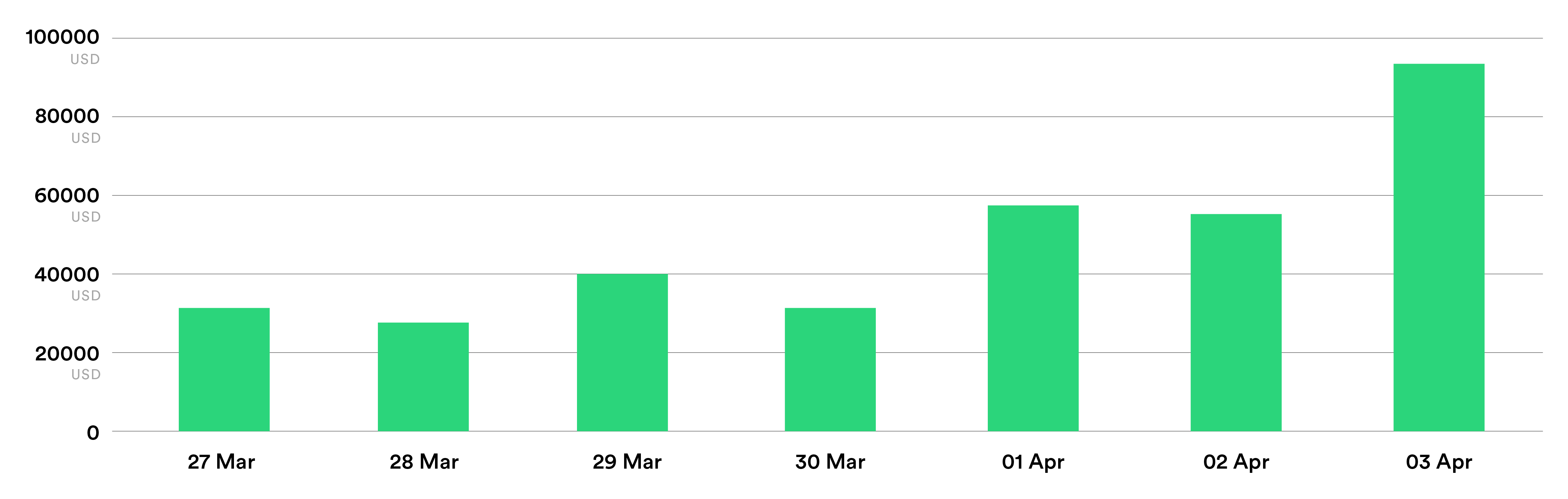
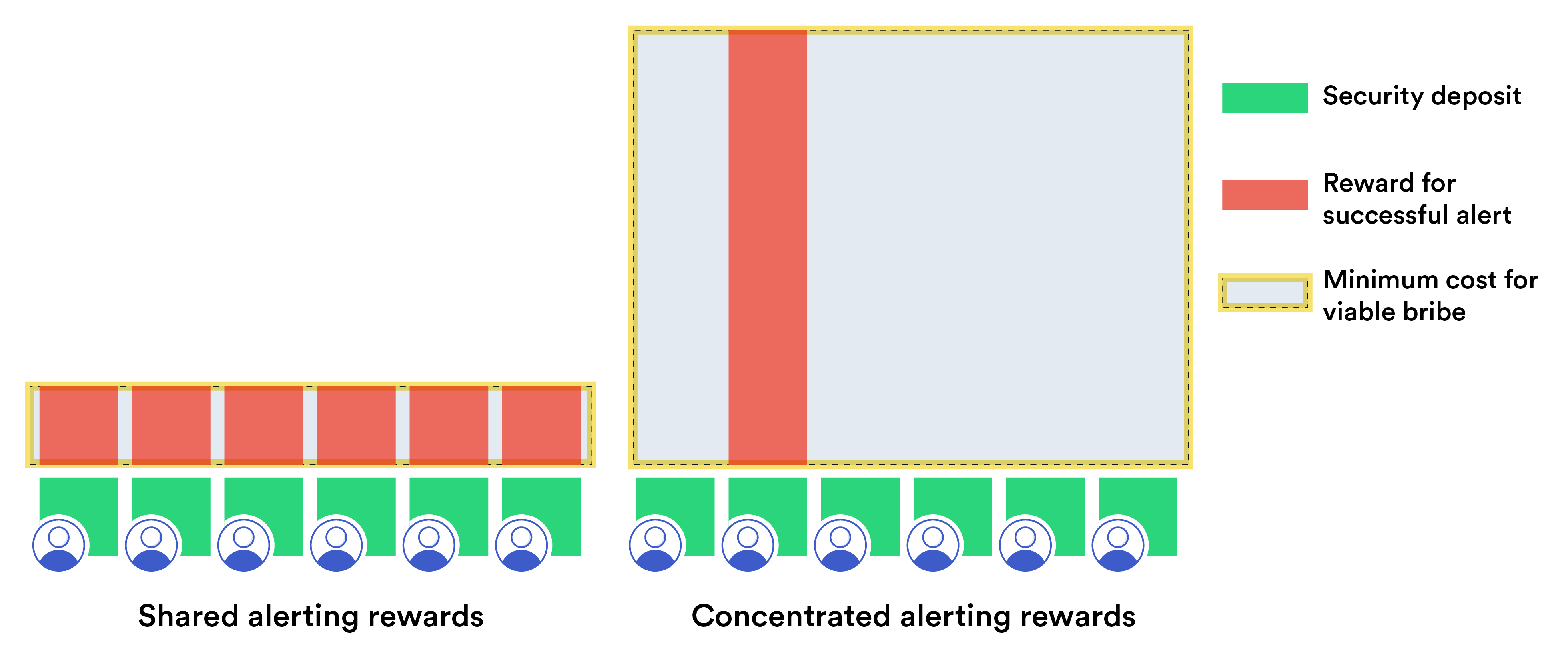
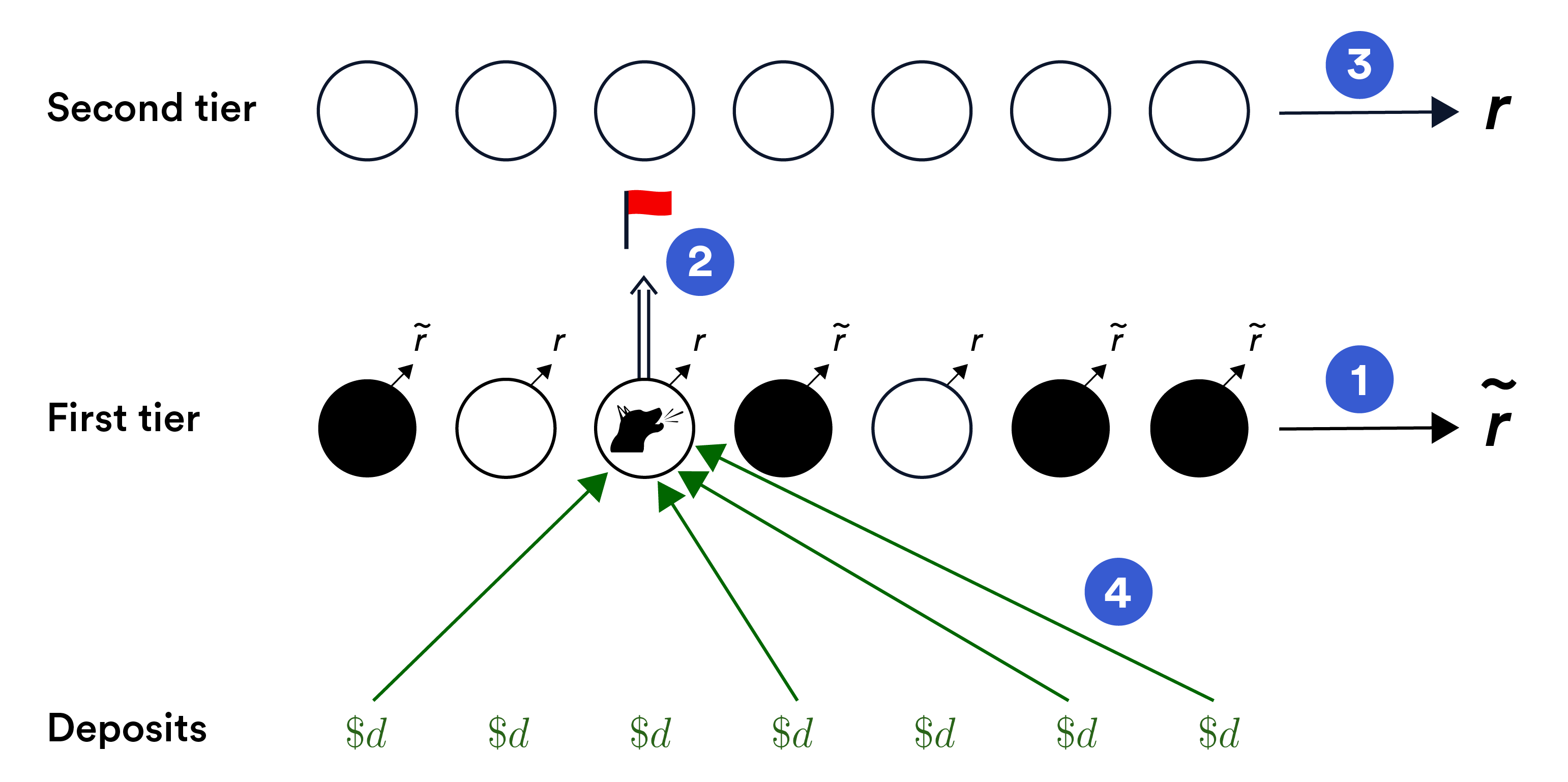
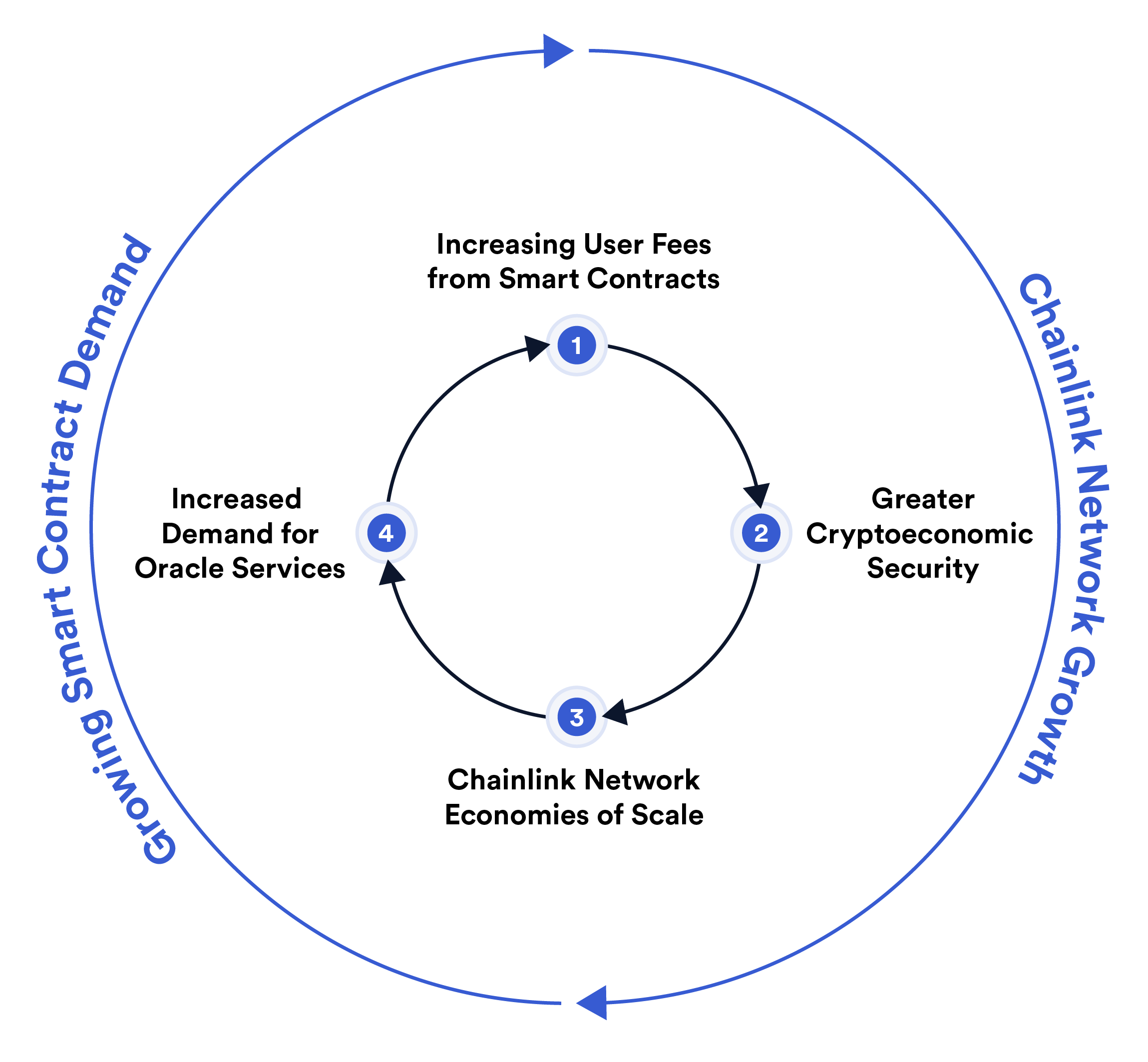
図 18: Chainlink staking の好循環の概略図。利用料の値上げ oracle ネットワーク 1⃝への支払いはネットワークを成長させ、経済成長につながります セキュリティ 2⃝。この超直線的な成長により、Chainlink ネットワークのスケールメリットが実現します 3⃝。具体的には、経済安全保障の平均コストの削減を意味します。 手数料の支払いまたはその他の出資源から生じる1ドルあたりの経済的安全性 が増加します。コストの削減がユーザーに還元され、oracle の需要が増加します サービス4⃝。 9.9 ネットワークの成長を促進する追加の要因 Chainlink エコシステムが拡大し続けるにつれて、その魅力はさらに高まると考えています。 ユーザーにとっての重要性が高まり、blockchain 経済のインフラとしての重要性が加速します。 oracle ネットワークによって提供される値は超線形であり、より速く成長することを意味しますネットワーク自体のサイズよりも。 この価値の増加は、次の両方に由来します。 スケールメリット - サービス量の増加に伴うユーザーあたりのコスト効率の向上 - そして ネットワーク効果 - ユーザーが DON をより広く採用するにつれて、ネットワーク ユーティリティが増加します。 既存の smart contract には引き続き、より多くの価値が確保され、まったく新しいものとなります。 smart contract アプリケーションは、より分散化されたサービスによって可能になり、合計 DON の使用および支払われる料金の総額は増加するはずです。 手数料プールの増加 さらに分散化されたサービスを作成するための手段とインセンティブに変換されます。 好循環が生まれます。 この好循環により、卵が先か鶏が先かという重大な問題が解決されます。 ハイブリッド smart contract エコシステムの問題: 革新的な smart contract 機能 多くの場合、まだ存在しない分散型サービスが必要になります (例: 新しい DeFi 市場が頻繁に存在します) 新しいデータフィードが必要ですが、その実現には十分な経済的需要が必要です。 既存の DON に対するさまざまな smart contract による料金のプールは、 拡大するユーザーベースからの追加の分散型サービスが誕生し、 DONs によるものと、新しく多様なハイブリッド smart contracts の継続的な有効化です。 要約すると、ネットワーク セキュリティの成長は高潔な取り組みによって促進されると考えています。 Chainlink staking メカニズムのサイクルは、より大きな成長パターンを例示しています。 Chainlink ネットワークは、分散型のオンチェーン経済を実現するのに役立ちます サービス。
เศรษฐศาสตร์และเศรษฐศาสตร์เข้ารหัส
เพื่อให้เครือข่าย Chainlink บรรลุการรักษาความปลอดภัยที่แข็งแกร่งภายในโมเดลความน่าเชื่อถือแบบกระจายอำนาจ จำเป็นอย่างยิ่งที่โหนดจะต้องแสดงพฤติกรรมที่ถูกต้องร่วมกัน ซึ่งหมายความว่าโหนดเหล่านั้นจะปฏิบัติตาม ส่วนใหญ่แล้วจะใช้โปรโตคอล DON อย่างแน่นอน ในส่วนนี้ เราจะหารือเกี่ยวกับแนวทางต่างๆ เพื่อช่วยบังคับใช้พฤติกรรมดังกล่าวด้วยสิ่งจูงใจทางเศรษฐกิจหรือที่เรียกว่า cryptoeconomic แรงจูงใจ สิ่งจูงใจเหล่านี้แบ่งออกเป็นสองประเภท: ชัดเจนและโดยปริยาย, ตระหนัก ตามลำดับผ่าน staking และโอกาสค่าธรรมเนียมในอนาคต (FFO) การปักหลัก: การปักหลักใน Chainlink เช่นเดียวกับในระบบ blockchain อื่นๆ เกี่ยวข้องกับผู้เข้าร่วมเครือข่าย เช่น โหนด oracle ซึ่งฝากเงินที่ถูกล็อคไว้ในรูปแบบของ LINK tokens เหล่านี้ กองทุนซึ่งเราเรียกว่าสัดส่วนการถือหุ้นหรือสัดส่วนการถือหุ้นที่ชัดเจนเป็นสิ่งจูงใจที่ชัดเจน พวกเขา อาจถูกริบเมื่อโหนดล้มเหลวหรือทำงานผิดปกติ ในบริบท blockchain ขั้นตอนนี้มักเรียกว่าการเฉือน อย่างไรก็ตาม การปักหลักโดยโหนด oracle ใน Chainlink นั้นแตกต่างโดยพื้นฐานจาก staking โดย validators ใน blockchains โดยไม่ได้รับอนุญาต ผู้ตรวจสอบความถูกต้องอาจประพฤติตนไม่เหมาะสมโดยการหลีกเลี่ยงหรือสั่งธุรกรรมที่ขัดแย้งกัน โปรโตคอลฉันทามติพื้นฐานใน 15เนื่องจากผู้ใช้สามารถแทนที่ธุรกรรมใน mempool ได้ จึงจำเป็นต้องมีการดูแลเพื่อให้แน่ใจว่าสอดคล้องกันที่ถูกต้องระหว่างธุรกรรมที่ขุดและ DON ที่ส่งอย่างไรก็ตาม blockchain ที่ไม่ได้รับอนุญาตนั้นใช้กฎการตรวจสอบความถูกต้องของบล็อกแบบแข็งและรวดเร็วและการเข้ารหัสลับเบื้องต้นเพื่อป้องกันไม่ให้ validators สร้างบล็อกที่ไม่ถูกต้อง ในทางตรงกันข้าม การป้องกันทางโปรแกรมไม่สามารถป้องกันการโกงเครือข่าย oracle ในการสร้างได้ รายงานไม่ถูกต้อง เหตุผลคือความแตกต่างที่สำคัญระหว่างระบบทั้งสองประเภท: การตรวจสอบธุรกรรมใน blockchains เป็นคุณสมบัติของความสอดคล้องภายใน ในขณะที่ความถูกต้อง ของ oracle รายงานบน blockchain เป็นคุณสมบัติของข้อมูลภายนอก เช่น ข้อมูลแบบออฟเชน เราได้ออกแบบกลไก staking เบื้องต้นสำหรับเครือข่าย Chainlink ที่ใช้ บนโปรโตคอลแบบโต้ตอบระหว่างโหนด oracle ที่อาจใช้ประโยชน์จากข้อมูลภายนอก นี้ กลไกสร้างแรงจูงใจทางการเงินสำหรับพฤติกรรมที่ถูกต้องโดยใช้รางวัลที่ชัดเจนและ บทลงโทษ (เฉือน) เนื่องจากกลไกนี้มีความประหยัด จึงได้รับการออกแบบมาเพื่อป้องกันโหนด การทุจริตโดยฝ่ายตรงข้ามที่ใช้ทรัพยากรทางการเงินในการทำให้โหนดเสียหายโดยวิธีการ การติดสินบน (ปฏิปักษ์ดังกล่าวเป็นเรื่องกว้างใหญ่ และขยายออกไป เช่น ไปยังโหนดที่ให้ความร่วมมือด้วย สกัดคุณค่าจากพฤติกรรมที่ไม่เหมาะสมร่วมกันของพวกเขา) กลไก Chainlink staking ที่เราออกแบบนั้นมีประสิทธิภาพและแปลกใหม่ features.16 คุณลักษณะหลักดังกล่าวคือการกระทบแบบซุปเปอร์เชิงเส้น staking (โดยเฉพาะ สมการกำลังสอง) ฝ่ายตรงข้ามจะต้องมีทรัพยากรมากเกินกว่าเงินทุนที่โหนดฝากไว้ เพื่อล้มล้างกลไก กลไก staking ของเรายังให้การป้องกันศัตรูที่แข็งแกร่งกว่าที่เคยพิจารณาในระบบที่คล้ายกัน กล่าวคือ ศัตรูที่สามารถสร้างเงื่อนไขการติดสินบนตามพฤติกรรมในอนาคตของโหนดได้ นอกจากนี้ เรายังพูดคุยถึงวิธีที่เครื่องมือ Chainlink เช่น DECO สามารถช่วยเสริมความแข็งแกร่งให้กับ staking ของเราได้อย่างไร กลไกโดยอำนวยความสะดวกในการพิจารณาตัดสินที่ถูกต้องในกรณีที่พฤติกรรมของโหนดผิดพลาด โอกาสค่าธรรมเนียมในอนาคต (FFO): blockchains ไม่ได้รับอนุญาต—ของ PoW ทั้งสอง และความหลากหลายของ PoS—ทุกวันนี้พึ่งพาอย่างยิ่งกับสิ่งที่เราเรียกว่าสิ่งจูงใจโดยนัย เหล่านี้คือ สิ่งจูงใจทางเศรษฐกิจสำหรับพฤติกรรมที่ซื่อสัตย์ซึ่งไม่ได้มาจากรางวัลที่ชัดเจน แต่ จากการเข้าร่วมแพลตฟอร์มนั่นเอง ตัวอย่างเช่น ชุมชนนักขุด Bitcoin ได้รับแรงจูงใจจากการโจมตีที่เพิ่มขึ้น 51% โดยมีความเสี่ยงที่จะบ่อนทำลายความเชื่อมั่นใน Bitcoin ทำให้คุณค่าของมันตกต่ำ และส่งผลให้คุณค่าของกลุ่มของพวกเขาลดลง การลงทุนในโครงสร้างพื้นฐานการขุด [150] เครือข่าย Chainlink ได้รับประโยชน์จากสิ่งจูงใจโดยนัยที่คล้ายกันที่เราอ้างถึง เป็นโอกาสค่าธรรมเนียมในอนาคต (FFO) โหนด Oracle ที่มีประวัติประสิทธิภาพที่แข็งแกร่งหรือ ชื่อเสียงดึงดูดค่าธรรมเนียมจากผู้ใช้ พฤติกรรมที่ไม่เหมาะสมโดยโหนด oracle เป็นอันตรายต่ออนาคต การชำระค่าธรรมเนียมและลงโทษโหนดด้วยค่าเสียโอกาสในแง่ของศักยภาพ รายได้ที่ได้รับจากการเข้าร่วมเครือข่าย โดยการเปรียบเทียบกับส่วนได้ส่วนเสียที่ชัดเจน FFO อาจถูกมองว่าเป็นรูปแบบหนึ่งของการมีส่วนร่วมโดยนัย ซึ่งเป็นสิ่งจูงใจสำหรับพฤติกรรมที่ซื่อสัตย์เช่นนั้น มาจากผลประโยชน์ร่วมกันของการรักษาความเชื่อมั่นในแพลตฟอร์มที่ ธุรกิจของผู้ให้บริการโหนดขึ้นอยู่กับประสิทธิภาพเชิงบวกและชื่อเสียงของ เครือข่าย สิ่งจูงใจนี้มีอยู่ในเครือข่าย Chainlink แต่ไม่ได้แสดงไว้อย่างชัดเจน โปรโตคอล ใน Bitcoin การรักษามูลค่าของการดำเนินการขุดตามที่กล่าวไว้ข้างต้น 16กลไก staking ที่เราอธิบายไว้ ณ ที่นี้ปัจจุบันมีจุดมุ่งหมายเพื่อบังคับใช้การส่งรายงานที่ถูกต้องเท่านั้น โดย oracle เครือข่าย เราคาดหวังในงานในอนาคตที่จะขยายออกไปเพื่อให้แน่ใจว่ามีการดำเนินการที่ถูกต้องในหลาย ๆ ด้าน ฟังก์ชันอื่นๆ DONs จะมีให้ในทำนองเดียวกันอาจถูกมองว่าเป็นรูปแบบหนึ่งของการเดิมพันโดยนัย เราเน้นย้ำว่า FFO มีอยู่แล้วใน Chainlink และช่วยรักษาความปลอดภัยเครือข่าย วันนี้ การสนับสนุนหลักของเราในการพัฒนาต่อไปของ Chainlink จะเป็นแนวทางที่มีหลักการและขับเคลื่อนด้วยประสบการณ์ในการประเมินสิ่งจูงใจโดยนัย เช่น FFO ผ่าน สิ่งที่เราเรียกว่ากรอบการทำงานโดยนัย-แรงจูงใจ (IIF) เพื่อประมาณปริมาณเช่น โอกาสค่าธรรมเนียมในอนาคตของโหนด IIF จะดึงอย่างต่อเนื่องบนที่ครอบคลุม ข้อมูลประสิทธิภาพและการชำระเงินที่รวบรวมโดยเครือข่าย Chainlink ประมาณการดังกล่าว จะเปิดใช้งานการกำหนดพารามิเตอร์ตาม IIF ของระบบ staking ที่สะท้อนถึงสิ่งจูงใจของโหนด มีความแม่นยำมากกว่าแบบจำลองการศึกษาสำนึกและ/หรือแบบคงที่ในปัจจุบัน เพื่อสรุป แรงจูงใจทางเศรษฐกิจหลักสองประการสำหรับโหนด oracle ที่ถูกต้อง พฤติกรรมในเครือข่าย Chainlink ที่กำลังพัฒนาจะเป็น: • การปักหลัก (เดิมพันที่ฝาก) โอ แรงจูงใจที่ชัดเจน • โอกาสค่าธรรมเนียมในอนาคต (FFO) โอ แรงจูงใจโดยนัย สิ่งจูงใจทั้งสองรูปแบบนี้เป็นสิ่งเสริมกัน โหนด Oracle สามารถทำได้พร้อมกัน เข้าร่วมในโปรโตคอล Chainlink staking เพลิดเพลินไปกับแหล่งรายได้อย่างต่อเนื่องจาก ผู้ใช้และได้รับประโยชน์โดยรวมจากพฤติกรรมที่ดีอย่างต่อเนื่องของพวกเขา ดังนั้นแรงจูงใจทั้งสอง มีส่วนช่วยในการรักษาความปลอดภัยทางเศรษฐกิจเข้ารหัสโดยเครือข่าย oracle นอกจากนี้ สิ่งจูงใจทั้งสองสามารถเสริมกำลังและ/หรือแลกเปลี่ยนกันได้ ตัวอย่างเช่น ตัวดำเนินการ oracle ใหม่ที่ไม่มีประวัติประสิทธิภาพและแหล่งรายได้สามารถเดิมพันได้ LINK จำนวนมากเพื่อรับประกันพฤติกรรมที่ซื่อสัตย์ จึงดึงดูดผู้ใช้ และค่าธรรมเนียม ในทางกลับกัน ตัวดำเนินการ oracle ที่จัดตั้งขึ้นนั้นมีความยาวและปราศจากข้อผิดพลาด ประวัติประสิทธิภาพสามารถเรียกเก็บค่าธรรมเนียมจำนวนมากจากฐานผู้ใช้ขนาดใหญ่และพึ่งพาได้ ให้ความสำคัญกับ FFO มากขึ้นซึ่งเป็นรูปแบบของแรงจูงใจโดยนัย โดยทั่วไป วิธีการที่เราพิจารณาในที่นี้มุ่งเป้าไปที่เครือข่าย oracle- จำนวนที่กำหนด ทรัพยากรเพื่อสร้างแรงจูงใจทางเศรษฐกิจที่ยิ่งใหญ่ที่สุดที่เป็นไปได้ใน Chainlink ด้วยเหตุผล ตัวแทน เช่น โหนดที่เพิ่มอรรถประโยชน์ทางการเงินให้เกิดประโยชน์สูงสุด ให้ประพฤติตนอย่างซื่อสัตย์ ใส่อีก เป้าหมายคือการเพิ่มทรัพยากรทางการเงินที่จำเป็นสำหรับฝ่ายตรงข้ามในการโจมตี เครือข่ายได้สำเร็จ โดยการสร้างโปรโตคอล staking ด้วยหลักคณิตศาสตร์ที่ดี กำหนดความมั่นคงทางเศรษฐกิจและการใช้ IIF เรามุ่งมั่นที่จะวัดความแข็งแกร่งของ สิ่งจูงใจของ Chainlink ถูกต้องที่สุด ผู้สร้างสัญญาที่พึ่งพาจะ จากนั้นจึงสามารถตัดสินใจได้อย่างมั่นใจว่าเครือข่าย oracle ตรงตามหรือไม่ ระดับความปลอดภัยทางเศรษฐกิจเข้ารหัสลับที่ต้องการ วงจรคุณธรรมของความมั่นคงทางเศรษฐกิจ: สิ่งจูงใจที่เราพูดคุยกันในส่วนนี้ staking และ FFO มีผลกระทบนอกเหนือจากการเสริมกำลังด้านความปลอดภัยของ DONส. พวกเขาสัญญาว่าจะกระตุ้นให้เกิดสิ่งที่เราเรียกว่าวงจรแห่งความมั่นคงทางเศรษฐกิจที่ดี ผลกระทบซุปเปอร์เชิงเส้น staking (และการประหยัดจากขนาดอื่นๆ) ส่งผลให้การปฏิบัติงานลดลง เสียค่าใช้จ่ายเมื่อความปลอดภัยของ DON เติบโตขึ้น ต้นทุนที่ต่ำกว่าจะดึงดูดผู้ใช้เพิ่มเติมมาที่ DONส่งเสริมการชำระค่าธรรมเนียม การจ่ายค่าธรรมเนียมที่เพิ่มขึ้นยังคงกระตุ้นให้เกิดการเติบโตของ เครือข่ายที่สืบสานวงจรคุณธรรม เราเชื่อว่าวงจรความมั่นคงทางเศรษฐกิจที่ดีเป็นเพียงตัวอย่างหนึ่งของ การประหยัดจากขนาดและผลกระทบของเครือข่าย และอื่นๆ ที่เรากล่าวถึงในหัวข้อนี้ การจัดส่วน: การปักหลักนำเสนอความท้าทายทางเทคนิคและแนวความคิดที่โดดเด่นสำหรับ ซึ่งเราได้ออกแบบกลไกที่มีคุณสมบัติแปลกใหม่ การปักหลักจึงจะเป็น จุดสนใจหลักของเราในส่วนนี้ เราให้ภาพรวมของแนวทาง staking ที่เราแนะนำในบทความนี้ในส่วนที่ 9.1 ตามด้วยการอภิปรายโดยละเอียดในส่วนที่ 9.2 ถึง 9.5 เรานำเสนอ IFF ในมาตรา 9.6 เรานำเสนอมุมมองสรุปของ Chainlink สิ่งจูงใจของเครือข่ายในส่วน 9.7 ในส่วนที่ 9.8 เราจะหารือเกี่ยวกับวงจรอันชอบธรรมของความมั่นคงทางเศรษฐกิจ แนวทาง staking ที่เราเสนอสามารถนำมาสู่เครือข่าย oracle ได้ สุดท้ายนี้ เราจะอธิบายสั้นๆ ถึงศักยภาพอื่นๆ ส่งผลต่อการเติบโตของเครือข่าย Chainlink ในส่วนที่ 9.9 9.1 ภาพรวมการปักหลัก การออกแบบกลไก staking ที่เราแนะนำที่นี่ ดังที่ระบุไว้ข้างต้น เกี่ยวข้องกับโปรโตคอลแบบโต้ตอบระหว่างโหนด oracle ที่อนุญาตให้มีการแก้ไขความไม่สอดคล้องกันใน การรายงานข้อมูลภายนอก การปักหลักมีจุดมุ่งหมายเพื่อให้แน่ใจว่ามีพฤติกรรมที่ซื่อสัตย์จากโหนด oracle ที่มีเหตุผล ดังนั้นเราจึงสามารถสร้างแบบจำลองฝ่ายตรงข้ามที่โจมตีโปรโตคอล staking เป็น ติดสินบน: กลยุทธ์ของฝ่ายตรงข้ามคือการทำให้โหนด oracle เสียหายโดยใช้สิ่งจูงใจทางการเงิน ปฏิปักษ์อาจได้รับทรัพยากรทางการเงินโดยคาดว่าจะมาจากการปลอมแปลงที่ประสบความสำเร็จ ด้วยรายงาน oracle เช่น การแบ่งปันผลกำไรที่ได้กับโหนดที่เสียหาย เรามุ่งเป้าไปที่การออกแบบกลไก staking พร้อมกันเพื่อบรรลุเป้าหมายอันทะเยอทะยานสองประการ: 1. การต่อต้านศัตรูที่ทรงพลัง: กลไก staking ได้รับการออกแบบมาเพื่อปกป้อง oracle เครือข่ายต่อต้านศัตรูประเภทกว้าง ๆ ที่มีความสามารถซับซ้อน กลยุทธ์การติดสินบนแบบมีเงื่อนไข รวมถึงการติดสินบนในอนาคตซึ่งมีการติดสินบน ถึง oracles ซึ่งมีการระบุตัวตนหลังจากข้อเท็จจริง (เช่น ผู้เสนอสินบน oracles สุ่มเลือกสำหรับการแจ้งเตือนที่มีลำดับความสำคัญสูง) ในขณะที่การออกแบบ oracle อื่นๆ ได้พิจารณาชุดการโจมตีแคบ ๆ โดยไม่มีความสามารถเต็มร้อยเหมือนจริง ปฏิปักษ์ เท่าที่เราทราบถึงกลไกปฏิปักษ์ที่เราแนะนำ นี่เป็นเรื่องแรกที่จะกล่าวถึงกลยุทธ์และการแสดงการติดสินบนในวงกว้างอย่างชัดเจน ความต้านทานในรุ่นนี้ แบบจำลองของเราถือว่าโหนดนอกเหนือจากผู้โจมตีเป็น มีเหตุผลทางเศรษฐกิจ (ตรงข้ามกับความซื่อสัตย์) และเราถือว่าการมีอยู่ของ แหล่งที่มาของความจริงที่มีราคาแพงสำหรับการใช้งานทั่วไป แต่มีให้ใช้งาน ในกรณีที่ไม่เห็นด้วย (จะกล่าวถึงเพิ่มเติมด้านล่าง) 2. บรรลุผลกระทบ staking แบบซุปเปอร์เชิงเส้น: เป้าหมายของเราคือเพื่อให้แน่ใจว่าเครือข่าย oracle ประกอบด้วยรายงานตัวแทนที่มีเหตุผล ตามความเป็นจริงแม้ต่อหน้าผู้โจมตีด้วยงบประมาณที่เกินเลยไปในจำนวนเงินเดิมพันทั้งหมดที่ฝากโดยเครือข่ายทั้งหมด ในระบบ staking ที่มีอยู่ ถ้า แต่ละโหนด n เดิมพัน $d ผู้โจมตีสามารถออกสินบนที่น่าเชื่อถือซึ่งร้องขอ โหนดนั้นประพฤติตนไม่ซื่อสัตย์เพื่อแลกกับการจ่ายเงินมากกว่าเล็กน้อย \(d to each node, using a total budget of about \)dn. นี่เป็นแถบที่สูงอยู่แล้ว ผู้โจมตีจะต้องมีงบประมาณสภาพคล่องตามลำดับของเงินฝากรวมของ ผู้เดิมพันทั้งหมดในเครือข่าย เป้าหมายของเราคือความมั่นคงทางเศรษฐกิจในระดับที่แข็งแกร่งยิ่งขึ้น กว่าอุปสรรคอันใหญ่หลวงนี้อยู่แล้ว เรามุ่งมั่นที่จะออกแบบระบบ staking แรก ที่สามารถบรรลุการรักษาความปลอดภัยสำหรับผู้โจมตีทั่วไปด้วยงบประมาณขั้นสูงใน n แม้ว่าการพิจารณาในทางปฏิบัติอาจบรรลุผลน้อยกว่า ตามที่เราจะกล่าวถึงด้านล่างนี้ การออกแบบเบื้องต้นของเราบรรลุความต้องการงบประมาณของฝ่ายตรงข้ามมากกว่า $dn2/2 กล่าวคือ การขยายกำลังสองใน n ทำให้การติดสินบนส่วนใหญ่ทำไม่ได้แม้แต่น้อย เมื่อโหนดเดิมพันในปริมาณปานกลางเท่านั้น การบรรลุเป้าหมายทั้งสองนี้ต้องอาศัยการผสมผสานนวัตกรรมของการออกแบบสิ่งจูงใจ และการเข้ารหัส แนวคิดหลัก: แนวทาง staking ของเราขึ้นอยู่กับแนวคิดที่เราเรียกว่าลำดับความสำคัญของสุนัขเฝ้าบ้าน รายงานที่สร้างโดยเครือข่าย Chainlink oracle และส่งไปยังสัญญาที่เกี่ยวข้อง (เช่น ราคาสินทรัพย์) ถูกรวบรวมจากรายงานแต่ละฉบับที่สนับสนุนโดยโหนดที่เข้าร่วม (เช่น โดยการใช้ค่ามัธยฐาน) โดยทั่วไปแล้วข้อตกลงระดับการให้บริการ (SLA) ระบุขอบเขตที่ยอมรับได้ของการเบี่ยงเบนสำหรับรายงาน เช่น รายงานของโหนดสามารถทำได้ไกลแค่ไหน เบี่ยงเบนไปจากรายงานรวมและควรอนุญาตให้รวมได้ไกลแค่ไหน เบี่ยงเบนไปจากมูลค่าที่แท้จริงจึงจะถือว่าถูกต้อง ในระบบ staking ของเรา สำหรับรอบการรายงานที่กำหนด แต่ละโหนด oracle สามารถทำหน้าที่เป็น เจ้าหน้าที่เฝ้าระวังเพื่อแจ้งเตือนหากเชื่อว่ารายงานรวมไม่ถูกต้อง ในแต่ละ รอบการรายงาน แต่ละโหนด oracle จะได้รับการกำหนดลำดับความสำคัญสาธารณะซึ่งกำหนด เพื่อดำเนินการแจ้งเตือน (ถ้ามี) กลไกของเรามุ่งหวังที่จะให้รางวัล ความเข้มข้น ซึ่งหมายความว่าหน่วยงานเฝ้าระวังที่มีลำดับความสำคัญสูงสุดในการแจ้งเตือนจะได้รับ รางวัลทั้งหมดที่ได้จากการยึดเงินฝากของโหนดที่มีข้อบกพร่อง การออกแบบระบบ staking ของเราเกี่ยวข้องกับสองระดับ: ระดับแรก ระดับเริ่มต้น และระดับที่สอง ชั้นหนุนหลัง ชั้นแรกคือเครือข่าย oracle เอง ซึ่งเป็นชุดของ n โหนด (เพื่อความเรียบง่าย เราถือว่า n เป็นคี่) หากโหนดส่วนใหญ่รายงานค่าที่ไม่ถูกต้อง จะมีการเฝ้าระวังใน ชั้นแรกมีแรงจูงใจอย่างยิ่งในการแจ้งเตือน หากมีการแจ้งเตือนให้รายงาน การตัดสินใจของเครือข่ายจะถูกยกระดับไปสู่ระดับที่สอง ซึ่งเป็นระบบที่มีต้นทุนสูงและความน่าเชื่อถือสูงสุดที่สามารถระบุโดยผู้ใช้ในข้อตกลงระดับบริการเครือข่าย นี่อาจเป็นระบบที่ประกอบด้วยเฉพาะโหนดที่มีความเข้มแข็งเท่านั้น คะแนนความน่าเชื่อถือในอดีต หรือคะแนนที่มีลำดับความสำคัญมากกว่า oracles มากกว่า ชั้นแรก นอกจากนี้ ตามที่กล่าวไว้ในหัวข้อ 9.4.3 DECO หรือ Town Crier สามารถให้บริการได้ เป็นเครื่องมืออันทรงพลังที่ช่วยให้มั่นใจในการตัดสินที่มีประสิทธิภาพและเป็นข้อสรุปในระดับที่สอง เพื่อความง่าย เราจึงถือว่าระบบชั้นสองนี้ได้รับรายงานที่ถูกต้อง ค่า แม้ว่าการพึ่งพาระดับที่สองเพื่อสร้างรายงานทั้งหมดอาจดูน่าสนใจก็ตาม ประโยชน์ของการออกแบบของเราคือการบรรลุคุณสมบัติด้านความปลอดภัยของระบบชั้นสองโดยจ่ายเพียงค่าใช้จ่ายในการดำเนินงาน ในกรณีทั่วไปของ ระบบชั้นแรก ลำดับความสำคัญของ Watchdog ส่งผลให้เกิดผลกระทบแบบซุปเปอร์เชิงเส้น staking ในลักษณะต่อไปนี้: ถ้า เครือข่าย oracle ระดับแรกให้ผลลัพธ์ที่ไม่ถูกต้องและโหนดเฝ้าระวังจำนวนหนึ่ง การแจ้งเตือน กลไกสิ่งจูงใจ staking จะให้รางวัลแก่หน่วยงานเฝ้าระวังที่มีลำดับความสำคัญสูงสุดด้วย มากกว่า $dn/2 ดึงมาจากเงินฝากของโหนดที่ทำงานผิดปกติ (ส่วนใหญ่) ที่ รางวัลทั้งหมดจึงกระจุกอยู่ในมือของสุนัขเฝ้าบ้านเพียงคนเดียวเท่านั้น ซึ่งด้วยเหตุนี้ กำหนดขั้นต่ำที่ฝ่ายตรงข้ามต้องสัญญากับหน่วยงานเฝ้าระวังที่อาจเกิดขึ้น กระตุ้นให้ไม่ตื่นตัว เนื่องจากกลไกของเราทำให้มั่นใจได้ว่าทุกๆ oracle จะได้รับ โอกาสที่จะทำหน้าที่เป็นหน่วยงานเฝ้าระวังหากหน่วยงานเฝ้าระวังที่มีลำดับความสำคัญสูงกว่ายอมรับสินบนของตน (และเลือกที่จะไม่แจ้งเตือน) ฝ่ายตรงข้ามจึงต้องเสนอสินบนมากกว่า $dn/2 ไปยังทุกโหนดเพื่อป้องกันการแจ้งเตือนใด ๆ ที่เกิดขึ้น เนื่องจากไม่มีโหนด งบประมาณที่จำเป็นของฝ่ายตรงข้ามสำหรับการติดสินบนที่ประสบความสำเร็จมีมูลค่ามากกว่า $dn2/2 ซึ่ง เป็นกำลังสองในจำนวน n ของโหนดในเครือข่าย 9.2 พื้นหลัง แนวทางของเราในการ staking อาศัยการวิจัยในสาขาทฤษฎีและกลไกเกม การออกแบบ (MD) (สำหรับการอ้างอิงตำราเรียน ดู [177]) ทฤษฎีเกมเป็นคณิตศาสตร์ การศึกษาปฏิสัมพันธ์เชิงกลยุทธ์อย่างเป็นทางการ ในบริบทนี้ เกมคือรูปแบบหนึ่งของสิ่งนั้น การโต้ตอบ โดยทั่วไปในโลกแห่งความเป็นจริง ซึ่งประมวลชุดของการกระทำที่มีอยู่ ผู้เข้าร่วมในเกมหรือที่เรียกว่าผู้เล่น เกมยังระบุการจ่ายเงินที่ได้รับด้วย โดยผู้เล่นแต่ละคน—รางวัลที่ขึ้นอยู่กับการกระทำที่ผู้เล่นเลือกและ การกระทำของผู้เล่นคนอื่น บางทีอาจเป็นตัวอย่างที่รู้จักกันดีของเกมที่ศึกษาในเกม ทฤษฎีคือภาวะที่กลืนไม่เข้าคายไม่ออกของนักโทษ [178] โดยทั่วไปแล้วนักทฤษฎีเกมมุ่งที่จะทำความเข้าใจ ความสมดุลหรือความสมดุล (ถ้ามี) ที่แสดงในเกมที่กำหนด มีความสมดุลคือ ชุดของกลยุทธ์ (หนึ่งอันสำหรับผู้เล่นแต่ละคน) โดยไม่มีผู้เล่นคนใดสามารถได้รับสิ่งที่สูงกว่า การจ่ายเงินโดยการเบี่ยงเบนไปจากกลยุทธ์เพียงฝ่ายเดียว การออกแบบกลไกนั้นเป็นศาสตร์แห่งการออกแบบสิ่งจูงใจเช่น ความสมดุลของการโต้ตอบ (และเกมที่เกี่ยวข้อง) มีคุณสมบัติที่พึงประสงค์บางประการ MD อาจถูกมองว่าเป็นสิ่งที่ตรงกันข้ามกับทฤษฎีเกม: คำถามที่เป็นที่ยอมรับในเกม ทฤษฎีคือ "เมื่อพิจารณาจากแรงจูงใจและแบบจำลองแล้ว ความสมดุลจะเป็นเช่นไร" ใน MD, the คำถามคือ “แรงจูงใจอะไรที่จะส่งผลให้เกมมีความสมดุลที่น่าพอใจ” เป้าหมายทั่วไปของผู้ออกแบบกลไกคือการสร้างกลไก 'ความเข้ากันได้ของสิ่งจูงใจ' ซึ่งหมายความว่าผู้เข้าร่วมในกลไก (เช่น การประมูลหรือข้อมูลอื่น ๆ ระบบการเชิญชวน [228]) ได้รับการกระตุ้นให้รายงานความจริงในบางเรื่อง (เช่น อย่างไร พวกเขาให้ความสำคัญกับรายการใดรายการหนึ่งมาก) การประมูล Vickrey (ราคาที่สอง) อาจจะเป็น กลไกที่เข้ากันได้กับสิ่งจูงใจที่รู้จักกันดีที่สุด ซึ่งผู้เข้าร่วมส่งการเสนอราคาที่ปิดผนึก สำหรับสินค้าและผู้เสนอราคาสูงสุดจะชนะสินค้าแต่จะจ่ายราคาสูงสุดเป็นอันดับสอง [214]. Cryptoeconomics เป็นรูปแบบเฉพาะโดเมนของ MD ที่ใช้ประโยชน์จากการเข้ารหัส เทคนิคการสร้างสมดุลที่พึงประสงค์ภายในระบบกระจายอำนาจ การติดสินบนและการสมรู้ร่วมคิดสร้างความท้าทายที่สำคัญตลอดทั้งสาขา MD กลไกเกือบทั้งหมดพังทลายเมื่อมีการสมรู้ร่วมคิด ซึ่งถูกกำหนดให้เป็นสัญญาข้างเคียงระหว่างฝ่ายที่เข้าร่วมในกลไก [125, 130] การติดสินบนซึ่งบุคคลภายนอกแนะนำสิ่งจูงใจใหม่ๆ เข้ามาในเกม ทำให้เกิดปัญหาที่ยากยิ่งกว่า มากกว่าการสมรู้ร่วมคิด การสมรู้ร่วมคิดอาจถูกมองว่าเป็นกรณีพิเศษของการติดสินบนในเกม ผู้เข้าร่วม ระบบบล็อกเชนมักถูกมองว่าเป็นเกมที่มีการจ่ายเงิน (ตามสกุลเงินดิจิทัล) ตัวอย่างง่ายๆ คือการขุดแบบ Proof-of-Work: นักขุดมีพื้นที่ดำเนินการ โดยที่พวกเขาสามารถเลือกอัตรา hash ที่จะขุดบล็อกได้ ผลตอบแทนของการขุดคือรางวัลติดลบที่รับประกัน (ค่าไฟฟ้าและอุปกรณ์) บวกกับค่าสุ่ม รางวัลเชิงบวก (เงินอุดหนุนการขุด) ซึ่งขึ้นอยู่กับจำนวนนักขุดรายอื่นที่ใช้งานอยู่ [106, 172] และค่าธรรมเนียมการทำธุรกรรม Crowdsourced oracles เช่น SchellingCoin [68] เป็นอีกตัวอย่างหนึ่ง: พื้นที่การดำเนินการคือชุดของรายงานที่เป็นไปได้ที่ oracle อาจส่ง ในขณะที่ การจ่ายเงินคือรางวัลที่ระบุโดยกลไก oracle เช่น การจ่ายเงินอาจขึ้นอยู่กับ ว่ารายงานของ oracle ใกล้ค่ามัธยฐานของรายงานอื่นๆ มากเพียงใด [26, 68, 119, 185] เกมบล็อกเชนเปิดโอกาสให้เกิดการสมรู้ร่วมคิดและการโจมตีติดสินบน แน่นอน smart contracts สามารถอำนวยความสะดวกในการโจมตีดังกล่าวได้ [96, 165] บางทีอาจจะรู้จักกันดีที่สุด การโจมตีติดสินบนจากมวลชน oracles คือการโจมตีแบบ p-plus-epsilon [67] การโจมตีครั้งนี้ เกิดขึ้นในบริบทของกลไกคล้าย SchellingCoin ที่ผู้เล่นส่งรายงานมูลค่าบูลีน (เช่น เท็จหรือจริง) และจะได้รับรางวัลเป็น p หากพวกเขาเห็นด้วยกับ การส่งส่วนใหญ่ ในการโจมตีแบบ p-plus-epsilon ผู้โจมตีให้คำมั่นสัญญาอย่างน่าเชื่อถือว่า เช่น จ่ายเงินให้ผู้ใช้ $p + ϵ สำหรับการลงคะแนนเท็จ หากว่าการเสนอเสียงข้างมากเป็นจริงเท่านั้น ผลลัพธ์ที่ได้คือความสมดุล โดยที่ผู้เล่นทุกคนจะถูกกระตุ้นให้รายงานเรื่องเท็จ ไม่ว่าผู้เล่นคนอื่นจะทำอะไร ดังนั้นผู้ติดสินบนสามารถชักจูงโหนดได้ ผ่านการติดสินบนที่สัญญาว่าจะรายงานเท็จโดยไม่ต้องจ่ายสินบนจริง (!) อย่างไรก็ตาม การสำรวจกลยุทธ์การให้สินบนอื่นๆ ในบริบทของ oracles—และโดยเฉพาะอย่างยิ่ง oracles ที่ไม่ได้มาจากมวลชน—ถูกจำกัดไว้เพียงฝ่ายตรงข้ามที่ค่อนข้างอ่อนแอ โมเดล ตัวอย่างเช่น ในการตั้งค่า PoW นักวิจัยได้ศึกษาผลลัพธ์ที่อาจเกิดขึ้น สินบน เช่น สินบนที่จ่ายก็ต่อเมื่อมีการเซ็นเซอร์ข้อความเป้าหมายและไม่เซ็นเซอร์เท่านั้น ปรากฏในบล็อกโดยไม่คำนึงถึงการกระทำของนักขุดแต่ละคน [96, 165] ในกรณีนี้ ของ oracles อย่างไรก็ตาม นอกเหนือจากการโจมตี p-plus-epsilon เราทราบเฉพาะการทำงานใน รูปแบบการติดสินบนที่จำกัดอย่างเคร่งครัด โดยผู้ติดสินบนส่งสินบนโดยมีเงื่อนไขว่า การกระทำของผู้เล่นแต่ละคน ไม่ใช่ผลที่ตามมา ที่นี่เราร่างการออกแบบกลไกการดึงข้อมูลที่ยังคงเป็นแรงจูงใจ เข้ากันได้แม้ในรูปแบบฝ่ายตรงข้ามที่แข็งแกร่ง ดังที่อธิบายไว้ในส่วนย่อยถัดไป 9.3 สมมติฐานการสร้างแบบจำลอง ในส่วนย่อยนี้ เราจะอธิบายว่าเราจำลองพฤติกรรมและความสามารถของผู้เล่นอย่างไร ระบบของเรา โดยเฉพาะโหนดระดับแรก oracle โหนดในระดับที่สอง (การพิจารณาคดี) ชั้นและศัตรู9.3.1 รูปแบบสิ่งจูงใจระดับแรก: นักแสดงที่มีเหตุผล ระบบ blockchain จำนวนมากพึ่งพาการรักษาความปลอดภัยโดยถือว่ามีความซื่อสัตย์จำนวนหนึ่ง โหนดที่เข้าร่วม โหนดถูกกำหนดให้ซื่อสัตย์หากพวกเขาปฏิบัติตามโปรโตคอลด้วยซ้ำ เมื่อไม่เป็นประโยชน์ทางการเงินที่จะทำเช่นนั้น โดยทั่วไประบบ Proof of Work พูดตามตรง ต้องการอำนาจ hash ส่วนใหญ่ พูดตามตรง ระบบ Proof-of-Stake โดยทั่วไปต้องการ 2/3 หรือมากกว่าของสัดส่วนการเข้าร่วมทั้งหมดจึงจะซื่อสัตย์ และแม้แต่ระบบเลเยอร์ 2 เช่น อนุญาโตตุลาการ [141] ต้องการผู้เข้าร่วมที่ซื่อสัตย์อย่างน้อยหนึ่งคน ในการสร้างแบบจำลองสำหรับกลไก staking ของเรา เราใช้สมมติฐานที่อ่อนแอกว่ามาก (จะเป็น สมมติฐานที่ชัดเจนและอ่อนแอกว่าหมายถึงคุณสมบัติด้านความปลอดภัยที่แข็งแกร่งกว่า และดังนั้นจึงดีกว่า) เราถือว่าฝ่ายตรงข้ามเสียหาย เช่น การควบคุม บางส่วน (ส่วนน้อย) เศษส่วนของโหนด oracle ระดับแรก เราจำลองโหนดที่เหลือไม่ใช่ตัวแทนที่ซื่อสัตย์ แต่เป็นตัวเพิ่มอรรถประโยชน์ที่คาดหวังอย่างมีเหตุผล โหนดเหล่านี้ดำเนินการตามสิ่งจูงใจทางการเงินที่สนใจในตนเอง โดยเลือกการกระทำที่ส่งผลให้เกิดการเงินที่คาดหวัง ได้รับ ตัวอย่างเช่น หากโหนดถูกเสนอให้ จะมีการติดสินบนที่มากกว่ารางวัลที่เกิดขึ้น ประพฤติสุจริตก็จะรับสินบน หมายเหตุเกี่ยวกับโหนดฝ่ายตรงข้าม: ตามแบบจำลองความไว้วางใจทั่วไปสำหรับ ระบบการกระจายอำนาจ เราถือว่าโหนดทั้งหมดมีเหตุผล นั่นคือ พยายามที่จะขยายให้สูงสุด รายได้สุทธิแทนที่จะถูกควบคุมโดยฝ่ายตรงข้ามที่เป็นอันตราย อย่างไรก็ตามการเรียกร้องของเรา— ผลกระทบแบบซุปเปอร์เชิงเส้นหรือกำลังสองโดยเฉพาะ staking ให้คงไว้แบบไม่แสดงกำกับ ว่าชุดของโหนดที่ควบคุมโดยฝ่ายตรงข้ามนั้นมีมากที่สุด (1/2 −c) n สำหรับค่าบวกบางอย่าง ค่าคงที่ค 9.3.2 รูปแบบการตัดสินชั้นสอง: ความถูกต้องตามสมมติฐาน โปรดจำไว้ว่าคุณลักษณะที่สำคัญของกลไก staking ของเราที่ช่วยให้บรรลุความปลอดภัย กับโหนดเหตุผลคือระบบระดับที่สอง ในกลไก staking ที่เราเสนอ oracle ใดๆ อาจส่งการแจ้งเตือนที่ระบุว่า เชื่อว่าผลลัพธ์ของกลไกไม่ถูกต้อง การแจ้งเตือนส่งผลให้มีความน่าเชื่อถือสูง ระบบชั้นสองเปิดใช้งานและรายงานผลลัพธ์ที่ถูกต้อง ดังนั้นการสร้างแบบจำลองที่สำคัญ ข้อกำหนดสำหรับแนวทางของเราคือการตัดสินที่ถูกต้อง เช่น การรายงานที่ถูกต้องโดย ระบบชั้นสอง โมเดล staking ของเราใช้ระบบระดับที่สองซึ่งทำหน้าที่เป็นแหล่งความจริงที่ไม่เน่าเปื่อยและเชื่อถือได้สูงสุด ระบบดังกล่าวมีแนวโน้มที่จะมีราคาแพงและช้าด้วยเหตุนี้ ไม่เหมาะสมกับการใช้งานตามกรณีทั่วไป อย่างไรก็ตาม ในกรณีสมดุล เช่น เมื่อใด ระบบชั้นแรกทำงานได้อย่างถูกต้อง ระบบชั้นสองจะไม่ถูกเรียกใช้ แต่การมีอยู่ของมันกลับช่วยเพิ่มความปลอดภัยของระบบ oracle ทั้งหมดโดยการจัดเตรียม แบ็คสต็อปที่มีความมั่นใจสูง การใช้ชั้นการพิจารณาคดีที่มีความน่าเชื่อถือสูงและมีค่าใช้จ่ายสูงคล้ายคลึงกับกระบวนการอุทธรณ์ เป็นหัวใจสำคัญของระบบตุลาการส่วนใหญ่ นอกจากนี้ยังเป็นเรื่องปกติในการออกแบบของ oracle ระบบต่างๆ เช่น [119, 185] เราพูดคุยสรุปถึงแนวทางในการบรรลุถึงระดับที่สอง ในกลไกของเราในส่วน 9.4.3โปรโตคอล staking ของเราใช้การพิจารณาตัดสินที่ถูกต้องของระบบระดับที่สองว่าเป็นภัยคุกคามที่น่าเชื่อถือในการบังคับใช้การรายงานที่ถูกต้องโดยโหนด oracle โปรโตคอล ยึดสัดส่วนการถือหุ้นบางส่วนหรือทั้งหมดของโหนด oracle ที่สร้างรายงานที่ระบุโดย ระบบชั้นสองไม่ถูกต้อง โหนด Oracle จึงถูกขัดขวางไม่ให้ทำงานผิดปกติ โดยผลของการลงโทษทางการเงิน แนวทางนี้มีความคล้ายคลึงกับวิธีการที่ใช้ มองโลกในแง่ดี rollup เช่น [141, 10] 9.3.3 โมเดลฝ่ายตรงข้าม กลไก staking ของเราได้รับการออกแบบมาเพื่อล้วงเอาข้อมูลที่เป็นความจริงไปพร้อมๆ กับการรักษาความปลอดภัยจากกลุ่มศัตรูในวงกว้างที่มีการกำหนดไว้อย่างดี มันปรับปรุงจากการทำงานก่อนหน้านี้ ซึ่งละเว้นแบบจำลองฝ่ายตรงข้ามที่ชัดเจนหรือมุ่งเน้นไปที่คลาสย่อยที่แคบของฝ่ายตรงข้าม เช่น ฝ่ายตรงข้าม p-plus-epsilon ที่กล่าวถึงข้างต้น เป้าหมายของเราคือการออกแบบ staking กลไกที่มีการรักษาความปลอดภัยที่ได้รับการพิสูจน์อย่างเป็นทางการแล้วต่อศัตรูทุกกลุ่ม ที่จะต้องพบเจอในทางปฏิบัติ เราจำลองปฏิปักษ์ของเราว่ามีงบประมาณคงที่ (กำหนดพารามิเตอร์ได้) ซึ่งแสดงโดย $บี. ฝ่ายตรงข้ามสามารถสื่อสารเป็นรายบุคคลและเป็นความลับกับแต่ละ oracle ใน เครือข่ายและสามารถแอบเสนอ oracle รับประกันการติดสินบนให้กับบุคคลใดๆ ก็ได้ ขึ้นอยู่กับผลลัพธ์ของกลไกที่สาธารณชนสามารถสังเกตได้ การกำหนดผลลัพธ์ สินบนอาจรวมถึงมูลค่าที่รายงานโดย oracle ข้อความสาธารณะใดๆ เช่น ส่งโดย oracle ใดๆ ไปยังกลไก (เช่น การแจ้งเตือน) ค่าที่รายงานโดยอื่นๆ oracles และค่าที่ส่งออกโดยกลไก ไม่มีกลไกใดที่สามารถป้องกันผู้โจมตีที่มีความสามารถไม่จำกัดได้ ดังนั้นเราจึงถือว่าพฤติกรรมบางอย่างไม่สมจริงหรืออยู่นอกขอบเขต เราถือว่าผู้โจมตีของเรา ไม่สามารถทำลายการเข้ารหัสแบบดั้งเดิมแบบมาตรฐานได้ และตามที่ระบุไว้ข้างต้น ได้มีการแก้ไขแล้ว (if อาจมีขนาดใหญ่) งบประมาณ $B เรายังสันนิษฐานอีกว่าฝ่ายตรงข้ามไม่ได้ควบคุม การสื่อสารในเครือข่าย oracle โดยเฉพาะอย่างยิ่งไม่สามารถหน่วงเวลาได้มากนัก การรับส่งข้อมูลระหว่างโหนดระดับแรกและ/หรือโหนดระดับสอง (ไม่ว่าปฏิปักษ์จะสังเกตเห็นการสื่อสารดังกล่าวหรือไม่นั้นขึ้นอยู่กับกลไกเฉพาะ ดังที่เราอธิบายด้านล่าง) อย่างไรก็ตาม ตามที่ระบุไว้ข้างต้นอย่างไม่เป็นทางการ เราถือว่าฝ่ายตรงข้ามสามารถ: (1) ทุจริตได้ เศษส่วนของ oracle โหนด ((1/2 −c) -fraction สำหรับค่าคงที่ c) นั่นคือควบคุมอย่างเต็มที่ พวกเขา และ (2) ให้สินบนไปยังโหนดที่ต้องการ พร้อมรับประกันการชำระเงินที่อาจเกิดขึ้น เกี่ยวกับผลลัพธ์ที่ระบุโดยปฏิปักษ์ตามที่อธิบายไว้ข้างต้น แม้ว่าเราจะไม่นำเสนอแบบจำลองที่เป็นทางการหรืออนุกรมวิธานที่สมบูรณ์ของฝ่ายตรงข้ามก็ตาม ความสามารถในการติดสินบนที่หลากหลายในเอกสารไวท์เปเปอร์นี้ ต่อไปนี้เป็นตัวอย่างของประเภทต่างๆ ผู้ติดสินบนถูกห้อมล้อมด้วยแบบจำลองของเรา เพื่อความง่าย เราถือว่า oracles ปล่อยบูลีน รายงานที่มีค่าที่ถูกต้อง (w.l.o.g.) เป็นจริง และผลลัพธ์สุดท้ายจะถูกคำนวณเป็น ผลรวมของรายงานเหล่านี้ที่จะใช้โดย smart contract ที่ใช้งาน ของติดสินบน จุดมุ่งหมายคือให้ผลลัพธ์สุดท้ายไม่ถูกต้อง เช่น เท็จ • การติดสินบนโดยไม่มีเงื่อนไข: ผู้ติดสินบนจะติดสินบน $b ให้กับ oracle ใดๆ ที่รายงานว่าเป็นเท็จ • ผู้ที่มีแนวโน้มจะติดสินบน: ผู้ติดสินบนจะติดสินบน $b ด้วยความน่าจะเป็นบางประการ q ต่อ oracle ที่รายงานเท็จ• การให้สินบนตามเงื่อนไขผลลัพธ์ที่เป็นเท็จ: ผู้ติดสินบนติดสินบน $b ให้กับ oracle ใดๆ ที่รายงานเท็จ โดยมีเงื่อนไขว่าผลลัพธ์สุดท้ายนั้นเป็นเท็จ • การให้สินบนโดยไม่มีเงื่อนไขการแจ้งเตือน: ผู้ติดสินบนติดสินบน $b ให้กับ oracle ใดๆ ที่รายงาน เท็จตราบใดที่ไม่มีการแจ้งเตือน • p-plus-epsilon Briber: ผู้ติดสินบนติดสินบน $b ให้กับ oracle ใดๆ ที่รายงานว่าเป็นเท็จ ตราบใดที่ oracles ส่วนใหญ่ไม่รายงานเท็จ • ผู้ที่คาดว่าจะติดสินบน: ผู้ติดสินบนจะติดสินบน $b ล่วงหน้าไม่ว่า oracle ใดก็ตามจะถูกเลือก สำหรับบทบาทแบบสุ่มและรายงานเท็จ ในโปรโตคอล staking ที่เราเสนอทั้งหมด โหนดทำหน้าที่เป็นหน่วยเฝ้าระวังที่มีศักยภาพ และเราสามารถแสดงการสุ่มนั้นได้ ลำดับความสำคัญของหน่วยงานเฝ้าระวังไม่ได้ให้ความสำคัญกับการติดสินบนในอนาคต การพิสูจน์การทำงานจำนวนมาก proof-of-stake และระบบที่ได้รับอนุญาตมีความอ่อนไหวต่อผู้มีแนวโน้มจะเป็นลูกค้า อย่างไรก็ตาม การติดสินบนซึ่งแสดงให้เห็นถึงความสำคัญของการพิจารณาเรื่องนี้กับฝ่ายตรงข้ามของเรา สร้างแบบจำลองและตรวจสอบให้แน่ใจว่าโปรโตคอล staking ของเรามีความยืดหยุ่น ดูภาคผนวก จ สำหรับรายละเอียดเพิ่มเติม 9.3.4 ความปลอดภัยทางเศรษฐศาสตร์ Crypto เท่าไหร่ก็เพียงพอแล้ว? ฝ่ายตรงข้ามที่มีเหตุผลจะใช้จ่ายเงินเพื่อโจมตีระบบก็ต่อเมื่อสามารถได้รับผลกำไรเท่านั้น ใหญ่กว่ารายจ่ายของมัน ดังนั้นสำหรับโมเดลฝ่ายตรงข้ามของเราและเสนอ staking กลไก $B อาจถูกมองว่าเป็นการวัดผลกำไรที่อาจเกิดขึ้นที่ฝ่ายตรงข้ามสามารถทำได้ เพื่อแยกจากการพึ่งพา smart contracts โดยทำให้เครือข่าย oracle เสียหายและทำให้เกิดความเสียหาย เพื่อสร้างรายงานหรือชุดรายงานที่ไม่ถูกต้อง ในการตัดสินใจว่าเครือข่าย oracle หรือไม่ ผู้ใช้ควรมีระดับความปลอดภัยทางเศรษฐกิจแบบเข้ารหัสที่เพียงพอสำหรับวัตถุประสงค์ของพวกเขา ประเมินเครือข่ายจากมุมมองนี้ สำหรับฝ่ายตรงข้ามที่เป็นไปได้ในทางปฏิบัติ เราคาดหวังว่าโดยทั่วไปแล้ว $B จะเป็นเช่นนั้น น้อยกว่าสินทรัพย์รวมอย่างมากในการพึ่งพา smart contracts ในกรณีส่วนใหญ่นั้น เป็นไปไม่ได้ที่ฝ่ายตรงข้ามจะดึงทรัพย์สินเหล่านี้ออกมาทั้งหมด 9.4 กลไกการปักหลัก: ร่าง ที่นี่เรานำเสนอแนวคิดหลักและโครงสร้างทั่วไปของกลไก staking ที่เรานำเสนอ กำลังพิจารณาอยู่. เพื่อความสะดวกในการนำเสนอเราขออธิบายแบบเรียบง่ายแต่ช้าๆ (หลายรอบ) โปรโตคอลในส่วนย่อยนี้ อย่างไรก็ตาม เราทราบว่าโครงการนี้ค่อนข้างจะดี ใช้งานได้จริง เมื่อพิจารณาจากการรับประกันทางเศรษฐกิจที่ได้รับจากกลไก เช่น การลงโทษและแรงจูงใจที่ตามมาต่อโหนดที่ผิดพลาด ผู้ใช้จำนวนมากอาจเต็มใจที่จะ ยอมรับรายงานในแง่ดี กล่าวอีกนัยหนึ่ง ผู้ใช้ดังกล่าวอาจยอมรับรายงานก่อน การตัดสินที่เป็นไปได้ตามชั้นที่สอง ผู้ใช้ที่ไม่เต็มใจที่จะยอมรับรายงานในแง่ดีสามารถเลือกรอจนถึงโปรโตคอลได้ การดำเนินการสิ้นสุดลง กล่าวคือ จนกว่าจะมีการยกระดับไปยังระดับที่สองที่อาจเกิดขึ้น นี้ อย่างไรก็ตาม สามารถชะลอเวลาการยืนยันสำหรับรายงานได้อย่างมาก ดังนั้นเราจึงสรุปสั้นๆรูปที่ 15: แผนผังของโครงการ staking พร้อมการแจ้งเตือน ในตัวอย่างนี้ 1⃝a ส่วนใหญ่ ของโหนดเสียหาย / ติดสินบนและปล่อยค่าที่ไม่ถูกต้อง ˜r แทนที่จะเป็นค่าที่ถูกต้อง ค่ารายงาน r โหนดเฝ้าระวัง 2⃝ส่งการแจ้งเตือนไปยังคณะกรรมการระดับที่สอง ซึ่ง3⃝กำหนดและปล่อยค่ารายงานที่ถูกต้อง r ส่งผลให้โหนดเสียหาย ริบเงินฝากของพวกเขา—แต่ละ $d ไปยังโหนดเฝ้าระวัง 4⃝ สรุปการเพิ่มประสิทธิภาพบางอย่างซึ่งส่งผลให้เร็วขึ้น (รอบเดียว) หากมากกว่านั้น การออกแบบที่ซับซ้อนในส่วนที่ 9.5 โปรดจำไว้ว่าระดับแรกในกลไก staking ของเราประกอบด้วย oracle พื้นฐาน เครือข่ายนั่นเอง โครงสร้างหลักของกลไกของเราตามที่อธิบายไว้ข้างต้นคือในแต่ละรอบ แต่ละโหนดสามารถทำหน้าที่เป็น "สุนัขเฝ้าบ้าน" โดยมีลำดับความสำคัญบางประการ ดังนั้นจึงมีความสามารถที่จะ เพิ่มการแจ้งเตือนหากกลไกมาถึงเอาต์พุตที่ไม่ถูกต้อง ˜r แทนที่จะเป็นที่ถูกต้อง หนึ่งอาร์ การแจ้งเตือนนี้ทำให้เกิดการแก้ไขปัญหาระดับที่สอง ซึ่งเราถือว่ามาได้ถูกต้องแล้ว รายงาน โหนดที่มีรายงานที่ไม่ถูกต้องจะถูกลงโทษในแง่ที่ว่าเป็นเดิมพัน เฉือนและมอบให้กับสุนัขเฝ้าบ้าน โครงสร้างพื้นฐานนี้เป็นเรื่องธรรมดาในระบบ oracle เช่นเดียวกับใน เช่น [119, 185] นวัตกรรมที่สำคัญในการออกแบบของเรา ดังที่กล่าวโดยย่อข้างต้น คือทุกโหนดเป็น ได้รับมอบหมายลำดับความสำคัญที่ชัดเจนในการจัดลำดับผู้เฝ้าระวังที่มีศักยภาพ นั่นคือสุนัขเฝ้าบ้าน ได้รับโอกาสในการแจ้งเตือนตามลำดับความสำคัญ จำได้ว่าถ้าโหนดมี ลำดับความสำคัญสูงสุดในการแจ้งเตือน จะได้รับเงินฝาก $d ของพฤติกรรมที่ไม่เหมาะสมทุกครั้ง โหนดสำหรับผลรวมมากกว่า \(dn/2 = \)d × n/2 เนื่องจากรายงานที่ไม่ถูกต้องแสดงถึง โหนดเสียส่วนใหญ่ ดังนั้นฝ่ายตรงข้ามจะต้องจ่ายรางวัลนี้อย่างน้อยที่สุด ติดสินบนโหนดตามอำเภอใจ ดังนั้น ในการติดสินบนโหนดส่วนใหญ่ ฝ่ายตรงข้ามจะต้องจ่ายเงิน ติดสินบนจำนวนมากไปยังโหนดส่วนใหญ่ กล่าวคือ มากกว่า $dn2/2 อย่างเคร่งครัด เราแสดงแผนผังว่าการยกระดับการแจ้งเตือนและการเฝ้าระวังทำงานอย่างไรในรูปที่ 159.4.1 รายละเอียดกลไกเพิ่มเติม ระบบต่อต้านการติดสินบนที่เราอธิบายในรายละเอียดเพิ่มเติมในขณะนี้เป็นเพียงภาพร่างที่เรียบง่าย การก่อสร้างสองชั้นที่เราตั้งใจจะสร้าง เราจะเน้นไปที่การอธิบายเป็นหลัก เครือข่ายชั้นหนึ่ง (ต่อจากนี้ไปเรียกง่ายๆ ว่า “เครือข่าย” ที่ชัดเจนจากบริบท) ไปด้วย ด้วยกลไกการสร้างแรงจูงใจและขั้นตอนการยกระดับไปสู่ระดับที่ 2 พิจารณาเครือข่าย Chainlink ที่ประกอบด้วยโหนด n oracle ที่รับผิดชอบ เป็นประจำ (เช่น นาทีละครั้ง) รายงานค่าบูลีน (เช่น ไม่ว่าจะเป็นตลาด การใช้อักษรตัวพิมพ์ใหญ่ของ BTC เกินกว่า ETH) เป็นส่วนหนึ่งของกลไก staking โหนด ต้องจัดให้มีเงินฝากสองรายการ: เงินฝาก $d อาจถูกตัดอย่างเจ็บแสบในกรณีที่ไม่เห็นด้วย โดยส่วนใหญ่และเงินฝากประจำ $dw อาจถูกตัดอย่างเจ็บแสบในกรณีที่เกิดข้อผิดพลาด การยกระดับ เราถือว่าโหนดไม่สามารถคัดลอกการส่งของโหนดอื่นได้ เช่น ผ่านโครงการเปิดเผยข้อผูกพันตามที่กล่าวไว้ในหัวข้อ 5.3 ในแต่ละรอบ โหนดก่อน ยอมรับรายงานของพวกเขา และเมื่อโหนดทั้งหมดได้กระทำ (หรือการหมดเวลาหมดอายุ) โหนดเปิดเผยรายงานของพวกเขา สำหรับแต่ละรายงานที่จะถูกสร้างขึ้น ทุกโหนดจะได้รับลำดับความสำคัญของโปรแกรมเฝ้าระวังระหว่าง 1 ถึง n ที่เลือกโดยการสุ่ม โดยที่ 1 มีความสำคัญสูงสุด ลำดับความสำคัญนี้ช่วยให้สามารถ ความเข้มข้นของรางวัลอยู่ในมือของสุนัขเฝ้าบ้านหนึ่งคน หลังจากที่รายงานทั้งหมดเปิดเผยต่อสาธารณะแล้ว ระยะการแจ้งเตือนเกิดขึ้น ตามลำดับของรอบ n (ซิงโครนัส) โหนดที่มี ลำดับความสำคัญ ฉันมีโอกาสแจ้งเตือนในรอบที่ 1 ให้เราพิจารณาผลลัพธ์ที่เป็นไปได้สำหรับกลไกนี้หลังจากเปิดเผยโหนดแล้ว รายงานของพวกเขา สมมติว่าเป็นรายงานไบนารีอีกครั้ง สมมติว่าค่าที่ถูกต้องเป็นจริงและ อันที่ไม่ถูกต้องนั้นเป็นเท็จ สมมติว่ากลไกระดับแรกส่งเอาต์พุต เอาต์พุตค่าส่วนใหญ่โดยโหนดเป็นรายงานขั้นสุดท้าย r ผลลัพธ์ที่เป็นไปได้สามประการในกลไกนี้: • ข้อตกลงที่สมบูรณ์: ในกรณีที่ดีที่สุด โหนดอยู่ในข้อตกลงที่สมบูรณ์: โหนดทั้งหมด มีอยู่และได้จัดทำรายงานทันเวลาของค่าเดียวกัน r (เป็นจริงอย่างใดอย่างหนึ่ง หรือเท็จ) ในกรณีนี้ เครือข่ายต้องการเพียงการส่งต่อ r ไปยังสัญญาที่อ้างอิงเท่านั้น และให้รางวัลแก่แต่ละโหนดด้วยการจ่ายเงินคงที่ต่อรอบ $p ซึ่งน้อยกว่ามาก กว่า $d • ข้อตกลงบางส่วน: เป็นไปได้ว่าบางโหนดเป็นแบบออฟไลน์หรือมีข้อขัดแย้งเกี่ยวกับค่าที่ถูกต้อง แต่โหนดส่วนใหญ่รายงานว่าเป็นจริงและมีเพียง ชนกลุ่มน้อยรายงานเท็จ กรณีนี้ก็ตรงไปตรงมาเช่นกัน ค่าส่วนใหญ่ (จริง) ถูกคำนวณ ส่งผลให้ได้รายงานที่ถูกต้อง r โหนดทั้งหมดที่รายงาน r คือ ได้รับรางวัล $p ในขณะที่ oracles ที่รายงานว่าไม่ถูกต้องมีเงินฝาก ลดลงเล็กน้อย เช่น ลง 10 เพนนี • การแจ้งเตือน: ในกรณีที่เจ้าหน้าที่เฝ้าระวังเชื่อว่าเอาต์พุตของเครือข่ายไม่ถูกต้อง โดยจะแจ้งเตือนต่อสาธารณะ โดยขยายกลไกไปยังเครือข่ายระดับสอง จึงมีผลลัพธ์ที่เป็นไปได้สองประการ: – การแจ้งเตือนที่ถูกต้อง: หากเครือข่ายชั้นสองยืนยันว่าเอาต์พุตของรูปที่ 16: การขยายต้นทุนของสินบนผ่านการให้รางวัลการแจ้งเตือนแบบเข้มข้น การติดสินบน ฝ่ายตรงข้ามจะต้องติดสินบนแต่ละโหนดด้วยมากกว่ารางวัลที่จะได้รับจากการแจ้งเตือน (แสดงเป็นแถบสีแดง) หากมีการแบ่งปันรางวัลการแจ้งเตือน รางวัลนี้อาจค่อนข้างจะค่อนข้าง เล็ก รางวัลการแจ้งเตือนแบบเข้มข้นจะเพิ่มรางวัลที่โหนดใด ๆ สามารถทำได้ รับ (แถบสีแดงสูง) ผลที่ตามมาก็คือการจ่ายเงินทั้งหมดโดยฝ่ายตรงข้ามสำหรับสินบนที่สามารถดำเนินการได้ (พื้นที่สีเทา) มีขนาดใหญ่กว่ามากและมีความเข้มข้นมากกว่ารางวัลแจ้งเตือนที่ใช้ร่วมกัน เครือข่ายระดับแรกไม่ถูกต้อง โหนดเฝ้าระวังที่แจ้งเตือนจะได้รับรางวัล ประกอบด้วยเงินฝากที่ถูกเฉือนทั้งหมด และมากกว่า $dn/2 – การแจ้งเตือนผิดพลาด: หาก oracles ระดับที่สองและระดับแรกเห็นด้วย การเพิ่มระดับคือ ถือว่ามีข้อผิดพลาดและโหนดแจ้งเตือนสูญเสียเงินฝาก $dw ในกรณีที่มีการยอมรับรายงานในแง่ดี การแจ้งเตือนจากสุนัขเฝ้าบ้านจะไม่เกิดขึ้น การเปลี่ยนแปลงใด ๆ ในการดำเนินการตามสัญญาที่อ้างอิง สำหรับสัญญาที่ออกแบบไว้เพื่อรอคอย อาจมีการอนุญาโตตุลาการโดยคณะกรรมการระดับสอง การแจ้งเตือนล่าช้า แต่ อย่าหยุดการดำเนินการตามสัญญา นอกจากนี้ยังเป็นไปได้ที่สัญญาจะกำหนดก เฟลโอเวอร์ DON สำหรับช่วงเวลาการพิจารณาคดี 9.4.2 ผลกระทบการปักหลักกำลังสอง ความสามารถสำหรับทุกโหนดในการทำหน้าที่เป็นผู้เฝ้าระวัง รวมกับลำดับความสำคัญของโหนดที่เข้มงวด รับประกันผลตอบแทนที่เข้มข้น ช่วยให้กลไกบรรลุกำลังสอง staking ผลกระทบต่อผู้โจมตีที่ติดสินบนแต่ละประเภทตามที่อธิบายไว้ในส่วนที่ 9.3.3 จำได้ว่าอันนี้. หมายถึงโดยเฉพาะในการตั้งค่าของเราว่า สำหรับเครือข่ายที่มี n โหนด แต่ละโหนดมีเงินฝาก $d การให้สินบนที่ประสบความสำเร็จ (ประเภทใดๆ ข้างต้น) จะต้องมีงบประมาณมากกว่า $dn2/2. พูดให้ถูกคือ ผู้ติดสินบนจะต้องสร้างความเสียหายอย่างน้อย (n+1)/2 โหนด เนื่องจากผู้ติดสินบนจะต้อง ทำให้โหนด n ส่วนใหญ่เสียหาย (สำหรับเลขคี่ n ตามสมมติฐาน) ดังนั้นสุนัขเฝ้าบ้านจึงยืนหยัดเพื่อ รับรางวัล $d(n + 1)/2 ผู้ติดสินบนจึงต้องจ่ายเงินจำนวนนี้ให้ทุกคนโหนดเพื่อให้แน่ใจว่าไม่มีใครทำหน้าที่เป็นสุนัขเฝ้าบ้าน เรากำลังดำเนินการเพื่อแสดงอย่างเป็นทางการว่าถ้า ผู้ติดสินบนมีงบประมาณมากที่สุด $d(n2 + n)/2 จากนั้นเกมย่อยจะมีความสมดุลที่สมบูรณ์แบบ ของเกมระหว่างผู้ติดสินบนและ oracles—หรืออีกนัยหนึ่ง ความสมดุลที่ จุดใด ๆ ในระหว่างการเล่นเกม - มีไว้สำหรับผู้ติดสินบนไม่ให้ติดสินบนและเพื่อ แต่ละ oracle เพื่อรายงานคุณค่าที่แท้จริงอย่างตรงไปตรงมา เราได้อธิบายไว้ข้างต้นแล้วว่าเป็นไปได้อย่างไรที่ผู้ติดสินบนที่ประสบความสำเร็จอาจเรียกร้อง งบประมาณมีขนาดใหญ่กว่าผลรวมของเงินฝากโหนดอย่างมาก เพื่ออธิบายสิ่งนี้ ผลลัพธ์ที่เข้าใจง่าย รูปที่ 16 แสดงผลกระทบของรางวัลการแจ้งเตือนแบบเข้มข้นในรูปแบบกราฟิก ดังที่เราเห็น ถ้ารางวัลสำหรับการแจ้งเตือนสุนัขเฝ้าบ้าน—คือเงินฝากของสินบน โหนดที่รายงานเท็จ)—ถูกแบ่งออกเป็นการแจ้งเตือนที่อาจเกิดขึ้นทั้งหมด ซึ่งเป็นจำนวนเงินทั้งหมด โหนดแจ้งเตือนใดๆ ที่คาดว่าจะมีขนาดค่อนข้างเล็ก ตามลำดับ $d. ผู้ติดสินบนโดยรู้ว่าการจ่ายเงินที่มากกว่า $d นั้นไม่น่าจะเป็นไปได้จึงสามารถนำมาใช้ได้ การให้สินบนแบบมีเงื่อนไขที่เป็นผลเท็จเพื่อติดสินบนแต่ละโหนดด้วยจำนวนที่มากกว่าเล็กน้อย $d + ϵ ในทางตรงกันข้าม รูปที่ 16 แสดงให้เห็นว่าระบบที่กระจายรางวัลในวงกว้าง ในบรรดาโหนดที่ส่งสัญญาณการแจ้งเตือนนั้นอ่อนแอกว่าโหนดที่เน้นไปที่รางวัล มือของสุนัขเฝ้าบ้านตัวเดียว พารามิเตอร์ตัวอย่าง: พิจารณาเครือข่าย (ชั้นแรก) ที่มี n = 100 โหนดในแต่ละโหนด ฝากเงิน \(d = \)20K เครือข่ายนี้จะมีเงินฝากทั้งหมด 2 ล้านเหรียญสหรัฐ แต่จะฝากไว้ ได้รับความคุ้มครองจากการติดสินบนด้วยงบประมาณ \(100M = \)dn2/2 การเพิ่มจำนวน oracles มีประสิทธิภาพมากกว่าการเพิ่ม $d แน่นอน และอาจมีผลกระทบอย่างมาก: เครือข่ายที่มี n = 300 โหนดและเงินฝาก \(d = \)20K จะได้รับการปกป้องจาก ติดสินบนด้วยงบประมาณสูงถึง 900 ล้านเหรียญสหรัฐ โปรดทราบว่าในหลายกรณีระบบ staking สามารถปกป้อง smart contracts ที่เป็นตัวแทนของ มีมูลค่ามากกว่าระดับการคุ้มครองการติดสินบนที่นำเสนอ เพราะเป็นศัตรูกัน การโจมตีสัญญาเหล่านี้ไม่สามารถดึงมูลค่าทั้งหมดออกมาได้ในหลายกรณี ตัวอย่างเช่น ก Chainlink-สัญญาที่ขับเคลื่อนด้วยมูลค่า 1 พันล้านดอลลาร์อาจต้องการการรักษาความปลอดภัยต่อ ติดสินบนด้วยทรัพยากรมูลค่า 100 ล้านเหรียญสหรัฐ เนื่องจากฝ่ายตรงข้ามดังกล่าวสามารถดึงผลกำไรออกมาได้อย่างเป็นไปได้ เพียง 10% ของมูลค่าสัญญา หมายเหตุ: แนวคิดที่ว่ามูลค่าของเครือข่ายสามารถเติบโตได้เป็นกำลังสองนั้นแสดงออกมาด้วย กฎของเมตคาล์ฟที่รู้จักกันดี [167, 235] ซึ่งระบุว่าคุณค่าของเครือข่าย เติบโตเป็นกำลังสองในจำนวนเอนทิตีที่เชื่อมต่อกัน อย่างไรก็ตาม กฎของเมตคาล์ฟ เกิดขึ้นจากการเติบโตของจำนวนการเชื่อมต่อเครือข่ายแบบคู่ที่เป็นไปได้ ซึ่งเป็นปรากฏการณ์ที่แตกต่างจากผลกระทบกำลังสอง staking ที่เป็นพื้นฐานในแรงจูงใจของเรา กลไก 9.4.3 การรับรู้ของชั้นที่สอง คุณสมบัติการดำเนินงานสองประการช่วยให้เกิดความน่าเชื่อถือสูงในระดับที่สอง: (1) การตัดสินในระดับที่สองควรเป็นเหตุการณ์ที่เกิดขึ้นไม่บ่อยนักในเครือข่าย oracle และด้วยเหตุนี้จึงสามารถทำได้ มีค่าใช้จ่ายสูงกว่าการดำเนินการปกติของชั้นแรกอย่างมีนัยสำคัญและ (2) สมมติว่ารายงานที่ยอมรับในแง่ดี—หรือสัญญาที่การดำเนินการสามารถรออนุญาโตตุลาการ— ชั้นที่สองไม่จำเป็นต้องดำเนินการแบบเรียลไทม์ คุณสมบัติเหล่านี้ส่งผลให้มีช่วงของ ตัวเลือกการกำหนดค่าสำหรับชั้นที่สองเพื่อให้ตรงตามข้อกำหนดของ DONs เฉพาะ ตามแนวทางตัวอย่าง คณะกรรมการระดับที่สองสามารถประกอบด้วยโหนดที่เลือกโดย a DON (เช่น ระดับแรก) จากโหนดที่ให้บริการยาวนานที่สุดและเชื่อถือได้มากที่สุดใน Chainlink เครือข่าย นอกเหนือจากประสบการณ์การดำเนินงานที่เกี่ยวข้องอย่างมากแล้วผู้ปฏิบัติงาน ของโหนดดังกล่าวมีแรงจูงใจโดยนัยอย่างมากใน FFO ที่กระตุ้นความปรารถนา เพื่อให้แน่ใจว่าเครือข่าย Chainlink ยังคงเชื่อถือได้สูง พวกเขายังได้เปิดเผยต่อสาธารณะ ประวัติประสิทธิภาพที่มีอยู่ซึ่งให้ความโปร่งใสในความน่าเชื่อถือ เป็นที่น่าสังเกตว่าโหนดระดับที่สองไม่จำเป็นต้องเป็นผู้เข้าร่วมในเครือข่ายระดับแรก และ อาจตัดสินข้อผิดพลาดในเครือข่ายระดับแรกหลายเครือข่าย โหนดใน DON ที่กำหนดสามารถกำหนดล่วงหน้าและยอมรับต่อสาธารณะกับชุดของ n ดังกล่าว โหนดที่ประกอบขึ้นเป็นคณะกรรมการระดับสองสำหรับ DON นั้น นอกจากนี้ DON โหนดเผยแพร่พารามิเตอร์ k′ ≤n′ ที่กำหนดจำนวนคะแนนโหวตระดับที่สอง จำเป็นต้องลงโทษโหนดระดับแรก เมื่อมีการสร้างการแจ้งเตือนสำหรับรายงานที่กำหนด สมาชิกของชั้นที่สองจะลงคะแนนเสียงถึงความถูกต้องของค่าที่แต่ละคนให้มา ของโหนดระดับแรก โหนดระดับแรกใด ๆ ที่ได้รับคะแนนโหวตเป็นลบ k จะถูกริบโหนดนั้น ฝากไปยังโหนดเฝ้าระวัง เนื่องจากคำพิพากษานั้นหาได้ยากและมีโอกาสที่จะมีการบังคับคดีที่ยืดเวลาออกไป ตามที่กล่าวไว้ข้างต้น ตรงกันข้ามกับชั้นแรก โหนดในระดับที่สองสามารถ: 1. ได้รับค่าตอบแทนสูงในการดำเนินการตัดสิน 2. ดึงแหล่งข้อมูลเพิ่มเติม นอกเหนือจากชุดข้อมูลที่หลากหลายที่ใช้โดยกลุ่มแรก 3. อาศัยการตรวจสอบและการแทรกแซงโดยเจ้าหน้าที่และ/หรือผู้เชี่ยวชาญ เช่น เพื่อระบุและ ปรับแก้ข้อผิดพลาดในแหล่งข้อมูลและแยกแยะระหว่างการถ่ายทอดโหนดที่ซื่อสัตย์ ข้อมูลผิดพลาดและโหนดทำงานผิดปกติ เราเน้นย้ำว่าแนวทางที่เราเพิ่งอธิบายไว้สำหรับการเลือกโหนดระดับรองและนโยบายที่ควบคุมการตัดสินเป็นเพียงจุดหนึ่งในกลุ่มใหญ่ พื้นที่การออกแบบของการรับรู้ที่เป็นไปได้ของชั้นที่สอง กลไกการสร้างแรงจูงใจของเรานำเสนอ ความยืดหยุ่นที่สมบูรณ์เกี่ยวกับวิธีการรับรู้ระดับที่สอง บุคคล DONs สามารถทำได้ สร้างและกำหนดกฎสำหรับระดับที่สองที่ตรงตามข้อกำหนดเฉพาะ และความคาดหวังของโหนดและผู้ใช้ที่เข้าร่วม DECO และ Town Crier เป็นเครื่องมือในการตัดสิน: มันเป็นสิ่งจำเป็นสำหรับชั้นที่สอง ในกลไกของเราเพื่อให้สามารถแยกแยะระหว่างโหนดระดับแรกของฝ่ายตรงข้ามได้ จงใจจัดทำรายงานที่ไม่ถูกต้องและโหนดชั้นหนึ่งที่ซื่อสัตย์โดยไม่ได้ตั้งใจ ถ่ายทอดข้อมูลไม่ถูกต้องที่ต้นทาง จากนั้นระดับที่สองจึงจะสามารถนำไปใช้ได้ อย่างเจ็บแสบเพื่อไม่จูงใจการโกงเป้าหมายของกลไกของเรา DECO และ Town Crier เป็นเครื่องมืออันทรงพลังที่สามารถเปิดใช้งานโหนดระดับที่สองเพื่อสร้างความแตกต่างที่สำคัญนี้ได้ ได้อย่างน่าเชื่อถือโหนดระดับที่สองในบางกรณีอาจสามารถสืบค้นแหล่งข้อมูลที่ใช้ได้โดยตรง โดยโหนดระดับแรก หรือใช้ ADO มาตรา 7.1 เพื่อตรวจสอบว่ารายงานไม่ถูกต้องหรือไม่ เกิดจากแหล่งข้อมูลผิดพลาด อย่างไรก็ตาม ในกรณีอื่นๆ โหนดระดับที่สองอาจขาดหายไป เข้าถึงแหล่งข้อมูลของโหนดระดับแรกได้โดยตรง ในกรณีเช่นนี้ให้พิพากษาให้ถูกต้อง ดูเหมือนจะเป็นไปไม่ได้หรือต้องอาศัยวิจารณญาณส่วนตัว ก่อนหน้า oracle ระบบข้อพิพาทอาศัยการลงคะแนนเสียงที่ไม่รอบด้านและทวีความรุนแรงขึ้นเพื่อแก้ไขปัญหาดังกล่าว ความท้าทาย อย่างไรก็ตาม การใช้ DECO หรือ Town Crier โหนดระดับแรกสามารถพิสูจน์พฤติกรรมที่ถูกต้องได้ ไปยังโหนดระดับที่สอง (ดูหัวข้อ 3.6.2 สำหรับรายละเอียดเกี่ยวกับทั้งสองระบบ) โดยเฉพาะถ้า โหนดระดับที่สองระบุโหนดระดับแรกว่ามีเอาต์พุตค่ารายงานที่ผิดพลาด ˜r โหนดระดับแรกสามารถใช้ DECO หรือ Town Crier เพื่อสร้างหลักฐานการงัดแงะได้ โหนดระดับที่สองที่มีการถ่ายทอดอย่างถูกต้องจากแหล่งที่มา (เปิดใช้งาน TLS) ได้รับการยอมรับว่าเชื่อถือได้โดย DON ในเชิงวิกฤต โหนดระดับแรกสามารถทำได้ โดยไม่ต้องใช้โหนดระดับสองที่ต้องการการเข้าถึงแหล่งข้อมูลโดยตรง17 ดังนั้น การพิจารณาคดีที่ถูกต้องเป็นไปได้ใน Chainlink สำหรับแหล่งข้อมูลที่ต้องการ 9.4.4 แจ้งประกันผิด. การต่อต้านการติดสินบนที่แข็งแกร่งซึ่งเกิดขึ้นได้จากกลไก staking ของเรานั้นขึ้นอยู่กับพื้นฐาน ในการตัดเงินที่มอบให้กับผู้แจ้งเตือน หากไม่มีรางวัลเป็นตัวเงิน ผู้แจ้งเตือนก็จะทำ ไม่มีแรงจูงใจโดยตรงในการปฏิเสธสินบน อย่างไรก็ตามเป็นผลให้กองทุนถูกตัดทอนไม่ได้ มีไว้เพื่อชดเชยผู้ใช้ที่ได้รับความเสียหายจากรายงานที่ไม่ถูกต้อง เช่น ผู้ใช้ที่สูญเสียเงิน เมื่อข้อมูลราคาไม่ถูกต้องถูกส่งไปยัง smart contract ตามสมมติฐาน รายงานที่ไม่ถูกต้องจะไม่ก่อให้เกิดปัญหาหากรายงานได้รับการยอมรับจาก a สัญญาเฉพาะหลังจากการตัดสินที่เป็นไปได้เท่านั้น เช่น การดำเนินการตามระดับที่สอง ตามที่อธิบายไว้ ข้างต้น แม้ว่าเพื่อให้ได้ประสิทธิภาพที่ดีที่สุดเท่าที่จะเป็นไปได้ สัญญาอาจต้องพึ่งพาแทน ในแง่ดีเกี่ยวกับกลไกในการบังคับใช้การรายงานที่ถูกต้อง ซึ่งหมายความว่าพวกเขายอมรับ รายงานก่อนที่จะมีการพิจารณาพิพากษาชั้นสองที่อาจเกิดขึ้น แท้จริงแล้วพฤติกรรมในแง่ดีดังกล่าว ปลอดภัยในรูปแบบของเราโดยสมมติว่าศัตรูที่มีเหตุผลซึ่งมีงบประมาณไม่เกิน staking ผลกระทบของกลไก ผู้ใช้กังวลเกี่ยวกับเหตุการณ์ที่ไม่น่าจะเป็นไปได้ของความล้มเหลวของกลไกอันเป็นผลมาจาก เช่น ฝ่ายตรงข้ามที่มีทรัพยากรทางการเงินอย่างล้นหลาม อาจต้องการใช้ชั้นความมั่นคงทางเศรษฐกิจเพิ่มเติมในรูปแบบของการรายงานประกันภัยที่ไม่ถูกต้อง เรารู้ของ บริษัทประกันภัยหลายรายตั้งใจที่จะเสนอกรมธรรม์ที่ได้รับการสนับสนุนจากสัญญาอัจฉริยะประเภทนี้อยู่แล้ว สำหรับ Chainlink-โปรโตคอลที่ปลอดภัยในอนาคตอันใกล้นี้ รวมถึงผ่านกลไกที่เป็นนวัตกรรมใหม่ เช่น DAOs เช่น [7] การมีอยู่ของประวัติประสิทธิภาพสำหรับ Chainlink โหนดและข้อมูลอื่น ๆ เกี่ยวกับโหนด เช่น จำนวนเดิมพัน ถือเป็นพื้นฐานที่แข็งแกร่งเป็นพิเศษสำหรับการประเมินความเสี่ยงตามหลักคณิตศาสตร์ประกันภัย ทำให้สามารถกำหนดนโยบายราคาได้ ในรูปแบบที่ไม่แพงสำหรับผู้ถือกรมธรรม์แต่ยังยั่งยืนสำหรับผู้ประกันตน 17ด้วย Town Crier เป็นไปได้เพิ่มเติมสำหรับโหนดระดับแรกเพื่อสร้างการรับรองในพื้นที่ ของความถูกต้องสำหรับรายงานที่ส่งออกและให้การรับรองเหล่านี้แก่โหนดระดับที่สองใน ตามความจำเป็นรูปแบบพื้นฐานของการประกันการรายงานที่ไม่ถูกต้องสามารถนำไปใช้ได้อย่างน่าเชื่อถือและ ลักษณะที่มีประสิทธิภาพโดยใช้ smart contracts ยกตัวอย่างง่ายๆ การประกันภัยแบบพาราเมตริก SCins สัญญาสามารถชดเชยผู้ถือกรมธรรม์ได้โดยอัตโนมัติหากกลไกแรงจูงใจของเรา ระดับที่สองระบุข้อผิดพลาดในรายงานที่สร้างขึ้นในระดับแรก ผู้ใช้ U ที่ต้องการซื้อกรมธรรม์ประกันภัย เช่น ผู้สร้างเป้าหมาย สัญญา SC สามารถส่งคำขอไปยังบริษัทประกันภัยแบบกระจายอำนาจตามจำนวนกรมธรรม์ได้ $M ในสัญญา เมื่ออนุมัติ U ผู้รับประกันภัยสามารถกำหนดระยะเวลาต่อเนื่องได้ (เช่น รายเดือน) พรีเมี่ยมของ $P ใน SCins ขณะที่คุณจ่ายเบี้ยประกันภัย กรมธรรม์ของเธอยังคงมีผลอยู่ หากความล้มเหลวในการรายงานเกิดขึ้นใน SC ผลลัพธ์จะเป็นการปล่อยสัญญาณคู่ (r1, r2) ของรายงานที่ขัดแย้งกันสำหรับ SC โดยที่ r1 ได้รับการลงนามโดยระดับแรกในกลไกของเราและ r2 ซึ่งเป็นรายงานที่แก้ไขแล้วที่เกี่ยวข้อง ได้รับการลงนามโดยระดับที่สอง ถ้ายูตกแต่ง คู่ที่ถูกต้อง (r1, r2) ไปยัง SCins สัญญาจะจ่าย $M ให้เธอโดยอัตโนมัติ การชำระเบี้ยประกันภัยของเธอเป็นข้อมูลล่าสุด 9.5 รุ่นรอบเดียว ระเบียบการที่อธิบายไว้ในส่วนย่อยก่อนหน้านี้กำหนดให้คณะกรรมการระดับที่สองรอ n รอบเพื่อพิจารณาว่าหน่วยงานเฝ้าระวังได้แจ้งเตือนหรือไม่ นี้ ข้อกำหนดยังคงอยู่แม้ในกรณีที่มองโลกในแง่ดี เช่น เมื่อเทียร์แรกทำงานได้ อย่างถูกต้อง สำหรับผู้ใช้ที่ไม่เต็มใจที่จะยอมรับรายงานในแง่ดี เช่น ก่อนที่จะมีศักยภาพ การพิจารณาตัดสิน ความล่าช้าที่เกี่ยวข้องกับแนวทางดังกล่าวจะไม่สามารถใช้งานได้ ด้วยเหตุนี้ เรายังสำรวจโปรโตคอลทางเลือกที่ต้องใช้เพียงโปรโตคอลเดียวด้วย รอบ ในแนวทางนี้ โหนด oracle ทั้งหมดจะส่งบิตลับที่ระบุว่าหรือไม่ พวกเขาต้องการแจ้งเตือน จากนั้นคณะกรรมการระดับที่สองจะตรวจสอบค่าเหล่านี้ ลำดับความสำคัญ เพื่อให้ร่างคร่าวๆ โครงการดังกล่าวอาจเกี่ยวข้องกับสิ่งต่อไปนี้ ขั้นตอน: 1. การส่งบิต Watchdog: แต่ละโหนด Oi Secret จะแชร์ค่า Watchdog หนึ่งบิต wi ∈{no alert, alert} ระหว่างโหนดในระดับที่สองสำหรับทุกรายงานที่สร้างขึ้น 2. เคล็ดลับที่ไม่ระบุชื่อ: โหนด oracle ใดๆ สามารถส่งเคล็ดลับที่ไม่ระบุชื่อ α ไปยังคณะกรรมการระดับที่สองในรอบเดียวกับที่มีการส่งบิตเฝ้าระวัง เคล็ดลับนี้α เป็นข้อความแจ้งว่ามีการแจ้งเตือนสำหรับรายงานปัจจุบัน 3. การตรวจสอบบิต Watchdog: คณะกรรมการระดับที่สองเปิดเผย oracle หน่วยงานเฝ้าระวังของโหนด บิตตามลำดับความสำคัญ โปรดทราบว่าโหนดจะต้องไม่ส่งบิตเฝ้าระวังเมื่อไม่แจ้งเตือน มิฉะนั้น การวิเคราะห์การรับส่งข้อมูลจะเปิดเผยบิตของโหนดทั้งหมด โปรโตคอลไม่เปิดเผยการแจ้งเตือน หน่วยเฝ้าระวังบิตของโหนดที่มีลำดับความสำคัญสูงกว่าหน่วยเฝ้าระวังการแจ้งเตือนที่มีลำดับความสำคัญสูงสุด สังเกตว่าสิ่งที่เปิดเผยนั้นเหมือนกันกับโปรโตคอล n-round ของเรา รางวัลยังจะแจกจ่ายเหมือนกันกับโครงการนั้น กล่าวคือ หน่วยเฝ้าระวังที่ระบุตัวเป็นคนแรก ได้รับเงินฝากที่เฉือนของโหนดที่ส่งรายงานไม่ถูกต้องการใช้เคล็ดลับที่ไม่ระบุชื่อช่วยให้คณะกรรมการระดับที่สองยังคงไม่โต้ตอบในกรณีที่ไม่มีการเตือน ช่วยลดความซับซ้อนในการสื่อสาร ในกรณีทั่วไป โปรดทราบว่าหน่วยงานเฝ้าระวังใดๆ ที่แจ้งเตือนมีแรงจูงใจทางเศรษฐกิจในการส่งทิปที่ไม่ระบุชื่อ: หากไม่มีการส่งทิป จะไม่มีการจ่ายรางวัลให้กับบุคคลใดๆ โหนด เพื่อให้แน่ใจว่าผู้ส่ง Oi ของทิปที่ไม่ระบุชื่อ α ไม่สามารถระบุได้โดย ฝ่ายตรงข้ามขึ้นอยู่กับข้อมูลเครือข่าย เคล็ดลับที่ไม่ระบุชื่อสามารถส่งผ่านข้อมูลที่ไม่ระบุชื่อได้ ช่องทาง เช่น ผ่าน Tor หรือในทางปฏิบัติมากกว่านั้นคือพร็อกซีผ่านผู้ให้บริการระบบคลาวด์ ถึง ตรวจสอบความถูกต้องของทิปที่มีต้นกำเนิดจาก O, Oi สามารถลงนาม α โดยใช้ลายเซ็นวงแหวน [39, 192] อีกทางหนึ่ง เพื่อป้องกันการโจมตีแบบปฏิเสธการให้บริการโดยไม่ได้ระบุแหล่งที่มาต่อคณะกรรมการระดับรองโดยโหนด oracle ที่เป็นอันตราย α สามารถเป็นข้อมูลประจำตัวที่ไม่ระบุตัวตนได้ การไม่เปิดเผยตัวตนที่สามารถเพิกถอนได้ [73] โปรโตคอลนี้แม้ว่าจะสามารถทำได้จริง แต่ก็มีวิศวกรรมที่ค่อนข้างหนัก ข้อกำหนด (ซึ่งเรากำลังสำรวจวิธีการลด) โหนดระดับแรก เช่น ต้องสื่อสารโดยตรงกับโหนดระดับที่สอง ซึ่งต้องมีการบำรุงรักษาไดเร็กทอรี ความจำเป็นในการใช้ช่องสัญญาณที่ไม่ระบุชื่อและลายเซ็นเสียงกริ่งช่วยเพิ่มประสิทธิภาพทางวิศวกรรม ความซับซ้อนของโครงการ สุดท้ายนี้ มีการหารือเกี่ยวกับข้อกำหนดด้านความไว้วางใจพิเศษโดยสรุป ในบันทึกด้านล่าง ดังนั้นเราจึงสำรวจแผนการที่เรียบง่ายกว่าที่ยังคงบรรลุผลสำเร็จ ผลกระทบแบบซุปเปอร์เชิงเส้น staking แต่อาจน้อยกว่ากำลังสอง ซึ่งผู้ติดสินบนต้องการทรัพยากรอย่างน้อย $n log n ตามลำดับ บางส่วนของแผนการภายใต้ การพิจารณาเกี่ยวข้องกับการสุ่มเลือกชุดย่อยของโหนดที่เข้มงวดเพื่อทำหน้าที่เป็นสุนัขเฝ้าบ้าน ในกรณีนี้การติดสินบนในอนาคตจะกลายเป็นการโจมตีที่ทรงพลังเป็นพิเศษ หมายเหตุ: การรักษาความปลอดภัยของกลไก staking รอบเดียวนี้จำเป็นต้องไม่สามารถใช้งานได้ ช่องสัญญาณระหว่าง oracle และโหนดระดับสอง ซึ่งเป็นข้อกำหนดมาตรฐานในระบบต้านทานการบีบบังคับ เช่น การลงคะแนนเสียง [82, 138] และข้อกำหนดที่สมเหตุสมผลในทางปฏิบัติ อย่างไรก็ตาม นอกจากนี้ โหนด Oi ที่พยายามร่วมมือกับผู้ติดสินบนก็สามารถสร้างได้ การแบ่งปันความลับในลักษณะที่แสดงให้ผู้ติดสินบนเห็นว่าได้เข้ารหัสรายการใดรายการหนึ่งไว้ ค่า ตัวอย่างเช่น หาก Oi ไม่รู้ว่าโหนดใดที่ผู้ติดสินบนควบคุม Oi ก็สามารถทำได้ เสนอหุ้นมูลค่า 0 หุ้นให้กับกรรมการทุกท่าน ผู้ติดสินบนสามารถตรวจสอบตัวตนของอ้อยได้ เป็นไปตามความน่าจะเป็น เพื่อหลีกเลี่ยงปัญหานี้ในโปรโตคอลแบบรอบเดียว เรา ต้องการให้ Oi รู้ตัวตนของโหนดระดับสองที่ซื่อสัตย์อย่างน้อยหนึ่งโหนด ด้วยโปรโตคอลแบบโต้ตอบซึ่งแต่ละโหนดระดับที่สองจะเพิ่มการสุ่ม ปัจจัยในการแบ่งปัน สิ่งที่ดีที่สุดที่ผู้ติดสินบนสามารถทำได้คือบังคับให้อ้อยเลือกโดยการสุ่ม สุนัขเฝ้าบ้านสักหน่อย 9.6 กรอบงานแรงจูงใจโดยนัย (IIF) FFO เป็นรูปแบบหนึ่งของแรงจูงใจโดยนัยสำหรับพฤติกรรมที่ถูกต้องในเครือข่าย Chainlink มัน ทำหน้าที่เหมือนกับการเดิมพันที่ชัดเจน เช่น เงินฝาก ซึ่งจะช่วยบังคับใช้ความมั่นคงทางเศรษฐกิจ เครือข่าย กล่าวอีกนัยหนึ่ง ควรรวม FFO เป็นส่วนหนึ่งของเงินฝาก (มีผลใช้บังคับ) $d ของโหนดในเครือข่ายคำถามคือ เราจะวัด FFO และแรงจูงใจโดยนัยรูปแบบอื่นๆ ได้อย่างไร ภายในเครือข่าย Chainlink หรือไม่ กรอบการทำงานโดยนัย-แรงจูงใจ (IIF) เป็นชุดของ หลักการและเทคนิคที่เราวางแผนจะพัฒนาเพื่อจุดประสงค์นี้ ระบบบล็อกเชน มอบความโปร่งใสที่ไม่เคยมีมาก่อนหลายรูปแบบ และบันทึกความน่าเชื่อถือสูงของโหนด ประสิทธิภาพที่พวกเขาสร้างขึ้นเป็นจุดเริ่มต้นสำหรับวิสัยทัศน์ของเราว่า IIF จะทำงานอย่างไร ที่นี่เราจะร่างแนวคิดสั้นๆ เกี่ยวกับองค์ประกอบสำคัญของ IIF IIF เองจะประกอบด้วยชุดปัจจัยที่เราระบุว่ามีความสำคัญในการประเมิน สิ่งจูงใจโดยนัยพร้อมกับกลไกในการเผยแพร่ข้อมูลที่เกี่ยวข้องในรูปแบบการรับประกันระดับสูงเพื่อการบริโภคโดยอัลกอริธึมการวิเคราะห์ ผู้ใช้ Chainlink ที่แตกต่างกันอาจ ต้องการใช้ IIF ในรูปแบบที่แตกต่างกัน เช่น ให้น้ำหนักที่แตกต่างกันกับปัจจัยที่แตกต่างกัน เราคาดหวังว่าบริการการวิเคราะห์จะเกิดขึ้นในชุมชนที่ช่วยผู้ใช้นำ IIF ไปใช้ ตามการตั้งค่าการประเมินความเสี่ยงส่วนบุคคล และเป้าหมายของเราคือการอำนวยความสะดวก บริการดังกล่าวโดยรับประกันการเข้าถึงข้อมูลสนับสนุนที่มีความมั่นใจสูงและทันเวลา ตามที่เราพูดคุยด้านล่าง (ส่วนที่ 9.6.4) 9.6.1 โอกาสค่าธรรมเนียมในอนาคต โหนดมีส่วนร่วมในระบบนิเวศ Chainlink เพื่อรับส่วนแบ่งค่าธรรมเนียมที่เครือข่ายจ่ายสำหรับบริการต่างๆ ที่เราอธิบายไว้ในเอกสารนี้ จาก การป้อนข้อมูลธรรมดาไปยังบริการขั้นสูง เช่น การระบุตัวตนแบบกระจายอำนาจ การจัดลำดับที่ยุติธรรม และการรักษาความลับ DeFi ค่าธรรมเนียมในเครือข่าย Chainlink สนับสนุนค่าใช้จ่ายของผู้ให้บริการโหนด เช่น การเรียกใช้เซิร์ฟเวอร์ การได้รับสิทธิ์การใช้งานข้อมูลที่จำเป็น และการบำรุงรักษา พนักงานระดับโลกเพื่อให้แน่ใจว่ามีสภาพพร้อมใช้งานสูง FFO หมายถึง ค่าบริการสุทธิจากค่าใช้จ่าย ว่าโหนดจะได้รับในอนาคตหรือสูญเสียหากโหนดแสดงพฤติกรรมที่ผิดพลาด FFO เป็นรูปแบบหนึ่งของการเดิมพันที่ช่วยรักษาความปลอดภัยเครือข่าย คุณลักษณะที่เป็นประโยชน์ของ FFO คือข้อเท็จจริงที่ว่าข้อมูล on-chain (เสริมด้วย of-chain ข้อมูล) สร้างบันทึกที่มีความน่าเชื่อถือสูงของประวัติของโหนด ทำให้สามารถคำนวณ FFO ได้ ในลักษณะที่โปร่งใสและขับเคลื่อนด้วยประสบการณ์ การวัด FFO ลำดับแรกอย่างง่ายสามารถได้มาจากรายได้สุทธิเฉลี่ยของ โหนดในช่วงเวลาหนึ่ง (เช่น รายได้รวมลบค่าใช้จ่ายในการดำเนินงาน) FFO อาจ แล้วคำนวณเป็น เช่น มูลค่าปัจจุบันสุทธิ [114] ของรายได้สุทธิสะสมในอนาคต กล่าวอีกนัยหนึ่งคือมูลค่าส่วนลดตามเวลาของรายได้ในอนาคตทั้งหมด อย่างไรก็ตาม รายได้จากโหนดอาจมีความผันผวน ดังตัวอย่างในรูปที่ 17 ที่สำคัญกว่านั้น รายได้จากโหนดอาจไม่เป็นไปตามการกระจายแบบคงที่ เมื่อเวลาผ่านไป ดังนั้น ปัจจัยอื่นๆ ที่เราวางแผนจะสำรวจในการประมาณ FFO ได้แก่: • ประวัติการปฏิบัติงาน: ประวัติการปฏิบัติงานของผู้ปฏิบัติงาน—รวมถึงความถูกต้องและทันเวลาของรายงาน ตลอดจนเวลาทำงาน—ให้วัตถุประสงค์ มาตรฐานสำหรับผู้ใช้ในการประเมินความน่าเชื่อถือ ประวัติการปฏิบัติงานจะเป็นเช่นนั้น ให้ปัจจัยสำคัญในการเลือกโหนด oracle ของผู้ใช้ (หรือด้วยการถือกำเนิด ของ DONs การเลือก DONs) ประวัติผลการดำเนินงานที่แข็งแกร่งมีแนวโน้มที่จะ สัมพันธ์กับรายได้ต่อเนื่องที่สูง18 18คำถามวิจัยที่สำคัญที่เราตั้งใจจะกล่าวถึงคือการตรวจหาปริมาณบริการที่ไม่ถูกต้องรูปที่ 17: รายได้ที่ได้รับจากโหนด Chainlink บนฟีดข้อมูลเดียว (ETH-USD) ในระหว่าง สัปดาห์ตัวแทนในเดือนมีนาคม 2021 • การเข้าถึงข้อมูล: แม้ว่า oracles อาจได้รับข้อมูลหลายรูปแบบจาก API แบบเปิด ข้อมูลบางรูปแบบหรือแหล่งข้อมูลคุณภาพสูงบางอย่างอาจมีให้บริการใน a เท่านั้น พื้นฐานการสมัครสมาชิกหรือผ่านข้อตกลงตามสัญญา สิทธิพิเศษในการเข้าถึงบางอย่าง แหล่งข้อมูลสามารถมีบทบาทในการสร้างแหล่งรายได้ที่มั่นคง • การมีส่วนร่วม DON: ด้วยการถือกำเนิดของ DONs ชุมชนของโหนดจะเกิดขึ้น ร่วมกันให้บริการโดยเฉพาะ เราคาดหวังว่าจะมี DONs จำนวนมากรวมอยู่ด้วย ผู้ประกอบการบนพื้นฐานการคัดเลือก โดยสร้างการมีส่วนร่วมใน DONs ที่มีชื่อเสียงในฐานะ ตำแหน่งทางการตลาดที่มีเอกสิทธิ์ซึ่งช่วยรับประกันแหล่งรายได้ที่สม่ำเสมอ • กิจกรรมข้ามแพลตฟอร์ม: ตัวดำเนินการโหนดบางตัวอาจมีสถานะและบันทึกการติดตามประสิทธิภาพที่เป็นที่ยอมรับในบริบทอื่น เช่น PoS validators หรือ ผู้ให้บริการข้อมูลในบริบทที่ไม่ใช่ blockchain ประสิทธิภาพในระบบอื่นๆ เหล่านี้ (เมื่อมีข้อมูลอยู่ในรูปแบบที่น่าเชื่อถือ) สามารถแจ้งการประเมินได้ ประวัติผลงานของพวกเขา ในทำนองเดียวกัน ลักษณะการทำงานที่ผิดพลาดในเครือข่าย Chainlink อาจเป็นอันตรายต่อรายได้ในระบบอื่นๆ เหล่านี้โดยการขับไล่ผู้ใช้ เช่น FFO สามารถขยายข้ามแพลตฟอร์มได้ 9.6.2 FFO แบบเก็งกำไร ผู้ดำเนินการโหนดมีส่วนร่วมในเครือข่าย Chainlink ไม่ใช่แค่เพื่อสร้างรายได้เท่านั้น แต่ต้องสร้างและวางตำแหน่งตัวเองเพื่อใช้ประโยชน์จากโอกาสใหม่ๆ ในการดำเนินธุรกิจ กล่าวอีกนัยหนึ่ง ค่าใช้จ่ายโดย oracle โหนดในเครือข่ายก็เช่นกัน ข้อความเชิงบวกเกี่ยวกับอนาคตของ DeFi และแอปพลิเคชันสัญญาอัจฉริยะอื่นๆ โดเมนตลอดจนแอปพลิเคชันที่ไม่ใช่ blockchain ใหม่ของเครือข่าย oracle ปัจจุบันผู้ดำเนินการโหนดจะได้รับค่าธรรมเนียมจากเครือข่าย Chainlink ที่มีอยู่และพร้อมกัน สิ่งเหล่านี้คล้ายคลึงกับรีวิวปลอมบนเว็บไซต์อินเทอร์เน็ต ยกเว้นว่าปัญหาจะง่ายกว่าใน oracle การตั้งค่าเนื่องจากเรามีบันทึกที่ชัดเจนว่าสินค้า เช่น รายงาน ได้รับการสั่งซื้อและ จัดส่ง—ซึ่งตรงข้ามกับ เช่น สินค้าที่จับต้องได้ที่สั่งซื้อในร้านค้าออนไลน์ กล่าวอีกนัยหนึ่ง ใน oracle การตั้งค่า สามารถตรวจสอบประสิทธิภาพได้ แม้ว่าความจริงของลูกค้าจะไม่สามารถทำได้ก็ตามสร้างชื่อเสียง ประวัติผลงาน และความเชี่ยวชาญในการดำเนินงานที่จะวางตำแหน่ง พวกเขาได้เปรียบในการรับค่าธรรมเนียมที่มีอยู่ในเครือข่ายในอนาคต (แน่นอนว่าเกิดขึ้นโดยบังเอิญ ด้วยความประพฤติซื่อสัตย์) โหนดที่ทำงานในระบบนิเวศ Chainlink ในปัจจุบันจะอยู่ในสิ่งนี้ Sense มีข้อได้เปรียบเหนือผู้มาใหม่ในการรับค่าธรรมเนียมเพิ่มเติม Chainlink มีบริการต่างๆ ข้อได้เปรียบนี้ใช้ได้กับผู้ให้บริการรายใหม่ เช่นเดียวกับบริษัทเทคโนโลยีที่มีชื่อเสียงเป็นที่ยอมรับ เช่น T-Systems แบบดั้งเดิม ผู้ให้บริการเทคโนโลยี (บริษัทในเครือของ Deutsche Telekom) และ Kraken ซึ่งเป็นบริษัทรวมศูนย์ขนาดใหญ่ การแลกเปลี่ยน ได้สร้างการปรากฏตัวครั้งแรกในระบบนิเวศ Chainlink [28, 143] การมีส่วนร่วมดังกล่าวโดยโหนด oracle ในโอกาสในอนาคตอาจได้รับการพิจารณาด้วยตัวมันเอง ในฐานะ FFO แบบเก็งกำไร และด้วยเหตุนี้จึงถือเป็นรูปแบบหนึ่งของสัดส่วนการถือหุ้นใน Chainlink เครือข่าย 9.6.3 ชื่อเสียงภายนอก IIF ตามที่เราได้อธิบายไว้สามารถทำงานในเครือข่ายที่ใช้นามแฝงอย่างเคร่งครัด ผู้ปฏิบัติงาน กล่าวคือ โดยไม่มีการเปิดเผยบุคคลหรือหน่วยงานในโลกแห่งความเป็นจริงที่เกี่ยวข้อง อย่างไรก็ตาม ปัจจัยที่อาจสำคัญประการหนึ่งสำหรับการเลือกผู้ให้บริการของผู้ใช้คือปัจจัยภายนอก ชื่อเสียง จากชื่อเสียงภายนอก เราหมายถึงการรับรู้ถึงความน่าเชื่อถือที่ยึดติดกับตัวตนในโลกแห่งความเป็นจริง มากกว่าการใช้นามแฝง ความเสี่ยงด้านชื่อเสียงติดอยู่ ตัวตนในโลกแห่งความเป็นจริงถือได้ว่าเป็นรูปแบบหนึ่งของแรงจูงใจโดยนัย เราดูชื่อเสียง ผ่านเลนส์ของ IIF เช่น ในแง่เศรษฐศาสตร์เข้ารหัส เพื่อเป็นแนวทางในการก่อตั้ง กิจกรรมข้ามแพลตฟอร์มที่อาจรวมอยู่ในการประมาณการ FFO ประโยชน์ของการใช้ชื่อเสียงภายนอกเป็นปัจจัยในการประมาณการ FFO ในทางตรงกันข้าม การเชื่อมโยงโดยใช้นามแฝงคือชื่อเสียงภายนอกเชื่อมโยงประสิทธิภาพไม่ใช่แค่กับ กิจกรรมที่มีอยู่ของผู้ปฏิบัติงาน แต่ยังรวมไปถึงกิจกรรมในอนาคตด้วย เช่นถ้าชื่อเสียงไม่ดี ยึดติดกับแต่ละบุคคล อาจทำให้กิจการในอนาคตของบุคคลนั้นเสียได้ กล่าวอีกนัยหนึ่ง ชื่อเสียงภายนอกสามารถครอบคลุม FFO ได้กว้างกว่าการใช้นามแฝง บันทึกผลการปฏิบัติงานเป็นผลจากการกระทำผิดต่อบุคคลหรือที่จัดตั้งขึ้น บริษัทจะหลบหนีได้ยากกว่าบริษัทที่เกี่ยวข้องกับการดำเนินการโดยใช้นามแฝง Chainlink เข้ากันได้กับเทคโนโลยีการระบุตัวตนแบบกระจายอำนาจ (ส่วนที่ 4.3) สามารถให้การสนับสนุนการใช้ชื่อเสียงภายนอกใน IIF ได้ เทคโนโลยีดังกล่าว สามารถตรวจสอบและช่วยให้มั่นใจในความจริงของโลกแห่งความเป็นจริงที่ผู้ปฏิบัติงานยืนยัน ตัวตน19 9.6.4 เปิดการวิเคราะห์ IIF ตามที่เราได้ระบุไว้ IIF มีเป้าหมายที่จะให้ข้อมูลและเครื่องมือโอเพ่นซอร์สที่เชื่อถือได้ การวิเคราะห์แรงจูงใจโดยนัย เป้าหมายคือเพื่อให้ผู้ให้บริการภายในชุมชน เพื่อพัฒนาการวิเคราะห์ที่เหมาะกับความต้องการในการประเมินความเสี่ยงในส่วนต่างๆ ของ Chainlink ฐานผู้ใช้ 19ข้อมูลประจำตัวที่มีการกระจายอำนาจสามารถเสริมแต่งนามแฝงด้วยการตรวจสอบความถูกต้องได้หากต้องการ ข้อมูลเสริม ตัวอย่างเช่น ผู้ดำเนินการโหนดโดยหลักการแล้วสามารถใช้ข้อมูลรับรองดังกล่าวได้ พิสูจน์ว่าเป็นบริษัท Fortune 500 โดยไม่เปิดเผยว่าเป็นบริษัทใดข้อมูลประวัติจำนวนมากเกี่ยวกับรายได้และประสิทธิภาพของโหนด อยู่บนห่วงโซ่ในรูปแบบที่มีความน่าเชื่อถือสูงและไม่เปลี่ยนรูป อย่างไรก็ตาม เป้าหมายของเราคือการจัดให้มี ข้อมูลที่ครอบคลุมมากที่สุด รวมถึงข้อมูลเกี่ยวกับพฤติกรรมที่มองเห็นได้จากเท่านั้น เชน เช่น กิจกรรม OF-Chain Reporting (OCR) หรือ DON ข้อมูลดังกล่าวสามารถ มีมากมาย วิธีที่ดีที่สุดในการจัดเก็บและรับรองความสมบูรณ์ของข้อมูล เช่น การปกป้องจาก เราเชื่อว่าการปลอมแปลงจะได้รับความช่วยเหลือจาก DONs โดยใช้เทคนิคที่กล่าวถึง ในมาตรา 3.3 สิ่งจูงใจบางประการส่งเสริมรูปแบบการวัดผลโดยตรง เช่น staking เงินฝากและ FFO ขั้นพื้นฐาน ส่วนอื่นๆ เช่น FFO ที่เป็นการเก็งกำไรและชื่อเสียงนั้นทำได้ยากกว่า วัดในลักษณะที่เป็นกลาง แต่เราเชื่อว่าสนับสนุนรูปแบบของข้อมูลรวมถึง การเติบโตในอดีตของระบบนิเวศ Chainlink ตัวชี้วัดชื่อเสียงของโซเชียลมีเดีย ฯลฯ สามารถรองรับโมเดลการวิเคราะห์ IIF ได้แม้กระทั่งองค์ประกอบที่ยากต่อการหาปริมาณเหล่านี้ เราสามารถจินตนาการได้ว่า DONs เฉพาะที่เกิดขึ้นโดยเฉพาะในการตรวจสอบ ตรวจสอบ และ บันทึกข้อมูลที่เกี่ยวข้องกับบันทึกประสิทธิภาพของโหนดตลอดจนข้อมูลอื่น ๆ ใช้ใน IIF เช่นข้อมูลประจำตัวที่ผ่านการตรวจสอบแล้ว DONs เหล่านี้สามารถให้ข้อมูล IIF ที่สม่ำเสมอและมีความน่าเชื่อถือสูงสำหรับผู้ให้บริการการวิเคราะห์ที่ให้บริการชุมชน Chainlink พวกเขายังจะมอบบันทึกทองที่อ้างสิทธิ์ของผู้ให้บริการวิเคราะห์ สามารถตรวจสอบได้โดยชุมชนอย่างอิสระ 9.7 การรวมทุกอย่างเข้าด้วยกัน: สิ่งจูงใจของผู้ดำเนินการโหนด สังเคราะห์การสนทนาของเราข้างต้นเกี่ยวกับสิ่งจูงใจที่ชัดเจนและโดยปริยายสำหรับผู้ดำเนินการโหนด ให้มุมมองแบบองค์รวมของวิธีการที่ผู้ดำเนินการโหนดมีส่วนร่วมและได้รับประโยชน์จาก เครือข่าย Chainlink ตามแนวทางเชิงแนวคิด เราสามารถแสดงสินทรัพย์ทั้งหมดที่เป็นเดิมพันตาม Chainlink ที่กำหนด ตัวดำเนินการโหนด $S ในรูปแบบคร่าวๆ และเก๋ไก๋ดังนี้: \(S ≈\)D + \(F + \)FS + $อาร์ ที่ไหน: • $D คือผลรวมของเงินเดิมพันที่ฝากไว้อย่างชัดเจนในทุกเครือข่ายที่ ผู้ปฏิบัติงานเข้าร่วม • $F คือมูลค่าปัจจุบันสุทธิของผลรวมของ FFO ทั้งหมดในเครือข่ายทั้งหมด ซึ่งผู้ปฏิบัติงานมีส่วนร่วม • $FS คือมูลค่าปัจจุบันสุทธิของ FFO เชิงเก็งกำไรของผู้ดำเนินการ และ • $R คือชื่อเสียงของผู้ปฏิบัติงานที่อยู่นอกระบบนิเวศ Chainlink ที่อาจเป็นอันตรายต่อการระบุพฤติกรรมที่ไม่เหมาะสมในโหนด oracle แม้ว่าจะเป็นแนวคิดส่วนใหญ่ ความเท่าเทียมกันคร่าวๆ นี้แสดงให้เห็นอย่างเป็นประโยชน์ว่ามีปัจจัยทางเศรษฐกิจหลายประการซึ่งสนับสนุนประสิทธิภาพความน่าเชื่อถือสูงโดยโหนด Chainlink ปัจจัยทั้งหมดเหล่านี้นอกเหนือจาก $D มีอยู่ในเครือข่าย Chainlink ในปัจจุบัน9.8 วงจรคุณธรรมแห่งความมั่นคงทางเศรษฐกิจ การรวมกันของผลกระทบแบบซุปเปอร์เชิงเส้น staking พร้อมการแสดงการชำระค่าธรรมเนียม เนื่องจากโอกาสค่าธรรมเนียมในอนาคต (FFO) ใน IIF สามารถนำไปสู่สิ่งที่เราเรียกว่าวงจรคุณธรรม ของความมั่นคงทางเศรษฐกิจในเครือข่าย oracle นี่ถือได้ว่าเป็นเศรษฐกิจประเภทหนึ่ง ของขนาด เมื่อจำนวนเงินทั้งหมดที่ป้องกันโดยเครือข่ายใดเครือข่ายหนึ่งเพิ่มขึ้น จำนวนเงินของ สัดส่วนการถือหุ้นเพิ่มเติมที่ใช้ในการเพิ่มความมั่นคงทางเศรษฐกิจจำนวนหนึ่งจะลดลงเช่นเดียวกัน ต้นทุนเฉลี่ยต่อผู้ใช้ ดังนั้นจึงถูกกว่าในแง่ของค่าธรรมเนียมสำหรับผู้ใช้ในการเข้าร่วม เครือข่ายที่มีอยู่แล้วมากกว่าที่จะบรรลุการเพิ่มขึ้นเท่าเดิมในเศรษฐกิจเครือข่าย ความปลอดภัยด้วยการสร้างเครือข่ายใหม่ ที่สำคัญการเพิ่มผู้ใช้ใหม่แต่ละรายจะลดลง ต้นทุนการบริการสำหรับผู้ใช้ก่อนหน้าทั้งหมดของเครือข่ายนั้น ด้วยโครงสร้างค่าธรรมเนียมเฉพาะ (เช่น อัตราผลตอบแทนเฉพาะของจำนวนเงินที่วางเดิมพัน) หากค่าธรรมเนียมรวมที่ได้รับจากเครือข่ายเพิ่มขึ้น สิ่งนี้จะจูงใจให้เกิดการไหลเวียนเพิ่มเติม เดิมพันในเครือข่ายเพื่อรักษาความปลอดภัยในอัตราที่สูงขึ้น โดยเฉพาะถ้าเงินเดิมพันทั้งหมด แต่ละโหนดอาจถืออยู่ในระบบถูกต่อยอดแล้วเมื่อมีการชำระค่าธรรมเนียมใหม่ เข้าสู่ระบบโดยเพิ่ม FFO จำนวนโหนด n จะเพิ่มขึ้น ขอขอบคุณ ผลกระทบเชิงเส้นสุดยอด staking ของการออกแบบระบบสิ่งจูงใจของเรา ความมั่นคงทางเศรษฐกิจของ ระบบจะเพิ่มขึ้นเร็วกว่า n เช่น n2 ในกลไกที่เราร่างไว้ในส่วนที่ 9.4 เป็นผลให้ต้นทุนเฉลี่ยสำหรับความมั่นคงทางเศรษฐกิจ—เช่น จำนวนหุ้นที่มีส่วนร่วม ความมั่นคงทางเศรษฐกิจหนึ่งดอลลาร์—จะลดลง เครือข่ายจึงสามารถเรียกเก็บเงินจากผู้ใช้ได้ ค่าธรรมเนียมที่ต่ำกว่า สมมติว่าความต้องการบริการ oracle นั้นมีความยืดหยุ่น (ดู เช่น [31] สำหรับการสรุป คำอธิบาย) ความต้องการจะเพิ่มขึ้น ก่อให้เกิดค่าธรรมเนียมและ FFO เพิ่มเติม เราอธิบายประเด็นนี้ด้วยตัวอย่างต่อไปนี้ ตัวอย่างที่ 5 เนื่องจากความมั่นคงทางเศรษฐกิจของเครือข่าย oracle ด้วยแรงจูงใจของเรา โครงการคือ \(dn2 for stake \)dn ความมั่นคงทางเศรษฐกิจที่มีส่วนสนับสนุนโดยเงินเดิมพันหนึ่งดอลลาร์ คือ n ดังนั้นต้นทุนเฉลี่ยต่อดอลลาร์ของความมั่นคงทางเศรษฐกิจ เช่น จำนวนหุ้น มีส่วนทำให้เกิดความมั่นคงทางเศรษฐกิจหนึ่งดอลลาร์—คือ 1/n พิจารณาเครือข่ายที่สิ่งจูงใจทางเศรษฐกิจประกอบด้วย FFO ทั้งหมดต่อยอด ที่ \(d ≤\)10K ต่อโหนด สมมติว่าเครือข่ายมี n = 3 โหนด แล้วต้นทุนเฉลี่ย. ความมั่นคงทางเศรษฐกิจต่อดอลลาร์อยู่ที่ประมาณ 0.33 ดอลลาร์ สมมติว่า FFO ทั้งหมดของเครือข่ายเพิ่มขึ้นมากกว่า \(30K (e.g., to \)31K) มอบให้ ค่าสูงสุดของ FFO ต่อโหนด เครือข่ายจะเติบโตเป็น (อย่างน้อย) n = 4 ตอนนี้ต้นทุนเฉลี่ย ความมั่นคงทางเศรษฐกิจต่อดอลลาร์ลดลงเหลือประมาณ 0.25 ดอลลาร์ เราแสดงให้เห็นวงจรความมั่นคงทางเศรษฐกิจที่สมบูรณ์ในเครือข่าย oracle ตามแผนผังในรูปที่ 18 เราเน้นย้ำว่าวงจรอันชอบธรรมของความมั่นคงทางเศรษฐกิจนั้นเกิดขึ้นจากผลกระทบ ของผู้ใช้ที่รวมค่าธรรมเนียมเข้าด้วยกัน FFO แบบรวมของพวกเขาทำหน้าที่เพื่อประโยชน์ที่ใหญ่กว่า ขนาดเครือข่ายและความปลอดภัยโดยรวมที่มากขึ้น เรายังทราบด้วยว่าวงจรคุณธรรม ของความมั่นคงทางเศรษฐกิจทำงานเพื่อให้ DONs บรรลุความยั่งยืนทางการเงิน ครั้งหนึ่ง สร้างขึ้น DONs ที่ตอบสนองความต้องการของผู้ใช้ควรเติบโตไปไกลกว่าจุดนั้น รายได้จากค่าธรรมเนียมสูงกว่าต้นทุนการดำเนินงานสำหรับโหนด oracle
รูปที่ 18: แผนผังวงจรคุณธรรมของ Chainlink staking ค่าธรรมเนียมผู้ใช้เพิ่มขึ้น การชำระเงินให้กับเครือข่าย oracle 1⃝ ทำให้มันเติบโต ซึ่งนำไปสู่การเติบโตทางเศรษฐกิจ ความปลอดภัย 2⃝ การเติบโตแบบเชิงเส้นตรงนี้ทำให้เกิดการประหยัดจากขนาดในเครือข่าย Chainlink 3⃝. โดยเฉพาะอย่างยิ่ง หมายถึงการลดต้นทุนโดยเฉลี่ยของความมั่นคงทางเศรษฐกิจ กล่าวคือ ความมั่นคงทางเศรษฐกิจต่อดอลลาร์ที่เกิดจากการชำระค่าธรรมเนียมหรือแหล่งที่มาอื่น ๆ เพิ่มขึ้น ต้นทุนที่ลดลง ส่งต่อไปยังผู้ใช้ กระตุ้นความต้องการที่เพิ่มขึ้นสำหรับ oracle บริการ4⃝ 9.9 ปัจจัยเพิ่มเติมที่ขับเคลื่อนการเติบโตของเครือข่าย ในขณะที่ระบบนิเวศ Chainlink ยังคงขยายตัวอย่างต่อเนื่อง เราเชื่อว่าความน่าดึงดูดใจของมัน ต่อผู้ใช้และความสำคัญในฐานะโครงสร้างพื้นฐานสำหรับเศรษฐกิจ blockchain จะเพิ่มขึ้นอย่างรวดเร็ว ค่าที่ได้รับจากเครือข่าย oracle เป็นแบบซุปเปอร์เชิงเส้น ซึ่งหมายความว่าจะขยายเร็วขึ้นมากกว่าขนาดของเครือข่ายเอง การเติบโตของมูลค่านี้มาจากทั้งสองอย่าง การประหยัดต่อขนาด—ความคุ้มค่าต่อต้นทุนต่อผู้ใช้ที่มากขึ้นเมื่อปริมาณการบริการเพิ่มขึ้น—และ ผลกระทบของเครือข่าย—การเพิ่มขึ้นของอรรถประโยชน์เครือข่ายเมื่อผู้ใช้ปรับใช้ DONs ในวงกว้างมากขึ้น เนื่องจาก smart contracts ที่มีอยู่ยังคงเห็นคุณค่าที่มากขึ้นและมีความปลอดภัยและใหม่ทั้งหมด แอปพลิเคชัน smart contract เกิดขึ้นได้จากบริการที่มีการกระจายอำนาจมากขึ้น รวมทั้งหมด การใช้และค่าธรรมเนียมรวมที่ชำระให้กับ DONs น่าจะเพิ่มขึ้น ค่าธรรมเนียมที่เพิ่มขึ้นใน เปลี่ยนการแปลเป็นวิธีการและแรงจูงใจในการสร้างบริการที่มีการกระจายอำนาจมากยิ่งขึ้น ส่งผลให้เกิดวงจรคุณธรรม วงจรอันดีงามนี้ช่วยแก้ปัญหาไก่และไข่วิกฤติได้ ปัญหาในระบบนิเวศไฮบริด smart contract: คุณสมบัตินวัตกรรม smart contract มักจะต้องการบริการแบบกระจายอำนาจที่ยังไม่มีอยู่ (เช่น ตลาด DeFi ใหม่บ่อยครั้ง ต้องการฟีดข้อมูลใหม่) แต่จำเป็นต้องมีความต้องการทางเศรษฐกิจที่เพียงพอเพื่อให้เกิดขึ้นได้ การรวมค่าธรรมเนียมโดย smart contracts ต่างๆ สำหรับ DONs ที่มีอยู่จะส่งสัญญาณถึงความต้องการ บริการกระจายอำนาจเพิ่มเติมจากฐานผู้ใช้ที่กำลังเติบโต ก่อให้เกิดการสร้างสรรค์ของพวกเขา โดย DONs และการเปิดใช้งาน smart contracts แบบไฮบริดใหม่และหลากหลายอย่างต่อเนื่อง โดยสรุป เราเชื่อว่าการเติบโตของความปลอดภัยเครือข่ายขับเคลื่อนด้วยความมีคุณธรรม วงจรในกลไก Chainlink staking เป็นตัวอย่างรูปแบบการเติบโตที่ใหญ่กว่านั้น เครือข่าย Chainlink สามารถช่วยนำมาซึ่งเศรษฐกิจแบบออนไลน์สำหรับการกระจายอำนาจ บริการ
結論
この文書では、Chainlink の進化のビジョンを示しました。メインテーマ このビジョンでは、oracle ネットワークがより広範囲のサービスを提供できるようにすることを目指しています。 単なるデータ配信よりも smart contract 秒。 DON を将来の分散型サービスの基盤として使用し、Chainlink は、パフォーマンスが高く機密性が強化された oracle 機能を提供することを目指します。その oracle ネットワークは強力な信頼の最小化を提供します staking や 慎重に考えられたガードレールと、依存するメインチェーンに対するサービスレベルの強制。 DONs は、レイヤー 2 システムがトランザクションに対して柔軟で公平な順序付けポリシーを適用し、メモリプール経由のトランザクションのガスコストを削減するのにも役立ちます。まとめると、 これらの機能はすべて、安全で機能豊富なハイブリッド スマートの方向に推進します。 契約。 DONs の柔軟性により、既存の Chainlink サービスが強化され、 多くの追加の smart contract 機能とアプリケーション。その中にはシームレスなものもあります さまざまなオフチェーン システムへの接続、分散型アイデンティティの作成 既存のデータ、インフラストラクチャに不可欠なデータをタイムリーに配信するための優先チャネル トランザクション、および機密保持 DeFi 文書。 私たちがここで定めたビジョンは野心的なものです。短期的には、私たちは力を与えることを目指しています ハイブリッド契約は、今日の smart contract 人の手の届かない目標を達成するために契約されますが、 長期的には、分散型メタレイヤーの実現を目指しています。幸せに絵を描くことができます コンセンサスアルゴリズムからゼロ知識証明に至るまで、新しいツールやアイデアについて コミュニティが急速に進化する研究の成果として開発しているシステム。
同様に、この文書のアイデアの実装を優先する予定です。 Chainlink のユーザー コミュニティのニーズに応えます。次のステージを楽しみにしています ユニバーサル接続を通じて smart contract を強化し、 世界の次世代金融のバックボーンとしての分散型テクノロジー そして法制度。 謝辞 この文書の図をレンダリングしてくれた Julian Alterini と Shawn Lee に感謝します。
บทสรุป
ในบทความนี้ เราได้กำหนดวิสัยทัศน์สำหรับวิวัฒนาการของ Chainlink ธีมหลัก ในวิสัยทัศน์นี้คือความสามารถของเครือข่าย oracle ในการให้บริการที่หลากหลายมากขึ้น smart contracts มากกว่าการส่งข้อมูลเพียงอย่างเดียว การใช้ DONs เป็นรากฐานสำหรับบริการแบบกระจายอำนาจแห่งอนาคต Chainlink จะมุ่งหวังที่จะมอบฟังก์ชันการทำงานของ oracle ที่มีประสิทธิภาพและรักษาความลับมากขึ้น เครือข่าย oracle ของมันจะมีการลดความน่าเชื่อถืออย่างมาก ผ่านการผสมผสานของกลไกเศรษฐกิจเข้ารหัสเชิงหลักการ เช่น staking และ สร้างราวกั้นอย่างระมัดระวังและการบังคับใช้ระดับการบริการบนโซ่หลักที่ต้องพึ่งพา DONs ยังช่วยให้ระบบเลเยอร์ 2 บังคับใช้นโยบายการสั่งซื้อที่เป็นธรรมและยืดหยุ่นได้ในธุรกรรม เช่นเดียวกับการลดต้นทุนค่าน้ำมันสำหรับธุรกรรมที่กำหนดเส้นทางแบบ mempool นำมารวมกัน, ความสามารถเหล่านี้ล้วนขับเคลื่อนไปในทิศทางของไฮบริดอัจฉริยะที่มีความปลอดภัยและฟังก์ชันครบครัน สัญญา ความสามารถในการยืดหยุ่นของ DONs จะปรับปรุงบริการ Chainlink ที่มีอยู่ และก่อให้เกิด คุณสมบัติและแอปพลิเคชัน smart contract เพิ่มเติมมากมาย กลุ่มคนเหล่านี้ไร้รอยต่อ การเชื่อมต่อกับระบบ off-chain ที่หลากหลาย การสร้างเอกลักษณ์แบบกระจายอำนาจจาก ข้อมูลที่มีอยู่ ช่องทางการจัดลำดับความสำคัญเพื่อช่วยให้แน่ใจว่าการส่งมอบโครงสร้างพื้นฐานที่สำคัญทันเวลา ธุรกรรมและเครื่องมือ DeFi ที่รักษาความลับ วิสัยทัศน์ที่เรากำหนดไว้ที่นี่มีความทะเยอทะยาน ในระยะสั้น เราพยายามที่จะเสริมศักยภาพ สัญญาแบบผสมเพื่อบรรลุเป้าหมายที่เกินขอบเขตของ smart contracts ในปัจจุบัน ในระยะยาวเรามุ่งมั่นที่จะสร้าง metalayer ที่มีการกระจายอำนาจ ดีใจที่เราสามารถวาดได้ เกี่ยวกับเครื่องมือและแนวคิดใหม่ๆ ตั้งแต่อัลกอริธึมที่เป็นเอกฉันท์ไปจนถึงการพิสูจน์ความรู้เป็นศูนย์ ระบบ—ที่ชุมชนกำลังพัฒนาเป็นผลจากการวิจัยที่มีการพัฒนาอย่างรวดเร็ว
ในทำนองเดียวกัน เราคาดหวังที่จะจัดลำดับความสำคัญของการดำเนินการตามแนวคิดในบทความนี้เพื่อตอบสนอง ตามความต้องการของชุมชนผู้ใช้ของ Chainlink เราหวังว่าจะได้ขั้นตอนต่อไป ในภารกิจของเราเพื่อเพิ่มขีดความสามารถ smart contracts ผ่านการเชื่อมต่อและสร้างสากล เทคโนโลยีที่กระจายอำนาจเป็นกระดูกสันหลังของการเงินยุคต่อไปของโลก และระบบกฎหมาย รับทราบ ขอขอบคุณ Julian Alterini และ Shawn Lee สำหรับการเรนเดอร์ตัวเลขในบทความนี้