
이더리움: 차세대 스마트 컨트랙트 및 탈중앙화 애플리케이션 플랫폼
Abstract
Ethereum la mot nen tang tien ma hoa va ung dung phi tap trung the he tiep theo, gioi thieu mot blockchain voi ngon ngu lap trinh Turing-complete tich hop san. Dieu nay cho phep bat ky ai viet smart contract va cac ung dung phi tap trung, noi ho co the tao ra cac quy tac tuy y cho quyen so huu, dinh dang giao dich va cac ham chuyen doi trang thai (state transition function).
Su doi moi co ban cua Ethereum la ket hop cong nghe blockchain do Bitcoin khai pha voi mot moi truong lap trinh da muc dich. Trong khi Bitcoin cung cap mot he thong chuyen doi trang thai don gian de chuyen tien tu tai khoan nay sang tai khoan khac, Ethereum cung cap mot nen tang noi cac nha phat trien co the xay dung bat ky loai ung dung phi tap trung nao ma ho co the tuong tuong, tu cac loai tien te thay the va cong cu tai chinh den he thong dang ky ten mien va cac to chuc phi tap trung.
Ethereum dat duoc dieu nay bang cach xay dung nhung gi ve co ban la lop nen tang truu tuong toi thuong: mot blockchain voi ngon ngu lap trinh Turing-complete tich hop san, cho phep bat ky ai viet smart contract va cac ung dung phi tap trung, noi ho co the tao ra cac quy tac tuy y cho quyen so huu, dinh dang giao dich va cac ham chuyen doi trang thai. Mot phien ban co ban cua Namecoin co the duoc viet chi trong hai dong ma, va cac giao thuc khac nhu tien te va he thong danh tieng co the duoc xay dung trong duoi hai muoi dong.
Abstract
Ethereum은 Turing-complete 프로그래밍 언어가 내장된 blockchain을 도입한 차세대 암호화폐이자 탈중앙화 애플리케이션 플랫폼이다. 이를 통해 누구나 소유권, 거래 형식, 상태 전이 함수에 대한 임의의 규칙을 만들 수 있는 smart contract와 탈중앙화 애플리케이션을 작성할 수 있다.
Ethereum의 근본적인 혁신은 Bitcoin이 개척한 blockchain 기술을 범용 프로그래밍 환경과 결합한 것이다. Bitcoin이 하나의 계좌에서 다른 계좌로 화폐를 이동하기 위한 단순한 상태 전이 시스템을 제공하는 반면, Ethereum은 개발자가 대안 화폐와 금융 상품부터 도메인 등록 시스템과 탈중앙화 조직에 이르기까지 상상할 수 있는 모든 종류의 탈중앙화 애플리케이션을 구축할 수 있는 플랫폼을 제공한다.
Ethereum은 본질적으로 궁극의 추상적 기반 계층을 구축함으로써 이를 달성한다: Turing-complete 프로그래밍 언어가 내장된 blockchain으로, 누구나 소유권, 거래 형식 및 상태 전이 함수에 대한 임의의 규칙을 만들 수 있는 smart contract와 탈중앙화 애플리케이션을 작성할 수 있다. Namecoin의 기본 버전은 두 줄의 코드로 작성할 수 있으며, 화폐나 평판 시스템 같은 다른 프로토콜도 스무 줄 이내로 구축할 수 있다.
Introduction and Existing Concepts
Khái niệm về tiền kỹ thuật số phi tập trung, cũng như các ứng dụng thay thế như đăng ký tài sản, đã tồn tại trong nhiều thập kỷ. Các giao thức tiền điện tử ẩn danh của những năm 1980 và 1990, chủ yếu dựa vào một phương pháp mã hóa nguyên thủy được gọi là làm mù Chaumian, đã cung cấp một loại tiền tệ có mức độ riêng tư cao, nhưng các giao thức này phần lớn không thu hút được sự chú ý do chúng phụ thuộc vào một trung gian tập trung. Năm 1998, b-money của Wei Dai trở thành đề xuất đầu tiên giới thiệu ý tưởng tạo tiền thông qua việc giải các câu đố tính toán cũng như sự đồng thuận phi tập trung, nhưng đề xuất này rất ít chi tiết về cách thức thực hiện sự đồng thuận phi tập trung.
Năm 2009, một loại tiền tệ phi tập trung lần đầu tiên được Satoshi Nakamoto triển khai trong thực tế, kết hợp các nguyên tắc cơ bản đã được thiết lập để quản lý quyền sở hữu thông qua mật mã khóa công khai với thuật toán đồng thuận để theo dõi ai sở hữu tiền xu, được gọi là "bằng chứng công việc". Cơ chế đằng sau bằng chứng công việc là một bước đột phá trong lĩnh vực này vì nó giải quyết đồng thời hai vấn đề. Đầu tiên, nó cung cấp một thuật toán đồng thuận đơn giản và hiệu quả vừa phải, cho phép các nút trong mạng đồng ý chung về một tập hợp các cập nhật chuẩn cho trạng thái Bitcoin ledger. Thứ hai, nó cung cấp một cơ chế cho phép tự do tham gia vào quá trình đồng thuận, giải quyết vấn đề chính trị trong việc quyết định ai sẽ ảnh hưởng đến sự đồng thuận, đồng thời ngăn chặn các cuộc tấn công âm thầm.
Chuỗi khối Bitcoin đã được chứng minh là mạnh mẽ đáng kể qua nhiều năm hoạt động, nhưng vốn dĩ nó vẫn còn hạn chế. Ngôn ngữ kịch bản của Bitcoin được thiết kế có chủ ý để hạn chế và không hoàn thiện Turing, thiếu vòng lặp và nhiều tính năng khác cần thiết để xây dựng các ứng dụng phức tạp hơn. Giới hạn này tồn tại để ngăn chặn các vòng lặp vô hạn và các hình thức tấn công tính toán khác, nhưng nó hạn chế nghiêm trọng những gì có thể được xây dựng trên Bitcoin.
Trong 5 năm qua, đã có một số nỗ lực nhằm mở rộng chức năng của Bitcoin. Đồng xu màu đã tìm cách sử dụng chuỗi khối Bitcoin để theo dõi quyền sở hữu các tài sản thay thế, Namecoin đã cố gắng tạo cơ sở dữ liệu đăng ký tên phi tập trung và các giao thức metacoin khác nhau nhằm xây dựng các lớp bổ sung trên Bitcoin. Mặc dù các phương pháp tiếp cận này tỏ ra đầy hứa hẹn nhưng cuối cùng chúng vẫn bị hạn chế bởi khả năng tạo tập lệnh của Bitcoin và không thể truy cập dữ liệu chuỗi khối từ bên trong các tập lệnh.
Những gì Ethereum dự định cung cấp là một blockchain có ngôn ngữ lập trình Turing-complete được tích hợp đầy đủ, có thể được sử dụng để tạo các "hợp đồng" dùng để mã hóa các chức năng chuyển đổi trạng thái tùy ý, cho phép người dùng tạo bất kỳ hệ thống nào được mô tả ở trên, cũng như nhiều hệ thống khác mà chúng tôi chưa tưởng tượng ra, chỉ bằng cách viết logic bằng một vài dòng mã.
Introduction and Existing Concepts
탈중앙화 디지털 화폐의 개념은 부동산 등기부와 같은 대안적 응용과 함께 수십 년 전부터 존재해왔다. 1980년대와 1990년대의 익명 전자 화폐 프로토콜은 주로 Chaumian blinding이라는 암호학적 기본 요소에 의존했으며, 높은 수준의 프라이버시를 갖춘 화폐를 제공했지만, 중앙화된 중개자에 대한 의존성 때문에 대부분 주목받지 못했다. 1998년 Wei Dai의 b-money는 계산 퍼즐 풀기를 통한 화폐 생성과 탈중앙화 합의를 도입한 최초의 제안이었지만, 탈중앙화 합의가 실제로 어떻게 구현될 수 있는지에 대한 세부 사항은 부족했다.
2009년, Satoshi Nakamoto에 의해 탈중앙화 화폐가 최초로 실질적으로 구현되었다. 이는 공개키 암호학을 통한 소유권 관리를 위한 기존의 기본 요소들과 누가 코인을 소유하는지 추적하기 위한 합의 알고리즘인 "proof of work"를 결합한 것이었다. Proof of work 뒤에 있는 메커니즘은 두 가지 문제를 동시에 해결했다는 점에서 획기적이었다. 첫째, 네트워크의 노드들이 Bitcoin 원장의 상태에 대한 정규 업데이트 집합에 집단적으로 합의할 수 있도록 하는 단순하고 적당히 효과적인 합의 알고리즘을 제공했다. 둘째, 합의 과정에 자유롭게 참여할 수 있는 메커니즘을 제공하여, 누가 합의에 영향을 미칠 수 있는지를 결정하는 정치적 문제를 해결하는 동시에 Sybil 공격을 방지했다.
Bitcoin blockchain은 수년간의 운영을 통해 놀라울 정도로 견고함을 입증했지만, 본질적으로 제한적이다. Bitcoin의 스크립팅 언어는 의도적으로 제한적이고 Turing-complete하지 않도록 설계되어, 반복문과 더 복잡한 애플리케이션을 구축하는 데 필요한 많은 기능이 없다. 이 제한은 무한 루프 및 기타 형태의 계산 공격을 방지하기 위해 존재하지만, Bitcoin 위에 구축할 수 있는 것을 심각하게 제한한다.
지난 5년간 Bitcoin의 기능을 확장하려는 다양한 시도가 있었다. Colored coins는 Bitcoin blockchain을 사용하여 대체 자산의 소유권을 추적하고자 했고, Namecoin은 탈중앙화 이름 등록 데이터베이스를 만들고자 시도했으며, 다양한 metacoin 프로토콜은 Bitcoin 위에 추가 레이어를 구축하는 것을 목표로 했다. 이러한 접근법들은 가능성을 보여주었지만, 궁극적으로 Bitcoin의 스크립팅 능력과 스크립트 내에서 blockchain 데이터에 접근할 수 없다는 한계에 의해 제약되었다.
Ethereum이 제공하고자 하는 것은 Turing-complete 프로그래밍 언어가 완전히 내장된 blockchain으로, 임의의 상태 전이 함수를 인코딩할 수 있는 "contract"를 만드는 데 사용될 수 있으며, 사용자가 위에 설명된 모든 시스템뿐만 아니라 아직 상상하지 못한 많은 다른 것들도 단지 몇 줄의 코드로 로직을 작성함으로써 만들 수 있게 해준다.
Bitcoin As A State Transition System
Từ quan điểm kỹ thuật, ledger của tiền điện tử như Bitcoin có thể được coi là một hệ thống chuyển đổi trạng thái, trong đó có một "trạng thái" bao gồm trạng thái sở hữu của tất cả các bitcoin hiện có và "chức năng chuyển đổi trạng thái" có trạng thái và giao dịch và tạo ra trạng thái mới là kết quả. Ví dụ: trong hệ thống ngân hàng tiêu chuẩn, trạng thái là bảng cân đối kế toán, giao dịch là yêu cầu chuyển \(X từ A sang B và chức năng chuyển đổi trạng thái làm giảm giá trị trong tài khoản của A thêm X \) và tăng giá trị trong tài khoản của B lên \(X. Nếu tài khoản của A có ít hơn \)X ngay từ đầu, hàm chuyển trạng thái sẽ trả về lỗi.
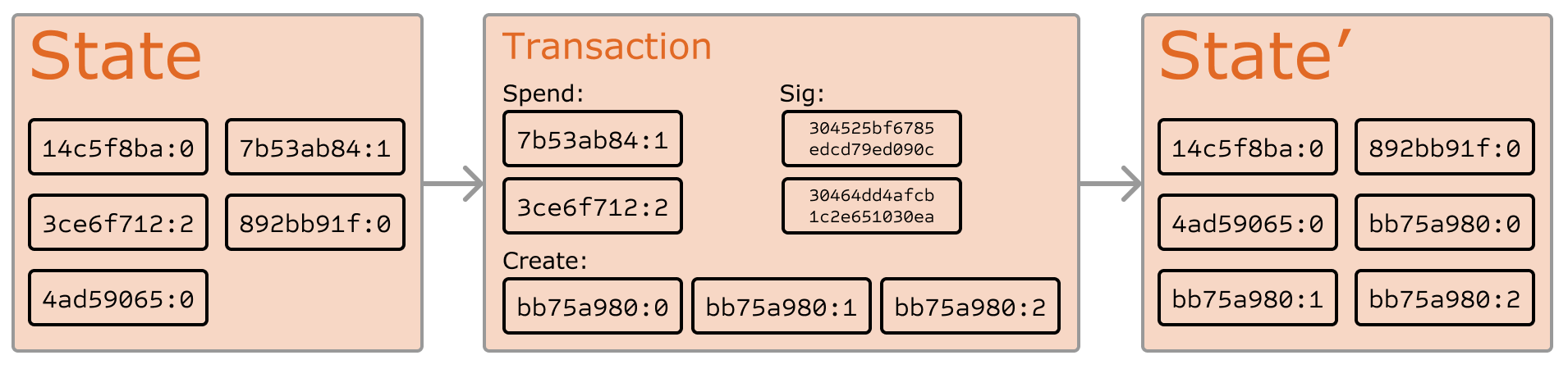
"Trạng thái" trong Bitcoin là tập hợp tất cả các đồng xu (về mặt kỹ thuật là "đầu ra giao dịch chưa chi tiêu" hoặc UTXO) đã được đúc và chưa được chi tiêu, với mỗi UTXO có một mệnh giá và một chủ sở hữu (được xác định bởi địa chỉ 20 byte về cơ bản là khóa công khai mật mã). Giao dịch chứa một hoặc nhiều đầu vào, trong đó mỗi đầu vào chứa tham chiếu đến UTXO hiện có và chữ ký mật mã được tạo bởi khóa riêng được liên kết với địa chỉ của chủ sở hữu và một hoặc nhiều đầu ra, với mỗi đầu ra chứa UTXO mới sẽ được thêm vào trạng thái.
Hàm chuyển trạng thái APPLY(S,TX) - S' có thể được định nghĩa đại khái như sau:
- Đối với mỗi đầu vào ở dạng TX, nếu UTXO được tham chiếu không ở dạng S, hãy trả về lỗi.
- Nếu chữ ký được cung cấp không khớp với chủ sở hữu của UTXO, hãy trả về lỗi.
- Nếu tổng mệnh giá của tất cả UTXO đầu vào nhỏ hơn tổng mệnh giá của tất cả UTXO đầu ra, hãy trả về lỗi.
- Trả về S với tất cả UTXO đầu vào đã bị xóa và tất cả UTXO đầu ra đã được thêm vào.
Nửa đầu của bước đầu tiên ngăn người gửi giao dịch tiêu tiền không tồn tại, nửa sau của bước đầu tiên ngăn người gửi giao dịch tiêu tiền của người khác và bước thứ hai thực thi việc bảo toàn giá trị. Để sử dụng số tiền này để thanh toán, giao thức như sau: giả sử Alice muốn gửi 11,7 BTC cho Bob. Đầu tiên, Alice sẽ tìm kiếm một bộ UTXO có sẵn mà cô ấy sở hữu có tổng giá trị lên tới ít nhất 11,7 BTC. Trên thực tế, Alice sẽ không thể nhận được chính xác 11,7 BTC; nói rằng số nhỏ nhất cô ấy có thể nhận được là 6+4+2=12. Sau đó, cô ấy tạo một giao dịch với ba đầu vào và hai đầu ra đó. Đầu ra đầu tiên sẽ là 11,7 BTC với địa chỉ của Bob là chủ sở hữu của nó và đầu ra thứ hai sẽ là "tiền lẻ" 0,3 BTC còn lại, với chủ sở hữu là chính Alice.
Bitcoin As A State Transition System
기술적 관점에서, Bitcoin과 같은 암호화폐의 원장은 상태 전이 시스템으로 생각할 수 있다. 여기서 "상태"는 모든 기존 bitcoin의 소유 현황으로 구성되며, "상태 전이 함수"는 상태와 거래를 입력받아 그 결과인 새로운 상태를 출력한다. 표준적인 은행 시스템에서 예를 들면, 상태는 대차대조표이고, 거래는 A에서 B로 \(X를 이동하라는 요청이며, 상태 전이 함수는 A의 계좌에서 \)X를 감소시키고 B의 계좌에서 \(X를 증가시킨다. A의 계좌에 처음부터 \)X 미만이 있으면 상태 전이 함수는 오류를 반환한다.
Bitcoin에서 "상태"는 발행되었지만 아직 사용되지 않은 모든 코인(기술적으로 "미사용 거래 출력" 또는 UTXO)의 집합이며, 각 UTXO는 액면가와 소유자(본질적으로 암호학적 공개키인 20바이트 주소로 정의됨)를 갖는다. 거래는 하나 이상의 입력을 포함하며, 각 입력은 기존 UTXO에 대한 참조와 소유자 주소에 연결된 개인키로 생성된 암호학적 서명을 포함하고, 하나 이상의 출력을 포함하며, 각 출력은 상태에 추가될 새로운 UTXO를 포함한다.
상태 전이 함수 APPLY(S,TX) - S'는 대략 다음과 같이 정의될 수 있다:
- TX의 각 입력에 대해, 참조된 UTXO가 S에 없으면 오류를 반환한다.
- 제공된 서명이 UTXO의 소유자와 일치하지 않으면 오류를 반환한다.
- 모든 입력 UTXO의 액면가 합이 모든 출력 UTXO의 액면가 합보다 작으면 오류를 반환한다.
- 모든 입력 UTXO가 제거되고 모든 출력 UTXO가 추가된 S를 반환한다.
첫 번째 단계의 전반부는 거래 발신자가 존재하지 않는 코인을 사용하는 것을 방지하고, 첫 번째 단계의 후반부는 거래 발신자가 다른 사람의 코인을 사용하는 것을 방지하며, 두 번째 단계는 가치의 보존을 강제한다. 이를 결제에 사용하기 위한 프로토콜은 다음과 같다: Alice가 Bob에게 11.7 BTC를 보내고 싶다고 가정하자. 먼저 Alice는 합계가 최소 11.7 BTC가 되는 자신이 소유한 사용 가능한 UTXO 집합을 찾는다. 현실적으로 Alice는 정확히 11.7 BTC를 얻을 수 없을 것이다; 가장 작은 조합이 6+4+2=12라고 하자. 그러면 그녀는 세 개의 입력과 두 개의 출력을 가진 거래를 생성한다. 첫 번째 출력은 Bob의 주소를 소유자로 하는 11.7 BTC이고, 두 번째 출력은 나머지 0.3 BTC의 "거스름돈"으로 소유자는 Alice 자신이다.
Mining
Nếu chúng tôi có quyền truy cập vào một dịch vụ tập trung đáng tin cậy thì việc triển khai hệ thống này sẽ rất đơn giản; nó có thể được mã hóa chính xác như mô tả, sử dụng ổ cứng của máy chủ tập trung để theo dõi trạng thái. Tuy nhiên, với Bitcoin chúng tôi đang cố gắng xây dựng một hệ thống tiền tệ phi tập trung, vì vậy chúng tôi sẽ cần kết hợp hệ thống giao dịch nhà nước với hệ thống đồng thuận để đảm bảo rằng mọi người đều đồng ý về thứ tự giao dịch. Quy trình đồng thuận phi tập trung của Bitcoin yêu cầu các nút trong mạng liên tục cố gắng tạo ra các gói giao dịch được gọi là "khối". Mạng dự định tạo ra khoảng một khối cứ sau mười phút, với mỗi khối chứa dấu thời gian, số nonce, tham chiếu đến (tức là hàm băm của) khối trước đó và danh sách tất cả các giao dịch đã diễn ra kể từ khối trước đó.
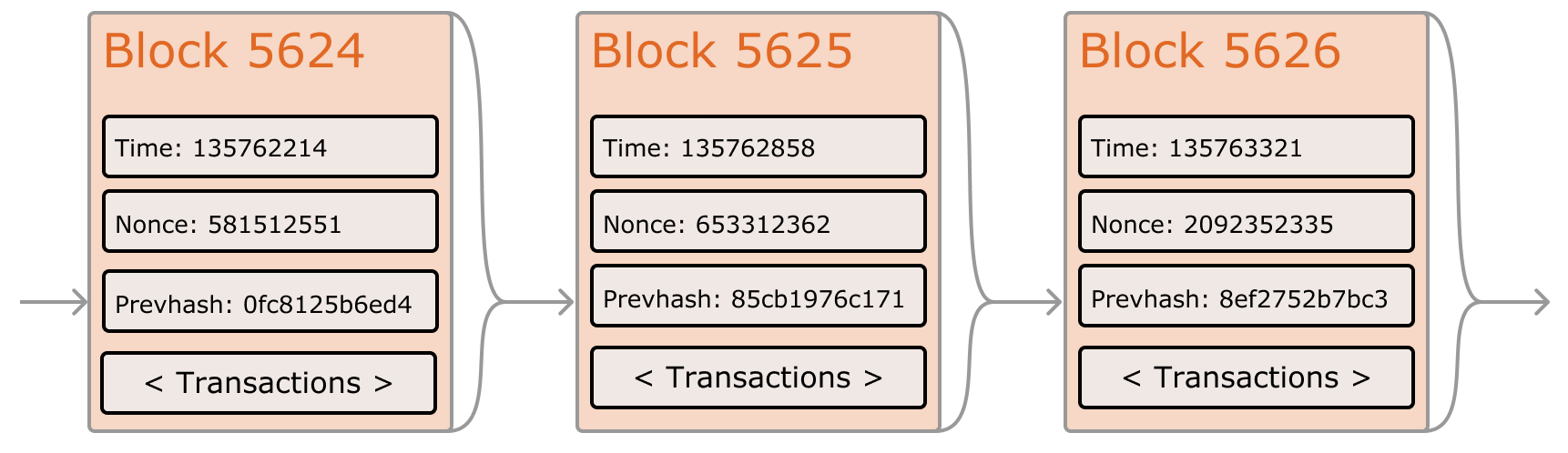
Theo thời gian, điều này tạo ra một "blockchain" bền bỉ, ngày càng phát triển, liên tục cập nhật để thể hiện trạng thái mới nhất của Bitcoin ledger. Thuật toán để kiểm tra xem một khối có hợp lệ hay không, được thể hiện trong mô hình này như sau:
- Kiểm tra xem khối trước đó được tham chiếu bởi khối có tồn tại và hợp lệ hay không.
- Kiểm tra xem dấu thời gian của khối có lớn hơn dấu thời gian của khối trước đó và cách tương lai ít hơn 2 giờ không.
- Kiểm tra xem bằng chứng công việc trên khối có hợp lệ không.
- Gọi S là trạng thái cuối khối trước đó.
- Giả sử TX là danh sách giao dịch của khối có n giao dịch. Với tất cả i trong 0...n-1, đặt S = APPLY(S,TX[i]). Nếu bất kỳ ứng dụng nào trả về lỗi, hãy thoát và trả về false.
- Trả về true và đăng ký S làm trạng thái ở cuối khối này.
Về cơ bản, mỗi giao dịch trong khối phải cung cấp sự chuyển đổi trạng thái hợp lệ từ trạng thái chuẩn trước khi giao dịch được thực hiện sang một số trạng thái mới. Lưu ý rằng trạng thái không được mã hóa trong khối theo bất kỳ cách nào; nó hoàn toàn là một sự trừu tượng được nút xác thực ghi nhớ và chỉ có thể được tính toán (an toàn) cho bất kỳ khối nào bằng cách bắt đầu từ trạng thái ban đầu và áp dụng tuần tự mọi giao dịch trong mỗi khối.
Người khai thác được thưởng cho công việc tính toán của họ bằng bitcoin mới được tạo cộng với phí giao dịch. Quá trình khai thác hoạt động như sau: người khai thác lấy tiêu đề khối và liên tục băm nó với các giá trị nonce khác nhau cho đến khi họ tìm thấy hàm băm nằm dưới mục tiêu độ khó nhất định. Khi người khai thác tìm thấy hàm băm như vậy, họ sẽ phát khối lên mạng và các nút khác xác minh rằng hàm băm đó hợp lệ và tất cả các giao dịch trong khối đều hợp lệ. Mục tiêu độ khó được giao thức tự động điều chỉnh sau mỗi khối năm 2016 (khoảng hai tuần) để đảm bảo rằng các khối được tạo ra với tốc độ gần như không đổi.
Lưu ý rằng về lâu dài, tính bảo mật của blockchain phụ thuộc vào việc người khai thác có động cơ tài chính để hành xử trung thực. Nếu kẻ tấn công kiểm soát hơn 50% sức mạnh khai thác của mạng, chúng có khả năng thực hiện “cuộc tấn công 51%” bằng cách tạo ra một chuỗi khối thay thế phát triển nhanh hơn chuỗi trung thực. Tuy nhiên, một cuộc tấn công như vậy sẽ đòi hỏi nguồn tài nguyên tính toán khổng lồ và có thể khiến phần thưởng khai thác của kẻ tấn công trở nên vô giá trị do mạng mất niềm tin vào tính toàn vẹn của blockchain.
Mining
신뢰할 수 있는 중앙화된 서비스가 있다면, 이 시스템은 구현하기 쉬울 것이다; 중앙 서버의 하드 드라이브를 사용하여 상태를 추적하면서 설명된 대로 정확히 코딩할 수 있다. 그러나 Bitcoin에서 우리는 탈중앙화 화폐 시스템을 구축하려고 하므로, 모든 사람이 거래 순서에 동의하도록 보장하기 위해 상태 전이 시스템과 합의 시스템을 결합해야 한다. Bitcoin의 탈중앙화 합의 과정은 네트워크의 노드들이 "block"이라 불리는 거래 패키지를 지속적으로 생성하도록 요구한다. 네트워크는 대략 10분마다 하나의 block을 생성하도록 의도되며, 각 block에는 타임스탬프, nonce, 이전 block에 대한 참조(즉, hash), 그리고 이전 block 이후 발생한 모든 거래 목록이 포함된다.
시간이 지남에 따라, 이는 Bitcoin 원장의 최신 상태를 나타내기 위해 끊임없이 업데이트되는 지속적이고 계속 성장하는 "blockchain"을 만든다. block이 유효한지 확인하는 알고리즘은 이 패러다임에서 다음과 같이 표현된다:
- block이 참조하는 이전 block이 존재하고 유효한지 확인한다.
- block의 타임스탬프가 이전 block의 타임스탬프보다 크고 미래 2시간 이내인지 확인한다.
- block의 proof of work가 유효한지 확인한다.
- S를 이전 block 끝의 상태로 설정한다.
- TX를 n개의 거래가 있는 block의 거래 목록이라 하자. 0...n-1의 모든 i에 대해 S = APPLY(S,TX[i])를 설정한다. 어떤 적용이든 오류를 반환하면 종료하고 false를 반환한다.
- true를 반환하고, S를 이 block 끝의 상태로 등록한다.
본질적으로, block의 각 거래는 거래가 실행되기 전의 정규 상태에서 새로운 상태로의 유효한 상태 전이를 제공해야 한다. 상태는 block에 어떤 방식으로든 인코딩되지 않는다는 점에 주목하라; 이것은 순전히 검증 노드가 기억해야 할 추상적 개념이며, 어떤 block에 대해서든 genesis 상태에서 시작하여 모든 block의 모든 거래를 순차적으로 적용해야만 (안전하게) 계산할 수 있다.
채굴자는 새로 생성된 bitcoin과 거래 수수료로 계산 작업에 대한 보상을 받는다. 채굴 과정은 다음과 같이 작동한다: 채굴자는 block header를 가져와 특정 난이도 목표 아래의 hash를 찾을 때까지 다른 nonce 값으로 반복적으로 hash한다. 채굴자가 그러한 hash를 찾으면 block을 네트워크에 브로드캐스트하고, 다른 노드들은 hash가 유효하고 block의 모든 거래가 유효한지 검증한다. 난이도 목표는 block이 대략 일정한 비율로 생성되도록 프로토콜에 의해 매 2016 block(약 2주)마다 자동으로 조정된다.
장기적으로 blockchain의 보안은 채굴자들이 정직하게 행동할 재정적 인센티브를 갖는 것에 달려 있다는 점에 주목하라. 공격자가 네트워크 채굴 파워의 50% 이상을 통제하면, 정직한 체인보다 빠르게 성장하는 대안적 blockchain을 생성하여 "51% 공격"을 잠재적으로 실행할 수 있다. 그러나 그러한 공격에는 막대한 계산 자원이 필요하며, 네트워크가 blockchain의 무결성에 대한 신뢰를 잃으면서 공격자의 채굴 보상이 무가치해질 가능성이 높다.
Merkle Trees
Cây Merkle là cấu trúc dữ liệu cơ bản được sử dụng trong các khối Bitcoin để cho phép xác minh hiệu quả và an toàn việc bao gồm giao dịch. Cây Merkle là một cây băm nhị phân trong đó các nút lá chứa các giá trị băm của các giao dịch riêng lẻ và mỗi nút bên trong chứa hàm băm của hai nút con của nó, xây dựng đệ quy thành một hàm băm gốc duy nhất được lưu trữ trong tiêu đề khối. Cấu trúc phân cấp này cho phép mọi người xác minh rằng một giao dịch cụ thể có được bao gồm trong một khối bằng cách chỉ tải xuống nhánh Merkle—chuỗi băm từ giao dịch đến gốc—thay vì tải xuống tất cả các giao dịch trong khối.
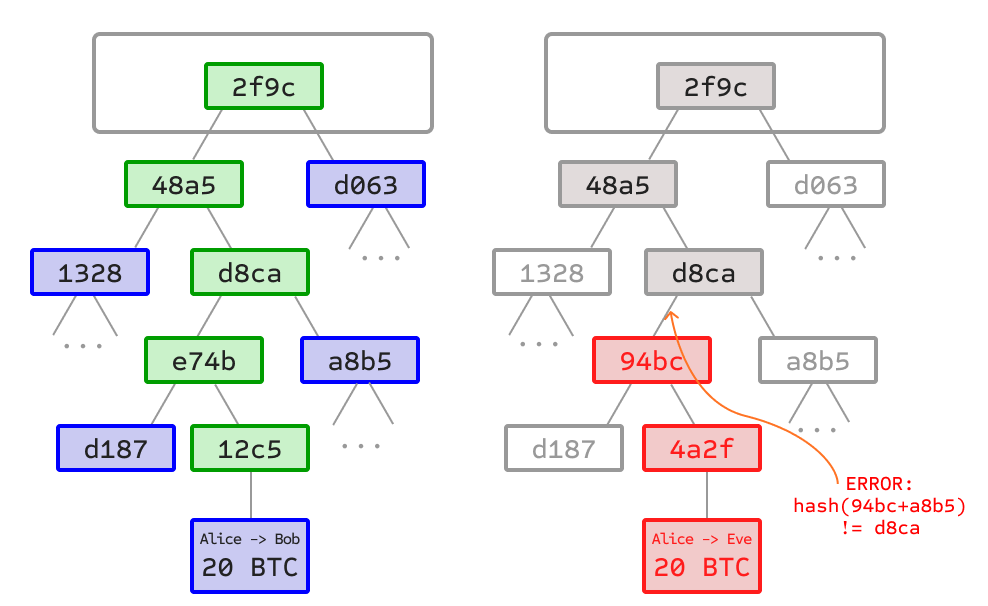
Hiệu quả đạt được là đáng kể: trong khi nút Bitcoin đầy đủ phải lưu trữ toàn bộ chuỗi khối (khoảng 15 GB tính đến năm 2013), nút xác minh thanh toán đơn giản hóa (SPV) chỉ cần tải xuống các tiêu đề khối có chứa gốc Merkle, chỉ cần 4 MB dữ liệu. Để xác minh một giao dịch, nút SPV yêu cầu nhánh Merkle từ các nút đầy đủ, chỉ yêu cầu dữ liệu O(log n) trong đó n là số lượng giao dịch trong một khối. Việc chia tỷ lệ logarit này giúp việc chạy các máy khách nhẹ trên thiết bị di động và môi trường tài nguyên thấp trở nên khả thi.
Việc sử dụng cây Merkle của Bitcoin thể hiện một nguyên tắc chính: cấu trúc mật mã có thể làm giảm đáng kể các yêu cầu về độ tin cậy và tài nguyên khi tham gia vào mạng phi tập trung. Nguyên tắc tương tự này làm nền tảng cho thiết kế của Ethereum, trong đó cây Merkle không chỉ được sử dụng cho các giao dịch mà còn để lưu trữ trạng thái và biên nhận, cho phép các giao thức máy khách nhẹ phức tạp hơn nữa.
Merkle Trees
Merkle tree는 Bitcoin block에서 거래 포함의 효율적이고 안전한 검증을 가능하게 하는 데 사용되는 기본적인 데이터 구조이다. Merkle tree는 hash의 이진 트리로, 리프 노드는 개별 거래의 hash를 포함하고, 각 내부 노드는 두 자식 노드의 hash를 포함하며, 재귀적으로 block header에 저장되는 단일 루트 hash까지 올라간다. 이 계층적 구조는 block의 모든 거래를 다운로드하지 않고도 거래에서 루트까지의 hash 체인인 Merkle branch만 다운로드하면 특정 거래가 block에 포함되어 있는지 누구나 검증할 수 있게 해준다.
효율성 향상은 상당하다: 전체 Bitcoin 노드는 전체 blockchain(2013년 기준 약 15GB)을 저장해야 하지만, 단순화된 결제 검증(SPV) 노드는 Merkle root를 포함하는 block header만 다운로드하면 되며, 단 4MB의 데이터만 필요하다. 거래를 검증하기 위해 SPV 노드는 전체 노드에 Merkle branch를 요청하며, 이는 block의 거래 수 n에 대해 O(log n)의 데이터만 필요로 한다. 이 로그 스케일링은 모바일 기기와 저자원 환경에서 경량 클라이언트를 실행하는 것을 가능하게 한다.
Bitcoin의 Merkle tree 사용은 핵심 원칙을 보여준다: 암호학적 구조는 탈중앙화 네트워크에 참여하기 위한 신뢰와 자원 요구 사항을 극적으로 줄일 수 있다. 이 동일한 원칙이 Ethereum의 설계를 뒷받침하며, Ethereum에서 Merkle tree는 거래뿐만 아니라 상태와 영수증 저장에도 사용되어 훨씬 더 정교한 경량 클라이언트 프로토콜을 가능하게 한다.
Alternative Blockchain Applications
Sự thành công của chuỗi khối Bitcoin đã truyền cảm hứng cho nhiều nỗ lực nhằm mở rộng khái niệm này ra ngoài tiền tệ đơn giản. Namecoin, ra mắt vào năm 2010, là một trong những ví dụ sớm nhất—cơ sở dữ liệu đăng ký tên phi tập trung được xây dựng trên blockchain, cho phép người dùng đăng ký tên trong một không gian tên phân tán mà không cơ quan trung ương nào có thể kiểm duyệt hoặc thu hồi. Đồng xu màu nổi lên như một cách thể hiện các tài sản thay thế trên chuỗi khối Bitcoin bằng cách "gắn thẻ" các đầu ra giao dịch cụ thể để thể hiện quyền sở hữu tài sản trong thế giới thực, cổ phiếu công ty hoặc các loại tiền điện tử khác. Metacoin và các siêu giao thức như Mastercoin (sau này là Omni) xếp lớp chức năng bổ sung lên trên Bitcoin bằng cách mã hóa dữ liệu bổ sung trong các giao dịch Bitcoin và xây dựng các quy tắc giao thức riêng biệt ở trên cùng.
Tuy nhiên, tất cả các cách tiếp cận này đều gặp phải những hạn chế cơ bản do kiến trúc của Bitcoin áp đặt. Ngôn ngữ kịch bản Bitcoin bị hạn chế có chủ ý—nó không thể truy cập trạng thái blockchain, thiếu vòng lặp và luồng điều khiển phức tạp, đồng thời cung cấp khả năng xem xét nội tâm hạn chế đối với các giá trị giao dịch. Việc xây dựng các ứng dụng phức tạp đòi hỏi những giải pháp khó xử: mã hóa siêu dữ liệu trong các trường giao dịch không bao giờ nhằm mục đích đó, dựa vào cơ sở hạ tầng ngoài chuỗi để có logic phức tạp hoặc chấp nhận những hạn chế nghiêm trọng về những gì giao thức có thể đạt được.
Những hạn chế này đã thúc đẩy việc tìm kiếm một nền tảng blockchain có mục đích chung hơn. Thay vì xây dựng một giao thức có mục đích đặc biệt khác trên nền tảng hạn chế của Bitcoin, Ethereum thực hiện một cách tiếp cận khác: cung cấp một chuỗi khối với ngôn ngữ lập trình Turing-complete được tích hợp sẵn, cho phép mọi người viết hợp đồng thông minh và ứng dụng phi tập trung với các quy tắc tùy ý về quyền sở hữu, định dạng giao dịch và chức năng chuyển đổi trạng thái.
Alternative Blockchain Applications
Bitcoin blockchain의 성공은 이 개념을 단순한 화폐를 넘어 확장하려는 수많은 시도를 촉발했다. 2010년에 출시된 Namecoin은 가장 초기의 사례 중 하나로, blockchain 위에 구축된 탈중앙화 이름 등록 데이터베이스로서 중앙 기관이 검열하거나 취소할 수 없는 분산 네임스페이스에 이름을 등록할 수 있게 해주었다. Colored coins는 특정 거래 출력을 "태깅"하여 실물 자산, 회사 주식 또는 기타 암호화폐의 소유권을 나타내는 방식으로 Bitcoin blockchain에서 대체 자산을 표현하는 방법으로 등장했다. Mastercoin(이후 Omni)과 같은 Metacoin 및 메타 프로토콜은 Bitcoin 거래에 추가 데이터를 인코딩하고 그 위에 별도의 프로토콜 규칙을 구축하여 Bitcoin 위에 추가 기능을 레이어링했다.
그러나 이러한 모든 접근법은 Bitcoin의 아키텍처가 부과하는 근본적인 한계에 시달렸다. Bitcoin 스크립팅 언어는 의도적으로 제한되어 있다 — blockchain 상태에 접근할 수 없고, 반복문과 복잡한 제어 흐름이 없으며, 거래 값에 대한 제한된 내성만을 제공한다. 정교한 애플리케이션을 구축하려면 어색한 우회 방법이 필요했다: 그러한 목적으로 의도되지 않은 거래 필드에 메타데이터를 인코딩하거나, 복잡한 로직을 위해 오프체인 인프라에 의존하거나, 프로토콜이 달성할 수 있는 것에 대한 심각한 제한을 수용해야 했다.
이러한 제약은 더 범용적인 blockchain 플랫폼에 대한 탐색을 촉발했다. Bitcoin의 제한된 기반 위에 또 다른 특수 목적 프로토콜을 구축하는 대신, Ethereum은 다른 접근법을 취한다: Turing-complete 프로그래밍 언어가 내장된 blockchain을 제공하여 누구나 소유권, 거래 형식, 상태 전이 함수에 대한 임의의 규칙을 가진 smart contract와 탈중앙화 애플리케이션을 작성할 수 있게 한다.
Scripting
Bitcoin Tập lệnh, ngôn ngữ được sử dụng để xác định các điều kiện chi tiêu cho các giao dịch Bitcoin, được thiết kế có chủ ý với những hạn chế nghiêm trọng. Nó không phải là Turing-complete—đáng chú ý nhất là nó thiếu các vòng lặp và cấu trúc luồng điều khiển phức tạp. Ngôn ngữ hoạt động như một môi trường thực thi dựa trên ngăn xếp đơn giản, trong đó các hoạt động đẩy và bật các giá trị, đánh giá các điều kiện mật mã và cuối cùng trả về đúng hoặc sai để xác định xem giao dịch có hợp lệ hay không. Mặc dù sự đơn giản này mang lại lợi ích bảo mật và giúp việc phân tích chính thức trở nên dễ dàng hơn nhưng nó cũng khiến nhiều loại ứng dụng không thể triển khai được.
Những hạn chế này rơi vào ba loại chính. Đầu tiên, việc thiếu tính đầy đủ của Turing sẽ ngăn cản việc triển khai các máy trạng thái phức tạp, cây quyết định hoặc bất kỳ thuật toán nào yêu cầu lặp lại. Thứ hai, tính mù giá trị có nghĩa là các tập lệnh không thể chỉ định quyền kiểm soát chi tiết đối với số tiền rút—chỉ có thể sử dụng toàn bộ UTXO, với thay đổi được gửi đến đầu ra mới. Ví dụ: một tập lệnh không thể giới hạn số lần rút tiền ở mức tối đa X mỗi ngày trong khi vẫn khóa phần còn lại. Thứ ba, việc thiếu nhận thức về trạng thái blockchain có nghĩa là UTXO được chi tiêu hoặc không chi tiêu mà không có trạng thái trung gian, khiến các hợp đồng nhiều giai đoạn không thể thực hiện hoàn toàn trên chuỗi.
Những hạn chế này làm cho các ứng dụng phức tạp như các tổ chức tự trị phi tập trung, ví tiết kiệm có giới hạn rút tiền, sàn giao dịch phi tập trung hoặc thị trường dự đoán không thể thực hiện được hoặc yêu cầu các cơ chế ngoài chuỗi khó xử lý. Một hợp đồng tài chính nâng cao có thể yêu cầu quyền truy cập vào dữ liệu thị trường, khả năng duy trì trạng thái nội bộ trên nhiều giao dịch và logic điều kiện phức tạp—không điều nào trong số đó mà Tập lệnh Bitcoin có thể cung cấp. Ethereum loại bỏ những hạn chế này bằng cách cung cấp ngôn ngữ hoàn chỉnh Turing với toàn quyền truy cập vào trạng thái blockchain.
Scripting
Bitcoin Script는 Bitcoin 거래의 지출 조건을 정의하는 데 사용되는 언어로, 의도적으로 심각한 제한을 가지고 설계되었다. Turing-complete하지 않으며 — 가장 주목할 만한 것은 반복문과 복잡한 제어 흐름 구조가 없다는 점이다. 이 언어는 연산이 값을 push하고 pop하며, 암호학적 조건을 평가하고, 궁극적으로 거래가 유효한지 결정하기 위해 true 또는 false를 반환하는 단순한 스택 기반 실행 환경으로 작동한다. 이러한 단순성은 보안상의 이점과 형식적 분석을 용이하게 하지만, 많은 유형의 애플리케이션을 구현하는 것을 불가능하게 만든다.
이러한 제한은 세 가지 주요 범주로 나뉜다. 첫째, Turing-completeness의 부재로 인해 복잡한 상태 기계, 의사결정 트리, 또는 반복을 필요로 하는 어떤 알고리즘도 구현할 수 없다. 둘째, 값 인지 불가(value-blindness)로 인해 스크립트가 출금 금액에 대한 세밀한 제어를 지정할 수 없다 — UTXO는 전액으로만 사용할 수 있으며, 거스름돈은 새로운 출력으로 보내진다. 예를 들어, 스크립트는 하루 최대 X까지만 출금하고 나머지는 잠금 상태로 유지하도록 제한할 수 없다. 셋째, blockchain 상태 인식의 부재로 인해 UTXO는 사용되었거나 사용되지 않은 두 가지 상태만 가지며 중간 상태가 없어, 다단계 계약을 순수하게 온체인에서 구현하는 것이 불가능하다.
이러한 제약은 탈중앙화 자율 조직, 출금 한도가 있는 저축 지갑, 탈중앙화 거래소, 또는 예측 시장과 같은 정교한 애플리케이션을 불가능하게 하거나 어색한 오프체인 메커니즘을 필요로 한다. 고급 금융 계약은 시장 데이터에 대한 접근, 여러 거래에 걸쳐 내부 상태를 유지하는 능력, 복잡한 조건부 로직을 필요로 할 수 있다 — 이 중 어느 것도 Bitcoin Script가 제공할 수 없다. Ethereum은 blockchain 상태에 대한 완전한 접근이 가능한 Turing-complete 언어를 제공함으로써 이러한 제한을 제거한다.
Ethereum
Mục tiêu cơ bản của Ethereum là cung cấp cho blockchain ngôn ngữ lập trình hoàn chỉnh Turing tích hợp cho phép mọi người viết hợp đồng thông minh và ứng dụng phi tập trung, nơi họ có thể tạo các quy tắc tùy ý của riêng mình về quyền sở hữu, định dạng giao dịch và chức năng chuyển đổi trạng thái. Thay vì thiết kế giao thức cho các ứng dụng cụ thể như tiền tệ, đăng ký tên hoặc giao dịch tài sản, Ethereum cung cấp lớp nền tảng—nền tảng điện toán phân tán dựa trên blockchain mà các nhà phát triển có thể sử dụng để xây dựng bất kỳ ứng dụng nào họ có thể tưởng tượng.
Kiến trúc về cơ bản khác với mô hình UTXO của Bitcoin. Ethereum sử dụng hệ thống dựa trên tài khoản trong đó trạng thái chuỗi khối bao gồm ánh xạ từ địa chỉ đến đối tượng tài khoản. Mỗi tài khoản có số dư, bộ đếm giao dịch (không dùng một lần) và đối với tài khoản hợp đồng, mã liên kết và bộ lưu trữ. Nền tảng này bao gồm ngôn ngữ lập trình Turing-complete được tích hợp sẵn để viết mã hợp đồng thực thi trong Máy ảo Ethereum (EVM), một môi trường thực thi dựa trên ngăn xếp xử lý các giao dịch và chuyển đổi trạng thái.
Tính tổng quát này cho phép áp dụng một loạt các ứng dụng: tiền điện tử thay thế với quy tắc phát hành tùy chỉnh, công cụ tài chính phái sinh và stablecoin, hệ thống nhận dạng và danh tiếng, lưu trữ tệp phi tập trung, tổ chức tự trị phi tập trung (DAO), v.v. Sách trắng nhấn mạnh rằng Ethereum không được tối ưu hóa cho bất kỳ trường hợp sử dụng cụ thể nào mà thay vào đó cung cấp các khối xây dựng cơ bản—tài khoản, giao dịch, ngôn ngữ hoàn chỉnh Turing và thực thi đo lượng khí—mà các nhà phát triển có thể kết hợp để tạo ra bất kỳ ứng dụng nào mà hệ sinh thái yêu cầu.
Ethereum
Ethereum의 근본적인 목표는 Turing-complete 프로그래밍 언어가 내장된 blockchain을 제공하여 누구나 소유권, 거래 형식, 상태 전이 함수에 대한 임의의 규칙을 만들 수 있는 smart contract와 탈중앙화 애플리케이션을 작성할 수 있게 하는 것이다. 화폐, 이름 등록, 자산 거래와 같은 특정 애플리케이션을 위한 프로토콜을 설계하는 대신, Ethereum은 개발자가 상상할 수 있는 모든 애플리케이션을 구축할 수 있는 blockchain 기반 분산 컴퓨팅 플랫폼이라는 기반 계층을 제공한다.
아키텍처는 Bitcoin의 UTXO 모델과 근본적으로 다르다. Ethereum은 blockchain 상태가 주소에서 계정 객체로의 매핑으로 구성되는 계정 기반 시스템을 사용한다. 각 계정은 잔액, 거래 카운터(nonce)를 가지며, contract 계정의 경우 관련 코드와 저장소를 갖는다. 플랫폼에는 Ethereum Virtual Machine(EVM)에서 실행되는 contract 코드를 작성하기 위한 Turing-complete 프로그래밍 언어가 내장되어 있으며, EVM은 거래와 상태 전이를 처리하는 스택 기반 실행 환경이다.
이러한 범용성은 광범위한 애플리케이션을 가능하게 한다: 사용자 정의 발행 규칙을 가진 대안 암호화폐, 금융 파생상품과 stablecoin, 신원 및 평판 시스템, 탈중앙화 파일 저장, 탈중앙화 자율 조직(DAO) 등. 백서는 Ethereum이 특정 사용 사례에 최적화되어 있지 않으며, 대신 개발자가 생태계가 요구하는 어떤 애플리케이션이든 만들기 위해 조합할 수 있는 기본 구성 요소 — 계정, 거래, Turing-complete 언어, gas 기반 실행 — 를 제공한다는 점을 강조한다.
Ethereum Accounts
Trong Ethereum, trạng thái được tạo thành từ các tài khoản và có hai loại cơ bản. Các tài khoản thuộc sở hữu bên ngoài (EOA) được kiểm soát bằng khóa riêng và không có mã liên quan — chúng đại diện cho người dùng hoặc các thực thể bên ngoài tương tác với chuỗi khối. Tài khoản hợp đồng được kiểm soát bằng mã hợp đồng và được kích hoạt khi nhận được tin nhắn hoặc giao dịch. Cả hai loại đều có chung cấu trúc: mỗi tài khoản đều có một nonce (bộ đếm được sử dụng để đảm bảo mỗi giao dịch chỉ có thể được xử lý một lần), số dư ether và đối với các hợp đồng cụ thể là mã hợp đồng và bộ lưu trữ liên tục.
Ether là loại tiền điện tử nội bộ chính của Ethereum, đóng vai trò vừa là phương tiện chuyển giá trị vừa là đơn vị cơ bản để thanh toán phí giao dịch (gas). Không giống như mô hình UTXO của Bitcoin nơi giá trị được phân phối trên nhiều đầu ra chưa được chi tiêu, tài khoản Ethereum duy trì số dư đơn giản tăng khi nhận được ether và giảm khi gửi. Mô hình dựa trên tài khoản này đơn giản hóa nhiều loại ứng dụng, đặc biệt là những ứng dụng yêu cầu kiểm soát truy cập phức tạp hoặc trạng thái liên tục, mặc dù nó đưa ra những cân nhắc về bảo mật khác so với phương pháp của Bitcoin.
Sự khác biệt giữa EOA và tài khoản hợp đồng là rất quan trọng để hiểu hoạt động của Ethereum. EOA có thể bắt đầu giao dịch bằng cách tạo và ký tin nhắn bằng khóa riêng của họ, trả phí gas để đưa giao dịch của họ vào khối. Tài khoản hợp đồng không thể tự bắt đầu giao dịch nhưng có thể gửi tin nhắn đến các hợp đồng khác để phản hồi việc nhận giao dịch hoặc tin nhắn, cho phép thực hiện các chuỗi thực hiện phức tạp trong đó một giao dịch bên ngoài duy nhất sẽ kích hoạt nhiều tương tác giữa các hợp đồng.
Ethereum Accounts
Ethereum에서 상태는 계정으로 구성되며, 두 가지 기본 유형이 있다. 외부 소유 계정(EOA)은 개인키로 제어되며 관련 코드가 없다 — blockchain과 상호작용하는 인간 사용자나 외부 주체를 나타낸다. Contract 계정은 contract 코드에 의해 제어되며 메시지나 거래를 수신할 때 활성화된다. 두 유형 모두 공통 구조를 공유한다: 모든 계정은 nonce(각 거래가 한 번만 처리될 수 있도록 하는 카운터), ether 잔액, 그리고 contract의 경우 특히 contract 코드와 영구 저장소를 갖는다.
Ether는 Ethereum의 주요 내부 암호화폐로, 가치 전달 매체이자 거래 수수료(gas)를 지불하기 위한 기본 단위로서의 역할을 한다. 가치가 여러 미사용 출력에 분산되어 있는 Bitcoin의 UTXO 모델과 달리, Ethereum 계정은 ether를 받으면 증가하고 보내면 감소하는 단순한 잔액을 유지한다. 이 계정 기반 모델은 특히 영구적 상태나 복잡한 접근 제어를 필요로 하는 많은 유형의 애플리케이션을 단순화하지만, Bitcoin의 접근 방식과 비교하여 다른 보안 고려 사항을 도입한다.
EOA와 contract 계정의 구분은 Ethereum의 작동을 이해하는 데 매우 중요하다. EOA는 개인키로 메시지를 생성하고 서명하여 거래를 시작할 수 있으며, 거래가 block에 포함되도록 gas 수수료를 지불한다. Contract 계정은 스스로 거래를 시작할 수 없지만, 거래나 메시지를 수신하는 것에 대한 응답으로 다른 contract에 메시지를 보낼 수 있어, 단일 외부 거래가 여러 contract 간 상호작용을 촉발하는 복잡한 실행 체인을 가능하게 한다.
Messages and Transactions
Các giao dịch trong Ethereum là các gói dữ liệu đã ký được tạo bởi các tài khoản thuộc sở hữu bên ngoài và được phát lên mạng. Giao dịch chứa địa chỉ người nhận, chữ ký mật mã chứng minh danh tính của người gửi, lượng ether cần chuyển, trường dữ liệu tùy chọn (rất quan trọng để tương tác với hợp đồng), STARTGAS (số bước tính toán tối đa mà giao dịch được phép thực hiện) và GASPRICE (phí cho mỗi bước tính toán mà người gửi sẵn sàng trả). Người khai thác thu thập các giao dịch này, xác thực, thực hiện và đưa chúng vào các khối, nhận phí gas như một khoản bồi thường.
Các thông điệp về mặt khái niệm tương tự như các giao dịch nhưng được tạo ra bởi các hợp đồng chứ không phải do các tác nhân bên ngoài tạo ra. Khi mã của hợp đồng thực thi, mã đó có thể gửi tin nhắn đến các hợp đồng khác—những tin nhắn nội bộ này chứa người gửi (địa chỉ hợp đồng), người nhận, lượng ether cần chuyển, tải trọng dữ liệu tùy chọn và giới hạn STARTGAS. Tin nhắn cho phép giao tiếp giữa các hợp đồng, cho phép xây dựng các ứng dụng phức tạp từ nhiều hợp đồng tương tác thay vì các chương trình nguyên khối.
Cơ chế gas rất quan trọng để ngăn chặn sự lạm dụng: mỗi bước tính toán, hoạt động lưu trữ và byte dữ liệu trong một giao dịch đều tiêu tốn gas. Nếu một giao dịch hết gas trước khi hoàn thành, tất cả các thay đổi trạng thái sẽ được hoàn nguyên (ngoại trừ khoản thanh toán gas cho người khai thác), ngăn chặn các vòng lặp vô hạn hoặc tính toán quá mức khiến mạng bị dừng lại. Người gửi chỉ định cả tổng ngân sách gas (STARTGAS) và mức giá họ sẵn sàng trả cho mỗi đơn vị (GASPRICE) và mọi gas chưa sử dụng sẽ được hoàn lại sau khi quá trình thực thi hoàn tất.
Messages and Transactions
Ethereum의 거래는 외부 소유 계정에 의해 생성되어 네트워크에 브로드캐스트되는 서명된 데이터 패키지이다. 거래에는 수신자 주소, 발신자의 신원을 증명하는 암호학적 서명, 전송할 ether의 양, 선택적 데이터 필드(contract와의 상호작용에 중요), STARTGAS(거래가 수행할 수 있는 최대 계산 단계 수), 그리고 GASPRICE(발신자가 지불할 의향이 있는 계산 단계당 수수료)가 포함된다. 채굴자는 이러한 거래를 수집하고, 검증하고, 실행하여 block에 포함시키며, 보상으로 gas 수수료를 받는다.
메시지는 개념적으로 거래와 유사하지만 외부 행위자가 아닌 contract에 의해 생성된다. contract의 코드가 실행될 때, 다른 contract에 메시지를 보낼 수 있다 — 이러한 내부 메시지에는 발신자(contract 주소), 수신자, 전송할 ether의 양, 선택적 데이터 페이로드, STARTGAS 한도가 포함된다. 메시지는 contract 간 통신을 가능하게 하여, 단일 모놀리식 프로그램이 아닌 여러 상호작용하는 contract로 복잡한 애플리케이션을 구축할 수 있게 한다.
Gas 메커니즘은 남용 방지에 매우 중요하다: 거래 내의 모든 계산 단계, 저장 연산, 데이터 바이트는 gas를 소비한다. 거래가 완료되기 전에 gas가 소진되면, 모든 상태 변경이 되돌려진다(채굴자에 대한 gas 지불은 제외). 이는 무한 루프나 과도한 계산이 네트워크를 정지시키는 것을 방지한다. 발신자는 총 gas 예산(STARTGAS)과 단위당 지불할 가격(GASPRICE)을 모두 지정하며, 사용되지 않은 gas는 실행 완료 후 환불된다.
Ethereum State Transition Function
Hàm chuyển đổi trạng thái Ethereum APPLY(S,TX) - S' xác định cách giao dịch chuyển đổi trạng thái blockchain và nó tuân theo một trình tự các bước chính xác. Đầu tiên, hệ thống kiểm tra tính hợp lệ của giao dịch: xác minh chữ ký là chính xác, xác nhận nonce khớp với nonce trong tài khoản của người gửi và đảm bảo người gửi có đủ số dư để thanh toán chi phí trả trước (STARTGAS × GASPRICE cộng với giá trị được gửi). Nếu bất kỳ kiểm tra nào không thành công, giao dịch sẽ bị từ chối trước khi bắt đầu thực hiện. Nếu hợp lệ, phí giao dịch sẽ được khấu trừ khỏi tài khoản của người gửi, số nonce của người gửi sẽ tăng lên và bộ đếm gas ban đầu được đặt thành STARTGAS trừ đi phí mỗi byte cho dữ liệu giao dịch.
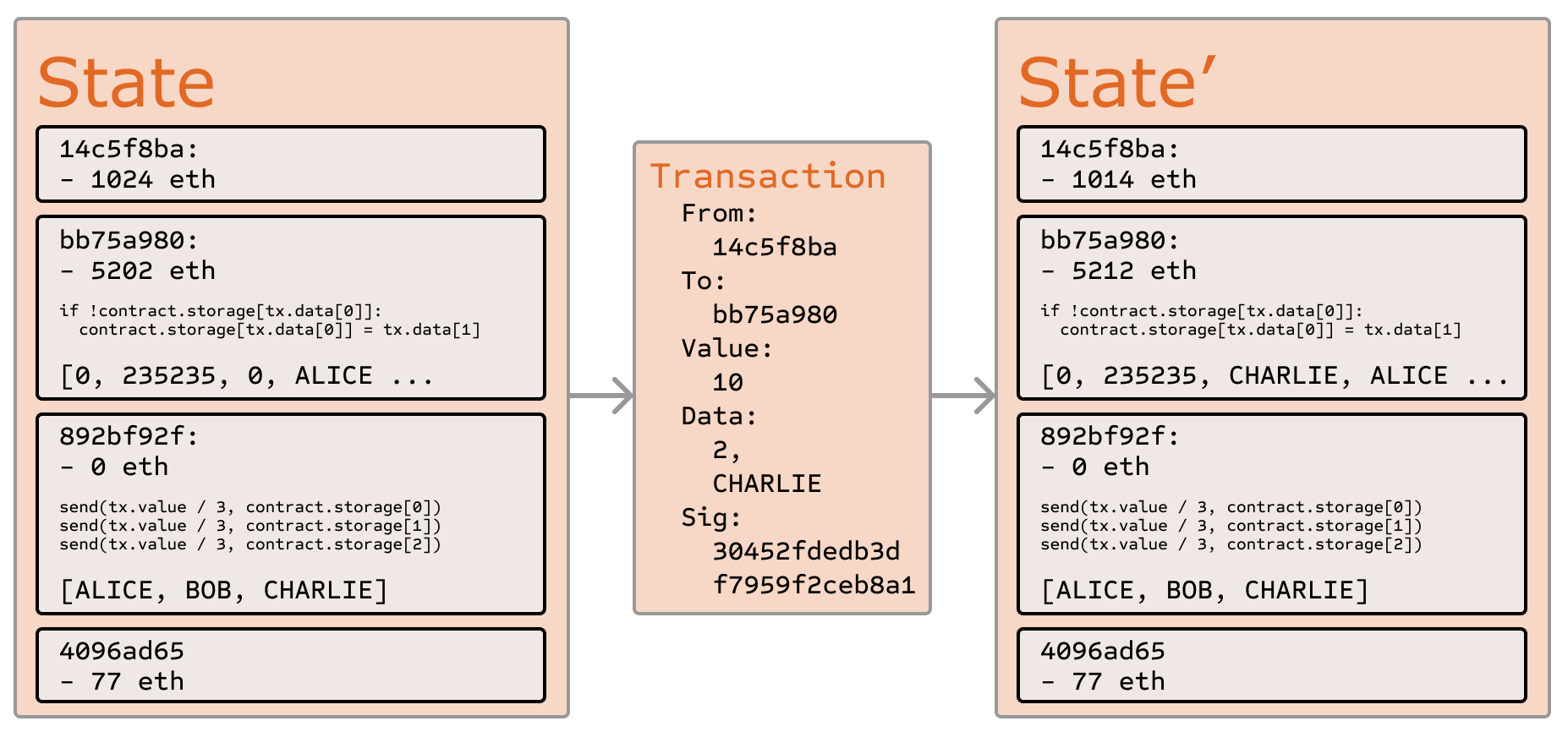
Tiếp theo, hệ thống chuyển giá trị ether được chỉ định từ người gửi đến người nhận. Nếu người nhận là tài khoản thuộc sở hữu bên ngoài thì giao dịch sẽ hoàn tất. Nếu người nhận là tài khoản hợp đồng, mã của hợp đồng sẽ chạy trong Máy ảo Ethereum, tiêu thụ gas cho mỗi thao tác cho đến khi mã hoàn thành thành công, mã dừng rõ ràng hoặc hết gas. Trong quá trình thực hiện, hợp đồng có thể đọc và sửa đổi bộ nhớ của nó, gửi tin nhắn đến các hợp đồng khác và tạo hợp đồng mới.
Cuối cùng, nếu quá trình chuyển giá trị không thành công (không đủ số dư) hoặc thực thi mã không thành công (hết gas hoặc gặp lỗi), tất cả các thay đổi trạng thái sẽ được hoàn nguyên—ngoại trừ việc người gửi vẫn trả phí gas cho người khai thác để tính toán được thực hiện. Nếu thực hiện thành công, lượng gas còn lại sẽ được hoàn lại cho người gửi và lượng gas đã tiêu thụ sẽ được gửi cho người khai thác dưới dạng phí. Cơ chế này đảm bảo rằng các thợ mỏ được đền bù cho việc tính toán đồng thời ngăn chặn việc thực thi chạy trốn khỏi việc tiêu thụ tài nguyên không giới hạn.
Ethereum State Transition Function
Ethereum 상태 전이 함수 APPLY(S,TX) - S'는 거래가 blockchain 상태를 어떻게 변환하는지를 정의하며, 정확한 단계의 순서를 따른다. 먼저 시스템은 거래의 유효성을 검사한다: 서명이 올바른지 확인하고, nonce가 발신자 계정의 nonce와 일치하는지 확인하며, 발신자가 선불 비용(STARTGAS x GASPRICE에 전송되는 값을 더한 금액)을 지불할 충분한 잔액이 있는지 확인한다. 어떤 검사라도 실패하면, 거래는 실행 시작 전에 거부된다. 유효하면, 거래 수수료가 발신자의 계정에서 차감되고, 발신자의 nonce가 증가하며, 초기 gas 카운터가 STARTGAS에서 거래 데이터에 대한 바이트당 수수료를 뺀 값으로 설정된다.
다음으로, 시스템은 지정된 ether 값을 발신자에서 수신자로 전송한다. 수신자가 외부 소유 계정이면, 이것으로 거래가 완료된다. 수신자가 contract 계정이면, contract의 코드가 Ethereum Virtual Machine에서 실행되며, 코드가 성공적으로 완료되거나, 코드가 명시적으로 중지되거나, gas가 소진될 때까지 각 연산에 대해 gas를 소비한다. 실행 중에 contract는 자신의 저장소를 읽고 수정하며, 다른 contract에 메시지를 보내고, 새로운 contract를 생성할 수 있다.
마지막으로, 값 전송이 실패했거나(잔액 부족) 코드 실행이 실패했으면(gas 소진 또는 오류 발생), 모든 상태 변경이 되돌려진다 — 다만 발신자는 수행된 계산에 대해 여전히 채굴자에게 gas 수수료를 지불한다. 실행이 성공하면, 나머지 gas가 발신자에게 환불되고, 소비된 gas는 수수료로 채굴자에게 전송된다. 이 메커니즘은 채굴자가 계산에 대해 보상받으면서도 폭주하는 실행이 무한한 자원을 소비하는 것을 방지한다.
Code Execution
Máy ảo Ethereum (EVM) là môi trường thời gian chạy trong đó mã hợp đồng thực thi—một máy ảo dựa trên ngăn xếp, cấp độ thấp có khái niệm tương tự như Máy ảo Java hoặc WebAssembly. Mã hợp đồng được lưu trữ dưới dạng một chuỗi byte, trong đó mỗi byte đại diện cho một hoạt động (mã hoạt động) mà EVM có thể thực thi. Mô hình thực thi rất đơn giản và mang tính xác định: mọi nút chạy EVM có cùng trạng thái đầu vào và giao dịch phải đến cùng trạng thái đầu ra, đảm bảo sự đồng thuận trên toàn mạng.
EVM cung cấp ba loại lưu trữ riêng biệt để tính toán. Ngăn xếp là cấu trúc vào trước ra trước (LIFO) được giới hạn ở 1024 phần tử, được sử dụng cho các giá trị hoạt động ngay lập tức. Bộ nhớ là một mảng byte có khả năng mở rộng vô hạn, chỉ tồn tại trong khoảng thời gian của một cuộc gọi tin nhắn và được đặt lại giữa các lần thực thi. Bộ lưu trữ là kho lưu trữ khóa-giá trị liên tục được liên kết vĩnh viễn với mỗi tài khoản hợp đồng, nơi hợp đồng duy trì trạng thái lâu dài qua các giao dịch. Các loại lưu trữ này có giá khác nhau về gas — hoạt động của ngăn xếp và bộ nhớ rẻ, trong khi hoạt động lưu trữ lại đắt tiền để ngăn chặn sự phình to của blockchain.
Trong quá trình thực thi, mã hợp đồng có quyền truy cập vào ngữ cảnh quan trọng: nó có thể đọc địa chỉ của người gửi tin nhắn, lượng ether được gửi, tải trọng dữ liệu do người gọi cung cấp và các thuộc tính cấp khối như số khối hiện tại, dấu thời gian và địa chỉ thợ mỏ. Mã có thể trả về một mảng byte đầu ra cho người gọi và có thể gửi tin nhắn đến các hợp đồng khác hoặc tạo hợp đồng mới. Mô hình thực thi này là Turing-complete—có thể sử dụng các vòng lặp và luồng điều khiển phức tạp—nhưng cơ chế khí đảm bảo rằng tất cả tính toán kết thúc trong thời gian giới hạn, giải quyết vấn đề tạm dừng một cách kinh tế thay vì thông qua các hạn chế về ngôn ngữ.
Code Execution
Ethereum Virtual Machine(EVM)은 contract 코드가 실행되는 런타임 환경으로 — Java Virtual Machine이나 WebAssembly와 개념적으로 유사한 저수준 스택 기반 가상 머신이다. Contract 코드는 바이트 시퀀스로 저장되며, 각 바이트는 EVM이 실행할 수 있는 연산(opcode)을 나타낸다. 실행 모델은 의도적으로 단순하고 결정론적이다: 동일한 입력 상태와 거래로 EVM을 실행하는 모든 노드는 동일한 출력 상태에 도달해야 하며, 이는 네트워크 전체에서의 합의를 보장한다.
EVM은 계산을 위해 세 가지 별개의 저장소 유형을 제공한다. 스택은 1024개의 요소로 제한된 후입선출(LIFO) 구조로, 즉각적인 연산 값에 사용된다. 메모리는 단일 메시지 호출 동안만 지속되고 실행 사이에 초기화되는 무한 확장 가능한 바이트 배열이다. 저장소(storage)는 각 contract 계정에 영구적으로 연결된 영구 키-값 저장소로, contract가 거래 간에 장기적인 상태를 유지하는 곳이다. 이러한 저장소 유형은 gas 가격이 다르게 책정된다 — 스택과 메모리 연산은 저렴하지만, 저장소 연산은 blockchain 비대화를 방지하기 위해 비싸다.
실행 중에 contract 코드는 중요한 컨텍스트에 접근할 수 있다: 메시지 발신자의 주소, 전송된 ether의 양, 호출자가 제공한 데이터 페이로드, 그리고 현재 block 번호, 타임스탬프, 채굴자 주소와 같은 block 수준 속성을 읽을 수 있다. 코드는 호출자에게 출력 바이트 배열을 반환할 수 있으며, 다른 contract에 메시지를 보내거나 새로운 contract를 생성할 수 있다. 이 실행 모델은 Turing-complete하다 — 반복문과 복잡한 제어 흐름이 가능하다 — 그러나 gas 메커니즘이 모든 계산이 유한한 시간 내에 종료되도록 보장하며, 정지 문제를 언어 제한이 아닌 경제적으로 해결한다.
Blockchain and Mining
Chuỗi khối Ethereum về cơ bản tương tự như chuỗi khối Bitcoin, hoạt động như một cơ sở dữ liệu chứa mọi giao dịch từng được thực hiện. Tuy nhiên, trong khi Bitcoin chỉ lưu trữ danh sách giao dịch thì Ethereum lưu trữ cả danh sách giao dịch và trạng thái gần đây nhất. Mỗi khối trong Ethereum chứa hàm băm của khối trước đó, gốc trạng thái (mã băm gốc của Merkle Patricia trie đại diện cho toàn bộ trạng thái), gốc giao dịch, gốc biên nhận (lưu trữ dữ liệu từ quá trình thực hiện giao dịch), cùng với các giá trị độ khó, dấu thời gian và số nonce. Bản thân trạng thái là một bộ ba địa chỉ ánh xạ Merkle Patricia lớn tới các đối tượng tài khoản, trong đó mỗi tài khoản có số dư, số nonce, mã (nếu có) và bộ nhớ.

Ethereum sử dụng phiên bản sửa đổi của giao thức GHOST (Cây con được quan sát nặng nhất tham lam) để giải quyết các vấn đề bảo mật phát sinh từ thời gian khối nhanh. Trong các giao thức chuỗi dài nhất truyền thống, các khối nhanh dẫn đến tỷ lệ cũ cao, làm giảm an ninh mạng và tăng rủi ro tập trung khi các công ty khai thác lớn lãng phí ít tính toán hơn trên các cũ. GHOST bao gồm các khối cũ (được gọi là "chú" trong Ethereum) để tính toán chuỗi nào dài nhất và cung cấp một phần phần thưởng cho các khối chú, khuyến khích người khai thác tham chiếu chúng. Điều này cho phép Ethereum duy trì thời gian chặn mục tiêu khoảng 12 giây trong khi vẫn đảm bảo an ninh mạng.
Thuật toán khai thác hoạt động tương tự như proof-of-work của Bitcoin, yêu cầu người khai thác phải tìm một nonce sao cho hàm băm của khối nằm dưới mục tiêu độ khó nhất định. Tuy nhiên, thuật toán khai thác bộ nhớ cứng (Ethash) của Ethereum được thiết kế để chống lại ASIC, thúc đẩy hệ sinh thái khai thác phi tập trung hơn. Độ khó điều chỉnh linh hoạt dựa trên thời gian khối để duy trì mục tiêu ~12 giây, đảm bảo sản xuất khối nhất quán trong khi giao thức GHOST cung cấp đảm bảo an ninh mặc dù thời gian khối nhanh hơn so với mức trung bình 10 phút của Bitcoin.
Blockchain and Mining
Ethereum blockchain은 근본적으로 Bitcoin과 유사하며, 지금까지 실행된 모든 거래를 포함하는 데이터베이스 역할을 한다. 그러나 Bitcoin이 거래 목록만 저장하는 반면, Ethereum은 거래 목록과 가장 최근의 상태 모두를 저장한다. Ethereum의 각 block에는 이전 block의 hash, state root(전체 상태를 나타내는 Merkle Patricia trie의 루트 hash), transaction root, receipt root(거래 실행의 데이터를 저장), 난이도, 타임스탬프, nonce 값이 포함된다. 상태 자체는 주소를 계정 객체에 매핑하는 대규모 Merkle Patricia trie이며, 각 계정은 잔액, nonce, 코드(있는 경우), 저장소를 갖는다.
Ethereum은 빠른 block 시간에서 발생하는 보안 문제를 해결하기 위해 수정된 버전의 GHOST(Greedy Heaviest Observed Subtree) 프로토콜을 사용한다. 전통적인 최장 체인 프로토콜에서 빠른 block은 높은 무효화율(stale rate)을 초래하여 네트워크 보안을 감소시키고, 대규모 채굴자가 무효화된 block에 대한 계산 낭비가 적어 중앙화 위험을 증가시킨다. GHOST는 무효화된 block(Ethereum에서 "uncle"이라 불림)을 어떤 체인이 가장 긴지 계산하는 데 포함시키며, uncle block에 부분적인 보상을 제공하여 채굴자가 이를 참조하도록 인센티브를 부여한다. 이를 통해 Ethereum은 네트워크 보안을 유지하면서 약 12초의 목표 block 시간을 유지할 수 있다.
채굴 알고리즘은 Bitcoin의 proof-of-work와 유사하게 작동하며, 채굴자가 block의 hash가 특정 난이도 목표 아래가 되는 nonce를 찾도록 요구한다. 그러나 Ethereum의 메모리 하드 채굴 알고리즘(Ethash)은 ASIC 저항성을 갖도록 설계되어, 더 탈중앙화된 채굴 생태계를 촉진한다. 난이도는 약 12초 목표를 유지하기 위해 block 시간에 따라 동적으로 조정되며, GHOST 프로토콜이 Bitcoin의 10분 평균에 비해 빠른 block 시간에도 불구하고 보안 보장을 제공하여 일관된 block 생성을 보장한다.
Applications
Các ứng dụng có thể được xây dựng trên Ethereum thuộc ba loại chính. Danh mục đầu tiên là các ứng dụng tài chính, cung cấp cho người dùng những cách mạnh mẽ hơn để quản lý và ký kết các hợp đồng liên quan đến tiền của họ. Điều này bao gồm các loại tiền tệ phụ, công cụ tài chính phái sinh, hợp đồng phòng ngừa rủi ro, ví tiết kiệm có giới hạn rút tiền, di chúc phân phối tiền tự động và thậm chí cả hợp đồng lao động tính toán thanh toán dựa trên việc hoàn thành công việc đã được xác minh. Các ứng dụng này tận dụng khả năng lập trình của Ethereum để tạo ra các công cụ tài chính phức tạp không thể hoặc cực kỳ khó triển khai trong các hệ thống truyền thống hoặc thậm chí trên Bitcoin.
Loại thứ hai là các ứng dụng bán tài chính, trong đó có liên quan đến tiền nhưng cũng có một thành phần phi tiền tệ đáng kể đối với những gì đang được thực hiện. Một ví dụ hoàn hảo là tiền thưởng tự thực thi cho các giải pháp cho các vấn đề tính toán. Ai đó có thể đăng một vấn đề tính toán cùng với phần thưởng và hợp đồng có thể tự động xác minh các giải pháp đã gửi và trả tiền thưởng cho câu trả lời đúng đầu tiên. Danh mục này kết nối tài chính thuần túy và các lĩnh vực khác, sử dụng các động lực kinh tế để giải quyết vấn đề hoặc điều phối hành vi.
Loại thứ ba là các ứng dụng không liên quan gì đến tiền, chẳng hạn như bỏ phiếu trực tuyến và hệ thống quản trị phi tập trung. Các ứng dụng phi tài chính này thể hiện tính linh hoạt của Ethereum như một nền tảng có mục đích chung. Ví dụ bao gồm các hệ thống tên miền phi tập trung như Namecoin, hệ thống danh tiếng, lưu trữ tệp phi tập trung và các công cụ quản trị tổ chức. Trong số tất cả các loại ứng dụng này, hệ thống mã thông báo nổi lên là loại phổ biến và cơ bản nhất, đóng vai trò là khối xây dựng cho nhiều ứng dụng khác.
Applications
Ethereum 위에 구축할 수 있는 애플리케이션은 크게 세 가지 범주로 나뉜다. 첫 번째 범주는 금융 애플리케이션으로, 사용자에게 자신의 자금과 관련된 계약을 관리하고 체결하는 더 강력한 방법을 제공한다. 여기에는 하위 화폐, 금융 파생상품, 헤징 계약, 출금 한도가 있는 저축 지갑, 자금을 자동으로 분배하는 유언장, 그리고 검증된 작업 완료에 따라 급여를 계산하는 고용 계약까지 포함된다. 이러한 애플리케이션은 Ethereum의 프로그래밍 가능성을 활용하여 전통적인 시스템이나 심지어 Bitcoin에서도 구현이 불가능하거나 극히 어려운 복잡한 금융 상품을 만들어낸다.
두 번째 범주는 준금융 애플리케이션으로, 자금이 관련되지만 수행되는 작업에 상당한 비금전적 요소가 존재한다. 완벽한 예시는 계산 문제의 해답에 대한 자기 집행형 현상금이다. 누군가 계산 문제와 함께 보상금을 게시하면, contract가 제출된 해답을 자동으로 검증하고 첫 번째 정답에 현상금을 지급할 수 있다. 이 범주는 순수 금융과 다른 영역을 연결하며, 경제적 인센티브를 사용하여 문제를 해결하거나 행동을 조율한다.
세 번째 범주는 온라인 투표와 탈중앙화 거버넌스 시스템과 같이 자금과 전혀 관련이 없는 애플리케이션이다. 이러한 비금융 애플리케이션은 범용 플랫폼으로서의 Ethereum의 유연성을 보여준다. 예시로는 Namecoin과 같은 탈중앙화 도메인 네임 시스템, 평판 시스템, 탈중앙화 파일 저장, 조직 거버넌스 도구 등이 있다. 이 모든 애플리케이션 유형 중에서 token 시스템이 가장 일반적이고 기본적인 형태로 부상하여 다른 많은 애플리케이션의 구성 요소 역할을 하고 있다.
Token Systems
Hệ thống mã thông báo dễ triển khai một cách đáng ngạc nhiên trên Ethereum, mặc dù đây là một trong những ứng dụng phổ biến và mạnh mẽ nhất. Về cốt lõi, hệ thống mã thông báo chỉ đơn giản là một cơ sở dữ liệu với một thao tác duy nhất: trừ X đơn vị khỏi tài khoản A và thêm X đơn vị vào tài khoản B, với điều kiện A có ít nhất X đơn vị trước khi giao dịch và giao dịch được A ủy quyền. Việc triển khai yêu cầu duy trì ánh xạ địa chỉ tới số dư và cung cấp chức năng chuyển tiền để thực hiện các kiểm tra thích hợp trước khi di chuyển mã thông báo giữa các tài khoản.
Mã hợp đồng cho hệ thống mã thông báo cơ bản rất đơn giản và có thể được viết chỉ bằng vài dòng. Nó bao gồm cấu trúc dữ liệu ánh xạ địa chỉ tới số dư, chức năng khởi tạo chỉ định nguồn cung cấp mã thông báo ban đầu và chức năng chuyển để kiểm tra số dư và ủy quyền của người gửi trước khi thực hiện chuyển. Sự đơn giản này hoàn toàn trái ngược với sự phức tạp cần thiết để triển khai các hệ thống tương tự trên Bitcoin, vốn đòi hỏi các giải pháp thay thế và hạn chế đáng kể do khả năng viết tập lệnh bị hạn chế của Bitcoin.
Mã thông báo trên Ethereum có thể đại diện cho hầu hết mọi thứ có giá trị. Chúng có thể đại diện cho các loại tiền tệ phụ với chính sách tiền tệ của riêng chúng, các công cụ phái sinh tài chính theo dõi tài sản bên ngoài, cổ phiếu công ty có quyền cổ tức, điểm khách hàng thân thiết trong các chương trình khách hàng, hàng hóa như vàng hoặc dầu hoặc thậm chí là đại diện cho tài sản vật chất. Khả năng lập trình của Ethereum cho phép các mã thông báo này có các quy tắc tùy ý điều chỉnh hành vi của chúng, chẳng hạn như hạn chế chuyển tiền, cơ chế đốt tự động, phân phối cổ tức hoặc quyền quản trị. Tính linh hoạt này đã làm cho hệ thống mã thông báo trở thành khối xây dựng nền tảng cho phần lớn hệ sinh thái Ethereum.
Token Systems
Token 시스템은 가장 강력하고 일반적인 애플리케이션 중 하나임에도 불구하고 Ethereum에서 놀라울 정도로 간단하게 구현할 수 있다. 핵심적으로 token 시스템은 단일 연산을 가진 데이터베이스에 불과하다: 계정 A에서 X 단위를 차감하고 계정 B에 X 단위를 추가하되, 거래 전에 A가 최소 X 단위를 보유하고 있어야 하며 거래가 A에 의해 승인되어야 한다는 조건이 있다. 구현에는 주소에서 잔액으로의 매핑을 유지하고 token을 계정 간에 이동하기 전에 적절한 검사를 수행하는 전송 함수를 제공하는 것이 필요하다.
기본적인 token 시스템의 contract 코드는 놀라울 정도로 간단하며 단 몇 줄로 작성할 수 있다. 주소에서 잔액으로의 매핑 데이터 구조, 초기 token 공급량을 할당하는 초기화 함수, 그리고 전송을 실행하기 전에 발신자의 잔액과 승인을 확인하는 전송 함수로 구성된다. 이러한 단순함은 Bitcoin에서 유사한 시스템을 구현하는 데 필요한 복잡성과 극명한 대조를 이루는데, Bitcoin의 제한된 스크립팅 기능으로 인해 상당한 우회 방법과 제약이 필요하기 때문이다.
Ethereum의 token은 가치 있는 거의 모든 것을 나타낼 수 있다. 자체 통화 정책을 가진 하위 화폐, 외부 자산을 추적하는 금융 파생상품, 배당권이 있는 회사 주식, 고객 프로그램의 로열티 포인트, 금이나 석유와 같은 상품, 심지어 물리적 자산의 표현까지 가능하다. Ethereum의 프로그래밍 가능성은 이러한 token이 전송 제한, 자동 소각 메커니즘, 배당 분배, 거버넌스 권한 등 행동을 지배하는 임의의 규칙을 가질 수 있게 한다. 이러한 유연성 덕분에 token 시스템은 Ethereum 생태계의 기본 구성 요소가 되었다.
Financial Derivatives and Stable-Value Currencies
Các công cụ phái sinh tài chính đại diện cho một trong những ứng dụng cơ bản và quan trọng nhất của hợp đồng thông minh Ethereum. Một hợp đồng phòng ngừa rủi ro đơn giản thể hiện cơ chế cơ bản: bên A gửi một lượng ether nhất định trị giá 1000 USD, bên B gửi một số tiền tương đương và hợp đồng ghi lại giá trị USD của ether tại thời điểm đó bằng cách sử dụng nguồn cấp dữ liệu. Sau 30 ngày, hợp đồng tính toán lại giá trị và gửi ether trị giá 1000 USD cho A và phần còn lại cho B. Nếu giá ether tăng, A nhận được ít ether hơn nhưng vẫn duy trì giá trị 1000 USD; nếu nó giảm, A sẽ nhận thêm ether để duy trì giá trị đó. Điều này cho phép A phòng ngừa sự biến động trong khi B suy đoán về biến động giá.
Việc thực hiện các hợp đồng như vậy yêu cầu quyền truy cập vào dữ liệu bên ngoài thông qua hợp đồng oracle hoặc nguồn cấp dữ liệu. Những lời tiên tri này cung cấp thông tin về giá, dữ liệu thời tiết hoặc thông tin thực tế khác mà hợp đồng cần thực hiện đúng cách. Mặc dù các oracle giới thiệu sự phụ thuộc vào niềm tin nhưng chúng có thể được thiết kế với các ưu đãi dự phòng và kinh tế tiền điện tử để cung cấp dữ liệu đáng tin cậy. Bản thân hợp đồng chỉ đơn giản truy vấn oracle, thực hiện các phép tính dựa trên dữ liệu đó và phân phối tiền theo logic được lập trình của nó.
Stablecoin và các công cụ tài chính phức tạp hơn có thể được xây dựng bằng các cơ chế tương tự. Hợp đồng stablecoin có thể duy trì lượng dự trữ ether và phát hành mã thông báo được gắn với tiền tệ fiat, tự động điều chỉnh các yêu cầu về nguồn cung hoặc tài sản thế chấp dựa trên nguồn cấp giá. Các hợp đồng quyền chọn, hợp đồng tương lai, hoán đổi và các công cụ phái sinh khác thường yêu cầu khung pháp lý phức tạp và các trung gian đáng tin cậy thay vào đó có thể được mã hóa thành hợp đồng thông minh tự thực hiện. Cơ sở hạ tầng tài chính có thể lập trình này cho phép thực hiện kỹ thuật tài chính phức tạp trong khi vẫn duy trì tính minh bạch và đảm bảo an ninh của công nghệ blockchain.
Financial Derivatives and Stable-Value Currencies
금융 파생상품은 Ethereum smart contract의 가장 근본적이고 중요한 애플리케이션 중 하나이다. 간단한 헤징 계약이 기본 메커니즘을 보여준다: 당사자 A가 1,000달러 상당의 ether를 예치하고, 당사자 B가 동등한 금액을 예치하면, contract는 데이터 피드를 사용하여 그 시점의 ether USD 가치를 기록한다. 30일 후 contract는 가치를 재계산하여 1,000달러 상당의 ether를 A에게 보내고 나머지를 B에게 보낸다. ether 가격이 상승하면 A는 더 적은 ether를 받지만 1,000달러 가치를 유지하고, 가격이 하락하면 A는 해당 가치를 유지하기 위해 더 많은 ether를 받는다. 이를 통해 A는 변동성에 대해 헤징하고 B는 가격 변동에 투기할 수 있다.
이러한 contract의 구현에는 oracle contract나 데이터 피드를 통한 외부 데이터 접근이 필요하다. 이러한 oracle은 contract가 제대로 실행되기 위해 필요한 가격 정보, 날씨 데이터 또는 기타 현실 세계 정보를 제공한다. Oracle은 신뢰 의존성을 도입하지만, 신뢰할 수 있는 데이터를 제공하기 위해 중복성과 암호경제적 인센티브를 갖추도록 설계할 수 있다. Contract 자체는 단순히 oracle에 쿼리하고, 해당 데이터를 기반으로 계산을 수행하며, 프로그래밍된 로직에 따라 자금을 분배한다.
Stablecoin과 더 복잡한 금융 상품도 유사한 메커니즘을 사용하여 구축할 수 있다. Stablecoin contract는 ether 준비금을 유지하고 법정 화폐에 고정된 token을 발행하며, 가격 피드를 기반으로 공급량이나 담보 요건을 자동으로 조정할 수 있다. 옵션 계약, 선물, 스왑 및 기타 파생상품은 일반적으로 복잡한 법적 프레임워크와 신뢰할 수 있는 중개자가 필요하지만, 대신 자기 실행형 smart contract로 인코딩할 수 있다. 이러한 프로그래밍 가능한 금융 인프라는 blockchain 기술의 투명성과 보안 보장을 유지하면서 정교한 금융 공학을 가능하게 한다.
Identity and Reputation Systems
Hệ thống đăng ký tên tương tự như Namecoin có thể triển khai dễ dàng trên Ethereum và đóng vai trò là ví dụ đơn giản nhất về hệ thống nhận dạng. Hợp đồng duy trì một cơ sở dữ liệu với bảng khóa-giá trị ánh xạ tên tới dữ liệu liên quan (chẳng hạn như địa chỉ IP, khóa chung hoặc thông tin khác). Bất kỳ ai cũng có thể đăng ký tên bằng cách gửi giao dịch tới hợp đồng cùng với một khoản phí đăng ký nhỏ, miễn là tên đó chưa được sử dụng. Chủ sở hữu có thể cập nhật dữ liệu liên quan bất kỳ lúc nào và tên có thể được chuyển nhượng hoặc vĩnh viễn theo các quy tắc được mã hóa trong hợp đồng.
Các hệ thống nhận dạng tiên tiến hơn có thể được xây dựng trên nền tảng này để bao gồm điểm danh tiếng, mạng lưới các mối quan hệ tin cậy và xác minh danh tính phi tập trung. Ví dụ: một hợp đồng có thể duy trì điểm danh tiếng dựa trên các giao dịch đã được xác minh, xếp hạng ngang hàng hoặc mức độ hoàn thành nhiệm vụ. Những điểm số này sẽ được hiển thị công khai và được gắn bằng mật mã với các địa chỉ cụ thể, tạo ra danh tiếng di động theo sau người dùng trên các ứng dụng. Hệ thống web tin cậy có thể cho phép người dùng xác minh danh tính của người khác, xây dựng biểu đồ xã hội giúp phân biệt người dùng hợp pháp với những kẻ xấu.
Hệ thống nhận dạng và danh tiếng như vậy trở nên đặc biệt mạnh mẽ khi được tích hợp với các ứng dụng khác. Thị trường có thể yêu cầu điểm danh tiếng tối thiểu đối với người bán, nền tảng cho vay có thể điều chỉnh lãi suất dựa trên danh tiếng của người vay hoặc mạng xã hội có thể sử dụng web tin cậy để lọc nội dung spam và lừa đảo. Bằng cách cung cấp cơ sở hạ tầng dùng chung để nhận dạng mà bất kỳ ứng dụng nào cũng có thể truy vấn, Ethereum tạo ra một lớp ứng dụng mới dựa trên sự tin cậy không phụ thuộc vào các nhà cung cấp danh tính tập trung hoặc hệ thống danh tiếng độc quyền.
Identity and Reputation Systems
Namecoin과 유사한 이름 등록 시스템은 Ethereum에서 간단하게 구현할 수 있으며, 신원 시스템의 가장 단순한 예시 역할을 한다. Contract는 이름을 관련 데이터(IP 주소, 공개 키 또는 기타 정보 등)에 매핑하는 키-값 테이블로 구성된 데이터베이스를 유지한다. 누구나 소액의 등록 수수료와 함께 거래를 보내 이름을 등록할 수 있으며, 해당 이름이 아직 사용되지 않은 경우에만 가능하다. 소유자는 언제든지 관련 데이터를 업데이트할 수 있고, contract에 인코딩된 규칙에 따라 이름을 양도 가능하게 하거나 영구적으로 설정할 수 있다.
이 기반 위에 평판 점수, 신뢰 관계망(web of trust), 탈중앙화 신원 인증을 포함하는 더 고급 신원 시스템을 구축할 수 있다. 예를 들어, contract는 검증된 거래, 동료 평가 또는 작업 완료를 기반으로 평판 점수를 유지할 수 있다. 이러한 점수는 공개적으로 가시적이며 특정 주소에 암호학적으로 연결되어, 애플리케이션 간에 사용자를 따라다니는 이동 가능한 평판을 생성한다. 신뢰 관계망 시스템은 사용자가 다른 사용자의 신원을 보증할 수 있게 하여, 합법적인 사용자를 악의적 행위자와 구별하는 데 도움이 되는 소셜 그래프를 구축한다.
이러한 신원 및 평판 시스템은 다른 애플리케이션과 통합될 때 특히 강력해진다. 마켓플레이스는 판매자에게 최소 평판 점수를 요구할 수 있고, 대출 플랫폼은 차용자의 평판에 따라 이자율을 조정할 수 있으며, 소셜 네트워크는 신뢰 관계망을 사용하여 스팸과 사기성 콘텐츠를 필터링할 수 있다. 모든 애플리케이션이 조회할 수 있는 공유 신원 인프라를 제공함으로써, Ethereum은 중앙화된 신원 제공자나 독점적 평판 시스템에 의존하지 않는 새로운 유형의 신뢰 기반 애플리케이션을 가능하게 한다.
Decentralized File Storage
Việc lưu trữ tệp phi tập trung có thể được triển khai thông qua các hợp đồng Ethereum phối hợp giữa người dùng cần lưu trữ và nhà cung cấp cung cấp dịch vụ lưu trữ đó. Trong mô hình "Dropbox phi tập trung", người dùng sẽ trả phí hàng tháng để tải tệp lên, với hợp đồng sẽ phân phối khoản thanh toán cho các nhà cung cấp dịch vụ lưu trữ chứng minh rằng họ thực sự đang lưu trữ dữ liệu. Cơ chế chứng minh hoạt động thông qua các thử thách mật mã định kỳ: hợp đồng chọn ngẫu nhiên các phần của tệp và yêu cầu nhà cung cấp cung cấp bằng chứng cây Merkle chứng minh rằng họ sở hữu dữ liệu đó. Các nhà cung cấp không vượt qua thử thách hoặc ngừng hoạt động ngoại tuyến sẽ mất tiền đặt cọc và dòng thanh toán trong tương lai.
Cách tiếp cận này cung cấp một số lợi thế so với việc lưu trữ tập trung. Bằng chứng cây Merkle cho phép xác minh hiệu quả—người dùng và hợp đồng có thể xác nhận tính khả dụng của tệp mà không cần tải xuống toàn bộ tệp. Hệ thống phân phối các tệp một cách tự nhiên trên nhiều nhà cung cấp độc lập, tạo ra sự dư thừa mà không yêu cầu các giao thức sao chép rõ ràng. Các biện pháp khuyến khích kinh tế điều chỉnh hành vi của nhà cung cấp theo nhu cầu của người dùng: nhà cung cấp kiếm tiền bằng cách lưu trữ dữ liệu một cách đáng tin cậy và sẽ mất tiền nếu họ không làm như vậy. Điều này giúp loại bỏ yêu cầu tin cậy vốn có trong các giải pháp lưu trữ tập trung.
Chi phí lưu trữ trong hệ thống như vậy có thể thấp hơn so với các giải pháp thay thế tập trung vì nhiều lý do. Việc loại bỏ tình trạng độc quyền định giá cho phép cạnh tranh trên thị trường làm giảm chi phí xuống gần bằng chi phí lưu kho thực tế. Sự dư thừa tiềm ẩn từ việc nhiều người dùng lưu trữ các tệp giống nhau có thể làm giảm tổng yêu cầu lưu trữ. Không cần cơ sở hạ tầng trung tâm dữ liệu đắt tiền hoặc chi phí chung của công ty. Tuy nhiên, vẫn còn những thách thức xung quanh cơ chế thanh toán, đảm bảo sự tham gia đầy đủ của nhà cung cấp và quản lý sự cân bằng giữa dư thừa và chi phí. Bất chấp những thách thức này, việc lưu trữ phi tập trung cho thấy cách Ethereum có thể điều phối các tương tác phức tạp của nhiều bên chỉ thông qua các biện pháp khuyến khích kinh tế.
Decentralized File Storage
탈중앙화 파일 저장은 저장이 필요한 사용자와 저장을 제공하는 제공자 간의 조율을 담당하는 Ethereum contract를 통해 구현할 수 있다. "탈중앙화 Dropbox" 모델에서 사용자는 파일을 업로드하기 위해 월정액을 지불하고, contract는 데이터를 실제로 저장하고 있음을 증명하는 저장 제공자에게 지불금을 분배한다. 증명 메커니즘은 주기적인 암호학적 도전을 통해 작동한다: contract가 파일의 일부를 무작위로 선택하고 제공자에게 해당 데이터를 보유하고 있음을 보여주는 Merkle tree 증명을 제출하도록 요청한다. 도전에 실패하거나 오프라인 상태가 된 제공자는 보증금과 향후 지불 흐름을 잃게 된다.
이 접근 방식은 중앙화 저장에 비해 여러 가지 장점을 제공한다. Merkle tree 증명은 효율적인 검증을 가능하게 한다 — 사용자와 contract는 전체 파일을 다운로드하지 않고도 파일 가용성을 확인할 수 있다. 시스템은 자연스럽게 여러 독립적인 제공자에게 파일을 분산시켜, 명시적인 복제 프로토콜 없이도 중복성을 생성한다. 경제적 인센티브는 제공자의 행동을 사용자의 필요에 맞게 조정한다: 제공자는 데이터를 안정적으로 저장하면 수익을 얻고 실패하면 손실을 입는다. 이는 중앙화 저장 솔루션에 내재된 신뢰 요건을 제거한다.
이러한 시스템의 저장 비용은 여러 가지 이유로 중앙화 대안보다 잠재적으로 낮을 수 있다. 독점 가격 책정의 제거는 시장 경쟁이 비용을 실제 저장 비용에 가깝게 낮출 수 있게 한다. 유사한 파일을 저장하는 여러 사용자로 인한 암묵적 중복성은 전체 저장 요구량을 줄일 수 있다. 비용이 많이 드는 데이터 센터 인프라나 기업 운영 비용이 필요하지 않다. 그러나 지불 메커니즘, 적절한 제공자 참여 보장, 중복성과 비용 간의 균형 관리에 관한 과제가 남아 있다. 이러한 과제에도 불구하고, 탈중앙화 저장은 Ethereum이 경제적 인센티브만으로 복잡한 다자간 상호작용을 어떻게 조율할 수 있는지를 보여준다.
Decentralized Autonomous Organizations
Tổ chức tự trị phi tập trung (DAO) là một thực thể ảo có một nhóm thành viên hoặc cổ đông có quyền chung chi tiêu tiền của thực thể và sửa đổi mã của nó. Một DAO điển hình hoạt động với một quy tắc đơn giản: cần 67% thành viên đưa ra quyết định chi tiêu hoặc sửa đổi mã của tổ chức. Các thành viên có thể gửi đề xuất, bỏ phiếu cho chúng và nếu đề xuất nhận được đủ sự hỗ trợ, hợp đồng sẽ tự động thực hiện quyết định. Cổ phiếu thành viên có thể được chuyển nhượng, cho phép thị trường thanh khoản cho sự tham gia của DAO và các loại cổ phiếu khác nhau có thể có quyền biểu quyết hoặc yêu cầu kinh tế khác nhau.
Thiết kế DAO đơn giản nhất là một hợp đồng tự sửa đổi, duy trì danh sách thành viên và yêu cầu đa số 2/3 phiếu bầu để thay đổi bất kỳ khía cạnh nào của hợp đồng, bao gồm cả các quy tắc bỏ phiếu của chính hợp đồng đó. Các thành viên sẽ gửi các thay đổi mã dưới dạng giao dịch, các thành viên khác sẽ bỏ phiếu và khi đạt đến ngưỡng, hợp đồng sẽ tự cập nhật. Các thiết kế phức tạp hơn có thể bao gồm các hệ thống bỏ phiếu được ủy quyền trong đó các thành viên có thể giao quyền biểu quyết của mình cho người đại diện hoặc chế độ dân chủ lỏng nơi phiếu bầu có thể được ủy quyền nhưng được thu hồi bất kỳ lúc nào đối với các quyết định quan trọng.
DAO có thể phục vụ nhiều mục đích khác nhau ngoài việc quản lý quỹ đơn giản. DAO có thể hoạt động như một tập đoàn phi tập trung, thuê nhà thầu, mua dịch vụ và phân phối lợi nhuận cho các cổ đông — tất cả đều được quản lý bởi mã hợp đồng thông minh thay vì cấu trúc pháp lý truyền thống. Nó có thể hoạt động như một quỹ đầu tư phi tập trung, với các thành viên bỏ phiếu về dự án nào sẽ được tài trợ. Nó có thể quản lý một nguồn tài nguyên chung, với các bên liên quan bỏ phiếu về các quy tắc phân bổ. Điểm mấu chốt là bằng cách mã hóa các quy tắc quản trị bằng mã minh bạch, bất biến và gắn chúng với lợi ích kinh tế, DAO có thể điều phối các quyết định của nhóm mà không yêu cầu quản lý phân cấp truyền thống hoặc thực thi pháp luật.
Decentralized Autonomous Organizations
탈중앙화 자율 조직(DAO)은 구성원 또는 주주의 집합이 조직의 자금을 지출하고 코드를 수정할 권리를 집단적으로 보유하는 가상 실체이다. 일반적인 DAO는 간단한 규칙으로 운영된다: 지출 결정이나 조직의 코드 수정에 구성원의 67%가 필요하다. 구성원은 제안을 제출하고 투표할 수 있으며, 제안이 충분한 지지를 받으면 contract가 자동으로 결정을 실행한다. 멤버십 지분은 양도 가능하여 DAO 참여에 대한 유동적 시장이 형성될 수 있고, 다양한 종류의 지분이 서로 다른 투표권이나 경제적 청구권을 가질 수 있다.
가장 단순한 DAO 설계는 구성원 목록을 유지하고 자체 투표 규칙을 포함한 contract의 모든 측면을 변경하기 위해 2/3 과반수 투표를 요구하는 자기 수정 contract이다. 구성원은 거래로 코드 변경을 제출하고, 다른 구성원이 투표하여 임계값에 도달하면 contract가 스스로를 업데이트한다. 더 정교한 설계에는 구성원이 자신의 투표권을 대표에게 위임할 수 있는 위임 투표 시스템이나, 투표를 위임하되 중요한 결정에 대해서는 언제든지 회수할 수 있는 유동적 민주주의(liquid democracy)가 포함될 수 있다.
DAO는 단순한 자금 관리를 넘어 다양한 목적에 활용될 수 있다. DAO는 계약자를 고용하고, 서비스를 구매하며, 주주에게 이익을 분배하는 탈중앙화 기업으로 기능할 수 있으며, 이 모든 것이 전통적인 법적 구조가 아닌 smart contract 코드에 의해 지배된다. 탈중앙화 투자 펀드로 운영되어 구성원이 어떤 프로젝트에 자금을 지원할지 투표할 수도 있다. 공유 자원을 관리하며 이해관계자가 배분 규칙에 대해 투표할 수도 있다. 핵심적인 통찰은 거버넌스 규칙을 투명하고 불변의 코드로 인코딩하고 경제적 지분에 연결함으로써, DAO가 전통적인 계층적 관리나 법적 집행 없이도 집단적 결정을 조율할 수 있다는 것이다.
Further Applications
Ngoài các danh mục chính đã được thảo luận, Ethereum còn hỗ trợ nhiều ứng dụng khác. Ví tiết kiệm với các tính năng bảo mật phức tạp có thể áp đặt giới hạn rút tiền hàng ngày đồng thời cung cấp khóa khẩn cấp để khôi phục, bảo vệ người dùng khỏi bị trộm trong khi vẫn duy trì quyền kiểm soát tối ưu. Hợp đồng bảo hiểm cây trồng có thể tự động thanh toán cho nông dân dựa trên nguồn cấp dữ liệu thời tiết, loại bỏ việc xử lý yêu cầu bồi thường và giảm chi phí hành chính. Các ứng dụng cờ bạc ngang hàng có thể hoạt động mà không cần bất kỳ trung gian đáng tin cậy nào, với các hợp đồng thông minh nắm giữ cổ phần và tự động trả tiền cho người chiến thắng dựa trên các số ngẫu nhiên có thể xác minh được hoặc dữ liệu sự kiện trong thế giới thực.
Thị trường dự đoán trên chuỗi cho phép người dùng đặt cược vào các sự kiện trong tương lai, tạo ra các cơ chế dự báo mạnh mẽ thông qua trí tuệ của đám đông. Chúng có thể được tăng cường bằng các giao thức kiểu SchellingCoin để tạo ra các oracle phi tập trung: người tham gia báo cáo dữ liệu một cách độc lập (như kết quả bầu cử hoặc điều kiện thời tiết) và những người có báo cáo phù hợp với đa số sẽ nhận được phần thưởng trong khi những người có báo cáo ngoại lệ sẽ bị phạt. Cách tiếp cận kinh tế tiền điện tử này khuyến khích báo cáo trung thực và có thể cung cấp dữ liệu thực tế đáng tin cậy cho các hợp đồng khác mà không yêu cầu sự tin tưởng vào bất kỳ nhà cung cấp oracle nào.
Ví đa chữ ký đại diện cho một ứng dụng quan trọng khác, cho phép chia sẻ quyền kiểm soát tiền giữa nhiều bên. Ví đa chữ ký 2 trên 3 có thể yêu cầu hai trong số ba bên được chỉ định bất kỳ phê duyệt giao dịch trước khi có thể chi tiêu tiền, hữu ích cho các thỏa thuận ký quỹ, kho bạc công ty hoặc bảo mật cá nhân. Thị trường phi tập trung có thể kết hợp hệ thống nhận dạng, điểm danh tiếng, hợp đồng ký quỹ và cơ chế giải quyết tranh chấp để cho phép thương mại ngang hàng mà không cần nền tảng tập trung. Mỗi ứng dụng này thể hiện khả năng lập trình của Ethereum cho phép các mô hình tin cậy và cơ cấu tổ chức mới như thế nào.
Further Applications
이미 논의된 주요 범주 외에도 Ethereum은 수많은 다른 애플리케이션을 가능하게 한다. 정교한 보안 기능을 갖춘 저축 지갑은 일일 출금 한도를 설정하면서 복구를 위한 긴급 키를 제공하여, 도난으로부터 사용자를 보호하면서도 궁극적인 통제권을 유지할 수 있다. 작물 보험 contract는 날씨 데이터 피드를 기반으로 농부에게 자동으로 지급하여 청구 처리를 없애고 행정 비용을 줄일 수 있다. P2P 도박 애플리케이션은 신뢰할 수 있는 중개자 없이 운영될 수 있으며, smart contract가 판돈을 보유하고 검증 가능한 난수 또는 현실 세계 이벤트 데이터를 기반으로 승자에게 자동으로 지급한다.
온체인 예측 시장은 사용자가 미래 이벤트에 베팅할 수 있게 하여, 군중의 지혜를 통해 강력한 예측 메커니즘을 만든다. 이는 SchellingCoin 스타일 프로토콜로 강화되어 탈중앙화 oracle을 생성할 수 있다: 참가자가 독립적으로 데이터(선거 결과나 날씨 조건 등)를 보고하고, 다수와 일치하는 보고를 한 참가자는 보상을 받는 반면 이상치는 벌칙을 받는다. 이러한 암호경제적 접근 방식은 정직한 보고에 인센티브를 부여하며, 단일 oracle 제공자에 대한 신뢰 없이도 다른 contract에 신뢰할 수 있는 현실 세계 데이터를 제공할 수 있다.
다중 서명 지갑은 또 다른 중요한 애플리케이션으로, 여러 당사자 간에 자금의 공유 통제를 가능하게 한다. 2-of-3 다중 서명 지갑은 자금이 지출되기 전에 세 명의 지정된 당사자 중 두 명의 승인을 요구할 수 있으며, 에스크로 계약, 기업 자금 관리 또는 개인 보안에 유용하다. 탈중앙화 마켓플레이스는 신원 시스템, 평판 점수, 에스크로 contract, 분쟁 해결 메커니즘을 결합하여 중앙화 플랫폼 없이 P2P 상거래를 가능하게 할 수 있다. 이러한 각 애플리케이션은 Ethereum의 프로그래밍 가능성이 새로운 신뢰 모델과 조직 구조를 어떻게 가능하게 하는지를 보여준다.
Miscellanea And Concerns
Việc triển khai giao thức GHOST đã sửa đổi của Ethereum bao gồm các quy tắc cụ thể về việc đưa chú vào và phần thưởng. Các chú phải là con trực hệ của tổ tiên của khối hiện tại (từ 2 đến 7 thế hệ trở về trước), phải là các tiêu đề khối hợp lệ, phải khác biệt với các chú trước và không được là tổ tiên trực tiếp của khối hiện tại. Các khối chú nhận được 87,5% phần thưởng khối tiêu chuẩn, trong khi khối bao gồm nhận thêm 3,125% cho mỗi chú được bao gồm (tối đa hai chú). Cơ cấu khuyến khích này khuyến khích những người khai thác tham khảo các khối cũ mà họ quan sát được, tăng cường an ninh mạng đồng thời khen thưởng những người khai thác gặp xui xẻo tạm thời khi truyền bá mạng.
Hệ thống tính phí dựa trên khái niệm "gas", trong đó mọi hoạt động tính toán đều có chi phí gas cố định. Ví dụ: một phép nhân tốn 5 gas, hàm băm SHA256 tốn 20 gas và mỗi giao dịch có chi phí cơ bản là 21.000 gas. Người dùng chỉ định cả giới hạn gas (lượng gas tối đa họ sẵn sàng tiêu thụ) và giá gas (họ sẽ trả bao nhiêu ether cho mỗi đơn vị gas). Hệ thống này phục vụ nhiều mục đích: nó ngăn chặn các vòng lặp vô hạn và các cuộc tấn công từ chối dịch vụ bằng cách đảm bảo tất cả tính toán được thanh toán, nó tạo ra một thị trường cho không gian khối nơi người dùng đặt giá thầu thông qua giá gas và cho phép các nhà khai thác đặt giá gas tối thiểu mà họ sẵn sàng chấp nhận, bảo vệ tài nguyên mạng.
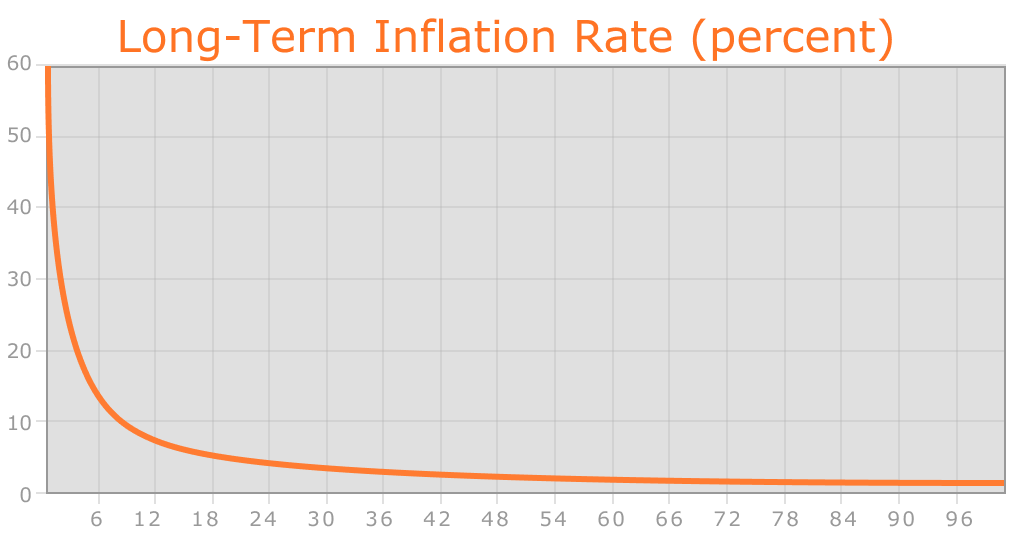
Khả năng mở rộng vẫn là mối quan tâm đáng kể vì mọi nút đầy đủ phải xử lý mọi giao dịch để xác minh trạng thái. Kiến trúc blockchain hiện tại gặp khó khăn trong việc phù hợp với thông lượng giao dịch của hệ thống tập trung. Các giải pháp tiềm năng bao gồm phân chia trạng thái, trong đó các nút khác nhau xử lý các tập hợp con giao dịch khác nhau và chuyển đổi từ proof-of-work sang đồng thuận bằng chứng cổ phần, có thể cho phép sản xuất khối hiệu quả hơn. Các khách hàng nhẹ sử dụng bằng chứng Merkle có thể xác minh các giao dịch mà không cần xử lý tất cả các khối, nhưng ai đó vẫn phải xử lý mọi thứ. Những thách thức về khả năng mở rộng này thể hiện các lĩnh vực nghiên cứu và phát triển tích cực quan trọng đối với khả năng tồn tại lâu dài của Ethereum.
Miscellanea And Concerns
Ethereum의 수정된 GHOST 프로토콜 구현에는 uncle 포함과 보상에 관한 구체적인 규칙이 포함되어 있다. Uncle은 현재 block 조상의 직접 자식이어야 하고(2세대에서 7세대 사이), 유효한 block 헤더여야 하며, 이전 uncle과 구별되어야 하고, 현재 block의 직접 조상이 아니어야 한다. Uncle block은 표준 block 보상의 87.5%를 받으며, 포함하는 block은 포함된 uncle당 추가로 3.125%를 받는다(최대 두 개의 uncle까지). 이 인센티브 구조는 채굴자가 관찰한 무효화된 block을 참조하도록 장려하여, 네트워크 전파에서 일시적으로 불운했던 채굴자에게 보상하면서 네트워크 보안을 강화한다.
수수료 시스템은 "gas" 개념에 기반하며, 모든 계산 연산에는 고정된 gas 비용이 있다. 예를 들어, 곱셈 연산은 5 gas, SHA256 hash는 20 gas가 소요되며, 모든 거래에는 21,000 gas의 기본 비용이 있다. 사용자는 gas limit(소비할 의향이 있는 최대 gas)과 gas price(gas 단위당 지불할 ether 금액) 모두를 지정한다. 이 시스템은 여러 목적을 수행한다: 모든 계산에 비용을 부과하여 무한 루프와 서비스 거부 공격을 방지하고, 사용자가 gas price를 통해 입찰하는 block 공간 시장을 생성하며, 채굴자가 수용할 최소 gas price를 설정할 수 있게 하여 네트워크 자원을 보호한다.
확장성은 모든 전체 노드가 상태를 검증하기 위해 모든 거래를 처리해야 하므로 중대한 과제로 남아 있다. 현재 blockchain 아키텍처는 중앙화 시스템의 거래 처리량에 맞추기 어렵다. 잠재적 해결책으로는 서로 다른 노드가 거래의 서로 다른 하위 집합을 처리하는 상태 샤딩(state sharding)과, 더 효율적인 block 생성을 가능하게 할 수 있는 proof-of-work에서 proof-of-stake 합의로의 전환이 포함된다. Merkle proof를 사용하는 라이트 클라이언트는 모든 block을 처리하지 않고도 거래를 검증할 수 있지만, 누군가는 여전히 모든 것을 처리해야 한다. 이러한 확장성 과제는 Ethereum의 장기적 실행 가능성에 중요한 활발한 연구 개발 분야이다.
Conclusion
Giao thức Ethereum ban đầu được hình thành như một phiên bản nâng cấp của tiền điện tử, cung cấp các tính năng nâng cao như ký quỹ trên blockchain, giới hạn rút tiền và hợp đồng tài chính thông qua ngôn ngữ lập trình có tính khái quát cao. Tuy nhiên, giao thức Ethereum không chỉ dừng lại ở tiền tệ. Các giao thức xung quanh việc lưu trữ tệp phi tập trung, tính toán phi tập trung và thị trường dự đoán phi tập trung, trong số hàng chục khái niệm khác, có khả năng tăng đáng kể hiệu quả của ngành tính toán và mang lại sự thúc đẩy lớn cho các giao thức ngang hàng khác bằng cách lần đầu tiên bổ sung một lớp kinh tế.
Thay vì cung cấp một tập hợp các thao tác giới hạn được thiết kế cho các trường hợp sử dụng cụ thể, Ethereum cung cấp ngôn ngữ lập trình hoàn chỉnh Turing cho phép các nhà phát triển xây dựng bất kỳ ứng dụng nào họ có thể thiết kế. Bạn muốn phát minh ra công cụ phái sinh tài chính của riêng mình? Tạo tiền tệ của riêng bạn? Thành lập chính phủ trên blockchain? Tất cả những điều này đều có thể thực hiện được một cách dễ dàng bằng hệ thống tập lệnh của Ethereum. Sức mạnh của nền tảng không nằm ở việc dự đoán những ứng dụng nào sẽ được xây dựng mà ở việc cung cấp cơ sở hạ tầng nền tảng giúp việc xây dựng chúng trở nên dễ dàng.
Khái niệm về chức năng chuyển đổi trạng thái tùy ý được triển khai bởi giao thức Ethereum cung cấp một nền tảng có tiềm năng độc đáo. Thay vì là một giao thức đóng, có mục đích duy nhất dành cho các ứng dụng cụ thể trong lưu trữ dữ liệu, cờ bạc hoặc tài chính, Ethereum được thiết kế với kết thúc mở và chúng tôi tin rằng nó cực kỳ phù hợp để đóng vai trò là lớp nền tảng cho một số lượng lớn các giao thức tài chính và phi tài chính trong những năm tới. Các ứng dụng sẽ được xây dựng trên Ethereum trong tương lai có thể là những ứng dụng mà ngày nay chúng ta thậm chí không thể tưởng tượng được và khả năng mở đó thể hiện lời hứa thực sự của nền tảng.
Conclusion
Ethereum 프로토콜은 원래 on-blockchain 에스크로, 출금 한도, 금융 계약과 같은 고급 기능을 고도로 일반화된 프로그래밍 언어를 통해 제공하는 암호화폐의 업그레이드 버전으로 구상되었다. 그러나 Ethereum 프로토콜은 단순한 화폐를 훨씬 넘어선다. 탈중앙화 파일 저장, 탈중앙화 컴퓨팅, 탈중앙화 예측 시장을 비롯한 수십 가지 다른 개념에 관한 프로토콜은 컴퓨팅 산업의 효율성을 크게 높이고, 최초로 경제적 계층을 추가함으로써 다른 P2P 프로토콜에 대규모 촉진력을 제공할 잠재력을 갖고 있다.
특정 사용 사례를 위해 설계된 제한된 연산 집합을 제공하는 대신, Ethereum은 개발자가 설계할 수 있는 모든 애플리케이션을 구축할 수 있게 하는 Turing-complete 프로그래밍 언어를 제공한다. 나만의 금융 파생상품을 만들고 싶은가? 자신만의 화폐를 만들고 싶은가? blockchain 위에 정부를 세우고 싶은가? 이 모든 것이 Ethereum의 스크립팅 시스템으로 간단하게 구현 가능하다. 플랫폼의 힘은 어떤 애플리케이션이 구축될지 예측하는 데 있지 않고, 그것들을 쉽게 구축할 수 있는 기반 인프라를 제공하는 데 있다.
Ethereum 프로토콜에 의해 구현된 임의의 상태 전이 함수 개념은 고유한 잠재력을 가진 플랫폼을 제공한다. 데이터 저장, 도박 또는 금융의 특정 애플리케이션을 위한 폐쇄적이고 단일 목적의 프로토콜이 아니라, Ethereum은 설계상 개방적이며, 향후 수년간 많은 금융 및 비금융 프로토콜의 기반 계층으로 봉사하기에 매우 적합하다고 우리는 믿는다. 미래에 Ethereum 위에 구축될 애플리케이션은 오늘날 우리가 상상조차 할 수 없는 것일 수 있으며, 이러한 개방적 가능성이야말로 플랫폼의 진정한 약속이다.
References and Further Reading
Sách trắng Ethereum được xây dựng dựa trên nghiên cứu sâu rộng trước đây về tiền điện tử và nghiên cứu hệ thống phân tán. Giao thức Bitcoin nền tảng được mô tả trong bài báo gốc năm 2008 của Satoshi Nakamoto "Bitcoin: Hệ thống tiền mặt điện tử ngang hàng", giới thiệu khái niệm về tiền kỹ thuật số dựa trên blockchain. Những nỗ lực ban đầu nhằm mở rộng chức năng của Bitcoin bao gồm Namecoin, một hệ thống đăng ký tên phi tập trung thể hiện các ứng dụng blockchain ngoài tiền tệ, mặc dù bị hạn chế bởi khả năng viết tập lệnh hạn chế của Bitcoin.
Sách trắng về tiền xu màu đã đề xuất một phương pháp thể hiện các tài sản thay thế trên chuỗi khối Bitcoin bằng cách "tô màu" các bitcoin cụ thể để đại diện cho các tài sản khác, trong khi Mastercoin cố gắng tạo một lớp giao thức trên Bitcoin cho các công cụ tài chính phức tạp hơn. Cả hai đều nêu bật những hạn chế của việc xây dựng trên Bitcoin và thúc đẩy nhu cầu về một nền tảng linh hoạt hơn. Khái niệm về các tập đoàn tự trị phi tập trung, được khám phá trên Tạp chí Bitcoin, đã cung cấp nền tảng lý thuyết cho việc quản trị tổ chức thông qua các hợp đồng thông minh.
Các thành phần kỹ thuật chính bao gồm xác minh thanh toán đơn giản (SPV) dành cho khách hàng hạng nhẹ, cây Merkle để xác minh dữ liệu hiệu quả và Patricia cố gắng đại diện cho trạng thái của Ethereum. Giao thức GHOST (Cây con được quan sát nặng nhất tham lam), được mô tả trong một bài viết về mật mã năm 2013, giải quyết các vấn đề bảo mật phát sinh từ thời gian khối nhanh và tạo cơ sở cho cơ chế đồng thuận của Ethereum. Những tài liệu tham khảo này thể hiện nền tảng trí tuệ mà Ethereum được xây dựng trên đó, kết hợp những hiểu biết sâu sắc về tiền điện tử, hệ thống phân tán, mật mã và lý thuyết trò chơi để tạo ra một nền tảng chuỗi khối có mục đích chung.
References and Further Reading
Ethereum 백서는 암호화폐와 분산 시스템 연구의 광범위한 선행 연구를 기반으로 한다. 기반이 되는 Bitcoin 프로토콜은 Satoshi Nakamoto의 2008년 원본 논문 "Bitcoin: A Peer-to-Peer Electronic Cash System"에 서술되어 있으며, 이 논문은 blockchain 기반 디지털 화폐의 개념을 도입했다. Bitcoin의 기능을 확장하려는 초기 시도에는 blockchain 애플리케이션을 화폐 이상으로 확장한 탈중앙화 이름 등록 시스템인 Namecoin이 포함되나, Bitcoin의 제한된 스크립팅 기능에 의해 한계가 있었다.
Colored coins 백서는 특정 bitcoin을 "착색"하여 다른 자산을 나타내는 방법을 제안했으며, Mastercoin은 더 복잡한 금융 상품을 위해 Bitcoin 위에 프로토콜 계층을 생성하려 시도했다. 두 프로젝트 모두 Bitcoin 위에 구축하는 것의 한계를 부각시키며 더 유연한 플랫폼의 필요성을 촉발했다. Bitcoin Magazine에서 탐구된 탈중앙화 자율 기업의 개념은 smart contract를 통한 조직 거버넌스에 대한 이론적 기반을 제공했다.
핵심 기술 구성 요소로는 라이트 클라이언트를 위한 간편 결제 검증(SPV), 효율적인 데이터 검증을 위한 Merkle tree, Ethereum의 상태 표현을 위한 Patricia trie가 있다. 2013년 암호학 논문에 서술된 GHOST(Greedy Heaviest Observed Subtree) 프로토콜은 빠른 block 시간에서 발생하는 보안 문제를 해결하며 Ethereum의 합의 메커니즘의 기반을 형성한다. 이러한 참고문헌들은 Ethereum이 구축된 지적 토대를 나타내며, 암호화폐, 분산 시스템, 암호학, 게임 이론의 통찰을 결합하여 범용 blockchain 플랫폼을 창조했다.