
เอกสารไวท์เปเปอร์ของตรอน
介绍
1.1 愿景
TRON 是一个雄心勃勃的项目,致力于建立一个真正去中心化的互联网及其
基础设施。 TRON 协议,最大的基于 blockchain 的操作系统之一
world,为高吞吐量、高可扩展性和高可用性提供公共 blockchain 支持
TRON 生态系统中的所有去中心化应用程序 (DApp)。 2018年7月收购
BitTorrent 进一步巩固了 TRON 在追求去中心化生态系统方面的领导地位。
1.2 背景
2009 年Bitcoin 的推出彻底改变了社会对传统金融的看法 大衰退(2007-2008)之后的系统。作为中心化的对冲基金和银行 由于不透明的金融衍生品投机而崩溃,blockchain 技术提供了 透明的通用分类账,任何人都可以从中收集交易信息。的 使用工作证明(PoW)共识机制以加密方式保护交易, 从而防止双重支出问题。
2013 年底,Ethereum 白皮书提出了一个网络,其中 smart contract 和 图灵完备的 Ethereum 虚拟机 (EVM) 将允许开发人员与 通过 DApp 网络。然而,随着 Bitcoin 和 Ethereum 的交易量在 2017 年达到顶峰, 从低交易吞吐量时间和高交易费用可以明显看出 像 Bitcoin 和 Ethereum 这样的加密货币在其现有状态下无法扩展以供广泛使用 收养。因此,TRON 成立并被设想为解决这些紧迫问题的创新解决方案 可扩展性挑战。
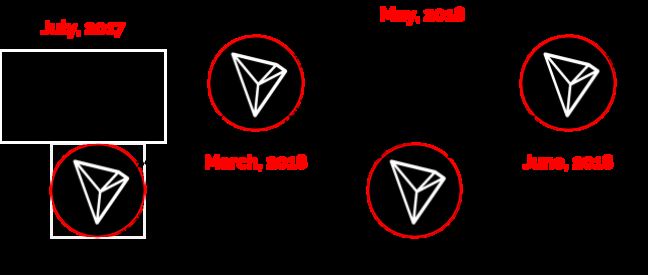
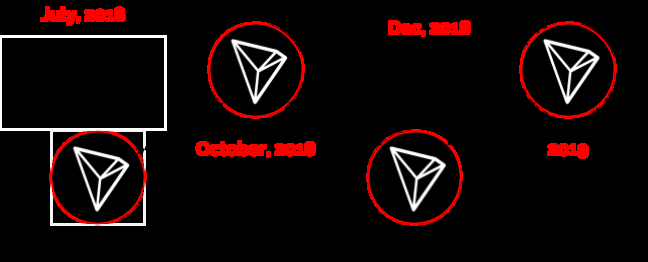
1.3 历史 TRON DAO 于 2017 年 7 月在新加坡成立。 2017 年 12 月,TRON 有 推出了其开源协议。测试网、区块链浏览器和网络钱包都是 于 2018 年 3 月推出。TRON 主网随后于 2018 年 5 月推出,标志着 Odyssey 2.0 的发布是一个技术里程碑。 2018年6月,TRON宣布独立 随着 Genesis 区块的创建,以及 2018 年 7 月对 BitTorrent 的收购。在 2018 年 10 月,TRON 推出了 TRON 虚拟机 (TVM),这是一个完整的开发人员工具集, 以及360支持系统。 TRON 路线图涉及合并 BitTorrent 的 1 亿用户 通过 Project Atlas 与 TRON 网络合作,并促进开发者社区推出 TRON 网络上令人兴奋的新 DApps1。 1 V1.0 发布于 https://tron.network/static/doc/white_paper_v_1_0.pdf
1.4 术语
地址/钱包 由 TRON 网络上的帐户凭据组成的地址或钱包由 密钥对,由私钥和公钥组成,后者源自前者 通过算法。公钥通常用于会话密钥加密、签名 验证,并对可以通过相应私钥解密的数据进行加密。
ABI 应用程序二进制接口(ABI)是两个二进制程序模块之间的接口;通常 这些模块之一是库或操作系统设施,另一个是用户运行的 程序。
应用程序编程接口 应用程序编程接口(API)主要用于用户客户端开发。具有API 支持,token发行平台也可以由开发者自行设计。
资产 在TRON的文档中,资产与token相同,也表示为TRC-10 token。
带宽点 (BP) 为了保持网络平稳运行,TRON网络交易使用BP作为燃料。每个账户 每日免费获得5000BP,冻结TRX换BP还可获得更多。 TRX 和 TRC-10 token 转账是消耗 BP 的正常交易。 智能合约部署和执行 交易既消耗BP又消耗Energy。
块 区块包含交易的数字记录。一个完整的块由幻数组成, 区块大小、区块头、交易计数器和交易数据。
区块奖励 区块生产奖励发送至子账户(地址/钱包)。超级代表可以 在 Tronscan 上或直接通过 API 领取奖励。
区块头 块头是块的一部分。 TRON 块头包含前一个块的 hash, Merkle 根、时间戳、版本和见证人地址。冷钱包 冷钱包也称为离线钱包,使私钥与任何人完全断开连接。 网络。冷钱包通常安装在“冷”设备上(例如电脑或手机) 保持离线)以保证TRX私钥的安全。
去中心化应用程序 去中心化应用程序是一种在没有集中信任方的情况下运行的应用程序。申请 实现最终用户和/或资源之间的直接交互/协议/通信 没有中间人。
远程过程调用 gRPC(gRPC Remote procedure Calls)是一个开源的远程过程调用(RPC)系统 2 最初是在 Google 开发的。它使用 HTTP/2 进行传输,使用 Protocol Buffers 作为接口 描述语言,并提供身份验证、双向流和流量等功能 控制、阻塞或非阻塞绑定以及取消和超时。它生成 多种语言的跨平台客户端和服务器绑定。最常见的使用场景 包括微服务风格架构中的连接服务和连接移动设备,以及 浏览器客户端到后端服务。
热钱包 热钱包又称在线钱包,允许用户在线使用私钥,因此可以 容易受到潜在漏洞或恶意行为者拦截的影响。
JDK Java Development Kit 是用于 Java 应用程序的 Java SDK。它是Java的核心 开发,包括Java应用环境(JVM+Java类库)和Java 工具。
考斯数据库 TRON 在全节点内存中有一个 KhaosDB,可以存储所有新分叉生成的链 在一定时间内支持见证人快速从自己的活跃链切换 进入新的主链。更多详细信息请参见 2.2.2 状态存储。
水平数据库 LevelDB最初被采用的主要目标是满足快速R/W和快速读取的要求。 发展。主网启动后,TRON 将其数据库升级为完全定制的 一个满足其自身的需要。更多详情请参见2.2.1 区块链存储。
默克尔根 Merkle 根是作为 blockchain 中的块的一部分包含的所有交易的所有 hash 的 hash 网络。有关更多详细信息,请参阅 3.1 委托权益证明 (DPoS)。 2 https://en.wikipedia.org/wiki/GRPC
公共测试网(Shasta) 以单节点配置运行的网络版本。开发者可以连接并测试 功能,无需担心经济损失。测试网 tokens 没有价值,任何人都可以 对公共水龙头提出更多要求。
远程过程调用
3
在分布式计算中,远程过程调用(RPC)是指计算机程序引起
在不同的地址空间(通常在另一台计算机上)执行的过程(子例程)
一个共享网络),它的编码就像一个正常的(本地)过程调用,没有
程序员明确编码远程交互的细节。
可扩展性 可扩展性是 TRON 协议的一项功能。它是系统、网络或流程的能力 处理越来越多的工作或扩大工作量以适应这种增长的潜力。
太阳 SUN取代drop成为TRX的最小单位。 1 TRX = 1,000,000 SUN。
吞吐量 高吞吐量是 TRON 主网的一个特点。它以每秒事务数 (TPS) 来衡量, 即一秒内的最大交易能力。
时间戳 区块生产的大致时间记录为Unix时间戳,即区块生产的数量 自 UTC 时间 1970 年 1 月 1 日 00:00:00 起经过的毫秒数。
TKC 令牌配置。
TRC-10 TRON 平台上的加密货币 token 标准。需要遵循一定的规则和接口 在 TRON blockchain 举行首次代币发行时。
TRX TRX代表Tronix,它是TRON的官方加密货币。
3 https://en.wikipedia.org/wiki/Remote_procedure_call
การแนะนำ
1.1 วิสัยทัศน์
TRON เป็นโครงการที่มีความทะเยอทะยานที่อุทิศให้กับการสร้างอินเทอร์เน็ตที่มีการกระจายอำนาจอย่างแท้จริงและ
โครงสร้างพื้นฐาน TRON Protocol หนึ่งในระบบปฏิบัติการที่ใช้ blockchain ที่ใหญ่ที่สุดใน
world เสนอ blockchain การสนับสนุนสาธารณะสำหรับปริมาณงานสูง ความสามารถในการปรับขนาดสูง และความพร้อมใช้งานสูงสำหรับ
แอปพลิเคชันแบบกระจายอำนาจ (DApps) ทั้งหมดในระบบนิเวศ TRON การเข้าซื้อกิจการเดือนกรกฎาคม 2561 ของ
BitTorrent ยังตอกย้ำความเป็นผู้นำของ TRON ในการแสวงหาระบบนิเวศแบบกระจายอำนาจ
1.2 ความเป็นมา
การเปิดตัว Bitcoin ในปี 2009 ได้ปฏิวัติการรับรู้ของสังคมเกี่ยวกับการเงินแบบดั้งเดิม หลังเกิดภาวะเศรษฐกิจถดถอยครั้งใหญ่ (พ.ศ. 2550-2551) เป็นกองทุนป้องกันความเสี่ยงแบบรวมศูนย์และธนาคาร ทรุดตัวลงจากการเก็งกำไรในอนุพันธ์ทางการเงินที่ทึบแสง blockchain เทคโนโลยีให้ บัญชีแยกประเภทสากลที่โปร่งใสซึ่งใครก็ตามสามารถรวบรวมข้อมูลธุรกรรมได้ ที่ ธุรกรรมได้รับการรักษาความปลอดภัยแบบเข้ารหัสโดยใช้กลไกฉันทามติ Proof of Work (PoW) จึงป้องกันปัญหาการใช้จ่ายซ้ำซ้อน
ในช่วงปลายปี 2013 เอกสารไวท์เปเปอร์ Ethereum เสนอเครือข่ายที่ smart contracts และ Turing-complete Ethereum Virtual Machine (EVM) จะช่วยให้นักพัฒนาสามารถโต้ตอบกับ เครือข่ายผ่าน DApps อย่างไรก็ตาม เนื่องจากปริมาณธุรกรรมใน Bitcoin และ Ethereum พุ่งถึงจุดสูงสุดในปี 2017 เห็นได้ชัดจากเวลาการทำธุรกรรมที่ต่ำและค่าธรรมเนียมการทำธุรกรรมที่สูง cryptocurrencies เช่น Bitcoin และ Ethereum ในสถานะที่มีอยู่ไม่สามารถปรับขนาดได้อย่างกว้างขวาง การรับเลี้ยงบุตรบุญธรรม ดังนั้น TRON จึงถูกก่อตั้งขึ้นและจินตนาการว่าเป็นโซลูชันเชิงนวัตกรรมสำหรับการกดเหล่านี้ ความท้าทายด้านความสามารถในการขยายขนาด
1.3 ประวัติศาสตร์ TRON DAO ก่อตั้งขึ้นในเดือนกรกฎาคม 2017 ในสิงคโปร์ ในเดือนธันวาคม 2017 TRON มี เปิดตัวโปรโตคอลโอเพ่นซอร์ส Testnet, Blockchain Explorer และ Web Wallet ล้วนเป็นทั้งหมด เปิดตัวภายในเดือนมีนาคม 2018 TRON Mainnet เปิดตัวหลังจากนั้นไม่นานในเดือนพฤษภาคม 2018 ซึ่งถือเป็น การเปิดตัว Odyssey 2.0 ถือเป็นก้าวสำคัญทางเทคนิค ในเดือนมิถุนายน 2018 TRON ประกาศเอกราช ด้วยการสร้างบล็อก Genesis พร้อมกับการเข้าซื้อกิจการ BitTorrent ในเดือนกรกฎาคม 2561 ใน ตุลาคม 2018 TRON เปิดตัว TRON Virtual Machine (TVM) ซึ่งเป็นชุดเครื่องมือของนักพัฒนาที่สมบูรณ์ และระบบรองรับ 360 องศา แผนงาน TRON เกี่ยวข้องกับการรวมผู้ใช้ BitTorrent 100 ล้านคนเข้าด้วยกัน ด้วยเครือข่าย TRON ผ่าน Project Atlas ตลอดจนส่งเสริมชุมชนนักพัฒนาให้เปิดตัว DApps ใหม่ที่น่าตื่นเต้นบน TRON network1 1 V1.0 มีให้ที่ https://tron.network/static/doc/white_paper_v_1_0.pdf
1.4 คำศัพท์เฉพาะทาง
ที่อยู่/กระเป๋าเงิน ที่อยู่หรือกระเป๋าเงินที่ประกอบด้วยข้อมูลรับรองบัญชีบนเครือข่าย TRON ถูกสร้างขึ้นโดย คู่คีย์ซึ่งประกอบด้วยคีย์ส่วนตัวและคีย์สาธารณะ ซึ่งคีย์หลังได้รับมาจากคีย์แรก ผ่านอัลกอริธึม กุญแจสาธารณะมักจะใช้สำหรับการเข้ารหัสคีย์เซสชันและลายเซ็น การตรวจสอบและการเข้ารหัสข้อมูลที่สามารถถอดรหัสได้ด้วยคีย์ส่วนตัวที่เกี่ยวข้อง
เอบีไอ Application Binary Interface (ABI) เป็นส่วนต่อประสานระหว่างโมดูลโปรแกรมไบนารีสองโมดูล ปกติแล้ว หนึ่งในโมดูลเหล่านี้คือไลบรารีหรือสิ่งอำนวยความสะดวกของระบบปฏิบัติการ และอีกโมดูลหนึ่งคือส่วนเรียกใช้งานของผู้ใช้ โปรแกรม
เอพีไอ Application Programming Interface (API) ส่วนใหญ่จะใช้สำหรับการพัฒนาไคลเอนต์ผู้ใช้ ด้วยเอพีไอ สนับสนุน token แพลตฟอร์มการออกสามารถออกแบบโดยนักพัฒนาเองได้
สินทรัพย์ ในเอกสารของ TRON เนื้อหาจะเหมือนกับ token ซึ่งยังแสดงเป็น TRC-10 token
คะแนนแบนด์วิธ (BP) เพื่อให้เครือข่ายทำงานได้อย่างราบรื่น ธุรกรรมเครือข่าย TRON จะใช้ BP เป็นเชื้อเพลิง แต่ละบัญชี รับ 5,000 BP ฟรีทุกวัน และสามารถรับได้อีกมากโดยการแช่แข็ง TRX สำหรับ BP ทั้ง TRX และ TRC-10 token การโอนเป็นธุรกรรมปกติที่คิดต้นทุน BP การปรับใช้และการดำเนินการตามสัญญาอัจฉริยะ ธุรกรรมใช้ทั้ง BP และพลังงาน
บล็อก บล็อกประกอบด้วยบันทึกธุรกรรมดิจิทัล บล็อกที่สมบูรณ์ประกอบด้วยหมายเลขเวทย์มนตร์ ขนาดบล็อก ส่วนหัวของบล็อก ตัวนับธุรกรรม และข้อมูลธุรกรรม
รางวัลบล็อก รางวัลการผลิตบล็อกจะถูกส่งไปยังบัญชีย่อย (ที่อยู่/กระเป๋าเงิน) ตัวแทนซุปเปอร์ก็ได้ รับรางวัลจาก Tronscan หรือผ่าน API โดยตรง
ส่วนหัวของบล็อก ส่วนหัวของบล็อกเป็นส่วนหนึ่งของบล็อก TRON ส่วนหัวของบล็อกประกอบด้วย hash ของบล็อกก่อนหน้า ราก Merkle การประทับเวลา เวอร์ชัน และที่อยู่พยานกระเป๋าเงินเย็น กระเป๋าเงินเย็นหรือที่รู้จักกันในชื่อกระเป๋าเงินออฟไลน์ จะทำให้รหัสส่วนตัวถูกตัดการเชื่อมต่ออย่างสมบูรณ์ เครือข่าย โดยปกติแล้ว กระเป๋าเงินเย็นจะติดตั้งบนอุปกรณ์ "เย็น" (เช่น คอมพิวเตอร์หรือโทรศัพท์มือถือ อยู่ในสถานะออฟไลน์) เพื่อรับรองความปลอดภัยของรหัสส่วนตัว TRX
ดีแอป แอปพลิเคชันแบบกระจายอำนาจเป็นแอปที่ทำงานโดยไม่มีฝ่ายที่เชื่อถือได้จากส่วนกลาง ใบสมัคร ที่ช่วยให้มีปฏิสัมพันธ์/ข้อตกลง/การสื่อสารโดยตรงระหว่างผู้ใช้ปลายทางและ/หรือทรัพยากร โดยไม่มีคนกลาง
จีอาร์พีซี gRPC (gRPC Remote Procedure Calls) เป็นระบบการเรียกขั้นตอนระยะไกล (RPC) แบบโอเพ่นซอร์ส 2 พัฒนาครั้งแรกที่ Google ใช้ HTTP/2 สำหรับการขนส่ง โดยมี Protocol Buffers เป็นอินเทอร์เฟซ ภาษาคำอธิบาย และมีคุณสมบัติต่างๆ เช่น การรับรองความถูกต้อง การสตรีมและโฟลว์แบบสองทิศทาง การควบคุม การบล็อกหรือการไม่บล็อกการเชื่อมโยง และการยกเลิกและการหมดเวลา มันสร้าง ไคลเอนต์ข้ามแพลตฟอร์มและการเชื่อมโยงเซิร์ฟเวอร์สำหรับหลายภาษา สถานการณ์การใช้งานที่พบบ่อยที่สุด รวมถึงบริการเชื่อมต่อในสถาปัตยกรรมสไตล์ไมโครเซอร์วิสและการเชื่อมต่ออุปกรณ์มือถือ และ ไคลเอ็นต์เบราว์เซอร์ไปยังบริการแบ็กเอนด์
กระเป๋าเงินสุดฮอต กระเป๋าเงินร้อนหรือที่เรียกว่ากระเป๋าเงินออนไลน์ อนุญาตให้ใช้รหัสส่วนตัวของผู้ใช้ออนไลน์ได้ ดังนั้นจึงอาจเป็นเช่นนั้น อ่อนแอต่อช่องโหว่ที่อาจเกิดขึ้นหรือการสกัดกั้นโดยผู้ดำเนินการที่เป็นอันตราย
เจดีเค Java Development Kit คือ Java SDK ที่ใช้สำหรับแอปพลิเคชัน Java มันเป็นแกนหลักของ Java การพัฒนาประกอบด้วยสภาพแวดล้อมแอปพลิเคชัน Java (ไลบรารีคลาส JVM + Java) และ Java เครื่องมือ
KhaosDB TRON มี KhaosDB ในหน่วยความจำโหนดเต็มที่สามารถจัดเก็บเชนที่แยกใหม่ทั้งหมดที่สร้างขึ้น ภายในระยะเวลาที่กำหนดและสนับสนุนให้พยานเปลี่ยนจากห่วงโซ่ที่ใช้งานของตนเองได้อย่างรวดเร็ว เข้าสู่ห่วงโซ่หลักใหม่ ดู 2.2.2 การจัดเก็บสถานะสำหรับรายละเอียดเพิ่มเติม
ระดับDB เริ่มแรก LevelDB ถูกนำมาใช้โดยมีเป้าหมายหลักเพื่อให้เป็นไปตามข้อกำหนดของ R/W ที่รวดเร็วและรวดเร็ว การพัฒนา หลังจากเปิดตัว Mainnet แล้ว TRON ได้อัปเกรดฐานข้อมูลเป็นแบบที่ปรับแต่งเองทั้งหมด สิ่งหนึ่งที่สนองความต้องการของตัวเอง ดู 2.2.1 ที่เก็บข้อมูลบล็อคเชน สำหรับรายละเอียดเพิ่มเติม
รากเมิร์เคิล รากของ Merkle คือ hash ของ hashes ทั้งหมด ของธุรกรรมทั้งหมดที่รวมเป็นส่วนหนึ่งของบล็อกใน blockchain เครือข่าย ดู 3.1 หลักฐานการเดิมพันที่ได้รับมอบหมาย (DPoS) สำหรับรายละเอียดเพิ่มเติม 2 https://en.wikipedia.org/wiki/GRPC
เครือข่ายทดสอบสาธารณะ (Shasta) เวอร์ชันของเครือข่ายที่ทำงานในการกำหนดค่าโหนดเดียว นักพัฒนาสามารถเชื่อมต่อและทดสอบได้ คุณสมบัติโดยไม่ต้องกังวลกับการสูญเสียทางเศรษฐกิจ Testnet tokens ไม่มีค่าและใครๆ ก็สามารถทำได้ ขอเพิ่มเติมจาก faucet สาธารณะ
อาร์พีซี
3
ในการคำนวณแบบกระจาย การเรียกขั้นตอนระยะไกล (RPC) คือเมื่อโปรแกรมคอมพิวเตอร์ทำให้เกิด
ขั้นตอน (รูทีนย่อย) เพื่อดำเนินการในพื้นที่ที่อยู่อื่น (โดยทั่วไปบนคอมพิวเตอร์เครื่องอื่นที่เปิดอยู่
เครือข่ายที่ใช้ร่วมกัน) ซึ่งถูกเข้ารหัสราวกับว่าเป็นการเรียกโพรซีเดอร์ปกติ (ในเครื่อง) โดยไม่มี
โปรแกรมเมอร์เข้ารหัสรายละเอียดสำหรับการโต้ตอบระยะไกลอย่างชัดเจน
ความสามารถในการขยายขนาด ความสามารถในการปรับขนาดเป็นคุณลักษณะของโปรโตคอล TRON เป็นความสามารถของระบบ เครือข่าย หรือกระบวนการในการ รับมือกับปริมาณงานที่เพิ่มขึ้นหรือศักยภาพที่จะขยายเพื่อรองรับการเติบโตนั้น
อาทิตย์ SUN แทนที่ drop เป็นหน่วยที่เล็กที่สุดของ TRX 1 TRX = 1,000,000 อาทิตย์
ปริมาณงาน ปริมาณงานสูงเป็นคุณลักษณะของ TRON Mainnet มีหน่วยวัดเป็นธุรกรรมต่อวินาที (TPS) คือความสามารถในการทำธุรกรรมสูงสุดในหนึ่งวินาที
การประทับเวลา เวลาโดยประมาณของการผลิตบล็อกจะถูกบันทึกเป็นการประทับเวลา Unix ซึ่งเป็นจำนวน มิลลิวินาทีที่ผ่านไปตั้งแต่ 00:00:00 01 มกราคม 1970 UTC
ทีเคซี การกำหนดค่าโทเค็น
ทีอาร์ซี-10 มาตรฐานของ crypto token บนแพลตฟอร์ม TRON จำเป็นต้องปฏิบัติตามกฎและอินเทอร์เฟซบางอย่าง เมื่อถือข้อเสนอเหรียญเริ่มต้นใน TRON blockchain
TRX TRX ย่อมาจาก Tronix ซึ่งเป็นสกุลเงินดิจิทัลอย่างเป็นทางการของ TRON
3 https://en.wikipedia.org/wiki/Remote_procedure_call
架构
TRON采用三层架构,分为存储层、核心层和应用层。 TRON 协议遵循 Google Protobuf,本质上支持多语言 扩展。
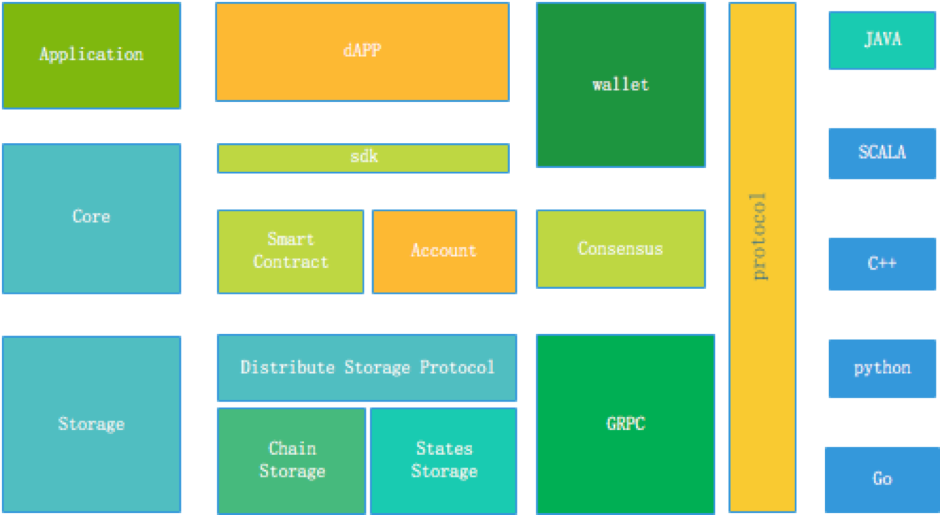
图 1:TRON 3 层架构
2.1 核心
核心层有几个模块,包括smart contracts、账户管理、 共识。基于堆栈的虚拟机在 TRON 上实现并优化了指令 集被使用。为了更好地支持DApp开发者,Solidity被选为smart contract 4 语言,其次是未来对其他高级语言的支持。另外,TRON的共识 机制基于委托权益证明 (DPoS),并在以下方面做出了许多创新 以满足其独特的要求。 2.2 存储
TRON 设计了一种独特的分布式存储协议,由块存储和状态组成 存储。在存储层的设计中引入了图数据库的概念 更好地满足现实世界多样化数据存储的需求。 2.2.1 区块链存储
TRON blockchain 存储选择使用LevelDB,由Google开发并经过验证 与许多公司和项目取得成功。高性能,支持任意字节 数组作为键和值,单一获取、放置和删除,批量放置和删除,双向 迭代器,以及使用非常快的 Snappy 算法的简单压缩。 2.2.2 状态存储
TRON 在全节点内存中有一个 KhaosDB,可以存储所有新分叉的链 在一定时间内支持见证人快速从自己的活跃链切换 进入新的主链。它还可以通过使其更加稳定来保护 blockchain 存储。 在中间状态异常终止。 2.3 应用
开发者可以在TRON上创建各种DApp和定制钱包。自 TRON 起 使 smart contracts 能够被部署和执行,实用程序应用程序的机会是 无限。 4 Solidity 官方文档:https://solidity.readthedocs.io/
2.4 协议
TRON 协议遵循 Google Protocol Buffers ,这是一种语言中立、平台中立的协议, 5 以及序列化结构化数据的可扩展方式,用于通信协议、数据存储、 等等。 2.4.1 协议缓冲区
Protocol Buffers (Protobuf) 是一种灵活、高效、自动化的机制,用于序列化结构化数据 data,类似于 JSON 或 XML,但更小、更快、更简单。
Protobuf (.proto) 定义可用于生成 C++、Java、C#、Python、Ruby、 通过官方代码生成器生成 Golang 和 Objective-C 语言。各种第三方 还可以用于许多其他语言的实现。 Protobuf 简化了开发 通过统一 API 定义并优化数据传输来为客户端提供服务。客户可以使用API 来自 TRON 协议存储库的 .proto 并通过自动生成的代码进行集成 图书馆。
相比之下,Protocol Buffers 比 XML 小 3 到 10 倍,速度快 20 到 100 倍, 具有更少歧义的语法。 Protobuf 生成更易于使用的数据访问类 以编程方式。 2.4.2 超文本传输协议
TRON 协议提供了 Protobuf API 的 RESTful HTTP API 替代方案。他们有共同点 接口,但 HTTP API 可以很容易地在 javascript 客户端中使用。 2.5 TRON 虚拟机 (TVM)
TVM 是为 TRON 生态系统开发的轻量级图灵完备虚拟机。的
TVM与现有开发生态系统无缝连接,为全球数百万用户提供
为开发者定制高效、便捷、稳定、安全的blockchain系统
可扩展。
2.6 去中心化交易所(DEX)
5 Google Protocol Buffers 官方文档:https://developers.google.com/protocol-buffers/TRON网络原生支持去中心化交易功能。去中心化交易所 由多个交易对组成。交易对(符号“交易所”)是一个交易市场 TRC-10 token 之间,或 TRC-10 token 和 TRX 之间。任何账户都可以创建交易 任何 token 之间的对,即使 TRON 网络上已存在相同的对。贸易和 交易对的价格波动遵循Bancor协议。 TRON 网络规定 6 所有交易对中两个token的权重相等,所以它们的余额之比就是价格 他们之间。例如,考虑一个包含两个 token、ABC 和 DEF 的交易对。 ABC 有 余额为1000万,DEF余额为100万。由于它们的权重相等,因此 10 ABC = 1 防御。这意味着 ABC 与 DEF 的比率为 10 ABC/DEF。 2.7 实施
TRON blockchain 代码是用 Java 实现的,最初是 EthereumJ 的分支。
6 Bancor协议官网:https://about.bancor.network/protocol/
สถาปัตยกรรมระบบ
TRON ใช้สถาปัตยกรรม 3 เลเยอร์ซึ่งแบ่งออกเป็น Storage Layer, Core Layer และ Application Layer โปรโตคอล TRON เป็นไปตาม Google Protobuf ซึ่งสนับสนุนหลายภาษาอย่างแท้จริง ส่วนขยาย
รูปที่ 1: TRON สถาปัตยกรรม 3 ชั้น
2.1 แกน
มีหลายโมดูลในเลเยอร์หลัก รวมถึง smart contracts การจัดการบัญชี และ ฉันทามติ เครื่องเสมือนแบบสแต็กถูกใช้งานบน TRON และคำสั่งที่ปรับให้เหมาะสม มีการใช้ชุด เพื่อสนับสนุนนักพัฒนา DApp ได้ดียิ่งขึ้น Solidity ได้รับเลือกให้เป็น smart contract 4 ตามมาด้วยการสนับสนุนภาษาขั้นสูงอื่นๆ ในอนาคต นอกจากนี้ ฉันทามติของ TRON กลไกจะขึ้นอยู่กับ Delegated Proof of Stake (DPoS) และมีการสร้างนวัตกรรมมากมายใน เพื่อให้เป็นไปตามข้อกำหนดเฉพาะของมัน 2.2 การจัดเก็บ
TRON ออกแบบโปรโตคอลการจัดเก็บข้อมูลแบบกระจายที่ไม่ซ้ำใคร ซึ่งประกอบด้วย Block Storage และ State ที่เก็บของ แนวคิดของฐานข้อมูลกราฟถูกนำมาใช้ในการออกแบบชั้นจัดเก็บข้อมูลเพื่อ ตอบสนองความต้องการการจัดเก็บข้อมูลที่หลากหลายในโลกแห่งความเป็นจริงได้ดีขึ้น 2.2.1 ที่เก็บข้อมูลบล็อคเชน
TRON blockchain พื้นที่เก็บข้อมูลเลือกใช้ LevelDB ซึ่งพัฒนาโดย Google และผ่านการพิสูจน์แล้ว ประสบความสำเร็จกับบริษัทและโครงการมากมาย มีประสิทธิภาพสูงและรองรับไบต์โดยพลการ อาร์เรย์เป็นทั้งคีย์และค่า รับเอกพจน์ ใส่และลบ ใส่และลบเป็นกลุ่ม สองทิศทาง ตัววนซ้ำและการบีบอัดอย่างง่ายโดยใช้อัลกอริธึม Snappy ที่รวดเร็วมาก 2.2.2 การจัดเก็บของรัฐ
TRON มี KhaosDB ในหน่วยความจำโหนดเต็มที่สามารถจัดเก็บโซ่ที่แยกใหม่ทั้งหมดที่สร้างขึ้น ภายในระยะเวลาที่กำหนดและสนับสนุนให้พยานเปลี่ยนจากห่วงโซ่ที่ใช้งานของตนเองได้อย่างรวดเร็ว เข้าสู่ห่วงโซ่หลักใหม่ นอกจากนี้ยังสามารถปกป้องที่เก็บข้อมูล blockchain โดยการทำให้มันมีเสถียรภาพมากขึ้นจากการเป็น ยุติอย่างผิดปกติในสภาวะระหว่างกลาง 2.3 การสมัคร
นักพัฒนาสามารถสร้าง DApps ที่หลากหลายและกระเป๋าเงินแบบกำหนดเองได้บน TRON ตั้งแต่ TRON เปิดใช้งาน smart contracts เพื่อปรับใช้และดำเนินการ โอกาสของแอปพลิเคชันยูทิลิตี้คือ ไม่จำกัด 4 เอกสารอย่างเป็นทางการของ Solidity: https://solidity.readthedocs.io/
2.4 พิธีสาร
TRON โปรโตคอลเป็นไปตาม Google Protocol Buffers ซึ่งเป็นภาษาที่เป็นกลาง แพลตฟอร์มที่เป็นกลาง 5 และวิธีที่ขยายได้ของซีเรียลไลซ์ข้อมูลที่มีโครงสร้างเพื่อใช้ในโปรโตคอลการสื่อสาร การจัดเก็บข้อมูล และอีกมากมาย 2.4.1 บัฟเฟอร์โปรโตคอล
Protocol Buffers (Protobuf) เป็นกลไกอัตโนมัติที่ยืดหยุ่น มีประสิทธิภาพ สำหรับการจัดโครงสร้างอนุกรม ข้อมูลคล้ายกับ JSON หรือ XML แต่มีขนาดเล็กกว่า เร็วกว่า และง่ายกว่ามาก
คำจำกัดความ Protobuf (.proto) สามารถใช้เพื่อสร้างโค้ดสำหรับ C++, Java, C#, Python, Ruby, ภาษา Golang และ Objective-C ผ่านตัวสร้างโค้ดอย่างเป็นทางการ บุคคลที่สามต่างๆ การใช้งานยังมีให้บริการในภาษาอื่นอีกมากมาย Protobuf ช่วยให้การพัฒนาง่ายขึ้น ลูกค้าโดยการรวมคำจำกัดความ API และเพิ่มประสิทธิภาพการถ่ายโอนข้อมูล ลูกค้าสามารถรับ API ได้ .proto จากที่เก็บโปรโตคอลของ TRON และบูรณาการผ่านโค้ดที่สร้างขึ้นโดยอัตโนมัติ ห้องสมุด
จากการเปรียบเทียบ Protocol Buffers มีขนาดเล็กกว่า 3 ถึง 10 เท่าและเร็วกว่า XML 20 ถึง 100 เท่า ด้วยไวยากรณ์ที่ไม่ชัดเจนน้อยกว่า Protobuf สร้างคลาสการเข้าถึงข้อมูลที่ใช้งานง่ายกว่า โดยทางโปรแกรม 2.4.2 HTTP
TRON โปรโตคอลให้ทางเลือก RESTful HTTP API แทน Protobuf API พวกเขาแบ่งปันเหมือนกัน อินเทอร์เฟซ แต่ HTTP API สามารถใช้งานได้ทันทีในไคลเอนต์จาวาสคริปต์ 2.5 TRON เครื่องเสมือน (TVM)
TVM เป็นเครื่องเสมือนทัวริงที่สมบูรณ์แบบน้ำหนักเบาที่พัฒนาขึ้นสำหรับระบบนิเวศของ TRON ที่
TVM เชื่อมโยงอย่างราบรื่นกับระบบนิเวศการพัฒนาที่มีอยู่เพื่อให้บริการผู้คนนับล้านทั่วโลก
นักพัฒนาซอฟต์แวร์ที่มีระบบ blockchain ที่สร้างขึ้นเองซึ่งมีประสิทธิภาพ สะดวก มีเสถียรภาพ ปลอดภัย และ
ปรับขนาดได้
2.6 การแลกเปลี่ยนแบบกระจายอำนาจ (DEX)
5 เอกสารอย่างเป็นทางการของ Google Protocol Buffers: https://developers.google.com/protocol-buffers/เครือข่าย TRON รองรับฟังก์ชันการแลกเปลี่ยนแบบกระจายอำนาจโดยกำเนิด การแลกเปลี่ยนแบบกระจายอำนาจ ประกอบด้วยคู่การซื้อขายหลายคู่ คู่การซื้อขาย (สัญลักษณ์ “การแลกเปลี่ยน”) คือตลาดแลกเปลี่ยน ระหว่าง TRC-10 tokens หรือระหว่าง TRC-10 token และ TRX บัญชีใดก็ได้สามารถสร้างการซื้อขายได้ จับคู่ระหว่าง tokens ใด ๆ แม้ว่าจะมีคู่เดียวกันอยู่แล้วบนเครือข่าย TRON ก็ตาม การค้าขายและ ความผันผวนของราคาของคู่การซื้อขายเป็นไปตามพิธีสาร Bancor เครือข่าย TRON กำหนดไว้เช่นนั้น 6 น้ำหนักของ token สองคู่ในคู่การซื้อขายทั้งหมดเท่ากัน ดังนั้นอัตราส่วนของยอดคงเหลือคือราคา ระหว่างพวกเขา ตัวอย่างเช่น พิจารณาคู่การซื้อขายที่มี tokens สองรายการ ได้แก่ ABC และ DEF เอบีซีก็มี ยอดคงเหลือ 10 ล้าน และ DEF มียอด 1 ล้าน เนื่องจากน้ำหนักเท่ากัน 10 ABC = 1 การป้องกัน ซึ่งหมายความว่าอัตราส่วนของ ABC ต่อ DEF คือ 10 ABC ต่อ DEF 2.7 การนำไปปฏิบัติ
รหัส TRON blockchain ถูกนำมาใช้ใน Java และเดิมทีเป็นทางแยกจาก EthereumJ
6 เว็บไซต์อย่างเป็นทางการของพิธีสาร Bancor: https://about.bancor.network/protocol/
共识
3.1 委托权益证明 (DPoS)
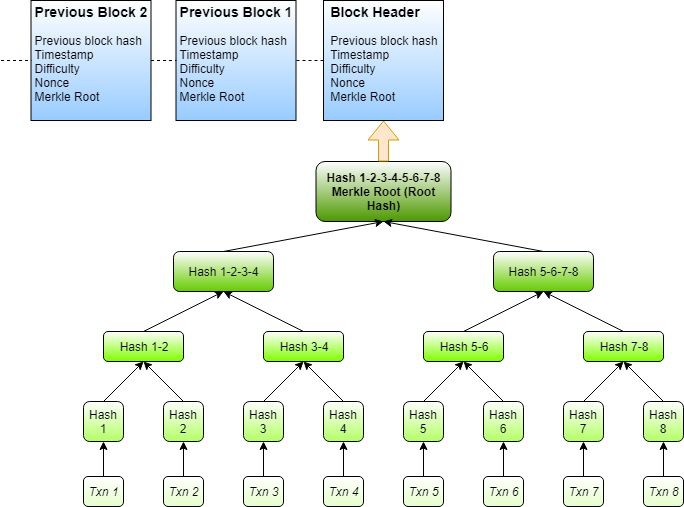
最早的共识机制是工作量证明(PoW)共识机制。这个 协议目前在 Bitcoin 和 Ethereum 中实现。在 PoW 系统中,交易 7 8 通过网络广播的数据被分组为新生块以供矿工确认。的 确认过程涉及使用加密 hashing 算法进行 hashing 交易,直到 已达到默克尔根,创建默克尔树:
图 2:8 个 TRX 交易被 hash 写入 Merkle 根中。然后这个默克尔根被包含在区块头中, 附加到之前确认的块上,形成blockchain。这样可以轻松、透明地跟踪 交易、时间戳和其他相关信息。
7 Bitcoin 白皮书:https://bitcoin.org/bitcoin.pdf 8 Ethereum 白皮书:https://github.com/ethereum/wiki/wiki/White-Paper
加密 hashing 算法在网络攻击预防中非常有用,因为它们具有
几个属性:
9
●
输入/输出长度大小 - 该算法可以传入任意长度大小的输入,并且
输出固定长度 hash 值。
●
效率 - 该算法计算起来相对简单且快速。
●
原像抗性 - 对于给定的输出z,不可能找到任何输入x,使得
h(x) = z。换句话说,hashing 算法h(x) 是一种单向函数,其中仅
给定输入,可以找到输出。反过来是不可能的。
●
抗碰撞性 - 在计算上无法找到任何对 x1 ≠ x2 使得h(x1)
= h(x2).换句话说,找到两个不同输入 hashing 到同一输入的概率
产量极低。该属性还意味着第二原像抵抗。
●
第二原像抗性 - 给定x1,因此h(x1),在计算上是不可行的
找到任意x2,使得h(x1) = h(x2)。虽然此属性类似于防撞性,但
属性的不同之处在于,它表示具有给定x1的攻击者将通过计算找到它
无法找到任何x2 hashing 到相同的输出。
●
确定性 - 将每个输入映射到一个且仅一个输出。
●
Avalanche 效果 - 输入的微小变化会导致完全不同的输出。
这些特性确保加密货币网络不会受到攻击,从而赋予其内在价值。 危害网络。当矿工确认一个区块时,他们将获得 tokens 作为内置奖励 网络参与的激励。然而,随着全球加密货币市值 稳步增长,矿工变得中心化,将计算资源集中在 囤积 token 作为资产,而不是用于网络参与目的。 CPU矿工让位于 GPU 又让位于强大的 ASIC。在一项著名的研究中,总功率 Bitcoin 采矿消耗量估计高达 3 吉瓦,与爱尔兰的消耗量相当 10 功耗。该研究预计不久的将来总功耗将达到 8 GW 未来。
为了解决能源浪费问题,权益证明(PoS)共识机制被提出 许多新网络。在 PoS 网络中,token 持有者锁定其 token 余额以成为区块 validators。 validator 轮流对下一个区块进行提议和投票。然而,问题 对于标准 PoS 来说,validator 的影响力与锁定的 token 数量直接相关。 这导致各方囤积大量网络基础货币并过度使用 在网络生态系统中的影响力。
TRON 共识机制采用创新的委托权益证明系统,其中 27
超级代表(SR)为网络生产区块。每 6 小时,TRX 账户持有者
冻结账户的人可以投票选出 SR 候选人,其中排名前 27 的候选人
视为 SR。选民可以根据 SR 赞助的项目等标准来选择 SR
9 PAAR, C., PELZL, J.,《理解密码学:学生和从业者教科书》,2010 年版。
柏林施普林格出版社海德堡,2010。
10https://www.sciencedirect.com/science/article/pii/S2542435118301776提高 TRX 的采用率,并向选民分配奖励。这使得更加民主化和
去中心化的生态系统。 SR的账户是普通账户,但是他们的投票是累积的
允许他们生产区块。由于 Bitcoin 和 Ethereum 的吞吐率较低,
PoW共识机制和可扩展性问题,TRON的DPoS系统提供了一种创新的
机制导致 2000 TPS 与 Bitcoin 的 3 TPS 和 Ethereum 的 15 TPS 相比。
TRON 协议网络每三秒生成一个区块,每个区块奖励 32 TRX 给超级代表。每年将向 27 名 SR 奖励总计 336,384,000 TRX。 每次SR完成区块生产时,奖励都会发送到超级账本的子账户中。 SR 可以检查,但不能直接使用这些 TRX token。每人均可提款 每24小时SR一次,将子账号的奖励转入指定SR 帐户。
TRON网络上的三种类型的节点是见证节点、完整节点和Solidity节点。 见证节点由SR设立,主要负责区块生产和提案 创作/投票。全节点提供API并广播交易和区块。 Solidity 节点同步 来自其他完整节点的块,还提供可索引的 API。
ฉันทามติ
3.1 หลักฐานการเดิมพันที่ได้รับมอบหมาย (DPoS)
กลไกฉันทามติแรกสุดคือกลไกฉันทามติ Proof of Work (PoW) นี้ ปัจจุบันมีการใช้โปรโตคอลใน Bitcoin และ Ethereum ในระบบ PoW ธุรกรรม 7 8 การออกอากาศผ่านเครือข่ายจะถูกจัดกลุ่มเข้าด้วยกันเป็นบล็อกใหม่เพื่อยืนยันการขุด ที่ กระบวนการยืนยันเกี่ยวข้องกับธุรกรรม hashing โดยใช้อัลกอริธึมการเข้ารหัส hashing จนกระทั่ง ถึงราก Merkle แล้ว ทำให้เกิดต้นไม้ Merkle:
รูปที่ 2: ธุรกรรม 8 TRX ถูก hashed เข้าสู่ Merkle Root ราก Merkle นี้จะถูกรวมไว้ในส่วนหัวของบล็อกซึ่ง ถูกแนบไปกับบล็อกที่ยืนยันก่อนหน้านี้เพื่อสร้าง blockchain ช่วยให้สามารถติดตามได้ง่ายและโปร่งใส ธุรกรรม การประทับเวลา และข้อมูลอื่นๆ ที่เกี่ยวข้อง
7 Bitcoin เอกสารไวท์เปเปอร์: https://bitcoin.org/bitcoin.pdf 8 Ethereum เอกสารไวท์เปเปอร์: https://github.com/ethereum/wiki/wiki/White-Paper
อัลกอริธึมการเข้ารหัส hashing มีประโยชน์ในการป้องกันการโจมตีเครือข่ายเนื่องจากมี
คุณสมบัติหลายประการ:
9
●
ขนาดความยาวอินพุต/เอาต์พุต - อัลกอริธึมสามารถส่งผ่านอินพุตขนาดความยาวเท่าใดก็ได้ และ
ส่งออกค่า hash ที่มีความยาวคงที่
●
ประสิทธิภาพ - อัลกอริธึมค่อนข้างง่ายและรวดเร็วในการคำนวณ
●
ความต้านทานพรีอิมเมจ - สำหรับเอาท์พุตที่กำหนด z เป็นไปไม่ได้ที่จะหาอินพุต x เช่นนั้น
ชั่วโมง(x) = z กล่าวอีกนัยหนึ่ง hashing อัลกอริธึม h(x) เป็นฟังก์ชันทางเดียวซึ่งมีเพียงฟังก์ชันทางเดียวเท่านั้น
สามารถค้นหาเอาต์พุตได้โดยระบุอินพุต ย้อนกลับเป็นไปไม่ได้
●
ความต้านทานการชน - การคำนวณเป็นไปไม่ได้ที่จะหาคู่ใดๆ x1 ≠ x2 โดยที่ h(x1)
= ชม(x2). กล่าวอีกนัยหนึ่ง ความน่าจะเป็นในการค้นหาอินพุตที่แตกต่างกันสองรายการ hashing เหมือนกัน
เอาต์พุตต่ำมาก คุณสมบัตินี้ยังหมายถึงความต้านทานของพรีอิมเมจที่สองด้วย
●
ความต้านทานพรีอิมเมจที่สอง - เมื่อให้ x1 และด้วยเหตุนี้ h(x1) จึงเป็นไปไม่ได้โดยการคำนวณ
จงหา x2 ใดๆ ที่ทำให้ h(x1) = h(x2) แม้ว่าคุณสมบัตินี้จะคล้ายกับ 'ความต้านทานการชน' แต่
คุณสมบัติแตกต่างตรงที่บอกว่าผู้โจมตีที่ได้รับ x1 จะค้นหามันโดยการคำนวณ
เป็นไปไม่ได้ที่จะค้นหา x2 hashing ใด ๆ ไปยังเอาต์พุตเดียวกัน
●
กำหนด - แมปแต่ละอินพุตกับเอาต์พุตเดียวเท่านั้น
●
Avalanche effect - การเปลี่ยนแปลงเล็กน้อยในอินพุตส่งผลให้เอาต์พุตแตกต่างไปจากเดิมอย่างสิ้นเชิง
คุณสมบัติเหล่านี้ทำให้เครือข่ายสกุลเงินดิจิทัลมีมูลค่าที่แท้จริงโดยทำให้แน่ใจว่าการโจมตีจะไม่เกิดขึ้น ประนีประนอมเครือข่าย เมื่อนักขุดยืนยันบล็อก พวกเขาได้รับรางวัล tokens เป็นบล็อกในตัว แรงจูงใจในการเข้าร่วมเครือข่าย อย่างไรก็ตาม เนื่องจากมูลค่าตลาดของสกุลเงินดิจิทัลทั่วโลก เพิ่มขึ้นอย่างต่อเนื่อง นักขุดกลายเป็นศูนย์กลางและมุ่งเน้นไปที่ทรัพยากรคอมพิวเตอร์ของพวกเขา การกักตุน tokens เป็นทรัพย์สิน แทนที่จะสะสมไว้เพื่อวัตถุประสงค์ในการเข้าร่วมเครือข่าย นักขุดซีพียูหลีกทางให้ GPU ซึ่งทำให้ ASIC ทรงพลังกลับมา ในการศึกษาที่โดดเด่นเรื่องหนึ่งคือพลังทั้งหมด ปริมาณการใช้ Bitcoin การขุดคาดว่าจะสูงถึง 3 GW เทียบได้กับของไอร์แลนด์ 10 การใช้พลังงาน การศึกษาเดียวกันนี้คาดการณ์ว่าการใช้พลังงานทั้งหมดจะสูงถึง 8 GW ในเร็วๆ นี้ อนาคต
เพื่อแก้ไขปัญหาขยะพลังงาน กลไกฉันทามติ Proof of Stake (PoS) ได้รับการเสนอโดย เครือข่ายใหม่มากมาย ในเครือข่าย PoS ผู้ถือ token ล็อคยอดคงเหลือ token ของตนเพื่อให้กลายเป็นบล็อก validatorส. validators ผลัดกันเสนอและลงคะแนนในบล็อกถัดไป อย่างไรก็ตามปัญหา ด้วย PoS มาตรฐานคืออิทธิพลของ validator มีความสัมพันธ์โดยตรงกับจำนวน tokens ที่ถูกล็อค ส่งผลให้ฝ่ายต่างๆ กักตุนสกุลเงินหลักของเครือข่ายจำนวนมากจนเกินควร อิทธิพลในระบบนิเวศเครือข่าย
กลไกฉันทามติ TRON ใช้ระบบ Delegated Proof of Stake ที่เป็นนวัตกรรมใหม่ ซึ่ง 27
ผู้แทนระดับสูง (SR) ผลิตบล็อกสำหรับเครือข่าย ทุก 6 ชั่วโมง ผู้ถือบัญชี TRX
ผู้ระงับบัญชีของตนสามารถลงคะแนนให้ผู้สมัคร SR ที่เลือกได้ โดยมีผู้สมัคร 27 อันดับแรก
ถือว่า ส.ส. ผู้ลงคะแนนอาจเลือก SR ตามเกณฑ์ เช่น โครงการที่ได้รับการสนับสนุนจาก SR
9 PAAR, C., PELZL, J., ทำความเข้าใจการเข้ารหัส: หนังสือเรียนสำหรับนักเรียนและผู้ปฏิบัติงาน, 2010 ed.
สปริงเกอร์-แวร์ลัก เบอร์ลิน ไฮเดลเบิร์ก, 2010.
10 https://www.sciencedirect.com/science/article/pii/S2542435118301776เพิ่มการยอมรับ TRX และรางวัลจะแจกจ่ายให้กับผู้มีสิทธิเลือกตั้ง ซึ่งจะช่วยให้เกิดความเป็นประชาธิปไตยมากขึ้นและ
ระบบนิเวศกระจายอำนาจ บัญชีของ SR เป็นบัญชีปกติแต่เป็นการสะสมคะแนนเสียง
ทำให้พวกเขาสามารถสร้างบล็อกได้ ด้วยอัตราปริมาณงานต่ำที่ Bitcoin และ Ethereum เนื่องจาก
กลไกฉันทามติ PoW และปัญหาความสามารถในการปรับขนาด ระบบ DPoS ของ TRON นำเสนอนวัตกรรมใหม่
กลไกที่ส่งผลให้ปี 2000 TPS เปรียบเทียบกับ Bitcoin's 3 TPS และ Ethereum's 15 TPS
เครือข่ายโปรโตคอล TRON สร้างหนึ่งบล็อกทุกๆ สามวินาที โดยแต่ละบล็อกจะให้รางวัล 32 TRX ถึงตัวแทนระดับสูง จะมีการมอบ TRX รวม 336,384,000 TRX เป็นประจำทุกปีให้กับ SR 27 รายการ แต่ละครั้งที่ SR เสร็จสิ้นการผลิตบล็อก รางวัลจะถูกส่งไปยังบัญชีย่อยในบัญชีแยกประเภทขั้นสูง SR สามารถตรวจสอบได้ แต่ไม่สามารถใช้ TRX tokens เหล่านี้ได้โดยตรง การถอนเงินสามารถทำได้โดยแต่ละคน SR หนึ่งครั้งทุกๆ 24 ชั่วโมง โดยโอนรางวัลจากบัญชีย่อยไปยัง SR ที่ระบุ บัญชี
โหนดสามประเภทบนเครือข่าย TRON ได้แก่ Witness Node, Full Node และ Solidity Node โหนดพยานได้รับการจัดตั้งขึ้นโดย SR และมีหน้าที่หลักในการผลิตบล็อกและข้อเสนอ การสร้าง/การลงคะแนนเสียง โหนดแบบเต็มมี API และธุรกรรมและบล็อกการออกอากาศ การซิงค์โหนด Solidity บล็อกจากโหนดเต็มอื่นๆ และยังมี API ที่สามารถจัดทำดัชนีได้
帐户
4.1 类型
TRON 网络中的三种帐户类型是常规帐户、token 帐户和 合约账户。
1.
常规账户用于标准交易。
2.
令牌账户用于存储 TRC-10 tokens。
3.
合约账户是由普通账户创建的 smart contract 账户,可以
也由常规帐户触发。
4.2 创建
创建 TRON 帐户的方法有以下三种:
1. 通过API创建新账户 2. 将TRX转入新账户地址 3. 将任何 TRC-10 token 转入新帐户地址
离线密钥对,由地址(公钥)和私钥组成,且未被记录。 TRON网络,也可以生成。用户地址生成算法包括 生成密钥对,然后提取公钥(代表 x, y 的 64 字节字节数组 坐标)。使用SHA3-256函数对公钥进行哈希处理(采用的SHA3协议是 KECCAK-256)并提取结果的最后 20 个字节。将 41 添加到字节数组的开头 并保证起始地址长度为21字节。使用 SHA3-256 函数对地址进行两次哈希处理 并取前4个字节作为验证码。将验证码添加到初始的末尾 地址,通过base58编码得到base58check格式的地址。一个编码的 主网地址以T开头,长度为34字节。 4.3 结构
三种不同的账户类型是普通账户、资产发行账户和合约账户。一个账户包含 7 个 参数:
1.
account_name:此帐户的名称 – 例如账单帐户。
2.
类型:该帐户的类型 - 例如0(代表“正常”类型)。
3.
余额:该账户的余额 – 例如4213312。
4.
投票:收到此帐户的投票 – 例如{(“0x1b7w…9xj3”,323),
(“0x8djq…j12m”,88),…,(“0x82nd…mx6i”,10001)}。
5.
资产:此账户中预期 TRX 的其他资产 – 例如{<“WishToken”, 66666>, <“Dogie”,
233>}。
6.
latest_operation_time:该账户的最新操作时间。
Protobuf data structure:
message Account {
message Vote {
bytes vote_address = 1;
int64 vote_count = 2;
}
bytes accout_name = 1;
AccountType type = 2;
bytes address = 3;
int64 balance = 4;
repeated Vote votes = 5;
map<string, int64> asset = 6;
int64 latest_operation_time = 10;
}
enum AccountType {
Normal = 0;
AssetIssue = 1;
Contract = 2;
}
บัญชี
4.1 ประเภท
บัญชีสามประเภทในเครือข่าย TRON คือบัญชีปกติ บัญชี token และ บัญชีสัญญา
1.
บัญชีปกติใช้สำหรับธุรกรรมมาตรฐาน
2.
บัญชีโทเค็นใช้สำหรับจัดเก็บ TRC-10 tokens
3.
บัญชีสัญญาคือ smart contract บัญชีที่สร้างขึ้นโดยบัญชีปกติและสามารถเป็นได้
กระตุ้นโดยบัญชีปกติเช่นกัน
4.2 การสร้าง
มีสามวิธีในการสร้างบัญชี TRON:
1. สร้างบัญชีใหม่ผ่าน API 2. โอน TRX ไปยังที่อยู่บัญชีใหม่ 3. โอน TRC-10 token ใด ๆ ไปยังที่อยู่บัญชีใหม่
คู่คีย์ออฟไลน์ที่ประกอบด้วยที่อยู่ (คีย์สาธารณะ) และคีย์ส่วนตัว และไม่ได้บันทึกโดย เครือข่าย TRON ก็สามารถสร้างได้เช่นกัน อัลกอริธึมการสร้างที่อยู่ผู้ใช้ประกอบด้วย สร้างคู่คีย์แล้วแยกคีย์สาธารณะ (อาร์เรย์ไบต์ 64 ไบต์แทน x, y พิกัด) แฮชคีย์สาธารณะโดยใช้ฟังก์ชัน SHA3-256 (โปรโตคอล SHA3 ที่นำมาใช้คือ KECCAK-256) และแยกผลลัพธ์ 20 ไบต์สุดท้าย เพิ่ม 41 ที่จุดเริ่มต้นของอาร์เรย์ไบต์ และตรวจสอบให้แน่ใจว่าความยาวที่อยู่เริ่มต้นคือ 21 ไบต์ แฮชที่อยู่สองครั้งโดยใช้ฟังก์ชัน SHA3-256 และใช้ 4 ไบต์แรกเป็นรหัสยืนยัน เพิ่มรหัสยืนยันที่ส่วนท้ายของอักษรย่อ ที่อยู่และรับที่อยู่ในรูปแบบ base58check ผ่านการเข้ารหัส base58 มีการเข้ารหัส ที่อยู่ Mainnet เริ่มต้นด้วย T และมีความยาว 34 ไบต์ 4.3 โครงสร้าง
บัญชีสามประเภทที่แตกต่างกัน ได้แก่ Normal, AssetIssue และ Contract บัญชีประกอบด้วย 7 พารามิเตอร์:
1.
account_name: ชื่อของบัญชีนี้ – เช่น บัญชีบิล.
2.
type : บัญชีนี้เป็นประเภทใด – เช่น 0 (ย่อมาจากประเภท 'ปกติ')
3.
balance: ยอดคงเหลือของบัญชีนี้ – เช่น 4213312.
Protobuf data structure:
message Account {
message Vote {
bytes vote_address = 1;
int64 vote_count = 2;
}
bytes accout_name = 1;
AccountType type = 2;
bytes address = 3;
int64 balance = 4;
repeated Vote votes = 5;
map<string, int64> asset = 6;
int64 latest_operation_time = 10;
}
enum AccountType {
Normal = 0;
AssetIssue = 1;
Contract = 2;
}
区块
一个区块通常包含一个区块头和多个交易。
Protobuf data structure:
message Block {
BlockHeader block_header = 1;
repeated Transaction transactions = 2;
}
5.1 区块头
区块头包含raw_data、witness_signature和blockID。
Protobuf data structure:
message BlockHeader {
message raw {
int64 timestamp = 1;
bytes txTrieRoot = 2;
bytes parentHash = 3;
uint64 number = 4;
uint64 version = 5;
bytes witness_address = 6;
}
bytes witness_signature = 2;
bytes blockID = 3;
}
5.1.1 原始数据
原始数据在 Protobuf 中表示为raw_data。它包含一条消息的原始数据,包含6 参数:
1. 时间戳:该消息的时间戳 – 例如1543884429000。 2. txTrieRoot:Merkle 树的根 – 例如7dacsa…3ed。 3. ParentHash:最后一个块的 hash – 例如7dacsa…3ed。 4. number:区块高度 – 例如4638708。 5. 版本:保留 – 例如5.
6. 证人地址:包含在该块中的证人的地址 - 例如41928c...4d21。 5.1.2 见证人签名
见证人签名在 Protobuf 中表示为witness_signature,即为此的签名 来自见证节点的块头。 5.1.3 区块ID
块 ID 在 Protobuf 中表示为blockID。它包含块的原子标识。一个街区 ID包含2个参数: 1. hash:区块的hash。 2. number:块的 hash 和高度。 5.2 交易 5.2.1 签名
TRON 的交易签名过程遵循标准 ECDSA 加密算法,具有
SECP256K1选择曲线。私钥是一个随机数,公钥是随机数上的一个点
椭圆曲线。公钥生成过程包括首先生成一个随机数作为
私钥,然后将椭圆曲线的基点与私钥相乘,得到
公钥。当交易发生时,交易原始数据首先被转换为字节格式。
然后原始数据经过 SHA-256 hashing。合约对应的私钥
地址然后对 SHA256 hash 的结果进行签名。然后将签名结果添加到
交易。
5.2.2 带宽模型
普通交易只消耗带宽点,但 smart contract 操作则两者都消耗 能量和带宽点。有两种类型的可用带宽点。用户可以获得 冻结TRX的带宽点,同时每天还有5000个免费带宽点。
当TRX交易被广播时,它以字节数组的形式传输并存储在 网络。一笔交易消耗的带宽点数=交易字节数 乘以带宽点数率。例如,如果一笔交易的字节数组长度为200, 那么该交易消耗200个带宽点。但是,如果 TRX 或 token 传输导致 正在创建的目标帐户,则仅消耗创建帐户的带宽点 会被扣除,额外的带宽点不会被扣除。在帐户创建中 场景下,网络会首先消耗交易发起者获得的带宽点冷冻TRX。如果该金额不足,则网络将消耗该交易 发起者的TRX。
在从一个 TRX 账户到另一个 TRX 账户的标准 TRX 转账场景中,网络首先消耗 交易发起方冻结TRX获得的带宽积分。如果这还不够,那么 每天消耗5000个免费带宽点。如果这还不够,那么网络 消耗交易发起者的TRX。金额按字节数计算 交易额乘以 10 SUN。因此,对于大多数不一定会冻结的 TRX 持有者来说 自己的TRX参与SR投票,第一步会自动跳过(因为TRX余额 freeze = 0),每日 5000 个免费带宽为交易提供动力。
对于 TRC-10 token 传输,网络首先验证该传输的总可用带宽点是否为 发行 token 资产就足够了。如果不是,则冻结TRX获得的带宽点为 消耗了。如果仍然没有足够的带宽点,则消耗交易的TRX 发起者。
5.2.3 费用
TRON 网络一般不对大多数交易收取费用,但是,由于系统原因 限制和公平性、带宽使用和交易确实需要收取一定的费用。
费用分为以下几类: 1. 正常交易会消耗带宽点。用户可以使用每日免费带宽点 (5000)或冻结TRX以获得更多。当带宽点不够时,TRX将被 直接从发送帐户使用。所需的TRX是字节数*10 SUN。 2. 智能合约会消耗能源(第 6 节),但也需要带宽点 交易被广播和确认。带宽成本与上面相同。 3. 所有查询交易都是免费的。它不消耗能源或带宽。
TRON 网络还为以下交易定义了一组固定费用: 1. 创建见证节点:9999 TRX 2. 发行 TRC-10 token:1024 TRX 3. 创建新账户:0.1 TRX 4. 创建交换对:1024 TRX 5.2.4 交易作为权益证明(TaPoS)
TRON 使用 TaPoS 来确保交易全部确认主 blockchain,同时使其
难以伪造假冒链条。在 TaPoS 中,网络要求每笔交易都包含以下部分:
最近区块头的 hash 。此要求可防止交易重播
分叉不包括引用的块,并且还向网络发出信号,表明特定用户及其权益位于特定的分叉上。这种共识机制可以保护网络免受拒绝
服务,51%,自私挖矿,双花攻击。
5.2.5 交易确认
交易在广播到网络后包含在未来的区块中。 19个区块之后 在 TRON (包括其自己的区块)上开采,交易已确认。每个块都是由 循环赛方式中排名前27位的超级代表之一。每个区块大约需要 3 秒的时间 在 blockchain 上开采。由于网络原因,每个超级代表的时间可能略有不同 条件和机器配置。一般来说,交易在以下时间后才被视为完全确认: 〜1分钟。 5.2.6 结构
Transaction APIs consist of the following functions: message Transaction { message Contract { enum ContractType { AccountCreateContract = 0; // Create account/wallet TransferContract = 1; // Transfer TRX TransferAssetContract = 2; // Transfer TRC10 token VoteWitnessContract = 4; // Vote for Super Representative (SR) WitnessCreateContract = 5; // Create a new SR account AssetIssueContract = 6; // Create a new TRC10 token WitnessUpdateContract = 8; // Update SR information ParticipateAssetIssueContract = 9; // Purchase TRC10 token AccountUpdateContract = 10; // Update account/wallet information FreezeBalanceContract = 11; // Freeze TRX for bandwidth or energy UnfreezeBalanceContract = 12; // Unfreeze TRX WithdrawBalanceContract = 13; // Withdraw SR rewards, once per day UnfreezeAssetContract = 14; // Unfreeze TRC10 token UpdateAssetContract = 15; // Update a TRC10 token’s information ProposalCreateContract = 16; // Create a new network proposal by any SR ProposalApproveContract = 17; // SR votes yes for a network proposal ProposalDeleteContract = 18; // Delete a network proposal by owner CreateSmartContract = 30; // Deploy a new smart contract TriggerSmartContract = 31; // Call a function on a smart contract GetContract = 32; // Get an existing smart contract UpdateSettingContract = 33; // Update a smart contract’s parameters ExchangeCreateContract = 41; // Create a token trading pair on DEX ExchangeInjectContract = 42; // Inject funding into a trading pair
ExchangeWithdrawContract = 43; // Withdraw funding from a trading pair ExchangeTransactionContract = 44; // Perform token trading UpdateEnergyLimitContract = 45; // Update origin_energy_limit on a smart contract } } }
บล็อก
โดยทั่วไปบล็อกจะมีส่วนหัวของบล็อกและธุรกรรมหลายรายการ
Protobuf data structure:
message Block {
BlockHeader block_header = 1;
repeated Transaction transactions = 2;
}
5.1 ส่วนหัวของบล็อก
ส่วนหัวของบล็อกประกอบด้วย raw_data, witness_signature และ blockID
Protobuf data structure:
message BlockHeader {
message raw {
int64 timestamp = 1;
bytes txTrieRoot = 2;
bytes parentHash = 3;
uint64 number = 4;
uint64 version = 5;
bytes witness_address = 6;
}
bytes witness_signature = 2;
bytes blockID = 3;
}
5.1.1 ข้อมูลดิบ
ข้อมูลดิบจะแสดงเป็น raw_data ใน Protobuf ประกอบด้วยข้อมูลดิบของข้อความ ประกอบด้วย 6 พารามิเตอร์:
1. timestamp: การประทับเวลาของข้อความนี้ – เช่น 1543884429000. 2. txTrieRoot: รากของ Merkle Tree – เช่น 7แดคซา…3ed. 3. parentHash: hash ของบล็อกสุดท้าย – เช่น 7แดคซา…3ed. 4. number: ความสูงของบล็อก – เช่น 4638708. 5. เวอร์ชัน : สงวนไว้ – เช่น.ก. 5.
6. พยาน_ที่อยู่: ที่อยู่ของพยานที่อยู่ในบล็อกนี้ – เช่น 41928c...4d21. 5.1.2 ลายเซ็นพยาน
ลายเซ็นพยานแสดงเป็น witness_signature ใน Protobuf ซึ่งเป็นลายเซ็นสำหรับสิ่งนี้ ส่วนหัวบล็อกจากโหนดพยาน 5.1.3 รหัสบล็อก
Block ID จะแสดงเป็น blockID ใน Protobuf มันมีการระบุอะตอมของบล็อก บล็อก ID มี 2 พารามิเตอร์: 1. hash : hash ของบล็อก 2. number : hash และความสูงของบล็อก 5.2 การทำธุรกรรม 5.2.1 การลงนาม
TRON กระบวนการลงนามธุรกรรมของ __ เป็นไปตามอัลกอริธึมการเข้ารหัส ECDSA มาตรฐาน โดยมี
เส้นโค้งการเลือก SECP256K1 คีย์ส่วนตัวคือตัวเลขสุ่ม และคีย์สาธารณะคือจุดบน
เส้นโค้งรูปไข่ กระบวนการสร้างคีย์สาธารณะประกอบด้วยการสร้างตัวเลขสุ่มเป็น a ก่อน
คีย์ส่วนตัวแล้วคูณจุดฐานของเส้นโค้งรูปไข่ด้วยคีย์ส่วนตัวเพื่อให้ได้
กุญแจสาธารณะ เมื่อธุรกรรมเกิดขึ้น ข้อมูลดิบของธุรกรรมจะถูกแปลงเป็นรูปแบบไบต์ก่อน
ข้อมูลดิบจะผ่าน SHA-256 hashing รหัสส่วนตัวที่สอดคล้องกับสัญญา
ที่อยู่ จากนั้นลงนามผลลัพธ์ของ SHA256 hash จากนั้นผลลายเซ็นจะถูกเพิ่มลงใน
การทำธุรกรรม
5.2.2 โมเดลแบนด์วิธ
ธุรกรรมทั่วไปใช้เฉพาะจุดแบนด์วิธเท่านั้น แต่การดำเนินการ smart contract ใช้ทั้งสองจุด จุดพลังงานและแบนด์วิธ มีจุดแบนด์วิธให้เลือกสองประเภท ผู้ใช้สามารถรับได้ จุดแบนด์วิธจากการแช่แข็ง TRX ในขณะที่จุดแบนด์วิธฟรี 5,000 จุดก็มีให้บริการทุกวัน
เมื่อมีการออกอากาศธุรกรรม TRX มันจะถูกส่งและจัดเก็บในรูปแบบของอาร์เรย์ไบต์ เครือข่าย คะแนนแบนด์วิธที่ใช้โดยหนึ่งธุรกรรม = จำนวนไบต์ของธุรกรรม คูณด้วยอัตราคะแนนแบนด์วิธ ตัวอย่างเช่น หากความยาวอาร์เรย์ไบต์ของธุรกรรมคือ 200 จากนั้นธุรกรรมจะใช้จุดแบนด์วิธ 200 จุด อย่างไรก็ตาม หากการโอน TRX หรือ token ส่งผลให้ บัญชีเป้าหมายที่กำลังสร้าง จากนั้นใช้เฉพาะจุดแบนด์วิธที่ใช้ในการสร้างบัญชี จะถูกหักออก และคะแนนแบนด์วิธเพิ่มเติมจะไม่ถูกหักออก ในการสร้างบัญชี ในสถานการณ์สมมติ เครือข่ายจะใช้จุดแบนด์วิธที่ผู้ริเริ่มธุรกรรมได้รับก่อนจากการแช่แข็ง TRX หากจำนวนเงินนี้ไม่เพียงพอ เครือข่ายจะใช้ธุรกรรม TRX ของผู้ริเริ่ม
ในสถานการณ์การถ่ายโอน TRX มาตรฐานจากบัญชี TRX หนึ่งไปยังอีกบัญชีหนึ่ง เครือข่ายจะใช้ก่อน จุดแบนด์วิธที่ได้รับจากตัวเริ่มต้นธุรกรรมสำหรับการแช่แข็ง TRX ถ้านั่นไม่เพียงพอก็แล้วไป ใช้จากจุดแบนด์วิธฟรี 5,000 รายวัน หากยังไม่เพียงพอก็ต่อเครือข่าย ใช้ TRX ของตัวเริ่มต้นธุรกรรม จำนวนเงินจะคำนวณตามจำนวนไบต์ใน ธุรกรรมคูณด้วย 10 SUN ดังนั้น สำหรับผู้ถือ TRX ส่วนใหญ่ที่อาจไม่จำเป็นต้องหยุด TRX ของพวกเขาที่จะมีส่วนร่วมในการโหวต SR ขั้นตอนแรกจะถูกข้ามโดยอัตโนมัติ (ตั้งแต่ยอดคงเหลือ TRX แช่แข็ง = 0) และแบนด์วิดธ์ฟรี 5,000 ต่อวันขับเคลื่อนธุรกรรม
สำหรับการถ่ายโอน TRC-10 token เครือข่ายจะตรวจสอบก่อนว่าจุดแบนด์วิธว่างทั้งหมดของ ออกสินทรัพย์ token เพียงพอแล้ว ถ้าไม่เช่นนั้น จุดแบนด์วิธที่ได้จากการแช่แข็ง TRX จะเป็นดังนี้ บริโภค หากยังมีจุดแบนด์วิธไม่เพียงพอ จะใช้ TRX ของธุรกรรม ผู้ริเริ่ม
5.2.3 ค่าธรรมเนียม
โดยทั่วไปเครือข่าย TRON จะไม่เรียกเก็บค่าธรรมเนียมสำหรับธุรกรรมส่วนใหญ่ อย่างไรก็ตาม เนื่องจากระบบ ข้อจำกัดและความเป็นธรรม การใช้แบนด์วิธ และการทำธุรกรรมมีค่าธรรมเนียมบางอย่าง
ค่าธรรมเนียมจะแบ่งออกเป็นประเภทต่างๆ ดังต่อไปนี้: 1. ธุรกรรมปกติจะมีค่าใช้จ่ายจุดแบนด์วิธ ผู้ใช้สามารถใช้จุดแบนด์วิธรายวันฟรี (5,000) หรือตรึง TRX เพื่อรับเพิ่ม เมื่อจุดแบนด์วิธไม่เพียงพอ TRX ก็จะเป็นเช่นนั้น ใช้โดยตรงจากบัญชีผู้ส่ง TRX ที่ต้องการคือจำนวนไบต์ * 10 SUN 2. สัญญาอัจฉริยะมีค่าใช้จ่ายพลังงาน (ส่วนที่ 6) แต่ยังต้องมีจุดแบนด์วิธสำหรับ ธุรกรรมที่จะออกอากาศและยืนยัน ค่าใช้จ่ายแบนด์วิดท์จะเหมือนกับข้างต้น 3. ธุรกรรมการค้นหาทั้งหมดนั้นฟรี ไม่มีค่าใช้จ่ายด้านพลังงานหรือแบนด์วิธ
TRON เครือข่ายยังกำหนดชุดค่าธรรมเนียมคงที่สำหรับธุรกรรมต่อไปนี้: 1. การสร้างโหนดพยาน: 9999 TRX 2. การออก TRC-10 token: 1024 TRX 3. การสร้างบัญชีใหม่: 0.1 TRX 4. การสร้างคู่แลกเปลี่ยน: 1024 TRX 5.2.4 การทำธุรกรรมเป็นหลักฐานการเดิมพัน (TaPoS)
TRON ใช้ TaPoS เพื่อให้แน่ใจว่าธุรกรรมทั้งหมดจะยืนยัน blockchain หลักในขณะที่ดำเนินการ
ยากที่จะปลอมแปลงโซ่ปลอม ใน TaPoS เครือข่ายต้องการให้แต่ละธุรกรรมรวมส่วนหนึ่งของ
hash ของส่วนหัวของบล็อกล่าสุด ข้อกำหนดนี้ป้องกันไม่ให้ธุรกรรมถูกเล่นซ้ำ
ทางแยกไม่รวมบล็อกที่อ้างอิง และยังส่งสัญญาณไปยังเครือข่ายที่ผู้ใช้รายใดรายหนึ่งและของพวกเขาเงินเดิมพันอยู่บนทางแยกเฉพาะ กลไกฉันทามตินี้ปกป้องเครือข่ายจากการปฏิเสธ
บริการ 51% การขุดที่เห็นแก่ตัว และการโจมตีแบบใช้จ่ายสองเท่า
5.2.5 การยืนยันธุรกรรม
ธุรกรรมจะรวมอยู่ในบล็อกในอนาคตหลังจากออกอากาศไปยังเครือข่าย หลังจากครบ 19 บล็อคแล้ว ขุดบน TRON (รวมถึงบล็อกของตัวเอง) ธุรกรรมได้รับการยืนยันแล้ว แต่ละบล็อกผลิตโดย หนึ่งใน 27 สุดยอดผู้แทนราษฎรแบบพบกันหมด แต่ละบล็อกใช้เวลาประมาณ 3 วินาทีในการ ถูกขุดบน blockchain เวลาอาจแตกต่างกันเล็กน้อยสำหรับตัวแทนระดับสูงแต่ละคนเนื่องจากเครือข่าย เงื่อนไขและการกำหนดค่าเครื่อง โดยทั่วไปแล้วการทำธุรกรรมจะถือว่าได้รับการยืนยันโดยสมบูรณ์หลังจากนั้น ~1 นาที 5.2.6 โครงสร้าง
Transaction APIs consist of the following functions: message Transaction { message Contract { enum ContractType { AccountCreateContract = 0; // Create account/wallet TransferContract = 1; // Transfer TRX TransferAssetContract = 2; // Transfer TRC10 token VoteWitnessContract = 4; // Vote for Super Representative (SR) WitnessCreateContract = 5; // Create a new SR account AssetIssueContract = 6; // Create a new TRC10 token WitnessUpdateContract = 8; // Update SR information ParticipateAssetIssueContract = 9; // Purchase TRC10 token AccountUpdateContract = 10; // Update account/wallet information FreezeBalanceContract = 11; // Freeze TRX for bandwidth or energy UnfreezeBalanceContract = 12; // Unfreeze TRX WithdrawBalanceContract = 13; // Withdraw SR rewards, once per day UnfreezeAssetContract = 14; // Unfreeze TRC10 token UpdateAssetContract = 15; // Update a TRC10 token’s information ProposalCreateContract = 16; // Create a new network proposal by any SR ProposalApproveContract = 17; // SR votes yes for a network proposal ProposalDeleteContract = 18; // Delete a network proposal by owner CreateSmartContract = 30; // Deploy a new smart contract TriggerSmartContract = 31; // Call a function on a smart contract GetContract = 32; // Get an existing smart contract UpdateSettingContract = 33; // Update a smart contract’s parameters ExchangeCreateContract = 41; // Create a token trading pair on DEX ExchangeInjectContract = 42; // Inject funding into a trading pair
ExchangeWithdrawContract = 43; // Withdraw funding from a trading pair ExchangeTransactionContract = 44; // Perform token trading UpdateEnergyLimitContract = 45; // Update origin_energy_limit on a smart contract } } }
TRON 虚拟机
6.1 简介
TRON 虚拟机(TVM)是一个轻量级的、图灵完备的虚拟机,为 TRON 的生态系统。其目标是提供一个高效、定制的 blockchain 系统。 方便、稳定、安全、可扩展。
TVM 最初从 EVM 分叉出来,可以与现有的 Solidity smart contract 无缝连接 11 发展生态系统。基于此,TVM还支持DPoS共识。
TVM 采用能量的概念。与 EVM 上的 Gas 机制不同, TVM 上的交易和 smart contract 是免费的,不消耗 TRX。技术上可行 TVM的计算能力不受tokens总持有量的限制。 6.2 工作流程
编译器首先将 Solidity smart contract 转换为可读且可执行的字节码 TVM。然后TVM通过opcode处理数据,相当于操作逻辑 基于堆栈的有限状态机。最后,TVM 访问 blockchain 数据并调用 通过互操作层的外部数据接口。 11 EVM: Ethereum 虚拟机 (https://github.com/ethereum/ethereumj)
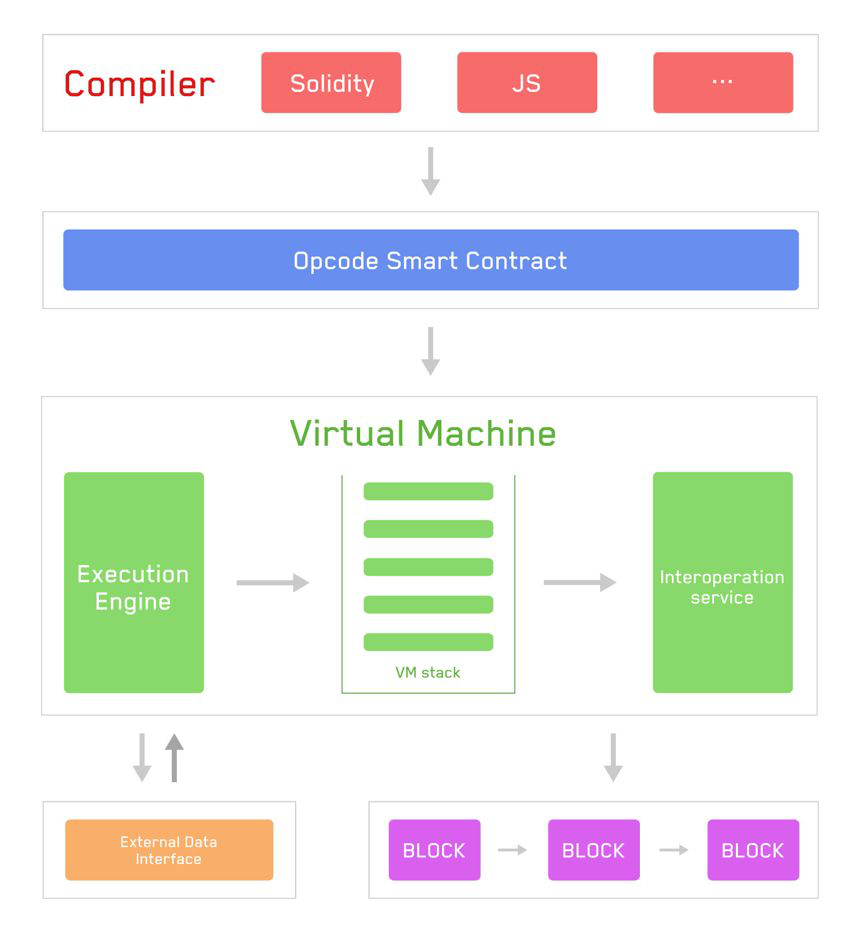
图 3:TVM 工作流程
6.3 性能 6.3.1 轻量级架构
TVM采用轻量级架构,旨在减少资源消耗,保证 系统性能。 6.3.2 稳健
TRX 传输和 smart contract 执行仅消耗带宽点,而不是 TRX,这 使 TRON 免受攻击。带宽消耗是可预测的并且是静态的,因为每个 计算步骤成本是固定的。 6.3.3 高兼容性
TVM兼容EVM,未来将兼容更多主流VM。 因此,EVM 上的所有 smart contract 都可以在 TVM 上执行。 6.3.4 低成本
由于TVM的带宽设置,降低了开发成本,开发人员可以专注于 他们的合约代码的逻辑开发。 TVM 还为合约提供一体化接口 部署、触发、查看,为开发者提供便利。
TRON เครื่องเสมือน
6.1 บทนำ
TRON Virtual Machine (TVM) เป็นเครื่องเสมือนทัวริงที่สมบูรณ์แบบน้ำหนักเบาที่พัฒนาขึ้นสำหรับ ระบบนิเวศของ TRON เป้าหมายคือการจัดหาระบบ blockchain ที่สร้างขึ้นเองซึ่งมีประสิทธิภาพ สะดวก มั่นคง ปลอดภัย และปรับขนาดได้
TVM เริ่มแรกแยกจาก EVM และสามารถเชื่อมต่อกับความแข็งแกร่งที่มีอยู่ smart contract ได้อย่างราบรื่น 11 ระบบนิเวศการพัฒนา ด้วยเหตุนี้ TVM จึงสนับสนุน DPoS ฉันทามติเพิ่มเติม
TVM ใช้แนวคิดเรื่องพลังงาน แตกต่างจากกลไกของแก๊สใน EVM การทำงานของ ธุรกรรมและ smart contracts บน TVM นั้นฟรี โดยไม่ต้องใช้ TRX ในทางเทคนิคแล้วสามารถเรียกใช้งานได้ ความสามารถในการคำนวณบน TVM ไม่ได้ถูกจำกัดด้วยจำนวนการถือครองทั้งหมด tokens 6.2 ขั้นตอนการทำงาน
คอมไพเลอร์จะแปล Solidity smart contract เป็น bytecode ที่สามารถอ่านและเรียกใช้งานได้บน ทีวีเอ็ม จากนั้น TVM จะประมวลผลข้อมูลผ่าน opcode ซึ่งเทียบเท่ากับการใช้งานลอจิก ของเครื่องสถานะจำกัดแบบสแต็ก สุดท้าย TVM เข้าถึงข้อมูล blockchain และเรียกใช้ อินเทอร์เฟซข้อมูลภายนอกผ่านเลเยอร์ Interoperation 11 EVM: Ethereum เครื่องเสมือน (https://github.com/ethereum/ethereumj)
รูปที่ 3: ขั้นตอนการทำงานของ TVM
6.3 ประสิทธิภาพ 6.3.1 สถาปัตยกรรมน้ำหนักเบา
TVM ใช้สถาปัตยกรรมน้ำหนักเบาโดยมีจุดประสงค์เพื่อลดการใช้ทรัพยากรเพื่อรับประกัน ประสิทธิภาพของระบบ 6.3.2 แข็งแกร่ง
TRX ถ่ายโอนและ smart contract จุดแบนด์วิดธ์ค่าใช้จ่ายในการดำเนินการเท่านั้น แทนที่จะเป็น TRX ซึ่ง ยกเว้น TRON จากการถูกโจมตี ปริมาณการใช้แบนด์วิธสามารถคาดเดาได้และคงที่ตั้งแต่แต่ละรายการ ต้นทุนขั้นตอนการคำนวณได้รับการแก้ไขแล้ว 6.3.3 ความเข้ากันได้สูง
TVM เข้ากันได้กับ EVM และจะเข้ากันได้กับ VM หลักอื่นๆ ในอนาคต ด้วยเหตุนี้ smart contracts ทั้งหมดบน EVM จึงสามารถเรียกใช้งานได้บน TVM 6.3.4 ต้นทุนต่ำ
เนื่องจากการตั้งค่าแบนด์วิธของ TVM ต้นทุนการพัฒนาจึงลดลง และนักพัฒนาสามารถมุ่งเน้นไปที่ การพัฒนาตรรกะของรหัสสัญญา TVM ยังมีอินเทอร์เฟซแบบครบวงจรสำหรับสัญญาอีกด้วย การปรับใช้ การทริกเกอร์ และการดูเพื่อมอบความสะดวกสบายให้กับนักพัฒนา
智能合约
7.1 简介
smart contract 是一种以数字方式验证合同协商的协议。他们定义规则并 与协议相关的处罚,并自动执行这些义务。聪明的 合同代码促进、验证和强制执行协议或协议的谈判或履行 交易。从 token 化的角度来看,smart contract 也有利于自动资金 参与方之间的转移应满足某些标准。
TRON smart contract 是用 Solidity 语言编写的。一旦编写并测试,它们就可以 编译为字节码,然后部署到 TRON 虚拟机的 TRON 网络上。曾经 部署后,可以通过合约地址查询smart contract。合同申请 二进制接口(ABI)显示了合约的调用函数,用于与合约进行交互 网络。 7.2 能量模型
部署和触发 smart contract 的最大能量限制是几个函数的函数 变量:
● 冻结1 TRX的动态能量为50,000,000,000(总能量限制)/(总能量 重量) ● 能量限额是账户每天冻结TRX的能量限额 ● 每日账户冻结TRX剩余能量计算为Energy Limit - Energy 二手 ● TRX 的费用限制在 smart contract 部署/触发调用中设置 ● 账户剩余可用TRX ● 如果直接购买,每个 TRX 的能量(10 SUN = 1 能量)= 100,000,SR 可以投票 调整
有两种消耗场景可以计算部署的最大能量限制和
触发。逻辑可以表达如下:
const R = Dynamic Energy Limit
const F = Daily account energy from freezing TRX
const E = Remaining daily account energy from freezing TRX
const L = Fee limit in TRX set in deploy/trigger call
const T = Remaining usable TRX in account
const C = Energy per TRX if purchased directly
// Calculate M, defined as maximum energy limit for deployment/trigger of smart contract if F > LR let M = min(E+TC, LR) else let M = E+TC 7.3 部署
当编译 TRON Solidity smart contract 时,TRON 虚拟机读取已编译的 字节码。字节码由代码部署、合约代码和辅助数据部分组成。 Auxdata 是源代码的加密指纹,用于验证。部署情况 字节码运行构造函数并设置初始存储变量。部署情况 code 还计算合约代码并将其返回给 TVM。 ABI 是一个 JSON 文件, 描述 TRON smart contract 的功能。该文件定义了函数名称、它们的可支付性、 函数返回值及其状态可变性。 7.4 触发功能
一旦部署了 TRON smart contract,它们的功能就可以通过以下方式单独触发: TronStudio 或通过 API 调用。状态改变功能需要能量,而只读功能 无需能量即可执行。 7.5 TRON 坚固性
TRON Solidity 是 Ethereum Solidity 语言的分支。 TRON 将原项目修改为 支持TRX和SUN单位(1 TRX = 1,000,000 SUN)。其余的语言语法是 与 Solidity ^0.4.24 兼容。因此 Tron 虚拟机 (TVM) 几乎 100% 兼容 带有 EVM 指令。
สัญญาอัจฉริยะ
7.1 บทนำ
smart contract เป็นโปรโตคอลที่ตรวจสอบการเจรจาสัญญาแบบดิจิทัล พวกเขากำหนดกฎเกณฑ์และ บทลงโทษที่เกี่ยวข้องกับข้อตกลงและบังคับใช้ข้อผูกพันเหล่านั้นโดยอัตโนมัติ ผู้ฉลาด รหัสสัญญาอำนวยความสะดวก ตรวจสอบ และบังคับใช้การเจรจาหรือการปฏิบัติตามข้อตกลงหรือ การทำธุรกรรม จากมุมมองของ tokenization smart contracts ยังอำนวยความสะดวกในการให้เงินอัตโนมัติ การโอนระหว่างบุคคลที่เข้าร่วมควรเป็นไปตามเกณฑ์ที่กำหนด
TRON smart contracts เขียนด้วยภาษา Solidity เมื่อเขียนและทดสอบแล้วก็สามารถเป็นได้ คอมไพล์เป็น bytecode จากนั้นปรับใช้บนเครือข่าย TRON สำหรับ TRON Virtual Machine ครั้งหนึ่ง เมื่อปรับใช้แล้ว smart contracts สามารถสอบถามผ่านที่อยู่สัญญาได้ การสมัครสัญญา Binary Interface (ABI) แสดงฟังก์ชันการโทรของสัญญาและใช้สำหรับโต้ตอบกับ เครือข่าย 7.2 แบบจำลองพลังงาน
ขีดจำกัดพลังงานสูงสุดสำหรับการปรับใช้และทริกเกอร์ smart contract เป็นฟังก์ชันของหลายฟังก์ชัน ตัวแปร:
● พลังงานไดนามิกจากการแช่แข็ง 1 TRX คือ 50,000,000,000 (ขีดจำกัดพลังงานรวม) / (พลังงานทั้งหมด น้ำหนัก) ● ขีดจำกัดพลังงานคือขีดจำกัดพลังงานในบัญชีรายวันจากการแช่แข็ง TRX ● พลังงานในบัญชีรายวันที่เหลืออยู่จากการแช่แข็ง TRX จะถูกคำนวณเป็นขีดจำกัดพลังงาน - พลังงาน ใช้แล้ว ● ขีดจำกัดค่าธรรมเนียมใน TRX ถูกตั้งค่าไว้ใน smart contract ปรับใช้/ทริกเกอร์การโทร ● TRX ที่ใช้งานได้คงเหลืออยู่ในบัญชี ● พลังงานต่อ TRX หากซื้อโดยตรง (10 SUN = 1 พลังงาน) = 100,000 SR สามารถลงคะแนนได้ การปรับตัว
มีสองสถานการณ์การใช้งานในการคำนวณขีดจำกัดพลังงานสูงสุดสำหรับการปรับใช้และ
ทริกเกอร์ ตรรกะสามารถแสดงได้ดังนี้:
const R = Dynamic Energy Limit
const F = Daily account energy from freezing TRX
const E = Remaining daily account energy from freezing TRX
const L = Fee limit in TRX set in deploy/trigger call
const T = Remaining usable TRX in account
const C = Energy per TRX if purchased directly
// Calculate M, defined as maximum energy limit for deployment/trigger of smart contract if F > LR let M = min(E+TC, LR) else let M = E+TC 7.3 การปรับใช้
เมื่อคอมไพล์ TRON ความแข็งแกร่ง smart contract แล้ว TRON Virtual Machine จะอ่านคอมไพล์แล้ว ไบต์โค้ด bytecode ประกอบด้วยส่วนสำหรับการปรับใช้โค้ด รหัสสัญญา และ Auxdata Auxdata คือลายนิ้วมือเข้ารหัสของซอร์สโค้ด ซึ่งใช้สำหรับการตรวจสอบ การใช้งาน bytecode รันฟังก์ชัน Constructor และตั้งค่าตัวแปรหน่วยเก็บข้อมูลเริ่มต้น การใช้งาน รหัสยังคำนวณรหัสสัญญาและส่งกลับไปยัง TVM ABI เป็นไฟล์ JSON ที่ อธิบายฟังก์ชันของ TRON smart contract ไฟล์นี้กำหนดชื่อฟังก์ชัน ความสามารถในการชำระ ค่าส่งคืนฟังก์ชันและความไม่แน่นอนของสถานะ 7.4 ฟังก์ชั่นทริกเกอร์
เมื่อ TRON smart contracts ถูกปรับใช้ ฟังก์ชันของพวกมันจะถูกทริกเกอร์แยกกันผ่าน TronStudio หรือผ่านการเรียก API ฟังก์ชันการเปลี่ยนสถานะต้องใช้พลังงานในขณะที่ฟังก์ชันอ่านอย่างเดียว ดำเนินการโดยไม่มีพลังงาน 7.5 TRON ความแข็งแกร่ง
TRON Solidity มาจากภาษา Solidity ของ Ethereum TRON แก้ไขโครงการดั้งเดิมเป็น รองรับหน่วย TRX และ SUN (1 TRX = 1,000,000 SUN) ไวยากรณ์ภาษาที่เหลือคือ เข้ากันได้กับ Solidity ^0.4.24 ดังนั้น Tron Virtual Machine (TVM) จึงเข้ากันได้เกือบ 100% พร้อมคำแนะนำ EVM
代币
8.1 TRC-10 代币
在TRON网络中,每个账户可以发行tokens,费用为1024 TRX。要发行 tokens, 发行人需要指定token名称、总资本、与TRX的汇率、 流通时长、描述、网站、每个账户最大带宽消耗、总计 带宽消耗和 token 冻结量。每个token发行还可以配置 每个账户每日最大token转账带宽点,全网每日最大 token 转移带宽积分、token 供应总量、锁定时长(天)以及总量 token 已锁定。 8.2 TRC-20 代币
TRC-20 是用于 smart contracts 实现 tokens 的技术标准,由 TRON 虚拟机。它与ERC-20完全兼容。
界面如下:
合约TRC20接口{
函数 totalSupply() 公共 常量 返回 (uint);
函数 balanceOf(地址tokenOwner)公共 常量 返回(uint
平衡);
功能 津贴(地址token所有者,地址支出者)公共 常量
返回(剩余 uint);
函数 传输(地址,uint tokens)public 返回(布尔成功);
函数 批准(地址支出者,uint tokens)公共 返回(bool
成功);
函数 transferFrom(地址来自,地址至,uint tokens)公共
返回(布尔成功);
事件 传输(索引地址,索引地址,uint tokens);
事件 批准(地址索引 tokenOwner,地址索引支出者,uint
tokens); }
从开发人员的角度来看,TRC-10 和 TRC-20 之间存在一些差异。一些 主要区别在于 TRC-10 token 可以通过 API 和 smart contract 访问,而 TRC-20 tokens 允许界面定制,但只能在 smart contracts 内访问。
从成本角度来看,TRC-10 token 的交易费用比
TRC-20,但会承担 API 传输和存款的带宽成本。智能转账和存款
TRC-10 token 的合约会消耗带宽和能源。
8.3 超越
由于 TRON 使用与 Ethereum 相同的 Solidity 版本,因此可以轻松创建更多 token 标准 移植到 TRON。
โทเค็น
8.1 โทเค็น TRC-10
ในเครือข่าย TRON แต่ละบัญชีสามารถออก tokens ได้โดยมีค่าใช้จ่าย 1,024 TRX ในการออก tokens ผู้ออกต้องระบุชื่อ token, มูลค่ารวมทั้งหมด, อัตราแลกเปลี่ยนเป็น TRX, ระยะเวลาการหมุนเวียน คำอธิบาย เว็บไซต์ การใช้แบนด์วิธสูงสุดต่อบัญชี รวมทั้งหมด การใช้แบนด์วิธ และจำนวน token ที่ถูกแช่แข็ง token แต่ละฉบับสามารถกำหนดค่าได้เช่นกัน สูงสุดรายวันของแต่ละบัญชี token โอนคะแนนแบนด์วิธ สูงสุดรายวันของเครือข่ายทั้งหมด token โอนคะแนนแบนด์วิธ, การจัดหาทั้งหมด token, ระยะเวลาการล็อคเป็นวัน และจำนวนทั้งหมด ของ tokens ถูกล็อค 8.2 โทเค็น TRC-20
TRC-20 เป็นมาตรฐานทางเทคนิคที่ใช้สำหรับ smart contracts การใช้งาน tokens ที่สนับสนุนโดย TRON เครื่องเสมือน สามารถใช้งานร่วมกับ ERC-20 ได้อย่างสมบูรณ์
อินเทอร์เฟซมีดังนี้:
สัญญา TRC20อินเทอร์เฟซ {
ฟังก์ชัน totalSupply() ผลตอบแทนคงที่สาธารณะ (uint);
ฟังก์ชั่น balanceOf (ที่อยู่ token เจ้าของ) ผลตอบแทนสาธารณะคงที่ (uint
สมดุล);
ฟังก์ชัน เบี้ยเลี้ยง(ที่อยู่ tokenเจ้าของ ที่อยู่ผู้ใช้จ่าย) สาธารณะ ค่าคงที่
ผลตอบแทน (ไม่เหลือ);
ฟังก์ชั่น การถ่ายโอน (ที่อยู่ไปที่ uint tokens) ผลตอบแทนสาธารณะ (บูลสำเร็จ);
ฟังก์ชั่น อนุมัติ (ที่อยู่ผู้ใช้บริการ, uint tokens) ผลตอบแทนสาธารณะ (บูล
ความสำเร็จ);
ฟังก์ชั่น transferFrom (ที่อยู่จาก, ที่อยู่ถึง, uint tokens) สาธารณะ
ผลตอบแทน (ความสำเร็จของบูล);
เหตุการณ์ การโอน (ที่อยู่จัดทำดัชนีจาก, ที่อยู่จัดทำดัชนีถึง, uint tokens);
เหตุการณ์ การอนุมัติ (ที่อยู่จัดทำดัชนี token เจ้าของ ที่อยู่ผู้ใช้จ่ายที่จัดทำดัชนี uint
tokens); }
จากมุมมองของนักพัฒนา TRC-10 และ TRC-20 มีความแตกต่างหลายประการ บ้าง ความแตกต่างที่สำคัญคือ TRC-10 tokens สามารถเข้าถึงได้โดย API และ smart contracts ในขณะที่ TRC-20 tokens อนุญาตให้ปรับแต่งอินเทอร์เฟซได้ แต่สามารถเข้าถึงได้ภายใน smart contracts เท่านั้น
จากมุมมองของต้นทุน TRC-10 tokens มีค่าธรรมเนียมการทำธุรกรรมที่ต่ำกว่า 1,000 เท่า
TRC-20 แต่มีค่าใช้จ่ายแบนด์วิธสำหรับการโอนและการฝาก API การโอนและการฝากเงินในสมาร์ท
สัญญาสำหรับ TRC-10 tokens มีค่าใช้จ่ายทั้งแบนด์วิดท์และพลังงาน
8.3 เกินกว่านั้น
เนื่องจาก TRON ใช้เวอร์ชัน Solidity เดียวกันกับ Ethereum ดังนั้น token มาตรฐานเพิ่มเติมจึงพร้อมใช้งาน ย้ายไปยัง TRON แล้ว
治理
9.1 超级代表 9.1.1 概述
TRON 网络中的每个帐户都可以申请并有机会成为超级会员 代表(记为SR)。每个人都可以投票给 SR 候选人。前 27 名候选人 得票最多的将成为具有生成区块权利和义务的SR。票数为 每 6 小时计算一次,SR 会相应变化。
为了防止恶意攻击,成为 SR 候选者需要付出一定的成本。申请时,9999 TRX将从申请人的账户中销毁。成功后,该账户即可加入SR 选举。 9.1.2 选举
TRON 投票需要Power(记为TP),TP的数量取决于投票者的投票权 冻结资产(TRX)。
TP的计算方法如下:
TP
冻结 1 TRX 以获得带宽
1
=
TRON 网络中的每个帐户都有权为自己的 SR 投票。
发布后(解冻,3天后可用),用户不会有任何冻结的资产,并失去所有 相应地TP。因此,所有投票对于当前和未来的投票轮均无效,除非 TRX再次被冻结投票。
请注意,TRON 网络仅记录最近的投票,这意味着每一次新投票 将否定之前所有的投票。 9.1.3 奖励 a.投票奖励
也称为候选人奖励,前 127 名候选人每轮更新一次(6
小时)将分享开采的 115,200 TRX。奖励将按照投票权重进行瓜分
每位候选人都会收到。每年,候选人的总奖励为168,192,000 TRX。
每轮总投票奖励
为什么每轮 115,200 TRX?
15, 00 TRX
每轮总投票奖励(V R/轮)
1
2
=
VR/轮 = 16 T RX/块 × 20 块/分钟 × 60 分钟/小时 × 6 小时/轮
注意:这是由 WITNESS_STANDBY_ALLOWANCE = 115,200 TRX 设置的。请参阅动态网络参数。
每年总投票奖励
为什么每年168,192,000 TRX?
168, 192, 000 T RX = 每年总投票奖励(VR/年)
VR/年 = 115, 200 T RX/轮 × 4 轮/天 × 365 天/年
b.区块奖励
也称为超级代表奖励,当选的前27名候选人(SR)
每轮(6小时)将分享大约230,400个已开采的TRX。奖励将平分
27 个 SR 之间(减去由于网络错误而错过的总奖励块)。总共有
每年将向 27 名 SR 奖励 336,384,000 TRX。
每轮总区块奖励
为什么每轮 230,400 TRX?
230, 400 T RX = 每轮总区块奖励(BR/轮)
BR/轮 = 32 T RX/块 × 20 块/分钟 × 60 分钟/小时 × 6 小时/轮
注意:单位区块奖励由 WITNESS_PAY_PER_BLOCK = 32 TRX 设置。查看动态网络
参数。
每年的总区块奖励
为什么每年有 336,384,000 TRX?
336, 384, 000 T RX = 每年总区块奖励(BR/年)
BR/年 = 230, 400 T RX/轮 × 4 轮/天 × 365 天/年
2021 年 1 月 1 日
2021 年 1 月 1 日之前 TRON 网络不会出现通货膨胀,TRON DAO 将
在此日期之前授予所有区块奖励和候选人奖励。
c.奖励计算
SR奖励计算
总奖励
投票奖励(VR)
区块奖励(BR)
t
=
+
右
总VR
V
=
×
总票数
SR 候选人收到的票数
右
块错过了
2
乙
=
27 号
总BR -
× 3
注:奖励按每轮(6小时)SR计算
排名28~排名127 SR候选人奖励计算 总奖励 投票奖励(VR) t =
右
总VR
V
=
×
总票数
SR 候选人收到的票数
注:奖励按每个SR候选人每轮(6小时)计算
9.2 委员会
9.2.1 概述
该委员会用于修改TRON动态网络参数,例如区块生成
奖励、交易费用等。委员会由本轮27名SR组成。每个SR
拥有提案权和对提案的表决权。当一项提案获得 19 票或以上时,
批准后,新的网络参数将在下一个维护周期(3天)内应用。
9.2.2 动态网络参数
0。
MAINTENANCE_TIME_INTERVAL
a.
描述
修改维护间隔时间(以毫秒为单位)。称为 SR 投票间隔时间
圆形。
b.
示例
[6 * 3600 * 1000] 毫秒 - 即 6 小时。
c.
范围
[3271000, 2436001000] 毫秒
1.
ACCOUNT_UPGRADE_COST
a.
描述
修改申请SR账户的费用。
b.
示例
[9,999,000,000] SUN - 即 9,999 TRX。
c.
范围
[0,100 000 000 000 000 000] 太阳
2.
CREATE_ACCOUNT_FEE
a.
描述
修改账户创建费用。b.
示例
[100,000] SUN - 1 TRX。
c.
范围
[0,100 000 000 000 000 000] 太阳
3.
交易费
a.
描述
修改用于获得额外带宽的费用金额。
b.
示例
[10] 太阳/字节。
c.
范围
[0,100 000 000 000 000 000] SUN/字节
4.
ASSET_ISSUE_FEE
a.
描述
修改资产发行费用。
b.
示例
[1024,000,000] SUN - 即 1024 TRX。
c.
范围
[0,100 000 000 000 000 000] 太阳
5.
WITNESS_PAY_PER_BLOCK
a.
描述
修改SR区块生成奖励。称为单位区块奖励。
b.
示例
[32,000,000] SUN - 即 32 TRX。
c.
范围
[0,100 000 000 000 000 000] 太阳
6.
WITNESS_STANDBY_ALLOWANCE
a.
描述
修改前127名SR候选人的奖励。称为总投票奖励
每轮。
b.
示例
[115,200,000,000] SUN - 115,200 TRX。
c.
范围
[0,100 000 000 000 000 000] 太阳
7.
CREATE_NEW_ACCOUNT_FEE_IN_SYSTEM_CONTRACT
a.
描述
修改帐户创建成本。结合动态网络参数#8得到
帐户创建总成本:
REATE_NEW_ACCOUNT_FEE_IN_SYSTEM_CONTRACT
REATE_NEW_ACCOUNT_BANDWIDTH_RATE
C
× C
b. 示例 [0] 周日。 c. 范围 [0,100 000 000 000 000 000] 太阳 8. CREATE_NEW_ACCOUNT_BANDWIDTH_RATE
a.
描述
修改帐户创建成本。结合动态网络参数#7得到
帐户创建总成本:
REATE_NEW_ACCOUNT_FEE_IN_SYSTEM_CONTRACT
REATE_NEW_ACCOUNT_BANDWIDTH_RATE
C
× C
b. 示例 [1]。 c. 范围 [0,100,000,000,000,000,000] 9. 允许创建合同 a. 描述 打开 Tron 虚拟机 (TVM)。 b. 示例 True - 设置为自 10/10/2018 23:47 UTC 起激活并生效。 c. 范围 对/错 10. 删除_THE_POWER_OF_THE_GR a. 描述 删除最初的 GR 创世投票 b. 示例 正确 - 于 11/4/2018 08:46 UTC 生效。 c. 范围 True/False - 注意:不能从 True 设置回 False。 11.能源费 a. 描述 修改1能量的费用。 b. 示例 20 日。 c. 范围 [0,100 000 000 000 000 000] 太阳 12. EXCHANGE_CREATE_FEE a. 描述 修改交易对创建成本。称为创建贸易订单的成本。 b. 示例 [1,024,000,000] SUN - 即 1024 TRX。 c. 范围 [0,100 000 000 000 000 000] 太阳 13. MAX_CPU_TIME_OF_ONE_TX a. 描述 修改一笔交易的最大执行时间。称为超时限制 一笔交易。 b. 示例 50 毫秒 c. 范围
[0, 1000] 毫秒
14.ALLOW_UPDATE_ACCOUNT_NAME
a.
描述
修改选项以让帐户更新其帐户名。
b.
示例
False - 可从 java-tron Odyssey v3.2 中提出。
c.
范围
True/False - 注意:不能从 True 设置回 False。
15.ALLOW_SAME_TOKEN_NAME
a.
描述
修改允许不同token有重复名称的验证。
b.
示例
False - 可从 java-tron Odyssey v3.2 中提出。
c.
范围
True/False - 注意:不能从 True 设置回 False。
16. ALLOW_DELEGATE_RESOURCE
a.
描述
修改允许签发 token 重名的验证,这样
token 的 tokenID,在长整数数据类型中,将是唯一的原子
token 的标识。
b.
示例
False - 可从 java-tron Odyssey v3.2 中提出。
c.
范围
True/False - 注意:不能从 True 设置回 False。
17. TOTAL_ENERGY_LIMIT
a.
描述
修改全网总能量限制。
b.
示例
[50,000,000,000,000,000] SUN - 即 50,000,000,000 TRX。
c.
范围
[0,100,000,000,000,000,000] 太阳
18. ALLOW_TVM_TRANSFER_TRC10
a.
描述
允许在 smart contract 秒内传输 TRC-10 token。
ALLOW_UPDATE_ACCOUNT_NAME、ALLOW_SAME_TOKEN_NAME、
ALLOW_DELEGATE_RESOURCE 提案必须在提案前全部获得批准
这个参数改变。
b.
示例
False - 可从 java-tron Odyssey v3.2 中提出。
c.
范围
True/False - 注意:不能从 True 设置回 False。9.2.3 创建提案
只有 SR 账户才有权提议更改动态网络参数。 9.2.4 投票提案
只有委员会成员 (SR) 才能对提案进行投票,未及时投票的成员 将被视为不同意。提案创建后 3 天内有效。投票可以 在 3 天的投票窗口内可以更改或检索。期限结束后,该提案将 要么成功(19票以上),要么失败(结束)。 9.2.5 取消提案
提案人可以在提案生效前取消提案。 9.3 结构
SR 是新生成区块的见证人。见证人包含8个参数:
1.
地址:该证人的地址 – 例如0xu82h…7237。
2.
voteCount:收到的对该见证人的投票数 – 例如234234。
3.
pubKey:该见证人的公钥 - 例如0xu82h…7237。
4.
url:该证人的 url – 例如https://www.noonetrust.com.
5.
TotalProduced:该见证人生成的区块数量 – 例如2434.
6.
TotalMissed:该见证人错过的区块数量 – 例如7.
7.
latestBlockNum:区块的最新高度 – 例如4522.
8.
isjobs:布尔标志。
Protobuf数据结构:
留言见证{
字节地址 = 1;
int64 voteCount = 2;
字节 pubKey = 3;
字符串 url = 4;
int64 总生产量 = 5;
int64 总丢失数 = 6;
int64latestBlockNum = 7;
布尔 isJobs = 8;
}
10.DApp开发 10.1 API
TRON 网络提供了 60 多个 HTTP API 网关的广泛选择,用于与 通过完整节点和 Solidity 节点的网络。此外,TronWeb 是一个综合性的 JavaScript 库 包含使开发人员能够部署 smart contracts 的 API 函数,更改 blockchain 状态、查询 blockchain 和合约信息、在 DEX 上进行交易等等。这些API 网关可以定向到本地私有网、Shasta 测试网或 TRON 主网。
10.2 网络
TRON 既有 Shasta 测试网又有主网。开发人员可以通过以下方式连接到网络
部署节点、通过 TronStudio 交互或通过 TronGrid 服务使用 API。特隆网格
服务由托管在全球 AWS 服务器上的负载均衡节点集群组成。作为DApp
开发规模扩大,API 调用量增加,TronGrid 成功应对了
API 流量。
10.3 工具
TRON 提供了一套开发工具,使开发人员能够创建创新的 DApp。
TronBox 是一个允许开发人员通过 TronWeb 测试和部署 smart contracts 的框架
API。 TronGrid 是一个负载平衡和托管的 API 服务,允许开发人员访问
TRON 网络无需运行自己的节点。 TronGrid 提供对 Shasta 的访问
测试网以及 TRON 主网。 TronStudio是一个综合性的集成开发
使开发人员能够编译、部署和调试 Solidity smart 的环境 (IDE)
合同。 TronStudio 包含一个内部完整节点,可创建私有本地环境
smart contract 在部署之前进行测试。 TronWeb API 库将开发人员连接到
网络通过封装在 JavaScript 中的多种 HTTP API 调用进行选择。
10.4 资源
TRON 开发人员中心是一个综合性 API 文档网站,专为 12 希望在 TRON 网络上进行开发的开发人员。开发者中心提供了高水平的 TRON 的概念性理解,并引导用户完成与 TRON 交互的细节 12 开发者中心:https://developers.tron.network/
网络。该指南引导开发人员完成节点设置、部署以及与智能交互
合约、API 交互和实现、构建示例 DApp 以及使用每个
开发者工具。此外,还可以通过 Discord 获得开发者社区渠道。
13
13 不和谐:https://discordapp.com/invite/GsRgsTD
- 结论
TRON 是一个可扩展的 blockchain 解决方案,采用创新方法来解决 传统 blockchain 网络面临的挑战。每日交易量已超过 200 万笔, 拥有超过 70 万个 TRX 账户,超过 2000 个 TPS、TRON 使社区能够 创建一个去中心化和民主化的网络。
ธรรมาภิบาล
9.1 ตัวแทนระดับสูง 9.1.1 ทั่วไป
ทุกบัญชีในเครือข่าย TRON สามารถสมัครและมีโอกาสที่จะเป็น Super ตัวแทน (แสดงเป็น SR) ทุกคนสามารถลงคะแนนให้ผู้สมัคร SR ได้ ผู้สมัคร 27 อันดับแรกด้วย ผู้โหวตมากที่สุดจะกลายเป็น SR ที่มีสิทธิ์และหน้าที่ในการสร้างบล็อก คะแนนเสียงคือ นับทุกๆ 6 ชั่วโมง และ SR จะเปลี่ยนตามไปด้วย
เพื่อป้องกันการโจมตีที่เป็นอันตราย การสมัครเป็น SR มีค่าใช้จ่าย เมื่อสมัคร 9999 TRX จะถูกเผาจากบัญชีของผู้สมัคร เมื่อสำเร็จแล้ว บัญชีดังกล่าวจะสามารถเข้าร่วม SR ได้ การเลือกตั้ง 9.1.2 การเลือกตั้ง
TRON ต้องใช้อำนาจ (แสดงเป็น TP) ในการลงคะแนนเสียง และจำนวน TP ขึ้นอยู่กับผู้ลงคะแนนเสียง สินทรัพย์ที่ถูกแช่แข็ง (TRX)
TP คำนวณด้วยวิธีต่อไปนี้:
ทีพี
1 TRX ถูกแช่แข็งเพื่อรับแบนด์วิธ
1
=
ทุกบัญชีในเครือข่าย TRON มีสิทธิ์ลงคะแนนให้ SR ของตนเอง
หลังจากการเปิดตัว (เลิกระงับ และใช้งานได้หลังจาก 3 วัน) ผู้ใช้จะไม่มีเนื้อหาที่ถูกแช่แข็งและสูญเสียทั้งหมด ทีพี ตามนั้น ส่งผลให้การลงคะแนนเสียงทั้งหมดเป็นโมฆะสำหรับการลงคะแนนเสียงที่กำลังดำเนินอยู่และรอบต่อไป เว้นแต่ TRX ถูกระงับการลงคะแนนเสียงอีกครั้ง
โปรดทราบว่าเครือข่าย TRON จะบันทึกเฉพาะการโหวตล่าสุดเท่านั้น ซึ่งหมายความว่าทุกการโหวตใหม่ จะลบล้างคะแนนเสียงก่อนหน้านี้ทั้งหมด 9.1.3 รางวัล ก. โหวตรางวัล
เรียกอีกอย่างว่ารางวัลผู้สมัคร ซึ่งผู้สมัคร 127 อันดับแรกจะอัปเดตทุกๆ รอบ (6
ชั่วโมง) จะแบ่ง 115,200 TRX เมื่อขุดได้ รางวัลจะแบ่งตามน้ำหนักคะแนนโหวต
ผู้สมัครแต่ละคนจะได้รับ ในแต่ละปี รางวัลรวมสำหรับผู้สมัครจะเท่ากับ 168,192,000 TRX
รางวัลโหวตรวมต่อรอบ
ทำไมต้อง 115,200 TRX ทุกรอบ?
15, 00 TRX
รางวัลคะแนนโหวตรวมต่อรอบ (VR/รอบ)
1
2
=
VR/รอบ = 16 T RX/บล็อก × 20 บล็อค/นาที × 60 นาที/ชม × 6 ชม./รอบ
หมายเหตุ: ค่านี้กำหนดโดย WITNESS_STANDBY_ALLOWANCE = 115,200 TRX ดูพารามิเตอร์เครือข่ายแบบไดนามิก
รางวัลคะแนนเสียงทั้งหมดต่อปี
ทำไมต้อง 168,192,000 TRX ทุกปี?
168, 192, 000 T RX = รางวัลคะแนนโหวตทั้งหมดต่อปี (V R/ปี)
V R/ปี = 115, 200 T RX/รอบ × 4 รอบ/วัน × 365 วัน/ปี
ข. รางวัลบล็อก
หรือที่เรียกว่า Super Representative Reward ซึ่งผู้เข้าชิง 27 อันดับแรก (SRs) ที่ได้รับเลือก
ทุกรอบ (6 ชั่วโมง) จะแบ่งประมาณ 230,400 TRX เมื่อขุดได้ รางวัลจะแบ่งเท่าๆ กัน
ระหว่าง 27 SR (ลบบล็อกรางวัลทั้งหมดที่พลาดเนื่องจากข้อผิดพลาดของเครือข่าย) รวมของ
336,384,000 TRX จะมอบให้ทุกปีแก่ 27 SR
รางวัลบล็อกทั้งหมดต่อรอบ
ทำไมต้อง 230,400 TRX ทุกรอบ?
230, 400 T RX = รางวัลบล็อคทั้งหมดต่อรอบ (BR/รอบ)
BR/รอบ = 32 T RX/bloc × 20 บล็อก/นาที × 60 นาที/ชม × 6 ชม./รอบ
หมายเหตุ: รางวัลบล็อกหน่วยถูกกำหนดโดย WITNESS_PAY_PER_BLOCK = 32 TRX ดูเครือข่ายแบบไดนามิก
พารามิเตอร์
รางวัลบล็อกทั้งหมดต่อปี
ทำไมต้อง 336,384,000 TRX ทุกปี?
336, 384, 000 T RX = รางวัลบล็อกทั้งหมดต่อปี (BR/ปี)
BR/ปี = 230, 400 T RX/รอบ × 4 รอบ/วัน × 365 วัน/ปี
1 มกราคม 2021
จะไม่มีอัตราเงินเฟ้อบนเครือข่าย TRON ก่อนวันที่ 1 มกราคม 2021 และ TRON DAO จะ
มอบรางวัลบล็อกและรางวัลผู้สมัครทั้งหมดก่อนวันที่ดังกล่าว
ค. การคำนวณรางวัล
การคำนวณรางวัล SR
รางวัลทั้งหมด
รางวัลการโหวต (VR)
รางวัลบล็อก (BR)
ที
=
+
ร
วี อาร์ ทั้งหมด
วี
=
×
คะแนนเสียงทั้งหมด
คะแนนโหวต ผู้สมัคร SR ที่ได้รับ
ร
บล็อกพลาด
2
บี
=
27
รวม BR -
× 3
หมายเหตุ: รางวัลจะคำนวณต่อ SR ต่อรอบ (6 ชั่วโมง)
อันดับที่ 28 ถึงอันดับที่ 127 การคำนวณรางวัลผู้สมัคร SR รางวัลทั้งหมด รางวัลการโหวต (VR) ที =
ร
วี อาร์ ทั้งหมด
วี
=
×
คะแนนเสียงทั้งหมด
คะแนนโหวต ผู้สมัคร SR ที่ได้รับ
หมายเหตุ: รางวัลจะคำนวณต่อผู้สมัคร SR ต่อรอบ (6 ชั่วโมง)
9.2 คณะกรรมการ
9.2.1 ทั่วไป
คณะกรรมการใช้เพื่อแก้ไขพารามิเตอร์เครือข่ายไดนามิก TRON เช่น การสร้างบล็อก
รางวัล ค่าธรรมเนียมการทำธุรกรรม ฯลฯ คณะกรรมการประกอบด้วย SR 27 รายการในรอบปัจจุบัน เอสอาร์แต่ละคน
มีสิทธิเสนอและลงคะแนนเสียงข้อเสนอได้ เมื่อข้อเสนอได้รับคะแนนเสียง 19 เสียงขึ้นไปก็คือ
ได้รับการอนุมัติและพารามิเตอร์เครือข่ายใหม่จะถูกนำไปใช้ในช่วงการบำรุงรักษาครั้งถัดไป (3 วัน)
9.2.2 พารามิเตอร์เครือข่ายแบบไดนามิก
0.
การบำรุงรักษา_TIME_INTERVAL
ก.
คำอธิบาย
แก้ไขช่วงเวลาการบำรุงรักษาเป็นมิลลิวินาที เรียกว่าช่วงเวลาการลงคะแนนเสียง SR ต่อ
รอบ
ข.
ตัวอย่าง
[6 * 3600 * 1,000] ms - ซึ่งก็คือ 6 ชั่วโมง
ค.
พิสัย
[3271,000, 2436001,000] มิลลิวินาที
1.
ACCOUNT_UPGRADE_COST
ก.
คำอธิบาย
ปรับเปลี่ยนค่าใช้จ่ายในการสมัครบัญชี SR
ข.
ตัวอย่าง
[9,999,000,000] SUN - ซึ่งก็คือ 9,999 TRX
ค.
พิสัย
[0,100 000 000 000 000 000] อาทิตย์
2.
CREATE_ACCOUNT_FEE
ก.
คำอธิบาย
แก้ไขค่าธรรมเนียมการสร้างบัญชีข.
ตัวอย่าง
[100,000] SUN - ซึ่งก็คือ 1 TRX
ค.
พิสัย
[0,100 000 000 000 000 000] อาทิตย์
3.
ธุรกรรม_ค่าธรรมเนียม
ก.
คำอธิบาย
แก้ไขจำนวนค่าธรรมเนียมที่ใช้เพื่อเพิ่มแบนด์วิธเพิ่มเติม
ข.
ตัวอย่าง
[10] อาทิตย์/ไบต์
ค.
พิสัย
[0,100 000 000 000 000 000] อาทิตย์/ไบต์
4.
ASSET_ISSUE_FEE
ก.
คำอธิบาย
ปรับเปลี่ยนค่าธรรมเนียมการออกสินทรัพย์
ข.
ตัวอย่าง
[1,024,000,000] SUN - ซึ่งก็คือ 1,024 TRX
ค.
พิสัย
[0,100 000 000 000 000 000] อาทิตย์
5.
WITNESS_PAY_PER_BLOCK
ก.
คำอธิบาย
แก้ไขรางวัลการสร้างบล็อก SR รู้จักกันในชื่อรางวัลบล็อกหน่วย
ข.
ตัวอย่าง
[32,000,000] อาทิตย์ - ซึ่งก็คือ 32 TRX
ค.
พิสัย
[0,100 000 000 000 000 000] อาทิตย์
6.
WITNESS_STANDBY_ALLOWANCE
ก.
คำอธิบาย
ปรับเปลี่ยนรางวัลที่มอบให้กับผู้สมัคร SR 127 อันดับแรก เรียกว่ารางวัลการโหวตทั้งหมด
ต่อรอบ
ข.
ตัวอย่าง
[115,200,000,000] SUN - ซึ่งก็คือ 115,200 TRX
ค.
พิสัย
[0,100 000 000 000 000 000] อาทิตย์
7.
CREATE_NEW_ACCOUNT_FEE_IN_SYSTEM_CONTRACT
ก.
คำอธิบาย
แก้ไขต้นทุนการสร้างบัญชี รวมพารามิเตอร์เครือข่ายไดนามิก #8 เพื่อรับ
ต้นทุนการสร้างบัญชีทั้งหมด:
REATE_NEW_ACCOUNT_FEE_IN_SY STEM_CONTRACT
REATE_NEW_ACCOUNT_BANDWIDTH_RATE
ค
× ซี
ข. ตัวอย่าง [0] อาทิตย์ ค. พิสัย [0,100 000 000 000 000 000] อาทิตย์ 8. CREATE_NEW_ACCOUNT_BANDWIDTH_RATE
ก.
คำอธิบาย
แก้ไขต้นทุนการสร้างบัญชี รวมพารามิเตอร์เครือข่ายแบบไดนามิก #7 เพื่อรับ
ต้นทุนการสร้างบัญชีทั้งหมด:
REATE_NEW_ACCOUNT_FEE_IN_SY STEM_CONTRACT
REATE_NEW_ACCOUNT_BANDWIDTH_RATE
ค
× ซี
ข. ตัวอย่าง [1]. ค. พิสัย [0,100,000,000,000,000,000] 9. ALLOW_CREATION_OF_CONTRACTS ก. คำอธิบาย เพื่อเปิด Tron Virtual Machine (TVM) ข. ตัวอย่าง จริง - ตั้งค่าให้เปิดใช้งานและมีผลตั้งแต่ 10/10/2018 23:47 UTC ค. พิสัย จริง/เท็จ 10. REMOVE_THE_POWER_OF_THE_GR ก. คำอธิบาย ลบคะแนนการกำเนิด GR เริ่มต้น ข. ตัวอย่าง จริง - มีผลเมื่อ 4/11/2561 08:46 UTC ค. พิสัย จริง/เท็จ - หมายเหตุ: ไม่สามารถตั้งค่ากลับเป็นเท็จจากจริงได้ 11. พลังงาน_ค่าธรรมเนียม ก. คำอธิบาย แก้ไขค่าธรรมเนียม 1 พลังงาน ข. ตัวอย่าง 20 อาทิตย์ ค. พิสัย [0,100 000 000 000 000 000] อาทิตย์ 12. EXCHANGE_CREATE_FEE ก. คำอธิบาย ปรับเปลี่ยนต้นทุนการสร้างคู่การซื้อขาย เรียกว่าต้นทุนในการสร้างคำสั่งซื้อขาย ข. ตัวอย่าง [1,024,000,000] SUN - ซึ่งก็คือ 1,024 TRX ค. พิสัย [0,100 000 000 000 000 000] อาทิตย์ 13. MAX_CPU_TIME_OF_ONE_TX ก. คำอธิบาย แก้ไขเวลาดำเนินการสูงสุดของหนึ่งธุรกรรม เรียกว่าขีดจำกัดการหมดเวลาของ หนึ่งธุรกรรม ข. ตัวอย่าง 50 มิลลิวินาที ค. พิสัย
[0, 1,000] มิลลิวินาที
14. ALLOW_UPDATE_ACCOUNT_NAME
ก.
คำอธิบาย
แก้ไขตัวเลือกเพื่อให้บัญชีอัปเดตชื่อบัญชีของตน
ข.
ตัวอย่าง
เท็จ - ซึ่งสามารถเสนอได้จาก java-tron Odyssey v3.2
ค.
พิสัย
จริง/เท็จ - หมายเหตุ: ไม่สามารถตั้งค่ากลับเป็นเท็จจากจริงได้
15. ALLOW_SAME_TOKEN_NAME
ก.
คำอธิบาย
แก้ไขการตรวจสอบความถูกต้องของการอนุญาตให้ token ที่แตกต่างกันมีชื่อซ้ำกัน
ข.
ตัวอย่าง
เท็จ - ซึ่งสามารถเสนอได้จาก java-tron Odyssey v3.2
ค.
พิสัย
จริง/เท็จ - หมายเหตุ: ไม่สามารถตั้งค่ากลับเป็นเท็จจากจริงได้
16. ALLOW_DELEGATE_RESOURCE
ก.
คำอธิบาย
แก้ไขการตรวจสอบความถูกต้องของการอนุญาตให้ออก token ด้วยชื่อที่ซ้ำกัน ดังนั้น
tokenID ของ token ซึ่งเป็นประเภทข้อมูลจำนวนเต็มยาว จะเป็นอะตอมเพียงชนิดเดียว
บัตรประจำตัวของ token
ข.
ตัวอย่าง
เท็จ - ซึ่งสามารถเสนอได้จาก java-tron Odyssey v3.2
ค.
พิสัย
จริง/เท็จ - หมายเหตุ: ไม่สามารถตั้งค่ากลับเป็นเท็จจากจริงได้
17. TOTAL_ENERGY_LIMIT
ก.
คำอธิบาย
แก้ไขขีดจำกัดพลังงานรวมของเครือข่ายทั้งหมด
ข.
ตัวอย่าง
[50,000,000,000,000,000] SUN - ซึ่งเท่ากับ 50,000,000,000 TRX
ค.
พิสัย
[0,100,000,000,000,000,000] อาทิตย์
18. ALLOW_TVM_TRANSFER_TRC10
ก.
คำอธิบาย
อนุญาตให้ถ่ายโอน TRC-10 token ภายใน smart contracts
ALLOW_UPDATE_ACCOUNT_NAME, ALLOW_SAME_TOKEN_NAME,
ข้อเสนอ ALLOW_DELEGATE_RESOURCE ทั้งหมดต้องได้รับการอนุมัติก่อนที่จะเสนอ
การเปลี่ยนแปลงพารามิเตอร์นี้
ข.
ตัวอย่าง
เท็จ - ซึ่งสามารถเสนอได้จาก java-tron Odyssey v3.2
ค.
พิสัย
จริง/เท็จ - หมายเหตุ: ไม่สามารถตั้งค่ากลับเป็นเท็จจากจริงได้9.2.3 สร้างข้อเสนอ
เฉพาะบัญชี SR เท่านั้นที่มีสิทธิ์เสนอการเปลี่ยนแปลงในพารามิเตอร์เครือข่ายแบบไดนามิก 9.2.4 การเสนอการลงคะแนนเสียง
เฉพาะสมาชิกคณะกรรมการ (SR) เท่านั้นที่สามารถลงคะแนนเสียงให้กับข้อเสนอและสมาชิกที่ไม่ลงคะแนนเสียงได้ทันเวลา จะถือว่าไม่เห็นด้วย ข้อเสนอมีผลใช้งานเป็นเวลา 3 วันหลังจากสร้างขึ้น โหวตก็ได้ สามารถเปลี่ยนแปลงหรือเรียกคืนได้ในช่วงหน้าต่างลงคะแนนเสียง 3 วัน เมื่อสิ้นสุดระยะเวลาข้อเสนอจะสิ้นสุดลง สำเร็จ (19+ โหวต) หรือล้มเหลว (และสิ้นสุด) 9.2.5 ยกเลิกข้อเสนอ
ผู้เสนอสามารถยกเลิกข้อเสนอก่อนที่จะมีผลใช้บังคับ 9.3 โครงสร้าง
SR เป็นพยานของบล็อกที่สร้างขึ้นใหม่ พยานประกอบด้วย 8 พารามิเตอร์:
1.
ที่อยู่: ที่อยู่ของพยานนี้ – เช่น 0xu82h…7237.
2.
voteCount: จำนวนคะแนนเสียงที่ได้รับจากพยานคนนี้ - เช่น 234234.
3.
pubKey: กุญแจสาธารณะสำหรับพยานนี้ – เช่น 0xu82h…7237.
4.
url: URL ของพยานรายนี้ – เช่น https://www.noonetrust.com.
5.
TotalProduced: จำนวนบล็อกที่พยานนี้สร้างขึ้น - เช่น 2434.
6.
TotalMissed: จำนวนบล็อกที่พยานรายนี้พลาด – เช่น 7.
7.
latestBlockNum: ความสูงล่าสุดของบล็อก – เช่น 4522.
8.
isjobs : ธงบูลีน
โครงสร้างข้อมูล Protobuf:
ข้อความ พยาน{
ที่อยู่ไบต์ = 1;
int64 โหวตนับ = 2;
ไบต์ pubKey = 3;
สตริง url = 4;
int64 ผลรวมที่ผลิต = 5;
int64 รวมพลาด = 6;
int64 ล่าสุดBlockNum = 7;
บูลคืองาน = 8;
}
- การพัฒนา DApp 10.1 API
เครือข่าย TRON มีเกตเวย์ HTTP API ให้เลือกมากกว่า 60+ รายการสำหรับการโต้ตอบกับ เครือข่ายผ่าน Full และ Solidity Nodes นอกจากนี้ TronWeb ยังเป็นไลบรารี JavaScript ที่ครอบคลุมอีกด้วย มีฟังก์ชัน API ที่ช่วยให้นักพัฒนาสามารถปรับใช้ smart contracts เปลี่ยน blockchain สถานะ, สอบถาม blockchain และข้อมูลสัญญา, ซื้อขาย DEX และอื่นๆ อีกมากมาย API เหล่านี้ เกตเวย์สามารถมุ่งตรงไปยังไพรเวทเน็ตเฉพาะที่, เทสเน็ต Shasta หรือ TRON เมนเน็ต
10.2 เครือข่าย
TRON มีทั้ง Shasta testnet และ Mainnet นักพัฒนาอาจเชื่อมต่อกับเครือข่ายโดย
การปรับใช้โหนด การโต้ตอบผ่าน TronStudio หรือใช้ API ผ่านบริการ TronGrid ตรอนกริด
บริการประกอบด้วยคลัสเตอร์โหนดที่สมดุลโหลดซึ่งโฮสต์บนเซิร์ฟเวอร์ AWS ทั่วโลก ในฐานะ DApp
การพัฒนาขยายขนาดและปริมาณการเรียก API เพิ่มขึ้น TronGrid ประสบความสำเร็จในการเพิ่มจำนวน
การรับส่งข้อมูล API
10.3 เครื่องมือ
TRON นำเสนอชุดเครื่องมือการพัฒนาที่ช่วยให้นักพัฒนาสามารถสร้าง DApps ที่เป็นนวัตกรรมใหม่ได้
TronBox เป็นเฟรมเวิร์กที่ช่วยให้นักพัฒนาสามารถทดสอบและปรับใช้ smart contracts ผ่านทาง TronWeb
เอพีไอ TronGrid เป็นบริการ API ที่สมดุลโหลดและโฮสต์ซึ่งช่วยให้นักพัฒนาสามารถเข้าถึง
TRON เครือข่ายโดยไม่ต้องรันโหนดของตนเอง TronGrid ให้การเข้าถึงทั้ง Shasta
testnet เช่นเดียวกับ TRON Mainnet TronStudio เป็นการพัฒนาแบบรวมที่ครอบคลุม
สภาพแวดล้อม (IDE) ที่ช่วยให้นักพัฒนาสามารถคอมไพล์ ปรับใช้ และดีบัก Solidity smart ของตนได้
สัญญา TronStudio มีโหนดเต็มภายในที่สร้างสภาพแวดล้อมท้องถิ่นส่วนตัวสำหรับ
smart contract การทดสอบก่อนการปรับใช้งาน ไลบรารี TronWeb API เชื่อมต่อนักพัฒนาเข้ากับ
เครือข่ายผ่านการเรียก HTTP API ที่หลากหลายซึ่งรวมอยู่ใน JavaScript
10.4 ทรัพยากร
TRON Developer Hub คือไซต์เอกสารประกอบ API ที่ครอบคลุมซึ่งปรับแต่งมาโดยเฉพาะ 12 นักพัฒนาที่ต้องการสร้างบนเครือข่าย TRON Developer Hub มอบระดับสูง ความเข้าใจแนวคิดของ TRON และแนะนำผู้ใช้ผ่านรายละเอียดการโต้ตอบกับ 12 ศูนย์กลางนักพัฒนา: https://developers.tron.network/
เครือข่าย คู่มือนี้จะแนะนำนักพัฒนาเกี่ยวกับการตั้งค่าโหนด การปรับใช้ และการโต้ตอบกับระบบอัจฉริยะ
สัญญา การโต้ตอบและการใช้งาน API การสร้าง DApps ตัวอย่าง และการใช้แต่ละอย่าง
เครื่องมือสำหรับนักพัฒนา นอกจากนี้ ช่องทางชุมชนนักพัฒนายังมีให้บริการผ่าน Discord
13
13 ความขัดแย้ง: https://discordapp.com/invite/GsRgsTD
- บทสรุป
TRON เป็นโซลูชัน blockchain ที่ปรับขนาดได้ ซึ่งได้ใช้วิธีการที่เป็นนวัตกรรมใหม่สำหรับการแก้ปัญหา ความท้าทายที่เครือข่าย blockchain เดิมต้องเผชิญ มีธุรกรรมมากกว่า 2 ล้านรายการต่อวัน ด้วยบัญชี TRX มากกว่า 700,000 บัญชี และมากกว่า 2,000 บัญชี TPS, TRON ได้เปิดใช้งานชุมชนใน การสร้างเครือข่ายกระจายอำนาจและเป็นประชาธิปไตย