
เอกสารไวท์เปเปอร์ Polygon
概要
この文書では、改訂された Polygon プロトコル アーキテクチャのネイティブ token である POL を提案します。 一般に Polygon 2.0 と呼ばれます。 MATIC の後継者として、POL は次のようになると構想されています。 Polygon エコシステムと主な推進力の調整と成長のためのツール インターネットのバリューレイヤーとしての Polygon のビジョンについて説明します。 私たちは、関連する業務を分析し、機会と脅威を特定することから始め、それに基づいて、 POL の設計目標を確立します。デザイン、ユーティリティ、tokenオミクスをすべて実現するPOLを提案します。 設計目標。 POL を活用した独自のチェーン コーディネーターであるステーキング レイヤーの概念について説明します。 任意の機能を備えた事実上無制限の数の Polygon チェーンをサポート可能 そして構成。私たちは、ステーキング レイヤーとより広範な Polygon 2.0 の導入を信じています。 このアーキテクチャは、Polygon を 3 番目に重要かつ影響力のあるブレークスルーとして確立できます。 Web3 (最初の 2 つは Bitcoin と Ethereum)、イノベーションの規模と 導入が容易になります。 私たちは、議定書に基づいて設計されたコミュニティ管理の基金であるコミュニティ財務省を紹介します。 Polygonのさらなる発展と成長のために継続的な経済支援を提供する 生態系。 MATIC から POL への移行プロセスについて説明します。 提案された設計を分析するために、経済シミュレーション モデルを定義し、シミュレーションを実行します。 前述の設計目標から導出されたモデルの仮説を確認します。 上記のすべてに基づいて、POL は新しい次世代資産であると結論付けます。 バリューレイヤーの野心的なビジョンに強固な基盤を提供します。
บทคัดย่อ
บทความนี้เสนอ POL ซึ่งเป็น token ดั้งเดิมของสถาปัตยกรรมโปรโตคอล Polygon ที่แก้ไขแล้ว โดยทั่วไปเรียกว่า Polygon 2.0 ในฐานะผู้สืบทอดของ MATIC POL ถูกคาดหวังให้เป็น เครื่องมือสำคัญสำหรับการประสานงานและการเติบโตของระบบนิเวศ Polygon และตัวขับเคลื่อนหลัก ของวิสัยทัศน์ Polygon ในฐานะ Value Layer สำหรับอินเทอร์เน็ต เราเริ่มต้นด้วยการวิเคราะห์งานที่เกี่ยวข้อง ระบุโอกาสและภัยคุกคาม จากนั้นเราก็ตามนั้น กำหนดเป้าหมายการออกแบบ POL เราเสนอการออกแบบ ประโยชน์ใช้สอย และ tokenomics ของ POL ที่บรรลุผลทั้งหมด เป้าหมายการออกแบบ เราอธิบายแนวคิดของ Stake Layer ซึ่งเป็นผู้ประสานงานลูกโซ่ที่ขับเคลื่อนด้วย POL ที่ไม่ซ้ำใคร สามารถรองรับ Polygon chain ได้ไม่จำกัดจำนวนพร้อมคุณสมบัติที่กำหนดเอง และการกำหนดค่า เราเชื่อว่าการเปิดตัว Stake Layer และ Polygon 2.0 ที่กว้างขึ้น สถาปัตยกรรมสามารถสร้าง Polygon ให้เป็นความก้าวหน้าที่สำคัญและมีผลกระทบมากเป็นอันดับสาม Web3 (สองตัวแรกคือ Bitcoin และ Ethereum) เมื่อคำนึงถึงขนาดของนวัตกรรมและ การรับเลี้ยงบุตรบุญธรรมก็สามารถอำนวยความสะดวกได้ เราเปิดตัว Community Treasury ซึ่งเป็นกองทุนในระเบียบการที่กำกับดูแลโดยชุมชนซึ่งออกแบบมาเพื่อ ให้การสนับสนุนทางเศรษฐกิจอย่างต่อเนื่องเพื่อการพัฒนาและการเติบโตต่อไปของ Polygon ระบบนิเวศ เราอธิบายกระบวนการโยกย้ายจาก MATIC ไปยัง POL เพื่อวิเคราะห์การออกแบบที่เสนอ เราจะกำหนดแบบจำลองทางเศรษฐกิจและดำเนินการจำลอง เพื่อยืนยันสมมติฐานของแบบจำลองที่ได้มาจากเป้าหมายการออกแบบดังกล่าว จากทุกสิ่งข้างต้น เราสรุปได้ว่า POL เป็นสินทรัพย์รุ่นใหม่ที่แปลกใหม่ มอบรากฐานที่มั่นคงสำหรับวิสัยทัศน์อันทะเยอทะยานของ Value Layer
ビジョン
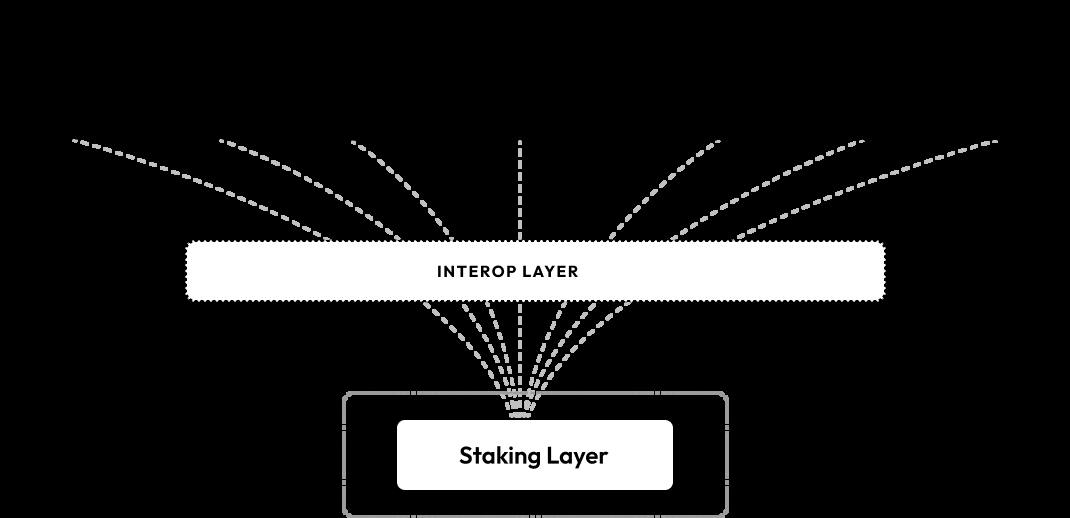
インターネットの価値層としての Polygon の背後にあるビジョンは、価値のある世界を導くことです。 私たちが作成して交換する方法と同様に、自由かつ世界中で作成および交換できます。 今日の情報。新しい、より公平で、より包括的で、より効率的な形式を可能にする世界 人間の組織とガバナンス。私たちは、このビジョンを実現することで、 私たちの社会を大きく前進させます。 この野心的なビジョンを現実にするためには、Polygon のインフラストラクチャを改善する必要があります。 具体的には、セキュリティとユーザーを犠牲にすることなく、飛躍的に拡張性が向上する必要があります。 経験。 これに対処するために、再考されたプロトコル アーキテクチャが Polygon の一部として導入されています。 2.0の努力。この根本的な再設計により、Polygon は ZK を利用した統合された L2 チェーンのネットワークに変わります。 新しいクロスチェーン調整プロトコルを介して。ネットワークは事実上無制限にサポートできます チェーンの数とクロスチェーンのインタラクションは、シームレスかつ瞬時に発生します。 追加のセキュリティまたは信頼の仮定。この設計は前述の機能を完全に実現します 要件 – セキュリティとユーザー エクスペリエンスを犠牲にすることなく、飛躍的な拡張性を実現します。 図 1. Polygon プロトコル アーキテクチャ この強力なネットワークを調整し、保護し、拡張するには、高度で適切に設計されたプロトコルを使用します。 経済性と機構設計が必要です。これがPOLの創設のきっかけとなりました。
วิสัยทัศน์
วิสัยทัศน์เบื้องหลัง Polygon ในฐานะ Value Layer ของอินเทอร์เน็ตคือการเปิดโลกที่มีคุณค่า สามารถสร้างและแลกเปลี่ยนได้อย่างอิสระและทั่วโลก เช่นเดียวกับที่เราสร้างและแลกเปลี่ยน ข้อมูลวันนี้ โลกที่ทำให้เกิดรูปแบบใหม่ที่ยุติธรรมยิ่งขึ้น ครอบคลุมมากขึ้น และมีประสิทธิภาพมากขึ้น ขององค์กรมนุษย์และการกำกับดูแล เราเชื่อมั่นอย่างยิ่งว่าการบรรลุวิสัยทัศน์นี้สามารถทำได้ พัฒนาสังคมของเราอย่างมาก เพื่อทำให้วิสัยทัศน์อันทะเยอทะยานนี้เป็นจริง โครงสร้างพื้นฐานของ Polygon จะต้องปรับปรุง โดยเฉพาะอย่างยิ่ง จะต้องสามารถขยายขนาดได้มากขึ้นแบบทวีคูณ โดยไม่กระทบต่อความปลอดภัยและผู้ใช้ ประสบการณ์ เพื่อแก้ไขปัญหานี้ สถาปัตยกรรมโปรโตคอลที่ได้รับการปรับปรุงใหม่จึงถูกนำมาใช้เป็นส่วนหนึ่งของ Polygon ความพยายาม 2.0 การออกแบบใหม่ที่รุนแรงนี้เปลี่ยน Polygon ให้เป็นเครือข่ายของโซ่ L2 ที่ขับเคลื่อนด้วย ZK ที่เป็นหนึ่งเดียว ผ่านโปรโตคอลการประสานงานข้ามสายโซ่แบบใหม่ เครือข่ายสามารถรองรับการใช้งานได้จริงไม่จำกัด จำนวนเชนและการโต้ตอบข้ามเชนสามารถเกิดขึ้นได้อย่างราบรื่นและทันทีโดยไม่ต้องมี สมมติฐานด้านความปลอดภัยหรือความน่าเชื่อถือเพิ่มเติม การออกแบบนี้มอบสิ่งที่กล่าวมาข้างต้นอย่างเต็มที่ ข้อกำหนด – ความสามารถในการขยายแบบเอ็กซ์โปเนนเชียลโดยไม่กระทบต่อความปลอดภัยและประสบการณ์ผู้ใช้ รูปที่ 1. Polygon สถาปัตยกรรมโปรโตคอล เพื่อประสานงาน รักษาความปลอดภัยและขยายเครือข่ายอันทรงพลังนี้ ซึ่งเป็นโปรโตคอลขั้นสูงที่ออกแบบมาอย่างดี จำเป็นต้องมีการออกแบบเศรษฐกิจและกลไก นี่เป็นแรงบันดาลใจให้เกิดการก่อตั้ง POL
関連作品
この章では、関連するネイティブ token 設計例と、それらが割り当てるユーティリティについて概説します。 token と注目すべき利点と欠点。 2.1 Bitcoin (BTC) BTC は Bitcoin プロトコルのネイティブ token であり、最初の著名なネイティブ token です。 実装。 BTC の有用性は 2 つあります。 ● マイナーの報酬: プロトコルは BTC を発行し、それをプロトコル validators (別名) に分配します。 鉱夫。 ● 取引手数料: ユーザーは取引ごとに BTC で手数料を支払うため、スパムやスパムを防止できます。 マイナーに追加のインセンティブを提供します。 BTC 設計の利点の 1 つは、決定論的、つまり予測可能な供給です。通常、tokens 供給が決定的なものは保有者にとってより魅力的であり、それらよりも優れた価値を獲得できます。 非決定的な供給を伴う。 私たちは BTC をレガシー token 設計だと考えており、その欠点は複数あると主張します。 ● これは非生産的な資産であり、その所有者にプロトコルにおいて意味のある役割を与えません そのような役割を果たすインセンティブもありません。 ● プロトコルのネイティブ token へのステークを要求する機会を利用しません。 validators ではなく、ステーキング、つまり外部リソース (マイニング) への投資が必要です。 機器と電気)、そのためプロトコルの回復力と自立性が低くなります。 ● マイニング報酬の排出量がゼロになるまで段階的に削減されます。 持続可能性と安全性への懸念(一度安全性を維持できるかは不明) 排出率が低くなるか、ゼロに達します)。 ● それはエコシステムにいかなる種類の経済的支援も導入しません。 ● Layer 1 と主張することもできますが、所有者にいかなるガバナンス権限も与えません。 Bitcoin などのプロトコルは、ガバナンスのために token を利用すべきではありません。 2.2 Ethereum (ETH) ETH は、Ethereum プロトコルおよびエコシステムのネイティブ token です。その革新的なデザインにより、 次世代のネイティブ プロトコル tokens を確立しました。
ETH の有用性は多岐にわたります。 ● バリデーター staking: Ethereum の PoS (プルーフ・オブ・ステーク) プロトコルではステーキングに validator が必要です validator プールに参加するための ETH。 ● バリデーターの報酬: プロトコルは ETH を発行し、それをプロトコル validators に分配します。 ● 取引手数料: ユーザーは取引ごとに手数料を ETH で支払うため、スパムやスパムを防止できます。 validator に対して追加のインセンティブを提供します。 ETH の設計には複数の利点があります。 ● これは生産的な資産であり、その所有者はネットワークのセキュリティ保護に参加でき、 そうすることでインセンティブを受け取ります。 ● プロトコル内のスラッシュ、つまり破壊による validators の悪意のある動作を抑制します。 token 件の悪意のある validator 件。 ● 何も持たないため、セキュリティと持続可能性の懸念が生じることはありません。 BTCのような供給キャップ。 ● 初期のエネルギーの所定の部分を介してエコシステムに経済的サポートを提供します。 供給は管理財団に割り当てられます。 ETH 設計の潜在的な欠点の 1 つは、供給が完全に予測できないことです。 より多くの token がステーキングされると、validator 報酬の token 排出量が増加します。ただし、 これは、あらゆるものの一部を燃焼1する組み込みメカニズムによってうまく対抗されます。 これにより、validator の報酬に対する token の排出の影響が相殺されます。もう一つ 欠点は、前述の経済的支援が無期限に継続できないことです。最初の token 管理財団への割り当ては最終的に枯渇します。最後に、そうではありません token 保有者にガバナンス権限を割り当てること Layer 1 プロトコルはガバナンスのために token を利用すべきではありません。 2.3 Cosmos (アトム) ATOM は、Cosmos ハブのネイティブ token であり、Cosmos の中心となる blockchain です。 マルチチェーンエコシステム。 複数のユーティリティがありますが、Cosmos ハブ内のみです。 ● バリデータ staking; ● バリデーターの報酬; ● 取引手数料; 1 https://github.com/ethereum/EIPs/blob/master/EIPS/eip-1559.md● ガバナンス。 ATOM の設計には次の利点があります。 ● これは生産的な資産であり、その所有者は Cosmos ハブの保護に参加して、 それを行うためのインセンティブ。 ● 何も持たないため、セキュリティと持続可能性の懸念が生じることはありません。 供給キャップ。 ● あらかじめ決められた配分を通じてエコシステムに経済的サポートを提供します。 スチュワード財団。 ● 包括的なガバナンス モデルを通じて、保有者にガバナンス権限を与えます。 ATOM 設計の欠点: ● Cosmos ハブ内でのみユーティリティがあります。他のチェーンを実行および保護するためには使用されません。 エコシステム、ただしこれを可能にする取り組みはあります。 ● token のみのガバナンス モデルを促進し、他の関連する利害関係者を排除します。 意思決定によるエコシステム (開発者、著名な貢献者、アプリケーションなど) の 作ること。 ● token 財務省が支援する経済支援は無期限に続くわけではありません。 結局枯渇してしまう。 2.4 Polkadot (DOT) DOT は、Polkadot マルチチェーン エコシステムのネイティブ token です。 これは ATOM と同じユーティリティを備えていますが、一般に Polkadot エコシステム全体にわたって機能します。 ● バリデータ staking; ● バリデーターの報酬; ● 取引手数料; ● ガバナンス。 DOT の設計には次の利点があります。 ● それは生産的な資産です。 ● 何も持たないため、セキュリティと持続可能性の懸念が生じることはありません。 供給キャップ。 ● あらかじめ決められた配分を通じてエコシステムに経済的サポートを提供します。 スチュワード財団。 ● 包括的なガバナンス モデルを通じて、保有者にガバナンス権限を与えます。
● これは、エコシステム全体、つまり参加しているすべての blockchain にセキュリティを提供します。 欠点は次のとおりです。 ● すべての参加チェーンに対して、validator staking token として DOT を使用することが義務付けられています。 したがって、Polkadot チェーンの開発者にとってアーキテクチャのオプションが減少します。 ● これは、Polkadot blockchain の開発者にとって、かなりのレベルの摩擦をもたらします。 チェーンを確立するには、大量の DOT を入札してロックする必要があります。 生態系の一部。 ● token のみのガバナンス モデルを促進し、他の関連する利害関係者を排除します。 意思決定によるエコシステムの評価。 ● token 財務省が支援する経済支援は無期限に続くわけではありません。 結局枯渇してしまう。 2.5Aave(アーベ) AAVE は、オンチェーン token 融資プラットフォームである Aave のネイティブ token です。 AAVE はプロトコルではなくアプリケーション token であるため、その設計は分析しません。 メリットとデメリット。 POL 設計に対する AAVE の関連性は 2 つあります。 ● AAVE は、Aave の初期ネイティブ token である LEND の後継です。 Aaveコミュニティ LEND から AAVE への有益な移行を成功裏に実行しました。 ● AAVE は、包括的なガバナンス モデルを通じて所有者にガバナンス権限を提供します。
งานที่เกี่ยวข้อง
ในบทนี้ เราจะร่างตัวอย่างการออกแบบ token แบบเนทีฟที่เกี่ยวข้อง ซึ่งเป็นยูทิลิตี้ที่พวกเขากำหนดให้กับ token ตลอดจนข้อดีและข้อเสียที่น่าสังเกต 2.1 Bitcoin (BTC) BTC เป็นค่าดั้งเดิม token ของโปรโตคอล Bitcoin และเป็นค่าดั้งเดิมที่โดดเด่นตัวแรก token การดำเนินการ ประโยชน์ของ BTC นั้นมีสองเท่า: ● รางวัลนักขุด: โปรโตคอลปล่อย BTC และกระจายไปยังโปรโตคอล validators หรือที่รู้จักในชื่อ คนงานเหมือง; ● ค่าธรรมเนียมการทำธุรกรรม: ผู้ใช้จ่ายค่าธรรมเนียมเป็น BTC สำหรับทุกธุรกรรม ซึ่งป้องกันสแปมและ ให้แรงจูงใจเพิ่มเติมแก่นักขุด ข้อดีอย่างหนึ่งของการออกแบบ BTC คือความสามารถในการกำหนดได้ เช่น อุปทานที่คาดการณ์ได้ โดยปกติ tokens ด้วยอุปทานที่กำหนดจะดึงดูดผู้ถือมากกว่าและสามารถจับมูลค่าได้ดีกว่าเหล่านั้น ด้วยอุปทานที่ไม่แน่นอน เราถือว่า BTC เป็นการออกแบบ token แบบเดิม และเรายืนยันว่าข้อเสียของมันมีหลายประการ: ● มันเป็นสินทรัพย์ที่ไม่ก่อให้เกิดประโยชน์ และไม่ได้ทำให้ผู้ถือมีบทบาทที่มีความหมายในโปรโตคอล หรือแรงจูงใจในการปฏิบัติหน้าที่ดังกล่าว ● มันไม่ได้ใช้ประโยชน์จากโอกาสในการต้องมีส่วนแบ่งใน token ดั้งเดิมสำหรับโปรโตคอล validators และกำหนดให้พวกเขาเดิมพันแทน เช่น ลงทุนทรัพยากรภายนอก (การขุด อุปกรณ์และไฟฟ้า) จึงทำให้โปรโตคอลมีความยืดหยุ่นน้อยลงและยั่งยืนในตัวเอง ● โดยจะค่อยๆ ลดการปล่อยของรางวัลการขุดจนกว่าจะถึงศูนย์ ซึ่งจะเป็นการแนะนำ ข้อกังวลด้านความยั่งยืนและความปลอดภัย (ไม่ชัดเจนว่าสามารถรักษาความปลอดภัยได้เพียงครั้งเดียวหรือไม่ อัตราการปล่อยก๊าซเรือนกระจกต่ำหรือถึงศูนย์) ● มันไม่ได้แนะนำการสนับสนุนทางเศรษฐกิจประเภทใด ๆ ให้กับระบบนิเวศ ● ไม่ให้สิทธิ์ในการกำกับดูแลใดๆ แก่ผู้ถือ แม้ว่าจะสามารถโต้แย้งได้ว่า Layer 1 โปรโตคอลเช่น Bitcoin ไม่ควรใช้ tokens สำหรับการกำกับดูแล 2.2 Ethereum (ผลประโยชน์ทับซ้อน) ETH เป็น token ดั้งเดิมของ Ethereum โปรโตคอลและระบบนิเวศ ด้วยนวัตกรรมการออกแบบมัน สร้างโปรโตคอลดั้งเดิมรุ่นต่อไป tokens
ประโยชน์ของ ETH นั้นมีหลากหลาย: ● เครื่องมือตรวจสอบ staking: โปรโตคอล PoS (หลักฐานการเดิมพัน) ของ Ethereum กำหนดให้ validators เดิมพัน ETH เพื่อเข้าร่วมกลุ่ม validator; ● รางวัลจากผู้ตรวจสอบ: โปรโตคอลปล่อย ETH และกระจายไปยังโปรโตคอล validators; ● ค่าธรรมเนียมการทำธุรกรรม: ผู้ใช้จ่ายค่าธรรมเนียมเป็น ETH สำหรับทุกธุรกรรมซึ่งป้องกันสแปมและ ให้สิ่งจูงใจเพิ่มเติมสำหรับ validators การออกแบบ ETH มีข้อดีหลายประการ: ● มันเป็นสินทรัพย์ที่มีประสิทธิผล ผู้ถือสามารถมีส่วนร่วมในการรักษาความปลอดภัยเครือข่ายได้ ได้รับแรงจูงใจในการทำเช่นนั้น ● มันยับยั้งพฤติกรรมที่เป็นอันตรายของ validators ผ่านการเฉือนในโปรโตคอล เช่น การทำลาย tokens ของ validators ที่เป็นอันตราย; ● ไม่ได้นำเสนอข้อกังวลด้านความปลอดภัยและความยั่งยืน เนื่องจากไม่มี อุปทานสูงสุดเช่น BTC; ● ให้การสนับสนุนทางเศรษฐกิจแก่ระบบนิเวศผ่านส่วนที่กำหนดไว้ล่วงหน้าของการเริ่มต้น อุปทานที่จัดสรรให้กับมูลนิธิพิทักษ์ ข้อเสียที่อาจเกิดขึ้นประการหนึ่งของการออกแบบ ETH คือไม่มีอุปทานที่คาดการณ์ได้อย่างสมบูรณ์ เนื่องจากการปล่อย token สำหรับรางวัล validator จะเพิ่มขึ้นเมื่อมีการเดิมพัน tokens มากขึ้น อย่างไรก็ตาม สิ่งนี้สามารถตอบโต้ได้สำเร็จด้วยกลไกในตัวที่จะเผาผลาญส่วนหนึ่งของทุกส่วน ค่าธรรมเนียมการทำธุรกรรม ซึ่งสวนทางกับผลกระทบของการปล่อย token สำหรับรางวัล validator อีกอัน ข้อเสียคือการสนับสนุนทางเศรษฐกิจดังกล่าวไม่สามารถคงอยู่ได้ตลอดไป เริ่มต้น token การจัดสรรให้กับมูลนิธิพิทักษ์จะหมดลงในที่สุด สุดท้ายก็ไม่ได้ มอบหมายสิทธิ์ในการกำกับดูแลใด ๆ ให้กับผู้ถือ token แม้ว่าดังที่กล่าวไว้ข้างต้น ก็สามารถโต้แย้งได้ โปรโตคอล Layer 1 ไม่ควรใช้ tokens สำหรับการกำกับดูแล 2.3 Cosmos (อะตอม) ATOM เป็น token ดั้งเดิมของ Cosmos Hub ซึ่งเป็นศูนย์กลาง blockchain ของ Cosmos ระบบนิเวศหลายสายโซ่ มันมียูทิลิตี้หลายเท่า แต่ภายใน Cosmos Hub เท่านั้น: ● ผู้ตรวจสอบความถูกต้อง staking; ● รางวัลผู้ตรวจสอบ; ● ค่าธรรมเนียมการทำธุรกรรม 1 https://github.com/ethereum/EIPs/blob/master/EIPS/eip-1559.md● ธรรมาภิบาล การออกแบบของ ATOM มีข้อดีดังต่อไปนี้: ● มันเป็นสินทรัพย์ที่มีประสิทธิผล ผู้ถือสามารถมีส่วนร่วมในการรักษาความปลอดภัย Cosmos Hub และรับ แรงจูงใจในการทำเช่นนั้น ● ไม่ได้นำเสนอข้อกังวลด้านความปลอดภัยและความยั่งยืน เนื่องจากไม่มี ฝาปิดอุปทาน; ● ให้การสนับสนุนทางเศรษฐกิจแก่ระบบนิเวศผ่านการจัดสรรที่กำหนดไว้ล่วงหน้าให้กับ มูลนิธิพิทักษ์; ● โดยให้สิทธิ์ในการกำกับดูแลแก่ผู้ถือผ่านโมเดลการกำกับดูแลที่ครอบคลุม ข้อเสียของการออกแบบ ATOM: ● มียูทิลิตี้ภายใน Cosmos Hub เท่านั้น ไม่ได้ใช้เพื่อรันและรักษาความปลอดภัยโซ่อื่น ๆ ใน ระบบนิเวศแม้ว่าจะมีความคิดริเริ่มเพื่อให้สามารถทำเช่นนี้ได้ ● อำนวยความสะดวกให้กับโมเดลการกำกับดูแล token เท่านั้น ซึ่งไม่รวมผู้มีส่วนได้ส่วนเสียอื่นๆ ที่เกี่ยวข้อง ของระบบนิเวศ (นักพัฒนา ผู้สนับสนุนที่โดดเด่น แอปพลิเคชัน ฯลฯ) จากการตัดสินใจ ทำ; ● การสนับสนุนทางเศรษฐกิจที่อำนวยความสะดวกไม่สามารถคงอยู่ได้ตลอดไป เนื่องจากคลัง token จะ ในที่สุดก็หมดลง 2.4 Polkadot (ดอท) DOT เป็น token แบบเนทีฟของ Polkadot ระบบนิเวศหลายสายโซ่ มันมียูทิลิตี้เช่นเดียวกับ ATOM แต่โดยทั่วไปทั่วทั้งระบบนิเวศ Polkadot: ● ผู้ตรวจสอบความถูกต้อง staking; ● รางวัลผู้ตรวจสอบ; ● ค่าธรรมเนียมการทำธุรกรรม ● ธรรมาภิบาล การออกแบบ DOT มีข้อดีดังต่อไปนี้: ● มันเป็นสินทรัพย์ที่มีประสิทธิผล ● ไม่ได้นำเสนอข้อกังวลด้านความปลอดภัยและความยั่งยืน เนื่องจากไม่มี ฝาปิดอุปทาน; ● ให้การสนับสนุนทางเศรษฐกิจแก่ระบบนิเวศผ่านการจัดสรรที่กำหนดไว้ล่วงหน้าให้กับ มูลนิธิพิทักษ์; ● โดยให้สิทธิ์ในการกำกับดูแลแก่ผู้ถือผ่านโมเดลการกำกับดูแลที่ครอบคลุม
● ให้ความปลอดภัยสำหรับระบบนิเวศทั้งหมด เช่น blockchains ที่เข้าร่วมทั้งหมด ข้อเสียคือ: ● กำหนดให้มีการใช้ DOT เป็น validator staking token สำหรับเครือข่ายที่เข้าร่วมทั้งหมด จึงลดตัวเลือกทางสถาปัตยกรรมสำหรับนักพัฒนาของ Polkadot chains ● โดยนำเสนอระดับความขัดแย้งที่สำคัญสำหรับนักพัฒนาของ Polkadot blockchains ซึ่งเป็น จำเป็นต้องประมูลและล็อค DOT จำนวนมากเพื่อให้เครือข่ายกลายเป็น ส่วนหนึ่งของระบบนิเวศ ● อำนวยความสะดวกให้กับโมเดลการกำกับดูแล token เท่านั้น ซึ่งไม่รวมผู้มีส่วนได้ส่วนเสียอื่นๆ ที่เกี่ยวข้อง ของระบบนิเวศจากการตัดสินใจ ● การสนับสนุนทางเศรษฐกิจที่อำนวยความสะดวกไม่สามารถคงอยู่ได้ตลอดไป เนื่องจากคลัง token จะ ในที่สุดก็หมดลง 2.5 เอเว (เอเว) AAVE เป็น token ดั้งเดิมของ Aave ซึ่งเป็นแพลตฟอร์มการให้กู้ยืมแบบออนไลน์ token เนื่องจาก AAVE ไม่ใช่โปรโตคอล แต่เป็นแอปพลิเคชัน token เราจึงไม่วิเคราะห์การออกแบบ ข้อดีและข้อเสีย ความเกี่ยวข้องของ AAVE สำหรับการออกแบบ POL นั้นมีสองเท่า: ● AAVE เป็นผู้สืบทอดของ LEND ซึ่งเป็นภาษาเริ่มต้น token ของ Aave ชุมชนอาฟ ดำเนินการโยกย้ายที่ประสบความสำเร็จและเป็นประโยชน์จาก LEND ไปยัง AAVE ● AAVE ให้สิทธิ์ในการกำกับดูแลแก่ผู้ถือผ่านรูปแบบการกำกับดูแลที่ครอบคลุม
設計目標
関連業務の分析に基づいて、POL が利益を得るいくつかの主要な機会が明らかになりました。 Polygon エコシステムが特定されました。これらの機会はここで次のように提示されます ポール 設計目標。 1. 生態系のセキュリティ。 POL は、高度に分散化されたプールの確立を支援する必要があります。 validator は、任意の Polygon チェーンを実行して保護できます。バリデーターにはインセンティブが与えられるべきである validator プールに参加してそこに留まり、できるだけ多くのチェーンを保護するのに役立ちます。 同時に、悪意のあることをする気も失せます。 2. 無限の拡張性。 POL は、Polygon エコシステムの急激な成長をサポートする必要があります そして最終的には世界の「ハイパーブロックチェーン化」。まず、validator を有効にする必要があります。 数千の Polygon チェーンをサポートするためにプールを拡張します。
3. エコシステムのサポート。グローバル ネットワークを構築中であるため、Polygon には継続的なネットワークが必要です さらなる発展と成長のための経済的支援。 POL は、 これらの活動に対する自立的な資金調達メカニズム。この資金調達の「手段」は、 Polygon コミュニティによって管理されています。 4. 摩擦はありません。ブロックチェーン ネットワークでは、多くの場合、ユーザーと開発者の両方が保有、ステークを必要とします。 または、ネットワークを使用するためにネイティブ token を消費します。それによって摩擦が生じてしまい、 ユーザーと開発者のエクスペリエンスを低下させます。 POL は次のような方法で設計される必要があります。 そのような摩擦を引き起こさないようにします。 5. コミュニティの所有権。 Polygon は、によって管理される分散型ネットワークとして想定されています。 そのコミュニティ。 POL 保有者にガバナンス権限を割り当てると、 意思決定者に直接インセンティブを与える効果的なガバナンス モデル Polygon エコシステムにとって最大の利益となる提案をサポートします。
เป้าหมายการออกแบบ
จากการวิเคราะห์งานที่เกี่ยวข้อง มีโอกาสสำคัญหลายประการสำหรับ POL ที่จะได้รับประโยชน์จาก Polygon มีการระบุระบบนิเวศ โอกาสเหล่านี้จึงได้ยกมาไว้ที่นี่เช่น พล.ต.อ เป้าหมายการออกแบบ 1. ความปลอดภัยของระบบนิเวศ POL ควรช่วยสร้างกลุ่มการกระจายอำนาจสูงของ validators ที่สามารถเรียกใช้และรักษาความปลอดภัยของ Polygon chain ใด ๆ ผู้ตรวจสอบความถูกต้องควรได้รับการจูงใจ เพื่อเข้าร่วมและอยู่ในกลุ่ม validator และช่วยรักษาความปลอดภัยให้กับเครือข่ายให้ได้มากที่สุด และที่ ในขณะเดียวกันก็ไม่จูงใจให้ทำอะไรที่เป็นอันตราย 2. ความสามารถในการขยายขนาดที่ไม่มีที่สิ้นสุด POL ควรสนับสนุนการเติบโตแบบทวีคูณของระบบนิเวศ Polygon และ "ไฮเปอร์โบลเชนไนซ์" ของโลกในที่สุด โดยพื้นฐานแล้ว ควรเปิดใช้งาน validator พูลเพื่อปรับขนาดเพื่อรองรับ Polygon chain นับพัน
3. การสนับสนุนระบบนิเวศ เนื่องจากกำลังสร้างเครือข่ายระดับโลก Polygon จึงจำเป็นต้องมีการดำเนินการอย่างต่อเนื่อง การสนับสนุนทางเศรษฐกิจเพื่อการพัฒนาและการเติบโตต่อไป POL ควรช่วยสร้าง กลไกการให้ทุนสนับสนุนตนเองสำหรับกิจกรรมเหล่านั้น “ยานพาหนะ” เงินทุนนี้ควรจะเป็น ควบคุมโดยชุมชน Polygon 4. ไม่มีแรงเสียดทาน เครือข่ายบล็อคเชนมักต้องการให้ทั้งผู้ใช้และนักพัฒนาถือครองและเดิมพัน หรือใช้ tokens ดั้งเดิมเพื่อใช้เครือข่าย ทำให้เกิดการเสียดสีและ ทำให้ประสบการณ์ของผู้ใช้และนักพัฒนาลดลง POL ควรได้รับการออกแบบในลักษณะที่เป็นเช่นนั้น ไม่ก่อให้เกิดการเสียดสีดังกล่าว 5. ความเป็นเจ้าของชุมชน Polygon ถูกมองว่าเป็นเครือข่ายแบบกระจายอำนาจที่ควบคุมโดย ชุมชนของมัน การกำหนดสิทธิการกำกับดูแลให้กับผู้ถือ POL สามารถสร้างได้ รูปแบบการกำกับดูแลที่มีประสิทธิผลซึ่งผู้มีอำนาจตัดสินใจได้รับแรงจูงใจโดยตรง สนับสนุนข้อเสนอที่เป็นประโยชน์สูงสุดของระบบนิเวศ Polygon
ユーティリティ
POL は Polygon のネイティブ token であり、調整および調整のための主要なツールを表します。 Polygon エコシステム全体の奨励。 これには、次のような複数のユーティリティがあります。 ● バリデータ staking; ● バリデーターの報酬; ● コミュニティの所有権、つまりガバナンス。 4.1 バリデータ staking Polygon validator プールに参加するには、POL をステークする必要があります。 Validator staking は、以下によってエコシステムのセキュリティを強化します。 ● シビル攻撃の防止。 ● validator をエコシステムの成功に合わせる。 ● スラッシュ、つまり悪意のある validator に対する罰を有効にします。 staking POL と validator プールに参加することで、validator が検証を購読できるようになります 任意の Polygon チェーン。 validator の検証とその利点については、§ 6.3 で詳しく説明します。
4.2 バリデーターの報酬 validator プールの分散化とサイズは、セキュリティ、復元力、および Polygon エコシステム全体の中立性。 validator のオンボーディングと定着を促進するには、 事前に定義された量の POL をプロトコルとして Polygon validators に継続的に分配する必要があります 報酬。プロトコル報酬は、の量に比例して validator に分配される必要があります。 彼らはPOLを賭けます。 POL 放射については § 5.2 で説明されています。 プロトコル報酬は、validator に基本的なインセンティブを提供し、平等な競争条件を確立します。 validator プール全体。さらに、validator は検証することで追加のインセンティブを確保できます。 個々の Polygon チェーン。追加の validator インセンティブについては、§ 6.3 で説明されています。 4.3 ガバナンス へ 促進する 効率的、 コミュニティ運営 ガバナンス の Polygon の重要な側面 エコシステムでは、POL がガバナンス権限を保持できるように技術的に有効にする必要があります。つまり、POL を利用できるようにする必要があります。 ガバナンスの枠組み。 Polygon ガバナンス フレームワークの説明は、この範囲外です。 この紙。
คุณประโยชน์
POL เป็นภาษาดั้งเดิม token ของ Polygon และด้วยเหตุนี้จึงแสดงถึงเครื่องมือหลักสำหรับการประสานงานและ การสร้างแรงจูงใจให้กับระบบนิเวศ Polygon ทั้งหมด มันมียูทิลิตี้หลายเท่า ได้แก่ : ● เครื่องมือตรวจสอบ staking; ● รางวัลผู้ตรวจสอบ; ● ความเป็นเจ้าของชุมชน เช่น การปกครอง 4.1 เครื่องมือตรวจสอบ staking Polygon validators จำเป็นต้องเดิมพัน POL เพื่อเข้าร่วมกลุ่ม validator เครื่องมือตรวจสอบ staking เพิ่มความปลอดภัยของระบบนิเวศโดย: ● ป้องกันการโจมตีของซีบิล ● การจัด validators ให้สอดคล้องกับความสำเร็จของระบบนิเวศ ● เปิดใช้งานการเฉือน เช่น การลงโทษผู้ประสงค์ร้าย validators ภายใน staking POL และเข้าร่วมกลุ่ม validator validators จะมีสิทธิ์สมัครรับข้อมูลเพื่อตรวจสอบความถูกต้อง Polygon เชนใด ๆ การตรวจสอบความถูกต้องและประโยชน์ของ validators ได้รับการอธิบายเพิ่มเติมใน § 6.3
4.2 รางวัลจากผู้ตรวจสอบ การกระจายอำนาจและขนาดของพูล validator มีความสำคัญอย่างยิ่งต่อความปลอดภัย ความยืดหยุ่น และ ความเป็นกลางของระบบนิเวศ Polygon ทั้งหมด เพื่อจูงใจ validator การเริ่มต้นใช้งานและการรักษาไว้ จำนวน POL ที่กำหนดไว้ล่วงหน้าควรกระจายอย่างต่อเนื่องไปยัง Polygon validators เป็นโปรโตคอล รางวัล รางวัลโปรโตคอลควรแจกจ่ายให้กับ validators ตามสัดส่วนของจำนวน POL พวกเขาเดิมพัน การปล่อย POL มีอธิบายไว้ใน § 5.2 รางวัลโปรโตคอลจะมอบแรงจูงใจพื้นฐานสำหรับ validators และสร้างสนามแข่งขันที่เท่าเทียมกันสำหรับ พูล validator ทั้งหมด ยิ่งไปกว่านั้น validators ยังสามารถได้รับสิ่งจูงใจเพิ่มเติมโดยการตรวจสอบความถูกต้อง Polygon โซ่แต่ละอัน สิ่งจูงใจเพิ่มเติม validator อธิบายไว้ใน § 6.3 4.3 การกำกับดูแล ถึง อำนวยความสะดวก มีประสิทธิภาพ, ดำเนินการโดยชุมชน การกำกับดูแล ของ ลักษณะสำคัญของ Polygon ระบบนิเวศ POL ควรเปิดใช้งานทางเทคนิคเพื่อถือสิทธิ์การกำกับดูแล เช่น นำไปใช้ใน กรอบการกำกับดูแล การอธิบายกรอบการกำกับดูแล Polygon อยู่นอกขอบเขตของ กระดาษนี้
供給
ここでは、POL の初期供給と排出ポリシーを取り上げ、その根拠を説明します。 両方の後ろにあります。 5.1 初期供給 POL の初期供給量は 100 億 token です。初期供給量はすべて次のとおりである必要があります。 移行専用、すなわち token MATIC から POL へのスワップ。この移行には時間がかかります POL が MATIC を Polygon エコシステムのネイティブ token として引き継ぐために配置されます。 § 8 で説明します。 POL の初期供給量は MATIC の供給量と一致するため、移行はかなりスムーズになります。 率直な。 移行が完了すると、POL の分布は基本的に現在のものと一致します。 MATICの配布。 MATIC はすでに token という広範なプロセスを経ています この配布により、600,000 を超える所有者アドレス 2 が発生し、おそらくさらに多くのアドレスが存在することになります。 2 出典: https://etherscan.io/token/0x7d1afa7b718fb893db30a3abc0cfc608aacfebb0#balances
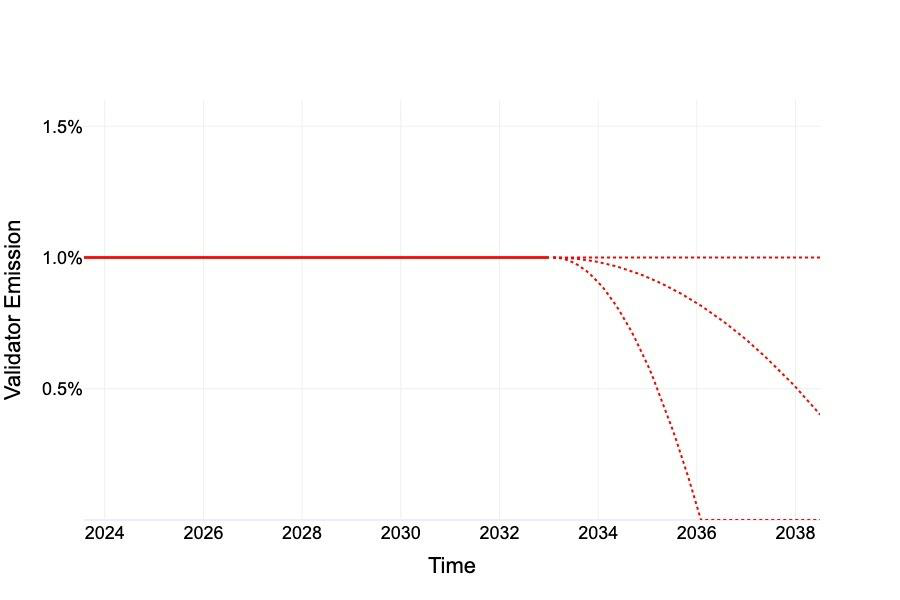
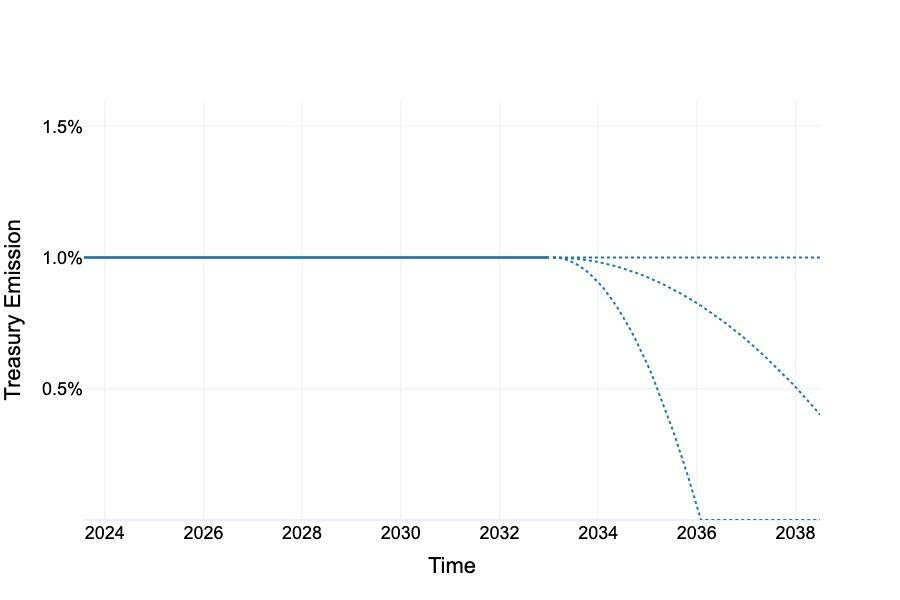
集中暗号通貨取引所とDeFiプロトコルのアドレスを考慮すると、実際の保有者 複数のユーザーを表します。これは、POL が初日から広く配布されることを意味します。 全体的な分散化とエコシステムの回復力に役立ちます。 5.2 排出 POL は、次の 2 つの目的で、事前定義された決定的なレートで送信されます。 1. バリデーターの報酬。 validator のオンボーディングと維持を奨励するには、POL は次のようにする必要があります。 所定のレートで継続的に放出され、ベースとしてvalidatorsに分配され、 プロトコル報酬。私たちは、この製品の POL 供給量の 1% の年間排出率を提案します。 目的。最初の 10 年間は排出率を変えることはできません。 その期間の後、コミュニティは、 ガバナンスの枠組み。排出率は 1% を超えることはできません。 2. エコシステムのサポート。さらなる発展と成長のために継続的なサポートを提供する の Polygon 生態系、 私たち 提案する に 紹介する の コミュニティ 財務省、 ある § 7 で説明されているコミュニティが管理するエコシステム基金。私たちは年間排出量を提案します。 この目的のために POL 供給の 1% の割合を使用します。 validator の発光と同じように 報酬があれば、この排出率はガバナンスを通じて 10 年後に削減できます。 という枠組みであり、1%を超えて増やすことはできません。 図 2. 考えられる POL 排出率シナリオ 提案された排出量と排出率の理論的根拠は、Polygon エコシステムが そして Web3 は一般に、成熟して主流に採用されるまでに時間がかかるでしょう。に基づいて、過去のインターネットとコンピューティング プラットフォームの導入サイクルを考慮すると、成熟段階は次のようになります。 現実的に 約10~15年以内に起こると予想されています。その期間中、生態系は 経済的支援が必要です。 Polygon エコシステムと Web3 が成熟すると、取引手数料やその他のインセンティブが付与されます Polygon チェーン (§ 6.3 で説明) を検証することで保護されているため、それだけで十分な量のデータが生成されるはずです。 Polygon validator 秒の場合に返されます。それが起こると、コミュニティは介入することを決定し、 セキュリティに影響を与えることなく、validator の報酬の排出量を削減または完全に中止する そしてエコシステムの分散化。同様に、コミュニティはその後、削減または削減を決定できます。 生態系が維持されなくなることを考慮して、地域国庫への排出も中止する。 もう多額の経済的支援が必要です。 明らかに、Web3 の導入サイクルはわずかに、または完全に異なるように見える可能性があります。曲がった場合に備えて 主流の採用にはさらに時間がかかり、エコシステムにはまだサポートが必要であることがわかりました 10年後、コミュニティは介入しないことを選択でき、排出は継続します。 必要な限り発生します。 私たちは、提案された排出政策が以下の間の均衡を達成するため最適であると考えています。 ● 十分な 生態系 サポートします。 十分、 将来性のある サポート に の Polygon エコシステムは、Polygon のセキュリティと成功にとって非常に重要です。を検証するには、 提案された排出率が確かに十分であるという仮説を立てて、私たちは次のような仮説を立てました。 経済モデルを作成し、シミュレーションを実行し、その結果を第 9 章で示しました。 ● セキュリティ 経由 希少性。ネイティブ token の不足は、 blockchain ネットワーク。高い token 希釈はセキュリティに劇的な影響を与える可能性があります。見積もるには POL の希少性により、提案された排出率を BTC の排出率と比較できます。 これは現在≈1.8%3 ですが、過去には大幅に高かったこともあります。また、 徐々に減少しており、BTC の排出は今後何年にもわたって起こることが保証されています 一方で、POL の排出は 10 世紀以降でも削減または中止される可能性があります。 年。 (i) Bitcoin は非常に希少な資産であると考えられており、(ii) 合計 POL を考慮すると、 排出率はBTCと同等(そして潜在的にはBTCよりも厳しい)であると結論付けます。 POL は十分に希少です。つまり、POL の放出によってプロトコルのセキュリティ上の懸念が生じることはありません。 3 出典: https://charts.woobull.com/bitcoin-inflation/
最後に、私たちが提案する排出政策には高度な規制が含まれていることに注意することが重要です。 予測可能性。あらかじめ決められた排出スケジュールにより、長期にわたる POL の供給が予測可能になります。 たとえコミュニティが介入することを決定したとしても。説明したように、コミュニティでできることは次のとおりです。 排出率を下げることで、所定の排出政策を効果的に補完し、 POLの希少性が高まる可能性があります。予測可能性と希少性がプロトコルと市場を惹きつける 参加者に信頼感を与えます。 Polygon エコシステムが成長し続けるにつれて、これは POL を魅力的で信頼できるデジタル資産として確立することに貢献する必要があります。 その後、採用と信頼性がさらに高まり、好循環が生まれる可能性があります。
อุปทาน
ในที่นี้เราจะครอบคลุมการจัดหาเริ่มต้นและนโยบายการปล่อยก๊าซของ POL และอธิบายเหตุผล ข้างหลังทั้งคู่ 5.1 การจัดหาเบื้องต้น อุปทานเริ่มต้นของ POL คือ 10 พันล้าน tokens อุปทานเริ่มต้นทั้งหมดควรจะเป็น เฉพาะสำหรับการย้ายข้อมูล เช่น token สลับจาก MATIC เป็น POL การโยกย้ายครั้งนี้จะต้องดำเนินการ สถานที่เพื่อให้ POL ประสบความสำเร็จ MATIC ในฐานะ token ดั้งเดิมของระบบนิเวศ Polygon และมัน ถูกกล่าวถึงในมาตรา 8 อุปทานเริ่มต้นของ POL ตรงกับอุปทานของ MATIC ซึ่งจะทำให้การโยกย้ายค่อนข้างมาก ตรงไปตรงมา เมื่อการโยกย้ายเสร็จสมบูรณ์ การกระจายของ POL จะตรงกับปัจจุบันเป็นหลัก การกระจายตัวของ MATIC MATIC ได้ผ่านกระบวนการที่กว้างขวางของ token แล้ว การแจกจ่ายซึ่งส่งผลให้มีที่อยู่ของผู้ถือมากกว่า 600,000 แห่ง2 และมีแนวโน้มมากกว่านั้นอีก 2 ที่มา: https://etherscan.io/token/0x7d1afa7b718fb893db30a3abc0cfc608aacfebb0#balances
ผู้ถือจริง โดยพิจารณาจากที่อยู่ของการแลกเปลี่ยน crypto แบบรวมศูนย์และ DeFi โปรโตคอล เป็นตัวแทนของผู้ใช้หลายคน นี่ก็หมายความว่า POL จะกระจายอย่างกว้างขวางตั้งแต่วันแรกซึ่ง เป็นเครื่องมือสำหรับการกระจายอำนาจโดยรวมและความยืดหยุ่นของระบบนิเวศ 5.2 การปล่อยก๊าซเรือนกระจก POL ถูกปล่อยออกมาในอัตราที่กำหนดไว้ล่วงหน้าเพื่อวัตถุประสงค์สองประการ: 1. รางวัลจากผู้ตรวจสอบความถูกต้อง เพื่อจูงใจ validator การเริ่มต้นใช้งานและการรักษาผู้ใช้ POL ควรเป็นเช่นนั้น ปล่อยออกมาอย่างต่อเนื่องในอัตราที่กำหนดไว้ล่วงหน้าและกระจายไปยัง validators เป็นฐาน รางวัลโปรโตคอล เราเสนออัตราการปล่อยก๊าซเรือนกระจกที่ 1% ของอุปทาน POL ต่อปีสำหรับสิ่งนี้ วัตถุประสงค์ อัตราการปล่อยก๊าซเรือนกระจกจะไม่สามารถเปลี่ยนแปลงได้ในช่วง 10 ปีแรก และ หลังจากช่วงเวลาดังกล่าวชุมชนสามารถตัดสินใจลดจำนวนลงได้ตามอำเภอใจผ่านทาง กรอบการกำกับดูแล อัตราการปล่อยก๊าซไม่สามารถเพิ่มขึ้นเกิน 1% 2. การสนับสนุนระบบนิเวศ เพื่อให้การสนับสนุนการพัฒนาและเติบโตอย่างต่อเนื่องของ ที่ Polygon ระบบนิเวศ, เรา เสนอ ถึง แนะนำ ที่ ชุมชน กระทรวงการคลัง ก กองทุนระบบนิเวศที่ควบคุมโดยชุมชน ตามที่อธิบายไว้ในมาตรา 7 เราเสนอให้มีการปล่อยก๊าซเรือนกระจกทุกปี อัตรา 1% ของการจัดหา POL เพื่อจุดประสงค์นี้ เช่นเดียวกับการปล่อยก๊าซเรือนกระจกสำหรับ validator อัตราการปล่อยก๊าซเรือนกระจกนี้สามารถลดลงได้หลังจากผ่านไป 10 ปีผ่านการกำกับดูแล กรอบ และไม่สามารถเพิ่มขึ้นเกิน 1% ได้ รูปที่ 2 สถานการณ์จำลองอัตราการปล่อย POL ที่เป็นไปได้ เหตุผลสำหรับการปล่อยก๊าซที่เสนอและอัตราการปล่อยก๊าซเรือนกระจกคือ Polygon ระบบนิเวศ และโดยทั่วไปแล้ว Web3 จะต้องใช้เวลาในการเติบโตและเข้าถึงการใช้งานทั่วไป ขึ้นอยู่กับวงจรการใช้อินเทอร์เน็ตและแพลตฟอร์มคอมพิวเตอร์ในอดีต ระยะการเจริญเติบโตอาจเป็นได้ ตามความเป็นจริง คาดว่าจะเกิดขึ้นในอีกประมาณ 10-15 ปี ในช่วงนั้นระบบนิเวศจะ ต้องการการสนับสนุนทางเศรษฐกิจ เมื่อระบบนิเวศ Polygon และ Web3 ครบกำหนด ค่าธรรมเนียมการทำธุรกรรม และสิ่งจูงใจอื่นๆ ปลอดภัยโดยการตรวจสอบความถูกต้องของเครือข่าย Polygon (อธิบายไว้ในมาตรา 6.3) ควรสร้างเพียงพอเพียงลำพัง ส่งคืนสำหรับ Polygon validators เมื่อสิ่งนั้นเกิดขึ้น ชุมชนสามารถตัดสินใจเข้าแทรกแซงและ ลดหรือยุติการปล่อยก๊าซทั้งหมดเพื่อรับรางวัล validator โดยไม่ส่งผลกระทบต่อความปลอดภัย และการกระจายอำนาจของระบบนิเวศ ในทำนองเดียวกันชุมชนก็สามารถตัดสินใจลดหรือ ยุติการปล่อยก๊าซเรือนกระจกให้กับคลังชุมชนด้วย โดยที่ระบบนิเวศจะไม่ทำ ต้องการการสนับสนุนทางเศรษฐกิจอย่างมีนัยสำคัญอีกต่อไป แน่นอนว่าวงจรการใช้งาน Web3 อาจดูแตกต่างออกไปเล็กน้อยหรือแตกต่างไปจากเดิมอย่างสิ้นเชิง ในกรณีที่มันหมุน การเข้าถึงการยอมรับกระแสหลักต้องใช้เวลามากขึ้นและระบบนิเวศยังคงต้องการการสนับสนุน หลังจากผ่านไป 10 ปี ชุมชนสามารถเลือกที่จะไม่เข้าไปแทรกแซงและการปล่อยมลพิษจะยังคงดำเนินต่อไป เกิดขึ้นได้นานเท่าที่จำเป็น เราพิจารณานโยบายการปล่อยก๊าซเรือนกระจกที่นำเสนออย่างเหมาะสม เนื่องจากบรรลุความสมดุลระหว่าง: ● เพียงพอ ระบบนิเวศ สนับสนุน เพียงพอ หลักฐานในอนาคต สนับสนุน ถึง ที่ Polygon ระบบนิเวศมีความสำคัญอย่างยิ่งต่อความปลอดภัยและความสำเร็จของ Polygon เพื่อตรวจสอบความถูกต้องของ เราตั้งสมมุติฐานว่าอัตราการปล่อยก๊าซเรือนกระจกที่เสนอนั้นเพียงพอแล้วจริงๆ แบบจำลองทางเศรษฐกิจ จำลองสถานการณ์ และนำเสนอผลลัพธ์ในมาตรา 9 ● ความปลอดภัย ผ่าน ความขาดแคลน ความขาดแคลน tokens ดั้งเดิมเป็นสิ่งสำคัญสำหรับ blockchain เครือข่าย; การเจือจางสูง token อาจส่งผลกระทบอย่างมากต่อความปลอดภัย เพื่อประมาณการ ความขาดแคลนของ POL เราสามารถเปรียบเทียบอัตราการปล่อยก๊าซเรือนกระจกที่เสนอกับอัตราการปล่อยก๊าซ BTC ได้ ซึ่งปัจจุบันอยู่ที่ µ1.8%3 และสูงกว่ามากในอดีต ถึงแม้ว่า ค่อยๆ ลดลง การปล่อย BTC รับประกันว่าจะเกิดขึ้นมากกว่าที่อื่น ศตวรรษ ในขณะที่การปล่อย POL อาจลดลงหรือยุติลงได้แม้จะผ่านไป 10 ปีก็ตาม ปี เนื่องจาก (i) Bitcoin ถือเป็นสินทรัพย์ที่หายากมากและ (ii) POL ทั้งหมด อัตราการปล่อยก๊าซเรือนกระจกเทียบได้กับ (และอาจเข้มงวดกว่า) BTC เราสรุปได้ว่า POL นั้นหายากเพียงพอ กล่าวคือ การปล่อยก๊าซเรือนกระจกไม่ได้ทำให้เกิดข้อกังวลด้านความปลอดภัยของโปรโตคอล 3 ที่มา: https://charts.woobull.com/bitcoin-inflation/
สุดท้ายนี้ สิ่งสำคัญคือต้องทราบว่านโยบายการปล่อยก๊าซเรือนกระจกที่เราเสนอมีอยู่ในระดับสูง การคาดการณ์ได้ ตารางการปล่อยก๊าซที่กำหนดไว้ล่วงหน้าทำให้สามารถคาดการณ์อุปทานของ POL ได้ในระยะยาว แม้ว่าชุมชนจะตัดสินใจเข้าแทรกแซงก็ตาม ตามที่อธิบายไว้ชุมชนสามารถทำได้เท่านั้น ลดอัตราซึ่งจะช่วยเสริมนโยบายการปล่อยก๊าซเรือนกระจกที่กำหนดไว้ล่วงหน้าอย่างมีประสิทธิภาพและ อาจเพิ่มความขาดแคลน POL ความสามารถในการคาดการณ์และความขาดแคลนจะดึงดูดโปรโตคอลและตลาด ผู้เข้าร่วมและให้ความรู้สึกน่าเชื่อถือ เนื่องจากระบบนิเวศ Polygon ยังคงเติบโตอย่างต่อเนื่อง สิ่งนี้ ควรมีส่วนร่วมในการสร้าง POL ให้เป็นสินทรัพย์ดิจิทัลที่น่าดึงดูดและเชื่อถือได้ซึ่ง ต่อมาสามารถจุดประกายการยอมรับและความน่าเชื่อถือได้มากขึ้น ซึ่งทำให้เกิดวงจรคุณธรรม
ステーキング層
インターネットのバリューレイヤーのビジョンを実現するには、最終的には Polygon ネットワークが必要になります 数十億のユーザーと数百万の Web3 アプリケーションをホストします。この膨大なレベルの活動を可能にするために、 数百または数千の Polygon チェーンが並行して実行され、数十または数千のチェーンによって保護されます。 何十万ものvalidator。すべての Polygon チェーンと validator を調整するには、 再設計された Polygon プロトコル アーキテクチャでは、ステーキング レイヤーが導入されました。 ステーキング レイヤーは、独自のプログラム可能なマルチチェーン コーディネーター プロトコルです。によって すべての Polygon validator とチェーンを調整することで、次のことが可能になります。 ● エコシステムの無制限のスケーラビリティ。 ● あらゆる Web3 プロジェクトへの専用 Web3 インフラストラクチャへの簡単かつ自動化されたアクセス。 Web3 業界は、単一の開発で最初に成功した blockchain である Bitcoin によって始まりました。 アプリケーション – デジタル通貨。新しいアプリケーションやユースケースが提案されると、 通常、独自の blockchain を起動していましたが、これは遅くて複雑でした。これは Web3 の 2 番目の大きなブレークスルーである Ethereum、プログラム可能な blockchain によって解決されました。 あらゆるアプリケーションやユースケースをサポートできます。大きなパラダイムシフトにもかかわらず、主な点は、 Ethereum の制限は、主流の採用をサポートするように拡張できないことです。軽減するには この制限のため、Ethereum コミュニティは Layer 2 チェーン – blockchain アーキテクチャに注目しました。 セキュリティを犠牲にすることなく、より高い拡張性を提供します。ステーキングレイヤーの導入により、 Polygon は、事実上無制限の数の Layer 2 チェーンをサポートできるようになります。 アプリケーションレベルと構成レベルの両方で完全にプログラム可能です。私たちはこれが可能であると信じています これは、その規模を考慮すると、Web3 の開始以来 3 番目に重要な進歩です。 それが可能にするイノベーションと導入の可能性。
ステーキング レイヤーの詳細な説明と指定は、この文書の範囲外です。代わりに、 この POL を活用したレイヤーとその可能性をより深く理解するために、以下を提供します。 以下の側面の概要: ● 設計と実装。 ● Polygon チェーン管理。 ● バリデータ管理。 6.1 設計と実装 前述したように、ステーキング レイヤーはプログラム可能なマルチチェーン コーディネーターです。管理します 2 つの主要な論理コンポーネント: 1. バリデーター レジストリ: 維持します の 最新の レジストリ の validator秒、 と 彼らの 対応するPOLステークと、それらがサブスクライブしているチェーン。 2. チェーン レジストリ: Polygon チェーンの最新のレジストリを維持します。 対応する構成。 ステーキング レイヤーに必要な主な機能は、完全なプログラマビリティです。それはサポートすることを可能にし、 座標: ● Polygon チェーンの任意の構成。 ● validator 関連のすべての操作。 ● 任意のサポート操作およびアプリケーション。 staking 派生製品。 プログラマビリティを実現する最適な方法は、EVM (Ethereum 仮想マシン) を利用することです。 それは多くの利点を提供するためです。 ● チューリング完全性。 ● EVM、高水準言語 (Solidity など) およびツールの成熟度。 ● 開発者拠点など 実際には、これは、ステーキング レイヤーが EVM スマート コンポーネントのセットとして実装されることを意味します。 契約。これらの smart contract は、任意の EVM blockchain (おそらく Ethereum) にデプロイできます。 または Polygon zkEVM rollup (どちらも高レベルのセキュリティを提供するため)。 6.2 Polygon チェーン管理 ステーキング レイヤーは、事実上無制限の数の Polygon チェーンをサポートできます。 任意の機能と構成を利用でき、必要なレベルの分散化を提供します。ステーキング レイヤーが Polygon チェーンに提供する主なサービスは、チェーンの管理です。 validator 要件と、それらの要件に従って確立された validator セット。 バリデーターの要件は、すべての Polygon チェーンがデプロイする構成 smart contract で指定されます。 始めるために。この smart contract は、次のような任意の validator 要件を定義できます。 ただし、これに限定されません: ● 最大 validator 数値: チェーンの validator の最大数を指定します。 validator セットを受け入れます。 ● 最小 validator 数: を開始するために必要な validator の最小数。 チェーン。 ● スラッシュ可能なオフェンス: スラッシュを引き起こすオンチェーンに起因する検証オフェンス。 賭け金; ● バリデータ基準: ステーキング ハブ内のすべての validator に共通する唯一の基準はステークです POLで。第三者による承認など、任意の追加基準を指定可能 パーティー、他の token への追加のステーク (例: 個々の Polygon チェーンのネイティブ token) など validator 要件を構成する機能に加えて、Polygon チェーンは任意に アーキテクチャの他のすべてのパラメータと機能を設定します。これらは、 ステーキング層レベルですが、Polygon チェーンのクライアント コード内にあります。いくつかの注目すべきパラメータ 特徴は次のとおりです。 ● ネイティブ token: チェーンは、さまざまな用途に使用できるネイティブ token を作成できます。 目的、例:取引手数料、ユーザーへのインセンティブなど ● 料金管理: チェーンは取引手数料の管理方法を決定できます。通常、 取引手数料は全額validatorsに渡されますが、その他の分配も行われます。 モデルも可能です。例:料金の一部を燃やし、残りの部分を validator秒。 ● 追加の報酬: すべての Polygon validator は、基本プロトコルの報酬を受け取ります (「 § 4.2)、通常は、検証された Polygon チェーンからの取引手数料がかかります。引き寄せるために より多くの validator、Polygon チェーンは、これらに加えて追加の報酬を提供できます。これら 報酬は多くの場合、それらのチェーンのネイティブ token に含まれる可能性があります。 ● ブロック時間とサイズ: 頻度とサイズ、つまりブロックのガス制限を設定できます。 ブロック。 ● チェックポイント時間: バリデータ セットは、Polygon チェーンに高速でローカルなファイナリティを提供します。さらに これに対して、すべての Polygon チェーンは定期的にゼロ知識証明を生成し、Ethereum により、その高いセキュリティが活用されます。これらのチェックポイントの頻度は次のとおりです。 設定されます (例: 5 分ごと)。 ● データの可用性: データの可用性モデルも指定できます。チェーンは次のことを決定できます Ethereum (rollup モデル)、独自の validator セット、またはその他の外部データを活用します 可用性サービス (validium モデル)。 提案されたフレームワークを使用すると、新しい Polygon チェーンを起動することは、実質的には次のことを書くことになります。 そして前述の構成 smart contract をデプロイします。コントラクトがデプロイされると、 ステーキング レイヤー、validators はサブスクライブを開始できます。必要最小限の数になったとき、 validators に達すると、チェーンが開始されます。 私たちは、チェーンを設定して起動するこのシンプルな方法が、新しい時代の到来をもたらすと信じています。 革新と採用。 Ethereum の画期的な設計上の決定は、次のことを行わないことでした。 開発者がどのようなアプリケーションやユースケースを構築したいかを予測します。代わりに、それは、 あらゆるアプリケーションやユースケースをサポートできるチューリング完全なプログラマブル環境。と ステーキング レイヤー Polygon は、新しいチェーンの起動に同じアプローチを採用しています。 実質的にあらゆるチェーン設計を、プログラム可能な方法で、スケーリング制限なしで実現できます。 6.3 バリデータの管理 ステーキング レイヤーは、事実上無制限の数の validator をサポートできます。管理します validator はライフサイクル全体を通じて保護され、さまざまな種類のセキュリティを確保できるようになります。 有益な仕事を遂行するためのインセンティブ。 validator ライフサイクルには 4 つのフェーズ (ステータス) が考えられます。 1. アクティベーション: POL を staking はステーキング レイヤーで契約します。開始すると、validator は以下の資格を得ることができます。 基本プロトコルの報酬を受け取ります (§ 4.2 で説明)。 2. サブスクリプション: 開始すると、validator は、Polygon を検証するためにサブスクライブできます。 チェーン。 3. 検証: validator が、サブスクライブしている Polygon チェーンのすべての基準を満たしている場合、 そのチェーンの validator セットのメンバーになります。バリデーターは複数のチェーンを検証できます。 そして彼らのPOL株はそれらのチェーンのそれぞれで認められます。 validator がスラッシュされた場合 チェーンの 1 つで事前定義されたスラッシュ可能オフェンスの場合、その POL バランスが更新されます そして検証するすべてのチェーンに反映されます。検証フェーズとサブスクリプションフェーズでは、
重なり合う。単一の validator は、1 つの Polygon チェーン上でサブスクリプション フェーズに入ることができ、 別の検証フェーズ。 4. 引退: 検証者はいつでも validator プールを離れることができます。退職が決まったら 開始されると、事前に定義された待機期間が開始され、保留中の可能性が考慮されます。 斬りつける。待機期間の後、validator は POL 株式を引き出すことができます。 預金契約。 Polygon チェーンを検証する代わりに、validator は少なくとも 3 つのインセンティブ ストリームを確立できます。 1. プロトコル報酬: 前述のように、すべてのアクティブな Polygon validator がベースを受け取ります。 プロトコルの報酬。 validator 報酬の合計 POL 排出量 (§ 5.2 で説明) は次のとおりです。 POL ステークに比例してアクティブな validator に分配されます。 2. トランザクション手数料: バリデーターは、任意の数の Polygon チェーンを検証できます。で 戻りますが、これらのチェーンは通常、取引手数料の全額または一部を、 validator秒。 3. 追加の報酬: 前述したように、一部の Polygon チェーンは以下を選択できます。 より多くのvalidatorを引き寄せるために追加の報酬を導入します。これらの報酬はどのようなものでも構いません token (POL、ステーブルコイン、または Polygon のネイティブ token を含みますが、これらに限定されません) 鎖。 validator インセンティブについて説明するとき、Polygon の検証の概念は次のとおりであることに注意してください。 通常の狭い定義よりも広い。これにより、製品の価値提案がさらに向上します。 validator ロール – 複数のチェーンを検証することに加えて、validator は複数のチェーンを実行することもできます。 単一チェーン上の役割。最も一般的な役割は次のとおりです。 ● 狭義の検証: ユーザーのトランザクションを受け入れ、その正当性を判断する ブロックを生成する。 ● 証明: トランザクションの有効性のゼロ知識証明を作成します。 ● データの可用性: トランザクション データが公開され、一般に公開されることを保証します。 利用可能です。
การปักหลักเลเยอร์
การบรรลุวิสัยทัศน์ของ Value Layer ของอินเทอร์เน็ตจะต้องใช้เครือข่าย Polygon ในที่สุด เพื่อโฮสต์ผู้ใช้หลายพันล้านคนและแอปพลิเคชัน Web3 หลายล้านรายการ เพื่อเปิดใช้งานกิจกรรมระดับกว้างใหญ่นี้ Polygon chain หลายร้อยหรือหลายพันเส้นจะทำงานแบบขนาน รักษาความปลอดภัยด้วยสิบหรือ validators หลายแสน เพื่อประสานเครือข่าย Polygon และ validators ทั้งหมด สถาปัตยกรรมโปรโตคอล Polygon ที่ออกแบบใหม่จะแนะนำ Stake Layer Stake Layer เป็นโปรโตคอลตัวประสานงานหลายสายโซ่ที่ตั้งโปรแกรมได้ไม่ซ้ำใคร โดย การประสาน Polygon validators และเชนทั้งหมด จะช่วยให้: ● ความสามารถในการปรับขนาดของระบบนิเวศได้อย่างไม่จำกัด ● การเข้าถึงโครงสร้างพื้นฐาน Web3 เฉพาะที่ง่ายดายและเป็นอัตโนมัติสำหรับโปรเจ็กต์ Web3 ใดๆ อุตสาหกรรม Web3 เริ่มต้นโดย Bitcoin ซึ่งเป็น blockchain ที่ประสบความสำเร็จเป็นครั้งแรกด้วย แอปพลิเคชัน – สกุลเงินดิจิทัล เมื่อมีการเสนอแอปพลิเคชันและกรณีการใช้งานใหม่ โดยปกติแล้วจะเปิดตัว blockchains ของตัวเอง ซึ่งช้าและซับซ้อน นี่คือ แก้ไขโดยการพัฒนาครั้งใหญ่ครั้งที่สองของ Web3 - Ethereum โปรแกรม blockchain ที่สามารถรองรับแอปพลิเคชันหรือกรณีการใช้งานใดๆ ได้ แม้ว่าจะเป็นการเปลี่ยนแปลงกระบวนทัศน์ครั้งใหญ่ แต่สิ่งสำคัญคือ ข้อจำกัดของ Ethereum คือไม่สามารถปรับขนาดเพื่อรองรับการใช้งานกระแสหลักได้ เพื่อบรรเทา ข้อจำกัดนี้ ชุมชน Ethereum หันไปใช้เครือข่าย Layer 2 – blockchain สถาปัตยกรรมที่ ให้ความสามารถในการปรับขนาดที่สูงขึ้นโดยไม่ต้องเสียสละความปลอดภัย ด้วยการเปิดตัว Stake Layer Polygon สามารถรองรับเครือข่าย Layer 2 ได้ไม่จำกัดจำนวน โดยแต่ละเครือข่าย สามารถตั้งโปรแกรมได้อย่างสมบูรณ์ทั้งในแอปพลิเคชันและระดับการกำหนดค่า เราเชื่อว่าสิ่งนี้สามารถเกิดขึ้นได้ ความก้าวหน้าที่สำคัญที่สุดอันดับสามนับตั้งแต่เริ่มใช้ Web3 เมื่อพิจารณาจากขนาด ของนวัตกรรมและการยอมรับที่เอื้ออำนวย
การอธิบายและการระบุ Stake Layer โดยละเอียดอยู่นอกขอบเขตของบทความนี้ แทน และเพื่อให้เข้าใจดีขึ้นเกี่ยวกับเลเยอร์ที่ขับเคลื่อนด้วย POL และศักยภาพของมัน เราจึงจัดเตรียมไว้ให้ ภาพรวมของประเด็นต่อไปนี้: ● การออกแบบและการใช้งาน ● Polygon การจัดการลูกโซ่; ● การจัดการผู้ตรวจสอบความถูกต้อง 6.1 การออกแบบและการใช้งาน ดังที่ได้กล่าวไว้ข้างต้น Stake Layer เป็นตัวประสานงานแบบหลายสายโซ่ที่ตั้งโปรแกรมได้ มันจัดการ สององค์ประกอบทางตรรกะหลัก: 1. เครื่องมือตรวจสอบ รีจิสทรี: รักษา ที่ ทันสมัย รีจิสทรี ของ validatorวินาที ด้วย พวกเขา เดิมพันและเครือข่าย POL ที่เกี่ยวข้องที่พวกเขาสมัครเป็นสมาชิก 2. โซ่ รีจิสทรี: รักษารีจิสทรีที่ทันสมัยของเครือข่าย Polygon ด้วย การกำหนดค่าที่สอดคล้องกัน คุณสมบัติหลักที่ Stake Layer ต้องการคือความสามารถในการตั้งโปรแกรมเต็มรูปแบบ มันช่วยให้สามารถรองรับและ พิกัด: ● การกำหนดค่าตามอำเภอใจของเครือข่าย Polygon; ● การดำเนินการที่เกี่ยวข้องกับ validator ทั้งหมด ● การดำเนินการและแอปพลิเคชันที่สนับสนุนตามอำเภอใจ เช่น staking อนุพันธ์ วิธีที่ดีที่สุดในการบรรลุความสามารถในการตั้งโปรแกรมคือการใช้ EVM (Ethereum Virtual Machine) เนื่องจากมีประโยชน์หลายประการ: ● ทัวริงสมบูรณ์; ● ความสมบูรณ์ของ EVM ภาษาระดับสูงกว่า (เช่น Solidity) และเครื่องมือ ● ฐานนักพัฒนา ฯลฯ ในทางปฏิบัติแล้ว นี่หมายความว่า Stake Layer จะถูกนำไปใช้เป็นชุดของ EVM smart สัญญา smart contracts เหล่านี้สามารถนำไปใช้งานบน EVM blockchain ใดๆ ก็ได้ ซึ่งน่าจะอยู่ใน Ethereum หรือ Polygon zkEVM rollup เนื่องจากทั้งสองมีการรักษาความปลอดภัยในระดับสูง 6.2 Polygon การจัดการลูกโซ่ Stake Layer สามารถรองรับเชน Polygon ได้ไม่จำกัดจำนวน โดยแต่ละเชนมี คุณสมบัติและการกำหนดค่าตามอำเภอใจ และมอบระดับการกระจายอำนาจที่จำเป็นบริการหลักที่ Stake Layer มอบให้กับเชน Polygon คือการจัดการของเชนเหล่านั้น ข้อกำหนด validator และ validator ชุดที่จัดตั้งขึ้นตามข้อกำหนดเหล่านั้น ข้อกำหนดของผู้ตรวจสอบความถูกต้องระบุไว้ในการกำหนดค่า smart contract ที่ทุก Polygon chain ใช้งาน เพื่อที่จะได้เริ่มต้น smart contract นี้สามารถกำหนดข้อกำหนด validator ได้ตามใจชอบ รวมถึง แต่ไม่จำกัดเฉพาะ: ● จำนวน validator สูงสุด: ระบุจำนวนสูงสุดของ validators เชน ยอมรับในชุด validator ● จำนวน validator ขั้นต่ำ: จำนวนขั้นต่ำ validators ที่จำเป็นในการเริ่มต้น โซ่ ● ความผิดแบบเฉือนได้: ความผิดในการตรวจสอบความถูกต้องของ On-chain ที่ทำให้เกิดการเฉือนของ สัดส่วนการถือหุ้น; ● เกณฑ์ผู้ตรวจสอบ: เกณฑ์ทั่วไปเพียงเกณฑ์เดียวสำหรับ validators ทั้งหมดใน Stake Hub คือการเดิมพัน ในพล. สามารถระบุเกณฑ์เพิ่มเติมโดยพลการได้ เช่น การอนุญาตจากบุคคลที่สาม ฝ่าย สัดส่วนการถือหุ้นเพิ่มเติมใน tokens อื่นๆ (เช่น tokens ดั้งเดิมของ Polygon chain แต่ละรายการ) ฯลฯ นอกเหนือจากความสามารถในการกำหนดค่าข้อกำหนด validator แล้ว Polygon chains ยังสามารถทำได้โดยพลการ กำหนดค่าพารามิเตอร์และคุณสมบัติอื่นๆ ทั้งหมดของสถาปัตยกรรม สิ่งเหล่านี้ไม่ได้กำหนดไว้ใน การปักหลักระดับเลเยอร์ แต่อยู่ในรหัสไคลเอนต์ของ Polygon chains แทน พารามิเตอร์ที่โดดเด่นบางประการ และคุณสมบัติคือ: ● Native token: Chains สามารถสร้าง tokens ดั้งเดิมซึ่งสามารถใช้ได้กับหลากหลาย วัตถุประสงค์เช่น ค่าธรรมเนียมการทำธุรกรรม สิ่งจูงใจผู้ใช้ ฯลฯ ● การจัดการค่าธรรมเนียม: เครือข่ายสามารถตัดสินใจได้ว่าจะจัดการค่าธรรมเนียมการทำธุรกรรมอย่างไร โดยปกติแล้ว ค่าธรรมเนียมการทำธุรกรรมจะถูกส่งต่อไปยัง validators ทั้งหมด แต่เป็นการแจกจ่ายอื่น ๆ สามารถเลือกรุ่นได้ เช่น เผาค่าธรรมเนียมส่วนหนึ่งและส่งต่อส่วนที่เหลือไปให้ validatorส. ● รางวัลเพิ่มเติม: Polygon validators ทั้งหมดได้รับรางวัลโปรโตคอลพื้นฐาน (ตามที่อธิบายไว้ใน § 4.2) และค่าธรรมเนียมการทำธุรกรรมตามปกติจากเครือข่าย Polygon ที่พวกเขาตรวจสอบ เพื่อที่จะดึงดูด ยิ่ง validators Polygon chain สามารถเสนอรางวัลเพิ่มเติมนอกเหนือจากสิ่งเหล่านี้ได้ เหล่านี้ รางวัลมักจะอยู่ใน tokens ดั้งเดิมของเครือข่ายเหล่านั้น ● เวลาและขนาดบล็อก: สามารถกำหนดค่าความถี่และขนาดได้ เช่น ขีดจำกัดของก๊าซ บล็อก ● เวลาจุดตรวจสอบ: ชุดเครื่องมือตรวจสอบให้การสิ้นสุดภายในท้องถิ่นที่รวดเร็วสำหรับเครือข่าย Polygon นอกจากนี้ ด้วยเหตุนี้ เครือข่าย Polygon ทั้งหมดจะสร้างและส่งหลักฐานที่ไม่มีความรู้เป็นระยะๆ ไปที่Ethereum จึงใช้ประโยชน์จากความปลอดภัยระดับสูง ความถี่ของจุดตรวจเหล่านี้สามารถ กำหนดค่าไว้ (เช่น ทุก 5 นาที) ● ความพร้อมใช้งานของข้อมูล: สามารถระบุแบบจำลองความพร้อมใช้งานของข้อมูลได้ โซ่สามารถตัดสินใจได้ ใช้ประโยชน์จาก Ethereum (โมเดล rollup) หรือชุด validator ของตนเองหรือข้อมูลภายนอกอื่น ๆ บริการความพร้อมใช้งาน (รุ่น Validium) ด้วยกรอบการทำงานที่นำเสนอ การเปิดตัว Polygon chain ใหม่นั้นแทบจะต้องอาศัยการเขียนเท่านั้น และปรับใช้การกำหนดค่าดังกล่าว smart contract เมื่อสัญญาได้รับการนำไปใช้กับ Stake Layer validators สามารถเริ่มสมัครรับข้อมูลได้ เมื่อครบจำนวนขั้นต่ำที่ต้องการแล้ว ถึง validators แล้ว เชนก็เริ่มทำงาน เราเชื่อว่าวิธีง่ายๆ ในการกำหนดค่าและการเปิดตัวเชนสามารถเปิดศักราชใหม่ได้ นวัตกรรมและการนำไปใช้ การตัดสินใจออกแบบที่เปลี่ยนแปลงเกมของ Ethereum คืออย่าพยายามทำ คาดการณ์ได้ว่านักพัฒนาแอปพลิเคชันและกรณีการใช้งานใดจะต้องการสร้าง กลับเสนอก สภาพแวดล้อมที่ตั้งโปรแกรมได้อย่างสมบูรณ์ของทัวริงที่สามารถรองรับแอปพลิเคชันหรือกรณีการใช้งานใดๆ ด้วย Stake Layer, Polygon กำลังใช้แนวทางเดียวกันในการเปิดตัว chain ใหม่ – รองรับ การออกแบบโซ่ทุกประเภทในลักษณะที่สามารถตั้งโปรแกรมได้และไม่มีข้อจำกัดด้านขนาด 6.3 การจัดการผู้ตรวจสอบความถูกต้อง Stake Layer สามารถรองรับ validators ได้ไม่จำกัดจำนวน มันจัดการ validators ตลอดวงจรการใช้งานทั้งหมด และช่วยให้สามารถรักษาความปลอดภัยประเภทต่างๆ ได้ แรงจูงใจในการทำงานที่เป็นประโยชน์ มีสี่ขั้นตอนที่เป็นไปได้ กล่าวคือ สถานะ ในวงจรชีวิต validator: 1. การเปิดใช้งาน: เครื่องมือตรวจสอบจะเริ่มต้นโดยเป็นส่วนหนึ่งของกลุ่ม validator โดยการฝาก POL ลงใน staking สัญญาใน Stake Layer เมื่อเริ่มต้นแล้ว validators จะมีสิทธิ์ รับรางวัลโปรโตคอลพื้นฐาน (อธิบายไว้ในมาตรา 4.2) 2. การสมัครสมาชิก: เมื่อเริ่มต้นแล้ว validators จะได้รับอนุญาตให้สมัครเพื่อตรวจสอบ Polygon ใด ๆ โซ่ 3. การตรวจสอบความถูกต้อง: หาก validator ตรงตามเกณฑ์ทั้งหมดของเครือข่าย Polygon ที่สมัครเป็นสมาชิก กลายเป็นสมาชิกของชุด validator ของเชนนั้น เครื่องมือตรวจสอบสามารถตรวจสอบความถูกต้องของหลาย ๆ เชน และสัดส่วนการถือหุ้น POL ของพวกเขาได้รับการยอมรับในแต่ละเครือข่ายเหล่านั้น หาก validator ถูกเฉือน สำหรับการโจมตีแบบเฉือนที่กำหนดไว้ล่วงหน้าบนหนึ่งในเครือข่าย ยอดคงเหลือ POL ของมันจะได้รับการอัปเดต และสะท้อนให้เห็นในห่วงโซ่ทั้งหมดที่ตรวจสอบ ขั้นตอนการตรวจสอบและการสมัครสมาชิกสามารถทำได้
ทับซ้อนกัน; validator เดียวสามารถอยู่ในขั้นตอนการสมัครสมาชิกบน Polygon เชนเดียวและใน ขั้นตอนการตรวจสอบในอีกขั้นตอนหนึ่ง 4. การเลิกใช้: ผู้ตรวจสอบสามารถออกจากพูล validator ได้ทุกเมื่อ เมื่อถึงวัยเกษียณแล้ว เริ่มต้นแล้ว ระยะเวลารอที่กำหนดไว้ล่วงหน้าจะเริ่มขึ้น ส่งผลให้อาจรอดำเนินการได้ เฉือน หลังจากพ้นระยะเวลารอคอย validators สามารถถอนเงินเดิมพัน POL ของตนได้ สัญญาการฝากเงิน เพื่อแลกกับการตรวจสอบความถูกต้องของเครือข่าย Polygon validators สามารถสร้างกระแสสิ่งจูงใจได้อย่างน้อยสามกระแส: 1. รางวัลโปรโตคอล: ตามที่อธิบายไว้ข้างต้น ทุก ๆ Polygon validator ที่ใช้งานอยู่จะได้รับฐาน รางวัลโปรโตคอล การปล่อย POL ทั้งหมดสำหรับรางวัล validator (อธิบายไว้ใน § 5.2) คือ แจกจ่ายให้กับ validators ที่ใช้งานอยู่ตามสัดส่วนการถือหุ้น POL ของพวกเขา 2. ค่าธรรมเนียมการทำธุรกรรม: ผู้ตรวจสอบความถูกต้องได้รับอนุญาตให้ตรวจสอบความถูกต้องของเครือข่าย Polygon จำนวนเท่าใดก็ได้ ใน โดยปกติแล้วเครือข่ายเหล่านี้จะมอบค่าธรรมเนียมการทำธุรกรรมทั้งหมดหรือบางส่วนให้กับ validatorส. 3. รางวัลเพิ่มเติม: ตามที่กล่าวไว้ข้างต้น Polygon chain บางอันสามารถเลือกได้ แนะนำรางวัลเพิ่มเติมเพื่อดึงดูด validators มากขึ้น รางวัลเหล่านี้สามารถเป็นอะไรก็ได้ token รวมถึงแต่ไม่จำกัดเพียง POL, Stablecoins หรือ tokens ดั้งเดิมของ Polygon โซ่ ตามที่เราอธิบายสิ่งจูงใจ validator เป็นที่น่าสังเกตว่าแนวคิดของการตรวจสอบความถูกต้องใน Polygon คือ กว้างกว่าปกติ, คำจำกัดความแคบ. สิ่งนี้จะช่วยปรับปรุงการนำเสนอคุณค่าของ บทบาท validator – นอกเหนือจากการตรวจสอบหลายเชนแล้ว validators ยังสามารถดำเนินการหลาย ๆ เชนได้อีกด้วย บทบาทในห่วงโซ่เดียว บทบาทที่พบบ่อยที่สุดน่าจะเป็น: ● การตรวจสอบความถูกต้องในความหมายแคบ: การยอมรับธุรกรรมของผู้ใช้ การกำหนดความถูกต้อง และบล็อกการสร้าง ● การพิสูจน์: การสร้างหลักฐานที่ไม่มีความรู้เกี่ยวกับความถูกต้องของธุรกรรม ● ความพร้อมใช้งานของข้อมูล: ให้การรับประกันว่าข้อมูลธุรกรรมได้รับการเผยแพร่และเปิดเผยต่อสาธารณะ ใช้ได้
コミュニティ財務省
Polygon エコシステムと Web3 業界全体はまだ導入初期段階にあり、 開発段階。現在の成長軌道を維持するために、Polygon エコシステムは 今後数年間、継続的な経済支援が必要です。
継続的なエコシステムサポートの必要性に対処するために、私たちはコミュニティ財務省を提案します。 プロトコル内でコミュニティが管理するエコシステム基金。それは少なくとも 3 つの主要な利点をもたらします。 Polygon エコシステム: ● 必要な限り継続的で自立可能な経済支援。 ● Polygon財団への依存を減らすことで分散化を強化。 ● 次のレベルの透明性とコミュニティの包摂を達成します。 § 5.2 で説明されているように、コミュニティ財務省は、POL の所定の排出量によって資金提供されます。 この目的に特化した排出率は年間 1%、または絶対量で約 1 億 POL です。 10年間は変更できません。これにより、期間中に強力なエコシステムのサポートが保証されます。 この期間は、Polygon の開発、成長、位置付けにとって重要です。 Polygon エコシステムと Web3 が成熟すると、エコシステムにはおそらく もはや重要な経済的支援はありません。その時点で、コミュニティが介入する必要があります。 地域財務省への排出量を削減または中止する。楽観的なシナリオでは、 10 年間の資金保証期間が終了する前に満期に達した場合、 コミュニティ財務省は、エコシステムが現実的に必要とする以上の資金を保有することになる可能性があります。で その場合、コミュニティはこの余剰 POL の利用方法を決定する必要があります。たとえば、決定 燃やすことができます。 前述したように、またその名前が示すように、地域財務省は次の機関によって管理されるべきです。 合意されたガバナンスプロセスを介してコミュニティに参加します。ガバナンスプロセスとより広範な Polygon ガバナンス フレームワークは、Polygon 2.0 の一部として設計および確立されています。 それらについての詳細な説明は、この文書の範囲外です。代わりに、概要を説明します 考えられる 2 つの概念の概要: 1. Polygon 資金調達提案 (PFP): 資金調達またはその他の活動に対する正式な提案 またはコミュニティ財務省に関連する改善。 PFP は誰でも提出できますが、 そして公開され、議論されるべきです。同様の概念は以下でも見ることができます その他の著名なガバナンスフレームワーク4,5。 2. コンセンサス収集: 特定の PFP について意思決定を行うプロセス。の 意思決定は直接的な方法で行うことができ、コミュニティのメンバー全員が 参加することも、コミュニティを代表する代表者を通じて参加することもできます。 § 4.3 で述べたように、POL 潜在的に利用できるように、ガバナンス権限を保持できるように技術的に有効にする必要があります。 5 https://docs.aave.com/governance/ 4 https://uniswap.org/governance
コンセンサス収集または代議員選出プロセスの一環として。 POLホルダーは、 良い提案を承認し、悪い提案を拒否するという直接的な経済的インセンティブが与えられ、 これにより、意思決定プロセスがエコシステムに利益をもたらす可能性が高くなります。 § 9 では、継続的なコミュニティ財務省への流入をシミュレートしました。
คลังชุมชน
ระบบนิเวศ Polygon และอุตสาหกรรม Web3 ทั้งหมดยังอยู่ในช่วงเริ่มต้นและมีการใช้งานจำนวนมาก ขั้นตอนการพัฒนา เพื่อให้คงอยู่ในวิถีการเติบโตในปัจจุบัน ระบบนิเวศ Polygon จะทำ ต้องการการสนับสนุนทางเศรษฐกิจอย่างต่อเนื่องในปีต่อ ๆ ไป
เพื่อตอบสนองความต้องการการสนับสนุนระบบนิเวศอย่างต่อเนื่อง เราเสนอ Community Treasury และ ในโปรโตคอล กองทุนระบบนิเวศที่ควบคุมโดยชุมชน โดยจะแนะนำคุณประโยชน์หลักๆ อย่างน้อย 3 ประการให้กับ Polygon ระบบนิเวศ: ● การสนับสนุนทางเศรษฐกิจอย่างยั่งยืนด้วยตนเองอย่างต่อเนื่องนานเท่าที่ต้องการ ● เพิ่มการกระจายอำนาจโดยลดการพึ่งพามูลนิธิ Polygon ● บรรลุไปอีกระดับของความโปร่งใสและการรวมชุมชน ตามที่อธิบายไว้ใน § 5.2 กระทรวงการคลังชุมชนได้รับทุนสนับสนุนจากการปล่อย POL ที่กำหนดไว้ล่วงหน้า อัตราการปล่อยก๊าซเรือนกระจกเพื่อจุดประสงค์นี้คือ 1% ต่อปี หรือ 100 ล้าน POL โดยสมบูรณ์ เงื่อนไขและไม่สามารถเปลี่ยนแปลงได้เป็นเวลา 10 ปี สิ่งนี้รับประกันการสนับสนุนระบบนิเวศที่แข็งแกร่งในระหว่าง ช่วงเวลานี้ มีความสำคัญต่อการพัฒนา การเติบโต และตำแหน่งของ Polygon เมื่อระบบนิเวศ Polygon และ Web3 เติบโตเต็มที่ ระบบนิเวศนั้นก็มีแนวโน้มว่าจะไม่ต้องการ การสนับสนุนทางเศรษฐกิจที่สำคัญอีกต่อไป เมื่อถึงจุดนั้นชุมชนควรเข้ามาแทรกแซงและ ลดหรือยุติการปล่อยก๊าซเรือนกระจกของคลังชุมชน ในสถานการณ์ในแง่ดี เมื่อครบกำหนดก่อนระยะเวลา 10 ปีของเงินทุนที่มีการรับประกันจะหมดอายุ กระทรวงการคลังชุมชนอาจมีเงินทุนมากกว่าที่ระบบนิเวศต้องการตามความเป็นจริง ใน ในกรณีนี้ชุมชนควรตัดสินใจว่าจะใช้ POL ส่วนเกินนี้อย่างไร เช่น การตัดสินใจ สามารถนำไปเผาได้เลย ดังที่ได้กล่าวไว้และตามชื่อ คลังชุมชนควรอยู่ภายใต้การควบคุมของ ชุมชนผ่านกระบวนการกำกับดูแลที่ตกลงร่วมกัน กระบวนการกำกับดูแลและกว้างขึ้น Polygon กรอบการกำกับดูแลกำลังได้รับการออกแบบและสร้างโดยเป็นส่วนหนึ่งของ Polygon 2.0 ความพยายามและการอธิบายอย่างละเอียดไม่อยู่ในขอบเขตของบทความนี้ แต่เราให้บทสรุปแทน ภาพรวมของแนวคิดที่เป็นไปได้สองประการ: 1. Polygon ข้อเสนอการให้ทุน (PFP): ข้อเสนออย่างเป็นทางการสำหรับการให้ทุนหรือกิจกรรมอื่น ๆ หรือการปรับปรุงที่เกี่ยวข้องกับคลังชุมชน ทุกคนสามารถส่ง PFP ได้ และควรเปิดเผยต่อสาธารณะและหารือกัน แนวคิดที่คล้ายกันสามารถสังเกตได้ใน กรอบการกำกับดูแลที่โดดเด่นอื่นๆ4,5 2. การรวบรวมฉันทามติ: กระบวนการตัดสินใจเกี่ยวกับ PFP ที่เฉพาะเจาะจง ที่ การตัดสินใจสามารถทำได้โดยตรงโดยที่สมาชิกในชุมชนทุกคนสามารถทำได้ มีส่วนร่วมหรือผ่านทางผู้แทนที่เป็นตัวแทนของชุมชน ตามที่กล่าวไว้ในมาตรา 4.3 POL ควรเปิดใช้งานทางเทคนิคเพื่อถือสิทธิ์การกำกับดูแล ดังนั้นจึงสามารถนำมาใช้ประโยชน์ได้ 5 https://docs.aave.com/governance/ 4 https://uniswap.org/governance
เป็นส่วนหนึ่งของการรวบรวมฉันทามติหรือกระบวนการเลือกตั้งผู้แทน ผู้ถือ POL คือ แรงจูงใจทางเศรษฐกิจโดยตรงในการอนุมัติข้อเสนอที่ดีและปฏิเสธข้อเสนอที่ไม่ดี ซึ่งทำให้กระบวนการตัดสินใจมีแนวโน้มที่จะเป็นประโยชน์ต่อระบบนิเวศมากขึ้น เราจำลองการไหลเข้าของกระทรวงการคลังชุมชนอย่างต่อเนื่องในมาตรา 9
移行
POL が MATIC の後継として提案されていることを考慮すると、現在のネイティブ token Polygon の場合は、古いものから新しい token への移行を行う必要があります。 § 5.1 で提案された POL の初期供給は MATIC の現在の供給と一致しており、 移行プロセスを可能な限り簡素化することを提案しました。自己管理用 MATIC 所有者の場合、移行には簡単なアクションが必要になります。つまり、 その目的のために作成される必要がある smart contract をスワップします。スワッピング契約は、 任意のアドレスから MATIC を受け入れ、同量の POL を同じアドレスに返します。 token を集中暗号通貨取引所および保管機関に保管している MATIC 保有者の場合、 通常、移行は自動的に行われます。つまり、何もする必要はありません。 すべての MATIC 保有者は、token を POL と交換できる必要があります。 MATIC は、さまざまな DeFi または権利確定契約で複数年間「ロック」されています。あるいは、情報がありません。 将来のある時点で POL について知るホルダー。このため、移行 無期限ではないにしても、長期間(たとえば 4 年間)発生することを許可する必要があります。 移行は自発的であるべきであり、強制することはできません。ただし、POLが承認された場合、 コミュニティの大多数が新しいネイティブ token であるため、MATIC を開催する理由はほとんどないでしょう。 POLの代わりに。この状況では、移行は実質的に次のとおりになると予想するのが合理的です。 完全に実行されます。つまり、MATIC の大部分が移行されます。
การโยกย้าย
เนื่องจาก POL ได้รับการเสนอให้เป็นผู้สืบทอดของ MATIC ปัจจุบัน token ดั้งเดิมของ Polygon การย้ายจากเก่าไปสู่ใหม่ token จะต้องเกิดขึ้น อุปทานเริ่มแรกของ POL ที่เสนอใน § 5.1 ตรงกับอุปทานปัจจุบันของ MATIC และเคยเป็น เสนอให้ลดความซับซ้อนของกระบวนการโยกย้ายให้มากที่สุด สำหรับการดูแลตนเอง MATIC ผู้ถือ การย้ายจะต้องมีการดำเนินการง่ายๆ – สลับจาก MATIC เป็น POL โดยใช้ การสลับ smart contract ที่ควรสร้างขึ้นเพื่อจุดประสงค์นั้น สัญญาแลกเปลี่ยนควร ยอมรับ MATIC จากที่อยู่ใดก็ได้ และส่งคืน POL ในจำนวนที่เท่ากันไปยังที่อยู่เดียวกัน สำหรับผู้ถือ MATIC ที่เก็บ tokens ของตนไว้ด้วยการแลกเปลี่ยน crypto แบบรวมศูนย์และผู้ดูแล โดยปกติแล้วการย้ายข้อมูลจะเป็นไปโดยอัตโนมัติ กล่าวคือ ไม่ต้องดำเนินการใดๆ ผู้ถือ MATIC ทุกคนควรจะสามารถสลับ tokens ของตนเป็น POL ได้ รวมถึงผู้ที่มี MATIC “ถูกล็อค” เป็นเวลาหลายปีใน DeFi ต่างๆ หรือสัญญาการให้สิทธิ หรือข้อมูลที่ไม่ได้รับแจ้ง ผู้ถือที่จะทราบข้อมูลเกี่ยวกับ POL ในอนาคต ด้วยเหตุนี้การอพยพ ควรปล่อยให้เกิดขึ้นเป็นระยะเวลานาน (เช่น 4 ปี) หากไม่เกิดขึ้นอย่างไม่มีกำหนด การย้ายถิ่นควรเป็นไปโดยสมัครใจ กล่าวคือ ไม่สามารถบังคับได้ อย่างไรก็ตามหาก POL ได้รับการยอมรับจาก ชุมชนส่วนใหญ่ในฐานะชาวพื้นเมืองคนใหม่ token จะไม่มีเหตุผลเพียงเล็กน้อยหรือไม่มีเหตุผลที่จะถือ MATIC แทน ป.ล. ในสถานการณ์เช่นนี้ มีความสมเหตุสมผลที่จะคาดหวังว่าการโยกย้ายจะเกิดขึ้นจริง ดำเนินการอย่างสมบูรณ์ เช่น MATIC ส่วนใหญ่จะถูกย้าย
モデル
POL とステーキング層の設計に基づいて、重要な機能をシミュレートするモデルを提案します。 POL を活用したエコシステムのパフォーマンス指標、必要な入力を提供し、 シミュレーションの結果。
9.1 仮説 モデルの目的は、提案された POL を利用した仮説を検証することです。 エコシステムは、§ 3 から導き出される次の目標を同時に達成できます。 ● 十分なエコシステム セキュリティ: POL staking 比率を通じてセキュリティを測定します。 validators によって賭けられた POL 供給の割合。最小満足率は次のとおりです。 30 ~ 40%、Polygon PoS チェーンの現在の staking 比率にほぼ相当します6。 ● 十分な validator インセンティブ: validator インセンティブの十分性を見積もるために、 労働収益率 (ROW) を導入します。これは、合計 validator の収益を相対的に測定します。 ステークされたPOLの値。満足できる最低収益は 4 ~ 5% です。リターンが低いことはありません 実行されている作業、リスク、および 機会費用。 ● 十分な生態系のサポート: 年間の流入を通じて生態系のサポートを測定します コミュニティ財務省に。満足できる最低限の流入額は 5,000 万ドルから 1 億ドルであり、 Polygon エコシステムの現在の経済的サポートのレベルに基づいて決定されます ニーズがあります。 これらの指標 (staking 比率、validator 収益および国庫流入) は、§ 9.3 で明示的に定義されています。 9.2 入力 この章では、必要なモデル入力の概要を説明し、それらの適切な値を推定します。 まず、Polygon の抽象的なチェーン数を予測する 3 つの成長シナリオを定義します。 最初の 10 年間のエコシステム。チェーンの数を抽象的なものと呼びます。 Polygon チェーンの正確な数を必ずしも表しているわけではないためです (ただし、 そうかもしれませんが)、それよりもアクティビティの累積レベル、つまりエコシステム内のトランザクションです。 6 出典: https://staking.polygon.technology/
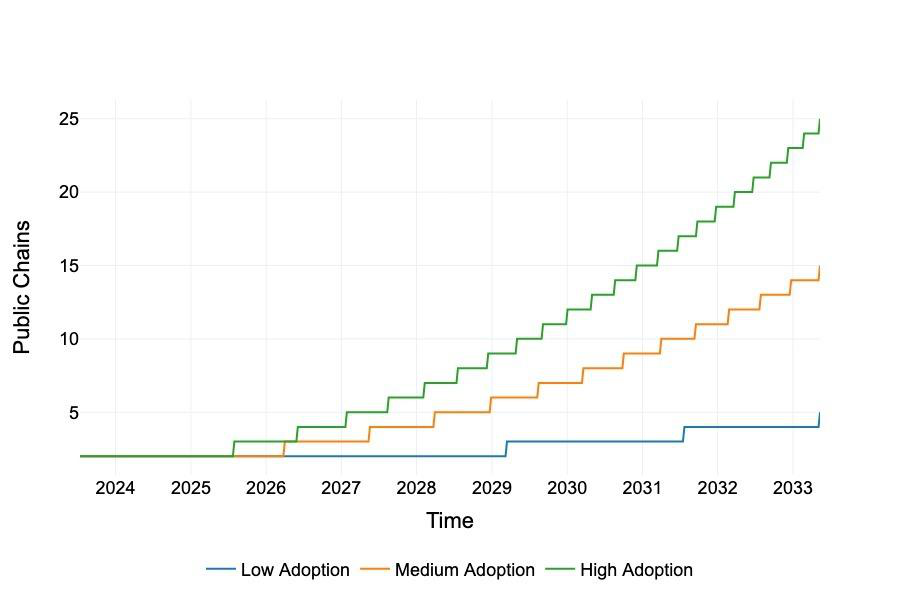
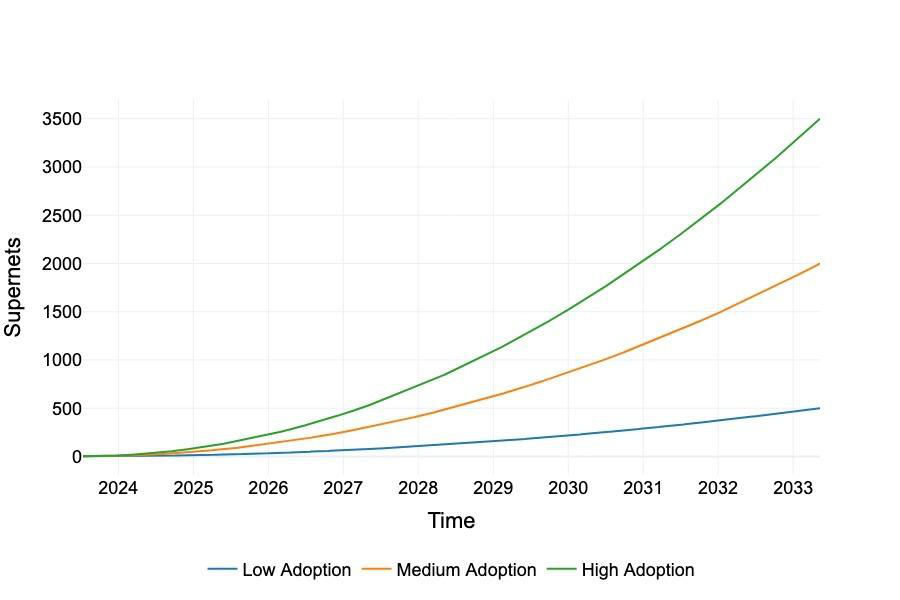
図 3. 10 年間の成長シナリオ 成長シナリオの理論的根拠は、次のデータと観察に基づいています。 ● 現在の成長の軌跡。 2020 年の開始以来、Polygon エコシステムは 数千のアプリケーションと 300 万の毎日のトランザクションにまで成長しました7。この傾向さえあれば わずかながら継続しているが、提案された成長シナリオは現実的であるように思われる。 ● Web2 アプリ マーケットプレイス: App Store は約 180 万のアプリケーション 8 をホストしています。 Google Play は約 270 万9。どちらも約14年前に導入されました。そうかもしれない 同等のレベルでの Web3 の採用が期待されるのは合理的です。 時間枠。 ● スーパーネットの採用: この文書を書いている時点では、スーパーネットの導入から 1 年が経過しています。 スーパーネットの導入には、100 を超えるスーパーネット候補プロジェクトがあり、多くの それらは活発に開発中です。これに基づいて、提案された成長シナリオは、 スーパーネットは、特にスーパーネットの展開が次のようになるべきであることを考えると、現実的であるように思えます。 ステーキング レイヤー (§ 6 で説明) が導入されると、これは大幅に簡単になります。さらに、それは スーパーネットへの関心の傾向が相対的に強いことが注目に値します。 1 つはパブリック チェーン用です。このため、提案されたものについても同様であると仮定します。 成長シナリオ。これをさらに正当化するために、Web2 導入の歴史との意味のある類似点が挙げられます。 描くことができる。 Web2 の初期、共有アプリケーション ホスティング - Web2 と同等 パブリックチェーンへの接続は、現在よりもはるかに一般的でした。業界が成熟するにつれ、 9 出典: https://www.appbrain.com/stats/number-of-android-apps 8 出典: https://www.apple.com/newsroom/2022/04/report-finds-third-party-apps-see-global-success-on-the-app-st 鉱石/ 7 出典: https://polygonscan.com/chart/tx専用ホスティング – スーパーネットに相当する Web2 – は、あらゆる企業にとって標準となりました。 有意義なユーザー ベースとアクティビティ レベルを持つアプリケーション。 繰り返しになりますが、Polygon チェーンの数は、このモデルにおける抽象的な概念です。と併せて チェーンごとのトランザクション数は、主に各国の経済活動のレベルを反映する必要があります。 生態系。同様に、普及率、つまりパブリック チェーンと比較したスーパーネットの比率は、 抽象的で保守的な仮定。パブリックチェーンの方が人気があることが判明したら スーパーネットと比較すると、§ 9.4 で示されるシミュレーションの結果は類似しているか、 それぞれの取引手数料レベルにより、より有利になります。 前述の成長シナリオを補完するために、次のインプットを推定します。 ● § 5.1 で説明されているように、100 億 POL の初期供給。 ● § 5.2 で説明されているように、validator インセンティブの年間排出率は 1%。 ● § 5.2 で説明されているように、地域財務省の年間排出率 1%。 ● 10年間の平均POL価格は5ドル。 ● パブリック チェーンごとに平均 38 トランザクション/秒、現在の Polygon と同等 PoS チェーンの使用法 10; ● 19 トランザクション/秒 に 平均的な あたり スーパーネット、 の 見積もり ベースの に の スーパーネットプロジェクトの要件。 ● パブリック チェーンでの平均取引手数料は 0.01 ドル、現在の平均に基づく推定値 Polygon PoS チェーンの料金;11 ● スーパーネットの平均取引手数料は 0.001 ドル、豊富な金額を考慮した控えめな見積もり ブロックスペースと、それが取引手数料に関して引き起こす可能性が高い「底辺への競争」。 ● パブリック チェーンあたり平均 100 validator で、現在の validator セット サイズに相当します。 Polygon PoS; ● 要件と現実的なニーズに基づいて、スーパーネットあたり平均 15 validator 秒 スーパーネットの候補者。 ● validator あたり年間平均ランニングコスト 6,000 ドル、現在の Polygon PoS と同等 データは、ムーアの法則の修正版に従って徐々に減少します (50% 3年で減少)。 POL 価格は必要なモデル入力の 1 つではありますが、直接および コミュニティ財務省への流入のみに大きな影響を及ぼし、他の主要なパフォーマンスには影響を与えません インジケーター。また、取引手数料の見積もりには、データの可用性のコストは考慮されていません。 11 出典: https://polygonscan.com/chart/gasprice
แบบอย่าง
จากการออกแบบของ POL และ Stake Layer เราเสนอแบบจำลองเพื่อจำลองที่สำคัญ ตัวบ่งชี้ประสิทธิภาพของระบบนิเวศที่ขับเคลื่อนโดย POL ให้ข้อมูลที่จำเป็นและวิเคราะห์ ผลลัพธ์ของการจำลอง
9.1 สมมติฐาน วัตถุประสงค์ของแบบจำลองคือเพื่อตรวจสอบสมมติฐานที่เสนอโดยขับเคลื่อนด้วย POL ระบบนิเวศสามารถบรรลุเป้าหมายต่อไปนี้พร้อมกันซึ่งได้มาจาก§ 3: ● ความปลอดภัยของระบบนิเวศที่เพียงพอ: เราวัดความปลอดภัยผ่านอัตราส่วน POL staking เช่น เปอร์เซ็นต์ของการจัดหา POL ที่เดิมพันไว้ validators อัตราส่วนที่น่าพอใจขั้นต่ำคือ 30-40% โดยประมาณเทียบเท่ากับอัตราส่วน staking ปัจจุบันบน Polygon PoS chain6 ● สิ่งจูงใจ validator ที่เพียงพอ: เพื่อประเมินความเพียงพอของสิ่งจูงใจ validator เรา แนะนำผลตอบแทนจากการทำงาน (ROW) ซึ่งเป็นการวัดรายได้ทั้งหมด validator เทียบกับ มูลค่าของ POL ที่เดิมพัน ผลตอบแทนที่น่าพอใจขั้นต่ำคือ 4-5%; ผลตอบแทนที่ต่ำกว่าไม่ได้ ถือว่าน่าสนใจพอสมควร โดยพิจารณาจากงานที่ทำ ความเสี่ยง และ ค่าเสียโอกาส ● การสนับสนุนระบบนิเวศที่เพียงพอ: เราวัดการสนับสนุนระบบนิเวศผ่านการไหลเข้าทุกปี ไปยังคลังชุมชน การไหลเข้าที่น่าพึงพอใจขั้นต่ำคือ 50-100 ล้านดอลลาร์ และมันก็เป็นเช่นนั้น พิจารณาจากระดับการสนับสนุนทางเศรษฐกิจในปัจจุบันของระบบนิเวศ Polygon ความต้องการ เรากำหนดตัวบ่งชี้เหล่านี้อย่างชัดเจน (อัตราส่วน staking, ผลตอบแทน validator และการไหลเข้าของเงินทุน) ใน § 9.3 9.2 อินพุต ในบทนี้ เราจะร่างโครงร่างอินพุตของโมเดลที่ต้องการและประเมินค่าที่น่านับถือ ขั้นแรก เรากำหนดสถานการณ์การเติบโตสามสถานการณ์ โดยคาดการณ์จำนวนนามธรรมของเครือข่ายใน Polygon ระบบนิเวศน์ในช่วง 10 ปีแรก เราเรียกจำนวนโซ่ว่าเป็นนามธรรม เพราะมันไม่จำเป็นต้องแสดงจำนวนที่แน่นอนของ Polygon chains (แม้ว่าจะเป็นเช่นนั้นก็ตาม อาจเป็นเช่นนั้น) แต่จะมีระดับกิจกรรมสะสมมากกว่า เช่น ธุรกรรมในระบบนิเวศ 6 ที่มา: https://staking.polygon.technology/
รูปที่ 3 สถานการณ์การเติบโตในช่วง 10 ปี เหตุผลสำหรับสถานการณ์การเติบโตขึ้นอยู่กับข้อมูลและการสังเกตต่อไปนี้: ● วิถีการเติบโตในปัจจุบัน นับตั้งแต่ก่อตั้งในปี 2020 ระบบนิเวศ Polygon มี เติบโตขึ้นเป็นพันแอปพลิเคชันและธุรกรรม 3 ล้านรายการต่อวัน7 ถ้าเทรนด์นี้ถึงแม้ สถานการณ์การเติบโตที่นำเสนอดูเหมือนเป็นจริง ● ตลาดแอพบนเว็บ2: App Store มีแอพพลิเคชั่นประมาณ 1.8 ล้านแอพพลิเคชั่น8 และ Google Play ประมาณ 2.7 ล้าน9; ทั้งสองได้เปิดตัวเมื่อประมาณ 14 ปีที่แล้ว มันอาจจะเป็นเช่นนั้น สมเหตุสมผลที่จะคาดหวังระดับการนำ Web3 มาใช้ในระดับที่เทียบเคียงได้ กรอบเวลา ● การนำ Supernet มาใช้: ในขณะที่เขียนบทความนี้ หนึ่งปีนับตั้งแต่ การแนะนำ Supernets มีโครงการผู้สมัคร Supernets มากกว่า 100 โครงการมากมาย ของพวกเขาอยู่ระหว่างการพัฒนาอย่างแข็งขัน จากนี้ สถานการณ์การเติบโตที่นำเสนอสำหรับ Supernets ดูสมจริง โดยเฉพาะอย่างยิ่งเมื่อพิจารณาว่าการใช้งาน Supernets ควรเป็นเช่นนั้น ง่ายขึ้นอย่างมากเมื่อมีการแนะนำ Stake Layer (อธิบายไว้ในมาตรา 6) นอกจากนี้มัน เป็นที่สังเกตได้ว่าแนวโน้มความสนใจใน Supernets นั้นแข็งแกร่งกว่าในแง่สัมพัทธ์มากกว่า หนึ่งอันสำหรับเครือข่ายสาธารณะ ด้วยเหตุนี้ เราจึงถือว่าข้อเสนอนี้เหมือนกัน สถานการณ์การเติบโต เพื่อพิสูจน์สิ่งนี้เพิ่มเติม ซึ่งมีความหมายคู่ขนานกับประวัติการนำ Web2 มาใช้ สามารถวาดได้ ในยุคก่อนหน้าของ Web2 โฮสติ้งแอปพลิเคชันที่ใช้ร่วมกัน – เทียบเท่ากับ Web2 ไปยังเครือข่ายสาธารณะ - เป็นเรื่องธรรมดามากกว่าในปัจจุบันมาก เมื่ออุตสาหกรรมเติบโตเต็มที่ 9 ที่มา: https://www.appbrain.com/stats/number-of-android-apps 8 ที่มา: https://www.apple.com/newsroom/2022/04/report-finds-third-party-apps-see-global-success-on-the-app-st แร่/ 7 ที่มา: https://polygonscan.com/chart/txโฮสติ้งเฉพาะ – Web2 เทียบเท่ากับ Supernets – กลายเป็นเรื่องปกติสำหรับทุกคน แอปพลิเคชันที่มีฐานผู้ใช้ที่มีความหมายและระดับของกิจกรรม ขอย้ำอีกครั้งว่าจำนวน Polygon chains เป็นแนวคิดเชิงนามธรรมในแบบจำลองของเรา ร่วมกับ จำนวนธุรกรรมต่อห่วงโซ่ โดยควรสะท้อนถึงระดับของกิจกรรมทางเศรษฐกิจเป็นหลัก ระบบนิเวศ ในทำนองเดียวกัน ความชุก เช่น อัตราส่วนของ Supernets เมื่อเทียบกับเครือข่ายสาธารณะ คือ สมมติฐานที่เป็นนามธรรมและอนุรักษ์นิยม หากปรากฎว่าเครือข่ายสาธารณะได้รับความนิยมมากขึ้น เมื่อเทียบกับ Supernet ผลลัพธ์ของการจำลองที่นำเสนอใน § 9.4 จะดูคล้ายกันหรือ ดีขึ้นเนื่องจากระดับค่าธรรมเนียมการทำธุรกรรมตามลำดับ เพื่อเสริมสถานการณ์การเติบโตที่กล่าวมาข้างต้น เราประเมินปัจจัยนำเข้าต่อไปนี้: ● อุปทานเริ่มต้น 10 พันล้าน POL ตามที่อธิบายไว้ใน § 5.1; ● อัตราการปล่อยก๊าซเรือนกระจก 1% ต่อปีสำหรับสิ่งจูงใจ validator ตามที่อธิบายไว้ใน § 5.2; ● อัตราการปล่อยก๊าซเรือนกระจก 1% ต่อปีสำหรับกระทรวงการคลังชุมชน ตามที่อธิบายไว้ใน § 5.2; ● ราคา POL เฉลี่ย 5 ดอลลาร์ในช่วงระยะเวลา 10 ปี ● 38 ธุรกรรม/วินาทีโดยเฉลี่ยต่อเครือข่ายสาธารณะ เทียบได้กับ Polygon ปัจจุบัน การใช้งานเครือข่าย PoS10; ● 19 ธุรกรรม/วินาที บน เฉลี่ย ต่อ ซุปเปอร์เน็ต, ก ประมาณ ตาม บน ที่ ข้อกำหนดของโครงการ Supernet ● ค่าธรรมเนียมการทำธุรกรรมเฉลี่ย 0.01 ดอลลาร์บนเครือข่ายสาธารณะ ซึ่งเป็นค่าประมาณตามค่าเฉลี่ยในปัจจุบัน ค่าธรรมเนียมใน Polygon PoS chain;11 ● ค่าธรรมเนียมการทำธุรกรรมโดยเฉลี่ย 0.001 ดอลลาร์บน Supernets ซึ่งเป็นค่าประมาณแบบอนุรักษ์นิยมที่ให้ไว้มากมาย Blockspace และ “การแข่งขันไปสู่จุดต่ำสุด” ที่อาจก่อให้เกิดค่าธรรมเนียมการทำธุรกรรม ● โดยเฉลี่ย 100 validators ต่อห่วงโซ่สาธารณะ เทียบเท่ากับขนาดชุด validator ปัจจุบันของ Polygon ตำแหน่ง; ● โดยเฉลี่ย 15 validators ต่อ Supernet ตามความต้องการและความต้องการตามความเป็นจริงของ ผู้สมัคร Supernet ● ค่าใช้จ่ายในการดำเนินการเฉลี่ย $6,000/ปีต่อ validator เทียบเท่ากับ Polygon PoS ปัจจุบัน ข้อมูลจะค่อยๆ ลดลงตามกฎของมัวร์ (Moore’s Law) ฉบับปรับปรุง (50%) ลดลงใน 3 ปี) เป็นที่น่าสังเกตว่าราคา POL แม้ว่าจะป้อนรุ่นที่ต้องการโดยตรงและ ส่งผลกระทบอย่างมีนัยสำคัญต่อการไหลเข้าของกระทรวงการคลังชุมชนเท่านั้น ไม่ใช่ผลการดำเนินงานหลักอื่นๆ ตัวชี้วัด นอกจากนี้ การประมาณค่าธรรมเนียมการทำธุรกรรมไม่ได้คำนึงถึงต้นทุนของความพร้อมใช้งานของข้อมูลด้วย 11 ที่มา: https://polygonscan.com/chart/gasprice
出典: https://polygonscan.com/chart/tx
rollup モデルを使用する Polygon チェーンの場合は Ethereum。このコストは渡されるため無視します Ethereum まで。 9.3 方法論 エコシステムの主要業績評価指標を推定するための単純なモデルを定義します。 § 9.1 の仮説を検証します。 主要な指標とそれらを決定する方法は次のとおりです。 ● ステーキング比率 ( ): validators によってステークされた POL 供給の部分。 𝑆𝑟 𝑆𝑟= 𝑆𝑠 / 𝑆𝑡 どこで ステーキングされた供給量、つまり、validators によってステーキングされた POL の合計額、および 合計です 𝑆𝑠 𝑆𝑡 電源、つまりPOLの電流電源。 ● バリデータ排出インセンティブ ( ): POL からの年間 validator インセンティブ 𝑉𝑖𝑖 放出。 𝑉𝑖𝑖= 𝑆𝑡 × 𝐼𝑣 × 𝑃 どこで 総供給量は、 validator 報酬の年間排出率、および ポールです 𝑆𝑡 𝐼𝑣 𝑃 価格。 ● バリデータ料金のインセンティブ ( ): ガス料金から得られる年間 validator のインセンティブ。 𝑉𝑖𝑓 𝑉𝑖𝑓= 𝐶𝑝 × 𝑇𝑝 × 𝐹𝑝 + 𝐶𝑠 × 𝑇𝑠 × 𝐹𝑠 どこで はパブリックチェーンの数、 はパブリック チェーンごとのトランザクション数、 𝐶𝑝 𝑇𝑝 𝐹𝑝 はパブリックチェーンごとの平均取引手数料、 はスーパーネットの数、 の数です 𝐶𝑠 𝑇𝑠 スーパーネットごとのトランザクションと スーパーネットあたりの平均取引手数料です。 𝐹𝑠 ● バリデーターのランニングコスト ( ): すべての Polygon validator の年間ランニング コストの合計。 𝑉𝑐 𝑉𝑐= (𝑁𝑝 × 𝐶𝑝+ 𝑁𝑠 × 𝐶𝑠) × 𝑌 どこで はパブリック チェーンあたりの validator の数です。 はパブリックチェーンの数、 です 𝑁𝑝 𝐶𝑝 𝑁𝑠 スーパーネットあたりのvalidatorの数、 はスーパーネットの数であり、 毎年実行されています 𝐶𝑠 𝑌 単一のvalidatorの費用。 ● 仕事復帰 ( ): 合計 validator 収益を値のパーセンテージで表したもの 𝑉𝑟 ステークされたPOLの。 𝑉𝑟= (𝑉𝑖𝑖 + 𝑉𝑖𝑓 − 𝑉𝑐) / (𝑆𝑠 × 𝑃)
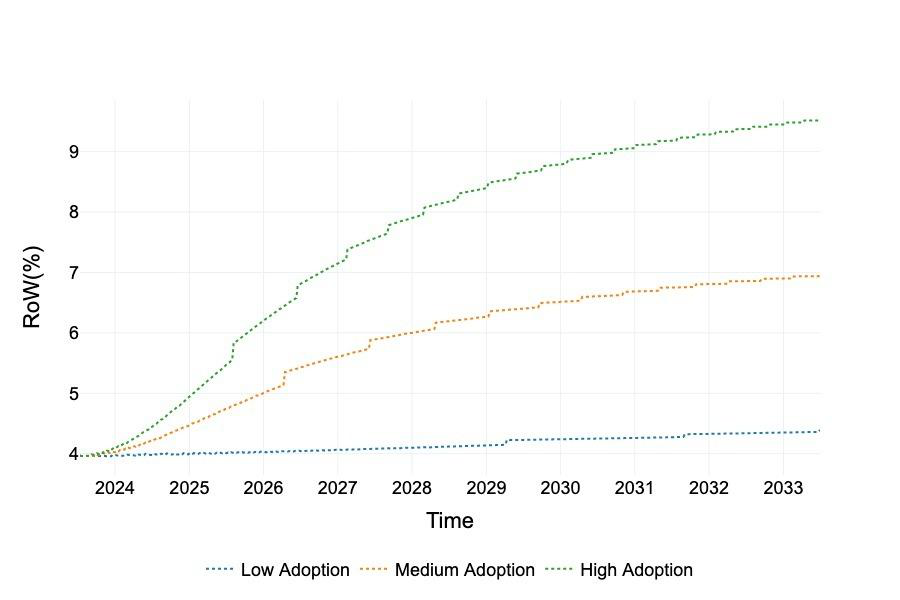
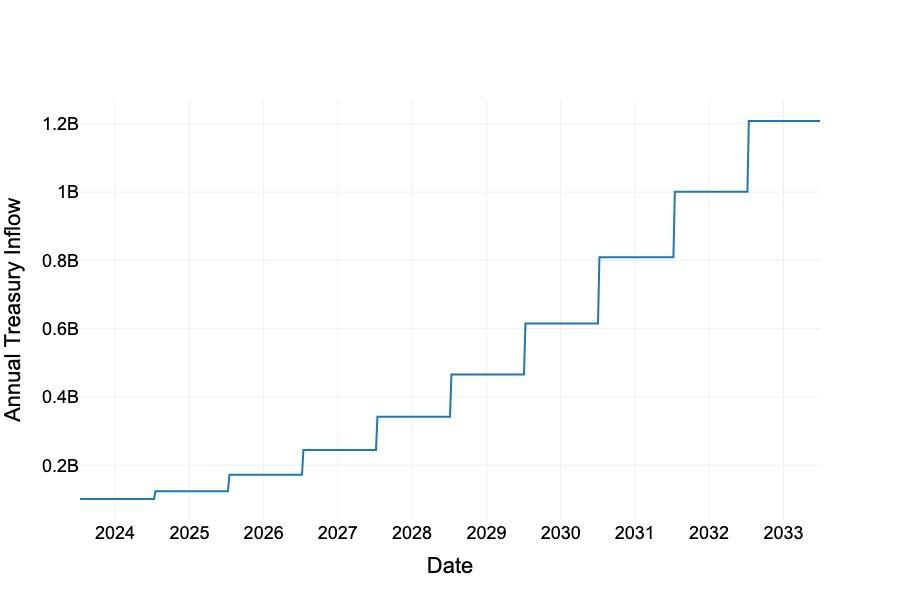
どこで validator 発行インセンティブです。 validator 手数料インセンティブです。 いる 𝑉𝑖𝑖 𝑉𝑖𝑓 𝑉𝑐 validator ランニングコスト、 ステークサプライであり、 はPOL価格です。 𝑆𝑠 𝑃 ● コミュニティ財務省への流入 ( ): 地域財務省への年間流入額の合計。 𝑋𝑖 𝑋𝑖= 𝑉𝑖𝑖= 𝑆𝑡 × 𝐼𝑡 × 𝑃 どこで 総供給量は、 は地域財務省の年間排出率であり、 です 𝑆𝑡 𝐼𝑡 𝑃 ポール価格。 9.4 結果 モデルは必要な入力を受け入れ、提示された方法論を使用してそれらを処理します。 さまざまな入力セットの結果から、エコシステムとそのエコシステムに関する興味深い洞察が得られます。 以下を含むがこれらに限定されないダイナミクス: ● validator インセンティブの魅力と持続可能性。 ● 地域財務省への流入額とその動向。 ● validator インセンティブの構造とその時間の経過に伴う変化。 ● 観察されたすべての指標に対する価格の影響。 ● 観察されたすべての指標に対するさまざまな採用レベルの影響など。 ここでは、§ 9.2 で提供された入力を使用してモデルを実行し、3 つの指標を観察します。 最初の仮説を検証するために必要です: staking 比率 ( )、validator インセンティブ ( )と財務省 𝑆𝑟 𝑉𝑖 流入( )。 𝑋𝑖 モデルの結果に基づいて、説明されている POL を利用した エコシステムは、§ 9.1 で概説されている 3 つの目標をすべて満たすことができます。 ● 十分なエコシステム セキュリティ: staking 比率を修正しました ( ) 30% で実行しました。 𝑆𝑟 モデル。残りの 2 つの指標 – validator インセンティブ ( )と財務省 𝑉𝑖 流入( ) – 期待値または期待値よりも高い値を示している場合、 𝑋𝑖 staking 比率は満足のいくレベル、または満足のいくレベルを超えるレベルを維持する必要があります。 ● 十分な validator インセンティブ: 結果は、目標とする作業収益率 ( ) 𝑉𝑟 4 ~ 5% が現実的に予想されます。さらに、中程度の成長では約 7%、成長では約 10% に達します。 急速な成長シナリオ。実際には、これにより staking 比率が増加する可能性があります (したがって 市場が均衡を決定するまで、エコシステムのセキュリティをさらに強化します) staking 比率とリターンの間。● 十分なエコシステムのサポート: 結果は、最低限満足できるレベルのエコシステムが存在することを示しています。 コミュニティ財務省への流入( ) 年間 5,000 万ドルから 1 億ドルが現実的に予想されます。 𝑋𝑖 さらに、10 年間の終わりに向けて大幅に高い水準に達します。 ただし、国庫流入はPOLの価格に直接関係しているため、POLの価格は非常に高くなります。 投機的な。現実的に財務省がエコシステムよりも多くの資金を保有することになった場合 必要に応じて、§ 7 で述べたように、コミュニティは過剰な POL を燃やすことを決定する可能性があります。 図 4. 仕事収益と地域国庫への流入 完全なモデルはオープンソースであり、GitHub からアクセスして、作成および作成に使用できます。 任意の入力セットの結果を分析します。 10 結論 Polygon の背後にあるビジョンは、インターネットの価値層を構築することです。このビジョンを達成するために、 再設計された Polygon プロトコル アーキテクチャにより、斬新で無限にスケーラブルかつシームレスなアーキテクチャが導入されました。 Layer 2 チェーンの相互接続されたネットワーク。 このペーパーでは、Polygon のネイティブ token として提案されている POL を紹介しました。 Polygon エコシステムを調整および調整し、その成長を加速します。提案されたデザイン POL の tokenオミクスは、私たちが定義した厳密な設計目標を達成します。 私たちは、POL を活用したエコシステムの主要業績評価指標をシミュレートするモデルを作成しました。 必要なモデル入力を提供し、シミュレーションの結果を分析しました。結果 前述の設計目標から導かれたモデルの仮説が確認されました。
上記のすべてに基づいて、POL は新しい次世代資産であると結論付けます。 Polygon がその野心的なビジョンを達成するための強固な基盤を提供します。
ที่มา: https://polygonscan.com/chart/tx
Ethereum สำหรับเครือข่าย Polygon ที่ใช้โมเดล rollup เราละเลยต้นทุนนี้เพราะมันผ่านไปแล้ว ถึง Ethereum 9.3 ระเบียบวิธี เรากำหนดแบบจำลองง่ายๆ เพื่อประเมินตัวบ่งชี้ประสิทธิภาพหลักของระบบนิเวศ และ ตรวจสอบสมมติฐานจากมาตรา 9.1 ตัวชี้วัดที่สำคัญและวิธีการพิจารณามีดังนี้: ● อัตราส่วนการปักหลัก ( ): ส่วนของอุปทาน POL ที่เดิมพันโดย validators 𝑆𝑟 𝑆𝑟= 𝑆𝑠 / 𝑆𝑡 ที่ไหน คืออุปทานที่วางเดิมพัน นั่นคือจำนวน POL ที่วางเดิมพันทั้งหมด validators และ เป็นทั้งหมด 𝑆𝑠 𝑆𝑡 อุปทานเช่นอุปทานปัจจุบันของ POL ● สิ่งจูงใจในการปล่อยก๊าซเรือนกระจก ( ): แรงจูงใจประจำปี validator ที่มาจาก POL 𝑉ขึ้... การปล่อยก๊าซเรือนกระจก 𝑉𝑣×= 𝑆𝑡 × 𝐼𝑣 × 𝑃 ที่ไหน คืออุปทานทั้งหมด คืออัตราการปล่อยก๊าซต่อปีสำหรับรางวัล validator และ คือพล 𝑆𝑡 𝐼𝑣 𝑃 ราคา. ● สิ่งจูงใจด้านค่าธรรมเนียมผู้ตรวจสอบความถูกต้อง ( ): รายปี validator สิ่งจูงใจที่มาจากค่าน้ำมัน 𝑉𝑓 𝑉𝑓= 𝐶𝑝 × 𝑇𝑝× 𝐹𝑝 + 𝐶𝑠 × 𝑇𝑠× 𝐹𝑠 ที่ไหน คือจำนวนเครือข่ายสาธารณะ คือจำนวนธุรกรรมต่อห่วงโซ่สาธารณะ 𝐶𝑝 𝑇𝑝 𝐹𝑝 คือค่าธรรมเนียมการทำธุรกรรมเฉลี่ยต่อเครือข่ายสาธารณะ คือจำนวนซูเปอร์เน็ต คือจำนวนของ 𝐶𝑠 𝑇𝑠 ธุรกรรมต่อ Supernet และ คือค่าธรรมเนียมการทำธุรกรรมเฉลี่ยต่อ Supernet 𝐹𝑠 ● ต้นทุนการทำงานของเครื่องมือตรวจสอบความถูกต้อง ( ): ต้นทุนการดำเนินงานสะสมรายปีของ Polygon validators ทั้งหมด 𝑉𝑐 𝑉𝑐= (𝑁𝑝 × 𝐶𝑝+ 𝑁𝑠 × 𝐶𝑠) × 𝑌 ที่ไหน คือจำนวน validators ต่อห่วงโซ่สาธารณะ คือจำนวนเครือข่ายสาธารณะ คือ 𝑁𝑝 𝐶𝑝 𝑁𝑠 จำนวน validators ต่อ Supernet คือจำนวนซูเปอร์เน็ตและ กำลังทำงานเป็นประจำทุกปี 𝐶𝑠 𝑌 ค่าใช้จ่ายสำหรับ validator เดียว ● ผลตอบแทนจากการทำงาน ( ): รายได้ทั้งหมด validator แสดงเป็นเปอร์เซ็นต์ของมูลค่า 𝑉𝑟 ของ POL ที่เดิมพันไว้ 𝑉𝑟= (𝑉รูปทรงเรขาคณิต + 𝑉Stay𝑓 − 𝑉𝑐) / (𝑆𝑠 × 𝑃)
ที่ไหน เป็น validator แรงจูงใจในการออก เป็นแรงจูงใจด้านค่าธรรมเนียม validator เป็น 𝑉ขึ้... 𝑉𝑓 𝑉𝑐 validator ค่าใช้จ่ายในการดำเนินงาน เป็นอุปทานที่เดิมพันและ เป็นราคา POL 𝑆𝑠 𝑃 ● การไหลเข้าของคลังชุมชน ( ): การไหลเข้าของคลังชุมชนรวมต่อปี 𝑋แพทย์ 𝑋𝑡= 𝑉𝑡× 𝐼𝑡 × 𝑃 ที่ไหน คืออุปทานทั้งหมด คืออัตราการปล่อยก๊าซเรือนกระจกรายปีของกระทรวงการคลังชุมชนและ คือ 𝑆𝑡 𝐼𝑡 𝑃 ราคา ปอล. 9.4 ผลลัพธ์ แบบจำลองยอมรับอินพุตที่จำเป็นและประมวลผลโดยใช้วิธีการที่นำเสนอ ผลลัพธ์สำหรับชุดอินพุตที่แตกต่างกันสามารถให้ข้อมูลเชิงลึกที่น่าสนใจเกี่ยวกับระบบนิเวศและระบบนิเวศของมัน ไดนามิก รวมถึงแต่ไม่จำกัดเฉพาะ: ● ความน่าดึงดูดใจและความยั่งยืนของสิ่งจูงใจ validator ● จำนวนและพลวัตของการไหลเข้าของกระทรวงการคลังชุมชน ● โครงสร้างของสิ่งจูงใจ validator และการเปลี่ยนแปลงเมื่อเวลาผ่านไป ● ผลกระทบของราคาต่อตัวชี้วัดที่สังเกตได้ทั้งหมด ● ผลกระทบของระดับการยอมรับที่แตกต่างกันต่อตัวบ่งชี้ที่สังเกตทั้งหมด ฯลฯ ที่นี่เรารันโมเดลด้วยอินพุตที่ให้ไว้ใน § 9.2 และสังเกตตัวบ่งชี้ทั้งสามตัว จำเป็นต้องตรวจสอบสมมติฐานเริ่มต้นของเรา: staking อัตราส่วน ( ), validator สิ่งจูงใจ ( ) และคลัง 𝑆𝑟 𝑉รูปทรงเรขาคณิต ไหลเข้า ( ). 𝑋แพทย์ จากผลลัพธ์ของแบบจำลอง เรามั่นใจพอสมควรว่าระบบ POL ที่อธิบายไว้นั้น ระบบนิเวศสามารถบรรลุเป้าหมายทั้งสามประการที่ระบุไว้ใน § 9.1: ● การรักษาความปลอดภัยระบบนิเวศที่เพียงพอ: เราได้แก้ไขอัตราส่วน staking ( ) ที่ 30% และดำเนินการ 𝑆𝑟 โมเดล เนื่องจากตัวบ่งชี้ที่เหลืออีกสองตัว – validator สิ่งจูงใจ ( ) และคลัง 𝑉รูปทรงเรขาคณิต ไหลเข้า ( ) – กำลังแสดงค่าที่คาดหวังหรือสูงกว่าค่าที่คาดไว้ เราสรุปได้ว่า 𝑋แพทย์ อัตราส่วน staking ควรรักษาระดับที่น่าพอใจหรือสูงกว่าระดับที่น่าพอใจ ● สิ่งจูงใจ validator ที่เพียงพอ: ผลลัพธ์แสดงให้เห็นว่าผลตอบแทนจากการทำงานตามเป้าหมาย ( ) 𝑉𝑟 4-5% เป็นไปตามที่คาดไว้ ยิ่งไปกว่านั้นมันยังถึง µ77% สำหรับการเติบโตปานกลางและ µ10% สำหรับ สถานการณ์การเติบโตอย่างรวดเร็ว ในความเป็นจริง สิ่งนี้อาจทำให้อัตราส่วน staking เพิ่มขึ้น (เช่น เพิ่มความปลอดภัยของระบบนิเวศต่อไป) จนกว่าตลาดจะกำหนดสมดุล ระหว่างอัตราส่วน staking และผลตอบแทน● การสนับสนุนระบบนิเวศที่เพียงพอ: ผลการวิจัยพบว่าระดับที่น่าพอใจขั้นต่ำของ การไหลเข้าของคลังชุมชน ( ) 50-100 ล้านเหรียญสหรัฐต่อปีเป็นสิ่งที่คาดหวังได้ 𝑋แพทย์ นอกจากนี้ยังขึ้นสู่ระดับที่สูงขึ้นอย่างมีนัยสำคัญเมื่อสิ้นสุดระยะเวลา 10 ปี อย่างไรก็ตาม การไหลเข้าของคลังมีความเกี่ยวข้องโดยตรงกับราคาของ POL และสูงมาก การเก็งกำไร หากคลังมีเงินทุนมากกว่าระบบนิเวศตามความเป็นจริง ความต้องการ ชุมชนอาจตัดสินใจเผา POL ส่วนเกิน ตามที่กล่าวไว้ใน § 7 รูปที่ 4 การไหลเข้าของผลตอบแทนจากการทำงานและคลังชุมชน โมเดลเต็มเป็นโอเพ่นซอร์สและสามารถเข้าถึงได้บน GitHub และใช้ในการผลิตและ วิเคราะห์ผลลัพธ์สำหรับชุดอินพุตตามอำเภอใจ 10 บทสรุป วิสัยทัศน์เบื้องหลัง Polygon คือการสร้างชั้นคุณค่าของอินเทอร์เน็ต เพื่อให้บรรลุวิสัยทัศน์นี้ สถาปัตยกรรมโปรโตคอล Polygon ที่ออกแบบใหม่ทำให้เกิดความแปลกใหม่ ปรับขนาดได้ไม่จำกัด และราบรื่น เครือข่ายที่เชื่อมต่อถึงกันของ Layer 2 chains ในบทความนี้ เราได้แนะนำ POL ซึ่งเป็นชื่อดั้งเดิมที่เสนอ token ของ Polygon ซึ่งออกแบบมาเพื่อรักษาความปลอดภัย ประสานงานและจัดแนวระบบนิเวศ Polygon และเสริมการเติบโตของระบบนิเวศ การออกแบบที่นำเสนอ และ tokenomics ของ POL บรรลุเป้าหมายการออกแบบที่เข้มงวดที่เรากำหนดไว้ เราสร้างแบบจำลองเพื่อจำลองตัวบ่งชี้ประสิทธิภาพหลักของระบบนิเวศที่ขับเคลื่อนโดย POL ให้อินพุตแบบจำลองที่จำเป็นและวิเคราะห์ผลลัพธ์ของการจำลอง ผลลัพธ์ ยืนยันสมมติฐานของแบบจำลองที่ได้มาจากเป้าหมายการออกแบบข้างต้น
จากทุกสิ่งข้างต้น เราสรุปได้ว่า POL เป็นสินทรัพย์รุ่นใหม่ที่แปลกใหม่ มอบรากฐานที่มั่นคงสำหรับ Polygon เพื่อบรรลุวิสัยทัศน์อันทะเยอทะยาน