
크립토노트 v2.0
บทความที่นำเสนอที่นี่คือ CryptoNote v2.0 whitepaper โดย Nicolas van Saberhagen (2013) ซึ่งอธิบายรากฐานการเข้ารหัสที่ Monero สร้างขึ้นมาบน มันไม่ใช่ whitepaper เฉพาะของ Monero โดย Monero เปิดตัวในปี 2014 ในฐานะ fork ของการใช้งานอ้างอิง CryptoNote (Bytecoin) และได้พัฒนาอย่างมีนัยสำคัญเกินกว่าโปรโตคอลต้นฉบับนับแต่นั้น
การแนะนำ
“Bitcoin” [1] ประสบความสำเร็จในการนำแนวคิดเงินสดอิเล็กทรอนิกส์ p2p ไปใช้ ทั้งสองอย่าง มืออาชีพและประชาชนทั่วไปต่างก็ชื่นชมการผสมผสานที่สะดวกสบายของ ธุรกรรมสาธารณะและ proof-of-work เป็นรูปแบบความน่าเชื่อถือ ปัจจุบันฐานผู้ใช้เงินสดอิเล็กทรอนิกส์ กำลังเติบโตอย่างมั่นคง ลูกค้าถูกดึงดูดด้วยค่าธรรมเนียมต่ำและการไม่เปิดเผยตัวตน ด้วยเงินสดอิเล็กทรอนิกส์และร้านค้าให้ความสำคัญกับการปล่อยก๊าซเรือนกระจกที่คาดการณ์ไว้และกระจายอำนาจ Bitcoin มี ได้รับการพิสูจน์อย่างมีประสิทธิภาพว่าเงินสดอิเล็กทรอนิกส์สามารถทำได้ง่ายเหมือนกับเงินกระดาษและสะดวกพอ ๆ กับ บัตรเครดิต น่าเสียดายที่ Bitcoin ประสบกับข้อบกพร่องหลายประการ เช่น ระบบมีการกระจาย ธรรมชาติไม่สามารถยืดหยุ่นได้ ทำให้ไม่สามารถใช้งานคุณสมบัติใหม่ได้จนกว่าผู้ใช้เครือข่ายเกือบทั้งหมดจะอัปเดตไคลเอนต์ของตน ข้อบกพร่องที่สำคัญบางประการที่ไม่สามารถแก้ไขได้อย่างรวดเร็วจะขัดขวาง Bitcoin การแพร่กระจายอย่างกว้างขวาง ในโมเดลที่ไม่ยืดหยุ่นดังกล่าว การเปิดตัวโปรเจ็กต์ใหม่จะมีประสิทธิภาพมากกว่า แทนที่จะแก้ไขโครงการเดิมอย่างถาวร ในบทความนี้ เราศึกษาและเสนอวิธีแก้ปัญหาข้อบกพร่องหลักของ Bitcoin เราเชื่อ ว่าระบบที่คำนึงถึงแนวทางแก้ไขที่เราเสนอจะนำไปสู่การแข่งขันที่ดี ในระบบเงินสดอิเล็กทรอนิกส์ต่างๆ นอกจากนี้เรายังเสนอเงินสดอิเล็กทรอนิกส์ของเราเอง “CryptoNote” ชื่อที่เน้นความก้าวหน้าครั้งต่อไปในด้านเงินสดอิเล็กทรอนิกส์
소개
“Bitcoin” [1]은 p2p 전자 화폐 개념을 성공적으로 구현했습니다. 둘 다 전문가와 일반 대중은 다음과 같은 편리한 조합을 높이 평가하게 되었습니다. 공개 거래 및 proof-of-work을 신뢰 모델로 사용합니다. 오늘날 전자화폐 사용자층은 꾸준한 속도로 성장하고 있습니다. 고객은 낮은 수수료와 익명성 제공에 매력을 느낍니다. 전자 현금과 상인은 예측되고 분산된 배출을 중요하게 생각합니다. Bitcoin은(는) 전자화폐가 종이화폐만큼 간단하고 편리할 수 있다는 사실을 효과적으로 입증했습니다. 신용 카드. 불행하게도 Bitcoin에는 몇 가지 결함이 있습니다. 예를 들어, 시스템의 분산 성격은 유연성이 없기 때문에 거의 모든 네트워크 사용자가 클라이언트를 업데이트할 때까지 새로운 기능을 구현하지 못합니다. 빠르게 고칠 수 없는 몇 가지 중요한 결함으로 인해 Bitcoin의 광범위한 전파. 이러한 유연하지 못한 모델에서는 새 프로젝트를 출시하는 것이 더 효율적입니다. 원래 프로젝트를 영구적으로 수정하는 대신 본 논문에서는 Bitcoin의 주요 결함에 대한 해결책을 연구하고 제안합니다. 우리는 믿는다 우리가 제안하는 솔루션을 고려한 시스템이 건전한 경쟁으로 이어질 것이라고 믿습니다. 다양한 전자 현금 시스템 중에서. 우리만의 전자화폐 '크립토노트'도 제안합니다. 전자 현금의 차세대 혁신을 강조하는 이름입니다.
Bitcoin ข้อเสียและวิธีแก้ปัญหาที่เป็นไปได้
2 Bitcoin ข้อเสียและวิธีแก้ปัญหาที่เป็นไปได้ 2.1 การติดตามธุรกรรม ความเป็นส่วนตัวและการไม่เปิดเผยตัวตนเป็นสิ่งสำคัญที่สุดของเงินสดอิเล็กทรอนิกส์ การชำระเงินแบบเพียร์ทูเพียร์ พยายามปกปิดจากมุมมองของบุคคลที่สาม ซึ่งเป็นความแตกต่างที่ชัดเจนเมื่อเปรียบเทียบกับแบบดั้งเดิม การธนาคาร โดยเฉพาะอย่างยิ่ง T. Okamoto และ K. Ohta ได้อธิบายเกณฑ์หกประการของเงินสดอิเล็กทรอนิกส์ในอุดมคติ ซึ่งรวมถึง “ความเป็นส่วนตัว: ความสัมพันธ์ระหว่างผู้ใช้กับการซื้อของเขาจะต้องไม่สามารถติดตามได้ โดยใครก็ตาม” [30]. จากคำอธิบาย เราได้รับคุณสมบัติสองประการที่ไม่ระบุชื่อโดยสมบูรณ์ แบบจำลองเงินสดอิเล็กทรอนิกส์จะต้องเป็นไปตามข้อกำหนดเพื่อให้เป็นไปตามข้อกำหนดที่ Okamoto ระบุไว้ และโอตะ: ไม่สามารถติดตามได้: สำหรับแต่ละธุรกรรมที่เข้ามา ผู้ส่งที่เป็นไปได้ทั้งหมดสามารถติดตั้งได้ ไม่สามารถเชื่อมโยงได้: สำหรับธุรกรรมขาออกสองรายการใดๆ จะไม่สามารถพิสูจน์ได้ว่าถูกส่งไป คนคนเดียวกัน ขออภัย Bitcoin ไม่เป็นไปตามข้อกำหนดที่ไม่สามารถติดตามได้ เนื่องจากธุรกรรมทั้งหมดที่เกิดขึ้นระหว่างผู้เข้าร่วมเครือข่ายนั้นเป็นแบบสาธารณะ ธุรกรรมใดๆ ก็สามารถเกิดขึ้นได้ 1 CryptoNote เวอร์ชัน 2.0 นิโคลัส ฟาน ซาเบอร์ฮาเกน 17 ตุลาคม 2556 1 บทนำ “Bitcoin” [1] ประสบความสำเร็จในการนำแนวคิดเงินสดอิเล็กทรอนิกส์ p2p ไปใช้ ทั้งสองอย่าง มืออาชีพและประชาชนทั่วไปต่างก็ชื่นชมการผสมผสานที่สะดวกสบายของ ธุรกรรมสาธารณะและ proof-of-work เป็นรูปแบบความน่าเชื่อถือ ปัจจุบันฐานผู้ใช้เงินสดอิเล็กทรอนิกส์ กำลังเติบโตอย่างมั่นคง ลูกค้าถูกดึงดูดด้วยค่าธรรมเนียมต่ำและการไม่เปิดเผยตัวตน ด้วยเงินสดอิเล็กทรอนิกส์และร้านค้าให้ความสำคัญกับการปล่อยก๊าซเรือนกระจกที่คาดการณ์ไว้และกระจายอำนาจ Bitcoin มี ได้รับการพิสูจน์อย่างมีประสิทธิภาพว่าเงินสดอิเล็กทรอนิกส์สามารถทำได้ง่ายเหมือนกับเงินกระดาษและสะดวกพอ ๆ กับ บัตรเครดิต น่าเสียดายที่ Bitcoin ประสบกับข้อบกพร่องหลายประการ เช่น ระบบมีการกระจาย ธรรมชาติไม่สามารถยืดหยุ่นได้ ทำให้ไม่สามารถใช้งานคุณสมบัติใหม่ได้จนกว่าผู้ใช้เครือข่ายเกือบทั้งหมดจะอัปเดตไคลเอนต์ของตน ข้อบกพร่องที่สำคัญบางประการที่ไม่สามารถแก้ไขได้อย่างรวดเร็วจะขัดขวาง Bitcoin การแพร่กระจายอย่างกว้างขวาง ในโมเดลที่ไม่ยืดหยุ่นดังกล่าว การเปิดตัวโปรเจ็กต์ใหม่จะมีประสิทธิภาพมากกว่า แทนที่จะแก้ไขโครงการเดิมอย่างถาวร ในบทความนี้ เราศึกษาและเสนอวิธีแก้ปัญหาข้อบกพร่องหลักของ Bitcoin เราเชื่อ ว่าระบบที่คำนึงถึงแนวทางแก้ไขที่เราเสนอจะนำไปสู่การแข่งขันที่ดี ในระบบเงินสดอิเล็กทรอนิกส์ต่างๆ นอกจากนี้เรายังเสนอเงินสดอิเล็กทรอนิกส์ของเราเอง “CryptoNote” ชื่อที่เน้นความก้าวหน้าครั้งต่อไปในด้านเงินสดอิเล็กทรอนิกส์ 2 Bitcoin ข้อเสียและวิธีแก้ปัญหาที่เป็นไปได้ 2.1 การติดตามธุรกรรม ความเป็นส่วนตัวและการไม่เปิดเผยตัวตนเป็นสิ่งสำคัญที่สุดของเงินสดอิเล็กทรอนิกส์ การชำระเงินแบบเพียร์ทูเพียร์ พยายามปกปิดจากมุมมองของบุคคลที่สาม ซึ่งเป็นความแตกต่างที่ชัดเจนเมื่อเปรียบเทียบกับแบบดั้งเดิม การธนาคาร โดยเฉพาะอย่างยิ่ง T. Okamoto และ K. Ohta ได้อธิบายเกณฑ์หกประการของเงินสดอิเล็กทรอนิกส์ในอุดมคติ ซึ่งรวมถึง “ความเป็นส่วนตัว: ความสัมพันธ์ระหว่างผู้ใช้กับการซื้อของเขาจะต้องไม่สามารถติดตามได้ โดยใครก็ตาม” [30] จากคำอธิบาย เราได้รับคุณสมบัติสองประการที่ไม่ระบุชื่อโดยสมบูรณ์ แบบจำลองเงินสดอิเล็กทรอนิกส์จะต้องเป็นไปตามข้อกำหนดเพื่อให้เป็นไปตามข้อกำหนดที่ Okamoto ระบุไว้ และโอตะ: ไม่สามารถติดตามได้: สำหรับแต่ละธุรกรรมที่เข้ามา ผู้ส่งที่เป็นไปได้ทั้งหมดสามารถติดตั้งได้ ไม่สามารถเชื่อมโยงได้: สำหรับธุรกรรมขาออกสองรายการใดๆ จะไม่สามารถพิสูจน์ได้ว่าถูกส่งไป คนคนเดียวกัน ขออภัย Bitcoin ไม่เป็นไปตามข้อกำหนดที่ไม่สามารถติดตามได้ เนื่องจากธุรกรรมทั้งหมดที่เกิดขึ้นระหว่างผู้เข้าร่วมเครือข่ายนั้นเป็นแบบสาธารณะ ธุรกรรมใดๆ ก็สามารถเกิดขึ้นได้ 1 3 Bitcoin ล้มเหลวอย่างแน่นอน "ไม่สามารถติดตามได้" เมื่อฉันส่ง BTC ให้คุณ ซึ่งเป็นกระเป๋าเงินที่มันถูกส่งไป ได้รับการประทับตราอย่างถาวรบน blockchain ไม่มีคำถามว่าใครเป็นผู้ส่งเงินเหล่านั้น เพราะมีเพียงผู้รู้คีย์ส่วนตัวเท่านั้นที่สามารถส่งได้สืบเชื้อสายมาจากแหล่งกำเนิดและผู้รับขั้นสุดท้ายอย่างไม่คลุมเครือ แม้ว่าผู้เข้าร่วมสองคนจะแลกเปลี่ยนกันก็ตาม กองทุนในทางอ้อม วิธีการค้นหาเส้นทางที่ออกแบบมาอย่างเหมาะสมจะเปิดเผยที่มาและ ผู้รับขั้นสุดท้าย ยังสงสัยว่า Bitcoin ไม่เป็นไปตามคุณสมบัติที่สอง นักวิจัยบางคน ระบุไว้ ([33, 35, 29, 31]) ว่าการวิเคราะห์ blockchain อย่างรอบคอบอาจเปิดเผยความเชื่อมโยงระหว่าง ผู้ใช้เครือข่าย Bitcoin และธุรกรรมของพวกเขา แม้ว่าจะมีหลายวิธีก็ตาม โต้แย้ง [25] เป็นที่สงสัยว่าสามารถดึงข้อมูลส่วนบุคคลที่ซ่อนอยู่จำนวนมากออกจาก ฐานข้อมูลสาธารณะ Bitcoin ความล้มเหลวในการปฏิบัติตามคุณสมบัติทั้งสองที่สรุปไว้ข้างต้นทำให้เราสรุปได้ว่า ไม่ใช่ระบบเงินสดอิเล็กทรอนิกส์ที่ไม่เปิดเผยตัวตน แต่เป็นระบบเงินสดอิเล็กทรอนิกส์ที่ไม่เปิดเผยตัวตน ผู้ใช้มีการพัฒนาอย่างรวดเร็ว แนวทางแก้ไขเพื่อหลีกเลี่ยงข้อบกพร่องนี้ วิธีแก้ปัญหาโดยตรงสองประการคือ "บริการฟอก" [2] และ การพัฒนาวิธีการแบบกระจาย [3, 4] โซลูชันทั้งสองมีพื้นฐานมาจากแนวคิดเรื่องการผสม ธุรกรรมสาธารณะหลายรายการและส่งผ่านที่อยู่ตัวกลางบางแห่ง ซึ่งในทางกลับกัน ประสบข้อเสียเปรียบในการต้องมีบุคคลที่สามที่เชื่อถือได้ เมื่อเร็ว ๆ นี้ I. Miers และคณะเสนอแผนการสร้างสรรค์เพิ่มเติม [28]: “ซีโร่คอยน์” ซีโร่คอยน์ ใช้ตัวสะสมแบบเข้ารหัสทางเดียวและการพิสูจน์ที่ไม่มีความรู้ซึ่งอนุญาตให้ผู้ใช้ “แปลง” bitcoins ให้เป็นศูนย์เหรียญและใช้มันโดยใช้หลักฐานการเป็นเจ้าของที่ไม่เปิดเผยตัวตนแทน ลายเซ็นดิจิทัลที่ใช้คีย์สาธารณะที่ชัดเจน อย่างไรก็ตาม การพิสูจน์ความรู้ดังกล่าวมีความคงที่ แต่ขนาดไม่สะดวก - ประมาณ 30kb (ตามขีดจำกัด Bitcoin ของวันนี้) ซึ่งทำให้ข้อเสนอ ทำไม่ได้ ผู้เขียนยอมรับว่าโปรโตคอลนี้ไม่น่าจะได้รับการยอมรับจากคนส่วนใหญ่ Bitcoin ผู้ใช้ [5] 2.2 ฟังก์ชัน proof-of-work Bitcoin ผู้สร้าง Satoshi Nakamoto อธิบายอัลกอริธึมการตัดสินใจส่วนใหญ่ว่า "หนึ่ง CPU-หนึ่งโหวต" และใช้ฟังก์ชันการกำหนดราคาที่ผูกกับ CPU (สองเท่า SHA-256) สำหรับ proof-of-work ของเขา โครงการ เนื่องจากผู้ใช้ลงคะแนนสำหรับประวัติธุรกรรมเดียวเพื่อ [1] ความสมเหตุสมผลและ ความสม่ำเสมอของกระบวนการนี้เป็นเงื่อนไขที่สำคัญสำหรับทั้งระบบ ความปลอดภัยของรุ่นนี้มีข้อบกพร่องสองประการ อันดับแรก ต้องใช้ 51% ของเครือข่าย อำนาจการขุดให้อยู่ภายใต้การควบคุมของผู้ใช้ที่ซื่อสัตย์ ประการที่สอง ความคืบหน้าของระบบ (แก้ไขข้อบกพร่อง การแก้ไขด้านความปลอดภัย ฯลฯ...) ต้องการให้ผู้ใช้ส่วนใหญ่สนับสนุนและยอมรับ การเปลี่ยนแปลง (สิ่งนี้เกิดขึ้นเมื่อผู้ใช้อัปเดตซอฟต์แวร์กระเป๋าเงินของตน) [6].ในที่สุดการโหวตแบบเดียวกันนี้ กลไกนี้ยังใช้สำหรับการสำรวจความคิดเห็นโดยรวมเกี่ยวกับการใช้งานคุณลักษณะบางอย่าง [7] สิ่งนี้ทำให้เราสามารถคาดเดาคุณสมบัติที่จะต้องได้รับความพึงพอใจจาก proof-of-work ฟังก์ชั่นการกำหนดราคา ฟังก์ชันดังกล่าวจะต้องไม่ทำให้ผู้เข้าร่วมเครือข่ายมีนัยสำคัญ ได้เปรียบเหนือผู้เข้าร่วมรายอื่น มันต้องมีความเท่าเทียมกันระหว่างฮาร์ดแวร์ทั่วไปและสูง ต้นทุนของอุปกรณ์ที่กำหนดเอง จากตัวอย่างล่าสุด [8] เราจะเห็นว่ามีการใช้ฟังก์ชัน SHA-256 ในสถาปัตยกรรม Bitcoin ไม่มีคุณสมบัตินี้ เนื่องจากการขุดมีประสิทธิภาพมากขึ้น GPU และอุปกรณ์ ASIC เมื่อเปรียบเทียบกับ CPU ระดับสูง ดังนั้น Bitcoin จึงสร้างเงื่อนไขที่เอื้ออำนวยสำหรับช่องว่างขนาดใหญ่ระหว่างอำนาจการลงคะแนนของ ผู้เข้าร่วมเนื่องจากละเมิดหลักการ "หนึ่ง CPU - หนึ่งโหวต" เนื่องจากเจ้าของ GPU และ ASIC ครอบครอง พลังการลงคะแนนที่ใหญ่กว่ามากเมื่อเปรียบเทียบกับเจ้าของ CPU เป็นตัวอย่างคลาสสิกของ หลักการพาเรโตโดยที่ผู้เข้าร่วม 20% ของระบบควบคุมคะแนนเสียงมากกว่า 80% อาจมีคนแย้งว่าความไม่เท่าเทียมกันดังกล่าวไม่เกี่ยวข้องกับความปลอดภัยของเครือข่ายเนื่องจากไม่เป็นเช่นนั้น ผู้เข้าร่วมจำนวนน้อยที่ควบคุมคะแนนเสียงส่วนใหญ่แต่มีความซื่อสัตย์สุจริต ผู้เข้าร่วมที่สำคัญ อย่างไรก็ตาม ข้อโต้แย้งดังกล่าวค่อนข้างมีข้อบกพร่องเนื่องจากค่อนข้างจะเป็นเช่นนั้น ความเป็นไปได้ของฮาร์ดแวร์พิเศษราคาถูกที่ปรากฏมากกว่าความซื่อสัตย์ของผู้เข้าร่วมซึ่ง ก่อให้เกิดภัยคุกคาม เพื่อแสดงให้เห็นสิ่งนี้ ให้เรายกตัวอย่างต่อไปนี้ สมมุติว่าเป็นคนใจร้าย แต่ละคนได้รับพลังการขุดที่สำคัญโดยการสร้างฟาร์มขุดของตัวเองด้วยราคาถูก 2 สืบเชื้อสายมาจากแหล่งกำเนิดและผู้รับขั้นสุดท้ายอย่างไม่คลุมเครือ แม้ว่าผู้เข้าร่วมสองคนจะแลกเปลี่ยนกันก็ตาม กองทุนในทางอ้อม วิธีการค้นหาเส้นทางที่ออกแบบมาอย่างเหมาะสมจะเปิดเผยที่มาและ ผู้รับขั้นสุดท้าย ยังสงสัยว่า Bitcoin ไม่เป็นไปตามคุณสมบัติที่สอง นักวิจัยบางคน ระบุไว้ ([33, 35, 29, 31]) ว่าการวิเคราะห์ blockchain อย่างรอบคอบอาจเปิดเผยความเชื่อมโยงระหว่าง ผู้ใช้เครือข่าย Bitcoin และธุรกรรมของพวกเขา แม้ว่าจะมีหลายวิธีก็ตาม งระบุ [25] เป็นที่สงสัยว่าสามารถดึงข้อมูลส่วนบุคคลที่ซ่อนอยู่จำนวนมากออกจาก ฐานข้อมูลสาธารณะ Bitcoin ความล้มเหลวในการปฏิบัติตามคุณสมบัติทั้งสองที่ระบุไว้ข้างต้นทำให้เราสรุปได้ว่า ไม่ใช่ระบบเงินสดอิเล็กทรอนิกส์ที่ไม่เปิดเผยตัวตน แต่เป็นระบบเงินสดอิเล็กทรอนิกส์ที่ไม่เปิดเผยตัวตน ผู้ใช้มีการพัฒนาอย่างรวดเร็ว แนวทางแก้ไขเพื่อหลีกเลี่ยงข้อบกพร่องนี้ วิธีแก้ปัญหาโดยตรงสองวิธีคือ "บริการฟอก" [2] และ การพัฒนาวิธีการแบบกระจาย [3, 4] โซลูชันทั้งสองมีพื้นฐานมาจากแนวคิดเรื่องการผสม ธุรกรรมสาธารณะหลายรายการและส่งผ่านที่อยู่ตัวกลางบางแห่ง ซึ่งในทางกลับกัน ประสบข้อเสียเปรียบในการต้องมีบุคคลที่สามที่เชื่อถือได้ เมื่อเร็ว ๆ นี้ I. Miers และคณะเสนอแผนการสร้างสรรค์เพิ่มเติม [28]: “ซีโร่คอยน์” ซีโร่คอยน์ ใช้ตัวสะสมแบบเข้ารหัสทางเดียวและการพิสูจน์ที่ไม่มีความรู้ซึ่งอนุญาตให้ผู้ใช้ “แปลง” bitcoins ให้เป็นศูนย์เหรียญและใช้มันโดยใช้หลักฐานการเป็นเจ้าของที่ไม่เปิดเผยตัวตนแทน ลายเซ็นดิจิทัลที่ใช้คีย์สาธารณะที่ชัดเจน อย่างไรก็ตาม การพิสูจน์ความรู้ดังกล่าวมีความคงที่ แต่ขนาดไม่สะดวก - ประมาณ 30kb (ตามขีดจำกัด Bitcoin ของวันนี้) ซึ่งทำให้ข้อเสนอ ทำไม่ได้ ผู้เขียนยอมรับว่าโปรโตคอลนี้ไม่น่าจะได้รับการยอมรับจากคนส่วนใหญ่ Bitcoin ผู้ใช้ [5] 2.2 ฟังก์ชัน proof-of-work Bitcoin ผู้สร้าง Satoshi Nakamoto อธิบายอัลกอริธึมการตัดสินใจส่วนใหญ่ว่า "หนึ่ง CPU-หนึ่งโหวต" และใช้ฟังก์ชันการกำหนดราคาที่ผูกกับ CPU (สองเท่า SHA-256) สำหรับ proof-of-work ของเขา โครงการ เนื่องจากผู้ใช้ลงคะแนนสำหรับประวัติธุรกรรมเดียวเพื่อ [1] ความสมเหตุสมผลและ ความสม่ำเสมอของกระบวนการนี้เป็นเงื่อนไขที่สำคัญสำหรับทั้งระบบ ความปลอดภัยของรุ่นนี้มีข้อบกพร่องสองประการ อันดับแรก ต้องใช้ 51% ของเครือข่าย อำนาจการขุดให้อยู่ภายใต้การควบคุมของผู้ใช้ที่ซื่อสัตย์ ประการที่สอง ความคืบหน้าของระบบ (แก้ไขข้อบกพร่อง การแก้ไขด้านความปลอดภัย ฯลฯ...) ต้องการให้ผู้ใช้ส่วนใหญ่สนับสนุนและยอมรับ การเปลี่ยนแปลง (เกิดขึ้นเมื่อผู้ใช้อัปเดตซอฟต์แวร์กระเป๋าเงินของตน) [6].ในที่สุดการโหวตแบบเดียวกันนี้ กลไกนี้ยังใช้สำหรับการสำรวจความคิดเห็นโดยรวมเกี่ยวกับการใช้งานคุณลักษณะบางอย่าง [7] สิ่งนี้ทำให้เราสามารถคาดเดาคุณสมบัติที่จะต้องได้รับความพึงพอใจจาก proof-of-work ฟังก์ชั่นการกำหนดราคา ฟังก์ชันดังกล่าวจะต้องไม่ทำให้ผู้เข้าร่วมเครือข่ายมีนัยสำคัญ ได้เปรียบเหนือผู้เข้าร่วมรายอื่น มันต้องมีความเท่าเทียมกันระหว่างฮาร์ดแวร์ทั่วไปและสูง ต้นทุนของอุปกรณ์ที่กำหนดเอง จากตัวอย่างล่าสุด [8] เราจะเห็นว่ามีการใช้ฟังก์ชัน SHA-256 ในสถาปัตยกรรม Bitcoin ไม่มีคุณสมบัตินี้ เนื่องจากการขุดมีประสิทธิภาพมากขึ้น GPU และอุปกรณ์ ASIC เมื่อเปรียบเทียบกับ CPU ระดับสูง ดังนั้น Bitcoin จึงสร้างเงื่อนไขที่เอื้ออำนวยสำหรับช่องว่างขนาดใหญ่ระหว่างอำนาจการลงคะแนนของ ผู้เข้าร่วมเนื่องจากละเมิดหลักการ "หนึ่ง CPU - หนึ่งโหวต" เนื่องจากเจ้าของ GPU และ ASIC ครอบครอง พลังการลงคะแนนที่ใหญ่กว่ามากเมื่อเปรียบเทียบกับเจ้าของ CPU เป็นตัวอย่างคลาสสิกของ หลักการพาเรโตโดยที่ผู้เข้าร่วม 20% ของระบบควบคุมคะแนนเสียงมากกว่า 80% อาจมีคนแย้งว่าความไม่เท่าเทียมกันดังกล่าวไม่เกี่ยวข้องกับความปลอดภัยของเครือข่ายเนื่องจากไม่เป็นเช่นนั้น ผู้เข้าร่วมจำนวนน้อยที่ควบคุมคะแนนเสียงส่วนใหญ่แต่มีความซื่อสัตย์สุจริต ผู้เข้าร่วมที่สำคัญ อย่างไรก็ตาม ข้อโต้แย้งดังกล่าวค่อนข้างมีข้อบกพร่องเนื่องจากค่อนข้างจะเป็นเช่นนั้น ความเป็นไปได้ของฮาร์ดแวร์พิเศษราคาถูกที่ปรากฏมากกว่าความซื่อสัตย์ของผู้เข้าร่วมซึ่ง ก่อให้เกิดภัยคุกคาม เพื่อแสดงให้เห็นสิ่งนี้ ให้เรายกตัวอย่างต่อไปนี้ สมมุติว่าเป็นคนใจร้าย แต่ละคนได้รับพลังการขุดที่สำคัญโดยการสร้างฟาร์มขุดของตัวเองด้วยราคาถูก 2 4 สมมุติว่าหากผู้ใช้ทุกคนช่วยปกปิดตัวตนของตนเองด้วยการสร้างที่อยู่ใหม่อยู่เสมอ สำหรับทุกการชำระเงินที่ได้รับ (ซึ่งไร้สาระ แต่ในทางเทคนิคแล้วเป็นวิธีที่ "ถูกต้อง" ในการดำเนินการ) และหากผู้ใช้ทุกคนช่วยปกปิดตัวตนของคนอื่นโดยยืนกรานว่าพวกเขาจะไม่ส่งเงิน ไปยังที่อยู่ BTC เดียวกันสองครั้ง จากนั้น Bitcoin จะยังคงเพียง ตามสถานการณ์ เท่านั้นที่ผ่าน การทดสอบการเชื่อมต่อไม่ได้ ทำไม ข้อมูลผู้บริโภคสามารถใช้เพื่อระบุจำนวนที่น่าอัศจรรย์เกี่ยวกับผู้คนได้ตลอดเวลา ดูตัวอย่าง http://www.applieddatalabs.com/content/target-knows-it-shows ลองจินตนาการว่านี่คืออีก 20 ปีข้างหน้า และจินตนาการเพิ่มเติมว่า Target ไม่ได้เพิ่งรู้ เกี่ยวกับนิสัยการซื้อของคุณที่ Target แต่พวกเขาได้ขุด blockchain มาทั้งหมด การซื้อส่วนตัวของคุณด้วยกระเป๋าเงิน COINBASE ของคุณในอดีต สิบสองปี พวกเขาจะประมาณว่า "เฮ้เพื่อน คืนนี้คุณอาจจะไปซื้อยาแก้ไอก็ได้ คุณไม่ไปหรอก พรุ่งนี้จะรู้สึกดี” กรณีนี้อาจไม่เกิดขึ้นหากมีการใช้ประโยชน์จากการเรียงลำดับหลายฝ่ายอย่างถูกต้อง ดูตัวอย่างนี้โพสต์ในบล็อก: http://blog.ezyang.com/2012/07/secure-multiparty-bitcoin-anonymization/ ฉันไม่มั่นใจกับคณิตศาสตร์ในเรื่องนี้โดยสิ้นเชิง แต่ ... ทีละฉบับใช่ไหม จำเป็นต้องมีการอ้างอิง ในขณะที่โปรโตคอล Zerocoin (แบบสแตนด์อโลน) อาจไม่เพียงพอ Zerocash ดูเหมือนว่าโปรโตคอลจะใช้ธุรกรรมขนาด 1kb โครงการดังกล่าวได้รับการสนับสนุนโดย แน่นอนว่ากองทัพสหรัฐฯ และอิสราเอล ใครจะรู้เกี่ยวกับความแข็งแกร่งของมัน ในอีกทางหนึ่ง มือไม่มีใครอยากที่จะใช้จ่ายเงินโดยไม่ต้องกำกับดูแลมากกว่ากองทัพ http://zerocash-project.org/ ฉันไม่มั่นใจ... ดูตัวอย่าง http://fc14.ifca.ai/bitcoin/papers/bitcoin14_submission_12.pdf อ้างอิงจากผู้พัฒนา Cryptonote Maurice Planck (อาจเป็นนามแฝง) จาก cryptonote ฟอรั่ม: “ซีโร่คอยน์, ซีโร่แคช” นี่คือเทคโนโลยีที่ทันสมัยที่สุดฉันต้องยอมรับ ใช่คำพูด ข้างต้นมาจากการวิเคราะห์โปรโตคอลเวอร์ชันก่อนหน้า สำหรับความรู้ของฉันมันไม่ใช่ 288 แต่เป็น 384 ไบต์ แต่อย่างไรก็ตาม นี่เป็นข่าวดี พวกเขาใช้เทคนิคใหม่ล่าสุดที่เรียกว่า SNARK ซึ่งมีข้อเสียบางประการ: ตัวอย่างเช่น ฐานข้อมูลเริ่มต้นขนาดใหญ่ของพารามิเตอร์สาธารณะที่จำเป็นในการสร้างลายเซ็น (มากกว่า 1 GB) และ เวลาสำคัญที่จำเป็นในการสร้างธุรกรรม (มากกว่าหนึ่งนาที) ในที่สุดพวกเขาก็ใช้ a crypto รุ่นเยาว์ ซึ่งฉันพูดถึงไปแล้วว่าเป็นแนวคิดที่น่าโต้แย้ง: https://forum.cryptonote.org/viewtopic.php?f= " - Maurice P. พฤ. 03 เม.ย. 2557 19:56 น ฟังก์ชันที่ทำงานใน CPU และไม่เหมาะกับ GPU, FPGA หรือ ASIC การคำนวณ "ปริศนา" ที่ใช้ใน proof-of-work เรียกว่าฟังก์ชันการกำหนดราคา ฟังก์ชันต้นทุน หรือ ฟังก์ชั่นปริศนา
สืบเชื้อสายมาจากแหล่งกำเนิดและผู้รับขั้นสุดท้ายอย่างไม่คลุมเครือ แม้ว่าผู้เข้าร่วมสองคนจะแลกเปลี่ยนกันก็ตาม กองทุนในทางอ้อม วิธีการค้นหาเส้นทางที่ออกแบบมาอย่างเหมาะสมจะเปิดเผยที่มาและ ผู้รับขั้นสุดท้าย ยังสงสัยว่า Bitcoin ไม่เป็นไปตามคุณสมบัติที่สอง นักวิจัยบางคน ระบุไว้ ([33, 35, 29, 31]) ว่าการวิเคราะห์ blockchain อย่างรอบคอบอาจเปิดเผยความเชื่อมโยงระหว่าง ผู้ใช้เครือข่าย Bitcoin และธุรกรรมของพวกเขา แม้ว่าจะมีหลายวิธีก็ตาม โต้แย้ง [25] เป็นที่สงสัยว่าสามารถดึงข้อมูลส่วนบุคคลที่ซ่อนอยู่จำนวนมากออกจาก ฐานข้อมูลสาธารณะ Bitcoin ความล้มเหลวในการปฏิบัติตามคุณสมบัติทั้งสองที่ระบุไว้ข้างต้นทำให้เราสรุปได้ว่า ไม่ใช่ระบบเงินสดอิเล็กทรอนิกส์ที่ไม่เปิดเผยตัวตน แต่เป็นระบบเงินสดอิเล็กทรอนิกส์ที่ไม่เปิดเผยตัวตน ผู้ใช้มีการพัฒนาอย่างรวดเร็ว แนวทางแก้ไขเพื่อหลีกเลี่ยงข้อบกพร่องนี้ วิธีแก้ปัญหาโดยตรงสองประการคือ "บริการฟอก" [2] และ การพัฒนาวิธีการแบบกระจาย [3, 4] โซลูชันทั้งสองมีพื้นฐานมาจากแนวคิดเรื่องการผสม ธุรกรรมสาธารณะหลายรายการและส่งผ่านที่อยู่ตัวกลางบางแห่ง ซึ่งในทางกลับกัน ประสบข้อเสียเปรียบในการต้องมีบุคคลที่สามที่เชื่อถือได้ เมื่อเร็ว ๆ นี้ I. Miers และคณะเสนอแผนการสร้างสรรค์เพิ่มเติม [28]: “ซีโร่คอยน์” ซีโร่คอยน์ ใช้ตัวสะสมแบบเข้ารหัสทางเดียวและการพิสูจน์ที่ไม่มีความรู้ซึ่งอนุญาตให้ผู้ใช้ “แปลง” bitcoins ให้เป็นศูนย์เหรียญและใช้มันโดยใช้หลักฐานการเป็นเจ้าของที่ไม่เปิดเผยตัวตนแทน ลายเซ็นดิจิทัลที่ใช้คีย์สาธารณะที่ชัดเจน อย่างไรก็ตาม การพิสูจน์ความรู้ดังกล่าวมีความคงที่ แต่ขนาดไม่สะดวก - ประมาณ 30kb (ขึ้นอยู่กับขีดจำกัด Bitcoin ของวันนี้) ซึ่งทำให้ข้อเสนอ ทำไม่ได้ ผู้เขียนยอมรับว่าโปรโตคอลนี้ไม่น่าจะได้รับการยอมรับจากคนส่วนใหญ่ Bitcoin ผู้ใช้ [5] 2.2 ฟังก์ชัน proof-of-work Bitcoin ผู้สร้าง Satoshi Nakamoto อธิบายอัลกอริธึมการตัดสินใจส่วนใหญ่ว่า "หนึ่ง CPU-หนึ่งโหวต" และใช้ฟังก์ชันการกำหนดราคาที่ผูกกับ CPU (สองเท่า SHA-256) สำหรับ proof-of-work ของเขา โครงการ เนื่องจากผู้ใช้ลงคะแนนสำหรับประวัติธุรกรรมเดียวเพื่อ [1] ความสมเหตุสมผลและ ความสม่ำเสมอของกระบวนการนี้เป็นเงื่อนไขที่สำคัญสำหรับทั้งระบบ ความปลอดภัยของรุ่นนี้มีข้อบกพร่องสองประการ อันดับแรก ต้องใช้ 51% ของเครือข่าย อำนาจการขุดให้อยู่ภายใต้การควบคุมของผู้ใช้ที่ซื่อสัตย์ ประการที่สอง ความคืบหน้าของระบบ (แก้ไขข้อบกพร่อง การแก้ไขด้านความปลอดภัย ฯลฯ...) ต้องการให้ผู้ใช้ส่วนใหญ่สนับสนุนและยอมรับ การเปลี่ยนแปลง (เกิดขึ้นเมื่อผู้ใช้อัปเดตซอฟต์แวร์กระเป๋าเงินของตน) [6].ในที่สุดการโหวตแบบเดียวกันนี้ กลไกนี้ยังใช้สำหรับการสำรวจความคิดเห็นโดยรวมเกี่ยวกับการใช้งานคุณลักษณะบางอย่าง [7] สิ่งนี้ทำให้เราสามารถคาดเดาคุณสมบัติที่จะต้องได้รับความพึงพอใจจาก proof-of-work ฟังก์ชั่นการกำหนดราคา ฟังก์ชันดังกล่าวจะต้องไม่ทำให้ผู้เข้าร่วมเครือข่ายมีนัยสำคัญ ได้เปรียบเหนือผู้เข้าร่วมรายอื่น มันต้องมีความเท่าเทียมกันระหว่างฮาร์ดแวร์ทั่วไปและสูง ต้นทุนของอุปกรณ์ที่กำหนดเอง จากตัวอย่างล่าสุด [8] เราจะเห็นว่ามีการใช้ฟังก์ชัน SHA-256 ในสถาปัตยกรรม Bitcoin ไม่มีคุณสมบัตินี้ เนื่องจากการขุดมีประสิทธิภาพมากขึ้น GPU และอุปกรณ์ ASIC เมื่อเปรียบเทียบกับ CPU ระดับสูง ดังนั้น Bitcoin จึงสร้างเงื่อนไขที่เอื้ออำนวยสำหรับช่องว่างขนาดใหญ่ระหว่างอำนาจการลงคะแนนของ ผู้เข้าร่วมเนื่องจากละเมิดหลักการ "หนึ่ง CPU - หนึ่งโหวต" เนื่องจากเจ้าของ GPU และ ASIC ครอบครอง พลังการลงคะแนนที่ใหญ่กว่ามากเมื่อเปรียบเทียบกับเจ้าของ CPU เป็นตัวอย่างคลาสสิกของ หลักการพาเรโตโดยที่ผู้เข้าร่วม 20% ของระบบควบคุมคะแนนเสียงมากกว่า 80% อาจมีคนแย้งว่าความไม่เท่าเทียมกันดังกล่าวไม่เกี่ยวข้องกับความปลอดภัยของเครือข่ายเนื่องจากไม่เป็นเช่นนั้น ผู้เข้าร่วมจำนวนน้อยที่ควบคุมคะแนนเสียงส่วนใหญ่แต่มีความซื่อสัตย์สุจริต ผู้เข้าร่วมที่สำคัญ อย่างไรก็ตาม ข้อโต้แย้งดังกล่าวค่อนข้างมีข้อบกพร่องเนื่องจากค่อนข้างจะเป็นเช่นนั้น ความเป็นไปได้ของฮาร์ดแวร์พิเศษราคาถูกที่ปรากฏมากกว่าความซื่อสัตย์ของผู้เข้าร่วมซึ่ง ก่อให้เกิดภัยคุกคาม เพื่อแสดงให้เห็นสิ่งนี้ ให้เรายกตัวอย่างต่อไปนี้ สมมุติว่าเป็นคนใจร้าย แต่ละคนได้รับพลังการขุดที่สำคัญโดยการสร้างฟาร์มขุดของตัวเองด้วยราคาถูก 2 สืบเชื้อสายมาจากแหล่งกำเนิดและผู้รับขั้นสุดท้ายอย่างไม่คลุมเครือ แม้ว่าผู้เข้าร่วมสองคนจะแลกเปลี่ยนกันก็ตาม กองทุนในทางอ้อม วิธีการค้นหาเส้นทางที่ออกแบบมาอย่างเหมาะสมจะเปิดเผยที่มาและ ผู้รับขั้นสุดท้าย ยังสงสัยว่า Bitcoin ไม่เป็นไปตามคุณสมบัติที่สอง นักวิจัยบางคน ระบุ ([33, 35, 29, 31]) ว่าการวิเคราะห์ blockchain อย่างรอบคอบอาจเปิดเผยความเชื่อมโยงระหว่าง ผู้ใช้เครือข่าย Bitcoin และธุรกรรมของพวกเขา แม้ว่าจะมีหลายวิธีก็ตาม งระบุ [25] เป็นที่สงสัยว่าสามารถดึงข้อมูลส่วนบุคคลที่ซ่อนอยู่จำนวนมากออกจาก ฐานข้อมูลสาธารณะ Bitcoin ความล้มเหลวในการปฏิบัติตามคุณสมบัติทั้งสองที่ระบุไว้ข้างต้นทำให้เราสรุปได้ว่า ไม่ใช่ระบบเงินสดอิเล็กทรอนิกส์ที่ไม่เปิดเผยตัวตน แต่เป็นระบบเงินสดอิเล็กทรอนิกส์ที่ไม่เปิดเผยตัวตน ผู้ใช้มีการพัฒนาอย่างรวดเร็ว แนวทางแก้ไขเพื่อหลีกเลี่ยงข้อบกพร่องนี้ วิธีแก้ปัญหาโดยตรงสองวิธีคือ "บริการฟอก" [2] และ การพัฒนาวิธีการแบบกระจาย [3, 4] โซลูชันทั้งสองมีพื้นฐานมาจากแนวคิดเรื่องการผสม ธุรกรรมสาธารณะหลายรายการและส่งผ่านที่อยู่ตัวกลางบางแห่ง ซึ่งในทางกลับกัน ประสบข้อเสียเปรียบในการต้องมีบุคคลที่สามที่เชื่อถือได้ เมื่อเร็ว ๆ นี้ I. Miers และคณะเสนอแผนการสร้างสรรค์เพิ่มเติม [28]: “ซีโร่คอยน์” ซีโร่คอยน์ ใช้ตัวสะสมแบบเข้ารหัสทางเดียวและการพิสูจน์ที่ไม่มีความรู้ซึ่งอนุญาตให้ผู้ใช้ “แปลง” bitcoins ให้เป็นศูนย์เหรียญและใช้มันโดยใช้หลักฐานการเป็นเจ้าของที่ไม่เปิดเผยตัวตนแทน ลายเซ็นดิจิทัลที่ใช้คีย์สาธารณะที่ชัดเจน อย่างไรก็ตาม การพิสูจน์ความรู้ดังกล่าวมีความคงที่ แต่ขนาดไม่สะดวก - ประมาณ 30kb (ขึ้นอยู่กับขีดจำกัด Bitcoin ของวันนี้) ซึ่งทำให้ข้อเสนอ ทำไม่ได้ ผู้เขียนยอมรับว่าโปรโตคอลนี้ไม่น่าจะได้รับการยอมรับจากคนส่วนใหญ่ Bitcoin ผู้ใช้ [5] 2.2 ฟังก์ชัน proof-of-work Bitcoin ผู้สร้าง Satoshi Nakamoto อธิบายอัลกอริธึมการตัดสินใจส่วนใหญ่ว่า "หนึ่ง CPU-หนึ่งโหวต" และใช้ฟังก์ชันการกำหนดราคาที่ผูกกับ CPU (สองเท่า SHA-256) สำหรับ proof-of-work ของเขา โครงการ เนื่องจากผู้ใช้ลงคะแนนสำหรับประวัติธุรกรรมเดียวเพื่อ [1] ความสมเหตุสมผลและ ความสม่ำเสมอของกระบวนการนี้เป็นเงื่อนไขที่สำคัญสำหรับทั้งระบบ ความปลอดภัยของรุ่นนี้มีข้อบกพร่องสองประการ อันดับแรก ต้องใช้ 51% ของเครือข่าย อำนาจการขุดให้อยู่ภายใต้การควบคุมของผู้ใช้ที่ซื่อสัตย์ ประการที่สอง ความคืบหน้าของระบบ (แก้ไขข้อบกพร่อง การแก้ไขด้านความปลอดภัย ฯลฯ...) ต้องการให้ผู้ใช้ส่วนใหญ่สนับสนุนและยอมรับ การเปลี่ยนแปลง (เกิดขึ้นเมื่อผู้ใช้อัปเดตซอฟต์แวร์กระเป๋าเงินของตน) [6].ในที่สุดการโหวตแบบเดียวกันนี้ กลไกนี้ยังใช้สำหรับการสำรวจความคิดเห็นโดยรวมเกี่ยวกับการใช้งานคุณลักษณะบางอย่าง [7] สิ่งนี้ทำให้เราสามารถคาดเดาคุณสมบัติที่จะต้องได้รับความพึงพอใจจาก proof-of-work ฟังก์ชั่นการกำหนดราคา ฟังก์ชันดังกล่าวจะต้องไม่ทำให้ผู้เข้าร่วมเครือข่ายมีนัยสำคัญ ได้เปรียบเหนือผู้เข้าร่วมรายอื่น มันต้องมีความเท่าเทียมกันระหว่างฮาร์ดแวร์ทั่วไปและสูง ต้นทุนของอุปกรณ์ที่กำหนดเอง จากตัวอย่างล่าสุด [8] เราจะเห็นว่ามีการใช้ฟังก์ชัน SHA-256 ในสถาปัตยกรรม Bitcoin ไม่มีคุณสมบัตินี้ เนื่องจากการขุดมีประสิทธิภาพมากขึ้น GPU และอุปกรณ์ ASIC เมื่อเปรียบเทียบกับ CPU ระดับสูง ดังนั้น Bitcoin จึงสร้างเงื่อนไขที่เอื้ออำนวยสำหรับช่องว่างขนาดใหญ่ระหว่างอำนาจการลงคะแนนของ ผู้เข้าร่วมเนื่องจากละเมิดหลักการ "หนึ่ง CPU - หนึ่งโหวต" เนื่องจากเจ้าของ GPU และ ASIC ครอบครอง พลังการลงคะแนนที่ใหญ่กว่ามากเมื่อเปรียบเทียบกับเจ้าของ CPU เป็นตัวอย่างคลาสสิกของ หลักการพาเรโตโดยที่ผู้เข้าร่วม 20% ของระบบควบคุมคะแนนเสียงมากกว่า 80% อาจมีคนแย้งว่าความไม่เท่าเทียมกันดังกล่าวไม่เกี่ยวข้องกับความปลอดภัยของเครือข่ายเนื่องจากไม่เป็นเช่นนั้น ผู้เข้าร่วมจำนวนน้อยที่ควบคุมคะแนนเสียงส่วนใหญ่แต่มีความซื่อสัตย์สุจริต ผู้เข้าร่วมที่สำคัญ อย่างไรก็ตาม ข้อโต้แย้งดังกล่าวค่อนข้างมีข้อบกพร่องเนื่องจากค่อนข้างจะเป็นเช่นนั้น ความเป็นไปได้ของฮาร์ดแวร์พิเศษราคาถูกที่ปรากฏมากกว่าความซื่อสัตย์ของผู้เข้าร่วมซึ่ง ก่อให้เกิดภัยคุกคาม เพื่อแสดงให้เห็นสิ่งนี้ ให้เรายกตัวอย่างต่อไปนี้ สมมุติว่าเป็นคนใจร้าย แต่ละคนได้รับพลังการขุดที่สำคัญโดยการสร้างฟาร์มขุดของตัวเองด้วยราคาถูก 2 ความเห็นหน้า 2
Bitcoin 단점 및 가능한 솔루션
2 Bitcoin 단점 및 몇 가지 가능한 해결 방법 2.1 거래 추적성 개인 정보 보호와 익명성은 전자 현금의 가장 중요한 측면입니다. P2P 결제 제3자의 시선에서 숨기려고 하는 것은 전통적인 방식과 비교할 때 뚜렷한 차이가 있습니다. 은행. 특히 T. Okamoto와 K. Ohta는 이상적인 전자화폐의 6가지 기준을 설명했는데, 여기에는 "개인정보 보호: 사용자와 구매 간의 관계는 추적할 수 없어야 합니다"가 포함되어 있습니다. 누구라도” [30]. 해당 설명에서 우리는 완전히 익명인 두 가지 속성을 도출했습니다. 전자 현금 모델은 Okamoto가 명시한 요구 사항을 준수하기 위해 충족해야 합니다. 그리고 오타: 추적 불가능성: 각 수신 트랜잭션에 대해 가능한 모든 발신자가 동등할 가능성이 있습니다. 연결 해제성: 두 개의 나가는 트랜잭션에 대해 해당 트랜잭션이 다음으로 전송되었음을 증명하는 것은 불가능합니다. 같은 사람. 안타깝게도 Bitcoin은 추적 불가능 요구 사항을 충족하지 않습니다. 네트워크 참여자 간에 발생하는 모든 거래는 공개되므로 모든 거래는 공개될 수 있습니다. 1 크립토노트 v 2.0 니콜라스 반 세이버하겐 2013년 10월 17일 1 소개 “Bitcoin” [1]은 p2p 전자 화폐 개념을 성공적으로 구현했습니다. 둘 다 전문가와 일반 대중은 다음과 같은 편리한 조합을 높이 평가하게 되었습니다. 공개 거래 및 proof-of-work을 신뢰 모델로 사용합니다. 오늘날 전자화폐 사용자층은 꾸준한 속도로 성장하고 있습니다. 고객은 낮은 수수료와 익명성 제공에 매력을 느낍니다. 전자 현금과 상인은 예측되고 분산된 배출을 중요하게 생각합니다. Bitcoin은(는) 전자화폐가 종이화폐만큼 간단하고 편리할 수 있다는 사실을 효과적으로 입증했습니다. 신용 카드. 불행하게도 Bitcoin에는 몇 가지 결함이 있습니다. 예를 들어, 시스템의 분산 성격은 유연성이 없기 때문에 거의 모든 네트워크 사용자가 클라이언트를 업데이트할 때까지 새로운 기능을 구현하지 못합니다. 빠르게 고칠 수 없는 몇 가지 심각한 결함으로 인해 Bitcoin의 광범위한 전파. 이러한 유연하지 못한 모델에서는 새 프로젝트를 출시하는 것이 더 효율적입니다. 원래 프로젝트를 영구적으로 수정하는 대신 본 논문에서는 Bitcoin의 주요 결함에 대한 해결 방법을 연구하고 제안합니다. 우리는 믿는다 우리가 제안하는 솔루션을 고려한 시스템이 건전한 경쟁으로 이어질 것이라고 믿습니다. 다양한 전자 현금 시스템 중에서. 우리만의 전자화폐 '크립토노트'도 제안합니다. 전자 현금의 차세대 혁신을 강조하는 이름입니다. 2 Bitcoin 단점 및 몇 가지 가능한 해결 방법 2.1 거래 추적성 개인 정보 보호와 익명성은 전자 현금의 가장 중요한 측면입니다. P2P 결제 제3자의 시선에서 숨기려고 하는 것은 전통적인 방식과 비교할 때 뚜렷한 차이가 있습니다. 은행. 특히 T. Okamoto와 K. Ohta는 이상적인 전자화폐의 6가지 기준을 설명했는데, 여기에는 "개인정보 보호: 사용자와 구매 간의 관계는 추적할 수 없어야 합니다"가 포함되어 있습니다. 누구든지” [30]. 해당 설명에서 우리는 완전히 익명인 두 가지 속성을 도출했습니다. 전자 현금 모델은 Okamoto가 명시한 요구 사항을 준수하기 위해 충족해야 합니다. 그리고 오타: 추적 불가능성: 각 수신 트랜잭션에 대해 가능한 모든 발신자가 동등할 가능성이 있습니다. 연결 해제성: 두 개의 나가는 트랜잭션에 대해 해당 트랜잭션이 다음으로 전송되었음을 증명하는 것은 불가능합니다. 같은 사람. 안타깝게도 Bitcoin은 추적 불가능 요구 사항을 충족하지 않습니다. 네트워크 참여자 간에 발생하는 모든 거래는 공개되므로 모든 거래는 공개될 수 있습니다. 1 3 Bitcoin "추적 불가능"이 확실히 실패했습니다. 내가 당신에게 BTC를 보낼 때, 그것이 전송되는 지갑 blockchain에 취소할 수 없는 스탬프가 찍혀 있습니다. 그 자금을 누가 보냈는지에 대해서는 의문의 여지가 없습니다. 왜냐하면 개인 키를 아는 사람만이 이를 보낼 수 있기 때문입니다.고유한 출처와 최종 수신자를 명확하게 추적합니다. 두 참가자가 서로 교환하더라도 간접적인 방법으로 자금을 조달할 때 적절하게 설계된 경로 탐색 방법을 통해 출처와 출처를 밝힐 수 있습니다. 최종 수신자. 또한 Bitcoin이 두 번째 속성을 충족하지 않는 것으로 의심됩니다. 일부 연구자 ([33, 35, 29, 31]) 주의 깊은 blockchain 분석을 통해 다음과 같은 연관성이 드러날 수 있다고 말했습니다. Bitcoin 네트워크 사용자 및 해당 거래. 여러 가지 방법이 있지만 [25]에서 숨겨진 개인 정보가 많이 추출될 수 있다고 의심됩니다. 공개 데이터베이스. Bitcoin은 위에 설명된 두 가지 속성을 충족하지 못하므로 다음과 같은 결론을 내릴 수 있습니다. 익명이 아닌 유사 익명 전자 현금 시스템입니다. 사용자의 개발 속도가 빨랐습니다. 이러한 단점을 해결하기 위한 솔루션입니다. 두 가지 직접적인 솔루션은 "세탁 서비스" [2]와 분산 방법의 개발 [3, 4]. 두 솔루션 모두 혼합이라는 아이디어를 기반으로 합니다. 여러 공개 거래를 중개 주소를 통해 전송합니다. 차례로 신뢰할 수 있는 제3자가 필요하다는 단점이 있습니다. 최근에는 I. Miers et al.에 의해 보다 창의적인 계획이 제안되었습니다. [28]: "제로코인". 제로코인 사용자가 다음을 수행할 수 있도록 하는 암호화 단방향 누산기와 영지식 증명을 활용합니다. 비트코인을 제로코인으로 "전환"하고 대신 익명의 소유권 증명을 사용하여 사용합니다. 명시적인 공개 키 기반 디지털 서명. 그러나 그러한 지식 증명에는 상수가 있습니다. 하지만 불편한 크기 - 약 30kb(오늘의 Bitcoin 제한 기준)로 인해 제안이 이루어집니다. 비실용적이다. 저자들은 이 프로토콜이 대다수의 사람들에 의해 받아들여질 가능성이 낮다는 점을 인정합니다. Bitcoin 사용자 [5]. 2.2 proof-of-work 함수 Bitcoin 제작자 Satoshi Nakamoto는 다수결 의사 결정 알고리즘을 "oneCPU-one-vote"로 설명하고 proof-of-work에 CPU 제한 가격 책정 기능(이중 SHA-256)을 사용했습니다. 계획. 사용자는 단일 거래 내역 주문 [1]에 투표하므로 합리성과 이 프로세스의 일관성은 전체 시스템에 중요한 조건입니다. 이 모델의 보안에는 두 가지 단점이 있습니다. 첫째, 네트워크의 51%가 필요합니다. 채굴 능력은 정직한 사용자의 통제하에 있습니다. 둘째, 시스템의 진행(버그 수정, 보안 수정 등)을 위해서는 대다수의 사용자가 이를 지지하고 동의해야 합니다. 변경 사항(사용자가 지갑 소프트웨어를 업데이트할 때 발생) [6].마지막으로 동일한 투표 메커니즘은 [7] 일부 기능 구현에 대한 집단 여론 조사에도 사용됩니다. 이를 통해 우리는 proof-of-work에 의해 충족되어야 하는 속성을 추측할 수 있습니다. 가격 책정 기능. 그러한 기능은 네트워크 참가자가 중요한 정보를 가질 수 있도록 해서는 안 됩니다. 다른 참가자에 비해 이점이 있습니다. 일반 하드웨어와 높은 하드웨어 간의 패리티가 필요합니다. 맞춤형 장치 비용. 최근 예제 [8]에서 SHA-256 함수가 사용된 것을 볼 수 있습니다. Bitcoin 아키텍처에서는 마이닝이 더욱 효율적으로 진행됨에 따라 이 속성을 보유하지 않습니다. GPU 및 ASIC 장치를 고급 CPU와 비교합니다. 따라서 Bitcoin은 투표권 간의 큰 격차에 유리한 조건을 만듭니다. GPU 및 ASIC 소유자가 소유하고 있기 때문에 "1-CPU-1-투표" 원칙을 위반하므로 참가자 CPU 소유자와 비교할 때 훨씬 더 큰 투표권. 의 고전적인 예이다. 파레토 원칙은 시스템 참가자의 20%가 투표의 80% 이상을 통제한다는 것입니다. 그러한 불평등은 네트워크 보안과 관련이 없다고 주장할 수도 있습니다. 다수의 투표를 통제하는 소수의 참가자이지만 이들의 정직성은 중요한 참가자. 그러나 그러한 주장은 다소 결함이 있다. 참여자의 정직성보다는 값싼 전문 하드웨어가 등장할 가능성 위협을 가합니다. 이를 설명하기 위해 다음 예를 들어보겠습니다. 악의적인 가정을 해보자 개인은 값싼 채굴을 통해 자신의 광산 농장을 건설함으로써 상당한 채굴력을 얻습니다. 2 고유한 출처와 최종 수신자를 명확하게 추적합니다. 두 참가자가 서로 교환하더라도 간접적인 방법으로 자금을 조달할 때 적절하게 설계된 경로 탐색 방법을 통해 출처와 출처를 밝힐 수 있습니다. 최종 수신자. 또한 Bitcoin이 두 번째 속성을 충족하지 않는 것으로 의심됩니다. 일부 연구자 ([33, 35, 29, 31]) 주의 깊은 blockchain 분석을 통해 Bitcoin 네트워크 사용자 및 거래. 여러 가지 방법이 있지만 디[25]이 발행된 경우, 숨겨진 개인정보가 다수 추출될 수 있다고 의심됩니다. 공개 데이터베이스. Bitcoin은 위에 설명된 두 가지 속성을 충족하지 못하므로 다음과 같은 결론을 내릴 수 있습니다. 익명이 아닌 유사 익명 전자 현금 시스템입니다. 사용자의 개발 속도가 빨랐습니다. 이러한 단점을 해결하기 위한 솔루션입니다. 두 가지 직접적인 솔루션은 "세탁 서비스" [2]와 분산 방법의 개발 [3, 4]. 두 솔루션 모두 혼합이라는 아이디어를 기반으로 합니다. 여러 공개 거래를 중개 주소를 통해 전송합니다. 차례로 신뢰할 수 있는 제3자가 필요하다는 단점이 있습니다. 최근에는 I. Miers et al.에 의해 보다 창의적인 계획이 제안되었습니다. [28]: "제로코인". 제로코인 사용자가 다음을 수행할 수 있도록 하는 암호화 단방향 누산기와 영지식 증명을 활용합니다. 비트코인을 제로코인으로 "전환"하고 대신 익명의 소유권 증명을 사용하여 사용합니다. 명시적인 공개 키 기반 디지털 서명. 그러나 그러한 지식 증명에는 상수가 있습니다. 하지만 불편한 크기 - 약 30kb(현재의 Bitcoin 제한 기준)로 제안이 이루어집니다. 비실용적이다. 저자들은 이 프로토콜이 대다수의 사람들에 의해 받아들여질 가능성이 낮다는 점을 인정합니다. Bitcoin 사용자 [5]. 2.2 proof-of-work 함수 Bitcoin 제작자 Satoshi Nakamoto는 다수결 의사 결정 알고리즘을 "oneCPU-one-vote"로 설명하고 proof-of-work에 CPU 제한 가격 책정 기능(이중 SHA-256)을 사용했습니다. 계획. 사용자는 단일 거래 내역 주문 [1]에 투표하므로 합리성과 이 프로세스의 일관성은 전체 시스템에 중요한 조건입니다. 이 모델의 보안에는 두 가지 단점이 있습니다. 첫째, 네트워크의 51%가 필요합니다. 채굴 능력은 정직한 사용자의 통제하에 있습니다. 둘째, 시스템의 진행(버그 수정, 보안 수정 등)을 위해서는 대다수의 사용자가 이를 지지하고 동의해야 합니다. 변경 사항(사용자가 지갑 소프트웨어를 업데이트할 때 발생) [6].마지막으로 동일한 투표 메커니즘은 [7] 일부 기능 구현에 대한 집단 여론 조사에도 사용됩니다. 이를 통해 우리는 proof-of-work에 의해 충족되어야 하는 속성을 추측할 수 있습니다. 가격 책정 기능. 그러한 기능은 네트워크 참가자가 중요한 정보를 가질 수 있도록 해서는 안 됩니다. 다른 참가자에 비해 이점이 있습니다. 일반 하드웨어와 높은 하드웨어 간의 패리티가 필요합니다. 맞춤형 장치 비용. 최근 예제 [8]에서 SHA-256 함수가 사용된 것을 볼 수 있습니다. Bitcoin 아키텍처에서는 마이닝이 더욱 효율적으로 진행됨에 따라 이 속성을 보유하지 않습니다. GPU 및 ASIC 장치를 고급 CPU와 비교합니다. 따라서 Bitcoin은 투표권 간의 큰 격차에 유리한 조건을 만듭니다. GPU 및 ASIC 소유자가 소유하고 있기 때문에 "1-CPU-1-투표" 원칙을 위반하므로 참가자 CPU 소유자와 비교할 때 훨씬 더 큰 투표권. 의 고전적인 예이다. 파레토 원칙은 시스템 참가자의 20%가 투표의 80% 이상을 통제한다는 것입니다. 그러한 불평등은 네트워크 보안과 관련이 없다고 주장할 수도 있습니다. 다수의 투표를 통제하는 소수의 참가자이지만 이들의 정직성은 중요한 참가자. 그러나 그러한 주장은 다소 결함이 있다. 참여자의 정직성보다는 값싼 전문 하드웨어가 등장할 가능성 위협을 가합니다. 이를 설명하기 위해 다음 예를 들어보겠습니다. 악의적인 가정을 해보자 개인은 값싼 채굴을 통해 자신의 광산 농장을 건설함으로써 상당한 채굴력을 얻습니다. 2 4 아마도 모든 사용자가 항상 새 주소를 생성하여 자신의 익명성을 확보하는 데 도움이 된다면 받은 모든 지불에 대해(터무니없지만 기술적으로는 "올바른" 방법임) 그리고 모든 사용자가 절대 자금을 보내지 말라고 주장하여 다른 모든 사람의 익명성을 도왔다면 동일한 BTC 주소로 두 번 전송하면 Bitcoin은 여전히 상황에 따라만 통과합니다. 연결 불가 테스트. 왜? 소비자 데이터는 항상 사람들에 대한 놀라운 양을 파악하는 데 사용될 수 있습니다. 예를 들어 http://www.applieddatalabs.com/content/target-knows-it-shows을 참조하세요. 이제 20년 후의 미래를 상상해 보세요. 또한 Target이 몰랐을 수도 있다고 상상해 보세요. Target에서의 구매 습관에 대해 이야기했지만 그들은 모든 항목에 대해 blockchain을 채굴하고 있었습니다. 과거의 코인베이스 지갑으로 개인 구매 12년. 그들은 "야 친구 오늘 밤에 기침약 좀 사가는 게 좋을 것 같은데, 그러지 않을 거야"라고 말할 거예요. 내일은 괜찮아." 다자간 정렬이 올바르게 활용되는 경우에는 그렇지 않을 수 있습니다. 예를 들어 다음을 참조하세요.블로그 게시물: http://blog.ezyang.com/2012/07/secure-multiparty-bitcoin-anonymization/ 나는 그것에 대한 수학을 완전히 확신하지는 못하지만... 한 번에 한 논문씩, 맞죠? 인용이 필요합니다. Zerocoin 프로토콜(독립형)은 부족할 수 있지만 Zerocash는 프로토콜은 1kb 크기의 트랜잭션을 구현한 것 같습니다. 해당 프로젝트는 다음에서 지원됩니다. 물론 미국과 이스라엘 군대도 마찬가지입니다. 그래서 그 견고함을 누가 알겠습니까? 다른 한편으로는 한편, 군대만큼 감독 없이 자금을 지출할 수 있기를 원하는 사람은 없습니다. http://zerocash-project.org/ 잘 모르겠습니다... 예를 들어 http://fc14.ifca.ai/bitcoin/papers/bitcoin14_submission_12.pdf을 참조하세요. 암호화폐 노트에서 암호화폐 개발자 Maurice Planck(가명으로 추정) 인용 포럼: "제로코인, 제로캐시. 이것은 가장 진보된 기술이라는 것을 인정해야 합니다. 응, 견적이야 위의 내용은 이전 버전의 프로토콜을 분석한 것입니다. 내가 아는 바로는 그렇지 않다. 288이지만 384바이트이지만 어쨌든 이것은 좋은 소식입니다. 그들은 SNARK라는 새로운 기술을 사용했는데, 여기에는 몇 가지 단점이 있습니다. 예를 들어, 서명을 생성하는 데 필요한 공개 매개변수의 대규모 초기 데이터베이스(1GB 이상) 트랜잭션을 생성하는 데 상당한 시간이 소요됩니다(1분 이상). 마지막으로 그들은 제가 논쟁의 여지가 있는 아이디어라고 언급한 젊은 암호화폐: https://forum.cryptonote.org/viewtopic.php?f= " - Maurice P. 목요일 2014년 4월 3일 오후 7:56 CPU에서 수행되는 기능으로 GPU, FPGA, ASIC에는 적합하지 않은 기능 계산. proof-of-work에 사용된 "퍼즐"은 가격 책정 함수, 비용 함수 또는 퍼즐 기능.
고유한 출처와 최종 수신자를 명확하게 추적합니다. 두 참가자가 서로 교환하더라도 간접적인 방법으로 자금을 조달할 때 적절하게 설계된 경로 탐색 방법을 통해 출처와 출처를 밝힐 수 있습니다. 최종 수신자. 또한 Bitcoin이 두 번째 속성을 충족하지 않는 것으로 의심됩니다. 일부 연구자 ([33, 35, 29, 31]) 주의 깊은 blockchain 분석을 통해 다음과 같은 연관성이 드러날 수 있다고 말했습니다. Bitcoin 네트워크 사용자 및 해당 거래. 여러 가지 방법이 있지만 [25]에서 숨겨진 개인 정보가 많이 추출될 수 있다고 의심됩니다. 공개 데이터베이스. Bitcoin은 위에 설명된 두 가지 속성을 충족하지 못하므로 다음과 같은 결론을 내릴 수 있습니다. 익명이 아닌 유사 익명 전자 현금 시스템입니다. 사용자의 개발 속도가 빨랐습니다. 이러한 단점을 해결하기 위한 솔루션입니다. 두 가지 직접적인 솔루션은 "세탁 서비스" [2]와 분산 방법의 개발 [3, 4]. 두 솔루션 모두 혼합이라는 아이디어를 기반으로 합니다. 여러 공개 거래를 중개 주소를 통해 전송합니다. 차례로 신뢰할 수 있는 제3자가 필요하다는 단점이 있습니다. 최근에는 I. Miers et al.에 의해 보다 창의적인 계획이 제안되었습니다. [28]: "제로코인". 제로코인 사용자가 다음을 수행할 수 있도록 하는 암호화 단방향 누산기와 영지식 증명을 활용합니다. 비트코인을 제로코인으로 "전환"하고 대신 익명의 소유권 증명을 사용하여 사용합니다. 명시적인 공개 키 기반 디지털 서명. 그러나 그러한 지식 증명에는 상수가 있습니다. 하지만 불편한 크기 - 약 30kb(오늘의 Bitcoin 제한 기준)로 인해 제안이 이루어집니다. 비실용적이다. 저자들은 이 프로토콜이 대다수의 사람들에 의해 받아들여질 가능성이 낮다는 점을 인정합니다. Bitcoin 사용자 [5]. 2.2 proof-of-work 함수 Bitcoin 제작자 Satoshi Nakamoto는 다수결 의사 결정 알고리즘을 "oneCPU-one-vote"로 설명하고 proof-of-work에 CPU 제한 가격 책정 기능(이중 SHA-256)을 사용했습니다. 계획. 사용자는 단일 거래 내역 주문 [1]에 투표하므로 합리성과 이 프로세스의 일관성은 전체 시스템에 중요한 조건입니다. 이 모델의 보안에는 두 가지 단점이 있습니다. 첫째, 네트워크의 51%가 필요합니다. 채굴 능력은 정직한 사용자의 통제하에 있습니다. 둘째, 시스템의 진행(버그 수정, 보안 수정 등)을 위해서는 대다수의 사용자가 이를 지지하고 동의해야 합니다. 변경 사항(사용자가 지갑 소프트웨어를 업데이트할 때 발생) [6].마지막으로 동일한 투표 메커니즘은 [7] 일부 기능 구현에 대한 집단 여론 조사에도 사용됩니다. 이를 통해 우리는 proof-of-work에 의해 충족되어야 하는 속성을 추측할 수 있습니다. 가격 책정 기능. 그러한 기능은 네트워크 참가자가 중요한 정보를 가질 수 있도록 해서는 안 됩니다. 다른 참가자에 비해 이점이 있습니다. 일반 하드웨어와 높은 하드웨어 간의 패리티가 필요합니다. 맞춤형 장치 비용. 최근 예제 [8]에서 SHA-256 함수가 사용된 것을 볼 수 있습니다. Bitcoin 아키텍처에서는 마이닝이 더욱 효율적으로 진행됨에 따라 이 속성을 보유하지 않습니다. GPU 및 ASIC 장치를 고급 CPU와 비교합니다. 따라서 Bitcoin은 투표권 간의 큰 격차에 유리한 조건을 만듭니다. GPU 및 ASIC 소유자가 소유하고 있기 때문에 "1-CPU-1-투표" 원칙을 위반하므로 참가자 CPU 소유자와 비교할 때 훨씬 더 큰 투표권. 의 고전적인 예이다. 파레토 원칙은 시스템 참가자의 20%가 투표의 80% 이상을 통제한다는 것입니다. 그러한 불평등은 네트워크 보안과 관련이 없다고 주장할 수도 있습니다. 다수의 투표를 통제하는 소수의 참가자이지만 이들의 정직성은 중요한 참가자. 그러나 그러한 주장은 다소 결함이 있다. 참여자의 정직성보다는 값싼 전문 하드웨어가 등장할 가능성 위협을 가합니다. 이를 설명하기 위해 다음 예를 들어보겠습니다. 악의적인 가정을 해보자 개인은 값싼 채굴을 통해 자신의 광산 농장을 건설함으로써 상당한 채굴력을 얻습니다. 2 고유한 출처와 최종 수신자를 명확하게 추적합니다. 두 참가자가 서로 교환하더라도 간접적인 방법으로 자금을 조달할 때 적절하게 설계된 경로 탐색 방법을 통해 출처와 출처를 밝힐 수 있습니다. 최종 수신자. 또한 Bitcoin이 두 번째 속성을 충족하지 않는 것으로 의심됩니다. 일부 연구자 ([33, 35, 29, 31]) 주의 깊은 blockchain 분석을 통해 다음과 같은 연관성이 드러날 수 있다고 말했습니다. Bitcoin 네트워크 사용자 및 해당 거래. 여러 가지 방법이 있지만 디[25]이 발행된 경우, 숨겨진 개인정보가 다수 추출될 수 있다고 의심됩니다. 공개 데이터베이스. Bitcoin은 위에 설명된 두 가지 속성을 충족하지 못하므로 다음과 같은 결론을 내릴 수 있습니다. 익명이 아닌 유사 익명 전자 현금 시스템입니다. 사용자의 개발 속도가 빨랐습니다. 이러한 단점을 해결하기 위한 솔루션입니다. 두 가지 직접적인 솔루션은 "세탁 서비스" [2]와 분산 방법의 개발 [3, 4]. 두 솔루션 모두 혼합이라는 아이디어를 기반으로 합니다. 여러 공개 거래를 중개 주소를 통해 전송합니다. 차례로 신뢰할 수 있는 제3자가 필요하다는 단점이 있습니다. 최근에는 I. Miers et al.에 의해 보다 창의적인 계획이 제안되었습니다. [28]: "제로코인". 제로코인 사용자가 다음을 수행할 수 있도록 하는 암호화 단방향 누산기와 영지식 증명을 활용합니다. 비트코인을 제로코인으로 "전환"하고 대신 익명의 소유권 증명을 사용하여 사용합니다. 명시적인 공개 키 기반 디지털 서명. 그러나 그러한 지식 증명에는 상수가 있습니다. 하지만 불편한 크기 - 약 30kb(오늘의 Bitcoin 제한 기준)로 인해 제안이 이루어집니다. 비실용적이다. 저자들은 이 프로토콜이 대다수의 사람들에 의해 받아들여질 가능성이 낮다는 점을 인정합니다. Bitcoin 사용자 [5]. 2.2 proof-of-work 함수 Bitcoin 제작자 Satoshi Nakamoto는 다수결 의사 결정 알고리즘을 "oneCPU-one-vote"로 설명하고 proof-of-work에 CPU 제한 가격 책정 기능(이중 SHA-256)을 사용했습니다. 계획. 사용자는 단일 거래 내역 주문 [1]에 투표하므로 합리성과 이 프로세스의 일관성은 전체 시스템에 중요한 조건입니다. 이 모델의 보안에는 두 가지 단점이 있습니다. 첫째, 네트워크의 51%가 필요합니다. 채굴 능력은 정직한 사용자의 통제하에 있습니다. 둘째, 시스템의 진행(버그 수정, 보안 수정 등)을 위해서는 대다수의 사용자가 이를 지지하고 동의해야 합니다. 변경 사항(사용자가 지갑 소프트웨어를 업데이트할 때 발생) [6].마지막으로 동일한 투표 메커니즘은 [7] 일부 기능 구현에 대한 집단 여론 조사에도 사용됩니다. 이를 통해 우리는 proof-of-work에 의해 충족되어야 하는 속성을 추측할 수 있습니다. 가격 책정 기능. 그러한 기능은 네트워크 참가자가 중요한 정보를 가질 수 있도록 해서는 안 됩니다. 다른 참가자에 비해 이점이 있습니다. 일반 하드웨어와 높은 하드웨어 간의 패리티가 필요합니다. 맞춤형 장치 비용. 최근 예제 [8]에서 SHA-256 함수가 사용된 것을 볼 수 있습니다. Bitcoin 아키텍처에서는 마이닝이 더욱 효율적으로 진행됨에 따라 이 속성을 보유하지 않습니다. GPU 및 ASIC 장치를 고급 CPU와 비교합니다. 따라서 Bitcoin은 투표권 간의 큰 격차에 유리한 조건을 만듭니다. GPU 및 ASIC 소유자가 소유하고 있기 때문에 "1-CPU-1-투표" 원칙을 위반하므로 참가자 CPU 소유자와 비교할 때 훨씬 더 큰 투표권. 의 고전적인 예이다. 파레토 원칙은 시스템 참가자의 20%가 투표의 80% 이상을 통제한다는 것입니다. 그러한 불평등은 네트워크 보안과 관련이 없다고 주장할 수도 있습니다. 다수의 투표를 통제하는 소수의 참가자이지만 이들의 정직성은 중요한 참가자. 그러나 그러한 주장은 다소 결함이 있다. 참여자의 정직성보다는 값싼 전문 하드웨어가 등장할 가능성 위협을 가합니다. 이를 설명하기 위해 다음 예를 들어보겠습니다. 악의적인 가정을 해보자 개인은 값싼 채굴을 통해 자신의 광산 농장을 건설함으로써 상당한 채굴력을 얻습니다. 2 2페이지의 설명
เทคโนโลยี CryptoNote
ตอนนี้เราได้ครอบคลุมข้อจำกัดของเทคโนโลยี Bitcoin แล้ว เราจะมุ่งเน้นไปที่ นำเสนอคุณสมบัติของ CryptoNote
크립토노트 기술
이제 Bitcoin 기술의 한계를 다루었으므로 다음에 집중하겠습니다. CryptoNote의 기능을 소개합니다.
ธุรกรรมที่ไม่สามารถติดตามได้
ในส่วนนี้ เราขอเสนอรูปแบบของธุรกรรมที่ไม่เปิดเผยตัวตนโดยสมบูรณ์ซึ่งตอบสนองทั้งความไม่สามารถตรวจสอบย้อนกลับได้
และเงื่อนไขที่ไม่สามารถเชื่อมโยงได้ คุณลักษณะที่สำคัญของโซลูชันของเราคือความเป็นอิสระ: ผู้ส่ง
ไม่จำเป็นต้องร่วมมือกับผู้ใช้รายอื่นหรือบุคคลที่สามที่เชื่อถือได้เพื่อทำธุรกรรมของเขา
ดังนั้นผู้เข้าร่วมแต่ละคนจึงสร้างการจราจรที่ปกคลุมอย่างอิสระ
4.1
การทบทวนวรรณกรรม
โครงการของเราอาศัยการเข้ารหัสแบบดั้งเดิมที่เรียกว่าลายเซ็นกลุ่ม นำเสนอครั้งแรกโดย
D. Chaum และ E. van Heyst [19] อนุญาตให้ผู้ใช้ลงนามข้อความในนามของกลุ่ม
หลังจากลงนามในข้อความที่ผู้ใช้ให้ (เพื่อวัตถุประสงค์ในการตรวจสอบ) ไม่ใช่สาธารณะของเขาเอง
1สิ่งนี้เรียกว่า “ขีดจำกัดซอฟต์” — ข้อจำกัดไคลเอนต์อ้างอิงสำหรับการสร้างบล็อกใหม่ ฮาร์ดสูงสุดของ
ขนาดบล็อกที่เป็นไปได้คือ 1 MB
4
หากจำเป็นซึ่งทำให้เกิดข้อเสียเปรียบหลัก น่าเสียดายที่เป็นการยากที่จะคาดเดาได้ว่าเมื่อใด
ค่าคงที่อาจจำเป็นต้องเปลี่ยนและการแทนที่อาจนำไปสู่ผลลัพธ์ที่เลวร้าย
ตัวอย่างที่ดีของการเปลี่ยนแปลงขีดจำกัดแบบฮาร์ดโค้ดที่นำไปสู่ผลที่ตามมาที่ร้ายแรงคือการบล็อก
จำกัดขนาดไว้ที่ 250kb1 ขีดจำกัดนี้เพียงพอที่จะรองรับธุรกรรมมาตรฐานได้ประมาณ 10,000 รายการ ใน
ต้นปี 2013 เกือบจะถึงขีดจำกัดนี้แล้ว และได้บรรลุข้อตกลงเพื่อเพิ่ม
ขีด จำกัด การเปลี่ยนแปลงถูกนำไปใช้ในกระเป๋าเงินเวอร์ชัน 0.8 และจบลงด้วยการแยกลูกโซ่ 24 บล็อก
และการโจมตีแบบใช้จ่ายสองครั้งที่ประสบความสำเร็จ [9] ในขณะที่จุดบกพร่องไม่ได้อยู่ในโปรโตคอล Bitcoin แต่
แต่ในกลไกฐานข้อมูลนั้นสามารถตรวจจับได้ง่ายโดยการทดสอบความเครียดแบบง่าย ๆ หากมี
ไม่มีการจำกัดขนาดบล็อกที่แนะนำโดยไม่ได้ตั้งใจ
ค่าคงที่ยังทำหน้าที่เป็นรูปแบบหนึ่งของจุดรวมศูนย์
แม้ว่าลักษณะแบบ peer-to-peer ของ
Bitcoin โหนดส่วนใหญ่ใช้ไคลเอนต์อ้างอิงอย่างเป็นทางการ [10] พัฒนาโดย
คนกลุ่มเล็กๆ กลุ่มนี้ตัดสินใจดำเนินการเปลี่ยนแปลงโปรโตคอล
และคนส่วนใหญ่ยอมรับการเปลี่ยนแปลงเหล่านี้โดยไม่คำนึงถึง "ความถูกต้อง" ของพวกเขา การตัดสินใจบางอย่างเกิดขึ้น
การอภิปรายอย่างดุเดือดและแม้กระทั่งเรียกร้องให้คว่ำบาตร [11] ซึ่งบ่งชี้ว่าชุมชนและ
นักพัฒนาซอฟต์แวร์อาจไม่เห็นด้วยกับประเด็นสำคัญบางประการ ดังนั้นจึงดูเหมือนสมเหตุสมผลที่จะมีโปรโตคอล
ด้วยตัวแปรที่ผู้ใช้สามารถกำหนดค่าได้และปรับได้เองซึ่งเป็นวิธีที่เป็นไปได้ในการหลีกเลี่ยงปัญหาเหล่านี้
2.5
สคริปต์ขนาดใหญ่
ระบบการเขียนสคริปต์ใน Bitcoin เป็นคุณลักษณะที่หนักและซับซ้อน มันอาจทำให้ใครคนหนึ่งสามารถสร้างได้
ธุรกรรมที่ซับซ้อน [12] แต่คุณลักษณะบางอย่างถูกปิดใช้งานเนื่องจากข้อกังวลด้านความปลอดภัยและ
บางตัวไม่เคยใช้ด้วยซ้ำ [13] สคริปต์ (รวมทั้งส่วนของผู้ส่งและผู้รับ)
สำหรับธุรกรรมยอดนิยมใน Bitcoin มีลักษณะดังนี้:
คีย์ แต่เป็นคีย์ของผู้ใช้ทั้งหมดในกลุ่มของเขา ผู้ตรวจสอบจะเชื่อมั่นว่าผู้ลงนามที่แท้จริงคือ a เป็นสมาชิกของกลุ่ม แต่ไม่สามารถระบุเฉพาะผู้ลงนามได้ โปรโตคอลดั้งเดิมจำเป็นต้องมีบุคคลที่สามที่เชื่อถือได้ (เรียกว่าผู้จัดการกลุ่ม) และเขาก็เป็นเช่นนั้น คนเดียวที่สามารถติดตามผู้ลงนามได้ รุ่นถัดไปเรียกว่าลายเซ็นแหวนแนะนำ โดย Rivest และคณะ ใน [34] เป็นโครงการอิสระที่ไม่มีผู้จัดการกลุ่มและไม่เปิดเผยตัวตน การเพิกถอน การปรับเปลี่ยนต่างๆ ของโครงร่างนี้ปรากฏในภายหลัง: ลายเซ็นวงแหวนที่เชื่อมโยงได้ [26, 27, 17] อนุญาตให้ตรวจสอบว่ามีการสร้างลายเซ็นสองรายการโดยสมาชิกกลุ่มคนเดียวกันหรือไม่ ซึ่งสามารถตรวจสอบย้อนกลับได้ ลายเซ็นต์แหวน [24, 23] จำกัด การไม่เปิดเผยตัวตนมากเกินไปโดยให้ความเป็นไปได้ในการติดตามผู้ลงนาม สองข้อความที่เกี่ยวข้องกับข้อมูลเมตาเดียวกัน (หรือ "แท็ก" ในแง่ของ [24]) โครงสร้างการเข้ารหัสที่คล้ายกันเรียกอีกอย่างว่าลายเซ็นกลุ่มเฉพาะกิจ [16, 38] มัน เน้นการสร้างกลุ่มตามอำเภอใจ ในขณะที่แผนลายเซ็นกลุ่ม/วงแหวนค่อนข้างจะสื่อถึง a ชุดสมาชิกคงที่ โดยส่วนใหญ่ โซลูชันของเราอิงจากงาน “Traceable ring Signature” โดย E. Fujisaki และเค.ซูซูกิ [24]. เพื่อที่จะแยกแยะความแตกต่างระหว่างอัลกอริธึมดั้งเดิมและการปรับเปลี่ยนของเรา เรียกแบบหลังว่าเป็นลายเซ็นกริ่งแบบครั้งเดียว โดยเน้นย้ำถึงความสามารถของผู้ใช้ในการสร้างลายเซ็นที่ถูกต้องเพียงอันเดียว ลายเซ็นใต้คีย์ส่วนตัวของเขา เราลดคุณสมบัติการตรวจสอบย้อนกลับลงและรักษาความสามารถในการเชื่อมโยงไว้ เพื่อให้เกิดเพียงครั้งเดียวเท่านั้น: กุญแจสาธารณะอาจปรากฏในชุดการตรวจสอบต่างประเทศจำนวนมากและ รหัสส่วนตัวสามารถใช้ในการสร้างลายเซ็นที่ไม่ระบุชื่อที่ไม่ซ้ำใครได้ ในกรณีที่ใช้จ่ายซ้ำซ้อน การพยายามลงนามทั้งสองลายเซ็นจะเชื่อมโยงเข้าด้วยกัน แต่ไม่จำเป็นต้องเปิดเผยผู้ลงนาม เพื่อวัตถุประสงค์ของเรา 4.2 คำจำกัดความ 4.2.1 พารามิเตอร์เส้นโค้งวงรี เนื่องจากอัลกอริธึมลายเซ็นพื้นฐานของเรา เราเลือกใช้รูปแบบที่รวดเร็ว EdDSA ซึ่งได้รับการพัฒนาและ ดำเนินการโดยดีเจ เบิร์นสไตน์ และคณะ [18]. เช่นเดียวกับ ECDSA ของ Bitcoin มันขึ้นอยู่กับเส้นโค้งรูปวงรี ปัญหาลอการิทึมแบบไม่ต่อเนื่อง ดังนั้นโครงร่างของเราจึงสามารถนำไปใช้กับ Bitcoin ได้ในอนาคต พารามิเตอร์ทั่วไปคือ: q: จำนวนเฉพาะ; q = 2255 −19; d: องค์ประกอบของ Fq; ง = −121665/121666; E: สมการเส้นโค้งวงรี −x2 + y2 = 1 + dx2y2; G: จุดฐาน; G = (x, −4/5); l: ลำดับเฉพาะของจุดฐาน ล. = 2252 + 27742317777372353535851937790883648493; \(H_s\): ฟังก์ชันการเข้ารหัส hash \(\{0, 1\}^* \to \mathbb{F}_q\); \(H_p\): ฟังก์ชัน hash ที่กำหนดขึ้น \(E(\mathbb{F}_q) \to E(\mathbb{F}_q)\) 4.2.2 คำศัพท์เฉพาะทาง ความเป็นส่วนตัวที่ได้รับการปรับปรุงต้องใช้คำศัพท์ใหม่ซึ่งไม่ควรสับสนกับเอนทิตี Bitcoin ec-key ส่วนตัวเป็นคีย์ส่วนตัวโค้งวงรีมาตรฐาน: ตัวเลข \(a \in [1, l - 1]\); ec-key สาธารณะเป็นคีย์สาธารณะโค้งรูปไข่มาตรฐาน: จุด A = aG; keypair แบบครั้งเดียวคือคู่ของ ec-key ส่วนตัวและสาธารณะ 5 คีย์ แต่เป็นคีย์ของผู้ใช้ทั้งหมดในกลุ่มของเขา ผู้ตรวจสอบจะเชื่อมั่นว่าผู้ลงนามที่แท้จริงคือ a เป็นสมาชิกของกลุ่ม แต่ไม่สามารถระบุเฉพาะผู้ลงนามได้ โปรโตคอลดั้งเดิมจำเป็นต้องมีบุคคลที่สามที่เชื่อถือได้ (เรียกว่าผู้จัดการกลุ่ม) และเขาก็เป็นเช่นนั้น คนเดียวที่สามารถติดตามผู้ลงนามได้ รุ่นถัดไปเรียกว่าลายเซ็นแหวนแนะนำ โดย Rivest และคณะ ใน [34] เป็นโครงการอิสระที่ไม่มีผู้จัดการกลุ่มและไม่เปิดเผยตัวตน การเพิกถอน การปรับเปลี่ยนต่างๆ ของโครงร่างนี้ปรากฏในภายหลัง: ลายเซ็นวงแหวนที่เชื่อมโยงได้ [26, 27, 17] อนุญาตให้ตรวจสอบว่ามีการสร้างลายเซ็นสองรายการโดยสมาชิกกลุ่มคนเดียวกันหรือไม่ ซึ่งสามารถตรวจสอบย้อนกลับได้ ลายเซ็นต์แหวน [24, 23] จำกัด การไม่เปิดเผยตัวตนมากเกินไปโดยให้ความเป็นไปได้ในการติดตามผู้ลงนาม สองข้อความที่เกี่ยวข้องกับข้อมูลเมตาเดียวกัน (หรือ "แท็ก" ในแง่ของ [24]) โครงสร้างการเข้ารหัสที่คล้ายกันเรียกอีกอย่างว่าลายเซ็นกลุ่มเฉพาะกิจ [16, 38] มัน เน้นการสร้างกลุ่มตามอำเภอใจ ในขณะที่แผนลายเซ็นกลุ่ม/วงแหวนค่อนข้างจะสื่อถึง a ชุดสมาชิกคงที่ โดยส่วนใหญ่ โซลูชันของเราอิงจากงาน “Traceable ring Signature” โดย E. Fujisaki และเค. ซูซูกิ [24]. เพื่อที่จะแยกแยะความแตกต่างระหว่างอัลกอริธึมดั้งเดิมและการปรับเปลี่ยนของเรา เรียกแบบหลังว่าเป็นลายเซ็นกริ่งแบบครั้งเดียว โดยเน้นย้ำถึงความสามารถของผู้ใช้ในการสร้างลายเซ็นที่ถูกต้องเพียงอันเดียว ลายเซ็นใต้คีย์ส่วนตัวของเขา เราลดคุณสมบัติการตรวจสอบย้อนกลับลงและรักษาความสามารถในการเชื่อมโยงไว้ เพื่อให้เกิดเพียงครั้งเดียวเท่านั้น: กุญแจสาธารณะอาจปรากฏในชุดการตรวจสอบต่างประเทศจำนวนมากและ รหัสส่วนตัวสามารถใช้ในการสร้างลายเซ็นที่ไม่ระบุชื่อที่ไม่ซ้ำใครได้ ในกรณีที่ใช้จ่ายซ้ำซ้อน การพยายามลงนามทั้งสองลายเซ็นจะเชื่อมโยงเข้าด้วยกัน แต่ไม่จำเป็นต้องเปิดเผยผู้ลงนาม เพื่อวัตถุประสงค์ของเรา 4.2 คำจำกัดความ 4.2.1 พารามิเตอร์เส้นโค้งวงรี เนื่องจากเราเลือกอัลกอริธึมลายเซ็นพื้นฐานของเราe เพื่อใช้รูปแบบที่รวดเร็ว EdDSA ซึ่งได้รับการพัฒนาและ ดำเนินการโดยดีเจ เบิร์นสไตน์ และคณะ [18]. เช่นเดียวกับ ECDSA ของ Bitcoin มันขึ้นอยู่กับเส้นโค้งรูปวงรี ปัญหาลอการิทึมแบบไม่ต่อเนื่อง ดังนั้นโครงร่างของเราจึงสามารถนำไปใช้กับ Bitcoin ได้ในอนาคต พารามิเตอร์ทั่วไปคือ: q: จำนวนเฉพาะ; q = 2255 −19; d: องค์ประกอบของ Fq; ง = −121665/121666; E: สมการเส้นโค้งวงรี −x2 + y2 = 1 + dx2y2; G: จุดฐาน; G = (x, −4/5); l: ลำดับเฉพาะของจุดฐาน ล. = 2252 + 27742317777372353535851937790883648493; \(H_s\): ฟังก์ชันการเข้ารหัส hash \(\{0, 1\}^* \to \mathbb{F}_q\); \(H_p\): ฟังก์ชัน hash ที่กำหนดขึ้น \(E(\mathbb{F}_q) \to E(\mathbb{F}_q)\) 4.2.2 คำศัพท์เฉพาะทาง ความเป็นส่วนตัวที่ได้รับการปรับปรุงต้องใช้คำศัพท์ใหม่ซึ่งไม่ควรสับสนกับเอนทิตี Bitcoin ec-key ส่วนตัวเป็นคีย์ส่วนตัวโค้งวงรีมาตรฐาน: ตัวเลข \(a \in [1, l - 1]\); ec-key สาธารณะเป็นคีย์สาธารณะโค้งรูปไข่มาตรฐาน: จุด A = aG; keypair แบบครั้งเดียวคือคู่ของ ec-key ส่วนตัวและสาธารณะ 5 8 ลายเซ็นต์แหวนทำงานดังนี้: Alex ต้องการส่งข้อความถึง WikiLeaks เกี่ยวกับนายจ้างของเธอรั่วไหล พนักงานทุกคนในบริษัทของเธอมีคู่คีย์ส่วนตัว/สาธารณะ (Ri, Ui) เธอแต่ง ลายเซ็นของเธอพร้อมชุดอินพุตเป็นข้อความของเธอ, ม, คีย์ส่วนตัวของเธอ, Ri และของทุกคน กุญแจสาธารณะ (Ui;i=1...n) ทุกคน (โดยไม่ทราบรหัสส่วนตัว) สามารถตรวจสอบได้อย่างง่ายดาย ต้องใช้ บางคู่ (Rj, Uj) เพื่อสร้างลายเซ็น... คนที่ทำงาน สำหรับนายจ้างของอเล็กซ์... แต่โดยพื้นฐานแล้วมันเป็นการเดาสุ่มเพื่อดูว่าอันไหนจะเป็นอันไหน http://en.wikipedia.org/wiki/Ring_signature#Crypto-currencies http://link.springer.com/chapter/10.1007/3-540-45682-1_32#page-1 http://link.springer.com/chapter/10.1007/11424826_65 http://link.springer.com/chapter/10.1007/978-3-540-27800-9_28 http://link.springer.com/chapter/10.1007%2F11774716_9 โปรดสังเกตว่าลายเซ็นวงแหวนที่ลิงก์ได้ซึ่งอธิบายไว้ที่นี่เป็นสิ่งที่ตรงกันข้ามกับ "ไม่สามารถลิงก์ได้" อธิบายไว้ข้างต้น ที่นี่ เราสกัดกั้นข้อความสองข้อความ และเราสามารถระบุได้ว่าข้อความเดียวกันหรือไม่ ฝ่ายนั้นส่งพวกเขามา แม้ว่าเราจะยังคงไม่สามารถระบุได้ว่าใครคือฝ่ายนั้น ที่ คำจำกัดความของ "ไม่สามารถเชื่อมโยงได้" ที่ใช้ในการสร้าง Cryptonote หมายความว่าเราไม่สามารถระบุได้ว่า ฝ่ายเดียวกันกำลังรับพวกเขา ดังนั้นสิ่งที่เรามีจริงๆ ที่นี่คือสี่สิ่งที่เกิดขึ้น ระบบสามารถเชื่อมโยงหรือ ไม่สามารถเชื่อมโยงได้ ขึ้นอยู่กับว่าเป็นไปได้หรือไม่ที่จะตัดสินว่าผู้ส่งของ สองข้อความเหมือนกัน (ไม่ว่าจะต้องเพิกถอนการไม่เปิดเผยตัวตนหรือไม่ก็ตาม) และ ระบบสามารถยกเลิกการเชื่อมโยงหรือไม่สามารถยกเลิกการเชื่อมโยงได้ ขึ้นอยู่กับว่าเป็นไปได้หรือไม่ กำหนดว่าผู้รับข้อความทั้งสองคนเหมือนกันหรือไม่ (ไม่ว่าจะหรือไม่ก็ตาม สิ่งนี้จำเป็นต้องเพิกถอนการไม่เปิดเผยตัวตน) โปรดอย่าตำหนิฉันสำหรับคำศัพท์ที่น่ากลัวนี้ นักทฤษฎีกราฟน่าจะเป็นเช่นนั้น ยินดี บางท่านอาจจะรู้สึกสบายใจกว่าหากใช้ "ตัวรับที่ลิงก์ได้" กับ "ตัวส่งที่ลิงก์ได้" http://link.springer.com/chapter/10.1007/978-3-540-71677-8_13 เมื่อฉันอ่านสิ่งนี้ดูเหมือนเป็นคุณลักษณะที่โง่เขลา แล้วผมก็อ่านเจอว่ามันอาจจะเป็นฟีเจอร์สำหรับ การลงคะแนนเสียงทางอิเล็กทรอนิกส์ และนั่นก็ดูสมเหตุสมผล ค่อนข้างเจ๋งจากมุมมองนั้น แต่ฉัน ไม่แน่ใจโดยสิ้นเชิงเกี่ยวกับการใช้ลายเซ็นวงแหวนที่ตรวจสอบย้อนกลับได้โดยเจตนา http://search.ieice.org/bin/summary.php?id=e95-a_1_151
คีย์ แต่เป็นคีย์ของผู้ใช้ทั้งหมดในกลุ่มของเขา ผู้ตรวจสอบจะเชื่อมั่นว่าผู้ลงนามที่แท้จริงคือ a เป็นสมาชิกของกลุ่ม แต่ไม่สามารถระบุเฉพาะผู้ลงนามได้ โปรโตคอลดั้งเดิมจำเป็นต้องมีบุคคลที่สามที่เชื่อถือได้ (เรียกว่าผู้จัดการกลุ่ม) และเขาก็เป็นเช่นนั้น คนเดียวที่สามารถติดตามผู้ลงนามได้ รุ่นถัดไปเรียกว่าลายเซ็นแหวนแนะนำ โดย Rivest และคณะ ใน [34] เป็นโครงการอิสระที่ไม่มีผู้จัดการกลุ่มและไม่เปิดเผยตัวตน การเพิกถอน การปรับเปลี่ยนต่างๆ ของโครงร่างนี้ปรากฏในภายหลัง: ลายเซ็นวงแหวนที่เชื่อมโยงได้ [26, 27, 17] อนุญาตให้ตรวจสอบว่ามีการสร้างลายเซ็นสองรายการโดยสมาชิกกลุ่มคนเดียวกันหรือไม่ ซึ่งสามารถตรวจสอบย้อนกลับได้ ลายเซ็นต์แหวน [24, 23] จำกัด การไม่เปิดเผยตัวตนมากเกินไปโดยให้ความเป็นไปได้ในการติดตามผู้ลงนาม สองข้อความที่เกี่ยวข้องกับข้อมูลเมตาเดียวกัน (หรือ "แท็ก" ในแง่ของ [24]) โครงสร้างการเข้ารหัสที่คล้ายกันเรียกอีกอย่างว่าลายเซ็นกลุ่มเฉพาะกิจ [16, 38] มัน เน้นการสร้างกลุ่มตามอำเภอใจ ในขณะที่แผนลายเซ็นกลุ่ม/วงแหวนค่อนข้างจะสื่อถึง a ชุดสมาชิกคงที่ โดยส่วนใหญ่ โซลูชันของเราอิงจากงาน “Traceable ring Signature” โดย E. Fujisaki และเค. ซูซูกิ [24]. เพื่อที่จะแยกแยะความแตกต่างระหว่างอัลกอริธึมดั้งเดิมและการปรับเปลี่ยนของเรา เรียกแบบหลังว่าเป็นลายเซ็นกริ่งแบบครั้งเดียว โดยเน้นย้ำถึงความสามารถของผู้ใช้ในการสร้างลายเซ็นที่ถูกต้องเพียงอันเดียว ลายเซ็นใต้คีย์ส่วนตัวของเขา เราลดคุณสมบัติการตรวจสอบย้อนกลับลงและรักษาความสามารถในการเชื่อมโยงไว้ เพื่อให้เกิดเพียงครั้งเดียวเท่านั้น: กุญแจสาธารณะอาจปรากฏในชุดการตรวจสอบต่างประเทศจำนวนมากและ รหัสส่วนตัวสามารถใช้ในการสร้างลายเซ็นที่ไม่ระบุชื่อที่ไม่ซ้ำใครได้ ในกรณีที่ใช้จ่ายซ้ำซ้อน การพยายามลงนามทั้งสองลายเซ็นจะเชื่อมโยงเข้าด้วยกัน แต่ไม่จำเป็นต้องเปิดเผยผู้ลงนาม เพื่อวัตถุประสงค์ของเรา 4.2 คำจำกัดความ 4.2.1 พารามิเตอร์เส้นโค้งวงรี เนื่องจากอัลกอริธึมลายเซ็นพื้นฐานของเรา เราเลือกใช้รูปแบบที่รวดเร็ว EdDSA ซึ่งได้รับการพัฒนาและ ดำเนินการโดยดีเจ เบิร์นสไตน์ และคณะ [18]. เช่นเดียวกับ ECDSA ของ Bitcoin มันขึ้นอยู่กับเส้นโค้งรูปวงรี ปัญหาลอการิทึมแบบไม่ต่อเนื่อง ดังนั้นโครงร่างของเราจึงสามารถนำไปใช้กับ Bitcoin ได้ในอนาคต พารามิเตอร์ทั่วไปคือ: q: จำนวนเฉพาะ; q = 2255 −19; d: องค์ประกอบของ Fq; ง = −121665/121666; E: สมการเส้นโค้งวงรี −x2 + y2 = 1 + dx2y2; G: จุดฐาน; G = (x, −4/5); l: ลำดับเฉพาะของจุดฐาน ล. = 2252 + 27742317777372353535851937790883648493; \(H_s\): ฟังก์ชันการเข้ารหัส hash \(\{0, 1\}^* \to \mathbb{F}_q\); \(H_p\): ฟังก์ชัน hash ที่กำหนดขึ้น \(E(\mathbb{F}_q) \to E(\mathbb{F}_q)\) 4.2.2 คำศัพท์เฉพาะทาง ความเป็นส่วนตัวที่ได้รับการปรับปรุงต้องใช้คำศัพท์ใหม่ซึ่งไม่ควรสับสนกับเอนทิตี Bitcoin ec-key ส่วนตัวเป็นคีย์ส่วนตัวโค้งวงรีมาตรฐาน: ตัวเลข \(a \in [1, l - 1]\); ec-key สาธารณะเป็นคีย์สาธารณะโค้งรูปไข่มาตรฐาน: จุด A = aG; keypair แบบครั้งเดียวคือคู่ของ ec-key ส่วนตัวและสาธารณะ 5 คีย์ แต่เป็นคีย์ของผู้ใช้ทั้งหมดในกลุ่มของเขา ผู้ตรวจสอบจะเชื่อมั่นว่าผู้ลงนามที่แท้จริงคือ a เป็นสมาชิกของกลุ่ม แต่ไม่สามารถระบุเฉพาะผู้ลงนามได้ โปรโตคอลดั้งเดิมจำเป็นต้องมีบุคคลที่สามที่เชื่อถือได้ (เรียกว่าผู้จัดการกลุ่ม) และเขาก็เป็นเช่นนั้น คนเดียวที่สามารถติดตามผู้ลงนามได้ รุ่นถัดไปเรียกว่าลายเซ็นแหวนแนะนำ โดย Rivest และคณะ ใน [34] เป็นโครงการอิสระที่ไม่มีผู้จัดการกลุ่มและไม่เปิดเผยตัวตน การเพิกถอน การปรับเปลี่ยนต่างๆ ของโครงร่างนี้ปรากฏในภายหลัง: ลายเซ็นวงแหวนที่เชื่อมโยงได้ [26, 27, 17] อนุญาตให้ตรวจสอบว่ามีการสร้างลายเซ็นสองรายการโดยสมาชิกกลุ่มคนเดียวกันหรือไม่ ซึ่งสามารถตรวจสอบย้อนกลับได้ ลายเซ็นต์แหวน [24, 23] จำกัด การไม่เปิดเผยตัวตนมากเกินไปโดยให้ความเป็นไปได้ในการติดตามผู้ลงนาม สองข้อความที่เกี่ยวข้องกับข้อมูลเมตาเดียวกัน (หรือ "แท็ก" ในแง่ของ [24]) โครงสร้างการเข้ารหัสที่คล้ายกันเรียกอีกอย่างว่าลายเซ็นกลุ่มเฉพาะกิจ [16, 38] มัน เน้นการสร้างกลุ่มตามอำเภอใจ ในขณะที่แผนลายเซ็นกลุ่ม/วงแหวนค่อนข้างจะสื่อถึง a ชุดสมาชิกคงที่ โดยส่วนใหญ่ โซลูชันของเราอิงจากงาน “Traceable ring Signature” โดย E. Fujisaki และเค. ซูซูกิ [24]. เพื่อที่จะแยกแยะความแตกต่างระหว่างอัลกอริธึมดั้งเดิมและการปรับเปลี่ยนของเรา เรียกแบบหลังว่าเป็นลายเซ็นกริ่งแบบครั้งเดียว โดยเน้นย้ำถึงความสามารถของผู้ใช้ในการสร้างลายเซ็นที่ถูกต้องเพียงอันเดียว ลายเซ็นใต้คีย์ส่วนตัวของเขา เราลดคุณสมบัติการตรวจสอบย้อนกลับลงและรักษาความสามารถในการเชื่อมโยงไว้ เพื่อให้เกิดเพียงครั้งเดียวเท่านั้น: กุญแจสาธารณะอาจปรากฏในชุดการตรวจสอบต่างประเทศจำนวนมากและ รหัสส่วนตัวสามารถใช้ในการสร้างลายเซ็นที่ไม่ระบุชื่อที่ไม่ซ้ำใครได้ ในกรณีที่ใช้จ่ายซ้ำซ้อน การพยายามลงนามทั้งสองลายเซ็นจะเชื่อมโยงเข้าด้วยกัน แต่ไม่จำเป็นต้องเปิดเผยผู้ลงนาม เพื่อวัตถุประสงค์ของเรา 4.2 คำจำกัดความ 4.2.1 พารามิเตอร์เส้นโค้งวงรี เนื่องจากเราเลือกอัลกอริธึมลายเซ็นพื้นฐานของเราe เพื่อใช้รูปแบบที่รวดเร็ว EdDSA ซึ่งได้รับการพัฒนาและ ดำเนินการโดยดีเจ เบิร์นสไตน์ และคณะ [18]. เช่นเดียวกับ ECDSA ของ Bitcoin มันขึ้นอยู่กับเส้นโค้งรูปวงรี ปัญหาลอการิทึมแบบไม่ต่อเนื่อง ดังนั้นโครงการของเราจึงสามารถนำไปใช้กับ Bitcoin ได้ในอนาคต พารามิเตอร์ทั่วไปคือ: q: จำนวนเฉพาะ; q = 2255 −19; d: องค์ประกอบของ Fq; ง = −121665/121666; E: สมการเส้นโค้งวงรี −x2 + y2 = 1 + dx2y2; G: จุดฐาน; G = (x, −4/5); l: ลำดับเฉพาะของจุดฐาน ล. = 2252 + 27742317777372353535851937790883648493; \(H_s\): ฟังก์ชันการเข้ารหัส hash \(\{0, 1\}^* \to \mathbb{F}_q\); \(H_p\): ฟังก์ชัน hash ที่กำหนดขึ้น \(E(\mathbb{F}_q) \to E(\mathbb{F}_q)\) 4.2.2 คำศัพท์เฉพาะทาง ความเป็นส่วนตัวที่ได้รับการปรับปรุงต้องใช้คำศัพท์ใหม่ซึ่งไม่ควรสับสนกับเอนทิตี Bitcoin ec-key ส่วนตัวเป็นคีย์ส่วนตัวโค้งวงรีมาตรฐาน: ตัวเลข \(a \in [1, l - 1]\); ec-key สาธารณะเป็นคีย์สาธารณะโค้งรูปไข่มาตรฐาน: จุด A = aG; keypair แบบครั้งเดียวคือคู่ของ ec-key ส่วนตัวและสาธารณะ 5 9 เอ้ย ผู้เขียน whitepaper นี้น่าจะใช้คำพูดได้ดีกว่านี้แน่นอน! สมมติว่าเป็น บริษัทที่พนักงานเป็นเจ้าของต้องการลงคะแนนเสียงว่าจะซื้อกิจการใหม่บางอย่างหรือไม่ สินทรัพย์ และอเล็กซ์และเบรนด้าก็เป็นพนักงานทั้งคู่ บริษัทจัดให้มีพนักงานแต่ละคนก ข้อความเช่น "ฉันลงคะแนนว่าใช่ในข้อเสนอ A!" ซึ่งมี metatainformation “ประเด็น” [PROP A] และขอให้พวกเขาลงนามด้วยลายเซ็นวงแหวนที่ติดตามได้หากพวกเขาสนับสนุนข้อเสนอ การใช้ลายเซ็นวงแหวนแบบดั้งเดิม พนักงานที่ไม่ซื่อสัตย์สามารถเซ็นข้อความได้หลายครั้ง อาจมี nonces ที่แตกต่างกันเพื่อที่จะลงคะแนนได้มากเท่าที่ต้องการ ในอีกทางหนึ่ง ในรูปแบบลายเซ็นวงแหวนที่ติดตามได้ อเล็กซ์จะไปลงคะแนน และคีย์ส่วนตัวของเธอจะมี ถูกนำมาใช้ในประเด็น [PROP A] ถ้าอเล็กซ์พยายามเซ็นข้อความเช่น "ฉัน เบรนด้า อนุมัติแล้ว" ข้อเสนอ A!" เพื่อ "เฟรม" เบรนดาและโหวตสองครั้ง ข้อความใหม่นี้จะมีปัญหาเช่นกัน [ข้อเสนอ ก]. เนื่องจากคีย์ส่วนตัวของ Alex ได้สะดุดปัญหา [PROP A] แล้ว ตัวตนของ Alex จะถูกเปิดเผยทันทีว่าเป็นการฉ้อโกง ซึ่งหน้ามันเจ๋งมาก! การเข้ารหัสบังคับใช้ความเท่าเทียมกันในการลงคะแนนเสียง http://link.springer.com/chapter/10.1007/978-3-540-71677-8_13 บทความนี้น่าสนใจ โดยพื้นฐานแล้วเป็นการสร้างลายเซ็นเฉพาะกิจ แต่ไม่มีสิ่งใดเลย ความยินยอมของผู้เข้าร่วมรายอื่น โครงสร้างของลายเซ็นอาจแตกต่างกัน ฉันไม่ได้ขุด ลึกและฉันก็ไม่เห็นว่ามันปลอดภัยหรือไม่ https://people.csail.mit.edu/rivest/AdidaHohenbergerRivest-AdHocGroupSignaturesFromHijackedKeypai ลายเซ็นกลุ่มเฉพาะกิจคือ: ลายเซ็นวงแหวนซึ่งเป็นลายเซ็นกลุ่มที่ไม่มีกลุ่ม ผู้จัดการ ไม่มีการรวมศูนย์ แต่อนุญาตให้สมาชิกในกลุ่มเฉพาะกิจสามารถอ้างสิทธิ์ดังกล่าวได้อย่างพิสูจน์ได้ ได้ (ไม่) ออกลายเซ็นนิรนามในนามของกลุ่ม http://link.springer.com/chapter/10.1007/11908739_9 นี่ไม่ถูกต้องนักจากความเข้าใจของฉัน และความเข้าใจของฉันก็คงจะเปลี่ยนตาม ฉันเจาะลึกโครงการนี้มากขึ้น แต่จากความเข้าใจของฉัน ลำดับชั้นมีลักษณะเช่นนี้ ลายเซ็นกลุ่ม: ผู้จัดการกลุ่มควบคุมการตรวจสอบย้อนกลับและความสามารถในการเพิ่มหรือลบสมาชิก จากการเป็นผู้ลงนาม Ring sigs: การสร้างกลุ่มตามอำเภอใจโดยไม่มีผู้จัดการกลุ่ม ไม่มีการเพิกถอนการไม่เปิดเผยตัวตน ไม่มีทางที่จะปฏิเสธตนเองจากลายเซ็นเฉพาะ ด้วยวงแหวนที่ตรวจสอบย้อนกลับและเชื่อมโยงได้ ลายเซ็น การไม่เปิดเผยตัวตนสามารถปรับขนาดได้เล็กน้อย ลายเซ็นกลุ่มเฉพาะกิจ: เช่นเดียวกับลายเซ็นวงแหวน แต่สมาชิกสามารถพิสูจน์ได้ว่าพวกเขาไม่ได้สร้างขึ้น ลายเซ็นเฉพาะ นี่เป็นสิ่งสำคัญเมื่อใครก็ตามในกลุ่มสามารถสร้างลายเซ็นได้ http://link.springer.com/chapter/10.1007/978-3-540-71677-8_13 อัลกอริธึมของฟูจิซากิและซูซูกิได้รับการปรับแต่งในภายหลังโดยผู้เขียนเพื่อให้เกิดเพียงครั้งเดียว ดังนั้น เราจะวิเคราะห์อัลกอริทึมของ Fujisaki และ Suzuki ไปพร้อมกับอัลกอริทึมใหม่แทน กว่าการไปที่นี่
คีย์ แต่เป็นคีย์ของผู้ใช้ทั้งหมดในกลุ่มของเขา ผู้ตรวจสอบจะเชื่อมั่นว่าผู้ลงนามที่แท้จริงคือ a เป็นสมาชิกของกลุ่ม แต่ไม่สามารถระบุเฉพาะผู้ลงนามได้ โปรโตคอลดั้งเดิมจำเป็นต้องมีบุคคลที่สามที่เชื่อถือได้ (เรียกว่าผู้จัดการกลุ่ม) และเขาก็เป็นเช่นนั้น คนเดียวที่สามารถติดตามผู้ลงนามได้ รุ่นถัดไปเรียกว่าลายเซ็นแหวนแนะนำ โดย Rivest และคณะ ใน [34] เป็นโครงการอิสระที่ไม่มีผู้จัดการกลุ่มและไม่เปิดเผยตัวตน การเพิกถอน การปรับเปลี่ยนต่างๆ ของโครงร่างนี้ปรากฏในภายหลัง: ลายเซ็นวงแหวนที่เชื่อมโยงได้ [26, 27, 17] อนุญาตให้ตรวจสอบว่ามีการสร้างลายเซ็นสองรายการโดยสมาชิกกลุ่มคนเดียวกันหรือไม่ ซึ่งสามารถตรวจสอบย้อนกลับได้ ลายเซ็นต์แหวน [24, 23] จำกัด การไม่เปิดเผยตัวตนมากเกินไปโดยให้ความเป็นไปได้ในการติดตามผู้ลงนาม สองข้อความที่เกี่ยวข้องกับข้อมูลเมตาเดียวกัน (หรือ "แท็ก" ในแง่ของ [24]) โครงสร้างการเข้ารหัสที่คล้ายกันเรียกอีกอย่างว่าลายเซ็นกลุ่มเฉพาะกิจ [16, 38] มัน เน้นการสร้างกลุ่มตามอำเภอใจ ในขณะที่แผนลายเซ็นกลุ่ม/วงแหวนค่อนข้างจะสื่อถึง a ชุดสมาชิกคงที่ โดยส่วนใหญ่ โซลูชันของเราอิงจากงาน “Traceable ring Signature” โดย E. Fujisaki และเค. ซูซูกิ [24]. เพื่อที่จะแยกแยะความแตกต่างระหว่างอัลกอริธึมดั้งเดิมและการปรับเปลี่ยนของเรา เรียกแบบหลังว่าเป็นลายเซ็นกริ่งแบบครั้งเดียว โดยเน้นย้ำถึงความสามารถของผู้ใช้ในการสร้างลายเซ็นที่ถูกต้องเพียงอันเดียว ลายเซ็นใต้คีย์ส่วนตัวของเขา เราลดคุณสมบัติการตรวจสอบย้อนกลับลงและรักษาความสามารถในการเชื่อมโยงไว้ เพื่อให้เกิดเพียงครั้งเดียวเท่านั้น: กุญแจสาธารณะอาจปรากฏในชุดการตรวจสอบต่างประเทศจำนวนมากและ รหัสส่วนตัวสามารถใช้ในการสร้างลายเซ็นที่ไม่ระบุชื่อที่ไม่ซ้ำใครได้ ในกรณีที่ใช้จ่ายซ้ำซ้อน การพยายามลงนามทั้งสองลายเซ็นจะเชื่อมโยงเข้าด้วยกัน แต่ไม่จำเป็นต้องเปิดเผยผู้ลงนาม เพื่อวัตถุประสงค์ของเรา 4.2 คำจำกัดความ 4.2.1 พารามิเตอร์เส้นโค้งวงรี เนื่องจากอัลกอริธึมลายเซ็นพื้นฐานของเรา เราเลือกใช้รูปแบบที่รวดเร็ว EdDSA ซึ่งได้รับการพัฒนาและ ดำเนินการโดยดีเจ เบิร์นสไตน์ และคณะ [18]. เช่นเดียวกับ ECDSA ของ Bitcoin มันขึ้นอยู่กับเส้นโค้งรูปวงรี ปัญหาลอการิทึมแบบไม่ต่อเนื่อง ดังนั้นโครงร่างของเราจึงสามารถนำไปใช้กับ Bitcoin ได้ในอนาคต พารามิเตอร์ทั่วไปคือ: q: จำนวนเฉพาะ; q = 2255 −19; d: องค์ประกอบของ Fq; ง = −121665/121666; E: สมการเส้นโค้งวงรี −x2 + y2 = 1 + dx2y2; G: จุดฐาน; G = (x, −4/5); l: ลำดับเฉพาะของจุดฐาน ล. = 2252 + 27742317777372353535851937790883648493; \(H_s\): ฟังก์ชันการเข้ารหัส hash \(\{0, 1\}^* \to \mathbb{F}_q\); \(H_p\): ฟังก์ชัน hash ที่กำหนดขึ้น \(E(\mathbb{F}_q) \to E(\mathbb{F}_q)\) 4.2.2 คำศัพท์เฉพาะทาง ความเป็นส่วนตัวที่ได้รับการปรับปรุงต้องใช้คำศัพท์ใหม่ซึ่งไม่ควรสับสนกับเอนทิตี Bitcoin ec-key ส่วนตัวเป็นคีย์ส่วนตัวโค้งวงรีมาตรฐาน: ตัวเลข \(a \in [1, l - 1]\); ec-key สาธารณะเป็นคีย์สาธารณะโค้งรูปไข่มาตรฐาน: จุด A = aG; keypair แบบครั้งเดียวคือคู่ของ ec-key ส่วนตัวและสาธารณะ 5 คีย์ แต่เป็นคีย์ของผู้ใช้ทั้งหมดในกลุ่มของเขา ผู้ตรวจสอบจะเชื่อมั่นว่าผู้ลงนามที่แท้จริงคือ a เป็นสมาชิกของกลุ่ม แต่ไม่สามารถระบุเฉพาะผู้ลงนามได้ โปรโตคอลดั้งเดิมจำเป็นต้องมีบุคคลที่สามที่เชื่อถือได้ (เรียกว่าผู้จัดการกลุ่ม) และเขาก็เป็นเช่นนั้น คนเดียวที่สามารถติดตามผู้ลงนามได้ รุ่นถัดไปเรียกว่าลายเซ็นแหวนแนะนำ โดย Rivest และคณะ ใน [34] เป็นโครงการอิสระที่ไม่มีผู้จัดการกลุ่มและไม่เปิดเผยตัวตน การเพิกถอน การปรับเปลี่ยนต่างๆ ของโครงร่างนี้ปรากฏในภายหลัง: ลายเซ็นวงแหวนที่เชื่อมโยงได้ [26, 27, 17] อนุญาตให้ตรวจสอบว่ามีการสร้างลายเซ็นสองรายการโดยสมาชิกกลุ่มคนเดียวกันหรือไม่ ซึ่งสามารถตรวจสอบย้อนกลับได้ ลายเซ็นต์แหวน [24, 23] จำกัด การไม่เปิดเผยตัวตนมากเกินไปโดยให้ความเป็นไปได้ในการติดตามผู้ลงนาม สองข้อความที่เกี่ยวข้องกับข้อมูลเมตาเดียวกัน (หรือ "แท็ก" ในแง่ของ [24]) โครงสร้างการเข้ารหัสที่คล้ายกันเรียกอีกอย่างว่าลายเซ็นกลุ่มเฉพาะกิจ [16, 38] มัน เน้นการสร้างกลุ่มตามอำเภอใจ ในขณะที่แผนลายเซ็นกลุ่ม/วงแหวนค่อนข้างจะสื่อถึง a ชุดสมาชิกคงที่ โดยส่วนใหญ่ โซลูชันของเราอิงจากงาน “Traceable ring Signature” โดย E. Fujisaki และเค. ซูซูกิ [24]. เพื่อที่จะแยกแยะความแตกต่างระหว่างอัลกอริธึมดั้งเดิมและการปรับเปลี่ยนของเรา เรียกแบบหลังว่าเป็นลายเซ็นกริ่งแบบครั้งเดียว โดยเน้นย้ำถึงความสามารถของผู้ใช้ในการสร้างลายเซ็นที่ถูกต้องเพียงอันเดียว ลายเซ็นใต้คีย์ส่วนตัวของเขา เราลดคุณสมบัติการตรวจสอบย้อนกลับลงและรักษาความสามารถในการเชื่อมโยงไว้ เพื่อให้เกิดเพียงครั้งเดียวเท่านั้น: กุญแจสาธารณะอาจปรากฏในชุดการตรวจสอบต่างประเทศจำนวนมากและ รหัสส่วนตัวสามารถใช้ในการสร้างลายเซ็นที่ไม่ระบุชื่อที่ไม่ซ้ำใครได้ ในกรณีที่ใช้จ่ายซ้ำซ้อน การพยายามลงนามทั้งสองลายเซ็นจะเชื่อมโยงเข้าด้วยกัน แต่ไม่จำเป็นต้องเปิดเผยผู้ลงนาม เพื่อวัตถุประสงค์ของเรา 4.2 คำจำกัดความ 4.2.1 พารามิเตอร์เส้นโค้งวงรี เนื่องจากเราเลือกอัลกอริธึมลายเซ็นพื้นฐานของเราe เพื่อใช้รูปแบบที่รวดเร็ว EdDSA ซึ่งได้รับการพัฒนาและ ดำเนินการโดยดีเจ เบิร์นสไตน์ และคณะ [18]. เช่นเดียวกับ ECDSA ของ Bitcoin มันขึ้นอยู่กับเส้นโค้งรูปวงรี ปัญหาลอการิทึมแบบไม่ต่อเนื่อง ดังนั้นโครงร่างของเราจึงสามารถนำไปใช้กับ Bitcoin ได้ในอนาคต พารามิเตอร์ทั่วไปคือ: q: จำนวนเฉพาะ; q = 2255 −19; d: องค์ประกอบของ Fq; ง = −121665/121666; E: สมการเส้นโค้งวงรี −x2 + y2 = 1 + dx2y2; G: จุดฐาน; G = (x, −4/5); l: ลำดับเฉพาะของจุดฐาน ล. = 2252 + 27742317777372353535851937790883648493; \(H_s\): ฟังก์ชันการเข้ารหัส hash \(\{0, 1\}^* \to \mathbb{F}_q\); \(H_p\): ฟังก์ชัน hash ที่กำหนดขึ้น \(E(\mathbb{F}_q) \to E(\mathbb{F}_q)\) 4.2.2 คำศัพท์เฉพาะทาง ความเป็นส่วนตัวที่ได้รับการปรับปรุงต้องใช้คำศัพท์ใหม่ซึ่งไม่ควรสับสนกับเอนทิตี Bitcoin ec-key ส่วนตัวเป็นคีย์ส่วนตัวโค้งวงรีมาตรฐาน: ตัวเลข \(a \in [1, l - 1]\); ec-key สาธารณะเป็นคีย์สาธารณะโค้งรูปไข่มาตรฐาน: จุด A = aG; keypair แบบครั้งเดียวคือคู่ของ ec-key ส่วนตัวและสาธารณะ 5 10 ความสามารถในการเชื่อมโยงในแง่ของ "ลายเซ็นวงแหวนที่เชื่อมโยงได้" หมายความว่าเราสามารถบอกได้ว่าธุรกรรมขาออกสองรายการมาจากแหล่งเดียวกันโดยไม่เปิดเผยว่าใครคือแหล่งที่มา ผู้เขียนอ่อนแอลง ความสามารถในการเชื่อมโยงเพื่อ (ก) รักษาความเป็นส่วนตัว แต่ยังคง (ข) มองเห็นธุรกรรมใด ๆ โดยใช้รหัสส่วนตัว ครั้งที่สองว่าไม่ถูกต้อง โอเค นี่คือคำถามลำดับเหตุการณ์ พิจารณาสถานการณ์ต่อไปนี้ การขุดของฉัน คอมพิวเตอร์จะมี blockchain ปัจจุบัน โดยจะมีบล็อกธุรกรรมที่เรียกใช้เอง ถูกต้องตามกฎหมาย มันจะทำงานกับบล็อกนั้นในปริศนา proof-of-work และจะมี รายการธุรกรรมที่รอดำเนินการที่จะเพิ่มในบล็อกถัดไป มันยังจะส่งใหม่อีกด้วย ธุรกรรมในกลุ่มธุรกรรมที่รอดำเนินการนั้น ถ้าผมแก้บล็อกต่อไปไม่ได้แต่ มีคนอื่นทำ ฉันได้รับสำเนาที่อัปเดตของ blockchain บล็อกที่ฉันกำลังทำงานอยู่และ รายการธุรกรรมที่รอดำเนินการของฉันทั้งสองอาจมีธุรกรรมบางรายการที่รวมเข้าด้วยกันแล้ว ลงใน blockchain คลี่คลายบล็อกที่รอดำเนินการของฉัน รวมเข้ากับรายการธุรกรรมที่รอดำเนินการของฉัน แล้วเรียกสิ่งนั้น กลุ่มธุรกรรมที่รอดำเนินการของฉัน ลบสิ่งที่อยู่ใน blockchain อย่างเป็นทางการออก ตอนนี้ฉันจะทำอย่างไร? ฉันควรดำเนินการก่อนและ "ลบการใช้จ่ายซ้ำซ้อนทั้งหมด" หรือไม่ ในอีกทางหนึ่ง ฉันควรค้นหาผ่านรายการและตรวจสอบให้แน่ใจว่ายังไม่มีคีย์ส่วนตัวแต่ละรายการ ใช้แล้ว และถ้าได้ใช้อยู่ในรายการข้าพเจ้าแล้ว ข้าพเจ้าก็ได้รับสำเนาฉบับแรกก่อน และด้วยเหตุนี้ สำเนาเพิ่มเติมใด ๆ ถือเป็นสิ่งผิดกฎหมาย ดังนั้นฉันจึงดำเนินการลบอินสแตนซ์ทั้งหมดหลังจากครั้งแรก ของคีย์ส่วนตัวอันเดียวกัน เรขาคณิตพีชคณิตไม่เคยเหมาะกับฉันเลย http://en.wikipedia.org/wiki/EdDSA ความเร็วขนาดนี้ว้าวมาก นี่คือเรขาคณิตเชิงพีชคณิตสำหรับการชนะ ไม่ใช่ว่าฉันไม่รู้อะไรเลย เกี่ยวกับเรื่องนั้น บันทึกแบบแยกจะมีปัญหาหรือไม่ก็ตามกำลังดำเนินไปอย่างรวดเร็ว และคอมพิวเตอร์ควอนตัมก็กินพวกมัน สำหรับอาหารเช้า http://link.springer.com/article/10.1007/s13389-012-0027-1 นี่กลายเป็นตัวเลขที่สำคัญมาก แต่ไม่มีคำอธิบายหรือการอ้างอิงว่าตัวเลขดังกล่าวเป็นอย่างไร ได้รับเลือก เพียงแค่เลือกจำนวนเฉพาะขนาดใหญ่ที่ทราบเพียงตัวเดียวก็ไม่เป็นไร แต่ถ้าทราบจำนวนเฉพาะนั้น ข้อเท็จจริงเกี่ยวกับไพรม์ขนาดใหญ่นี้ ที่อาจมีอิทธิพลต่อการเลือกของเรา Cryptonote หลากหลายรูปแบบ สามารถเลือกค่าที่แตกต่างกันของ ใช่ แต่ไม่มีการสนทนาในบทความนี้เกี่ยวกับวิธีการนั้น ตัวเลือกจะส่งผลต่อการเลือกพารามิเตอร์ส่วนกลางอื่น ๆ ของเราที่แสดงอยู่ในหน้า 5 บทความนี้ต้องการหัวข้อเกี่ยวกับการเลือกค่าพารามิเตอร์
คีย์ผู้ใช้ส่วนตัวคือคู่ (a, b) ของคีย์ ec ส่วนตัวสองตัวที่แตกต่างกัน รหัสติดตามคือคู่ (a, B) ของ ec-key ส่วนตัวและสาธารณะ (โดยที่ B = bG และ a ̸= b) รหัสผู้ใช้สาธารณะคือคู่ (A, B) ของสองคีย์ ec สาธารณะที่ได้มาจาก (a, b); ที่อยู่มาตรฐานคือการแสดงรหัสผู้ใช้สาธารณะที่กำหนดให้กับสตริงที่เป็นมิตรกับมนุษย์ มีการแก้ไขข้อผิดพลาด ที่อยู่ที่ถูกตัดทอนเป็นตัวแทนของครึ่งหลัง (จุด B) ของรหัสผู้ใช้สาธารณะที่กำหนด เป็นสตริงที่เป็นมิตรต่อมนุษย์พร้อมการแก้ไขข้อผิดพลาด โครงสร้างธุรกรรมยังคงคล้ายกับโครงสร้างใน Bitcoin: ผู้ใช้ทุกคนสามารถเลือกได้ การชำระเงินขาเข้าที่เป็นอิสระหลายรายการ (ผลลัพธ์ของธุรกรรม) ลงนามด้วยสิ่งที่เกี่ยวข้อง กุญแจส่วนตัวและส่งไปยังปลายทางที่แตกต่างกัน ตรงกันข้ามกับโมเดลของ Bitcoin ซึ่งผู้ใช้มีคีย์ส่วนตัวและคีย์สาธารณะที่ไม่ซ้ำกันใน โมเดลที่นำเสนอ ผู้ส่งจะสร้างคีย์สาธารณะแบบครั้งเดียวตามที่อยู่ของผู้รับและ ข้อมูลสุ่มบางอย่าง ในแง่นี้ ธุรกรรมขาเข้าสำหรับผู้รับคนเดียวกันจะถูกส่งไปยัง กุญแจสาธารณะแบบครั้งเดียว (ไม่ใช่โดยตรงไปยังที่อยู่ที่ไม่ซ้ำกัน) และมีเพียงผู้รับเท่านั้นที่สามารถกู้คืนได้ ส่วนตัวที่เกี่ยวข้องเพื่อแลกเงินของเขา (โดยใช้รหัสส่วนตัวเฉพาะของเขา) ผู้รับก็ได้ ใช้จ่ายเงินโดยใช้ลายเซ็นต์แหวน โดยรักษาความเป็นเจ้าของและการใช้จ่ายจริงโดยไม่เปิดเผยชื่อ รายละเอียดของระเบียบการจะอธิบายไว้ในส่วนย่อยถัดไป 4.3 การชำระเงินที่ไม่สามารถเชื่อมโยงได้ ที่อยู่ Bitcoin แบบคลาสสิก เมื่อเผยแพร่แล้ว จะกลายเป็นตัวระบุที่ชัดเจนสำหรับขาเข้า การชำระเงิน เชื่อมโยงเข้าด้วยกันและผูกเข้ากับนามแฝงของผู้รับ หากใครต้องการ รับธุรกรรม "ผูกมัด" เขาควรแจ้งที่อยู่ของเขาไปยังผู้ส่งโดยช่องทางส่วนตัว หากเขาต้องการรับธุรกรรมที่แตกต่างซึ่งไม่สามารถพิสูจน์ได้ว่าเป็นของเจ้าของคนเดียวกัน เขาควรสร้างที่อยู่ที่แตกต่างกันทั้งหมดและไม่เคยเผยแพร่โดยใช้นามแฝงของเขาเอง สาธารณะ ส่วนตัว อลิซ แครอล Addr ของ Bob 1 Addr ของ Bob 2 กุญแจของบ๊อบ 1 กุญแจของบ๊อบ 2 บ๊อบ รูปที่ 2 โมเดล Bitcoin คีย์/ธุรกรรมแบบดั้งเดิม เราเสนอวิธีแก้ปัญหาเพื่อให้ผู้ใช้สามารถเผยแพร่ที่อยู่เดียวและรับโดยไม่มีเงื่อนไข การชำระเงินที่ไม่สามารถเชื่อมโยงได้ ปลายทางของเอาต์พุต CryptoNote แต่ละรายการ (โดยค่าเริ่มต้น) คือคีย์สาธารณะ มาจากที่อยู่ของผู้รับและข้อมูลสุ่มของผู้ส่ง ข้อได้เปรียบหลักเทียบกับ Bitcoin คือคีย์ปลายทางทุกอันจะไม่ซ้ำกันตามค่าเริ่มต้น (เว้นแต่ผู้ส่งจะใช้ข้อมูลเดียวกันสำหรับแต่ละรายการ ของการทำธุรกรรมของเขาไปยังผู้รับคนเดียวกัน) ดังนั้นจึงไม่มีปัญหาเช่น “การใช้ที่อยู่ซ้ำ” โดย การออกแบบและผู้สังเกตการณ์ไม่สามารถระบุได้ว่าธุรกรรมใดๆ ถูกส่งไปยังที่อยู่หรือลิงก์เฉพาะหรือไม่ ที่อยู่สองแห่งพร้อมกัน 6 คีย์ผู้ใช้ส่วนตัวคือคู่ (a, b) ของคีย์ ec ส่วนตัวสองตัวที่แตกต่างกัน รหัสติดตามคือคู่ (a, B) ของ ec-key ส่วนตัวและสาธารณะ (โดยที่ B = bG และ a ̸= b) รหัสผู้ใช้สาธารณะคือคู่ (A, B) ของสองคีย์ ec สาธารณะที่ได้มาจาก (a, b); ที่อยู่มาตรฐานคือการแสดงรหัสผู้ใช้สาธารณะที่กำหนดให้กับสตริงที่เป็นมิตรกับมนุษย์ มีการแก้ไขข้อผิดพลาด ที่อยู่ที่ถูกตัดทอนเป็นตัวแทนของครึ่งหลัง (จุด B) ของรหัสผู้ใช้สาธารณะที่กำหนด เป็นสตริงที่เป็นมิตรต่อมนุษย์พร้อมการแก้ไขข้อผิดพลาด โครงสร้างธุรกรรมยังคงคล้ายกับโครงสร้างใน Bitcoin: ผู้ใช้ทุกคนสามารถเลือกได้ การชำระเงินขาเข้าที่เป็นอิสระหลายรายการ (ผลลัพธ์ของธุรกรรม) ลงนามด้วยสิ่งที่เกี่ยวข้อง กุญแจส่วนตัวและส่งไปยังปลายทางที่แตกต่างกัน ตรงกันข้ามกับโมเดลของ Bitcoin ซึ่งผู้ใช้มีคีย์ส่วนตัวและคีย์สาธารณะที่ไม่ซ้ำกันใน โมเดลที่นำเสนอ ผู้ส่งจะสร้างคีย์สาธารณะแบบครั้งเดียวตามที่อยู่ของผู้รับและ ข้อมูลสุ่มบางอย่าง ในแง่นี้ ธุรกรรมขาเข้าสำหรับผู้รับคนเดียวกันจะถูกส่งไปยัง กุญแจสาธารณะแบบครั้งเดียว (ไม่ใช่โดยตรงไปยังที่อยู่ที่ไม่ซ้ำกัน) และมีเพียงผู้รับเท่านั้นที่สามารถกู้คืนได้ ส่วนตัวที่เกี่ยวข้องเพื่อแลกเงินของเขา (โดยใช้รหัสส่วนตัวเฉพาะของเขา) ผู้รับก็ได้ ใช้จ่ายเงินโดยใช้ลายเซ็นต์แหวน โดยรักษาความเป็นเจ้าของและการใช้จ่ายจริงโดยไม่เปิดเผยชื่อ รายละเอียดของระเบียบการจะอธิบายไว้ในส่วนย่อยถัดไป 4.3 การชำระเงินที่ไม่สามารถเชื่อมโยงได้ ที่อยู่ Bitcoin แบบคลาสสิก เมื่อเผยแพร่แล้ว จะกลายเป็นตัวระบุที่ชัดเจนสำหรับขาเข้า การชำระเงิน เชื่อมโยงเข้าด้วยกันและผูกเข้ากับนามแฝงของผู้รับ หากใครต้องการ รับธุรกรรม "ผูกมัด" เขาควรแจ้งที่อยู่ของเขาไปยังผู้ส่งโดยช่องทางส่วนตัว หากเขาต้องการรับธุรกรรมที่แตกต่างซึ่งไม่สามารถพิสูจน์ได้ว่าเป็นของเจ้าของคนเดียวกัน เขาควรสร้างที่อยู่ที่แตกต่างกันทั้งหมดและไม่เคยเผยแพร่โดยใช้นามแฝงของเขาเอง สาธารณะ ส่วนตัว อลิซ แครอล Addr ของ Bob 1 Addr ของ Bob 2 กุญแจของบ๊อบ 1 กุญแจของบ๊อบ 2 บ๊อบ รูปที่ 2. ตัวดัดแปลง Bitcoin คีย์/ธุรกรรมแบบดั้งเดิมเอล เราเสนอวิธีแก้ปัญหาเพื่อให้ผู้ใช้สามารถเผยแพร่ที่อยู่เดียวและรับโดยไม่มีเงื่อนไข การชำระเงินที่ไม่สามารถเชื่อมโยงได้ ปลายทางของเอาต์พุต CryptoNote แต่ละรายการ (โดยค่าเริ่มต้น) คือคีย์สาธารณะ มาจากที่อยู่ของผู้รับและข้อมูลสุ่มของผู้ส่ง ข้อได้เปรียบหลักเทียบกับ Bitcoin คือคีย์ปลายทางทุกอันจะไม่ซ้ำกันตามค่าเริ่มต้น (เว้นแต่ผู้ส่งจะใช้ข้อมูลเดียวกันสำหรับแต่ละรายการ ของการทำธุรกรรมของเขาไปยังผู้รับคนเดียวกัน) ดังนั้นจึงไม่มีปัญหาเช่น “การใช้ที่อยู่ซ้ำ” โดย การออกแบบและผู้สังเกตการณ์ไม่สามารถระบุได้ว่าธุรกรรมใดๆ ถูกส่งไปยังที่อยู่หรือลิงก์เฉพาะหรือไม่ ที่อยู่สองแห่งพร้อมกัน 6 11 นี่ก็เหมือนกับ Bitcoin แต่ด้วยตู้ไปรษณีย์ที่ไม่ระบุตัวตนที่ไม่มีที่สิ้นสุด ผู้รับเท่านั้นที่แลกได้ การสร้างคีย์ส่วนตัวที่ไม่เปิดเผยตัวตนเหมือนกับลายเซ็นวงแหวน Bitcoin ทำงานในลักษณะนี้ ถ้าอเล็กซ์มี 0.112 Bitcoin ในกระเป๋าสตางค์ของเธอที่เธอเพิ่งได้รับจากแฟรงก์ เธอมีลายเซ็นจริงๆ ข้อความ "ฉัน [FRANK] ส่ง 0.112 Bitcoin ไปที่ [alex] + H0 + N0" โดยที่ 1) Frank ได้ลงนามใน ข้อความด้วยคีย์ส่วนตัวของเขา [FRANK] 2) Frank ได้ลงนามข้อความกับสาธารณะของ Alex คีย์ [alex] 3) Frank ได้รวมประวัติของ bitcoin, H0 และ 4) Frank ไว้ด้วย รวมบิตข้อมูลสุ่มที่เรียกว่า nonce, N0 ถ้าอเล็กซ์ต้องการส่ง 0.011 Bitcoin ถึงชาร์ลีน เธอจะรับข้อความของแฟรงค์ และเธอ จะตั้งค่านั้นเป็น H1 และลงนามสองข้อความ: ข้อความหนึ่งสำหรับธุรกรรมของเธอ และอีกข้อความหนึ่งสำหรับการเปลี่ยนแปลง H1= "ฉัน [FRANK] ส่ง 0.112 Bitcoin ถึง [alex] + H0 + N" "ฉัน [ALEX] ส่ง 0.011 Bitcoin ถึง [charlene] + H1 + N1" "ฉัน [ALEX] ส่ง 0.101 Bitcoin เปลี่ยนเป็น [alex] + H1 + N2" โดยที่อเล็กซ์ลงนามทั้งสองข้อความด้วยคีย์ส่วนตัวของเธอ [ALEX] ซึ่งเป็นข้อความแรกกับชาร์ลีน รหัสสาธารณะ [charlene] ข้อความที่สองพร้อมรหัสสาธารณะของ Alex [alex] และรวมถึง ประวัติและ nonces N1 และ N2 ที่สร้างขึ้นแบบสุ่มบางส่วนอย่างเหมาะสม Cryptonote ทำงานในลักษณะนี้: หาก Alex มี Cryptonote 0.112 ในกระเป๋าเงินของเธอที่เธอเพิ่งได้รับจาก Frank เธอก็จะมีลายเซ็นจริงๆ ข้อความ "ฉัน [ใครบางคนในกลุ่มเฉพาะกิจ] ส่ง 0.112 Cryptonote ไปยัง [ที่อยู่แบบครั้งเดียว] + H0 + N0" อเล็กซ์ค้นพบว่านี่คือเงินของเธอโดยการตรวจสอบคีย์ส่วนตัวของเธอ [ALEX] [ที่อยู่แบบครั้งเดียว] สำหรับทุกข้อความที่ส่ง และหากเธอต้องการใช้จ่าย เธอก็ทำเช่นนั้น ตามวิธีต่อไปนี้ เธอเลือกผู้รับเงิน บางทีชาร์ลีนอาจเริ่มโหวตให้โดรนโจมตีแล้วก็ได้ อเล็กซ์ต้องการส่งเงินให้เบรนดาแทน อเล็กซ์จึงค้นหากุญแจสาธารณะของเบรนดา [เบรนดา] และใช้คีย์ส่วนตัวของเธอเอง [ALEX] เพื่อสร้างที่อยู่แบบครั้งเดียว [ALEX+brenda] เธอ จากนั้นเลือกคอลเลกชัน C โดยพลการจากเครือข่ายของผู้ใช้ cryptonote และเธอก็สร้าง ลายเซ็นต์จากกลุ่มเฉพาะกิจนี้ เรากำหนดประวัติของเราเป็นข้อความก่อนหน้าเพิ่ม nonces และดำเนินการตามปกติหรือไม่ H1 = "ฉัน [ใครบางคนในกลุ่มเฉพาะกิจ] ส่ง 0.112 Cryptonote ไปที่ [ที่อยู่แบบครั้งเดียว] + H0 + N0" "ฉัน [คนในคอลเลกชั่น C] ส่ง Cryptonote 0.011 ไปที่ [ที่อยู่ครั้งเดียวทำจากALEX+brenda] + H1 + N1" "ฉัน [คนในคอลเลกชัน C] ส่ง 0.101 Cryptonote เป็นการเปลี่ยนเป็น [one-time-address-madefrom-ALEX+alex] + H1 + N2" ตอนนี้ Alex และ Brenda ต่างสแกนข้อความขาเข้าทั้งหมดเพื่อหาที่อยู่แบบครั้งเดียว สร้างขึ้นโดยใช้กุญแจของพวกเขา หากพวกเขาพบข้อความนั้นก็ถือเป็นข้อความใหม่ของพวกเขาเอง คริปโตโน๊ต! และถึงอย่างนั้น ธุรกรรมก็ยังคงไปถึง blockchain หากเหรียญเข้าที่อยู่นั้น เป็นที่รู้กันว่าส่งมาจากอาชญากร ผู้มีส่วนร่วมทางการเมือง หรือจากคณะกรรมการและบัญชี ด้วยงบประมาณที่เข้มงวด (เช่น การยักยอก) หรือหากเจ้าของเหรียญเหล่านี้คนใหม่เคยทำผิดพลาด และส่งเหรียญเหล่านี้ไปยังที่อยู่ทั่วไปซึ่งมีเหรียญที่เขารู้จักเป็นเจ้าของ นั่นก็คือจิ๊กไม่เปิดเผยตัวตน เพิ่มขึ้นเป็น bitcoin
คีย์ผู้ใช้ส่วนตัวคือคู่ (a, b) ของคีย์ ec ส่วนตัวสองตัวที่แตกต่างกัน รหัสติดตามคือคู่ (a, B) ของ ec-key ส่วนตัวและสาธารณะ (โดยที่ B = bG และ a ̸= b) รหัสผู้ใช้สาธารณะคือคู่ (A, B) ของสองคีย์ ec สาธารณะที่ได้มาจาก (a, b); ที่อยู่มาตรฐานคือการแสดงรหัสผู้ใช้สาธารณะที่กำหนดให้กับสตริงที่เป็นมิตรกับมนุษย์ มีการแก้ไขข้อผิดพลาด ที่อยู่ที่ถูกตัดทอนเป็นตัวแทนของครึ่งหลัง (จุด B) ของรหัสผู้ใช้สาธารณะที่กำหนด เป็นสตริงที่เป็นมิตรต่อมนุษย์พร้อมการแก้ไขข้อผิดพลาด โครงสร้างธุรกรรมยังคงคล้ายกับโครงสร้างใน Bitcoin: ผู้ใช้ทุกคนสามารถเลือกได้ การชำระเงินขาเข้าที่เป็นอิสระหลายรายการ (ผลลัพธ์ของธุรกรรม) ลงนามด้วยสิ่งที่เกี่ยวข้อง กุญแจส่วนตัวและส่งไปยังปลายทางที่แตกต่างกัน ตรงกันข้ามกับโมเดลของ Bitcoin ซึ่งผู้ใช้มีคีย์ส่วนตัวและสาธารณะที่ไม่ซ้ำกันใน โมเดลที่นำเสนอ ผู้ส่งจะสร้างคีย์สาธารณะแบบครั้งเดียวตามที่อยู่ของผู้รับและ ข้อมูลสุ่มบางอย่าง ในแง่นี้ ธุรกรรมขาเข้าสำหรับผู้รับคนเดียวกันจะถูกส่งไปยัง กุญแจสาธารณะแบบครั้งเดียว (ไม่ใช่โดยตรงไปยังที่อยู่ที่ไม่ซ้ำกัน) และมีเพียงผู้รับเท่านั้นที่สามารถกู้คืนได้ ส่วนตัวที่เกี่ยวข้องเพื่อแลกเงินของเขา (โดยใช้รหัสส่วนตัวเฉพาะของเขา) ผู้รับก็ได้ ใช้จ่ายเงินโดยใช้ลายเซ็นต์แหวน โดยรักษาความเป็นเจ้าของและการใช้จ่ายจริงโดยไม่เปิดเผยชื่อ รายละเอียดของระเบียบการจะอธิบายไว้ในส่วนย่อยถัดไป 4.3 การชำระเงินที่ไม่สามารถเชื่อมโยงได้ ที่อยู่ Bitcoin แบบคลาสสิก เมื่อเผยแพร่แล้ว จะกลายเป็นตัวระบุที่ชัดเจนสำหรับขาเข้า การชำระเงิน เชื่อมโยงเข้าด้วยกันและผูกเข้ากับนามแฝงของผู้รับ หากใครต้องการ รับธุรกรรม "ผูกมัด" เขาควรแจ้งที่อยู่ของเขาไปยังผู้ส่งโดยช่องทางส่วนตัว หากเขาต้องการรับธุรกรรมที่แตกต่างซึ่งไม่สามารถพิสูจน์ได้ว่าเป็นของเจ้าของคนเดียวกัน เขาควรสร้างที่อยู่ที่แตกต่างกันทั้งหมดและไม่เคยเผยแพร่โดยใช้นามแฝงของเขาเอง สาธารณะ ส่วนตัว อลิซ แครอล Addr ของ Bob 1 Addr ของ Bob 2 กุญแจของบ๊อบ 1 กุญแจของบ๊อบ 2 บ๊อบ รูปที่ 2 โมเดล Bitcoin คีย์/ธุรกรรมแบบดั้งเดิม เราเสนอวิธีแก้ปัญหาเพื่อให้ผู้ใช้สามารถเผยแพร่ที่อยู่เดียวและรับโดยไม่มีเงื่อนไข การชำระเงินที่ไม่สามารถเชื่อมโยงได้ ปลายทางของเอาต์พุต CryptoNote แต่ละรายการ (โดยค่าเริ่มต้น) คือคีย์สาธารณะ มาจากที่อยู่ของผู้รับและข้อมูลสุ่มของผู้ส่ง ข้อได้เปรียบหลักเทียบกับ Bitcoin คือคีย์ปลายทางทุกอันจะไม่ซ้ำกันตามค่าเริ่มต้น (เว้นแต่ผู้ส่งจะใช้ข้อมูลเดียวกันสำหรับแต่ละรายการ ของการทำธุรกรรมของเขาไปยังผู้รับคนเดียวกัน) ดังนั้นจึงไม่มีปัญหาเช่น “การใช้ที่อยู่ซ้ำ” โดย การออกแบบและผู้สังเกตการณ์ไม่สามารถระบุได้ว่าธุรกรรมใดๆ ถูกส่งไปยังที่อยู่หรือลิงก์เฉพาะหรือไม่ ที่อยู่สองแห่งพร้อมกัน 6 คีย์ผู้ใช้ส่วนตัวคือคู่ (a, b) ของคีย์ ec ส่วนตัวสองตัวที่แตกต่างกัน รหัสติดตามคือคู่ (a, B) ของ ec-key ส่วนตัวและสาธารณะ (โดยที่ B = bG และ a ̸= b) รหัสผู้ใช้สาธารณะคือคู่ (A, B) ของสองคีย์ ec สาธารณะที่ได้มาจาก (a, b); ที่อยู่มาตรฐานคือการแสดงรหัสผู้ใช้สาธารณะที่กำหนดให้กับสตริงที่เป็นมิตรกับมนุษย์ มีการแก้ไขข้อผิดพลาด ที่อยู่ที่ถูกตัดทอนเป็นตัวแทนของครึ่งหลัง (จุด B) ของรหัสผู้ใช้สาธารณะที่กำหนด เป็นสตริงที่เป็นมิตรต่อมนุษย์พร้อมการแก้ไขข้อผิดพลาด โครงสร้างธุรกรรมยังคงคล้ายกับโครงสร้างใน Bitcoin: ผู้ใช้ทุกคนสามารถเลือกได้ การชำระเงินขาเข้าที่เป็นอิสระหลายรายการ (ผลลัพธ์ของธุรกรรม) ลงนามด้วยสิ่งที่เกี่ยวข้อง กุญแจส่วนตัวและส่งไปยังปลายทางที่แตกต่างกัน ตรงกันข้ามกับโมเดลของ Bitcoin ซึ่งผู้ใช้มีคีย์ส่วนตัวและสาธารณะที่ไม่ซ้ำกันใน โมเดลที่นำเสนอ ผู้ส่งจะสร้างคีย์สาธารณะแบบครั้งเดียวตามที่อยู่ของผู้รับและ ข้อมูลสุ่มบางอย่าง ในแง่นี้ ธุรกรรมขาเข้าสำหรับผู้รับคนเดียวกันจะถูกส่งไปยัง กุญแจสาธารณะแบบครั้งเดียว (ไม่ใช่โดยตรงไปยังที่อยู่ที่ไม่ซ้ำกัน) และมีเพียงผู้รับเท่านั้นที่สามารถกู้คืนได้ ส่วนตัวที่เกี่ยวข้องเพื่อแลกเงินของเขา (โดยใช้รหัสส่วนตัวเฉพาะของเขา) ผู้รับก็ได้ ใช้จ่ายเงินโดยใช้ลายเซ็นต์แหวน โดยรักษาความเป็นเจ้าของและการใช้จ่ายจริงโดยไม่เปิดเผยชื่อ รายละเอียดของระเบียบการจะอธิบายไว้ในส่วนย่อยถัดไป 4.3 การชำระเงินที่ไม่สามารถเชื่อมโยงได้ ที่อยู่ Bitcoin แบบคลาสสิก เมื่อเผยแพร่แล้ว จะกลายเป็นตัวระบุที่ชัดเจนสำหรับขาเข้า การชำระเงิน เชื่อมโยงเข้าด้วยกันและผูกเข้ากับนามแฝงของผู้รับ หากใครต้องการ รับธุรกรรม "ผูกมัด" เขาควรแจ้งที่อยู่ของเขาไปยังผู้ส่งโดยช่องทางส่วนตัว หากเขาต้องการรับธุรกรรมที่แตกต่างซึ่งไม่สามารถพิสูจน์ได้ว่าเป็นของเจ้าของคนเดียวกัน เขาควรสร้างที่อยู่ที่แตกต่างกันทั้งหมดและไม่เคยเผยแพร่โดยใช้นามแฝงของเขาเอง สาธารณะ ส่วนตัว อลิซ แครอล Addr ของ Bob 1 Addr ของ Bob 2 กุญแจของบ๊อบ 1 กุญแจของบ๊อบ 2 บ๊อบ รูปที่ 2. mod Bitcoin คีย์/ธุรกรรมแบบดั้งเดิมเอล เราเสนอวิธีแก้ปัญหาเพื่อให้ผู้ใช้สามารถเผยแพร่ที่อยู่เดียวและรับโดยไม่มีเงื่อนไข การชำระเงินที่ไม่สามารถเชื่อมโยงได้ ปลายทางของเอาต์พุต CryptoNote แต่ละรายการ (โดยค่าเริ่มต้น) คือคีย์สาธารณะ มาจากที่อยู่ของผู้รับและข้อมูลสุ่มของผู้ส่ง ข้อได้เปรียบหลักเทียบกับ Bitcoin คือคีย์ปลายทางทุกอันจะไม่ซ้ำกันตามค่าเริ่มต้น (เว้นแต่ผู้ส่งจะใช้ข้อมูลเดียวกันสำหรับแต่ละรายการ ของการทำธุรกรรมของเขาไปยังผู้รับคนเดียวกัน) ดังนั้นจึงไม่มีปัญหาเช่น “การใช้ที่อยู่ซ้ำ” โดย การออกแบบและผู้สังเกตการณ์ไม่สามารถระบุได้ว่าธุรกรรมใดๆ ถูกส่งไปยังที่อยู่หรือลิงก์เฉพาะหรือไม่ ที่อยู่สองแห่งพร้อมกัน 6 12 ดังนั้น แทนที่จะให้ผู้ใช้ส่งเหรียญจากที่อยู่ (ซึ่งเป็นกุญแจสาธารณะจริงๆ) ไปยังที่อยู่ (กุญแจสาธารณะอื่น) โดยใช้กุญแจส่วนตัว ผู้ใช้จะส่งเหรียญจากตู้ไปรษณีย์แบบครั้งเดียว (ซึ่งสร้างโดยใช้รหัสสาธารณะของเพื่อนของคุณ) ไปยังตู้ไปรษณีย์แบบครั้งเดียว (ในทำนองเดียวกัน) โดยใช้ของคุณ คีย์ส่วนตัวของตัวเอง ในแง่หนึ่ง เรากำลังพูดว่า "เอาล่ะ ทุกคนเอาเงินของคุณไปในขณะที่เงินกำลังเป็นอยู่ โอนไปรอบ ๆ ! แค่รู้ว่ากุญแจของเรา สามารถ เปิดกล่องนั้นและกล่องนั้นได้ เรารู้ว่ามีเงินอยู่ในกล่องเท่าไหร่ อย่าวางลายนิ้วมือของคุณบนตู้ไปรษณีย์หรือ ใช้จริงแค่แลกกล่องที่เต็มไปด้วยเงินสดนั่นเอง โดยที่เราไม่รู้ว่าใครส่งมา อะไร แต่เนื้อหาของคำปราศรัยสาธารณะเหล่านี้ยังคงไม่มีความขัดแย้ง ทดแทนได้ แบ่งแยกได้ และ ยังคงมีคุณสมบัติที่ดีอื่น ๆ ของเงินที่เราต้องการเช่น Bitcoin" ชุดตู้ไปรษณีย์ที่ไม่มีที่สิ้นสุด คุณเผยแพร่ที่อยู่ฉันมีรหัสส่วนตัว ฉันใช้รหัสส่วนตัวและที่อยู่ของคุณและ ข้อมูลสุ่มบางส่วนเพื่อสร้างกุญแจสาธารณะ อัลกอริธึมได้รับการออกแบบเช่นนั้นเนื่องจากคุณ ที่อยู่ถูกใช้เพื่อสร้างกุญแจสาธารณะ มีเพียงกุญแจส่วนตัวของคุณเท่านั้นที่ใช้งานได้เพื่อปลดล็อค ข้อความ ผู้สังเกตการณ์ อีฟ เห็นคุณเผยแพร่ที่อยู่ของคุณ และเห็นกุญแจสาธารณะที่ฉันประกาศ อย่างไรก็ตาม เธอไม่รู้ว่าฉันประกาศกุญแจสาธารณะของฉันตามที่อยู่ของคุณหรือของเธอ หรือของเบรนดา หรือของชาร์ลีนหรือใครก็ตาม เธอตรวจสอบคีย์ส่วนตัวของเธอกับคีย์สาธารณะที่ฉันประกาศ และเห็นว่ามันไม่ได้ผล มันไม่ใช่เงินของเธอ เธอไม่รู้จักรหัสส่วนตัวของคนอื่นและ เฉพาะผู้รับข้อความเท่านั้นที่มีรหัสส่วนตัวที่สามารถปลดล็อคข้อความได้ เลยไม่มีใคร. การฟังสามารถระบุได้ว่าใครได้รับเงินน้อยกว่ามากจึงเอาเงินไป
สาธารณะ ส่วนตัว อลิซ แครอล คีย์ครั้งเดียว คีย์ครั้งเดียว คีย์ครั้งเดียว บ๊อบ กุญแจของบ๊อบ ที่อยู่ของบ๊อบ รูปที่ 3 คีย์ CryptoNote/โมเดลธุรกรรม ขั้นแรก ผู้ส่งทำการแลกเปลี่ยน Diffie-Hellman เพื่อรับความลับที่แบ่งปันจากข้อมูลของเขาและ ครึ่งหนึ่งของที่อยู่ผู้รับ จากนั้นเขาจะคำนวณคีย์ปลายทางแบบครั้งเดียวโดยใช้การแชร์ ความลับและที่อยู่ครึ่งหลัง ผู้รับต้องใช้คีย์ ec ที่แตกต่างกันสองชุด สำหรับสองขั้นตอนนี้ ดังนั้นที่อยู่ CryptoNote มาตรฐานจึงมีขนาดใหญ่เกือบสองเท่าของกระเป๋าเงิน Bitcoin ที่อยู่ ผู้รับยังทำการแลกเปลี่ยน Diffie-Hellman เพื่อกู้คืนสิ่งที่เกี่ยวข้องด้วย รหัสลับ ลำดับธุรกรรมมาตรฐานจะเป็นดังนี้: 1. อลิซต้องการส่งการชำระเงินให้กับ Bob ซึ่งได้เผยแพร่ที่อยู่มาตรฐานของเขาแล้ว เธอ แกะที่อยู่และรับกุญแจสาธารณะของ Bob (A, B) 2. อลิซสร้างสุ่ม \(r \in [1, l - 1]\) และคำนวณคีย์สาธารณะแบบครั้งเดียว \(P = H_s(rA)G +\) บี. 3. อลิซใช้ P เป็นคีย์ปลายทางสำหรับเอาต์พุตและยังแพ็คค่า R = rG (เป็นส่วนหนึ่ง ของการแลกเปลี่ยน Diffie-Hellman) ในการทำธุรกรรม โปรดทราบว่าเธอสามารถสร้างได้ เอาต์พุตอื่นๆ ที่มีคีย์สาธารณะเฉพาะ: คีย์ของผู้รับที่แตกต่างกัน (Ai, Bi) บ่งบอกถึง Pi ที่แตกต่างกัน แม้จะมี r เดียวกันก็ตาม การทำธุรกรรม รหัสสาธารณะ Tx เอาท์พุท TX จำนวน กุญแจปลายทาง อาร์ = อาร์จี P = Hs(rA)G + B ผู้รับ กุญแจสาธารณะ ข้อมูลสุ่มของผู้ส่ง ร (ก, ข) รูปที่ 4 โครงสร้างธุรกรรมมาตรฐาน 4. อลิซส่งธุรกรรม 5. Bob ตรวจสอบทุกธุรกรรมที่ส่งผ่านด้วยรหัสส่วนตัวของเขา (a, b) และคำนวณ P ′= Hs(aR)G + B. หากธุรกรรมของอลิซกับบ๊อบเป็นผู้รับอยู่ในหมู่พวกเขา จากนั้น aR = arG = rA และ P ′ = P 7 สาธารณะ ส่วนตัว อลิซ แครอล คีย์ครั้งเดียว คีย์ครั้งเดียว คีย์ครั้งเดียว บ๊อบ กุญแจของบ๊อบ ที่อยู่ของบ๊อบ รูปที่ 3 คีย์ CryptoNote/โมเดลธุรกรรม ขั้นแรก ผู้ส่งทำการแลกเปลี่ยน Diffie-Hellman เพื่อรับความลับที่แบ่งปันจากข้อมูลของเขาและ ครึ่งหนึ่งของที่อยู่ผู้รับ จากนั้นเขาจะคำนวณคีย์ปลายทางแบบครั้งเดียวโดยใช้การแชร์ ความลับและที่อยู่ครึ่งหลัง ผู้รับต้องใช้คีย์ ec ที่แตกต่างกันสองชุด สำหรับสองขั้นตอนนี้ ดังนั้นที่อยู่ CryptoNote มาตรฐานจึงมีขนาดใหญ่เป็นเกือบสองเท่าของกระเป๋าเงิน Bitcoin ที่อยู่ ผู้รับยังทำการแลกเปลี่ยน Diffie-Hellman เพื่อกู้คืนสิ่งที่เกี่ยวข้องด้วย รหัสลับ ลำดับธุรกรรมมาตรฐานจะเป็นดังนี้: 1. อลิซต้องการส่งการชำระเงินให้กับ Bob ซึ่งได้เผยแพร่ที่อยู่มาตรฐานของเขาแล้ว เธอ แกะที่อยู่และรับกุญแจสาธารณะของ Bob (A, B) 2. อลิซสร้างสุ่ม \(r \in [1, l - 1]\) และคำนวณคีย์สาธารณะแบบครั้งเดียว \(P = H_s(rA)G +\) บี. 3. อลิซใช้ P เป็นคีย์ปลายทางสำหรับเอาต์พุตและยังแพ็คค่า R = rG (เป็นส่วนหนึ่ง ของการแลกเปลี่ยน Diffie-Hellman) ในการทำธุรกรรม โปรดทราบว่าเธอสามารถสร้างได้ เอาต์พุตอื่นๆ ที่มีคีย์สาธารณะเฉพาะ: คีย์ของผู้รับที่แตกต่างกัน (Ai, Bi) บ่งบอกถึง Pi ที่แตกต่างกัน แม้จะมี r เดียวกันก็ตาม การทำธุรกรรม รหัสสาธารณะ Tx เอาท์พุท TX จำนวน กุญแจปลายทาง อาร์ = อาร์จี P = Hs(rA)G + B ผู้รับ กุญแจสาธารณะ ข้อมูลสุ่มของผู้ส่ง ร (ก, ข) รูปที่ 4 โครงสร้างธุรกรรมมาตรฐาน 4. อลิซส่งธุรกรรม 5. Bob ตรวจสอบทุกธุรกรรมที่ส่งผ่านด้วยรหัสส่วนตัวของเขา (a, b) และคำนวณ P ′= Hs(aR)G + B. หากธุรกรรมของอลิซกับบ๊อบเป็นผู้รับอยู่ในหมู่พวกเขา จากนั้น aR = arG = rA และ P ′ = P 7 13 ฉันสงสัยว่ามันจะปวดคอขนาดไหนหากใช้ ทางเลือก ของการเข้ารหัส โครงการ รูปไข่หรืออย่างอื่น ดังนั้นหากแผนการบางอย่างพังในอนาคต สกุลเงินจะเปลี่ยนไป โดยไม่ต้องกังวล คงจะปวดก้นมาก โอเค นี่คือสิ่งที่ฉันเพิ่งอธิบายไปในความคิดเห็นก่อนหน้า ประเภท Diffie-Hellman การแลกเปลี่ยนเป็นระเบียบเรียบร้อย สมมติว่าอเล็กซ์และเบรนดาต่างมีหมายเลขลับ A และ B และตัวเลข พวกเขาไม่สนใจที่จะเก็บความลับ ก และ ข พวกเขาต้องการสร้างความลับร่วมกันโดยปราศจาก เอวาค้นพบมัน Diffie และ Hellman คิดหาวิธีให้ Alex และ Brenda ร่วมกัน หมายเลขสาธารณะ a และ b แต่ไม่ใช่หมายเลขส่วนตัว A และ B และสร้างความลับร่วมกัน K. การใช้ความลับร่วมกันนี้ K โดยที่ Eva ไม่รับฟังในการสร้างสิ่งเดียวกัน K, Alex และ Brenda สามารถใช้ K เป็นคีย์เข้ารหัสลับและส่งข้อความลับกลับไปได้แล้ว และออกไป นี่คือวิธีการ CAN ทำงาน แม้ว่าควรจะทำงานกับตัวเลขที่มากกว่า 100 มากก็ตาม เราจะใช้ 100 เพราะการทำงานกับจำนวนเต็มแบบโมดูโล 100 เทียบเท่ากับ "การละทิ้งทั้งหมด แต่เป็นเลขสองหลักสุดท้าย" อเล็กซ์และเบรนดาต่างก็เลือก A, a, B และ b พวกเขาเก็บความลับ A และ B อเล็กซ์บอกเบรนดาว่าเธอมีค่าเป็นโมดูโล 100 (แค่เลขสองหลักสุดท้าย) และเบรนดาบอกอเล็กซ์ ค่าของเธอของ b โมดูโล 100 ตอนนี้เอวารู้ (a,b) โมดูโล 100 แต่อเล็กซ์รู้ (a,b,A) ดังนั้นเธอ สามารถคำนวณ x=abA แบบโมดูโล 100อเล็กซ์สับทั้งหมดยกเว้นเลขสุดท้ายเพราะเรากำลังดำเนินการอยู่ ภายใต้จำนวนเต็มโมดูโล 100 อีกครั้ง ในทำนองเดียวกัน เบรนดารู้ (a,b,B) ดังนั้นเธอจึงสามารถคำนวณได้ y=abB โมดูโล 100 ตอนนี้ Alex สามารถเผยแพร่ x และ Brenda สามารถเผยแพร่ y ได้ แต่ตอนนี้อเล็กซ์สามารถคำนวณ yA = abBA แบบโมดูโล 100 ได้ และเบรนดาสามารถคำนวณ xB ได้ = abBA โมดูโล 100 พวกเขาทั้งสองรู้หมายเลขเดียวกัน! แต่ทั้งหมดที่เอวาได้ยินก็คือ (ก,ข,กขก,กขข) เธอไม่มีวิธีง่ายๆ ในการคำนวณ abA*B ตอนนี้ นี่เป็นวิธีคิดที่ง่ายและปลอดภัยน้อยที่สุดเกี่ยวกับการแลกเปลี่ยน Diffie-Hellman มีเวอร์ชันที่ปลอดภัยมากขึ้น แต่เวอร์ชันส่วนใหญ่ใช้งานได้เพราะการแยกตัวประกอบจำนวนเต็มและไม่ต่อเนื่อง ลอการิทึมเป็นเรื่องยาก และปัญหาทั้งสองนั้นแก้ไขได้อย่างง่ายดายด้วยคอมพิวเตอร์ควอนตัม ฉันจะดูว่ามีเวอร์ชันใดบ้างที่ทนทานต่อควอนตัม http://en.wikipedia.org/wiki/Diffie%E2%80%93Hellman_key_exchange "ลำดับ txn มาตรฐาน" ที่แสดงไว้ที่นี่ขาดขั้นตอนมากมาย เช่น SIGNATURES พวกเขาเพิ่งได้รับที่นี่ ซึ่งแย่มากจริงๆเพราะลำดับที่เรา ลงนาม ข้อมูลที่รวมอยู่ในข้อความที่ลงนาม และอื่นๆ... ทั้งหมดนี้สุดยอดมาก มีความสำคัญต่อโปรโตคอล ทำผิดขั้นตอนหนึ่งหรือสองขั้นตอน แม้จะผิดลำดับเล็กน้อยก็ตาม ในขณะที่ใช้ "the ลำดับธุรกรรมมาตรฐาน" อาจทำให้ความปลอดภัยของทั้งระบบเกิดความสงสัยได้ นอกจากนี้ หลักฐานที่นำเสนอในภายหลังในรายงานอาจไม่เข้มงวดเพียงพอหาก กรอบการทำงานภายใต้คำจำกัดความที่กำหนดไว้อย่างหลวมๆ ดังในส่วนนี้
สาธารณะ ส่วนตัว อลิซ แครอล คีย์ครั้งเดียว คีย์ครั้งเดียว คีย์ครั้งเดียว บ๊อบ กุญแจของบ๊อบ ที่อยู่ของบ๊อบ รูปที่ 3 คีย์ CryptoNote/โมเดลธุรกรรม ขั้นแรก ผู้ส่งทำการแลกเปลี่ยน Diffie-Hellman เพื่อรับความลับที่แบ่งปันจากข้อมูลของเขาและ ครึ่งหนึ่งของที่อยู่ผู้รับ จากนั้นเขาจะคำนวณคีย์ปลายทางแบบครั้งเดียวโดยใช้การแชร์ ความลับและที่อยู่ครึ่งหลัง ผู้รับต้องใช้คีย์ ec ที่แตกต่างกันสองชุด สำหรับสองขั้นตอนนี้ ดังนั้นที่อยู่ CryptoNote มาตรฐานจึงมีขนาดใหญ่เกือบสองเท่าของกระเป๋าเงิน Bitcoin ที่อยู่ ผู้รับยังทำการแลกเปลี่ยน Diffie-Hellman เพื่อกู้คืนสิ่งที่เกี่ยวข้องด้วย รหัสลับ ลำดับธุรกรรมมาตรฐานจะเป็นดังนี้: 1. อลิซต้องการส่งการชำระเงินให้กับ Bob ซึ่งได้เผยแพร่ที่อยู่มาตรฐานของเขาแล้ว เธอ แกะที่อยู่และรับกุญแจสาธารณะของ Bob (A, B) 2. อลิซสร้างสุ่ม \(r \in [1, l - 1]\) และคำนวณคีย์สาธารณะแบบครั้งเดียว \(P = H_s(rA)G +\) บี. 3. อลิซใช้ P เป็นคีย์ปลายทางสำหรับเอาต์พุตและยังแพ็คค่า R = rG (เป็นส่วนหนึ่ง ของการแลกเปลี่ยน Diffie-Hellman) ในการทำธุรกรรม โปรดทราบว่าเธอสามารถสร้างได้ เอาต์พุตอื่นๆ ที่มีคีย์สาธารณะเฉพาะ: คีย์ของผู้รับที่แตกต่างกัน (Ai, Bi) บ่งบอกถึง Pi ที่แตกต่างกัน แม้จะมี r เดียวกันก็ตาม การทำธุรกรรม รหัสสาธารณะ Tx เอาท์พุท TX จำนวน กุญแจปลายทาง อาร์ = อาร์จี P = Hs(rA)G + B ผู้รับ กุญแจสาธารณะ ข้อมูลสุ่มของผู้ส่ง ร (ก, ข) รูปที่ 4 โครงสร้างธุรกรรมมาตรฐาน 4. อลิซส่งธุรกรรม 5. Bob ตรวจสอบทุกธุรกรรมที่ส่งผ่านด้วยรหัสส่วนตัวของเขา (a, b) และคำนวณ P ′= Hs(aR)G + B. หากธุรกรรมของอลิซกับบ๊อบเป็นผู้รับอยู่ในหมู่พวกเขา จากนั้น aR = arG = rA และ P ′ = P 7 สาธารณะ ส่วนตัว อลิซ แครอล คีย์ครั้งเดียว คีย์ครั้งเดียว คีย์ครั้งเดียว บ๊อบ กุญแจของบ๊อบ ที่อยู่ของบ๊อบ รูปที่ 3 คีย์ CryptoNote/โมเดลธุรกรรม ขั้นแรก ผู้ส่งทำการแลกเปลี่ยน Diffie-Hellman เพื่อรับความลับที่แบ่งปันจากข้อมูลของเขาและ ครึ่งหนึ่งของที่อยู่ผู้รับ จากนั้นเขาจะคำนวณคีย์ปลายทางแบบครั้งเดียวโดยใช้การแชร์ ความลับและที่อยู่ครึ่งหลัง ผู้รับต้องใช้คีย์ ec ที่แตกต่างกันสองชุด สำหรับสองขั้นตอนนี้ ดังนั้นที่อยู่ CryptoNote มาตรฐานจึงมีขนาดใหญ่เป็นเกือบสองเท่าของกระเป๋าเงิน Bitcoin ที่อยู่ ผู้รับยังทำการแลกเปลี่ยน Diffie-Hellman เพื่อกู้คืนสิ่งที่เกี่ยวข้องด้วย รหัสลับ ลำดับธุรกรรมมาตรฐานจะเป็นดังนี้: 1. อลิซต้องการส่งการชำระเงินให้กับ Bob ซึ่งได้เผยแพร่ที่อยู่มาตรฐานของเขาแล้ว เธอ แกะที่อยู่และรับกุญแจสาธารณะของ Bob (A, B) 2. อลิซสร้างสุ่ม \(r \in [1, l - 1]\) และคำนวณคีย์สาธารณะแบบครั้งเดียว \(P = H_s(rA)G +\) บี. 3. อลิซใช้ P เป็นคีย์ปลายทางสำหรับเอาต์พุตและยังแพ็คค่า R = rG (เป็นส่วนหนึ่ง ของการแลกเปลี่ยน Diffie-Hellman) ในการทำธุรกรรม โปรดทราบว่าเธอสามารถสร้างได้ เอาต์พุตอื่นๆ ที่มีคีย์สาธารณะเฉพาะ: คีย์ของผู้รับที่แตกต่างกัน (Ai, Bi) บ่งบอกถึง Pi ที่แตกต่างกัน แม้จะมี r เดียวกันก็ตาม การทำธุรกรรม รหัสสาธารณะ Tx เอาท์พุท TX จำนวน กุญแจปลายทาง อาร์ = อาร์จี P = Hs(rA)G + B ผู้รับ กุญแจสาธารณะ ข้อมูลสุ่มของผู้ส่ง ร (ก, ข) รูปที่ 4 โครงสร้างธุรกรรมมาตรฐาน 4. อลิซส่งธุรกรรม 5. Bob ตรวจสอบทุกธุรกรรมที่ส่งผ่านด้วยรหัสส่วนตัวของเขา (a, b) และคำนวณ P ′= Hs(aR)G + B. หากธุรกรรมของอลิซกับบ๊อบเป็นผู้รับอยู่ในหมู่พวกเขา จากนั้น aR = arG = rA และ P ′ = P 7 14 โปรดทราบว่าผู้เขียนทำหน้าที่ได้แย่มากในการรักษาคำศัพท์ให้ตรงตลอด ข้อความ แต่โดยเฉพาะในส่วนถัดไปนี้ การจุติครั้งต่อไปของบทความนี้จะต้องเป็น เข้มงวดมากขึ้น ในข้อความพวกเขาอ้างถึง P เป็นกุญแจสาธารณะแบบใช้ครั้งเดียว ในแผนภาพจะเรียก R ว่า "คีย์สาธารณะ Tx" และ P เป็น "คีย์ปลายทาง" ถ้าฉันจะเขียนเรื่องนี้ใหม่ฉันจะ กำหนดคำศัพท์เฉพาะเจาะจงก่อนที่จะพูดคุยในส่วนเหล่านี้ เอลนี้มีขนาดใหญ่มาก ดูหน้า 5. ใครเลือกเอลล์? แผนภาพแสดงให้เห็นว่าคีย์สาธารณะของธุรกรรม R = rG ซึ่งเป็นแบบสุ่มและเลือก โดยผู้ส่งไม่ได้เป็นส่วนหนึ่งของเอาต์พุต Tx เนื่องจากอาจเหมือนกันสำหรับหลายรายการ ทำธุรกรรมกับหลาย ๆ คน และไม่ได้ใช้ ภายหลัง เพื่อใช้จ่าย R ใหม่ถูกสร้างขึ้น ทุกครั้งที่คุณต้องการออกอากาศธุรกรรม CryptoNote ใหม่ นอกจากนี้ R จะใช้เท่านั้น เพื่อตรวจสอบว่าคุณเป็นผู้รับรายการหรือไม่ ไม่ใช่ข้อมูลขยะ แต่เป็นขยะสำหรับทุกคน โดยไม่มีคีย์ส่วนตัวที่เกี่ยวข้องกับ (A,B) ในทางกลับกัน คีย์ปลายทาง P = Hs(rA)G + B เป็นส่วนหนึ่งของเอาต์พุต Tx ทุกคน การเจาะข้อมูลของธุรกรรมที่ส่งผ่านทุกครั้งจะต้องตรวจสอบ P* ที่สร้างขึ้นเอง P นี้เพื่อดูว่าพวกเขาเป็นเจ้าของธุรกรรมที่ส่งผ่านนี้หรือไม่ ทุกคนที่มีเอาท์พุตธุรกรรมที่ยังไม่ได้ใช้ (UTXO) จะมี Ps เหล่านี้จำนวนหนึ่งวางอยู่รอบๆ ด้วยจำนวน เพื่อที่จะใช้จ่ายง พวกเขา ลงนามข้อความใหม่รวมทั้ง P. อลิซจะต้องลงนามในธุรกรรมนี้ด้วยคีย์ส่วนตัวแบบครั้งเดียวที่เกี่ยวข้องกับคีย์ปลายทางของเอาต์พุตธุรกรรมที่ยังไม่ได้ใช้ กุญแจปลายทางแต่ละอันที่อลิซเป็นเจ้าของมาพร้อมกับอุปกรณ์ครบครัน ด้วยรหัสส่วนตัวแบบครั้งเดียวที่อลิซเป็นเจ้าของ (สมมุติ) ทุกครั้งที่อลิซต้องการ ส่งเนื้อหาของรหัสปลายทางมาให้ฉัน หรือ Bob หรือ Brenda หรือ Charlie หรือ Charlene เธอ ใช้คีย์ส่วนตัวของเธอเพื่อลงนามในธุรกรรม เมื่อได้รับธุรกรรมแล้ว ฉันจะได้รับรายการใหม่ รหัสสาธารณะ Tx ซึ่งเป็นรหัสสาธารณะปลายทางใหม่ และฉันจะสามารถกู้คืนรหัสส่วนตัวแบบครั้งเดียวใหม่ได้ x การรวมคีย์ส่วนตัวแบบครั้งเดียวของฉัน x กับปลายทางสาธารณะของธุรกรรมใหม่ คีย์คือวิธีที่เราส่งธุรกรรมใหม่
- Bob สามารถกู้คืนคีย์ส่วนตัวแบบครั้งเดียวที่เกี่ยวข้องได้: x = Hs(aR) + b ดังนั้น P = xG เขาสามารถใช้เอาต์พุตนี้ได้ตลอดเวลาโดยการลงนามในธุรกรรมกับ x การทำธุรกรรม รหัสสาธารณะ Tx เอาท์พุท TX จำนวน กุญแจปลายทาง P ′ = Hs(aR)G + bG กุญแจสาธารณะแบบครั้งเดียว x = Hs(aR) + b รหัสส่วนตัวแบบครั้งเดียว ผู้รับ รหัสส่วนตัว (ก ข) ร พี' ?= ป มะเดื่อ 5. การตรวจสอบธุรกรรมขาเข้า ผลก็คือ Bob ได้รับการชำระเงินเข้ามา ซึ่งเกี่ยวข้องกับกุญแจสาธารณะแบบครั้งเดียวซึ่งก็คือ ไม่สามารถเชื่อมโยงได้สำหรับผู้ชม หมายเหตุเพิ่มเติมบางประการ: • เมื่อ Bob “รับรู้” ธุรกรรมของเขา (ดูขั้นตอนที่ 5) เขาใช้จริงเพียงครึ่งหนึ่งของธุรกรรมของเขา ข้อมูลส่วนตัว: (ก, ข) คู่นี้หรือที่เรียกว่าคีย์ติดตามสามารถส่งผ่านได้ ไปยังบุคคลที่สาม (แครอล) Bob สามารถมอบหมายให้เธอดำเนินการธุรกรรมใหม่ได้ บ๊อบ ไม่จำเป็นต้องเชื่อถือแครอลอย่างชัดเจน เพราะเธอไม่สามารถกู้คืนคีย์ลับแบบครั้งเดียว p ได้ โดยไม่มีคีย์ส่วนตัวแบบเต็มของ Bob (a, b) วิธีการนี้มีประโยชน์เมื่อ Bob ขาดแบนด์วิดท์ หรือพลังการคำนวณ (สมาร์ทโฟน กระเป๋าฮาร์ดแวร์ ฯลฯ) • ในกรณีที่อลิซต้องการพิสูจน์ว่าเธอส่งธุรกรรมไปยังที่อยู่ของ Bob เธอสามารถเปิดเผยได้ หรือใช้วิธีปฏิบัติแบบไม่มีความรู้ใดๆ เพื่อพิสูจน์ว่าเธอรู้ (เช่น โดยการลงนาม การทำธุรกรรมกับ r) • หาก Bob ต้องการมีที่อยู่ที่รองรับการตรวจสอบซึ่งมีธุรกรรมขาเข้าทั้งหมด สามารถลิงก์ได้ เขาสามารถเผยแพร่คีย์ติดตามหรือใช้ที่อยู่ที่ถูกตัดทอนได้ ที่อยู่นั้น เป็นตัวแทน ec-key สาธารณะ B เพียงอันเดียว และส่วนที่เหลือตามที่โปรโตคอลต้องการคือ ได้มาดังนี้: a = Hs(B) และ A = Hs(B)G ในทั้งสองกรณีทุกคนเป็น สามารถ "รับรู้" ธุรกรรมขาเข้าทั้งหมดของ Bob ได้ แต่แน่นอนว่าไม่มีใครสามารถใช้จ่ายได้ เงินทุนที่อยู่ในนั้นโดยไม่มีรหัสลับ b. 4.4 ลายเซ็นแหวนแบบครั้งเดียว โปรโตคอลที่ใช้ลายเซ็นวงแหวนแบบครั้งเดียวช่วยให้ผู้ใช้สามารถยกเลิกการเชื่อมโยงได้โดยไม่มีเงื่อนไข น่าเสียดายที่ลายเซ็นเข้ารหัสประเภททั่วไปอนุญาตให้ติดตามธุรกรรมไปยังพวกเขาได้ ผู้ส่งและผู้รับตามลำดับ วิธีแก้ปัญหาข้อบกพร่องนี้อยู่ที่การใช้ลายเซ็นที่แตกต่างกัน มากกว่าที่ใช้ในระบบเงินสดอิเล็กทรอนิกส์ในปัจจุบัน ก่อนอื่นเราจะให้คำอธิบายทั่วไปของอัลกอริทึมของเราโดยไม่มีการอ้างอิงที่ชัดเจน เงินสดอิเล็กทรอนิกส์ ลายเซ็นกริ่งแบบครั้งเดียวประกอบด้วยสี่อัลกอริธึม: (GEN, SIG, VER, LNK): GEN: รับพารามิเตอร์สาธารณะและส่งออก ec-pair (P, x) และคีย์สาธารณะ I SIG: รับข้อความ m, ชุด \(S'\) ของกุญแจสาธารณะ {Pi}i̸=s, คู่ (Ps, xs) และส่งออกลายเซ็น \(\sigma\) และเซต \(S = \)S'\( \cup \{P_s\}\) 8
-
Bob สามารถกู้คืนคีย์ส่วนตัวแบบครั้งเดียวที่เกี่ยวข้องได้: x = Hs(aR) + b ดังนั้น P = xG เขาสามารถใช้เอาต์พุตนี้ได้ตลอดเวลาโดยการลงนามในธุรกรรมกับ x การทำธุรกรรม รหัสสาธารณะ Tx เอาท์พุท TX จำนวน กุญแจปลายทาง P ′ = Hs(aR)G + bG กุญแจสาธารณะแบบครั้งเดียว x = Hs(aR) + b รหัสส่วนตัวแบบครั้งเดียว ผู้รับ รหัสส่วนตัว (ก ข) ร พี' ?= ป มะเดื่อ 5. การตรวจสอบธุรกรรมขาเข้า ผลก็คือ Bob ได้รับการชำระเงินเข้ามา ซึ่งเกี่ยวข้องกับกุญแจสาธารณะแบบครั้งเดียวซึ่งได้แก่ ไม่สามารถเชื่อมโยงได้สำหรับผู้ชม หมายเหตุเพิ่มเติมบางประการ: • เมื่อ Bob “รับรู้” ธุรกรรมของเขา (ดูขั้นตอนที่ 5) เขาใช้จริงเพียงครึ่งหนึ่งของธุรกรรมของเขา ข้อมูลส่วนตัว: (ก, ข) คู่นี้หรือที่เรียกว่าคีย์ติดตามสามารถส่งผ่านได้ ไปยังบุคคลที่สาม (แครอล) Bob สามารถมอบหมายให้เธอดำเนินการธุรกรรมใหม่ได้ บ๊อบ ไม่จำเป็นต้องเชื่อถือแครอลอย่างชัดเจน เพราะเธอไม่สามารถกู้คืนคีย์ลับแบบครั้งเดียว p ได้ โดยไม่มีคีย์ส่วนตัวแบบเต็มของ Bob (a, b) วิธีการนี้มีประโยชน์เมื่อ Bob ขาดแบนด์วิดท์ หรือพลังการคำนวณ (สมาร์ทโฟน กระเป๋าฮาร์ดแวร์ ฯลฯ) • ในกรณีที่อลิซต้องการพิสูจน์ว่าเธอส่งธุรกรรมไปยังที่อยู่ของ Bob เธอสามารถเปิดเผยได้ หรือใช้วิธีปฏิบัติแบบไม่มีความรู้ใดๆ เพื่อพิสูจน์ว่าเธอรู้ (เช่น โดยการลงนาม การทำธุรกรรมกับ r) • หาก Bob ต้องการมีที่อยู่ที่รองรับการตรวจสอบซึ่งมีธุรกรรมขาเข้าทั้งหมด สามารถลิงก์ได้ เขาสามารถเผยแพร่คีย์ติดตามหรือใช้ที่อยู่ที่ถูกตัดทอนได้ ที่อยู่นั้น เป็นตัวแทน ec-key สาธารณะ B เพียงอันเดียว และส่วนที่เหลือตามที่โปรโตคอลต้องการคือ ได้มาดังนี้: a = Hs(B) และ A = Hs(B)G ในทั้งสองกรณีทุกคนเป็น สามารถ "รับรู้" ธุรกรรมขาเข้าทั้งหมดของ Bob ได้ แต่แน่นอนว่าไม่มีใครสามารถใช้จ่ายได้ เงินทุนที่อยู่ในนั้นโดยไม่มีรหัสลับ b. 4.4 ลายเซ็นแหวนแบบครั้งเดียว โปรโตคอลที่ใช้ลายเซ็นวงแหวนแบบครั้งเดียวช่วยให้ผู้ใช้สามารถยกเลิกการเชื่อมโยงได้โดยไม่มีเงื่อนไข น่าเสียดายที่ลายเซ็นเข้ารหัสประเภททั่วไปอนุญาตให้ติดตามธุรกรรมไปยังพวกเขาได้ ผู้ส่งและผู้รับตามลำดับ วิธีแก้ปัญหาข้อบกพร่องนี้อยู่ที่การใช้ลายเซ็นที่แตกต่างกัน มากกว่าที่ใช้ในระบบเงินสดอิเล็กทรอนิกส์ในปัจจุบัน ก่อนอื่นเราจะจัดให้มีรุ่นคำอธิบายอัลกอริธึมของเราโดยไม่มีการอ้างอิงที่ชัดเจน เงินสดอิเล็กทรอนิกส์ ลายเซ็นกริ่งแบบครั้งเดียวประกอบด้วยสี่อัลกอริธึม: (GEN, SIG, VER, LNK): GEN: รับพารามิเตอร์สาธารณะและส่งออก ec-pair (P, x) และคีย์สาธารณะ I SIG: รับข้อความ m, ชุด \(S'\) ของกุญแจสาธารณะ {Pi}i̸=s, คู่ (Ps, xs) และส่งออกลายเซ็น \(\sigma\) และเซต \(S = \)S'\( \cup \{P_s\}\) 8 15 ผลลัพธ์ของธุรกรรมที่ยังไม่ได้ใช้มีลักษณะเป็นอย่างไรที่นี่ แผนภาพแสดงให้เห็นว่าเอาท์พุตธุรกรรมประกอบด้วยจุดข้อมูลเพียงสองจุดเท่านั้น ได้แก่ จำนวนเงินและคีย์ปลายทาง แต่นี่ไม่ใช่ เพียงพอเพราะเมื่อฉันพยายามใช้ "เอาต์พุต" นี้ ฉันยังคงจำเป็นต้องรู้ R=rG โปรดจำไว้ว่า r ถูกเลือกโดยผู้ส่ง และ R คือ a) ใช้เพื่อจดจำ cryptonotes ที่เข้ามาเป็นของคุณ เป็นเจ้าของและ b) ใช้เพื่อสร้างคีย์ส่วนตัวแบบครั้งเดียวที่ใช้เพื่อ "อ้างสิทธิ์" cryptonote ของคุณ ส่วนเกี่ยวกับเรื่องนี้ที่ฉันไม่เข้าใจ? ตามทฤษฎี "เอาล่ะ เรามีสิ่งเหล่านี้ ลายเซ็นและธุรกรรม แล้วเราจะส่งต่อกลับไปกลับมา" สู่โลกแห่งการเขียนโปรแกรม "โอเค ข้อมูลอะไร โดยเฉพาะ ที่ประกอบขึ้นเป็นรายบุคคล UTXO?" วิธีที่ดีที่สุดในการตอบคำถามนั้นคือการเจาะลึกเข้าไปในเนื้อความของโค้ดที่ไม่มีเครื่องหมายข้อคิดเห็นทั้งหมด เยี่ยมไปเลยทีม bytecoin จำได้ว่า: ความสามารถในการเชื่อมโยงหมายถึง "คนคนเดียวกันส่งหรือเปล่า" และไม่สามารถเชื่อมโยงได้หมายความว่า "ทำเช่นเดียวกัน คนรับ?". ดังนั้นระบบจึงสามารถเชื่อมโยงได้หรือไม่สามารถเชื่อมโยงได้ ไม่สามารถเชื่อมโยงได้หรือไม่สามารถเชื่อมโยงได้ น่ารำคาญฉันรู้ ดังนั้น เมื่อ Nic van Saberhagen พูดว่า "...การชำระเงินที่เข้ามา [จะ] เชื่อมโยงกับแบบครั้งเดียว กุญแจสาธารณะซึ่งผู้ชมไม่สามารถเชื่อมโยงได้" มาดูกันว่าเขาหมายถึงอะไร ขั้นแรก ให้พิจารณาสถานการณ์ที่ Alice ส่งธุรกรรมสองรายการแยกจากรายการเดียวกันให้ Bob ที่อยู่ไปยังที่อยู่เดียวกัน ในจักรวาล Bitcoin อลิซได้ทำผิดพลาดไปแล้ว ของการส่งจากที่อยู่เดียวกันดังนั้นการทำธุรกรรมจึงล้มเหลวในความต้องการของเรา ความสามารถในการเชื่อมโยง นอกจากนี้ เนื่องจากเธอส่งเงินไปยังที่อยู่เดียวกัน เธอจึงล้มเหลวตามความปรารถนาของเรา สำหรับการไม่สามารถเชื่อมโยงได้ ธุรกรรม bitcoin นี้สามารถเชื่อมโยงได้ (ทั้งหมด) และไม่สามารถเชื่อมโยงได้ ในทางกลับกัน ในจักรวาล cryptonote สมมติว่า Alice ส่ง cryptonote ให้กับ Bob โดยใช้ที่อยู่สาธารณะของ Bob เธอเลือกเป็นชุดกุญแจสาธารณะที่น่าสับสนซึ่งทุกคนรู้จัก กุญแจในพื้นที่รถไฟใต้ดินวอชิงตัน ดี.ซี. อเล็กซ์สร้างรหัสสาธารณะแบบใช้ครั้งเดียวโดยใช้ของเธอเอง ข้อมูลและข้อมูลสาธารณะของ Bob เธอส่งเงินไป และผู้สังเกตการณ์คนใดก็จะส่งเงินไป เท่านั้นที่สามารถรวบรวมได้ "มีคนจากพื้นที่รถไฟใต้ดินวอชิงตัน ดี.ซี. ส่ง cryptonotes 2.3 รายการไปให้ ที่อยู่สาธารณะแบบครั้งเดียว XYZ123" เรามีการควบคุมความน่าจะเป็นสำหรับการเชื่อมโยงได้ที่นี่ ดังนั้นเราจะเรียกสิ่งนี้ว่า "เกือบจะไม่สามารถเชื่อมโยงได้" นอกจากนี้เรายังเห็นเฉพาะเงินคีย์สาธารณะที่ถูกส่งไปเท่านั้น แม้ว่าเราจะสงสัยว่าผู้รับ คือบ็อบ เราไม่มีคีย์ส่วนตัวของเขา ดังนั้นเราจึงไม่สามารถทดสอบได้ว่ามีธุรกรรมที่ผ่านหรือไม่ เป็นของ Bob ไม่ต้องพูดถึงการสร้างคีย์ส่วนตัวเพียงครั้งเดียวเพื่อแลก cryptonote ของเขา ดังนั้นนี้ ที่จริงแล้วคือ "ไม่สามารถเชื่อมโยงได้" โดยสิ้นเชิง นี่เป็นเคล็ดลับที่ประณีตที่สุด ใครอยากจะเชื่อถือ MtGox อื่นจริงๆ? เราอาจจะ จัดเก็บ BTC จำนวนหนึ่งบน Coinbase ได้อย่างสะดวกสบาย แต่ความปลอดภัยขั้นสูงสุดของ Bitcoin ก็คือ กระเป๋าเงินจริง ซึ่งไม่สะดวก. ในกรณีนี้ คุณสามารถมอบคีย์ส่วนตัวของคุณครึ่งหนึ่งได้อย่างไม่ไว้วางใจโดยไม่กระทบต่อคุณ ความสามารถในการใช้จ่ายเงินของตัวเอง เมื่อทำเช่นนี้ สิ่งที่คุณทำคือบอกใครสักคนถึงวิธีทำลายการเชื่อมต่อไม่ได้ ส่วนอื่นๆ คุณสมบัติของ CN ที่ทำหน้าที่เหมือนสกุลเงินจะถูกรักษาไว้ เช่น การพิสูจน์การใช้จ่ายซ้ำซ้อน และ อะไรก็ตาม
-
Bob สามารถกู้คืนคีย์ส่วนตัวแบบครั้งเดียวที่เกี่ยวข้องได้: x = Hs(aR) + b ดังนั้น P = xG เขาสามารถใช้เอาต์พุตนี้ได้ตลอดเวลาโดยการลงนามในธุรกรรมกับ x การทำธุรกรรม รหัสสาธารณะ Tx เอาท์พุท TX จำนวน กุญแจปลายทาง P ′ = Hs(aR)G + bG กุญแจสาธารณะแบบครั้งเดียว x = Hs(aR) + b รหัสส่วนตัวแบบครั้งเดียว ผู้รับ รหัสส่วนตัว (ก ข) ร พี' ?= ป มะเดื่อ 5. การตรวจสอบธุรกรรมขาเข้า ผลก็คือ Bob ได้รับการชำระเงินเข้ามา ซึ่งเกี่ยวข้องกับกุญแจสาธารณะแบบครั้งเดียวซึ่งก็คือ ไม่สามารถเชื่อมโยงได้สำหรับผู้ชม หมายเหตุเพิ่มเติมบางประการ: • เมื่อ Bob “รับรู้” ธุรกรรมของเขา (ดูขั้นตอนที่ 5) เขาใช้จริงเพียงครึ่งหนึ่งของธุรกรรมของเขา ข้อมูลส่วนตัว: (ก, ข) คู่นี้หรือที่เรียกว่าคีย์ติดตามสามารถส่งผ่านได้ ไปยังบุคคลที่สาม (แครอล) Bob สามารถมอบหมายให้เธอดำเนินการธุรกรรมใหม่ได้ บ๊อบ ไม่จำเป็นต้องเชื่อถือแครอลอย่างชัดเจน เพราะเธอไม่สามารถกู้คืนคีย์ลับแบบครั้งเดียว p ได้ โดยไม่มีคีย์ส่วนตัวแบบเต็มของ Bob (a, b) วิธีการนี้มีประโยชน์เมื่อ Bob ขาดแบนด์วิดท์ หรือพลังการคำนวณ (สมาร์ทโฟน กระเป๋าฮาร์ดแวร์ ฯลฯ) • ในกรณีที่อลิซต้องการพิสูจน์ว่าเธอส่งธุรกรรมไปยังที่อยู่ของ Bob เธอสามารถเปิดเผยได้ หรือใช้วิธีปฏิบัติแบบไม่มีความรู้ใดๆ เพื่อพิสูจน์ว่าเธอรู้ (เช่น โดยการลงนาม การทำธุรกรรมกับ r) • หาก Bob ต้องการมีที่อยู่ที่รองรับการตรวจสอบซึ่งมีธุรกรรมขาเข้าทั้งหมด สามารถลิงก์ได้ เขาสามารถเผยแพร่คีย์ติดตามหรือใช้ที่อยู่ที่ถูกตัดทอนได้ ที่อยู่นั้น เป็นตัวแทน ec-key สาธารณะ B เพียงอันเดียว และส่วนที่เหลือตามที่โปรโตคอลต้องการคือ ได้มาดังนี้: a = Hs(B) และ A = Hs(B)G ในทั้งสองกรณีทุกคนเป็น สามารถ "รับรู้" ธุรกรรมขาเข้าทั้งหมดของ Bob ได้ แต่แน่นอนว่าไม่มีใครสามารถใช้จ่ายได้ เงินทุนที่อยู่ในนั้นโดยไม่มีรหัสลับ b. 4.4 ลายเซ็นแหวนแบบครั้งเดียว โปรโตคอลที่ใช้ลายเซ็นวงแหวนแบบครั้งเดียวช่วยให้ผู้ใช้สามารถยกเลิกการเชื่อมโยงได้โดยไม่มีเงื่อนไข น่าเสียดายที่ลายเซ็นเข้ารหัสประเภททั่วไปอนุญาตให้ติดตามธุรกรรมไปยังพวกเขาได้ ผู้ส่งและผู้รับตามลำดับ วิธีแก้ปัญหาข้อบกพร่องนี้อยู่ที่การใช้ลายเซ็นที่แตกต่างกัน มากกว่าที่ใช้ในระบบเงินสดอิเล็กทรอนิกส์ในปัจจุบัน ก่อนอื่นเราจะให้คำอธิบายทั่วไปของอัลกอริทึมของเราโดยไม่มีการอ้างอิงที่ชัดเจน เงินสดอิเล็กทรอนิกส์ ลายเซ็นกริ่งแบบครั้งเดียวประกอบด้วยสี่อัลกอริธึม: (GEN, SIG, VER, LNK): GEN: รับพารามิเตอร์สาธารณะและส่งออก ec-pair (P, x) และคีย์สาธารณะ I SIG: รับข้อความ m, ชุด \(S'\) ของกุญแจสาธารณะ {Pi}i̸=s, คู่ (Ps, xs) และส่งออกลายเซ็น \(\sigma\) และเซต \(S = \)S'\( \cup \{P_s\}\) 8
- Bob สามารถกู้คืนคีย์ส่วนตัวแบบครั้งเดียวที่เกี่ยวข้องได้: x = Hs(aR) + b ดังนั้น P = xG เขาสามารถใช้เอาต์พุตนี้ได้ตลอดเวลาโดยการลงนามในธุรกรรมกับ x การทำธุรกรรม รหัสสาธารณะ Tx เอาท์พุท TX จำนวน กุญแจปลายทาง P ′ = Hs(aR)G + bG กุญแจสาธารณะแบบครั้งเดียว x = Hs(aR) + b รหัสส่วนตัวแบบครั้งเดียว ผู้รับ รหัสส่วนตัว (ก ข) ร พี' ?= ป มะเดื่อ 5. การตรวจสอบธุรกรรมขาเข้า ผลก็คือ Bob ได้รับการชำระเงินเข้ามา ซึ่งเกี่ยวข้องกับกุญแจสาธารณะแบบครั้งเดียวซึ่งได้แก่ ไม่สามารถเชื่อมโยงได้สำหรับผู้ชม หมายเหตุเพิ่มเติมบางประการ: • เมื่อ Bob “รับรู้” ธุรกรรมของเขา (ดูขั้นตอนที่ 5) เขาใช้จริงเพียงครึ่งหนึ่งของธุรกรรมของเขา ข้อมูลส่วนตัว: (ก, ข) คู่นี้หรือที่เรียกว่าคีย์ติดตามสามารถส่งผ่านได้ ไปยังบุคคลที่สาม (แครอล) Bob สามารถมอบหมายให้เธอดำเนินการธุรกรรมใหม่ได้ บ๊อบ ไม่จำเป็นต้องเชื่อถือแครอลอย่างชัดเจน เพราะเธอไม่สามารถกู้คืนคีย์ลับแบบครั้งเดียว p ได้ โดยไม่มีคีย์ส่วนตัวแบบเต็มของ Bob (a, b) วิธีการนี้มีประโยชน์เมื่อ Bob ขาดแบนด์วิดท์ หรือพลังการคำนวณ (สมาร์ทโฟน กระเป๋าฮาร์ดแวร์ ฯลฯ) • ในกรณีที่อลิซต้องการพิสูจน์ว่าเธอส่งธุรกรรมไปยังที่อยู่ของ Bob เธอสามารถเปิดเผยได้ หรือใช้วิธีปฏิบัติแบบไม่มีความรู้ใดๆ เพื่อพิสูจน์ว่าเธอรู้ (เช่น โดยการลงนาม การทำธุรกรรมกับ r) • หาก Bob ต้องการมีที่อยู่ที่รองรับการตรวจสอบซึ่งมีธุรกรรมขาเข้าทั้งหมด สามารถลิงก์ได้ เขาสามารถเผยแพร่คีย์ติดตามหรือใช้ที่อยู่ที่ถูกตัดทอนได้ ที่อยู่นั้น เป็นตัวแทน ec-key สาธารณะ B เพียงอันเดียว และส่วนที่เหลือตามที่โปรโตคอลต้องการคือ ได้มาดังนี้: a = Hs(B) และ A = Hs(B)G ในทั้งสองกรณีทุกคนเป็น สามารถ "รับรู้" ธุรกรรมขาเข้าทั้งหมดของ Bob ได้ แต่แน่นอนว่าไม่มีใครสามารถใช้จ่ายได้ เงินทุนที่อยู่ในนั้นโดยไม่มีรหัสลับ b. 4.4 ลายเซ็นแหวนแบบครั้งเดียว โปรโตคอลที่ใช้ลายเซ็นวงแหวนแบบครั้งเดียวช่วยให้ผู้ใช้สามารถยกเลิกการเชื่อมโยงได้โดยไม่มีเงื่อนไข น่าเสียดายที่ลายเซ็นเข้ารหัสประเภททั่วไปอนุญาตให้ติดตามธุรกรรมไปยังพวกเขาได้ ผู้ส่งและผู้รับตามลำดับ วิธีแก้ปัญหาข้อบกพร่องนี้อยู่ที่การใช้ลายเซ็นที่แตกต่างกัน มากกว่าที่ใช้ในระบบเงินสดอิเล็กทรอนิกส์ในปัจจุบัน ก่อนอื่นเราจะจัดให้มีรุ่นคำอธิบายอัลกอริธึมของเราโดยไม่มีการอ้างอิงที่ชัดเจน เงินสดอิเล็กทรอนิกส์ ลายเซ็นกริ่งแบบครั้งเดียวประกอบด้วยสี่อัลกอริธึม: (GEN, SIG, VER, LNK): GEN: รับพารามิเตอร์สาธารณะและส่งออก ec-pair (P, x) และคีย์สาธารณะ I SIG: รับข้อความ m, ชุด \(S'\) ของกุญแจสาธารณะ {Pi}i̸=s, คู่ (Ps, xs) และส่งออกลายเซ็น \(\sigma\) และเซต \(S = \)S'\( \cup \{P_s\}\) 8 16 ใช่ ตอนนี้เรามี a) ที่อยู่การชำระเงิน และ b) รหัสการชำระเงิน นักวิจารณ์อาจถามว่า "เราจำเป็นต้องทำเช่นนี้จริงๆ หรือไม่ เพราะหากร้านค้าได้รับ 112.00678952 CN นั่นแหละ นั่นคือคำสั่งของฉัน และฉันมีภาพหน้าจอหรือใบเสร็จหรืออะไรก็ตาม ไม่ใช่อย่างนั้น ระดับความแม่นยำที่บ้าคลั่งเพียงพอ?” คำตอบคือ "บางที โดยส่วนใหญ่ ในแต่ละวัน การทำธุรกรรมแบบเห็นหน้ากัน" อย่างไรก็ตาม สถานการณ์ที่พบบ่อยกว่า (โดยเฉพาะในโลกดิจิทัล) คือ: พ่อค้าขายของ ชุดของวัตถุ แต่ละชิ้นมีราคาคงที่ สมมติว่าวัตถุ A คือ 0.001 CN, วัตถุ B คือ 0.01 CN และ วัตถุ C คือ 0.1 CN ตอนนี้หากพ่อค้าได้รับคำสั่งซื้อจำนวน 1.618 CN ก็มีจำนวนมากมาย (หลายวิธี!) ในการจัดเตรียมคำสั่งซื้อให้กับลูกค้า หากไม่มีรหัสการชำระเงิน การระบุคำสั่งซื้อที่เรียกว่า "ไม่ซ้ำกัน" ของลูกค้าด้วยต้นทุนที่เรียกว่า "ไม่ซ้ำกัน" ของลูกค้า คำสั่งกลายเป็นไปไม่ได้ ตลกยิ่งกว่า: ถ้าทุกอย่างในร้านค้าออนไลน์ของฉันมีราคา 1.0 พอดี CN และฉันได้รับลูกค้า 1,000 รายต่อวันเหรอ? และคุณต้องการพิสูจน์ว่าคุณซื้อวัตถุมา 3 ชิ้นพอดี สองสัปดาห์ก่อน? ไม่มีรหัสการชำระเงิน? ขอให้โชคดีนะเพื่อน เรื่องสั้นเรื่องยาว: เมื่อ Bob เผยแพร่ที่อยู่การชำระเงิน เขาอาจลงเอยด้วยการเผยแพร่ a รหัสการชำระเงินด้วย (ดู เช่น การฝากเงิน Poloniex XMR) สิ่งนี้แตกต่างไปจากที่อธิบายไว้ ในข้อความที่นี่ โดยที่ Alice เป็นคนสร้างรหัสการชำระเงิน Bob จะต้องมีวิธีสร้างรหัสการชำระเงินด้วยเช่นกัน (ก,ข) โปรดจำไว้ว่าสามารถเผยแพร่คีย์การติดตาม (a,B) ได้ สูญเสียความลับของคุณค่าของพินัยกรรม 'a' ไม่ละเมิดความสามารถในการจับจ่ายหรือยอมให้คนอื่นมาขโมยของ (ผมคิดว่า...ก็คงมี ได้รับการพิสูจน์แล้ว) จะช่วยให้ผู้ใช้สามารถดูธุรกรรมที่เข้ามาทั้งหมดได้ ที่อยู่ที่ถูกตัดทอนตามที่อธิบายไว้ในย่อหน้านี้ จะใช้ส่วน "ส่วนตัว" ของคีย์เท่านั้น และสร้างขึ้นจากส่วน "สาธารณะ" การเปิดเผยค่าสำหรับ 'a' จะลบความสามารถในการลิงก์ไม่ได้ แต่จะเก็บธุรกรรมที่เหลือไว้ ผู้เขียนหมายถึง "ไม่สามารถเชื่อมโยงได้" เพราะไม่สามารถเชื่อมโยงได้หมายถึงผู้รับและสามารถเชื่อมโยงได้ หมายถึงผู้ส่ง เห็นได้ชัดว่าผู้เขียนไม่ได้ตระหนักดีว่าการเชื่อมโยงได้มีแง่มุมที่แตกต่างกันสองประการ เนื่องจากท้ายที่สุดแล้ว ธุรกรรมเป็นวัตถุที่มีทิศทางบนกราฟ จึงมีคำถามสองข้อ: "ธุรกรรมทั้งสองนี้ไปที่บุคคลคนเดียวกันหรือไม่" และ "ธุรกรรมทั้งสองนี้กำลังจะมา จากคนคนเดียวกัน?” นี่เป็นนโยบาย "ไม่ย้อนกลับ" ซึ่งเป็นคุณสมบัติที่ไม่สามารถเชื่อมโยงได้ของ CryptoNote มีเงื่อนไข กล่าวคือ Bob สามารถเลือกธุรกรรมที่เข้ามาของเขาว่าไม่สามารถยกเลิกการเชื่อมโยงได้ การใช้นโยบายนี้ นี่คือการอ้างสิทธิ์ที่พวกเขาพิสูจน์ภายใต้ Random Oracle Model เราจะไปถึงจุดนั้น การสุ่ม ออราเคิลมีข้อดีและข้อเสีย
VER: รับข้อความ m, ชุด S, ลายเซ็น \(\sigma\) และเอาต์พุตเป็น "จริง" หรือ "เท็จ" LNK: รับชุด I = {Ii} ลายเซ็น \(\sigma\) และเอาต์พุต "เชื่อมโยง" หรือ "indep" แนวคิดเบื้องหลังโปรโตคอลนั้นค่อนข้างง่าย: ผู้ใช้สร้างลายเซ็นซึ่งสามารถเป็นได้ ตรวจสอบโดยชุดกุญแจสาธารณะแทนที่จะเป็นกุญแจสาธารณะเฉพาะ ตัวตนของผู้ลงนามคือ แยกไม่ออกจากผู้ใช้รายอื่นที่มีกุญแจสาธารณะอยู่ในชุดจนกว่าเจ้าของจะผลิต ลายเซ็นที่สองโดยใช้คู่กุญแจเดียวกัน คีย์ส่วนตัว x0 \(\cdots\) ซี \(\cdots\) xn กุญแจสาธารณะ ป0 \(\cdots\) พาย \(\cdots\) พีเอ็น แหวน ลายเซ็น ลงชื่อ ตรวจสอบ มะเดื่อ 6. การไม่เปิดเผยชื่อลายเซ็นของแหวน GEN: ผู้ลงนามเลือกคีย์ลับแบบสุ่ม \(x \in [1, l - 1]\) และคำนวณค่าที่สอดคล้องกัน กุญแจสาธารณะ P = xG นอกจากนี้เขายังคำนวณกุญแจสาธารณะอีกอัน I = xHp(P) ซึ่งเราจะทำ เรียกว่า “ภาพสำคัญ” SIG: ผู้ลงนามสร้างลายเซ็นวงแหวนแบบครั้งเดียวโดยมีความรู้เป็นศูนย์แบบไม่โต้ตอบ พิสูจน์โดยใช้เทคนิคจาก [21] เขาเลือกเซตย่อยแบบสุ่ม \(S'\) ของ n จากผู้ใช้รายอื่น คีย์สาธารณะ Pi, คู่คีย์ของเขาเอง (x, P) และคีย์อิมเมจ I ให้ \(0 \leq s \leq n\) เป็นดัชนีลับของผู้ลงนาม ใน S (เพื่อให้รหัสสาธารณะของเขาคือ Ps) เขาสุ่มเลือก {qi | ฉัน = 0 . . . n} และ {wi | ฉัน = 0 . . . n, i ̸= s} จาก (1 . . . l) และใช้ การเปลี่ยนแปลงต่อไปนี้: หลี่ = ( ชี่จี, ถ้าฉัน = ส คิวจี + วิปิ, ถ้าฉัน ̸= ส ริ= ( ฉีHp(Pi) ถ้าฉัน = ส qiHp(Pi) + wiI, ถ้าฉัน ̸= ส ขั้นตอนต่อไปคือการได้รับความท้าทายแบบไม่โต้ตอบ: c = Hs(ม, L1, . . . , Ln, R1, . . . , Rn) ในที่สุดผู้ลงนามจะคำนวณคำตอบ: ซี = วิ ถ้าฉัน ̸= ส ค - เอ็นพี ผม=0 ci ดัดแปลง ถ้าฉัน = ส ริ = ( ฉี ถ้าฉัน ̸= ส qs −csx ดัดแปลง ถ้าฉัน = ส ผลลัพธ์ลายเซ็นต์คือ \(\sigma\) = (I, c1, . . . , cn, r1, . . . , rn) 9 VER: รับข้อความ m, ชุด S, ลายเซ็น \(\sigma\) และเอาต์พุตเป็น "จริง" หรือ "เท็จ" LNK: รับชุด I = {Ii} ลายเซ็น \(\sigma\) และเอาต์พุต "เชื่อมโยง" หรือ "indep" แนวคิดเบื้องหลังโปรโตคอลนั้นค่อนข้างง่าย: ผู้ใช้สร้างลายเซ็นซึ่งสามารถเป็นได้ ตรวจสอบโดยชุดกุญแจสาธารณะแทนที่จะเป็นกุญแจสาธารณะเฉพาะ ตัวตนของผู้ลงนามคือ แยกไม่ออกจากผู้ใช้รายอื่นที่มีกุญแจสาธารณะอยู่ในชุดจนกว่าเจ้าของจะผลิต ลายเซ็นที่สองโดยใช้คู่กุญแจเดียวกัน คีย์ส่วนตัว x0 \(\cdots\) ซี \(\cdots\) xn กุญแจสาธารณะ ป0 \(\cdots\) พาย \(\cdots\) พีเอ็น แหวน ลายเซ็น ลงชื่อ ตรวจสอบ มะเดื่อ 6. การไม่เปิดเผยชื่อลายเซ็นของแหวน GEN: ผู้ลงนามเลือกคีย์ลับแบบสุ่ม \(x \in [1, l - 1]\) และคำนวณค่าที่สอดคล้องกัน กุญแจสาธารณะ P = xG นอกจากนี้เขายังคำนวณกุญแจสาธารณะอีกอัน I = xHp(P) ซึ่งเราจะทำ เรียกว่า “ภาพสำคัญ” SIG: ผู้ลงนามสร้างลายเซ็นวงแหวนแบบครั้งเดียวโดยมีความรู้เป็นศูนย์แบบไม่โต้ตอบ พิสูจน์โดยใช้เทคนิคจาก [21] เขาเลือกเซตย่อยแบบสุ่ม \(S'\) ของ n จากผู้ใช้รายอื่น คีย์สาธารณะ Pi, คู่คีย์ของเขาเอง (x, P) และคีย์อิมเมจ I ให้ \(0 \leq s \leq n\) เป็นดัชนีลับของผู้ลงนาม ใน S (เพื่อให้รหัสสาธารณะของเขาคือ Ps) เขาสุ่มเลือก {qi | ฉัน = 0 . . . n} และ {wi | ฉัน = 0 . . . n, i ̸= s} จาก (1 . . . l) และใช้ การเปลี่ยนแปลงต่อไปนี้: หลี่ = ( ชี่จี, ถ้าฉัน = ส คิวจี + วิปิ, ถ้าฉัน ̸= ส ริ= ( ฉีHp(Pi) ถ้าฉัน = ส qiHp(Pi) + wiI, ถ้าฉัน ̸= ส ขั้นตอนต่อไปคือการได้รับความท้าทายแบบไม่โต้ตอบ: c = Hs(ม, L1, . . . , Ln, R1, . . . , Rn) ในที่สุดผู้ลงนามจะคำนวณคำตอบ: ซี = วิ ถ้าฉัน ̸= ส ค - เอ็นพี ผม=0 ci ดัดแปลง ถ้าฉัน = ส ริ = ( ฉี ถ้าฉัน ̸= ส qs −csx ดัดแปลง ถ้าฉัน = ส ผลลัพธ์ลายเซ็นต์คือ \(\sigma\) = (I, c1, . . . , cn, r1, . . . , rn) 9 17 บางทีนี่อาจจะโง่ แต่ต้องระมัดระวังเมื่อรวม S และ P_s หากคุณเพียงแค่ต่อท้าย พับลิกคีย์ตัวสุดท้าย การเชื่อมต่อไม่ได้เสียหายเพราะใครก็ตามที่ตรวจสอบธุรกรรมที่ส่งผ่าน สามารถตรวจสอบรหัสสาธารณะล่าสุดที่แสดงในแต่ละธุรกรรมและบูมได้ นั่นคือกุญแจสาธารณะ ที่เกี่ยวข้องกับผู้ส่ง ดังนั้นหลังจากการรวมตัวแล้ว จะต้องมีเครื่องกำเนิดตัวเลขสุ่มเทียม ใช้เพื่อสับเปลี่ยนกุญแจสาธารณะที่เลือก "...จนกว่าเจ้าของจะจัดทำลายเซ็นครั้งที่สองโดยใช้คู่กุญแจอันเดียวกัน" ฉันหวังว่าผู้เขียน(s?) จะอธิบายรายละเอียดเกี่ยวกับเรื่องนี้ ฉันเชื่อว่านี่หมายถึง "ตรวจสอบให้แน่ใจว่าทุกครั้งที่คุณเลือกชุดกุญแจสาธารณะเพื่อทำให้สับสน ตัวคุณเองด้วย คุณเลือกชุดใหม่ที่ไม่มีกุญแจสองดอกเหมือนกัน" ซึ่งดูเหมือนก สภาพค่อนข้างแข็งแกร่งเมื่อไม่สามารถเชื่อมต่อได้ บางที "คุณเลือกชุดสุ่มใหม่จาก กุญแจที่เป็นไปได้ทั้งหมด" โดยมีสมมติฐานว่าถึงแม้ทางแยกที่ไม่เล็กน้อยจะหลีกเลี่ยงไม่ได้ เกิดขึ้นก็ไม่ได้เกิดขึ้นบ่อยนัก ไม่ว่าจะด้วยวิธีใด ฉันต้องเจาะลึกลงไปในข้อความนี้ นี่คือการสร้างลายเซ็นแหวน การพิสูจน์ที่ไม่มีความรู้นั้นยอดเยี่ยมมาก ฉันขอท้าให้คุณพิสูจน์ให้ฉันเห็นว่าคุณรู้ความลับ โดยไม่เปิดเผยความลับ เช่น สมมติว่าเราอยู่ปากทางเข้าถ้ำรูปโดนัท และด้านหลังถ้ำ (เกินสายตาจากทางเข้า) มีโอประตูทางใหม่ที่คุณไป อ้างว่าคุณมีกุญแจ ถ้าคุณไปทางเดียว มันจะทำให้คุณผ่านไปได้เสมอ แต่ถ้าคุณไปทางนั้น ไปทางอื่นคุณต้องมีกุญแจ แต่คุณไม่ต้องการแสดงกุญแจให้ฉันเห็นด้วยซ้ำ แสดงให้ฉันเห็นว่ามันเปิดประตู แต่คุณต้องการพิสูจน์ให้ฉันเห็นว่าคุณรู้วิธีเปิด ประตู ในสภาพแวดล้อมแบบโต้ตอบ ฉันจะหงายเหรียญ หัวอยู่ซ้าย หางอยู่ขวา แล้วคุณก็ลงไป ถ้ำรูปโดนัทไม่ว่าเหรียญจะพาคุณไปในทางใดก็ตาม ที่ด้านหลังสุดสายตาของฉันคุณ เปิดประตูกลับมาอีกด้าน เราทำซ้ำการทดลองหยอดเหรียญ จนกว่าฉันจะพอใจที่คุณมีกุญแจ แต่นั่นเป็นการพิสูจน์ความรู้แบบไม่มีศูนย์เชิงโต้ตอบอย่างชัดเจน มีเวอร์ชันที่ไม่โต้ตอบซึ่งคุณและฉันไม่ต้องสื่อสารกัน ด้วยวิธีนี้ไม่มีผู้ดักฟังสามารถรบกวนได้ http://en.wikipedia.org/wiki/Zero-knowledge_proof สิ่งนี้กลับกันจากคำจำกัดความก่อนหน้า
VER: รับข้อความ m, ชุด S, ลายเซ็น \(\sigma\) และเอาต์พุตเป็น "จริง" หรือ "เท็จ" LNK: รับชุด I = {Ii} ลายเซ็น \(\sigma\) และเอาต์พุต "เชื่อมโยง" หรือ "indep" แนวคิดเบื้องหลังโปรโตคอลนั้นค่อนข้างง่าย: ผู้ใช้สร้างลายเซ็นซึ่งสามารถเป็นได้ ตรวจสอบโดยชุดกุญแจสาธารณะแทนที่จะเป็นกุญแจสาธารณะเฉพาะ ตัวตนของผู้ลงนามคือ แยกไม่ออกจากผู้ใช้รายอื่นที่มีกุญแจสาธารณะอยู่ในชุดจนกว่าเจ้าของจะผลิต ลายเซ็นที่สองโดยใช้คู่กุญแจเดียวกัน คีย์ส่วนตัว x0 \(\cdots\) ซี \(\cdots\) xn กุญแจสาธารณะ ป0 \(\cdots\) พาย \(\cdots\) พีเอ็น แหวน ลายเซ็น ลงชื่อ ตรวจสอบ มะเดื่อ 6. การไม่เปิดเผยชื่อลายเซ็นของแหวน GEN: ผู้ลงนามเลือกคีย์ลับแบบสุ่ม \(x \in [1, l - 1]\) และคำนวณค่าที่สอดคล้องกัน กุญแจสาธารณะ P = xG นอกจากนี้เขายังคำนวณกุญแจสาธารณะอีกอัน I = xHp(P) ซึ่งเราจะทำ เรียกว่า “ภาพสำคัญ” SIG: ผู้ลงนามสร้างลายเซ็นวงแหวนแบบครั้งเดียวโดยมีความรู้เป็นศูนย์แบบไม่โต้ตอบ พิสูจน์โดยใช้เทคนิคจาก [21] เขาเลือกเซตย่อยแบบสุ่ม \(S'\) ของ n จากผู้ใช้รายอื่น คีย์สาธารณะ Pi, คู่คีย์ของเขาเอง (x, P) และคีย์อิมเมจ I ให้ \(0 \leq s \leq n\) เป็นดัชนีลับของผู้ลงนาม ใน S (เพื่อให้รหัสสาธารณะของเขาคือ Ps) เขาสุ่มเลือก {qi | ฉัน = 0 . . . n} และ {wi | ฉัน = 0 . . . n, i ̸= s} จาก (1 . . . l) และใช้ การเปลี่ยนแปลงต่อไปนี้: หลี่ = ( ชี่จี, ถ้าฉัน = ส คิวจี + วิปิ, ถ้าฉัน ̸= ส ริ= ( ฉีHp(Pi) ถ้าฉัน = ส qiHp(Pi) + wiI, ถ้าฉัน ̸= ส ขั้นตอนต่อไปคือการได้รับความท้าทายแบบไม่โต้ตอบ: c = Hs(ม, L1, . . . , Ln, R1, . . . , Rn) ในที่สุดผู้ลงนามจะคำนวณคำตอบ: ซี = วิ ถ้าฉัน ̸= ส ค - เอ็นพี ผม=0 ci ดัดแปลง ถ้าฉัน = ส ริ = ( ฉี ถ้าฉัน ̸= ส qs −csx ดัดแปลง ถ้าฉัน = ส ผลลัพธ์ลายเซ็นต์คือ \(\sigma\) = (I, c1, . . . , cn, r1, . . . , rn) 9 VER: รับข้อความ m, ชุด S, ลายเซ็น \(\sigma\) และเอาต์พุตเป็น "จริง" หรือ "เท็จ" LNK: รับชุด I = {Ii} ลายเซ็น \(\sigma\) และเอาต์พุต "เชื่อมโยง" หรือ "indep" แนวคิดเบื้องหลังโปรโตคอลนั้นค่อนข้างง่าย: ผู้ใช้สร้างลายเซ็นซึ่งสามารถเป็นได้ ตรวจสอบโดยชุดกุญแจสาธารณะแทนที่จะเป็นกุญแจสาธารณะเฉพาะ ตัวตนของผู้ลงนามคือ แยกไม่ออกจากผู้ใช้รายอื่นที่มีกุญแจสาธารณะอยู่ในชุดจนกว่าเจ้าของจะผลิต ลายเซ็นที่สองโดยใช้คู่กุญแจเดียวกัน คีย์ส่วนตัว x0 \(\cdots\) ซี \(\cdots\) xn กุญแจสาธารณะ ป0 \(\cdots\) พาย \(\cdots\) พีเอ็น แหวน ลายเซ็น ลงชื่อ ตรวจสอบ มะเดื่อ 6. การไม่เปิดเผยชื่อลายเซ็นของแหวน GEN: ผู้ลงนามเลือกคีย์ลับแบบสุ่ม \(x \in [1, l - 1]\) และคำนวณค่าที่สอดคล้องกัน กุญแจสาธารณะ P = xG นอกจากนี้เขายังคำนวณกุญแจสาธารณะอีกอัน I = xHp(P) ซึ่งเราจะทำ เรียกว่า “ภาพสำคัญ” SIG: ผู้ลงนามสร้างลายเซ็นวงแหวนแบบครั้งเดียวโดยมีความรู้เป็นศูนย์แบบไม่โต้ตอบ พิสูจน์โดยใช้เทคนิคจาก [21] เขาเลือกเซตย่อยแบบสุ่ม \(S'\) ของ n จากผู้ใช้รายอื่น คีย์สาธารณะ Pi, คู่คีย์ของเขาเอง (x, P) และคีย์อิมเมจ I ให้ \(0 \leq s \leq n\) เป็นดัชนีลับของผู้ลงนาม ใน S (เพื่อให้รหัสสาธารณะของเขาคือ Ps) เขาสุ่มเลือก {qi | ฉัน = 0 . . . n} และ {wi | ฉัน = 0 . . . n, i ̸= s} จาก (1 . . . l) และใช้ การเปลี่ยนแปลงต่อไปนี้: หลี่ = ( ชี่จี, ถ้าฉัน = ส คิวจี + วิปิ, ถ้าฉัน ̸= ส ริ= ( ฉีHp(Pi) ถ้าฉัน = ส qiHp(Pi) + wiI, ถ้าฉัน ̸= ส ขั้นตอนต่อไปคือการได้รับความท้าทายแบบไม่โต้ตอบ: c = Hs(ม, L1, . . . , Ln, R1, . . . , Rn) ในที่สุดผู้ลงนามจะคำนวณคำตอบ: ซี = วิ ถ้าฉัน ̸= ส ค - เอ็นพี ผม=0 ci ดัดแปลง ถ้าฉัน = ส ริ = ( ฉี ถ้าฉัน ̸= ส qs −csx ดัดแปลง ถ้าฉัน = ส ผลลัพธ์ลายเซ็นต์คือ \(\sigma\) = (I, c1, . . . , cn, r1, . . . , rn) 9 18 พื้นที่ทั้งหมดนี้เป็นผู้ไม่เชื่อเรื่อง cryptonote เพียงแค่อธิบายอัลกอริธึมลายเซ็นวงแหวนโดยไม่มี อ้างอิงถึงสกุลเงิน ฉันสงสัยว่าสัญกรณ์บางอย่างสอดคล้องกับส่วนที่เหลือของรายงาน แม้ว่า ตัวอย่างเช่น x คือคีย์ลับ "สุ่ม" ที่เลือกใน GEN ซึ่งให้คีย์สาธารณะ P และอิมเมจคีย์สาธารณะ I ค่าของ x นี้คือค่าที่ Bob คำนวณไว้ในตอนที่ 6 หน้า 8 นี่ก็คือ เริ่มคลายความสับสนจากคำอธิบายที่แล้ว นี่มันเจ๋งมาก เงินไม่ได้ถูกโอนจาก "ที่อยู่สาธารณะของอลิซไปยังสาธารณะของ Bob ที่อยู่" กำลังโอนจากที่อยู่แบบครั้งเดียวไปยังที่อยู่แบบครั้งเดียว ในแง่หนึ่ง นี่คือวิธีการทำงานของนักเรียน ถ้าอเล็กซ์มี cryptonotes เพราะใครบางคน ส่งให้พวกเขาไปหาเธอ ซึ่งหมายความว่าเธอมีกุญแจส่วนตัวที่จำเป็นในการส่งให้บ็อบ เธอใช้ การแลกเปลี่ยน Diffie-Hellman โดยใช้ข้อมูลสาธารณะของ Bob เพื่อสร้างที่อยู่แบบครั้งเดียวใหม่ และ cryptonotes จะถูกโอนไปยังที่อยู่นั้น ขณะนี้ เนื่องจากมีการใช้การแลกเปลี่ยน DH (น่าจะปลอดภัย) เพื่อสร้างที่อยู่แบบครั้งเดียวใหม่ ซึ่งอเล็กซ์ส่ง CN ของเธอให้ Bob เป็นคนเดียวที่มีคีย์ส่วนตัวที่จำเป็นในการทำซ้ำ ด้านบน ตอนนี้บ๊อบก็คืออเล็กซ์ http://en.wikipedia.org/wiki/Piecewise#Notation_and_interpretation ผลรวมควรจัดทำดัชนีเหนือ j ไม่ใช่ i แต่ละ c_i เป็นขยะแบบสุ่ม (เนื่องจาก w_i เป็นแบบสุ่ม) ยกเว้นตูด c_iเชื่อมโยงกับรหัสจริงที่เกี่ยวข้องกับลายเซ็นนี้ ค่าของ c คือ a hash ของข้อมูลก่อนหน้านี้ ฉันคิดว่านี่อาจมีการพิมพ์ผิดที่แย่กว่าการใช้ดัชนี 'i' อีกครั้งเพราะดูเหมือนว่า c_s โดยปริยาย, ไม่ชัดเจน, กำหนดไว้. อันที่จริง หากเราใช้สมการนี้โดยอาศัยศรัทธา เราจะตัดสินว่า c_s = (1/2)c - (1/2) sum_i neq s c_i นั่นคือ hash ลบตัวเลขสุ่มทั้งกลุ่ม ในทางกลับกัน หากการรวมนี้ตั้งใจให้อ่าน "c_s = (c - sum_j neq s c_j) mod l" จากนั้นเราจะนำ hash จากข้อมูลก่อนหน้าของเรามาสร้างตัวเลขสุ่มจำนวนหนึ่ง ลบตัวเลขสุ่มเหล่านั้นทั้งหมดของ hash และนั่นทำให้เรา c_s ดูเหมือนว่าจะเป็นเช่นนั้น สิ่งที่ "ควร" เกิดขึ้นตามสัญชาตญาณของฉัน และตรงกับขั้นตอนการตรวจสอบในหน้า 10 แต่สัญชาตญาณไม่ใช่คณิตศาสตร์ ฉันจะเจาะลึกเรื่องนี้ เหมือนเมื่อก่อน; ทั้งหมดนี้จะเป็นขยะแบบสุ่ม ยกเว้นอันที่เกี่ยวข้องกับของจริง กุญแจสาธารณะของผู้ลงนาม x ยกเว้นครั้งนี้ นี่คือสิ่งที่ฉันคาดหวังจากโครงสร้างมากกว่านี้: r_i เป็นการสุ่มสำหรับ i!=s และ r_s ถูกกำหนดโดยค่าลับ x และค่าดัชนี s ของ q_i และ c_i
VER: ผู้ตรวจสอบจะตรวจสอบลายเซ็นโดยใช้การแปลงแบบผกผัน: ( ล' ฉัน = riG + ciPi อาร์' i = riHp(Pi) + ciI สุดท้าย ผู้ตรวจสอบจะตรวจสอบว่า เอ็นพี ผม=0 ci ?= Hs(ม, L′ 0, . . . , ล' เอ็น, ร' 0, . . . , ร' ก) ม็อด ล หากความเท่าเทียมกันนี้ถูกต้อง ผู้ตรวจสอบจะรันอัลกอริทึม LNK มิฉะนั้นผู้ตรวจสอบจะปฏิเสธ ลายเซ็น LNK: ผู้ตรวจสอบจะตรวจสอบว่าฉันถูกใช้ในลายเซ็นที่ผ่านมาหรือไม่ (ค่าเหล่านี้จะถูกเก็บไว้ในไฟล์ ตั้งฉัน) การใช้งานหลายครั้งหมายความว่ามีการสร้างลายเซ็นสองรายการภายใต้รหัสลับเดียวกัน ความหมายของระเบียบการ: โดยการใช้การแปลงรูปตัว L ผู้ลงนามจะพิสูจน์ว่าเขารู้ x ดังกล่าว โดยที่อย่างน้อยหนึ่ง Pi = xG เพื่อให้การพิสูจน์นี้ไม่สามารถทำซ้ำได้ เราจึงแนะนำอิมเมจหลัก เนื่องจาก I = xHp(P) ผู้ลงนามใช้ coefficients เดียวกัน (ri, ci) เพื่อพิสูจน์ข้อความที่เกือบจะเหมือนกัน: เขารู้ x อย่างน้อยหนึ่ง \(H_p(P_i) = I \cdot x^{-1}\) หากการแมป \(x \to I\) เป็นการเติม: 1. ไม่มีใครสามารถกู้คืนคีย์สาธารณะจากอิมเมจคีย์และระบุผู้ลงนามได้ 2. ผู้ลงนามไม่สามารถลงนามสองลายเซ็นที่มี I ต่างกันและมี x เหมือนกันได้ การวิเคราะห์ความปลอดภัยฉบับสมบูรณ์มีให้ไว้ในภาคผนวก A 4.5 ธุรกรรม CryptoNote มาตรฐาน ด้วยการรวมทั้งสองวิธีเข้าด้วยกัน (กุญแจสาธารณะที่ไม่สามารถเชื่อมโยงได้และลายเซ็นวงแหวนที่ไม่สามารถติดตามได้) Bob ประสบความสำเร็จ ระดับความเป็นส่วนตัวใหม่เมื่อเปรียบเทียบกับแผน Bitcoin ดั้งเดิม มันต้องการให้เขาเก็บเท่านั้น หนึ่งคีย์ส่วนตัว (a, b) และเผยแพร่ (A, B) เพื่อเริ่มรับและส่งธุรกรรมที่ไม่ระบุชื่อ ในขณะที่ตรวจสอบความถูกต้องของธุรกรรมแต่ละรายการ Bob ยังทำการคูณเส้นโค้งวงรีเพียงสองครั้งและบวกอีกหนึ่งรายการต่อเอาต์พุตเพื่อตรวจสอบว่าธุรกรรมเป็นของเขาหรือไม่ สำหรับเขาทุกๆ เอาต์พุต Bob กู้คืนคู่คีย์แบบครั้งเดียว (pi, Pi) และเก็บไว้ในกระเป๋าเงินของเขา อินพุตใดก็ได้ ได้รับการพิสูจน์โดยสถานการณ์ว่ามีเจ้าของคนเดียวกันก็ต่อเมื่อปรากฏในการทำธุรกรรมครั้งเดียว ใน ความจริงแล้วความสัมพันธ์นี้สร้างได้ยากกว่ามากเนื่องจากการลงนามแหวนเพียงครั้งเดียว ด้วยลายเซ็นต์ของแหวน Bob สามารถซ่อนทุกอินพุตระหว่างของคนอื่นได้อย่างมีประสิทธิภาพ เป็นไปได้ทั้งหมด ผู้ใช้จ่ายจะสวมใส่ได้ แม้แต่เจ้าของคนก่อน (อลิซ) ก็ไม่มีข้อมูลมากไปกว่านั้น ผู้สังเกตการณ์คนใดคนหนึ่ง เมื่อลงนามในธุรกรรมของเขา Bob จะระบุเอาต์พุตต่างประเทศด้วยจำนวนเดียวกันกับของเขา เอาท์พุทผสมทั้งหมดโดยไม่ต้องมีส่วนร่วมของผู้ใช้รายอื่น บ๊อบเอง (เช่นเดียวกับ ใครก็ตาม) ไม่ทราบว่าได้ใช้การชำระเงินเหล่านี้ไปแล้วหรือไม่: สามารถใช้เอาต์พุตได้ ลายเซ็นหลายพันลายเซ็นถือเป็นปัจจัยแห่งความคลุมเครือและไม่เคยตกเป็นเป้าหมายของการซ่อนตัว ดับเบิ้ล การตรวจสอบการใช้จ่ายเกิดขึ้นในเฟส LNK เมื่อตรวจสอบกับชุดอิมเมจหลักที่ใช้ บ๊อบสามารถเลือกระดับความคลุมเครือได้ด้วยตัวเอง: n = 1 หมายความว่าความน่าจะเป็นที่เขามี ใช้เอาท์พุตคือความน่าจะเป็น 50%, n = 99 ให้ 1% ขนาดของลายเซ็นผลลัพธ์จะเพิ่มขึ้น เชิงเส้นตรงเท่ากับ O(n+1) ดังนั้นการปรับปรุงการไม่เปิดเผยตัวตนจะมีค่าใช้จ่ายค่าธรรมเนียมการทำธุรกรรมเพิ่มเติมของ Bob เขายังสามารถ ตั้งค่า n = 0 และทำให้ลายเซ็นวงแหวนของเขาประกอบด้วยองค์ประกอบเดียวเท่านั้น อย่างไรก็ตาม สิ่งนี้จะเกิดขึ้นทันที เผยให้เห็นว่าเขาเป็นคนใช้จ่าย 10 VER: ผู้ตรวจสอบจะตรวจสอบลายเซ็นโดยใช้การแปลงแบบผกผัน: ( ล' ฉัน = riG + ciPi อาร์' i = riHp(Pi) + ciI สุดท้าย ผู้ตรวจสอบจะตรวจสอบว่า เอ็นพี ผม=0 ci ?= Hs(ม, L′ 0, . . . , ล' เอ็น, ร' 0, . . . , ร' ก) ม็อด ล หากความเท่าเทียมกันนี้ถูกต้อง ผู้ตรวจสอบจะรันอัลกอริทึม LNK มิฉะนั้นผู้ตรวจสอบจะปฏิเสธ ลายเซ็น LNK: ผู้ตรวจสอบจะตรวจสอบว่าฉันถูกใช้ในลายเซ็นที่ผ่านมาหรือไม่ (ค่าเหล่านี้จะถูกเก็บไว้ในไฟล์ ตั้งฉัน) การใช้งานหลายครั้งหมายความว่ามีการสร้างลายเซ็นสองรายการภายใต้รหัสลับเดียวกัน ความหมายของระเบียบการ: โดยการใช้การแปลงรูปตัว L ผู้ลงนามจะพิสูจน์ว่าเขารู้ x ดังกล่าว โดยที่อย่างน้อยหนึ่ง Pi = xG เพื่อให้การพิสูจน์นี้ไม่สามารถทำซ้ำได้ เราจึงแนะนำอิมเมจหลัก เนื่องจาก I = xHp(P) ผู้ลงนามใช้ coefficients เดียวกัน (ri, ci) เพื่อพิสูจน์ข้อความที่เกือบจะเหมือนกัน: เขารู้ x อย่างน้อยหนึ่ง \(H_p(P_i) = I \cdot x^{-1}\) หากการแมป \(x \to I\) เป็นการเติม: 1. ไม่มีใครสามารถกู้คืนคีย์สาธารณะจากอิมเมจคีย์และระบุผู้ลงนามได้ 2. ผู้ลงนามไม่สามารถลงนามสองลายเซ็นที่มี I ต่างกันและมี x เหมือนกันได้ การวิเคราะห์ความปลอดภัยฉบับสมบูรณ์มีให้ไว้ในภาคผนวก A 4.5 ธุรกรรม CryptoNote มาตรฐาน ด้วยการรวมทั้งสองวิธีเข้าด้วยกัน (กุญแจสาธารณะที่ไม่สามารถเชื่อมโยงได้และลายเซ็นวงแหวนที่ไม่สามารถติดตามได้) Bob ประสบความสำเร็จ ระดับความเป็นส่วนตัวใหม่เมื่อเปรียบเทียบกับแผน Bitcoin ดั้งเดิม มันต้องการให้เขาเก็บเท่านั้น หนึ่งคีย์ส่วนตัว (a, b) และเผยแพร่ (A, B) เพื่อเริ่มรับและส่งธุรกรรมที่ไม่ระบุชื่อ ในขณะที่ตรวจสอบความถูกต้องของธุรกรรมแต่ละรายการ Bob ยังทำการคูณเส้นโค้งวงรีเพียงสองครั้งและบวกอีกหนึ่งรายการต่อเอาต์พุตเพื่อตรวจสอบว่าธุรกรรมเป็นของเขาหรือไม่ สำหรับเขาทุกๆ เอาต์พุต Bob กู้คืนคู่คีย์แบบครั้งเดียว (pi, Pi) และ stแร่มันอยู่ในกระเป๋าเงินของเขา อินพุตใดก็ได้ ได้รับการพิสูจน์โดยสถานการณ์ว่ามีเจ้าของคนเดียวกันก็ต่อเมื่อปรากฏในการทำธุรกรรมครั้งเดียว ใน ความจริงแล้วความสัมพันธ์นี้สร้างได้ยากกว่ามากเนื่องจากการลงนามแหวนเพียงครั้งเดียว ด้วยลายเซ็นต์ของแหวน Bob สามารถซ่อนทุกอินพุตระหว่างของคนอื่นได้อย่างมีประสิทธิภาพ เป็นไปได้ทั้งหมด ผู้ใช้จ่ายจะสวมใส่ได้ แม้แต่เจ้าของคนก่อน (อลิซ) ก็ไม่มีข้อมูลมากไปกว่านั้น ผู้สังเกตการณ์คนใดคนหนึ่ง เมื่อลงนามในธุรกรรมของเขา Bob จะระบุเอาต์พุตต่างประเทศด้วยจำนวนเดียวกันกับของเขา เอาท์พุทผสมทั้งหมดโดยไม่ต้องมีส่วนร่วมของผู้ใช้รายอื่น บ๊อบเอง (เช่นเดียวกับ ใครก็ตาม) ไม่ทราบว่าได้ใช้การชำระเงินเหล่านี้ไปแล้วหรือไม่: สามารถใช้เอาต์พุตได้ ลายเซ็นหลายพันลายเซ็นถือเป็นปัจจัยแห่งความคลุมเครือและไม่เคยตกเป็นเป้าหมายของการซ่อนตัว ดับเบิ้ล การตรวจสอบการใช้จ่ายเกิดขึ้นในเฟส LNK เมื่อตรวจสอบกับชุดอิมเมจหลักที่ใช้ บ๊อบสามารถเลือกระดับความคลุมเครือได้ด้วยตัวเอง: n = 1 หมายความว่าความน่าจะเป็นที่เขามี ใช้เอาท์พุตคือความน่าจะเป็น 50%, n = 99 ให้ 1% ขนาดของลายเซ็นผลลัพธ์จะเพิ่มขึ้น เชิงเส้นตรงเท่ากับ O(n+1) ดังนั้นการปรับปรุงการไม่เปิดเผยตัวตนจะมีค่าใช้จ่ายค่าธรรมเนียมการทำธุรกรรมเพิ่มเติมของ Bob เขายังสามารถ ตั้งค่า n = 0 และทำให้ลายเซ็นวงแหวนของเขาประกอบด้วยองค์ประกอบเดียวเท่านั้น อย่างไรก็ตาม สิ่งนี้จะเกิดขึ้นทันที เผยให้เห็นว่าเขาเป็นคนใช้จ่าย 10 19 เมื่อมาถึงจุดนี้ฉันสับสนมาก Alex ได้รับข้อความ M พร้อมลายเซ็น (I,c_1, ..., c_n, r_1, ..., r_n) และรายชื่อสาธารณะ คีย์ เอส และเธอวิ่ง VER สิ่งนี้จะคำนวณ L_i’ และ R_i’ สิ่งนี้ยืนยันว่า c_s = c - sum_i neq s c_i ในหน้าก่อนหน้า ตอนแรกฉันรู้สึกสับสนมาก (ฮ่า) ใครๆ ก็สามารถคำนวณ L_i’ และ R_i’ ได้ แท้จริงแล้วแต่ละ r_i และ c_i ได้รับการเผยแพร่ในลายเซ็นแล้ว ซิกมาพร้อมกับค่าสำหรับ I เซต S = P_i ของกุญแจสาธารณะทั้งหมดก็ได้รับการเผยแพร่เช่นกัน ดังนั้นใครที่ได้ดูซิกม่าและเซ็ตของ คีย์ S = P_i จะได้รับค่าเดียวกันสำหรับ L_i’ และ R_i’ ดังนั้นให้ตรวจสอบลายเซ็น แต่แล้วฉันก็จำได้ว่าส่วนนี้เป็นเพียงการอธิบายอัลกอริธึมลายเซ็น ไม่ใช่ "ตรวจสอบ หากลงนามแล้ว ให้ตรวจสอบว่าส่งถึงฉันหรือไม่ และหากเป็นเช่นนั้น ก็ให้ใช้เงิน" นี่เป็นเพียง ส่วนหนึ่งของเกมอันเป็นเอกลักษณ์ ฉันสนใจที่จะอ่านภาคผนวก A เมื่อไปถึงที่นั่นในที่สุด ฉันต้องการดูการเปรียบเทียบการดำเนินการโดยเต็มรูปแบบของ Cryptonote กับ Bitcoin อีกทั้งไฟฟ้า/ความยั่งยืน อัลกอริธึมส่วนใดที่ประกอบขึ้นเป็น "อินพุต" ที่นี่ ฉันเชื่อว่าอินพุตธุรกรรมคือจำนวนเงินและชุดของ UTXOs ที่รวมกันเป็นจำนวนที่มากกว่า จำนวน. สิ่งนี้ไม่ชัดเจน “เป้าหมายในการซ่อนตัว?” ฉันคิดเกี่ยวกับเรื่องนี้มาสองสามนาทีแล้วและฉันก็ยังไม่ได้ ความคิดที่คลุมเครือที่สุดว่ามันอาจหมายถึงอะไร การโจมตีแบบใช้จ่ายสองครั้งสามารถทำได้โดยการจัดการคีย์ที่ใช้ที่รับรู้ของโหนดเท่านั้น ชุดรูปภาพ \(I\) "ระดับความคลุมเครือ" = n แต่จำนวนกุญแจสาธารณะทั้งหมดที่รวมอยู่ในธุรกรรมคือ n+1 กล่าวคือ ระดับความกำกวมจะเป็น "คุณต้องการให้มีบุคคลอื่นอีกกี่คน" ฝูงชน?” คำตอบน่าจะเป็น "ให้มากที่สุด" โดยค่าเริ่มต้น
VER: ผู้ตรวจสอบจะตรวจสอบลายเซ็นโดยใช้การแปลงแบบผกผัน: ( ล' ฉัน = riG + ciPi อาร์' i = riHp(Pi) + ciI สุดท้าย ผู้ตรวจสอบจะตรวจสอบว่า เอ็นพี ผม=0 ci ?= Hs(ม, L′ 0, . . . , ล' เอ็น, ร' 0, . . . , ร' ก) ม็อด ล หากความเท่าเทียมกันนี้ถูกต้อง ผู้ตรวจสอบจะรันอัลกอริทึม LNK มิฉะนั้นผู้ตรวจสอบจะปฏิเสธ ลายเซ็น LNK: ผู้ตรวจสอบจะตรวจสอบว่าฉันถูกใช้ในลายเซ็นที่ผ่านมาหรือไม่ (ค่าเหล่านี้จะถูกเก็บไว้ในไฟล์ ตั้งฉัน) การใช้งานหลายครั้งหมายความว่ามีการสร้างลายเซ็นสองรายการภายใต้รหัสลับเดียวกัน ความหมายของระเบียบการ: โดยการใช้การแปลงรูปตัว L ผู้ลงนามจะพิสูจน์ว่าเขารู้ x ดังกล่าว โดยที่อย่างน้อยหนึ่ง Pi = xG เพื่อให้การพิสูจน์นี้ไม่สามารถทำซ้ำได้ เราจึงแนะนำอิมเมจหลัก เนื่องจาก I = xHp(P) ผู้ลงนามใช้ coefficients เดียวกัน (ri, ci) เพื่อพิสูจน์ข้อความที่เกือบจะเหมือนกัน: เขารู้ x อย่างน้อยหนึ่ง \(H_p(P_i) = I \cdot x^{-1}\) หากการแมป \(x \to I\) เป็นการเติม: 1. ไม่มีใครสามารถกู้คืนคีย์สาธารณะจากอิมเมจคีย์และระบุผู้ลงนามได้ 2. ผู้ลงนามไม่สามารถลงนามสองลายเซ็นที่มี I ต่างกันและมี x เหมือนกันได้ การวิเคราะห์ความปลอดภัยฉบับสมบูรณ์มีให้ไว้ในภาคผนวก A 4.5 ธุรกรรม CryptoNote มาตรฐาน ด้วยการรวมทั้งสองวิธีเข้าด้วยกัน (กุญแจสาธารณะที่ไม่สามารถเชื่อมโยงได้และลายเซ็นวงแหวนที่ไม่สามารถติดตามได้) Bob ประสบความสำเร็จ ระดับความเป็นส่วนตัวใหม่เมื่อเปรียบเทียบกับแผน Bitcoin ดั้งเดิม มันต้องการให้เขาเก็บเท่านั้น หนึ่งคีย์ส่วนตัว (a, b) และเผยแพร่ (A, B) เพื่อเริ่มรับและส่งธุรกรรมที่ไม่ระบุชื่อ ในขณะที่ตรวจสอบความถูกต้องของธุรกรรมแต่ละรายการ Bob ยังทำการคูณเส้นโค้งวงรีเพียงสองครั้งและบวกอีกหนึ่งรายการต่อเอาต์พุตเพื่อตรวจสอบว่าธุรกรรมเป็นของเขาหรือไม่ สำหรับเขาทุกๆ เอาต์พุต Bob กู้คืนคู่คีย์แบบครั้งเดียว (pi, Pi) และเก็บไว้ในกระเป๋าเงินของเขา อินพุตใดก็ได้ ได้รับการพิสูจน์โดยสถานการณ์ว่ามีเจ้าของคนเดียวกันก็ต่อเมื่อปรากฏในการทำธุรกรรมครั้งเดียว ใน ความจริงแล้วความสัมพันธ์นี้สร้างได้ยากกว่ามากเนื่องจากการลงนามแหวนเพียงครั้งเดียว ด้วยลายเซ็นต์ของแหวน Bob สามารถซ่อนทุกอินพุตระหว่างของคนอื่นได้อย่างมีประสิทธิภาพ เป็นไปได้ทั้งหมด ผู้ใช้จ่ายจะสวมใส่ได้ แม้แต่เจ้าของคนก่อน (อลิซ) ก็ไม่มีข้อมูลมากไปกว่านั้น ผู้สังเกตการณ์คนใดคนหนึ่ง เมื่อลงนามในธุรกรรมของเขา Bob จะระบุเอาต์พุตต่างประเทศด้วยจำนวนเดียวกันกับของเขา เอาท์พุทผสมทั้งหมดโดยไม่ต้องมีส่วนร่วมของผู้ใช้รายอื่น บ๊อบเอง (เช่นเดียวกับ ใครก็ตาม) ไม่ทราบว่าได้ใช้การชำระเงินเหล่านี้ไปแล้วหรือไม่: สามารถใช้เอาต์พุตได้ ลายเซ็นหลายพันลายเซ็นถือเป็นปัจจัยแห่งความคลุมเครือและไม่เคยตกเป็นเป้าหมายของการซ่อนตัว ดับเบิ้ล การตรวจสอบการใช้จ่ายเกิดขึ้นในเฟส LNK เมื่อตรวจสอบกับชุดอิมเมจหลักที่ใช้ บ๊อบสามารถเลือกระดับความคลุมเครือได้ด้วยตัวเอง: n = 1 หมายความว่าความน่าจะเป็นที่เขามี ใช้เอาท์พุตคือความน่าจะเป็น 50%, n = 99 ให้ 1% ขนาดของลายเซ็นผลลัพธ์จะเพิ่มขึ้น เชิงเส้นตรงเท่ากับ O(n+1) ดังนั้นการปรับปรุงการไม่เปิดเผยตัวตนจะมีค่าใช้จ่ายค่าธรรมเนียมการทำธุรกรรมเพิ่มเติมของ Bob เขายังสามารถ ตั้งค่า n = 0 และทำให้ลายเซ็นวงแหวนของเขาประกอบด้วยองค์ประกอบเดียวเท่านั้น อย่างไรก็ตาม สิ่งนี้จะเกิดขึ้นทันที เผยให้เห็นว่าเขาเป็นคนใช้จ่าย 10 VER: ผู้ตรวจสอบจะตรวจสอบลายเซ็นโดยใช้การแปลงแบบผกผัน: ( ล' ฉัน = riG + ciPi อาร์' i = riHp(Pi) + ciI สุดท้าย ผู้ตรวจสอบจะตรวจสอบว่า เอ็นพี ผม=0 ci ?= Hs(ม, L′ 0, . . . , ล' เอ็น, ร' 0, . . . , ร' ก) ม็อด ล หากความเท่าเทียมกันนี้ถูกต้อง ผู้ตรวจสอบจะรันอัลกอริทึม LNK มิฉะนั้นผู้ตรวจสอบจะปฏิเสธ ลายเซ็น LNK: ผู้ตรวจสอบจะตรวจสอบว่าฉันถูกใช้ในลายเซ็นที่ผ่านมาหรือไม่ (ค่าเหล่านี้จะถูกเก็บไว้ในไฟล์ ตั้งฉัน) การใช้งานหลายครั้งหมายความว่ามีการสร้างลายเซ็นสองรายการภายใต้รหัสลับเดียวกัน ความหมายของระเบียบการ: โดยการใช้การแปลงรูปตัว L ผู้ลงนามจะพิสูจน์ว่าเขารู้ x ดังกล่าว โดยที่อย่างน้อยหนึ่ง Pi = xG เพื่อให้การพิสูจน์นี้ไม่สามารถทำซ้ำได้ เราจึงแนะนำอิมเมจหลัก เนื่องจาก I = xHp(P) ผู้ลงนามใช้ coefficients เดียวกัน (ri, ci) เพื่อพิสูจน์ข้อความที่เกือบจะเหมือนกัน: เขารู้ x อย่างน้อยหนึ่ง \(H_p(P_i) = I \cdot x^{-1}\) หากการแมป \(x \to I\) เป็นการเติม: 1. ไม่มีใครสามารถกู้คืนคีย์สาธารณะจากอิมเมจคีย์และระบุผู้ลงนามได้ 2. ผู้ลงนามไม่สามารถลงนามสองลายเซ็นที่มี I ต่างกันและมี x เหมือนกันได้ การวิเคราะห์ความปลอดภัยฉบับสมบูรณ์มีให้ไว้ในภาคผนวก A 4.5 ธุรกรรม CryptoNote มาตรฐาน ด้วยการรวมทั้งสองวิธีเข้าด้วยกัน (กุญแจสาธารณะที่ไม่สามารถเชื่อมโยงได้และลายเซ็นวงแหวนที่ไม่สามารถติดตามได้) Bob ประสบความสำเร็จ ระดับความเป็นส่วนตัวใหม่เมื่อเปรียบเทียบกับแผน Bitcoin ดั้งเดิม มันต้องการให้เขาเก็บเท่านั้น หนึ่งคีย์ส่วนตัว (a, b) และเผยแพร่ (A, B) เพื่อเริ่มรับและส่งธุรกรรมที่ไม่ระบุชื่อ ในขณะที่ตรวจสอบความถูกต้องของธุรกรรมแต่ละรายการ Bob ยังทำการคูณเส้นโค้งวงรีเพียงสองครั้งและบวกอีกหนึ่งรายการต่อเอาต์พุตเพื่อตรวจสอบว่าธุรกรรมเป็นของเขาหรือไม่ สำหรับเขาทุกๆ เอาต์พุต Bob กู้คืนคู่คีย์แบบครั้งเดียว (pi, Pi) และ stแร่มันอยู่ในกระเป๋าเงินของเขา อินพุตใดก็ได้ ได้รับการพิสูจน์โดยสถานการณ์ว่ามีเจ้าของคนเดียวกันก็ต่อเมื่อปรากฏในการทำธุรกรรมครั้งเดียว ใน ความจริงแล้วความสัมพันธ์นี้สร้างได้ยากกว่ามากเนื่องจากการลงนามแหวนเพียงครั้งเดียว ด้วยลายเซ็นต์ของแหวน Bob สามารถซ่อนทุกอินพุตระหว่างของคนอื่นได้อย่างมีประสิทธิภาพ เป็นไปได้ทั้งหมด ผู้ใช้จ่ายจะสวมใส่ได้ แม้แต่เจ้าของคนก่อน (อลิซ) ก็ไม่มีข้อมูลมากไปกว่านั้น ผู้สังเกตการณ์คนใดคนหนึ่ง เมื่อลงนามในธุรกรรมของเขา Bob จะระบุเอาต์พุตต่างประเทศด้วยจำนวนเดียวกันกับของเขา เอาท์พุทผสมทั้งหมดโดยไม่ต้องมีส่วนร่วมของผู้ใช้รายอื่น บ๊อบเอง (เช่นเดียวกับ ใครก็ตาม) ไม่ทราบว่าได้ใช้การชำระเงินเหล่านี้ไปแล้วหรือไม่: สามารถใช้เอาต์พุตได้ ลายเซ็นหลายพันลายเซ็นถือเป็นปัจจัยแห่งความคลุมเครือและไม่เคยตกเป็นเป้าหมายของการซ่อนตัว ดับเบิ้ล การตรวจสอบการใช้จ่ายเกิดขึ้นในเฟส LNK เมื่อตรวจสอบกับชุดอิมเมจหลักที่ใช้ บ๊อบสามารถเลือกระดับความคลุมเครือได้ด้วยตัวเอง: n = 1 หมายความว่าความน่าจะเป็นที่เขามี ใช้เอาท์พุตคือความน่าจะเป็น 50%, n = 99 ให้ 1% ขนาดของลายเซ็นผลลัพธ์จะเพิ่มขึ้น เชิงเส้นตรงเท่ากับ O(n+1) ดังนั้นการปรับปรุงการไม่เปิดเผยตัวตนจะมีค่าใช้จ่ายค่าธรรมเนียมการทำธุรกรรมเพิ่มเติมของ Bob เขายังสามารถ ตั้งค่า n = 0 และทำให้ลายเซ็นวงแหวนของเขาประกอบด้วยองค์ประกอบเดียวเท่านั้น อย่างไรก็ตาม สิ่งนี้จะเกิดขึ้นทันที เผยให้เห็นว่าเขาเป็นคนใช้จ่าย 10 20 สิ่งนี้น่าสนใจ ก่อนหน้านี้ เราได้จัดเตรียมช่องทางให้ผู้รับ Bob เพื่อทำการ INCOMING ทั้งหมด ธุรกรรมที่ไม่สามารถยกเลิกการเชื่อมโยงได้โดยการเลือกครึ่งหนึ่งของคีย์ส่วนตัวของเขาตามที่กำหนดหรือโดย เผยแพร่คีย์ส่วนตัวของเขาครึ่งหนึ่งเป็นสาธารณะ นี่เป็นนโยบายประเภทที่ไม่มีการย้อนกลับ ที่นี่เราเห็น วิธีการของผู้ส่ง Alex ในการเลือกธุรกรรมขาออกรายการเดียวที่สามารถเชื่อมโยงได้ แต่ในความเป็นจริงแล้ว เผยอเล็กซ์เป็นผู้ส่งทั้งเครือข่าย นี่ไม่ใช่นโยบายประเภทที่ไม่มีการย้อนกลับ นี่คือธุรกรรมต่อธุรกรรม มีนโยบายที่สามหรือไม่? Bob ผู้รับสามารถสร้างรหัสการชำระเงินเฉพาะสำหรับ Alex ได้หรือไม่ ไม่เคยเปลี่ยนแปลง บางทีอาจใช้การแลกเปลี่ยน Diffie-Hellman? หากใครรวมการชำระเงินนั้นไว้ด้วย รหัสที่รวมไว้ที่ไหนสักแห่งในการทำธุรกรรมของเธอไปยังที่อยู่ของ Bob นั้นต้องมาจากอเล็กซ์ ด้วยวิธีนี้ อเล็กซ์ไม่จำเป็นต้องเปิดเผยตัวเองต่อทั้งเครือข่ายโดยเลือกที่จะเชื่อมโยงเครือข่ายใดเครือข่ายหนึ่งโดยเฉพาะ ทำธุรกรรม แต่เธอยังคงสามารถระบุตัวเองกับบุคคลที่เธอส่งเงินให้ได้ นี่ไม่ใช่สิ่งที่ Poloniex ทำใช่ไหม
การทำธุรกรรม อินพุต TX เอาท์พุต0 . . . เอาท์พุต . . . เอาท์พุต รูปภาพที่สำคัญ ลายเซ็น ลายเซ็นต์แหวน กุญแจปลายทาง เอาท์พุต1 กุญแจปลายทาง เอาท์พุต ธุรกรรมต่างประเทศ เอาต์พุตของผู้ส่ง กุญแจปลายทาง คู่กุญแจแบบครั้งเดียว ครั้งเดียว รหัสส่วนตัว ผม = xHp(P) พี,เอ็กซ์ รูปที่ 7 การสร้างลายเซ็น Ring ในธุรกรรมมาตรฐาน 5 หลักฐานการทำงานที่เท่าเทียมกัน ในส่วนนี้เราขอเสนอและวางอัลกอริทึม proof-of-work ใหม่ เป้าหมายหลักของเรา คือการปิดช่องว่างระหว่าง CPU (ส่วนใหญ่) และ GPU/FPGA/ASIC (ชนกลุ่มน้อย) ผู้ขุด มันคือ เหมาะสมที่ผู้ใช้บางคนสามารถมีข้อได้เปรียบเหนือผู้อื่นได้ แต่การลงทุนของพวกเขา ควรจะเติบโตอย่างน้อยเป็นเส้นตรงตามกำลัง โดยทั่วไปแล้ว การผลิตอุปกรณ์ที่มีวัตถุประสงค์พิเศษ จะต้องมีกำไรน้อยที่สุด 5.1 ผลงานที่เกี่ยวข้อง โปรโตคอล Bitcoin proof-of-work ดั้งเดิมใช้ฟังก์ชันการกำหนดราคาที่เน้น CPU SHA-256 โดยส่วนใหญ่ประกอบด้วยตัวดำเนินการเชิงตรรกะขั้นพื้นฐานและอาศัยความเร็วในการคำนวณเท่านั้น โปรเซสเซอร์จึงเหมาะอย่างยิ่งสำหรับการใช้งานแบบมัลติคอร์/สายพานลำเลียง อย่างไรก็ตาม คอมพิวเตอร์สมัยใหม่ไม่ได้ถูกจำกัดด้วยจำนวนการทำงานต่อวินาทีเพียงอย่างเดียว แต่ยังตามขนาดหน่วยความจำด้วย แม้ว่าโปรเซสเซอร์บางตัวอาจเร็วกว่าตัวประมวลผลอื่นอย่างมาก [8] ขนาดหน่วยความจำมีโอกาสน้อยที่จะแตกต่างกันระหว่างเครื่อง ฟังก์ชันราคาที่ผูกกับหน่วยความจำถูกนำมาใช้ครั้งแรกโดย Abadi และคณะ และถูกกำหนดให้เป็น “ฟังก์ชันที่เวลาในการคำนวณถูกครอบงำโดยเวลาที่ใช้ในการเข้าถึงหน่วยความจำ” [15] แนวคิดหลักคือการสร้างอัลกอริทึมที่จัดสรรบล็อกข้อมูลขนาดใหญ่ (“scratchpad”) ภายในหน่วยความจำที่สามารถเข้าถึงได้ค่อนข้างช้า (เช่น RAM) และ "การเข้าถึงไฟล์ ลำดับตำแหน่งที่คาดเดาไม่ได้” ภายในนั้น บล็อกควรมีขนาดใหญ่พอที่จะเก็บรักษาได้ ข้อมูลที่ได้เปรียบมากกว่าการคำนวณใหม่สำหรับการเข้าถึงแต่ละครั้ง อัลกอริทึมก็ควรเช่นกัน ป้องกันการขนานภายใน ดังนั้นเธรดพร้อมกัน N ควรต้องใช้หน่วยความจำเพิ่มขึ้น N เท่า ในครั้งเดียว Dwork และคณะ [22] ตรวจสอบและทำให้แนวทางนี้เป็นทางการ ซึ่งทำให้พวกเขาเสนอแนะแนวทางอื่น ตัวแปรของฟังก์ชันการกำหนดราคา: "Mbound" อีกหนึ่งงานเป็นของ F. Coelho [20] ใคร 11 การทำธุรกรรม อินพุต TX เอาท์พุต0 . . . เอาท์พุต . . . เอาท์พุต รูปภาพที่สำคัญ ลายเซ็น ลายเซ็นต์แหวน กุญแจปลายทาง เอาท์พุต1 กุญแจปลายทาง เอาท์พุต ธุรกรรมต่างประเทศ เอาต์พุตของผู้ส่ง กุญแจปลายทาง คู่กุญแจแบบครั้งเดียว ครั้งเดียว รหัสส่วนตัว ผม = xHp(P) พี,เอ็กซ์ รูปที่ 7 การสร้างลายเซ็น Ring ในธุรกรรมมาตรฐาน 5 หลักฐานการทำงานที่เท่าเทียมกัน ในส่วนนี้เราขอเสนอและวางอัลกอริทึม proof-of-work ใหม่ เป้าหมายหลักของเรา คือการปิดช่องว่างระหว่าง CPU (ส่วนใหญ่) และ GPU/FPGA/ASIC (ชนกลุ่มน้อย) ผู้ขุด มันคือ เหมาะสมที่ผู้ใช้บางคนสามารถมีข้อได้เปรียบเหนือผู้อื่นได้ แต่การลงทุนของพวกเขา ควรจะเติบโตอย่างน้อยเป็นเส้นตรงตามกำลัง โดยทั่วไปแล้ว การผลิตอุปกรณ์ที่มีวัตถุประสงค์พิเศษ จะต้องมีกำไรน้อยที่สุด 5.1 ผลงานที่เกี่ยวข้อง โปรโตคอล Bitcoin proof-of-work ดั้งเดิมใช้ฟังก์ชันการกำหนดราคาที่เน้น CPU SHA-256 โดยส่วนใหญ่ประกอบด้วยตัวดำเนินการเชิงตรรกะขั้นพื้นฐานและอาศัยความเร็วในการคำนวณเท่านั้น โปรเซสเซอร์จึงเหมาะอย่างยิ่งสำหรับการใช้งานแบบมัลติคอร์/สายพานลำเลียง อย่างไรก็ตาม คอมพิวเตอร์สมัยใหม่ไม่ได้ถูกจำกัดด้วยจำนวนการทำงานต่อวินาทีเพียงอย่างเดียว แต่ยังตามขนาดหน่วยความจำด้วย แม้ว่าโปรเซสเซอร์บางตัวอาจเร็วกว่าโปรเซสเซอร์ตัวอื่นอย่างมาก [8] ขนาดหน่วยความจำมีโอกาสน้อยที่จะแตกต่างกันระหว่างเครื่อง ฟังก์ชันราคาที่ผูกกับหน่วยความจำถูกนำมาใช้ครั้งแรกโดย Abadi และคณะ และถูกกำหนดให้เป็น “ฟังก์ชันที่เวลาในการคำนวณถูกครอบงำโดยเวลาที่ใช้ในการเข้าถึงหน่วยความจำ” [15] แนวคิดหลักคือการสร้างอัลกอริทึมที่จัดสรรบล็อกข้อมูลขนาดใหญ่ (“scratchpad”) ภายในหน่วยความจำที่สามารถเข้าถึงได้ค่อนข้างช้า (เช่น RAM) และ "การเข้าถึงไฟล์ ลำดับตำแหน่งที่คาดเดาไม่ได้” ภายในนั้น บล็อกควรมีขนาดใหญ่พอที่จะเก็บรักษาได้ ข้อมูลที่ได้เปรียบมากกว่าการคำนวณใหม่สำหรับการเข้าถึงแต่ละครั้ง อัลกอริทึมก็ควรเช่นกัน ป้องกันการขนานภายใน ดังนั้นเธรดพร้อมกัน N ควรต้องใช้หน่วยความจำเพิ่มขึ้น N เท่า ในครั้งเดียว Dwork และคณะ [22] ตรวจสอบและทำให้แนวทางนี้เป็นทางการ ทำให้พวกเขาเสนอแนะแนวทางอื่น ตัวแปรของฟังก์ชันการกำหนดราคา: "Mbound" อีกหนึ่งงานเป็นของ F. Coelho [20] ใคร 11 21 เห็นได้ชัดว่านี่คือ UTXO's ของเรา: จำนวนและคีย์ปลายทาง หาก Alex เป็นคนสร้างธุรกรรมมาตรฐานนี้และส่งไปให้ Bob แสดงว่า Alex ก็มีคีย์ส่วนตัวเช่นกัน ในแต่ละสิ่งเหล่านี้ ฉันชอบไดอะแกรมนี้มาก เพราะมันตอบคำถามก่อนหน้านี้บางข้อ อินพุต Txn ประกอบด้วย ของชุดเอาต์พุต Txn และ keรูปภาพของคุณ จากนั้นจะมีการลงนามด้วยลายเซ็นแหวนรวมทั้งทั้งหมด ของคีย์ส่วนตัวที่ Alex เป็นเจ้าของธุรกรรมต่างประเทศทั้งหมดที่รวมอยู่ในข้อตกลง ที่ เอาต์พุต Txn ประกอบด้วยจำนวนเงินและคีย์ปลายทาง ผู้รับรายการอาจ หากต้องการ ให้สร้างคีย์ส่วนตัวแบบครั้งเดียวตามที่อธิบายไว้ก่อนหน้าในรายงานเพื่อใช้จ่าย เงิน คงจะน่ายินดีที่ได้ทราบว่าสิ่งนี้ตรงกับโค้ดจริงมากน้อยเพียงใด... ไม่ Nic van Saberhagen อธิบายคุณสมบัติบางอย่างของอัลกอริธึมการพิสูจน์การทำงานอย่างหลวมๆ โดยไม่ได้อธิบายอัลกอริทึมนั้นจริงๆ อัลกอริธึม CryptoNight นั้นจำเป็นต้องมีการวิเคราะห์เชิงลึก เมื่อฉันอ่านสิ่งนี้ฉันก็พูดติดอ่าง การลงทุนควรเติบโตอย่างน้อยเชิงเส้นตามกำลังหรือควร การลงทุนเติบโต สูงสุด เป็นเส้นตรงด้วยพลังใช่ไหม? แล้วฉันก็ตระหนักได้ว่า ฉันในฐานะคนขุดแร่หรือนักลงทุน มักจะคิดว่า "ฉันจะได้รับพลังงานได้มากเพียงใด เพื่อการลงทุน?” ไม่ใช่ "ต้องลงทุนเท่าไหร่ถึงจะได้พลังงานที่แน่นอน" แน่นอน แสดงว่าการลงทุนโดย I และกำลังโดย P ถ้า I(P) คือการลงทุนในรูปของกำลัง และ P(I) คือกำลังที่เป็นหน้าที่ของการลงทุน พวกมันจะผกผันกัน (ไม่ว่าจะอยู่ที่ใดก็ตาม ผกผันสามารถมีได้) และถ้า I(P) เร็วกว่าเชิงเส้น มากกว่า P(I) ก็จะช้ากว่าเชิงเส้น ดังนั้น จะมีอัตราผลตอบแทนลดลงสำหรับผู้ลงทุน กล่าวคือสิ่งที่ผู้เขียนพูดในที่นี้ก็คือ "แน่นอน เมื่อคุณลงทุนมากขึ้น คุณก็จะได้รับมากขึ้น" อำนาจ แต่เราควรพยายามทำให้อัตราผลตอบแทนลดลง" การลงทุนของ CPU จะจำกัดขอบเขตย่อยเชิงเส้นในที่สุด คำถามก็คือว่าผู้เขียน ได้ออกแบบอัลกอริธึม POW ที่จะบังคับให้ ASIC ทำเช่นนี้ด้วย "สกุลเงินในอนาคต" สมมุติควรขุดด้วยทรัพยากรที่ช้าที่สุด/จำกัดที่สุดเสมอหรือไม่ บทความโดย Abadi และคณะ (ซึ่งมีวิศวกรของ Google และ Microsoft บางคนเป็นผู้เขียน) คือ โดยพื้นฐานแล้วโดยใช้ความจริงที่ว่าขนาดหน่วยความจำ ในช่วงไม่กี่ปีที่ผ่านมา มีขนาดเล็กลงมาก ความแปรปรวนในเครื่องต่างๆ มากกว่าความเร็วของโปรเซสเซอร์ และมีอัตราส่วนการลงทุนต่อกำลังที่มากกว่าเชิงเส้น อีกไม่กี่ปีอาจต้องประเมินใหม่! ทุกอย่างคือการแข่งขันทางอาวุธ... การสร้างฟังก์ชัน hash เป็นเรื่องยาก การสร้างฟังก์ชัน hash ที่เป็นไปตามข้อจำกัดเหล่านี้ดูเหมือนจะยากกว่า บทความนี้ดูเหมือนจะไม่มีคำอธิบายเกี่ยวกับความเป็นจริง hashing อัลกอริทึม CryptoNight ฉันคิดว่ามันเป็นการใช้งาน SHA-3 ที่ต้องใช้หน่วยความจำอย่างหนัก ในโพสต์ในฟอรัม แต่ฉันไม่รู้... และนั่นคือประเด็น มันจะต้องอธิบาย
เสนอวิธีแก้ปัญหาที่มีประสิทธิภาพสูงสุด: “ฮอกไกโด” สำหรับความรู้ของเรา งานล่าสุดที่มีพื้นฐานอยู่บนแนวคิดของการค้นหาแบบสุ่มหลอกในอาเรย์ขนาดใหญ่คือ อัลกอริธึมที่เรียกว่า “scrypt” โดย C. Percival [32] ต่างจากฟังก์ชั่นก่อนหน้านี้ที่เน้นไปที่ แหล่งที่มาของคีย์ และไม่ใช่ระบบ proof-of-work แม้ว่าข้อเท็จจริงนี้ scrypt สามารถตอบสนองวัตถุประสงค์ของเราได้: มันทำงานได้ดีเป็นฟังก์ชันการกำหนดราคาในปัญหาการแปลง hash บางส่วน เช่น SHA-256 ใน Bitcoin. ถึงตอนนี้ scrypt ได้ถูกนำไปใช้ใน Litecoin [14] และ Bitcoin forks อื่นๆ แล้ว อย่างไรก็ตาม การใช้งานนั้นไม่ได้ผูกกับหน่วยความจำจริงๆ: อัตราส่วน "เวลาในการเข้าถึงหน่วยความจำ/โดยรวม time” ไม่เพียงพอ เนื่องจากแต่ละอินสแตนซ์ใช้พื้นที่เพียง 128 KB สิ่งนี้อนุญาตให้นักขุด GPU ให้มีประสิทธิภาพมากขึ้นประมาณ 10 เท่า และยังคงทิ้งความเป็นไปได้ในการสร้างสรรค์ไว้ค่อนข้างมาก อุปกรณ์ขุดเหมืองราคาถูกแต่มีประสิทธิภาพสูง นอกจากนี้ โครงสร้างการเข้ารหัสยังช่วยให้สามารถแลกเปลี่ยนขนาดหน่วยความจำเป็นเส้นตรงและ ความเร็วของ CPU เนื่องจากทุกบล็อกใน scratchpad นั้นได้มาจากบล็อกก่อนหน้าเท่านั้น ตัวอย่างเช่น คุณสามารถจัดเก็บบล็อกทุก ๆ วินาทีและคำนวณบล็อกอื่น ๆ ในลักษณะขี้เกียจได้ เช่น เท่านั้น เมื่อจำเป็น ดัชนีสุ่มหลอกจะถือว่ามีการกระจายอย่างสม่ำเสมอ ดังนั้นค่าที่คาดหวังของการคำนวณใหม่ของบล็อกเพิ่มเติมคือ 1 \(2 \cdot N\) โดยที่ N คือตัวเลข ของการวนซ้ำ เวลาคำนวณโดยรวมเพิ่มขึ้นน้อยกว่าครึ่งเพราะยังมี การดำเนินการที่ไม่ขึ้นอยู่กับเวลา (เวลาคงที่) เช่น การเตรียมแผ่นรอยขีดข่วนและ hashing on การวนซ้ำทุกครั้ง ประหยัด 2/3 ของต้นทุนหน่วยความจำ 1 3 \(\cdot\) ยังไม่มี + 1 3 \(\cdot\) \(2 \cdot N\) = N การคำนวณใหม่เพิ่มเติม ผล 9/10 เข้า 1 10 \(\cdot\) ยังไม่มี + . . . +1 10 \(\cdot\) 9 \(\cdot\) ยังไม่มีข้อความ = 4.5N. มันง่ายที่จะแสดงให้เห็นว่าการจัดเก็บเพียง 1 ของบล็อกทั้งหมด เพิ่มเวลาน้อยกว่าปัจจัยของ s−1 2. นี่หมายถึงเครื่องที่มี CPU เร็วกว่าชิปสมัยใหม่ถึง 200 เท่า สามารถจัดเก็บ scratchpad ได้เพียง 320 ไบต์ 5.2 อัลกอริธึมที่นำเสนอ เราขอเสนออัลกอริธึมที่ผูกกับหน่วยความจำใหม่สำหรับฟังก์ชันการกำหนดราคา proof-of-work มันขึ้นอยู่กับ การเข้าถึงหน่วยความจำช้าแบบสุ่มและเน้นการพึ่งพาเวลาแฝง ตรงข้ามกับการเข้ารหัสทุกครั้ง บล็อกใหม่ (ความยาว 64 ไบต์) ขึ้นอยู่กับบล็อกก่อนหน้าทั้งหมด จึงเกิดเรื่องสมมุติขึ้นมา “โปรแกรมรักษาหน่วยความจำ” ควรเพิ่มความเร็วในการคำนวณแบบทวีคูณ อัลกอริทึมของเราต้องการประมาณ 2 Mb ต่ออินสแตนซ์ด้วยเหตุผลต่อไปนี้: 1. พอดีกับแคช L3 (ต่อคอร์) ของโปรเซสเซอร์สมัยใหม่ ซึ่งควรจะกลายเป็นกระแสหลัก ในอีกไม่กี่ปี; 2. หน่วยความจำภายในหนึ่งเมกะไบต์เป็นขนาดที่แทบจะยอมรับไม่ได้สำหรับไปป์ไลน์ ASIC สมัยใหม่ 3. GPU อาจเรียกใช้อินสแตนซ์หลายร้อยอินสแตนซ์พร้อมกัน แต่ถูกจำกัดด้วยวิธีอื่น: หน่วยความจำ GDDR5 ช้ากว่าแคช CPU L3 และน่าทึ่งในเรื่องแบนด์วิธด้วย ความเร็วในการเข้าถึงแบบสุ่ม 4. การขยาย Scratchpad อย่างมีนัยสำคัญจะต้องมีการวนซ้ำเพิ่มขึ้น ซึ่งใน เทิร์นหมายถึงการเพิ่มเวลาโดยรวม การโทร "หนัก" ในเครือข่าย p2p ที่ไม่น่าเชื่อถืออาจนำไปสู่ ช่องโหว่ร้ายแรง เนื่องจากโหนดจำเป็นต้องตรวจสอบ proof-of-work ของทุกบล็อกใหม่ หากโหนดใช้เวลาเป็นจำนวนมากในการประเมิน hash แต่ละครั้ง ก็สามารถดำเนินการได้อย่างง่ายดาย DDoSed โดยวัตถุปลอมมากมายพร้อมข้อมูลงานที่กำหนดเอง (ค่า nonce) 12 เสนอวิธีแก้ปัญหาที่มีประสิทธิภาพสูงสุด: “ฮอกไกโด” สำหรับความรู้ของเรา งานล่าสุดที่มีพื้นฐานอยู่บนแนวคิดของการค้นหาแบบสุ่มหลอกในอาเรย์ขนาดใหญ่คือ อัลกอริธึมที่เรียกว่า “scrypt” โดย C. Percival [32] ต่างจากฟังก์ชั่นก่อนหน้านี้ที่เน้นไปที่ แหล่งที่มาของคีย์ และไม่ใช่ระบบ proof-of-work แม้ว่าข้อเท็จจริงนี้ scrypt สามารถตอบสนองวัตถุประสงค์ของเราได้: มันทำงานได้ดีเป็นฟังก์ชันการกำหนดราคาในปัญหาการแปลง hash บางส่วน เช่น SHA-256 ใน Bitcoin. ถึงตอนนี้ scrypt ได้ถูกนำไปใช้ใน Litecoin [14] และ Bitcoin forks อื่นๆ แล้ว อย่างไรก็ตาม การใช้งานนั้นไม่ได้ผูกกับหน่วยความจำจริงๆ: อัตราส่วน "เวลาในการเข้าถึงหน่วยความจำ / โดยรวม time” ไม่เพียงพอ เนื่องจากแต่ละอินสแตนซ์ใช้พื้นที่เพียง 128 KB สิ่งนี้อนุญาตให้นักขุด GPU ให้มีประสิทธิภาพมากขึ้นประมาณ 10 เท่า และยังคงทิ้งความเป็นไปได้ในการสร้างสรรค์ไว้ค่อนข้างมาก อุปกรณ์ขุดเหมืองราคาถูกแต่มีประสิทธิภาพสูง นอกจากนี้ โครงสร้างการเข้ารหัสยังช่วยให้สามารถแลกเปลี่ยนขนาดหน่วยความจำเป็นเส้นตรงและ ความเร็วของ CPU เนื่องจากทุกบล็อกใน scratchpad นั้นได้มาจากบล็อกก่อนหน้าเท่านั้น ตัวอย่างเช่น คุณสามารถจัดเก็บบล็อกทุก ๆ วินาทีและคำนวณบล็อกอื่น ๆ ในลักษณะขี้เกียจได้ เช่น เท่านั้น เมื่อจำเป็น ดัชนีสุ่มหลอกจะถือว่ามีการกระจายอย่างสม่ำเสมอ ดังนั้นค่าที่คาดหวังของการคำนวณใหม่ของบล็อกเพิ่มเติมคือ 1 \(2 \cdot N\) โดยที่N คือตัวเลข ของการวนซ้ำ เวลาคำนวณโดยรวมเพิ่มขึ้นน้อยกว่าครึ่งเพราะยังมี การดำเนินการที่ไม่ขึ้นอยู่กับเวลา (เวลาคงที่) เช่น การเตรียมแผ่นรอยขีดข่วนและ hashing on การวนซ้ำทุกครั้ง ประหยัด 2/3 ของต้นทุนหน่วยความจำ 1 3 \(\cdot\) ยังไม่มี + 1 3 \(\cdot\) \(2 \cdot N\) = N การคำนวณใหม่เพิ่มเติม ผล 9/10 เข้า 1 10 \(\cdot\) ยังไม่มี + . . . +1 10 \(\cdot\) 9 \(\cdot\) ยังไม่มีข้อความ = 4.5N. มันง่ายที่จะแสดงให้เห็นว่าการจัดเก็บเพียง 1 ของบล็อกทั้งหมด เพิ่มเวลาน้อยกว่าปัจจัยของ s−1 2. นี่หมายถึงเครื่องที่มี CPU เร็วกว่าชิปสมัยใหม่ถึง 200 เท่า สามารถจัดเก็บ scratchpad ได้เพียง 320 ไบต์ 5.2 อัลกอริธึมที่นำเสนอ เราขอเสนออัลกอริธึมที่ผูกกับหน่วยความจำใหม่สำหรับฟังก์ชันการกำหนดราคา proof-of-work มันขึ้นอยู่กับ การเข้าถึงหน่วยความจำช้าแบบสุ่มและเน้นการพึ่งพาเวลาแฝง ตรงข้ามกับการเข้ารหัสทุกครั้ง บล็อกใหม่ (ความยาว 64 ไบต์) ขึ้นอยู่กับบล็อกก่อนหน้าทั้งหมด จึงเกิดเรื่องสมมุติขึ้นมา “โปรแกรมรักษาหน่วยความจำ” ควรเพิ่มความเร็วในการคำนวณแบบทวีคูณ อัลกอริทึมของเราต้องการประมาณ 2 Mb ต่ออินสแตนซ์ด้วยเหตุผลต่อไปนี้: 1. พอดีกับแคช L3 (ต่อคอร์) ของโปรเซสเซอร์สมัยใหม่ ซึ่งควรจะกลายเป็นกระแสหลัก ในอีกไม่กี่ปี; 2. หน่วยความจำภายในหนึ่งเมกะไบต์เป็นขนาดที่แทบจะยอมรับไม่ได้สำหรับไปป์ไลน์ ASIC สมัยใหม่ 3. GPU อาจเรียกใช้อินสแตนซ์หลายร้อยอินสแตนซ์พร้อมกัน แต่ถูกจำกัดด้วยวิธีอื่น: หน่วยความจำ GDDR5 ช้ากว่าแคช CPU L3 และน่าทึ่งในเรื่องแบนด์วิธด้วย ความเร็วในการเข้าถึงแบบสุ่ม 4. การขยาย Scratchpad อย่างมีนัยสำคัญจะต้องมีการวนซ้ำเพิ่มขึ้น ซึ่งใน เทิร์นหมายถึงการเพิ่มเวลาโดยรวม การโทร "หนัก" ในเครือข่าย p2p ที่ไม่น่าเชื่อถืออาจนำไปสู่ ช่องโหว่ร้ายแรง เนื่องจากโหนดจำเป็นต้องตรวจสอบ proof-of-work ของทุกบล็อกใหม่ หากโหนดใช้เวลาเป็นจำนวนมากในการประเมิน hash แต่ละครั้ง ก็สามารถดำเนินการได้อย่างง่ายดาย DDoSed โดยวัตถุปลอมมากมายพร้อมข้อมูลงานที่กำหนดเอง (ค่า nonce) 12 22 ไม่เป็นไร มันเป็นเหรียญเข้ารหัสเหรอ? อัลกอริธึมอยู่ที่ไหน? ทั้งหมดที่ฉันเห็นคือโฆษณา นี่คือจุดที่ Cryptonote หากอัลกอริธึม PoW ของพวกเขาคุ้มค่า ก็จะโดดเด่นขึ้นมาจริงๆ มันไม่ใช่ จริงๆ SHA-256 มันไม่ใช่การเข้ารหัสจริงๆ เป็นสิ่งใหม่ หน่วยความจำที่ถูกผูกไว้ และไม่เรียกซ้ำ
6 ข้อดีเพิ่มเติม 6.1 การปล่อยก๊าซเรือนกระจกที่ราบรื่น ขอบเขตบนสำหรับจำนวนเหรียญดิจิทัล CryptoNote ทั้งหมดคือ: MSupply = 264 −1 หน่วยอะตอม นี่เป็นข้อจำกัดตามธรรมชาติที่ขึ้นอยู่กับขีดจำกัดในการดำเนินการเท่านั้น ไม่ใช่จากสัญชาตญาณ เช่น “เหรียญ N น่าจะเพียงพอสำหรับทุกคน” เพื่อให้มั่นใจถึงความราบรื่นของกระบวนการปล่อยก๊าซเรือนกระจก เราใช้สูตรต่อไปนี้สำหรับบล็อก รางวัล: รางวัลฐาน = (MSupply -A) ≫18, โดยที่ A คือจำนวนเหรียญที่สร้างขึ้นก่อนหน้านี้ 6.2 พารามิเตอร์ที่ปรับได้ 6.2.1 ความยากลำบาก CryptoNote มีอัลกอริธึมการกำหนดเป้าหมายซึ่งเปลี่ยนความยากของทุกบล็อก นี้ ลดเวลาตอบสนองของระบบเมื่อเครือข่าย hashrate มีการเติบโตหรือลดลงอย่างมาก รักษาอัตราการบล็อกให้คงที่ เมธอด Bitcoin ดั้งเดิมจะคำนวณความสัมพันธ์ของค่าจริง และช่วงเวลาเป้าหมายระหว่างบล็อกปี 2559 ล่าสุด และใช้เป็นตัวคูณสำหรับปัจจุบัน ความยากลำบาก แน่นอนว่าสิ่งนี้ไม่เหมาะสำหรับการคำนวณใหม่อย่างรวดเร็ว (เนื่องจากมีความเฉื่อยมาก) และ ส่งผลให้เกิดความสั่นสะเทือน แนวคิดทั่วไปเบื้องหลังอัลกอริธึมของเราคือการรวมงานทั้งหมดที่โหนดและทำเสร็จแล้ว แบ่งตามเวลาที่พวกเขาใช้ไป การวัดงานคือค่าความยากที่สอดคล้องกัน ในแต่ละบล็อก แต่เนื่องจากการประทับเวลาที่ไม่ถูกต้องและไม่น่าเชื่อถือ เราจึงไม่สามารถระบุเวลาที่แน่ชัดได้ ช่วงเวลาระหว่างบล็อก ผู้ใช้สามารถเปลี่ยนการประทับเวลาของเขาไปสู่อนาคตและครั้งต่อไปได้ ช่วงเวลาอาจจะน้อยหรือเป็นลบอย่างไม่น่าเชื่อ คงจะเกิดเหตุไม่น้อย. ประเภทนี้ เราจึงสามารถจัดเรียงการประทับเวลาและตัดค่าผิดปกติได้ (เช่น 20%) ช่วงของ ค่าที่เหลือคือเวลาที่ใช้ไป 80% ของบล็อกที่เกี่ยวข้อง 6.2.2 ขีดจำกัดขนาด ผู้ใช้ชำระค่าจัดเก็บ blockchain และจะมีสิทธิ์โหวตตามขนาดของมัน นักขุดทุกคน จัดการกับการแลกเปลี่ยนระหว่างต้นทุนและกำไรจากค่าธรรมเนียมให้สมดุลและกำหนดด้วยตนเอง “soft-limit” สำหรับการสร้างบล็อก กฎหลักสำหรับขนาดบล็อกสูงสุดก็จำเป็นเช่นกัน ป้องกันไม่ให้ blockchain ถูกน้ำท่วมด้วยธุรกรรมปลอม อย่างไรก็ตาม ค่านี้ควร ไม่ต้องฮาร์ดโค้ด ให้ MN เป็นค่ามัธยฐานของขนาดบล็อก N สุดท้าย จากนั้นจึงกำหนด "ขีดจำกัดยาก" สำหรับขนาด ของการรับบล็อกคือ \(2 \cdot M_N\) มันป้องกันไม่ให้ blockchain ท้องอืด แต่ยังคงอนุญาตให้มีขีดจำกัด ค่อยๆ เติบโตตามเวลาหากจำเป็น ขนาดของธุรกรรมไม่จำเป็นต้องถูกจำกัดอย่างชัดเจน ล้อมรอบด้วยขนาดของบล็อก และถ้าใครต้องการสร้างธุรกรรมขนาดใหญ่ที่มีอินพุต/เอาท์พุตหลายร้อยรายการ (หรือด้วย ระดับความคลุมเครือในลายเซ็นแหวนสูง) เขาสามารถทำได้โดยการจ่ายค่าธรรมเนียมเพียงพอ 6.2.3 โทษขนาดเกิน นักขุดยังคงมีความสามารถในการสร้างบล็อกที่เต็มไปด้วยธุรกรรมที่ไม่มีค่าธรรมเนียมของตัวเองจนถึงระดับสูงสุด ขนาด 2 \(\cdot\) เมกะไบต์ แม้ว่านักขุดส่วนใหญ่เท่านั้นที่สามารถเปลี่ยนค่ามัธยฐานได้ แต่ก็ยังมี 13 6 ข้อดีเพิ่มเติม 6.1 การปล่อยก๊าซเรือนกระจกที่ราบรื่น ขอบเขตบนสำหรับจำนวนเหรียญดิจิทัล CryptoNote ทั้งหมดคือ: MSupply = 264 −1 หน่วยอะตอม นี่เป็นข้อจำกัดตามธรรมชาติที่ขึ้นอยู่กับขีดจำกัดในการดำเนินการเท่านั้น ไม่ใช่จากสัญชาตญาณ เช่น “เหรียญ N น่าจะเพียงพอสำหรับทุกคน” เพื่อให้มั่นใจถึงความราบรื่นของกระบวนการปล่อยก๊าซเรือนกระจก เราใช้สูตรต่อไปนี้สำหรับบล็อก รางวัล: รางวัลฐาน = (MSupply -A) ≫18, โดยที่ A คือจำนวนเหรียญที่สร้างขึ้นก่อนหน้านี้ 6.2 พารามิเตอร์ที่ปรับได้ 6.2.1 ความยากลำบาก CryptoNote มีอัลกอริธึมการกำหนดเป้าหมายซึ่งเปลี่ยนความยากของทุกบล็อก นี้ ลดเวลาตอบสนองของระบบเมื่อเครือข่าย hashrate มีการเติบโตหรือลดลงอย่างมาก รักษาอัตราการบล็อกให้คงที่ เมธอด Bitcoin ดั้งเดิมจะคำนวณความสัมพันธ์ของค่าจริง และช่วงเวลาเป้าหมายระหว่างบล็อกปี 2559 ล่าสุด และใช้เป็นตัวคูณสำหรับปัจจุบัน ความยากลำบาก แน่นอนว่าสิ่งนี้ไม่เหมาะสำหรับการคำนวณใหม่อย่างรวดเร็ว (เนื่องจากมีความเฉื่อยมาก) และ ส่งผลให้เกิดความสั่นสะเทือน แนวคิดทั่วไปเบื้องหลังอัลกอริธึมของเราคือการรวมงานทั้งหมดที่โหนดและทำเสร็จแล้ว แบ่งตามเวลาที่พวกเขาใช้ไป การวัดงานคือค่าความยากที่สอดคล้องกัน ในแต่ละบล็อก แต่เนื่องจากการประทับเวลาที่ไม่ถูกต้องและไม่น่าเชื่อถือ เราจึงไม่สามารถระบุเวลาที่แน่ชัดได้ ช่วงเวลาระหว่างบล็อก ผู้ใช้สามารถเปลี่ยนการประทับเวลาของเขาไปสู่อนาคตและครั้งต่อไปได้ ช่วงเวลาอาจจะน้อยหรือเป็นลบอย่างไม่น่าเชื่อ คงจะเกิดเหตุไม่น้อย. ประเภทนี้ เราจึงสามารถจัดเรียงการประทับเวลาและตัดค่าผิดปกติได้ (เช่น 20%) ช่วงของ ค่าที่เหลือคือเวลาที่ใช้ไป 80% ของบล็อกที่เกี่ยวข้อง 6.2.2 ขีดจำกัดขนาด ผู้ใช้ชำระค่าจัดเก็บ blockchain และจะมีสิทธิ์โหวตตามขนาดของมัน นักขุดทุกคน เกี่ยวข้องกับการแลกเปลี่ยนระหว่างความสมดุลe ต้นทุนและกำไรจากค่าธรรมเนียมและกำหนดของเขาเอง “soft-limit” สำหรับการสร้างบล็อก กฎหลักสำหรับขนาดบล็อกสูงสุดก็จำเป็นเช่นกัน ป้องกันไม่ให้ blockchain ถูกน้ำท่วมด้วยธุรกรรมปลอม อย่างไรก็ตาม ค่านี้ควร ไม่ต้องฮาร์ดโค้ด ให้ MN เป็นค่ามัธยฐานของขนาดบล็อก N สุดท้าย จากนั้นจึงกำหนด "ขีดจำกัดยาก" สำหรับขนาด ของการรับบล็อกคือ \(2 \cdot M_N\) มันป้องกันไม่ให้ blockchain ท้องอืด แต่ยังคงอนุญาตให้มีขีดจำกัด ค่อยๆ เติบโตตามเวลาหากจำเป็น ขนาดของธุรกรรมไม่จำเป็นต้องถูกจำกัดอย่างชัดเจน ล้อมรอบด้วยขนาดของบล็อก และถ้าใครต้องการสร้างธุรกรรมขนาดใหญ่ที่มีอินพุต/เอาท์พุตหลายร้อยรายการ (หรือด้วย ระดับความคลุมเครือในลายเซ็นแหวนสูง) เขาสามารถทำได้โดยการจ่ายค่าธรรมเนียมเพียงพอ 6.2.3 โทษขนาดเกิน นักขุดยังคงมีความสามารถในการสร้างบล็อกที่เต็มไปด้วยธุรกรรมที่ไม่มีค่าธรรมเนียมของตัวเองจนถึงระดับสูงสุด ขนาด 2 \(\cdot\) เมกะไบต์ แม้ว่านักขุดส่วนใหญ่เท่านั้นที่สามารถเปลี่ยนค่ามัธยฐานได้ แต่ก็ยังมี 13 23 หน่วยอะตอม ฉันชอบแบบนั้น นี่เทียบเท่ากับ Satoshis หรือไม่? หากเป็นเช่นนั้น นั่นหมายความว่าจะมี cryptonote อยู่ที่ 185 พันล้าน ฉันรู้ว่าในที่สุดแล้วสิ่งนี้จะต้องได้รับการปรับแต่งในไม่กี่หน้า หรืออาจมีการพิมพ์ผิด หากรางวัลพื้นฐานคือ "เหรียญที่เหลือทั้งหมด" มีเพียงบล็อกเดียวเท่านั้นที่จะสามารถรับเหรียญทั้งหมดได้ อินสตามีน. ในทางกลับกัน หากนี่ควรจะเป็นสัดส่วนไม่ทางใดก็ทางหนึ่ง ความแตกต่างในเวลาระหว่างปัจจุบันและวันที่สิ้นสุดการผลิตเหรียญบางรายการ? นั่นก็จะ สมเหตุสมผล นอกจากนี้ ในโลกของฉัน สองสัญลักษณ์ที่ยิ่งใหญ่กว่าเช่นนี้หมายถึง "ยิ่งใหญ่กว่ามาก" ผู้เขียนทำ อาจหมายถึงอย่างอื่นใช่ไหม? หากการปรับตัวต่อความยากลำบากเกิดขึ้นทุกๆ บล็อก ผู้โจมตีก็อาจมีฟาร์มขนาดใหญ่มาก เครื่องจักรขุดและขุดตามช่วงเวลาที่เลือกอย่างระมัดระวัง สิ่งนี้อาจทำให้เกิดการระเบิดวุ่นวาย (หรือความผิดพลาดจนเหลือศูนย์) ในความยากลำบาก หากสูตรการปรับความยากลำบากไม่ได้รับการหน่วงอย่างเหมาะสม ไม่ต้องสงสัยเลยว่าวิธีการของ Bitcoin นั้นไม่เหมาะสมสำหรับการคำนวณใหม่อย่างรวดเร็ว แต่เป็นแนวคิดเรื่องความเฉื่อย ในระบบเหล่านี้จะต้องได้รับการพิสูจน์ ไม่ใช่ถูกมองข้าม นอกจากนี้การแกว่ง ในความยากลำบากของเครือข่ายไม่จำเป็นต้องเป็นปัญหา เว้นแต่จะส่งผลให้เกิดความผันผวนที่เห็นได้ชัด การจัดหาเหรียญ - และการมีปัญหาที่เปลี่ยนแปลงอย่างรวดเร็วอาจทำให้เกิด "การแก้ไขมากเกินไป" เวลาที่ใช้โดยเฉพาะในช่วงเวลาสั้นๆ เช่น ไม่กี่นาที จะเป็นสัดส่วนกับ "ผลรวม จำนวนบล็อกที่สร้างขึ้นบนเครือข่าย" ค่าคงที่ของสัดส่วนก็จะเติบโตขึ้นด้วยตัวมันเอง เมื่อเวลาผ่านไป น่าจะเป็นแบบทวีคูณหาก CN ปิดกิจการ อาจเป็นความคิดที่ดีกว่าที่จะปรับความยากเพื่อเก็บ "บล็อกทั้งหมดที่สร้างขึ้นใน เครือข่ายตั้งแต่บล็อกสุดท้ายถูกเพิ่มเข้าไปในเชนหลัก" ภายในค่าคงที่บางส่วนหรือด้วย การแปรผันที่มีขอบเขตหรืออะไรทำนองนั้น ถ้าเป็นอัลกอริธึมแบบปรับตัวที่มีการคำนวณ สามารถกำหนดได้ว่านำไปปฏิบัติได้ง่ายซึ่งดูเหมือนจะช่วยแก้ปัญหาได้ แต่ถ้าเราใช้วิธีการนั้น ผู้ที่มีฟาร์มขุดขนาดใหญ่ก็สามารถปิดฟาร์มของตนได้ สักสองสามชั่วโมงแล้วเปิดใหม่อีกครั้ง ในช่วงสองสามช่วงตึกแรก ฟาร์มนั้นจะสร้าง ธนาคาร ดังนั้น จริงๆ แล้ว วิธีการนี้จะนำมาซึ่งจุดที่น่าสนใจ: การขุดกลายเป็น (โดยเฉลี่ย) แพ้เกมโดยไม่มี ROI โดยเฉพาะอย่างยิ่งเมื่อมีผู้คนกระโดดเข้าสู่เครือข่ายมากขึ้น หากเกิดความยุ่งยากในการขุด เครือข่ายที่มีการติดตามอย่างใกล้ชิดมาก hashrate ฉันสงสัยว่าผู้คนจะขุดได้มากเท่ากับพวกเขา กำลังทำอยู่ หรือในทางกลับกัน แทนที่จะให้ฟาร์มขุดเปิดตลอด 24 ชั่วโมงทุกวัน พวกเขาอาจเปลี่ยนมัน เปิดเป็นเวลา 6 ชั่วโมง ปิดเป็นเวลา 2 เปิดเป็นเวลา 6 ชั่วโมง ปิดเป็นเวลา 2 หรืออะไรทำนองนั้น เพียงเปลี่ยนไปใช้เหรียญอื่น สองสามชั่วโมง รอให้ความยากลดลง จากนั้นค่อยกลับมาลุยต่อเพื่อรับส่วนพิเศษเหล่านั้น บล็อกความสามารถในการทำกำไรเมื่อเครือข่ายปรับตัว และคุณรู้อะไรไหม? นี่คงจะเป็นอย่างนั้นจริงๆ หนึ่งในสถานการณ์การขุดที่ดีกว่าที่ฉันคำนึงถึง... นี่อาจเป็นวงกลม แต่ถ้าเวลาในการสร้างบล็อก เฉลี่ย ประมาณหนึ่งนาที เราก็สามารถทำได้ ใช้จำนวนบล็อกเป็นพร็อกซีสำหรับ "เวลาที่ใช้ไป"
6 ข้อดีเพิ่มเติม 6.1 การปล่อยก๊าซเรือนกระจกที่ราบรื่น ขอบเขตบนสำหรับจำนวนเหรียญดิจิทัล CryptoNote ทั้งหมดคือ: MSupply = 264 −1 หน่วยอะตอม นี่เป็นข้อจำกัดตามธรรมชาติที่ขึ้นอยู่กับขีดจำกัดในการดำเนินการเท่านั้น ไม่ใช่จากสัญชาตญาณ เช่น “เหรียญ N น่าจะเพียงพอสำหรับทุกคน” เพื่อให้มั่นใจถึงความราบรื่นของกระบวนการปล่อยก๊าซเรือนกระจก เราใช้สูตรต่อไปนี้สำหรับบล็อก รางวัล: รางวัลฐาน = (MSupply -A) ≫18, โดยที่ A คือจำนวนเหรียญที่สร้างขึ้นก่อนหน้านี้ 6.2 พารามิเตอร์ที่ปรับได้ 6.2.1 ความยากลำบาก CryptoNote มีอัลกอริธึมการกำหนดเป้าหมายซึ่งเปลี่ยนความยากของทุกบล็อก นี้ ลดเวลาตอบสนองของระบบเมื่อเครือข่าย hashrate มีการเติบโตหรือลดลงอย่างมาก รักษาอัตราการบล็อกให้คงที่ เมธอด Bitcoin ดั้งเดิมจะคำนวณความสัมพันธ์ของค่าจริง และช่วงเวลาเป้าหมายระหว่างบล็อกปี 2559 ล่าสุด และใช้เป็นตัวคูณสำหรับปัจจุบัน ความยากลำบาก แน่นอนว่าสิ่งนี้ไม่เหมาะสำหรับการคำนวณใหม่อย่างรวดเร็ว (เนื่องจากมีความเฉื่อยมาก) และ ส่งผลให้เกิดความสั่นสะเทือน แนวคิดทั่วไปเบื้องหลังอัลกอริธึมของเราคือการรวมงานทั้งหมดที่โหนดและทำเสร็จแล้ว แบ่งตามเวลาที่พวกเขาใช้ไป การวัดงานคือค่าความยากที่สอดคล้องกัน ในแต่ละบล็อก แต่เนื่องจากการประทับเวลาที่ไม่ถูกต้องและไม่น่าเชื่อถือ เราจึงไม่สามารถระบุเวลาที่แน่ชัดได้ ช่วงเวลาระหว่างบล็อก ผู้ใช้สามารถเปลี่ยนการประทับเวลาของเขาไปสู่อนาคตและครั้งต่อไปได้ ช่วงเวลาอาจจะน้อยหรือเป็นลบอย่างไม่น่าเชื่อ คงจะเกิดเหตุไม่น้อย. ประเภทนี้ เราจึงสามารถจัดเรียงการประทับเวลาและตัดค่าผิดปกติได้ (เช่น 20%) ช่วงของ ค่าที่เหลือคือเวลาที่ใช้ไป 80% ของบล็อกที่เกี่ยวข้อง 6.2.2 ขีดจำกัดขนาด ผู้ใช้ชำระค่าจัดเก็บ blockchain และจะมีสิทธิ์โหวตตามขนาดของมัน นักขุดทุกคน จัดการกับการแลกเปลี่ยนระหว่างต้นทุนและกำไรจากค่าธรรมเนียมให้สมดุลและกำหนดด้วยตนเอง “soft-limit” สำหรับการสร้างบล็อก กฎหลักสำหรับขนาดบล็อกสูงสุดก็จำเป็นเช่นกัน ป้องกันไม่ให้ blockchain ถูกน้ำท่วมด้วยธุรกรรมปลอม อย่างไรก็ตาม ค่านี้ควร ไม่ต้องฮาร์ดโค้ด ให้ MN เป็นค่ามัธยฐานของขนาดบล็อก N สุดท้าย จากนั้นจึงกำหนด "ขีดจำกัดยาก" สำหรับขนาด ของการรับบล็อกคือ \(2 \cdot M_N\) มันป้องกันไม่ให้ blockchain ท้องอืด แต่ยังคงอนุญาตให้มีขีดจำกัด ค่อยๆ เติบโตตามเวลาหากจำเป็น ขนาดของธุรกรรมไม่จำเป็นต้องถูกจำกัดอย่างชัดเจน ล้อมรอบด้วยขนาดของบล็อก และถ้าใครต้องการสร้างธุรกรรมขนาดใหญ่ที่มีอินพุต/เอาท์พุตหลายร้อยรายการ (หรือด้วย ระดับความคลุมเครือในลายเซ็นแหวนสูง) เขาสามารถทำได้โดยการจ่ายค่าธรรมเนียมเพียงพอ 6.2.3 โทษขนาดเกิน นักขุดยังคงมีความสามารถในการสร้างบล็อกที่เต็มไปด้วยธุรกรรมที่ไม่มีค่าธรรมเนียมของตัวเองจนถึงระดับสูงสุด ขนาด 2 \(\cdot\) เมกะไบต์ แม้ว่านักขุดส่วนใหญ่เท่านั้นที่สามารถเปลี่ยนค่ามัธยฐานได้ แต่ก็ยังมี 13 6 ข้อดีเพิ่มเติม 6.1 การปล่อยก๊าซเรือนกระจกที่ราบรื่น ขอบเขตบนสำหรับจำนวนเหรียญดิจิทัล CryptoNote ทั้งหมดคือ: MSupply = 264 −1 หน่วยอะตอม นี่เป็นข้อจำกัดตามธรรมชาติที่ขึ้นอยู่กับขีดจำกัดในการดำเนินการเท่านั้น ไม่ใช่จากสัญชาตญาณ เช่น “เหรียญ N น่าจะเพียงพอสำหรับทุกคน” เพื่อให้มั่นใจถึงความราบรื่นของกระบวนการปล่อยก๊าซเรือนกระจก เราใช้สูตรต่อไปนี้สำหรับบล็อก รางวัล: รางวัลฐาน = (MSupply -A) ≫18, โดยที่ A คือจำนวนเหรียญที่สร้างขึ้นก่อนหน้านี้ 6.2 พารามิเตอร์ที่ปรับได้ 6.2.1 ความยากลำบาก CryptoNote มีอัลกอริธึมการกำหนดเป้าหมายซึ่งเปลี่ยนความยากของทุกบล็อก นี้ ลดเวลาตอบสนองของระบบเมื่อเครือข่าย hashrate มีการเติบโตหรือลดลงอย่างมาก รักษาอัตราการบล็อกให้คงที่ เมธอด Bitcoin ดั้งเดิมจะคำนวณความสัมพันธ์ของค่าจริง และช่วงเวลาเป้าหมายระหว่างบล็อกปี 2559 ล่าสุด และใช้เป็นตัวคูณสำหรับปัจจุบัน ความยากลำบาก แน่นอนว่าสิ่งนี้ไม่เหมาะสำหรับการคำนวณใหม่อย่างรวดเร็ว (เนื่องจากมีความเฉื่อยมาก) และ ส่งผลให้เกิดความสั่นสะเทือน แนวคิดทั่วไปเบื้องหลังอัลกอริธึมของเราคือการรวมงานทั้งหมดที่โหนดและทำเสร็จแล้ว แบ่งตามเวลาที่พวกเขาใช้ไป การวัดงานคือค่าความยากที่สอดคล้องกัน ในแต่ละบล็อก แต่เนื่องจากการประทับเวลาที่ไม่ถูกต้องและไม่น่าเชื่อถือ เราจึงไม่สามารถระบุเวลาที่แน่ชัดได้ ช่วงเวลาระหว่างบล็อก ผู้ใช้สามารถเปลี่ยนการประทับเวลาของเขาไปสู่อนาคตและครั้งต่อไปได้ ช่วงเวลาอาจจะน้อยหรือเป็นลบอย่างไม่น่าเชื่อ คงจะเกิดเหตุไม่น้อย. ประเภทนี้ เราจึงสามารถจัดเรียงการประทับเวลาและตัดค่าผิดปกติได้ (เช่น 20%) ช่วงของ ค่าที่เหลือคือเวลาที่ใช้ไป 80% ของบล็อกที่เกี่ยวข้อง 6.2.2 ขีดจำกัดขนาด ผู้ใช้ชำระค่าจัดเก็บ blockchain และจะมีสิทธิ์โหวตตามขนาดของมัน นักขุดทุกคน เกี่ยวข้องกับการแลกเปลี่ยนระหว่างความสมดุลe ต้นทุนและกำไรจากค่าธรรมเนียมและกำหนดของเขาเอง “soft-limit” สำหรับการสร้างบล็อก กฎหลักสำหรับขนาดบล็อกสูงสุดก็จำเป็นเช่นกัน ป้องกันไม่ให้ blockchain ถูกน้ำท่วมด้วยธุรกรรมปลอม อย่างไรก็ตาม ค่านี้ควร ไม่ต้องฮาร์ดโค้ด ให้ MN เป็นค่ามัธยฐานของขนาดบล็อก N สุดท้าย จากนั้นจึงกำหนด "ขีดจำกัดยาก" สำหรับขนาด ของการรับบล็อกคือ \(2 \cdot M_N\) มันป้องกันไม่ให้ blockchain ท้องอืด แต่ยังคงอนุญาตให้มีขีดจำกัด ค่อยๆ เติบโตตามเวลาหากจำเป็น ขนาดของธุรกรรมไม่จำเป็นต้องถูกจำกัดอย่างชัดเจน ล้อมรอบด้วยขนาดของบล็อก และถ้าใครต้องการสร้างธุรกรรมขนาดใหญ่ที่มีอินพุต/เอาท์พุตหลายร้อยรายการ (หรือด้วย ระดับความคลุมเครือในลายเซ็นแหวนสูง) เขาสามารถทำได้โดยการจ่ายค่าธรรมเนียมเพียงพอ 6.2.3 โทษขนาดเกิน นักขุดยังคงมีความสามารถในการสร้างบล็อกที่เต็มไปด้วยธุรกรรมที่ไม่มีค่าธรรมเนียมของตัวเองจนถึงระดับสูงสุด ขนาด 2 \(\cdot\) เมกะไบต์ แม้ว่านักขุดส่วนใหญ่เท่านั้นที่สามารถเปลี่ยนค่ามัธยฐานได้ แต่ก็ยังมี 13 24 เอาล่ะ เรามี blockchain และแต่ละบล็อกมีการประทับเวลา นอกเหนือจากนั้น สั่ง สิ่งนี้ถูกแทรกไว้อย่างชัดเจนเพื่อการปรับเปลี่ยนความยากเนื่องจากการประทับเวลา เชื่อถือไม่ได้มากดังที่กล่าวไปแล้ว เราได้รับอนุญาตให้มีการประทับเวลาที่ขัดแย้งกันในห่วงโซ่หรือไม่ หาก Block A มาก่อน Block B ในห่วงโซ่ และทุกอย่างสอดคล้องกันในแง่ของการเงิน แต่ดูเหมือนว่า Block A จะถูกสร้างขึ้นหลังจาก Block B? เพราะบางทีอาจมีคนเป็นเจ้าของ ส่วนใหญ่ของเครือข่าย? ไม่เป็นไรใช่ไหม? อาจเป็นเพราะการเงินไม่ได้ถูกหลอก โอเค ฉันเกลียดกฎเกณฑ์นี้ "มีเพียง 80% ของบล็อกที่ถูกต้องตามกฎหมายสำหรับหลัก blockchain" วิธีการ มีจุดประสงค์เพื่อป้องกันไม่ให้คนโกหกปรับแต่งการประทับเวลาของตนหรือไม่ แต่ตอนนี้มันเพิ่ม สิ่งจูงใจให้ทุกคนโกหกเรื่องการประทับเวลาและเลือกค่ามัธยฐาน กรุณากำหนด. ความหมาย "สำหรับบล็อกนี้ให้รวมเฉพาะธุรกรรมที่รวมค่าธรรมเนียมมากกว่าเท่านั้น มากกว่า p% โดยเฉพาะอย่างยิ่งมีค่าธรรมเนียมมากกว่า 2p%" หรืออะไรทำนองนั้น พวกเขาหมายถึงอะไรโดยหลอกลวง? หากการทำธุรกรรมสอดคล้องกับประวัติที่ผ่านมาของ blockchain และการทำธุรกรรมรวมค่าธรรมเนียมที่นักขุดพึงพอใจ ยังไม่เพียงพอหรือ? เอาละ ไม่ ไม่จำเป็น หากไม่มีขนาดบล็อกสูงสุด ก็ไม่มีอะไรที่จะเก็บผู้ใช้ที่เป็นอันตรายได้ จากการอัปโหลดธุรกรรมจำนวนมหาศาลถึงตัวเขาในคราวเดียวเพื่อทำให้ช้าลง เครือข่าย กฎหลักสำหรับขนาดบล็อกสูงสุดจะป้องกันไม่ให้ผู้คนใส่ขยะจำนวนมหาศาล ข้อมูลบน blockchain ทั้งหมดพร้อมกันเพื่อทำให้สิ่งต่างๆ ช้าลง แต่ต้องมีกฎดังกล่าวอย่างแน่นอน ปรับตัว เช่น ในช่วงเทศกาลคริสต์มาส การจราจรจะติดขัด และ ขนาดบล็อกจะใหญ่มากและหลังจากนั้นทันทีเพื่อให้ขนาดบล็อกลดลงในภายหลัง อีกครั้ง ดังนั้นเราจึงต้องมี a) หมวกแบบปรับได้บางประเภท หรือ b) หมวกที่ใหญ่เพียงพอถึง 99% ยอดเขาคริสต์มาสที่สมเหตุสมผลไม่ทำให้หมวกแตก แน่นอนว่าอันที่สองนั้นเป็นไปไม่ได้ การประมาณการ - ใครจะรู้ว่าสกุลเงินจะปรับตัวทันหรือไม่? ดีกว่าที่จะปรับตัวและไม่ต้องกังวล เกี่ยวกับมัน แต่แล้วเราก็มีปัญหาเกี่ยวกับทฤษฎีการควบคุม: จะทำให้สิ่งนี้ปรับตัวได้อย่างไรโดยไม่ต้อง ช่องโหว่ในการโจมตีหรือการแกว่งอย่างดุเดือดและบ้าคลั่ง? สังเกตว่าวิธีการปรับเปลี่ยนไม่ได้หยุดผู้ใช้ที่เป็นอันตรายจากการสะสมจำนวนเล็กน้อย ของข้อมูลขยะเมื่อเวลาผ่านไปบน blockchain ทำให้เกิดการขยายตัวในระยะยาว นี่เป็นปัญหาที่แตกต่าง โดยรวมแล้วเหรียญ cryptonote มีปัญหาร้ายแรงด้วย
6 ข้อดีเพิ่มเติม 6.1 การปล่อยก๊าซเรือนกระจกที่ราบรื่น ขอบเขตบนสำหรับจำนวนเหรียญดิจิทัล CryptoNote ทั้งหมดคือ: MSupply = 264 −1 หน่วยอะตอม นี่เป็นข้อจำกัดตามธรรมชาติที่ขึ้นอยู่กับขีดจำกัดในการดำเนินการเท่านั้น ไม่ใช่จากสัญชาตญาณ เช่น “เหรียญ N น่าจะเพียงพอสำหรับทุกคน” เพื่อให้มั่นใจถึงความราบรื่นของกระบวนการปล่อยก๊าซเรือนกระจก เราใช้สูตรต่อไปนี้สำหรับบล็อก รางวัล: รางวัลฐาน = (MSupply -A) ≫18, โดยที่ A คือจำนวนเหรียญที่สร้างขึ้นก่อนหน้านี้ 6.2 พารามิเตอร์ที่ปรับได้ 6.2.1 ความยากลำบาก CryptoNote มีอัลกอริธึมการกำหนดเป้าหมายซึ่งเปลี่ยนความยากของทุกบล็อก นี้ ลดเวลาตอบสนองของระบบเมื่อเครือข่าย hashrate มีการเติบโตหรือลดลงอย่างมาก รักษาอัตราการบล็อกให้คงที่ เมธอด Bitcoin ดั้งเดิมจะคำนวณความสัมพันธ์ของค่าจริง และช่วงเวลาเป้าหมายระหว่างบล็อกปี 2559 ล่าสุด และใช้เป็นตัวคูณสำหรับปัจจุบัน ความยากลำบาก แน่นอนว่าสิ่งนี้ไม่เหมาะสำหรับการคำนวณใหม่อย่างรวดเร็ว (เนื่องจากมีความเฉื่อยมาก) และ ส่งผลให้เกิดความสั่นสะเทือน แนวคิดทั่วไปเบื้องหลังอัลกอริธึมของเราคือการรวมงานทั้งหมดที่โหนดและทำเสร็จแล้ว แบ่งตามเวลาที่พวกเขาใช้ไป การวัดงานคือค่าความยากที่สอดคล้องกัน ในแต่ละบล็อก แต่เนื่องจากการประทับเวลาที่ไม่ถูกต้องและไม่น่าเชื่อถือ เราจึงไม่สามารถระบุเวลาที่แน่ชัดได้ ช่วงเวลาระหว่างบล็อก ผู้ใช้สามารถเปลี่ยนการประทับเวลาของเขาไปสู่อนาคตและครั้งต่อไปได้ ช่วงเวลาอาจจะน้อยหรือเป็นลบอย่างไม่น่าเชื่อ คงจะเกิดเหตุไม่น้อย. ประเภทนี้ เราจึงสามารถจัดเรียงการประทับเวลาและตัดค่าผิดปกติได้ (เช่น 20%) ช่วงของ ค่าที่เหลือคือเวลาที่ใช้ไป 80% ของบล็อกที่เกี่ยวข้อง 6.2.2 ขีดจำกัดขนาด ผู้ใช้ชำระค่าจัดเก็บ blockchain และจะมีสิทธิ์โหวตตามขนาดของมัน นักขุดทุกคน จัดการกับการแลกเปลี่ยนระหว่างต้นทุนและกำไรจากค่าธรรมเนียมให้สมดุลและกำหนดด้วยตนเอง “soft-limit” สำหรับการสร้างบล็อก กฎหลักสำหรับขนาดบล็อกสูงสุดก็จำเป็นเช่นกัน ป้องกันไม่ให้ blockchain ถูกน้ำท่วมด้วยธุรกรรมปลอม อย่างไรก็ตาม ค่านี้ควร ไม่ต้องฮาร์ดโค้ด ให้ MN เป็นค่ามัธยฐานของขนาดบล็อก N สุดท้าย จากนั้นจึงกำหนด "ขีดจำกัดยาก" สำหรับขนาด ของการรับบล็อกคือ \(2 \cdot M_N\) มันป้องกันไม่ให้ blockchain ท้องอืด แต่ยังคงอนุญาตให้มีขีดจำกัด ค่อยๆ เติบโตตามเวลาหากจำเป็น ขนาดของธุรกรรมไม่จำเป็นต้องถูกจำกัดอย่างชัดเจน ล้อมรอบด้วยขนาดของบล็อก และถ้าใครต้องการสร้างธุรกรรมขนาดใหญ่ที่มีอินพุต/เอาท์พุตหลายร้อยรายการ (หรือด้วย ระดับความคลุมเครือในลายเซ็นแหวนสูง) เขาสามารถทำได้โดยการจ่ายค่าธรรมเนียมเพียงพอ 6.2.3 โทษขนาดเกิน นักขุดยังคงมีความสามารถในการสร้างบล็อกที่เต็มไปด้วยธุรกรรมที่ไม่มีค่าธรรมเนียมของตัวเองจนถึงระดับสูงสุด ขนาด 2 \(\cdot\) เมกะไบต์ แม้ว่านักขุดส่วนใหญ่เท่านั้นที่สามารถเปลี่ยนค่ามัธยฐานได้ แต่ก็ยังมี 13 6 ข้อดีเพิ่มเติม 6.1 การปล่อยก๊าซเรือนกระจกที่ราบรื่น ขอบเขตบนสำหรับจำนวนเหรียญดิจิทัล CryptoNote ทั้งหมดคือ: MSupply = 264 −1 หน่วยอะตอม นี่เป็นข้อจำกัดตามธรรมชาติที่ขึ้นอยู่กับขีดจำกัดในการดำเนินการเท่านั้น ไม่ใช่จากสัญชาตญาณ เช่น “เหรียญ N น่าจะเพียงพอสำหรับทุกคน” เพื่อให้มั่นใจถึงความราบรื่นของกระบวนการปล่อยก๊าซเรือนกระจก เราใช้สูตรต่อไปนี้สำหรับบล็อก รางวัล: รางวัลฐาน = (MSupply -A) ≫18, โดยที่ A คือจำนวนเหรียญที่สร้างขึ้นก่อนหน้านี้ 6.2 พารามิเตอร์ที่ปรับได้ 6.2.1 ความยากลำบาก CryptoNote มีอัลกอริธึมการกำหนดเป้าหมายซึ่งเปลี่ยนความยากของทุกบล็อก นี้ ลดเวลาตอบสนองของระบบเมื่อเครือข่าย hashrate มีการเติบโตหรือลดลงอย่างมาก รักษาอัตราการบล็อกให้คงที่ เมธอด Bitcoin ดั้งเดิมจะคำนวณความสัมพันธ์ของค่าจริง และช่วงเวลาเป้าหมายระหว่างบล็อกปี 2559 ล่าสุด และใช้เป็นตัวคูณสำหรับปัจจุบัน ความยากลำบาก แน่นอนว่าสิ่งนี้ไม่เหมาะสำหรับการคำนวณใหม่อย่างรวดเร็ว (เนื่องจากมีความเฉื่อยมาก) และ ส่งผลให้เกิดความสั่นสะเทือน แนวคิดทั่วไปเบื้องหลังอัลกอริธึมของเราคือการรวมงานทั้งหมดที่โหนดและทำเสร็จแล้ว แบ่งตามเวลาที่พวกเขาใช้ไป การวัดงานคือค่าความยากที่สอดคล้องกัน ในแต่ละบล็อก แต่เนื่องจากการประทับเวลาที่ไม่ถูกต้องและไม่น่าเชื่อถือ เราจึงไม่สามารถระบุเวลาที่แน่ชัดได้ ช่วงเวลาระหว่างบล็อก ผู้ใช้สามารถเปลี่ยนการประทับเวลาของเขาไปสู่อนาคตและครั้งต่อไปได้ ช่วงเวลาอาจจะน้อยหรือเป็นลบอย่างไม่น่าเชื่อ คงจะเกิดเหตุไม่น้อย. ประเภทนี้ เราจึงสามารถจัดเรียงการประทับเวลาและตัดค่าผิดปกติได้ (เช่น 20%) ช่วงของ ค่าที่เหลือคือเวลาที่ใช้ไป 80% ของบล็อกที่เกี่ยวข้อง 6.2.2 ขีดจำกัดขนาด ผู้ใช้ชำระค่าจัดเก็บ blockchain และจะมีสิทธิ์โหวตตามขนาดของมัน นักขุดทุกคน เกี่ยวข้องกับการแลกเปลี่ยนระหว่างความสมดุลe ต้นทุนและกำไรจากค่าธรรมเนียมและกำหนดของเขาเอง “soft-limit” สำหรับการสร้างบล็อก กฎหลักสำหรับขนาดบล็อกสูงสุดก็จำเป็นเช่นกัน ป้องกันไม่ให้ blockchain ถูกน้ำท่วมด้วยธุรกรรมปลอม อย่างไรก็ตาม ค่านี้ควร ไม่ต้องฮาร์ดโค้ด ให้ MN เป็นค่ามัธยฐานของขนาดบล็อก N สุดท้าย จากนั้นจึงกำหนด "ขีดจำกัดยาก" สำหรับขนาด ของการรับบล็อกคือ \(2 \cdot M_N\) มันป้องกันไม่ให้ blockchain ท้องอืด แต่ยังคงอนุญาตให้มีขีดจำกัด ค่อยๆ เติบโตตามเวลาหากจำเป็น ขนาดของธุรกรรมไม่จำเป็นต้องถูกจำกัดอย่างชัดเจน ล้อมรอบด้วยขนาดของบล็อก และถ้าใครต้องการสร้างธุรกรรมขนาดใหญ่ที่มีอินพุต/เอาท์พุตหลายร้อยรายการ (หรือด้วย ระดับความคลุมเครือในลายเซ็นแหวนสูง) เขาสามารถทำได้โดยการจ่ายค่าธรรมเนียมเพียงพอ 6.2.3 โทษขนาดเกิน นักขุดยังคงมีความสามารถในการสร้างบล็อกที่เต็มไปด้วยธุรกรรมที่ไม่มีค่าธรรมเนียมของตัวเองจนถึงระดับสูงสุด ขนาด 2 \(\cdot\) เมกะไบต์ แม้ว่านักขุดส่วนใหญ่เท่านั้นที่สามารถเปลี่ยนค่ามัธยฐานได้ แต่ก็ยังมี 13 25 การขยายขนาดเวลาเพื่อให้หนึ่งหน่วยเวลาเป็น N บล็อก ขนาดบล็อกเฉลี่ยอาจยังคงเพิ่มขึ้นตามสัดส่วนแบบทวีคูณเป็น 2ˆt ตามทฤษฎี ในทางกลับกัน หมวกทั่วไปมากกว่า ในบล็อกถัดไปจะเป็น M_nf(M_n) สำหรับบางฟังก์ชัน f สมบัติของ f จะเป็นเท่าใด เราเลือกเพื่อรับประกัน "การเติบโตที่เหมาะสม" ของขนาดบล็อก? ความก้าวหน้าของ ขนาดบล็อก (หลังจากเวลาปรับขนาดใหม่) จะเป็นดังนี้: M_n f(M_n)M_n f(f(M_n)M_n)f(M_n)M_n f(f(f(M_n)M_n)f(M_n)M_n)f(f(M_n)M_n)f( ... และเป้าหมายตรงนี้คือเลือก f โดยให้ลำดับนี้เติบโตไม่เร็วไปกว่าแบบเชิงเส้น หรือบางทีอาจจะเป็น Log(t) แน่นอน ถ้า f(M_n) = a สำหรับค่าคงที่ a ลำดับนี้จะเท่ากับ จริงๆ แล้ว M_n กM_n aˆ2M_n aˆ3M_n ... และแน่นอน วิธีเดียวที่จะจำกัดการเติบโตเชิงเส้นให้ได้มากที่สุดก็คือการเลือก a=1 แน่นอนว่านี่เป็นไปไม่ได้ มันไม่อนุญาตให้มีการเติบโตเลย ในทางกลับกัน หาก f(M_n) เป็นฟังก์ชันที่ไม่คงที่ สถานการณ์ก็จะมากกว่านั้นมาก ซับซ้อนและอาจนำไปสู่วิธีแก้ปัญหาที่หรูหรา ฉันจะคิดเรื่องนี้สักพัก ค่าธรรมเนียมนี้จะต้องมากพอที่จะลดค่าปรับขนาดส่วนเกินจากส่วนถัดไป ทำไมผู้ใช้ทั่วไปถึงคิดว่าเป็นผู้ชายล่ะฮะ? ฮะ?
ความเป็นไปได้ที่จะขยาย blockchain และสร้างภาระเพิ่มเติมบนโหนด ที่จะท้อแท้ ผู้เข้าร่วมที่ประสงค์ร้ายจากการสร้างบล็อกขนาดใหญ่เราแนะนำฟังก์ชันการลงโทษ: รางวัลใหม่ = รางวัลฐาน \(\cdot\) BlkSize มน −1 2 กฎนี้ใช้เฉพาะเมื่อ BlkSize มากกว่าขนาดบล็อกอิสระขั้นต่ำที่ควรจะเป็น ใกล้เคียงกับค่าสูงสุด (10kb, \(M_N \cdot 110\%\)) คนงานเหมืองได้รับอนุญาตให้สร้างบล็อกที่มี "ขนาดปกติ" และแม้แต่เท่าๆ กัน เกินด้วยผลกำไรเมื่อค่าธรรมเนียมโดยรวมเกินกว่าค่าปรับ แต่ค่าธรรมเนียมไม่น่าจะเติบโต ไม่เหมือนค่าปรับกำลังสองจึงจะมีความสมดุล 6.3 สคริปต์ธุรกรรม CryptoNote มีระบบย่อยการเขียนสคริปต์ที่เรียบง่ายมาก ผู้ส่งระบุนิพจน์ Φ = f (x1, x2, . . . , xn) โดยที่ n คือจำนวนคีย์สาธารณะปลายทาง {Pi}n ผม=1. ไบนารีห้าเท่านั้น รองรับตัวดำเนินการ: ต่ำสุด สูงสุด ผลรวม mul และ cmp เมื่อผู้รับชำระเงินนี้แล้ว เขาสร้างลายเซ็น \(0 \leq k \leq n\) และส่งต่อไปยังอินพุตธุรกรรม กระบวนการตรวจสอบ เพียงประเมิน Φ ด้วย xi = 1 เพื่อตรวจสอบลายเซ็นที่ถูกต้องสำหรับคีย์สาธารณะ Pi และ xi = 0 ผู้ตรวจสอบยอมรับการพิสูจน์ iffΦ > 0 แม้จะเรียบง่าย แต่วิธีนี้ก็ครอบคลุมทุกกรณีที่เป็นไปได้: • ลายเซ็นหลาย/เกณฑ์ สำหรับลายเซ็นหลายลายเซ็นแบบ Bitcoin สไตล์ “M-out-of-N” (เช่น ผู้รับควรจัดเตรียมลายเซ็นที่ถูกต้องอย่างน้อย \(0 \leq M \leq N\)) Φ = x1+x2+ . .+xN \(\geq M\) (เพื่อความชัดเจน เราใช้สัญลักษณ์พีชคณิตทั่วไป) ลายเซ็นขีดจำกัดแบบถ่วงน้ำหนัก (บางคีย์อาจมีความสำคัญมากกว่าคีย์อื่น) สามารถแสดงเป็น Φ = \(w_1 \cdot x_1\) + \(w_2 \cdot x_2\) + . . . + \(w_N \cdot x_N\) \(\geq wM\) และสถานการณ์ที่มาสเตอร์คีย์สอดคล้องกับ Φ = สูงสุด(\(M \cdot x\), x1 + x2 + . . . + xN) \(\geq M\) มันง่ายที่จะแสดงให้เห็นว่าเคสที่ซับซ้อนใดๆ ก็สามารถเป็นได้ แสดงกับตัวดำเนินการเหล่านี้ เช่น พวกเขาสร้างพื้นฐาน • การป้องกันด้วยรหัสผ่าน การครอบครองรหัสผ่านลับนั้นเทียบเท่ากับความรู้ของ คีย์ส่วนตัว ซึ่งกำหนดมาจากรหัสผ่าน: k = KDF(s) จึงเป็นผู้รับ สามารถพิสูจน์ได้ว่าเขารู้รหัสผ่านโดยการให้ลายเซ็นอื่นใต้คีย์ k ผู้ส่งเพียงแค่เพิ่มกุญแจสาธารณะที่เกี่ยวข้องให้กับเอาท์พุทของเขาเอง โปรดทราบว่าสิ่งนี้ วิธีการมีความปลอดภัยมากกว่า "ปริศนาธุรกรรม" ที่ใช้ใน Bitcoin [13] โดยที่ รหัสผ่านถูกส่งอย่างชัดเจนในอินพุต • กรณีเสื่อมโทรม Φ = 1 หมายความว่าใครๆ ก็สามารถใช้จ่ายเงินได้ Φ = 0 ทำเครื่องหมาย ผลผลิตออกมาใช้ไม่ได้ตลอดไป ในกรณีที่สคริปต์เอาต์พุตรวมกับกุญแจสาธารณะมีขนาดใหญ่เกินไปสำหรับผู้ส่ง สามารถใช้ประเภทเอาต์พุตพิเศษซึ่งระบุว่าผู้รับจะใส่ข้อมูลนี้ลงในอินพุตของเขา ในขณะที่ผู้ส่งให้ข้อมูลเพียง hash เท่านั้น วิธีการนี้คล้ายกับ “จ่ายเพื่อ-hash” ของ Bitcoin คุณลักษณะ แต่แทนที่จะเพิ่มคำสั่งสคริปต์ใหม่ เราจะจัดการกรณีนี้ที่โครงสร้างข้อมูล ระดับ 7 บทสรุป เราได้ตรวจสอบข้อบกพร่องที่สำคัญใน Bitcoin และเสนอแนวทางแก้ไขที่เป็นไปได้ คุณสมบัติที่เป็นประโยชน์เหล่านี้และการพัฒนาอย่างต่อเนื่องของเราทำให้เกิดระบบเงินสดอิเล็กทรอนิกส์ใหม่ CryptoNote เป็นคู่แข่งสำคัญของ Bitcoin ซึ่งเหนือกว่าทางแยกทั้งหมด 14 ความเป็นไปได้ที่จะขยาย blockchain และสร้างภาระเพิ่มเติมบนโหนด ที่จะท้อแท้ ผู้เข้าร่วมที่ประสงค์ร้ายจากการสร้างบล็อกขนาดใหญ่เราแนะนำฟังก์ชันการลงโทษ: รางวัลใหม่ = รางวัลฐาน \(\cdot\) BlkSize มน −1 2 กฎนี้ใช้เฉพาะเมื่อ BlkSize มากกว่าขนาดบล็อกอิสระขั้นต่ำที่ควรจะเป็น ใกล้เคียงกับค่าสูงสุด (10kb, \(M_N \cdot 110\%\)) คนงานเหมืองได้รับอนุญาตให้สร้างบล็อกที่มี "ขนาดปกติ" และแม้แต่เท่าๆ กัน เกินด้วยผลกำไรเมื่อค่าธรรมเนียมโดยรวมเกินกว่าค่าปรับ แต่ค่าธรรมเนียมไม่น่าจะเติบโต ไม่เหมือนค่าปรับกำลังสองจึงจะมีความสมดุล 6.3 สคริปต์ธุรกรรม CryptoNote มีระบบย่อยการเขียนสคริปต์ที่เรียบง่ายมาก ผู้ส่งระบุนิพจน์ Φ = f (x1, x2, . . . , xn) โดยที่ n คือจำนวนคีย์สาธารณะปลายทาง {Pi}n ผม=1. ไบนารีห้าเท่านั้น รองรับตัวดำเนินการ: ต่ำสุด สูงสุด ผลรวม mul และ cmp เมื่อผู้รับชำระเงินนี้แล้ว เขาสร้างลายเซ็น \(0 \leq k \leq n\) และส่งต่อไปยังอินพุตธุรกรรม กระบวนการตรวจสอบ เพียงประเมิน Φ ด้วย xi = 1 เพื่อตรวจสอบลายเซ็นที่ถูกต้องสำหรับคีย์สาธารณะ Pi และ xi = 0 ผู้ตรวจสอบยอมรับการพิสูจน์ iffΦ > 0 แม้จะเรียบง่าย แต่วิธีนี้ก็ครอบคลุมทุกกรณีที่เป็นไปได้: • ลายเซ็นหลาย/เกณฑ์ สำหรับลายเซ็นหลายลายเซ็นแบบ Bitcoin สไตล์ “M-out-of-N” (เช่น ผู้รับควรจัดเตรียมลายเซ็นที่ถูกต้องอย่างน้อย \(0 \leq M \leq N\)) Φ = x1+x2+ . .+xN \(\geq M\) (เพื่อความชัดเจน เราใช้สัญลักษณ์พีชคณิตทั่วไป) ลายเซ็นขีดจำกัดแบบถ่วงน้ำหนัก (บางคีย์อาจมีความสำคัญมากกว่าคีย์อื่น) สามารถแสดงเป็น Φ = \(w_1 \cdot x_1\) + \(w_2 \cdot x_2\) + . . . + \(w_N \cdot x_N\) \(\geq wM\) และฉากio โดยที่มาสเตอร์คีย์สอดคล้องกับ Φ = สูงสุด(\(M \cdot x\), x1 + x2 + . . . + xN) \(\geq M\) มันง่ายที่จะแสดงให้เห็นว่าเคสที่ซับซ้อนใดๆ ก็สามารถเป็นได้ แสดงกับตัวดำเนินการเหล่านี้ เช่น พวกเขาสร้างพื้นฐาน • การป้องกันด้วยรหัสผ่าน การครอบครองรหัสผ่านลับนั้นเทียบเท่ากับความรู้ของ คีย์ส่วนตัว ซึ่งกำหนดมาจากรหัสผ่าน: k = KDF(s) จึงเป็นผู้รับ สามารถพิสูจน์ได้ว่าเขารู้รหัสผ่านโดยการให้ลายเซ็นอื่นใต้คีย์ k ผู้ส่งเพียงแค่เพิ่มกุญแจสาธารณะที่เกี่ยวข้องให้กับเอาท์พุทของเขาเอง โปรดทราบว่าสิ่งนี้ วิธีการนี้มีความปลอดภัยมากกว่า "ปริศนาธุรกรรม" ที่ใช้ใน Bitcoin [13] โดยที่ รหัสผ่านถูกส่งอย่างชัดเจนในอินพุต • กรณีเสื่อมโทรม Φ = 1 หมายความว่าใครๆ ก็สามารถใช้จ่ายเงินได้ Φ = 0 ทำเครื่องหมาย ผลผลิตออกมาใช้ไม่ได้ตลอดไป ในกรณีที่สคริปต์เอาต์พุตรวมกับกุญแจสาธารณะมีขนาดใหญ่เกินไปสำหรับผู้ส่ง สามารถใช้ประเภทเอาต์พุตพิเศษซึ่งระบุว่าผู้รับจะใส่ข้อมูลนี้ลงในอินพุตของเขา ในขณะที่ผู้ส่งให้ข้อมูลเพียง hash เท่านั้น วิธีการนี้คล้ายกับ “จ่ายเพื่อ-hash” ของ Bitcoin คุณลักษณะ แต่แทนที่จะเพิ่มคำสั่งสคริปต์ใหม่ เราจะจัดการกรณีนี้ที่โครงสร้างข้อมูล ระดับ 7 บทสรุป เราได้ตรวจสอบข้อบกพร่องที่สำคัญใน Bitcoin และเสนอแนวทางแก้ไขที่เป็นไปได้ คุณสมบัติที่เป็นประโยชน์เหล่านี้และการพัฒนาอย่างต่อเนื่องของเราทำให้เกิดระบบเงินสดอิเล็กทรอนิกส์ใหม่ CryptoNote เป็นคู่แข่งสำคัญของ Bitcoin ซึ่งเหนือกว่าทางแยกทั้งหมด 14 26 สิ่งนี้อาจไม่จำเป็นหากเราสามารถหาวิธีผูกขนาดบล็อกเมื่อเวลาผ่านไปได้... สิ่งนี้ก็ไม่ถูกต้องเช่นกัน พวกเขาเพิ่งตั้งค่า "NewReward" ให้เป็นพาราโบลาที่หันขึ้นด้านบน ขนาดบล็อกเป็นตัวแปรอิสระ รางวัลใหม่จึงระเบิดขึ้นจนไม่มีที่สิ้นสุด ถ้าในทางกลับกัน มือ รางวัลใหม่คือสูงสุด(0,รางวัลฐาน(1-(BlkSize/Mn - 1)ˆ2)) จากนั้นรางวัลใหม่ จะเป็นพาราโบลาหันหน้าลงโดยมีจุดสูงสุดที่ขนาดบล็อก = Mn และมีจุดตัดที่ ขนาดบล็อก = 0 และขนาดบล็อก = 2Mn และนั่นดูเหมือนจะเป็นสิ่งที่พวกเขาพยายามจะอธิบาย อย่างไรก็ตามสิ่งนี้ไม่ได้
추적 불가능한 거래
이 섹션에서는 추적 불가능성과 두 가지 모두를 만족하는 완전 익명 거래 방식을 제안합니다.
및 연결 해제 조건. 우리 솔루션의 중요한 특징은 자율성입니다.
거래를 수행하기 위해 다른 사용자나 신뢰할 수 있는 제3자와 협력할 필요가 없습니다.
따라서 각 참가자는 독립적으로 커버 트래픽을 생성합니다.
4.1
문헌 검토
우리의 체계는 그룹 서명이라는 암호화 기본 요소에 의존합니다. 처음 발표한 사람
D. Chaum 및 E. van Heyst [19]를 사용하면 사용자가 그룹을 대신하여 메시지에 서명할 수 있습니다.
메시지에 서명한 후 사용자는 자신의 단일 공개가 아닌 (확인 목적으로) 제공합니다.
1이것은 소위 "소프트 제한", 즉 새 블록 생성에 대한 참조 클라이언트 제한입니다. 하드 최대값
가능한 블록 크기는 1MB였습니다.
4
필요한 경우 주요 단점이 발생합니다. 아쉽게도 언제 출시될지 예측하기 어렵습니다.
상수를 변경해야 할 수도 있고 이를 교체하면 끔찍한 결과를 초래할 수도 있습니다.
비참한 결과를 초래하는 하드코딩된 제한 변경의 좋은 예는 블록입니다.
크기 제한이 250kb1로 설정되었습니다. 이 한도는 약 10000개의 표준 트랜잭션을 보유하는 데 충분했습니다. 에서
2013년 초, 이 한도에 거의 도달했고, 이를 늘리기로 합의했습니다.
한계. 변경 사항은 지갑 버전 0.8에서 구현되었으며 24블록 체인 분할로 끝났습니다.
성공적인 이중 지출 공격 [9]. 버그는 Bitcoin 프로토콜에는 없었지만
오히려 데이터베이스 엔진에서는 간단한 스트레스 테스트를 통해 쉽게 발견할 수 있었습니다.
인위적으로 도입된 블록 크기 제한이 없습니다.
상수는 중앙집중화 지점의 역할도 합니다.
P2P 성격에도 불구하고
Bitcoin, 압도적 다수의 노드가 개발한 공식 참조 클라이언트 [10]을 사용합니다.
소수의 사람들. 이 그룹은 프로토콜 변경을 구현하기로 결정합니다.
그리고 대부분의 사람들은 "정확성"에 관계없이 이러한 변경 사항을 받아들입니다. 일부 결정으로 인해 발생
열띤 토론을 벌이고 심지어 보이콧을 요구하기도 합니다 [11]. 이는 커뮤니티와
개발자는 몇 가지 중요한 사항에 동의하지 않을 수 있습니다. 따라서 프로토콜을 갖는 것이 논리적인 것 같습니다.
이러한 문제를 방지하기 위한 가능한 방법으로 사용자가 구성할 수 있고 자체 조정 가능한 변수를 사용합니다.
2.5
부피가 큰 스크립트
Bitcoin의 스크립팅 시스템은 무겁고 복잡한 기능입니다. 잠재적으로 다음을 만들 수 있습니다.
정교한 거래 [12]이지만 보안 문제로 인해 일부 기능이 비활성화되어 있으며
일부는 한 번도 사용된 적이 없습니다([13]). 스크립트(발신자 및 수신자 부분 모두 포함)
Bitcoin에서 가장 인기 있는 거래는 다음과 같습니다.
키이지만 해당 그룹의 모든 사용자의 키입니다. 검증자는 실제 서명자가 서명자라고 확신합니다. 그룹의 구성원이지만 서명자를 독점적으로 식별할 수는 없습니다. 원래 프로토콜에는 신뢰할 수 있는 제3자(그룹 관리자라고 함)가 필요했으며 그는 서명자를 추적할 수 있는 유일한 사람. 링 시그니처라고 불리는 다음 버전이 소개되었습니다. Rivest et al. [34]에서는 그룹 관리자와 익명성이 없는 자율적 체계였습니다. 철회. 이 체계의 다양한 수정 사항은 나중에 나타났습니다. 연결 가능한 링 서명 [26, 27, 17] 동일한 그룹 구성원이 두 개의 서명을 생성했는지 확인할 수 있으며 추적 가능 링 서명 [24, 23]은 서명자를 추적할 수 있는 가능성을 제공하여 과도한 익명성을 제한했습니다. 동일한 메타정보(또는 [24] 측면에서 "태그")에 관한 두 개의 메시지입니다. 유사한 암호화 구성은 임시 그룹 서명으로도 알려져 있습니다[16, 38]. 그것 임의의 그룹 형성을 강조하는 반면, 그룹/링 서명 방식은 오히려 고정된 멤버 집합입니다. 대부분의 경우 당사의 솔루션은 E. Fujisaki의 "Traceable ring Signature" 작업을 기반으로 합니다. K. 스즈키 [24]. 원래 알고리즘과 수정된 알고리즘을 구별하기 위해 후자를 일회성 링 서명이라고 부르며 사용자가 유효한 하나만 생성할 수 있는 능력을 강조합니다. 그의 개인 키로 서명합니다. 추적성을 약화시키고 연계성을 유지했습니다. 일회성을 제공하기 위해서만: 공개 키는 많은 외부 검증 세트에 나타날 수 있으며 개인 키는 고유한 익명 서명을 생성하는 데 사용될 수 있습니다. 이중 지출이 발생한 경우 이 두 서명을 서로 연결하려고 시도하지만 서명자를 공개할 필요는 없습니다. 우리의 목적을 위해. 4.2 정의 4.2.1 타원 곡선 매개변수 우리의 기본 서명 알고리즘으로 우리는 개발되고 개발된 빠른 체계 EdDSA를 사용하기로 선택했습니다. D.J.에 의해 구현되었습니다. Bernsteinet al. [18]. Bitcoin의 ECDSA와 마찬가지로 타원 곡선을 기반으로 합니다. 이산 로그 문제이므로 향후 Bitcoin에도 우리의 방식을 적용할 수 있습니다. 공통 매개변수는 다음과 같습니다. q: 소수; q = 2255 -19; d: Fq의 요소; d = -121665/121666; E: 타원 곡선 방정식; -x2 + y2 = 1 + dx2y2; G: 기준점; G = (x, -4/5); l: 기준점의 소차수; l = 2252 + 27742317777372353535851937790883648493; \(H_s\): 암호화 hash 함수 \(\{0, 1\}^* \to \mathbb{F}_q\); \(H_p\): 결정론적 hash 함수 \(E(\mathbb{F}_q) \to E(\mathbb{F}_q)\). 4.2.2 용어 강화된 개인 정보 보호에는 Bitcoin 엔터티와 혼동해서는 안 되는 새로운 용어가 필요합니다. 개인 ec-key는 표준 타원 곡선 개인 키입니다. 숫자 \(a \in [1, l - 1]\); 공개 ec-키는 표준 타원 곡선 공개 키입니다. 점 A = aG; 일회용 키 쌍은 개인 및 공개 EC 키 쌍입니다. 5 키이지만 해당 그룹의 모든 사용자의 키입니다. 검증자는 실제 서명자가 서명자라고 확신합니다. 그룹의 구성원이지만 서명자를 독점적으로 식별할 수는 없습니다. 원래 프로토콜에는 신뢰할 수 있는 제3자(그룹 관리자라고 함)가 필요했으며 그는 서명자를 추적할 수 있는 유일한 사람. 링 시그니처라고 불리는 다음 버전이 소개되었습니다. Rivest et al. [34]에서는 그룹 관리자와 익명성이 없는 자율적 체계였습니다. 철회. 이 체계의 다양한 수정 사항은 나중에 나타났습니다. 연결 가능한 링 서명 [26, 27, 17] 동일한 그룹 구성원이 두 개의 서명을 생성했는지 확인할 수 있으며 추적 가능 링 서명 [24, 23]은 서명자를 추적할 수 있는 가능성을 제공하여 과도한 익명성을 제한했습니다. 동일한 메타 정보(또는 [24] 측면에서 "태그")에 관한 두 개의 메시지입니다. 유사한 암호화 구성은 임시 그룹 서명으로도 알려져 있습니다[16, 38]. 그것 임의의 그룹 형성을 강조하는 반면, 그룹/링 서명 방식은 오히려 고정된 멤버 집합입니다. 대부분의 경우 당사의 솔루션은 E. Fujisaki의 "Traceable ring Signature" 작업을 기반으로 합니다. K. 스즈키 [24]. 원래 알고리즘과 수정된 알고리즘을 구별하기 위해 후자를 일회성 링 서명이라고 부르며 사용자가 유효한 하나만 생성할 수 있는 능력을 강조합니다. 그의 개인 키로 서명합니다. 추적성을 약화시키고 연계성을 유지했습니다. 일회성을 제공하기 위해서만: 공개 키는 많은 외부 검증 세트에 나타날 수 있으며 개인 키는 고유한 익명 서명을 생성하는 데 사용될 수 있습니다. 이중 지출이 발생한 경우 이 두 서명을 서로 연결하려고 시도하지만 서명자를 공개할 필요는 없습니다. 우리의 목적을 위해. 4.2 정의 4.2.1 타원 곡선 매개변수 기본 서명 알고리즘으로 우리는 다음을 선택했습니다.e 개발된 빠른 구성표 EdDSA를 사용합니다. D.J.에 의해 구현되었습니다. Bernsteinet al. [18]. Bitcoin의 ECDSA와 마찬가지로 타원 곡선을 기반으로 합니다. 이산 로그 문제이므로 향후에는 Bitcoin에도 우리 계획을 적용할 수 있습니다. 공통 매개변수는 다음과 같습니다. q: 소수; q = 2255 -19; d: Fq의 요소; d = -121665/121666; E: 타원 곡선 방정식; -x2 + y2 = 1 + dx2y2; G: 기준점; G = (x, -4/5); l: 기준점의 소차수; l = 2252 + 27742317777372353535851937790883648493; \(H_s\): 암호화 hash 함수 \(\{0, 1\}^* \to \mathbb{F}_q\); \(H_p\): 결정론적 hash 함수 \(E(\mathbb{F}_q) \to E(\mathbb{F}_q)\). 4.2.2 용어 강화된 개인 정보 보호에는 Bitcoin 항목과 혼동해서는 안 되는 새로운 용어가 필요합니다. 개인 ec-key는 표준 타원 곡선 개인 키입니다. 숫자 \(a \in [1, l - 1]\); 공개 ec-키는 표준 타원 곡선 공개 키입니다. 점 A = aG; 일회용 키 쌍은 개인 및 공개 EC 키 쌍입니다. 5 8 링 서명은 다음과 같이 작동합니다. Alex는 자신의 고용주에 대한 메시지를 WikiLeaks에 유출하려고 합니다. 회사의 모든 직원은 개인/공개 키 쌍(Ri, Ui)을 가지고 있습니다. 그녀는 작곡을 한다 입력이 그녀의 메시지로 설정된 그녀의 서명, m, 그녀의 개인 키, Ri 및 EVERYBODY의 공개 키(Ui;i=1...n). 개인 키를 모르더라도 누구나 쉽게 확인할 수 있습니다. 일부 쌍(Rj, Uj)이 서명을 구성하는 데 사용되었을 것입니다... 일하는 사람 Alex의 고용주에게는... 하지만 그것이 어느 회사인지 알아내는 것은 본질적으로 무작위 추측입니다. http://en.wikipedia.org/wiki/Ring_signature#Crypto-currencies http://link.springer.com/chapter/10.1007/3-540-45682-1_32#page-1 http://link.springer.com/chapter/10.1007/11424826_65 http://link.springer.com/chapter/10.1007/978-3-540-27800-9_28 http://link.springer.com/chapter/10.1007%2F11774716_9 여기에 설명된 연결 가능한 링 서명은 "연결 해제 가능"과 반대되는 개념입니다. 위에서 설명한. 여기서는 두 개의 메시지를 가로채서 동일한지 여부를 확인할 수 있습니다. 당사자가 보낸 것입니다. 하지만 그 당사자가 누구인지는 아직 확인할 수 없습니다. 는 Cryptonote를 구성하는 데 사용된 "연결 불가능"의 정의는 우리가 여부를 결정할 수 없음을 의미합니다. 같은 당사자가 그것을 받고 있습니다. 따라서 여기서 우리가 실제로 알고 있는 것은 네 가지 일이 진행되고 있다는 것입니다. 시스템은 연결 가능하거나 연결 불가능, 발신인 여부를 판단할 수 있는지 여부에 따라 다름 두 메시지가 동일합니다(익명성 취소가 필요한지 여부에 관계 없음). 그리고 시스템은 연결 해제가 가능한지 여부에 따라 연결 해제되거나 연결 해제되지 않을 수 있습니다. 두 메시지의 수신자가 동일한지 여부를 확인합니다(여부에 관계 없음). 이를 위해서는 익명성을 취소해야 합니다.) 이 끔찍한 용어 때문에 나를 비난하지 마십시오. 그래프 이론가들은 아마도 기뻐요. 여러분 중에는 "수신자 연결 가능"과 "발신자 연결 가능"이 더 편할 수도 있습니다. http://link.springer.com/chapter/10.1007/978-3-540-71677-8_13 이 내용을 읽어보니 정말 말도 안 되는 기능인 것 같았습니다. 그런 다음 그것이 다음의 기능일 수 있다는 것을 읽었습니다. 전자투표를 했는데 그게 말이 되는 것 같았어요. 그런 관점에서 보면 좀 멋지네요. 하지만 나는 추적 가능한 링 서명을 의도적으로 구현하는 것에 대해 완전히 확신하지 못합니다. http://search.ieice.org/bin/summary.php?id=e95-a_1_151
키이지만 해당 그룹의 모든 사용자의 키입니다. 검증자는 실제 서명자가 서명자라고 확신합니다. 그룹의 구성원이지만 서명자를 독점적으로 식별할 수는 없습니다. 원래 프로토콜에는 신뢰할 수 있는 제3자(그룹 관리자라고 함)가 필요했으며 그는 서명자를 추적할 수 있는 유일한 사람. 링 시그니처라고 불리는 다음 버전이 소개되었습니다. Rivest et al. [34]에서는 그룹 관리자와 익명성이 없는 자율적 체계였습니다. 철회. 이 체계의 다양한 수정 사항은 나중에 나타났습니다. 연결 가능한 링 서명 [26, 27, 17] 동일한 그룹 구성원이 두 개의 서명을 생성했는지 확인할 수 있으며 추적 가능 링 서명 [24, 23]은 서명자를 추적할 수 있는 가능성을 제공하여 과도한 익명성을 제한했습니다. 동일한 메타정보(또는 [24]의 관점에서 "태그")에 관한 두 개의 메시지입니다. 유사한 암호화 구성은 임시 그룹 서명으로도 알려져 있습니다[16, 38]. 그것 임의의 그룹 형성을 강조하는 반면, 그룹/링 서명 방식은 오히려 고정된 멤버 집합입니다. 대부분의 경우 당사의 솔루션은 E. Fujisaki의 "Traceable ring Signature" 작업을 기반으로 합니다. K. 스즈키 [24]. 원래 알고리즘과 수정된 알고리즘을 구별하기 위해 후자를 일회성 링 서명이라고 부르며 사용자가 유효한 하나만 생성할 수 있는 능력을 강조합니다. 그의 개인 키로 서명합니다. 추적성을 약화시키고 연계성을 유지했습니다. 일회성을 제공하기 위해서만: 공개 키는 많은 외부 검증 세트에 나타날 수 있으며 개인 키는 고유한 익명 서명을 생성하는 데 사용될 수 있습니다. 이중 지출이 발생한 경우 이 두 서명을 서로 연결하려고 시도하지만 서명자를 공개할 필요는 없습니다. 우리의 목적을 위해. 4.2 정의 4.2.1 타원 곡선 매개변수 우리의 기본 서명 알고리즘으로 우리는 개발되고 개발된 빠른 체계 EdDSA를 사용하기로 선택했습니다. D.J.에 의해 구현되었습니다. Bernsteinet al. [18]. Bitcoin의 ECDSA와 마찬가지로 타원 곡선을 기반으로 합니다. 이산 로그 문제이므로 우리의 방식은 향후 Bitcoin에도 적용될 수 있습니다. 공통 매개변수는 다음과 같습니다. q: 소수; q = 2255 -19; d: Fq의 요소; d = -121665/121666; E: 타원 곡선 방정식; -x2 + y2 = 1 + dx2y2; G: 기준점; G = (x, -4/5); l: 기준점의 소차수; l = 2252 + 27742317777372353535851937790883648493; \(H_s\): 암호화 hash 함수 \(\{0, 1\}^* \to \mathbb{F}_q\); \(H_p\): 결정론적 hash 함수 \(E(\mathbb{F}_q) \to E(\mathbb{F}_q)\). 4.2.2 용어 강화된 개인 정보 보호에는 Bitcoin 항목과 혼동해서는 안 되는 새로운 용어가 필요합니다. 개인 ec-key는 표준 타원 곡선 개인 키입니다. 숫자 \(a \in [1, l - 1]\); 공개 ec-키는 표준 타원 곡선 공개 키입니다. 점 A = aG; 일회용 키 쌍은 개인 및 공개 EC 키 쌍입니다. 5 키이지만 해당 그룹의 모든 사용자의 키입니다. 검증자는 실제 서명자가 서명자라고 확신합니다. 그룹의 구성원이지만 서명자를 독점적으로 식별할 수는 없습니다. 원래 프로토콜에는 신뢰할 수 있는 제3자(그룹 관리자라고 함)가 필요했으며 그는 서명자를 추적할 수 있는 유일한 사람. 링 시그니처라고 불리는 다음 버전이 소개되었습니다. Rivest et al. [34]에서는 그룹 관리자와 익명성이 없는 자율적 체계였습니다. 철회. 이 체계의 다양한 수정 사항은 나중에 나타났습니다. 연결 가능한 링 서명 [26, 27, 17] 동일한 그룹 구성원이 두 개의 서명을 생성했는지 확인할 수 있으며 추적 가능 링 서명 [24, 23]은 서명자를 추적할 수 있는 가능성을 제공하여 과도한 익명성을 제한했습니다. 동일한 메타정보(또는 [24] 측면에서 "태그")에 관한 두 개의 메시지입니다. 유사한 암호화 구성은 임시 그룹 서명으로도 알려져 있습니다[16, 38]. 그것 임의의 그룹 형성을 강조하는 반면, 그룹/링 서명 방식은 오히려 고정된 멤버 집합입니다. 대부분의 경우 당사의 솔루션은 E. Fujisaki의 "Traceable ring Signature" 작업을 기반으로 합니다. K. 스즈키 [24]. 원래 알고리즘과 수정된 알고리즘을 구별하기 위해 후자를 일회성 링 서명이라고 부르며 사용자가 유효한 하나만 생성할 수 있는 능력을 강조합니다. 그의 개인 키로 서명합니다. 추적성을 약화시키고 연계성을 유지했습니다. 일회성을 제공하기 위해서만: 공개 키는 많은 외부 검증 세트에 나타날 수 있으며 개인 키는 고유한 익명 서명을 생성하는 데 사용될 수 있습니다. 이중 지출이 발생한 경우 이 두 서명을 서로 연결하려고 시도하지만 서명자를 공개할 필요는 없습니다. 우리의 목적을 위해. 4.2 정의 4.2.1 타원 곡선 매개변수 기본 서명 알고리즘으로 우리는 다음을 선택했습니다.e 개발된 빠른 구성표 EdDSA를 사용합니다. D.J.에 의해 구현되었습니다. Bernsteinet al. [18]. Bitcoin의 ECDSA와 마찬가지로 타원 곡선을 기반으로 합니다. 이산 로그 문제이므로 향후 Bitcoin에도 우리 계획을 적용할 수 있습니다. 공통 매개변수는 다음과 같습니다. q: 소수; q = 2255 -19; d: Fq의 요소; d = -121665/121666; E: 타원 곡선 방정식; -x2 + y2 = 1 + dx2y2; G: 기준점; G = (x, -4/5); l: 기준점의 소차수; l = 2252 + 27742317777372353535851937790883648493; \(H_s\): 암호화 hash 함수 \(\{0, 1\}^* \to \mathbb{F}_q\); \(H_p\): 결정론적 hash 함수 \(E(\mathbb{F}_q) \to E(\mathbb{F}_q)\). 4.2.2 용어 강화된 개인 정보 보호에는 Bitcoin 항목과 혼동해서는 안 되는 새로운 용어가 필요합니다. 개인 ec-key는 표준 타원 곡선 개인 키입니다. 숫자 \(a \in [1, l - 1]\); 공개 ec-키는 표준 타원 곡선 공개 키입니다. 점 A = aG; 일회용 키 쌍은 개인 및 공개 EC 키 쌍입니다. 5 9 이 백서의 작성자인 맙소사, 이 내용을 더 잘 표현했을 수도 있겠네요! 다음과 같이 말해보자 직원 소유 회사는 특정 신규 인수 여부에 대해 투표를 원합니다. 자산이며 Alex와 Brenda는 모두 직원입니다. 회사는 각 직원에게 "나는 발의안 A에 찬성 투표합니다!"와 같은 메시지 메타정보 "문제"가 있는 [PROP A] 제안을 지지하는 경우 추적 가능한 링 서명으로 서명하도록 요청합니다. 전통적인 링 서명을 사용하면 부정직한 직원이 메시지에 여러 번 서명할 수 있습니다. 아마도 원하는 만큼 여러 번 투표하기 위해 다른 nonce을 사용했을 것입니다. 다른 한편으로는 추적 가능한 링 서명 체계에서 Alex는 투표에 참여하고 그녀의 개인 키는 문제 [PROP A]에 사용되었습니다. Alex가 "저, Brenda가 승인합니다"와 같은 메시지에 서명하려고 하면 제안 A!" Brenda를 "프레임"하고 두 번 투표하려면 이 새 메시지에도 문제가 있습니다. [발의안 A]. Alex의 개인 키는 이미 [PROP A] 문제를 해결했으므로 Alex의 신원은 사기로 즉시 밝혀집니다. 솔직히 말해서 꽤 멋지네요! 암호화는 투표 평등을 강요했습니다. http://link.springer.com/chapter/10.1007/978-3-540-71677-8_13 이 문서는 흥미롭습니다. 기본적으로 임시 링 서명을 생성하지만 다른 참가자의 동의. 서명의 구조는 다를 수 있습니다. 난 파본 적 없어 깊고 안전한지 확인하지 못했습니다. https://people.csail.mit.edu/rivest/AdidaHohenbergerRivest-AdHocGroupSignaturesFromHijackedKeypai 임시 그룹 서명은 다음과 같습니다. 그룹이 없는 그룹 시그니처인 링 시그니처 중앙 집중화는 없지만 임시 그룹의 구성원이 다음과 같이 주장할 수 있도록 허용합니다. 그룹을 대신하여 익명 서명을 발행하지 않았습니다. http://link.springer.com/chapter/10.1007/11908739_9 내 이해로는 이것은 정확하지 않습니다. 그리고 내 이해는 다음과 같이 바뀔 것입니다. 저는 이 프로젝트에 더 깊이 빠져들었습니다. 하지만 제가 이해한 바에 따르면 계층 구조는 다음과 같습니다. 그룹 서명: 그룹 관리자는 추적성과 구성원 추가 또는 제거 기능을 제어합니다. 서명자이기 때문에. 링시그(Ring sigs): 그룹 매니저 없이 임의로 그룹을 구성하는 것. 익명성 철회는 없습니다. 특정 서명에서 자신을 부인할 방법이 없습니다. 추적 가능하고 연결 가능한 링 포함 서명, 익명성은 어느 정도 확장 가능합니다. 임시 그룹 서명: 링 서명과 유사하지만 구성원은 자신이 생성하지 않았음을 증명할 수 있습니다. 특정 서명. 이는 그룹의 누구나 서명을 생성할 수 있는 경우 중요합니다. http://link.springer.com/chapter/10.1007/978-3-540-71677-8_13 Fujisaki와 Suzuki의 알고리즘은 나중에 저자가 일회성을 제공하기 위해 조정했습니다. 그래서 우리는 새로운 알고리즘과 함께 Fujisaki와 Suzuki의 알고리즘을 동시에 분석할 것입니다. 여기에서 검토하는 것보다
키이지만 해당 그룹의 모든 사용자의 키입니다. 검증자는 실제 서명자가 서명자라고 확신합니다. 그룹의 구성원이지만 서명자를 독점적으로 식별할 수는 없습니다. 원래 프로토콜에는 신뢰할 수 있는 제3자(그룹 관리자라고 함)가 필요했으며 그는 서명자를 추적할 수 있는 유일한 사람. 링 시그니처라고 불리는 다음 버전이 소개되었습니다. Rivest et al. [34]에서는 그룹 관리자와 익명성이 없는 자율적 체계였습니다. 철회. 이 체계의 다양한 수정 사항은 나중에 나타났습니다. 연결 가능한 링 서명 [26, 27, 17] 동일한 그룹 구성원이 두 개의 서명을 생성했는지 확인할 수 있으며 추적 가능 링 서명 [24, 23]은 서명자를 추적할 수 있는 가능성을 제공하여 과도한 익명성을 제한했습니다. 동일한 메타정보(또는 [24]의 관점에서 "태그")에 관한 두 개의 메시지입니다. 유사한 암호화 구성은 임시 그룹 서명으로도 알려져 있습니다[16, 38]. 그것 임의의 그룹 형성을 강조하는 반면, 그룹/링 서명 방식은 오히려 고정된 멤버 집합입니다. 대부분의 경우 당사의 솔루션은 E. Fujisaki의 "Traceable ring Signature" 작업을 기반으로 합니다. K. 스즈키 [24]. 원래 알고리즘과 수정된 알고리즘을 구별하기 위해 후자를 일회성 링 서명이라고 부르며 사용자가 유효한 하나만 생성할 수 있는 능력을 강조합니다. 그의 개인 키로 서명합니다. 추적성을 약화시키고 연계성을 유지했습니다. 일회성을 제공하기 위해서만: 공개 키는 많은 외부 검증 세트에 나타날 수 있으며 개인 키는 고유한 익명 서명을 생성하는 데 사용될 수 있습니다. 이중 지출이 발생한 경우 이 두 서명을 서로 연결하려고 시도하지만 서명자를 공개할 필요는 없습니다. 우리의 목적을 위해. 4.2 정의 4.2.1 타원 곡선 매개변수 우리의 기본 서명 알고리즘으로 우리는 개발되고 개발된 빠른 체계 EdDSA를 사용하기로 선택했습니다. D.J.에 의해 구현되었습니다. Bernsteinet al. [18]. Bitcoin의 ECDSA와 마찬가지로 타원 곡선을 기반으로 합니다. 이산 로그 문제이므로 향후에는 Bitcoin에도 우리의 방식을 적용할 수 있습니다. 공통 매개변수는 다음과 같습니다. q: 소수; q = 2255 -19; d: Fq의 요소; d = -121665/121666; E: 타원 곡선 방정식; -x2 + y2 = 1 + dx2y2; G: 기준점; G = (x, -4/5); l: 기준점의 소차수; l = 2252 + 27742317777372353535851937790883648493; \(H_s\): 암호화 hash 함수 \(\{0, 1\}^* \to \mathbb{F}_q\); \(H_p\): 결정론적 hash 함수 \(E(\mathbb{F}_q) \to E(\mathbb{F}_q)\). 4.2.2 용어 강화된 개인 정보 보호에는 Bitcoin 엔터티와 혼동해서는 안 되는 새로운 용어가 필요합니다. 개인 ec-key는 표준 타원 곡선 개인 키입니다. 숫자 \(a \in [1, l - 1]\); 공개 ec-키는 표준 타원 곡선 공개 키입니다. 점 A = aG; 일회용 키 쌍은 개인 및 공개 EC 키 쌍입니다. 5 키이지만 해당 그룹의 모든 사용자의 키입니다. 검증자는 실제 서명자가 서명자라고 확신합니다. 그룹의 구성원이지만 서명자를 독점적으로 식별할 수는 없습니다. 원래 프로토콜에는 신뢰할 수 있는 제3자(그룹 관리자라고 함)가 필요했으며 그는 서명자를 추적할 수 있는 유일한 사람. 링 시그니처라고 불리는 다음 버전이 소개되었습니다. Rivest et al. [34]에서는 그룹 관리자와 익명성이 없는 자율적 체계였습니다. 철회. 이 체계의 다양한 수정 사항은 나중에 나타났습니다. 연결 가능한 링 서명 [26, 27, 17] 동일한 그룹 구성원이 두 개의 서명을 생성했는지 확인할 수 있으며 추적 가능 링 서명 [24, 23]은 서명자를 추적할 수 있는 가능성을 제공하여 과도한 익명성을 제한했습니다. 동일한 메타정보(또는 [24] 측면에서 "태그")에 관한 두 개의 메시지입니다. 유사한 암호화 구성은 임시 그룹 서명으로도 알려져 있습니다[16, 38]. 그것 임의의 그룹 형성을 강조하는 반면, 그룹/링 서명 방식은 오히려 고정된 멤버 집합입니다. 대부분의 경우 당사의 솔루션은 E. Fujisaki의 "Traceable ring Signature" 작업을 기반으로 합니다. K. 스즈키 [24]. 원래 알고리즘과 수정된 알고리즘을 구별하기 위해 후자를 일회성 링 서명이라고 부르며 사용자가 유효한 하나만 생성할 수 있는 능력을 강조합니다. 그의 개인 키로 서명합니다. 추적성을 약화시키고 연계성을 유지했습니다. 일회성을 제공하기 위해서만: 공개 키는 많은 외부 검증 세트에 나타날 수 있으며 개인 키는 고유한 익명 서명을 생성하는 데 사용될 수 있습니다. 이중 지출이 발생한 경우 이 두 서명을 서로 연결하려고 시도하지만 서명자를 공개할 필요는 없습니다. 우리의 목적을 위해. 4.2 정의 4.2.1 타원 곡선 매개변수 기본 서명 알고리즘으로 우리는 다음을 선택했습니다.e 개발된 빠른 구성표 EdDSA를 사용합니다. D.J.에 의해 구현되었습니다. Bernsteinet al. [18]. Bitcoin의 ECDSA와 마찬가지로 타원 곡선을 기반으로 합니다. 이산 로그 문제이므로 향후 Bitcoin에도 우리 계획을 적용할 수 있습니다. 공통 매개변수는 다음과 같습니다. q: 소수; q = 2255 -19; d: Fq의 요소; d = -121665/121666; E: 타원 곡선 방정식; -x2 + y2 = 1 + dx2y2; G: 기준점; G = (x, -4/5); l: 기준점의 소차수; l = 2252 + 27742317777372353535851937790883648493; \(H_s\): 암호화 hash 함수 \(\{0, 1\}^* \to \mathbb{F}_q\); \(H_p\): 결정론적 hash 함수 \(E(\mathbb{F}_q) \to E(\mathbb{F}_q)\). 4.2.2 용어 강화된 개인 정보 보호에는 Bitcoin 항목과 혼동해서는 안 되는 새로운 용어가 필요합니다. 개인 ec-key는 표준 타원 곡선 개인 키입니다. 숫자 \(a \in [1, l - 1]\); 공개 ec-키는 표준 타원 곡선 공개 키입니다. 점 A = aG; 일회용 키 쌍은 개인 및 공개 EC 키 쌍입니다. 5 10 "연결 가능한 링 서명"이라는 의미에서 연결 가능성은 소스가 누구인지 밝히지 않고도 두 개의 나가는 트랜잭션이 동일한 소스에서 왔는지 알 수 있음을 의미합니다. 작성자가 약해졌네요 (a) 프라이버시를 보호하면서도 (b) 개인 키를 사용하여 모든 거래를 찾아낼 수 있는 연결성 두 번째로 유효하지 않습니다. 좋아요, 이것은 사건 순서에 관한 질문입니다. 다음 시나리오를 고려해보세요. 내 채굴 컴퓨터는 현재 blockchain을 갖게 되며, 호출하는 자체 트랜잭션 블록을 갖게 됩니다. 적법한 경우 proof-of-work 퍼즐의 해당 블록에 대해 작업할 것이며 다음 블록에 추가될 보류 중인 거래 목록입니다. 그것은 또한 새로운 것을 보낼 것입니다 보류 중인 트랜잭션 풀에 트랜잭션을 추가합니다. 다음 블록을 해결하지 못하더라도 다른 사람이 알고 있다면 나는 blockchain의 업데이트된 사본을 받습니다. 제가 작업하던 블록과 내 보류 중인 거래 목록에는 둘 다 현재 통합된 일부 거래가 있을 수 있습니다. blockchain에. 보류 중인 블록을 풀고 이를 보류 중인 거래 목록과 결합하여 호출합니다. 내 보류 중인 거래 풀입니다. 현재 blockchain에 공식적으로 있는 항목을 모두 제거하세요. 이제 어떻게 해야 할까요? 먼저 "모든 이중 지출을 제거"해야 합니까? 다른 한편으로는 목록을 검색하여 각 개인 키가 아직 등록되지 않았는지 확인해야 할까요? 사용되었으며 내 목록에 이미 사용된 경우 첫 번째 사본을 먼저 받은 것이므로 더 이상의 사본은 불법입니다. 따라서 나는 첫 번째 인스턴스 이후의 모든 인스턴스를 간단히 삭제합니다. 동일한 개인 키의. 대수 기하학은 결코 나의 장점이 아니었습니다. http://en.wikipedia.org/wiki/EdDSA 이런 속도라니, 와우. 이것은 승리를 위한 대수 기하학입니다. 아무것도 알 수 없을 것 같아 그것에 대해. 문제가 있든 없든 개별 로그는 매우 빨라지고 있습니다. 그리고 양자 컴퓨터는 그것을 먹습니다 아침 식사를 위해. http://link.springer.com/article/10.1007/s13389-012-0027-1 이게 정말 중요한 숫자가 되는데, 어떻게 그렇게 되었는지에 대한 설명이나 인용이 없습니다. 선택되었습니다. 단순히 하나의 알려진 큰 소수를 선택하는 것은 괜찮지만, 알려진 소수가 있다면 이 큰 소수에 관한 사실은 우리의 선택에 영향을 미칠 수 있습니다. 크립토노트의 다양한 변종 다른 값을 선택할 수 있습니다. 하지만 이 논문에서는 그것이 어떻게 이루어지는지에 대한 논의가 없습니다. 선택은 5페이지에 나열된 다른 전역 매개변수의 선택에 영향을 미칩니다. 이 문서에는 매개변수 값 선택에 대한 섹션이 필요합니다.
개인 사용자 키는 두 개의 서로 다른 개인 EC 키의 쌍(a, b)입니다. 추적 키는 개인 및 공개 ec-키의 쌍(a, B)입니다(여기서 B = bG 및 a ̸= b). 공개 사용자 키는 (a, b)에서 파생된 두 공개 EC 키의 쌍 (A, B)입니다. 표준 주소는 인간에게 친숙한 문자열로 제공되는 공개 사용자 키를 나타냅니다. 오류 수정 포함; 잘린 주소는 주어진 공개 사용자 키의 후반부(B 지점)를 나타냅니다. 오류 수정을 통해 인간 친화적인 문자열로 변환됩니다. 거래 구조는 Bitcoin의 구조와 유사합니다. 모든 사용자가 선택할 수 있습니다. 여러 개의 독립적인 입금(거래 출력)에 해당하는 서명을 합니다. 개인 키를 다른 목적지로 보냅니다. 사용자가 고유한 개인 키와 공개 키를 소유하는 Bitcoin 모델과 달리 제안된 모델은 발신자가 수신자의 주소를 기반으로 일회성 공개 키를 생성하고 임의의 데이터. 이러한 의미에서 동일한 수신자에게 들어오는 거래는 다음으로 전송됩니다. 일회성 공개 키(고유 주소에 직접 연결되지 않음)이며 수신자만 복구할 수 있습니다. (그의 고유한 개인 키를 사용하여) 그의 자금을 상환하기 위한 해당 개인 부분. 수신자는 다음을 수행할 수 있습니다. 링 서명을 사용하여 자금을 지출하고 소유권과 실제 지출을 익명으로 유지합니다. 프로토콜의 세부 사항은 다음 하위 섹션에서 설명됩니다. 4.3 연결할 수 없는 결제 클래식 Bitcoin 주소는 일단 게시되면 수신되는 주소의 명확한 식별자가 됩니다. 이를 서로 연결하고 수신자의 가명과 연결합니다. 누군가가 원한다면 "연결되지 않은" 거래를 받은 경우 개인 채널을 통해 보낸 사람에게 자신의 주소를 전달해야 합니다. 동일한 소유자의 소유임을 입증할 수 없는 다른 거래를 수신하려는 경우 그는 모든 다른 주소를 생성해야 하며 절대 자신의 가명으로 게시하지 않아야 합니다. 공개 비공개 앨리스 캐롤 Bob의 주소 1 Bob의 주소 2 밥의 열쇠 1 밥의 열쇠 2 밥 그림 2. 전통적인 Bitcoin 키/트랜잭션 모델. 우리는 사용자가 단일 주소를 게시하고 무조건 수신할 수 있는 솔루션을 제안합니다. 연결할 수 없는 결제. 각 CryptoNote 출력의 대상(기본적으로)은 공개 키입니다. 수신자의 주소와 발신자의 임의 데이터에서 파생됩니다. Bitcoin에 대한 주요 이점 모든 대상 키는 기본적으로 고유합니다(발신자가 각각에 대해 동일한 데이터를 사용하지 않는 한). 동일한 수신자에게 자신의 거래를 보냅니다). 따라서 "주소 재사용"과 같은 문제는 없습니다. 설계되었으며 어떤 관찰자도 거래가 특정 주소나 링크로 전송되었는지 확인할 수 없습니다. 두 개의 주소를 함께 사용합니다. 6 개인 사용자 키는 두 개의 서로 다른 개인 EC 키의 쌍(a, b)입니다. 추적 키는 개인 및 공개 ec-키의 쌍(a, B)입니다(여기서 B = bG 및 a ̸= b). 공개 사용자 키는 (a, b)에서 파생된 두 공개 EC 키의 쌍 (A, B)입니다. 표준 주소는 인간에게 친숙한 문자열로 제공되는 공개 사용자 키를 나타냅니다. 오류 수정 포함; 잘린 주소는 주어진 공개 사용자 키의 후반부(B 지점)를 나타냅니다. 오류 수정을 통해 인간 친화적인 문자열로 변환됩니다. 거래 구조는 Bitcoin의 구조와 유사합니다. 모든 사용자가 선택할 수 있습니다. 여러 개의 독립적인 입금(거래 출력)에 해당하는 서명을 합니다. 개인 키를 다른 목적지로 보냅니다. 사용자가 고유한 개인 키와 공개 키를 소유하는 Bitcoin의 모델과 달리 제안된 모델은 발신자가 수신자의 주소를 기반으로 일회성 공개 키를 생성하고 임의의 데이터. 이러한 의미에서 동일한 수신자에게 들어오는 거래는 다음으로 전송됩니다. 일회성 공개 키(고유 주소에 직접 연결되지 않음)이며 수신자만 복구할 수 있습니다. (그의 고유한 개인 키를 사용하여) 그의 자금을 상환하기 위한 해당 개인 부분. 수신자는 다음을 수행할 수 있습니다. 링 서명을 사용하여 자금을 지출하고 소유권과 실제 지출을 익명으로 유지합니다. 프로토콜의 세부 사항은 다음 하위 섹션에서 설명됩니다. 4.3 연결할 수 없는 결제 클래식 Bitcoin 주소는 일단 게시되면 수신되는 주소의 명확한 식별자가 됩니다. 이를 서로 연결하고 수신자의 가명과 연결합니다. 누군가가 원한다면 "연결되지 않은" 거래를 받은 경우 개인 채널을 통해 보낸 사람에게 자신의 주소를 전달해야 합니다. 동일한 소유자의 소유임을 입증할 수 없는 다른 거래를 수신하려는 경우 그는 모든 다른 주소를 생성해야 하며 절대 자신의 가명으로 게시하지 않아야 합니다. 공개 비공개 앨리스 캐롤 Bob의 주소 1 Bob의 주소 2 밥의 열쇠 1 밥의 열쇠 2 밥 그림 2. 기존 Bitcoin 키/트랜잭션 모드엘자. 우리는 사용자가 단일 주소를 게시하고 무조건 수신할 수 있는 솔루션을 제안합니다. 연결할 수 없는 결제. 각 CryptoNote 출력의 대상(기본적으로)은 공개 키입니다. 수신자의 주소와 발신자의 임의 데이터에서 파생됩니다. Bitcoin에 대한 주요 이점 모든 대상 키는 기본적으로 고유합니다(발신자가 각각에 대해 동일한 데이터를 사용하지 않는 한). 동일한 수신자에게 자신의 거래를 보냅니다). 따라서 "주소 재사용"과 같은 문제는 없습니다. 설계되었으며 어떤 관찰자도 거래가 특정 주소나 링크로 전송되었는지 확인할 수 없습니다. 두 개의 주소를 함께 사용합니다. 6 11 따라서 이것은 Bitcoin와 비슷하지만 수신자만 사용할 수 있는 무한한 익명의 사서함이 있습니다. 링 서명만큼 익명인 개인 키를 생성할 수 있습니다. Bitcoin은 이런 방식으로 작동합니다. Alex가 Frank로부터 방금 받은 지갑에 0.112 Bitcoin이 있다면 실제로 서명이 있는 것입니다. 메시지 "나, [FRANK]는 0.112 Bitcoin을 [alex] + H0 + N0으로 보냅니다." 여기서 1) Frank가 서명했습니다. 2) Frank가 Alex의 공개 키로 메시지에 서명했습니다. key, [alex], 3) Frank는 비트코인 역사의 일부 형태를 포함했습니다. H0, 4) Frank nonce, N0이라는 임의의 데이터 비트가 포함되어 있습니다. Alex가 Charlene에게 0.011 Bitcoin를 보내고 싶다면 그녀는 Frank의 메시지를 받게 될 것입니다. 이를 H1으로 설정하고 두 개의 메시지에 서명합니다. 하나는 거래용이고 다른 하나는 변경용입니다. H1= "나, [FRANK], 0.112 Bitcoin을 [alex] + H0 + N으로 보냅니다." "나, [ALEX], 0.011 Bitcoin을 [alex]로 보냅니다. [charlene] + H1 + N1" "I, [ALEX]는 [alex] + H1 + N2에 대한 변경으로 0.101 Bitcoin을 보냅니다." Alex는 자신의 개인 키 [ALEX]로 두 메시지에 모두 서명합니다. 첫 번째 메시지는 Charlene의 메시지입니다. 공개 키 [charlene], Alex의 공개 키 [alex]가 포함된 두 번째 메시지, 기록과 일부 무작위로 생성된 nonces N1 및 N2가 적절하게 생성됩니다. Cryptonote는 다음과 같이 작동합니다. Alex가 방금 Frank로부터 받은 지갑에 0.112 Cryptonote가 있다면 실제로 서명된 0.112 암호화폐가 있는 것입니다. "나 [임시 그룹에 속한 사람]은 [일회성 주소] + H0으로 0.112 크립토노트를 보냅니다. + N0." Alex는 자신의 개인 키 [ALEX]를 확인하여 이것이 자신의 돈이라는 것을 발견했습니다. 전달되는 모든 메시지에 대한 [일회성 주소]이며, 그녀가 그것을 사용하고 싶다면 그렇게 합니다. 다음 방법. 그녀는 돈을 받을 사람을 선택합니다. 아마도 Charlene이 드론 공격에 투표하기 시작했을 것입니다. Alex는 대신 Brenda에게 돈을 보내고 싶어합니다. 그래서 Alex는 Brenda의 공개 키인 [brenda]를 찾아봅니다. 그리고 자신의 개인 키인 [ALEX]를 사용하여 일회용 주소 [ALEX+brenda]를 생성합니다. 그녀 그런 다음 암호화폐 사용자 네트워크에서 임의의 컬렉션 C를 선택하고 그녀는 구성합니다. 이 임시 그룹의 링 서명입니다. 우리는 기록을 이전 메시지로 설정하고 추가합니다. nonces, 평소대로 진행하시겠습니까? H1 = "나 [임시 그룹의 누군가]는 [일회성 주소] + H0로 0.112 암호화폐를 보냅니다. + N0." "나 [컬렉션 C의 누군가]는 [ALEX+brenda에서 만든 일회용 주소] + H1 + N1로 0.011 암호화폐를 보냅니다." "나 [컬렉션 C의 누군가]는 [ALEX+alex에서 만든 일회용 주소] + H1 + N2로 변경 사항으로 0.101 암호화폐를 보냅니다." 이제 Alex와 Brenda는 수신되는 모든 메시지에서 다음과 같은 일회성 주소를 검색합니다. 해당 키를 사용하여 생성되었습니다. 만약 그들이 뭔가를 발견했다면, 그 메시지는 그들만의 새로운 메시지입니다. 암호화폐! 그럼에도 불구하고 거래는 여전히 blockchain에 도달합니다. 해당 주소로 코인이 들어오면 범죄자, 정치 기부자, 위원회 및 계좌에서 발송되는 것으로 알려져 있습니다. 엄격한 예산(예: 횡령)이 있거나 해당 코인의 새로운 소유자가 실수를 한 경우 그리고 이 코인을 그가 소유한 것으로 알려진 코인과 함께 공통 주소, 즉 익명 지그로 보냅니다. 비트코인에 있어요.
개인 사용자 키는 두 개의 서로 다른 개인 EC 키의 쌍(a, b)입니다. 추적 키는 개인 및 공개 ec-키의 쌍(a, B)입니다(여기서 B = bG 및 a ̸= b). 공개 사용자 키는 (a, b)에서 파생된 두 공개 EC 키의 쌍 (A, B)입니다. 표준 주소는 인간에게 친숙한 문자열로 제공되는 공개 사용자 키를 나타냅니다. 오류 수정 포함; 잘린 주소는 주어진 공개 사용자 키의 후반부(B 지점)를 나타냅니다. 오류 수정을 통해 인간 친화적인 문자열로 변환됩니다. 거래 구조는 Bitcoin의 구조와 유사합니다. 모든 사용자가 선택할 수 있습니다. 여러 개의 독립적인 입금(거래 출력)에 해당하는 서명을 합니다. 개인 키를 다른 목적지로 보냅니다. 사용자가 고유한 개인 키와 공개 키를 소유하는 Bitcoin 모델과 달리 제안된 모델은 발신자가 수신자의 주소를 기반으로 일회성 공개 키를 생성하고 임의의 데이터. 이러한 의미에서 동일한 수신자에게 들어오는 거래는 다음으로 전송됩니다. 일회성 공개 키(고유 주소에 직접 연결되지 않음)이며 수신자만 복구할 수 있습니다. (그의 고유한 개인 키를 사용하여) 그의 자금을 상환하기 위한 해당 개인 부분. 수신자는 다음을 수행할 수 있습니다. 링 서명을 사용하여 자금을 지출하고 소유권과 실제 지출을 익명으로 유지합니다. 프로토콜의 세부 사항은 다음 하위 섹션에서 설명됩니다. 4.3 연결할 수 없는 결제 클래식 Bitcoin 주소는 일단 게시되면 수신에 대한 명확한 식별자가 됩니다. 이를 서로 연결하고 수신자의 가명과 연결합니다. 누군가가 원한다면 "연결되지 않은" 거래를 받은 경우 개인 채널을 통해 보낸 사람에게 자신의 주소를 전달해야 합니다. 동일한 소유자의 소유임을 입증할 수 없는 다른 거래를 수신하려는 경우 그는 모든 다른 주소를 생성해야 하며 절대 자신의 가명으로 게시하지 않아야 합니다. 공개 비공개 앨리스 캐롤 Bob의 주소 1 Bob의 주소 2 밥의 열쇠 1 밥의 열쇠 2 밥 그림 2. 전통적인 Bitcoin 키/트랜잭션 모델. 우리는 사용자가 단일 주소를 게시하고 무조건 수신할 수 있는 솔루션을 제안합니다. 연결할 수 없는 결제. 각 CryptoNote 출력의 대상(기본적으로)은 공개 키입니다. 수신자의 주소와 발신자의 임의 데이터에서 파생됩니다. Bitcoin에 대한 주요 이점 모든 대상 키는 기본적으로 고유합니다(발신자가 각각에 대해 동일한 데이터를 사용하지 않는 한). 동일한 수신자에게 자신의 거래를 보냅니다). 따라서 "주소 재사용"과 같은 문제는 없습니다. 설계되었으며 어떤 관찰자도 거래가 특정 주소나 링크로 전송되었는지 확인할 수 없습니다. 두 개의 주소를 함께 사용합니다. 6 개인 사용자 키는 두 개의 서로 다른 개인 EC 키의 쌍(a, b)입니다. 추적 키는 개인 및 공개 ec-키의 쌍(a, B)입니다(여기서 B = bG 및 a ̸= b). 공개 사용자 키는 (a, b)에서 파생된 두 공개 EC 키의 쌍 (A, B)입니다. 표준 주소는 인간에게 친숙한 문자열로 제공되는 공개 사용자 키를 나타냅니다. 오류 수정 포함; 잘린 주소는 주어진 공개 사용자 키의 후반부(B 지점)를 나타냅니다. 오류 수정을 통해 인간 친화적인 문자열로 변환됩니다. 거래 구조는 Bitcoin의 구조와 유사합니다. 모든 사용자가 선택할 수 있습니다. 여러 개의 독립적인 입금(거래 출력)에 해당하는 서명을 합니다. 개인 키를 다른 목적지로 보냅니다. 사용자가 고유한 개인 키와 공개 키를 소유하는 Bitcoin의 모델과 달리 제안된 모델은 발신자가 수신자의 주소를 기반으로 일회성 공개 키를 생성하고 임의의 데이터. 이러한 의미에서 동일한 수신자에게 들어오는 거래는 다음으로 전송됩니다. 일회성 공개 키(고유 주소에 직접 연결되지 않음)이며 수신자만 복구할 수 있습니다. (그의 고유한 개인 키를 사용하여) 그의 자금을 상환하기 위한 해당 개인 부분. 수신자는 다음을 수행할 수 있습니다. 링 서명을 사용하여 자금을 지출하고 소유권과 실제 지출을 익명으로 유지합니다. 프로토콜의 세부 사항은 다음 하위 섹션에서 설명됩니다. 4.3 연결할 수 없는 결제 클래식 Bitcoin 주소는 일단 게시되면 수신되는 주소의 명확한 식별자가 됩니다. 이를 서로 연결하고 수신자의 가명과 연결합니다. 누군가가 원한다면 "연결되지 않은" 거래를 받은 경우 개인 채널을 통해 보낸 사람에게 자신의 주소를 전달해야 합니다. 동일한 소유자의 소유임을 입증할 수 없는 다른 거래를 수신하려는 경우 그는 모든 다른 주소를 생성해야 하며 절대 자신의 가명으로 게시하지 않아야 합니다. 공개 비공개 앨리스 캐롤 Bob의 주소 1 Bob의 주소 2 밥의 열쇠 1 밥의 열쇠 2 밥 그림 2. 기존 Bitcoin 키/트랜잭션 모드엘자. 우리는 사용자가 단일 주소를 게시하고 무조건 수신할 수 있는 솔루션을 제안합니다. 연결할 수 없는 결제. 각 CryptoNote 출력의 대상(기본적으로)은 공개 키입니다. 수신자의 주소와 발신자의 임의 데이터에서 파생됩니다. Bitcoin에 대한 주요 이점 모든 대상 키는 기본적으로 고유합니다(발신자가 각각에 대해 동일한 데이터를 사용하지 않는 한). 동일한 수신자에게 자신의 거래를 보냅니다). 따라서 "주소 재사용"과 같은 문제는 없습니다. 설계되었으며 어떤 관찰자도 거래가 특정 주소나 링크로 전송되었는지 확인할 수 없습니다. 두 개의 주소를 함께 사용합니다. 6 12 따라서 사용자가 주소(실제로는 공개 키)에서 주소로 코인을 보내는 대신 (또 다른 공개키) 자신의 개인키를 이용하여 일회용 사서함에서 코인을 전송합니다. (친구의 공개 키를 사용하여 생성됨)을 일회성 사서함에 (비슷하게) 사용하여 자신의 개인 키. 어떤 의미에서 우리는 "좋아, 돈이 나오는 동안 모두 돈에서 손을 떼세요"라고 말하는 것입니다. 이리저리 옮겼다! 우리의 열쇠가 그 상자를 열 수 있다는 것을 아는 것만으로도 충분합니다. 우리는 상자 안에 돈이 얼마나 들어 있는지 알고 있습니다. 사서함이나 사서함에 지문을 넣지 마십시오. 실제로 사용하고, 현금 그 자체가 담긴 상자를 거래하면 됩니다. 그렇게 하면 누가 보냈는지 알 수 없지 하지만 이러한 공개 주소의 내용은 여전히 마찰이 없고 대체 가능하며 분할 가능하고 비트코인처럼 우리가 원하는 다른 좋은 품질의 화폐를 여전히 모두 보유하고 있습니다." 무한한 사서함 세트. 주소를 공개하면 개인 키가 있습니다. 나는 내 개인 키와 귀하의 주소를 사용합니다. 공개 키를 생성하기 위한 임의의 데이터. 알고리즘은 다음과 같이 설계되었습니다. 공개 키를 생성하는 데 주소가 사용되었습니다. 귀하의 개인 키만 잠금을 해제할 수 있습니다. 메시지. 관찰자 Eve는 귀하가 주소를 공개하는 것을 보고, 제가 발표하는 공개 키를 봅니다. 그러나, 그녀는 내가 당신의 주소를 기반으로 내 공개 키를 발표했는지, 아니면 그녀의 주소를 기반으로 했는지, 아니면 브렌다의 주소를 기반으로 했는지 모릅니다. 아니면 샤를린의 것, 아니면 누구든지. 그녀는 내가 발표한 공개 키와 자신의 개인 키를 확인합니다. 그리고 그것이 작동하지 않는 것을 봅니다; 그것은 그녀의 돈이 아닙니다. 그녀는 다른 사람의 개인 키를 알지 못합니다. 메시지 수신자만이 메시지 잠금을 해제할 수 있는 개인 키를 가지고 있습니다. 그러니 아무도 이야기를 들으면 돈을 받는 사람은커녕 누가 돈을 받았는지 알 수 있습니다.
공개 비공개 앨리스 캐롤 일회용 키 일회용 키 일회용 키 밥 밥의 열쇠 밥의 주소 그림 3. CryptoNote 키/트랜잭션 모델. 먼저 보낸 사람은 Dffie-Hellman 교환을 수행하여 자신의 데이터에서 공유 비밀을 얻고 수취인 주소의 절반. 그런 다음 공유 키를 사용하여 일회성 대상 키를 계산합니다. 비밀과 주소의 후반부. 수신자로부터 두 개의 서로 다른 EC 키가 필요합니다. 이 두 단계에서 표준 CryptoNote 주소는 Bitcoin 지갑의 거의 두 배입니다. 주소. 수신기는 또한 해당 데이터를 복구하기 위해 Diffie-Hellman 교환을 수행합니다. 비밀열쇠. 표준 거래 순서는 다음과 같습니다. 1. Alice는 자신의 표준 주소를 공개한 Bob에게 지불금을 보내고 싶어합니다. 그녀 주소의 압축을 풀고 Bob의 공개 키(A, B)를 얻습니다. 2. Alice는 무작위 \(r \in [1, l - 1]\)을 생성하고 일회성 공개 키 \(P = H_s(rA)G +\)를 계산합니다. 비. 3. Alice는 P를 출력의 대상 키로 사용하고 값 R = rG(일부로)도 팩합니다. Dffie-Hellman 교환의) 거래 어딘가에 있습니다. 그녀가 만들 수 있다는 점에 유의하세요. 고유한 공개 키가 있는 다른 출력: 서로 다른 수신자의 키(Ai, Bi)는 서로 다른 Pi를 의미합니다. 같은 r에도 불구하고. 거래 송신 공개 키 송신 출력 금액 대상 키 R = rG P = Hs(rA)G + B 수신기 공개 키 발신자의 임의 데이터 아르 (A, B) 그림 4. 표준 거래 구조. 4. Alice가 거래를 보냅니다. 5. Bob은 자신의 개인 키(a, b)를 사용하여 통과하는 모든 트랜잭션을 확인하고 P ′ =를 계산합니다. Hs(aR)G + B. 수신자인 Bob과의 Alice의 거래가 그 중 하나라면, 그러면 aR = arG = rA이고 P' = P입니다. 7 공개 비공개 앨리스 캐롤 일회용 키 일회용 키 일회용 키 밥 밥의 열쇠 밥의 주소 그림 3. CryptoNote 키/트랜잭션 모델. 먼저 보낸 사람은 Dffie-Hellman 교환을 수행하여 자신의 데이터에서 공유 비밀을 얻고 수취인 주소의 절반. 그런 다음 공유 키를 사용하여 일회성 대상 키를 계산합니다. 비밀과 주소의 후반부. 수신자로부터 두 개의 서로 다른 EC 키가 필요합니다. 이 두 단계에서 표준 CryptoNote 주소는 Bitcoin 지갑의 거의 두 배입니다. 주소. 수신기는 또한 해당 데이터를 복구하기 위해 Diffie-Hellman 교환을 수행합니다. 비밀열쇠. 표준 거래 순서는 다음과 같습니다. 1. Alice는 자신의 표준 주소를 공개한 Bob에게 지불금을 보내고 싶어합니다. 그녀 주소의 압축을 풀고 Bob의 공개 키(A, B)를 얻습니다. 2. Alice는 무작위 \(r \in [1, l - 1]\)을 생성하고 일회성 공개 키 \(P = H_s(rA)G +\)를 계산합니다. 비. 3. Alice는 P를 출력의 대상 키로 사용하고 값 R = rG(일부로)도 팩합니다. Dffie-Hellman 교환의) 거래 어딘가에 있습니다. 그녀가 만들 수 있다는 점에 유의하세요. 고유한 공개 키가 있는 다른 출력: 서로 다른 수신자의 키(Ai, Bi)는 서로 다른 Pi를 의미합니다. 같은 r에도 불구하고. 거래 송신 공개 키 송신 출력 금액 대상 키 R = rG P = Hs(rA)G + B 수신기 공개 키 발신자의 임의 데이터 아르 (A, B) 그림 4. 표준 거래 구조. 4. Alice가 거래를 보냅니다. 5. Bob은 자신의 개인 키(a, b)를 사용하여 통과하는 모든 트랜잭션을 확인하고 P ′ =를 계산합니다. Hs(aR)G + B. 수신자인 Bob과의 Alice의 거래가 그 중 하나라면, 그러면 aR = arG = rA이고 P' = P입니다. 7 13 암호화 선택을 구현하는 것이 얼마나 골치 아픈 일인지 궁금합니다. 계획. 타원 또는 기타. 따라서 미래에 어떤 계획이 깨지면 통화가 전환됩니다. 걱정하지 않고. 아마도 엉덩이에 큰 고통이있을 것입니다. 좋아요, 이것이 바로 제가 이전 댓글에서 설명한 내용입니다. Diffie-Hellman 유형 교환은 깔끔합니다. Alex와 Brenda가 각각 비밀 번호 A와 B를 가지고 있다고 가정해 보겠습니다. 그들은 비밀을 지키는 데 관심이 없다, a와 b. 그들은 없이 공유 비밀을 생성하려고 합니다. 그것을 발견한 에바. Diffie와 Hellman은 Alex와 Brenda가 공유할 수 있는 방법을 고안했습니다. 공개 번호 a와 b는 있지만 비공개 번호 A와 B는 제외하고 공유 비밀을 생성합니다. K. Eva가 수신 대기 없이 이 공유 비밀 K를 사용하여 동일한 비밀을 생성할 수 있습니다. K, Alex 및 Brenda는 이제 K를 비밀 암호화 키로 사용하고 비밀 메시지를 다시 전달할 수 있습니다. 그리고 앞으로. 100보다 훨씬 큰 숫자에서도 작동해야 하지만 할 수 있는 방법은 다음과 같습니다. 100을 모듈로 정수로 처리하는 것은 "모든 것을 버리는 것과 같기 때문에 100을 사용할 것입니다. 하지만 숫자의 마지막 두 자리는요." Alex와 Brenda는 각각 A, a, B, b를 선택합니다. 그들은 A와 B를 비밀로 유지합니다. Alex는 Brenda에게 자신의 모듈로 100 값(마지막 두 자리)을 말하고 Brenda는 Alex에게 말합니다. b의 값은 모듈로 100입니다. 이제 Eva는 (a,b) 모듈로 100을 알고 있습니다. 그러나 Alex는 (a,b,A)를 알고 있으므로 그녀는 x=abA 모듈로 100을 계산할 수 있습니다.Alex는 우리가 작업 중이기 때문에 마지막 숫자만 빼고 다 잘라냅니다. 다시 정수 모듈로 100 아래에서. 마찬가지로 Brenda는 (a,b,B)를 알고 있으므로 계산할 수 있습니다. y=abB 모듈로 100. 이제 Alex는 x를 게시할 수 있고 Brenda는 y를 게시할 수 있습니다. 하지만 이제 Alex는 yA = abBA 모듈로 100을 계산할 수 있고 Brenda는 xB를 계산할 수 있습니다. = abBA 모듈로 100. 둘 다 같은 번호를 알고 있어요! 하지만 Eva가 들은 것은 (a,b,abA,abB). 그녀는 abA*B를 계산하는 쉬운 방법이 없습니다. 이제 이것이 Diffie-Hellman 교환에 대해 생각하는 가장 쉽고 안전하지 않은 방법입니다. 더 안전한 버전이 존재합니다. 그러나 대부분의 버전은 정수 인수분해와 이산 때문에 작동합니다. 로그는 어렵고 두 문제 모두 양자 컴퓨터로 쉽게 해결됩니다. 양자에 저항하는 버전이 있는지 살펴보겠습니다. http://en.wikipedia.org/wiki/Diffie%E2%80%93Hellman_key_exchange 여기에 나열된 "표준 txn 시퀀스"에는 SIGNATURES와 같은 전체 단계가 누락되어 있습니다. 여기서는 그것들이 당연하게 여겨집니다. 정말 안 좋은 일입니다. 왜냐하면 우리가 진행하는 순서가 서명 항목, 서명된 메시지에 포함된 정보 등... 이 모든 것이 매우 프로토콜에 중요합니다. " 표준 거래 순서"는 전체 시스템의 보안에 의문을 제기할 수 있습니다. 더욱이, 논문 뒷부분에 제시된 증명은 다음과 같은 경우 충분히 엄격하지 않을 수 있습니다. 그들이 작업하는 프레임워크는 이 섹션에서처럼 느슨하게 정의됩니다.
공개 비공개 앨리스 캐롤 일회용 키 일회용 키 일회용 키 밥 밥의 열쇠 밥의 주소 그림 3. CryptoNote 키/트랜잭션 모델. 먼저 보낸 사람은 Dffie-Hellman 교환을 수행하여 자신의 데이터에서 공유 비밀을 얻고 수취인 주소의 절반. 그런 다음 공유 키를 사용하여 일회성 대상 키를 계산합니다. 비밀과 주소의 후반부. 수신자로부터 두 개의 서로 다른 EC 키가 필요합니다. 이 두 단계에서 표준 CryptoNote 주소는 Bitcoin 지갑의 거의 두 배입니다. 주소. 수신기는 또한 해당 데이터를 복구하기 위해 Diffie-Hellman 교환을 수행합니다. 비밀열쇠. 표준 거래 순서는 다음과 같습니다. 1. Alice는 자신의 표준 주소를 공개한 Bob에게 지불금을 보내고 싶어합니다. 그녀 주소의 압축을 풀고 Bob의 공개 키(A, B)를 얻습니다. 2. Alice는 무작위 \(r \in [1, l - 1]\)을 생성하고 일회성 공개 키 \(P = H_s(rA)G +\)를 계산합니다. 비. 3. Alice는 P를 출력의 대상 키로 사용하고 값 R = rG(일부로)도 팩합니다. Dffie-Hellman 교환의) 거래 어딘가에 있습니다. 그녀가 만들 수 있다는 점에 유의하세요. 고유한 공개 키가 있는 다른 출력: 서로 다른 수신자의 키(Ai, Bi)는 서로 다른 Pi를 의미합니다. 같은 r에도 불구하고. 거래 송신 공개 키 송신 출력 금액 대상 키 R = rG P = Hs(rA)G + B 수신기 공개 키 발신자의 임의 데이터 아르 (A, B) 그림 4. 표준 거래 구조. 4. Alice가 거래를 보냅니다. 5. Bob은 자신의 개인 키(a, b)를 사용하여 통과하는 모든 트랜잭션을 확인하고 P ′ =를 계산합니다. Hs(aR)G + B. 수신자인 Bob과의 Alice의 거래가 그 중 하나라면, 그러면 aR = arG = rA이고 P' = P입니다. 7 공개 비공개 앨리스 캐롤 일회용 키 일회용 키 일회용 키 밥 밥의 열쇠 밥의 주소 그림 3. CryptoNote 키/트랜잭션 모델. 먼저 보낸 사람은 Dffie-Hellman 교환을 수행하여 자신의 데이터에서 공유 비밀을 얻고 수취인 주소의 절반. 그런 다음 공유 키를 사용하여 일회성 대상 키를 계산합니다. 비밀과 주소의 후반부. 수신자로부터 두 개의 서로 다른 EC 키가 필요합니다. 이 두 단계에서 표준 CryptoNote 주소는 Bitcoin 지갑의 거의 두 배입니다. 주소. 수신기는 또한 해당 데이터를 복구하기 위해 Diffie-Hellman 교환을 수행합니다. 비밀열쇠. 표준 거래 순서는 다음과 같습니다. 1. Alice는 자신의 표준 주소를 공개한 Bob에게 지불금을 보내고 싶어합니다. 그녀 주소의 압축을 풀고 Bob의 공개 키(A, B)를 얻습니다. 2. Alice는 무작위 \(r \in [1, l - 1]\)을 생성하고 일회성 공개 키 \(P = H_s(rA)G +\)를 계산합니다. 비. 3. Alice는 P를 출력의 대상 키로 사용하고 값 R = rG(일부로)도 팩합니다. Dffie-Hellman 교환의) 거래 어딘가에 있습니다. 그녀가 만들 수 있다는 점에 유의하세요. 고유한 공개 키가 있는 다른 출력: 서로 다른 수신자의 키(Ai, Bi)는 서로 다른 Pi를 의미합니다. 같은 r에도 불구하고. 거래 송신 공개 키 송신 출력 금액 대상 키 R = rG P = Hs(rA)G + B 수신기 공개 키 발신자의 임의 데이터 아르 (A, B) 그림 4. 표준 거래 구조. 4. Alice가 거래를 보냅니다. 5. Bob은 자신의 개인 키(a, b)를 사용하여 통과하는 모든 트랜잭션을 확인하고 P ′ =를 계산합니다. Hs(aR)G + B. 수신자인 Bob과의 Alice의 거래가 그 중 하나라면, 그러면 aR = arG = rA이고 P' = P입니다. 7 14 저자(들?)는 용어를 전체적으로 똑바로 유지하는 데 끔찍한 일을 하고 있습니다. 텍스트, 특히 이 다음 부분에서요. 이 논문의 다음 화신은 반드시 훨씬 더 엄격합니다. 본문에서 그들은 P를 일회용 공개 키라고 부릅니다. 다이어그램에서는 R을 다음과 같이 나타냅니다. "Tx 공개 키"이고 P는 "대상 키"입니다. 내가 이 글을 다시 쓴다면, 이 섹션을 논의하기 전에 몇 가지 용어를 매우 구체적으로 설명하십시오. 이 엘은 엄청납니다. 5페이지를 참조하세요. 누가 엘을 선택합니까? 다이어그램은 무작위로 선택된 트랜잭션 공개 키 R = rG를 보여줍니다. 발신자에 의한 Tx 출력의 일부가 아닙니다. 여러개에 걸쳐 동일할 수 있기 때문입니다. 여러 사람과 거래하며 나중에 지출하는 데 사용되지 않습니다. 새로운 R이 생성됩니다. 새로운 CryptoNote 거래를 브로드캐스트하고 싶을 때마다. 또한 R만 사용됩니다. 귀하가 거래 수취인인지 확인하기 위해. 정크 데이터는 아니지만 누구에게나 정크 데이터입니다 (A, B)와 관련된 개인 키가 없습니다. 반면에 대상 키는 P = Hs(rA)G + B가 Tx 출력의 일부입니다. 모두 통과하는 모든 거래의 데이터를 조사하면서 자신이 생성한 P*를 확인해야 합니다. 이 P를 사용하여 그들이 이 통과 트랜잭션을 소유하고 있는지 확인합니다. 사용되지 않은 거래 결과가 있는 사람 (UTXO)에는 이러한 P가 여러 개 놓여 있을 것입니다. 지출을 하기 위해서는디, 그들은 P를 포함한 새로운 메시지에 서명하세요. Alice는 사용되지 않은 거래 출력 대상 키와 연결된 일회용 개인 키를 사용하여 이 거래에 서명해야 합니다. Alice가 소유한 각 대상 키는 장착되어 있습니다. (아마도) Alice가 소유한 일회성 개인 키를 사용합니다. 앨리스가 원할 때마다 대상 키의 내용을 나, Bob, Brenda, Charlie 또는 Charlene에게 보내세요. 그녀의 개인 키를 사용하여 거래에 서명합니다. 거래가 접수되면 새로운 내용을 받게 됩니다. Tx 공개키, 새로운 대상 공개키, 그리고 새로운 일회용 개인키 x를 복구할 수 있게 됩니다. 내 일회성 개인 키 x를 새 거래의 공개 대상과 결합 키는 새 트랜잭션을 보내는 방법입니다.
- Bob은 해당하는 일회용 개인 키를 복구할 수 있습니다: x = Hs(aR) + b, 따라서 P = xG. 그는 x와의 거래에 서명함으로써 언제든지 이 출력을 사용할 수 있습니다. 거래 송신 공개 키 송신 출력 금액 대상 키 P' = Hs(aR)G + bG 일회용 공개 키 x = Hs(aR) + b 일회용 개인 키 수신기 개인 키 (a, b) R 피' ?=피 그림 5. 들어오는 거래 확인. 결과적으로 Bob은 일회성 공개 키와 관련된 입금을 받습니다. 관중에게는 연결이 불가능합니다. 몇 가지 추가 참고 사항: • Bob이 자신의 거래를 "인식"할 때(5단계 참조) 실제로는 자신의 거래 중 절반만 사용합니다. 개인 정보: (a, B). 추적 키라고도 알려진 이 쌍은 전달될 수 있습니다. 제3자(캐롤)에게. Bob은 그녀에게 새로운 거래 처리를 위임할 수 있습니다. 밥 Carol은 일회용 비밀 키 p를 복구할 수 없기 때문에 명시적으로 신뢰할 필요가 없습니다. Bob의 전체 개인 키 없이(a, b). 이 접근 방식은 Bob에게 대역폭이 부족할 때 유용합니다. 또는 계산 능력(스마트폰, 하드웨어 지갑 등). • Alice가 Bob의 주소로 거래를 보냈다는 것을 증명하고 싶은 경우 다음 중 하나를 공개할 수 있습니다. r 또는 그녀가 r을 알고 있음을 증명하기 위해 모든 종류의 영지식 프로토콜을 사용합니다(예: 서명을 통해). r)과의 거래. • Bob이 들어오는 모든 거래가 기록되는 감사 호환 주소를 갖고 싶어하는 경우 연결이 가능하면 추적 키를 게시하거나 잘린 주소를 사용할 수 있습니다. 해당 주소 하나의 공개 EC 키 B만 나타내고 프로토콜에서 요구하는 나머지 부분은 다음과 같습니다. 그것으로부터 다음과 같이 유도됩니다: a = Hs(B) 및 A = Hs(B)G. 두 경우 모두 모든 사람은 Bob의 들어오는 모든 거래를 "인식"할 수 있지만 물론 누구도 그 거래를 소비할 수 없습니다. 비밀 키 없이 그 안에 포함된 자금 b. 4.4 일회성 링 서명 일회성 링 서명을 기반으로 하는 프로토콜을 사용하면 사용자는 무조건적인 연결 해제를 달성할 수 있습니다. 불행하게도 일반적인 유형의 암호화 서명을 사용하면 거래를 추적할 수 있습니다. 각각의 송신자와 수신자. 이 결함에 대한 우리의 해결책은 다른 서명을 사용하는 것입니다. 현재 전자현금시스템에서 사용되는 것과는 다른 유형이다. 먼저, 명시적인 언급 없이 알고리즘에 대한 일반적인 설명을 제공하겠습니다. 전자현금. 일회성 링 서명에는 네 가지 알고리즘(GEN, SIG, VER, LNK)이 포함되어 있습니다. GEN: 공개 매개변수를 가져와서 ec-쌍(P, x)과 공개 키 I를 출력합니다. SIG: 메시지 m, 공개 키 세트 \(S'\) {Pi}i̸=s, 쌍(Ps, xs)을 취하고 서명 \(\sigma\)를 출력합니다. 그리고 집합 \(S = \)S'\( \cup \{P_s\}\). 8
-
Bob은 해당하는 일회용 개인 키를 복구할 수 있습니다: x = Hs(aR) + b, 따라서 P = xG. 그는 x와의 거래에 서명함으로써 언제든지 이 출력을 사용할 수 있습니다. 거래 송신 공개 키 송신 출력 금액 대상 키 P' = Hs(aR)G + bG 일회용 공개 키 x = Hs(aR) + b 일회용 개인 키 수신기 개인 키 (a, b) R 피' ?=피 그림 5. 들어오는 거래 확인. 결과적으로 Bob은 일회성 공개 키와 관련된 입금을 받습니다. 관중에게는 연결이 불가능합니다. 몇 가지 추가 참고사항: • Bob이 자신의 거래를 "인식"할 때(5단계 참조) 실제로는 자신의 거래 중 절반만 사용합니다. 개인 정보: (a, B). 추적 키라고도 알려진 이 쌍은 전달될 수 있습니다. 제3자(캐롤)에게. Bob은 그녀에게 새로운 거래 처리를 위임할 수 있습니다. 밥 Carol은 일회용 비밀 키 p를 복구할 수 없기 때문에 명시적으로 신뢰할 필요가 없습니다. Bob의 전체 개인 키 없이(a, b). 이 접근 방식은 Bob에게 대역폭이 부족할 때 유용합니다. 또는 계산 능력(스마트폰, 하드웨어 지갑 등). • Alice가 Bob의 주소로 거래를 보냈다는 것을 증명하고 싶은 경우 다음 중 하나를 공개할 수 있습니다. r 또는 그녀가 r을 알고 있음을 증명하기 위해 모든 종류의 영지식 프로토콜을 사용합니다(예: 서명을 통해). r)과의 거래. • Bob이 들어오는 모든 거래가 기록되는 감사 호환 주소를 갖고 싶어하는 경우 연결이 가능하면 추적 키를 게시하거나 잘린 주소를 사용할 수 있습니다. 해당 주소 하나의 공개 EC 키 B만 나타내고 프로토콜에서 요구하는 나머지 부분은 다음과 같습니다. 그것으로부터 다음과 같이 유도됩니다: a = Hs(B) 및 A = Hs(B)G. 두 경우 모두 모든 사람은 Bob의 들어오는 모든 거래를 "인식"할 수 있지만 물론 누구도 그 거래를 소비할 수 없습니다. 비밀 키 없이 그 안에 포함된 자금 b. 4.4 일회성 링 서명 일회성 링 서명을 기반으로 하는 프로토콜을 사용하면 사용자는 무조건적인 연결 해제를 달성할 수 있습니다. 불행하게도 일반적인 유형의 암호화 서명을 사용하면 거래를 추적할 수 있습니다. 각각의 송신자와 수신자. 이 결함에 대한 우리의 해결책은 다른 서명을 사용하는 것입니다. 현재 전자현금시스템에서 사용되는 것과는 다른 유형이다. 먼저 제너레이터를 제공하겠습니다.명시적인 참조 없이 우리 알고리즘에 대한 모든 설명 전자현금. 일회성 링 서명에는 네 가지 알고리즘(GEN, SIG, VER, LNK)이 포함되어 있습니다. GEN: 공개 매개변수를 가져와서 ec-쌍(P, x)과 공개 키 I를 출력합니다. SIG: 메시지 m, 공개 키 세트 \(S'\) {Pi}i̸=s, 쌍(Ps, xs)을 취하고 서명 \(\sigma\)를 출력합니다. 그리고 집합 \(S = \)S'\( \cup \{P_s\}\). 8 15 여기에서 사용되지 않은 거래 출력은 어떻게 되나요? 다이어그램은 거래 출력이 금액과 대상 키라는 두 가지 데이터 포인트로만 구성되어 있음을 나타냅니다. 하지만 이건 아니다 이 "출력"을 사용하려고 할 때 여전히 R=rG를 알아야 하기 때문에 충분합니다. r은 보낸 사람이 선택하고 R은 a) 수신되는 암호화폐를 귀하의 암호화폐로 인식하는 데 사용됩니다. b) 귀하의 암호화폐를 "청구"하는 데 사용되는 일회용 개인 키를 생성하는 데 사용됩니다. 이 부분에서 제가 이해하지 못하는 부분은요? 이론적으로 "좋아요, 우리는 이것을 가지고 있습니다 서명과 트랜잭션을 프로그래밍 세계로 주고받습니다. "알겠습니다. 구체적으로 어떤 정보가 개인 UTXO을 구성하나요?" 이 질문에 대답하는 가장 좋은 방법은 완전히 주석 처리되지 않은 코드 본문을 파헤치는 것입니다. 잘 가요, 바이트코인 팀. 기억하세요: 연결 가능성은 "동일한 사람이 보냈습니까?"를 의미합니다. 연결 해제 가능성은 "동일한 작업을 수행함"을 의미합니다. 사람이 받나요?". 따라서 시스템은 연결 가능하거나 연결 불가능할 수 있으며, 연결 불가능하거나 연결 불가능할 수 있습니다. 짜증나, 나도 알아. 따라서 Nic van Saberhagen이 "...입금은 일회성 결제와 연관되어 있습니다"라고 말합니다. 관중이 연결할 수 없는 공개 키"라는 말이 무슨 뜻인지 살펴보겠습니다. 먼저, Alice가 Bob에게 동일한 트랜잭션 두 개를 보내는 상황을 생각해 보세요. 같은 주소로 보내세요. Bitcoin 세계에서 앨리스는 이미 실수를 저질렀습니다. 동일한 주소에서 보내는 것이므로 거래가 제한에 대한 우리의 욕구에 실패했습니다. 연결성. 게다가 같은 주소로 돈을 보냈기 때문에 우리의 바람대로 되지 않았습니다. 연결 해제를 위해. 이 비트코인 거래는 (완전히) 연결이 가능하고 연결이 불가능했습니다. 반면, 암호화폐 세계에서는 앨리스가 밥에게 암호화폐를 보낸다고 가정해 보겠습니다. Bob의 공개 주소를 사용합니다. 그녀는 알려진 모든 공개 키를 난독화하는 공개 키 세트로 선택합니다. 워싱턴 DC 메트로 지역의 열쇠. Alex는 자신의 키를 사용하여 일회용 공개 키를 생성합니다. 정보 및 Bob의 공개 정보. 그녀는 돈을 보내고, 모든 관찰자는 그럴 것입니다. "워싱턴 DC 메트로 지역에서 누군가가 2.3개의 암호화폐를 보냈습니다. 일회성 공개 주소 XYZ123입니다." 여기서는 연결 가능성을 확률적으로 제어하므로 이를 "거의 연결 불가능"이라고 부르겠습니다. 또한 우리는 일회성 공개 키 자금이 전송되는 것을 볼 수 있습니다. 수신자를 의심하더라도 Bob이었습니다. 우리는 그의 개인 키를 갖고 있지 않기 때문에 통과하는 트랜잭션이 있는지 테스트할 수 없습니다. 그의 암호화폐를 상환하기 위해 일회성 개인 키를 생성하는 것은 말할 것도 없고 Bob의 것입니다. 그래서 이것은 실제로는 완전히 "연결할 수 없습니다". 그래서 이것은 가장 깔끔한 트릭입니다. 누가 다른 MtGox를 정말로 신뢰하고 싶나요? 우리는 어쩌면 Coinbase에 일정량의 BTC를 편안하게 보관할 수 있지만 비트코인 보안의 궁극적인 목표는 실제 지갑. 불편한 일입니다. 이 경우 귀하는 귀하의 개인 키를 손상시키지 않고 개인 키의 절반을 무신뢰적으로 제공할 수 있습니다. 돈을 쓰는 자신의 능력. 이렇게 할 때 당신이 하는 일은 누군가에게 연결 해제 방법을 알려주는 것뿐입니다. 다른 이중 지출에 대한 증거와 같이 통화처럼 작동하는 CN의 속성은 보존됩니다. 뭐.
-
Bob은 해당하는 일회용 개인 키를 복구할 수 있습니다: x = Hs(aR) + b, 따라서 P = xG. 그는 x와의 거래에 서명함으로써 언제든지 이 출력을 사용할 수 있습니다. 거래 송신 공개 키 송신 출력 금액 대상 키 P' = Hs(aR)G + bG 일회용 공개 키 x = Hs(aR) + b 일회용 개인 키 수신기 개인 키 (a, b) R 피' ?=피 그림 5. 들어오는 거래 확인. 결과적으로 Bob은 일회성 공개 키와 관련된 입금을 받습니다. 관중에게는 연결이 불가능합니다. 몇 가지 추가 참고 사항: • Bob이 자신의 거래를 "인식"할 때(5단계 참조) 실제로는 자신의 거래 중 절반만 사용합니다. 개인 정보: (a, B). 추적 키라고도 알려진 이 쌍은 전달될 수 있습니다. 제3자(캐롤)에게. Bob은 그녀에게 새로운 거래 처리를 위임할 수 있습니다. 밥 Carol은 일회용 비밀 키 p를 복구할 수 없기 때문에 명시적으로 신뢰할 필요가 없습니다. Bob의 전체 개인 키 없이(a, b). 이 접근 방식은 Bob에게 대역폭이 부족할 때 유용합니다. 또는 계산 능력(스마트폰, 하드웨어 지갑 등). • Alice가 Bob의 주소로 거래를 보냈다는 것을 증명하고 싶은 경우 다음 중 하나를 공개할 수 있습니다. r 또는 그녀가 r을 알고 있음을 증명하기 위해 모든 종류의 영지식 프로토콜을 사용합니다(예: 서명을 통해). r)과의 거래. • Bob이 들어오는 모든 거래가 기록되는 감사 호환 주소를 갖고 싶어하는 경우 연결이 가능하면 추적 키를 게시하거나 잘린 주소를 사용할 수 있습니다. 해당 주소 하나의 공개 EC 키 B만 나타내고 프로토콜에서 요구하는 나머지 부분은 다음과 같습니다. 그것으로부터 다음과 같이 유도됩니다: a = Hs(B) 및 A = Hs(B)G. 두 경우 모두 모든 사람은 Bob의 들어오는 모든 거래를 "인식"할 수 있지만 물론 누구도 그 거래를 소비할 수 없습니다. 비밀 키 없이 그 안에 포함된 자금 b. 4.4 일회성 링 서명 일회성 링 서명을 기반으로 하는 프로토콜을 사용하면 사용자는 무조건적인 연결 해제를 달성할 수 있습니다. 불행하게도 일반적인 유형의 암호화 서명을 사용하면 거래를 추적할 수 있습니다. 각각의 송신자와 수신자. 이 결함에 대한 우리의 해결책은 다른 서명을 사용하는 것입니다. 현재 전자현금시스템에서 사용되는 것과는 다른 유형이다. 먼저, 명시적인 언급 없이 알고리즘에 대한 일반적인 설명을 제공하겠습니다. 전자현금. 일회성 링 서명에는 네 가지 알고리즘(GEN, SIG, VER, LNK)이 포함되어 있습니다. GEN: 공개 매개변수를 가져와서 ec-쌍(P, x)과 공개 키 I를 출력합니다. SIG: 메시지 m, 공개 키 세트 \(S'\) {Pi}i̸=s, 쌍(Ps, xs)을 취하고 서명 \(\sigma\)를 출력합니다. 그리고 집합 \(S = \)S'\( \cup \{P_s\}\). 8
- Bob은 해당하는 일회용 개인 키를 복구할 수 있습니다: x = Hs(aR) + b, 따라서 P = xG. 그는 x와의 거래에 서명함으로써 언제든지 이 출력을 사용할 수 있습니다. 거래 송신 공개 키 송신 출력 금액 대상 키 P' = Hs(aR)G + bG 일회용 공개 키 x = Hs(aR) + b 일회용 개인 키 수신기 개인 키 (a, b) R 피' ?=피 그림 5. 들어오는 거래 확인. 결과적으로 Bob은 일회성 공개 키와 관련된 입금을 받습니다. 관중에게는 연결이 불가능합니다. 몇 가지 추가 참고사항: • Bob이 자신의 거래를 "인식"할 때(5단계 참조) 실제로는 자신의 거래 중 절반만 사용합니다. 개인 정보: (a, B). 추적 키라고도 알려진 이 쌍은 전달될 수 있습니다. 제3자(캐롤)에게. Bob은 그녀에게 새로운 거래 처리를 위임할 수 있습니다. 밥 Carol은 일회용 비밀 키 p를 복구할 수 없기 때문에 명시적으로 신뢰할 필요가 없습니다. Bob의 전체 개인 키 없이(a, b). 이 접근 방식은 Bob에게 대역폭이 부족할 때 유용합니다. 또는 계산 능력(스마트폰, 하드웨어 지갑 등). • Alice가 Bob의 주소로 거래를 보냈다는 것을 증명하고 싶은 경우 다음 중 하나를 공개할 수 있습니다. r 또는 그녀가 r을 알고 있음을 증명하기 위해 모든 종류의 영지식 프로토콜을 사용합니다(예: 서명을 통해). r)과의 거래. • Bob이 들어오는 모든 거래가 기록되는 감사 호환 주소를 갖고 싶어하는 경우 연결이 가능하면 추적 키를 게시하거나 잘린 주소를 사용할 수 있습니다. 해당 주소 하나의 공개 EC 키 B만 나타내고 프로토콜에서 요구하는 나머지 부분은 다음과 같습니다. 그것으로부터 다음과 같이 유도됩니다: a = Hs(B) 및 A = Hs(B)G. 두 경우 모두 모든 사람은 Bob의 들어오는 모든 거래를 "인식"할 수 있지만 물론 누구도 그 거래를 소비할 수 없습니다. 비밀 키 없이 그 안에 포함된 자금 b. 4.4 일회성 링 서명 일회성 링 서명을 기반으로 하는 프로토콜을 사용하면 사용자는 무조건적인 연결 해제를 달성할 수 있습니다. 불행하게도 일반적인 유형의 암호화 서명을 사용하면 거래를 추적할 수 있습니다. 각각의 송신자와 수신자. 이 결함에 대한 우리의 해결책은 다른 서명을 사용하는 것입니다. 현재 전자현금시스템에서 사용되는 것과는 다른 유형이다. 먼저 제너레이터를 제공하겠습니다.명시적인 참조 없이 우리 알고리즘에 대한 모든 설명 전자현금. 일회성 링 서명에는 네 가지 알고리즘(GEN, SIG, VER, LNK)이 포함되어 있습니다. GEN: 공개 매개변수를 가져와서 ec-쌍(P, x)과 공개 키 I를 출력합니다. SIG: 메시지 m, 공개 키 세트 \(S'\) {Pi}i̸=s, 쌍(Ps, xs)을 취하고 서명 \(\sigma\)를 출력합니다. 그리고 집합 \(S = \)S'\( \cup \{P_s\}\). 8 16 예, 이제 a) 지불 주소와 b) 지불 ID가 있습니다. 비평가는 "정말 이렇게 해야 합니까? 결국 상인이 112.00678952를 받으면 정확히 CN입니다. 그게 제가 주문한 것이었고 스크린샷이나 영수증 등이 있습니다. 그렇죠? 미친 정도의 정밀도면 충분해?" 대답은 "아마도 대부분의 경우 매일매일 대면거래." 그러나 보다 일반적인 상황(특히 디지털 세계에서)은 다음과 같습니다. 각각 가격이 고정되어 있는 일련의 물건입니다. 객체 A는 0.001 CN, 객체 B는 0.01 CN, 객체 C는 0.1CN입니다. 이제 판매자가 1.618 CN에 대한 주문을 받으면 많은 양의 주문이 발생합니다. (많은!) 고객의 주문을 준비하는 방법. 따라서 일종의 결제 ID가 없으면 고객의 소위 "고유" 주문과 고객의 "고유" 비용을 식별하는 것 주문이 불가능해집니다. 더 웃긴 점: 내 온라인 상점의 모든 가격이 정확히 1.0이라면 CN, 하루에 1000명의 고객이 방문하나요? 그리고 당신은 정확히 3개의 물건을 구입했다는 것을 증명하고 싶습니다. 2주 전? 결제 ID가 없나요? 행운을 빌어요, 친구. 간단히 말해서: Bob이 수취인 주소를 게시하면 결국에는 다음 주소도 게시하게 될 수 있습니다. 결제 ID도 포함됩니다(예: Poloniex XMR 예금 참조). 설명된 내용과 다릅니다. 여기 텍스트에서 결제 ID를 생성한 사람은 Alice입니다. Bob도 결제 ID를 생성할 수 있는 방법이 있어야 합니다. (a,B) 추적 키(a,B)가 게시될 수 있다는 점을 기억하세요. 'a' 값의 비밀성을 잃게 됩니다. 돈을 쓰거나 다른 사람이 당신에게서 물건을 훔치도록 허용하는 능력을 침해하지 마세요. 입증하기 위해) 사람들은 들어오는 모든 거래를 볼 수 있습니다. 이 단락에 설명된 대로 잘린 주소는 단순히 키의 "개인" 부분을 사용합니다. "공개" 부분에서 생성합니다. 'a' 값을 공개하면 연결 불가능성이 제거됩니다. 하지만 나머지 거래는 보존됩니다. unlinkable은 수신자를 지칭하고 linkable을 의미하기 때문에 저자는 "linkable이 아님"을 의미합니다. 보낸 사람을 말합니다. 또한 저자가 연결성에 두 가지 다른 측면이 있다는 사실을 깨닫지 못한 것도 분명합니다. 결국 트랜잭션은 그래프의 방향이 지정된 개체이므로 두 가지 질문이 있습니다. "이 두 거래가 같은 사람에게 전달되나요?" 그리고 "이 두 거래가 다가오고 있나요? 같은 사람이요?" 이는 CryptoNote의 연결 해제 속성이 적용되는 "되돌아가지 않는" 정책입니다. 조건부. 즉, Bob은 들어오는 트랜잭션을 연결 해제할 수 없도록 선택할 수 있습니다. 이 정책을 사용합니다. 이는 Random Oracle Model에 따라 입증된 주장입니다. 우리는 그것에 대해 알아볼 것입니다; 무작위 오라클에는 장점과 단점이 있습니다.
VER: 메시지 m, 집합 S, 서명 \(\sigma\)를 가져와 "true" 또는 "false"를 출력합니다. LNK: 집합 I = {Ii}, 서명 \(\sigma\)를 취하고 "linked" 또는 "indep"을 출력합니다. 프로토콜의 기본 아이디어는 매우 간단합니다. 사용자는 서명을 생성합니다. 고유한 공개 키가 아닌 공개 키 세트로 확인됩니다. 서명자의 신원은 다음과 같습니다. 소유자가 공개 키를 생성할 때까지 세트에 있는 공개 키를 가진 다른 사용자와 구별할 수 없습니다. 동일한 키 쌍을 사용하는 두 번째 서명. 개인 키 x0 \(\cdots\) xi \(\cdots\) xn 공개 키 P0 \(\cdots\) 파이 \(\cdots\) Pn 반지 서명 기호 확인하다 그림 6. 링 서명 익명성. GEN: 서명자는 임의의 비밀 키 \(x \in [1, l - 1]\)을 선택하고 해당하는 값을 계산합니다. 공개 키 P = xG. 추가적으로 그는 또 다른 공개 키 I = xHp(P)를 계산합니다. "키 이미지"라고 부릅니다. SIG: 서명자는 비대화형 영지식을 사용하여 일회성 링 서명을 생성합니다. [21]의 기술을 사용하여 증명합니다. 그는 다른 사용자의 n의 무작위 부분집합 \(S'\)를 선택합니다. 공개 키 Pi, 자신의 키 쌍(x, P) 및 키 이미지 I. \(0 \leq s \leq n\)을 서명자의 비밀 인덱스로 둡니다. S에서(그의 공개 키는 Ps임) 그는 무작위로 {qi | 나는 = 0 . . . n} 및 {wi | 나는 = 0 . . . n, i ̸= s} (1 . . . l)에서 다음을 적용합니다. 다음 변환: 리 = ( qiG, 만약 내가 = s라면 qiG + wiPi, 내가 ̸=s라면 리 = ( qiHp(파이), 만약 내가 = s라면 qiHp(파이) + wiI, 내가 ̸=s라면 다음 단계는 비대화형 문제를 해결하는 것입니다. c = Hs(m, L1, . . . , Ln, R1, . . . , Rn) 마지막으로 서명자는 응답을 계산합니다. 시 = 위, 내가 ̸=s라면 c - nP 나는=0 ci 모드 l, 만약 내가 = s라면 리 = ( 기, 내가 ̸=s라면 qs -csx 모드 l, 만약 내가 = s라면 결과 서명은 \(\sigma = (I, c_1, \ldots, c_n, r_1, \ldots, r_n)\)입니다. 9 VER: 메시지 m, 집합 S, 서명 \(\sigma\)를 가져와 "true" 또는 "false"를 출력합니다. LNK: 집합 I = {Ii}, 서명 \(\sigma\)를 취하고 "linked" 또는 "indep"을 출력합니다. 프로토콜의 기본 아이디어는 매우 간단합니다. 사용자는 서명을 생성합니다. 고유한 공개 키가 아닌 공개 키 세트로 확인됩니다. 서명자의 신원은 다음과 같습니다. 소유자가 공개 키를 생성할 때까지 세트에 있는 공개 키를 가진 다른 사용자와 구별할 수 없습니다. 동일한 키 쌍을 사용하는 두 번째 서명. 개인 키 x0 \(\cdots\) xi \(\cdots\) xn 공개 키 P0 \(\cdots\) 파이 \(\cdots\) Pn 반지 서명 기호 확인하다 그림 6. 링 서명 익명성. GEN: 서명자는 임의의 비밀 키 \(x \in [1, l - 1]\)을 선택하고 해당하는 값을 계산합니다. 공개 키 P = xG. 추가적으로 그는 또 다른 공개 키 I = xHp(P)를 계산합니다. "키 이미지"라고 부릅니다. SIG: 서명자는 비대화형 영지식을 사용하여 일회성 링 서명을 생성합니다. [21]의 기술을 사용하여 증명합니다. 그는 다른 사용자의 n의 무작위 부분집합 \(S'\)를 선택합니다. 공개 키 Pi, 자신의 키 쌍(x, P) 및 키 이미지 I. \(0 \leq s \leq n\)을 서명자의 비밀 인덱스로 둡니다. S에서(그의 공개 키는 Ps임) 그는 무작위로 {qi | 나는 = 0 . . . n} 및 {wi | 나는 = 0 . . . n, i ̸= s} (1 . . . l)에서 다음을 적용합니다. 다음 변환: 리 = ( qiG, 만약 내가 = s라면 qiG + wiPi, 내가 ̸=s라면 리 = ( qiHp(파이), 만약 내가 = s라면 qiHp(파이) + wiI, 내가 ̸=s라면 다음 단계는 비대화형 문제를 해결하는 것입니다. c = Hs(m, L1, . . . , Ln, R1, . . . , Rn) 마지막으로 서명자는 응답을 계산합니다. 시 = 위, 내가 ̸=s라면 c - nP 나는=0 ci 모드 l, 만약 내가 = s라면 리 = ( 기, 내가 ̸=s라면 qs -csx 모드 l, 만약 내가 = s라면 결과 서명은 \(\sigma = (I, c_1, \ldots, c_n, r_1, \ldots, r_n)\)입니다. 9 17 아마도 이것은 어리석은 일이지만 S와 P_를 통합할 때는 주의가 필요합니다. 그냥 추가하면 마지막 공개 키는 누군가가 통과하는 거래를 확인하기 때문에 연결 해제가 깨졌습니다. 각 거래에 나열된 마지막 공개 키를 확인하면 됩니다. 그게 공개키야 발신자와 연결됩니다. 따라서 합집합 후에 의사 난수 생성기는 다음과 같아야 합니다. 선택한 공개 키를 변경하는 데 사용됩니다. "...소유자가 동일한 키 쌍을 사용하여 두 번째 서명을 생성할 때까지." 작가님(들?) 이에 대해 자세히 설명하겠습니다. 나는 이것이 "난독화할 공개 키 세트를 선택할 때마다 두 개의 키가 하나도 없는 완전히 새로운 세트를 선택하세요." 연결 해제 시 적용할 수 있는 매우 강력한 조건입니다. 아마도 "당신은 다음 중 새로운 무작위 세트를 선택합니다. 가능한 모든 키"는 사소하지 않은 교차점은 필연적으로 발생하지만 그런 일은 자주 일어나지 않을 것입니다. 어느 쪽이든, 나는 이 말을 더 깊이 파고들 필요가 있습니다. 링 서명이 생성됩니다. 영지식 증명은 훌륭합니다. 당신이 비밀을 알고 있다는 것을 나에게 증명해 보세요. 비밀을 밝히지 않고. 예를 들어, 우리가 도넛 모양의 동굴 입구에 있다고 가정해 보겠습니다. 그리고 동굴 뒤쪽(입구에서 보이지 않는 곳)에는당신이 향하는 새로운 문 당신이 열쇠를 가지고 있다고 주장하세요. 한 방향으로 가면 항상 지나갈 수 있지만, 한 방향으로 가면 다른 방향에서는 열쇠가 필요합니다. 하지만 당신은 나에게 열쇠를 보여주고 싶어하지도 않습니다. 문이 열린다는 것을 보여주세요. 하지만 당신은 문을 여는 방법을 알고 있다는 것을 나에게 증명하고 싶어합니다. 문. 대화형 환경에서는 동전을 던집니다. 앞면이 왼쪽, 뒷면이 오른쪽이고 아래로 내려갑니다. 동전이 가리키는 방향에 따라 도넛 모양의 동굴이 나옵니다. 그 뒷편엔 내 시야 너머에 네가 문을 열어 반대쪽으로 돌아오세요. 동전 던지기 실험을 반복합니다 당신이 열쇠를 갖고 있다는 사실이 만족스러울 때까지요. 그러나 그것은 분명히 인터랙티브 영지식 증명입니다. 당신과 내가 결코 의사소통할 필요가 없는 비대화형 버전이 있습니다. 이렇게 하면 도청자가 방해할 수 없습니다. http://en.wikipedia.org/wiki/Zero-knowledge_proof 이는 이전 정의와 반대입니다.
VER: 메시지 m, 집합 S, 서명 \(\sigma\)를 가져와 "true" 또는 "false"를 출력합니다. LNK: 집합 I = {Ii}, 서명 \(\sigma\)를 취하고 "linked" 또는 "indep"을 출력합니다. 프로토콜의 기본 아이디어는 매우 간단합니다. 사용자는 서명을 생성합니다. 고유한 공개 키가 아닌 공개 키 세트로 확인됩니다. 서명자의 신원은 다음과 같습니다. 소유자가 공개 키를 생성할 때까지 세트에 있는 공개 키를 가진 다른 사용자와 구별할 수 없습니다. 동일한 키 쌍을 사용하는 두 번째 서명. 개인 키 x0 \(\cdots\) xi \(\cdots\) xn 공개 키 P0 \(\cdots\) 파이 \(\cdots\) Pn 반지 서명 기호 확인하다 그림 6. 링 서명 익명성. GEN: 서명자는 임의의 비밀 키 \(x \in [1, l - 1]\)을 선택하고 해당하는 값을 계산합니다. 공개 키 P = xG. 추가적으로 그는 또 다른 공개 키 I = xHp(P)를 계산합니다. "키 이미지"라고 부릅니다. SIG: 서명자는 비대화형 영지식을 사용하여 일회성 링 서명을 생성합니다. [21]의 기술을 사용하여 증명합니다. 그는 다른 사용자의 n의 무작위 부분집합 \(S'\)를 선택합니다. 공개 키 Pi, 자신의 키 쌍(x, P) 및 키 이미지 I. \(0 \leq s \leq n\)을 서명자의 비밀 인덱스로 둡니다. S에서(그의 공개 키는 Ps임) 그는 무작위로 {qi | 나는 = 0 . . . n} 및 {wi | 나는 = 0 . . . n, i ̸= s} (1 . . . l)에서 다음을 적용합니다. 다음 변환: 리 = ( qiG, 만약 내가 = s라면 qiG + wiPi, 내가 ̸=s라면 리 = ( qiHp(파이), 만약 내가 = s라면 qiHp(파이) + wiI, 내가 ̸=s라면 다음 단계는 비대화형 문제를 해결하는 것입니다. c = Hs(m, L1, . . . , Ln, R1, . . . , Rn) 마지막으로 서명자는 응답을 계산합니다. 시 = 위, 내가 ̸=s라면 c - nP 나는=0 ci 모드 l, 만약 내가 = s라면 리 = ( 기, 내가 ̸=s라면 qs -csx 모드 l, 만약 내가 = s라면 결과 서명은 \(\sigma = (I, c_1, \ldots, c_n, r_1, \ldots, r_n)\)입니다. 9 VER: 메시지 m, 집합 S, 서명 \(\sigma\)를 가져와 "true" 또는 "false"를 출력합니다. LNK: 집합 I = {Ii}, 서명 \(\sigma\)를 취하고 "linked" 또는 "indep"을 출력합니다. 프로토콜의 기본 아이디어는 매우 간단합니다. 사용자는 서명을 생성합니다. 고유한 공개 키가 아닌 공개 키 세트로 확인됩니다. 서명자의 신원은 다음과 같습니다. 소유자가 공개 키를 생성할 때까지 세트에 있는 공개 키를 가진 다른 사용자와 구별할 수 없습니다. 동일한 키 쌍을 사용하는 두 번째 서명. 개인 키 x0 \(\cdots\) xi \(\cdots\) xn 공개 키 P0 \(\cdots\) 파이 \(\cdots\) Pn 반지 서명 기호 확인하다 그림 6. 링 서명 익명성. GEN: 서명자는 임의의 비밀 키 \(x \in [1, l - 1]\)을 선택하고 해당하는 값을 계산합니다. 공개 키 P = xG. 추가적으로 그는 또 다른 공개 키 I = xHp(P)를 계산합니다. "키 이미지"라고 부릅니다. SIG: 서명자는 비대화형 영지식을 사용하여 일회성 링 서명을 생성합니다. [21]의 기술을 사용하여 증명합니다. 그는 다른 사용자의 n의 무작위 부분집합 \(S'\)를 선택합니다. 공개 키 Pi, 자신의 키 쌍(x, P) 및 키 이미지 I. \(0 \leq s \leq n\)을 서명자의 비밀 인덱스로 둡니다. S에서(그의 공개 키는 Ps임) 그는 무작위로 {qi | 나는 = 0 . . . n} 및 {wi | 나는 = 0 . . . n, i ̸= s} (1 . . . l)에서 다음을 적용합니다. 다음 변환: 리 = ( qiG, 만약 내가 = s라면 qiG + wiPi, 내가 ̸=s라면 리 = ( qiHp(파이), 만약 내가 = s라면 qiHp(파이) + wiI, 내가 ̸=s라면 다음 단계는 비대화형 문제를 해결하는 것입니다. c = Hs(m, L1, . . . , Ln, R1, . . . , Rn) 마지막으로 서명자는 응답을 계산합니다. 시 = 위, 내가 ̸=s라면 c - nP 나는=0 ci 모드 l, 만약 내가 = s라면 리 = ( 기, 내가 ̸=s라면 qs -csx 모드 l, 만약 내가 = s라면 결과 서명은 \(\sigma = (I, c_1, \ldots, c_n, r_1, \ldots, r_n)\)입니다. 9 18 이 전체 영역은 암호화폐에 구애받지 않고 단순히 링 서명 알고리즘을 설명합니다. 통화에 대한 언급. 나는 표기법 중 일부가 논문의 나머지 부분과 일치한다고 생각합니다. 그래도. 예를 들어 x는 GEN에서 선택된 "무작위" 비밀 키이며 공개 키 P를 제공합니다. 공개 키 이미지 I. 이 x 값은 Bob이 6페이지 8페이지에서 계산한 값입니다. 따라서 이것은 이전 설명에서 발생한 혼란을 해결하기 시작했습니다. 이건 좀 멋지네요. 돈이 "Alice의 공개 주소에서 Bob의 공개 주소로 이체되지 않습니다." 주소." 일회성 주소에서 일회성 주소로 이전 중입니다. 어떤 의미에서 이것이 작동하는 방식은 다음과 같습니다. Alex가 누군가 때문에 암호화폐를 가지고 있다면 이는 그녀가 Bob에게 보내는 데 필요한 개인 키를 가지고 있음을 의미합니다. 그녀는 새로운 일회성 주소를 생성하기 위해 Bob의 공개 정보를 사용하는 Dffie-Hellman 교환 암호화폐는 해당 주소로 전송됩니다. 이제 (아마도 안전한) DH 교환이 새로운 일회용 주소를 생성하는 데 사용되었으므로 Alex가 CN을 보낸 곳에서 Bob은 CN을 반복하는 데 필요한 개인 키를 가진 유일한 사람입니다. 위. 이제 Bob은 Alex입니다. http://en.wikipedia.org/wiki/Piecewise#Notation_and_interpretation 합계는 i가 아닌 j에 대해 인덱싱되어야 합니다. 각 c_i는 무작위 정크입니다(w_i는 무작위이므로). c_i 엉덩이만 빼고이 서명과 관련된 실제 키와 관련이 있습니다. c의 값은 다음과 같습니다. 이전 정보의 hash. 하지만 여기에는 인덱스 'i'를 재사용하는 것보다 더 나쁜 오타가 포함되어 있을 수 있다고 생각합니다. 왜냐하면 c_s가 다음과 같이 보이기 때문입니다. 명시적으로 정의하는 것이 아니라 암시적으로 정의해야 합니다. 실제로, 이 방정식을 믿음으로 취하면 c_s = (1/2)c - (1/2)라고 결정합니다. sum_i neq s c_i. 즉, hash에서 난수 전체를 뺀 것입니다. 반면, 이 합산을 읽으려는 경우 "c_s = (c - sum_j neq s c_j) mod l", 그런 다음 이전 정보의 hash을 가져와서 여러 개의 난수를 생성합니다. hash에서 모든 난수를 빼면 c_s가 됩니다. 이 것 같다 내 직관에 따라 "무슨 일이 일어나야 하는지"와 10페이지의 확인 단계와 일치합니다. 그러나 직관은 수학이 아니다. 이에 대해 더 자세히 알아보겠습니다. 이전과 동일합니다. 실제와 관련된 것을 제외하고 이들 모두는 임의의 정크입니다. 서명자의 공개 키 x. 이번을 제외하고는 이것이 구조에서 내가 기대하는 것 이상입니다. r_i는 i!=s에 대해 무작위이며 r_s는 비밀 x와 s 인덱스 값에 의해서만 결정됩니다. q_i와 c_i.
VER: 검증자는 역변환을 적용하여 서명을 확인합니다. ( 엘' 나는 = 리그 + ciPi R′ i = riHp(Pi) + ciI 마지막으로 검증자는 다음 사항을 확인합니다. nP 나는=0 ci ?= Hs(m, L' 0, . . . , 엘' n, R′ 0, . . . , R' n) 모드 l 이 동등성이 정확하면 검증자는 알고리즘 LNK를 실행합니다. 그렇지 않으면 검증자가 거부합니다. 서명. LNK: 검증자는 과거 서명에 내가 사용되었는지 확인합니다(이 값은 I)을 설정합니다. 여러 번 사용한다는 것은 동일한 비밀 키로 두 개의 서명이 생성되었음을 의미합니다. 프로토콜의 의미: L 변환을 적용하여 서명자는 자신이 알고 있음을 증명합니다. 그러한 x는 적어도 하나의 Pi = xG입니다. 이 증명을 반복 불가능하게 만들기 위해 핵심 이미지를 소개합니다. I = xHp(P)입니다. 서명자는 동일한 계수(ri, ci)를 사용하여 거의 동일한 진술을 증명합니다. 그는 적어도 하나의 \(H_p(P_i) = I \cdot x^{-1}\)이라는 x를 알고 있습니다. 매핑 x \(\to\) I가 주입인 경우: 1. 누구도 키 이미지에서 공개 키를 복구하고 서명자를 식별할 수 없습니다. 2. 서명자는 서로 다른 I와 동일한 x를 사용하여 두 개의 서명을 만들 수 없습니다. 전체 보안 분석은 부록 A에 제공됩니다. 4.5 표준 CryptoNote 거래 Bob은 두 가지 방법(링크할 수 없는 공개 키와 추적할 수 없는 링 서명)을 결합하여 다음을 달성합니다. 원래 Bitcoin 체계와 비교하여 새로운 수준의 개인 정보 보호를 제공합니다. 저장만 하면 됩니다. 하나의 개인 키(a, b)와 게시(A, B)를 사용하여 익명 트랜잭션 수신 및 전송을 시작합니다. 각 트랜잭션을 검증하는 동안 Bob은 트랜잭션이 자신에게 속하는지 확인하기 위해 출력당 두 번의 타원 곡선 곱셈과 한 번의 추가만 추가로 수행합니다. 그의 모든 것을 위해 출력 Bob은 일회용 키 쌍(pi, Pi)을 복구하여 자신의 지갑에 저장합니다. 모든 입력이 가능합니다. 단일 거래에 등장하는 경우에만 정황상 소유자가 동일한 것으로 입증됩니다. 에서 사실 이 관계는 일회성 링 서명으로 인해 설정하기가 훨씬 더 어렵습니다. 링 서명을 사용하면 Bob은 다른 사람의 모든 입력을 효과적으로 숨길 수 있습니다. 모두 가능 지출자는 동일할 가능성이 높으며, 심지어 이전 소유자(앨리스)도 다음보다 더 많은 정보를 갖고 있지 않습니다. 어떤 관찰자. 자신의 거래에 서명할 때 Bob은 자신의 거래 금액과 동일한 금액으로 n개의 해외 출력을 지정합니다. 다른 사용자의 참여 없이 모두 혼합하여 출력합니다. 밥 자신도 (그리고 다른 사람) 이러한 지불이 지출되었는지 여부를 알 수 없습니다. 출력을 사용할 수 있습니다. 수천 개의 서명을 모호한 요소로 삼고 결코 숨길 대상으로 삼지 않습니다. 더블 지출 확인은 사용된 키 이미지 세트를 확인할 때 LNK 단계에서 발생합니다. Bob은 스스로 모호성 정도를 선택할 수 있습니다. n = 1은 그가 가질 확률이 소비된 출력은 50% 확률이고, n = 99는 1%를 제공합니다. 결과 서명의 크기가 증가합니다. 선형적으로 O(n+1)이므로 향상된 익명성은 Bob에게 추가 거래 수수료를 부과합니다. 그는 또한 할 수 있습니다 n = 0으로 설정하고 그의 링 서명이 단 하나의 요소로 구성되도록 만듭니다. 그러나 이는 즉시 그를 지출자로 밝혀라. 10 VER: 검증자는 역변환을 적용하여 서명을 확인합니다. ( 엘' 나는 = 리그 + ciPi R′ i = riHp(Pi) + ciI 마지막으로 검증자는 다음 사항을 확인합니다. nP 나는=0 ci ?= Hs(m, L' 0, . . . , 엘' n, R′ 0, . . . , R' n) 모드 l 이 동등성이 정확하면 검증자는 알고리즘 LNK를 실행합니다. 그렇지 않으면 검증자가 거부합니다. 서명. LNK: 검증자는 과거 서명에 내가 사용되었는지 확인합니다(이 값은 I)을 설정합니다. 여러 번 사용한다는 것은 동일한 비밀 키로 두 개의 서명이 생성되었음을 의미합니다. 프로토콜의 의미: L 변환을 적용하여 서명자는 자신이 알고 있음을 증명합니다. 그러한 x는 적어도 하나의 Pi = xG입니다. 이 증명을 반복 불가능하게 만들기 위해 핵심 이미지를 소개합니다. I = xHp(P)입니다. 서명자는 동일한 계수(ri, ci)를 사용하여 거의 동일한 진술을 증명합니다. 그는 적어도 하나의 \(H_p(P_i) = I \cdot x^{-1}\)이라는 x를 알고 있습니다. 매핑 x \(\to\) I가 주입인 경우: 1. 누구도 키 이미지에서 공개 키를 복구하고 서명자를 식별할 수 없습니다. 2. 서명자는 서로 다른 I와 동일한 x를 사용하여 두 개의 서명을 만들 수 없습니다. 전체 보안 분석은 부록 A에 제공됩니다. 4.5 표준 CryptoNote 거래 Bob은 두 가지 방법(링크할 수 없는 공개 키와 추적할 수 없는 링 서명)을 결합하여 다음을 달성합니다. 원래 Bitcoin 체계와 비교하여 새로운 수준의 개인정보 보호를 제공합니다. 저장만 하면 됩니다. 하나의 개인 키(a, b)와 게시(A, B)를 사용하여 익명 트랜잭션 수신 및 전송을 시작합니다. 각 트랜잭션을 검증하는 동안 Bob은 트랜잭션이 자신에게 속하는지 확인하기 위해 출력당 두 번의 타원 곡선 곱셈과 한 번의 추가만 추가로 수행합니다. 그의 모든 것을 위해 출력 Bob은 일회용 키 쌍(pi, Pi) 및 st를 복구합니다.그의 지갑에 광석이 있어요. 모든 입력이 가능합니다. 단일 거래에 등장하는 경우에만 정황상 소유자가 동일한 것으로 입증됩니다. 에서 사실 이 관계는 일회성 링 서명으로 인해 설정하기가 훨씬 더 어렵습니다. 링 서명을 사용하면 Bob은 다른 사람의 모든 입력을 효과적으로 숨길 수 있습니다. 모두 가능 지출자는 동일할 가능성이 높으며, 심지어 이전 소유자(앨리스)도 다음보다 더 많은 정보를 갖고 있지 않습니다. 어떤 관찰자. 자신의 거래에 서명할 때 Bob은 자신의 거래 금액과 동일한 금액으로 n개의 해외 출력을 지정합니다. 다른 사용자의 참여 없이 모두 혼합하여 출력합니다. 밥 자신도 (그리고 다른 사람) 이러한 지불이 지출되었는지 여부를 알 수 없습니다. 출력을 사용할 수 있습니다. 수천 개의 서명을 모호한 요소로 삼고 결코 숨길 대상으로 삼지 않습니다. 더블 지출 확인은 사용된 키 이미지 세트를 확인할 때 LNK 단계에서 발생합니다. Bob은 스스로 모호성 정도를 선택할 수 있습니다. n = 1은 그가 가질 확률이 소비된 출력은 50% 확률이고, n = 99는 1%를 제공합니다. 결과 서명의 크기가 증가합니다. 선형적으로 O(n+1)이므로 향상된 익명성은 Bob에게 추가 거래 수수료를 부과합니다. 그는 또한 할 수 있습니다 n = 0으로 설정하고 그의 링 서명이 단 하나의 요소로 구성되도록 만듭니다. 그러나 이는 즉시 그를 지출자로 밝혀라. 10 19 이 시점에서 나는 매우 혼란스러워졌습니다. Alex는 서명(I,c_1, ..., c_n, r_1, ..., r_n)과 공개 목록이 포함된 메시지 M을 받습니다. 키 S. 그리고 그녀는 VER를 실행합니다. 그러면 L_i'와 R_i'가 계산됩니다. 이는 이전 페이지의 c_s = c - sum_i neq s c_i임을 확인합니다. 처음에 나는 매우 혼란스러웠습니다. 누구나 L_i'와 R_i'를 계산할 수 있습니다. 실제로 각 r_i와 c_i는 서명에 게시되었습니다. I의 값과 함께 시그마. 집합 S = 모든 공개 키의 P_i도 공개되었습니다. 따라서 시그마와 세트를 본 사람은 누구나 키 S = P_i는 L_i' 및 R_i'에 대해 동일한 값을 얻으므로 서명을 확인합니다. 하지만 이 섹션은 단순히 서명 알고리즘을 설명하는 것이지 "검사"를 설명하는 것이 아니라는 것을 기억했습니다. 서명했다면 SENT TO ME인지 확인하고, 그렇다면 가서 돈을 쓰세요." 이것은 단순히 게임의 시그니처 부분. 마침내 그곳에 도착하면 부록 A를 읽고 싶습니다. Cryptonote와 Bitcoin의 본격적인 동작별 비교를 보고 싶습니다. 또한, 전기/지속가능성. 여기서 "입력"을 구성하는 알고리즘은 무엇입니까? 내 생각에 거래 입력은 Amount와 UTXO의 집합으로, 합산하면 다음보다 더 큰 금액이 됩니다. 금액. 이것은 불분명합니다. "숨어갈 대상?" 나는 이것에 대해 몇 분 동안 생각해 보았지만 아직도 그 생각을 하지 못했습니다. 그것이 무엇을 의미하는지 가장 모호한 생각입니다. 이중 지출 공격은 노드에서 인식된 사용 키를 조작해야만 실행될 수 있습니다. 이미지가 \(I\)로 설정되었습니다. "모호성 정도" = n이지만 거래에 포함된 공개키의 총 개수는 n+1. 즉, 모호성 정도는 "다른 사람이 몇 명이나 있기를 원하는가"입니다. 군중?" 대답은 아마도 기본적으로 "가능한 한 많이"일 것입니다.
VER: 검증자는 역변환을 적용하여 서명을 확인합니다. ( 엘' 나는 = 리그 + ciPi R′ i = riHp(Pi) + ciI 마지막으로 검증자는 다음 사항을 확인합니다. nP 나는=0 ci ?= Hs(m, L' 0, . . . , 엘' n, R′ 0, . . . , R' n) 모드 l 이 동등성이 정확하면 검증자는 알고리즘 LNK를 실행합니다. 그렇지 않으면 검증자가 거부합니다. 서명. LNK: 검증자는 과거 서명에 내가 사용되었는지 확인합니다(이 값은 I)을 설정합니다. 여러 번 사용한다는 것은 동일한 비밀 키로 두 개의 서명이 생성되었음을 의미합니다. 프로토콜의 의미: L 변환을 적용하여 서명자는 자신이 알고 있음을 증명합니다. 그러한 x는 적어도 하나의 Pi = xG입니다. 이 증명을 반복 불가능하게 만들기 위해 핵심 이미지를 소개합니다. I = xHp(P)입니다. 서명자는 동일한 계수(ri, ci)를 사용하여 거의 동일한 진술을 증명합니다. 그는 적어도 하나의 \(H_p(P_i) = I \cdot x^{-1}\)이라는 x를 알고 있습니다. 매핑 x \(\to\) I가 주입인 경우: 1. 누구도 키 이미지에서 공개 키를 복구하고 서명자를 식별할 수 없습니다. 2. 서명자는 서로 다른 I와 동일한 x를 사용하여 두 개의 서명을 만들 수 없습니다. 전체 보안 분석은 부록 A에 제공됩니다. 4.5 표준 CryptoNote 거래 Bob은 두 가지 방법(링크할 수 없는 공개 키와 추적할 수 없는 링 서명)을 결합하여 다음을 달성합니다. 원래 Bitcoin 방식과 비교하여 새로운 수준의 개인정보 보호를 제공합니다. 저장만 하면 됩니다. 하나의 개인 키(a, b)와 게시(A, B)를 사용하여 익명 트랜잭션 수신 및 전송을 시작합니다. 각 트랜잭션을 검증하는 동안 Bob은 트랜잭션이 자신에게 속하는지 확인하기 위해 출력당 두 번의 타원 곡선 곱셈과 한 번의 추가만 추가로 수행합니다. 그의 모든 것을 위해 출력 Bob은 일회용 키 쌍(pi, Pi)을 복구하여 자신의 지갑에 저장합니다. 모든 입력이 가능합니다. 단일 거래에 등장하는 경우에만 정황상 소유자가 동일한 것으로 입증됩니다. 에서 사실 이 관계는 일회성 링 서명으로 인해 설정하기가 훨씬 더 어렵습니다. 링 서명을 사용하면 Bob은 다른 사람의 모든 입력을 효과적으로 숨길 수 있습니다. 모두 가능 지출자는 동일할 가능성이 높으며, 심지어 이전 소유자(앨리스)도 다음보다 더 많은 정보를 갖고 있지 않습니다. 어떤 관찰자. 자신의 거래에 서명할 때 Bob은 자신의 거래 금액과 동일한 금액으로 n개의 해외 출력을 지정합니다. 다른 사용자의 참여 없이 모두 혼합하여 출력합니다. 밥 자신도 (그리고 다른 사람) 이러한 지불이 지출되었는지 여부를 알 수 없습니다. 출력을 사용할 수 있습니다. 수천 개의 서명을 모호한 요소로 삼고 결코 숨길 대상으로 삼지 않습니다. 더블 지출 확인은 사용된 키 이미지 세트를 확인할 때 LNK 단계에서 발생합니다. Bob은 스스로 모호성 정도를 선택할 수 있습니다. n = 1은 그가 가질 확률이 소비된 출력은 50% 확률이고, n = 99는 1%를 제공합니다. 결과 서명의 크기가 증가합니다. 선형적으로 O(n+1)이므로 향상된 익명성은 Bob에게 추가 거래 수수료를 부과합니다. 그는 또한 할 수 있습니다 n = 0으로 설정하고 그의 링 서명이 단 하나의 요소로 구성되도록 만듭니다. 그러나 이는 즉시 그를 지출자로 밝혀라. 10 VER: 검증자는 역변환을 적용하여 서명을 확인합니다. ( 엘' 나는 = 리그 + ciPi R′ i = riHp(Pi) + ciI 마지막으로 검증자는 다음 사항을 확인합니다. nP 나는=0 ci ?= Hs(m, L' 0, . . . , 엘' n, R′ 0, . . . , R' n) 모드 l 이 동등성이 정확하면 검증자는 알고리즘 LNK를 실행합니다. 그렇지 않으면 검증자가 거부합니다. 서명. LNK: 검증자는 과거 서명에 내가 사용되었는지 확인합니다(이 값은 I)을 설정합니다. 여러 번 사용한다는 것은 동일한 비밀 키로 두 개의 서명이 생성되었음을 의미합니다. 프로토콜의 의미: L 변환을 적용하여 서명자는 자신이 알고 있음을 증명합니다. 그러한 x는 적어도 하나의 Pi = xG입니다. 이 증명을 반복 불가능하게 만들기 위해 핵심 이미지를 소개합니다. I = xHp(P)입니다. 서명자는 동일한 계수(ri, ci)를 사용하여 거의 동일한 진술을 증명합니다. 그는 적어도 하나의 \(H_p(P_i) = I \cdot x^{-1}\)이라는 x를 알고 있습니다. 매핑 x \(\to\) I가 주입인 경우: 1. 누구도 키 이미지에서 공개 키를 복구하고 서명자를 식별할 수 없습니다. 2. 서명자는 서로 다른 I와 동일한 x를 사용하여 두 개의 서명을 만들 수 없습니다. 전체 보안 분석은 부록 A에 제공됩니다. 4.5 표준 CryptoNote 거래 Bob은 두 가지 방법(링크할 수 없는 공개 키와 추적할 수 없는 링 서명)을 결합하여 다음을 달성합니다. 원래 Bitcoin 체계와 비교하여 새로운 수준의 개인정보 보호를 제공합니다. 저장만 하면 됩니다. 하나의 개인 키(a, b)와 게시(A, B)를 사용하여 익명 트랜잭션 수신 및 전송을 시작합니다. 각 트랜잭션을 검증하는 동안 Bob은 트랜잭션이 자신에게 속하는지 확인하기 위해 출력당 두 번의 타원 곡선 곱셈과 한 번의 추가만 추가로 수행합니다. 그의 모든 것을 위해 출력 Bob은 일회용 키 쌍(pi, Pi) 및 st를 복구합니다.그의 지갑에 광석이 있어요. 모든 입력이 가능합니다. 단일 거래에 등장하는 경우에만 정황상 소유자가 동일한 것으로 입증됩니다. 에서 사실 이 관계는 일회성 링 서명으로 인해 설정하기가 훨씬 더 어렵습니다. 링 서명을 사용하면 Bob은 다른 사람의 모든 입력을 효과적으로 숨길 수 있습니다. 모두 가능 지출자는 동일할 가능성이 높으며, 심지어 이전 소유자(앨리스)도 다음보다 더 많은 정보를 갖고 있지 않습니다. 어떤 관찰자. 자신의 거래에 서명할 때 Bob은 자신의 거래 금액과 동일한 금액으로 n개의 해외 출력을 지정합니다. 다른 사용자의 참여 없이 모두 혼합하여 출력합니다. 밥 자신도 (그리고 다른 사람) 이러한 지불이 지출되었는지 여부를 알 수 없습니다. 출력을 사용할 수 있습니다. 수천 개의 서명을 모호한 요소로 삼고 결코 숨길 대상으로 삼지 않습니다. 더블 지출 확인은 사용된 키 이미지 세트를 확인할 때 LNK 단계에서 발생합니다. Bob은 스스로 모호성 정도를 선택할 수 있습니다. n = 1은 그가 가질 확률이 소비된 출력은 50% 확률이고, n = 99는 1%를 제공합니다. 결과 서명의 크기가 증가합니다. 선형적으로 O(n+1)이므로 향상된 익명성은 Bob에게 추가 거래 수수료를 부과합니다. 그는 또한 할 수 있습니다 n = 0으로 설정하고 그의 링 서명이 단 하나의 요소로 구성되도록 만듭니다. 그러나 이는 즉시 그를 지출자로 밝혀라. 10 20 이것은 흥미롭습니다. 앞서 우리는 수신자 Bob이 모든 INCOMING을 수행할 수 있는 방법을 제공했습니다. 개인 키의 절반을 결정론적으로 선택하거나 다음을 통해 연결 해제할 수 없는 트랜잭션 그의 개인 키 절반을 공개로 공개합니다. 이는 되돌릴 수 없는 일종의 정책입니다. 여기서 우리는 본다 발신자 Alex가 하나의 나가는 트랜잭션을 연결 가능한 것으로 선택하는 방법이지만 실제로는 Alex가 전체 네트워크의 발신자로 밝혀졌습니다. 이는 되돌릴 수 없는 종류의 정책이 아닙니다. 이는 거래별입니다. 세 번째 정책이 있나요? 수신자 Bob이 Alex를 위한 고유 결제 ID를 생성할 수 있나요? 아마도 Diffie-Hellman 교환을 사용하여 변경되지 않습니까? 누군가 그 지불금을 포함한다면 Bob의 주소에 대한 거래 어딘가에 ID가 번들로 포함되어 있으며 Alex가 보낸 것임에 틀림없습니다. 이런 식으로 Alex는 특정 링크를 연결하도록 선택하여 전체 네트워크에 자신을 공개할 필요가 없습니다. 하지만 그녀는 자신이 돈을 보내는 사람에게 여전히 자신의 신원을 확인할 수 있습니다. 이것이 바로 폴로닉스가 하는 일이 아닌가요?
거래 송신 입력 출력0 . . . 출력i . . . 출력n 주요 이미지 서명 링 시그니처 대상 키 출력1 대상 키 출력n 해외거래 발신자의 출력 대상 키 일회용 키쌍 일회성 개인 키 나는 = xHp(P) 피, 엑스 그림 7. 표준 트랜잭션에서 링 서명 생성. 5 평등주의적 작업 증명 이 섹션에서는 새로운 proof-of-work 알고리즘을 제안하고 기반으로 삼습니다. 우리의 주요 목표 CPU(다수)와 GPU/FPGA/ASIC(소수) 채굴기 간의 격차를 줄이는 것입니다. 그것은 일부 사용자가 다른 사용자에 비해 특정 이점을 가질 수 있다는 것은 적절하지만, 그들의 투자는 최소한 전력에 따라 선형적으로 증가해야 합니다. 보다 일반적으로 특수 목적 장치를 생산하는 경우 최대한 수익성이 낮아야 합니다. 5.1 관련 작품 원래 Bitcoin proof-of-work 프로토콜은 CPU 집약적인 가격 책정 기능 SHA-256을 사용합니다. 주로 기본 논리 연산자로 구성되며 계산 속도에만 의존합니다. 따라서 멀티코어/컨베이어 구현에 완벽하게 적합합니다. 그러나 현대 컴퓨터는 초당 작업 수에만 제한을 두지 않습니다. 뿐만 아니라 메모리 크기에 따라서도 마찬가지입니다. 일부 프로세서는 다른 프로세서보다 훨씬 더 빠를 수 있지만([8]), 메모리 크기는 시스템마다 다를 가능성이 적습니다. 메모리 바인딩 가격 함수는 Abadi et al에 의해 처음 소개되었으며 다음과 같이 정의되었습니다. "계산 시간이 메모리 액세스에 소요되는 시간에 의해 좌우되는 함수" [15]. 주요 아이디어는 대규모 데이터 블록(“스크래치패드”)을 할당하는 알고리즘을 구축하는 것입니다. 상대적으로 느리게 액세스할 수 있는 메모리(예: RAM) 내에서 예측할 수 없는 일련의 위치”를 포함합니다. 블록은 보존할 수 있을 만큼 충분히 커야 합니다. 액세스할 때마다 데이터를 다시 계산하는 것보다 데이터가 더 유리합니다. 알고리즘은 또한 내부 병렬성을 방지하므로 N개의 동시 스레드에는 N배 더 많은 메모리가 필요합니다. 즉시. Dwork et al [22]은 이 접근 방식을 조사하고 공식화하여 다른 제안을 했습니다. 가격 책정 기능의 변형: "Mbound". 또 하나의 작품은 F. Coelho [20]의 작품입니다. 11 거래 송신 입력 출력0 . . . 출력i . . . 출력n 주요 이미지 서명 링 시그니처 대상 키 출력1 대상 키 출력n 해외거래 발신자의 출력 대상 키 일회용 키쌍 일회성 개인 키 나는 = xHp(P) 피, 엑스 그림 7. 표준 트랜잭션에서 링 서명 생성. 5 평등주의적 작업 증명 이 섹션에서는 새로운 proof-of-work 알고리즘을 제안하고 기반으로 삼습니다. 우리의 주요 목표 CPU(다수)와 GPU/FPGA/ASIC(소수) 채굴기 간의 격차를 줄이는 것입니다. 그것은 일부 사용자가 다른 사용자에 비해 특정 이점을 가질 수 있다는 것은 적절하지만, 그들의 투자는 최소한 전력에 따라 선형적으로 증가해야 합니다. 보다 일반적으로 특수 목적 장치를 생산하는 경우 최대한 수익성이 낮아야 합니다. 5.1 관련 작품 원래 Bitcoin proof-of-work 프로토콜은 CPU 집약적인 가격 책정 기능 SHA-256을 사용합니다. 주로 기본 논리 연산자로 구성되며 계산 속도에만 의존합니다. 따라서 멀티코어/컨베이어 구현에 완벽하게 적합합니다. 그러나 현대 컴퓨터는 초당 작업 수에만 제한을 두지 않습니다. 뿐만 아니라 메모리 크기에 따라서도 마찬가지입니다. 일부 프로세서는 다른 프로세서보다 훨씬 더 빠를 수 있지만([8]), 메모리 크기는 시스템마다 다를 가능성이 적습니다. 메모리 바인딩 가격 함수는 Abadi et al에 의해 처음 소개되었으며 다음과 같이 정의되었습니다. "계산 시간이 메모리 액세스에 소요되는 시간에 의해 좌우되는 함수" [15]. 주요 아이디어는 대규모 데이터 블록(“스크래치패드”)을 할당하는 알고리즘을 구축하는 것입니다. 상대적으로 느리게 액세스할 수 있는 메모리(예: RAM) 내에서 예측할 수 없는 일련의 위치”를 포함합니다. 블록은 보존할 수 있을 만큼 충분히 커야 합니다. 액세스할 때마다 데이터를 다시 계산하는 것보다 데이터가 더 유리합니다. 알고리즘은 또한 내부 병렬성을 방지하므로 N개의 동시 스레드에는 N배 더 많은 메모리가 필요합니다. 즉시. Dwork et al [22]은 이 접근 방식을 조사하고 공식화하여 다른 제안을 제시했습니다. 가격 책정 기능의 변형: "Mbound". 또 하나의 작품은 F. Coelho [20]의 작품입니다. 11 21 표면적으로는 UTXO의 금액 및 대상 키입니다. Alex가 이 표준 트랜잭션을 구성하고 Bob에게 보내는 사람이라면 Alex도 개인 키를 갖게 됩니다. 이들 각각에. 저는 이 다이어그램이 이전의 몇 가지 질문에 대한 답을 제공한다는 점에서 매우 마음에 듭니다. Txn 입력은 다음과 같이 구성됩니다. Txn 출력 세트와 key 이미지. 그런 다음 모든 항목을 포함하여 링 서명으로 서명됩니다. Alex가 소유한 개인 키 중 거래에 포함된 모든 해외 거래에 대해. 는 Txn 출력은 금액과 대상 키로 구성됩니다. 거래를 받는 사람은 다음과 같이 할 수 있습니다. 원하는 대로 비용을 지출하기 위해 백서 앞부분에서 설명한 대로 일회용 개인 키를 생성합니다. 돈. 이것이 실제 코드와 얼마나 일치하는지 알아내는 것은 즐거운 일이 될 것입니다... 아니요, Nic van Saberhagen은 작업 증명 알고리즘의 일부 속성을 느슨하게 설명합니다. 실제로 해당 알고리즘을 설명하지 않고. CryptoNight 알고리즘 자체에는 심층 분석이 필요합니다. 이것을 읽었을 때 나는 말을 더듬었다. 투자는 권력에 따라 최소한 선형적으로 증가해야 할까요, 아니면 투자는 권력에 따라 최대 선형적으로 성장합니까? 그리고 나서 나는 깨달았습니다. 채굴자로서, 혹은 투자자로서 나는 보통 "얼마나 많은 힘을 얻을 수 있는가?"라고 생각합니다. 투자를 위해서?" "고정된 전력량을 얻으려면 얼마나 많은 투자가 필요합니까?"가 아닙니다. 물론, 투자를 I로, 권력을 P로 표시합니다. I(P)가 권력의 함수인 투자라면 그리고 P(I)는 투자의 함수로서의 힘이며, 둘은 서로 반대가 될 것입니다(어디에서든). 역이 존재할 수 있음). 그리고 I(P)가 선형보다 빠르면 P(I)는 선형보다 느립니다. 따라서, 투자자들의 수익률은 감소할 것입니다. 즉, 저자가 여기서 말하는 것은 "물론, 더 많이 투자할수록 더 많은 것을 얻게 될 것입니다." 힘. 하지만 우리는 이를 감소된 수익률로 만들려고 노력해야 합니다." CPU 투자는 결국 준선형적으로 한계를 넘을 것입니다. 문제는 저자가 ASIC도 이 작업을 수행하도록 강제하는 POW 알고리즘을 설계했습니다. 가상의 "미래 통화"는 항상 가장 느리고 가장 제한된 자원으로 채굴해야 합니까? Abadi 등의 논문(일부 Google 및 Microsoft 엔지니어가 저자로 참여)은 다음과 같습니다. 기본적으로 지난 몇 년 동안 메모리 크기가 훨씬 작아졌다는 사실을 이용하여 프로세서 속도보다 기계에 따른 차이가 있으며 전력 대비 투자 비율이 선형보다 높습니다. 몇 년 안에 이 문제를 재평가해야 할 수도 있습니다! 모든 것이 군비경쟁이다... hash 함수를 구성하는 것은 어렵습니다. 이러한 제약 조건을 만족하는 hash 함수를 구성하는 것은 더 어려운 것 같습니다. 이 문서에는 실제 내용에 대한 설명이 없는 것 같습니다. hashing 알고리즘 CryptoNight. 나는 이것이 SHA-3의 메모리 하드 구현이라고 생각합니다. 포럼 게시물에 있지만 잘 모르겠습니다... 그게 요점입니다. 설명되어야합니다.
가장 효과적인 솔루션을 제안한 것이 바로 '홋카이도'입니다. 우리가 아는 한, 대규모 배열의 의사 무작위 검색 아이디어를 기반으로 한 마지막 작업은 다음과 같습니다. C. Percival [32]에 의해 "scrypt"로 알려진 알고리즘. 이전 기능과 달리 초점이 맞춰져 있습니다. proof-of-work 시스템이 아닌 키 파생입니다. 이러한 사실에도 불구하고 scrypt는 우리의 목적을 달성할 수 있습니다: 이는 SHA-256과 같은 부분적인 hash 변환 문제에서 가격 책정 기능으로 잘 작동합니다. Bitcoin. 지금까지 scrypt는 이미 Litecoin [14] 및 기타 Bitcoin 포크에 적용되었습니다. 그러나 구현은 실제로 메모리에 국한되지 않습니다. "메모리 액세스 시간/전체" 비율 time”은 각 인스턴스가 128KB만 사용하기 때문에 충분히 크지 않습니다. 이는 GPU 채굴을 허용합니다. 약 10배 더 효과적이며 계속해서 상대적으로 저렴하지만 매우 효율적인 채굴 장치. 더욱이 스크립트 구성 자체는 메모리 크기와 메모리 크기 간의 선형적인 균형을 허용합니다. 스크래치패드의 모든 블록이 이전 블록에서만 파생된다는 사실로 인한 CPU 속도. 예를 들어 매 두 번째 블록을 저장하고 다른 블록을 게으른 방식으로 다시 계산할 수 있습니다. 필요할 때. 의사 난수 인덱스는 균일하게 분포된 것으로 가정됩니다. 따라서 추가 블록의 재계산에 대한 기대값은 1입니다. \(2 \cdot N\), 여기서 N은 숫자입니다. 반복의. 전체 계산 시간은 절반 미만으로 증가합니다. 스크래치패드 준비 및 hashing과 같은 시간 독립적(일정한 시간) 작업 모든 반복. 메모리 비용의 2/3 절약 1 \(3 \cdot N\) + 1 3 \(\cdot\) \(2 \cdot N\) = N 추가 재계산; 9월 10일 결과 1 \(10 \cdot N\) + . . . + 1 \(10 \cdot 9 \cdot N\) = 4.5N. 1개만 저장한다는 것을 보여주기 쉽습니다. 모든 블록의 s−1배보다 시간이 덜 늘어납니다. 2 . 이는 결국 CPU가 있는 머신을 의미합니다. 최신 칩보다 200배 빠른 스크래치패드는 320바이트만 저장할 수 있습니다. 5.2 제안된 알고리즘 우리는 proof-of-work 가격 책정 기능에 대한 새로운 메모리 바인딩 알고리즘을 제안합니다. 그것은 다음에 의존한다 느린 메모리에 대한 무작위 액세스 및 대기 시간 의존성을 강조합니다. 매번 암호화하는 것과 반대로 새 블록(길이 64바이트)은 모든 이전 블록에 따라 달라집니다. 결과적으로 가설 "메모리 절약"자는 계산 속도를 기하급수적으로 증가시켜야 합니다. 우리 알고리즘에는 다음과 같은 이유로 인스턴스당 약 2Mb가 필요합니다. 1. 주류가 될 최신 프로세서의 L3 캐시(코어당)에 적합합니다. 몇 년 안에; 2. 1MB의 내부 메모리는 최신 ASIC 파이프라인에 거의 허용되지 않는 크기입니다. 3. GPU는 수백 개의 동시 인스턴스를 실행할 수 있지만 다른 방식으로 제한됩니다. GDDR5 메모리는 CPU L3 캐시보다 느리고 대역폭이 뛰어납니다. 랜덤 액세스 속도. 4. 스크래치패드를 크게 확장하려면 반복 횟수를 늘려야 합니다. 회전은 전체 시간의 증가를 의미합니다. 신뢰가 없는 p2p 네트워크에서 "과중한" 호출은 다음과 같은 결과를 가져올 수 있습니다. 노드는 모든 새 블록의 proof-of-work을 확인해야 하기 때문에 심각한 취약점이 있습니다. 노드가 각 hash 평가에 상당한 시간을 소비한다면 쉽게 임의의 작업 데이터(nonce 값)가 포함된 가짜 객체의 홍수로 인해 DDoS를 당했습니다. 12 가장 효과적인 솔루션을 제안한 것이 바로 '홋카이도'입니다. 우리가 아는 한, 대규모 배열의 의사 무작위 검색 아이디어를 기반으로 한 마지막 작업은 다음과 같습니다. C. Percival [32]에 의해 "scrypt"로 알려진 알고리즘. 이전 기능과 달리 초점이 맞춰져 있습니다. proof-of-work 시스템이 아닌 키 파생입니다. 이러한 사실에도 불구하고 scrypt는 우리의 목적을 달성할 수 있습니다: 이는 SHA-256와 같은 부분적인 hash 변환 문제에서 가격 책정 기능으로 잘 작동합니다. Bitcoin. 지금까지 scrypt는 이미 Litecoin [14] 및 기타 Bitcoin 포크에 적용되었습니다. 그러나 구현은 실제로 메모리에 국한되지 않습니다. "메모리 액세스 시간/전체" 비율 time”은 각 인스턴스가 128KB만 사용하기 때문에 충분히 크지 않습니다. 이는 GPU 채굴을 허용합니다. 약 10배 더 효과적이며 계속해서 상대적으로 저렴하지만 매우 효율적인 채굴 장치. 더욱이 스크립트 구성 자체는 메모리 크기와 메모리 크기 간의 선형적인 균형을 허용합니다. 스크래치패드의 모든 블록이 이전 블록에서만 파생된다는 사실로 인한 CPU 속도. 예를 들어 매 두 번째 블록을 저장하고 다른 블록을 게으른 방식으로 다시 계산할 수 있습니다. 필요할 때. 의사 난수 인덱스는 균일하게 분포된 것으로 가정됩니다. 따라서 추가 블록의 재계산에 대한 기대값은 1입니다. \(2 \cdot N\), 여기서N은 숫자입니다. 반복의. 전체 계산 시간은 절반 미만으로 증가합니다. 스크래치패드 준비 및 hashing과 같은 시간 독립적(일정한 시간) 작업 모든 반복. 메모리 비용의 2/3 절약 1 \(3 \cdot N\) + 1 3 \(\cdot\) \(2 \cdot N\) = N 추가 재계산; 9월 10일 결과 1 \(10 \cdot N\) + . . . + 1 \(10 \cdot 9 \cdot N\) = 4.5N. 1개만 저장한다는 것을 보여주기 쉽습니다. 모든 블록의 s−1배보다 시간이 덜 늘어납니다. 2 . 이는 결국 CPU가 있는 머신을 의미합니다. 최신 칩보다 200배 빠른 스크래치패드는 320바이트만 저장할 수 있습니다. 5.2 제안된 알고리즘 우리는 proof-of-work 가격 책정 기능에 대한 새로운 메모리 바인딩 알고리즘을 제안합니다. 그것은 다음에 의존한다 느린 메모리에 대한 무작위 액세스 및 대기 시간 의존성을 강조합니다. 매번 암호화하는 것과 반대로 새 블록(길이 64바이트)은 모든 이전 블록에 따라 달라집니다. 결과적으로 가설 "메모리 절약"자는 계산 속도를 기하급수적으로 증가시켜야 합니다. 우리 알고리즘에는 다음과 같은 이유로 인스턴스당 약 2Mb가 필요합니다. 1. 주류가 될 최신 프로세서의 L3 캐시(코어당)에 적합합니다. 몇 년 안에; 2. 1MB의 내부 메모리는 최신 ASIC 파이프라인에 거의 허용되지 않는 크기입니다. 3. GPU는 수백 개의 동시 인스턴스를 실행할 수 있지만 다른 방식으로 제한됩니다. GDDR5 메모리는 CPU L3 캐시보다 느리고 대역폭이 뛰어납니다. 랜덤 액세스 속도. 4. 스크래치패드를 크게 확장하려면 반복 횟수를 늘려야 합니다. 회전은 전체 시간의 증가를 의미합니다. 신뢰가 없는 p2p 네트워크에서 "과중한" 호출은 다음과 같은 결과를 가져올 수 있습니다. 노드는 모든 새 블록의 proof-of-work을 확인해야 하기 때문에 심각한 취약점이 있습니다. 노드가 각 hash 평가에 상당한 시간을 소비한다면 쉽게 임의의 작업 데이터(nonce 값)가 포함된 가짜 개체의 홍수로 인해 DDoS를 당했습니다. 12 22 신경쓰지 마세요. 스크립트 코인인가요? 알고리즘은 어디에 있나요? 내가 보는 것은 광고뿐입니다. PoW 알고리즘이 가치가 있다면 Cryptonote가 정말 빛을 발할 곳입니다. 그렇지 않다 정말 SHA-256, 실제로는 스크립트가 아닙니다. 새롭고, 메모리에 묶여 있으며, 비재귀적입니다.
6 추가 장점 6.1 원활한 방출 CryptoNote 디지털 코인의 전체 금액에 대한 상한선은 다음과 같습니다: MSupply = 264 −1 원자 단위. 이는 직관이 아닌 구현 한계에만 근거한 자연스러운 제한입니다. “N개의 코인은 누구에게나 충분해야 합니다”와 같은 것입니다. 방출 과정의 원활함을 보장하기 위해 블록에 대해 다음 공식을 사용합니다. 보상: BaseReward = (MSupply −A) ≫18, 여기서 A는 이전에 생성된 코인의 양입니다. 6.2 조정 가능한 매개변수 6.2.1 어려움 CryptoNote에는 모든 블록의 난이도를 변경하는 타겟팅 알고리즘이 포함되어 있습니다. 이 네트워크 hashrate가 급격히 증가하거나 감소할 때 시스템의 반응 시간을 줄입니다. 일정한 차단율을 유지합니다. 원래 Bitcoin 메서드는 실제 관계를 계산합니다. 그리고 마지막 2016개 블록 사이의 목표 시간 범위를 현재 블록의 승수로 사용합니다. 어려움. 분명히 이것은 빠른 재계산(큰 관성 때문에)에는 적합하지 않습니다. 진동이 발생합니다. 우리 알고리즘의 기본 아이디어는 노드가 완료한 모든 작업을 합산하고 그것을 그들이 보낸 시간으로 나눕니다. 작업의 척도는 해당 난이도 값입니다. 각 블록에. 그러나 부정확하고 신뢰할 수 없는 타임스탬프로 인해 정확한 정보를 확인할 수 없습니다. 블록 사이의 시간 간격. 사용자는 자신의 타임스탬프를 미래와 다음 시간으로 이동할 수 있습니다. 간격은 거의 작거나 심지어 음수일 수도 있습니다. 아마 사건사고는 거의 없을 것 같아요 이런 종류이므로 타임스탬프를 정렬하고 이상값(예: 20%)을 잘라낼 수 있습니다. 범위 나머지 값은 해당 블록의 80%에 소요된 시간입니다. 6.2.2 크기 제한 사용자는 blockchain 저장 비용을 지불하고 크기에 따라 투표할 자격이 있습니다. 모든 광부 비용과 수수료로 인한 이익 사이의 균형을 맞추고 스스로 설정합니다. 블록 생성을 위한 "소프트 리미트". 또한 최대 블록 크기에 대한 핵심 규칙이 필요합니다. blockchain이 가짜 거래로 인해 범람하는 것을 방지합니다. 그러나 이 값은 하드 코딩하지 마십시오. MN을 마지막 N 블록 크기의 중앙값으로 설정합니다. 그런 다음 크기에 대한 "하드 제한" 수용 블록 수는 2 \(\cdot\) MN입니다. blockchain이 부풀어오르는 것을 방지하지만 여전히 한계를 허용합니다. 필요한 경우 시간이 지남에 따라 천천히 성장하십시오. 트랜잭션 크기를 명시적으로 제한할 필요는 없습니다. 블록 크기에 따라 제한됩니다. 그리고 누군가가 수백 개의 입력/출력(또는 링 서명의 높은 모호성 정도), 충분한 수수료를 지불하면 그렇게 할 수 있습니다. 6.2.3 크기 초과 페널티 채굴자는 여전히 최대 수수료까지 자신의 수수료 없는 거래로 블록을 가득 채울 수 있습니다. 크기 \(2 \cdot M_b\). 대다수의 채굴자만이 중앙값을 이동할 수 있지만 여전히 13 6 추가 장점 6.1 원활한 방출 CryptoNote 디지털 코인의 전체 금액에 대한 상한선은 다음과 같습니다: MSupply = 264 −1 원자 단위. 이는 직관이 아닌 구현 한계에만 근거한 자연스러운 제한입니다. “N개의 코인은 누구에게나 충분해야 합니다”와 같은 것입니다. 방출 과정의 원활함을 보장하기 위해 블록에 대해 다음 공식을 사용합니다. 보상: BaseReward = (MSupply −A) ≫18, 여기서 A는 이전에 생성된 코인의 양입니다. 6.2 조정 가능한 매개변수 6.2.1 어려움 CryptoNote에는 모든 블록의 난이도를 변경하는 타겟팅 알고리즘이 포함되어 있습니다. 이 네트워크 hashrate가 심하게 증가하거나 감소할 때 시스템의 반응 시간을 줄입니다. 일정한 차단율을 유지합니다. 원래 Bitcoin 메서드는 실제 관계를 계산합니다. 그리고 마지막 2016개 블록 사이의 목표 시간 범위를 현재 블록의 승수로 사용합니다. 어려움. 분명히 이것은 빠른 재계산(큰 관성 때문에)에는 적합하지 않습니다. 진동이 발생합니다. 우리 알고리즘의 기본 아이디어는 노드가 완료한 모든 작업을 합산하고 그것을 그들이 보낸 시간으로 나눕니다. 작업의 척도는 해당 난이도 값입니다. 각 블록에. 그러나 부정확하고 신뢰할 수 없는 타임스탬프로 인해 정확한 정보를 확인할 수 없습니다. 블록 사이의 시간 간격. 사용자는 자신의 타임스탬프를 미래와 다음 시간으로 이동할 수 있습니다. 간격은 거의 작거나 심지어 음수일 수도 있습니다. 아마 사건사고는 거의 없을 것 같아요 이런 종류이므로 타임스탬프를 정렬하고 이상값(예: 20%)을 잘라낼 수 있습니다. 범위 나머지 값은 해당 블록의 80%에 소요된 시간입니다. 6.2.2 크기 제한 사용자는 blockchain 저장 비용을 지불하고 크기에 따라 투표할 자격이 있습니다. 모든 광부 균형 간의 균형을 다룹니다.수수료로 인한 비용과 이익을 스스로 정하고 블록 생성을 위한 "소프트 리미트". 또한 최대 블록 크기에 대한 핵심 규칙이 필요합니다. blockchain이 가짜 거래로 인해 범람하는 것을 방지합니다. 그러나 이 값은 하드 코딩하지 마십시오. MN을 마지막 N 블록 크기의 중앙값으로 설정합니다. 그런 다음 크기에 대한 "하드 제한" 수용 블록 수는 2 \(\cdot\) MN입니다. blockchain이 부풀어 오르는 것을 방지하지만 여전히 한도는 허용합니다. 필요한 경우 시간이 지남에 따라 천천히 성장하십시오. 트랜잭션 크기를 명시적으로 제한할 필요는 없습니다. 블록 크기에 따라 제한됩니다. 그리고 누군가가 수백 개의 입력/출력(또는 링 서명의 높은 모호성 정도), 충분한 수수료를 지불하면 그렇게 할 수 있습니다. 6.2.3 크기 초과 페널티 채굴자는 여전히 최대 수수료까지 자신의 수수료 없는 거래로 블록을 가득 채울 수 있습니다. 크기 \(2 \cdot M_b\). 대다수의 채굴자만이 중앙값을 이동할 수 있지만 여전히 13 23 원자 단위. 나는 그것을 좋아한다. 사토시랑 동급인가요? 그렇다면 이는 1,850억 개의 암호화폐가 있다는 의미입니다. 나는 이것이 결국 몇 페이지에서 조정되어야 한다는 것을 알고 있습니다. 아니면 오타가 있을 수도 있습니다. 기본 보상이 "남은 모든 코인"인 경우 모든 코인을 얻기 위해서는 단 하나의 블록만으로도 충분합니다. 인스타그램. 반면에 이것이 어떤 식으로든 비례한다고 가정하면 지금과 일부 코인 생산 종료 날짜 사이의 시간 차이는 무엇입니까? 그럴 것이다 말이 되네요. 또한 내 세계에서는 이와 같은 두 개의 보다 큰 기호는 "보다 훨씬 크다"는 의미입니다. 작성자가 그랬나요? 아마도 다른 의미일까요? 어려움에 대한 조정이 모든 블록에서 발생하면 공격자는 매우 큰 규모의 팜을 보유할 수 있습니다. 기계는 신중하게 선택한 시간 간격으로 켜지고 꺼집니다. 난이도 조정 공식이 적절하게 감쇠되지 않으면 난이도에서 혼란스러운 폭발(또는 0으로 충돌)이 발생할 수 있습니다. Bitcoin의 방법이 빠른 재계산에 적합하지 않다는 것은 의심할 여지가 없지만 관성의 개념은 이러한 시스템에서는 당연한 것으로 받아들여지는 것이 아니라 입증되어야 합니다. 게다가 진동 네트워크의 어려움은 표면의 진동을 초래하지 않는 한 반드시 문제가 되는 것은 아닙니다. 코인 공급 - 그리고 매우 빠르게 변화하는 어려움을 갖는 것은 "과도한 수정"을 유발할 수 있습니다. 특히 몇 분과 같은 짧은 기간 동안 소요된 시간은 "총 시간"에 비례합니다. 네트워크에 생성된 블록의 수입니다." 비례상수는 그 자체로 커질 것입니다. 시간이 지남에 따라 CN이 성공하면 아마도 기하급수적으로 증가할 것입니다. 단순히 난이도를 조정하여 "생성된 전체 블록을 유지하는 것이 더 나은 생각일 수 있습니다. 마지막 블록이 메인 체인에 추가된 이후 네트워크"라는 상수 값 내에서 또는 제한된 변형 또는 이와 유사한 것. 계산적으로 적응형 알고리즘을 사용하는 경우 구현하기 쉽다고 판단되면 문제가 해결되는 것 같습니다. 그런데 그 방법을 사용하면 큰 광산 농장을 가진 사람이 농장을 폐쇄할 수도 있습니다. 몇 시간 동안 다시 켜십시오. 처음 몇 블록 동안 해당 농장은 은행. 따라서 실제로 이 방법은 흥미로운 점을 제시합니다. 채굴은 (평균적으로) 특히 더 많은 사람들이 네트워크에 접속함에 따라 ROI 없이 게임에서 패배합니다. 채굴이 어려운 경우 매우 밀접하게 추적되는 네트워크 hashrate, 사람들이 그만큼 채굴할지는 의문입니다. 현재 그렇습니다. 또는 광산 농장을 연중무휴 24시간 운영하는 대신 광산을 운영할 수도 있습니다. 6시간 동안 켜짐, 2시간 동안 켜짐, 6시간 동안 켜짐, 2시간 동안 꺼짐 등. 그냥 다른 코인으로 바꾸세요 몇 시간 동안 난이도가 떨어질 때까지 기다렸다가 추가로 몇 가지를 얻으려면 다시 시작하세요. 네트워크가 적응함에 따라 수익성이 저하됩니다. 그리고 그거 알아? 이것은 실제로 아마도 내가 생각한 더 나은 채굴 시나리오 중 하나... 이는 순환적일 수 있지만, 블록 생성 시간이 평균 약 1분이라면, "소요 시간"에 대한 프록시로 블록 수를 사용합니까?
6 추가 장점 6.1 원활한 방출 CryptoNote 디지털 코인의 전체 금액에 대한 상한선은 다음과 같습니다: MSupply = 264 −1 원자 단위. 이는 직관이 아닌 구현 한계에만 근거한 자연스러운 제한입니다. “N개의 코인은 누구에게나 충분해야 합니다”와 같은 것입니다. 방출 과정의 원활함을 보장하기 위해 블록에 대해 다음 공식을 사용합니다. 보상: BaseReward = (MSupply −A) ≫18, 여기서 A는 이전에 생성된 코인의 양입니다. 6.2 조정 가능한 매개변수 6.2.1 어려움 CryptoNote에는 모든 블록의 난이도를 변경하는 타겟팅 알고리즘이 포함되어 있습니다. 이 네트워크 hashrate가 급격히 증가하거나 감소할 때 시스템의 반응 시간을 줄입니다. 일정한 차단율을 유지합니다. 원래 Bitcoin 메서드는 실제 관계를 계산합니다. 그리고 마지막 2016개 블록 사이의 목표 시간 범위를 현재 블록의 승수로 사용합니다. 어려움. 분명히 이것은 빠른 재계산(큰 관성 때문에)에는 적합하지 않습니다. 진동이 발생합니다. 우리 알고리즘의 기본 아이디어는 노드가 완료한 모든 작업을 합산하고 그것을 그들이 보낸 시간으로 나눕니다. 작업의 척도는 해당 난이도 값입니다. 각 블록에. 그러나 부정확하고 신뢰할 수 없는 타임스탬프로 인해 정확한 정보를 확인할 수 없습니다. 블록 사이의 시간 간격. 사용자는 자신의 타임스탬프를 미래와 다음 시간으로 이동할 수 있습니다. 간격은 거의 작거나 심지어 음수일 수도 있습니다. 아마 사건사고는 거의 없을 것 같아요 이런 종류이므로 타임스탬프를 정렬하고 이상값(예: 20%)을 잘라낼 수 있습니다. 범위 나머지 값은 해당 블록의 80%에 소요된 시간입니다. 6.2.2 크기 제한 사용자는 blockchain 저장 비용을 지불하고 크기에 따라 투표할 자격이 있습니다. 모든 광부 비용과 수수료로 인한 이익 사이의 균형을 맞추고 스스로 설정합니다. 블록 생성을 위한 "소프트 리미트". 또한 최대 블록 크기에 대한 핵심 규칙이 필요합니다. blockchain이 가짜 거래로 인해 범람하는 것을 방지합니다. 그러나 이 값은 하드 코딩하지 마십시오. MN을 마지막 N 블록 크기의 중앙값으로 설정합니다. 그런 다음 크기에 대한 "하드 제한" 수용 블록 수는 2 \(\cdot\) MN입니다. blockchain이 부풀어오르는 것을 방지하지만 여전히 한계를 허용합니다. 필요한 경우 시간이 지남에 따라 천천히 성장하십시오. 트랜잭션 크기를 명시적으로 제한할 필요는 없습니다. 블록 크기에 따라 제한됩니다. 그리고 누군가가 수백 개의 입력/출력(또는 링 서명의 높은 모호성 정도), 충분한 수수료를 지불하면 그렇게 할 수 있습니다. 6.2.3 크기 초과 페널티 채굴자는 여전히 최대 수수료까지 자신의 수수료 없는 거래로 블록을 가득 채울 수 있습니다. 크기 \(2 \cdot M_b\). 대다수의 채굴자만이 중앙값을 이동할 수 있지만 여전히 13 6 추가 장점 6.1 원활한 방출 CryptoNote 디지털 코인의 전체 금액에 대한 상한선은 다음과 같습니다: MSupply = 264 −1 원자 단위. 이는 직관이 아닌 구현 한계에만 근거한 자연스러운 제한입니다. “N개의 코인은 누구에게나 충분해야 합니다”와 같은 것입니다. 방출 과정의 원활함을 보장하기 위해 블록에 대해 다음 공식을 사용합니다. 보상: BaseReward = (MSupply −A) ≫18, 여기서 A는 이전에 생성된 코인의 양입니다. 6.2 조정 가능한 매개변수 6.2.1 어려움 CryptoNote에는 모든 블록의 난이도를 변경하는 타겟팅 알고리즘이 포함되어 있습니다. 이 네트워크 hashrate가 급격히 증가하거나 감소할 때 시스템의 반응 시간을 줄입니다. 일정한 차단율을 유지합니다. 원래 Bitcoin 메서드는 실제 관계를 계산합니다. 그리고 마지막 2016개 블록 사이의 목표 시간 범위를 현재 블록의 승수로 사용합니다. 어려움. 분명히 이것은 빠른 재계산(큰 관성 때문에)에는 적합하지 않습니다. 진동이 발생합니다. 우리 알고리즘의 기본 아이디어는 노드가 완료한 모든 작업을 합산하고 그것을 그들이 보낸 시간으로 나눕니다. 작업의 척도는 해당 난이도 값입니다. 각 블록에. 그러나 부정확하고 신뢰할 수 없는 타임스탬프로 인해 정확한 정보를 확인할 수 없습니다. 블록 사이의 시간 간격. 사용자는 자신의 타임스탬프를 미래와 다음 시간으로 이동할 수 있습니다. 간격은 거의 작거나 심지어 음수일 수도 있습니다. 아마 사건사고는 거의 없을 것 같아요 이런 종류이므로 타임스탬프를 정렬하고 이상값(예: 20%)을 잘라낼 수 있습니다. 범위 나머지 값은 해당 블록의 80%에 소요된 시간입니다. 6.2.2 크기 제한 사용자는 blockchain 저장 비용을 지불하고 크기에 따라 투표할 자격이 있습니다. 모든 광부 균형 간의 균형을 다룹니다.수수료로 인한 비용과 이익을 스스로 정하고 블록 생성을 위한 "소프트 리미트". 또한 최대 블록 크기에 대한 핵심 규칙이 필요합니다. blockchain이 가짜 거래로 인해 범람하는 것을 방지합니다. 그러나 이 값은 하드 코딩하지 마십시오. MN을 마지막 N 블록 크기의 중앙값으로 설정합니다. 그런 다음 크기에 대한 "하드 제한" 수용 블록 수는 2 \(\cdot\) MN입니다. blockchain이 부풀어 오르는 것을 방지하지만 여전히 한계를 허용합니다. 필요한 경우 시간이 지남에 따라 천천히 성장하십시오. 트랜잭션 크기를 명시적으로 제한할 필요는 없습니다. 블록 크기에 따라 제한됩니다. 그리고 누군가가 수백 개의 입력/출력(또는 링 서명의 높은 모호성 정도), 충분한 수수료를 지불하면 그렇게 할 수 있습니다. 6.2.3 크기 초과 페널티 채굴자는 여전히 최대 수수료까지 자신의 수수료 없는 거래로 블록을 가득 채울 수 있습니다. 크기 \(2 \cdot M_b\). 대다수의 채굴자만이 중앙값을 이동할 수 있지만 여전히 13 24 좋습니다. blockchain이 있고 각 블록에는 단순히 존재하는 것 외에도 타임스탬프가 있습니다. 주문했다. 타임스탬프는 언급했듯이 매우 신뢰할 수 없습니다. 체인에 모순되는 타임스탬프를 가질 수 있습니까? 체인에서 블록 A가 블록 B보다 먼저 나오고 재정적인 측면에서 모든 것이 일관된다면, 그런데 A블록은 B블록 이후에 생성된 것 같은데요? 아마도 누군가가 소유했기 때문일 것입니다. 네트워크의 큰 부분? 괜찮나요? 아마도 재정이 엉망이 아니기 때문일 것입니다. 좋아요, 그래서 저는 이 임의적인 "블록의 80%만이 메인 blockchain에 대해 합법적입니다"라는 말을 싫어합니다. 접근. 거짓말쟁이가 타임스탬프를 변경하는 것을 방지하기 위한 것입니까? 그런데 지금은 더해진다. 모든 사람이 자신의 타임스탬프에 대해 거짓말을 하고 중앙값만 선택하도록 유도합니다. 정의해주세요. "이 블록의 경우 더 높은 수수료를 포함하는 거래만 포함함을 의미합니다. p%보다 우선적으로 수수료가 2p%보다 큰 경우" 또는 이와 유사한 것입니까? 가짜란 무슨 뜻인가요? 거래가 과거 거래 내역과 일치하는 경우 blockchain, 거래에는 채굴자를 만족시키는 수수료가 포함되어 있는데, 그것만으로는 충분하지 않습니까? 글쎄, 아니요, 반드시 그런 것은 아닙니다. 최대 블록 크기가 없으면 악의적인 사용자를 막을 수 있는 방법이 없습니다. 단순히 속도를 늦추기 위해 대량의 거래 블록을 자신에게 한꺼번에 업로드하는 것부터 네트워크. 최대 블록 크기에 대한 핵심 규칙은 사람들이 엄청난 양의 쓰레기를 넣는 것을 방지합니다. 속도를 늦추기 위해 blockchain에 대한 데이터를 한 번에 모두 사용합니다. 그러나 그러한 규칙은 확실히 적응력을 갖추세요. 예를 들어 크리스마스 시즌에는 트래픽이 급증할 것으로 예상할 수 있습니다. 블록 크기가 매우 커지고 그 직후에 블록 크기가 계속해서 감소합니다. 다시. 따라서 a) 일종의 적응형 한도 또는 b) 99%의 사용자가 사용할 수 있을 만큼 충분히 큰 한도가 필요합니다. 합리적인 크리스마스 피크는 한계를 깨지 않습니다. 물론 두 번째는 불가능하다. 추정 - 통화가 인기를 끌지 누가 알겠습니까? 적응하고 걱정하지 않는 것이 좋습니다 그것에 대해. 하지만 제어 이론 문제가 있습니다. 공격에 취약하거나 거칠고 미친 진동이 있습니까? 적응형 방법은 악의적인 사용자가 소량을 축적하는 것을 막지 못합니다. blockchain에서 시간이 지남에 따라 정크 데이터가 늘어나 장기적인 부풀림이 발생합니다. 이건 다른 문제야 전체적으로 암호화폐 동전에 심각한 문제가 있는 것입니다.
6 추가 장점 6.1 원활한 방출 CryptoNote 디지털 코인의 전체 금액에 대한 상한선은 다음과 같습니다: MSupply = 264 −1 원자 단위. 이는 직관이 아닌 구현 한계에만 근거한 자연스러운 제한입니다. “N개의 코인은 누구에게나 충분해야 합니다”와 같은 것입니다. 방출 과정의 원활함을 보장하기 위해 블록에 대해 다음 공식을 사용합니다. 보상: BaseReward = (MSupply −A) ≫18, 여기서 A는 이전에 생성된 코인의 양입니다. 6.2 조정 가능한 매개변수 6.2.1 어려움 CryptoNote에는 모든 블록의 난이도를 변경하는 타겟팅 알고리즘이 포함되어 있습니다. 이 네트워크 hashrate가 급격히 증가하거나 감소할 때 시스템의 반응 시간을 줄입니다. 일정한 차단율을 유지합니다. 원래 Bitcoin 메서드는 실제 관계를 계산합니다. 그리고 마지막 2016개 블록 사이의 목표 시간 범위를 현재 블록의 승수로 사용합니다. 어려움. 분명히 이것은 빠른 재계산(큰 관성 때문에)에는 적합하지 않습니다. 진동이 발생합니다. 우리 알고리즘의 기본 아이디어는 노드가 완료한 모든 작업을 합산하고 그것을 그들이 보낸 시간으로 나눕니다. 작업의 척도는 해당 난이도 값입니다. 각 블록에. 그러나 부정확하고 신뢰할 수 없는 타임스탬프로 인해 정확한 정보를 확인할 수 없습니다. 블록 사이의 시간 간격. 사용자는 자신의 타임스탬프를 미래와 다음 시간으로 이동할 수 있습니다. 간격은 거의 작거나 심지어 음수일 수도 있습니다. 아마 사건사고는 거의 없을 것 같아요 이런 종류이므로 타임스탬프를 정렬하고 이상값(예: 20%)을 잘라낼 수 있습니다. 범위 나머지 값은 해당 블록의 80%에 소요된 시간입니다. 6.2.2 크기 제한 사용자는 blockchain 저장 비용을 지불하고 크기에 따라 투표할 자격이 있습니다. 모든 광부 비용과 수수료로 인한 이익 사이의 균형을 맞추고 스스로 설정합니다. 블록 생성을 위한 "소프트 리미트". 또한 최대 블록 크기에 대한 핵심 규칙이 필요합니다. blockchain이 가짜 거래로 인해 범람하는 것을 방지합니다. 그러나 이 값은 하드 코딩하지 마십시오. MN을 마지막 N 블록 크기의 중앙값으로 설정합니다. 그런 다음 크기에 대한 "하드 제한" 수용 블록 수는 2 \(\cdot\) MN입니다. blockchain이 부풀어오르는 것을 방지하지만 여전히 한계를 허용합니다. 필요한 경우 시간이 지남에 따라 천천히 성장하십시오. 트랜잭션 크기를 명시적으로 제한할 필요는 없습니다. 블록 크기에 따라 제한됩니다. 그리고 누군가가 수백 개의 입력/출력(또는 링 서명의 높은 모호성 정도), 충분한 수수료를 지불하면 그렇게 할 수 있습니다. 6.2.3 크기 초과 페널티 채굴자는 여전히 최대 수수료까지 자신의 수수료 없는 거래로 블록을 가득 채울 수 있습니다. 크기 \(2 \cdot M_b\). 대다수의 채굴자만이 중앙값을 이동할 수 있지만 여전히 13 6 추가 장점 6.1 원활한 방출 CryptoNote 디지털 코인의 전체 금액에 대한 상한선은 다음과 같습니다: MSupply = 264 −1 원자 단위. 이는 직관이 아닌 구현 한계에만 근거한 자연스러운 제한입니다. “N개의 코인은 누구에게나 충분해야 합니다”와 같은 것입니다. 방출 과정의 원활함을 보장하기 위해 블록에 대해 다음 공식을 사용합니다. 보상: BaseReward = (MSupply −A) ≫18, 여기서 A는 이전에 생성된 코인의 양입니다. 6.2 조정 가능한 매개변수 6.2.1 어려움 CryptoNote에는 모든 블록의 난이도를 변경하는 타겟팅 알고리즘이 포함되어 있습니다. 이 네트워크 hashrate가 급격히 증가하거나 감소할 때 시스템의 반응 시간을 줄입니다. 일정한 차단율을 유지합니다. 원래 Bitcoin 메서드는 실제 관계를 계산합니다. 그리고 마지막 2016개 블록 사이의 목표 시간 범위를 현재 블록의 승수로 사용합니다. 어려움. 분명히 이것은 빠른 재계산(큰 관성 때문에)에는 적합하지 않습니다. 진동이 발생합니다. 우리 알고리즘의 기본 아이디어는 노드가 완료한 모든 작업을 합산하고 그것을 그들이 보낸 시간으로 나눕니다. 작업의 척도는 해당 난이도 값입니다. 각 블록에. 그러나 부정확하고 신뢰할 수 없는 타임스탬프로 인해 정확한 정보를 확인할 수 없습니다. 블록 사이의 시간 간격. 사용자는 자신의 타임스탬프를 미래와 다음 시간으로 이동할 수 있습니다. 간격은 거의 작거나 심지어 음수일 수도 있습니다. 아마 사건사고는 거의 없을 것 같아요 이런 종류이므로 타임스탬프를 정렬하고 이상값(예: 20%)을 잘라낼 수 있습니다. 범위 나머지 값은 해당 블록의 80%에 소요된 시간입니다. 6.2.2 크기 제한 사용자는 blockchain 저장 비용을 지불하고 크기에 따라 투표할 자격이 있습니다. 모든 광부 균형 간의 균형을 다룹니다.수수료로 인한 비용과 이익을 스스로 정하고 블록 생성을 위한 "소프트 리미트". 또한 최대 블록 크기에 대한 핵심 규칙이 필요합니다. blockchain이 가짜 거래로 인해 범람하는 것을 방지합니다. 그러나 이 값은 하드 코딩하지 마십시오. MN을 마지막 N 블록 크기의 중앙값으로 설정합니다. 그런 다음 크기에 대한 "하드 제한" 수용 블록 수는 2 \(\cdot\) MN입니다. blockchain이 부풀어오르는 것을 방지하지만 여전히 한계를 허용합니다. 필요한 경우 시간이 지남에 따라 천천히 성장하십시오. 트랜잭션 크기를 명시적으로 제한할 필요는 없습니다. 블록 크기에 따라 제한됩니다. 그리고 누군가가 수백 개의 입력/출력(또는 링 서명의 높은 모호성 정도), 충분한 수수료를 지불하면 그렇게 할 수 있습니다. 6.2.3 크기 초과 페널티 채굴자는 여전히 최대 수수료까지 자신의 수수료 없는 거래로 블록을 가득 채울 수 있습니다. 크기 \(2 \cdot M_b\). 대다수의 채굴자만이 중앙값을 이동할 수 있지만 여전히 13 25 한 단위의 시간이 N 블록이 되도록 시간을 재조정하면 이론적으로 평균 블록 크기는 2t에 비례하여 기하급수적으로 증가할 수 있습니다. 반면에 좀 더 일반적인 캡은 다음 블록의 일부 함수 f에 대해서는 M_nf(M_n)이 됩니다. f의 어떤 속성이 블록 크기의 "합리적인 성장"을 보장하기 위해 선택합니까? 의 진행 블록 크기(재조정 시간 후)는 다음과 같습니다. M_n f(M_n)M_n f(f(M_n)M_n)f(M_n)M_n f(f(f(M_n)M_n)f(M_n)M_n)f(f(M_n)M_n)f( ... 그리고 여기서 목표는 이 수열이 선형적으로 증가하는 것보다 더 빠르게 증가하지 않도록 f를 선택하는 것입니다. 또는 Log(t)로도 가능합니다. 물론, 어떤 상수 a에 대해 f(M_n) = a라면 이 수열은 다음과 같습니다. 실제로 M_n aM_n aˆ2M_n aˆ3M_n ... 그리고 물론 이것이 최대 선형 성장으로 제한될 수 있는 유일한 방법은 a=1을 선택하는 것입니다. 물론 이것은 실현 불가능합니다. 전혀 성장을 허용하지 않습니다. 반면, f(M_n)이 상수가 아닌 함수라면 상황은 훨씬 더 복잡해집니다. 복잡하고 우아한 솔루션을 제공할 수 있습니다. 나는 이것에 대해 잠시 생각해 볼 것이다. 이 수수료는 다음 섹션의 초과 크기 벌금을 할인할 수 있을 만큼 커야 합니다. 왜 일반 사용자를 남성으로 가정하는 걸까요? 응?
blockchain을 부풀리고 노드에 추가 로드를 생성할 가능성이 있습니다. 낙담시키다 악의적인 참가자가 큰 블록을 생성하는 것을 방지하기 위해 페널티 기능을 도입합니다. NewReward = 기본 보상 \(\cdot\) Blk크기 미네소타 -1 2 이 규칙은 BlkSize가 최소 여유 블록 크기보다 큰 경우에만 적용됩니다. max(10kb, \(M_N \cdot 110\%\))에 가까워야 합니다. 채굴자는 "일반적인 크기"의 블록을 생성할 수 있으며 심지어 전체 수수료가 페널티를 초과하면 이익으로 초과합니다. 하지만 수수료 인상 가능성은 낮아 페널티 값과 2차적으로 다르기 때문에 균형이 유지됩니다. 6.3 거래 스크립트 CryptoNote에는 매우 최소한의 스크립팅 하위 시스템이 있습니다. 발신자는 Φ = 표현식을 지정합니다. f (x1, x2, . . . , xn), 여기서 n은 대상 공개 키의 수 {Pi}n 나는 = 1입니다. 단 5개의 바이너리만 지원되는 연산자는 min, max, sum, mul 및 cmp입니다. 수신자가 이 지불금을 지출하면, 그는 \(0 \leq k \leq n\) 서명을 생성하고 이를 거래 입력에 전달합니다. 검증 과정 공개 키 Pi에 대한 유효한 서명을 확인하기 위해 xi = 1로 Φ를 평가하고 xi = 0을 사용합니다. 검증자는 ffΦ > 0인 경우 증명을 수락합니다. 단순함에도 불구하고 이 접근 방식은 가능한 모든 경우를 포괄합니다. • 다중/임계값 서명. Bitcoin 스타일의 "M-out-of-N" 다중 서명(예: 수신자는 최소한 \(0 \leq M \leq N\) 유효한 서명을 제공해야 합니다) Φ = x1+x2+. . .+xN \(\geq M\) (명확하게 하기 위해 우리는 일반적인 대수 표기법을 사용합니다). 가중치 임계값 서명 (일부 키는 다른 키보다 더 중요할 수 있음)은 Φ = \(w_1 \cdot x_1\) + \(w_2 \cdot x_2\) + . . . + \(w_N \cdot x_N\) \(\geq wM\). 그리고 마스터 키가 Φ =에 해당하는 시나리오 max(\(M \cdot x\), x1 + x2 + . . . + xN) \(\geq M\). 어떤 정교한 케이스라도 가능하다는 것을 보여주는 것은 쉽습니다. 이러한 연산자로 표현됩니다. 즉, 기초를 형성합니다. • 비밀번호 보호. 비밀 비밀번호를 소유하는 것은 다음 사항을 알고 있는 것과 동일합니다. 비밀번호에서 결정론적으로 파생된 개인 키: k = KDF(s). 따라서 수신기 키 k 아래에 또 다른 서명을 제공하여 그가 비밀번호를 알고 있음을 증명할 수 있습니다. 발신자는 해당 공개 키를 자신의 출력에 추가하기만 하면 됩니다. 참고하세요 방법은 Bitcoin [13]에서 사용된 "트랜잭션 퍼즐"보다 훨씬 더 안전합니다. 비밀번호는 입력에 명시적으로 전달됩니다. • 변질된 사례. Φ = 1은 누구나 돈을 쓸 수 있음을 의미합니다. Φ = 0은 영원히 쓸 수 없는 것으로 출력됩니다. 공개키와 결합된 출력 스크립트가 송신자에게 너무 큰 경우, 수신자가 이 데이터를 입력에 넣을 것임을 나타내는 특수 출력 유형을 사용할 수 있습니다. 발신자는 그 중 hash만 제공합니다. 이 접근 방식은 Bitcoin의 "pay-to-hash"과 유사합니다. 기능이지만 새 스크립트 명령을 추가하는 대신 데이터 구조에서 이 경우를 처리합니다. 수준. 7 결론 우리는 Bitcoin의 주요 결함을 조사하고 몇 가지 가능한 해결책을 제안했습니다. 이러한 유리한 기능과 지속적인 개발로 인해 새로운 전자 현금 시스템인 CryptoNote가 탄생했습니다. Bitcoin의 심각한 라이벌로 모든 포크를 능가합니다. 14 blockchain을 부풀리고 노드에 추가 로드를 생성할 가능성이 있습니다. 낙담시키다 악의적인 참가자가 큰 블록을 생성하는 것을 방지하기 위해 페널티 기능을 도입합니다. NewReward = 기본 보상 \(\cdot\) Blk크기 미네소타 -1 2 이 규칙은 BlkSize가 최소 여유 블록 크기보다 큰 경우에만 적용됩니다. max(10kb, \(M_N \cdot 110\%\))에 가까워야 합니다. 채굴자는 "일반적인 크기"의 블록을 생성할 수 있으며 심지어 전체 수수료가 페널티를 초과하면 이익으로 초과합니다. 하지만 수수료 인상 가능성은 낮아 페널티 값과 2차적으로 다르기 때문에 균형이 유지됩니다. 6.3 거래 스크립트 CryptoNote에는 매우 최소한의 스크립팅 하위 시스템이 있습니다. 발신자는 Φ = 표현식을 지정합니다. f (x1, x2, . . . , xn), 여기서 n은 대상 공개 키의 수 {Pi}n 나는 = 1입니다. 단 5개의 바이너리만 지원되는 연산자는 min, max, sum, mul 및 cmp입니다. 수신자가 이 지불금을 지출하면, 그는 \(0 \leq k \leq n\) 서명을 생성하고 이를 거래 입력에 전달합니다. 검증 과정 공개 키 Pi에 대한 유효한 서명을 확인하기 위해 xi = 1로 Φ를 평가하고 xi = 0을 사용합니다. 검증자는 ffΦ > 0인 경우 증명을 수락합니다. 단순함에도 불구하고 이 접근 방식은 가능한 모든 경우를 포괄합니다. • 다중/임계값 서명. Bitcoin 스타일의 "M-out-of-N" 다중 서명(예: 수신자는 최소한 \(0 \leq M \leq N\) 유효한 서명을 제공해야 합니다) Φ = x1+x2+. . .+xN \(\geq M\) (명확하게 하기 위해 우리는 일반적인 대수 표기법을 사용합니다). 가중치 임계값 서명 (일부 키는 다른 키보다 더 중요할 수 있음)은 Φ = \(w_1 \cdot x_1\) + \(w_2 \cdot x_2\) + . . . + \(w_N \cdot x_N\) \(\geq wM\). 그리고 시나리오io 여기서 마스터 키는 Φ =에 해당합니다. max(\(M \cdot x\), x1 + x2 + . . . + xN) \(\geq M\). 어떤 정교한 케이스라도 가능하다는 것을 보여주는 것은 쉽습니다. 이러한 연산자로 표현됩니다. 즉, 기초를 형성합니다. • 비밀번호 보호. 비밀 비밀번호를 소유하는 것은 다음 사항을 알고 있는 것과 동일합니다. 비밀번호에서 결정론적으로 파생된 개인 키: k = KDF(s). 따라서 수신기 키 k 아래에 또 다른 서명을 제공하여 그가 비밀번호를 알고 있음을 증명할 수 있습니다. 발신자는 해당 공개 키를 자신의 출력에 추가하기만 하면 됩니다. 참고하세요 방법은 Bitcoin [13]에서 사용된 "트랜잭션 퍼즐"보다 훨씬 더 안전합니다. 비밀번호는 입력에 명시적으로 전달됩니다. • 변질된 사례. Φ = 1은 누구나 돈을 쓸 수 있음을 의미합니다. Φ = 0은 영원히 쓸 수 없는 것으로 출력됩니다. 공개키와 결합된 출력 스크립트가 송신자에게 너무 큰 경우, 수신자가 이 데이터를 입력에 넣을 것임을 나타내는 특수 출력 유형을 사용할 수 있습니다. 발신자는 그 중 hash만 제공합니다. 이 접근 방식은 Bitcoin의 "pay-to-hash"와 유사합니다. 기능이지만 새 스크립트 명령을 추가하는 대신 데이터 구조에서 이 경우를 처리합니다. 수준. 7 결론 우리는 Bitcoin의 주요 결함을 조사하고 몇 가지 가능한 해결책을 제안했습니다. 이러한 유리한 기능과 지속적인 개발로 인해 새로운 전자 현금 시스템인 CryptoNote가 탄생했습니다. 모든 포크를 능가하는 Bitcoin의 심각한 라이벌입니다. 14 26 시간이 지남에 따라 블록 크기를 제한하는 방법을 알아낼 수 있다면 이는 불필요할 수 있습니다. 이 역시 정확할 수 없습니다. 그들은 단지 "NewReward"를 위쪽을 향한 포물선으로 설정했습니다. 블록 크기는 독립 변수입니다. 그래서 새로운 보상이 무한대로 불어납니다. 만약, 반면에 손에서 새 보상은 Max(0,Base Reward(1-(BlkSize/Mn - 1)ˆ2))이고 새 보상은 블록 크기 = Mn에서 피크를 갖고 절편이 있는 하향 포물선이 됩니다. 블록 크기 = 0 및 블록 크기 = 2Mn. 그리고 그것이 그들이 묘사하려고 하는 것인 것 같습니다. 그러나 이것은 그렇지 않습니다
การวิเคราะห์
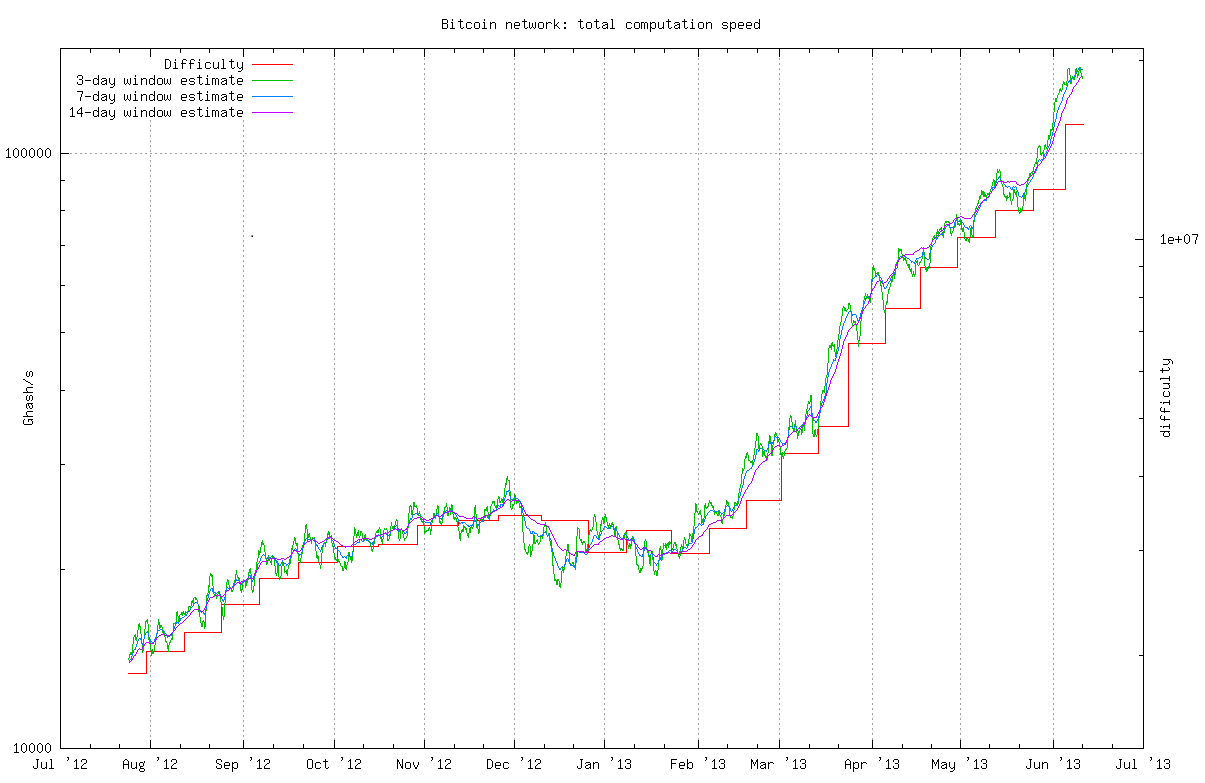
5
ไม่ใช่ว่ามันจะสำคัญมากเกินไปเมื่อผู้คนนับพันล้านคนในโลกนี้ใช้ชีวิตด้วยเงินน้อยกว่าหนึ่งดอลลาร์ต่อหนึ่งดอลลาร์
และไม่มีความหวังที่จะเข้าร่วมในเครือข่ายการขุดใดๆ... แต่เป็นเศรษฐกิจ
โลกที่ขับเคลื่อนด้วยระบบสกุลเงิน p2p ที่มีหนึ่ง cpu หนึ่งโหวตน่าจะมากกว่านั้น
ยุติธรรมกว่าระบบที่ขับเคลื่อนโดยธนาคารสำรองแบบเศษส่วน
แต่โปรโตคอลของ Cryptonote ยังคงต้องการผู้ใช้ที่ซื่อสัตย์ 51%... ดูตัวอย่าง Cryptonote
ฟอรัมที่ Pliskov หนึ่งในนักพัฒนากล่าวว่าการโจมตีแบบแทนที่ข้อมูลบน theblockchain 51% ยังคงสามารถทำงานได้ https://forum.cryptonote.org/viewtopic.php?f=2&t=198
โปรดทราบว่าคุณไม่จำเป็นต้องมีผู้ใช้ที่ซื่อสัตย์ถึง 51% คุณแค่ต้องการ "ไม่มีความทุจริตแม้แต่คนเดียว"
ฝ่ายที่มีอำนาจมากกว่า 51% ของ hashing ของเครือข่าย"
ลองเรียกสิ่งนี้ว่าปัญหาของ bitcoin ว่า "ความแข็งแกร่งในการปรับตัว" โซลูชันของ Cryptonote เพื่อการปรับตัว
ความแข็งแกร่งคือความยืดหยุ่นในการปรับตัวในค่าพารามิเตอร์โปรโตคอล หากคุณต้องการขนาดบล็อกที่ใหญ่ขึ้น
ไม่มีปัญหา เครือข่ายจะมีการปรับเบาๆ ตลอดเวลา
กล่าวคือ
วิธีที่ Bitcoin ปรับความยากเมื่อเวลาผ่านไปสามารถทำซ้ำได้ทั่วทั้งโปรโตคอลของเรา
พารามิเตอร์เพื่อให้ไม่จำเป็นต้องได้รับฉันทามติของเครือข่ายในการอัพเดตโปรโตคอล
ดูเผินๆ ดูเหมือนเป็นความคิดที่ดี แต่หากปราศจากการไตร่ตรองอย่างรอบคอบ จะเป็นการปรับตัวเอง
ระบบอาจคาดเดาไม่ได้และวุ่นวายเลยทีเดียว เราจะพิจารณาเรื่องนี้เพิ่มเติมในภายหลังในฐานะ
โอกาสเกิดขึ้น ระบบ "ดี" อยู่ระหว่างการปรับตัวที่เข้มงวดกับการปรับตัว
ยืดหยุ่นได้ และบางทีแม้แต่ความแข็งแกร่งเองก็สามารถปรับเปลี่ยนได้
หากเรามี "หนึ่ง CPU-หนึ่ง-โหวต" อย่างแท้จริง ให้ร่วมมือกันและพัฒนากลุ่มเพื่อให้ได้คะแนนถึง 51%
คงจะลำบากกว่า.. เราคาดหวังว่า CPU ทุกตัวในโลกจะถูกขุดจากโทรศัพท์
ไปยัง CPU ออนบอร์ดใน Tesla ของคุณในขณะที่กำลังชาร์จ
http://en.wikipedia.org/wiki/Pareto_principle
ฉันอ้างว่าสมดุลของพาเรโตค่อนข้างหลีกเลี่ยงไม่ได้ 20% ของระบบจะเป็นเช่นนั้น
เป็นเจ้าของ CPU 80% หรือ 20% ของระบบจะเป็นเจ้าของ ASIC 80% ฉันตั้งสมมติฐานนี้เพราะว่าการกระจายความมั่งคั่งในสังคมนั้นได้แสดงให้เห็นการกระจายของพาเรโตแล้ว
และเมื่อมีผู้ขุดรายใหม่เข้าร่วม พวกเขาจะถูกดึงมาจากการกระจายพื้นฐานนั้น
อย่างไรก็ตาม ฉันยืนยันว่าโปรโตคอลที่มีหนึ่ง cpu-หนึ่งโหวตจะเห็น ROI บนฮาร์ดแวร์
บล็อก
รางวัลต่อโหนดจะแปรผันตามจำนวนโหนดในเครือข่ายอย่างใกล้ชิดมากขึ้นเพราะว่า
การกระจายประสิทธิภาพข้ามโหนดจะแน่นแฟ้นยิ่งขึ้น Bitcoin อีกด้านหนึ่ง
hand เห็นรางวัลบล็อก (ต่อโหนด) เป็นสัดส่วนมากกว่าความสามารถในการคำนวณของสิ่งนั้น
โหนด กล่าวคือ มีเพียง "หนุ่มใหญ่" เท่านั้นที่ยังคงอยู่ในเกมการขุด ในทางกลับกัน
แม้ว่าหลักการ Pareto จะยังคงมีบทบาทอยู่ แต่ในโลกที่มีหนึ่ง CPU หนึ่งเสียง ทุกคน
มีส่วนร่วมในการรักษาความปลอดภัยเครือข่ายและได้รับรายได้จากการขุดเล็กน้อย
ในโลกของ ASIC มันไม่สมเหตุสมผลเลยที่จะขุด XBox และโทรศัพท์มือถือทุกเครื่องมาทำเหมือง
ในโลกแบบ onecpu-one-vote มันสมเหตุสมผลมากในแง่ของรางวัลการขุด ผลอันน่ายินดีก็คือ
การได้คะแนนเสียงถึง 51% จะยิ่งยากขึ้นไปอีกเมื่อมีคะแนนโหวตเพิ่มมากขึ้นเรื่อยๆ ทำให้ได้คะแนนน่ารัก
ประโยชน์ต่อความปลอดภัยของเครือข่าย..ฮาร์ดแวร์ที่อธิบายไว้ก่อนหน้านี้ สมมติว่าอัตรา hash ทั่วโลกลดลงอย่างมีนัยสำคัญ แม้กระทั่งสำหรับ
ขณะนี้เขาสามารถใช้พลังการขุดเพื่อแยกโซ่และใช้จ่ายสองเท่า ดังที่เราจะได้เห็น
ภายหลังในบทความนี้ ไม่น่าเป็นไปได้ที่เหตุการณ์ที่อธิบายไว้ก่อนหน้านี้จะเกิดขึ้น
2.3
การปล่อยก๊าซเรือนกระจกไม่สม่ำเสมอ
Bitcoin มีอัตราการปล่อยก๊าซที่กำหนดไว้ล่วงหน้า: แต่ละบล็อกที่แก้ไขได้จะผลิตเหรียญจำนวนคงที่
ประมาณทุกๆ สี่ปี รางวัลนี้จะลดลงครึ่งหนึ่ง ความตั้งใจเดิมคือการสร้าง
การแผ่รังสีที่ราบรื่นจำกัดโดยมีการสลายตัวแบบเอ็กซ์โปเนนเชียล แต่จริงๆ แล้ว เรามีการแผ่รังสีเชิงเส้นแบบชิ้นๆ
ฟังก์ชั่นที่มีจุดพักอาจทำให้เกิดปัญหากับโครงสร้างพื้นฐาน Bitcoin
เมื่อจุดพักเกิดขึ้น นักขุดจะเริ่มได้รับเพียงครึ่งหนึ่งของมูลค่าก่อนหน้า
รางวัล ความแตกต่างสัมบูรณ์ระหว่าง 12.5 และ 6.25 BTC (คาดการณ์สำหรับปี 2020) อาจ
ดูเหมือนจะทนได้ อย่างไรก็ตาม เมื่อตรวจสอบการลดลง 50 ถึง 25 BTC ที่เกิดขึ้นในเดือนพฤศจิกายน
เมื่อวันที่ 28 กันยายน 2012 รู้สึกว่าไม่เหมาะสมสำหรับสมาชิกของชุมชนเหมืองแร่จำนวนที่มีนัยสำคัญ รูปที่
1 แสดงการลดลงอย่างมากในอัตรา hashของเครือข่ายในช่วงปลายเดือนพฤศจิกายน ซึ่งตรงกับเวลาที่
การลดจำนวนลงครึ่งหนึ่งเกิดขึ้น เหตุการณ์นี้อาจเป็นช่วงเวลาที่สมบูรณ์แบบสำหรับบุคคลที่มุ่งร้าย
อธิบายไว้ในส่วนฟังก์ชัน proof-of-work เพื่อดำเนินการโจมตีการใช้จ่ายสองเท่า [36]
รูปที่ 1. Bitcoin hashกราฟอัตรา
(ที่มา: http://bitcoin.sipa.be)
2.4
ค่าคงที่แบบฮาร์ดโค้ด
Bitcoin มีข้อจำกัดแบบฮาร์ดโค้ดมากมาย โดยที่บางส่วนเป็นองค์ประกอบตามธรรมชาติของการออกแบบดั้งเดิม (เช่น
ความถี่บล็อก ปริมาณเงินสูงสุด จำนวนการยืนยัน) ในขณะที่อื่นๆ
ดูเหมือนจะเป็นข้อจำกัดเทียม ไม่ได้มีข้อจำกัดมากนัก เนื่องจากไม่สามารถเปลี่ยนแปลงได้อย่างรวดเร็ว
3
ฮาร์ดแวร์ที่อธิบายไว้ก่อนหน้านี้ สมมติว่าอัตรา hash ทั่วโลกลดลงอย่างมีนัยสำคัญ แม้แต่ด้วยซ้ำ
ขณะนี้เขาสามารถใช้พลังการขุดเพื่อแยกโซ่และใช้จ่ายสองเท่า ดังที่เราจะได้เห็น
ภายหลังในบทความนี้ ไม่น่าเป็นไปได้ที่เหตุการณ์ที่อธิบายไว้ก่อนหน้านี้จะเกิดขึ้น
2.3
การปล่อยก๊าซเรือนกระจกไม่สม่ำเสมอ
Bitcoin มีอัตราการปล่อยก๊าซที่กำหนดไว้ล่วงหน้า: แต่ละบล็อกที่แก้ไขได้จะผลิตเหรียญจำนวนคงที่
ประมาณทุกๆ สี่ปี รางวัลนี้จะลดลงครึ่งหนึ่ง ความตั้งใจเดิมคือการสร้าง
การแผ่รังสีที่ราบรื่นจำกัดโดยมีการสลายตัวแบบเอ็กซ์โปเนนเชียล แต่จริงๆ แล้ว เรามีการแผ่รังสีเชิงเส้นแบบชิ้นๆ
ฟังก์ชั่นที่มีจุดพักอาจทำให้เกิดปัญหากับโครงสร้างพื้นฐาน Bitcoin
เมื่อจุดพักเกิดขึ้น นักขุดจะเริ่มได้รับเพียงครึ่งหนึ่งของมูลค่าก่อนหน้า
รางวัล ความแตกต่างสัมบูรณ์ระหว่าง 12.5 และ 6.25 BTC (คาดการณ์สำหรับปี 2020) อาจ
ดูเหมือนจะทนได้ อย่างไรก็ตาม เมื่อตรวจสอบการลดลง 50 ถึง 25 BTC ที่เกิดขึ้นในเดือนพฤศจิกายน
เมื่อวันที่ 28 กันยายน 2012 รู้สึกว่าไม่เหมาะสมสำหรับสมาชิกของชุมชนเหมืองแร่จำนวนที่มีนัยสำคัญ รูปที่
1 แสดงการลดลงอย่างมากในอัตรา hash ของเครือข่ายในช่วงปลายเดือนพฤศจิกายน ซึ่งตรงกับเวลาที่
การลดจำนวนลงครึ่งหนึ่งเกิดขึ้น เหตุการณ์นี้อาจเป็นช่วงเวลาที่สมบูรณ์แบบสำหรับบุคคลที่มุ่งร้าย
อธิบายไว้ในส่วนฟังก์ชัน proof-of-work เพื่อดำเนินการโจมตีการใช้จ่ายสองเท่า [36]
รูปที่ 1. Bitcoin hashกราฟอัตรา
(ที่มา: http://bitcoin.sipa.be)
2.4
ค่าคงที่แบบฮาร์ดโค้ด
Bitcoin มีข้อจำกัดแบบฮาร์ดโค้ดมากมาย โดยที่บางส่วนเป็นองค์ประกอบตามธรรมชาติของการออกแบบดั้งเดิม (เช่น
ความถี่บล็อก ปริมาณเงินสูงสุด จำนวนการยืนยัน) ในขณะที่อื่นๆ
ดูเหมือนจะเป็นข้อจำกัดเทียม ไม่ได้มีข้อจำกัดมากนัก เนื่องจากไม่สามารถเปลี่ยนแปลงได้อย่างรวดเร็ว
3
6
เรียกสิ่งนี้ว่ามันคือการโจมตีของซอมบี้
เรามาหารือกันว่าการปล่อยก๊าซเรือนกระจกอย่างต่อเนื่องจะเป็นอย่างไร
เกี่ยวข้องกับ one-cpu-one-vote ในสถานการณ์การโจมตีด้วยซอมบี้
ในโลกที่มีหนึ่ง CPU หนึ่งโหวต โทรศัพท์มือถือและรถยนต์ทุกเครื่อง เมื่อใดก็ตามที่ไม่ได้ใช้งาน จะถูกขุดเหมือง การรวบรวมฮาร์ดแวร์ราคาถูกจำนวนมากเพื่อสร้างฟาร์มขุดจะง่ายมากเพราะเพียง
เกี่ยวกับทุกสิ่งที่มี CPU อยู่ในนั้น ในทางกลับกัน ณ จุดนั้นคือจำนวน CPU
ฉันคิดว่าจำเป็นต้องทำการโจมตี 51% ค่อนข้างน่าประหลาดใจ
นอกจากนี้
แม่นยำ เพราะ ง่ายต่อการรวบรวมฮาร์ดแวร์ราคาถูก เราจึงสามารถคาดหวังได้อย่างสมเหตุสมผล
หลายๆ คนเริ่มสะสมอะไรก็ตามด้วย CPU การแข่งขันทางอาวุธในโลกที่มีหนึ่งซีพียูหนึ่งโหวต
จำเป็นต้องมีความเสมอภาคมากกว่าในโลก ASIC
จึงมีความไม่ต่อเนื่องในเครือข่าย
ความปลอดภัยเนื่องจากอัตราการปล่อยมลพิษควรจะเป็นปัญหาน้อยกว่าในโลกที่มีหนึ่งซีพียูหนึ่งเสียง
อย่างไรก็ตาม ยังมีข้อเท็จจริงสองประการ: 1) อัตราการปล่อยก๊าซที่ไม่ต่อเนื่องอาจทำให้เกิดอาการติดอ่างใน
ทั้งด้านเศรษฐกิจและความปลอดภัยเครือข่าย ซึ่งแย่ และ 2) แม้ว่าจะมีการโจมตีถึง 51% ก็ตาม
ดำเนินการโดยคนที่รวบรวมฮาร์ดแวร์ราคาถูกยังสามารถเกิดขึ้นในซีพียูตัวเดียวได้-โหวตโลก
ดูเหมือนว่ามันควรจะยากกว่านี้
สมมุติว่าการป้องกันสิ่งนี้ก็คือ นักแสดงที่ไม่ซื่อสัตย์ทั้งหมด จะลองทำสิ่งนี้
พร้อมกัน และเราถอยกลับไปใช้แนวคิดด้านความปลอดภัยก่อนหน้าของ Bitcoin: "เราไม่ต้องการการทุจริต
ฝ่ายที่จะควบคุมมากกว่า 51% ของเครือข่าย”
ผู้เขียนอ้างที่นี่ว่าปัญหาหนึ่งของ bitcoin ก็คือความไม่ต่อเนื่องในการปล่อยเหรียญ
อัตรานี้อาจส่งผลให้การมีส่วนร่วมของเครือข่ายลดลงอย่างกะทันหัน และด้วยเหตุนี้ความปลอดภัยของเครือข่าย ดังนั้น
อัตราการปล่อยเหรียญที่ต่อเนื่อง เปลี่ยนแปลงได้ และราบรื่นจะดีกว่า
ผู้เขียนไม่ผิดแน่นอน การมีส่วนร่วมของเครือข่ายที่ลดลงอย่างกะทันหันสามารถทำได้
นำไปสู่ปัญหาดังกล่าว และถ้าเราสามารถลบแหล่งที่มาของมันได้ เราก็ควรทำ พูดแล้วก็เป็นอย่างนั้น
เป็นไปได้ว่าการปล่อยเหรียญ "ค่อนข้างคงที่" เป็นระยะเวลานานจะถูกคั่นด้วยการเปลี่ยนแปลงอย่างกะทันหัน
เป็นวิธีที่เหมาะที่จะไปจากมุมมองทางเศรษฐศาสตร์ ฉันไม่ใช่นักเศรษฐศาสตร์ ดังนั้นบางทีเรา
ต้องตัดสินใจว่าเราจะแลกความปลอดภัยเครือข่ายเพื่ออะไรบางอย่างทางเศรษฐกิจหรือไม่?
http://arxiv.org/abs/1402.2009หากจำเป็นซึ่งทำให้เกิดข้อเสียเปรียบหลัก น่าเสียดายที่เป็นการยากที่จะคาดเดาได้ว่าเมื่อใด
ค่าคงที่อาจจำเป็นต้องเปลี่ยนและการแทนที่อาจนำไปสู่ผลลัพธ์ที่เลวร้าย
ตัวอย่างที่ดีของการเปลี่ยนแปลงขีดจำกัดแบบฮาร์ดโค้ดที่นำไปสู่ผลที่ตามมาที่ร้ายแรงคือการบล็อก
จำกัดขนาดไว้ที่ 250kb1 ขีดจำกัดนี้เพียงพอที่จะรองรับธุรกรรมมาตรฐานได้ประมาณ 10,000 รายการ ใน
ต้นปี 2013 เกือบจะถึงขีดจำกัดนี้แล้ว และได้บรรลุข้อตกลงเพื่อเพิ่ม
ขีด จำกัด การเปลี่ยนแปลงถูกนำไปใช้ในกระเป๋าเงินเวอร์ชัน 0.8 และจบลงด้วยการแยกลูกโซ่ 24 บล็อก
และการโจมตีแบบใช้จ่ายสองครั้งที่ประสบความสำเร็จ [9] ในขณะที่จุดบกพร่องไม่ได้อยู่ในโปรโตคอล Bitcoin แต่
แต่ในกลไกฐานข้อมูลนั้นสามารถตรวจจับได้ง่ายโดยการทดสอบความเครียดแบบง่าย ๆ หากมี
ไม่มีการจำกัดขนาดบล็อกที่แนะนำโดยไม่ได้ตั้งใจ
ค่าคงที่ยังทำหน้าที่เป็นรูปแบบหนึ่งของจุดรวมศูนย์
แม้ว่าลักษณะแบบ peer-to-peer ของ
Bitcoin โหนดส่วนใหญ่ใช้ไคลเอนต์อ้างอิงอย่างเป็นทางการ [10] พัฒนาโดย
คนกลุ่มเล็กๆ กลุ่มนี้ตัดสินใจดำเนินการเปลี่ยนแปลงโปรโตคอล
และคนส่วนใหญ่ยอมรับการเปลี่ยนแปลงเหล่านี้โดยไม่คำนึงถึง "ความถูกต้อง" ของพวกเขา การตัดสินใจบางอย่างเกิดขึ้น
การอภิปรายอย่างเผ็ดร้อนและแม้กระทั่งเรียกร้องให้คว่ำบาตร [11] ซึ่งบ่งชี้ว่าชุมชนและ
นักพัฒนาซอฟต์แวร์อาจไม่เห็นด้วยกับประเด็นสำคัญบางประการ ดังนั้นจึงดูเหมือนสมเหตุสมผลที่จะมีโปรโตคอล
ด้วยตัวแปรที่ผู้ใช้สามารถกำหนดค่าได้และปรับได้เองซึ่งเป็นวิธีที่เป็นไปได้ในการหลีกเลี่ยงปัญหาเหล่านี้
2.5
สคริปต์ขนาดใหญ่
ระบบการเขียนสคริปต์ใน Bitcoin เป็นคุณลักษณะที่หนักและซับซ้อน มันอาจทำให้ใครคนหนึ่งสามารถสร้างได้
ธุรกรรมที่ซับซ้อน [12] แต่คุณลักษณะบางอย่างถูกปิดใช้งานเนื่องจากข้อกังวลด้านความปลอดภัยและ
บางตัวไม่เคยใช้ด้วยซ้ำ [13] สคริปต์ (รวมทั้งส่วนของผู้ส่งและผู้รับ)
สำหรับธุรกรรมยอดนิยมใน Bitcoin มีลักษณะดังนี้:
분석
5
전 세계 10억 명의 사람들이 1달러 미만의 돈으로 살아간다는 것이 그다지 중요한 것은 아닙니다.
어떤 종류의 채굴 네트워크에도 참여할 희망이 없습니다... 하지만 경제적
1-CPU-1-표를 사용하는 P2P 통화 시스템이 주도하는 세계는 아마도 더 많을 것입니다.
부분지급준비은행에 의해 운영되는 시스템보다 공정합니다.
하지만 Cryptonote의 프로토콜에는 여전히 51%의 정직한 사용자가 필요합니다. 예를 들어 Cryptonote를 참조하세요.
개발자 중 한 명인 Pliskov는 전통적인 데이터 교체 blockchain 51% 공격이 여전히 작동할 수 있다고 말합니다. https://forum.cryptonote.org/viewtopic.php?f=2&t=198
실제로 51%의 정직한 사용자가 필요한 것은 아닙니다. 당신은 정말로 "단 한 명의 부정직한 사람도 필요하지 않습니다"
네트워크의 hash 힘의 51% 이상을 보유한 세력입니다."
소위 비트코인의 문제를 '적응적 경직성'이라고 부르자. Cryptonote의 적응형 솔루션
강성은 프로토콜 매개변수 값의 적응형 유연성입니다. 더 큰 블록 크기가 필요한 경우,
문제 없습니다. 네트워크는 내내 부드럽게 조정되었을 것입니다.
즉,
Bitcoin이 시간이 지남에 따라 어려움을 조정하는 방식은 모든 프로토콜에서 복제될 수 있습니다.
프로토콜을 업데이트하기 위해 네트워크 합의를 얻을 필요가 없도록 매개변수를 설정합니다.
표면적으로 이것은 좋은 생각처럼 보이지만 신중한 사전 고려 없이는 자체 조정이 가능합니다.
시스템은 매우 예측 불가능하고 혼란스러워질 수 있습니다. 이에 대해서는 나중에 더 자세히 살펴보겠습니다.
기회가 생깁니다. "좋은" 시스템은 적응적으로 엄격한 시스템과 적응적인 시스템 사이의 어딘가에 있습니다.
유연하고 어쩌면 강성 자체도 적응력이 있을 수 있습니다.
우리가 정말로 "1-CPU-1-투표"를 가졌다면 51%에 도달하기 위해 풀을 협력하고 개발해야 합니다.
더 어려울 것입니다. 우리는 전 세계의 모든 CPU가 휴대폰에서 채굴될 것으로 예상합니다.
충전하는 동안 Tesla의 온보드 CPU에 연결됩니다.
http://en.wikipedia.org/wiki/Pareto_principle
나는 파레토 균형이 다소 불가피하다고 주장합니다. 시스템의 20%가
CPU의 80%를 소유하거나 시스템의 20%가 ASIC의 80%를 소유하게 됩니다. 나는 사회의 기본 부의 분배가 이미 파레토 분포를 보이고 있기 때문에 이것을 가정합니다.
새로운 채굴자가 합류하면 기본 배포판에서 추출됩니다.
그러나 나는 1-CPU-1-투표 프로토콜이 하드웨어에서 ROI를 볼 것이라고 주장합니다.
블록
노드당 보상은 네트워크의 노드 수에 더 밀접하게 비례합니다.
노드 전반에 걸쳐 성능 분포가 훨씬 더 엄격해집니다. Bitcoin, 다른 한편으로는
계산 능력에 더 비례하는 블록 보상(노드당)을 봅니다.
노드. 즉, 여전히 채굴 게임에는 "큰 소년들"만이 남아 있다는 것입니다. 반면에,
1CPU 1표 세계에서는 파레토 원칙이 여전히 적용되더라도 모든 사람은
네트워크 보안에 참여하고 약간의 채굴 수입을 얻습니다.
ASIC 세계에서는 모든 XBox와 휴대폰을 광산에 장착하는 것은 합리적이지 않습니다.
1CPU 1표 세계에서는 채굴 보상 측면에서 매우 합리적입니다. 기분 좋은 결과로,
투표 수가 많아지면 51%의 득표율을 얻는 것이 더 어렵습니다.
네트워크 보안에 이점이 있습니다..이전에 설명한 하드웨어. 다음 경우에도 글로벌 hash 비율이 크게 감소한다고 가정합니다.
잠시 후 그는 채굴 능력을 사용하여 체인을 포크하고 이중 지출을 할 수 있습니다. 앞으로 살펴보겠지만
이 기사의 뒷부분에서는 이전에 설명한 사건이 발생할 가능성이 거의 없습니다.
2.3
불규칙한 방출
Bitcoin에는 미리 결정된 방출 속도가 있습니다. 해결된 각 블록은 고정된 양의 코인을 생성합니다.
대략 4년마다 이 보상은 절반으로 줄어듭니다. 원래 의도는 만들려고 했는데
지수적 붕괴로 제한된 부드러운 방출을 수행하지만 실제로는 조각별 선형 방출이 있습니다.
중단점이 Bitcoin 인프라에 문제를 일으킬 수 있는 함수입니다.
중단점이 발생하면 채굴자는 이전 가치의 절반만 받기 시작합니다.
보상. 12.5와 6.25 BTC(2020년 예상) 사이의 절대적인 차이는
견딜 수 있을 것 같습니다. 그러나 11월에 발생한 50~25BTC 하락을 살펴보면
2012년 28일, 광산 커뮤니티의 상당수 구성원에게 부적절하다고 느꼈습니다. 그림
1은 정확히 11월 말에 네트워크의 hash비율이 급격히 감소한 것을 보여줍니다.
반감기가 일어났습니다. 이 사건은 악의적인 개인에게 완벽한 순간이었을 수도 있습니다.
이중 지출 공격 [36]을 수행하기 위해 proof-of-work 함수 섹션에 설명되어 있습니다.
그림 1. Bitcoin hash비율 차트
(출처: http://bitcoin.sipa.be)
2.4
하드코딩된 상수
Bitcoin에는 하드 코딩된 제한이 많이 있으며 일부는 원래 디자인의 자연스러운 요소입니다(예:
차단 빈도, 최대 통화 공급량, 확인 횟수) 반면 다른
인위적인 제약인 것 같습니다. 한계가 아니라 빠르게 변화할 수 없다는 점입니다.
3
이전에 설명한 하드웨어. 다음 경우에도 글로벌 hash 비율이 크게 감소한다고 가정합니다.
잠시 후 그는 채굴 능력을 사용하여 체인을 포크하고 이중 지출을 할 수 있습니다. 앞으로 살펴보겠지만
이 기사의 뒷부분에서는 이전에 설명한 사건이 발생할 가능성이 거의 없습니다.
2.3
불규칙한 방출
Bitcoin에는 미리 결정된 방출 속도가 있습니다. 각 해결된 블록은 고정된 양의 코인을 생성합니다.
대략 4년마다 이 보상은 절반으로 줄어듭니다. 원래 의도는 만들려고 했는데
지수적 붕괴로 제한된 부드러운 방출을 수행하지만 실제로는 조각별 선형 방출이 있습니다.
중단점이 Bitcoin 인프라에 문제를 일으킬 수 있는 함수입니다.
중단점이 발생하면 채굴자는 이전 가치의 절반만 받기 시작합니다.
보상. 12.5와 6.25 BTC(2020년 예상) 사이의 절대적인 차이는
견딜 수 있을 것 같습니다. 그러나 11월에 발생한 50~25BTC 하락을 살펴보면
2012년 28일, 광산 커뮤니티의 상당수 구성원에게 부적절하다고 느꼈습니다. 그림
1은 정확히 11월 말에 네트워크의 hash비율이 급격히 감소한 것을 보여줍니다.
반감기가 일어났습니다. 이 사건은 악의적인 개인에게 완벽한 순간이었을 수도 있습니다.
이중 지출 공격 [36]을 수행하기 위해 proof-of-work 함수 섹션에 설명되어 있습니다.
그림 1. Bitcoin hash비율 차트
(출처: http://bitcoin.sipa.be)
2.4
하드코딩된 상수
Bitcoin에는 하드 코딩된 제한이 많이 있으며 일부는 원래 디자인의 자연스러운 요소입니다(예:
차단 빈도, 최대 통화 공급량, 확인 횟수) 반면 다른
인위적인 제약인 것 같습니다. 한계가 아니라 빠르게 변화할 수 없다는 점입니다.
3
6
이것을 좀비 공격이라고 부르자.
지속적으로 방출하는 방법에 대해 논의해 보겠습니다.
좀비 공격 시나리오의 one-cpu-one-vote와 관련이 있습니다.
1CPU 1표 세계에서는 유휴 상태일 때마다 모든 휴대폰과 자동차가 채굴을 할 것입니다. 광산 농장을 만들기 위해 값싼 하드웨어 더미를 모으는 것은 매우 쉬울 것입니다.
모든 것에는 CPU가 있습니다. 반면에 그 시점의 CPU 수는
51% 공격을 시작하는 데 필요한 요구 사항은 매우 놀라운 일이라고 생각합니다.
게다가,
정확하게 왜냐하면 값싼 하드웨어를 모으는 것이 쉽기 때문에 우리는 합리적인 가격을 기대할 수 있습니다.
많은 사람들이 CPU로 무엇이든 쌓아두기 시작합니다. 1CPU 1표 세계의 군비 경쟁
ASIC 세계보다 반드시 더 평등주의적입니다.
따라서 네트워크의 단절
배출율로 인한 보안은 1CPU 1표 세계에서는 문제가 덜 됩니다.
그러나 두 가지 사실이 남아 있습니다. 1) 방출 속도의 불연속성은 영상의 말더듬 효과로 이어질 수 있습니다.
경제와 네트워크 보안 모두 나쁘고, 2) 51% 공격에도 불구하고
값싼 하드웨어를 수집하는 사람이 수행하는 작업은 여전히 1-CPU-1에서 발생할 수 있습니다.-세계에 투표하세요,
더 힘들어야 할 것 같습니다.
아마도 이에 대한 안전 장치는 모든 부정직한 행위자가 이 방법을 시도할 것이라는 것입니다.
동시에 우리는 Bitcoin의 이전 보안 개념인 "우리는 부정직한 행위를 요구하지 않습니다"로 돌아갑니다.
네트워크의 51% 이상을 통제하는 세력입니다."
저자는 여기서 비트코인의 한 가지 문제점은 코인 방출의 불연속성이라고 주장하고 있습니다.
속도로 인해 네트워크 참여가 갑자기 감소하여 네트워크 보안이 저하될 수 있습니다. 따라서,
연속적이고 미분 가능하며 원활한 코인 방출 속도가 바람직합니다.
저자가 틀린 것은 아닙니다. 네트워크 참여가 갑자기 감소하면
그러한 문제를 야기할 수 있으며, 그 원인 중 하나를 제거할 수 있다면 제거해야 합니다. 그러고보니 그렇군요
갑작스러운 변화로 인해 장기간 "상대적으로 일정한" 코인 방출이 중단될 가능성이 있습니다.
경제적 관점에서 볼 때 이상적인 방법입니다. 나는 경제학자가 아니다. 그렇다면 아마도 우리는
경제적인 것을 위해 네트워크 보안을 교환할지 결정해야 합니다. 여기서는 무엇입니까?
http://arxiv.org/abs/1402.2009필요한 경우 주요 단점이 발생합니다. 아쉽게도 언제 출시될지 예측하기 어렵습니다.
상수를 변경해야 할 수도 있고 이를 교체하면 끔찍한 결과를 초래할 수도 있습니다.
비참한 결과를 초래하는 하드코딩된 제한 변경의 좋은 예는 블록입니다.
크기 제한이 250kb1로 설정되었습니다. 이 한도는 약 10000개의 표준 트랜잭션을 보유하는 데 충분했습니다. 에서
2013년 초, 이 한도에 거의 도달했고, 이를 늘리기로 합의했습니다.
한계. 변경 사항은 지갑 버전 0.8에서 구현되었으며 24블록 체인 분할로 끝났습니다.
성공적인 이중 지출 공격 [9]. 버그는 Bitcoin 프로토콜에는 없었지만
오히려 데이터베이스 엔진에서는 간단한 스트레스 테스트를 통해 쉽게 발견할 수 있었습니다.
인위적으로 도입된 블록 크기 제한이 없습니다.
상수는 중앙집중화 지점의 역할도 합니다.
P2P 성격에도 불구하고
Bitcoin, 압도적 다수의 노드가 개발한 공식 참조 클라이언트 [10]을 사용합니다.
소수의 사람들. 이 그룹은 프로토콜 변경을 구현하기로 결정합니다.
그리고 대부분의 사람들은 "정확성"에 관계없이 이러한 변경 사항을 받아들입니다. 일부 결정으로 인해 발생
열띤 토론을 벌이고 보이콧을 요구하기까지 합니다 [11]. 이는 커뮤니티와
개발자는 몇 가지 중요한 사항에 동의하지 않을 수 있습니다. 따라서 프로토콜을 갖는 것이 논리적인 것 같습니다.
이러한 문제를 방지하기 위한 가능한 방법으로 사용자가 구성할 수 있고 자체 조정 가능한 변수를 사용합니다.
2.5
부피가 큰 스크립트
Bitcoin의 스크립팅 시스템은 무겁고 복잡한 기능입니다. 잠재적으로 다음을 만들 수 있습니다.
정교한 거래 [12]이지만 보안 문제로 인해 일부 기능이 비활성화되어 있으며
일부는 한 번도 사용된 적이 없습니다([13]). 스크립트(발신자 및 수신자 부분 모두 포함)
Bitcoin에서 가장 인기 있는 거래는 다음과 같습니다.