
Cosmos: сеть распределенных реестров
Giới thiệu
Sự thành công tổng hợp của hệ sinh thái nguồn mở, chia sẻ yle phi tập trung và tiền điện tử công cộng có truyền cảm hứng cho sự hiểu biết rằng các giao thức internet phi tập trung có thể được sử dụng để cải thiện triệt để cơ sở hạ tầng kinh tế xã hội. Chúng tôi đã thấy các ứng dụng blockchain chuyên dụng như Bitcoin [1] (a tiền điện tử), Zerocash [2] (tiền điện tử bảo mật) và nền tảng smart contract tổng quát như Ethereum [3], với vô số ứng dụng được phân phối cho Etherium Virtual Máy (EVM) như Augur (thị trường dự đoán) và TheDAO [4] (câu lạc bộ đầu tư). Tuy nhiên, cho đến nay, blockchain này đã gặp phải một số vấn đề về những hạn chế, bao gồm cả sự kém hiệu quả về năng lượng, kém hoặc hiệu quả hoạt động còn hạn chế và cơ chế quản trị chưa trưởng thành. Đề xuất mở rộng quy mô thông lượng giao dịch của Bitcoin, chẳng hạn như Nhân chứng tách biệt [5] và BitcoinNG [6], có tỷ lệ theo chiều dọc các giải pháp vẫn bị giới hạn bởi khả năng của một thiết bị vật lý duy nhất máy, để đảm bảo tính chất có thể kiểm toán hoàn chỉnh. Lightning Network [7] có thể giúp mở rộng quy mô giao dịch Bitcoin
khối lượng bằng cách loại bỏ hoàn toàn một số giao dịch khỏi sổ cái, và rất phù hợp cho các khoản thanh toán vi mô và bảo vệ quyền riêng tư đường ray thanh toán, nhưng có thể không phù hợp cho tổng quát hơn nhu cầu mở rộng quy mô. Giải pháp lý tưởng là giải pháp cho phép nhiều blockchains song song tương tác trong khi vẫn giữ được các đặc tính bảo mật của chúng. Cái này có đã được chứng minh là khó khăn, nếu không nói là không thể, với proof-of-work. Đã hợp nhất ví dụ: khai thác mỏ cho phép công việc được thực hiện để bảo đảm cấp độ cha mẹ chuỗi được tái sử dụng trên chuỗi con, nhưng các giao dịch vẫn phải được thực hiện được xác thực theo thứ tự theo từng nút và blockchain được khai thác hợp nhất dễ bị tấn công nếu phần lớn nguồn điện hash trên cha mẹ không tích cực khai thác hợp nhất đứa trẻ. Một đánh giá học thuật kiến trúc mạng blockchain thay thế được cung cấp cho bối cảnh bổ sung và chúng tôi cung cấp bản tóm tắt các đề xuất khác và những hạn chế của chúng trong Công việc liên quan. Ở đây chúng tôi giới thiệu Cosmos, một kiến trúc mạng blockchain mới lạ đó giải quyết tất cả những vấn đề này. Cosmos là một mạng lưới gồm nhiều blockchain độc lập, được gọi là vùng. Các khu vực được cung cấp năng lượng bởi Tendermint Core [8], cung cấp hiệu suất cao, công cụ đồng thuận giống như PBFT nhất quán, an toàn, trong đó trách nhiệm phân tách nghiêm ngặt đảm bảo duy trì hành vi độc hại diễn viên. Thuật toán đồng thuận BFT của Tendermint Core rất phù hợp để mở rộng quy mô công khai proof-of-stake blockchains. Vùng đầu tiên trên Cosmos được gọi là Cosmos Hub. Cosmos Hub là một loại tiền điện tử proof-of-stake đa tài sản với cách thức đơn giản Cơ chế quản trị cho phép mạng thích ứng và nâng cấp. Ngoài ra, Cosmos Hub có thể được mở rộng bằng cách kết nối các khu vực khác. Trung tâm và các vùng của mạng Cosmos giao tiếp với với nhau thông qua giao thức liên lạc giữa blockchain (IBC), một loại UDP hoặc TCP ảo cho blockchains. Token có thể chuyển từ vùng này sang vùng khác một cách an toàn và nhanh chóngmà không cần trao đổi thanh khoản giữa các khu vực. Thay vào đó, tất cả các giao dịch chuyển khoản liên vùng token đều đi qua Trung tâm Cosmos. theo dõi tổng số token được nắm giữ bởi mỗi khu vực. các hub cô lập từng vùng khỏi sự thất bại của các vùng khác. Bởi vì bất kỳ ai cũng có thể kết nối một vùng mới với Cosmos Hub, các vùng cho phép để có khả năng tương thích trong tương lai với những cải tiến blockchain mới. Trong phần này chúng tôi mô tả giao thức đồng thuận Tendermint và giao diện được sử dụng để xây dựng các ứng dụng với nó. Để biết thêm chi tiết xem phụ lục. Trong thuật toán chịu lỗi Byzantine cổ điển (BFT), mỗi nút có cùng trọng lượng. Trong Tendermint, các nút có giá trị không âm số lượng quyền biểu quyết và các nút có biểu quyết tích cực sức mạnh được gọi là validators. Người xác nhận tham gia vào giao thức đồng thuận bằng cách phát sóng chữ ký mật mã, hoặc phiếu bầu, để thống nhất khối tiếp theo. Quyền biểu quyết của người xác nhận được xác định ngay từ đầu hoặc được thay đổi một cách xác định bởi blockchain, tùy thuộc vào ứng dụng. Ví dụ: trong ứng dụng proof-of-stake chẳng hạn như Trung tâm Cosmos, quyền biểu quyết có thể được xác định bởi số tiền staking token được thế chấp làm tài sản thế chấp. LƯU Ý: Các phân số như ⅔ và ⅓ đề cập đến các phân số của tổng số phiếu bầu công suất, không bao giờ là tổng số validator giây, trừ khi tất cả validators có trọng lượng bằng nhau. >⅔ có nghĩa là “hơn ⅔”, ≥⅓ có nghĩa là “ít nhất ⅓”. Tendermint là giao thức đồng thuận BFT đồng bộ một phần bắt nguồn từ thuật toán đồng thuận DLS [20]. bạc hà là
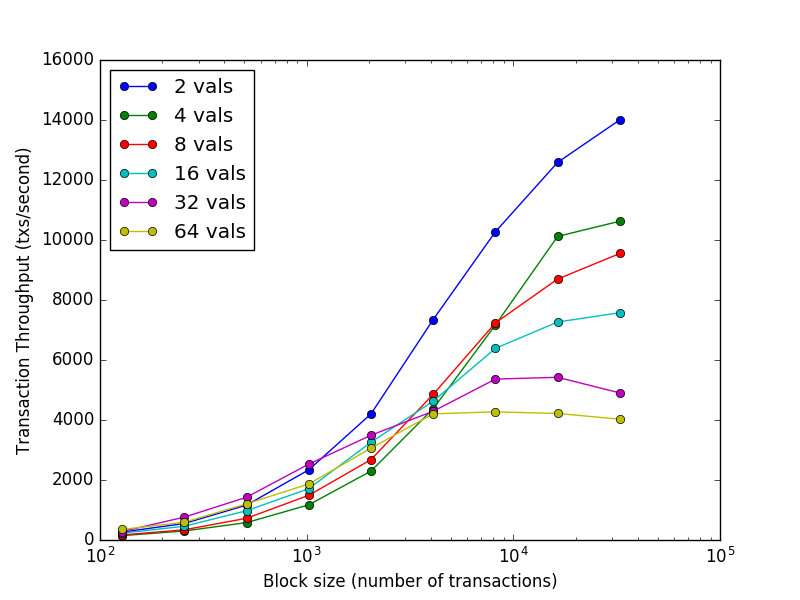
đáng chú ý vì tính đơn giản, hiệu suất và trách nhiệm giải trình của nó. Giao thức yêu cầu một tập hợp validator đã biết yxed, trong đó mỗi validator được xác định bằng khóa chung của họ. Người xác thực cố gắng đạt được sự đồng thuận về từng khối một, trong đó khối là một danh sách của các giao dịch. Việc bỏ phiếu cho sự đồng thuận về một khối tiến hành trong vòng. Mỗi vòng có một người đứng đầu hoặc người đề xuất, người này đề xuất một khối. Sau đó, validator sẽ bỏ phiếu theo từng giai đoạn về việc liệu chấp nhận khối được đề xuất hoặc chuyển sang vòng tiếp theo. các người đề xuất cho một vòng được chọn một cách xác định từ thứ tự danh sách validator, tương ứng với quyền biểu quyết của họ. Các chi tiết đầy đủ của giao thức được mô tả ở đây. Tính bảo mật của Tendermint bắt nguồn từ việc sử dụng Byzantine tối ưu khả năng chịu lỗi thông qua biểu quyết siêu đa số (>⅔) và khóa cơ chế. Cùng nhau, họ đảm bảo rằng: ≥⅓ quyền biểu quyết phải thuộc về Byzantine mới có thể vi phạm an toàn, trong đó có nhiều hơn hai giá trị được cam kết. nếu bất kỳ tập hợp validator nào vi phạm an toàn thành công hoặc thậm chí cố gắng làm như vậy, chúng có thể được xác định bởi giao thức. Cái này bao gồm cả việc bỏ phiếu cho các khối xung đột và phát sóng số phiếu không chính đáng. Mặc dù có sự đảm bảo mạnh mẽ, Tendermint vẫn mang đến những điều đặc biệt hiệu suất. Trong điểm chuẩn của 64 nút được phân bổ trên 7 trung tâm dữ liệu trên 5 châu lục, trên các phiên bản đám mây hàng hóa, Sự đồng thuận của Tendermint có thể xử lý hàng nghìn giao dịch mỗi lần thứ hai, với độ trễ cam kết theo thứ tự từ một đến hai giây. Đáng chú ý là hiệu suất của hơn một nghìn giao dịch trên mỗi thứ hai được duy trì ngay cả trong điều kiện đối nghịch khắc nghiệt, với validator bị lỗi hoặc phát đi các phiếu bầu được tạo ra một cách độc hại. Xem ygure bên dưới để biết chi tiết.
Lợi ích chính của thuật toán đồng thuận của Tendermint được đơn giản hóa bảo mật khách hàng nhẹ, làm cho nó trở thành một ứng cử viên lý tưởng cho thiết bị di động và các trường hợp sử dụng internet của vạn vật. Trong khi ứng dụng khách nhẹ Bitcoin phải đồng bộ hóa chuỗi tiêu đề khối và tìm chuỗi có nhiều bằng chứng nhất về hoạt động, khách hàng của Tendermint chỉ cần theo kịp các thay đổi đến bộ validator, sau đó xác minh >⅔ Cam kết trước trong khối mới nhất để xác định trạng thái mới nhất. Bằng chứng ứng dụng khách ngắn gọn cũng cho phép inter-blockchain giao tiếp. Tendermint có các biện pháp bảo vệ để ngăn ngừa một số các cuộc tấn công đáng chú ý, chẳng hạn như chi tiêu gấp đôi tầm xa mà không bị đe dọa và kiểm duyệt. Những vấn đề này sẽ được thảo luận đầy đủ hơn trong phần phụ lục.Thuật toán đồng thuận Tendermint được triển khai theo cách chương trình có tên Tendermint Core. Tendermint Core là một "công cụ đồng thuận" bất khả tri về ứng dụng có thể biến bất kỳ ứng dụng hộp đen xác định thành một bản sao phân tán blockchain. Tendermint Core kết nối với blockchain ứng dụng thông qua Giao diện chuỗi khối ứng dụng (ABCI) [17]. Vì vậy, ABCI cho phép các ứng dụng blockchain được lập trình ở bất kỳ ngôn ngữ, không chỉ là ngôn ngữ lập trình mà sự đồng thuận công cụ được ghi vào. Ngoài ra, ABCI giúp bạn có thể dễ dàng hoán đổi lớp đồng thuận của bất kỳ ngăn xếp blockchain hiện có nào. Chúng tôi rút ra sự tương tự với tiền điện tử nổi tiếng Bitcoin. Bitcoin là tiền điện tử blockchain trong đó mỗi nút duy trì cơ sở dữ liệu Đầu ra giao dịch chưa chi tiêu (UTXO) đã được kiểm tra đầy đủ. Nếu người ta muốn tạo một hệ thống giống Bitcoin trên ABCI, Tendermint Core sẽ chịu trách nhiệm Chia sẻ khối và giao dịch giữa các nút Thiết lập một trật tự giao dịch chuẩn/bất biến (các blockchain) Trong khi đó, ứng dụng ABCI sẽ chịu trách nhiệm Duy trì cơ sở dữ liệu UTXO Xác thực chữ ký mật mã của các giao dịch Ngăn chặn các giao dịch chi tiêu các khoản tiền không tồn tại Cho phép khách hàng truy vấn cơ sở dữ liệu UTXO Tendermint có thể phân hủy thiết kế blockchain bằng cách cung cấp một API rất đơn giản giữa quá trình đăng ký và quá trình đồng thuận.
Введение
Совокупный успех экосистемы с открытым исходным кодом, децентрализованный обмен данными и публичные криптовалюты вдохновило на понимание того, что децентрализованные интернет-протоколы могут быть использованы для радикального улучшения социально-экономической инфраструктуры. Мы видели специализированные приложения blockchain, такие как Bitcoin PH_0000 ( криптовалюта), Zerocash [2] (криптовалюта для конфиденциальности) и обобщенные платформы smart contract, такие как Ethereum [3], с бесчисленное количество распределенных приложений для Etherium Virtual Машина (PH_0007), такая как Augur (рынок прогнозов) и TheDAO. [4] (инвестиционный клуб). Однако на сегодняшний день эти blockchain пострадали от ряда недостатков, включая их общую энергетическую неэффективность, плохое или ограниченная производительность и незрелые механизмы управления. Предложения по масштабированию пропускной способности транзакций Bitcoin, например: Segregated-Witness [5] и BitcoinNG [6] — вертикальное масштабирование. решения, которые остаются ограниченными емкостью одного физического машина, чтобы обеспечить свойство полной проверяемости. Lightning Network [7] может помочь масштабировать транзакцию Bitcoin.
объем, полностью исключив некоторые транзакции из реестра, и хорошо подходит для микроплатежей и обеспечения конфиденциальности платежные рельсы, но могут не подойти для более универсальных потребности в масштабировании. Идеальным решением является решение, позволяющее нескольким параллельным blockchain взаимодействовать, сохраняя при этом свои свойства безопасности. Это имеет оказалось трудным, если не невозможным, с proof-of-work. Объединено например, майнинг позволяет выполнить работу по защите родительского цепочку для повторного использования в дочерней цепочке, но транзакции все равно должны быть проверяется по порядку каждым узлом и слитным майнингом blockchain уязвим для атаки, если большая часть hashing мощности на родитель не занимается активным слитным майнингом дочернего процесса. Академический обзор альтернативных сетевых архитектур blockchain предусмотрены для дополнительный контекст, и мы предоставляем краткое изложение других предложений и их недостатки в смежных работах. Здесь мы представляем Cosmos, новую сетевую архитектуру blockchain. который решает все эти проблемы. Cosmos — это сеть из многих независимые blockchain, называемые зонами. Зоны питаются от Tendermint Core [8], обеспечивающий высокую производительность, согласованный, безопасный механизм консенсуса, подобный PBFT, в котором строгая ответственность за действия гарантирует сдерживание поведения злоумышленников. актеры. Алгоритм консенсуса BFT Tendermint Core хорошо подходит для масштабирования общедоступных proof-of-stake blockchains. Первая зона на Cosmos называется Cosmos Hub. Cosmos Hub — это мультиактивная криптовалюта proof-of-stake с простой механизм управления, который позволяет сети адаптироваться и обновление. Кроме того, концентратор Cosmos можно расширить за счет подключение других зон. Хаб и зоны сети Cosmos обмениваются данными с друг с другом через протокол связи между blockchain (IBC), своего рода виртуальный UDP или TCP для blockchains. Токены могут быть безопасно и быстро переносить из одной зоны в другуюбез необходимости обмена ликвидности между зонами. Вместо этого, все межзональные передачи token проходят через концентратор Cosmos, который отслеживает общее количество token, находящихся в каждой зоне. концентратор изолирует каждую зону от сбоя других зон. Потому что любой может подключить новую зону к хабу Cosmos, зоны позволяют для будущей совместимости с новыми blockchain инновациями. В этом разделе мы описываем консенсусный протокол Tendermint. и интерфейс, используемый для создания приложений с его помощью. Для более подробности смотрите в приложении. В классических византийских отказоустойчивых алгоритмах (BFT) каждый узел имеет одинаковый вес. В Tendermint узлы имеют неотрицательное значение. количество голосов и узлы, которые имеют положительное голосование мощности называются validators. Валидаторы участвуют в протокол консенсуса путем трансляции криптографических подписей или голосов, чтобы согласовать следующий блок. Право голоса валидаторов определяется на этапе генезиса или детерминировано изменено blockchain, в зависимости от приложение. Например, в приложении proof-of-stake, таком как концентратор Cosmos, право голоса может определяться сумма staking tokens, переданная в качестве залога. ПРИМЕЧАНИЕ. Такие дроби, как ⅔ и ⅓, относятся к долям общего числа голосов. мощность, а не общее количество validator, если только не все validator. иметь равный вес. >⅔ означает «более ⅔», ≥⅓ означает «по крайней мере ⅓». Tendermint — это частично синхронный консенсусный протокол BFT. получено на основе алгоритма консенсуса DLS [20]. Тендерминт - это
отличается своей простотой, производительностью и ответственностью за форк. Протокол требует yxed известного набора validators, где каждый validator идентифицируется по открытому ключу. Валидаторы пытаются прийти к консенсусу по одному блоку за раз, где блок представляет собой список сделок. Голосование за консенсус по блоку продолжается в раунды. В каждом раунде есть лидер раунда или предлагающий, который предлагает блок. Затем validator поэтапно голосуют за то, будет ли принять предложенный блок или перейти к следующему раунду. предлагающий раунд выбирается детерминированно из заказанных список validators, пропорционально их голосу. Полная информация о протоколе описана здесь. Безопасность Tendermint основана на использовании оптимального византийского отказоустойчивость посредством голосования сверхбольшинством (>⅔) и блокировки механизм. Вместе они гарантируют, что: ≥⅓ голосов должно быть византийским, чтобы вызвать нарушение безопасность, где зафиксировано более двух значений. если какой-либо группе validator когда-либо удастся нарушить безопасность или даже попытки сделать это, они могут быть идентифицированы протоколом. Это включает в себя как голосование за составные блоки, так и трансляцию необоснованные голоса. Несмотря на свои серьезные гарантии, Tendermint обеспечивает исключительные производительность. В тестах 64 узла, распределенных по 7 центры обработки данных на 5 континентах, на обычных облачных экземплярах, Консенсус Tendermint может обрабатывать тысячи транзакций за во-вторых, с задержкой фиксации порядка одной-двух секунд. Примечательно, что производительность более тысячи транзакций в второе сохраняется даже в суровых противоборствующих условиях, при validator происходит сбой или трансляция злонамеренно созданных голосов. См. Подробности приведены на рисунке ниже.
Основное преимущество алгоритма консенсуса Tendermint — простота. легкая безопасность клиентов, что делает его идеальным кандидатом для мобильных и Варианты использования Интернета вещей. Хотя легкий клиент Bitcoin должен синхронизироваться цепочки заголовков блоков и найти тот, у которого больше всего доказательств работы, легким клиентам Tendermint нужно только идти в ногу с изменениями в набор validator, а затем проверьте >⅔ PreCommits в последний блок для определения последнего состояния. Краткие легкие доказательства клиента также позволяют использовать inter-blockchain общение. В Tendermint предусмотрены защитные меры для предотвращения определенных заметные атаки, такие как двойные траты на большие расстояния по принципу «ничего не поставлено на карту» и цензура. Более подробно они обсуждаются в приложении.Алгоритм консенсуса Tendermint реализован в программа под названием Tendermint Core. Tendermint Core — это независимый от приложения «механизм консенсуса», который может превратить любую детерминированное приложение «черный ящик» в распределенно реплицируемую blockchain. Tendermint Core подключается к blockchain приложениям через интерфейс блокчейна приложения (ABCI) [17]. Таким образом, ABCI позволяет программировать blockchain приложений в любом язык, а не только язык программирования, на котором существует консенсус engine. Кроме того, ABCI позволяет легко замените уровень консенсуса любого существующего стека blockchain. Проведем аналогию с известной криптовалютой Bitcoin. Bitcoin — это криптовалюта blockchain, в которой каждый узел поддерживает полностью проверенная база данных вывода неизрасходованных транзакций (UTXO). Если хотелось создать систему, подобную Bitcoin, поверх ABCI, Tendermint Core будет отвечать за Совместное использование блоков и транзакций между узлами Установление канонического/неизменяемого порядка транзакций ( blockchain) Между тем, приложение ABCI будет отвечать за Ведение базы данных UTXO Проверка криптографических подписей транзакций Предотвращение траты транзакций на несуществующие средства Разрешение клиентам запрашивать базу данных UTXO Tendermint может разложить дизайн blockchain по предлагая очень простой API между процессом приложения и процесс консенсуса.
Cosmos Kiến trúc
Cosmos là mạng gồm các blockchains song song độc lập mỗi cái được hỗ trợ bởi các thuật toán đồng thuận BFT cổ điển như Bạc hà dịu dàng 1. blockchain năm đầu tiên trong mạng này sẽ là Cosmos Hub. các Cosmos Hub kết nối với nhiều blockchain (hoặc vùng) khác thông qua giao thức truyền thông liên blockchain mới. Trung tâm Cosmos theo dõi nhiều loại token và lưu giữ bản ghi tổng số số token trong mỗi vùng được kết nối. Token có thể chuyển từ vùng này sang vùng khác một cách an toàn và nhanh chóng mà không cần trao đổi chất lỏng giữa các vùng, bởi vì tất cả Chuyển tiền liên vùng đi qua Trung tâm Cosmos. Kiến trúc này giải quyết được nhiều vấn đề mà không gian blockchain phải đối mặt ngày nay, chẳng hạn như khả năng tương tác ứng dụng, khả năng mở rộng và khả năng nâng cấp liền mạch. Ví dụ: các vùng bắt nguồn từ Bitcoind, Go-Ethereum, CryptoNote, ZCash hoặc bất kỳ hệ thống blockchain nào đều có thể được cắm vào Cosmos Hub. Những vùng này cho phép Cosmos mở rộng quy mô một cách vô tận để đáp ứng nhu cầu giao dịch toàn cầu. Các khu vực cũng một yt tuyệt vời cho một sàn giao dịch phân tán, sẽ được hỗ trợ như tốt. Cosmos không chỉ là một sổ cái phân tán duy nhất và Cosmos Hub không phải là một khu vườn có tường bao quanh hay trung tâm vũ trụ của nó. Chúng tôi là thiết kế một giao thức cho một mạng lưới sổ cái phân tán mở có thể đóng vai trò là nền tảng mới cho các hệ thống tài chính trong tương lai, dựa trên các nguyên tắc mật mã, kinh tế hợp lý, sự đồng thuận lý thuyết, tính minh bạch và trách nhiệm giải trình. Trung tâm Cosmos là công khai đầu tiên blockchain trong Cosmos Mạng, được hỗ trợ bởi thuật toán đồng thuận BFT của Tendermint. các Dự án nguồn mở Tendermint ra đời vào năm 2014 nhằm giải quyết vấn đề các vấn đề về tốc độ, khả năng mở rộng và môi trường của thuật toán đồng thuận bằng chứng công việc của Bitcoin. Bằng cách sử dụng và cải tiến dựa trên những gì đã được chứng minh
BFT thuật toán được phát triển tại MIT vào năm 1988 [20], Tendermint nhóm là nhóm đầu tiên chứng minh một cách khái niệm proof-of-stake tiền điện tử giải quyết vấn đề không có gì đáng lo ngại phải chịu đựng các loại tiền điện tử thế hệ thứ nhất proof-of-stake như như NXT và BitShares1.0. Ngày nay, thực tế tất cả ví di động Bitcoin đều sử dụng máy chủ đáng tin cậy để cung cấp cho họ xác minh giao dịch. Điều này là do bằng chứng công việc đòi hỏi phải chờ nhiều sự đồng ý trước khi giao dịch có thể được coi là cam kết không thể đảo ngược. Các cuộc tấn công chi tiêu gấp đôi đã được chứng minh trên các dịch vụ như CoinBase. Không giống như các hệ thống đồng thuận blockchain khác, Tendermint cung cấp xác minh thanh toán của khách hàng di động ngay lập tức và được chứng minh là an toàn. Vì Tendermint được thiết kế để không bao giờ phân nhánh nên thiết bị di động ví có thể nhận được xác nhận giao dịch ngay lập tức, điều này làm cho thanh toán đáng tin cậy và thiết thực trở thành hiện thực trên điện thoại thông minh. Cái này có sự phân chia đáng kể cho các ứng dụng Internet of Things như tốt. Trình xác thực trong Cosmos có vai trò tương tự như công cụ khai thác Bitcoin, nhưng thay vào đó hãy sử dụng chữ ký mật mã để bỏ phiếu. Trình xác nhận là máy móc an toàn, chuyên dụng chịu trách nhiệm thực hiện khối. Những người không phảivalidator có thể ủy quyền staking token của họ (được gọi là “nguyên tử”) cho bất kỳ validator nào để kiếm một phần phí khối và nguyên tử phần thưởng, nhưng họ có nguy cơ bị trừng phạt (chém) nếu đại biểu validator bị hack hoặc vi phạm giao thức. Đã được chứng minh đảm bảo an toàn của sự đồng thuận Tendermint BFT và tài sản thế chấp tiền gửi của các bên liên quan–validators và người được ủy quyền–cung cấp bảo mật có thể chứng minh, định lượng được cho các nút và máy khách hạng nhẹ. Sổ cái công khai được phân phối phải có cấu trúc và hệ thống quản trị. Bitcoin dựa vào Bitcoin Foundation vàkhai thác để phối hợp nâng cấp, nhưng đây là một quá trình chậm. Ethereum chia thành ETH và ETC sau khi hard fork để giải quyết Vụ hackDAO, phần lớn là do không có hợp đồng xã hội trước đó cũng như cơ chế đưa ra các quyết định đó. Người xác nhận và người ủy quyền trên Trung tâm Cosmos có thể bỏ phiếu đề xuất có thể thay đổi các tham số đặt trước của hệ thống tự động (chẳng hạn như giới hạn khối gas), phối hợp nâng cấp, như cũng như bỏ phiếu về việc sửa đổi hiến pháp mà con người có thể đọc được chi phối các chính sách của Cosmos Hub. Hiến pháp cho phép sự gắn kết giữa các bên liên quan về các vấn đề như trộm cắp và lỗi (chẳng hạn như sự cố TheDAO), cho phép xử lý nhanh hơn và độ phân giải sạch hơn. Mỗi khu vực cũng có thể có hiến pháp và quản lý riêng cơ chế nữa. Ví dụ: Trung tâm Cosmos có thể có hiến pháp thực thi tính bất biến tại Hub (không quay lui, lưu lại các lỗi trong quá trình triển khai nút Trung tâm Cosmos), trong khi mỗi khu vực có thể thiết lập chính sách riêng của mình về việc khôi phục. Bằng cách cho phép khả năng tương tác giữa các vùng chính sách khác nhau, Mạng Cosmos mang đến cho người dùng sự tự do tối đa và tiềm năng thử nghiệm không được phép. Ở đây chúng tôi mô tả một mô hình mới về phân quyền và khả năng mở rộng. Cosmos là mạng gồm nhiều blockchain được cung cấp bởi Bạc hà. Trong khi các đề xuất hiện tại nhằm mục đích tạo ra một “khu vực duy nhất blockchain” với tổng số đơn đặt hàng giao dịch toàn cầu, Cosmos cho phép nhiều blockchain chạy đồng thời với nhau trong khi vẫn duy trì khả năng tương tác. Về cơ bản, Trung tâm Cosmos quản lý nhiều blockchain được gọi là "vùng" (đôi khi được gọi là "phân đoạn", trong tham chiếu đến kỹ thuật mở rộng quy mô cơ sở dữ liệu được gọi là “sharding”).
Một luồng liên tục các cam kết khối gần đây từ các khu vực được đăng trên Hub cho phép Hub theo dõi trạng thái của từng vùng. Tương tự như vậy, mỗi vùng sẽ cập nhật trạng thái của Hub (nhưng các vùng không theo kịp nhau ngoại trừ gián tiếp thông qua trung tâm). Các gói thông tin sau đó được truyền đi từ một vùng này sang vùng khác bằng cách đăng Merkle-proofs làm bằng chứng cho thấy thông tin đã được gửi và nhận. Cơ chế này được gọi là liên lạc giữa blockchain hoặc gọi tắt là IBC. Bản thân bất kỳ vùng nào cũng có thể là trung tâm để tạo thành biểu đồ không theo chu kỳ, nhưng để rõ ràng, chúng tôi sẽ chỉ mô tả những điều đơn giản tập đoàn nơi chỉ có một trung tâm và nhiều trung tâm không phải là trung tâm khu. Trung tâm Cosmos là blockchain lưu trữ nhiều nội dung sổ cái phân tán, trong đó token có thể được giữ bởi người dùng cá nhân hoặc theo từng khu vực. Những token này có thể được di chuyển từ một vùng tới gói khác trong gói IBC đặc biệt được gọi là "gói tiền xu". Trung tâm là chịu trách nhiệm bảo toàn tính bất biến toàn cục của tổng số lượng của mỗi token trên các vùng. IBC gói tiền xu giao dịch phải được cam kết bởi người gửi, trung tâm và người nhận blockchains.Vì Trung tâm Cosmos đóng vai trò là sổ cái trung tâm cho toàn bộ hệ thống, tính bảo mật của Hub là hết sức quan trọng. Trong khi mỗi vùng có thể là Tendermint blockchain được bảo mật bởi ít nhất là 4 (hoặc thậm chí ít hơn nếu không cần sự đồng thuận BFT), Hub phải được bảo mật bằng một tập hợp validator phi tập trung toàn cầu có thể chịu được các tình huống tấn công nghiêm trọng nhất, chẳng hạn như phân vùng mạng lục địa hoặc một cuộc tấn công do quốc gia tài trợ. Vùng Cosmos là blockchain độc lập trao đổi IBC tin nhắn với Hub. Từ quan điểm của Hub, một vùng là một tài khoản đa chữ ký thành viên năng động đa tài sản có thể gửi và nhận token bằng gói IBC. Giống như một tài khoản tiền điện tử, một vùng không thể chuyển nhiều hơn token giây nó có nhưng có thể nhận token từ những người khác có chúng. Một khu vực có thể được chỉ định là "nguồn" của một hoặc nhiều loại token, cấp cho nó quyền cung cấp token nguồn cung cấp đó. Các nguyên tử của Cosmos Hub có thể được đặt cọc bởi validator của một vùng được kết nối với Hub. Trong khi các cuộc tấn công chi tiêu gấp đôi vào các khu vực này sẽ dẫn đến việc cắt giảm các nguyên tử với khả năng phân chia của Tendermint, một khu vực có >⅔ quyền biểu quyết Byzantine có thể cam kết trạng thái không hợp lệ. Trung tâm Cosmos không xác minh hoặc thực hiện các giao dịch đã cam kết trên các vùng khác, do đó, trách nhiệm của người dùng là gửi token tới các vùng mà họ tin tưởng. Trong tương lai, hệ thống quản trị của Hub Cosmos có thể vượt qua Hub đề xuất cải tiến giải thích cho các lỗi vùng. cho ví dụ: chuyển khoản đi token từ một số (hoặc tất cả) khu vực có thể được điều chỉnh để cho phép ngắt mạch khẩn cấp các khu vực (tạm dừng token chuyển) khi phát hiện một cuộc tấn công. Bây giờ chúng ta xem xét cách Hub và các vùng giao tiếp với nhau khác. Ví dụ: nếu có ba blockchain, “Zone1”, “Zone2”,
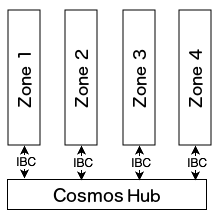
và “Hub”, đồng thời chúng tôi mong muốn “Zone1” tạo ra gói tin được gửi đến cho “Zone2” đi qua “Hub”. Để di chuyển một gói từ một blockchain cho người khác, bằng chứng được đăng trên chuỗi nhận. Bằng chứng chỉ ra rằng chuỗi gửi đã xuất bản một gói cho điểm đến được cho là. Để chuỗi nhận kiểm tra bằng chứng này, nó phải có khả năng theo kịp các tiêu đề khối của người gửi. Cái này cơ chế tương tự như cơ chế được sử dụng bởi sidechains, đòi hỏi hai chuỗi tương tác để nhận biết nhau thông qua một luồng hai chiều của các gói dữ liệu chứng minh sự tồn tại (giao dịch). Giao thức IBC có thể được loại bỏ một cách tự nhiên bằng cách sử dụng hai loại giao dịch: giao dịch IBCBlockCommitTx , cho phép blockchain để chứng minh cho bất kỳ người quan sát nào về khối gần đây nhất của nó-hash, và giao dịch IBCPacketTx , cho phép blockchain chứng minh cho bất kỳ người quan sát nào rằng gói đã cho thực sự đã được xuất bản bởi ứng dụng của người gửi, thông qua Merkle-proof đến gần đây khối-hash. Bằng cách chia cơ chế IBC thành hai giao dịch riêng biệt, chúng tôi cho phép cơ chế thị trường phí gốc của chuỗi tiếp nhận xác định gói nào được cam kết (tức là đã được xác nhận), trong khi cho phép hoàn toàn tự do trong chuỗi gửi về cách thức nhiều gói gửi đi được cho phép. Trong ví dụ trên, để cập nhật block-hash của "Zone1" trên “Hub” (hoặc của “Hub” trên “Zone2”), IBCBlockCommitTxgiao dịch phải được đăng trên “Hub” với khối-hash của “Zone1” (hoặc trên "Zone2" có khối-hash của “Hub”). Xem IBCBlockCommitTx và IBCPacketTx để biết thêm thông tin trên hai loại giao dịch IBC. Theo cách tương tự, Bitcoin sẽ an toàn hơn bằng cách được phân phối, sổ cái được sao chép hàng loạt, chúng ta có thể làm cho các sàn giao dịch ít bị tấn công hơn hack bên ngoài và bên trong bằng cách chạy nó trên blockchain. Chúng tôi gọi đây là một cuộc trao đổi phân tán. Cái mà cộng đồng tiền điện tử gọi là phi tập trung Exchange ngày nay dựa trên một thứ gọi là giao dịch “chuỗi chéo nguyên tử” (AXC). Với giao dịch AXC, hai người dùng trên hai chuỗi khác nhau có thể thực hiện hai giao dịch chuyển khoản được cam kết cùng nhau trên cả hai sổ cái hoặc không có gì cả (tức là về mặt nguyên tử). Ví dụ: hai người dùng có thể giao dịch bitcoin lấy ether (hoặc bất kỳ hai token nào trên hai sổ cái khác nhau) sử dụng giao dịch AXC, mặc dù Bitcoin và Ethereum không được kết nối với nhau khác. Lợi ích của việc thực hiện trao đổi trên các giao dịch AXC là rằng cả hai người dùng đều không cần phải tin tưởng lẫn nhau hoặc việc kết hợp giao dịch dịch vụ. Nhược điểm là cả hai bên cần trực tuyến để thương mại xảy ra. Một loại sàn giao dịch phi tập trung khác là sàn giao dịch được nhân rộng hàng loạt trao đổi phân phối tự chạy blockchain. Người dùng trên loại sàn giao dịch này có thể gửi lệnh giới hạn và chuyển giao tắt máy tính và giao dịch có thể được thực hiện mà người dùng không cần phải trực tuyến. blockchain thay mặt khớp và hoàn tất giao dịch của người buôn bán.
Cosmos Архитектура
Cosmos — это сеть независимых параллельных blockchain, которые каждый из них основан на классических алгоритмах консенсуса BFT, таких как Тендерминт 1. Первым blockchain в этой сети будет концентратор Cosmos. Cosmos Хаб подключается ко многим другим blockchain (или зонам) через новый протокол связи между blockchain. Концентратор Cosmos отслеживает многочисленные типы token и ведет учет общего количества количество tokens в каждой подключенной зоне. Токены могут быть безопасно и быстро переносить из одной зоны в другую без необходимости обмена жидкостью между зонами, поскольку все межзональные переводы монет проходят через концентратор Cosmos. Эта архитектура решает многие проблемы, с которыми сталкивается пространство blockchain. сегодняшние проблемы, такие как совместимость приложений, масштабируемость и возможность бесшовной модернизации. Например, зоны, производные от Bitcoind, Go-Ethereum, CryptoNote, ZCash или любая другая система blockchain может быть подключен к концентратору Cosmos. Эти зоны позволяют Cosmos бесконечно масштабироваться для удовлетворения глобального спроса на транзакции. Зоны также отличный вариант для распределенного обмена, который будет поддерживаться как ну. Cosmos — это не просто один распределенный реестр, а Cosmos Хаб — это не огороженный сад и не центр вселенной. Мы разработка протокола для открытой сети распределенных реестров которые могут послужить новой основой для будущих финансовых систем, основанный на принципах криптографии, разумной экономики, консенсуса теория, прозрачность и подотчетность. Хаб Cosmos является первым общедоступным blockchain в PH_0005. Сеть, основанная на алгоритме консенсуса BFT Tendermint. Проект с открытым исходным кодом Tendermint родился в 2014 году для решения скорость, масштабируемость и экологические проблемы алгоритма консенсуса доказательства работы Bitcoin. Используя и совершенствуя проверенные
BFT алгоритмы, разработанные в Массачусетском технологическом институте в 1988 году [20], Tendermint команда была первой, кто концептуально продемонстрировал proof-of-stake криптовалюта, которая решает проблему «ничего на кону» пострадали от криптовалют proof-of-stake первого поколения, таких как как NXT и BitShares1.0. Сегодня практически все мобильные кошельки Bitcoin используют доверенные серверы для предоставить им проверку транзакции. Это связано с тем, что доказательство работы требует ожидания множества подтверждений, прежде чем транзакция может считаться необратимо совершенной. Атаки двойной траты уже были продемонстрированы на таких сервисах, как CoinBase. В отличие от других консенсусных систем blockchain, Tendermint предлагает Мгновенная и доказуемо безопасная проверка платежей мобильного клиента. Поскольку Tendermint вообще никогда не разветвляется, мобильные кошельки могут получать мгновенное подтверждение транзакции, что делает надежные и практичные платежи – реальность на смартфонах. Это имеет значительные последствия для приложений Интернета вещей, поскольку ну. Валидаторы в Cosmos выполняют аналогичную роль майнерам Bitcoin, но вместо этого используйте криптографические подписи для голосования. Валидаторы безопасные, выделенные машины, которые отвечают за совершение блоки. Лица, не validator, могут делегировать свои staking token (называемые «атомы») любому validator, чтобы заработать часть комиссий за блок и атом награды, но они подвергаются риску быть наказанными (урезанными), если делегат validator взломан или нарушает протокол. Проверенный гарантии безопасности консенсуса Tendermint BFT и сопутствующие депозит заинтересованных сторон – validator и делегаторов – обеспечивают доказуемая, количественная безопасность для узлов и легких клиентов. Распределенные публичные реестры должны иметь конституцию и система управления. Bitcoin опирается на Фонд Bitcoin имайнинг для координации обновлений, но это медленный процесс. Ethereum разделился на ETH и ETC после хард-форка по адресу Взлом DAO, в основном потому, что не было предварительного общественного договора. ни механизма принятия таких решений. Валидаторы и делегаты в хабе Cosmos могут голосовать за предложения, позволяющие изменить заданные параметры системы автоматически (например, лимит газа блока), координировать обновления, как а также голосовать по поправкам в удобочитаемую конституцию которые регулируют политику Cosmos Hub. Конституция позволяет обеспечить сплоченность заинтересованных сторон по таким вопросам, как кражи и ошибки (например, инцидент TheDAO), что позволяет быстрее и более чистое разрешение. Каждая зона также может иметь свою собственную конституцию и управление. механизм тоже. Например, концентратор Cosmos может иметь конституция, которая обеспечивает неизменность в Хабе (без откатов, за исключением ошибок реализации узла концентратора Cosmos), в то время как каждая зона может устанавливать свою собственную политику в отношении откатов. Обеспечивая совместимость между различными зонами политики, Сеть Cosmos предоставляет своим пользователям максимальную свободу и возможности для несанкционированные эксперименты. Здесь мы описываем новую модель децентрализации и масштабируемости. Cosmos — это сеть из множества blockchain, работающих на Мята. Хотя существующие предложения направлены на создание «единой blockchain» с общим заказом глобальных транзакций, Cosmos позволяет многим blockchain работать одновременно друг с другом сохраняя при этом совместимость. По сути, хаб Cosmos управляет множеством независимых blockchains, называемые «зонами» (иногда называемые «осколками», в ссылка на метод масштабирования базы данных, известный как «шардинг»).
Постоянный поток последних коммитов блоков из зон, опубликованных на Hub позволяет Hub отслеживать состояние каждой зоны. Аналогично, каждая зона следит за состоянием Хаба (но зоны не идти в ногу друг с другом, кроме как косвенно через Хаб). Пакеты информации затем передаются от одного зону другому, разместив доказательства Меркла в качестве доказательства того, что информация была отправлена и получена. Этот механизм называется связь между blockchain или сокращенно IBC. Любая из зон сама может быть хабом для формирования ациклического графа. но для ясности мы опишем только простое конфигурация, в которой есть только один концентратор и множество неконцентраторов зоны. Хаб Cosmos — это blockchain, на котором размещено несколько активов. распределенный реестр, в котором token могут храниться отдельными пользователями или по самим зонам. Эти token можно переместить из одной зоны. другому в специальном пакете IBC, называемом «пакет монет». Концентратор ответственный за сохранение глобальной инвариантности полной количество каждого token в зонах. IBC пачка монет транзакции должны быть зафиксированы отправителем, концентратором и получателем blockchainс.Поскольку Cosmos Hub действует как центральный реестр для всего системы, безопасность Хаба имеет первостепенное значение. Пока каждая зона может представлять собой Tendermint blockchain, защищенный всего 4 (или даже меньше, если консенсус BFT не требуется), Hub должен быть защищен глобально децентрализованным набором validator, который может противостоять самым серьезным сценариям атак, таким как раздел континентальной сети или атака, спонсируемая национальным государством. Зона Cosmos — это независимая зона blockchain, которая обменивается IBC. сообщения с помощью Hub. С точки зрения Хаба, зона — это учетная запись с несколькими подписями и динамическим членством, которая может отправлять и получать token, используя пакеты IBC. Как криптовалютный счет, зона не может перевести более tokens, чем он имеет, но может получать token от других, у которых они есть. Зона может быть обозначен как «источник» одного или нескольких типов token, предоставив ему возможность инзацировать этот источник token. Атомы Cosmos Hub могут быть застейканы validators зоны подключен к хабу. В то время как атаки двойного расходования на эти зоны приведет к разделению атомов с помощью системы подотчетности Tendermint, зоны, в которой > ⅔ голосов Византийский может совершить недействительное состояние. Концентратор Cosmos не поддерживает проверять или выполнять транзакции, совершенные в других зонах, поэтому ответственность пользователей отправлять token в зоны, которым они доверяют. В будущем система управления Cosmos Hub может пройти мимо Hub. предложения по улучшению, учитывающие сбои зон. Для например, исходящие переводы token из некоторых (или всех) зон могут регулироваться для обеспечения аварийного отключения зон (временная остановка передачи token) при обнаружении атаки. Теперь посмотрим, как Хаб и зоны общаются друг с другом. другое. Например, если есть три blockchain: «Зона1», «Зона2»,
и «Хаб», и мы хотим, чтобы «Зона 1» создавала пакет, предназначенный для «Зоны 2» через «Хаб». Чтобы переместить пакет из одного blockchain другому, доказательство отправляется в принимающую цепочку. Доказательство гласит, что передающая цепочка опубликовала пакет для предполагаемое место назначения. Чтобы принимающая цепочка могла проверить это доказательство, она должен быть в состоянии успевать за заголовками блоков отправителя. Это механизм аналогичен тому, который используется в сайдчейнах, что требует две взаимодействующие цепи, чтобы знать друг о друге через двунаправленный поток датаграмм подтверждения существования (транзакции). Протокол IBC естественным образом может быть разработан с использованием двух типов транзакции: транзакция IBCBlockCommitTx , которая позволяет blockchain, чтобы доказать любому наблюдателю свой последний блок - hash, и транзакция IBCPacketTx , которая позволяет blockchain доказать любому наблюдателю, что данный пакет действительно был опубликован приложением отправителя, через доказательство Меркла к недавнему блок-hash. Разделив механику IBC на две отдельные транзакции, мы позволить внутреннему рыночному механизму комиссий принимающей цепочки определить, какие пакеты будут зафиксированы (т.е. подтверждены), в то время как предоставляя полную свободу в цепочке отправки относительно того, как разрешено много исходящих пакетов. В приведенном выше примере для обновления блока hash «Zone1» на «Hub» (или «Hub» на «Zone2»), IBCBlockCommitTxтранзакция должна быть размещена на «Хабе» с блоком hash «Зона1» (или «Зона2» с блоком hash «Хаба»). Дополнительную информацию см. в IBCBlockCommitTx и IBCPacketTx. для двух типов транзакций IBC. Точно так же, как Bitcoin более безопасен, поскольку является распределенным, массово тиражируемый реестр, мы можем сделать биржи менее уязвимыми для внешние и внутренние хаки, запустив его на blockchain. Мы назовите это распределенным обменом. То, что криптовалютное сообщество называет децентрализованным сегодняшние обмены основаны на так называемых транзакциях «атомной кроссчейн» (AXC). При транзакции AXC два пользователя на две разные цепочки могут совершать две транзакции перевода, которые зафиксировано одновременно в обоих реестрах или не зафиксировано вообще (т. е. атомарно). Например, два пользователя могут обменять биткойны на эфир (или любые два token в двух разных реестрах) с использованием транзакций AXC, хотя Bitcoin и Ethereum не подключены друг к другу другое. Преимущество обмена транзакциями AXC заключается в что ни пользователям не нужно доверять друг другу, ни системе сопоставления сделок. сервис. Обратной стороной является то, что обе стороны должны быть онлайн для торговля произойдет. Другой тип децентрализованной биржи — это массово тиражируемая биржа. распределенный обмен, работающий самостоятельно blockchain. Пользователи на этот вид биржи может подать лимитный ордер и развернуть свои компьютер выключен, и сделка может выполняться без участия пользователя. онлайн. blockchain соответствует и завершает сделку от имени трейдера.
Ứng dụng
Một sàn giao dịch tập trung có thể tạo ra một sổ đặt hàng có giới hạn sâu đơn đặt hàng và do đó thu hút nhiều thương nhân hơn. Thanh khoản ngày càng nhiều tính thanh khoản trong thế giới trao đổi và do đó có một mạng lưới mạnh mẽ hiệu ứng (hoặc ít nhất là hiệu ứng người thắng được nhiều nhất) trong trao đổi kinh doanh. Người dẫn đầu hiện tại về trao đổi tiền điện tử là Poloniex với khối lượng giao dịch trong 24 giờ là 20 triệu USD và ở vị trí thứ hai là Bitynex với khối lượng 24 giờ là 5 triệu USD. Với mạng lưới mạnh mẽ như vậy có hiệu lực, các sàn giao dịch phi tập trung dựa trên AXC khó có thể giành được khối lượng trên các sàn giao dịch tập trung. Đối với một nền tảng phi tập trung trao đổi để cạnh tranh với một sàn giao dịch tập trung, nó sẽ cần để hỗ trợ sổ đặt hàng sâu với các đơn đặt hàng giới hạn. Chỉ có một phân phối trao đổi trên blockchain có thể cung cấp điều đó. Tendermint cung cấp thêm lợi ích cho giao dịch nhanh hơn cam kết. Bằng cách ưu tiên khả năng hoạt động nhanh chóng mà không phải hy sinh tính nhất quán, các vùng trong Cosmos có thể thúc đẩy giao dịch nhanh chóng – cho cả giao dịch đặt hàng trao đổi cũng như IBC token chuyển tới và từ các khu vực khác. Với tình trạng trao đổi tiền điện tử ngày nay, một điều tuyệt vời ứng dụng cho Cosmos là sàn giao dịch phân tán (còn gọi là Cosmos DEX). Năng lực thông lượng giao dịch cũng như độ trễ cam kết có thể tương đương với độ trễ của tập trung trao đổi. Nhà giao dịch có thể gửi lệnh giới hạn có thể được thực hiện mà không cần cả hai bên phải trực tuyến. Và với Tendermint, trung tâm Cosmos và IBC, nhà giao dịch có thể chuyển tiền vào và ra trao đổi đến và đi từ các khu vực khác với tốc độ. Vùng đặc quyền có thể đóng vai trò là nguồn của token cầu nối của một loại tiền điện tử khác. Một cây cầu tương tự như mối quan hệ giữa trung tâm và vùng Cosmos; cả hai đều phải theo kịp các khối mới nhất của khối kia để xác minh bằng chứng rằng token có chuyển từ cái này sang cái khác. "Khu vực cầu" trên Cosmos mạng theo kịp Hub cũng như các mạng khác
tiền điện tử. Việc chuyển hướng qua vùng cầu cho phép logic của Hub vẫn đơn giản và không thể tin được đối với những người khác blockchain chiến lược đồng thuận như proof-of-work của Bitcoin khai thác mỏ. Mỗi vùng cầu validator sẽ chạy một hệ thống được hỗ trợ bởi Tendermint blockchain với ứng dụng cầu nối ABCI đặc biệt nhưng cũng có nút đầy đủ của “nguồn gốc” blockchain. Khi các khối mới được khai thác ở điểm gốc, vùng cầu validators sẽ đi đến thống nhất về các khối đã cam kết bằng cách ký tên và chia sẻ quan điểm địa phương tương ứng của họ về nguồn gốc blockchain tiền boa. Khi một bridge-zone nhận được khoản thanh toán từ nguồn gốc (và sự đồng ý đầy đủ đã được đồng ý đã được nhìn thấy trong vụ án của chuỗi PoW chẳng hạn như Ethereum hoặc Bitcoin), tương ứng tài khoản được tạo trên bridge-zone với số dư đó. Trong trường hợp Ethereum, bridge-zone có thể chia sẻ tương tự validator-được đặt làm Trung tâm Cosmos. Về phía Ethereum ( Origin), một hợp đồng bắc cầu sẽ cho phép người nắm giữ ether gửi ether tới bridge-zone bằng cách gửi nó tới bridge-contract trên Ethereum. Sau khi hợp đồng cầu nối nhận được ether, không thể rút ether trừ khi có gói IBC thích hợp được nhận bởi hợp đồng cầu từ khu vực cầu. các hợp đồng cầu nối theo dõi tập hợp validator của vùng cầu, trong đó có thể giống hệt với bộ validator của Hub Cosmos. Trong trường hợp Bitcoin, khái niệm này tương tự ngoại trừ việc thay vì một hợp đồng cầu nối duy nhất, mỗi UTXO sẽ được kiểm soát bởi một ngưỡng công bố P2SH đa chữ ký. Do những hạn chế của hệ thống P2SH, người ký không thể giống với Cosmos Bộ trung tâm validator.Ether trên vùng cầu (“bridged-ether”) có thể được chuyển sang và từ Hub, sau đó bị hủy bởi một giao dịch gửi nó đến một địa chỉ rút tiền cụ thể trên Ethereum. Một IBC gói chứng minh rằng giao dịch xảy ra trên bridge-zone có thể được đăng lên hợp đồng cầu nối Ethereum để cho phép ether được rút lại. Trong trường hợp Bitcoin, hệ thống tập lệnh bị hạn chế khiến nó khó có thể phản ánh cơ chế chuyển tiền IBC. Mỗi UTXO có bản công bố độc lập riêng, vì vậy mọi UTXO đều phải được di chuyển sang UTXO mới khi có thay đổi trong tập hợp Bitcoin người ký khế ước. Một giải pháp là nén và giải nén bộ UTXO nếu cần để giữ tổng số trong số UTXO giây bị hỏng. Rủi ro của một hợp đồng bắc cầu như vậy là có thể xảy ra validator lừa đảo. ≥⅓ Quyền biểu quyết của Byzantine có thể gây ra fork, rút ether từ hợp đồng cầu trên Ethereum trong khi vẫn giữ cầu nối trên vùng cầu. Tệ hơn nữa, >⅔ Quyền biểu quyết của Byzantine có thể ăn cắp ether hoàn toàn từ những người đã gửi nó đến hợp đồng cầu nối bằng cách đi chệch khỏi logic bắc cầu ban đầu của vùng cầu. Có thể giải quyết những vấn đề này bằng cách thiết kế cây cầu phù hợp hoàn toàn chịu trách nhiệm. Ví dụ: tất cả các gói IBC, từ trung tâm và nguồn gốc, có thể yêu cầu xác nhận của bridge-zone trong theo cách mà tất cả các chuyển đổi trạng thái của vùng cầu có thể được được thách thức và xác minh một cách hiệu quả bởi trung tâm hoặc nguồn gốc hợp đồng cầu đường. Hub và nguồn gốc phải cho phép các bridgezone validator gửi tài sản thế chấp và token chuyển ra khỏi hợp đồng bắc cầu sẽ bị trì hoãn (và tài sản thế chấp sẽ được hủy bỏ khoảng thời gian đủ dài) để cho phép mọi thách thức được thực hiện bởi kiểm toán viên độc lập. Chúng tôi để lại thiết kế của thông số kỹ thuật và việc triển khai hệ thống này mở như một tương lai Cosmos
đề xuất cải tiến sẽ được Trung tâm Cosmos thông qua hệ thống quản trị. Giải quyết vấn đề mở rộng quy mô là một vấn đề mở đối với Ethereum. Hiện tại, các nút Ethereum xử lý mọi giao dịch và cũng lưu trữ tất cả các trạng thái. liên kết. Vì Tendermint có thể thực hiện các khối nhanh hơn nhiều so với Ethereum proof-of-work, EVM khu vực được hỗ trợ bởi sự đồng thuận của Tendermint và hoạt động trên bridged-ether có thể mang lại hiệu suất cao hơn cho Ethereum blockchains. Ngoài ra, mặc dù Trung tâm Cosmos và IBC cơ chế gói không cho phép logic hợp đồng tùy ý thực chất nó có thể được sử dụng để phối hợp các chuyển động token giữa Ethereum hợp đồng chạy trên các vùng khác nhau, cung cấp nền tảng cho việc mở rộng quy mô token lấy trung tâm Ethereum thông qua phân mảnh. Cosmos vùng chạy logic ứng dụng tùy ý, được xác định tại thời điểm bắt đầu vòng đời của vùng và có thể được cập nhật theo thời gian bởi sự quản lý. Tính linh hoạt như vậy cho phép các vùng Cosmos đóng vai trò là cầu nối với các loại tiền điện tử khác như Ethereum hoặc Bitcoin và nó cũng cho phép các dẫn xuất của blockchain đó, sử dụng cùng một cơ sở mã nhưng với bộ validator khác và phân phối ban đầu. Điều này cho phép nhiều loại tiền điện tử hiện có các khuôn khổ, chẳng hạn như của Ethereum, Zerocash, Bitcoin, CryptoNote, v.v., sẽ được sử dụng với Tendermint Core, một công cụ đồng thuận hiệu suất cao hơn, trên một mạng chung, mở ra cơ hội to lớn cho khả năng tương tác giữa nền tảng. Hơn nữa, với tư cách là nhiều nội dung blockchain, một giao dịch có thể chứa nhiều đầu vào và đầu ra, trong đó mỗi đầu vào có thể là bất kỳ loại token nào, cho phép Cosmos phân phát trực tiếp dưới dạng một nền tảng trao đổi phi tập trung, mặc dù các đơn đặt hàng được giả địnhđể được khớp thông qua các nền tảng khác. Ngoài ra, một vùng có thể phục vụ như một sàn giao dịch có khả năng chịu lỗi phân tán (với sổ đặt hàng), có thể là một cải tiến nghiêm ngặt so với tập trung hiện có trao đổi tiền điện tử có xu hướng bị hack theo thời gian. Các vùng cũng có thể đóng vai trò là phiên bản doanh nghiệp được blockchain hỗ trợ và các hệ thống chính phủ, nơi các phần của một dịch vụ cụ thể theo truyền thống được điều hành bởi một tổ chức hoặc một nhóm tổ chức thay vào đó được chạy dưới dạng ứng dụng ABCI trên một vùng nhất định, cho phép nó kế thừa tính bảo mật và khả năng tương tác của công chúng Cosmos mạng mà không hy sinh quyền kiểm soát cơ bản dịch vụ. Do đó, Cosmos có thể mang lại những điều tốt nhất cho cả hai thế giới các tổ chức đang tìm cách sử dụng công nghệ blockchain nhưng ai cảnh giác với việc từ bỏ hoàn toàn quyền kiểm soát cho một bên thứ ba được phân phối bữa tiệc. Một số người cho rằng vấn đề lớn với việc ủng hộ tính nhất quán các thuật toán đồng thuận như Tendermint là bất kỳ mạng nào phân vùng khiến không có phân vùng duy nhất có >⅔ quyền biểu quyết (ví dụ: ≥⅓ chuyển sang sử dụng zine) sẽ ngăn chặn hoàn toàn sự đồng thuận. Kiến trúc Cosmos có thể giúp giảm thiểu vấn đề này bằng cách sử dụng một trung tâm toàn cầu với các khu tự trị khu vực, nơi quyền biểu quyết cho mỗi khu vực được phân bổ dựa trên một địa lý chung khu vực. Ví dụ, một mô hình chung có thể dành cho cá nhân thành phố hoặc khu vực để vận hành các khu vực riêng của họ trong khi chia sẻ trung tâm chung (ví dụ: Trung tâm Cosmos), cho phép hoạt động của thành phố tồn tại trong trường hợp trung tâm tạm dừng do mạng tạm thời phân vùng. Lưu ý rằng điều này cho phép thực tế về địa chất, chính trị và các tính năng cấu trúc liên kết mạng cần được xem xét trong việc thiết kế mạnh mẽ các hệ thống có khả năng chịu lỗi liên kết.
NameCoin là một trong những blockchain đầu tiên cố gắng giải quyết vấn đề vấn đề phân giải tên bằng cách điều chỉnh Bitcoin blockchain. Thật không may, đã có một số vấn đề với cách tiếp cận này. Với Namecoin, chúng tôi có thể xác minh rằng, chẳng hạn như @satoshi đã được đăng ký với một khóa công khai cụ thể tại một thời điểm nào đó trong quá khứ, nhưng chúng tôi không biết liệu khóa công khai đã được được cập nhật gần đây trừ khi chúng tôi tải xuống tất cả các khối kể từ lần cuối cùng cập nhật tên đó. Điều này là do hạn chế của Bitcoin UTXO mô hình Merkle-ization giao dịch, trong đó chỉ có các giao dịch (nhưng không phải trạng thái ứng dụng có thể thay đổi) được Merkle-ized vào khối-hash. Điều này cho phép chúng tôi chứng minh sự tồn tại chứ không phải sự không tồn tại của các bản cập nhật sau này cho một tên. Vì vậy, chúng ta không thể biết đối với nhất định giá trị gần đây nhất của một tên mà không tin tưởng vào giá trị đầy đủ nút hoặc phát sinh chi phí đáng kể về băng thông bằng cách tải xuống toàn bộ blockchain. Ngay cả khi cây tìm kiếm được Merkle hóa đã được triển khai trong NameCoin, sự phụ thuộc của nó vào proof-of-work khiến việc xác minh ứng dụng khách trở nên dễ dàng có vấn đề. Các khách hàng nhẹ phải tải xuống bản sao hoàn chỉnh của tiêu đề cho tất cả các khối trong toàn bộ blockchain (hoặc ít nhất là tất cả tiêu đề kể từ lần cập nhật cuối cùng cho một tên). Điều này có nghĩa là yêu cầu về băng thông tỉ lệ tuyến tính với lượng thời gian [21]. Ngoài ra, việc thay đổi tên trên proof-of-work blockchain yêu cầu chờ thêm proof-of-work khối xác nhận, việc này có thể mất tới một giờ trên Bitcoin. Với Tendermint, tất cả những gì chúng ta cần là khối gần đây nhất-hash được ký bởi số đại biểu validators (theo quyền biểu quyết) và Merkle bằng chứng cho giá trị hiện tại được liên kết với tên. Điều này làm cho nó có thể có một light-client ngắn gọn, nhanh chóng và an toàn xác minh các giá trị tên. Trong Cosmos, chúng tôi có thể áp dụng khái niệm này và mở rộng nó hơn nữa. Mỗi vùng đăng ký tên trong Cosmos có thể có tên miền cấp cao nhất (TLD) được liên kết chẳng hạn như “.com” hoặc “.org” và mỗi tên-
khu vực đăng ký có thể có quản trị và đăng ký riêng quy luật.
Приложения
Централизованная биржа может создать глубокую книгу заказов с лимитами. заказов и тем самым привлечь больше трейдеров. Ликвидность порождает больше ликвидность в биржевом мире, поэтому существует сильная сеть эффект (или, по крайней мере, эффект «победитель получает большую часть») при обмене бизнес. Текущий лидер криптовалютных бирж сегодня находится Poloniex с 24-часовым объемом $20 млн, а на втором месте находится Bitynex с 24-часовым объемом в 5 миллионов долларов. Учитывая такую сильную сеть эффектов, маловероятно, что децентрализованные биржи на базе AXC выиграть объем над централизованными биржами. Для децентрализованного биржа, чтобы конкурировать с централизованной биржей, ей потребуется для поддержки глубоких книг заказов с лимитными ордерами. Только распределенный обмен на blockchain может это обеспечить. Tendermint обеспечивает дополнительные преимущества более быстрой транзакции. совершает. Отдавая приоритет быстрой динамичности, не жертвуя при этом согласованность, зоны в Cosmos могут быстро анализировать транзакции – для как транзакции обменных заказов, так и переводы IBC token на и из других зон. Учитывая сегодняшнее состояние криптовалютных бирж, отличный приложение для Cosmos — это распределенный обмен (он же Cosmos DEX). Пропускная способность транзакций, а также задержка фиксации может быть сравнима с задержкой централизованного обмены. Трейдеры могут отправлять лимитные ордера, которые могут быть исполнены. без необходимости присутствия обеих сторон в сети. И с Тендерминтом, хаб Cosmos и IBC, трейдеры могут вводить и выводить средства быстрый обмен данными с другими зонами. Привилегированная зона может выступать в качестве источника мостового token еще одна криптовалюта. Мост похож на отношения между концентратором Cosmos и зоной; оба должны идти в ногу с последние блоки друг друга, чтобы проверить доказательства того, что tokens имеют перешел из одного в другой. «Мост-зона» на Cosmos. сеть не отстает от концентратора, а также от других
криптовалюта. Косвенное направление через зону моста позволяет логика Хаба должна оставаться простой и независимой от других blockchain консенсусные стратегии, такие как proof-of-work Bitcoin добыча полезных ископаемых. В каждой зоне моста validator будет работать сервер на базе Tendermint. blockchain со специальным мостовым приложением ABCI, а также с полным узлом «происхождение» blockchain. Когда в источнике добываются новые блоки, зона моста validators придут к соглашению о зафиксированных блоках, подписав и делятся своим местным мнением об источнике blockchain. совет. Когда мостовая зона получает платеж от источника (и было решено, что по делу были рассмотрены достаточные подтверждения цепочки PoW, например Ethereum или Bitcoin), соответствующий аккаунт создается в бридж-зоне с этим балансом. В случае Ethereum зона моста может использовать один и тот же validator — установлен как концентратор Cosmos. На стороне Ethereum ( origin), мостовой контракт позволит держателям эфира отправлять эфир в бридж-зону, отправив его в бридж-контракт на Ethereum. Как только эфир будет получен бридж-контрактом, эфир нельзя вывести, пока не будет получен соответствующий пакет IBC. полученные по бридж-контракту от бридж-зоны. Bridge-contract отслеживает набор validator зоны моста, который может быть идентичен набору validator концентратора Cosmos. В случае Bitcoin концепция аналогична, за исключением того, что вместо один мостовой контракт, каждый UTXO будет контролироваться пороговая мультиподпись P2SH. Из-за ограничений системе P2SH подписывающие стороны не могут быть идентичными Cosmos Ступица validator-комплект.Эфир в бридж-зоне («мостовой эфир») можно перевести на и из Хаба, а затем быть уничтожены с помощью транзакции, которая отправляет его на определенный адрес вывода средств Ethereum. IBC пакет, подтверждающий, что транзакция произошла в зоне моста может быть опубликован в мостовом контракте Ethereum, чтобы разрешить эфир быть отозванным. В случае Bitcoin система ограниченных сценариев делает это сложно отразить механизм перевода монет IBC. Каждый UTXO имеет свою собственную независимую публикацию, поэтому каждый UTXO должен быть перенесен на новый UTXO при изменении набора Bitcoin лица, подписавшие условное депонирование. Одним из решений является сжатие и распакуйте набор UTXO по мере необходимости, чтобы сохранить общее число из UTXOс не работает. Риск такого промежуточного контракта представляет собой мошеннический набор validator. ≥⅓ Византийское право голоса может вызвать форк, выводящий эфир из контракта о мосте на Ethereum, сохраняя при этом мост в зоне моста. Хуже того, более ⅔ византийского права голоса может украсть эфир начисто у тех, кто отправил его на бридж-контракт отклоняясь от исходной логики мостовой зоны. Решить эти проблемы можно, спроектировав мост так, чтобы он был полностью подотчетен. Например, все пакеты IBC от концентратора и происхождения, может потребоваться подтверждение со стороны мостовой зоны в таким образом, чтобы все переходы состояний мостовой зоны могли быть эффективно оспаривается и проверяется либо хабом, либо источником мост-контракт. Хаб и источник должны разрешить мостовой зоне validators размещать обеспечение, а token переводить из бридж-контракт должен быть отложен (и расторжение залога достаточно длительный период), чтобы можно было решать любые проблемы, независимые аудиторы. Мы оставляем дизайн спецификации и реализация этой системы открыта в будущем Cosmos
предложение по улучшению, которое должно быть принято Cosmos Hub система управления. Решение проблемы масштабирования является открытой проблемой для Ethereum. В настоящее время узлы Ethereum обрабатывают каждую транзакцию и также сохраните все состояния. связь. Поскольку Tendermint может фиксировать блоки намного быстрее, чем Ethereum Зоны proof-of-work, EVM, основанные на консенсусе Tendermint и работа на мостовом эфире может обеспечить более высокую производительность Ethereum blockchainс. Кроме того, хотя концентратор Cosmos и Механика пакетов IBC не допускает произвольной логики контракта исполнение как таковое, его можно использовать для координации token движений между Ethereum контрактами, работающими в разных зонах, обеспечивая основу для token-центричного Ethereum масштабирования с помощью шардинг. Зоны Cosmos выполняют произвольную логику приложения, которая определяется начало жизни зоны и потенциально может обновляться со временем правительством. Такая гибкость позволяет Cosmos зонам действовать как мосты к другим криптовалютам, таким как Ethereum или Bitcoin, а также допускает производные от этих blockchain, используя ту же кодовую базу, но с другим набором validator и первоначальное распространение. Это позволяет многим существующим криптовалютам фреймворки, такие как Ethereum, Zerocash, Bitcoin, CryptoNote и т. д. для использования с Tendermint Core, который механизм консенсуса с более высокой производительностью в общей сети, открывая огромные возможности для взаимодействия между платформы. Кроме того, в качестве мультиактива blockchain один транзакция может содержать несколько входов и выходов, где каждый ввод может быть любого типа token, что позволяет Cosmos служить непосредственно в качестве платформа для децентрализованного обмена, хотя заказы предполагаютсядля сопоставления через другие платформы. В качестве альтернативы зона может служить как распределенная отказоустойчивая биржа (с книгами заказов), которая может быть строгим улучшением по сравнению с существующими централизованными криптовалютные биржи, которые со временем часто подвергаются взлому. Зоны также могут служить blockchain версиями корпоративных и правительственные системы, где части конкретной услуги, которые традиционно управляются организацией или группой организаций вместо этого запускаются как приложение ABCI в определенной зоне, что позволяет ему унаследовать безопасность и совместимость общедоступных Cosmos сети, не жертвуя контролем над базовой сервис. Таким образом, Cosmos может предложить лучшее из обоих миров для организации, желающие использовать технологию blockchain, но которые опасаясь полностью передать контроль распределенной третьей стороне вечеринка. Некоторые утверждают, что основная проблема с обеспечением согласованности консенсусных алгоритмов, таких как Tendermint, заключается в том, что любая сеть раздел, из-за которого не существует ни одного раздела с размером >⅔ Количество голосов (например, выход из журнала ≥⅓) полностью остановит консенсус. Архитектура Cosmos может помочь смягчить эту проблему, используя глобальный центр с региональными автономными зонами, где право голоса для каждой зоны распределяются на основе общего географического регион. Например, общая парадигма может быть для отдельных города или регионы, чтобы управлять своими собственными зонами, разделяя при этом общий центр (например, Cosmos Hub), позволяющий муниципальной деятельности сохраняться в случае остановки хаба из-за временной неисправности сети перегородка. Обратите внимание, что это позволяет реальным геологическим, политическим и топологические особенности сети, которые следует учитывать при проектировании надежного федеративные отказоустойчивые системы.
NameCoin был одним из первых blockchain, попытавшихся решить проблема разрешения имен путем адаптации Bitcoin blockchain. К сожалению, при таком подходе возникло несколько проблем. С помощью Namecoin мы можем убедиться, что, например, @satoshi был зарегистрированный с определенным открытым ключом в какой-то момент в прошлом, но мы не будем знать, был ли с тех пор открытый ключ обновлено недавно, если мы не загрузим все блоки с момента последнего обновление этого имени. Это связано с ограничением Bitcoin UTXO транзакция Модель Мерклеизации, где только транзакции (но не изменяемое состояние приложения) являются меркловскими в блок-hash. Это позволяет нам доказать существование, а не несуществование более поздних обновлений имени. Таким образом, мы не можем знать, определить самое последнее значение имени, не доверяя полной узла или понести значительные затраты на пропускную способность из-за загрузки весь blockchain. Даже если бы в NameCoin было реализовано дерево поиска в стиле Меркла, его зависимость от proof-of-work упрощает проверку клиента проблематично. Легкие клиенты должны загрузить полную копию заголовки для всех блоков всего blockchain (или, по крайней мере, всех заголовки с момента последнего обновления имени). Это означает, что Требования к пропускной способности линейно масштабируются с течением времени [21]. Кроме того, имя меняется на proof-of-work blockchain. требует ожидания дополнительных блоков подтверждения proof-of-work, это может занять до часа на Bitcoin. В случае с Tendermint все, что нам нужно, это самый последний блок — hash. подписано кворумом в validators (по числу голосов) и членом Меркла подтверждение текущего значения, связанного с именем. Это делает это возможно иметь краткий, быстрый и безопасный легкий клиент проверка значений имени. В Cosmos мы можем взять эту концепцию и расширить ее. Каждый Зона регистрации имен в Cosmos может иметь связанное имя домена верхнего уровня (TLD), например «.com» или «.org», и каждое имя-
зона регистрации может иметь собственное управление и регистрацию правила.
Quản trị và Kinh tế
Mặc dù Trung tâm Cosmos là sổ cái phân phối nhiều tài sản, nhưng có một người bản địa đặc biệt token được gọi là nguyên tử. Nguyên tử là staking duy nhất token của Trung tâm Cosmos. Nguyên tử là một giấy phép cho người nắm giữ bỏ phiếu, xác thực hoặc ủy quyền cho validators khác. Giống như của Ethereum ether, nguyên tử cũng có thể được sử dụng để thanh toán phí giao dịch cho giảm thiểu thư rác. Các nguyên tử bổ sung và giao dịch khối phí được thưởng cho validator và người được ủy quyền validator giây. Giao dịch BurnAtomTx có thể được sử dụng để khôi phục mọi số lượng tương ứng token từ nhóm dự trữ. Sự phân bổ ban đầu của nguyên tử tokens và validators trên Genesis sẽ đến tay các nhà tài trợ của Cosmos Người gây quỹ (75%), nhà tài trợ chính (5%), Cosmos Network Foundation (10%) và ALL IN BITS, Inc (10%). Từ khi hình thành trở đi, 1/3 tổng số nguyên tử sẽ được khen thưởng cho validator ngoại quan và người được ủy quyền hàng năm. Xem Kế hoạch Cosmos để biết thêm chi tiết. Không giống như Bitcoin hoặc proof-of-work blockchain khác, Tendermint blockchain trở nên chậm hơn với nhiều validator giây hơn do tăng sự phức tạp trong giao tiếp. May mắn thay, chúng tôi có thể hỗ trợ đủ validators để tạo nên sự phân phối mạnh mẽ trên toàn cầu blockchain với thời gian xác nhận giao dịch rất nhanh và băng thông,
lưu trữ và khả năng tính toán song song tăng lên, chúng ta sẽ có thể để hỗ trợ thêm validators trong tương lai. Vào ngày khởi nguồn, số lượng validator tối đa sẽ được đặt thành 100, và con số này sẽ tăng với tốc độ 13% trong 10 năm, và giải quyết ở mức 300 validator giây. Những người nắm giữ Atom chưa có thể trở thành validators bằng cách ký và gửi giao dịch BondTx. Số lượng của các nguyên tử được cung cấp làm tài sản thế chấp phải khác không. Bất cứ ai cũng có thể trở thành a validator bất cứ lúc nào, ngoại trừ khi kích thước của dòng điện Bộ validator lớn hơn số lượng tối đa validator giây được phép. Trong trường hợp đó, giao dịch chỉ có hiệu lực nếu số tiền nguyên tử lớn hơn số lượng nguyên tử hữu hiệu được giữ bởi nhỏ nhất validator, trong đó các nguyên tử hiệu quả bao gồm các nguyên tử được ủy quyền. Khi validator mới thay thế validator hiện có theo cách như vậy, validator hiện có sẽ không hoạt động và tất cả các nguyên tử và các nguyên tử được ủy quyền đi vào trạng thái không liên kết. Phải có một số hình phạt áp dụng đối với validator đối với bất kỳ cố ý hoặc vô ý đi chệch khỏi mức bị xử phạt giao thức. Một số bằng chứng được chấp nhận ngay lập tức, chẳng hạn như một ký kép ở cùng độ cao và hình tròn hoặc vi phạm Năm 0: 100 Năm 1: 113 Năm 2: 127 Năm 3: 144 Năm 4: 163 Năm 5: 184 Năm 6: 208 Năm 7: 235 Năm 8: 265 Năm 9: 300 Năm 10: 300 ...
“prevote-the-lock” (một quy tắc của giao thức đồng thuận Tendermint). Bằng chứng như vậy sẽ khiến validator mất đi vị thế tốt và các nguyên tử liên kết của nó cũng như tỷ lệ tokens trong quỹ dự trữ – được gọi chung là “cổ phần” của nó – sẽ bị cắt giảm. Đôi khi, validator sẽ không khả dụng do điều kiện khu vực gián đoạn mạng, mất điện hoặc các lý do khác. Nếu, bất cứ lúc nào điểm trong các khối ValidatorTimeoutWindow trước đây, validator's phiếu cam kết không được bao gồm trong blockchain nhiều hơn ValidatorTimeoutMaxAbsent lần, validator đó sẽ trở thành không hoạt động và mất ValidatorTimeoutPenalty (MẶC ĐỊNH 1%) trong tổng số cổ phần. Một số hành vi “có hại” không tạo ra sự khác biệt rõ ràng bằng chứng trên blockchain. Trong những trường hợp này, validator có thể phối hợp ngoài băng để buộc thời gian chờ của những kẻ độc hại này validators, nếu có sự đồng thuận của đa số. Trong trường hợp Trung tâm Cosmos dừng do liên minh ≥⅓ quyền biểu quyết sẽ thuộc về zine hoặc trong trường hợp liên minh ≥⅓ quyền biểu quyết kiểm duyệt bằng chứng về hành vi độc hại từ vào blockchain, trung tâm phải khôi phục bằng hard-fork đề xuất tái tổ chức. (Liên kết đến “Các cuộc tấn công phân nhánh và kiểm duyệt”). Cosmos Hub validator có thể chấp nhận bất kỳ loại token hoặc kết hợp nào các loại phí để xử lý một giao dịch. Mỗi validator có thể chủ quan đặt ra bất kỳ tỷ giá hối đoái nào nó muốn và chọn bất kỳ giao dịch nào họ muốn, miễn là BlockGasLimit là không vượt quá. Các khoản phí thu được, trừ đi các khoản thuế được quy định dưới đây, được phân phối lại cho các bên liên quan theo tỷ lệ các nguyên tử liên kết của chúng, mỗi ValidatorPayoutPeriod (MẶC ĐỊNH 1 giờ).Trong số phí giao dịch được thu, ReserveTax (MẶC ĐỊNH 2%) sẽ đi về phía nhóm dự trữ để tăng nhóm dự trữ và tăng tính bảo mật và giá trị của mạng Cosmos. Những cái này nguồn vốn cũng có thể được phân bổ theo các quyết định do hệ thống quản lý thực hiện. Người sở hữu Atom ủy quyền quyền biểu quyết của họ cho validators khác trả hoa hồng cho người được ủy quyền validator. Ủy ban có thể được đặt bởi mỗi validator. Tính bảo mật của Cosmos Hub là một chức năng bảo mật của validator cơ bản và sự lựa chọn ủy quyền của người được ủy quyền. Để khuyến khích việc phát hiện và báo cáo sớm các phát hiện các lỗ hổng bảo mật, Trung tâm Cosmos khuyến khích tin tặc xuất bản khai thác thành công thông qua giao dịch ReportHackTx có nội dung: “Điều này validator đã bị hack. Vui lòng gửi tiền thưởng đến địa chỉ này”. Khi việc khai thác như vậy, validator và người ủy quyền sẽ không hoạt động, HackPunishmentRatio (mặc định 5%) nguyên tử của mọi người sẽ nhận được bị chém và HackRewardRatio (mặc định 5%) nguyên tử của mọi người sẽ nhận được phần thưởng theo địa chỉ tiền thưởng của hacker. validator phải phục hồi các nguyên tử còn lại bằng cách sử dụng khóa dự phòng của chúng. Để ngăn chặn tính năng này bị lạm dụng để chuyển các nguyên tử chưa được đầu tư, phần nguyên tử được giao so với các nguyên tử chưa được đầu tư của validators và người được ủy quyền trước và sau ReportHackTx sẽ vẫn giữ nguyên và tiền thưởng của hacker sẽ bao gồm một số nguyên tử chưa đầu tư, nếu có. Trung tâm Cosmos được vận hành bởi một tổ chức phân phối đòi hỏi phải có cơ chế quản lý chặt chẽ để điều phối các thay đổi khác nhau đối với blockchain, chẳng hạn như biến
các thông số của hệ thống, cũng như nâng cấp phần mềm và sửa đổi hiến pháp. Tất cả validator đều có trách nhiệm bỏ phiếu cho tất cả đề xuất. Không thể bỏ phiếu cho một đề xuất một cách kịp thời sẽ dẫn đến validator bị vô hiệu hóa tự động trong một khoảng thời gian được gọi là Vắng mặtThời gian phạt (MẶC ĐỊNH 1 tuần). Người được ủy quyền tự động kế thừa phiếu bầu của người được ủy quyền validator. Phiếu bầu này có thể được ghi đè bằng tay. nguyên tử không liên kết không nhận được phiếu bầu. Mỗi đề xuất yêu cầu một khoản tiền gửi là Tiền gửi đề xuất tối thiểu tokens, có thể là sự kết hợp của một hoặc nhiều tokens trong đó có nguyên tử. Đối với mỗi đề xuất, cử tri có thể bỏ phiếu để thông qua tiền đặt cọc. Nếu hơn một nửa số cử tri chọn tham gia tiền gửi (ví dụ: vì đề xuất là thư rác), khoản tiền gửi sẽ chuyển đến nguồn dự trữ, ngoại trừ bất kỳ nguyên tử nào bị đốt cháy. Đối với mỗi đề xuất, cử tri có thể bỏ phiếu với các phương án sau: vâng YeaWithForce không NayVới Lực Lượng kiêng Đa số phiếu thuận hoặc YeaWithForce (hoặc Không hoặc Cần có phiếu bầu NayWithForce) để đề xuất được quyết định là được thông qua (hoặc quyết định là thất bại), nhưng 1/3+ có thể phủ quyết đa số quyết định bằng cách bỏ phiếu "có hiệu lực". Khi đa số tuyệt đối bị phủ quyết, mọi người đều bị trừng phạt bằng cách thua VetoPenaltyFeeBlocks (MẶC ĐỊNH số khối có giá trị trong 1 ngày) phí (trừ thuế sẽ không bị ảnh hưởng) và bên phủ quyết đa số
quyết định sẽ bị phạt bổ sung bằng việc mất VetoPenaltyAtoms (MẶC ĐỊNH 0,1%) số nguyên tử của nó. Bất kỳ tham số nào được mô tả ở đây đều có thể được thay đổi bằng chuyển Đề xuất thay đổi thông số . Các nguyên tử có thể được sản xuất và dự trữ quỹ dành cho thông qua Đề xuất tiền thưởng . Tất cả các đề xuất khác, chẳng hạn như đề xuất nâng cấp giao thức, sẽ được điều phối thông qua Đề xuất văn bản chung. Xem Kế hoạch. Đã có nhiều đổi mới trong blockchain sự đồng thuận và khả năng mở rộng trong vài năm qua. Phần này cung cấp một bản tóm tắt khảo sát một số lựa chọn quan trọng. Sự đồng thuận khi có sự hiện diện của những người tham gia độc hại là một vấn đề bắt đầu từ đầu những năm 1980, khi Leslie Lamport đặt ra cụm từ “Lỗi Byzantine” để chỉ hành vi xử lý tùy ý đi chệch khỏi hành vi dự định, trái ngược với “lỗi sự cố”, trong đó một quá trình chỉ đơn giản là gặp sự cố. Các giải pháp ban đầu được phát hiện đối với các mạng đồng bộ có giới hạn trênđộ trễ của tin nhắn, mặc dù việc sử dụng thực tế bị giới hạn ở mức cao môi trường được kiểm soát như bộ điều khiển máy bay và trung tâm dữ liệu được đồng bộ hóa thông qua đồng hồ nguyên tử. Mãi cho đến khi vào cuối những năm 90, Dung sai lỗi Byzantine thực tế (PBFT) [11] là được giới thiệu như một sự đồng thuận đồng bộ một phần hiệu quả thuật toán có thể chịu được tới ⅓ quy trình hoạt động tùy ý. PBFT đã trở thành thuật toán tiêu chuẩn, tạo ra nhiều thuật toán các biến thể, bao gồm cả biến thể gần đây nhất do IBM tạo ra như một phần của đóng góp của họ cho Hyperledger. Lợi ích chính của sự đồng thuận của Tendermint đối với PBFT là Tendermint có cấu trúc cơ bản được cải tiến và đơn giản hóa, một số trong đó là kết quả của việc áp dụng mô hình blockchain. Các khối Tendermint phải được thực hiện theo thứ tự, điều này ngăn cản độ phức tạp và chi phí liên lạc liên quan đến PBFT lượt xem-thay đổi. Trong Cosmos và nhiều loại tiền điện tử, không có cần cho phép khối N+i trong đó i >= 1 được cam kết, khi khối N bản thân nó vẫn chưa cam kết. Nếu băng thông là nguyên nhân khiến khối N chưa cam kết trong vùng Cosmos thì việc sử dụng sẽ không có ích gì phiếu chia sẻ băng thông cho khối N+i. Nếu một phân vùng mạng hoặc nút ofzine là lý do tại sao khối N chưa được cam kết, thì N+i dù sao cũng sẽ không cam kết. Ngoài ra, việc gộp các giao dịch thành các khối cho phép Merkle-hashing thường xuyên của trạng thái ứng dụng, thay vì các bản tóm tắt định kỳ như với sơ đồ điểm kiểm tra của PBFT. Điều này cho phép để có các cam kết giao dịch có thể chứng minh nhanh hơn dành cho khách hàng nhẹ và nhanh hơn liên lạc giữablockchain. Tendermint Core cũng bao gồm nhiều tính năng và tối ưu hóa vượt xa những gì được chỉ định trong PBFT. Ví dụ, các khối do validators đề xuất được chia thành các phần, được Merkle hóa, và buôn chuyện theo cách giúp cải thiện việc phát sóng hiệu suất (xem LibSwift [19] để biết cảm hứng). Ngoài ra, bạc hà Core không đưa ra bất kỳ giả định nào về điểm-điểm
khả năng kết nối và hoạt động miễn là mạng P2P kết nối yếu. Mặc dù không phải là năm đầu tiên triển khai proof-of-stake (PoS), BitShares1.0 [12] đóng góp đáng kể vào việc nghiên cứu và áp dụng PoS blockchains, đặc biệt là những PoS được ủy quyền. trong BitShares, người nắm giữ cổ phần bầu ra “nhân chứng”, chịu trách nhiệm ra lệnh và thực hiện các giao dịch, và các "đại biểu" chịu trách nhiệm về phối hợp cập nhật phần mềm và thay đổi thông số. BitShares2.0 nhằm mục đích đạt được hiệu suất cao (100k tx/s, 1s độ trễ) trong điều kiện lý tưởng, với mỗi khối được ký bởi một người ký và thời gian thực hiện giao dịch mất nhiều thời gian hơn một chút so với khoảng chặn. Một đặc tả kinh điển vẫn đang được phát triển. Các bên liên quan có thể loại bỏ hoặc thay thế các nhân chứng có hành vi sai trái hàng ngày, nhưng không có tài sản thế chấp đáng kể của nhân chứng hoặc các đại biểu giống như Tendermint PoS bị chém vào trường hợp tấn công chi tiêu gấp đôi thành công. Dựa trên cách tiếp cận do Ripple tiên phong, Stellar [13] đã đưa ra một mô hình Thỏa thuận Byzantine Liên bang trong đó các quy trình tham gia vào sự đồng thuận không cấu thành một yxed và trên toàn cầu tập đã biết. Đúng hơn, mỗi nút quy trình quản lý một hoặc nhiều “các lát cắt đại biểu”, mỗi lát tạo thành một tập hợp các quy trình đáng tin cậy. A “quorum” trong Stellar được coi là tập hợp các nút chứa tại ít nhất một lát đại biểu cho mỗi nút trong tập hợp, sao cho thỏa thuận có thể đạt được. Tính bảo mật của cơ chế Stellar dựa trên giả định rằng giao điểm của hai đại biểu bất kỳ không trống, trong khi tính khả dụng của một nút yêu cầu ít nhất một trong các lát cắt đại biểu của nó để bao gồm toàn bộ các nút chính xác, tạo ra sự cân bằng giữa sử dụng các lát đại biểu lớn hoặc nhỏ có thể khó cân bằng mà không áp đặt những giả định quan trọng về niềm tin. Cuối cùng,các nút bằng cách nào đó phải chọn các lát đại biểu đầy đủ để có có đủ khả năng chịu lỗi (hoặc bất kỳ "nút nguyên vẹn" nào, trong đó phần lớn kết quả của bài báo phụ thuộc vào) và duy nhất cung cấp chiến lược để đảm bảo sự kết hợp như vậy được phân cấp và tương tự như Giao thức cổng biên (BGP), được sử dụng bởi các ISP hàng đầu trên internet để thiết lập các bảng định tuyến toàn cầu và bởi được trình duyệt sử dụng để quản lý chứng chỉ TLS; cả hai đều khét tiếng vì sự bất an của họ. Những lời chỉ trích trong bài báo Stellar về hệ thống bằng chứng cổ phần dựa trên Tendermint được giảm nhẹ nhờ chiến lược token được mô tả ở đây, trong đó một loại token mới được gọi là nguyên tử được phát hành thể hiện các yêu cầu đối với các phần phí và phần thưởng trong tương lai. các thì lợi thế của proof-of-stake dựa trên Tendermint là tương đối của nó đơn giản, trong khi vẫn cung cấp đủ mức độ bảo mật và có thể chứng minh được sự đảm bảo. BitcoinNG là cải tiến được đề xuất cho Bitcoin sẽ cho phép dành cho các dạng khả năng mở rộng theo chiều dọc, chẳng hạn như tăng kích thước khối, không có những hậu quả kinh tế tiêu cực thường liên quan đến với sự thay đổi như vậy, chẳng hạn như tác động lớn không tương xứng trên các thợ mỏ nhỏ. Sự cải thiện này đạt được bằng cách tách bầu cử lãnh đạo từ phát sóng giao dịch: lãnh đạo là người đầu tiên được bầu chọn bởi proof-of-work trong “khối vi mô” và sau đó có thể các giao dịch quảng bá sẽ được cam kết cho đến khi có một khối vi mô mới được tìm thấy. Điều này làm giảm các yêu cầu về băng thông cần thiết để giành chiến thắng trong cuộc đua PoW, cho phép các thợ mỏ nhỏ cạnh tranh công bằng hơn, và cho phép các giao dịch được thực hiện thường xuyên hơn bởi thợ mỏ cuối cùng tìm được một khối vi mô. Casper [16] là thuật toán đồng thuận proof-of-stake được đề xuất cho Ethereum. Phương thức hoạt động chính của nó là “đồng thuận bằng cách đặt cược”. Bởi để validator đặt cược lặp đi lặp lại vào khối mà họ tin rằng sẽ
cam kết tham gia blockchain dựa trên các cược khác mà họ đã thấy cho đến nay, cuối cùng thì tính đồng bộ có thể đạt được. liên kết. Đây là một lĩnh vực nghiên cứu tích cực của nhóm Casper. các thách thức là xây dựng một cơ chế cá cược có thể đã được chứng minh là một chiến lược ổn định về mặt tiến hóa. Lợi ích chính của Casper so với Tendermint có thể cung cấp “tính khả dụng quá nhất quán” – sự đồng thuận không yêu cầu >⅔ số đại biểu quyền biểu quyết - có lẽ phải trả giá bằng tốc độ cam kết hoặc độ phức tạp thực hiện. Giao thức Interledger [14] không hẳn là một giải pháp có khả năng mở rộng. Nó cung cấp sự tương tác đặc biệt giữa các sổ cái khác nhau hệ thống thông qua mạng lưới quan hệ song phương được kết nối lỏng lẻo. Giống như Lightning Network, mục đích của ILP là tạo điều kiện thuận lợi thanh toán, nhưng nó đặc biệt tập trung vào các khoản thanh toán khác nhau các loại sổ cái và mở rộng cơ chế giao dịch nguyên tử sang bao gồm không chỉ hash-khóa mà còn bao gồm số đại biểu công chứng viên (được gọi là Giao thức vận chuyển nguyên tử). Cơ chế sau cho thực thi tính nguyên tử trong các giao dịch giữa các sổ cái tương tự như Cơ chế SPV máy khách nhẹ của Tendermint, do đó minh họa về sự khác biệt giữa ILP và Cosmos/IBC được đảm bảo và được cung cấp dưới đây. 1. Công chứng viên kết nối trong ILP không hỗ trợ tư cách thành viên thay đổi và không cho phép trọng số linh hoạt giữa công chứng viên. Mặt khác, IBC được thiết kế đặc biệt cho blockchains, trong đó validators có thể có trọng số khác nhau và nơi tư cách thành viên có thể thay đổi trong quá trình blockchain. 2. Giống như trong Lightning Network, người nhận thanh toán trong ILP phải trực tuyến để gửi xác nhận lại cho người gửi. trong mộttoken chuyển qua IBC, bộ validator của máy thu blockchain chịu trách nhiệm cung cấp xác nhận chứ không phải người dùng nhận. 3. Điểm khác biệt nổi bật nhất là đầu nối của ILP không chịu trách nhiệm hoặc giữ thẩm quyền về các khoản thanh toán, trong khi ở Cosmos, validator của trung tâm là thẩm quyền của trạng thái IBC token chuyển giao cũng như thẩm quyền của số lượng token được giữ bởi mỗi vùng (nhưng không phải số lượng token được nắm giữ bởi mỗi tài khoản trong một vùng). Đây là sự đổi mới cơ bản cho phép đảm bảo tính bất đối xứng chuyển token từ vùng này sang vùng khác; tương tự như ILP trình kết nối trong Cosmos là một kết nối ổn định và an toàn tối đa sổ cái blockchain, trung tâm Cosmos. 4. Các khoản thanh toán liên sổ cái trong ILP cần được hỗ trợ bởi một sổ đặt hàng trao đổi, vì không có sự chuyển giao bất đối xứng của tiền từ sổ cái này sang sổ cái khác, chỉ chuyển giá trị hoặc tương đương trên thị trường. Chuỗi bên [15] là cơ chế được đề xuất để mở rộng quy mô Bitcoin mạng thông qua các blockchain thay thế được “chốt hai chiều” với Bitcoin blockchain. (Chốt hai chiều tương đương với bắc cầu. Trong Cosmos chúng tôi nói "bắc cầu" để phân biệt với định vị thị trường). Sidechains cho phép bitcoin di chuyển một cách hiệu quả từ Bitcoin blockchain vào sidechain và ngược lại, đồng thời cho phép thử nghiệm các tính năng mới trên sidechain. Như trong Cosmos Hub, sidechain và Bitcoin đóng vai trò là khách hàng nhẹ của lẫn nhau, sử dụng bằng chứng SPV để xác định khi nào các đồng xu sẽ được được chuyển sang sidechain và ngược lại. Tất nhiên, vì Bitcoin sử dụng proof-of-work, các chuỗi bên xoay quanh Bitcoin bị ảnh hưởng khỏi nhiều vấn đề và rủi ro của proof-of-work như một cơ chế đồng thuận Hơn nữa, đây là một người theo chủ nghĩa tối đa Bitcoin giải pháp vốn không hỗ trợ nhiều loại token và
cấu trúc liên kết mạng liên vùng như Cosmos. Điều đó nói lên rằng, cốt lõi cơ chế của chốt hai chiều về nguyên tắc giống như cơ chế đó được sử dụng bởi mạng Cosmos. Ethereum hiện đang nghiên cứu một số chiến lược khác nhau để phân chia trạng thái của Ethereum blockchain để giải quyết nhu cầu về khả năng mở rộng. Những nỗ lực này nhằm mục đích duy trì lớp trừu tượng được cung cấp bởi Máy ảo Ethereum hiện tại trên không gian trạng thái được chia sẻ. Nhiều nỗ lực nghiên cứu đang đang được tiến hành vào thời điểm này. [18][22] Cosmos và Ethereum 2.0 Màu hoa cà [22] có các mục tiêu thiết kế khác nhau. Cosmos đặc biệt là khoảng tokens. Mauve là về việc mở rộng quy mô tính toán tổng quát. Cosmos không bị ràng buộc với EVM, do đó, ngay cả các máy ảo khác nhau cũng có thể tương tác. Cosmos cho phép người tạo vùng xác định ai xác thực khu. Bất kỳ ai cũng có thể bắt đầu một khu vực mới trong Cosmos (trừ khi quản trị quyết định khác). Hub cách ly các lỗi vùng nên các bất biến token toàn cầu được được bảo tồn. Mạng Lightning là mạng chuyển giao token được đề xuất hoạt động ở lớp phía trên Bitcoin blockchain (và lớp công cộng khác blockchains), cho phép cải thiện nhiều cấp độ lớn trong thông lượng giao dịch bằng cách di chuyển phần lớn các giao dịch ngoài sổ cái đồng thuận vào cái gọi là “kênh thanh toán”.Điều này được thực hiện nhờ các tập lệnh tiền điện tử trên chuỗi, cho phép các bên ký kết các hợp đồng nhà nước song phương trong đó trạng thái có thể được cập nhật bằng cách chia sẻ chữ ký số và hợp đồng có thể bị đóng bằng cách xuất bản bằng chứng đồng thời lên blockchain, một cơ chế lần đầu tiên được phổ biến rộng rãi nhờ sự hoán đổi nguyên tử xuyên chuỗi. Bởi mở kênh thanh toán với nhiều bên, người tham gia Lightning Network có thể trở thành điểm tập trung cho việc định tuyến thanh toán của người khác, dẫn đến một kênh thanh toán được kết nối đầy đủ mạng, với chi phí vốn bị ràng buộc trên các kênh thanh toán. Mặc dù Lightning Network cũng có thể dễ dàng mở rộng khắp nhiều blockchain độc lập để cho phép chuyển giá trị thông qua thị trường trao đổi, nó không thể được sử dụng để chuyển token từ blockchain này sang blockchain khác. Lợi ích chính của mạng Cosmos được mô tả ở đây là kích hoạt trực tiếp như vậy token chuyển khoản. Điều đó nói lên rằng, chúng tôi kỳ vọng các kênh thanh toán và Lightning Network sẽ được áp dụng rộng rãi cùng với token cơ chế chuyển giao, vì lý do tiết kiệm chi phí và bảo mật. Segregated Witness là một liên kết đề xuất cải tiến Bitcoin nhằm mục đích tăng thông lượng giao dịch trên mỗi khối lên gấp 2 lần hoặc 3 lần, đồng thời làm cho việc đồng bộ hóa khối nhanh hơn cho các nút mới. Điểm sáng chói của giải pháp này nằm ở cách nó hoạt động trong hạn chế của giao thức hiện tại của Bitcoin và cho phép phân nhánh mềm nâng cấp (tức là các máy khách có phiên bản phần mềm cũ hơn sẽ tiếp tục hoạt động sau khi nâng cấp). Tendermint, là một sản phẩm mới giao thức, không có hạn chế về thiết kế, vì vậy nó có tỷ lệ khác những ưu tiên. Về cơ bản, Tendermint sử dụng thuật toán quay vòng BFT dựa trên chữ ký mật mã thay vì khai thác, một cách tầm thường cho phép chia tỷ lệ theo chiều ngang thông qua nhiều song song blockchains, trong khi các cam kết khối thường xuyên hơn, thường xuyên hơn cho phép cũng có thể chia tỷ lệ theo chiều dọc.
Управление и экономика
Хотя Cosmos Hub представляет собой распределенный реестр с несколькими активами, существует особый природный объект token, называемый атомом. Атомы — единственные staking token узла Cosmos. Атомы — это лицензия для владельца на голосуйте, подтверждайте или делегируйте полномочия другим validator. Нравится Ethereum эфира, атомы также можно использовать для оплаты комиссий за транзакции уменьшить спам. Дополнительные инзационные атомы и блочная транзакция гонорары вознаграждаются validator и делегаторов, делегирующих полномочия validatorс. Транзакция BurnAtomTx может использоваться для восстановления любого пропорциональная сумма tokens из резервного пула. Первоначальное распределение атомов tokens и validators в книге Бытия. пойдут донорам Cosmos Сбора средств (75%), ведущие доноры (5%), Cosmos Network Foundation (10%) и ALL IN BITS, Inc. (10%). Начиная с зарождения, 1/3 общего количества атомов будет будут вознаграждены связанным validator и делегатам каждый год. Дополнительные сведения см. в плане Cosmos. В отличие от Bitcoin или других proof-of-work blockchain, Tendermint blockchain становится медленнее при увеличении количества validator из-за увеличения сложность общения. К счастью, мы можем поддержать достаточно validators для создания надежного глобально распределенного blockchain с очень быстрым временем подтверждения транзакций и, что касается пропускной способности,
хранилища и увеличится мощность параллельных вычислений, мы сможем для поддержки большего количества validator в будущем. В день создания максимальное количество validator будет установлено равным 100, и это число будет увеличиваться со скоростью 13% в течение 10 лет, и расчет на уровне 300 validators. Владельцы атомов, которые еще этого не сделали, могут стать validators путем подписание и отправка транзакции BondTx . Сумма атомы, предоставленные в качестве залога, должны быть ненулевыми. Любой может стать validator в любое время, за исключением случаев, когда размер текущего Набор validator превышает максимальное количество validator. разрешено. В этом случае сделка действительна только в том случае, если сумма атомов больше, чем количество эффективных атомов, удерживаемых наименьший validator, где эффективные атомы включают делегированные атомы. Когда новый validator заменяет существующий validator таким образом, существующий validator становится неактивным, и все атомы и делегированные атомы переходят в состояние разъединения. На validators должен быть наложен какой-то штраф за любое умышленное или неумышленное отклонение от санкционированного протокол. Некоторые доказательства являются допустимыми сразу, например, двойной знак на одной и той же высоте и витке, либо нарушение Год 0: 100 Год 1: 113 Год 2: 127 Год 3: 144 Год 4: 163 Год 5: 184 Год 6: 208 Год 7: 235 Год 8: 265 Год 9: 300 10 год: 300 ...
«prevote-the-lock» (правило консенсусного протокола Tendermint). Подобные доказательства приведут к потере validator своей хорошей репутации. и его связанные атомы, а также его пропорциональную долю tokens в резервный пул, который в совокупности называется «долей», будет сокращен. Иногда validator будут недоступны либо из-за региональных сбои в сети, сбой питания или другие причины. Если в любой момент точка в прошлых блоках ValidatorTimeoutWindow , validator голосование за принятие не включено в blockchain более чем ValidatorTimeoutMaxAbsent раз, то validator станет неактивен и теряет ValidatorTimeoutPenalty (ПО УМОЛЧАНИЮ 1 %) ставка. Некоторые «злонамеренные» действия не приводят к явно различимым последствиям. доказательства по делу blockchain. В этих случаях validator могут координировать внеполосные действия, чтобы принудительно отключить эти вредоносные validators, если существует консенсус сверхбольшинства. В ситуациях, когда хаб Cosmos останавливается из-за коалиции ≥⅓ количество голосов теряется в журнале или в ситуациях, когда коалиция ≥⅓ Цензура голосов, свидетельствующая о злонамеренном поведении со стороны входя в blockchain, хаб должен восстановиться с помощью хард-форка реорг-предложение. (Ссылка на «Форки и цензурные атаки»). Cosmos Концентратор validators может принимать любой тип token или комбинацию типов в качестве комиссий за обработку транзакции. Каждый validator может субъективно установить любой обменный курс, который он хочет, и выбрать любые транзакции, которые он хочет, при условии, что BlockGasLimit не превышен. Собранные сборы за вычетом любых налогов, указанных ниже, перераспределяются среди связанных стейкхолдеров пропорционально их связанные атомы, каждый ValidatorPayoutPeriod (ПО УМОЛЧАНИЮ 1 час).Из собранной комиссии за транзакцию ReserveTax (ПО УМОЛЧАНИЮ 2%) будет идите к резервному пулу, чтобы увеличить резервный пул и повысить безопасность и ценность сети Cosmos. Эти средства также могут распределяться в соответствии с решениями производится системой управления. Владельцы атомов, которые делегируют свое право голоса другим validator. выплатить комиссию делегированному validator. Комиссия может устанавливается каждым validator. Безопасность хаба Cosmos является функцией безопасности лежащие в основе validators и выбор делегирования делегирующими лицами. Чтобы стимулировать обнаружение и раннее сообщение о найденных уязвимостей, хаб Cosmos призывает хакеров публиковать успешные эксплойты через транзакцию ReportHackTx , в которой говорится: «Этот validator был взломан. Пожалуйста, пришлите награду на этот адрес». После такой эксплойт, validator и делегаторы станут неактивными, HackPunishmentRatio (по умолчанию 5%) всех атомов получит сокращено, а HackRewardRatio (по умолчанию 5%) всех атомов получит вознаграждение на баунти-адрес хакера. validator должен восстановить оставшиеся атомы, используя их резервный ключ. Чтобы предотвратить злоупотребление этой функцией для передачи неинвестированные атомы, доля наделенных и неинвестированных атомов validators и делегаторы до и после ReportHackTx будут останется прежним, а награда за хакера будет включать в себя некоторые нераспределенные атомы, если таковые имеются. Хаб Cosmos управляется распределенной организацией, которая требует хорошо продуманного механизма управления, чтобы координировать различные изменения в blockchain, например переменную
параметры системы, а также обновления программного обеспечения и конституционные поправки. Все validator несут ответственность за голосование по всем предложениям. Не удалось Своевременное голосование по предложению приведет к validator автоматически деактивируется на период времени, называемый Прогул на штрафной период (ПО УМОЛЧАНИЮ 1 неделя). Делегаторы автоматически наследуют голоса делегированных validator. Это голосование может быть отменено вручную. Несвязанные атомы не получить голоса. Для каждого предложения требуется внести депозит в размере MinimumProposalDeposit. token, которые могут представлять собой комбинацию одного или нескольких token. включая атомы. По каждому предложению избиратели могут проголосовать за принятие депозит. Если более половины избирателей выберут депозит (например, потому что предложение было спамом), депозит переходит на резервный пул, за исключением сгоревших атомов. По каждому предложению избиратели могут голосовать следующими вариантами: Да ДаСфорс Нет NayWithForce Воздерживаться Строгое большинство голосов за или YeaWithForce (или против, или голосов NayWithForce) требуется для того, чтобы предложение было принято как принято (или решено как проваленное), но 1/3+ могут наложить вето на большинство решение путем голосования «принудительным». Когда строгое большинство накладывает вето, все будут наказаны потерей VetoPenaltyFeeBlocks (ПО УМОЛЧАНИЮ блоков за 1 день) стоимость сборов (кроме налогов которая не будет затронута), и партия, наложившая вето на большинство
решение будет дополнительно наказано потерей VetoPenaltyAtoms (ПО УМОЛЧАНИЮ 0,1%) его атомов. Любой из определенных здесь параметров можно изменить с помощью передача ParameterChangeProposal. Атомы можно интегрировать и резервировать средства пула, потраченные с помощью принятие BountyProposal. Все остальные предложения, такие как предложение по обновлению протокола, будет координироваться с помощью общего TextProposal . См. План. В консенсусе blockchain было много нововведений и масштабируемость за последние пару лет. В этом разделе представлено краткое обзор избранного числа важных из них. Консенсус в присутствии злонамеренных участников является проблемой восходит к началу 1980-х годов, когда Лесли Лэмпорт придумал фраза «Византийская ошибка» относится к произвольному поведению процесса, которое отклоняется от запланированного поведения, в отличие от «аварии», при этом процесс просто аварийно завершает работу. Были обнаружены ранние решения для синхронных сетей, где существует верхняя границазадержка сообщения, хотя практическое использование было ограничено высокой контролируемые среды, такие как диспетчеры самолетов и центры обработки данных синхронизируются с помощью атомных часов. Так было до тех пор, пока В конце 90-х годов «Практическая византийская отказоустойчивость» (PBFT) PH_0000 была представлен как эффективный частично синхронный консенсус алгоритм, способный выдерживать поведение до ⅓ процессов произвольно. PBFT стал стандартным алгоритмом, породив множество вариации, включая самый последний, созданный IBM в рамках их вклад в Hyperledger. Основное преимущество консенсуса Tendermint по сравнению с PBFT заключается в том, что Tendermint имеет улучшенную и упрощенную базовую структуру. некоторые из них являются результатом принятия парадигмы blockchain. Блоки Tendermint должны фиксироваться по порядку, что позволяет избежать сложность и накладные расходы на связь, связанные с PBFT просмотр-изменения. В Cosmos и многих криптовалютах нет необходимо разрешить блок N+i, где i >= 1, для фиксации, когда блок N сама еще не взяла на себя обязательства. Если пропускная способность является причиной блокировки N не совершил коммит в зоне Cosmos, то использование не поможет голосование за разделение полосы пропускания для блоков N+i. Если сетевой раздел или узлы журнала являются причиной того, что блок N не зафиксировался, тогда Н+я в любом случае не буду брать на себя обязательства. Кроме того, группировка транзакций в блоки позволяет регулярное Merkle-hash состояние приложения, а не периодические дайджесты, как в схеме контрольных точек PBFT. Это позволяет для более быстрого и доказуемого подтверждения транзакций для легких клиентов и более быстрого меж-blockchain связь. Tendermint Core также включает в себя множество оптимизаций и функций. которые выходят за рамки того, что указано в PBFT. Например, блоки, предложенные validators, разделены на части, Меркле-изированы, и сплетничали таким образом, чтобы улучшить вещание производительность (для вдохновения см. LibSwift [19]). А еще Тендерминт Core не делает никаких предположений о двухточечном соединении.
возможность подключения и работает до тех пор, пока работает P2P-сеть. слабо связан. Хотя BitShares1.0 [12] не является первым развертыванием proof-of-stake (PoS), внес значительный вклад в исследование и внедрение PoS blockchain, особенно те, которые известны как «делегированные» PoS. В BitShares, заинтересованные стороны выбирают «свидетелей», ответственных за оформление заказа и совершение транзакций, а также «делегаты», ответственные за координация обновлений программного обеспечения и изменений параметров. BitShares2.0 нацелен на достижение высокой производительности (100 тыс. транзакций в секунду, 1 с). задержка) в идеальных условиях, когда каждый блок подписан одним подписывающему лицу, а качество транзакции занимает немного больше времени, чем интервал блока. Каноническая спецификация все еще находится в разработке. Заинтересованные стороны могут удалить или заменить свидетелей, плохо себя ведущих ежедневно, но нет существенного залога в виде свидетелей или делегаты по подобию Tendermint PoS, которые врезаются в случае успешной атаки двойной траты. Опираясь на подход, впервые предложенный Ripple, Stellar [13] Рейнед модель Федеративного Византийского соглашения, в которой процессы участие в консенсусе не представляют собой фиксированного и глобального известный набор. Скорее, каждый узел процесса курирует один или несколько «куски кворума», каждый из которых представляет собой набор доверенных процессов. А «Кворум» в Stellar определяется как набор узлов, содержащих хотя бы один срез кворума для каждого узла в наборе, такой, что соглашение может быть достигнуто. Безопасность механизма Stellar основана на предположении что пересечение любых двух кворумов непусто, а доступность узла требует, чтобы хотя бы один из его срезов кворума был полностью состоять из правильных узлов, создавая компромисс между использование больших или малых фрагментов кворума, которые может быть сложно сбалансировать без навязывания существенных предположений о доверии. В конечном счете,узлы должны каким-то образом выбрать адекватные фрагменты кворума, чтобы иметь достаточную отказоустойчивость (или вообще любые «неповреждённые узлы», из которых от этого зависит большая часть результатов статьи), и единственное предоставленная стратегия обеспечения иерархичности такой конфигурации и похож на протокол пограничного шлюза (BGP), используемый интернет-провайдерами высшего уровня для создания глобальных таблиц маршрутизации, а также который используется браузерами для управления сертификатами TLS; оба печально известные из-за их неуверенности. Критика в статье Stellar систем доказательства доли на основе Tendermint смягчается описанной стратегией token. здесь выдается новый тип token, называемый атомом, который представляют собой претензии на будущие части гонораров и вознаграждений. Таким образом, преимущество proof-of-stake на основе Tendermint является его относительным простота, но при этом обеспечивает достаточную и доказуемую безопасность гарантии. BitcoinNG — это предлагаемое улучшение Bitcoin, которое позволит для форм вертикальной масштабируемости, таких как увеличение размера блока, без негативных экономических последствий, обычно связанных с с таким изменением, таким как непропорционально большое влияние на мелких майнерах. Это улучшение достигается за счет разделения выборы лидера из трансляции транзакций: лидеры впервые избранный proof-of-work в «микроблоках», а затем имеющий возможность широковещательные транзакции, которые будут зафиксированы до появления нового микроблока найден. Это снижает требования к полосе пропускания, необходимые для выиграть гонку PoW, что позволит мелким майнерам более честно конкурировать, и разрешить более регулярное совершение транзакций со стороны последний майнер, нашедший микроблок. Casper [16] — это предложенный алгоритм консенсуса proof-of-stake для Ethereum. Его основной режим работы – «консенсус за ставкой». Автор позволяя validators итеративно делать ставки на то, какой блок, по их мнению, будет
стать приверженцем blockchain на основании других ставок что они видели до сих пор, инальность может быть достигнута в конечном итоге. связь. Это активная область исследований команды Casper. Задача состоит в создании механизма ставок, который можно было бы оказалась эволюционно стабильной стратегией. Основная польза от Casper по сравнению с Tendermint может предлагать «доступность» чрезмерная последовательность» – для достижения консенсуса не требуется кворум >⅔ количество голосов – возможно, за счет скорости принятия решений или сложность реализации. Протокол Interledger [14] не является строго решением масштабируемости. Это обеспечивает специальное взаимодействие между различными реестрами системы через слабосвязанную сеть двусторонних отношений. Как и в случае с Lightning Network, цель ILP – облегчить платежи, но он специально фокусируется на платежах по разным типы реестров и расширяет механизм атомарных транзакций для включать не только hash-замки, но и кворум нотариусов (так называемый «Атомный транспортный протокол»). Последний механизм для обеспечение атомарности в транзакциях между реестрами аналогично Механизм SPV легкого клиента Tendermint, поэтому иллюстрация различие между ILP и Cosmos/IBC гарантировано, и представлено ниже. 1. Нотариусы коннектора в ILP не поддерживают членство изменения и не допускают гибкого взвешивания между нотариусы. С другой стороны, IBC разработан специально для blockchains, где validators могут иметь разные веса, и где членство может меняться в течение blockchain. 2. Как и в Lightning Network, получатель платежа в ILP должен быть онлайн, чтобы отправить подтверждение отправителю. Вtoken передача через IBC, набор validator получателя За предоставление подтверждения отвечает blockchain, а не принимающий пользователь. 3. Самое поразительное отличие заключается в том, что разъемы ILP не ответственное или авторитетное государство в отношении платежей, тогда как в Cosmos validator концентратора являются полномочиями состояние IBC token передается, а также полномочия количество tokens, удерживаемое каждой зоной (но не количество tokens принадлежат каждой учетной записи в зоне). Это фундаментальная инновация, позволяющая обеспечить безопасную асимметричную перенос tokens из зоны в зону; аналог ILP соединитель в Cosmos — это постоянный и максимально безопасный blockchain реестр, концентратор Cosmos. 4. Платежи между реестрами в рамках ILP должны быть подкреплены биржевой стакан заявок, так как нет асимметричной передачи монеты из одного реестра в другой, только передача стоимости или рыночные эквиваленты. Сайдчейны [15] — это предлагаемый механизм масштабирования Bitcoin. сеть через альтернативные blockchain, которые «двусторонне привязаны» к Bitcoin blockchain. (Двусторонняя привязка эквивалентна мост. В Cosmos мы говорим «мост», чтобы отличить его от рыночной привязки). Сайдчейны позволяют биткойнам эффективно перемещаться из Bitcoin blockchain в сайдчейн и обратно, а также разрешить экспериментирование с новыми функциями сайдчейна. Как и в Cosmos Хаб, сайдчейн и Bitcoin служат лёгкими клиентами друг друга, используя доказательства SPV, чтобы определить, когда монеты должны быть переносится в сайдчейн и обратно. Конечно, поскольку Bitcoin использует proof-of-work, страдают сайдчейны, сосредоточенные вокруг Bitcoin. от многих проблем и рисков proof-of-work как механизм консенсуса. Кроме того, это Bitcoin-максималист решение, которое изначально не поддерживает различные token и
топология межзоновой сети, как это делает Cosmos. Тем не менее, ядро механизм двусторонней привязки в принципе такой же, как и у работает в сети Cosmos. Ethereum в настоящее время исследует ряд различных стратегий. сегментировать состояние Ethereum blockchain по адресу потребности в масштабируемости. Эти усилия имеют целью поддержание уровень абстракции, предлагаемый текущей виртуальной машиной Ethereum через общее пространство состояний. Многочисленные исследовательские усилия в настоящее время ведется. [18][22] Cosmos и Ethereum 2.0 Сиреневый [22] преследуют разные цели дизайна. Cosmos конкретно относится к token. Mauve — это масштабирование общий расчет. Cosmos не привязан к EVM, поэтому даже разные виртуальные машины могут взаимодействовать. Cosmos позволяет создателю зоны определить, кто проверяет зона. Любой может создать новую зону в Cosmos (кроме случаев, когда управление решит иначе). Концентратор изолирует сбои зон, поэтому глобальные инварианты token сохранился. Lightning Network — это предлагаемая сеть передачи данных token. работающий на уровне выше Bitcoin blockchain (и других общедоступных blockchains), позволяющие улучшить ситуацию на многие порядки. в пропускной способности транзакций за счет перемещения большинства транзакций за пределы консенсусного реестра в так называемые «платёжные каналы».Это стало возможным благодаря внутрисетевым скриптам криптовалюты, которые позволяют сторонам заключать двусторонние договоры, предусматривающие статус государства, в которых состояние можно обновлять путем обмена цифровыми подписями и контрактами. можно закрыть, опубликовав доказательства на blockchain, Механизм впервые популяризировался посредством атомных свопов между цепочками. Автор открытие каналов оплаты со многими сторонами, участниками Lightning Network может стать центром маршрутизации платежи других, что приводит к полностью подключенному платежному каналу сети, за счет капитала, привязанного к платежным каналам. Хотя сеть Lightning также может легко распространяться на несколько независимых blockchain для обеспечения передачи стоимости через валютный рынок, его нельзя использовать для асимметричного перенести token с одного blockchain на другой. Основная польза описанной здесь сети Cosmos заключается в том, чтобы обеспечить такую прямую token переводы. Тем не менее, мы ожидаем, что каналы оплаты и Lightning Network получит широкое распространение вместе с нашей token механизм передачи, предназначенный для экономии средств и обеспечения конфиденциальности. Segregated Witness — это Bitcoin ссылка на предложение по улучшению, которая направлен на увеличение пропускной способности транзакций на блок в 2 или 3 раза, одновременно ускоряя синхронизацию блоков для новых узлов. Гениальность этого решения в том, как оно работает внутри ограничения текущего протокола Bitcoin и допускает софт-форк обновление (т. е. клиенты с более старыми версиями программного обеспечения будут продолжать работать после обновления). Tendermint — новый продукт протокол, не имеет конструктивных ограничений, поэтому имеет другое масштабирование приоритеты. В первую очередь, Tendermint использует алгоритм циклического перебора BFT. на основе криптографических подписей вместо майнинга, что тривиально позволяет горизонтальное масштабирование посредством нескольких параллельных blockchains, в то время как регулярные, более частые фиксации блоков позволяют вертикальное масштабирование.
Sự đồng thuận và chi tiết kỹ thuật
Một giao thức đồng thuận được thiết kế tốt sẽ cung cấp một số đảm bảo trong trường hợp vượt quá khả năng chịu đựng và sự đồng thuận không thành công. Điều này đặc biệt cần thiết trong nền kinh tế các hệ thống, nơi hành vi của Byzantine có thể có tác động tài chính đáng kể phần thưởng. Sự đảm bảo quan trọng nhất như vậy là một hình thức phân tách trách nhiệm, trong đó các quy trình tạo ra sự đồng thuận thất bại (tức là khiến các máy khách của giao thức chấp nhận các giá trị khác nhau - a nĩa) có thể bị xác định và trừng phạt theo quy định của giao thức, hoặc có thể là hệ thống pháp luật. Khi hệ thống pháp luật được không đáng tin cậy hoặc quá tốn kém để gọi, validators có thể buộc phải đặt cọc tiền bảo đảm để tham gia, và những tiền gửi có thể bị thu hồi hoặc bị cắt giảm khi có hành vi nguy hiểm đã phát hiện [10]. Lưu ý rằng điều này không giống như Bitcoin, trong đó việc phân nhánh là chuyện thường xuyên xảy ra do mạng không đồng bộ và tính chất xác suất của kết quả hash va chạm một phần. Vì trong nhiều trường hợp một fork độc hại có thể không thể phân biệt được với ngã ba do không đồng bộ, Bitcoin không thể thực hiện một cách đáng tin cậy trách nhiệm giải trình của ngã ba, ngoại trừ ngầm định chi phí cơ hội mà thợ mỏ phải trả khi khai thác một khối mồ côi. Chúng tôi gọi giai đoạn bỏ phiếu là PreVote và PreCommit. Một cuộc bỏ phiếu có thể dành cho một khối cụ thể hoặc cho Nil. Chúng tôi gọi một tập hợp >⅔ Phiếu bầu trước cho một khối trong cùng một vòng, một Polka và một bộ sưu tập >⅔ Cam kết trước cho một khối trong cùng một vòng Cam kết. Nếu >⅔ Cam kết trước cho Nil trong cùng một vòng, họ sẽ chuyển sang vòng tiếp theo tròn. Lưu ý rằng tính xác định nghiêm ngặt trong giao thức phát sinh một điểm yếu giả định đồng bộ là các nhà lãnh đạo bị lỗi phải được phát hiện và
bỏ qua. Vì vậy, validator hãy đợi một khoảng thời gian, Hết thời gianĐề xuất, trước khi họ bỏ phiếu trước cho con số không và giá trị của Thời gian chờĐề xuất tăng theo mỗi vòng. Tiến triển thông qua phần còn lại của vòng hoàn toàn không đồng bộ, trong tiến trình đó chỉ có được thực hiện khi validator nghe được từ >⅔ mạng. Trong thực tế, phải có một đối thủ cực kỳ mạnh mới có thể ngăn cản được giả định về tính đồng bộ yếu (làm cho sự đồng thuận không thành công) từng thực hiện một khối) và làm như vậy có thể còn được thực hiện nhiều hơn khó khăn bằng cách sử dụng các giá trị ngẫu nhiên của TimeoutPropose trên mỗi validator. Một tập hợp các ràng buộc bổ sung, hoặc Quy tắc khóa, đảm bảo rằng mạng cuối cùng sẽ chỉ cam kết một khối ở mỗi độ cao. bất kỳ nỗ lực ác ý nhằm thực hiện nhiều hơn một khối ở một độ cao nhất định có thể được xác định. Đầu tiên, PreCommit cho một khối phải đi kèm với sự biện minh, dưới dạng Polka cho khối đó. Nếu validator đã PreCommit một khối ở vòng R_1, chúng tôi nói rằng họ bị khóa ở khu nhà đó và Polka dùng để biện minh cho việc đó PreCommit mới ở vòng R_2 phải có trong vòng R_polka trong đó R_1 < R_polka <= R_2. Thứ hai, validators phải Đề xuất và/hoặc Bỏ phiếu trước cho khối mà họ đang bị khóa. Cùng với nhau, những điều này điều kiện đảm bảo rằng validator không PreCommit mà không có có đủ bằng chứng để biện minh và validator có PreCommit đã không thể đóng góp bằng chứng cho PreCommit một cái gì đó khác. Điều này đảm bảo cả sự an toàn và sự sống động của thuật toán đồng thuận. Các chi tiết đầy đủ của giao thức được mô tả ở đây. Nhu cầu đồng bộ hóa tất cả các tiêu đề khối bị loại bỏ trong TendermintPoS vì sự tồn tại của một chuỗi thay thế (một nhánh) có nghĩa là ≥⅓ của cổ phần ngoại quan có thể được cắt giảm. Tất nhiên, vì việc chém đòi hỏi rằng ai đó chia sẻ bằng chứng về một fork, light client nên lưu trữ bất kỳ khối-hash nào cam kết rằng nó nhìn thấy. Ngoài ra, các client nhẹcó thể được đồng bộ hóa định kỳ với các thay đổi đối với bộ validator, trong để tránh các cuộc tấn công tầm xa (nhưng các giải pháp khác có thể). Với tinh thần tương tự Ethereum, Tendermint cho phép các ứng dụng nhúng gốc Merkle toàn cầu hash vào mỗi khối, cho phép dễ dàng truy vấn trạng thái có thể kiểm chứng được về những thứ như số dư tài khoản, giá trị được lưu trữ trong hợp đồng hoặc sự tồn tại của một giao dịch chưa được chi tiêu đầu ra, tùy thuộc vào tính chất của ứng dụng. Giả sử một tập hợp các mạng phát sóng có đủ khả năng phục hồi và một bộ validator tĩnh, bất kỳ phân nhánh nào trong blockchain đều có thể bị phát hiện và số tiền gửi của validator vi phạm bị cắt giảm. Cái này sự đổi mới, được đề xuất lần đầu tiên bởi Vitalik Buterin vào đầu năm 2014, giải quyết vấn đề không có gì đáng lo ngại của proof-of-stake khác tiền điện tử (xem Công việc liên quan). Tuy nhiên, vì validator đặt phải có khả năng thay đổi, trong một khoảng thời gian dài, bản gốc validator đều có thể không được liên kết và do đó có thể tự do tạo một chuỗi mới từ khối gốc, không phát sinh chi phí như họ không còn tiền gửi bị khóa nữa. Cuộc tấn công này đã xảy ra được gọi là Tấn công tầm xa (LRA), trái ngược với Tấn công ngắn Tấn công tầm xa, trong đó validator hiện đang được liên kết gây ra fork và do đó có thể bị trừng phạt (giả sử một fork chịu trách nhiệm BFT thuật toán như sự đồng thuận của Tendermint). Tấn công tầm xa là thường được cho là đòn chí mạng đối với proof-of-stake. May mắn thay, LRA có thể được giảm nhẹ như sau. Đầu tiên, đối với một validator hủy trái phiếu (do đó lấy lại tiền ký quỹ của họ và không còn kiếm được phí để tham gia vào sự đồng thuận), tiền gửi phải được đặt ở mức không thể chuyển nhượng trong một khoảng thời gian được gọi là “thời kỳ không liên kết”, có thể theo thứ tự tuần hoặc tháng. Thứ hai, để một khách hàng hạng nhẹ được an toàn, lần đầu tiên khi kết nối với mạng, nó phải xác minh khối gần đây-hash chống lại một nguồn đáng tin cậy, hoặc tốt nhất là nhiều nguồn. Cái này
điều kiện đôi khi được coi là “tính chủ quan yếu”. Cuối cùng, để duy trì tính bảo mật, nó phải đồng bộ hóa với validator mới nhất được đặt tại ít nhất là thường xuyên như độ dài của thời kỳ không liên kết. Cái này đảm bảo rằng ứng dụng khách nhẹ biết về những thay đổi đối với validator được đặt trước validator có vốn không bị ràng buộc và do đó không còn đang bị đe dọa, điều này sẽ cho phép nó đánh lừa khách hàng bằng cách thực hiện một cuộc tấn công tầm xa bằng cách tạo các khối mới bắt đầu từ chiều cao nơi nó được liên kết (giả sử nó có đủ khả năng kiểm soát nhiều khóa riêng đầu tiên). Lưu ý rằng việc khắc phục LRA theo cách này đòi hỏi phải xem xét lại mô hình bảo mật ban đầu của proof-of-work. Trong PoW, đó là giả sử rằng một máy khách nhẹ có thể đồng bộ hóa với chiều cao hiện tại từ khối gốc đáng tin cậy bất cứ lúc nào chỉ bằng cách xử lý bằng chứng công việc trong mỗi tiêu đề khối. Tuy nhiên, để khắc phục LRA, chúng tôi yêu cầu một khách hàng nhỏ phải lên mạng thường xuyên để theo dõi các thay đổi trong bộ validator và lần đầu tiên chúng khi trực tuyến họ phải đặc biệt cẩn thận để xác thực những gì họ nghe được từ mạng so với các nguồn đáng tin cậy. của Tất nhiên, yêu cầu sau này tương tự như yêu cầu của Bitcoin, trong đó giao thức và phần mềm cũng phải được lấy từ một cơ quan đáng tin cậy nguồn. Phương pháp ngăn chặn LRA ở trên rất phù hợp với validators và các nút đầy đủ của blockchain được hỗ trợ bởi Tendermint vì những nút này các nút có nghĩa là vẫn được kết nối với mạng. các Phương pháp này cũng phù hợp với những khách hàng nhẹ nhàng có thể mong đợi đồng bộ với mạng thường xuyên. Tuy nhiên, đối với những khách hàng nhẹ thì dự kiến sẽ không có quyền truy cập thường xuyên vào internet hoặc các blockchain mạng, nhưng có thể sử dụng một giải pháp khác để khắc phục LRA. Những người không thuộc validator token chủ sở hữu có thể đăng token của họ dưới dạng tài sản thế chấp có thời hạn không ràng buộc rất dài (ví dụ: dài hơn nhiều hơn khoảng thời gian không liên kết trong validator giây) và phục vụ các khách hàng nhẹ bằng phương pháp thứ cấp để chứng thực tính hợp lệ của thông tin hiện hành và khối quá khứ-hashes. Mặc dù những token này không được tính vào bảo mật cho sự đồng thuận của blockchain, tuy nhiên họ có thểcung cấp sự đảm bảo mạnh mẽ cho các khách hàng nhẹ. Nếu khối lịch sử-hash truy vấn được hỗ trợ trong Ethereum, bất kỳ ai cũng có thể liên kết token trong smart contract được thiết kế đặc biệt và cung cấp dịch vụ chứng thực được trả tiền, tạo ra một thị trường hiệu quả cho bảo mật LRA của khách hàng nhẹ. Do sự từ chối của cam kết khối, bất kỳ liên minh ≥⅓ nào của quyền biểu quyết có thể tạm dừng blockchain bằng cách tắt zine hoặc không phát sóng phiếu bầu của họ. Một liên minh như vậy cũng có thể kiểm duyệt các giao dịch cụ thể bằng cách từ chối các khối bao gồm những giao dịch này giao dịch, mặc dù điều này sẽ dẫn đến một tỷ lệ đáng kể số đề xuất chặn bị từ chối, điều này sẽ làm chậm tốc độ cam kết khối của blockchain, làm giảm tiện ích và giá trị của nó. Liên minh độc hại cũng có thể phát tán phiếu bầu một cách nhỏ giọt nên để nghiền nát khối blockchain cam kết gần như dừng lại hoặc tham gia vào bất kỳ sự kết hợp nào của các cuộc tấn công này. Cuối cùng, nó có thể gây ra blockchain phân nhánh, bằng cách ký hai lần hoặc vi phạm khóa quy luật. Nếu một đối thủ hoạt động toàn cầu cũng tham gia, nó có thể phân chia mạng theo cách mà có thể có vẻ như sai tập hợp con validator là nguyên nhân gây ra tình trạng chậm lại. Đây không phải là chỉ là một hạn chế của Tendermint, mà đúng hơn là một hạn chế của tất cả các giao thức đồng thuận có mạng lưới có khả năng được kiểm soát bởi một đối thủ tích cực. Đối với những kiểu tấn công này, một tập hợp con của validator sẽ phối hợp thông qua các phương tiện bên ngoài để ký một đề xuất tái tổ chức chọn một ngã ba (và bất kỳ bằng chứng nào về nó) và tập hợp con ban đầu của validator có chữ ký của họ. Những người xác thực ký một đề xuất tái tổ chức như vậy sẽ từ bỏ tài sản thế chấp của họ trên tất cả các nhánh khác. Khách hàng nên xác minh các chữ ký trong đề xuất tái tổ chức, xác minh mọi bằng chứng, và đưa ra phán quyết hoặc nhắc nhở người dùng cuối đưa ra quyết định. cho Ví dụ: ứng dụng ví điện thoại có thể nhắc người dùng về bảo mật
cảnh báo, trong khi tủ lạnh có thể chấp nhận bất kỳ đề xuất tái tổ chức nào được ký bởi +½ trong số validator ban đầu theo quyền biểu quyết. Không có thuật toán chịu lỗi Byzantine không đồng bộ nào có thể xảy ra đạt được sự đồng thuận khi ≥⅓ quyền biểu quyết là không trung thực, nhưng vẫn có một fork giả định rằng ≥⅓ quyền biểu quyết đã không trung thực bởi ký hai lần hoặc thay đổi khóa mà không có lý do chính đáng. Vì vậy, việc ký kết đề xuất tái tổ chức là một vấn đề phối hợp không thể giải quyết được được giải quyết bằng bất kỳ giao thức không đồng bộ nào (tức là tự động và mà không đưa ra giả định về độ tin cậy của mạng cơ bản). Hiện tại, chúng tôi để vấn đề phối hợp đề xuất tổ chức lại cho sự phối hợp của con người thông qua sự đồng thuận xã hội. trên phương tiện truyền thông internet. Người xác nhận phải cẩn thận để đảm bảo rằng có không có phân vùng mạng nào còn lại trước khi ký một đề xuất tái tổ chức, để tránh tình huống hai đề xuất tái tổ chức xung đột được ký kết. Giả sử rằng phương tiện và giao thức phối hợp bên ngoài là mạnh mẽ, theo đó việc phân nhánh ít được quan tâm hơn việc kiểm duyệt các cuộc tấn công. Ngoài fork và kiểm duyệt, yêu cầu ≥⅓ Byzantine quyền biểu quyết, một liên minh có >⅔ quyền biểu quyết có thể vi phạm trạng thái tùy ý, không hợp lệ. Đây là đặc điểm của bất kỳ (BFT) nào hệ thống đồng thuận. Không giống như ký kép, tạo ra các nhánh với bằng chứng dễ dàng xác minh, phát hiện sự cam kết của một trạng thái không hợp lệ yêu cầu các đồng nghiệp không xác thực phải xác minh toàn bộ khối, ngụ ý rằng họ giữ một bản sao cục bộ của trạng thái và thực thi mỗi giao dịch, tính toán gốc trạng thái một cách độc lập cho chính họ. Một khi đã được phát hiện, cách duy nhất để xử lý lỗi đó là là thông qua sự đồng thuận xã hội. Ví dụ: trong các tình huống Bitcoin đã thất bại, cho dù việc phân nhánh do lỗi phần mềm (như vào tháng 3 2013), hoặc phạm phải trạng thái không hợp lệ do hành vi của Byzantine thợ mỏ (như vào tháng 7 năm 2015), cộng đồng được kết nối tốt của doanh nghiệp, nhà phát triển, thợ mỏ và các tổ chức khác đã thiết lập sự đồng thuận xã hội về những hành động thủ công nào được thực hiệnđược yêu cầu bởi những người tham gia để chữa lành mạng. Hơn nữa, kể từ khi validators của Tendermint blockchain có thể được mong đợi có thể xác định được, cam kết của một trạng thái không hợp lệ thậm chí có thể có thể bị trừng phạt bởi luật pháp hoặc một số luật lệ bên ngoài, nếu muốn. ABCI bao gồm 3 loại tin nhắn chính được gửi từ cốt lõi của ứng dụng. Ứng dụng trả lời bằng tin nhắn phản hồi tương ứng. Thông báo AppendTx là công cụ chính của ứng dụng. Mỗi giao dịch trong blockchain được gửi cùng với thông báo này. các ứng dụng cần xác thực từng giao dịch nhận được bằng Thông báo AppendTx dựa vào trạng thái hiện tại, giao thức ứng dụng, và thông tin xác thực mật mã của giao dịch. Đã được xác thực giao dịch sau đó cần cập nhật trạng thái ứng dụng - bằng cách liên kết một giá trị vào kho lưu trữ giá trị khóa hoặc bằng cách cập nhật UTXO cơ sở dữ liệu. Thông báo CheckTx tương tự như AppendTx nhưng chỉ dành cho xác thực các giao dịch. Lần kiểm tra mempool đầu tiên của Tendermint Core tính hợp lệ của giao dịch với CheckTx và chỉ chuyển tiếp hợp lệ giao dịch với các đồng nghiệp của nó. Các ứng dụng có thể kiểm tra mức tăng dần nonce trong giao dịch và trả về lỗi khi CheckTx nếu nonce đã cũ. Thông báo Cam kết được dùng để tính toán mật mã cam kết với trạng thái ứng dụng hiện tại, được đưa vào tiêu đề khối tiếp theo. Điều này có một số thuộc tính tiện dụng. Sự không nhất quán trong việc cập nhật trạng thái đó bây giờ sẽ xuất hiện dưới dạng blockchain nhánh giúp nắm bắt cả lớp lập trình lỗi. Điều này cũng đơn giản hóa sự phát triển của an toàn nhẹ khách hàng, vì bằng chứng Merkle-hash có thể được xác minh bằng cách kiểm tra khối-hash và khối-hash được ký bởi số đại biểu validators (theo quyền biểu quyết).
Thông báo ABCI bổ sung cho phép ứng dụng theo dõi và thay đổi bộ validator và để ứng dụng nhận được chặn thông tin, chẳng hạn như chiều cao và phiếu bầu cam kết. ABCI yêu cầu/phản hồi là các tin nhắn Protobuf đơn giản. Kiểm tra ra lược đồ yle. Lập luận: Dữ liệu ([]byte): Các byte giao dịch yêu cầu Trả về: Mã (uint32): Mã phản hồi Dữ liệu ([]byte): Byte kết quả, nếu có Nhật ký (chuỗi): Gỡ lỗi hoặc thông báo lỗi Cách sử dụng:
Nối và chạy một giao dịch. Nếu giao dịch hợp lệ, trả về CodeType.OK Lập luận: Dữ liệu ([]byte): Các byte giao dịch yêu cầu Trả về: Mã (uint32): Mã phản hồi Dữ liệu ([]byte): Byte kết quả, nếu có Nhật ký (chuỗi): Gỡ lỗi hoặc thông báo lỗi Cách sử dụng:
Xác thực một giao dịch. Thông báo này không được làm thay đổi trạng thái. Giao dịch lần đầu tiên được thực hiện thông qua CheckTx trước phát sóng tới các đồng nghiệp trong lớp mempool. Bạn có thể làm CheckTx bán trạng thái và xóa trạng thái khi Cam kết hoặc BeginBlock , để cho phép các chuỗi giao dịch phụ thuộc trong cùng một khối.
Trả về: Dữ liệu ([]byte): Gốc Merkle hash Nhật ký (chuỗi): Gỡ lỗi hoặc thông báo lỗi Cách sử dụng:
Trả về gốc Merkle hash của trạng thái ứng dụng. Lập luận: Dữ liệu ([]byte): Các byte yêu cầu truy vấn Trả về: Mã (uint32): Mã phản hồi Dữ liệu ([]byte): Các byte phản hồi truy vấn Nhật ký (chuỗi): Gỡ lỗi hoặc thông báo lỗi Cách sử dụng:
Xóa hàng đợi phản hồi. Các ứng dụng thực hiện loại. Ứng dụng không cần triển khai thông báo này - đó là do dự án xử lý. Trả về: Dữ liệu ([]byte): Các byte thông tin Cách sử dụng:
Trả về thông tin về trạng thái ứng dụng. ứng dụng cụ thể. Lập luận: Khóa (chuỗi): Khóa để đặt
Giá trị (chuỗi): Giá trị cần đặt cho khóa Trả về: Nhật ký (chuỗi): Gỡ lỗi hoặc thông báo lỗi Cách sử dụng:
Đặt tùy chọn ứng dụng. Ví dụ. Key=“mode”, Value=“mempool” cho kết nối mempool hoặc Key=“mode”, Value=“consensus” cho một kết nối đồng thuận. Các tùy chọn khác là ứng dụng cụ thể. Lập luận: Trình xác thực ([]Trình xác thực): Nguồn gốc ban đầu-validators Cách sử dụng:
Được gọi một lần khi có nguồn gốc Lập luận: Chiều cao (uint64): Chiều cao khối bắt đầu Cách sử dụng:
Báo hiệu sự bắt đầu của một khối mới. Được gọi trước bất kỳ Nối thêm Tx. Lập luận: Chiều cao (uint64): Chiều cao khối kết thúc Trả về: Trình xác thực ([]Trình xác thực): Đã thay đổi validator bằng mới quyền biểu quyết (0 để loại bỏ) Cách sử dụng:
Báo hiệu sự kết thúc của một khối. Được gọi trước mỗi lần Commit giao dịch Xem kho lưu trữ ABCI để biết thêm chi tiết.Có một số lý do tại sao người gửi có thể muốn xác nhận việc gửi gói tin của chuỗi nhận. Ví dụ, người gửi có thể không biết trạng thái của chuỗi đích nếu nó được cho là có lỗi. Hoặc người gửi có thể muốn áp đặt thời gian chờ cho gói (với MaxHeight gói tin), trong khi bất kỳ chuỗi đích nào cũng có thể bị tấn công từ chối dịch vụ với sự gia tăng đột ngột về số lượng gói tin đến. gói. Trong những trường hợp này, người gửi có thể yêu cầu xác nhận việc gửi bằng cách đặt trạng thái gói ban đầu thành Đang chờ xử lý . Sau đó, nó là trách nhiệm của chuỗi nhận hàng trong việc đồng ý giao hàng bằng cách bao gồm một viết tắt IBCPacket trong ứng dụng Merkle hash. Đầu tiên, _IBCBlockCommit và IBCPacketTx được đăng trên “Hub” điều đó chứng tỏ sự tồn tại của _IBCGói trên “Vùng 1”. Nói thế IBCPacketTx có giá trị sau: FromChainID : “Khu vực1” FromBlockHeight : 100 (nói) Gói: một IBCGói:
Tiêu đề : một IBCPacketHeader :
SrcChainID: “Vùng 1”
DstChainID : “Khu vực2”
Số: 200 (giả sử)
Trạng thái: Đang chờ xử lý
Loại: “đồng xu”
MaxHeight : 350 (giả sử “Hub” hiện ở độ cao 300)
Tải trọng:
FromBlockHeight : 400 (giả sử)
Gói: một IBCGói:
Tiêu đề : một IBCPacketHeader :
SrcChainID: “Vùng 1”
DstChainID : “Khu vực2”
Số lượng: 200
Trạng thái: Đã xác nhận
Loại: “đồng xu”
Chiều cao tối đa: 350
PayloadHash :
trạng thái từ “Zone2” theo khối 350, nó sẽ đặt trạng thái tự động chuyển sang Hết giờ . Bằng chứng về thời gian chờ này có thể nhận được được đăng lại trên “Zone1” và mọi tokens đều có thể được trả lại. Có hai loại Merkle tree được hỗ trợ trong Hệ sinh thái Tendermint/Cosmos: Cây đơn giản và IAVL+ Cây. Cây đơn giản là Merkle tree cho danh sách các phần tử tĩnh. Nếu số lượng vật phẩm không phải là lũy thừa của hai, một số lá sẽ ở mức mức độ khác nhau. Cây đơn giản cố gắng giữ cả hai mặt của cây cùng chiều cao nhưng bên trái có thể lớn hơn một đơn vị. Merkle tree này là được sử dụng để Merkle-ize các giao dịch của một khối và mức cao nhất các phần tử của trạng thái gốc của ứng dụng.Mục đích của cấu trúc dữ liệu IAVL+ là cung cấp khả năng liên tục lưu trữ các cặp khóa-giá trị ở trạng thái ứng dụng sao cho Căn cứ Merkle xác định hash có thể được tính toán một cách hiệu quả. các cây được cân bằng bằng cách sử dụng một biến thể của thuật toán AVL và tất cả hoạt động là O(log(n)). Trong cây AVL, chiều cao của hai cây con con của bất kỳ nút nào khác nhau nhiều nhất là một. Bất cứ khi nào điều kiện này bị vi phạm cập nhật, cây được cân bằng lại bằng cách tạo các nút mới O(log(n)) trỏ đến các nút chưa được sửa đổi của cây cũ. Trong AVL gốc thuật toán, các nút bên trong cũng có thể chứa các cặp khóa-giá trị. AVL+ thuật toán (lưu ý dấu cộng) sửa đổi thuật toán AVL để giữ tất cả giá trị trên các nút lá, trong khi chỉ sử dụng các nút nhánh để lưu trữ khóa. Điều này giúp đơn giản hóa thuật toán trong khi vẫn giữ dấu vết hash ngắn. Cây AVL+ tương tự như nỗ lực của Patricia của Ethereum. có sự đánh đổi. Khóa không cần phải hashed trước khi chèn vào Cây IAVL+, do đó, điều này mang lại phép lặp có thứ tự nhanh hơn trong khóa không gian có thể mang lại lợi ích cho một số ứng dụng. Logic đơn giản hơn để thực hiện, chỉ yêu cầu hai loại nút – các nút bên trong và các nút lá. Bằng chứng Merkle trung bình ngắn hơn, là một * / \ / \ / \ / \ * * / \ //\ / \ / \ / \ // \ * * * h6 / \ / \ / \ h0 h1 h2 h3 h4 h5 Một SimpleTree có 7 phần tử
cây nhị phân cân bằng. Mặt khác, gốc Merkle của một Cây IAVL+ phụ thuộc vào thứ tự cập nhật. Chúng tôi sẽ hỗ trợ thêm Merkle trees hiệu quả, chẳng hạn như Ethereum Patricia Trie khi biến thể nhị phân trở thành có sẵn. Trong quá trình triển khai chuẩn, các giao dịch được truyền trực tiếp đến Ứng dụng trung tâm Cosmos qua giao diện ABCI. Trung tâm Cosmos sẽ chấp nhận một số giao dịch chính các loại, bao gồm SendTx , BondTx , UnbondTx , ReportHackTx , SlashTx , BurnAtomTx , ProposalCreateTx và ProposalVoteTx , khá dễ hiểu và sẽ được ghi lại trong một sửa đổi trong tương lai của bài viết này. Ở đây chúng tôi ghi lại hai vấn đề chính loại giao dịch cho IBC: IBCBlockCommitTx và IBCPacketTx . Giao dịch IBCBlockCommitTx bao gồm: ChainID (chuỗi): ID của blockchain BlockHash ([]byte): Các byte block-hash, gốc Merkle bao gồm ứng dụng-hash BlockPartsHeader (PartSetHeader): Tiêu đề tập hợp phần khối byte, chỉ cần thiết để xác minh chữ ký biểu quyết BlockHeight (int): Chiều cao của cam kết BlockRound (int) : Vòng cam kết Cam kết ([]Bỏ phiếu) : >⅔ Phiếu cam kết trước Tendermint rằng bao gồm một cam kết khối Trình xác thựcHash ([]byte): Gốc cây Merkle hash của cái mới validator đã đặt
Trình xác thựcHashProof (SimpleProof): Bằng chứng Merkleproof của SimpleTree để chứng minh Trình xác thựcHash so với BlockHash
AppHash ([]byte): Gốc cây Merkle IAVLtree hash của
trạng thái ứng dụng
AppHashProof (SimpleProof): Bằng chứng Merkle SimpleTree dành cho
chứng minh AppHash chống lại BlockHash
Một _IBCGói bao gồm:
Tiêu đề (IBCPacketHeader): Tiêu đề gói
Tải trọng ([]byte): Các byte của tải trọng gói. Tùy chọn
PayloadHash ([]byte) : hash cho byte của gói.
Tùy chọn
Phải có một trong Payload hoặc PayloadHash . hash
của IBCGói là gốc Merkle đơn giản của hai mục, Tiêu đề
và Tải trọng . Một _IBCGói không có tải trọng đầy đủ được gọi là
gói rút gọn.
Một _IBCPacketHeader bao gồm:
SrcChainID (chuỗi) : ID nguồn blockchain
DstChainID (chuỗi): ID đích blockchain
Số (int): Một số duy nhất cho tất cả các gói
Trạng thái (enum): Có thể là một trong số AckPending , AckSent ,
Đã nhận, Không cóAck hoặc Hết thời gian chờ
Loại (chuỗi) : Các loại phụ thuộc vào ứng dụng. Cosmos
dự trữ loại gói "đồng xu"
MaxHeight (int) : Nếu trạng thái không phải là NoAckWanted hoặc AckReceived
ở độ cao này, trạng thái sẽ trở thành Timeout . Tùy chọn
Giao dịch IBCPacketTx bao gồm:FromChainID (string) : ID của blockchain là
cung cấp gói này; không nhất thiết phải là nguồn
FromBlockHeight (int) : Chiều cao blockchain trong đó
gói sau được bao gồm (Merkle-ized) trong khối-hash của
chuỗi nguồn
Gói (IBCPacket): Một gói dữ liệu có trạng thái có thể là một
trong số AckPending , AckSent , AckReceived , NoAck hoặc Timeout
PacketProof (IAVLProof): Bằng chứng Merkle IAVLTree để chứng minh
hash của gói đối với AppHash của chuỗi nguồn tại
chiều cao nhất định
Trình tự gửi gói tin từ “Zone1” đến “Zone2”
thông qua "Hub" được mô tả trong {Hình X}. Đầu tiên, _IBCPacketTx
chứng minh cho "Hub" rằng gói được đưa vào trạng thái ứng dụng của
“Khu 1”. Sau đó, _IBCPacketTx khác chứng minh cho “Zone2” rằng
gói được bao gồm trong trạng thái ứng dụng của “Hub”. Trong thời gian này
quy trình, các trường IBCPacket giống hệt nhau: SrcChainID là
luôn là “Zone1” và DstChainID luôn là "Zone2".
PacketProof phải có đường dẫn chống Merkle chính xác, vì
sau:
Khi “Zone1” muốn gửi gói đến “Zone2” thông qua “Hub”,
dữ liệu _IBCGói giống hệt nhau cho dù gói được Merkleized trên “Zone1”, “Hub” hay “Zone2”. Yeld có thể thay đổi duy nhất là
Trạng thái theo dõi quá trình phân phối.
Chúng tôi xin cảm ơn bạn bè và đồng nghiệp đã hỗ trợ trong việc hình thành ý tưởng,
xem xét và cung cấp hỗ trợ cho công việc của chúng tôi với Tendermint
và Cosmos.
IBC/
Zaki Manian của SkuChain đã cung cấp nhiều trợ giúp về định dạng và cách diễn đạt, đặc biệt là trong phần ABCI Jehan Tremback của Althea và Dustin Byington đã giúp đỡ lần lặp ban đầu Andrew Miller của Honey Badger đã đưa ra phản hồi về sự đồng thuận Greg Slepak đã đưa ra phản hồi về sự đồng thuận và cách diễn đạt Cũng xin cảm ơn Bill Gleim và Seunghwan Han vì nhiều đóng góp. Tên và tổ chức của bạn ở đây để đóng góp 1 Bitcoin: https://bitcoin.org/bitcoin.pdf 2 ZeroCash: http://zerocash-project.org/paper 3 Ethereum: https://github.com/ethereum/wiki/wiki/WhitePaper 4DAO: https://download.slock.it/public/DAO/WhitePaper.pdf 5 Nhân chứng tách biệt: https://github.com/bitcoin/bips/blob/master/bip0141.mediawiki 6 BitcoinNG: https://arxiv.org/pdf/1510.02037v2.pdf 7 Mạng Lightning: https://lightning.network/lightningnetwork-paper-DRAFT-0.5.pdf 8 Cây bạc hà dịu dàng: https://github.com/tendermint/tendermint/wiki 9 FLP Không thể thực hiện được: https://groups.csail.mit.edu/tds/papers/Lynch/jacm85.pdf 10 Kẻ Chém: https://blog.ethereum.org/2014/01/15/slasher-apunitive-proof-of-stake-algorithm/ 11 PBFT: http://pmg.csail.mit.edu/papers/osdi99.pdf 12 lượt chia sẻ bit: https://bitshares.org/technology/delegatedproof-of-stake-consensus/
13 Stellar: https://www.stellar.org/papers/stellar-consensusprotocol.pdf 14 Sổ cái xen kẽ: https://interledger.org/rfcs/0001-interledgerarchitecture/ 15 chuỗi bên: https://blockstream.com/sidechains.pdf 16 Casper: https://blog.ethereum.org/2015/08/01/introducing-casperfriendly-ghost/ 17 ABCI: https://github.com/tendermint/abci 18 Ethereum Phân mảnh: https://github.com/ethereum/EIPs/issues/53 19 LibSwift: http://www.ds.ewi.tudelft.nl/yleadmin/pds/papers/Performa nceAnalysisOfLibswift.pdf 20 DLS: http://groups.csail.mit.edu/tds/papers/Lynch/jacm88.pdf 21 Bảo mật máy khách mỏng: https://en.bitcoin.it/wiki/Thin_Client_Security 22 Ethereum 2.0 Giấy màu hoa cà: http://vitalik.ca/yles/mauve_paper.html https://www.docdroid.net/ec7xGzs/314477721-ethereumplatform-review-opportunities-and-challenges-for-privateand-consortium-blockchains.pdf.html
¥ è
Консенсус и технические детали
Хорошо разработанный протокол консенсуса должен обеспечить некоторые гарантии в случае превышения допускаемой мощности и консенсус терпит неудачу. Это особенно необходимо в экономической сфере. системы, в которых византийское поведение может иметь существенные финансовые последствия. награда. Самой важной такой гарантией является форма форкаподотчетности, при которой процессы, вызвавшие консенсус, сбой (т. е. заставил клиентов протокола принимать разные значения - вилка) могут быть выявлены и наказаны в соответствии с правилами протокол или, возможно, правовая система. Когда правовая система ненадежны или слишком дороги в вызове, validator могут быть были вынуждены внести залог для участия, и те депозиты могут быть отозваны или сокращены в случае выявления злонамеренного поведения. обнаружен [10]. Обратите внимание, что это не похоже на Bitcoin, где разветвление происходит регулярно. из-за сетевой асинхронности и вероятностного характера поиска частичные hash коллизии. Поскольку во многих случаях вредоносный форк неотличим от форка из-за асинхронности, Bitcoin не может надежно реализовать форк-подотчетность, кроме неявной Альтернативная стоимость, которую платят майнеры за добычу потерянного блока. Мы называем этапы голосования PreVote и PreCommit. Голосование может быть за конкретный блок или для Nil. Мы называем коллекцию из >⅔ PreVotes за один блок в одном раунде Полька и коллекция >⅔ PreCommits для одного блока в одном раунде фиксации. Если >⅔ PreCommit for Nil в том же раунде, они переходят к следующему круглый. Обратите внимание, что строгий детерминизм в протоколе влечет за собой слабую предположение синхронности, поскольку дефектные лидеры должны быть обнаружены и
пропущен. Таким образом, validator ждут некоторое время, TimeoutPropose, прежде чем они проголосуют за ноль, и значение TimeoutPropose увеличивается с каждым раундом. Прогресс через оставшаяся часть раунда полностью асинхронна, то есть прогресс только сделано, как только validator получит сообщение от >⅔ сети. На практике потребуется чрезвычайно сильный противник, чтобы навсегда помешать предположение о слабой синхронности (из-за которого консенсус не может быть достигнут) когда-либо фиксировать блок), и это можно сделать еще более сложно использовать случайные значения TimeoutPropose для каждого validator. Дополнительный набор ограничений или правил блокировки гарантирует, что сеть в конечном итоге зафиксирует только один блок на каждой высоте. Любой злонамеренная попытка вызвать фиксацию более одного блока на заданной высоте можно идентифицировать. Во-первых, PreCommit для блока должно прийти с обоснованием, в виде польки для этого блока. Если validator уже имеет PreCommit блок на этапе R_1, мы говорят, что они заперты в этом квартале, и полька раньше оправдывала новый PreCommit в раунде R_2 должен прийти в раунде R_polka где Р_1 < Р_полька <= Р_2. Во-вторых, validator должны сделать предложение. и/или предварительно проголосовать за блок, на котором они заблокированы. Вместе эти условия гарантируют, что validator не выполняет PreCommit без достаточные доказательства в качестве оправдания, и что validators, которые имеют PreCommit уже не может предоставлять доказательства PreCommit что-то еще. Это обеспечивает безопасность и жизнеспособность алгоритм консенсуса. Полная информация о протоколе описана здесь. Необходимость синхронизации всех заголовков блоков в TendermintPoS устранена, поскольку существование альтернативной цепочки (форка) означает ≥⅓ облигационную ставку можно сократить. Конечно, поскольку слэшинг требует что кто-то поделится доказательствами форка, легкие клиенты должны хранить любой блок-hash фиксирует то, что видит. Кроме того, легкие клиентыможет периодически синхронизироваться с изменениями в наборе validator, в чтобы избежать атак на большие расстояния (но есть и другие решения). возможно). По духу схожий с Ethereum, Tendermint позволяет приложениям встроить глобальный корень Меркла hash в каждый блок, что позволяет легко проверяемые запросы состояния для таких вещей, как баланс счетов, значение хранится в контракте или наличие неизрасходованной транзакции выход в зависимости от характера приложения. Предполагая, что набор широковещательных сетей достаточно устойчив. и статический набор validator, любая вилка в blockchain может быть обнаружены, а депозиты нарушителей validator удалены. Это инновация, впервые предложенная Виталиком Бутериным в начале 2014 года, решает проблема «ничего на кону» другого proof-of-stake криптовалюты (см. раздел «Связанные работы»). Однако, поскольку validator устанавливает должен иметь возможность изменять в течение длительного периода времени исходный Все validator могут потерять связь и, следовательно, смогут свободно создать новую цепочку из генезис-блока, не неся никаких затрат, поскольку у них больше нет заблокированных депозитов. Эта атака произошла известная как Атака на дальнюю дистанцию (LRA), в отличие от Короткой атаки. Атака на расстоянии, при которой validator, которые в данный момент связаны, вызывают форк и, следовательно, наказуемы (при условии, что форк несет ответственность BFT алгоритм, такой как консенсус Tendermint). Атаки на дальние дистанции часто считается критическим ударом по proof-of-stake. К счастью, влияние LRA можно смягчить следующим образом. Во-первых, для validator разорвать связь (тем самым вернув залоговый депозит и больше не получаю комиссию за участие в консенсусе), депозит должен быть непереводимым в течение определенного периода времени известный как «период разъединения», который может быть порядка недели или месяцы. Во-вторых, чтобы легкий клиент был безопасным, в первую очередь при подключении к сети он должен проверить недавний блок — hash против надежного источника или, предпочтительно, нескольких источников. Это
Это состояние иногда называют «слабой субъективностью». Наконец, чтобы оставаться в безопасности, он должен синхронизироваться с последней версией validator, установленной по адресу по крайней мере так часто, как продолжительность периода отсоединения. Это гарантирует, что легкий клиент узнает об изменениях в validator устанавливается до того, как капитал validator будет освобожден от обязательств и, следовательно, больше не будет на кону, что позволило бы обмануть клиента, выполняя атака на дальнюю дистанцию путем создания новых блоков, начиная с высота, на которой он был прикреплен (при условии, что он контролирует достаточно многие из ранних закрытых ключей). Отметим, что преодоление ЛРА таким путем требует пересмотра исходная модель безопасности proof-of-work. В PoW это предположил, что легкий клиент может синхронизироваться с текущей высотой из доверенный блок генезиса в любое время, просто обрабатывая подтверждение работы в каждом заголовке блока. Однако, чтобы победить ЛРА, мы требуют, чтобы легкий клиент подключался к сети с некоторой регулярностью для отслеживать изменения в наборе validator и что в первый раз они выходят в Интернет, они должны быть особенно осторожны при аутентификации что они слышат из сети в отношении проверенных источников. Из конечно, последнее требование аналогично требованию Bitcoin, где протокол и программное обеспечение также должны быть получены от доверенного лица. источник. Вышеописанный метод предотвращения LRA хорошо подходит для validators. и полные узлы blockchain на базе Tendermint, потому что эти узлы предназначены для того, чтобы оставаться подключенными к сети. метод также подходит для легких клиентов, от которых можно ожидать часто синхронизируйтесь с сетью. Однако для легких клиентов, которые не предполагается, что они будут иметь частый доступ к Интернету или blockchain, можно использовать еще одно решение для преодоления ЛРА. Владельцы validator token могут публиковать свои token как залог с очень длительным периодом отсоединения (например, гораздо более длительный чем период отсоединения для validators) и обслуживать легких клиентов с вторичным методом подтверждения действительности текущих и прошлый блок-hashes. Хотя эти token не засчитываются в счет безопасности консенсуса blockchain, они, тем не менее, могутпредоставить надежные гарантии для легких клиентов. Если исторический блок-hash запросы поддерживались в Ethereum, любой мог связать свои tokens в специально разработанном smart contract и обеспечивают платные услуги по аттестации, что эффективно создает рынок безопасности LRA для легких клиентов. В связи с определением фиксации блока любая коалиция ≥⅓ блоков Право голоса может остановить blockchain, выйдя из журнала или нет транслируя свои голоса. Такая коалиция может также подвергать цензуре определенные транзакции, отклоняя блоки, которые включают в себя эти транзакций, хотя это привело бы к значительной доле блоков предложений, которые будут отклонены, что замедлит скорость блоковых коммитов blockchain, что снижает его полезность и ценность. Злонамеренная коалиция также может транслировать голоса небольшими порциями, поэтому при измельчении blockchain блок почти останавливается или вступает в любая комбинация этих атак. Наконец, это может привести к blockchain для разветвления путем двойной подписи или нарушения блокировки правила. Если бы в дело вмешался и глобально активный противник, он мог бы разделить сети таким образом, что может показаться, что это неправильный за замедление ответственно подмножество validators. Это не просто ограничение Tendermint, а скорее ограничение всех консенсусные протоколы, сеть которых потенциально контролируется активный противник. Для этих типов атак следует использовать подмножество validator. координировать действия с помощью внешних средств для подписания предложения о реорганизации, которое выбирает ответвление (и любые его доказательства) и начальное подмножество validators со своими подписями. Валидаторы, подписавшие такое предложение о реорганизации, отказываются от обеспечения на всех других форках. Клиенты должны проверить подписи на предложении о реорганизации, проверить любые доказательства, и вынести суждение или предложить конечному пользователю принять решение. Для Например, приложение телефонного кошелька может предложить пользователю ввести пароль безопасности.
предупреждение, а холодильник может принять любое предложение по реорганизации подписано +½ исходного числа validator по числу голосов. Никакой асинхронный византийский отказоустойчивый алгоритм не может прийти к консенсусу, когда ≥⅓ голосов нечестны, но это форк предполагает, что ≥⅓ голосов уже были нечестны двойное подписание или смена блокировки без обоснования. Итак, подписываем предложение о реорганизации представляет собой проблему координации, которую невозможно решить. решается любым несинхронным протоколом (т.е. автоматически, и не делая предположений о надежности базовая сеть). На данный момент мы оставляем проблему координации предложений по реорганизации на усмотрение человека посредством социального консенсуса. в интернет-СМИ. Валидаторы должны позаботиться о том, чтобы до подписания предложения о реорганизации не осталось никаких сетевых разделов, чтобы избежать ситуаций, когда подписываются два противоречивых предложения о реорганизации. Предполагая, что внешняя среда и протокол координации надежный, из этого следует, что форки вызывают меньшую озабоченность, чем цензура. атаки. Помимо форков и цензуры, требующей ≥⅓ византийского голосов, коалиция с числом голосов >⅔ может взять на себя обязательство произвольное, недействительное состояние. Это свойственно любому (BFT) система консенсуса. В отличие от двойной подписи, которая создает форки с помощью легко проверяемых доказательств, выявляющих совершение недействительное состояние требует, чтобы непроверяющие узлы проверяли целые блоки, что означает, что они сохраняют локальную копию состояния и выполняют каждой транзакции, вычисляя корень состояния независимо для себя. После обнаружения единственный способ справиться с таким сбоем происходит через социальный консенсус. Например, в ситуациях, когда Bitcoin не удалось, то ли форк из-за ошибок в программном обеспечении (как в марте 2013), или совершение недопустимого состояния из-за византийского поведения майнеры (как и в июле 2015 г.), сообщество с хорошими связями предприятия, разработчики, майнеры и другие организации установил социальный консенсус относительно того, какие ручные действия былинеобходимые участникам для исцеления сети. Кроме того, поскольку Можно ожидать, что validators Tendermint blockchain будут идентифицироваться, принятие недействительного состояния может даже быть наказуемо по закону или какой-либо внешней судебной практике, если это необходимо. ABCI состоит из трех основных типов сообщений, которые доставляются ядро приложения. Приложение отвечает соответствующие ответные сообщения. Сообщение AppendTx — это рабочая лошадка приложения. Каждый транзакция в blockchain доставляется с этим сообщением. приложению необходимо проверять каждую транзакцию, полученную с помощью Сообщение AppendTx о текущем состоянии, протоколе приложения, и криптографические учетные данные транзакции. проверенный затем транзакция должна обновить состояние приложения — путем привязка значения к хранилищу значений ключей или обновление UTXO база данных. Сообщение CheckTx похоже на AppendTx, но предназначено только для проверка транзакций. Ежегодные проверки мемпула Tendermint Core достоверность транзакции с CheckTx, действительны только реле транзакции со своими коллегами. Приложения могут проверять возрастающее nonce в транзакции и возвращает ошибку при CheckTx, если nonce старый. Сообщение Commit используется для вычисления криптографического обязательство по текущему состоянию приложения, которое будет помещено в заголовок следующего блока. У этого есть несколько полезных свойств. Несоответствия в обновлении этого состояния теперь будут отображаться как blockchain разветвляется, охватывая целый класс программирования ошибки. Это также упрощает разработку безопасных и легких клиентов, поскольку доказательства Merkle-hash можно проверить, проверив блок-hash и блок-hash подписаны кворумом из validators (по количеству голосов).
Дополнительные сообщения ABCI позволяют приложению отслеживать и измените набор validator, чтобы приложение получало информация о блоке, такая как высота и голоса за фиксацию. ABCI запросы/ответы — это простые сообщения Protobuf. Проверить из схемы yle. Аргументы: Данные ([]byte): байты транзакции запроса. Возврат: Код (uint32): код ответа. Данные ([]byte): байты результата, если таковые имеются. Журнал (строка): сообщение об отладке или ошибке. Использование:
Добавьте и запустите транзакцию. Если сделка действительна, возвращает КодТип.ОК Аргументы: Данные ([]byte): байты транзакции запроса. Возврат: Код (uint32): код ответа. Данные ([]byte): байты результата, если таковые имеются. Журнал (строка): сообщение об отладке или ошибке. Использование:
Подтвердить транзакцию. Это сообщение не должно изменять государство. Транзакции сначала проходят через CheckTx, а затем широковещательная рассылка одноранговым узлам на уровне мемпула. Вы можете сделать CheckTx полусохраняет состояние и очищает состояние при фиксации или BeginBlock, чтобы разрешить зависимые последовательности транзакций. в том же блоке.
Возврат: Данные ([]байт): корень Меркла hash Журнал (строка): сообщение об отладке или ошибке. Использование:
Возвращает корень Merkle hash состояния приложения. Аргументы: Данные ([]byte): байты запроса запроса. Возврат: Код (uint32): код ответа. Данные ([]byte): байты ответа на запрос. Журнал (строка): сообщение об отладке или ошибке. Использование:
Очистить очередь ответов. Приложения, реализующие типы. Приложению не обязательно реализовывать это сообщение – оно обрабатывается проектом. Возврат: Данные ([]byte): информационные байты. Использование:
Возвращает информацию о состоянии приложения. Приложение специфический. Аргументы: Ключ (строка): ключ для установки.
Значение (строка): значение, которое нужно установить для ключа. Возврат: Журнал (строка): сообщение об отладке или ошибке. Использование:
Установите параметры приложения. Например. Key="mode", Value="mempool" для соединение с мемпулом или Key="mode", Value="consensus" для консенсусная связь. Другие параметры зависят от приложения. Аргументы: Валидаторы ([]Валидатор): Начальное происхождение — validators. Использование:
Вызванный однажды при зарождении Аргументы: Высота (uint64): высота блока, начиная с Использование:
Сигнализирует о начале нового блока. Вызывается перед любым AppendTxs. Аргументы: Высота (uint64): высота блока, который закончился. Возврат: Валидаторы ([]Validator): изменены validator на новые. право голоса (0 для удаления) Использование:
Сигнализирует об окончании блока. Вызывается перед каждым коммитом в конце концов транзакции Дополнительную информацию см. в репозитории ABCI.Существует несколько причин, по которым отправитель может захотеть подтверждение доставки пакета принимающей цепочкой. Например, отправитель может не знать статус сообщения. цепочка назначения, если ожидается, что она неисправна. Или отправитель может хотите установить для пакета тайм-аут (с помощью параметра MaxHeight пакетный ответ), в то время как любая цепочка назначения может пострадать от атаки типа «отказ в обслуживании» с внезапным всплеском количества входящих пакетов. пакеты. В этих случаях отправитель может потребовать подтверждение доставки. установив первоначальный статус пакета на AckPending . Тогда это ответственность принимающей сети за подтверждение доставки путем включения сокращенно IBCPacket в приложении Merkle hash. Сначала IBCBlockCommit и IBCPacketTx публикуются в «Hub». это доказывает существование IBCПакета в «Зоне1». Скажи это IBCPacketTx имеет следующее значение: FromChainID: «Зона1» FromBlockHeight: 100 (скажем) Пакет: IBCПакет:
Заголовок: IBCPacketHeader: SrcChainID: «Зона1» DstChainID: «Зона2» Число: 200 (скажем) Статус: Подтверждено Тип: «монета» MaxHeight: 350 (скажем, «Hub» сейчас находится на высоте 300) Полезная нагрузка: <Байты полезной нагрузки «монеты»> Затем IBCBlockCommit и IBCPacketTx публикуются в «Zone2». это доказывает существование IBCПакета на «Хабе». Скажи это IBCPacketTx имеет следующее значение: FromChainID: «Хаб» ФромБлокХигхт: 300 Пакет: IBCПакет: Заголовок: IBCPacketHeader: SrcChainID: «Зона1» DstChainID: «Зона2» Количество : 200 Статус: Подтверждено Тип: «монета» Макс.Высота: 350 Полезная нагрузка: <Те же байты полезной нагрузки «монеты»> Далее «Зона2» должна включить в свое приложение-hash сокращенный пакет. который показывает новый статус AckSent . IBCBlockCommit и IBCPacketTx отправляются обратно на «Хаб», что доказывает существование сокращенного IBCПакета в "Zone2". Скажите, что IBCPacketTx имеет следующее значение: FromChainID: «Зона2»
FromBlockHeight: 400 (скажем)
Пакет: IBCПакет:
Заголовок: IBCPacketHeader:
SrcChainID: «Зона1»
DstChainID: «Зона2»
Количество : 200
Статус: Подтверждено
Тип: «монета»
Макс.Высота: 350
PayloadHash:
статус из «Зоны2» в блоке 350, он бы установил статус автоматически на Тайм-аут . Это свидетельство тайм-аута можно получить отправлено обратно в «Зону1», и любые token могут быть возвращены. В файле поддерживается два типа Merkle tree. Экосистема Tendermint/Cosmos: Простое дерево и IAVL+ Дерево. Простое дерево — это Merkle tree для статического списка элементов. Если количество предметов не является степенью двойки, некоторые листья будут находиться в разные уровни. Simple Tree пытается сохранить обе стороны дерева одинаковой высоты, но левая может быть на единицу больше. Это Merkle tree используется для Мерклеизации транзакций блока, а верхний уровень элементы корня состояния приложения.Целью структуры данных IAVL+ является обеспечение постоянного хранилище для пар ключ-значение в состоянии приложения, так что детерминированный корень Меркла hash может быть эффективно вычислен. дерево сбалансировано с использованием варианта алгоритма AVL, и все операции - O(log(n)). В дереве AVL высоты двух дочерних поддеревьев любого узла отличаются не более чем на единицу. Всякий раз, когда это условие нарушается обновлении, дерево перебалансируется путем создания новых узлов O(log(n)) указать на неизмененные узлы старого дерева. В оригинальном АВЛ алгоритме внутренние узлы также могут содержать пары ключ-значение. АВЛ+ алгоритм (обратите внимание на плюс) модифицирует алгоритм AVL, чтобы сохранить все значения на конечных узлах, используя только узлы ветвей для хранения ключей. Это упрощает алгоритм, сохраняя при этом след Меркла hash. короткий. Дерево AVL+ аналогично попыткам Патрисии Ethereum. Есть компромиссы. Ключи не требуется hash перед вставкой в Деревья IAVL+, что обеспечивает более быструю упорядоченную итерацию ключа. пространство, которое может принести пользу некоторым приложениям. Логика проще реализовать, требуя только два типа узлов – внутренние узлы и листовые узлы. Доказательство Меркла в среднем короче, поскольку * / \ / \ / \ / \ * * / \ / \ / \ / \ / \ / \ * * * h6 / \ / \ / \ h0 h1 h2 h3 h4 h5 Простое дерево с 7 элементами.
сбалансированное двоичное дерево. С другой стороны, корень Меркла Дерево IAVL+ зависит от порядка обновлений. Мы будем поддерживать дополнительные эффективные Merkle tree, такие как Патриция Три из Ethereum, когда бинарный вариант становится доступен. В канонической реализации транзакции передаются в Приложение-концентратор Cosmos через интерфейс ABCI. Хаб Cosmos примет ряд первичных транзакций. типы, включая SendTx , BondTx , UnbondTx , ReportHackTx , SlashTx, BurnAtomTx, ProposalCreateTx и ProposalVoteTx, которые достаточно очевидны и будут задокументированы в будущая редакция этой статьи. Здесь мы документируем два основных типы транзакций для IBC: IBCBlockCommitTx и IBCPacketTx . Транзакция IBCBlockCommitTx состоит из: ChainID (строка): идентификатор blockchain. BlockHash ([]byte): блок — hash байт, корень Меркла. который включает приложение-hash BlockPartsHeader (PartSetHeader): заголовок набора частей блока. байты, необходимы только для проверки подписей голосований BlockHeight (int): высота фиксации. BlockRound (int) : раунд фиксации. Commit ([]Vote): Предварительное принятие Tendermint >⅔ голосует за то, включать фиксацию блока ValidatorsHash ([]byte): корень дерева Меркла hash нового validator набор
ValidatorsHashProof (SimpleProof): SimpleTree Merkleproof для проверки ValidatorsHash на соответствие BlockHash.
AppHash ([]byte): корень дерева Меркла IAVLTree hash
состояние приложения
AppHashProof (SimpleProof): SimpleTree, защищенный Мерклем для
сравнение AppHash с BlockHash
IBCПакет состоит из:
Заголовок (IBCPacketHeader): заголовок пакета.
Полезная нагрузка ([]byte): байты полезной нагрузки пакета. Необязательно
PayloadHash ([]byte): hash для байтов пакета.
Необязательно
Должен присутствовать любой из Payload или PayloadHash . hash
пакета IBCPacket является простым корнем Меркла двух элементов: Header
и Полезная нагрузка . Пакет IBC без полной полезной нагрузки называется пакетом.
сокращенный пакет.
IBCPacketHeader состоит из:
SrcChainID (строка): идентификатор источника blockchain.
DstChainID (строка): идентификатор пункта назначения blockchain.
Номер (int): уникальный номер для всех пакетов.
Статус (перечисление): может быть одним из AckPending, AckSent,
AckReceived, NoAck или Timeout
Тип (строка): типы зависят от приложения. Cosmos
резервирует тип пакета «монета»
MaxHeight (int): если статус не NoAckWanted или AckReceived.
на этой высоте статус становится Timeout . Необязательно
Транзакция IBCPacketTx состоит из:FromChainID (строка): идентификатор blockchain, который
предоставление этого пакета; не обязательно источник
FromBlockHeight (int) : высота blockchain, на которой
следующий пакет включен (в формате Меркла) в блок - hash из
исходная цепочка
Пакет (IBCPacket): пакет данных, статус которого может быть одним
из AckPending, AckSent, AckReceived, NoAck или Timeout
PacketProof (IAVLProof): IAVLTree-доказательство Меркла для доказательства
hash пакета по AppHash исходной цепочки по адресу
заданная высота
Последовательность отправки пакета из «Зоны1» в «Зону2»
через «Хаб» изображен на {Рис. X}. Сначала IBCPacketTx
доказывает «Хабу», что пакет включен в app-состояние
«Зона1». Затем другой IBCPacketTx доказывает «Зоне2», что
пакет включен в состояние приложения «Хаб». Во время этого
процедуры, поля IBCPacket идентичны: SrcChainID
всегда «Зона1», а DstChainID — всегда «Зона2».
PacketProof должен иметь правильный путь, защищенный Меркле, так как
следует:
Когда «Зона 1» хочет отправить пакет в «Зону 2» через «Хаб»,
Данные IBCPacket идентичны независимо от того, зарегистрирован ли пакет в «Зоне 1», «Хабе» или «Зоне 2». Единственный изменяемый Yeld - это
Статус для отслеживания доставки.
Мы благодарим наших друзей и коллег за помощь в концептуализации,
проверка и поддержка нашей работы с Tendermint
и Cosmos.
IBC/
Заки Маниан из SkuChain оказал большую помощь в форматировании и формулировка, особенно в разделе ABCI Джехану Трембаку из Althea и Дастину Байингтону за помощь с начальные итерации Эндрю Миллер из Honey Badger за отзыв о консенсусе Грег Слепак за отзыв о консенсусе и формулировках Также спасибо Биллу Глейму и Сынхван Хану за различные взносы. Ваше имя и организация здесь за ваш вклад 1 Bitcoin: https://bitcoin.org/bitcoin.pdf 2 ZeroCash: http://zerocash-project.org/paper 3 Ethereum: https://github.com/ethereum/wiki/wiki/WhitePaper 4 DAO: https://download.slock.it/public/DAO/WhitePaper.pdf 5 отдельных свидетелей: https://github.com/bitcoin/bips/blob/master/bip0141.mediawiki 6 BitcoinNG: https://arxiv.org/pdf/1510.02037v2.pdf 7 Сеть Lightning: https://lightning.network/lightningnetwork-paper-DRAFT-0.5.pdf 8 Тендерминт: https://github.com/tendermint/tendermint/wiki 9 Невозможность ФЛП: https://groups.csail.mit.edu/tds/papers/Lynch/jacm85.pdf 10 Слэшер: https://blog.ethereum.org/2014/01/15/slasher-apunitive-proof-of-stake-algorithm/ 11 PBFT: http://pmg.csail.mit.edu/papers/osdi99.pdf 12 BitShares: https://bitshares.org/technology/delegatedproof-of-stake-consensus/
13 Stellar: https://www.stellar.org/papers/stellar-consensusprotocol.pdf 14 Интерледжер: https://interledger.org/rfcs/0001-interledgerarchitecture/ 15 сайдчейнов: https://blockstream.com/sidechains.pdf 16 Каспер: https://blog.ethereum.org/2015/08/01/introducing-casperfriendly-ghost/ 17 ABCI: https://github.com/tendermint/abci 18 Ethereum Шардинг: https://github.com/ethereum/EIPs/issues/53 19 ЛибСвифт: http://www.ds.ewi.tudelft.nl/yleadmin/pds/papers/Performa nceAnaлизOfLibswift.pdf 20 ДЛС: http://groups.csail.mit.edu/tds/papers/Lynch/jacm88.pdf 21 Безопасность тонкого клиента: https://en.bitcoin.it/wiki/Thin_Client_Security 22 Ethereum 2.0 Сиреневая бумага: http://vitalik.ca/yles/mauve_paper.html https://www.docdroid.net/ec7xGzs/314477721-ethereumplatform-review-opportunities-and-challenges-for-privateand-consortium-blockchains.pdf.html
гл è