
Polygon ホワイトペーパー
خلاصة
تقترح هذه الورقة POL، token الأصلي لبنية بروتوكول Polygon المنقحة، يشار إليه عادةً باسم Polygon 2.0. كخليفة لـ MATIC، من المتوقع أن يصبح POL أداة مفيدة لتنسيق ونمو النظام البيئي Polygon والمحرك الرئيسي لرؤية Polygon كطبقة القيمة للإنترنت. نبدأ بتحليل العمل ذي الصلة، وتحديد الفرص والتهديدات، وبناءً على ذلك، نقوم بذلك تحديد أهداف تصميم POL. نحن نقترح التصميم والفائدة وtokenomics لـ POL التي تحقق كل شيء أهداف التصميم. نحن نصف مفهوم طبقة التوقيع، وهي منسقة سلسلة فريدة من نوعها تعمل بنظام POL، قادر على دعم عدد غير محدود عمليًا من سلاسل Polygon ذات الميزات العشوائية والتكوينات. نحن نؤمن بأن تقديم طبقة التخزين والطبقة الأوسع Polygon 2.0 يمكن للهندسة المعمارية أن تؤسس Polygon باعتبارها ثالث أهم إنجاز وتأثيرًا في Web3 (أول اثنين هما Bitcoin وEthereum)، نظرًا لحجم الابتكار و اعتماده يمكن أن يسهل. نحن نقدم خزانة المجتمع، وهي صندوق داخلي يحكمه المجتمع مصمم خصيصًا لـ توفير الدعم الاقتصادي المستمر لمزيد من التطوير والنمو لـ Polygon النظام البيئي. وصفنا عملية الهجرة من MATIC إلى POL. لتحليل التصميم المقترح، قمنا بتحديد نموذج محاكاة اقتصادية وتشغيل عمليات المحاكاة للتأكد من فرضية النموذج المستمدة من الأهداف التصميمية المذكورة آنفاً. بناءً على كل ما سبق، نستنتج أن POL هو أحد أصول الجيل القادم الجديدة يوفر أساسًا متينًا للرؤية الطموحة لطبقة القيمة.
概要
この文書では、改訂された Polygon プロトコル アーキテクチャのネイティブ token である POL を提案します。 一般に Polygon 2.0 と呼ばれます。 MATIC の後継者として、POL は次のようになると構想されています。 Polygon エコシステムと主な推進力の調整と成長のためのツール インターネットのバリューレイヤーとしての Polygon のビジョンについて説明します。 私たちは、関連する業務を分析し、機会と脅威を特定することから始め、それに基づいて、 POL の設計目標を確立します。デザイン、ユーティリティ、tokenオミクスをすべて実現するPOLを提案します。 設計目標。 POL を活用した独自のチェーン コーディネーターであるステーキング レイヤーの概念について説明します。 任意の機能を備えた事実上無制限の数の Polygon チェーンをサポート可能 そして構成。私たちは、ステーキング レイヤーとより広範な Polygon 2.0 の導入を信じています。 このアーキテクチャは、Polygon を 3 番目に重要かつ影響力のあるブレークスルーとして確立できます。 Web3 (最初の 2 つは Bitcoin と Ethereum)、イノベーションの規模と 導入が容易になります。 私たちは、議定書に基づいて設計されたコミュニティ管理の基金であるコミュニティ財務省を紹介します。 Polygonのさらなる発展と成長のために継続的な経済支援を提供する 生態系。 MATIC から POL への移行プロセスについて説明します。 提案された設計を分析するために、経済シミュレーション モデルを定義し、シミュレーションを実行します。 前述の設計目標から導出されたモデルの仮説を確認します。 上記のすべてに基づいて、POL は新しい次世代資産であると結論付けます。 バリューレイヤーの野心的なビジョンに強固な基盤を提供します。
رؤية
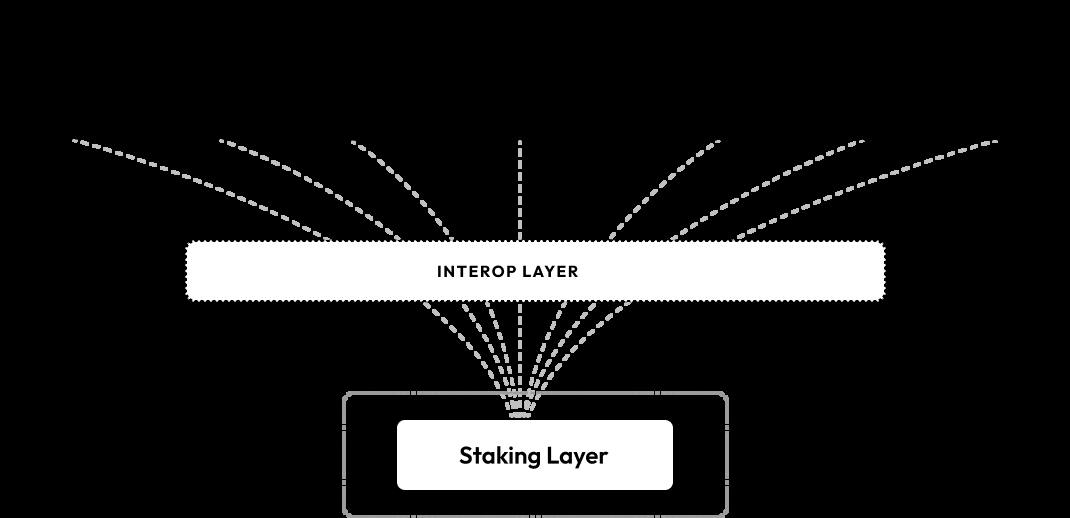
تتمثل الرؤية وراء Polygon باعتبارها طبقة القيمة للإنترنت في الدخول إلى عالم تكون فيه القيمة يمكن إنشاؤها وتبادلها بحرية وعالمية، على غرار الطريقة التي ننشئ بها ونتبادلها المعلومات اليوم. عالم يتيح أشكالاً جديدة أكثر عدلاً وشمولاً وأكثر كفاءة المنظمات الإنسانية والحكم. ونحن نؤمن إيمانا راسخا بأن تحقيق هذه الرؤية أمر ممكن تقدم مجتمعنا بشكل ملحوظ. ومن أجل تحويل هذه الرؤية الطموحة إلى واقع، يجب تحسين البنية التحتية لـ Polygon. وعلى وجه التحديد، يجب أن تصبح أكثر قابلية للتوسع بشكل كبير، دون التضحية بالأمان والمستخدم تجربة. ولمعالجة هذه المشكلة، يتم تقديم بنية بروتوكول مُعاد تصورها كجزء من Polygon 2.0 جهد. تعمل عملية إعادة التصميم الجذرية هذه على تحويل Polygon إلى شبكة من سلاسل L2 التي تعمل بالطاقة ZK، موحدة عبر بروتوكول تنسيق جديد عبر السلسلة. يمكن للشبكة دعم عدد غير محدود عمليا عدد من السلاسل، والتفاعلات عبر السلاسل يمكن أن تحدث بسلاسة وعلى الفور بدونها افتراضات أمان أو ثقة إضافية. هذا التصميم يسلم تماما على ما سبق المتطلبات - قابلية التوسع الأسي دون التضحية بالأمان وتجربة المستخدم. الشكل 1. بنية البروتوكول Polygon لتنسيق وتأمين وتنمية هذه الشبكة القوية، بروتوكول متقدم ومصمم بشكل جيد الاقتصاد وتصميم الآلية ضرورية. هذا ألهم إنشاء POL.
ビジョン
インターネットの価値層としての Polygon の背後にあるビジョンは、価値のある世界を導くことです。 私たちが作成して交換する方法と同様に、自由かつ世界中で作成および交換できます。 今日の情報。新しい、より公平で、より包括的で、より効率的な形式を可能にする世界 人間の組織とガバナンス。私たちは、このビジョンを実現することで、 私たちの社会を大きく前進させます。 この野心的なビジョンを現実にするためには、Polygon のインフラストラクチャを改善する必要があります。 具体的には、セキュリティとユーザーを犠牲にすることなく、飛躍的に拡張性が向上する必要があります。 経験。 これに対処するために、再考されたプロトコル アーキテクチャが Polygon の一部として導入されています。 2.0の努力。この根本的な再設計により、Polygon は ZK を利用した統合された L2 チェーンのネットワークに変わります。 新しいクロスチェーン調整プロトコルを介して。ネットワークは事実上無制限にサポートできます チェーンの数とクロスチェーンのインタラクションは、シームレスかつ瞬時に発生します。 追加のセキュリティまたは信頼の仮定。この設計は前述の機能を完全に実現します 要件 – セキュリティとユーザー エクスペリエンスを犠牲にすることなく、飛躍的な拡張性を実現します。 図 1. Polygon プロトコル アーキテクチャ この強力なネットワークを調整し、保護し、拡張するには、高度で適切に設計されたプロトコルを使用します。 経済性と機構設計が必要です。これがPOLの創設のきっかけとなりました。
العمل ذو الصلة
في هذا الفصل، نوضح أمثلة تصميم token الأصلية ذات الصلة، والأداة المساعدة التي تخصصها لـ token بالإضافة إلى المزايا والعيوب البارزة. 2.1 Bitcoin (بيتكوين) BTC هي النسخة الأصلية token للبروتوكول Bitcoin، وهي أول نسخة أصلية بارزة token التنفيذ. فائدة BTC ذات شقين: ● مكافآت المُعدِّن: يقوم البروتوكول بإصدار عملة البيتكوين (BTC) وتوزيعها على البروتوكول validators، المعروف أيضًا باسم عمال المناجم. ● رسوم المعاملات: يدفع المستخدمون رسومًا بالبيتكوين مقابل كل معاملة، مما يمنع البريد العشوائي و يوفر حوافز إضافية لعمال المناجم. إحدى ميزات تصميم BTC هي العرض الحتمي، أي العرض المتوقع. عادة، tokens مع العرض الحتمي أكثر جاذبية لحامليها ويمكنهم الحصول على قيمة أفضل من هؤلاء مع العرض غير الحتمي. نحن نعتبر BTC تصميمًا قديمًا token ونرى أن عيوبه متعددة: ● إنها أصول غير منتجة، ولا تمنح حامليها أي دور ذي معنى في البروتوكول ولا الحوافز لأداء مثل هذا الدور؛ ● ولا يستغل الفرصة للمطالبة بالحصول على حصة في token الأصلي للبروتوكول validators وبدلاً من ذلك يطلب منهم المشاركة، أي استثمار الموارد الخارجية (التعدين المعدات والكهرباء)، مما يجعل البروتوكول أقل مرونة واستدامة ذاتيًا؛ ● فهو يقلل تدريجياً من انبعاث مكافآت التعدين حتى تصل إلى الصفر، وهو ما يقدمه مخاوف الاستدامة والأمن (ليس من الواضح ما إذا كان من الممكن الحفاظ على الأمن مرة واحدة يصبح معدل الانبعاثات منخفضًا أو يصل إلى الصفر)؛ ● لا يقدم أي نوع من الدعم الاقتصادي للنظام البيئي؛ ● ولا يمنح أي حقوق حوكمة لأصحابها، على الرغم من أنه يمكن القول بأن Layer 1 يجب ألا تستخدم البروتوكولات مثل Bitcoin tokens للإدارة. 2.2 Ethereum (ETH) ETH هو token الأصلي لبروتوكول Ethereum والنظام البيئي. بفضل تصميمه المبتكر، فإنه أنشأ الجيل التالي من البروتوكول الأصلي tokens.
فائدة ETH متعددة الجوانب: ● جهات التحقق staking: يتطلب بروتوكول PoS (إثبات الملكية) الخاص بـ Ethereum validators للمشاركة ETH من أجل الانضمام إلى مجمع validator؛ ● مكافآت أداة التحقق: يقوم البروتوكول بإصدار ETH وتوزيعه على البروتوكول validators؛ ● رسوم المعاملات: يدفع المستخدمون رسومًا بعملة ETH لكل معاملة، مما يمنع البريد العشوائي و يوفر حوافز إضافية لـ validators. يتميز تصميم ETH بمزايا متعددة: ● وهي أصل إنتاجي، يمكن لحامليها المشاركة في تأمين الشبكة وهم الحصول على حوافز للقيام بذلك؛ ● إنه يثبط السلوك الضار لـ validators عبر القطع داخل البروتوكول، أي التدمير tokens من validators الضارة؛ ● إنه لا يطرح مخاوف تتعلق بالأمن والاستدامة، لأنه ليس كذلك سقف العرض مثل BTC؛ ● يوفر الدعم الاقتصادي للنظام البيئي عبر جزء محدد مسبقًا من الأولي العرض المخصص لمؤسسة الإشراف. أحد العيوب المحتملة لتصميم ETH هو أنه لا يحتوي على عرض يمكن التنبؤ به بالكامل، مع الأخذ في الاعتبار أن انبعاث token لمكافآت validator يزداد كلما تم الرهان على المزيد من tokens. ومع ذلك، تتم مواجهة هذا بنجاح من خلال الآلية المدمجة التي تحرق 1 جزء من كل منها رسوم المعاملة، وبالتالي مواجهة تأثير انبعاث token لمكافآت validator. آخر والعيب هو أن الدعم الاقتصادي المذكور أعلاه لا يمكن أن يستمر إلى أجل غير مسمى؛ الأولي token سيتم استنفاد التخصيص للمؤسسة الإشرافية في النهاية. وأخيراً، لا يحدث ذلك تعيين أي حق حوكمة لأصحاب token، على الرغم من أنه كما ذكر أعلاه، يمكن القول أن بروتوكولات Layer 1 يجب ألا تستخدم tokens للحوكمة. 2.3 Cosmos (أتوم) ATOM هو المركز الأصلي token للمركز Cosmos، والمركز المركزي المقصود blockchain للـ Cosmos النظام البيئي متعدد السلاسل. لديها فائدة متعددة، ولكن فقط داخل Cosmos Hub: ● المدققون staking; ● مكافآت المدقق؛ ● رسوم المعاملات؛ 1 https://github.com/ethereum/EIPs/blob/master/EIPS/eip-1559.md● الحكم. يتمتع تصميم ATOM بالمزايا التالية: ● وهو أصل إنتاجي، يمكن لحامله المشاركة في تأمين Cosmos المحور والاستلام حوافز للقيام بذلك؛ ● إنه لا يطرح مخاوف تتعلق بالأمن والاستدامة، لأنه ليس كذلك سقف العرض؛ ● يوفر الدعم الاقتصادي للنظام البيئي من خلال تخصيص محدد مسبقًا لـ مؤسسة الإشراف؛ ● إنها تمنح أصحابها حقوق الحوكمة عبر نموذج حوكمة شامل. عيوب تصميم ATOM: ● لها فائدة فقط داخل Cosmos Hub؛ لا يتم استخدامه لتشغيل وتأمين السلاسل الأخرى في النظام البيئي، على الرغم من وجود مبادرات لتمكين ذلك؛ ● فهو يسهل نموذج حوكمة token فقط، والذي يستبعد أصحاب المصلحة الآخرين ذوي الصلة للنظام البيئي (المطورين والمساهمين البارزين والتطبيقات وما إلى ذلك) من القرار صنع؛ ● الدعم الاقتصادي الذي تسهله لا يمكن أن يستمر إلى أجل غير مسمى، لأن خزانة token سوف تنضب في نهاية المطاف. 2.4 Polkadot (نقطة) DOT هو token الأصلي للنظام البيئي Polkadot متعدد السلاسل. لديها نفس الأداة المساعدة مثل ATOM، ولكن بشكل عام عبر النظام البيئي Polkadot بالكامل: ● المدققون staking; ● مكافآت المدقق؛ ● رسوم المعاملات؛ ● الحكم. يتميز تصميم DOT بالمزايا التالية: ● إنها أصل إنتاجي. ● إنه لا يطرح مخاوف تتعلق بالأمن والاستدامة، لأنه ليس كذلك سقف العرض؛ ● يوفر الدعم الاقتصادي للنظام البيئي من خلال تخصيص محدد مسبقًا لـ مؤسسة الإشراف؛ ● إنها تمنح أصحابها حقوق الحوكمة من خلال نموذج حوكمة شامل؛
● فهو يوفر الأمان للنظام البيئي بأكمله، أي جميع blockchains المشاركة. العيوب هي: ● ويفرض استخدام DOT باعتباره validator staking token لجميع السلاسل المشاركة، وبالتالي تقليل الخيارات المعمارية لمطوري سلاسل Polkadot؛ ● إنه يقدم مستوى كبيرًا من الاحتكاك لمطوري Polkadot blockchains الذين هم مطلوب تقديم عطاءات وتأمين كميات كبيرة من DOT حتى تصبح سلاسلهم جزء من النظام البيئي. ● فهو يسهل نموذج حوكمة token فقط، والذي يستبعد أصحاب المصلحة الآخرين ذوي الصلة للنظام البيئي من عملية صنع القرار؛ ● الدعم الاقتصادي الذي تيسره لا يمكن أن يستمر إلى أجل غير مسمى، لأن خزانة token سوف تنضب في نهاية المطاف. 2.5 أفي (أفي) AAVE هي token الأصلية لـ Aave، وهي منصة إقراض token على السلسلة. نظرًا لأن AAVE ليس بروتوكولًا ولكنه تطبيق token، فإننا لا نحلل تصميمه، مزايا وعيوب. أهمية AAVE لتصميم POL ذات شقين: ● AAVE هو خليفة LEND، الأصل الأصلي token لـ Aave؛ مجتمع أفي نفذت عملية ترحيل ناجحة ومفيدة من LEND إلى AAVE؛ ● توفر AAVE لأصحابها حقوق الحوكمة من خلال نموذج حوكمة شامل.
関連作品
この章では、関連するネイティブ token 設計例と、それらが割り当てるユーティリティについて概説します。 token と注目すべき利点と欠点。 2.1 Bitcoin (BTC) BTC は Bitcoin プロトコルのネイティブ token であり、最初の著名なネイティブ token です。 実装。 BTC の有用性は 2 つあります。 ● マイナーの報酬: プロトコルは BTC を発行し、それをプロトコル validators (別名) に分配します。 鉱夫。 ● 取引手数料: ユーザーは取引ごとに BTC で手数料を支払うため、スパムやスパムを防止できます。 マイナーに追加のインセンティブを提供します。 BTC 設計の利点の 1 つは、決定論的、つまり予測可能な供給です。通常、tokens 供給が決定的なものは保有者にとってより魅力的であり、それらよりも優れた価値を獲得できます。 非決定的な供給を伴う。 私たちは BTC をレガシー token 設計だと考えており、その欠点は複数あると主張します。 ● これは非生産的な資産であり、その所有者にプロトコルにおいて意味のある役割を与えません そのような役割を果たすインセンティブもありません。 ● プロトコルのネイティブ token へのステークを要求する機会を利用しません。 validators ではなく、ステーキング、つまり外部リソース (マイニング) への投資が必要です。 機器と電気)、そのためプロトコルの回復力と自立性が低くなります。 ● マイニング報酬の排出量がゼロになるまで段階的に削減されます。 持続可能性と安全性への懸念(一度安全性を維持できるかは不明) 排出率が低くなるか、ゼロに達します)。 ● それはエコシステムにいかなる種類の経済的支援も導入しません。 ● Layer 1 と主張することもできますが、所有者にいかなるガバナンス権限も与えません。 Bitcoin などのプロトコルは、ガバナンスのために token を利用すべきではありません。 2.2 Ethereum (ETH) ETH は、Ethereum プロトコルおよびエコシステムのネイティブ token です。その革新的なデザインにより、 次世代のネイティブ プロトコル tokens を確立しました。
ETH の有用性は多岐にわたります。 ● バリデーター staking: Ethereum の PoS (プルーフ・オブ・ステーク) プロトコルではステーキングに validator が必要です validator プールに参加するための ETH。 ● バリデーターの報酬: プロトコルは ETH を発行し、それをプロトコル validators に分配します。 ● 取引手数料: ユーザーは取引ごとに手数料を ETH で支払うため、スパムやスパムを防止できます。 validator に対して追加のインセンティブを提供します。 ETH の設計には複数の利点があります。 ● これは生産的な資産であり、その所有者はネットワークのセキュリティ保護に参加でき、 そうすることでインセンティブを受け取ります。 ● プロトコル内のスラッシュ、つまり破壊による validators の悪意のある動作を抑制します。 token 件の悪意のある validator 件。 ● 何も持たないため、セキュリティと持続可能性の懸念が生じることはありません。 BTCのような供給キャップ。 ● 初期のエネルギーの所定の部分を介してエコシステムに経済的サポートを提供します。 供給は管理財団に割り当てられます。 ETH 設計の潜在的な欠点の 1 つは、供給が完全に予測できないことです。 より多くの token がステーキングされると、validator 報酬の token 排出量が増加します。ただし、 これは、あらゆるものの一部を燃焼1する組み込みメカニズムによってうまく対抗されます。 これにより、validator の報酬に対する token の排出の影響が相殺されます。もう一つ 欠点は、前述の経済的支援が無期限に継続できないことです。最初の token 管理財団への割り当ては最終的に枯渇します。最後に、そうではありません token 保有者にガバナンス権限を割り当てること Layer 1 プロトコルはガバナンスのために token を利用すべきではありません。 2.3 Cosmos (アトム) ATOM は、Cosmos ハブのネイティブ token であり、Cosmos の中心となる blockchain です。 マルチチェーンエコシステム。 複数のユーティリティがありますが、Cosmos ハブ内のみです。 ● バリデータ staking; ● バリデーターの報酬; ● 取引手数料; 1 https://github.com/ethereum/EIPs/blob/master/EIPS/eip-1559.md● ガバナンス。 ATOM の設計には次の利点があります。 ● これは生産的な資産であり、その所有者は Cosmos ハブの保護に参加して、 それを行うためのインセンティブ。 ● 何も持たないため、セキュリティと持続可能性の懸念が生じることはありません。 供給キャップ。 ● あらかじめ決められた配分を通じてエコシステムに経済的サポートを提供します。 スチュワード財団。 ● 包括的なガバナンス モデルを通じて、保有者にガバナンス権限を与えます。 ATOM 設計の欠点: ● Cosmos ハブ内でのみユーティリティがあります。他のチェーンを実行および保護するためには使用されません。 エコシステム、ただしこれを可能にする取り組みはあります。 ● token のみのガバナンス モデルを促進し、他の関連する利害関係者を排除します。 意思決定によるエコシステム (開発者、著名な貢献者、アプリケーションなど) の 作ること。 ● token 財務省が支援する経済支援は無期限に続くわけではありません。 結局枯渇してしまう。 2.4 Polkadot (DOT) DOT は、Polkadot マルチチェーン エコシステムのネイティブ token です。 これは ATOM と同じユーティリティを備えていますが、一般に Polkadot エコシステム全体にわたって機能します。 ● バリデータ staking; ● バリデーターの報酬; ● 取引手数料; ● ガバナンス。 DOT の設計には次の利点があります。 ● それは生産的な資産です。 ● 何も持たないため、セキュリティと持続可能性の懸念が生じることはありません。 供給キャップ。 ● あらかじめ決められた配分を通じてエコシステムに経済的サポートを提供します。 スチュワード財団。 ● 包括的なガバナンス モデルを通じて、保有者にガバナンス権限を与えます。
● これは、エコシステム全体、つまり参加しているすべての blockchain にセキュリティを提供します。 欠点は次のとおりです。 ● すべての参加チェーンに対して、validator staking token として DOT を使用することが義務付けられています。 したがって、Polkadot チェーンの開発者にとってアーキテクチャのオプションが減少します。 ● これは、Polkadot blockchain の開発者にとって、かなりのレベルの摩擦をもたらします。 チェーンを確立するには、大量の DOT を入札してロックする必要があります。 生態系の一部。 ● token のみのガバナンス モデルを促進し、他の関連する利害関係者を排除します。 意思決定によるエコシステムの評価。 ● token 財務省が支援する経済支援は無期限に続くわけではありません。 結局枯渇してしまう。 2.5Aave(アーベ) AAVE は、オンチェーン token 融資プラットフォームである Aave のネイティブ token です。 AAVE はプロトコルではなくアプリケーション token であるため、その設計は分析しません。 メリットとデメリット。 POL 設計に対する AAVE の関連性は 2 つあります。 ● AAVE は、Aave の初期ネイティブ token である LEND の後継です。 Aaveコミュニティ LEND から AAVE への有益な移行を成功裏に実行しました。 ● AAVE は、包括的なガバナンス モデルを通じて所有者にガバナンス権限を提供します。
أهداف التصميم
واستنادا إلى تحليل الأعمال ذات الصلة، هناك العديد من الفرص الرئيسية لـ POL للاستفادة منها تم تحديد النظام البيئي Polygon. يتم طرح هذه الفرص هنا كما بول أهداف التصميم. 1. أمن النظام البيئي. يجب أن يساعد POL في إنشاء مجموعة لامركزية للغاية من validators يمكنها تشغيل وتأمين أي سلسلة Polygon. ينبغي تحفيز المصادقين للانضمام إلى مجموعة validator والبقاء فيها والمساعدة في تأمين أكبر عدد ممكن من السلاسل، وفي في نفس الوقت تثبيط لفعل أي شيء ضار. 2. قابلية التوسع اللانهائية. يجب أن يدعم POL النمو المتسارع للنظام البيئي Polygon وفي نهاية المطاف "فرط blockchain" للعالم. في المقام الأول، يجب تمكين validator التجميع على نطاق واسع لدعم الآلاف من سلاسل Polygon.
3. دعم النظام البيئي. نظرًا لكوننا شبكة عالمية قيد الإنشاء، فإن Polygon سوف يتطلب الأمر استمرارًا الدعم الاقتصادي لمزيد من التطوير والنمو. يجب أن يساعد POL في إنشاء ملف آلية تمويل ذاتية الاكتفاء لتلك الأنشطة. ينبغي أن تكون "وسيلة" التمويل هذه يحكمها مجتمع Polygon. 4. لا احتكاك. غالبًا ما تتطلب شبكات Blockchain من المستخدمين والمطورين الاحتفاظ بالحصص أو استهلاك tokens الأصلية الخاصة بهم لاستخدام الشبكة. وهذا يسبب الاحتكاك و يحط من تجربة المستخدم والمطور. ينبغي تصميم POL بطريقة تحقق ذلك لا تقدم أي احتكاك من هذا القبيل. 5. ملكية المجتمع. Polygon من المتصور أن تكون شبكة لا مركزية تحكمها مجتمعها. يمكن أن يؤدي تعيين حقوق الحوكمة لحاملي POL إلى تمكين إنشاء نماذج الحوكمة الفعالة التي يتم من خلالها تحفيز صناع القرار بشكل مباشر دعم المقترحات التي تصب في مصلحة النظام البيئي Polygon.
設計目標
関連業務の分析に基づいて、POL が利益を得るいくつかの主要な機会が明らかになりました。 Polygon エコシステムが特定されました。これらの機会はここで次のように提示されます ポール 設計目標。 1. 生態系のセキュリティ。 POL は、高度に分散化されたプールの確立を支援する必要があります。 validator は、任意の Polygon チェーンを実行して保護できます。バリデーターにはインセンティブが与えられるべきである validator プールに参加してそこに留まり、できるだけ多くのチェーンを保護するのに役立ちます。 同時に、悪意のあることをする気も失せます。 2. 無限の拡張性。 POL は、Polygon エコシステムの急激な成長をサポートする必要があります そして最終的には世界の「ハイパーブロックチェーン化」。まず、validator を有効にする必要があります。 数千の Polygon チェーンをサポートするためにプールを拡張します。
3. エコシステムのサポート。グローバル ネットワークを構築中であるため、Polygon には継続的なネットワークが必要です さらなる発展と成長のための経済的支援。 POL は、 これらの活動に対する自立的な資金調達メカニズム。この資金調達の「手段」は、 Polygon コミュニティによって管理されています。 4. 摩擦はありません。ブロックチェーン ネットワークでは、多くの場合、ユーザーと開発者の両方が保有、ステークを必要とします。 または、ネットワークを使用するためにネイティブ token を消費します。それによって摩擦が生じてしまい、 ユーザーと開発者のエクスペリエンスを低下させます。 POL は次のような方法で設計される必要があります。 そのような摩擦を引き起こさないようにします。 5. コミュニティの所有権。 Polygon は、によって管理される分散型ネットワークとして想定されています。 そのコミュニティ。 POL 保有者にガバナンス権限を割り当てると、 意思決定者に直接インセンティブを与える効果的なガバナンス モデル Polygon エコシステムにとって最大の利益となる提案をサポートします。
جدوى
POL هو token الأصلي لـ Polygon، وعلى هذا النحو يمثل الأداة الرئيسية للتنسيق و تحفيز النظام البيئي Polygon بأكمله. وله فائدة متعددة الجوانب، وهي: ● المدقق staking; ● مكافآت المدقق؛ ● ملكية المجتمع، أي الحكم. 4.1 أداة التحقق staking Polygon validators مطلوب منهم مشاركة POL من أجل الانضمام إلى مجمع validator. يعمل برنامج التحقق staking على زيادة أمان النظام البيئي من خلال: ● منع هجمات سيبيل. ● مواءمة validators مع نجاح النظام البيئي؛ ● تمكين القطع، أي معاقبة validators الضارة. بواسطة staking POL والانضمام إلى مجمع validator، يصبح validators مؤهلاً للاشتراك للتحقق من الصحة أي سلسلة Polygon. يتم توضيح التحقق من الصحة وفوائده بالنسبة لـ validators في الفقرة 3.6.
4.2 مكافآت المدقق تعد اللامركزية وحجم تجمع validator أمرًا بالغ الأهمية للأمن والمرونة حياد النظام البيئي Polygon بأكمله. لتحفيز validator على الإعداد والاحتفاظ، يجب توزيع الكميات المحددة مسبقًا من POL بشكل مستمر على Polygon validators كبروتوكول المكافآت. يجب توزيع مكافآت البروتوكول على validators بشكل يتناسب مع المبلغ POL أنهم حصة. ويوصف البث POL في الفقرة 2.5. توفر مكافآت البروتوكول حوافز أساسية لـ validators وتؤسس ساحة لعب متكافئة لـ حوض السباحة validator بأكمله. علاوة على ذلك، يمكن لـ validators تأمين حوافز إضافية من خلال التحقق من الصحة سلاسل Polygon فردية. تم وصف حوافز validator الإضافية في الفقرة 3.6. 4.3 الحوكمة ل تسهيل كفاءة، يديرها المجتمع الحكم من جوانب مهمة من Polygon النظام البيئي، يجب تمكين POL تقنيًا لامتلاك حقوق الحوكمة، أي استخدامها في أطر الحوكمة. إن وصف إطار عمل الإدارة Polygon يقع خارج نطاق هذه الورقة.
ユーティリティ
POL は Polygon のネイティブ token であり、調整および調整のための主要なツールを表します。 Polygon エコシステム全体の奨励。 これには、次のような複数のユーティリティがあります。 ● バリデータ staking; ● バリデーターの報酬; ● コミュニティの所有権、つまりガバナンス。 4.1 バリデータ staking Polygon validator プールに参加するには、POL をステークする必要があります。 Validator staking は、以下によってエコシステムのセキュリティを強化します。 ● シビル攻撃の防止。 ● validator をエコシステムの成功に合わせる。 ● スラッシュ、つまり悪意のある validator に対する罰を有効にします。 staking POL と validator プールに参加することで、validator が検証を購読できるようになります 任意の Polygon チェーン。 validator の検証とその利点については、§ 6.3 で詳しく説明します。
4.2 バリデーターの報酬 validator プールの分散化とサイズは、セキュリティ、復元力、および Polygon エコシステム全体の中立性。 validator のオンボーディングと定着を促進するには、 事前に定義された量の POL をプロトコルとして Polygon validators に継続的に分配する必要があります 報酬。プロトコル報酬は、の量に比例して validator に分配される必要があります。 彼らはPOLを賭けます。 POL 放射については § 5.2 で説明されています。 プロトコル報酬は、validator に基本的なインセンティブを提供し、平等な競争条件を確立します。 validator プール全体。さらに、validator は検証することで追加のインセンティブを確保できます。 個々の Polygon チェーン。追加の validator インセンティブについては、§ 6.3 で説明されています。 4.3 ガバナンス へ 促進する 効率的、 コミュニティ運営 ガバナンス の Polygon の重要な側面 エコシステムでは、POL がガバナンス権限を保持できるように技術的に有効にする必要があります。つまり、POL を利用できるようにする必要があります。 ガバナンスの枠組み。 Polygon ガバナンス フレームワークの説明は、この範囲外です。 この紙。
إمداد
نحن هنا نغطي العرض الأولي وسياسة الانبعاثات الخاصة بـ POL، ونصف الأساس المنطقي خلف كليهما. 5.1 العرض الأولي العرض الأولي من POL هو 10 مليارات tokens. ينبغي أن يكون كامل العرض الأولي مخصص للترحيل، أي token للتبديل من MATIC إلى POL. سوف تحتاج هذه الهجرة إلى اتخاذها مكان لكي ينجح POL في MATIC باعتباره token الأصلي للنظام البيئي Polygon، وهو تمت مناقشته في الفقرة 8. يتطابق العرض الأولي لـ POL مع عرض MATIC، الأمر الذي من شأنه أن يجعل الترحيل جيدًا واضحة. بمجرد اكتمال الترحيل، فإن توزيع POL سيطابق التيار بشكل أساسي توزيع ماتيك. لقد مرت MATIC بالفعل بعملية واسعة النطاق لـ token التوزيع الذي أدى إلى أكثر من 600000 عنوان لصاحبها2، ومن المحتمل أكثر من ذلك 2 المصدر: https://etherscan.io/token/0x7d1afa7b718fb893db30a3abc0cfc608aacfebb0#balances
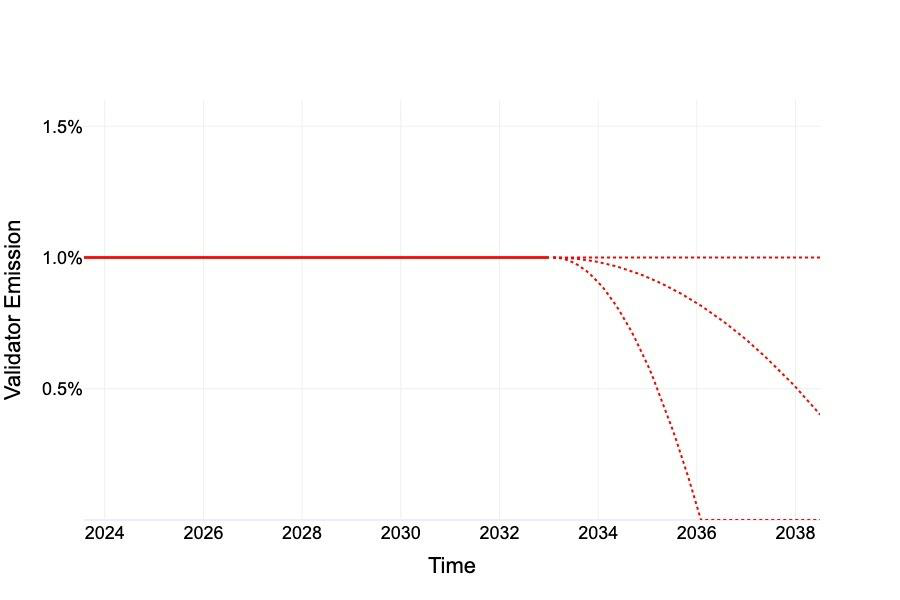
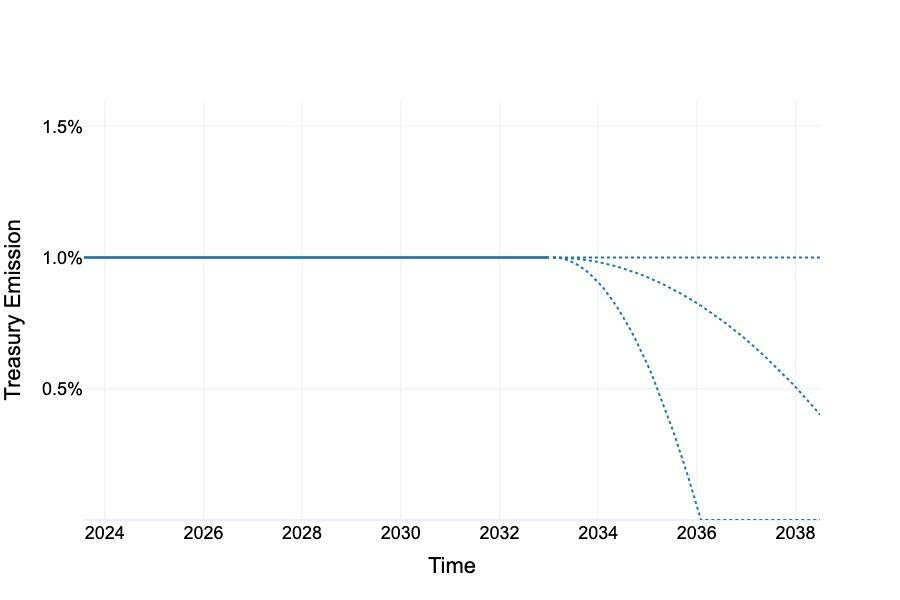
المالكين الفعليين، نظرًا لأن بورصات العملات المشفرة المركزية وعناوين بروتوكولات DeFi تمثل عدة مستخدمين. وهذا يعني أن POL سيتم توزيعه على نطاق واسع منذ اليوم الأول يعد أمرًا أساسيًا لتحقيق اللامركزية الشاملة ومرونة النظام البيئي. 5.2 الانبعاثات ينبعث POL بمعدل محدد مسبقًا لغرضين: 1. مكافآت المدقق. لتحفيز validator على الإعداد والاحتفاظ، يجب أن يكون POL كذلك تنبعث بشكل مستمر بمعدل محدد مسبقًا ويتم توزيعها على validators كقاعدة، مكافأة البروتوكول. نقترح معدل انبعاث سنوي قدره 1% من إمدادات POL لهذا الغرض الغرض. لن يكون من الممكن تغيير معدل الانبعاثات خلال السنوات العشر الأولى، و وبعد تلك الفترة يمكن للمجتمع أن يقرر تقليله بطريقة تعسفية عبر إطار الحوكمة. لا يمكن أبدا زيادة معدل الانبعاثات إلى ما هو أبعد من 1%. 2. دعم النظام البيئي. لتوفير الدعم المستمر لمزيد من التطوير والنمو ال Polygon النظام البيئي, نحن اقتراح ل أعرض ال المجتمع الخزانة، أ صندوق النظام البيئي الذي يحكمه المجتمع، الموصوف في الفقرة 7. نقترح انبعاثًا سنويًا نسبة 1% من العرض POL لهذا الغرض. تمامًا مثل الانبعاث لـ validator المكافآت، يمكن تقليل معدل الانبعاثات هذا بعد 10 سنوات من خلال الحوكمة ولا يمكن زيادتها أبدًا إلى أكثر من 1٪. الشكل 2. السيناريوهات المحتملة لمعدل الانبعاثات POL الأساس المنطقي للانبعاثات المقترحة ومعدلات الانبعاثات هو أن النظام البيئي Polygon وسيحتاج Web3 بشكل عام إلى وقت حتى ينضج ويصل إلى التبني السائد. بناء علىدورات اعتماد منصات الإنترنت والحوسبة التاريخية، يمكن أن تكون مرحلة النضج واقعيا ومن المتوقع أن يحدث في حوالي 10-15 سنة. خلال تلك الفترة، سوف النظام البيئي بحاجة إلى دعم اقتصادي. بمجرد وصول النظام البيئي Polygon وWeb3 إلى مرحلة النضج، يتم فرض رسوم المعاملات والحوافز الأخرى يجب أن يتم تأمينها عن طريق التحقق من صحة سلاسل Polygon (الموصوفة في الفقرة 6.3) وحدها لتوليد ما يكفي إرجاع Polygon validators. وبمجرد حدوث ذلك، يمكن للمجتمع أن يقرر التدخل و تقليل أو إيقاف إصدار مكافآت validator تمامًا، دون التأثير على الأمان واللامركزية في النظام البيئي. وبالمثل، يمكن للمجتمع بعد ذلك أن يقرر خفض أو وقف الانبعاثات لصالح خزانة المجتمع أيضًا، نظرًا لأن النظام البيئي لن يفعل ذلك بحاجة إلى دعم اقتصادي كبير بعد الآن. من الواضح أن دورة اعتماد Web3 قد تبدو مختلفة قليلاً أو تمامًا. في حال تحول من الواضح أن الوصول إلى التبني السائد يستغرق وقتًا أطول وأن النظام البيئي لا يزال بحاجة إلى الدعم وبعد 10 سنوات، يمكن للمجتمع أن يختار عدم التدخل وسيستمر الانبعاث يحدث طالما كان ذلك مطلوبا. ونعتبر سياسة الانبعاثات المقترحة هي الأمثل لأنها تحقق التوازن بين: ● كافية النظام البيئي الدعم. كافية، مقاوم للمستقبل الدعم ل ال Polygon يعد النظام البيئي أمرًا بالغ الأهمية للأمان ونجاح Polygon. للتحقق من صحة فرضية أن معدلات الانبعاثات المقترحة كافية بالفعل، قمنا بتطوير النموذج الاقتصادي، وأجرى عمليات المحاكاة وقدم النتائج في الفقرة 9. ● الأمن عبر الندرة. تعتبر ندرة tokens الأصلية ذات أهمية كبيرة بالنسبة blockchain الشبكات؛ يمكن أن يؤثر التخفيف العالي token على الأمان بشكل كبير. لتقدير ندرة POL، يمكننا مقارنة معدل الانبعاثات المقترح بمعدل انبعاث BTC، والذي يبلغ حاليًا ≈1.8%3، وكان أعلى بكثير في الماضي. أيضا، على الرغم من مع انخفاض تدريجي، من المؤكد أن يحدث انبعاث BTC لأكثر من مرة القرن، في حين أنه من الممكن تقليل انبعاث POL أو إيقافه حتى بعد مرور 10 سنوات سنوات. بالنظر إلى أن (1) Bitcoin يعتبر أصلًا نادرًا للغاية، و(2) إجمالي POL معدل الانبعاثات مشابه (وربما أكثر صرامة) لـ BTC، نستنتج ذلك POL نادر بما فيه الكفاية، أي أن بثه لا يسبب مخاوف أمنية للبروتوكول. 3 المصدر: https://charts.woobull.com/bitcoin-inflation/
وأخيرا، من المهم أن نلاحظ أن سياسة الانبعاثات التي نقترحها لديها درجة عالية من القدرة على التنبؤ. جدول الانبعاثات المحدد مسبقًا يجعل إمداد POL قابلاً للتنبؤ به على المدى الطويل المدى، حتى لو قرر المجتمع التدخل. كما هو موضح، لا يمكن للمجتمع إلا خفض المعدلات، وبالتالي استكمال سياسة الانبعاثات المحددة سلفا بشكل فعال احتمال زيادة ندرة POL. القدرة على التنبؤ والندرة تجذب البروتوكول والسوق المشاركين وتوفير الشعور بالموثوقية. مع استمرار نمو النظام البيئي Polygon، هذا يجب أن يساهم في ترسيخ POL كأصل رقمي جذاب وموثوق به وبالتالي يمكن أن يؤدي ذلك إلى مزيد من التبني والموثوقية، وبالتالي إنشاء دائرة حميدة.
供給
ここでは、POL の初期供給と排出ポリシーを取り上げ、その根拠を説明します。 両方の後ろにあります。 5.1 初期供給 POL の初期供給量は 100 億 token です。初期供給量はすべて次のとおりである必要があります。 移行専用、すなわち token MATIC から POL へのスワップ。この移行には時間がかかります POL が MATIC を Polygon エコシステムのネイティブ token として引き継ぐために配置されます。 § 8 で説明します。 POL の初期供給量は MATIC の供給量と一致するため、移行はかなりスムーズになります。 率直な。 移行が完了すると、POL の分布は基本的に現在のものと一致します。 MATICの配布。 MATIC はすでに token という広範なプロセスを経ています この配布により、600,000 を超える所有者アドレス 2 が発生し、おそらくさらに多くのアドレスが存在することになります。 2 出典: https://etherscan.io/token/0x7d1afa7b718fb893db30a3abc0cfc608aacfebb0#balances
集中暗号通貨取引所とDeFiプロトコルのアドレスを考慮すると、実際の保有者 複数のユーザーを表します。これは、POL が初日から広く配布されることを意味します。 全体的な分散化とエコシステムの回復力に役立ちます。 5.2 排出 POL は、次の 2 つの目的で、事前定義された決定的なレートで送信されます。 1. バリデーターの報酬。 validator のオンボーディングと維持を奨励するには、POL は次のようにする必要があります。 所定のレートで継続的に放出され、ベースとしてvalidatorsに分配され、 プロトコル報酬。私たちは、この製品の POL 供給量の 1% の年間排出率を提案します。 目的。最初の 10 年間は排出率を変えることはできません。 その期間の後、コミュニティは、 ガバナンスの枠組み。排出率は 1% を超えることはできません。 2. エコシステムのサポート。さらなる発展と成長のために継続的なサポートを提供する の Polygon 生態系、 私たち 提案する に 紹介する の コミュニティ 財務省、 ある § 7 で説明されているコミュニティが管理するエコシステム基金。私たちは年間排出量を提案します。 この目的のために POL 供給の 1% の割合を使用します。 validator の発光と同じように 報酬があれば、この排出率はガバナンスを通じて 10 年後に削減できます。 という枠組みであり、1%を超えて増やすことはできません。 図 2. 考えられる POL 排出率シナリオ 提案された排出量と排出率の理論的根拠は、Polygon エコシステムが そして Web3 は一般に、成熟して主流に採用されるまでに時間がかかるでしょう。に基づいて、過去のインターネットとコンピューティング プラットフォームの導入サイクルを考慮すると、成熟段階は次のようになります。 現実的に 約10~15年以内に起こると予想されています。その期間中、生態系は 経済的支援が必要です。 Polygon エコシステムと Web3 が成熟すると、取引手数料やその他のインセンティブが付与されます Polygon チェーン (§ 6.3 で説明) を検証することで保護されているため、それだけで十分な量のデータが生成されるはずです。 Polygon validator 秒の場合に返されます。それが起こると、コミュニティは介入することを決定し、 セキュリティに影響を与えることなく、validator の報酬の排出量を削減または完全に中止する そしてエコシステムの分散化。同様に、コミュニティはその後、削減または削減を決定できます。 生態系が維持されなくなることを考慮して、地域国庫への排出も中止する。 もう多額の経済的支援が必要です。 明らかに、Web3 の導入サイクルはわずかに、または完全に異なるように見える可能性があります。曲がった場合に備えて 主流の採用にはさらに時間がかかり、エコシステムにはまだサポートが必要であることがわかりました 10年後、コミュニティは介入しないことを選択でき、排出は継続します。 必要な限り発生します。 私たちは、提案された排出政策が以下の間の均衡を達成するため最適であると考えています。 ● 十分な 生態系 サポートします。 十分、 将来性のある サポート に の Polygon エコシステムは、Polygon のセキュリティと成功にとって非常に重要です。を検証するには、 提案された排出率が確かに十分であるという仮説を立てて、私たちは次のような仮説を立てました。 経済モデルを作成し、シミュレーションを実行し、その結果を第 9 章で示しました。 ● セキュリティ 経由 希少性。ネイティブ token の不足は、 blockchain ネットワーク。高い token 希釈はセキュリティに劇的な影響を与える可能性があります。見積もるには POL の希少性により、提案された排出率を BTC の排出率と比較できます。 これは現在≈1.8%3 ですが、過去には大幅に高かったこともあります。また、 徐々に減少しており、BTC の排出は今後何年にもわたって起こることが保証されています 一方で、POL の排出は 10 世紀以降でも削減または中止される可能性があります。 年。 (i) Bitcoin は非常に希少な資産であると考えられており、(ii) 合計 POL を考慮すると、 排出率はBTCと同等(そして潜在的にはBTCよりも厳しい)であると結論付けます。 POL は十分に希少です。つまり、POL の放出によってプロトコルのセキュリティ上の懸念が生じることはありません。 3 出典: https://charts.woobull.com/bitcoin-inflation/
最後に、私たちが提案する排出政策には高度な規制が含まれていることに注意することが重要です。 予測可能性。あらかじめ決められた排出スケジュールにより、長期にわたる POL の供給が予測可能になります。 たとえコミュニティが介入することを決定したとしても。説明したように、コミュニティでできることは次のとおりです。 排出率を下げることで、所定の排出政策を効果的に補完し、 POLの希少性が高まる可能性があります。予測可能性と希少性がプロトコルと市場を惹きつける 参加者に信頼感を与えます。 Polygon エコシステムが成長し続けるにつれて、これは POL を魅力的で信頼できるデジタル資産として確立することに貢献する必要があります。 その後、採用と信頼性がさらに高まり、好循環が生まれる可能性があります。
طبقة التوقيع المساحي
سيتطلب تحقيق رؤية طبقة القيمة للإنترنت في النهاية شبكة Polygon لاستضافة مليارات المستخدمين وملايين تطبيقات Web3. لتمكين هذا المستوى الواسع من النشاط، سيتم تشغيل المئات أو الآلاف من سلاسل Polygon بالتوازي، مؤمنة بعشرات أو مئات الآلاف من validators. من أجل تنسيق جميع سلاسل Polygon وvalidators، تقدم بنية بروتوكول Polygon المعاد تصميمها طبقة التخزين. إن طبقة التوقيع هي بروتوكول منسق متعدد السلاسل قابل للبرمجة فريد من نوعه. بواسطة من خلال تنسيق جميع Polygon validator والسلاسل، فإنه يتيح ما يلي: ● قابلية التوسع غير المحدودة للنظام البيئي؛ ● وصول بسيط وآلي إلى بنية Web3 الأساسية المخصصة لأي مشروع Web3. بدأت صناعة Web3 بواسطة Bitcoin، أول blockchain ناجح بأغنية واحدة التطبيق – العملة الرقمية. ومع اقتراح تطبيقات وحالات استخدام جديدة، فقد تم اقتراحها كانوا عادةً يطلقون blockchains الخاصة بهم، والتي كانت بطيئة ومعقدة. كان هذا تمت معالجتها من خلال الاختراق الرئيسي الثاني لـ Web3 - Ethereum، وهو blockchain قابل للبرمجة يمكنها دعم أي تطبيق أو حالة استخدام. على الرغم من كونها نقلة نوعية ضخمة، الرئيسية يتمثل أحد قيود Ethereum في أنها غير قادرة على التوسع لدعم التبني السائد. للتخفيف بسبب هذا القيد، تحول مجتمع Ethereum إلى سلاسل Layer 2 - blockchain معماريات توفر قابلية تطوير أعلى دون التضحية بالأمان. مع إدخال طبقة التوقيع المساحي، يصبح Polygon قادرًا على دعم عدد غير محدود عمليًا من سلاسل Layer 2، كل منها قابلة للبرمجة بالكامل على مستوى التطبيق والتكوين. ونحن نعتقد أن هذا يمكن أن يكون ثالث أهم اختراق منذ بدء Web3، نظرًا لحجمه الابتكار والتبني الذي يتيحه.
إن وصف وتحديد طبقة التوقيع بالتفصيل هو خارج نطاق هذه الورقة. بدلا من ذلك، ومن أجل الحصول على فهم أفضل لهذه الطبقة التي تعمل بتقنية POL وإمكاناتها، فإننا نقدم لمحة عامة عن جوانبه التالية: ● التصميم والتنفيذ؛ ● Polygon إدارة السلاسل؛ ● إدارة التحقق من الصحة. 6.1 التصميم والتنفيذ كما ذكرنا أعلاه، فإن طبقة التوقيع هي عبارة عن منسق متعدد السلاسل قابل للبرمجة. إنه يدير مكونان منطقيان رئيسيان: 1. المدقق التسجيل: يحافظ ال محدثة التسجيل من validators, مع بهم حصص وسلاسل POL المقابلة التي اشتركوا فيها؛ 2. سلسلة التسجيل: يحتفظ بالسجل المحدث لسلاسل Polygon، مع التكوينات المقابلة الميزة الرئيسية التي تتطلبها طبقة التخزين هي قابلية البرمجة الكاملة؛ يسمح لها بدعم و التنسيق: ● تكوينات عشوائية لسلاسل Polygon؛ ● جميع العمليات ذات الصلة بـ validator؛ ● العمليات والتطبيقات الداعمة التعسفية، على سبيل المثال. staking المشتقات. الطريقة المثلى لتحقيق قابلية البرمجة هي استخدام EVM (Ethereum Virtual Machine)، لأنه يوفر عددا من الفوائد: ● اكتمال تورينج. ● نضج EVM، اللغات ذات المستوى الأعلى (مثل Solidity) والأدوات؛ ● قاعدة المطورين الخ عمليًا، هذا يعني أنه سيتم تنفيذ طبقة التخزين كمجموعة EVM الذكية العقود. يمكن نشر smart contracts على أي EVM blockchain، على الأرجح على Ethereum أو Polygon zkEVM rollup، نظرًا لأن كلاهما يوفر مستوى عالٍ من الأمان. 6.2 Polygon إدارة السلاسل يمكن أن تدعم طبقة التخزين عددًا غير محدود عمليًا من سلاسل Polygon، تحتوي كل منها على الميزات والتكوين التعسفي، وتزويدهم بالمستوى المطلوب من اللامركزية.الخدمة الرئيسية التي توفرها طبقة التخزين لسلاسل Polygon هي إدارة سلاسلها تم إنشاء متطلبات validator ومجموعات validator وفقًا لتلك المتطلبات. يتم تحديد متطلبات أداة التحقق في التكوين smart contract الذي تنشره كل سلسلة Polygon من أجل البدء. يمكن أن يحدد smart contract متطلبات validator التعسفية، بما في ذلك على سبيل المثال لا الحصر: ● الحد الأقصى لرقم validator: يحدد الحد الأقصى لعدد validators في السلسلة يقبل في مجموعته validator. ● الحد الأدنى لرقم validator: الحد الأدنى لعدد validators المطلوب لبدء سلسلة. ● الجرائم القابلة للتقطيع: مخالفات التحقق من الصحة المنسوبة إلى السلسلة والتي تتسبب في خفض قيمة حصة. ● معايير المدقق: المعيار المشترك الوحيد لجميع validators في Stake Hub هو الحصة في بول. ويمكن تحديد معايير إضافية تعسفية، مثل الترخيص من قبل الثلث الطرف، حصة إضافية في tokens أخرى (على سبيل المثال، tokens الأصلية لسلاسل Polygon الفردية) إلخ. بالإضافة إلى القدرة على تكوين متطلبات validator، يمكن لسلاسل Polygon أن تكون عشوائية تكوين جميع المعلمات والميزات الأخرى للهندسة المعمارية الخاصة بهم. لم يتم تعريف هذه على مستوى طبقة التخزين، ولكن بدلاً من ذلك في رمز العميل لسلاسل Polygon. بعض المعلمات البارزة والميزات هي: ● token الأصلية: يمكن للسلاسل إنشاء tokens الأصلية الخاصة بها والتي يمكن استخدامها لمختلف الأغراض، على سبيل المثال. رسوم المعاملات وتحفيز المستخدم وما إلى ذلك. ● إدارة الرسوم: يمكن للسلاسل أن تقرر كيفية إدارة رسوم المعاملات. عادة، سيتم تمرير رسوم المعاملات إلى validators بالكامل، باستثناء التوزيعات الأخرى النماذج ممكنة، على سبيل المثال. حرق جزء من الرسوم وتمرير الجزء المتبقي إلى validators. ● المكافآت الإضافية: جميع Polygon validator تحصل على مكافآت البروتوكول الأساسي (كما هو موضح في § 4.2) وعادةً رسوم المعاملات من سلاسل Polygon التي يقومون بالتحقق من صحتها. من أجل جذب المزيد من validators، Polygon يمكن أن تقدم سلسلة مكافآت إضافية علاوة على ذلك. هذه من المرجح أن تكون المكافآت في tokens الأصلية لتلك السلاسل. ● وقت وحجم الكتلة: من الممكن تكوين التردد والحجم، أي حد الغاز كتل. ● وقت نقطة التفتيش: توفر مجموعات أداة التحقق من الصحة نهائية محلية سريعة لسلاسل Polygon. بالإضافة إلى ذلك لهذا السبب، تقوم جميع سلاسل Polygon بشكل دوري بإنشاء وتقديم أدلة المعرفة الصفرية إلىEthereum، وبالتالي الاستفادة من إجراءات الأمان العالية. يمكن أن يكون تواتر نقاط التفتيش هذه تم تكوينه (على سبيل المثال كل 5 دقائق). ● توفر البيانات: يمكن أيضًا تحديد نموذج توفر البيانات. يمكن للسلاسل أن تقرر ذلك الرافعة المالية Ethereum (نموذج rollup) أو مجموعات validator الخاصة بهم أو البيانات الخارجية الأخرى خدمة التوفر (نموذج فاليديوم). مع الإطار المقترح، فإن إطلاق سلسلة Polygon الجديدة يتلخص عمليا في الكتابة ونشر التكوين المذكور أعلاه smart contract. بمجرد نشر العقد إلى طبقة التخزين، يمكن لـ validators البدء في الاشتراك فيها. عندما يكون الحد الأدنى المطلوب من تم الوصول إلى validators، ويتم إطلاق السلسلة. نحن نؤمن بأن هذه الطريقة البسيطة لتكوين السلاسل وإطلاقها يمكن أن تبشر بعصر جديد من الابتكار والتبني. كان قرار التصميم الذي غير قواعد اللعبة لـ Ethereum هو عدم محاولة القيام بذلك التنبؤ بالتطبيقات وحالات الاستخدام التي سيرغب المطورون في إنشائها. وبدلا من ذلك، عرضت أ بيئة تورينج كاملة قابلة للبرمجة يمكنها دعم أي تطبيق أو حالة استخدام. مع تتبع طبقة التوقيع، Polygon نفس النهج لإطلاق سلاسل جديدة - فهي تدعم عمليا أي تصميم سلسلة، بطريقة قابلة للبرمجة ودون قيود القياس. 6.3 إدارة أداة التحقق يمكن أن تدعم طبقة التخزين عددًا غير محدود عمليًا من validators. إنه يدير validators طوال دورة حياتها بالكامل وتمكنها من تأمين أنواع مختلفة من الحوافز لأداء العمل المفيد. هناك أربع مراحل محتملة، أي الحالات، في دورة حياة validator: 1. التنشيط: يتم بدء عمليات التحقق كجزء من مجمع validator عن طريق إيداع POL في staking عقد على طبقة التوقيع المساحي. بمجرد البدء، يصبح validators مؤهلاً لذلك الحصول على مكافآت البروتوكول الأساسي (الموصوفة في الفقرة 4.2). 2. الاشتراك: بمجرد البدء، يُسمح لـ validators بالاشتراك للتحقق من صحة أي Polygon سلسلة. 3. التحقق من الصحة: إذا كان validator يفي بجميع معايير سلسلة Polygon التي اشترك فيها، فإنه يصبح عضوًا في مجموعة validator الخاصة بتلك السلسلة. يمكن للمدققين التحقق من صحة سلاسل متعددة، ويتم الاعتراف بحصتهم في POL في كل من هذه السلاسل. إذا تم قطع validator بالنسبة لجريمة محددة مسبقًا قابلة للتقطيع على إحدى السلاسل، يتم تحديث رصيد POL الخاص بها وينعكس على جميع السلاسل التي يثبت صحتها. يمكن لمرحلتي التحقق والاشتراك
تداخل يمكن أن يكون validator واحدًا في مرحلة الاشتراك في سلسلة Polygon واحدة وفي مرحلة التحقق من جهة أخرى. 4. التقاعد: يمكن للمصادقين مغادرة مجمع validator في أي وقت. بمجرد التقاعد تبدأ، وتبدأ فترة انتظار محددة مسبقًا، مما يسمح بالانتظار المحتمل التقطيع. بعد فترة الانتظار، يستطيع validators سحب حصته في POL من عقد الوديعة. في مقابل التحقق من صحة سلاسل Polygon، يمكن لـ validators إنشاء ثلاثة تدفقات حوافز على الأقل: 1. مكافآت البروتوكول: كما هو موضح أعلاه، كل Polygon validator نشط يتلقى قاعدة مكافآت البروتوكول. إجمالي انبعاث POL لمكافآت validator (الموصوف في الفقرة 5.2)، هو يتم توزيعها على validators النشطة بما يتناسب مع حصتها في POL. 2. رسوم المعاملة: يُسمح للمدققين بالتحقق من صحة أي عدد من سلاسل Polygon. في العودة، ستقوم هذه السلاسل عادةً بمنح رسوم المعاملات بالكامل أو جزء منها validators. 3. مكافآت إضافية: كما ذكرنا أعلاه، يمكن لبعض سلاسل Polygon أن تختار ذلك تقديم مكافآت إضافية لجذب المزيد من validators. هذه المكافآت يمكن أن تكون في أي token، بما في ذلك على سبيل المثال لا الحصر، POL أو العملات المستقرة أو tokens الأصلية من تلك Polygon سلاسل. كما وصفنا حوافز validator، تجدر الإشارة إلى أن مفهوم التحقق من الصحة في Polygon هو أوسع من التعريف الضيق المعتاد. وهذا يزيد من تحسين عرض القيمة لل دور validator - بالإضافة إلى التحقق من صحة سلاسل متعددة، يمكن لـ validators أيضًا إجراء عدة عمليات الأدوار في سلسلة واحدة. من المرجح أن تكون الأدوار الأكثر شيوعًا هي: ● التحقق بالمعنى الضيق: قبول معاملات المستخدم، وتحديد صلاحيتها وتوليد الكتل. ● الإثبات: تقديم أدلة صفرية المعرفة على صحة المعاملة؛ ● توفر البيانات: تقديم ضمانات بنشر بيانات المعاملات بشكل علني متاح.
ステーキング層
インターネットのバリューレイヤーのビジョンを実現するには、最終的には Polygon ネットワークが必要になります 数十億のユーザーと数百万の Web3 アプリケーションをホストします。この膨大なレベルの活動を可能にするために、 数百または数千の Polygon チェーンが並行して実行され、数十または数千のチェーンによって保護されます。 何十万ものvalidator。すべての Polygon チェーンと validator を調整するには、 再設計された Polygon プロトコル アーキテクチャでは、ステーキング レイヤーが導入されました。 ステーキング レイヤーは、独自のプログラム可能なマルチチェーン コーディネーター プロトコルです。によって すべての Polygon validator とチェーンを調整することで、次のことが可能になります。 ● エコシステムの無制限のスケーラビリティ。 ● あらゆる Web3 プロジェクトへの専用 Web3 インフラストラクチャへの簡単かつ自動化されたアクセス。 Web3 業界は、単一の開発で最初に成功した blockchain である Bitcoin によって始まりました。 アプリケーション – デジタル通貨。新しいアプリケーションやユースケースが提案されると、 通常、独自の blockchain を起動していましたが、これは遅くて複雑でした。これは Web3 の 2 番目の大きなブレークスルーである Ethereum、プログラム可能な blockchain によって解決されました。 あらゆるアプリケーションやユースケースをサポートできます。大きなパラダイムシフトにもかかわらず、主な点は、 Ethereum の制限は、主流の採用をサポートするように拡張できないことです。軽減するには この制限のため、Ethereum コミュニティは Layer 2 チェーン – blockchain アーキテクチャに注目しました。 セキュリティを犠牲にすることなく、より高い拡張性を提供します。ステーキングレイヤーの導入により、 Polygon は、事実上無制限の数の Layer 2 チェーンをサポートできるようになります。 アプリケーションレベルと構成レベルの両方で完全にプログラム可能です。私たちはこれが可能であると信じています これは、その規模を考慮すると、Web3 の開始以来 3 番目に重要な進歩です。 それが可能にするイノベーションと導入の可能性。
ステーキング レイヤーの詳細な説明と指定は、この文書の範囲外です。代わりに、 この POL を活用したレイヤーとその可能性をより深く理解するために、以下を提供します。 以下の側面の概要: ● 設計と実装。 ● Polygon チェーン管理。 ● バリデータ管理。 6.1 設計と実装 前述したように、ステーキング レイヤーはプログラム可能なマルチチェーン コーディネーターです。管理します 2 つの主要な論理コンポーネント: 1. バリデーター レジストリ: 維持します の 最新の レジストリ の validator秒、 と 彼らの 対応するPOLステークと、それらがサブスクライブしているチェーン。 2. チェーン レジストリ: Polygon チェーンの最新のレジストリを維持します。 対応する構成。 ステーキング レイヤーに必要な主な機能は、完全なプログラマビリティです。それはサポートすることを可能にし、 座標: ● Polygon チェーンの任意の構成。 ● validator 関連のすべての操作。 ● 任意のサポート操作およびアプリケーション。 staking 派生製品。 プログラマビリティを実現する最適な方法は、EVM (Ethereum 仮想マシン) を利用することです。 それは多くの利点を提供するためです。 ● チューリング完全性。 ● EVM、高水準言語 (Solidity など) およびツールの成熟度。 ● 開発者拠点など 実際には、これは、ステーキング レイヤーが EVM スマート コンポーネントのセットとして実装されることを意味します。 契約。これらの smart contract は、任意の EVM blockchain (おそらく Ethereum) にデプロイできます。 または Polygon zkEVM rollup (どちらも高レベルのセキュリティを提供するため)。 6.2 Polygon チェーン管理 ステーキング レイヤーは、事実上無制限の数の Polygon チェーンをサポートできます。 任意の機能と構成を利用でき、必要なレベルの分散化を提供します。ステーキング レイヤーが Polygon チェーンに提供する主なサービスは、チェーンの管理です。 validator 要件と、それらの要件に従って確立された validator セット。 バリデーターの要件は、すべての Polygon チェーンがデプロイする構成 smart contract で指定されます。 始めるために。この smart contract は、次のような任意の validator 要件を定義できます。 ただし、これに限定されません: ● 最大 validator 数値: チェーンの validator の最大数を指定します。 validator セットを受け入れます。 ● 最小 validator 数: を開始するために必要な validator の最小数。 チェーン。 ● スラッシュ可能なオフェンス: スラッシュを引き起こすオンチェーンに起因する検証オフェンス。 賭け金; ● バリデータ基準: ステーキング ハブ内のすべての validator に共通する唯一の基準はステークです POLで。第三者による承認など、任意の追加基準を指定可能 パーティー、他の token への追加のステーク (例: 個々の Polygon チェーンのネイティブ token) など validator 要件を構成する機能に加えて、Polygon チェーンは任意に アーキテクチャの他のすべてのパラメータと機能を設定します。これらは、 ステーキング層レベルですが、Polygon チェーンのクライアント コード内にあります。いくつかの注目すべきパラメータ 特徴は次のとおりです。 ● ネイティブ token: チェーンは、さまざまな用途に使用できるネイティブ token を作成できます。 目的、例:取引手数料、ユーザーへのインセンティブなど ● 料金管理: チェーンは取引手数料の管理方法を決定できます。通常、 取引手数料は全額validatorsに渡されますが、その他の分配も行われます。 モデルも可能です。例:料金の一部を燃やし、残りの部分を validator秒。 ● 追加の報酬: すべての Polygon validator は、基本プロトコルの報酬を受け取ります (「 § 4.2)、通常は、検証された Polygon チェーンからの取引手数料がかかります。引き寄せるために より多くの validator、Polygon チェーンは、これらに加えて追加の報酬を提供できます。これら 報酬は多くの場合、それらのチェーンのネイティブ token に含まれる可能性があります。 ● ブロック時間とサイズ: 頻度とサイズ、つまりブロックのガス制限を設定できます。 ブロック。 ● チェックポイント時間: バリデータ セットは、Polygon チェーンに高速でローカルなファイナリティを提供します。さらに これに対して、すべての Polygon チェーンは定期的にゼロ知識証明を生成し、Ethereum により、その高いセキュリティが活用されます。これらのチェックポイントの頻度は次のとおりです。 設定されます (例: 5 分ごと)。 ● データの可用性: データの可用性モデルも指定できます。チェーンは次のことを決定できます Ethereum (rollup モデル)、独自の validator セット、またはその他の外部データを活用します 可用性サービス (validium モデル)。 提案されたフレームワークを使用すると、新しい Polygon チェーンを起動することは、実質的には次のことを書くことになります。 そして前述の構成 smart contract をデプロイします。コントラクトがデプロイされると、 ステーキング レイヤー、validators はサブスクライブを開始できます。必要最小限の数になったとき、 validators に達すると、チェーンが開始されます。 私たちは、チェーンを設定して起動するこのシンプルな方法が、新しい時代の到来をもたらすと信じています。 革新と採用。 Ethereum の画期的な設計上の決定は、次のことを行わないことでした。 開発者がどのようなアプリケーションやユースケースを構築したいかを予測します。代わりに、それは、 あらゆるアプリケーションやユースケースをサポートできるチューリング完全なプログラマブル環境。と ステーキング レイヤー Polygon は、新しいチェーンの起動に同じアプローチを採用しています。 実質的にあらゆるチェーン設計を、プログラム可能な方法で、スケーリング制限なしで実現できます。 6.3 バリデータの管理 ステーキング レイヤーは、事実上無制限の数の validator をサポートできます。管理します validator はライフサイクル全体を通じて保護され、さまざまな種類のセキュリティを確保できるようになります。 有益な仕事を遂行するためのインセンティブ。 validator ライフサイクルには 4 つのフェーズ (ステータス) が考えられます。 1. アクティベーション: POL を staking はステーキング レイヤーで契約します。開始すると、validator は以下の資格を得ることができます。 基本プロトコルの報酬を受け取ります (§ 4.2 で説明)。 2. サブスクリプション: 開始すると、validator は、Polygon を検証するためにサブスクライブできます。 チェーン。 3. 検証: validator が、サブスクライブしている Polygon チェーンのすべての基準を満たしている場合、 そのチェーンの validator セットのメンバーになります。バリデーターは複数のチェーンを検証できます。 そして彼らのPOL株はそれらのチェーンのそれぞれで認められます。 validator がスラッシュされた場合 チェーンの 1 つで事前定義されたスラッシュ可能オフェンスの場合、その POL バランスが更新されます そして検証するすべてのチェーンに反映されます。検証フェーズとサブスクリプションフェーズでは、
重なり合う。単一の validator は、1 つの Polygon チェーン上でサブスクリプション フェーズに入ることができ、 別の検証フェーズ。 4. 引退: 検証者はいつでも validator プールを離れることができます。退職が決まったら 開始されると、事前に定義された待機期間が開始され、保留中の可能性が考慮されます。 斬りつける。待機期間の後、validator は POL 株式を引き出すことができます。 預金契約。 Polygon チェーンを検証する代わりに、validator は少なくとも 3 つのインセンティブ ストリームを確立できます。 1. プロトコル報酬: 前述のように、すべてのアクティブな Polygon validator がベースを受け取ります。 プロトコルの報酬。 validator 報酬の合計 POL 排出量 (§ 5.2 で説明) は次のとおりです。 POL ステークに比例してアクティブな validator に分配されます。 2. トランザクション手数料: バリデーターは、任意の数の Polygon チェーンを検証できます。で 戻りますが、これらのチェーンは通常、取引手数料の全額または一部を、 validator秒。 3. 追加の報酬: 前述したように、一部の Polygon チェーンは以下を選択できます。 より多くのvalidatorを引き寄せるために追加の報酬を導入します。これらの報酬はどのようなものでも構いません token (POL、ステーブルコイン、または Polygon のネイティブ token を含みますが、これらに限定されません) 鎖。 validator インセンティブについて説明するとき、Polygon の検証の概念は次のとおりであることに注意してください。 通常の狭い定義よりも広い。これにより、製品の価値提案がさらに向上します。 validator ロール – 複数のチェーンを検証することに加えて、validator は複数のチェーンを実行することもできます。 単一チェーン上の役割。最も一般的な役割は次のとおりです。 ● 狭義の検証: ユーザーのトランザクションを受け入れ、その正当性を判断する ブロックを生成する。 ● 証明: トランザクションの有効性のゼロ知識証明を作成します。 ● データの可用性: トランザクション データが公開され、一般に公開されることを保証します。 利用可能です。
خزانة المجتمع
لا يزال النظام البيئي Polygon وصناعة Web3 بأكملها في مرحلة التبني المبكر وهي ثقيلة مرحلة التطوير. للبقاء على مسار النمو الحالي، سيظل النظام البيئي Polygon كذلك بحاجة إلى دعم اقتصادي مستمر في السنوات القادمة.
لتلبية الحاجة إلى الدعم المستمر للنظام البيئي، نقترح إنشاء خزانة المجتمع صندوق النظام البيئي الذي يحكمه المجتمع ضمن البروتوكول. يقدم ما لا يقل عن ثلاث فوائد رئيسية ل النظام البيئي Polygon: ● الدعم الاقتصادي المستمر والمستدام ذاتيًا طالما كان ذلك مطلوبًا؛ ● زيادة اللامركزية عن طريق تقليل الاعتماد على مؤسسة Polygon؛ ● تحقيق المستوى التالي من الشفافية والاندماج المجتمعي. وكما هو موضح في الفقرة 2.5، يتم تمويل خزانة المجتمع من خلال انبعاث POL محدد مسبقًا. معدل الانبعاثات المخصص لهذا الغرض هو 1% سنويًا، أو ≈100 مليون POL بشكل مطلق الشروط، ولا يمكن تغييرها لمدة 10 سنوات. وهذا يضمن دعمًا قويًا للنظام البيئي أثناء هذه الفترة حاسمة للتنمية والنمو وتحديد المواقع Polygon. بمجرد وصول النظام البيئي Polygon وWeb3 إلى مرحلة النضج، فمن المحتمل ألا يحتاج النظام البيئي إلى ذلك دعم اقتصادي كبير بعد الآن. في تلك المرحلة، يجب على المجتمع التدخل و تقليل أو إيقاف الانبعاثات لصالح خزانة المجتمع. وفي سيناريو متفائل.. عندما يتم الوصول إلى تاريخ الاستحقاق قبل انتهاء فترة التمويل المضمون البالغة 10 سنوات، فإن قد ينتهي الأمر بخزانة المجتمع إلى الحصول على أموال أكثر مما يحتاجه النظام البيئي بشكل واقعي. في في هذه الحالة، يجب على المجتمع أن يقرر كيفية الاستفادة من هذا الفائض من POL. على سبيل المثال، القرار يمكن صنعه لحرقه. كما ذكرنا، وكما يشير الاسم، يجب أن تخضع خزانة المجتمع لـ المجتمع، من خلال عملية حوكمة متفق عليها. عملية الحكم وعلى نطاق أوسع Polygon يتم تصميم وإنشاء إطار عمل الإدارة كجزء من Polygon 2.0 جهد، وشرحها بالتفصيل هو خارج نطاق هذه الورقة. بدلا من ذلك، نعطي موجزا نظرة عامة على المفهومين المحتملين: 1. Polygon مقترحات التمويل (PFPs): مقترحات رسمية للتمويل أو الأنشطة الأخرى أو التحسينات المتعلقة بخزانة المجتمع. يمكن تقديم PFPs من قبل أي شخص، ويجب أن تكون متاحة للعامة ومناقشتها. ويمكن ملاحظة مفاهيم مماثلة في أطر الحوكمة البارزة الأخرى4،5. 2. جمع الإجماع: عملية اتخاذ القرار بشأن PFP محدد. ال يمكن اتخاذ القرار بطريقة مباشرة، حيث يستطيع كل فرد من أفراد المجتمع المشاركة، أو عن طريق مندوبين يمثلون المجتمع. كما هو مذكور في الفقرة 4.3، POL ينبغي تمكينها تقنيًا لامتلاك حقوق الحوكمة، حتى يمكن الاستفادة منها 5 https://docs.aave.com/governance/ 4 https://uniswap.org/governance
كجزء من جمع الإجماع أو عملية انتخاب المندوبين. أصحاب POL هم التحفيز الاقتصادي المباشر للموافقة على المقترحات الجيدة ورفض المقترحات السيئة، مما يجعل عملية صنع القرار أكثر احتمالا لإفادة النظام البيئي. لقد قمنا بمحاكاة التدفقات الجارية لخزانة المجتمع في الفقرة 9.
コミュニティ財務省
Polygon エコシステムと Web3 業界全体はまだ導入初期段階にあり、 開発段階。現在の成長軌道を維持するために、Polygon エコシステムは 今後数年間、継続的な経済支援が必要です。
継続的なエコシステムサポートの必要性に対処するために、私たちはコミュニティ財務省を提案します。 プロトコル内でコミュニティが管理するエコシステム基金。それは少なくとも 3 つの主要な利点をもたらします。 Polygon エコシステム: ● 必要な限り継続的で自立可能な経済支援。 ● Polygon財団への依存を減らすことで分散化を強化。 ● 次のレベルの透明性とコミュニティの包摂を達成します。 § 5.2 で説明されているように、コミュニティ財務省は、POL の所定の排出量によって資金提供されます。 この目的に特化した排出率は年間 1%、または絶対量で約 1 億 POL です。 10年間は変更できません。これにより、期間中に強力なエコシステムのサポートが保証されます。 この期間は、Polygon の開発、成長、位置付けにとって重要です。 Polygon エコシステムと Web3 が成熟すると、エコシステムにはおそらく もはや重要な経済的支援はありません。その時点で、コミュニティが介入する必要があります。 地域財務省への排出量を削減または中止する。楽観的なシナリオでは、 10 年間の資金保証期間が終了する前に満期に達した場合、 コミュニティ財務省は、エコシステムが現実的に必要とする以上の資金を保有することになる可能性があります。で その場合、コミュニティはこの余剰 POL の利用方法を決定する必要があります。たとえば、決定 燃やすことができます。 前述したように、またその名前が示すように、地域財務省は次の機関によって管理されるべきです。 合意されたガバナンスプロセスを介してコミュニティに参加します。ガバナンスプロセスとより広範な Polygon ガバナンス フレームワークは、Polygon 2.0 の一部として設計および確立されています。 それらについての詳細な説明は、この文書の範囲外です。代わりに、概要を説明します 考えられる 2 つの概念の概要: 1. Polygon 資金調達提案 (PFP): 資金調達またはその他の活動に対する正式な提案 またはコミュニティ財務省に関連する改善。 PFP は誰でも提出できますが、 そして公開され、議論されるべきです。同様の概念は以下でも見ることができます その他の著名なガバナンスフレームワーク4,5。 2. コンセンサス収集: 特定の PFP について意思決定を行うプロセス。の 意思決定は直接的な方法で行うことができ、コミュニティのメンバー全員が 参加することも、コミュニティを代表する代表者を通じて参加することもできます。 § 4.3 で述べたように、POL 潜在的に利用できるように、ガバナンス権限を保持できるように技術的に有効にする必要があります。 5 https://docs.aave.com/governance/ 4 https://uniswap.org/governance
コンセンサス収集または代議員選出プロセスの一環として。 POLホルダーは、 良い提案を承認し、悪い提案を拒否するという直接的な経済的インセンティブが与えられ、 これにより、意思決定プロセスがエコシステムに利益をもたらす可能性が高くなります。 § 9 では、継続的なコミュニティ財務省への流入をシミュレートしました。
الهجرة
نظرًا لأنه تم اقتراح POL كخليفة لـ MATIC، فإن الأصل الحالي token لـ Polygon، يجب إجراء الترحيل من token القديم إلى الجديد. يتطابق العرض الأولي لـ POL المقترح في الفقرة 5.1 مع العرض الحالي لـ MATIC وكان كذلك مقترح لتبسيط عملية الهجرة قدر الإمكان. من أجل الحفظ الذاتي MATIC أصحاب، فإن الترحيل يتطلب إجراءً بسيطًا – التبديل من MATIC إلى POL، باستخدام المبادلة smart contract التي يجب إنشاؤها لهذا الغرض. يجب أن يكون عقد المبادلة قبول MATIC من أي عنوان وإعادة المبلغ المعادل من POL إلى نفس العنوان. بالنسبة لحاملي MATIC الذين يحتفظون بـ tokens من خلال بورصات التشفير المركزية وأمناء الحفظ، عادةً ما تكون عملية الترحيل تلقائية، أي لن تتطلب أي إجراء. يجب أن يكون كل حامل MATIC قادرًا على تبديل tokens بـ POL، بما في ذلك أولئك الذين لديهم MATIC "مقفل" لعدة سنوات في مختلف DeFi أو عقود الاستحقاق، أو غير المطلعين أصحاب الذين يعرفون عن POL في وقت ما في المستقبل. ولهذا السبب الهجرة يجب السماح بحدوثه خلال فترة زمنية طويلة (على سبيل المثال 4 سنوات)، إن لم يكن إلى أجل غير مسمى. ويجب أن تكون الهجرة طوعية، أي لا تكون قسرية. ومع ذلك، إذا تم قبول POL من قبل غالبية المجتمع بصفته المواطن الجديد token، لن يكون هناك سبب يذكر للاحتفاظ بـ MATIC بدلاً من POL. في هذه الحالة، فمن المعقول أن نتوقع أن الهجرة سوف تكون عمليا تم تنفيذه بالكامل، أي أنه سيتم ترحيل الغالبية العظمى من MATIC.
移行
POL が MATIC の後継として提案されていることを考慮すると、現在のネイティブ token Polygon の場合は、古いものから新しい token への移行を行う必要があります。 § 5.1 で提案された POL の初期供給は MATIC の現在の供給と一致しており、 移行プロセスを可能な限り簡素化することを提案しました。自己管理用 MATIC 所有者の場合、移行には簡単なアクションが必要になります。つまり、 その目的のために作成される必要がある smart contract をスワップします。スワッピング契約は、 任意のアドレスから MATIC を受け入れ、同量の POL を同じアドレスに返します。 token を集中暗号通貨取引所および保管機関に保管している MATIC 保有者の場合、 通常、移行は自動的に行われます。つまり、何もする必要はありません。 すべての MATIC 保有者は、token を POL と交換できる必要があります。 MATIC は、さまざまな DeFi または権利確定契約で複数年間「ロック」されています。あるいは、情報がありません。 将来のある時点で POL について知るホルダー。このため、移行 無期限ではないにしても、長期間(たとえば 4 年間)発生することを許可する必要があります。 移行は自発的であるべきであり、強制することはできません。ただし、POLが承認された場合、 コミュニティの大多数が新しいネイティブ token であるため、MATIC を開催する理由はほとんどないでしょう。 POLの代わりに。この状況では、移行は実質的に次のとおりになると予想するのが合理的です。 完全に実行されます。つまり、MATIC の大部分が移行されます。
نموذج
استنادا إلى تصميم POL وطبقة التوقيع، نقترح نموذجا لمحاكاة المهمة مؤشرات الأداء للنظام البيئي الذي يعمل بنظام POL، وتوفير المدخلات المطلوبة وتحليل نتائج المحاكاة.
9.1 الفرضية الغرض من النموذج هو التحقق من صحة الفرضية القائلة بأن POL المقترح مدعوم يمكن للنظام البيئي أن يحقق في نفس الوقت الأهداف التالية المستمدة من الفقرة 3: ● أمان النظام البيئي الكافي: نقوم بقياس الأمان من خلال نسبة POL staking، أي. النسبة المئوية لإمدادات POL المتراكمة بواسطة validators. الحد الأدنى من النسبة المرضية هو 30-40%، أي ما يعادل تقريبًا نسبة staking الحالية في سلسلة Polygon PoS6. ● حوافز validator كافية: لتقدير مدى كفاية validator حوافز، نحن تقديم العائد على العمل (ROW)، وهو مقياس إجمالي validator الأرباح بالنسبة إلى قيمة POL المراهنة. الحد الأدنى للعائد المرضي هو 4-5%؛ عوائد أقل ليست كذلك تعتبر جذابة بما فيه الكفاية، مع الأخذ في الاعتبار العمل الذي يتم تنفيذه، والمخاطر والظروف تكاليف الفرصة البديلة. ● دعم النظام البيئي الكافي: نقوم بقياس دعم النظام البيئي من خلال التدفق السنوي إلى خزينة المجتمع. الحد الأدنى المرضي للتدفق هو 50-100 مليون دولار، وهو كذلك بالفعل يتم تحديده بناءً على المستوى الحالي للدعم الاقتصادي للنظام البيئي Polygon الاحتياجات. لقد قمنا بتعريف هذه المؤشرات بوضوح (staking نسبة، validator عوائد وتدفقات الخزانة) في الفقرة 9.3. 9.2 المدخلات قمنا في هذا الفصل بتوضيح مدخلات النموذج المطلوبة وتقدير قيمها المقبولة. أولاً، نحدد ثلاثة سيناريوهات للنمو، مع توقع العدد المجرد للسلاسل في Polygon النظام البيئي خلال فترة العشر سنوات الأولية. نشير إلى عدد السلاسل على أنه مجرد لأنه لا يعبر بالضرورة عن العدد الدقيق لسلاسل Polygon (على الرغم من ذلك قد يكون الأمر كذلك)، ولكن المزيد من المستوى التراكمي للنشاط، أي المعاملات في النظام البيئي. 6 المصدر: https://staking.polygon.technology/
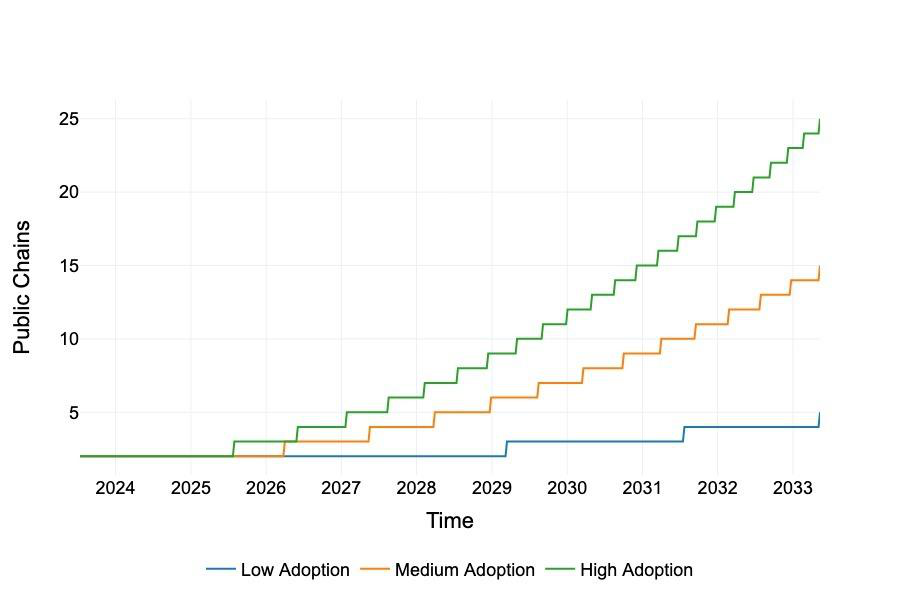
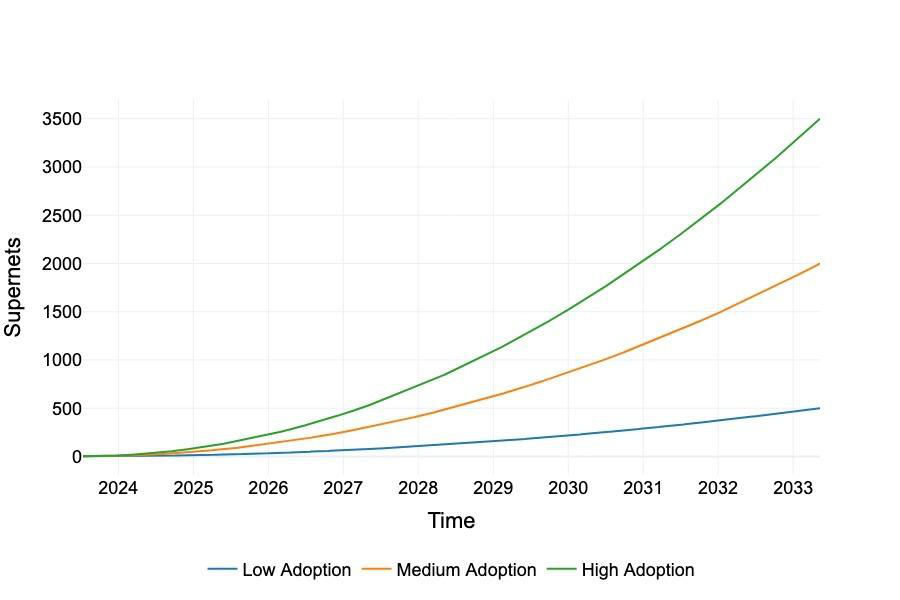
الشكل 3. سيناريوهات النمو لمدة 10 سنوات ويستند الأساس المنطقي لسيناريوهات النمو إلى البيانات والملاحظات التالية: ● مسار النمو الحالي. منذ إنشائه في عام 2020، أصبح النظام البيئي Polygon موجودًا نمت إلى ألف طلب و3 ملايين معاملة يومية7. إذا كان هذا الاتجاه حتى ومع استمرار الوضع عن بعد، تبدو سيناريوهات النمو المقترحة واقعية. ● أسواق تطبيقات Web2: يستضيف متجر التطبيقات حوالي 1.8 مليون تطبيق8 و جوجل بلاي حوالي 2.7 مليون9؛ تم تقديم كلاهما منذ حوالي 14 عامًا. يمكن أن يكون من المعقول أن نتوقع مستوى مماثلًا من اعتماد Web3 في مستوى مماثل الإطار الزمني. ● اعتماد الشبكات الفائقة: في وقت كتابة هذه الورقة، بعد مرور عام على مقدمة للشبكات الفائقة، هناك أكثر من 100 مشروع مرشح للشبكات الفائقة، العديد منها منهم قيد التطوير النشط. وبناء على ذلك فإن سيناريوهات النمو المقترحة ل تبدو الشبكات الفائقة واقعية، خاصة وأن نشر الشبكات الفائقة يجب أن يصبح واقعيًا أسهل بكثير بمجرد تقديم طبقة التوقيع (الموصوفة في الفقرة 6). بالإضافة إلى ذلك، فإنه ومن الملاحظ أن اتجاه الاهتمام بالشبكات الفائقة أقوى نسبيًا من الاهتمام بالشبكات الفائقة واحد للسلاسل العامة. ولهذا السبب، فإننا نفترض نفس الشيء بالنسبة للمقترح سيناريوهات النمو ولتبرير ذلك بشكل أكبر، هناك توازي ذو مغزى مع تاريخ اعتماد Web2 يمكن استخلاصها. في الأيام الأولى لـ Web2، كانت استضافة التطبيقات المشتركة – مكافئة لـ Web2 إلى السلاسل العامة - كان أكثر شيوعا بكثير مما كانت عليه في الوقت الحاضر. ومع نضج الصناعة، 9 المصدر: https://www.appbrain.com/stats/number-of-android-apps 8 المصدر: https://www.apple.com/newsroom/2022/04/report-finds-third-party-apps-see-global-success-on-the-app-st خام / 7 المصدر: https://polygonscan.com/chart/txأصبحت الاستضافة المخصصة - Web2 المكافئة لـ Supernets - هي القاعدة للجميع التطبيق مع قاعدة مستخدم ذات معنى ومستوى النشاط. مرة أخرى، عدد السلاسل Polygon هو مفهوم مجرد في نموذجنا؛ بالتزامن مع عدد المعاملات لكل سلسلة، يجب أن يعكس في المقام الأول مستوى النشاط الاقتصادي في النظام البيئي. وبالمثل، فإن معدل الانتشار، أي نسبة الشبكات الفائقة مقارنة بالسلاسل العامة، هو افتراض مجرد ومحافظ. إذا اتضح أن السلاسل العامة أكثر شعبية بالنسبة للشبكات الفائقة، فإن نتائج المحاكاة المقدمة في الفقرة 4.9 تبدو مشابهة أو أفضل، وذلك بسبب مستويات رسوم المعاملات الخاصة بكل منها. لاستكمال سيناريوهات النمو المذكورة أعلاه، نقوم بتقدير المدخلات التالية: ● الإمداد الأولي بقيمة 10 مليار POL، كما هو موضح في الفقرة 5.1؛ ● معدل انبعاث سنوي قدره 1% لحوافز validator، كما هو موضح في الفقرة 2.5؛ ● معدل انبعاث سنوي قدره 1% لخزانة المجتمع، كما هو موضح في الفقرة 5.2؛ ● 5 دولارات متوسط سعر POL خلال فترة 10 سنوات؛ ● 38 معاملة/ثانية في المتوسط لكل سلاسل عامة، مقارنة بالسلسلة الحالية Polygon استخدام سلسلة PoS10؛ ● 19 المعاملات/الثانية على متوسط لكل سوبر نت, ان تقدير على أساس على ال متطلبات مشاريع سوبرنت. ● 0.01 دولار متوسط رسوم المعاملات على السلاسل العامة، وهو تقدير يعتمد على المتوسط الحالي الرسوم على Polygon سلسلة نقاط البيع؛11 ● 0.001 دولار أمريكي متوسط رسوم المعاملات على الشبكات الفائقة، وهو تقدير متحفظ نظرًا لوفرته Blockspace و"السباق نحو القاع" الذي من المحتمل أن يتسبب في فرض رسوم المعاملات؛ ● 100 validators في المتوسط لكل سلسلة عامة، أي ما يعادل حجم مجموعة validator الحالي Polygon نقطة البيع؛ ● 15 validators في المتوسط لكل شبكة Supernet، بناءً على المتطلبات والاحتياجات الواقعية لـ المرشحين للشبكة الفائقة؛ ● 6000 دولار أمريكي/سنة متوسط تكاليف التشغيل لكل validator، أي ما يعادل Polygon نقطة البيع الحالية البيانات، وتتناقص تدريجياً وفقاً لنسخة معدلة من قانون مور (50% انخفاض في 3 سنوات). ومن الجدير بالذكر أن سعر POL، على الرغم من أنه أحد مدخلات النموذج المطلوبة، بشكل مباشر و يؤثر بشكل كبير على تدفق خزانة المجتمع فقط، وليس على الأداء الرئيسي الآخر المؤشرات. كما أن تقديرات رسوم المعاملات لا تأخذ في الاعتبار تكلفة توفر البيانات على 11 المصدر: https://polygonscan.com/chart/gasprice
モデル
POL とステーキング層の設計に基づいて、重要な機能をシミュレートするモデルを提案します。 POL を活用したエコシステムのパフォーマンス指標、必要な入力を提供し、 シミュレーションの結果。
9.1 仮説 モデルの目的は、提案された POL を利用した仮説を検証することです。 エコシステムは、§ 3 から導き出される次の目標を同時に達成できます。 ● 十分なエコシステム セキュリティ: POL staking 比率を通じてセキュリティを測定します。 validators によって賭けられた POL 供給の割合。最小満足率は次のとおりです。 30 ~ 40%、Polygon PoS チェーンの現在の staking 比率にほぼ相当します6。 ● 十分な validator インセンティブ: validator インセンティブの十分性を見積もるために、 労働収益率 (ROW) を導入します。これは、合計 validator の収益を相対的に測定します。 ステークされたPOLの値。満足できる最低収益は 4 ~ 5% です。リターンが低いことはありません 実行されている作業、リスク、および 機会費用。 ● 十分な生態系のサポート: 年間の流入を通じて生態系のサポートを測定します コミュニティ財務省に。満足できる最低限の流入額は 5,000 万ドルから 1 億ドルであり、 Polygon エコシステムの現在の経済的サポートのレベルに基づいて決定されます ニーズがあります。 これらの指標 (staking 比率、validator 収益および国庫流入) は、§ 9.3 で明示的に定義されています。 9.2 入力 この章では、必要なモデル入力の概要を説明し、それらの適切な値を推定します。 まず、Polygon の抽象的なチェーン数を予測する 3 つの成長シナリオを定義します。 最初の 10 年間のエコシステム。チェーンの数を抽象的なものと呼びます。 Polygon チェーンの正確な数を必ずしも表しているわけではないためです (ただし、 そうかもしれませんが)、それよりもアクティビティの累積レベル、つまりエコシステム内のトランザクションです。 6 出典: https://staking.polygon.technology/
図 3. 10 年間の成長シナリオ 成長シナリオの理論的根拠は、次のデータと観察に基づいています。 ● 現在の成長の軌跡。 2020 年の開始以来、Polygon エコシステムは 数千のアプリケーションと 300 万の毎日のトランザクションにまで成長しました7。この傾向さえあれば わずかながら継続しているが、提案された成長シナリオは現実的であるように思われる。 ● Web2 アプリ マーケットプレイス: App Store は約 180 万のアプリケーション 8 をホストしています。 Google Play は約 270 万9。どちらも約14年前に導入されました。そうかもしれない 同等のレベルでの Web3 の採用が期待されるのは合理的です。 時間枠。 ● スーパーネットの採用: この文書を書いている時点では、スーパーネットの導入から 1 年が経過しています。 スーパーネットの導入には、100 を超えるスーパーネット候補プロジェクトがあり、多くの それらは活発に開発中です。これに基づいて、提案された成長シナリオは、 スーパーネットは、特にスーパーネットの展開が次のようになるべきであることを考えると、現実的であるように思えます。 ステーキング レイヤー (§ 6 で説明) が導入されると、これは大幅に簡単になります。さらに、それは スーパーネットへの関心の傾向が相対的に強いことが注目に値します。 1 つはパブリック チェーン用です。このため、提案されたものについても同様であると仮定します。 成長シナリオ。これをさらに正当化するために、Web2 導入の歴史との意味のある類似点が挙げられます。 描くことができる。 Web2 の初期、共有アプリケーション ホスティング - Web2 と同等 パブリックチェーンへの接続は、現在よりもはるかに一般的でした。業界が成熟するにつれ、 9 出典: https://www.appbrain.com/stats/number-of-android-apps 8 出典: https://www.apple.com/newsroom/2022/04/report-finds-third-party-apps-see-global-success-on-the-app-st 鉱石/ 7 出典: https://polygonscan.com/chart/tx専用ホスティング – スーパーネットに相当する Web2 – は、あらゆる企業にとって標準となりました。 有意義なユーザー ベースとアクティビティ レベルを持つアプリケーション。 繰り返しになりますが、Polygon チェーンの数は、このモデルにおける抽象的な概念です。と併せて チェーンごとのトランザクション数は、主に各国の経済活動のレベルを反映する必要があります。 生態系。同様に、普及率、つまりパブリック チェーンと比較したスーパーネットの比率は、 抽象的で保守的な仮定。パブリックチェーンの方が人気があることが判明したら スーパーネットと比較すると、§ 9.4 で示されるシミュレーションの結果は類似しているか、 それぞれの取引手数料レベルにより、より有利になります。 前述の成長シナリオを補完するために、次のインプットを推定します。 ● § 5.1 で説明されているように、100 億 POL の初期供給。 ● § 5.2 で説明されているように、validator インセンティブの年間排出率は 1%。 ● § 5.2 で説明されているように、地域財務省の年間排出率 1%。 ● 10年間の平均POL価格は5ドル。 ● パブリック チェーンごとに平均 38 トランザクション/秒、現在の Polygon と同等 PoS チェーンの使用法 10; ● 19 トランザクション/秒 に 平均的な あたり スーパーネット、 の 見積もり ベースの に の スーパーネットプロジェクトの要件。 ● パブリック チェーンでの平均取引手数料は 0.01 ドル、現在の平均に基づく推定値 Polygon PoS チェーンの料金;11 ● スーパーネットの平均取引手数料は 0.001 ドル、豊富な金額を考慮した控えめな見積もり ブロックスペースと、それが取引手数料に関して引き起こす可能性が高い「底辺への競争」。 ● パブリック チェーンあたり平均 100 validator で、現在の validator セット サイズに相当します。 Polygon PoS; ● 要件と現実的なニーズに基づいて、スーパーネットあたり平均 15 validator 秒 スーパーネットの候補者。 ● validator あたり年間平均ランニングコスト 6,000 ドル、現在の Polygon PoS と同等 データは、ムーアの法則の修正版に従って徐々に減少します (50% 3年で減少)。 POL 価格は必要なモデル入力の 1 つではありますが、直接および コミュニティ財務省への流入のみに大きな影響を及ぼし、他の主要なパフォーマンスには影響を与えません インジケーター。また、取引手数料の見積もりには、データの可用性のコストは考慮されていません。 11 出典: https://polygonscan.com/chart/gasprice
المصدر: https://polygonscan.com/chart/tx
Ethereum للسلاسل Polygon التي تستخدم النموذج rollup؛ نحن نتجاهل هذه التكلفة لأنه تم تمريرها إلى Ethereum. 9.3 المنهجية نحدد نموذجًا بسيطًا لتقدير مؤشرات الأداء الرئيسية للنظام البيئي، و التحقق من صحة الفرضية من § 9.1. المؤشرات الرئيسية ومنهجية تحديدها هي كما يلي: ● نسبة التخصيص ( ): الجزء من عرض POL المرصوف بـ validators. 𝑆𝑟 𝑆𝑟= 𝑆𝑠 / 𝑆𝑡 أين هو العرض المراهن، أي المبلغ الإجمالي لـ POL المراهن بواسطة validators، و إجمالي 𝑆𝑠 𝑆𝑡 العرض، أي العرض الحالي من POL. ● حوافز انبعاث أداة التحقق ( ): حوافز validator السنوية التي تأتي من POL 𝑉𝑖𝑖 الانبعاثات. 𝑉𝑖𝑖= 𝑆𝑡 × 𝐼𝑣 × 𝑃 أين هو إجمالي العرض، هو معدل الانبعاثات السنوي لمكافآت validator و هو بول 𝑆𝑡 𝐼𝑣 𝑃 السعر. ● حوافز رسوم المدقق ( ): حوافز سنوية validator تأتي من رسوم الغاز. 𝑉𝑖𝑓 𝑉𝑖𝑓= 𝐶𝑝 × 𝑇𝑝× 𝐹𝑝 + 𝐶𝑠 × 𝑇𝑠× 𝐹𝑠 أين هو عدد السلاسل العامة، هو عدد المعاملات لكل سلسلة عامة، 𝐶𝑝 𝑇𝑝 𝐹𝑝 هو متوسط رسوم المعاملات لكل سلسلة عامة، هو عدد الشبكات الفائقة، هو عدد من 𝐶𝑠 𝑇𝑠 المعاملات لكل سوبرنت و هو متوسط رسوم المعاملات لكل شبكة سوبرنت. 𝐹𝑠 ● تكاليف تشغيل أداة التحقق ( ): تكاليف التشغيل السنوية التراكمية لجميع Polygon validators. 𝑉𝑐 𝑉𝑐= (𝑁𝑝 × 𝐶𝑝+ 𝑁𝑠 × 𝐶𝑠) × 𝑌 أين هو عدد validators لكل سلسلة عامة، هو عدد السلاسل العامة، هو 𝑁𝑝 𝐶𝑝 𝑁𝑠 عدد validators لكل شبكة سوبرنت، هو عدد الشبكات الفائقة و يتم تشغيلها سنويًا 𝐶𝑠 𝑌 تكاليف validator واحد. ● العائد على العمل ( ): إجمالي validator الأرباح معبرًا عنها كنسبة مئوية من القيمة 𝑉𝑟 من راهن POL. 𝑉𝑟= (𝑉𝑖𝑖 + 𝑉𝑖𝑓 − 𝑉𝑐) / (𝑆𝑠 × 𝑃)
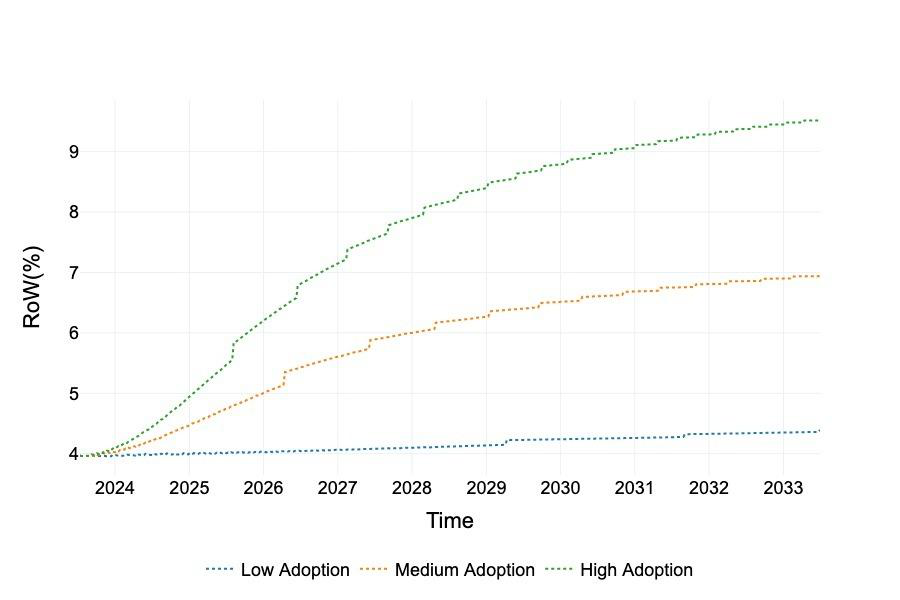
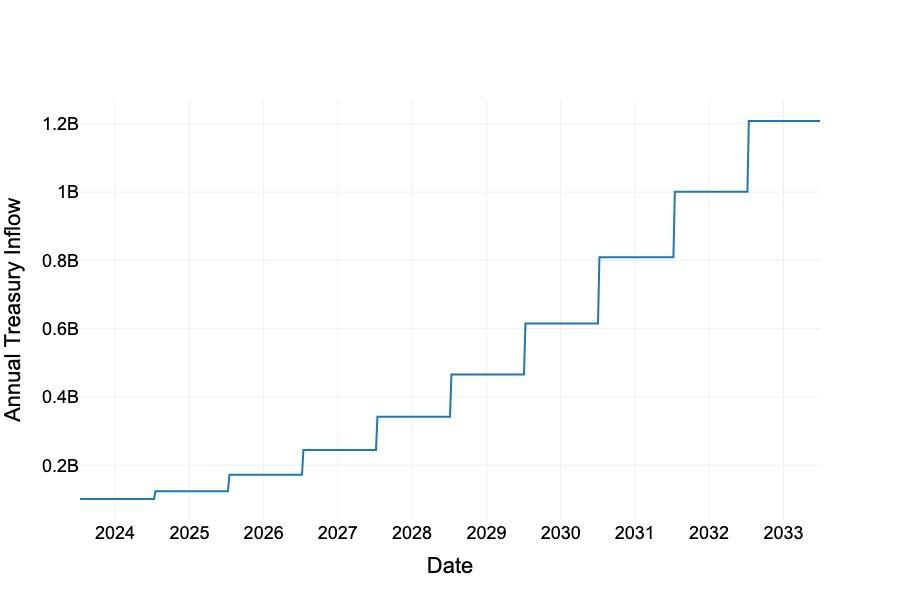
أين هي validator حوافز الإصدار، هي validator حوافز الرسوم، هي 𝑉𝑖𝑖 𝑉𝑖𝑓 𝑉𝑐 validator تكاليف التشغيل، هو العرض مراهنة و هو سعر بول. 𝑆𝑠 𝑃 ● تدفق خزانة المجتمع ( ): إجمالي التدفق السنوي إلى خزانة المجتمع. 𝑋𝑖 𝑋𝑖= 𝑉𝑖𝑖= 𝑆𝑡 × 𝐼𝑡 × 𝑃 أين هو إجمالي العرض، هو معدل الانبعاثات السنوي لخزانة المجتمع و هو 𝑆𝑡 𝐼𝑡 𝑃 سعر بول. 9.4 النتائج يقبل النموذج المدخلات المطلوبة ويعالجها باستخدام المنهجية المقدمة. يمكن أن توفر نتائج مجموعات المدخلات المختلفة رؤى مثيرة للاهتمام حول النظام البيئي ومكوناته ديناميات، بما في ذلك على سبيل المثال لا الحصر: ● جاذبية واستدامة validator الحوافز؛ ● حجم وديناميكيات التدفقات الواردة من خزانة المجتمع؛ ● هيكل validator الحوافز وتغيراتها مع مرور الوقت؛ ● تأثير السعر على جميع المؤشرات المرصودة؛ ● تأثير مستويات التبني المختلفة على جميع المؤشرات المرصودة وما إلى ذلك. نقوم هنا بتشغيل النموذج بالمدخلات المقدمة في الفقرة 2.9 ونلاحظ المؤشرات الثلاثة مطلوب للتحقق من صحة فرضيتنا الأولية: نسبة staking ( )، validator الحوافز ( ) والخزينة 𝑆𝑟 𝑉𝑖 التدفق ( ). 𝑋𝑖 واستنادا إلى نتائج النموذج، نحن واثقون بشكل معقول من أن جهاز POL الموصوف يعمل بالطاقة يمكن للنظام البيئي أن يحقق جميع الأهداف الثلاثة المبينة في الفقرة 9.1: ● أمان النظام البيئي الكافي: قمنا بإصلاح نسبة staking ( ) بنسبة 30% وقام بتشغيل 𝑆𝑟 نموذج. بالنظر إلى أن المؤشرين المتبقيين – validator الحوافز ( ) والخزينة 𝑉𝑖 التدفق ( ) - تظهر القيم المتوقعة أو أعلى من المتوقع، نستنتج أن 𝑋𝑖 يجب أن تظل نسبة staking مرضية أو أعلى من المستويات المرضية. ● حوافز validator كافية: أظهرت النتائج أن العائد على العمل المستهدف ( ) 𝑉𝑟 من 4-5% أمر واقعي للتوقع. كما تصل إلى ≈7% للنمو المتوسط و ≈10% للنمو المتوسط سيناريو النمو السريع في الواقع، من المحتمل أن يؤدي هذا إلى زيادة نسبة staking (وبالتالي زيادة أمن النظام البيئي)، حتى يحدد السوق التوازن بين staking النسبة والعائدات.● دعم النظام البيئي الكافي: أظهرت النتائج أن الحد الأدنى من المستوى المرضي تدفقات خزانة المجتمع ( ) من 50 إلى 100 مليون دولار سنويًا هو أمر واقعي يمكن توقعه. 𝑋𝑖 علاوة على ذلك، فإنه يصل إلى مستويات أعلى بكثير في نهاية فترة العشر سنوات. ومع ذلك، فإن تدفق الخزانة يرتبط مباشرة بسعر POL، وبالتالي بدرجة عالية المضاربة. إذا انتهى الأمر إلى حصول الخزانة على أموال أكثر من النظام البيئي بشكل واقعي الاحتياجات، قد يقرر المجتمع حرق POL الزائد، كما هو مذكور في الفقرة 7. الشكل 4. العائد على العمل وتدفق خزانة المجتمع النموذج الكامل مفتوح المصدر ويمكن الوصول إليه على GitHub، ويستخدم لإنتاج و تحليل النتائج لمجموعات عشوائية من المدخلات. 10 الاستنتاج تتمثل الرؤية وراء Polygon في بناء طبقة القيمة للإنترنت. ولتحقيق هذه الرؤية، تقدم بنية بروتوكول Polygon المعاد تصميمها رواية جديدة وقابلة للتطوير بشكل لا نهائي وبسلاسة شبكة مترابطة من سلاسل Layer 2. في هذه الورقة، قدمنا POL، الأصلي المقترح token لـ Polygon، المصمم لتأمين، تنسيق ومواءمة النظام البيئي Polygon وتعزيز نموه. التصميم المقترح وtokenomics من POL يحققان أهداف التصميم الصارمة التي حددناها. لقد أنشأنا نموذجًا لمحاكاة مؤشرات الأداء الرئيسية للنظام البيئي الذي يعمل بنظام POL، قدمت مدخلات النموذج المطلوبة وتحليل نتائج المحاكاة. النتائج وأكدت فرضية النموذج المستمدة من أهداف التصميم المذكورة أعلاه.
بناءً على كل ما سبق، نستنتج أن POL هو أحد أصول الجيل القادم الجديدة يوفر أساسًا متينًا لـ Polygon لتحقيق رؤيتها الطموحة.
出典: https://polygonscan.com/chart/tx
rollup モデルを使用する Polygon チェーンの場合は Ethereum。このコストは渡されるため無視します Ethereum まで。 9.3 方法論 エコシステムの主要業績評価指標を推定するための単純なモデルを定義します。 § 9.1 の仮説を検証します。 主要な指標とそれらを決定する方法は次のとおりです。 ● ステーキング比率 ( ): validators によってステークされた POL 供給の部分。 𝑆𝑟 𝑆𝑟= 𝑆𝑠 / 𝑆𝑡 どこで ステーキングされた供給量、つまり、validators によってステーキングされた POL の合計額、および 合計です 𝑆𝑠 𝑆𝑡 電源、つまりPOLの電流電源。 ● バリデータ排出インセンティブ ( ): POL からの年間 validator インセンティブ 𝑉𝑖𝑖 放出。 𝑉𝑖𝑖= 𝑆𝑡 × 𝐼𝑣 × 𝑃 どこで 総供給量は、 validator 報酬の年間排出率、および ポールです 𝑆𝑡 𝐼𝑣 𝑃 価格。 ● バリデータ料金のインセンティブ ( ): ガス料金から得られる年間 validator のインセンティブ。 𝑉𝑖𝑓 𝑉𝑖𝑓= 𝐶𝑝 × 𝑇𝑝 × 𝐹𝑝 + 𝐶𝑠 × 𝑇𝑠 × 𝐹𝑠 どこで はパブリックチェーンの数、 はパブリック チェーンごとのトランザクション数、 𝐶𝑝 𝑇𝑝 𝐹𝑝 はパブリックチェーンごとの平均取引手数料、 はスーパーネットの数、 の数です 𝐶𝑠 𝑇𝑠 スーパーネットごとのトランザクションと スーパーネットあたりの平均取引手数料です。 𝐹𝑠 ● バリデーターのランニングコスト ( ): すべての Polygon validator の年間ランニング コストの合計。 𝑉𝑐 𝑉𝑐= (𝑁𝑝 × 𝐶𝑝+ 𝑁𝑠 × 𝐶𝑠) × 𝑌 どこで はパブリック チェーンあたりの validator の数です。 はパブリックチェーンの数、 です 𝑁𝑝 𝐶𝑝 𝑁𝑠 スーパーネットあたりのvalidatorの数、 はスーパーネットの数であり、 毎年実行されています 𝐶𝑠 𝑌 単一のvalidatorの費用。 ● 仕事復帰 ( ): 合計 validator 収益を値のパーセンテージで表したもの 𝑉𝑟 ステークされたPOLの。 𝑉𝑟= (𝑉𝑖𝑖 + 𝑉𝑖𝑓 − 𝑉𝑐) / (𝑆𝑠 × 𝑃)
どこで validator 発行インセンティブです。 validator 手数料インセンティブです。 いる 𝑉𝑖𝑖 𝑉𝑖𝑓 𝑉𝑐 validator ランニングコスト、 ステークサプライであり、 はPOL価格です。 𝑆𝑠 𝑃 ● コミュニティ財務省への流入 ( ): 地域財務省への年間流入額の合計。 𝑋𝑖 𝑋𝑖= 𝑉𝑖𝑖= 𝑆𝑡 × 𝐼𝑡 × 𝑃 どこで 総供給量は、 は地域財務省の年間排出率であり、 です 𝑆𝑡 𝐼𝑡 𝑃 ポール価格。 9.4 結果 モデルは必要な入力を受け入れ、提示された方法論を使用してそれらを処理します。 さまざまな入力セットの結果から、エコシステムとそのエコシステムに関する興味深い洞察が得られます。 以下を含むがこれらに限定されないダイナミクス: ● validator インセンティブの魅力と持続可能性。 ● 地域財務省への流入額とその動向。 ● validator インセンティブの構造とその時間の経過に伴う変化。 ● 観察されたすべての指標に対する価格の影響。 ● 観察されたすべての指標に対するさまざまな採用レベルの影響など。 ここでは、§ 9.2 で提供された入力を使用してモデルを実行し、3 つの指標を観察します。 最初の仮説を検証するために必要です: staking 比率 ( )、validator インセンティブ ( )と財務省 𝑆𝑟 𝑉𝑖 流入( )。 𝑋𝑖 モデルの結果に基づいて、説明されている POL を利用した エコシステムは、§ 9.1 で概説されている 3 つの目標をすべて満たすことができます。 ● 十分なエコシステム セキュリティ: staking 比率を修正しました ( ) 30% で実行しました。 𝑆𝑟 モデル。残りの 2 つの指標 – validator インセンティブ ( )と財務省 𝑉𝑖 流入( ) – 期待値または期待値よりも高い値を示している場合、 𝑋𝑖 staking 比率は満足のいくレベル、または満足のいくレベルを超えるレベルを維持する必要があります。 ● 十分な validator インセンティブ: 結果は、目標とする作業収益率 ( ) 𝑉𝑟 4 ~ 5% が現実的に予想されます。さらに、中程度の成長では約 7%、成長では約 10% に達します。 急速な成長シナリオ。実際には、これにより staking 比率が増加する可能性があります (したがって 市場が均衡を決定するまで、エコシステムのセキュリティをさらに強化します) staking 比率とリターンの間。● 十分なエコシステムのサポート: 結果は、最低限満足できるレベルのエコシステムが存在することを示しています。 コミュニティ財務省への流入( ) 年間 5,000 万ドルから 1 億ドルが現実的に予想されます。 𝑋𝑖 さらに、10 年間の終わりに向けて大幅に高い水準に達します。 ただし、国庫流入はPOLの価格に直接関係しているため、POLの価格は非常に高くなります。 投機的な。現実的に財務省がエコシステムよりも多くの資金を保有することになった場合 必要に応じて、§ 7 で述べたように、コミュニティは過剰な POL を燃やすことを決定する可能性があります。 図 4. 仕事収益と地域国庫への流入 完全なモデルはオープンソースであり、GitHub からアクセスして、作成および作成に使用できます。 任意の入力セットの結果を分析します。 10 結論 Polygon の背後にあるビジョンは、インターネットの価値層を構築することです。このビジョンを達成するために、 再設計された Polygon プロトコル アーキテクチャにより、斬新で無限にスケーラブルかつシームレスなアーキテクチャが導入されました。 Layer 2 チェーンの相互接続されたネットワーク。 このペーパーでは、Polygon のネイティブ token として提案されている POL を紹介しました。 Polygon エコシステムを調整および調整し、その成長を加速します。提案されたデザイン POL の tokenオミクスは、私たちが定義した厳密な設計目標を達成します。 私たちは、POL を活用したエコシステムの主要業績評価指標をシミュレートするモデルを作成しました。 必要なモデル入力を提供し、シミュレーションの結果を分析しました。結果 前述の設計目標から導かれたモデルの仮説が確認されました。
上記のすべてに基づいて、POL は新しい次世代資産であると結論付けます。 Polygon がその野心的なビジョンを達成するための強固な基盤を提供します。