
Solana: Yüksek performanslı bir blok zinciri için yeni mimari
Abstract
यह पेपर एक उच्च-प्रदर्शन ब्लॉकचेन के लिए एक नई वास्तुकला प्रस्तुत करता है। Solana एक नवीन समय-रखरखाव तंत्र को लागू करता है जिसे Proof of History (PoH) कहा जाता है — घटनाओं के बीच क्रम और समय के बीतने को सत्यापित करने का एक प्रमाण। PoH का उपयोग विश्वासहीन समय के बीतने को एक लेजर में एन्कोड करने के लिए किया जाता है, जो एक ऐतिहासिक रिकॉर्ड बनाता है जो यह साबित करता है कि एक घटना एक विशिष्ट समय पर हुई थी।
मुख्य नवाचार यह है कि PoH नेटवर्क में नोड्स को एक-दूसरे के साथ संवाद किए बिना घटनाओं का कालानुक्रमिक क्रम स्थापित करने की अनुमति देता है। एक अनुक्रमिक हैश चेन के रूप में कार्यान्वित एक सत्यापन योग्य विलंब फ़ंक्शन का उपयोग करके, सिस्टम एक क्रिप्टोग्राफ़िक घड़ी उत्पन्न करता है जो घटनाओं के बीच समय के बीतने को सत्यापित करने का एक तरीका प्रदान करता है। यह नेटवर्क को विकेंद्रीकरण और सुरक्षा बनाए रखते हुए प्रति सेकंड हजारों लेनदेन संसाधित करने में सक्षम बनाता है।
PoH को Proof of Stake (PoS) सहमति तंत्र के साथ एकीकृत किया गया है। यह संयोजन एक अत्यधिक अनुकूलित ब्लॉकचेन वास्तुकला को सक्षम बनाता है जहां सत्यापनकर्ता समानांतर में लेनदेन सत्यापित कर सकते हैं और कुशलतापूर्वक सहमति प्राप्त कर सकते हैं। सिस्टम को मूर के नियम के साथ स्केल करने के लिए डिज़ाइन किया गया है, जो विकेंद्रीकृत नेटवर्क की सुरक्षा गारंटी को त्यागे बिना थ्रूपुट में सुधार के लिए हार्डवेयर प्रदर्शन में वृद्धि का लाभ उठाता है।
Abstract
Bu makale, yüksek performanslı bir blockchain için yeni bir mimari sunmaktadır. Solana, olaylar arasındaki sırayı ve zamanın geçişini doğrulamaya yönelik bir kanıt olan Tarih Kanıtı (PoH) adı verilen yeni bir zaman tutma mekanizması uygular. PoH, zamanın güvensiz geçişini bir ledger içine kodlamak için kullanılır ve bir olayın zamanın belirli bir anında meydana geldiğini kanıtlayan bir tarihsel kayıt oluşturur.
En önemli yenilik, PoH'un ağdaki düğümlerin birbirleriyle iletişim kurmalarına gerek kalmadan olayların zamansal bir sırasını oluşturmasına olanak sağlamasıdır. Sistem, sıralı bir karma zinciri olarak uygulanan doğrulanabilir bir gecikme fonksiyonunu kullanarak, olaylar arasındaki zamanın geçişini doğrulamanın bir yolunu sağlayan bir kriptografik saat üretir. Bu, ağın merkeziyetsizliği ve güvenliği korurken saniyede binlerce işlemi işlemesine olanak tanır.
PoH, Proof of Stake (PoS) fikir birliği mekanizmasıyla entegredir. Kombinasyon, validators'nin işlemleri paralel olarak doğrulayabildiği ve verimli bir şekilde fikir birliğine varabildiği son derece optimize edilmiş bir blockchain mimarisine olanak tanır. Sistem, merkezi olmayan bir ağın güvenlik garantilerinden ödün vermeden verimi artırmak için donanım performansındaki artışlardan yararlanarak Moore Yasasına göre ölçeklenecek şekilde tasarlanmıştır.
Introduction
ब्लॉकचेन सिस्टम में मौलिक चुनौती विकेंद्रीकरण और सुरक्षा बनाए रखते हुए उच्च लेनदेन थ्रूपुट प्राप्त करना है। वर्तमान ब्लॉकचेन कार्यान्वयन अपने सहमति तंत्रों द्वारा सीमित हैं, जिनके लिए नोड्स के बीच समय और घटनाओं के क्रम पर सहमत होने के लिए व्यापक संचार की आवश्यकता होती है। यह समन्वय ओवरहेड एक अड़चन पैदा करता है जो मौजूदा ब्लॉकचेन को वैश्विक-स्तर के अनुप्रयोगों की मांगों को पूरा करने के लिए स्केल करने से रोकता है।
मूल समस्या समय है। वितरित सिस्टम में, नोड्स बाहरी घड़ियों पर भरोसा नहीं कर सकते क्योंकि वे विश्वास नहीं कर सकते कि अन्य नोड्स के टाइमस्टैम्प सटीक हैं। पारंपरिक ब्लॉकचेन सहमति प्रोटोकॉल इसे नोड्स के वर्तमान स्थिति और लेनदेन के क्रम पर सहमत होने के लिए व्यापक रूप से संवाद करके हल करते हैं। यह संचार ओवरहेड मौलिक रूप से थ्रूपुट को सीमित करता है, क्योंकि नेटवर्क केवल उतनी तेजी से लेनदेन संसाधित कर सकता है जितनी तेजी से नोड्स उनके क्रम पर सहमति प्राप्त कर सकते हैं।
Solana इस समय समस्या के समाधान के रूप में Proof of History पेश करता है। PoH संभावित दुर्भावनापूर्ण अभिकर्ताओं से टाइमस्टैम्प पर निर्भर किए बिना यह साबित करने का एक क्रिप्टोग्राफ़िक तरीका प्रदान करता है कि घटनाओं के बीच एक निश्चित मात्रा में समय बीत चुका है। एक सत्यापन योग्य ऐतिहासिक रिकॉर्ड बनाकर, PoH नोड्स को स्वतंत्र रूप से लेनदेन संसाधित करने में सक्षम बनाता है जबकि वे अभी भी उस क्रम को साबित कर सकते हैं जिसमें घटनाएं हुईं। यह सफलता नेटवर्क को लेनदेन प्रसंस्करण को समानांतर करने और थ्रूपुट को नाटकीय रूप से बढ़ाने की अनुमति देती है।
मुख्य अंतर्दृष्टि यह है कि यदि हम एक विश्वासहीन समय स्रोत बना सकते हैं, तो हम सहमति से समन्वय की अड़चन को हटा सकते हैं। PoH एक क्रिप्टोग्राफ़िक घड़ी प्रदान करने के साथ, सत्यापनकर्ता समानांतर में लेनदेन संसाधित कर सकते हैं और केवल विहित क्रम को अंतिम रूप देने के लिए संवाद करने की आवश्यकता है। यह वास्तुशिल्प परिवर्तन Solana को प्रदर्शन स्तर प्राप्त करने में सक्षम बनाता है जो पहले एक विकेंद्रीकृत ब्लॉकचेन में असंभव माने जाते थे।
Introduction
Blockchain sistemlerindeki temel zorluk, merkeziyetsizlik ve güvenliği korurken yüksek işlem hacmi elde etmektir. Mevcut blockchain uygulamaları, zaman ve olayların sırası konusunda anlaşmaya varmak için düğümler arasında kapsamlı iletişim gerektiren fikir birliği mekanizmalarıyla sınırlıdır. Bu koordinasyon yükü, mevcut blok zincirlerinin küresel ölçekli uygulamaların taleplerini karşılayacak şekilde ölçeklenmesini engelleyen bir darboğaz yaratıyor.
Temel sorun zamandır. Dağıtılmış sistemlerde düğümler, diğer düğümlerin zaman damgalarının doğruluğuna güvenemedikleri için harici saatlere güvenemezler. Geleneksel blockchain fikir birliği protokolleri, düğümlerin mevcut durum ve işlemlerin sırası üzerinde anlaşmaya varmak için kapsamlı bir şekilde iletişim kurmasını sağlayarak bu sorunu çözer. Ağ, işlemleri yalnızca düğümlerin siparişleri konusunda fikir birliğine varabildiği kadar hızlı işleyebildiğinden, bu iletişim yükü temel olarak verimi sınırlar.
Solana bu zamanlama sorununa bir çözüm olarak Tarih Kanıtı'nı sunar. PoH, potansiyel olarak kötü niyetli aktörlerin zaman damgalarına dayanmadan, olaylar arasında belirli bir sürenin geçtiğini kanıtlamak için kriptografik bir yol sağlar. Doğrulanabilir bir geçmiş kayıt oluşturarak PoH, düğümlerin işlemleri bağımsız olarak işlemesine olanak tanırken olayların meydana gelme sırasını da kanıtlayabilir. Bu atılım, ağın işlem sürecini paralelleştirmesine ve verimi önemli ölçüde artırmasına olanak tanır.
Buradaki temel fikir, güvenilmez bir zaman kaynağı yaratabilirsek, koordinasyon darboğazını fikir birliğinden kaldırabileceğimizdir. PoH'un kriptografik bir saat sağlamasıyla validators, işlemleri paralel olarak işleyebilir ve yalnızca kanonik sıralamayı tamamlamak için iletişim kurması gerekir. Bu mimari değişim, Solana'in merkezi olmayan bir blok zincirinde daha önce imkansız olduğu düşünülen performans seviyelerine ulaşmasını sağlıyor.
Outline
यह पेपर Solana की तकनीकी वास्तुकला का वर्णन करता है, इस पर ध्यान केंद्रित करते हुए कि Proof of History कैसे उच्च-प्रदर्शन ब्लॉकचेन संचालन को सक्षम बनाता है। दस्तावेज़ पहले PoH तंत्र को स्वयं समझाता है — कैसे एक अनुक्रमिक हैश चेन घटनाओं का सत्यापन योग्य कालानुक्रमिक क्रम बनाती है। हम उन क्रिप्टोग्राफ़िक गुणों का विवरण देते हैं जो PoH को सुरक्षित बनाते हैं और दिखाते हैं कि सत्यापनकर्ता PoH अनुक्रम को कुशलतापूर्वक कैसे सत्यापित कर सकते हैं।
फिर पेपर यह खोजता है कि PoH Proof of Stake सहमति के साथ कैसे एकीकृत होता है। हम Tower BFT का वर्णन करते हैं, एक PoS एल्गोरिथ्म जो विशेष रूप से PoH के कालिक गुणों का लाभ उठाने के लिए डिज़ाइन किया गया है। एकीकरण सत्यापनकर्ताओं को विशिष्ट PoH टाइमस्टैम्प पर लेजर की स्थिति पर वोट करने की अनुमति देता है, एक ऐसा सहमति तंत्र बनाता है जो तेज और सुरक्षित दोनों है। हम उन स्लैशिंग शर्तों को भी समझाते हैं जो दुर्भावनापूर्ण व्यवहार को रोकती हैं।
इसके बाद, हम Solana के नेटवर्क डिज़ाइन और डेटा प्रसार प्रोटोकॉल प्रस्तुत करते हैं। Gulf Stream प्रोटोकॉल मेमपूल की आवश्यकता के बिना लेनदेन अग्रेषण को सक्षम बनाता है, जिससे क्लाइंट आगामी लीडर्स को सीधे लेनदेन भेज सकते हैं। हम वर्णन करते हैं कि लीडर रोटेशन कैसे काम करता है और नेतृत्व बदलने पर भी नेटवर्क उच्च थ्रूपुट कैसे बनाए रखता है।
अंत में, हम Transaction Processing Unit (TPU), Sealevel समानांतर रनटाइम, और डेटा स्टोरेज सत्यापन के लिए Proof of Replication सहित सिस्टम वास्तुकला पर चर्चा करते हैं। प्रदर्शन अनुमान दर्शाते हैं कि Solana एक मानक गीगाबिट नेटवर्क पर प्रति सेकंड 700,000 से अधिक लेनदेन संसाधित कर सकता है, और हार्डवेयर में सुधार के साथ थ्रूपुट स्केल होता है।
Outline
Bu belgede Solana teknik mimarisi açıklanmakta ve Tarih Kanıtı'nın yüksek performanslı blockchain operasyonunu nasıl mümkün kıldığına odaklanılmaktadır. Belge ilk olarak PoH mekanizmasının kendisini açıklıyor; sıralı bir hash zincirinin olayların doğrulanabilir bir zamansal sıralamasını nasıl oluşturduğunu. PoH'u güvenli kılan kriptografik özellikleri detaylandırıyoruz ve validators'nin PoH dizisini nasıl verimli bir şekilde doğrulayabildiğini gösteriyoruz.
Makale daha sonra PoH'un Proof of Stake konsensusuyla nasıl bütünleştiğini araştırıyor. PoH'un zamansal özelliklerinden yararlanmak için özel olarak tasarlanmış bir PoS algoritması olan Tower BFT'yi açıklıyoruz. Entegrasyon, validators'nin belirli PoH zaman damgalarında ledger durumuna oy vermesine olanak tanıyarak hem hızlı hem de güvenli bir fikir birliği mekanizması oluşturur. Ayrıca kötü niyetli davranışları engelleyen kesme koşullarını da açıklıyoruz.
Daha sonra Solana'in ağ tasarımını ve veri yayılım protokollerini sunuyoruz. Gulf Stream protokolü, bellek havuzuna ihtiyaç duymadan işlem iletilmesini sağlayarak müşterilerin işlemleri doğrudan gelecek liderlere göndermesine olanak tanır. Lider rotasyonunun nasıl çalıştığını ve liderlik değişse bile ağın yüksek verimi nasıl koruduğunu açıklıyoruz.
Son olarak, İşlem İşleme Birimi (TPU), Sealevel paralel çalışma zamanı ve veri depolama doğrulaması için Çoğaltma Kanıtı'nı içeren sistem mimarisini tartışıyoruz. Performans tahminleri, Solana'in standart bir gigabit ağında saniyede 700.000'den fazla işlemi işleyebildiğini ve donanım geliştikçe üretim ölçeklendirmesinin yapılabileceğini göstermektedir.
Network Design
Solana का नेटवर्क डिज़ाइन एक घूर्णन लीडर सिस्टम के इर्द-गिर्द केंद्रित है जहां सत्यापनकर्ता बारी-बारी से ब्लॉक उत्पन्न करते हैं। लीडर आने वाले लेनदेन को PoH स्ट्रीम में अनुक्रमित करने और परिणामी ब्लॉक को नेटवर्क पर प्रकाशित करने के लिए जिम्मेदार है। लीडर्स को स्टेक-भारित एल्गोरिथ्म के माध्यम से चुना जाता है, और रोटेशन शेड्यूल पहले से ज्ञात होता है, जिससे नेटवर्क लेनदेन अग्रेषण को अनुकूलित कर सकता है।
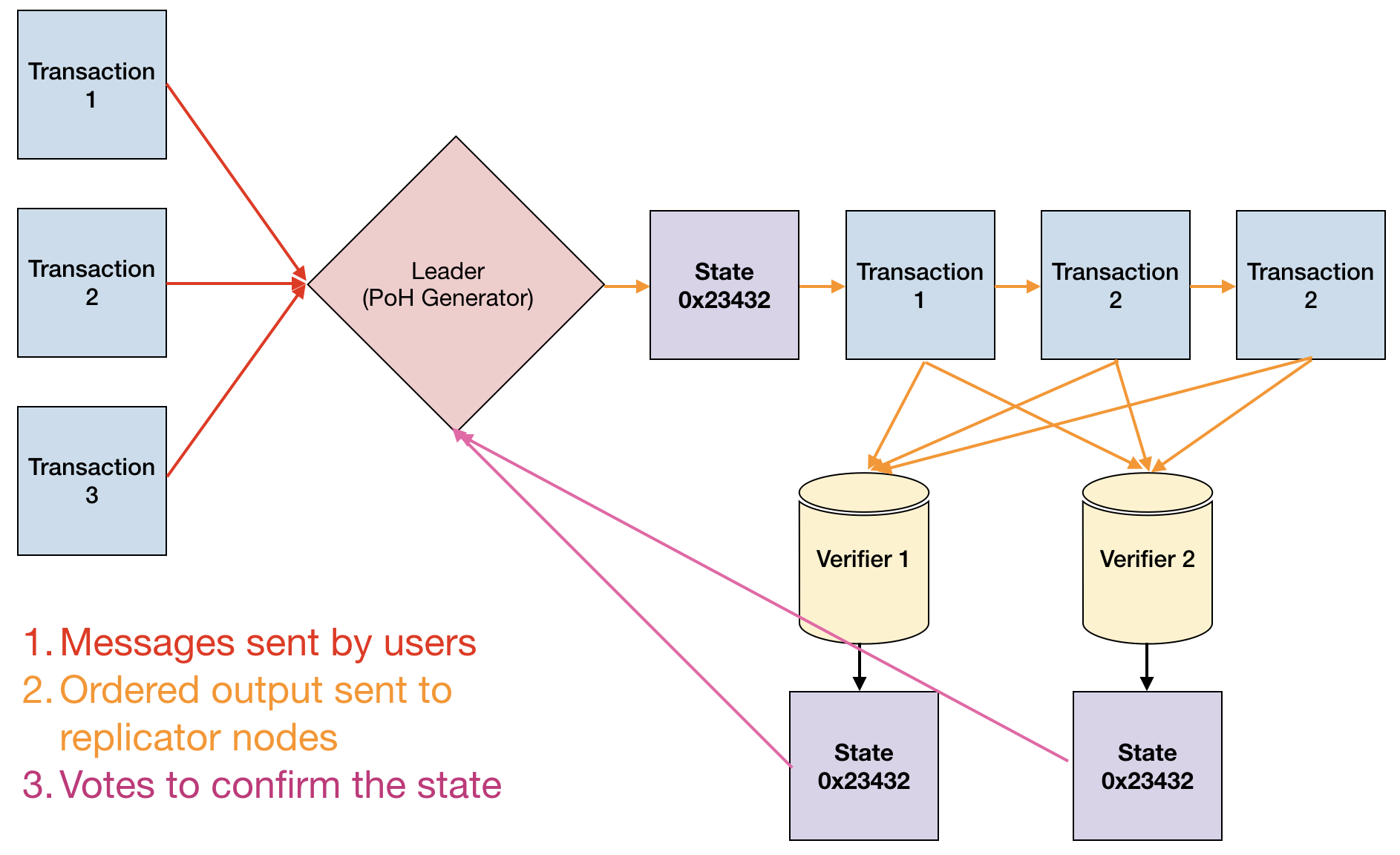
Gulf Stream प्रोटोकॉल क्लाइंट्स को आगामी लीडर्स को सीधे लेनदेन अग्रेषित करने में सक्षम बनाकर पारंपरिक मेमपूल की आवश्यकता को समाप्त करता है। जब कोई क्लाइंट लेनदेन सबमिट करता है, तो इसे रोटेशन शेड्यूल के आधार पर अपेक्षित लीडर को अग्रेषित किया जाता है। यदि वर्तमान लीडर लेनदेन को संसाधित नहीं कर सकता, तो इसे अगले अपेक्षित लीडर को अग्रेषित किया जाता है। यह डिज़ाइन पुष्टि विलंबता को कम करता है और सत्यापनकर्ताओं को समय से पहले लेनदेन निष्पादित करने की अनुमति देता है, जो थ्रूपुट को और अनुकूलित करता है।
लेनदेन प्रसार एक बहु-परत दृष्टिकोण का उपयोग करता है। क्लाइंट सत्यापनकर्ताओं को लेनदेन भेजते हैं, जो उन्हें वर्तमान या आगामी लीडर को अग्रेषित करते हैं। लीडर लेनदेन को PoH स्ट्रीम में अनुक्रमित करता है, एक कुल क्रम बनाता है। अनुक्रमण के बाद, लीडर PoH स्ट्रीम और लेनदेन डेटा को सत्यापनकर्ताओं को प्रेषित करता है, जो PoH अनुक्रम को सत्यापित करते हैं और समानांतर में लेनदेन निष्पादित करते हैं।
नेटवर्क डिज़ाइन में एक Turbine ब्लॉक प्रसार प्रोटोकॉल भी शामिल है जो ब्लॉक को छोटे पैकेट में विभाजित करता है और उन्हें एक ट्री संरचना में नेटवर्क में वितरित करता है। यह दृष्टिकोण तेज ब्लॉक प्रसार सुनिश्चित करते हुए व्यक्तिगत सत्यापनकर्ताओं के लिए बैंडविड्थ आवश्यकताओं को कम करता है। PoH की लेनदेन क्रम सत्यापित करने की क्षमता के साथ मिलकर, यह वास्तुकला Solana को विकेंद्रीकरण का त्याग किए बिना उच्च थ्रूपुट प्राप्त करने में सक्षम बनाती है।
Network Design
Solana'in ağ tasarımı, validators'nin sırayla blok ürettiği, dönen bir lider sistemi etrafında yoğunlaşır. Lider, gelen işlemlerin PoH akışına sıralanmasından ve elde edilen blokların ağa yayınlanmasından sorumludur. Liderler hisse ağırlıklı bir algoritma aracılığıyla seçilir ve rotasyon programı önceden bilinerek ağın işlem yönlendirmeyi optimize etmesine olanak tanır.
Gulf Stream protokolü, müşterilerin işlemlerini doğrudan gelecek liderlere iletmesine olanak tanıyarak geleneksel bir bellek havuzu ihtiyacını ortadan kaldırır. Bir müşteri bir işlem gönderdiğinde, rotasyon planına göre beklenen lidere iletilir. Mevcut lider işlemi gerçekleştiremezse, işlemi bir sonraki beklenen lidere iletir. Bu tasarım, onay gecikmesini azaltır ve validators'nin işlemleri önceden yürütmesine olanak tanıyarak verimi daha da optimize eder.
İşlem yayılımı çok katmanlı bir yaklaşım kullanır. Müşteriler, işlemleri mevcut veya gelecek lidere ileten validators'ye gönderir. Lider, işlemleri PoH akışına sıralayarak toplam bir sıralama oluşturur. Sıralandıktan sonra lider, PoH akışını ve işlem verilerini, PoH sırasını doğrulayan ve işlemleri paralel olarak yürüten validators'ye iletir.
Ağ tasarımı aynı zamanda blokları daha küçük paketlere bölen ve bunları ağ üzerinde bir ağaç yapısında dağıtan bir türbin blok yayılım protokolünü de içerir. Bu yaklaşım, hızlı blok yayılımını sağlarken bireysel validators için bant genişliği gereksinimlerini en aza indirir. PoH'un işlemlerin sırasını doğrulama yeteneği ile birleştiğinde bu mimari, Solana'in merkezi olmayan yönetimden ödün vermeden yüksek verim elde etmesini sağlar.
Proof of History
Proof of History SHA-256 का उपयोग करके एक अनुक्रमिक हैश चेन के रूप में कार्यान्वित एक सत्यापन योग्य विलंब फ़ंक्शन है। PoH जनरेटर लगातार SHA-256 हैश की गणना करता है, प्रत्येक आउटपुट को अगले हैश के लिए इनपुट के रूप में उपयोग करता है। यह एक अनुक्रमिक चेन बनाता है जहां प्रत्येक हैश केवल पिछले वाले के बाद ही गणना किया जा सकता है, एक सत्यापन योग्य कालानुक्रमिक क्रम स्थापित करता है। प्रत्येक हैश उत्पन्न करने की गणनात्मक आवश्यकता घटनाओं के बीच न्यूनतम समय विलंब लागू करती है।
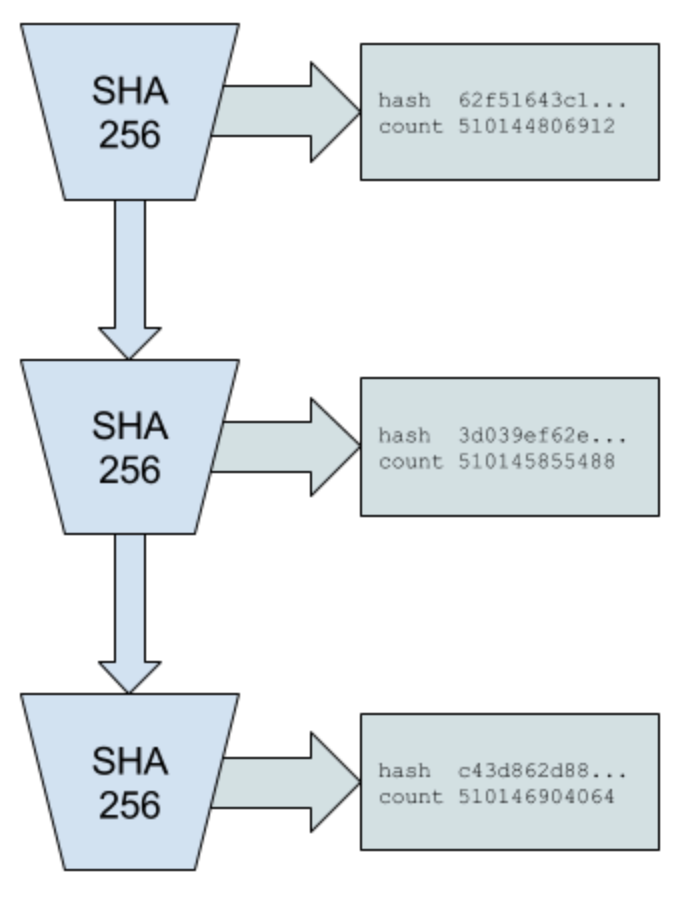
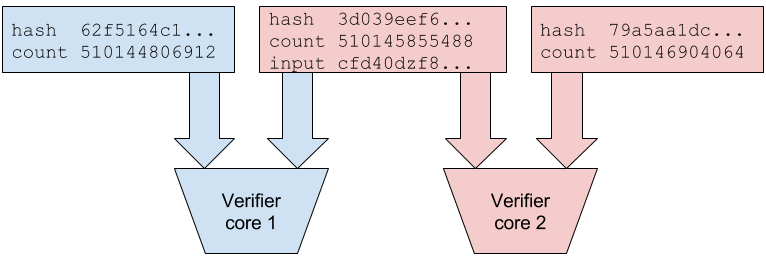
PoH की मुख्य संपत्ति यह है कि इसे सत्यापित करना सस्ता है लेकिन उत्पन्न करना महंगा है। एक सत्यापनकर्ता पूरे हैश अनुक्रम को खंडों में विभाजित करके और प्रत्येक खंड को स्वतंत्र रूप से समानांतर में जांचकर, फिर यह सत्यापित करके कि खंड ठीक से जुड़ते हैं, जांच सकता है। हालांकि, उत्पादन अनुक्रमिक होना चाहिए — वास्तव में हर मध्यवर्ती चरण की गणना किए बिना हैश चेन के आउटपुट की भविष्यवाणी करने का कोई तरीका नहीं है। उत्पादन और सत्यापन के बीच यह विषमता PoH को व्यावहारिक बनाती है।
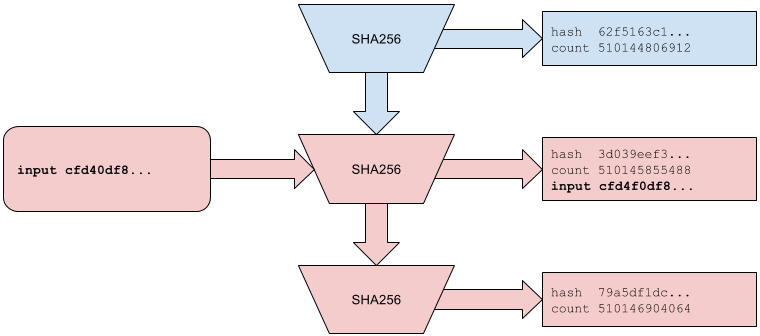
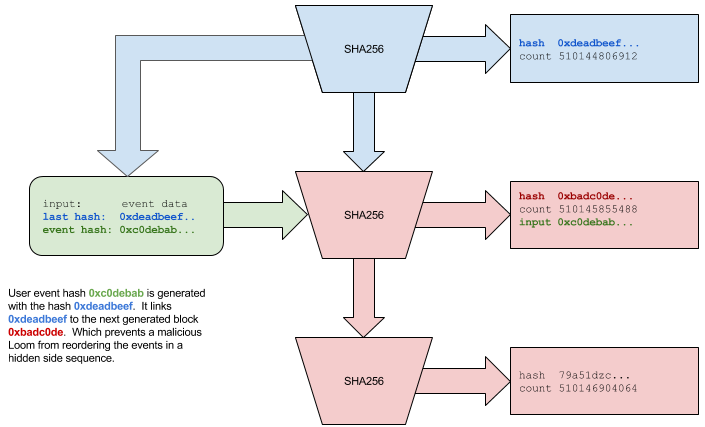
बाहरी घटनाओं और लेनदेन डेटा को हैश चेन में मिलाकर PoH अनुक्रम में डाला जाता है। जब कोई लेनदेन आता है, तो उसका हैश वर्तमान PoH स्थिति के साथ जोड़ दिया जाता है, एक रिकॉर्ड बनाता है जो साबित करता है कि लेनदेन अनुक्रम के उस बिंदु पर मौजूद था। PoH जनरेटर समय-समय पर चेकपॉइंट रिकॉर्ड करता है, अंतिम चेकपॉइंट के बाद से गणना किए गए हैश की संख्या के साथ वर्तमान हैश मान प्रकाशित करता है। ये चेकपॉइंट सत्यापनकर्ताओं को प्रत्येक हैश की पुनर्गणना किए बिना PoH अनुक्रम को कुशलतापूर्वक सत्यापित करने की अनुमति देते हैं।
PoH अनुक्रम पूरे नेटवर्क के लिए एक क्रिप्टोग्राफ़िक घड़ी के रूप में कार्य करता है। क्योंकि हैश चेन अनुक्रमिक और सत्यापन योग्य है, कोई भी नोड बस उस अंतराल के दौरान गणना किए गए हैश दिखाकर साबित कर सकता है कि दो घटनाओं के बीच एक निश्चित मात्रा में समय बीत चुका है। यह नोड्स के लिए बाहरी टाइमस्टैम्प पर भरोसा करने या कालानुक्रमिक क्रम स्थापित करने के लिए एक-दूसरे के साथ समन्वय करने की आवश्यकता को समाप्त करता है, पारंपरिक ब्लॉकचेन सहमति में एक मौलिक अड़चन को हटाता है।
Proof of History
Geçmişin Kanıtı, SHA-256 kullanılarak sıralı karma zinciri olarak uygulanan doğrulanabilir bir gecikme işlevidir. PoH oluşturucu, her çıkışı bir sonraki karma için girdi olarak kullanarak sürekli olarak SHA-256 karmalarını hesaplar. Bu, her karmanın yalnızca bir öncekinden sonra hesaplanabildiği sıralı bir zincir oluşturarak doğrulanabilir bir zamansal sıralama oluşturur. Her karmayı oluşturmaya yönelik hesaplama gereksinimi, olaylar arasında minimum bir zaman gecikmesini zorlar.
PoH'un temel özelliği doğrulamanın ucuz, ancak üretmenin pahalı olmasıdır. Bir doğrulayıcı, tüm karma dizisini parçalara bölerek ve her bir bölümü bağımsız olarak kontrol ederek ve ardından bölümlerin düzgün şekilde bağlandığını doğrulayarak paralel olarak kontrol edebilir. Bununla birlikte, üretim sıralı olmalıdır; her ara adımı gerçekten hesaplamadan karma zincirinin çıktısını tahmin etmenin bir yolu yoktur. Üretim ve doğrulama arasındaki bu asimetri PoH'u pratik kılan şeydir.
Harici olaylar ve işlem verileri, karma zincirine karıştırılarak PoH dizisine eklenir. Bir işlem geldiğinde, hash'i mevcut PoH durumuyla birleştirilir ve işlemin dizideki o noktada var olduğunu kanıtlayan bir kayıt oluşturulur. PoH oluşturucu periyodik olarak kontrol noktalarını kaydeder ve son kontrol noktasından bu yana hesaplanan karma sayısıyla birlikte mevcut karma değerini yayınlar. Bu kontrol noktaları, validators'nin her karmayı yeniden hesaplamadan PoH dizisini verimli bir şekilde doğrulamasına olanak tanır.
PoH dizisi, tüm ağ için kriptografik bir saat görevi görür. Karma zinciri sıralı ve doğrulanabilir olduğundan, herhangi bir düğüm, yalnızca o aralıkta hesaplanan karmaları göstererek iki olay arasında belirli bir sürenin geçtiğini kanıtlayabilir. Bu, düğümlerin harici zaman damgalarına güvenme veya zamansal sıralama oluşturmak için birbirleriyle koordine olma ihtiyacını ortadan kaldırarak geleneksel blockchain fikir birliğinde temel bir darboğazı ortadan kaldırır.
Proof of History Sequence
Proof of History अनुक्रम SHA-256 हैश की एक निरंतर चेन है जहां प्रत्येक हैश पिछले आउटपुट पर निर्भर करता है। अनुक्रम एक प्रारंभिक बीज मान से शुरू होता है, जिसे पहला आउटपुट उत्पन्न करने के लिए हैश किया जाता है। यह आउटपुट अगले हैश के लिए इनपुट बन जाता है, और प्रक्रिया अनिश्चित काल तक दोहराई जाती है। जनरेटर एक काउंटर भी बनाए रखता है जो गणना किए गए हैश की कुल संख्या को ट्रैक करता है, जो लेजर में घटनाओं के लिए PoH "टाइमस्टैम्प" के रूप में कार्य करता है।
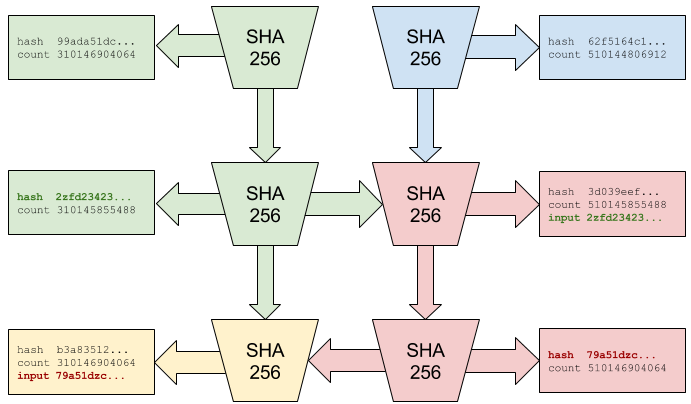
जब डेटा को अनुक्रम में डालने की आवश्यकता होती है (जैसे लेनदेन हैश या सत्यापनकर्ता हस्ताक्षर), तो इसे एक नियतात्मक मिश्रण फ़ंक्शन का उपयोग करके वर्तमान हैश स्थिति के साथ जोड़ा जाता है। उदाहरण के लिए, यदि वर्तमान हैश स्थिति hash_n है और हम डेटा D डालना चाहते हैं, तो हम hash_{n+1} = SHA256(hash_n || D) की गणना करते हैं, जहां || संयोजन को दर्शाता है। सम्मिलन बिंदु काउंटर मान के साथ रिकॉर्ड किया जाता है, यह साबित करता है कि डेटा D अनुक्रम के उस विशिष्ट बिंदु पर मौजूद था।
PoH अनुक्रम का सत्यापन चेन को खंडों में विभाजित करके समानांतर किया जा सकता है। उदाहरण के लिए, एक सत्यापनकर्ता हर 10,000 हैश पर PoH चेकपॉइंट प्राप्त कर सकता है। चेकपॉइंट के बीच अनुक्रम को सत्यापित करने के लिए, सत्यापनकर्ता 10,000 हैश को प्रत्येक 100 हैश के 100 खंडों में विभाजित कर सकता है, प्रत्येक खंड को समानांतर में स्वतंत्र रूप से सत्यापित कर सकता है, और फिर यह सत्यापित कर सकता है कि खंड ठीक से जुड़ते हैं। यह सत्यापन को उपलब्ध CPU कोर की संख्या के साथ क्षैतिज रूप से स्केल करने की अनुमति देता है।
अनुक्रम यह भी समर्थन करता है कि दो घटनाएं एक विशिष्ट क्रम में हुईं इसका कुशल प्रमाण। काउंटर मान n और m पर दो डेटा सम्मिलन दिए गए हैं जहां n m, कोई भी उन बिंदुओं के बीच हैश चेन की जांच करके सत्यापित कर सकता है कि n पर घटना m पर घटना से पहले हुई। यह गुण Solana को नोड्स के लगातार ऑनलाइन होने या बाहरी समय स्रोतों पर भरोसा किए बिना नेटवर्क में सभी घटनाओं का सत्यापन योग्य ऐतिहासिक रिकॉर्ड बनाने में सक्षम बनाता है।
Proof of History Sequence
Geçmişin Kanıtı dizisi, her karmanın önceki çıktıya bağlı olduğu sürekli bir SHA-256 karma zinciridir. Dizi, ilk çıktıyı üretmek için karma hale getirilen bir başlangıç tohum değeriyle başlar. Bu çıktı bir sonraki hash için girdi olur ve süreç süresiz olarak tekrarlanır. Oluşturucu ayrıca hesaplanan toplam karma sayısını izleyen ve ledger içindeki olaylar için PoH "zaman damgası" görevi gören bir sayacı da tutar.
Verilerin diziye eklenmesi gerektiğinde (işlem karmaları veya validator imzaları gibi), deterministik bir karıştırma işlevi kullanılarak mevcut karma durumuyla birleştirilir. Örneğin, mevcut karma durumu "hash_n" ise ve "D" verisini eklemek istiyorsak, "hash_{n+1} = SHA256(hash_n || D)" değerini hesaplarız, burada `||' birleştirmeyi belirtir. Ekleme noktası, dizideki belirli bir noktada 'D' verisinin mevcut olduğunu kanıtlayan sayaç değeriyle birlikte kaydedilir.
PoH dizisinin doğrulanması, zinciri segmentlere bölerek paralelleştirilebilir. Örneğin, bir validator her 10.000 karmada bir PoH kontrol noktaları alabilir. Kontrol noktaları arasındaki sırayı doğrulamak için validator, 10.000 karmayı her biri 100 karmadan oluşan 100 parçaya bölebilir, her parçayı bağımsız olarak paralel olarak doğrulayabilir ve ardından parçaların düzgün şekilde bağlandığını doğrulayabilir. Bu, doğrulamanın mevcut CPU çekirdeği sayısına göre yatay olarak ölçeklenmesine olanak tanır.
Bu dizi aynı zamanda iki olayın belirli bir sırada meydana geldiğine dair etkili kanıtları da destekler. 'n' ve 'm' sayaç değerlerinde (n m') iki veri girişi verildiğinde, herkes bu noktalar arasındaki karma zinciri kontrol ederek 'n'deki olayın 'm'deki olaydan önce gerçekleştiğini doğrulayabilir. Bu özellik, Solana'in, düğümlerin sürekli çevrimiçi olmasını veya harici zaman kaynaklarına güvenmesini gerektirmeden, ağdaki tüm olayların doğrulanabilir bir geçmiş kaydını oluşturmasını sağlar.
Timestamp
Proof of History एक विकेंद्रीकृत घड़ी के रूप में कार्य करता है जो दीवार-घड़ी समय पर निर्भर किए बिना घटनाओं को टाइमस्टैम्प प्रदान करता है। प्रत्येक PoH हैश क्रिप्टोग्राफ़िक घड़ी का एक असतत "टिक" दर्शाता है, और काउंटर मान टाइमस्टैम्प के रूप में कार्य करता है। क्योंकि हैश चेन अनुक्रमिक और सत्यापन योग्य है, ये टाइमस्टैम्प विश्वासहीन हैं — कोई भी पर्यवेक्षक हैश चेन की जांच करके सत्यापित कर सकता है कि टाइमस्टैम्प वैध है।
Solana में, प्रत्येक सत्यापनकर्ता लीडर के रूप में कार्य करते समय अपना स्वयं का PoH अनुक्रम उत्पन्न कर सकता है। जब सत्यापनकर्ता नेतृत्व का रोटेशन करते हैं, तो वे पिछले लीडर के अंतिम पुष्टि किए गए चेकपॉइंट का उपयोग करके अपने PoH अनुक्रमों को सिंक्रनाइज़ करते हैं। यह सुनिश्चित करता है कि विभिन्न सत्यापनकर्ताओं द्वारा बारी-बारी से ब्लॉक उत्पन्न करने पर भी कालिक रिकॉर्ड की निरंतरता बनी रहे। नेटवर्क यह सहमति प्राप्त करके एक विहित समयरेखा स्थापित करता है कि कौन से PoH अनुक्रमों को आधिकारिक लेजर के भाग के रूप में स्वीकार किया जाए।
सिस्टम लीडर रोटेशन और सहमति के संयोजन के माध्यम से क्लॉक ड्रिफ्ट और हार्डवेयर प्रदर्शन में भिन्नता को संभालता है। यदि कोई दुर्भावनापूर्ण या दोषपूर्ण लीडर गलत दर (बहुत तेज या बहुत धीमी) पर PoH टाइमस्टैम्प उत्पन्न करने का प्रयास करता है, तो सत्यापनकर्ता अपने स्वयं के स्थानीय PoH जनरेटर के साथ PoH टिक दर की तुलना करके इसका पता लगा सकते हैं। अपेक्षित दर से महत्वपूर्ण विचलन एक समस्या का संकेत देते हैं, और सत्यापनकर्ता उन लीडर्स के ब्लॉक को अस्वीकार कर सकते हैं जिनके PoH अनुक्रम नेटवर्क माध्यिका से बहुत दूर विचलित होते हैं।
यह टाइमस्टैम्पिंग तंत्र वितरित सिस्टम में मौलिक समस्याओं में से एक को हल करता है: एक विश्वसनीय केंद्रीय प्राधिकरण के बिना समय की एक सामान्य धारणा स्थापित करना। PoH को एक विकेंद्रीकृत घड़ी के रूप में उपयोग करके, Solana सत्यापनकर्ताओं को वैश्विक रूप से सुसंगत क्रम बनाए रखते हुए समानांतर में लेनदेन संसाधित करने में सक्षम बनाता है। टाइमस्टैम्प लेनदेन समाप्ति, अनुसूचित संचालन और प्रदर्शन मापन जैसी समय-आधारित सुविधाओं के लिए भी एक आधार प्रदान करते हैं।
Timestamp
Tarih Kanıtı, duvar saati saatine bağlı kalmadan olaylara zaman damgaları atayan merkezi olmayan bir saat işlevi görür. Her PoH karması, kriptografik saatin ayrı bir "tik"ini temsil eder ve sayaç değeri, zaman damgası görevi görür. Hash zinciri sıralı ve doğrulanabilir olduğundan, bu zaman damgaları güvenilmezdir; herhangi bir gözlemci, hash zincirini kontrol ederek bir zaman damgasının meşru olduğunu doğrulayabilir.
Solana'de her validator lider olarak hareket ettiğinde kendi PoH dizisini oluşturabilir. validators liderliği değiştirdiğinde, önceki liderin onaylanan son kontrol noktasını kullanarak PoH dizilerini senkronize ederler. Bu, farklı validators sırayla bloklar üretse bile zamansal kaydın sürekliliğini sağlar. Ağ, resmi ledger kapsamında hangi PoH dizilerinin kabul edileceği konusunda fikir birliğine vararak kanonik bir zaman çizelgesi oluşturur.
Sistem, lider rotasyonu ve fikir birliğinin bir kombinasyonu aracılığıyla saat kaymasını ve donanım performansındaki değişkenliği yönetir. Kötü niyetli veya hatalı bir lider, PoH zaman damgalarını yanlış bir hızda (çok hızlı veya çok yavaş) oluşturmaya çalışırsa, validators, PoH onay hızını kendi yerel PoH oluşturucularıyla karşılaştırarak bunu tespit edebilir. Beklenen orandan önemli sapmalar bir soruna işaret eder ve validators, PoH dizileri ağ medyanından çok uzaklaşan liderlerden gelen blokları reddedebilir.
Bu zaman damgası mekanizması, dağıtılmış sistemlerdeki temel sorunlardan birini çözer: güvenilir bir merkezi otorite olmadan ortak bir zaman kavramı oluşturmak. Solana, PoH'yi merkezi olmayan bir saat olarak kullanarak, validators'nin küresel olarak tutarlı bir sıralamayı korurken işlemleri paralel olarak işlemesine olanak tanır. Zaman damgaları aynı zamanda işlemin sona ermesi, planlanmış işlemler ve performans ölçümü gibi zamana dayalı özellikler için de bir temel sağlar.
Proof of Stake Consensus
Solana का सहमति तंत्र, जिसे Tower BFT कहा जाता है, एक Proof of Stake एल्गोरिथ्म है जो विशेष रूप से Proof of History के कालिक गुणों का लाभ उठाने के लिए डिज़ाइन किया गया है। सत्यापनकर्ता सहमति में भाग लेने के लिए SOL टोकन स्टेक करते हैं और ब्लॉक को सही ढंग से सत्यापित करने के लिए पुरस्कार अर्जित करते हैं। स्टेक-भारित मतदान प्रणाली सुनिश्चित करती है कि नेटवर्क में अधिक आर्थिक हित रखने वाले सत्यापनकर्ताओं का सहमति निर्णयों पर आनुपातिक रूप से अधिक प्रभाव हो।
Tower BFT में मुख्य नवाचार लॉकआउट अवधि का उपयोग है जो प्रत्येक लगातार वोट के साथ तेजी से बढ़ती है। जब कोई सत्यापनकर्ता PoH हैश पर वोट करता है, तो वह एक निश्चित संख्या में PoH टिक के लिए लेजर के उस फोर्क के प्रति प्रतिबद्ध होता है। यदि वे उस फोर्क के अगले ब्लॉक पर वोट करते हैं, तो लॉकआउट अवधि दोगुनी हो जाती है। यह सत्यापनकर्ताओं के लिए एक ही फोर्क पर वोट करते रहने का एक मजबूत आर्थिक प्रोत्साहन बनाता है, क्योंकि फोर्क बदलने के लिए पहले के लॉकआउट की समाप्ति का इंतजार करना आवश्यक होगा।
विशेष रूप से, यदि कोई सत्यापनकर्ता PoH टाइमस्टैम्प t पर किसी ब्लॉक पर वोट करता है, तो वे 2^n टिक बीतने तक किसी विरोधी फोर्क पर वोट नहीं कर सकते, जहां n वर्तमान फोर्क पर किए गए लगातार वोटों की संख्या है। यह घातांकीय लॉकआउट तंत्र सिस्टम को तेज अंतिमता की अनुमति देते हुए दीर्घकालिक हमलों के खिलाफ सुरक्षित बनाता है। एक बार पर्याप्त गहराई के साथ स्टेक के अत्यधिक बहुमत ने किसी ब्लॉक पर वोट कर दिया, तो वह ब्लॉक प्रभावी रूप से अंतिम हो जाता है।
स्लैशिंग शर्तें ईमानदार व्यवहार लागू करती हैं। यदि कोई सत्यापनकर्ता उस अवधि के दौरान दो विरोधी फोर्क पर वोट करता है जब उन्हें लॉक आउट होना चाहिए, तो उन्हें स्लैश किया जाता है — उनके स्टेक किए गए टोकन आंशिक रूप से नष्ट हो जाते हैं और उन्हें सत्यापनकर्ता सेट से हटा दिया जाता है। यह दोहरे मतदान या अन्य बीजान्टिन व्यवहार का प्रयास करना आर्थिक रूप से अतार्किक बनाता है। PoH के सत्यापन योग्य टाइमस्टैम्प और Tower BFT के घातांकीय लॉकआउट का संयोजन एक ऐसा सहमति तंत्र बनाता है जो तेज और सुरक्षित दोनों है, पारंपरिक BFT सिस्टम की सुरक्षा गारंटी बनाए रखते हुए सेकंडों में अंतिमता प्राप्त करता है।
Proof of Stake Consensus
Solana'in Tower BFT adı verilen mutabakat mekanizması, Proof of History'nin zamansal özelliklerinden yararlanmak için özel olarak tasarlanmış bir Proof of Stake algoritmasıdır. Doğrulayıcılar, fikir birliğine katılmak ve blokları doğru şekilde doğrulamak için ödüller kazanmak için SOL tokenlerini stake eder. Hisse ağırlıklı oylama sistemi, ağda daha fazla ekonomik çıkara sahip olan validators'nin konsensüs kararları üzerinde orantılı olarak daha fazla etkiye sahip olmasını sağlar.
Tower BFT'deki temel yenilik, birbirini takip eden her oylamada katlanarak artan lokavt sürelerinin kullanılmasıdır. Bir validator, bir PoH karmasına oy verdiğinde, belirli sayıda PoH işareti için ledger çatalına bağlı kalır. Bu çataldaki bir sonraki bloğa oy verirlerse lokavt süresi iki katına çıkar. Bu, validators için aynı çatal üzerinde oy kullanmaya devam etmesi için güçlü bir ekonomik teşvik yaratır, çünkü çatalları değiştirmek daha önceki lokavtların süresinin dolmasını beklemeyi gerektirecektir.
Spesifik olarak, eğer bir validator, PoH zaman damgası 't'de bir bloğa oy verirse, '2^n' onay işareti geçene kadar çakışan bir çatala oy veremez; burada 'n' mevcut çatalda yaptıkları ardışık oyların sayısıdır. Bu üstel kilitleme mekanizması, sistemi uzun menzilli saldırılara karşı güvenli hale getirirken hızlı kesinliğe de olanak tanır. Yeterli derinliğe sahip bir bloğa büyük bir çoğunluk oy verdiğinde, bu blok etkili bir şekilde sonlandırılır.
Slashing conditions enforce honest behavior. Bir validator, kilitlenmeleri gereken bir süre boyunca çakışan iki çatala oy verirse, bunlar kesilir; stake edilen tokenlar kısmen yok edilir ve validator kümesinden çıkarılır. Bu, kaçamak yapmaya veya diğer Byzantine davranışlara teşebbüs etmeyi ekonomik olarak mantıksız hale getirir. PoH'un doğrulanabilir zaman damgaları ile Tower BFT'nin üstel kilitlemelerinin birleşimi, geleneksel BFT sistemlerinin güvenlik garantilerini korurken saniyeler içinde kesinliğe ulaşan, hem hızlı hem de güvenli bir fikir birliği mekanizması oluşturur.
Streaming Proof of Replication
Proof of Replication (PoRep) एक ऐसा तंत्र है जो सत्यापनकर्ताओं को डेटा स्वयं प्रकट किए बिना या गहन गणना की आवश्यकता के बिना यह साबित करने की अनुमति देता है कि वे लेजर डेटा संग्रहीत कर रहे हैं। Solana PoRep का एक स्ट्रीमिंग संस्करण लागू करता है जहां सत्यापनकर्ता लगातार प्रदर्शित करते हैं कि वे ब्लॉकचेन स्थिति की प्रतिलिपि बना रहे हैं। यह नेटवर्क सुरक्षा के लिए आवश्यक है, क्योंकि यह सुनिश्चित करता है कि लेजर डेटा सत्यापनकर्ताओं के बीच उचित रूप से वितरित है और कुछ स्थानों पर केंद्रित नहीं है।
PoRep तंत्र सत्यापनकर्ताओं द्वारा उनकी पहचान से प्राप्त सत्यापनकर्ता-विशिष्ट कुंजी का उपयोग करके CBC (Cipher Block Chaining) मोड एन्क्रिप्शन के साथ लेजर के खंडों को एन्क्रिप्ट करके काम करता है। एन्क्रिप्शन प्रक्रिया ऐसी है कि प्रत्येक एन्क्रिप्टेड ब्लॉक पिछले ब्लॉक पर निर्भर करता है, प्रत्येक सत्यापनकर्ता के लिए अद्वितीय एक चेन बनाता है। यह सत्यापनकर्ताओं को एक-दूसरे से एन्क्रिप्टेड डेटा कॉपी करने से रोकता है — प्रत्येक सत्यापनकर्ता को अपना अद्वितीय एन्क्रिप्टेड संस्करण उत्पन्न करने के लिए मूल लेजर डेटा संग्रहीत और संसाधित करना होगा।
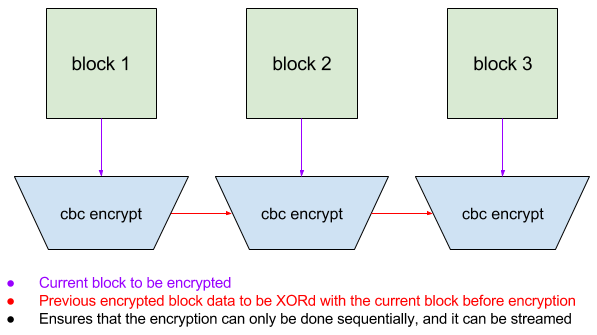
समय-समय पर, नेटवर्क सत्यापनकर्ताओं को विशिष्ट एन्क्रिप्टेड ब्लॉक प्रदान करने के लिए चुनौतियां जारी करता है। क्योंकि एन्क्रिप्शन चेन किया गया है, सत्यापनकर्ता को सही प्रतिक्रिया उत्पन्न करने के लिए सभी पूर्ववर्ती ब्लॉक संग्रहीत होने चाहिए। सत्यापनकर्ता अपने एन्क्रिप्टेड ब्लॉक को अपने एन्क्रिप्टेड लेजर में इसकी स्थिति दिखाने वाले Merkle प्रमाण के साथ जमा करता है। नेटवर्क डेटा को डिक्रिप्ट या पुनः एन्क्रिप्ट किए बिना इस प्रमाण को तुरंत सत्यापित कर सकता है।
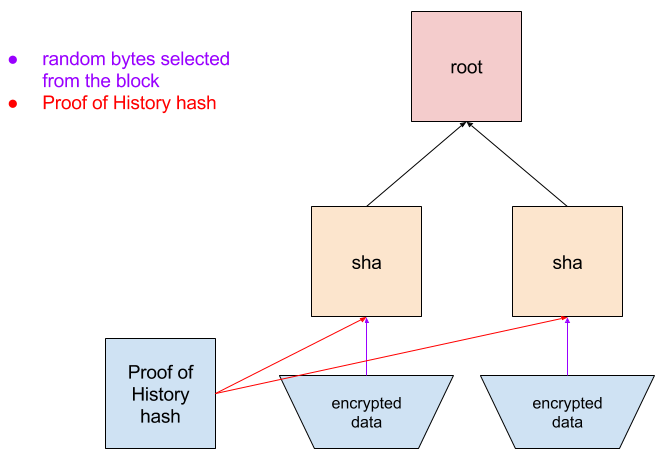
PoRep के लिए यह स्ट्रीमिंग दृष्टिकोण पारंपरिक proof-of-storage सिस्टम की तुलना में कम ओवरहेड रखता है। सत्यापनकर्ता डेटा आने पर एन्क्रिप्ट कर सकते हैं और न्यूनतम विलंबता के साथ चुनौतियों का जवाब दे सकते हैं। सिस्टम डेटा हानि के मामले में पुनर्प्राप्ति को भी सक्षम बनाता है — यदि कोई सत्यापनकर्ता लेजर का कुछ भाग खो देता है, तो वे इसे अन्य सत्यापनकर्ताओं से पुनः डाउनलोड कर सकते हैं और पुनः एन्क्रिप्ट कर सकते हैं। PoRep और PoH टाइमस्टैम्प का संयोजन एक पूर्ण जवाबदेही प्रणाली बनाता है जहां नेटवर्क यह सत्यापित कर सकता है कि डेटा कब बनाया गया था और यह सत्यापनकर्ता नेटवर्क में उचित रूप से संग्रहीत है।
Streaming Proof of Replication
Çoğaltma Kanıtı (PoRep), validators'nin, verileri açığa vurmadan veya yoğun hesaplama gerektirmeden ledger verilerini sakladıklarını kanıtlamasına olanak tanıyan bir mekanizmadır. Solana, validators'nin sürekli olarak blockchain durumunu kopyaladığını gösterdiği PoRep'in akış versiyonunu uygular. Bu, ledger verilerinin validators genelinde düzgün bir şekilde dağıtılmasını ve birkaç konumda yoğunlaşmamasını sağladığından ağ güvenliği için çok önemlidir.
PoRep mekanizması, validators'nin ledger'ün bölümlerini, kimliklerinden türetilen validator'e özgü bir anahtarla CBC (Şifre Blok Zincirleme) modu şifrelemesini kullanarak şifrelemesini sağlayarak çalışır. Şifreleme işlemi, her şifrelenmiş bloğun bir önceki bloğa bağlı olacağı ve her validator için benzersiz bir zincir oluşturacak şekildedir. Bu, validators'nin şifrelenmiş verileri birbirinden basitçe kopyalamasını engeller; her validator, benzersiz şifreli sürümünü oluşturmak için orijinal ledger verilerini depolamalı ve işlemelidir.
Ağ, periyodik olarak validators'ye, belirli şifreli bloklar sağlamalarını talep eden zorluklar yayınlar. Şifreleme zincirlendiğinden, validator'ün doğru yanıtı oluşturabilmesi için önceki tüm blokları depolamış olması gerekir. validator, şifrelenmiş bloğunu, şifrelenmiş ledger içindeki konumunu gösteren bir Merkle kanıtıyla birlikte sunar. Ağ, verilerin şifresini çözmeye veya yeniden şifrelemeye gerek kalmadan bu kanıtı hızlı bir şekilde doğrulayabilir.
PoRep'e yönelik bu akış yaklaşımı, geleneksel depolama kanıtı sistemleriyle karşılaştırıldığında düşük ek yüke sahiptir. Doğrulayıcılar, verileri ulaştıkça şifreleyebilir ve zorluklara minimum gecikmeyle yanıt verebilir. Sistem aynı zamanda veri kaybı durumunda kurtarmayı da mümkün kılar; eğer bir validator ledger'ün bir kısmını kaybederse, bunu diğer validators'den yeniden indirebilir ve yeniden şifreleyebilir. PoRep'in PoH zaman damgalarıyla birleşimi, ağın hem verilerin ne zaman oluşturulduğunu hem de verilerin validator ağı üzerinde düzgün şekilde depolandığını doğrulayabildiği eksiksiz bir sorumluluk sistemi oluşturur.
System Architecture
Solana की सिस्टम वास्तुकला एक पाइपलाइन के रूप में डिज़ाइन की गई है जहां लेनदेन प्रसंस्करण के विभिन्न चरण समानांतर में होते हैं। Transaction Processing Unit (TPU) आने वाले लेनदेन को संभालने के लिए जिम्मेदार मुख्य घटक है। TPU में कई चरण शामिल हैं: fetch (लेनदेन का संग्रह), हस्ताक्षर सत्यापन, banking (लेनदेन निष्पादन), और write (स्टोरेज में लिखना)। प्रत्येक चरण विभिन्न लेनदेन पर समानांतर में संचालित होता है, CPU पाइपलाइनिंग के समान।
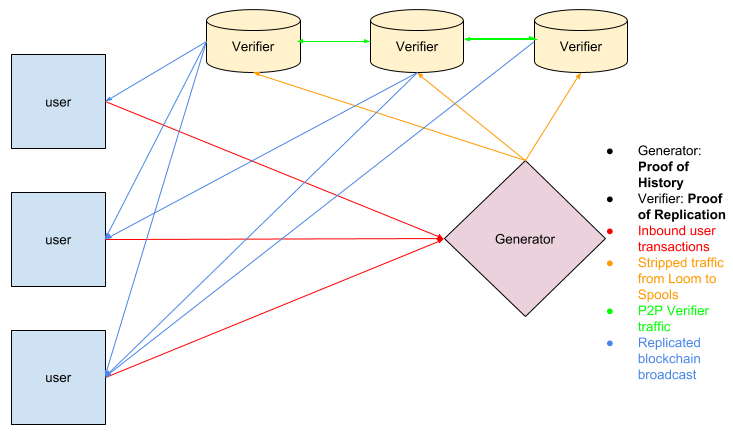
हस्ताक्षर सत्यापन GPU का उपयोग करके त्वरित किया जाता है, जो लेनदेन हस्ताक्षरों को सत्यापित करने के लिए आवश्यक अण्डाकार वक्र क्रिप्टोग्राफी संचालन में अत्यधिक कुशल हैं। इस गणनात्मक रूप से गहन कार्य को GPU पर ऑफलोड करके, Solana कमोडिटी हार्डवेयर पर प्रति सेकंड 900,000 से अधिक की दर पर हस्ताक्षर सत्यापित कर सकता है। यह समानांतर हस्ताक्षर सत्यापन बहुत उच्च लेनदेन दरों पर भी क्रिप्टोग्राफ़िक सत्यापन को अड़चन बनने से रोकता है।
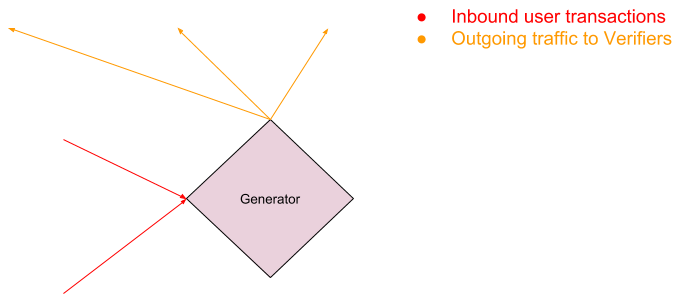
Sealevel रनटाइम Solana का समानांतर स्मार्ट कॉन्ट्रैक्ट निष्पादन इंजन है। पारंपरिक ब्लॉकचेन जो लेनदेन को क्रमिक रूप से निष्पादित करते हैं, उसके विपरीत, Sealevel लेनदेन का विश्लेषण करता है कि वे कौन से खातों तक पहुंचते हैं और गैर-विरोधी लेनदेन को कई CPU कोर पर समानांतर में निष्पादित करता है। समान खातों तक पहुंचने वाले लेनदेन सुसंगतता बनाए रखने के लिए क्रमिक रूप से निष्पादित किए जाते हैं, लेकिन विभिन्न खातों तक पहुंचने वाले लेनदेन एक साथ चल सकते हैं। यह समानांतरता संभव है क्योंकि PoH एक वैश्विक क्रम स्थापित करता है — सत्यापनकर्ता किसी भी क्रम में लेनदेन निष्पादित कर सकते हैं जब तक वे PoH-निर्दिष्ट अनुक्रम में उन्हें स्थिति पर लागू करते हैं।
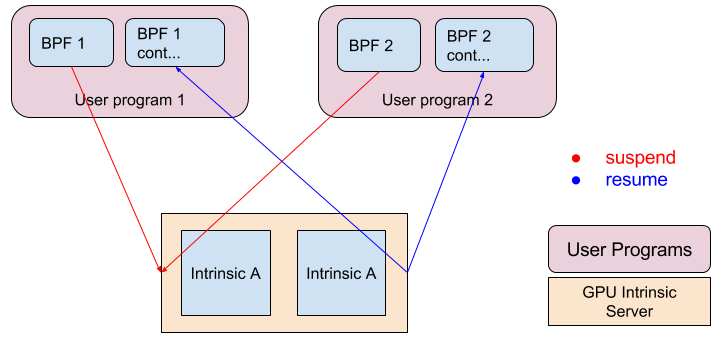
वास्तुकला में ब्लॉक प्रसार और स्टोरेज के लिए अनुकूलित घटक भी शामिल हैं। Turbine ब्लॉक प्रसार प्रोटोकॉल इरेजर कोडिंग का उपयोग करके ब्लॉक को छोटे पैकेट में विभाजित करता है जो ट्री संरचना में नेटवर्क में वितरित किए जाते हैं, बैंडविड्थ आवश्यकताओं को न्यूनतम करता है। Archivers नेटवर्क PoRep का उपयोग करके डेटा उपलब्धता सुनिश्चित करते हुए ऐतिहासिक लेजर डेटा के लिए विकेंद्रीकृत स्टोरेज प्रदान करता है। ये घटक मिलकर एक ऐसा सिस्टम बनाते हैं जो ब्लॉकचेन के विकेंद्रीकरण और सुरक्षा गुणों को बनाए रखते हुए प्रति सेकंड सैकड़ों हजारों लेनदेन संसाधित कर सकता है।
System Architecture
Solana'in sistem mimarisi, işlem sürecinin farklı aşamalarının paralel olarak gerçekleştiği bir boru hattı olarak tasarlanmıştır. İşlem İşleme Birimi (TPU), gelen işlemlerin işlenmesinden sorumlu temel bileşendir. TPU birkaç aşamadan oluşur: getirme (işlemleri toplama), imza doğrulama, bankacılık (işlem yürütme) ve yazma (depolama işlemine geçme). Her aşama, CPU ardışık düzenine benzer şekilde farklı işlemlerde paralel olarak çalışır.
İmza doğrulama, işlem imzalarını doğrulamak için gereken eliptik eğri şifreleme işlemlerinde oldukça verimli olan GPU'lar kullanılarak hızlandırılır. Solana, hesaplama açısından yoğun olan bu görevi GPU'lara devrederek, emtia donanımında saniyede 900.000'i aşan hızlarda imzaları doğrulayabilir. Bu paralel imza doğrulaması, kriptografik doğrulamanın çok yüksek işlem hızlarında bile bir darboğaz haline gelmesini önler.
Sealevel çalışma zamanı, Solana'in paralel akıllı sözleşme yürütme motorudur. İşlemleri sırayla yürüten geleneksel blok zincirlerden farklı olarak Sealevel, hangi hesaplara eriştiklerini belirlemek için işlemleri analiz eder ve birden fazla CPU çekirdeğinde paralel olarak çakışmayan işlemleri yürütür. Tutarlılığı korumak için aynı hesaplara erişen işlemler sırayla gerçekleştirilir, ancak farklı hesaplara erişen işlemler aynı anda yürütülebilir. Bu paralellik mümkündür çünkü PoH küresel bir sıralama oluşturur — validators, işlemleri PoH tarafından belirtilen sırayla duruma uyguladıkları sürece herhangi bir sırayla gerçekleştirebilir.
Mimari ayrıca blok yayılımı ve depolama için optimize edilmiş bileşenler içerir. Türbin bloğu yayılım protokolü, blokları ağ üzerinde bir ağaç yapısında dağıtılan daha küçük paketlere bölmek için silme kodlamasını kullanarak bant genişliği gereksinimlerini en aza indirir. Archivers ağı, verilerin kullanılabilirliğini sağlamak için PoRep'i kullanarak geçmiş ledger verileri için merkezi olmayan depolama sağlar. Bu bileşenler bir araya gelerek, bir blok zincirinin merkeziyetsizlik ve güvenlik özelliklerini korurken, saniyede yüz binlerce işlemi gerçekleştirebilen bir sistem oluşturur.
Performance
Solana की वास्तुकला मूर के नियम का पालन करते हुए हार्डवेयर सुधारों के साथ स्केल करने वाले प्रदर्शन स्तर प्राप्त करने के लिए डिज़ाइन की गई है। एक मानक 1 गीगाबिट नेटवर्क कनेक्शन पर, सैद्धांतिक अधिकतम थ्रूपुट प्रति लेनदेन 176 बाइट (हस्ताक्षर और मेटाडेटा सहित) मानते हुए प्रति सेकंड लगभग 710,000 लेनदेन है। यह गणना प्राथमिक अड़चन के रूप में नेटवर्क बैंडविड्थ पर आधारित है, जिसमें गणनात्मक अड़चनों को समानांतरीकरण के माध्यम से हटा दिया गया है।
हस्ताक्षर सत्यापन, जो अक्सर ब्लॉकचेन प्रदर्शन में एक सीमित कारक होता है, GPU समानांतरीकरण का उपयोग करके त्वरित किया जाता है। एक एकल GPU प्रति सेकंड 900,000 से अधिक ed25519 हस्ताक्षर सत्यापित कर सकता है, जो नेटवर्क थ्रूपुट सीमा से अधिक है। इसका मतलब है कि हस्ताक्षर सत्यापन सिस्टम के प्रदर्शन को बाधित नहीं करता — अड़चन नेटवर्क बैंडविड्थ और लेनदेन निष्पादन में स्थानांतरित हो जाती है। जटिल स्मार्ट कॉन्ट्रैक्ट लॉजिक के बिना केवल मूल्य हस्तांतरित करने वाले सरल लेनदेन के लिए, banking चरण नेटवर्क इनपुट दर से मेल खाने वाली दर पर लेनदेन संसाधित कर सकता है।
PoH जनरेटर एक समर्पित CPU कोर पर चलता है, 4GHz प्रोसेसर पर प्रति मिलीसेकंड लगभग 4,000 हैश उत्पन्न करता है। इस दर पर, PoH अनुक्रम 0.25 माइक्रोसेकंड ग्रैन्युलैरिटी वाले टाइमस्टैम्प प्रदान करता है, जो प्रति सेकंड लाखों लेनदेन के क्रम के लिए पर्याप्त है। PoH उत्पादन की अनुक्रमिक प्रकृति का अर्थ है कि इस घटक को समानांतर नहीं किया जा सकता, लेकिन थ्रूपुट इतना अधिक है कि यह समग्र सिस्टम प्रदर्शन को सीमित नहीं करता।
जैसे-जैसे हार्डवेयर में सुधार होता है, Solana का थ्रूपुट तदनुसार स्केल होता है। तेज नेटवर्क, अधिक शक्तिशाली GPU, और बेहतर CPU सभी उच्च लेनदेन दरों में योगदान करते हैं। सिस्टम को प्रोटोकॉल परिवर्तनों की आवश्यकता के बिना इन सुधारों का लाभ उठाने के लिए डिज़ाइन किया गया है। यह स्केलेबिलिटी दृष्टिकोण उन ब्लॉकचेन से विपरीत है जो अनुक्रमिक सहमति तंत्रों द्वारा मौलिक रूप से सीमित हैं, जो Solana को सुरक्षा और विकेंद्रीकरण गारंटी बनाए रखते हुए विकेंद्रीकृत सिस्टम में पहले असंभव माने जाने वाले प्रदर्शन स्तर प्राप्त करने की अनुमति देता है।
Performance
Solana mimarisi, Moore Yasasına uygun olarak donanım iyileştirmeleriyle ölçeklenen performans düzeylerine ulaşmak için tasarlanmıştır. Standart 1 gigabit ağ bağlantısında teorik maksimum verim, işlem başına 176 bayt (imzalar ve meta veriler dahil) varsayılarak saniyede yaklaşık 710.000 işlemdir. Bu hesaplama, birincil darboğaz olarak ağ bant genişliğini temel alır ve hesaplama darboğazları paralelleştirme yoluyla ortadan kaldırılır.
Genellikle blockchain performansında sınırlayıcı bir faktör olan imza doğrulama, GPU paralelleştirmesi kullanılarak hızlandırılır. Tek bir GPU, saniyede 900.000'den fazla ed25519 imzasını doğrulayabilir; bu, ağ aktarım hızı sınırını aşar. Bu, imza doğrulamanın sistem performansını kısıtlamadığı anlamına gelir; darboğaz, ağ bant genişliğine ve işlem yürütmeye kayar. Karmaşık akıllı sözleşme mantığı olmadan yalnızca değer aktaran basit işlemler için bankacılık aşaması, işlemleri ağ giriş hızıyla eşleşen oranlarda işleyebilir.
PoH oluşturucu, özel bir CPU çekirdeği üzerinde çalışır ve 4GHz işlemcide milisaniyede yaklaşık 4.000 karma üretir. Bu hızda PoH dizisi, saniyede milyonlarca işlemin sipariş edilmesi için yeterli olan 0,25 mikrosaniyelik ayrıntı düzeyine sahip zaman damgaları sağlar. PoH üretiminin sıralı doğası, bu bileşenin paralelleştirilemeyeceği anlamına gelir, ancak verim, genel sistem performansını sınırlamayacak kadar yüksektir.
Donanım geliştikçe Solana'in verimi de buna göre ölçeklenir. Daha hızlı ağlar, daha güçlü GPU'lar ve geliştirilmiş CPU'ların tümü daha yüksek işlem oranlarına katkıda bulunur. Sistem, protokol değişikliği gerektirmeden bu iyileştirmelerden yararlanacak şekilde tasarlanmıştır. Bu ölçeklenebilirlik yaklaşımı, temelde sıralı fikir birliği mekanizmalarıyla sınırlandırılan blok zincirlerle çelişir ve Solana'in, güvenlik ve merkezi olmayan yönetim garantilerini korurken, merkezi olmayan bir sistemde daha önce imkansız olduğu düşünülen performans seviyelerine ulaşmasına olanak tanır.
Conclusion
Proof of History वितरित लेजर की स्केलेबिलिटी को सीमित करने वाली समय समस्या को हल करके ब्लॉकचेन वास्तुकला में एक मौलिक सफलता का प्रतिनिधित्व करता है। एक सत्यापन योग्य क्रिप्टोग्राफ़िक घड़ी बनाकर, PoH सत्यापनकर्ताओं को पारंपरिक सहमति तंत्रों द्वारा आवश्यक व्यापक संचार ओवरहेड के बिना घटनाओं का कालानुक्रमिक क्रम स्थापित करने में सक्षम बनाता है। यह नवाचार एक महत्वपूर्ण अड़चन को दूर करता है और लेनदेन प्रसंस्करण को नेटवर्क में समानांतर करने की अनुमति देता है।
PoH का अनुकूलित सिस्टम घटकों के साथ एकीकरण — GPU-त्वरित हस्ताक्षर सत्यापन, Sealevel के माध्यम से समानांतर लेनदेन निष्पादन, और कुशल ब्लॉक प्रसार प्रोटोकॉल — कमोडिटी हार्डवेयर पर प्रति सेकंड सैकड़ों हजारों लेनदेन संसाधित करने में सक्षम एक ब्लॉकचेन बनाता है। इससे भी महत्वपूर्ण बात यह है कि वास्तुकला हार्डवेयर सुधारों के साथ स्केल करने के लिए डिज़ाइन की गई है, जिसका अर्थ है कि प्रोसेसर तेज होने और नेटवर्क अधिक सक्षम होने पर प्रदर्शन बढ़ता रहेगा।
Solana का डिज़ाइन दर्शाता है कि उच्च प्रदर्शन और विकेंद्रीकरण परस्पर अनन्य नहीं हैं। PoH को सहमति और सिस्टम समन्वय के लिए आधार के रूप में लाभ उठाकर, नेटवर्क विकेंद्रीकृत ब्लॉकचेन की सुरक्षा और सेंसरशिप-प्रतिरोध गुणों को बनाए रखते हुए केंद्रीकृत डेटाबेस के समान थ्रूपुट स्तर प्राप्त करता है। स्टेक-भारित Tower BFT सहमति तंत्र सुनिश्चित करता है कि तेज अंतिमता प्राप्त करते हुए नेटवर्क बीजान्टिन अभिकर्ताओं के खिलाफ सुरक्षित रहे।
इस वास्तुकला का कार्यान्वयन ब्लॉकचेन प्रौद्योगिकी के वैश्विक अपनाने तक स्केल करने के लिए एक व्यावहारिक मार्ग प्रदान करता है। उच्च लेनदेन थ्रूपुट की आवश्यकता वाले अनुप्रयोग — जैसे विकेंद्रीकृत एक्सचेंज, गेमिंग प्लेटफॉर्म, और वित्तीय प्रणालियां — अब प्रदर्शन से समझौता किए बिना वास्तव में विकेंद्रीकृत बुनियादी ढांचे पर बनाए जा सकते हैं। Proof of History ब्लॉकचेन अनुप्रयोगों की एक नई पीढ़ी का द्वार खोलता है जो पहले स्केलेबिलिटी बाधाओं के कारण अव्यावहारिक थे।
Conclusion
Tarih Kanıtı, dağıtılmış ledger'lerin ölçeklenebilirliğini sınırlayan zamanlama problemini çözerek blockchain mimarisinde temel bir atılımı temsil eder. Doğrulanabilir bir kriptografik saat oluşturarak PoH, validators'nin geleneksel fikir birliği mekanizmalarının gerektirdiği kapsamlı iletişim ek yükü olmadan olayların geçici bir sıralamasını oluşturmasına olanak tanır. Bu yenilik, kritik bir darboğazı ortadan kaldırır ve işlem sürecinin ağ genelinde paralelleştirilmesine olanak tanır.
PoH'un optimize edilmiş sistem bileşenleriyle (GPU ile hızlandırılmış imza doğrulama, Sealevel aracılığıyla paralel işlem yürütme ve verimli blok yayılım protokolleri) entegrasyonu, emtia donanımında saniyede yüz binlerce işlemi işleyebilen bir blok zinciri oluşturur. Daha da önemlisi, mimari, donanım iyileştirmeleriyle ölçeklenecek şekilde tasarlanmıştır; bu, işlemciler daha hızlı hale geldikçe ve ağlar daha yetenekli hale geldikçe performansın artmaya devam edeceği anlamına gelir.
Solana'in tasarımı, yüksek performansın ve merkezi olmayan yönetimin birbirini dışlamadığını göstermektedir. PoH'yi fikir birliği ve sistem koordinasyonu için bir temel olarak kullanan ağ, merkezi olmayan bir blok zincirinin güvenlik ve sansüre dayanıklılık özelliklerini korurken, merkezi veritabanlarıyla karşılaştırılabilir verim seviyelerine ulaşır. Hisse ağırlıklı Tower BFT konsensüs mekanizması, ağın Byzantine aktörlerine karşı güvende kalmasını ve aynı zamanda hızlı bir şekilde sonuçlanmasını sağlar.
Bu mimarinin uygulanması, blockchain teknolojisinin küresel ölçekte benimsenmesine yönelik pratik bir yol sağlar. Merkezi olmayan borsalar, oyun platformları ve finansal sistemler gibi yüksek işlem hacmi gerektiren uygulamalar artık performanstan ödün vermeden gerçek anlamda merkezi olmayan bir altyapı üzerine kurulabiliyor. Tarih Kanıtı, ölçeklenebilirlik kısıtlamaları nedeniyle daha önce gerçekleştirilmesi mümkün olmayan yeni nesil blockchain uygulamalarının kapısını açıyor.