
Solana: Kiến trúc mới cho blockchain hiệu suất cao
Abstract
यह पेपर एक उच्च-प्रदर्शन ब्लॉकचेन के लिए एक नई वास्तुकला प्रस्तुत करता है। Solana एक नवीन समय-रखरखाव तंत्र को लागू करता है जिसे Proof of History (PoH) कहा जाता है — घटनाओं के बीच क्रम और समय के बीतने को सत्यापित करने का एक प्रमाण। PoH का उपयोग विश्वासहीन समय के बीतने को एक लेजर में एन्कोड करने के लिए किया जाता है, जो एक ऐतिहासिक रिकॉर्ड बनाता है जो यह साबित करता है कि एक घटना एक विशिष्ट समय पर हुई थी।
मुख्य नवाचार यह है कि PoH नेटवर्क में नोड्स को एक-दूसरे के साथ संवाद किए बिना घटनाओं का कालानुक्रमिक क्रम स्थापित करने की अनुमति देता है। एक अनुक्रमिक हैश चेन के रूप में कार्यान्वित एक सत्यापन योग्य विलंब फ़ंक्शन का उपयोग करके, सिस्टम एक क्रिप्टोग्राफ़िक घड़ी उत्पन्न करता है जो घटनाओं के बीच समय के बीतने को सत्यापित करने का एक तरीका प्रदान करता है। यह नेटवर्क को विकेंद्रीकरण और सुरक्षा बनाए रखते हुए प्रति सेकंड हजारों लेनदेन संसाधित करने में सक्षम बनाता है।
PoH को Proof of Stake (PoS) सहमति तंत्र के साथ एकीकृत किया गया है। यह संयोजन एक अत्यधिक अनुकूलित ब्लॉकचेन वास्तुकला को सक्षम बनाता है जहां सत्यापनकर्ता समानांतर में लेनदेन सत्यापित कर सकते हैं और कुशलतापूर्वक सहमति प्राप्त कर सकते हैं। सिस्टम को मूर के नियम के साथ स्केल करने के लिए डिज़ाइन किया गया है, जो विकेंद्रीकृत नेटवर्क की सुरक्षा गारंटी को त्यागे बिना थ्रूपुट में सुधार के लिए हार्डवेयर प्रदर्शन में वृद्धि का लाभ उठाता है।
Abstract
Bài viết này trình bày một kiến trúc mới cho một blockchain hiệu suất cao. Solana triển khai cơ chế chấm công mới được gọi là Bằng chứng lịch sử (PoH) — một bằng chứng để xác minh thứ tự và thời gian trôi qua giữa các sự kiện. PoH được sử dụng để mã hóa thời gian trôi qua không đáng tin cậy thành ledger, tạo ra bản ghi lịch sử chứng minh rằng một sự kiện đã xảy ra tại một thời điểm cụ thể.
Sự đổi mới quan trọng là PoH cho phép các nút trong mạng thiết lập thứ tự sự kiện tạm thời mà không yêu cầu chúng liên lạc với nhau. Bằng cách sử dụng hàm trì hoãn có thể kiểm chứng được triển khai dưới dạng chuỗi băm tuần tự, hệ thống sẽ tạo ra đồng hồ mật mã cung cấp cách xác minh thời gian trôi qua giữa các sự kiện. Điều này cho phép mạng xử lý hàng nghìn giao dịch mỗi giây trong khi vẫn duy trì tính phân cấp và bảo mật.
PoH được tích hợp cơ chế đồng thuận Proof of Stake (PoS). Sự kết hợp này cho phép kiến trúc blockchain được tối ưu hóa cao, trong đó validators có thể xác minh các giao dịch song song và đạt được sự đồng thuận một cách hiệu quả. Hệ thống này được thiết kế để mở rộng quy mô theo Định luật Moore, tận dụng sự gia tăng hiệu suất phần cứng để cải thiện thông lượng mà không phải hy sinh sự đảm bảo an ninh của mạng phi tập trung.
Introduction
ब्लॉकचेन सिस्टम में मौलिक चुनौती विकेंद्रीकरण और सुरक्षा बनाए रखते हुए उच्च लेनदेन थ्रूपुट प्राप्त करना है। वर्तमान ब्लॉकचेन कार्यान्वयन अपने सहमति तंत्रों द्वारा सीमित हैं, जिनके लिए नोड्स के बीच समय और घटनाओं के क्रम पर सहमत होने के लिए व्यापक संचार की आवश्यकता होती है। यह समन्वय ओवरहेड एक अड़चन पैदा करता है जो मौजूदा ब्लॉकचेन को वैश्विक-स्तर के अनुप्रयोगों की मांगों को पूरा करने के लिए स्केल करने से रोकता है।
मूल समस्या समय है। वितरित सिस्टम में, नोड्स बाहरी घड़ियों पर भरोसा नहीं कर सकते क्योंकि वे विश्वास नहीं कर सकते कि अन्य नोड्स के टाइमस्टैम्प सटीक हैं। पारंपरिक ब्लॉकचेन सहमति प्रोटोकॉल इसे नोड्स के वर्तमान स्थिति और लेनदेन के क्रम पर सहमत होने के लिए व्यापक रूप से संवाद करके हल करते हैं। यह संचार ओवरहेड मौलिक रूप से थ्रूपुट को सीमित करता है, क्योंकि नेटवर्क केवल उतनी तेजी से लेनदेन संसाधित कर सकता है जितनी तेजी से नोड्स उनके क्रम पर सहमति प्राप्त कर सकते हैं।
Solana इस समय समस्या के समाधान के रूप में Proof of History पेश करता है। PoH संभावित दुर्भावनापूर्ण अभिकर्ताओं से टाइमस्टैम्प पर निर्भर किए बिना यह साबित करने का एक क्रिप्टोग्राफ़िक तरीका प्रदान करता है कि घटनाओं के बीच एक निश्चित मात्रा में समय बीत चुका है। एक सत्यापन योग्य ऐतिहासिक रिकॉर्ड बनाकर, PoH नोड्स को स्वतंत्र रूप से लेनदेन संसाधित करने में सक्षम बनाता है जबकि वे अभी भी उस क्रम को साबित कर सकते हैं जिसमें घटनाएं हुईं। यह सफलता नेटवर्क को लेनदेन प्रसंस्करण को समानांतर करने और थ्रूपुट को नाटकीय रूप से बढ़ाने की अनुमति देती है।
मुख्य अंतर्दृष्टि यह है कि यदि हम एक विश्वासहीन समय स्रोत बना सकते हैं, तो हम सहमति से समन्वय की अड़चन को हटा सकते हैं। PoH एक क्रिप्टोग्राफ़िक घड़ी प्रदान करने के साथ, सत्यापनकर्ता समानांतर में लेनदेन संसाधित कर सकते हैं और केवल विहित क्रम को अंतिम रूप देने के लिए संवाद करने की आवश्यकता है। यह वास्तुशिल्प परिवर्तन Solana को प्रदर्शन स्तर प्राप्त करने में सक्षम बनाता है जो पहले एक विकेंद्रीकृत ब्लॉकचेन में असंभव माने जाते थे।
Introduction
Thách thức cơ bản trong các hệ thống blockchain là đạt được thông lượng giao dịch cao trong khi vẫn duy trì tính phân cấp và bảo mật. Việc triển khai blockchain hiện tại bị hạn chế bởi các cơ chế đồng thuận, đòi hỏi phải có sự giao tiếp rộng rãi giữa các nút để thống nhất về thời gian và thứ tự các sự kiện. Chi phí phối hợp này tạo ra một nút cổ chai ngăn cản các chuỗi khối hiện có mở rộng quy mô để đáp ứng nhu cầu của các ứng dụng quy mô toàn cầu.
Vấn đề cốt lõi là thời gian. Trong các hệ thống phân tán, các nút không thể dựa vào đồng hồ bên ngoài vì chúng không thể tin rằng dấu thời gian của các nút khác là chính xác. Các giao thức đồng thuận blockchain truyền thống giải quyết vấn đề này bằng cách cho các nút giao tiếp rộng rãi để thống nhất về trạng thái hiện tại và thứ tự giao dịch. Chi phí liên lạc này về cơ bản hạn chế thông lượng, vì mạng chỉ có thể xử lý các giao dịch nhanh như các nút có thể đạt được sự đồng thuận về thứ tự của chúng.
Solana giới thiệu Bằng chứng Lịch sử như một giải pháp cho vấn đề về thời gian này. PoH cung cấp một phương pháp mã hóa để chứng minh rằng một khoảng thời gian nhất định đã trôi qua giữa các sự kiện mà không dựa vào dấu thời gian từ các tác nhân độc hại tiềm ẩn. Bằng cách tạo một bản ghi lịch sử có thể kiểm chứng, PoH cho phép các nút xử lý các giao dịch một cách độc lập trong khi vẫn có thể chứng minh thứ tự các sự kiện xảy ra. Bước đột phá này cho phép mạng song song xử lý giao dịch và tăng đáng kể thông lượng.
Cái nhìn sâu sắc quan trọng là nếu chúng ta có thể tạo ra nguồn thời gian không cần tin cậy, chúng ta có thể loại bỏ nút thắt phối hợp khỏi sự đồng thuận. Với PoH cung cấp đồng hồ mật mã, validators có thể xử lý các giao dịch song song và chỉ cần giao tiếp để hoàn tất thứ tự chuẩn. Sự thay đổi kiến trúc này cho phép Solana đạt được mức hiệu suất mà trước đây được cho là không thể có trong một chuỗi khối phi tập trung.
Outline
यह पेपर Solana की तकनीकी वास्तुकला का वर्णन करता है, इस पर ध्यान केंद्रित करते हुए कि Proof of History कैसे उच्च-प्रदर्शन ब्लॉकचेन संचालन को सक्षम बनाता है। दस्तावेज़ पहले PoH तंत्र को स्वयं समझाता है — कैसे एक अनुक्रमिक हैश चेन घटनाओं का सत्यापन योग्य कालानुक्रमिक क्रम बनाती है। हम उन क्रिप्टोग्राफ़िक गुणों का विवरण देते हैं जो PoH को सुरक्षित बनाते हैं और दिखाते हैं कि सत्यापनकर्ता PoH अनुक्रम को कुशलतापूर्वक कैसे सत्यापित कर सकते हैं।
फिर पेपर यह खोजता है कि PoH Proof of Stake सहमति के साथ कैसे एकीकृत होता है। हम Tower BFT का वर्णन करते हैं, एक PoS एल्गोरिथ्म जो विशेष रूप से PoH के कालिक गुणों का लाभ उठाने के लिए डिज़ाइन किया गया है। एकीकरण सत्यापनकर्ताओं को विशिष्ट PoH टाइमस्टैम्प पर लेजर की स्थिति पर वोट करने की अनुमति देता है, एक ऐसा सहमति तंत्र बनाता है जो तेज और सुरक्षित दोनों है। हम उन स्लैशिंग शर्तों को भी समझाते हैं जो दुर्भावनापूर्ण व्यवहार को रोकती हैं।
इसके बाद, हम Solana के नेटवर्क डिज़ाइन और डेटा प्रसार प्रोटोकॉल प्रस्तुत करते हैं। Gulf Stream प्रोटोकॉल मेमपूल की आवश्यकता के बिना लेनदेन अग्रेषण को सक्षम बनाता है, जिससे क्लाइंट आगामी लीडर्स को सीधे लेनदेन भेज सकते हैं। हम वर्णन करते हैं कि लीडर रोटेशन कैसे काम करता है और नेतृत्व बदलने पर भी नेटवर्क उच्च थ्रूपुट कैसे बनाए रखता है।
अंत में, हम Transaction Processing Unit (TPU), Sealevel समानांतर रनटाइम, और डेटा स्टोरेज सत्यापन के लिए Proof of Replication सहित सिस्टम वास्तुकला पर चर्चा करते हैं। प्रदर्शन अनुमान दर्शाते हैं कि Solana एक मानक गीगाबिट नेटवर्क पर प्रति सेकंड 700,000 से अधिक लेनदेन संसाधित कर सकता है, और हार्डवेयर में सुधार के साथ थ्रूपुट स्केल होता है।
Outline
Bài viết này mô tả kiến trúc kỹ thuật của Solana, tập trung vào cách Bằng chứng Lịch sử cho phép vận hành chuỗi khối hiệu suất cao. Tài liệu đầu tiên giải thích cơ chế PoH - cách chuỗi băm tuần tự tạo ra thứ tự sự kiện theo thời gian có thể kiểm chứng được. Chúng tôi trình bày chi tiết các thuộc tính mật mã giúp PoH an toàn và chứng minh cách validators có thể xác minh chuỗi PoH một cách hiệu quả.
Sau đó, bài viết khám phá cách PoH tích hợp với sự đồng thuận Proof of Stake. Chúng tôi mô tả Tower BFT, một thuật toán PoS được thiết kế đặc biệt để tận dụng các đặc tính tạm thời của PoH. Việc tích hợp cho phép validators bỏ phiếu về trạng thái của ledger tại các dấu thời gian PoH cụ thể, tạo ra cơ chế đồng thuận vừa nhanh chóng vừa an toàn. Chúng tôi cũng giải thích các điều kiện cắt để ngăn chặn hành vi nguy hiểm.
Tiếp theo, chúng tôi trình bày các giao thức truyền dữ liệu và thiết kế mạng của Solana. Giao thức Gulf Stream cho phép chuyển tiếp giao dịch mà không cần mempool, cho phép khách hàng gửi giao dịch trực tiếp đến các nhà lãnh đạo sắp tới. Chúng tôi mô tả cách hoạt động của việc luân chuyển người lãnh đạo và cách mạng duy trì thông lượng cao ngay cả khi người lãnh đạo thay đổi.
Cuối cùng, chúng tôi thảo luận về kiến trúc hệ thống bao gồm Đơn vị xử lý giao dịch (TPU), thời gian chạy song song Sealevel và Bằng chứng sao chép để xác minh lưu trữ dữ liệu. Các dự đoán về hiệu suất chứng minh rằng Solana có thể xử lý hơn 700.000 giao dịch mỗi giây trên mạng gigabit tiêu chuẩn, với khả năng mở rộng thông lượng khi phần cứng được cải thiện.
Network Design
Solana का नेटवर्क डिज़ाइन एक घूर्णन लीडर सिस्टम के इर्द-गिर्द केंद्रित है जहां सत्यापनकर्ता बारी-बारी से ब्लॉक उत्पन्न करते हैं। लीडर आने वाले लेनदेन को PoH स्ट्रीम में अनुक्रमित करने और परिणामी ब्लॉक को नेटवर्क पर प्रकाशित करने के लिए जिम्मेदार है। लीडर्स को स्टेक-भारित एल्गोरिथ्म के माध्यम से चुना जाता है, और रोटेशन शेड्यूल पहले से ज्ञात होता है, जिससे नेटवर्क लेनदेन अग्रेषण को अनुकूलित कर सकता है।
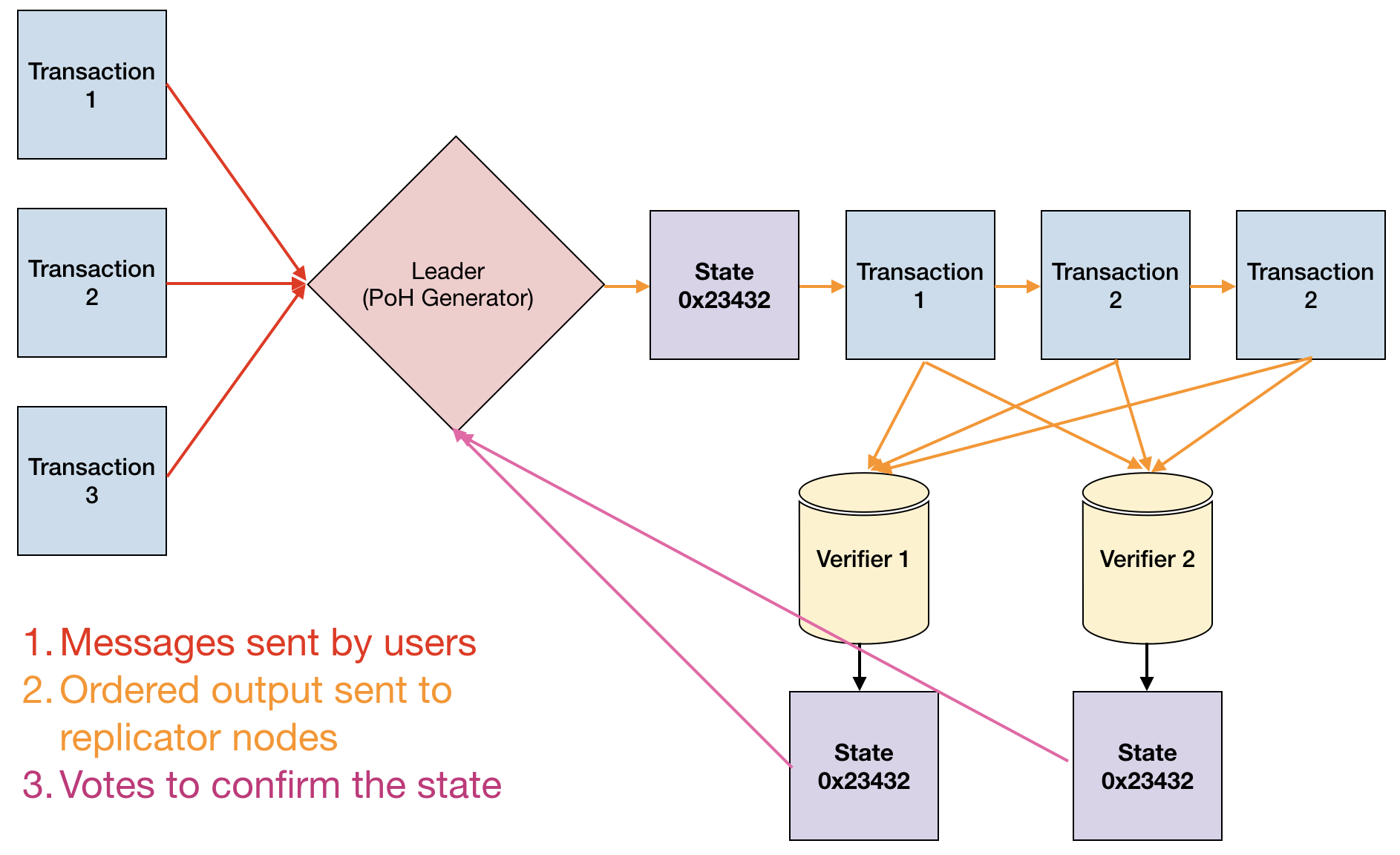
Gulf Stream प्रोटोकॉल क्लाइंट्स को आगामी लीडर्स को सीधे लेनदेन अग्रेषित करने में सक्षम बनाकर पारंपरिक मेमपूल की आवश्यकता को समाप्त करता है। जब कोई क्लाइंट लेनदेन सबमिट करता है, तो इसे रोटेशन शेड्यूल के आधार पर अपेक्षित लीडर को अग्रेषित किया जाता है। यदि वर्तमान लीडर लेनदेन को संसाधित नहीं कर सकता, तो इसे अगले अपेक्षित लीडर को अग्रेषित किया जाता है। यह डिज़ाइन पुष्टि विलंबता को कम करता है और सत्यापनकर्ताओं को समय से पहले लेनदेन निष्पादित करने की अनुमति देता है, जो थ्रूपुट को और अनुकूलित करता है।
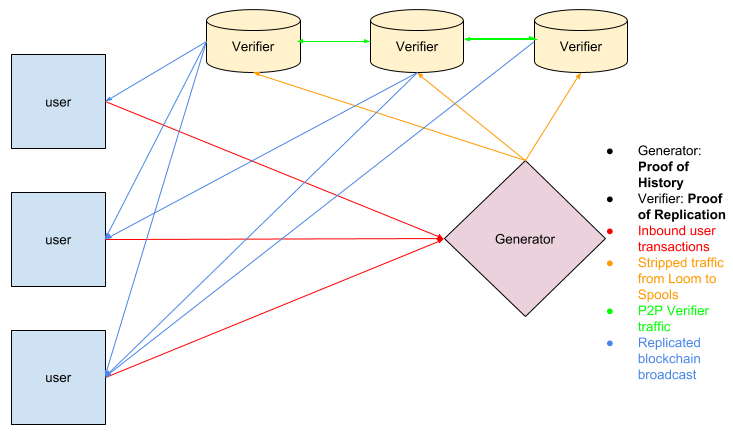
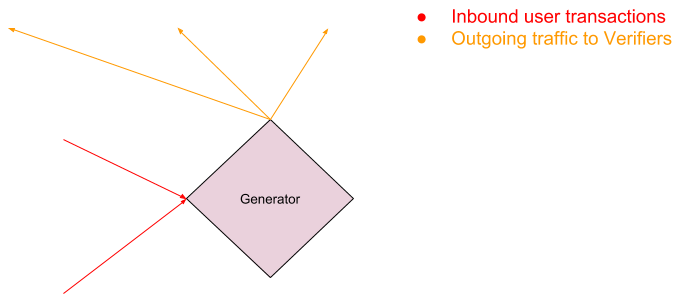
लेनदेन प्रसार एक बहु-परत दृष्टिकोण का उपयोग करता है। क्लाइंट सत्यापनकर्ताओं को लेनदेन भेजते हैं, जो उन्हें वर्तमान या आगामी लीडर को अग्रेषित करते हैं। लीडर लेनदेन को PoH स्ट्रीम में अनुक्रमित करता है, एक कुल क्रम बनाता है। अनुक्रमण के बाद, लीडर PoH स्ट्रीम और लेनदेन डेटा को सत्यापनकर्ताओं को प्रेषित करता है, जो PoH अनुक्रम को सत्यापित करते हैं और समानांतर में लेनदेन निष्पादित करते हैं।
नेटवर्क डिज़ाइन में एक Turbine ब्लॉक प्रसार प्रोटोकॉल भी शामिल है जो ब्लॉक को छोटे पैकेट में विभाजित करता है और उन्हें एक ट्री संरचना में नेटवर्क में वितरित करता है। यह दृष्टिकोण तेज ब्लॉक प्रसार सुनिश्चित करते हुए व्यक्तिगत सत्यापनकर्ताओं के लिए बैंडविड्थ आवश्यकताओं को कम करता है। PoH की लेनदेन क्रम सत्यापित करने की क्षमता के साथ मिलकर, यह वास्तुकला Solana को विकेंद्रीकरण का त्याग किए बिना उच्च थ्रूपुट प्राप्त करने में सक्षम बनाती है।
Network Design
Thiết kế mạng của Solana xoay quanh hệ thống lãnh đạo luân phiên trong đó validators thay phiên nhau sản xuất các khối. Người đứng đầu chịu trách nhiệm sắp xếp các giao dịch đến vào luồng PoH và xuất bản các khối kết quả lên mạng. Các nhà lãnh đạo được lựa chọn thông qua thuật toán có trọng số cổ phần và lịch trình luân chuyển được biết trước, cho phép mạng tối ưu hóa việc chuyển tiếp giao dịch.
Giao thức Gulf Stream loại bỏ sự cần thiết của một mempool truyền thống bằng cách cho phép khách hàng chuyển tiếp các giao dịch trực tiếp đến các nhà lãnh đạo sắp tới. Khi khách hàng gửi một giao dịch, nó sẽ được chuyển tiếp đến người lãnh đạo dự kiến dựa trên lịch trình luân chuyển. Nếu người lãnh đạo hiện tại không thể xử lý giao dịch, nó sẽ chuyển tiếp nó đến người lãnh đạo dự kiến tiếp theo. Thiết kế này giúp giảm độ trễ xác nhận và cho phép validators thực hiện các giao dịch trước thời hạn, tối ưu hóa hơn nữa thông lượng.
Tuyên truyền giao dịch sử dụng cách tiếp cận nhiều lớp. Khách hàng gửi giao dịch tới validators, người này sẽ chuyển tiếp chúng tới người lãnh đạo hiện tại hoặc sắp tới. Người lãnh đạo sắp xếp các giao dịch vào luồng PoH, tạo ra thứ tự tổng thể. Sau khi được sắp xếp theo trình tự, người lãnh đạo sẽ truyền luồng PoH và dữ liệu giao dịch tới validators, người sẽ xác minh trình tự PoH và thực hiện các giao dịch song song.
Thiết kế mạng cũng bao gồm giao thức truyền khối tuabin giúp chia các khối thành các gói nhỏ hơn và phân phối chúng trên mạng theo cấu trúc cây. Cách tiếp cận này giảm thiểu yêu cầu về băng thông cho validators riêng lẻ trong khi vẫn đảm bảo việc truyền khối nhanh chóng. Kết hợp với khả năng xác minh thứ tự giao dịch của PoH, kiến trúc này cho phép Solana đạt được thông lượng cao mà không phải hy sinh khả năng phân cấp.
Proof of History
Proof of History SHA-256 का उपयोग करके एक अनुक्रमिक हैश चेन के रूप में कार्यान्वित एक सत्यापन योग्य विलंब फ़ंक्शन है। PoH जनरेटर लगातार SHA-256 हैश की गणना करता है, प्रत्येक आउटपुट को अगले हैश के लिए इनपुट के रूप में उपयोग करता है। यह एक अनुक्रमिक चेन बनाता है जहां प्रत्येक हैश केवल पिछले वाले के बाद ही गणना किया जा सकता है, एक सत्यापन योग्य कालानुक्रमिक क्रम स्थापित करता है। प्रत्येक हैश उत्पन्न करने की गणनात्मक आवश्यकता घटनाओं के बीच न्यूनतम समय विलंब लागू करती है।
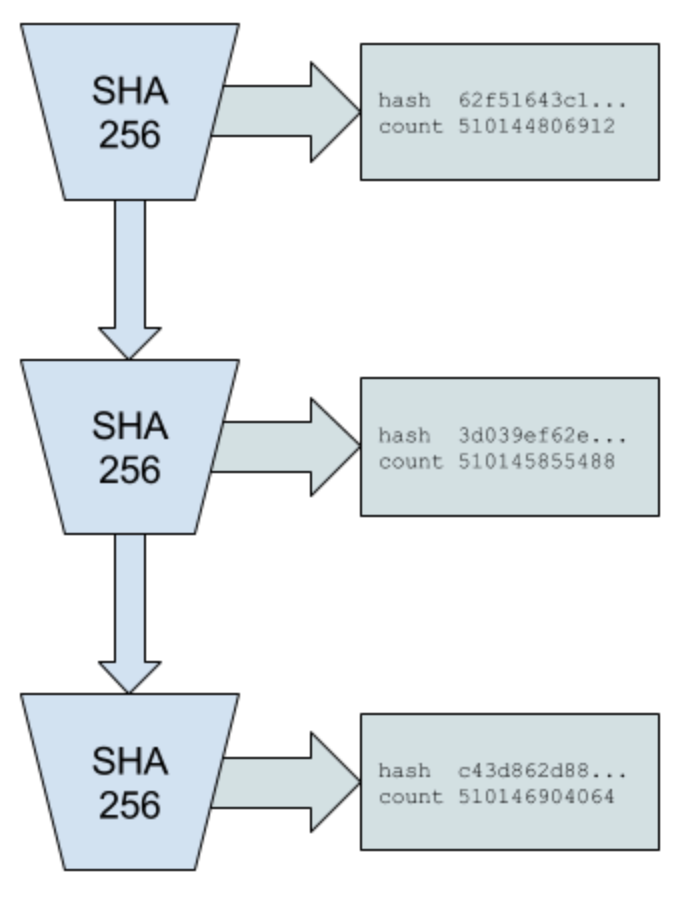
PoH की मुख्य संपत्ति यह है कि इसे सत्यापित करना सस्ता है लेकिन उत्पन्न करना महंगा है। एक सत्यापनकर्ता पूरे हैश अनुक्रम को खंडों में विभाजित करके और प्रत्येक खंड को स्वतंत्र रूप से समानांतर में जांचकर, फिर यह सत्यापित करके कि खंड ठीक से जुड़ते हैं, जांच सकता है। हालांकि, उत्पादन अनुक्रमिक होना चाहिए — वास्तव में हर मध्यवर्ती चरण की गणना किए बिना हैश चेन के आउटपुट की भविष्यवाणी करने का कोई तरीका नहीं है। उत्पादन और सत्यापन के बीच यह विषमता PoH को व्यावहारिक बनाती है।
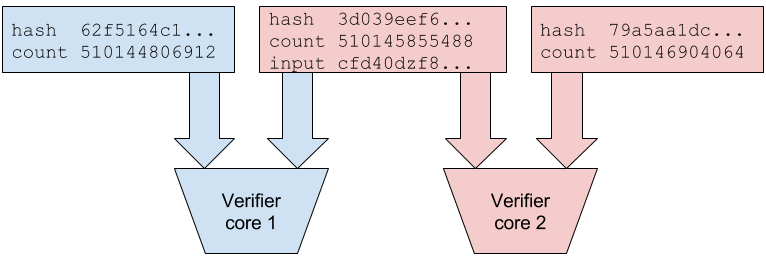
बाहरी घटनाओं और लेनदेन डेटा को हैश चेन में मिलाकर PoH अनुक्रम में डाला जाता है। जब कोई लेनदेन आता है, तो उसका हैश वर्तमान PoH स्थिति के साथ जोड़ दिया जाता है, एक रिकॉर्ड बनाता है जो साबित करता है कि लेनदेन अनुक्रम के उस बिंदु पर मौजूद था। PoH जनरेटर समय-समय पर चेकपॉइंट रिकॉर्ड करता है, अंतिम चेकपॉइंट के बाद से गणना किए गए हैश की संख्या के साथ वर्तमान हैश मान प्रकाशित करता है। ये चेकपॉइंट सत्यापनकर्ताओं को प्रत्येक हैश की पुनर्गणना किए बिना PoH अनुक्रम को कुशलतापूर्वक सत्यापित करने की अनुमति देते हैं।
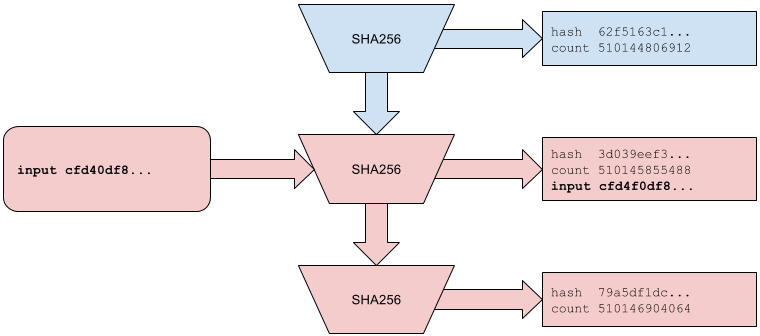
PoH अनुक्रम पूरे नेटवर्क के लिए एक क्रिप्टोग्राफ़िक घड़ी के रूप में कार्य करता है। क्योंकि हैश चेन अनुक्रमिक और सत्यापन योग्य है, कोई भी नोड बस उस अंतराल के दौरान गणना किए गए हैश दिखाकर साबित कर सकता है कि दो घटनाओं के बीच एक निश्चित मात्रा में समय बीत चुका है। यह नोड्स के लिए बाहरी टाइमस्टैम्प पर भरोसा करने या कालानुक्रमिक क्रम स्थापित करने के लिए एक-दूसरे के साथ समन्वय करने की आवश्यकता को समाप्त करता है, पारंपरिक ब्लॉकचेन सहमति में एक मौलिक अड़चन को हटाता है।
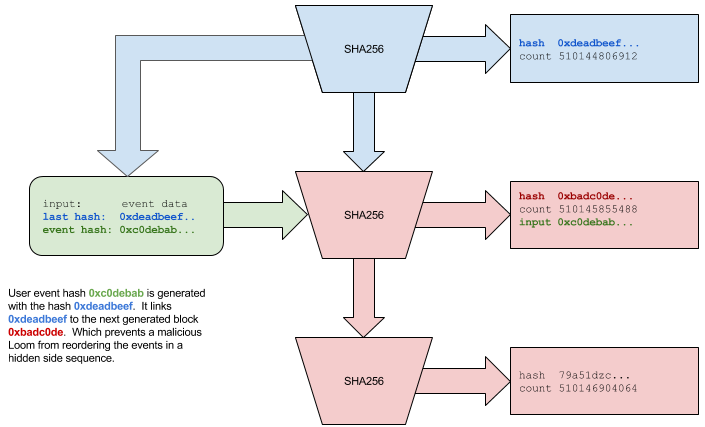
Proof of History
Bằng chứng lịch sử là một hàm trì hoãn có thể kiểm chứng được triển khai dưới dạng chuỗi băm tuần tự sử dụng SHA-256. Trình tạo PoH liên tục tính toán các hàm băm SHA-256, sử dụng mỗi đầu ra làm đầu vào cho hàm băm tiếp theo. Điều này tạo ra một chuỗi tuần tự trong đó mỗi hàm băm chỉ có thể được tính sau chuỗi trước đó, thiết lập một thứ tự thời gian có thể kiểm chứng được. Yêu cầu tính toán để tạo ra mỗi hàm băm buộc phải có độ trễ thời gian tối thiểu giữa các sự kiện.
Đặc tính quan trọng của PoH là chi phí xác minh rẻ nhưng chi phí sản xuất đắt. Trình xác minh có thể kiểm tra song song toàn bộ chuỗi băm bằng cách chia nó thành các phân đoạn và kiểm tra từng phân đoạn một cách độc lập, sau đó xác minh rằng các phân đoạn đó kết nối đúng cách. Tuy nhiên, việc tạo phải tuần tự - không có cách nào để dự đoán đầu ra của chuỗi băm mà không thực sự tính toán từng bước trung gian. Sự bất cân xứng giữa việc tạo và xác minh này là điều khiến PoH trở nên thiết thực.
Các sự kiện bên ngoài và dữ liệu giao dịch được chèn vào chuỗi PoH bằng cách trộn chúng vào chuỗi băm. Khi một giao dịch đến, hàm băm của nó được kết hợp với trạng thái PoH hiện tại, tạo ra một bản ghi chứng minh giao dịch tồn tại tại thời điểm đó trong chuỗi. Trình tạo PoH ghi lại các điểm kiểm tra định kỳ, xuất bản giá trị băm hiện tại cùng với số lượng giá trị băm được tính kể từ điểm kiểm tra cuối cùng. Các điểm kiểm tra này cho phép validators xác minh hiệu quả chuỗi PoH mà không cần tính toán lại mọi hàm băm.
Chuỗi PoH đóng vai trò là đồng hồ mật mã cho toàn bộ mạng. Bởi vì chuỗi băm là tuần tự và có thể kiểm chứng được nên bất kỳ nút nào cũng có thể chứng minh rằng một khoảng thời gian nhất định đã trôi qua giữa hai sự kiện chỉ bằng cách hiển thị các giá trị băm được tính toán trong khoảng thời gian đó. Điều này giúp loại bỏ nhu cầu các nút phải tin cậy vào dấu thời gian bên ngoài hoặc phối hợp với nhau để thiết lập thứ tự tạm thời, loại bỏ nút thắt cơ bản trong sự đồng thuận blockchain truyền thống.
Proof of History Sequence
Proof of History अनुक्रम SHA-256 हैश की एक निरंतर चेन है जहां प्रत्येक हैश पिछले आउटपुट पर निर्भर करता है। अनुक्रम एक प्रारंभिक बीज मान से शुरू होता है, जिसे पहला आउटपुट उत्पन्न करने के लिए हैश किया जाता है। यह आउटपुट अगले हैश के लिए इनपुट बन जाता है, और प्रक्रिया अनिश्चित काल तक दोहराई जाती है। जनरेटर एक काउंटर भी बनाए रखता है जो गणना किए गए हैश की कुल संख्या को ट्रैक करता है, जो लेजर में घटनाओं के लिए PoH "टाइमस्टैम्प" के रूप में कार्य करता है।
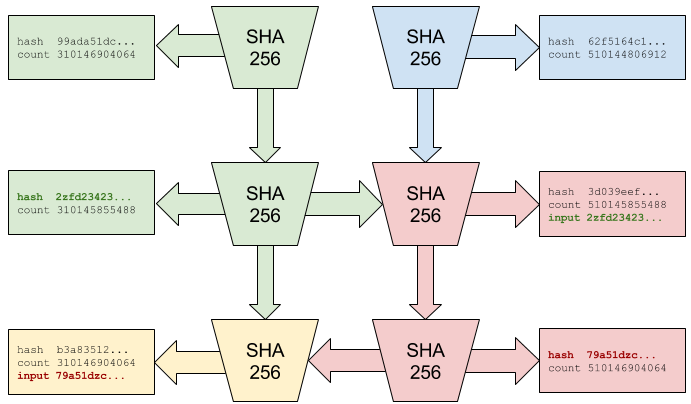
जब डेटा को अनुक्रम में डालने की आवश्यकता होती है (जैसे लेनदेन हैश या सत्यापनकर्ता हस्ताक्षर), तो इसे एक नियतात्मक मिश्रण फ़ंक्शन का उपयोग करके वर्तमान हैश स्थिति के साथ जोड़ा जाता है। उदाहरण के लिए, यदि वर्तमान हैश स्थिति hash_n है और हम डेटा D डालना चाहते हैं, तो हम hash_{n+1} = SHA256(hash_n || D) की गणना करते हैं, जहां || संयोजन को दर्शाता है। सम्मिलन बिंदु काउंटर मान के साथ रिकॉर्ड किया जाता है, यह साबित करता है कि डेटा D अनुक्रम के उस विशिष्ट बिंदु पर मौजूद था।
PoH अनुक्रम का सत्यापन चेन को खंडों में विभाजित करके समानांतर किया जा सकता है। उदाहरण के लिए, एक सत्यापनकर्ता हर 10,000 हैश पर PoH चेकपॉइंट प्राप्त कर सकता है। चेकपॉइंट के बीच अनुक्रम को सत्यापित करने के लिए, सत्यापनकर्ता 10,000 हैश को प्रत्येक 100 हैश के 100 खंडों में विभाजित कर सकता है, प्रत्येक खंड को समानांतर में स्वतंत्र रूप से सत्यापित कर सकता है, और फिर यह सत्यापित कर सकता है कि खंड ठीक से जुड़ते हैं। यह सत्यापन को उपलब्ध CPU कोर की संख्या के साथ क्षैतिज रूप से स्केल करने की अनुमति देता है।
अनुक्रम यह भी समर्थन करता है कि दो घटनाएं एक विशिष्ट क्रम में हुईं इसका कुशल प्रमाण। काउंटर मान n और m पर दो डेटा सम्मिलन दिए गए हैं जहां n m, कोई भी उन बिंदुओं के बीच हैश चेन की जांच करके सत्यापित कर सकता है कि n पर घटना m पर घटना से पहले हुई। यह गुण Solana को नोड्स के लगातार ऑनलाइन होने या बाहरी समय स्रोतों पर भरोसा किए बिना नेटवर्क में सभी घटनाओं का सत्यापन योग्य ऐतिहासिक रिकॉर्ड बनाने में सक्षम बनाता है।
Proof of History Sequence
Chuỗi Bằng chứng Lịch sử là một chuỗi băm SHA-256 liên tục trong đó mỗi hàm băm phụ thuộc vào đầu ra trước đó. Chuỗi bắt đầu bằng giá trị hạt giống ban đầu, được băm để tạo ra đầu ra đầu tiên. Đầu ra này trở thành đầu vào cho hàm băm tiếp theo và quá trình lặp lại vô thời hạn. Trình tạo cũng duy trì một bộ đếm theo dõi tổng số giá trị băm được tính toán, đóng vai trò là "dấu thời gian" PoH cho các sự kiện trong ledger.
Khi dữ liệu cần được chèn vào chuỗi (chẳng hạn như băm giao dịch hoặc chữ ký validator), nó sẽ được kết hợp với trạng thái băm hiện tại bằng cách sử dụng hàm trộn xác định. Ví dụ: nếu trạng thái băm hiện tại là hash_n và chúng tôi muốn chèn dữ liệu D, chúng tôi tính toán hash_{n+1} = SHA256(hash_n || D), trong đó || biểu thị sự nối. Điểm chèn được ghi lại cùng với giá trị bộ đếm, chứng minh rằng dữ liệu D tồn tại tại điểm cụ thể đó trong chuỗi.
Việc xác minh trình tự PoH có thể được thực hiện song song bằng cách chia chuỗi thành các đoạn. Ví dụ: validator có thể nhận được điểm kiểm tra PoH sau mỗi 10.000 lần băm. Để xác minh trình tự giữa các điểm kiểm tra, validator có thể chia 10.000 giá trị băm thành 100 phân đoạn, mỗi phân đoạn có 100 giá trị băm, xác minh song song từng phân đoạn một cách độc lập và sau đó xác minh rằng các phân đoạn đó kết nối đúng cách. Điều này cho phép xác minh mở rộng theo chiều ngang với số lượng lõi CPU có sẵn.
Trình tự này cũng hỗ trợ các bằng chứng hiệu quả cho thấy hai sự kiện xảy ra theo một thứ tự cụ thể. Cho hai phần chèn dữ liệu tại các giá trị bộ đếm n và m trong đó n m, bất kỳ ai cũng có thể xác minh rằng sự kiện tại n đã xảy ra trước sự kiện tại m bằng cách kiểm tra chuỗi băm giữa các điểm đó. Thuộc tính này cho phép Solana tạo bản ghi lịch sử có thể xác minh được về tất cả các sự kiện trong mạng mà không yêu cầu các nút phải trực tuyến liên tục hoặc tin cậy vào các nguồn thời gian bên ngoài.
Timestamp
Proof of History एक विकेंद्रीकृत घड़ी के रूप में कार्य करता है जो दीवार-घड़ी समय पर निर्भर किए बिना घटनाओं को टाइमस्टैम्प प्रदान करता है। प्रत्येक PoH हैश क्रिप्टोग्राफ़िक घड़ी का एक असतत "टिक" दर्शाता है, और काउंटर मान टाइमस्टैम्प के रूप में कार्य करता है। क्योंकि हैश चेन अनुक्रमिक और सत्यापन योग्य है, ये टाइमस्टैम्प विश्वासहीन हैं — कोई भी पर्यवेक्षक हैश चेन की जांच करके सत्यापित कर सकता है कि टाइमस्टैम्प वैध है।
Solana में, प्रत्येक सत्यापनकर्ता लीडर के रूप में कार्य करते समय अपना स्वयं का PoH अनुक्रम उत्पन्न कर सकता है। जब सत्यापनकर्ता नेतृत्व का रोटेशन करते हैं, तो वे पिछले लीडर के अंतिम पुष्टि किए गए चेकपॉइंट का उपयोग करके अपने PoH अनुक्रमों को सिंक्रनाइज़ करते हैं। यह सुनिश्चित करता है कि विभिन्न सत्यापनकर्ताओं द्वारा बारी-बारी से ब्लॉक उत्पन्न करने पर भी कालिक रिकॉर्ड की निरंतरता बनी रहे। नेटवर्क यह सहमति प्राप्त करके एक विहित समयरेखा स्थापित करता है कि कौन से PoH अनुक्रमों को आधिकारिक लेजर के भाग के रूप में स्वीकार किया जाए।
सिस्टम लीडर रोटेशन और सहमति के संयोजन के माध्यम से क्लॉक ड्रिफ्ट और हार्डवेयर प्रदर्शन में भिन्नता को संभालता है। यदि कोई दुर्भावनापूर्ण या दोषपूर्ण लीडर गलत दर (बहुत तेज या बहुत धीमी) पर PoH टाइमस्टैम्प उत्पन्न करने का प्रयास करता है, तो सत्यापनकर्ता अपने स्वयं के स्थानीय PoH जनरेटर के साथ PoH टिक दर की तुलना करके इसका पता लगा सकते हैं। अपेक्षित दर से महत्वपूर्ण विचलन एक समस्या का संकेत देते हैं, और सत्यापनकर्ता उन लीडर्स के ब्लॉक को अस्वीकार कर सकते हैं जिनके PoH अनुक्रम नेटवर्क माध्यिका से बहुत दूर विचलित होते हैं।
यह टाइमस्टैम्पिंग तंत्र वितरित सिस्टम में मौलिक समस्याओं में से एक को हल करता है: एक विश्वसनीय केंद्रीय प्राधिकरण के बिना समय की एक सामान्य धारणा स्थापित करना। PoH को एक विकेंद्रीकृत घड़ी के रूप में उपयोग करके, Solana सत्यापनकर्ताओं को वैश्विक रूप से सुसंगत क्रम बनाए रखते हुए समानांतर में लेनदेन संसाधित करने में सक्षम बनाता है। टाइमस्टैम्प लेनदेन समाप्ति, अनुसूचित संचालन और प्रदर्शन मापन जैसी समय-आधारित सुविधाओं के लिए भी एक आधार प्रदान करते हैं।
Timestamp
Proof of History functions as a decentralized clock that assigns timestamps to events without relying on wall-clock time. Each PoH hash represents a discrete "tick" of the cryptographic clock, and the counter value serves as the timestamp. Bởi vì chuỗi băm là tuần tự và có thể xác minh được nên những dấu thời gian này không đáng tin cậy — bất kỳ người quan sát nào cũng có thể xác minh rằng dấu thời gian là hợp pháp bằng cách kiểm tra chuỗi băm.
Trong Solana, mỗi validator có thể tạo chuỗi PoH của riêng mình khi đóng vai trò là người dẫn đầu. Khi validators luân phiên lãnh đạo, họ đồng bộ hóa trình tự PoH của mình bằng cách sử dụng điểm kiểm tra được xác nhận cuối cùng từ người lãnh đạo trước đó. Điều này đảm bảo tính liên tục của bản ghi tạm thời ngay cả khi các validators khác nhau lần lượt tạo ra các khối. Mạng thiết lập một dòng thời gian chuẩn bằng cách đạt được sự đồng thuận về việc chấp nhận các chuỗi PoH nào như một phần của ledger chính thức.
Hệ thống xử lý độ lệch xung nhịp và sự khác biệt trong hiệu suất phần cứng thông qua sự kết hợp giữa xoay vòng chỉ huy và đồng thuận. Nếu một nhà lãnh đạo độc hại hoặc bị lỗi cố gắng tạo dấu thời gian PoH với tốc độ không chính xác (quá nhanh hoặc quá chậm), validators có thể phát hiện điều này bằng cách so sánh tốc độ đánh dấu PoH với các trình tạo PoH cục bộ của chúng. Những sai lệch đáng kể so với tỷ lệ dự kiến cho thấy có vấn đề và validators có thể từ chối các khối từ các nhà lãnh đạo có trình tự PoH phân kỳ quá xa so với mức trung bình của mạng.
Cơ chế đánh dấu thời gian này giải quyết một trong những vấn đề cơ bản trong hệ thống phân tán: thiết lập một khái niệm chung về thời gian mà không cần có cơ quan trung ương đáng tin cậy. Bằng cách sử dụng PoH làm đồng hồ phi tập trung, Solana cho phép validators xử lý các giao dịch song song trong khi vẫn duy trì trật tự nhất quán trên toàn cầu. Dấu thời gian cũng cung cấp nền tảng cho các tính năng dựa trên thời gian như hết hạn giao dịch, hoạt động theo lịch trình và đo lường hiệu suất.
Proof of Stake Consensus
Solana का सहमति तंत्र, जिसे Tower BFT कहा जाता है, एक Proof of Stake एल्गोरिथ्म है जो विशेष रूप से Proof of History के कालिक गुणों का लाभ उठाने के लिए डिज़ाइन किया गया है। सत्यापनकर्ता सहमति में भाग लेने के लिए SOL टोकन स्टेक करते हैं और ब्लॉक को सही ढंग से सत्यापित करने के लिए पुरस्कार अर्जित करते हैं। स्टेक-भारित मतदान प्रणाली सुनिश्चित करती है कि नेटवर्क में अधिक आर्थिक हित रखने वाले सत्यापनकर्ताओं का सहमति निर्णयों पर आनुपातिक रूप से अधिक प्रभाव हो।
Tower BFT में मुख्य नवाचार लॉकआउट अवधि का उपयोग है जो प्रत्येक लगातार वोट के साथ तेजी से बढ़ती है। जब कोई सत्यापनकर्ता PoH हैश पर वोट करता है, तो वह एक निश्चित संख्या में PoH टिक के लिए लेजर के उस फोर्क के प्रति प्रतिबद्ध होता है। यदि वे उस फोर्क के अगले ब्लॉक पर वोट करते हैं, तो लॉकआउट अवधि दोगुनी हो जाती है। यह सत्यापनकर्ताओं के लिए एक ही फोर्क पर वोट करते रहने का एक मजबूत आर्थिक प्रोत्साहन बनाता है, क्योंकि फोर्क बदलने के लिए पहले के लॉकआउट की समाप्ति का इंतजार करना आवश्यक होगा।
विशेष रूप से, यदि कोई सत्यापनकर्ता PoH टाइमस्टैम्प t पर किसी ब्लॉक पर वोट करता है, तो वे 2^n टिक बीतने तक किसी विरोधी फोर्क पर वोट नहीं कर सकते, जहां n वर्तमान फोर्क पर किए गए लगातार वोटों की संख्या है। यह घातांकीय लॉकआउट तंत्र सिस्टम को तेज अंतिमता की अनुमति देते हुए दीर्घकालिक हमलों के खिलाफ सुरक्षित बनाता है। एक बार पर्याप्त गहराई के साथ स्टेक के अत्यधिक बहुमत ने किसी ब्लॉक पर वोट कर दिया, तो वह ब्लॉक प्रभावी रूप से अंतिम हो जाता है।
स्लैशिंग शर्तें ईमानदार व्यवहार लागू करती हैं। यदि कोई सत्यापनकर्ता उस अवधि के दौरान दो विरोधी फोर्क पर वोट करता है जब उन्हें लॉक आउट होना चाहिए, तो उन्हें स्लैश किया जाता है — उनके स्टेक किए गए टोकन आंशिक रूप से नष्ट हो जाते हैं और उन्हें सत्यापनकर्ता सेट से हटा दिया जाता है। यह दोहरे मतदान या अन्य बीजान्टिन व्यवहार का प्रयास करना आर्थिक रूप से अतार्किक बनाता है। PoH के सत्यापन योग्य टाइमस्टैम्प और Tower BFT के घातांकीय लॉकआउट का संयोजन एक ऐसा सहमति तंत्र बनाता है जो तेज और सुरक्षित दोनों है, पारंपरिक BFT सिस्टम की सुरक्षा गारंटी बनाए रखते हुए सेकंडों में अंतिमता प्राप्त करता है।
Proof of Stake Consensus
Cơ chế đồng thuận của Solana, được gọi là Tower BFT, là một thuật toán Proof of Stake được thiết kế đặc biệt để tận dụng các thuộc tính tạm thời của Proof of History. Người xác thực đặt cược mã thông báo SOL để tham gia đồng thuận và kiếm phần thưởng cho việc xác thực các khối một cách chính xác. Hệ thống bỏ phiếu theo tỷ lệ cổ phần đảm bảo rằng validators có nhiều lợi ích kinh tế hơn trong mạng sẽ có ảnh hưởng tương ứng nhiều hơn đến các quyết định đồng thuận.
Sự đổi mới cốt lõi trong Tower BFT là việc sử dụng thời gian khóa tăng theo cấp số nhân với mỗi lần bỏ phiếu liên tiếp. Khi validator bỏ phiếu cho hàm băm PoH, họ cam kết thực hiện phân nhánh đó của ledger cho một số lượng dấu tích PoH nhất định. Nếu họ bỏ phiếu cho khối tiếp theo trong nhánh đó, thời gian khóa sẽ tăng gấp đôi. Điều này tạo ra động lực kinh tế mạnh mẽ để validators tiếp tục bỏ phiếu trên cùng một nhánh, vì việc chuyển đổi nhánh sẽ yêu cầu phải đợi thời gian khóa trước đó hết hạn.
Cụ thể, nếu validator bỏ phiếu cho một khối ở dấu thời gian PoH t, họ không thể bỏ phiếu cho một fork xung đột cho đến khi 2^n tích tắc trôi qua, trong đó n là số phiếu bầu liên tiếp mà họ đã thực hiện trên fork hiện tại. Cơ chế khóa theo cấp số nhân này giúp hệ thống an toàn trước các cuộc tấn công tầm xa đồng thời cho phép thực hiện nhanh chóng. Khi đa số cổ phần đã bỏ phiếu cho một khối có đủ độ sâu, khối đó sẽ được hoàn thiện một cách hiệu quả.
Điều kiện chặt chém buộc hành vi trung thực. Nếu validator bỏ phiếu trên hai nhánh xung đột trong khoảng thời gian đáng lẽ chúng phải bị khóa, thì chúng sẽ bị cắt — mã thông báo đặt cược của chúng bị phá hủy một phần và chúng bị xóa khỏi bộ validator. Điều này làm cho việc cố gắng nói lập lờ hoặc hành vi Byzantine khác trở nên phi lý về mặt kinh tế. Sự kết hợp giữa dấu thời gian có thể xác minh của PoH và khóa theo cấp số nhân của Tower BFT tạo ra cơ chế đồng thuận vừa nhanh chóng vừa an toàn, đạt được kết quả cuối cùng trong vài giây trong khi vẫn duy trì sự đảm bảo an ninh của các hệ thống BFT truyền thống.
Streaming Proof of Replication
Proof of Replication (PoRep) एक ऐसा तंत्र है जो सत्यापनकर्ताओं को डेटा स्वयं प्रकट किए बिना या गहन गणना की आवश्यकता के बिना यह साबित करने की अनुमति देता है कि वे लेजर डेटा संग्रहीत कर रहे हैं। Solana PoRep का एक स्ट्रीमिंग संस्करण लागू करता है जहां सत्यापनकर्ता लगातार प्रदर्शित करते हैं कि वे ब्लॉकचेन स्थिति की प्रतिलिपि बना रहे हैं। यह नेटवर्क सुरक्षा के लिए आवश्यक है, क्योंकि यह सुनिश्चित करता है कि लेजर डेटा सत्यापनकर्ताओं के बीच उचित रूप से वितरित है और कुछ स्थानों पर केंद्रित नहीं है।
PoRep तंत्र सत्यापनकर्ताओं द्वारा उनकी पहचान से प्राप्त सत्यापनकर्ता-विशिष्ट कुंजी का उपयोग करके CBC (Cipher Block Chaining) मोड एन्क्रिप्शन के साथ लेजर के खंडों को एन्क्रिप्ट करके काम करता है। एन्क्रिप्शन प्रक्रिया ऐसी है कि प्रत्येक एन्क्रिप्टेड ब्लॉक पिछले ब्लॉक पर निर्भर करता है, प्रत्येक सत्यापनकर्ता के लिए अद्वितीय एक चेन बनाता है। यह सत्यापनकर्ताओं को एक-दूसरे से एन्क्रिप्टेड डेटा कॉपी करने से रोकता है — प्रत्येक सत्यापनकर्ता को अपना अद्वितीय एन्क्रिप्टेड संस्करण उत्पन्न करने के लिए मूल लेजर डेटा संग्रहीत और संसाधित करना होगा।
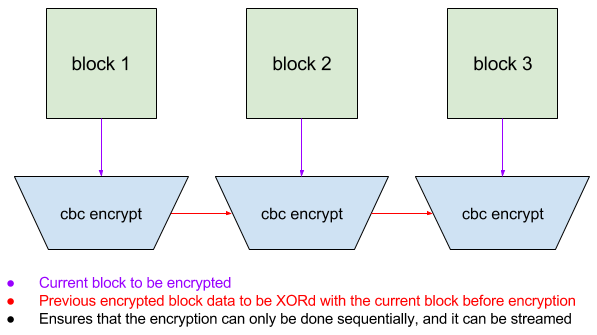
समय-समय पर, नेटवर्क सत्यापनकर्ताओं को विशिष्ट एन्क्रिप्टेड ब्लॉक प्रदान करने के लिए चुनौतियां जारी करता है। क्योंकि एन्क्रिप्शन चेन किया गया है, सत्यापनकर्ता को सही प्रतिक्रिया उत्पन्न करने के लिए सभी पूर्ववर्ती ब्लॉक संग्रहीत होने चाहिए। सत्यापनकर्ता अपने एन्क्रिप्टेड ब्लॉक को अपने एन्क्रिप्टेड लेजर में इसकी स्थिति दिखाने वाले Merkle प्रमाण के साथ जमा करता है। नेटवर्क डेटा को डिक्रिप्ट या पुनः एन्क्रिप्ट किए बिना इस प्रमाण को तुरंत सत्यापित कर सकता है।
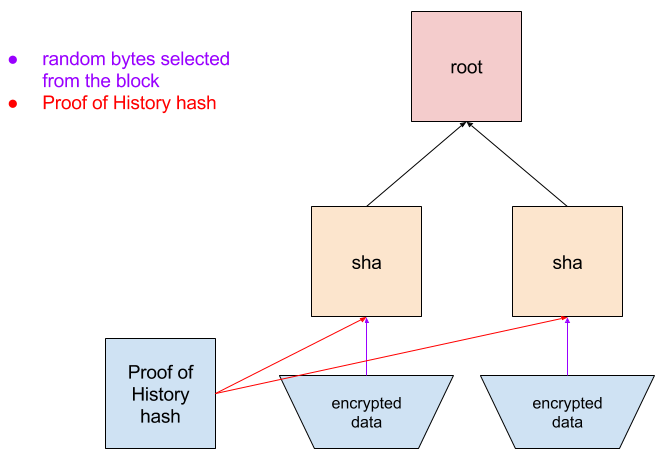
PoRep के लिए यह स्ट्रीमिंग दृष्टिकोण पारंपरिक proof-of-storage सिस्टम की तुलना में कम ओवरहेड रखता है। सत्यापनकर्ता डेटा आने पर एन्क्रिप्ट कर सकते हैं और न्यूनतम विलंबता के साथ चुनौतियों का जवाब दे सकते हैं। सिस्टम डेटा हानि के मामले में पुनर्प्राप्ति को भी सक्षम बनाता है — यदि कोई सत्यापनकर्ता लेजर का कुछ भाग खो देता है, तो वे इसे अन्य सत्यापनकर्ताओं से पुनः डाउनलोड कर सकते हैं और पुनः एन्क्रिप्ट कर सकते हैं। PoRep और PoH टाइमस्टैम्प का संयोजन एक पूर्ण जवाबदेही प्रणाली बनाता है जहां नेटवर्क यह सत्यापित कर सकता है कि डेटा कब बनाया गया था और यह सत्यापनकर्ता नेटवर्क में उचित रूप से संग्रहीत है।
Streaming Proof of Replication
Bằng chứng sao chép (PoRep) là một cơ chế cho phép validators chứng minh rằng họ đang lưu trữ dữ liệu ledger mà không tiết lộ chính dữ liệu đó hoặc yêu cầu tính toán chuyên sâu. Solana triển khai phiên bản phát trực tuyến của PoRep trong đó validators liên tục chứng minh rằng họ đang sao chép trạng thái blockchain. Điều này rất cần thiết cho bảo mật mạng vì nó đảm bảo rằng dữ liệu ledger được phân phối hợp lý trên validators và không tập trung ở một vài vị trí.
Cơ chế PoRep hoạt động bằng cách mã hóa validators các phân đoạn của ledger bằng cách sử dụng mã hóa chế độ CBC (Chuỗi khối mật mã) bằng khóa dành riêng cho validator bắt nguồn từ danh tính của chúng. Quá trình mã hóa sao cho mỗi khối được mã hóa phụ thuộc vào khối trước đó, tạo ra một chuỗi duy nhất cho mỗi validator. Điều này ngăn validators sao chép dữ liệu được mã hóa lẫn nhau — mỗi validator phải lưu trữ và xử lý dữ liệu ledger gốc để tạo phiên bản mã hóa duy nhất của chúng.
Theo định kỳ, mạng đưa ra thách thức đối với validators yêu cầu họ cung cấp các khối được mã hóa cụ thể. Vì mã hóa được xâu chuỗi nên validator phải lưu trữ tất cả các khối trước đó để tạo ra phản hồi chính xác. validator gửi khối được mã hóa của họ cùng với bằng chứng Merkle cho thấy vị trí của nó trong ledger được mã hóa của họ. Mạng có thể xác minh bằng chứng này một cách nhanh chóng mà không cần giải mã hoặc mã hóa lại dữ liệu.
Phương pháp phát trực tuyến tới PoRep này có chi phí hoạt động thấp so với các hệ thống chứng minh lưu trữ truyền thống. Người xác thực có thể mã hóa dữ liệu khi dữ liệu đến và phản hồi các thách thức với độ trễ tối thiểu. Hệ thống cũng cho phép khôi phục trong trường hợp mất dữ liệu — nếu validator mất một phần ledger, họ có thể tải xuống lại từ validators khác và mã hóa lại. Sự kết hợp giữa PoRep với dấu thời gian PoH tạo ra một hệ thống giải trình hoàn chỉnh trong đó mạng có thể xác minh cả thời điểm dữ liệu được tạo và dữ liệu đó được lưu trữ đúng cách trên mạng validator.
System Architecture
Solana की सिस्टम वास्तुकला एक पाइपलाइन के रूप में डिज़ाइन की गई है जहां लेनदेन प्रसंस्करण के विभिन्न चरण समानांतर में होते हैं। Transaction Processing Unit (TPU) आने वाले लेनदेन को संभालने के लिए जिम्मेदार मुख्य घटक है। TPU में कई चरण शामिल हैं: fetch (लेनदेन का संग्रह), हस्ताक्षर सत्यापन, banking (लेनदेन निष्पादन), और write (स्टोरेज में लिखना)। प्रत्येक चरण विभिन्न लेनदेन पर समानांतर में संचालित होता है, CPU पाइपलाइनिंग के समान।
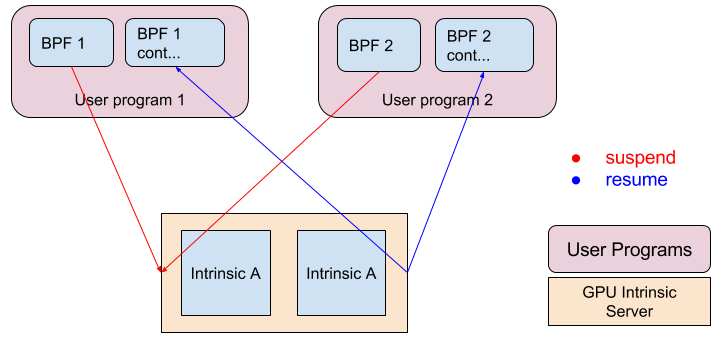
हस्ताक्षर सत्यापन GPU का उपयोग करके त्वरित किया जाता है, जो लेनदेन हस्ताक्षरों को सत्यापित करने के लिए आवश्यक अण्डाकार वक्र क्रिप्टोग्राफी संचालन में अत्यधिक कुशल हैं। इस गणनात्मक रूप से गहन कार्य को GPU पर ऑफलोड करके, Solana कमोडिटी हार्डवेयर पर प्रति सेकंड 900,000 से अधिक की दर पर हस्ताक्षर सत्यापित कर सकता है। यह समानांतर हस्ताक्षर सत्यापन बहुत उच्च लेनदेन दरों पर भी क्रिप्टोग्राफ़िक सत्यापन को अड़चन बनने से रोकता है।
Sealevel रनटाइम Solana का समानांतर स्मार्ट कॉन्ट्रैक्ट निष्पादन इंजन है। पारंपरिक ब्लॉकचेन जो लेनदेन को क्रमिक रूप से निष्पादित करते हैं, उसके विपरीत, Sealevel लेनदेन का विश्लेषण करता है कि वे कौन से खातों तक पहुंचते हैं और गैर-विरोधी लेनदेन को कई CPU कोर पर समानांतर में निष्पादित करता है। समान खातों तक पहुंचने वाले लेनदेन सुसंगतता बनाए रखने के लिए क्रमिक रूप से निष्पादित किए जाते हैं, लेकिन विभिन्न खातों तक पहुंचने वाले लेनदेन एक साथ चल सकते हैं। यह समानांतरता संभव है क्योंकि PoH एक वैश्विक क्रम स्थापित करता है — सत्यापनकर्ता किसी भी क्रम में लेनदेन निष्पादित कर सकते हैं जब तक वे PoH-निर्दिष्ट अनुक्रम में उन्हें स्थिति पर लागू करते हैं।
वास्तुकला में ब्लॉक प्रसार और स्टोरेज के लिए अनुकूलित घटक भी शामिल हैं। Turbine ब्लॉक प्रसार प्रोटोकॉल इरेजर कोडिंग का उपयोग करके ब्लॉक को छोटे पैकेट में विभाजित करता है जो ट्री संरचना में नेटवर्क में वितरित किए जाते हैं, बैंडविड्थ आवश्यकताओं को न्यूनतम करता है। Archivers नेटवर्क PoRep का उपयोग करके डेटा उपलब्धता सुनिश्चित करते हुए ऐतिहासिक लेजर डेटा के लिए विकेंद्रीकृत स्टोरेज प्रदान करता है। ये घटक मिलकर एक ऐसा सिस्टम बनाते हैं जो ब्लॉकचेन के विकेंद्रीकरण और सुरक्षा गुणों को बनाए रखते हुए प्रति सेकंड सैकड़ों हजारों लेनदेन संसाधित कर सकता है।
System Architecture
Kiến trúc hệ thống của Solana được thiết kế dưới dạng một đường dẫn trong đó các giai đoạn xử lý giao dịch khác nhau diễn ra song song. Đơn vị xử lý giao dịch (TPU) là thành phần cốt lõi chịu trách nhiệm xử lý các giao dịch đến. TPU bao gồm một số giai đoạn: tìm nạp (thu thập giao dịch), xác minh chữ ký, lưu trữ (thực hiện giao dịch) và ghi (cam kết lưu trữ). Mỗi giai đoạn hoạt động song song trên các giao dịch khác nhau, tương tự như đường ống CPU.
Việc xác minh chữ ký được tăng tốc bằng cách sử dụng GPU, có hiệu quả cao đối với các hoạt động mã hóa đường cong elip cần thiết để xác minh chữ ký giao dịch. Bằng cách chuyển nhiệm vụ tính toán chuyên sâu này sang GPU, Solana có thể xác minh chữ ký với tốc độ vượt quá 900.000 mỗi giây trên phần cứng thông thường. Việc xác minh chữ ký song song này ngăn việc xác thực mật mã trở thành nút thắt cổ chai ngay cả ở tốc độ giao dịch rất cao.
Thời gian chạy Sealevel là công cụ thực thi hợp đồng thông minh song song của Solana. Không giống như các chuỗi khối truyền thống thực hiện các giao dịch một cách tuần tự, Sealevel phân tích các giao dịch để xác định tài khoản nào chúng truy cập và thực hiện các giao dịch không xung đột song song trên nhiều lõi CPU. Các giao dịch truy cập vào cùng một tài khoản được thực hiện tuần tự để duy trì tính nhất quán, nhưng các giao dịch truy cập vào các tài khoản khác nhau có thể chạy đồng thời. Sự song song này có thể thực hiện được vì PoH thiết lập trật tự toàn cầu — validators có thể thực hiện các giao dịch theo bất kỳ thứ tự nào miễn là chúng áp dụng chúng cho trạng thái theo trình tự do PoH chỉ định.
Kiến trúc cũng bao gồm các thành phần được tối ưu hóa để truyền và lưu trữ khối. Giao thức truyền khối tuabin sử dụng mã hóa xóa để chia các khối thành các gói nhỏ hơn được phân phối trên mạng theo cấu trúc cây, giảm thiểu yêu cầu băng thông. Mạng Archivers cung cấp khả năng lưu trữ phi tập trung cho dữ liệu ledger lịch sử, sử dụng PoRep để đảm bảo tính khả dụng của dữ liệu. Cùng với nhau, các thành phần này tạo ra một hệ thống có thể xử lý hàng trăm nghìn giao dịch mỗi giây trong khi vẫn duy trì các đặc tính phân quyền và bảo mật của một blockchain.
Performance
Solana की वास्तुकला मूर के नियम का पालन करते हुए हार्डवेयर सुधारों के साथ स्केल करने वाले प्रदर्शन स्तर प्राप्त करने के लिए डिज़ाइन की गई है। एक मानक 1 गीगाबिट नेटवर्क कनेक्शन पर, सैद्धांतिक अधिकतम थ्रूपुट प्रति लेनदेन 176 बाइट (हस्ताक्षर और मेटाडेटा सहित) मानते हुए प्रति सेकंड लगभग 710,000 लेनदेन है। यह गणना प्राथमिक अड़चन के रूप में नेटवर्क बैंडविड्थ पर आधारित है, जिसमें गणनात्मक अड़चनों को समानांतरीकरण के माध्यम से हटा दिया गया है।
हस्ताक्षर सत्यापन, जो अक्सर ब्लॉकचेन प्रदर्शन में एक सीमित कारक होता है, GPU समानांतरीकरण का उपयोग करके त्वरित किया जाता है। एक एकल GPU प्रति सेकंड 900,000 से अधिक ed25519 हस्ताक्षर सत्यापित कर सकता है, जो नेटवर्क थ्रूपुट सीमा से अधिक है। इसका मतलब है कि हस्ताक्षर सत्यापन सिस्टम के प्रदर्शन को बाधित नहीं करता — अड़चन नेटवर्क बैंडविड्थ और लेनदेन निष्पादन में स्थानांतरित हो जाती है। जटिल स्मार्ट कॉन्ट्रैक्ट लॉजिक के बिना केवल मूल्य हस्तांतरित करने वाले सरल लेनदेन के लिए, banking चरण नेटवर्क इनपुट दर से मेल खाने वाली दर पर लेनदेन संसाधित कर सकता है।
PoH जनरेटर एक समर्पित CPU कोर पर चलता है, 4GHz प्रोसेसर पर प्रति मिलीसेकंड लगभग 4,000 हैश उत्पन्न करता है। इस दर पर, PoH अनुक्रम 0.25 माइक्रोसेकंड ग्रैन्युलैरिटी वाले टाइमस्टैम्प प्रदान करता है, जो प्रति सेकंड लाखों लेनदेन के क्रम के लिए पर्याप्त है। PoH उत्पादन की अनुक्रमिक प्रकृति का अर्थ है कि इस घटक को समानांतर नहीं किया जा सकता, लेकिन थ्रूपुट इतना अधिक है कि यह समग्र सिस्टम प्रदर्शन को सीमित नहीं करता।
जैसे-जैसे हार्डवेयर में सुधार होता है, Solana का थ्रूपुट तदनुसार स्केल होता है। तेज नेटवर्क, अधिक शक्तिशाली GPU, और बेहतर CPU सभी उच्च लेनदेन दरों में योगदान करते हैं। सिस्टम को प्रोटोकॉल परिवर्तनों की आवश्यकता के बिना इन सुधारों का लाभ उठाने के लिए डिज़ाइन किया गया है। यह स्केलेबिलिटी दृष्टिकोण उन ब्लॉकचेन से विपरीत है जो अनुक्रमिक सहमति तंत्रों द्वारा मौलिक रूप से सीमित हैं, जो Solana को सुरक्षा और विकेंद्रीकरण गारंटी बनाए रखते हुए विकेंद्रीकृत सिस्टम में पहले असंभव माने जाने वाले प्रदर्शन स्तर प्राप्त करने की अनुमति देता है।
Performance
Kiến trúc của Solana được thiết kế để đạt được mức hiệu suất mở rộng theo quy mô cải tiến phần cứng, tuân theo Định luật Moore. Trên kết nối mạng 1 gigabit tiêu chuẩn, thông lượng tối đa theo lý thuyết là khoảng 710.000 giao dịch mỗi giây, giả sử 176 byte mỗi giao dịch (bao gồm chữ ký và siêu dữ liệu). Tính toán này dựa trên băng thông mạng là nút thắt cổ chai chính, với các nút thắt cổ chai tính toán được loại bỏ thông qua quá trình song song hóa.
Xác minh chữ ký, thường là yếu tố hạn chế trong hiệu suất blockchain, được tăng tốc bằng cách sử dụng song song GPU. Một GPU có thể xác minh hơn 900.000 chữ ký ed25519 mỗi giây, vượt quá giới hạn thông lượng mạng. Điều này có nghĩa là việc xác minh chữ ký không hạn chế hiệu suất của hệ thống — nút thắt cổ chai chuyển sang băng thông mạng và thực hiện giao dịch. Đối với các giao dịch đơn giản chỉ chuyển giá trị mà không có logic hợp đồng thông minh phức tạp, giai đoạn ngân hàng có thể xử lý các giao dịch ở mức phù hợp với tốc độ đầu vào của mạng.
Trình tạo PoH chạy trên lõi CPU chuyên dụng, tạo ra khoảng 4.000 băm mỗi mili giây trên bộ xử lý 4GHz. Với tốc độ này, chuỗi PoH cung cấp dấu thời gian với độ chi tiết 0,25 micro giây, đủ để đặt hàng hàng triệu giao dịch mỗi giây. Bản chất tuần tự của việc tạo PoH có nghĩa là thành phần này không thể song song, nhưng thông lượng đủ cao để không giới hạn hiệu suất tổng thể của hệ thống.
Khi phần cứng được cải thiện, thông lượng của Solana sẽ tăng theo. Mạng nhanh hơn, GPU mạnh hơn và CPU cải tiến đều góp phần mang lại tỷ lệ giao dịch cao hơn. Hệ thống được thiết kế để tận dụng những cải tiến này mà không yêu cầu thay đổi giao thức. Cách tiếp cận về khả năng mở rộng này trái ngược với các chuỗi khối về cơ bản bị hạn chế bởi các cơ chế đồng thuận tuần tự, cho phép Solana đạt được mức hiệu suất mà trước đây được cho là không thể có trong một hệ thống phi tập trung trong khi vẫn duy trì bảo đảm an ninh và phân cấp.
Conclusion
Proof of History वितरित लेजर की स्केलेबिलिटी को सीमित करने वाली समय समस्या को हल करके ब्लॉकचेन वास्तुकला में एक मौलिक सफलता का प्रतिनिधित्व करता है। एक सत्यापन योग्य क्रिप्टोग्राफ़िक घड़ी बनाकर, PoH सत्यापनकर्ताओं को पारंपरिक सहमति तंत्रों द्वारा आवश्यक व्यापक संचार ओवरहेड के बिना घटनाओं का कालानुक्रमिक क्रम स्थापित करने में सक्षम बनाता है। यह नवाचार एक महत्वपूर्ण अड़चन को दूर करता है और लेनदेन प्रसंस्करण को नेटवर्क में समानांतर करने की अनुमति देता है।
PoH का अनुकूलित सिस्टम घटकों के साथ एकीकरण — GPU-त्वरित हस्ताक्षर सत्यापन, Sealevel के माध्यम से समानांतर लेनदेन निष्पादन, और कुशल ब्लॉक प्रसार प्रोटोकॉल — कमोडिटी हार्डवेयर पर प्रति सेकंड सैकड़ों हजारों लेनदेन संसाधित करने में सक्षम एक ब्लॉकचेन बनाता है। इससे भी महत्वपूर्ण बात यह है कि वास्तुकला हार्डवेयर सुधारों के साथ स्केल करने के लिए डिज़ाइन की गई है, जिसका अर्थ है कि प्रोसेसर तेज होने और नेटवर्क अधिक सक्षम होने पर प्रदर्शन बढ़ता रहेगा।
Solana का डिज़ाइन दर्शाता है कि उच्च प्रदर्शन और विकेंद्रीकरण परस्पर अनन्य नहीं हैं। PoH को सहमति और सिस्टम समन्वय के लिए आधार के रूप में लाभ उठाकर, नेटवर्क विकेंद्रीकृत ब्लॉकचेन की सुरक्षा और सेंसरशिप-प्रतिरोध गुणों को बनाए रखते हुए केंद्रीकृत डेटाबेस के समान थ्रूपुट स्तर प्राप्त करता है। स्टेक-भारित Tower BFT सहमति तंत्र सुनिश्चित करता है कि तेज अंतिमता प्राप्त करते हुए नेटवर्क बीजान्टिन अभिकर्ताओं के खिलाफ सुरक्षित रहे।
इस वास्तुकला का कार्यान्वयन ब्लॉकचेन प्रौद्योगिकी के वैश्विक अपनाने तक स्केल करने के लिए एक व्यावहारिक मार्ग प्रदान करता है। उच्च लेनदेन थ्रूपुट की आवश्यकता वाले अनुप्रयोग — जैसे विकेंद्रीकृत एक्सचेंज, गेमिंग प्लेटफॉर्म, और वित्तीय प्रणालियां — अब प्रदर्शन से समझौता किए बिना वास्तव में विकेंद्रीकृत बुनियादी ढांचे पर बनाए जा सकते हैं। Proof of History ब्लॉकचेन अनुप्रयोगों की एक नई पीढ़ी का द्वार खोलता है जो पहले स्केलेबिलिटी बाधाओं के कारण अव्यावहारिक थे।
Conclusion
Bằng chứng lịch sử thể hiện bước đột phá cơ bản trong kiến trúc blockchain bằng cách giải quyết vấn đề về thời gian đã hạn chế khả năng mở rộng của ledger phân tán. Bằng cách tạo ra một đồng hồ mật mã có thể xác minh được, PoH cho phép validators thiết lập thứ tự tạm thời của các sự kiện mà không cần tốn nhiều chi phí liên lạc như các cơ chế đồng thuận truyền thống yêu cầu. Sự đổi mới này loại bỏ nút thắt cổ chai quan trọng và cho phép xử lý giao dịch được song song trên mạng.
Việc tích hợp PoH với các thành phần hệ thống được tối ưu hóa – xác minh chữ ký được tăng tốc GPU, thực hiện giao dịch song song thông qua Sealevel và các giao thức truyền khối hiệu quả – tạo ra một chuỗi khối có thể xử lý hàng trăm nghìn giao dịch mỗi giây trên phần cứng hàng hóa. Quan trọng hơn, kiến trúc được thiết kế để mở rộng quy mô nhờ những cải tiến về phần cứng, nghĩa là hiệu suất sẽ tiếp tục tăng khi bộ xử lý trở nên nhanh hơn và mạng có nhiều khả năng hơn.
Thiết kế của Solana chứng minh rằng hiệu suất cao và sự phân quyền không loại trừ lẫn nhau. Bằng cách tận dụng PoH làm nền tảng cho sự đồng thuận và phối hợp hệ thống, mạng đạt được mức thông lượng tương đương với cơ sở dữ liệu tập trung trong khi vẫn duy trì các đặc tính bảo mật và chống kiểm duyệt của một chuỗi khối phi tập trung. Cơ chế đồng thuận Tower BFT có trọng số cổ phần đảm bảo rằng mạng vẫn an toàn trước các tác nhân Byzantine trong khi đạt được tính hữu hạn nhanh chóng.
Việc triển khai kiến trúc này cung cấp một con đường thực tế để công nghệ blockchain có thể mở rộng quy mô áp dụng trên toàn cầu. Các ứng dụng yêu cầu thông lượng giao dịch cao — chẳng hạn như sàn giao dịch phi tập trung, nền tảng trò chơi và hệ thống tài chính — giờ đây có thể được xây dựng trên cơ sở hạ tầng phi tập trung thực sự mà không ảnh hưởng đến hiệu suất. Bằng chứng lịch sử mở ra cánh cửa cho một thế hệ ứng dụng blockchain mới mà trước đây không khả thi do hạn chế về khả năng mở rộng.