
Polygon 백서
Özet
Bu belge, revize edilmiş Polygon protokol mimarisinin yerel token olan POL'u önermektedir. genellikle Polygon 2.0 olarak anılır. MATIC'in halefi olarak POL'un şu şekilde olması öngörülüyor: Polygon ekosisteminin koordinasyonu ve büyümesi için önemli bir araç ve ana itici güç Polygon'nin İnternet için Değer Katmanı olma vizyonu. İlgili çalışmayı analiz ederek, fırsatları ve tehditleri belirleyerek başlıyoruz ve buna dayanarak POL tasarım hedeflerini belirleyin. Tüm bunları başaran POL'un tasarımını, kullanışlılığını ve tokenomik özelliklerini öneriyoruz tasarım hedefleri. Türünün tek örneği, POL destekli bir zincir koordinatörü olan Staking Katmanı konseptini açıklıyoruz. isteğe bağlı özelliklere sahip, neredeyse sınırsız sayıda Polygon zincirini destekleyebilmektedir ve konfigürasyonlar. Staking Katmanının ve daha geniş kapsamlı Polygon 2.0'ın kullanıma sunulduğunu düşünüyoruz. mimari, Polygon'yi endüstrideki üçüncü en önemli ve etkili atılım olarak belirleyebilir Yeniliğin büyüklüğü göz önüne alındığında Web3 (ilk ikisi Bitcoin ve Ethereum) ve benimsenmesini kolaylaştırabilir. Protokol içi, topluluk tarafından yönetilen bir fon olan Topluluk Hazinesini tanıtıyoruz. Polygon'nun daha da geliştirilmesi ve büyümesi için sürekli ekonomik destek sağlamak ekosistem. MATIC'ten POL'e geçiş sürecini açıklıyoruz. Önerilen tasarımı analiz etmek için ekonomik bir simülasyon modeli tanımlıyoruz ve simülasyonları çalıştırıyoruz. Yukarıda belirtilen tasarım hedeflerinden türetilen modelin hipotezini doğrulamak için. Yukarıdaki her şeye dayanarak POL'un yeni, yeni nesil bir varlık olduğu sonucuna vardık. Değer Katmanının iddialı vizyonu için sağlam bir temel sağlar.
초록
본 논문에서는 개정된 Polygon 프로토콜 아키텍처의 네이티브 token인 POL을 제안합니다. 일반적으로 Polygon 2.0이라고 합니다. MATIC의 후계자로서 POL은 다음과 같이 구상됩니다. Polygon 생태계와 주요 동인의 조정과 성장을 위한 도구 인터넷의 가치 계층으로서 Polygon의 비전을 소개합니다. 우리는 관련 업무를 분석하고, 기회와 위협을 식별하는 것부터 시작하며, 이를 바탕으로 POL 설계 목표를 설정합니다. 모든 것을 실현하는 POL의 디자인, 실용성, tokenomics를 제안합니다. 디자인 목표. 우리는 독특한 POL 기반 체인 코디네이터인 Stake Layer의 개념을 설명합니다. 임의의 기능을 갖춘 실질적으로 무제한의 Polygon 체인을 지원할 수 있습니다. 그리고 구성. 우리는 스테이킹 레이어의 도입과 더 넓은 Polygon 2.0을 믿습니다. 아키텍처는 Polygon을 세 번째로 중요하고 영향력 있는 혁신으로 자리매김할 수 있습니다. Web3(처음 두 개는 Bitcoin 및 Ethereum) 채택을 촉진할 수 있습니다. 우리는 프로토콜 내에서 커뮤니티가 관리하는 기금인 커뮤니티 재무부를 소개합니다. Polygon의 추가 개발 및 성장을 위해 지속적인 경제적 지원을 제공합니다. 생태계. MATIC에서 POL로 마이그레이션하는 과정을 설명합니다. 제안된 설계를 분석하기 위해 경제성 시뮬레이션 모델을 정의하고 시뮬레이션을 실행합니다. 앞서 언급한 설계 목표로부터 도출된 모델의 가설을 확인한다. 위의 모든 내용을 바탕으로 우리는 POL이 새로운 차세대 자산이라는 결론을 내렸습니다. 가치 계층의 야심찬 비전을 위한 견고한 기반을 제공합니다.
Görüş
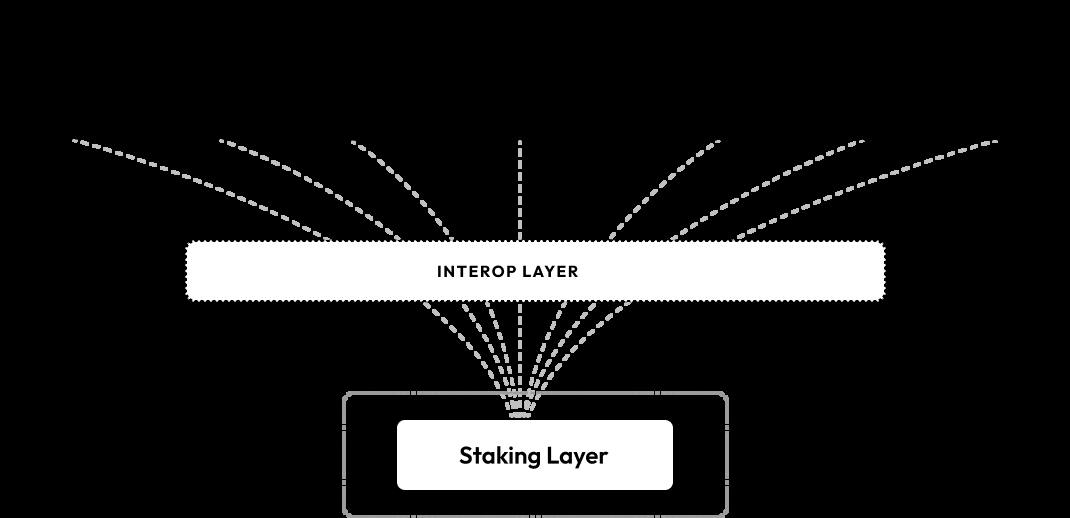
İnternetin Değer Katmanı olarak Polygon'nin ardındaki vizyon, değerin nasıl yarattığımıza ve değiştirdiğimize benzer şekilde özgürce ve küresel olarak oluşturulabilir ve değiştirilebilir bugün bilgi. Daha adil, daha kapsayıcı ve daha verimli yeni biçimleri mümkün kılan bir dünya İnsan organizasyonları ve yönetişim. Bu vizyonun hayata geçirilmesinin mümkün olabileceğine inanıyoruz. toplumumuzu önemli ölçüde ilerletmek. Bu iddialı vizyonu gerçeğe dönüştürmek için Polygon'nin altyapısının iyileştirilmesi gerekiyor. Özellikle güvenlik ve kullanıcıdan ödün vermeden katlanarak daha ölçeklenebilir hale gelmelidir. deneyim. Bu sorunu çözmek için Polygon'nin bir parçası olarak yeniden tasarlanmış bir protokol mimarisi tanıtılıyor. 2.0 çaba. Bu radikal yeniden tasarım, Polygon'yi ZK destekli L2 zincirlerinden oluşan bir ağa dönüştürüyor yeni bir zincirler arası koordinasyon protokolü aracılığıyla. Ağ pratik olarak sınırsız bir desteği destekleyebilir zincir sayısı ve zincirler arası etkileşimler sorunsuz ve anında gerçekleşebilir. ek güvenlik veya güven varsayımları. Bu tasarım yukarıda belirtilenleri tam olarak yerine getirir gereksinim – güvenlikten ve kullanıcı deneyiminden ödün vermeden üstel ölçeklenebilirlik. Şekil 1. Polygon protokol mimarisi Bu güçlü ağı koordine etmek, güvenliğini sağlamak ve büyütmek için gelişmiş, iyi tasarlanmış bir protokol gerekir. Ekonomi ve mekanizma tasarımı gereklidir. Bu, POL'un yaratılmasına ilham verdi.
비전
인터넷의 가치 계층으로서 Polygon의 비전은 가치가 있는 세상을 안내하는 것입니다. 우리가 만들고 교환하는 방식과 유사하게 자유롭게 전 세계적으로 만들고 교환할 수 있습니다. 오늘 정보. 더 공정하고, 더 포괄적이고, 더 효율적인 새로운 형태를 가능하게 하는 세상 인간 조직과 거버넌스. 우리는 이 비전을 실현하는 것이 가능하다고 굳게 믿습니다. 우리 사회를 크게 발전시킵니다. 이 야심찬 비전을 현실로 만들기 위해서는 Polygon의 인프라가 개선되어야 합니다. 특히, 보안과 사용자를 희생하지 않으면서 확장성이 기하급수적으로 높아져야 합니다. 경험. 이 문제를 해결하기 위해 재구성된 프로토콜 아키텍처가 Polygon의 일부로 도입되었습니다. 2.0 노력. 이 획기적인 재설계는 Polygon을 통합된 ZK 기반 L2 체인 네트워크로 전환합니다. 새로운 크로스체인 조정 프로토콜을 통해. 네트워크는 실질적으로 무제한을 지원할 수 있습니다. 체인 수 및 체인 간 상호 작용이 원활하고 즉각적으로 발생할 수 있습니다. 추가 보안 또는 신뢰 가정. 이 디자인은 앞서 언급한 사항을 완벽하게 구현합니다. 요구 사항 – 보안 및 사용자 경험을 희생하지 않고 기하급수적인 확장성을 제공합니다. 그림 1. Polygon 프로토콜 아키텍처 이 강력한 네트워크를 조정, 보호 및 성장시키기 위해 잘 설계된 고급 프로토콜입니다. 경제성과 메커니즘 설계가 필요합니다. 이것이 POL의 탄생에 영감을 주었습니다.
İlgili çalışma
Bu bölümde ilgili yerel token tasarım örneklerini ve bunların token ve ayrıca dikkate değer avantajlar ve dezavantajlar. 2.1 Bitcoin (BTC) BTC, Bitcoin protokolünün yerel token'sidir ve ilk öne çıkan yerel token'dir. uygulama. BTC'nin faydası iki yönlüdür: ● Madenci ödülleri: Protokol BTC yayar ve onu validators protokolüne dağıtır, yani madenciler; ● İşlem ücretleri: Kullanıcılar her işlem için BTC cinsinden ücret öder; bu da spam ve Madencilere ek teşvikler sağlıyor. BTC tasarımının bir avantajı deterministik, yani öngörülebilir bir arzdır. Normalde, tokens Belirleyici arza sahip olanlar, sahipler için daha çekicidir ve değeri diğerlerine göre daha iyi yakalayabilirler. deterministik olmayan arz ile. BTC'yi eski bir token tasarım olarak görüyoruz ve dezavantajlarının çok yönlü olduğunu savunuyoruz: ● Verimsiz bir varlıktır ve sahiplerine protokolde anlamlı bir rol vermez. ne de böyle bir rolü yerine getirmeye yönelik teşvikler; ● Protokol için yerel token hissesini talep etme fırsatından faydalanmaz validators ve bunun yerine stake etmelerini, yani harici kaynaklara yatırım yapmalarını (madencilik) gerektirir ekipman ve elektrik), böylece protokolü daha az esnek ve kendi kendine sürdürülebilir hale getirir; ● Madencilik ödülleri için emisyonu sıfıra ulaşana kadar kademeli olarak azaltır. sürdürülebilirlik ve güvenlik kaygıları (güvenliğin bir kez sağlanıp sağlanamayacağı belli değil) emisyon oranı düşer veya sıfıra ulaşır); ● Ekosisteme herhangi bir ekonomik destek sağlamaz; ● Layer 1 olduğu iddia edilse de, sahiplerine herhangi bir yönetim hakkı vermez. Bitcoin gibi protokoller yönetim için tokens'yi kullanmamalıdır. 2.2 Ethereum (ETH) ETH, Ethereum protokolünün ve ekosisteminin yerel token'sidir. Yenilikçi tasarımıyla, yeni nesil yerel protokol tokens'yi kurdu.
ETH'nin faydası çok yönlüdür: ● Doğrulayıcılar staking: Ethereum'nin PoS (Stake Kanıtı) protokolü, stake etmek için validators gerektirir validator havuzuna katılmak için ETH; ● Doğrulayıcı ödülleri: Protokol ETH'yi yayar ve onu validators protokolüne dağıtır; ● İşlem ücretleri: Kullanıcılar her işlem için ETH cinsinden ücret öder; bu da spam ve validators için ek teşvikler sağlar. ETH tasarımının birçok avantajı vardır: ● Üretken bir varlıktır, sahipleri ağın güvenliğinin sağlanmasına katılabilir ve bunu yapmak için teşvik almak; ● Protokol içi kesme, yani yok etme yoluyla validators'nin kötü niyetli davranışlarını caydırır. tokens kötü amaçlı validators; ● olmadığı göz önüne alındığında, güvenlik ve sürdürülebilirlik endişeleri yaratmaz. BTC gibi arz sınırı; ● Başlangıç maliyetinin önceden belirlenmiş bir kısmı aracılığıyla ekosisteme ekonomik destek sağlar. idare vakfına tahsis edilen malzeme. ETH tasarımının olası bir dezavantajı, arzın tamamen öngörülebilir olmamasıdır. daha fazla token stake edildikçe validator ödüller için token emisyonun arttığı göz önüne alındığında. Ancak, bu, her bir parçanın bir kısmını yakan yerleşik mekanizma tarafından başarılı bir şekilde karşılanır. işlem ücreti, böylece validator ödüller için token emisyonunun etkisini dengeler. Başka bir dezavantajı yukarıda belirtilen ekonomik desteğin süresiz olarak devam edememesidir; başlangıç token yönetim vakfına ayrılan tahsis eninde sonunda tükenecek. Son olarak, öyle değil token sahiplerine herhangi bir yönetim hakkı atamak, ancak yukarıda belirtildiği gibi tartışılabilir Layer 1 protokollerinin yönetişim için tokens kullanmaması gerektiğini. 2.3 Cosmos (ATOM) ATOM, Cosmos Hub'ın yerel token'sidir ve Cosmos'nin amaçlanan merkezi blockchain'dir. çok zincirli ekosistem. Çok yönlü yardımcı programa sahiptir, ancak yalnızca Cosmos Hub dahilinde: ● Doğrulayıcılar staking; ● Doğrulayıcı ödülleri; ● İşlem ücretleri; 1 https://github.com/ethereum/EIPs/blob/master/EIPS/eip-1559.md● Yönetişim. ATOM'un tasarımı aşağıdaki avantajlara sahiptir: ● Üretken bir varlıktır; sahipleri Cosmos Hub'ın güvenliğinin sağlanmasına katılabilir ve alabilir bunu yapmaya yönelik teşvikler; ● olmadığı göz önüne alındığında, güvenlik ve sürdürülebilirlik endişeleri yaratmaz. tedarik kapağı; ● Önceden belirlenmiş bir tahsis yoluyla ekosisteme ekonomik destek sağlar. yönetim vakfı; ● Sahiplerine kapsamlı bir yönetim modeli aracılığıyla yönetim hakları verir. ATOM tasarımının dezavantajları: ● Yalnızca Cosmos Hub dahilinde yardımcı programa sahiptir; diğer zincirleri çalıştırmak ve sabitlemek için kullanılmaz. ekosistem, bunu sağlayacak girişimler olsa da; ● Diğer ilgili paydaşları hariç tutan, yalnızca token yönetim modelini kolaylaştırır karar aşamasından itibaren ekosistemin (geliştiriciler, öne çıkan katkıda bulunanlar, uygulamalar vb.) yapma; ● Sağladığı ekonomik destek süresiz olarak süremez çünkü token hazine sonunda tükenir. 2.4 Polkadot (NOKTA) DOT, Polkadot çoklu zincir ekosisteminin yerel token'sidir. ATOM ile aynı faydaya sahiptir ancak genel olarak Polkadot ekosistemin tamamında bulunur: ● Doğrulayıcılar staking; ● Doğrulayıcı ödülleri; ● İşlem ücretleri; ● Yönetişim. DOT tasarımı aşağıdaki avantajlara sahiptir: ● Üretken bir varlıktır; ● olmadığı göz önüne alındığında, güvenlik ve sürdürülebilirlik endişeleri yaratmaz. tedarik kapağı; ● Önceden belirlenmiş bir tahsis yoluyla ekosisteme ekonomik destek sağlar. yönetim vakfı; ● Sahiplerine kapsamlı bir yönetim modeli aracılığıyla yönetim hakları verir;
● Tüm ekosistem için, yani katılan tüm blockchain'ler için güvenlik sağlar. Dezavantajları şunlardır: ● Tüm katılımcı zincirler için DOT'un validator staking token olarak kullanılmasını zorunlu kılar, böylece Polkadot zincir geliştiricilerinin mimari seçenekleri azalır; ● Bu durum, Polkadot blockchain geliştiricileri için önemli düzeyde sürtüşmelere yol açmaktadır. zincirlerinin büyüyebilmesi için önemli miktarda DOT teklif etmesi ve kilitlemesi gerekiyor ekosistemin bir parçası; ● Diğer ilgili paydaşları hariç tutan, yalnızca token yönetim modelini kolaylaştırır karar verme sürecinden ekosistemin; ● Sağladığı ekonomik destek süresiz olarak süremez çünkü token hazine sonunda tükenir. 2.5 Aave (Aave) AAVE, zincir üstü bir token borç verme platformu olan Aave'nin yerel token'sidir. AAVE'nin bir protokol değil, bir uygulama token olduğu göz önüne alındığında, tasarımını analiz etmiyoruz, avantajları ve dezavantajları. AAVE'nin POL tasarımıyla ilgisi iki yönlüdür: ● AAVE, Aave'nin ilk yerel token'si olan LEND'in halefidir; Aave topluluğu LEND'den AAVE'ye başarılı ve faydalı bir geçiş gerçekleştirdi; ● AAVE, sahiplerine kapsamlı bir yönetim modeli aracılığıyla yönetim hakları sağlar.
관련 업무
이 장에서는 관련 네이티브 token 디자인 예제와 그들이 할당하는 유틸리티에 대해 간략하게 설명합니다. token 뿐만 아니라 주목할만한 장점과 단점도 있습니다. 2.1 Bitcoin (BTC) BTC는 Bitcoin 프로토콜의 기본 token이며 최초의 유명한 기본 token입니다. 구현. BTC의 유용성은 두 가지입니다. ● 채굴자 보상: 프로토콜은 BTC를 방출하고 이를 프로토콜 validators(일명)에 배포합니다. 광부; ● 거래 수수료: 사용자는 모든 거래에 대해 BTC로 수수료를 지불하므로 스팸을 방지하고 채굴자에게 추가 인센티브를 제공합니다. BTC 설계의 한 가지 장점은 결정론적, 즉 예측 가능한 공급입니다. 일반적으로 tokens 결정론적인 공급을 통해 보유자에게 더 매력적이며 보유자보다 더 나은 가치를 얻을 수 있습니다. 비결정적 공급을 사용합니다. 우리는 BTC를 레거시 token 설계로 간주하며 그 단점이 여러 가지라고 주장합니다. ● 비생산적인 자산이므로 보유자에게 프로토콜에서 의미 있는 역할을 부여하지 않습니다. 그러한 역할을 수행할 인센티브도 없습니다. ● 프로토콜에 대한 기본 token에 대한 지분을 요구할 기회를 활용하지 않습니다. validators 대신 스테이크를 요구합니다. 즉, 외부 자원에 투자합니다(마이닝 장비 및 전기), 프로토콜을 덜 탄력적이고 자체 지속 가능하게 만듭니다. ● 채굴 보상에 대한 배출량이 0에 도달할 때까지 점진적으로 감소합니다. 지속 가능성 및 보안 문제(보안이 한 번 유지될 수 있는지 불분명함) 방출률이 낮아지거나 0에 도달함) ● 생태계에 어떤 유형의 경제적 지원도 제공하지 않습니다. ● Layer 1라고 주장할 수 있지만 보유자에게 거버넌스 권한을 부여하지 않습니다. Bitcoin와 같은 프로토콜은 거버넌스에 token을 활용해서는 안 됩니다. 2.2 Ethereum (ETH) ETH는 Ethereum 프로토콜 및 생태계의 기본 token입니다. 혁신적인 디자인으로, 차세대 네이티브 프로토콜 tokens을 확립했습니다.
ETH의 유용성은 여러 가지입니다: ● 검증인 staking: Ethereum의 PoS(지분 증명) 프로토콜을 사용하려면 validator을 스테이킹해야 합니다. validator 풀에 참여하기 위한 ETH ● 검증인 보상: 프로토콜은 ETH를 방출하여 validators 프로토콜에 배포합니다. ● 거래 수수료: 사용자는 모든 거래에 대해 ETH로 수수료를 지불하므로 스팸 및 validators에 대한 추가 인센티브를 제공합니다. ETH 설계에는 여러 가지 장점이 있습니다. ● 이는 생산적인 자산이며, 보유자는 네트워크 보안에 참여할 수 있으며 그렇게 함으로써 인센티브를 받습니다. ● 프로토콜 내 슬래싱을 통해 validators의 악의적인 행동을 억제합니다. tokens의 악성 validators; ● 보안 및 지속 가능성 문제가 발생하지 않습니다. BTC와 같은 공급 한도; ● 초기 자산의 미리 결정된 부분을 통해 생태계에 경제적 지원을 제공합니다. 관리 재단에 할당된 공급량입니다. ETH 설계의 한 가지 잠재적인 단점은 공급을 완전히 예측할 수 없다는 것입니다. 더 많은 token이 스테이킹될수록 validator 보상에 대한 token 방출이 증가한다는 점을 고려하면. 그러나, 이는 모든 데이터의 일부를 태우는 내장 메커니즘에 의해 성공적으로 대응됩니다. 거래 수수료는 validator 보상에 대한 token 방출의 영향에 대응합니다. 또 다른 단점은 앞서 언급한 경제적 지원이 무한정 지속될 수 없다는 점입니다. 초기 token 관리 재단에 대한 할당은 결국 고갈될 것입니다. 마지막으로 그렇지 않습니다. 위에서 언급한 것처럼 논쟁의 여지가 있지만 token 보유자에게 거버넌스 권한을 할당합니다. Layer 1 프로토콜은 거버넌스를 위해 token을 활용해서는 안 됩니다. 2.3 Cosmos(아톰) ATOM은 Cosmos 허브의 기본 token이고 Cosmos의 중앙 blockchain입니다. 멀티체인 생태계. 여러 가지 유틸리티가 있지만 Cosmos 허브 내에서만 가능합니다. ● 유효성 검사기 staking; ● 검증인 보상; ● 거래 수수료 1 https://github.com/ethereum/EIPs/blob/master/EIPS/eip-1559.md● 거버넌스. ATOM의 설계에는 다음과 같은 장점이 있습니다. ● 생산적인 자산이므로 보유자는 Cosmos 허브 확보에 참여하고 수익을 얻을 수 있습니다. 그렇게 하기 위한 인센티브; ● 보안 및 지속 가능성 문제가 발생하지 않습니다. 공급 캡; ● 사전에 결정된 할당을 통해 생태계에 경제적 지원을 제공합니다. 청지기 재단; ● 이는 포괄적인 거버넌스 모델을 통해 보유자에게 거버넌스 권한을 부여합니다. ATOM 디자인의 단점: ● Cosmos 허브 내에서만 유틸리티가 있습니다. 다른 체인을 실행하고 보호하는 데 사용되지 않습니다. 이를 가능하게 하는 계획이 있지만 생태계; ● 다른 관련 이해관계자를 배제하는 token 전용 거버넌스 모델을 촉진합니다. 결정에서 생태계(개발자, 저명한 기여자, 애플리케이션 등)의 만들기; ● 그것이 촉진하는 경제적 지원은 무한정 지속될 수 없습니다. 왜냐하면 token 재무부가 결국 고갈됨. 2.4 Polkadot (점) DOT는 Polkadot 다중 체인 생태계의 기본 token입니다. ATOM과 동일한 유틸리티를 가지고 있지만 일반적으로 전체 Polkadot 생태계에 걸쳐 다음과 같습니다. ● 유효성 검사기 staking; ● 검증인 보상; ● 거래 수수료 ● 거버넌스. DOT의 설계에는 다음과 같은 장점이 있습니다. ● 이는 생산적인 자산입니다. ● 보안 및 지속 가능성 문제가 발생하지 않습니다. 공급 캡; ● 사전에 결정된 할당을 통해 생태계에 경제적 지원을 제공합니다. 청지기 재단; ● 포괄적인 거버넌스 모델을 통해 보유자에게 거버넌스 권한을 부여합니다.
● 전체 생태계, 즉 참여하는 모든 blockchain에 대한 보안을 제공합니다. 단점은 다음과 같습니다. ● 모든 참여 체인에 대해 DOT를 validator staking token로 사용하도록 규정합니다. 따라서 Polkadot 체인 개발자를 위한 아키텍처 옵션이 줄어듭니다. ● 이는 Polkadot blockchain 개발자에게 상당한 수준의 마찰을 야기합니다. 체인이 성장하려면 상당한 양의 DOT를 입찰하고 잠가야 합니다. 생태계의 일부; ● 다른 관련 이해관계자를 배제하는 token 전용 거버넌스 모델을 촉진합니다. 의사결정에서 생태계의 변화; ● 그것이 촉진하는 경제적 지원은 무기한 지속될 수 없습니다. 왜냐하면 token 재무부가 결국 고갈됨. 2.5 아베(Aave) AAVE는 온체인 token 대출 플랫폼인 Aave의 기본 token입니다. AAVE는 프로토콜이 아니라 애플리케이션 token이므로 설계를 분석하지 않습니다. 장점과 단점. POL 설계에 대한 AAVE의 관련성은 두 가지입니다. ● AAVE는 Aave의 초기 네이티브 token인 LEND의 후속 버전입니다. 아베 커뮤니티 LEND에서 AAVE로 성공적이고 유익한 마이그레이션을 실행했습니다. ● AAVE는 포괄적인 거버넌스 모델을 통해 보유자에게 거버넌스 권한을 제공합니다.
Tasarım hedefleri
İlgili çalışmanın analizine dayanarak, POL'un Polygon ekosistem belirlendi. Bu fırsatlar burada öne çıkıyor POL tasarım hedefleri. 1. Ekosistem güvenliği. POL, oldukça merkezi olmayan bir veri havuzunun kurulmasına yardımcı olmalıdır. Herhangi bir Polygon zincirini çalıştırabilen ve güvence altına alabilen validators. Doğrulayıcılar teşvik edilmeli validator havuzuna katılıp burada kalmak ve mümkün olduğunca çok sayıda zincirin güvence altına alınmasına yardımcı olmak ve aynı zamanda kötü niyetli herhangi bir şey yapma cesareti de kırıldı. 2. Sonsuz ölçeklenebilirlik. POL, Polygon ekosisteminin katlanarak büyümesini desteklemelidir ve sonunda dünyanın “hiperblozincirleşmesi”. Öncelikle validator öğesini etkinleştirmelidir. Binlerce Polygon zincirini destekleyecek şekilde ölçeklendirilecek havuz.
3. Ekosistem desteği. Polygon oluşmakta olan küresel bir ağ olduğundan süreklilik gerektirecektir Daha fazla gelişme ve büyüme için ekonomik destek. POL bir bu faaliyetler için kendi kendini idame ettiren finansman mekanizması. Bu finansman “aracı” Polygon topluluğu tarafından yönetilmektedir. 4. Sürtünme yok. Blockchain ağları genellikle hem kullanıcıların hem de geliştiricilerin tutmasını, stake etmesini gerektirir veya ağı kullanmak için yerel token'lerini tüketin. Bu sürtünmeye neden olur ve Kullanıcı ve geliştirici deneyimini olumsuz etkiler. POL bunu sağlayacak şekilde tasarlanmalıdır böyle bir sürtüşmeye neden olmayın. 5. Topluluk mülkiyeti. Polygon, tarafından yönetilen merkezi olmayan bir ağ olarak tasavvur ediliyor onun topluluğu. POL sahiplerine yönetim haklarının atanması, Karar vericilerin doğrudan teşvik edildiği etkili yönetişim modelleri Polygon ekosisteminin çıkarına en uygun teklifleri destekleyin.
디자인 목표
관련 작업 분석을 바탕으로 POL이 혜택을 받을 수 있는 몇 가지 주요 기회 Polygon 생태계가 확인되었습니다. 이러한 기회는 다음과 같이 제시됩니다. 폴 디자인 목표. 1. 생태계 보안. POL은 고도로 분산된 풀을 구축하는 데 도움이 되어야 합니다. validator은 모든 Polygon 체인을 실행하고 보호할 수 있습니다. 검증인은 인센티브를 받아야 합니다. validator 풀에 참여하고 머물면서 가능한 한 많은 체인을 보호하는 데 도움을 주고, 동시에 악의적인 행동을 하려는 의욕을 잃게 됩니다. 2. 무한한 확장성. POL은 Polygon 생태계의 기하급수적인 성장을 지원해야 합니다. 그리고 궁극적으로 세계의 "하이퍼블로체인화"가 발생합니다. 기본적으로 validator을 활성화해야 합니다. 수천 개의 Polygon 체인을 지원하도록 확장할 수 있는 풀입니다.
3. 생태계 지원. Polygon은 글로벌 네트워크를 구축하기 위해 지속적인 노력이 필요합니다. 추가적인 발전과 성장을 위한 경제적 지원. POL은 그러한 활동을 위한 자립 자금 조달 메커니즘. 이 자금 조달 "수단"은 다음과 같아야 합니다. Polygon 커뮤니티가 관리합니다. 4. 마찰이 없습니다. 블록체인 네트워크에서는 사용자와 개발자 모두가 보유하고 지분을 보유해야 하는 경우가 많습니다. 또는 네트워크를 사용하기 위해 기본 token을 사용합니다. 이로 인해 마찰이 발생하고 사용자와 개발자 경험을 저하시킵니다. POL은 다음과 같은 방식으로 설계되어야 합니다. 그러한 마찰을 일으키지 마십시오. 5. 커뮤니티 소유권. Polygon은 다음에 의해 관리되는 분산형 네트워크로 구상됩니다. 그 커뮤니티. POL 보유자에게 거버넌스 권한을 할당하면 다음을 생성할 수 있습니다. 의사결정자가 직접적으로 인센티브를 받는 효과적인 거버넌스 모델 Polygon 생태계에 가장 이익이 되는 제안을 지원하세요.
Fayda
POL, Polygon'nin yerel token'sidir ve bu nedenle koordinasyon ve Polygon ekosisteminin tamamının teşvik edilmesi. Çok yönlü bir yardımcı programa sahiptir: ● Doğrulayıcı staking; ● Doğrulayıcı ödülleri; ● Topluluk mülkiyeti, yani yönetim. 4.1 Doğrulayıcı staking Polygon validator'lerin validator havuzuna katılabilmeleri için POL stake etmeleri gerekmektedir. Doğrulayıcı staking ekosistemin güvenliğini şu şekilde artırır: ● Sybil saldırılarının önlenmesi; ● validators'yi ekosistemin başarısıyla uyumlu hale getirmek; ● Eğik çizgiyi etkinleştirme, yani kötü niyetli validator'lerin cezalandırılması. staking POL ve validator havuzuna katılarak validator'ler doğrulama için abone olmaya uygun hale gelir herhangi bir Polygon zincir. validators için doğrulama ve bunun faydaları § 6.3'te daha ayrıntılı olarak açıklanmaktadır.
4.2 Doğrulayıcı ödülleri validator havuzunun merkezi olmaması ve boyutu güvenlik, dayanıklılık ve dayanıklılık açısından kritik öneme sahiptir. tüm Polygon ekosistemin tarafsızlığı. validator katılımı ve elde tutmayı teşvik etmek için, önceden tanımlanmış POL miktarları protokol olarak Polygon validators'ye sürekli olarak dağıtılmalıdır ödüller. Protokol ödülleri validators'ye miktarıyla orantılı olarak dağıtılmalıdır. POL'u riske atıyorlar. POL emisyonu § 5.2'de açıklanmıştır. Protokol ödülleri validator'ler için temel teşvikler sağlar ve eşit bir oyun alanı oluşturur. validator havuzun tamamı. Üstelik validators daha sonra doğrulama yaparak ek teşvikler elde edebilir bireysel Polygon zincirler. Ek validator teşvikler § 6.3'te açıklanmıştır. 4.3 Yönetişim Kime kolaylaştırmak verimli, topluluk tarafından işletilen yönetişim arasında Polygon'nin önemli yönleri Ekosistemde, POL'un yönetişim haklarına sahip olması için teknik olarak etkinleştirilmesi gerekir; yönetişim çerçeveleri. Polygon yönetişim çerçevesini açıklamak şu kapsamın dışındadır: bu kağıt.
유틸리티
POL은 Polygon의 기본 token이므로 조정 및 작업을 위한 주요 도구를 나타냅니다. 전체 Polygon 생태계에 대한 인센티브. 여기에는 다음과 같은 여러 가지 유틸리티가 있습니다. ● 유효성 검사기 staking; ● 검증인 보상; ● 커뮤니티 소유권, 즉 거버넌스. 4.1 검증인 staking Polygon validator은 validator 풀에 참여하려면 POL을 스테이킹해야 합니다. 검증인 staking은 다음을 통해 생태계의 보안을 강화합니다. ● Sybil 공격 방지 ● validators를 생태계의 성공과 일치시킵니다. ● 슬래싱 활성화(예: 악의적인 validators 처벌) staking POL 및 validator 풀에 가입하면 validator이 구독하여 유효성을 검사할 수 있게 됩니다. 모든 Polygon 체인. validators에 대한 검증 및 이점은 § 6.3에 자세히 설명되어 있습니다.
4.2 검증인 보상 validator 풀의 분산화 및 크기는 보안, 탄력성 및 보안에 매우 중요합니다. 전체 Polygon 생태계의 중립성. validator 온보딩 및 유지를 장려하기 위해, 사전 정의된 POL 양은 프로토콜로 Polygon validator에 지속적으로 배포되어야 합니다. 보상. 프로토콜 보상은 validators의 양에 비례하여 분배되어야 합니다. POL 그들은 스테이크를 합니다. POL 방출은 § 5.2에 설명되어 있습니다. 프로토콜 보상은 validators에 대한 기본 인센티브를 제공하고 전체 validator 풀. 또한 validators는 검증을 통해 추가 인센티브를 확보할 수 있습니다. 개별 Polygon 체인. 추가 validator 인센티브는 § 6.3에 설명되어 있습니다. 4.3 거버넌스 받는 사람 촉진하다 효율적이고, 커뮤니티 운영 거버넌스 의 Polygon의 중요한 측면 생태계에서 POL은 기술적으로 거버넌스 권한을 보유할 수 있어야 합니다. 거버넌스 프레임워크. Polygon 거버넌스 프레임워크 설명은 범위를 벗어납니다. 이 논문.
Tedarik
Burada POL'un ilk tedarikini ve emisyon politikasını ele alıyoruz ve bunun mantığını açıklıyoruz her ikisinin de arkasında. 5.1 İlk tedarik POL'un başlangıç arzı 10 milyar tokens'dir. İlk tedarikin tamamı geçiş için ayrılmış, yani MATIC'ten POL'a token geçiş. Bu göçün sürmesi gerekecek POL'un, Polygon ekosisteminin yerel token'si olarak MATIC'in yerini alması için yer ve § 8'de tartışılmaktadır. Başlangıçtaki POL arzı MATIC arzıyla eşleşiyor, bu da geçişi oldukça kolaylaştırmalı basit. Geçiş tamamlandıktan sonra POL dağıtımı esasen mevcut dağıtımla eşleşecektir. MATIC'in dağıtımı. MATIC halihazırda kapsamlı bir token sürecinden geçmiştir 600.000'den fazla sahip adresi2 ve muhtemelen daha da fazlası ile sonuçlanan dağıtım 2 Kaynak: https://etherscan.io/token/0x7d1afa7b718fb893db30a3abc0cfc608aacfebb0#balances
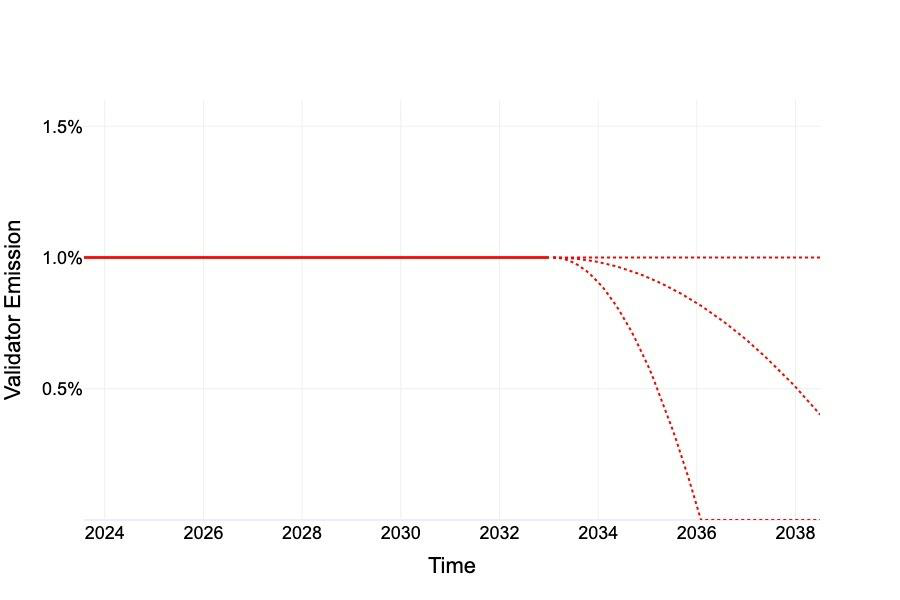
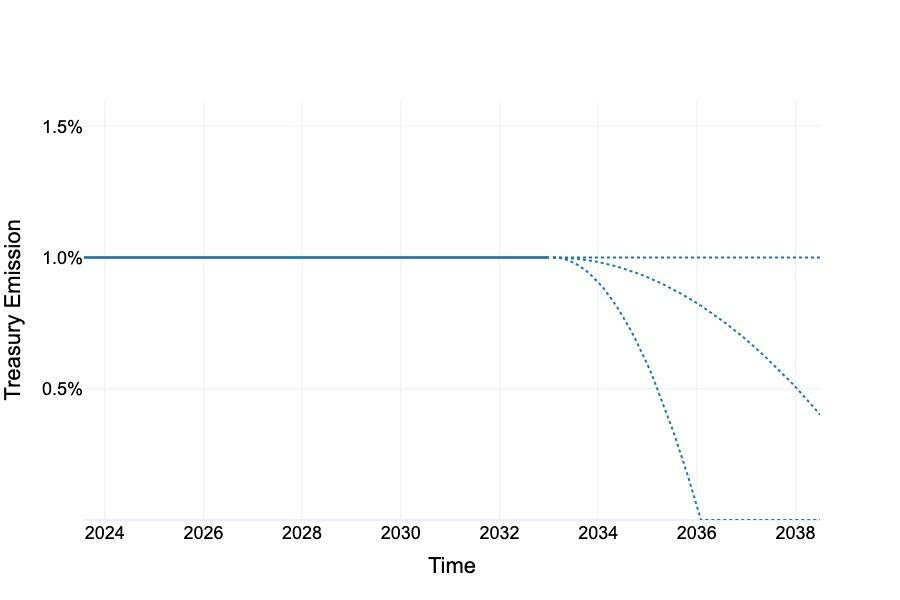
merkezi kripto borsalarının ve DeFi protokollerinin adresleri dikkate alındığında gerçek sahipler birden fazla kullanıcıyı temsil eder. Bu, POL'un ilk günden itibaren geniş çapta dağıtılacağı anlamına gelir. ekosistemin genel ademi merkeziyetçiliği ve dayanıklılığı için etkilidir. 5.2 Emisyon POL, iki amaç için önceden tanımlanmış, deterministik bir hızda yayılır: 1. Doğrulayıcı ödülleri. validator katılımı ve elde tutmayı teşvik etmek için POL şu şekilde olmalıdır: önceden belirlenmiş bir hızda sürekli olarak yayılır ve temel olarak validators'ye dağıtılır, protokol ödülü. Bunun için yıllık emisyon oranının POL arzının %1'i olmasını öneriyoruz. amaç. Emisyon oranının ilk 10 yıl boyunca değiştirilmesi mümkün olmayacak ve bu süreden sonra topluluk keyfi bir şekilde azaltmaya karar verebilir. yönetişim çerçevesi. Emisyon oranı hiçbir zaman %1'in üzerine çıkarılamaz. 2. Ekosistem desteği. Daha da geliştirilmesi ve büyümesi için sürekli destek sağlamak the Polygon ekosistem, biz önermek için tanıtmak the Topluluk Hazine, bir topluluk tarafından yönetilen ekosistem fonu, § 7'de açıklanmıştır. Yıllık bir emisyon öneriyoruz Bu amaç için POL arzının %1'i oranında. Tıpkı validator emisyonu gibi Ödüller sayesinde bu emisyon oranı bir yönetim aracılığıyla 10 yıl sonra azaltılabilir. hiçbir zaman %1'in üzerine çıkarılamaz. Şekil 2. Olası POL emisyon oranı senaryoları Önerilen emisyonun ve emisyon oranlarının mantığı, Polygon ekosisteminin ve Web3'ün genel olarak olgunlaşması ve genel kabule ulaşması için zamana ihtiyacı olacak. dayalı olaraktarihsel İnternet ve bilgi işlem platformlarının benimsenme döngüleri, olgunluk aşaması olabilir gerçekçi olarak yaklaşık 10-15 yıl içinde gerçekleşmesi bekleniyor. Bu dönemde ekosistem ekonomik desteğe ihtiyacı var. Polygon ekosistemi ve Web3 olgunluğa ulaştığında işlem ücretleri ve diğer teşvikler Polygon zincirlerinin (§ 6.3'te açıklanmıştır) doğrulanmasıyla güvence altına alınması tek başına yeterli miktarda veri oluşturmalıdır Polygon validators için döndürür. Bu gerçekleştiğinde topluluk müdahale etmeye karar verebilir ve güvenliği etkilemeden validator ödülleri için emisyonu azaltın veya tamamen durdurun ve ekosistemin merkezi olmayan hale getirilmesi. Benzer şekilde, topluluk daha sonra azaltmaya veya azaltmaya karar verebilir. Ekosistemin gerçekleşmeyeceği göz önüne alındığında, Topluluk Hazinesi için emisyonu da durdurun artık ciddi bir ekonomik desteğe ihtiyaçları var. Açıkçası Web3'ün benimsenme döngüsü biraz veya tamamen farklı görünebilir. Dönmesi durumunda ana akım benimsemeye ulaşmanın daha fazla zaman aldığını ve ekosistemin hâlâ desteğe ihtiyacı olduğunu ortaya koydu 10 yıl sonra toplum müdahale etmemeyi seçebilir ve emisyon artmaya devam edecektir. gerektiği sürece gerçekleşir. Önerilen emisyon politikasının aşağıdakiler arasındaki dengeyi sağlaması nedeniyle optimal olduğunu düşünüyoruz: ● Yeterli ekosistem destek. Yeterli, geleceğe hazır destek için the Polygon ekosistem, Polygon güvenliği ve başarısı açısından kritik öneme sahiptir. doğrulamak için Önerilen emisyon oranlarının gerçekten yeterli olduğuna dair bir hipotez geliştirdik. ekonomik model, simülasyonlar yürüttü ve sonuçları § 9'da sundu. ● Güvenlik aracılığıyla kıtlık. Yerli token'lerin kıtlığı şu açıdan önemli: blockchain ağlar; yüksek token seyreltme güvenliği önemli ölçüde etkileyebilir. Tahmin etmek POL kıtlığı, önerilen emisyon oranını BTC'nin emisyon oranıyla karşılaştırabiliriz, şu anda ≈%1,83 seviyesinde ve geçmişte önemli ölçüde daha yüksekti. Ayrıca, yine de giderek azalan BTC emisyonunun birden fazla süre boyunca gerçekleşmesi garanti ediliyor yüzyıldan sonra bile POL emisyonu potansiyel olarak azaltılabilir veya durdurulabilir. yıllar. (i) Bitcoin'nin son derece kıt bir varlık olarak kabul edildiği ve (ii) toplam POL göz önüne alındığında Emisyon oranı BTC ile karşılaştırılabilir (ve potansiyel olarak ondan daha katı) olduğundan şu sonuca varıyoruz: POL yeterince azdır, yani emisyonu protokol güvenliği endişelerine yol açmaz. 3 Kaynak: https://charts.woobull.com/bitcoin-inflation/
Son olarak, önerdiğimiz emisyon politikasının yüksek derecede öngörülebilirlik. Önceden belirlenmiş emisyon programı, POL arzını uzun vadede öngörülebilir hale getirir topluluk müdahale etmeye karar verse bile. Açıklandığı gibi, topluluk yalnızca Oranları azaltmak, böylece önceden belirlenmiş emisyon politikasını etkili bir şekilde tamamlamak ve potansiyel olarak POL kıtlığının artması. Tahmin edilebilirlik ve kıtlık protokol ve pazarı cezbeder Katılımcılara güven duygusu sağlar. Polygon ekosistemi büyümeye devam ettikçe bu POL'un çekici ve güvenilir bir dijital varlık olarak kurulmasına katkıda bulunmalıdır. daha sonra benimsenmeyi ve güvenilirliği daha da ateşleyebilir, böylece verimli bir döngü yaratabilir.
공급
여기에서는 POL의 초기 공급 및 배출 정책을 다루고 그 이론적 근거를 설명합니다. 둘 다 뒤에. 5.1 초기 공급 POL의 초기 공급량은 100억 tokens입니다. 초기 공급량 전체가 마이그레이션 전용입니다. 즉, token MATIC에서 POL로 전환합니다. 이 마이그레이션에는 다음이 필요합니다. POL이 MATIC을 Polygon 생태계의 기본 token으로 계승하기 위해 배치되었습니다. § 8에서 논의됩니다. POL의 초기 공급량은 MATIC의 공급량과 일치하므로 마이그레이션이 상당히 활발해질 것입니다. 간단합니다. 마이그레이션이 완료되면 POL의 배포는 기본적으로 현재와 일치하게 됩니다. MATIC의 배포. MATIC은 이미 token의 광범위한 프로세스를 거쳤습니다. 배포로 인해 600,000개 이상의 보유자 주소가 생성되었으며2 그 이상일 가능성이 높습니다. 2 출처: https://etherscan.io/token/0x7d1afa7b718fb893db30a3abc0cfc608aacfebb0#balances
중앙화된 암호화폐 거래소와 DeFi 프로토콜의 주소를 고려하면 실제 보유자 여러 사용자를 나타냅니다. 이는 POL이 첫날부터 널리 배포될 것임을 의미합니다. 생태계의 전반적인 분산화와 탄력성에 중요한 역할을 합니다. 5.2 방출 POL은 다음 두 가지 목적을 위해 사전 정의된 결정론적 속도로 방출됩니다. 1. 검증인 보상. validator 온보딩 및 유지를 장려하려면 POL은 다음과 같아야 합니다. 미리 정해진 비율로 지속적으로 방출되어 validators를 베이스로 배포되며, 프로토콜 보상. 우리는 이를 위해 POL 공급량의 연간 1% 배출율을 제안합니다. 목적. 최초 10년 동안은 배출율을 변경할 수 없으며, 그 기간이 지나면 커뮤니티는 다음을 통해 임의의 방법으로 이를 줄이기로 결정할 수 있습니다. 거버넌스 프레임워크. 방출률은 1% 이상으로 증가할 수 없습니다. 2. 생태계 지원. 앞으로도 지속적인 발전과 성장을 지원하기 위해 는 Polygon 생태계, 우리 제안하다 에 소개하다 는 커뮤니티 재무부, 에 § 7에 설명된 커뮤니티 관리 생태계 기금. 우리는 연간 배출을 제안합니다. 이 목적을 위해 POL 공급의 1% 비율. validator의 방출과 같습니다. 보상, 이 배출율은 거버넌스를 통해 10년 후에 감소할 수 있습니다. 1% 이상으로 늘릴 수 없습니다. 그림 2. 가능한 POL 방출률 시나리오 제안된 배출 및 배출 비율에 대한 이론적 근거는 Polygon 생태계가 일반적으로 Web3는 성숙하고 주류 채택에 도달하는 데 시간이 필요합니다. 바탕으로과거의 인터넷 및 컴퓨팅 플랫폼 채택 주기에 따라 성숙 단계는 다음과 같을 수 있습니다. 현실적으로 10~15년 정도 후에 일어날 것으로 예상된다. 그 기간 동안 생태계는 경제적 지원이 필요합니다. Polygon 생태계와 Web3가 성숙해지면 거래 수수료 및 기타 인센티브가 제공됩니다. Polygon 체인(§ 6.3에 설명됨)을 검증하여 보안을 유지하는 것만으로도 충분한 생성이 가능합니다. Polygon validator에 대한 반환입니다. 그런 일이 발생하면 커뮤니티는 개입하기로 결정할 수 있습니다. 보안에 영향을 주지 않고 validator 보상에 대한 방출을 줄이거나 완전히 중단합니다. 그리고 생태계의 탈중앙화. 마찬가지로, 커뮤니티는 감소 또는 감소하기로 결정할 수 있습니다. 생태계가 그렇지 않을 것이라는 점을 고려하여 커뮤니티 재무부에 대한 배출도 중단합니다. 더 이상 상당한 경제적 지원이 필요합니다. 분명히 Web3의 채택 주기는 약간 또는 완전히 다르게 보일 수 있습니다. 변하는 경우 주류 채택에 도달하는 데는 더 많은 시간이 걸리고 생태계에는 여전히 지원이 필요하다는 사실을 알게 되었습니다. 10년 후에는 지역사회가 개입하지 않기로 선택할 수 있으며 배출량은 계속해서 필요한 만큼만 발생합니다. 우리는 제안된 배출 정책이 다음 사이의 균형을 달성하므로 최적이라고 생각합니다. ● 충분하다 생태계 지원. 충분하다, 미래에도 사용할 수 있는 지원하다 에 는 Polygon 생태계는 Polygon의 보안과 성공에 매우 중요합니다. 유효성을 검사하려면 제안된 배출율이 실제로 충분하다는 가설을 바탕으로 우리는 다음을 개발했습니다. 경제 모델을 실행하고 시뮬레이션을 실행한 후 § 9에 결과를 제시했습니다. ● 보안 통해 희소성. 네이티브 tokens의 부족은 도구적으로 중요합니다. blockchain 네트워크; 높은 token 희석은 보안에 큰 영향을 미칠 수 있습니다. 추정하다 POL 희소성, 제안된 배출율을 BTC의 배출율과 비교할 수 있습니다. 이는 현재 약 1.8%3이며 과거에는 상당히 높았습니다. 또한 비록 점차적으로 감소하면서 BTC 방출은 다른 것보다 더 많이 발생하도록 보장됩니다. POL 방출은 10세기 이후에도 잠재적으로 감소하거나 중단될 수 있습니다. 년. (i) Bitcoin은 매우 희소한 자산으로 간주되고 (ii) 총 POL 배출율은 BTC와 비슷하며 잠재적으로 더 엄격하므로 다음과 같이 결론을 내립니다. POL은 충분히 희소합니다. 즉, POL 방출로 인해 프로토콜 보안 문제가 발생하지 않습니다. 3 출처: https://charts.woobull.com/bitcoin-inflation/
마지막으로, 우리가 제안하는 배출 정책은 높은 수준의 배출 정책을 가지고 있다는 점에 유의하는 것이 중요합니다. 예측 가능성. 미리 결정된 배출 일정으로 인해 장기적으로 POL 공급을 예측할 수 있습니다. 커뮤니티가 개입하기로 결정하더라도 마찬가지입니다. 설명했듯이 커뮤니티는 다음과 같은 작업을 수행할 수 있습니다. 비율을 낮추어 미리 결정된 배출 정책을 효과적으로 보완하고 잠재적으로 POL의 희소성이 증가합니다. 예측 가능성과 희소성은 프로토콜과 시장을 끌어들입니다. 참여자에게 신뢰감을 제공합니다. Polygon 생태계가 계속해서 성장함에 따라, POL을 매력적이고 신뢰할 수 있는 디지털 자산으로 확립하는 데 기여해야 합니다. 이후 채택과 신뢰성을 더욱 촉발하여 선순환을 창출할 수 있습니다.
Staking Katmanı
İnternetin Değer Katmanı vizyonunu gerçekleştirmek eninde sonunda Polygon ağını gerektirecektir milyarlarca kullanıcıyı ve milyonlarca Web3 uygulamasını barındırmak. Bu geniş düzeyde aktiviteyi mümkün kılmak için, yüzlerce veya binlerce Polygon zincir paralel olarak çalışacak ve onlarca veya binlerce zincirle güvence altına alınacaktır. yüzbinlerce validators. Tüm Polygon zincirleri ve validator'leri koordine etmek için, yeniden tasarlanan Polygon protokol mimarisi Staking Katmanını sunar. Staking Katmanı, türünün tek örneği, programlanabilir, çok zincirli bir koordinatör protokolüdür. Tarafından tüm Polygon validator'leri ve zincirleri düzenleyerek şunları sağlar: ● Ekosistemin sınırsız ölçeklenebilirliği; ● Herhangi bir Web3 projesine özel Web3 altyapısına basit, otomatik erişim. Web3 endüstrisi, tek bir yazılımla ilk başarılı blockchain olan Bitcoin tarafından başlatıldı. uygulama – dijital para birimi. Yeni uygulamalar ve kullanım senaryoları önerildikçe, normalde yavaş ve karmaşık olan kendi blockchain'lerini başlatıyorlardı. Bu şuydu Web3'ün ikinci büyük atılımı olan Ethereum, programlanabilir blockchain ile ele alınmıştır. herhangi bir uygulamayı veya kullanım durumunu destekleyebilir. Büyük bir paradigma değişikliği olmasına rağmen, asıl Ethereum sınırlaması, ana akım benimsemeyi destekleyecek şekilde ölçeklenememesidir. Azaltmak için Bu sınırlamanın ardından Ethereum topluluğu Layer 2 zincirlere – blockchain mimarilere yöneldi. güvenlikten ödün vermeden daha yüksek ölçeklenebilirlik sunar. Staking Katmanının kullanıma sunulmasıyla birlikte, Polygon, her biri neredeyse sınırsız sayıda Layer 2 zincirini destekleme kapasitesine sahip olur hem uygulama hem de konfigürasyon düzeyinde tamamen programlanabilir. Bunun olabileceğine inanıyoruz büyüklüğü göz önüne alındığında, Web3'ün başlangıcından bu yana üçüncü en önemli atılım yenilik ve benimsemeyi mümkün kılar.
Staking Katmanını ayrıntılı olarak tanımlamak ve belirtmek bu yazının kapsamı dışındadır. Bunun yerine, ve POL destekli bu katmanı ve potansiyelini daha iyi anlamak için şunları sağlıyoruz: aşağıdaki yönlerine genel bir bakış: ● Tasarım ve uygulama; ● Polygon zincir yönetimi; ● Doğrulayıcı yönetimi. 6.1 Tasarım ve uygulama Yukarıda bahsedildiği gibi Staking Katmanı programlanabilir bir çoklu zincir koordinatörüdür. Yönetir iki ana mantıksal bileşen: 1. Doğrulayıcı kayıt defteri: korur the güncel kayıt defteri arasında validators, ile onların abone oldukları karşılık gelen POL hisseleri ve zincirleri; 2. Zincir kayıt defteri: Polygon zincirlerinin güncel kaydını tutar. karşılık gelen konfigürasyonlar. Staking Katmanının gerektirdiği ana özellik tam programlanabilirliktir; desteklemesine izin verir ve koordinat: ● Polygon zincirlerin keyfi konfigürasyonları; ● validator ile ilgili tüm işlemler; ● Keyfi destekleyici işlemler ve uygulamalar, ör. staking türevler. Programlanabilirliğe ulaşmanın en iyi yolu EVM (Ethereum Sanal Makine) kullanmaktır, bir takım faydalar sağladığı için: ● Turing-tamlık; ● EVM'nin olgunluğu, daha yüksek seviyeli diller (örn. Solidity) ve araçlar; ● Geliştirici tabanı vb. Pratik olarak bu, Staking Katmanının bir EVM smart kümesi olarak uygulanacağı anlamına gelir. sözleşmeler. Bu smart contract'ler herhangi bir EVM blockchain üzerinde, muhtemelen Ethereum üzerinde dağıtılabilir. veya Polygon zkEVM rollup, çünkü her ikisi de yüksek düzeyde güvenlik sunuyor. 6.2 Polygon zincir yönetimi Staking Katmanı, her biri pratik olarak sınırsız sayıda Polygon zincirini destekleyebilir. isteğe bağlı özellikler ve konfigürasyon ve onlara gerekli düzeyde merkezi olmayan yönetim sağlar.Staking Katmanının Polygon zincirlere sağladığı ana hizmet, bunların yönetimidir. validator gereksinimleri ve bu gereksinimlere göre oluşturulan validator kümeleri. Doğrulayıcı gereksinimleri, her Polygon zincirinin dağıttığı smart contract yapılandırmasında belirtilir başlatabilmek için. Bu smart contract isteğe bağlı validator gereksinimleri tanımlayabilir: ancak bunlarla sınırlı değildir: ● Maksimum validator sayısı: Zincirin maksimum validators sayısını belirtir validator kümesinde kabul eder. ● Minimum validator numarası: Başlatma işlemini başlatmak için gereken minimum validator sayısı zincir. ● Kesilebilir suçlar: Zincir üzerinde atfedilebilen doğrulama suçları, zincirin kesilmesine neden olur. hisse; ● Doğrulayıcı kriterleri: Staking Merkezindeki tüm validator'ler için tek ortak kriter stake'tir POL'de. Üçüncü bir kişi tarafından yetki verilmesi gibi keyfi ek kriterler belirlenebilir. taraf, diğer token'lerdeki ek pay (örneğin bireysel Polygon zincirlerinin yerel token'leri) vb. validator gereksinimlerini yapılandırma yeteneğine ek olarak, Polygon zincirleri isteğe bağlı olarak mimarilerinin diğer tüm parametrelerini ve özelliklerini yapılandırın. Bunlar, Staking Katmanı düzeyinde, ancak bunun yerine Polygon zincirlerinin istemci kodunda. Bazı önemli parametreler ve özellikleri şunlardır: ● Yerel token: Zincirler, çeşitli amaçlarla kullanılabilen kendi yerel token'lerini oluşturabilir. amaçlar, ör. işlem ücretleri, kullanıcı teşvikleri vb. ● Ücret yönetimi: Zincirler işlem ücretlerinin nasıl yönetileceğine karar verebilir. Normalde, işlem ücretlerinin tamamı validators'ye aktarılacak, ancak diğer dağıtımlar modeller mümkündür, ör. Ücretlerin bir kısmını yakıp geri kalan kısmını validators. ● Ek ödüller: Tüm Polygon validator'ler temel protokol ödüllerini alır (bkz. § 4.2) ve normalde doğruladıkları Polygon zincirlerden gelen işlem ücretleri. çekmek için daha fazla validators, Polygon zinciri bunların üstüne ek ödüller sunabilir. Bunlar ödüller muhtemelen genellikle bu zincirlerin yerel token'lerinde olacaktır. ● Blok süresi ve boyutu: Frekansı ve boyutu, yani gaz limitini yapılandırmak mümkündür. bloklar. ● Denetim noktası süresi: Doğrulayıcı kümeleri, Polygon zincirleri için hızlı, yerel kesinlik sağlar. Ayrıca buna göre tüm Polygon zincirleri periyodik olarak sıfır bilgi kanıtları oluşturur ve gönderirEthereum, böylece yüksek güvenlikten yararlanır. Bu kontrol noktalarının sıklığı yapılandırılmıştır (örn. her 5 dakikada bir). ● Veri kullanılabilirliği: Veri kullanılabilirliği modeli de belirtilebilir. Zincirler karar verebilir Ethereum (rollup modeli) veya kendi validator kümelerinden veya diğer harici verilerden yararlanın kullanılabilirlik hizmeti (validium modeli). Önerilen çerçeveyle, yeni bir Polygon zincirinin başlatılması pratikte yazmaya indirgeniyor ve yukarıda belirtilen yapılandırmanın dağıtılması smart contract. Sözleşme bölgeye dağıtıldığında Staking Katmanı, validators buna abone olmaya başlayabilir. Gerekli minimum sayıda olduğunda validators'ye ulaşıldığında zincir başlatılır. Zincirleri yapılandırmanın ve başlatmanın bu basit yolunun yeni bir çağ başlatabileceğine inanıyoruz. yenilik ve benimseme. Ethereum'in oyunun kurallarını değiştiren tasarım kararı, geliştiricilerin hangi uygulamaları ve kullanım senaryolarını oluşturmak isteyeceğini tahmin edin. Bunun yerine, bir teklif sundu Her türlü uygulamayı veya kullanım durumunu destekleyebilen, eksiksiz programlanabilir ortam. ile Staking Katmanı, Polygon yeni zincirleri başlatmak için aynı yaklaşımı benimsiyor; programlanabilir bir şekilde ve ölçeklendirme sınırlamaları olmaksızın neredeyse her türlü zincir tasarımı. 6.3 Doğrulayıcı yönetimi Staking Katmanı neredeyse sınırsız sayıda validator'yi destekleyebilir. Yönetir validators'yi tüm yaşam döngüleri boyunca korur ve farklı türdeki verileri güvence altına almalarına olanak tanır. Yararlı işler yapmak için teşvikler. validator yaşam döngüsünde dört olası aşama, yani durumlar vardır: 1. Etkinleştirme: Doğrulayıcılar, validator havuzunun bir parçası olarak POL'u havuza yatırarak başlatılır. Staking Katmanında staking sözleşme. validator'ler başlatıldıktan sonra şunlara uygun hale gelir: temel protokol ödüllerini alın (§ 4.2'de açıklanmıştır). 2. Abonelik: Başlatıldıktan sonra, validator'ların herhangi bir Polygon'yi doğrulamak için abone olmasına izin verilir. zincir. 3. Doğrulama: Bir validator abone olduğu Polygon zincirinin tüm kriterlerini karşılıyorsa, o zincirin validator kümesinin bir üyesi olur. Doğrulayıcılar birden fazla zinciri doğrulayabilir, ve POL payları bu zincirlerin her birinde kabul edilmektedir. validator çizgisi kesilirse zincirlerden birinde önceden tanımlanmış bir kesilebilir saldırı için POL bakiyesi güncellenir ve doğruladığı tüm zincirlere yansır. Doğrulama ve abonelik aşamaları
örtüşme; tek bir validator, bir Polygon zincirinde abonelik aşamasında olabilir ve diğerinde doğrulama aşaması. 4. Kullanımdan kaldırılma: Doğrulayıcılar validator havuzundan istedikleri zaman ayrılabilirler. Emeklilik gerçekleştikten sonra başlatıldığında, önceden tanımlanmış bir bekleme süresi başlar ve potansiyel beklemedeki kesme. Bekleme süresinin ardından validator'ler POL hisselerini mevduat sözleşmesi. Polygon zincirini doğrulamanın karşılığında validator'ler en az üç teşvik akışı oluşturabilir: 1. Protokol ödülleri: Yukarıda açıklandığı gibi, her aktif Polygon validator üs alıyor protokol ödülleri. validator ödülleri için toplam POL emisyonu (§ 5.2'de açıklanmıştır), aktif validator'lere POL paylarıyla orantılı olarak dağıtılır. 2. İşlem ücretleri: Doğrulayıcıların herhangi bir sayıda Polygon zincirini doğrulamasına izin verilir. içinde geri dönüş, bu zincirler normalde işlem ücretlerinin tamamını veya bir kısmını validators. 3. Ek ödüller: Yukarıda belirtildiği gibi, bazı Polygon zincirleri şunları yapmayı seçebilir: Daha fazla validator çekmek için ek ödüller verin. Bu ödüller herhangi bir şekilde olabilir token, POL, stablecoin'ler veya bunların yerel token'leri dahil ancak bunlarla sınırlı olmamak üzere Polygon zincirler. validator teşviklerini açıklarken, Polygon'deki doğrulama kavramının şu olduğunu belirtmekte fayda var: alışılagelmiş, dar tanımdan daha geniştir. Bu, değer önerisini daha da geliştirir. validator rolü – birden fazla zinciri doğrulamanın yanı sıra, validators birden fazla işlemi de gerçekleştirebilir Tek bir zincirdeki roller. En yaygın roller muhtemelen şunlar olacaktır: ● Dar anlamda doğrulama: Kullanıcı işlemlerinin kabul edilmesi, geçerliliğinin belirlenmesi ve bloklar oluşturmak; ● Kanıtlama: İşlem geçerliliğine ilişkin sıfır bilgi kanıtlarının üretilmesi; ● Veri kullanılabilirliği: İşlem verilerinin yayınlanacağına ve kamuya açık olacağına dair garantilerin sağlanması mevcut.
스테이킹 레이어
인터넷의 가치 계층 비전을 실현하려면 결국 Polygon 네트워크가 필요합니다. 수십억 명의 사용자와 수백만 개의 Web3 애플리케이션을 호스팅합니다. 이러한 광범위한 활동을 가능하게 하려면 수백 또는 수천 개의 Polygon 체인이 병렬로 실행되며 수십 또는 수십만 개의 validator. 모든 Polygon 체인과 validator을 조정하려면, 재설계된 Polygon 프로토콜 아키텍처에는 스테이킹 레이어가 도입되었습니다. 스테이킹 레이어는 프로그래밍 가능한 독특한 다중 체인 코디네이터 프로토콜입니다. 작성자: 모든 Polygon validator 및 체인을 조정하면 다음이 가능해집니다. ● 생태계의 무제한 확장성; ● 모든 Web3 프로젝트에 대한 전용 Web3 인프라에 대한 간단하고 자동화된 액세스. Web3 산업은 Bitcoin에 의해 시작되었으며, 단일 솔루션으로 최초로 성공한 blockchain입니다. 응용 프로그램 – 디지털 통화. 새로운 애플리케이션과 사용 사례가 제안되면서 그들은 그들은 일반적으로 느리고 복잡한 자체 blockchain을 시작했습니다. 이것은 Web3의 두 번째 주요 혁신인 Ethereum, 프로그래밍 가능한 blockchain에 의해 해결되었습니다. 모든 애플리케이션이나 사용 사례를 지원할 수 있습니다. 엄청난 패러다임 변화에도 불구하고, 주요 Ethereum의 한계는 주류 채택을 지원하도록 확장할 수 없다는 것입니다. 완화하려면 이 제한으로 인해 Ethereum 커뮤니티는 Layer 2 체인 – blockchain 아키텍처로 전환했습니다. 보안을 희생하지 않고도 더 높은 확장성을 제공합니다. 스테이킹 레이어의 도입으로, Polygon은 사실상 무제한의 Layer 2 체인을 지원할 수 있게 됩니다. 애플리케이션과 구성 수준 모두에서 완전히 프로그래밍 가능합니다. 우리는 이것이 가능하다고 믿습니다. 규모를 고려할 때 Web3 시작 이후 세 번째로 가장 중요한 혁신입니다. 혁신과 채택이 가능해졌습니다.
Stake Layer를 자세히 설명하고 지정하는 것은 이 문서의 범위를 벗어납니다. 대신, 이 POL 기반 레이어와 그 잠재력을 더 잘 이해하기 위해 다음을 제공합니다. 다음 측면에 대한 개요: ● 설계 및 구현 ● Polygon 체인 관리; ● 검증인 관리. 6.1 설계 및 구현 위에서 언급했듯이 스테이킹 레이어는 프로그래밍 가능한 다중 체인 코디네이터입니다. 그것은 관리한다 두 가지 주요 논리적 구성요소: 1. 검증인 레지스트리: 유지하다 는 최신 레지스트리 의 validators, 와 그들의 그들이 구독하고 있는 해당 POL 스테이크 및 체인; 2. 체인 레지스트리: Polygon 체인의 최신 레지스트리를 유지 관리합니다. 해당 구성. 스테이킹 레이어에 필요한 주요 기능은 완전한 프로그래밍 가능성입니다. 이를 지원하고 좌표: ● Polygon 체인의 임의 구성; ● 모든 validator 관련 작업 ● 임의 지원 작업 및 애플리케이션(예: staking 파생상품. 프로그래밍 가능성을 달성하는 최적의 방법은 EVM(Ethereum 가상 머신)을 활용하는 것입니다. 이는 다음과 같은 여러 가지 이점을 제공하기 때문입니다. ● 튜링 완전성; ● EVM, 고급 언어(예: Solidity) 및 도구의 성숙도 ● 개발자 기반 등 실질적으로 이는 스테이킹 레이어가 EVM 스마트 세트로 구현된다는 것을 의미합니다. 계약. 이러한 smart contract은 EVM blockchain(예: Ethereum)에 배포될 수 있습니다. 또는 Polygon zkEVM rollup, 둘 다 높은 수준의 보안을 제공한다는 점을 고려하세요. 6.2 Polygon 체인 관리 스테이킹 레이어는 실질적으로 무제한의 Polygon 체인을 지원할 수 있습니다. 임의의 기능과 구성을 제공하고 필요한 수준의 분산화를 제공합니다.스테이킹 레이어가 Polygon 체인에 제공하는 주요 서비스는 체인 관리입니다. validator 요구사항 및 validator 세트는 해당 요구사항에 따라 설정됩니다. 유효성 검사기 요구 사항은 모든 Polygon 체인이 배포하는 구성 smart contract에 지정됩니다. 시작하기 위해서. 이 smart contract는 다음을 포함하여 임의의 validator 요구 사항을 정의할 수 있습니다. 그러나 이에 국한되지는 않습니다: ● 최대 validator 숫자: 체인의 최대 validator 수를 지정합니다. validator 세트에 포함됩니다. ● 최소 validator 수: 시작하는 데 필요한 최소 validator 수입니다. 체인. ● 슬래싱 가능 범죄: 슬래싱을 유발하는 온체인 귀속 검증 범죄입니다. 스테이크; ● 검증인 기준: 스테이킹 허브의 모든 validator에 대한 유일한 공통 기준은 스테이크입니다. POL에서. 제3자의 승인 등 임의의 추가 기준을 지정할 수 있습니다. 파티, 다른 token에 대한 추가 지분(예: 개별 Polygon 체인의 기본 token) 등등 validator 요구 사항을 구성하는 기능 외에도 Polygon 체인은 임의로 아키텍처의 다른 모든 매개변수와 기능을 구성합니다. 이는 정의되어 있지 않습니다. 스테이킹 레이어 수준이지만 대신 Polygon 체인의 클라이언트 코드에 있습니다. 몇 가지 주목할만한 매개변수 기능은 다음과 같습니다. ● 네이티브 token: 체인은 다양한 용도로 사용할 수 있는 네이티브 token을 생성할 수 있습니다. 목적, 예를 들어 거래 수수료, 사용자 인센티브 등 ● 수수료 관리: 체인은 거래 수수료 관리 방법을 결정할 수 있습니다. 일반적으로, 거래 수수료는 전액 validators에 전달되지만 다른 분배는 모델이 가능합니다. 수수료의 일부를 소각하고 나머지 부분을 validators. ● 추가 보상: 모든 Polygon validator은 기본 프로토콜 보상을 받습니다(에 설명된 대로). § 4.2) 그리고 일반적으로 그들이 검증하는 Polygon 체인의 거래 수수료입니다. 유치하기 위해서는 더 많은 validators, Polygon 체인은 이들 외에도 추가 보상을 제공할 수 있습니다. 이것들 보상은 해당 체인의 기본 token에 있을 가능성이 높습니다. ● 블록 시간 및 크기: 빈도 및 크기, 즉 가스 제한을 구성할 수 있습니다. 블록. ● 체크포인트 시간: 유효성 검사기 세트는 Polygon 체인에 대한 빠른 로컬 최종성을 제공합니다. 게다가 이에 대해 모든 Polygon 체인은 주기적으로 영지식 증명을 생성하여 제출합니다.Ethereum, 따라서 높은 보안을 활용합니다. 이러한 체크포인트의 빈도는 다음과 같습니다. 구성됩니다(예: 5분마다). ● 데이터 가용성: 데이터 가용성 모델을 지정할 수도 있습니다. 체인은 다음을 결정할 수 있습니다. Ethereum(rollup 모델) 또는 자체 validator 세트 또는 기타 외부 데이터 활용 가용성 서비스(validium 모델). 제안된 프레임워크를 사용하여 새로운 Polygon 체인을 시작하는 것은 사실상 글쓰기로 귀결됩니다. 앞서 언급한 구성 smart contract을 배포합니다. 계약이 배포되면 스테이킹 레이어, validators는 구독을 시작할 수 있습니다. 필요한 최소 인원수에 도달했을 때 validators에 도달하면 체인이 시작됩니다. 우리는 체인을 구성하고 시작하는 이 간단한 방법이 새로운 시대를 열 수 있다고 믿습니다. 혁신과 채택. Ethereum의 판도를 바꾸는 디자인 결정은 개발자가 구축하려는 애플리케이션과 사용 사례를 예측합니다. 대신, 그것은 모든 애플리케이션이나 사용 사례를 지원할 수 있는 Turing-complete 프로그래밍 가능 환경입니다. 와 스테이킹 레이어인 Polygon은 새로운 체인을 출시하기 위해 동일한 접근 방식을 취하고 있습니다. 사실상 모든 체인 설계를 프로그래밍 가능한 방식으로 확장 제한 없이 사용할 수 있습니다. 6.3 검증인 관리 스테이킹 레이어는 사실상 무제한의 validator을 지원할 수 있습니다. 그것은 관리한다 validator은(는) 전체 수명 주기 동안 다양한 유형의 보안을 확보할 수 있습니다. 유용한 작업 수행에 대한 인센티브. validator 수명 주기에는 상태 등 4가지 가능한 단계가 있습니다. 1. 활성화: 검증인은 POL을 validator 풀의 일부로 시작합니다. staking 스테이킹 레이어 계약. 일단 시작되면 validator는 다음 자격을 갖게 됩니다. 기본 프로토콜 보상을 받습니다(§ 4.2에 설명되어 있음). 2. 구독: 일단 시작되면 validator은 Polygon을 검증하기 위해 구독할 수 있습니다. 체인. 3. 검증: validator이 구독한 Polygon 체인의 모든 기준을 충족하면 해당 체인의 validator 세트의 구성원이 됩니다. 검증인은 여러 체인을 검증할 수 있습니다. 그리고 그들의 POL 지분은 각 체인에서 인정됩니다. validator이 슬래시되는 경우 체인 중 하나에 사전 정의된 슬래시 가능한 공격의 경우 해당 POL 잔액이 업데이트됩니다. 검증된 모든 체인에 반영됩니다. 유효성 검사 및 구독 단계에서는 다음을 수행할 수 있습니다.
중복; 단일 validator은 하나의 Polygon 체인에서 구독 단계에 있을 수 있으며 다른 검증 단계. 4. 은퇴: 검증인은 언제든지 validator 풀을 떠날 수 있습니다. 일단 퇴직은 시작되면 미리 정의된 대기 기간이 시작되어 잠재적인 대기 기간이 허용됩니다. 슬래싱. 대기 기간이 지나면 validators는 POL 지분을 인출할 수 있습니다. 예금 계약. Polygon 체인을 검증하는 대가로 validator은 최소 세 가지 인센티브 스트림을 설정할 수 있습니다. 1. 프로토콜 보상: 위에 설명된 대로 모든 활성 Polygon validator은 기본을 받습니다. 프로토콜 보상. validator 보상(§ 5.2에 설명됨)에 대한 총 POL 방출은 다음과 같습니다. POL 지분에 비례하여 활성 validator에 배포됩니다. 2. 거래 수수료: 검증자는 원하는 수의 Polygon 체인을 검증할 수 있습니다. 에서 반환하는 경우, 이러한 체인은 일반적으로 거래 수수료 전체 또는 일부를 지급합니다. validators. 3. 추가 보상: 위에서 언급했듯이 일부 Polygon 체인은 다음을 선택할 수 있습니다. 더 많은 validator을 유치하기 위해 추가 보상을 도입하세요. 이러한 보상은 어느 곳에서나 가능합니다. token(POL, 스테이블 코인 또는 해당 Polygon의 기본 token을 포함하되 이에 국한되지 않음) 체인. validator 인센티브를 설명할 때 Polygon의 검증 개념이 다음과 같다는 점에 주목할 가치가 있습니다. 일반적인 좁은 정의보다 더 광범위합니다. 이를 통해 가치 제안이 더욱 향상됩니다. validator 역할 – 여러 체인을 검증하는 것 외에도 validator은 여러 체인을 수행할 수도 있습니다. 단일 체인의 역할. 가장 일반적인 역할은 다음과 같습니다. ● 좁은 의미의 유효성 검사: 사용자 트랜잭션을 수락하고 유효성을 결정합니다. 그리고 블록을 생성하는 단계; ● 증명: 거래 유효성에 대한 영지식 증명 생성 ● 데이터 가용성: 거래 데이터가 공개되고 공개되도록 보장합니다. 가능합니다.
Topluluk Hazinesi
Polygon ekosistemi ve tüm Web3 endüstrisi hâlâ erken benimsenme aşamasındadır ve yoğundur. geliştirme aşaması. Mevcut büyüme yörüngesinde kalabilmek için Polygon ekosistemi Gelecek yıllarda sürekli ekonomik desteğe ihtiyaç duyuyorlar.
Devam eden ekosistem desteği ihtiyacını karşılamak için Topluluk Hazinesi'ni öneriyoruz. protokol içi, topluluk tarafından yönetilen ekosistem fonu. En az üç önemli fayda sağlar Polygon ekosistemi: ● Gerektiği sürece sürekli, kendi kendine sürdürülebilir ekonomik destek; ● Polygon Vakfına bağımlılığın azaltılmasıyla artan merkeziyetsizlik; ● Bir sonraki şeffaflık ve topluluk katılımı seviyesine ulaşmak. § 5.2'de açıklandığı gibi, Topluluk Hazinesi önceden belirlenmiş bir POL emisyonu ile finanse edilmektedir. Bu amaca yönelik emisyon oranı yılda %1 veya mutlak olarak ≈100 milyon POL'dur. şartları 10 yıl süreyle değiştirilemez. Bu, güçlü ekosistem desteğini garanti eder Polygon'nın gelişimi, büyümesi ve konumlandırılması açısından kritik olan bu dönem. Polygon ekosistemi ve Web3 olgunluğa ulaştığında ekosistemin muhtemelen Artık önemli bir ekonomik destek var. Bu noktada toplumun müdahale etmesi ve Topluluk Hazinesi için emisyonun azaltılması veya durdurulması. İyimser bir senaryoda, 10 yıllık garantili fonlama süresi dolmadan vadeye ulaşılması halinde, Topluluk Hazinesi, ekosistemin gerçekçi olarak ihtiyaç duyduğundan daha fazla fona sahip olabilir. içinde bu durumda topluluk bu fazla POL'un nasıl kullanılacağına karar vermelidir. Örneğin bir karar yakılması yapılabilir. Belirtildiği gibi ve adından da anlaşılacağı gibi Topluluk Hazinesi, üzerinde anlaşmaya varılan bir yönetim süreci aracılığıyla topluluk. Yönetişim süreci ve daha geniş Polygon yönetim çerçevesi, Polygon 2.0'ın bir parçası olarak tasarlanıyor ve oluşturuluyor çaba gösterilmekte olup bunların ayrıntılı olarak açıklanması bu makalenin kapsamı dışındadır. Bunun yerine kısa bir bilgi veriyoruz. iki muhtemel konseptine genel bakış: 1. Polygon Finansman Teklifleri (PFP'ler): Finansman veya diğer faaliyetler için resmi teklifler veya Topluluk Hazinesi ile ilgili iyileştirmeler. PFP'ler herkes tarafından gönderilebilir, kamuya açıklanmalı ve tartışılmalıdır. Benzer kavramları şuralarda da görmek mümkündür: diğer öne çıkan yönetişim çerçeveleri4,5. 2. Konsensüs toplama: Belirli bir PFP hakkında karar verme süreci. Kararlar, her topluluk üyesinin karar verebileceği doğrudan bir şekilde verilebilmektedir. katılım veya topluluğu temsil eden delegeler aracılığıyla. § 4.3'te belirtildiği gibi, POL Yönetişim haklarına sahip olmak için teknik olarak etkinleştirilmeli, böylece potansiyel olarak kullanılabilir 5 https://docs.aave.com/governance/ 4 https://uniswap.org/governance
fikir birliği toplamanın veya delege seçim sürecinin bir parçası olarak. POL sahipleri İyi teklifleri onaylamak ve kötü teklifleri reddetmek için doğrudan ekonomik olarak teşvik edilen, bu da karar verme sürecinin ekosisteme fayda sağlama olasılığını artırır. Devam eden Topluluk Hazinesi girişlerini § 9'da simüle ettik.
지역사회 재무
Polygon 생태계와 전체 Web3 산업은 아직 초기 채택 단계에 있으며 비중이 높습니다. 개발 단계. 현재의 성장 궤적을 유지하기 위해 Polygon 생태계는 앞으로 몇 년간 지속적인 경제적 지원이 필요합니다.
지속적인 생태계 지원의 필요성을 해결하기 위해 우리는 커뮤니티 재무부(Community Treasury)를 제안합니다. 프로토콜 내, 커뮤니티가 관리하는 생태계 기금. 이는 적어도 세 가지 주요 이점을 제공합니다. Polygon 생태계: ● 필요한 기간 동안 지속적이고 자립 가능한 경제적 지원 ● Polygon 재단에 대한 의존도를 줄여 분산화를 높였습니다. ● 다음 단계의 투명성과 커뮤니티 포용성을 달성합니다. § 5.2에 설명된 대로, 커뮤니티 재무부는 미리 결정된 POL 방출로 자금을 조달합니다. 이 목적에 할당된 방출률은 연간 1%, 즉 절대값으로 약 1억 POL입니다. 조건이며 10년간 변경할 수 없습니다. 이는 강력한 생태계 지원을 보장합니다. 이 기간은 Polygon의 개발, 성장 및 포지셔닝에 매우 중요합니다. Polygon 생태계와 Web3가 성숙해지면 생태계에는 더 이상 필요하지 않을 것입니다. 더 이상 상당한 경제적 지원을 제공하지 않습니다. 그 시점에 지역사회가 개입해야 하며, 지역사회 재무부의 배출량을 줄이거나 중단합니다. 낙관적인 시나리오에서는 10년의 자금보증기간이 만료되기 전에 만기가 도래한 경우, 커뮤니티 재무부는 생태계가 현실적으로 필요로 하는 것보다 더 많은 자금을 보유하게 될 수도 있습니다. 에서 이 경우 커뮤니티는 이 초과 POL을 활용하는 방법을 결정해야 합니다. 예를 들어, 결정 태워버릴 수 있습니다. 언급한 바와 같이 이름에서 알 수 있듯이 공동체 재무부는 다음의 관리를 받아야 합니다. 합의된 거버넌스 프로세스를 통해 커뮤니티. 거버넌스 프로세스와 더 넓은 범위 Polygon 거버넌스 프레임워크는 Polygon 2.0의 일부로 설계 및 구축되고 있습니다. 노력하고 이에 대해 자세히 설명하는 것은 이 문서의 범위를 벗어납니다. 대신 간략한 내용을 알려드립니다. 두 가지 가능한 개념에 대한 개요: 1. Polygon 자금 제안(PFP): 자금 조달 또는 기타 활동에 대한 공식 제안 또는 커뮤니티 재무와 관련된 개선. PFP는 누구나 제출할 수 있습니다. 공개적으로 이용 가능하고 논의되어야 합니다. 유사한 개념을 다음에서도 볼 수 있습니다. 기타 주요 거버넌스 프레임워크4,5. 2. 합의 수집: 특정 PFP에 대한 결정을 내리는 프로세스입니다. 는 모든 커뮤니티 구성원이 직접 결정을 내릴 수 있습니다. 참여하거나 커뮤니티를 대표하는 대표자를 통해. § 4.3에서 언급한 바와 같이, POL 거버넌스 권한을 보유할 수 있도록 기술적으로 활성화되어야 하며 잠재적으로 활용될 수 있습니다. 5 https://docs.aave.com/governance/ 4 https://uniswap.org/governance
합의 수집 또는 대표자 선출 과정의 일부로. POL 보유자는 좋은 제안을 승인하고 나쁜 제안을 거부하도록 직접적인 경제적 인센티브를 제공합니다. 이는 의사 결정 프로세스가 생태계에 도움이 될 가능성을 높입니다. 우리는 § 9에서 지속적인 커뮤니티 재무 유입을 시뮬레이션했습니다.
Göç
POL'un MATIC'in halefi olarak önerildiği göz önüne alındığında, mevcut yerel token Polygon, eskisinden yenisine token geçişin gerçekleşmesi gerekiyor. § 5.1'de önerilen ilk POL arzı mevcut MATIC arzıyla eşleşiyor ve geçiş sürecini mümkün olduğunca basitleştirmeyi önerdi. Kendi kendini denetleyen MATIC için sahipleri için geçiş basit bir işlem gerektirecektir; MATIC'ten POL'ye geçiş yapmak için bu amaçla oluşturulması gereken smart contract değiştiriliyor. Takas sözleşmesi yapılmalı MATIC'i herhangi bir adresten kabul edin ve eşdeğer miktarda POL'u aynı adrese iade edin. token'lerini merkezi kripto borsalarında ve saklayıcılarda tutan MATIC sahipleri için, geçiş normalde otomatik olur, yani herhangi bir işlem gerektirmez. Her MATIC sahibi, token'leri POL ile değiştirebilmelidir; MATIC, çeşitli DeFi veya hak sahipliği sözleşmelerinde veya bilgisiz kişilerce birkaç yıl boyunca "kilitlendi" Gelecekte bir noktada POL'u öğrenen sahipler. Bu sebeple göç süresiz olarak olmasa da, uzun bir süre boyunca (örneğin 4 yıl) gerçekleşmesine izin verilmelidir. Göç gönüllü olmalıdır, yani zorla yapılamaz. Ancak POL'un kabul edilmesi halinde topluluğun çoğunluğunun yeni yerlisi token olarak, MATIC'i tutmak için çok az neden olacak veya hiç neden kalmayacak POL'un yerine. Bu durumda göçün fiilen gerçekleşmesini beklemek makul olacaktır. tamamen yürütülür, yani MATIC'in büyük çoğunluğu taşınacaktır.
이주
POL이 MATIC의 후속 제품으로 제안되고 있다는 점을 고려하면 현재 기본 token은 Polygon, 기존 token에서 새 token로의 마이그레이션이 필요합니다. § 5.1에서 제안된 POL의 초기 공급량은 MATIC의 현재 공급량과 일치하며 마이그레이션 프로세스를 최대한 단순화할 것을 제안했습니다. 자기 관리형 MATIC의 경우 보유자의 경우 마이그레이션에는 간단한 작업이 필요합니다. 즉, MATIC에서 POL로 전환하는 것입니다. 해당 목적으로 생성되어야 하는 smart contract을 교체합니다. 교환 계약은 다음과 같습니다. 모든 주소에서 MATIC를 수락하고 동일한 주소로 동일한 양의 POL을 반환합니다. 중앙화된 암호화폐 거래소 및 관리인과 함께 token을 보관하는 MATIC 보유자의 경우, 마이그레이션은 일반적으로 자동으로 수행됩니다. 즉, 어떤 조치도 필요하지 않습니다. 모든 MATIC 보유자는 자신의 token을 POL로 교환할 수 있어야 합니다. MATIC은 다양한 DeFi 또는 가득 계약에서 수년 동안 "잠겨" 있거나 정보가 없는 경우 미래의 어느 시점에 POL에 대해 알게 되는 보유자입니다. 이러한 이유로 마이그레이션 무기한은 아니더라도 장기간(예: 4년) 동안 발생하도록 허용되어야 합니다. 마이그레이션은 자발적이어야 합니다. 즉, 강제할 수 없습니다. 그러나 POL이 승인되면 커뮤니티의 대다수가 새로운 네이티브 token이므로 MATIC을 보유할 이유가 거의 또는 전혀 없습니다. POL 대신. 이런 상황에서는 마이그레이션이 실질적으로 이루어질 것으로 예상하는 것이 합리적입니다. 완전히 실행됩니다. 즉, 대다수의 MATIC이 마이그레이션됩니다.
Modeli
POL ve Staking Katmanının tasarımına dayanarak, önemli simüle etmek için bir model öneriyoruz. POL destekli ekosistemin performans göstergeleri, gerekli girdileri sağlar ve analiz eder simülasyonların sonuçları.
9.1 Hipotez Modelin amacı önerilen POL destekli hipotezi doğrulamaktır. ekosistem, § 3'ten türetilen aşağıdaki hedefleri eş zamanlı olarak karşılayabilir: ● Yeterli ekosistem güvenliği: Güvenliği POL staking oranıyla ölçüyoruz; validators tarafından hisselendirilen POL arzının yüzdesi. Minimum tatmin edici oran %30-40, kabaca Polygon PoS zincirindeki6 mevcut staking oranına eşdeğerdir. ● Yeterli validator teşvikler: validator teşviklerin yeterliliğini tahmin etmek için, göreli olarak toplam validator kazancın ölçüsü olan İş Getirisi'ni (ROW) tanıtın stake edilen POL'un değeri. Minimum tatmin edici getiri %4-5'tir; daha düşük getiriler değildir yapılan iş, riskler ve koşullar dikkate alındığında yeterince çekici olduğu düşünülüyor. fırsat maliyetleri. ● Yeterli ekosistem desteği: Ekosistem desteğini yıllık akışla ölçüyoruz Topluluk Hazinesine. Minimum tatmin edici giriş 50-100 milyon dolardır ve Polygon ekosisteminin mevcut ekonomik desteği temel alınarak belirlenir ihtiyaçlar. Bu göstergeleri (staking oranı, validator getirileri ve hazine girişi) § 9.3'te açıkça tanımlıyoruz. 9.2 Girişler Bu bölümde gerekli model girdilerinin ana hatlarını çizeceğiz ve bunların dikkate değer değerlerini tahmin edeceğiz. İlk olarak, Polygon içindeki soyut zincir sayısını öngörerek üç büyüme senaryosu tanımlıyoruz. İlk 10 yıllık dönemde ekosistem. Zincir sayısını soyut olarak adlandırıyoruz çünkü Polygon zincirlerin tam sayısını tam olarak ifade etmeyebilir (her ne kadar durum böyle olabilir), ancak daha çok kümülatif faaliyet düzeyi, yani ekosistemdeki işlemler. 6 Kaynak: https://staking.polygon.technology/
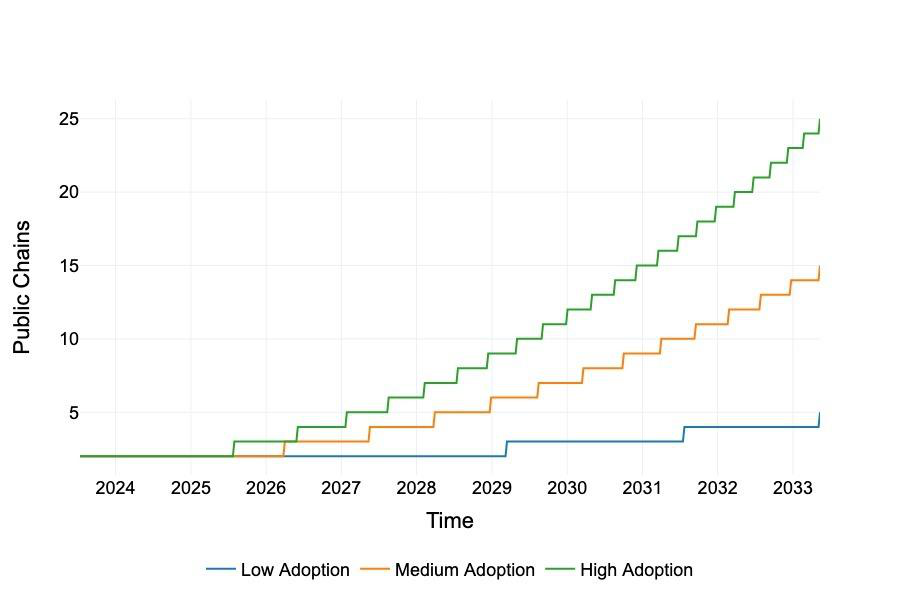
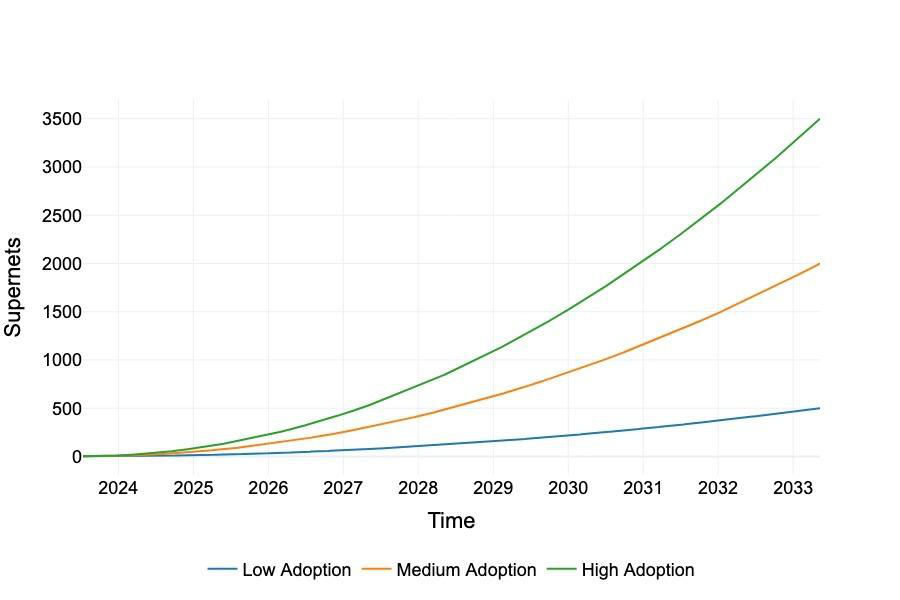
Şekil 3. 10 yıllık büyüme senaryoları Büyüme senaryolarının mantığı aşağıdaki verilere ve gözlemlere dayanmaktadır: ● Mevcut büyüme yörüngesi. Polygon ekosistemi, 2020'deki başlangıcından bu yana bin uygulamaya ve 3 milyon günlük işleme ulaştı7. Eğer bu eğilim bile uzaktan devam ederse, önerilen büyüme senaryoları gerçekçi görünüyor. ● Web2 uygulama pazarları: App Store yaklaşık 1,8 milyon uygulamayı barındırıyor8 ve Google Play yaklaşık 2,7 milyon9; her ikisi de yaklaşık 14 yıl önce tanıtıldı. Olabilir karşılaştırılabilir bir düzeyde Web3'ün benzer düzeyde benimsenmesini beklemek makuldür zaman dilimi. ● Süpernetlerin benimsenmesi: Bu makalenin yazıldığı sırada, Süpernetlerin tanıtımı, 100'den fazla Süpernet adayı proje var, birçoğu Bunlardan bazıları aktif olarak geliştirilmektedir. Buna dayanarak önerilen büyüme senaryoları Süpernetler gerçekçi görünüyor, özellikle de Süpernetlerin dağıtımının daha da yaygınlaştırılması gerektiği göz önüne alındığında Staking Katmanı (§ 6'da açıklanmıştır) uygulamaya konduğunda önemli ölçüde daha kolay hale gelir. Ek olarak, Supernet'lere olan ilgi eğiliminin göreceli olarak Supernet'lere göre daha güçlü olduğu dikkat çekmektedir. halka açık zincirler için bir tane. Bu nedenle önerilen teklif için de aynı şeyi varsayıyoruz. Büyüme senaryoları. Bunu daha da haklı çıkarmak için Web2'nin benimsenme geçmişiyle anlamlı bir paralellik çizilebilir. Web2'nin ilk günlerinde, paylaşımlı uygulama barındırma – Web2 eşdeğeri halka açık zincirlere geçiş günümüzde olduğundan çok daha yaygındı. Sektör olgunlaştıkça 9 Kaynak: https://www.appbrain.com/stats/number-of-android-apps 8 Kaynak: https://www.apple.com/newsroom/2022/04/report-finds-third-party-apps-see-global-success-on-the-app-st cevher/ 7 Kaynak: https://polygonscan.com/chart/txözel barındırma (Süpernetlere eşdeğer Web2) herkes için norm haline geldi anlamlı bir kullanıcı tabanına ve etkinlik düzeyine sahip uygulama. Yine Polygon zincir sayısı modelimizde soyut bir kavramdır; ile birlikte Zincir başına işlem sayısı, öncelikle bölgedeki ekonomik faaliyet düzeyini yansıtmalıdır. ekosistem. Benzer şekilde, yaygınlık, yani Süpernetlerin halka açık zincirlere oranı, soyut, muhafazakar bir varsayım. Halka açık zincirlerin daha popüler olduğu ortaya çıksaydı Süpernetlere göre, § 9.4'te sunulan simülasyonun sonuçları benzer görünecektir veya ilgili işlem ücreti seviyeleri nedeniyle daha iyidir. Yukarıda belirtilen büyüme senaryolarını tamamlamak için aşağıdaki girdileri tahmin ediyoruz: ● § 5.1'de açıklandığı gibi 10 milyar POL'luk ilk arz; ● § 5.2'de açıklandığı gibi, validator teşvikleri için yıllık %1 emisyon oranı; ● § 5.2'de açıklandığı gibi Topluluk Hazinesi için yıllık emisyon oranı %1'dir; ● 10 yıllık dönemde ortalama 5 ABD Doları POL fiyatı; ● Mevcut Polygon ile karşılaştırılabilir şekilde, halka açık zincir başına ortalama 38 işlem/saniye PoS zinciri kullanımı10; ● 19 işlemler/saniye üzerinde ortalama başına Süper ağ, bir tahmin dayalı üzerinde the Supernet projelerinin gereksinimleri; ● Halka açık zincirlerde ortalama 0,01 ABD doları işlem ücreti; mevcut ortalamaya dayalı bir tahmin Polygon PoS zincirindeki ücretler;11 ● Supernet'lerde ortalama 0,001 ABD doları işlem ücreti; ihtiyatlı bir tahmin bol miktarda veriliyor işlem ücretlerinde muhtemelen neden olacağı blok alanı ve "dibe doğru yarış"; ● Genel zincir başına ortalama 100 validators; geçerli validator ayarlanan boyutuna eşdeğerdir. Polygon PoS; ● Gereksinimlere ve gerçekçi ihtiyaçlara göre Supernet başına ortalama 15 validators Süpernet adayları; ● validator başına yıllık 6.000 ABD doları ortalama işletme maliyeti; mevcut Polygon PoS'a eşdeğerdir Moore Yasasının değiştirilmiş bir versiyonuna göre kademeli olarak azalan veriler (%50) 3 yılda düşüş). POL fiyatının gerekli model girdilerinden biri olmasına rağmen doğrudan ve diğer temel performansı değil, yalnızca Topluluk Hazinesi akışını önemli ölçüde etkiler göstergeler. Ayrıca işlem ücreti tahminleri, veri kullanılabilirliğinin maliyetini hesaba katmaz. 11 Kaynak: https://polygonscan.com/chart/gasprice
모델
POL과 Stake Layer의 설계를 바탕으로 중요한 시뮬레이션을 위한 모델을 제안합니다. POL 기반 생태계의 성과 지표를 통해 필요한 입력을 제공하고 시뮬레이션 결과.
9.1 가설 모델의 목적은 제안된 POL 기반 시스템이 다음과 같은 가설을 검증하는 것입니다. 생태계는 § 3에서 파생된 다음 목표를 동시에 달성할 수 있습니다. ● 충분한 생태계 보안: 우리는 POL staking 비율을 통해 보안을 측정합니다. validators가 스테이킹한 POL 공급 비율입니다. 최소 만족 비율은 다음과 같습니다. 30-40%, Polygon PoS 체인6의 현재 staking 비율과 대략 동일합니다. ● 충분한 validator 인센티브: validator 인센티브의 충분성을 추정하기 위해 우리는 ROW(Return on Work)를 도입하여 총 validator 수입을 측정합니다. 스테이킹된 POL의 가치. 최소 만족스러운 수익률은 4-5%입니다. 더 낮은 수익률은 그렇지 않습니다 수행되는 작업, 위험 및 기회 비용. ● 충분한 생태계 지원: 연간 유입을 통해 생태계 지원을 측정합니다. 지역사회 재무부에. 최소 만족스러운 유입액은 5천만~1억 달러이며, Polygon 생태계의 현재 경제적 지원 수준에 따라 결정됩니다. 필요합니다. 우리는 § 9.3에서 이러한 지표(staking 비율, validator 수익 및 재무 유입)를 명시적으로 정의합니다. 9.2 입력 이 장에서는 필요한 모델 입력의 개요를 설명하고 적절한 값을 추정합니다. 먼저, Polygon의 추상적 체인 수를 예측하여 세 가지 성장 시나리오를 정의합니다. 초기 10년 동안의 생태계. 우리는 체인의 수를 추상적이라고 부릅니다. Polygon 체인의 정확한 수를 반드시 표현하는 것은 아니기 때문입니다(비록 그럴 수도 있음), 활동의 누적 수준, 즉 생태계 내 거래에 더 가깝습니다. 6 출처: https://staking.polygon.technology/
그림 3. 10년 성장 시나리오 성장 시나리오의 이론적 근거는 다음 데이터와 관찰을 기반으로 합니다. ● 현재 성장 궤적. 2020년 시작된 이래로 Polygon 생태계는 수천 개의 애플리케이션과 300만 건의 일일 거래로 성장했습니다7. 이런 추세라면 원격으로 계속 진행되면 제안된 성장 시나리오가 현실적으로 보입니다. ● Web2 앱 마켓플레이스: App Store는 약 180만 개의 애플리케이션을 호스팅하고8 Google Play는 약 270만9개입니다. 둘 다 약 14년 전에 소개되었습니다. 그럴 수도 있지 비슷한 수준의 Web3 채택을 기대하는 것이 합리적입니다. 기간. ● 슈퍼넷 도입: 이 글을 쓰는 시점에서 슈퍼넷 도입 1년 후 슈퍼넷 도입으로 현재 100개 이상의 슈퍼넷 후보 프로젝트가 있으며, 그 중 활발한 개발이 진행 중입니다. 이를 바탕으로 제안된 성장 시나리오는 특히 슈퍼넷의 배포가 다음과 같이 되어야 한다는 점을 고려할 때 슈퍼넷은 현실적으로 보입니다. 스테이킹 레이어(§ 6에 설명)가 도입되면 훨씬 쉬워집니다. 추가적으로, 그것은 슈퍼넷에 대한 관심 경향이 슈퍼넷에 비해 상대적으로 더 강하다는 사실이 눈에 띕니다. 하나는 공개 체인용입니다. 이러한 이유로 우리는 제안된 제안에 대해서도 동일하다고 가정합니다. 성장 시나리오. 이를 더욱 정당화하기 위해 Web2 채택 기록과 의미 있는 유사점이 있습니다. 그려질 수 있습니다. Web2 초기에는 공유 애플리케이션 호스팅 – Web2와 동일 퍼블릭 체인에 대한 – 오늘날보다 훨씬 더 일반적이었습니다. 산업이 성숙해지면서 9 출처: https://www.appbrain.com/stats/number-of-android-apps 8 출처: https://www.apple.com/newsroom/2022/04/report-finds-third-party-apps-see-global-success-on-the-app-st 광석/ 7 출처: https://polygonscan.com/chart/tx전용 호스팅(Supernets에 해당하는 Web2)이 모든 웹사이트의 표준이 되었습니다. 의미 있는 사용자 기반과 활동 수준을 갖춘 애플리케이션입니다. 다시 말하지만, Polygon 체인의 수는 우리 모델의 추상적인 개념입니다. 와 함께 체인당 거래 수는 주로 경제 활동 수준을 반영해야 합니다. 생태계. 마찬가지로 보급률, 즉 퍼블릭 체인과 비교한 슈퍼넷의 비율은 다음과 같습니다. 추상적이고 보수적인 가정. 퍼블릭 체인이 더 인기가 있다는 것이 밝혀지면 슈퍼넷과 관련하여 § 9.4에 제시된 시뮬레이션 결과는 유사하거나 각각의 거래 수수료 수준으로 인해 더 좋습니다. 앞서 언급한 성장 시나리오를 보완하기 위해 다음과 같은 입력을 추정합니다. ● § 5.1에 설명된 대로 100억 POL의 초기 공급; ● § 5.2에 설명된 대로 validator 인센티브에 대한 연간 배출율 1%입니다. ● § 5.2에 설명된 대로 커뮤니티 재무부의 연간 배출율은 1%입니다. ● 10년 동안 평균 POL 가격은 $5입니다. ● 퍼블릭 체인당 평균 초당 38개 트랜잭션, 현재 Polygon과 비슷함 PoS 체인 사용10; ● 19 트랜잭션/초 에 평균 당 슈퍼넷, 안 견적 기반 에 는 Supernet 프로젝트의 요구 사항; ● 퍼블릭 체인의 평균 거래 수수료 $0.01, 현재 평균을 기준으로 한 추정치 Polygon PoS 체인에 대한 수수료,11 ● 슈퍼넷의 평균 거래 수수료 $0.001, 풍부한 금액을 고려하여 보수적으로 추산 블록스페이스와 거래 수수료가 발생할 가능성이 있는 "바닥을 향한 경쟁"; ● 퍼블릭 체인당 평균 100 validators, 현재 validator 세트 크기와 동일 Polygon PoS; ● 요구 사항과 현실적인 요구 사항을 기준으로 슈퍼넷당 평균 15 validators 슈퍼넷 후보; ● validator당 연간 평균 운영 비용 $6,000, 현재 Polygon PoS와 동일 데이터는 수정된 무어의 법칙(50%)에 따라 점차 감소합니다. 3년내 감소) POL 가격은 필수 모델 입력 중 하나이지만 직접 및 커뮤니티 재무 유입에만 큰 영향을 미치며 다른 주요 성과에는 영향을 미치지 않습니다. 지표. 또한 거래 수수료 추정치는 데이터 가용성 비용을 고려하지 않습니다. 11 출처: https://polygonscan.com/chart/gasprice
Kaynak: https://polygonscan.com/chart/tx
rollup modelini kullanan Polygon zincirler için Ethereum; bu maliyeti göz ardı ediyoruz çünkü geçiliyor Ethereum adresine. 9.3 Metodoloji Ekosistemin temel performans göstergelerini tahmin etmek için basit bir model tanımlıyoruz ve § 9.1'deki hipotezi doğrulayın. Temel göstergeler ve bunları belirlemeye yönelik metodoloji aşağıdaki gibidir: ● Bahis oranı ( ): POL arzının validators tarafından stake edilen kısmı. 𝑆𝑟 𝑆𝑟= 𝑆𝑠 / 𝑆𝑡 Nerede stake edilmiş arzdır, yani validators tarafından stake edilen toplam POL miktarı ve toplam 𝑆𝑠 𝑆𝑡 kaynağı, yani mevcut POL kaynağı. ● Doğrulayıcı emisyon teşvikleri ( ): POL'den gelen yıllık validator teşvikler 𝑉𝑖𝑖 emisyon. 𝑉𝑖𝑖= 𝑆𝑡 × 𝐼𝑣 × 𝑃 Nerede toplam arz, validator ödüller için yıllık emisyon oranıdır ve POL 𝑆𝑡 𝐼𝑣 𝑃 fiyat. ● Doğrulayıcı ücretleri teşvikleri ( ): Gaz ücretlerinden gelen yıllık validator teşvikler. 𝑉𝑖𝑓 𝑉𝑖𝑓= 𝐶𝑝 × 𝑇𝑝× 𝐹𝑝 + 𝐶𝑠 × 𝑇𝑠× 𝐹𝑠 Nerede halka açık zincirlerin sayısıdır, halka açık zincir başına işlem sayısıdır, 𝐶𝑝 𝑇𝑝 𝐹𝑝 halka açık zincir başına ortalama işlem ücretidir, Süpernetlerin sayısı, sayısı 𝐶𝑠 𝑇𝑠 Supernet başına işlemler ve Supernet başına ortalama işlem ücretidir. 𝐹𝑠 ● Doğrulayıcı çalıştırma maliyetleri ( ): Tüm Polygon validator'lerin kümülatif yıllık işletme maliyetleri. 𝑉𝑐 𝑉𝑐= (𝑁𝑝 × 𝐶𝑝+ 𝑁𝑠 × 𝐶𝑠) × 𝑌 Nerede halka açık zincir başına validators sayısıdır, halka açık zincirlerin sayısıdır, öyle 𝑁𝑝 𝐶𝑝 𝑁𝑠 Süpernet başına validators sayısı, Süpernetlerin sayısı ve yıllık olarak çalışıyorlar 𝐶𝑠 𝑌 tek bir validator için maliyetler. ● İşe Dönüş ( ): Değerin yüzdesi olarak ifade edilen toplam validator kazanç 𝑉𝑟 hisseli POL. 𝑉𝑟= (𝑉𝑖𝑖 + 𝑉𝑖𝑓 − 𝑉𝑐) / (𝑆𝑠 × 𝑃)
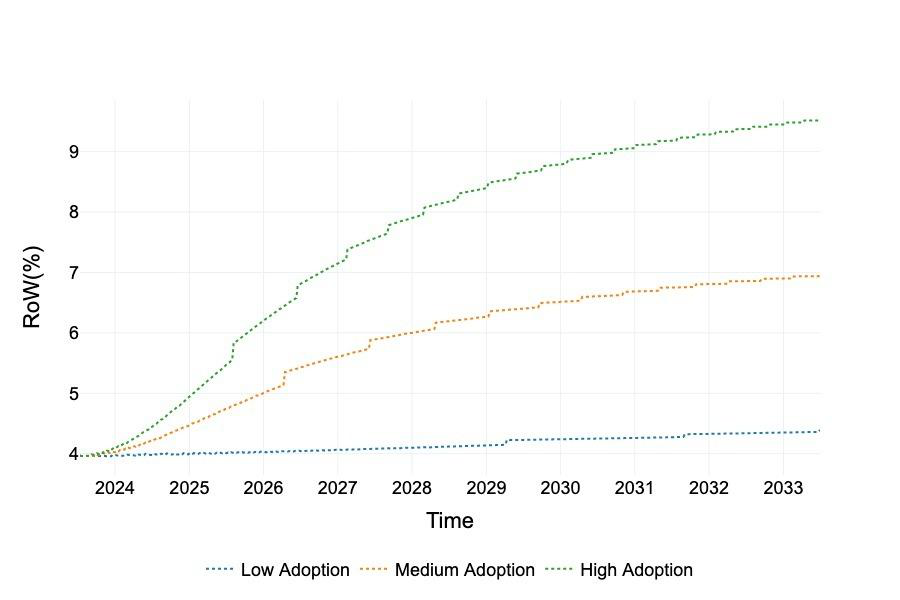
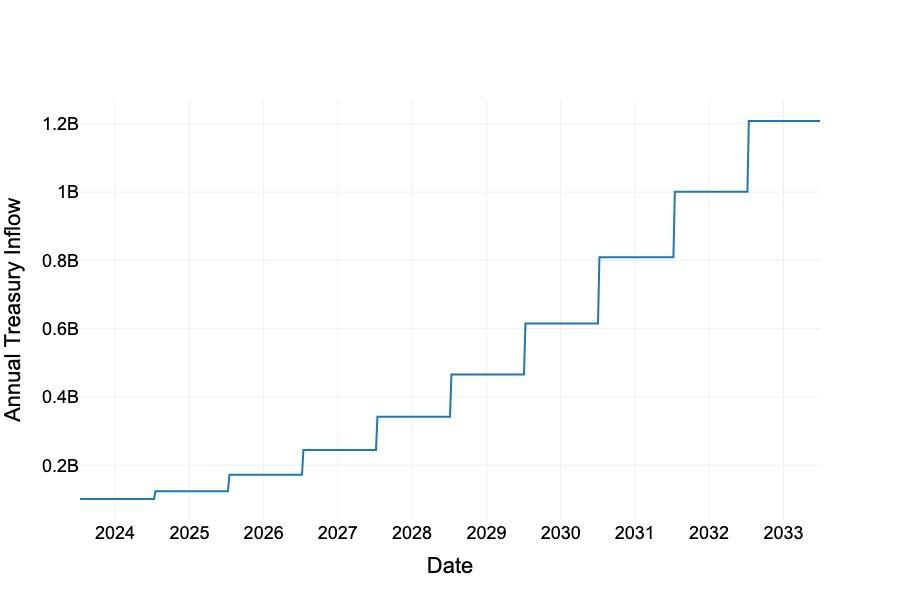
Nerede validator düzenleme teşvikleridir, validator ücret teşvikleridir, öyle 𝑉𝑖𝑖 𝑉𝑖𝑓 𝑉𝑐 validator işletme maliyetleri, hisseli tedariktir ve POL fiyatıdır. 𝑆𝑠 𝑃 ● Topluluk Hazinesi girişi ( ): Topluluk Hazinesine yıllık toplam giriş. 𝑋𝑖 𝑋𝑖= 𝑉𝑖𝑖= 𝑆𝑡 × 𝐼𝑡 × 𝑃 Nerede toplam arz, Topluluk Hazinesi için yıllık emisyon oranıdır ve öyle 𝑆𝑡 𝐼𝑡 𝑃 POL fiyatı. 9.4 Sonuçlar Model gerekli girdileri kabul eder ve bunları sunulan metodolojiyi kullanarak işler. Değişken girdi kümelerine ilişkin sonuçlar, ekosisteme ve ekosisteme ilişkin ilginç bilgiler sağlayabilir. aşağıdakiler dahil ancak bunlarla sınırlı olmamak üzere dinamikler: ● validator teşviklerinin çekiciliği ve sürdürülebilirliği; ● Topluluk Hazinesi girişlerinin miktarı ve dinamikleri; ● validator teşviklerin yapısı ve zaman içindeki değişimleri; ● Fiyatın gözlemlenen tüm göstergeler üzerindeki etkisi; ● Farklı benimseme düzeylerinin gözlemlenen tüm göstergelere etkisi vb. Burada modeli § 9.2'de sağlanan girdilerle çalıştırıyoruz ve üç göstergeyi gözlemliyoruz ilk hipotezimizi doğrulamak için gerekli: staking oranı ( ), validator teşvikler ( ) ve hazine 𝑆𝑟 𝑉𝑖 giriş ( ). 𝑋𝑖 Model sonuçlarına dayanarak, tanımlanan POL destekli modelin ekosistem § 9.1'de belirtilen üç hedefi de karşılayabilir: ● Yeterli ekosistem güvenliği: staking oranını düzelttik ( ) %30'da ve çalıştırıldı 𝑆𝑟 modeli. Kalan iki göstergenin – validator teşvikler ( ) ve hazine 𝑉𝑖 giriş ( ) – beklenen veya beklenenden yüksek değerleri gösteriyorsa, şu sonuca varırız: 𝑋𝑖 staking oranı tatmin edici veya tatmin edicinin üzerinde seviyelerde kalmalı. ● Yeterli validator teşvikler: Sonuçlar, hedeflenen İş Getirisinin ( ) 𝑉𝑟 %4-5'i beklemek gerçekçi. Ayrıca, orta büyüme için ≈%7'ye, orta büyüme için ise ≈%10'a ulaşır. Hızlı büyüme senaryosu. Gerçekte bu muhtemelen staking oranının artmasına neden olur (dolayısıyla Piyasa dengeyi belirleyene kadar ekosistemin güvenliğini daha da artırmak staking oranı ve getirileri arasında.● Yeterli ekosistem desteği: Sonuçlar, asgari düzeyde tatmin edici düzeyde ekosistem desteğinin olduğunu göstermektedir. Topluluk Hazinesi girişleri ( Yılda 50-100 milyon dolar beklemek gerçekçi. 𝑋𝑖 Üstelik 10 yılın sonuna doğru çok daha yüksek seviyelere ulaşıyor. Ancak hazine girişi doğrudan POL fiyatıyla bağlantılıdır ve dolayısıyla oldukça yüksek düzeydedir. spekülatif. Gerçekçi olmak gerekirse, hazine ekosistemden daha fazla fona sahip olursa topluluk, § 7'de belirtildiği gibi fazla POL'u yakmaya karar verebilir. Şekil 4. İş Getirisi ve Toplum Hazinesi girişi Modelin tamamı açık kaynaktır ve GitHub'dan erişilebilir ve model üretmek ve oluşturmak için kullanılabilir. Rastgele girdi kümeleri için sonuçları analiz edin. 10 Sonuç Polygon'nin arkasındaki vizyon İnternet'in Değer Katmanını oluşturmaktır. Bu vizyona ulaşmak için yeniden tasarlanan Polygon protokol mimarisi, yeni, sonsuz ölçeklenebilir ve sorunsuz bir şekilde sunar Layer 2 zincirlerden oluşan birbirine bağlı ağ. Bu yazıda, Polygon'nin önerilen yerel token'si olan ve güvenliği sağlamak için tasarlanan POL'u tanıttık. Polygon ekosistemini koordine edip hizalayın ve büyümesini hızlandırın. Önerilen tasarım ve POL'un tokenomikleri, tanımladığımız katı tasarım hedeflerine ulaşıyor. POL destekli ekosistemin temel performans göstergelerini simüle etmek için bir model oluşturduk, Gerekli model girdileri sağlandı ve simülasyon sonuçları analiz edildi. Sonuçlar yukarıda belirtilen tasarım hedeflerinden türetilen modelin hipotezini doğruladı.
Yukarıdaki her şeye dayanarak POL'un yeni, yeni nesil bir varlık olduğu sonucuna vardık. Polygon'nın iddialı vizyonuna ulaşması için sağlam bir temel sağlıyor.
출처: https://polygonscan.com/chart/tx
rollup 모델을 사용하는 Polygon 체인의 경우 Ethereum; 이 비용은 통과되었기 때문에 무시합니다. Ethereum에. 9.3 방법론 생태계의 핵심 성과 지표를 추정하기 위해 간단한 모델을 정의하고, § 9.1의 가설을 검증합니다. 주요 지표와 이를 결정하는 방법은 다음과 같습니다. ● 스테이킹 비율 ( ): validators가 보유한 POL 공급 부분입니다. 𝑆𝑟 𝑆𝑟= 𝑆𝑠 / 𝑆𝑡 어디에 스테이킹된 공급량, 즉 validators가 스테이킹한 POL의 총량입니다. 총계이다 𝑆𝑠 𝑆𝑡 공급, 즉 POL의 전류 공급. ● 검증인 배출 인센티브( ): POL에서 제공되는 연간 validator 인센티브 𝑉𝑖𝑖 방출. 𝑉𝑖𝑖= 𝑆𝑡 × 𝐼𝑣 × 𝑃 어디에 총공급이고, validator 보상에 대한 연간 배출율이며 POL입니다 𝑆𝑡 𝐼𝑣 𝑃 가격. ● 검증인 수수료 인센티브( ): 매년 validator 가스 요금으로 인한 인센티브. 𝑉𝑖𝑓 𝑉𝑖𝑓= 𝐶𝑝 × 𝑇𝑝× 𝐹𝑝 + 𝐶𝑠 × 𝑇𝑠× 𝐹𝑠 어디에 퍼블릭 체인의 수, 퍼블릭 체인당 트랜잭션 수입니다. 𝐶𝑝 𝑇𝑝 𝐹𝑝 퍼블릭 체인당 평균 거래 수수료는 슈퍼넷 수, 수는 𝐶𝑠 𝑇𝑠 슈퍼넷당 트랜잭션 및 슈퍼넷당 평균 거래 수수료입니다. 𝐹𝑠 ● 검증인 운영 비용( ): 모든 Polygon validator의 연간 누적 운영 비용입니다. 𝑉𝑐 𝑉𝑐= (𝑁𝑝 × 𝐶𝑝+ 𝑁𝑠 × 𝐶𝑠) × 𝑌 어디에 퍼블릭 체인당 validator의 수입니다. 퍼블릭 체인의 수, 이다 𝑁𝑝 𝐶𝑝 𝑁𝑠 슈퍼넷당 validator 수, 는 슈퍼넷의 수이고 매년 운영되고 있습니다 𝐶𝑠 𝑌 단일 validator 비용. ● 직장복귀( ): 가치의 백분율로 표현된 총 validator 수입 𝑉𝑟 스테이킹된 POL의 𝑉𝑟= (𝑉𝑖𝑖 + 𝑉𝑖𝑓 − 𝑉𝑐) / (𝑆𝑠 × 𝑃)
어디에 validator 발행 인센티브입니다. validator 수수료 인센티브입니다. 이다 𝑉𝑖𝑖 𝑉𝑖𝑓 𝑉𝑐 validator 운영 비용, 공급이 걸려 있고 POL 가격입니다. 𝑆𝑠 𝑃 ● 지역사회 재무 유입( ): 지역사회 재무부에 대한 연간 총 유입액입니다. 𝑋𝑖 𝑋𝑖= 𝑉𝑖𝑖= 𝑆𝑡 × 𝐼𝑡 × 𝑃 어디에 총공급이고, 커뮤니티 재무부의 연간 배출율입니다. 이다 𝑆𝑡 𝐼𝑡 𝑃 폴 가격. 9.4 결과 모델은 필요한 입력을 받아들이고 제시된 방법론을 사용하여 이를 처리합니다. 다양한 입력 세트에 대한 결과는 생태계와 그 생태계에 대한 흥미로운 통찰력을 제공할 수 있습니다. 다음을 포함하되 이에 국한되지 않는 역학: ● validator 인센티브의 매력과 지속 가능성 ● 커뮤니티 재무 유입량과 역학; ● validator 인센티브의 구조와 시간에 따른 변화 ● 관찰된 모든 지표에 대한 가격의 영향 ● 관찰된 모든 지표 등에 대한 다양한 채택 수준의 영향 여기에서는 § 9.2에 제공된 입력을 사용하여 모델을 실행하고 세 가지 지표를 관찰합니다. 초기 가설을 검증하는 데 필요함: staking 비율( ), validator 인센티브 ( ) 및 재무 𝑆𝑟 𝑉𝑖 유입 ( ). 𝑋𝑖 모델 결과를 바탕으로 설명된 POL 기반 생태계는 § 9.1에 설명된 세 가지 목표를 모두 충족할 수 있습니다. ● 충분한 생태계 보안: staking 비율( ) 30%로 실행하고 𝑆𝑟 모델. 나머지 두 지표인 validator 인센티브( ) 및 재무 𝑉𝑖 유입 ( ) – 예상된 값 또는 예상된 값보다 높은 값을 보이고 있는 경우, 우리는 다음과 같이 결론을 내립니다. 𝑋𝑖 staking 비율은 만족스럽거나 만족스러운 수준보다 높게 유지되어야 합니다. ● 충분한 validator 인센티브: 결과에 따르면 목표 수익률( ) 𝑉𝑟 4~5% 정도가 현실적으로 예상된다. 또한 중간 성장의 경우 약 7%, 중간 성장의 경우 약 10%에 도달합니다. 빠른 성장 시나리오. 실제로 이로 인해 staking 비율이 증가할 수 있습니다(따라서 생태계의 보안이 더욱 강화됨) 시장이 균형을 결정할 때까지 staking 비율과 수익률 사이.● 충분한 생태계 지원: 결과는 최소한의 만족스러운 수준을 보여줍니다. 지역사회 재무 유입( ) 연간 5천만~1억 달러가 현실적으로 예상됩니다. 𝑋𝑖 게다가 10년이 지나면서 상당히 높은 수준에 도달합니다. 그러나 국고유입은 POL의 가격과 직결되기 때문에 매우 높다. 추측적이다. 현실적으로 재무부가 생태계보다 더 많은 자금을 보유하게 된다면 필요에 따라 커뮤니티는 § 7에 언급된 대로 초과 POL을 소각하기로 결정할 수 있습니다. 그림 4. 근로수익률 및 지역사회 자금 유입 전체 모델은 오픈 소스이며 GitHub에서 액세스할 수 있으며 생성 및 생성하는 데 사용됩니다. 임의의 입력 세트에 대한 결과를 분석합니다. 10 결론 Polygon의 비전은 인터넷의 가치 계층을 구축하는 것입니다. 이 비전을 달성하기 위해, 재설계된 Polygon 프로토콜 아키텍처는 새롭고 무한히 확장 가능하며 원활하게 Layer 2 체인의 상호 연결된 네트워크. 본 논문에서는 Polygon의 네이티브 token인 제안된 POL을 소개했습니다. Polygon 생태계를 조정 및 조정하고 성장을 가속화하세요. 제안된 디자인 POL의 tokenomics는 우리가 정의한 엄격한 설계 목표를 달성합니다. 우리는 POL 기반 생태계의 핵심 성과 지표를 시뮬레이션하기 위한 모델을 만들었습니다. 필요한 모델 입력을 제공하고 시뮬레이션 결과를 분석했습니다. 결과 앞서 언급한 설계 목표로부터 도출된 모델의 가설을 확인했다.
위의 모든 내용을 바탕으로 우리는 POL이 새로운 차세대 자산이라는 결론을 내렸습니다. Polygon의 야심찬 비전 달성을 위한 견고한 기반을 제공합니다.